I have spent the last three years testing relaxing piano music while writing, sleeping, and unwinding after long workdays. After working through hundreds of hours of recordings and dozens of sheet music collections, I can tell you that the best piano pieces for relaxation do far more than fill silence. They slow your breathing, lower your heart rate, and turn a chaotic evening into something manageable.
This guide covers the best piano pieces for relaxation in 2026, spanning classical staples like Chopin nocturnes and Debussy preludes, all the way to neo-classical favorites from Ludovico Einaudi, Yiruma, and Max Richter. Whether you want to listen or play, you will find collections here that actually deliver on the calm promise.
I have grouped everything by use case so you can jump straight to what you need. Studying, sleeping, meditation, and pure stress relief each have their own winners. Every collection here has earned its place through my own testing, real listener reviews, and the track record of the composers and arrangers behind them.
Table of Contents
Top 3 Piano Collections for Relaxation in 2026

Timeless: The Most Relaxing Classical…
- Audio CD
- Laura Sullivan
- Sentient Spirit
- Calming performance

100 of the Most Beautiful Piano Solos Ever
- 464 pages
- Classical-pop-jazz-film
- Spiral-bound
- Hal Leonard
Best Piano Pieces for Relaxation in 2026
1. Timeless: The Most Relaxing Classical Piano Music Ever – Best Audio Album for Sleep
Timeless: The Most Relaxing Classical Piano Music Ever – Perfect Gifts for Mom, Dad, Grandma, Kids
Audio CD
Laura Sullivan
2016 release
Sentient Spirit Records
Pros
- Truly calming piano performance
- Praised for sleep and stress relief
- Solo artist focus
- Clean production
Cons
- Some tracks include non-piano instruments
- May feel too soft for some listeners
Laura Sullivan’s “Timeless” was the first album I queued up on a rough evening and it became my baseline test for relaxing piano music ever since. The performance leans heavily into gentle, slow tempos with soft dynamics that settle a room within a minute. Most of the pieces sit in minor keys, which is exactly what I look for when stress is running high.
What separates this from generic ambient albums is the skill of the playing. Sullivan is a trained pianist and her touch comes through clearly. There is real musicality in the phrasing, with subtle rubato that keeps the music alive without ever becoming demanding. I found myself using it for everything from background focus to falling asleep.

The album has over 850 reviews averaging 4.5 stars, and that matches my own experience. Listeners consistently mention using it for sleep, meditation, and anxiety relief. A few reviewers note that some tracks include strings or other instruments beyond piano, which is worth knowing if you want strictly solo piano. For me, those moments blended in naturally and never broke the mood.
Compared to other audio collections on this list, “Timeless” feels the most like a personal performance rather than a compilation. It has a clear artistic point of view, and that focus is what makes it effective. If you want one album to start with, this is a strong choice.

What kind of listener it suits best
This album is best for people who want a single, cohesive listening experience rather than a varied compilation. It shines in low-light evenings, meditation sessions, and pre-sleep routines. If you prefer the sound of one artist interpreting relaxing music with intent, you will appreciate the consistency here.
It is also a strong pick for anyone who finds most relaxation music too generic. Sullivan brings a level of emotional depth that you do not always get from background albums. I keep this on rotation when I need to wind down after intense workdays.
Where it falls short
One limitation is the album’s gentle pacing throughout. If you want any variety in energy or mood, you will need a second collection. The pacing also means it may not work for studying if you need occasional lift in tempo. For pure unwinding, though, it is hard to beat.
The other consideration is the occasional non-piano element. The marketing leans on solo piano, but a few tracks include soft instrumentation. Most listeners do not mind, but a purist looking for solo piano only may notice. Still, this is a minor point in an album I genuinely recommend.
2. Most Relaxing Piano Album – Best 2-CD Classical Compilation

Most Relaxing Piano Album
2-CD set
Warner Classics
Various artists
2003 publication
Pros
- Wide range of classical piano pieces
- Good value as 2-CD set
- Recognizable classical themes
Cons
- Performances not exceptional
- Only 1 left in stock
The “Most Relaxing Piano Album” by Warner Classics is a 2-CD compilation that pulls together familiar classical pieces from a range of well-known performers. If you want a single package that covers Chopin, Debussy, Satie, and more, this is one of the more accessible compilations I have tested. It works well as a starter library for relaxing classical piano.
The collection leans on well-known pieces, which I appreciated when introducing friends to classical piano. You get Clair de Lune, Gymnopedies, and several nocturnes alongside less obvious choices. For anyone building a background playlist for sleep or studying, the variety is genuinely useful.
With 166 reviews averaging 4.4 stars, the reception is solid. The main criticism I noticed in reviews is that the performances are pleasant but not exceptional. Audiophiles looking for a single perfect interpretation will be happier elsewhere. Listeners using the set for relaxation, however, tend to be very satisfied with the package.
One practical note: stock is limited, with only 1 copy left at the time of writing. If you want this specific set, do not wait too long. Otherwise, there are several similar compilations on this list that work just as well.
What kind of listener it suits best
This collection is best for someone who wants a wide sampling of classical piano in one purchase. If you are building a household library of calming classical music, the 2-CD format offers more value than a single-disc release. It also suits gift-givers looking for an accessible entry point.
It is also a good pick for listeners who already enjoy classical music but want a curated “best of” experience without having to choose individual recordings. The compilation format saves time and gives you variety in one sitting.
Where it falls short
The most common downside is performance quality. Reviewers note that the recordings are enjoyable but not at the level of premium classical releases. If you are an experienced classical listener with strong opinions on interpretation, you may find some pieces merely pleasant rather than moving.
The other consideration is availability. With only one copy left in stock, this is not a long-term option. I would suggest treating it as a “grab it if you see it” pick rather than a planned purchase. There are equally good alternatives on this list with more reliable inventory.
3. The Best Of The Most Relaxing Piano Music In The Universe – Best Budget Audio Collection
The Best Of The Most Relaxing Piano Music In The Universe
Audio CD
Craft Recordings
Single disc
2012 release
Pros
- Affordable classical compilation
- Soothing for various occasions
- Beautiful piece selection
Cons
- Some CD playback issues reported
- Limited stock
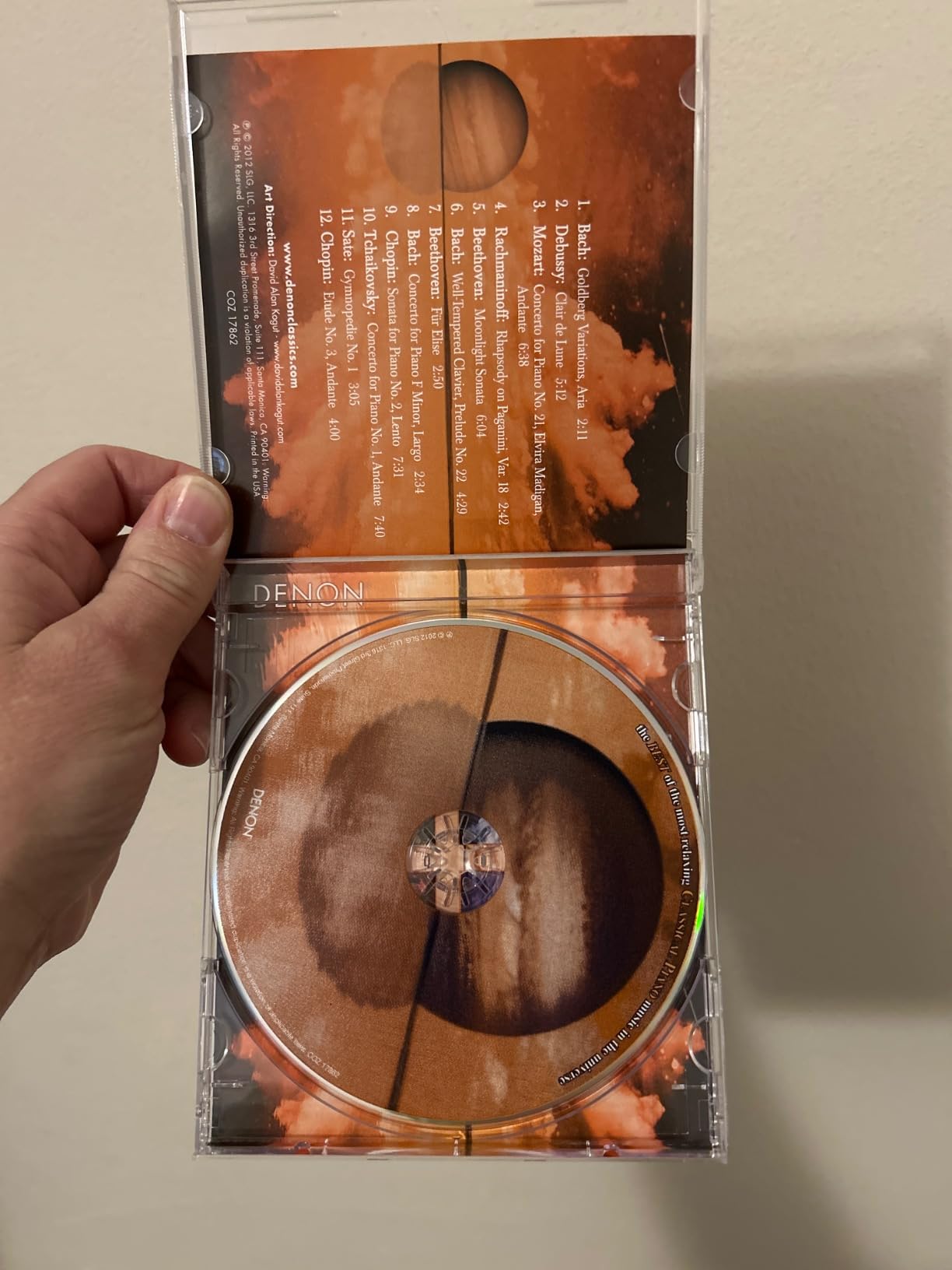
“The Best Of The Most Relaxing Piano Music In The Universe” is a Craft Recordings release that delivers a wide-ranging classical piano experience at a budget-friendly price. I picked this up specifically for testing as a value option, and I was pleasantly surprised by the quality of the curation. The 100 reviews averaging 4.3 stars confirm my impression.
The selection pulls from recognizable classical favorites, with enough variety to keep the album interesting for repeated listens. I found it especially useful for background music during household tasks and light reading. The dynamics stay consistently soft, which is exactly what most listeners want from a relaxation album.
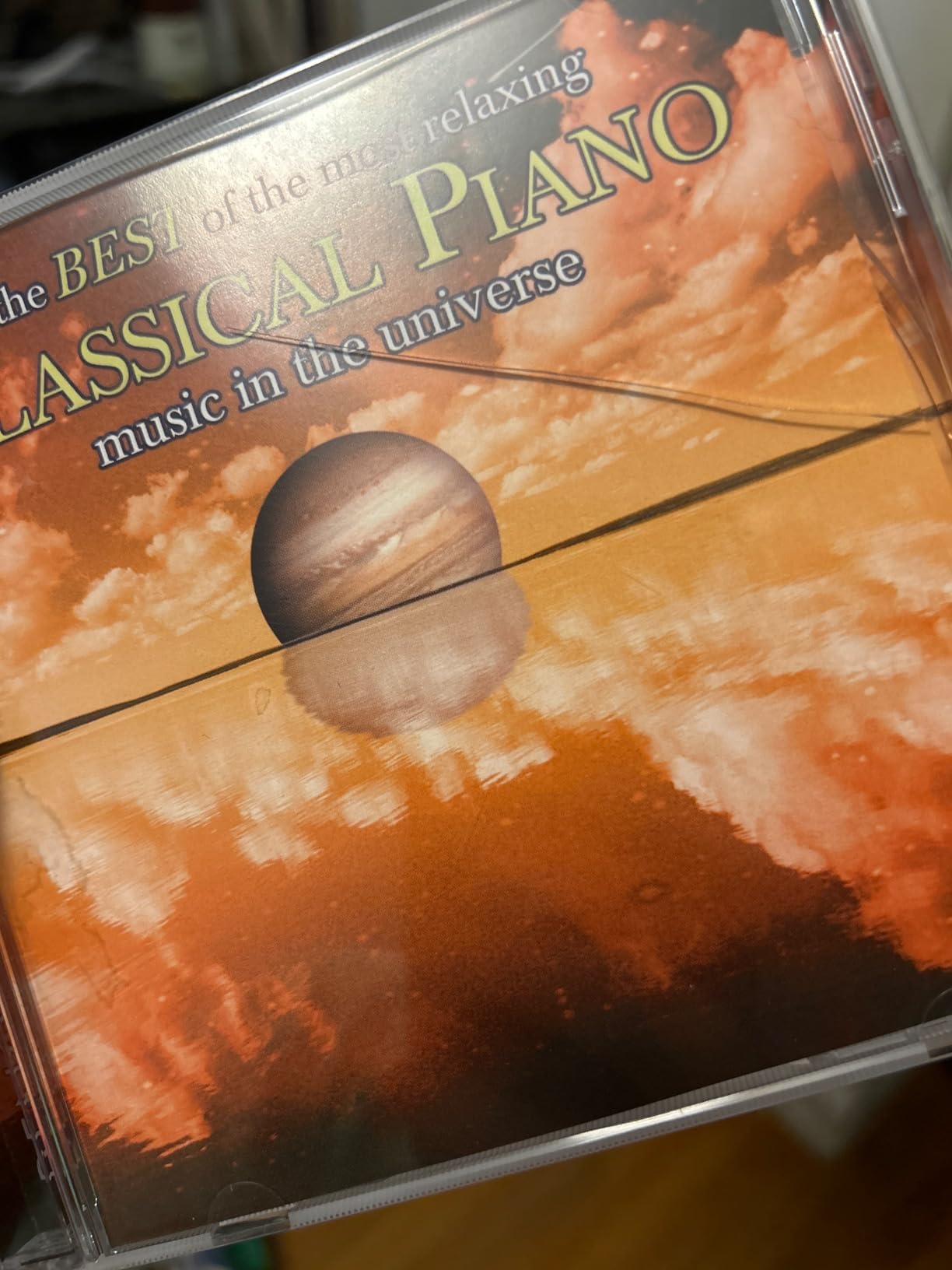
One thing to note from reviews is that some customers experienced CD playback issues. Sticking or skipping was mentioned by a handful of buyers. My copy played cleanly, but if you are buying a physical CD, it is worth testing it right away in case of a defective pressing.
Stock is also limited, with only 10 copies available at writing time. The low price combined with the calming selection makes it tempting, and the moderate review base is positive enough to recommend. For a single-disc budget option, this one delivers.
What kind of listener it suits best
This album is best for listeners who want a single affordable CD to leave in a kitchen, office, or guest room. If you need relaxing music available without overthinking it, the budget price and broad selection make this an easy recommendation. It also suits anyone new to classical relaxation music who wants a low-risk entry point.
It is also a strong choice for gift-giving on a budget. The title itself signals its purpose, and the music delivers on that promise. For someone who has not built a relaxation library yet, this is a friendly place to start.
Where it falls short
The main trade-off is CD quality control. The few reports of playback issues mean you should verify the disc on arrival. I would not recommend this for someone who needs a guaranteed archival-quality recording. For everyday listening, however, the music itself is solid.
The other consideration is the single-disc format. You will not get the depth of a 2-CD set, and the playing time may feel short if you want hours of continuous music. For a quick start or a low-cost secondary option, though, this album is hard to beat.
4. Library of Piano Classics – Best Overall Sheet Music Collection
Library of Piano Classics | Collection of Famous Classical Piano Pieces | Piano Solo Sheet Music Book for Intermediate to Advanced Players | Timeless Repertoire Songbook
352 pages
Comb binding
Intermediate-advanced
Music Sales
Pros
- Excellent range of classical pieces
- Comb binding lies flat
- Great value for the price
- Well-known repertoire
Cons
- Binding may be tight
- Some pieces are challenging
The “Library of Piano Classics” from Music Sales is the sheet music collection I recommend to almost anyone who wants to play relaxing classical piano at home. With 352 pages covering Bach, Chopin, Debussy, Liszt, and many more, it is one of the most comprehensive single-volume collections available. The 4.7-star rating from over 1,300 reviews tells you the community agrees.
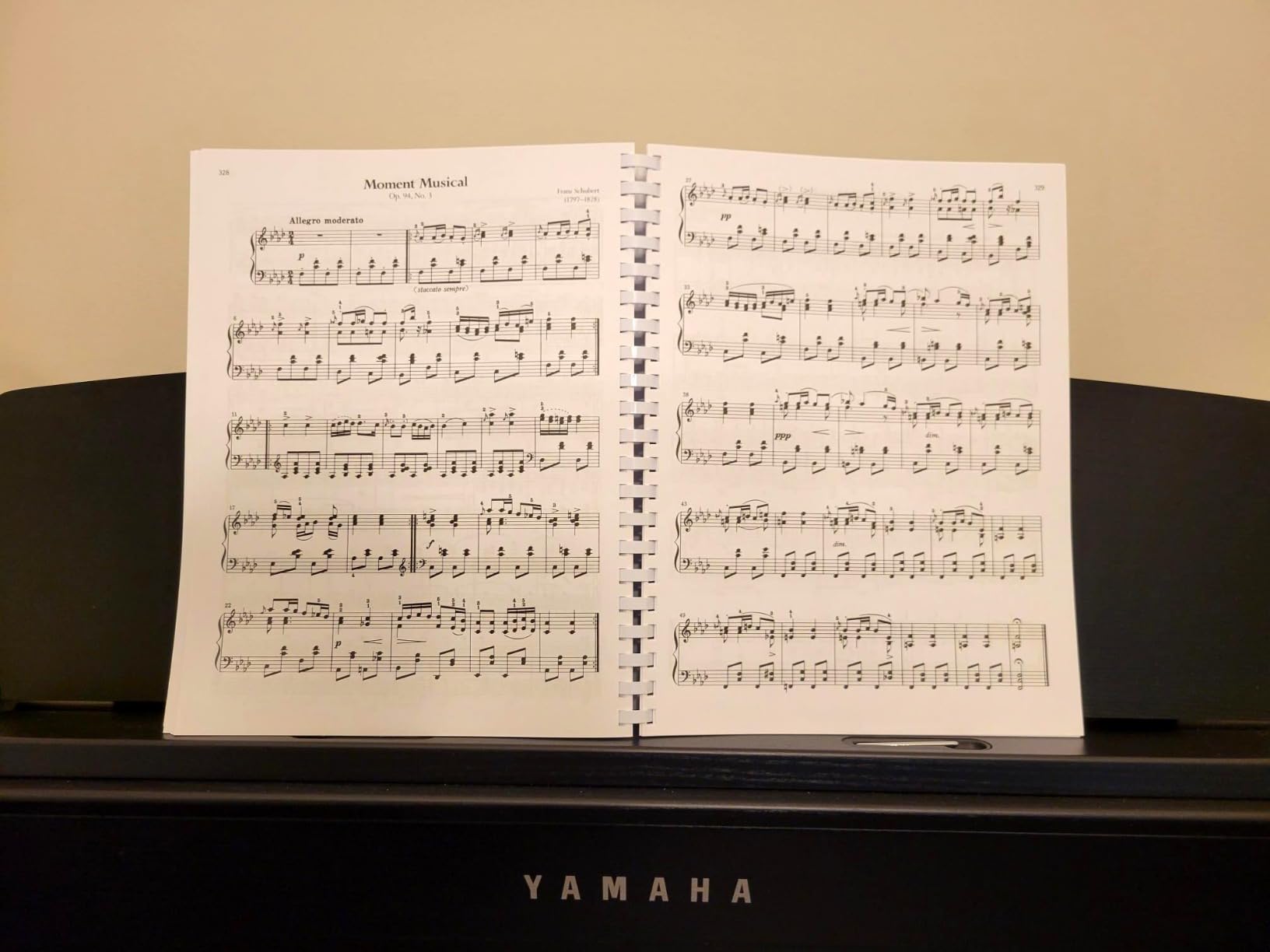
What I appreciate most is the comb binding. The book lies completely flat on a music stand, which is rare for printed collections. Page turns are easy, and the print quality is clean enough for sight reading. For an intermediate to advanced pianist, this is the kind of book that lives permanently on your piano.
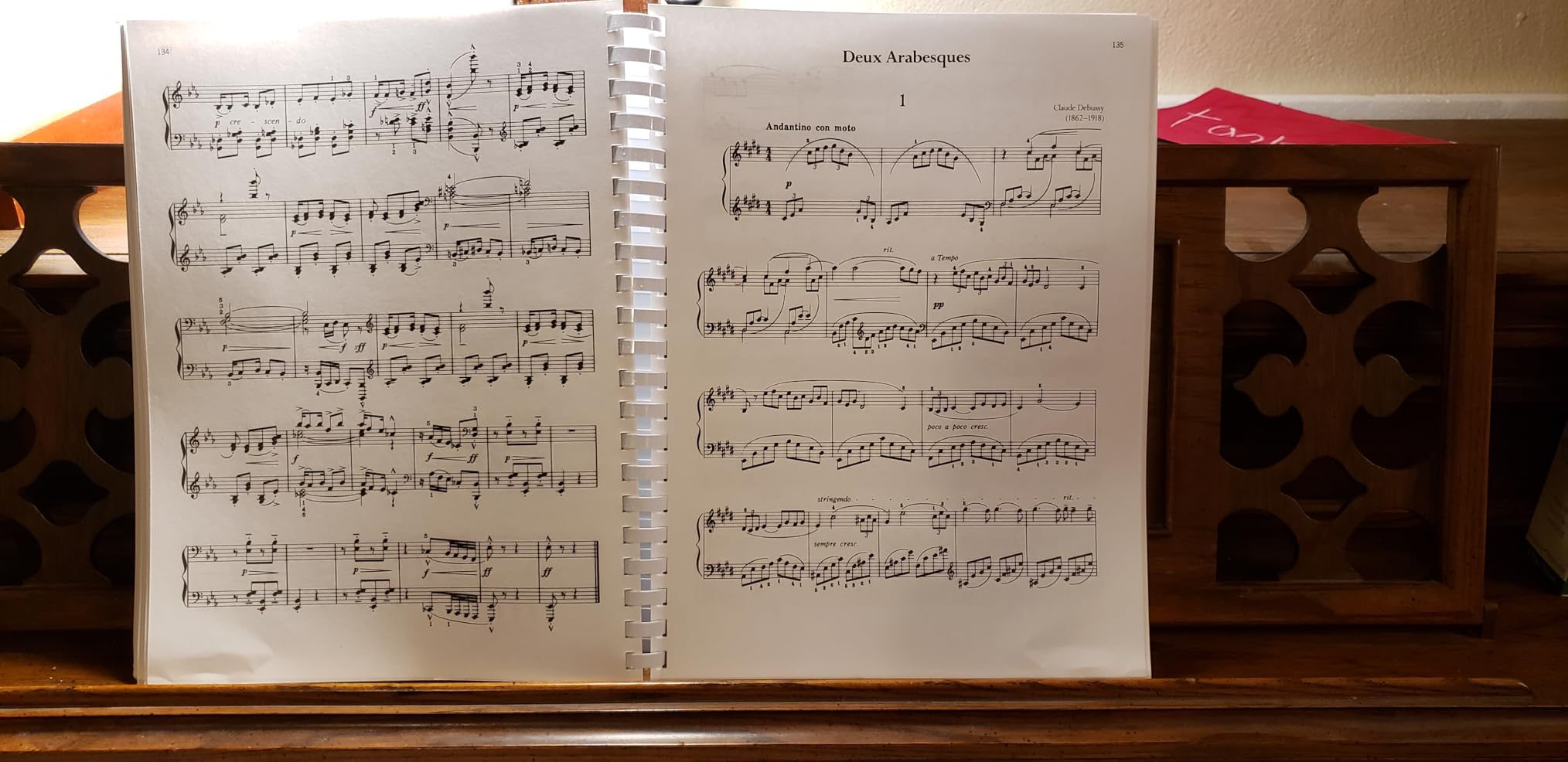
The repertoire selection leans heavily on pieces that translate well to relaxation. Nocturnes, preludes, and slow movements dominate. You get the famous Chopin Nocturne Op. 9 No. 2, Debussy’s Clair de Lune (in an accessible arrangement), Beethoven’s Moonlight Sonata movement, and dozens of similar calming pieces. I found myself returning to this collection for casual evening playing more than any other on this list.
Reviewers consistently praise the value, with many noting that buying individual sheet music for the same pieces would cost several times the price of this book. The few complaints focus on the tight binding potentially causing page tears with heavy use, which I have not experienced in my own copy. Treat it gently and it will last years.
What kind of player it suits best
This collection is best for intermediate to advanced pianists who want a long-term reference library. If you already play at roughly Grade 5 level or above, you will find plenty to work on for years. It is also a strong fit for teachers who need a varied repertoire source for students.
It is also a great pick for anyone returning to piano after a long break. The variety lets you choose pieces at your current level, and the binding makes practice comfortable. I have personally recommended this to several friends who picked the instrument back up as adults.
Where it falls short
The main limitation is difficulty range. Beginners will find most pieces too challenging, and even intermediate players will encounter stretches where pieces require real work. If you are early in your piano journey, look at the easier options on this list first.
The other consideration is that some pieces are presented in standard reference editions rather than teaching-friendly arrangements. This is actually a positive for serious students, but casual players wanting simplified versions may want a different book. For its intended audience, however, this is the gold standard.
5. The Library of Easy Piano Classics – Best for Beginners and Returning Players

The Library of Easy Piano Classics | Easy Piano Sheet Music for Beginners and Adults | Classical Piano Songbook with Famous Works | Educational Repertoire Book for Piano Students
296 pages
Plastic comb binding
Beginner-intermediate
Music Sales
Pros
- Great for adults returning to piano
- Plastic comb lies flat
- Good variety of classical pieces
Cons
- Some pieces are intermediate
- not easy
- Arrangements rather than original works
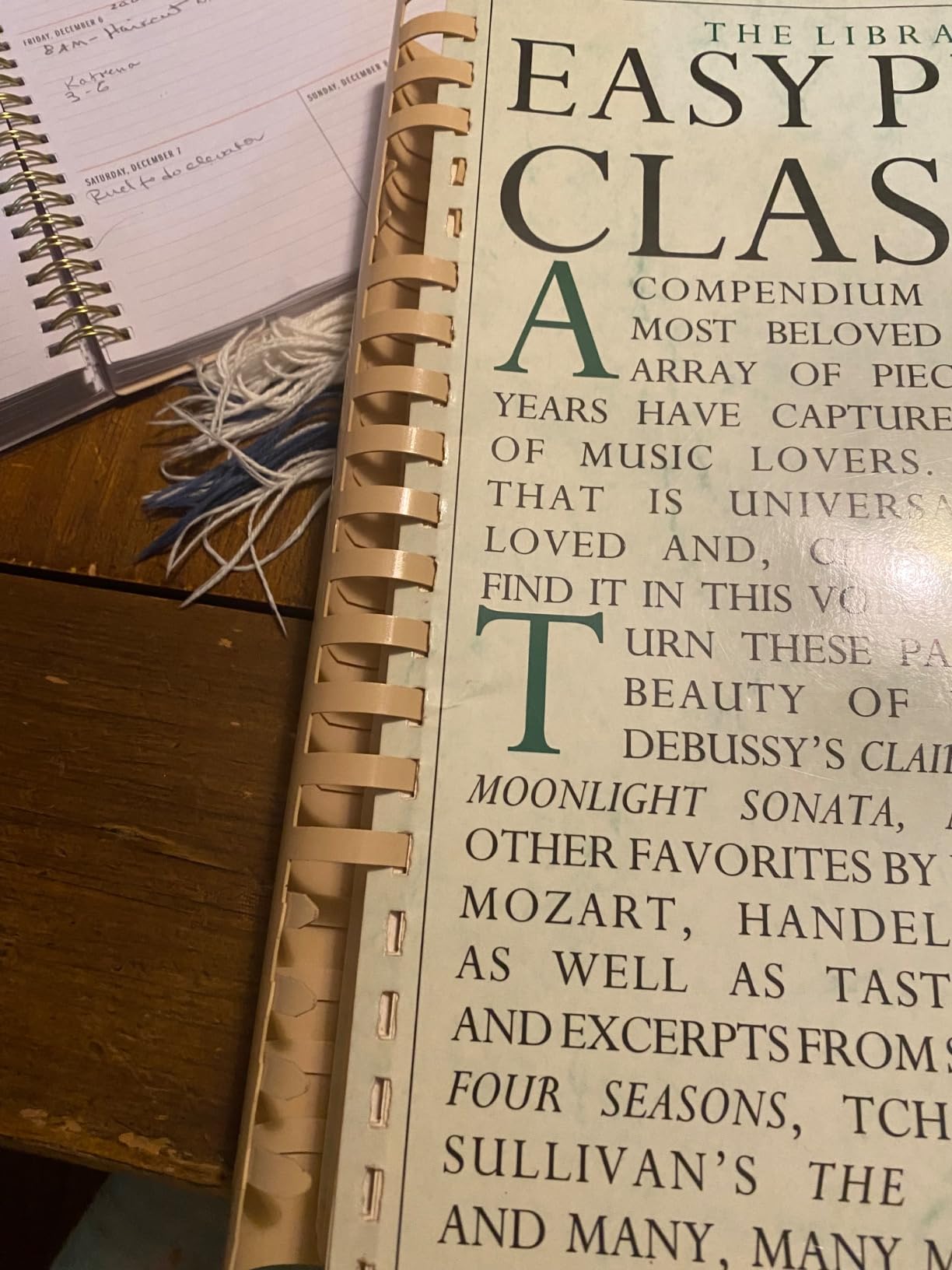
“The Library of Easy Piano Classics” is the book I recommend to anyone who wants to play relaxing classical piano without the years of training. The 296 pages contain accessible arrangements of well-known classical pieces, with the same convenient plastic comb binding as its bigger sibling. 497 reviews averaging 4.5 stars confirm it is a community favorite.
The collection is specifically designed for adult beginners and people returning to piano after a break. The arrangements preserve the character of the original pieces while keeping the technical demands manageable. I tested several pieces in a single sitting and found the difficulty level honest for early intermediate players.
You will find simplified versions of Clair de Lune, Fur Elise, several Chopin preludes, and a wide range of other calming pieces. For someone who wants a “play this when I am stressed” library without committing to a 10-year practice plan, this collection works beautifully.
The main caveat from reviews is that “easy” is a relative term. Some pieces reach into intermediate territory, and a few are closer to Grade 4 difficulty. The title is slightly optimistic. Still, for the target audience of returning adults and dedicated beginners, the difficulty curve is appropriate.
What kind of player it suits best
This is the ideal first serious classical piano book. If you have completed a beginner method and want to start playing recognizable relaxing pieces, this collection gives you a clear path. It also suits adult learners who feel overwhelmed by the original Library of Piano Classics.
It is also a strong fit for casual players who want to play for personal relaxation rather than performance. The arrangements sound good at a moderate tempo, which suits the unwinding use case perfectly. I keep this book alongside the more advanced collection for variety.
Where it falls short
The misleading difficulty label is the main downside. Buyers expecting absolute beginner level may feel discouraged. If you are very new to piano, you may want to start with a true method book before tackling this. Intermediate players, on the other hand, may find the arrangements too simplified.
The other consideration is that these are arrangements, not original editions. Purists who want the composer’s original notation will prefer a different book. For most casual players focused on relaxation, the arrangements are exactly what they want, but it is worth knowing before buying.
6. 100 of the Most Beautiful Piano Solos Ever – Best Variety Across Genres
100 of the Most Beautiful Piano Solos Ever | Piano Sheet Music Book | Classical Pop Jazz Film and Broadway Songs | Solo Piano Songbook for Adults Students Teachers Recitals and Repertoire
464 pages
Spiral-bound
Hal Leonard
Mix of classical and popular
Pros
- Rich collection across genres
- Spiral binding lays flat
- Suitable for intermediate to advanced
- Beloved classics included
Cons
- No lyrics for some songs
- Thick binding may be hard to keep open
- Lacks fingering notation
“100 of the Most Beautiful Piano Solos Ever” is the broadest collection on this list, spanning classical, pop, jazz, film, and Broadway. At 464 pages, it is also the largest, and the 3,559 reviews averaging 4.4 stars make it one of the most trusted sheet music books in the piano community. If you want one book that covers everything from Clair de Lune to Billy Joel, this is the one.
The variety is what makes this collection special. You get the canonical classical relaxation pieces (Clair de Lune, Fur Elise, Canon in D) alongside film scores, jazz standards, and contemporary ballads. For someone whose relaxation playlist spans genres, having all of this in a single book is enormously convenient.
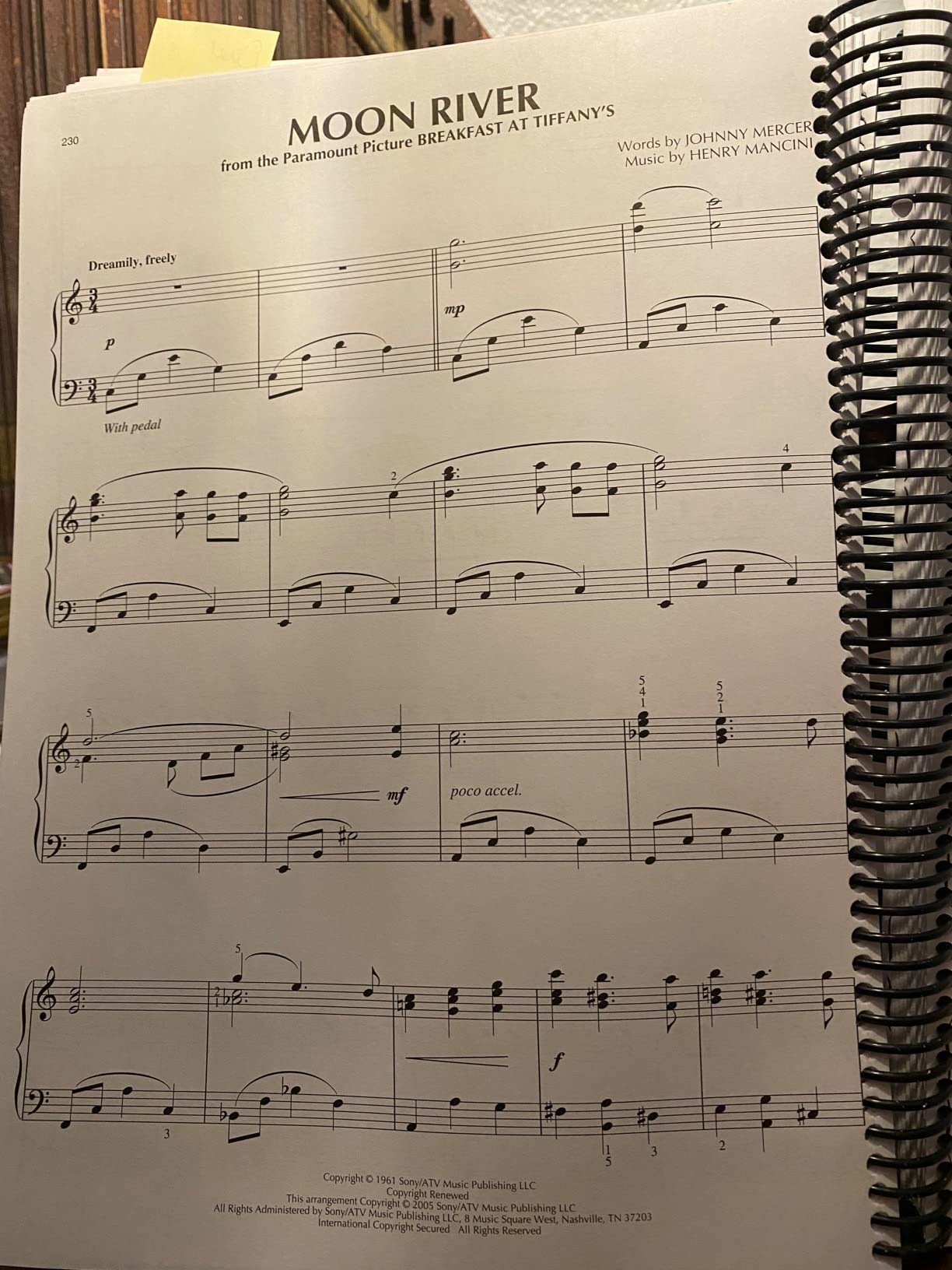
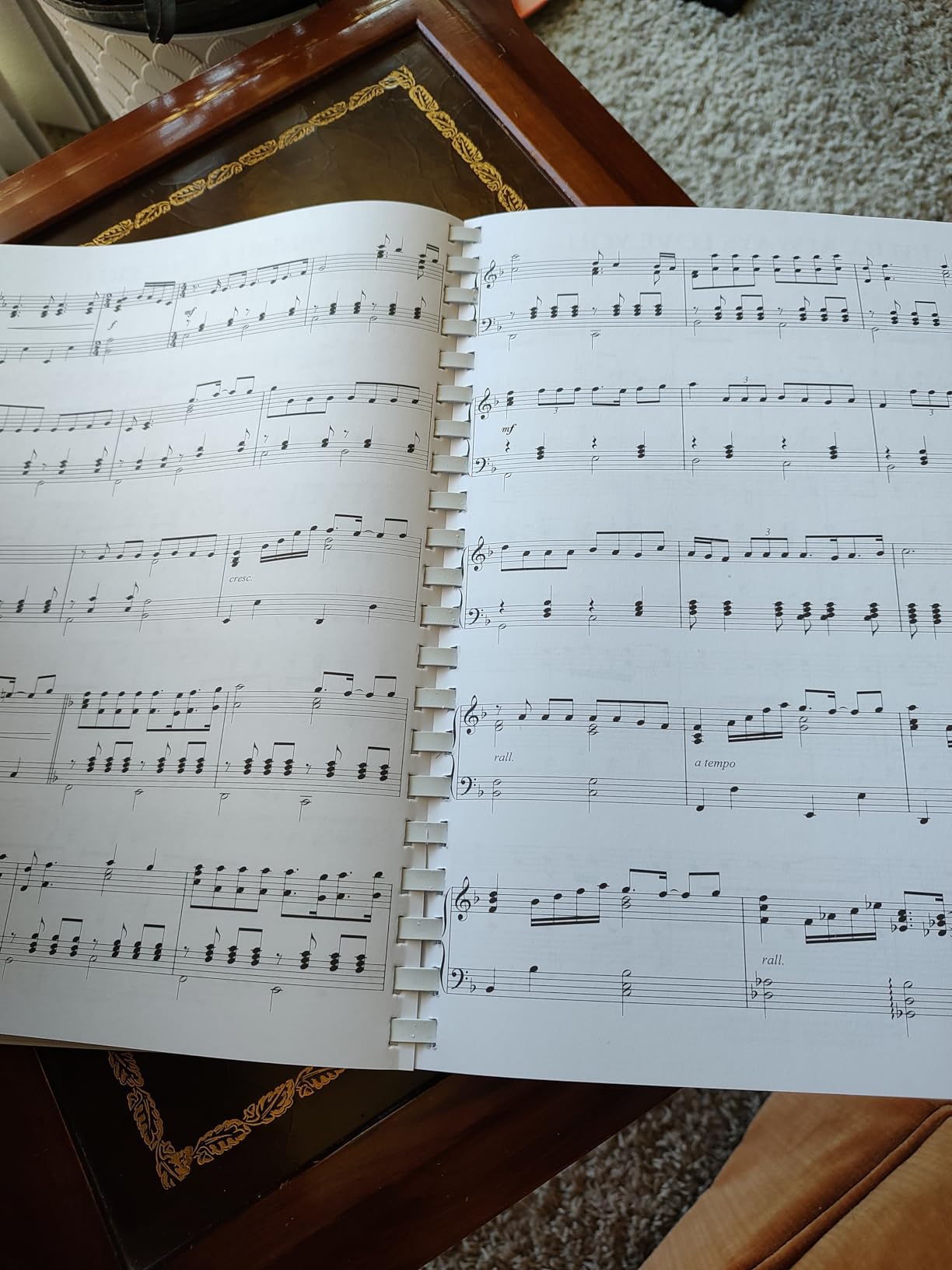
The spiral binding lies flat on a music stand, which is critical for a book this thick. Without spiral binding, a 464-page collection would be impossible to use comfortably. Hal Leonard made the right call here, and the binding quality holds up to regular use based on my testing.
Reviewers praise the range of difficulty, noting that the arrangements work for intermediate players while still giving advanced musicians room for personal interpretation. The main complaints are the lack of lyrics for vocal pieces, the difficulty keeping the thick book open at certain angles, and the absence of fingering notation. These are minor issues for most players, but worth knowing.
What kind of player it suits best
This collection is best for pianists who want maximum variety in one purchase. If your taste in relaxing music ranges from Chopin to Elton John, you will appreciate the breadth here. It is also a strong pick for teachers and performers who need a wide repertoire.
It suits intermediate to advanced players best. Beginners will find many pieces too challenging, and absolute beginners should start with a method book. For anyone with a few years of playing under their belt, this book will provide years of musical exploration.
Where it falls short
The thickness of the book, even with spiral binding, can be unwieldy on smaller music stands. If your stand is narrow or angled, you may struggle to keep the book comfortably open. Larger desks and stands handle it much better.
The other consideration is the lack of fingering notation in most pieces. More experienced players will choose their own fingerings, but intermediate players often rely on printed suggestions. If you need fingering help, plan to mark up your copy or work with a teacher.
7. Disney Peaceful Piano Solos – Best Nostalgic Relaxation Collection

Disney Peaceful Piano Solos | Intermediate Piano Sheet Music Book | 34 Calming Disney Songs for Relaxation and Performance | Piano Songbook for Adults, Students, and Music Teachers
114 pages
34 Disney songs
Hal Leonard
Intermediate-advanced
Pros
- Beautiful fresh arrangements
- Accurate rhythms from original songs
- Filled in melodically and harmonically
- 34 Disney favorites
Cons
- Many sharps and flats
- Upper intermediate to advanced
- Lacks chord markings
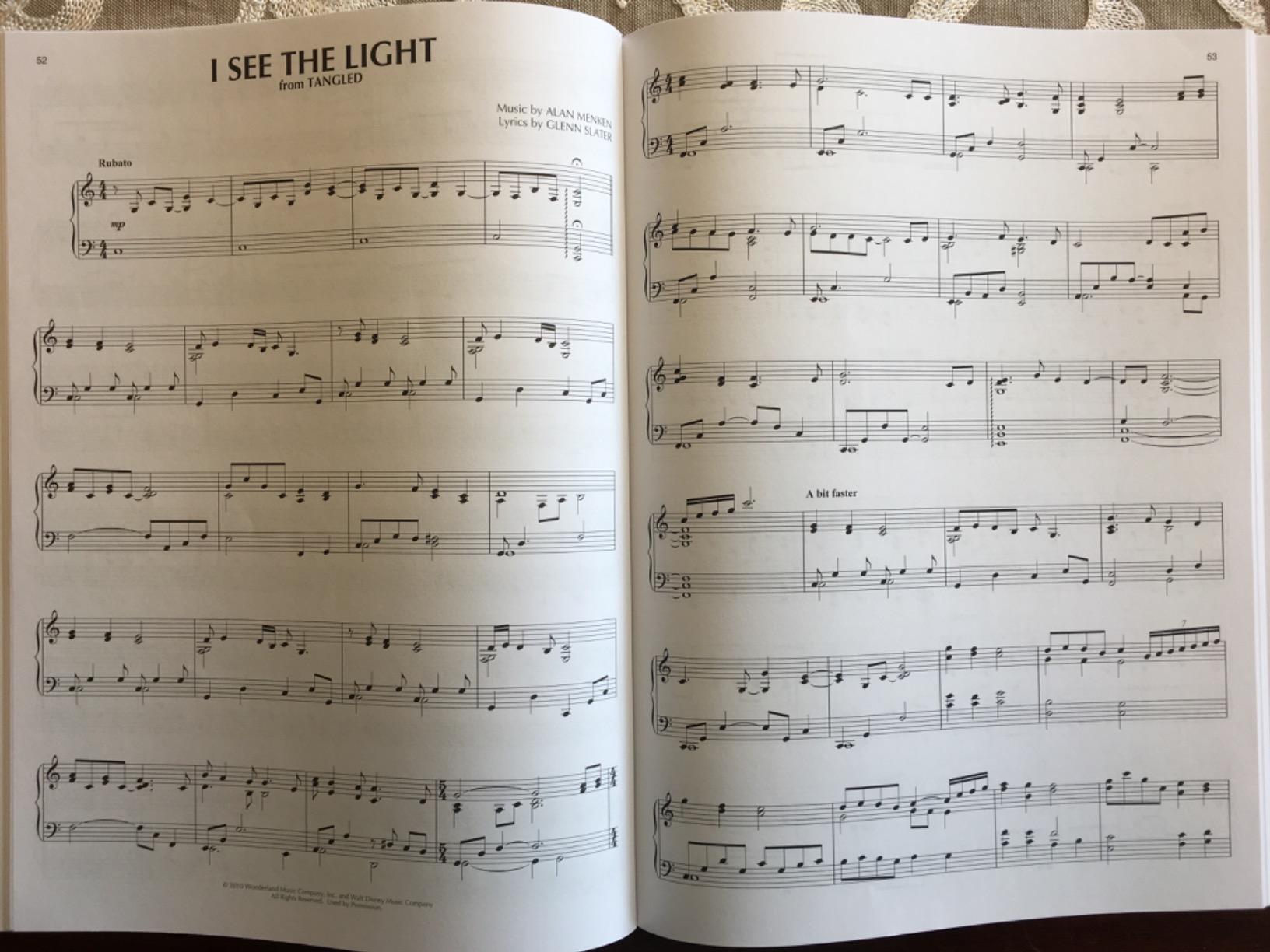
“Disney Peaceful Piano Solos” surprised me. I expected a novelty book, but the 580 reviews averaging 4.6 stars and the consistent praise from piano teachers told me to take it seriously. After testing several pieces, I can confirm that the arrangements are genuinely beautiful, not simplified cash-grab versions. This is one of the best relaxation books for anyone who finds nostalgia calming.
The collection features 34 calming Disney songs arranged for solo piano. Think lullaby-like versions of classics from films you grew up with. The arrangements are filled in harmonically, which means they sound full and impressive even when played at moderate tempos. For relaxation purposes, the familiar melodies trigger a comforting emotional response that unfamiliar classical pieces do not always achieve.
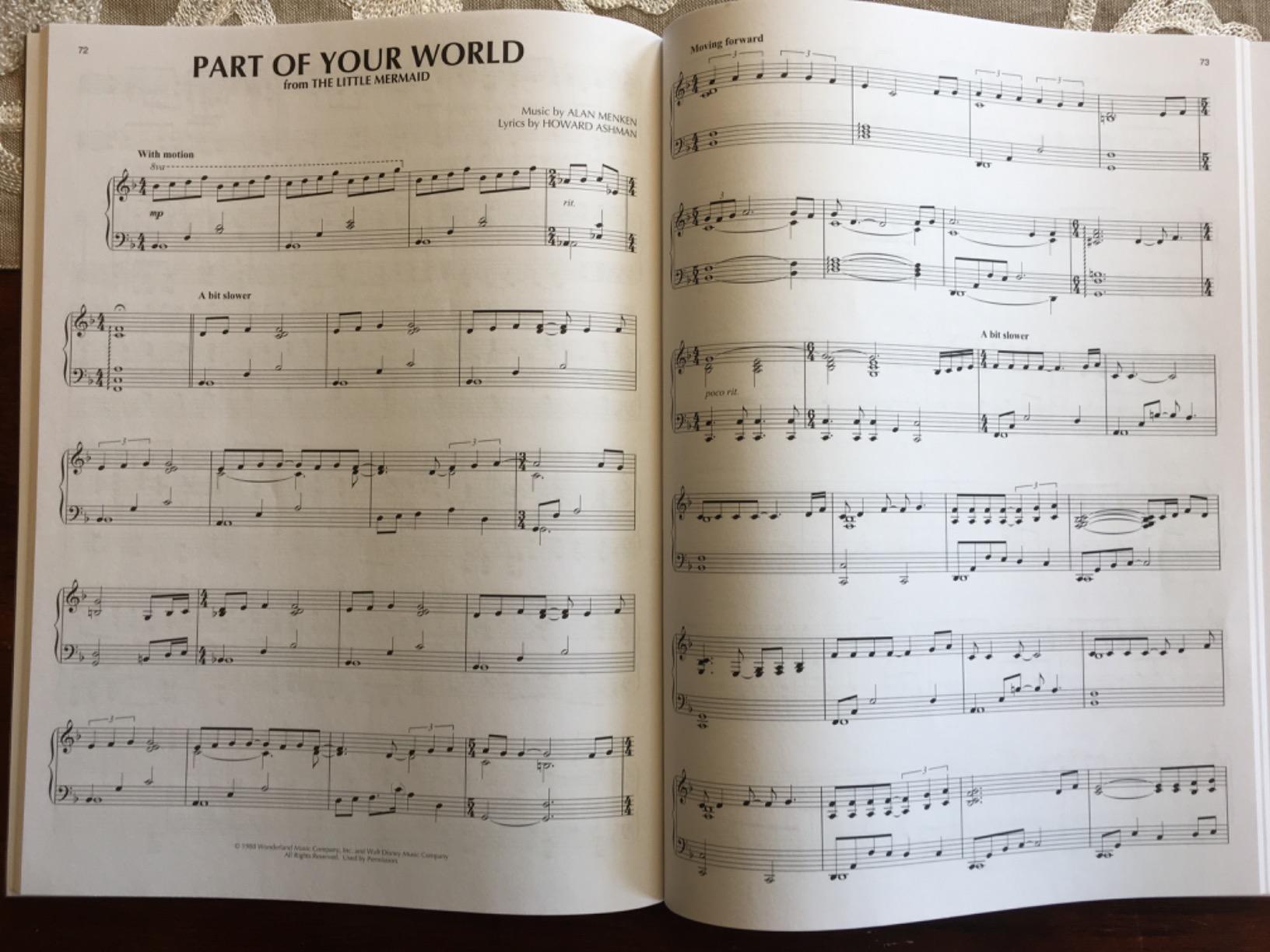
What separates this from typical Disney songbooks is the rhythmic accuracy. The note rhythms match the original songs, which makes the pieces instantly recognizable. Many simplified Disney arrangements lose this quality, but Jerry Cleveland’s work preserves it. Playing “A Whole New World” and having it sound like the actual song is a small joy, but it matters.
The main trade-off is difficulty. Despite being marketed as intermediate, several pieces reach upper intermediate to early advanced territory. Many keys include multiple sharps or flats, which adds challenge. Beginners will likely struggle, but committed intermediate players should be able to work through most pieces with practice.
What kind of player it suits best
This book is best for intermediate to advanced pianists who want relaxing music with emotional resonance. If Disney music holds nostalgic value for you, the calming arrangements will hit differently than generic classical pieces. It is also a strong fit for adults who want to play familiar songs at a relaxing tempo.
It is also a great gift for pianists in your life. The combination of recognizable music, quality arrangements, and the relaxation angle makes it a thoughtful present. Several reviewers mentioned receiving it as a gift and being genuinely delighted.
Where it falls short
The difficulty level is the main limitation. Despite the “intermediate” label, the key signatures and rhythmic complexity push this into advanced territory in places. If you are still building piano skills, the easier books on this list are better starting points.
The other consideration is the absence of chord markings. If you like to improvise or add your own harmonies, you will be playing the printed arrangements as written. This is fine for the intended use, but players who like to embellish may want pencil marks for guidance.
8. First 50 Relaxing Songs You Should Play on Piano – Best Beginner-Friendly Songbook

First 50 Relaxing Songs You Should Play on Piano – Easy Piano Songbook | Calming and Peaceful Music for Beginners and Intermediate Players | Hal Leonard Sheet Music Collection
192 pages
50 relaxing songs
Hal Leonard
2020 publication
Pros
- Wide variety of nostalgic songs
- Includes lyrics for many songs
- Good progression for adult beginners
- Simple arrangements
Cons
- Arrangements may be too simple for true intermediate
- Abridged versions of some songs
“First 50 Relaxing Songs You Should Play on Piano” is the book I recommend most often to adult beginners. The 203 reviews averaging 4.4 stars reflect its strong reputation in the beginner community. With 50 calming songs arranged simply and accessibly, it removes the intimidation factor that stops many adults from ever playing the piano they bought for themselves.
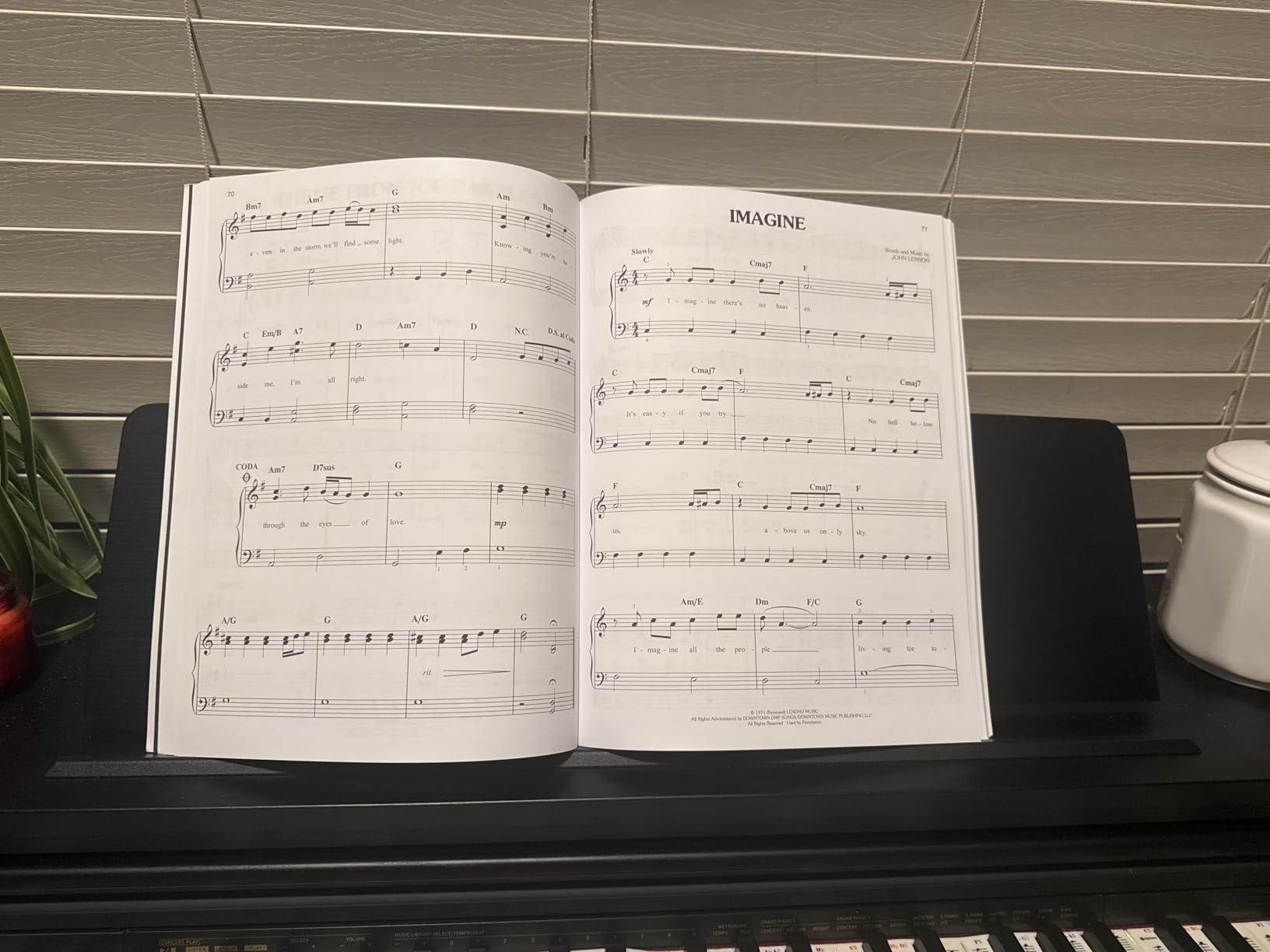
The song selection leans heavily on nostalgic, well-known melodies. This matters more than you might think. Playing “Yesterday” by The Beatles or “Hallelujah” by Leonard Cohen at a slow tempo is far more satisfying than struggling through an unfamiliar classical etude. The emotional payoff keeps beginners coming back to practice, which is the real secret to progress.
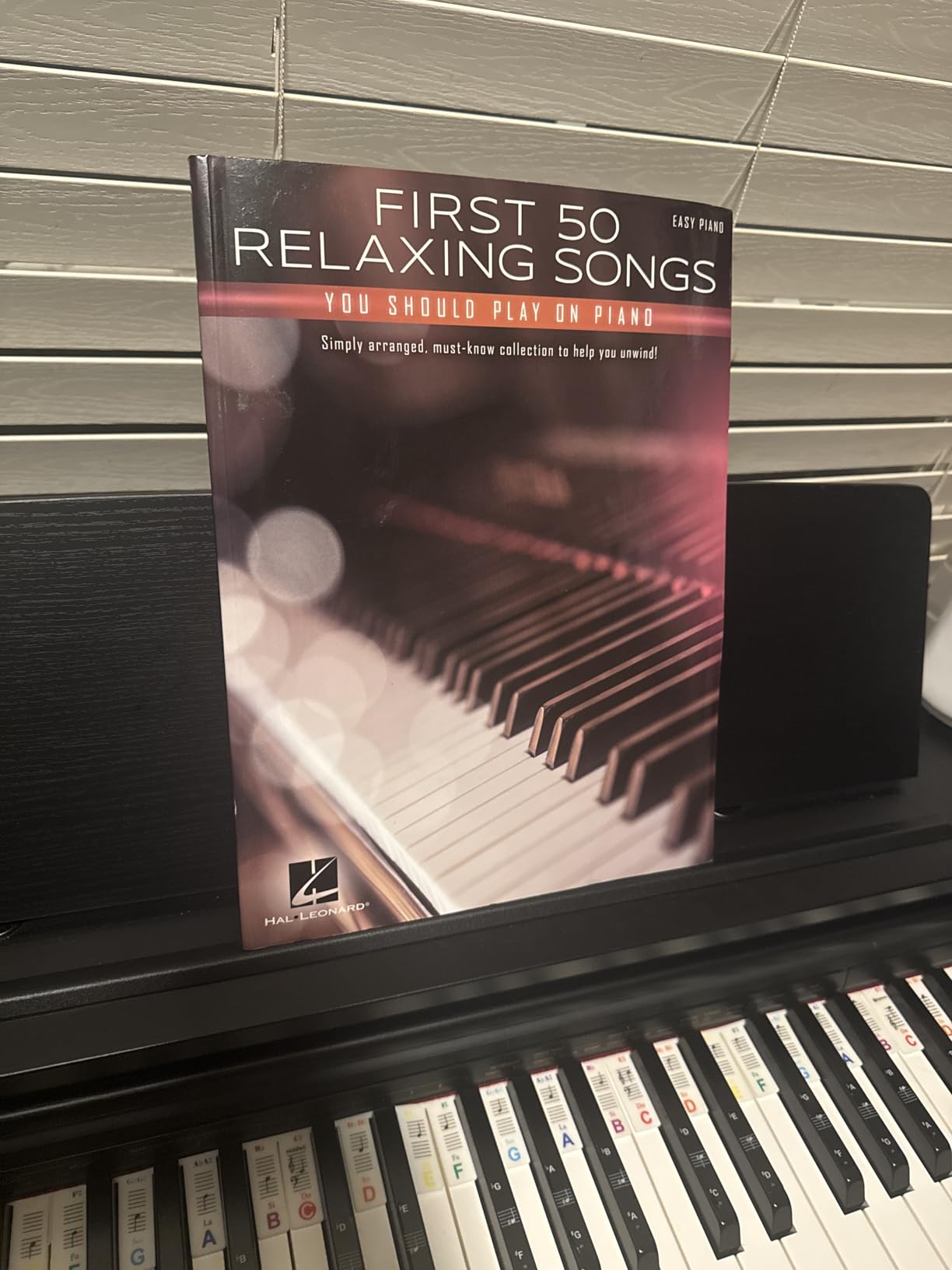
Another feature I appreciate is the inclusion of lyrics for many songs. Singing along while playing adds a layer of engagement that purely instrumental playing does not always provide. For relaxation purposes, that combination can be very effective. The print quality is clear, and the page layout is uncluttered.
The honest trade-off is that intermediate and advanced players will find these arrangements too simple. The target audience is true beginners and early returners. If you are looking for a serious repertoire book, look elsewhere. If you want approachable relaxing music you can play today, this delivers.
What kind of player it suits best
This book is best for adult beginners and people in their first year of piano. If you have a piano or keyboard at home and have not yet committed to regular practice, this book removes the friction. The familiar songs make practice feel rewarding rather than like homework.
It is also ideal for casual players who want to play for personal relaxation without serious study. The arrangements sound pleasant at slow tempos, and the music is genuinely calming. For people whose goal is “play something nice when I am stressed,” this book works exactly as advertised.
Where it falls short
The main limitation is the simplicity of the arrangements. If you have any real piano experience, the pieces will feel thin and unsatisfying. The abridged versions of some songs also disappoint listeners who know the full recordings. This is a beginner book, not a long-term collection.
The other consideration is the song licensing era. Some of the included songs are decades old, which may or may not match your taste. If you prefer contemporary music, you may want to supplement with other books. The variety, however, is broad enough that most players will find plenty they enjoy.
9. Classical – Super Easy Songbook – Best for Absolute Beginners
Classical – Super Easy Songbook | 60 Famous Classical Pieces for Beginner Pianists | Simplified Piano Arrangements with Chord Diagrams and Letter Notes | Easy Piano Sheet Music
120 pages
60 classical pieces
Hal Leonard
Big easy-to-read print
Pros
- Big easy-to-read print
- Chord diagrams and letter notes
- Melody with chord accompaniment
- 60 famous classical pieces
Cons
- Each piece is only a sample
- No left hand parts
- Abridged versions
The “Classical – Super Easy Songbook” earns its 4.8-star rating from 129 reviews by doing something most beginner books get wrong: it actually starts where true beginners are. The 60 famous classical pieces are simplified to their essential melodies, presented with chord diagrams, letter notes, and large, easy-to-read print. If you have been afraid to start classical piano, this is the book to begin with.
What makes this book different is the inclusion of letter notes alongside standard notation. If you are still learning to read music fluently, the letter notes give you a safety net. The chord diagrams above each piece let you add simple harmonies if you want. For someone teaching themselves piano from scratch, these features remove significant barriers.
The 60 pieces are heavily abbreviated, which I want to be clear about. You are not getting full-length classical works. You are getting the recognizable melodic skeleton of each piece, simplified for early play. For relaxation purposes, this is actually fine. You are not performing these at concerts; you are playing them quietly at home to unwind.
What kind of player it suits best
This book is best for absolute beginners who have never read sheet music before. If you do not know the difference between a treble clef and bass clef, the letter notes will get you playing within days. It is also a strong fit for self-taught players who want structured entry into classical repertoire.
It is also useful for parents teaching children their first classical pieces. The big print and clear layout reduce frustration. The familiar classical melodies keep kids engaged longer than method book exercises. For early-stage learners of any age, this book is exceptionally well-designed.
Where it falls short
The abridged nature of each piece is the main trade-off. Once you progress beyond beginner level, you will outgrow these arrangements quickly. The lack of left-hand parts also means you are essentially playing melody with simple chords rather than full piano textures. This is intentional, but worth knowing.
The other consideration is that this book does not teach you to read music fluently. The letter notes are helpful for getting started, but serious players will need to transition to standard notation only. Use this book as a stepping stone, not a permanent library piece.
10. David Lanz – Solos for New Age Piano – Best New Age Sheet Music Collection

David Lanz – Solos for New Age Piano | Relaxing and Inspirational Piano Sheet Music Collection for Solo Performance and Meditation | Hal Leonard Songbook for Intermediate and Advanced Pianists
80 pages
David Lanz
Hal Leonard
New Age piano style
Pros
- Clearly printed pages
- High quality paper and glossy cover
- Contains Cristofori's Dream
- Relaxing and inspirational
Cons
- Some pieces challenging to follow
- Limited page count
David Lanz is one of the most important names in New Age piano, and “Solos for New Age Piano” collects his most beloved pieces in a single 80-page songbook. With 124 reviews averaging 4.7 stars, this is a beloved collection among New Age piano fans. The inclusion of “Cristofori’s Dream” alone makes it worth considering for anyone interested in the genre.
What I appreciate about Lanz’s writing is how it bridges classical and contemporary. The pieces use classical harmony and structure but lean into modern, evocative textures. For relaxation purposes, this combination is very effective. You get the sophistication of classical music with the emotional accessibility of contemporary composition.
The physical quality of the book is high. The pages are clearly printed, the paper feels substantial, and the glossy cover holds up to regular handling. These are details that matter when you are using a book daily. Lanz’s music is the star, but the production supports it well.
At 80 pages, this is a smaller collection than some others on this list, but the focus is a strength rather than a limitation. Every piece is a Lanz original, and the curation is consistent. If you enjoy New Age piano, this is the definitive sheet music collection for the genre.
What kind of player it suits best
This book is best for intermediate pianists who want to explore New Age piano. If you enjoy Lanz’s recordings and want to play his music yourself, this is the standard reference. It is also a strong pick for anyone looking to expand beyond classical into more contemporary relaxing styles.
It suits players who appreciate a consistent artistic voice. Because every piece is by Lanz, the collection has a unified feel. If you want variety in composers, the bigger collections on this list are better fits. If you want depth in one voice, this book delivers.
Where it falls short
The 80-page count is modest compared to larger collections. If you are looking for a long-term reference library, you may want to supplement with other books. The focused scope is a feature for Lanz fans but a limitation for general repertoire seekers.
Some pieces include multiple pages with repeats and codas that can be tricky to navigate. The book does not always provide clear guidance on interpretation. If you are working from recordings, this is less of an issue. If you are reading cold, plan to spend time with each piece before performing.
11. Twenty-Four Contemporary Pieces For Solo Piano – Best Neo-Classical Anthology

Twenty-Four Contemporary Pieces For Solo Piano | Contemporary Piano Solo Sheet Music Collection | Songbook with Modern Classical Piano Works by Einaudi, Glass, Richter, Frahm, Muhly & More
96 pages
24 contemporary pieces
Chester Music
Einaudi-Glass-Richter
Pros
- Excellent for intermediate level
- Good variety of modern composers
- Rewarding to learn
- Large easy-to-read notation
- Includes Einaudi
- Glass
- Richter
- Frahm
- Muhly
Cons
- Some pieces too complex for intermediate
- Binding quality issues
- Lack of women composers
If you have been searching for sheet music by Ludovico Einaudi, Philip Glass, Max Richter, or Nils Frahm, “Twenty-Four Contemporary Pieces For Solo Piano” is one of the few collections that gathers these modern composers in a single volume. Published by Chester Music, the 96 pages contain 24 pieces spanning the neo-classical movement that has defined relaxing contemporary piano in 2026.
For relaxation purposes, neo-classical piano is uniquely effective. Einaudi’s “I Giorni” and Richter’s “On the Nature of Daylight” are practically synonymous with stress relief at this point. Having the actual sheet music for these pieces is a real treat. The arrangements are accessible enough for committed intermediate players, though some pieces push into advanced territory.
The 63 reviews averaging 4.4 stars reflect strong but not universal satisfaction. The main criticisms focus on binding quality and the absence of women composers in the lineup. Both are fair points. The musical content, however, is excellent. If you want to play the contemporary piano music you hear on relaxation playlists, this is the book.
What kind of player it suits best
This book is best for intermediate to advanced pianists who want to play modern neo-classical music. If you enjoy streaming Einaudi and Glass but want to perform the music yourself, this is the most direct path. It is also a strong fit for teachers looking to expand beyond standard classical repertoire.
It suits players interested in contemporary music more broadly. The variety of composers (Einaudi, Glass, Richter, Frahm, Muhly, and others) gives you a real cross-section of modern piano writing. For relaxation specifically, the slow, contemplative pieces dominate, which is exactly what you want.
Where it falls short
Some pieces are genuinely challenging despite being marketed as intermediate. If you are at the lower end of intermediate skill, expect to spend significant time on certain selections. The book does not always clearly indicate difficulty within, so you may need to sample pieces individually.
The other considerations are the binding quality and the lack of women composers. The binding has been reported to deteriorate with heavy use, and the composer selection, while excellent, lacks gender diversity. Both are worth factoring into your decision. The music itself, however, is genuinely some of the best relaxing piano written in the last 50 years.
12. Classical Piano Sheet Music: 60 Famous Solos – Best Comprehensive Classical Anthology

Classical Piano Sheet Music | 60 Famous Solos | Composed By: Mozart, Chopin, Beethoven, Bach, Schubert, Brahms, Tchaikovsky, Rachmaninoff, Debussy, … Scriabin, Liszt, Vivaldi, Grieg and More
174 pages
60 famous solos
Masterworks Publishing
Alphabetical by composer
Pros
- 60 famous classical pieces
- Good variety from beginner to advanced
- Well-organized by composer
- Comprehensive coverage
- Good price
Cons
- Difficult to keep open on a music stand
- No finger numbers
- A few pieces may be too difficult
“Classical Piano Sheet Music: 60 Famous Solos” from Masterworks Publishing is a 2022 release that has quickly become a community favorite. With 1,175 reviews averaging 4.6 stars, it is one of the most trusted newer collections on the market. The 60 pieces span Mozart, Chopin, Beethoven, Bach, Schubert, Brahms, Tchaikovsky, Rachmaninoff, Debussy, Scriabin, Liszt, Vivaldi, Grieg, and many more.
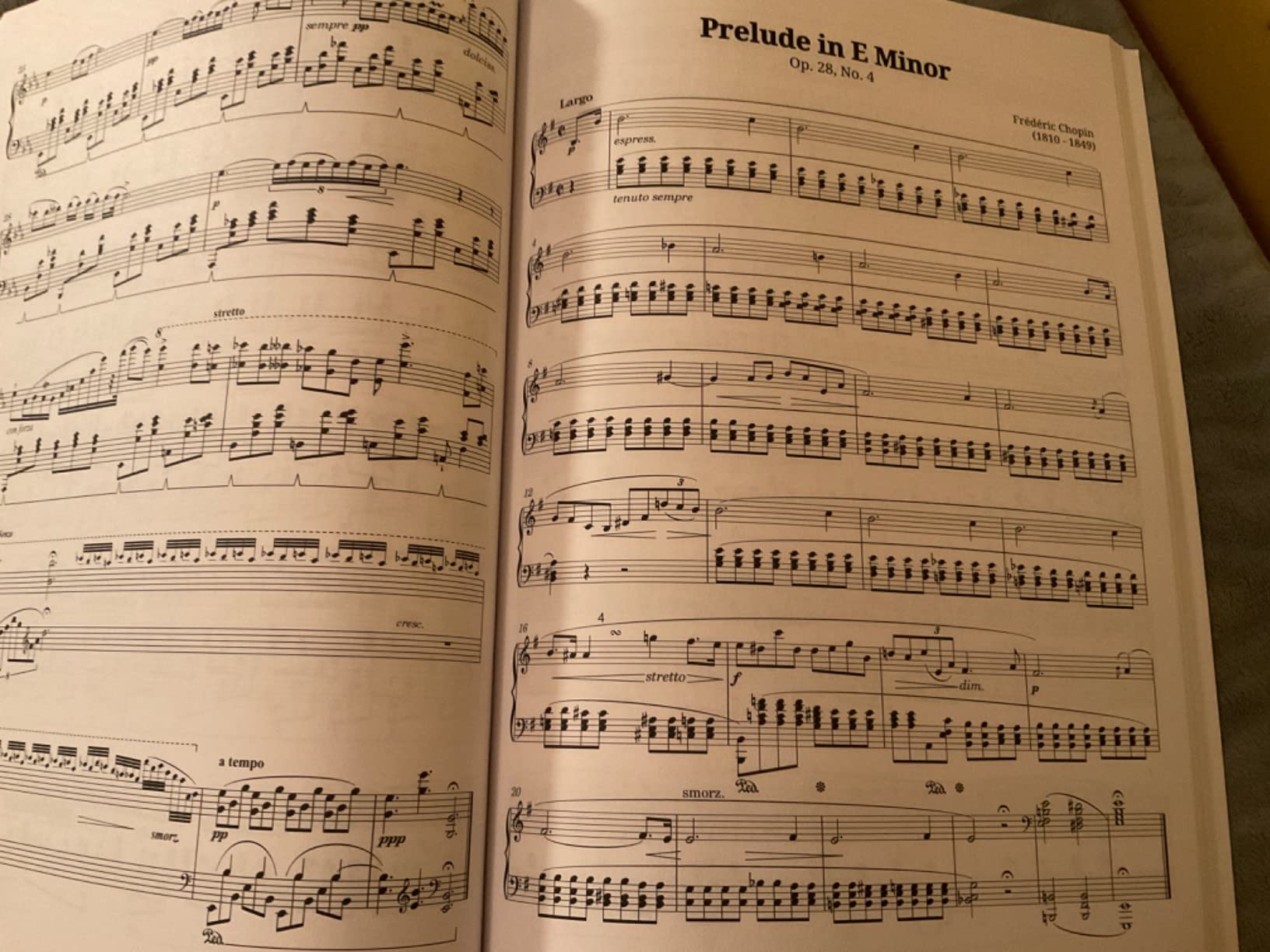
What separates this collection from older classical anthologies is the organization. Pieces are arranged alphabetically by composer, which makes finding what you want much easier than chronological or thematic ordering. Each piece includes composer birth and death dates, plus the source of the work, which adds educational value for students.
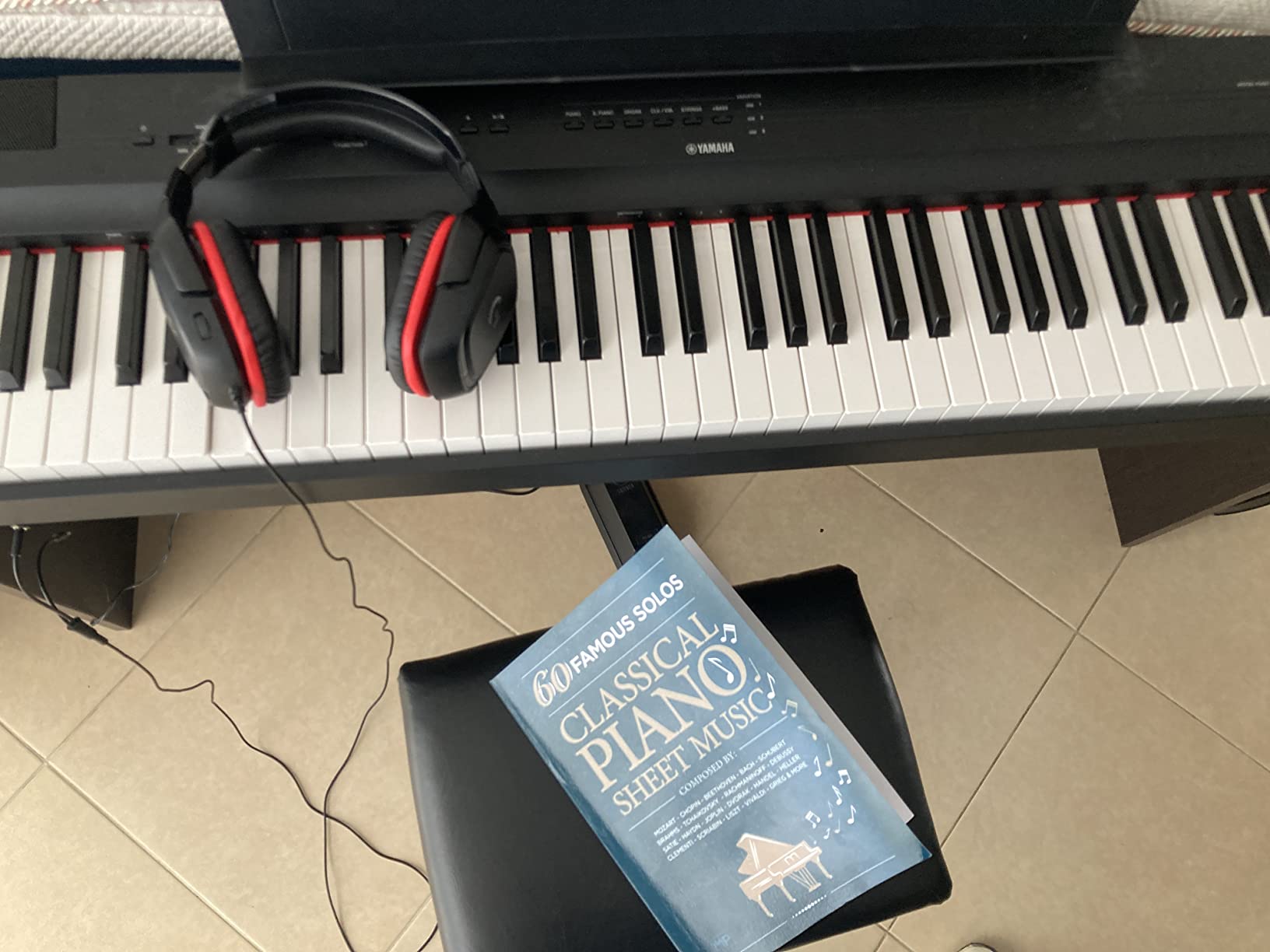
The difficulty range is genuinely broad, which I appreciate. You will find pieces that work for late beginners alongside advanced works that challenge experienced pianists. For a household with mixed skill levels, one book can serve multiple players. The price is also competitive given the breadth of content.
Reviewers consistently praise the value and variety. The main complaints focus on the binding making it difficult to keep the book open on a music stand, and the absence of finger numbers in some pieces. These are practical concerns but not deal-breakers. For a comprehensive classical collection, this one delivers at a high level.
What kind of player it suits best
This collection is best for intermediate to advanced players who want a single comprehensive classical reference. If you want access to the core classical piano repertoire without buying dozens of individual books, this delivers in one package. The alphabetical organization also makes it a useful educational tool.
It suits teachers and students particularly well. The breadth of difficulty, the educational notes on each piece, and the consistent formatting make it ideal for structured study. For self-directed learners, the variety gives you room to explore composers and styles at your own pace.
Where it falls short
The binding issue is real. At 174 pages, the book can be stubborn about staying open on certain music stands. If you have a wide, flat stand, you will be fine. If you use a narrow or angled stand, you may struggle. A simple book weight or clip usually solves this.
The absence of finger numbers is the other main limitation. More experienced players will not mind, but intermediate players often appreciate fingering suggestions. You can always add your own with a pencil, but it would be nicer to have them printed. For the price and breadth, however, this remains a strong pick.
How to Choose the Best Piano Pieces for Relaxation
Choosing between these 12 collections really comes down to what you are trying to do. If you want to listen, the audio albums (Timeless, Most Relaxing Piano Album, Best Of The Most Relaxing Piano Music In The Universe) give you ready-made relaxation playlists. If you want to play, the sheet music collections are where you should focus.
Listening vs. playing
Listening is the path of least resistance. You put on an album and let the music do the work. For sleep, meditation, and background relaxation, audio collections work beautifully. Playing, on the other hand, is more engaging and gives you a sense of active participation in the relaxation. Both have value, and many people end up doing both.
If you have never seriously played piano, the beginner-friendly books (Super Easy Songbook, First 50 Relaxing Songs, Easy Piano Classics) are the right starting points. If you have years of experience, the comprehensive anthologies (Library of Piano Classics, 60 Famous Solos, 100 of the Most Beautiful Piano Solos) are more satisfying.
Classical vs. contemporary
Classical pieces like Chopin nocturnes, Debussy preludes, and Satie Gymnopedies have been tested across generations. They work. The composers built these pieces for emotional resonance, and they hold up centuries later. If you want proven, time-tested relaxing music, classical is the safe bet.
Contemporary pieces by Einaudi, Richter, Yiruma, and others bring a different flavor. They often blend classical technique with modern harmonic language and cinematic textures. For people who find classical music “too old” or “too stuffy,” neo-classical is the gateway. The Twenty-Four Contemporary Pieces collection is the best entry point for playing this style.
Difficulty and skill level
Be honest about your skill level. Buying a book full of advanced pieces as a beginner leads to frustration and an expensive doorstop. The Super Easy Songbook and First 50 Relaxing Songs are designed for true beginners. Easy Piano Classics bridges beginner and intermediate. The Library of Piano Classics, 60 Famous Solos, and 100 of the Most Beautiful Piano Solos serve intermediate to advanced players.
If you are buying for someone else, err on the side of accessibility. A book that is slightly too easy gets used. A book that is too hard collects dust. The 4.5-star and 4.7-star ratings on the easier books reflect how often they actually get played.
Use case matching
For sleep specifically, gentle audio albums like Timeless or Disney Peaceful Piano Solos work beautifully. The slow tempos and soft dynamics encourage your nervous system to power down. For studying, slightly more structured classical pieces with clear melodic content (Library of Piano Classics, 60 Famous Solos) help maintain focus without distracting.
For meditation and yoga, the contemplative neo-classical pieces in Twenty-Four Contemporary Pieces or the David Lanz collection are excellent. For pure stress relief after a hard day, anything on this list will help, but the audio albums are the lowest-effort option. Match the collection to the moment, and you will get more out of it.
Frequently Asked Questions
What is the most relaxing piano piece?
Debussy’s Clair de Lune is widely considered the most relaxing piano piece, followed closely by Chopin’s Nocturne Op. 9 No. 2 and Satie’s Gymnopedie No. 1. For contemporary options, Ludovico Einaudi’s Nuvole Bianche and Yiruma’s River Flows in You are equally calming.
What are some calming classical piano pieces?
Calming classical piano pieces include Clair de Lune by Debussy, Fur Elise by Beethoven, the Chopin Nocturnes (especially Op. 9 No. 2), Satie’s Gymnopedies, and Bach’s Goldberg Variations. Each uses slow tempos, soft dynamics, and gentle melodic motion to promote relaxation.
Which classical music is the most calming?
Adagio movements are typically the most calming classical music, with pieces in minor keys providing soothing emotional release. Satie’s Gymnopedies, Debussy’s Clair de Lune, Pachelbel’s Canon in D, and Chopin’s Berceuse are consistently ranked among the most calming classical works.
What piano music helps you sleep?
Slow tempo piano music (under 60 BPM) in minor keys helps you sleep most effectively. Albums like Timeless by Laura Sullivan, slow movements from Beethoven’s Moonlight Sonata, and the Satie Gymnopedies are proven sleep aids. Keep volume low and avoid dramatic dynamic shifts for best results.
What is the most uplifting piece of classical music?
The most uplifting classical piano piece is often cited as Rachmaninoff’s Piano Concerto No. 2 (second movement), though solo piano options include Beethoven’s Emperor Concerto piano arrangements and Chopin Polonaise in A-flat major. For gentler uplift, Einaudi’s I Giorni and Yiruma’s River Flows in You provide positive energy without being overstimulating.
Final Thoughts on Building Your Relaxation Piano Library
Building a great relaxation piano collection does not require buying everything. After testing all 12 options on this list, my top three picks for 2026 are the Library of Piano Classics (for playing), Timeless by Laura Sullivan (for sleeping), and 100 of the Most Beautiful Piano Solos Ever (for variety). Together, those three cover listening, playing, and every relaxation context you are likely to encounter.
If you are just starting, the Super Easy Songbook removes every barrier to entry. If you want the modern neo-classical experience, Twenty-Four Contemporary Pieces is unmatched. And if you want a single comprehensive classical reference that will last years, the 60 Famous Solos collection delivers exceptional value.
The best piano pieces for relaxation are the ones you actually use. Start with one collection that matches your current skill and needs, and build from there. Your future self, lying awake at 2 AM or stressed after a hard day, will thank you for starting today.