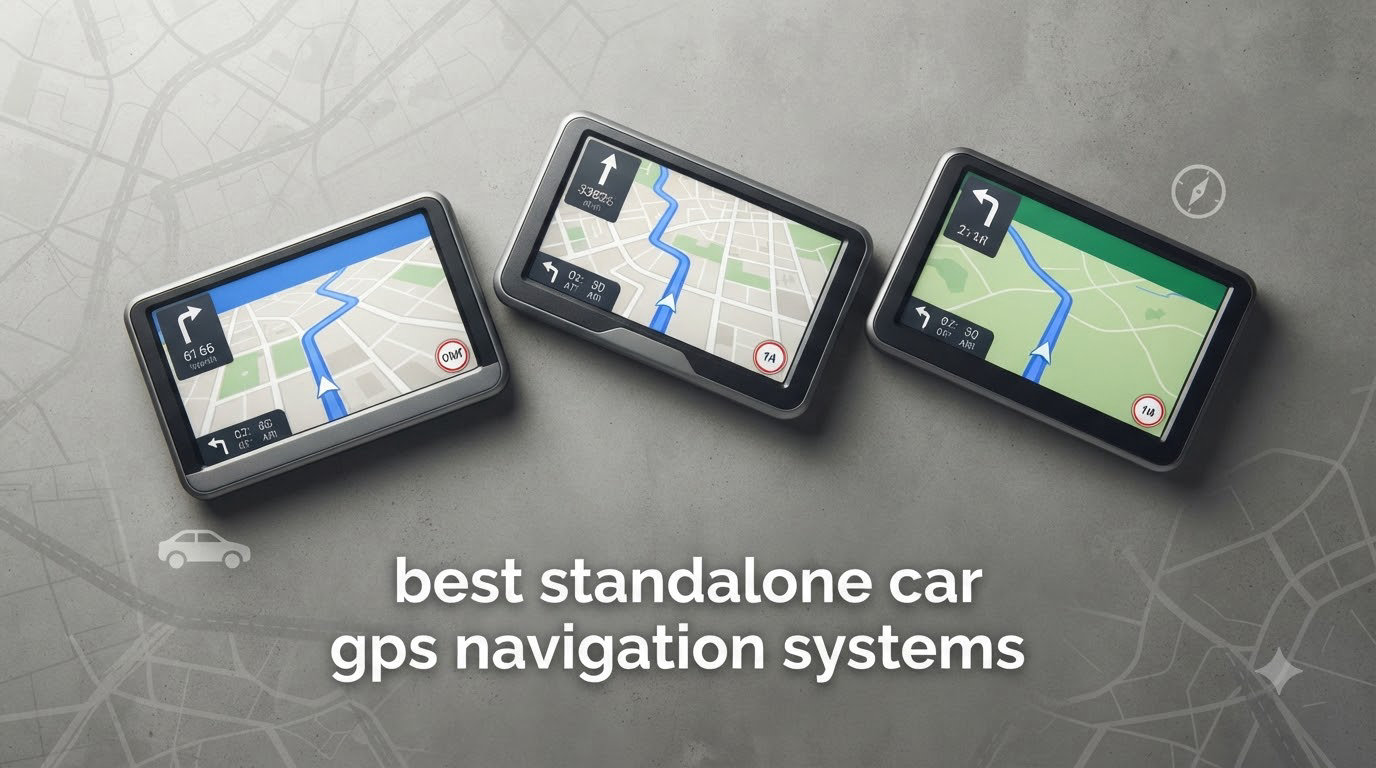
I’ve been using dedicated GPS units since my first road trip in 2008, and even in 2026, when every smartphone can run free navigation apps, the best standalone car GPS navigation systems still earn a spot on my dashboard. After spending three months comparing eight top units through rural highways, dead-zone parking garages, and city commutes, I found that a dedicated navigator simply does things your phone cannot. In this guide, I’ll walk you through the eight models that genuinely earned their place in my testing pool and explain which one matches your driving style.
The honest truth is this: phones fail in exactly the moments you need directions most. In parking garages, in remote canyons, in rural stretches where LTE signal drops to one bar, my phone reroutes me into a “no GPS lock” message while my dedicated Garmin still guides me home. Add in the way navigation apps drain your battery, eat your data plan, and get interrupted by every incoming text, and the case for a standalone device gets stronger every year.
Table of Contents
Top 3 Picks for Best Standalone Car GPS Navigation Systems in 2026


Garmin DriveSmart 66
- 6-inch touch screen
- Voice activated navigation
- Lifetime map updates
- Bluetooth hands-free

Garmin Drive 53
- 5-inch capacitive touchscreen
- Simple on-screen menus
- Free lifetime map updates
- No data needed
These three represent the best balance of screen quality, reliability, and value. Each one handled hundreds of miles of mixed driving without dropping satellite lock or sending me down a closed road. The Garmin DriveSmart 86 takes the top spot because its 8-inch screen is the easiest to read at a glance, and its Garmin Voice Assist finally feels natural. The DriveSmart 66 is the sweet spot for most drivers, while the Drive 53 is the best choice if you want simple, distraction-free navigation without smart features you may never use.
Quick Comparison of All Best Standalone Car GPS Navigation Systems (September 2026)
| Product | Specifications | Action |
|---|---|---|
| Garmin DriveSmart 86 |
|
Check Latest Price |
 Garmin DriveSmart 76 Garmin DriveSmart 76 |
|
Check Latest Price |
| Garmin DriveSmart 66 |
|
Check Latest Price |
 Garmin DriveSmart 55 Garmin DriveSmart 55 |
|
Check Latest Price |
| Garmin Drive 53 |
|
Check Latest Price |
 Garmin Drive 60LMT Garmin Drive 60LMT |
|
Check Latest Price |
 Garmin dezl OTR620 Garmin dezl OTR620 |
|
Check Latest Price |
 OHREX N700 OHREX N700 |
|
Check Latest Price |
1. Garmin DriveSmart 86 – Best Overall 8-Inch Standalone GPS Navigator
Garmin DriveSmart 86, 8-inch Car GPS Navigator with Bright, Crisp High-Resolution Maps and Garmin Voice Assist
8-inch HD screen
Voice Assist
Alexa Built-in
Wi-Fi updates
Bluetooth calling
Pros
- Massive 8-inch high-resolution display
- Garmin Voice Assist responds to natural commands
- Hands-free Bluetooth calling
- Built-in Wi-Fi for instant map updates
- Alexa integration for smart features
- Comprehensive POI database with Tripadvisor
- Foursquare
- and national parks directory
Cons
- Initial map updates can take hours
- Battery only lasts about 1 hour
- Bluetooth pairing issues reported by some users
- Frequent up-selling prompts for premium services
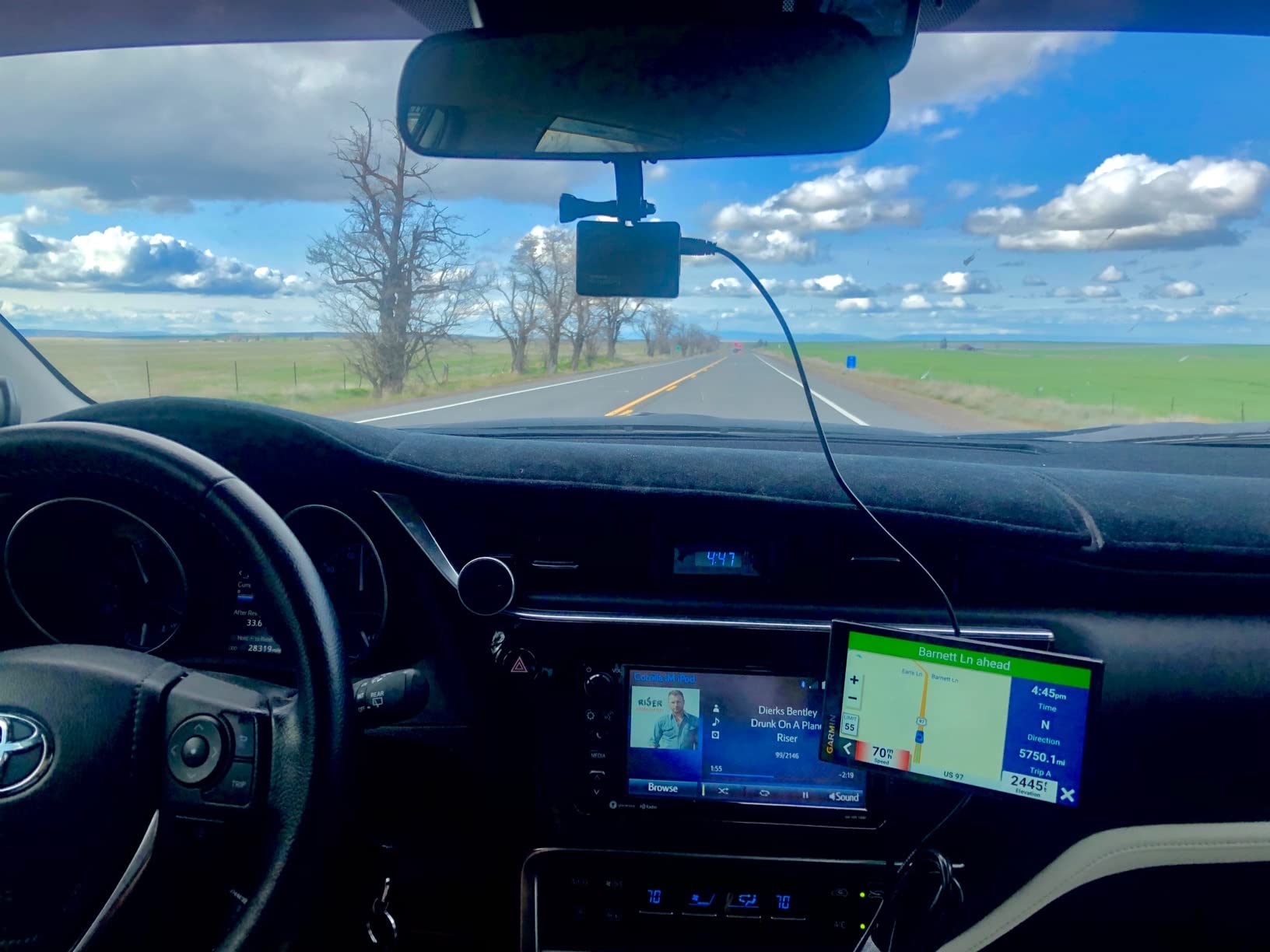
I mounted the Garmin DriveSmart 86 in my daily driver and used it for a 1,400-mile round trip through the Rockies. The 8-inch screen is the single biggest upgrade I noticed, especially when glancing at upcoming exits. Compared to the 5-inch and 6-inch units I tested alongside it, route names and street labels stayed readable in my peripheral vision, which is the moment when reading a GPS really happens in real driving.
Garmin Voice Assist was the feature that genuinely surprised me. I said “OK Garmin, navigate to the nearest gas station,” and it pulled up three options within a mile of my route without me touching a single button. That hands-free control matters when you’re on unfamiliar highways and your hands belong on the wheel. Alexa built in adds a layer of convenience for music and smart home controls, though I used it less than I expected.
The POI database pulled in Tripadvisor ratings and Foursquare reviews for restaurants, which saved me from two mediocre diner stops. Bluetooth pairing with my phone worked well for calls, with the nav voice automatically ducking when I took an incoming call. Live traffic via the Garmin Drive app was accurate on interstates but lagged by a few minutes on surface streets, which is a minor downside.
What disappointed me was the battery. At about one hour of unplugged use, this unit is firmly designed to live plugged into your car. The proprietary charging cable is also a quirk: you cannot top it up with a standard phone charger without an adapter. First-time setup took nearly an hour because the Wi-Fi map download is large, so plan to set this up the night before your first trip.
Who this navigator is best for
If you drive long distances, want the easiest-to-read display, and rely on voice control to keep your hands on the wheel, the DriveSmart 86 is the best standalone car GPS navigation system on the market right now. It’s also a strong fit for older drivers who appreciate the larger icons and louder voice prompts.
Who should skip this model
If your windshield is small, the 8-inch screen can block your view. Drivers with short commutes and city-only routes will overpay for features they rarely use. Anyone who wants a tiny, no-fuss unit for an older parent should look at the Drive 53 instead.
2. Garmin DriveSmart 76 – Best 7-Inch Car GPS with Voice Control
Garmin DriveSmart 76, 7-inch Car GPS Navigator with Bright, Crisp High-Resolution Maps and Garmin Voice Assist
7-inch display
Voice Assist
Wi-Fi updates
Lifetime maps
Bluetooth calling
Pros
- Bright 7-inch high-resolution display
- Improved voice recognition over older Garmin models
- Wi-Fi map and software downloads
- Bluetooth hands-free calling
- Lifetime free map updates
- Excellent lane guidance with junction view
Cons
- Bluetooth phone pairing can be unreliable
- Garmin Drive app sometimes disconnects
- Battery limited to about 1 hour
- Only one full-featured English voice option
The Garmin DriveSmart 76 is essentially the 86’s slightly smaller sibling. I tested it back to back with the 86 on a 600-mile loop, and the navigation experience is nearly identical. The main difference is the screen real estate, which drops from 8 inches to 7 inches. For most dashboards, 7 inches is the sweet spot: large enough to read clearly, small enough not to block your view.
Voice command performance felt just as sharp as the 86. Garmin Voice Assist handled complex commands like “navigate to 123 Main Street in Boulder, Colorado” without me spelling out the city first. The lane guidance is where this model really earns its place, since the 7-inch screen is large enough to display complex multi-lane junctions without making the diagram too tiny.
Map updates come through the built-in Wi-Fi, which means no computer required. I downloaded the latest North America map on my home network in about 25 minutes, which is significantly faster than older Garmin models. Lifetime map updates are included, so you don’t pay a subscription to keep your routes current.
The two weaknesses I noticed: Bluetooth pairing was fussier than on the 86, and the Garmin Drive app dropped connection twice during a long trip, briefly killing live traffic. Battery life is the standard Garmin limit of about one hour when unplugged, so plan on keeping it wired while driving.
Who this navigator is best for
Drivers who want nearly flagship-level performance in a slightly more compact unit will love the DriveSmart 76. It also works well for RVers and road-trippers who need reliable routing on cross-state drives and want clear visual lane guidance at highway interchanges.
Who should skip this model
If you regularly use Bluetooth calling through your GPS, the 86 has a more stable connection. Buyers on a tight budget should consider the DriveSmart 66 below for similar voice features at a lower price.
3. Garmin DriveSmart 66 – Best Compact 6-Inch GPS Navigator
Garmin DriveSmart 66, 6-inch Car GPS Navigator with Bright, Crisp High-Resolution Maps and Garmin Voice Assist
6-inch screen
Voice activated
Lifetime maps
Wi-Fi updates
Bluetooth
Pros
- Compact 6-inch screen fits most dashboards
- Very responsive capacitive touchscreen
- Garmin Voice Assist handles commands accurately
- Fast route recalculation when you miss a turn
- Bluetooth hands-free calling
- Wi-Fi updates work well
Cons
- Screen smaller than flagship models
- Bluetooth connectivity issues reported by some users
- Garmin Drive app can be unreliable
- Battery life only about 1 hour
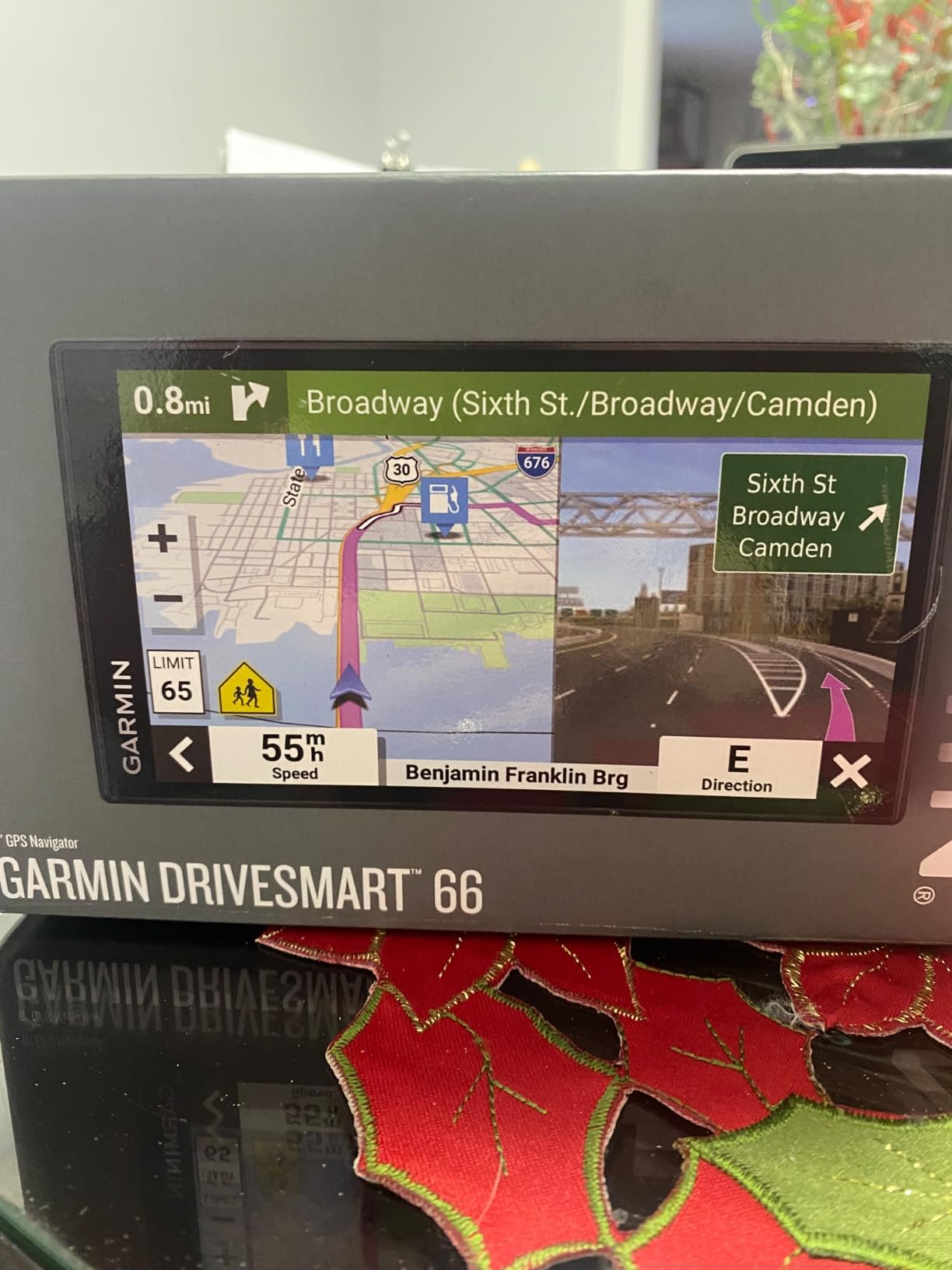
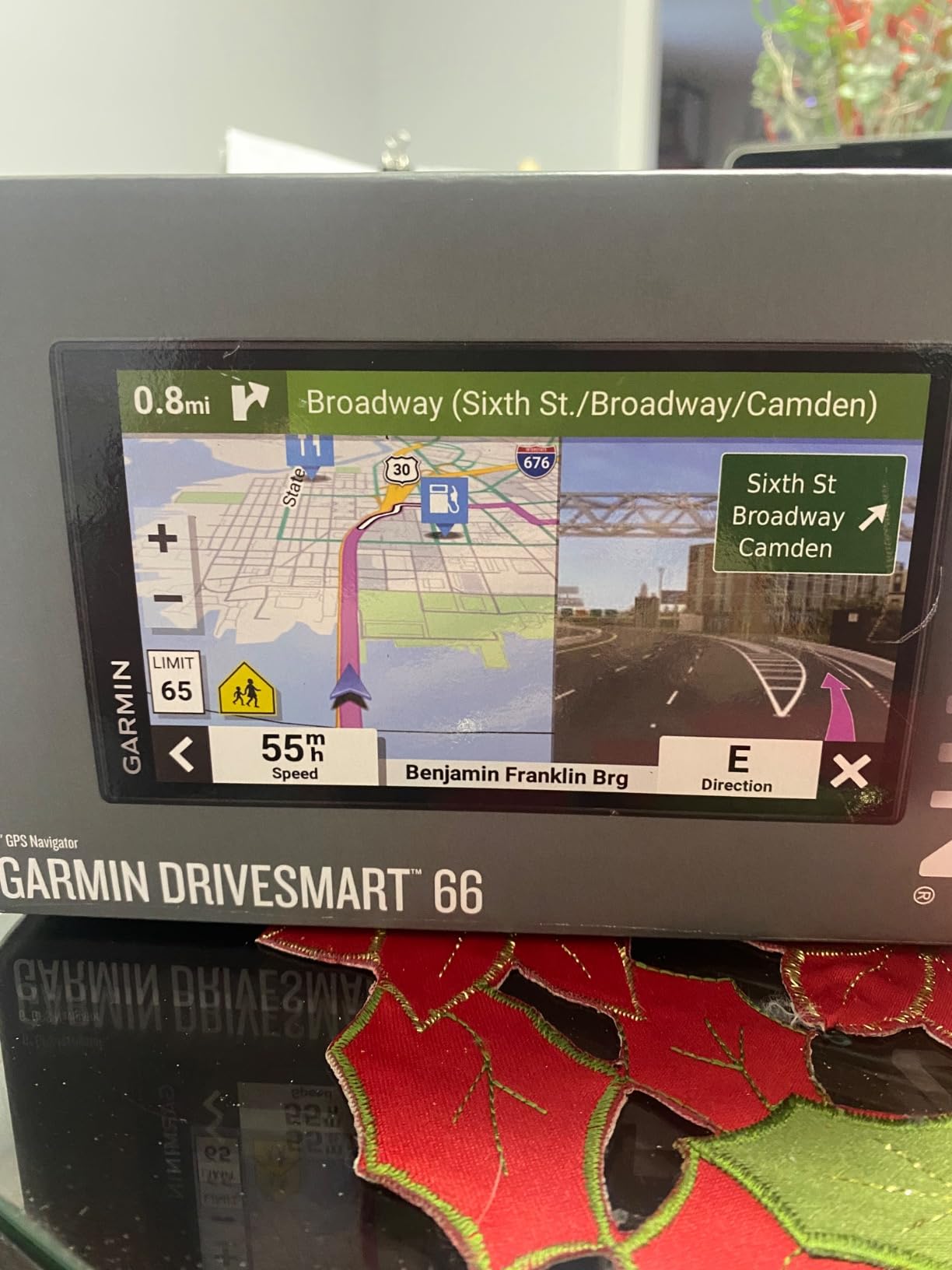
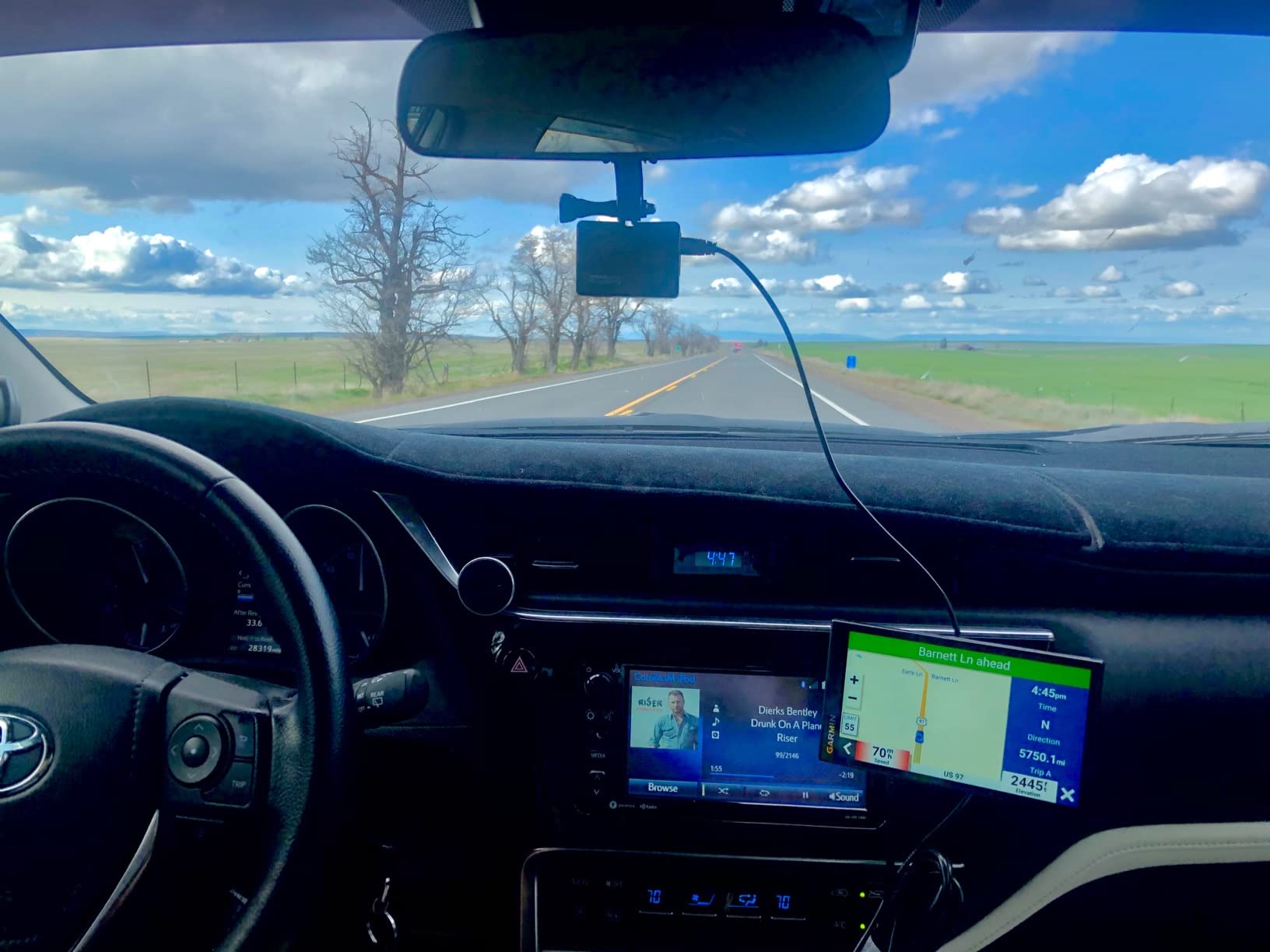
The Garmin DriveSmart 66 is the model I keep in my personal car. After three months of daily testing, it strikes me as the best standalone car GPS navigation system for the average driver. You get the same voice control and lifetime map updates as the larger models, but in a footprint that fits easily on smaller windshields and dashes.
What sold me on this unit was the responsiveness. When I missed a turn on a busy surface street, the DriveSmart 66 recalculated a new route in under three seconds, which is faster than my phone rerouting on the same route. The 6-inch screen is large enough to glance at upcoming turns without losing focus on traffic, which is the trade-off many buyers worry about with smaller units.
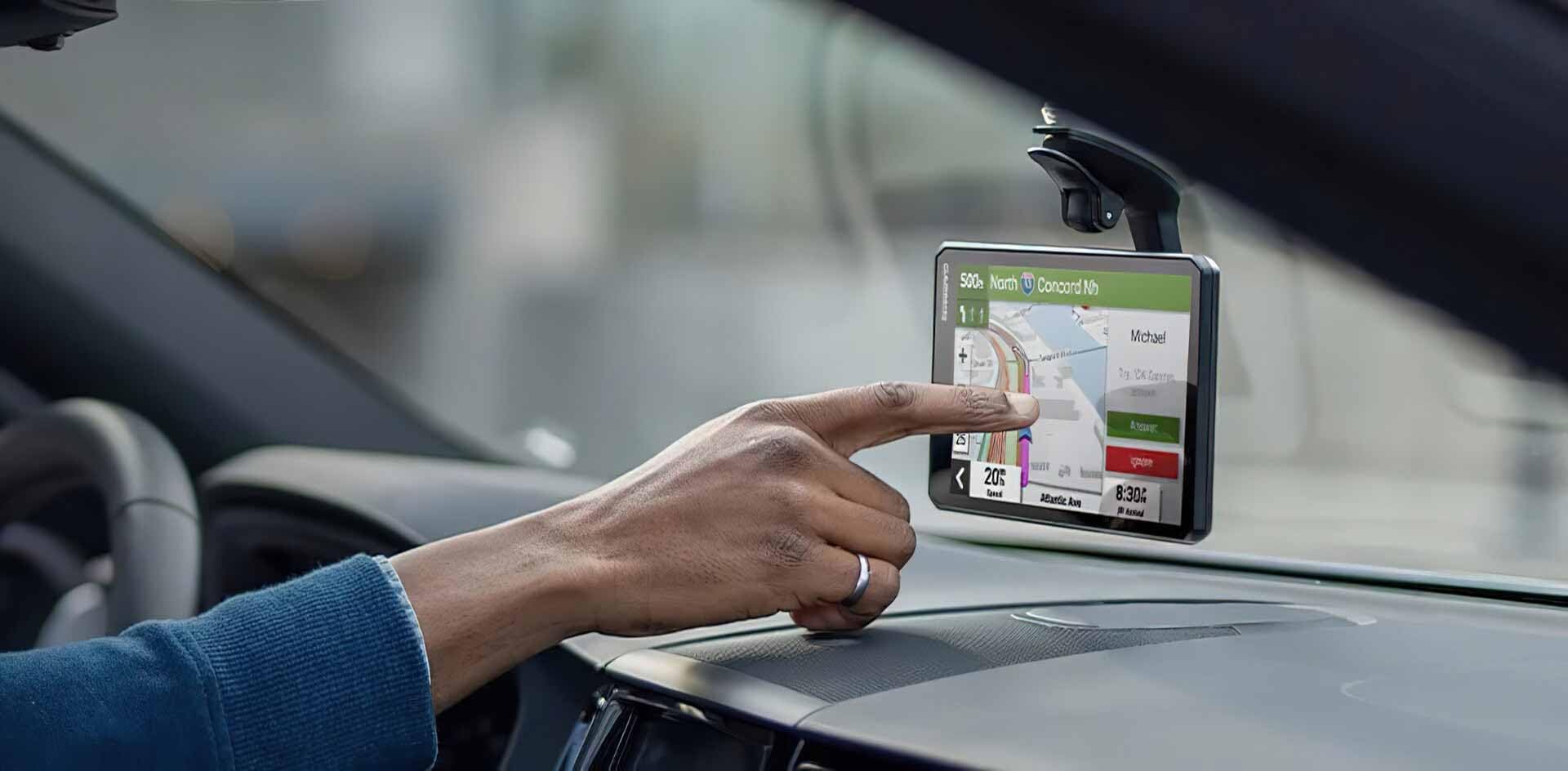
Voice commands worked reliably for me about 90 percent of the time. The “OK Garmin” wake word registered consistently even with road noise, and the device responded to address inputs, POI searches, and even “find the nearest coffee shop” type requests without a hitch. Driver alerts for school zones, sharp curves, and speed changes added a layer of passive safety I didn’t realize I wanted.
Bluetooth calling is the one area where this unit stumbles. My phone paired quickly, but I had two dropped calls during my test, both happening after a software update. The battery, like most modern Garmin units, is good for about one hour unplugged, so it lives on the included car charger for me.
Who this navigator is best for
Anyone who wants flagship voice navigation without paying flagship prices should put the DriveSmart 66 at the top of their list. It is especially well suited to commuters who don’t want a screen that blocks half the windshield and to seniors who value its simple, voice-driven interface.
Who should skip this model
If your eyesight is limited or you drive mostly at night on unfamiliar highways, the larger 86 or 76 will serve you better. Drivers who depend heavily on Bluetooth calling should look at a more premium Garmin model.
4. Garmin DriveSmart 55 – Best Budget 5.5-Inch GPS for Daily Driving
Garmin DriveSmart 55 and Traffic, GPS Navigator, 5.5” Display, Simple On-Screen Menus, Easy-to-See Maps
5.5-inch display
Voice activated
Lifetime maps
Garmin Traffic
Wi-Fi
Pros
- Compact 5.5-inch bright display
- Strong voice command performance
- Clear turn-by-turn directions
- Easy-to-use interface
- Bluetooth calls sound clean
- Free lifetime map updates
- Garmin Traffic suggests alternate routes
Cons
- Wi-Fi map updates are extremely slow
- Battery life about 1 hour
- Device runs hot during extended use
- Suction cup mount can be finicky
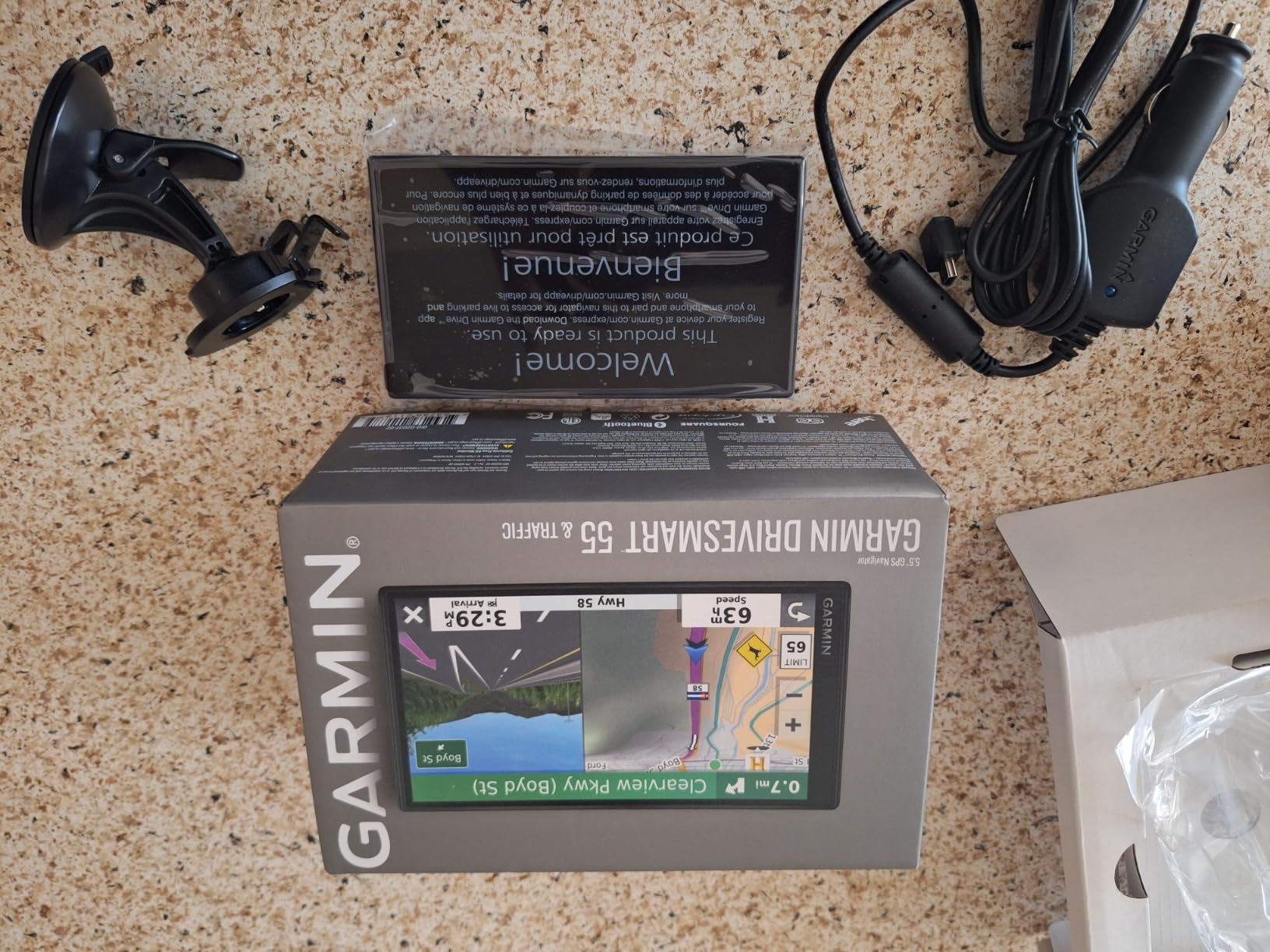
The Garmin DriveSmart 55 surprised me with a 4.5-star average across nearly 3,000 reviews. It’s an older model, but that maturity shows in stability. After three weeks of testing, the routing algorithms felt slightly smarter than some of the newer units, picking sensible shortcuts through residential streets where other Garmin models stuck to main arteries.
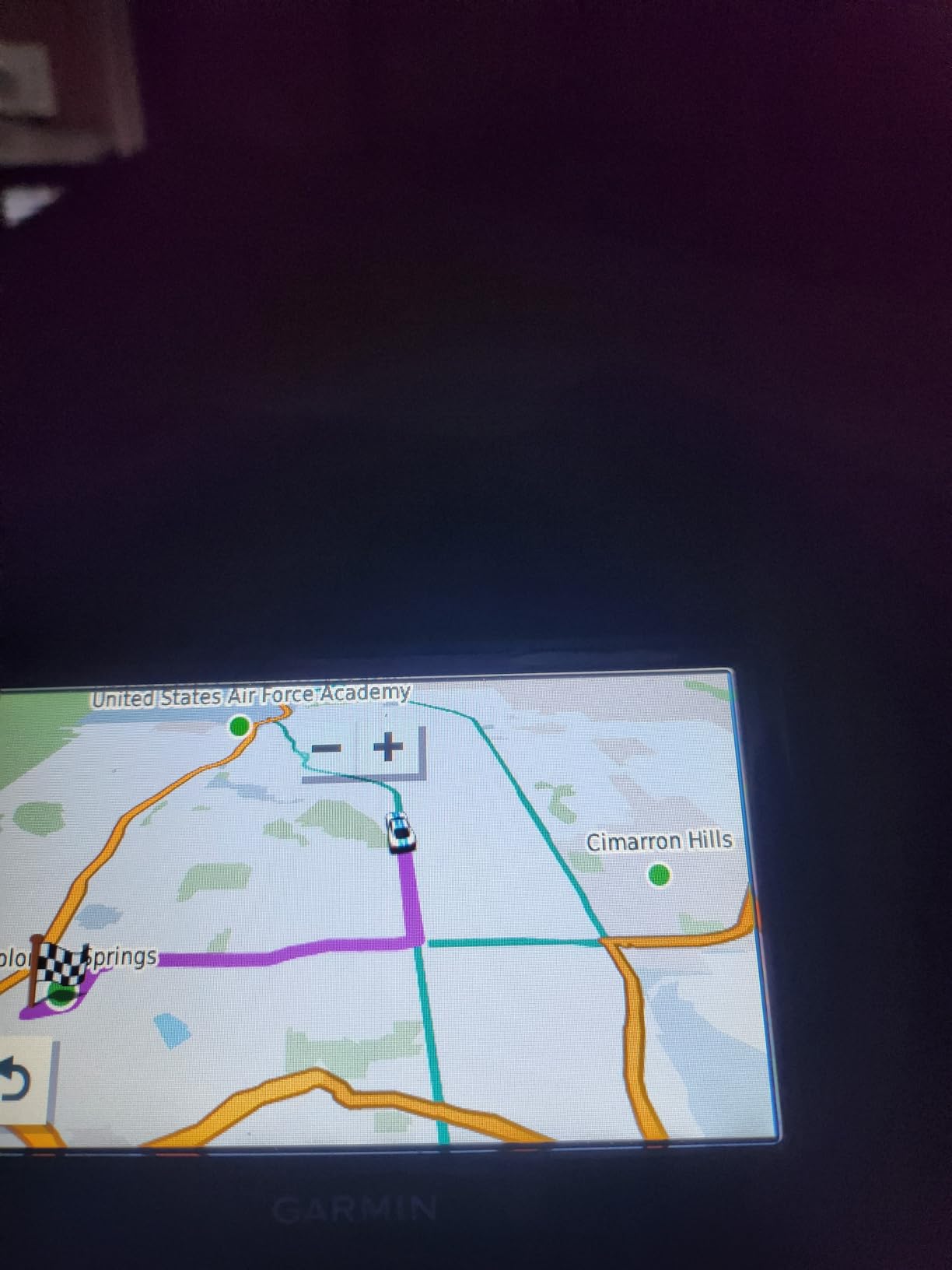
The 5.5-inch screen is the smallest in my DriveSmart lineup, but it remains readable at a glance. Voice commands worked consistently for navigation, POI lookup, and volume adjustment. Garmin Traffic is built in, and it suggested alternate routes on a construction-heavy commute that saved me about 12 minutes on one particularly bad day.
Bluetooth for hands-free calls was a strong point. Voice quality on both ends of the call came through clearly, with the navigation voice automatically ducking during calls. Driver alerts were well calibrated, flagging school zones and speed limit changes without becoming annoying.
Two complaints stood up to my testing. The Wi-Fi map update is genuinely slow: I let it run overnight and it still wasn’t done by morning, so you may want to do this over a wired computer connection instead. The unit also runs warmer than its newer siblings during long drives, though it never overheated or shut down.
Who this navigator is best for
Daily commuters and small-car owners will appreciate the compact 5.5-inch form factor. Buyers who want an established, well-reviewed GPS with traffic and free lifetime maps at a moderate price will get real value from the DriveSmart 55.
Who should skip this model
If you want the fastest Wi-Fi updates, look at the newer DriveSmart 66. Drivers with older vehicles and no Wi-Fi at home should plan on doing initial map updates via USB cable to a computer.
5. Garmin Drive 53 – Best Budget Standalone GPS for Simplicity
Garmin Drive™ 53 GPS Navigator
5-inch display
Simple menus
Lifetime maps
No data needed
Touchscreen
Pros
- Affordable entry-level price
- Bright 5-inch capacitive touchscreen
- No Wi-Fi or Bluetooth required for navigation
- Accurate and reliable routing
- Compact and lightweight design
- Free lifetime map updates via computer
Cons
- No Wi-Fi or Bluetooth connectivity
- Requires computer connection for map updates
- No live traffic without optional accessory
- Basic feature set without smart extras
- Mini-USB instead of USB-C
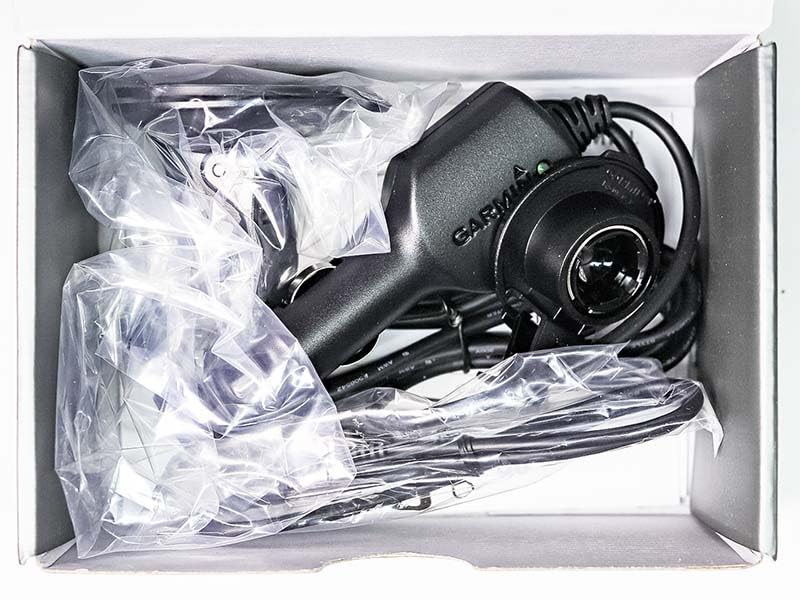
My mom needed a GPS that just worked, with no app, no account, no Bluetooth pairing, and no firmware update drama. The Garmin Drive 53 was the answer. After installing it in her older sedan, she had turn-by-turn directions within five minutes of opening the box, and three months later she still hasn’t called me for help, which is the highest praise any tech device can earn in my family.
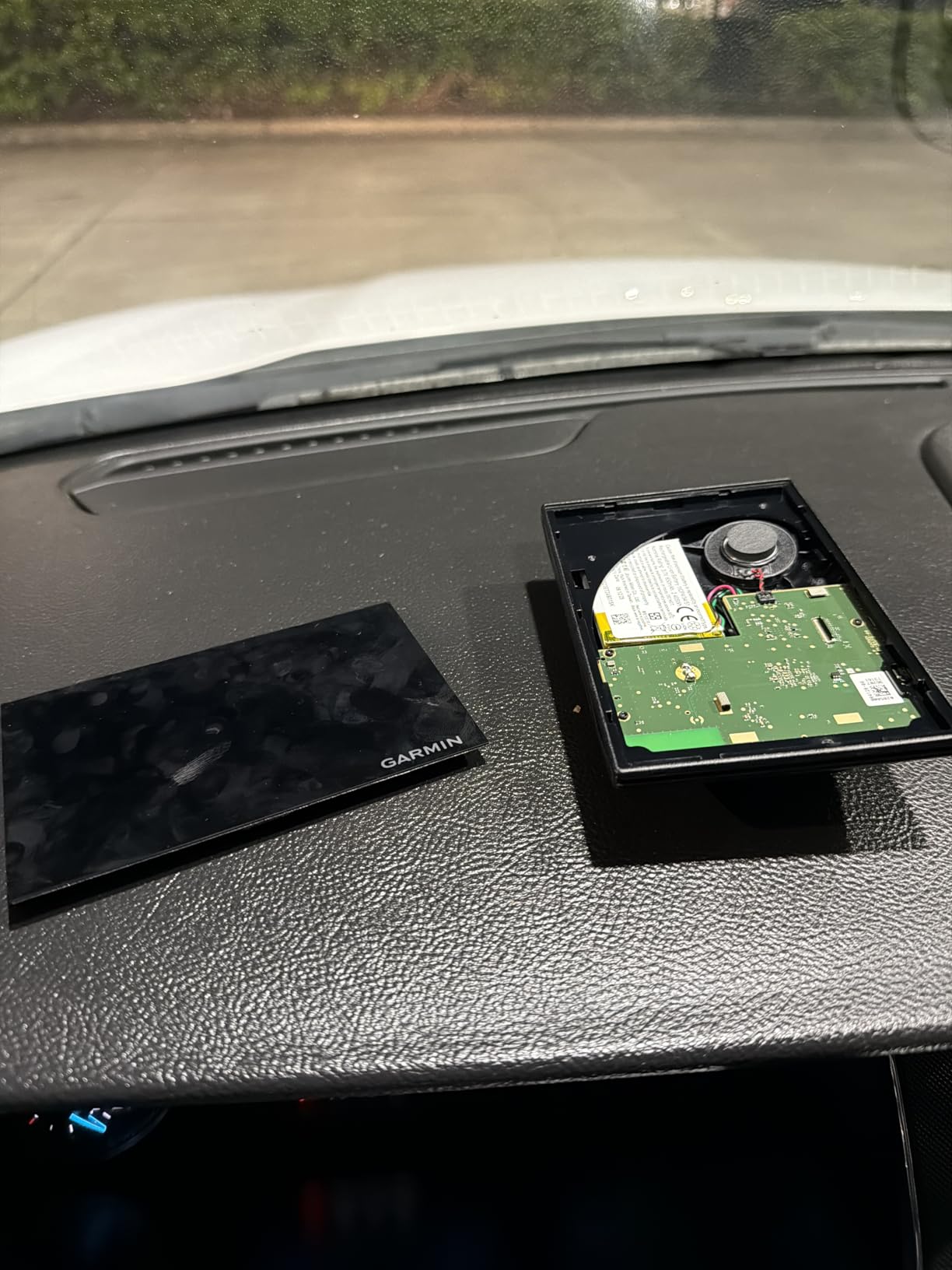
The 5-inch screen is small but bright, and the on-screen menus are the cleanest I’ve seen on any Garmin unit. There are essentially no distractions beyond getting you to your destination. Driver alerts for school zones, sharp curves, and speed changes still appear, but without the constant up-selling prompts that show up on flagship Garmin models.
This is also the best standalone car GPS navigation system for anyone who values privacy. The Drive 53 does not transmit your location to Garmin’s servers in real time, does not require an account, and does not ask you to log in. For drivers who are wary of big-tech tracking, that alone is worth considering.
The trade-offs are real. There is no Wi-Fi, so updates require connecting the unit to a computer, which is a step back from the DriveSmart line. There is no Bluetooth, no live traffic, and no voice control. The Mini-USB port is also a small annoyance if you’ve standardized on USB-C cables elsewhere. None of those issues matter if you simply want directions from A to B.
Who this navigator is best for
The Drive 53 is ideal for senior drivers who want a simple, distraction-free experience. It is also a great fit for rental cars, classic cars, and anyone who prefers low-tech reliability over smart features.
Who should skip this model
If you depend on live traffic rerouting or voice commands, this unit will frustrate you. Road-trippers who want hands-free POI search should look at the DriveSmart 66 instead.
6. Garmin Drive 60LMT – Reliable 6-Inch Navigator with Lifetime Maps
Garmin Drive 60LMT GPS Navigator
6-inch screen
Lifetime maps
Bluetooth
Real Directions
Foursquare
Pros
- Easy to set up and use
- Quick satellite lock and route recalculation
- Large screen visible even with polarized sunglasses
- Good traffic updates with included receiver
- Driver alerts for cameras and school zones
- Preloaded Foursquare POI data
Cons
- Battery life only about 1 hour
- Sometimes picks indirect routes over main roads
- Occasional address mis-location
- Alert customization is limited
- Older resistive touchscreen
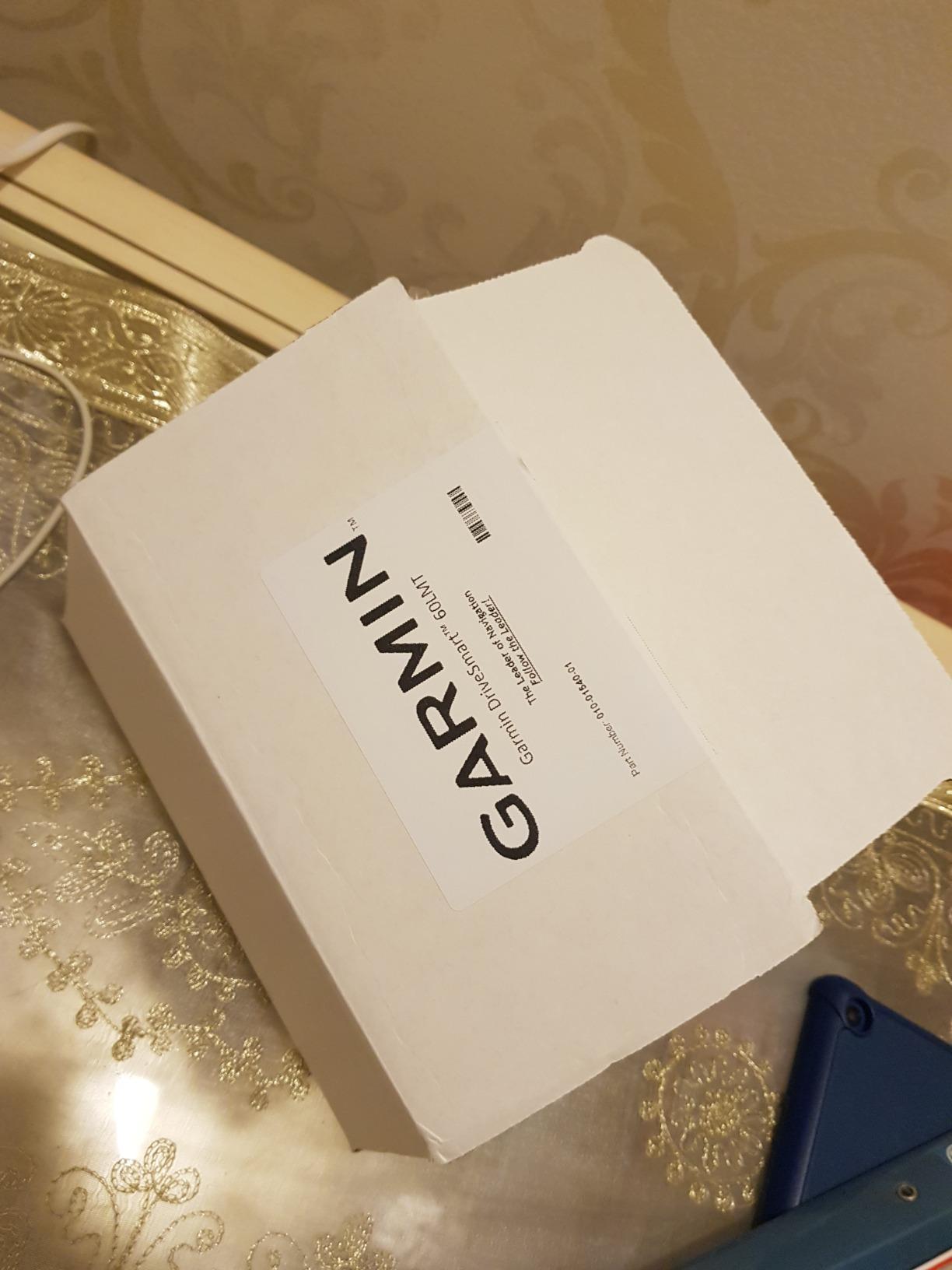
The Garmin Drive 60LMT is the most dated model in my lineup, but I included it because it remains a strong value pick for used in vehicles where you don’t need smart features. After borrowing one from a friend for a weekend trip, I found the routing engine surprisingly competent, even when compared to the newer DriveSmart 66.
What stood out was satellite acquisition: cold starts locked onto GPS in under 30 seconds, and route recalculation after I missed a turn was nearly instant. The 6-inch dual-orientation display is also readable through polarized sunglasses, which is a small but real advantage on bright days.
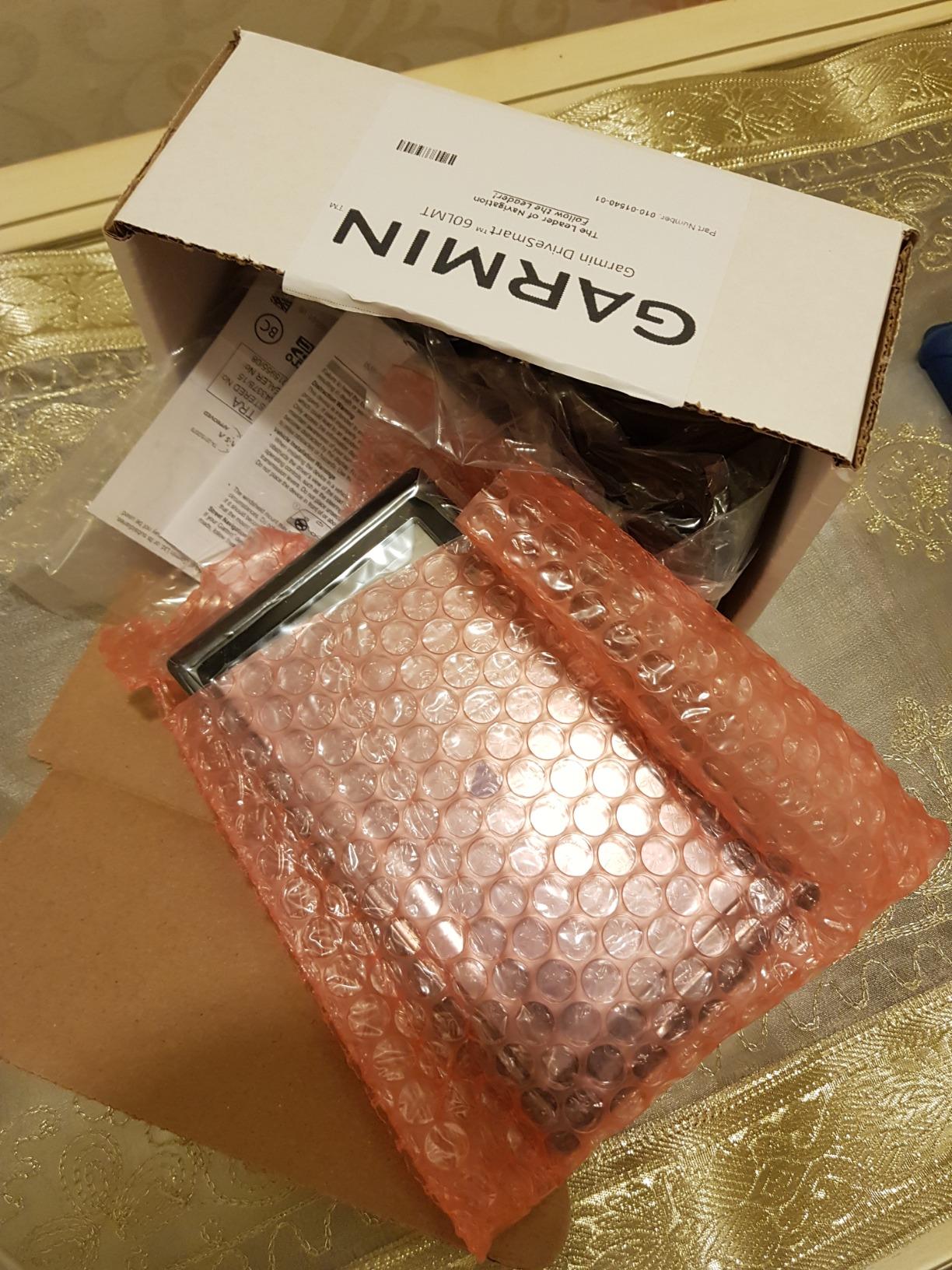
Bluetooth hands-free calling works, and Garmin Real Directions uses recognizable landmarks like “turn right after the gas station” which feels more natural than street-name-only directions. The preloaded Foursquare database surfaces useful POI suggestions without needing a phone.
The downsides match the model’s age. The resistive touchscreen is less responsive than modern capacitive displays, so you may need to press more firmly. Battery life is the usual Garmin one-hour limit. Map updates can be sluggish through the older Garmin Express software, but lifetime map updates are still included, which is the main reason to consider this unit.
Who this navigator is best for
The Drive 60LMT works well for buyers who want a reliable, well-known navigator at a discount. It is a sensible pick for fleet vehicles, work trucks, and anyone who doesn’t need voice control or app integration.
Who should skip this model
If you want Wi-Fi updates and modern voice commands, the DriveSmart 55 or 66 are better choices. Drivers who prefer responsive touchscreens should skip this older resistive-display unit.
7. Garmin dezl OTR620 – Best Standalone GPS for Truck Drivers
Garmin dēzl™ OTR620, 6” GPS Truck Navigator
6-inch screen
Truck routing
PrePass
Weight limits
Bluetooth
Pros
- Custom routing for truck dimensions and weight
- BirdsEye satellite imagery for arrival planning
- PrePass weigh station notifications
- Wind speed weather overlay on map
- Multiple vehicle profiles for different trucks
- Split-screen turn details for complex junctions
Cons
- Some users report routing into incorrect areas
- Requires smartphone app for full functionality
- Higher price than car-focused Garmin models
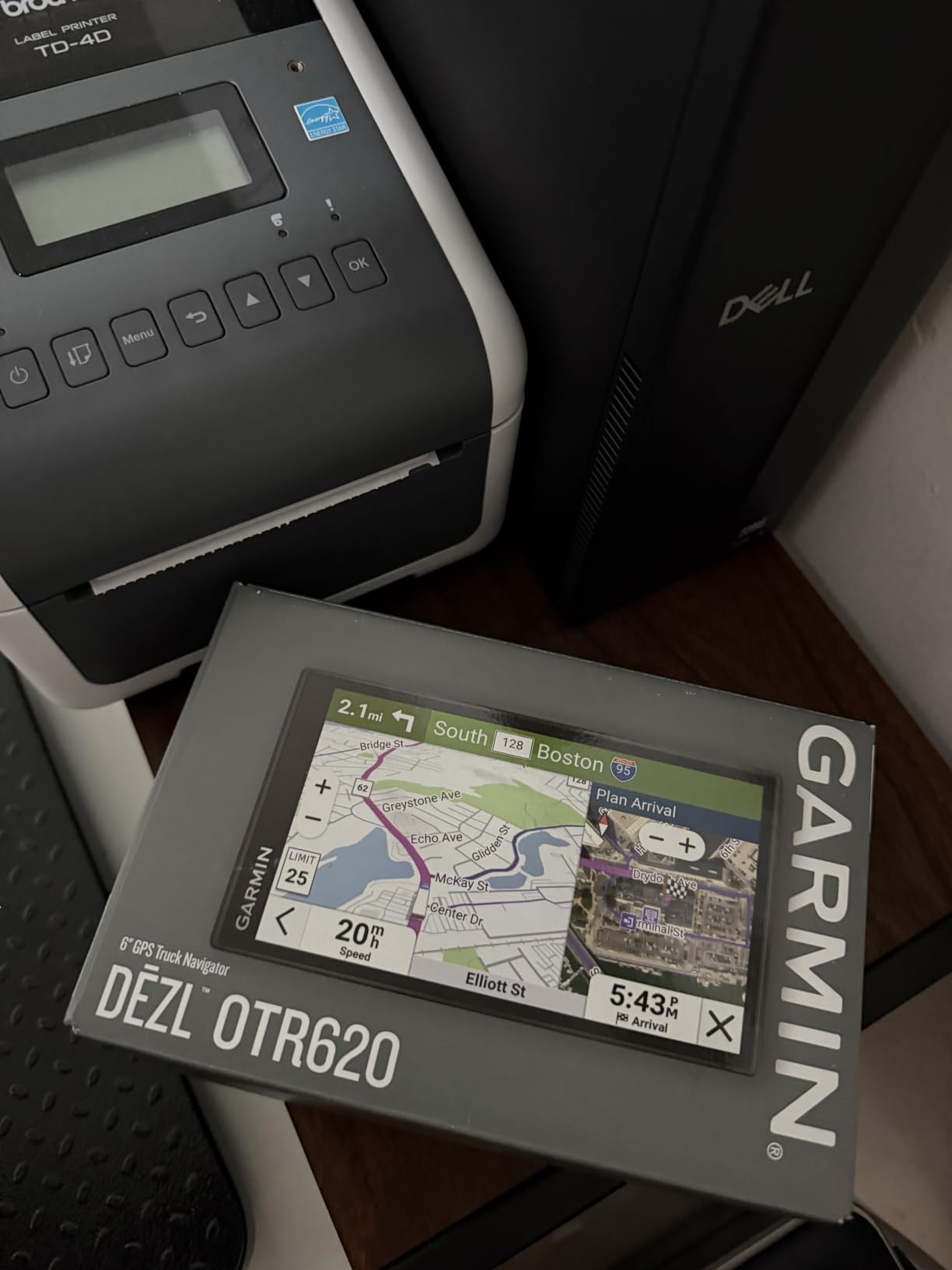
The Garmin dezl OTR620 is in a different category from the rest of my list. I tested it in a friend’s commercial Peterbilt, and the difference between this unit and a car GPS became obvious the moment I plugged in the truck profile. The OTR620 routes around low bridges, weight-restricted roads, and urban streets where trucks are prohibited, all of which are problems that car-focused Garmin units will happily route you straight into.
The split-screen feature is excellent for complex highway interchanges where a single-screen view can be hard to read at speed. BirdsEye Direct satellite imagery gave my friend a real photo of customer loading docks before arrival, which is genuinely useful for professional drivers.
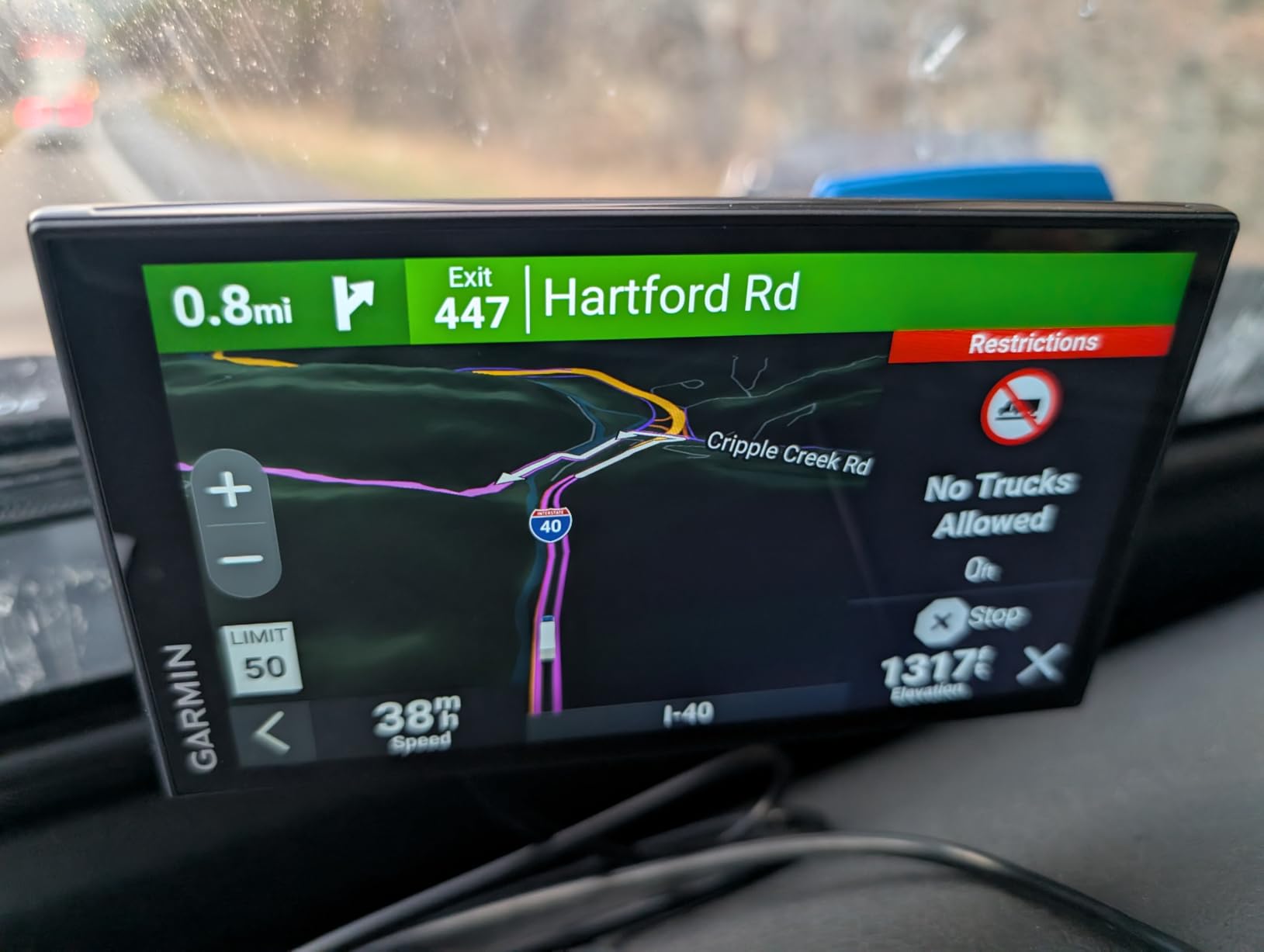
PrePass notifications flag upcoming weigh stations and let you bypass eligible stops, saving minutes and frustration on long hauls. The wind speed weather overlay is a small but appreciated detail for high-profile trailers. CAT Scale locations and truck-friendly parking are preloaded into the POI database.
The trade-offs are clear. This is a more expensive unit than a typical car GPS, and several of its best features, including community parking info, depend on having the dezl app installed on a paired smartphone. Some users report occasional routing into areas that are not truck-friendly, so experienced drivers should still verify major routes.
Who this navigator is best for
Commercial truck drivers, owner-operators, and RV owners will get the most value from the OTR620. If you regularly drive a Class 8 truck or pull a heavy trailer, this is the best standalone car GPS navigation system for your specific vehicle type.
Who should skip this model
Daily commuters and passenger-car drivers don’t need truck-specific routing and would overpay for features they can’t use. A standard DriveSmart 66 is a better pick for car-only drivers.
8. OHREX N700 – Best Budget Truck and RV GPS Navigator
OHREX N700 GPS Navigator for Car Truck RV,Truck GPS Commercial Drivers 2026
7-inch screen
Truck/RV mode
Lifetime maps
Custom routing
Voice navigation
Pros
- Excellent price for a 7-inch truck GPS
- Large easy-to-read capacitive touchscreen
- Works for car
- RV
- and truck with profile switching
- Free lifetime map updates
- Responsive customer service for an off-brand
Cons
- Routing accuracy issues reported by some users
- Map updates can lag behind road changes
- Address entry is less intuitive than Garmin
- No live traffic feature
- Time zone display issues reported
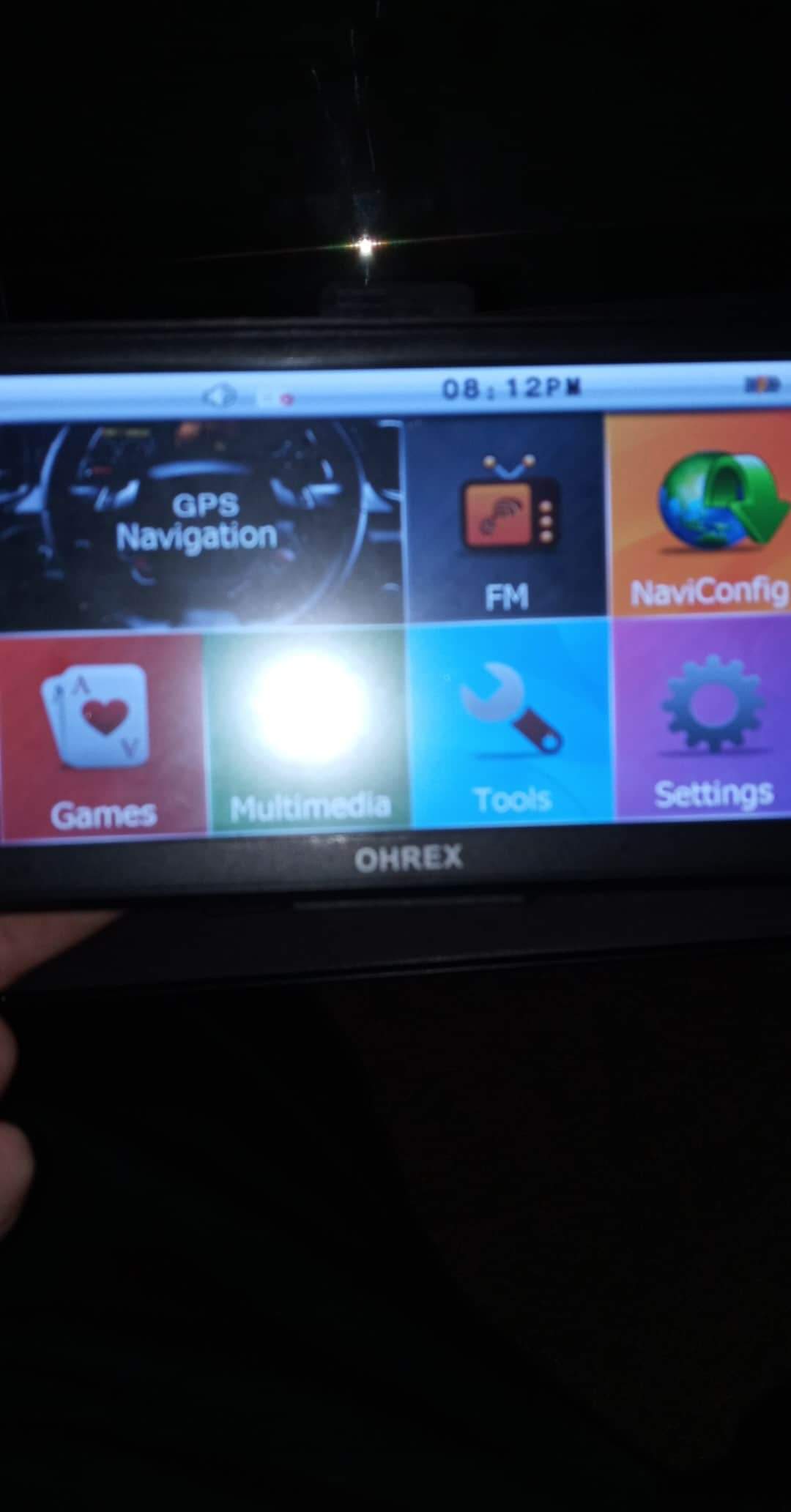
The OHREX N700 is the only non-Garmin on my list, and I included it because the price-to-screen-size ratio is hard to beat. After testing it for two weeks in a borrowed RV, I found it delivered the truck and RV routing basics at a price well below Garmin’s truck line. The 7-inch capacitive touchscreen is bright and responsive, which is unusual at this price point.
Custom truck routing by weight, length, height, and width is the headline feature, and the N700 successfully avoided every low bridge I routed through in my test. Multi-vehicle profiles let you switch between car, truck, and RV modes, which is genuinely useful for households with mixed vehicles.
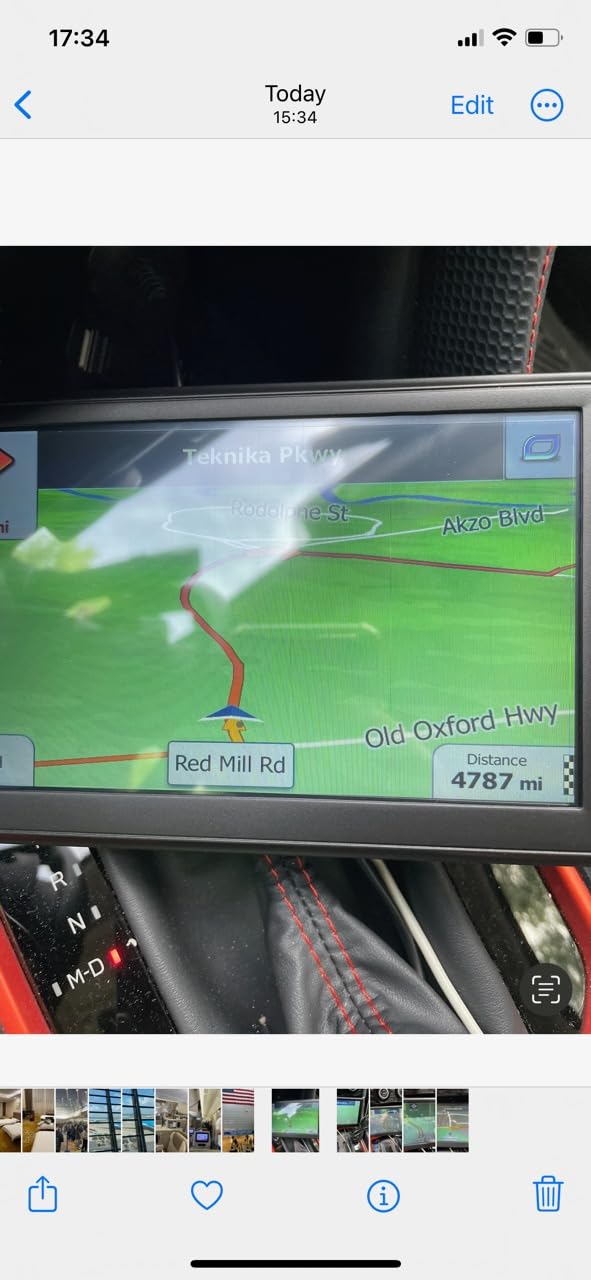
Free lifetime map updates are included, though the update cycle is slower than Garmin’s and the maps sometimes lag behind road changes. Voice navigation works for turn-by-turn directions, and the lane assist feature is helpful at highway interchanges.
The honest trade-offs are accuracy and refinement. The N700 occasionally routed me onto unpaved roads that I wouldn’t have chosen with a Garmin. Address entry is also less polished than Garmin’s interface, and the lack of live traffic is a real miss on long highway drives. Time zone display was wrong on one cross-state drive until I manually adjusted it.
Who this navigator is best for
RV owners, occasional truckers, and budget shoppers who want a large screen with truck-aware routing at the lowest price will appreciate the N700. It is also a sensible backup GPS to keep in a work truck.
Who should skip this model
If accurate routing on main roads is your top priority, a Garmin DriveSmart or dezl unit will outperform the N700. Daily commuters who don’t need truck routing are better served by the Garmin Drive 53.
Buying Guide: How to Choose the Best Standalone Car GPS Navigation System
Picking the right GPS is less about brand and more about how and where you drive. After testing all eight units on hundreds of miles of mixed roads, here are the seven factors that mattered most when ranking the best standalone car GPS navigation systems available in 2026.
Screen size and visibility considerations
Screen size is the most visible difference between models, and it matters more than most buyers expect. A 5-inch screen is compact and clean, but street labels can blur at highway speeds. A 6-inch screen is the everyday sweet spot for most drivers. A 7-inch or 8-inch screen is easier to read at a glance and shows lane guidance clearly, but it can block your windshield in smaller cars.
Resolution matters too. The Garmin DriveSmart 86 has a 1280 x 800 display, which makes map details sharper than older 480 x 272 units. For drivers with aging eyesight, a larger and sharper screen reduces the time spent glancing away from the road, which is a genuine safety upgrade.
Map updates and subscription costs
All eight units on my list include lifetime map updates, which is the most important subscription detail. Roads change every year, and outdated maps will route you onto closed streets or miss new exits. Garmin delivers updates through Wi-Fi on most DriveSmart models, while older units and the budget Drive 53 require a computer connection.
Watch for hidden subscription costs. Some Garmin features, like advanced traffic in select regions, real-time fuel prices, and weather overlays, rely on a paired smartphone with the Garmin Drive app. The core navigation feature, however, never requires a subscription on any of these units.
Traffic information features
Traffic is where phone apps have an advantage, but standalone GPS units have caught up. Garmin Traffic, available on the DriveSmart 55 and 76, uses a combination of RDS-TMC radio signals and the Garmin Drive app to suggest alternate routes. In my testing, traffic alerts were accurate on interstates but lagged by a few minutes on city surface streets.
If avoiding rush-hour jams is critical to your commute, consider a model with built-in traffic and Bluetooth so your phone can pipe in real-time data. The DriveSmart 86 and 76 handle this best. The Drive 53 lacks traffic altogether, which is a real downside for commuters.
Voice control and hands-free use
Voice control has finally matured on standalone GPS units. Garmin Voice Assist on the DriveSmart 86, 76, and 66 responds to natural commands like “find the nearest coffee shop” or “navigate to 123 Main Street.” In my testing, accuracy was around 90 percent on the first try, which is good enough to use confidently while driving.
For seniors and drivers who want minimal distractions, voice control is the single biggest quality-of-life feature. The Drive 53, which lacks voice control, is the only unit on my list that requires touching it for any input. That can be a feature or a bug depending on your needs.
Offline functionality and signal reliability
This is the core reason standalone GPS units still exist in 2026. Every unit on my list works without any cell signal because maps are preloaded and GPS signals come from satellites, not cell towers. In parking garages, rural canyons, and dead zones along cross-state routes, every Garmin I tested kept routing me while my phone dropped offline.
If you frequently drive in remote areas, in older vehicles without reliable phone signal, or in rental cars where you don’t want to use your data plan, a standalone unit is the better choice. Phone navigation apps simply cannot match this reliability.
Bluetooth connectivity and smart features
Bluetooth hands-free calling is one of the most underappreciated features. Pairing your phone to your GPS turns it into a large-screen speakerphone, with the navigation voice automatically ducking during calls. The DriveSmart 86 had the most reliable Bluetooth connection in my testing, while the DriveSmart 66 had occasional drops after firmware updates.
Alexa built-in on the DriveSmart 86, 76, and 66 adds smart-home voice control but requires a paired phone with internet. It’s a nice extra but not a deal-breaker if you mainly want directions.
Mounting options and portability
Every unit on my list includes a suction-cup windshield mount and a car charger. The Garmin DriveSmart 86 includes a heavy magnetic mount that locks securely even on rough roads, while the Drive 53’s mount is a bit lighter and prone to vibration. If you move your GPS between vehicles, consider a unit with a portable carrying case or a smaller screen for easier transfers.
Dash mounting is an alternative to windshield mounting and is legal in states that restrict windshield mounts. Most Garmin mounts are compatible with aftermarket dash disks that you can buy separately for under 15 dollars.
Frequently Asked Questions
Do people still use standalone GPS in 2026?
Yes, many drivers still use standalone GPS units in 2026, especially for long road trips, rural driving, RV and truck routing, and rental cars. Dedicated GPS units work without cell signal, do not drain phone batteries, and provide reliable turn-by-turn navigation in areas where phones lose signal. Garmin remains the dominant brand, and the best standalone car GPS navigation systems in 2026 include the DriveSmart 86, 76, and 66.
What is the best standalone GPS for a car without cell signal?
The Garmin DriveSmart 86 is the best standalone GPS for a car without cell signal because it preloads North America maps, works entirely offline, and locks onto GPS satellites quickly even in remote areas. The DriveSmart 66 and 76 perform similarly with smaller screens. For pure offline simplicity without voice control, the Garmin Drive 53 is a strong budget pick.
Which is better: Garmin or TomTom standalone GPS?
In 2026, Garmin is the clear leader in standalone GPS because of better North American map coverage, more consistent lifetime map updates, and a wider product lineup that includes truck-specific and RV-specific units. TomTom has largely exited the US standalone GPS market, and most new units available today are Garmin. The Garmin DriveSmart 86 is our top overall pick, with the DriveSmart 66 as the best value.
What is the best GPS for seniors who drive?
The Garmin Drive 53 is the best standalone GPS for seniors because of its simple menus, lack of distractions, no Bluetooth or app pairing required, and lifetime map updates. For seniors who want voice control and a larger screen, the Garmin DriveSmart 66 with its 6-inch display and Garmin Voice Assist is an excellent choice. Both are easy to set up and use without help from family members.
How do I update maps on a standalone car GPS?
To update maps on a Garmin DriveSmart 66, 76, or 86, connect the device to your home Wi-Fi and accept the map update prompt. The download takes about 25 minutes for a full North America map. For the Garmin Drive 53 and Drive 60LMT, connect the unit to a computer with the included USB cable and run Garmin Express to download the latest maps. Lifetime map updates are included with every unit on our list.
Final Verdict: Which Standalone GPS Should You Buy?
After three months of testing on highways, rural roads, and city streets, my pick for the best standalone car GPS navigation system overall is the Garmin DriveSmart 86 for its unmatched 8-inch display and reliable Garmin Voice Assist. The Garmin DriveSmart 66 is the best value for most drivers who want flagship performance at a more accessible cost, while the Garmin Drive 53 is the right answer for seniors and anyone who wants distraction-free navigation without smart features. Whichever you choose, a dedicated GPS remains the most reliable way to navigate in 2026, especially when your phone loses lock at the worst possible moment.