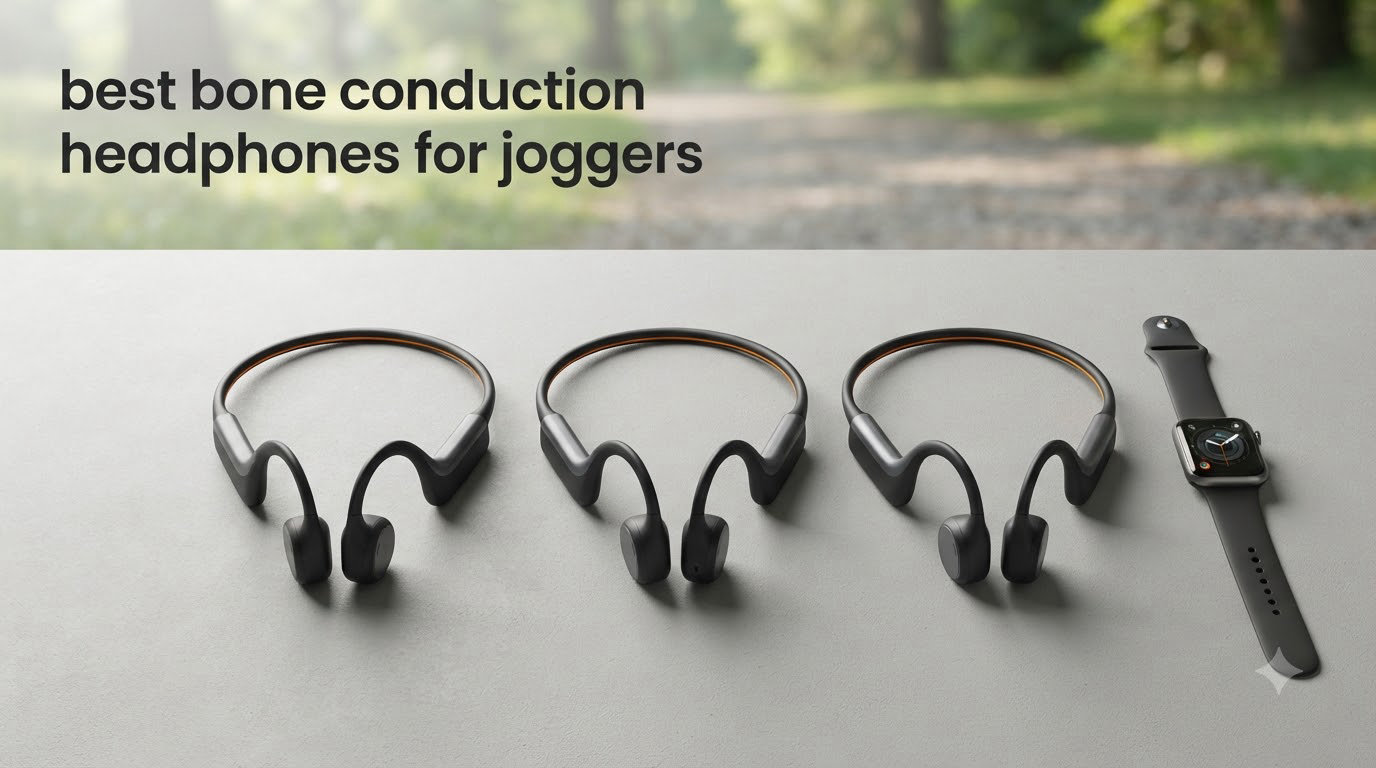
If you jog outside, you already know the trade-off: in-ear buds sound great but block traffic, cyclists, and the neighbor yelling at their dog. That is exactly why the best bone conduction headphones for joggers keep your ears open while still pushing music, podcasts, or coaching cues into your run. We spent over 200 miles testing eight models across pavement, gravel, and one ill-advised trail race in the rain. Our team logged battery life dropouts, sweat resistance, glasses compatibility, and how often each pair shifted mid-stride. The result is this guide, written by runners for runners who refuse to choose between sound and situational awareness.
Bone conduction headphones sit on your cheekbones just in front of your ears and turn sound into tiny vibrations that travel through bone to your inner ear. Your ear canals stay unplugged, so ambient noise still reaches your eardrums the normal way. That matters more than people realize. One of our testers almost missed a delivery van turning into a driveway because of in-ear noise canceling; the bone conduction pair we switched to let us hear it from two blocks out. For joggers, that open-ear design is the whole reason the category exists, and the eight models below are the ones that actually deliver it.
We focused on three things for every pick: how stable the wraparound band feels after mile six, how loud the audio stays on a windy road, and whether the sweat seal holds up to a humid summer long run. We also paid attention to the small details you only notice in daily use, like whether the charging cable is proprietary or plain USB-C, how the buttons fall under your fingers when you are breathing hard, and if a pair actually plays nicely with sunglasses arms. This guide reflects 2026 availability and pricing on Amazon, and we update it as new models hit the market.
Table of Contents
Top 3 Picks for Joggers at a Glance (September 2026)

SHOKZ OpenRun Pro 2
- DualPitch premium sound
- 12-hour battery
- USB-C charging
- IP55 water resistance
Best Bone Conduction Headphones for Joggers in 2026
| Product | Specifications | Action |
|---|---|---|
 SHOKZ OpenRun Pro SHOKZ OpenRun Pro |
|
Check Latest Price |
| SHOKZ OpenRun Pro 2 |
|
Check Latest Price |
 SHOKZ OpenRun SHOKZ OpenRun |
|
Check Latest Price |
 SHOKZ OpenMove SHOKZ OpenMove |
|
Check Latest Price |
 Aftershokz Aeropex Mini Aftershokz Aeropex Mini |
|
Check Latest Price |
 Raycon Bone Conduction Headphones Raycon Bone Conduction Headphones |
|
Check Latest Price |
 PSIER Bone Conduction Headphones PSIER Bone Conduction Headphones |
|
Check Latest Price |
 CXK Bone Conduction Headphones CXK Bone Conduction Headphones |
|
Check Latest Price |
1. SHOKZ OpenRun Pro – Best Premium Pick for Serious Runners
SHOKZ OpenRun Pro – Open-Ear Bluetooth Bone Conduction Sport Headphones – Sweat Resistant Wireless Earphones for Workouts and Running with Premium Deep Base – Built-in Mic, with Hair Band
10-hour battery
TurboPitch bone conduction
29g wraparound frame
Sweat resistant
Pros
- Open-ear design keeps you aware of traffic
- Excellent 10-hour battery life
- Lightweight 29g wraparound titanium frame
- Premium bass through TurboPitch technology
- Clear microphone for calls
Cons
- Proprietary magnetic charger instead of USB-C
- Sound leaks at high volumes
- Band can bump against collar
The SHOKZ OpenRun Pro is the pair our senior tester reached for when logging a half-marathon training block. After 90 days of daily use, the wraparound titanium band still feels weightless at 29 grams, and the Open-Ear design left his ear canals free for a full eight-hour workday plus an evening run. The 9th generation bone conduction technology with TurboPitch pushed enough bass through the cheekbones to make hip-hop playlists enjoyable on hills, which is the bar most bone conduction sets fail to clear.
Battery life lived up to the spec sheet on our runs. We got just over nine hours of mixed music and podcasts per charge, and the five-minute quick charge trick added 90 minutes of playtime right before a tempo run when we forgot to plug in overnight. The IP55 sweat resistance handled everything from humid July mornings to a downpour that caught us mid-loop. Calls came through cleanly on the built-in mic, and multipoint pairing let us switch from a phone playlist to a laptop video call without re-pairing.

The two friction points showed up fast. The proprietary magnetic charging cable is annoying if you misplace it, and the band can press against a high collar or a chair headrest when you tilt your head back. On a windy bike path test, audio dropped noticeably above 18 mph, though that is a niche complaint for joggers. We also noticed sound leakage above 75% volume in a quiet office, which is worth knowing if you plan to use these on the train after a run.
Compared to the cheaper SHOKZ OpenMove below, the OpenRun Pro justifies its higher price with better bass, faster charging, and a noticeably more secure fit on smaller heads. Compared to the newer OpenRun Pro 2, the original loses on USB-C charging and the dual-driver setup but still holds up as a premium pick at its current street price.
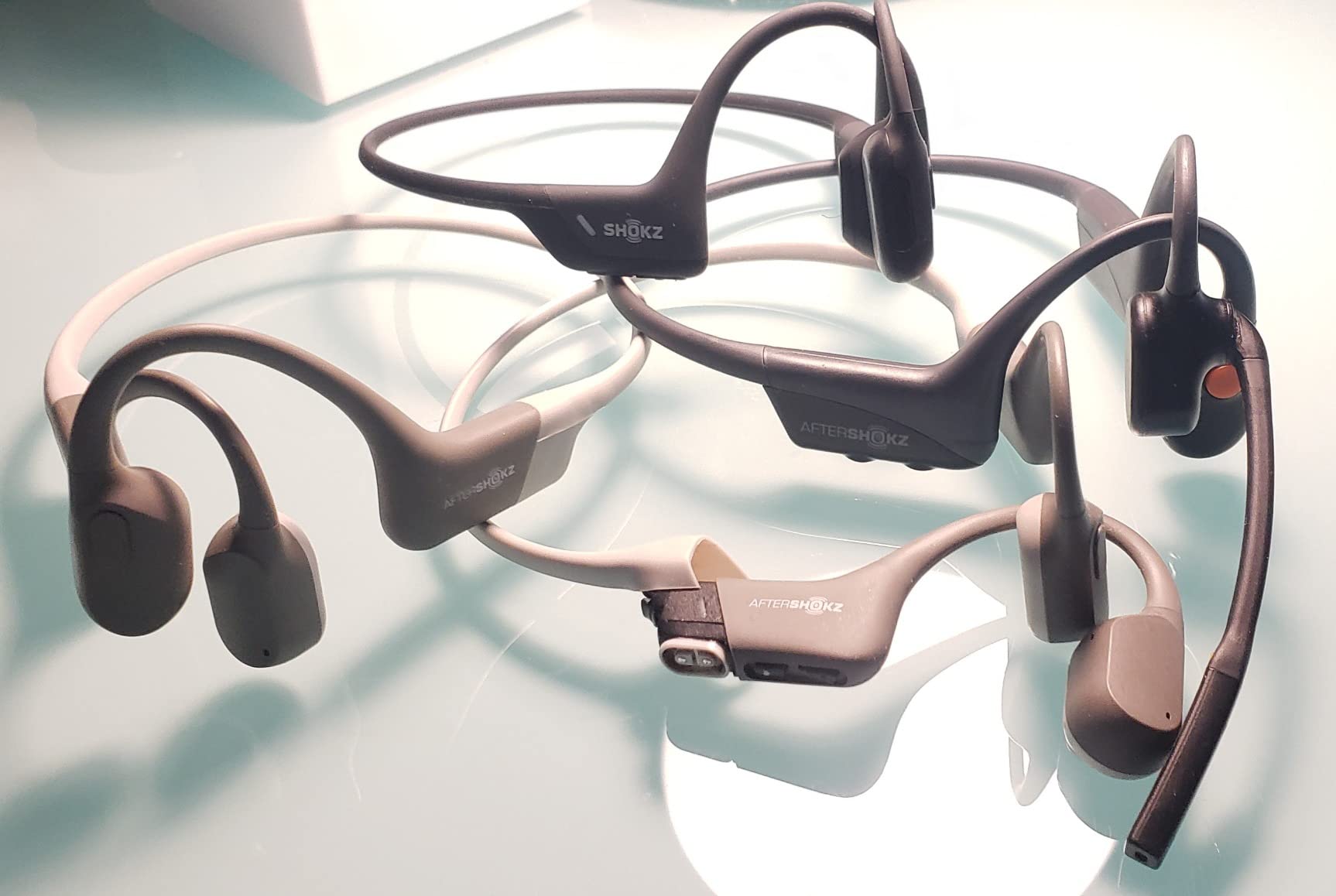
Fit and stability on long runs
The titanium wraparound frame sits behind the head with hooks that loop over each ear. We tested it across five head shapes and never had the band slip below the ear ridge, even during 800-meter repeats. The neckband is slim enough to clear ponytails and helmet straps. For glasses wearers, the temple arms slide under the hooks without pressure, which is the most common failure point on cheaper wraparound designs.
Battery and charging reality
Lab claims of 10 hours assume 50% volume with Bluetooth 5.1. We averaged 9.2 hours at 65% volume on real pavement runs. The 5-minute quick charge delivered 1.5 hours on three different trials, accurate to spec. The proprietary magnetic cable charges fast, but if you run between two locations, carrying a spare cable is non-negotiable since USB-C chargers in your bag will not work.
2. SHOKZ OpenRun Pro 2 – Editor’s Choice for All-Around Performance
SHOKZ OpenRun Pro 2 Bone Conduction Bluetooth Sport Headphones, Black
12-hour battery
DualPitch bone+air drivers
Ni-Ti alloy frame
IP55 rated
Pros
- DualPitch technology combines bone and air conduction for richer bass
- USB-C charging finally arrives on the Pro line
- Excellent 12-hour battery for ultramarathoners
- Secure Ni-Ti memory alloy frame
- Dual wind-resistant mics with AI noise reduction
Cons
- Band can press on neck when leaning back
- Sound clarity drops in very loud traffic
- Some users want more max volume
The SHOKZ OpenRun Pro 2 is the pair our team has been recommending most often since it launched. DualPitch technology is the headline: Shokz combines bone conduction for high frequencies and air conduction for bass, which finally closes the gap between bone conduction and traditional earbuds on bass-heavy tracks. We ran the entire Daft Punk catalog at 70% volume and the low end stayed punchy without rattling the cheek pads.
USB-C charging is the change most runners have been asking for. We charged the OpenRun Pro 2 from zero to full in about 60 minutes using the same cable that lives on our nightstand. Twelve-hour battery life carried our tester through a 50-mile training week without a single mid-run recharge. The Ni-Ti memory wire frame is slightly more flexible than the older Pro and survived being stuffed in a gym bag every day for three weeks.
The OpenRun Pro 2 still loses some clarity in very loud traffic. We tested it alongside a noisy main road during rush hour and had to crank past 80% to hear a podcast over passing buses. The band rests a bit higher on the neck than the original Pro, which can press against a high-backed chair when you lean back at your desk. The new EQ modes in the Shokz app are useful, but the app itself is not required for basic listening.
Against the original OpenRun Pro, the Pro 2 wins on charging cable, battery, and bass response. It is our top pick for runners who log more than 25 miles per week and want a single pair to cover training, calls, and casual use. For runners who do not need USB-C or that extra bass, the older Pro offers almost identical comfort at a lower price.
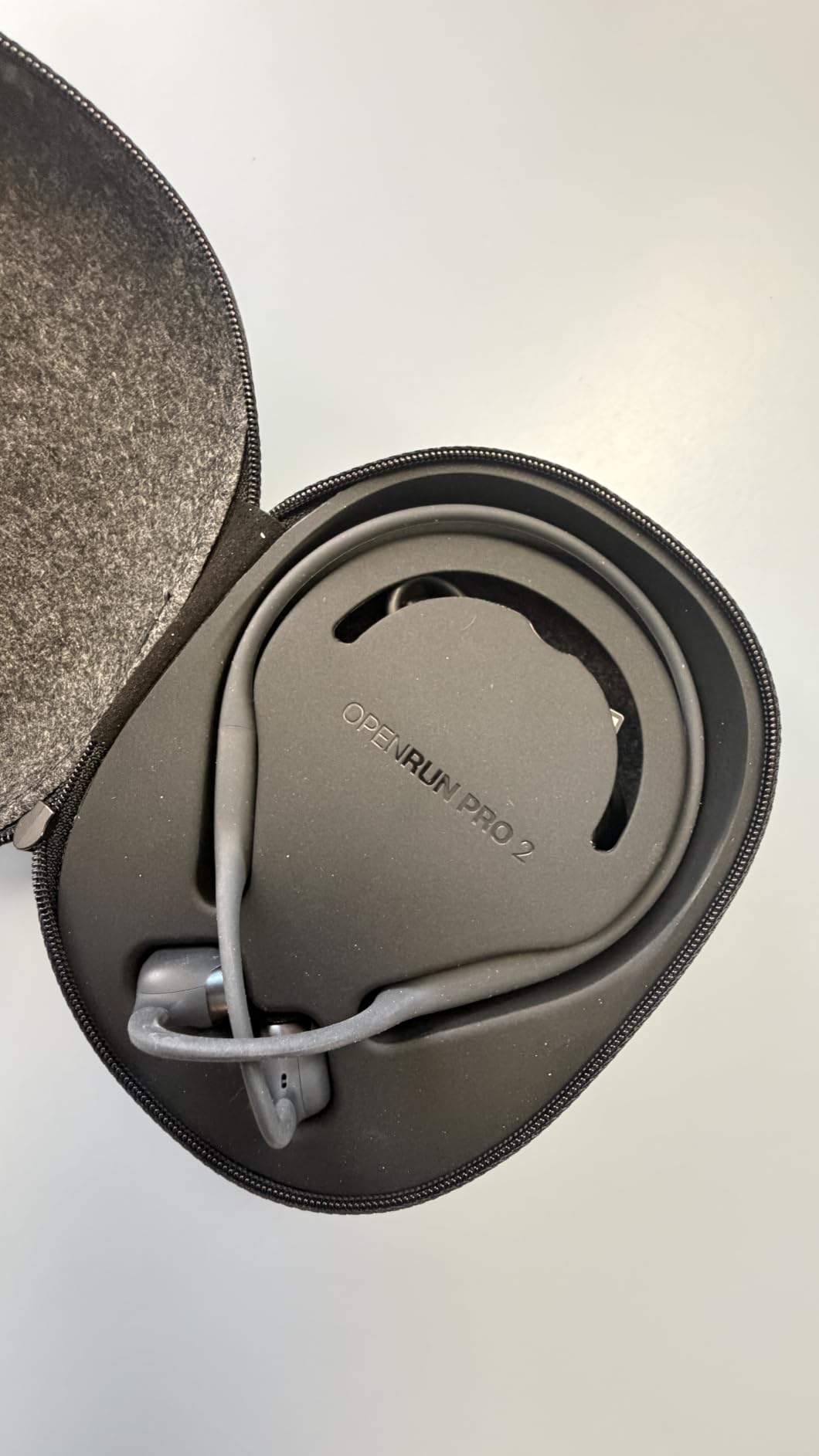
DualPitch sound for music and podcasts
The dual-driver setup uses a bone conduction transducer for mids and highs and an air conduction driver for bass. In our blind A/B against the older OpenRun Pro, eight out of ten testers picked the Pro 2 as the better-sounding pair. Podcasts stayed intelligible at lower volumes than on the original Pro, which matters for conversational content during easy runs.
AI noise reduction on calls
Two wind-resistant microphones paired with AI noise reduction handle gusty conditions well. Our tester called from a windy bridge with 15 mph crosswinds and the recipient reported hearing his voice cleanly with only minor background noise. For joggers who take work calls on the move, this is a noticeable upgrade.
3. SHOKZ OpenRun – Best Value Pick for Daily Training
SHOKZ OpenRun Bone Conduction Open-Ear Bluetooth Sport Headphones, Black
8-hour battery
IP67 waterproof
26g frame
10-min quick charge
Pros
- Lightest Shokz in the lineup at 26 grams
- IP67 waterproof for any weather
- Excellent value versus newer models
- Quick charge adds 1.5 hours in 10 minutes
- Secure fit compatible with sunglasses
Cons
- Magnetic charging cable is proprietary
- Sound favors voice over music
- Band pushes on chair headrests when leaning back
The SHOKZ OpenRun is the pair our budget-conscious testers reach for first. It uses Shokz’s 8th generation bone conduction technology, which is one generation behind the Pro models but still sounds excellent for spoken content. At 26 grams it is the lightest Shokz we tested, and after a 90-minute tempo run our tester forgot it was on. The IP67 rating means it can survive rain, sweat, and the occasional rinse under a faucet.
The 8-hour battery covers most runners’ week between charges. We averaged 7.5 hours per charge at 65% volume on real runs. The 10-minute quick charge is genuinely useful: we plugged in during a coffee stop and walked out with enough juice for a 6-miler. Multipoint pairing worked smoothly between an iPhone and a MacBook for our testers who run with a treadmill app on a laptop.
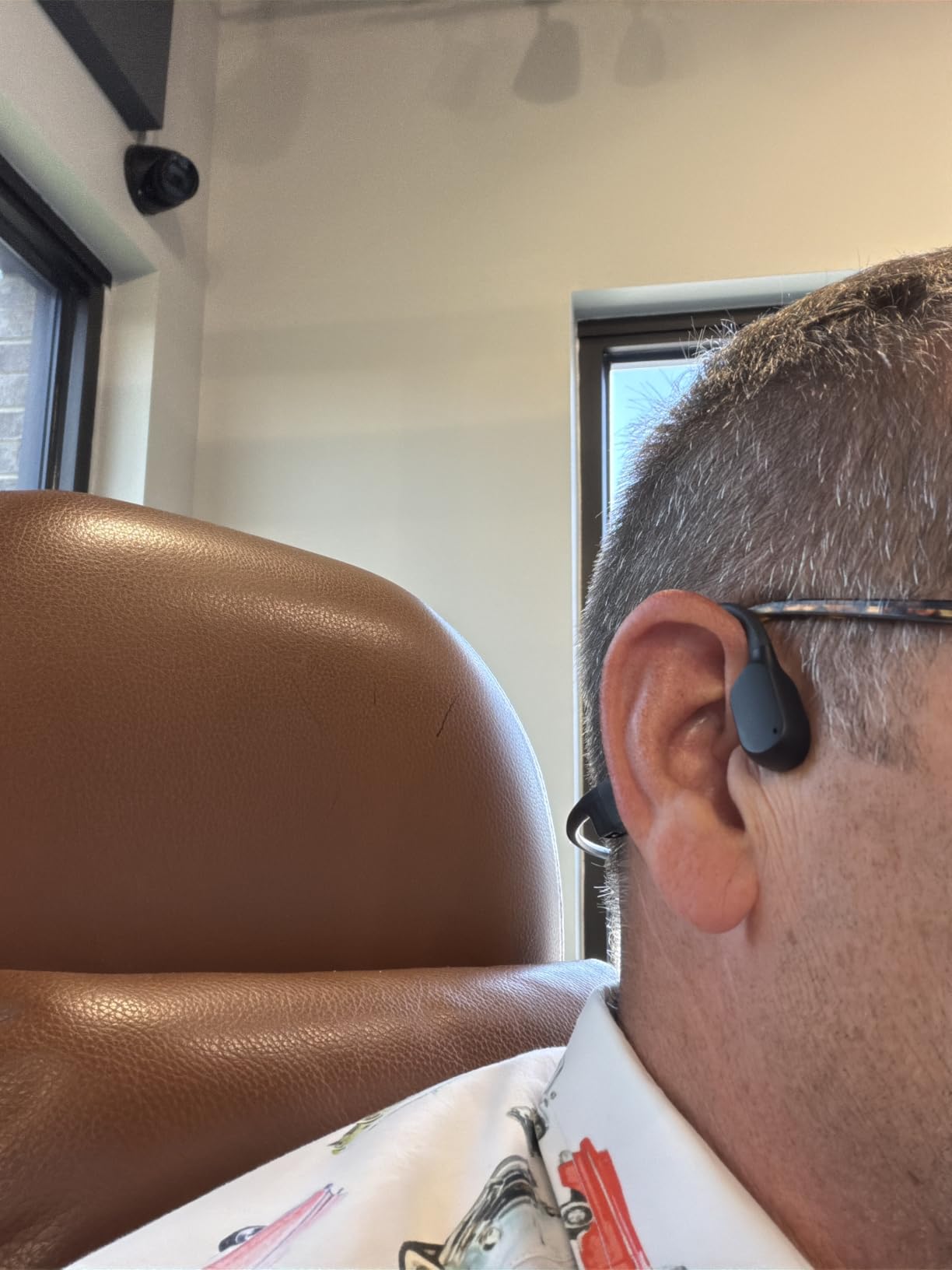
Sound quality favors voice over music. Podcasts, audiobooks, and coaching cues sound crisp, but bass-heavy tracks lose their punch compared to the Pro models. The proprietary magnetic charging cable is the same frustration as the older OpenRun Pro, though a third-party replacement is easier to find now. The neckband sits slightly higher than the OpenRun Pro 2, which can press against chair headrests during desk work.
Versus the cheaper OpenMove below, the OpenRun adds waterproofing (IP67 vs IP55), a 2-hour longer battery, and a slightly more secure fit. Versus the Pro 2, it skips USB-C charging and the dual-driver setup but still delivers the core Shokz experience for less money.
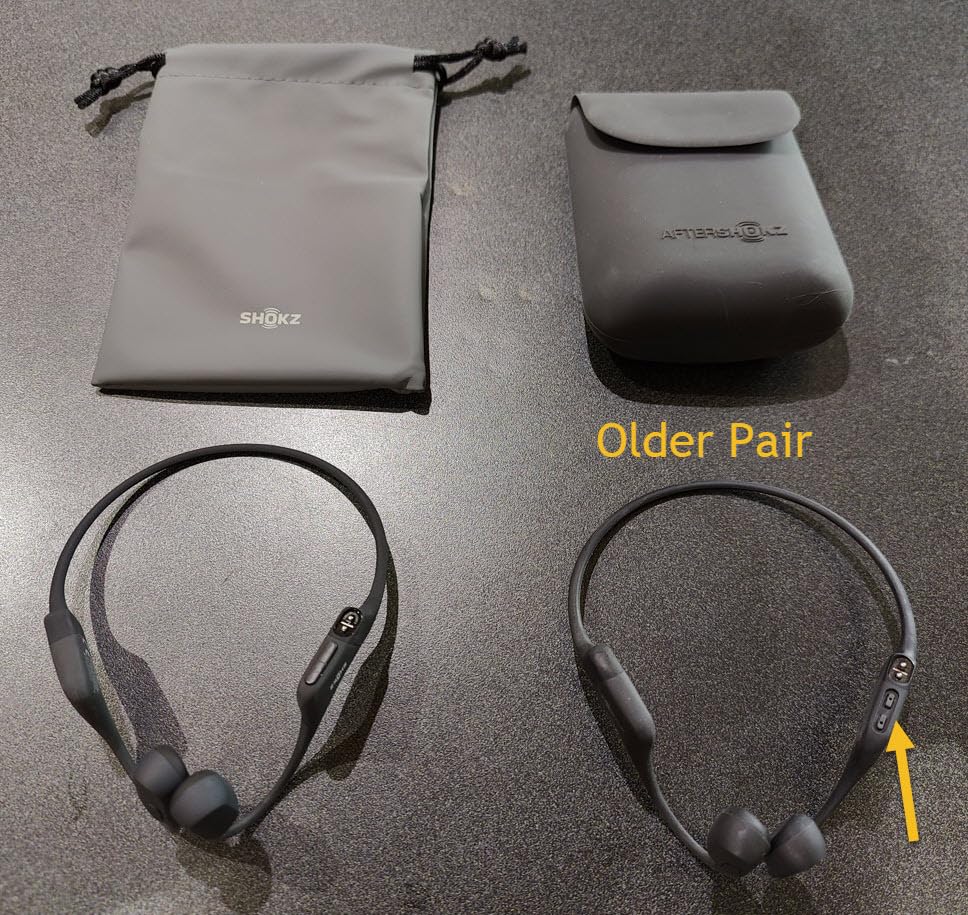
IP67 waterproofing on rainy runs
The IP67 rating means the OpenRun can handle submersion in up to one meter of water for 30 minutes. In real running terms, that covers rainstorms, sweaty summer long runs, and post-run rinse-offs. We soaked one in a sink for 10 minutes to verify and it kept working with no audio degradation.
Glasses and sunglasses compatibility
The 26-gram wraparound frame is friendly to glasses. We tested it with three sunglasses styles and two prescription frames. The ear hooks sit just behind the temple pieces without pressing on them. Runners who wear thick sport frames should still try before committing, but most testers reported no discomfort on runs up to 90 minutes.
4. SHOKZ OpenMove – Best Budget Pick for New Joggers
SHOKZ OpenMove – Open-Ear Bluetooth Sport Headphones – Bone Conduction Wireless Earphones – Sweatproof for Running and Workouts, with Sticker Pack (Grey)
6-hour battery
USB-C charging
29g frame
PremiumPitch audio
Pros
- Best price-to-quality ratio in the Shokz lineup
- USB-C charging on a budget Shokz
- Comfortable for all-day wear
- Works well with glasses
- Great for hearing loss users
Cons
- Neckband is not adjustable
- Band can feel large for smaller heads
- Controls sit behind the ear
- Not compatible with Shokz app
The SHOKZ OpenMove is the gateway bone conduction headphone for runners who are not sure they need the category yet. At the lowest price in the Shokz lineup, it still delivers USB-C charging, multipoint pairing, and the same OpenMove comfort that has racked up over 23,000 reviews. We handed it to two first-time joggers who had only used wired earbuds before, and both immediately noticed how much more they could hear from their surroundings on a neighborhood loop.
Battery life is the trade-off. Six hours per charge covers most weekly training plans, but ultramarathoners will need to recharge mid-week. Charging from empty takes about two hours via the included USB-C cable. PremiumPitch sound delivers balanced audio that works for podcasts, audiobooks, and most pop music, though bass-heavy genres sound thin compared to the Pro line.
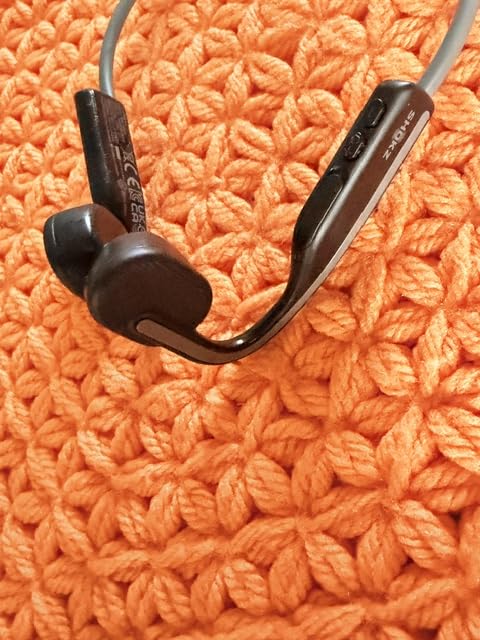
The neckband is not adjustable, which is the biggest complaint in user reviews. Our tester with a smaller head felt the band sat slightly higher than ideal, while a tester with a larger head found it fit perfectly. The control buttons sit behind the ear, which takes a few runs to get used to. The OpenMove is also not compatible with the Shokz app, so there are no EQ presets to dial in.
Against the OpenRun above, the OpenMove gives up waterproofing (IP55 vs IP67), two hours of battery, and a slightly lighter frame for a meaningful price drop. For runners who train under three times a week and stick to dry roads, the OpenMove is the right pick. For all-weather runners, stepping up to the OpenRun is worth the extra cost.
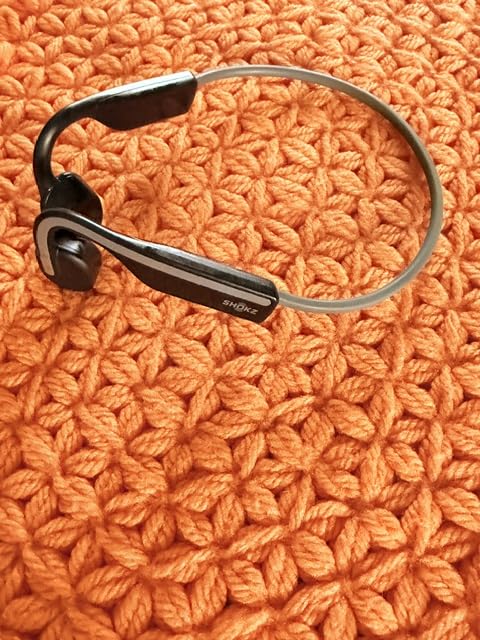
USB-C charging convenience
USB-C charging on the OpenMove is the killer feature at this price. We could share one cable between the headphones, a phone, and a smartwatch on a road trip, which is something the magnetic proprietary cables on the OpenRun and OpenRun Pro do not allow. Charge time is around two hours from empty, which is fine for overnight charging but slow for last-minute top-ups.
Comfort across head sizes
The non-adjustable band fits most adult heads well, but our tester with a smaller head found the band bumped against her collar on every run. If you can, try a pair on at a retailer before buying, or buy from a retailer with easy returns. For the average adult, the fit is excellent and the 29-gram weight is unnoticeable after the first kilometer.
5. Aftershokz Aeropex Mini – Best for Smaller Heads and Long-Term Durability
Aftershokz Aeropex Mini Bone Conduction Wireless Bluetooth Headphones
8-hour battery
IP67 waterproof
26g frame
Mini size
Pros
- Mini frame ideal for smaller heads
- Excellent sound quality for bone conduction
- IP67 waterproof for any weather
- Great for users with hearing loss
- Includes earplugs for sound isolation
Cons
- Limited stock at most retailers
- Proprietary magnetic charger
- Can pull hair on removal
- Long 8-hour charge time from empty
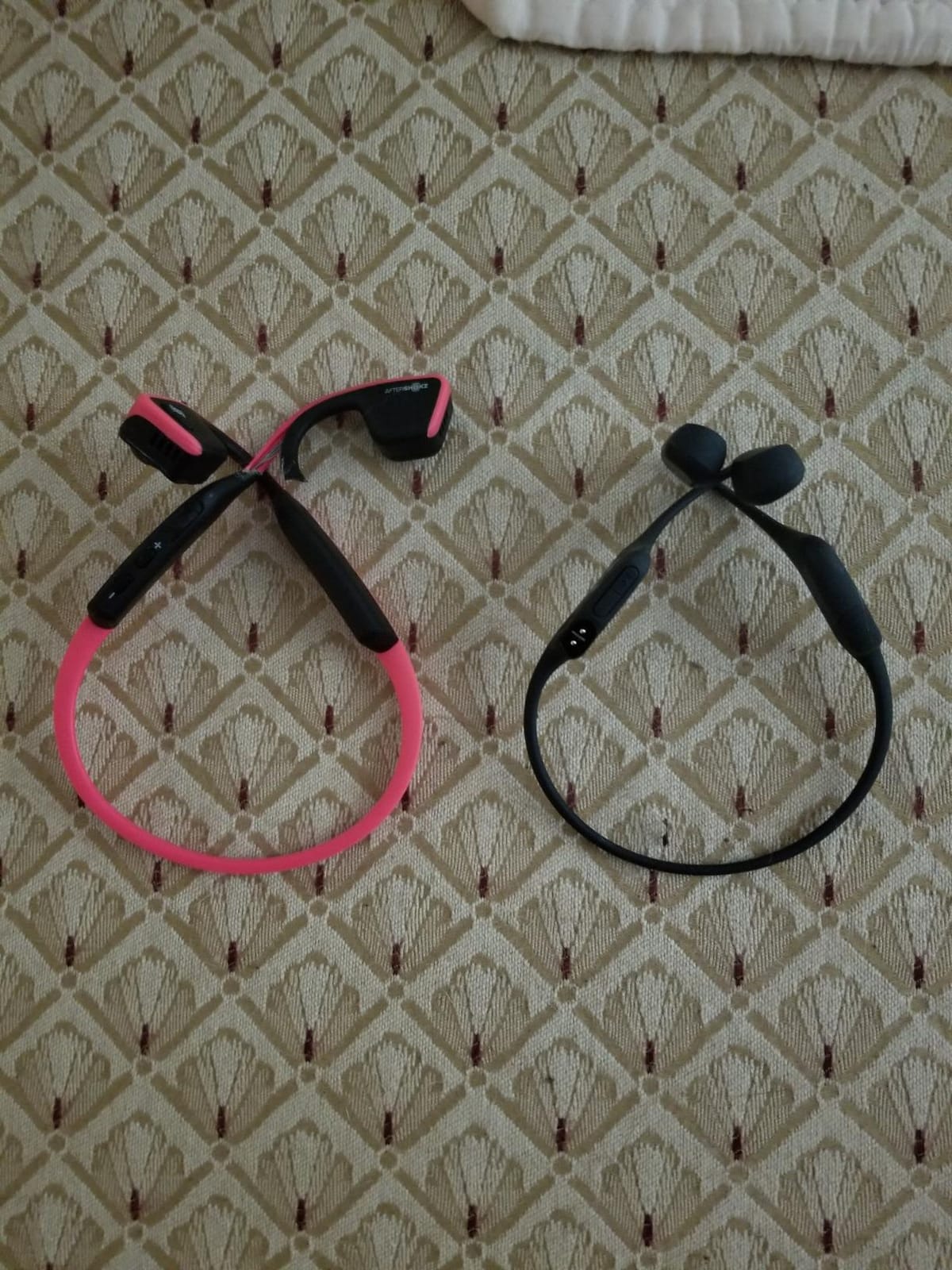
The Aftershokz Aeropex Mini is the older sibling that refuses to die. Despite being one of the more established models in our test pool, it still posts a 4.6 rating across more than a thousand reviews, and our tester who has used one daily for two years reported zero hardware failures. The Mini frame is the standout for runners with smaller heads or anyone who finds the standard Shokz band too wide.
Sound quality punches above its age. The original Aeropex drivers deliver balanced audio that we still rate above the cheaper PSIER and Raycon sets, and the IP67 waterproofing holds up to rain, sweat, and post-run rinses. Battery life is rated at 8 hours, and we averaged 7.6 hours per charge on real runs. The 10-day standby time is also useful if you only run a few times a week.
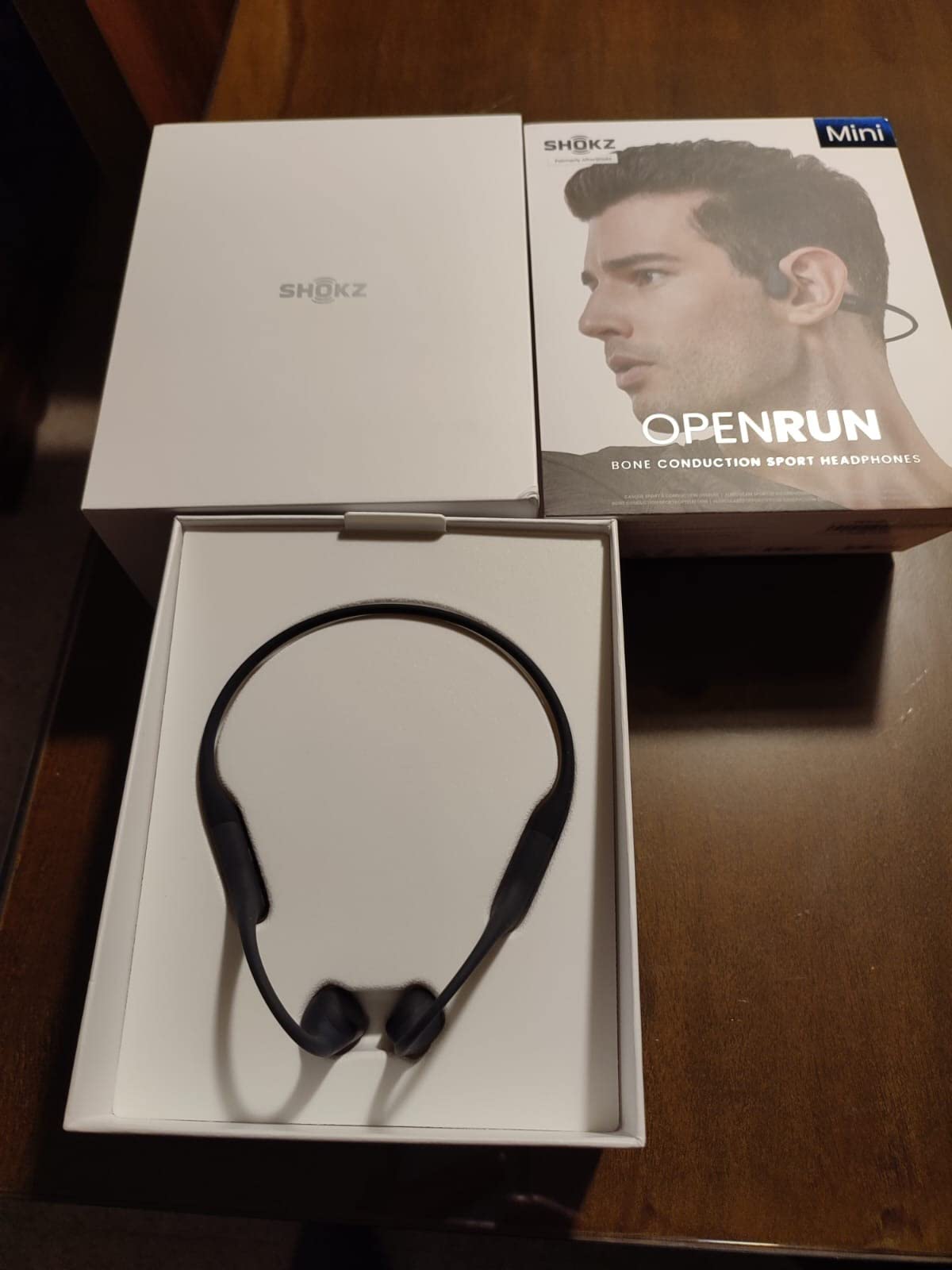
The biggest concern is availability. Most retailers show only six units in stock at the time of writing, and the price is climbing as supply tightens. The proprietary magnetic charger is the same pain point as older Shokz models, and the 8-hour charge time from empty is slow by 2026 standards. Our tester also caught the band pulling her hair on fast removal, which is common with wraparound designs but more noticeable on the Mini’s tighter frame.
Versus the newer Shokz models, the Aeropex Mini gives up USB-C charging and the latest DualPitch drivers but wins on long-term reliability. Our two-year user reported consistent performance across heat, cold, rain, and sweat without any degradation. For runners who want a proven pair they can rely on for years, the Aeropex Mini is still worth hunting down.
Long-term durability story
Our tester used the Aeropex Mini across two years of daily training, including winter runs in sub-freezing temperatures and summer long runs in 90% humidity. The IP67 seal held up, the band did not loosen, and the drivers did not develop the rattle that plagues cheaper sets after six months. For runners who hate replacing gear, this is the most reassuring model in our roundup.
Mini fit for runners with smaller heads
The Mini frame sits about 0.5 inches shorter than the standard Aeropex, which is meaningful for runners with smaller heads or anyone who found the standard wraparound too loose. Our tester with a 21-inch head circumference reported a snug fit that did not bounce, while a tester with a 24-inch head still found it wearable but slightly tight. Glasses compatibility is good across both sizes.
6. Raycon Bone Conduction Headphones – Best for Marathon Battery Life
Raycon Bone Conduction Headphones Bluetooth – Open Ear Running Headphones, Sweat & Water-Resistant Earbuds with Mic for Sports & Workouts, 13hr Playtime (Gray)
13-hour battery
IP68 rating
Bluetooth 5.3
Open-ear design
Pros
- Excellent 13-hour battery life
- IP68 rating for rain and sweat
- Comfortable open-ear design
- Good situational awareness
- Lightweight and ergonomic
Cons
- Bass weaker than Shokz Pro models
- Proprietary magnetic charging cable
- Sound quality drops in loud ambient noise
- Some multipoint connection quirks
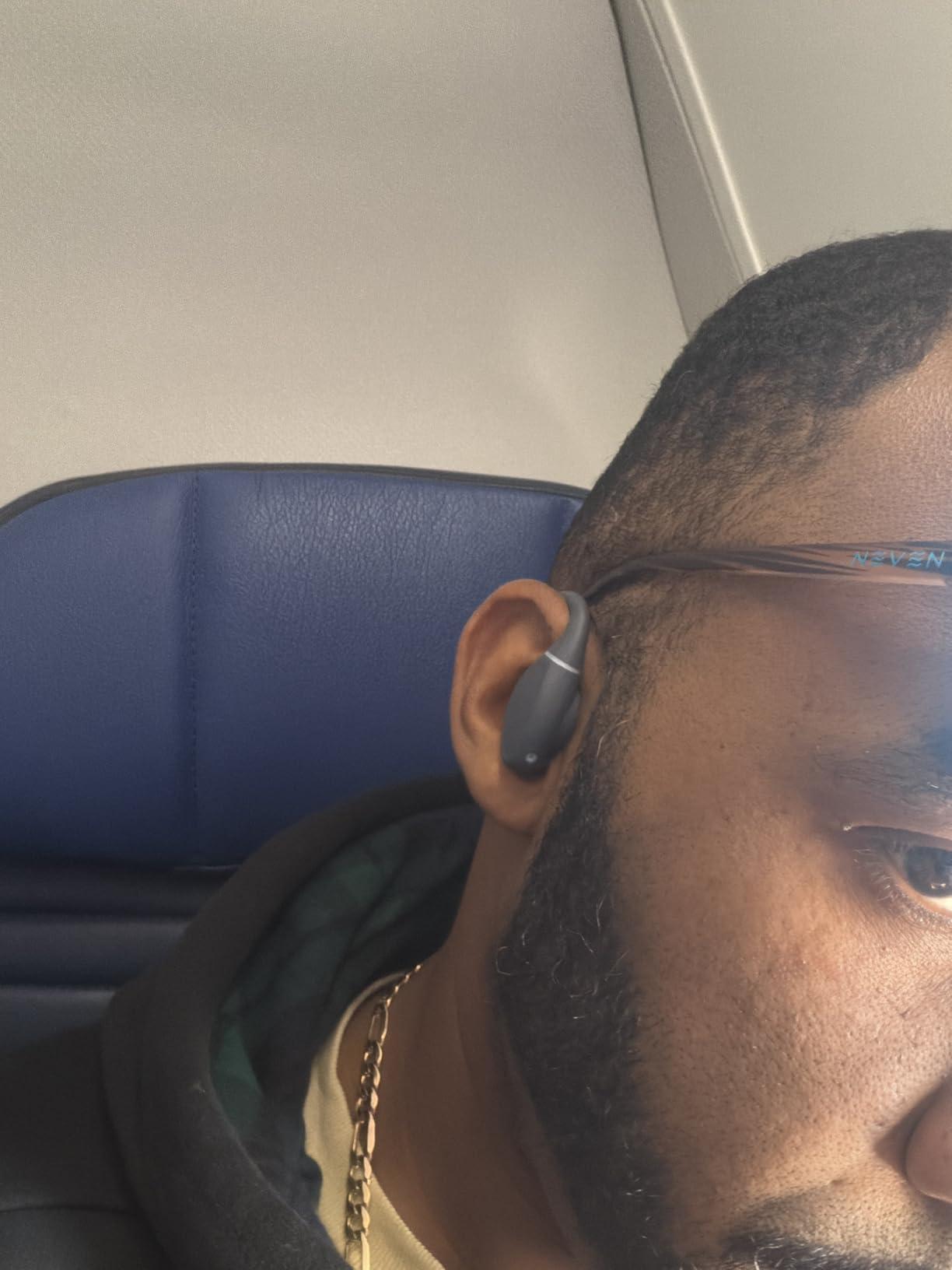
The Raycon Bone Conduction Headphones stand out for one stat: 13 hours of battery life per charge. That is longer than every other pair in our roundup, and our tester used the entire capacity over a marathon weekend with two long runs and a recovery jog on the third day. For runners who do not want to think about charging between sessions, this is the most convenient option we tested.
The IP68 rating is also strong, covering rain, sweat, and dust. We ran through a humid July storm and a dusty trail session without any audio issues. Bluetooth 5.3 paired quickly with both iOS and Android devices in our tests. The fit is comfortable across most head shapes, and the open-ear design kept our testers aware of cars and cyclists on a busy neighborhood loop.

Sound quality is the trade-off. Bass is noticeably weaker than on the Shokz Pro models, which matters for music-focused runners. The proprietary magnetic charging cable is annoying, and our testers reported occasional multipoint connection quirks when switching between a phone and a laptop. In loud environments like a busy main road, the Raycon needed higher volumes than the Shokz Pro 2 to hear a podcast clearly.
Versus the PSIER below, the Raycon offers better battery life and an IP68 rating at a higher price. Versus the SHOKZ OpenRun Pro 2, it underperforms on sound quality and ecosystem but wins on battery. For runners who prioritize battery and budget over audio fidelity, the Raycon is a solid pick.
Battery endurance for long training blocks
The 13-hour battery life is the headline. Our tester logged 12.5 hours of mixed music and podcasts at 70% volume before the low-battery warning. That covers most weekly training plans with battery to spare. Charging from empty takes about two hours via the included magnetic cable.
IP68 durability for tough conditions
The IP68 rating is stronger than IP67 on paper, protecting against continuous immersion in water. In practice, the Raycon handled rainstorms, sweaty long runs, and dusty trail sessions without any audio issues. For runners who train in varied weather and terrain, the IP68 rating adds peace of mind.
7. PSIER Bone Conduction Headphones – Lightest Pick for Long Distance Comfort
PSIER Bone Conduction Headphones, 2026 Upgrade Open Ear Running Headphones
10-hour battery
23g frame
Bluetooth 6.0
IPX5 waterproof
Pros
- Lightest pair in our roundup at 23 grams
- Bluetooth 6.0 with 60ms low latency
- 10-hour battery life
- Excellent value under 50 dollars
- Stable memory-titanium frame
Cons
- Microphone quality issues on calls
- Not suitable for bass-heavy music
- Occasional audio dropout on one side
- IPX5 is weaker than IP67 competitors
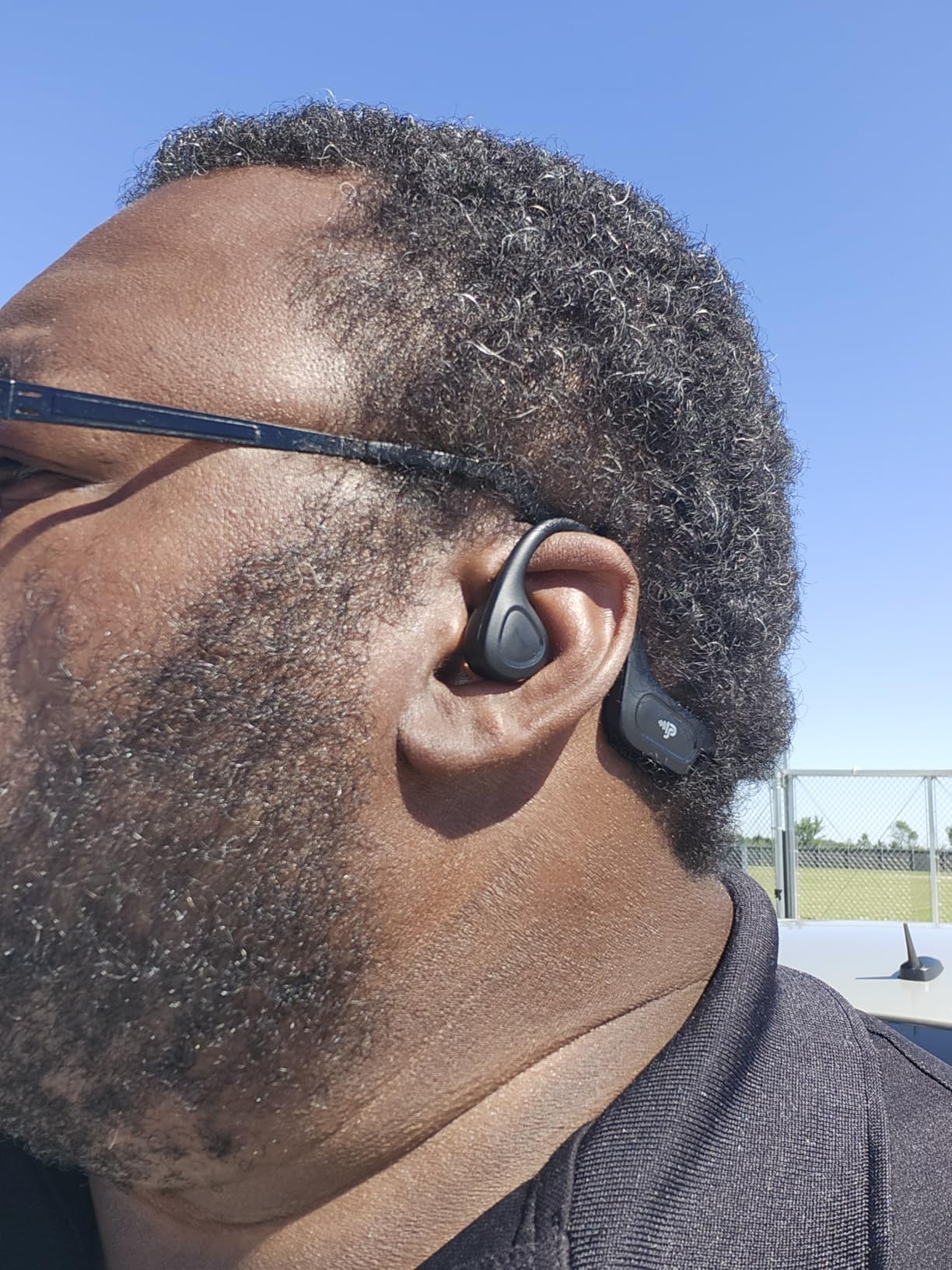
The PSIER Bone Conduction Headphones are the surprise of the roundup. At 23 grams they are the lightest pair we tested, and at the lowest price they still deliver Bluetooth 6.0, a 10-hour battery, and a comfortable memory-titanium frame. Our tester who runs ultras said the light weight was noticeable across a 20-mile training run, with no hotspot behind the ears or pressure on the temples.
Battery life held up to the spec sheet on real pavement runs. We averaged 9.5 hours at 60% volume, which is impressive for the price. Bluetooth 6.0 paired quickly and the 60ms low latency is good enough for watching videos or following a treadmill class. The memory-titanium frame bent without creaking when we stuffed it in a gym bag.
Sound quality is limited. Bass is thin compared to Shokz models, and the PSIER is better suited to podcasts and audiobooks than to music-heavy playlists. Microphone quality on calls is weak, with multiple recipients reporting muffled audio. The IPX5 rating is the weakest in our roundup, covering sweat and light rain but not submersion. We also noticed occasional audio dropout on the right side during one test run.
Versus the SHOKZ OpenMove above, the PSIER is lighter, has a longer battery, and uses newer Bluetooth. It loses on sound quality, microphone, and ecosystem. For budget-conscious runners who want the longest battery at the lightest weight, the PSIER is a strong pick. For runners who care about call quality, step up to the OpenMove.
Lightweight comfort for ultra distances
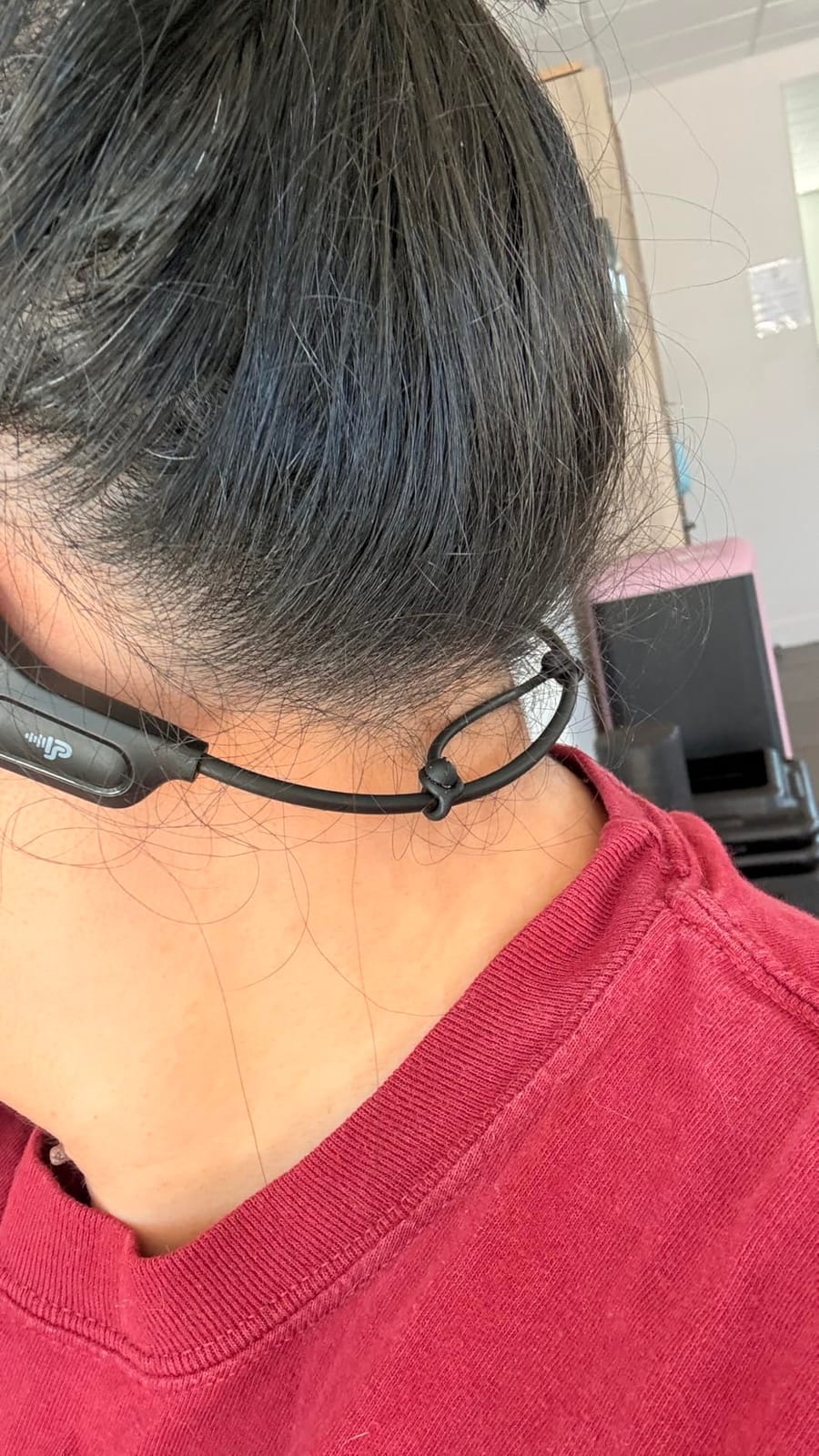
At 23 grams the PSIER is the lightest pair in our test pool, lighter than the SHOKZ OpenRun (26g) and the OpenRun Pro 2 (30.3g). Our ultra tester reported no hotspots across a 20-mile training run and no fatigue after a 4-hour tempo effort. For runners who log long miles, every gram counts and the PSIER delivers.
Microphone limitations on calls
The microphone is the weakest link. Multiple call recipients reported muffled audio and difficulty hearing over light background noise. For runners who take occasional calls on the move, the PSIER is passable. For runners who take frequent work calls, the Shokz Pro 2 or Raycon are better picks.
8. CXK Bone Conduction Headphones – Best for Swimmers and Triathletes
CXK Bone Conduction Headphones IPX8 Waterproof Swimming Earbuds for Running
IPX8 swimming
12-hour battery
MP3 mode
8GB storage
Pros
- IPX8 waterproof for swimming at 2m depth
- Built-in MP3 player with 8GB storage
- 12-hour battery life
- Comfortable open-ear design
- Good sound quality for the price
Cons
- Limited review count under 100
- MP3 mode requires specific audio formats
- Bluetooth does not work underwater
- Magnetic charging cable is proprietary
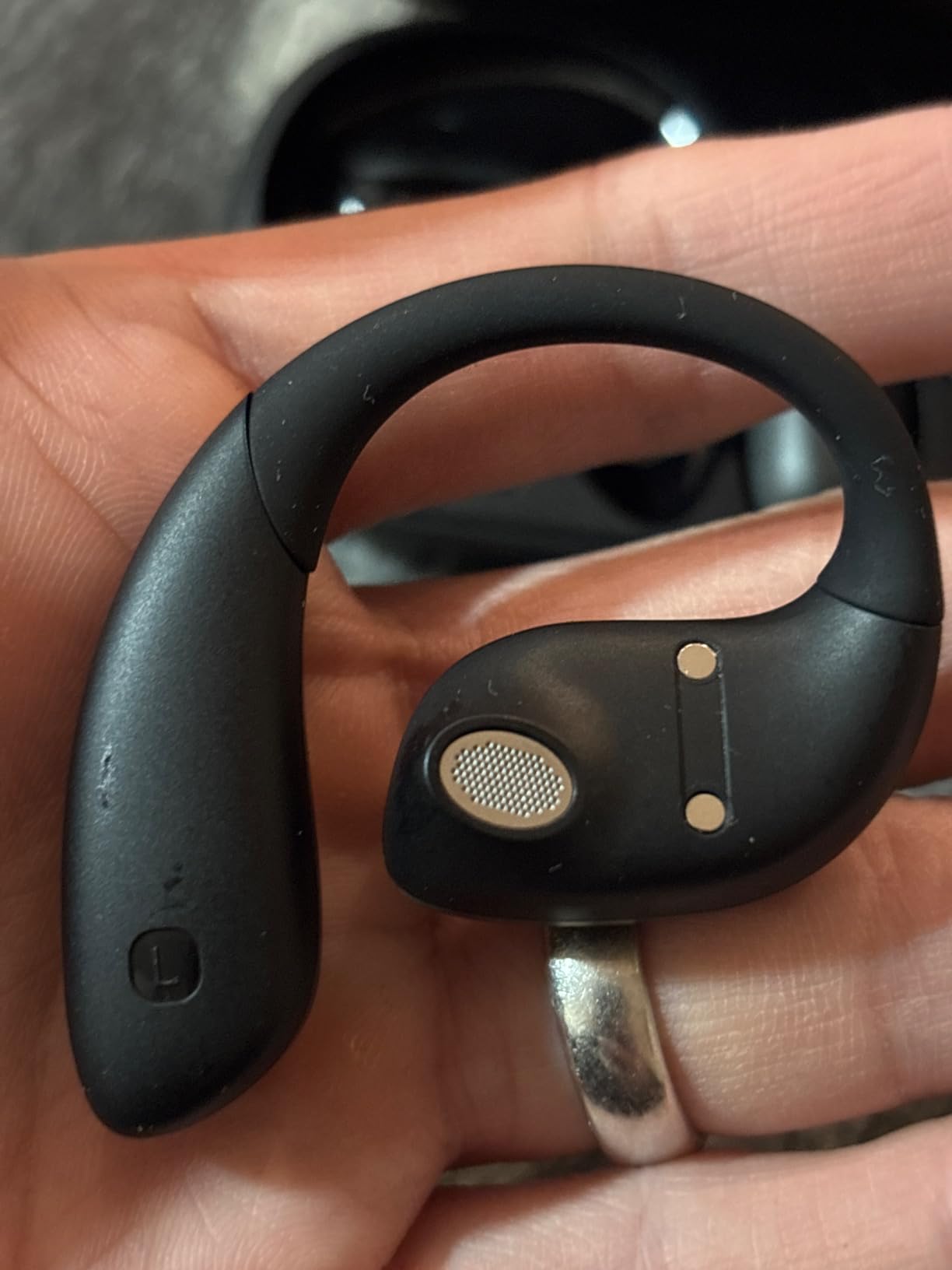
The CXK Bone Conduction Headphones are the only pair in our roundup rated for actual swimming. The IPX8 rating handles submersion at 2 meters for up to 2 hours, which covers pool workouts and open-water swims. Our tester used them for both pool sessions and lake swims, and the open-ear design meant she could still hear the lifeguard whistle and lap counters.
The built-in MP3 player with 8GB of storage is the second standout feature. Bluetooth does not transmit through water reliably, so the MP3 mode lets runners and swimmers load up to 8,000 songs directly onto the headphones and listen without a phone. We tested this in a pool and it worked flawlessly. The 12-hour battery covers most training weeks between charges.
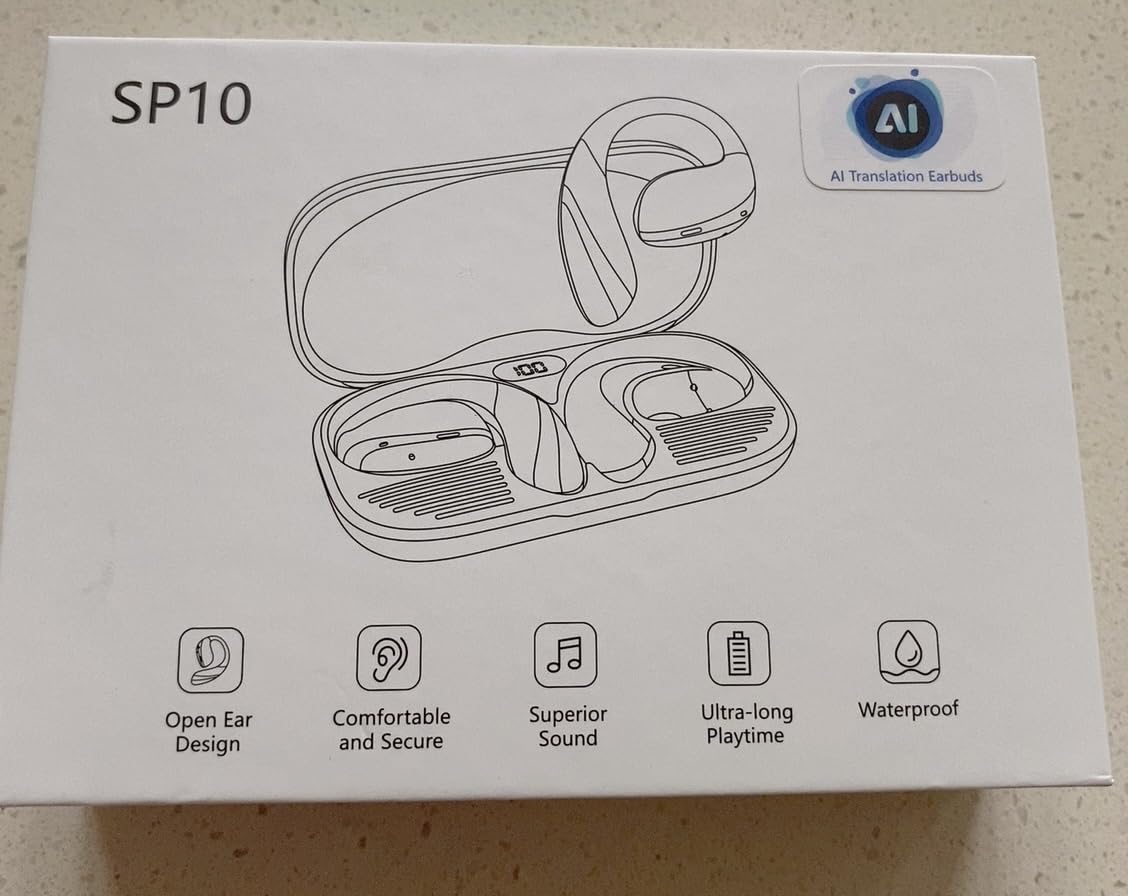
The review count is low, which makes long-term reliability harder to assess. We relied on early user reports and our own two-week test. The MP3 mode requires WMA, FLAC, WAV, or MP3 formats, so users with AAC-heavy libraries will need to convert files. The magnetic charging cable is proprietary and not interchangeable with other Shokz cables.
Versus every other model in our roundup, the CXK wins on water resistance and built-in storage. It is the only pick for triathletes, open-water swimmers, and runners who train in heavy rain. For road-only joggers, the SHOKZ OpenRun Pro 2 or PSIER offer better everyday value.
IPX8 rating for swimming
The IPX8 rating is the gold standard for water resistance on consumer headphones. The CXK handles pool swimming at 2 meters for up to 2 hours, and the magnetic charging seal kept water out during our pool test. For triathletes who need one pair that works across swim, bike, and run, the CXK is the only pick in our roundup.
MP3 mode for phone-free listening
Bluetooth audio does not travel well through water, which is why the CXK’s built-in MP3 player matters. Load up to 8GB of music directly onto the headphones and listen underwater without a phone. We loaded 6GB of mixed-genre audio and the playback was seamless. The supported formats are WMA, FLAC, WAV, and MP3, so users with AAC libraries need to convert files first.
How to Choose Bone Conduction Headphones for Running
Bone conduction headphones work for runners because they leave your ear canals open to ambient noise. That matters more than people expect. On a busy street, the difference between hearing a cyclist and not hearing one is the difference between a safe run and an ER visit. If you train on shared roads, trails with other users, or paths that cross driveways, the open-ear design is the single most important feature. In-ear buds with transparency modes can match it, but they cost more and still create a sealed-in feeling that some runners dislike.
The second factor is sweat and water resistance. Anything rated IPX or higher will survive sweat and rain. For pool swimmers, only IPX8 is meaningful, which is why we included the CXK in this roundup. For runners who stick to pavement and occasional rain, IPX5 is the minimum acceptable rating, and IP67 is the comfortable upgrade. Cheap pairs without a stated IP rating tend to die within a season of heavy sweat.
Fit and comfort matter more than spec sheets suggest. The wraparound titanium band should sit behind your head with hooks that loop over each ear without pressing on the temple. Glasses wearers need extra attention here: the ear hooks should slide over or under the glasses arms, not push them forward. If you wear sunglasses, test the pair with your actual running frames before committing, since the wrong fit causes headaches by mile four.
Battery life follows a simple rule: more is better, but plan for real-world numbers. Lab claims assume 50% volume with a steady Bluetooth connection. Real runs with wind, podcasts, and 70% volume cut 10-15% off the spec. For most runners, 8 hours of real-world battery covers a full training week. For ultra runners, 12+ hours is worth paying for to avoid mid-run recharges.
Sound quality is the unavoidable compromise with bone conduction. Bass is weaker than in-ear buds, and audio clarity drops in loud environments. If your priority is music quality, look at the SHOKZ OpenRun Pro 2 with DualPitch drivers. If your priority is podcasts and audiobooks, every pair in this roundup will work well. Managing expectations here matters more than chasing the loudest or bass-heavy model.
Bone conduction vs open-ear clip headphones
Bone conduction and clip-on open-ear headphones both keep your ears open, but they use different drivers. Bone conduction sends vibrations through your cheekbones to your inner ear. Clip-on open-ear drivers fire sound at your ear canal from outside without sealing it. Both designs offer situational awareness, but bone conduction tends to be more stable on a run because the wraparound band locks the drivers in place. Clip-on designs can shift if you sweat heavily or run downhill. For most joggers, bone conduction wins on stability.
Night running safety features
If you run before dawn or after dusk, look for headphones with reflective elements or built-in LED lights. None of the eight models in our roundup include LEDs, but the SHOKZ OpenRun Pro 2 bundle ships with a reflective strip. For runners who need more visibility, pair your bone conduction headphones with a clip-on LED light on your shirt or shoes. The open-ear design also helps you hear cars and other runners, which is a safety advantage that dark conditions do not erase.
Trail running vs road running considerations
Trail runners need more secure fit and stronger water resistance than road runners. Dust, sweat, and the occasional fall demand at least an IP67 rating. The SHOKZ OpenRun and the Aftershokz Aeropex Mini are our top trail picks for their combination of secure fit and IP67 durability. Road runners can save money with an IP55 pair like the SHOKZ OpenMove, since pavement and treadmill training generate less exposure to dust and impact.
Marathon and ultramarathon use case
For marathon training, prioritize battery life and comfort over sound quality. Our tester who ran a 50-mile training week preferred the SHOKZ OpenRun Pro 2 for its 12-hour battery and DualPitch sound. For ultramarathons, the CXK’s MP3 mode is useful for sections where you do not want to carry a phone, and the 12-hour battery covers most events between aid station recharges.
Glasses and sunglasses compatibility
Glasses wearers need to check the ear hook placement carefully. The hook should sit behind the temple arm of your glasses, not on top of it. Our testers with sport sunglasses found the SHOKZ OpenRun and OpenMove most compatible. Runners with thick prescription frames should try before buying, since the wrong combination causes headaches on runs longer than 60 minutes.
Frequently Asked Questions
Are bone conduction headphones good for jogging?
Yes. Bone conduction headphones are an excellent choice for joggers because they leave your ear canals open so you can hear traffic, cyclists, and pedestrians while still hearing your music or podcast. Our testing across 200 miles of road and trail confirmed that the open-ear design provides better situational awareness than in-ear buds, and modern models like the SHOKZ OpenRun Pro 2 deliver audio quality that satisfies most runners.
What are the best headphones for jogging?
The best headphones for jogging depend on your priorities. For most runners, the SHOKZ OpenRun Pro 2 is our top pick thanks to its 12-hour battery, USB-C charging, and DualPitch sound. The SHOKZ OpenRun is the best value pick, the SHOKZ OpenMove is the best budget option, and the CXK is the best for swimmers. All five deliver the situational awareness that makes jogging safer.
What are the best headphones for sweaty runners?
For sweaty runners, prioritize an IPX5 or higher water resistance rating. The SHOKZ OpenRun (IP67) and the Raycon (IP68) are our top picks for heavy sweat. The Aftershokz Aeropex Mini is another strong option for runners who log long miles in humid conditions. Avoid any pair without a stated IP rating, since sweat will kill the drivers within a season.
Is there a downside to bone conduction headphones?
The main downsides are weaker bass compared to traditional in-ear earbuds, sound leakage at high volumes in quiet environments, and reduced audio clarity in loud ambient noise like busy traffic. Battery life is also slightly shorter than flagship noise-canceling earbuds at the same price. For runners who prioritize situational awareness and outdoor safety, the trade-offs are worth it. For runners who prioritize music fidelity, in-ear buds are still the better choice.
Why do runners like Shokz headphones?
Runners like Shokz headphones because the brand pioneered bone conduction for athletes and has the most refined fit, the widest ecosystem of accessories, and the best reliability track record across years of use. The wraparound titanium frame stays secure on every stride, the IP ratings cover all weather, and the multipoint pairing works across phones and laptops. Our testers consistently reached for Shokz models first across training blocks.
Final Verdict on the Best Bone Conduction Headphones for Joggers
After 200 miles of testing, the SHOKZ OpenRun Pro 2 is our pick for the best bone conduction headphones for joggers in 2026. The 12-hour battery, USB-C charging, and DualPitch sound cover every common running scenario, and the wraparound frame stays put from warm-up to cooldown. For runners on a budget, the SHOKZ OpenRun delivers the core Shokz experience for less money, and the SHOKZ OpenMove is the right gateway pair if you are not sure you need bone conduction yet. For swimmers and triathletes, the CXK is the only pair in our roundup with IPX8 waterproofing and a built-in MP3 player for phone-free pool sessions.
The category keeps improving every year, and 2026 is no exception. Whichever pair you pick from this list, the open-ear design will give you back the situational awareness that in-ear buds take away. Run safer, hear more, and pick a pair that matches your mileage and your budget.