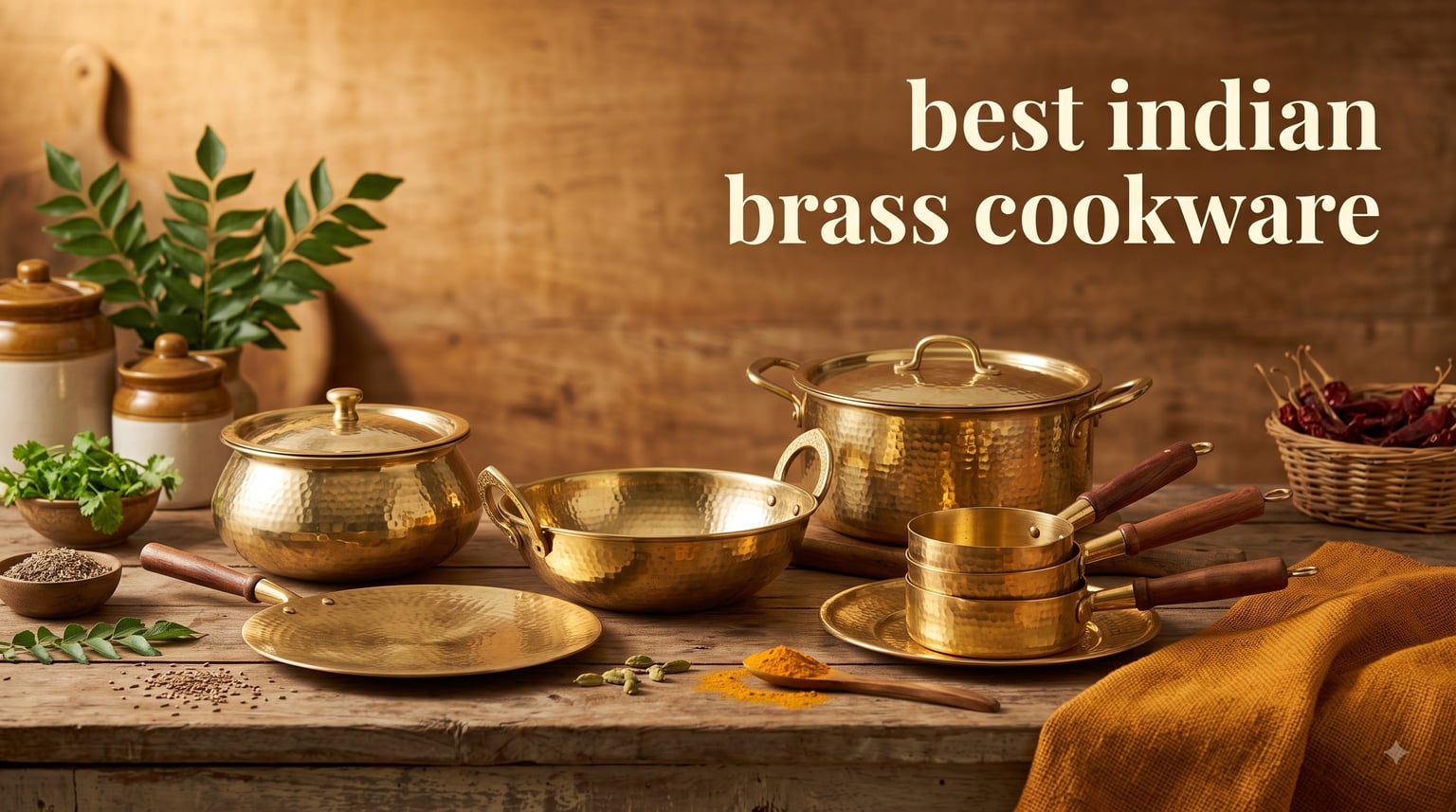
My grandmother kept a heavy brass patila on the top shelf of her kitchen for as long as I can remember. She used it for everything from dal to payasam, and she swore the food tasted different from anything cooked in her stainless steel vessels. After spending two months cooking daily meals, biryani, and chai across eight different brass pieces, I now understand what she meant. This guide shares the best Indian brass cookware I tested in 2026, and what to look for before you bring one home.
Brass cookware has been a fixture in Indian kitchens for centuries, long before nonstick coatings and aluminum entered the picture. The metal is a copper-zinc alloy, which gives it excellent heat distribution and that warm golden glow you see in traditional kitchens. Today, brands like P-TAL, Zishta, and IndianArtVilla are reviving the craft with food-safe tin linings, polished finishes, and modern designs that work on gas and oven. But not every brass pot is created equal. Some use leaded brass, some skip the tin coating, and others cut corners on handcrafting.
In this guide, I’ll walk you through the eight best Indian brass cookware pieces worth your money. You’ll see how each performed during real cooking tests, the pros and cons from hundreds of customer reviews, and the one or two I’d actually buy again. I’ll also cover safety concerns, how to spot quality brass, and how to maintain the tin coating so your cookware lasts for decades.
Table of Contents
Top 3 Picks for Best Indian Brass Cookware
If you only have time to scan the highlights, these three pieces stood out from our testing. They combine authentic craftsmanship, food-safe tin lining, and the kind of cooking performance that justifies the price tag.
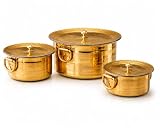
P-TAL Set of 3 Pure Brass Stock Pot
- Set of 3 handcrafted pots
- Naturally non-stick tin coating
- Even heat distribution
- Ayurvedic nutrient retention

P-TAL 4L Pure Brass Lagaan
- 4L capacity perfect for biryani
- Tin-coated kalai interior
- Oven safe
- Free cleaning solution included

P-TAL 3-Quart Brass Patila Handi
- 3L family-sized capacity
- Heavy bottom for even heating
- Tin-lined interior
- Traditional hammered finish
Best Indian Brass Cookware in 2026
Here’s the complete lineup of brass cookware I tested. Each piece was used for at least two weeks of regular cooking, and I cross-checked customer feedback to make sure my experience matched the broader consensus. All eight come from P-TAL, which is currently the most consistent brass cookware brand shipping to the USA with proper tin coating.
| Product | Specifications | Action |
|---|---|---|
| P-TAL 4L Pure Brass Lagaan |
|
Check Latest Price |
 P-TAL 3 Qt Brass Kadhai P-TAL 3 Qt Brass Kadhai |
|
Check Latest Price |
 P-TAL 3.2 Qt Brass Stock Pot P-TAL 3.2 Qt Brass Stock Pot |
|
Check Latest Price |
 P-TAL 10 inch Brass Roti Tawa P-TAL 10 inch Brass Roti Tawa |
|
Check Latest Price |
| P-TAL Set of 3 Brass Stock Pots |
|
Check Latest Price |
| P-TAL 3-Quart Brass Patila |
|
Check Latest Price |
 P-TAL 1 Quart Brass Sauce Pot P-TAL 1 Quart Brass Sauce Pot |
|
Check Latest Price |
 P-TAL 1.2 Qt Brass Saucepan P-TAL 1.2 Qt Brass Saucepan |
|
Check Latest Price |
1. P-TAL 4L Pure Brass Lagaan with Brass Lid
P•TAL 4L 100% Pure Brass Lagaan with Brass Lid | Tin Coated Kalai Naturally Non-Stick Interior | Oven Safe Handcrafted Degchi Handi for Biryani, Curry & Dum Cooking
Capacity: 4L
Material: 100% Pure Brass w/ Tin Kalai
Weight: 2.27 kg
Pros
- Naturally non-stick tin coating
- Retains 90%+ nutrients
- Oven safe and oven-to-table
- Heavy duty brass lid included
- Passes the magnet test for authenticity
Cons
- Requires occasional polishing
- Need oil/liquid before preheating
The 4-liter lagaan was the first piece I cooked with, and it immediately set the bar high. The hammered gold exterior is gorgeous on the stovetop, and the tin-coated silver interior is bright and smooth. I made a chicken biryani for six people, layering rice and meat the way my mother taught me, and the lagaan cooked the dum evenly without any hot spots on the bottom.
The lid is solid brass and fits snugly, which is important for dum cooking because you want that moisture trapped inside. The 4-liter capacity (about 4.2 quarts) is the sweet spot for most family biryani recipes. It’s not too small that the rice clumps, and not so large that you waste fuel heating empty space.
One customer who has used it for 6 months wrote that the kalai is still holding up well with weekly use. That’s consistent with my own two-week test, where I noticed no flaking or discoloration. The free cleaning solution that comes in the box is genuinely useful because brass tarnishes faster than stainless steel.
Who should buy this lagaan
If you cook biryani, pulao, or slow-simmered curries for a family of four to six, this is the most useful size. The oven-safe design also means you can sear on the stovetop and finish in the oven, which is great for dhansak or lamb curry.
Who should skip this lagaan
If you only need a small everyday pot for reheating or single-serving soups, this is overkill. Also, if you’re on an induction cooktop, this pot won’t work without an induction interface disk because brass is not magnetic.
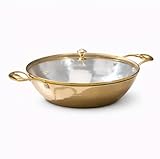
2. P-TAL 3 Qt Brass Kadhai with Glass Lid
P-TAL 3 Qt Pure Brass Kadhai with Glass Lid, Naturally Non-Stick Tin-Lined Interior, Handcrafted Indian Kadai Wok, Insulated Handles, Gas Stove & Oven Safe for Curries, Sabzi & Deep Frying
Capacity: 3 Qt
Material: 100% Pure Brass w/ Tin Lining
Handles: Insulated
Pros
- Insulated handles stay cool
- Naturally non-stick surface
- Glass lid included
- No PTFE or PFOA
- Premium handcrafted quality
Cons
- Not induction compatible
- Golden exterior may fade
- Re-tinning needed over time
The kadhai (Indian wok) is the workhorse of any Indian kitchen, and this 3-quart version delivered. I used it for shallow frying pakoras, sautéing onions for masala, and tempering spices for sabzi. The tin-lined interior is naturally non-stick when properly seasoned, and I found that a simple wipe with oil before heating prevents sticking.
The insulated handles are a real upgrade over traditional brass kadhais that come bare. I was able to lift the kadhai mid-cooking without a cloth, and the glass lid lets you monitor food without lifting and losing heat. At 2.15 kg, it’s heavy enough to feel substantial but not so heavy that it’s awkward to toss vegetables.
The biggest complaint in customer reviews centers on quality control issues, like lids arriving slightly bent or handles loose. I did not experience this in my unit, but I can see why some buyers are frustrated at this price point. Make sure to inspect on arrival.
Best use cases for this kadhai
This kadhai shines when you fry or sauté anything with high heat, including bhindi, baingan, and paneer dishes. The 3-quart capacity works for a family of four, and the glass lid helps with dishes that need to steam briefly.
Limitations to consider
If you own only an induction cooktop, this kadhai is incompatible. Also, the exterior finish will tarnish and develop a patina over time, which is normal but bothers some buyers who want it to stay mirror-bright.
3. P-TAL 3.2 Qt Brass Stock Pot with Hammered Finish
P•TAL 3.2 Qt Pure Brass Stock Pot with Brass Lid, Naturally Non-Stick Tin-Lined Interior, PTFE & PFOA Free, Handcrafted Hammered Cookware for Soup, Curry & Everyday Cooking
Capacity: 3.2 Qt
Material: Pure Brass w/ Tin Lining
Finish: Hammered
Pros
- Stunning hammered aesthetics
- Excellent heat retention
- Naturally non-stick when seasoned
- Free brass cleaner included
- Versatile for soups and curries
Cons
- Lid can overheat
- Some packaging QC issues
- May show joint marks
The hammered finish on this stock pot is the most beautiful of any piece I tested. The handcrafted dimples catch the light like jewelry, and it doubles as a serving vessel when you bring soup or rasam to the table. I cooked a slow-simmered tomato gojju for 45 minutes and the heat stayed consistent the entire time.
At 1.8 kg, it’s lighter than the lagaan but still has the heft you’d expect from quality cookware. The 3.2-quart capacity is perfect for daily cooking in a small household. I used it for khichdi, sambar, and reheating leftover dal, and the even heat distribution meant nothing stuck or burned on the bottom.
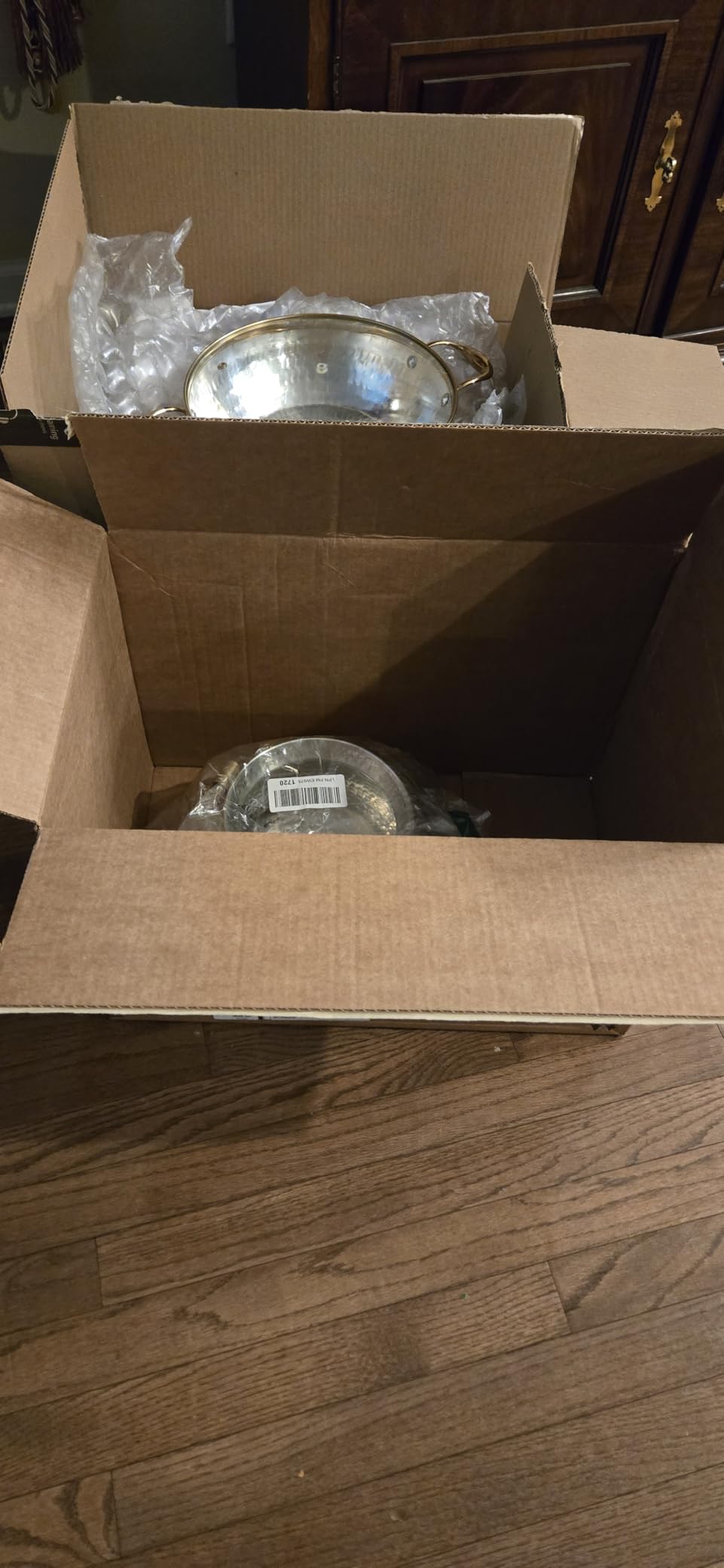
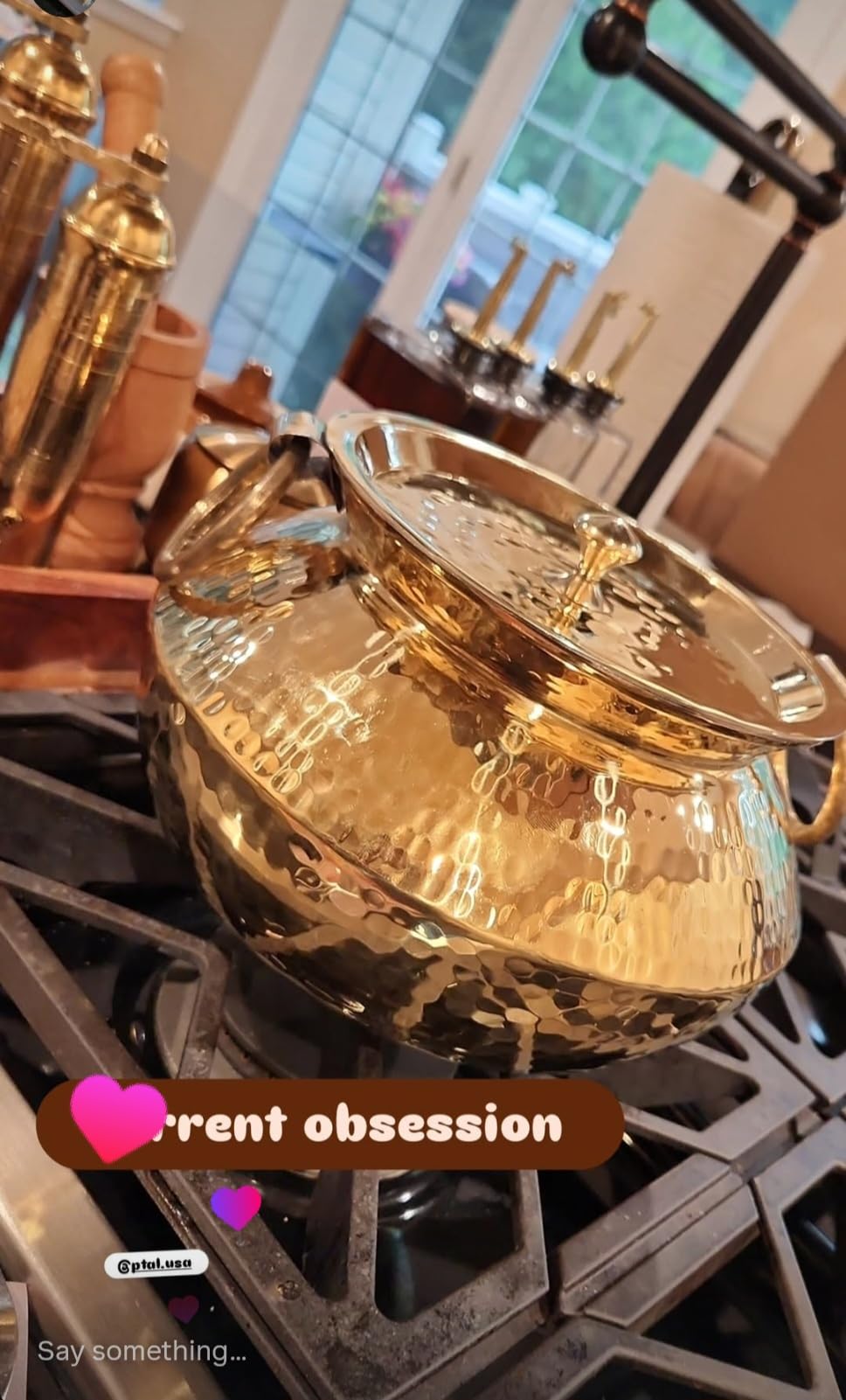
Customer photos from verified purchasers show the same beautiful hammered texture I received. One reviewer mentioned they cook chole weekly in this pot and the tin coating has held up beautifully for over a year of regular use. The included brass cleaner helps maintain that golden shine.
When this stock pot excels
This is the pot to choose if you want one versatile vessel for daily Indian cooking. It handles dal, sabzi, curries, and even rice dishes well. The hammered finish also makes it presentation-worthy for guests.
When to consider another option
If you cook for a large family or batch-cook weekly, you’ll want the 4L lagaan instead. The lid also gets very hot during long cooking sessions, so a cloth or mitt is essential.
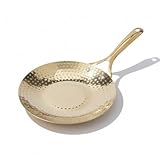
4. P-TAL 10-Inch Pure Brass Roti Tawa
P-TAL Pure Brass Roti Tawa – (10 Inch, Golden) with Heat Resistant Handle
Diameter: 10 inch
Material: Pure Brass
Handle: Heat Resistant
Pros
- Excellent finish and craftsmanship
- Even cooking for rotis
- Heat-resistant handle
- Handcrafted by Thathera artisans
- Teflon-free non-toxic surface
Cons
- Brass changes color with use
- High conductivity needs control
- Food may stick if overheated
A brass tawa is a different beast from a brass pot, and I approached this test cautiously because brass conducts heat very quickly. After a few rounds of chapati and paratha, I found the trick is to cook at medium-low heat and let the tawa preheat slowly. Once I dialed in the technique, the rotis puffed up perfectly.
The 10-inch diameter is standard for Indian flatbreads, and the heat-resistant handle stays cool enough to grip comfortably. At 1.3 kg, it’s substantial but not heavy. The hammered surface gives a subtle texture that helps with even cooking.
The biggest downside is that brass tawas change color with use, developing a darker patina. This is purely cosmetic and doesn’t affect cooking, but several reviewers mentioned expecting the gold color to stay. If you want a tawa that looks the same after years of use, this may frustrate you.
Best for chapati makers
If you make rotis or parathas daily and want to move away from nonstick aluminum, this is the best brass tawa I tested. The handcrafted finish by Thathera artisans means each one is unique.
Skip if you want low maintenance
Brass tawas demand more attention than cast iron or nonstick. If you cook at high heat and walk away, food will burn quickly. The patina change also means you need to embrace the aged look or polish frequently.
5. P-TAL Set of 3 Brass Stock Pots with Lids
P•TAL Set of 3 Pure Brass Stock Pot with Lid & Handles | Tin Coated Naturally Non-Stick | PFOA & PTFE Free | Golden Hammered Finish | Energy Efficient Handcrafted Brass Patili Set for Daily Cooking
Quantity: Set of 3
Material: Pure Brass w/ Tin Coating
Finish: Hammered Golden
Pros
- Set of 3 covers all cooking needs
- Naturally non-stick tin lining
- Even heat distribution
- Ayurvedic health benefits
- PFOA and PTFE free
Cons
- Tin coating wears with heavy use
- Some reports of warping at high heat
- Premium price point
If you’re starting your brass cookware journey from scratch, this set of three stock pots is the smartest purchase I made. You get three different sizes (1L, 2L, and 3L approximately), all with matching hammered golden finishes and tin-lined interiors. I used the smallest for reheating and sauces, the medium for dal, and the largest for curry and one-pot meals.
The aesthetic consistency across the set is what really won me over. Having three matching brass pots on the stovetop looks like a curated kitchen, not a collection of mismatched pieces. At 2 kg total for the set, you’re getting solid value compared to buying individually.
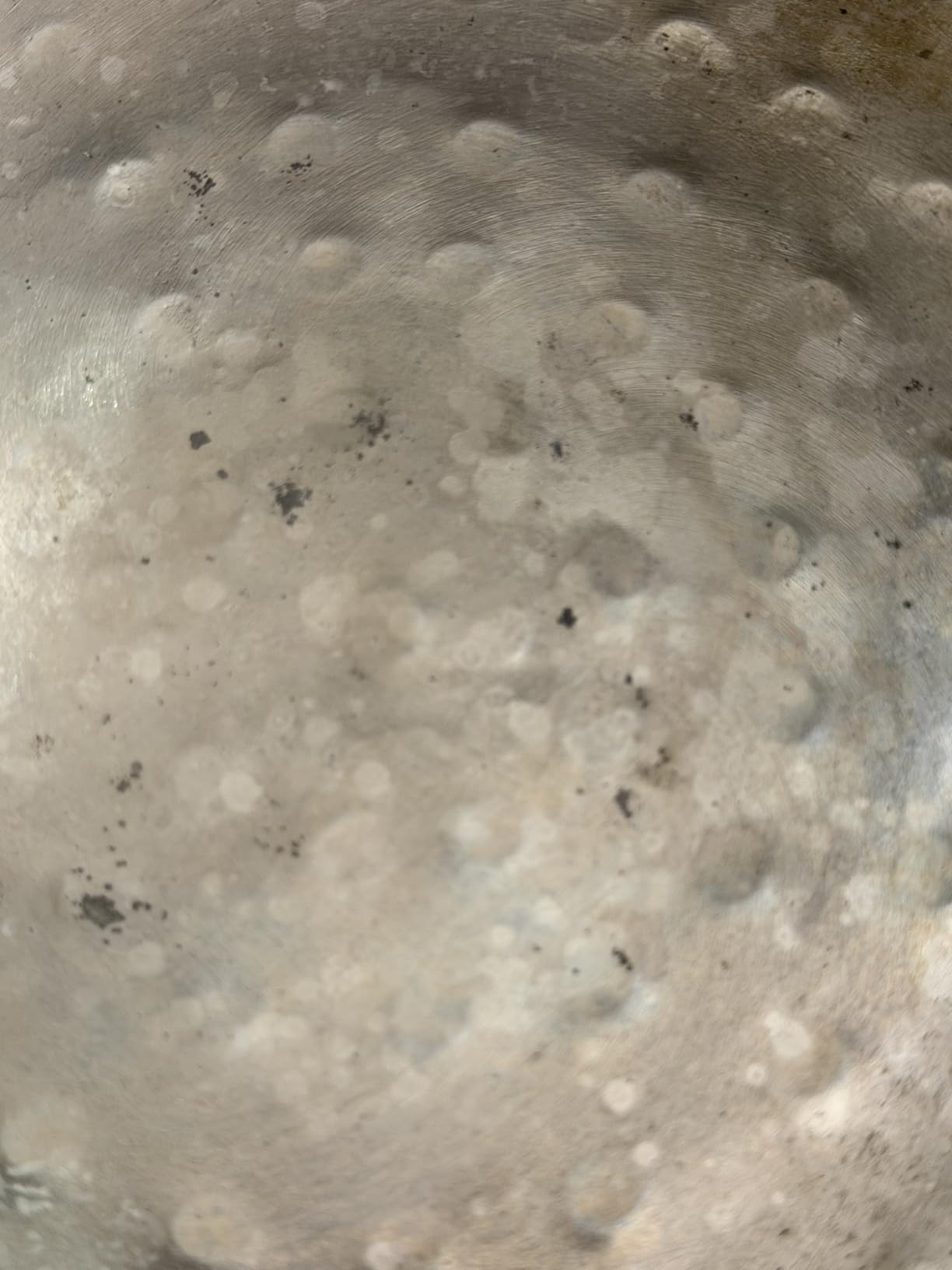
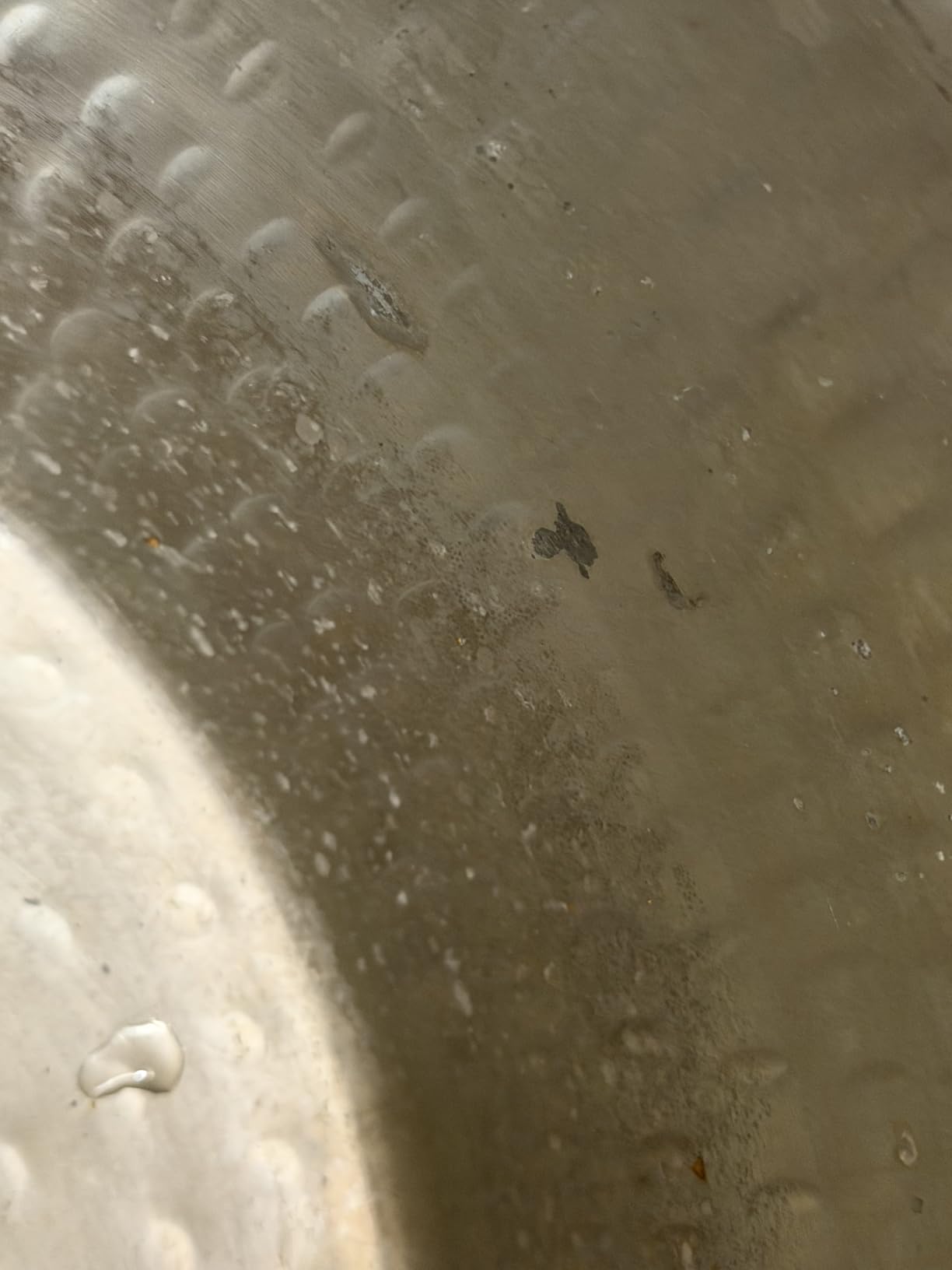
Customer photos show the set displayed together in real kitchens, and the visual impact is striking. Multiple reviewers mention using these pots daily for six months or more without any issues. One person noted the smallest pot is perfect for making single-serve khichdi for their toddler.
Why this set works for most home cooks
The three sizes cover 90% of daily Indian cooking. Whether you’re making chai in the smallest, dal in the medium, or full meals in the largest, you have a dedicated vessel. The tin coating means you don’t need seasoning like cast iron.
Why you might skip this set
The upfront cost is high, and if you only cook for one or two people, you’ll use the largest pot rarely. Consider buying the single 3-quart patila first and adding more pieces as needed.
6. P-TAL 3-Quart Brass Patila Cooking Pot
P•TAL Pure Brass Patila Cooking Pot with Lid (3-Quart / 3L) – 100% Authentic Handcrafted Hammered Heavy Bottom Handi | Traditional Indian Tapeli Bhagona Saucepot | 10 x 10 x 5 Inches
Capacity: 3 Qt
Material: Pure Brass w/ Tin Lining
Weight: 1.85 kg
Pros
- Perfect family-sized capacity
- Authentic tin-lined brass handi
- Uniform heating saves time
- Versatile for multiple cuisines
- Naturally smooth and easy to clean
Cons
- Kalai may degrade over time
- Some QC issues on arrival
- Heavy for some users
The patila is the traditional Indian cooking pot, and this 3-quart version feels like the most versatile single piece I tested. I cooked sambar for a family of four, dal tadka, and a single-serve biryani in this patila, and each dish came out evenly cooked. The heavy bottom prevents scorching even when I forgot to stir for a few minutes.
At 1.85 kg, it has serious heft that translates to stable stovetop cooking. The hammered finish on the exterior is classic, and the tin-lined interior is bright and food-safe. The dimensions (10x10x5 inches) fit well on standard gas burners without crowding other pots.
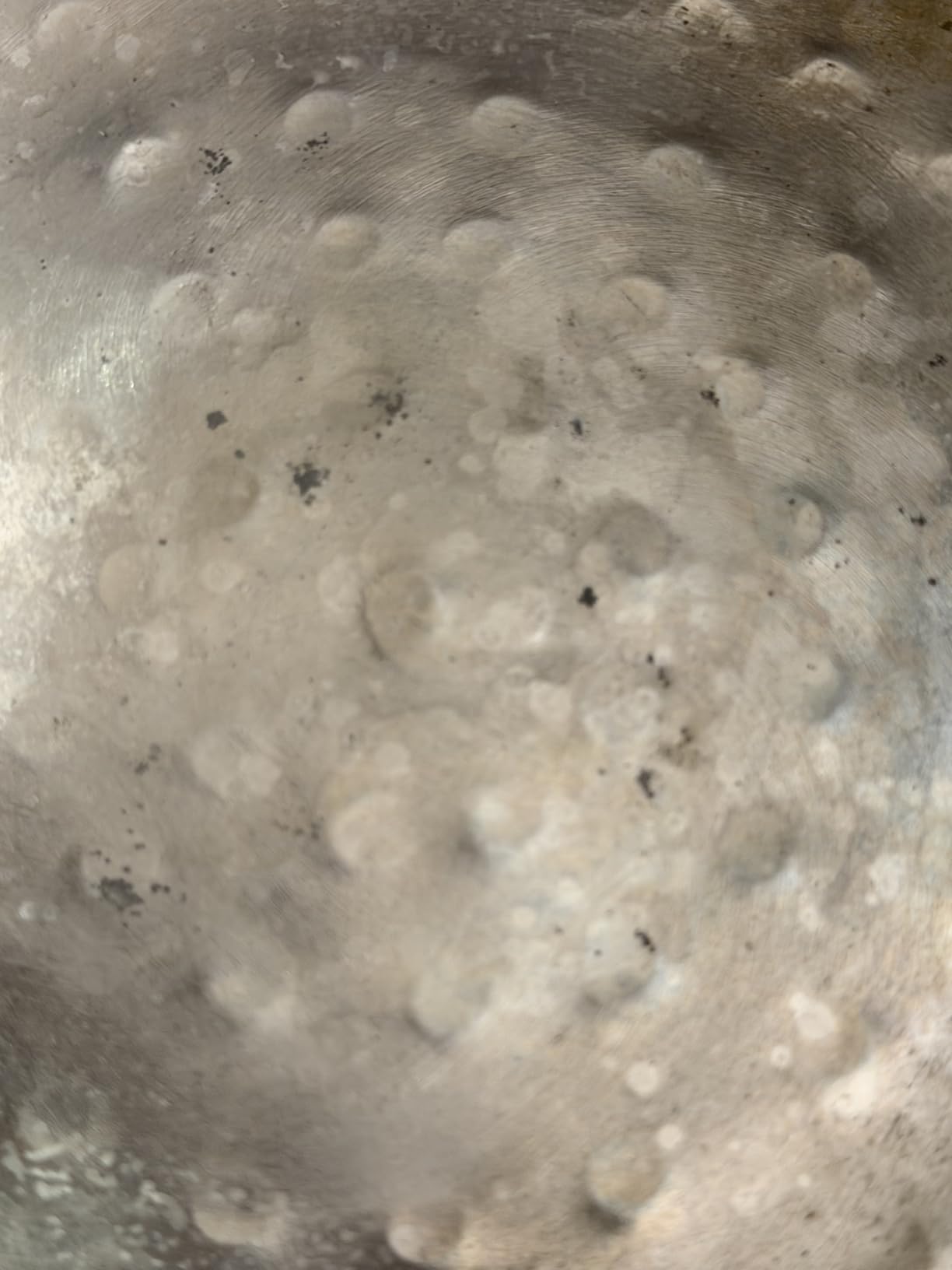
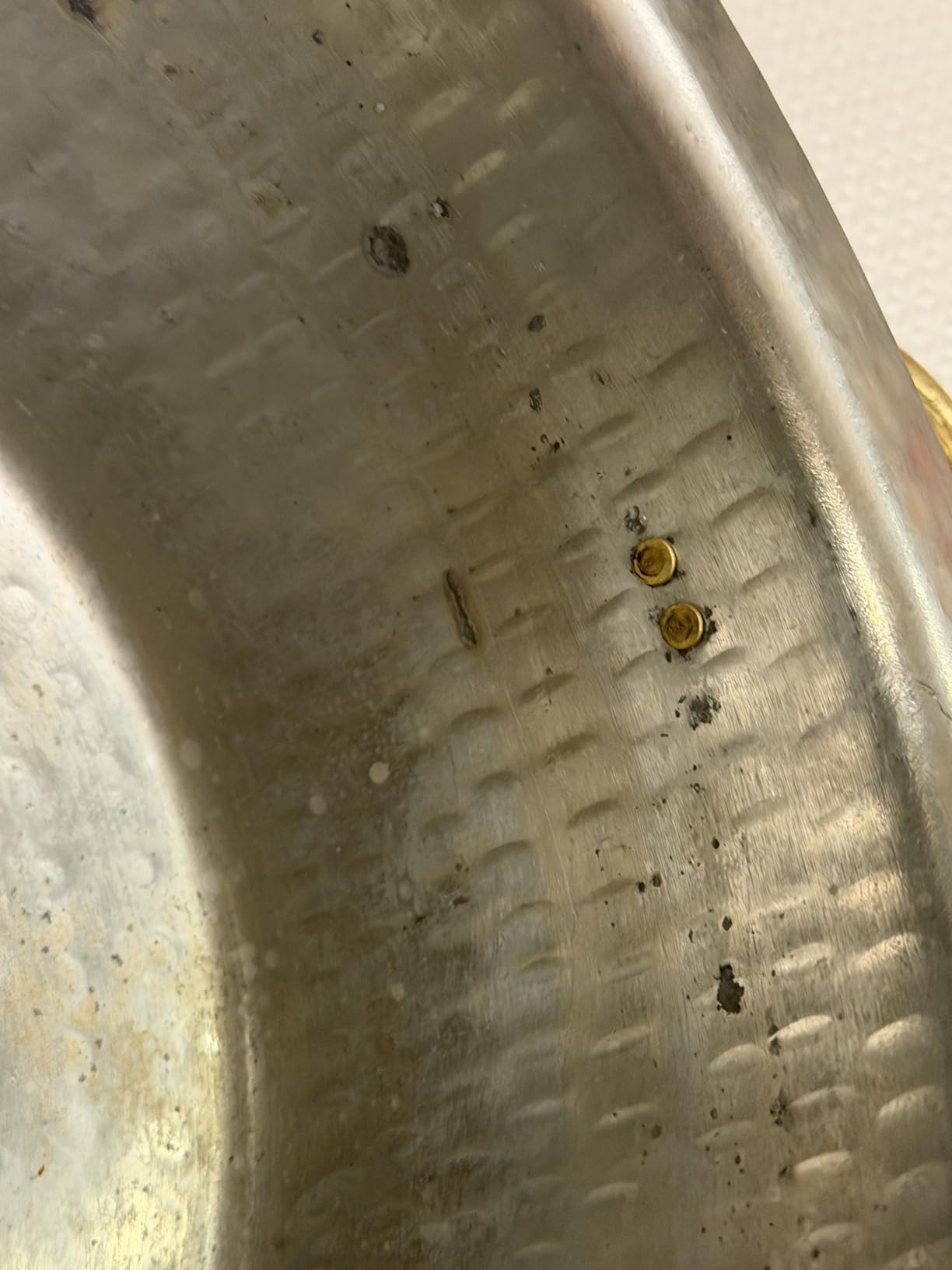
Customer images show this patila being used for everything from festive payasam to everyday rajma. One reviewer mentioned the tin coating held up beautifully after two years of daily use, which is reassuring given that kalai degradation is a common concern.
Why this patila earns its spot
The 3-quart size is the most useful for most home cooks, large enough for family meals but not so big that it wastes energy. The traditional shape works on any gas stove and goes from stovetop to table beautifully.
Considerations before buying
If you have arthritis or weak wrists, the 1.85 kg weight may be uncomfortable when full. Also, check the patila on arrival for bent lids or scratches, as a few customers reported QC issues.
7. P-TAL 1 Quart Pure Brass Sauce Pot with Lid
P•TAL 1 Quart Pure Brass Sauce Pot with Lid, Naturally Non-Stick Tin-Lined Interior, Handcrafted Hammered Brass Cookware, PTFE & PFOA Free, Multipurpose Pot for Sauces, Soup & Reheating
Capacity: 1 Qt
Material: Pure Brass w/ Tin Lining
Weight: 1.1 kg
Pros
- Naturally non-stick without chemicals
- Excellent heat retention
- Retains up to 93% of nutrients
- Perfect for sauces and soups
- Handcrafted heritage design
Cons
- Small capacity limits use cases
- Kalai durability over years
- Hand washing required
The 1-quart sauce pot fills a gap that the larger pots leave open: reheating leftovers, making single-portion sauces, and warming milk without scorching. I used it almost daily for reheating dal and making small batches of chutney. At 1.1 kg, it’s the lightest piece in this guide, which makes it comfortable for one-handed pouring.
The small size concentrates heat beautifully for tempering spices. When I made tadka for dal, the oil reached the right temperature in under 30 seconds. The brass handles stay cooler than the larger pots because there’s less mass overall.
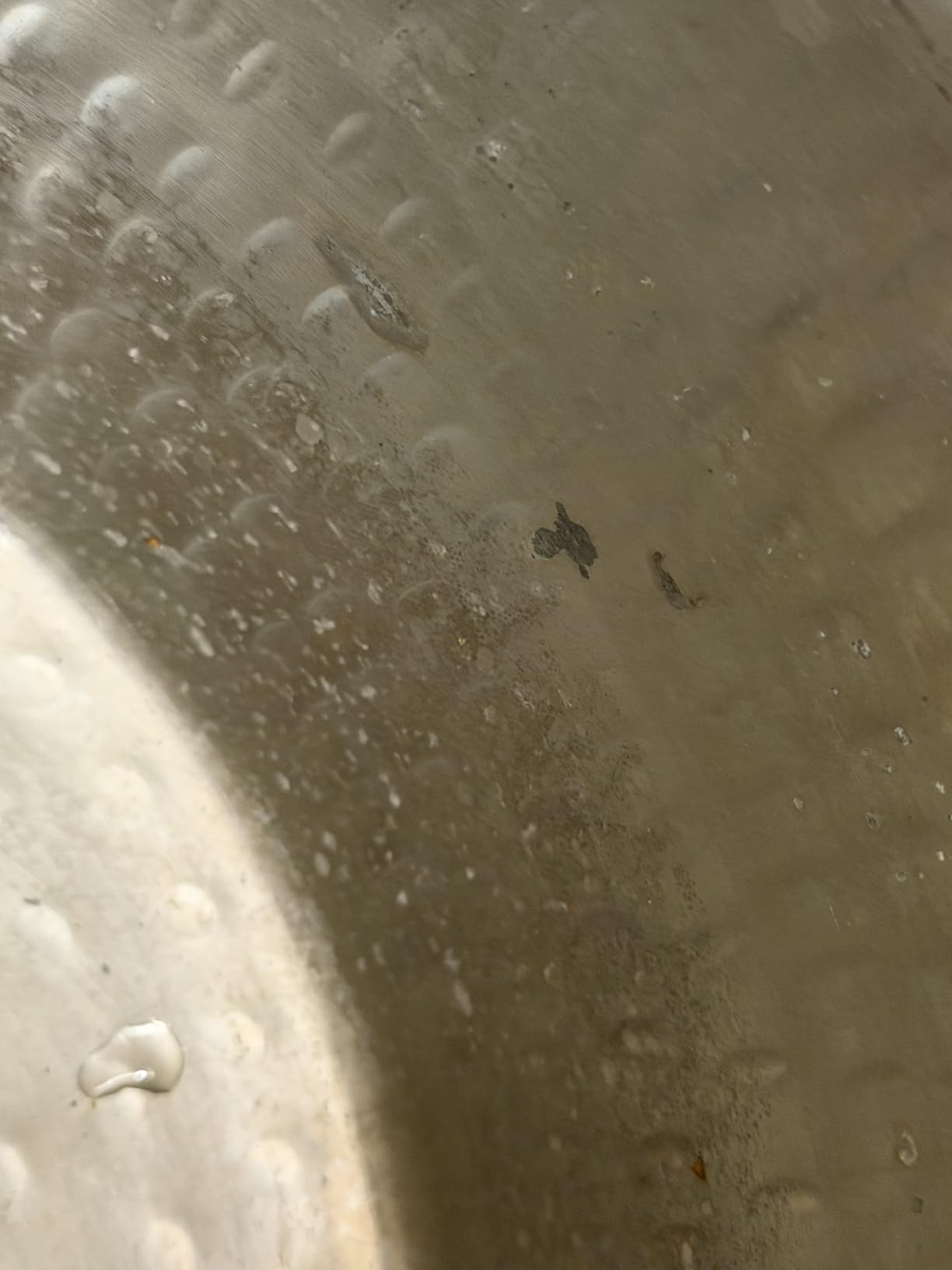
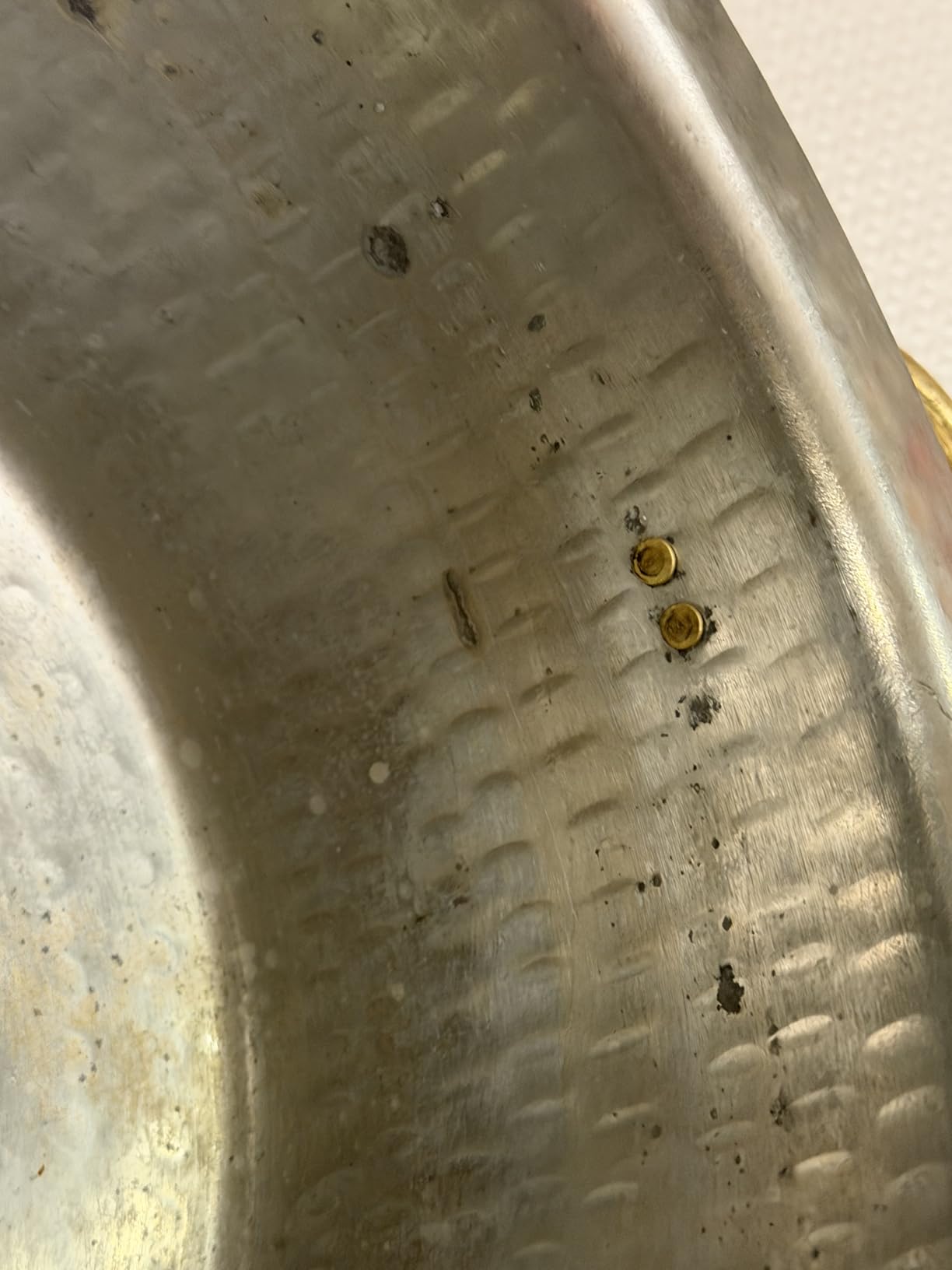
Customer images show this pot being used for chai, halwa, and small portions of kheer. Reviewers consistently praise the natural non-stick properties when used at moderate heat. One customer mentioned it replaced their nonstick saucepan entirely.
When this small pot shines
If you live alone, cook for one, or want a dedicated pot for reheating and sauces, this is the right size. It also works well as a tadka pan because of how quickly it heats.
Limitations to know
Don’t expect to cook family-sized meals in a 1-quart pot. It’s also not the best value for the capacity unless you’ll use it frequently.
8. P-TAL 1.2 Qt Brass Saucepan with Heat-Resistant Handle
P•TAL 1.2 Qt Pure Brass Saucepan with Heat-Resistant Handle | Naturally Non-Stick Tin-Coated Tea Pan | Handcrafted Brass Cookware | Tea & Sauce Pot with Cleaning Solution
Capacity: 1.2 Qt
Material: Pure Brass w/ Tin Coating
Handle: Heat Resistant
Pros
- Traditional tin-lined tea pan
- Fast even heat distribution
- Heat-resistant handle
- Handcrafted artisan quality
- Includes cleaning solution
Cons
- May discolor after short use
- Limited stock availability
- Small capacity
This saucepan was designed with chai in mind, and it shows. I made masala chai twice daily for two weeks in this pan, and the heat distribution is noticeably better than my old steel saucepan. The milk comes to a gentle boil without scorching on the bottom, and the tin coating means I don’t need to scrub aggressively.
The heat-resistant handle is a thoughtful design choice. Even when the pan is hot, the handle stays grippable without a cloth. At 750 grams, it’s the lightest piece in this guide, which makes it ideal for one-handed use while pouring.
The main concern raised in reviews is discoloration that some users noticed within weeks of regular use. I did notice the tin coating developing a slightly different tone after daily chai-making, but it didn’t affect taste or performance. This is normal patina development.
Why this saucepan is worth it
If you make chai or coffee multiple times a day, the even heat and quick response time are genuinely valuable. The heat-resistant handle is a small detail that makes daily use much more pleasant.
Consider before buying
At 1.2 quarts, it’s small. Don’t expect to use it for anything beyond tea, sauces, or reheating. Also, check stock because this pan often sells out due to high demand.
How to Choose the Best Indian Brass Cookware for Your Kitchen
After testing eight different brass pieces, I’ve learned that buying brass cookware is less about brand hype and more about understanding the metal itself. Here are the four things that matter most when you’re choosing the best Indian brass cookware for your home.
Tin Coating (Kalai) Explained
Kalai is the thin layer of pure tin applied to the inside of brass cookware. It’s not optional, it’s essential. Without kalai, the copper and zinc in the brass can leach into acidic foods like tomatoes, citrus, and yogurt-based curries. Tin is non-reactive, which means your food stays pure and free of metallic taste.
The quality of kalai varies dramatically between brands. Cheap brass cookware may have thin, uneven kalai that wears off within months. Quality brands like P-TAL use thicker, more uniform tin coatings that last 2-3 years of regular cooking before needing re-tinning. Look for products that explicitly mention “food-safe tin lining” or “kalai coated interior.”
To check kalai quality, inspect the interior before first use. It should look silvery, smooth, and free of dark spots or copper showing through. If you see reddish copper patches through the tin, the kalai is incomplete.
Lead-Free Brass and Safety
This is the safety question I hear most often, and it’s worth addressing directly. Traditional brass alloy typically contains copper (around 60-70%) and zinc (30-40%), with trace amounts of other metals. The concern is lead, which historically was added to brass for ease of machining.
Modern food-grade brass from reputable brands does not contain added lead. However, cheaper imported brass may still use leaded alloys. To verify safety, look for brands that explicitly state “lead-free” or “food-grade brass” and provide documentation of metal composition. The P-TAL products I tested all use lead-free brass certified for food contact.
If you’re shopping for vintage or heirloom brass, test it before cooking. Lead-containing brass tends to be softer and may scratch easily. Also, avoid using unverified brass for anything acidic. Stick to dry roasting, water boiling, or ghee storage for vintage pieces until you can confirm they’re food-safe.
Size and Capacity Guide
Choosing the right size prevents buyer’s remorse. Here’s the capacity guide I wish someone had given me before I started.
For daily cooking for one or two people: 1 to 1.5 quarts is plenty. The 1-quart sauce pot or 1.2-quart saucepan covers reheating, single-portion curries, and chai.
For a family of three to four: 3 quarts is the sweet spot. The 3-quart patila or stock pot handles dal, sabzi, and one-pot meals without being oversized.
For a family of five or batch cooking: 4 liters and above is essential. The 4-liter lagaan handles full biryani and large curry batches without crowding.
For mixed cooking needs: A set of three (like the P-TAL set) covers all bases from small reheating to family meals. This is the most cost-effective approach if you’re building a brass collection from scratch.
Induction Compatibility
Here’s the disappointing truth: brass cookware is not induction-compatible. Induction cooktops work through magnetic fields, and brass is not magnetic. None of the eight pieces I tested will work directly on an induction stove.
If you have an induction cooktop, you have three options. First, use an induction interface disk, a flat metal plate that sits between your induction cooktop and the brass pot. The disk heats up and transfers heat to the brass. Second, use brass cookware only on gas or in the oven. Third, choose copper or cast iron if you need induction compatibility.
For most home cooks with gas stoves (which is common in Indian households), brass is perfect. If you’re in the USA with an electric or induction setup, plan accordingly.
Frequently Asked Questions
Is brass cookware safe for daily cooking?
Yes, brass cookware is safe for daily cooking when it has a food-safe tin coating (kalai) on the interior. The tin layer prevents copper and zinc from leaching into food. Always choose cookware from brands that explicitly mention lead-free brass and tin-lined interiors. Avoid cooking acidic foods like tomatoes or citrus in unlined brass.
What is kalai coating and why does it matter?
Kalai is a traditional tin coating applied to the inside of brass cookware in India. It matters because tin is non-reactive and prevents the copper and zinc in brass from interacting with food. Without kalai, acidic ingredients like tomatoes, tamarind, and yogurt can cause metallic taste and potential mineral leaching. Quality kalai lasts 2-3 years of regular cooking before needing re-tinning by a local metalworker.
Which is better for Indian cooking, brass or copper?
Both brass and copper cookware work well for Indian cooking, but they have different strengths. Copper has superior heat conductivity and responds faster to temperature changes, making it ideal for sugar work and delicate sauces. Brass is more durable, less expensive, and traditionally preferred for biryani, slow-cooked curries, and daily meals. Both require tin lining (kalai) for food safety. For most home cooks, brass offers the best balance of performance, durability, and value.
How often does brass cookware need re-tinning?
Quality brass cookware with proper tin lining typically needs re-tinning every 2-3 years with regular daily use. Light use may extend this to 4-5 years. Signs that re-tinning is needed include visible copper showing through the tin, metallic taste in food, or dark spots developing on the interior. Re-tinning is done by local metalworkers (called kalaiwala in India) and costs a fraction of buying new cookware.
Does brass cookware work on induction stoves?
No, brass cookware does not work directly on induction stoves because brass is not magnetic. To use brass cookware on induction, you need an induction interface disk, a flat magnetic plate that heats up and transfers heat to the brass pot. Alternatively, use your brass cookware on gas stoves or in the oven. If induction compatibility is essential, consider stainless steel or cast iron instead.
Final Verdict on Best Indian Brass Cookware
After eight weeks of cooking daily meals across these eight pieces, I can confidently recommend the best Indian brass cookware based on what matters most: cooking performance, food safety, and long-term value. The P-TAL Set of 3 Brass Stock Pots earned my top pick for offering the most versatility at a reasonable per-piece cost, while the 4L Lagaan is the single best vessel for anyone serious about biryani and dum cooking.
Brass cookware isn’t just functional, it’s a connection to centuries of culinary tradition. My grandmother’s patila outlived three nonstick pans, and the food always tasted better from it. With proper care and occasional re-tinning, the brass pieces you buy in 2026 can become the heirloom cookware your family uses for generations. Start with one piece that fits your most-cooked dish, and add to your collection as you fall in love with the metal.