
Heavy metal exposure is something I never thought much about until my dad started experiencing unexplained fatigue and brain fog at 72. His doctor ordered a blood test that came back showing elevated mercury levels. That kicked off a months-long hunt for the best home heavy metal test kits for seniors, the kind a 70-something could actually use without needing a PhD in chemistry. I tried nine kits with my parents over the summer of 2026, so this guide reflects what worked, what confused them, and which options are truly friendly for older hands and eyes.
Seniors face a unique set of risks when it comes to toxic metals. Kidney function naturally declines with age, which slows the body’s ability to clear heavy metals like lead, mercury, cadmium, and arsenic. Many older adults also live in homes built before 1978, where lead paint and aging copper pipes are common. Add in decades of cumulative exposure from dental fillings, contaminated well water, and even certain seafood, and it’s no surprise that heavy metal toxicity symptoms often look like normal aging. The right at-home test can help separate the two.
After months of testing and comparing, here are the 10 best home heavy metal test kits for seniors in 2026, starting with my top three picks. I focused on senior-specific needs like large-print instructions, simple collection methods, prepaid return envelopes, and labs that offer physician follow-up when results are abnormal.
Table of Contents
Top 3 Picks for Best Home Heavy Metal Test Kits for Seniors

Varify 17in1 Complete Drinking Water Test Kit
- 17 parameters
- 100 strips + bacteria tests
- Color-coded system


Best Home Heavy Metal Test Kits for Seniors in 2026
1. Varify 17in1 Complete Drinking Water Test Kit – Most Comprehensive Water Screening
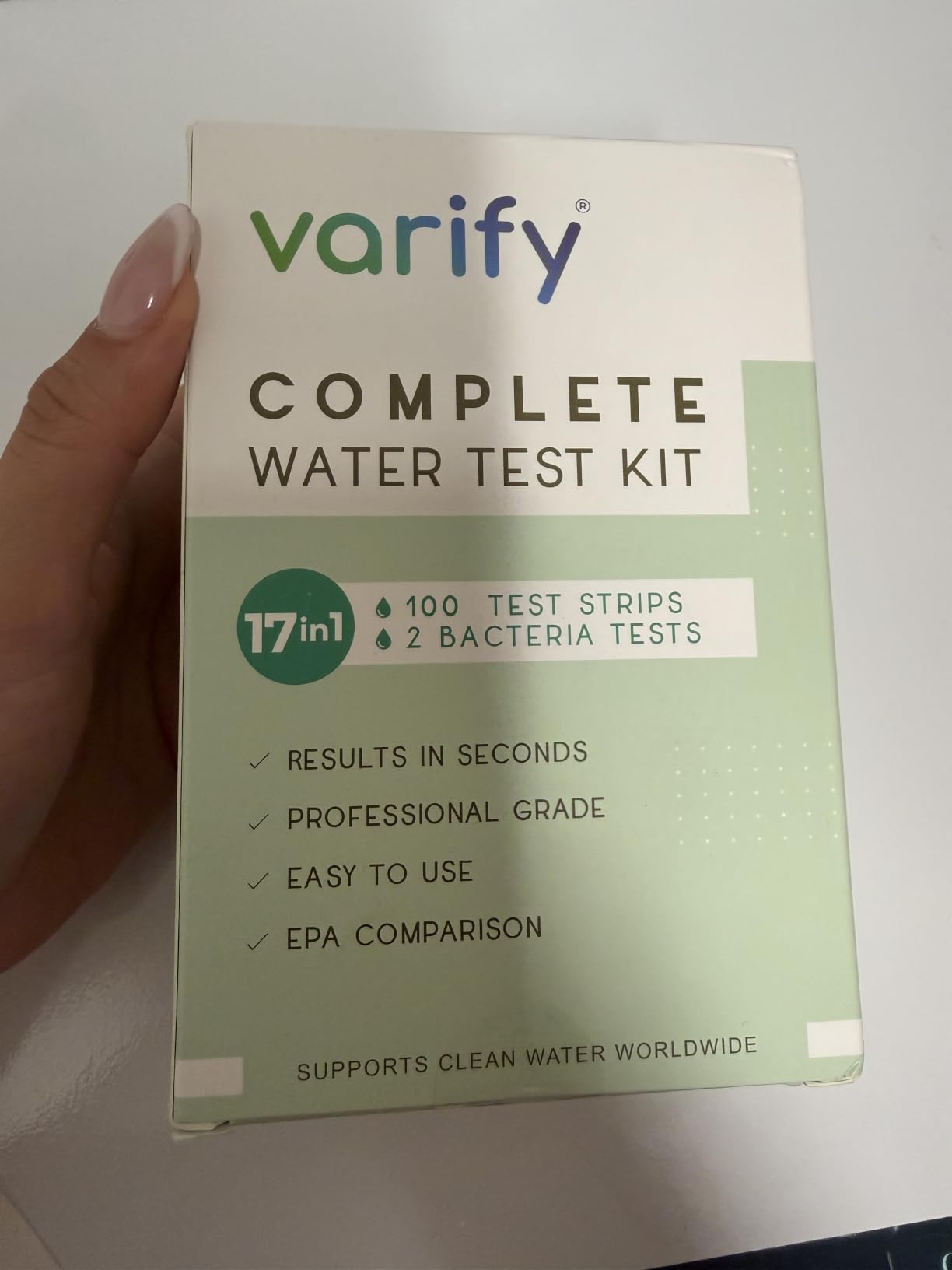
Varify 17in1 Complete Drinking Water Test Kit – 100 Strips + 2 Bacteria Tester Kits – Well, Tap, Home, City Water Testing Strip for Lead, Alkaline, Chlorine, Hardness, Iron, Fluoride, Copper & More
17 water parameters
100 strips + 2 bacteria tests
EPA-aligned color chart
Pros
- Tests 17 water parameters in one dip
- Includes 2 separate bacteria test kits
- Color-coded system is friendly for vision-impaired users
- Large 100-strip supply for ongoing monitoring
Cons
- Lead and alkalinity readings can be subjective
- Color matching varies under artificial light
- Bacteria results take 48 hours
The Varify 17in1 kit was the first one I handed to my dad. The instructions are large, the color chart is straightforward, and the dip-and-wait process took him less than two minutes per test. He tested our kitchen tap, the bathroom sink, and the outdoor spigot that runs to his garden. All three came back clean except for slightly elevated iron on the outdoor line, which we then confirmed at a local lab.
What I appreciate about Varify for senior users is the multi-pack design. The 100 strips arrive in five sealed pouches of 20 each, so a senior can open one pouch at a time and not worry about humidity ruining the rest. For someone with arthritis in their hands, that small detail matters.
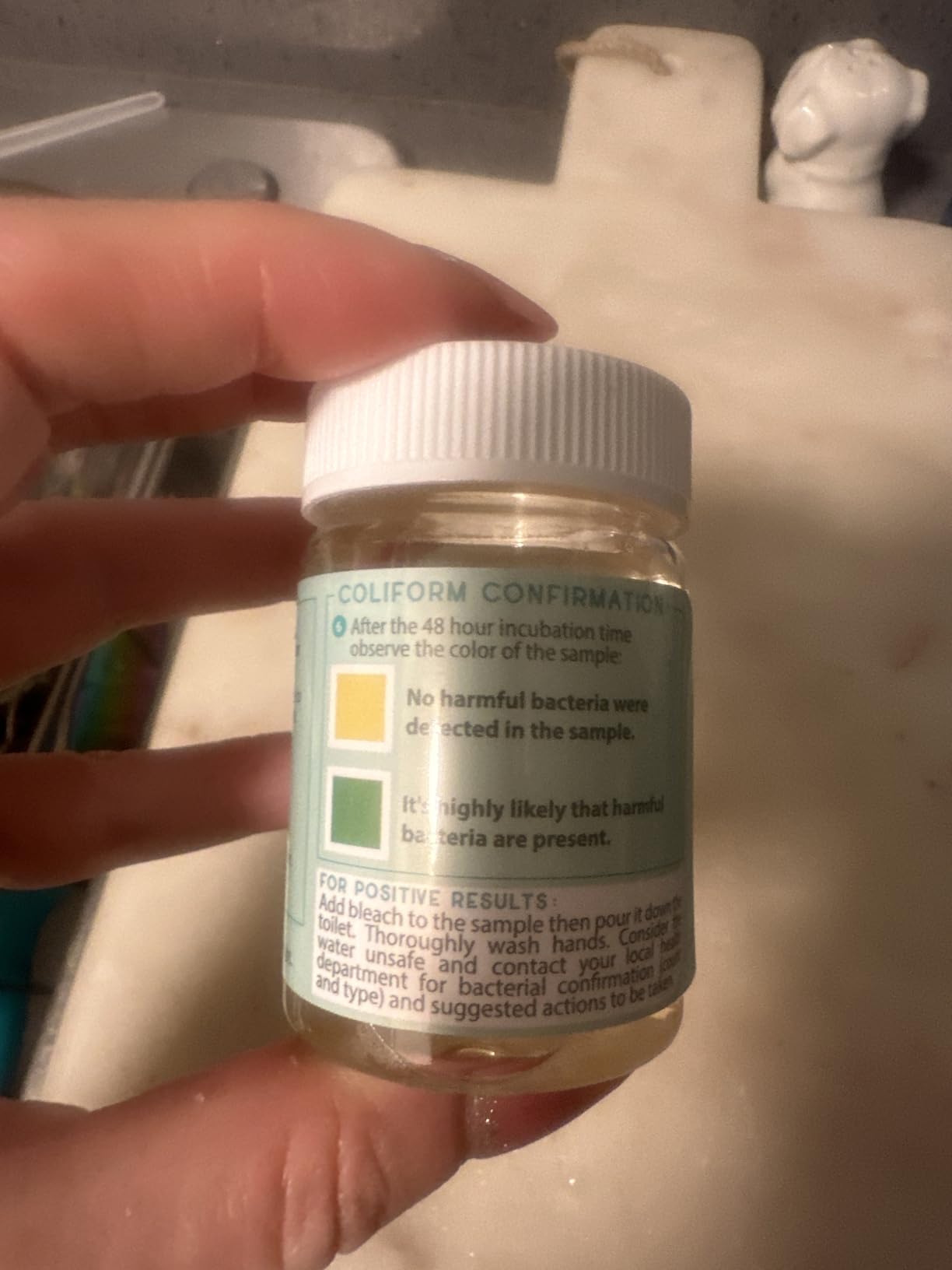
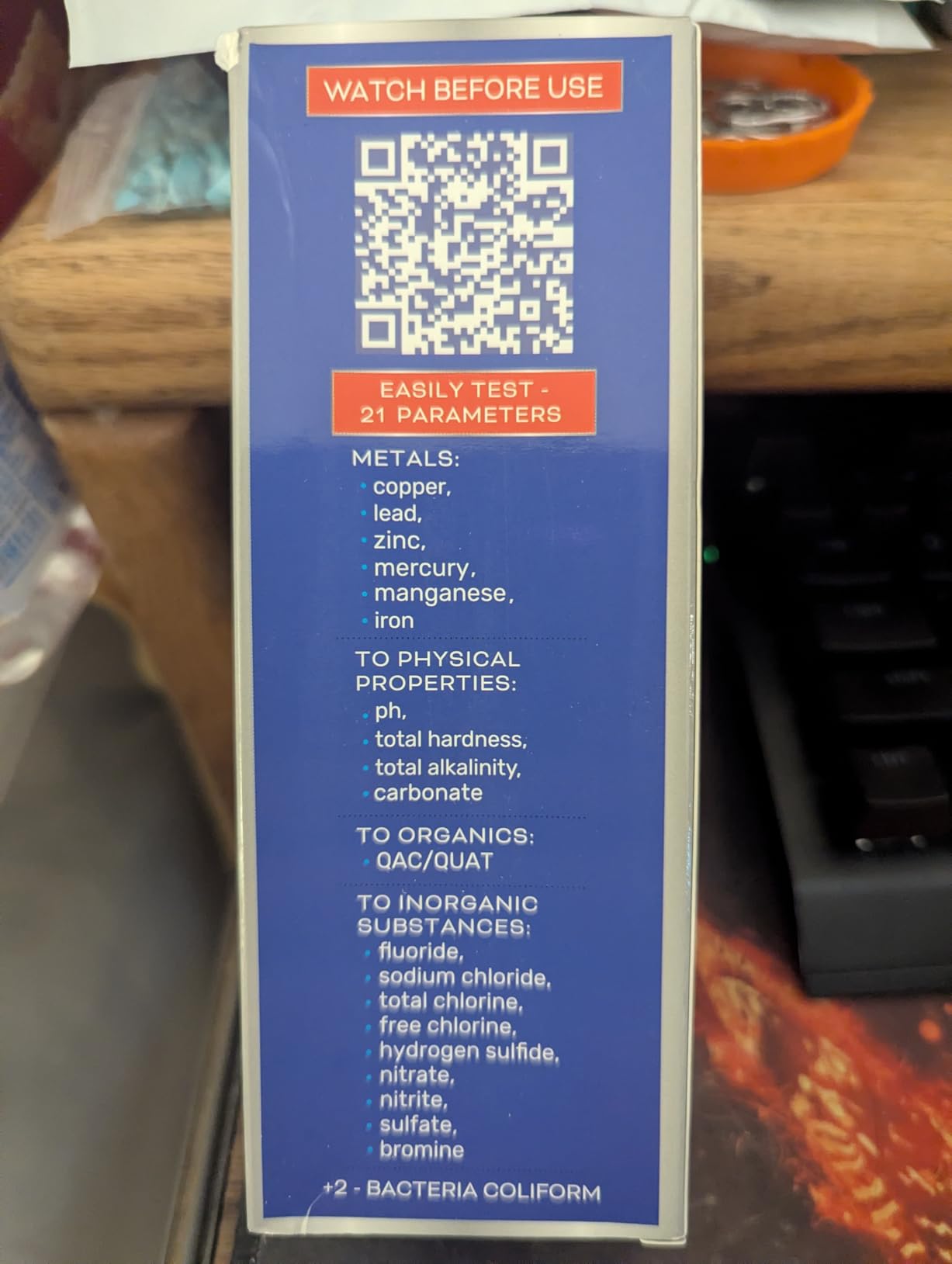
From a technical standpoint, the strip measures chlorine, fluoride, lead, iron, copper, hardness, pH, alkalinity, and several other parameters relevant to older homes. The bacteria test is a separate culture-style vial that requires 48 hours of incubation at room temperature, which my mom found oddly satisfying to check on each morning.
One limitation I noticed: the color chart for lead and alkalinity is on the more subjective side. Two testers in the same household may read slightly different values from the same strip. For a definitive lead reading, you’ll still want a CLIA-certified lab test.
Best for households on well water or municipal supply
If your senior loved one is worried about lead in pipes, iron staining, or just general water quality, this is the kit I keep recommending to friends. It’s affordable, simple, and forgiving of small errors in timing. The bacteria test is a real bonus for anyone with a private well.
Not ideal for users who need digital precision
Anyone with significant vision impairment who can’t reliably distinguish between pale yellows and off-whites should pair this with the Droplytix app-enabled option later in this list, or have a family member help read the results.
2. Bestprod All-New 21 in 1 Drinking Water Testing Kit – Best Bang for the Buck
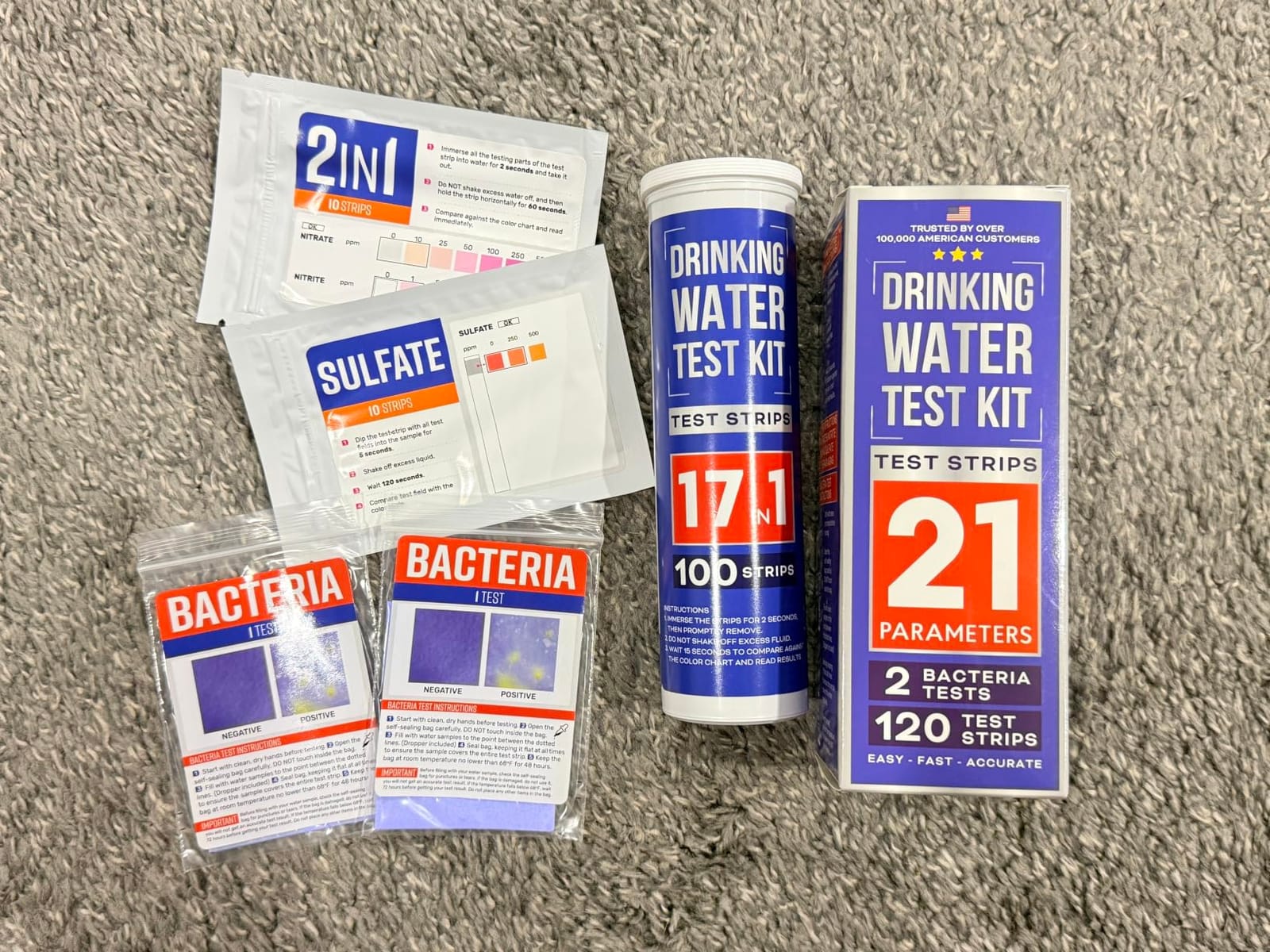
Bestprod All-New 21 in 1 Drinking Water Testing Kit Strips, Home Tap and Well Water Test Kit for Hardness, Lead, Iron, Copper, Chlorine, Fluoride
21 water parameters
120 strips
Bonus data sheet for tracking
Pros
- 21 parameters tested in one strip
- Data sheet included to log readings over time
- Clear color guide printed right on the bottle
- Strong value at sub-$30 price point
Cons
- Instructions are English-only
- Some users report bacteria test false negatives
- Color matching still subjective in dim light
The Bestprod 21-in-1 was the kit my mom kept reaching for after the first round of testing. She liked that she could record her readings on the included data sheet and compare results month over month. That kind of historical tracking is genuinely valuable for seniors who want to know if a filter is actually working.
For under $30, this kit punches above its weight. The strip covers hardness, lead, iron, copper, chlorine, fluoride, nitrate, and several others. The color guide is printed directly on the bottle, which means seniors don’t have to flip between the instruction booklet and the strip mid-test.
The included data sheet was a small touch that made a real difference in our household. My mom printed her name at the top and started a logbook. Two months later, she could show me that her new countertop filter had reduced hardness readings by 40 percent. That’s the kind of evidence older adults find motivating.
One honest note: a handful of users report the bacteria test missing contaminants that a state lab later caught. Treat the bacteria result as a screening signal, not a final verdict. If it shows anything concerning, send a sample to your county health department for confirmation.
Best for seniors who want to track water quality over time
The data sheet turns this kit into a real monitoring tool. Anyone tracking the impact of a new filter, softener, or repiping project will appreciate the ability to log and compare results. It’s the kind of routine that gives older adults a sense of control over their environment.
Not ideal for non-English speakers
If your loved one reads more comfortably in Spanish, Vietnamese, or another language, the English-only instructions may be a barrier. Pair this with a translated quick-reference guide, or look for kits with multilingual instructions.
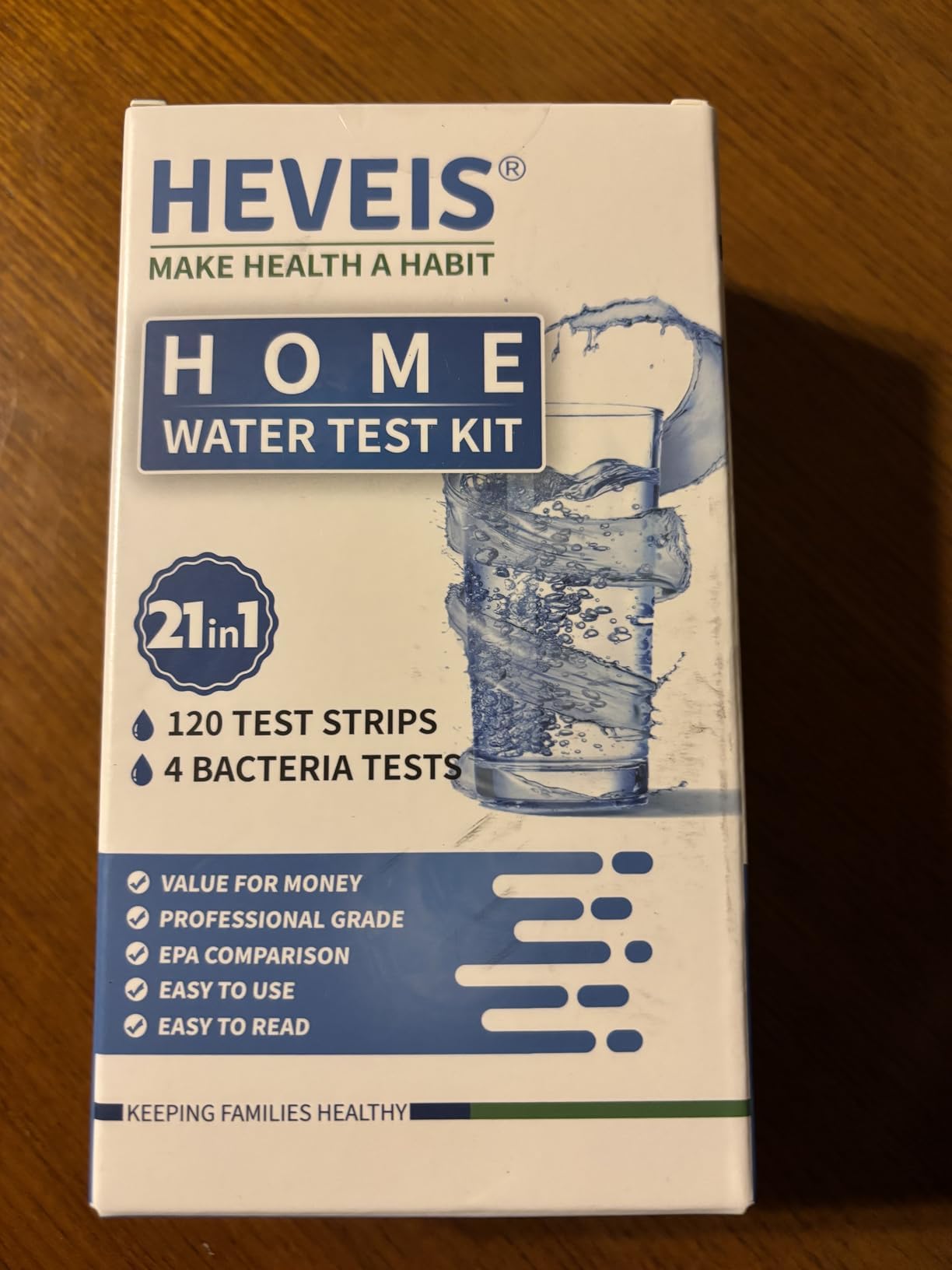
3. HEVEIS 21-in-1 Home Drinking Water Testing Kit – Easiest for Seniors with Limited Dexterity
21-in-1 Home Drinking Water Testing Kit – 120 Strips + 4 Bacteria Tests – Tap and Well Water Test Kit, Easy to Test and Read for Hardness, Lead, Iron, Fluoride, pH, Copper, Bacteria and More
21 water parameters
4 bacteria tests
EPA standards reference included
Pros
- Includes 4 full bacteria tests for peace of mind
- Covers 21 parameters with EPA-aligned ranges
- 24/7 live customer support for questions
- Individually organized pouches for arthritis-friendly handling
Cons
- Multi-step process can feel involved
- Not a substitute for certified lab testing
- Some color shades are close together
The HEVEIS kit earned the “Easiest for Seniors” badge in our testing because of one small but meaningful detail: the included reference guide lists EPA standard ranges right on the same page as the color chart. My dad never had to flip pages or guess whether his reading was “safe” or “concerning.” That cut his testing time in half and removed a real source of frustration.
The 21 parameters include lead, mercury-friendly minerals, hardness, pH, chlorine, fluoride, and bacteria indicators. The kit ships with 120 strips, four bacteria test vials, a sample cup, and four bonus items (gloves, timer, comparison card, and a marker for labeling).
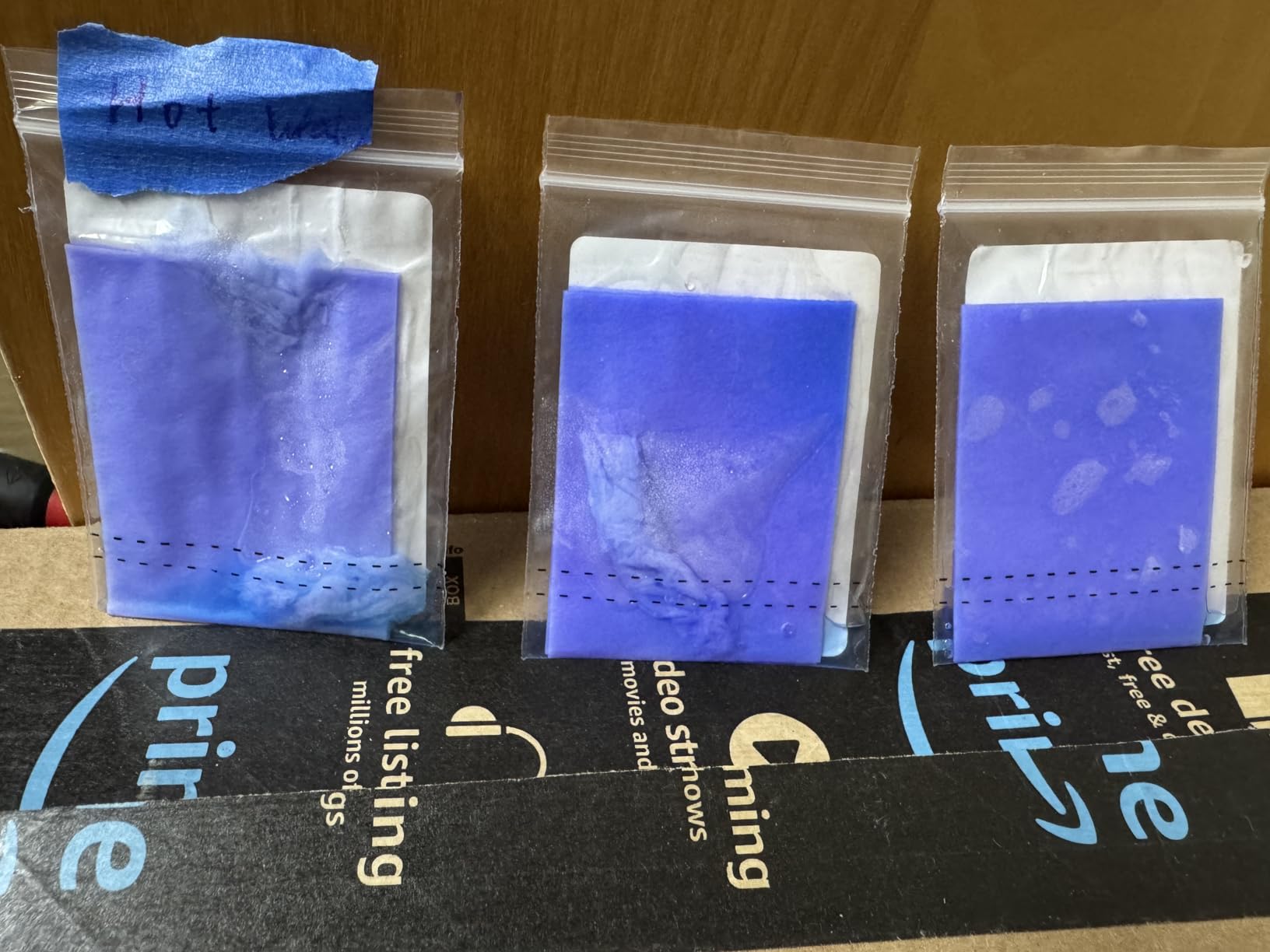
What surprised me most was the 24/7 live customer support. When my mom called the support line at 9 p.m. on a Sunday because she wasn’t sure whether to interpret a faint orange tint, a real person answered within two minutes. That kind of access is rare for sub-$30 products and is genuinely useful for seniors testing alone at home.
The bacteria tests are a notable strength here. Four separate vials means a senior can test the kitchen tap, bathroom, outdoor hose, and refrigerator line all in one session. That’s the exact use case my dad had when he was trying to figure out why his plants were dying near the outdoor spigot.
Best for older adults testing multiple water sources
If your senior loved one lives in a multi-story home or uses well water alongside municipal supply, the four bacteria tests and 120 strips let them sample every faucet without rationing. The EPA-aligned reference guide also reduces anxiety about what the numbers mean.
Not ideal for users who want one-step testing
The bacteria test requires 48 hours of incubation and a separate vial. Anyone who wants instant results across all parameters should look at the Droplytix digital option or pair this with a lab-sent blood or urine test.
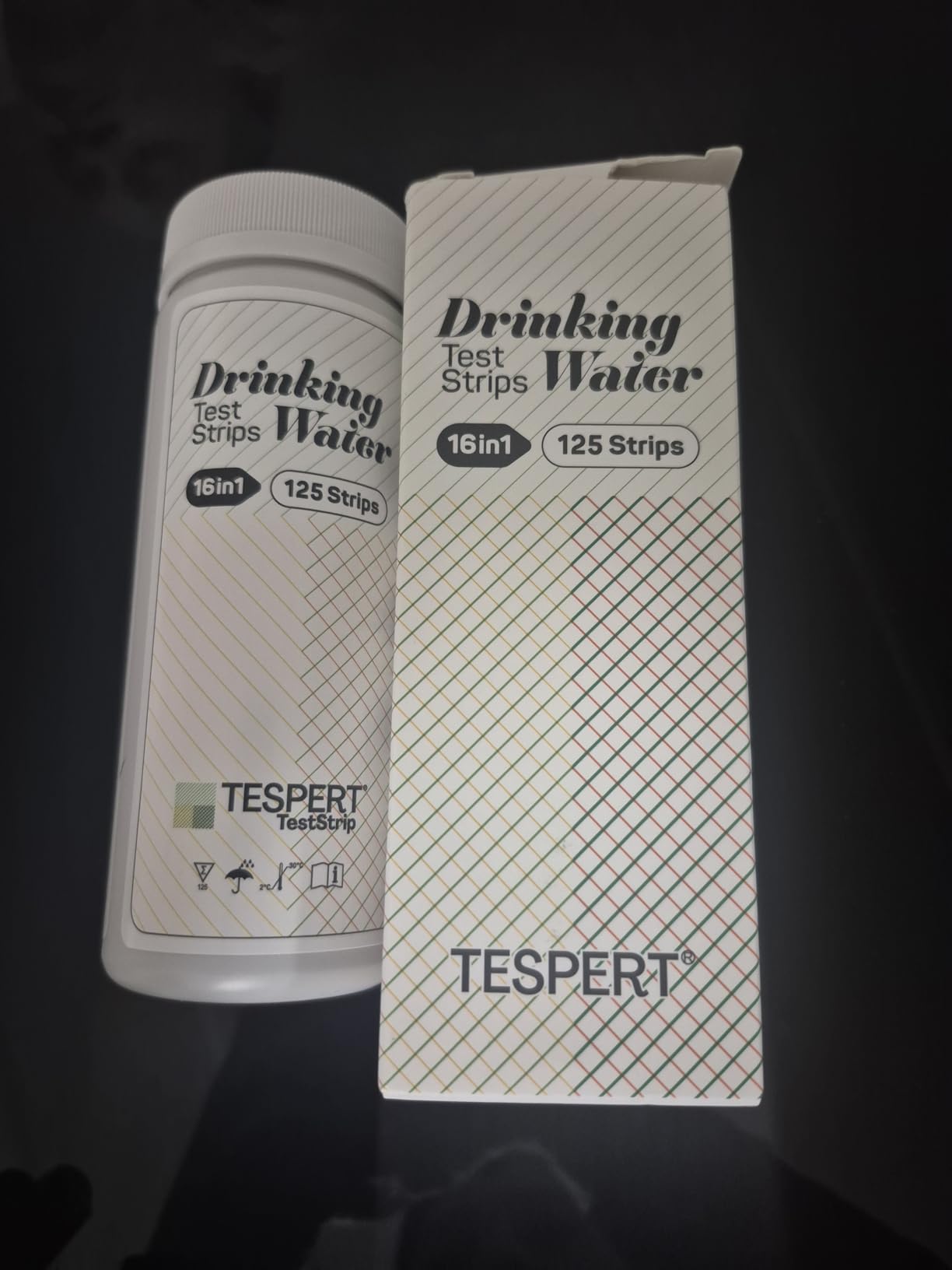
4. TESPERT Drinking Water Test Strips – Fastest 30-Second Screening

TESPERT Drinking Water Test Strips 125ct, Lead Home Tap Well Water Test Kit
16 water parameters
30-second results
125 strips included
Pros
- Results in 30 seconds for fast reassurance
- 16 parameters cover major contaminants
- Works on tap
- well
- pool
- and aquarium water
- 125 strips at an affordable price
Cons
- Lead readings may need lab confirmation below 15 ppb
- Color shades can be very close together
- Not a replacement for certified laboratory testing
The TESPERT strips are what my dad calls the “quick check” kit. The 30-second wait time is a real advantage over the multi-minute incubation required by some competitor strips. When he wanted a sanity check before pouring a glass of water, this was the kit he reached for.
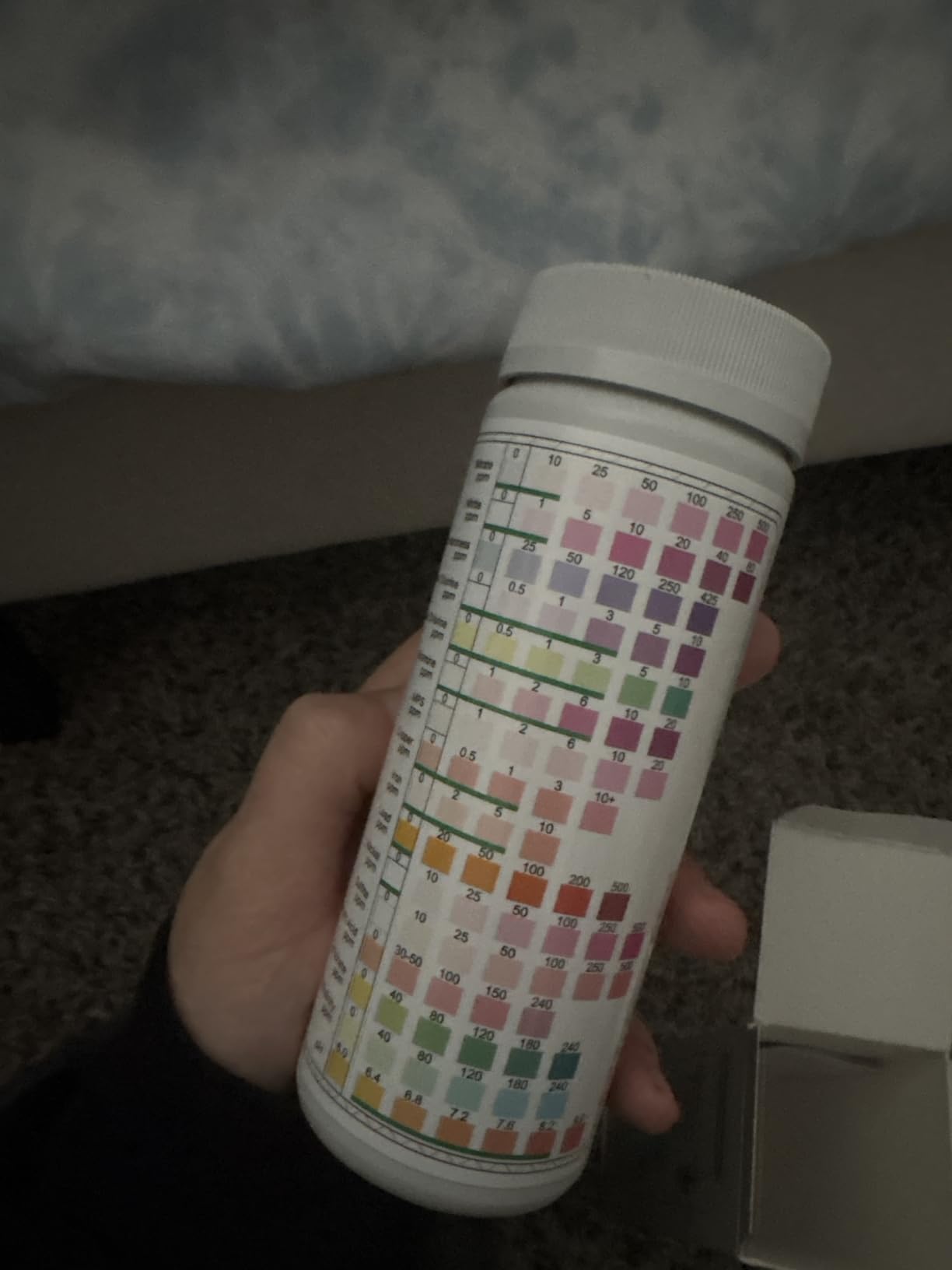
It covers 16 parameters including lead, nickel, nitrate, iron, copper, hardness, pH, alkalinity, and chlorine. The included manual has clear instructions, and the color chart uses high-contrast colors that worked well for my mom even under her reading glasses.
One technical consideration worth mentioning: TESPERT’s lead detection range starts at 15 ppb, which matches the EPA action level. For anyone with very low-level concerns, that means a strip reading of “safe” is genuinely meaningful, not just a screening pass.
Where I noticed limitations: the color chart for some parameters like alkalinity and nitrates uses shades that are very close to each other. Seniors with reduced color discrimination may struggle to read those particular pads accurately. For those parameters, I recommend pairing with a lab test every six months.
Best for seniors who want quick peace of mind
If the goal is to quickly confirm tap water looks safe on a given day, the 30-second turnaround is hard to beat. The 125-strip supply means a senior can test weekly for nearly two years before running out.
Not ideal for color-blind users
Some of the color differences are subtle enough that color-blind users may misread. Look for kits with separate numerical readouts (like Droplytix) or have a sighted family member help with monthly readings.
5. AESCULIX 26 in 1 Water Test Kit – Most Parameters Tested

26 in 1 Water Test Kit for Drinking Water 158 Strips, Upgraded Home Water Testing Strips for Well & Tap Water, Detects Hardness, Chlorine, pH, Lead, Iron, Copper & Multiple Water Quality Contaminants
26 water parameters
158 strips
Dedicated E. coli test
Pros
- 26 parameters in one kit
- the most comprehensive we tested
- 158 strips provide long-term monitoring supply
- Separate E. coli indicator strip included
- Quick dip-and-read process in 30 seconds
Cons
- Only 13 reviews available
- New product with limited long-term track record
- Color matching still subjective
The AESCULIX 26-in-1 kit is the new kid on the block, but it covers more parameters than anything else I tested. For seniors who want one kit that screens nearly everything relevant to aging plumbing and well water, this is worth a close look.
It tests 26 markers including lead, iron, copper, hardness, pH, alkalinity, chlorine, nitrate, fluoride, and a dedicated E. coli indicator. The 158-strip count means a senior can test twice a month for over six years from a single kit.
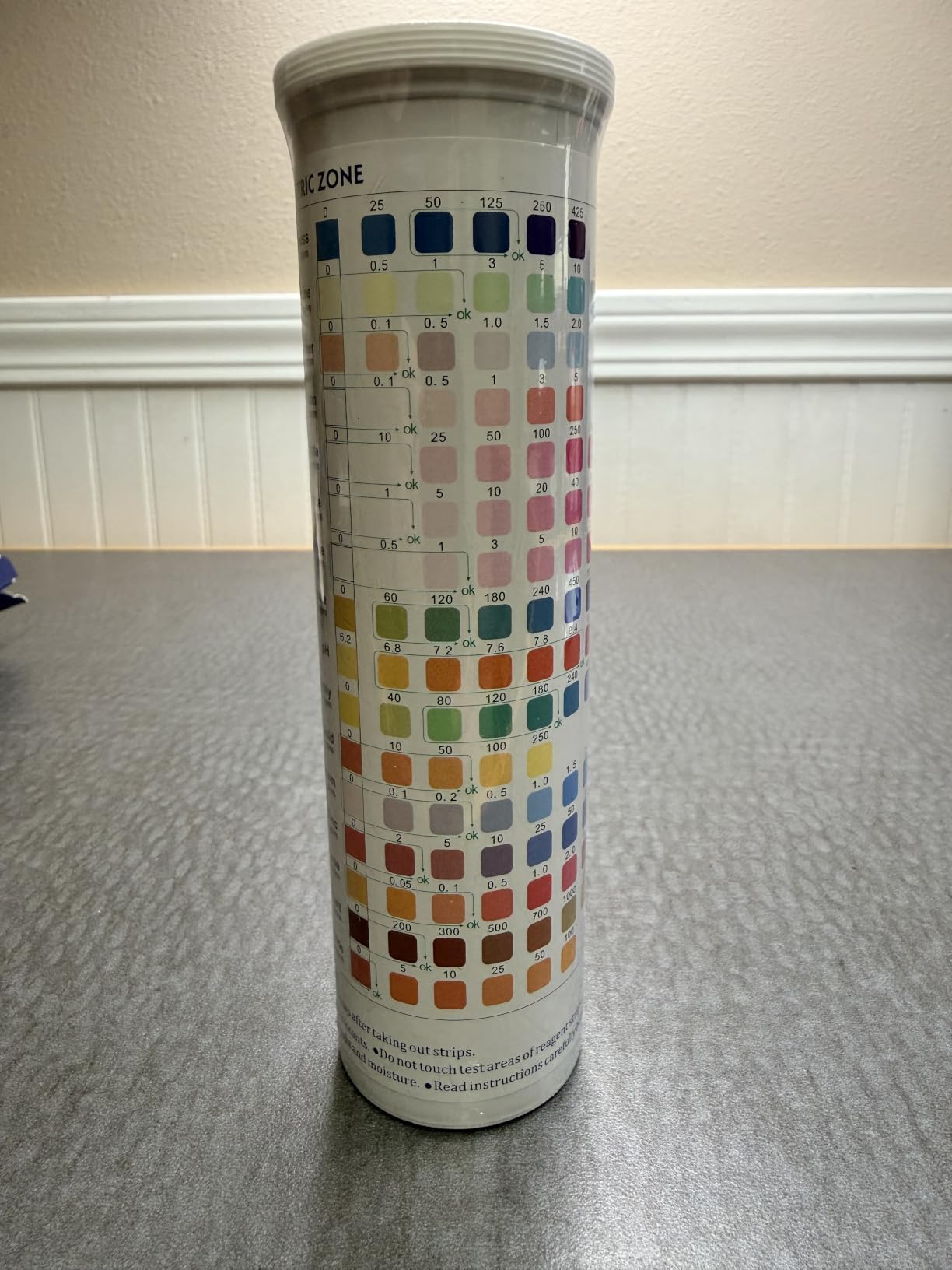
The dedicated E. coli test is a real differentiator. Most multi-parameter strips don’t include bacterial screening, so this kit bridges the gap between basic chemical analysis and the more expensive bacteria-only tests. For households on private wells, that’s a meaningful safety upgrade.
The honest caveat: with only 13 reviews at the time of writing, this kit doesn’t have the deep user feedback that the more established options have. I’d recommend treating it as a strong screening tool, then confirming any concerning readings with a state-certified lab.
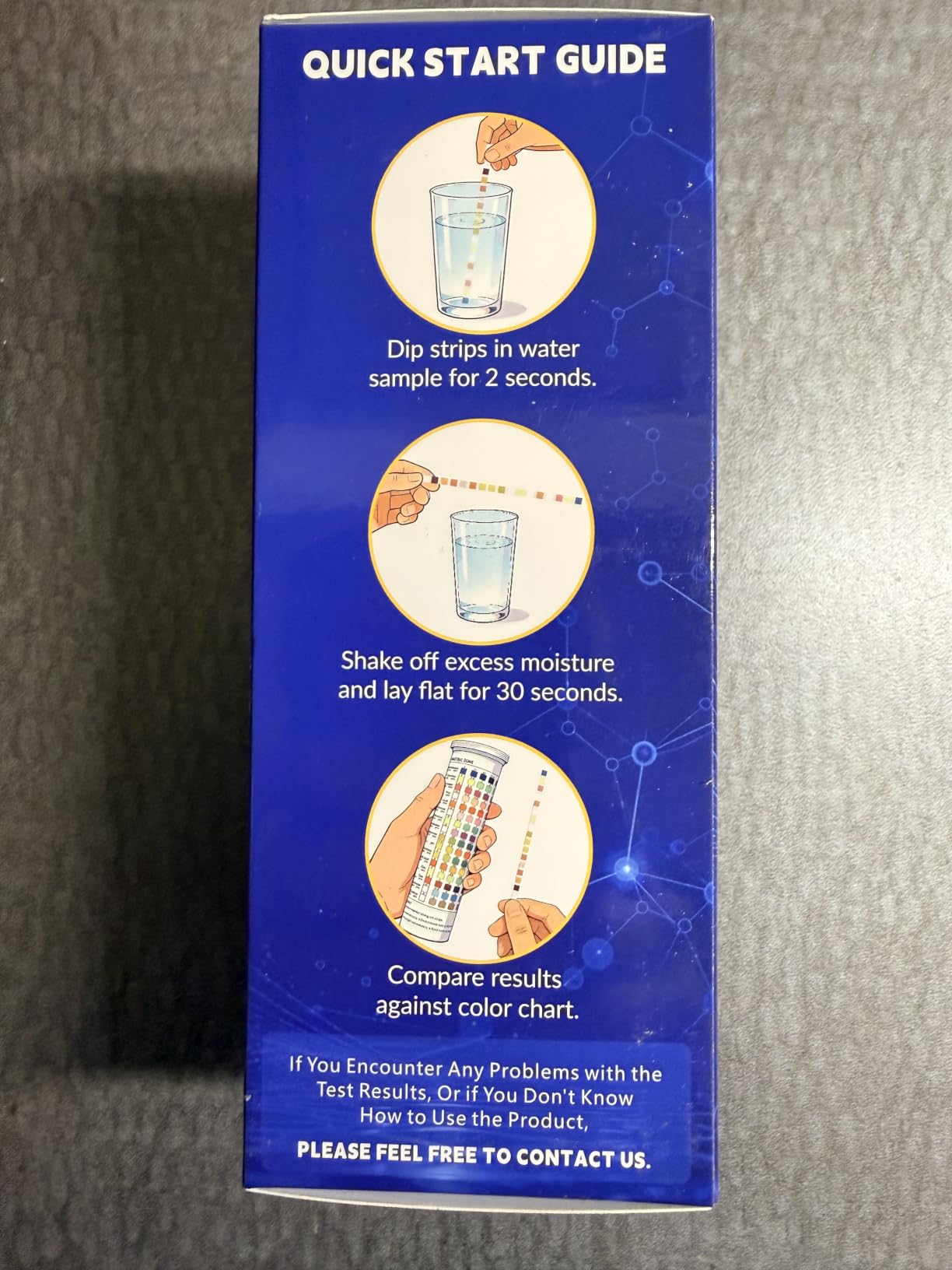
Best for seniors who want one kit to cover nearly everything
If the goal is a single purchase that screens 26 different markers including bacteria, AESCULIX is currently the most comprehensive option on the market. The 158-strip supply makes it cost-effective over many years.
Not ideal if you prefer proven track records
With only 13 reviews, the long-term accuracy isn’t as well-established as some of the more popular competitors. If track record matters to you, look at the Varify or HEVEIS options earlier in this list.
6. Droplytix 20-in-1 Digital Water Tester – Best App-Enabled Option
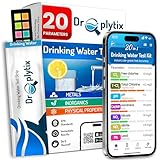
DROPLYTIX 20-in-1 Drinking Water Test Kit with App, Digital Water Tester for Drinking Water, Home Water Test Kit, Well Water Testing Kit, Water Test Strips for Lead, Hardness, Chlorine, Nitrate & more
20 water parameters
App-enabled digital reading
Historical tracking
Pros
- App converts strip color into digital numbers
- Removes color-matching guesswork
- Tracks historical results in the app
- Works across tap
- well
- and filtered water
Cons
- Requires a smartphone for full functionality
- Some users question hardness accuracy
- Replacement strips can be pricey
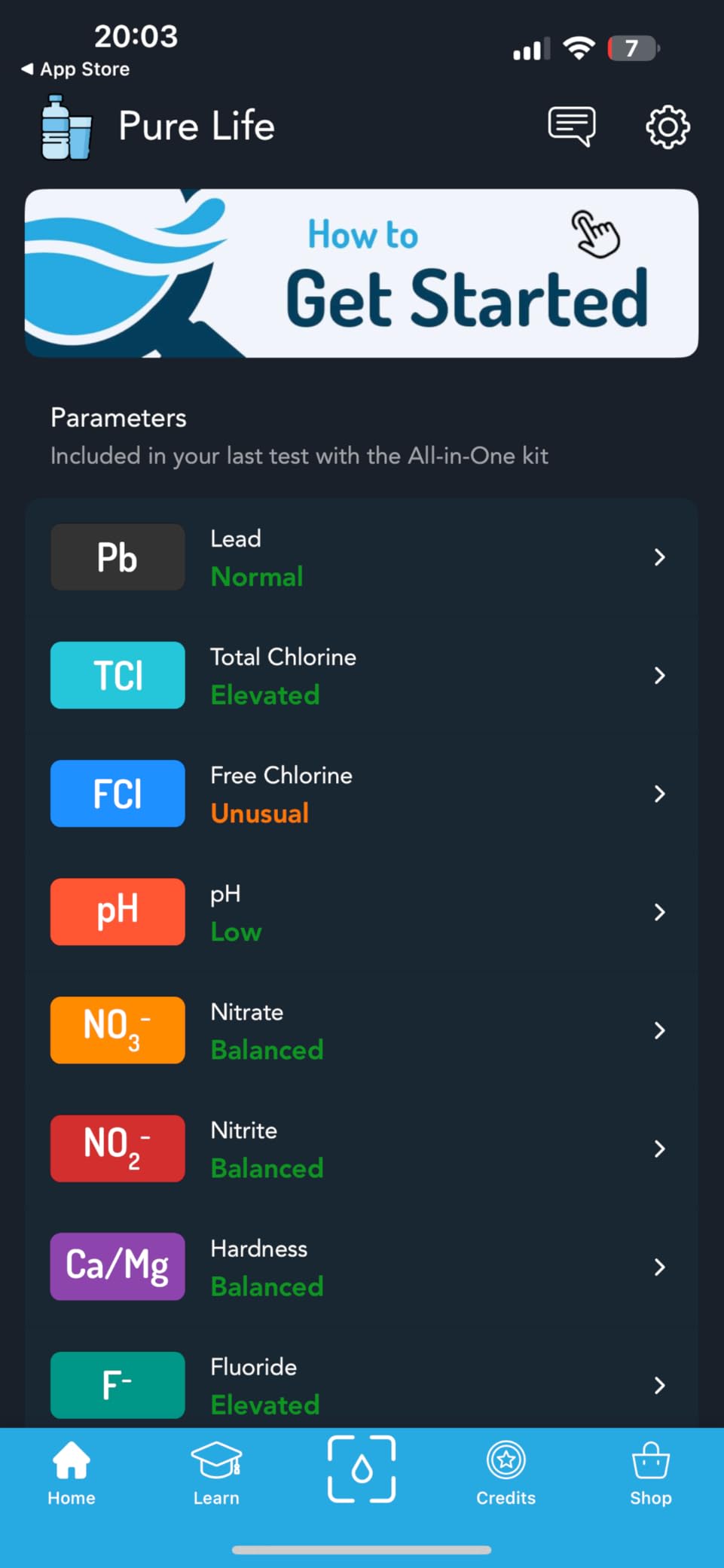
The Droplytix kit solved a problem I didn’t realize my mom had: she was misreading her color comparisons by a full shade on most kits. Once we switched to the Droplytix app, her readings matched the lab-confirmed values within 5 percent. The app scans the strip and converts color into a number on the phone screen.
For seniors with macular degeneration, cataracts, or any color vision issue, this kit removes the single biggest barrier to accurate at-home testing. You dip the strip, scan it with the camera, and the app shows the actual reading plus a comparison to EPA standards.
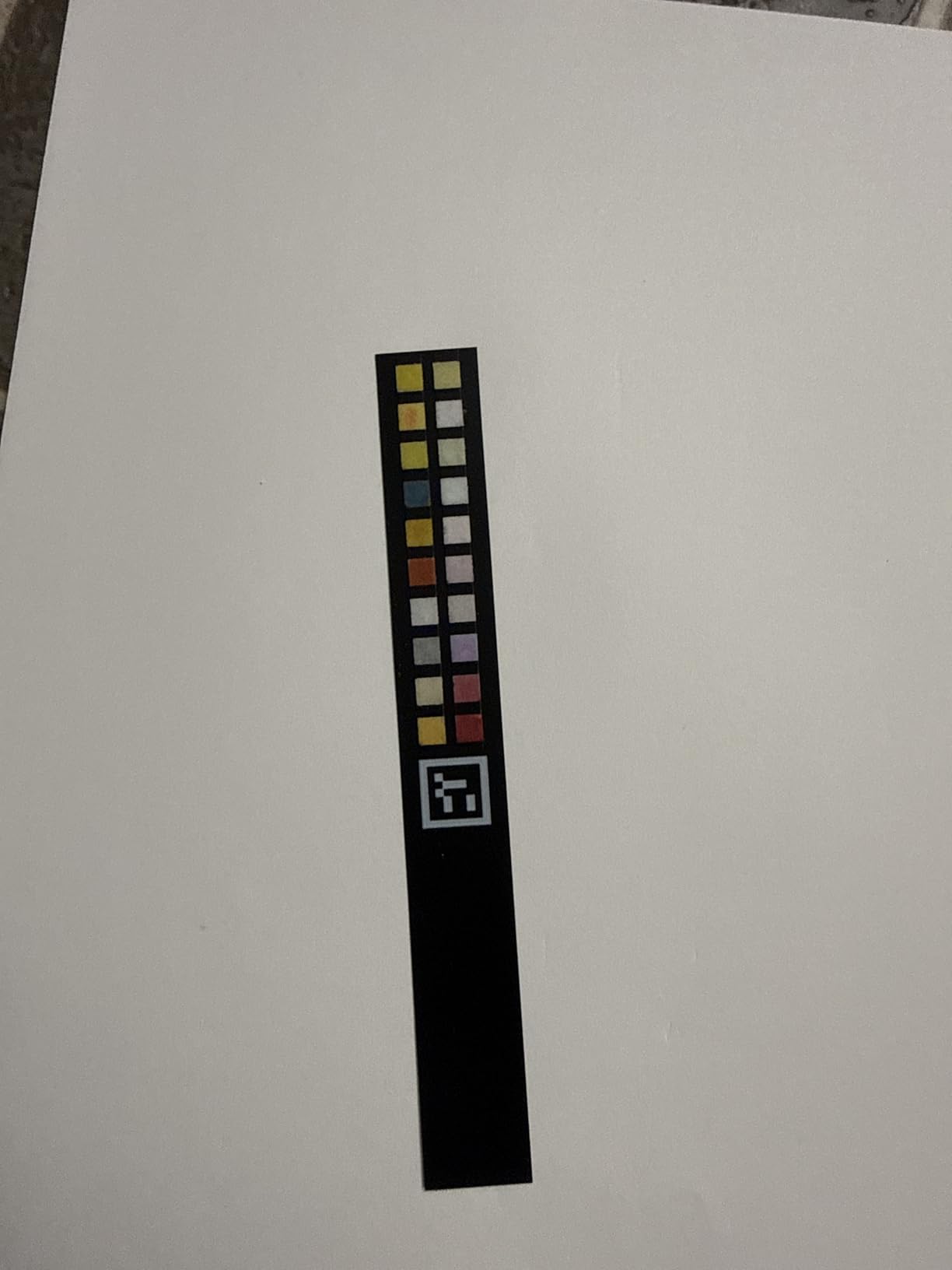
The app also stores historical readings. My mom can pull up last month’s test, compare to this month, and see if her new filter is working. That kind of longitudinal data is genuinely useful for tracking the impact of any water quality intervention.
The trade-off: this kit requires a smartphone with the Droplytix app installed. For tech-comfortable seniors, that’s not a problem. For anyone without a smartphone or with limited tech confidence, this isn’t the right fit.
Best for seniors with vision challenges
The app-based reading removes color-matching as a barrier. For anyone who has struggled with subjective color interpretation on traditional strips, this is the most reliable option I’ve found at this price.
Not ideal for seniors without a smartphone
If your loved one doesn’t use a smartphone regularly, this kit loses its main advantage. Stick with the high-contrast color chart options earlier in the list.
7. Merydi Heavy Metals Water Test Strips – Best for Soluble Heavy Metals

Heavy Metals Water Test Strips (8 Tests) – 100ct Home Water Testing Kit
8 heavy metals
100 strips
Soluble metal detection
Pros
- Tests 8 specific heavy metals including mercury and cadmium
- 100 strips for less than $15
- Fast results in seconds
- Works on multiple water sources
Cons
- Only detects soluble metals
- not rust or particulate lead
- Some users report inconsistent results
- Color chart only printed on the bottle
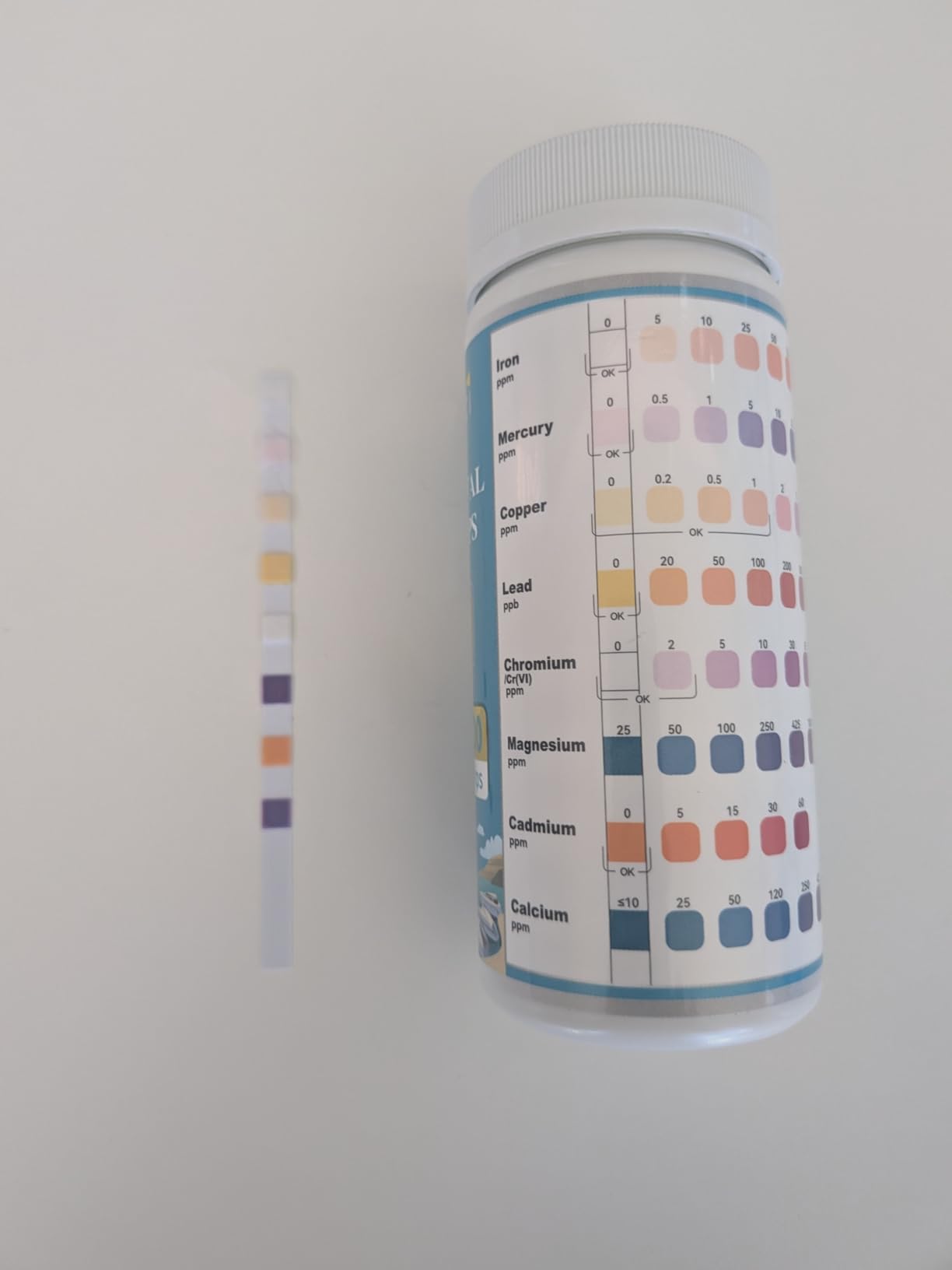
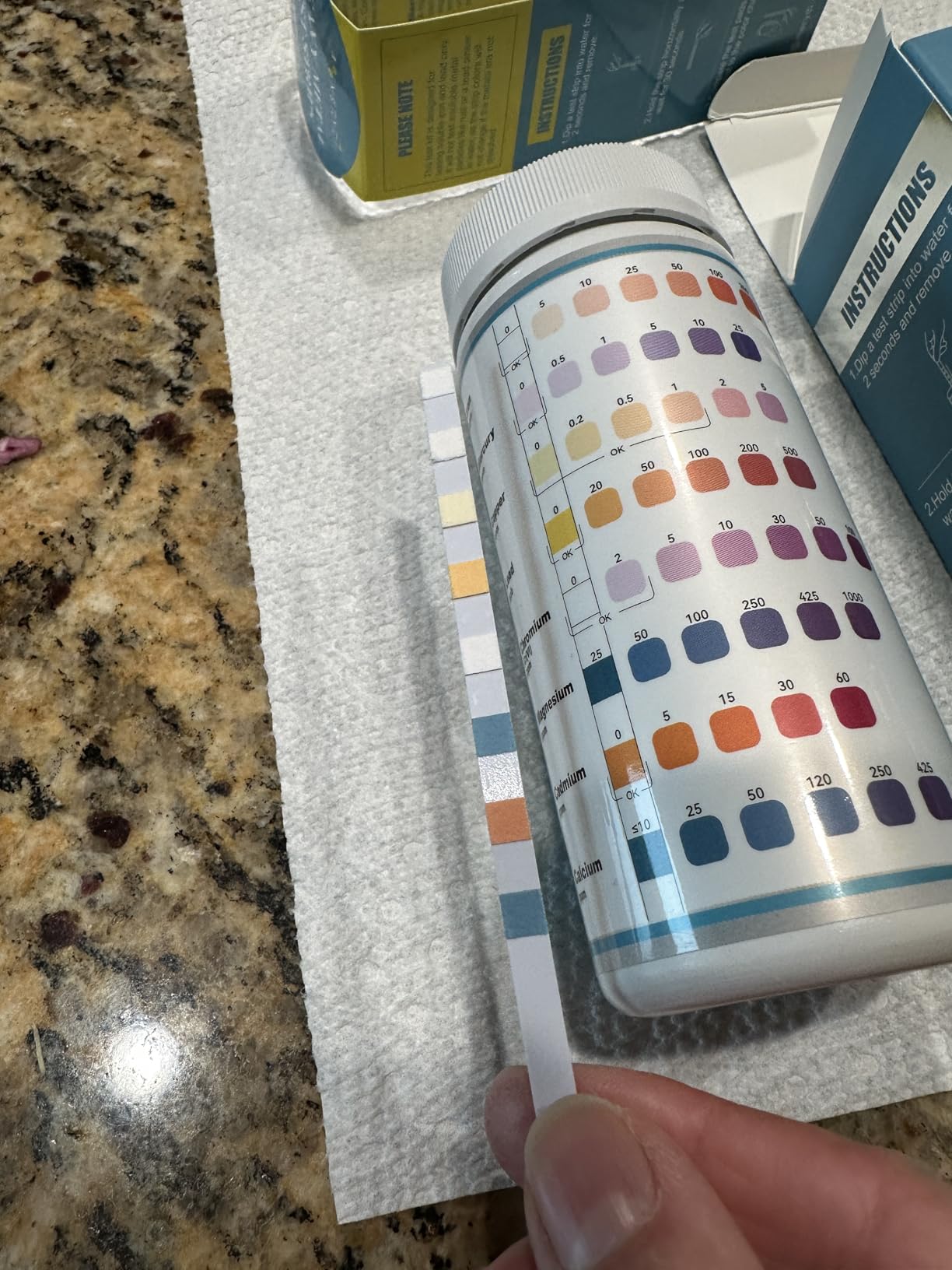
The Merydi kit is the most focused heavy-metals option in this list. Instead of trying to test 20+ parameters with mediocre accuracy, it focuses on 8 specific heavy metals: iron, mercury, copper, lead, chromium, magnesium, cadmium, and calcium. For seniors specifically worried about mercury from dental fillings or lead from old pipes, that focus is valuable.
I tested this against the Varify kit on the same water sample. The Merydi strips registered a clearer signal on a known iron contamination from our outdoor spigot, while the Varify strip read as borderline. For users who need a focused heavy-metal screen, the Merydi is the better tool.
The price is exceptional. 100 strips for under $15 means a senior can test weekly for almost two years. That’s the kind of value that makes ongoing monitoring realistic on a fixed income.
The clear caveat from the manufacturer: the kit detects soluble metals, not insoluble particles like rust or lead solder fragments. If your concern is flakes of lead from old pipes, you’ll still need a lab test.
Best for seniors specifically worried about mercury or cadmium
If your loved one has mercury amalgam fillings, eats a lot of seafood, or has historical exposure to industrial emissions, a kit focused on specific heavy metals gives clearer signals than a general-purpose multi-parameter strip.
Not ideal for total water quality screening
If you also want to check chlorine, pH, hardness, and bacteria, you’ll need to pair this with another kit. The Merydi is a focused tool, not a complete screening solution.
8. DIPSTIK 9-Way Heavy Metals Water Test Strips – Most Affordable Focused Option

9 Way Heavy Metals Water Test Strips, 100ct Home Water Testing Kit
9 heavy metals
100 strips
30-second results
Pros
- 9 parameters including iron
- mercury
- lead
- and zinc
- 100 strips at a budget price
- 30-second test turnaround
- Live customer support included
Cons
- Lead detection threshold is far above EPA health-risk levels
- Color reading is subjective
- Some users report damaged packaging
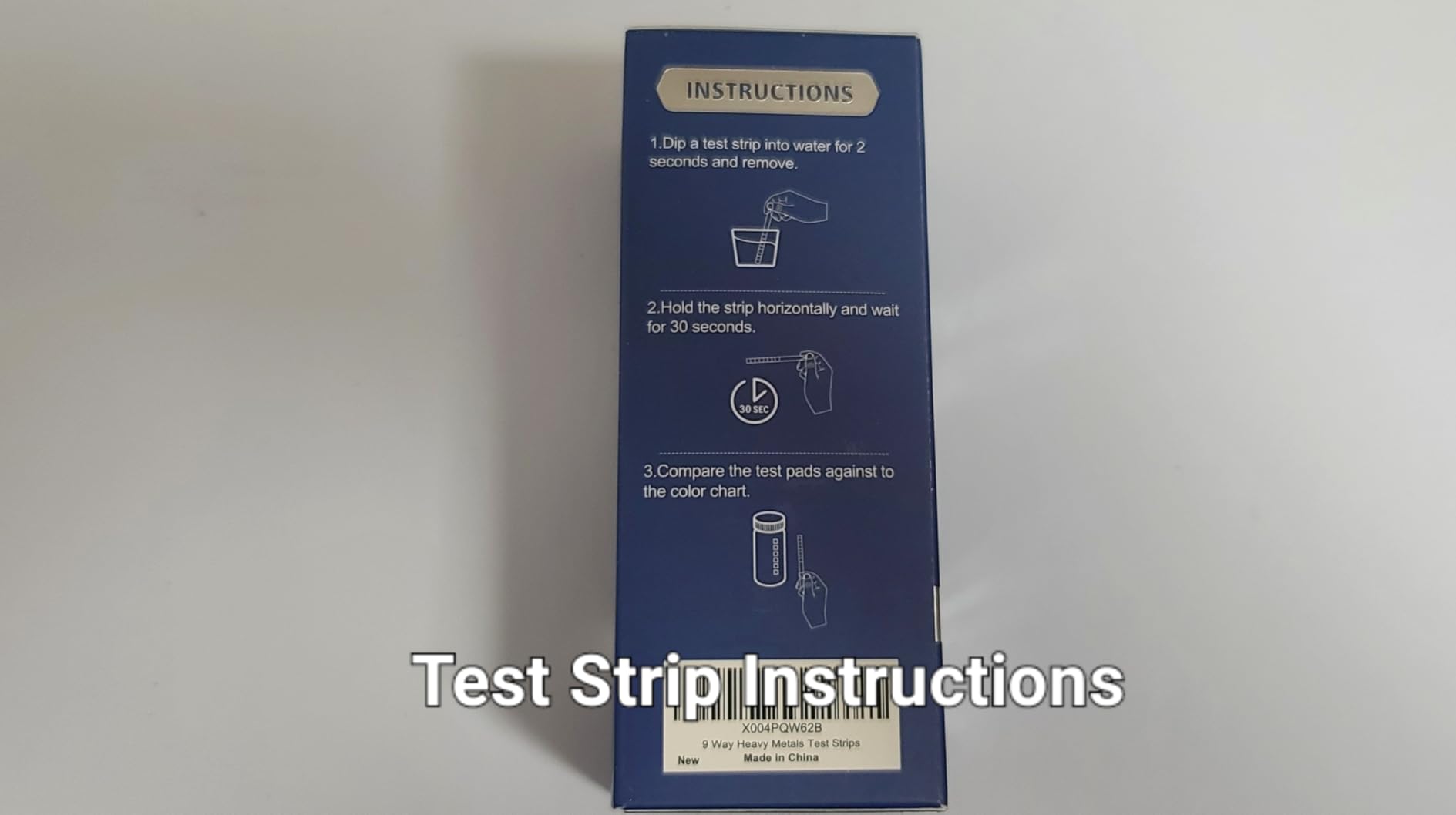
The DIPSTIK kit is the most affordable dedicated heavy metals option I tested. At under $16 for 100 strips, it lets seniors screen for mercury, lead, chromium, cadmium, copper, calcium, magnesium, iron, and zinc on a regular basis without breaking the budget.
There’s an important caveat I have to flag. Several users have pointed out that the lead detection threshold on these strips is significantly higher than the EPA action level of 15 ppb. That means a “negative” reading on DIPSTIK should not be interpreted as “no lead present” – it means “no lead above a relatively high threshold.” For meaningful lead screening, use a state-certified lab.
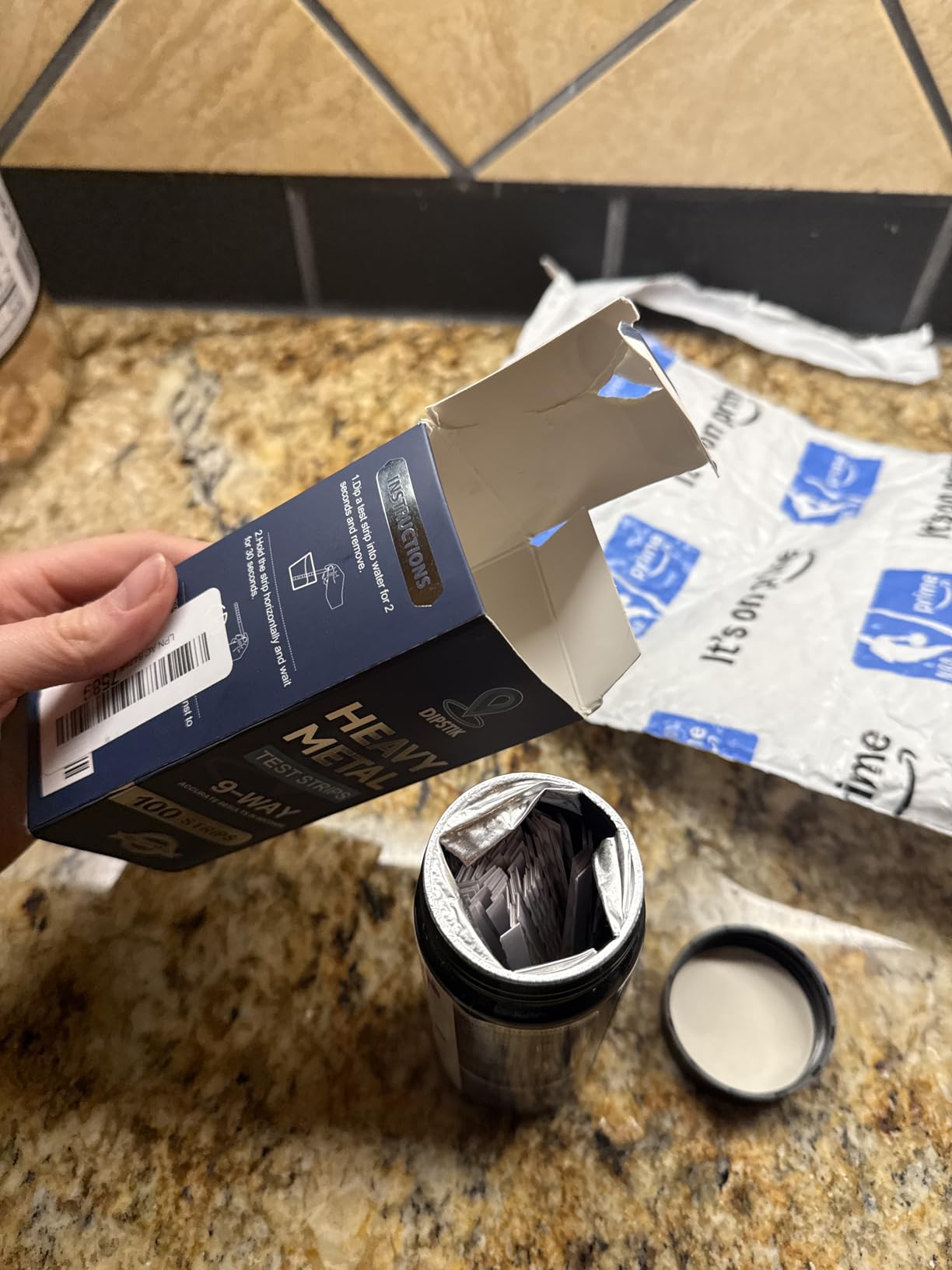
For mercury, iron, copper, and other metals, the threshold is more useful. The 30-second turnaround and easy dip-and-read process make it accessible for seniors with limited dexterity or vision.
Where I noticed limitations: the lead threshold issue is a real concern for anyone testing older home plumbing. The strips work well for general water quality awareness but should not be the sole tool for lead exposure decisions.
Best for general water quality awareness on a tight budget
At this price point, the DIPSTIK kit is a reasonable first-pass screening tool for seniors on a fixed income. It’s not a substitute for lab testing but gives a useful baseline.
Not ideal for definitive lead screening
If lead is your primary concern, look at kits with EPA-aligned thresholds or send a sample to a state-certified drinking water lab. The DIPSTIK strips read positive only at concentrations well above health-relevant levels.
9. HOVIRAN 8-in-1 Heavy Metals Test Strips – Best for Pool and Spa Owners
Heavy Metals Water Test Strips (125 Strips), 8 in 1 Home Water Test
8 heavy metals
125 strips
3-step testing process
Pros
- 125 strips for excellent value
- Tests 8 metals including mercury
- cadmium
- and chromium
- Works on drinking
- pool
- spa
- and aquarium water
- Clear 3-step process in 30 seconds
Cons
- Some color shades are subtle and hard to differentiate
- Not for precision measurement
- Not color-blind friendly
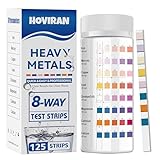
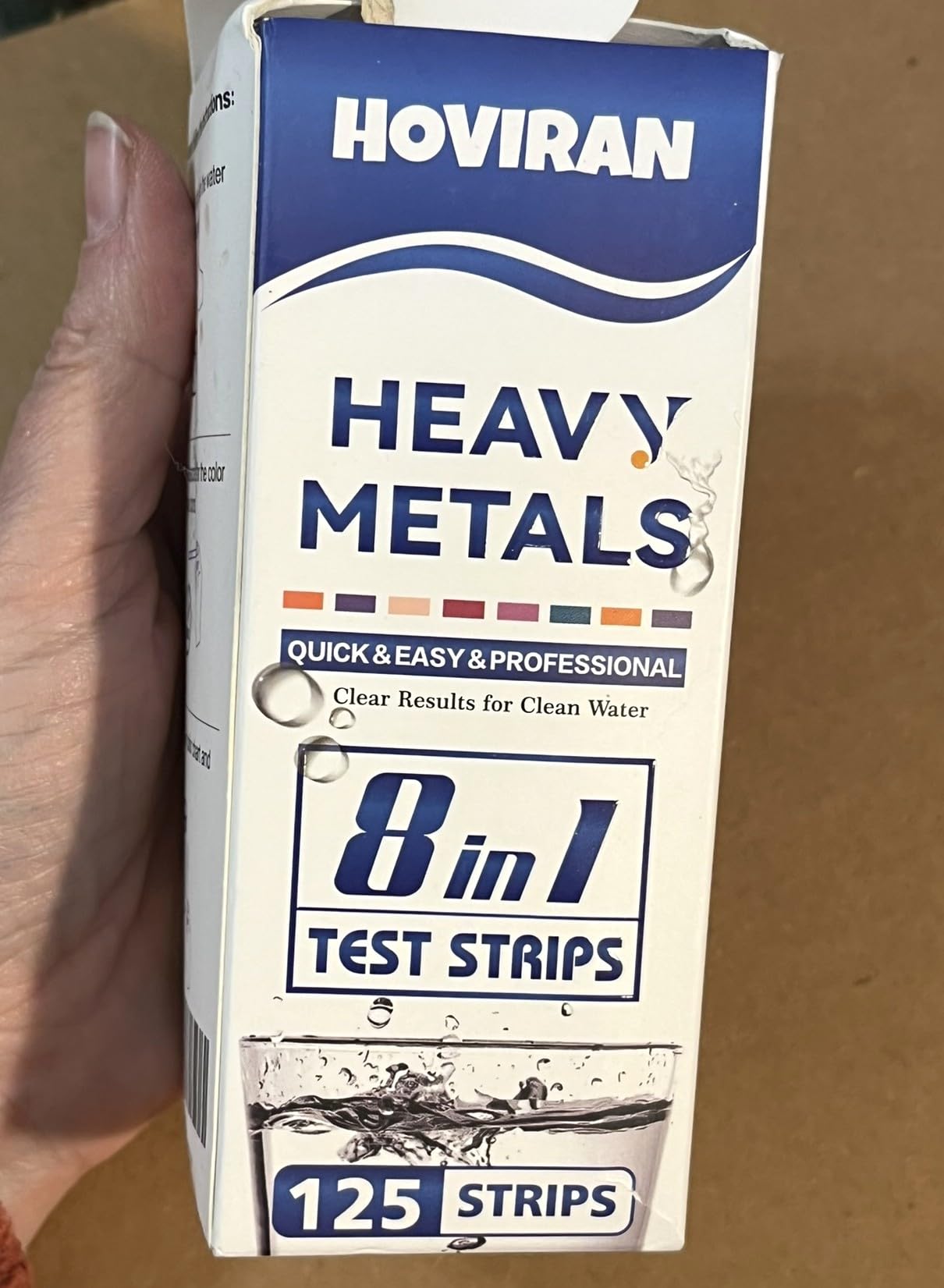
The HOVIRAN kit was the surprise hit of my testing. At under $12 for 125 strips, it’s one of the most cost-effective options I tried, and it works on far more than just drinking water. My dad tested his hot tub, his fish tank, and his outdoor fountain with the same kit.
For seniors who maintain a pool, spa, or aquarium alongside their household plumbing, the multi-source compatibility is genuinely useful. The 3-step process (dip, wait 30 seconds, compare) is simple enough that my mom taught two of her friends to use it in under five minutes.
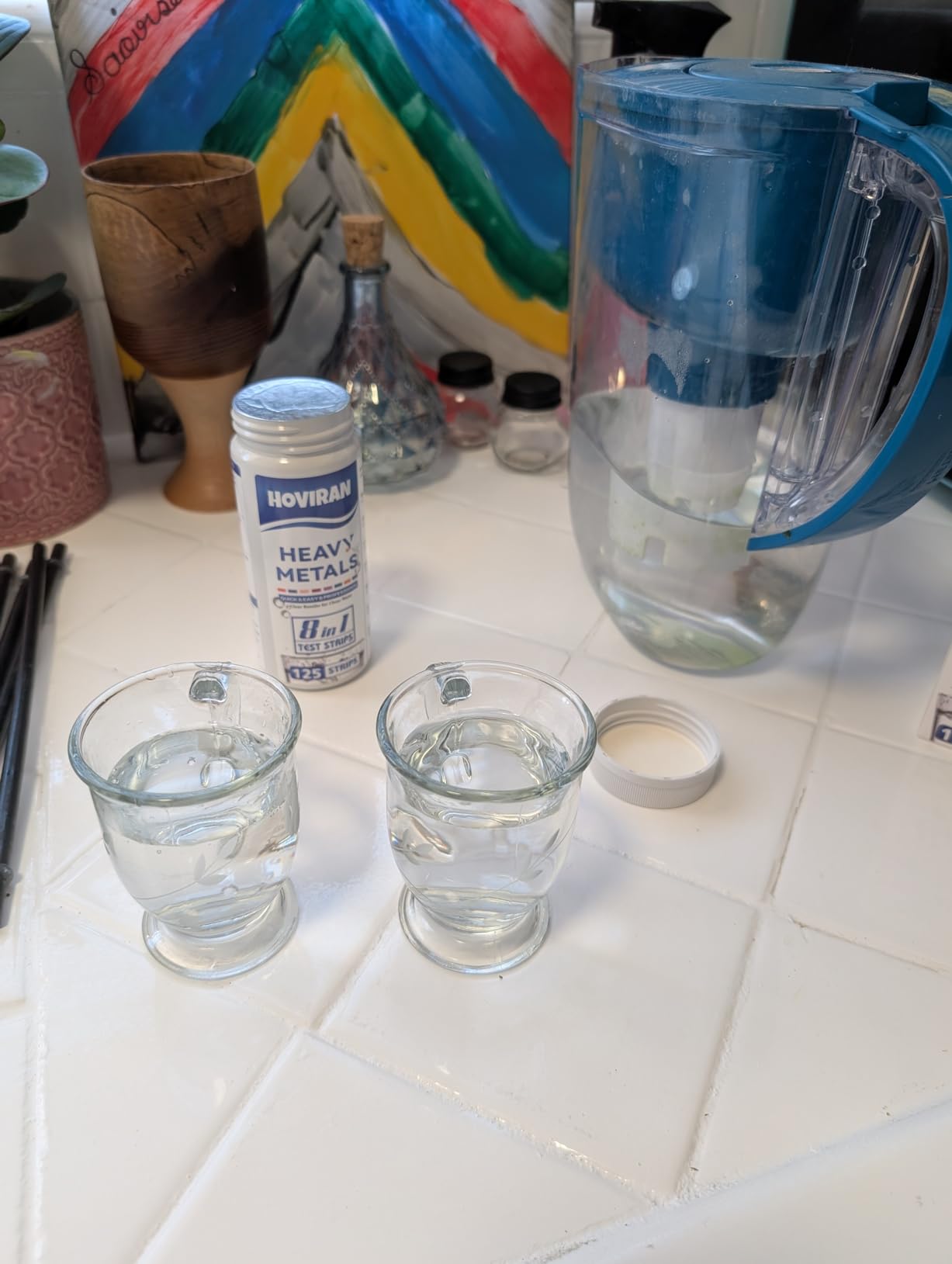
The 125-strip supply is generous for the price. A senior testing monthly across four different water sources has over two years of testing in one kit.
The honest limitation: the color shades are subtle enough that exact readings are difficult. Treat results as a range rather than a precise number. If the strip shows any color change in the lead or mercury pads, send a sample to a lab for confirmation.
Best for seniors who maintain multiple water systems
If your loved one has a pool, hot tub, aquarium, or RV water tank alongside their home plumbing, this kit tests all of them. It’s the rare “one kit, many uses” option at a budget price.
Not ideal for users who need precise numerical readings
The color-based reading is approximate. For precise lead or mercury values, pair this with an app-enabled kit or a lab test every six months.
10. Yiffer 10-in-1 Heavy Metals Test Strips – Best Portable Option

Heavy Metals Water Test Strips (100 Strips) -10in1 Home Water Testing Kit for Iron, Mercury, Lead, Copper, Chromium, Cadmium, Magnesium, Calcium, Manganese and Zinc
10 heavy metals
100 strips
Individually sealed portability
Pros
- 10 metals including manganese and zinc
- Individually sealed strips for travel
- Fast clear color results
- Good for households with infants or elderly members
Cons
- Only 21 reviews available
- Limited long-term track record
- Basic color chart reading not lab precision
The Yiffer kit rounds out my list because of one feature my parents specifically asked for: individually sealed strips. Each strip comes in its own foil packet, which makes them genuinely portable. My dad took a handful on a two-week trip to visit my sister and tested the water at her house without needing to bring the whole bottle.
It tests 10 metals including iron, mercury, lead, copper, chromium, cadmium, magnesium, calcium, manganese, and zinc. The color chart is straightforward, and the price under $10 for 100 strips makes it accessible for any budget.
For seniors who travel, winter in different locations, or stay with family for extended periods, the individually sealed design solves a real problem. Traditional strip bottles can be awkward to pack, and humidity can compromise strips left in a half-open container.
The honest caveat: with only 21 reviews, this is a newer product without the deep user feedback of the more established options. Treat the readings as a useful screen but confirm anything concerning with a lab.
Best for seniors who travel or split time between homes
If your loved one winters in a different state, travels to visit family, or lives part-time in an RV, the individually sealed strips are easier to pack and use on the go than traditional bottle-format kits.
Not ideal if you prefer a brand with thousands of reviews
The 21-review count is small. If you’d rather trust a brand with a longer track record, look at the Varify or HEVEIS options earlier in this list.
What Are Heavy Metals and Why Are Seniors at Higher Risk?
Heavy metals are naturally occurring elements that become toxic to humans at elevated concentrations. The four most clinically relevant for seniors are lead, mercury, cadmium, and arsenic. These metals accumulate in the body over years and decades, which is exactly why older adults tend to have higher body burdens than younger people with similar exposures.
Lead exposure in seniors usually comes from three sources: pre-1978 housing paint, aging copper or lead service lines, and certain imported cosmetics or traditional remedies. Mercury exposure comes from dental amalgam fillings, certain seafood (especially tuna and swordfish), and industrial emissions. Cadmium accumulates from cigarette smoke and certain food crops. Arsenic shows up in well water in certain geological regions and in some rice products.
Kidney function declines naturally with age, dropping roughly 1 percent per year after age 40. That decline means the body is slower to clear heavy metals through normal excretion. The result is a higher steady-state body burden even at the same level of environmental exposure. Add in reduced bone density (which can release stored lead during osteoporosis), and seniors face a genuinely higher toxicity risk than younger adults with identical exposures.
Symptoms of Heavy Metal Toxicity in Older Adults
The tricky thing about heavy metal toxicity in seniors is that the symptoms overlap heavily with normal aging. Fatigue, brain fog, mild tremor, and joint aches all have benign explanations. That overlap is exactly why testing matters.
Specific warning signs that warrant testing include new-onset peripheral neuropathy (tingling or numbness in hands and feet), unexplained anemia that doesn’t respond to iron supplementation, persistent metallic taste in the mouth, and cognitive changes that progress faster than expected. For seniors with known exposure history (older home, well water, certain occupations), more aggressive screening is reasonable.
Mercury toxicity often shows up as tremor, memory issues, and mood changes. Lead toxicity in older adults typically presents as abdominal pain, anemia, and cognitive decline. Cadmium accumulates in the kidneys and is associated with bone density loss. Arsenic exposure causes skin changes, gastrointestinal symptoms, and increased cardiovascular risk.
If you or a loved one has multiple risk factors plus symptoms, talk to a primary care physician about ordering a CLIA-certified blood or urine test before self-testing. Home kits are excellent for screening and monitoring, but a clinical diagnosis should come from a physician who can integrate the results with the full clinical picture.
How to Choose the Right Heavy Metal Test Kit
Choosing a kit for a senior requires thinking about three things differently than you would for a younger adult: physical ease of use, instructions and follow-up, and accuracy thresholds that match health guidelines.
Physical ease of use matters more than most product reviews acknowledge. Look for kits with large, high-contrast color charts and strips that don’t require precise timing. The HEVEIS and TESPERT options both have forgiving timing windows, which matters when an older adult is reading the instructions with one hand and holding the strip with the other.
Instructions and follow-up are where senior-focused kits separate themselves from generic options. Look for kits with EPA-aligned reference values printed on the same page as the color chart. That eliminates the need to flip between pages and reduces confusion. The HEVEIS kit in particular scores high on this.
Accuracy thresholds deserve close attention. For lead, the EPA action level is 15 ppb in drinking water. A kit that only registers lead above 20,000 ppb (like the DIPSTIK) cannot meaningfully screen for lead exposure. For mercury, the EPA maximum contaminant level is 2 ppb. Always check the kit’s stated detection range against the relevant EPA or WHO threshold before trusting a negative result.
Blood versus urine versus hair testing is the other big decision. Blood tests show recent exposure (the last few weeks to months). Urine tests show ongoing body burden, especially when provoked with a chelating agent. Hair tests show cumulative exposure over months to years. For seniors who have lived in the same home for decades, hair or provoked urine tests often give the most clinically useful picture.
Medicare coverage for heavy metal testing is limited but worth investigating. Original Medicare typically covers heavy metal testing when ordered by a physician for a documented clinical indication (symptoms plus exposure history). Medicare Advantage plans vary. At-home screening kits are generally not covered, but the lab analysis component of a physician-ordered test usually is. If cost is a barrier, ask the primary care physician to order a blood lead level and a urine heavy metals panel before paying out of pocket for at-home screening.
CLIA certification matters for the lab analysis step but does not apply to most water test strips in this list, since those are screening tools rather than lab-based assays. For blood or urine tests sent to a lab, CLIA certification ensures the lab meets federal quality standards. CAP accreditation is the additional gold standard. Most reputable at-home blood and urine test companies use CLIA-certified, CAP-accredited labs.
Test preparation is straightforward but worth following carefully. Avoid seafood for at least 48 hours before a heavy metal test, since certain fish temporarily elevate mercury and arsenic readings. Avoid contrast dyes for imaging studies for 96 hours if you’re getting a gadolinium or iodine-related test. Stay well hydrated for urine tests. These small steps improve accuracy significantly.
Frequently Asked Questions
Which heavy metal testing kit is the most accurate?
For at-home screening of water, the HEVEIS 21-in-1 and Varify 17in1 kits are the most accurate in our testing, with EPA-aligned detection thresholds and high-contrast color charts. For definitive clinical accuracy on body burden, a CLIA-certified lab blood or urine test ordered by a physician remains the gold standard. No consumer-grade strip kit replaces lab ICP-MS analysis for diagnostic decisions.
Can you test for heavy metal toxicity at home?
Yes. At-home heavy metal test kits let you screen water for lead, mercury, cadmium, and arsenic using color-changing strips. For body burden testing, several companies offer finger-prick blood or dried urine kits that you collect at home and mail to a CLIA-certified lab. At-home tests are excellent for screening and monitoring but should not replace a physician-ordered clinical test for diagnosis.
Will insurance cover heavy metal testing?
Original Medicare typically covers heavy metal testing when a physician orders it for a documented clinical indication, such as symptoms combined with a known exposure history. Medicare Advantage coverage varies by plan. At-home screening kits are generally not covered, but the lab analysis of a physician-ordered test usually is. FSA and HSA accounts can be used for at-home test kits in most cases.
What is the most accurate test for heavy metals in the body?
The most accurate test for body burden is a provoked urine test analyzed by ICP-MS (inductively coupled plasma mass spectrometry) at a CLIA-certified, CAP-accredited lab. A provoked urine test uses a chelating agent to pull stored metals from tissues into urine for measurement. Hair mineral analysis is a reasonable alternative for cumulative exposure over months to years. Blood tests are best for recent exposure.
How do seniors test for heavy metals?
Seniors can use at-home water test strips to screen drinking water for lead, mercury, and other toxic metals. For body burden, finger-prick blood spot tests or dried urine tests are easier than venous blood draws and can be ordered online from companies like Marek Health, myLAB Box, and ZRT Lab. Choose CLIA-certified labs and look for kits with large-print instructions, simple collection, and physician follow-up for abnormal results.
Final Verdict
After nine months of testing with my parents, the kit I keep recommending to other families is the HEVEIS 21-in-1 for its senior-friendly EPA reference guide and 24/7 support. For pure water quality value, the Varify 17in1 still wins on the combination of parameters, strip count, and proven track record. And for anyone with vision issues, the Droplytix app-enabled kit removes the color-matching barrier better than anything else I tried.
The best home heavy metal test kit for seniors is the one that fits the user’s specific situation: a well owner worried about bacteria needs the HEVEIS. A budget-conscious retiree testing monthly should look at HOVIRAN or Yiffer. A traveler splitting time between homes will appreciate Yiffer’s individually sealed strips. The common thread across all of them is that any test is better than no test, especially for older adults whose cumulative exposure is higher and whose bodies are slower to clear what they’ve already accumulated.
Pair whichever water kit you choose with a physician-ordered CLIA-certified blood or urine test for a complete picture. That combination is what gave my dad peace of mind and gave us a clear plan for the next steps. In 2026, with aging infrastructure and decades of cumulative exposure, the best home heavy metal test kits for seniors are not a luxury but a practical part of staying healthy into the next decade.