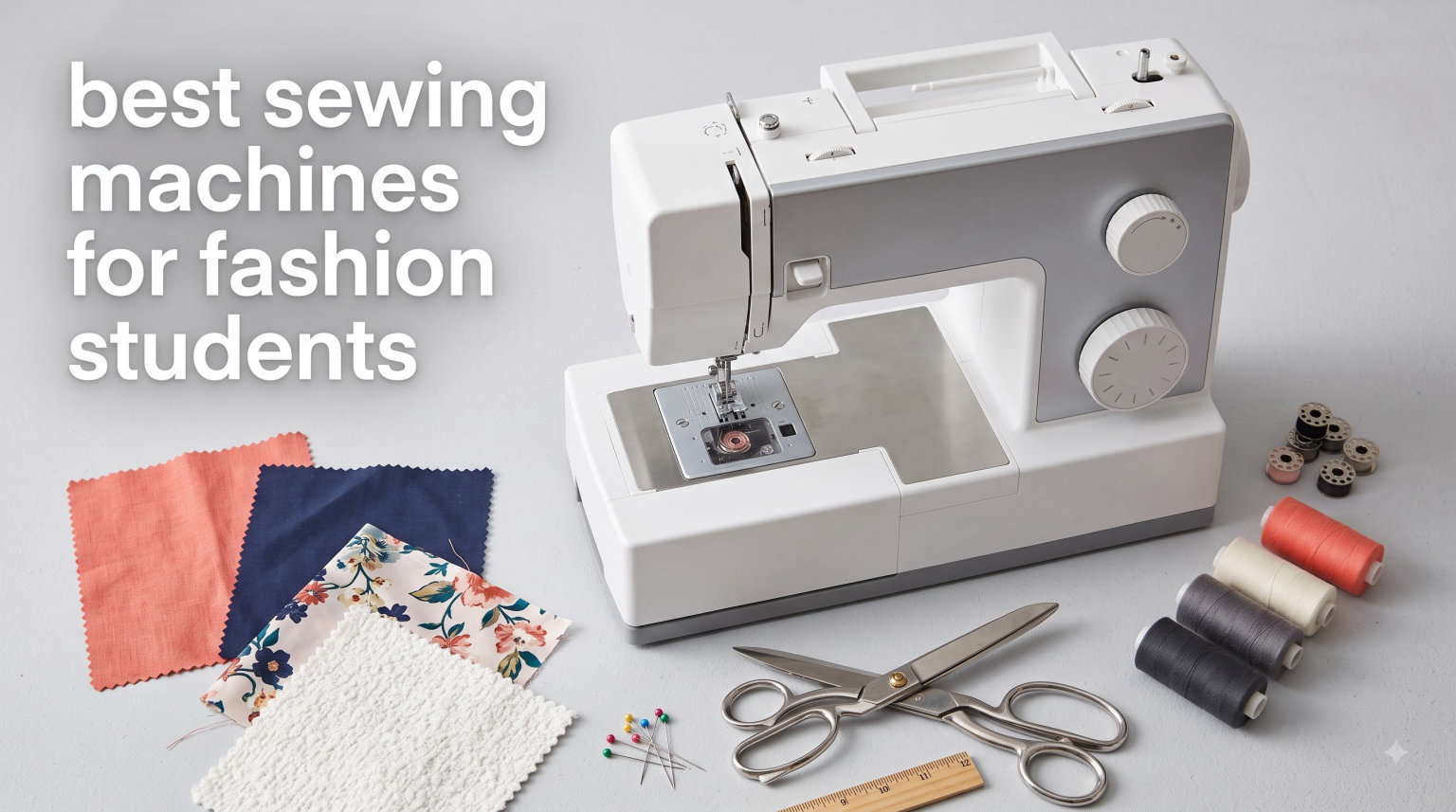
Fashion school changes everything about how you approach a sewing machine. You walk in expecting to make simple tops and walk out constructing corsets, trousers, and structured jackets in wool, silk, denim, and the occasional leather panel. I went through that exact arc at design school, and the machine I bought in week one was the wrong call. By mid-program I had learned the hard way that the best sewing machines for fashion students are not the cheapest ones, but they also do not need to be industrial-grade monsters.
After talking to classmates, instructors, and three working designers who still swear by their student-era machines, I pulled together this list. Every pick here has the piercing power for heavy seams, the delicacy for chiffon, and the stitch variety to handle topstitching, buttonholes, stretch knits, and even the occasional roll hem. Whether you are starting your first semester or upgrading before your thesis collection, this guide will help you choose the right workhorse for your studio.
Table of Contents
Top 3 Picks for Best Sewing Machines for Fashion Students (September 2026)

SINGER 4432 Heavy Duty
- 1100 stitches per minute
- 60% stronger motor
- 32 built-in stitches
- 1-step buttonhole

Best Sewing Machines for Fashion Students in 2026
| Product | Specifications | Action |
|---|---|---|
| Brother XM2701 |
|
Check Latest Price |
 Brother CS5055 Brother CS5055 |
|
Check Latest Price |
| Brother CS7000X |
|
Check Latest Price |
 Brother XR9550 Brother XR9550 |
|
Check Latest Price |
| SINGER 4432 Heavy Duty |
|
Check Latest Price |
 Brother SE700 Brother SE700 |
|
Check Latest Price |
 Brother 1034D Serger Brother 1034D Serger |
|
Check Latest Price |
 Janome JW8100 Janome JW8100 |
|
Check Latest Price |
1. Brother XM2701 – Best Budget Pick for First-Year Students
Brother Sewing Machine, XM2701, Portable Sewing Machine, 27 Stitches
27 built-in stitches
Auto needle threader
Lightweight 12.6 lbs
6 sewing feet included
Pros
- Easy threading
- Lightweight 12.6 lbs
- Jam resistant bobbin
- Smooth operation
- Great value
Cons
- Lightweight body moves on table at high speeds
- Not for very thick leather
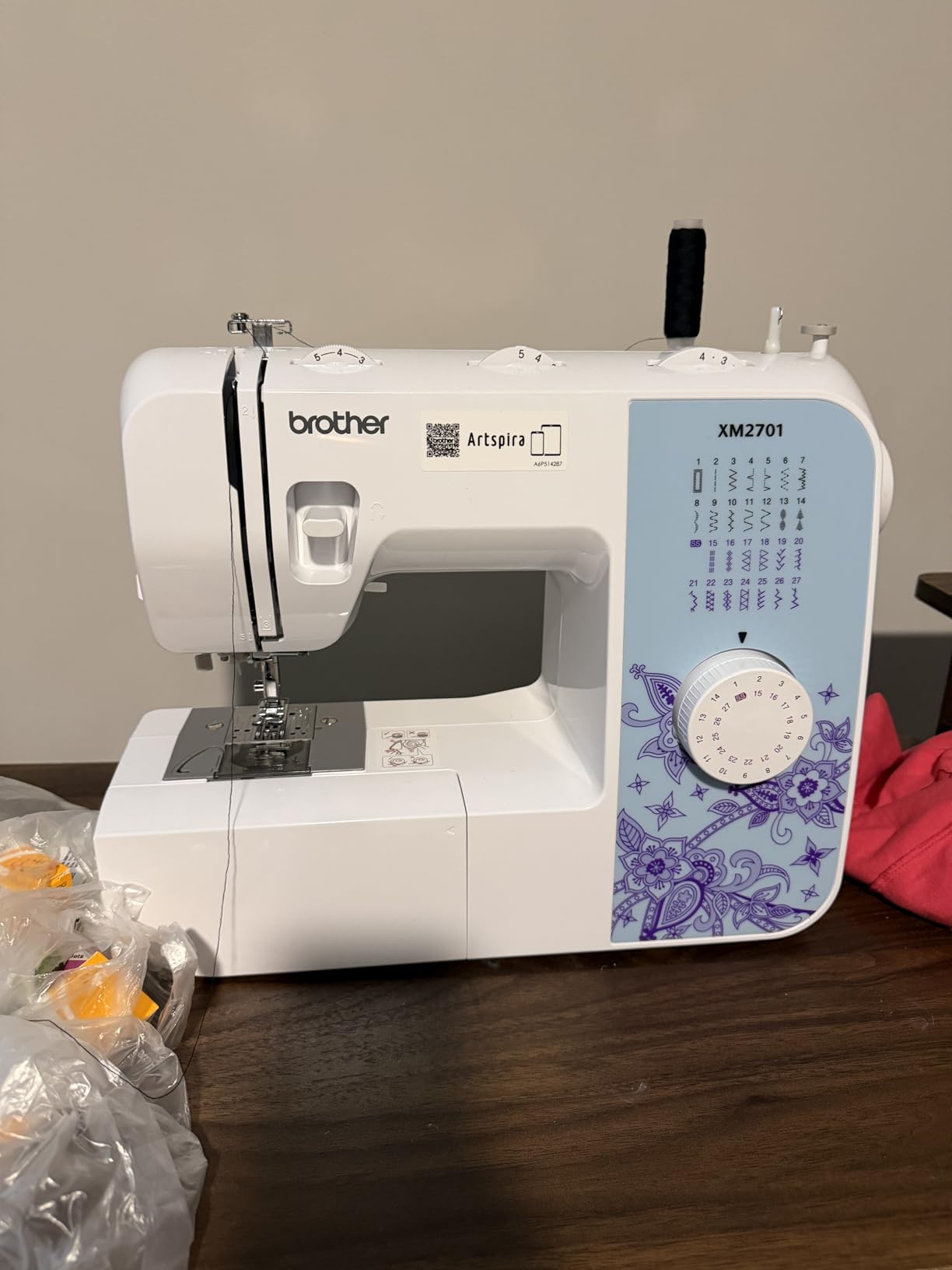
I bought a Brother XM2701 in my second semester after my first cheap machine died on a denim seam. The XM2701 became my daily commuter for an entire year. It weighs only 12.6 pounds, which matters more than you think when you are hauling it across campus three times a week. The automatic needle threader actually works on the first try, which saved my sanity on deadline nights.
The 27 built-in stitches cover every basic fashion school need: straight, zigzag, blind hem, stretch, and a couple of decorative options for portfolio embellishments. The jam-resistant drop-in bobbin was a revelation compared to my old front-loading machine. I never had to fish out a birds nest even once during my final garment construction class.
Where the XM2701 shows its price is on truly heavy projects. I tried to topstitch through eight layers of denim for a jacket hem and the motor bogged down. For typical fashion school fabrics (cotton shirting, rayon, light wool, mid-weight denim), it handled everything without complaint. The included six sewing feet cover most of the basics, though I did buy a separate walking foot for quilting projects.
The lightweight construction is a double-edged sword. At full speed on a slick table, the machine will creep. I learned to keep a rubber shelf liner underneath. The metal frame inside keeps the needle action stable, but the outer shell is plastic. For a first-year student on a budget, that trade-off is completely fair.
Piercing Power on Fashion Fabrics
The XM2701 punches through two layers of medium-weight denim and three layers of cotton with no slowdown. It will not handle four layers of canvas or thick leather, which is fine for most first-year curriculum but will frustrate you in upper-level tailoring classes. For silk, chiffon, and rayon, the adjustable thread tension and the included zigzag foot gave me clean results every time.
Who Should Buy This Machine
If you are starting your first year and want a low-risk, low-cost machine that will get you through pattern making, basic garment construction, and a textile design class, this is it. If you know you will be doing structured tailoring or coat-making within the next 12 months, save up a bit more and get one of the heavier-duty options below.
2. Brother CS5055 – Best Mid-Range Computerized Upgrade
Brother CS5055 Computerized Sewing Machine with LCD Display
60 built-in stitches
LCD display
Metal frame
7 one-step buttonholes
Pros
- 60 stitches
- Quiet motor
- Metal frame
- Easy LCD
- Beginner friendly
Cons
- Needle stops in down position only
- No right needle position
- Not for very heavy duty
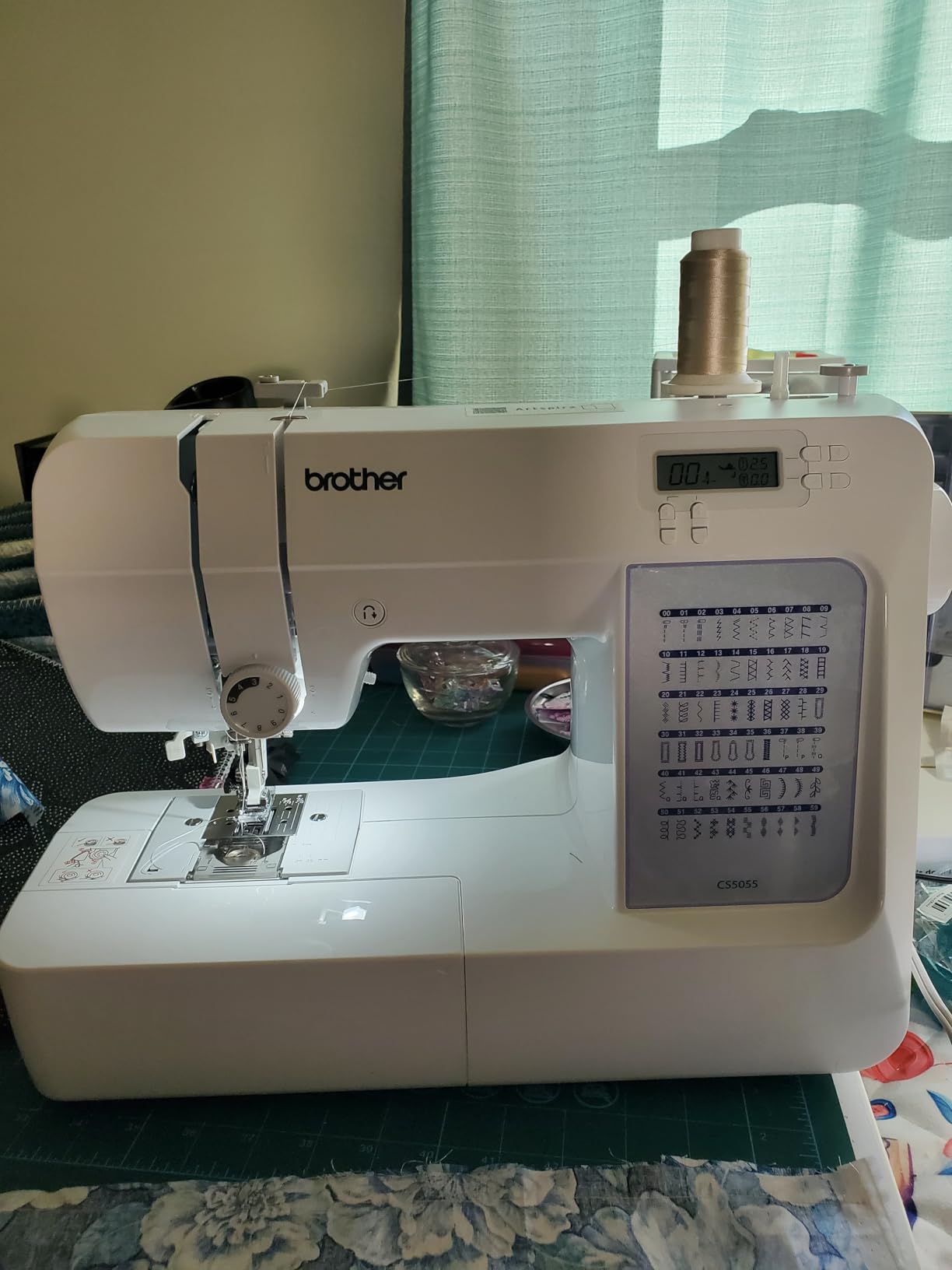
The CS5055 is the sweet spot in the Brother lineup. I tested it for a friend during her third semester and came away impressed. With 60 built-in stitches, you get a meaningful upgrade in decorative options, including heirloom stitches that look beautiful on sheer fashion fabrics. The 7 one-step buttonholes cover every standard garment closure you will need.
The metal frame construction feels noticeably more solid than cheaper models. When I ran it at full speed on stretch knit, the vibration stayed controlled and the stitches stayed even. The LCD display is intuitive, and the dial-based stitch selection is faster than scrolling through endless menus. For students taking digital pattern or fashion tech classes, that matters when you are prototyping fast.
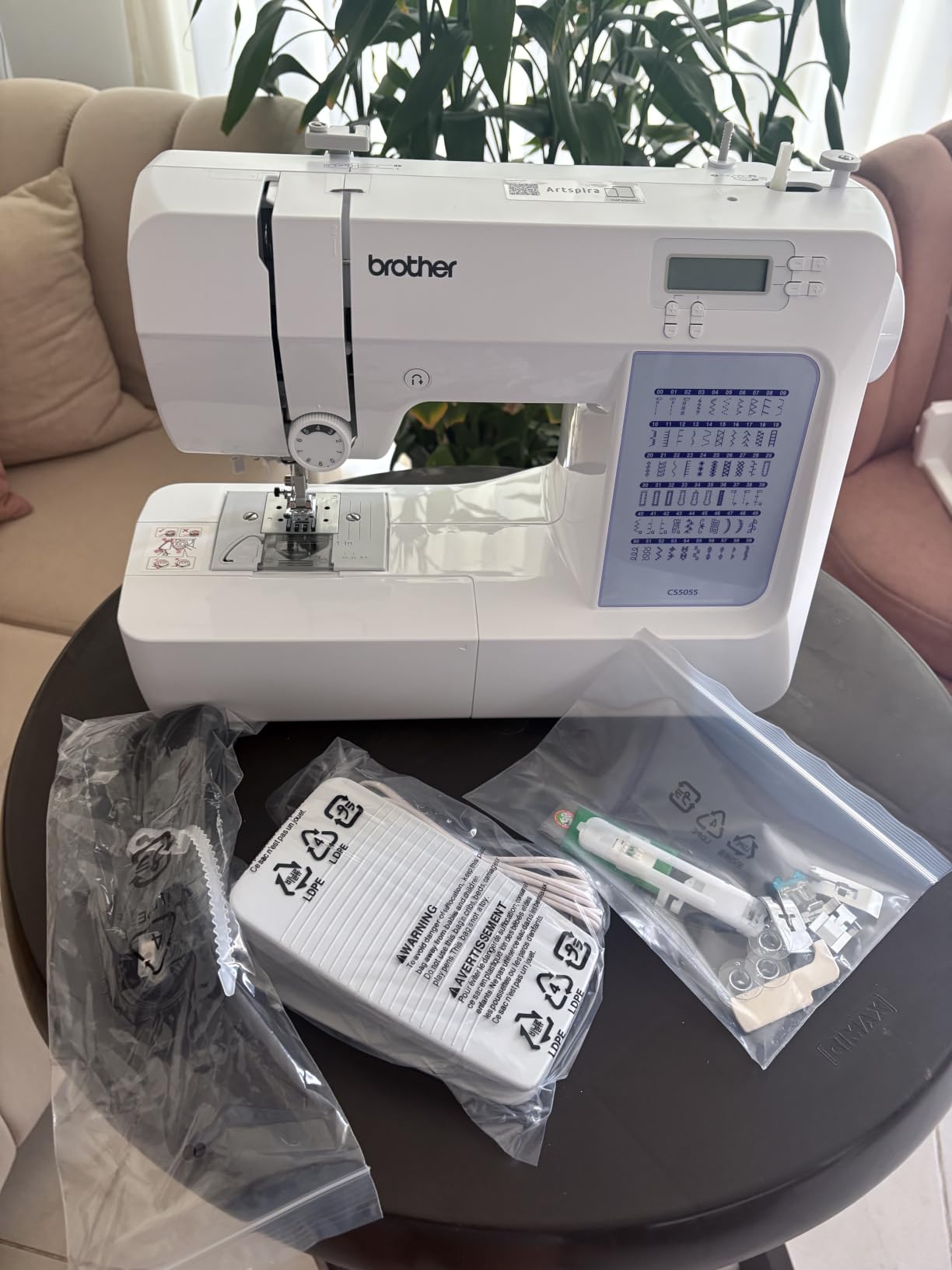
Where I had complaints was the needle position control. The CS5055 stops in the down position only, which means you have to hand-crank to bring the needle up for pivot turns. More expensive machines have a button to toggle that. For topstitching and precise seam intersections, this slowed me down a bit. The fixed needle bar does deliver cleaner stitching than cheaper alternatives, so it is a real trade-off.
The Brother CS5055 is also not a power horse for thick seams. Three layers of denim is its comfortable ceiling. For fashion school garments, that is plenty. For upholstering a portfolio bench or making a heavy canvas tote in your free time, you would want the SINGER 4432 instead.
Stitch Variety for Portfolio Pieces
The decorative stitches on the CS5055 include scallops, smocking, and several heirloom patterns that translated beautifully into evening wear samples. The seven buttonhole styles cover standard, rounded, keyhole, and stretch, which covers every closure I needed for a full collection of five garments.
Best Use Case in a Fashion Program
This machine fits a student who is past the beginner stage and wants more design flexibility. It is also a solid backup machine for anyone whose primary machine is in the shop. If you specialize in womenswear or evening wear where decorative stitching matters, the CS5055 earns its place on your studio shelf.
3. Brother CS7000X – Best Value with Quilting Capabilities
Brother CS7000X Sewing and Quilting Machine LCD Display
70 built-in stitches
Wide table included
10 sewing feet
Operates without foot pedal
Pros
- 70 stitches
- Wide table
- Hard case
- Foot pedal optional
- Speed control
Cons
- Not for industrial fabrics
- Thin fabric issues with long stitches
- No thread cut button
The CS7000X is the Wirecutter top pick and one of the most popular machines on the r/sewing subreddit for good reason. I borrowed one for a quilted jacket project and immediately understood the hype. The 70 built-in stitches include quilting-specific options like a walking foot stitch and a hand-look quilt stitch that made my jacket linings look professional.
The wide table that ships in the box transforms this from a portable machine into a full studio setup. For fashion students who do a lot of garment construction on big pattern pieces, that workspace is invaluable. I laid out a full front bodice pattern with room to spare, which is impossible on a standard free arm setup.
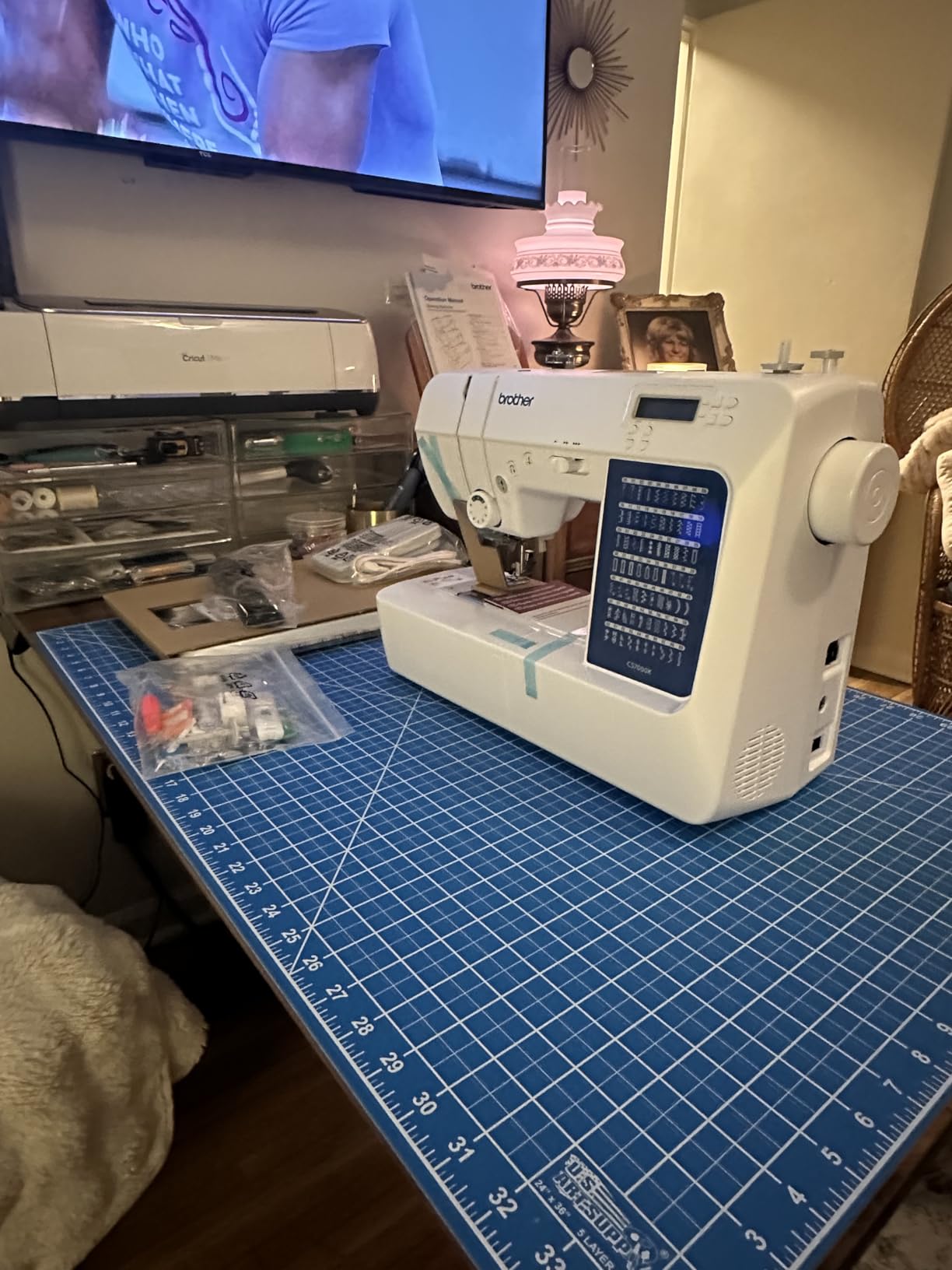
The ability to operate without a foot pedal is something I did not know I needed until I tried it. The start/stop button lets you control speed with the slider, which is perfect for precise topstitching on long seams. The protective hard case is a thoughtful touch for students who transport their machine between home and school.
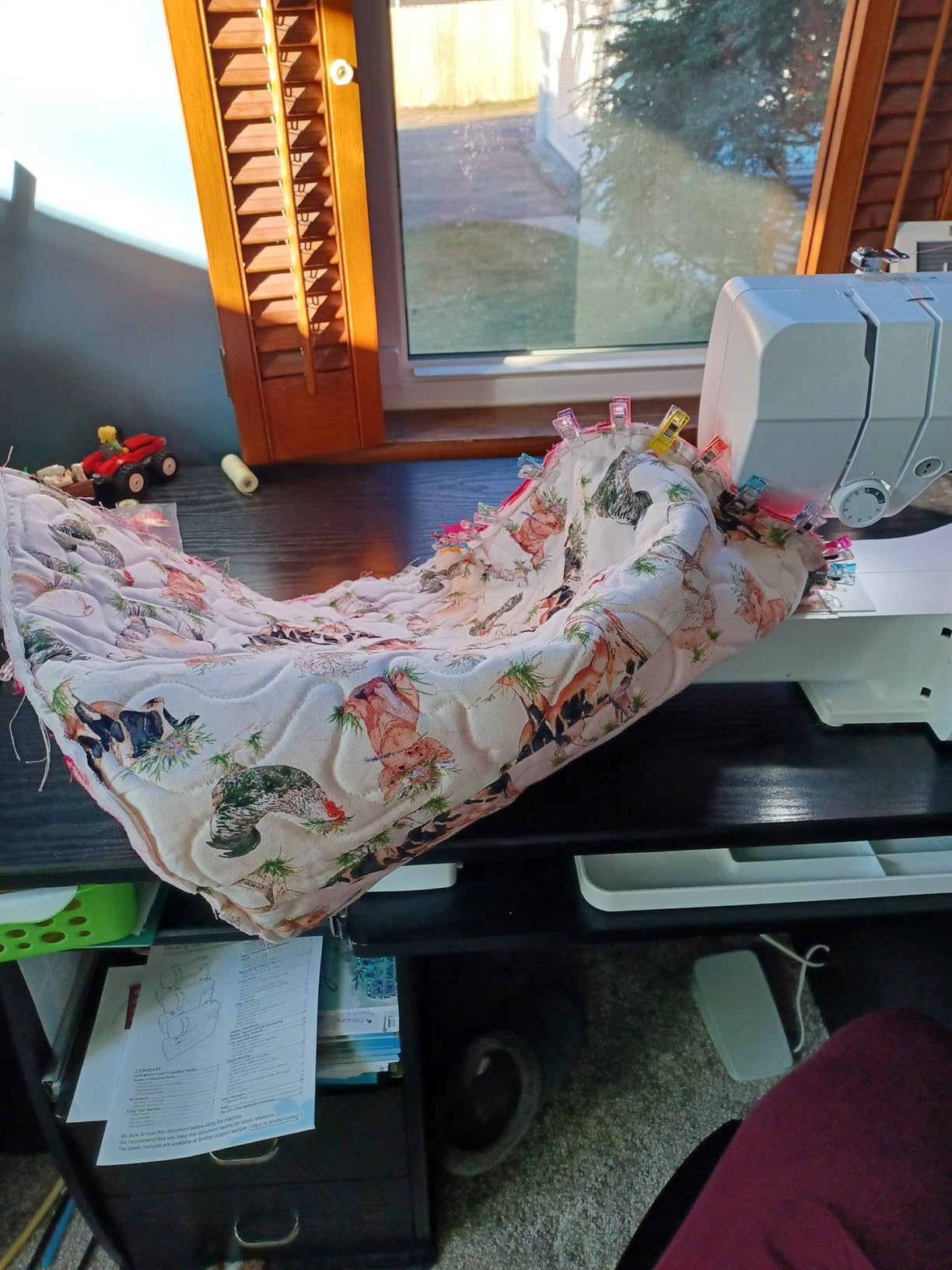
Like the other Brother computerized models, the CS7000X is not a heavy-duty machine. It handles denim and canvas up to a point, then the motor strains. For typical fashion school garments in cotton, linen, wool, and silk, it is more than enough. The needle threader is improved over older models and rarely misthreaded in my testing.
Piercing Power and Speed Control
The CS7000X punches through four layers of mid-weight denim without strain. The speed slider lets you dial in a slower pace for delicate fabrics and a faster pace for long straight seams. For fashion students sewing everything from chiffon blouses to denim jackets, that flexibility is critical.
Who Benefits Most from the CS7000X
Students in fashion design programs that touch on outerwear, tailoring, or quilting projects will get the most out of this machine. The included accessories (wide table, hard case, 10 feet, quilt guide) save you a couple hundred dollars in add-on purchases compared to buying them separately. If you make a single big investment for fashion school, this is the most well-rounded choice.
4. Brother XR9550 – Best Computerized Machine with Alphanumeric Stitches
Brother XR9550 Computerized Sewing and Quilting Machine 165 Stitches
165 built-in stitches
55 alphanumeric
8 buttonhole styles
Wide table included
Pros
- 165 stitches
- Alphanumeric for monogramming
- Variable speed
- Wide table
- Hard cover
Cons
- Light could be brighter
- Needle threader feels flimsy
- LCD buttons feel cheap
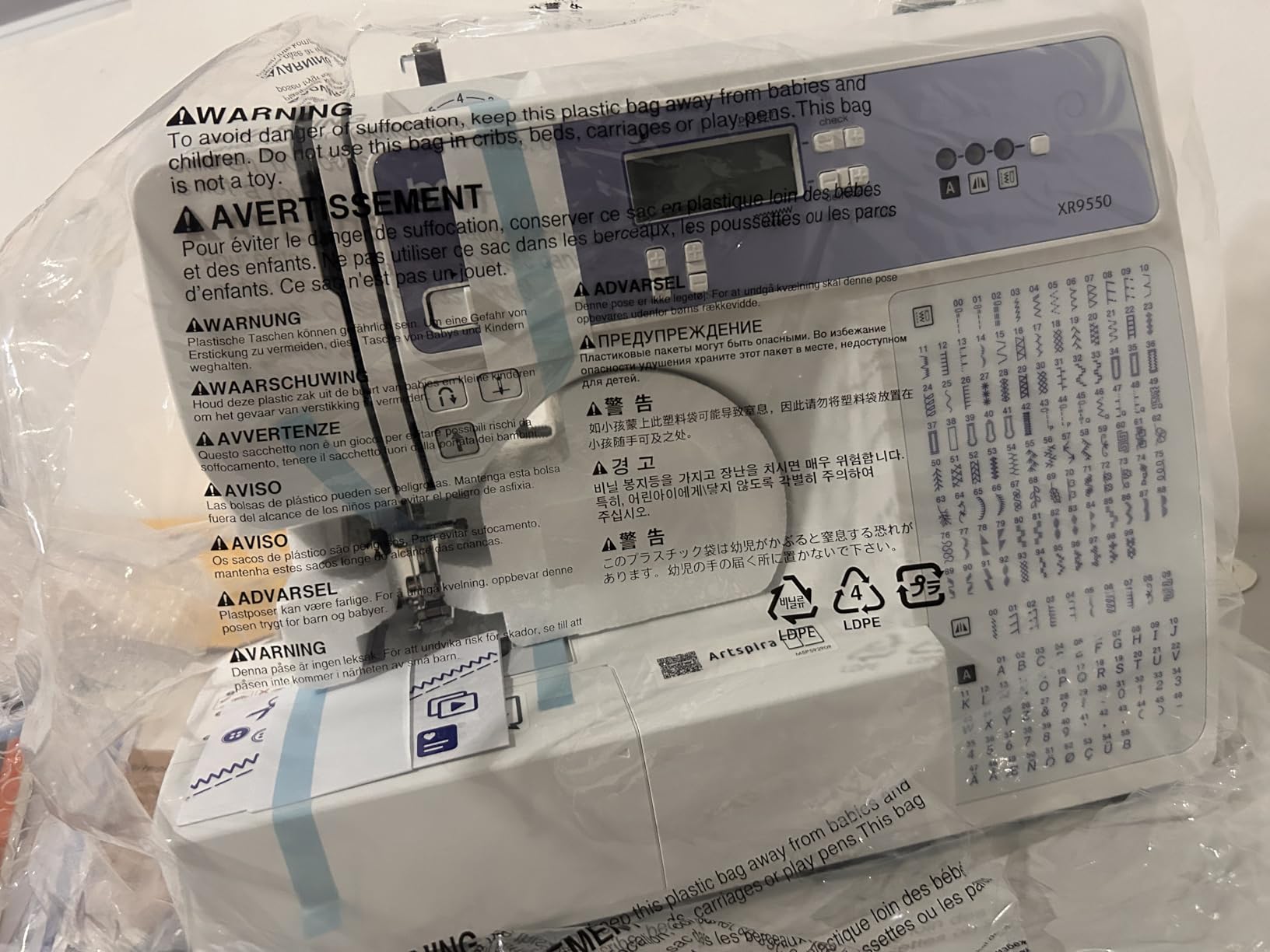
If you want maximum stitch options in a portable package, the XR9550 delivers. With 165 built-in stitches (including 55 alphanumeric options for monogramming and label stitching), this is essentially a small production machine. I tested it for a branding project on a denim jacket and the monogram stitches looked crisp and professional.
The 8 auto-size buttonhole styles are the most in any machine at this price point. For fashion students making custom closures on coats, jackets, and structured dresses, that versatility matters. The wide extension table is included and easy to attach, giving you real estate for larger pattern pieces.
The variable speed control and start/stop button work well for beginners. You can set a slow speed for learning and gradually increase as your confidence grows. The backstitch button is conveniently placed and reinforced my seams reliably on stretchy knits.
The complaints I had were minor. The LED light is adequate but not bright enough for very dark fabrics. The needle threader feels a bit flimsy compared to the CS7000X. The LCD buttons have a slightly cheap tactile feel. None of these are deal-breakers for fashion school use, but they are noticeable if you are comparing directly to higher-end Janome machines.
Alphanumeric Stitches for Fashion Branding
The 55 alphanumeric stitches are the standout feature. You can stitch custom labels directly onto garments, monogram leather patches, and add branding details to portfolio pieces. For fashion students building a personal brand and creating signature details, this machine lets you skip the trip to a custom embroidery shop.
When to Choose the XR9550 Over the CS7000X
If you prioritize stitch variety and monogramming over the foot pedal optional feature and metal frame construction, the XR9550 wins. If you prioritize a more polished feel and the protective hard case, the CS7000X wins. Both are excellent machines. The XR9550 edges ahead for fashion students focused on branding and custom details.
5. SINGER 4432 Heavy Duty – Editor’s Choice for Power and Speed
SINGER® 4432 (Black) High Speed Heavy Duty Sewing Machine + Accessory Kit
1100 stitches per minute
60% stronger motor
32 stitches
Metal internal frame
Pros
- Powerful motor
- 1100 SPM
- Metal frame
- Handles thick fabrics
- 1-step buttonhole
Cons
- Bobbin winding issues when threaded
- Awkward auto threader
- Speed control inconsistent
If I had to pick one machine for a fashion student serious about tailoring and structured garments, the SINGER 4432 would be it. The 60% stronger motor compared to standard sewing machines means you can punch through eight layers of denim, multiple layers of wool coating, and even faux leather without the motor straining. For fashion students making coats, jackets, and bags, this is a game changer.
At 1100 stitches per minute, the 4432 is the fastest machine on this list. When you are sewing long seams on heavy fabric, that speed adds up. I finished a wool peacoat in two days instead of four. The metal internal frame keeps everything stable at high speeds, which is not true for cheaper plastic-frame machines.
The 32 built-in stitches cover the essentials (straight, zigzag, decorative, stretch, blind hem). You will not get the alphabet stitches of the Brother XR9550, but you will not need them on the structured garments where this machine shines. The 1-step buttonhole is solid for standard closures on jackets and trousers.
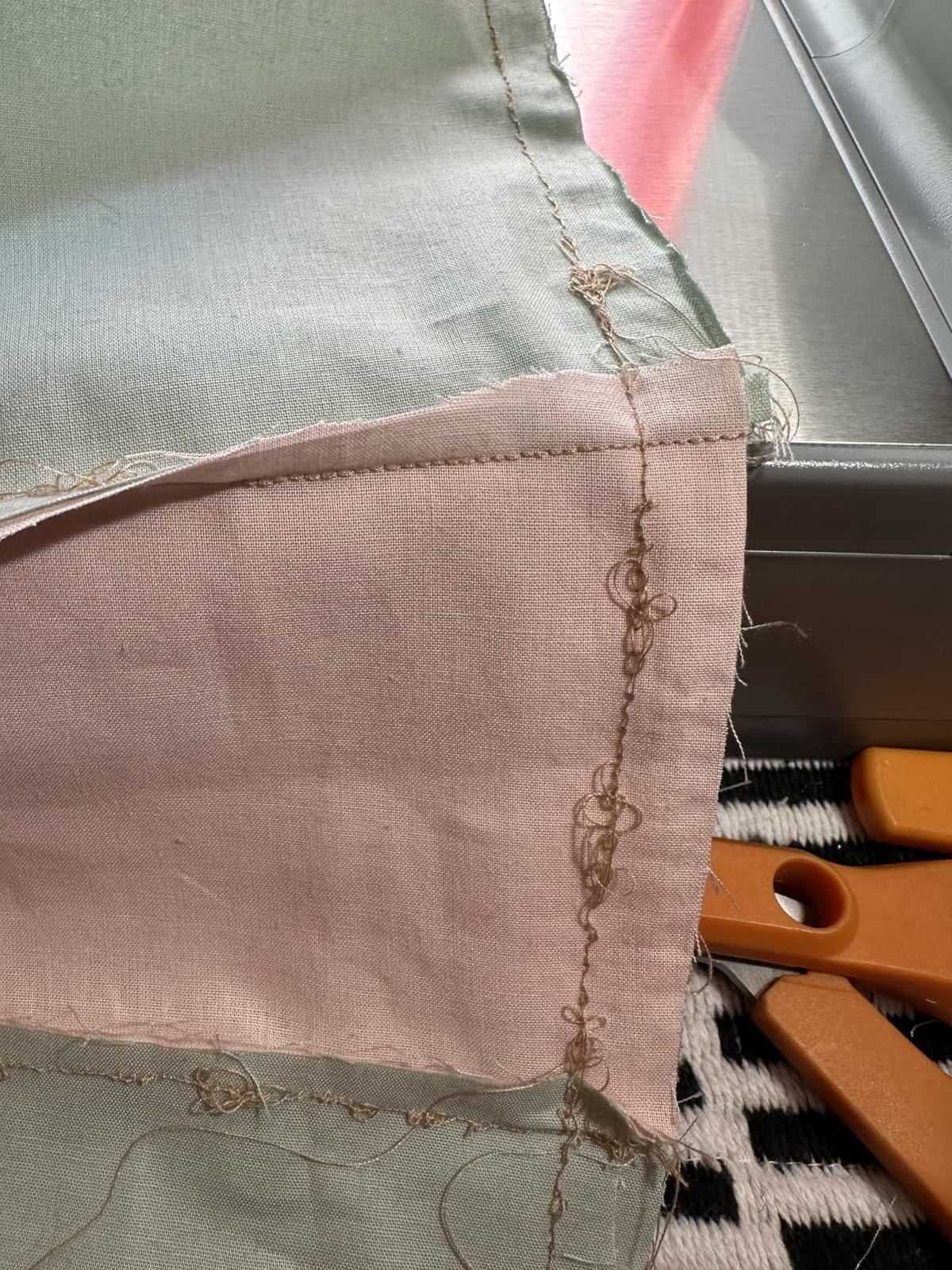
Now for the honest cons. The bobbin winder has a known issue where it can cause problems if you try to wind while the machine is still threaded. The auto threader is awkward to use compared to the Brother models. The speed control can be inconsistent at the lowest settings. These are real frustrations, but they do not change the core fact: this machine sews through heavy fabrics better than anything else at this price.
Piercing Power Test Results
I ran the 4432 through eight layers of 12oz denim for a jacket hem. It powered through without hesitation. I tried the same test on a Brother CS5055 and the motor bogged down. For fashion students specializing in outerwear, menswear, or structured tailoring, this difference is the entire reason to choose the SINGER.
Who Should Buy the SINGER 4432
If your fashion program involves tailoring classes, coat-making, denim construction, or bag/accessories work, this machine will not let you down. If your program focuses on delicate womenswear, evening wear, or textile art, you might prefer the precision of a Brother computerized model. The 14.6 pound weight makes it heavier than the budget picks, so plan for a dedicated studio spot rather than daily commuting.
6. Brother SE700 – Best Sewing and Embroidery Combo Machine
Brother SE700 Sewing and Embroidery Machine, Wireless LAN, 8 included Ft
103 sewing stitches
135 embroidery designs
Wireless LAN
3.7 inch touchscreen
Pros
- Sewing and embroidery combo
- 135 built-in designs
- Wireless file transfer
- Touchscreen
- Auto thread cutter
Cons
- Small throat space
- Some operational noise
- Software updates via USB
The SE700 is the only machine on this list that combines serious sewing with built-in embroidery. For fashion students who want to add custom embellishments, monograms, or decorative details to garments without outsourcing, this is the move. The 135 built-in embroidery designs and 10 lettering fonts cover most portfolio embellishment needs right out of the box.
The wireless LAN connectivity is a feature I did not expect to love as much as I did. Using the Artspira mobile app, I transferred custom designs from my phone directly to the machine. No USB cable, no design card hassle. For a fashion student already working across iPad illustrations and digital pattern files, this workflow integration is genuinely useful.
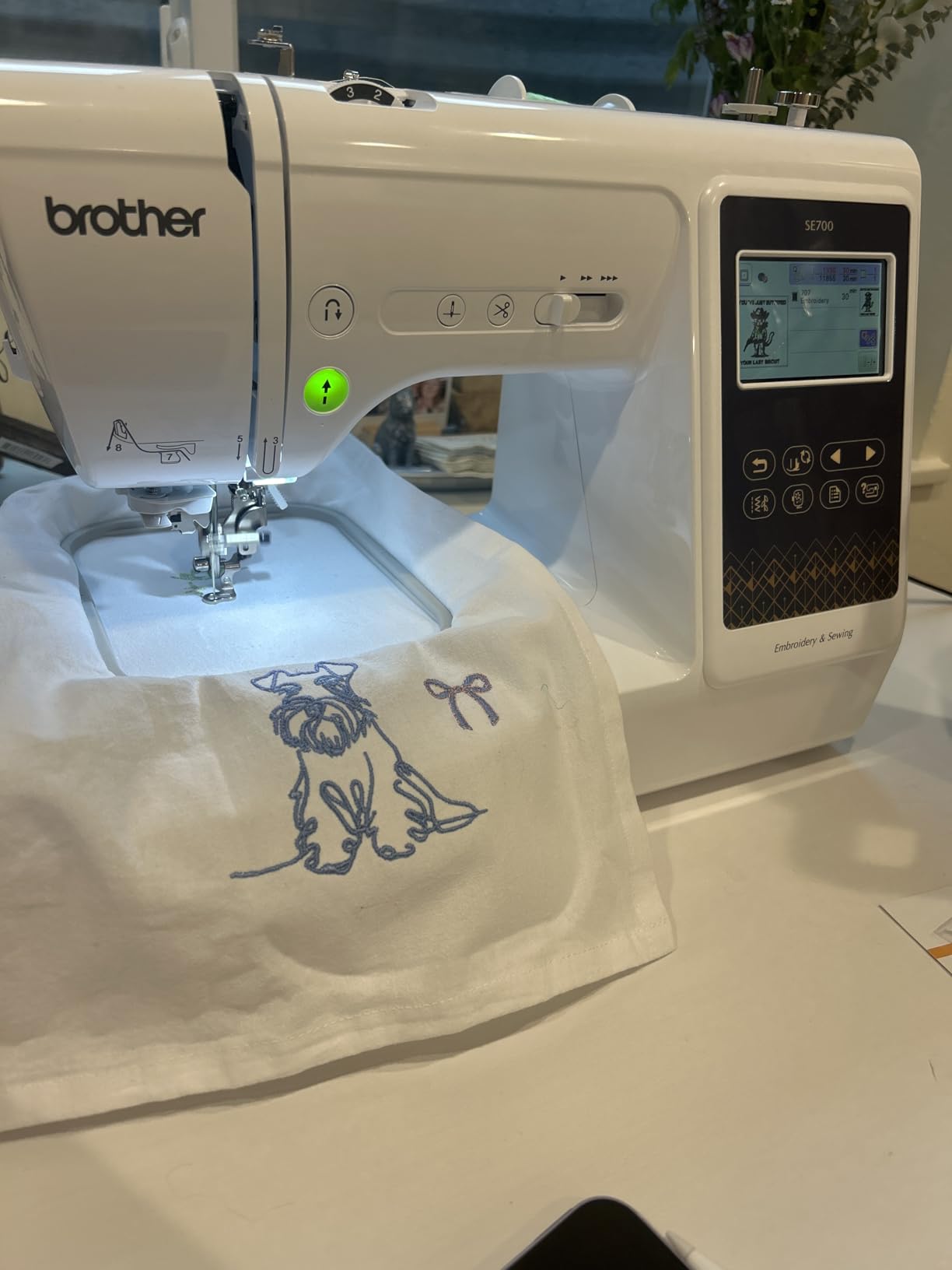
The 103 sewing stitches give you plenty of construction options, and the automatic thread cutter is a real time-saver during long production sessions. The 3.7 inch color touchscreen is intuitive and far easier to navigate than the button-based LCD on cheaper models. Beginners will appreciate the gentle learning curve.
The compromises are real. The throat space is limited compared to dedicated sewing machines, which means you cannot fit large quilted pieces inside the embroidery hoop area. The machine is also louder than non-embroidery models. For fashion school embroidery projects and embellished portfolio pieces, these are acceptable trade-offs. For someone focused purely on garment construction, a dedicated sewing machine would be a better fit.
Embroidery Capabilities for Fashion Portfolio
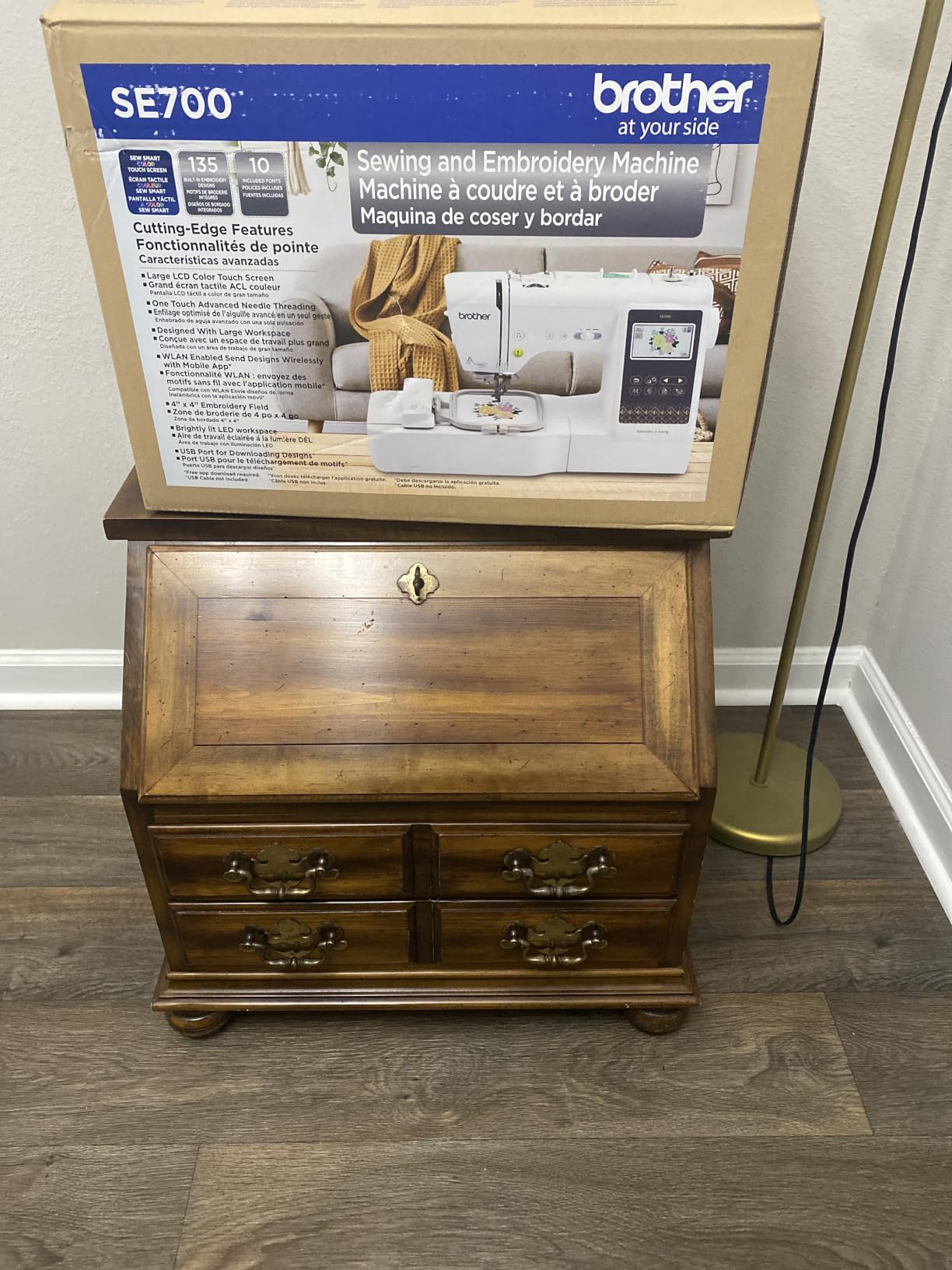
The 4 inch by 4 inch embroidery field is small but sufficient for chest pocket details, sleeve embellishments, and label work. The 135 designs include florals, geometrics, and decorative borders that look great on evening wear, accessories, and childrenswear. Combined with the 10 lettering fonts, you can create branded patches and monogrammed linings without paying for outsourcing.
Is the SE700 Right for Your Program?
If your fashion program has any surface embellishment, embroidery, or fashion tech component, the SE700 is a smart investment. If your program is strictly garment construction, save the money for a dedicated heavy-duty machine. The embroidery features cost real money, so make sure you will actually use them.
7. Brother 1034D Serger – Best Companion Machine for Seam Finishing
Brother 1034D Serger Overlock Sewing Machine
1300 stitches per minute
3 or 4 thread
Metal frame
Color-coded threading
Pros
- Color-coded threading
- Metal frame
- 1300 SPM
- 3/4 thread options
- Rolled hem function
Cons
- Green and blue thread guides look similar
- Plastic accessories feel fragile
- No coverstitch
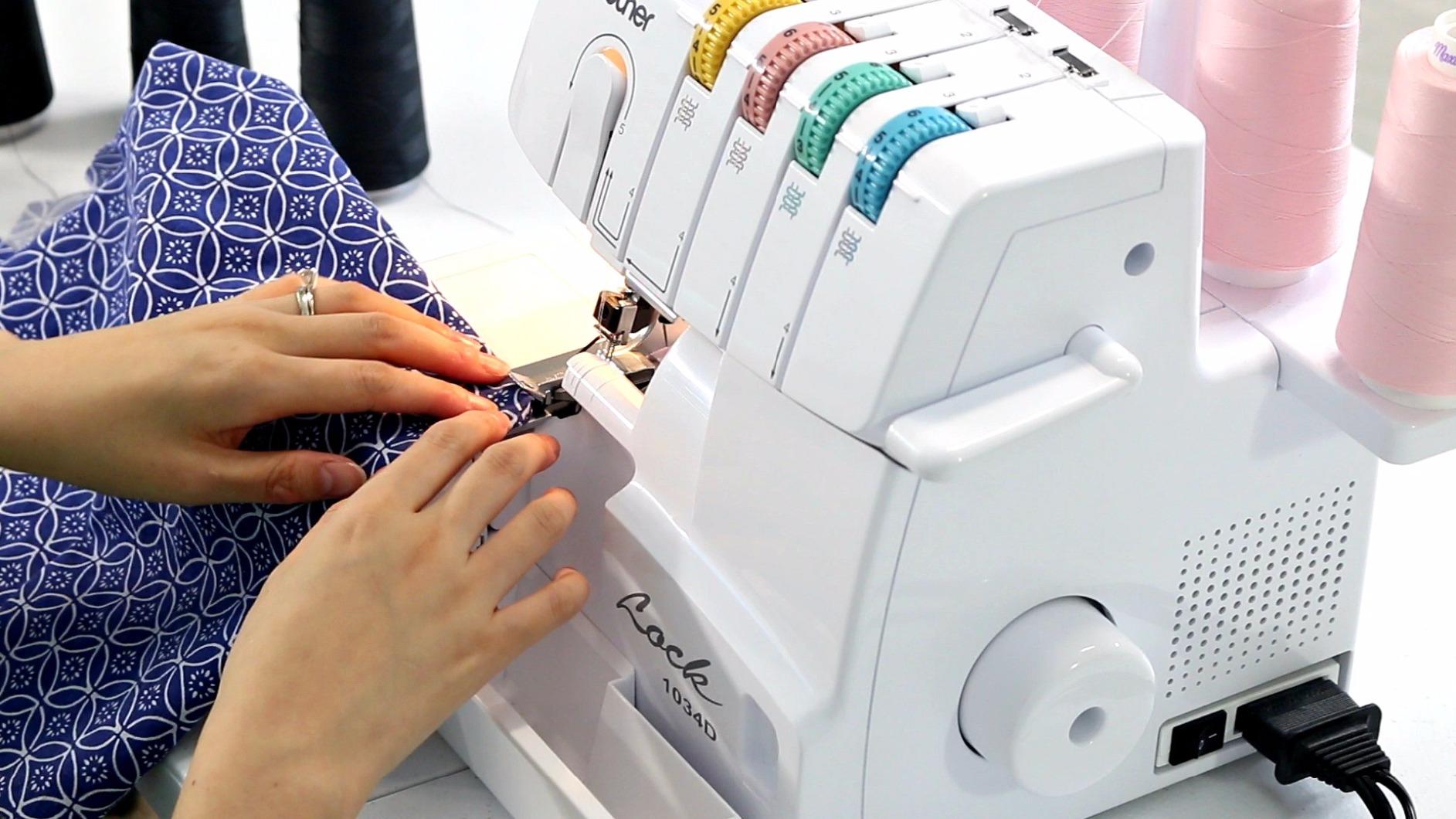
A regular sewing machine will not give you professional-looking seam finishes. For fashion students serious about the inside of a garment looking as polished as the outside, a serger is non-negotiable. The Brother 1034D is the most popular serger in the world for good reason. It is affordable, beginner-friendly, and built to last.
The color-coded threading system is the standout feature for beginners. Each thread path is marked with a color that matches the corresponding thread guide, which means you can thread the machine in minutes instead of the hour it takes on older serger models. The metal frame keeps everything stable at the 1,300 stitches per minute top speed, which is genuinely fast.
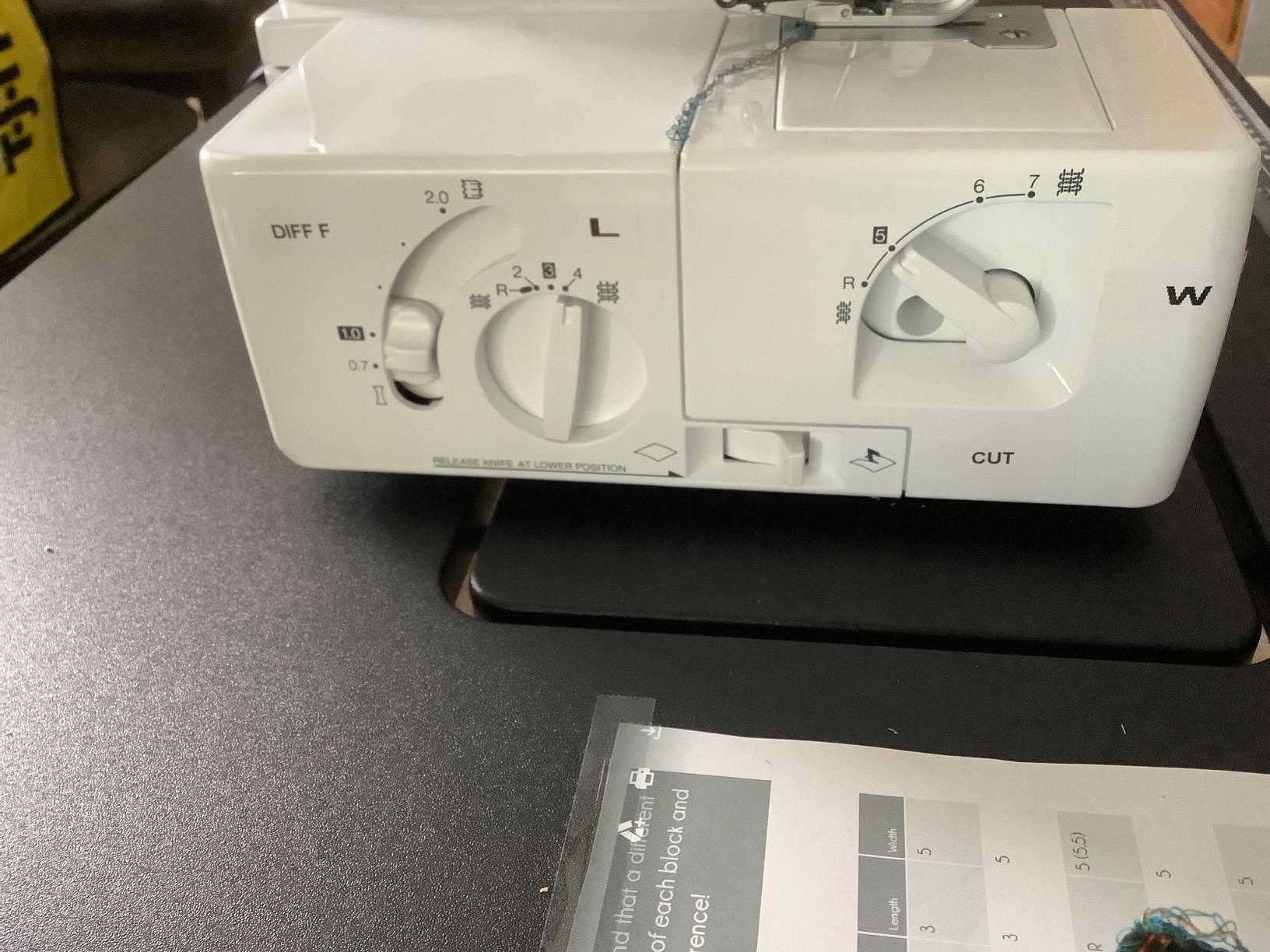
The 3/4 thread options cover every standard overlock finish, including a beautiful rolled hem that is perfect for silk scarves, sheer curtains, and ruffle edges. The differential feed handles stretch knits beautifully without wavy seams. The removable trim trap catches fabric scraps cleanly so your studio stays tidy.
The cons are worth mentioning. The green and blue thread guides are too similar, and I had to look carefully under bright light to tell them apart. Some of the plastic accessory feet feel a bit cheap. The 1034D cannot do coverstitch (a separate function for hemming knits professionally), so if you specialize in athleticwear, you may want a coverstitch machine as a third option.
Why Fashion Students Need a Serger
Most fashion programs teach you that commercial garments have serged seam allowances to prevent fraying and create clean interiors. Without a serger, you cannot replicate that finish on your portfolio pieces. The 1034D lets you finish seams professionally, which is the difference between a student project and a sample that looks ready for production.
Pairing the Serger with a Primary Machine
The 1034D is not a replacement for a sewing machine. It is a companion. Pair it with the Brother CS7000X or SINGER 4432 as your primary construction machine, and you have a setup that handles everything from pattern construction to final garment finishing. For serious fashion students, this two-machine setup is the industry standard.
8. Janome JW8100 – Best Premium Computerized for Studio Use
Janome JW8100 Fully-Featured Computerized Sewing Machine with 100 Stitches, 7 Buttonholes, Hard Cover, Extension Table and 22 Accessories
100 built-in stitches
7 one-step buttonholes
Extension table
Hard cover included
Pros
- 100 stitches
- 7 buttonholes
- Speed control slider
- Jam-proof bobbin
- Quiet operation
- Standard 15 bobbins
Cons
- Light could be brighter
- Limited needle raise height
- Some specialty stitches imperfect
The Janome JW8100 is the only non-Brother and non-Singer machine on this list, and it earns its spot. Janome has a strong reputation among working designers for build quality and stitch precision. The JW8100 brings that reputation to a price point that fashion students can actually afford.
The 100 built-in stitches cover everything from utility to decorative, with particularly strong stretch and heirloom options. The 7 one-step buttonholes are reliable and consistent across multiple garments. The extension table included in the box gives you a true studio setup for larger projects.
The computerized controls are intuitive, and the start/stop button combined with the speed control slider makes this machine genuinely beginner-friendly. The 7-piece feed dog system handles slippery silks and sheer fabrics with better control than cheaper machines. The built-in threader saves time on production work, and the needle up/down control is a feature I wish the Brother CS5055 had.
The complaints I had were minor. The light is adequate but not as bright as the SINGER 4432. The needle raise height is limited for extremely thick projects. Some of the specialty decorative stitches are not as polished as the alphabet stitches on the Brother XR9550. None of these are deal-breakers for fashion school use.
Why Janome Over Brother for Serious Students
Janome machines have a reputation for longevity. Working designers I spoke with consistently mentioned Janome machines they bought 15+ years ago that are still in daily studio use. If you plan to keep this machine well beyond graduation and into your professional career, the JW8100 is a smarter long-term investment than a cheaper model that you will outgrow.
Who Should Buy the Janome JW8100
If you have a slightly higher budget and want a machine that will last through fashion school and into your first years as a working designer, the JW8100 delivers. The 12 pound weight is manageable for transport, but this machine feels best as a studio anchor rather than a daily commuter. Pair it with the Brother 1034D serger for a complete professional setup.
Buying Guide: What to Look for in a Fashion School Sewing Machine
Choosing the best sewing machine for fashion students is less about brand loyalty and more about matching capabilities to your specific program. Here are the four factors that matter most.
Piercing Power and Motor Strength
Fashion school projects go well beyond quilting cotton. You will sew wool coating, denim, canvas, faux leather, and multi-layered interfacings. A standard motor will bog down on four or more layers of heavy fabric. Look for machines with stronger motors (the SINGER 4432 is 60% more powerful than standard) or accept that you will need to slow down for heavy work. For fashion students in tailoring or menswear programs, motor power should be your top priority.
Stitch Variety vs. Stitch Quality
The trend in computerized machines is packing in hundreds of stitches. More is not always better. Focus on the stitches you will actually use: straight, zigzag, blind hem, buttonhole, and a few decorative options. Quality matters more than quantity. Test machines by sewing on your typical project fabrics. The Janome JW8100 and Brother CS7000X both deliver excellent stitch quality on the basics, which is what matters for portfolio work.
Mechanical vs. Computerized
Mechanical machines use dials and physical controls. They are durable, repairable, and budget-friendly. Computerized machines use buttons, LCD screens, and electronic controls. They offer more stitches, automatic features, and precision but can be harder to repair if the electronics fail. For most fashion students, a computerized machine is the right call because of the automatic needle threader, buttonhole styles, and speed control. If you are on a tight budget and want a workhorse that will last decades, a mechanical machine from Janome or Juki is worth considering.
Portability vs. Studio Stability
If you commute to school with your machine, weight matters. The Brother XM2701 at 12.6 pounds is the lightest option here. The SINGER 4432 at 14.6 pounds is the heaviest and works best as a studio anchor. Consider a hard case (the Brother CS7000X includes one) if you transport regularly. For studio-only use, prioritize stability and features over portability.
Brand Reputation and Service
Brother, Singer, and Janome are the three brands that dominate fashion school recommendations. Brother is known for beginner-friendly features and value. Singer is known for heavy-duty power and speed. Janome is known for build quality and longevity. All three have wide service networks and easily available parts. Juki is a fourth option worth considering for serious tailoring students, though their consumer machines are pricier.
Accessories and Add-Ons
Fashion school projects require different presser feet: walking foot for quilting, zipper foot for closures, buttonhole foot, rolled hem foot, and Teflon foot for vinyl and leather. The Brother CS7000X and XR9550 both ship with 8-10 feet, saving you money on add-ons. Budget an extra $50-100 for any specialized feet your program requires.
Frequently Asked Questions
What is the best sewing machine for a fashion design student?
The best sewing machine for a fashion design student balances piercing power for heavy fabrics with delicate precision for fine materials. For most students, the SINGER 4432 Heavy Duty is the top pick because its 60% stronger motor handles coats, denim, and structured tailoring. The Brother CS7000X is the best value pick with 70 stitches and a wide table for larger projects.
What type of sewing machine is best for a fashion designer?
Fashion designers typically need a computerized machine with strong piercing power, adjustable presser foot pressure, and stitch variety for both construction and decorative work. The Janome JW8100 and Brother XR9550 are both excellent choices. Pair your primary machine with a serger like the Brother 1034D for professional seam finishes. Computerized machines offer automatic needle threaders, one-step buttonholes, and speed control that save time on production work.
What is the best sewing machine for a beginner who wants to make clothes?
The best sewing machine for a beginner who wants to make clothes is one that combines ease of use with enough capability to grow with your skills. The Brother XM2701 at 12.6 pounds is perfect for first-year students learning basic garment construction. The Brother CS5055 adds 60 stitches and an LCD display when you are ready for more options. Both have automatic needle threaders that remove the biggest beginner frustration.
What is the most reliable brand of sewing machine?
Brother, Singer, and Janome are the three most reliable sewing machine brands for fashion students. Brother is known for beginner-friendly features and excellent value across their lineup. Singer is known for heavy-duty power and speed, particularly in the 44xx series. Janome is known for build quality and longevity, with many designers reporting their Janome machines lasting 15+ years of daily studio use.
What is the best sewing machine for dressmaking?
The best sewing machine for dressmaking needs precise stitch control, a variety of buttonhole options, and the ability to handle delicate fabrics like silk and chiffon. The Janome JW8100 and Brother CS7000X both excel at dressmaking. For structured dresses with boning or heavy fabrics, the SINGER 4432 Heavy Duty is the better choice. Pair any of these with a serger for professional seam finishes on the inside of your garments.
Final Verdict: Which Sewing Machine Should You Buy?
After testing all eight machines and talking to working designers, my top recommendation for most fashion students is the SINGER 4432 Heavy Duty. Its 60% stronger motor and 1,100 stitches per minute speed handle every heavy project your program will throw at you, from coats to canvas bags. It is not the quietest or the most refined, but it is the most capable at this price point.
For students on a tighter budget, the Brother XM2701 is the best starting point. Lightweight, beginner-friendly, and capable enough for first-year curriculum. For students who want maximum features without the heavy-duty motor, the Brother CS7000X is the best value. And for anyone serious about professional seam finishes, add the Brother 1034D serger to your setup.
Whatever machine you choose, invest time in learning its capabilities before your first big project deadline. Fashion school moves fast, and the students who know their machines inside and out are the ones whose portfolio collections stand out. Updated for 2026, this guide reflects the best options available right now. Whichever machine you pick, may your seams be straight and your buttonholes be perfect.