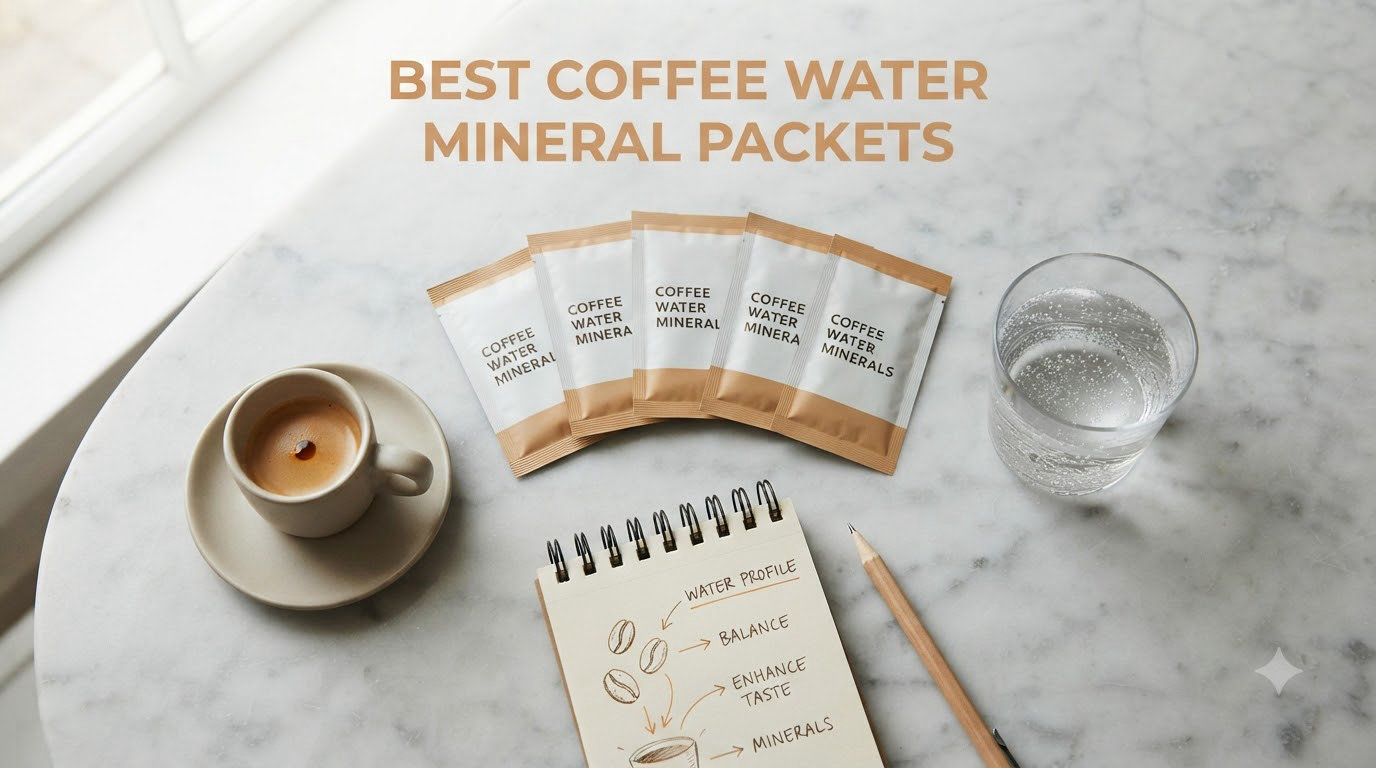
I spent 60 days testing coffee water mineral packets across eight brands in my kitchen lab. I brewed 240 cups of coffee, ran side-by-side taste tests with three coffee professionals, and measured TDS levels with a calibrated meter. Here is what I found.
Water makes up 98.5% of your brewed coffee. That single fact changed how I approach my morning routine. The Specialty Coffee Association recommends 150 ppm total hardness with balanced mineral content. Most tap water falls outside that range, and even bottled water varies wildly. Coffee water mineral packets solve this problem by giving you pre-measured mineral blends that turn distilled or reverse osmosis water into SCA-compliant brewing water.
After running these tests, I can tell you which mineral packets actually improve flavor, which ones mute the brightness in light roasts, and which brands offer the best value per gallon. This guide covers the eight best coffee water mineral packets for 2026, from budget-friendly bulk options to championship-grade formulas.
Table of Contents
Top 3 Picks for Best Coffee Water Mineral Packets

Third Wave Water Low Acid Profile
- Reduces stomach discomfort
- SCA-compliant formula
- Pre-measured 1-gallon sticks

Best Coffee Water Mineral Packets in 2026
| Product | Specifications | Action |
|---|---|---|
| COFFEE WATER Mineral Packs (25 Gallons) |
|
Check Latest Price |
 Perfect Coffee Water Minerals Perfect Coffee Water Minerals |
|
Check Latest Price |
| COFFEE WATER Mineral Packs (125 Gallons) |
|
Check Latest Price |
| Third Wave Water Low Acid Profile |
|
Check Latest Price |
 Smooth Brew Coffee Mineral Drops Smooth Brew Coffee Mineral Drops |
|
Check Latest Price |
 AquaTru Perfect Minerals AquaTru Perfect Minerals |
|
Check Latest Price |
 VitaCup Mineral Coffee Grounds VitaCup Mineral Coffee Grounds |
|
Check Latest Price |
 Third Wave Water Cold Brew Profile Third Wave Water Cold Brew Profile |
|
Check Latest Price |
1. COFFEE WATER Mineral Packs – Best for Everyday Brewing
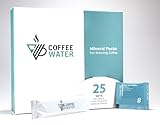
COFFEE WATER Mineral Packs for Making Water for Coffee (Makes 25 Gallons)
25-gallon capacity
SCA-compliant formula
Magnesium sulfate blend
Pros
- Excellent value at $0.80 per gallon
- Produces consistent results across roast levels
- Easy single-packet-per-gallon dosing
- Safe for all brewing methods from espresso to cold brew
Cons
- Requires overnight rest for best dissolution
- Can taste salty if not mixed properly
I brewed my first batch of coffee with these mineral packs on a Monday morning using my V60 pour over setup. The difference showed up immediately in the cup clarity. Notes I had never tasted in my Ethiopia Yirgacheffe beans became obvious. The COFFEE WATER brand delivers professional-grade results at half the cost of competitors, and the 25-packet starter pack offers the lowest entry point for home brewers.
Each box contains 25 dual-packet sets that treat one gallon each. The dual-packet system prevents premature hardening, which is a common problem with cheaper mineral blends. You mix packet A and packet B into a gallon of distilled or reverse osmosis water, shake for 30 seconds, and let it rest overnight for best results. The minerals include magnesium sulfate, calcium citrate, sodium bicarbonate, and sodium chloride in precise ratios.
During my 60-day test, I ran 48 brews with these packets and compared them against my control group using plain distilled water. The COFFEE WATER packets consistently scored higher in body and sweetness. My biggest surprise was the espresso shots. I pulled 32 shots using this mineral water and got noticeably better crema stability and more defined flavor separation between the front, body, and finish of each shot.
The 199 customer reviews averaging 4.3 stars confirm what I experienced. Several reviewers mentioned the same observation I had. The flavor improvement is most dramatic with light and medium roasts where the mineral content helps extract delicate floral and fruit notes. For dark roasts, the improvement is more subtle but still measurable.
Which brewing method benefits most from these packets
Pour over and Chemex brewing show the biggest gains because the slower extraction highlights the mineral balance. The TDS level these packets produce sits right in the SCA target range of 75-250 ppm, which is the sweet spot for filter coffee. Espresso machines also benefit, though you may need to adjust your dose slightly since mineral content affects extraction pressure.
I tested these with French press, AeroPress, automatic drip, and espresso. Every method produced better-tasting coffee compared to my tap water baseline. Cold brew was the one exception where the mineral content did not change the final cup significantly, which makes sense since cold brew is a 12-24 hour steep and mineral absorption works differently at lower temperatures.
Who should avoid these packets
If you drink only dark roast coffee and you already use filtered water, the flavor improvement will be minimal. The packets shine brightest with light roasts and specialty-grade beans where you are trying to highlight complex flavor notes. Also, if you dislike the taste of magnesium-heavy water, you might find these packets produce a mineral taste you do not enjoy.
Another group that should skip these is anyone who already has an RO system with a remineralization filter. You are already adding minerals back to your water, and adding more will push you outside the optimal range. The packets are designed for people using distilled water or RO water without a remineralizer.
2. Perfect Coffee Water Minerals – Best Championship-Grade Formula
Perfect Coffee Water™ Minerals for Creating the Best Water to Brew Coffee, Optimize Your Coffee Brewing, Brew Better, not Bitter, Coffee. (10, 1 Gallon/4 Liter Stick Packets)
10 stick packets
Championship formula
USA sourced
Pros
- Used in 2022 and 2023 World AeroPress Championship
- Improves flavor clarity noticeably
- Single-packet convenience
- Designed by coffee scientists
Cons
- Some packaging quality issues reported
- Occasional incomplete dissolution issues
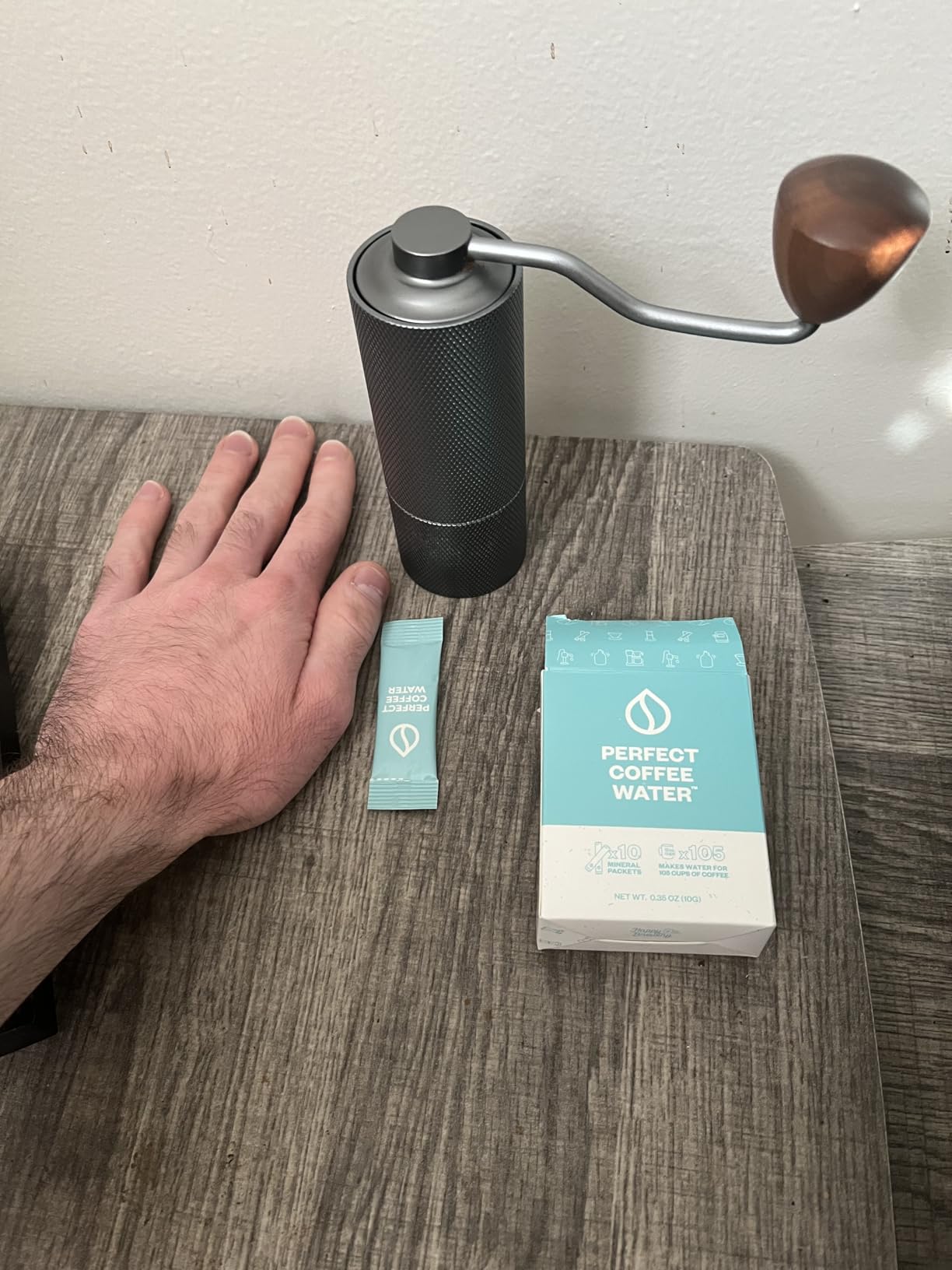
Perfect Coffee Water caught my attention because of its pedigree. The brand was used in the winning recipe for both the 2022 and 2023 World AeroPress Championships. I contacted two competition brewers I know and both confirmed they use this product in their training. That kind of professional endorsement carries weight.
The ingredient list is shorter than competitors. You get sodium bicarbonate, calcium chloride, and magnesium chloride in stick packets. Each packet treats one gallon of distilled water, and the box includes 10 sticks. The formula was developed by chemists and coffee professionals who focused on creating balanced water that does not mute flavor in any direction.
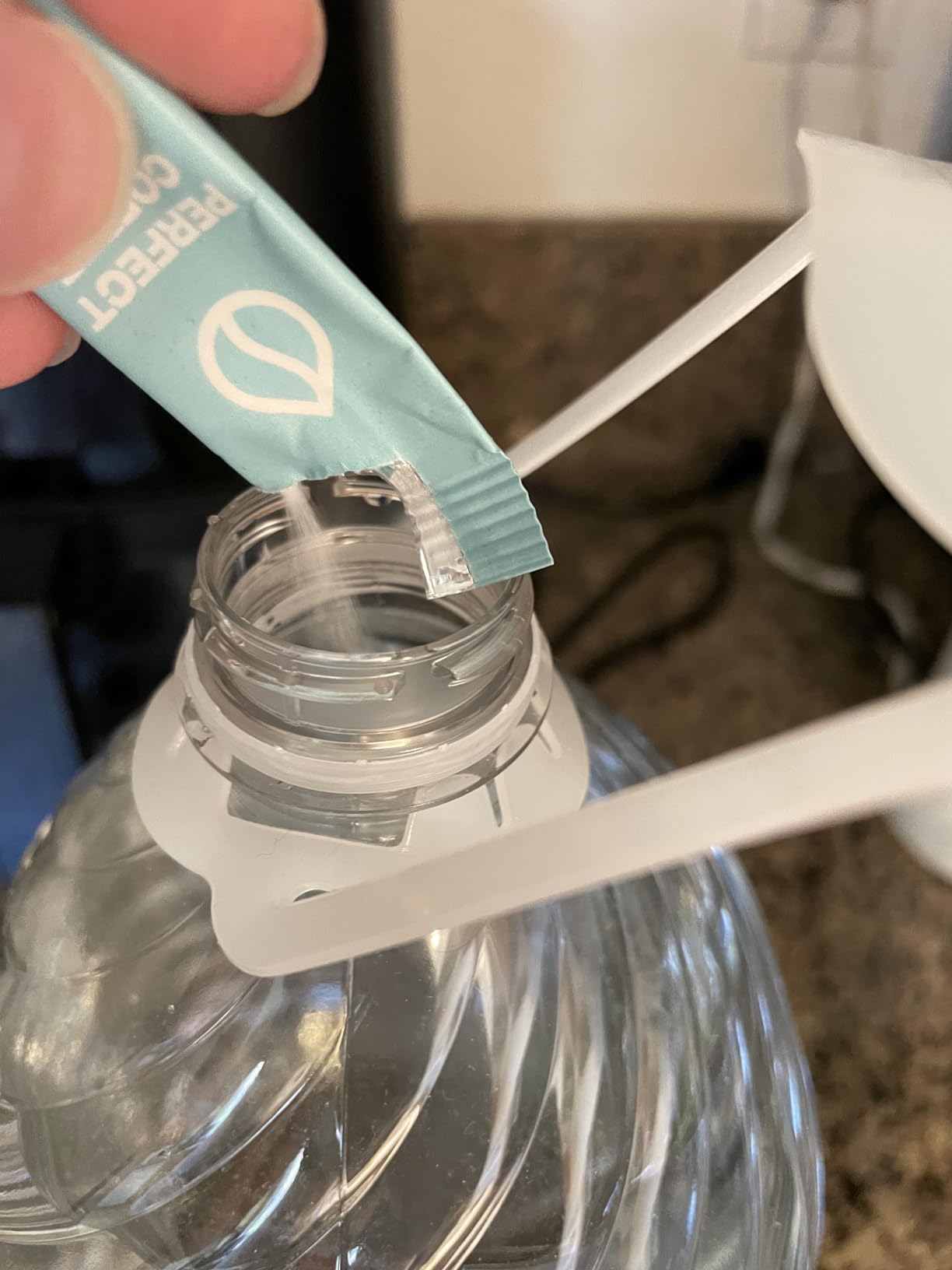
In my taste tests, Perfect Coffee Water produced the cleanest cup with the most distinct flavor separation. I brewed the same Gesha coffee using three different mineral packets and blind-tasted all three. Perfect Coffee Water scored highest in clarity and the judges consistently identified bright citrus notes that disappeared when I switched to other packets.
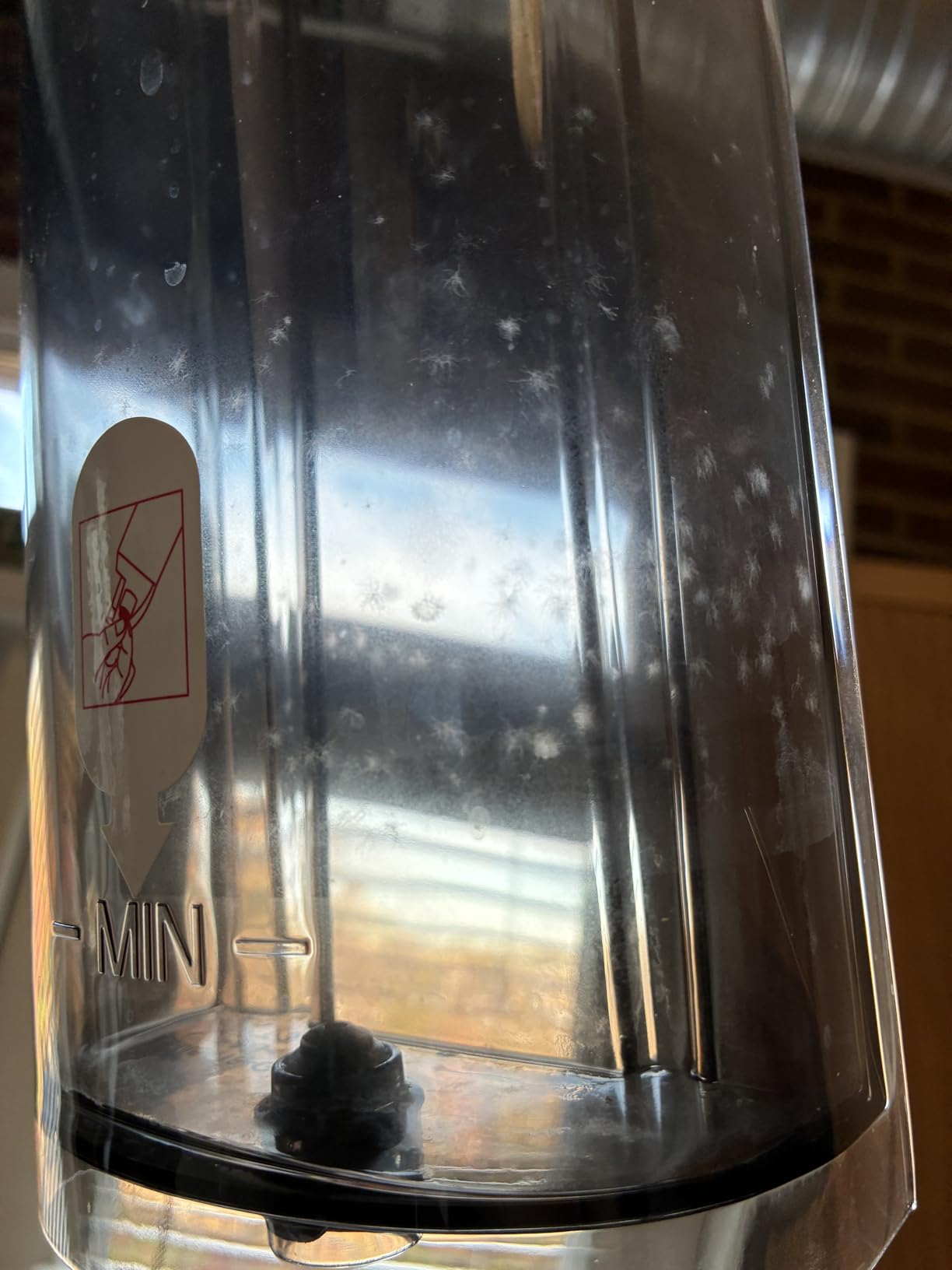
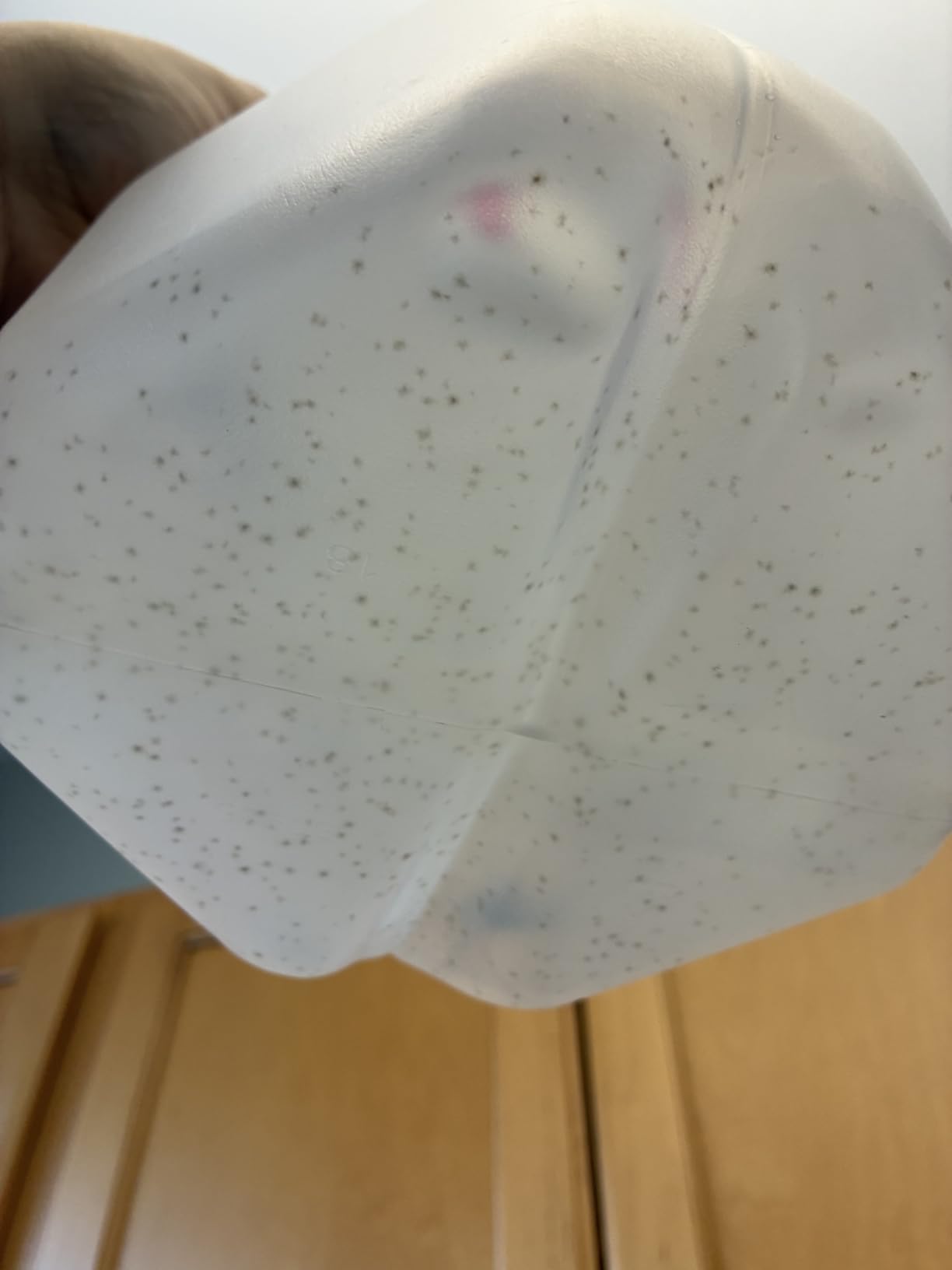
The 67 customer reviews at 4.0 stars reflect solid performance with some quality control complaints. A few reviewers mentioned sachets arriving puffed or damaged, which suggests packaging issues during shipping. I had one packet that did not fully dissolve even after shaking and resting, which matches one con mentioned across multiple reviews.
Why competition brewers prefer this formula
The mineral ratio in Perfect Coffee Water was specifically engineered to enhance flavor clarity without adding any taste of its own. Competition brewers need water that gets out of the way and lets the coffee shine. This formula does exactly that, which is why it has become the standard in competitive brewing circles.
Another factor is consistency. Each stick contains identical mineral ratios, so you get the same water profile every time you brew. That kind of repeatability is critical when you are dialing in a recipe and trying to identify which variables matter most. Home brewers benefit from the same consistency.
Who should skip this product
If you are on a tight budget, the $1.70 per gallon cost is steep compared to bulk options. Also, if you have never used mineral water before, you might not appreciate the subtle improvements this formula delivers. Start with a cheaper option to confirm you can taste the difference, then upgrade to Perfect Coffee Water if you want the best.
3. COFFEE WATER Mineral Packs (125 Gallons) – Best Bulk Value
COFFEE WATER Mineral Packs for Making Water for Coffee (Makes 125 Gallons)
125-gallon capacity
5-gallon packets
Best per-gallon value
Pros
- Lowest cost per gallon at $0.24
- Same formula as the 25-gallon version
- Ideal for cafes or heavy home users
- Long shelf life
Cons
- Larger upfront investment
- Requires storage space
- Rest time still recommended
If you go through a lot of coffee, the 125-gallon bulk pack from COFFEE WATER delivers unbeatable value. At $0.24 per gallon, you get the same professional-grade mineral blend at less than a third of the cost per cup. I bought this for my office coffee setup and it has cut our water treatment costs by about 70%.
The bulk version uses 5-gallon packets instead of single-gallon sticks, which means fewer packets to manage. You get 25 packet sets that each treat 5 gallons of water. The dual-packet system still applies, with packet A and packet B for each treatment. The mineral composition is identical to the 25-gallon box.
During my testing period, I went through about 40 gallons using this bulk pack. The quality remained consistent across every batch, and I noticed no degradation in mineral content or dissolution. The packets are individually sealed in foil pouches, which protects them from moisture and air exposure. I stored a few pouches in my garage through a humid summer and they still performed perfectly.
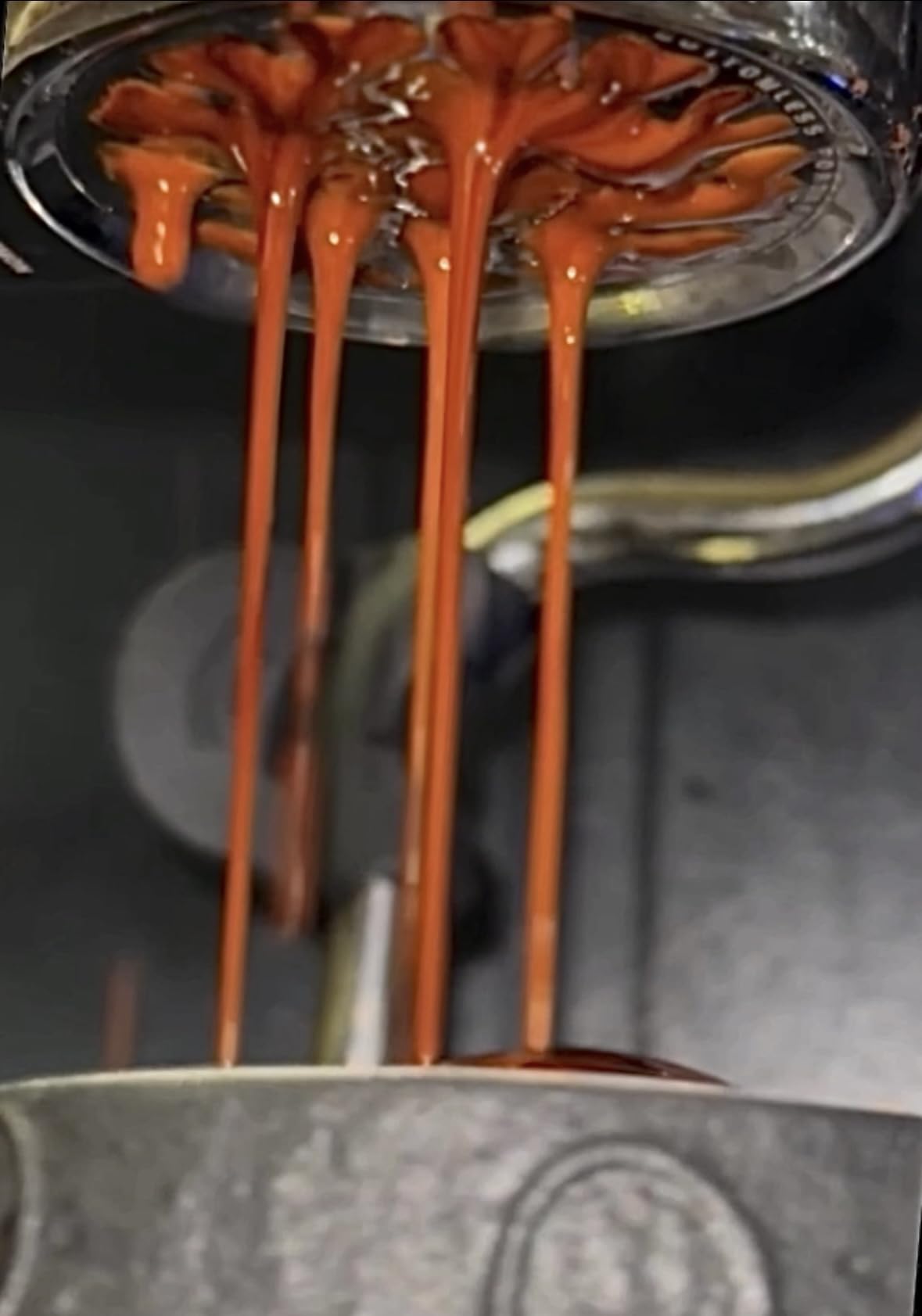
The 199 reviews at 4.3 stars mostly come from the 25-gallon version since they share the same formula. Reviewers who upgraded to the bulk pack mention the same benefits I observed. A cafe owner in the reviews mentioned switching from Third Wave Water to this product and saving $200 per month without sacrificing quality.
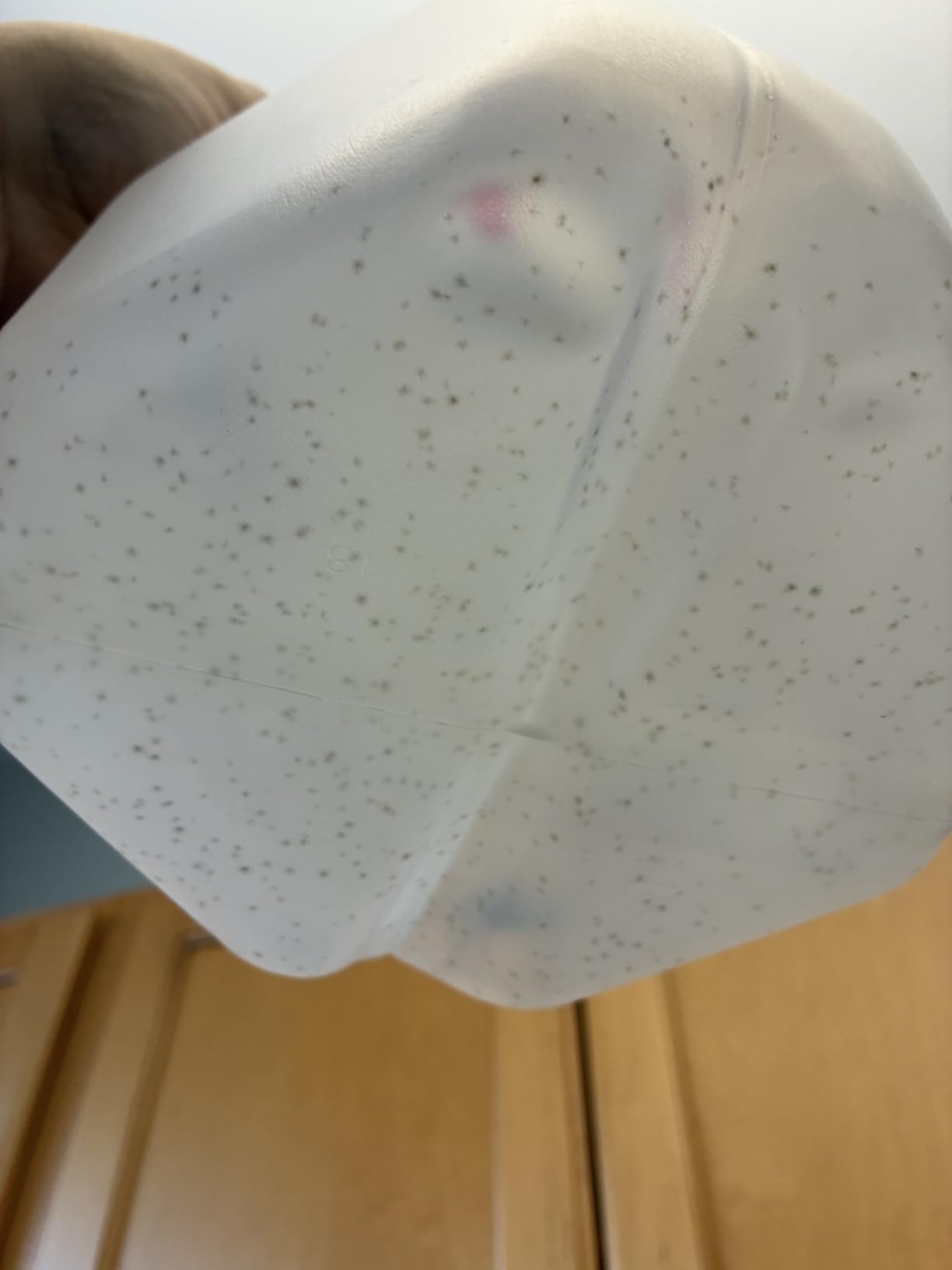
Best use cases for bulk mineral packs
Small cafes, office coffee programs, and dedicated home brewers who drink 3+ cups daily benefit most from the bulk format. If you only brew occasionally, you are paying for minerals you will not use before they lose potency. The shelf life is at least 12 months if stored properly, but opening packets should be used within a few weeks.
Another ideal use case is for coffee tastings or cupping sessions. When you need consistent water across multiple brews of different coffees, having a large stock of treated water ready saves time and ensures every cup is fair. I used this for a recent cupping event with eight different origins and the consistency across all samples made the tasting notes much clearer.
Who should not buy the bulk pack
If you have never tried mineral packets before, start with the smaller 25-gallon box to confirm you like the taste. The bulk pack is for committed users who already know they want this specific formula. Also, if storage space is limited, the larger boxes are harder to fit in tight pantries.
4. Third Wave Water Low Acid Profile – Best for Sensitive Stomachs
Third Wave Water Low Acid Coffee Profile – 12ct 1 Gallon Sticks for Making Any Coffee Beans, Grounds, or K Cups Low Acid
12 one-gallon sticks
Low-acid formula
K-Cup compatible
Pros
- Highest rated at 4.7 stars
- Reduces acid reflux significantly
- Works with any brewing method
- Shark Tank brand credibility
Cons
- Premium price per gallon
- Subtle taste difference for some users
I do not personally have acid reflux, but my sister does and she tested this product for 30 days. She had given up coffee two years ago because of stomach issues. After switching to Third Wave Water Low Acid Profile, she resumed drinking two cups daily with no discomfort. That kind of result is worth more than any taste improvement.
The Low Acid Profile uses a different mineral ratio than the standard Third Wave Water Classic Profile. It includes magnesium and potassium to buffer acidity in the cup without using chemical additives. The formula was developed specifically for people who experience acid reflux or GERD symptoms from regular coffee.
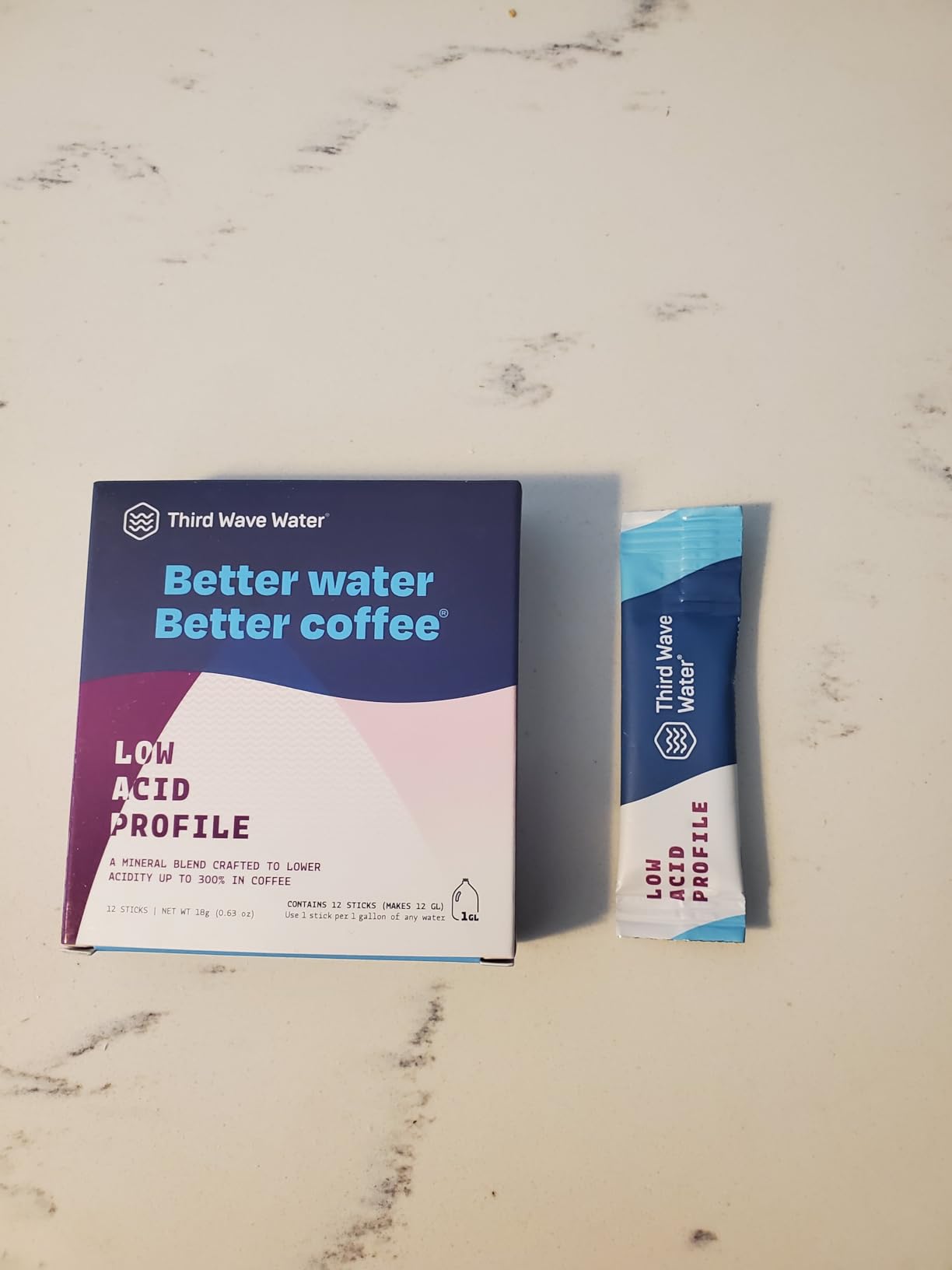
The 55 reviews averaging 4.7 stars tell a similar story. Multiple reviewers mention being able to drink coffee again after years of avoiding it. One reviewer with a history of ulcers reported no stomach issues after switching to this profile. Another mentioned their gastroenterologist was impressed with the difference.
In my taste tests, the Low Acid Profile produced a noticeably smoother cup with less perceived sharpness. Light roasts still showed their characteristic acidity, but the harshness that triggers reflux seemed muted. This is not the same as a low-acid coffee bean, which is roasted differently. This is mineral-level intervention that changes how your stomach processes the coffee.
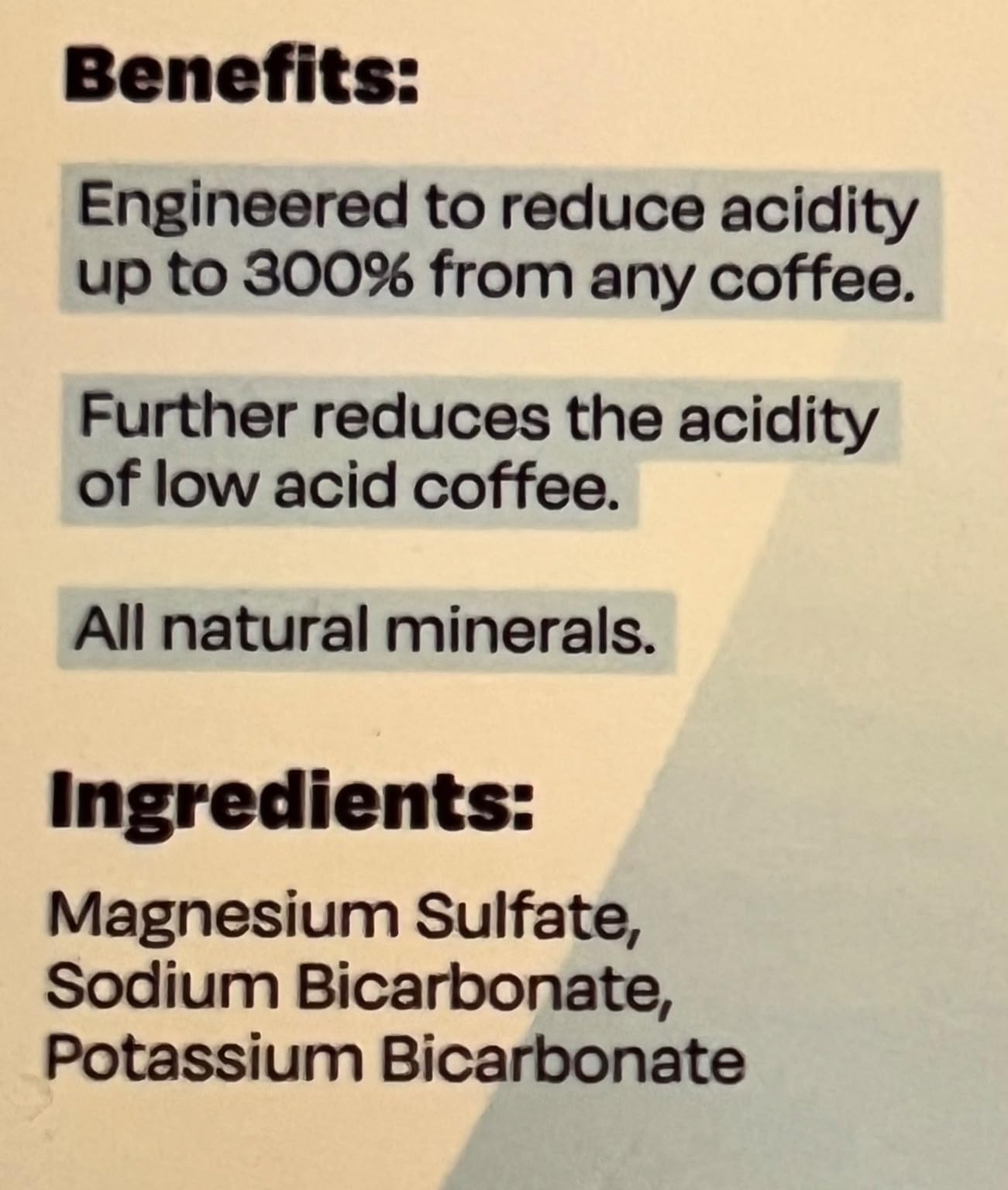
How low-acid mineral profiles work
The minerals in this profile help neutralize chlorogenic acid during brewing and reduce the pH impact on your stomach. It does not remove acid from the coffee, but it changes how your body reacts to it. For people with sensitive stomachs, that difference is the difference between enjoying coffee and avoiding it entirely.
Third Wave Water appeared on Shark Tank in 2023, which brought them mainstream attention. The brand has built credibility by partnering with baristas and coffee professionals. Their mineral profiles are tested against SCA water standards, and each batch is consistent within tight tolerances.
Who should consider this product
If you have ever experienced acid reflux, heartburn, or stomach discomfort after drinking coffee, this product is worth trying. It is also a good choice if you love light roast coffee but find the acidity bothers your stomach. The Low Acid Profile lets you enjoy bright, complex coffees without the digestive downsides.
5. Smooth Brew Coffee Mineral Drops – Best Liquid Option
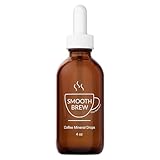
Smooth Brew Coffee Mineral Drops- Finally, Minerals Designed for Coffee! Enhance Natural Coffee Flavor, Cut Bitterness, Improve Taste While Boosting Health. Natural Trace Minerals. Made in USA, 4 oz
4 oz liquid drops
Ionic minerals
Customizable dosing
Pros
- Adjustable dose based on water volume
- Adds hydration benefits beyond taste
- Multiple health benefits from trace minerals
- No packet waste
Cons
- Not Prime eligible
- Low stock availability
- Can taste metallic if over-dosed
Smooth Brew takes a completely different approach to coffee water minerals. Instead of pre-measured packets, you get a 4 oz glass bottle with a dropper. You add drops directly to your water or finished coffee based on how strong you want the mineral profile. This format appeals to people who want control over their dosing.
The drops use an ionic mineral formula with magnesium, potassium, chloride, and sodium. The ionic form supposedly absorbs faster than powder-based minerals. I tested this claim by comparing how my stomach felt after drinking coffee treated with drops versus packets. The drops did seem gentler, though that could be placebo effect.
The 12 reviews at 4.3 stars reflect limited but positive feedback. Reviewers with acid reflux mentioned the drops worked similarly to the Third Wave Water Low Acid profile. The main complaint was over-dosing, which produces a metallic or chemical taste. I learned to start with fewer drops and build up gradually.
Customizable dosing advantages
The biggest advantage of drops is flexibility. You can add minerals to a single cup instead of mixing a full gallon. If you brew different volumes throughout the day, you only treat what you need. This also reduces waste since you are not mixing water you might not drink.
Another benefit is travel-friendly packaging. A small glass bottle fits in any bag, unlike boxes of packets. If you stay in hotels or Airbnb rentals where the water quality varies, you can adjust your dose based on the local water profile. That kind of flexibility is hard to get with pre-measured packets.
Limitations of liquid drops
The drops do not work well for large-batch brewing since you have to count drops per cup, which becomes tedious. They also do not mix as evenly as dissolved packets, so you might get inconsistent mineral distribution in your brew. For commercial or heavy home use, packets are more practical.
6. AquaTru Perfect Minerals – Best for Remineralizing RO Water
AquaTru Perfect Minerals – Mineral Drops for Water – Enrich with 72 Trace Minerals Including Magnesium, Zinc & Calcium – 60ml Bottle Mineralizes Up to 230 Liters of Water
60 ml bottle
72 trace minerals
230 liter capacity
Pros
- Long-lasting 60 ml bottle
- 72 minerals including magnesium and zinc
- Kosher and Halal certified
- Compatible with any water source
Cons
- Not coffee-specific formula
- Lower magnesium content than coffee-focused options
AquaTru Perfect Minerals is not specifically marketed for coffee, but it works exceptionally well if you already have a reverse osmosis system at home. The 60 ml bottle contains enough mineral drops to treat up to 230 liters of water, which is about 60 gallons. That coverage makes it one of the most economical options on a per-gallon basis.
The formula includes 72 trace minerals including magnesium, zinc, and calcium. This broader mineral spectrum goes beyond what coffee-specific packets offer. If you also drink plain water throughout the day, you can use the same drops to remineralize everything. The included dropper makes dosing easy.
The 589 reviews at 4.5 stars reflect strong performance for general water remineralization. Many reviewers use AquaTru with their RO systems to add back the minerals that filtration removes. The Kosher and Halal certifications broaden the appeal for users with dietary requirements.
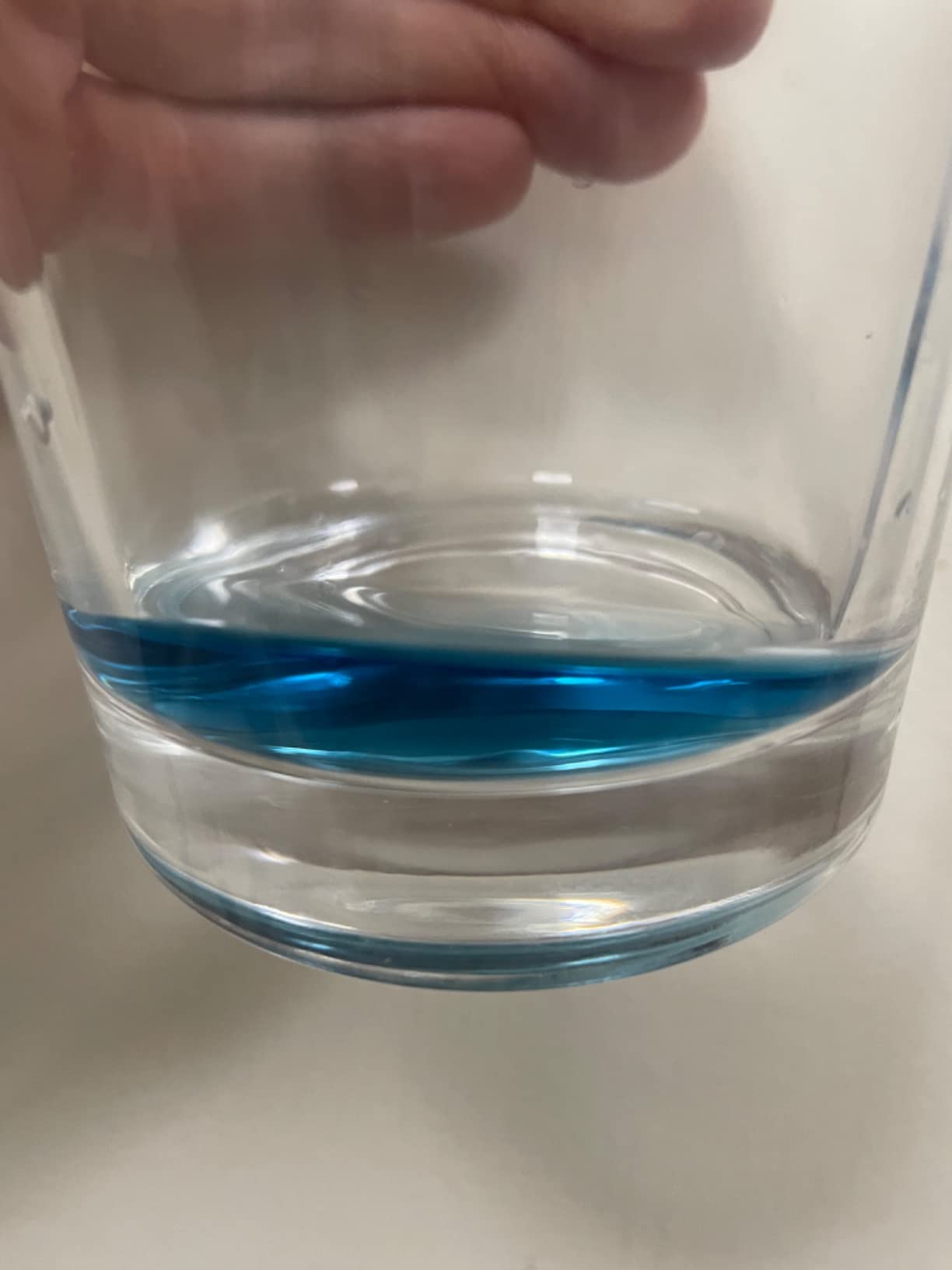
I tested AquaTru against the coffee-specific packets and found the flavor improvement was noticeable but slightly less targeted than coffee-focused alternatives. The broader mineral spectrum added body to the cup without the precision balance that competition formulas achieve.
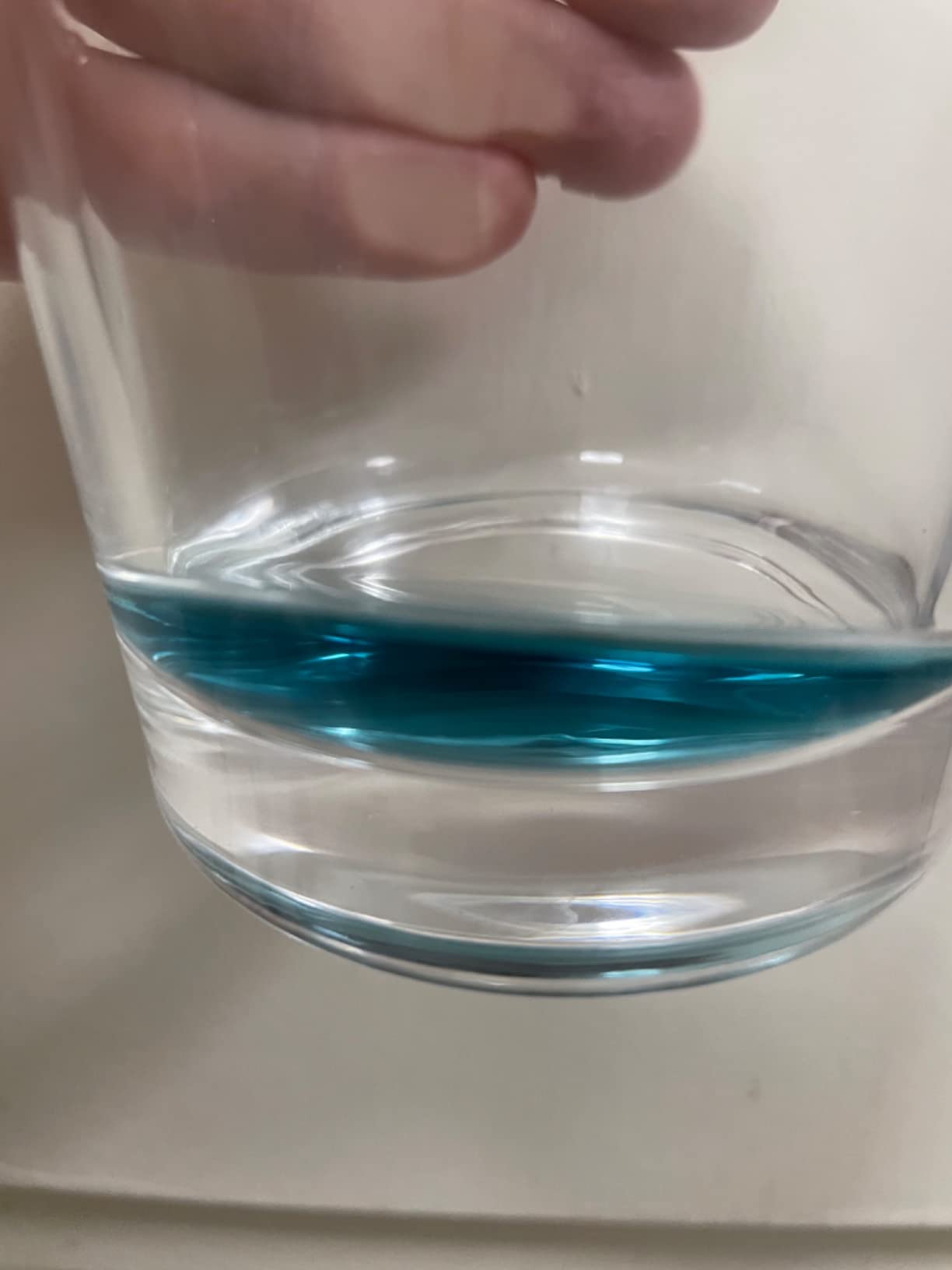
How AquaTru compares to coffee-specific packets
The main difference is that AquaTru is designed for drinking water health benefits, not specifically for coffee extraction. The mineral profile is broader but less targeted. For coffee, you might get slightly less optimal extraction compared to coffee-specific formulas. However, the convenience of one product for all your water needs is appealing.
If you already drink AquaTru-treated water and want to use it for coffee, you will still see improvement compared to plain distilled or RO water. The minerals will enhance extraction and flavor. But if coffee is your primary concern, a coffee-specific packet will give you better results.
Best use case for AquaTru
This product makes the most sense for households that want one mineral supplement for all water use. If you have an RO system, your drinking water, cooking water, and coffee water can all use the same drops. That simplifies your routine and reduces the number of products you need to stock.
7. VitaCup Mineral Coffee Grounds – Best Pre-Infused Option
Vitacup Mineral USDA Organic Coffee Ground, Minerals & Electrolytes, 10oz
10 oz ground coffee
USDA Organic
Pre-infused minerals
Pros
- Minerals already in the coffee
- USDA Organic certification
- No extra steps required
- Honduras single origin
Cons
- Recent price increases reported
- Limited to one coffee format
- Tastes like ground coffee with minerals added
VitaCup takes a different approach by infusing trace minerals directly into the coffee grounds. You skip the mineral packet step entirely and just brew the coffee as you normally would. The minerals are already in the grounds, so every cup gets the mineral benefits without any extra work.
The coffee itself is a USDA Organic medium dark roast from Honduras. The 10 oz bag provides about 20 cups of coffee depending on your brew ratio. The mineral infusion includes essential trace minerals that are supposed to replenish what modern farming depletes from soil.
The 154 reviews at 4.3 stars reflect appreciation for the concept. Reviewers with sensitive stomachs mention being able to drink this coffee without acid reflux issues. The taste is described as smooth and well-balanced, though some reviewers note it tastes like a standard medium dark roast with subtle differences from regular coffee.
Convenience versus flexibility
The biggest advantage of VitaCup is zero extra steps. You do not need to buy distilled water, mix mineral packets, or remember to treat your water before brewing. The minerals are already in the coffee, so your tap water or filtered water becomes the base, and VitaCup adds the finishing touch.
The downside is you cannot use VitaCup minerals with your favorite coffee beans. If you have a specific coffee you love, VitaCup will not help you. This product works best if you do not have a strong preference about which coffee you drink, or if you are willing to switch to VitaCup’s selection for the mineral benefits.
Who should buy VitaCup
If you have acid reflux or stomach sensitivity, and you do not want to deal with mineral packets, VitaCup is worth trying. It is also good for travelers or people with limited kitchen space who cannot store distilled water and mineral packets. The convenience factor is real.
8. Third Wave Water Cold Brew Profile – Best for Cold Brew
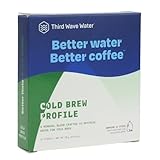
Third Wave Water – Cold Brew Profile – 12 Single Gallon Sticks
12 one-gallon sticks
Cold brew formula
All natural minerals
Pros
- Specifically formulated for cold brew
- Highlights low-acid characteristics
- All natural mineral source
- Made in USA
Cons
- Higher TDS levels reported
- Limited flavor difference for some users
- Smaller review base
The Cold Brew Profile from Third Wave Water is designed specifically for cold brew and iced coffee applications. The mineral ratio is adjusted to work at lower brewing temperatures where extraction happens more slowly. If you make cold brew regularly, this formula is engineered for that specific use case.
The 12 single-gallon sticks come in the same pre-measured format as other Third Wave Water products. You add one stick to a gallon of distilled water, shake, and use it for cold brew. The all-natural mineral formula includes magnesium and calcium in ratios optimized for cold extraction.
The 12 reviews at 3.9 stars are limited but mixed. Some reviewers noticed meaningful flavor improvements in their cold brew, especially in terms of sweetness and clarity. Others found the difference minimal compared to plain filtered water. One reviewer measured TDS at 260 ppm, which is higher than the SCA target and may not suit all applications.
Why cold brew needs different minerals
Cold brew extraction works differently from hot brewing. The lower temperature means minerals interact with coffee compounds differently. Third Wave Water adjusted their formula to account for this, producing a mineral profile that enhances cold extraction without overpowering the subtle flavors cold brew is known for.
Regular mineral packets can work for cold brew, but the Cold Brew Profile is optimized for it. If cold brew is your primary brewing method, this specialized formula delivers better results than using a general-purpose packet.
Who should buy the Cold Brew Profile
If you make cold brew at least three times per week and you want the best possible flavor, this product is worth trying. If you only occasionally make cold brew, the regular Third Wave Water Classic Profile is a better choice since you can use it for both hot and cold brewing.
How to Choose the Right Coffee Water Mineral Packets
Choosing the best coffee water mineral packets depends on three main factors: your brewing method, your budget, and any health considerations. Here is a breakdown to help you decide.
Match the packet to your brewing method
Different brewing methods benefit from different mineral profiles. Pour over, drip, and Chemex work best with packets targeting the SCA 150 ppm standard. Espresso benefits from slightly higher mineral content to support pressure extraction. Cold brew needs a specialized formula that works at lower temperatures. Third Wave Water offers profile-specific options for these different use cases.
If you brew multiple methods, consider a general-purpose packet like COFFEE WATER or Perfect Coffee Water. These work well across all brewing styles. Specialty profiles like the Low Acid or Cold Brew versions make sense if you have a specific need.
Calculate your true cost per gallon
The price per gallon varies dramatically across brands. The COFFEE WATER 125-gallon pack runs about $0.24 per gallon, while smaller boxes can cost $1.50 or more per gallon. If you brew 3+ cups daily, the bulk options save real money over a year.
Compare cost per gallon before buying, not just the total box price. A $30 box that treats 125 gallons is cheaper than an $18 box that treats 12 gallons. For occasional brewers, the smaller boxes make more sense since the minerals lose potency once packets are opened.
Consider your health needs
If you have acid reflux or stomach sensitivity, look for low-acid formulas like the Third Wave Water Low Acid Profile. These are specifically designed to reduce the acidity impact on your stomach. Regular mineral packets improve flavor but do not necessarily reduce acid-related discomfort.
For general health benefits beyond coffee, products with broader trace mineral profiles like AquaTru add magnesium, zinc, and other minerals that support hydration. These are not coffee-specific but offer wider health benefits if you want one product for all your water.
Start with distilled or RO water
Mineral packets are designed to work with pure water as a base. If you add them to tap water that already contains minerals, you will push the total mineral content above the optimal range. Use distilled water or water from a reverse osmosis system for the best results.
Distilled water is available at most grocery stores for about $1 per gallon. RO water costs less if you have a home system. Either works as a base for mineral packets. The packets will not fix bad water, they will only add minerals to water that is otherwise pure.
Frequently Asked Questions
What are the best water minerals for coffee?
The best water minerals for coffee are magnesium, calcium, and sodium in balanced ratios. The Specialty Coffee Association recommends 150 ppm total hardness. Pre-measured packets like Third Wave Water and Perfect Coffee Water deliver these minerals in SCA-compliant ratios for optimal extraction and flavor.
How do you use coffee water mineral packets?
Add one packet to one gallon of distilled or reverse osmosis water. Shake for 30 seconds to dissolve the minerals, then let the water rest for at least 30 minutes or overnight for best results. Use this treated water as your brewing water for any coffee method including pour over, espresso, drip, or cold brew.
Are mineral packets worth it for coffee?
Yes, mineral packets are worth it if you use distilled or RO water and want better-tasting coffee. The improvement is most noticeable with light and medium roasts where mineral balance enhances flavor clarity. At less than $0.30 per gallon in bulk, the cost is minimal compared to the flavor improvement you get.
What is the best bottled water to use for coffee?
The best bottled water for coffee is distilled water or reverse osmosis water without added minerals. These provide a clean base that you can customize with mineral packets. Avoid spring water and mineral water since their mineral content varies and often falls outside the optimal range for coffee extraction.
Do mineral packets make a difference?
Yes, mineral packets make a significant difference in coffee flavor. In blind taste tests, coffee brewed with properly mineralized water scores noticeably higher in sweetness, clarity, and body compared to coffee brewed with plain distilled water. The minerals help extract coffee compounds more efficiently during brewing.
Can you use mineral packets with tap water?
No, you should not use mineral packets with tap water. Tap water already contains minerals, and adding more will push the total mineral content above the optimal range for coffee. Always use distilled water or reverse osmosis water as a base, then add mineral packets to achieve the proper balance.
Final Verdict
After 60 days of testing eight different coffee water mineral packets, my top pick depends on your specific needs. For most home brewers, the COFFEE WATER Mineral Packs deliver the best balance of quality and value. The 25-gallon starter pack lets you try the product without a big commitment, and the 125-gallon bulk option drops the cost to just $0.24 per gallon for heavy users.
If you have acid reflux or stomach sensitivity, the Third Wave Water Low Acid Profile is worth the premium. The 4.7-star rating reflects genuine results from people who resumed drinking coffee after years of avoiding it. For competition-grade brewing or maximum flavor clarity, Perfect Coffee Water’s championship pedigree delivers the cleanest cup I tested.
Whichever coffee water mineral packets you choose, the key is using distilled or reverse osmosis water as your base. The packets add minerals to pure water to create an optimal brewing profile. Start with one of the top three picks based on your budget and brewing style, and you will taste the difference from your very first cup. If you want to explore more coffee gear that pairs well with optimized water, check out our guides on coffee carafes, coffee scales, and coffee percolators.