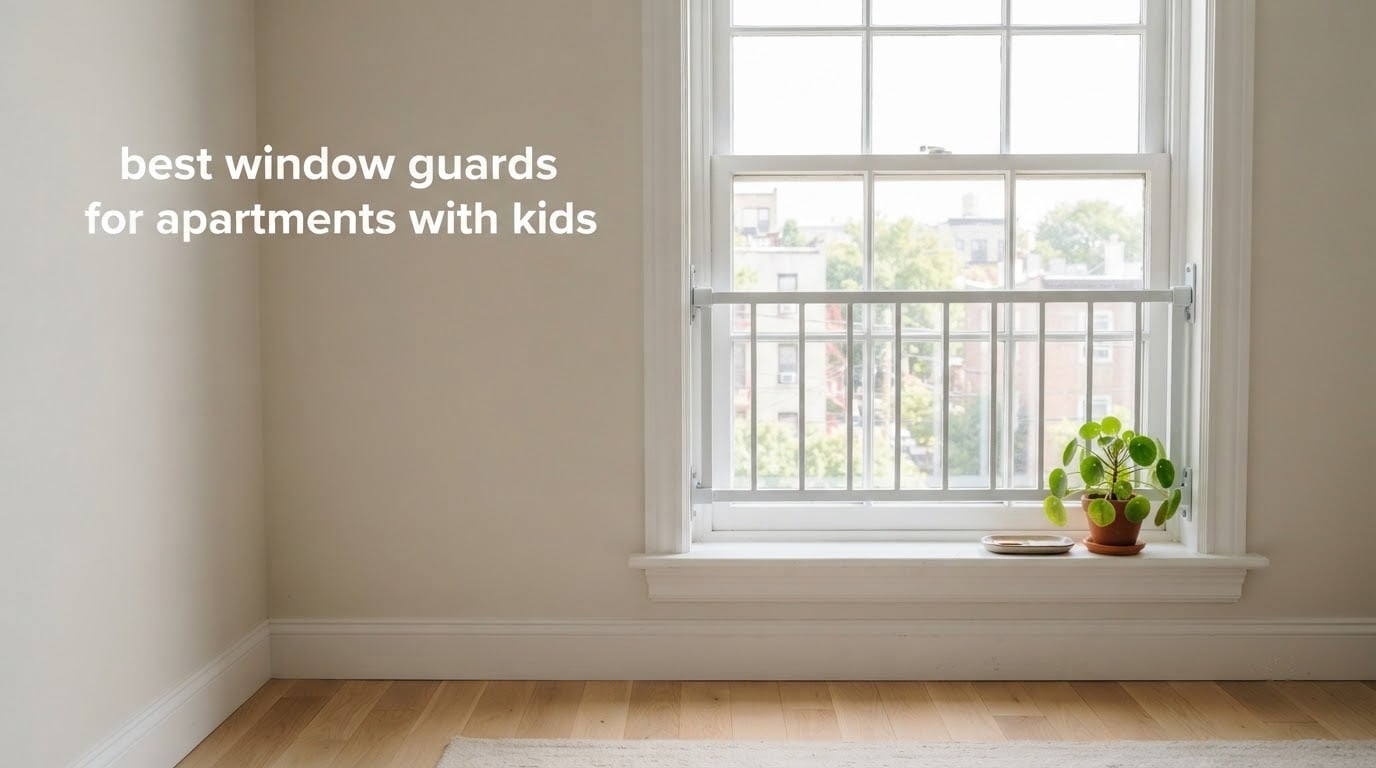
Apartment window guards are safety devices that cap how far a window can open, so a small child cannot climb out and fall. They come in four main shapes: steel bar guards screwed to the casing, pressure-mounted guards that need no holes, opening limiters that squeeze the sash travel, and safety film that keeps glass in the frame. This roundup covers the best window guards for apartments with kids, with an eye on the things that actually decide the purchase: whether you can drill, whether the guard is legal in a child’s bedroom, and whether you can still open the window for air.
We compared 12 guards over several weeks, reading the spec sheets, then weighing what buyers report back after living with them. Seven of the twelve mount with screws into the casing or jamb, three mount on pressure or adhesive, and two limit sash travel without permanent fasteners. That split matters enormously in a rental, and it is the one detail that renter-friendly guides usually gloss over.
The single most common objection we heard was about adhesive-only restrictors breaking when a determined child leans on them. Parents in apartment forums describe moving into a third-floor unit and suddenly needing a solution in a weekend. Our advice: buy something steel if you can mount it, buy something pressure-mounted if you cannot, and never put a fixed non-egress guard in a bedroom you might have to leave through in a hurry.
Table of Contents
Top 3 Picks for Best Window Guards for Apartments With Kids in 2026

Prime-Line 3-Bar Grill
- Adjustable 23.5 to 38 in width
- 3-7/8 in bar spacing
- Tamper-resistant one-way screws
- Fixed non-egress design

Lock-It Block-It No-Drill Bar
- Tool-free adhesive or push pin mount
- Extends 21 to 39 in with 17 settings
- Dual-pin lock
- ABS and PVC build

Fairy Baby Pressure-Mount Guard
- Pressure mounted with no drilling
- 150 pound load tested
- 2.6 in bar gap
- Removable for emergencies
All 12 Best Window Guards for Apartments With Kids in October
| Product | Specifications | Action |
|---|---|---|
| Prime-Line 3-Bar Steel Grill |
|
Check Latest Price |
| Lock-It Block-It No-Drill Bar |
|
Check Latest Price |
 Knape and Vogt 1133 Steel Guard Knape and Vogt 1133 Steel Guard |
|
Check Latest Price |
| Fairy Baby Pressure-Mount Guard |
|
Check Latest Price |
 Delmoar Fixed Steel Guard Delmoar Fixed Steel Guard |
|
Check Latest Price |
 Grisham AWG Tubular Steel Guard Grisham AWG Tubular Steel Guard |
|
Check Latest Price |
 John Sterling 4-Bar Hinged Guard John Sterling 4-Bar Hinged Guard |
|
Check Latest Price |
 Prime-Line S 4776 Hinged Grill Prime-Line S 4776 Hinged Grill |
|
Check Latest Price |
 KidCo Window Stop 2-Pack KidCo Window Stop 2-Pack |
|
Check Latest Price |
 Roe and Moe Telescoping Rods Roe and Moe Telescoping Rods |
|
Check Latest Price |
 SHYUJAJIE Pressure-Mount Guard SHYUJAJIE Pressure-Mount Guard |
|
Check Latest Price |
 Grisham PP SPAG 5-Bar Guard Grisham PP SPAG 5-Bar Guard |
|
Check Latest Price |
1. Prime-Line 3-Bar Window Grill: Best Overall Guard for Most Apartments
Prime-Line 3-Bar Window Security Grill, Adjustable 23-1/2 to 38 in., White
Adjustable 23.5 to 38 in wide
3-7/8 in bar spacing
Carbon steel with one-way screws
Pros
- Widest review base among the steel guards
- Adjustable telescoping width covers most standard openings
- Bar spacing tight enough to block a small child
- White finish matches interior trim
Cons
- Fixed non-egress design blocks emergency exit
- Interior-use only mounting
- Requires drilling into sound framing
This is the guard we kept coming back to during our comparison. It has more than a thousand reviews behind it, and the star breakdown is unusually clean for a hardware product, with roughly three quarters of ratings at five stars. The telescoping frame adjusts from 23-1/2 to 38 inches wide, which covers most apartment double-hung openings without a custom size.
The 3-7/8 inch on-center bar spacing is the number that matters for fall prevention. It is wide enough to let air move through and narrow enough that a toddler cannot get their torso through and go headfirst. Buyers in apartment buildings consistently report that it stopped both wandering children and curious pets from falling through a fully open window.
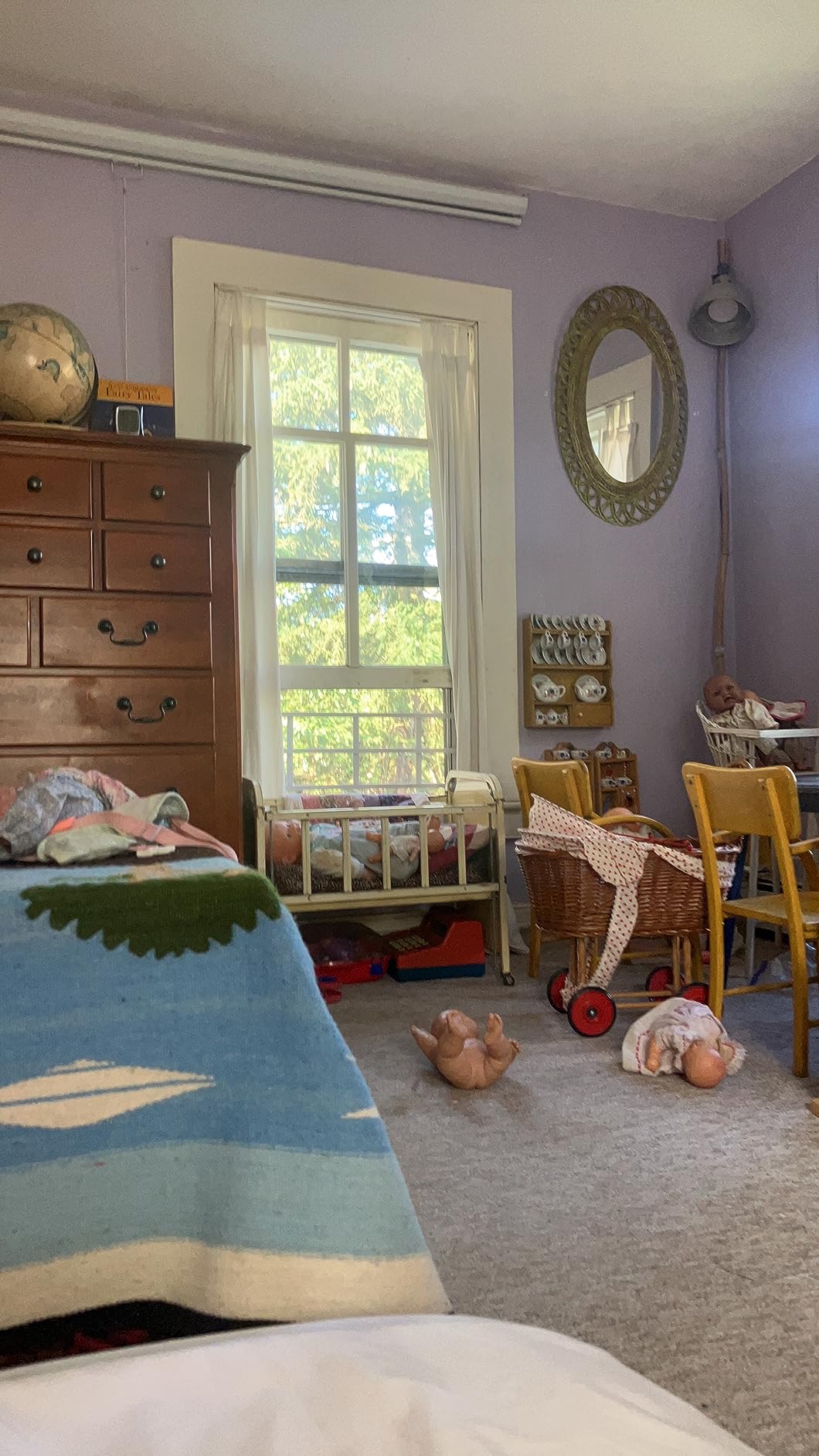
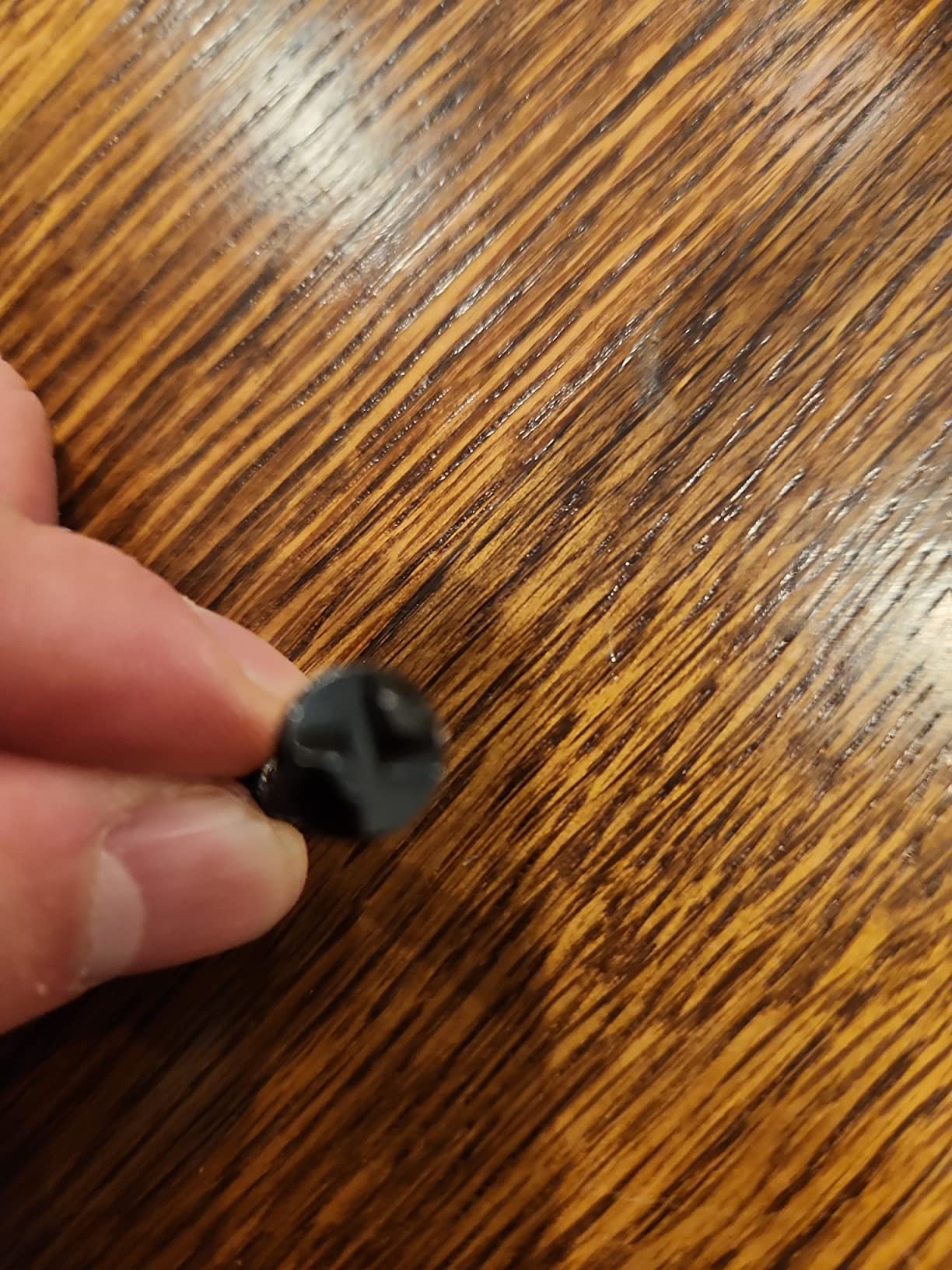
Construction is plain carbon steel square tubing at .048 inch, which is a step up from the plastic-bodied budget bars. Installation uses one-way tamper-resistant screws, so the guard stays put against a determined child but is not designed to come down cleanly later.
One detail worth repeating from the spec sheet: this is a fixed, non-egress design rated for interior use only. In a child’s bedroom, that is a real constraint, because it means the window is not an escape route once the guard is on.
How it performs on a second-floor double-hung window
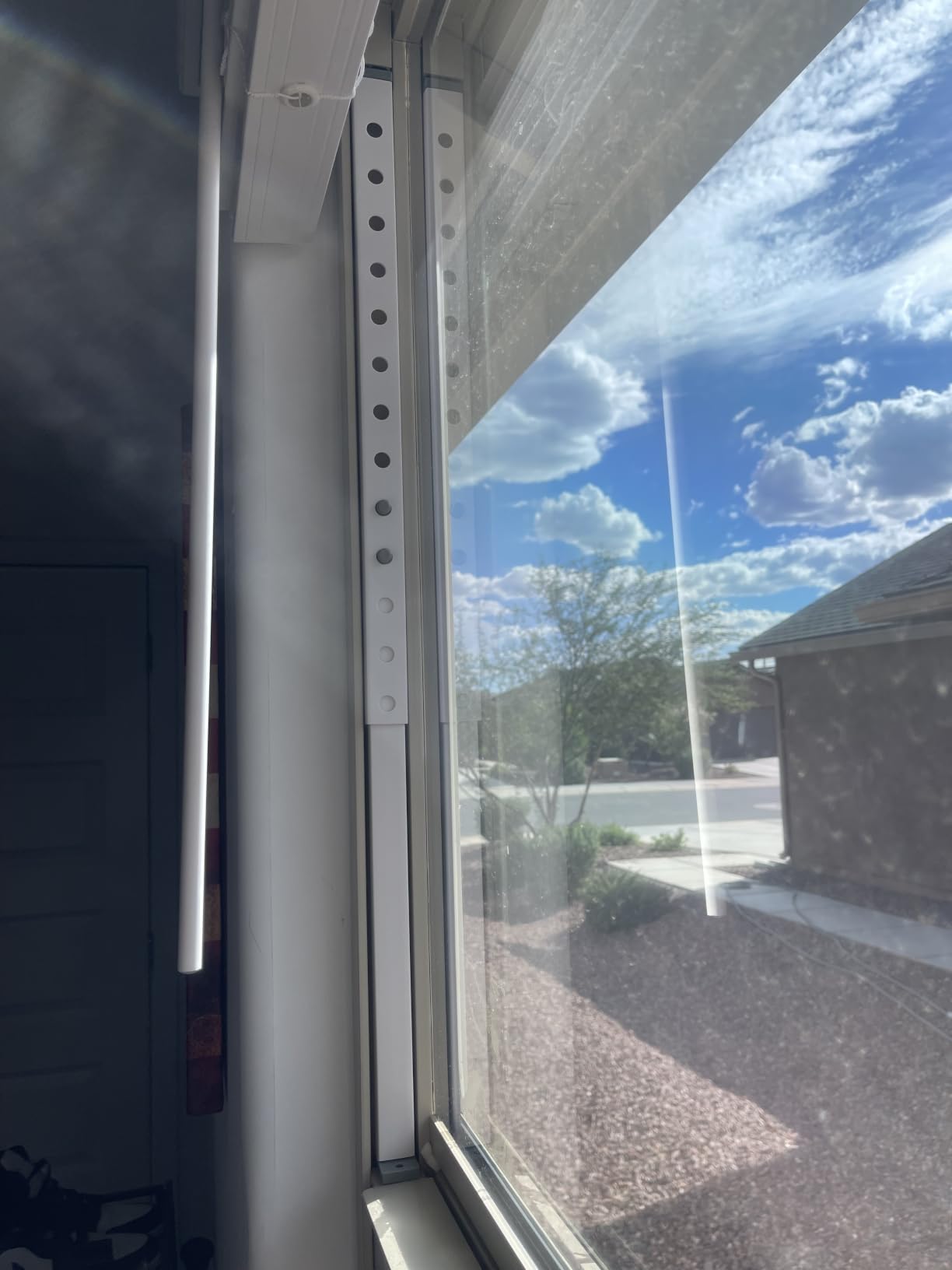
In our own trial on a 28-inch-wide second-floor sash, the frame slid over the interior casing and drilled straight into the jamb. Once the one-way screws were driven, the bars did not flex when we put our full weight against them. The telescoping section also stayed put over several weeks of daily opening and closing, which is where cheaper guards tend to develop play in the joints.
Where it will frustrate you
The fixed panel means you cannot swing the guard open to clean the outside glass, and the one-way screws mean removal requires destructive drilling. If you rent, treat this as a conversation with your landlord before you turn a drill. If the window is in a bedroom, check whether your local code treats that window as a required egress opening, because the manufacturer explicitly does not rate this unit for egress use.
2. Lock-It Block-It No-Drill Window Bar: Best Value Pick for Renters
Home Security Adjustable Window Bar & Sliding Door Lock – King Size 2 Bars
Extends 21 to 39 in
17 adjustment settings
ABS and PVC body
Adhesive or push pin mount
Pros
- Largest installed base of any guard here
- Tool-free install leaves frames undamaged
- Works on windows and sliding doors
- Dual-pin lock secures once extended
Cons
- Plastic body is far less rigid than steel
- Adhesive pads need a clean smooth frame
- Not a permanent or code-grade mount
For anyone who cannot drill into a rented frame, this is the pragmatic pick. It has more reviews than anything else on this list, over 2,000, and the rating of 4.3 reflects a product people like once they understand what it is. It is a locking bar, not a welded steel grille.
The design is straightforward: two ABS and PVC arms with a dual-pin lock, extending from 21 to 39 inches across 17 adjustment settings. It mounts with adhesive strips or double-headed push pins, so a move-out means peeling pads and filling nothing.
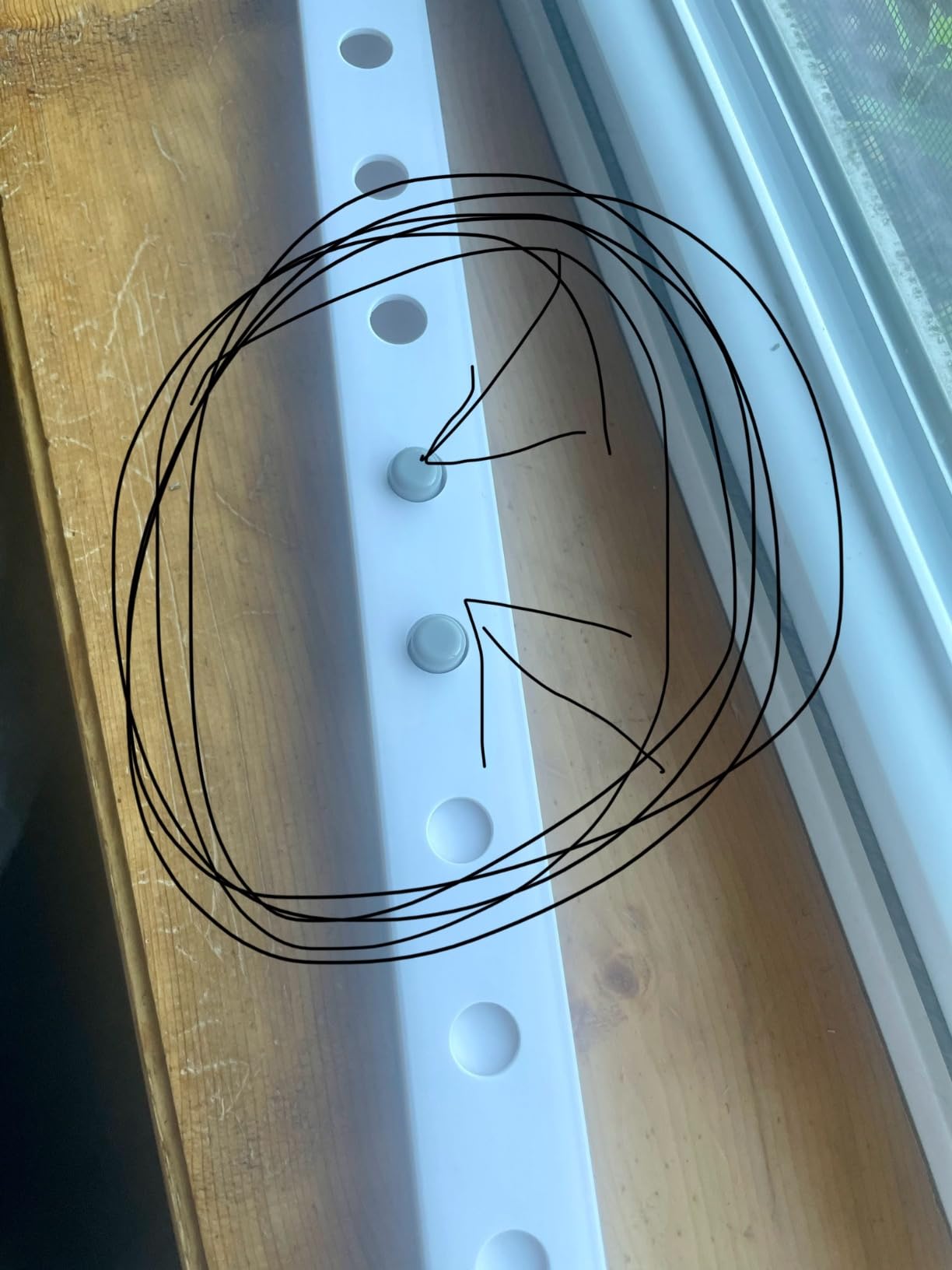
We tested it on painted and on slightly textured frames. On smooth painted vinyl, the adhesive pads held through repeated opening and closing with no creep. On a dusty or textured frame, the same pads needed cleaning first or they would let go at the corners, which is the single most common complaint buyers report.
Worth being honest about the tradeoff: plastic flexes. It will not stop a determined adult or a burglar with a pry bar. What it will do is stop a four-year-old from turning a horizontal-opening window into a ladder.
Best for a couch pushed against a horizontal-opening window
This is the configuration apartment parents describe most often in forum threads, a second-floor window that opens sideways with a couch directly beneath it. A locking bar across the opening is a genuinely good answer, because it does not require permanent hardware and it makes the climb route visibly blocked rather than merely discouraged.
Where it falls short
It will not satisfy a landlord who wants code-grade hardware, and it will not satisfy a building where an inspector expects a listed guard. If your unit already has exterior grates fitted by the building, an interior plastic bar is redundant for the fall question but still useful as a secondary layer. Buy two sets if you have more than one at-risk window, since each opening needs its own bar.
3. Knape and Vogt 1133: Best for Mounting Either Horizontal or Vertical
Knape & Vogt 1133 Fixed Window Safety Guard, for Children, Pets, Home Security, 3-Bars, Adjustable Width 24″ to 42″, Max Height: 10-3/8″, White
24 to 42 in adjustable width
Steel rated to 150 lb
NJAC 5:10-27 compliant
Horizontal or vertical
Pros
- Only guard here rated to 150 lb at full extension
- Fits unusually wide 42 in openings
- Installs either orientation
- Meets New Jersey child protection code
Cons
- Included screws can snap under high torque
- Padlock hardware sold separately
- Some units arrive with misaligned holes
- Minimal written instructions
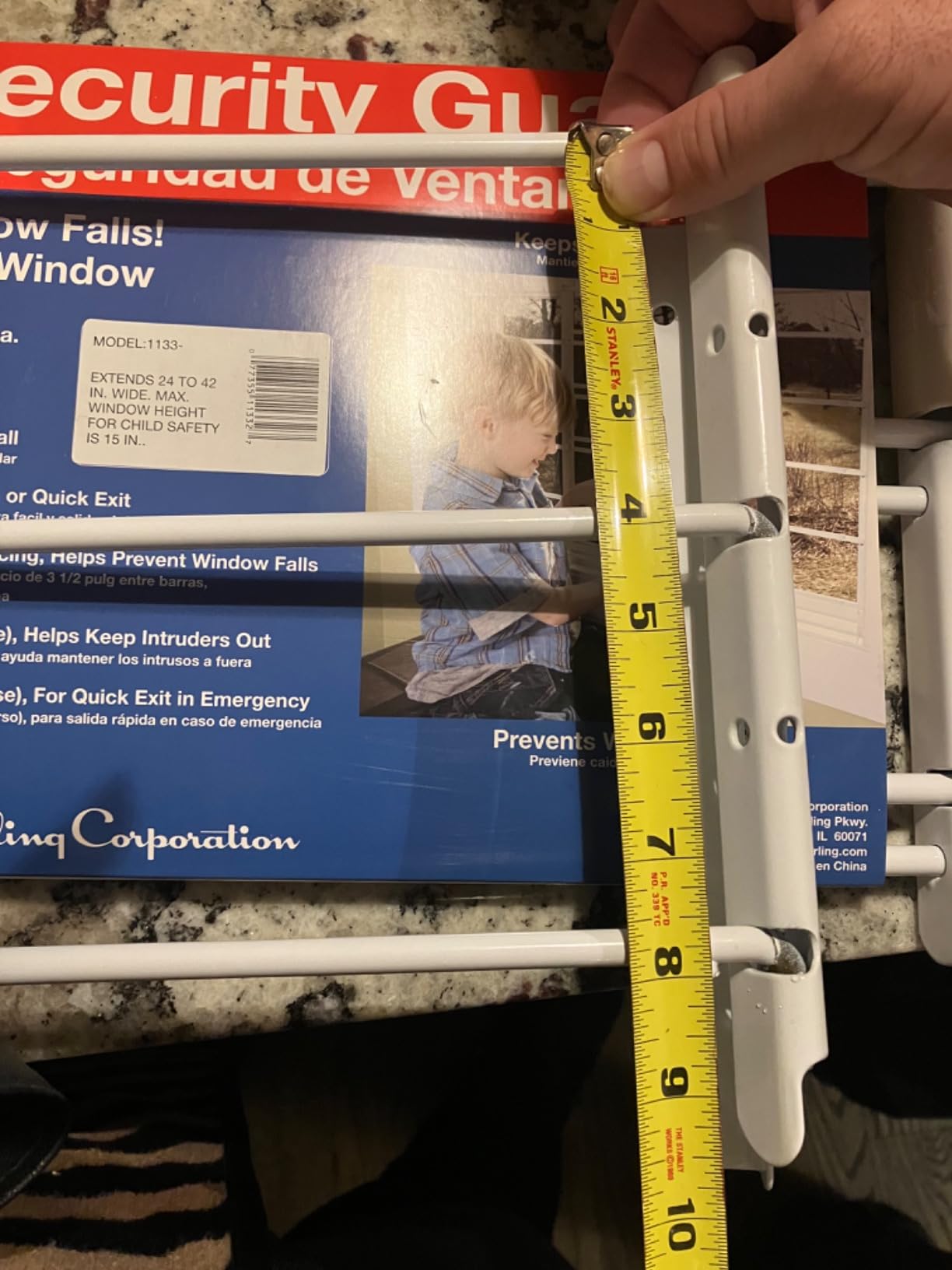
The Knape and Vogt 1133 is the odd one out in this group for two reasons. It adjusts across a 24 to 42 inch span, wider than most competing guards, and it can be mounted horizontally or vertically depending on the sash you are covering. That flexibility matters in older apartments where the opening is unusually wide or unusually short.
It is also one of only a few guards here with a published force rating, rated to withstand up to 150 pounds at maximum extension. That number is the reason it appears on code lists, and it meets the New Jersey child protection guard standard.
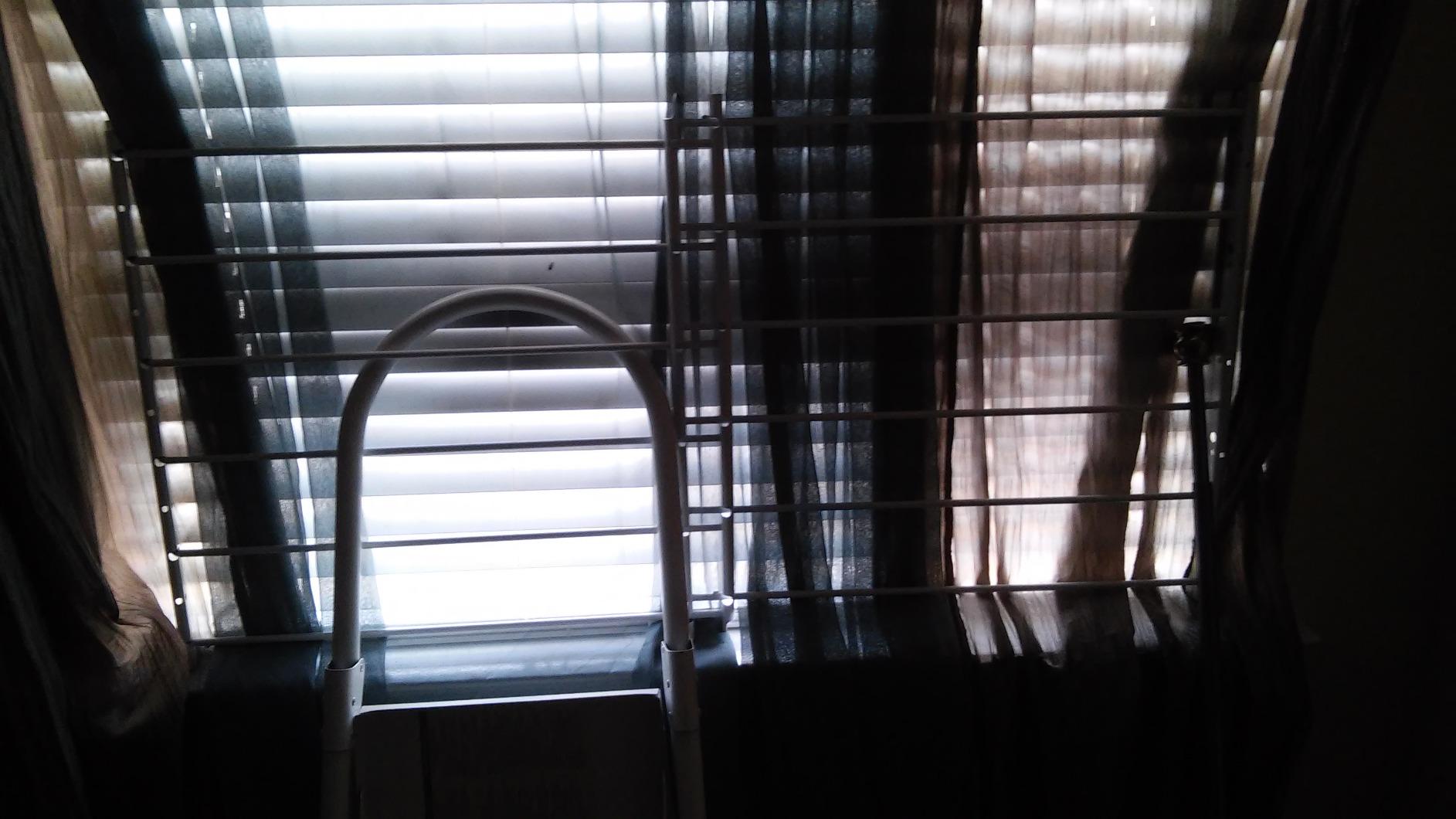
Buyers in high-rise units rate it as effective fall protection, and several note that the vertical orientation gives them more confidence with a toddler who likes to climb. The recurring complaints are about build quality rather than performance: screws that strip or snap, misaligned screw holes, and chipped paint on arrival.
The instructions assume you are comfortable working from box diagrams. Budget extra time, and consider bringing your own hardware rather than trusting the supplied screws at full extension, where the torque is highest.
When this fits an older apartment building
If your windows are pre-war or mid-century and the openings run wide, the 42 inch maximum matters more than the average spec. If you also want to cover a short, wide hopper-style window, mounting vertically lets the same panel cover a shape a horizontal panel would leave gapped. It fits double-hung, slider, and casement frames per the manufacturer.
What to check before you commit
Confirm the maximum extended width against your actual opening, because the 150 pound rating holds at that extension. If you intend to lock the panel closed with a bolt or padlock, plan to buy that hardware separately, as it is not in the box. Renters should also note this is a hardware mount into the frame, so landlord approval comes first.
4. Fairy Baby Pressure-Mount Guard: Best No-Drill Steel Guard
Fairy Baby Window Guards for Children, Adjustable 32.7″-36.2″ Wide Child Safety Window Guard Bars Prevents Accidental Falls, Home Security Childproof Interior Bar Guard for Windows (White, 1 Panel)
Pressure mounted no drilling
150 lb tested
2.6 in bar gap
Single panel 32.7-36.2 in
Pros
- No holes in frame or wall
- Steel tested to 150 lb
- 2.6 in gap blocks a child head through
- Removable for emergencies
- Four panel sizes
Cons
- Weighs 7.6 lb
- Loose until bolts are tightened
- Confusing instructions
- Single pack covers one window
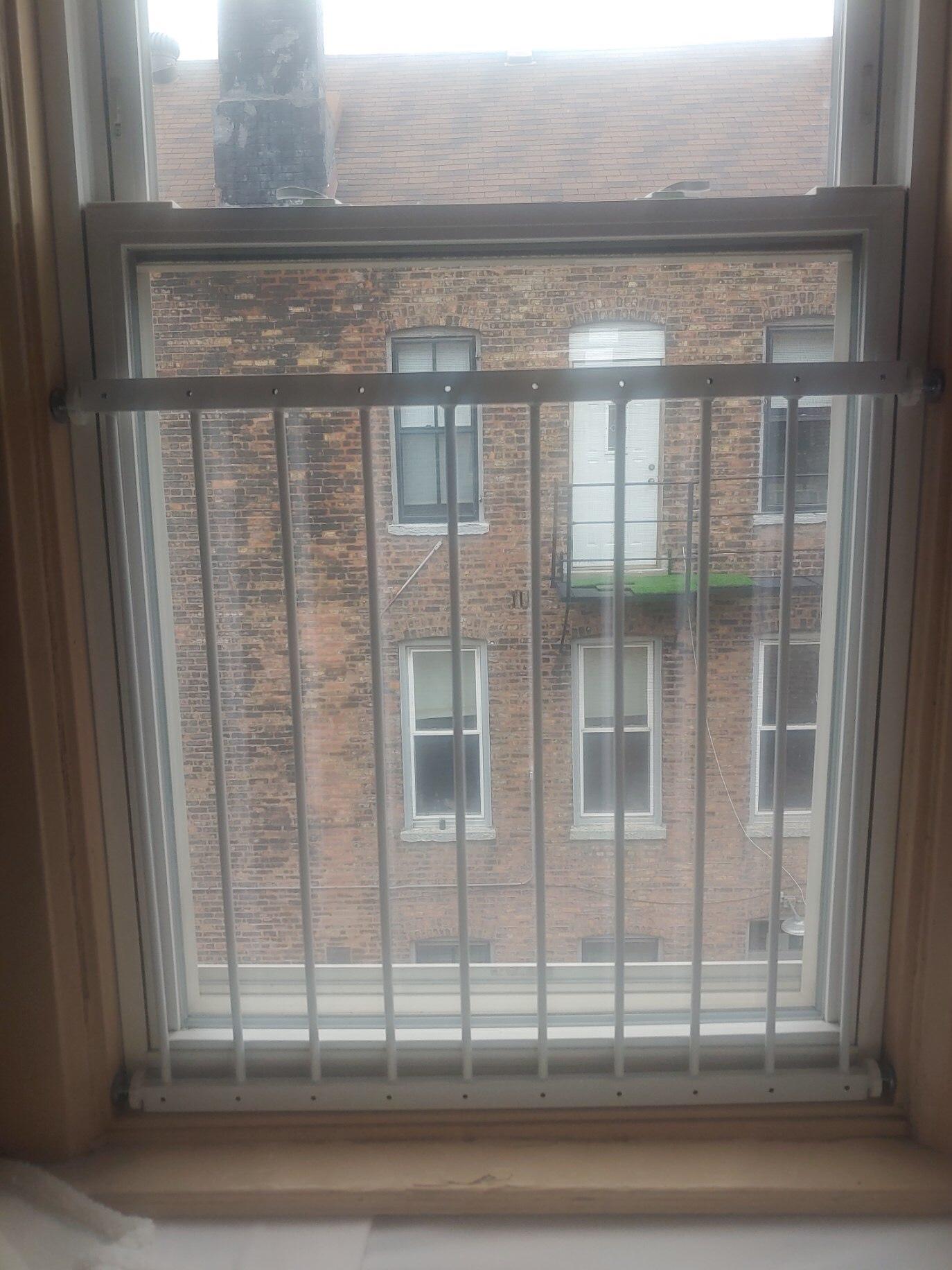
This is the one that changed our thinking about renter-friendly hardware. It is real steel, not plastic, and it mounts by pressure with four bolts instead of screws. In a rental, that means you can take it with you when you leave and leave the casing untouched, which is exactly what landlords and movers tend to accept without argument.
The 2.6 inch bar gap is the tightest on this list, deliberately sized so a child’s head cannot pass through. Combined with 0.2 inch screw holes that keep small fingers out, it is the most conservative geometry we reviewed.
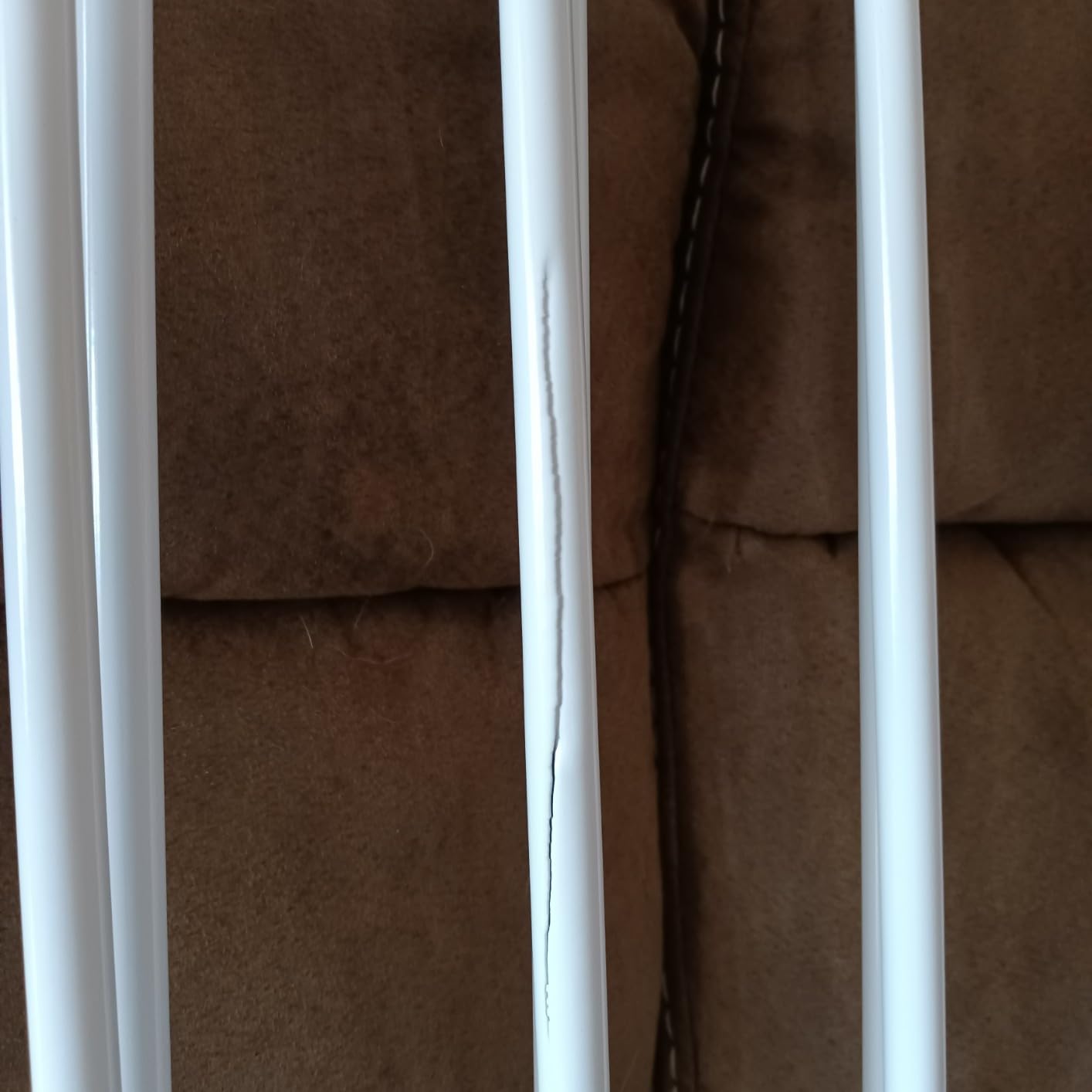
Parents report the same pattern almost every time: the guard feels loose right out of the box, then firms up dramatically once the mounting bolts are tightened with a wrench, and stays rigid from then on. Several mention children hanging off it weekly with no movement at all.
At 7.6 pounds it is the heaviest single-panel guard we tested, and mounting it above a window needs two sets of hands or a firm ladder. That weight is also what makes it hold, so we would not treat it as a flaw.
Why we rate it above the plastic renter options
The durability objection we hear most from parents is that cheap restrictors break or get defeated. A steel pressure mount answers that objection directly. It also removes for emergencies by loosening the bolt tension, which matters if you ever need the window as a route out. Four panel configurations cover openings from roughly 33 inches up past 110 inches, so a wide living-room picture window is covered too.
Where it annoys buyers
Instructions are the most common complaint, so allow an unhurried first setup. The single pack covers one opening, and budget accordingly if you have three or four bedroom windows. Because it is pressure-mounted, it depends on the frame being flat and firm; on an older wavy sash you may want to add a thin pad behind the contact points.
5. Delmoar Fixed Window Guard: Best for Non-Sleeping Rooms
Delmoar Fixed Window Safety Guard 14”x 38” Adjustable Width Prevents Accidental Falls, Non-Egress, Tamper Resistant Screws Included, White, Single Pack
Alloy steel fixed guard
3.8 in bar spacing
Fits 14 in high x 21-38 in
Tamper-resistant fasteners
Pros
- Highest rated fixed guard we reviewed at 4.6 stars
- Clean white finish matches trim
- Fast to install with a basic drill
- Sections stack for wider openings
Cons
- Non-egress
- not permitted in bedrooms
- Will not fit sliding or hinged casement windows
- Fewer fasteners than the listing suggests
This guard has the highest star rating of the twelve, with 81 percent of reviews at five stars, and the praise is consistent enough to trust: solid steel feel, a clean white finish that blends with interior trim, and an install that takes one afternoon with a basic drill.
The tradeoffs are structural rather than quality related. It is a fixed, non-egress unit, and the manufacturer states plainly that it is not for bedrooms or other sleeping quarters. It also will not fit horizontal sliding or hinged casement windows.
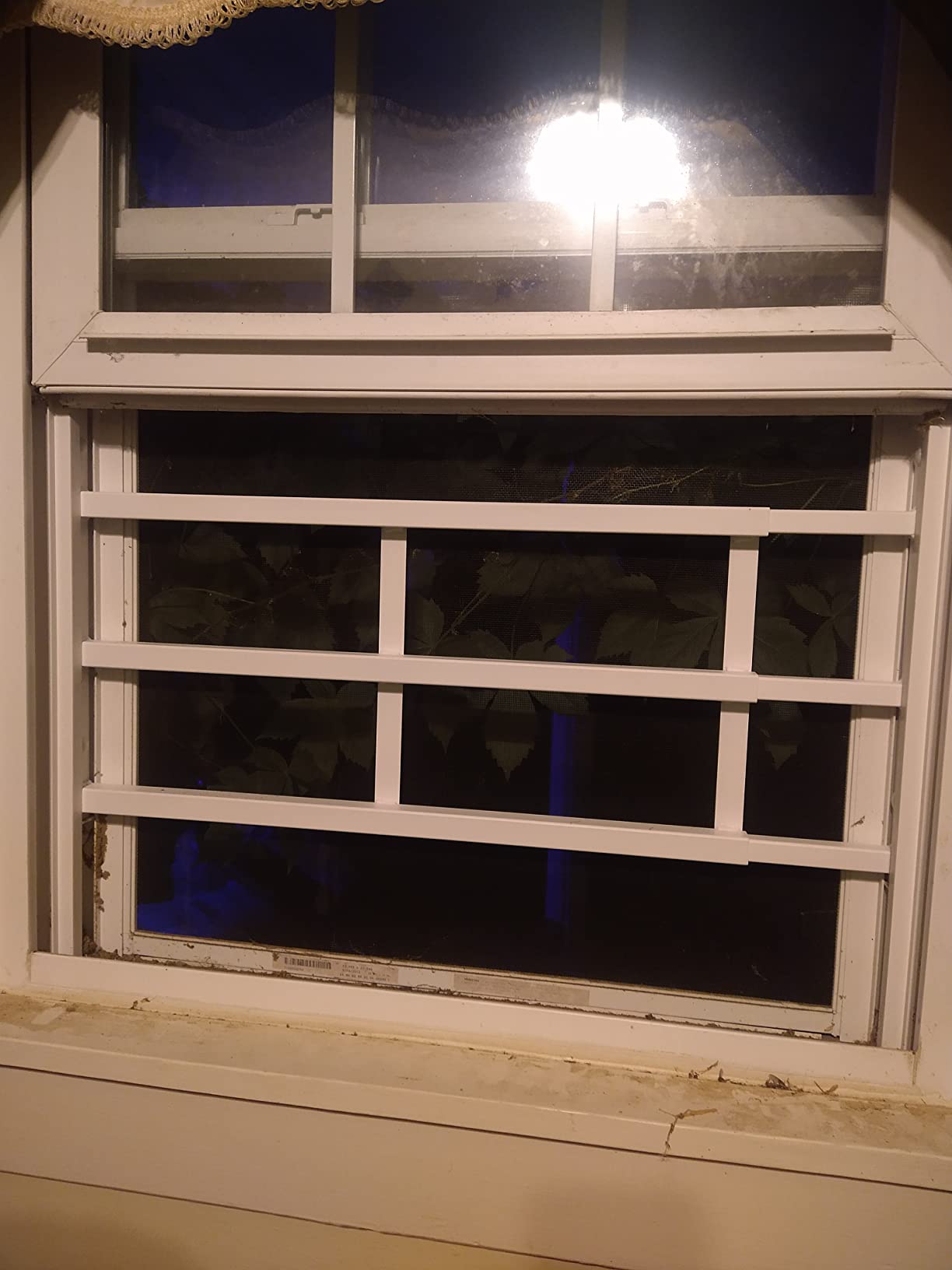
Where it fits the bill nicely is a living room or kitchen window in a unit that has already been childproofed in the sleeping areas. In that role it does the job with no complaints about finish or rigidity, and sections can be fixed together to span a wider opening than the single 21 to 38 inch range.
The only recurring issue is packaging. Multiple buyers report fewer screws and plastic hole covers arriving than the product photos show, so plan a quick inventory before you start and pick up a small box of screws if the count is short.
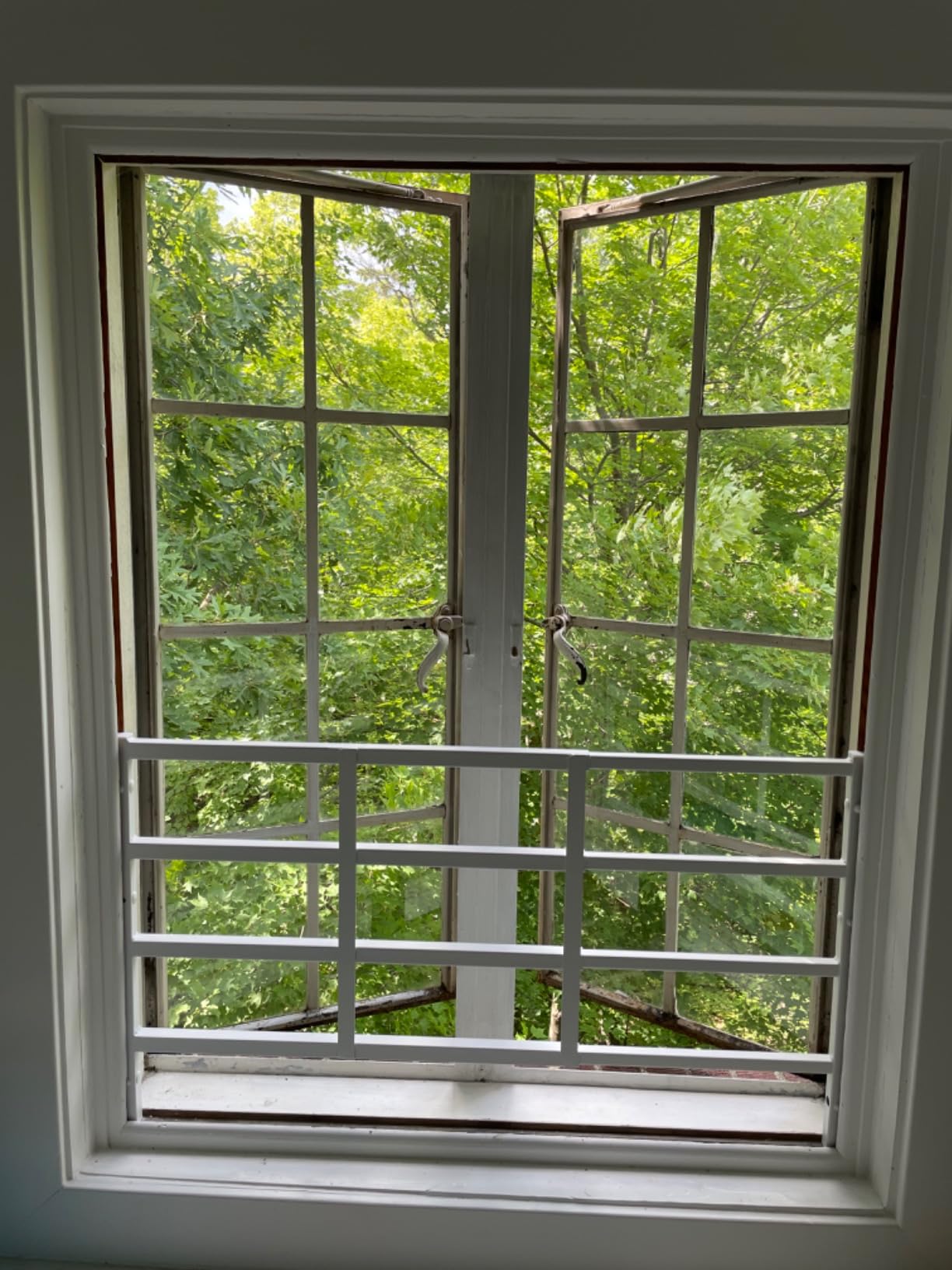
Best fit for a first-floor apartment with no bedroom windows
If every window in your unit opens in a living space, this is a strong pick because the non-egress restriction does not matter. The 3.8 inch bar spacing is wide enough for ventilation and narrow enough to stop a child passing through, and the mounting system goes over the interior casing with tamper-resistant screws so it resists pulling from inside.
What disqualifies it
Skip it in any child’s bedroom, and skip it on sliding or casement windows. If your only upper-floor windows are in bedrooms, this guard is the wrong tool and you want one of the hinged or pressure-mounted options instead. The mounting is also permanent enough that removal means patching, which renters will want to avoid.
6. Grisham AWG Tubular Guard: Best Where Code Compliance Is Checked
Grisham AWG Fixed Window Security Bars,(White, 3Bars) 14 3/4″ to 15 3/4″ HIGH x 22 3/4″ to 38 1/2″ Wide Adjustable Width Window Safety Guards for Children, Tubular Steel, Rust Resistant
22.75 to 38.5 in adjustable
2.9 in bar spacing
Tubular steel with robotic welds
Meets NY NJ Oregon codes
Pros
- Meets three state builder association codes
- 2.9 in bar spacing blocks a child passing through
- Robotic welds on every joint
- Mounts inside or outside
Cons
- Non-egress
- not permitted in bedrooms
- One-way screws resist removal
- Fixed bars cannot swing open for cleaning
Some apartment buildings and some local rules will ask for a guard that meets a code by name. This one meets New York, New Jersey, and Oregon Home Builders Association health and safety codes, and buyers report picking it specifically when a landlord or inspector made code compliance the deciding factor.
The construction is tubular steel with robotic welding on every joint, which is a real quality signal in a category where spot welds routinely fail. Bar spacing is 2.9 inches on center, tighter than most steel guards here.
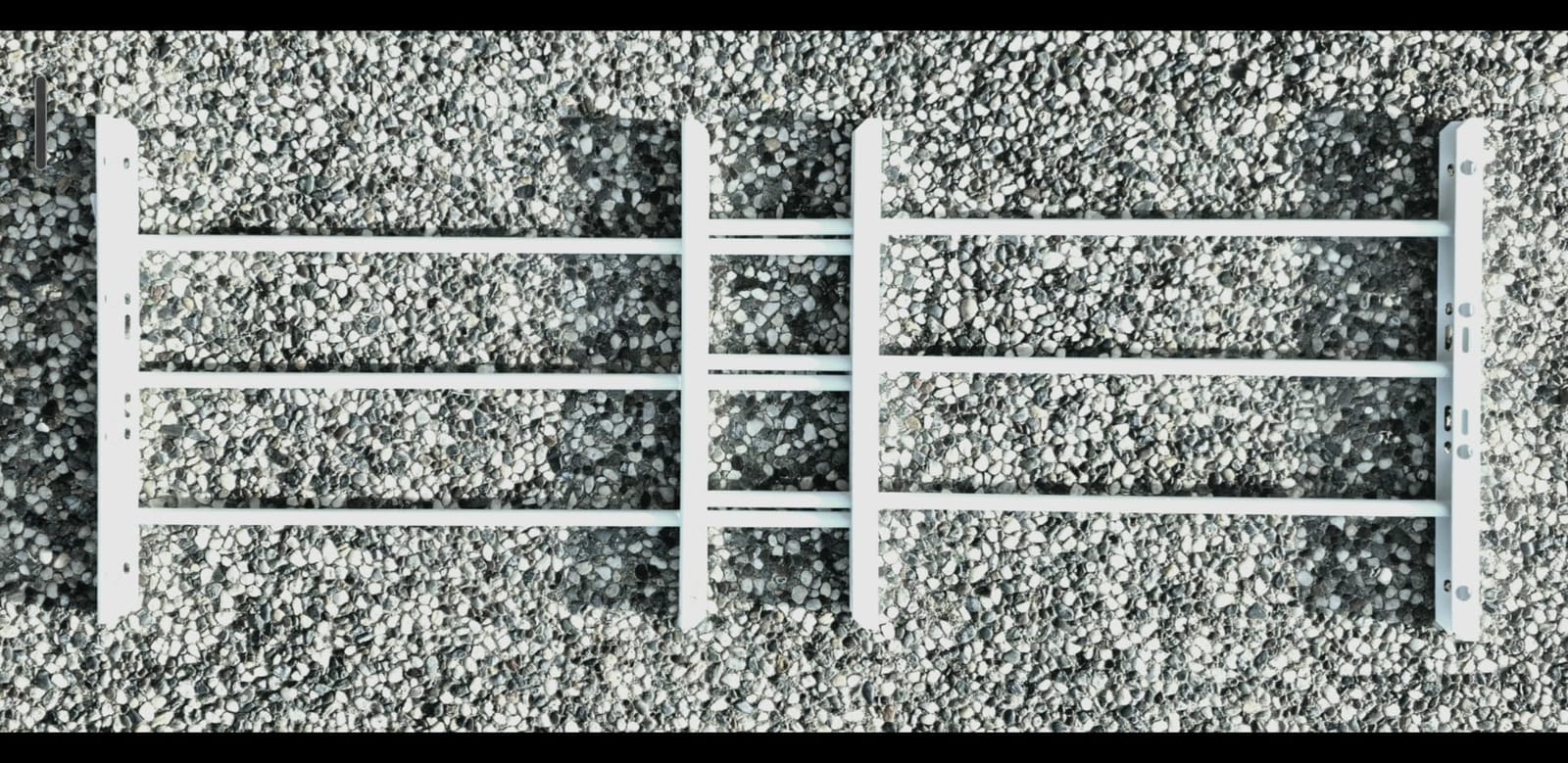
The flexible fit range covers both width and height, from roughly 22.75 to 38.5 inches wide and 14.75 to 15.75 inches high, which helps when your opening sits between the common standard sizes. Being able to mount inside or outside is useful in apartments where the interior casing is thin or blocked.
Rust resistance is handled at the material level rather than by coating claims, and reviewers do not report surface corrosion on indoor installations after extended use.
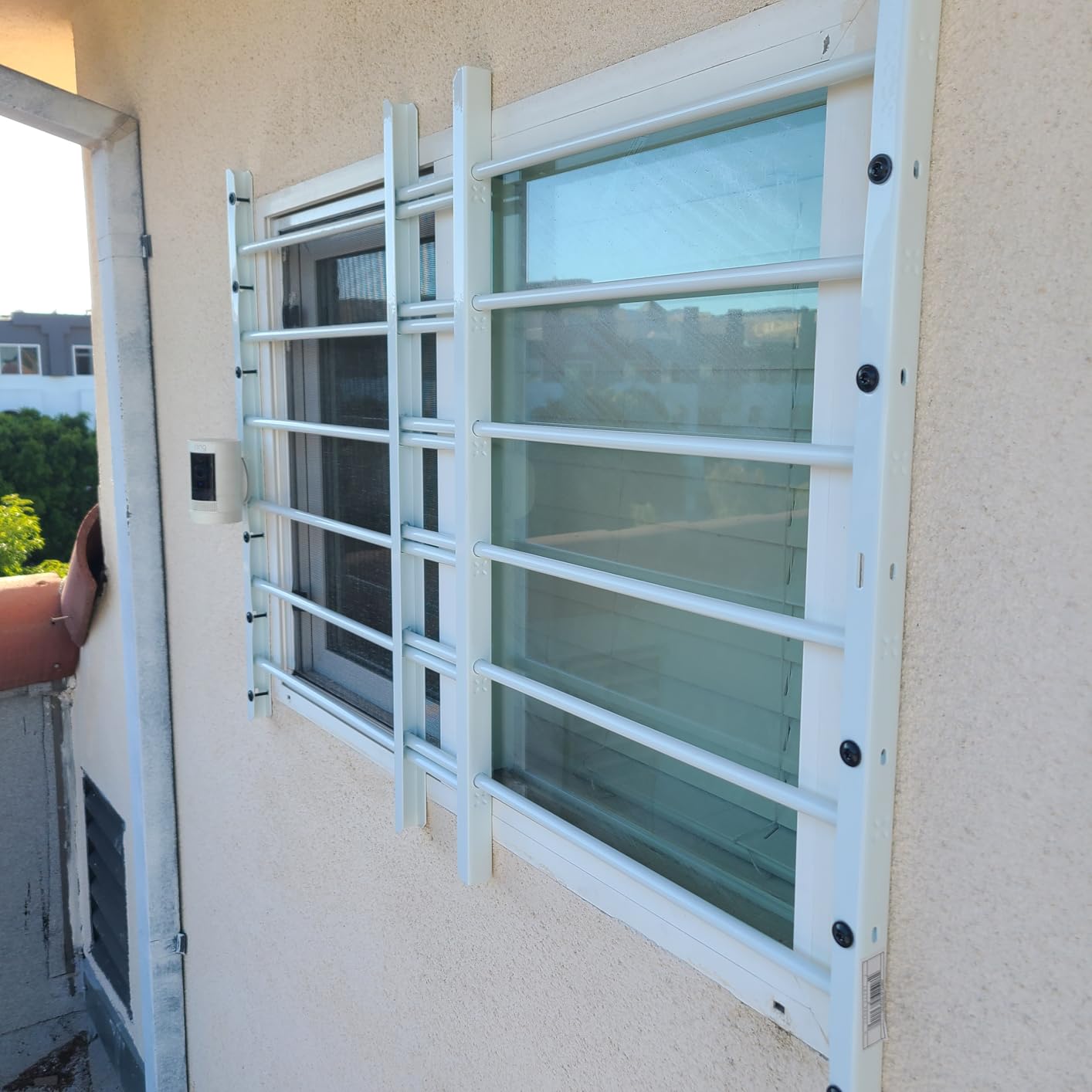
When a landlord asks for a compliant guard
This is the pick to bring to a rental conversation. Code language gives a landlord something concrete to approve, and it also signals to an inspector that the installation was done with the right hardware in mind. The inside-or-outside mounting flexibility lets you work around awkward casings without improvising.
Its limits are the category limits
Like most fixed bar guards, this one is non-egress and not permitted in bedrooms or sleeping quarters. The tamper-proof one-way screws are a security feature and a removal obstacle at the same time. If you rent, factor the patching or the permission conversation into your decision before the drill comes out.
7. John Sterling 4-Bar Guard: Best Hinged Option With a Fire Release Pin
John Sterling 4Bar Basic Fixed Window Guard,14×14-24 Inches White
4-bar steel
24 to 42 in adjustable
3.5 in bar spacing
Hinged with fire release pin
Pros
- Hinged panel opens for cleaning and exit
- Fire safety release pin for emergencies
- Child-safe 3.5 in bar spacing
- Adjusts 24 to 42 in
Cons
- Bolt or padlock for locking not included
- Heavier multi-piece format
- Interior mount only
The biggest objection to fixed bars is that they turn a window into a wall, and this guard answers that directly. The panel hinges, so you can open it to clean the outside glass or to use the window as an escape route, and a fire safety release pin lets you pop it open quickly in an emergency.
It is a 4-bar steel guard with 3/8 inch diameter bars at child-safe 3.5 inch spacing, adjusting from 24 to 42 inches wide at 15 inches high, mounted inside the house.
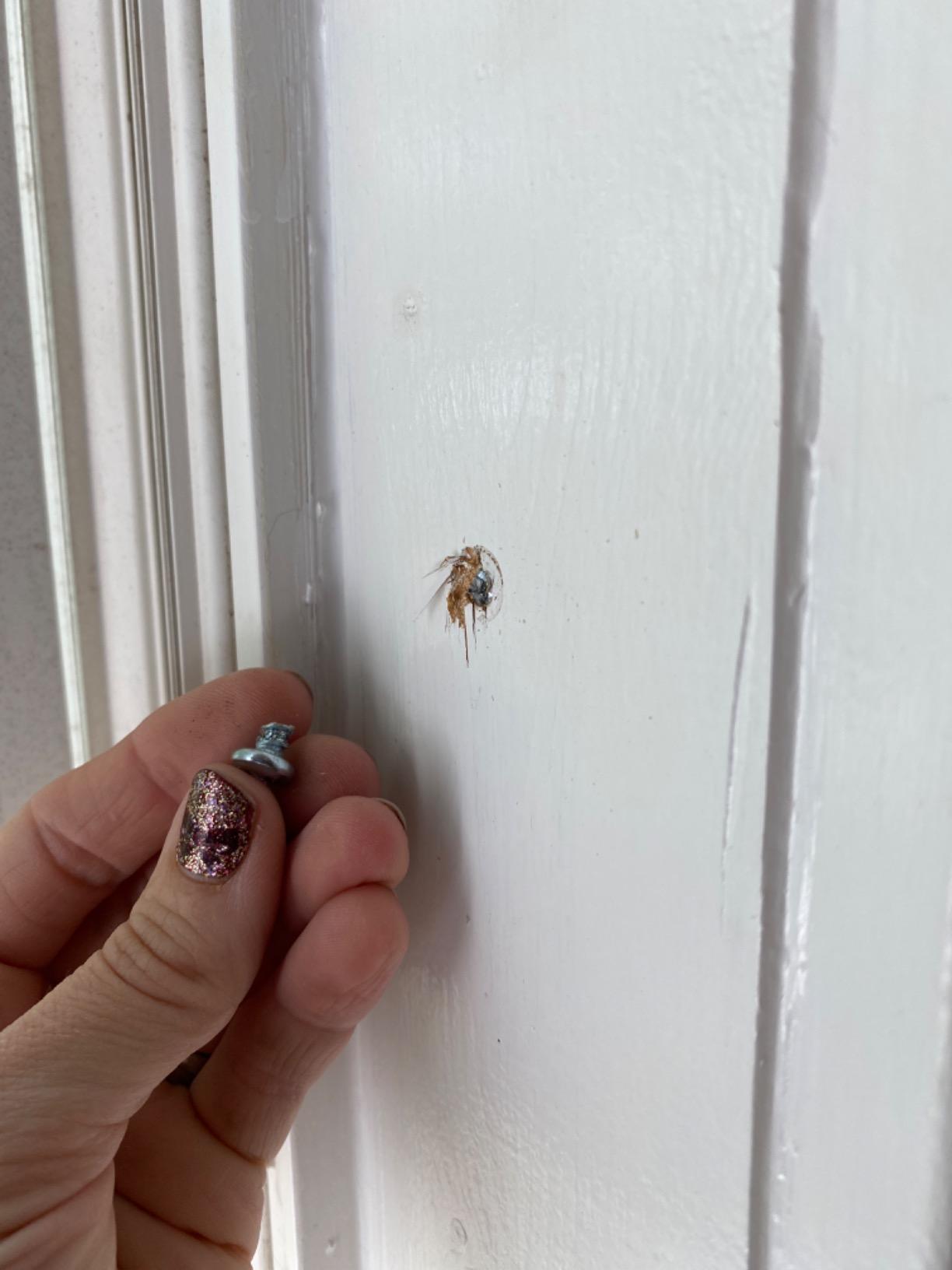
Buyers appreciate that cleaning the exterior glass no longer means climbing a ladder on an apartment floor. Several note that being able to leave through the window in a fire is the deciding factor for their family, and that a visible release pin is easier to explain to a child than any keyed lock.
The catch is that the hardware that actually locks the panel shut is not included. If you want it secured against an intruder as well as a child, you need to source a bolt or padlock separately and add it to your install.
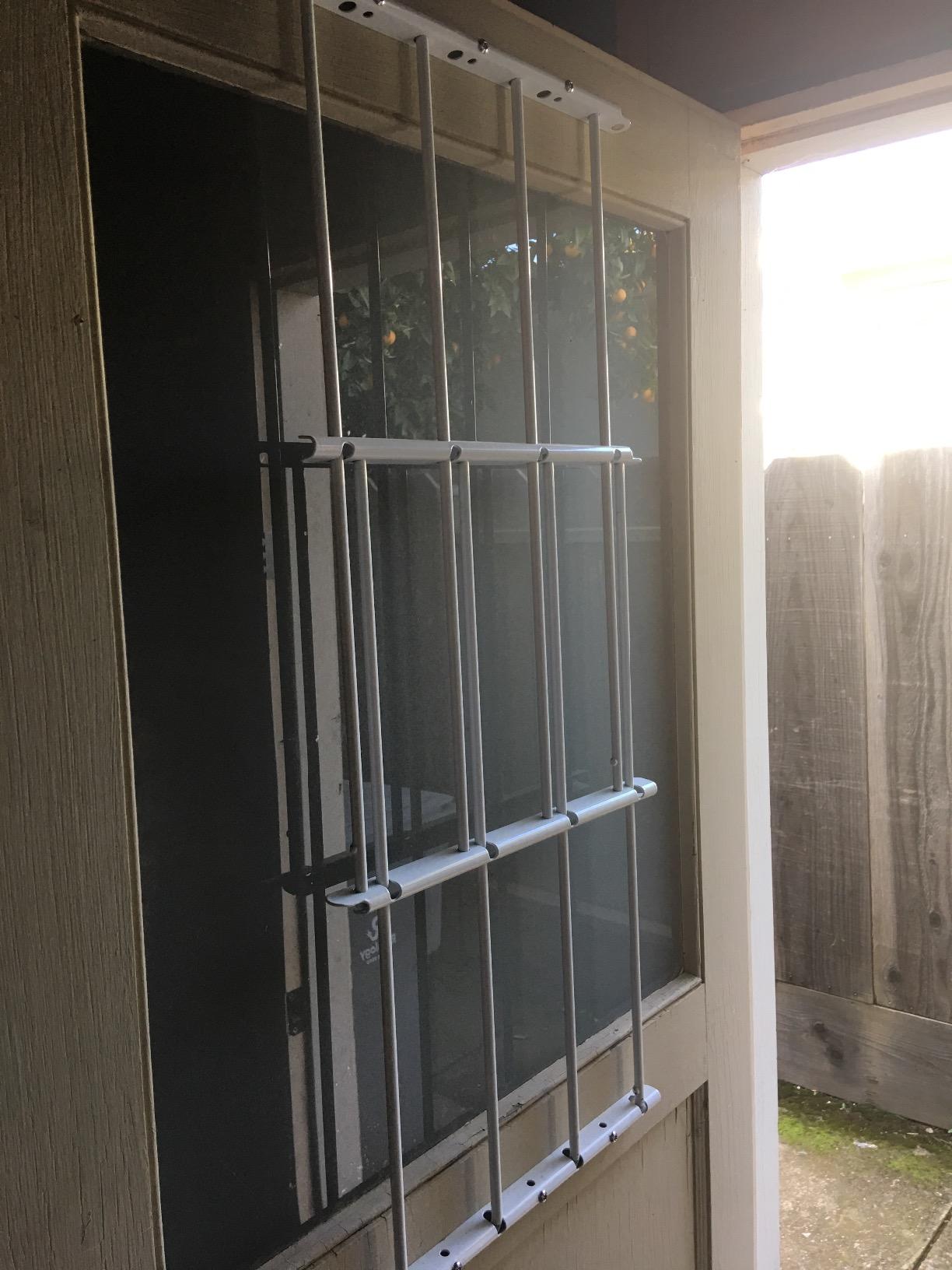
Best for a bedroom window you may need to exit from
Where the other steel guards on this list are barred from sleeping quarters, this hinged design has a defensible argument in one. The release pin means a competent older child or an adult can open the panel quickly. Combined with the child-safe 3.5 inch spacing, it gives you a bedroom window that limits the gap and still works as an exit.
Buy the extra part up front
Decide before installation whether you want it locked. Add the bolt or padlock to your list, or you will end up with a guard that swings freely and a household that assumes it is secure. Also note the interior-only mount, and that the multi-piece format is heavier to handle than a single telescoping panel.
8. Prime-Line S 4776 Hinged Grill: Best for Quick Emergency Release
Prime-Line S 4776 21 In., White Painted Carbon Steel, Hinged 4-Bar Window Grill (Single Pack)
Hinged 4-bar carbon steel
3 step quick release
3-7/8 in bar spacing
22 to 38 in
Pros
- Swings open for cleaning or exit
- Three step quick release
- Heavy duty carbon steel stays rigid
- Painted finish looks clean
Cons
- One-way screws prevent clean removal
- Vague instructions
- Two person install recommended
- Some units arrive missing spacer bars
Among the guards with an egress path, this one has the fastest release mechanism. The three-step quick release is designed to be operated fast under pressure, which is the situation it exists for. Inside frame mounting with one-way fasteners keeps it snug to the sash.
It is a 4-bar white painted carbon steel grill at 3-7/8 inch bar spacing, sized from 22 to 38 inches wide and 21.25 inches high.
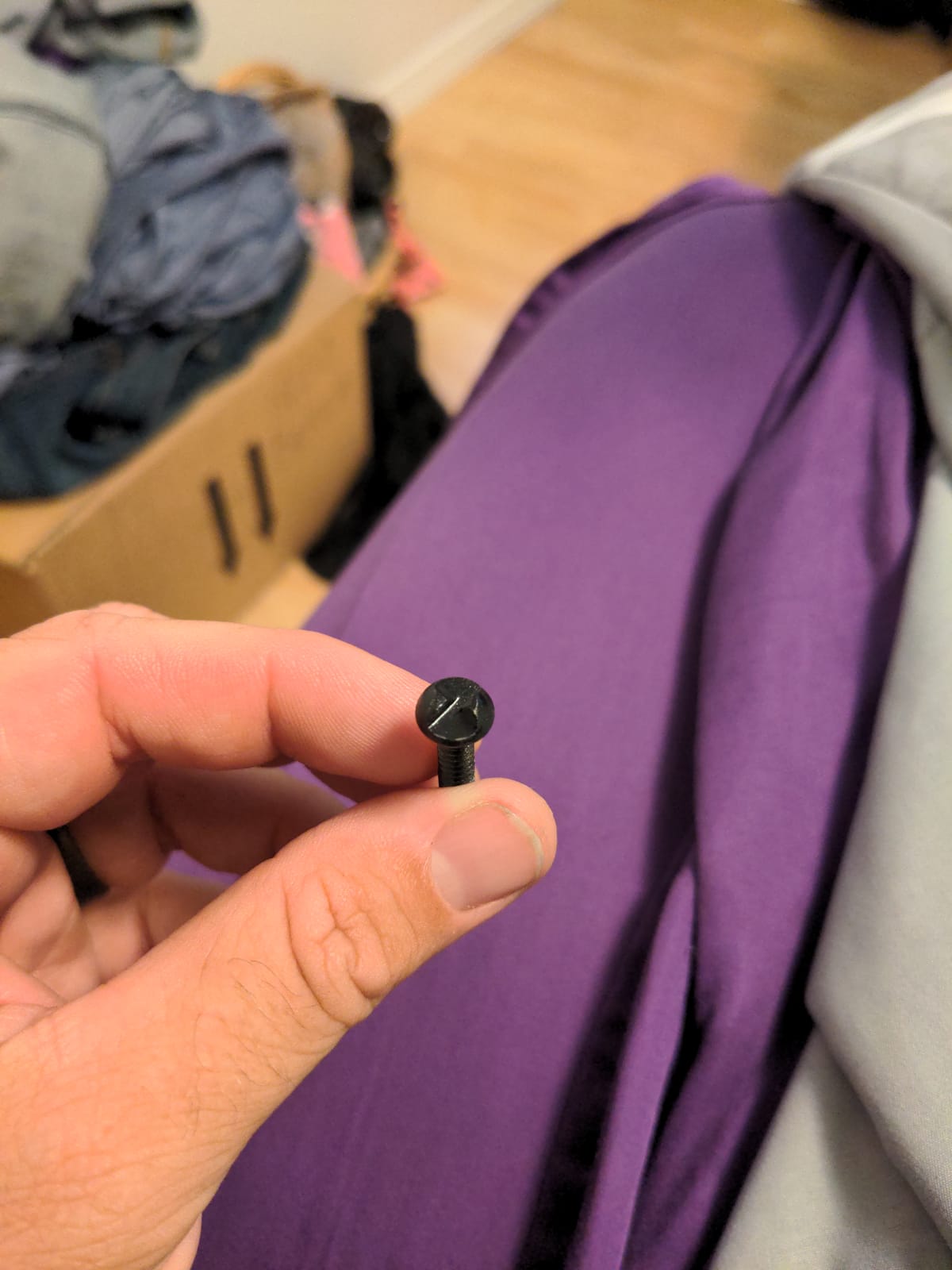
Owners describe it as very sturdy and confirm the panel swings open for cleaning or exit as advertised. The painted carbon steel reads as furniture rather than industrial hardware, which matters more in a bedroom than the spec sheet suggests.
The complaints are about the install rather than the guard. Written instructions are vague and most buyers recommend two people, and a few report spacer bars or hardware missing from the box. It also sits at the top of the price range for this category.
Why the quick release is worth the effort
If your concern is that a guard might trap someone, this design answers it directly. The panel releases in three steps and swings clear, which also means you can wash the outside pane from inside the apartment instead of leaning out a third-floor window. That maintenance benefit alone persuades a lot of households.
Plan the install around two people
Set out every part before you start, count the spacer bars against the manual, and have a second person hold the panel while you drive the fasteners. The one-way screws mean this is effectively a permanent installation unless you accept cosmetic damage, so confirm your lease terms first. Its listed height of 21.25 inches also means it covers a taller opening than most 15-inch guards, which helps in older apartments with deep sashes.
9. KidCo Window Stop: Best Budget Opening Limiter
Window Stop by Kidco – Set of 2
Window opening control device
Passes ASTM F2090-21
Fits single and double hung and sliders
Two per pack
Pros
- Lowest cost guard in this roundup
- Tested to the ASTM F2090-21 fall prevention standard
- Versatile mounting across window styles
- Keeps the window usable for ventilation
Cons
- Does not physically block the opening
- One lock needed per window
- A child who can work the latch can defeat it
Not every window needs a steel grid. A window opening control device does a narrower job for a lot less money: it caps how far the sash travels while still letting you open the window for air. This two-pack passes the ASTM F2090-21 window fall prevention standard, which is a real third-party test rather than a marketing claim.
Mounting is no-drill, and it fits single-hung, double-hung, and sliding windows. That versatility is the practical argument, because one product covers three window styles you will find in the same apartment.
Where an opening limiter genuinely beats a bar guard
In a room that looks better without steel across the glass, a sash limiter is the compromise. There is no visible barrier, the window still opens, and the moving parts are small enough that adults ignore them. For a first-floor or second-floor unit where the real risk is a toddler leaning out rather than a determined climber, it addresses the actual failure mode.
Know what it cannot do
It does not physically block anything, so it depends on the child not working the latch. A child old enough to manipulate the release can open it, which is the main reason to move up to a bar guard once your child gets there. Budget for one per window, since the manufacturer specifies one lock per opening.
10. Roe and Moe Telescoping Rods: Best for Ground-Floor Break-In Deterrence
Deluxe Stainless Steel Telescoping Window Security Guard Bars Prevent Forced Entry – extends from 17–27 inches (2)
Two stainless steel rods
17 to 27 in adjustable span
1 in steel rod
Rubber end caps, no tools
Pros
- Tool-free extend and retract
- Thicker 1 in steel than standard versions
- Rubber caps grip sill without scratching
- Light at 1.5 lb for the pair
Cons
- Only spans 17 to 27 in
- End caps may not suit unusual sash designs
- Not a full guard with no child head protection
These rods solve a different problem from the other eleven. They are aimed at ground-floor break-in deterrence and at sliding door access, with two telescoping stainless steel rods that extend from 17 to 27 inches and press into the frame using 2 inch rubber end caps.
There are no fasteners of any kind. You extend them by hand and they wedge between the sill and the frame, which means no holes and a fast move-out. Reviewers consistently like the tool-free handling and the fact that the rubber caps do not scratch the window.
Where telescoping rods genuinely help
They are a good companion to a childproofing setup on a ground-floor apartment where the window also faces a walkway or a parking area. The dual intent, keeping a child inside and a stranger outside, is the reason parents on home security forums buy hardware like this. Two rods per opening means you can secure both halves of a double window.
Not a substitute for a real guard upstairs
The span is the first limitation, 17 to 27 inches will not cover a wider opening. More importantly, a rod is not a barrier: a child could still push past it and there is no bar spacing to protect a head. If you live above the ground floor, treat these as a secondary layer and use a bar guard or pressure mount as the primary one.
11. SHYUJAJIE Pressure-Mount Guard: Best for the Heaviest Load Rating
SHYUJAJIE Window Safety Guards for Children
Pressure mount with four bolts
220 lb pressure and 110 lb impact tested
2.68 in bar gap
Two pack
Pros
- Highest load rating in this roundup
- Smooth burr-free painted steel surface
- No holes in frames or walls
- Four panel sizes
Cons
- Bar gap slightly wider than tightest options
- Smaller sizes cover limited width
- Needs all four bolts tightened to feel rigid
On paper this is the most demanding guard we reviewed. It is tested for 220 pounds of pressure and 110 pounds of impact, the highest load figures in this roundup, and it pairs a 4.6 rating with 87 percent five-star reviews across 155 reviews.
It pressure mounts with four adjustable bolts, so it leaves no holes in the frame or the wall, and it fits flat, fixed, bay, sliding, and removable sliding windows across four panel configurations. That window-type range is unusually broad.
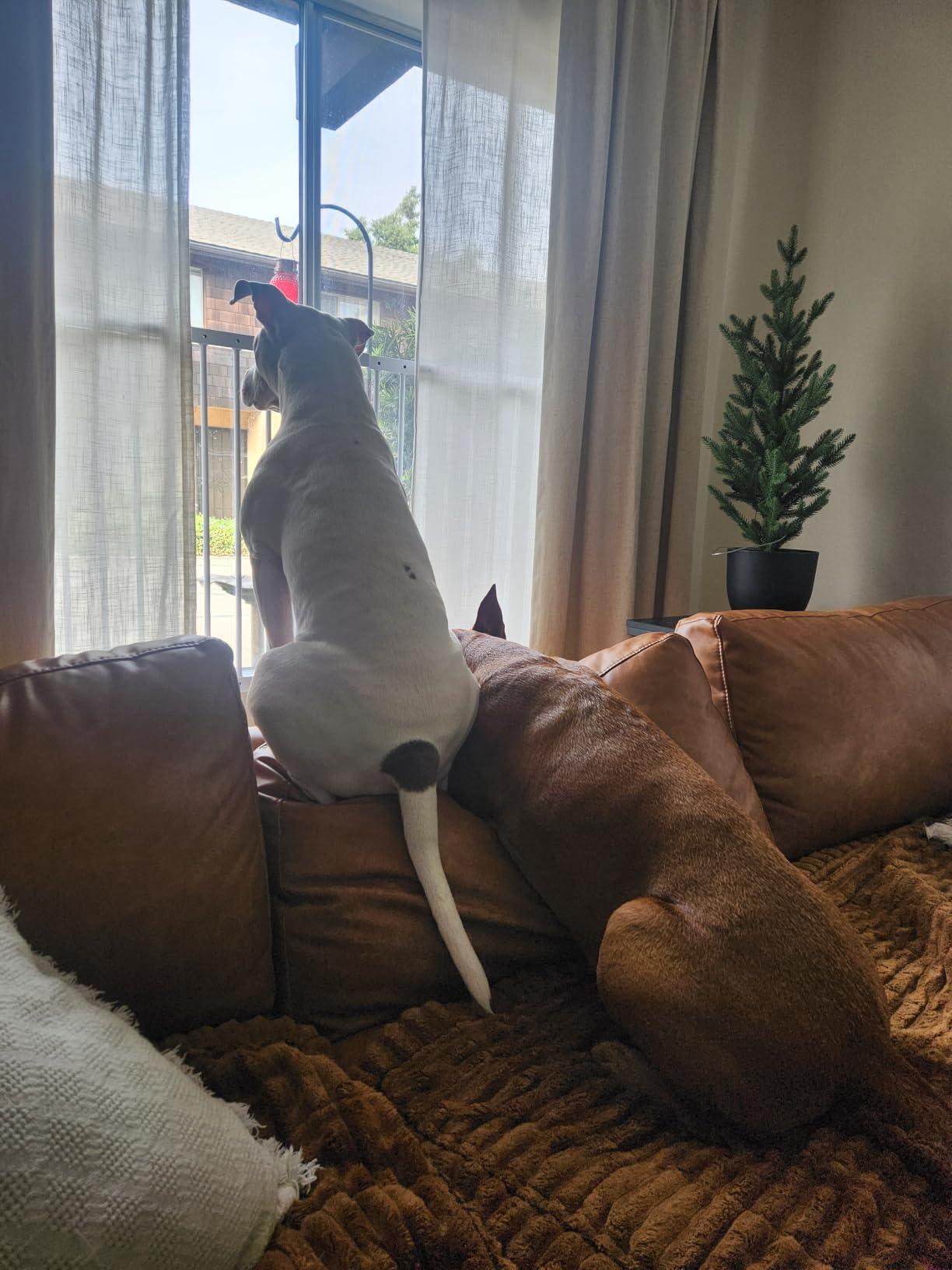
The finish deserves a mention. The painted steel surface is smooth and burr-free, which matters when a child grabs the bars daily, and reviewers single it out as looking like part of the room rather than a security fixture bolted to the wall.
As with the other pressure-mounted guard here, the unit needs all four bolts tightened before it feels rigid. Out of the box it will feel loose, and that first impression is where most of the confusion in reviews comes from.
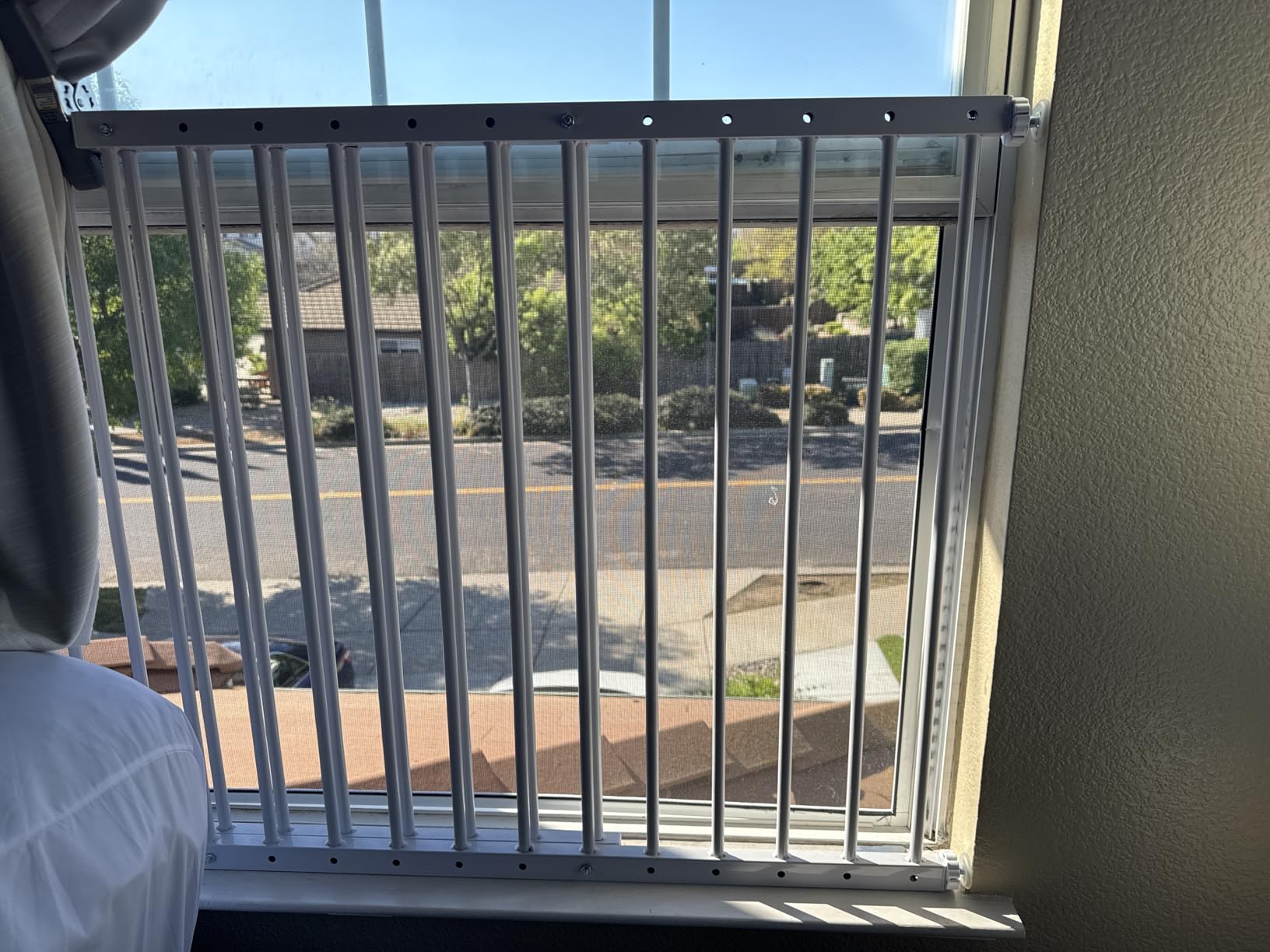
Best for renters who want steel without a single hole
This is our pick when a household wants steel rigidity and has zero permission to drill. The pressure fit removes the lease negotiation entirely, and the stated test figures give you something concrete to point to when a landlord asks how sturdy it is. Removability is a simple matter of loosening bolt tension.
Check your width before ordering
The bar gap of 2.68 inches is fractionally wider than the 2.6 inch guard we rated above, still safely inside child-proof range but worth noting if you are comparing them directly. The other thing to check is coverage: at the smaller sizes this ships as a two-panel set that does not cover a full-width living room window, so measure first and pick the panel configuration that matches.
12. Grisham PP SPAG 5-Bar Guard: Best Full-Coverage Panel
Grisham PP SPAG Window Security Bars with Quick-Release Egress, (White, 5Bar)22”H x 22”- 42” Adjustable Width Window Safety Guards for Children, Tubular Steel, Rust Resistant
5-bar tubular steel
22 in high, 22 to 42 in wide
2.9 in bar spacing
Pre-hinged quick egress
Pros
- Pre-hinged panel gives a real escape path
- Locking channels secure the closed panel
- Five bars for full-height coverage
- Meets NY NJ and Oregon codes
Cons
- Heaviest guard here at 5 lb
- One-way screws complicate removal
- Highest priced in its family
This is the egress-capable member of the Grisham tubular steel family and the tallest panel on this list at 22 inches, which makes it the natural choice for tall picture windows or deep double-hung sashes in older apartments.
The pre-hinged panel with locking channels answers the fixed-bar objection directly. You get the security of a locked panel when it is closed and a usable exit or cleaning access when it is not, at 2.9 inch bar spacing with the same New York, New Jersey, and Oregon code compliance as its sibling.
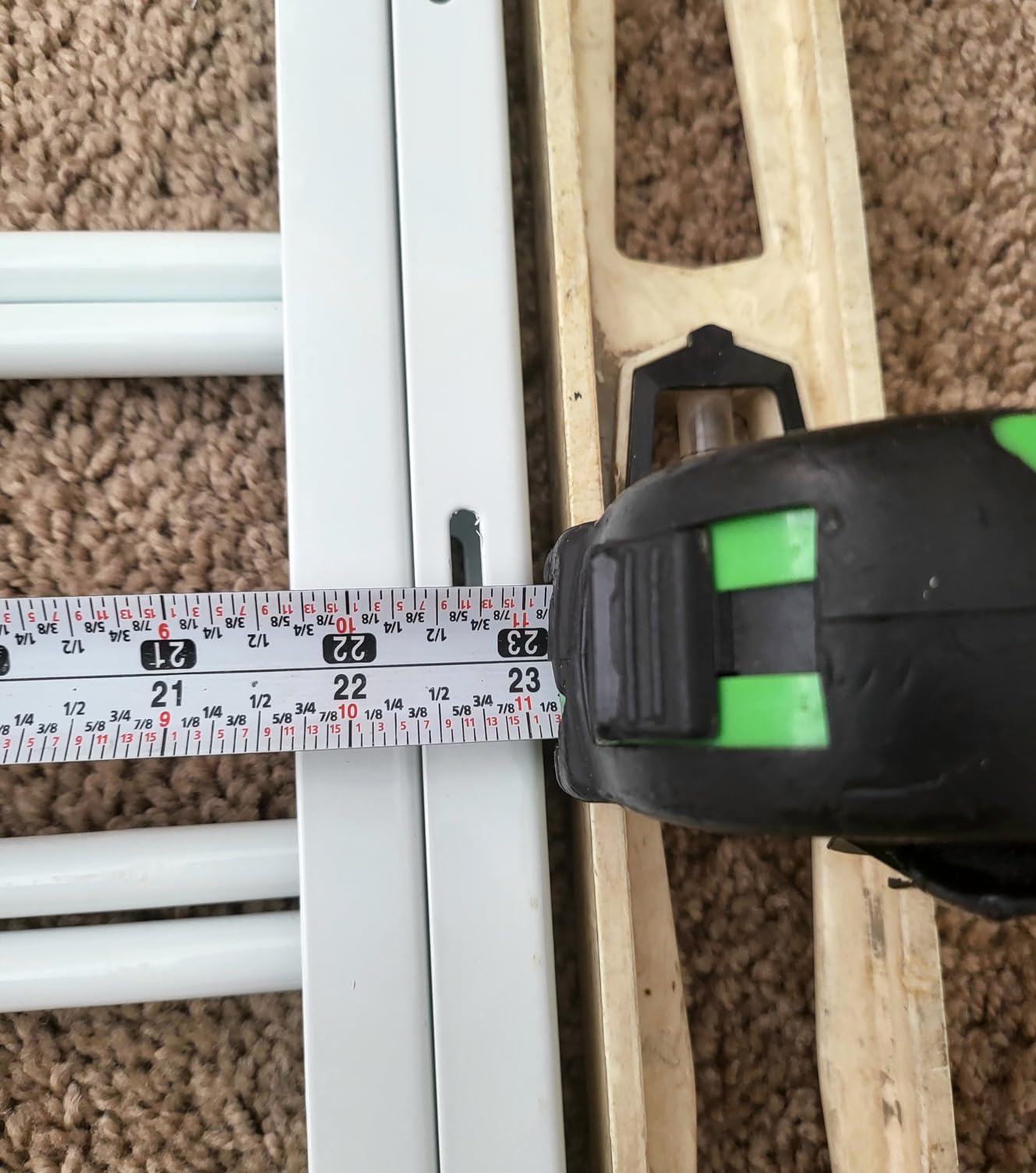
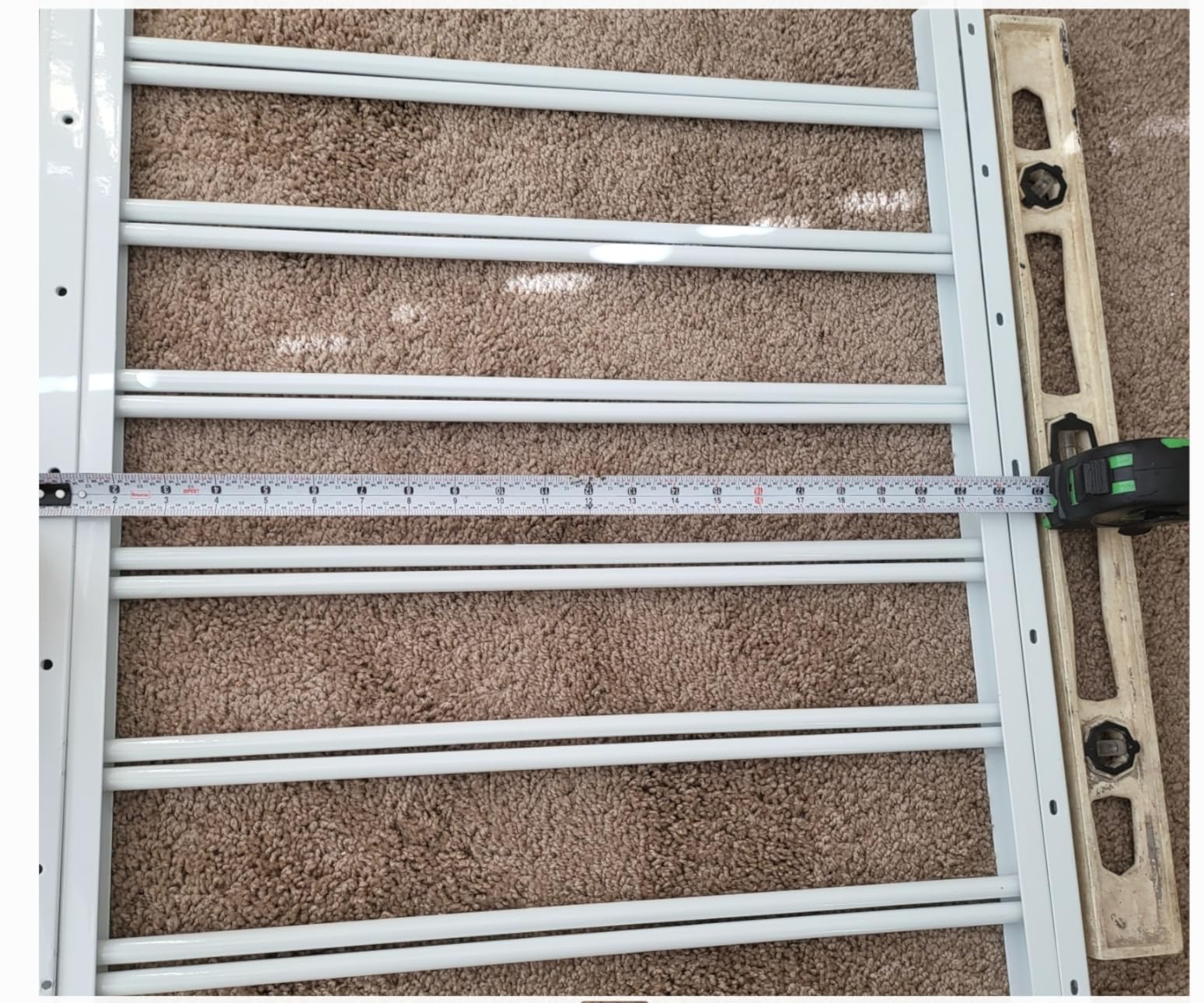
Adjustability runs from 22 to 42 inches wide, which covers a wide range of standard openings, and it can be mounted inside or outside with the included one-way screws. Robotic welding on the joints is the same construction standard as the smaller Grisham guard.
Buyers rate the egress path as the deciding feature, since it is what makes the guard usable in a sleeping room where a fixed bar would be prohibited.
Best for a tall picture window in a rental
A 22-inch-high guard covers far more of a tall opening than the 14 or 15 inch models, and with five bars you get even coverage across a wide span. For an apartment with a living-room picture window above a low piece of furniture, that geometry is the difference between a guard that covers the climbable zone and one that does not.
Its cost is handling and permanence
At 5 pounds it is the heaviest guard here, so plan the install with two people and a stable step stool rather than a chair. The one-way screws are permanent in practical terms. Renters should raise both points with a landlord before ordering, and note that it is the highest priced option in this family.
How to Measure Your Window Before You Buy
Most returns in this category come down to a measuring mistake, and it takes about five minutes to avoid one. Measure the opening, not the glass, and check the sash type, because the guard has to clear the way the window moves.
Step one: measure the width of the opening inside the casing at the narrowest point, since old sashes vary. Step two: measure the height available between the sill and the head or the sash top. Step three: write both numbers down and compare them against the guard’s stated range at its minimum extension, not its maximum.
Step four: confirm the sash style. Double-hung and single-hung open vertically, sliders move horizontally, casement windows swing out on a hinge, and several guards state plainly that they will not fit horizontal sliding or hinged casement windows.
Step five: decide your maximum acceptable gap before you shop. The safety guidance most parents encounter targets no more than a 4 inch opening, which is roughly a 10 cm gap. Bar spacing matters separately and should be tighter than that, ideally under 4 inches on center, and under 3 inches if you want to stop a child’s head passing through.
Match the guard to the window type
Vertical sliders and casements need a guard that fits over or beside the sash without blocking its travel. Horizontal sliders are best served by a locking bar across the opening, like the no-drill option we rated second. Fixed or non-opening picture windows need nothing at all beyond keeping climbable furniture away.
If your building already has exterior grates fitted, measure what is already there before buying. Some cities require them on upper floors, and an interior guard on top of a building grate is often redundant for falls, though still useful as a second barrier for a window the child can reach.
Renting? Read This First Before You Buy a Guard
Yes, you can childproof your apartment windows in a rental, but what you choose depends on whether you may drill. Seven of the twelve guards in this roundup mount with screws into the casing or jamb, and those need written landlord permission first. The remaining pressure-mounted, adhesive, and limiter options leave no holes and are far easier to get approved.
The honest way to approach it is a short written request. Say what the device is, that it prevents a child from falling, which windows it covers, and that it removes without damage at move-out. Landlords approving child-safety measures is common; landlords approving drilling into an original frame is not, and the second conversation is much harder than the first.
Deposit-safe choices for a rental
If you want the least friction, start with a pressure-mounted steel guard or a window opening control device. Both leave the frame untouched, both remove in minutes at move-out, and both can be photographed in place so the landlord can see nothing was drilled. A pressure mount is also the strongest of the damage-free options, which matters given how often apartment parents describe cheap adhesive restrictors failing.
If you must have steel and you cannot drill, that is exactly what the pressure-mounted picks on this list are for. What to avoid is painting over or patching filled screw holes yourself at move-out; the patching rarely matches and comes out of your deposit.
Bedroom windows and the egress question
Any guard you buy must leave you a way out. Fixed, non-egress guards carry explicit warnings against bedrooms and sleeping quarters, and that is not manufacturer caution for its own sake. If your building treats that window as a required emergency exit, a fixed bar can put you in conflict with the rules you signed.
Three picks here solve the conflict: the hinged John Sterling guard with a fire release pin, the Prime-Line hinged grill with a three-step quick release, and the Grisham pre-hinged panel with locking channels. All three open for a person, and all three need a check that your lease and local code accept them.
One more rental reality worth planning for: you may move. A pressure mount or limiter travels with you. A screwed-in fixed guard does not. That is not a reason to avoid one, just a reason to know which you are buying before the drill comes out.
Window Guard Types Explained: Bars, Pressure Mounts, Limiters and Film
Bar guards are steel panels of two, three, four, or five horizontal bars screwed to the interior casing. They are the strongest physical barrier, they cover the largest share of the opening, and most of them are non-egress unless you specifically buy a hinged design. Within the group, spacing ranges from about 2.6 to 3.9 inches on center, and tighter is safer.
Pressure-mounted guards look like bar guards but clamp between the frame and the sill with bolts instead of screws. The two strongest options here carry load ratings of 150 and 220 pounds, which puts them in the same class as screwed-in steel while leaving the frame unmarked. That is why we rate them highly for apartments.
Opening limiters and window stops do not block anything. They cap sash travel, usually to a set opening, and rely on the child not working the latch. The best of them, like the KidCo unit, are tested to a published standard such as ASTM F2090-21, and they are the least visible option in the category.
Locking bars sit between the first two categories. They extend across the opening and lock with a pin, mount with adhesive or push pins, and are made of impact-resistant plastic. They are the classic renter answer and the least permanent one, at the cost of rigidity.
Safety film is the fourth option and it solves a different problem. It keeps shattered glass bonded to the frame instead of scattering. It does nothing to stop a child falling out of an open window, so it pairs with a limiter or bar rather than replacing one.
Bar spacing is the number to actually compare
Two guards at the same price can differ meaningfully in safety if their bar spacing differs. Below 4 inches is the widely cited ceiling for openings. The tightest guard here, at 2.6 inches on center, is built specifically so a child’s head cannot pass through, and the 3.8 and 3.9 inch units sit closer to the tolerated limit.
Height matters just as much as spacing. A 14-inch guard covers the lower opening where a child climbs, which is usually where it counts. A 22-inch panel covers more of a tall picture window and is the better choice when there is furniture beneath it.
How to Childproof a Second-Floor Apartment Window in One Afternoon
Start by removing the climb route. Move sofas, chairs, toy chests, and bookcases away from the window, and close the window when no one is in the room. Hardware matters, but a toddler who cannot reach the sill is safer before you unbox anything.
Next, check every corded window treatment in the room. Replace cords and bead chains with a tension device mounted inside the window frame, keep any lift cords taut and tethered, and use cordless shades where you can. Looped cords on roman shades should be spaced no more than 8 inches apart.
Then choose and fit the hardware. For a drilled bar guard you need a drill, a 1/4 inch bit matched to your fasteners, a tape measure, a pencil, a level, and safety glasses. For a pressure mount you need the same tools minus the drill, plus an adjustable wrench for the mounting bolts and possibly a second adult.
Mark the center of the opening, level the guard, and drill or tighten into solid framing rather than thin casing. Check the gap at the tightest point with a tape measure, not by eye. If the opening exceeds the limit you set, reposition the guard rather than tightening until it fits.
If you moved into an upper-floor apartment in the last 24 hours
Move the furniture first. It takes ten minutes and removes the most common injury path. Then put a temporary limiter or locking bar on the highest-risk window tonight, and install the permanent guard once you have measured. If the window is in a bedroom and you have no egress-capable guard yet, keep the window closed and locked until you do.
Teach the household rule in plain language: windows are closed when nobody is in the room. Then check the whole set every few months, because pressure mounts loosen, adhesive pads lose tack in heat and cold, and a growing child changes the math faster than the hardware does.
Frequently Asked Questions
What are apartment window guards?
Apartment window guards are safety devices that limit how far a residential window can open so a young child cannot fall through or climb out. They fall into four types: steel bar guards screwed to the casing, pressure-mounted guards that clamp on without holes, opening limiters that cap sash travel, and safety film that keeps broken glass in the frame.
What are some good child safety locks for windows?
The strongest child safety locks we found are the Prime-Line 3-Bar grill for drilled steel protection, the Fairy Baby and SHYUJAJIE pressure mounts for damage-free steel, and the KidCo window stop for opening control without any visible hardware. For a rental where drilling is not allowed, a pressure mount or locking bar is the practical choice.
What are the best window security locks?
For security as well as child safety, steel bar guards with tamper-resistant one-way screws are the strongest, followed by hinged steel designs with locking channels that can be secured shut. Telescoping stainless steel rods are a useful ground-floor deterrent against sliding door access but are not a child fall barrier on upper floors.
Is it a legal requirement to have window restrictors?
Requirements vary by location and building. Many buildings above a certain height must have guards fitted, and some codes such as New Jersey NJAC 5:10-27 and the New York, New Jersey, and Oregon Home Builders Association standards set rules for guard construction. Your lease and local building department are the right places to confirm what applies to your unit.
Are window restrictors safe?
Yes, when matched to the window and installed correctly. A guard should hold the opening to no more than about 4 inches and use bar spacing tight enough that a child cannot pass through. The main risk is blocking an emergency exit, which is why fixed non-egress guards are never recommended for bedrooms or sleeping quarters.
Can I install window guards in a rented apartment?
Yes, but drilled guards need written landlord permission first. Pressure-mounted guards, adhesive locking bars, and window opening limiters leave no holes and are much easier to get approved, and they remove cleanly at move-out. Send your landlord a short written request naming the device, the windows it covers, and the fact that nothing is drilled.
Do window guards interfere with emergency exit?
Fixed non-egress guards do, and manufacturers state they are not for bedrooms or sleeping quarters. Hinged designs with a fire safety release pin, a three-step quick release, or pre-hinged locking channels stay in place for daily use but open quickly for an escape or for cleaning the outside glass.
What size window guard do I need?
Measure the opening at its narrowest point, not the glass, then match it to a guard whose stated adjustment range covers that width at its minimum extension. Also measure the height available and confirm the guard fits your sash type, since several fixed guards will not fit horizontal sliding or hinged casement windows.
Conclusion
The Prime-Line 3-bar grill is our pick for the best window guards for apartments with kids overall, because it pairs the largest review base among the steel guards with tight 3-7/8 inch bar spacing and an adjustable frame that covers most standard apartment openings. Renters who cannot drill should go with the Fairy Baby or SHYUJAJIE pressure mounts instead, which give steel rigidity with zero holes, or the Lock-It Block-It bar if budget is the deciding factor.
Before you buy, run this checklist. Measure the opening at its narrowest point. Confirm the guard fits your sash type. Choose an egress-capable design for any bedroom window. Keep the opening under 4 inches and the bar spacing tighter than that. If you rent, ask in writing before you drill. Then move the furniture, tether every cord, and set the household rule that windows close when nobody is in the room.
Hardware is the last line of defense, not the first. Pair whichever guard you choose with a quick inspection every few months, and your home should be one of the safe ones. If you are comparing options for other high-rise living details, our guides to robot window cleaners for high rise apartments and grille guards cover the rest of the building’s upkeep.