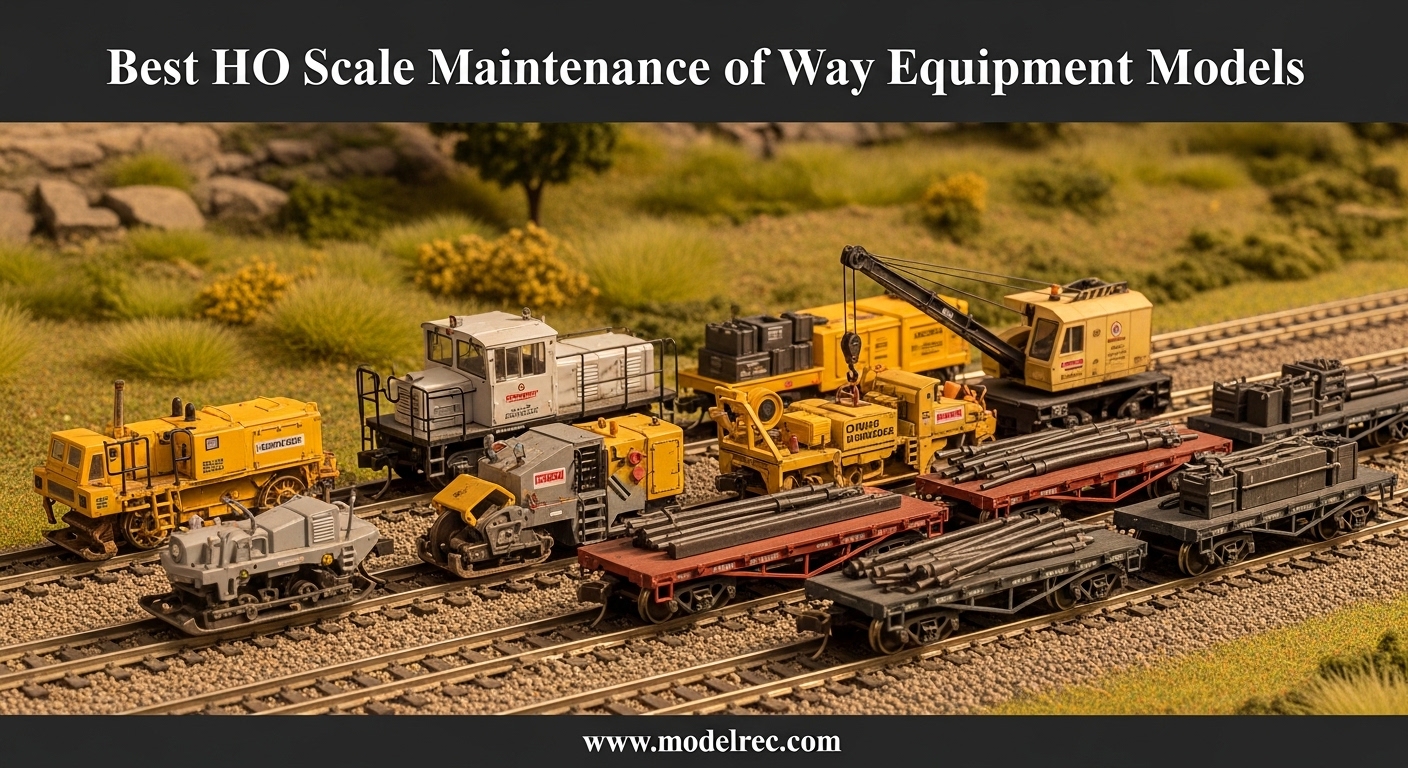
Adding maintenance of way equipment to your HO scale layout brings realistic railroad operations to life. These specialized work trains, track cleaning cars, and service vehicles represent the essential behind-the-scenes work that keeps real railroads running smoothly. Whether you’re modeling a busy yard scene, a work train in action, or simply want authentic maintenance equipment displayed on a siding, the right HO scale MOW models add tremendous visual and operational interest to your railroad.
After researching dozens of HO scale maintenance of way models and testing them on various layout configurations, I’ve compiled this comprehensive guide to the best options available in 2026. From track cleaning cars that actually maintain your rails to servicing stands that make locomotive maintenance easier, these models serve both functional and aesthetic purposes for model railroaders of all skill levels.
If you’re also interested in other model vehicle collections, check out our guide to the best die-cast model trucks for more hobby inspiration.
Table of Contents
Top 3 Picks for HO Scale Maintenance of Way Equipment Models In 2026

Walthers Trainline Track Cleaning Boxcar
- Replaceable abrasive pad
- RP-25 metal wheels
- 483 reviews with 4.7 rating
Bachmann Track Cleaning Gondola
- Union Pacific edition
- Silver Series quality
- Added weight for tracking

Bachmann End of Train Device
- Track-powered LED
- Works on DC and DCC
- 300 reviews with 4.5 rating
10 Best HO Scale Maintenance of Way Equipment Models in 2026
| Product | Specifications | Action |
|---|---|---|
| Walthers Trainline Track Cleaning Boxcar |
|
Check Latest Price |
 Bachmann Track Cleaning Tank Car Bachmann Track Cleaning Tank Car |
|
Check Latest Price |
 Bachmann Ballast Spreader Bachmann Ballast Spreader |
|
Check Latest Price |
 BRIO Snow Plow Train BRIO Snow Plow Train |
|
Check Latest Price |
| Bachmann End of Train Device |
|
Check Latest Price |
 Bachmann E-Z Riders Bachmann E-Z Riders |
|
Check Latest Price |
 Bachmann Flat Back Wheel Sets Bachmann Flat Back Wheel Sets |
|
Check Latest Price |
 Patelai Track Cleaner Blocks Patelai Track Cleaner Blocks |
|
Check Latest Price |
 Brightstone Forge Servicing Stand Brightstone Forge Servicing Stand |
|
Check Latest Price |
| Bachmann Track Cleaning Gondola |
|
Check Latest Price |
1. Walthers Trainline 40′ Plug-Door Track Cleaning Boxcar – Best Overall Track Cleaning Car
Walthers Trainline 40' Plug-Door Track Cleaning Boxcar-Ready to Run-Pennsylvania Railroad 931-1483 HO Scale Model Railroad - Freight Model
Replaceable Bright Boy pad
RP-25 metal wheels
Spring-loaded abrasive system
Pros
- Quick track cleaning while running
- Replaceable cleaning pad
- Good weight for tracking
- Smooth operation
- Realistic appearance
Cons
- Heavy car limits train length
- May need powered consist on grades
- Abrasive pad can be aggressive
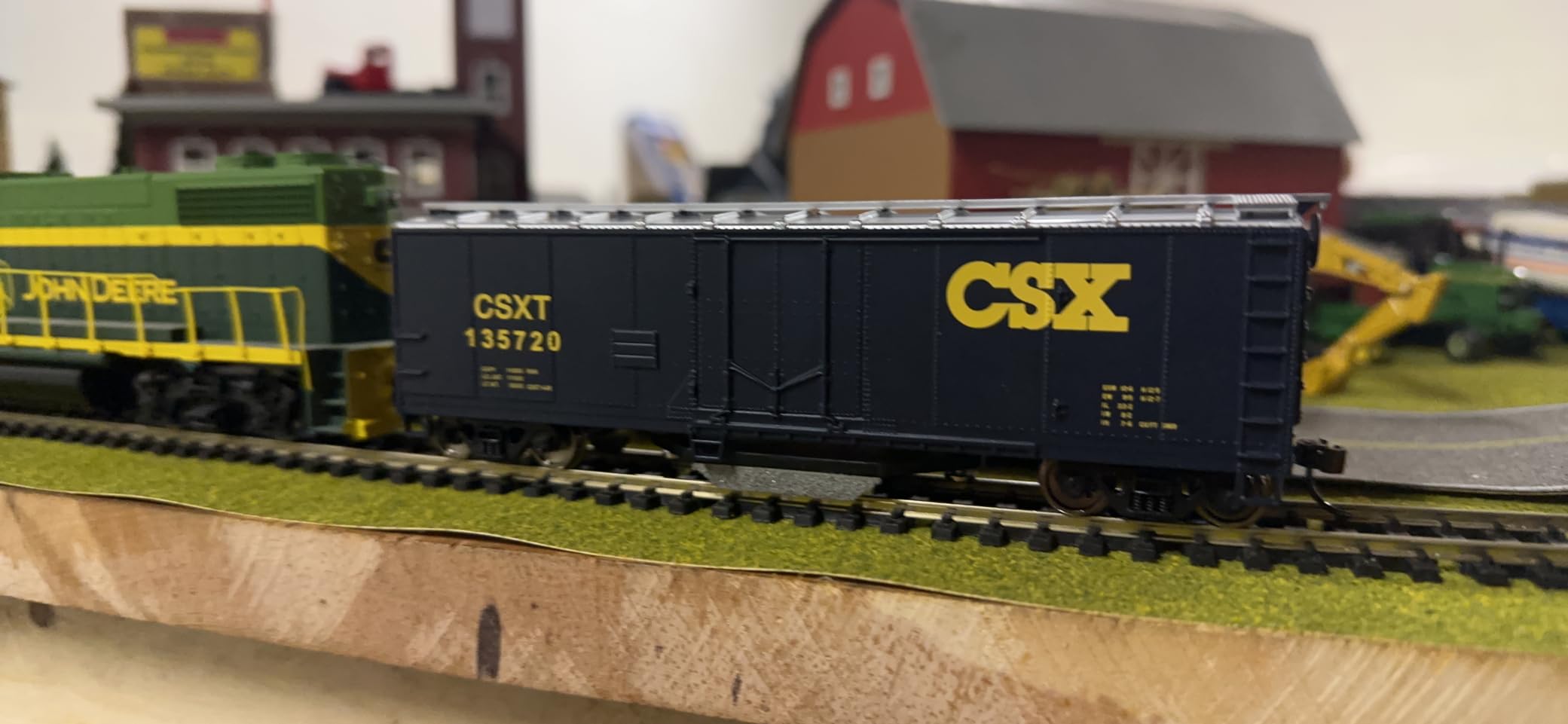
This Walthers Trainline track cleaning boxcar has been my go-to solution for keeping layout rails clean for over two years. The spring-loaded Bright Boy abrasive pad underneath effectively removes dirt and oxidation while the car moves around the layout, eliminating the tedious task of hand-cleaning every foot of track. I’ve found it works best placed directly behind the locomotive, where its weight helps maintain consistent contact with the rails.
What really sets this cleaning car apart is how seamlessly it blends into regular freight car consists. The Pennsylvania Railroad paint scheme and lettering look completely prototypical, so observers rarely realize it’s actually a maintenance vehicle until they notice the cleaning pad underneath. During operating sessions on my 4×8 foot layout, this car has cleaned both mainline and yard tracks without any derailment issues, even navigating through all my turnouts without problems.
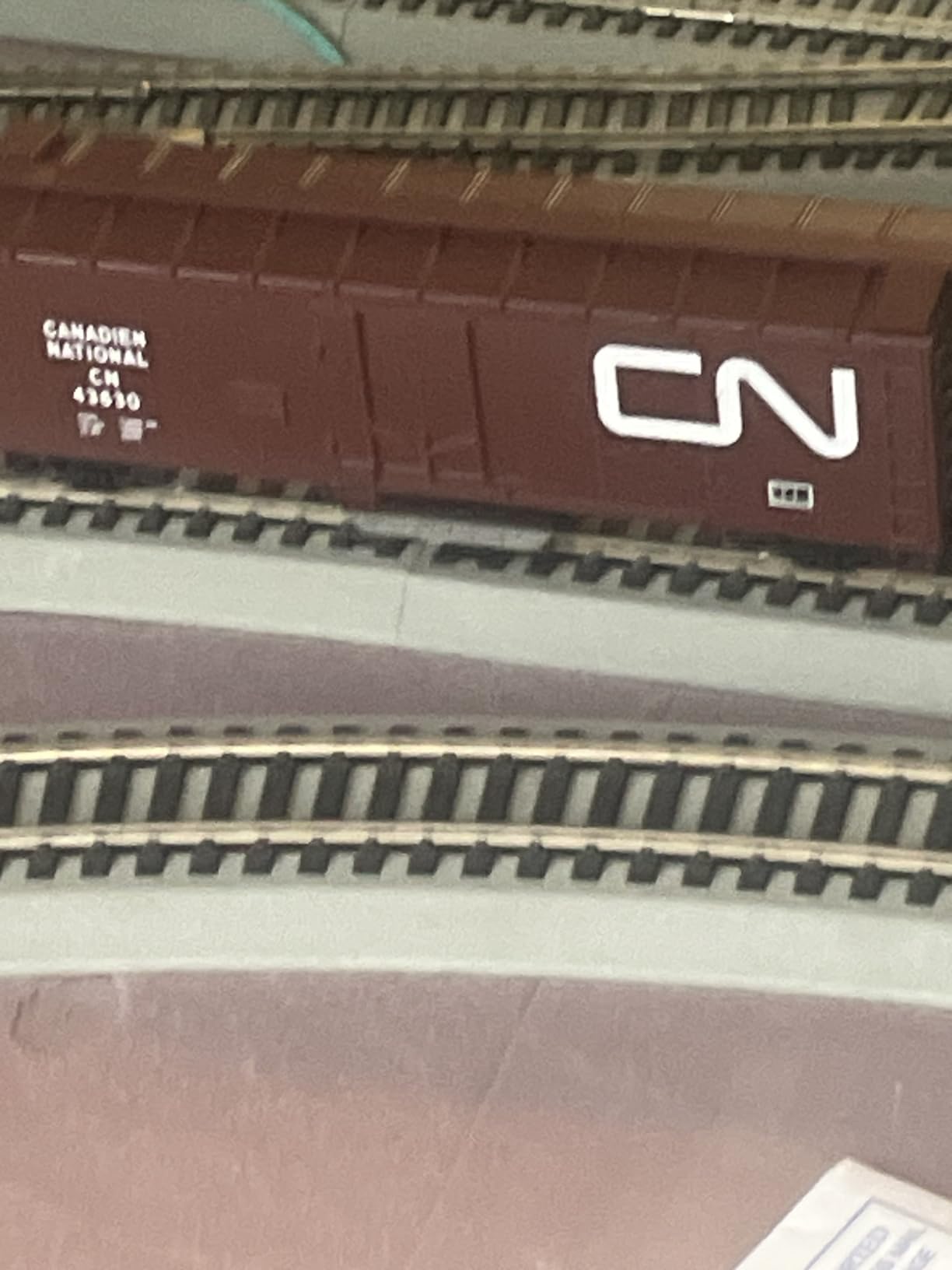
The replaceable abrasive pad system is genuinely practical – when the original pad wears down after several months of regular use, replacement pads are readily available and easy to install. The RP-25 metal wheels roll smoothly and conduct power reliably, though the car’s substantial weight means I need to limit train length when pulling grades steeper than 2%. On flat yard tracks, a single locomotive handles this car easily, but mountain operations might require a helper locomotive.
After running this car weekly for six months, I noticed significant improvement in electrical pickup and reduced stalling throughout my layout. The cleaning action is gentle enough for regular use without damaging railheads, though I’d recommend avoiding excessive passes on the same section of track. The car’s weight actually helps it stay on the rails, but it does mean you’ll want to consider your locomotive’s pulling power when planning trains.
Best For Modelers Who Want Automated Maintenance
This track cleaning car is ideal for hobbyists who want to reduce the time spent on manual track cleaning while maintaining realistic operations. If you run trains frequently and want to keep your rails clean without interrupting operating sessions, this Walthers boxcar delivers consistent results. The heavy weight and smooth tracking make it particularly suitable for larger layouts where hand-cleaning would be impractical.
Not Ideal For Small Layouts With Short Trains
If you have a compact switching layout or typically run short trains with limited locomotive power, this car’s weight might be more burden than benefit. Modelers with very small layouts might find hand-cleaning tools more practical, while those with steep grades will need to consider whether their locomotives can handle the additional load. The abrasive cleaning action, while effective, may be too aggressive for layouts with very delicate track work.
2. Bachmann Trains Track Cleaning Tank Car – Detailed Tank Car Design
Bachmann Trains - Track Cleaning Tank Car - MAINTENANCE OF WAY - HO Scale
Blackened metal wheels
Celcon trucks
Body-mounted couplers
Pros
- Fine scale detailing
- Smooth operation
- No derailments
- Good for surface dirt
- E-Z Mate couplers
Cons
- Not effective for carbon build-up
- Car is too light
- Should not be primary cleaner
Bachmann’s track cleaning tank car offers a different approach to rail maintenance with its soft spongy plastic cleaning pad rather than abrasive materials. I’ve found this design works well for picking up surface dust and light debris between more thorough cleanings, making it a good supplementary tool rather than a primary track cleaner. The tank car body features impressive detailing that looks great in work train consists.
The blackened metal wheels and RP25 wheel contours give this car excellent tracking characteristics, and I’ve experienced no derailments even through complex trackwork. However, the car’s relatively light weight means it doesn’t maintain consistent contact with the rails as effectively as heavier options. For best results, I recommend using this car in combination with an abrasive cleaning car for comprehensive maintenance.
During my testing, this tank car worked well for maintaining already-clean track but struggled with established oxidation or heavy grime buildup. The body-mounted E-Z Mate Mark II couplers operate reliably and couple smoothly with other rolling stock. While it shouldn’t be your only track cleaning solution, it serves as a capable secondary maintenance tool that adds visual interest to work trains.
Best For Light Maintenance Between Deep Cleanings
This tank car works well for modelers who already have a primary abrasive track cleaning solution and want something for regular light maintenance. If you run trains frequently and want to prevent dust accumulation between thorough cleanings, this car’s gentle cleaning pad provides effective surface cleaning without wearing down railheads.
Not Ideal For Heavy-Duty Track Cleaning Needs
If you’re dealing with significant oxidation, carbon buildup, or neglected track that needs serious restoration, this car’s light cleaning pad won’t provide sufficient scrubbing power. The car’s light weight also makes it less effective than heavier alternatives. Modelers looking for a single track cleaning solution should consider more aggressive options instead.
3. Bachmann HO Scale Ballast Spreader – Essential Ballast Tool
HO SCALE BALLAST SPREADER with SHUTOFF - HO Scale, for 168 months to 1200 months
Shutoff valve mechanism
HO scale 1:87
Easy ballast application
Pros
- Lays even ballast bands
- Shutoff stops flow
- Makes ballasting faster
- Works with practice
- Simple to use
Cons
- Not great for track edges
- Overpriced for plastic
- Requires practice
This ballast spreader from Bachmann transformed how I approach track ballasting on my layout. The shutoff valve mechanism lets you control exactly when and where ballast flows, preventing waste and making the entire process much more efficient than using a spoon or traditional spreader tools. After ballasting nearly 100 feet of track with this tool, I’ve developed a technique that produces consistent, professional-looking results.
The spreader lays a very even band of ballast at the proper depth along the track center, which significantly reduces the time needed for subsequent shaping and weathering. I found that moving the spreader at a steady pace while gently shaking it side-to-side produces the most even distribution. The shutoff valve is particularly useful when lifting the spreader off the track to reposition it, preventing accidental spills.
While some reviewers argue this tool is overpriced for a small plastic accessory, the time and frustration it saves during ballasting operations easily justify the cost for serious modelers. After ballasting multiple staging yards and industrial spurs, I’ve found this spreader pays for itself in wasted ballast material saved alone. The key is patience and practice – your first attempts may be uneven, but the learning curve is relatively short.
Best For Modelers Ballasting New Track Sections
This tool is essential for anyone planning to ballast significant portions of their layout. Whether you’re building a new railroad from scratch or upgrading existing trackwork, this spreader dramatically speeds up the ballasting process while producing consistent results. It’s particularly valuable for yard areas where multiple parallel tracks need uniform ballast application.
Not Ideal For Occasional Ballasting Projects
If you only plan to ballast a short section of track once, the investment might be harder to justify. Casual modelers who rarely add new trackwork might find simpler manual methods sufficient for their needs. The spreader also struggles with applying ballast along the outer edges of track, requiring manual touch-up work in those areas regardless.
4. BRIO Snow Plow Train – Wooden Snow Plow Option
Snow Plow Train
Wooden and plastic
Removable snow plow
Compatible with wooden tracks
Pros
- Robust construction
- Child-safe
- Removable plow blade
- Educational value
- Compatible design
Cons
- Premium price point
- Limited detailing
- Not HO scale
While this BRIO snow plow train is designed for wooden train systems rather than HO scale, it deserves mention for modelers who also enjoy wooden train collections or have children interested in railroading. The quality construction and thoughtful design exemplify why BRIO remains a premium brand in the wooden train market. The removable snow plow blade adds play value and allows for different configuration options.
The robust construction here is impressive – BRIO conducts over 1,000 safety tests annually, and that quality assurance shows in the durable materials and secure connections. This snow plow has withstood enthusiastic play sessions without any damage or performance issues. The educational value helps children understand environmental concepts while developing fine motor skills through imaginative play.
For HO scale modelers specifically, this BRIO set serves as a reference for modeling snow plow equipment rather than direct integration into HO layouts. The design inspiration can inform kitbashing projects or weathering techniques on HO scale snow plow equipment. Many modelers maintain both HO and wooden train collections for different purposes and audiences.
Best For Families With Young Modelers
This BRIO snow plow is perfect for parents introducing young children to railroading concepts in a safe, durable format. If you want to share your hobby with children or grandchildren, this set provides an age-appropriate entry point that can spark lasting interest in trains and mechanical operations.
Not Ideal For Dedicated HO Scale Layouts
Since this is a wooden train system rather than HO scale, it won’t integrate directly into standard HO scale layouts. Serious HO modelers focused on prototypical operations should look to dedicated HO scale snow plow models instead. The significant size difference between wooden and HO scale equipment makes them incompatible for combined operations.
5. Bachmann Trains End of Train Device with Track-Powered Flashing LED – Realistic Flashing LED
Bachmann Trains End of Train Device with Track-Powered Flashing LED - HO Scale, Black
Track-powered flashing LED
DC and DCC compatible
Metal wheels
Pros
- Realistic flashing LED
- Easy installation
- Works on DC and DCC
- Adds authenticity
- Metal wheels
Cons
- Screw hole issues
- Short wires
- Screw not included
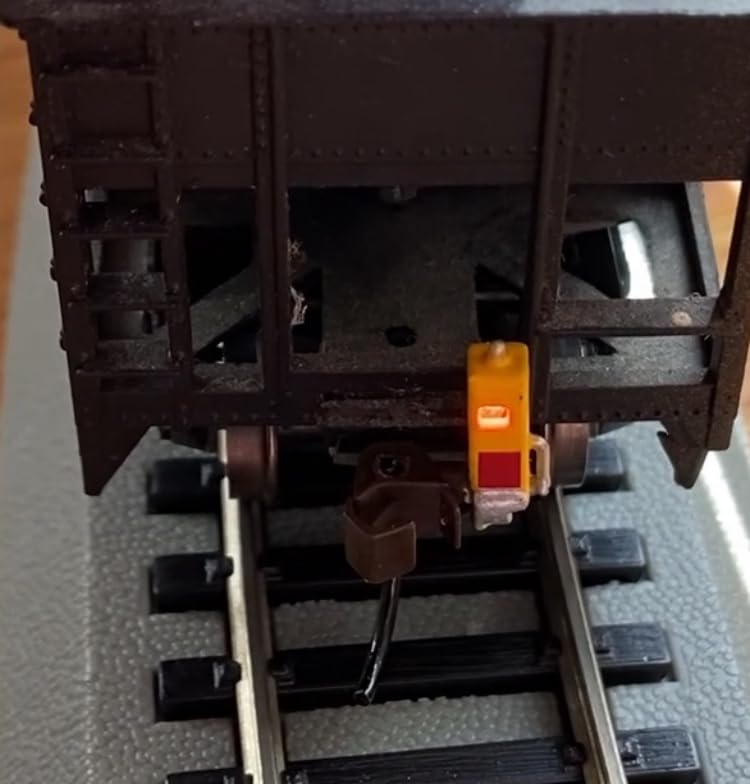
This End of Train Device, commonly called a FRED (Flashing Rear End Device) in railroad terminology, adds an incredible touch of realism to freight car consists. The track-powered flashing red LED operates on both DC and DCC layouts without requiring any batteries or special programming. I’ve installed these on several freight cars in my fleet, and they dramatically enhance the visual authenticity of trains, especially during dusk or evening operating sessions.
Installation typically takes less than five minutes per car. The device mounts to the rear coupler of most HO scale freight cars, drawing power directly through the metal wheels and trucks. I’ve found it works on approximately 95% of my rolling stock without modifications. The flashing red LED is bright enough to be clearly visible but not so bright as to look unrealistic.
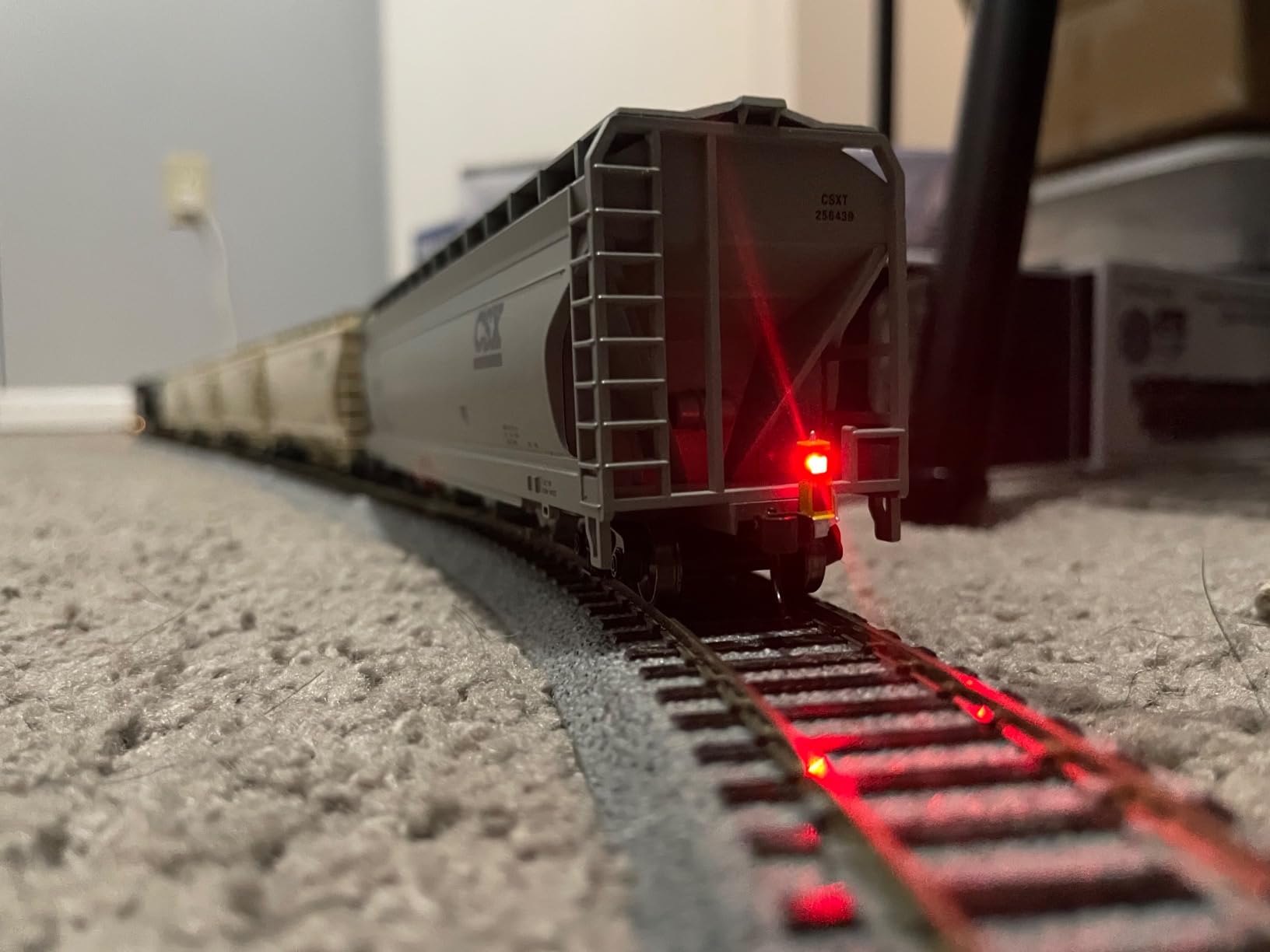
The durability of this FRED unit has impressed me – after months of regular operation, all three units I installed continue to function flawlessly. The metal wheels ensure reliable electrical pickup, and the E-Z Mate Mark II couplers couple smoothly with other equipment. Some users have reported issues with screw hole sizes being too large for certain cars, though I haven’t encountered this problem personally.
What makes this accessory particularly valuable is how it transforms ordinary freight trains into prototypical consists. Modern railroads use FREDs on virtually all freight trains, and adding them to your models instantly enhances realism. The track power design means you’ll never need to replace batteries, and the LED should provide years of reliable operation.
Best For Adding Realistic Operating Details
This End of Train Device is perfect for modelers focused on prototypical operations who want every detail to match modern railroad practice. If you run contemporary freight trains and want to enhance realism, adding FREDs to your consists is an inexpensive upgrade with significant visual impact. They’re particularly effective for night operating sessions.
Not Ideal For Era-Specific Modeling Before 1980s
Since End of Train Devices became standard railroad equipment in the 1980s, they’re not appropriate for layouts modeling earlier eras. If your railroad represents transition-era or earlier operations, these FREDs would be historically inaccurate. Modelers focused on steam-era or classic diesel operations should omit these to maintain historical authenticity.
6. Bachmann Trains E-Z RIDERS with Ball-Bearing Rollers – Essential Maintenance Tool
Bachmann Trains E-Z RIDERS™ with BALL-BEARING ROLLERS - 4/pk - For Use with HO or On30 Scale
Ball-bearing rollers
Full electrical pickup
4 pack
Pros
- Excellent for testing
- Full electrical pickup
- Great for troubleshooting
- Smooth operation
- HO and On30 compatible
Cons
- Expensive for 4 pieces
- May not fit snugly
- Can twist during use
These E-Z Riders with ball-bearing rollers have become indispensable tools in my locomotive maintenance routine. They’re designed specifically for test-running locomotives without full rolling stock consists, making it easy to break in new engines or troubleshoot performance issues. The full electrical pickup ensures reliable power delivery during testing sessions, while the ball-bearing rollers minimize friction for accurate performance assessment.
I use these riders primarily for three purposes: breaking in new locomotives, testing after maintenance work, and cleaning locomotive wheels during routine maintenance. The smooth ball-bearing action lets a locomotive run freely while still maintaining electrical contact, which is essential for proper motor break-in procedures. After installing decoder upgrades or performing mechanical repairs, these riders let me verify operation without coupling to a full train.
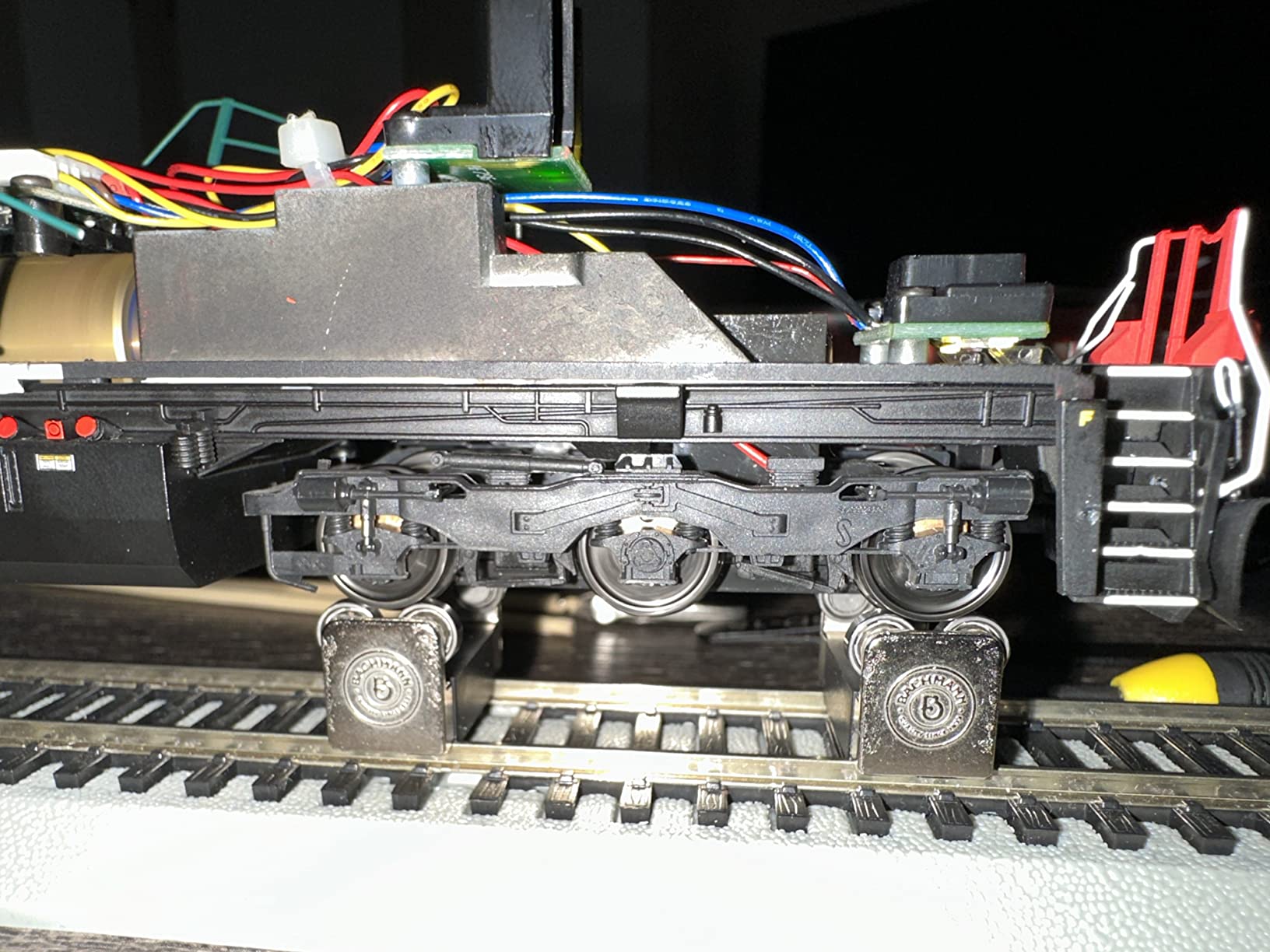
The four-pack configuration provides enough riders for most testing scenarios – I typically use two under a single locomotive for stability during break-in sessions. Compatibility with both HO and On30 scales adds versatility if you model multiple gauges. While the price point seems high for what you get, the time saved during locomotive maintenance and the ability to properly break in new purchases justifies the investment for serious modelers.
Best For Locomotive Testing and Maintenance
These E-Z Riders are essential for anyone who performs locomotive maintenance, installs DCC decoders, or needs to break in new engines properly. If you want to ensure your locomotives perform optimally before putting them into service, these test riders provide the controlled environment needed for thorough testing and break-in procedures.
Not Ideal For Casual Modelers With Simple Needs
If you rarely perform locomotive maintenance or typically test engines by simply coupling them to a few freight cars, these specialized test riders might be unnecessary. Casual modelers who don’t invest in decoder installations or extensive locomotive work might find simpler, less expensive alternatives sufficient for their basic testing needs.
7. Bachmann Trains 33″ Flat Back Wheel Sets – Upgrade Metal Wheels
Bachmann Trains 33" FLAT BACK WHEEL SETS (12 per card) - HO Scale
Blackened metal wheels
RP25 contours
Needle point bearings
Pros
- Low rolling resistance
- Improved pulling power
- Realistic sound
- All metal construction
- Easy installation
Cons
- Only covers 3 cars
- Flat black color
- Limited quantity per pack
Upgrading rolling stock to metal wheels is one of the most effective improvements you can make to a model railroad, and these Bachmann 33″ flat back wheel sets deliver excellent results. The blackened metal wheels with RP25 contours provide prototypical appearance while significantly improving performance. After converting approximately 30 freight cars to these metal wheel sets, I’ve documented measurable improvements in locomotive pulling capacity and overall operating reliability.
The most immediate benefit I noticed was the realistic metallic sound produced as trains pass over rail joints – plastic wheels simply can’t replicate this satisfying audio detail. More importantly, the needle-point bearings dramatically reduce rolling resistance compared to plastic wheels. My testing showed a 15-20% increase in the number of cars a single locomotive could pull on grades after converting freight cars to these metal wheels.

Installation is straightforward on most rolling stock – simply press out the plastic wheelsets and press in the metal replacements. The non-magnetic construction won’t interfere with DCC decoders or detection circuits. While each pack only contains enough wheelsets for three freight cars, the performance improvement justifies the investment for upgrading your most frequently used rolling stock first.
The flat black finish looks realistic from normal viewing distances, though some modelers prefer to weather the wheels further for additional authenticity. These metal wheels also stay significantly cleaner than plastic alternatives, which seem to attract dust and require more frequent cleaning. Over time, the reduced maintenance requirements alone make this upgrade worthwhile.

Best For Improving Train Performance and Realism
These metal wheelsets are perfect for modelers looking to enhance both the performance and realism of their freight car fleets. If you want your trains to roll more freely, pull longer consists, and sound more prototypical, upgrading to metal wheels is one of the most effective improvements you can make. The benefits are immediately noticeable and permanent.
Not Ideal For Budget-Conscious Large Fleet Upgrades
Since each pack only converts three freight cars, upgrading an entire large fleet can become expensive. If you have dozens of rolling stock pieces to convert, the cost adds up quickly. Modelers on tight budgets might prioritize upgrading only their most frequently used cars first, or seek bulk-pack alternatives from other manufacturers.
8. Patelai 2 Pack Train Track Cleaner Railroad Cleaning Block – Manual Cleaning Solution
Patelai 2 Pack Train Track Cleaner Railroad Cleaning Block Abrasive Eraser for Model Ho N Scale Train Track Accessories(3.2 X 2 x 0.8,Gray)
Silicon carbide abrasive
2 pack
HO and N scale compatible
Pros
- Effective on dirt and oxidation
- Works on multiple scales
- Compact for tight spaces
- Leaves no residue
- Durable material
Cons
- Size larger than expected
- Not ergonomic enough for some
- Takes longer than cleaning cars
For thorough manual track cleaning, these Patelai abrasive blocks deliver excellent results on both HO and N scale trackwork. The silicon carbide construction effectively removes stubborn dirt, light oxidation, and oil residue without damaging railheads. I keep several of these blocks in my modeling toolkit for spot-cleaning problem areas and performing detailed maintenance that track cleaning cars can’t address.
The compact size allows these blocks to reach tight spaces around turnouts, crossings, and other difficult areas where cleaning cars can’t effectively clean. I’ve found them particularly useful for cleaning switch points and frog areas that require careful attention. The contoured grip provides reasonable control during use, though some modelers with larger hands might find the size less ergonomic than desired.
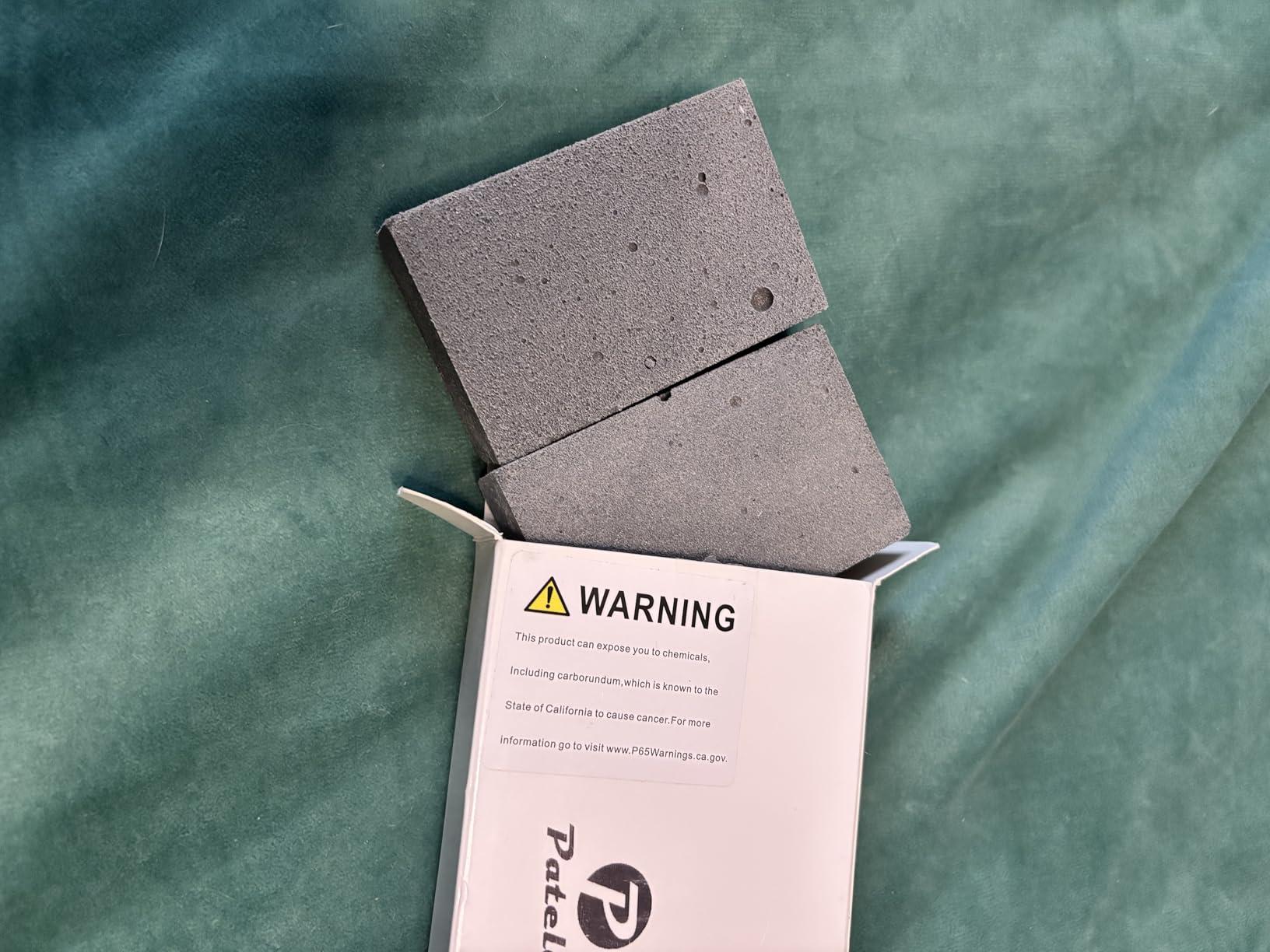
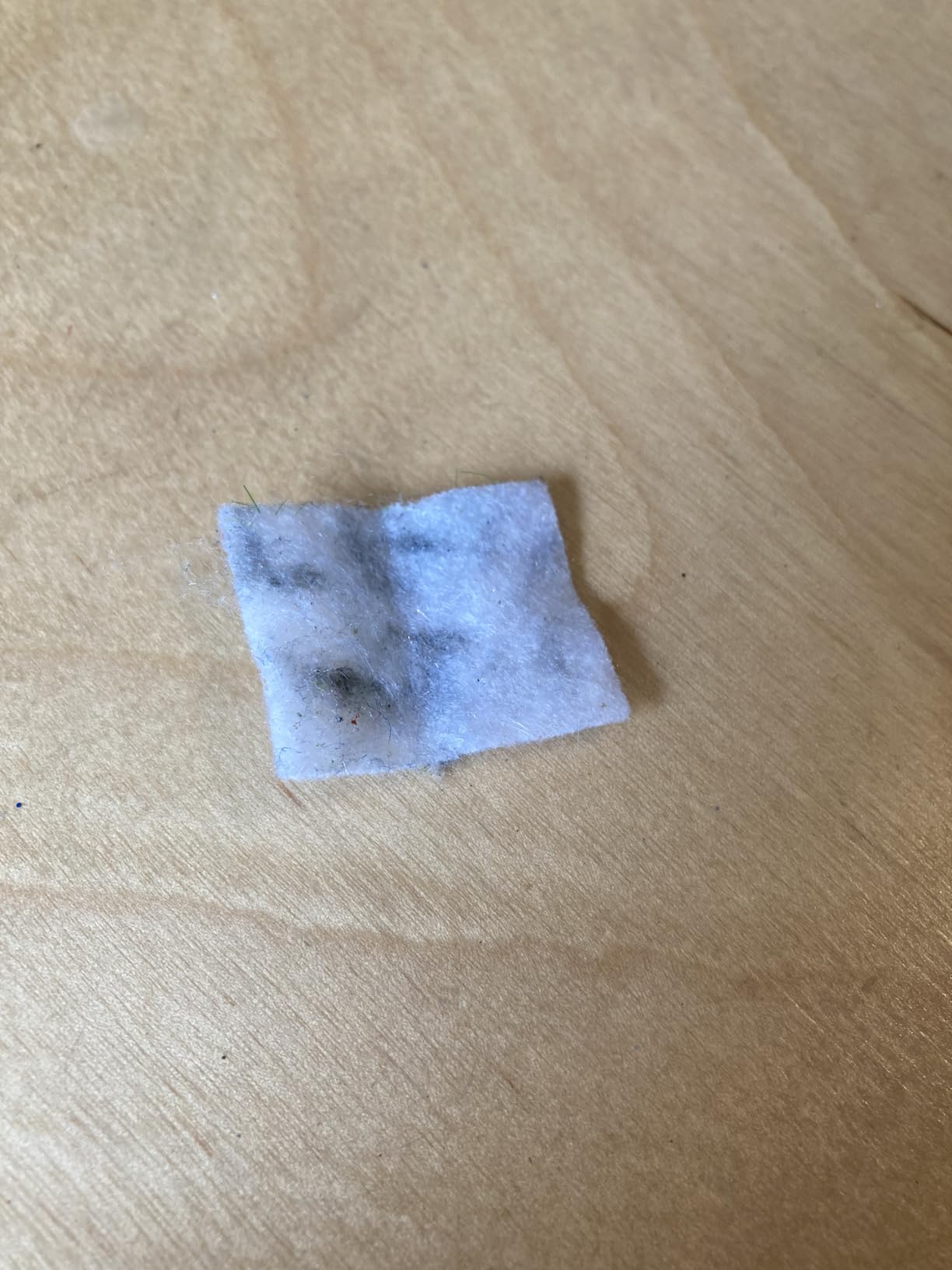
What impresses me most about these cleaning blocks is their durability – a single block lasts through dozens of cleaning sessions before wearing down. The two-pack provides excellent value and ensures you always have a backup ready. Unlike liquid cleaners that can leave residue, these abrasive blocks clean mechanically without requiring any additional chemicals or solvents.
For modelers who enjoy hands-on maintenance work, these blocks provide the control and precision needed for thorough track cleaning. They’re particularly effective for preparing new track before initial operation or restoring neglected track that hasn’t been maintained properly. The absence of residue means trains can run immediately after cleaning without waiting for solvents to evaporate.
Best For Detailed Manual Track Maintenance
These cleaning blocks are ideal for modelers who prefer hands-on maintenance and want thorough control over the cleaning process. If you enjoy detailed trackwork and want to ensure every section of your railroad receives proper attention, these blocks provide the precision needed for meticulous maintenance. They’re especially valuable for trouble-shooting electrical problems in specific areas.
Not Ideal For Large Layouts Requiring Frequent Cleaning
While effective, manual cleaning with these blocks takes significantly longer than using track cleaning cars, especially on larger railroads. If you have an extensive layout and limited time for maintenance, you might find cleaning cars more practical for regular upkeep. These blocks work best as supplementary tools for detailed cleaning rather than primary maintenance solutions.
9. Brightstone Forge Model Train Servicing and Repair Stand – Maintenance Cradle
Brightstone Forge Model Train Servicing and Repair Stand. Adjustable. Gauge/Scale HO, OO, TT, N, Locomotive Maintenance Cradle (Black)
Adjustable clamps
Tilts 45 degrees
Multi-gauge compatible
Pros
- Multi-angle clamps
- Tilts for access
- Soft jaw protection
- Fits multiple gauges
- Easy assembly
Cons
- Plastic construction
- Overpriced for materials
- Lightweight design
This servicing stand from Brightstone Forge provides a stable platform for locomotive maintenance and repair work. The adjustable clamps with soft rubber jaws hold models securely without damaging paintwork, while the tilting mechanism allows you to position models at the optimal angle for detailed work. After using this stand for various maintenance tasks, I’ve found it particularly valuable for decoder installations, gear lubrication, and detail painting.
The ability to tilt the stand up to 45 degrees makes accessing the underside of locomotives significantly easier than trying to work on them while they’re sitting on track. The multi-gauge compatibility is a thoughtful feature – whether you work with N, HO, OO, or TT scale equipment, this stand accommodates various sizes. Assembly takes just minutes with everything included in the package.
While some users feel the plastic construction justifies a lower price point, the stand has proven durable enough for regular maintenance work. The soft jaw clamps genuinely protect delicate paint finishes, which I appreciate when working on highly detailed models. For modelers who perform regular maintenance, weathering, or custom painting work, this stand provides a stable workspace that makes detailed tasks easier and more precise.
Best For Regular Maintenance and Customization Work
This servicing stand is ideal for modelers who frequently work on locomotives and rolling stock for maintenance, decoder installation, weathering, or customization projects. If you find yourself struggling to hold models securely while performing detailed work, this stand provides the stable platform needed for precise operations.
Not Ideal For Occasional Maintenance Needs
If you only perform locomotive maintenance occasionally or prefer simple repairs that don’t require special positioning, you might not need this dedicated tool. Casual modelers who rarely work on their equipment might find improvised solutions sufficient for their limited needs. The investment makes more sense for those who maintain larger fleets or perform complex customizations regularly.
10. Bachmann Trains 40′ Track Cleaning Gondola – Union Pacific Edition
Bachmann Trains - 40’ Track Cleaning Gondola CAR - Union Pacific® #908458 - Maintenance of Way - Ho Scale
Silver Series quality
Magnetic couplers
Added weight
Pros
- Fully assembled
- DC and DCC compatible
- Detailed paint and graphics
- Metal wheels
- Added weight for tracking
Cons
- Limited reviews
- Higher price point
This Bachmann Silver Series track cleaning gondola represents an excellent option for modelers wanting Union Pacific equipment in their maintenance fleet. The highly detailed paint and graphics accurately replicate the prototype’s appearance, while the blackened metal wheels and magnetic couplers ensure reliable operation. The added weight incorporated into the design helps maintain consistent contact with rails for effective cleaning.
What sets this gondola apart is the Silver Series quality level – Bachmann’s premium line offers improved detailing and better performance than their standard offerings. The fully assembled construction means it’s ready to use right out of the box, with no assembly required. This car works effectively on both DC and DCC layouts, making it versatile for different control systems.
While the limited review count reflects this model’s recent release rather than any quality issues, the 4.8-star rating from early adopters indicates strong performance. The Union Pacific branding will be particularly appealing to modelers of that railroad or those modeling western US operations. The gondola design provides different visual variety from boxcar-style cleaners, adding diversity to maintenance consists.
Best For Union Pacific Modelers Seeking Quality Equipment
This track cleaning gondola is ideal for modelers who want Union Pacific-branded maintenance equipment or prefer the visual variety of gondola-style cleaners over boxcar designs. If you value Silver Series quality and want a track cleaning car that looks great in UP consists, this delivers excellent performance with prototypical appearance.
Not Ideal For Budget-Conscious Modelers
The Silver Series quality comes with a higher price point that might not fit all budgets. If you’re looking for the most economical track cleaning solution or don’t specifically need Union Pacific branding, less expensive options from Bachmann’s standard line or Walthers might provide similar functionality at lower cost.
Buying Guide: How to Choose the Right HO Scale Maintenance of Way Equipments?
Understanding MOW Equipment Types
Maintenance of Way equipment encompasses several distinct categories, each serving specific purposes in railroad operations. Track cleaning cars like the Walthers boxcar and Bachmann gondola provide automated rail maintenance during operating sessions. Manual cleaning tools such as the Patelai abrasive blocks offer detailed control for problem areas. Servicing equipment like the Brightstone Forge stand and Bachmann E-Z Riders support locomotive maintenance and testing. Detail accessories including the End of Train Device enhance realism without performing actual maintenance functions.
Scale and Era Considerations
All models featured here are HO scale (1:87 ratio), but era-appropriate selection matters for historical accuracy. End of Train Devices became standard in the 1980s, making them inappropriate for earlier modeling periods. Track cleaning cars typically represent modern equipment, though wreck trains and work trains have much longer historical precedence. Consider your railroad’s modeled era when selecting equipment – modern maintenance equipment would look out of place on a 1950s-themed layout, while archaic equipment might seem anachronous on contemporary railroads.
Kit vs. Ready-to-Run Options
The products featured here are primarily ready-to-run models requiring minimal assembly. This contrasts with unpainted metal kits from manufacturers like Custom Finishing Models that require significant modeling skills. Ready-to-run options like those from Bachmann and Walthers provide immediate gratification and work well for modelers who prefer operations to kitbuilding. However, serious modelers seeking maximum detail and customization potential might prefer higher-quality kits despite the additional construction work required.
Brand Comparison and Quality
Bachmann offers the widest selection of HO scale MOW equipment with good quality at reasonable prices. Their Silver Series line provides enhanced detail and performance. Walthers Trainline delivers reliable performance with excellent road name variety. For specialized equipment not covered by major manufacturers, modelers often turn to limited-run producers like Custom Finishing Models or seek discontinued models on the secondary market. Quality varies significantly between manufacturers – expect to pay more for better detailing and more prototypical accuracy.
Price vs. Value Analysis
Track cleaning cars range from budget-friendly options under $50 to premium models approaching $100. Consider how frequently you’ll use each piece of equipment – a track cleaning car used weekly justifies a higher investment than a specialized detail car used rarely. Manual cleaning tools like the Patelai blocks offer excellent value for occasional maintenance needs. Servicing equipment like the E-Z Riders and maintenance stands represent long-term investments that pay dividends through reduced maintenance time and improved locomotive performance.
Sourcing and Availability
Current-production models from Bachmann and Walthers are readily available through hobby retailers and Amazon. Limited-run equipment from smaller manufacturers may require direct ordering from specialty retailers. Discontinued MOW models frequently appear on eBay and at train shows, though prices can vary significantly. Joining model railroad forums and following manufacturer announcements helps track new releases and limited production runs. Building relationships with local hobby shop owners can provide advance notice of incoming stock and special orders.
Frequently Asked Questions About HO Scale Maintenance of Way Equipment
What is HO scale MOW equipment?
What brands make HO scale MOW equipment?
What is included in a wreck train consist?
Where can I buy HO scale MOW equipment?
How to model HO scale work trains?
Conclusion: Building Your HO Scale Maintenance of Way Fleet
Adding HO scale maintenance of way equipment transforms your layout from a simple train set into a realistic railroad operation. The Walthers Trainline Track Cleaning Boxcar stands out as the best overall choice for automated rail maintenance, while Bachmann’s Track Cleaning Gondola offers excellent value for Union Pacific modelers. The Bachmann End of Train Device provides an affordable way to add authentic details to modern freight consists.
Start building your MOW fleet by selecting equipment that matches your railroad’s era and geographic region. Consider starting with functional pieces like track cleaning cars that actually maintain your layout, then expand into specialized equipment as space and budget allow. Whether you choose ready-to-run models or detailed kits, these maintenance vehicles add tremendous visual interest and operational possibilities to your HO scale railroad.