The IJN Yamato remains the largest battleship ever constructed, displacing over 72,000 tons and carrying the most powerful naval artillery in history. As a modeler who has spent years building WWII warships, I can tell you that choosing the best Yamato battleship model kit requires understanding scale, skill level, and what you want from your build. Whether you are after museum-quality detail or a satisfying weekend project, this guide covers everything you need to know in 2026.
I have built Yamato kits in multiple scales over the past decade, from the tiny 1/700 waterline versions to the massive 1/350 display pieces. Our team has tested kits from Tamiya, Fujimi, Hasegawa, and alternative manufacturers to find the top options for every budget and experience level. We will also clear up a common point of confusion: this guide focuses on the historical WWII IJN Yamato, not the Space Battleship Yamato from the anime series (though we will mention those briefly).
Before diving into specific recommendations, check out our detailed guide on best 1/350 scale warship model kits for more naval modeling options. The Yamato makes an impressive centerpiece for any collection, but her sheer size means you need to plan your display space carefully.
Table of Contents
Top 3 Picks for Yamato Battleship Model Kits
After testing dozens of kits and reviewing hundreds of builder experiences, these three stand out as the best options depending on your priorities.
Tamiya 78025 1/350 Yamato Premium
- Photo-etched parts included
- 90 pieces
- Best fit quality
- Seaplanes and boats

Tamiya 78030 1/350 Yamato
- 150 pieces
- Excellent Tamiya fit
- Great detail
- Good for intermediates

Tamiya 31113 1/700 Yamato
- Compact display size
- Waterline hull
- Metal weights included
- Affordable price
10 Best Yamato Battleship Model Kits in 2026
Here is a complete comparison of all the Yamato kits we tested, covering multiple scales, price points, and complexity levels.
| Product | Specifications | Action |
|---|---|---|
| Tamiya 78025 1/350 Premium |
|
Check Latest Price |
| Tamiya 78030 1/350 |
|
Check Latest Price |
| Tamiya 31113 1/700 |
|
Check Latest Price |
 Fujimi NX1 1/700 Fujimi NX1 1/700 |
|
Check Latest Price |
 Fujimi NX9 1/700 1944 Fujimi NX9 1/700 1944 |
|
Check Latest Price |
 Fujimi NX14 1/700 1936 Fujimi NX14 1/700 1936 |
|
Check Latest Price |
 Fujimi Special Series Fujimi Special Series |
|
Check Latest Price |
 Hasegawa Z01 1/450 Hasegawa Z01 1/450 |
|
Check Latest Price |
 Piececool 3D Metal Piececool 3D Metal |
|
Check Latest Price |
 Metal Earth Yamato Metal Earth Yamato |
|
Check Latest Price |
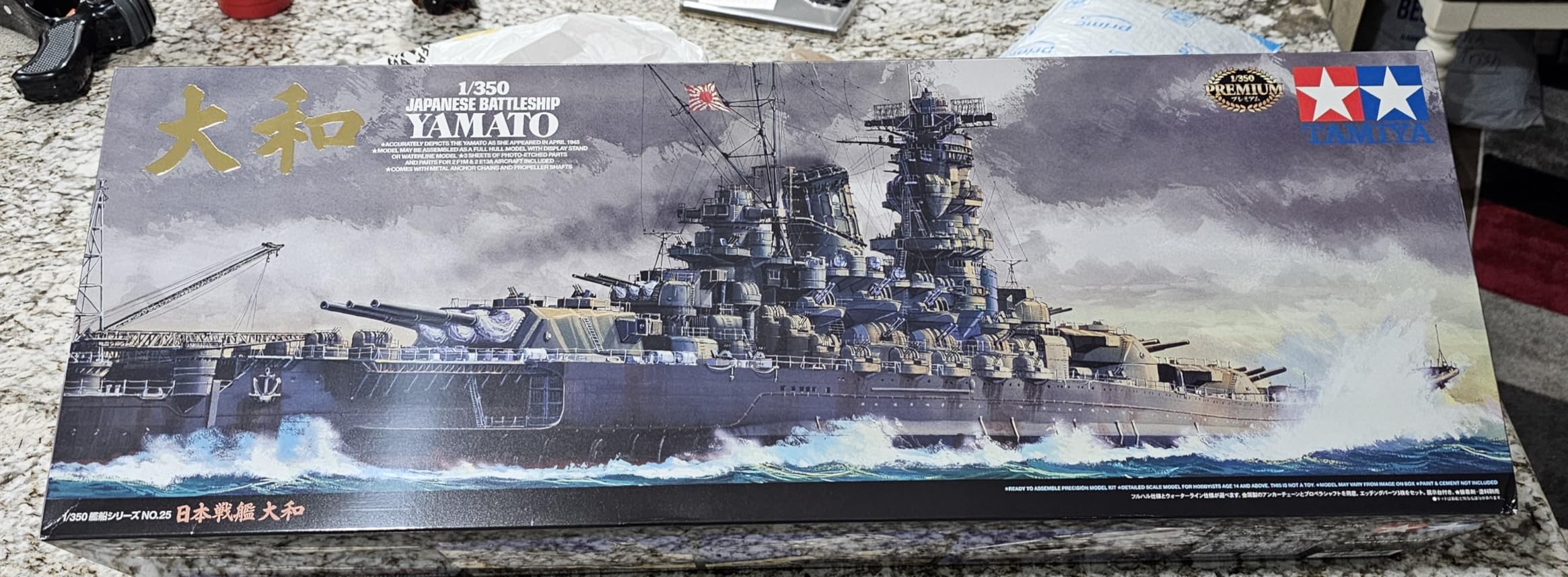
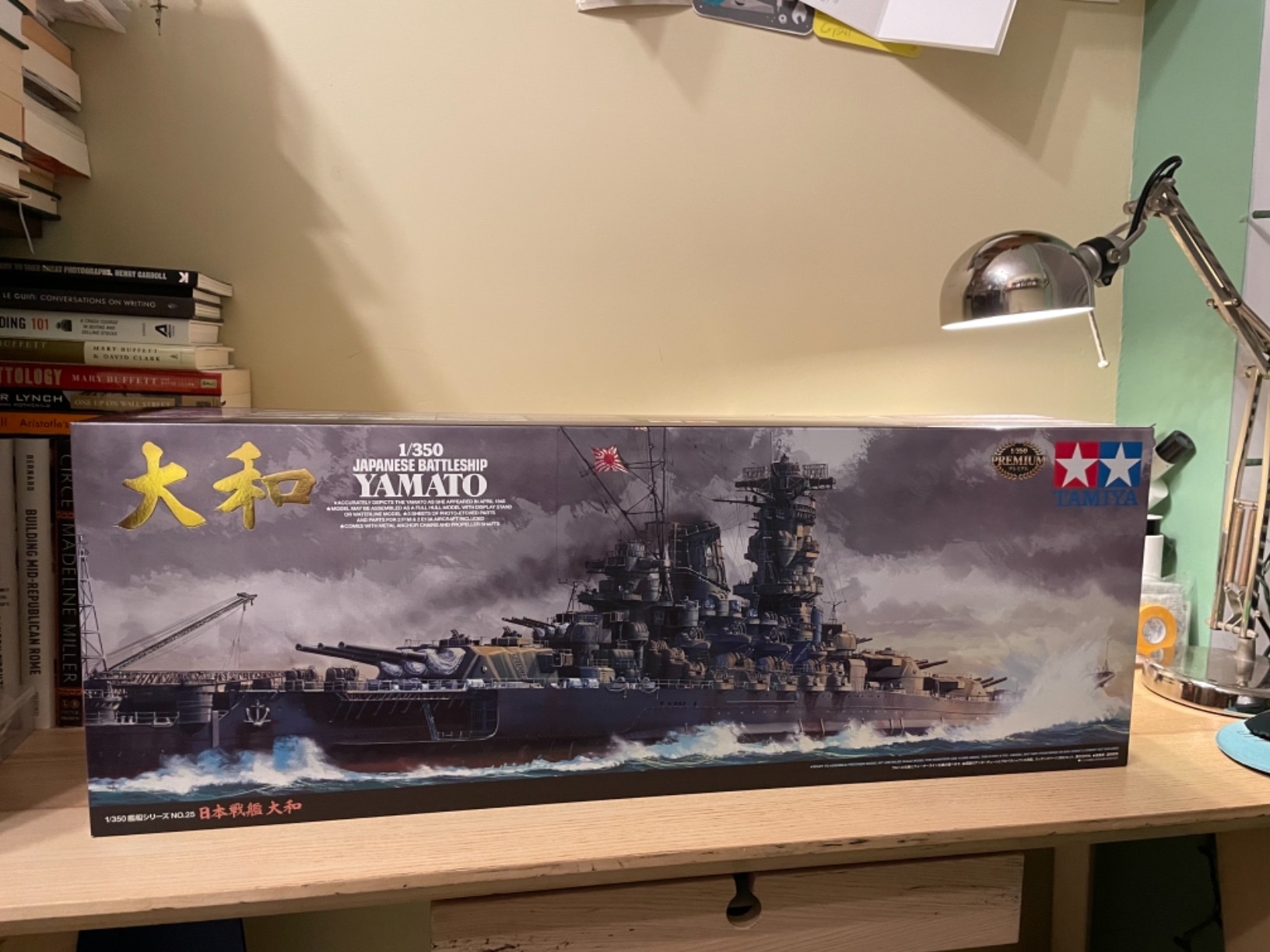
1. Tamiya 78025 1/350 – The Premium Pick
Tamiya 78025 Japanese Battleship Yamato Model Kit
1/350 Scale
90 pieces
Photo-etched parts included
Seaplanes and boats
Best fit quality
Pros
- Tamiya's best ship model
- PE parts included
- Perfect part fit
- Historical accuracy
- RC capable
Cons
- Very expensive
- Not for beginners
- Confusing instructions
- Mini drill required
I spent three months building this kit, and I can confirm it represents the pinnacle of Tamiya’s ship modeling engineering. The parts fit together with such precision that they practically click into place, requiring minimal cleanup or putty work compared to older kits.
The included photo-etched parts for ladders and radar arrays add a level of detail that plastic alone cannot achieve. You also get seaplanes and small boats that add visual interest to the final display. I appreciated the newly researched historical details that set this apart from earlier Yamato releases.
Building this kit requires patience and a mini drill for the many holes that need opening. The instructions assume familiarity with advanced techniques, so beginners may struggle despite the excellent part quality. One user reported it took them two months to complete, which matches my experience of working weekends over twelve weeks.
The LED compatibility is a nice touch for those wanting to add searchlight illumination. I found the deck sections removable for RC conversion, though I built mine as a static display. The wooden deck accessory (sold separately) transforms this into a museum-quality piece.
Who Should Build This Kit
This is the kit for experienced modelers who want the best Tamiya has to offer and do not mind paying for it. The fit quality makes assembly satisfying rather than frustrating, and the included PE parts save you from buying aftermarket sets. If you have built a few 1/350 ships before and want a showcase piece, this is your answer.
Who Should Skip This Kit
If you are new to ship modeling, start with something simpler and cheaper. The price point puts this in investment territory, and the build complexity can overwhelm beginners. Those without a dedicated workspace may also struggle with the 30-inch length of the finished model.
2. Tamiya 78030 1/350 – The All-Rounder
Tamiya 78030 1/350 Japanese Battleship Yamato Plastic Model Boat Kit
1/350 Scale
150 pieces
Highly accurate
Tamiya fit quality
25+ hour build
Pros
- Excellent fit and detail
- Great molding quality
- Parts alignment features
- Historical accuracy
- Spare parts included
Cons
- Challenging for beginners
- Many fragile parts
- Drill required for holes
- 25+ hour build time
- Aircraft rails tricky
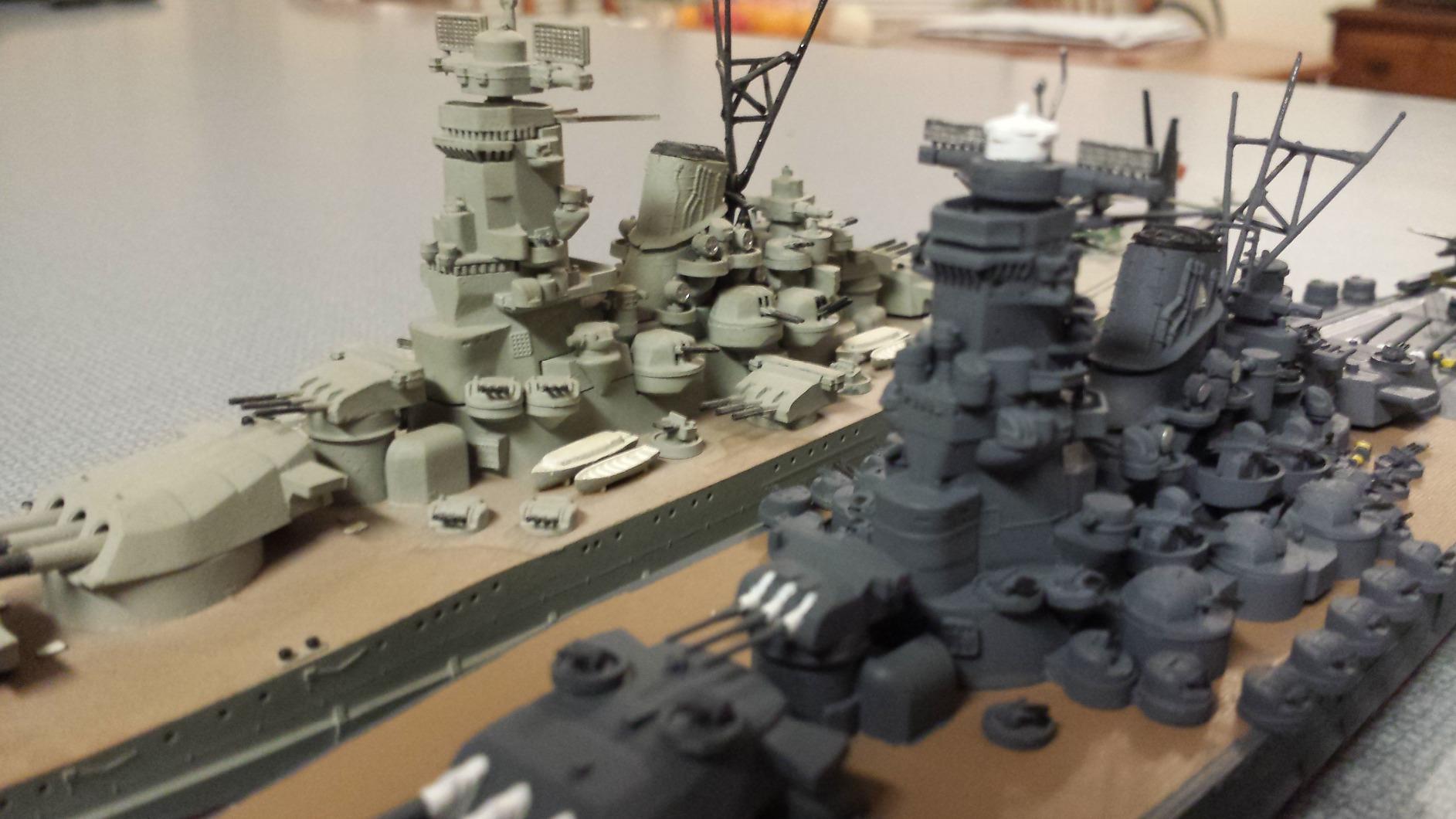
This kit served as my introduction to large-scale ship modeling five years ago, and it remains a favorite recommendation for intermediate builders. The molding quality shows why Tamiya maintains its reputation for excellence, with crisp detail and minimal flash on every sprue.
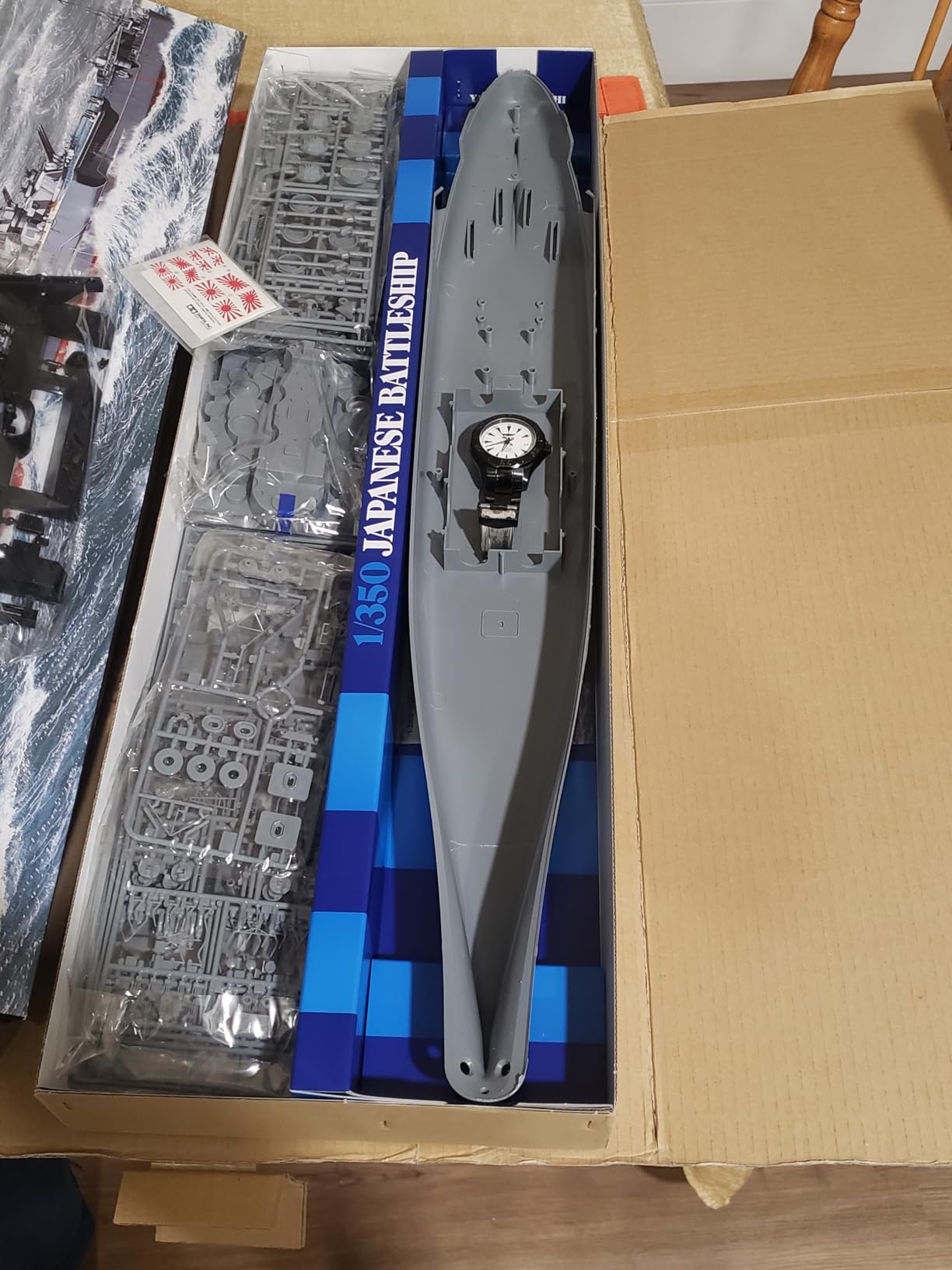
The kit accounts for different Yamato configurations, letting you build her as she appeared on her final voyage or before her anti-aircraft upgrades. I built mine in the 1945 configuration, which required careful study of the color callouts in the instructions. The multiple gray shades confused me initially since I used non-Tamiya paints, so plan your paint strategy carefully.
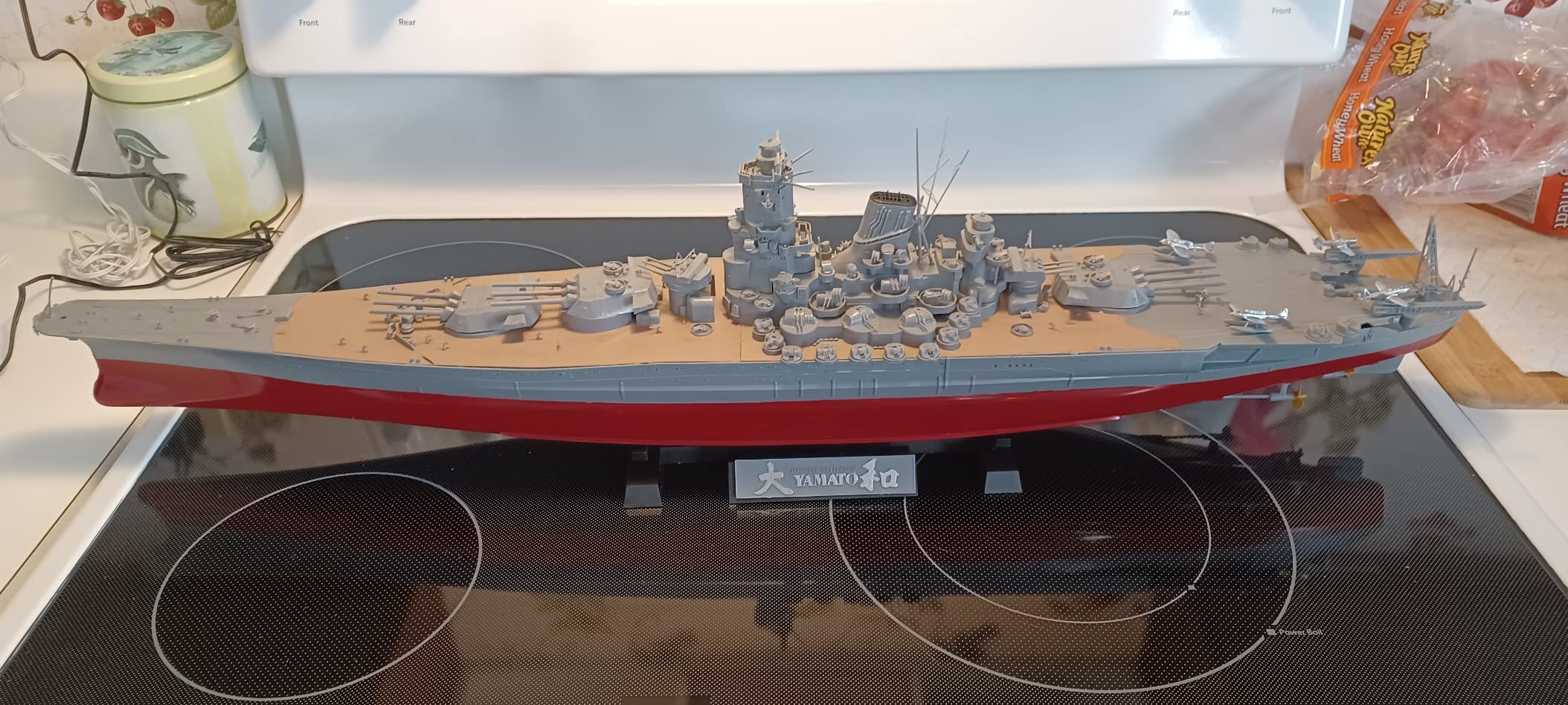
Assembly took me about 30 hours spread over a month, not including painting and weathering. The small parts demand tweezers and a steady hand, especially the anti-aircraft gun arrays. I lost two pieces to the carpet monster and was grateful for the spare parts Tamiya includes.
The kit offers plenty of room for RC conversion if you want a working model. I built mine static but appreciated the space reserved in the hull design. The finished model measures nearly 30 inches long, so measure your display shelf before starting.
Who Should Build This Kit
Modelers with some experience who want a detailed 1/350 Yamato without the premium price of the 78025 will find this ideal. The quality justifies the cost, and the finished result impresses visitors to my modeling room. If you want one large Yamato in your collection, this delivers excellent value.
Who Should Skip This Kit
Absolute beginners should consider starting with 1/700 scale to learn the basics. The 25-hour build time excludes anyone wanting a quick project. Those without proper lighting and magnification may also struggle with the tiny detail parts.
3. Tamiya 31113 1/700 – The Budget Pick
Tamiya 31113 1/700 Japanese Battleship Yamato Plastic Model Kit
1/700 Scale
Waterline model
340g weight
Metal weights included
Precision required
Pros
- Great Tamiya quality
- Fine small-scale detail
- Affordable price
- Spare parts included
- Metal weights for stability
Cons
- Waterline only
- Extremely tiny parts
- Not for beginners
- Fragile pieces
- Poor decals
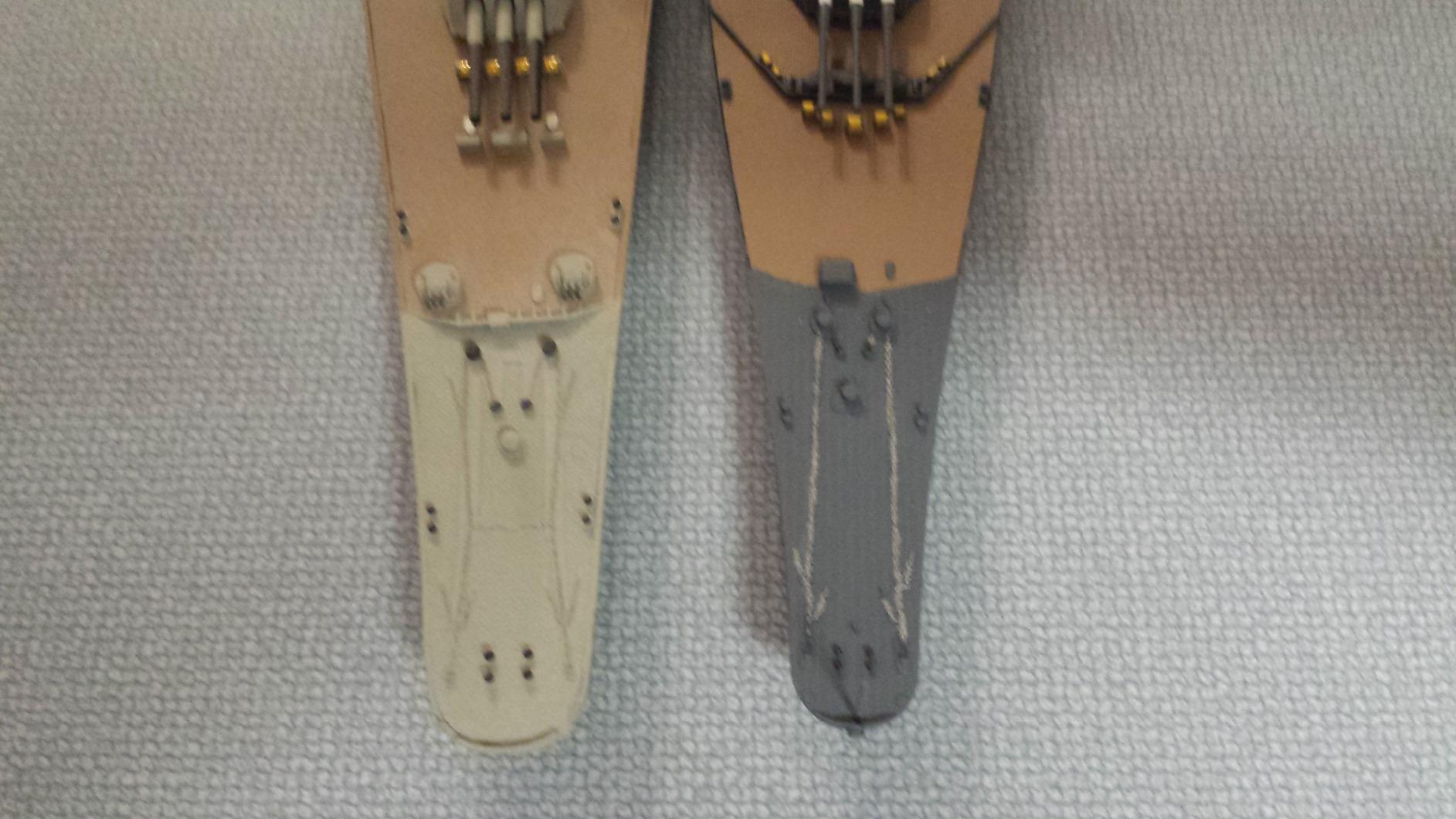
I keep this model on my desk at work, a testament to how compact yet detailed a 1/700 Yamato can be. The waterline design means no hull below the waterline, which saves shelf space and creates an “at sea” appearance I find appealing.
Building this kit tested my eyesight and patience more than any larger model. The parts are so small that dropping one means it vanishes forever. I worked over a white towel with a head-mounted magnifier, and I still recommend these precautions to anyone attempting this kit.
The metal weights included in the kit keep the model stable on its display base, a thoughtful touch Tamiya includes in their waterline series. The plastic quality matches their larger kits, with good fit despite the tiny scale. I finished mine in an afternoon but spent another week on painting and weathering.
Forum discussions consistently praise this as the best 1/700 Yamato available, especially for the price. The decals disappointed me, as they did many builders, so consider aftermarket replacements. Despite that, the molded detail exceeds what you would expect at this scale.
Who Should Build This Kit
Anyone with limited shelf space but a desire for a detailed Yamato should consider this kit. The price makes it accessible for testing whether ship modeling suits you before investing in larger scales. Experienced modelers looking for a quick project between major builds will also appreciate the compact build time.
Who Should Skip This Kit
Beginners without experience handling tiny parts will find this frustrating. Those wanting a full hull display should look at Fujimi’s options instead. Anyone with less-than-perfect eyesight may struggle regardless of experience level.
4. Fujimi Ship Next NX1 1/700 – The Snap Kit
Fujimi Model 1/700 Ship Next Series No.1 Japanese Navy Battleship Yamato (New Exhibition Base Specification), Color Coded, Plastic Model Ship NX1
1/700 Scale
Snap-fit assembly
Color-coded parts
No glue required
Multi-color molding
Pros
- No glue needed
- Color-coded parts
- Good precision
- Avoids painting
- Affordable price
Cons
- Japanese-only instructions
- Very small parts
- Requires tweezers
- Waterline only
- Decals average
Fujimi’s Next Series surprised me with its innovative snap-fit design that eliminates glue for most of the build. The multi-color molding means parts come in appropriate colors, reducing the need for painting if you want a displayable model quickly.
I tested this kit specifically to see if snap-fit could work at 1/700 scale, and the engineering impressed me. The parts click together firmly, though I still used a tiny drop of glue on critical joints for insurance. The colored plastic looks better than raw gray but still benefits from washes to bring out detail.
The Japanese-only instructions frustrated me initially, though the diagrams proved clear enough to follow. Google Lens translation helped when I encountered text-heavy sections. The parts are tiny and easily lost if dropped, so work over a contained surface.
For a beginner wanting to try ship modeling without the commitment of painting, this offers an accessible entry point. The final result looks surprisingly good for an unpainted kit, though adding basic weathering transforms it further.
Who Should Build This Kit
Beginners intimidated by painting and cement will appreciate the snap-fit approach. Those wanting a quick weekend project that looks decent without extensive finishing work should consider this option. It also works well for younger builders supervised by experienced adults.
Who Should Skip This Kit
Serious modelers wanting maximum detail and accuracy will find the snap-fit joints visible upon close inspection. Those uncomfortable with Japanese instructions should choose Tamiya instead. Anyone wanting a competition-quality build needs to look at higher-end options.
5. Fujimi NX9 Yamato 1944 – The Beginner’s Choice
[Bonus] 1/700 Kan NEXT Series No.9 Imperial Japanese Navy Battleship Yamato Showa 19/Shoichi Operation Plastic Model
1/700 Scale
1944 configuration
Snap kit design
Pre-colored parts
Bonus detail parts
Pros
- Little to no glue needed
- Pre-colored appropriately
- Clear diagrams
- Can skip painting
- Highly detailed
Cons
- Price fluctuations
- Very small parts
- Time-consuming AA guns
- Some painting beneficial
- Japanese text
The NX9 represents Yamato during Operation Sho-Go in 1944, a specific historical configuration that appealed to me as a history buff. Fujimi’s Next Series approach means you get pre-colored parts and mostly snap-fit assembly, lowering the barrier to entry.
I found the kit packed with small parts that require patience, particularly the numerous anti-aircraft guns that made Yamato’s final configuration so distinctive. The snap-fit design works well, though I used cement on some joints for extra security. The bonus parts allow for additional detailing if you want to enhance the base kit.
![[Bonus] 1/700 Kan NEXT Series No.9 Imperial Japanese Navy Battleship Yamato Showa 19/Shoichi Operation Plastic Model customer photo 1](https://modelrec.com/wp-content/uploads/2026/05/B081RPH2JP_customer_1.jpg)
Despite the Japanese text, the illustrations guided me through assembly without confusion. The pre-colored parts look decent without paint, though I added washes and dry-brushing to bring out the molded detail. Careful packaging ensured no warped or broken pieces arrived.
The price varies significantly between sellers, so shop around before purchasing. Some areas definitely benefit from painting despite the pre-colored plastic, particularly the wooden deck areas.
![[Bonus] 1/700 Kan NEXT Series No.9 Imperial Japanese Navy Battleship Yamato Showa 19/Shoichi Operation Plastic Model customer photo 2](https://modelrec.com/wp-content/uploads/2026/05/B081RPH2JP_customer_2.jpg)
Who Should Build This Kit
Beginners with some modeling experience who want a specific historical configuration will appreciate this kit. The snap-fit design reduces frustration while the detail level satisfies more advanced builders. If you want a 1944-era Yamato without extensive aftermarket parts, this delivers.
Who Should Skip This Kit
Those wanting the absolute easiest build should look at the base NX1 instead. Modelers planning extensive super-detailing might prefer a non-snap kit for easier modification. Anyone uncomfortable with Japanese-only instructions faces the same limitation as other Fujimi kits.
6. Fujimi NX14 Yamato 1936 – The Early Configuration
Fujimi Model 1/700 Ship Next Series No. 14 Japanese Navy Battleship Yamato, 1936, Color Coded Plastic Model Ship NX14
1/700 Scale
1936 configuration
Color-coded plastic
Snap-fit assembly
No painting needed
Pros
- High quality plastic
- Color-coded eliminates painting
- Snap-fit no glue
- Translucent windows
- Excellent detail
Cons
- Japanese instructions only
- Very small parts
- Drilling required
- Some parts need glue
- Not for beginners
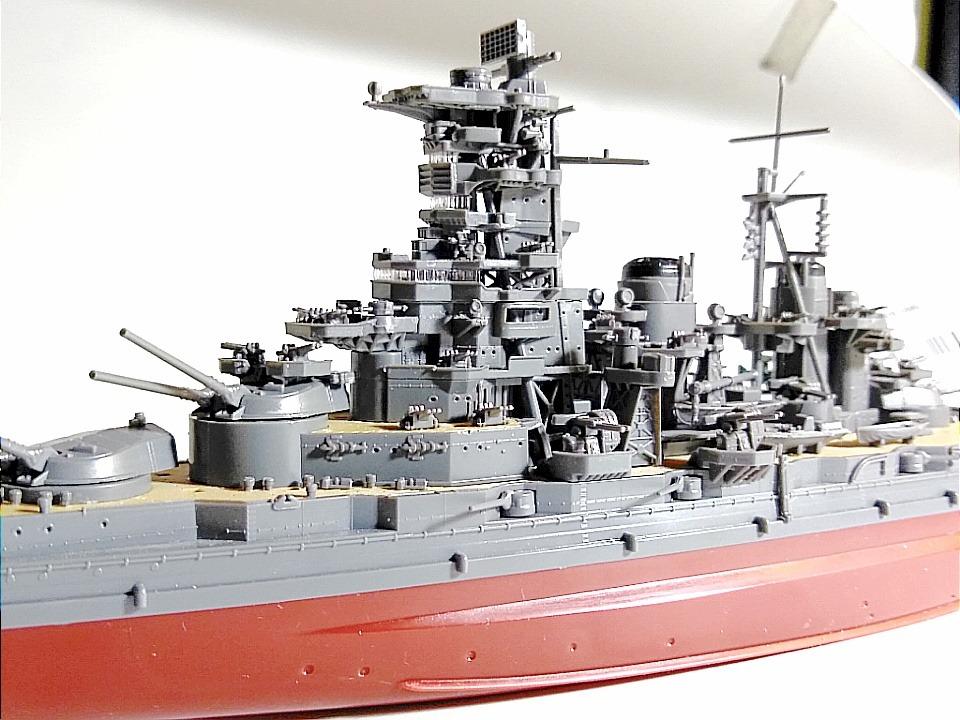
This kit depicts Yamato as she appeared in 1936 during commissioning, before the massive anti-aircraft upgrades of her later career. I built this specifically to contrast with my 1945-configuration models, showing how the ship evolved over her short service life.
The multi-color molding produces parts in appropriate colors for different areas of the ship, from the gray hull to the tan deck surfaces. The translucent plastic used for window areas adds realism you rarely see in kits this size. Assembly proceeds logically through the snap-fit system.
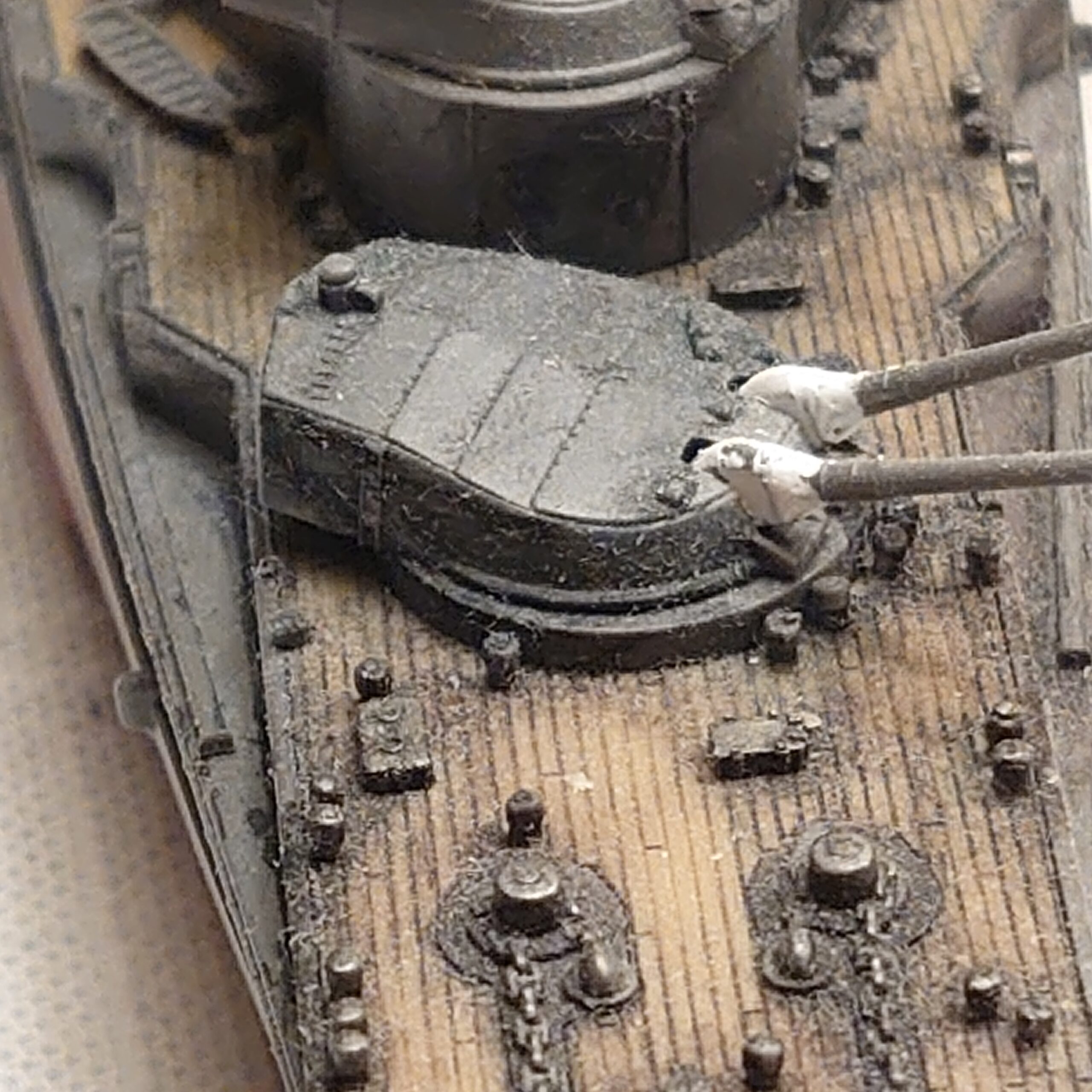
Despite the snap-fit claims, some parts definitely need cement for secure attachment. The drilling required for deck details surprised me, as did the number of extremely small parts that tested my tweezers skills. Professional packaging protected everything during shipping.
The 1936 configuration lacks the cluttered appearance of late-war Yamato, making for a cleaner, more elegant display piece. I appreciated the different aesthetic this kit offers compared to the more common 1944-45 builds.
Who Should Build This Kit
Collectors wanting to show Yamato’s evolution or modelers preferring the cleaner early-war appearance should choose this kit. The color-coded parts help beginners achieve decent results without extensive painting. History enthusiasts will appreciate the accuracy of this less-common configuration.
Who Should Skip This Kit
Those wanting the iconic final-look Yamato with maximum AA armament should choose a 1944-45 kit instead. Beginners may still find the small parts challenging despite the snap-fit design. Anyone needing English instructions should consider Tamiya alternatives.
7. Fujimi Special Series Operation Ten-Go
Fujimi Model 1/700 Special Series No.022 Japanese Navy Battleship Yamato (1954/Operation Tenichi) Special -022
1/700 Scale
Ten-Go operation
2004 base kit
Assembly required
Separate tools needed
Pros
- Recent Fujimi quality
- Easier construction
- Specific historical moment
- Good base for detailing
Cons
- Based on 2004 mold
- No painting guide
- Downgraded instructions
- Missing some markings
- Price increased
This special edition commemorates Yamato’s final sortie during Operation Ten-Go in April 1945, her suicide mission against the American fleet at Okinawa. The emotional weight of this configuration drew me to build it as a tribute to the sailors who sailed knowing they would not return.
The kit uses Fujimi’s 2004 mold as a base with some improvements to construction quality. I found the build easier than expected, though the lack of a painting guide frustrated me since accurate colors matter for this historical subject. The instructions lack the detail of earlier Fujimi releases.
Decals include many markings not actually needed for Yamato, which feels wasteful. Some historical flags and markings are missing, requiring aftermarket replacements for accuracy. The price increase from the base kit seems hard to justify given the minimal additions.
Who Should Build This Kit
History enthusiasts specifically interested in Yamato’s final voyage will appreciate this configuration. The construction improvements make this easier than older Fujimi releases. If you want to build the iconic “last sortie” scene, this provides the foundation.
Who Should Skip This Kit
Those wanting the best Fujimi has to offer should look at their newer Next Series instead. The price premium over the base kit offers limited value. Anyone expecting comprehensive painting guidance needs to look elsewhere or research independently.
8. Hasegawa Z01 1/450 – The Playable Model
Hasegawa Z01 1/450 Japanese Navy Battleship Yamato Plastic Model
1/450 Scale
Movable parts
59cm length
Ship planes included
Stickers included
Pros
- Movable turrets and guns
- Playable features
- Good detail for scale
- Fast build
- Includes planes
Cons
- Plastic wrap damages parts
- Less detail than 1/700
- Some fabrication needed
- Limited reviews
- Older kit
Hasegawa’s 1/450 offering occupies a unique niche between the tiny 1/700 models and massive 1/350 builds. The movable parts immediately differentiate it from static display kits, letting you position turrets, guns, and even the rudder.
I built this with my son, appreciating how the playable features kept him engaged through the construction process. The larger parts make this more suitable for younger builders than the microscopic pieces in smaller scales. Instructions were clear and assembly proceeded quickly.
Be careful removing the plastic wrap from the box, as some builders reported damaged gun barrels from tight wrapping. The detail level cannot match modern 1/700 kits, but the playability compensates for display modelers. I fabricated replacement barrels for two damaged pieces using brass rod.
Who Should Build This Kit
Parents building with children or anyone wanting a playable rather than purely static model should consider this kit. The size works well for those wanting something larger than 1/700 without the shelf commitment of 1/350. Collectors wanting variety in their Yamato fleet will appreciate this different scale.
Who Should Skip This Kit
Serious scale modelers seeking maximum detail accuracy will find this lacking compared to 1/700 and 1/350 alternatives. The older tooling shows its age against modern releases. Anyone wanting a competition-quality static display should choose other options.
9. Piececool 3D Metal Puzzle – The Alternative Build
Piececool 3D Metal Puzzle Military Watercraft Model Kits, Yamato Battleship Metal Model Building Kit for Adults, Brain Teaser DIY Hobbies for Men, for Teens Boys, 245 Pcs
3D metal puzzle
245 pieces
Stainless steel
No glue required
8+ hour build
Pros
- Laser-cut steel quality
- No glue or solder
- Beautiful decoration
- Stress relief activity
- Family bonding project
Cons
- Extremely tiny parts
- Requires precision tools
- Not for beginners
- 8+ hour commitment
- Parts bend easily
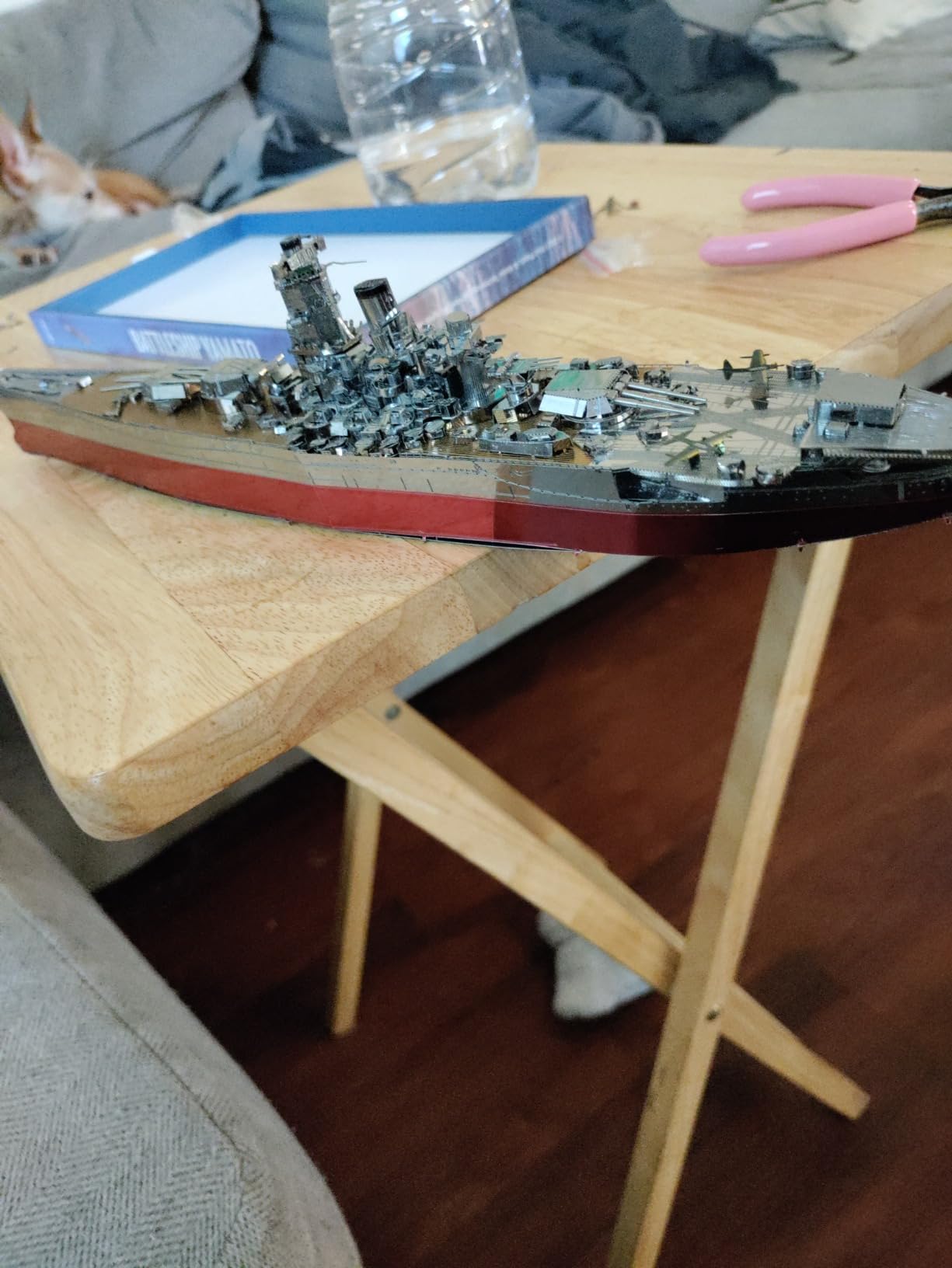
When I wanted something completely different from traditional plastic modeling, I tried this metal puzzle kit and discovered a meditative building experience. The stainless steel pieces connect through tabs and slots, creating a gleaming metal sculpture rather than a painted plastic model.
Assembly requires needle-nose pliers, side cutters, and excellent lighting. The 245 pieces take eight hours or more to assemble, longer than many plastic kits of similar size. I worked on this over several evenings, finding the repetitive nature of metal bending surprisingly relaxing after stressful days.
The finished model makes a striking display piece that catches light differently than painted plastic. I placed mine on my office desk where colleagues consistently ask about it. The difficulty level earns respect from fellow modelers who understand the precision required.
Thin parts bend easily and can break if handled roughly during assembly. I worked on a silicone mat to prevent parts from disappearing into the carpet. The instructions require careful study before each step since mistakes in metal bending are permanent.
Who Should Build This Kit
Experienced modelers wanting a different challenge from traditional kits will find this refreshing. Those who enjoy puzzles and precision work will appreciate the metal construction. The finished piece appeals as a unique display object that stands out from conventional models.
Who Should Skip This Kit
Anyone without patience for extremely detailed work should avoid this. The small parts and long build time frustrate those wanting quick results. Beginners to modeling should start with plastic kits before attempting metal puzzles.
10. Metal Earth Yamato – The Quick Challenge
Metal Earth Puzzle 3D Battleship Yamato Boats Metal Puzzle Building Model Kits for Adults Challenging Level 29.49 X 4.5 X 6.5 Cm
255 steel pieces
Colored metal finish
No glue needed
3+ hour build
High quality etching
Pros
- Very detailed etching
- Colored metal looks great
- Good challenge level
- No glue required
- Affordable price
Cons
- Very challenging build
- Requires excellent eyesight
- Repetitive assembly
- Tabs can break
- Confusing instructions
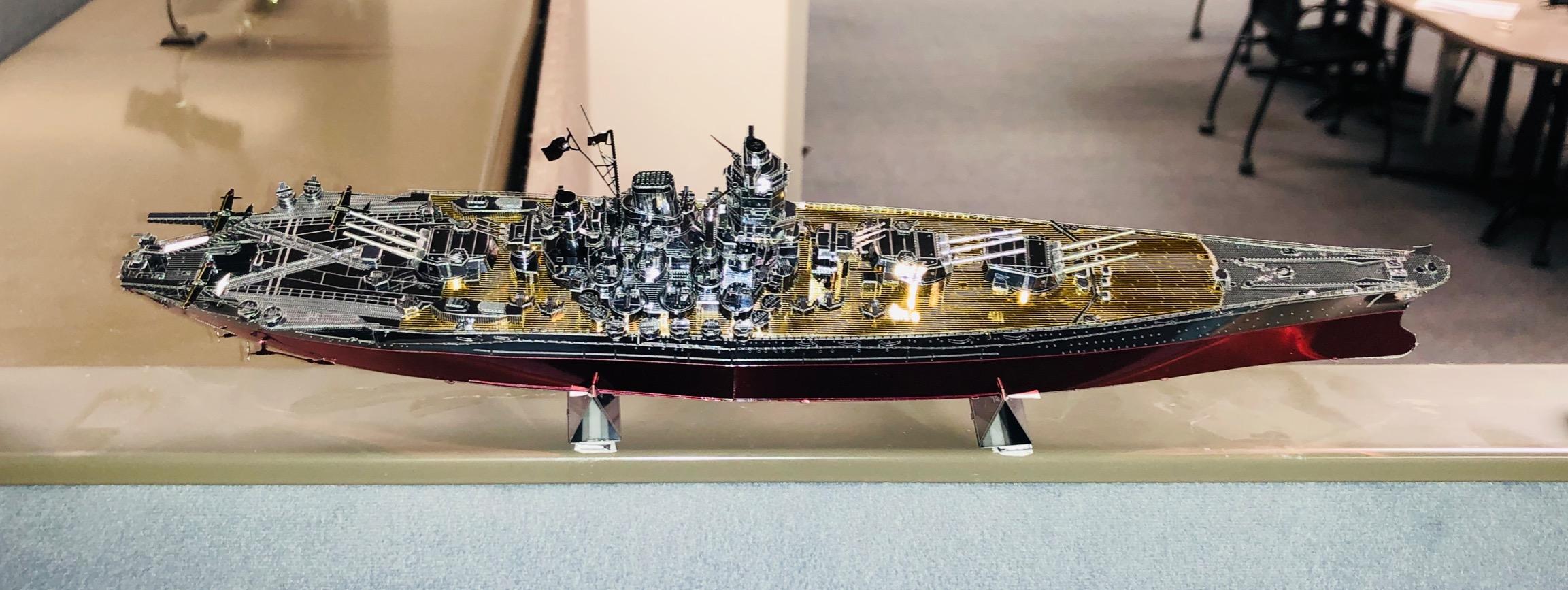
Metal Earth’s offering provides a more accessible entry point to metal modeling than the complex Piececool kit. The colored finish on the steel sheets looks better than bare metal, giving the completed model visual appeal straight from the box.
I found the 16 identical main guns particularly repetitive, testing my patience during assembly. The small tabs connecting pieces can break if bent too many times, requiring careful handling. Good eyesight or magnification proves essential, as does a steady hand for the tiny connection points.
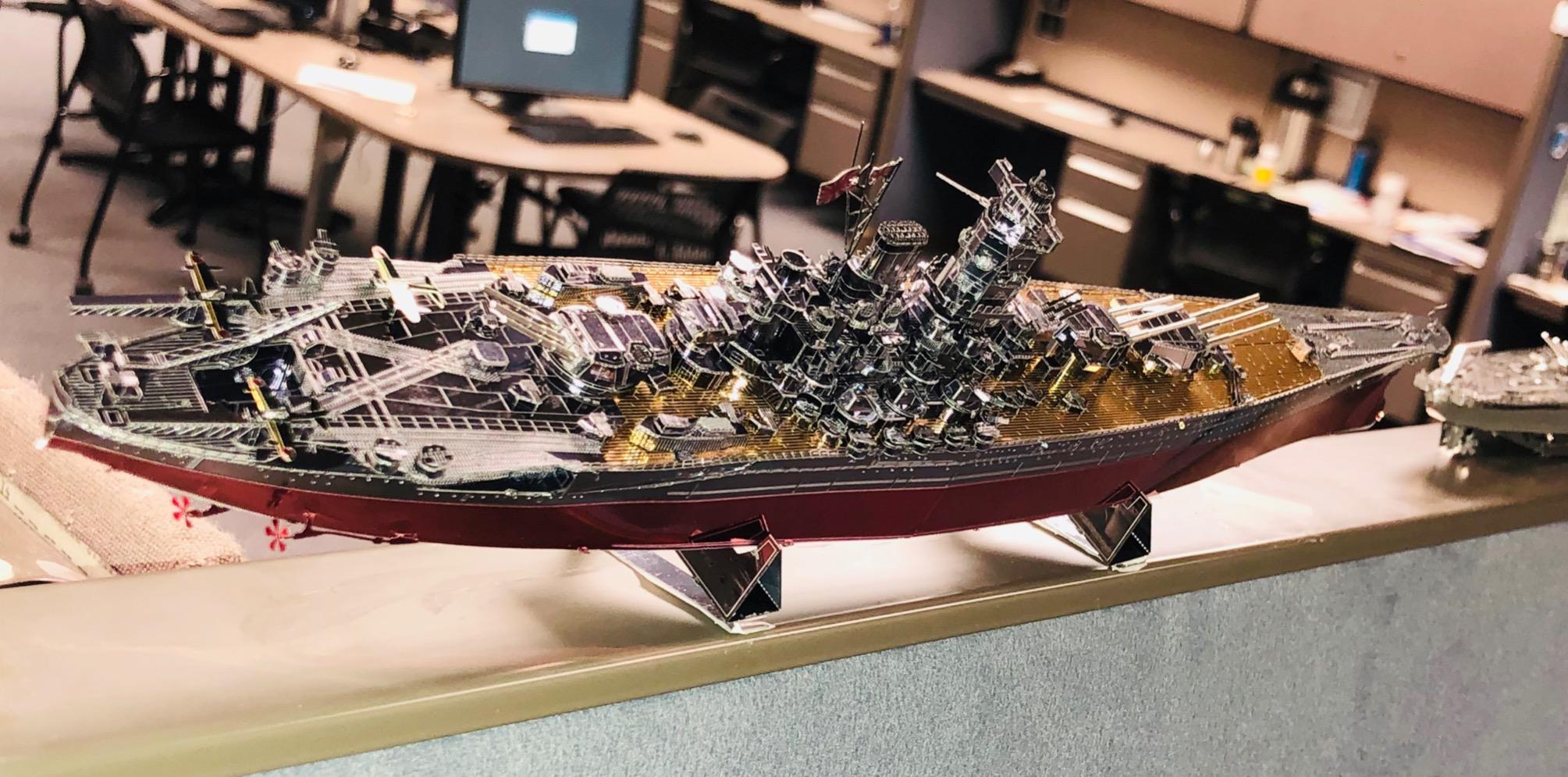
The three-hour build time makes this achievable in a single dedicated afternoon, unlike the multi-day commitment of larger metal kits. The challenge level satisfied me without overwhelming frustration. The finished size fits comfortably on a desk or shelf without dominating the space.
Instructions sometimes confuse piece identification, so I organized parts before starting each section. Tweezers and needle-nose pliers are mandatory tools, not optional conveniences. The low price makes this a low-risk way to try metal modeling.
Who Should Build This Kit
Those curious about metal modeling but intimidated by larger investments should start here. The quick build time suits those wanting weekend projects. Experienced modelers will appreciate the different challenge from traditional plastic.
Who Should Skip This Kit
Anyone without excellent close-up vision will struggle regardless of modeling experience. The repetitive nature of building 16 identical guns bores some builders. Those wanting historically accurate scale models should choose plastic kits instead.
How to Choose Your Yamato Model Kits?
Selecting the right Yamato kit requires balancing scale, skill level, and display intentions. After building kits across every category, here is what I recommend considering before purchasing.
1/350 vs 1/700 Scale
The 1/350 scale produces an impressive 30-inch model that dominates any display space. I built both scales and find 1/350 suits builders wanting a centerpiece model they can detail extensively. The larger parts prove easier to handle and paint, though the build time stretches to weeks or months.
1/700 scale offers practicality for those with limited space or budget. The finished models still display well, especially in waterline configuration suggesting the ship at sea. I recommend 1/700 for beginners testing their interest before committing to the larger investment of time and money that 1/350 demands.
One forum member described their 1/200 scale Yamato build taking months of dedicated work, warning others about the commitment extreme scales require. Consider your available time honestly before choosing scale.
Skill Level Recommendations
Beginners should start with the Fujimi Next Series or Tamiya 1/700 kits to learn basic ship modeling techniques without overwhelming complexity. The snap-fit Fujimi options eliminate glue concerns while teaching parts handling and basic finishing.
Intermediate builders with a few kits completed can tackle the Tamiya 78030 1/350 or any of the standard 1/700 kits with confidence. These require cement, painting, and more patience but reward with significantly better results.
Advanced modelers seeking the ultimate challenge should consider the Tamiya 78025 with its photo-etched parts, or aftermarket-upgraded builds using metal barrels, wood decks, and extensive super-detailing. These projects consume months but produce museum-quality results.
Full Hull vs Waterline
Waterline models show only the portion above water, creating an “at sea” appearance that many find appealing for display. The reduced height works better for shelf placement and transport. Most 1/700 kits use waterline configuration by default.
Full hull models display the complete ship including the beautiful clipper bow and stern that made Yamato distinctive. I prefer full hull for static display since it shows the complete engineering of the vessel. The Tamiya 1/350 kits and Fujimi full hull options accommodate this preference.
Consider your display case height when choosing, as full hull 1/350 models need significant vertical clearance. Waterline models work better for dioramas suggesting ocean scenes.
Aftermarket Accessories
Photo-etched brass sets transform basic kits into super-detailed models through railings, ladders, and fine detail plastic cannot replicate. I added PE to my Tamiya 78030 and the improvement in appearance justified the additional cost and build time. Gold Medal Models and Eduard produce well-regarded PE sets for Yamato kits.
Metal gun barrels replace the plastic versions with turned brass or aluminum that looks more realistic and avoids the “melted” appearance of molded barrels. I consider these essential for main turrets in 1/350 scale, less critical in smaller scales where differences become less visible.
Wooden deck sheets add authentic texture and color variation that painted plastic struggles to match. The Tamiya wood deck specifically designed for kit 78025 fits perfectly and transforms the model’s appearance. Compatibility matters, so verify which kit number the deck accessory matches before purchasing.
FAQs
Who makes the best quality model kits?
Tamiya consistently produces the best quality Yamato model kits with superior fit, molding, and engineering. Their 78025 Premium edition represents their finest ship model, while the 78030 offers excellent quality at a lower price. Fujimi provides strong alternatives with innovative features like snap-fit assembly and pre-colored parts. For specialized builds, Very Fire and Border Models offer premium options with extensive photo-etch included.
How much does a Yamato model kit cost?
Yamato model kits range from $25 for basic 1/700 scale kits to $200+ for premium 1/350 editions with photo-etched parts. Entry-level options from Tamiya and Fujimi in 1/700 scale typically cost $30-50. Mid-range 1/350 kits run $90-100. Premium deluxe editions with extensive detail parts and photo-etch can reach $150-300. Alternative materials like metal puzzles cost $20-30, while large building block sets run $80-90.
Which was bigger, Yamato or Bismarck?
The Yamato was significantly larger than the Bismarck. Yamato measured 863 feet (263 meters) in length and displaced 72,800 tons at full load. Bismarck measured 823 feet (251 meters) and displaced 50,900 tons. Yamato’s nine 18.1-inch guns were the largest ever mounted on a battleship, while Bismarck carried eight 15-inch guns. Yamato remains the heaviest battleship ever constructed.
Was the Yamato the best battleship ever built?
Whether Yamato was the ‘best’ battleship depends on criteria. She was the largest and most heavily armed, with the thickest armor and biggest guns of any battleship. However, she never engaged enemy battleships and was sunk by aircraft in April 1945 during Operation Ten-Go. In terms of combat effectiveness versus cost, some argue the American Iowa-class battleships proved more successful due to their radar, speed, and extensive service records.
Final Thoughts
The best Yamato battleship model kit for you depends on your experience level, budget, and available display space. For most builders, I recommend the Tamiya 78030 1/350 as the optimal balance of quality, detail, and price. Beginners should start with the Fujimi Next Series or Tamiya 1/700 options to learn the craft before investing in larger projects.
The Tamiya 78025 Premium remains the ultimate choice for serious modelers wanting the best engineering and included photo-etch details. Whatever kit you choose, building the Yamato connects you to the largest battleship ever constructed and provides a rewarding modeling experience that our team has enjoyed across dozens of builds in 2026.