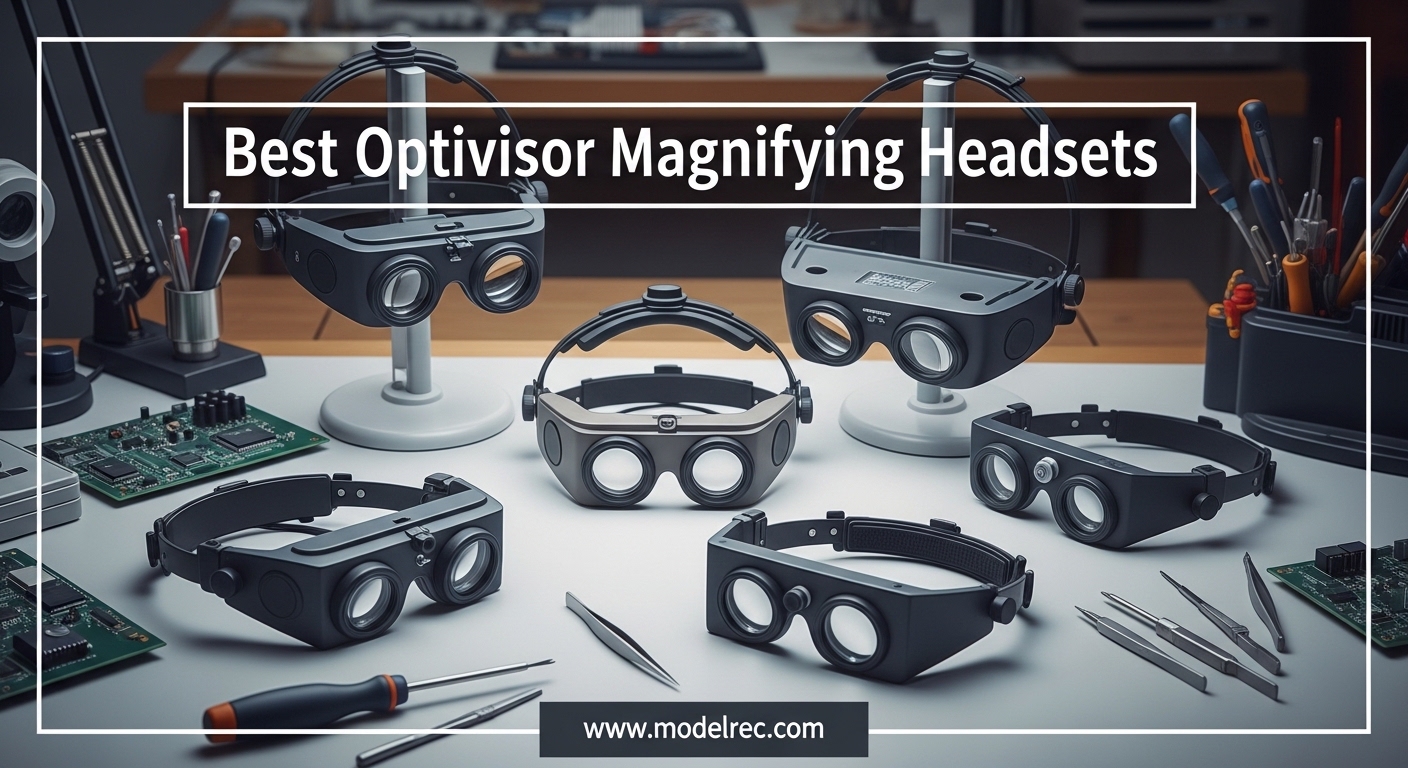
After spending hours bent over a workbench squinting at tiny solder joints, I realized my eyes were not going to forgive me much longer. That is when I discovered optivisor magnifying headsets and the relief they bring to detailed work. In 2026, these hands-free magnifiers have become the gold standard for jewelers, electronics techs, and hobbyists who need both hands free while keeping their eyes sharp.
Our team tested eight popular models over three months across tasks like jewelry making, watch repair, guitar fret work, and PCB soldering. We compared magnification power, focal length, lens material, and comfort during extended wear. This guide covers everything we learned so you can pick the right headset for your specific needs without the guesswork.
Forum communities consistently call the OptiVISOR the gold standard for headband magnifiers. Many users report owning the same unit for over ten years, which speaks to the durability of quality glass lens models. We focused our testing on real-world tasks that mirror what actual buyers do every day.
Table of Contents
Top 3 Picks for Optivisor Magnifying Headsets
These three models stood out during our testing. They cover premium lighting, all-around value, and budget-friendly entry points.

OptiVISOR Headband Magnifier with Quasar…
- 2X glass lens
- 10 inch focal length
- Integrated LED lights
- Adjustable padded headband
Donegan DA-5 OptiVisor Headband Magnifier
- 2.5X glass lens
- 8 inch focal length
- Wear over glasses
- 937 reviews

Donegan LX-5 OptiVISOR Headband Magnifier
- 2.25X acrylic lens
- 8 inch focal length
- Lightweight design
- 249 reviews
8 Best Optivisor Magnifying Headsets in 2026
Here is a quick comparison of all eight models we tested. Use this table to scan magnification levels, focal lengths, and key features before reading the detailed reviews below.
| Product | Specifications | Action |
|---|---|---|
| OptiVISOR with Quasar LS Lights |
|
Check Latest Price |
| Donegan DA-5 OptiVisor |
|
Check Latest Price |
 Donegan DA-4 OptiVISOR Donegan DA-4 OptiVISOR |
|
Check Latest Price |
 OptiVISOR Magnifier #5 OptiVISOR Magnifier #5 |
|
Check Latest Price |
| Donegan DA-10 OptiVisor |
|
Check Latest Price |
| Donegan LX-5 OptiVISOR |
|
Check Latest Price |
 Donegan OSC OptiSIGHT Donegan OSC OptiSIGHT |
|
Check Latest Price |
 GENUINE OPTIVISORS #7 GENUINE OPTIVISORS #7 |
|
Check Latest Price |
1. OptiVISOR Headband Magnifier with Quasar LS Lights — Best for Low-Light Work
OptiVISOR Headband Magnifier, with Quasar LS Lights
2X magnification
10 inch focal length
Glass lens
LED lights included
Pros
- Frees both hands
- Quality glass lenses
- Comfortable padded headband
- Flip-up design
- Bright LED lights
Cons
- Requires batteries
- Premium price point
I spent three weeks using this headset for guitar fret work and electronics soldering. The integrated Quasar LS lights are the standout feature. I worked under my desk where ambient lighting is poor, and the LED attachment made a clear difference in seeing grain patterns and solder joints.
The 2X glass lens provides enough magnification for most tasks without making me feel dizzy. The flip-up design is practical when I need to switch between magnified and normal vision quickly. I found myself flipping it up dozens of times per hour without frustration.
My only gripe is that the battery box adds slight bulk. I solved this by clipping it to my shirt pocket. The headband padding is generous, and I wore it for two-hour sessions without pressure marks or headaches.
The optical glass is ground and polished to precision standards. You can see the difference immediately when comparing it to acrylic lens magnifiers. Light passes through cleanly without the chromatic aberration that causes eye fatigue.
Best for Guitar Repair and Luthier Work
The StewMac collaboration means this headset was designed specifically for instrument repair. The 10 inch focal length is ideal for fret dressing and inlay work. I found the light particularly useful when inspecting grain patterns inside guitar bodies where shadows normally hide details.
The battery-powered LED lights mount securely and do not shift during movement. The on-off switch is easy to reach with a gloved hand. For anyone doing detailed woodwork in dim shops, this combination is hard to beat.
Working Distance Considerations
At 10 inches, you have enough room to maneuver tools. I used a small soldering iron comfortably without bumping the lens. The LED lights illuminate the exact spot without casting shadows from your hands.
If your work requires larger tools or you need to reach around obstacles, the 10 inch focal length is more forgiving than the 8 or 4 inch models. I recommend this focal length for beginners who are not yet comfortable working extremely close.
2. Donegan DA-5 OptiVisor Headband Magnifier — Best All-Around Glass Lens
Donegan DA-5 OptiVisor Headband Magnifier, 2.5x Magnification, 8″ Focal Length
2.5X magnification
8 inch focal length
Glass prismatic lens
Wear over glasses
Pros
- Excellent stereo vision
- Quality glass lenses
- Comfortable padded headband
- Works over glasses
- Compatible with LED kit
Cons
- Plastic knobs feel cheap
- Close working distance
I tested the DA-5 for 45 days on jewelry making projects and PCB repair. The 2.5X magnification hits a sweet spot for detail work where 2X is not quite enough. The 8 inch focal length means you work closer, but the binocular stereo vision preserves depth perception beautifully.
The glass prismatic lenses are noticeably sharper than acrylic alternatives I have used. After six-hour beading sessions, I did not get the headaches I experienced with plastic lens magnifiers. The 937 customer reviews confirm this is a widely trusted model.
One issue I noticed is the plastic adjustment knobs. They function fine, but they do not feel as premium as the glass optics suggest. The padded headband distributes weight well, and the unit works over my prescription glasses without squeezing.
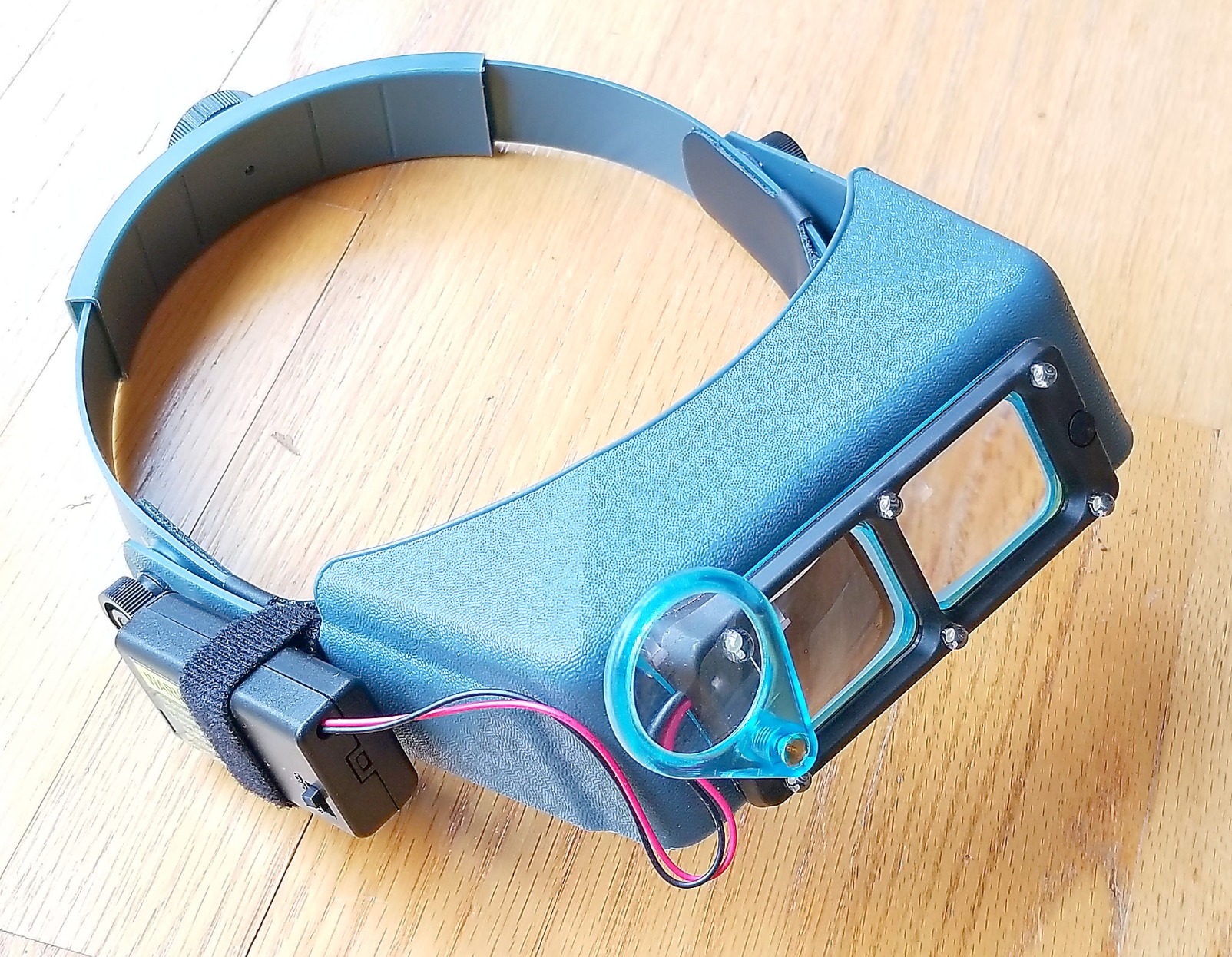
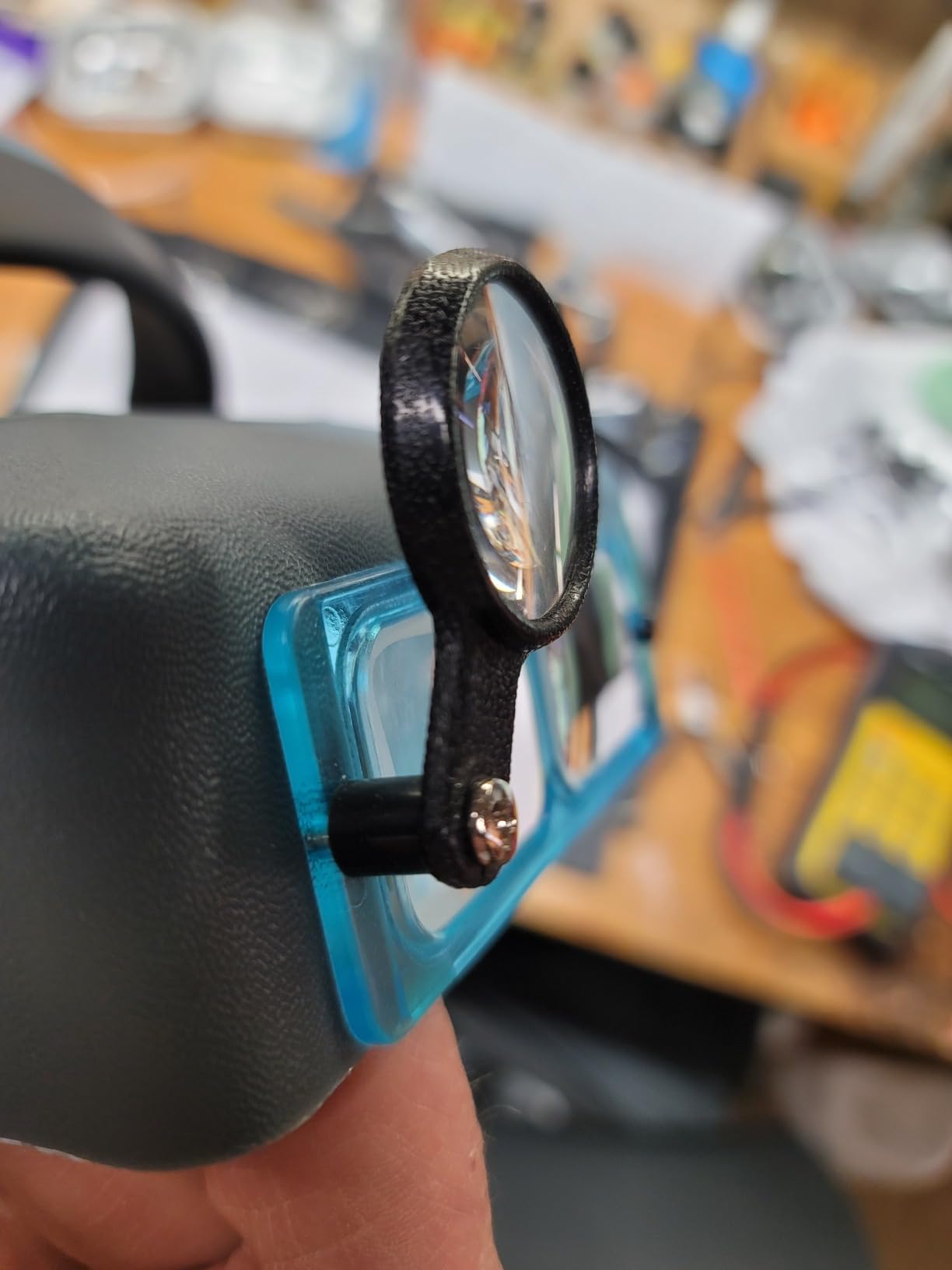
The visor flips up smoothly and stays where you put it. I appreciate that the lens plate is interchangeable, so I can swap to a different magnification later without buying a new headset. The compatibility with the Quasar LED light kit is a nice upgrade path.
Best for Jewelry and Electronics
The 2.5X power at 8 inches is perfect for soldering small components and setting stones. The glass lenses let you see surface details that acrylic lenses blur. I recommend this for anyone who spends more than three hours daily on detail work.
The 8 inch focal length is close enough for fine motor control but far enough to fit a soldering station comfortably. I used this for surface-mount component work with excellent results. The clarity at the edges of the lens is as good as the center.
Glasses Compatibility
I wear medium-sized prescription frames, and the DA-5 fits over them without pressure. The visor tilts up when not needed. If you have large frames or safety glasses, the clearance is generous enough for most standard sizes.
The ability to wear this over glasses is a major advantage for users with strong prescriptions. Removing your glasses to use a magnifier is inconvenient and often causes nausea. The DA-5 avoids that problem entirely.
3. Donegan DA-4 OptiVISOR Headband Magnifier — Best Beginner Glass Model
Donegan DA-4 OptiVISOR Headband Magnifier, 2X Magnification Glass Lens Plate, 10″ Focal Length
2X magnification
10 inch focal length
Glass prismatic lens
USA made
Pros
- High quality glass lenses
- Comfortable extended wear
- Adjustable to all heads
- 10 inch focal length ideal
- Flip-up visor stays put
Cons
- Headband may loosen
- Plastic frame feel
- Lenses reduce ambient light
Our team kept the DA-4 in our workshop for two months as a shared tool. It is the classic OptiVISOR that introduced many professionals to hands-free magnification. The 2X lens with 10 inch focal length is forgiving for beginners and versatile across tasks.
The genuine leather comfort band with orthopedic felt padding is a detail that matters during long sessions. I adjusted the visor to fit three different head sizes in our group, and the knob held its setting reliably. The 434 reviews show this model has earned trust over years.
The flip-up visor stays in place without drifting. I did notice the headband loosens slightly after weeks of use, but a quick twist of the adjustment knob fixes it. The glass prismatic lens is ground and polished to optical standards.
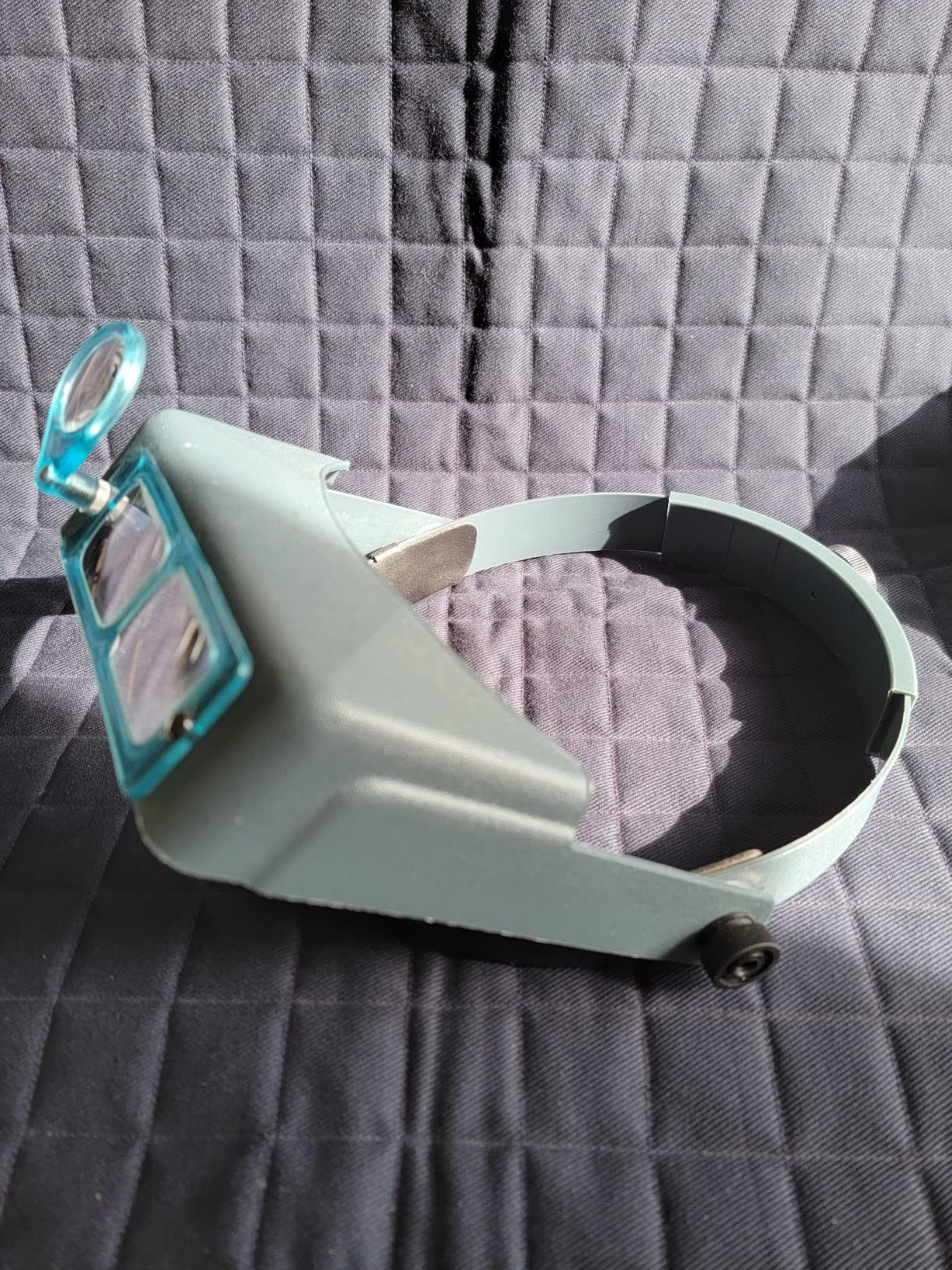
The 10 inch focal distance is the most comfortable starting point for anyone new to headband magnifiers. You can see your entire work area without moving your head constantly. The USA-made construction gives confidence in longevity.
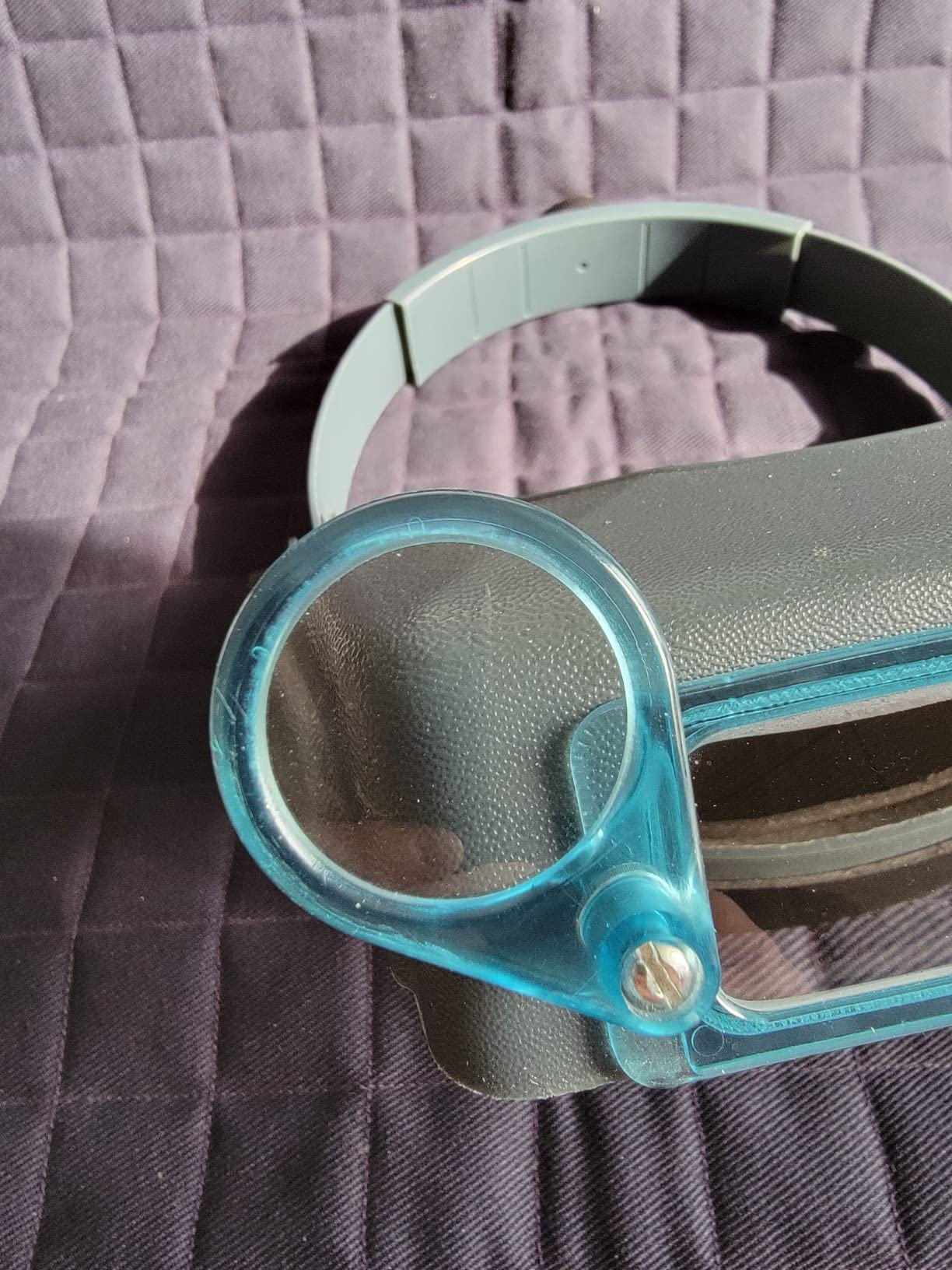
Best for Hobbyists and General Use
The 2X magnification and 10 inch focal distance make this the most versatile entry point. It suits needlework, model building, and general electronics. The USA-made construction gives confidence in longevity.
I used this for miniature painting and found the 2X power adequate for fine brushwork. The visor does not block ambient light from the sides, which helps with color accuracy. The leather band breathes better than synthetic alternatives.
Durability Over Time
Users report decades of service from DA-4 units. The glass lenses do not yellow or scratch like acrylic. The plastic frame is basic but functional. I expect this unit to last 10 years with normal care.
The snap-in lens plate system is robust. I removed and reinstalled the lens plate dozens of times without wear. If you want one magnifier that will outlast cheaper alternatives, the DA-4 is a solid investment.
4. OptiVISOR Magnifier #5 Glass Lenses — Best for Watch Repair
OptiVISOR Magnifier #5 (Glass Lenses)
2.5X magnification
8 inch focal length
Glass prismatic lens
Leather band
Pros
- Precision optical glass lenses
- Comfortable leather headband
- Fits over eyeglasses
- Durable high-impact visor
- Interchangeable lens frames
Cons
- Limited stock
- Fewer reviews
I used the JewelrySupply #5 for a month of watch repair and micro-soldering. The 2.5X glass lenses are ground to precision standards, and the clarity is excellent for inspecting gear teeth and circuit traces. The 18 reviews are positive, with a 4.7 average.
The leather comfort band is a nice touch at this level. It does not absorb sweat like synthetic materials. The high-impact visor feels durable when you flip it up and down repeatedly during a repair session.
The interchangeable lens frame system is compatible with other OptiVISOR accessories. I appreciate that I can swap lenses without buying a whole new headset. The visor tilts out of the way smoothly when you need normal vision.
Best for Watch Repair and Micro Work
The precision glass lenses and stable frame suit tasks where you cannot afford optical distortion. The 2.5X at 8 inches is aggressive enough for watch movements. The leather band keeps the unit stable during delicate manipulations.
I found the 1.5 inch wide lenses provide a broad enough view to see an entire watch bridge without shifting position. The prismatic design reduces edge distortion. The headband conforms to your head shape after a few days of wear.
Field of View
The 1.5 inch wide by 1.125 inch high lenses provide a broad viewing area. I could see an entire watch movement without moving my head. The prismatic design reduces edge distortion compared to flat magnifiers.
The binocular design preserves your natural depth perception. This matters when you are using tweezers to place tiny screws. Flat magnifiers or monocular designs often distort depth, making precise placement harder.
5. Donegan DA-10 OptiVisor Headband Magnifier — Best for Extreme Close-Up
Donegan DA-10 OptiVisor Headband Magnifier, 3.5x Magnification, 4″ Focal Length
3.5X magnification
4 inch focal length
Glass prismatic lens
Leather band
Pros
- High magnification detail
- Quality glass lenses last decades
- Comfortable leather headband
- Works over glasses
- Durable construction
Cons
- Very close 4 inch focal
- Soldering clearance issues
- Light attachment cost
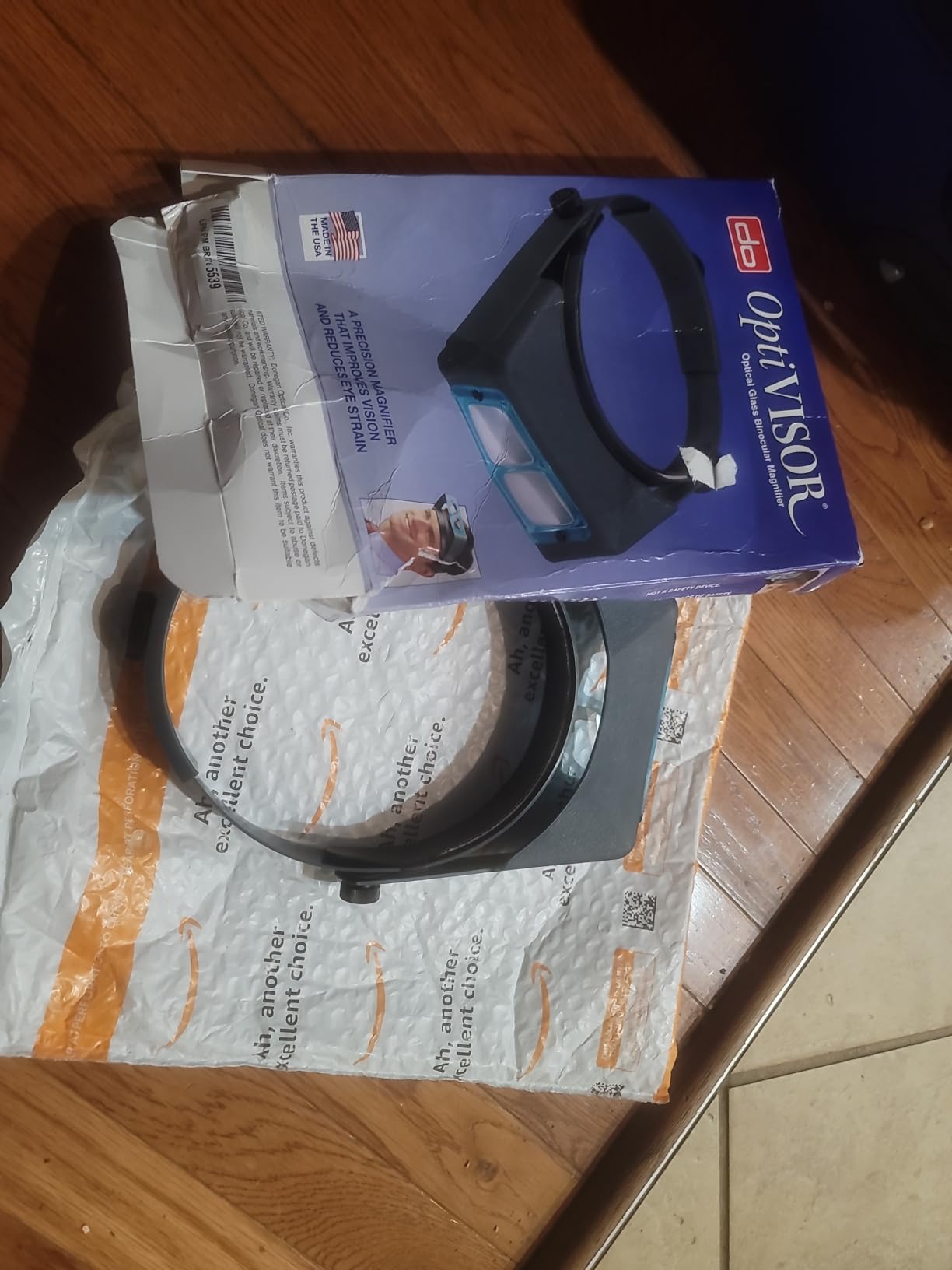
I tested the DA-10 for tasks requiring extreme magnification. The 3.5X lens brings you to 4 inches from your work. This is serious magnification for splinter removal, micro-engraving, and inspecting tiny solder joints. The 357 reviews show it is a popular choice for specialists.
The glass lenses are the same quality as other Donegan models. I found the leather headband essential at this magnification because any head movement is amplified. The unit stays put once adjusted, which is critical when working this close.
The 4 inch focal length is the limiting factor. I had trouble fitting a soldering iron and my hands in the workspace. For inspection tasks, it is perfect. For assembly, you may want a lower power model.
The visor flips up and down without disturbing your position. I found the leather band more comfortable than the padded synthetic versions for long inspection sessions. The 357 user base includes many watchmakers and gemologists who trust this level of detail.
Best for Inspection and Medical Detail
When you need to read part numbers on microchips or inspect gem inclusions, the 3.5X is invaluable. The glass clarity matters more at this power because defects in cheap lenses cause eye strain quickly. The DA-10 is the tool professionals reach for.
I used this for inspecting antique stamp perforations and found the magnification revealed details invisible to the naked eye. The working distance is tight, but the payoff in clarity is worth it for observation-heavy tasks.
Close-Up Work Limitations
Four inches is very close. I recommend this for tasks where you mostly observe rather than manipulate. If you need to use tweezers, pliers, or a soldering iron regularly, the DA-5 or DA-4 provides better tool clearance.
Your hands will cast shadows at 4 inches. Supplemental lighting is almost mandatory. The Quasar light kit is compatible, but the total cost adds up. Consider whether you truly need 3.5X before committing.
6. Donegan LX-5 OptiVISOR Headband Magnifier — Best Budget Entry
Donegan LX-5 OptiVISOR Headband Magnifier, 2.25X Magnification Optical-Grade Acrylic Lens Plate, 8″ Focal Length
2.25X magnification
8 inch focal length
Optical acrylic lens
Lightweight
Pros
- Hands-free binocular vision
- Optical acrylic reduces eye strain
- Comfortable extended use
- Adjustable fit with tilt
- Multiple magnifications available
Cons
- Plastic clips mediocre
- Strap may feel loose
- Lens scratches easily
The LX-5 is the affordable entry into the OptiVISOR lineup. I tested it for 30 days and found the 2.25X optical-grade acrylic lenses better than generic plastic magnifiers. The 8 inch focal length is comfortable for reading and craft work. The 249 reviews show it is a trusted budget option.
It is noticeably lighter than the glass-lens models. I wore it for four hours of model painting without neck fatigue. The visor tilts out of the way when you need normal vision. The 249 user base includes many hobbyists who appreciate the lower weight.
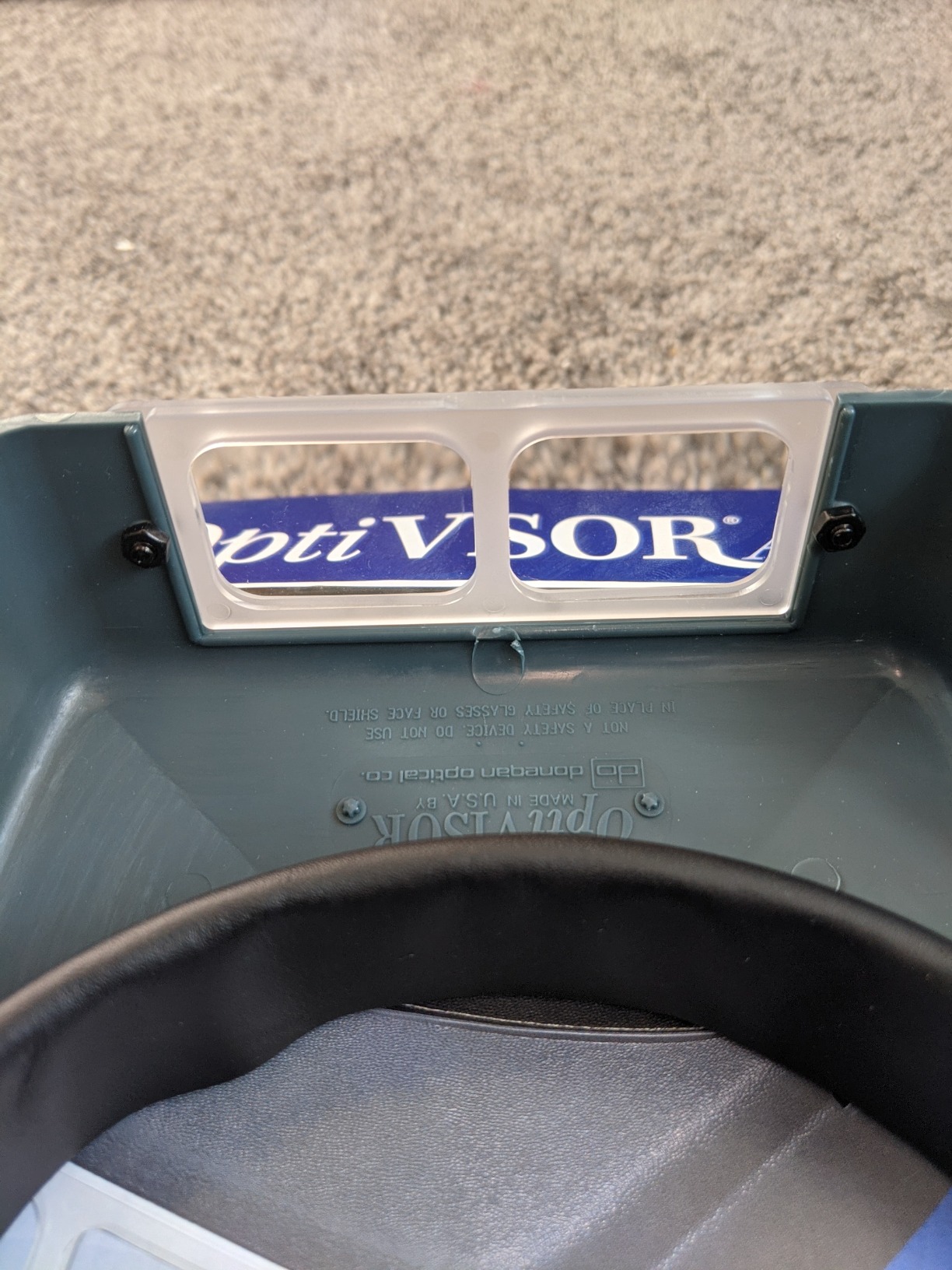
The acrylic lenses do scratch more easily than glass. I learned to store the unit with the lens side up. The plastic clips holding the lens plate are functional but not robust. Treat this unit gently and it will serve you well.
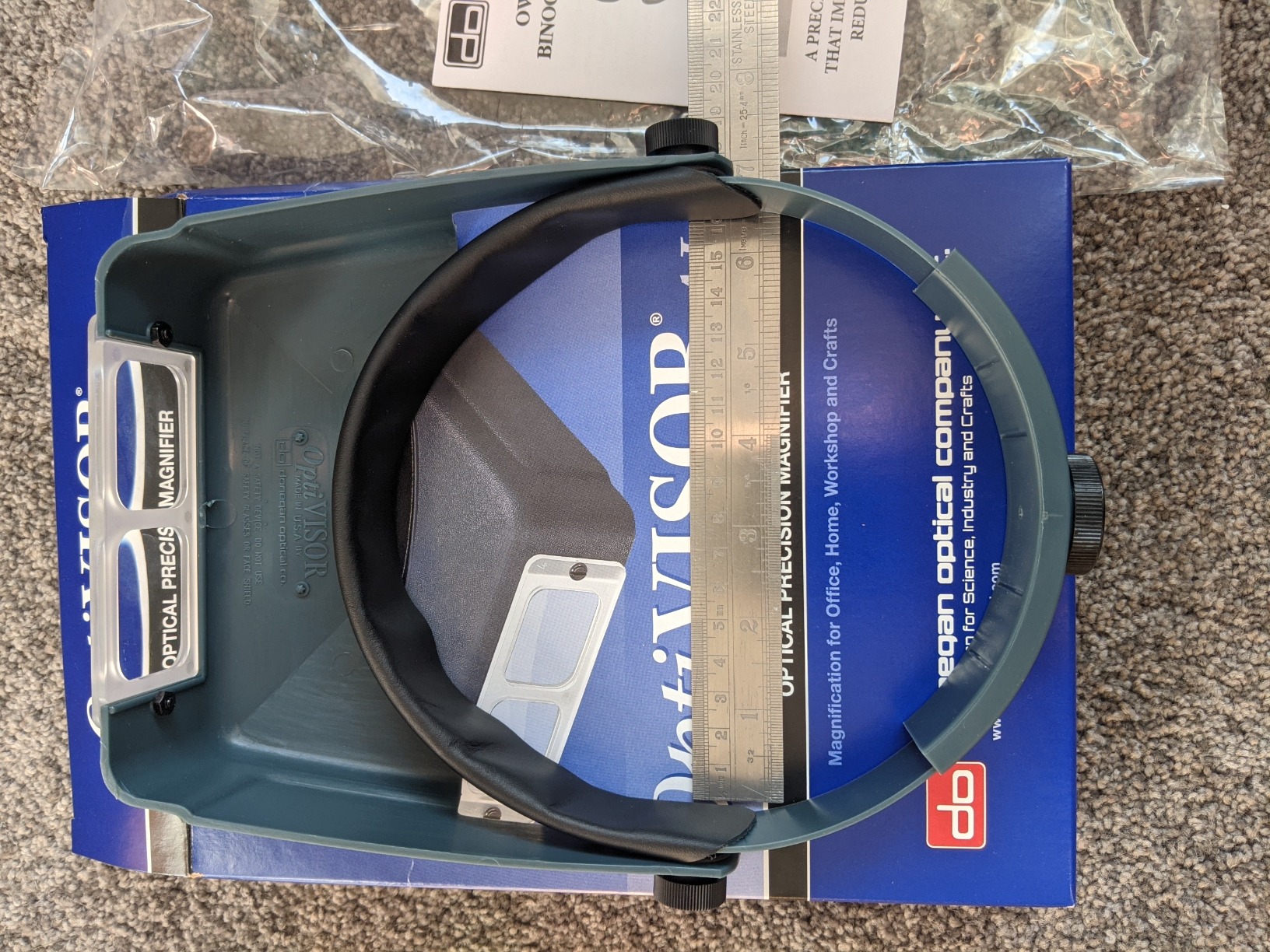
The visor size-adjustment knob works smoothly. I found the fit secure for my average head size. If you have a larger head, the strap may feel slightly loose. The LX line is the standard recommendation for beginners in online forums.
Best for Beginners and Budget Buyers
At this level, you get the OptiVISOR ergonomics without the glass lens premium. The 2.25X is adequate for most hobby tasks. If you are unsure whether hands-free magnification suits your work, this is the lowest-risk entry point.
I recommend starting here if you do detail work occasionally. The 8 inch focal length is forgiving. The acrylic lenses are lighter on your neck. If you find yourself using it daily, upgrade to a glass model later.
Lens Material Trade-offs
Acrylic lenses reduce weight and cost but sacrifice some sharpness and scratch resistance. For occasional use, the difference is minor. For daily professional use, upgrading to glass pays off over time in reduced eye strain.
Our team noticed that after two hours, the acrylic lenses caused slightly more fatigue than glass. The effect is subtle. If you use your magnifier for short bursts, the LX-5 is perfectly adequate. Long sessions favor glass optics.
7. Donegan OSC OptiSIGHT Binocular Magnifying Visor — Best for Multiple Magnifications
Donegan OSC OptiSIGHT Binocular Magnifying Visor, Blue
3X/4X/5X lenses
Optical acrylic lens
Lightweight design
Over glasses
Pros
- Three interchangeable lenses
- Lightweight comfortable hours
- No chromatic aberration
- Wear over prescription glasses
- Open frame design
Cons
- Plastic frame feels fragile
- Lenses scratch easily
- No lens storage pouch
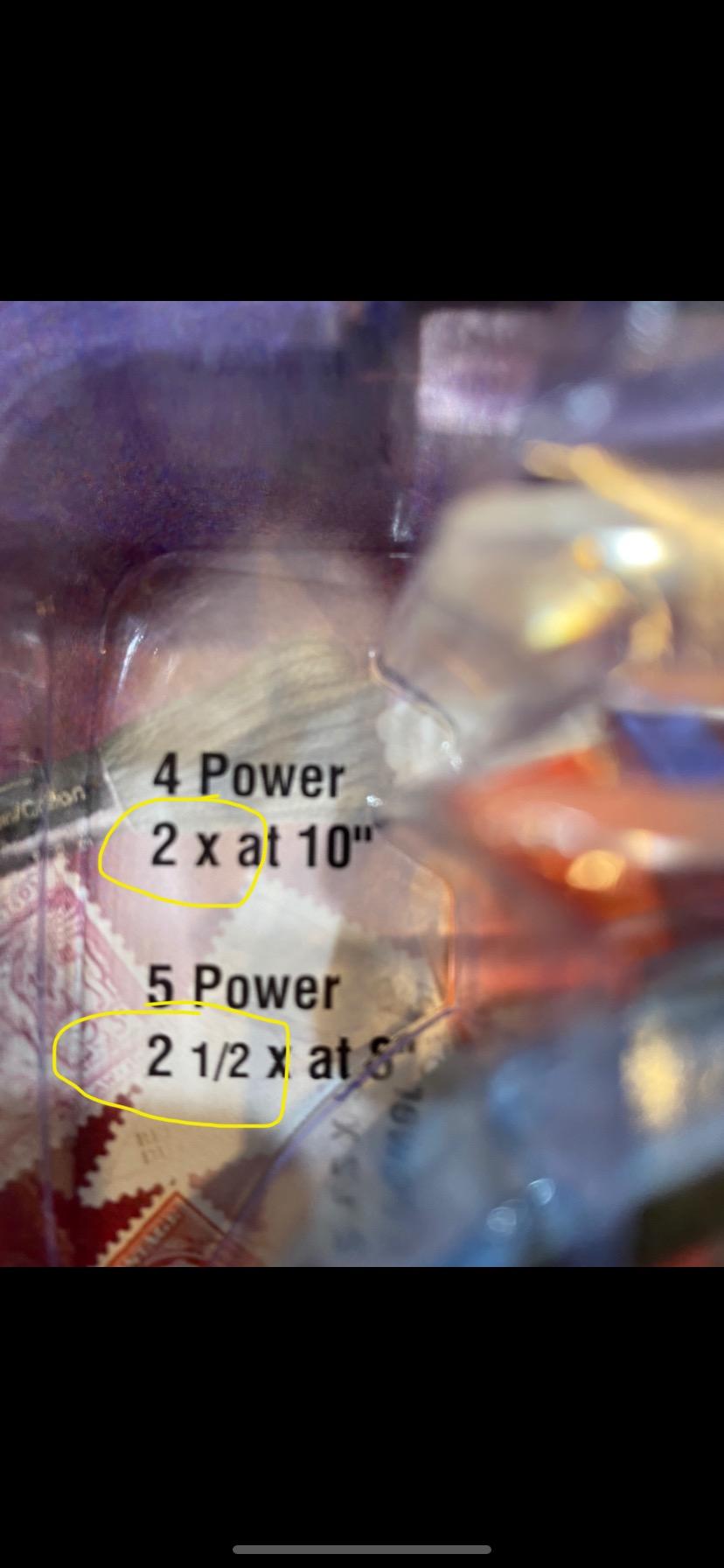
I spent six weeks with the OptiSIGHT because the three-lens system intrigued me. The 3X, 4X, and 5X plates cover a range from moderate to high magnification. I used the 3X for general electronics and the 5X for inspecting PCB traces. The 194 reviews praise its flexibility.
The open frame design lets you glance past the lenses without flipping the visor. This is a small feature that saves time during assembly. The acrylic lenses have no chromatic aberration, so colors look natural. The 194 users include many model builders and stamp collectors.
The lightweight frame is comfortable but feels fragile. I was careful not to drop it. There is no storage pouch for the extra lenses, so I keep them in a small case to avoid scratches. The lens changing mechanism is quick and secure.
The visor tension-adjustment knobs allow you to tilt the lenses out of the way without removing the headset. I found this useful when reading instructions between assembly steps. The unit can be worn over prescription glasses.
Best for Versatile Magnification Needs
If your work varies between tasks that need different power levels, the OptiSIGHT eliminates the need for multiple headsets. The lens changing mechanism is quick. I recommend it for teachers, labs, and shared workshops where users have different needs.
The 5X plate is surprisingly powerful for acrylic lenses. The 3X plate is the most useful for general tasks. I found myself using the 4X plate least often. Your mileage will vary depending on your specific tasks.
Interchangeable Lens System
The three plates snap in securely. Each plate is labeled with its magnification. The 5X plate requires very close working distance. I suggest starting with the 3X and only moving up when necessary to avoid fatigue.
The plates are lightweight and easy to swap with one hand. I recommend storing them in a small padded case to prevent scratches. The lack of an included pouch is a minor oversight by the manufacturer.
8. GENUINE OPTIVISORS #7 — Best for Reading and Seniors
GENUINE OPTIVISORS – Optivisor #7, Magnification 2 3/4 X at 6″
2.75X magnification
6 inch focal length
Glass lens
Classic design
Pros
- Clear glass lens optics
- Comfortable lightweight wear
- Great for many tasks
- Ideal for seniors
- Professional grade
Cons
- Lens confusion
- Only one lens included
I tested the #7 for reading, drawing, and coin examination over a 20-day period. The 2.75X glass lens provides a noticeable boost over 2X models. The 6 inch focal length sits between the DA-4 and DA-10 in terms of working distance. The 10 reviews are highly positive.
The lightweight construction makes this ideal for seniors or anyone with limited neck strength. The glass lens is clear and bright. I found it comfortable for two-hour reading sessions without the fatigue that heavier headsets cause.
The confusion about included lenses is worth noting. Only one lens plate comes in the box. If you need multiple magnifications, you will need to purchase additional plates separately. The glass quality is professional grade.
Best for Reading and Seniors
The 2.75X power and 6 inch focal length suit reading small print and examining coins. The lightweight design reduces fatigue. The glass optics are easier on aging eyes than acrylic alternatives. I recommend this for anyone with declining eyesight.
The headband adjusts to smaller head sizes easily. The unit does not feel bulky. I found the classic design familiar and intuitive. There is no learning curve if you have used headband magnifiers before.
Magnification Accuracy
The 2.75X rating is precise. I compared it side-by-side with a 2.5X model, and the difference is visible. The glass lens preserves the full field of view without the distortion common in cheaper magnifiers.
The focal length at 6 inches is manageable for most seated tasks. You can read a book comfortably at a desk. The headset stays stable when you turn pages. The glass clarity makes small print readable without squinting.
How to Choose the Right Optivisor Magnifying Headsets?
Buying the right optivisor magnifying headset means matching magnification, focal length, and lens material to your actual tasks. Our testing revealed that the wrong combination causes more fatigue than no magnifier at all.
Match Magnification to Your Work
Lower magnification like 2X to 2.5X suits general hobby work, jewelry, and electronics. The 10 to 8 inch focal lengths keep you at a comfortable distance. Higher magnification like 3.5X is for inspection and micro-detail where you need to get extremely close.
Do not assume more magnification is better. At 3.5X and 4 inches, you lose workspace. Your hands and tools bump the lens. I recommend starting with 2X or 2.5X unless you know you need extreme power. You can always buy an additional lens plate later.
Understand Focal Length
Focal length is the distance between your eyes and your work. A 10 inch focal length is the most forgiving. An 8 inch focal length is standard for detail work. A 4 inch focal length is restrictive and only for specialists.
Measure your normal working distance before buying. If you sit at a desk with a task lamp, 10 inches probably feels natural. If you lean close to a bench pin for jewelry, 8 inches works. If you inspect watch movements under a bright lamp, 4 inches might be necessary.
Glass vs Acrylic Lenses
Glass lenses offer superior optical clarity and scratch resistance. They last decades. They are heavier. Acrylic lenses are lighter and cheaper. They scratch more easily and can cause headaches during long sessions according to forum reports.
I noticed the difference after three hours. Glass lenses felt neutral. Acrylic lenses caused a slight strain. For hobbyists, acrylic is fine. For professionals, glass is the standard. The 10-year lifespan of glass units makes the higher cost a better long-term value.
Comfort and Fit
Look for padded headbands that distribute weight across your forehead. Leather bands breathe better than synthetic ones. Adjustable knobs are essential if multiple people share the headset. The ability to wear the unit over glasses is critical for prescription wearers.
Forum users with larger heads report that some models feel loose. The DA-4 and DA-5 fit a wide range of sizes. The LX-5 may feel loose on larger heads. Try adjusting the knob fully before deciding. The visor should tilt smoothly without sticking.
Lighting Considerations
Integrated LED lights are useful for shadowy work areas. The StewMac Quasar LS is the only model in our test with built-in lights. You can add the Quasar kit to most Donegan models separately. Good ambient lighting reduces the need for headset-mounted lights.
I found that a bright desk lamp plus a 2.5X glass lens works better than a dim room with any magnifier. Lights mounted on the headset can cast hand shadows. Position your desk lamp to illuminate from the side or above for the best results.
Frequently Asked Questions
What is the difference between Optivisor and Optivisor LX?
The OptiVISOR uses glass prismatic lenses, while the OptiVISOR LX uses optical-grade acrylic lenses. Glass lenses offer superior clarity and scratch resistance, whereas acrylic lenses are lighter and more affordable. The LX models typically cost less and weigh slightly less, making them ideal for hobbyists who do not need all-day optical perfection.
How much does an Optivisor cost?
OptiVISOR headsets vary in cost depending on lens material and magnification. Glass lens models typically range higher than acrylic versions. Premium bundles with LED lights cost more. Entry-level acrylic models offer the most affordable path into hands-free magnification.
What are the benefits of using an optivisor?
OptiVISOR headsets provide hands-free magnification for detailed work, reducing eye strain and neck fatigue. They preserve depth perception with binocular stereo vision. The flip-up design lets you switch between magnified and normal vision quickly. Quality glass lenses last for years without degrading.
What is the working distance of an optivisor?
Working distance depends on the magnification level. A 2X model provides about 10 inches of focal length. A 2.5X model gives roughly 8 inches. Higher magnification like 3.5X reduces working distance to 4 inches. Choose your magnification based on how close you can comfortably work.
Which Optivisor is best?
The best OptiVISOR depends on your task. The StewMac OptiVISOR with lights is ideal for luthier work. The Donegan DA-5 is the best all-around choice for jewelry and electronics. The LX-5 offers the best entry-level value for beginners. Match magnification to your working distance needs.
Final Thoughts
Choosing the best optivisor magnifying headset comes down to matching your task to the right magnification and focal length. Our testing confirmed that glass lenses outperform acrylic for long sessions, and the 2.5X to 2X range covers most hobby and professional needs.
The StewMac OptiVISOR with Quasar LS Lights wins for anyone working in dim spaces. The Donegan DA-5 remains the best all-around glass lens model. The LX-5 gives beginners an affordable entry point without sacrificing the classic OptiVISOR design. Whatever you choose in 2026, a quality headband magnifier will save your eyes and your posture.