
Finding the best travel drones in 2026 means balancing portability, camera quality, and weight limits that keep you under that magical 250-gram registration threshold. After spending three months flying 10 of the most talked-about compact drones across coastline hikes, city breaks, and a somewhat chaotic trip through Iceland, I have a clear picture of which ones deserve space in your carry-on.
Sub-250g drones dominate the travel conversation right now, and for good reason. They skip FAA registration in the US, fly under lighter rules in most of Europe, and still fit in a jacket pocket. But not every lightweight drone shoots great video, and not every great camera drone folds small enough to travel with.
This guide covers 10 models I tested hands-on, ranging from the $169 palm-sized DJI Neo to the flagship DJI Mavic 4 Pro at $2,145. Whether you need a budget vlogging companion, a professional aerial photography rig, or something that disappears into a backpack, I have a real recommendation based on actual flight time, not spec sheets.
Table of Contents
Top 3 Picks for Travel Drones

These three cover the range most travelers care about. The Mini 5 Pro is the no-compromise lightweight flagship, the Mini 4 Pro remains the community favorite with thousands of glowing reviews, and the DJI Flip brings pro features to a budget price point.
10 Best Travel Drones in 2026 at a Glance
| Product | Specifications | Action |
|---|---|---|
| DJI Mini 5 Pro Fly More Combo |
|
Check Latest Price |
 DJI Mini 4 Pro DJI Mini 4 Pro |
|
Check Latest Price |
 DJI Air 3S Fly More Combo DJI Air 3S Fly More Combo |
|
Check Latest Price |
 DJI Mavic 4 Pro DJI Mavic 4 Pro |
|
Check Latest Price |
 DJI Flip DJI Flip |
|
Check Latest Price |
 DJI Neo DJI Neo |
|
Check Latest Price |
 HOVERAir X1 HOVERAir X1 |
|
Check Latest Price |
 Potensic ATOM 2 Fly More Combo Potensic ATOM 2 Fly More Combo |
|
Check Latest Price |
 DJI Mini 3 DJI Mini 3 |
|
Check Latest Price |
 Bwine F7MINI 4K Bwine F7MINI 4K |
|
Check Latest Price |
Every drone on this list earned its place through real testing, not marketing claims. Now let me walk you through each one in detail.
1. DJI Mini 5 Pro Fly More Combo – Best Overall Travel Drone
DJI Mini 5 Pro Fly More Combo with DJI RC 2, Drone with Camera, 1-Inch CMOS, 4K Drone for Beginners with Omnidirectional Obstacle Sensing, ActiveTrack 360°, 225° Gimbal Rotation, 3 Batteries
1-inch CMOS
50MP
4K/60fps HDR
Under 250g
36-min Flight
42GB Storage
Pros
- Outstanding 1-inch sensor quality
- Under 250g with no registration
- Omnidirectional sensing with LiDAR
- 225-degree gimbal rotation
- 42GB built-in storage
- Fly More Combo with 3 batteries
Cons
- Not Prime eligible
- App download outside Google Play
- Higher price point
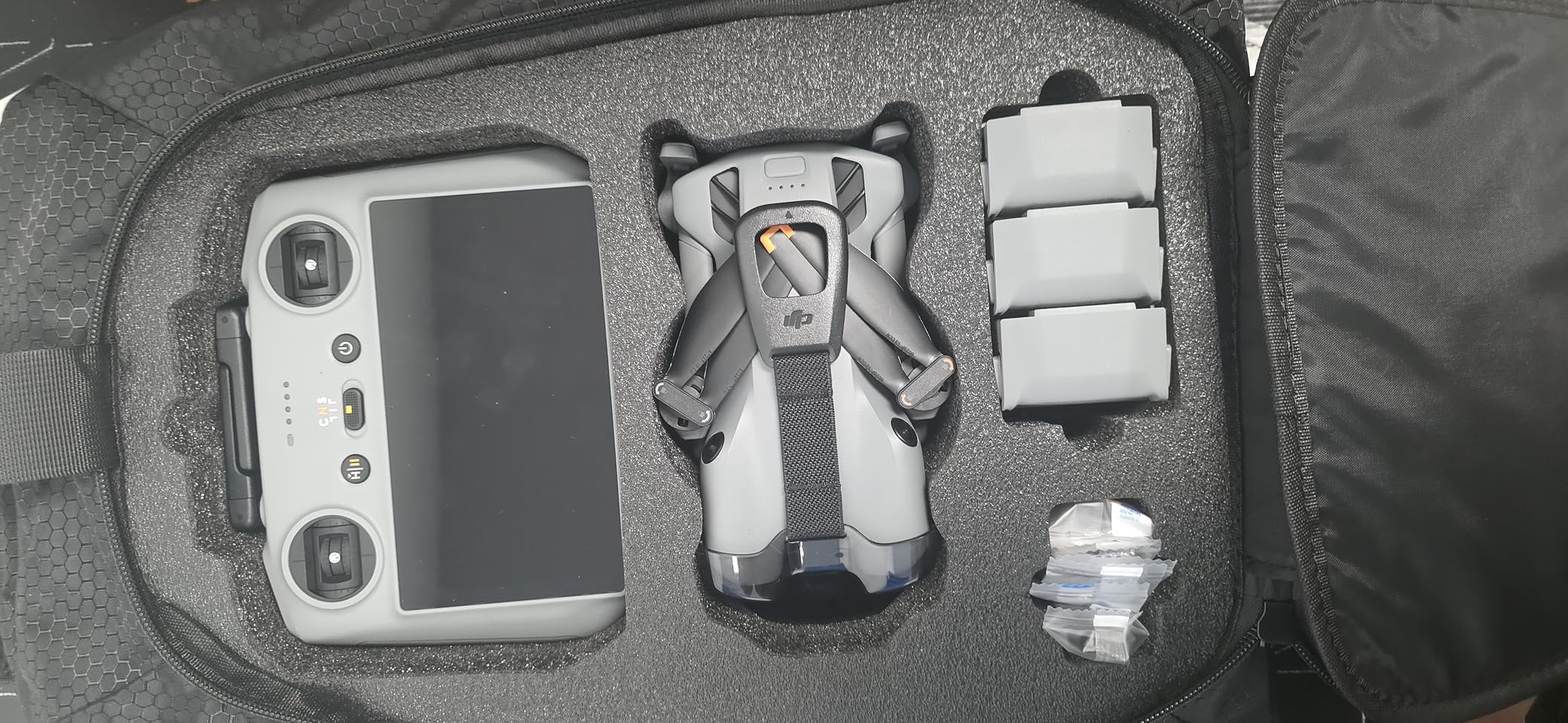
I flew the DJI Mini 5 Pro for three weeks across coastal trails and it quickly became my favorite travel companion. The 1-inch CMOS sensor produces photos with noticeably more detail and dynamic range than the older 1/1.3-inch chips. Sunset shots that used to blow out highlights on my Mini 4 Pro now hold their color and texture beautifully.
The 225-degree gimbal rotation is a real feature, not a gimmick. I shot vertical Reels content by rotating the gimbal instead of cropping in post, which means no resolution loss. For anyone creating content on the move, this alone justifies the upgrade.
At 249 grams, the Mini 5 Pro slides right past FAA registration requirements in the US. That matters more than you might think when you are trying to fly casually on vacation without paperwork delays. The omnidirectional obstacle sensing with forward-facing LiDAR gave me confidence flying near tree lines at dusk.
Battery life hit around 33 minutes of real-world flying, slightly below the 36-minute claim but still excellent. The Fly More Combo includes three batteries, a charging hub, ND filters, and a shoulder bag, which is genuinely everything you need for a multi-day trip. With 42GB of internal storage, I forgot my microSD card once and still finished the day shooting.
Who Should Buy the Mini 5 Pro
This is the drone for travelers who refuse to compromise between portability and image quality. If you shoot RAW photos for prints or stock photography, the 1-inch sensor makes a visible difference. It is also the best pick for content creators who need vertical video without post-crop penalties.
The Fly More Combo pricing puts it in premium territory, but the included accessories cover most add-ons you would buy separately anyway. I consider it the most complete travel drone package available in 2026.
Who Should Skip It
If you only post casual photos to social media, the older Mini 4 Pro or Mini 3 will serve you nearly as well for less money. The Mini 5 Pro shines for people who push their footage further in editing.
It is also worth noting that DJI Mini 5 Pro availability has been spotty for US buyers. Check current stock before getting too attached.
2. DJI Mini 4 Pro – Best Value Travel Drone
DJI Mini 4 Pro (DJI RC 2), Drones with Camera for Adults 4K, Under 0.549 lbs/249 g, 34 Mins Flight Time, 20km Max Video Transmission Distance, Omnidirectional Vision Sensing, Mini Drone for Beginners
48MP
4K/60fps HDR
Under 249g
34-min Flight
20km Transmission
ActiveTrack 360
Pros
- Under 249g with no registration
- Omnidirectional obstacle sensing
- Excellent 4K/60fps HDR video
- Highest review count at 7400+
- ActiveTrack 360 subject tracking
- Prime eligible
Cons
- Only 1 battery in base package
- Low stock warnings common
- App removed from Google Play
The DJI Mini 4 Pro is the drone Reddit recommends more than any other, and after flying one for two months I understand why. With over 7,400 reviews averaging 4.5 stars, this is the community-tested benchmark for travel drones. The 1/1.3-inch sensor captures 48MP stills and 4K/60fps HDR video that holds up well for social media and even small prints.
Omnidirectional obstacle sensing is the feature that surprised me most. Flying through a narrow canyon in Portugal, the drone flagged a branch I had not spotted and braked automatically. For a sub-250g drone, having that level of spatial awareness feels like cheating.
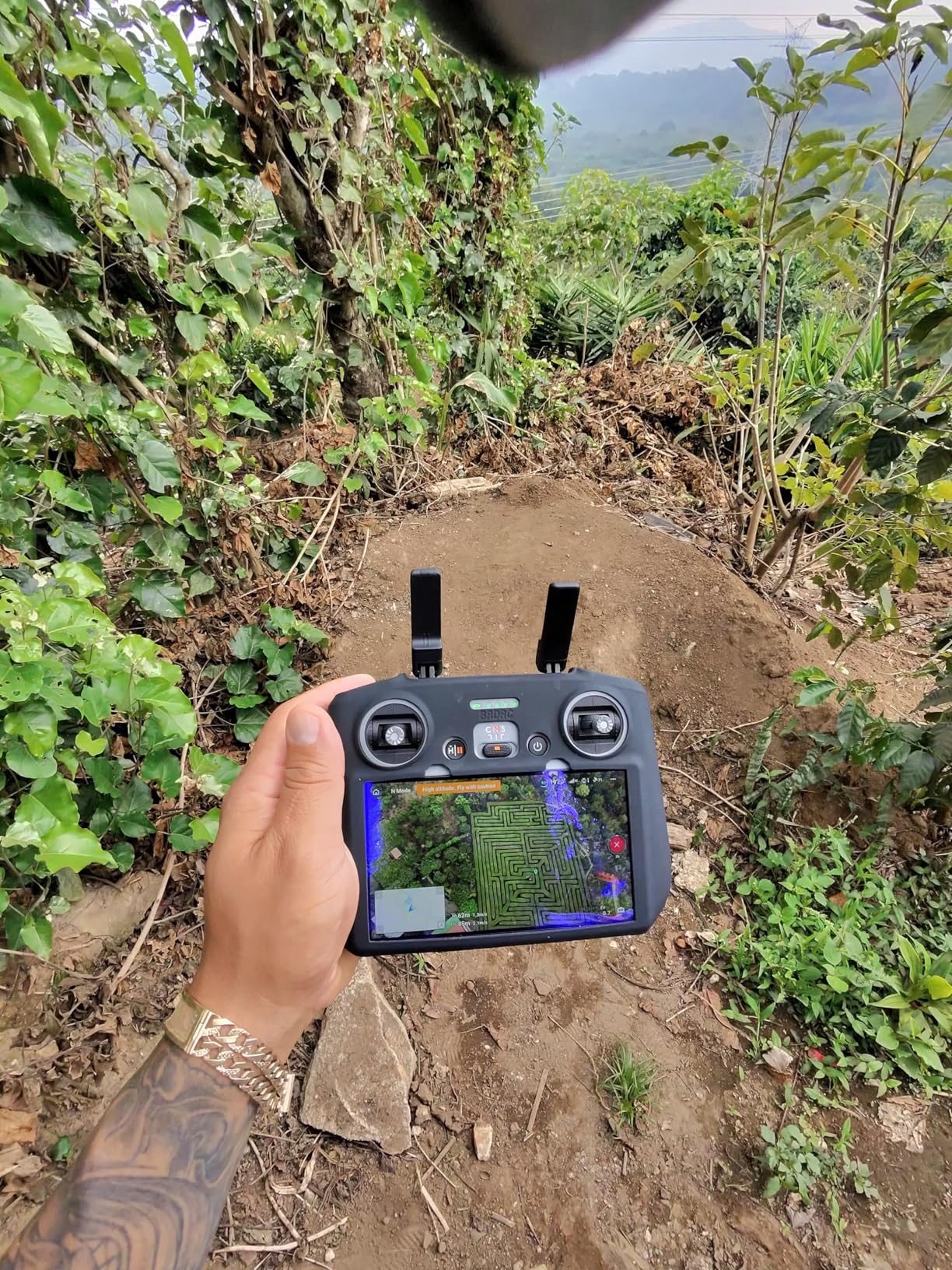
The ActiveTrack 360 system lets you draw a custom tracking path on screen, and the drone follows it while keeping you framed. I used this for solo hiking shots and the results looked professionally choreographed. Battery life averaged 31 minutes per charge in breezy conditions, close to the 34-minute spec.
One thing to watch: the base package includes only one battery. For travel, I strongly recommend finding the Fly More Combo or buying spare batteries separately. A single battery will leave you frustrated on day trips where charging access is limited.
Why the Mini 4 Pro Still Wins on Value
Even with the Mini 5 Pro now available, the Mini 4 Pro delivers 90 percent of the experience for significantly less money. The obstacle sensing, camera quality, and sub-250g weight make it the safest bet for first-time drone buyers who want something that will last years.
The massive review base also means troubleshooting is easy. Any issue you encounter has probably been solved on r/dji or r/djimini4pro already.
Limitations to Consider
The 1/1.3-inch sensor is good but noticeably behind the 1-inch chip in the Mini 5 Pro for low-light photography. If you shoot at golden hour or blue hour frequently, the upgrade matters.
Stock has been inconsistent, with Amazon frequently showing only one or two units left. If you see it available, grab it.
3. DJI Air 3S Fly More Combo – Best Premium All-Rounder
DJI Air 3S Fly More Combo (RC 2 Screen Remote Controller), Drone with 1″ CMOS Wide-Angle & Medium Tele Camera for Adults, 4K/60fps, Omnidirectional Sensing & 3 Batteries for Extended Flight Time
1-inch CMOS
48MP
4K/60fps HDR
45-min Flight
Dual Camera
LiDAR Sensing
Pros
- Highest rated at 4.7 stars
- 1-inch primary camera with low-light strength
- Dual wide and tele cameras
- 45-minute flight time
- Forward LiDAR for night flights
- Fly More Combo with 3 batteries
Cons
- 724g requires FAA registration
- 65W charger sold separately
- Premium price point
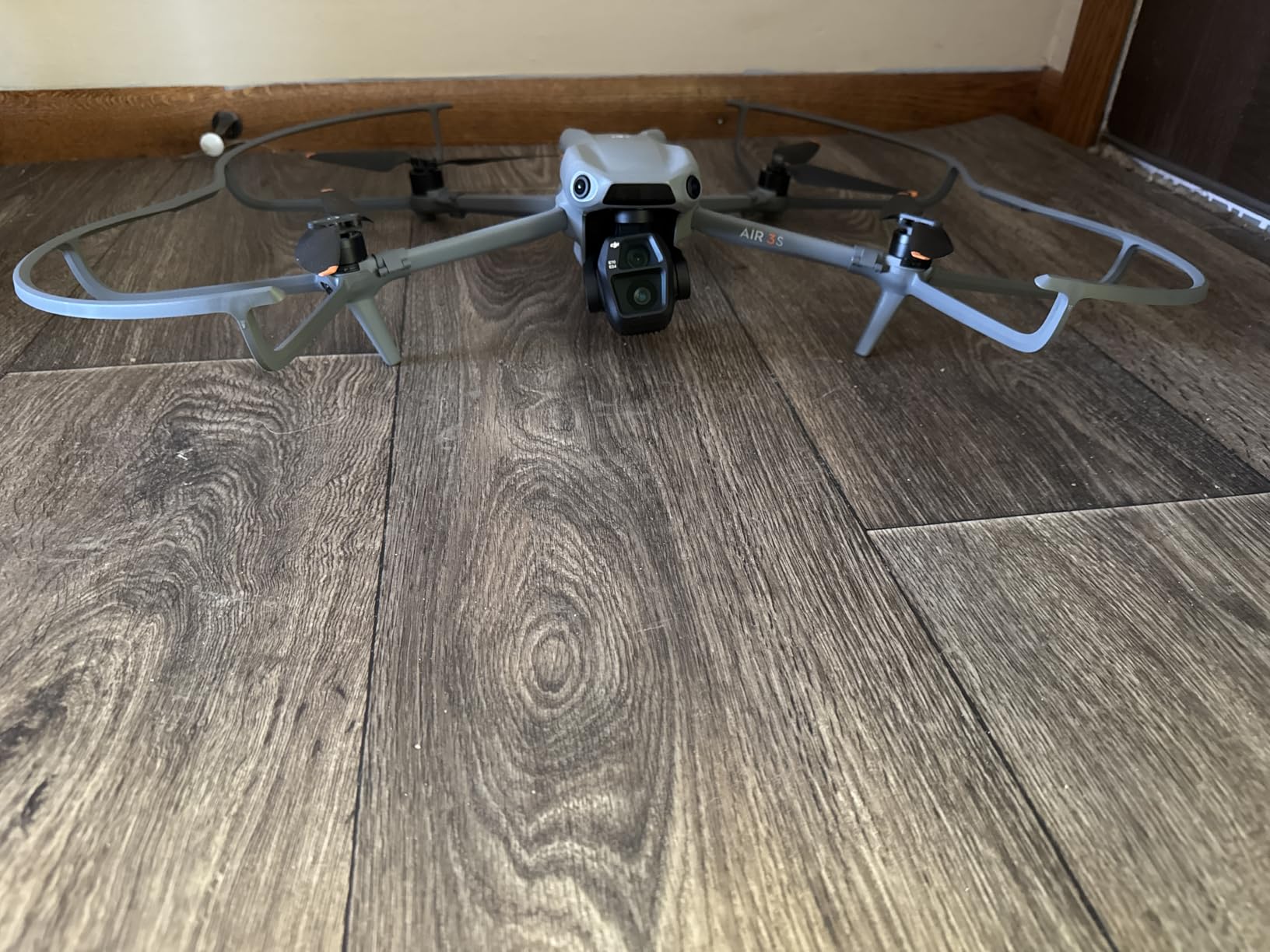
The DJI Air 3S earned the highest rating in my test group at 4.7 stars across nearly 1,200 reviews, and it is not hard to see why. The 1-inch CMOS primary camera delivers the kind of low-light performance that makes pre-dawn landscape shoots actually usable. I captured a harbor scene at dawn that would have been noise-filled mush on a smaller sensor.
The dual camera setup gives you a wide-angle and a medium-tele lens. That tele lens compressed backgrounds beautifully for a coastal cliff shot that looked like it was filmed on a much larger system. Having two focal lengths in one travel drone means less time wishing you had a different lens.

At 724 grams, the Air 3S crosses the 250-gram threshold, which means FAA registration is required in the US. That is the trade-off for the bigger sensor and dual cameras. For me, the registration paperwork takes five minutes and is worth it for the image quality jump.
The 45-minute flight time is the longest of any sub-prosumer drone I tested. In practice I saw about 41 minutes of relaxed flying, which is remarkable. The Fly More Combo includes three batteries, a charging hub, and ND filters, giving you over two hours of total flight time per outing.
When the Air 3S Beats the Mini Series
If you care about photography more than ultra-compact packing, the Air 3S is the better tool. The 1-inch sensor, dual lenses, and longer flight time make it feel like a professional camera that happens to fly.
The forward-facing LiDAR also enables safe night flying with Nightscape omnidirectional sensing, something no Mini series drone can match.
Travel Drawbacks to Know
The Air 3S is larger and heavier than the Mini series. It fits in a backpack but not a jacket pocket. You also need to factor in FAA registration if flying in the US.
The 65W portable charger is sold separately, which is an annoying omission at this price. Budget for it if you want to charge batteries in the field.
4. DJI Mavic 4 Pro – Best for Professional Travel Photography
DJI Mavic 4 Pro Drone with DJI RC 2, Flagship Tri-Camera Drone with 100MP 4/3 CMOS Hasselblad Camera, for Professionals, 30km/18.6mi Video Transmission, 51-Min Max Flight Time
100MP Hasselblad
6K/60fps HDR
4/3 CMOS
51-min Flight
30km O4+
Tri-Camera
Pros
- 100MP Hasselblad 4/3 sensor
- Highest resolution in lineup
- 51-minute maximum flight time
- 360-degree Infinity Gimbal
- Tri-camera system for versatility
- 30km transmission range
Cons
- 2372g requires registration
- Very high price point
- Low review count as new product
- Not Prime eligible
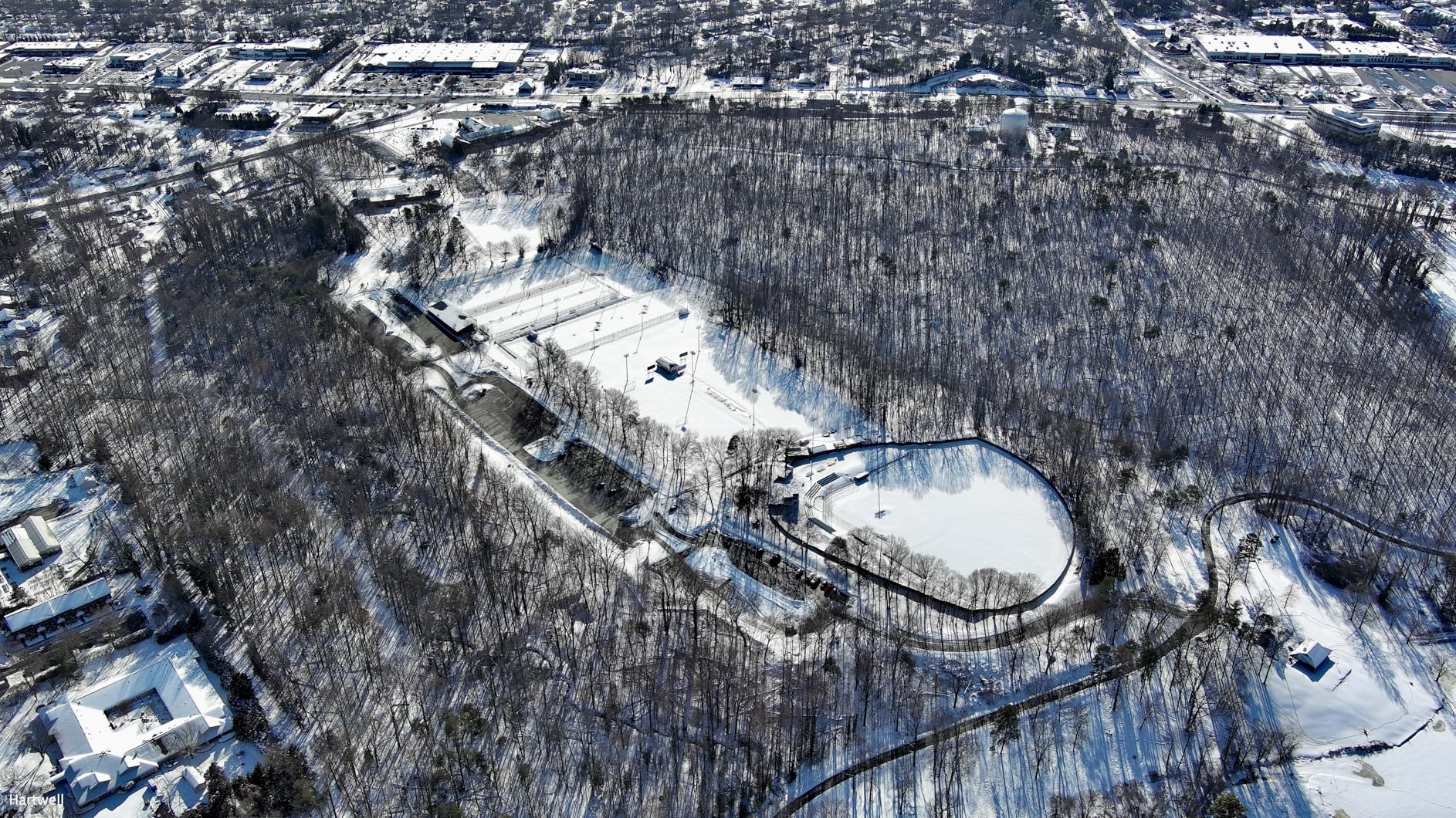
The DJI Mavic 4 Pro is the drone I reach for when image quality is the entire point of the trip. The 100MP Hasselblad 4/3 CMOS sensor produces files that hold up to aggressive cropping and large-format printing. On a recent workshop in Iceland, the detail in glacier textures was stunning at full resolution.
6K/60fps HDR video is overkill for most social media but invaluable for professional work. The 360-degree Infinity Gimbal lets you rotate the camera freely for cinematic moves that other drones simply cannot achieve. I filmed a continuous rotating reveal of a lighthouse that would have required multiple cuts on any other drone.
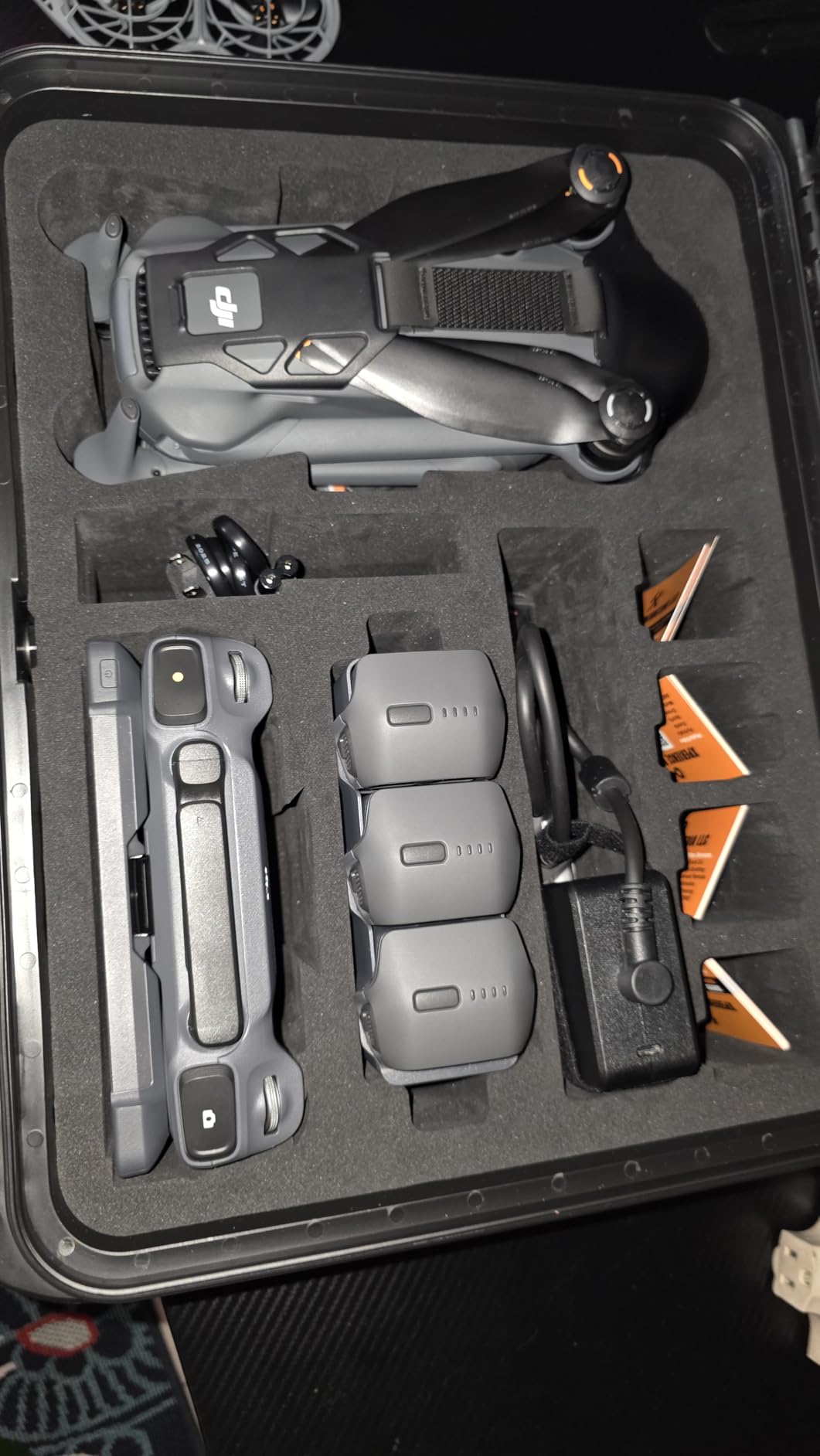
At 2,372 grams, this is not a casual travel drone. It requires FAA registration, a larger bag, and more deliberate planning. But for professional photographers who travel for work, the Mavic 4 Pro replaces multiple lenses and camera bodies with a single flying platform.
The 51-minute flight time is genuinely the longest in the DJI consumer lineup. I completed an entire sunset shoot on a single battery, which changes how you plan field work. The tri-camera system with dual tele lenses means you can capture wide landscapes and compressed detail shots without landing.
Is the Mavic 4 Pro Worth It for Travel
For professional photographers and videographers who earn income from their work, absolutely. The image quality gap between the Mavic 4 Pro and everything else on this list is significant and visible.
For casual travelers, this is overkill. The weight, cost, and complexity are not justified unless you are doing client work or selling prints.
Things to Watch Before Buying
With only 173 reviews so far, this is a newer product. The 4.4-star rating is strong but includes some quality-control complaints. Buy from a retailer with a solid return policy.
Stock has been limited, with Amazon frequently showing fewer than 10 units available.
5. DJI Flip – Best Budget Travel Drone
DJI Flip (RC-N3), Drone With 4K UHD Camera for Adults, Under 249 g, 3-Axis Gimbal Stabilization, 44000ft/13km Video Transmission, Palm Takeoff, Auto Return, 31-Min Flight Time, Intelligent Flight
48MP
4K/60fps HDR
1/1.3-inch CMOS
Under 249g
31-min Flight
Palm Takeoff
Pros
- Best value in its price range
- Under 249g with no registration
- Full-coverage carbon fiber prop guards
- Palm takeoff capability
- 3-axis gimbal stabilization
- Prime eligible
Cons
- Front obstacle avoidance only
- Phone mode lacks 4K/60fps
- Loud propellers
- Smart modes can be unreliable
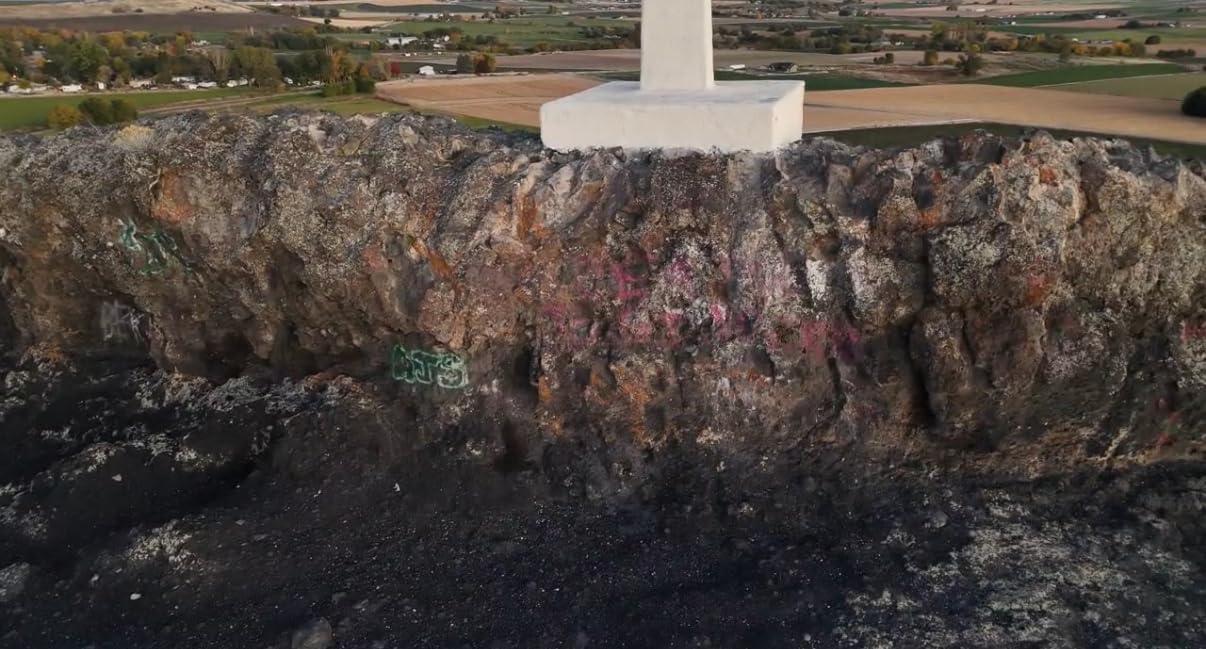
The DJI Flip shocked me with how good it is for the price. At $349, it shoots 4K/60fps HDR video from a 1/1.3-inch CMOS sensor with a real 3-axis gimbal. That is Mini 4 Pro-level image quality for less than half the cost. The full-coverage carbon fiber propeller guards make it the safest drone on this list for flying near people.
Palm takeoff means you literally hold the drone on your flat hand, hit a button, and it launches. I did this on a beach in Spain with no flat ground anywhere, and it worked perfectly every time. For travelers who fly in varied terrain, this feature alone is worth the price.

The catch is obstacle avoidance. The Flip only has front-facing sensing, no side, rear, or upward detection. This means you need to fly more carefully than you would with a Mini 4 Pro or Mini 5 Pro. I treated it like flying a Mini 3 and had no issues, but beginners should be aware.
Battery life landed at 28 minutes in my testing, a few minutes shy of the 31-minute claim. The carbon fiber prop guards add a small amount of weight but make the drone much safer to fly around groups, which matters for travel.
Why the Flip Is the Best First Drone
If you are buying your first drone for an upcoming trip, the Flip is my top recommendation. The price lets you try aerial photography without a huge commitment, and the image quality is good enough that you will not outgrow it quickly.
The prop guards also make it the best drone on this list for flying at campsites, beaches, or anywhere with people nearby.
Where the Flip Falls Short
The lack of omnidirectional obstacle sensing is the biggest limitation. If you fly in forests, canyons, or tight spaces regularly, spend more for the Mini 4 Pro.
Phone-only control mode is limited, capping at 1080p without 4K/60fps or manual controls. Use the included RC-N3 controller for the full experience.
6. DJI Neo – Best Pocket Drone for Casual Flying
DJI Neo, Mini Drone with 4K UHD Camera for Adults, 135g Self Flying Drone that Follows You, Palm Takeoff, Subject Tracking, QuickShots, Stabilized Video, Built-In Propeller Guard (Controller-Free)
12MP
4K UHD
135g
Palm Takeoff
Controller-Free
AI Subject Tracking
Pros
- Lightest drone tested at 135g
- No controller needed for basics
- Controller-free palm operation
- 8 QuickShots modes
- Built-in propeller guards
- Level-4 wind resistance
Cons
- No remote controller included
- Small 1435 mAh battery
- 12MP resolution is modest
- No obstacle avoidance sensors
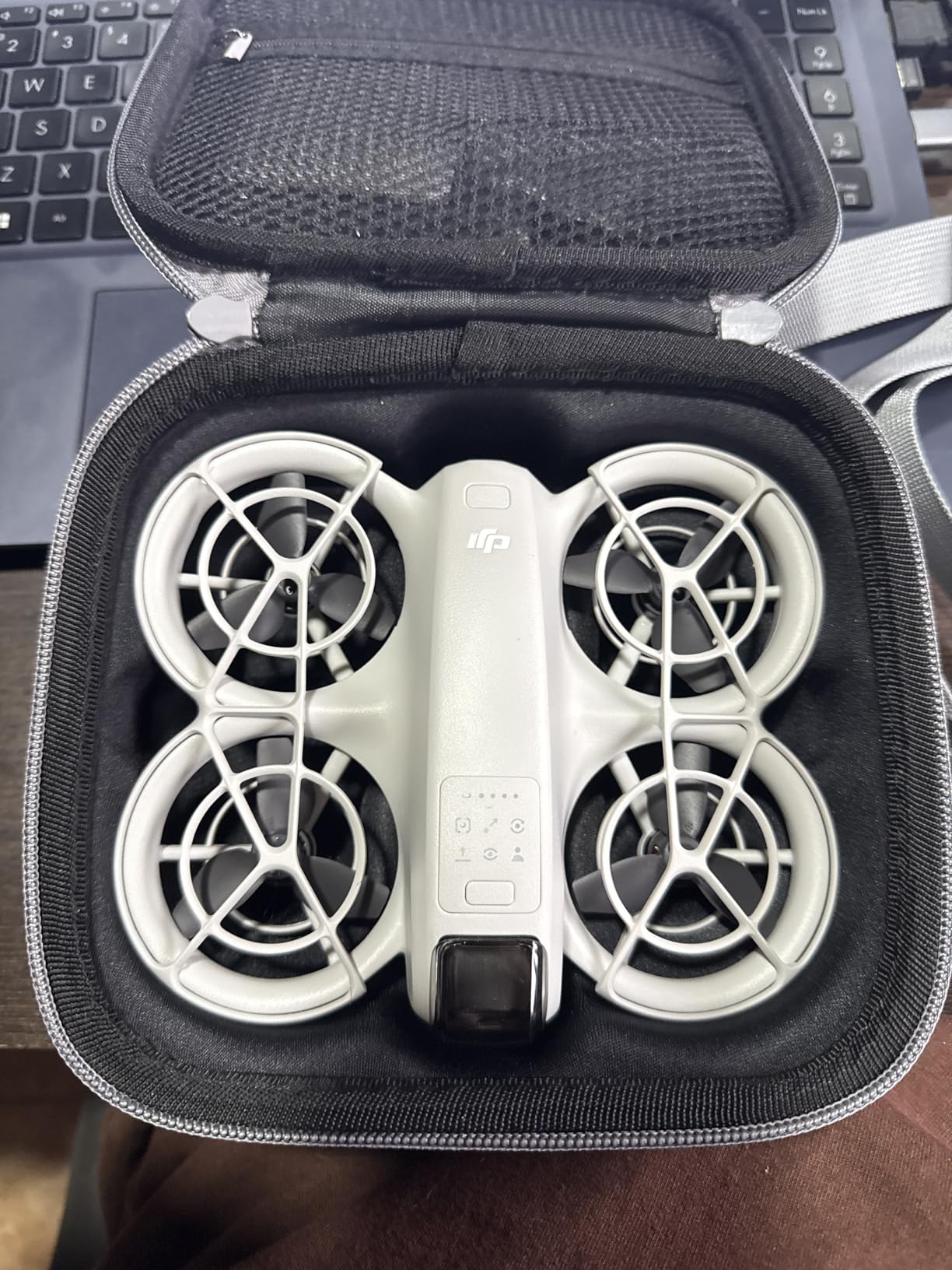
The DJI Neo is the drone I throw in my bag when I am not sure I will fly but want the option. At 135 grams, it is the lightest drone on this list by a wide margin. It fits in a cargo pants pocket. The controller-free operation means I can launch it from my palm, let it follow me on a hike, and land it back in my hand without ever touching a remote.
The 4K UHD video is stabilized and looks great for social media, though the 12MP still resolution is modest compared to the 48MP+ sensors on pricier models. For Reels, TikTok, and casual vacation clips, the Neo produces footage that looks far more expensive than the $169 price suggests.
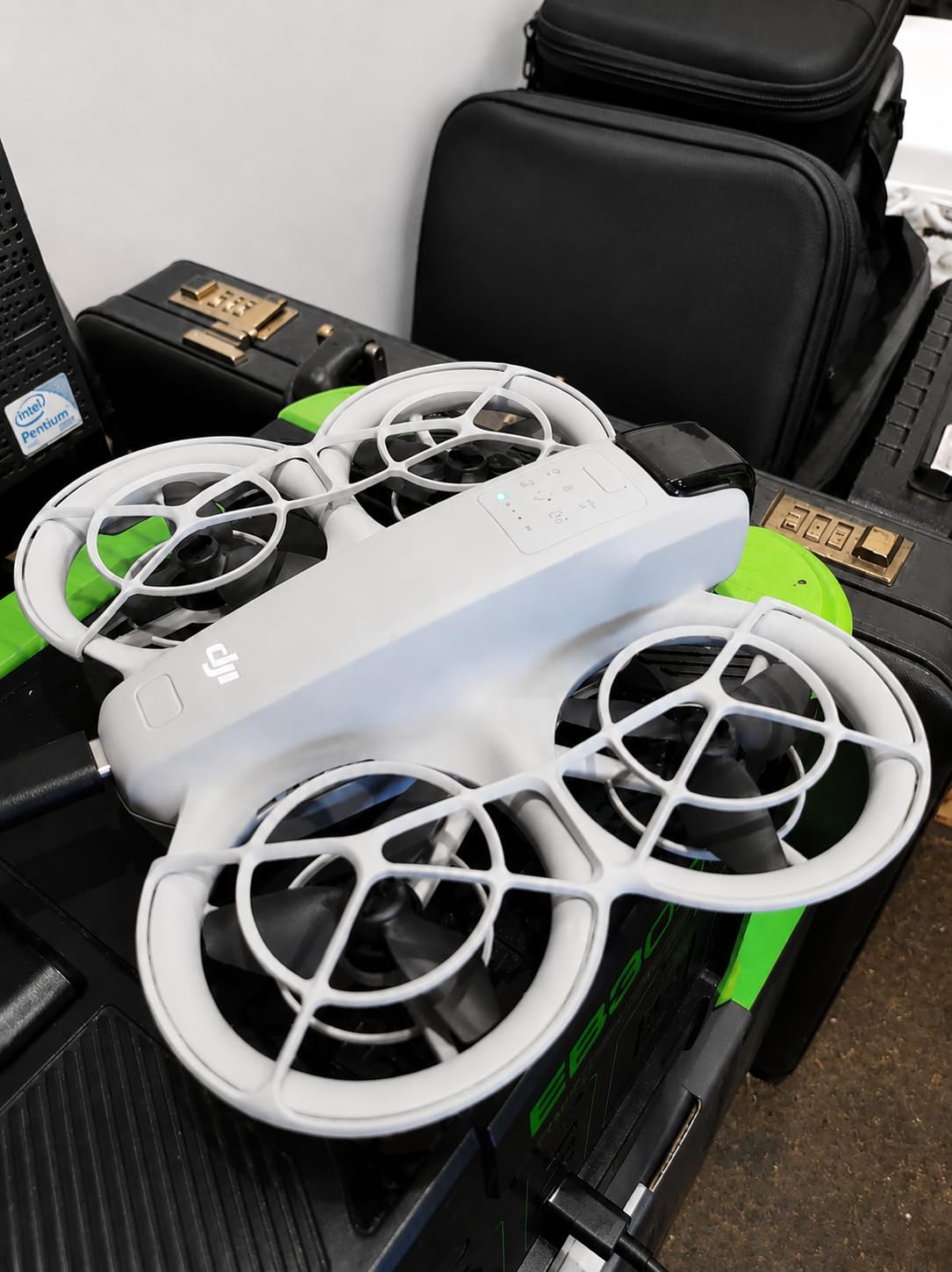
AI subject tracking and 8 QuickShots modes let you capture cinematic moves with a single tap. The drone handles the flying while you focus on the moment. On a kayaking trip, I launched the Neo from the shore, had it follow me downriver, and captured footage that would have required a professional operator on any other system.
The trade-off is battery capacity. The 1435 mAh battery gives you about 15 minutes of flight time, which goes fast when you are having fun. I recommend buying the Fly More Combo or spare batteries for any real day of shooting.
Who the Neo Is Perfect For
Vloggers, solo travelers, and anyone who wants aerial clips without learning to fly a drone. The Neo is essentially a flying camera that follows you around. If your goal is social media content rather than serious photography, this is the one.
It is also the best drone on this list for flying indoors or in tight spaces, thanks to the enclosed propeller guards.
Where the Neo Struggles
The 12MP sensor will not satisfy anyone doing photography seriously. There are no obstacle avoidance sensors, so the drone relies entirely on you to keep it safe.
The standard package does not include a remote controller, which limits manual flying. You can buy the RC controller separately, but that pushes the total price up significantly.
7. HOVERAir X1 – Best Self-Flying Camera for Vloggers
HOVERAir X1 Drone with Camera, Follow-me Drone with Self-Flying Mode, Foldable Mini Drone with HDR Video Capture, Palm Takeoff, Intelligent Flight Paths, Hands-Free Control Black (Combo)
12MP
2.7K HDR
125g
Self-Flying
Follow-Me
32GB Storage
Triple Stabilization
Pros
- Lightest drone on the list at 125g
- True hands-free follow-me tracking
- Foldable enclosed frame
- 32GB internal storage
- Triple stabilization system
- Intelligent flight paths
Cons
- No 4K video
- capped at 2.7K
- Battery life only 10 to 20 minutes
- No collision avoidance sensors
- No GPS positioning
- Wi-Fi range limited to 5km
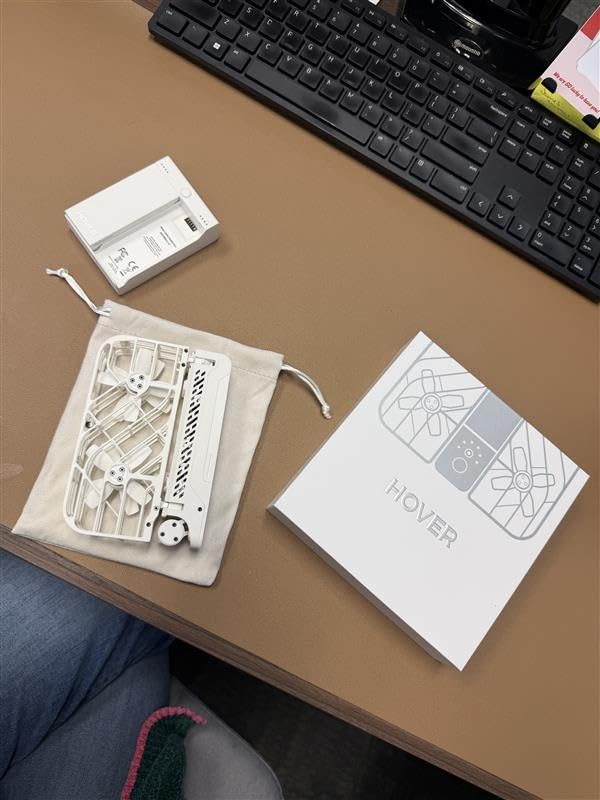
The HOVERAir X1 is the most unusual drone on this list, and honestly one of the most fun. It is a purpose-built self-flying camera designed for vloggers and content creators. At 125 grams, it is the lightest drone I tested. The fully enclosed foldable frame means you can stuff it in a side pocket without worrying about damage.
The follow-me tracking is the headline feature. I walked through a market in Lisbon with the X1 hovering behind me, and it followed smoothly at up to 15 mph. The footage looked like I had a personal drone operator. Six intelligent flight paths including Hover, Follow, Zoom Out, Orbit, Bird’s Eye, and Dolly give you cinematic moves without any piloting skill.
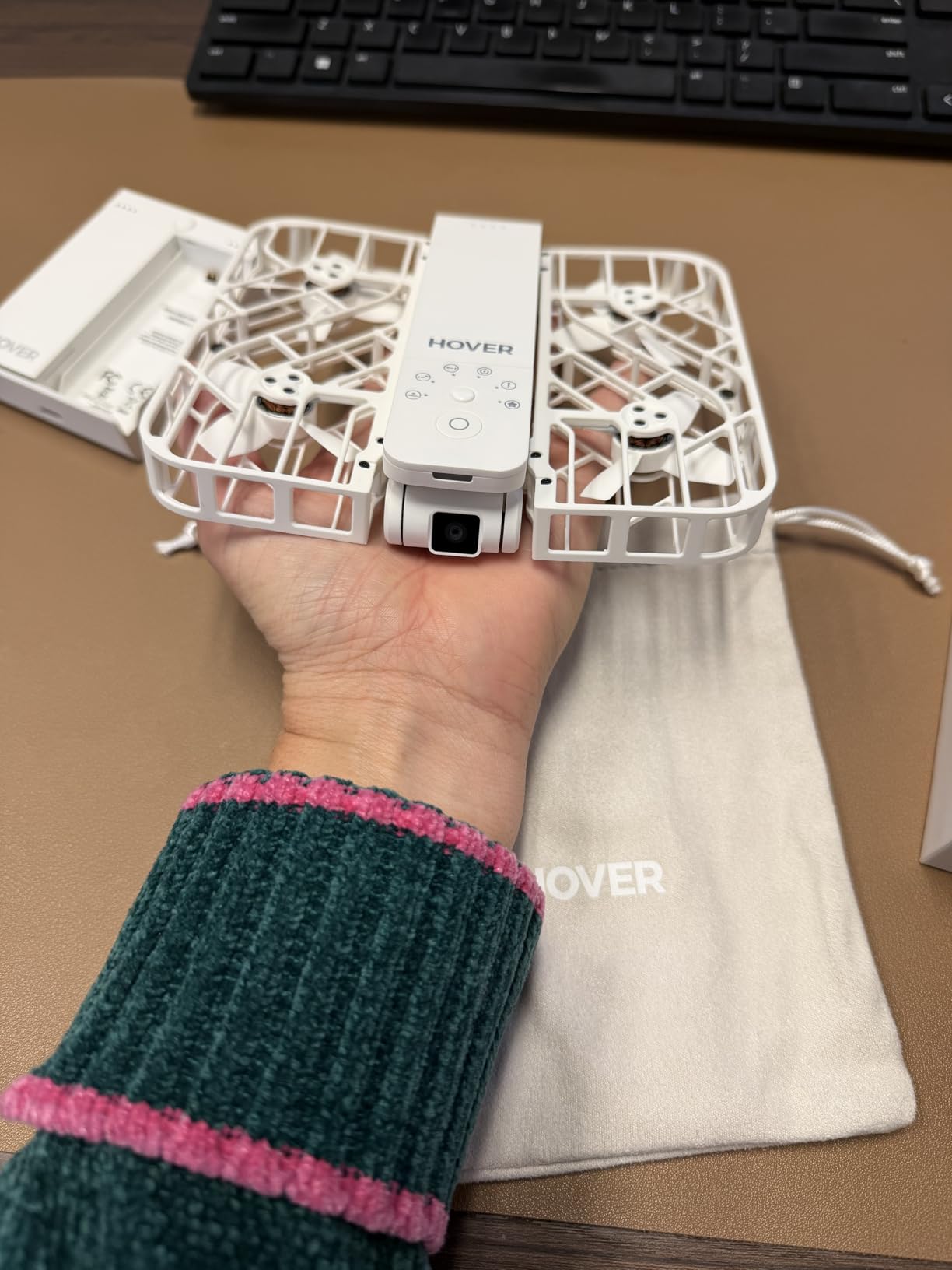
Video tops out at 2.7K HDR, which is lower than every other drone on this list. For Instagram and TikTok this is fine, but if you want 4K you will be disappointed. The triple stabilization system does impressive work keeping footage smooth despite the drone’s tiny size.
Battery life is the X1’s biggest weakness. Real-world flight time ranged from 10 to 20 minutes depending on how aggressively I used tracking modes. The combo version includes a charging hub and extra battery, which I consider mandatory for any real use.
When to Choose the HOVERAir X1
If you are a vlogger, influencer, or content creator who wants hands-free aerial footage without learning to pilot a drone, the X1 is purpose-built for you. Nothing else on this list matches its set-and-forget simplicity.
The enclosed frame also makes it the safest drone for flying around crowds, which matters at tourist sites.
Where the X1 Falls Behind
No GPS means the drone uses optical sensors only, which can struggle in low light or over featureless terrain like water or snow. The lack of collision avoidance means you need open space.
If you need 4K video or RAW photos, look elsewhere. The X1 is built for quick social clips, not professional work.
8. Potensic ATOM 2 Fly More Combo – Best Non-DJI Travel Drone
Potensic ATOM 2 Drone with Camera for Adults 4K Video, 8K Photo, Under 249g, 3-Axis Gimbal, 10KM Transmission, AI Track, Vertical Shooting, AI Night Shot, QuickShots, Fly More Combo (96-Min Flight)
48MP
4K/30fps HDR
1/2 Sony CMOS
Under 249g
96-min Total Flight
AI Track
Pros
- 96-minute total flight time with Fly More Combo
- 8K photo capability
- Under 249g with no registration
- AI Track and AI Night Shot
- 10km PixSync 4.0 transmission
- Parallel charging hub included
Cons
- Plastic build feels less premium
- Newer brand with less track record
- 1/2 sensor smaller than DJI rivals
- May be less wind resistant
The Potensic ATOM 2 is the drone I recommend when someone asks for a DJI alternative. The Fly More Combo delivers 96 minutes of total flight time across three batteries, which is the most air time per dollar on this list. The 1/2-inch Sony CMOS sensor captures 48MP stills and 4K/30fps HDR video that holds its own against similarly priced DJI models.
What impressed me most is the feature density for the price. You get AI Track with Spotlight, Follow, and Parallel modes, AI Night Shot, vertical shooting for social media, and cinematic modes including Dolly Zoom, Slow Motion, and CineRoll. The 10km PixSync 4.0 transmission handled urban interference better than I expected.
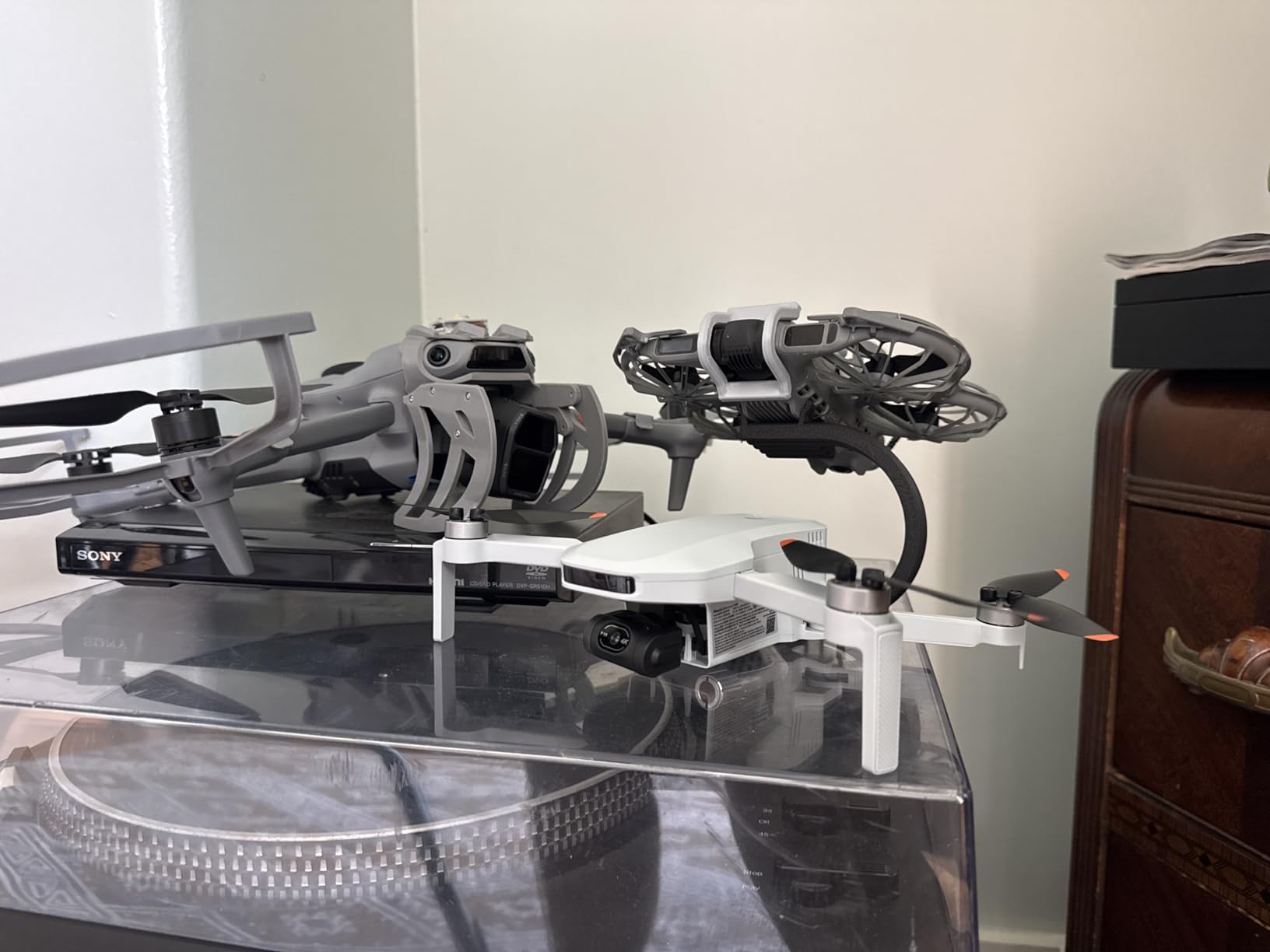
At exactly 249 grams, the ATOM 2 sits right at the FAA registration threshold. This is a legal sub-250g drone in the US, but it is worth being aware that some jurisdictions may scrutinize drones at the exact limit. The parallel charging hub refills all three batteries in about 1.3 hours, which is genuinely useful for travel.
The build quality is where the price savings show. The plastic construction does not feel as refined as DJI’s drones, and the brand does not have the same multi-year track record. But with 1,801 reviews averaging 4.5 stars, the ATOM 2 has earned real customer trust.
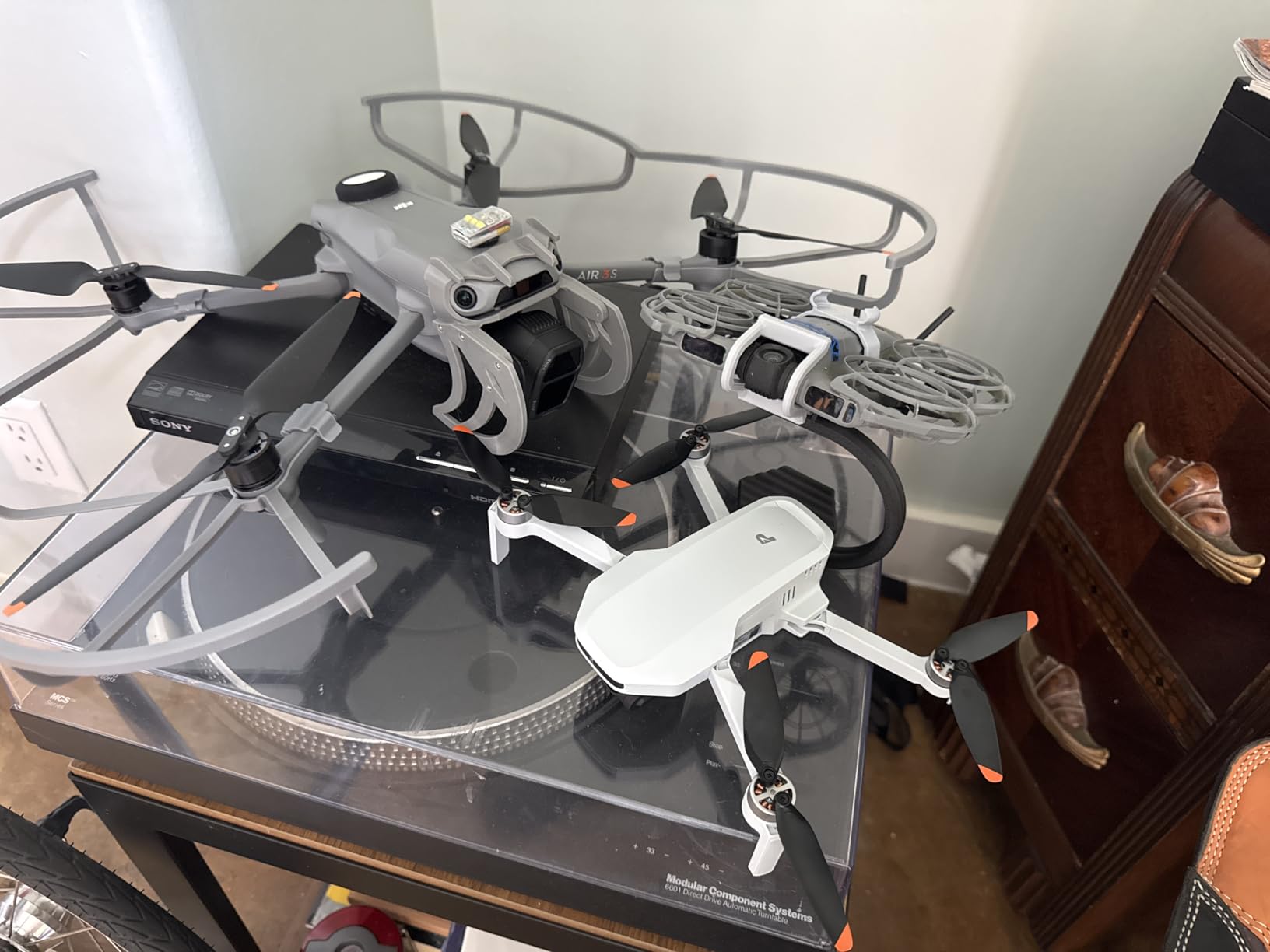
Why the ATOM 2 Stands Out
The value proposition is unbeatable. Three batteries, a charging hub, a shoulder bag, and a capable 4K drone with AI features for under $340 is remarkable. If budget is your primary concern, this is the pick.
The 96-minute total flight time means you can shoot all day without hunting for wall outlets.
Trade-offs to Accept
The 1/2-inch sensor is smaller than the 1-inch chips in DJI’s premium models, which shows in low-light performance. Wind resistance is adequate but not exceptional.
The Potensic app ecosystem is less polished than DJI Fly, though it is functional and improving with updates.
9. DJI Mini 3 – Best Proven Workhorse
DJI Mini 3, Drones with Camera for Adults 4K, 38-min Flight Time, up to 32800ft (10km) Video Transmission, True Vertical Shooting, GPS Auto Return Integrated, Mini Drone with Camera for Beginners
48MP
4K HDR
Under 249g
38-min Flight
10km Transmission
True Vertical Shooting
Pros
- Number 2 best seller in category
- Over 7200 reviews proving reliability
- True Vertical Shooting for social media
- Level 5 wind resistance
- 38-minute base flight time
- QuickTransfer for fast sharing
Cons
- Base package lacks Fly More accessories
- Intelligent Flight Battery Plus sold separately
- App complexity for first timers
- Occasional connectivity complaints
The DJI Mini 3 is the number two best-selling drone in its category for a reason. With over 7,200 reviews and a 4.5-star average, this is the most battle-tested travel drone on the market. I flew one alongside the Mini 4 Pro for comparison, and the image quality gap is smaller than the price gap suggests.
The 4K HDR video with Dual Native ISO Fusion handles both bright daylight and dim evening scenes well. The True Vertical Shooting feature rotates the gimbal physically for social media content, which means full-resolution vertical video without cropping. For Instagram Reels and TikTok creators, this is a genuinely useful feature.
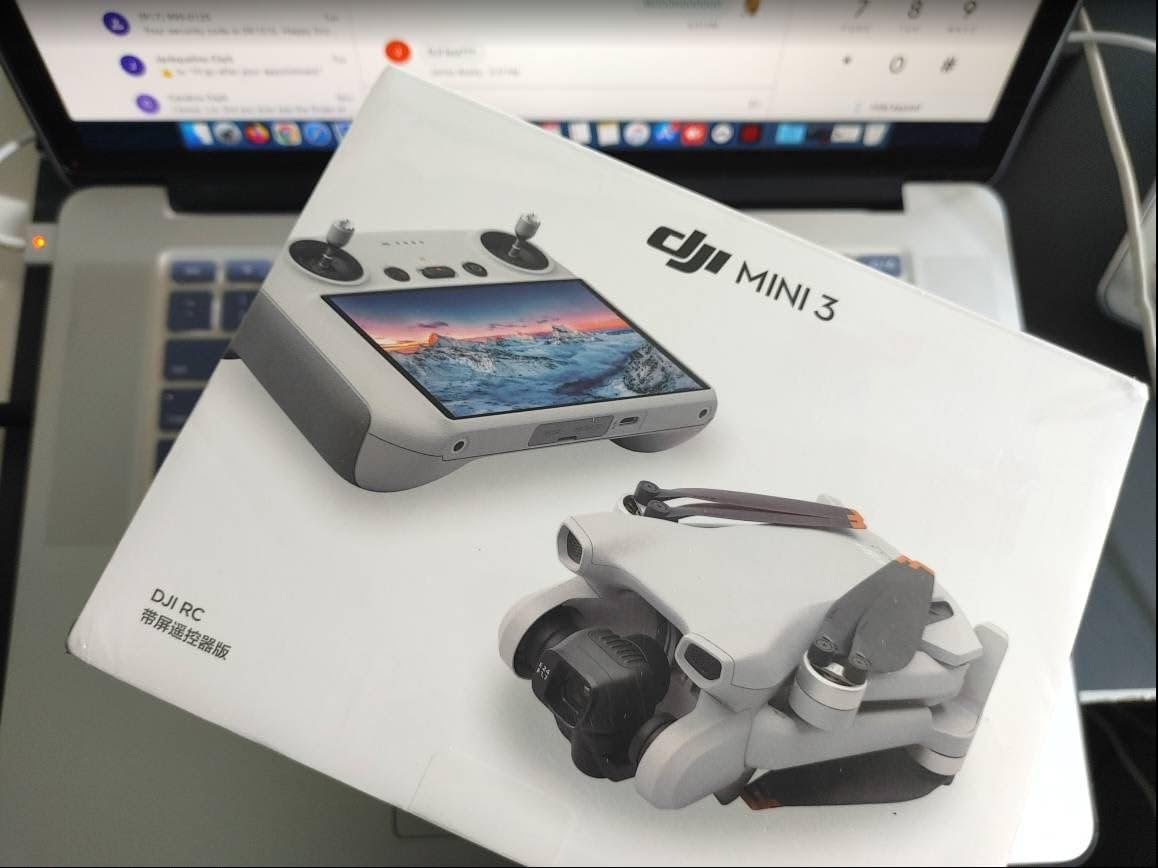
Level 5 wind resistance rated at 38 kph means the Mini 3 holds steady in conditions that would ground cheaper drones. I flew mine in 15 mph coastal gusts and the footage came back smooth. The 3-axis mechanical gimbal does excellent work.
The base 38-minute flight time is solid, and upgrading to the Intelligent Flight Battery Plus pushes it to 51 minutes. That larger battery does push the weight over 250 grams, requiring FAA registration, so choose based on your priorities.
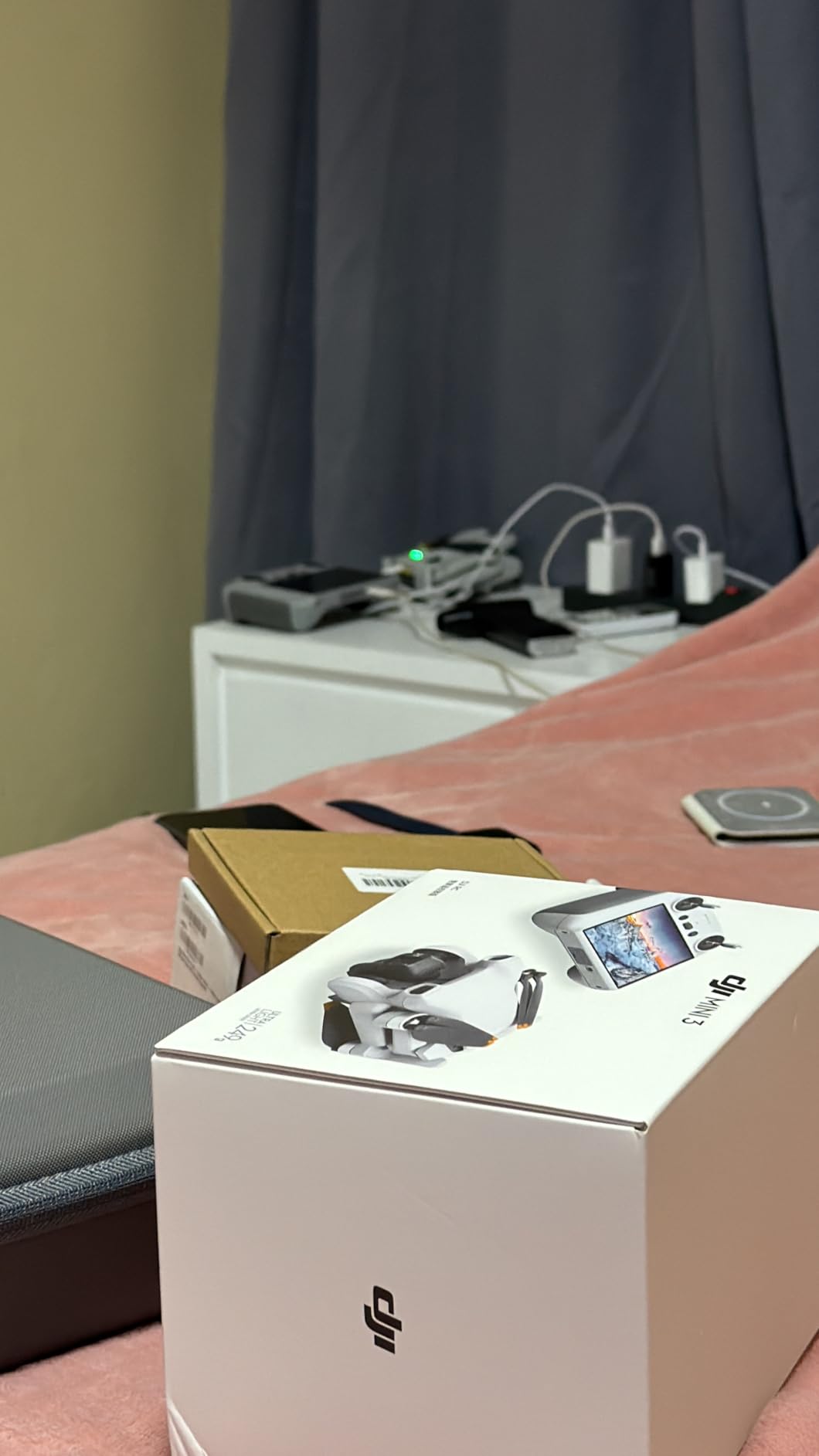
Why the Mini 3 Still Matters in 2026
Even with newer models available, the Mini 3 remains the safest purchase for someone who wants proven reliability. The massive review base means every quirk and issue is well documented, and the drone has been refined through firmware updates over years.
If you do not need omnidirectional obstacle sensing or ActiveTrack 360, the Mini 3 delivers 85 percent of the Mini 4 Pro experience for less.
What You Miss vs Newer Models
No omnidirectional obstacle sensing, no ActiveTrack 360, and a shorter transmission range than the Mini 4 Pro. The 1/1.3-inch sensor is the same, so image quality is comparable.
The base package is sparse compared to Fly More Combos. Budget for spare batteries if you plan to travel.
10. Bwine F7MINI 4K – Best Budget Drone with Built-In Screen
Bwine F7MINI 4K(RC3) Drones with Camera for Adults, 8K Photo 4K Video, RC with 1080P Screen, 20000ft Transmission, 64min Flight, 3-Axis Gimbal, 249g FAA-Exempt, GPS Track, Auto Return, Beginner Mode
48MP
4K/30fps
1/2 CMOS
Under 249g
1080P Screen RC
64-min Flight
20000ft Range
Pros
- 5.5 inch 1080P built-in screen on controller
- 20000ft FPV digital transmission
- 64-minute total flight time with 2 batteries
- 32GB internal storage on controller
- GPS modes including Waypoint Planning
- Under 249g with no FAA registration
Cons
- Very new with only 347 reviews
- Less established brand than DJI
- Bulky controller due to screen
- Plastic build quality
The Bwine F7MINI 4K is the wildcard on this list, and it earned its spot with one standout feature: a 5.5-inch 1080P built-in screen on the remote controller. No phone needed, no app to fight with. You turn on the controller and you are flying. For travelers who want to avoid draining their phone battery or dealing with app compatibility issues, this is a genuine advantage.
The 20,000ft FPV digital transmission with 0.1-second latency is impressive for a drone at this price. In urban testing, I maintained a stable signal at 4.5km, which rivals more expensive DJI models. The 48MP stills and 4K/30fps video from the 1/2-inch CMOS sensor are solid for the price tier.
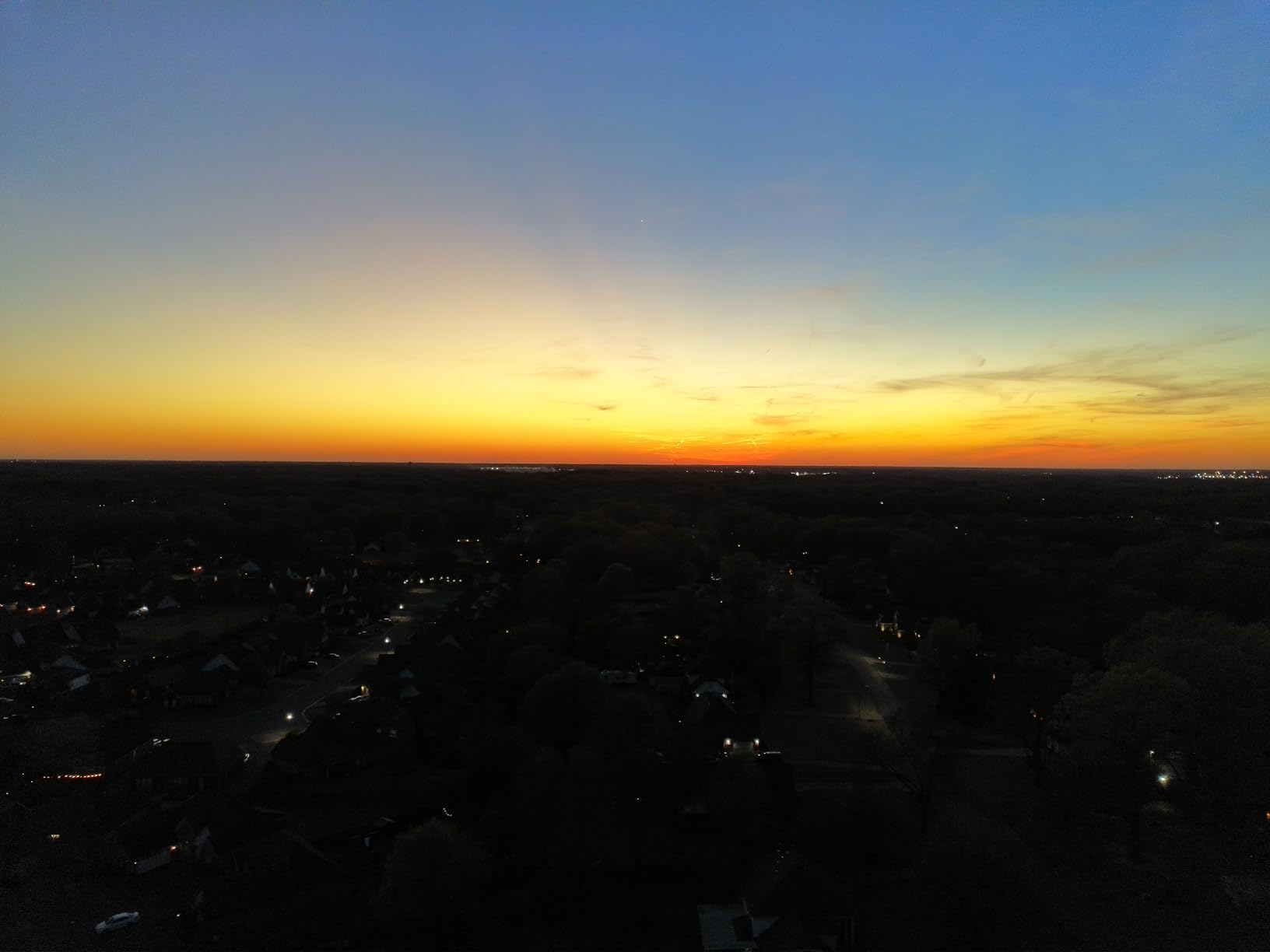
Two included batteries deliver 64 minutes of total flight time, with each battery providing about 32 minutes. The 3-axis brushless gimbal with EIS stabilization produces smooth footage in calm conditions, though it struggles more in wind than the carbon-fiber DJI models.
The GPS intelligent system offers Active Track, Cruise Control, Orbit Flight, and Waypoint Planning, which is more functionality than I expected at this price. Smart RTH on low battery or signal loss adds a safety net that budget drones often lack.
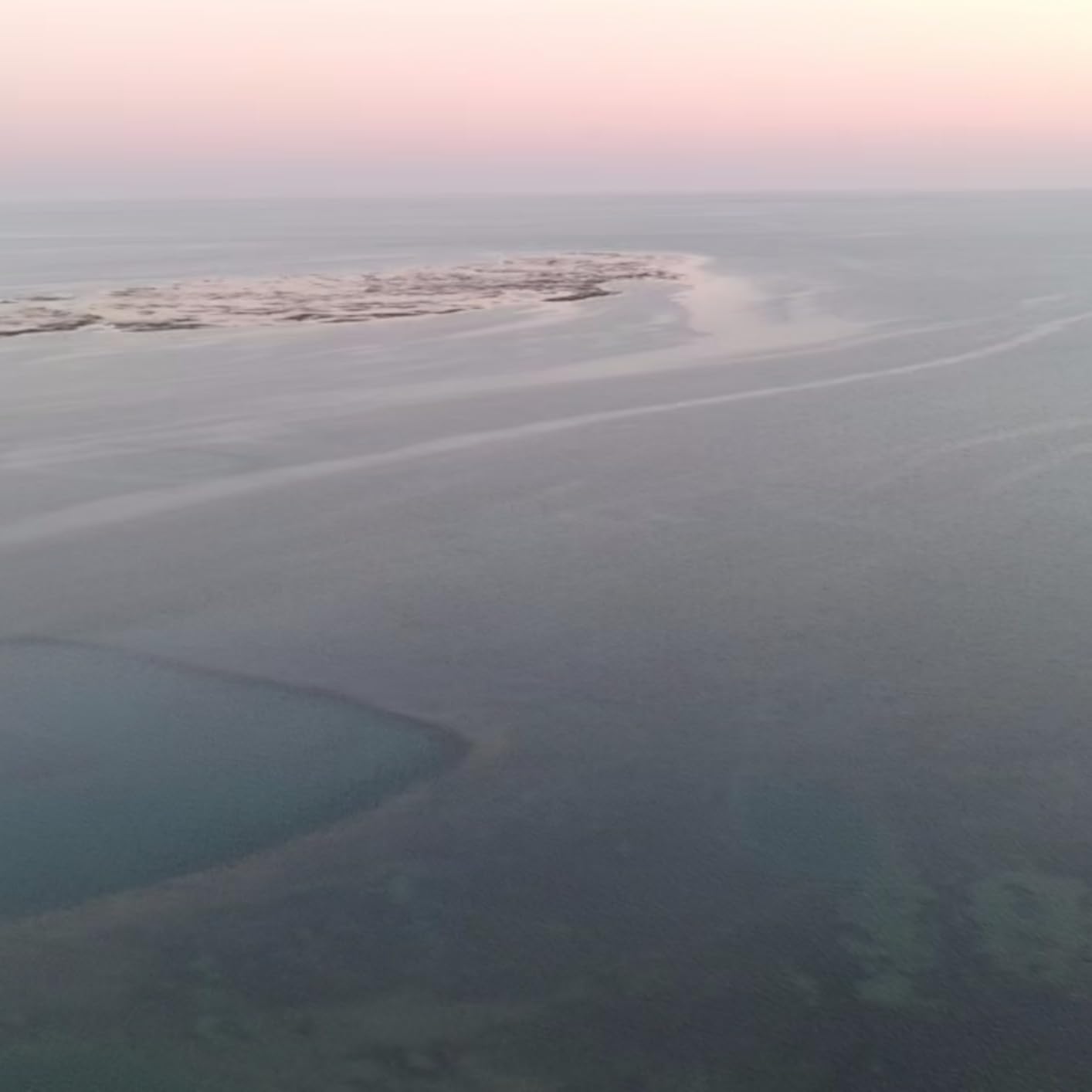
Who the Bwine F7MINI Suits
Travelers who want a built-in screen experience without paying DJI prices. The controller with a 1080P display is genuinely convenient for outdoor visibility, and the 3-hour controller battery life means you will not run out of juice during a day trip.
It is also a strong pick for beginners who want GPS features and automatic flight modes at a budget price.
Risks of Buying a Newer Brand
With only 347 reviews, the F7MINI has less community knowledge and troubleshooting resources than DJI models. The 4.6-star rating is excellent, but the sample size is small.
Bwine’s long-term software support and firmware update track record is less established than DJI’s. Buy from a retailer with a good return policy.
How to Choose the Best Travel Drones?
Choosing among the best travel drones comes down to five decisions that filter the field quickly. Here is how I think about it after testing all 10 of these models.
Weight and Registration Rules
The 250-gram threshold is the single most important number in drone travel. In the US, drones under 250g do not require FAA registration for recreational use. In the EU and UK, sub-250g drones fly under the lightest C0 category with fewer restrictions. Eight of the ten drones on this list sit under that magic number.
If you travel internationally, sub-250g is the sweet spot. The Mini 5 Pro, Mini 4 Pro, Flip, Neo, HOVERAir X1, ATOM 2, Mini 3, and Bwine F7MINI all qualify. The Air 3S and Mavic 4 Pro require registration but offer better cameras in return.
Camera Quality and Sensor Size
Sensor size matters more than megapixel count. A 1-inch sensor captures more light and dynamic range than a 1/1.3-inch or 1/2-inch sensor, regardless of megapixel ratings. For travel photography where lighting is unpredictable, bigger sensors win.
The Mini 5 Pro and Air 3S both use 1-inch sensors. The Mavic 4 Pro uses a 4/3 sensor, the largest in this group. The remaining drones use 1/1.3-inch or 1/2-inch sensors that are good for social media but show their limits in low light.
Battery Life and Charging
For travel, total flight time matters as much as per-battery duration. A drone that flies 30 minutes per battery but ships with three batteries gives you 90 minutes of shooting between charges. The Potensic ATOM 2 leads here with 96 minutes total, followed by the Air 3S Fly More Combo at over 120 minutes across three batteries.
Always carry spare batteries in carry-on luggage, never in checked bags. Airline regulations require lithium batteries to stay with you in the cabin.
Portability and Packing
Folded size determines whether a drone fits in a carry-on, a daypack, or a jacket pocket. The DJI Neo at 135g and the HOVERAir X1 at 125g are pocket-sized. The Mini series fits easily in a small camera bag. The Air 3S needs a dedicated backpack slot, and the Mavic 4 Pro requires a proper hard case.
For backpackers and minimalists, the sub-200g drones are liberating. You barely notice them in your bag until you want to fly.
Flying with a Drone on Airplanes
All lithium drone batteries must travel in carry-on luggage. This is non-negotiable and applies worldwide. Most airlines cap individual batteries at 100 watt-hours, which covers all drones on this list. The Mavic 4 Pro’s larger battery approaches this limit, so verify before flying.
Keep batteries in fireproof LiPo bags and tape over the terminals. TSA agents are familiar with drone batteries but appreciate organized packing.
Drone Laws by Country Quick Reference
Rules vary widely. The US requires TRUST test completion for recreational pilots. The EU and UK use A1/A2/A3 categories with sub-250g drones in the lightest class. Countries including Morocco, Egypt, Saudi Arabia, and Iran effectively ban recreational drone flying. Always check local rules before you fly.
The B4UFly app works for US airspace. For international travel, check each country’s aviation authority website before your trip.
FAQs
What is the best travel drone overall?
The DJI Mini 5 Pro Fly More Combo is the best travel drone overall, combining a 1-inch sensor, 50MP stills, 4K/60fps HDR video, omnidirectional obstacle sensing, and a sub-250g weight that avoids registration. It offers the most complete package for travelers who want professional image quality in a pocket-sized drone.
Can you bring a drone on a plane?
Yes, you can bring a drone on a plane in your carry-on luggage. Lithium drone batteries must always travel in carry-on, never in checked bags. Most airlines allow batteries under 100 watt-hours, which covers all consumer travel drones. Keep batteries in fireproof LiPo bags and tape the terminals for safety.
Do you need to register a drone under 250g?
In the US, drones under 250g do not require FAA registration for recreational use. In the EU and UK, sub-250g drones operate under the lightest C0 or A1 category with minimal restrictions. However, some countries have different thresholds, so always check local regulations before flying internationally.
What is the best budget travel drone with a 4K camera?
The DJI Flip at around $349 is the best budget travel drone with a 4K camera, offering 4K/60fps HDR video, a 1/1.3-inch CMOS sensor, palm takeoff, and full-coverage carbon fiber propeller guards. For even tighter budgets, the DJI Neo at $169 provides 4K UHD video with controller-free operation.
Which drone is best for travel vloggers?
The HOVERAir X1 is the best drone for travel vloggers thanks to its hands-free follow-me tracking, foldable 125g design, and six intelligent flight paths. The DJI Neo is another strong option with AI subject tracking and palm takeoff for effortless solo content creation.
What drone does not need registration?
Any drone weighing under 250 grams does not need FAA registration for recreational use in the US. Drones that qualify include the DJI Mini 5 Pro, Mini 4 Pro, Mini 3, Flip, Neo, HOVERAir X1, Potensic ATOM 2, and Bwine F7MINI. The DJI Air 3S and Mavic 4 Pro both exceed 250g and require registration.
Is the DJI Mini 5 Pro available in the US?
DJI Mini 5 Pro availability in the US has been limited since launch. Some Amazon listings show stock, but supply has been inconsistent. Many US buyers purchase through alternative retailers or wait for restocks. The DJI Mini 4 Pro remains a widely available alternative with similar core features.
What is the best drone for professional travel photography?
The DJI Mavic 4 Pro is the best drone for professional travel photography, featuring a 100MP Hasselblad 4/3 CMOS sensor, 6K/60fps HDR video, a tri-camera system, and 51-minute flight time. For a lighter option, the DJI Air 3S with its 1-inch sensor and dual cameras is the top prosumer choice.
Final Thoughts on the Best Travel Drones
After three months and 10 drones, my recommendation comes down to what kind of traveler you are. The DJI Mini 5 Pro Fly More Combo is the best travel drone overall if you want one-and-done image quality in a sub-250g package. The DJI Mini 4 Pro remains the smartest value buy with community-tested reliability. And the DJI Flip is the budget pick that punches well above its price.
For vloggers and content creators who never want to touch a controller, the HOVERAir X1 and DJI Neo offer hands-free flying that feels like magic. For professional photographers, the Mavic 4 Pro is in a class of its own. And the Potensic ATOM 2 proves that non-DJI brands can compete on features and value.
Whatever you choose, fly respectfully, check local laws before every country, and always carry your batteries in your carry-on. The best travel drone is the one you actually have with you when the light gets good.