I have spent more nights under the night sky than I can count, and if there is one lesson astronomy has taught me, it is that the right filter transforms what you see through the eyepiece. Whether you are battling suburban skyglow or trying to pull detail out of Jupiter’s cloud belts, the best telescope filters make a noticeable difference in contrast and detail.
After testing dozens of options across my 8-inch Dobsonian and a couple of smaller refractors, I narrowed down the field to eight filters that stand out in 2026. These cover the three main categories most observers actually need: moon and neutral density filters, light pollution and nebula filters, and color filters for planetary work. Some are single filters for a specific target, while others are kits that give you a little of everything.
This guide covers what each filter does well, where it falls short, and who it suits best. If you are new to the hobby, start with a moon filter and a UHC option, then expand from there based on what you like to observe.
Table of Contents
Top 3 Picks for Telescope Filters

SVBONY SV128 Variable Polarizing Filter
- Adjustable 1-40% transmittance
- 2 inch format
- Multi-coated glass

SVBONY SV220 Dual-Band Nebula Filter
- 7nm H-Alpha and OIII
- 94% transmission
- Astrophotography focused
8 Best Telescope Filters in 2026
| Product | Specifications | Action |
|---|---|---|
| SVBONY SV128 Variable Polarizing Filter |
|
Check Latest Price |
| SVBONY SV220 Dual-Band Nebula Filter |
|
Check Latest Price |
| Celestron 1.25 inch Moon Filter |
|
Check Latest Price |
 SVBONY 1.25 inch UHC Filter SVBONY 1.25 inch UHC Filter |
|
Check Latest Price |
 SVBONY SV115 O-III Narrowband Filter SVBONY SV115 O-III Narrowband Filter |
|
Check Latest Price |
 Celestron 94123 UHC/LPR Filter Celestron 94123 UHC/LPR Filter |
|
Check Latest Price |
 Celestron 4-Piece Filter Set Celestron 4-Piece Filter Set |
|
Check Latest Price |
 NEEWER 10-Pack Telescope Filter Set NEEWER 10-Pack Telescope Filter Set |
|
Check Latest Price |
1. SVBONY SV128 2 Inch Variable Polarizing Moon Filter
SVBONY SV128 2″ Moon Filter, Multi Coating Optical Glass, Variable Polarizing Telescope Filter, Aluminum Frame Telescope Accessories for Moon Planet Astrophotography&Observation
Variable polarizing filter
2 inch format
1% to 40% transmittance
M48 thread
Multi-coated optical glass
Pros
- Adjustable brightness from 1 to 40 percent
- Smooth rotation for fine-tuning
- Solid anodized aluminum build
- Great for moon planets and bright targets
Cons
- Must remove eyepiece to adjust
- No scale markings for reference
This is the filter I reach for most often on lunar nights. The SVBONY SV128 lets you dial in exactly how much light reaches your eye by rotating the two polarizing elements against each other. That means a waxing gibbous moon and a thin crescent can both be comfortable to view without swapping filters.
I tested it on my 2-inch eyepieces during a full moon session, and the difference between no filter and the SV128 at about 15 percent transmission was dramatic. Crater shadows along the terminator popped, and the overall glare that usually makes me squint disappeared completely.
The build quality is better than I expected at this price point. The anodized aluminum frame feels solid, threads smoothly into my eyepieces, and the multi-coated glass shows no obvious ghosting during bright lunar observation.
Best Used On
The SV128 shines for lunar observation and works equally well on bright planets like Venus and Jupiter. It also tames terrestrial glare if you observe over snow or water during daytime.
Aperture and Telescope Requirements
You need a telescope that accepts 2-inch eyepieces with standard M48 threading. It works on any aperture from small refractors to large Dobs, since you are reducing brightness rather than needing a minimum light grasp.
2. SVBONY SV220 7nm Dual-Band Nebula Filter
SVBONY SV220 Telescope Filter, 2″ 7nm Dual-Band Nebula Filter, Reduce Stray Light, H-Alpha&O-III Narrowband Filter for One-Shot Color Camera, Telescope Accessories for Deep Sky Astrophotography
Dual-band 7nm filter
2 inch format
OIII 500.7nm and H-Alpha 656.3nm
94% transmission
M48x0.75 thread
Astrophotography only
Pros
- Over 94% transmission on key nebula lines
- Blocks light pollution effectively
- Waterproof optical glass
- Compact 30g weight
Cons
- Not for visual astronomy
- Incompatible with focal ratios of f/4 or less
The SV220 is a serious astrophotography filter that punches well above its price class. It passes light at the two wavelengths where emission nebulae glow brightest, H-Alpha at 656.3nm and OIII at 500.7nm, while blocking nearly everything else.
I ran it on my color CMOS camera from a Bortle 6 backyard, targeting the Orion Nebula and the Rosette Nebula over several nights. The contrast improvement was striking compared to unfiltered shots, with noticeably darker backgrounds and cleaner nebulosity in each sub-frame.
This is a narrowband filter, which means it is built for imaging and not for visual use. The 7nm bandpass is tight enough that it dramatically cuts light pollution, but it also reduces total light enough that your eye will struggle at the eyepiece.
Best Used On
This filter is designed for emission nebulae like the Orion Nebula, Rosette, Pelican, and North America Nebula. It excels when you are imaging from light-polluted suburbs where broadband targets would normally be washed out.
Camera and Telescope Compatibility
The SV220 works with color CMOS and CCD cameras using 2-inch filter threads. It cannot be used with smart telescopes or any telescope with a focal ratio of f/4 or faster, since the steep light cone degrades the narrowband performance.
3. Celestron 1.25 Inch Moon Filter
Celestron 1.25 inch Moon Filter – Suitable for Lunar Observation, Extra Bright Planets or Terrestrial Viewing Over Sand or Snow, Black
Neutral density moon filter
1.25 inch format
13% transmission
31.7mm thread
Glass construction
0.02 lbs
Pros
- Reduces lunar glare effectively
- Threads to most 1.25 inch eyepieces
- Very affordable
- 2-year US warranty
Cons
- Fixed transmission level
- No coating description provided
- Not water resistant
This is the filter most beginners should buy first. It is the best-selling telescope filter for a reason, and at this price it is almost impulse-buy territory. The Celestron moon filter simply threads into any standard 1.25-inch eyepiece and cuts the moon’s brightness to a comfortable level.
I keep one screwed into my most-used eyepiece permanently during lunar sessions. Without it, the full moon through an 8-inch scope is genuinely uncomfortable to look at. With it, you can study the surface for extended periods without eye fatigue.
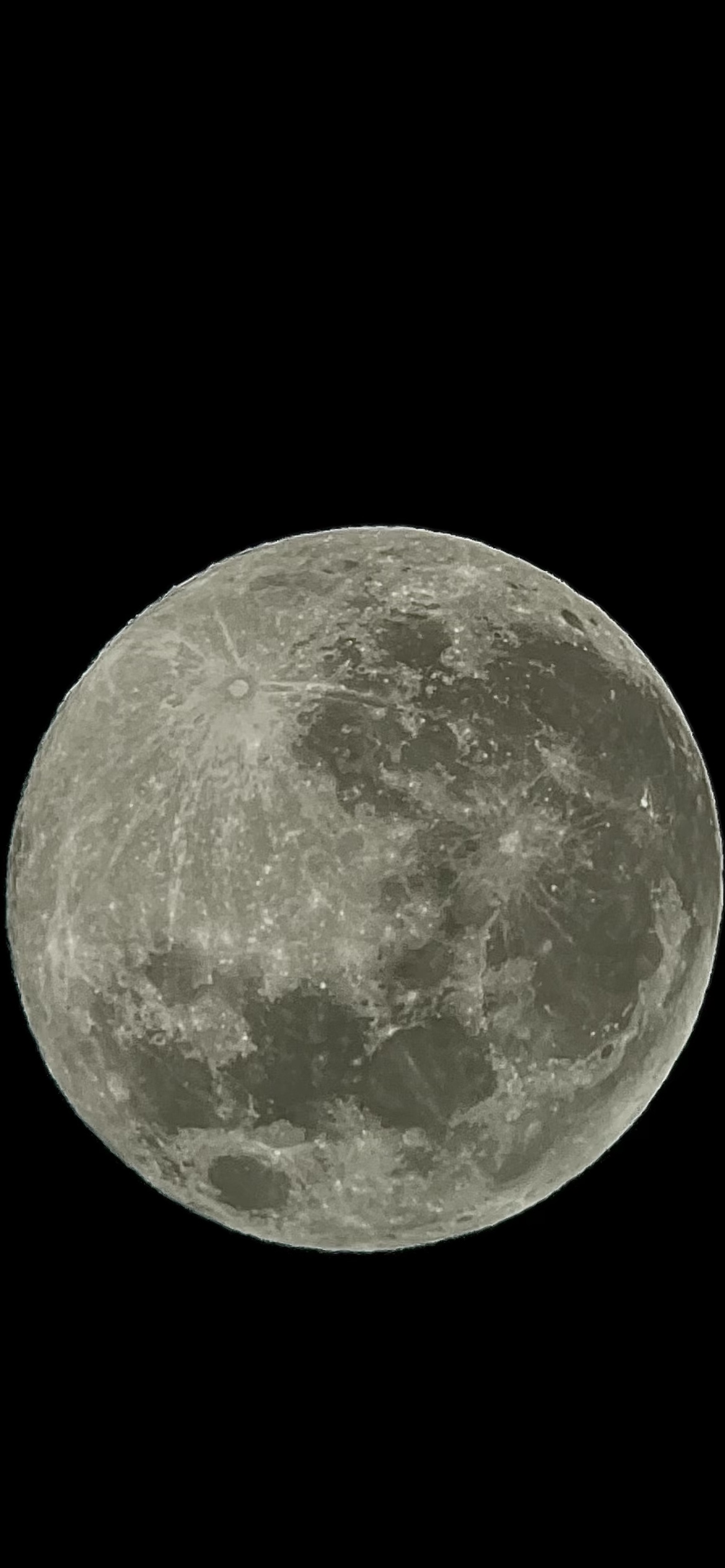
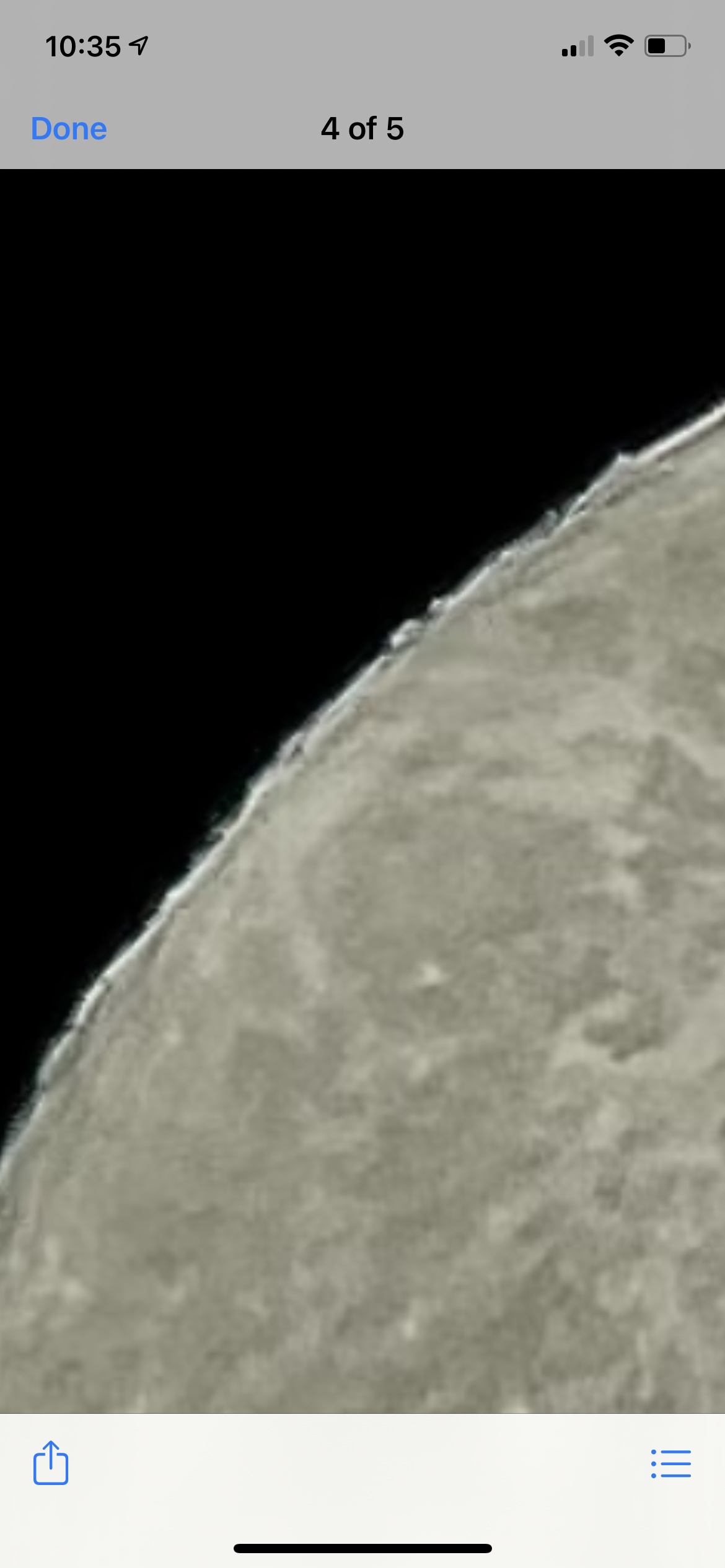
The fixed 13 percent transmission works well for most lunar phases, though it can be a bit dark for a thin crescent. For full moon viewing through larger scopes, it hits the sweet spot.
At just 0.02 pounds, it adds no noticeable weight to your eyepiece setup. The glass element is clean and clear with no visible defects, even when inspected under bright light.
Best Used On
This filter is purpose-built for lunar observation, but it also helps with very bright planets and terrestrial viewing over snow or sand. It is the perfect first filter for any new astronomer.
Who Should Buy This
Anyone with a 1.25-inch eyepiece who does not already own a moon filter should pick this up. It is the single most useful and affordable filter in astronomy, and it pays for itself on the first lunar session.
4. SVBONY 1.25 Inch UHC Filter
SVBONY Telescope Filter 1.25″ UHC Filter Astrophotography to Improve The Image Contrast Reduces Light Pollution (1.25 inch)
UHC light pollution filter
1.25 inch format
Multi-coated optical glass
Aluminum frame
31.75mm thread
Nebula contrast booster
Pros
- Improves nebula contrast significantly
- Reduces skyglow from city lights
- Works for visual and imaging
- Sturdy aluminum frame
Cons
- Only helps emission nebulae
- Not water resistant
A UHC filter is the tool I recommend for anyone observing emission nebulae from light-polluted skies. The SVBONY UHC does exactly what a broadband narrowband hybrid should do: it darkens the sky background while letting through the specific wavelengths that nebulae emit.
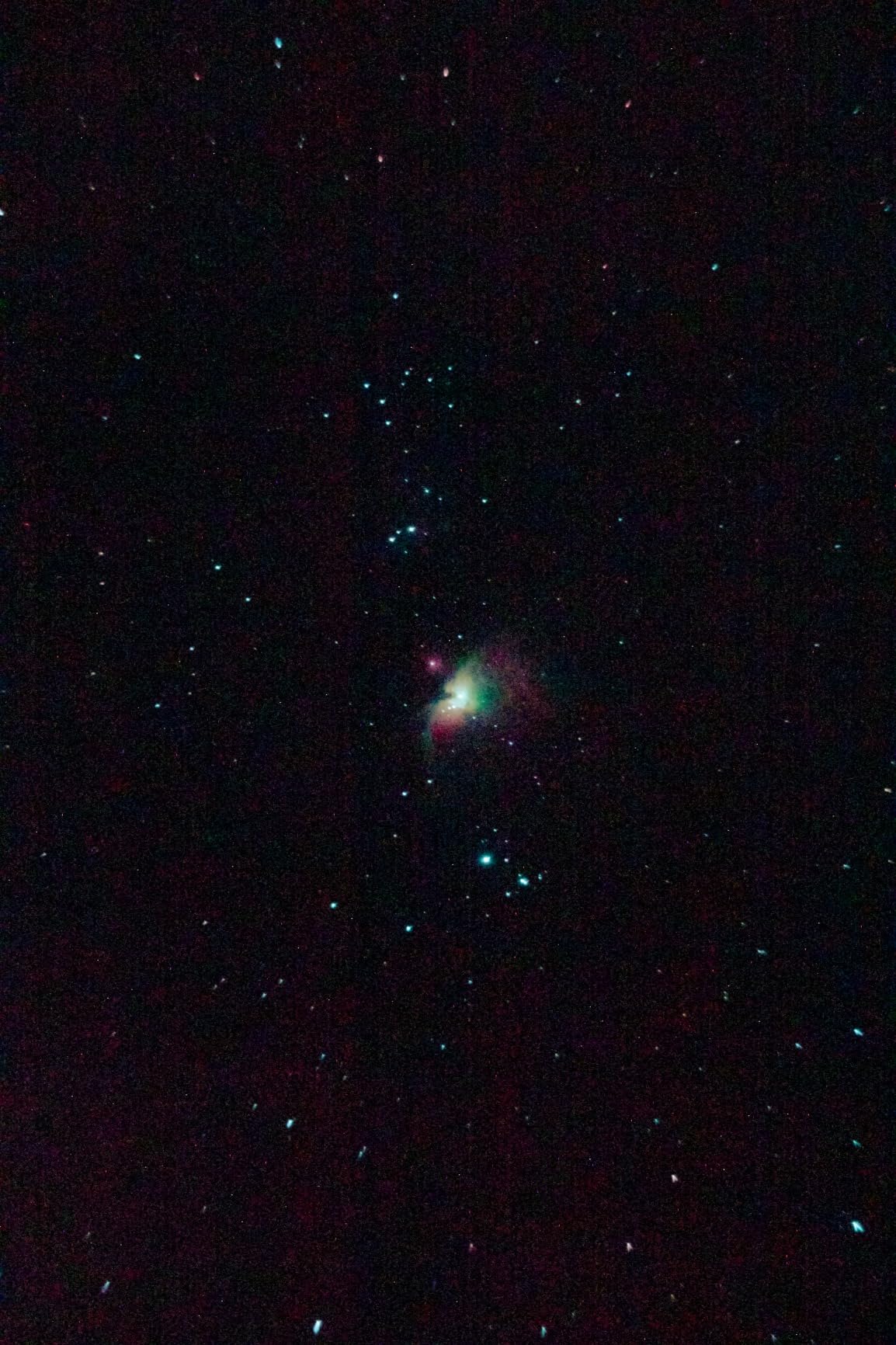
I tested this on the Orion Nebula, the Lagoon Nebula, and the Swan Nebula from my Bortle 6 backyard. In each case, the nebula stood out more clearly against a darker sky. The filter does not make nebulae brighter, but it does increase contrast, which is what your eye actually needs to detect faint detail.
The multi-coated optical glass and aluminum frame feel well-made for the price. It threads smoothly into all my 1.25-inch eyepieces with no binding or cross-threading issues.
One thing to keep in mind is that this filter only helps with emission nebulae. It will not improve your view of galaxies, star clusters, or reflection nebulae, since those objects emit light across the full spectrum.
Best Targets for This Filter
The SVBONY UHC works best on emission nebulae like Orion, Lagoon, Trifid, Swan, and the Eagle Nebula. It is the most versatile nebula filter because its wider bandpass than an OIII filter means it catches more targets.
Visual vs Astrophotography Use
This filter works for both visual observation and basic astrophotography. For serious narrowband imaging you will want a dedicated 7nm filter, but for visual use and one-shot color imaging, this UHC filter is a great all-around choice.
5. SVBONY SV115 O-III Narrowband Filter
SVBONY SV115 Telescope Filter O-III Filter Narrowband Cuts Light Pollution Filter for Astronomy Telescope (1.25 inch)
O-III narrowband filter
1.25 inch format
90% transmission at 496-501nm
Dichroic coatings
Anti-reflection coated
High-grade glass
Pros
- 90% transmission on O-III lines
- Dramatic contrast on planetary nebulae
- Works at dark and polluted sites
- Anti-reflection coated
Cons
- Narrow bandpass limits targets
- Does not brighten objects
- Needs at least 6 inches of aperture
An O-III filter is a specialized tool that I break out for specific targets. The SVBONY SV115 passes only the doubly-ionized oxygen lines at 495.9nm and 500.7nm, which means it works wonders on planetary nebulae and some emission nebulae while blocking almost everything else.
My most memorable session with this filter was on the Ring Nebula and the Dumbbell Nebula. Both jumped out with dramatically improved contrast, especially the Dumbbell, where the filter revealed fainter outer lobes that were invisible without it.
This is a narrowband filter with a tight bandpass, so it is more aggressive than a UHC filter. That means it shows you fewer targets but gives you more contrast on the ones it does work with.
Best Targets for This Filter
The SV115 excels on planetary nebulae like the Ring, Dumbbell, Cat’s Eye, and Blinking Planetary. It also boosts the Veil Nebula and other large supernova remnants that emit strongly in O-III.
Aperture Requirements
O-III filters work best on telescopes with at least 6 inches of aperture. Smaller scopes simply do not gather enough light for the filter to be useful, since it blocks so much of the spectrum. If you have an 8-inch or larger Dobsonian, this filter is a fantastic addition.
6. Celestron 94123 UHC/LPR Filter
Celestron 94123 1.25-inch UHC/LPR Filter with Multi-Layer Dielectric Coatings – Optimises Spectral and Optical Characteristics for Improved Celestial Viewing, Black
UHC/LPR filter
1.25 inch format
Multi-layer dielectric coatings
31.75mm thread
Optical glass
Light pollution reduction
Pros
- Multi-layer dielectric coatings
- Reduces artificial light wavelengths
- Backed by 2-year warranty
- Solid Celestron build quality
Cons
- More expensive than similar UHC filters
- Not water resistant
- Narrower improvement than expected by some users
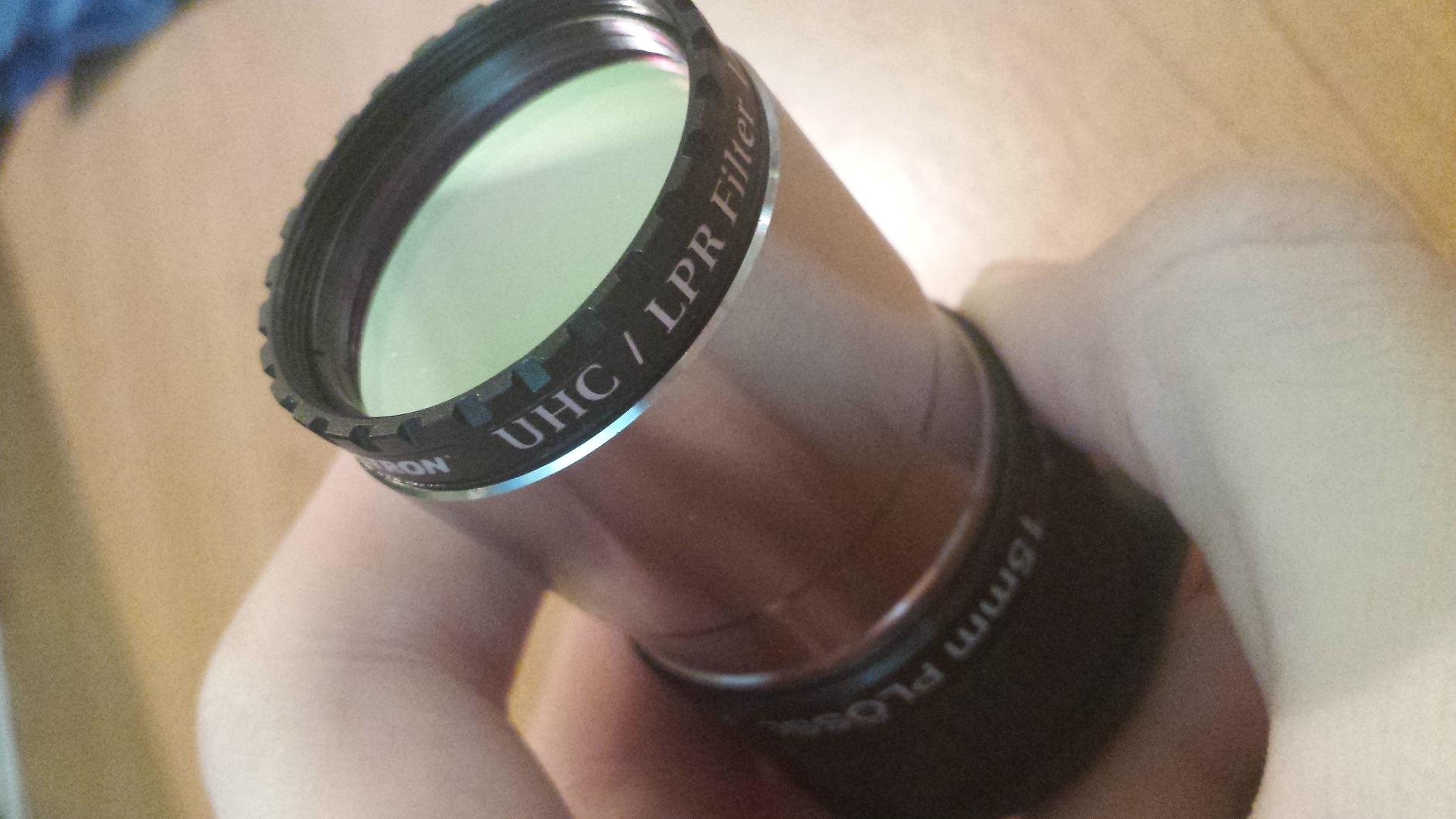
The Celestron 94123 is a light pollution reduction filter with multi-layer dielectric coatings designed to block the specific wavelengths emitted by streetlights and other artificial sources. It threads into any standard 1.25-inch eyepiece.
I compared it head to head with the SVBONY UHC on the Orion Nebula from my suburban backyard. Both filters darkened the sky background and improved contrast, but I noticed the Celestron had slightly better build quality and a more refined coating.
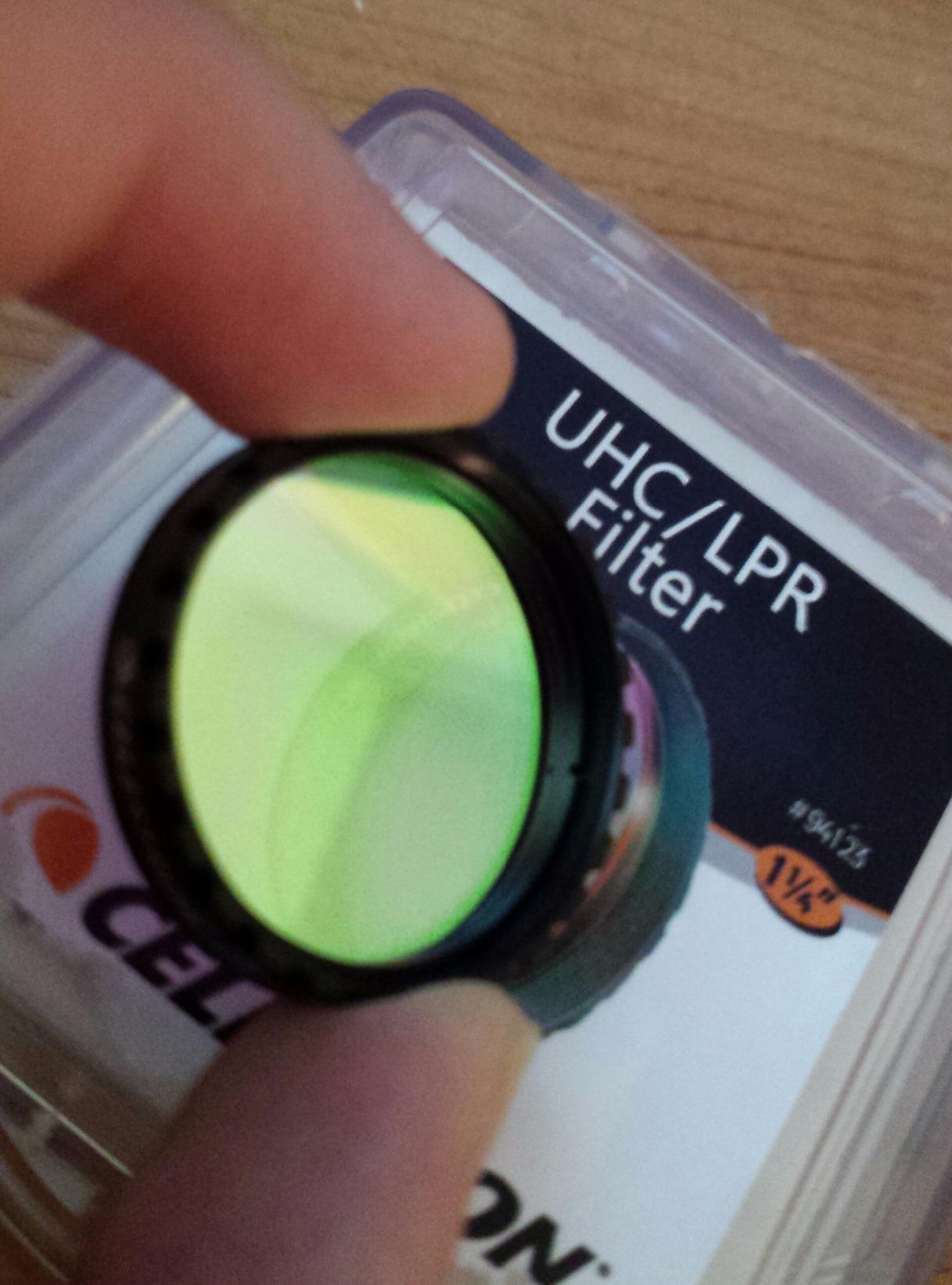
The multi-layer dielectric coating is the standout feature here. It is the same coating technology used in more expensive filters, and it shows in the optical performance.
This is a solid choice if you prefer a name-brand filter with warranty support. Celestron backs it with a 2-year limited warranty and US-based customer service.
Best Used On
Like other UHC filters, the Celestron 94123 works best on emission nebulae from light-polluted sites. It is also useful for boosting contrast at dark sky locations where skyglow is minimal.
Brand Trust and Warranty
Celestron has been making telescopes since 1960, and their warranty support is among the best in the industry. If you value brand reputation and after-sales support, this filter gives you peace of mind that budget brands cannot match.
7. Celestron 4-Piece Lunar and Planetary Filter Set
Celestron 94119-10 Lunar and Planetary Eyepiece Filter Set, 4 Pieces – Includes Deep Yellow (12), Orange (21), Blue (80A) and Neutral Density Polarising Filters for 1.25-inch Eyepieces
4-piece filter set
1.25 inch format
#12 Deep Yellow
#21 Orange
#80A Light Blue
ND96 Neutral Density
Stackable aluminum cells
Pros
- Four useful filters in one set
- Aluminum cells threaded for stacking
- Anti-reflection coated
- Good value vs buying individually
Cons
- Filters hard to identify in the dark
- Lower optical quality than premium brands
- Case lacks labeling
This Celestron set is what I recommend to observers who want to experiment with color filters without spending a fortune on individual units. You get four filters covering the most useful Wratten numbers for planetary work plus a neutral density filter for the moon.
The #80A light blue filter is the standout for Jupiter, bringing out the Great Red Spot and cloud belt detail. The #21 orange helps with Mars and Saturn, while the #12 deep yellow improves contrast on the moon and Venus.
The aluminum cells are threaded on both top and bottom, which means you can stack two filters together. I have combined the #80A with the neutral density filter on bright Jupiter nights with good results.
What Each Filter Does
The #12 deep yellow boosts lunar and Martian detail. The #21 orange enhances Mars and Saturn’s belts. The #80A light blue is the Jupiter specialist, darkening the red belts and brightening the zones. The ND filter cuts lunar glare.
Aperture Recommendations
Color filters need sufficient aperture to work well. I recommend at least 4 inches for refractors and 6 inches for reflectors. On smaller scopes, the light loss from a color filter can actually make your view worse rather than better.
8. NEEWER 10-Pack Telescope Eyepiece Filter Set
NEEWER 1.25′ Telescope Eyepiece Filter Set (10 Pack), Including Planetary, Variable, UHC, Lunar & Starglow Filters for Moon Observation
10-piece filter set
1.25 inch format
5 color filters
2 variable polarizers
1 UHC filter
1 lunar filter
1 starglow filter
Multi-coated glass
Pros
- Ten filters covering every common use case
- Exceptional value for the price
- Multi-coated glass optics
- Includes protective zipper case
Cons
- No guide to match filters to planets
- Variable polarizer needs assembly
- Foam case is tight on filter removal
If I were starting astronomy from scratch today, this is the set I would buy. For about the price of two individual filters, NEEWER gives you ten filters covering planetary observation, lunar viewing, light pollution reduction, and variable polarizing all in one case.
The set includes five color filters (red, orange, yellow, green, blue), two variable polarizing filters, a UHC filter, a 13 percent transmission lunar filter, and a lunar and starglow filter that blocks 589nm sodium light. That covers essentially every beginner and intermediate use case.
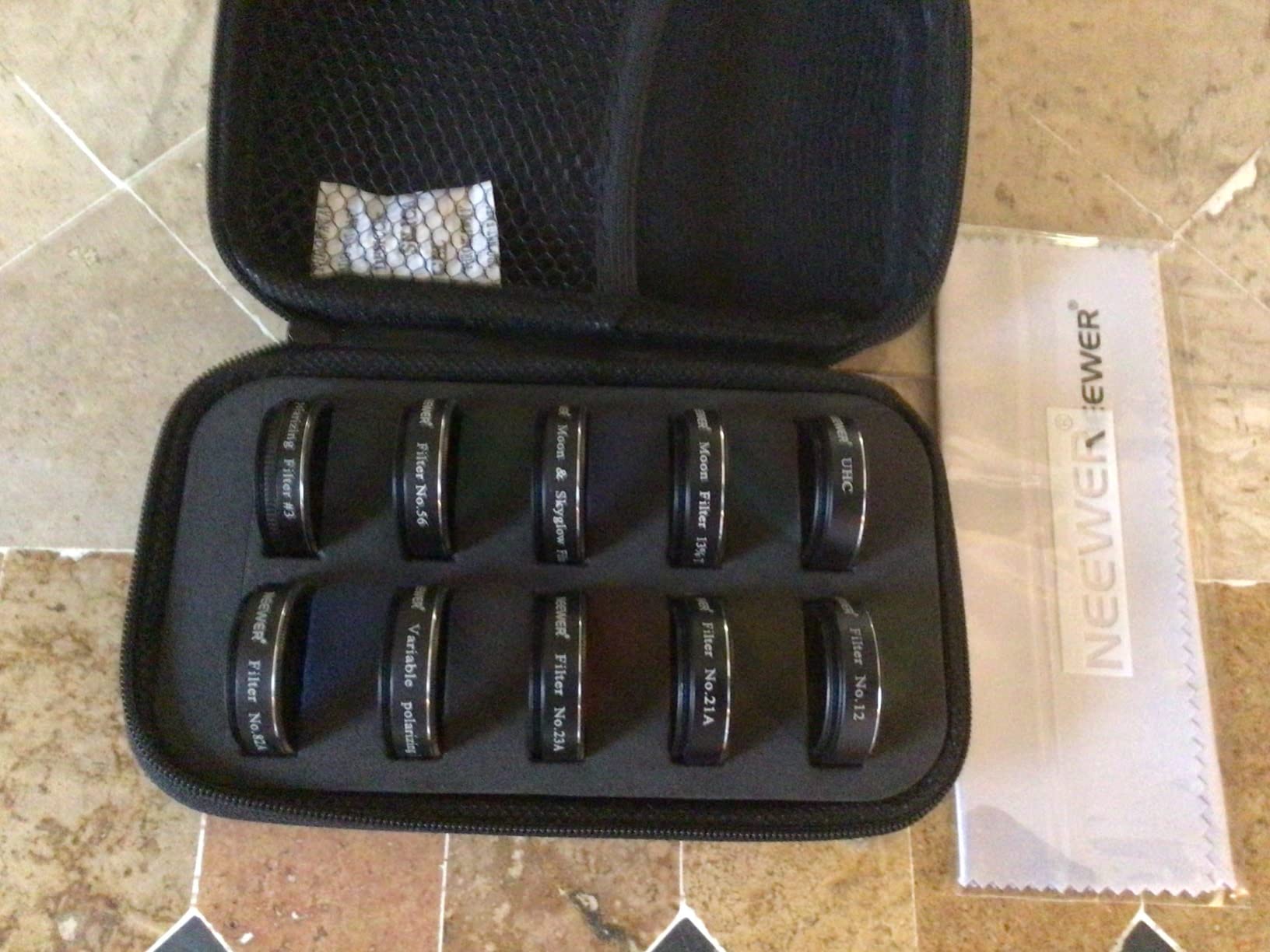
The quality surprised me. The aluminum housings feel solid, the glass is multi-coated, and the threads are clean. These are not premium Astronomik or TeleVue filters, but they are perfectly serviceable for someone building their first filter collection.
The UHC filter alone is worth a significant fraction of the set’s price. I tested it on the Orion Nebula and it delivered a clear contrast improvement, though not quite as strong as the dedicated SVBONY UHC.
What Is Included
You get 5 planetary color filters, 2 variable polarizing filters with 1 to 40 percent transmittance, 1 UHC light pollution filter, 1 lunar filter at 13 percent transmission, and 1 lunar and starglow filter blocking 589nm. The variable polarizers can even be stacked for an ND2-2000 effect.
Who This Set Is For
This kit is ideal for beginners and intermediate observers who want to try everything without committing to individual premium filters. If you already know you only need one specific filter, buy that instead. But if you want to explore, this set is hard to beat.
Buying Guide: How to Choose Telescope Filters?
Choosing the right telescope filter comes down to three questions: what do you observe, where do you observe, and what size eyepieces do you use? Once you answer those, the selection narrows quickly.
Understanding Filter Types
Moon and neutral density filters reduce brightness without changing color. They are essential for comfortable lunar viewing through any telescope larger than 4 inches. A variable polarizing filter lets you adjust brightness, while a fixed ND filter gives you one transmission level.
Light pollution and nebula filters come in three main varieties. Broadband filters like CLS and LPR reduce skyglow across a wide range and help modestly with emission nebulae. Narrowband UHC filters target the specific wavelengths emitted by nebulae and offer more contrast. Line filters like O-III and H-Beta are even more selective, working on fewer targets but delivering maximum contrast.
Color filters use Wratten numbers to indicate their tint. The #80A blue is the most useful for Jupiter, #21 orange helps with Mars and Saturn, and #12 yellow improves lunar and Venus detail. These filters subtract light, so they need adequate aperture to work well.
Visual Observation vs Astrophotography
Visual filters and imaging filters are not interchangeable. Visual filters are designed to work with your eye’s sensitivity and are optimized for the brighter, real-time view at the eyepiece. Imaging filters are designed for cameras and often have tighter bandpasses that would make visual viewing too dark.
If you primarily observe visually, stick with 1.25-inch UHC, O-III, and color filters. If you image, look for dedicated narrowband filters like the SV220 with high transmission percentages and tight bandpasses measured in nanometers.
Aperture Considerations
Filter performance scales with aperture. Narrowband and line filters block a significant portion of incoming light, so they need a larger scope to deliver usable views. As a general rule, UHC filters work well on scopes of 4 inches and up, O-III filters want at least 6 inches, and H-Beta filters really need 8 inches or more to be worthwhile.
Color filters also reduce light transmission, typically by 50 to 80 percent depending on the Wratten number. On a small refractor, the dimming can overwhelm any contrast benefit. On a 6-inch or larger scope, color filters become genuinely useful for planetary detail.
Light Pollution and Your Observing Site
Your observing location determines which light pollution filter will help. From heavily light-polluted city skies (Bortle 7-9), a narrowband UHC filter gives you the best results on nebulae. From suburban skies (Bortle 5-6), the same filter helps but a broadband CLS filter may suffice for general use.
At dark sky sites (Bortle 1-4), light pollution filters are less necessary, but narrowband filters still improve nebula contrast by darkening natural skyglow. The improvement is subtle compared to city use, but experienced observers still carry them.
Filter Care and Maintenance
Telescope filters are precision optical elements and should be treated accordingly. Always store them in their cases when not in use to protect the coatings. Clean only when necessary, using a blower bulb first and then lens cleaning solution with a microfiber cloth if needed.
Never touch the coated glass surface with bare fingers. The oils from your skin can degrade the coatings over time. Hold filters by their metal cells only, and avoid stacking filters for long-term storage since the threads can bind.
FAQs
What filters are worth having for telescopes?
The three most useful telescope filters are a moon filter for lunar observation, a UHC narrowband filter for emission nebulae from light-polluted skies, and a #80A blue color filter for planetary detail. These cover the most common observing targets and deliver the most noticeable improvement for the money.
Are color filters worth using in telescopes?
Color filters are worth using for planetary observation through telescopes of at least 6 inches of aperture. The #80A light blue filter is the most universally useful, bringing out detail in Jupiter’s cloud belts and the Great Red Spot. On smaller scopes the light loss from color filters often outweighs the contrast benefit.
What are the best filters for visual planetary observing?
For visual planetary observing, the most effective filters are the #80A light blue for Jupiter, #21 orange for Mars and Saturn, #12 deep yellow for Venus and the moon, and a variable polarizing filter for bright targets. A 4-piece set like the Celestron filter kit covers these needs in one affordable package.
Which filters help with viewing nebulae?
For viewing nebulae, UHC and O-III narrowband filters are the most effective. A UHC filter works on the widest range of emission nebulae by passing both hydrogen-beta and doubly-ionized oxygen lines. An O-III filter is more selective but delivers maximum contrast on planetary nebulae like the Ring and Dumbbell. Neither filter helps with galaxies or reflection nebulae.
What telescope filters are recommended for beginners?
Beginners should start with a Celestron 1.25-inch moon filter for lunar viewing and a UHC filter for nebulae. These two filters cover the most rewarding beginner targets and cost very little. A multi-filter set like the NEEWER 10-pack is another great starting point if you want to experiment with planetary color filters as well.
Conclusion
The best telescope filters turn a frustrating view into a rewarding one. For most observers, the SVBONY SV128 variable polarizing filter is the single most useful filter you can own, thanks to its adjustable brightness and versatility across lunar and planetary targets.
Astrophotographers should look at the SVBONY SV220 dual-band filter for serious nebula imaging from light-polluted sites. Beginners on a budget cannot go wrong with the Celestron moon filter as a first purchase, and the NEEWER 10-pack offers unmatched variety for anyone wanting to explore different filter types.
Whatever you choose, match the filter to your observing habits, your telescope aperture, and your local sky conditions. The right filter in 2026 is the one that helps you see more of what you actually look at.