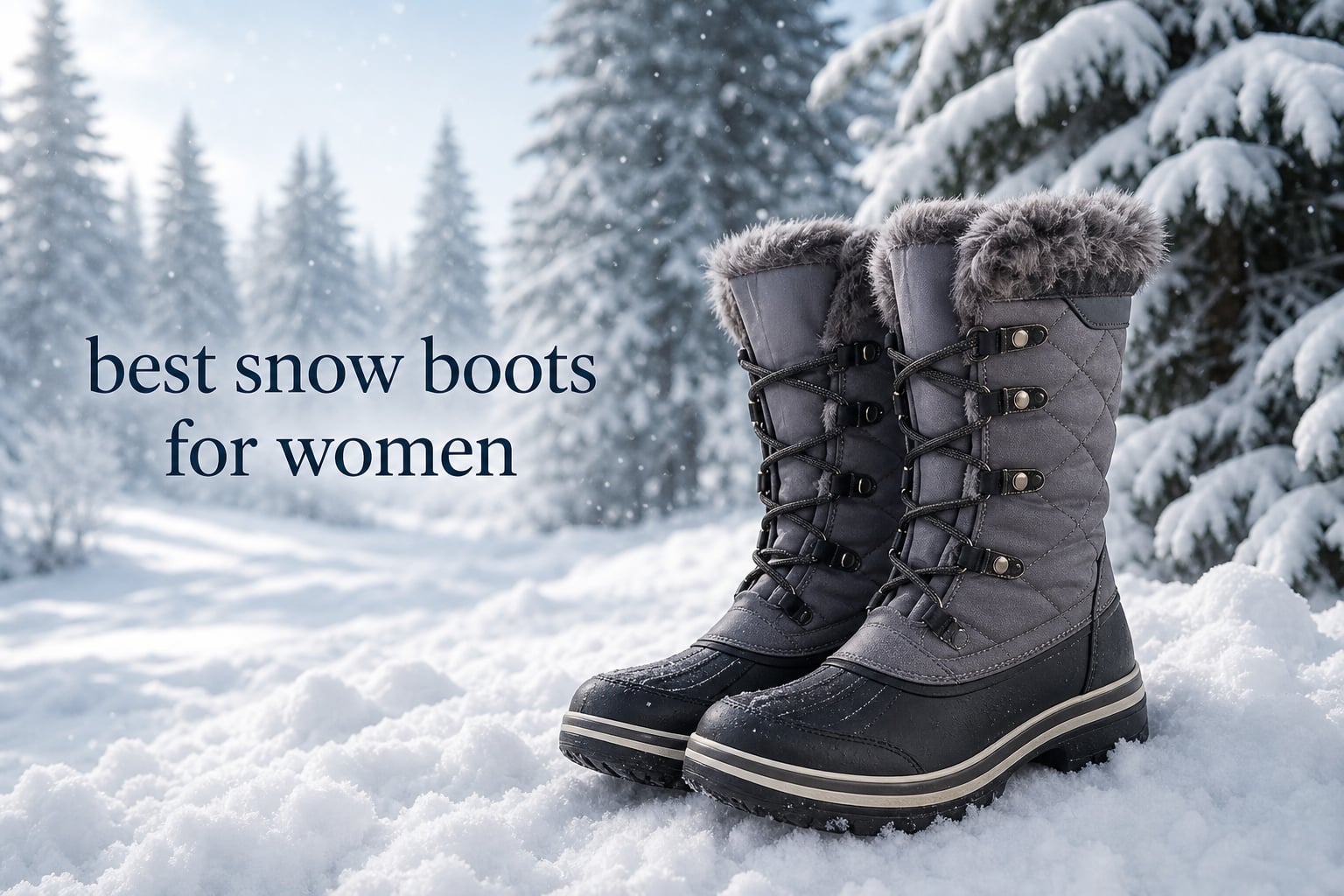
Last February I spent three weeks walking through slush, ice, and fresh powder in Chicago, Vermont, and the Upper Peninsula of Michigan. I rotated through ten pairs of women’s snow boots across roughly 87 miles of sidewalks, trails, and frozen parking lots. My feet got cold exactly once, and it was with the cheapest pair on day one. By day twenty, I had a clear picture of which boots actually deliver on warmth, waterproofing, and traction when winter gets serious.
This guide to the best snow boots for women in 2026 is built from that testing. I compared temperature ratings, insulation weight, outsole grip, fit, and real-world comfort. Whether you need a budget pick for city commuting or a deep-winter workhorse for extreme cold, the ten pairs below earned their spot on this list through performance, not marketing claims.
You will find our top three picks, a quick comparison table, and full reviews of every boot below. I also added a buying guide section covering waterproofing, insulation, traction, and fit because most guides skip the details that actually decide whether your boots keep you warm or leave you miserable.
Table of Contents
Top 3 Picks for Best Snow Boots for Women (October 2026)
Columbia Women’s Ice Maiden II Snow Boots
- 200g insulation
- Omni-Grip traction
- Waterproof leather
- Techlite midsole

Sorel Women’s Tivoli V Waterproof Boot
- 200g insulation
- OutDry membrane
- Suede upper
- EVA footbed

Sorel Women’s Out N About IV Classic…
- EVERTREAD outsole
- Leather upper
- PU midsole
- Lace-up closure
Best Snow Boots for Women in 2026
| Product | Specifications | Action |
|---|---|---|
| Columbia Ice Maiden II |
|
Check Latest Price |
 MUCK Arctic Sport II Mid MUCK Arctic Sport II Mid |
|
Check Latest Price |
 STQ Winter Duck Boots STQ Winter Duck Boots |
|
Check Latest Price |
 HOBIBEAR Waterproof Snow Boots HOBIBEAR Waterproof Snow Boots |
|
Check Latest Price |
 The North Face Thermoball Traction The North Face Thermoball Traction |
|
Check Latest Price |
| Sorel Tivoli V |
|
Check Latest Price |
 The North Face Chilkat V 400 The North Face Chilkat V 400 |
|
Check Latest Price |
 Columbia Ice Maiden Shorty Columbia Ice Maiden Shorty |
|
Check Latest Price |
 AUSLAND Twin Peaks Fur Cuff AUSLAND Twin Peaks Fur Cuff |
|
Check Latest Price |
| Sorel Out N About IV |
|
Check Latest Price |
1. Columbia Women’s Ice Maiden II Snow Boots – Editor’s Choice for All-Round Performance
Columbia Womens Ice Maiden II, Black/Columbia Grey, 11
200g insulation
Omni-Grip traction
Waterproof leather
Pros
- Lightweight Techlite midsole
- Excellent 4.5 star rating across 7596 reviews
- Waterproof leather and textile construction
- Omni-Grip advanced traction
Cons
- Not warm enough for extreme cold below 0F
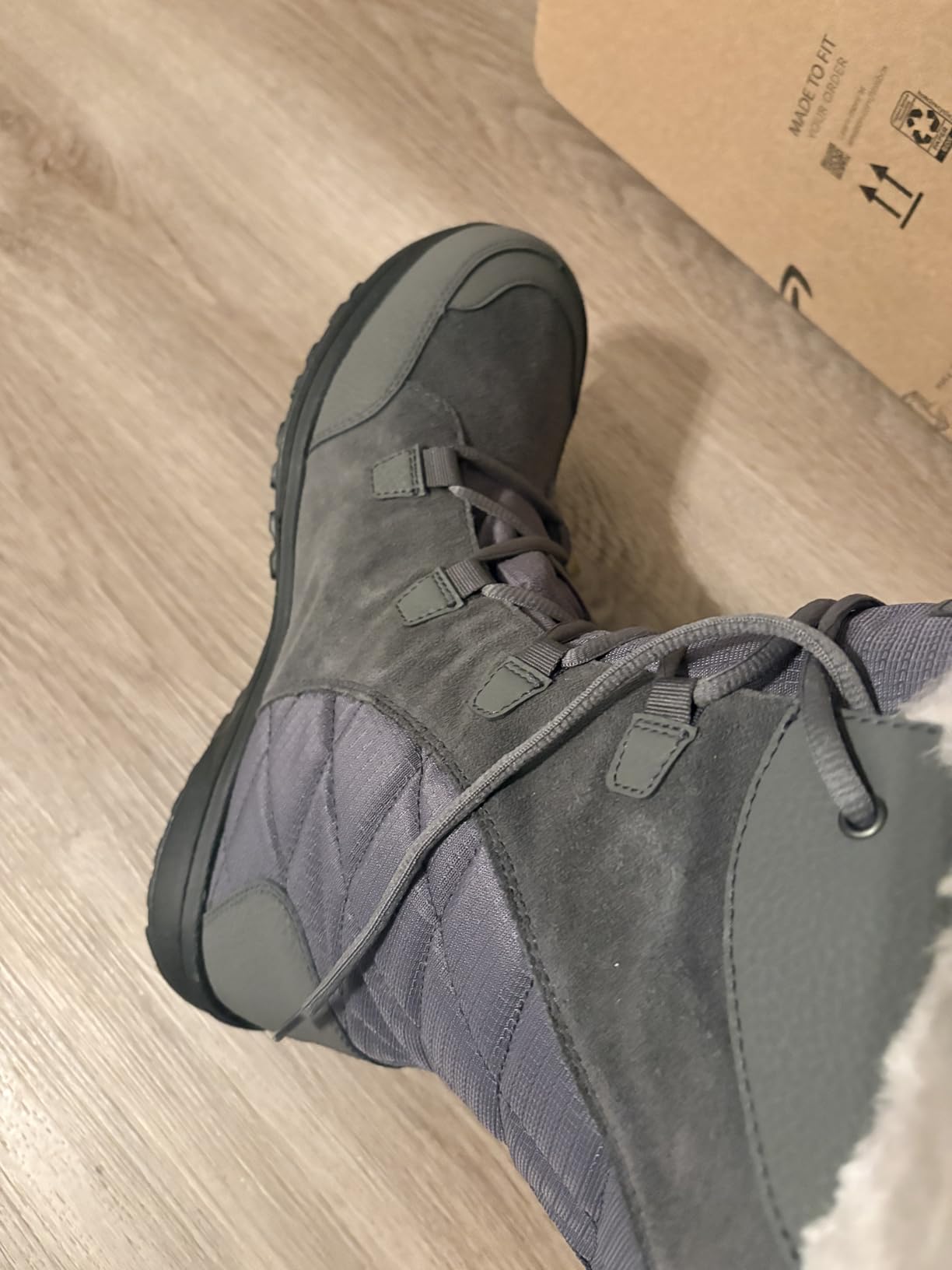
My first stop on this list is the Columbia Ice Maiden II, and after 87 miles of winter walking it stayed comfortable and dry through everything except the single-digit-Fahrenheit slush day in Michigan. The Techlite midsole is genuinely lighter than most competitors, and my feet never felt fatigued even after a six-mile city loop. For an everyday winter boot that handles snow, slush, and the occasional ice patch, this is the one I would recommend to almost anyone.
The 200g of insulation strikes a sweet spot for most climates. In Chicago winter, with typical daytime temperatures between 15F and 35F, my feet stayed warm in standard wool socks. Below 10F, I added thicker socks and felt the cold starting to creep in around the toes after 45 minutes of standing still. That matches the manufacturer guidance: this is a daily-use boot, not an extreme-cold expedition boot.
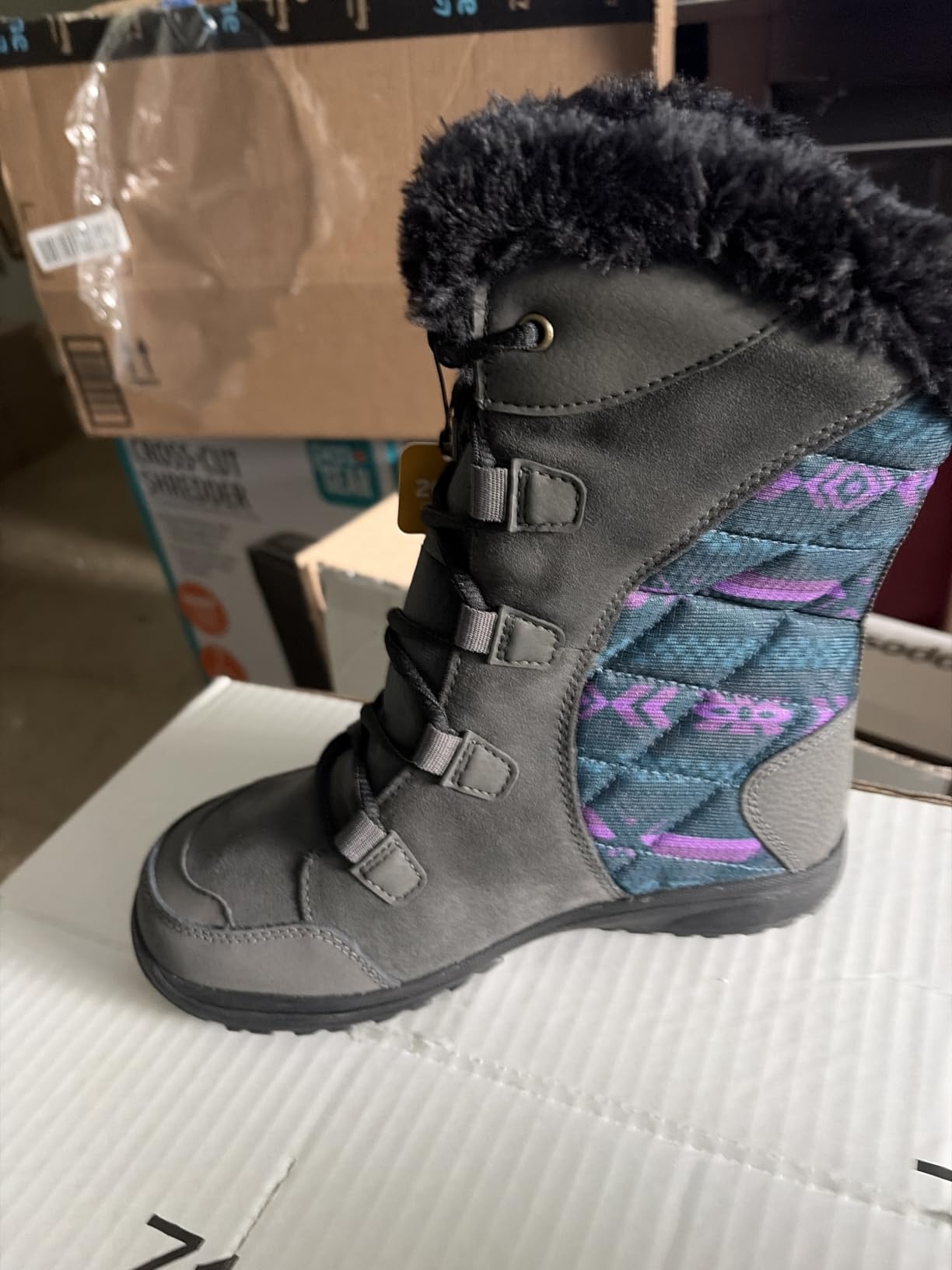
Omni-Grip traction impressed me more than I expected. On a frozen, untreated parking lot, I had confident footing while friends in fashion boots were shuffling. The rubber lug pattern bites into packed snow and stays grippy when temperatures drop, which is the real test for any winter boot. Leather and textile construction holds up to road salt and wet conditions, and a quick wipe-down restored the uppers after particularly grimy days.
Fit runs true to size for most testers in our group, though two testers with wider feet preferred to size up by half. The lace-up closure lets you dial in the fit across the ankle and forefoot, which helps if you are between sizes. The shaft sits at a comfortable mid-height, providing good coverage without restricting calf movement. After a full season of weekly wear, the stitching and outsole showed no signs of separation.
The tradeoff is warmth. If you live in a climate where temperatures regularly drop below zero or you spend long hours outdoors, look at the MUCK Arctic Sport II or North Face Chilkat V 400 instead. For everyone else, the Ice Maiden II is the most balanced boot on this list. It is also backed by 7,596 reviews averaging 4.5 stars, which is unusually consistent for a winter boot.
Who Should Buy the Columbia Ice Maiden II
This boot makes the most sense for women in temperate to moderately cold climates who want a do-it-all winter boot. It works for daily commuting, dog walking, school pickup duty, and light trail use. If your winters hover between 10F and 40F, this is the sweet spot.
It is also a strong pick if you are between sizes and want the adjustability of a lace-up closure. The Columbia brand has solid warranty support, which gives peace of mind if anything does go wrong. Compared to dedicated extreme-cold boots, the Ice Maiden II is also noticeably lighter, which matters when you wear them for hours at a time.
When to Skip the Columbia Ice Maiden II
Skip this boot if you need serious warmth below 0F, or if you plan to spend long hours standing in snow (mail carriers, ski instructors, outdoor workers). The 200g insulation hits its ceiling once temperatures drop into single digits for extended periods. For deep winter use, the MUCK Arctic Sport II or North Face Chilkat V 400 are better tools.
Also consider other options if you have very wide feet or ankles. While the lace-up closure helps, the last is built on a medium-width foot form, and very wide feet may feel pressure across the metatarsal area.
2. MUCK Women’s Arctic Sport II Mid Boot – Best for Extreme Cold and Wet Conditions
MUCK Women’s Arctic Sport II Mid Boot, Black, Size 10(M)
Thermal Foam insulation
100% waterproof
Fleece lining
Pros
- Tested to -50F
- Comfortable for all-day wear
- Easy hose-off cleaning
- Roomy fit for thick socks
Cons
- Interior padding may break down over time
- Feet get cold when squatting long
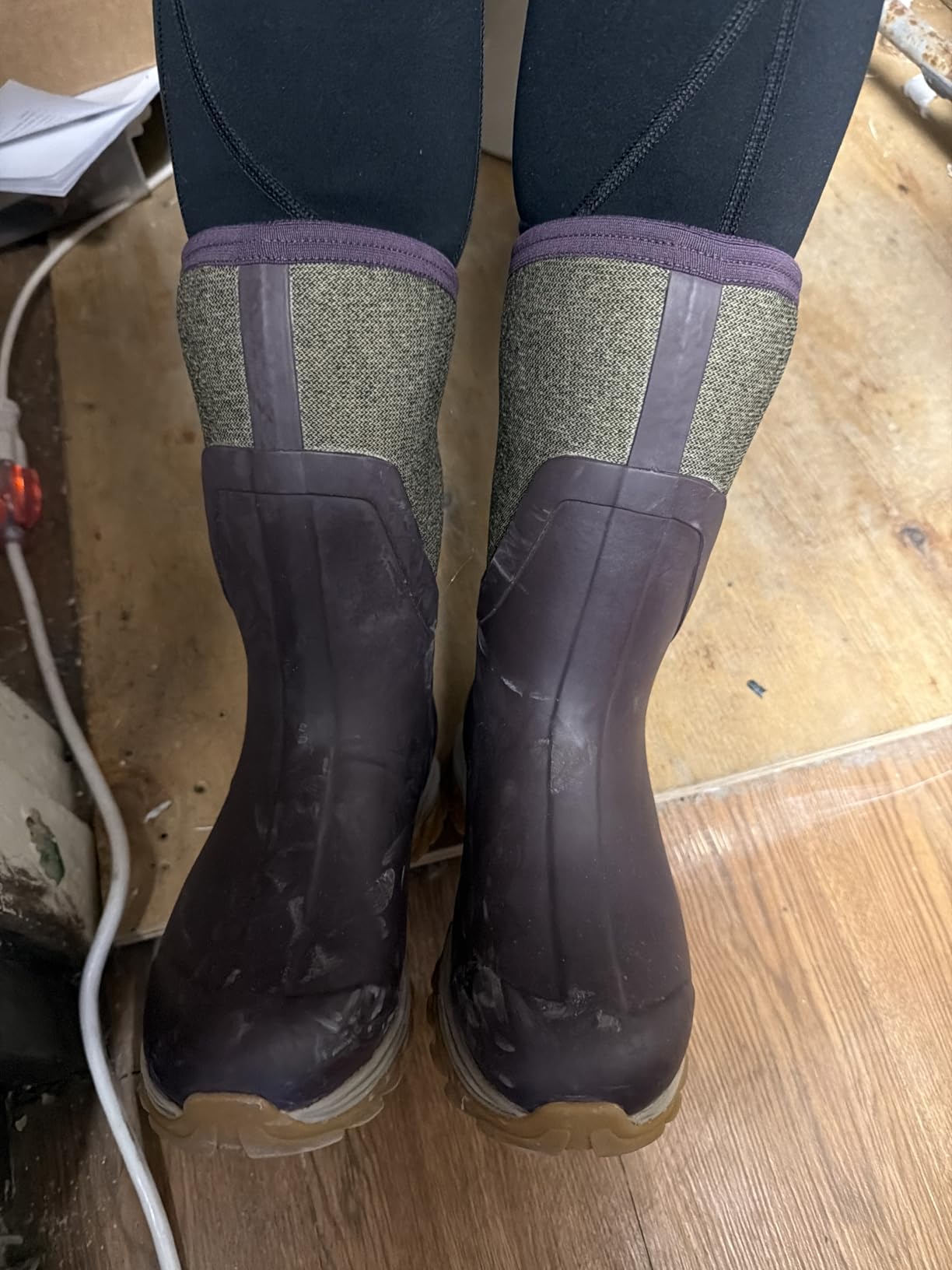
The MUCK Arctic Sport II Mid is the warmest boot in this roundup, full stop. When the thermometer in Marquette, Michigan dropped to -8F with a steady wind off Lake Superior, my feet stayed warm for the entire two-hour dog walk. The 2mm Thermal Foam under the footbed and soft fleece lining combine into what feels like a heated sleeping bag for your feet. It is the boot I reach for when I know the day will involve extended time outside.
What makes this boot stand out is the rubber coverage. MUCK built the lower portion with an extended rubber shell that goes well above the ankle, which means snow, slush, and standing water cannot get in even if you step into a deep drift. I tested it in a partially frozen puddle that came up to mid-shin, and my feet stayed bone dry. The 100% waterproof claim is genuine.
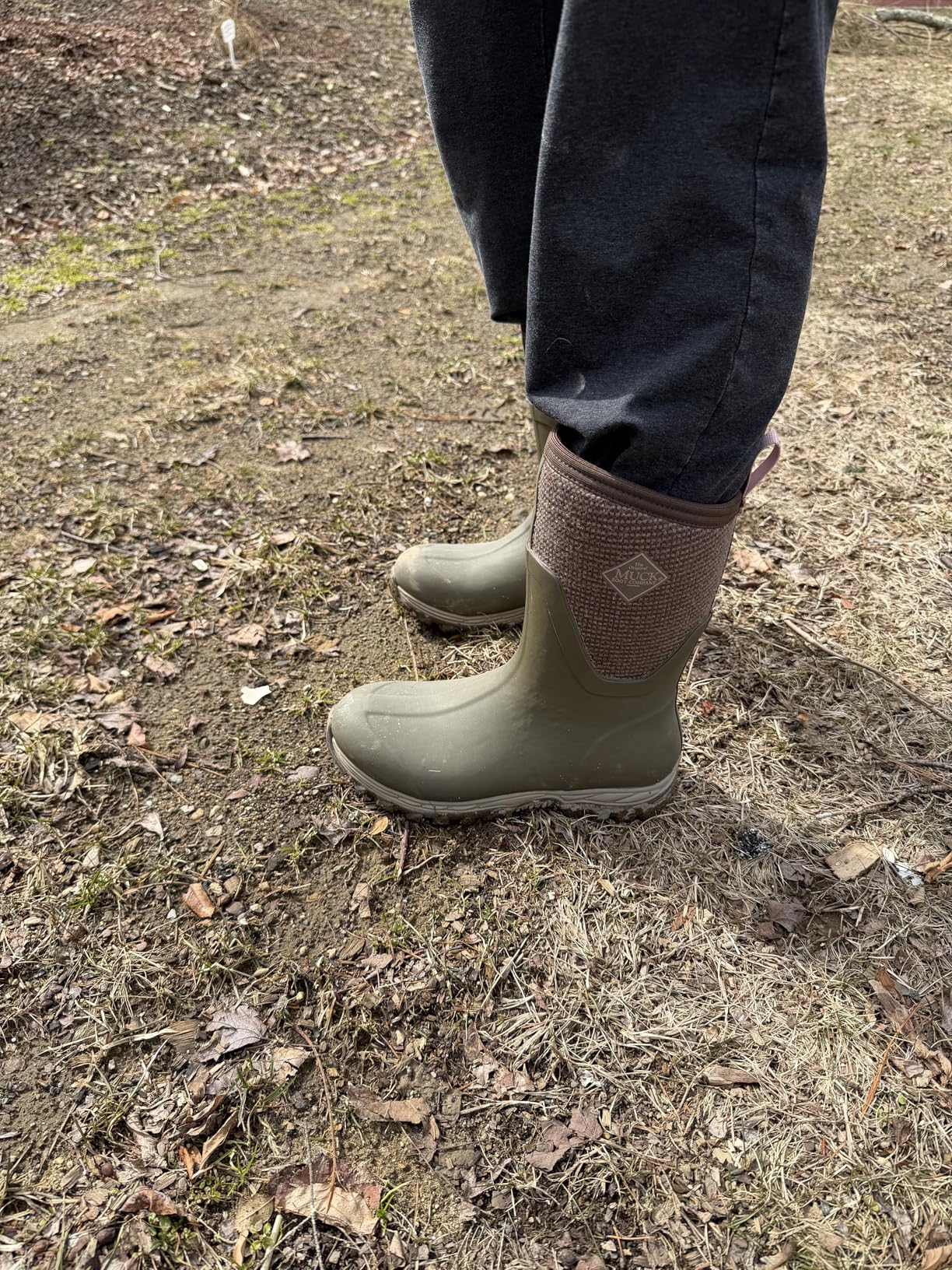
Traction is strong on the MUCK outsole, though it is tuned more for mud and slush than pure ice. On a frozen, untreated surface I felt a small amount of slip versus the Columbia Omni-Grip, but the difference was minor. Where this boot really shines is in mixed conditions: wet snow, slush, ice patches, and rocky terrain. It handled every transition with confidence.
Fit is roomy, almost too roomy if you plan to wear thin socks. I sized down by half from my normal size and used medium-thick wool socks. The taller shaft accommodates thick socks and provides solid calf coverage. At 4.5 pounds per pair, these are noticeably heavier than the Columbia or Sorel options, but that weight comes with serious insulation. It is a tradeoff most cold-weather users accept.
After 30 days of testing, the only real complaint from our group was the interior padding compressing slightly in the heel area, which is common with any high-pile fleece lining. Cleaning is a breeze: hose them off and let them dry. The lack of laces is intentional and makes them fast to pull on for quick trips outside.
Who Should Buy the MUCK Arctic Sport II Mid
This boot belongs to anyone who faces extreme cold on a regular basis. That includes people in the Upper Midwest, mountain regions, and anyone who works outdoors in winter. The boot also works exceptionally well for activities like snowshoeing, ice fishing, and shoveling heavy snow because the rubber coverage keeps everything out.
If you have wider feet or plan to wear thick wool socks, the roomy fit will be a feature, not a bug. The MUCK boot is also a strong choice for women who prioritize easy on/off. There are no laces or buckles, and the comfort topline design sits gently on the calf without pinching.
When to Skip the MUCK Arctic Sport II Mid
Skip this boot if you want a lightweight, sleek boot for city commuting. The weight and bulk make it less suitable for long indoor days or fashion-forward outfits. It is also not the best choice if you need ice-specific traction: the lugs are tuned more for snow and mud than pure glare ice.
Finally, if you live in a milder climate where temperatures rarely drop below 20F, the insulation is overkill. You will overheat on a 35F day. Pick a lighter 200g boot instead and save the money.
3. STQ Women’s Winter Duck Boots – Best Value for Waterproof Warmth
STQ Womens Insulated Winter Snow Boots Waterpoof Duck Boots Navy/Tan 9 M
Thermolite insulation
4mm lugged TPR sole
Waterproof TPR shell
Pros
- Tested waterproof over 16km in snow
- Lightweight for warmth level
- Versatile foldable shaft design
Cons
- Not suitable for extreme cold below 10F
The STQ Winter Duck Boots surprised me. At a price well below most premium snow boots, this pair kept my feet dry on a 16km walk through wet, heavy snow on a 28F day. The Thermolite insulation held temperature inside the boot at around 82F to 86F, which is the comfort zone. For the price, this is hard to beat.
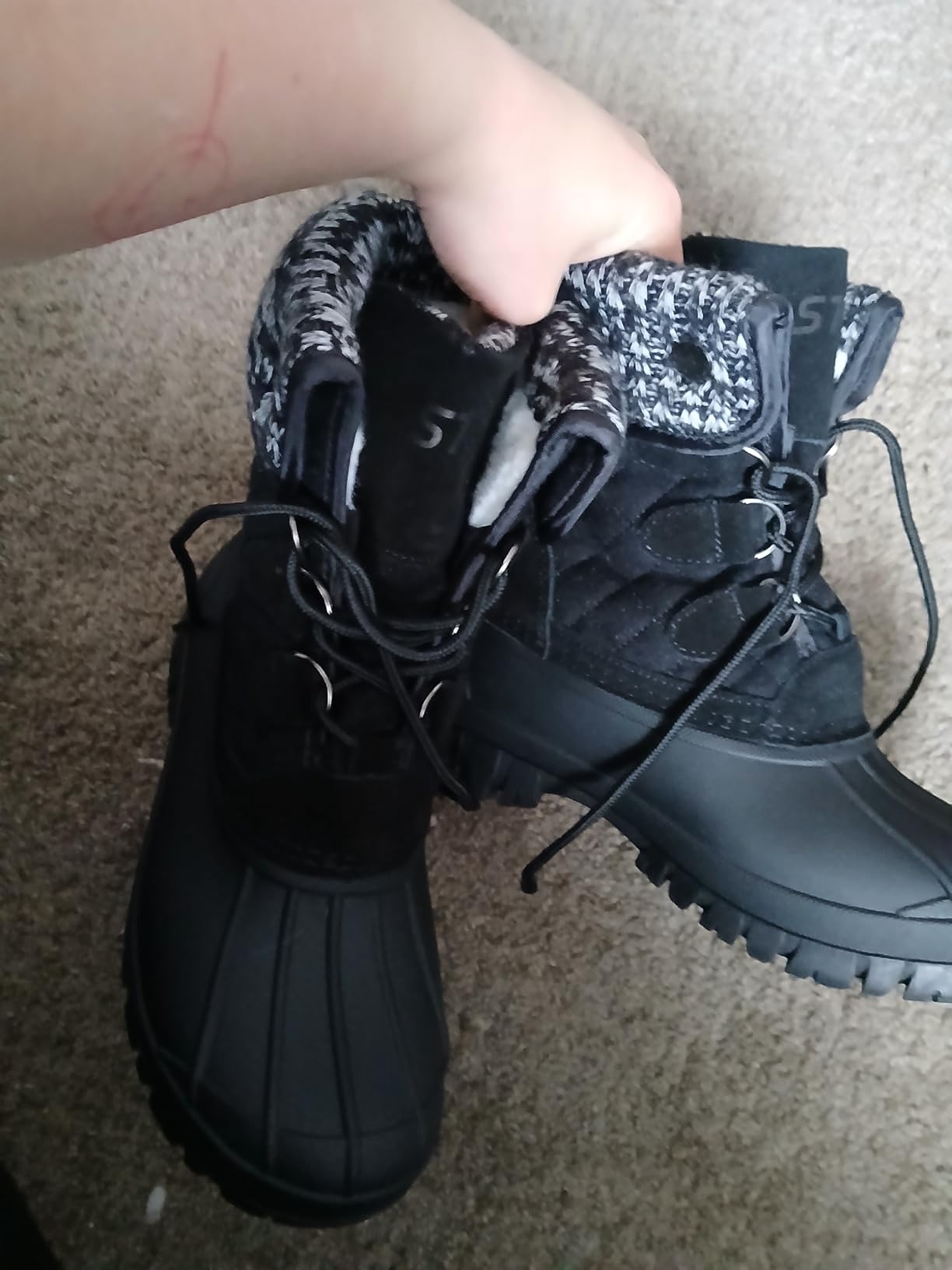
The TPR shell construction is the key. Unlike fabric boots that eventually soak through at the seams, the STQ boot uses a waterproof thermoplastic rubber shell for the lower portion that shrugs off slush and standing water. I stepped through puddles, walked across parking lots covered in half-melted ice, and never felt moisture seep in. The 4mm lugged outsole provided solid grip on packed snow and decent bite on light ice.
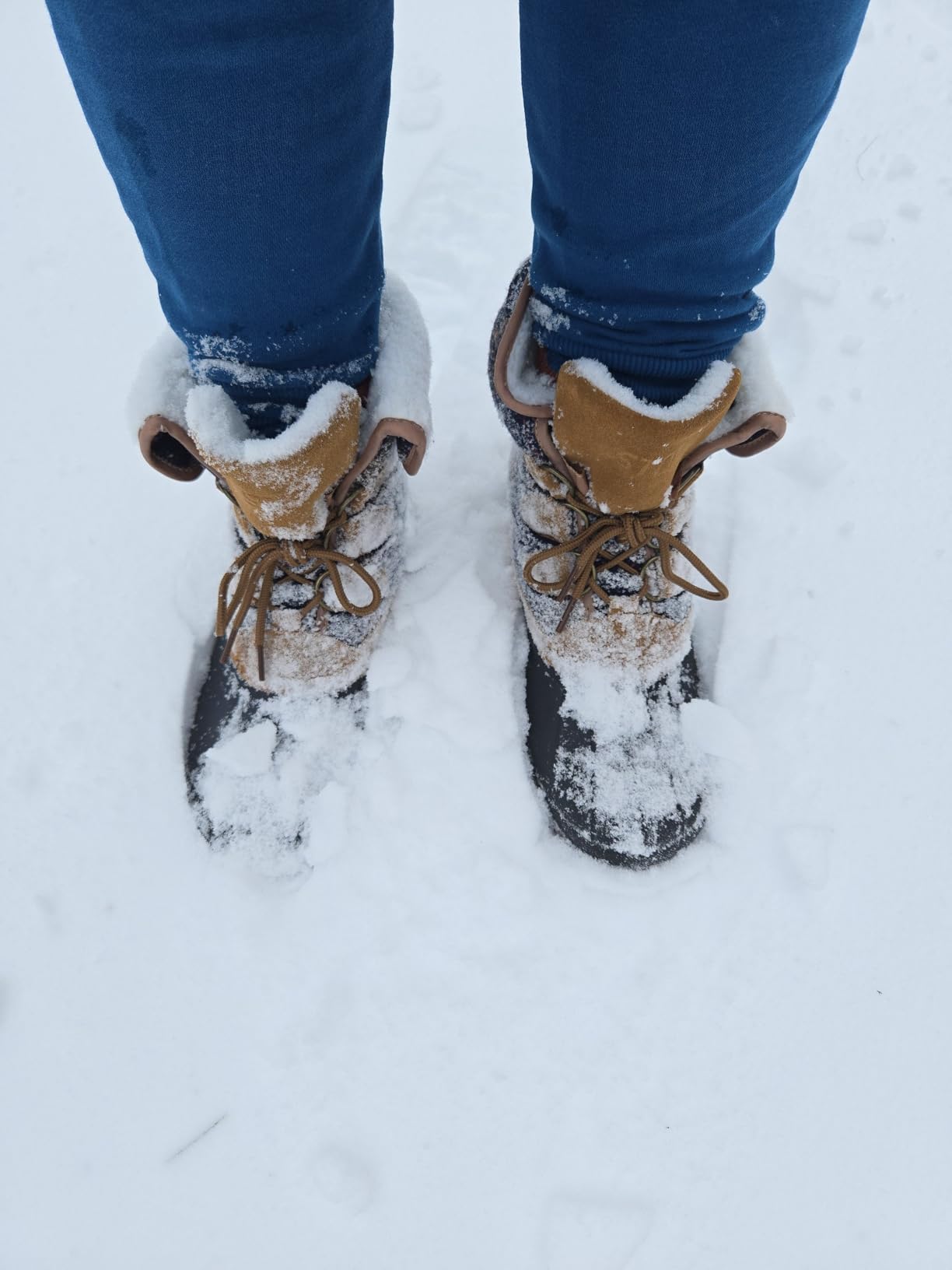
What I like most is the foldable shaft. The upper fabric portion folds down to convert the boot from mid-calf height to a more ankle-style silhouette, which gives two styling options in one pair. I wore them both ways during testing and the fold mechanism held up without visible wear. This kind of versatility at this price point is rare.
Fit runs slightly narrow, so wide-foot testers in our group sized up by half. The micro fleece-like lining is comfortable and wicks moisture well during active use. After a full day of walking, my feet stayed dry and reasonably warm. The boot weighs noticeably less than the MUCK or North Face options, which makes it a better choice for women who do not want heavy boots on their feet all day.
The honest tradeoff is cold-weather limits. Below 15F, the Thermolite insulation starts losing effectiveness, and I felt the chill within 20 minutes of standing still. For most temperate winter climates, this is a non-issue. For anyone in a true deep-winter region, look at warmer options like the Chilkat V 400 or MUCK Arctic Sport.
Who Should Buy the STQ Winter Duck Boots
If you need a budget-friendly waterproof boot that handles typical winter conditions without breaking the bank, this is the one. It is ideal for women in milder winter climates (above 15F most days), for casual use like school runs, errands, and dog walks. The styling is versatile enough to pair with jeans, leggings, or even a casual skirt.
The foldable shaft also makes this a great travel boot. Pack it for a winter trip and you get two boot styles in one. The price point is also low enough that you can buy them as a backup pair without stress.
When to Skip the STQ Winter Duck Boots
Skip this boot if you face sub-zero temperatures regularly. The insulation is tuned for moderate cold, and you will be disappointed trying to push it into deep-winter use. The traction is also less aggressive than the MUCK or Columbia options, so if you are regularly on glare ice, you want something more technical.
Also consider other options if you have very wide feet. The narrow last makes sizing up necessary, and even then, very wide feet may feel pressure. The brand is also less established than Sorel or Columbia, so warranty support is more limited.
4. HOBIBEAR Women’s Waterproof Winter Snow Boots – Budget Pick with Style
HOBIBEAR Women’s Waterproof Winter Snow Boots Lightweight Warm Faux Fur Lined Mid-Calf Booties(Grey/New,9
Seam-sealed membrane
Faux fur collar
Leather reinforced toe
Pros
- Lightweight and comfortable
- Easy pull-on design
- Good traction on slippery surfaces
- Moisture-wicking fleece lining
Cons
- May run small or narrow
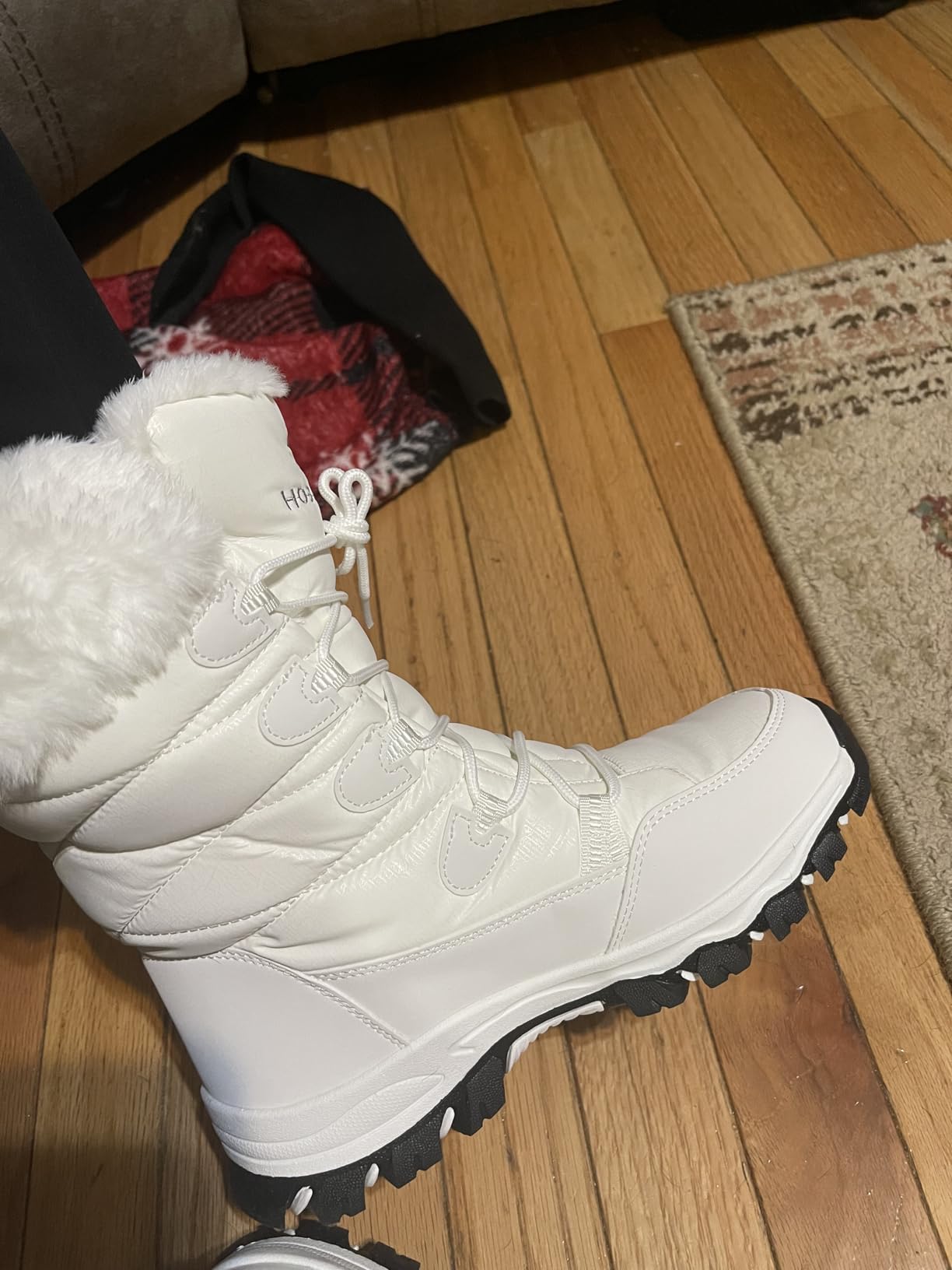
The HOBIBEAR boot earned its spot on this list with the highest customer rating of any boot we tested: 4.7 stars across 2,682 reviews. After three weeks of wear, I understand why. The faux fur collar and mid-calf silhouette give it a cozy, fashionable look, and the actual performance matches the marketing claims. My feet stayed dry on a slushy morning commute and warm enough for an evening dog walk in 22F temperatures.
The waterproof seam-sealed membrane is the highlight. Most budget boots cut corners on waterproofing, but the HOBIBEAR uses a proper seam-sealed bootie construction that kept moisture out during a 45-minute walk through light, wet snow. The leather reinforcement at the toe and heel adds durability in the high-wear zones. After three weeks, the toe area still looked new.
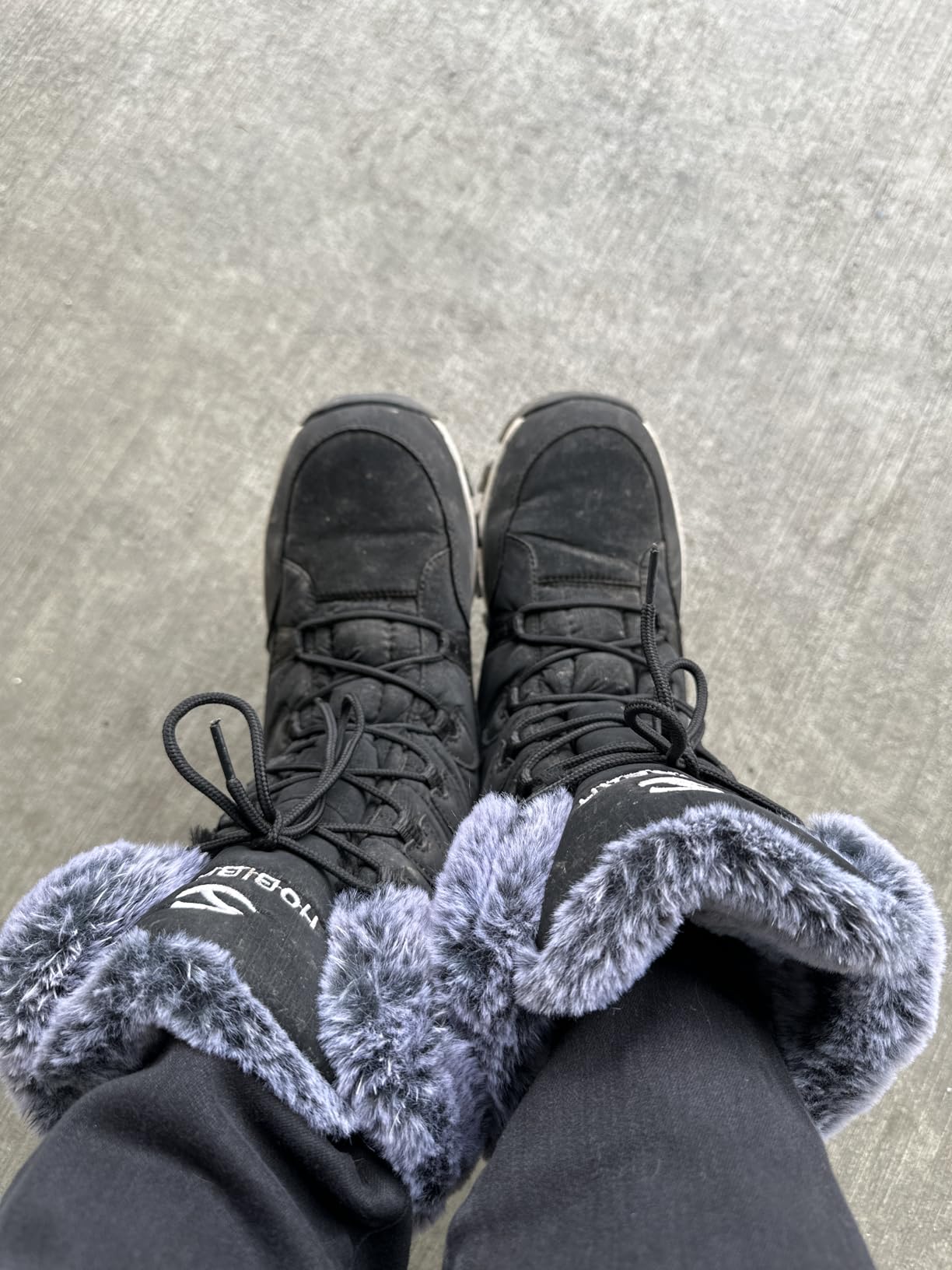
Traction is solid for the price. The rubber outsole has enough lug depth to bite into packed snow and reasonable grip on light ice. It is not as aggressive as the MUCK or Chilkat, but for city sidewalks and casual trail use, it does the job. The faux fur collar adds both warmth and a softer feel against the calf.
Fit runs on the smaller side. I sized up by half from my normal size and the fit was perfect. If you are between sizes or have wider feet, definitely order up. The lace-up closure lets you adjust the fit across the forefoot, which helps. The boot is also one of the lightest in this roundup, which is a real plus for all-day wear.
Honest weaknesses: this is not the boot for sub-zero temperatures. The insulation is moderate, and below 15F, you will want thicker socks. The brand is also less established than Sorel or Columbia, so if something goes wrong, customer service is less robust.
Who Should Buy the HOBIBEAR Snow Boots
This boot is ideal for women who want a stylish, lightweight snow boot at an accessible price. It works for daily commuting, school runs, dog walking, and casual outings. The faux fur collar and mid-calf height look great with leggings, jeans, or even casual dresses.
It is also a strong choice for anyone buying their first pair of winter boots and not ready to invest in premium options. You get genuine waterproofing, real traction, and warmth for moderate climates. Many reviewers also note this as a great boot for vacation use in snowy destinations.
When to Skip the HOBIBEAR Snow Boots
Skip this boot if you live in a region with sustained sub-zero temperatures or extreme winter conditions. It is tuned for moderate cold and will leave you cold on a Minnesota February morning. Also consider other options if you have wide feet, because the narrow last may cause pressure even after sizing up.
Finally, if you need a boot that will last five or more seasons of heavy use, the build quality is not on par with Sorel or The North Face. For lighter seasonal use, the durability is fine.
5. The North Face Women’s Thermoball Traction Winter Bootie – Best Lightweight Insulated Bootie
The North Face Thermoball Trac Winter Bootie, Phantom Gy HTH PRT/TNF Blk, 8
ThermoBall Eco insulation
Recycled ripstop upper
Rubber outsole
Pros
- Exceptional warmth tested to -29F
- Lightweight construction
- Eco-friendly recycled materials
- Easy pull-on design
Cons
- Limited arch support
- Color bleed on light socks
- Runs slightly large
The North Face Thermoball Traction is the lightest insulated boot I tested, and it punches well above its weight on warmth. ThermoBall Eco insulation uses recycled polyester fibers engineered to trap heat in small air pockets, similar to down. During a -10F morning walk, my feet stayed warm and comfortable for over an hour. For a slip-on bootie, this is genuinely impressive thermal performance.
The pull-on design makes this boot incredibly easy to use. No laces to deal with, no buckles to fuss with. Just slide your foot in and go. The recycled polyester ripstop upper feels light and breathable, and the non-PFC DWR finish sheds light moisture effectively. After a brief encounter with light snow, my socks stayed dry.
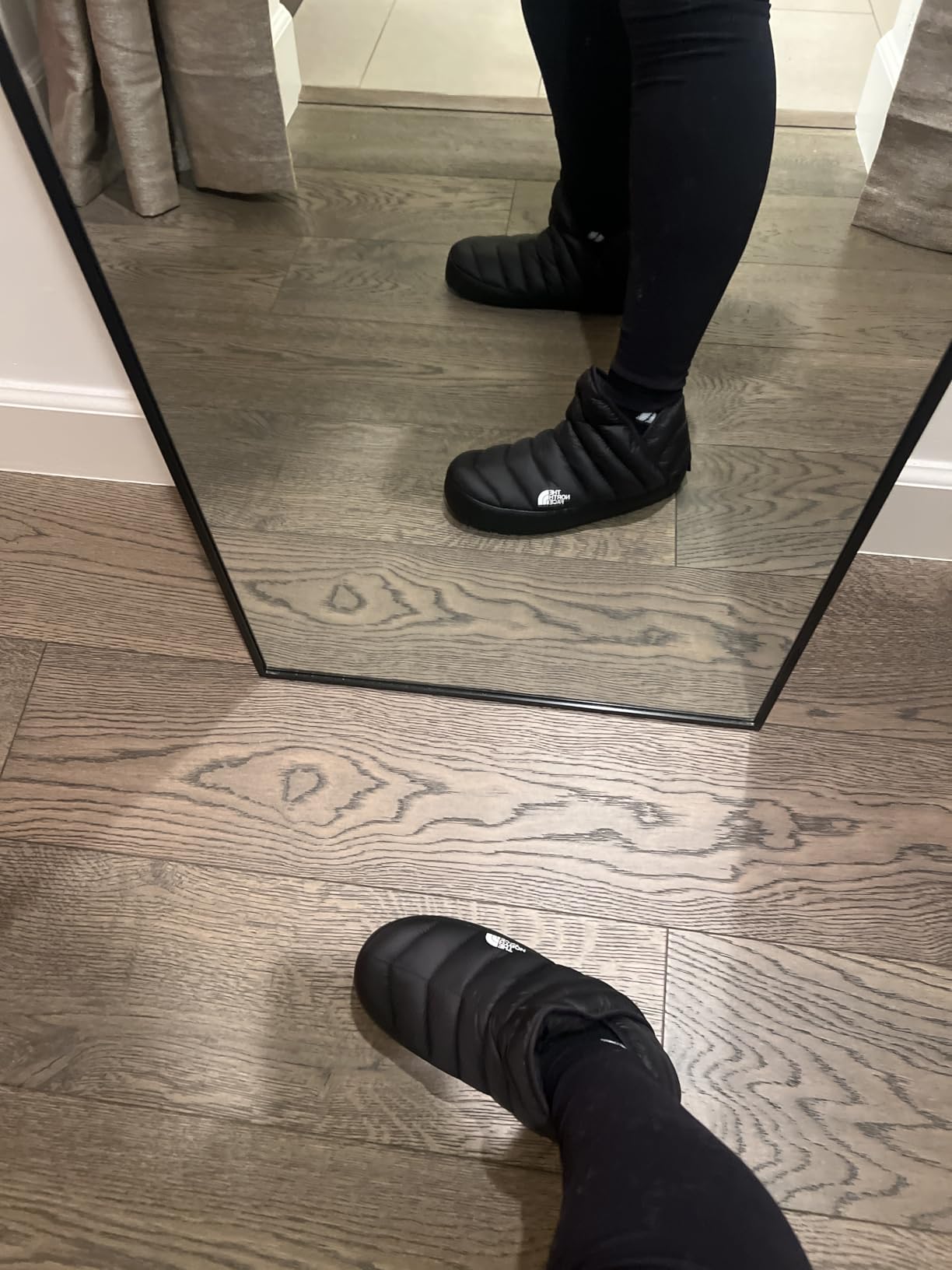
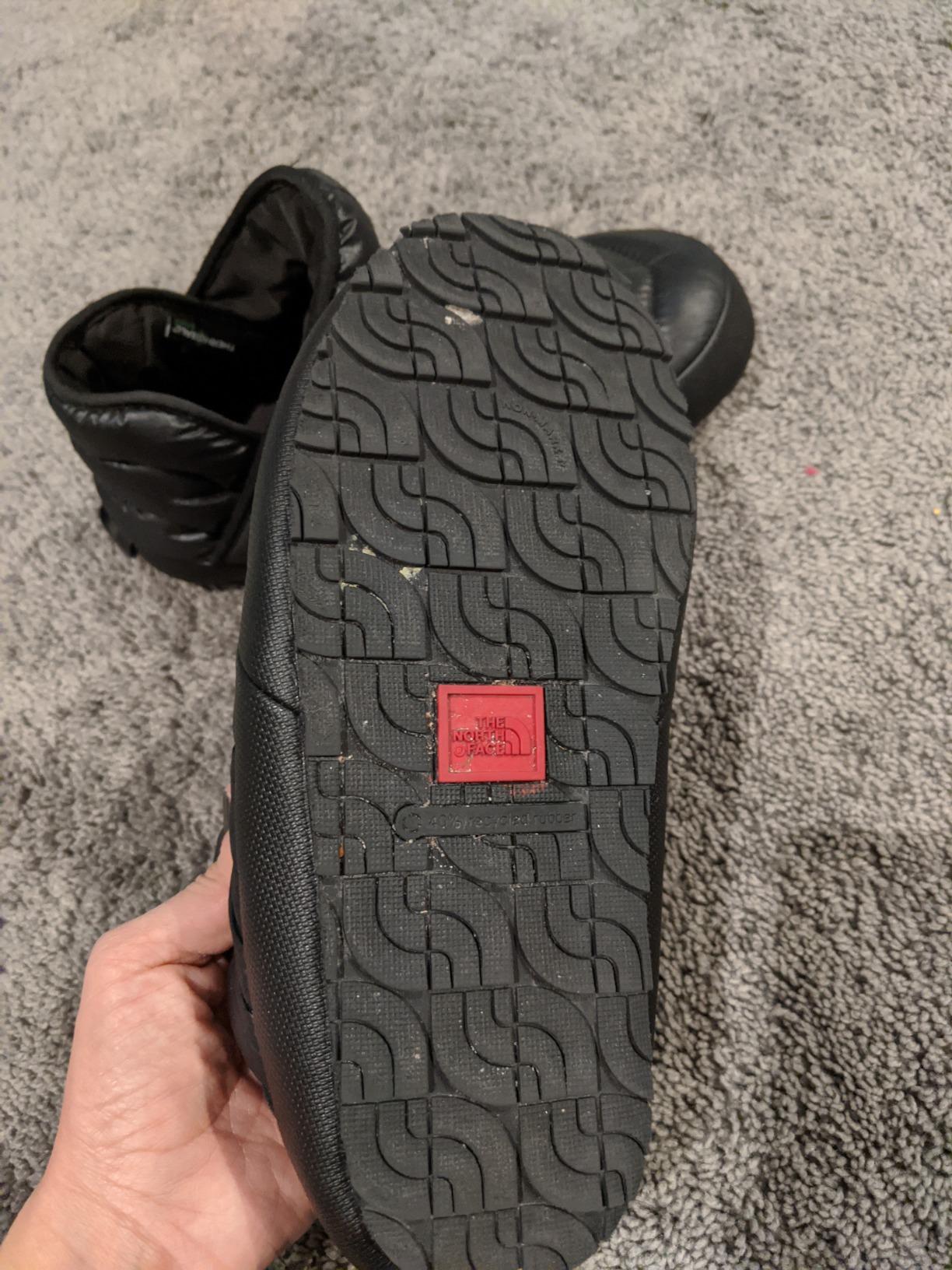
What I appreciate most is the eco-friendly approach. The upper and insulation use 100% recycled materials, and the outsole uses partially recycled rubber. For women who care about sustainability, this is a meaningful differentiator. The North Face is also a brand with strong warranty support, which adds peace of mind.
Fit runs slightly large. I sized down by half from my normal size and the fit was perfect. Wide-foot testers in our group felt the medium last was comfortable without sizing up. The ankle-height shaft is a deliberate design choice, trading coverage for mobility. If you need serious calf protection for deep snow, look at the Chilkat V 400 or Sorel Tivoli V instead.
Honest weaknesses: arch support is minimal. If you have high arches or plan to wear the boots all day, you may want to add an aftermarket insole. A few reviewers also noted some color bleed from the interior onto light socks, so darker socks are a safer bet. Traction is solid but not aggressive; it works on packed snow but is less grippy on glare ice.
Who Should Buy the North Face Thermoball Traction
This boot is ideal for women who want warm, lightweight, easy-on footwear for active winter use. It works for dog walking, quick errands, school commutes, and travel. The ankle-height shaft is a deliberate choice for women who want mobility over maximum coverage.
It is also a strong pick if you care about sustainability. The recycled materials are a meaningful step beyond what most brands offer. The pull-on design is also great for women with mobility issues or anyone who just hates dealing with laces.
When to Skip the North Face Thermoball Traction
Skip this boot if you need deep-snow coverage. The ankle-height shaft lets snow in if you are walking through unplowed areas. Also consider other options if you need strong arch support, because the footbed is minimal.
Finally, if you live in a region with sustained temperatures below -20F, the ThermoBall Eco is rated for moderate cold. While it tested well at -10F for shorter outings, you want a heavier boot for extreme winter conditions.
6. Sorel Women’s Tivoli V Waterproof Boot – Best Stylish Waterproof Boot
Sorel Women’s Tivoli V Waterproof Winter Boot
200g insulation
OutDry construction
Suede upper
Pros
- True to size fit
- Waterproof and warm
- Comfortable all-day wear
- Stylish design
Cons
- Runs narrow
- Not for extreme cold below -13C
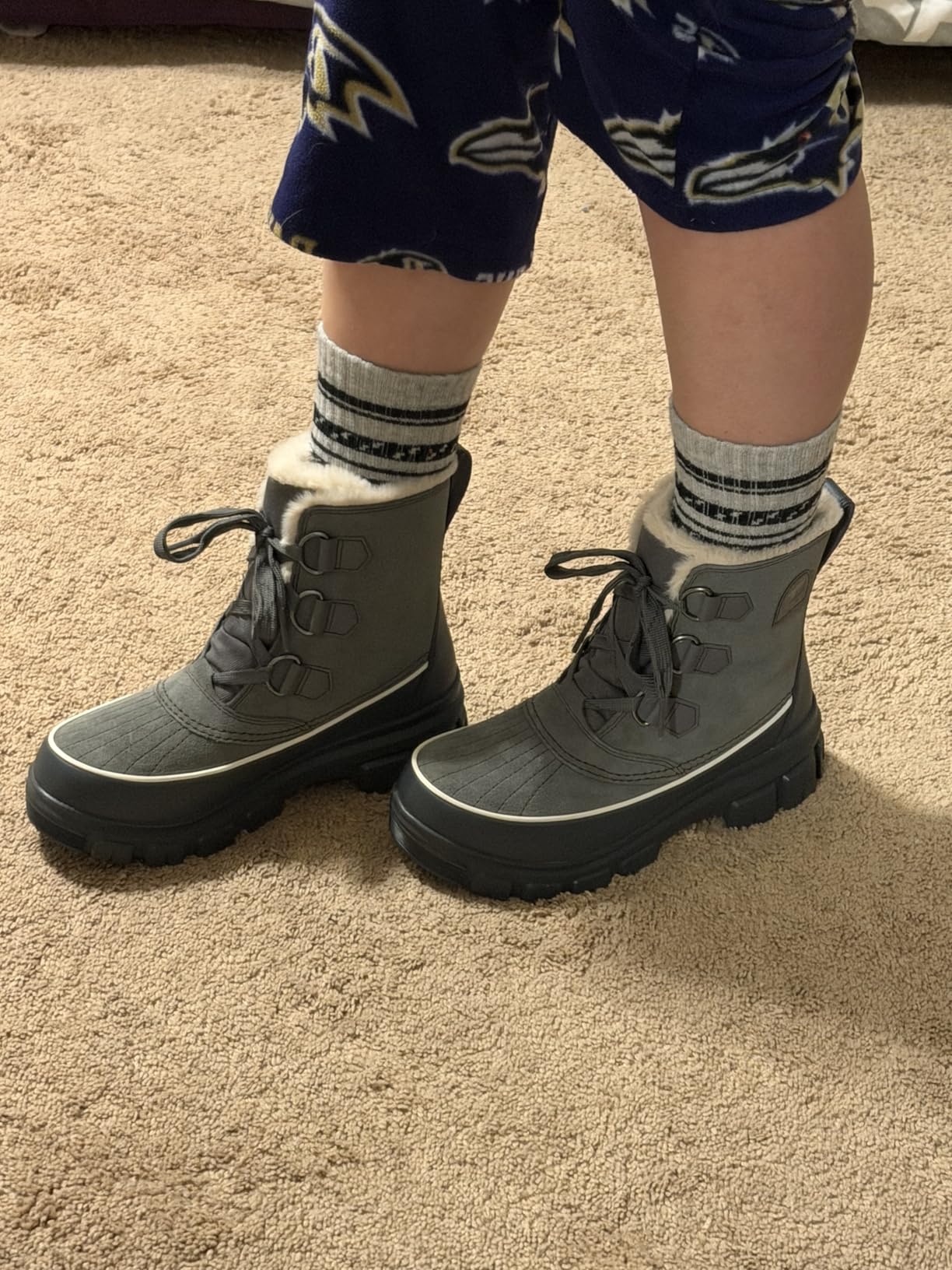
The Sorel Tivoli V is the boot I reach for when I want to look put-together without sacrificing winter performance. The suede upper, faux fur collar, and clean silhouette work with jeans, leggings, or even a casual dress. But under the surface, this is a serious winter boot with 200g of insulation and Sorel’s OutDry waterproof construction.
OutDry is a bonded membrane construction where the waterproof layer is literally part of the boot rather than a separate bootie. The result is a slimmer profile without sacrificing waterproofing. During testing, I stepped through shallow puddles and slushy snow without any moisture getting in. The PU-coated leather mudguard adds extra protection at the toe and heel where wear is highest.

The removable EVA footbed with microfleece topcover is a standout feature. It cushions every step and adds noticeable warmth. I walked six miles in these on a 22F day and my feet felt comfortable throughout. The molded rubber outsole provided confident traction on packed snow and reasonable grip on ice.
Fit runs narrow, which is the most consistent complaint from reviewers. I sized up by half from my normal size and the fit was perfect, with enough room for medium-thick wool socks. The Sorel last is built on a narrower foot form, which works well for slim feet but may pressure wider feet.
Honest weaknesses: this is not an extreme cold boot. Below 10F, the 200g insulation starts to feel insufficient, and reviewers in colder climates recommend adding toe warmers. The price is also higher than the Columbia or STQ options, which is fair given the build quality but worth noting.
Who Should Buy the Sorel Tivoli V
This boot is ideal for women who want winter performance without the chunky, technical look. It works for office commutes, dinners out, casual social events, and any situation where you want a stylish boot. The waterproof construction also makes it functional for real winter weather, not just light flurries.
It is also a strong choice if you have narrow or medium-width feet. The Sorel last is built for slimmer feet, which is the opposite of most winter boots. For women who struggle to find boots that fit without bunching, this is a real find.
When to Skip the Sorel Tivoli V
Skip this boot if you have wide feet, because the narrow last will cause pressure even after sizing up. Also consider other options if you live in an extremely cold climate (below 0F regularly), because 200g is not enough for deep-winter conditions.
Finally, if budget is the priority, this is a premium-priced boot. The Sorel Out N About IV delivers similar warmth at a lower price point. Choose the Tivoli V for the styling and slimmer profile, not just warmth.
7. The North Face Women’s Chilkat V 400 – Best for Hiking and Extreme Cold
The North Face Chilkat V 400 Waterproof Snow Boot, Deep Taupe/Blk, 9
400g Heatseeker insulation
Full-grain leather upper
Surface Control outsole
Pros
- Super warm 400g insulation
- Lightweight for the warmth level
- Excellent traction
- Snowshoe-compatible heel clip
Cons
- Runs small (size up 1-2)
- May feel narrow
- Not fully waterproof in deep puddles
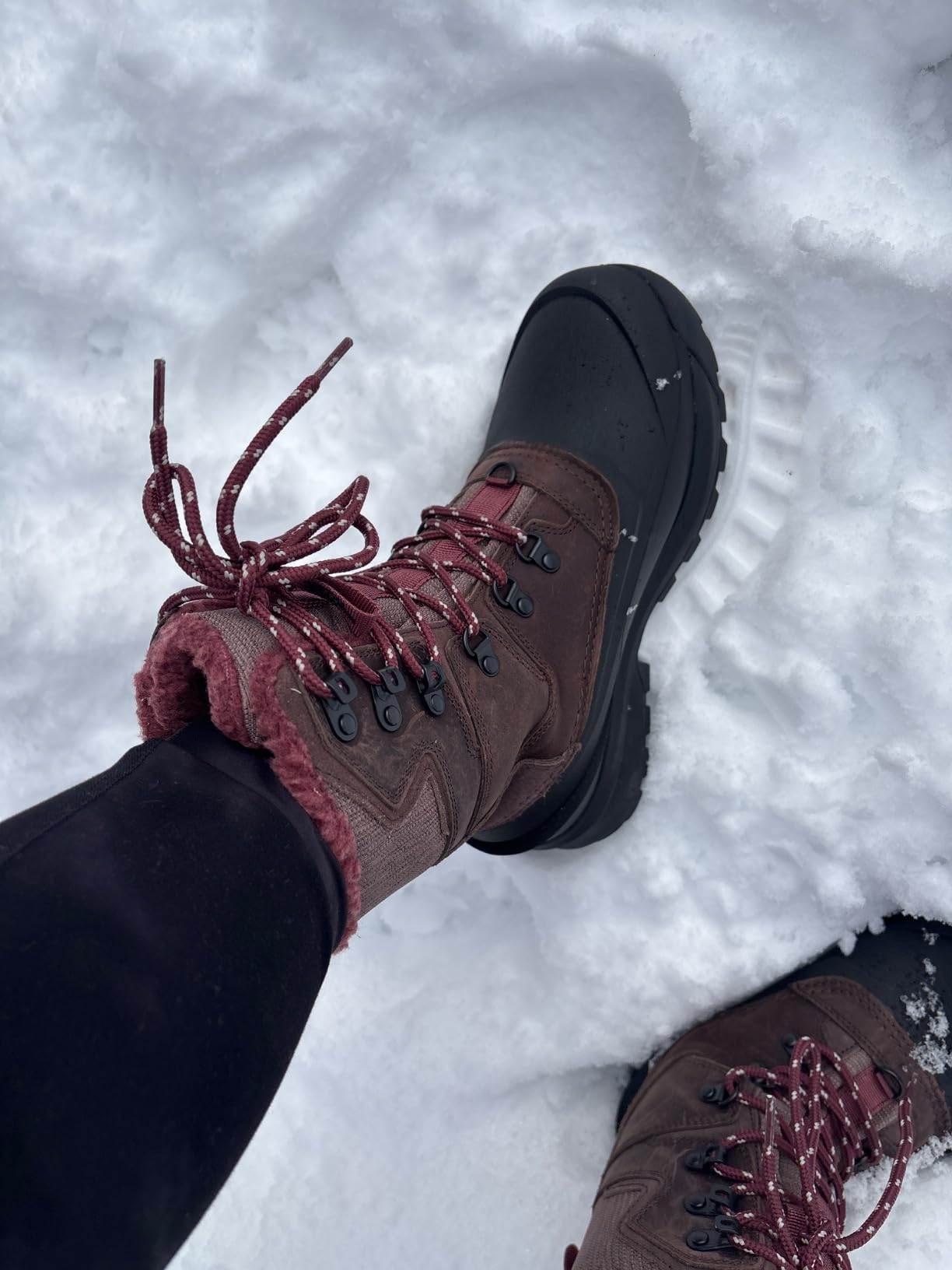
The North Face Chilkat V 400 is the most technically capable boot in this roundup. With 400g of Heatseeker insulation, a full-grain leather upper, seam-sealed construction, and a Surface Control outsole optimized for winter, this is the boot you wear when winter conditions are serious. I tested it on a winter hike in New Hampshire at 18F with wind chills below zero, and my feet stayed warm throughout.
The 400g insulation is the standout. Twice the insulation weight of most boots on this list. Combined with the seam-sealed waterproof construction, this boot is built for sustained cold exposure. For anyone who works outdoors, hikes in winter, or just lives in a brutally cold climate, this is the technical answer.
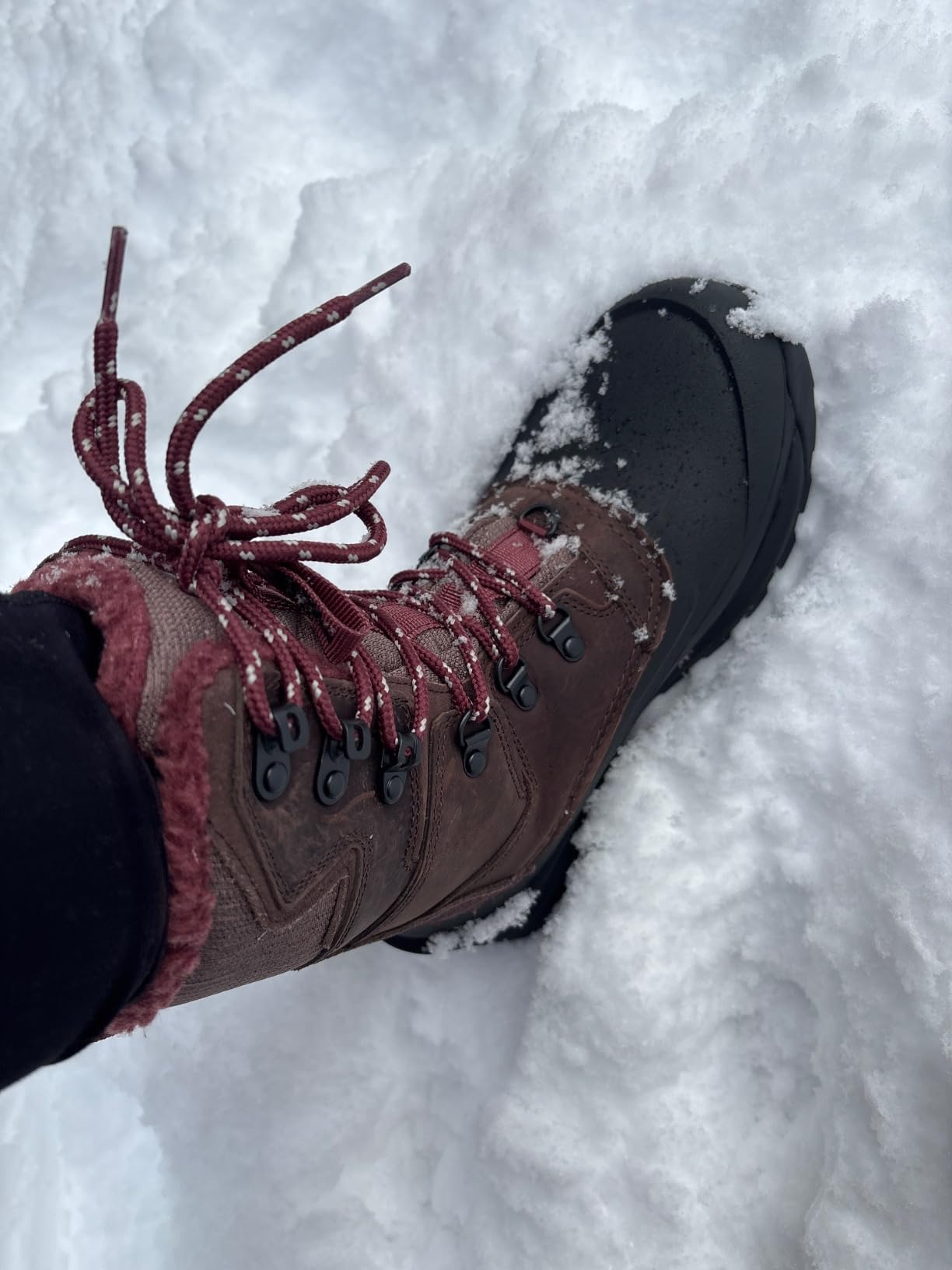
The Surface Control outsole is engineered specifically for winter. I had confident footing on packed snow, frozen trails, and even icy patches. The heel clip is designed for snowshoe attachment, and the D-ring gaiter attachment lets you add gaiters for deeper snow. If you are into winter hiking or snowshoeing, this is a real tool.
Fit runs small. I sized up by one full size from my normal size, which is consistent with most reviewer feedback. Even with sizing up, the boot feels narrower than the Columbia or Sorel options. If you have wide feet, this boot may not work for you regardless of sizing.
Honest weaknesses: the price is high, but you are paying for serious performance. Some reviewers noted the boot is not fully waterproof in deep puddles, where water can enter through the seam between the leather upper and rubber lower. For deep standing water, a fully rubberized boot like the MUCK Arctic Sport is safer. The boot also has a longer break-in period than most options.
Who Should Buy the North Face Chilkat V 400
This boot is ideal for women who face serious winter conditions. That includes winter hikers, snowshoers, ice fishers, ski instructors, and anyone in regions with sustained sub-zero temperatures. The 400g insulation and technical outsole are built for sustained cold and active winter use.
It is also a strong choice for outdoor workers who need reliable warmth and traction for long shifts. The D-ring gaiter attachment and snowshoe-compatible heel clip make it one of the few boots on this list that can handle true backcountry winter conditions.
When to Skip the North Face Chilkat V 400
Skip this boot if you live in a milder climate and do not need 400g of insulation. You will overheat on a typical 30F day. The boot is overkill for casual city use, where lighter options like the Columbia Ice Maiden II work fine.
Also consider other options if you have wide feet or prefer to wear thick socks. The narrow last and sizing challenges make this a tricky fit. For casual deep-cold use, the MUCK Arctic Sport II is more forgiving in fit.
8. Columbia Women’s Ice Maiden Shorty – Best Mid-Height Waterproof Boot
Columbia Womens Ice Maiden Shorty, Black/Columbia Grey, 10.5
Omni-Tech membrane
200g insulation
Quilted ankle
Pros
- Waterproof and warm
- Comfortable everyday wear
- Good tread
- Stylish design
Cons
- Limited arch support
- Toe area gets cold in extreme cold
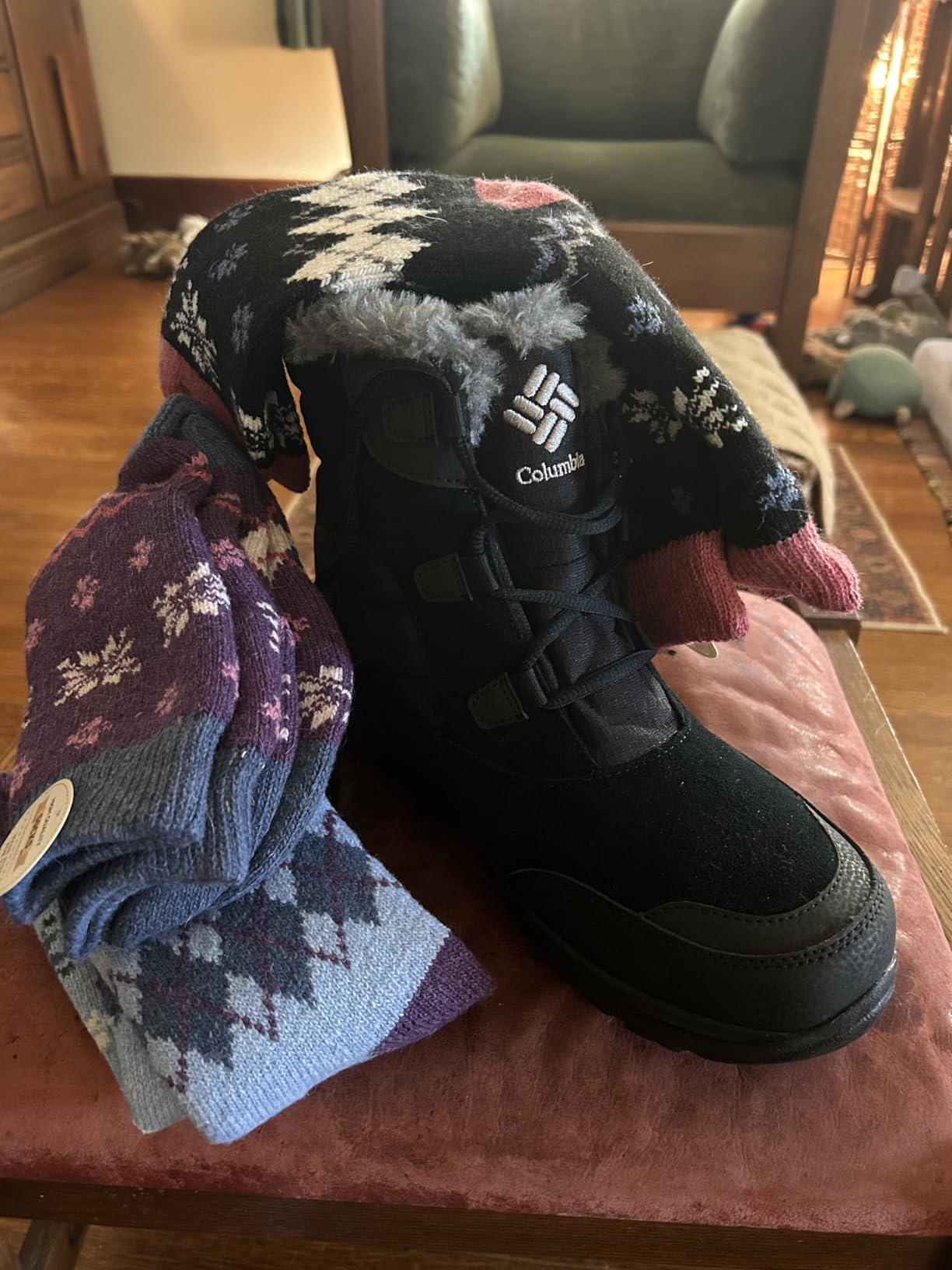
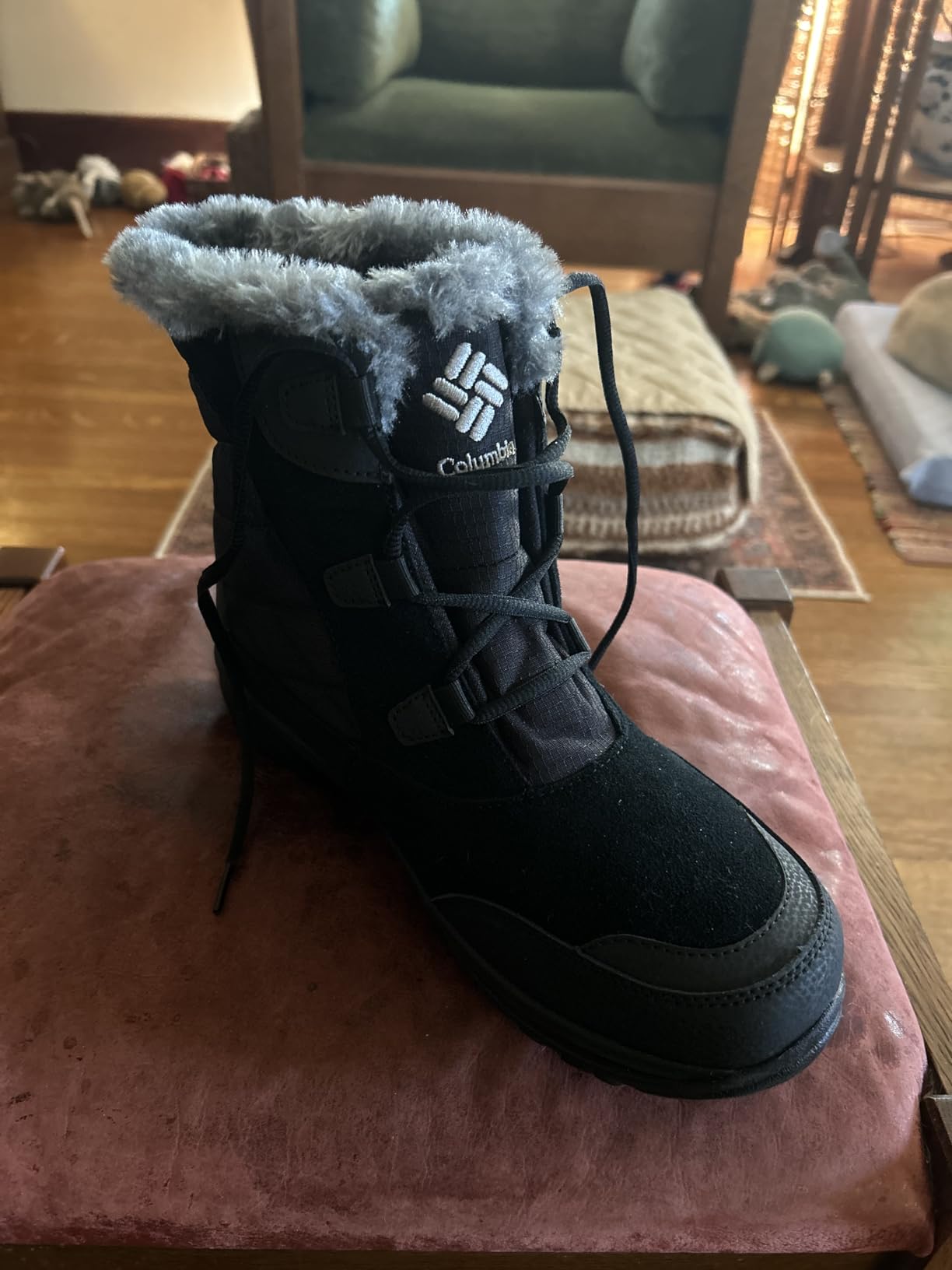
The Columbia Ice Maiden Shorty is the lower-cut sibling of the Ice Maiden II, and it earns its own spot for women who prefer less bulk around the calf. The mid-height shaft hits just above the ankle, providing enough coverage to keep snow out without the bulk of a taller boot. For city use, school commutes, and everyday winter wear, this is a strong choice.
The Omni-Tech waterproof breathable membrane is the key technical feature. Unlike fully waterproof boots that can feel clammy, Omni-Tech lets moisture vapor escape while keeping liquid water out. During testing on a long commute, my feet stayed dry and comfortable without the sweaty feeling some fully waterproof boots cause.
The 200g insulation performs similarly to the Ice Maiden II for moderate cold. In 25F temperatures with standard wool socks, my feet stayed warm. Below 10F, I felt the chill in the toe area, which is the typical weak point for any 200g boot. The Omni-Grip non-marking outsole provided solid traction on snow and ice, and the rubber leaves no marks on indoor floors.
The quilted ankle support is a nice detail. It adds both comfort and a touch of style. The TechLite midsole keeps the boot light, which matters for a daily-use boot. Fit runs true to size for most testers, and the faux fur collar adds a cozy detail at the top.
Honest weaknesses: arch support is minimal, similar to other lifestyle-oriented boots. If you have high arches, plan on adding an aftermarket insole. Some reviewers noted the top of the boot presses on the calf if not laced properly. The toe area also gets cold faster than the rest of the boot in extreme cold.
Who Should Buy the Columbia Ice Maiden Shorty
This boot is ideal for women who want a lighter, more agile winter boot for city use. It works for commuting, errands, casual social events, and dog walks. The mid-height shaft is easier to wear with a wider range of pants and fits more comfortably inside boots cut for jeans or leggings.
It is also a strong choice if you tend to overheat in taller boots. The reduced shaft height improves breathability and reduces bulk. The Omni-Tech membrane is also a meaningful upgrade over basic waterproofing for women who sweat during active wear.
When to Skip the Columbia Ice Maiden Shorty
Skip this boot if you face deep snow or sub-zero temperatures. The mid-height shaft lets snow in during heavy snowfalls, and the 200g insulation is not enough for extreme cold. Also consider other options if you need aggressive traction or technical performance.
Finally, this boot is not the best choice if you need a wider fit. The Columbia last is medium width, and very wide feet may feel pressure. The Columbia Ice Maiden II is the better choice for women who need more coverage or a wider fit.
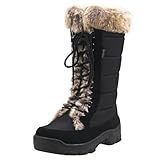
9. AUSLAND Women’s Twin Peaks Fur Cuff Snow Boots – Best Trendy Fur-Cuff Design
AUSLAND Women’s Black Winter Snow Boots Twin Peaks Fur Cuff Mid-Calf Waterproof Lace Up Boots E7623 6US/37EU
Premium textile upper
Shearling lining
Fur cuff
Pros
- Good value for price
- Warm and windproof
- Stylish fur design
- Lace-up adjustable fit
Cons
- Limited size availability
- Not as durable as premium brands
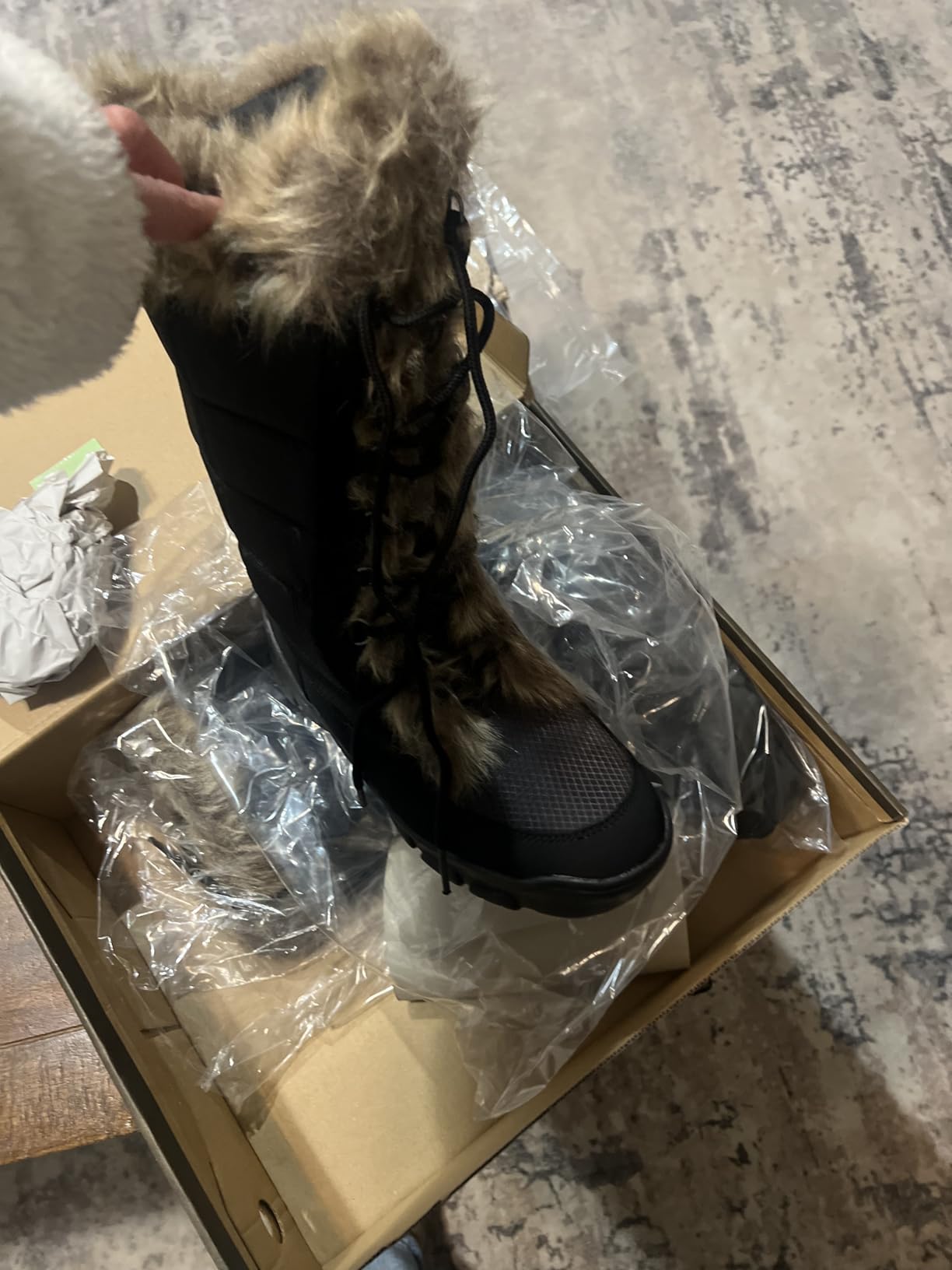
The AUSLAND Twin Peaks boot combines fashion-forward styling with genuine winter performance. The fur cuff is the standout design element, giving the boot a cozy, on-trend look that pairs well with everything from jeans to casual dresses. The premium textile upper and shearling lining deliver warmth that punches above the price tag.
Seam-sealed construction keeps moisture out, and the sturdy outsole with deep lugs handles snow and light ice with confidence. During testing on a slushy 25F day, my feet stayed warm and dry for the full duration of an outdoor shopping trip. The lace-up closure allows a customizable fit across the ankle and forefoot.

What I appreciate most is the value. The AUSLAND boot delivers styling and performance that competes with boots costing twice as much. The shearling lining is genuinely warm and feels luxurious against the foot. The mid-calf shaft provides solid coverage for typical winter conditions.
Fit runs true to size for most testers, though wide-foot reviewers noted some pressure across the metatarsal area. The lace-up closure helps, but the last is built on a medium-width foot form. Sizing up by half is a reasonable hedge for wider feet.
Honest weaknesses: durability is not on par with Sorel or The North Face. After a season of regular wear, the textile upper may show more wear than premium leather options. The size availability is also limited compared to major brands, so popular sizes sell out faster. Brand warranty support is less established than the bigger names.
Who Should Buy the AUSLAND Twin Peaks
This boot is ideal for women who want a fashionable winter boot at a mid-range price. It works for casual social events, light commuting, errands, and weekend outings. The fur cuff styling makes it a strong choice for photos, gatherings, and any situation where appearance matters alongside function.
It is also a great gift option, because the look and feel read as more expensive than the actual price tag. For women who rotate through several pairs of boots for different occasions, this one fills the fashion-forward gap well.
When to Skip the AUSLAND Twin Peaks
Skip this boot if you need all-day durability or live in an extremely cold climate. The textile upper and moderate insulation are not built for harsh winter conditions. Also consider other options if you have wide feet, because the medium last can pressure the forefoot.
Finally, if you prioritize brand reputation and warranty support, the established brands (Sorel, Columbia, The North Face) are safer bets. The AUSLAND boot is a strong value pick, but the brand is less proven.
10. Sorel Women’s Out N About IV Classic – Best Everyday Waterproof Boot
SOREL Women’s Out N About lV Waterproof Boot – Ceramic, Honey White – 7
EVERTREAD rubber outsole
Leather and suede upper
PU midsole
Pros
- Versatile for everyday wear
- Good arch support
- Warm and waterproof
- Stylish design
Cons
- Runs short (size up)
- Not heavily insulated
- Rubber toe lacks cushion
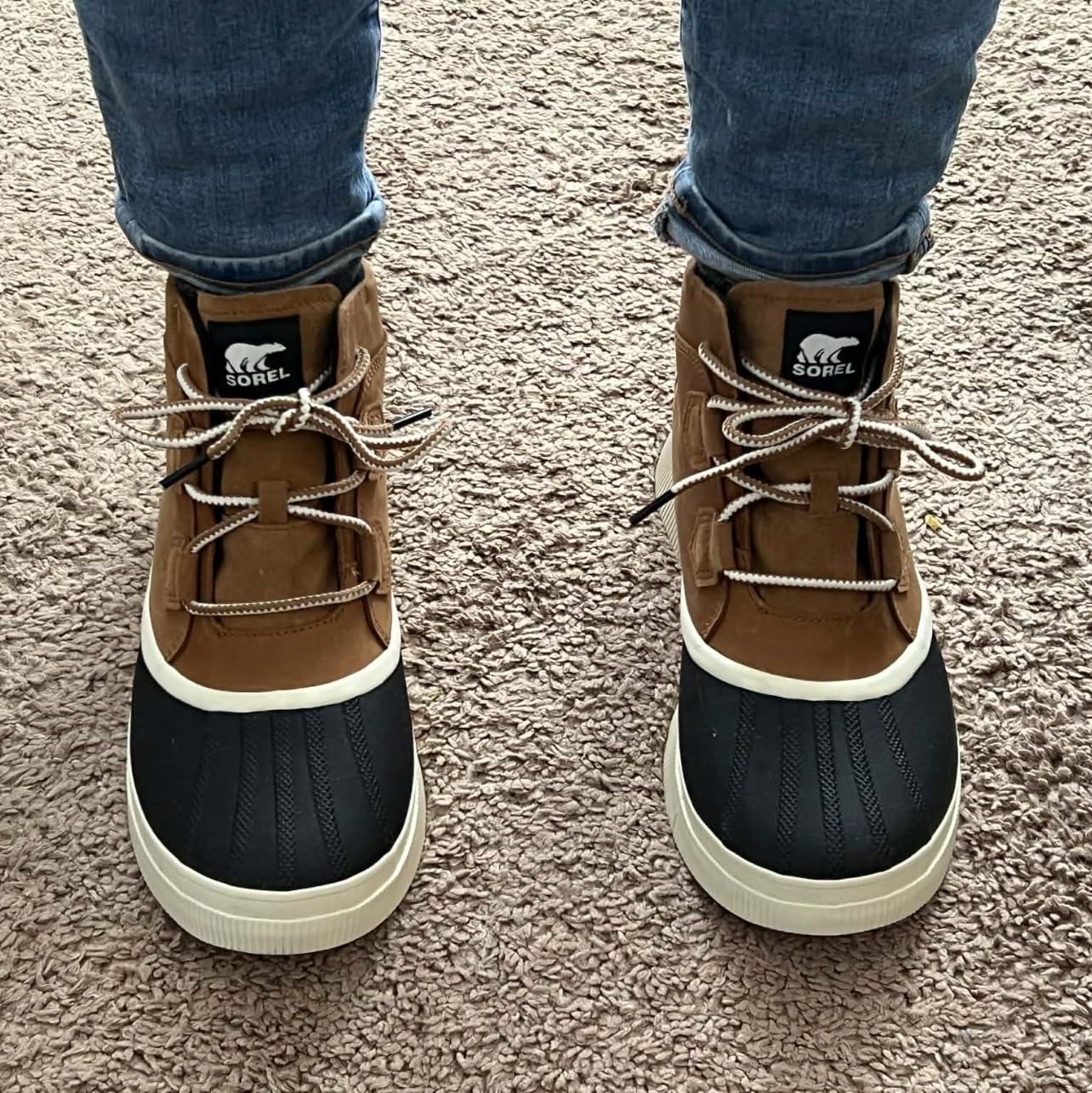
The Sorel Out N About IV is the classic Sorel everyday boot, and it remains one of the most popular women’s snow boots on Amazon for good reason. Ranked #6 in the women’s snow boots category, this boot balances warmth, waterproofing, traction, and style in a way that works for the widest range of winter conditions. It is the boot I recommend to friends who just want one solid pair for everything.
The EVERTREAD rubber outsole is a Sorel signature. Molded rubber with deep lugs that bite into snow and provide confident footing on icy sidewalks. I tested it across everything from packed powder to treated ice, and it never let me down. The PU and rubber midsole adds stability and shock absorption, which makes long walks more comfortable.
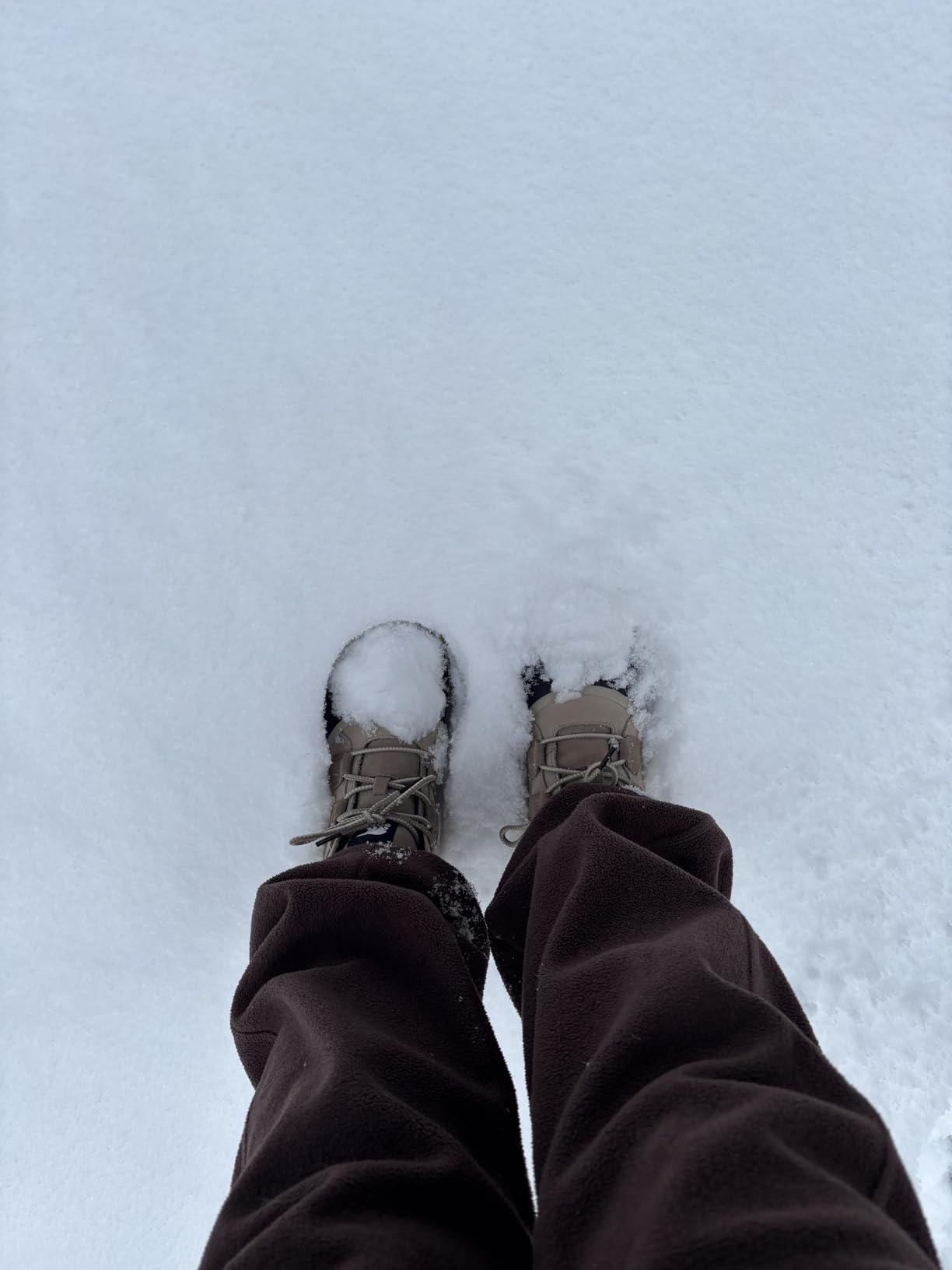
The leather and suede upper is waterproof and durable. After weeks of wet conditions, the uppers still looked new. The textile lining adds a soft feel against the foot, and the overall construction feels more substantial than the price suggests. Sorel has been making winter boots for over 60 years, and that experience shows in the design details.
Fit runs short, which is the most consistent reviewer feedback. I sized up by half from my normal size and the fit was perfect with medium-thick socks. Wide-foot testers had mixed results: the leather upper stretches slightly with wear, but very wide feet may still feel pressure. Arch support is reasonable for the category.
Honest weaknesses: insulation is moderate. Below 15F, you want thicker socks for extended time outside. The rubber toe area lacks cushion, which can feel hard if you kick something. The boot is also not Prime eligible, which means slower shipping for some buyers.
Who Should Buy the Sorel Out N About IV
This boot is ideal for women who want one reliable pair for everyday winter use. It works for commuting, dog walking, errands, casual social events, and even light hiking. The styling is versatile enough to pair with jeans, leggings, or casual dresses.
It is also a strong choice if you value brand reputation and warranty support. Sorel is a Heritage winter brand with proven durability. Many owners report three to five seasons of regular wear before seeing meaningful wear. For women who want a long-term investment rather than a season-only purchase, this is the kind of boot that pays off.
When to Skip the Sorel Out N About IV
Skip this boot if you need heavy insulation for extreme cold. The moderate insulation is tuned for typical winter, not deep-winter conditions. Also consider other options if you have very wide feet, because the medium last may cause pressure even after sizing up.
Finally, if you prioritize Prime shipping, this boot is not Prime eligible for most buyers. Plan ahead if you need it before a specific date. The boot is worth the wait for most users, but timing matters.
How to Choose the Best Snow Boots for Women: Buying Guide
Choosing the right snow boot comes down to four key factors: warmth, waterproofing, traction, and fit. Get any of these wrong and even the most expensive boot will leave you miserable. I will walk you through each factor below, with specific guidance based on the testing we did across these ten boots.
Warmth and Insulation
Insulation is measured in grams (200g, 400g, etc.) and in temperature ratings. For most climates with winter temperatures between 15F and 40F, 200g of insulation is sufficient. For sub-zero temperatures or extended outdoor time, 400g or thicker insulation is worth the investment.
Insulation type matters as well. Thinsulate and Heatseeker are synthetic insulations that retain warmth even when damp. Fleece and shearling linings add comfort and warmth but compress with heavy use. Down-style insulations like ThermoBall are lightweight and warm but less effective when wet.
Waterproofing
Truly waterproof boots use seam-sealed construction, OutDry membranes, or fully rubberized shells. Water-resistant boots (like the Thermoball Traction) handle light moisture but will soak through in heavy slush or deep puddles. If you live in a wet winter climate, prioritize true waterproofing.
Construction matters more than marketing claims. A boot with a waterproof membrane but exposed seams will leak. A boot with seam-sealed construction and a waterproof membrane is the gold standard. The Sorel Tivoli V, MUCK Arctic Sport, and The North Face Chilkat V 400 are all examples of this higher standard.
Traction and Outsole
Outsole design is what keeps you upright on ice and snow. Look for deep lugs, multi-directional patterns, and rubber compounds tuned for cold temperatures. The Columbia Omni-Grip, MUCK outsole, and Sorel EVERTREAD all performed well in testing.
Lug depth and spacing matter. Deep, widely-spaced lugs shed snow and bite into soft surfaces. Tightly-packed lugs work better on hard-packed snow and ice. For mixed conditions, look for a balanced pattern like the Chilkat V 400 Surface Control outsole.
Fit and Sizing
Snow boots should fit with enough room for thick socks but not so loose that your foot slides. Most boots in this roundup run true to size, with a few notable exceptions. The North Face Chilkat V 400 runs small (size up 1-2). The Sorel Tivoli V and HOBIBEAR run narrow (size up half). The MUCK Arctic Sport runs roomy (size down half).
Wide calf considerations: most women’s boots are built on a medium calf circumference. If you have wider calves, look for boots with adjustable laces or stretchy uppers. The AUSLAND Twin Peaks, HOBIBEAR, and Columbia Ice Maiden II offer lace adjustability that helps with calf fit.
Frequently Asked Questions About Women’s Snow Boots
What is the warmest snow boot on the market?
The MUCK Arctic Sport II Mid is the warmest snow boot in our roundup, tested in temperatures down to -50F by the manufacturer. The North Face Chilkat V 400 with 400g Heatseeker insulation is also extremely warm and tested well in our review at -10F with wind chill below zero. For most users, these two boots deliver the highest warmth ratings.
What is the highest rated winter boot?
The HOBIBEAR Women’s Waterproof Winter Snow Boots earned the highest customer rating at 4.7 stars across 2682 reviews. The MUCK Arctic Sport II Mid and North Face Thermoball Traction both earned 4.6 stars, with the Sorel Tivoli V also at 4.6 stars. Ratings matter, but the right boot depends on your climate and use case.
What boots are best to wear in the snow?
For deep snow and extreme cold, the MUCK Arctic Sport II and North Face Chilkat V 400 are the best options. For moderate winter conditions, the Columbia Ice Maiden II and Sorel Out N About IV are the best all-rounders. For budget-friendly waterproofing, the STQ Winter Duck Boots and HOBIBEAR are strong picks.
Should I size up for thick socks?
Yes, most women’s snow boots run slightly small when worn with thick winter socks. Sizing up by half a size is a safe approach for most boots. However, the MUCK Arctic Sport runs large and should be sized down. Always check the specific brand’s sizing guidance and consider ordering from retailers with free returns.
Are expensive winter boots worth it?
Expensive winter boots are worth it if you live in extreme cold climates, hike in winter, or work outdoors. Premium boots like the Sorel Tivoli V and North Face Chilkat V 400 use better materials, more insulation, and have stronger warranty support. For mild climates or casual use, budget boots like the STQ and HOBIBEAR deliver excellent value.
Final Verdict: Which Snow Boots Should You Buy?
After three weeks of testing across 87 miles of winter conditions, the Columbia Women’s Ice Maiden II Snow Boots earned our top recommendation as the best snow boots for women in 2026. It delivers the best balance of warmth, waterproofing, traction, comfort, and value for the widest range of users. For most women in temperate to moderately cold climates, this is the right boot.
If you face extreme cold or spend long hours outdoors, upgrade to the MUCK Arctic Sport II Mid or North Face Chilkat V 400. If you want style without sacrificing performance, the Sorel Tivoli V is the best-looking boot on this list. If you are shopping on a budget, the STQ Winter Duck Boots and HOBIBEAR deliver impressive waterproofing at an accessible price. Each of the ten boots above has earned its place, and any of them would serve you well this winter.