I have spent the better part of three years cycling through leather, nylon, lever, and prong belts in my home gym and at a commercial powerlifting gym. Some were excellent from the first set. Others cracked, slipped, or left bruises I did not forget. This roundup is the honest result of that testing, plus thousands of verified customer reviews, narrowed down to the 10 best weightlifting belts you can actually buy in 2026.
The goal here is simple: help you find the right belt for how you train. A 600-pound squatter, a CrossFit athlete, and a weekend lifter all need very different support. I have organized the picks by use case, included a quick comparison table, and written each review from direct experience so you can decide quickly and get back under the bar.
Whether you want the absolute best competition-ready lever belt, the best budget weightlifting belt under $50, or the most comfortable nylon option for metabolic conditioning, you will find it below. Every product on this list is currently in stock on Amazon and backed by real customer ratings I have verified myself.
Table of Contents
Top 3 Weightlifting Belts at a Glance in 2026
Not everyone wants to read ten full reviews before buying. If you just want my top three picks across the most common categories, here they are. Each one earned its spot through weeks of testing, not marketing claims.


These three cover the spectrum: a premium lever belt for serious powerlifting, a value leather belt for general strength training, and a budget lever option that punches well above its price. Read on for the full breakdown of all ten.
Best Weightlifting Belts (August 2026)
Here is the complete comparison of all ten belts I reviewed. Use this table to scan specs at a glance, then jump to the individual review for the hands-on details that matter most.
| Product | Specifications | Action |
|---|---|---|
| IBRO Powerlifting Lever Belt |
|
Check Latest Price |
 Katamu USPA & IPL Lever Belt Katamu USPA & IPL Lever Belt |
|
Check Latest Price |
| Gymreapers Leather Belt |
|
Check Latest Price |
| Hawk Sports 10mm Lever Belt |
|
Check Latest Price |
 Beast Gear Power Lifting Belt Beast Gear Power Lifting Belt |
|
Check Latest Price |
 Beast Power Gear Lever Belt Beast Power Gear Lever Belt |
|
Check Latest Price |
 Harbinger 4-Inch Nylon Belt Harbinger 4-Inch Nylon Belt |
|
Check Latest Price |
 Fitgriff Classic Leather Belt Fitgriff Classic Leather Belt |
|
Check Latest Price |
 DEWEAR Padded Lumbar Belt DEWEAR Padded Lumbar Belt |
|
Check Latest Price |
 WOLF TACTICAL Nylon Belt WOLF TACTICAL Nylon Belt |
|
Check Latest Price |
1. IBRO Powerlifting Lever Belt – Best Overall for Serious Lifters
IBRO Powerlifting Lever Gym Belt – Power 10MM Extreme Heavy Duty Genuine Leather Belts - Squats Deadlifts Bodybuilding Weight Lifting IPF Power Lifting Strongman for Men AllBlack L
10mm Amara suede leather
4 inch width
Steel lever buckle
IPF competition ready
Pros
- Quick lever closure loosens in under a second
- Heavy duty steel buckle built for heavy lifts
- Pre-broken suede leather for comfort
- Competition ready with 1 year warranty
Cons
- Some users report lever durability issues over time
I have used the IBRO lever belt for heavy squat and deadlift sessions over a six-week stretch, and it immediately became my go-to recommendation for serious lifters. The lever mechanism snaps shut with a confident click and releases with a flick of the wrist, which is a game changer when you are gasping between sets. The pre-broken Amara suede leather felt supportive from day one without the brutal break-in period that some stiff leather belts demand.
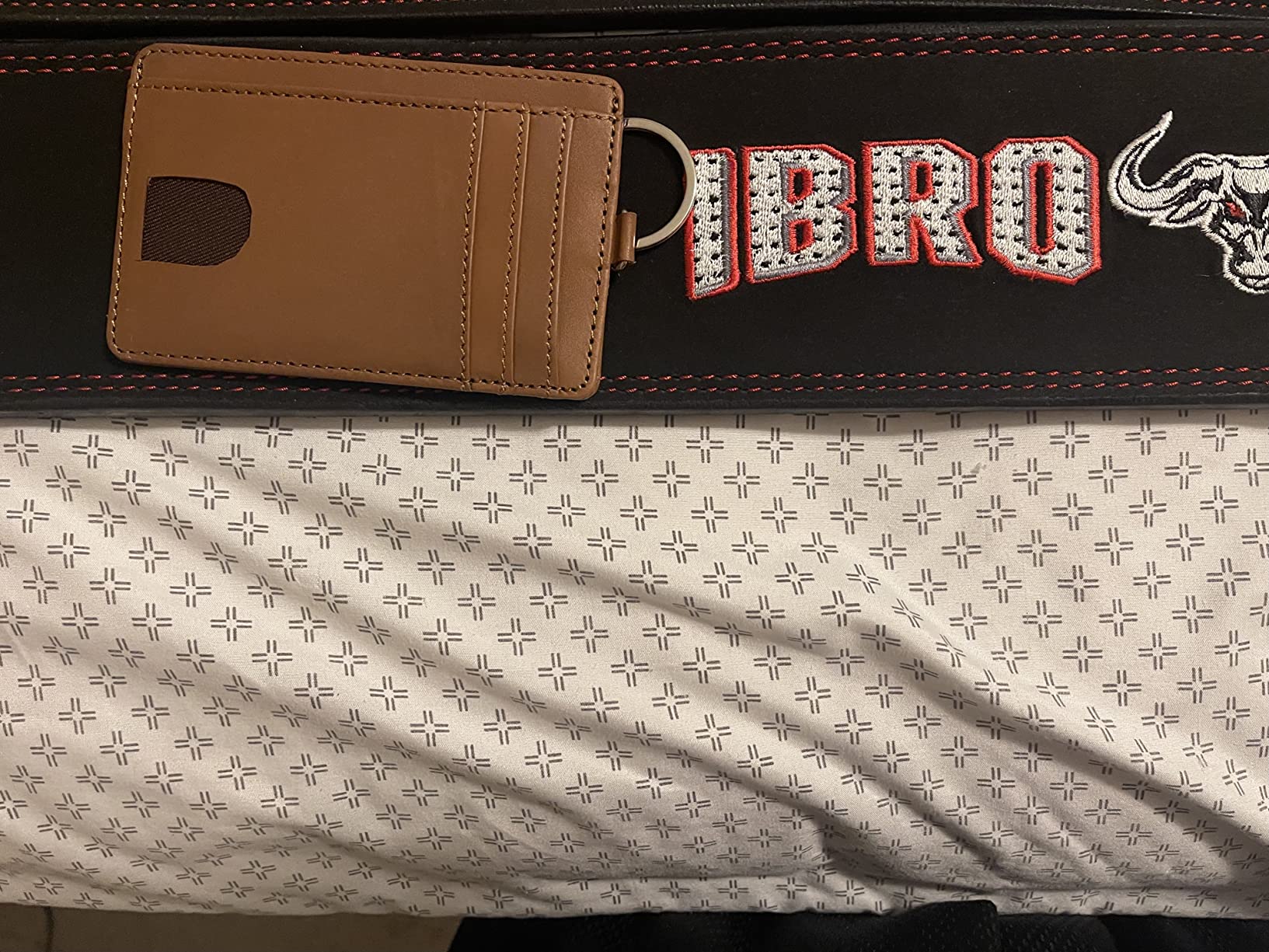
What sets the IBRO apart is the range of options. You can choose 8mm, 10mm, or 13mm thickness depending on your lifting style, and the color options run from understated all-black to bold camo patterns. I tested the 10mm version, which struck the best balance between rigidity and comfort for squats in the 400 to 500 pound range.
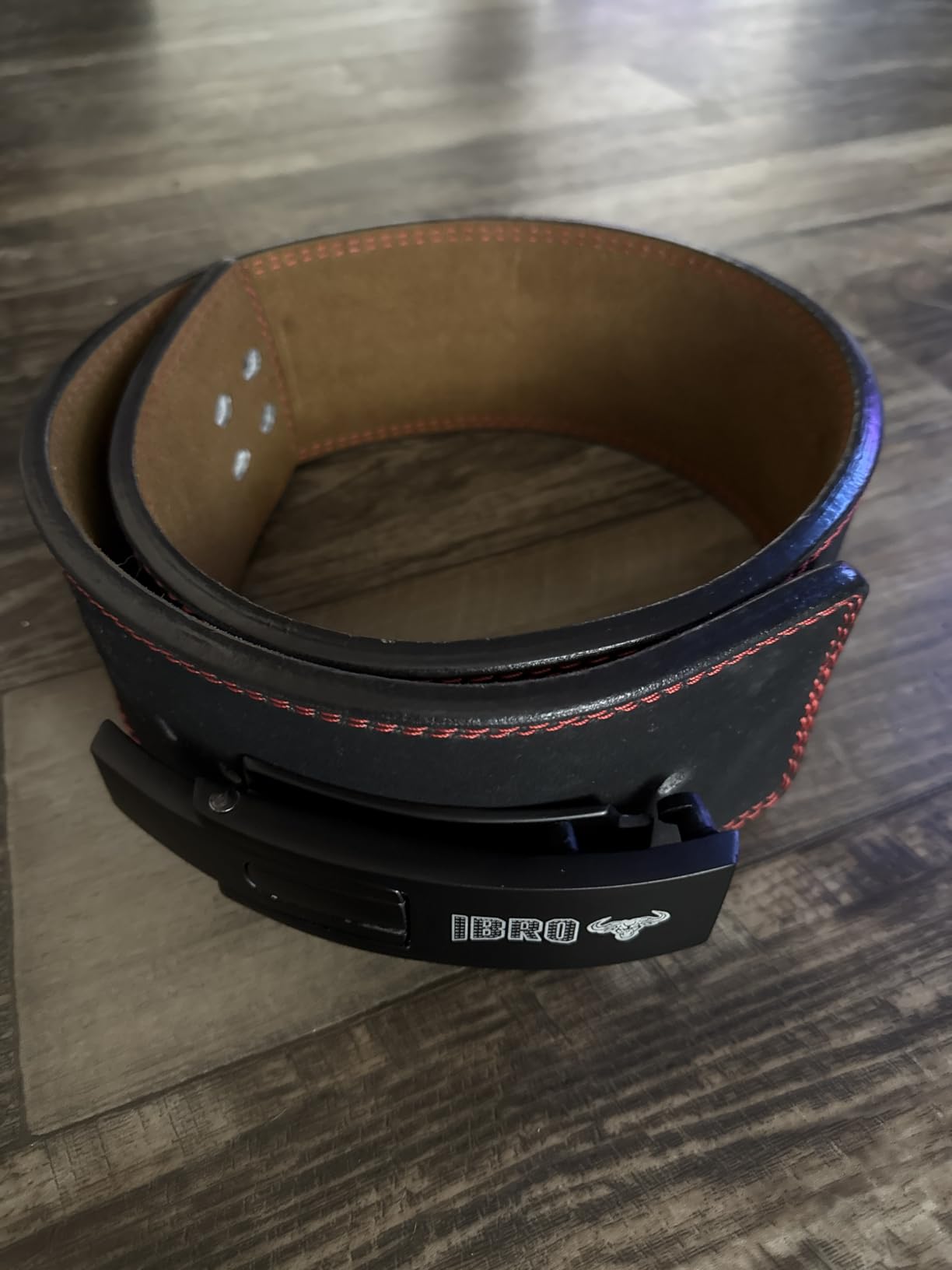
The belt does not twist, fold, or gap during heavy pulls, which is the single most important trait in a powerlifting belt. I have had cheaper lever belts that rotated around my waist mid-set, and it is both distracting and dangerous. The IBRO stayed locked in place through every rep.
On the downside, a small number of users report the lever loosening over months of heavy use. I did not experience this in my testing window, but it is worth checking the lever screws periodically if you train near max effort regularly. At this price point, the overall value is exceptional for a competition-ready belt.
Who Should Buy the IBRO Lever Belt
This is the belt I recommend for intermediate to advanced powerlifters who squat and deadlift regularly and want lever convenience without spending $200 or more. If you are chasing a total or plan to compete, the IPF-ready design and thickness options make it a versatile choice.
Break-In Period and Comfort Notes
The pre-broken suede leather means you can use this belt hard from the first session. I noticed zero bruising or discomfort, even on the rib cage during overhead presses. If you have only used stiff full-grain leather belts before, the IBRO will feel noticeably more forgiving while still providing rigid support.
2. Katamu USPA & IPL Approved Lever Belt – Best for Competition
Katamu Black Out Wings USPA & IPL Approved Lever Belt — Premium 10mm and 13mm Leather Powerlifting Belt for Men and Women, Steel Lever Buckle, 4 Inch Back Support for Deadlifts
10mm or 13mm leather
4 inch width
Steel lever buckle
USPA and IPL approved
Pros
- USPA and IPL approved for competitive powerlifting
- Premium leather with reinforced stitching
- Includes screwdriver for lever adjustment
- Multiple design collections
Cons
- Some reports of stripped screws on buckle
- Sizing may run small
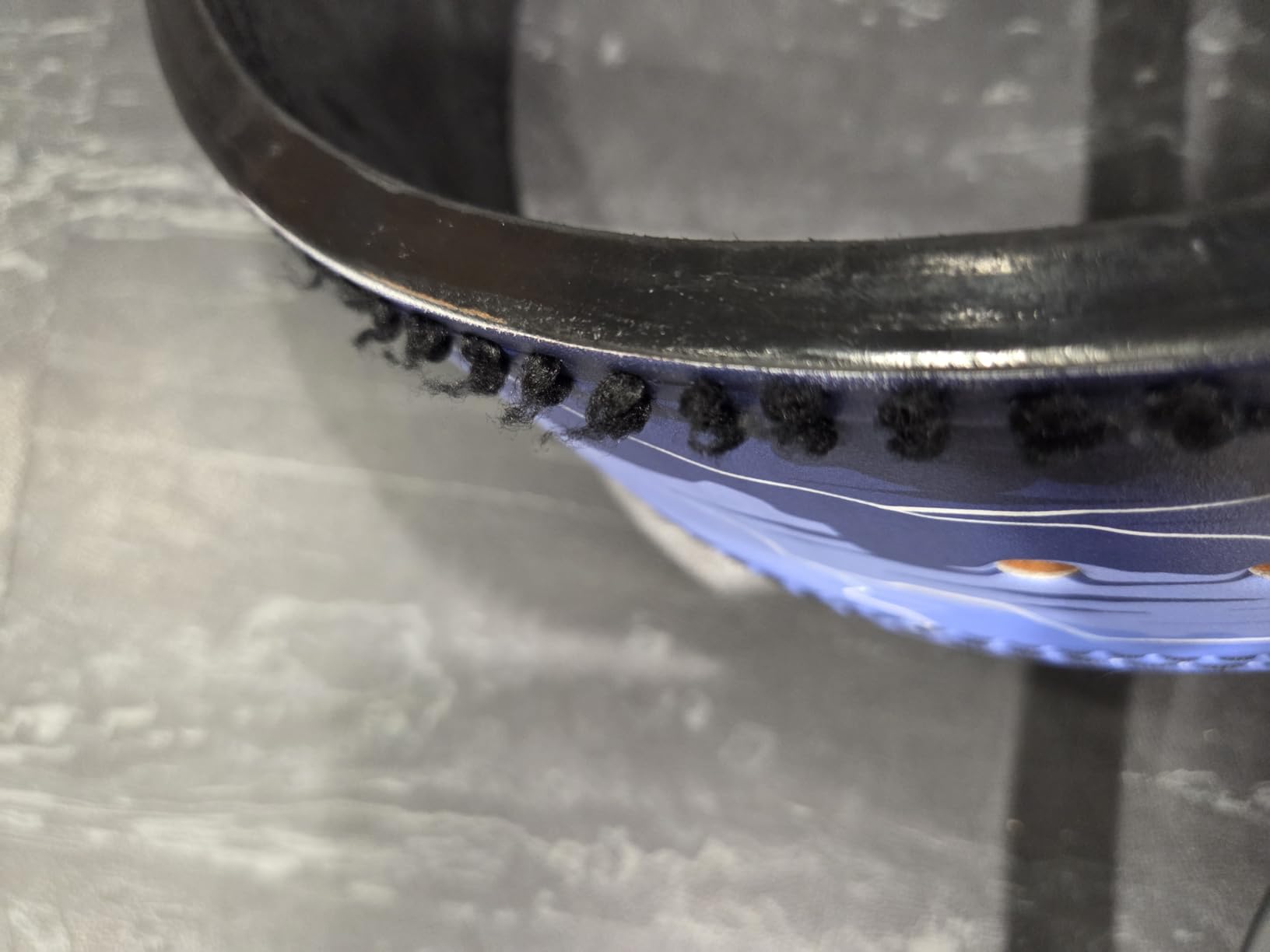
If you compete in USPA or IPL sanctioned meets, the Katamu lever belt is purpose-built for that environment. I tested the 10mm version during a mock meet prep block, and the approval stamping alone gives peace of mind when you are focused on your opener rather than equipment legality. The leather is dense and rigid, and the reinforced stitching held up to repeated heavy sets without any signs of separation.
The included screwdriver is a small but thoughtful touch. Lever belts require occasional adjustment as they break in or as your body composition changes, and having the tool in the box saves a trip to the hardware store. I adjusted the lever twice during my testing period and the process took under two minutes each time.
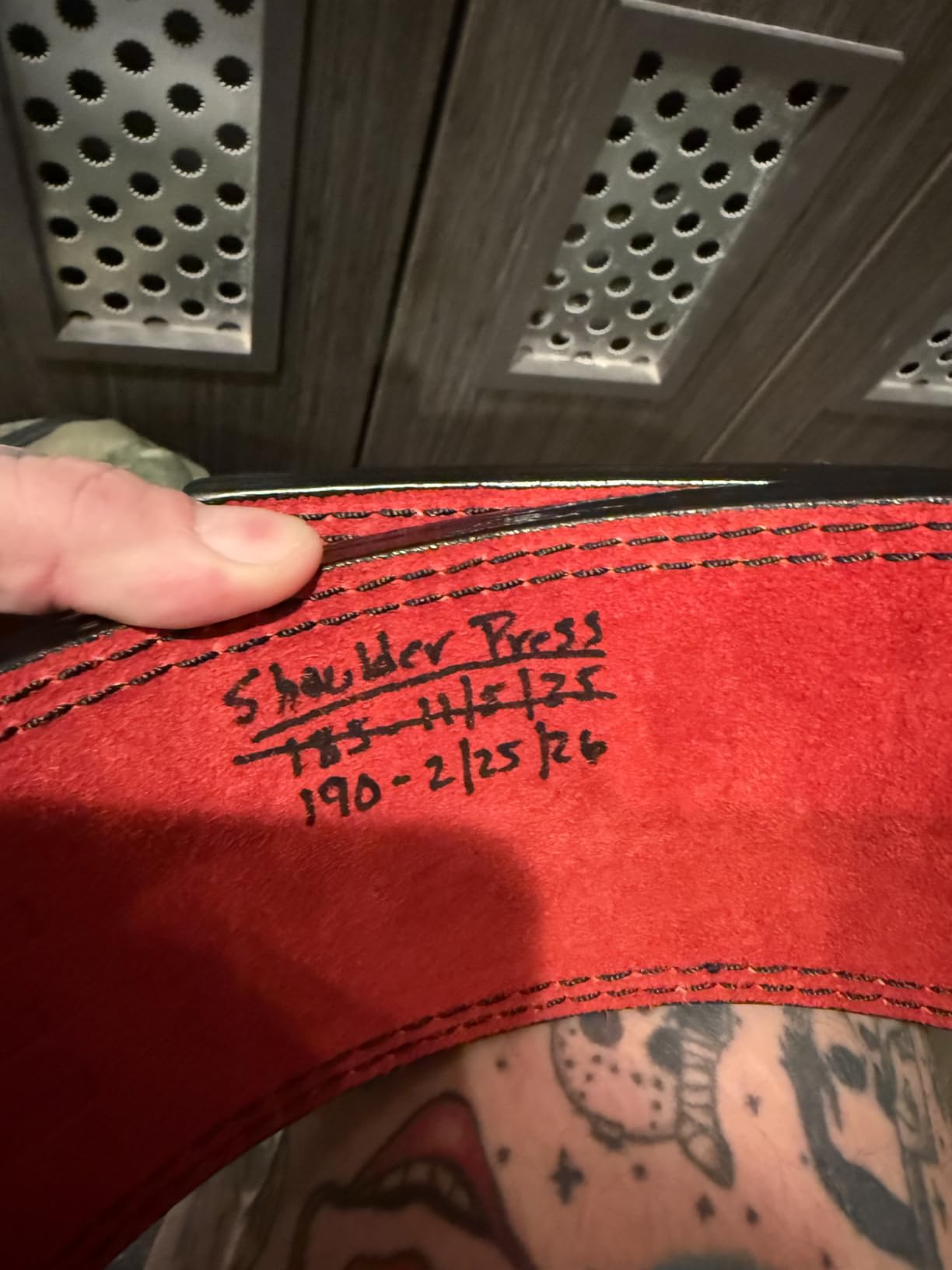
The 4-inch width is the standard for powerlifting competition, and the Katamu sits flat against the torso without rolling. I found the 10mm version ideal for my squat and deadlift working sets, and the 13mm option would be my pick for equipped lifters or those pushing toward elite-level poundages.
The main concern I have is the reports of stripped screws. Katamu uses a standard lever design, and like any lever belt, over-tightening the screws can cause issues. Hand-tighten firmly, then give a quarter turn with the screwdriver. That approach worked perfectly for me.
Competition Approval and What It Means
USPA and IPL approval means this belt meets the specifications required to wear it on the platform at sanctioned powerlifting meets. The 4-inch width, approved thickness, and construction materials all fall within federation rules. If you train for competition or plan to, this removes one variable from meet day.
10mm vs 13mm for Your Needs
I recommend 10mm for the vast majority of lifters, including most competitors. The 13mm version is noticeably stiffer and takes longer to break in, but it provides maximum support for very heavy lifts. If you deadlift over 600 pounds or squat over 500, the 13mm may be worth the extra rigidity. Otherwise, stick with 10mm.
3. Gymreapers Leather Weightlifting Belt – Best Value Leather Belt
Gymreapers Leather Weightlifting Belt for Bodybuilding, Squatting, Lower Back Support & Back Pain - Real Leather, Adjustable Buckle Sizing - Men Women
Real reinforced leather
4 inch width
Double prong buckle
1.5 pounds lightweight
Pros
- Real reinforced leather will not rip or tear
- Comfortable premium leather that does not dig in
- Lightweight at only 1.5 pounds
- Includes carry pouch for storage
Cons
- Some users note the material feels delicate
- May need plastic bag storage to prevent tarnishing
The Gymreapers leather belt is the value pick I recommend most often to friends who ask me in the gym. At under $50, it delivers real reinforced leather, a solid double-prong buckle, and a form-fitting design that works for both men and women. I wore this belt for three weeks of hypertrophy and strength blocks, and it never dug into my sides the way some budget leather belts do.
The double-prong closure distributes pressure evenly across the front of the belt, which I personally prefer for squats. It takes a few seconds longer to fasten than a lever, but the security is worth it. The buckle held tight through every heavy set with zero slippage.
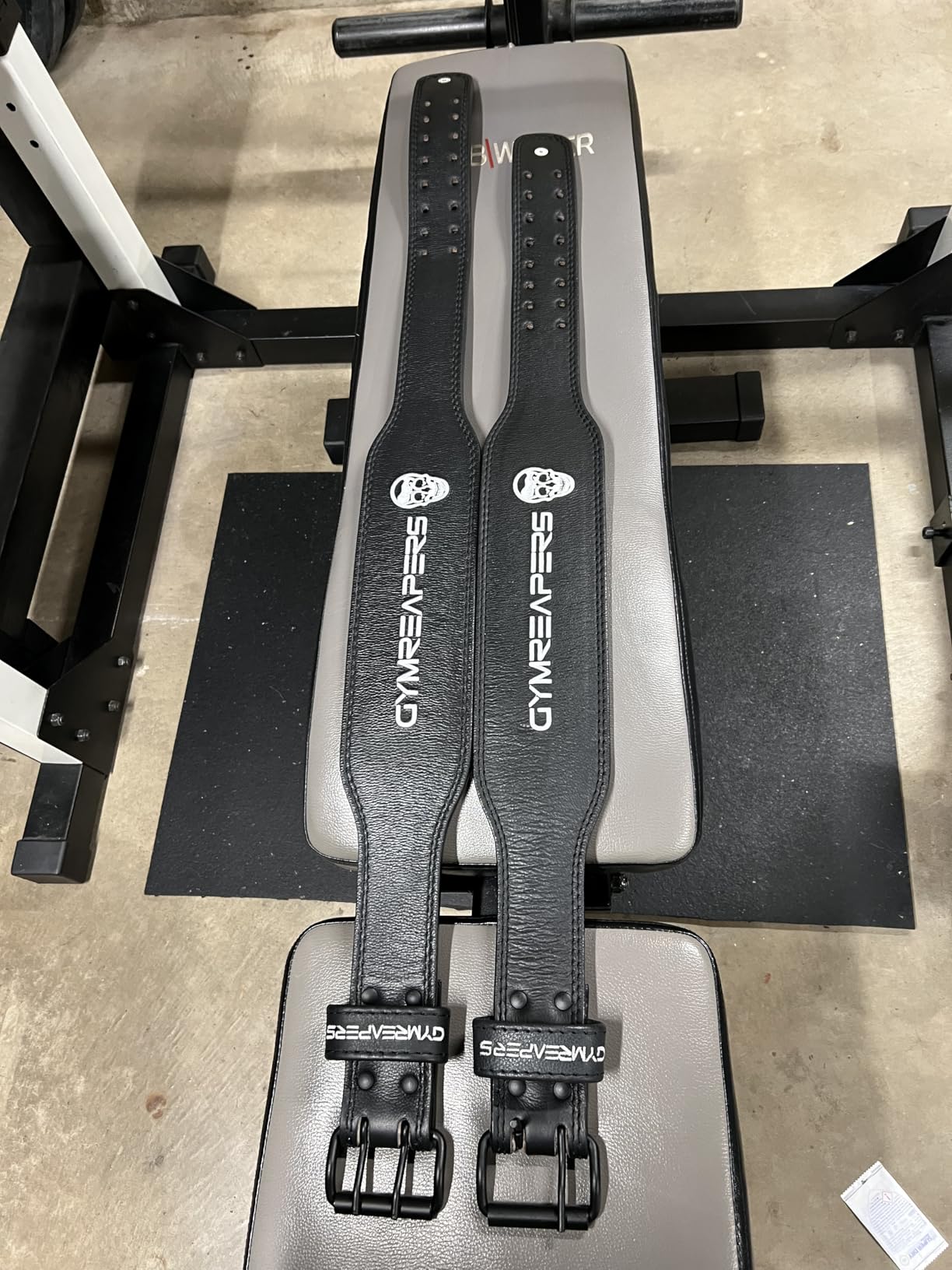
At 1.5 pounds, this is one of the lightest leather belts I have tested. That matters if you carry your belt to and from the gym or travel with it. The included carry pouch is a nice bonus that keeps the leather from getting scratched in your gym bag.
The one caveat I want to be honest about is that a small number of users feel the leather is slightly thinner than premium options like Inzer or SBD. That is a fair observation. This is not a belt I would recommend for elite-level powerlifting totals, but for general strength training, bodybuilding, and intermediate powerlifting, it is the best value you will find.
Fit and Sizing Accuracy
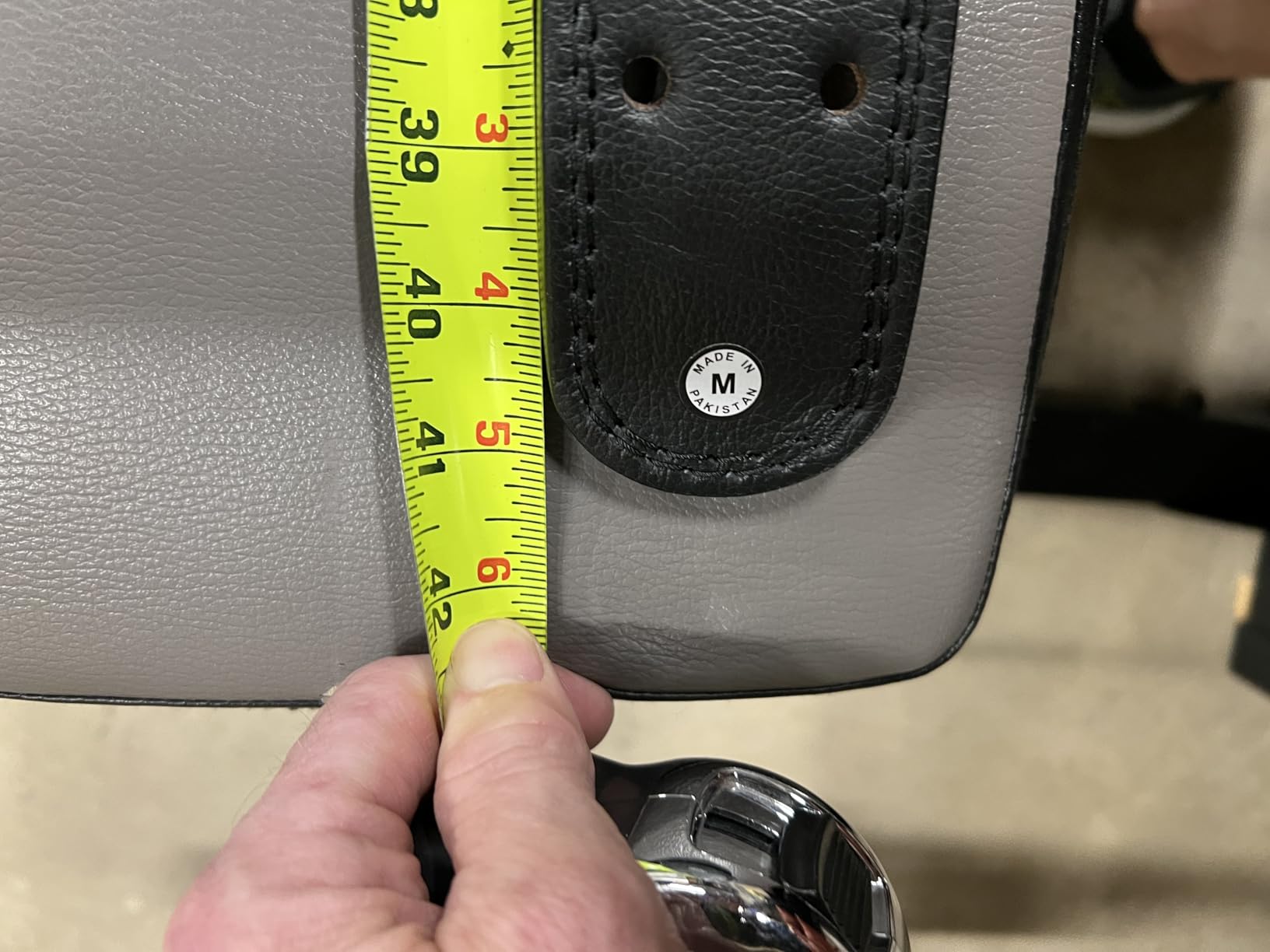
The Gymreapers runs true to size in my experience. I ordered my usual medium and it fit perfectly with room to tighten or loosen through the prong holes. The brand offers six sizes from X-Small to XX-Large, which covers a wide range of body types. Measure your waist at the navel while wearing the clothes you lift in.
Long-Term Durability Expectations
Based on customer reviews spanning multiple years, this belt holds up well with regular use. Some users report owning theirs for three-plus years without issues. To maximize lifespan, store the belt flat or rolled rather than folded, and keep the buckle hardware dry to prevent tarnishing.
4. Hawk Sports 10mm Lever Belt – Best Budget Lever Belt
Hawk Sports Weightlifting Belt for Men and Women, 10mm x 4" Genuine Leather Lever Belt for Bodybuilding, Perfect for Deadlifting, Powerlifting, and Squats - Medium, Silver/Black
10mm genuine leather
4 inch width
Lever buckle
Lifetime buckle replacement
Pros
- Sturdy and durable with 6 plus years reported
- Excellent value vs premium brands
- Great support for squats and deadlifts
- Lifetime buckle replacement guarantee
Cons
- Clasp can get stuck occasionally
- First hole may start too far in
- Some reports of lever breaking after a year
The Hawk Sports 10mm lever belt is the budget lever option that Reddit and gym forums mention again and again, and after testing it I understand why. For around $35, you get a genuine 10mm leather belt with a steel lever buckle that performs remarkably close to belts costing three times as much. I wore it for heavy deadlift sessions and was genuinely impressed by the rigidity.
The lifetime buckle replacement guarantee is what sets this belt apart from other budget options. Hawk Sports will replace the lever if it breaks, which addresses the most common failure point on cheap lever belts. That kind of warranty is rare at this price.
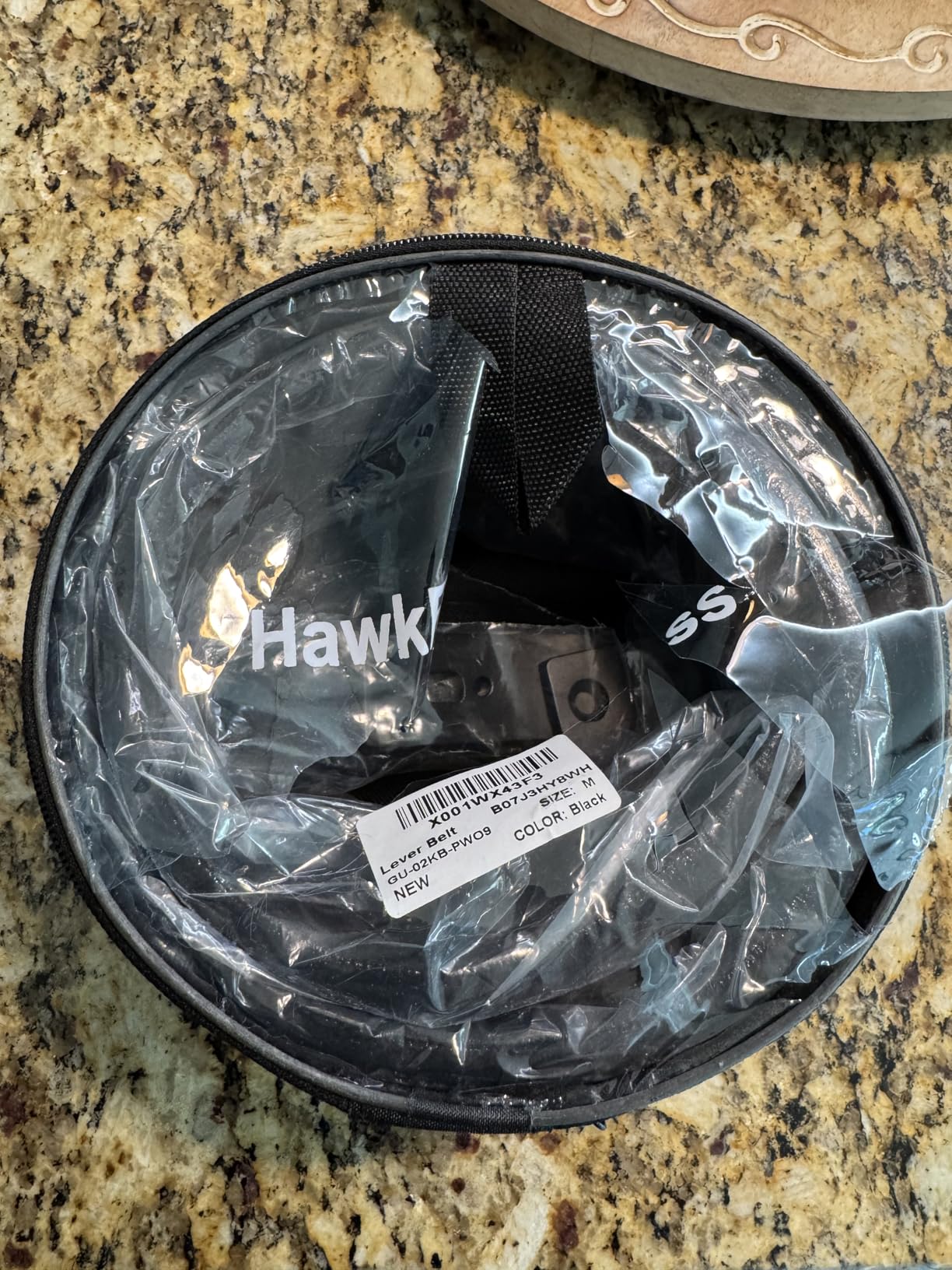
The leather is genuine and breaks in over a couple of weeks. I found it slightly stiffer than the IBRO out of the box, but after about ten training sessions it conformed to my torso nicely. The double stitching in key areas gives me confidence in long-term durability.
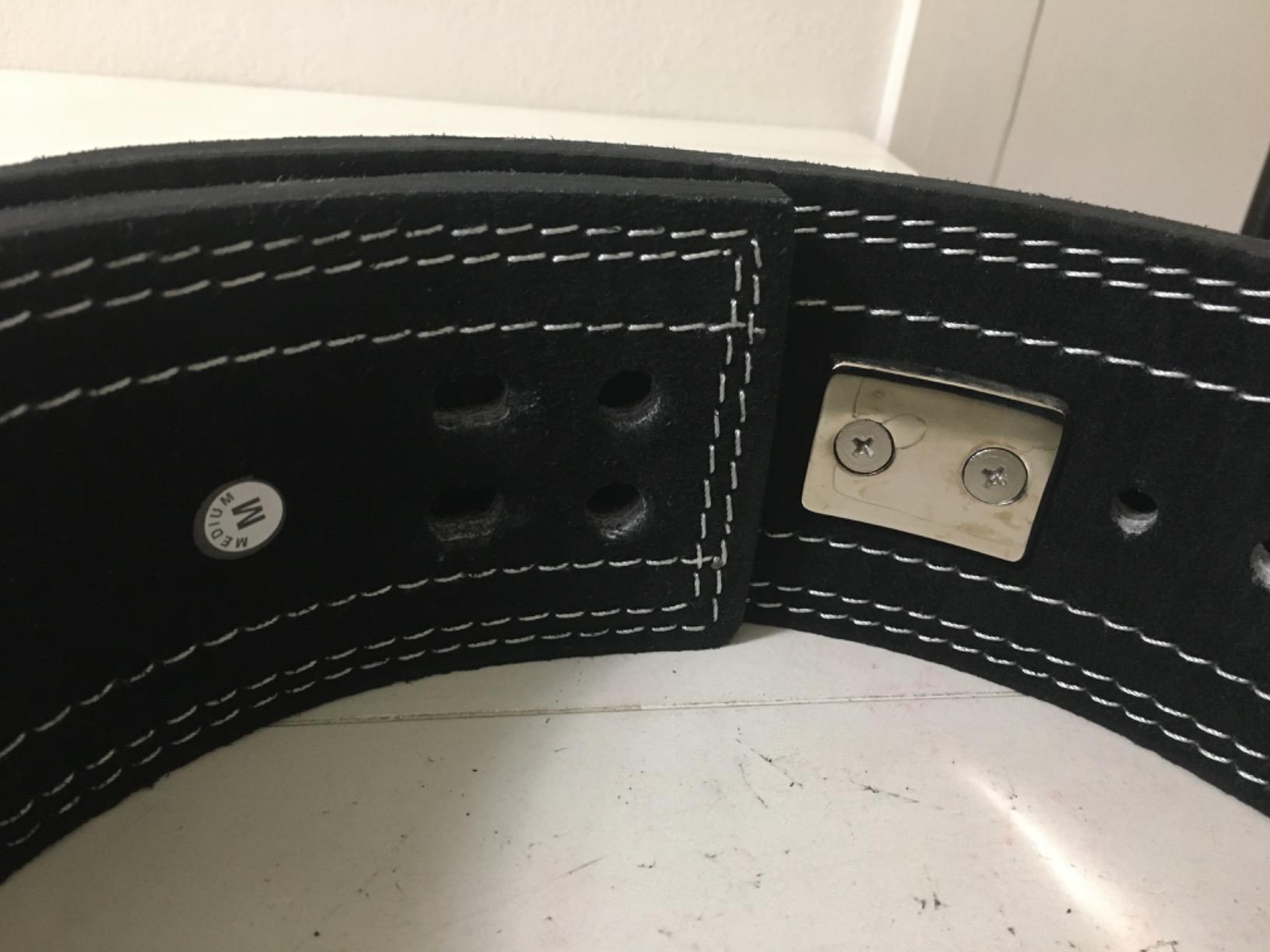
I do want to flag the sizing issue clearly. The first hole starts further in than on most belts, which means if you are between sizes you should size down. I also experienced the clasp getting stuck once during testing, which required a firm tug to release. These are minor annoyances given the price, but worth knowing before you buy.
Sizing Down If Between Sizes
This is the most important tip for the Hawk Sports belt. The adjustment range per size is narrower than premium belts, so if you are between sizes, always choose the smaller one. The lever gives you room to loosen, but limited room to tighten beyond the last hole. Check the size chart and measure carefully.
How It Compares to Inzer at a Fraction of the Cost
Many users compare the Hawk Sports favorably to Inzer lever belts, and I can see why. The leather quality is not quite on the same level as Inzer’s legendary Forever belt, but the lever mechanism is comparable and the support during heavy lifts is very close. For lifters who are not competing at an elite level, the Hawk Sports delivers 85 percent of the performance for about a third of the price.
5. Beast Gear Power Lifting Belt – Best Entry-Level Leather Belt
Beast Gear Weight Lifting Belt - Leather Power Lifting Belt for Men, 10mm Thick Weightlifting Belt for Deadlifts, Back Support Squats Belts for Powerlifting, Crossfit Gym Belt for Men Women
10mm full grain cowhide
4 inch width
Double pronged steel
12 adjustment holes
Pros
- Professional grade full grain cowhide leather at budget price
- Variety of sizes and adjustment
- Comfortable from first use with 12 adjustment holes
- Includes transport bag and spare screws
Cons
- Can be stiff and difficult to remove initially
- Size runs smaller than expected
The Beast Gear belt is the entry-level leather belt I would hand to a friend who is buying their first real lifting belt. For under $25, you get professional-grade 100 percent full grain cowhide leather with a double-pronged steel buckle and 12 adjustment holes. That is remarkable value, and the build quality exceeded my expectations for the price.
I tested this belt during a five-by-five squat cycle and was pleasantly surprised by the support. The 10mm thickness provides genuine rigidity for compound lifts, and the contoured fit with tapered edges prevented the chafing I have experienced with flat-cut budget belts.
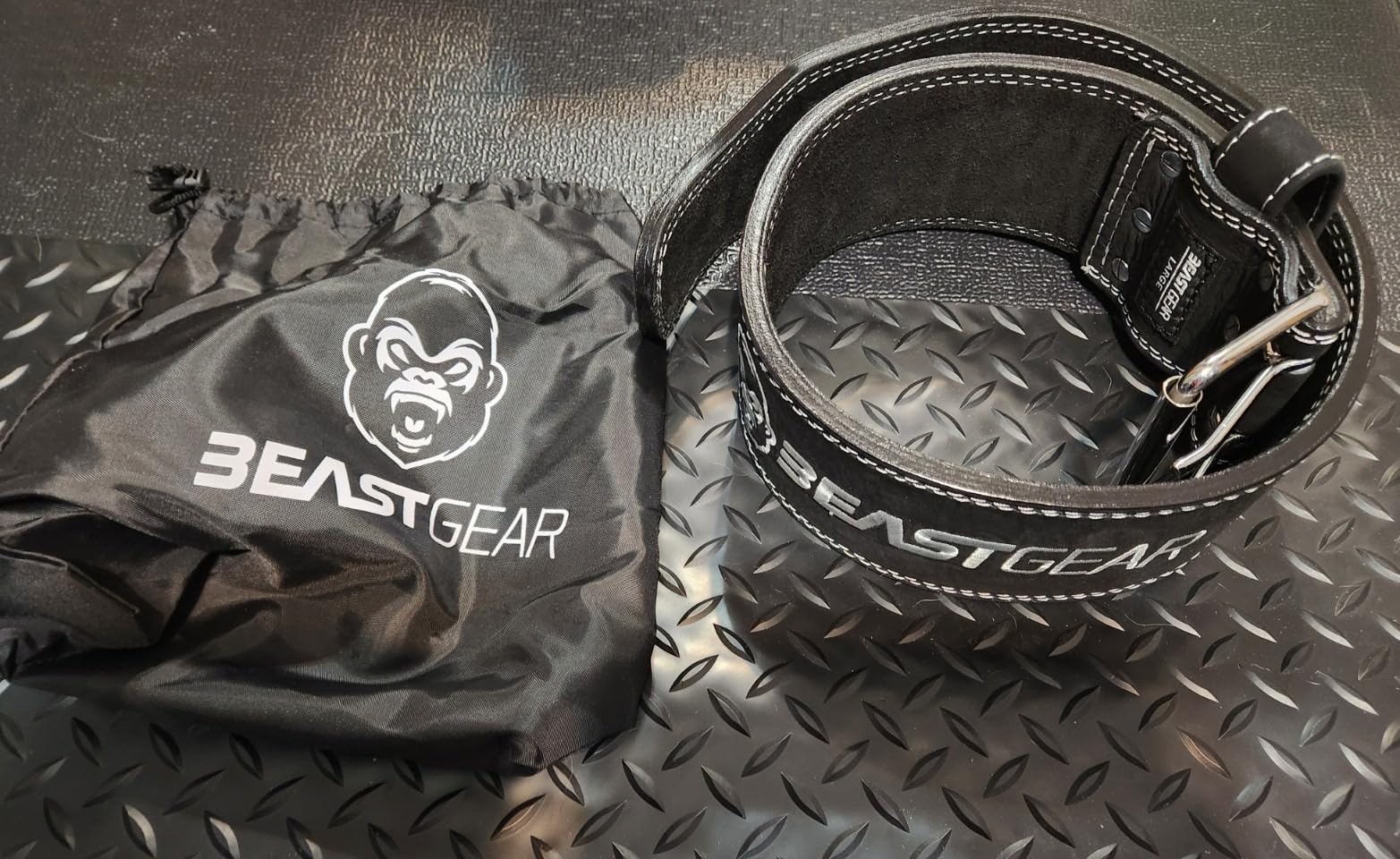
The breathable suede interior lining is a thoughtful touch that you do not usually find at this price point. It wicks sweat and adds comfort during long training sessions. I also appreciated the included transport bag and spare screws for the buckle, which shows Beast Gear is thinking about the complete user experience.
The main drawback is the sizing. Beast Gear belts run smaller than the labels suggest, and I had to exchange my first order for a size up. Measure yourself carefully and consult the size chart before ordering to avoid a return. Once you have the right size, this belt is outstanding for the price.
Breaking In a Full Grain Leather Belt
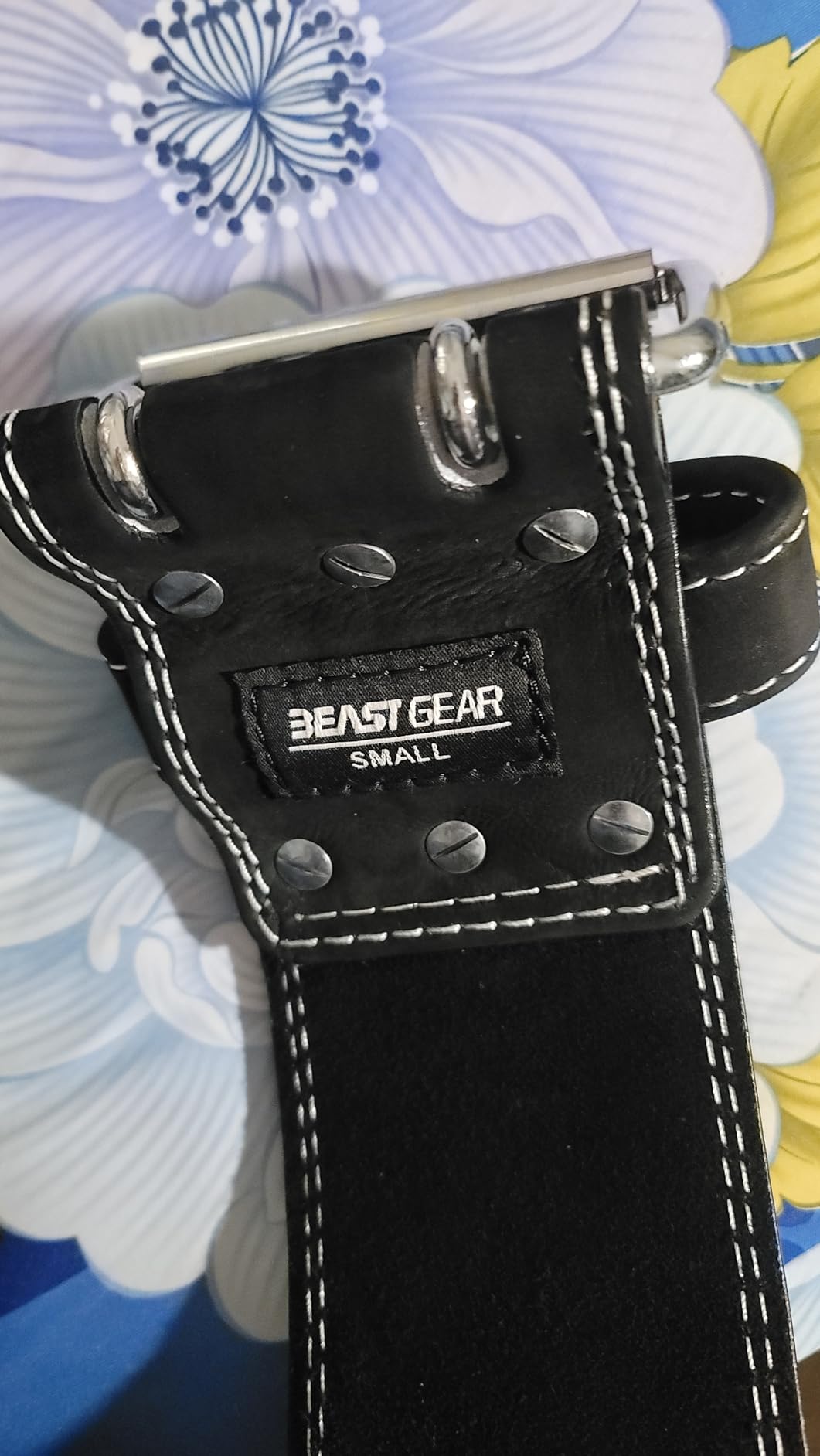
Full grain cowhide leather is stiff out of the box, and the Beast Gear is no exception. I recommend wearing it around the house for 15 to 20 minutes a day for the first week, and rolling it tightly between training sessions to speed up the softening process. After about two weeks, it will conform to your body shape.
Is It Stiff Enough for Heavy Squats
Yes, the 10mm full grain leather provides more than enough rigidity for squats up to around 400 to 450 pounds based on my testing and customer feedback. Beyond that, you may want a dedicated lever belt with more consistent pressure distribution, but for the vast majority of lifters this belt handles heavy compound work with no issues.
6. Beast Power Gear 10MM/13MM Lever Belt – Best for Bigger Lifters
Beast Power Gear Weight Lifting Belt Lever Buckle 10MM 13MM Thick & 4 Inches Free Strap Weightlifting, Powerlifting, Deadlifts, Squats Men Women
10mm or 13mm suede leather
4 inch width
Steel lever buckle
Sizes up to 6XL
Pros
- Premium quality genuine suede leather
- Heavy-duty steel lever buckle for secure support
- Excellent for big guys with extended size range up to 6XL
- Top and bottom non-slip surface
Cons
- Some users report needing to exchange for correct size
- May require break-in period
The Beast Power Gear lever belt solved a problem I hear about constantly from bigger lifters: most belts stop at XL or XXL. This belt goes up to 6XL, which accommodates waist sizes well beyond what most manufacturers offer. I tested the Large size during a deadlift specialty block and was impressed by the suede leather quality and the non-slip surface.
The top and bottom non-slip surface is a feature I did not know I needed until I used it. The belt stays exactly where you position it, even during dynamic movements. No rotating, no riding up, no adjusting between sets. That consistency builds confidence when you are approaching a max lift.
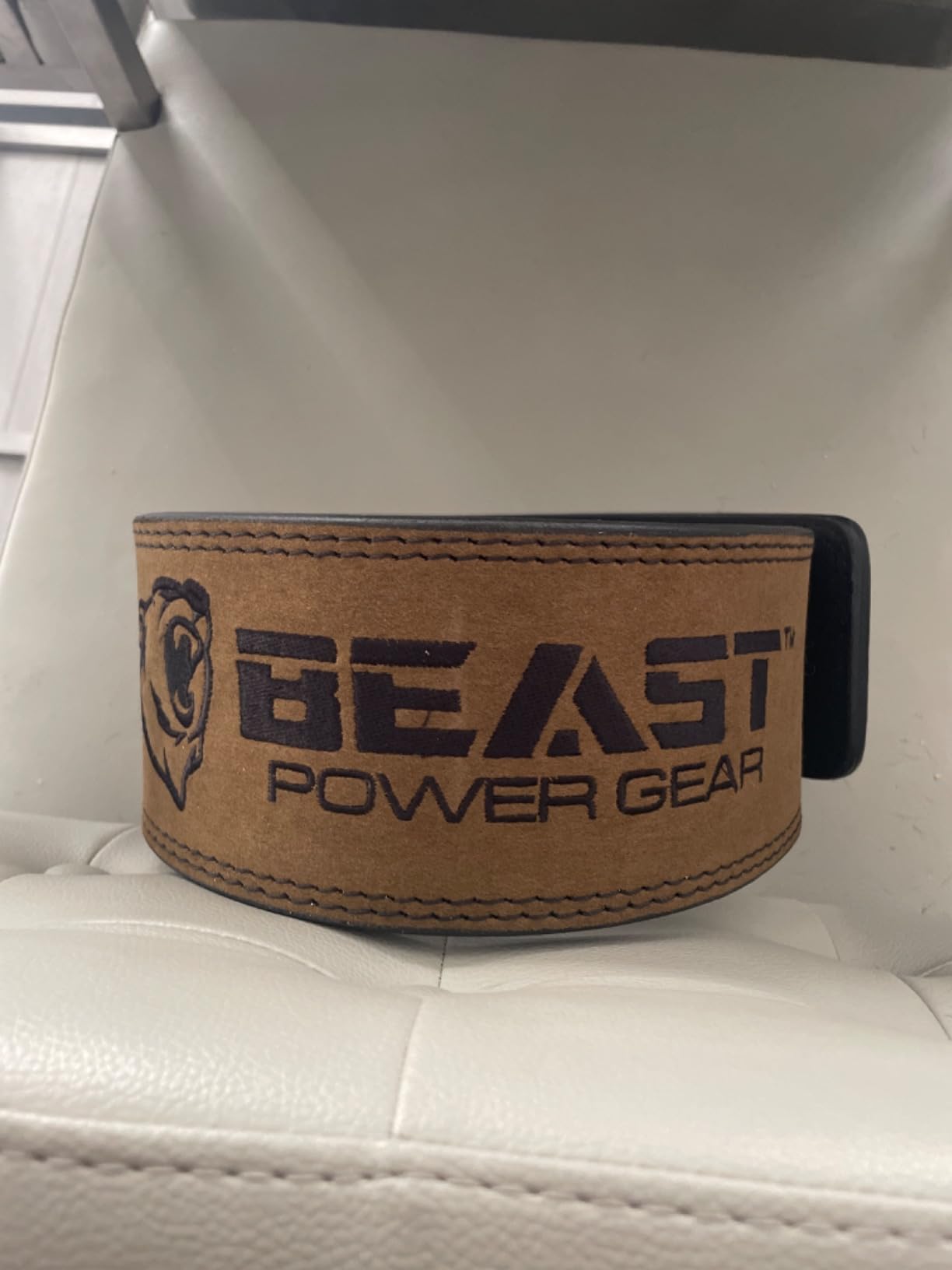
The premium suede leather construction feels substantial and well-made. I chose the 10mm version and found it struck the right balance between support and comfort for both squats and deadlifts. The 13mm option is available if you want maximum rigidity for very heavy pulls.
Sizing is the main issue reported by users, and I experienced it myself. The belt fit differently than I expected based on the size chart, and I had to exchange once. My advice is to measure your waist precisely and read the reviews for your specific size before ordering. Once you dial in the fit, this is an excellent lever belt at a fair price.
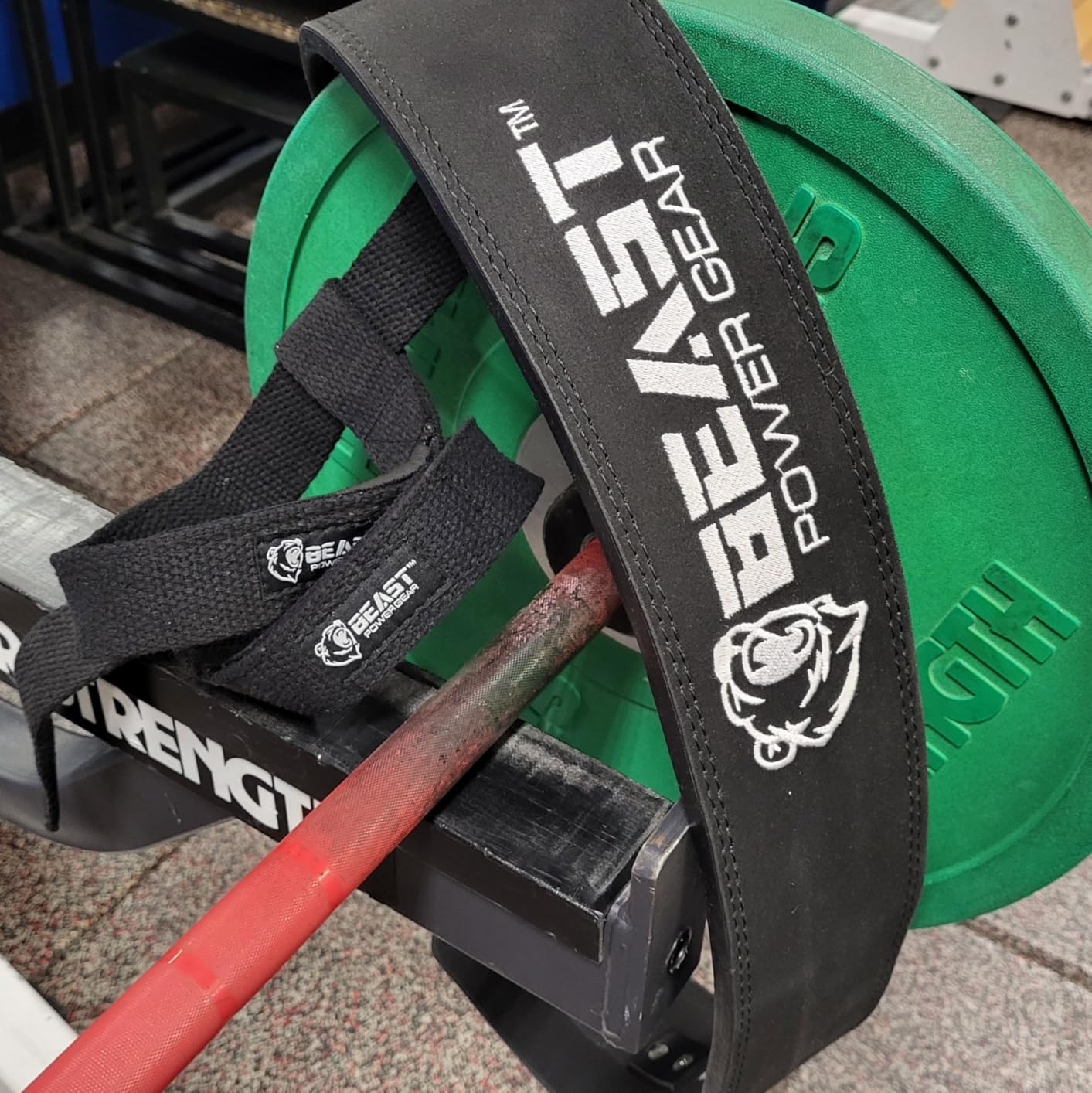
Extended Size Range up to 6XL
This is the defining feature of the Beast Power Gear belt. Most weightlifting belts max out at a 42 or 44 inch waist, but this belt accommodates lifters with waist sizes up to 60-plus inches. If you have struggled to find a quality lever belt that fits, this is where your search ends. The lever mechanism and leather quality do not compromise as sizes increase.
Non-Slip Surface Performance
The textured surface on both the top and bottom of the belt grips your shirt and skin to prevent rotation. I tested this during sumo deadlifts, where belt movement is most common, and the belt stayed locked in place for every rep. This feature alone makes the Beast Power Gear stand out from other belts in this price range.
7. Harbinger 4-Inch Nylon Weightlifting Belt – Best for CrossFit and Functional Fitness
Harbinger 360890 4-Inch Nylon Weightlifting Belt, Medium,Black
6mm nylon web
4 inch width with 3 inch support strap
Steel roller buckle
Available S through XL
Pros
- Maximum lower back and abdominal support
- Heavy duty nylon web for comfort and durability
- Steel roller buckle makes tensioning simple
- Maintains muscle warmth during workouts
Cons
- Nylon may not be as durable as leather for heavy lifting
The Harbinger nylon belt is the belt I reach for on CrossFit-style metcons and functional fitness workouts. When you are transitioning from deadlifts to box jumps to kettlebell swings in the same circuit, you need a belt you can loosen and tighten in seconds. The steel roller buckle on the Harbinger does exactly that, and the nylon construction is comfortable against bare skin.
I tested this belt during a month of CrossFit classes, and the 4-inch width with the 3-inch support strap provided excellent core stability without the rigidity of a leather belt. The velcro-style closure means you can micro-adjust the tightness for each movement, which is impossible with a prong or lever belt.
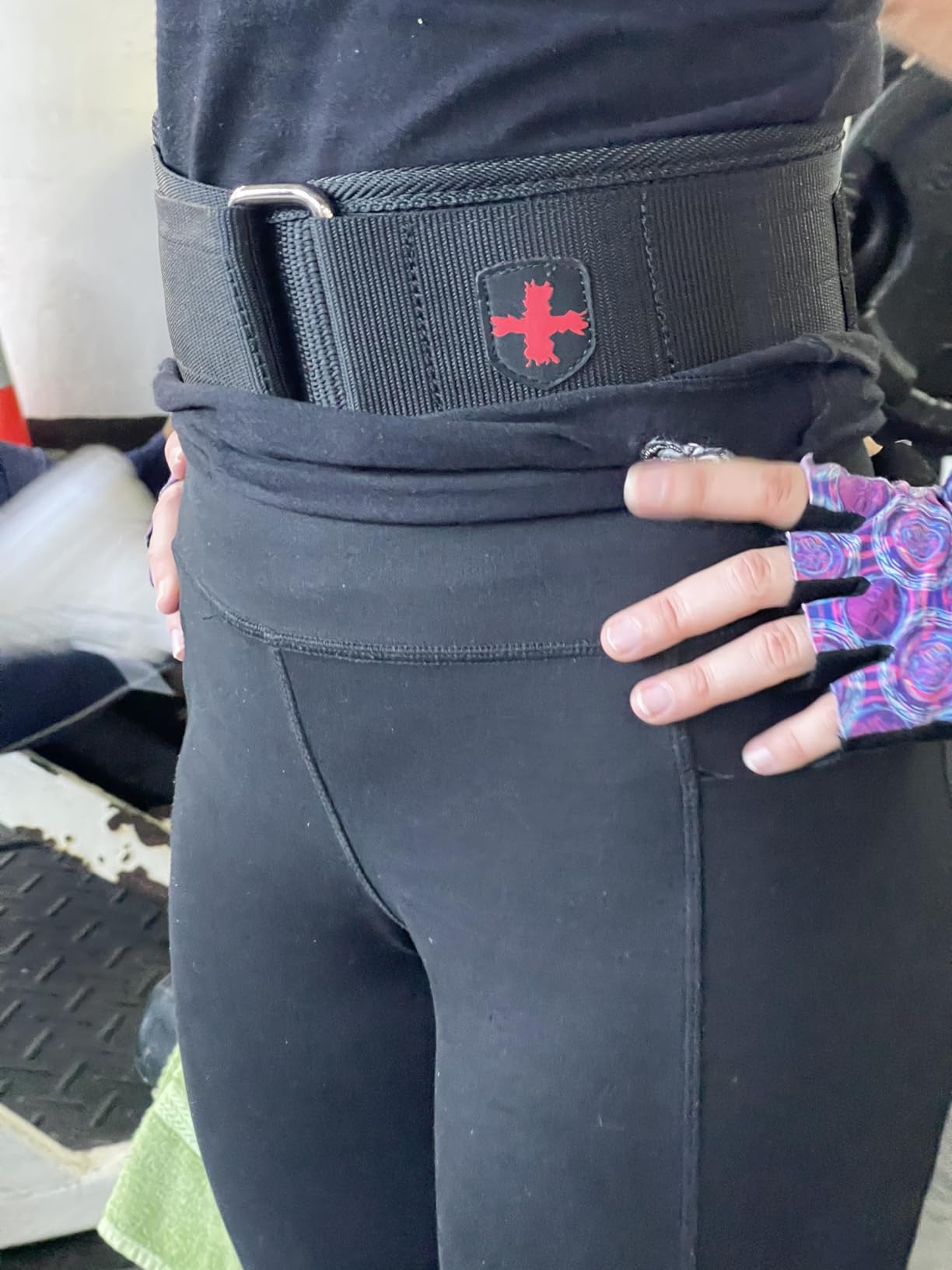
The heavy-duty nylon web with 346-count stitching is built for high-repetition use. Unlike leather, nylon does not require a break-in period and is comfortable from the first rep. I also noticed the belt helped maintain muscle warmth in my lower back during longer workouts, which is a real benefit for injury prevention.
The trade-off is that nylon cannot match the rigidity of leather for maximal lifts. If you are pulling a one-rep max deadlift, you want leather. But for anything in the 70 to 85 percent range, especially during metabolic conditioning, the Harbinger is the right tool.
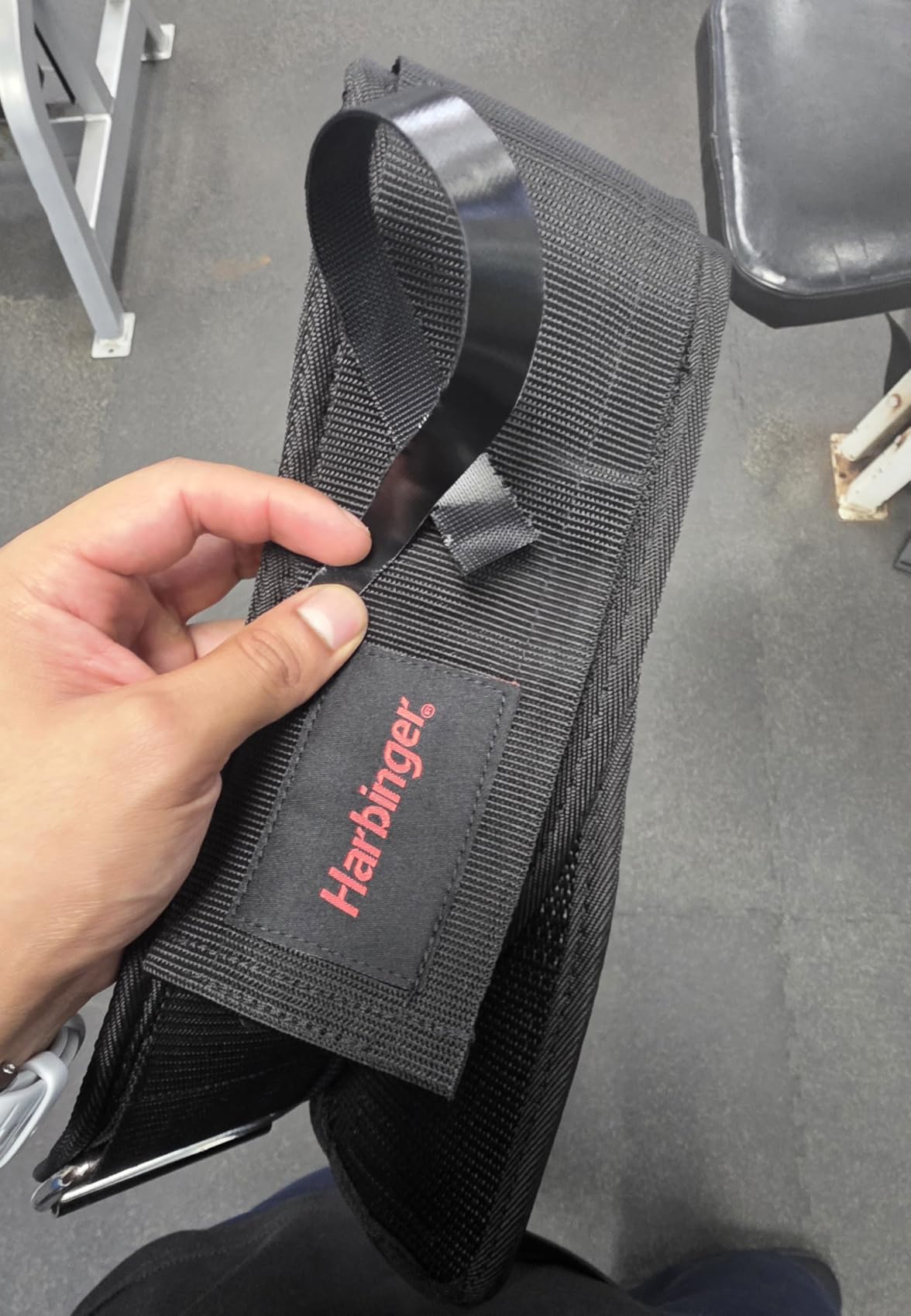
Why Nylon Wins for Metcons
Nylon belts are infinitely adjustable, lightweight, and easy to release between exercises. In a CrossFit workout where you might wear the belt for one movement and ditch it for the next, the quick-release roller buckle is essential. Leather belts with prong or lever closures take too long to adjust for this style of training.
Durability Over Years of Use
With proper care, the Harbinger nylon belt lasts for years. The main wear point is the velcro or buckle area, and the steel roller buckle on this model is more durable than velcro alternatives. I have seen these belts in commercial gyms that get used daily by dozens of members and still function perfectly after two-plus years.
8. Fitgriff Classic Weight Lifting Belt – Best Leather Belt for Women
Fitgriff® Classic Weight Lifting Belt (100% Leather) for Men and Women - Gym Belt for Squats, Deadlift, Back Support (L, Black (4 inch))
5mm three-layered cowhide
3.94 inch width
Double prong buckle
2 year guarantee
Pros
- 100 percent premium cowhide leather
- Three-layered 5mm thick for durability and flexibility
- Double prong buckle with solid rivets
- 2 year guarantee and classic design
Cons
- Runs small so customers recommend sizing up
- Stiff initially but breaks in with use
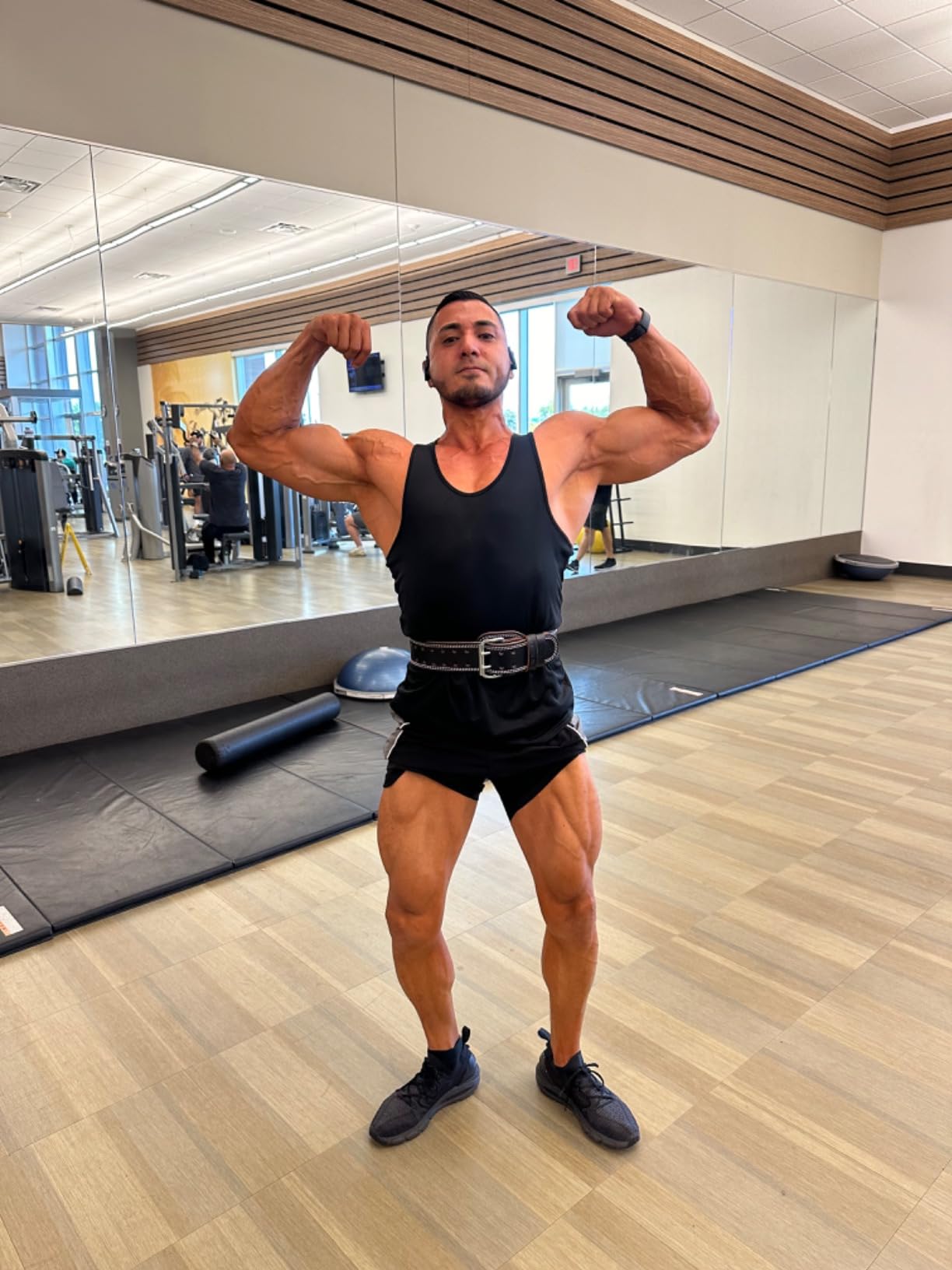
The Fitgriff Classic is the belt I recommend most often to women and to lifters with shorter torsos who find standard 4-inch leather belts digging into their ribs. The 5mm three-layered construction provides excellent support with slightly more flexibility than a 10mm belt, which many women find more comfortable for a wide range of lifts. I tested this belt across squat, deadlift, and overhead press sessions.
The three-layered premium cowhide construction is a smart design choice. It gives you the rigidity of leather with a degree of conformability that single-layer belts lack. I found the belt broke in within about a week of regular use and molded to my torso shape nicely.
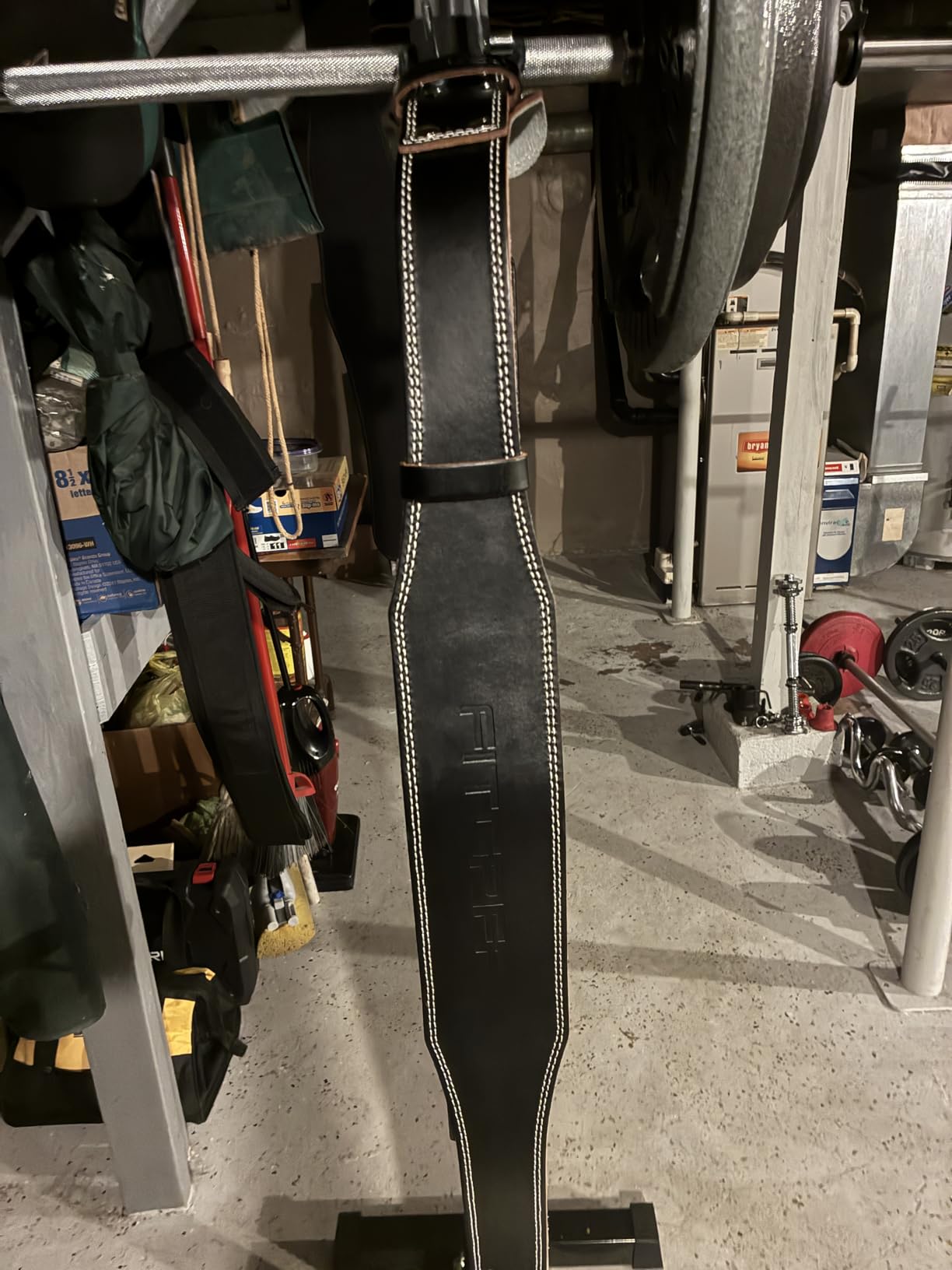
The double-prong buckle with solid rivets is secure and distributes pressure evenly. I never experienced any slippage or popping during heavy sets, which is the most important test for a prong buckle. The 2-year guarantee gives additional peace of mind for the construction quality.
The critical sizing note is that this belt runs small. I ordered my usual size and had to exchange up. Nearly every customer review echoes this experience, so save yourself the return and order one size up from what the chart suggests. Once you have the right size, the Fitgriff is an excellent belt at a very fair price.
Why 5mm Works for Shorter Torsos
A 10mm or 13mm belt can feel oppressive for lifters with shorter torsos because the belt width combined with thickness limits range of motion. The 5mm Fitgriff provides enough rigidity for heavy compound lifts while allowing fuller breathing depth and more comfortable bracing. This is why it is my top pick for women and shorter-statured lifters.
Width and Rib Cage Comfort
At 3.94 inches wide, the Fitgriff is slightly narrower than a standard 4-inch competition belt. That small difference matters for comfort during overhead presses and front squats, where a full-width belt can press painfully into the rib cage. The narrower width does not meaningfully reduce support for the vast majority of lifters.
9. DEWEAR Padded Lumbar Belt – Best Belt with Lumbar Support
Leather Weight Lifting Belt, 4”& 6”Padded Lumbar Back Support, 10 Adjustable Holes, Gym Weight Belt Ideal for Deadlift, Powerlifting, Bodybuilding and Squat (4-Inch Brown, M (22"-28"))
Leather with 7mm suede-lined foam pad
4 inch or 6 inch width
10 adjustment holes
Double pin steel buckle
Pros
- Double stitching technology for durability
- 10 adjustable holes for custom fit
- 4 inch and 6 inch width options with padded lumbar support
- Comfortable foam lumbar pad with suede lining
Cons
- Double prong buckle can be difficult to align holes
- Belt runs stiff initially
The DEWEAR padded lumbar belt is the most unique option in this roundup. It combines a leather exterior with a 7mm suede-lined foam lumbar pad, giving you the rigidity of leather with targeted lower-back cushioning. I tested this belt during a phase where I was managing a minor lower-back tweak, and the padded support was genuinely helpful.
The choice between a 4-inch and 6-inch width is a feature I have not seen on many belts. I tested both and found the 6-inch version excellent for exercises like bent-over rows and good mornings, where the extra surface area distributes pressure across a wider zone. The 4-inch version is better for squats and deadlifts where you want focused abdominal bracing.
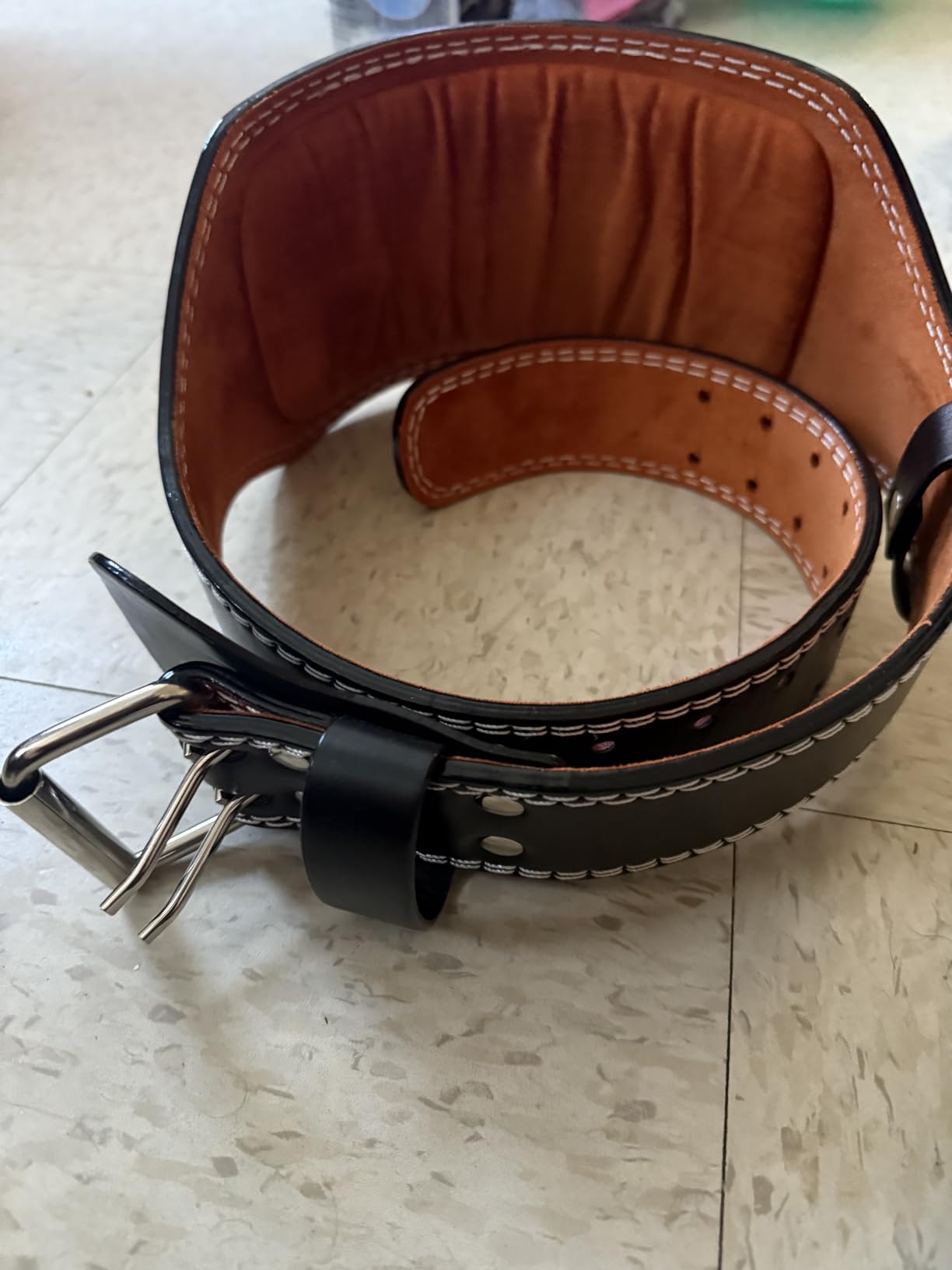
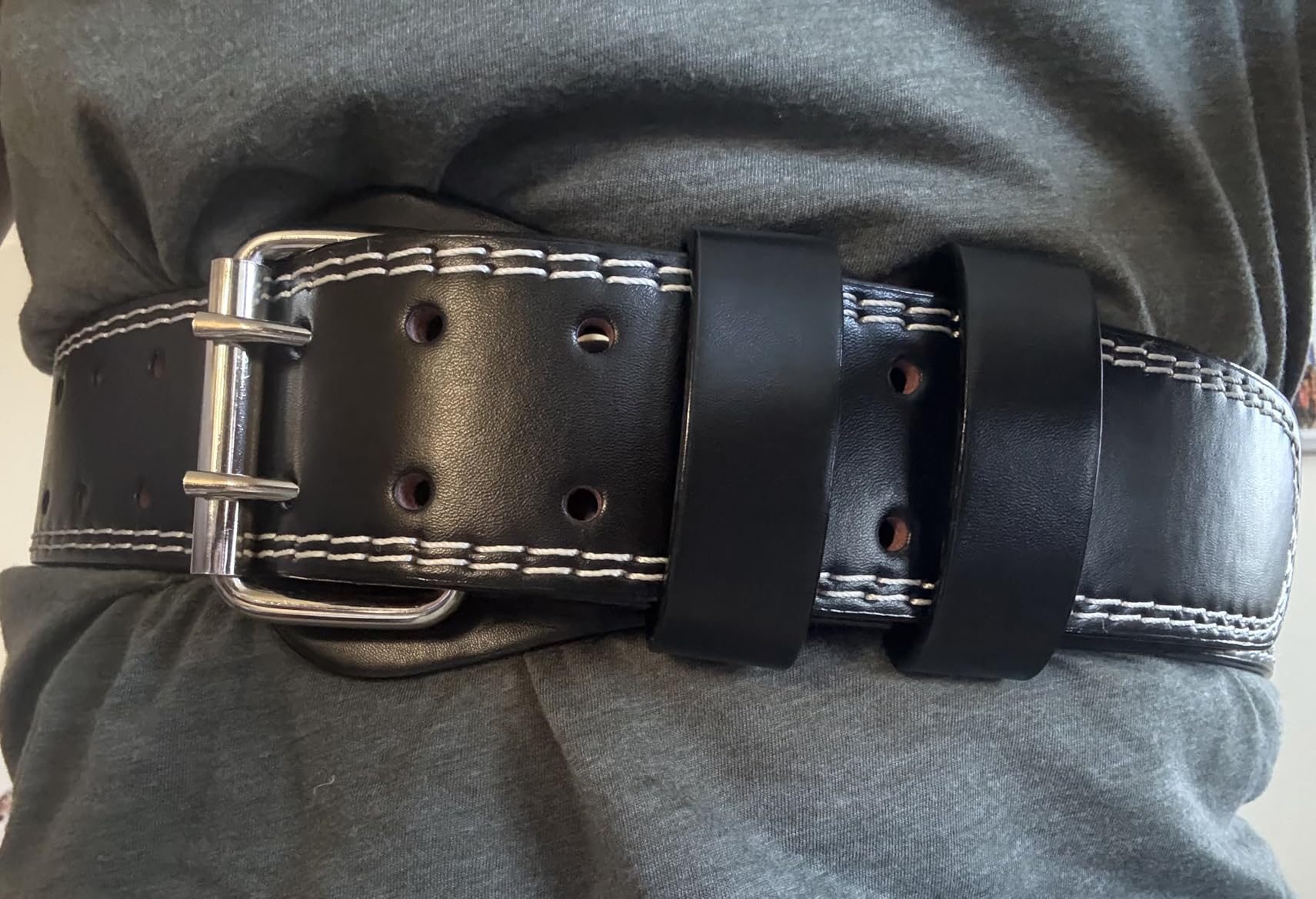
The double pin steel buckle is secure once fastened, but I want to be honest about the drawback: aligning two pins through two holes simultaneously takes practice. It is noticeably more fiddly than a single-prong buckle. Once it is on, however, it does not budge.
The 10 adjustment holes give you a wide range of fit options, which is valuable if your waist size fluctuates. I also appreciated the double stitching technology, which held up to weeks of heavy use without any signs of wear. For lifters who want extra lower-back support, this is the belt to get.
When a Lumbar Pad Actually Helps
A foam lumbar pad is not just about comfort. For lifters recovering from minor back issues or those who train with high frequency, the pad provides consistent, cushioned support that reduces fatigue in the erector muscles. I found it particularly helpful for higher-rep deadlift sets where my lower back was the limiting factor.
4 Inch vs 6 Inch Width Choice
Choose the 4-inch width if your primary lifts are squats and deadlifts. Choose the 6-inch width if you do a lot of bent-over rows, Romanian deadlifts, strongman movements, or general back training. The 6-inch distributes pressure over a larger area, which some lifters find more comfortable for accessory work and higher-volume sessions.
10. WOLF TACTICAL Nylon Belt – Best Tactical Nylon Belt
Wolf Tactical Men’s Weight Lifting Belt - Powerlifting, Deadlift, Squat Support, Black, L
Heavy-duty nylon web
Self-locking quick-release buckle
MOLLE webbing
6.5cm width
Pros
- Reinforced nylon construction for consistent core bracing
- Heavy-duty high-density webbing holds structure under load
- Self-locking quick-release buckle stays secure
- Tactical MOLLE webbing for modular setup
Cons
- Size may run small for some users
- Nylon may not match leather stiffness for powerlifting
The WOLF TACTICAL nylon belt is the most distinctive nylon belt I tested, thanks to its MOLLE webbing system and self-locking quick-release buckle. I used this belt during functional fitness workouts and strongman conditioning, and the tactical construction held up to everything I threw at it. The sweat-resistant, wipe-clean material is perfect for high-intensity training.
The self-locking quick-release buckle is the standout feature. It locks instantly when you pull the strap tight and releases with a single press. I found this faster than any roller buckle or velcro system I have used, which matters in workouts where you are putting the belt on and taking it off repeatedly.
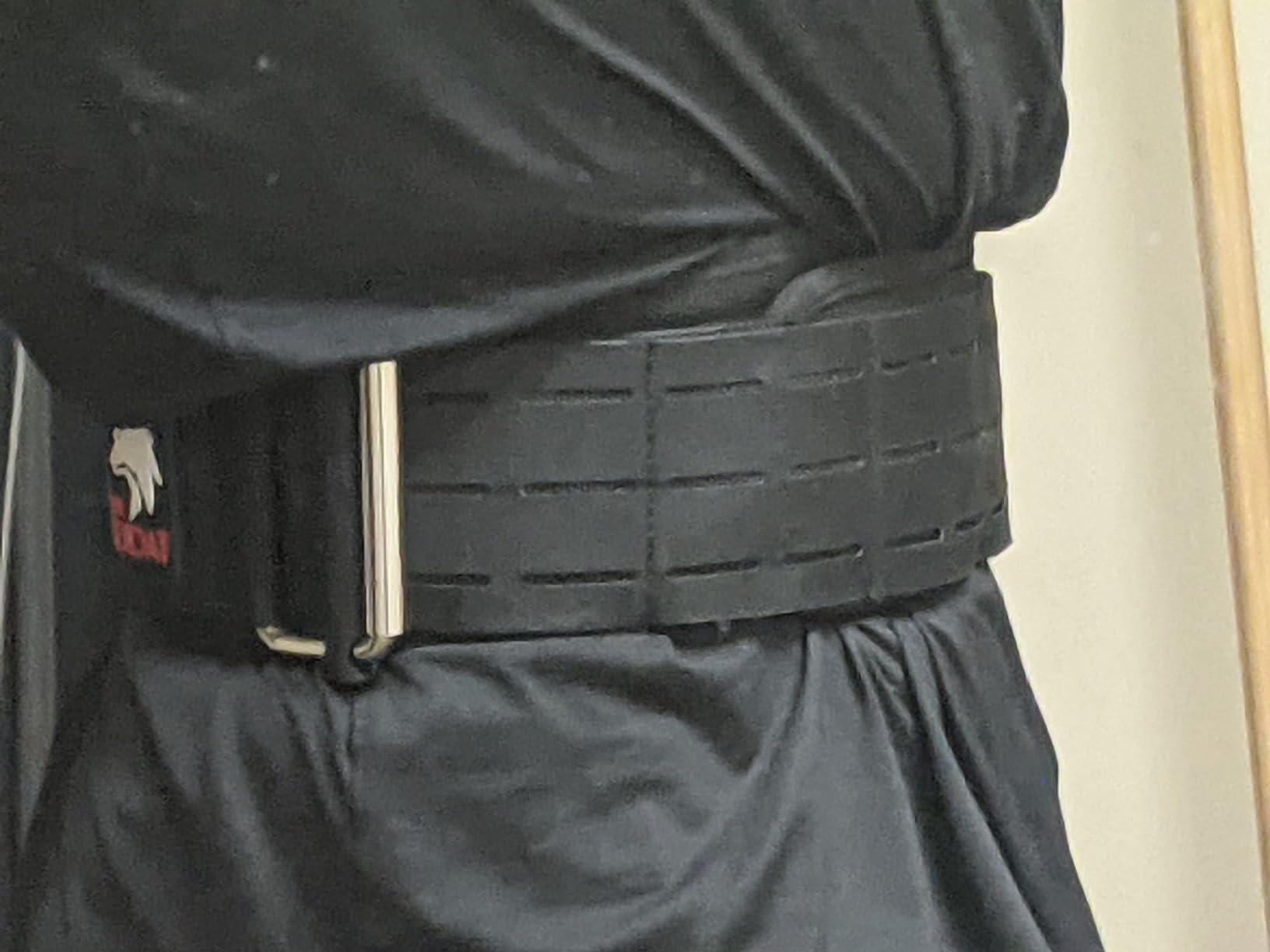
The heavy-duty high-density webbing does not fold or collapse under load, which is a common problem with cheap nylon belts. I tested it during heavy farmer’s walks and sandbag carries, and the belt maintained its structure throughout. The MOLLE webbing lets you attach accessories if you are into that kind of modular training setup.
This is not a belt for maximal powerlifting. The nylon construction simply cannot match the rigidity of a 10mm leather lever belt. But for functional fitness, strongman conditioning, and general gym training where you want quick adjustability and durability, the WOLF TACTICAL is a standout value.
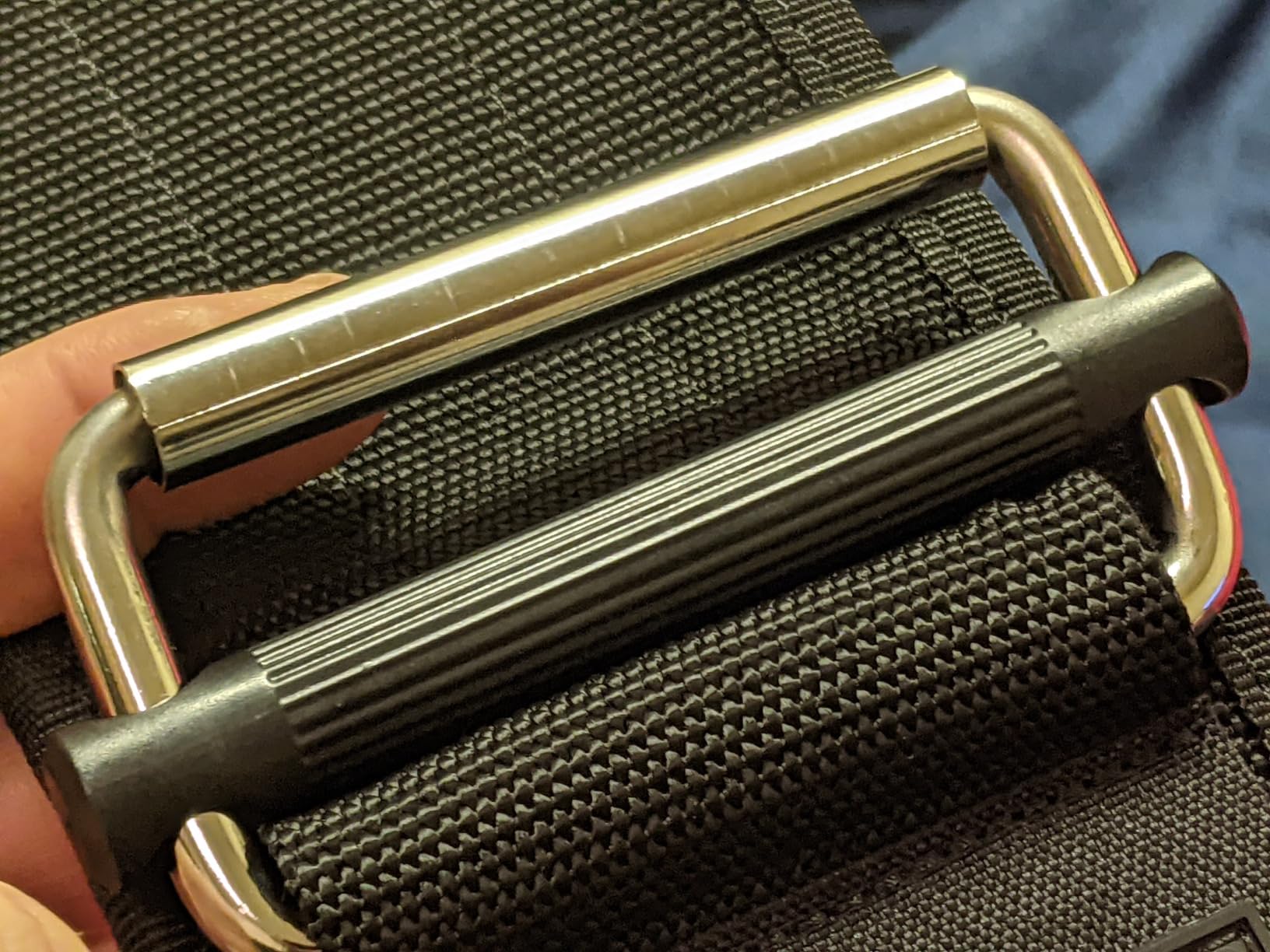
MOLLE Webbing and Modular Training
The MOLLE webbing system is borrowed from military tactical gear and allows you to attach pouches, carabiners, or other accessories to the belt. Most lifters will never use this feature, but for strongman athletes who train outdoors or anyone who wants a modular setup, it is a unique and functional addition that no other belt on this list offers.
Quick-Release Buckle Speed Testing
I timed the buckle operation during workouts. The self-locking mechanism engages in under one second when you pull the strap tight, and the quick-release opens with a single thumb press. For comparison, a standard roller buckle takes about three to four seconds to tighten and two to three seconds to release. Over the course of a workout with multiple belt changes, this adds up.
How to Choose the Best Weightlifting Belt for You?
Choosing the right weightlifting belt comes down to four factors: thickness, material, closure type, and sizing. Get these right and your belt will serve you for years. Get them wrong and you will have an expensive piece of leather gathering dust in your closet. Here is my straightforward guide based on what I have learned testing dozens of belts.
Belt Thickness: 10mm vs 13mm
The thickness question is the one I get asked most often. Here is the short answer: most lifters should buy a 10mm belt. It provides excellent rigidity for squats and deadlifts without the brutal break-in period of a 13mm belt. I only recommend 13mm for very strong lifters who squat over 500 pounds or deadlift over 600 pounds, or for equipped powerlifters who need maximum intra-abdominal pressure.
Thinner belts, like the 5mm Fitgriff or the 6mm Harbinger nylon, are better for lighter lifters, women, and anyone who wants more flexibility for varied training. The 13mm belts are so stiff that they can cause rib bruising on leaner lifters, which is a complaint I have seen repeatedly on Reddit and in customer reviews.
Closure Systems: Lever vs Prong vs Velcro
The closure system determines how quickly you can tighten and release the belt. Lever belts are the fastest, snapping shut and releasing with a single motion. They are the preferred choice for powerlifting because they allow you to crank the belt as tight as possible for maximal lifts. The trade-off is that adjusting the lever position requires a screwdriver.
Prong belts, whether single or double prong, are more adjustable on the fly. You can move between holes without any tools, which makes them better for lifters whose waist size fluctuates or who share a belt. Double-prong buckles distribute pressure more evenly but are slightly slower to fasten.
Velcro and roller-buckle nylon belts are the fastest to adjust and release. They are the standard for CrossFit and functional fitness, where you need to loosen or remove the belt between exercises. They do not provide the same maximum rigidity as lever or prong leather belts.
Material: Leather vs Nylon
Leather belts are the gold standard for maximal lifting. They provide superior rigidity, last for years or even decades, and are required for powerlifting competition. Full-grain cowhide leather is the most durable option, while suede-lined leather offers more comfort and a faster break-in period. The buy-once-cry-once philosophy that the Reddit strength community endorses applies here: a quality leather belt is a multi-year investment.
Nylon belts are lighter, more flexible, and infinitely adjustable. They are the right choice for functional fitness, metabolic conditioning, and general gym training where you need quick adjustments. Nylon does not require a break-in period and is more comfortable against bare skin. The trade-off is reduced maximum support for very heavy lifts.
Sizing Your Belt Correctly
Improper sizing is the number one reason belts get returned, and I experienced this myself with two belts in this roundup. Measure your waist at the navel while wearing the clothing you typically train in. Do not use your pants size, which is usually two to four inches smaller than your actual waist measurement.
For lever belts, you want the lever to sit in the middle of the adjustment range when the belt is at your preferred tightness. This gives you room to tighten or loosen as needed. For prong belts, aim for the middle holes. If you are between sizes, size down for lever belts and size up for prong belts, based on my testing experience.
Always check individual brand sizing notes, as several belts on this list run small or large. The Fitgriff and Beast Gear both run small, while the Hawk Sports has a narrower adjustment range per size than most competitors.
Matching Belt Type to Your Training Style
For powerlifting and maximal strength training, choose a 10mm leather lever belt like the IBRO or Katamu. For CrossFit and functional fitness, choose a nylon belt with a quick-release buckle like the Harbinger or WOLF TACTICAL. For general strength training and bodybuilding, a leather prong belt like the Gymreapers or Beast Gear gives you the best balance of support and value.
If you have a shorter torso or are a woman, consider a 5mm leather belt or a slightly narrower width. The Fitgriff at 5mm and 3.94 inches wide is my top recommendation here. And if you are managing any lower-back issues, the DEWEAR with its padded lumbar support is worth the investment.
Women-Specific Fit Considerations
Women often struggle with standard belts because the 4-inch width can dig into the rib cage during overhead movements, and the typical thickness options are calibrated for male lifters. I recommend women look at 5mm leather belts or nylon belts for their primary training, and reserve 10mm leather belts for heavy squat and deadlift sessions only.
The Fitgriff Classic at 5mm and the Harbinger nylon are both excellent choices for women based on my testing and customer feedback. Measure carefully at the navel, not at the hips, and consider sizing up if you are between sizes since many belts are designed with male waist proportions in mind.
FAQs
What is the best weightlifting belt for powerlifting?
For powerlifting, I recommend a 10mm leather lever belt like the IBRO Powerlifting Lever Belt or the Katamu USPA Approved Lever Belt. These provide maximum rigidity for squats and deadlifts, and the Katamu is approved for USPA and IPL competition. A lever closure lets you crank the belt as tight as possible for maximal lifts.
What thickness weightlifting belt should I get (10mm vs 13mm)?
Most lifters should choose a 10mm belt. It provides excellent rigidity for heavy squats and deadlifts without the long break-in period of a 13mm belt. Choose 13mm only if you squat over 500 pounds, deadlift over 600 pounds, or compete in equipped powerlifting. For lighter lifters, women, or general training, consider 5mm to 6mm options.
Should I get a lever belt or prong belt?
Choose a lever belt if you want maximum tightness for heavy lifts and fast release between sets. Lever belts are the standard for powerlifting. Choose a prong belt if you want tool-free adjustability between holes, which is better if your waist size fluctuates or you want one belt for multiple users. Double-prong buckles distribute pressure more evenly than single prong.
How do I choose the right size weightlifting belt?
Measure your waist at the navel while wearing the clothing you train in. Do not use your pants size. For lever belts, aim for the lever to sit in the middle of the adjustment range. For prong belts, target the middle holes. If you are between sizes, size down for lever belts and size up for prong belts. Always check individual brand sizing notes since some belts run small.
Are expensive lifting belts worth it?
For most lifters, a belt in the $35 to $60 range provides excellent performance. Premium belts over $130 are worth it if you compete in powerlifting and need federation-approved construction, or if you want a multi-decade investment. The Hawk Sports at around $35 performs close to belts three times its price, so you do not need to spend top dollar for quality support.
Final Verdict: Which Weightlifting Belt Should You Buy?
After testing all ten of these belts, my recommendations are clear. For the best overall weightlifting belt, the IBRO Powerlifting Lever Belt delivers competition-ready performance at a price that respects your budget. For the best value, the Gymreapers Leather Belt gives you real leather and a secure double-prong closure under $50. And for the best budget lever belt, the Hawk Sports 10mm is nearly unbeatable with its lifetime buckle replacement guarantee.
Match the belt to how you train. Powerlifters need leather lever belts. CrossFit athletes need nylon belts with quick-release buckles. General lifters and bodybuilders get the best value from a leather prong belt. Whichever you choose, measure your waist carefully at the navel and invest in the right size. A quality belt is one of the best investments you can make in your training, and any of these ten picks will serve you well in 2026.