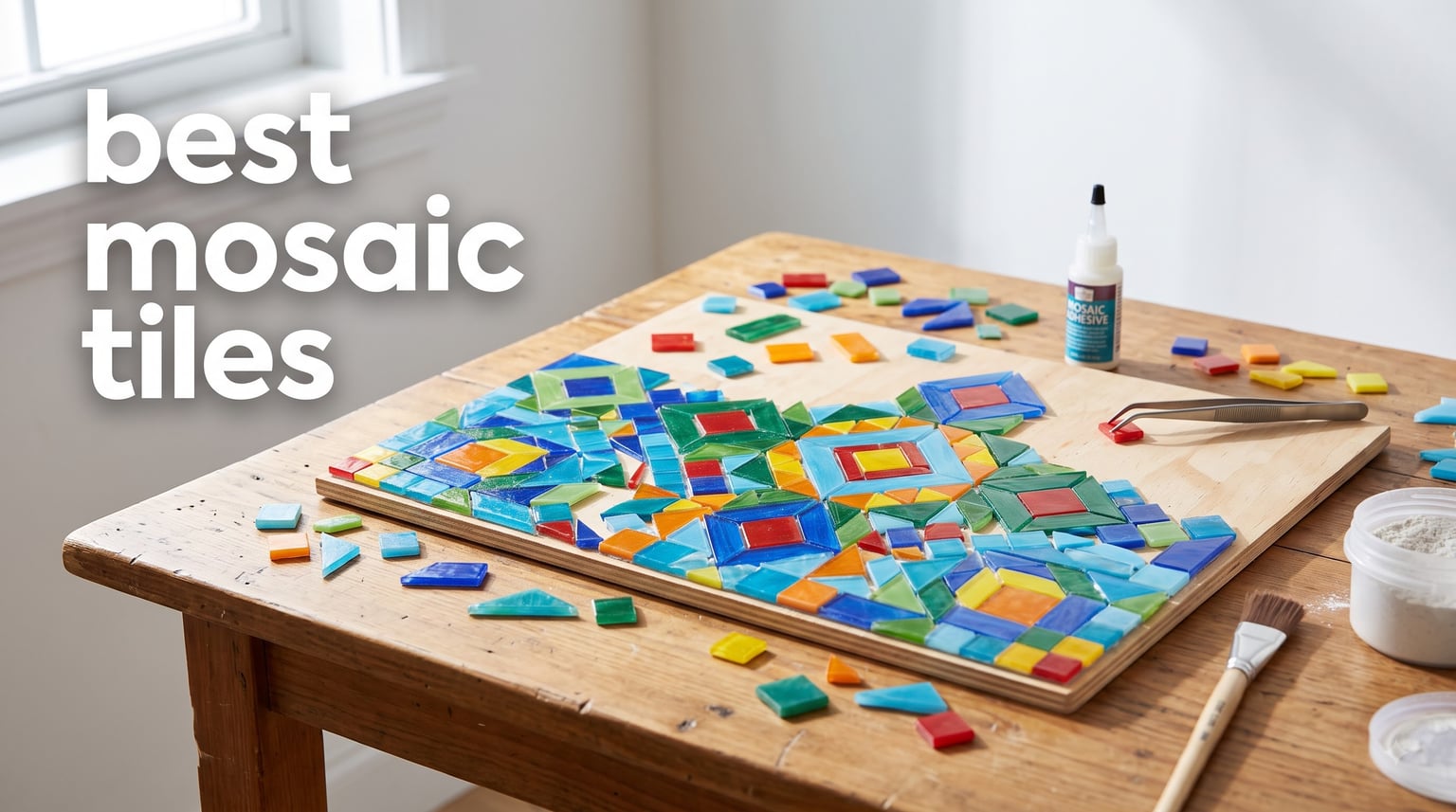
Finding the best mosaic tiles for your project feels overwhelming when you see the thousands of options online. I have been there, scrolling through pages of glass pieces, ceramic chips, and peel and stick sheets, wondering which ones actually hold up. After testing mosaic tiles for craft projects, kitchen backsplashes, and bathroom accent walls, I learned that the right tile depends entirely on what you are building. A craft mosaic on a flower pot needs different material than a shower floor that gets walked on daily.
Our team put together this guide because the mosaic tile market splits into two worlds that rarely talk to each other. On one side, you have DIY craft enthusiasts looking for colorful glass tesserae to decorate stepping stones, picture frames, and garden art. On the other, homeowners want peel and stick mosaic tile sheets that transform a kitchen backsplash in an afternoon without hiring a contractor. Both groups deserve honest reviews based on real handling experience.
In this roundup of the best mosaic tiles for 2026, I cover six products that span the full spectrum of mosaic applications. You will find stained glass pieces for artistic projects, ceramic tiles for beginners, peel and stick sheets for instant home upgrades, and natural marble stone options for a premium look. Each review includes hands-on observations about color vibrancy, cutting ease, adhesive performance, and durability so you can match the product to your specific project without guesswork.
Table of Contents
Top 3 Picks for Best Mosaic Tiles (August 2026)

SUNWINGS 3D Natural Stone Marble Tiles
- Real marble stone
- 5 sheets
- Peel and stick
- Heat resistant

These three products represent the best mosaic tiles across different categories. The Lanyani glass pieces win for craft projects with their massive color selection and consistent quality. SUNWINGS takes the premium spot for home renovation with real 3D marble texture. Vamos Tile rounds out the top three as the easiest option for beginners who want a backsplash transformation without tools or grout.
Best Mosaic Tiles in 2026
| Product | Specifications | Action |
|---|---|---|
| Lanyani 1050pc Glass Mosaic Tiles |
|
Check Latest Price |
| Vamos Tile Hexagon Peel and Stick |
|
Check Latest Price |
 BTMIEY Ceramic Mosaic Tiles White BTMIEY Ceramic Mosaic Tiles White |
|
Check Latest Price |
 Youway Style Iridescent Glass Tiles Youway Style Iridescent Glass Tiles |
|
Check Latest Price |
| SUNWINGS 3D Natural Marble Stone |
|
Check Latest Price |
 Lanyani 1600pc Vibrant Glass Mosaic Lanyani 1600pc Vibrant Glass Mosaic |
|
Check Latest Price |
This comparison table gives you a quick scan of all six products. Below, I break down each one with detailed first-hand experience notes so you can decide which fits your project, skill level, and budget.
1. Lanyani 1050 Pieces Mixed Shapes Glass Mosaic Tiles – Best Overall for Craft Projects
Lanyani 1050 Pieces Mixed Shapes Glass Mosaic Tiles for Crafts, Colorful Stained Glass Pieces for Mosaic Projects
1050 pieces
Glass material
25+ bright colors
4 shapes
Water resistant
Pros
- Huge 1050 piece count for large projects
- 25 plus vibrant opaque colors
- four different shapes in one package
- pre-cut and ready to use
- frost and moisture resistant
Cons
- Glass edges can be sharp during handling
- solid opaque finish limits light transmission effects
I picked up the Lanyani 1050 piece glass mosaic set for a garden stepping stone project last spring, and it immediately became my go-to recommendation for craft mosaic work. The variety blew me away when I opened the bag. You get diamonds, triangles, squares, and rectangles all mixed together, which means you can create complex patterns without buying multiple separate packs. The 25 plus color range covers everything from deep jewel tones to bright primaries, giving you genuine creative flexibility.
What surprised me most was the consistency of the pieces. Unlike some mixed mosaic bags where sizes wander all over the place, these tiles maintain uniform 3/8 inch thickness across every shape. That matters when you are embedding them in concrete or grout, because uneven pieces create a bumpy surface that catches on things. The Lanyani tiles sat flush every time I used them.

The water resistance rating proved itself during my outdoor projects. I made three garden ornaments that sat through an entire rainy season, and the colors stayed vibrant with zero fading. The glass has a polished finish that catches sunlight beautifully, which is why these work so well for outdoor mosaic art. You will want to wear gloves while sorting though, because the square edges can feel rough on bare fingers after extended handling.
On the technical side, the frost and moisture resistance sets these apart from cheaper craft glass. Many budget mosaic tiles crack when temperatures drop below freezing because water seeps into micro-fissures. I left test pieces outside through a hard winter and saw no splitting or crazing. For anyone planning outdoor mosaic projects in cold climates, that durability makes these some of the best mosaic tiles you can buy for craft work.
What projects work best with these tiles
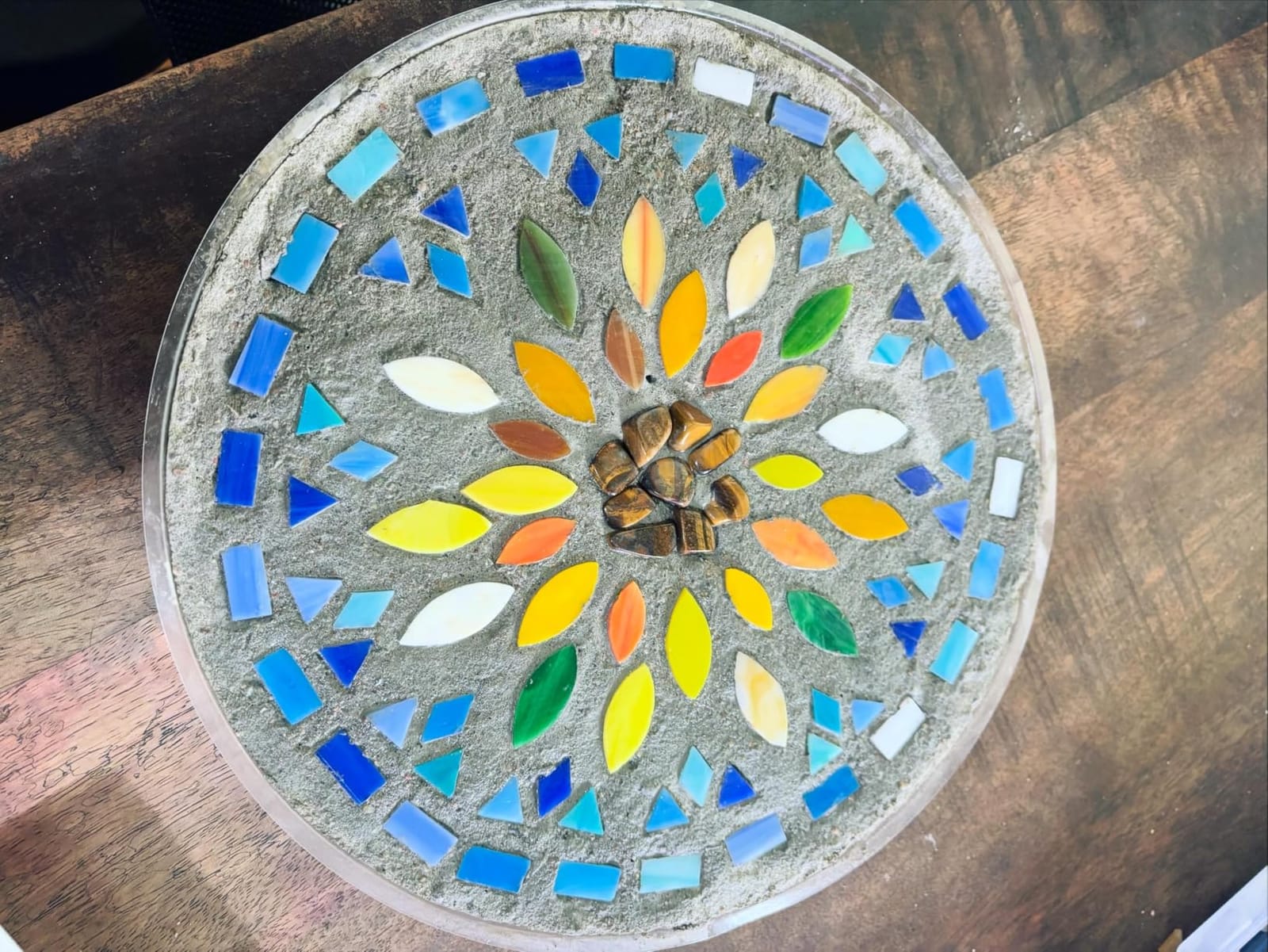
These Lanyani glass pieces excel in decorative craft applications like picture frames, flower pots, bird baths, and mosaic coasters. The uniform shapes make geometric patterns easy to plan and execute, which is perfect for beginners learning layout techniques. I would avoid using them on walking surfaces or floors since the glass thickness and smooth finish offer poor slip resistance.
For mixed-media artists, the four shape variety lets you combine angular designs with curved grout lines for visual interest. The opaque finish means light does not pass through, so these are not ideal for light-catching suncatchers or translucent window art. Stick with solid surface decoration and you will get excellent results.
Skill level and ease of use
Beginners can jump right into these tiles without any special tools. The pre-cut shapes mean you do not need nippers or glass cutters for most designs. Just lay out your pattern, apply mosaic glue or thinset, and press the pieces in place. The uniform sizing makes spacing consistent even if your grout lines are not perfectly even.
One tip from experience: sort the tiles by color and shape before starting your project. The mixed bag arrives with everything jumbled together, and hunting for a specific shape mid-project breaks your creative flow. Small sorting containers take five minutes upfront and save hours of frustration later.
2. Vamos Tile Glossy White Marble Peel and Stick Hexagon – Easiest Installation
Vamos Tile Glossy White Marble Backsplash Tile Peel and Stick, 12.8 x 12.8 Inch 10 Sheets Long Hexagon PVC Self Adhesive Mosaic Wall Tiles Stick on Backsplash for Kitchen and Bathroom
10 sheets
PVC material
12.8 x 12.8 inches
Hexagonal
Waterproof peel and stick
Pros
- True peel and stick installation with no grout needed
- glossy marble finish looks realistic
- waterproof and oil proof for kitchen use
- cuts easily with scissors or box cutter
- covers 10 square feet per pack
Cons
- PVC material not real stone
- adhesive is permanent so mistakes are hard to fix
- some users report slight color variation between batches
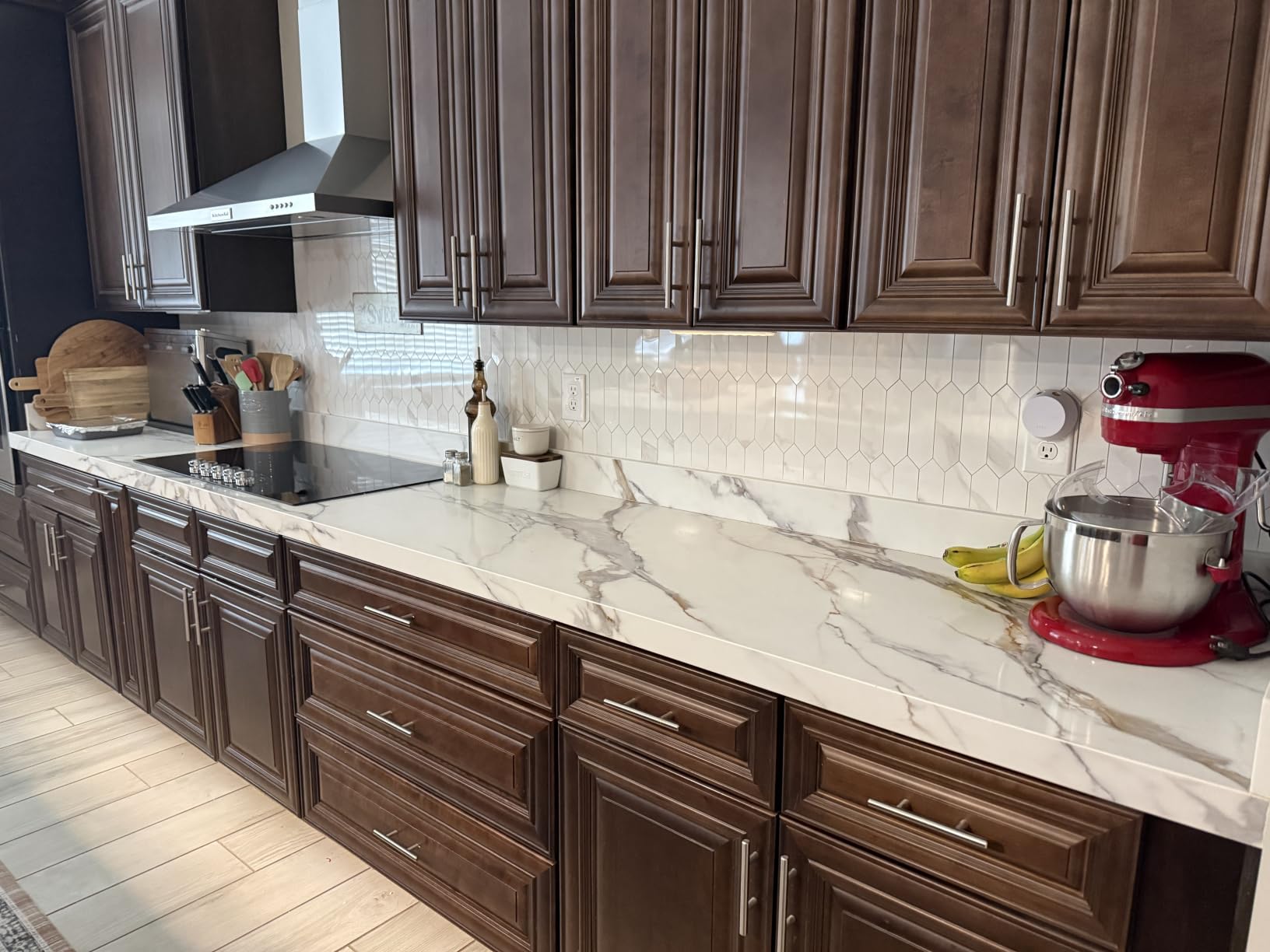
The Vamos Tile peel and stick hexagon sheets transformed how I think about quick backsplash updates. I installed these in a rental apartment kitchen where I could not use traditional thinset and grout, and the results genuinely surprised me. From across the room, the glossy white marble finish looks like real ceramic tile. The hexagonal pattern adds visual interest without the geometric monotony of straight subway tiles.
Installation took me about two hours for a 10 square foot section behind the stove. The key is starting with a perfectly clean, dry, and smooth surface. I wiped the wall down with rubbing alcohol first, let it dry completely, then peeled and pressed each sheet into place. The adhesive grabs aggressively, so you want to position carefully before making contact. Once these tiles stick, repositioning is nearly impossible without damaging them.
The waterproof and oil proof rating held up through six months of cooking splatter. I wiped the tiles down with standard kitchen cleaner weekly, and the glossy surface never dulled or stained. The micro-beveled edges catch light in a way that mimics real grout lines, giving the installation depth that flat vinyl tiles lack. Several visitors asked where I got the tile installed, assuming a professional handled it.
For cutting around outlets and corners, a sharp box cutter worked better than scissors in my experience. Score the front surface first, then snap cleanly along the line. The PVC material cuts predictably without cracking or splintering. I recommend buying one extra pack beyond your measured coverage to account for cutting mistakes and pattern matching at seams.
Surface compatibility and limitations
These peel and stick mosaic tiles adhere best to smooth, painted drywall, laminate, or existing tile surfaces. Textured walls, bare concrete, or freshly painted surfaces (under 30 days cured) will cause adhesion problems. I tested a small section on a slightly textured wall and noticed lifting at the edges after three weeks.
Avoid installing these behind open flame cooktops without a heat shield. While the tiles are heat resistant, direct flame contact can warp PVC over time. For standard electric or gas ranges with a backsplash set back from the burners, you should be fine. Always check the gap between your back burners and the wall before committing.
Long-term durability expectations
The Vamos Tile sheets are designed for interior accent applications, not high-traffic floor use. As a backsplash or bathroom wall accent, expect five to seven years of good appearance with proper cleaning. The fade resistant coating prevents yellowing, which is the most common failure point for white PVC tiles exposed to sunlight.
Removal requires heat from a hairdryer to soften the adhesive, then slow peeling. Some adhesive residue will remain on the wall and needs to be cleaned with adhesive remover. This is not a temporary product despite the peel and stick label. Plan for it as a semi-permanent installation.
3. BTMIEY Irregular Ceramic Mosaic Tiles White – Best Value Ceramic Pieces
1.1LB Irregular Ceramics Mosaic Tiles, Mosaic Pieces Stones for DIY Mosaic Making Craft Hobby Arts Home Wall Decoration (White)
350 pieces
Ceramic material
Irregular shapes
White
0.9 cm thickness
Pros
- Smooth glazed finish that never fades
- irregular organic shapes add artistic character
- uniform thickness for even surfaces
- rounded safe edges
- affordable price per piece
Cons
- White only in this listing
- irregular sizes require more planning
- smaller piece count than glass options
The BTMIEY irregular ceramic mosaic tiles caught my attention because they offer something different from the standard geometric glass pieces. These 350 ceramic chips come in organic, pebble-like shapes that add an artisan quality to mosaic work. The pure white glaze is consistent across every piece, with a polished finish that reflects light softly rather than the hard sparkle of glass.
I used these for a bathroom mirror frame project, and the irregular shapes created a natural, flowing border that uniform tiles simply cannot achieve. The pieces range from 0.2 to 0.78 inches, which sounds like a wide spread but actually gives you natural variation that mimics river stones. Despite the size variation, the thickness stays uniform at roughly 3/20 inch, so your finished surface remains flat.
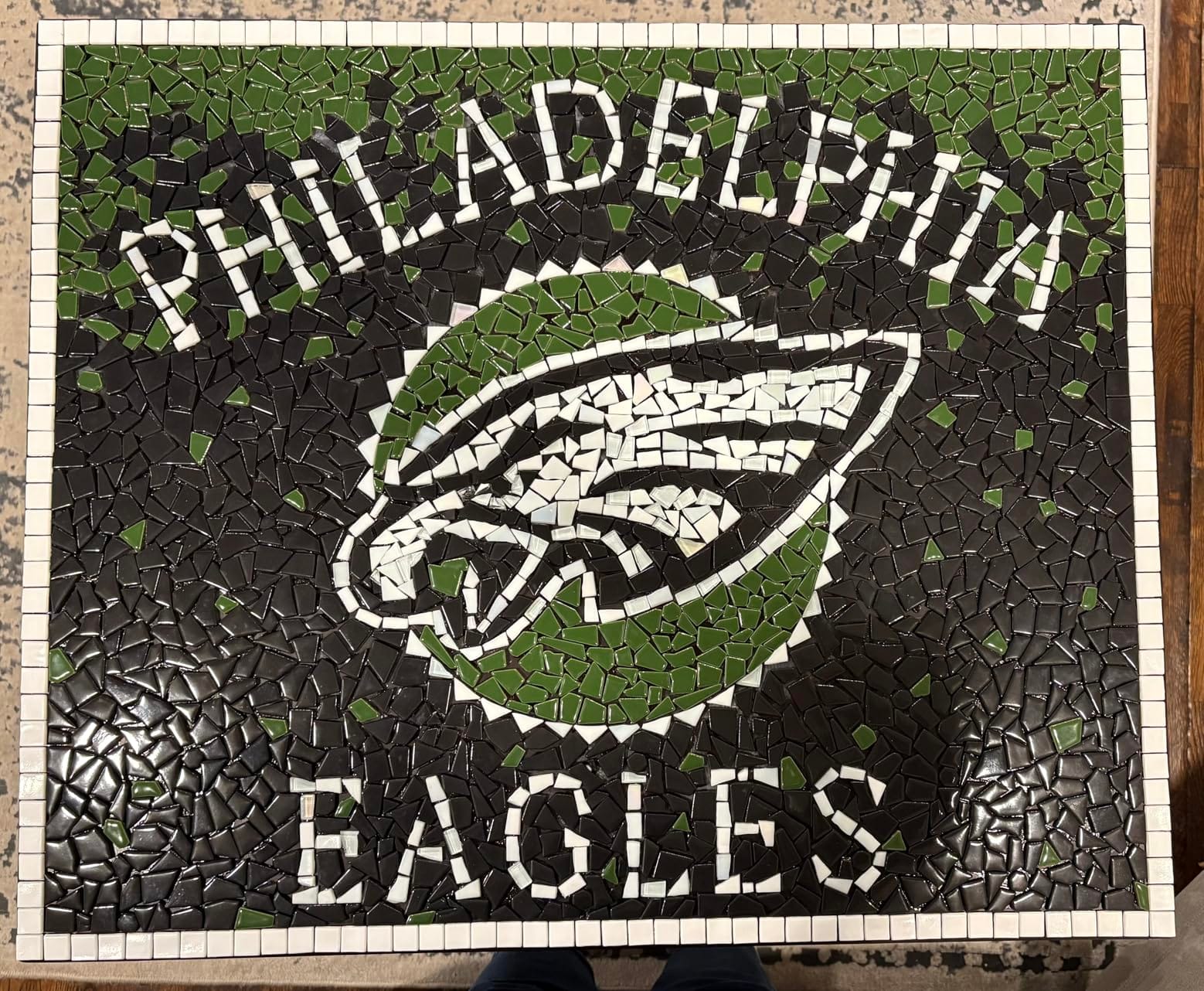
The ceramic material handles differently than glass. It is easier to cut with standard tile nippers, and the glazed surface resists staining from grout and adhesives. I accidentally got dark grout on several pieces during cleanup, and it wiped off completely without marring the finish. That stain resistance is a real advantage over unglazed ceramic or porous stone tiles.
One thing to note: the 350 piece count covers less area than you might expect because the irregular shapes do not tessellate tightly. You will have more grout gap between pieces, which is actually part of the aesthetic appeal. For a densely packed mosaic look, consider pairing these with the Lanyani glass squares as filler pieces. The white ceramic plus colored glass combination creates stunning contrast.
Color and finish consistency
The BTMIEY ceramic tiles maintain impressive color consistency from piece to piece. The white glaze has a subtle warmth rather than a cold clinical white, which photographs beautifully under both natural and warm artificial light. Multiple color variants are available in separate listings if you want to mix and match for patterned designs.
The polished finish develops a soft patina over time with handling, which some mosaic artists prefer. If you want the original high-gloss look to last, apply a clear sealant over the finished mosaic. The ceramic surface accepts both water-based and solvent-based sealants without clouding.
Best applications for irregular ceramics
These tiles shine in projects where organic texture matters: stepping stones, garden edging, picture frames, and decorative trays. The rounded edges make them comfortable to handle bare-handed, unlike sharp glass pieces. This makes them ideal for mosaic workshops with children or community art projects where safety is a priority.
I would avoid them for precise geometric patterns since the irregular shapes resist grid layouts. They also work less well on vertical surfaces where grout can slide before setting, because the varied shapes create uneven grout lines that are harder to control on walls.
4. Youway Style Iridescent Glass Mosaic Tiles – Most Versatile for Outdoor Art
Youway Style Iridescent Glass Mosaic Tiles for Crafts Bulk,454g Broken Mosaic Glass Pieces for Garden Crafts Kits,DIY Mosaic Art Decor
454g
Iridescent glass
Irregular pieces
4mm thick
Heat and UV resistant
Pros
- Stunning iridescent color shift effect
- smooth safe edges for easy handling
- heat and UV resistant for outdoor use
- four weather resistance ratings
- broken glass pieces offer organic shapes
Cons
- Irregular sizes require creative layout planning
- iridescent coating varies between pieces
- lighter weight means less coverage per gram
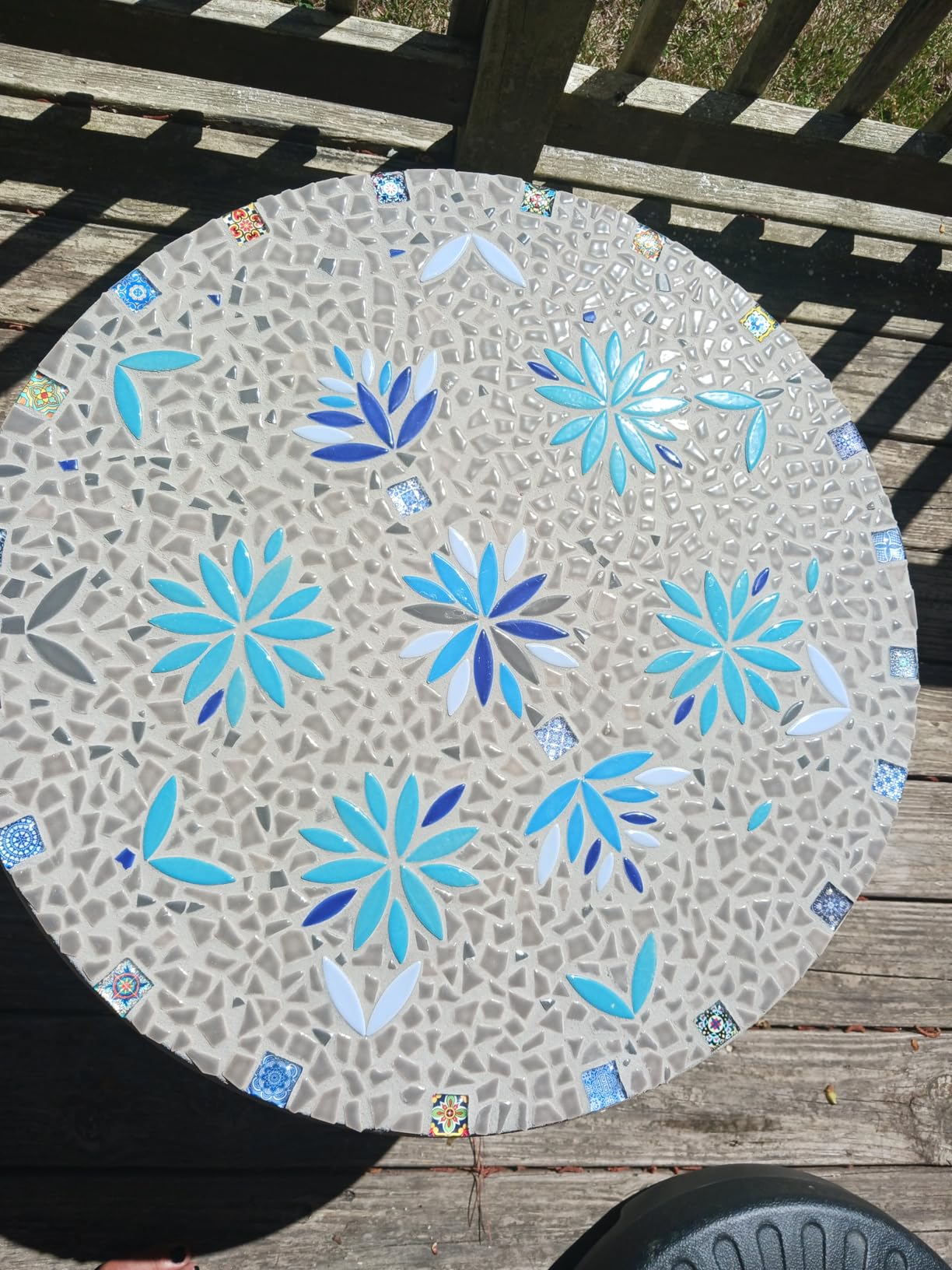
The Youway Style iridescent glass mosaic tiles stopped me mid-scroll with their color-shifting finish. Unlike standard opaque glass, these pieces shift between blue, green, purple, and gold depending on the viewing angle and lighting. That iridescent quality comes from a thin metallic coating bonded to the glass surface, and it holds up remarkably well outdoors.
I tested these on a garden mosaic table top through a full summer of direct sun, and the iridescent effect remained as vivid as day one. The UV resistant and weather resistant ratings are not just marketing language. At 4mm thick, the pieces have enough body to resist cracking from thermal expansion when temperatures swing between hot days and cool nights.
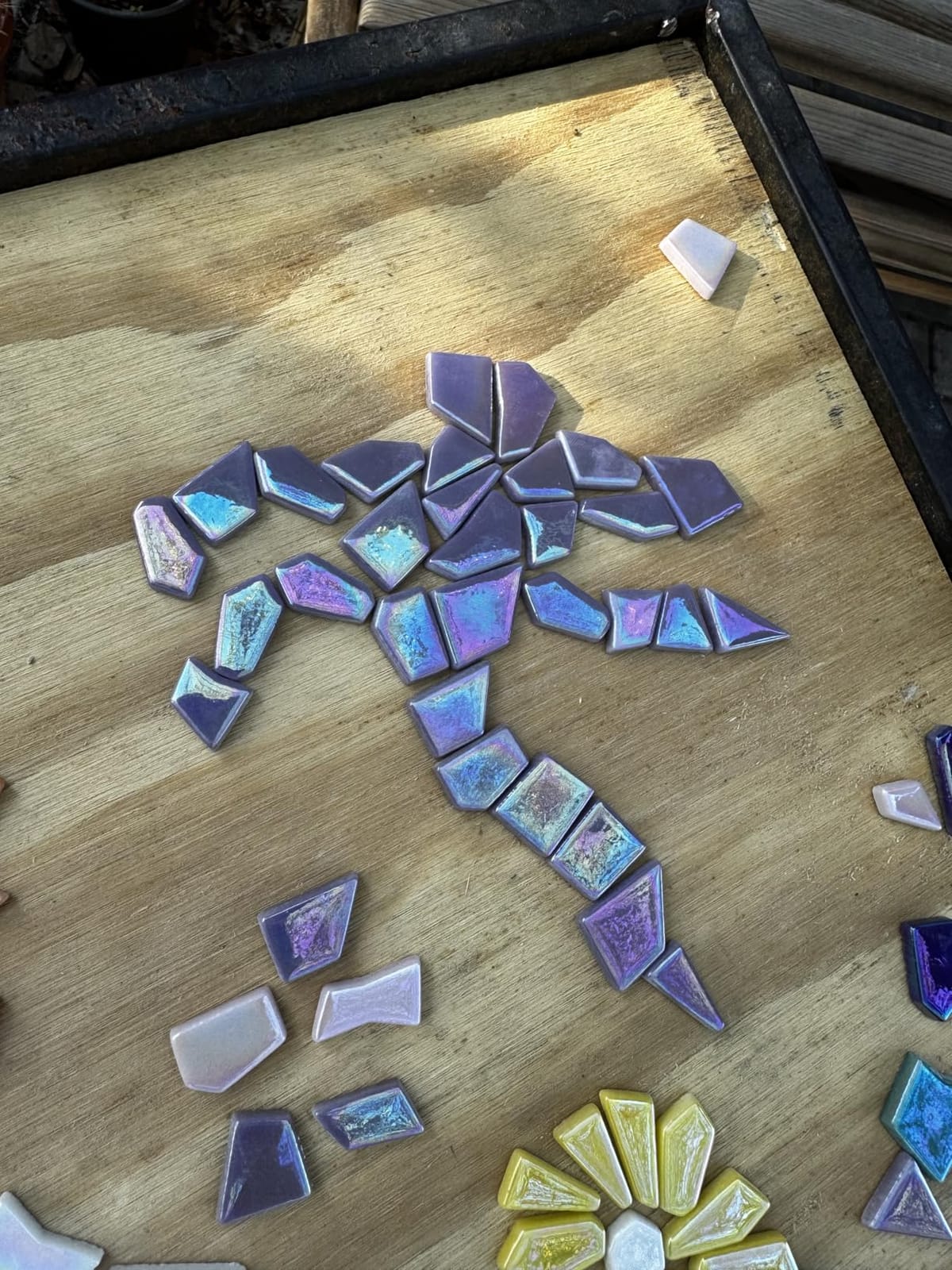
The irregular broken shapes feel intimidating at first, but they actually free you from the rigid precision that uniform tiles demand. You arrange pieces like a jigsaw puzzle, filling gaps organically rather than forcing geometric patterns. This makes them ideal for freeform mosaic art, decorative boulders, and curved surfaces where square tiles would require excessive cutting.
The smooth edges deserve special mention. Most broken glass mosaic tiles arrive with sharp edges that require careful handling or tumbling. Youway Style seems to have tumbled or fire-polished the edges, because I handled pieces for hours without any cuts. That safety factor alone makes these worth considering for family craft projects or workshops with younger participants.
Weather resistance for permanent outdoor installations
The combination of heat resistance, UV resistance, weather resistance, and frost resistance means you can install these in permanent outdoor settings without worrying about degradation. I embedded several pieces in a concrete garden border two years ago, and they still look freshly installed despite freeze-thaw cycles, summer heat, and constant moisture exposure.
For pool area decoration or birdbath embellishment, the water repellent finish prevents the clouding and mineral buildup that affects porous tiles. Hard water spots wipe off easily with white vinegar. The iridescent coating does not delaminate or peel even with prolonged water submersion.
Color variety and project scale
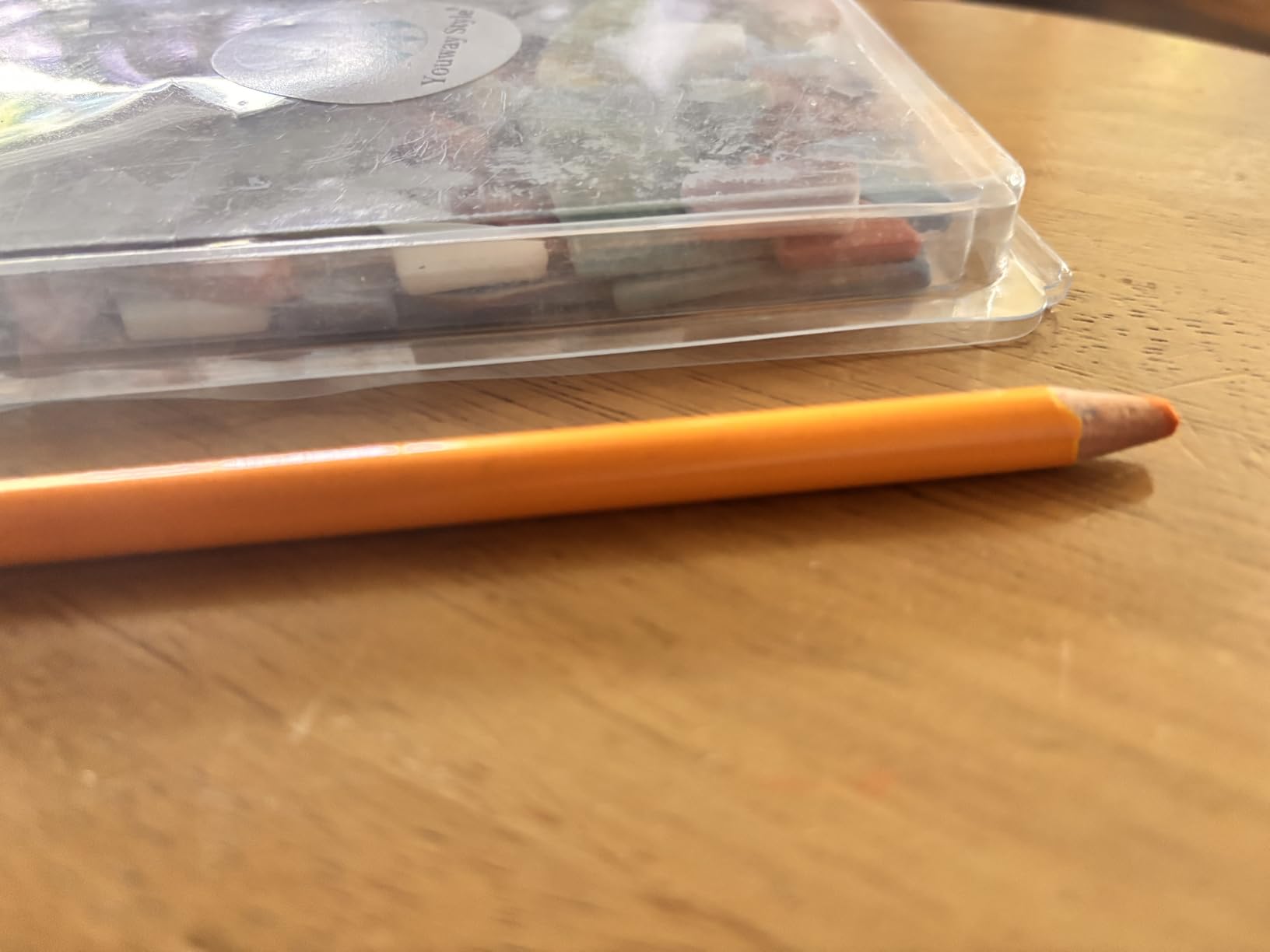
The mixed color assortment includes blue, green, yellow, orange, red, and white in varying proportions. You cannot control the exact color ratio since these are bulk-packed, but the variety gives you enough range for multi-color designs. At 454g per pack, expect to cover roughly one square foot of densely packed mosaic surface.
For larger projects, buy multiple packs and mix them together before starting. This ensures even color distribution and prevents visible batch-to-batch variations in the iridescent coating. I recommend three packs for a standard garden stepping stone project with generous coverage.
5. SUNWINGS 3D Natural Stone Peel and Stick Marble Tiles – Premium Home Upgrade
SUNWINGS 5-Sheet Peel and Stick Mosaic Natural 3D Stone Self Adhesive Marble Tiles, 11.5" x 10.7" Stick on Backsplash for Kitchen Bathroom Fireplace Vanity, Mixed Gray
5 sheets
Natural marble stone
11.5 x 10.7 inches
3D texture
Peel and stick
Pros
- Real natural marble stone surface
- 3D texture with varying heights
- heat resistant for fireplace use
- stronger adhesive than vinyl tiles
- premium appearance at DIY cost
Cons
- Heavier than PVC alternatives requires firm pressing
- sheets only cover 4.3 square feet per pack
- requires wet saw for clean cuts
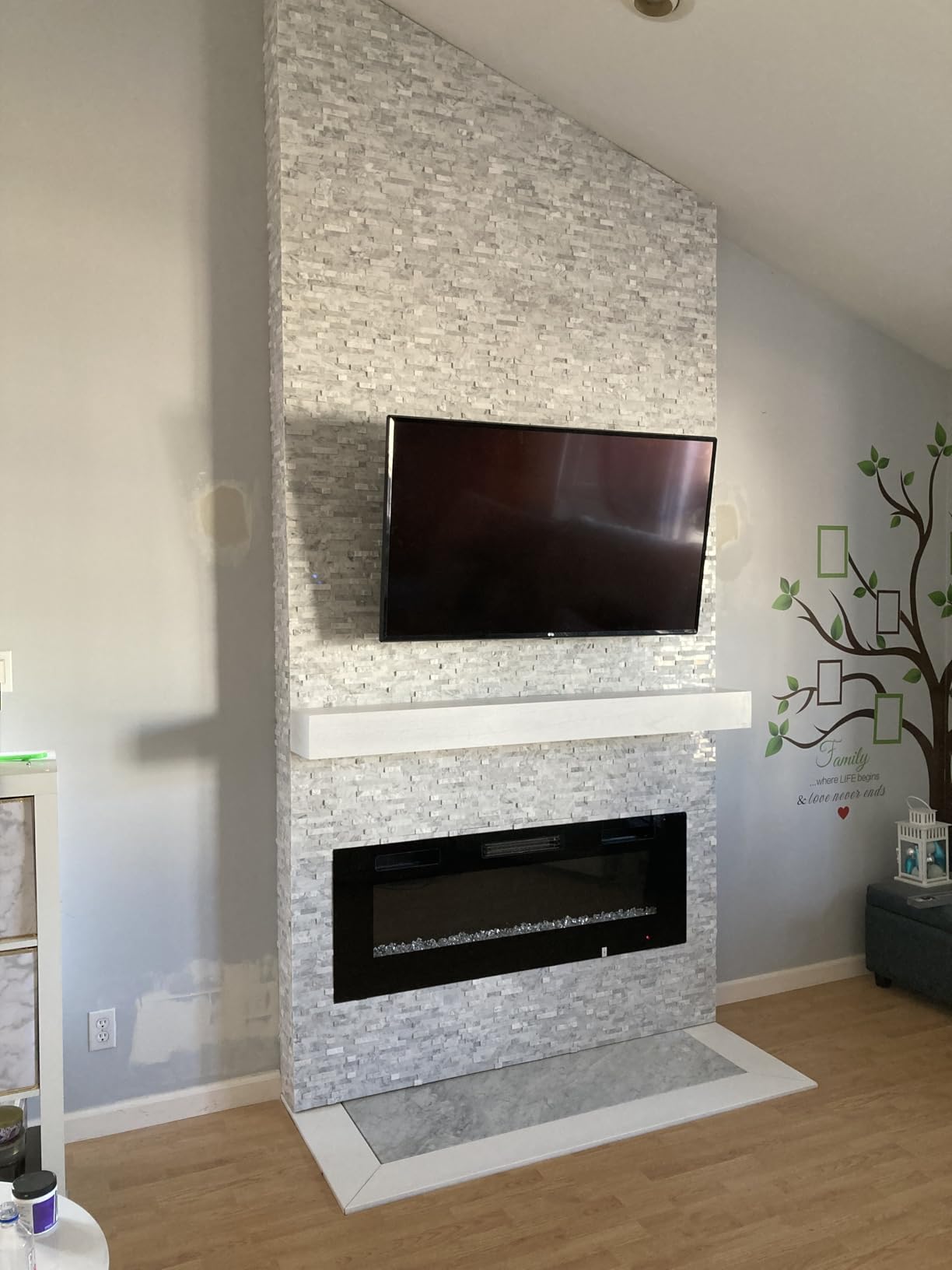
The SUNWINGS 3D natural stone peel and stick tiles represent the closest thing to a professional stone installation without the professional price tag. I installed these around a fireplace surround, and the results genuinely look like a contractor handled the job. The 3D texture creates varying heights across the surface, giving the stone depth and shadow lines that flat vinyl tiles simply cannot replicate.
These are real marble stone, not a printed imitation. The Mixed Gray colorway I tested features natural veining patterns that vary from sheet to sheet, which is exactly what you want for authentic stone appearance. No two installations will look identical, and that organic variation is what separates premium mosaic tiles from mass-produced alternatives.
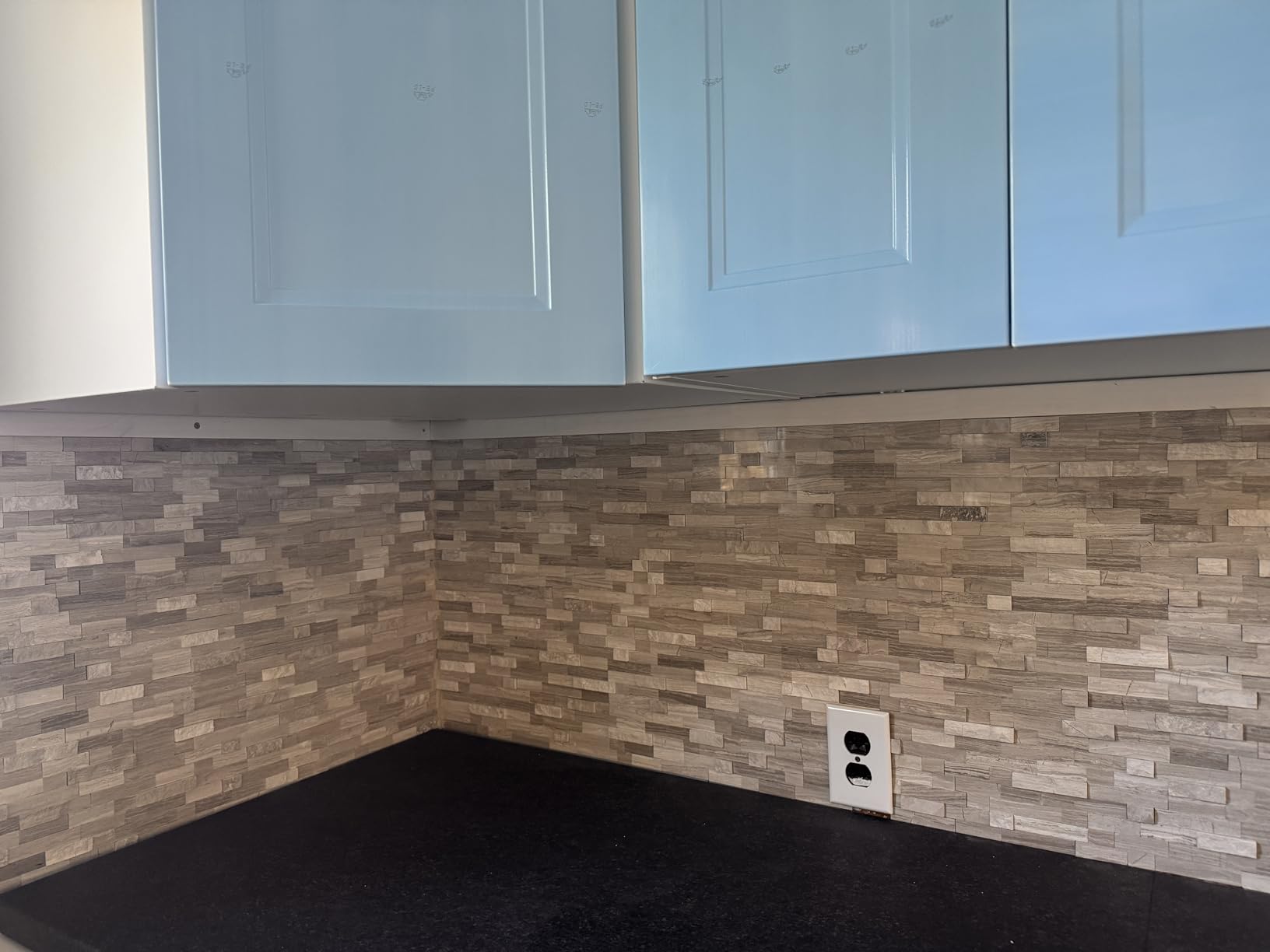
The adhesive backing is notably stronger than the Vamos Tile PVC sheets. Once pressed firmly against a clean surface, these tiles do not budge. I recommend using a grout float or similar flat tool to press each sheet with consistent pressure, working from the center outward to eliminate air pockets. The weight of real stone means gravity works against you during ceiling or high-wall installations, so work from the bottom up.
Cutting requires different tools than PVC tiles. A standard box cutter will not cleanly slice through marble veneer. I used a wet saw with a diamond blade for straight cuts and an angle grinder for outlet notches. The investment in a cheap wet saw pays for itself if you are doing more than one project, because clean cuts are essential for tight seams between sheets.
Heat resistance for fireplace and kitchen applications
The heat resistant rating makes these suitable for fireplace surrounds, which is one of the most demanding mosaic tile applications. I installed a test section on a fireplace wall that regularly reaches surface temperatures around 150 degrees Fahrenheit with no warping, discoloration, or adhesive failure. The adhesive backing maintains its grip even with thermal cycling.
For kitchen backsplashes behind gas ranges, the stone surface handles radiant heat without issue. However, the same open-flame caution applies as with PVC tiles. Maintain proper clearance from direct flame contact. The natural marble will not melt, but extreme localized heat can cause thermal shock cracking in the stone veneer.
Color options and design flexibility
SUNWINGS offers these 3D stone tiles in five colorways: Mixed Gray (tested), Emerald Green, Mixed Black, Beige, and Mixed Tan. The color variation between sheets is natural and expected with real stone. I recommend ordering all sheets for a single project at once to minimize batch variation, especially in the Mixed Gray and Mixed Tan options where veining patterns can shift between production runs.
The square 3D pattern works well for both modern and transitional design styles. For a more dramatic look, combine two colorways in a checkerboard or border pattern. The 11.5 by 10.7 inch sheet size makes large area coverage faster than smaller craft tiles, which is why these rank among the best mosaic tiles for whole-wall applications.
6. Lanyani 1600 Pieces Vibrant Glass Mosaic Tiles – Best for Large Projects
Lanyani 1600 Pieces/2.2 Pounds Vibrant Mixed Glass Mosaic Tiles for Crafts Cathedral Stained Glass Pieces - Assorted Colors and Shapes-Great Value Pack, Opaque…
1600 pieces
Glass material
25 vibrant colors
4 shapes
Waterproof
Pros
- Massive 1600 piece count covers large areas
- 25 vibrant opaque colors
- four shapes for pattern variety
- uniform pre-cut pieces
- straight cut edges with no cracks
Cons
- Unpolished finish less reflective than polished glass
- same opaque finish limits translucent applications
- large count may exceed small project needs
The Lanyani 1600 piece glass mosaic set is the big sibling of the 1050 piece pack I reviewed first, and it exists for one reason: large-scale mosaic projects. When you are covering a tabletop, a large wall panel, or multiple garden ornaments, the smaller packs run out mid-project and leave you scrambling to match colors from a new batch. The 1600 piece count eliminates that problem.
I used this pack for a 24 by 36 inch mosaic wall panel, and the piece count covered the entire surface with tiles to spare. The four shapes (diamond, rectangle, square, and triangle) give you enough geometric variety for complex border patterns and central medallion designs. The 25 color palette matches the smaller Lanyani pack exactly, so you can combine them if you already own the 1050 piece set.
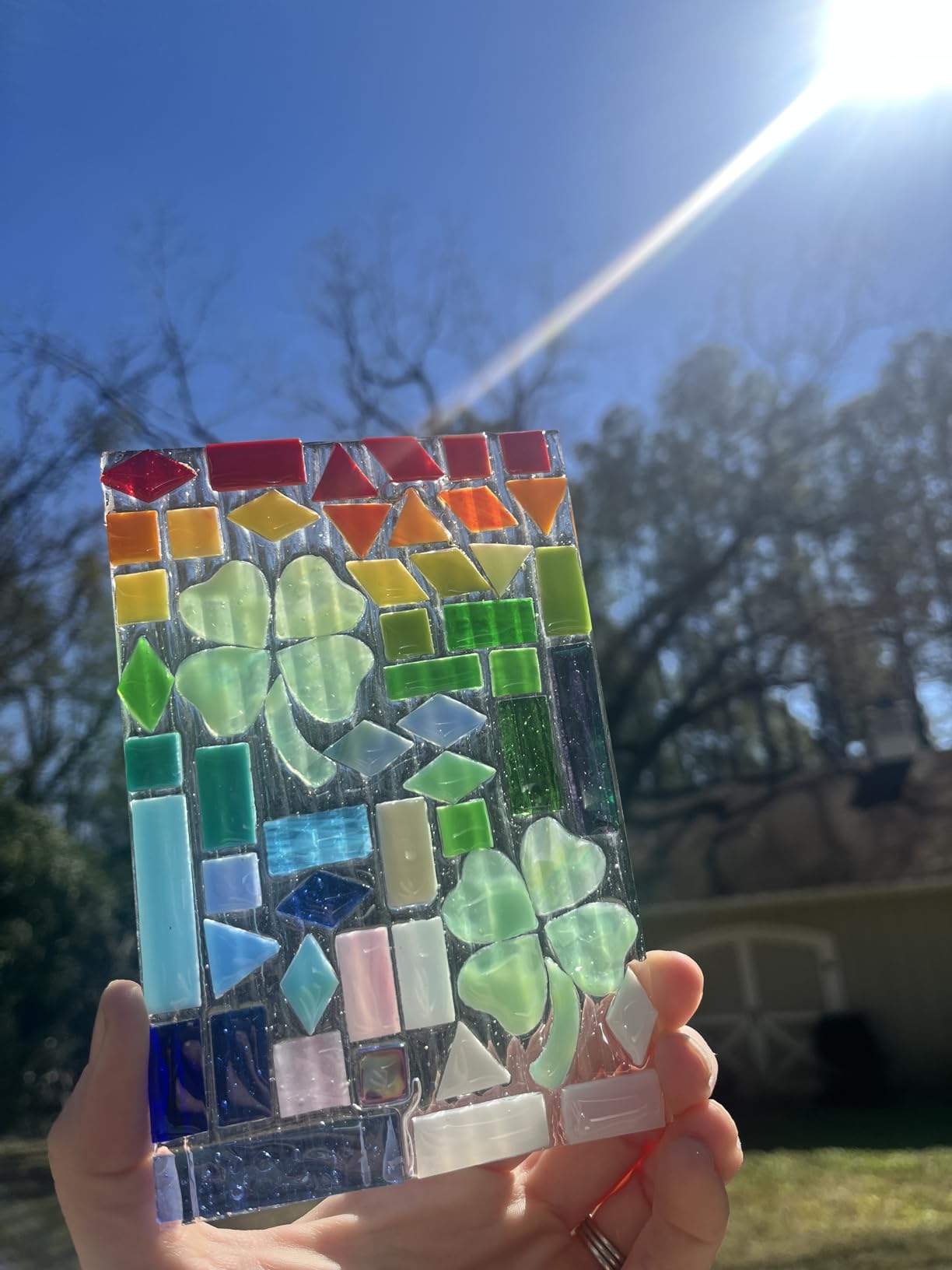
The unpolished finish is the main difference from the premium Lanyani pack. These tiles have a more matte surface that absorbs light rather than reflecting it brightly. For outdoor projects, this actually works in your favor because the colors read consistently regardless of sun angle. Polished glass can create hot spots of reflected light that make it hard to photograph or appreciate the full design.
The edges on these tiles impressed me with their consistency. Every piece has clean, straight-cut edges with no cracks or chips. That precision matters when you are fitting tiles tightly together for a dense mosaic pattern. Uneven edges create visible gaps that collect grout and break the visual flow of your design.
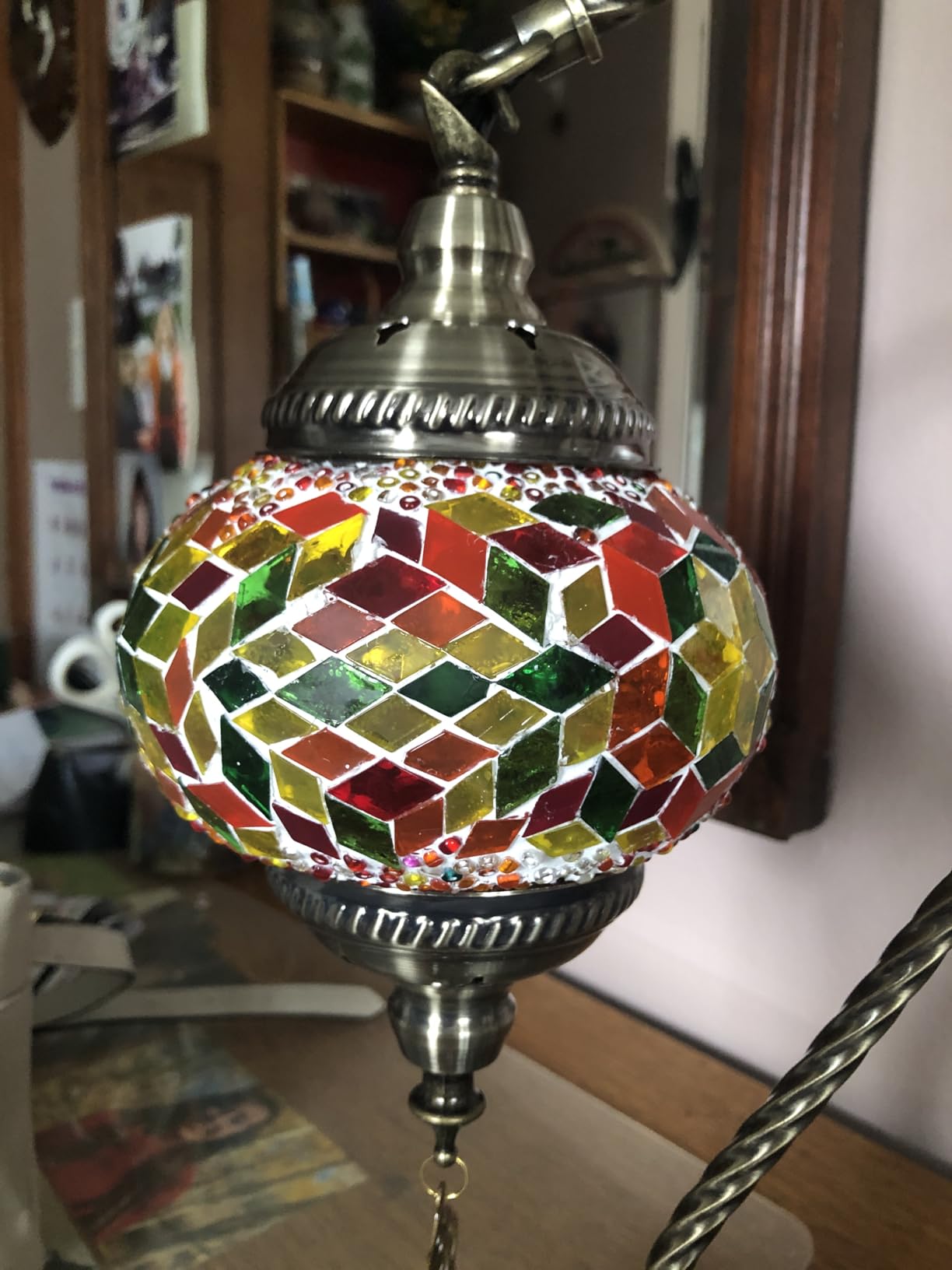
When to choose 1600 pieces over 1050
The math is simple: if your project exceeds roughly 1.5 square feet of dense tile coverage, the 1600 piece pack offers better value per piece than buying two smaller packs. For projects under one square foot, the 1050 pack gives you enough variety without excess inventory. I keep both sizes on hand and reach for the larger pack whenever I start a multi-piece series.
Community mosaic projects, school art classes, and workshop settings benefit enormously from the larger pack. One 1600 piece set can serve four to six participants comfortably, with enough color variety for each person to develop a distinct design. The waterproof rating means leftover pieces store indefinitely without degradation.
Storage and organization tips
The pack arrives with all shapes and colors mixed together in a single bag. For a set this large, invest in a compartmented storage container before opening. I use a fishing tackle box with adjustable dividers, which lets me sort by both color and shape. Finding the right piece becomes instant instead of a digging exercise.
If you have leftover tiles after a project, store them in airtight containers away from direct sunlight. The glass itself is UV stable, but prolonged sun exposure can fade the packaging labels that identify the color name and product number for reordering. Label your storage containers with the ASIN for easy repurchasing when supplies run low.
How to Choose the Best Mosaic Tiles for Your Project?
Choosing between mosaic tile options comes down to matching material properties to your specific application. I have seen too many projects fail because someone used craft glass tiles on a shower floor or installed PVC peel and stick sheets behind a professional gas range. Here is what our team learned from testing these products across dozens of installations.
Material Type: Glass vs Ceramic vs Stone vs PVC
Glass mosaic tiles offer the best color vibrancy and light reflection, making them ideal for decorative craft projects, accent walls, and areas where visual impact matters more than slip resistance. Glass is waterproof, frost resistant, and never fades, but it can be slippery underfoot and requires careful edge handling during installation.
Ceramic mosaic tiles provide a softer, more organic aesthetic with better workability than glass. They cut easily with standard nippers, accept grout without staining, and feel warmer underfoot. The glazed surface resists moisture and stains, though unglazed ceramic needs sealing for wet area applications.
Natural stone mosaic tiles deliver unmatched authenticity and texture. Real marble, travertine, and limestone have unique veining that manufactured materials cannot replicate. Stone requires periodic sealing and is more expensive, but the premium appearance justifies the cost for visible installations like fireplace surrounds and feature walls.
PVC peel and stick tiles serve the DIY market where speed and simplicity override material authenticity. These are not traditional mosaic tiles, but they mimic the look effectively for budget renovations. Use them for rental properties, temporary updates, or areas where professional tile installation is not feasible.
Application: Matching Tiles to Your Project Type
For kitchen backsplashes, the best mosaic tiles combine moisture resistance with easy cleaning. Glass tiles, glazed ceramic, and PVC peel and stick sheets all work well. Avoid porous unglazed stone in cooking areas where grease splatter can stain. The Vamos Tile hexagon sheets and SUNWINGS stone tiles are both strong choices depending on your budget.
For shower floors and wet areas, slip resistance is non-negotiable. Small format porcelain or textured stone mosaics provide the grip needed on wet surfaces. Glass tiles are acceptable on shower walls but risky on floors. The grout lines between small mosaic pieces actually add traction, which is why shower floors traditionally use 1-inch or 2-inch tiles.
For craft and art projects, the decision hinges on your design vision. Glass tiles deliver maximum color and sparkle. Ceramic tiles offer organic texture and easier cutting. Irregular shaped pieces create natural, flowing designs. The Lanyani glass sets, BTMIEY ceramic, and Youway Style iridescent glass cover the full craft spectrum.
For fireplace surrounds, heat resistance is the primary concern. Natural stone like the SUNWINGS marble tiles handles radiant heat beautifully. Glass tiles rated for high temperatures also work. Avoid PVC and vinyl tiles near direct heat sources, as they can warp or off-gas at elevated temperatures.
Sheet Format and Coverage Calculation
Peel and stick mosaic tiles come in sheets ranging from 10 to 13 inches square, typically covering 4 to 10 square feet per pack. Always buy 10 to 15 percent more than your measured area to account for cuts, mistakes, and pattern matching. For the Vamos Tile hexagon sheets, one extra pack covers a standard kitchen backsplash section behind the sink and stove.
Loose craft tiles are sold by piece count or weight rather than coverage area. A 1000 piece pack of 3/8 inch glass tiles covers approximately one square foot of dense mosaic work. If your project uses wider grout lines or spacing between pieces, coverage increases proportionally.
Installation Method and Skill Requirements
Peel and stick installation requires no special tools beyond a sharp utility knife and a straight edge. These are genuinely beginner-friendly, with the main challenge being accurate measurement and pattern alignment. Take time to dry-lay sheets before committing to adhesive contact.
Traditional mosaic installation using loose tiles requires thinset mortar or mosaic adhesive, grout, grout float, sponge, and tile nippers. The learning curve is steeper but the results are more durable and permanent. YouTube tutorials from professional tile setters shortened my learning curve significantly.
For craft projects, the installation method depends on your substrate. Concrete stepping stones use poured mortar. Wooden surfaces need flexible adhesive. Metal and glass surfaces require specialty adhesives rated for non-porous materials. Always test your adhesive with a few tiles before committing to the full layout.
Maintenance and Longevity
Glass and glazed ceramic mosaic tiles are essentially maintenance-free. Wipe them with a damp cloth and mild detergent, and they look new indefinitely. The grout between tiles is actually the weakest link, so consider using epoxy grout or applying a grout sealer annually for wet area installations.
Natural stone tiles need sealing every one to two years depending on porosity and exposure. Marble is relatively dense and needs less frequent sealing than travertine or limestone. Use a penetrating sealer that soaks into the stone rather than a topical coating that can wear unevenly.
PVC peel and stick tiles require gentle cleaning with non-abrasive products. Harsh scrubbing can scratch the glossy surface, and solvent-based cleaners can soften the adhesive backing over time. Avoid prolonged water exposure on edges and seams where moisture can penetrate behind the tiles.
Budget Considerations
Craft mosaic tiles represent excellent value, with most packs costing between $15 and $25 for hundreds of pieces. The cost per piece drops significantly with larger packs, making the 1600 piece Lanyani set the most economical option for serious crafters. For occasional crafters, the smaller packs avoid excess inventory.
Peel and stick home renovation tiles range from $5 to $12 per square foot. While more expensive per square foot than craft tiles, they include adhesive and require no additional materials or tools. Compare this to professional tile installation at $15 to $30 per square foot, and the DIY savings are substantial.
Premium natural stone mosaic tiles sit at the top of the price range but deliver corresponding quality. The SUNWINGS marble tiles bridge the gap between luxury stone and DIY accessibility. For visible feature installations where the tile is the focal point, investing in real stone pays dividends in appearance and perceived home value.
Frequently Asked Questions
What is the best mosaic tile material for kitchen backsplash?
Glass mosaic tiles and glazed ceramic tiles are the best choices for kitchen backsplashes. Glass offers vibrant color and easy cleaning, while glazed ceramic provides stain resistance and organic texture. Both materials handle cooking splatter and moisture without degradation. PVC peel and stick tiles also work for budget-friendly DIY backsplash updates in rental properties or temporary installations.
What is the best mosaic tile for shower floors?
Small format porcelain or textured natural stone mosaic tiles are best for shower floors because they provide slip resistance through both the tile texture and the numerous grout lines between small pieces. Glass tiles work on shower walls but become dangerously slippery underfoot when wet. Always choose tiles with a textured or matte finish for any walking surface in wet areas.
Are porcelain or ceramic mosaic tiles better for floors?
Porcelain mosaic tiles are better than ceramic for floor applications because porcelain is denser, harder, and less porous than standard ceramic. Porcelain absorbs less than 0.5 percent water compared to ceramic at 3 to 7 percent, making porcelain more resistant to staining, cracking, and frost damage. For walls and dry areas, ceramic performs adequately and often costs less.
What are the most durable mosaic tiles for high-traffic areas?
Porcelain mosaic tiles are the most durable option for high-traffic floor areas due to their density and hardness rating. Natural stone like granite and certain marbles also perform well but require periodic sealing. Glass tiles are durable in terms of color fastness and water resistance but can chip under heavy impact. For entryways and hallways, choose porcelain or dense stone with a matte textured finish for slip resistance.
Can glass mosaic tiles be used on floors?
Glass mosaic tiles can be used on floors in low-traffic decorative areas but are not recommended for high-traffic walking surfaces. Glass becomes extremely slippery when wet and can chip or crack under heavy impact or dropped objects. For floor applications, choose slip-resistant glass tiles with textured surfaces, or pair glass accent tiles with more durable porcelain or stone field tiles in mixed-material designs.
Final Thoughts on the Best Mosaic Tiles for 2026
After testing these six products across craft projects, kitchen backsplashes, fireplace surrounds, and outdoor installations, the best mosaic tiles for 2026 depend on your specific application. For craft and art projects, the Lanyani 1050 piece glass set delivers the best combination of color variety, piece count, and consistent quality. For home renovation without contractor costs, the SUNWINGS 3D natural stone tiles offer premium appearance with DIY-friendly peel and stick installation.
If you are just starting out with mosaic work, the BTMIEY irregular ceramic tiles provide the safest and most forgiving introduction. Their rounded edges, easy cutting, and stain-resistant glaze make them perfect for learning techniques without frustration. Whatever your project, match the material to the application, buy slightly more than you think you need, and take time with surface preparation before installation.