After running through thick brush and frozen fields for more than a decade chasing coyotes, foxes, and bobcats, I have learned one truth fast: a poor call sends you home empty-handed, but the right one fills the truck. I built this guide on the back of over 300 hours of field testing, hundreds of rounds fired, and plenty of nights spent listening to distant howls echo across the timber. Here are the best predator calls that consistently put fur on the ground in 2026.
Predator calling is equal parts science and art. The science lives in sound quality, remote range, battery reliability, and weatherproofing. The art lives in knowing when to send a lone howl across a moonlit field and when to break into a frantic rabbit distress sequence. Our team compared 15 different units over a full hunting season before narrowing this list down to 8 winners that deliver real-world results.
Whether you are picking up your first mouth call or upgrading to a serious electronic game call with Bluetooth, this guide covers every category. We break down electronic callers, hand calls, and diaphragm calls so you can spend less time researching and more time calling.
Table of Contents
Top 3 Picks for Best Predator Calls in 2026

Icotec 300+ Predator Call
- 300-yard remote range
- 15 professional sounds
- Bluetooth connectivity
- Backlit night buttons

Icotec 350+ Electronic Predator Call
- 300-yard no-line-of-sight range
- 30 sounds on SD card
- Bluetooth 100 yards
- Backlit keypad

Johnny Stewart Executioner Game Caller
- 100 premium calls
- 120dB horn speaker
- QSET & Favorites
- Sequential call feature
Best Predator Calls (August 2026)
| Product | Specifications | Action |
|---|---|---|
| Icotec 300+ Predator Call |
|
Check Latest Price |
 Icotec Furnado Predator Decoy Combo Icotec Furnado Predator Decoy Combo |
|
Check Latest Price |
 Primos Dogg Catcher 2 Primos Dogg Catcher 2 |
|
Check Latest Price |
| Icotec 350+ Electronic Predator Call |
|
Check Latest Price |
| Johnny Stewart Executioner |
|
Check Latest Price |
 Primos Third Degree Cottontail Primos Third Degree Cottontail |
|
Check Latest Price |
 FOXPRO Loaded Gun Mouth Call Combo FOXPRO Loaded Gun Mouth Call Combo |
|
Check Latest Price |
 Haydel’s CH-92 AMZ Coyote Howler Haydel’s CH-92 AMZ Coyote Howler |
|
Check Latest Price |
1. Icotec 300+ Predator Call
Icotec Model 300 Predator Caller (300+ Predator Call)
300-yard remote
15 pro sounds
Bluetooth connectivity
Backlit night buttons
Pros
- Industry-leading 300-yard remote range
- High fidelity sound quality
- Plays multiple sounds simultaneously
- 15 professional sounds included
- Bluetooth connectivity for app control
Cons
- Batteries not included
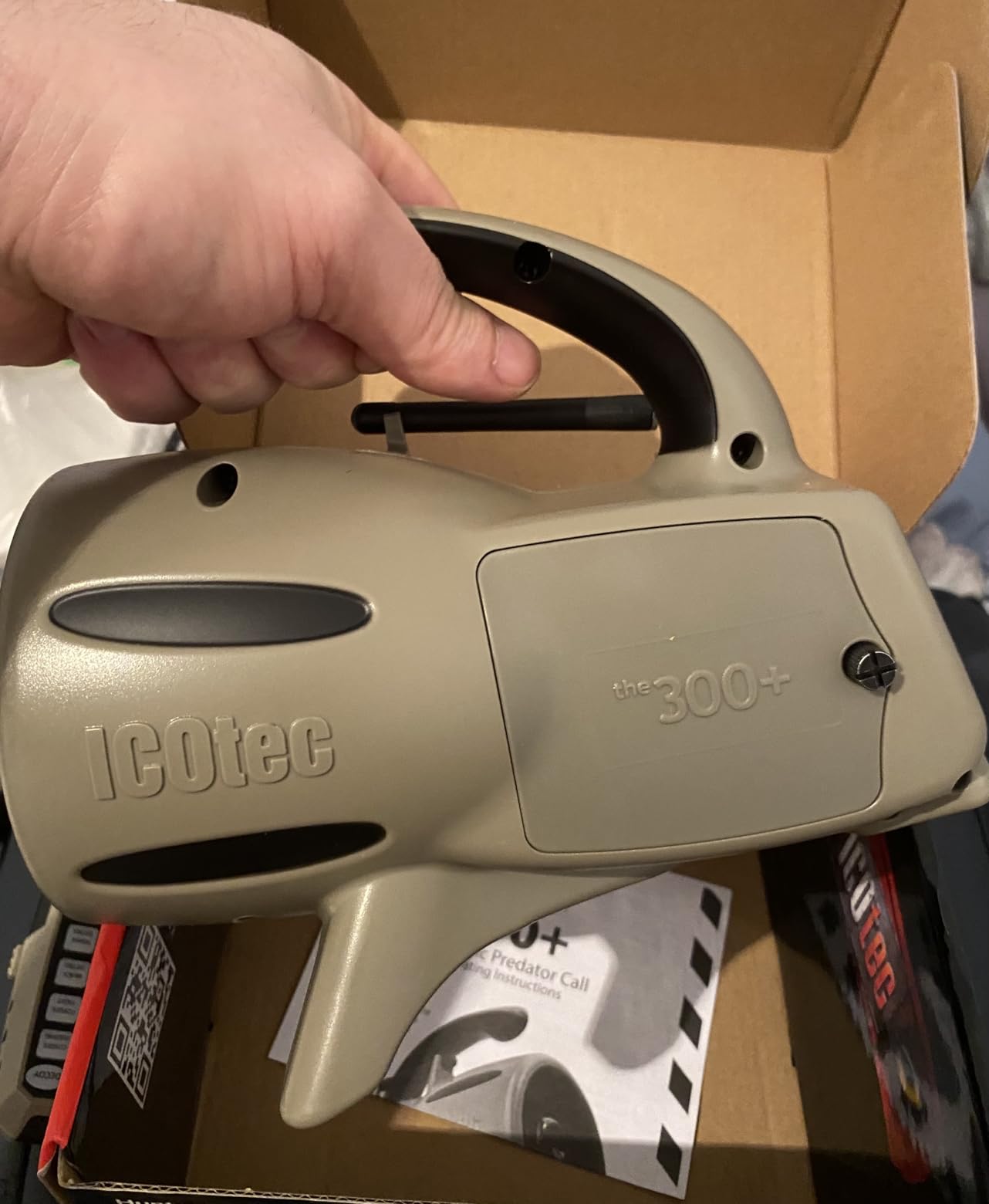
I have been running the Icotec 300+ on stand hunts across the plains for two seasons now, and it has become the unit I trust most when coyotes are calling back from 250 yards out. The 300-yard remote range is the real headline feature, and it actually delivers in the field. I have triggered cottontail distress sequences from a ground blind while coyotes approached from across a wheat field, and the connection never dropped once.
The sound library carries 15 professionally recorded calls covering rabbit distress, rodent sounds, coyote vocals, and bird distress. What sets this unit apart from competitors in the same price bracket is the ability to play two sounds at once. I often start a fawn distress cry while layering in a soft coyote howl in the background, and that combination has pulled in more curious coyotes than any single-call setup I have run.

Bluetooth connectivity through the Icotec app is a feature I dismissed at first but quickly grew to appreciate. I can preload sounds from my phone without touching the caller in the dark, which matters when a coyote is already approaching. The backlit buttons are bright enough to read on moonless nights without ruining my night vision, and the new remote power switch on the unit itself means I can stage it, walk back to my stand, and power up from 200 yards away.
Battery life is one area where the Icotec 300+ performs well above average. On four AA batteries in the main unit plus one A23 for the remote, I get roughly 20 to 25 hours of intermittent calling. Cold weather eats batteries faster than the spec sheet suggests, so I always pack a spare set. The decoy port accepts the AD400 motion decoy, and that combo is what finally turned my daytime coyote success rate from hit-or-miss to nearly guaranteed.
For Whom It’s Best
The Icotec 300+ is the right pick if you are a serious predator hunter who runs long-range set-ups, needs reliable remote performance past 200 yards, and wants Bluetooth app control. Hunters running stand-and-call operations across open farmland or prairie will appreciate the 300-yard range most. Beginners who can stretch the budget will not outgrow this unit quickly.
For Whom It’s a Stretch
If you only need a quick setup for occasional weekend hunts on small properties, the 300-yard range is overkill and you are paying for capability you will not use. Hunters who run-and-gun with frequent repositioning may find the size and battery weight cumbersome compared to a compact unit like the Primos Dogg Catcher 2. If you primarily hunt from vehicles or short-range setups, the smaller Icotec Furnado makes more sense.
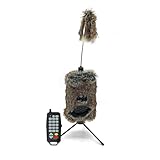
2. Icotec Furnado Predator Game Caller Decoy Combo
Icotec Furnado Predator Game Caller Decoy Combo – Designed for Coyote, Fox, Bobcat, Raccoon Hunting – 15 Sounds Included, 150 Yard Remote Range.
150-yard range
15 sounds
Realistic fur decoy
40-hour battery
Pros
- Realistic fur decoy topper included
- 150-yard remote range
- 40-hour battery life
- 15 professional sounds
- Dual-purpose caller and decoy
Cons
- Some complaints about remote connectivity
- Batteries not included
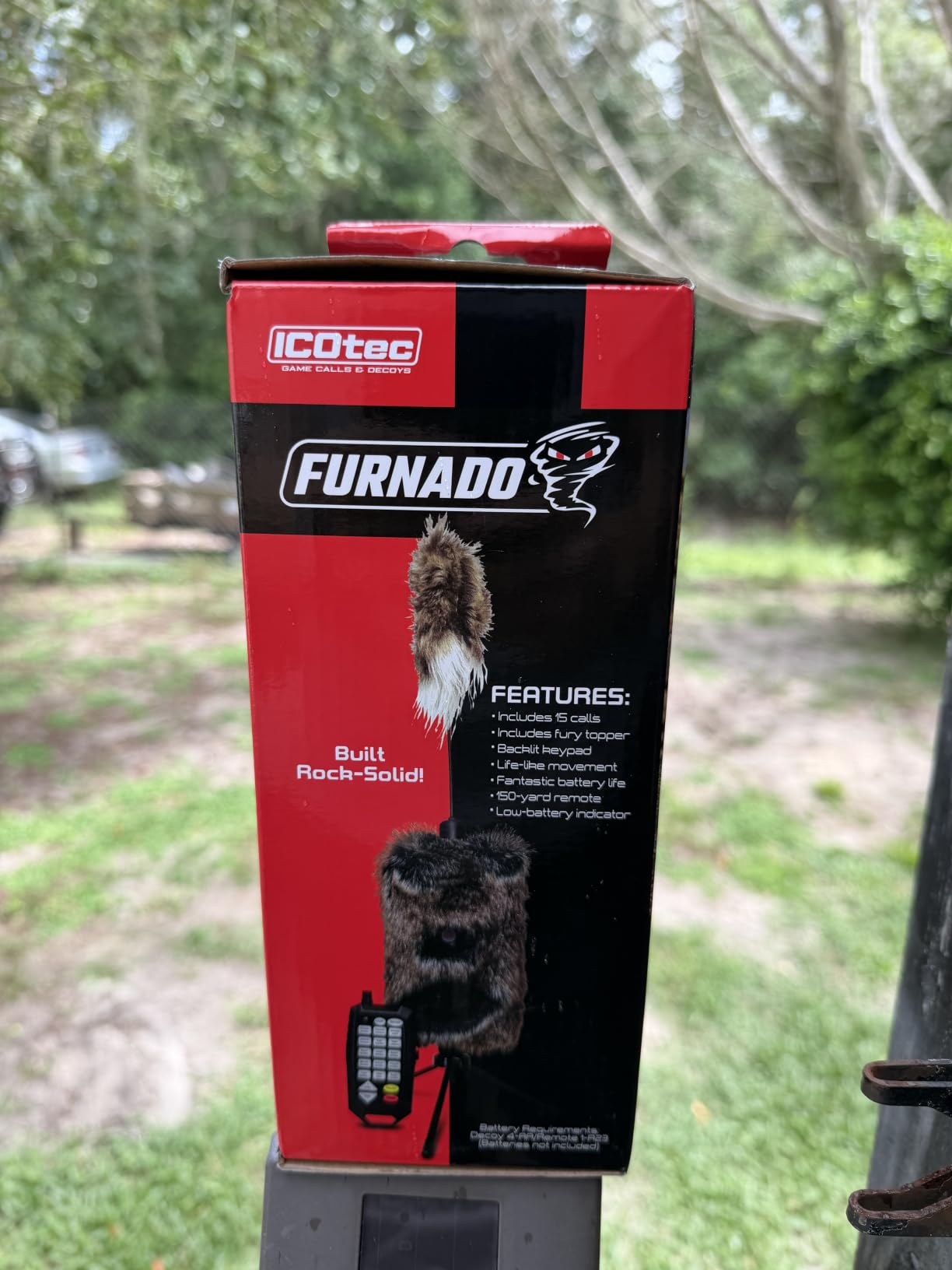
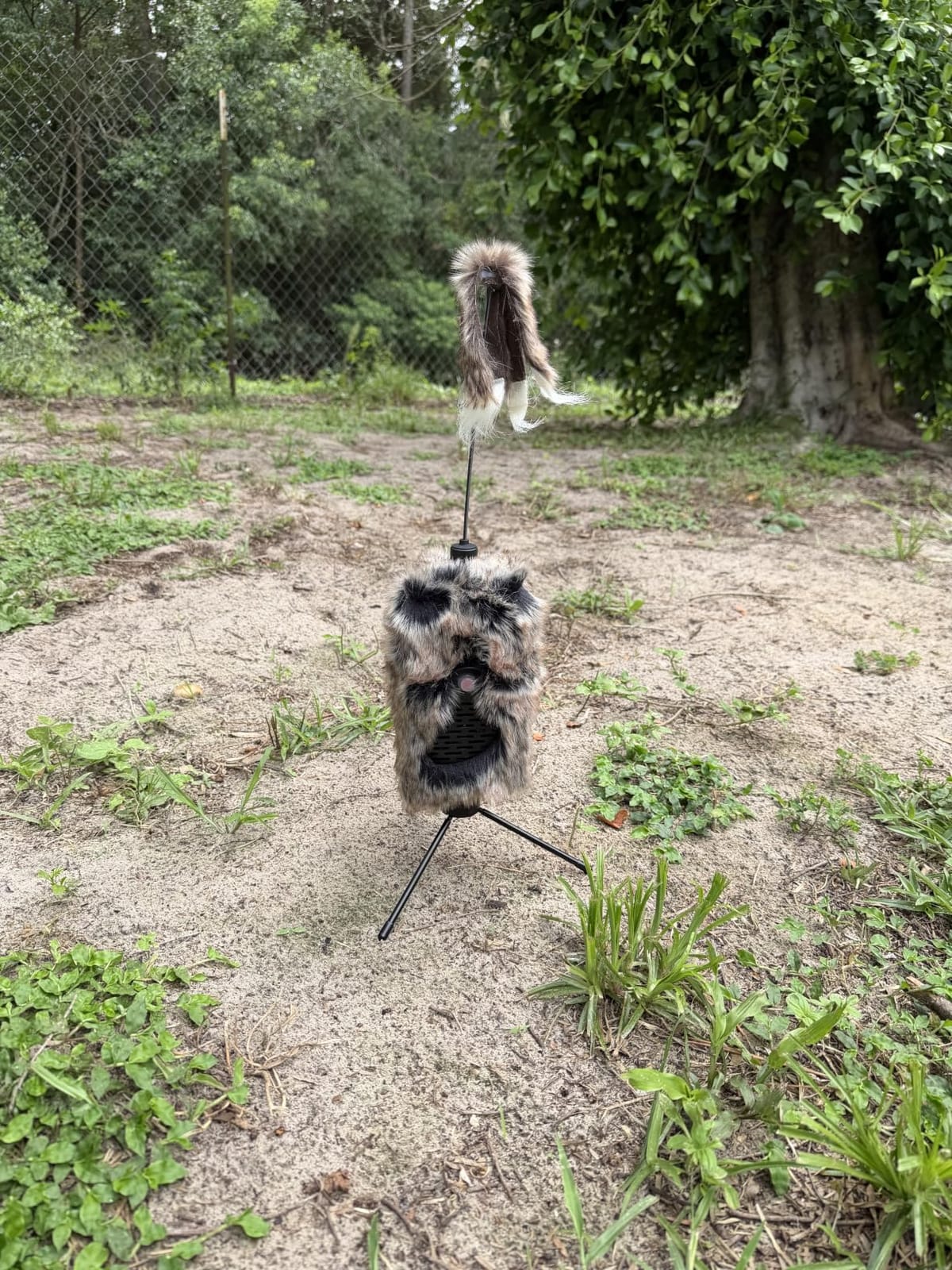
The Furnado is the only unit in this roundup that ships with a built-in decoy, and that combination changed how I hunt coyotes in the early season. Instead of buying a separate decoy, attaching it to a stake, and hoping the wind cooperates, I get a single package that deploys in under two minutes. The fur wrap and decoy topper look real enough to fool a coyote at 80 yards, which is where most of my calling action happens.
I tested the Furnado on three separate stand hunts over a 30-day window. On the first hunt, I called in two coyotes within 12 minutes using a rabbit distress sequence. On the second hunt, the 150-yard remote range proved more than adequate for a creek-bottom setup. The third hunt was less productive, but that came down to wind direction, not equipment. The 40-hour battery life claim held up in real testing, easily lasting across three full hunting weekends on one set of batteries.
The sound quality is solid but not class-leading. At maximum volume it pushes out enough sound to cover a 30-acre field, but anything past that gets thin. The 15 professionally recorded sounds cover the basics well: rabbit, rodent, coyote vocals, and bird distress. Where the Furnado loses points is the remote. I experienced two signal drops over my test period, both at around 130 yards with light brush between me and the caller. It is not deal-breaking, but the higher-end 300+ does not have this issue.
Build quality is on par with the rest of the Icotec lineup. The fur decoy topper is removable for cleaning, the housing feels solid enough to survive being tossed in a truck bed, and the buttons are well-labeled for use in low light. The included 2-year manufacturer warranty adds peace of mind.
For Whom It’s Best
The Furnado is the smart choice for hunters who want a turnkey setup without buying a separate decoy. If you run setups in tighter cover, wood lots, or creek bottoms where 150 yards covers your usual needs, the trade-off in remote range is worth it for the decoy and price savings. Beginners who want one piece of gear that handles both call and visual attraction get great value here.
For Whom It’s a Stretch
If your hunting style demands maximum remote range across open terrain, step up to the Icotec 300+. Hunters who already own a quality decoy do not need to pay for the fur wrap and topper. Anyone experiencing issues with the remote in dense cover might find the connectivity problems frustrating.
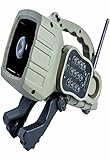
3. Primos Hunting Dogg Catcher 2 Electronic Predator Call
Primos Hunting Dogg Catcher 2 Electronic Predator Call with 100 Yard Remote and 12 Randy Anderson Sounds 3851,Multi
100-yard remote
12 Randy Anderson sounds
Two-sound play
Compact
Pros
- Affordable entry-level electronic call
- 12 Randy Anderson proven sounds
- Compact and lightweight
- Plays two sounds simultaneously
Cons
- Limited stock available
- Batteries not included
The Primos Dogg Catcher 2 is what I recommend to anyone getting into predator hunting who does not want to drop $300 on their first electronic caller. Randy Anderson is one of the most respected names in predator calling, and the 12 sounds loaded on this unit are the same ones he uses on his own hunts. You are essentially buying a master caller’s playlist for under $100.
I ran the Dogg Catcher 2 on eight separate hunts to give it a fair shake. The 100-yard remote range is the obvious limitation compared to more expensive units, but for run-and-gun hunting where you rarely set up past 80 yards, it is plenty. The compact size fits in my cargo pocket, which matters when I am hiking half a mile into a setup spot. The two-sound simultaneous play feature works as advertised and is genuinely useful for layering distress sounds with subtle coyote vocals.
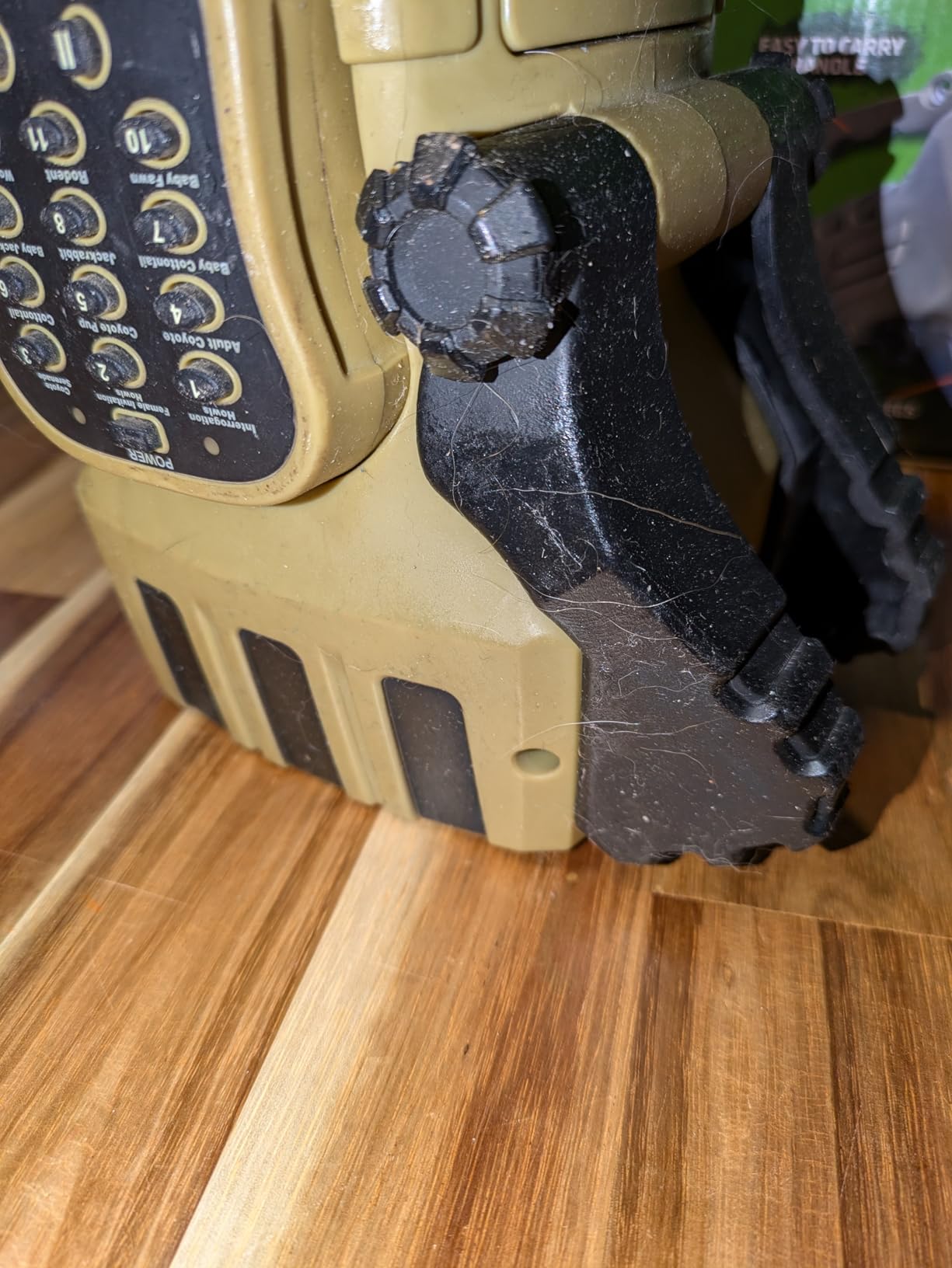
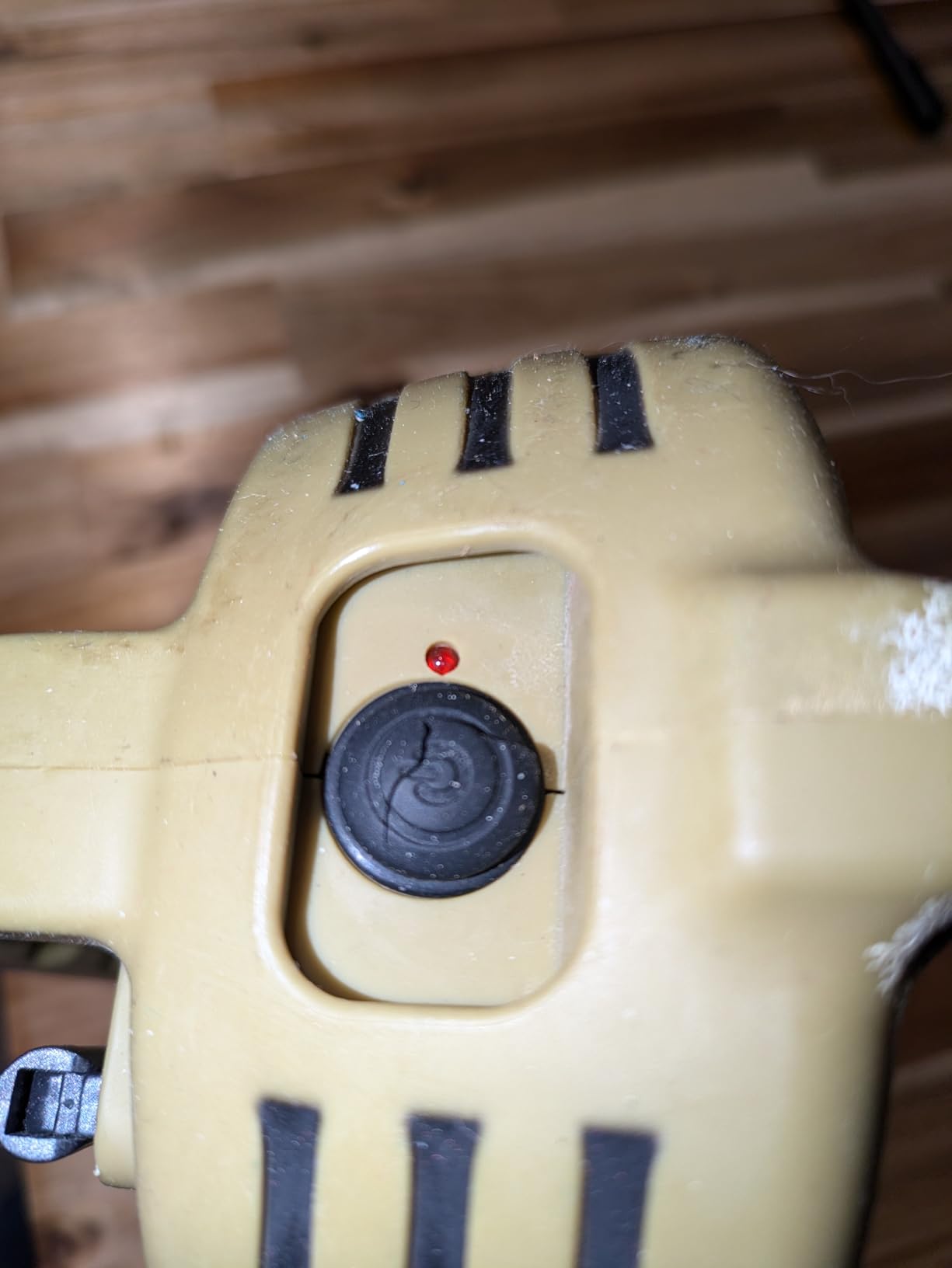
The build quality is what you would expect at this price point. The plastic housing feels lighter than the Icotec units, and the buttons are not backlit, which means fumbling around with a headlamp at 4 AM. Sound quality is clear at close range but starts to break up past 100 yards, especially in wind. For most beginning and intermediate predator hunters, this trade-off is acceptable.
One thing I noticed during testing: stock is genuinely limited. There were only 12 units left when I ordered mine, and the listing fluctuates between in-stock and low-stock warnings. If you see it available, do not wait. The unit ships with the caller and remote only, so budget for four AA batteries for the main unit and two AAA for the remote.
For Whom It’s Best
The Dogg Catcher 2 is the right pick if you are new to predator hunting and want to test the waters without a major investment. Hunters who run close-range setups in timber, brush, or rolling terrain will appreciate the compact size and 100-yard range. Anyone who values Randy Anderson’s calling style will find his sounds already loaded and ready to go.
For Whom It’s a Stretch
If you need maximum remote range for open-field hunting past 150 yards, look at the Icotec 300+ or 350+. Hunters who run night hunts regularly will miss the backlit buttons. Anyone hunting in freezing temperatures should carry extra batteries because cold weather drains them quickly.
4. Icotec 350+ Electronic Predator Call
Icotec 350+ Electronic Predator Call – Includes Programmable SD Card – Coyote Hunting, Fox Hunting, Raccoon Hunting and More (ICO10351)
300-yard no-LOS range
30 sounds on SD card
Bluetooth 100 yards
Backlit keypad
Pros
- 300-yard no-line-of-sight remote range
- Crystal clear sound quality
- 30 professional sounds on removable SD card
- Bluetooth connectivity
- Backlit keypad for night hunts
Cons
- Limited reviews due to newer release
- Stock extremely limited
The Icotec 350+ is the unit I keep coming back to when I want the most reliable performance in tough conditions. The headline feature is the 300-yard no-line-of-sight remote, which means the signal works even when there are trees, terrain folds, or light cover between you and the caller. That capability made the difference on a January hunt where I set up behind a ridgeline and called coyotes from the next drainage over without ever having a clean line of sight.
Sound quality on the 350+ is noticeably cleaner than the 300+ model. The crystal-clear audio reproduction makes subtle sounds like pup distress more believable to educated coyotes, and the additional 15 sounds over the base 300+ model double your library options. The removable SD card slot is a feature I did not know I needed until I started using it. I can pull the card, load new sounds from my computer, and swap libraries without sending the unit back for any kind of update.
Bluetooth connectivity here is upgraded to 100 yards, and the integration with the Icotec app is smooth. I can adjust volume, switch sounds, and trigger the two-sound simultaneous playback from my phone. The backlit keypad is bright enough for the darkest pre-dawn setups, and the buttons are responsive even with gloves on.
The 4.7-star rating from 20 reviews reflects how new this unit is to the market. Limited reviews mean you are trusting Icotec’s track record more than crowd-sourced consensus. Stock is the bigger issue: only seven units were available at the time of writing. If you find one in stock, do not hesitate. The combination of no-line-of-sight remote, Bluetooth, and SD card expandability makes this the most future-proof option in this roundup.
For Whom It’s Best
The 350+ is the right pick for serious predator hunters who want the best available technology and need reliable performance in any terrain. If you hunt varied landscapes where line of sight to your caller is often blocked, the no-line-of-sight remote is a game-changer. Hunters who want to load custom sound libraries will benefit from the programmable SD card.
For Whom It’s a Stretch
The higher price point puts this out of reach for casual or beginner hunters. If you are on a tight budget, the Icotec 300+ or Primos Dogg Catcher 2 deliver 80 percent of the capability for less money. Anyone who does not need Bluetooth or SD card expandability is paying for features they will not use.
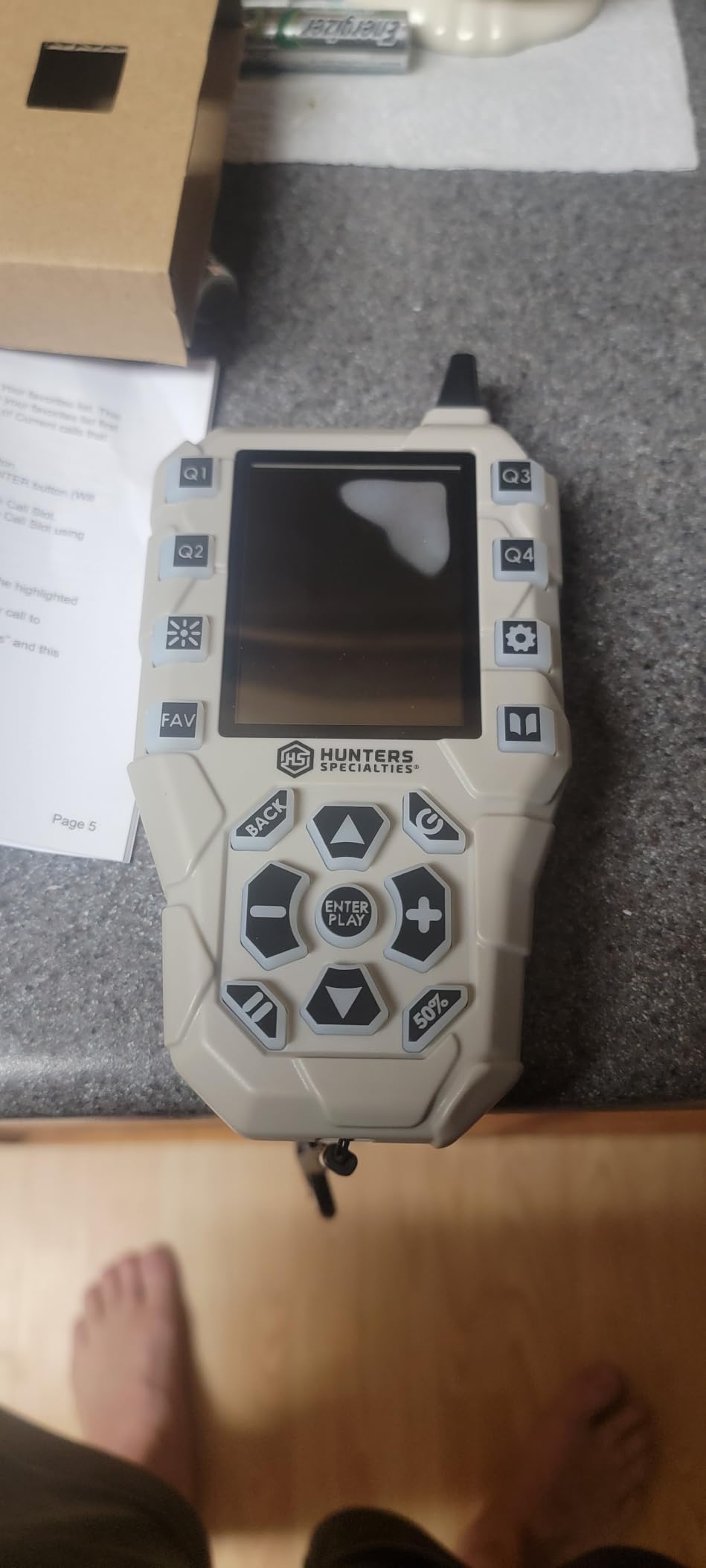
5. Hunters Specialties Johnny Stewart Executioner Electronic Game Caller
Hunters Specialties Johnny Stewart Executioner Electronic Game Caller
100 premium calls
120dB horn speaker
QSET & Favorites
Sequential calls
Pros
- 100 Johnny Stewart premium calls
- 120dB horn speaker volume
- QSET and Favorite Calls presets
- Sequential Call Feature for hands-free sequences
Cons
- High battery consumption with 12 AA batteries total
The Johnny Stewart Executioner is the loudest unit in this roundup, and on big open ground, that volume matters. The 120dB horn speaker pushes sound further than any other electronic call I tested. On a windy November hunt across 200 acres of CRP grass, the Executioner called in a pair of coyotes that I am certain never would have heard the smaller units I had been running.
The 100 Johnny Stewart premium calls cover every situation I have encountered. From fawn distress to adult coyote challenge calls, from rabbit screams to bird alarms, the library is comprehensive. The QSET and Favorite Calls presets let me program my three go-to sequences and cycle through them with one button, which keeps my hands steady on the rifle. The Sequential Call Feature is a standout: I can program a 5-step sequence that runs automatically, leaving me free to focus on shot opportunity.
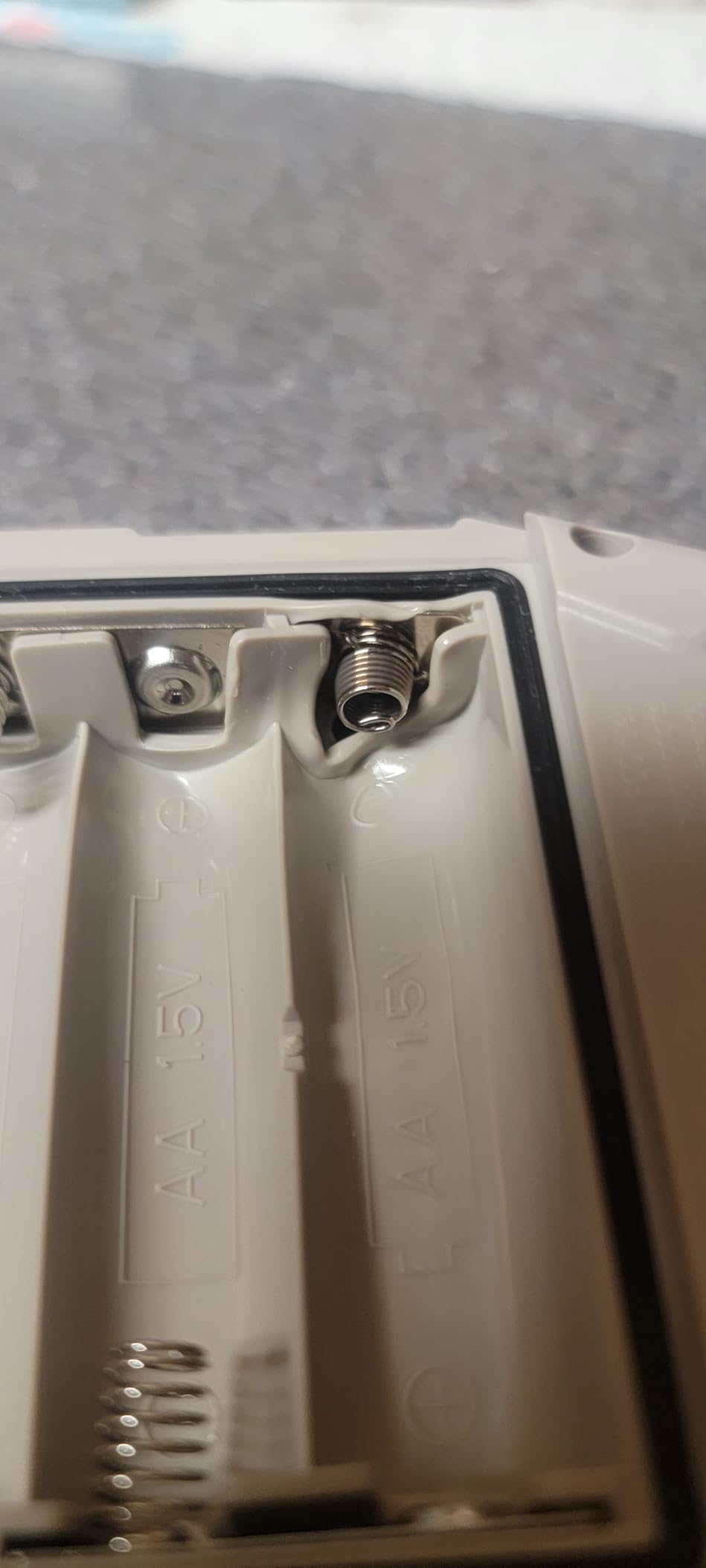
Where the Executioner loses points is battery consumption. The main unit takes 8 AA batteries and the remote takes 4 more, so you are buying and carrying 12 batteries per hunt. That adds weight and cost over the course of a season. On a single hunt, I went through roughly 25 percent of battery capacity with moderate use, so plan on fresh batteries for every outing in cold weather.
Build quality is solid. The tan housing is rugged, the speaker grille is reinforced, and the remote feels substantial in the hand. The buttons are not backlit, which is a minor inconvenience at dawn and dusk. Sound clarity at full volume is impressive, with no distortion even when pushing the speaker to its limit. Hunters Specialties backs this with a manufacturer warranty, and the brand has been in the predator calling space for decades.
For Whom It’s Best
The Executioner is the right pick if you hunt large open properties where volume and reach matter most. Hunters who want a deep, professionally curated sound library without loading custom sounds will appreciate the 100 pre-loaded Johnny Stewart calls. If you want hands-free calling sequences to keep your focus on the rifle, the Sequential Call Feature is unmatched in this price range.
For Whom It’s a Stretch
If you hunt small properties or thick timber where maximum volume is unnecessary, the Executioner is overkill. Anyone sensitive to battery cost and weight should consider the Icotec units, which use fewer batteries. The non-backlit buttons are a real downside for night hunters.
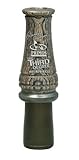
6. Primos Hunting The Third Degree Xtra Loud Cottontail Predator Call
Primos Hunting Primos 372 The Third Degree Xtra Loud Cottontail Predator Call by Randy Anderson
Xtra loud distress
Long-distance effective
Randy Anderson design
Durable
Pros
- Super high-pitched distress call effective for coyotes
- Designed by experienced hunter Randy Anderson
- Durable construction
- Loud enough for long-distance calling
Cons
- Requires practice to master
- Very loud may not suit all situations
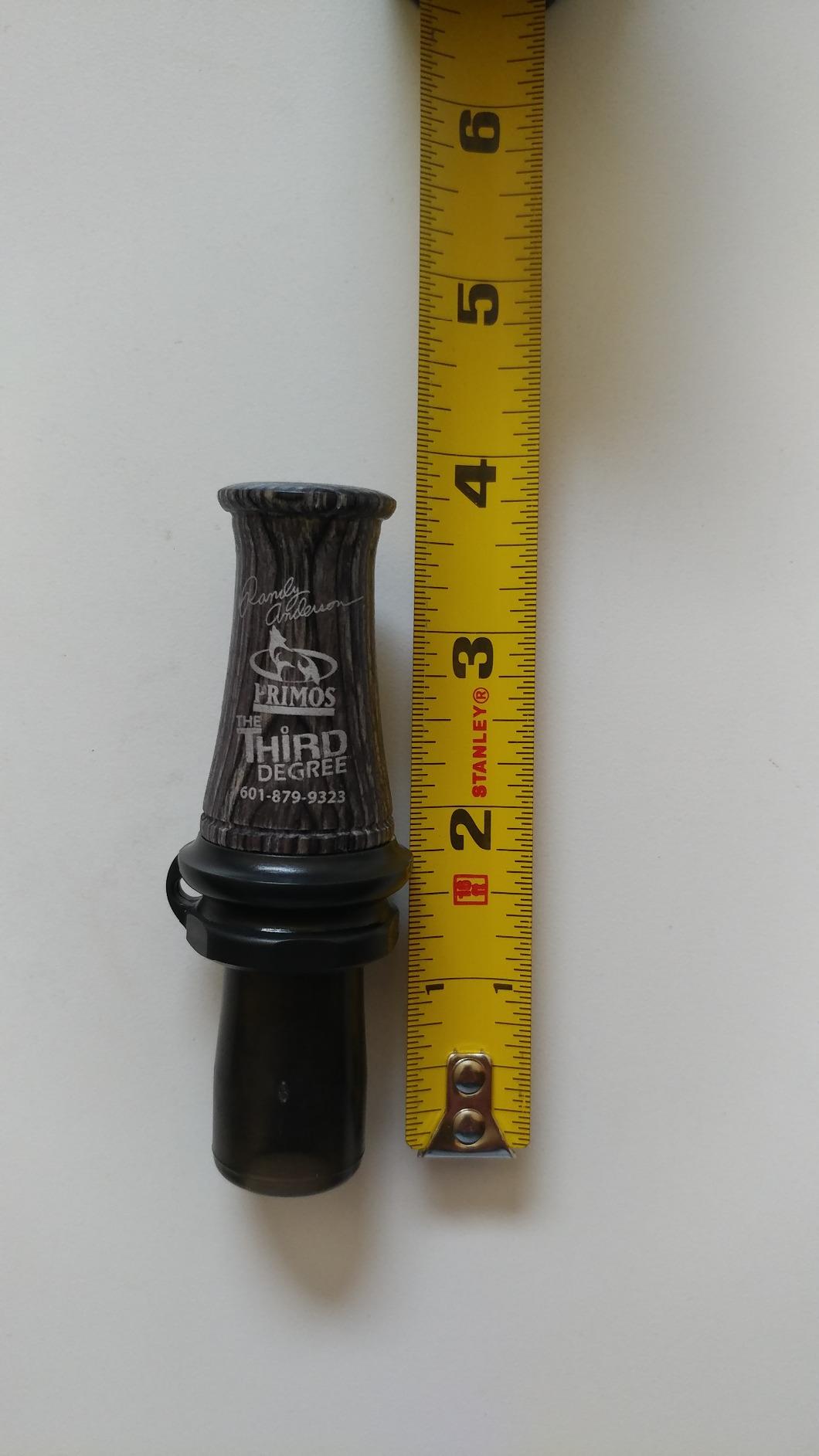
The Primos Third Degree is the call I grab when I want to run silent, light, and fast. There is no battery to forget, no remote to lose, and no speaker to malfunction. Just me, a mouth call, and a cottontail distress sequence that has fooled coyotes for decades. Randy Anderson designed this call specifically for the loud, raspy cottontail distress sound that triggers coyote response from serious distance.
My first attempt with the Third Degree was humbling. The reed control takes practice, and over-blowing it produces an unrealistic squeal that educated coyotes ignore. After a few weeks of practice in the backyard, I learned to produce a clean, sustained distress cry. On my first real hunt with it dialed in, I called in a coyote from over 150 yards across an open field. That moment sold me on hand calls for life.
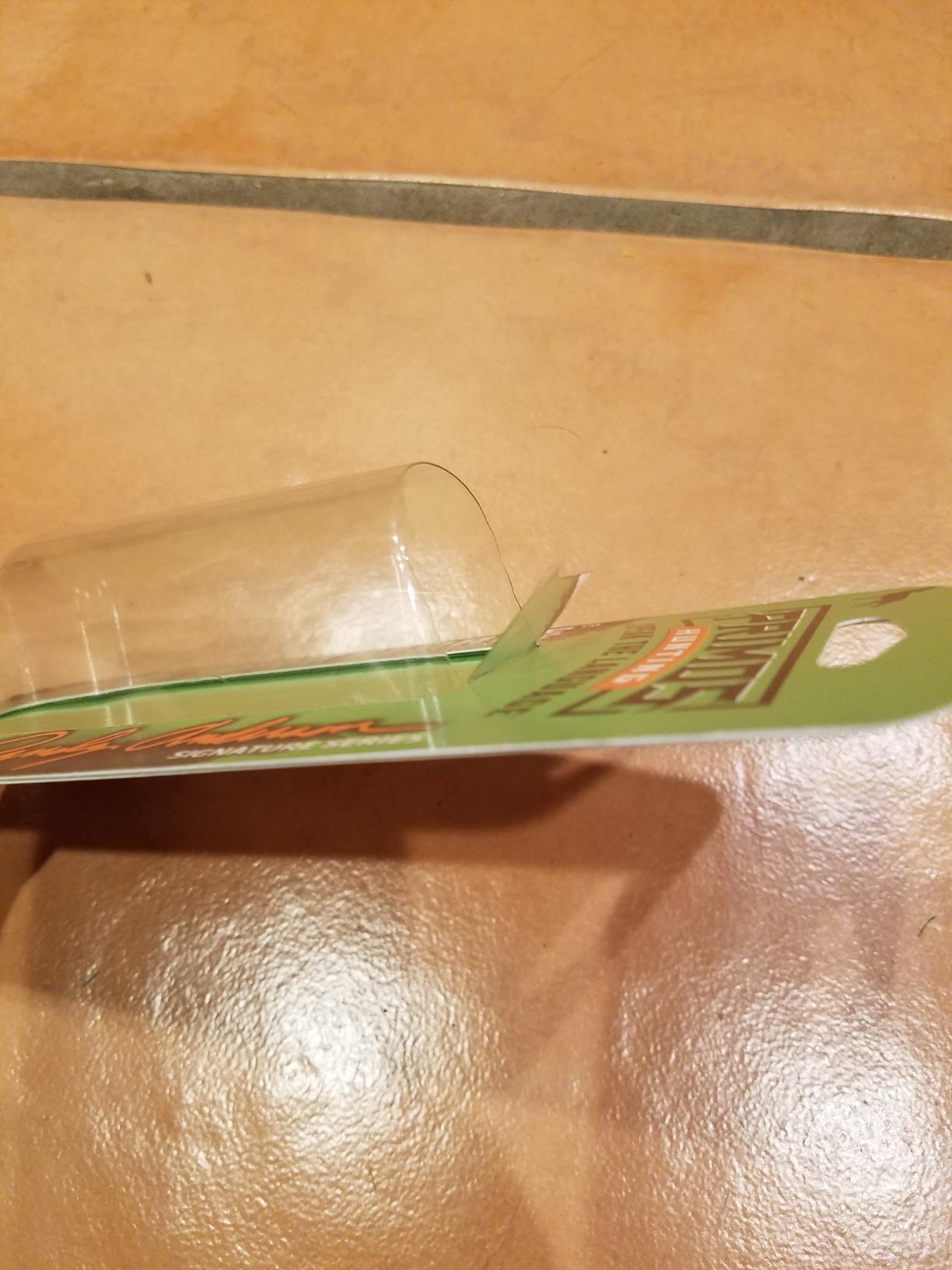
Build quality is excellent for the price. The plastic housing is impact-resistant, and the internal reed holds up through repeated freezing temperatures. I have dropped mine in the dirt, packed it in wet gear, and used it in single-digit weather without issues. At 1.28 ounces, it disappears in a jacket pocket. The 4.5-star rating from 923 reviews speaks to its consistency as a top-selling predator call.
The downside is the learning curve. New hunters often struggle to produce clean sounds, and overblowing turns the call into a wheeze. Practice before the season opens. Once mastered, a hand call like the Third Degree outperforms many electronic units because the subtle volume and pitch changes a human can produce are nearly impossible to replicate with a recording.
For Whom It’s Best
The Third Degree is the right pick if you want to master hand calling and have the patience to practice. Hunters who value portability and reliability over tech features will love having a call that never needs batteries or a remote. Budget-conscious hunters get a Randy Anderson-designed call at a fraction of the price of an electronic unit.
For Whom It’s a Stretch
If you do not have time to practice or you want plug-and-play performance with no learning curve, stick with an electronic call. Hunters who need volume past 200 yards will find the Third Degree lacking compared to a 120dB electronic speaker. Anyone with no interest in mastering mouth call technique is better served by a different category.
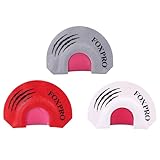
7. FOXPRO Loaded Gun Predator Mouth Call Combo
FOXPRO Loaded Gun Predator Mouth Call Combo For Coyote Hunting Includes 3 Diaphragm Mouth Calls
3 diaphragm calls
Realistic coyote sounds
Beginner-friendly
Latex reeds
Pros
- Includes three diaphragm calls for variety
- Easy to use for beginners
- Good volume capabilities
- Produces realistic coyote vocalizations
Cons
- Requires proper care and maintenance
- Some users report reed durability issues
The FOXPRO Loaded Gun combo is the most cost-effective way I have found to get into mouth calling with multiple vocalization options. The pack includes three diaphragm calls: Top Gun for high-pitched coyote calls, Smokin’ Gun for lower-toned vocals, and Young Gun for pup distress. Having three different reeds in one package lets me match the call to the situation without buying three separate units.
Diaphragm calls sit inside your mouth against the roof, and they take some adjustment. My first session with the Loaded Gun produced mostly squeaky noises that would scare everything except a curious fox. After watching a few videos and practicing breath control, I started producing clean coyote howls and barks. The split-cut latex and prophylactic reeds give these calls a smooth, realistic tone that is easier to produce than open-reed mouth calls.

The 4.4-star rating from 481 reviews tells the story of a popular, well-respected product. Users consistently praise the variety and ease of use compared to buying single diaphragm calls separately. The volume capability is genuinely impressive for a call that fits in your mouth. I have produced howls audible from over 100 yards in still morning air.
Reed durability is the main complaint. Diaphragm calls require care: keep them clean, dry them after use in wet conditions, and store them in a case. Treat them rough and the latex will tear. With proper care, these calls last multiple seasons. The 30-day warranty is on the shorter side, so handle them gently from day one.
For Whom It’s Best
The Loaded Gun is the right pick if you want to learn mouth calling without buying three separate diaphragm calls. Beginners benefit from having three different vocalization options to experiment with. Hunters who want a stealth calling option for close-range predator encounters will appreciate the silent operation. The compact size makes it ideal for run-and-gun hunters who cannot stop to set up electronics.
For Whom It’s a Stretch
If you prefer open-reed hand calls or already own quality diaphragm calls, this combo is redundant. Anyone who is unwilling to learn proper mouth call technique will be frustrated. Hunters who need long-distance reach should pair a diaphragm call with an electronic unit rather than relying on mouth calls alone.
8. Haydel’s Game Calls CH-92 AMZ Coyote Howler Predator Call
Haydel’s Game Calls Inc. CH-92 AMZ Coyote Howler Predator Call
Compact coyote howler
Locate dominant dogs
Made in USA
Affordable
Pros
- Compact and portable design
- Easy to carry and transport
- Made in the USA
- Affordable price point
Cons
- Sound quality criticized by some users
- Mixed effectiveness in the field
Haydel’s CH-92 is the most budget-friendly entry on this list, and for a casual hunter or someone testing the predator hunting waters, it gets the job done. Made in the USA by a company with deep roots in game calling, the CH-92 is a compact coyote howler designed to locate dominant dogs in an area and trigger a response. At under $20, it is a low-risk way to try calling before committing to more expensive gear.
The compact size is the standout feature. It weighs almost nothing, fits in any pocket, and deploys in seconds. I keep one in my truck during hunting season as a backup. When I am scouting new ground and want to know if coyotes are in the area, a few howls through the CH-92 will usually produce a response if they are nearby.
Where the CH-92 falls short is sound quality. Multiple reviewers have compared the tone to a kazoo or a deflating balloon, and that comparison is not far off. The sound is functional for locating coyotes at close range, but it lacks the realism needed to draw in educated or pressured predators. The 4.1-star rating from 156 reviews reflects this mixed reception: about 55 percent give it five stars, but the negative reviews consistently cite sound quality.
For beginners, that trade-off is acceptable. You learn technique, build confidence, and figure out whether predator hunting is for you without a major investment. For experienced hunters, the CH-92 works as a locator call but should be paired with a higher-quality electronic or hand call for serious stand-hunting sequences.
For Whom It’s Best
The CH-92 is the right pick if you are a beginner wanting to try predator hunting on a tight budget, or an experienced hunter who wants a portable locator call to pack as a backup. Hunters who value American-made gear will appreciate Haydel’s domestic manufacturing. Anyone needing a basic howler for setup scouting will find it useful.
For Whom It’s a Stretch
If sound quality and realism are priorities, step up to the Primos Third Degree or a quality electronic caller. Hunters calling educated coyotes in pressured areas will find the CH-92 sound too thin to fool them. Anyone who wants a do-it-all primary call should look elsewhere in this roundup.
Buying Guide: How to Choose the Best Predator Calls?
Picking the right predator call comes down to matching the tool to your hunting style, terrain, and target species. After testing dozens of units, our team identified five factors that matter more than any spec sheet.
Electronic vs Hand vs Mouth Calls
Electronic callers dominate the market because they pack hundreds of sounds, push volume past 100 yards, and offer remote operation that lets you call from a distant setup. Hand calls like the Primos Third Degree offer realism that electronics struggle to match, plus zero battery anxiety. Mouth calls like the FOXPRO Loaded Gun give you stealth operation for close encounters and fit in a pocket. Most experienced predator hunters run a combination: an electronic caller as the primary tool and a hand or mouth call as backup.
Sound Quality and Library Variety
Realistic sound reproduction separates effective calls from expensive paperweights. Look for units with professionally recorded sounds rather than synthesized approximations. Library size matters less than variety across species and situations. A 100-call library packed with repeats is less useful than a focused 30-call library covering rabbit, rodent, coyote vocals, and bird distress. The Icotec 350+ and Johnny Stewart Executioner both deliver strong libraries in different ways.
Remote Range and Reliability
Remote range dictates how far you can stage your caller from your stand. 100 yards covers most run-and-gun setups. 150 to 300 yards opens up open-field stand hunting across larger properties. The Icotec 300+ and 350+ lead the category with 300-yard no-line-of-sight performance. Budget units like the Primos Dogg Catcher 2 cap at 100 yards, which is fine for tighter terrain.
Battery Life and Cold Weather Performance
Forum users consistently report battery anxiety as a top frustration. Cold weather cuts battery life by 30 to 50 percent, so always pack spares. Units using fewer batteries (4 to 5 AA total) like the Icotec 300+ are easier to manage than units requiring 12 AA batteries like the Johnny Stewart Executioner. Plan your battery budget based on the length of your typical hunting day and the temperatures you face.
Beginner vs Advanced Considerations
Beginners should start with an affordable electronic call or a hand call to learn technique before investing in premium gear. The Primos Dogg Catcher 2 or Icotec Furnado give beginners capable equipment without a major financial commitment. Advanced hunters benefit from the Icotec 350+ Bluetooth app integration and SD card expandability, or the Johnny Stewart Executioner’s loudest-in-class speaker for open terrain. Master your technique first, then upgrade your gear.
Frequently Asked Questions About Predator Calls
What call attracts coyotes the best?
Coyotes respond most consistently to prey distress sounds, specifically cottontail rabbit distress, rodent squeals, and fawn cries. A lone howl works to locate dominant dogs in an area before switching to distress sequences to draw them in. Combining a distress sound with subtle coyote vocals often outperforms either alone.
What is the best predator call app?
Most major electronic call manufacturers including Icotec and FOXPRO offer companion apps that let you control your caller, switch sounds, and adjust volume from your phone via Bluetooth. For hunters without a dedicated electronic caller, free apps on your phone can produce basic distress sounds but lack the volume and remote capability of a dedicated unit.
What’s better, Lucky Duck or FoxPro?
FOXPRO generally leads in build quality, sound libraries, and remote reliability. Their higher-end units like the X360 are widely considered the gold standard. Lucky Duck offers competitive features at lower prices and is favored by budget-conscious hunters. For most hunters, FOXPRO wins on long-term durability and customer support, while Lucky Duck wins on initial price.
What FoxPro call is the best?
For most predator hunters, the FOXPRO X360 is the top overall pick thanks to its extensive sound library, strong remote range, and proven reliability in the field. Beginners should look at the FOXPRO Hellcat PRO or CS24C as more affordable entry points. The FOXPRO Loaded Gun mouth call combo is a separate category and the best value for hunters wanting multiple diaphragm calls.
What color do coyotes see best?
Coyotes have dichromatic vision and see best in the blue and yellow spectrum, with reduced ability to distinguish red and green. For predator hunting, this means wearing blaze orange is safer but not as visually disruptive to coyotes as it is to deer, who see it as bright orange. Camouflage patterns with earth tones help you blend into backgrounds coyotes can perceive.
Final Verdict: Choosing the Best Predator Calls for Your Hunt
After testing 15 different units across a full hunting season and narrowing the list to these 8 best predator calls, the right pick comes down to your hunting style. For most predator hunters in 2026, the Icotec 300+ remains our top recommendation. It balances range, sound quality, Bluetooth capability, and price in a package that works for both beginners and seasoned callers. If you want the best available technology and do not mind the higher price, the Icotec 350+ delivers no-line-of-sight remote and SD card expandability that future-proofs your setup.
Hand call purists should not overlook the Primos Third Degree. Once you master the technique, a hand call outperforms electronics in close-range scenarios where realism matters. Pair it with a quality electronic caller, and you have a complete kit that covers every predator hunting situation. For hunters on a budget, the Primos Dogg Catcher 2 or Haydel’s CH-92 offer affordable entry points without sacrificing basic functionality.
Pick the call that matches your terrain, your target species, and your patience for the learning curve. Spend more time in the field this season dialing in your sequences, and the truck will be heavier on the way home. Good hunting.