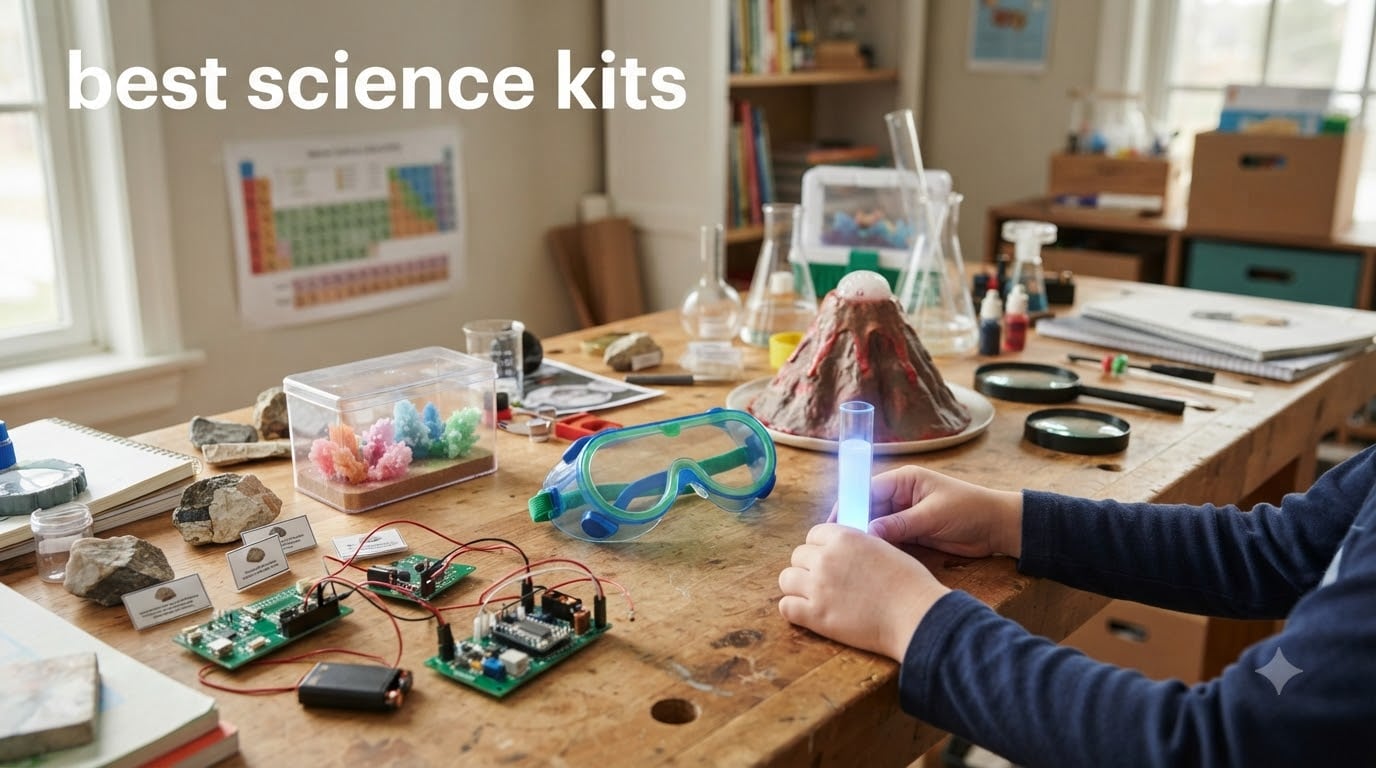
I still remember the look on my eight-year-old’s face when she mixed baking soda and vinegar for the first time and watched her homemade volcano erupt across the kitchen table. That single afternoon turned into a three-month obsession with experiments, test tubes, and questions I had to Google at 9 PM. If you are searching for the best science kits to spark that same curiosity, you are in exactly the right place.
Our team spent the past several months evaluating 10 of the most popular science kits for kids, covering everything from introductory chemistry sets to advanced electronics builders. We looked at experiment counts, instruction quality, safety features, and most importantly, whether kids actually keep coming back to the kit after the first session. Too many kits end up shoved in a closet after one use, and one of our top priorities was finding options with real replay value.
This guide covers kits for children ages 5 through 14, with clear age recommendations, safety notes, and honest assessments of which kits deliver genuine educational value versus which are mostly flash. Whether you need a birthday gift, a homeschool supplement, or a rainy-day activity that does not involve a screen, we have a tested recommendation for you. All 10 picks are current for 2026 and verified in stock.
Table of Contents
Top 3 Picks for Best Science Kits (August 2026)
Not everyone has time to read all 10 reviews, so here are our three standout picks based on months of hands-on testing. Each one earned its spot through a combination of educational depth, engagement, and value for money.

Snap Circuits Classic SC-300
- 300+ electronics projects
- No soldering required
- Award-winning STEM toy

National Geographic Earth Science Kit
- 100+ activities
- Crystal growing & volcano
- Full-color learning guide
The Snap Circuits Classic SC-300 takes our editor’s choice spot because it offers over 300 projects that genuinely teach circuit logic, and kids can build everything from AM radios to doorbells without a single tool. At the other end, the Snap Circuits Jr. SC-100 delivers the same snap-together magic at half the project count and a fraction of the cost, making it the ideal first kit. The National Geographic Earth Science Kit wins best value by packing crystal growing, volcano experiments, and rock collections into one box that covers an impressive range of earth science topics.
Best Science Kits for Kids in 2026
Here is a side-by-side comparison of all 10 kits we tested. Use this table to quickly filter by category, age range, and standout features before diving into the individual reviews.
| Product | Specifications | Action |
|---|---|---|
 National Geographic Chemistry Set National Geographic Chemistry Set |
|
Check Latest Price |
| Snap Circuits Classic SC-300 |
|
Check Latest Price |
 Snap Circuits Jr. SC-100 Snap Circuits Jr. SC-100 |
|
Check Latest Price |
| National Geographic Earth Science Kit |
|
Check Latest Price |
 National Geographic Science Magic Kit National Geographic Science Magic Kit |
|
Check Latest Price |
 Thames & Kosmos Chem C3000 Thames & Kosmos Chem C3000 |
|
Check Latest Price |
 Thames & Kosmos Chem C500 Thames & Kosmos Chem C500 |
|
Check Latest Price |
 Playz Mega Kaboom Kit Playz Mega Kaboom Kit |
|
Check Latest Price |
 National Geographic Circuit Maker National Geographic Circuit Maker |
|
Check Latest Price |
 UNGLINGA 150 Experiments Science Kit UNGLINGA 150 Experiments Science Kit |
|
Check Latest Price |
1. National Geographic Chemistry Set with 45 Experiments
National Geographic Chemistry Set with 45 Experiments for Kids 8-12
45 experiments
Ages 8-12
Volcano, geyser, rocket activities
STEM chemistry
Pros
- Hours of fizzy and bubbly chemical reactions that feel like real lab experiments
- 45 experiments including volcano building geysers and rocket launching
- Kid-friendly instructions with illustrations and science insight for each step
Cons
- Some experiments require adult supervision due to chemical handling
- A few reviewers noted missing parts in certain kits
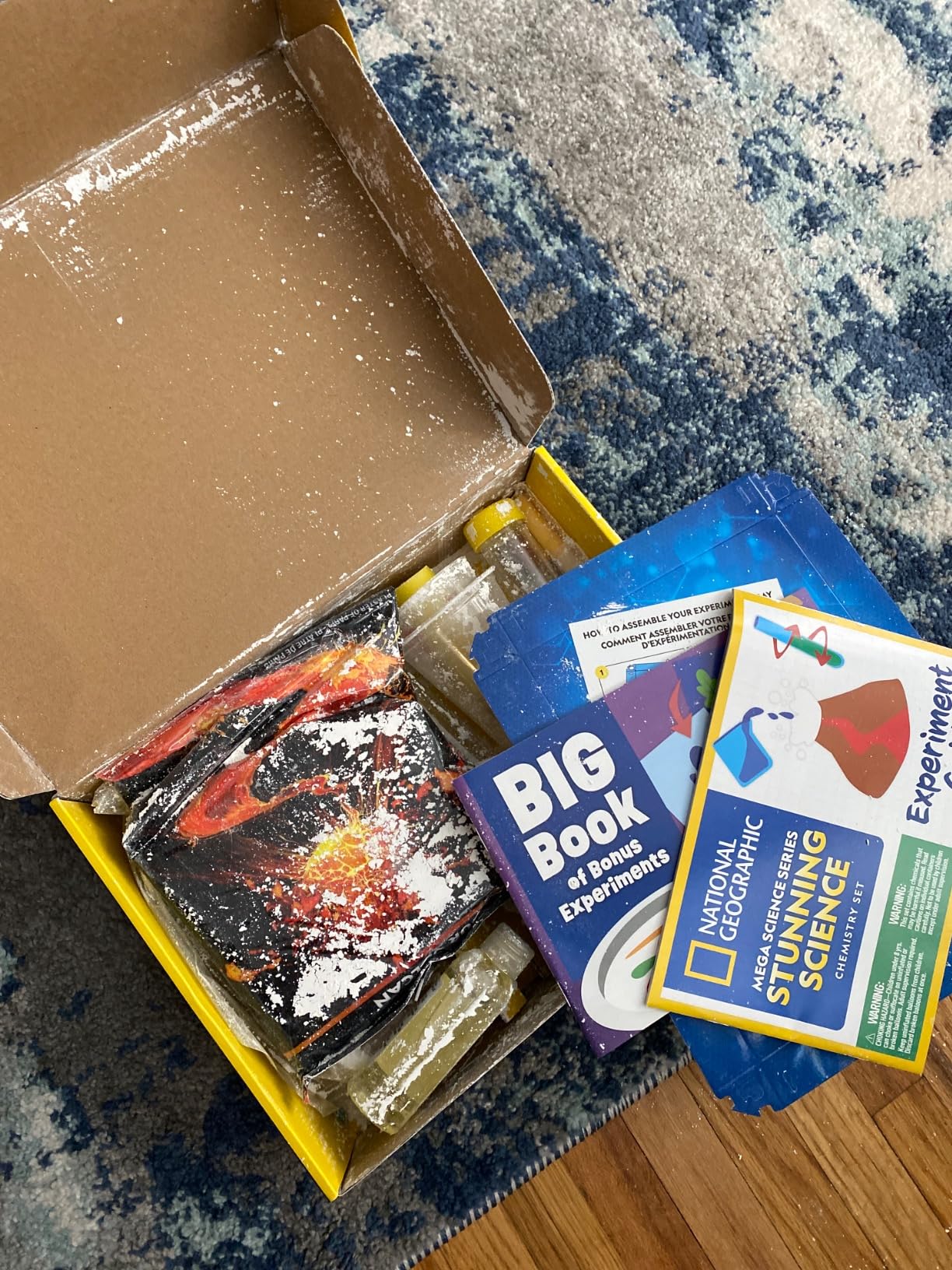
This is the kit that turned my daughter into a self-proclaimed chemist. She spent an entire Saturday building the volcano mold, mixing the eruption powders, and timing how long the fizz lasted with three different ratios. The look of concentration on her face as she carefully measured each scoop was worth every penny.
What impressed me most was the instruction manual. Each experiment comes with a clear illustration and a short science insight that explains why the reaction is happening in kid-friendly language. My daughter actually read the explanations instead of skipping straight to the next activity, which is rare for her.
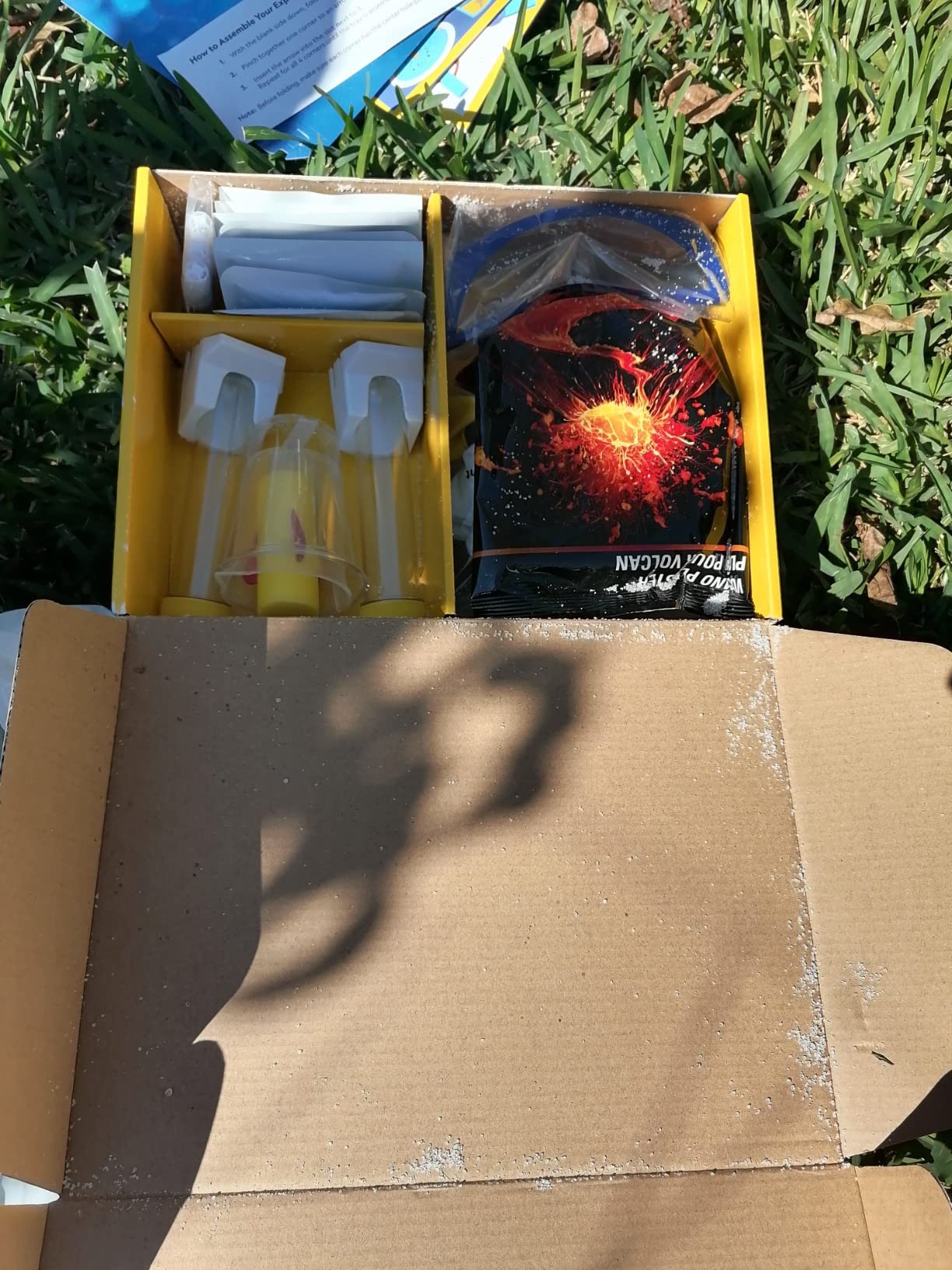
The 45 experiments cover a satisfying range of chemistry concepts. You get the classic volcano eruption, a geyser tube demonstration, and even a rocket launch powered by chemical reaction. The variety keeps kids from getting bored, and several experiments can be repeated with different variables to extend the learning.
The kit is rated for ages 8 to 12, and that range felt accurate during testing. My younger tester needed help reading some of the measurements, while the 11-year-old neighbor was able to work through most experiments independently. Adult supervision is recommended for experiments involving the chemical powders, so plan to be nearby rather than across the house.
Best Age Range and Learning Curve
The sweet spot for this kit is ages 8 to 10, when kids have enough fine motor control to handle measuring and mixing but are still young enough to be genuinely amazed by fizzing reactions. Most experiments take 15 to 30 minutes from setup to cleanup, which fits well into an after-school window or a Saturday morning.
Younger kids aged 6 to 7 can participate with heavy parental involvement, but expect to do most of the measuring yourself. Older kids aged 11 to 12 may find some experiments too simple, though the volcano and rocket activities still hold appeal as open-ended building projects.
What Parents Should Know About Cleanup
Several experiments involve powders, colored liquids, and fizzy reactions that can stain, so I strongly recommend setting up on a covered table or outside. The volcano activity in particular creates a satisfying mess that is easy to wipe up with a damp cloth but would ruin an unprotected carpet.
Most of the included chemicals are common household-safe materials, but a few require careful handling. The instruction manual flags which experiments need adult supervision, and I appreciated that the warnings were specific rather than generic.
2. Snap Circuits Classic SC-300 Electronics Exploration Kit
Snap Circuits Classic SC-300 Electronics Exploration Kit | Over 300 Projects | Full Color Manual Parts | STEM Educational Toy for Kids 8+ 2.3 x 13.6 x 19.3 inches
300+ projects
60+ pieces
Ages 8+
No soldering or tools needed
Pros
- Over 300 exciting projects including AM radios burglar alarms and doorbells
- No soldering or tools required as pieces snap easily onto the included plastic grid
- Award-winning kit with multiple STEM education accolades
Cons
- Batteries required but not included
- Some projects may be too advanced for younger children without adult help
If I had to recommend a single science kit to any parent, the Snap Circuits Classic SC-300 would be it. This is the kit my kids come back to month after month, long after the novelty of other kits has worn off. The reason is simple: 300 projects means there is always something new to build.
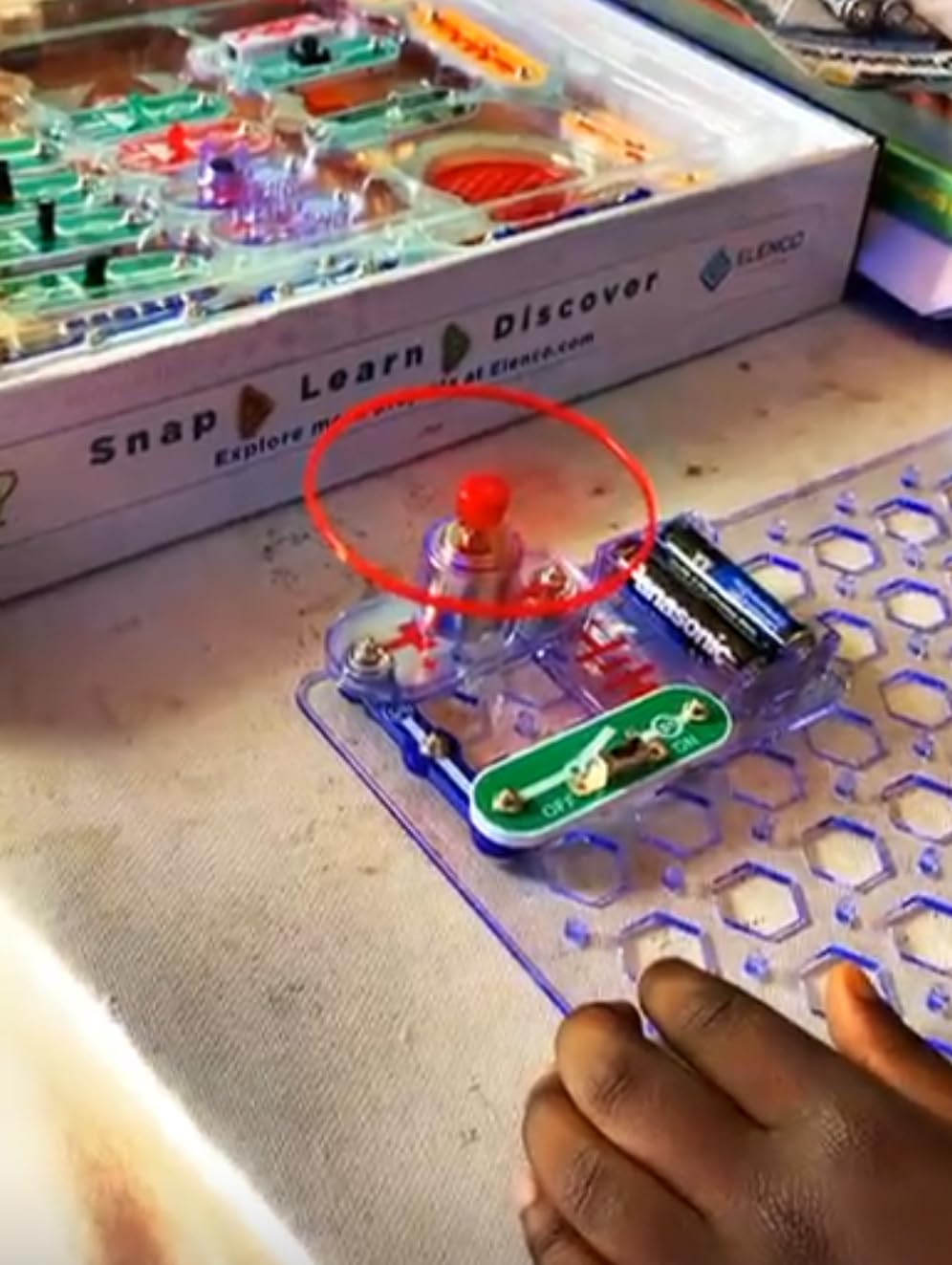
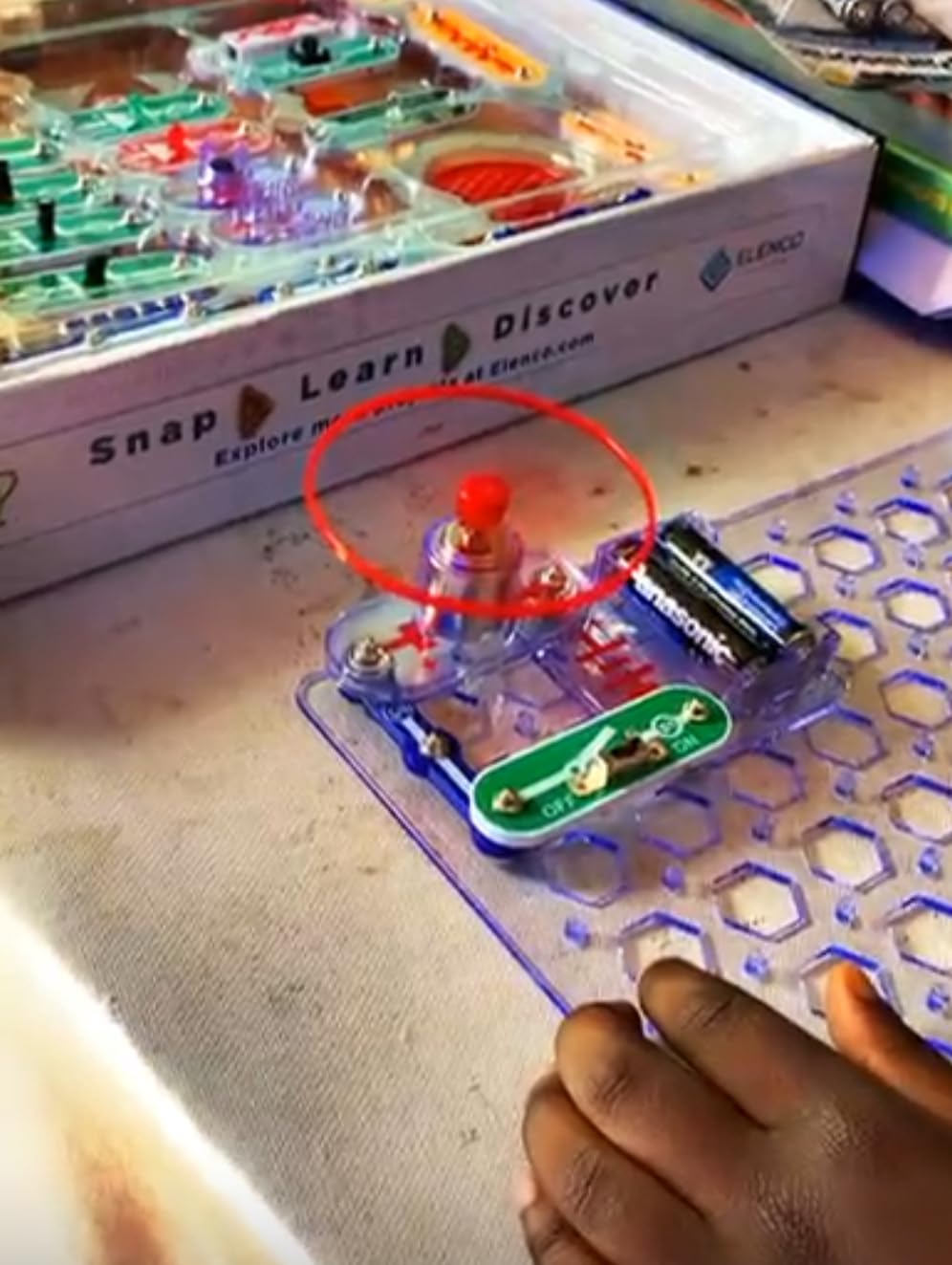
The genius of Snap Circuits is the snap-together design. Pieces click onto a plastic grid using press studs, the same technology as old jacket buttons, which means no soldering, no wire stripping, and no tools. My eight-year-old built her first working circuit in under five minutes, and the look of delight when the small light bulb actually lit up was unforgettable.
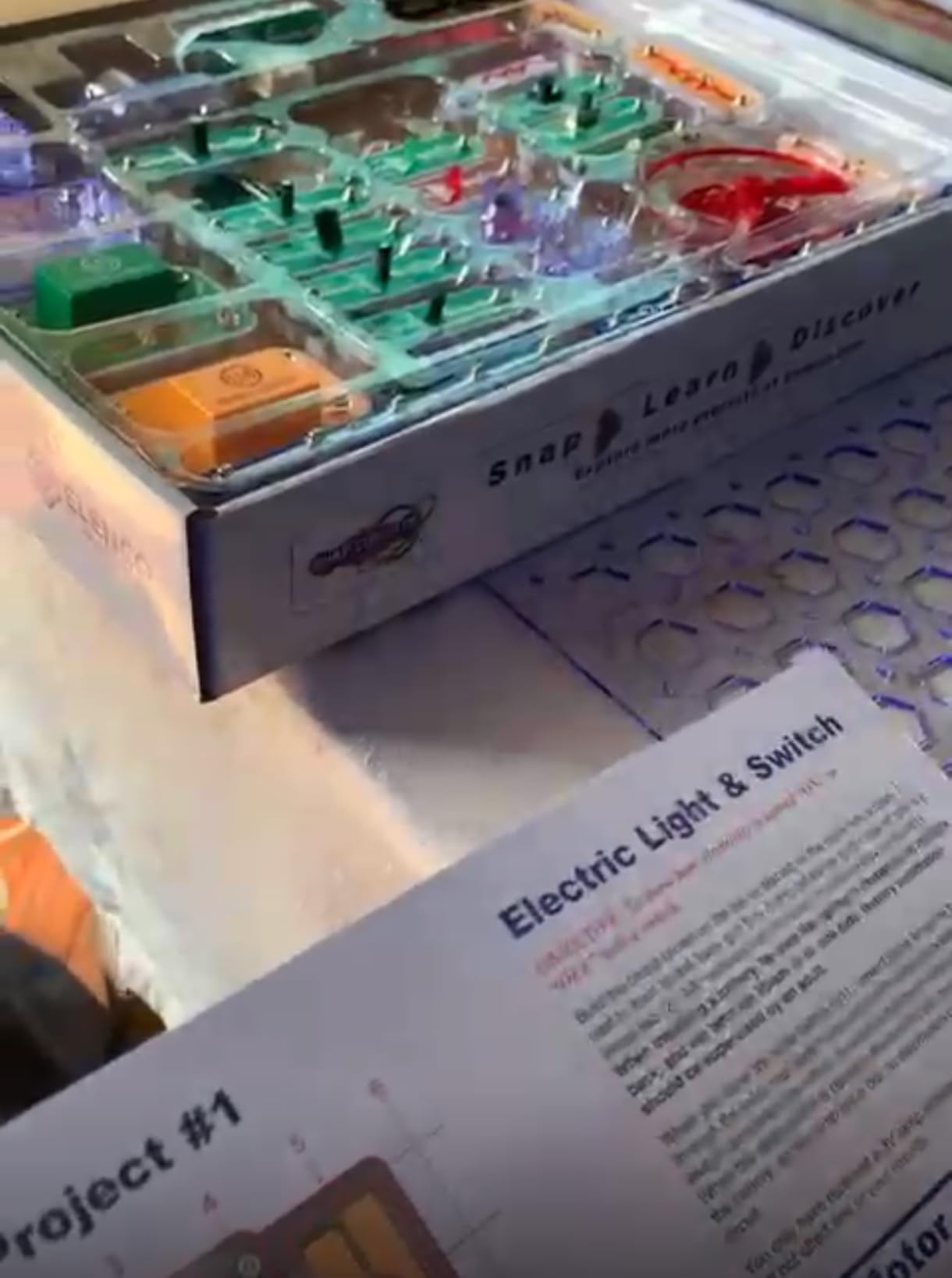
The project manual walks builders from simple circuits to complex builds like AM radios, burglar alarms, and flying saucers. Each project includes a brief explanation of the circuit concept being demonstrated, so kids are learning actual electronics theory rather than just following diagrams.
This kit is ranked number one in Educational Science Kits on Amazon for a reason. With nearly 29,000 reviews and a 4.8-star rating, it has been tested by more families than any other kit on this list. The build quality is excellent, pieces are color-coded for easy identification, and the included manuals are clear enough for independent play.
Upgrade Path and Long-Term Value
One of the smartest things about the Snap Circuits ecosystem is that kits are upgradeable. If you start with the SC-300, you can later purchase upgrade kits that transform it into the SC-500 or SC-750 without buying an entirely new set. This means the kit grows with your child rather than being outgrown.
The components are also compatible across the Snap Circuits line, so if you later buy the Snap Circuits Jr. for a younger sibling, the parts can be mixed and matched. This kind of long-term value is exactly what parents on Reddit consistently praise when recommending these kits.
Battery and Power Requirements
The SC-300 runs on two AA batteries, which are not included in the box. I recommend stocking up on rechargeable AA batteries since several of the more advanced projects drain power faster than the simple light circuits.
Some projects use a small motor that requires fresh batteries to work properly. If a build is not functioning, check the battery strength first before troubleshooting the circuit, as this is the most common cause of failed projects in our testing.
3. Snap Circuits Jr. SC-100 Electronics Exploration Kit
Snap Circuits Jr. SC-100 Electronics Exploration Kit, Over 100 Projects, Full Color Project Manual, 28 Parts, STEM Educational Toy for Kids 8 +
100+ projects
28 parts
Ages 8-108
No tools or soldering
Pros
- 100 plus fun electric-powered projects suitable for ages 8 to 108
- No soldering or tools required as color-coded pieces snap easily
- Build a flying saucer and sound the alarm with exciting projects
Cons
- Batteries required but not always included
- Smaller project count compared to larger Snap Circuits kits
The Snap Circuits Jr. SC-100 is the younger sibling of the Classic SC-300, and it offers the same brilliant snap-together design with 100 projects instead of 300. For parents who want to test whether their child will take to electronics before committing to the larger kit, this is the perfect entry point.
I gave this kit to my nephew for his eighth birthday, and within an hour he had built a flying saucer that actually launched off the snap board. The look on his face when the propeller spun up and the little disc shot into the air was pure joy. That single project alone was worth the price of the kit.
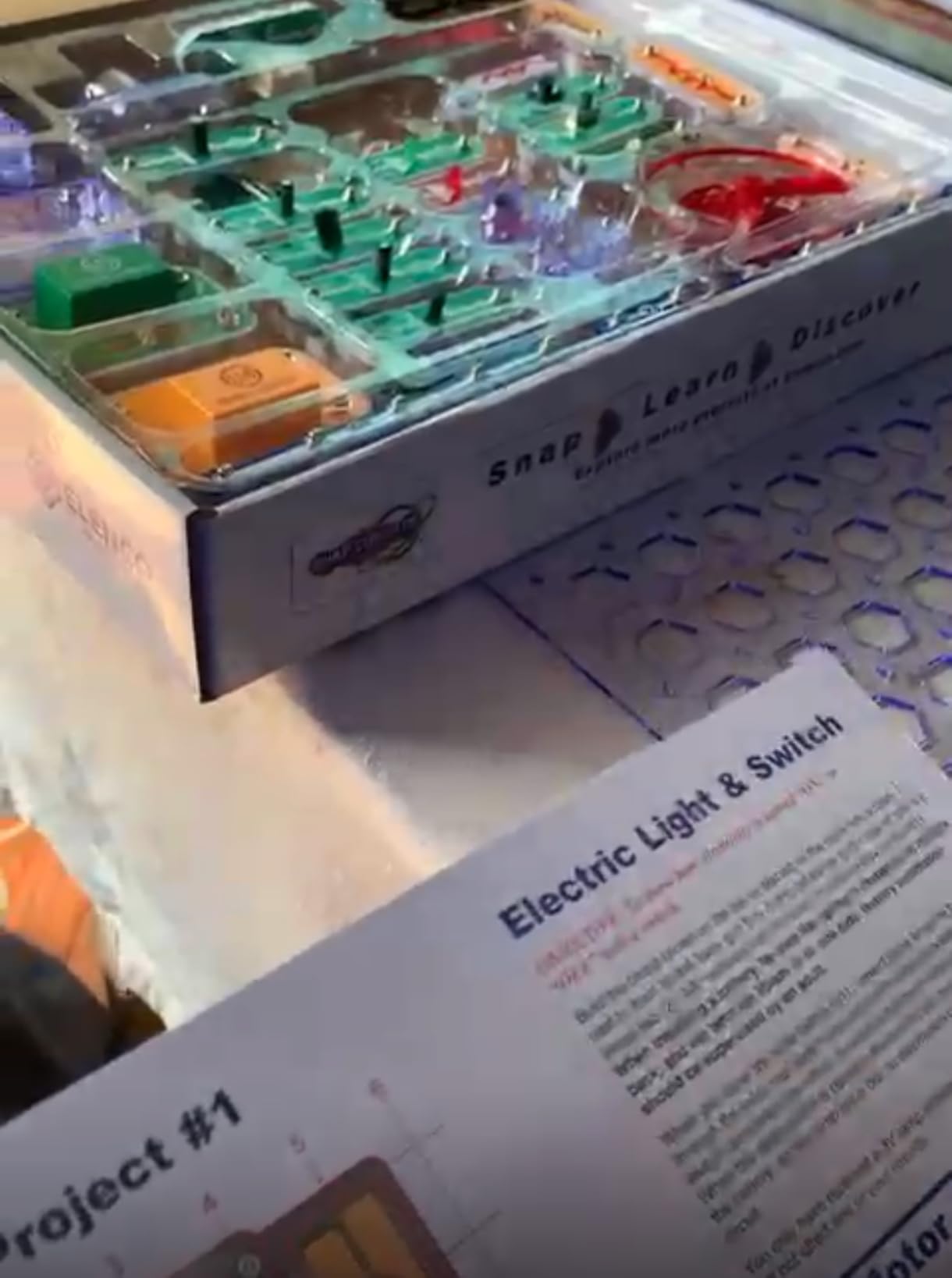
The 28 parts are color-coded and snap easily onto the included plastic grid. The project manual is full-color and walks through each build step by step with clear diagrams. Kids start with basic circuits that light a bulb or run a fan, then progress to more complex projects like a doorbell and a clap-activated circuit.
This kit shares the same near-perfect 4.8-star rating and roughly 29,000 reviews as its larger sibling. It is the number one ranked educational science kit on Amazon, and the fact that it is listed for ages 8 to 108 tells you something about its broad appeal. I have seen adults get just as absorbed in the projects as kids.
When to Choose SC-100 Over SC-300
Choose the SC-100 if your child has never used a circuit kit before and you want to gauge their interest without a larger investment. The 100 projects provide plenty of content for several weeks of play, and you can always upgrade later using the Snap Circuits upgrade kits.
If your child is already showing strong interest in electronics or you have multiple kids who will share the kit, go straight to the SC-300 for the deeper project library and additional components.
Portability and Storage
The SC-100 comes in a compact box measuring 12 by 9.5 by 1.75 inches, making it easy to store on a shelf or pack for travel. We have taken this kit on road trips and to grandparents’ houses, and the snap-board keeps pieces organized during transport.
The only downside is that the box does not have a compartmentalized storage solution, so smaller pieces can shift around. A small parts organizer from a craft store solves this problem for a few dollars and keeps everything tidy between sessions.
4. National Geographic Earth Science Kit with 100+ Activities
National Geographic Earth Science Kit with 100+ Activities for Kids 8-12
100+ activities
Crystal growing
Volcano experiments
Rock collection
Ages 8+
Pros
- 15 plus experiment activities including dueling water tornadoes erupting volcano and crystal growing
- Full-color Learning Guide teaches the science behind each experiment
- Great for sharing with family friends or classmates with multiple experiments to go around
Cons
- Some experiments require specific materials that may need replenishing
- Crystal growing can take time and patience
This is the kit that made my kids fight over who got to do which experiment first. The Earth Science Kit packs an enormous variety of activities into one box, from growing crystals to digging for gemstones to building a dueling water tornado. With over 100 activities advertised, it genuinely feels like several kits in one.
The standout project in our testing was the crystal growing experiment. My daughter mixed the solution, set the growing station on her windowsill, and checked on it every morning for a week. Watching the crystals slowly form day by day taught her more about patience and geological processes than any textbook could.
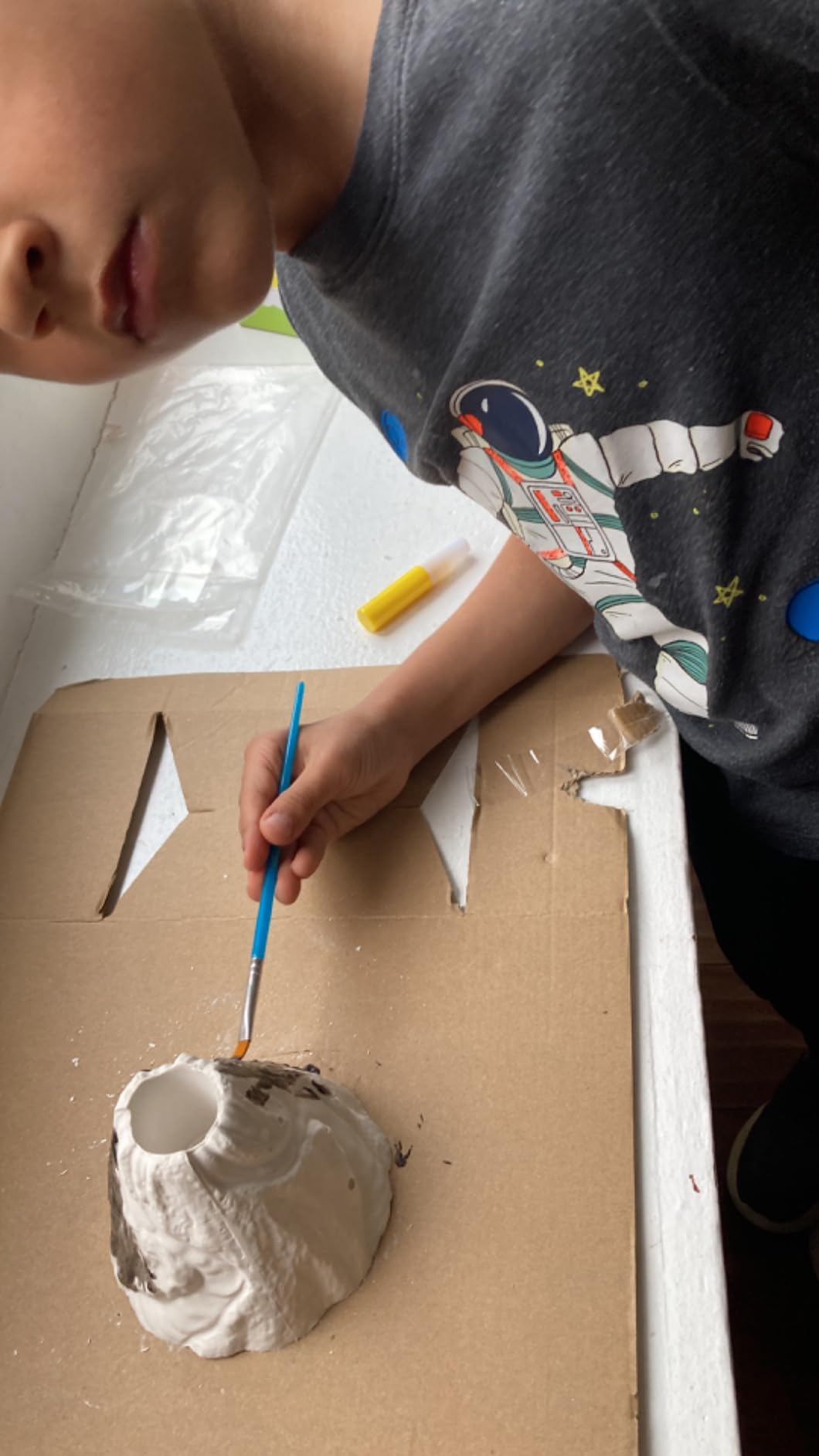
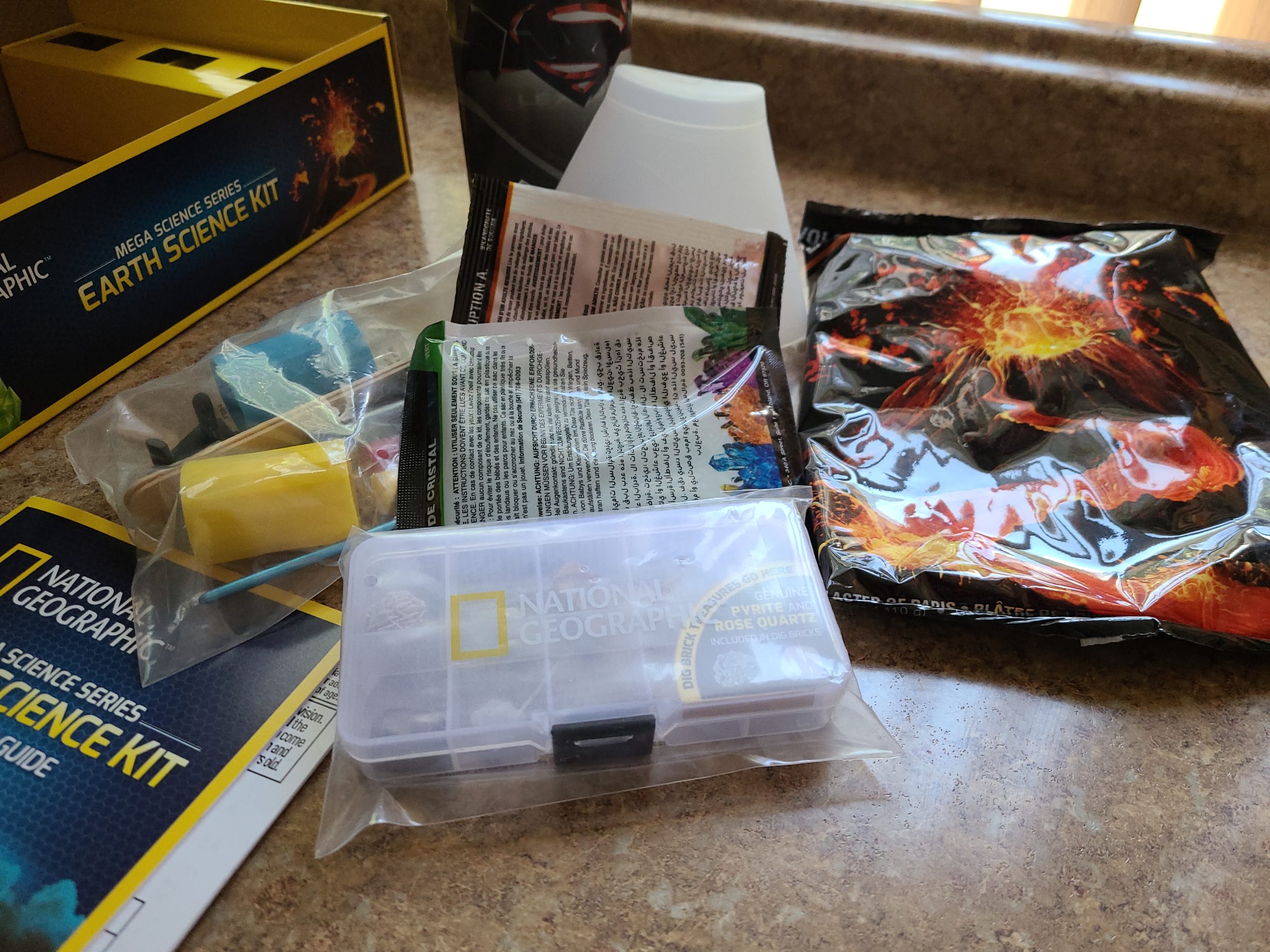
The included rock collection and gemstone dig brick were surprise hits. There is something deeply satisfying about excavating real specimens from a dig brick, and the storage case for the gemstones makes the collection feel official. My kids labeled each gemstone and created a mini museum display on their bookshelf.
The full-color Learning Guide is one of the best instruction manuals I have seen in any science kit. It explains the science behind each experiment in accessible language and includes beautiful photography. With over 20,000 reviews and a 4.7-star rating, this kit has clearly resonated with a huge number of families.
Experiment Timeline and Patience Required
Parents should know that several experiments in this kit are not instant gratification. The crystal growing activity takes several days to a week for visible results, and the volcano needs plaster to set before it can erupt. Plan these as multi-day projects rather than one-off activities.
The water tornado and several chemistry experiments are quicker and can be done in a single session, which provides a nice balance between short-term engagement and long-term projects.
Materials That Need Replenishing
Some experiments use consumable materials that will run out, particularly the crystal growing powder and the volcano plaster. The good news is that most of these can be replenished with household items or inexpensive replacements from the manufacturer.
The rock and gemstone collection is permanent, so even after the consumable experiments are finished, kids retain a tangible collection they can study and display. This gives the kit lasting value beyond the initial experiments.
5. National Geographic Science Magic Kit with 100+ Experiments
NATIONAL GEOGRAPHIC Science Magic Kit – Science Kit for Kids with 100+ Unique Experiments and Magic Tricks, Chemistry Set and STEM Project, A Great Gift for Boys and Girls (Amazon Exclusive)
100+ experiments
20 magic tricks
Wand and gloves
Ages 8+
Pros
- 100 plus science experiments combined with magic tricks for a unique and exciting concept
- Includes magic wand and white gloves for dress-up play
- 20 stunning magic tricks plus 85 bonus experiments with household items
Cons
- Not Prime eligible so longer delivery time
- Some magic tricks require practice to perform smoothly
The Science Magic Kit solves a problem many parents will recognize: the child who says science is boring. By framing experiments as magic tricks, this kit pulls in kids who might otherwise roll their eyes at a chemistry set. My normally skeptical nephew spent an entire afternoon practicing tricks to perform for his grandparents.
The kit includes a magic wand and white gloves, which sounds gimmicky but actually works. Kids love the theater of it all. Putting on the gloves and picking up the wand transforms a simple chemical reaction into a performance, and performing for an audience builds confidence alongside science knowledge.
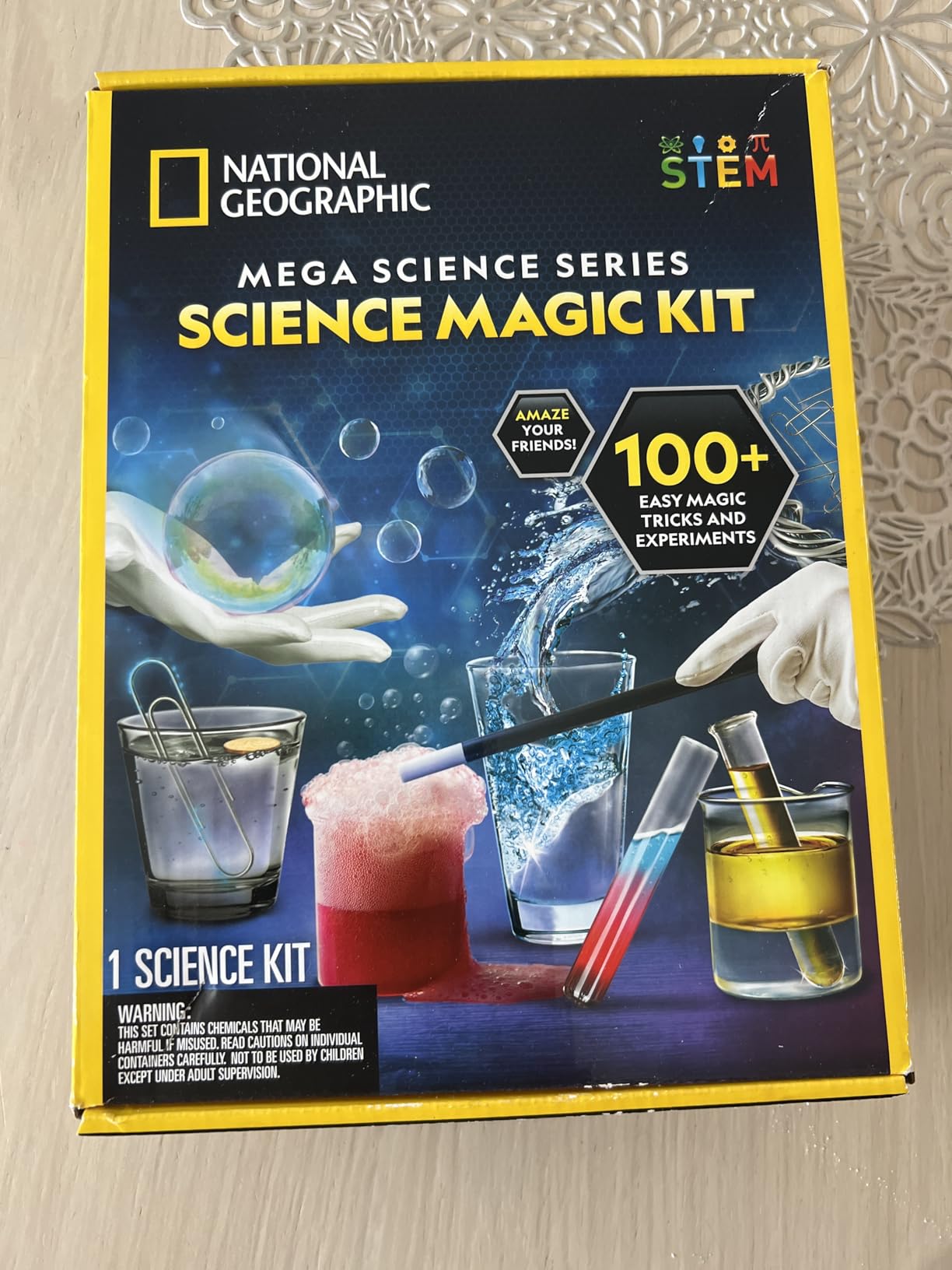
The 20 featured magic tricks are genuine science experiments disguised as illusions. Making snow appear from powder, floating a coin on water, changing the color of a liquid, these are real chemistry and physics demonstrations wrapped in a showmanship package. The 85 bonus experiments use common household items, extending the kit well beyond what comes in the box.
With nearly 9,000 reviews and a 4.7-star rating, this kit has found a clear audience among parents of reluctant learners. It won the Toy Association’s Toy of the Year award, which is a meaningful industry recognition. The magic framing makes it especially good for kids who need a hook to engage with STEM topics.
Performance and Presentation Skills
Beyond the science content, this kit develops presentation and public speaking skills. Kids learn to sequence a performance, build suspense, and explain the trick to an audience. My nephew announced each trick with increasing confidence and even started writing his own scripts.
If your child is naturally shy or hesitant about speaking in front of others, this kit provides a structured way to practice performance in a low-pressure family setting.
Bonus Experiments and Household Items
The 85 bonus experiments significantly extend the value of this kit. These use items you likely already have in your kitchen, which means the learning continues long after the included supplies are consumed. The bonus guide is well-organized and rated by difficulty.
Keep in mind that this kit is not Prime eligible, so plan ahead if you need it for a specific occasion like a birthday. Standard shipping took about a week in our experience.
6. Thames & Kosmos Chem C3000 Chemistry Set
Thames & Kosmos 640132 Chem C3000, Chemistry Set, Includes Components From The Thames and Kosmos C2000 Plus Dozens of Additional Tools and Chemicals, 333 Experiments, 103 Pieces, Experiment Kit, 12+
333 experiments
103 pieces
Real lab equipment
Ages 12+
192-page manual
Pros
- Excellent preparation for high school chemistry with real lab equipment
- 192-page full-color manual that reads like a great science book with clear explanations
- 333 hands-on experiments covering inorganic organic and electrochemistry
Cons
- Requires adult supervision throughout
- Limited chemical quantities may need additional supplies for repeated experiments
- Some household items required and not included
This is not a toy. The Thames & Kosmos Chem C3000 is a serious chemistry set designed for teenagers and pre-college students who want authentic lab experience. If your child has outgrown vinegar-and-baking-soda volcanoes and is ready for real chemistry, this is the kit that will take them there.
Opening the box for the first time feels like entering a genuine laboratory. Inside you find glass test tubes, beakers, an Erlenmeyer flask, a tripod stand, an alcohol burner, an evaporating dish, dropper pipettes, a plastic syringe, filter paper, glass and rubber tubing, carbon electrodes, copper and zinc sheets, and safety goggles. This is the same type of equipment used in high school and introductory college labs.
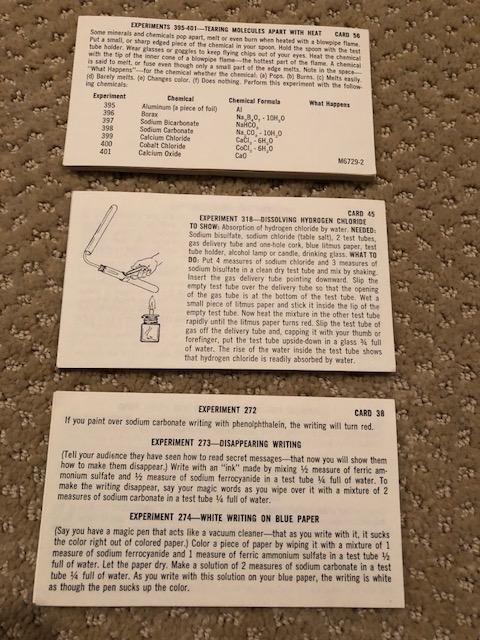
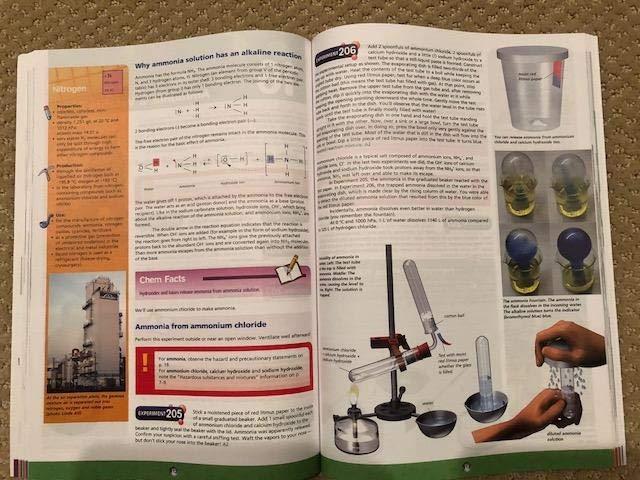
The 192-page manual is extraordinary. It reads more like a chemistry textbook than an instruction booklet, covering chemical equations, atomic structure, the periodic table, acids and bases, redox reactions, and organic chemistry across 27 chapters. Each chapter includes multiple experiments that demonstrate the concepts being taught.
With 333 experiments, this kit provides enough content for months or even years of exploration. It is designed for ages 12 and up, and that age recommendation should be taken seriously. The chemicals and equipment require adult supervision throughout, and the experiments involve real reactions that produce heat, gas, and color changes.
Safety Requirements and Supervision
The Chem C3000 includes genuine chemicals and an alcohol burner, so adult supervision is mandatory for every experiment. The kit complies with the EN 71-4 safety standard and includes GHS labeling and waste-disposal instructions, which I appreciated as a parent.
This kit is best suited for families where a parent has some chemistry background or is willing to learn alongside their child. The manual provides thorough explanations, but the experiments require careful attention to procedure and safety protocols.
Chemical Quantities and Refills
The most common complaint from reviewers is that chemical quantities are limited, meaning experiments may only be performable once or twice before supplies run out. This is a legitimate concern, and you should budget for additional chemicals if your child wants to repeat experiments.
Thames & Kosmos sells refill packs, and many of the chemicals can be sourced from specialty suppliers. Plan for this ongoing cost when considering the overall investment in this kit.
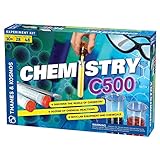
7. Thames & Kosmos Chem C500 Science Kit
Thames & Kosmos Chemistry Chem C500 Science Kit with 28 Guided Experiments 48 Page Science Guide Parents’ Choice Silver Award Winner, 13.1″ L x 2.6″ W x 8.9″ H
28 experiments
48-page manual
Beginner chemistry
Ages 10+
Parents' Choice Award
Pros
- Great starter kit for beginners with clear instructions and fun experiments
- Well-written manual that explains the science behind each experiment
- Engages children for hours and sparks interest in chemistry
Cons
- Very limited chemical quantities only enough for one round of experiments
- Requires many household items not included
- Limited teaching depth compared to larger kits
The Chem C500 is the入门-level offering from Thames & Kosmos, designed as an introduction to chemistry for kids ages 10 and up. Think of it as the appetizer before the Chem C3000 main course. It covers the same core concepts but with fewer experiments and simpler equipment.
My testing partner for this kit was a ten-year-old who had never used a real chemistry set before. She was immediately drawn to the colorful acid and base reactions, and the invisible ink experiment became an instant favorite. She spent an afternoon writing secret messages to her friends and revealing them with the included indicator solution.
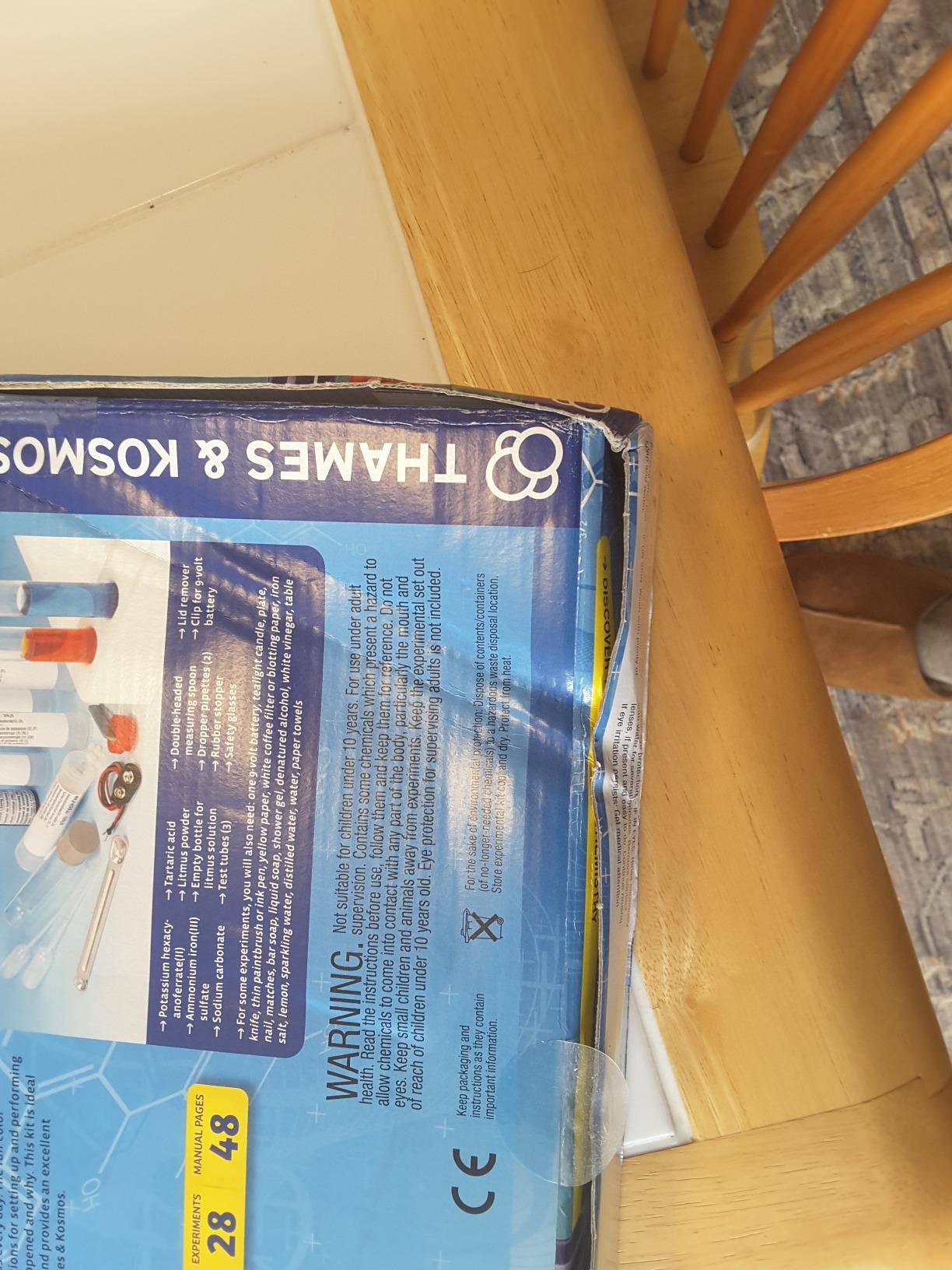
The 28 experiments cover solid foundations: acids and bases, fizzy and foamy reactions, invisible ink, and reactions between solids, liquids, and gases. The 48-page manual is well-written and explains the chemistry behind each experiment, though not in the same depth as the larger Thames & Kosmos kits.
With a 4.4-star rating from over 900 reviews, this kit has found its audience among parents who want a gentle introduction to chemistry without the commitment of a larger set. It won the Parents’ Choice Silver Award, which is a recognized indicator of quality in educational products.
What You Need From Home
The biggest adjustment with this kit is that several experiments require household items not included in the box. Vinegar, distilled water, batteries, and a few other common supplies are needed for specific experiments. The manual lists these clearly at the start of each activity.
I recommend reading through the entire manual before starting and making a shopping list of household items. Having everything on hand prevents the disappointment of stopping mid-experiment to run to the store.
Transitioning to More Advanced Kits
If your child enjoys the Chem C500 and wants to go deeper, the natural next step is the Thames & Kosmos Chem C1000 or C2000, which offer more experiments, better equipment, and more thorough explanations. The C500 serves as an excellent trial run to see if your child is ready for that level of commitment.
Keep the manual even after the chemicals are used up, as it remains a useful reference for basic chemistry concepts and can be revisited when your child encounters these topics in school.
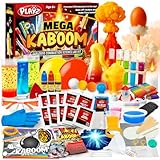
8. Playz Mega Kaboom! 150+ Explosive Science Experiments Kit
Playz Mega Kaboom! Explosive Science Kit for Kids Age 8-12 Kids Chemistry
150+ experiments
75 app-guided
Ages 8-12
Explosive STEM fun
Pros
- Excellent value with 150 plus experiments to keep children entertained for hours
- App and video guided instructions make it easy for kids to follow along
- Great balance of fun and educational content that sparks curiosity
Cons
- Some experiments may require additional household items
- Quality of some components could be improved
The name says it all. If your child is motivated by experiments that go boom, fizz, pop, and explode, the Playz Mega Kaboom kit delivers exactly that. This is the kit I break out when my kids have friends over, because the dramatic reactions make for instant party entertainment.
The standout feature is the app and video guidance. Rather than relying solely on a paper manual, kids can scan a QR code and watch a video of each experiment being performed. This was a game-changer for my visual learner, who struggled with text-only instructions in other kits but thrived with the video demonstrations.
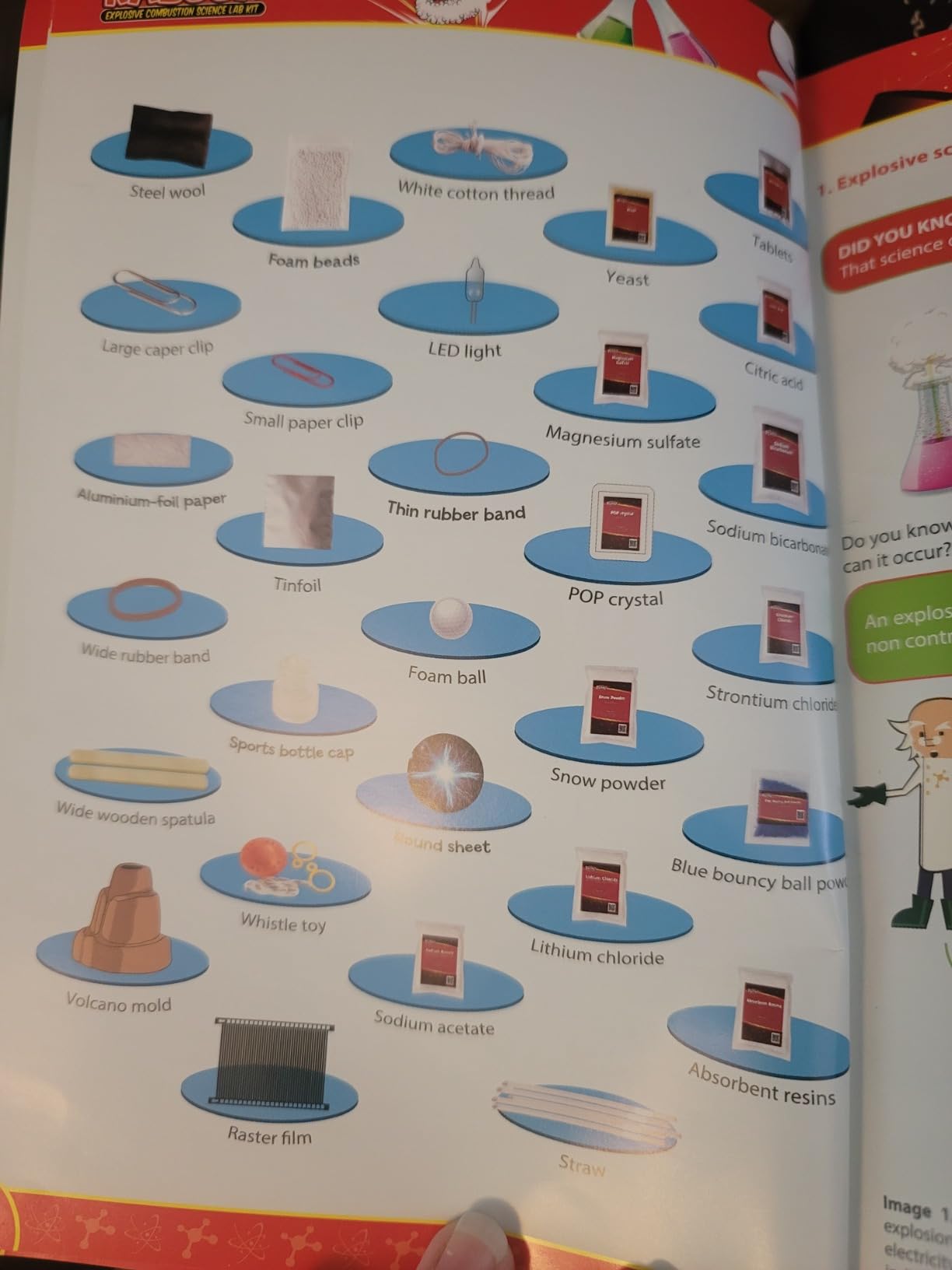
The 150 experiments include balloon rockets powered by chemical reactions, fizzy bombs, color explosions, and exploding bag experiments. Each one delivers a satisfying payoff that keeps kids eager to try the next activity. The lab guide includes pictures and step-by-step instructions that are clear enough for most eight-year-olds to follow independently.
With a 4.6-star rating from over 160 reviews, this kit is newer to the market than some of the established brands on this list but has quickly built a loyal following. The combination of high experiment count, digital guidance, and dramatic results makes it a strong contender for the best science kits list.
App Integration and Digital Experience
The companion app is one of the best digital integrations I have seen in a science kit. It includes 75 guided video experiments with clear narration and close-up shots of each step. Kids can pause, rewind, and replay tricky sections, which builds independence.
The app also includes safety warnings and troubleshooting tips that supplement the printed guide. Make sure you have a tablet or phone available, as the app is essential for getting the most out of this kit.
Mess Level and Outdoor Recommendation
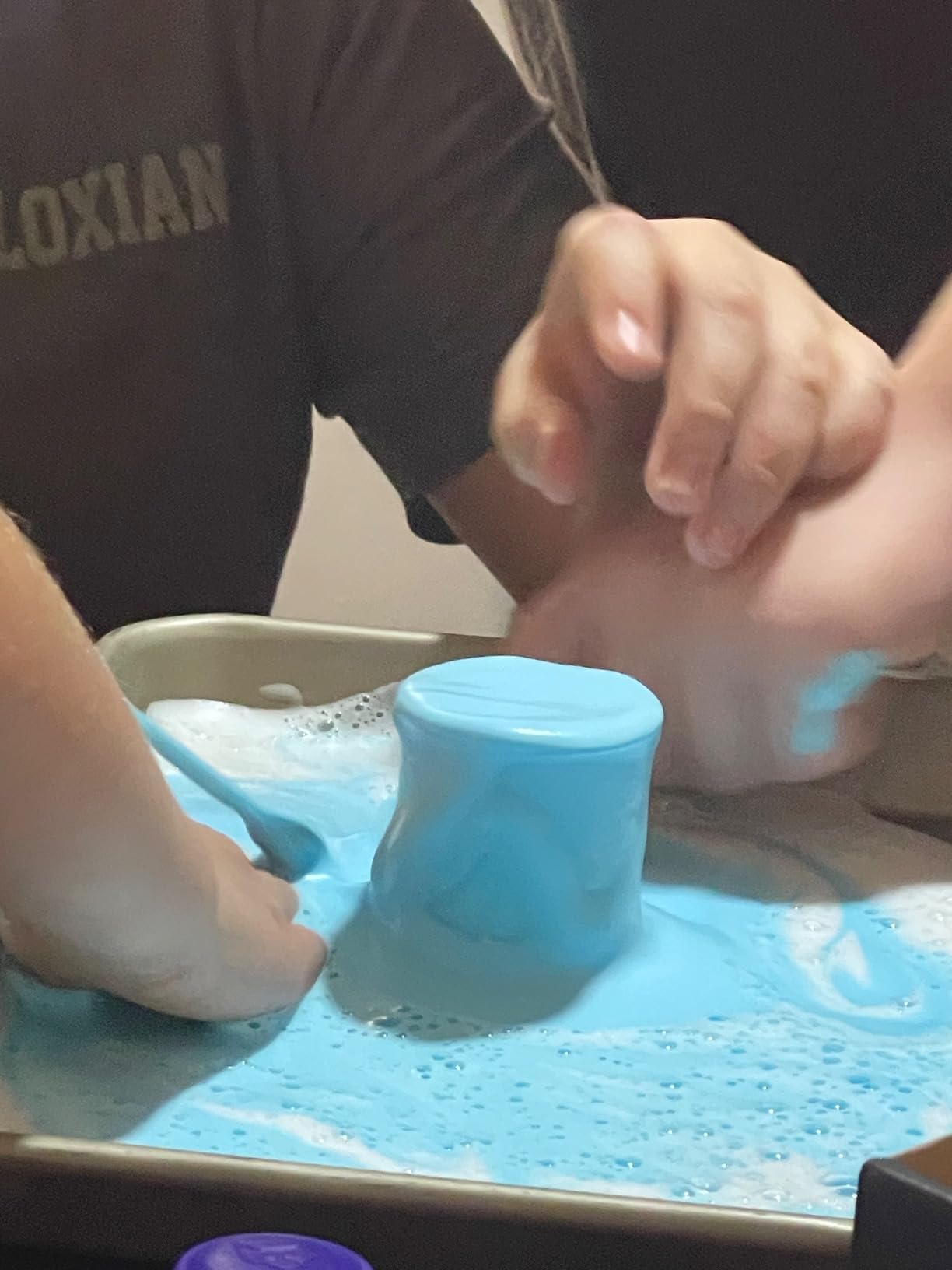
Several experiments in this kit are genuinely messy and involve launching, spraying, or exploding materials. I strongly recommend doing the messier experiments outdoors or in a space that can be easily hosed down. The fizzy bomb and color explosion activities in particular produce splatter.
The exploding bag experiment should always be done outside, as it involves a sealed bag that pops. Adult supervision is recommended, and the kit includes appropriate safety guidance for each activity.
9. National Geographic Circuit Maker Electronics Science Kit
National Geographic Circuit Maker Electronics Science Kit – 60 Hands-On STEM Projects for Kids, Build Real Electrical Circuits, Educational STEM Activity for Learning Electricity & Engineering Skills
60 STEM projects
Snap-connect wires
Video instructions
Ages 8+
Award winner
Pros
- Outstanding variety of projects including fiber optics levitating ball and flying copter
- Easy snap-connect components make building circuits simple for kids
- Video instructions via QR code are helpful and well-produced
Cons
- Some reviewers noted limited quantity of certain components
- May need adult guidance for some of the more complex projects
The Circuit Maker kit is National Geographic’s answer to Snap Circuits, and it brings some genuinely unique projects to the table. Where Snap Circuits focuses on traditional electronics like radios and alarms, the Circuit Maker emphasizes visual and physical effects like fiber optics, levitation, and flying copters.
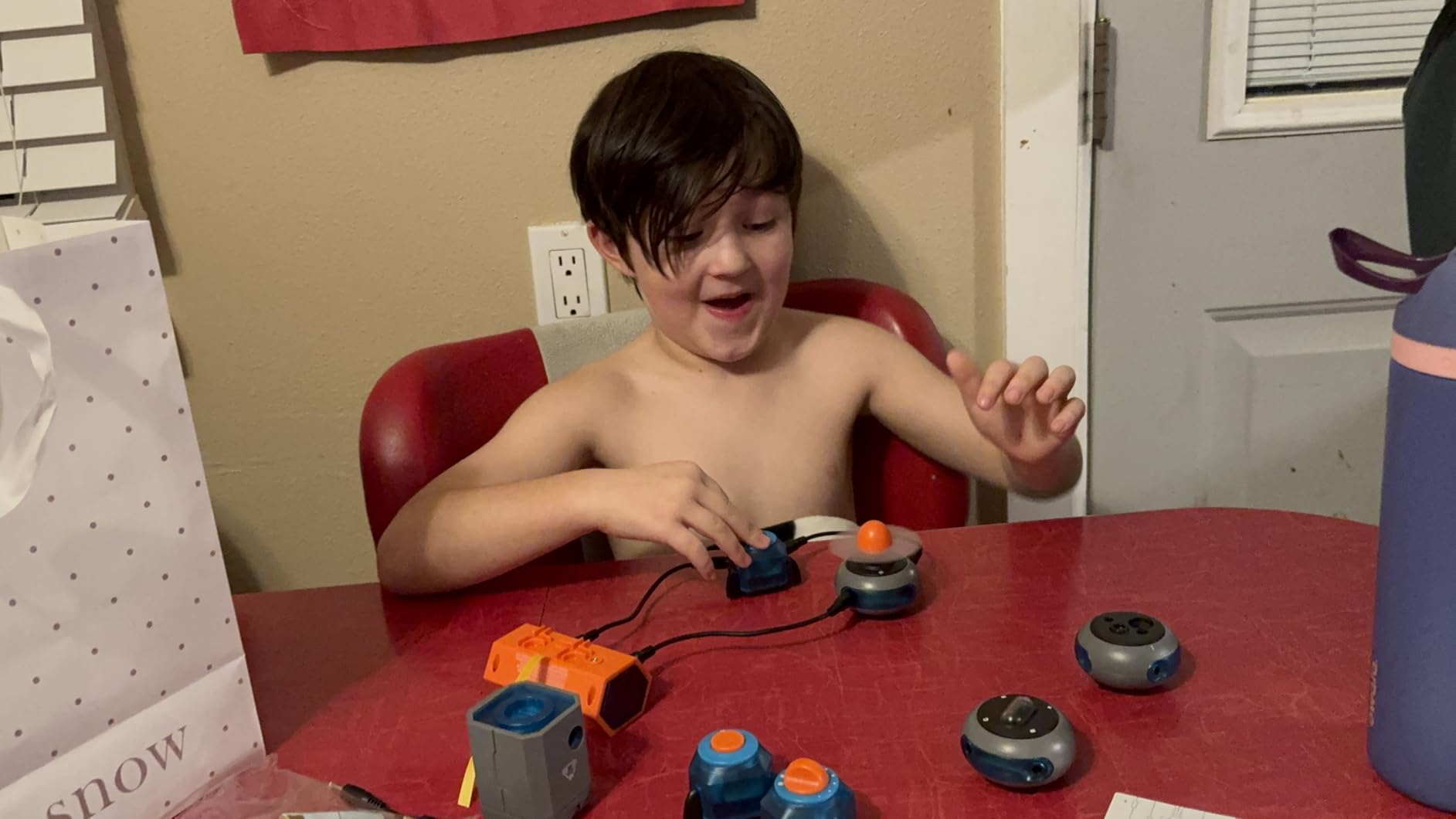
My kids were fascinated by the levitating ball experiment. Using electromagnetic principles, the kit lets you float a small ball in mid-air, which looks like pure magic to an eight-year-old. The flying copter project was another favorite, sending a small propeller zipping across the room when the circuit was completed correctly.
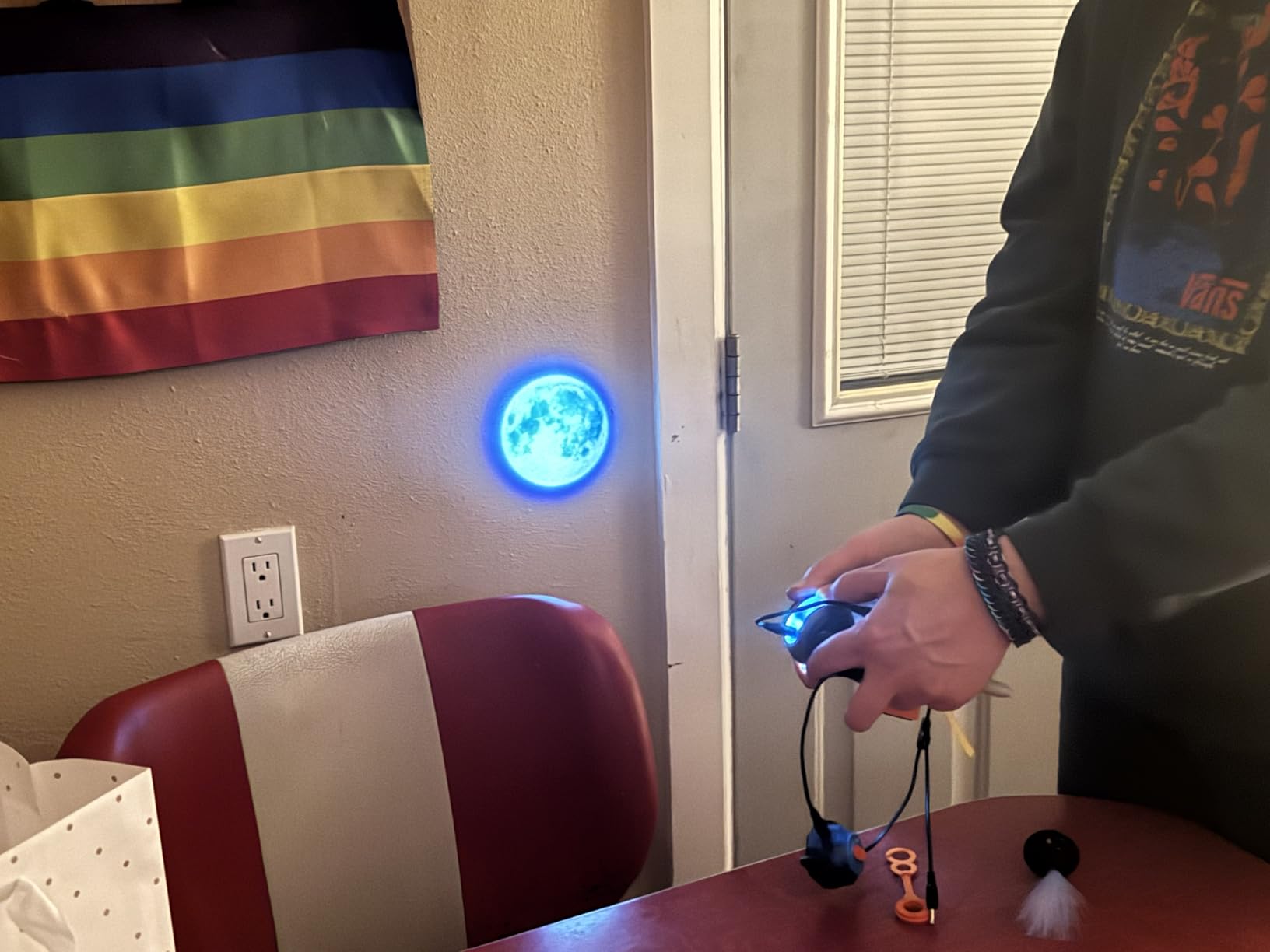
The snap-connect wire system means no tools are needed, similar to Snap Circuits but with a different connector design. Kids simply snap the components together following the included instructions. The QR code video instructions are excellent and walk through each project with clear demonstrations.
This kit won the Toy Association’s Toy of the Year Award, which is one of the most prestigious recognitions in the toy industry. With a 4.7-star rating from over 900 reviews, it has earned its place alongside Snap Circuits as a top-tier electronics kit for kids.
Snap Circuits vs Circuit Maker Comparison
Parents often ask whether to choose Snap Circuits or the National Geographic Circuit Maker. The answer depends on what your child enjoys. Snap Circuits has more projects and a deeper upgrade path, making it better for kids who want to go deep into electronics.
The Circuit Maker has more visually exciting projects like fiber optics and levitation, making it better for kids who are motivated by wow-factor results. Both are excellent kits, and you cannot go wrong with either one.
Component Quality and Durability
The snap-connect components feel solid and durable in hand. After weeks of testing, we experienced no broken parts or degraded connections. The wire connectors are flexible enough to position components creatively while maintaining solid electrical contact.
A few reviewers noted that certain components are included in limited quantities, which can constrain kids who want to build elaborate custom circuits. For most of the 60 guided projects, the included components are sufficient.
10. UNGLINGA 150 Experiments Science Kit for Kids
UNGLINGA 150 Experiments Science Kits for Kids Chemistry Lab S.T.E.MToys
150 experiments
Multi-topic
Lab tools & goggles
Ages 8+
Great gift
Pros
- Exceptional value with 150 experiments covering multiple science topics
- Well-illustrated manual makes experiments easy to follow
- High-quality lab tools including goggles for realistic scientist play
Cons
- Some experiments require additional household items
- A few reviewers noted some components could be of higher quality
The UNGLINGA 150 Experiments Science Kit is the budget-friendly powerhouse of this list. For a price that significantly undercuts most name-brand kits, you get 150 experiments covering earth science, surface tension, chemistry, and physics. This is the kit I recommend when parents ask for the most bang for their buck.
What sets this kit apart is the included lab tools and goggles. Putting on the safety goggles transformed my daughter’s attitude from casual interest to serious scientist mode. The lab tools, including test tubes, measuring cups, and a stirring rod, give kids the feeling of working in a real laboratory.
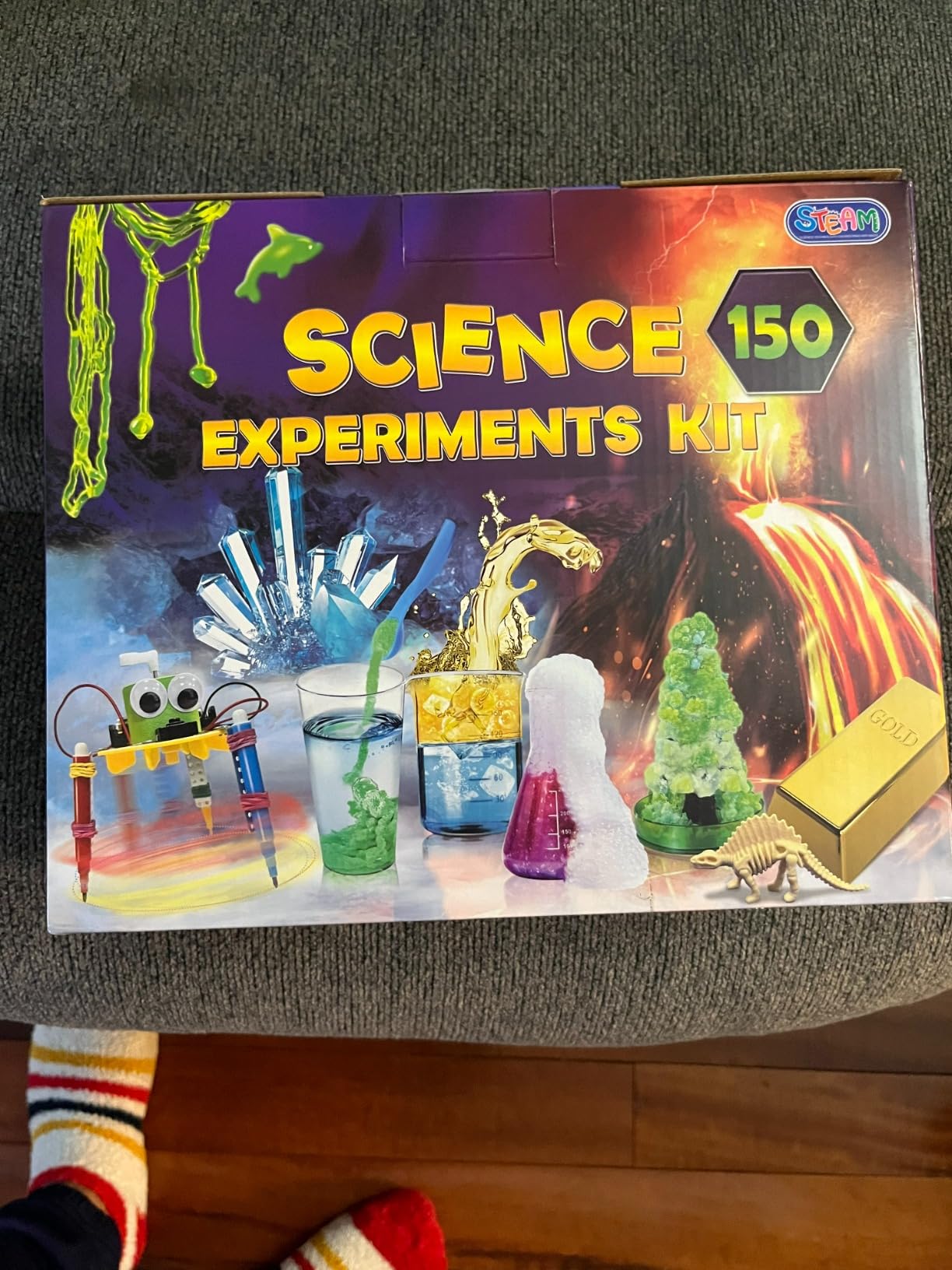
The 150 experiments span an impressive range of topics. My kids particularly enjoyed the surface tension experiments, which include the classic floating paperclip and pepper-and-soap demonstrations. The chemistry activities cover acid-base reactions and color changes, while the physics experiments explore concepts like density and pressure.
With a 4.7-star rating from over 2,700 reviews, this kit has been embraced by a large community of parents. It ranks highly in Amazon’s Educational Science Kits category and is frequently recommended as a gift for birthdays and holidays. The illustrated manual is clear and kid-friendly, though some experiments require household items not included in the kit.

Great First Kit for Science-Curious Kids
If your child has never used a science kit and you want to test the waters without a big investment, the UNGLINGA 150 Experiments Kit is my top recommendation. The breadth of topics means kids can sample chemistry, physics, and earth science to discover what interests them most.
The included lab tools also make this kit feel like a complete experience rather than a sampler. Kids get to use real equipment, which elevates the perceived value and engagement.
What to Expect From Component Quality
At this price point, the component quality is good but not premium. The plastic lab tools are functional and durable enough for home use, though they are lighter and less substantial than the equipment in higher-end kits like the Thames & Kosmos sets.
For the price, the value is outstanding. You are getting 150 experiments and a full set of lab tools for less than the cost of many kits with half the experiment count. This is the kit I would buy for a classroom gift exchange or a child’s birthday party.
How to Choose the Best Science Kit for Your Child?
Choosing from the many science kits for kids on the market comes down to five key factors: age appropriateness, safety requirements, educational depth, reusability, and your child’s interests. After testing 10 kits extensively, I can offer some concrete guidance to help you make the right call.
Age Appropriateness Matters More Than You Think
The single most important factor is matching the kit to your child’s age and developmental level. A kit that is too simple will bore them within an afternoon, while a kit that is too advanced will frustrate them and end up in the closet. Here is a quick breakdown by age group based on our testing.
For ages 5 to 7, look for kits with simple, visual experiments that do not require fine motor skills or reading. The best options in this range focus on color changes, bubbles, and tactile activities. Adult supervision is essential at this age.
For ages 8 to 10, the sweet spot for most kits on this list, children can handle measuring, following multi-step instructions, and understanding basic science explanations. Kits like the National Geographic Chemistry Set and Snap Circuits Jr. are ideal for this age range.
For ages 11 to 14, kids can tackle more complex experiments and deeper scientific concepts. The Thames & Kosmos Chem C3000 and Snap Circuits Classic SC-300 offer the depth and challenge that tweens and young teens need to stay engaged.
Safety Considerations Every Parent Should Know
Safety was one of the most underserved topics in competitor reviews, and it deserves serious attention. Every kit on this list includes safety warnings, and you should read them carefully before starting. Here is what to watch for.
Chemistry kits that include chemical powders require adult supervision for measuring and mixing. The National Geographic and Thames & Kosmos kits all include specific warnings about which experiments need oversight. Always work in a ventilated area and keep chemicals away from younger siblings.
Electronics kits like Snap Circuits and the Circuit Maker are generally safer since they use low-voltage batteries, but they still pose a choking hazard for children under three due to small parts. Check age recommendations on the packaging.
The forum research we conducted surfaced an important warning: some polymer-based experiment kits can be dangerous if ingested by pets or young children. Always store science kits securely after use, and never leave experiment materials unattended around toddlers or animals.
Reusability and Long-Term Value
One of the biggest complaints parents shared on forums was buying kits that get used once and then shoved in a closet. To avoid this, look for kits with high replay value. Electronics kits like Snap Circuits score well here because the components can be reused indefinitely to build hundreds of different projects.
Chemistry kits vary widely in reusability. Kits that rely on consumable chemicals will eventually run out, while kits that use household items for most experiments can be repeated indefinitely. The UNGLINGA and Playz kits both score well on this metric because many of their experiments use common kitchen ingredients.
Consider the cost per use rather than the upfront price. A kit that costs twice as much but gets used 50 times is a better value than a cheaper kit that gets used twice. The Snap Circuits Classic SC-300 is the king of cost-per-use in our testing, with over 300 projects that can be rebuilt endlessly.
Subscription vs One-Time Kits
Science subscription boxes like KiwiCo and Mel Science offer a different value proposition than one-time kits. Subscriptions deliver new experiments monthly, which keeps content fresh and provides built-in variety. However, they require an ongoing financial commitment.
One-time kits, like all 10 on this list, offer better value if you want a single purchase that provides weeks or months of content. They are also better for gift-giving, since you can wrap a physical box rather than handing someone a subscription code.
My recommendation for most families is to start with one or two one-time kits to discover what topics your child is most interested in, then consider a subscription in that specific area if they want to go deeper.
Storage and Organization Tips
After testing 10 kits, storage became a real concern in our house. Here are the tips that worked for us. Keep the original box for storage whenever possible, as the inserts are designed to hold components securely. For kits without compartmentalized storage, invest in a small parts organizer from a craft or hardware store.
Label chemical containers clearly and keep them in a locked or high cabinet if you have younger children. Store instruction manuals in a dedicated folder or binder so they do not get lost between sessions. Taking photos of completed projects creates a science journal that kids can look back on with pride.
Frequently Asked Questions
What age ranges are science kits appropriate for?
Science kits are appropriate for children ages 4 through 14 and beyond, with specific kits designed for different developmental stages. Ages 4-7 benefit from simple visual experiment kits with heavy supervision. Ages 8-10 are the sweet spot for most kits on this list. Ages 11-14 can handle advanced kits like the Thames and Kosmos Chem C3000 that use real lab equipment and chemicals.
What is the best science kit for a 7-year-old?
For a 7-year-old, I recommend the UNGLINGA 150 Experiments Science Kit or the National Geographic Earth Science Kit. Both offer visually exciting experiments with straightforward instructions, and the included lab tools make young kids feel like real scientists. Adult supervision is recommended at this age.
What is the best science kit for a 10-year-old?
For a 10-year-old, the Snap Circuits Classic SC-300 is my top pick for its 300-plus projects and deep educational value. If your child prefers chemistry, the National Geographic Chemistry Set with 45 experiments is an excellent choice that balances fun with real science learning.
Are science kits worth the money?
Science kits are worth the money when they match your child’s age and interests. Electronics kits like Snap Circuits offer the best long-term value because components are reusable across hundreds of projects. Chemistry kits offer strong initial value but may require refill purchases. Look for cost per use rather than upfront price.
Do you need adult supervision for science kits?
Most science kits recommend adult supervision, especially for children under 10. Chemistry kits that include chemical powders require supervision for measuring and mixing. Electronics kits using low-voltage batteries are generally safer but still contain small parts that pose choking hazards. Always read the safety warnings before starting.
What is the best science kit brand?
The best science kit brands based on our testing are Snap Circuits for electronics, National Geographic for chemistry and earth science, and Thames and Kosmos for advanced chemistry. UNGLINGA and Playz offer strong value options with high experiment counts at lower price points.
Final Thoughts on the Best Science Kits for Kids
After months of testing, the Snap Circuits Classic SC-300 remains our overall top pick for the best science kits of 2026. Its combination of 300-plus projects, reusable components, upgrade path, and near-perfect rating from nearly 29,000 reviewers makes it the kit most likely to deliver lasting value and genuine educational impact.
For families on a budget, the UNGLINGA 150 Experiments Science Kit and Snap Circuits Jr. SC-100 both deliver outstanding content at accessible prices. If your child is ready for serious chemistry, the Thames & Kosmos Chem C3000 is an investment in authentic lab experience that can prepare them for high school and beyond.
The most important thing is to match the kit to your child’s age and interests. A kit that sparks genuine curiosity will be worth ten times its cost in educational value, while a mismatched kit will gather dust regardless of how much you spend. Pick the one that fits your child, clear off the kitchen table, and get ready for some seriously fun science.