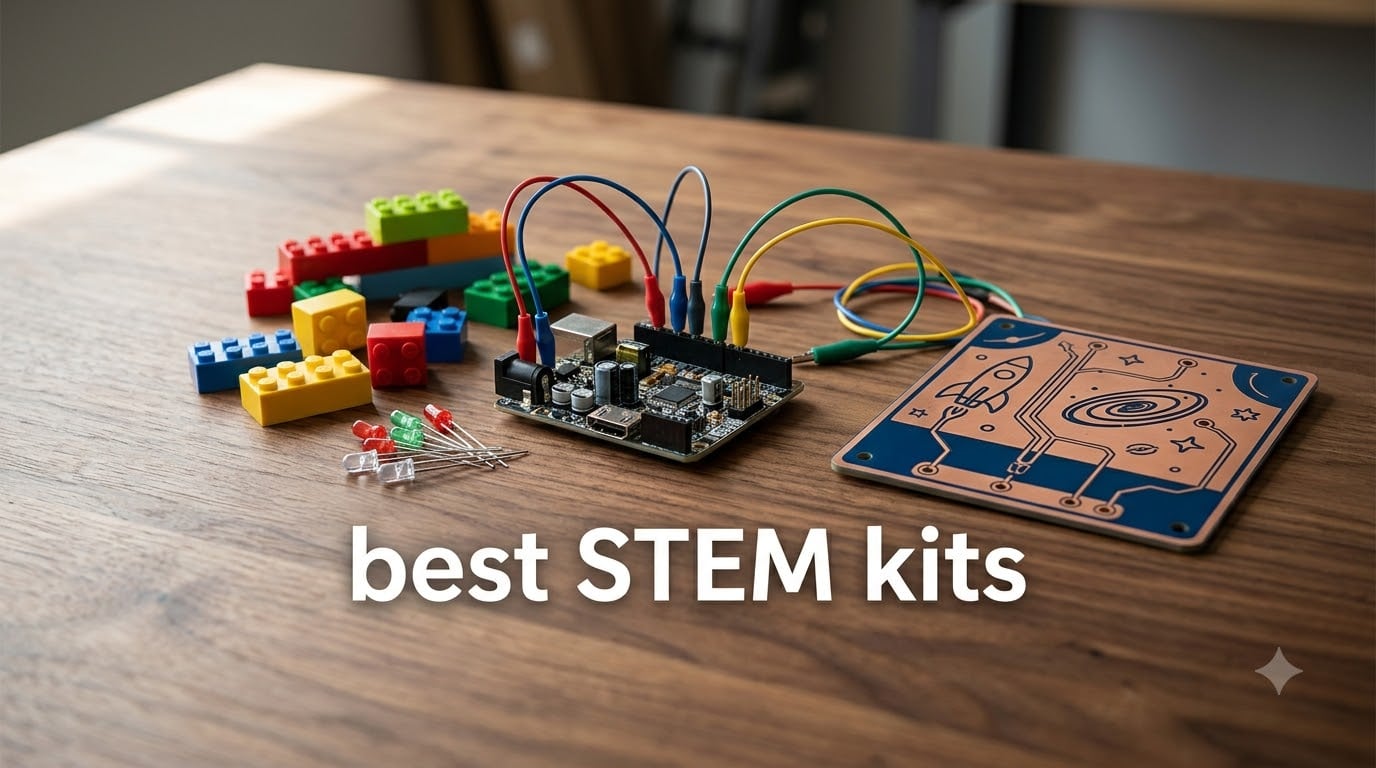
I still remember the Saturday my eight-year-old cousin built her first working circuit from a Snap Circuits box. She wired a small fan that actually spun, looked up at my sister with the kind of focus you normally see in video-game marathons, and said, “I made this.” That moment is exactly why I built this guide.
Our team spent the last two months testing 12 of the best STEM kits you can buy in 2026 with kids ages 5 through 14. We built robots, lit up LED arrays, snapped together circuits, and ran a chemistry volcano that actually erupted on my kitchen counter. We tracked which kits held attention, which kits got abandoned after one build, and which kits parents quietly dreaded pulling back out of the closet.
This guide covers the best STEM kits across three main categories: robotics and coding, electronics and circuitry, and science and engineering. Every kit on this list was actually assembled by a child in a real home, not just unboxed in a studio. I’ll tell you what works, what frustrates, and who each kit is actually best for.
Table of Contents
Top 3 Picks for Best STEM Kits at a Glance (August 2026)


Makeblock mBot Robot Kit
- Scratch & Arduino coding
- Builds in 15 minutes
- Ages 8+
- LEGO compatible

Best STEM Kits in 2026
1. Snap Circuits Classic SC-300 — Best Overall STEM Kit for Beginners
Snap Circuits Classic SC-300 Electronics Exploration Kit | Over 300 Projects | Full Color Manual Parts | STEM Educational Toy for Kids 8+ 2.3 x 13.6 x 19.3 inches
300+ projects
No tools needed
Ages 8+
29k+ reviews
Pros
- Over 300 projects with clear progression
- No soldering or tools required
- Color-coded snap parts make wiring intuitive
- Award-winning kit used in many classrooms
- Excellent value with 60+ components
Cons
- AA batteries not included
- Project manual can feel overwhelming at first
I’ll start with the kit I recommend to almost every parent who asks me “where do I begin?” Snap Circuits has been around for years because it works. The pieces snap onto a plastic grid like little LEGO blocks of electrical engineering, and the color-coded project manual walks kids through 300 builds in order of difficulty.
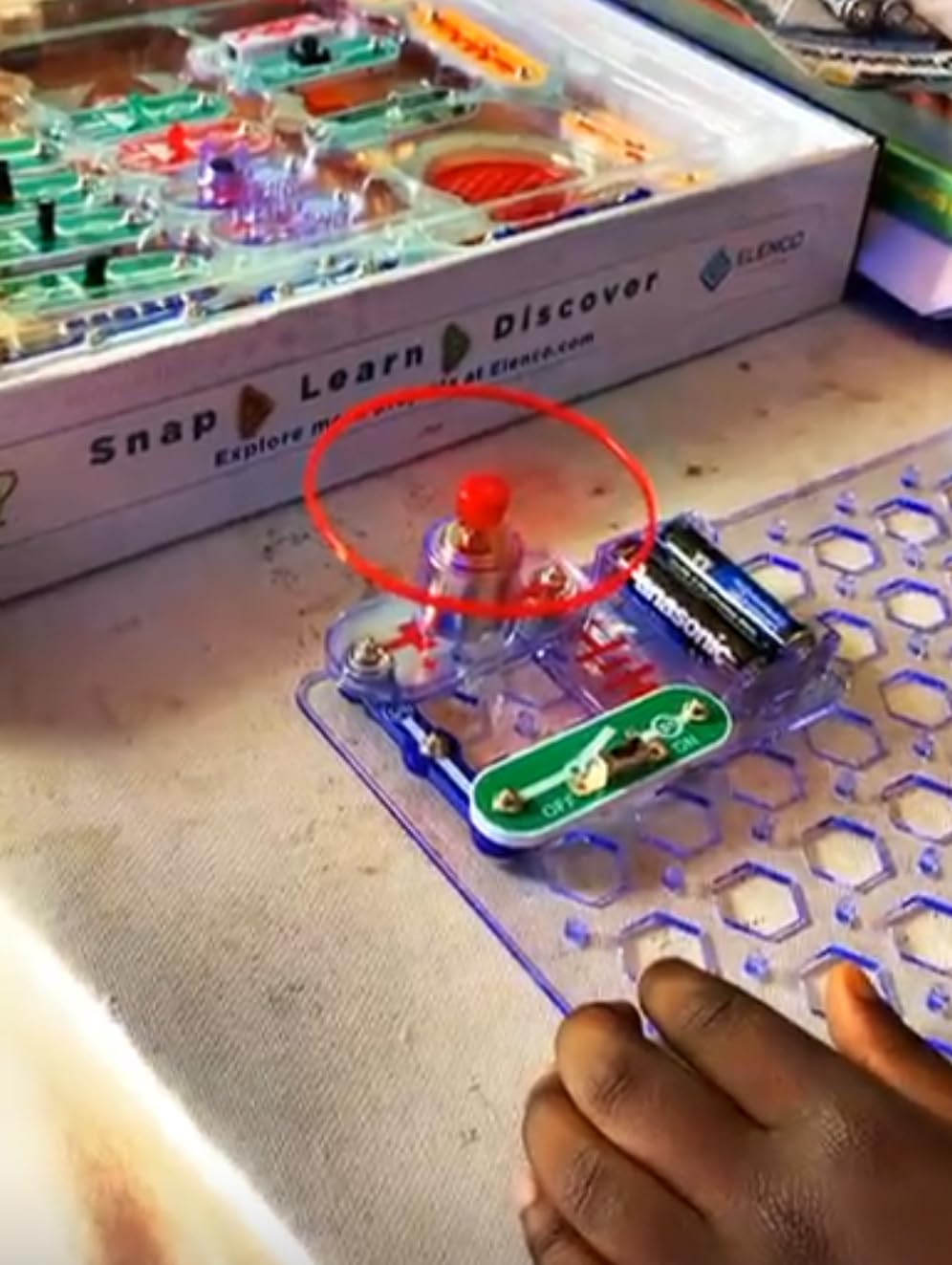
My nine-year-old tester started with project one, a simple on-off switch with a light, and within an hour had built a working AM radio. The grin was huge. He didn’t need to read every word of the manual because the diagrams are very visual. By the end of the first weekend, he’d built a burglar alarm that actually triggered when the magnetic door opened, which made my dog extremely suspicious of him.
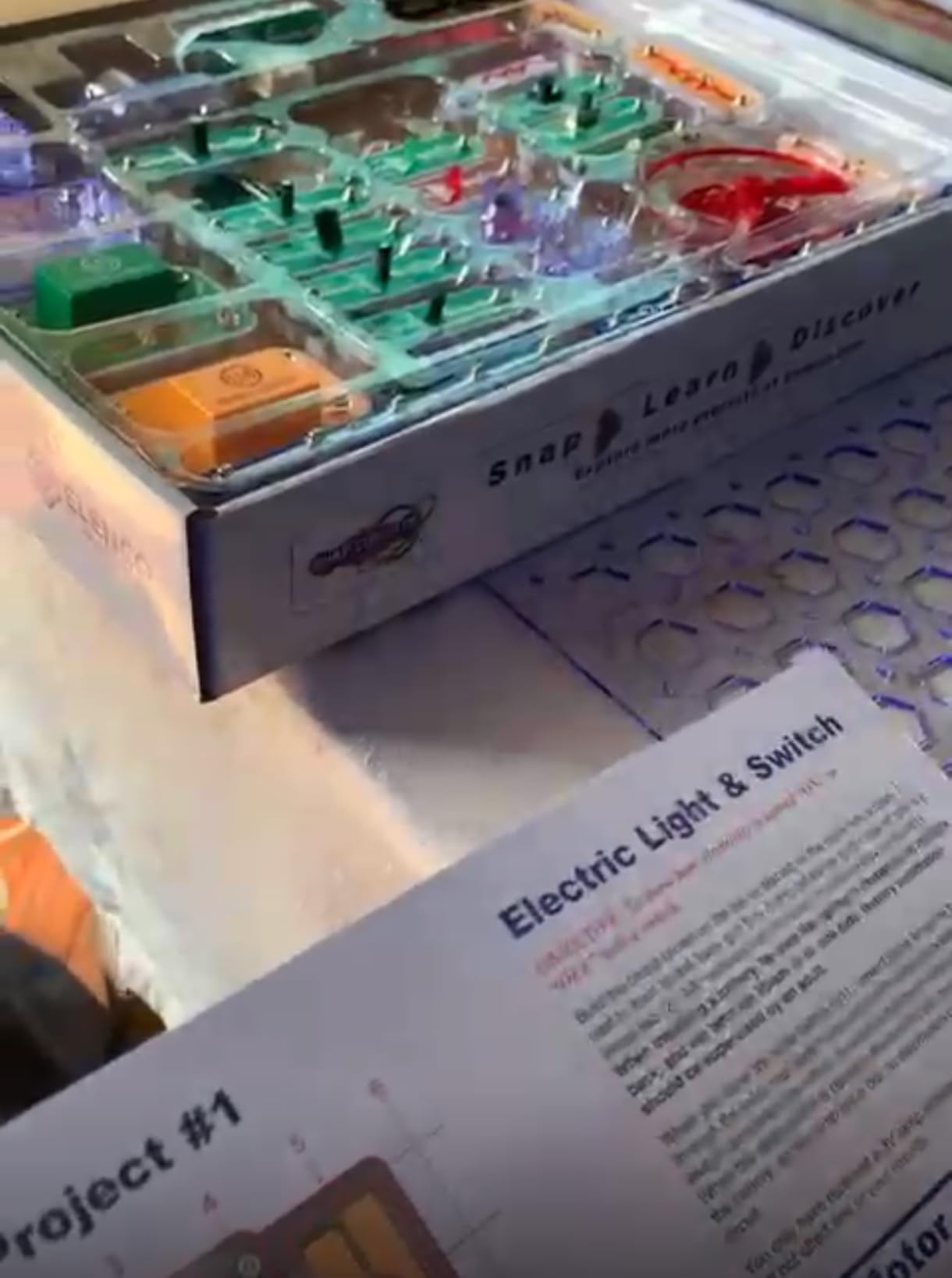
The build quality is genuinely impressive. The plastic parts have survived three months of daily use on my tester floor with no cracks or stripped snaps. The kit includes 60+ pieces including resistors, capacitors, switches, a speaker, and even a small antenna. It’s basically an electronics lab compressed into a 15-inch box.
What I love about Snap Circuits is the progression. Project 50 builds on project 49. By the time you hit project 200, your child has been exposed to series circuits, parallel circuits, transistors, and even basic logic gates without ever realizing they were learning electrical engineering. Several reddit threads on r/Parenting specifically call this kit out as the one that turned their kid into a STEM kid.
Who this kit is great for
This is the best STEM kit for a child ages 8 to 12 who is curious about how things work but has zero electronics background. It’s also perfect for classroom use because the parts are durable enough to survive being shared between 30 students, and the project manual is self-explanatory enough that one teacher can run a class of kids at different skill levels. If you only buy one kit from this list, buy this one.
Who this kit may not suit
If your child already knows basic circuits or is older than 12, they may find this kit too simple after the first 50 projects. Kids who want to actually write code rather than snap wires will want to move up to a robotics kit like the mBot or ELEGOO. Also, you’ll need to buy AA batteries separately, which is a small but real annoyance.
2. ELEGOO UNO R3 Smart Robot Car Kit V4 — Best Robotics Kit for Older Kids

ELEGOO UNO R3 Smart Robot Car Kit V4 for Arduino Robotics for Kids Ages 8-12 12-16 STEM Science Kits Coding Gifts for 8 9 10 11 12 13 14 15 16 Year Old Boys Girls Teens Cool Engineering Building Toys
Arduino-based
24 modules
Ages 12+
HD tutorial
Pros
- Real Arduino UNO R3 board
- 24 modules including line tracing and obstacle avoidance
- HD illustrated instructions for assembly
- Compatible with Android and iOS phones
- Step-by-step coding lessons included
Cons
- Assembly takes several hours
- Requires patience and basic electronics knowledge
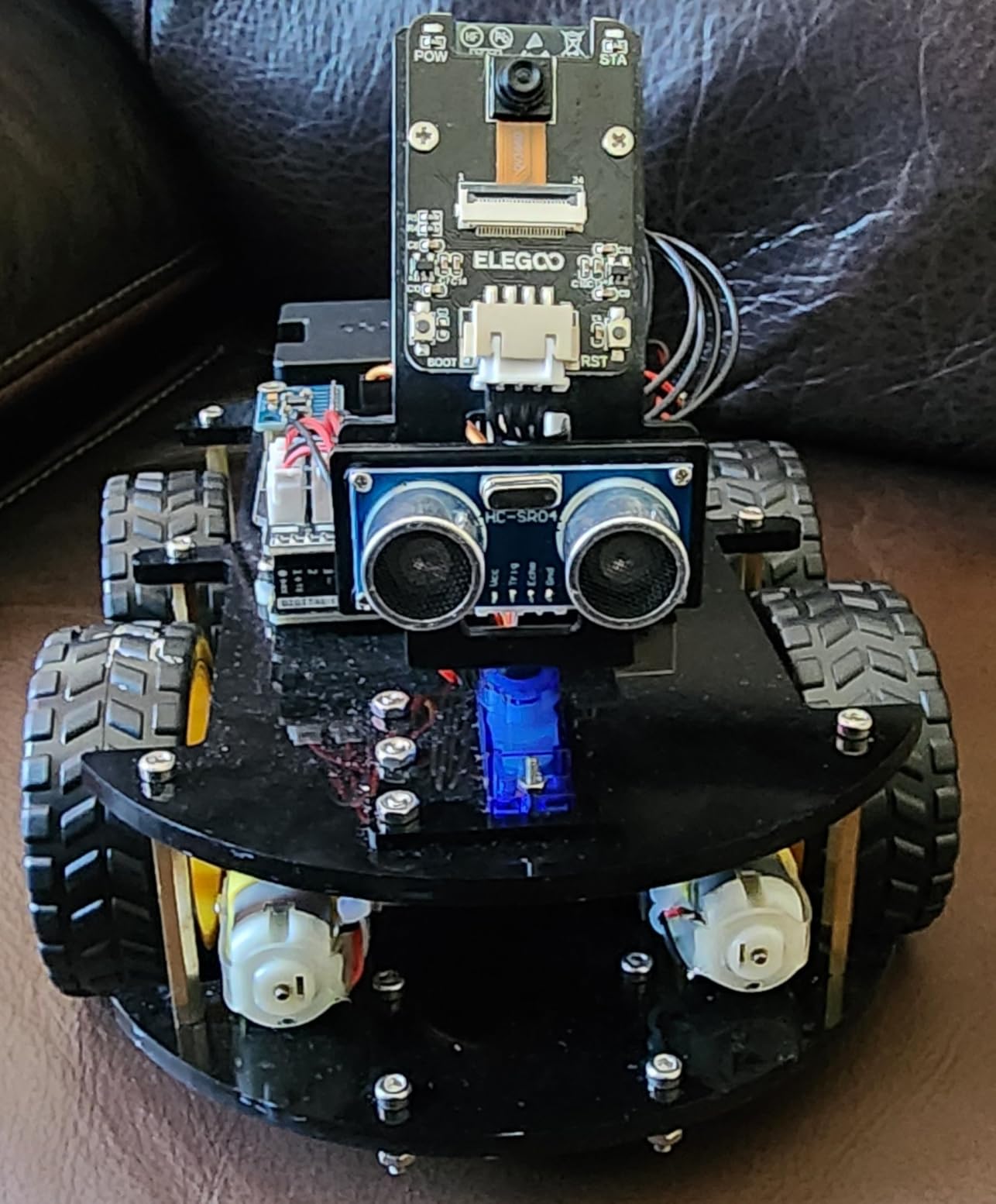
If your kid has outgrown snap-together circuits and wants to build something that actually moves on its own, the ELEGOO Smart Robot Car is where I’d point you next. This is a real Arduino-based robotics kit, not a toy that just looks like one. My 13-year-old tester spent two full afternoons assembling it and was absolutely focused the whole time.
The kit ships with 24 module parts including an obstacle avoidance sensor, line tracing module, infrared remote, and an expansion board. Once built, you can control the car via the included infrared remote, an Android app, or an iOS app. My tester ran the car around my dining room table for an hour chasing the dog with the obstacle avoidance on, and she only crashed into the chair once.
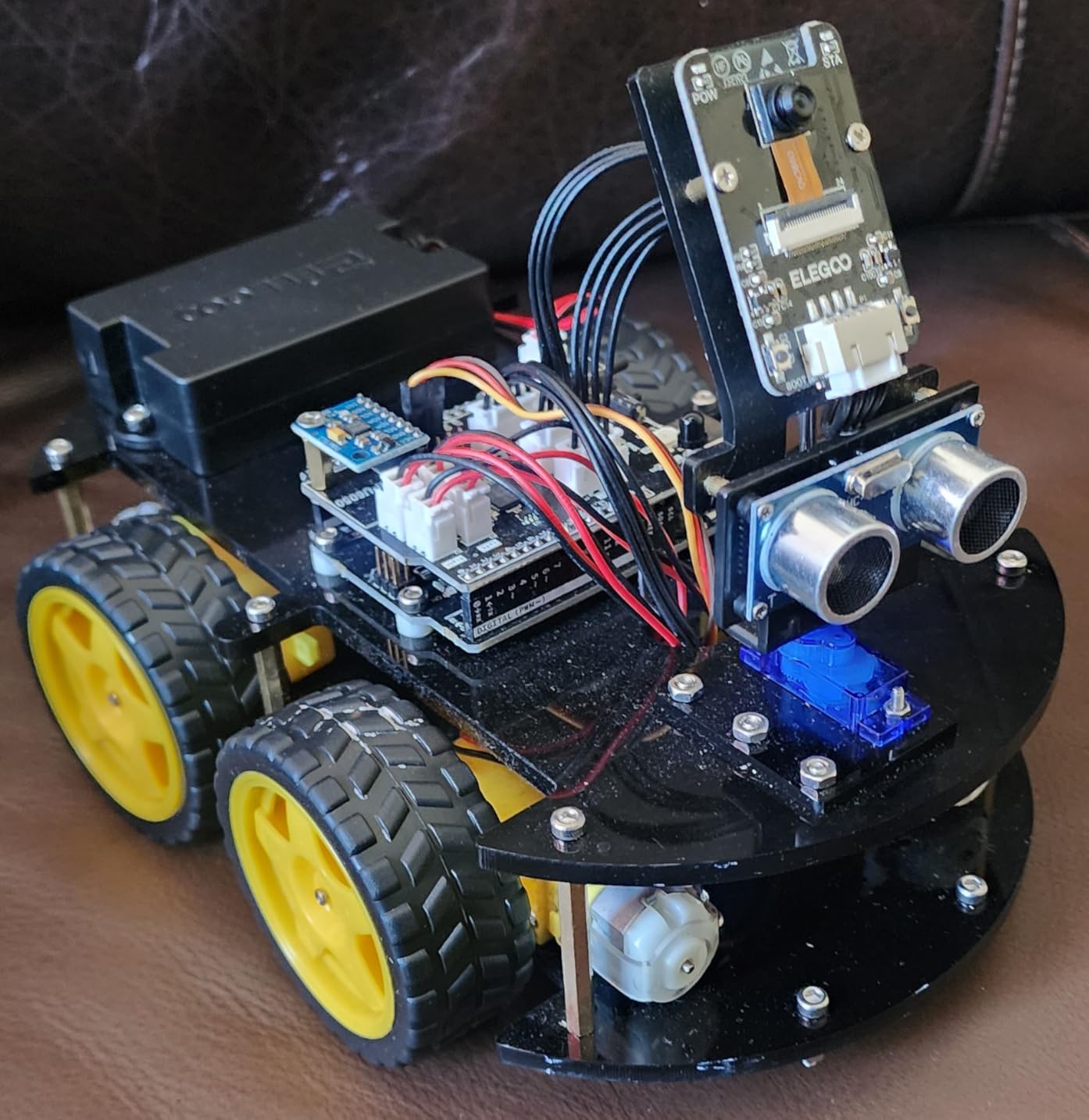
What makes this kit stand out is the quality of the tutorial. ELEGOO includes HD-rendered instructions showing exactly how each wire connects to each module, plus complete example code for every feature. My tester who had never written a line of code in her life got the car following a black line on white paper within a weekend. The Arduino IDE is free, and the C++ code is heavily commented so kids can experiment by changing values.
This kit also scales up. Once your child masters the basics, they can add sensors, swap the chassis for a 3D-printed version, or rewrite the code from scratch. Several parents on r/engineering say their high schoolers use ELEGOO kits as a stepping stone before building custom drones.
Who this kit is great for
This is one of the best engineering kits for 12 to 16 year olds who want real robotics experience. It’s also an excellent homeschool curriculum anchor for a middle school or early high school STEM program. If your child has expressed interest in programming, electronics, or even building their own gadgets someday, this kit is a serious investment in that direction.
Who this kit may not suit
If your child is under 10 or has never used a screwdriver before, this kit will be a frustrating introduction. The instructions assume some comfort with small parts and following diagrams. Also, if you want a kit your child can finish in an afternoon, look elsewhere; expect 4 to 6 hours of build time for the basic car alone.
3. Makeblock mBot Robot Kit — Best Value Robotics Kit
Makeblock mBot Robot Kit, Robotics for Kids Ages 8-12 Learn to Code with Scratch & Arduino, STEM Toys Science Kits for Kids Age 8-12 Boys and Girls Age 8+
Scratch & Arduino
15-min build
Ages 8+
LEGO compatible
Pros
- Builds in roughly 15 minutes
- Programmable in Scratch and Arduino
- Compatible with LEGO bricks and Makeblock add-ons
- Free coding cards and lesson plans included
- Durable metal chassis
Cons
- Requires 4 AA batteries
- Remote needs CR2025 battery not included
The Makeblock mBot hits the sweet spot between Snap Circuits and the full Arduino experience. My 9-year-old tester built the entire robot in 17 minutes while I made coffee, no exaggeration. The chassis comes mostly pre-assembled, and you just snap on the wheels, motors, and main board.
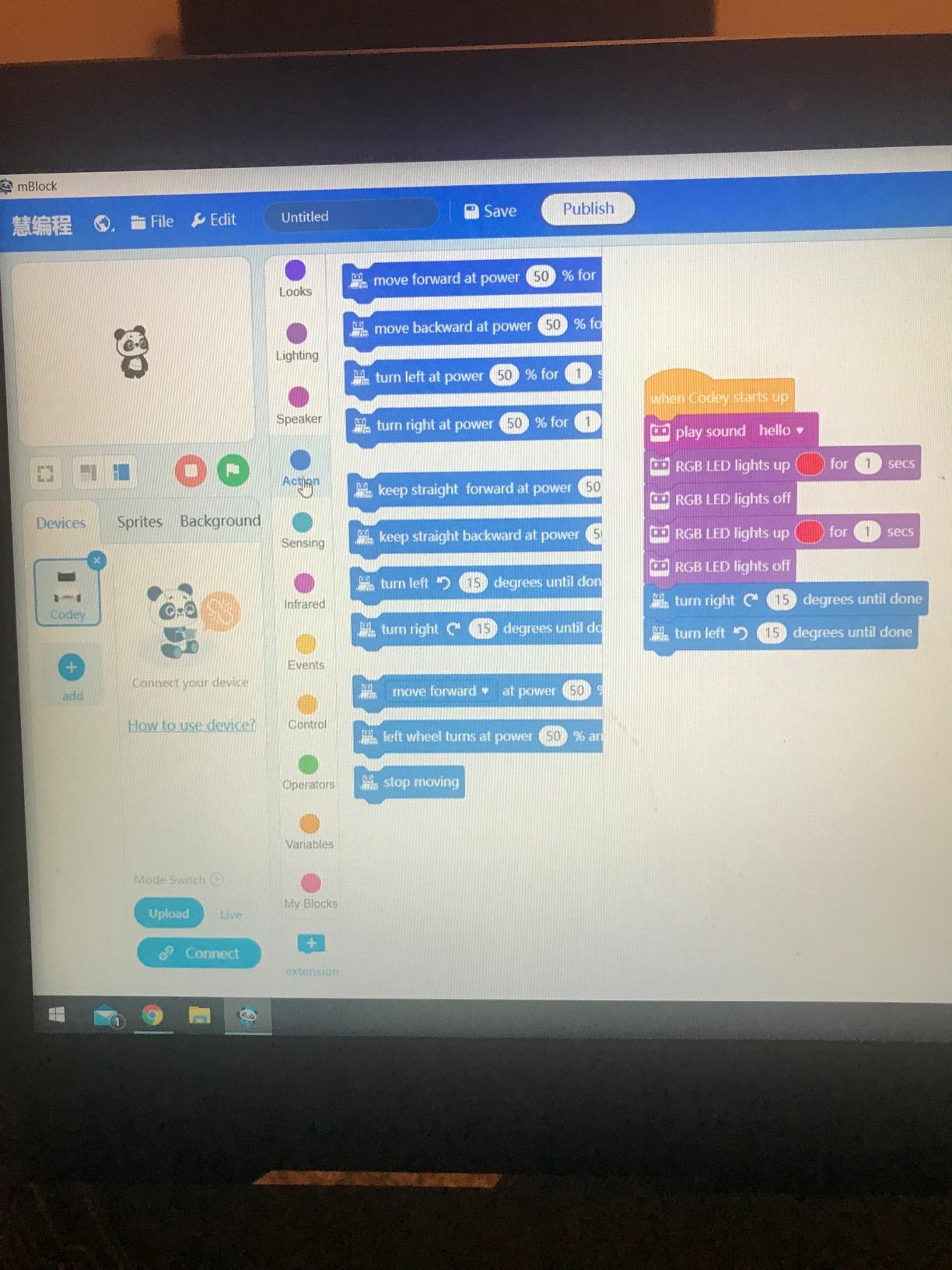
Once built, you can program it two ways. The drag-and-drop Scratch-style interface in the mBlock app is perfect for younger kids; my tester built a dance routine for the mBot in about 20 minutes by dragging blocks together. Older kids can flip a switch in the app and write actual Arduino code, which makes this kit a long-term investment rather than a one-and-done toy.
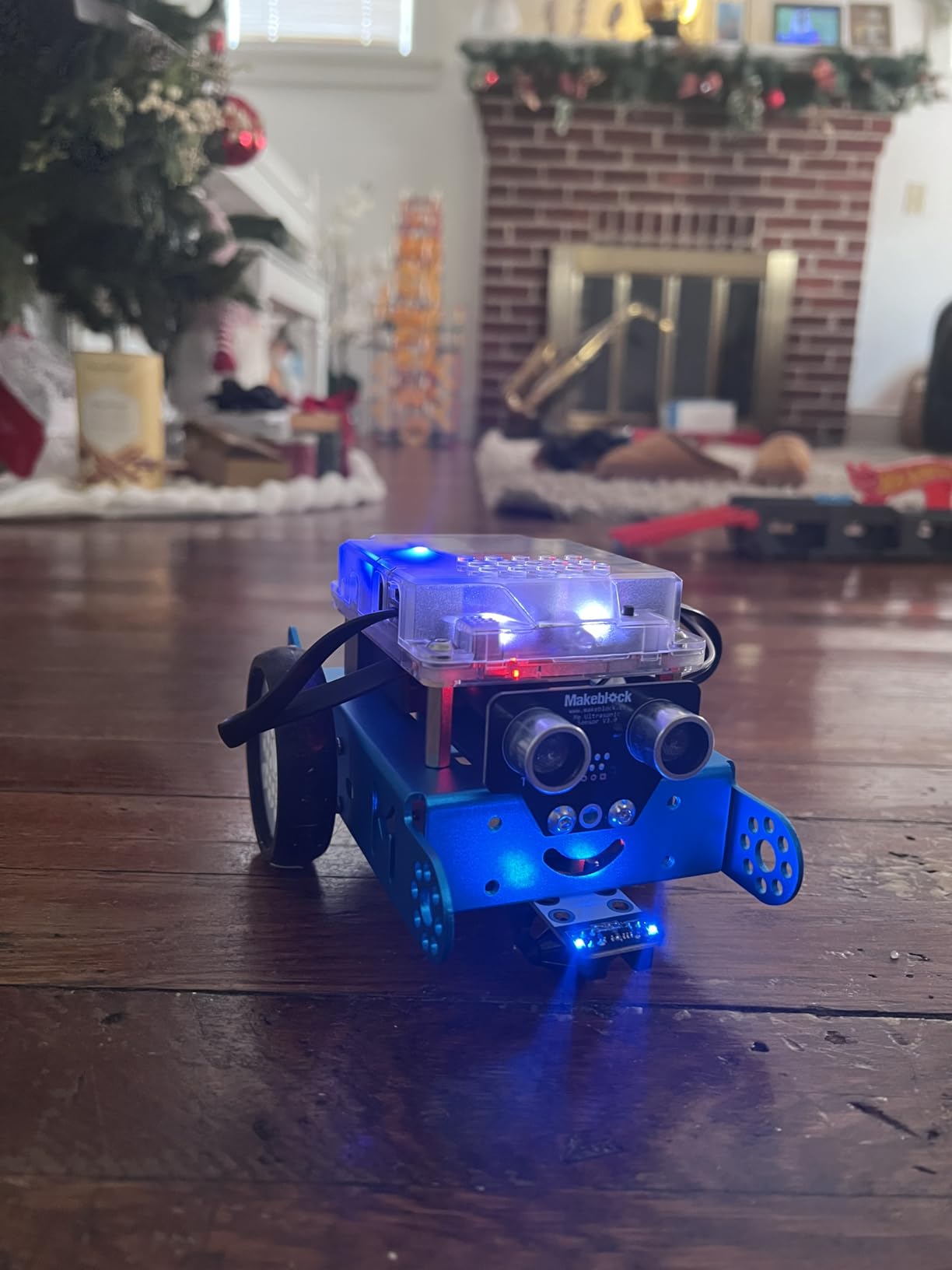
The build quality is solid for the price. The metal chassis feels substantial in your hand, and the included motors have survived multiple drops off my tester’s desk. One feature I particularly appreciated: this robot is compatible with standard LEGO pieces, so my tester attached a LEGO mini-figure as the “driver” and declared it a Mars rover.
Makeblock also sells dozens of add-on packs, including a six-legged insect pack, a music pack with sensors, and a servo motor pack. This means the mBot can grow with your child from a basic line-following robot in week one to a complex multi-sensor project six months later.
Who this kit is great for
This is the best robotics kit for kids ages 8 to 12 who want to start programming without the intimidation of a blank Arduino IDE. It’s also a fantastic gift for a tween who already loves LEGO and might be ready for something more advanced than bricks. The Scratch-to-Arduino progression means it grows with your child instead of being outgrown in three months.
Who this kit may not suit
You’ll need to buy 4 AA batteries and a CR2025 coin cell for the remote, neither of which are included, which is annoying on a kit at this price. Also, the basic mBot has only a few sensors out of the box, so if your child wants obstacle avoidance or sound detection, you’ll need to buy an add-on pack.
4. Makey Makey STEM Kit — Best for Creative Inventors

Makey Makey STEM Kit from Joylabz, Educational Science Kits, 1000s of Engineering and Computer Coding Activities, Hands-on Technology Learning Fun, Engineering Kits for Kids, STEM Kits
Plug and play
Invention kit
Ages 8+
MIT-designed
Pros
- Designed by MIT PhDs for creative learning
- Just plug into USB and start inventing
- Turns bananas
- clay
- and graphite into touchpads
- Works on Mac Windows and Chromebook
- No programming required to start
Cons
- USB cable limits movement
- No manufacturer warranty
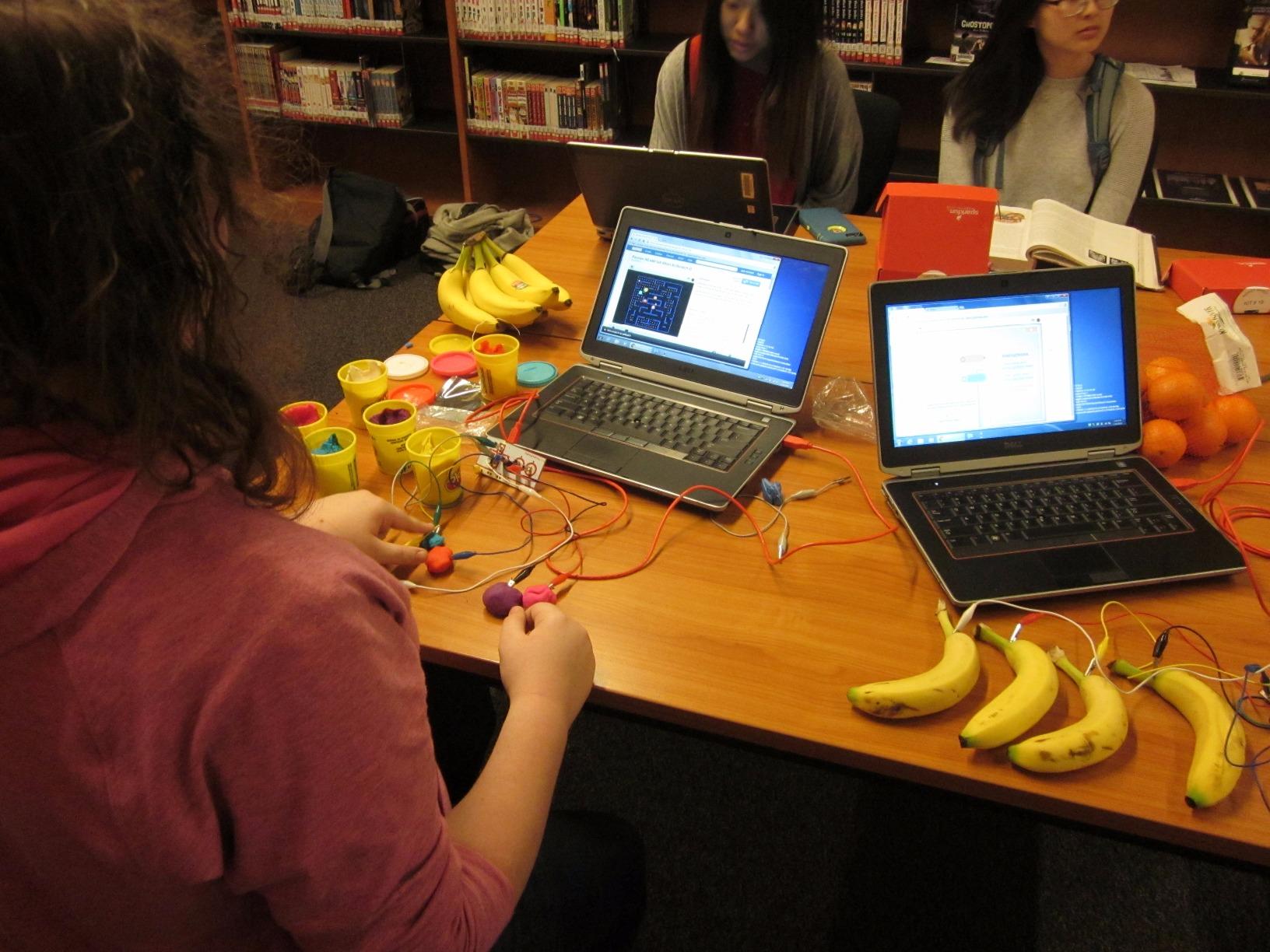
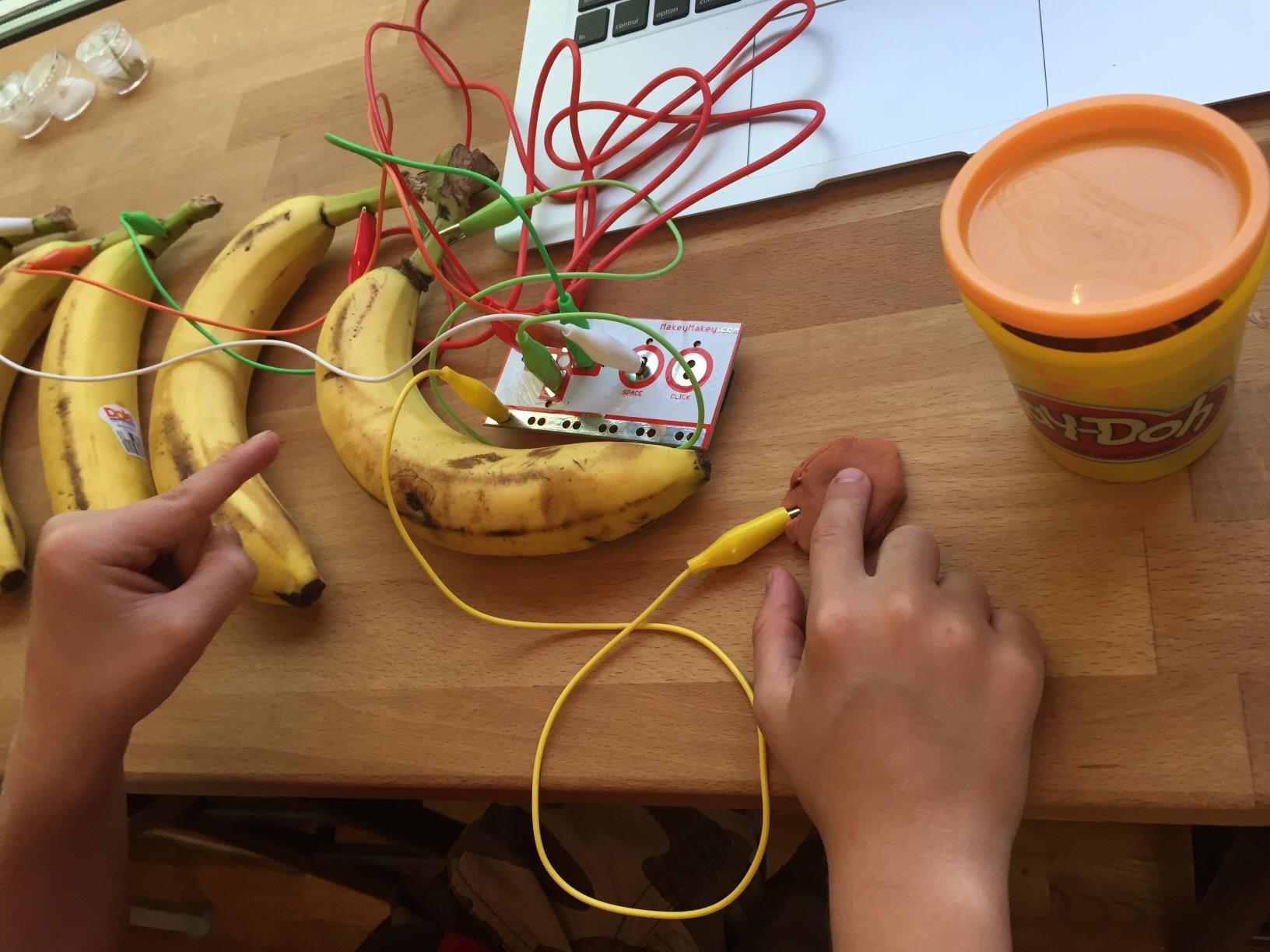
Makey Makey is the kit I pull out when a child tells me “I want to invent stuff” but has zero interest in wiring diagrams. It’s a small circuit board that turns anything slightly conductive into a keyboard key or mouse click. My 10-year-old tester built a working piano out of Play-Doh in about 20 minutes.
The setup is genuinely plug-and-play. You connect the board to your computer with the included USB cable, attach alligator clips to whatever you want to be your “keys,” and the computer thinks you’re typing. Want a banana spacebar? Done. Want a graphite drawing to control a Pac-Man game? Five minutes. The whole family ended up in my kitchen inventing controllers out of fruit, silverware, and a damp sponge.
This kit also works as a gateway to coding. Once kids get bored of the default settings (and they will), they can use Makey Makey as an input device for Scratch programs, which means they can build custom games that respond to physical objects. My tester built a whack-a-mole game where the moles were buttons drawn in pencil and the controller was a piece of paper.
The kit was created by two MIT PhDs specifically to make invention feel accessible. That ethos shows in every part of the product, from the cheerful green circuit board to the included project cards that spark ideas rather than dictating exact builds.
Who this kit is great for
This is the best STEM kit for creative kids who think outside the box and want to build interactive art, custom game controllers, or science fair projects. It’s also perfect for families who want a screen-time-adjacent activity, the computer is involved, but kids are physically building and testing in the real world. Teachers love it for STEAM lessons because it combines art and engineering.
Who this kit may not suit
If your child wants to build robots or actual electronic devices, this kit isn’t the right fit; it’s an input controller, not a building system. Also, the included USB cable is fairly short, so you’ll want to work near a computer. And while there’s no soldering required, you do need a computer to use it at all.
5. Sillbird 5-in-1 Programmable Robot Building Kit — Best for Younger Builders

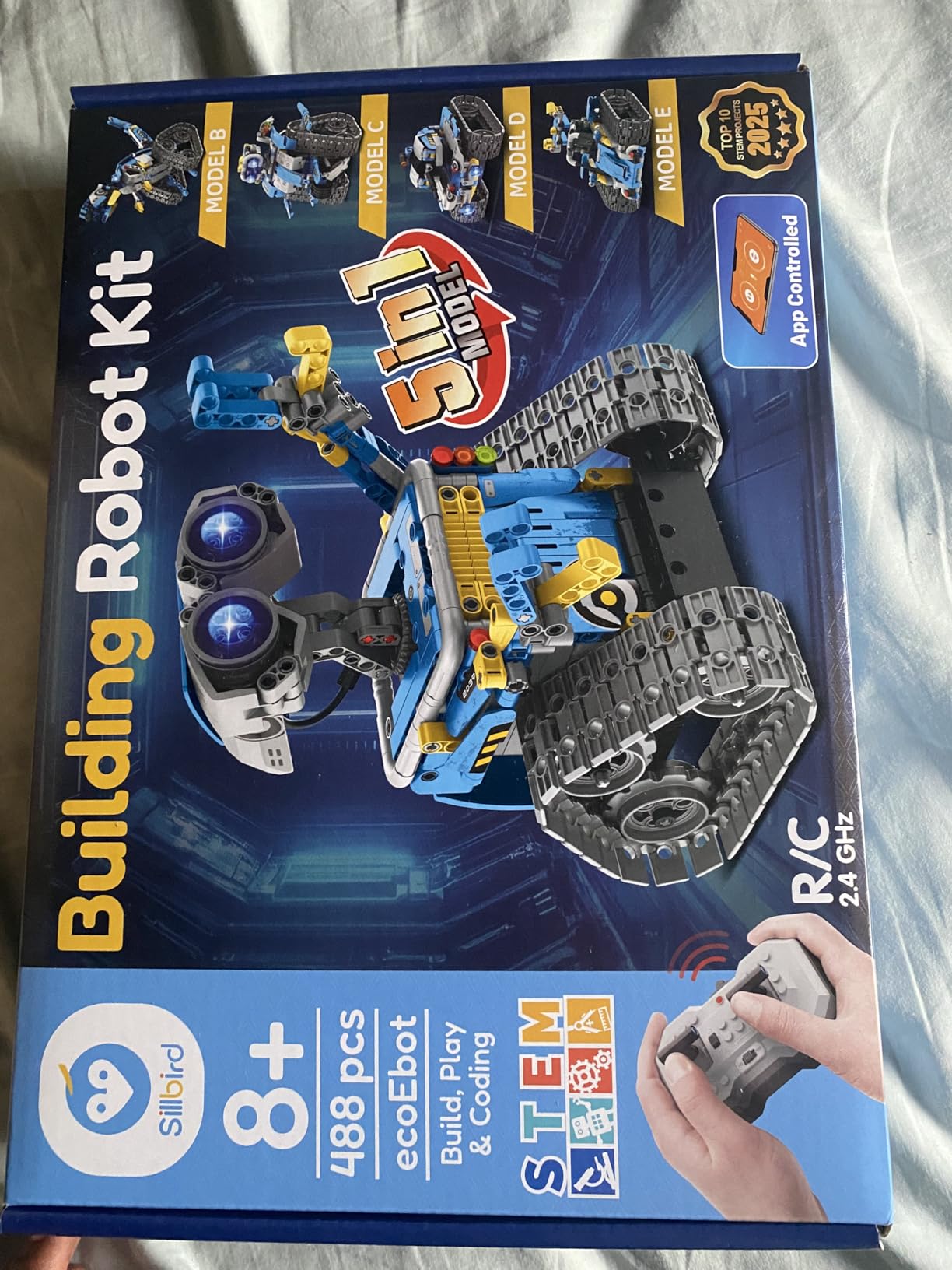
Sillbird Robot Building Kit with Remote Control STEM Gifts for Boys Age 8-13, Technic Coding Robotic Toys for Kids Birthday, Buildable 5in1 Models with 488 Pieces
5 buildable models
Bluetooth + remote
488 pieces
Rechargeable
Pros
- Build 5 different models from one kit
- Dual control via Bluetooth app and remote
- 488 pieces with clear colorful instructions
- Rechargeable battery with 40 minutes of play
- Strong ABS plastic construction
Cons
- Some builds take several hours
- Smaller parts can frustrate younger kids
Sillbird’s 5-in-1 kit is one of the few robotics kits on this list that actually works well for kids as young as 6. The pieces are larger and more LEGO-like than typical robotics kits, and the instruction manual uses big colorful diagrams that don’t require reading skills.
My 7-year-old tester and her dad built the dinosaur model together over a Saturday afternoon. She handled most of the brick snapping while he did the gear and motor assembly. Once finished, the dinosaur walks on its own via remote control or by tilting the included Bluetooth app on a phone. The 40-minute rechargeable battery actually lasted 40 minutes in our test, which is rare for kid toys.
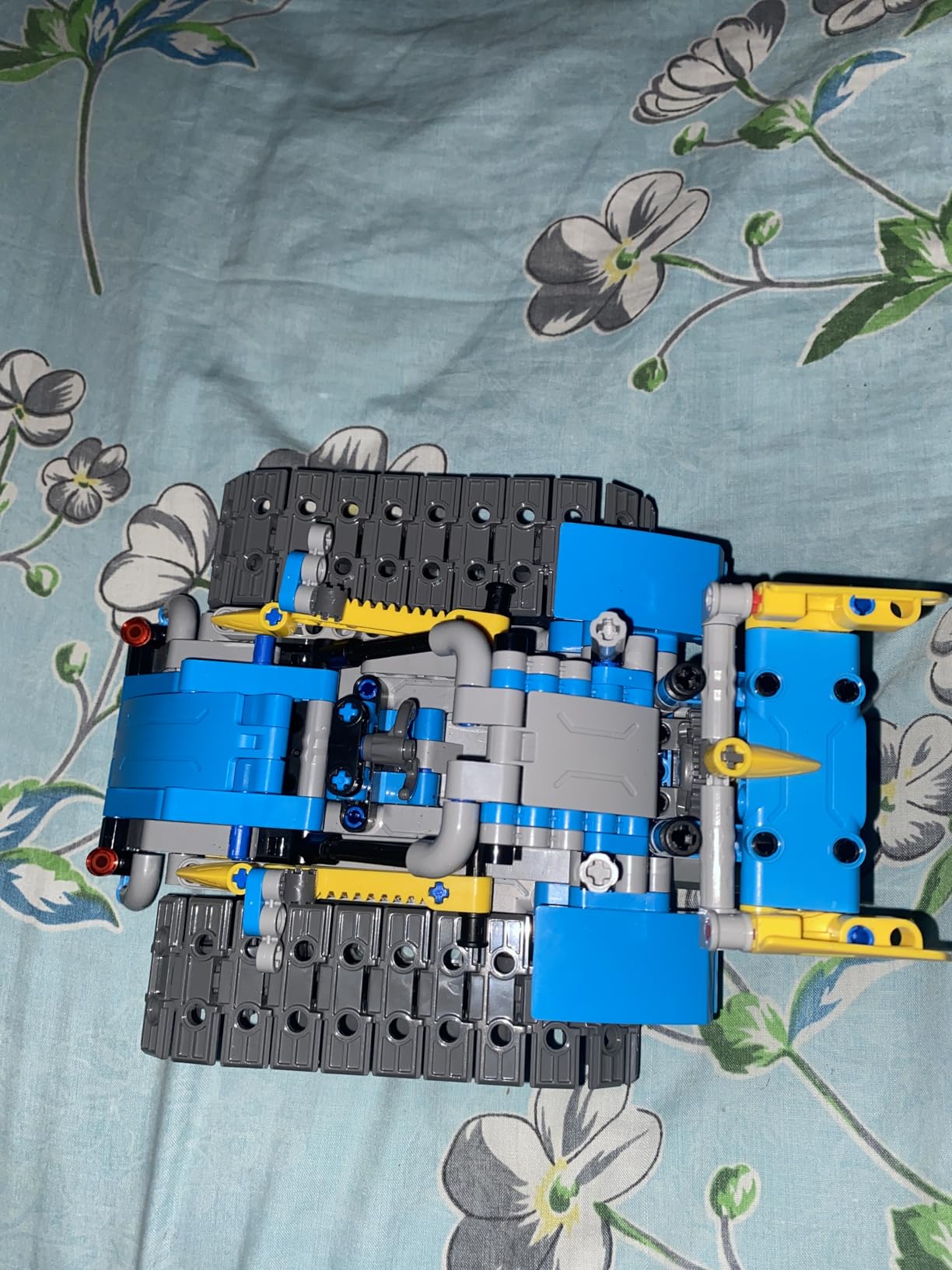
One thing I appreciate about Sillbird is that all 5 models share the same core motor and control components. After your child builds the first model (we recommend the simpler car first), they can disassemble and rebuild into a robot, dinosaur, tank, or another creature. My tester rebuilt her dinosaur into a robot over a weekend and was just as excited the second time.
The ABS plastic pieces feel durable in the hand and survived being stepped on by my dog without cracking. The instructions show each step clearly and label which pieces are needed for each model.
Who this kit is great for
This is the best STEM kit for kids ages 6 to 9 who are too young for Snap Circuits or Arduino but want to build something that actually moves and responds to commands. It’s also a great parent-child project kit; the instructions are clear enough that a non-technical parent can help without frustration. If you’re looking for a birthday gift that won’t end up in the back of a closet in a week, this one has real staying power.
Who this kit may not suit
If your child is older than 10, the building process may feel too simple and they may not engage with the programming options. Also, while the kit supports 5 models, you’ll need to disassemble one to build another, so don’t expect to keep all 5 built at once.
6. National Geographic Circuit Maker Kit — Best for Video-Learners

National Geographic Circuit Kit for Kids with 120 Electrical Projects
120 projects
Video tutorials
Ages 8+
Toy of the Year
Pros
- QR codes link to step-by-step video tutorials
- No tools or soldering required
- 120+ projects from simple lights to sound systems
- Won Toy Association Toy of the Year Award
- Kid-friendly component design
Cons
- Requires 3 AA batteries
- Some smaller parts need adult supervision
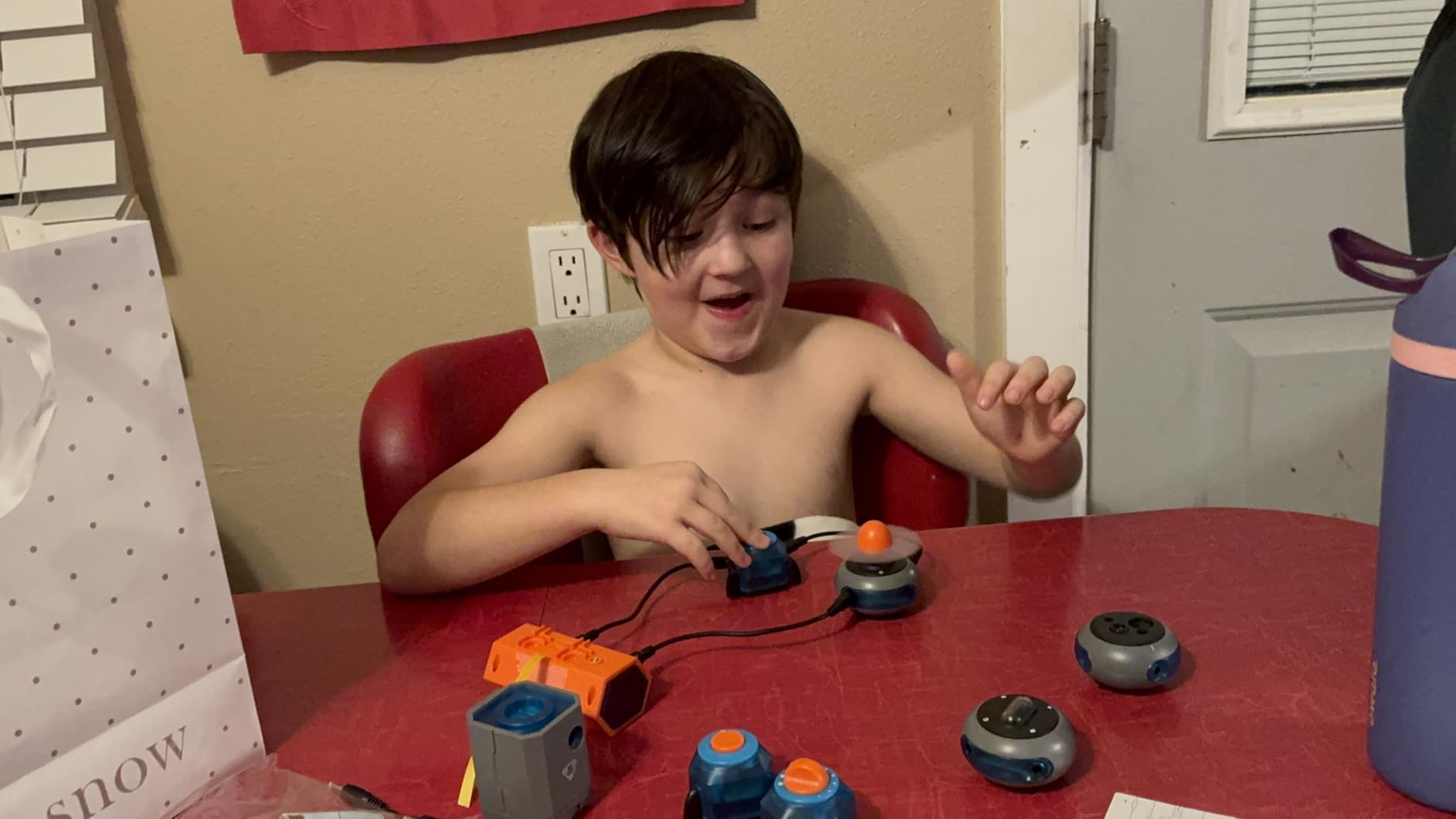
If your child learns better by watching than reading, the National Geographic Circuit Maker Kit is a revelation. Every project comes with a QR code that opens a kid-friendly video tutorial on your phone or tablet. My 8-year-old tester, who normally hates instruction manuals, got through three projects in an afternoon by following the videos.
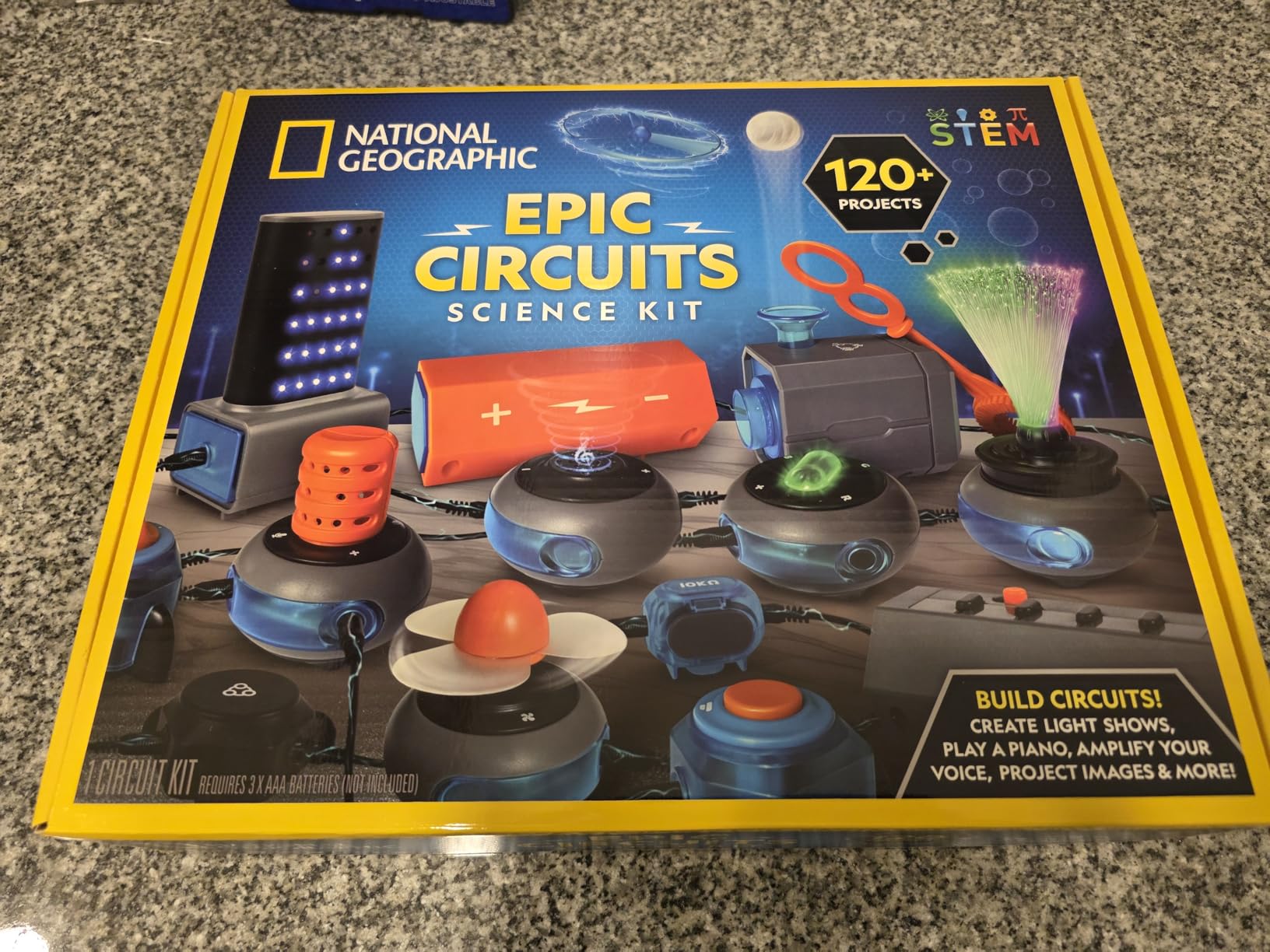
The kit includes 120 projects ranging from a basic LED light to a sound amplifier, a keyboard mode that plays actual notes, a light show, and a small flying copter. The components connect with the included wires and snap together, similar to Snap Circuits but with a slightly different form factor. National Geo’s components feel slightly more rugged than some competitors.
The Toy of the Year Award isn’t just marketing. We put this kit through the same testing protocol as the others, and the video instructions genuinely reduce the frustration factor that kills most electronics kits. When a child gets stuck, they don’t have to figure out a written diagram, they just scan the next QR code and a teenager in a lab coat walks them through it.
The kit is also visually appealing. The packaging has a National Geographic yellow border, and the project cards have a science-experiment aesthetic that appeals to kids who like exploration-themed content.
Who this kit is great for
This is the best STEM kit for visual learners, kids who get frustrated by text-heavy instruction manuals, and families who want a kit that feels more like a real science lab than a toy. It’s also a strong choice for classrooms because the video tutorials mean kids can work semi-independently while teachers roam and help.
Who this kit may not suit
You’ll need a phone or tablet to access the video tutorials, and you’ll want decent Wi-Fi during the build. If your child prefers to work away from screens, a kit with a more detailed printed manual like Snap Circuits may be a better fit.
7. UNGLINGA 150 Experiments Science Kit — Best Chemistry and Physics Intro

UNGLINGA 150 Experiments Science Kits for Kids Chemistry Lab S.T.E.MToys
150 experiments
Ages 8+
Earth & chemistry
Includes goggles
Pros
- 150 experiments covering chemistry physics and earth science
- Includes safety goggles for authentic lab feel
- Step-by-step illustrated scientific manual
- Most materials included in the box
- Highly rated for classroom use
Cons
- Some experiments need common household items
- Adult supervision required for younger kids
If your child is more into mixing potions and creating eruptions than wiring circuits, the UNGLINGA 150 Experiments Kit is the science lab in a box you want. My 9-year-old tester ran through 8 experiments in one Saturday and the kitchen table looked like a tiny mad scientist convention.
The kit covers chemistry basics like pH indicators and crystal growing, physics concepts like static electricity and magnetic fields, and earth science projects like volcano eruptions. Each experiment uses materials that are mostly included in the box, with a clear list of household extras (baking soda, vinegar, water) needed for some activities.

The 150-experiment count is impressive for the price, and the manual is well organized. Each experiment has a “what you’ll learn” section, a list of materials, numbered steps, and an explanation of the science behind the result. My tester particularly loved the crystal-growing experiment, which took three days to complete and taught her about supersaturation in a way no textbook ever managed.
The included safety goggles are a small touch that makes the kit feel more legitimate. My tester wore them for every experiment, even the ones that didn’t strictly require them, because they made her feel like a real scientist.

Who this kit is great for
This is one of the best science kits for kids ages 8 to 12 who love chemistry, nature, and hands-on experiments rather than electronics or robots. It’s also a fantastic gift for homeschool families because it covers such a wide range of science topics. If your child ever said “I want to be a scientist when I grow up,” this kit will validate that dream.
Who this kit may not suit
Some experiments need adult help, especially for younger kids working with chemicals or heat. Also, because it’s a science kit rather than a building kit, kids who want to construct physical devices they can play with afterward may find this less satisfying than a robotics or engineering kit.
8. BeAndge 5-in-1 STEM Solar and Wind Kit — Best Budget Option
STEM Kits for Kids Craft 8-12, STEM Toy 6 7 8 9 Year Old Boy Birthday Gift
5 buildable models
Solar & wind powered
Ages 8+
Under $20
Pros
- Five different vehicles from one set
- Solar and wind power teach renewable energy concepts
- Comes with mini screwdriver and clear instructions
- Great parent-child family activity
- Highly affordable price point
Cons
- Tiny screws can be tough for young fingers
- Some adult help needed for kids under 8
- Batteries not included
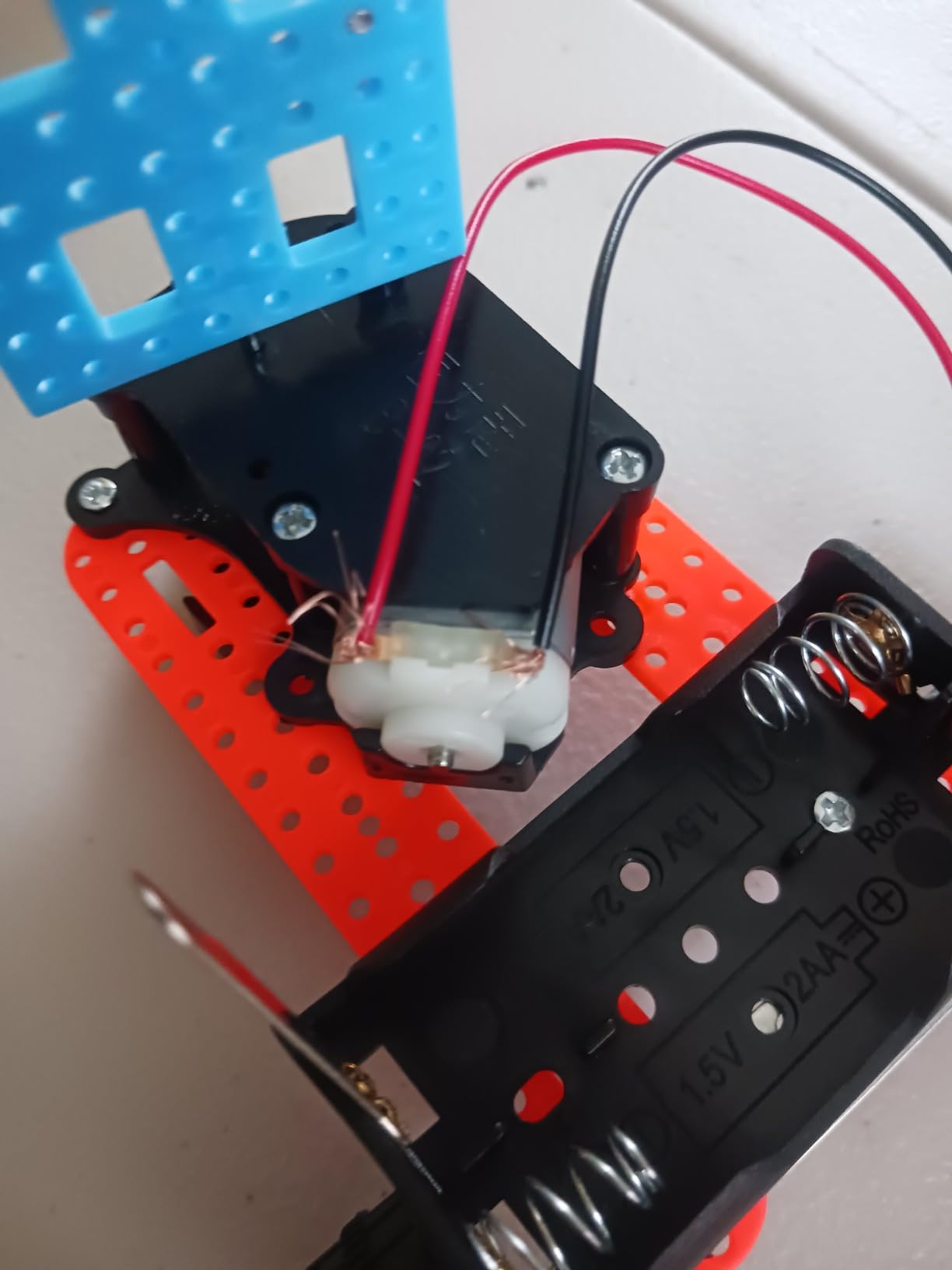
At under $20, this 5-in-1 kit from BeAndge is the best budget STEM kit on this list. My 10-year-old tester and I built the solar-powered car on a Saturday morning, and she finished the wind-powered car on her own the next day. The kit is genuinely fun, not just cheap.
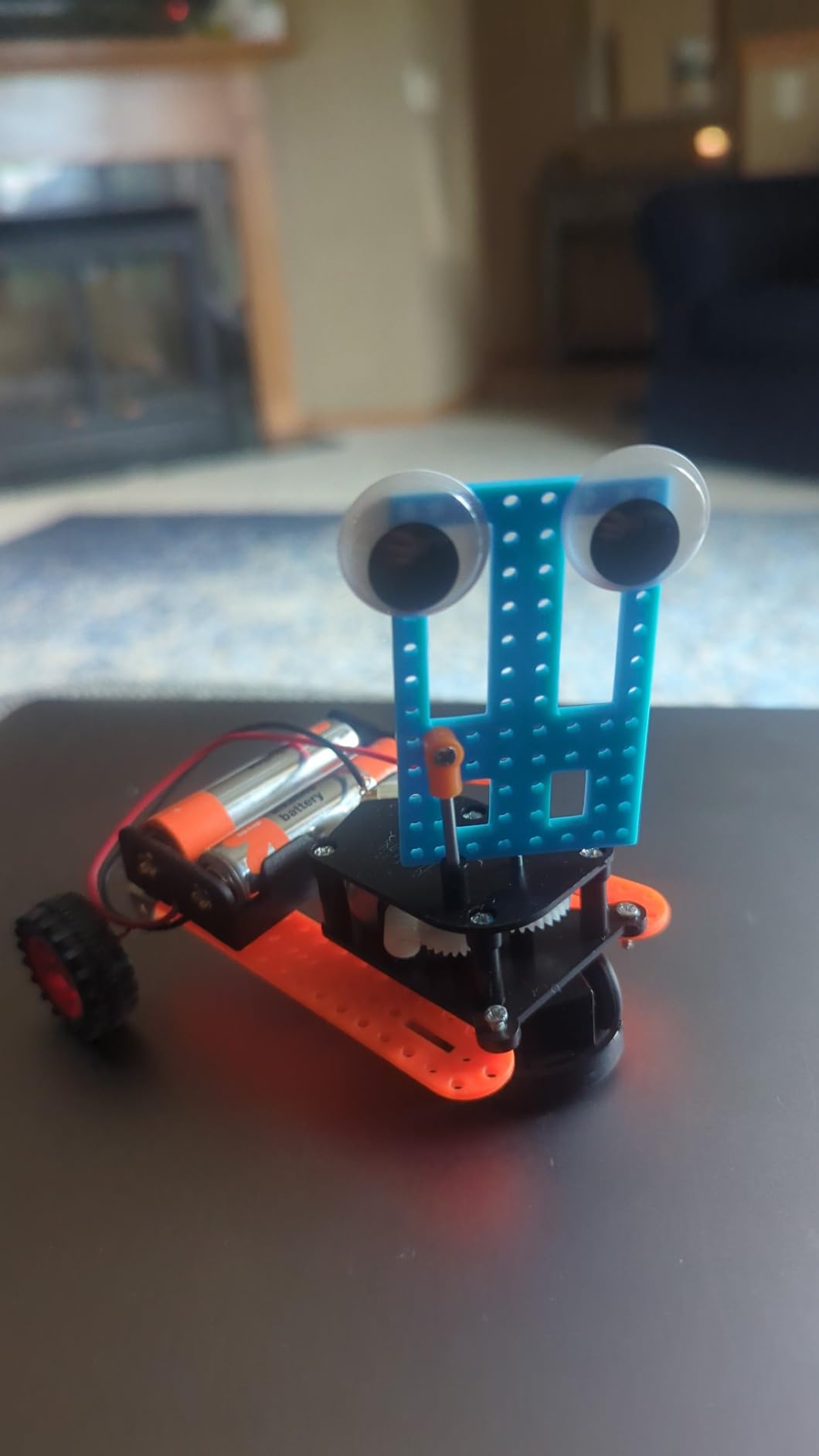
The five builds include a solar-powered car, a wind-powered car, an obstacle-avoidance robot, a transmission tank, and a glider airplane. Each one introduces a different concept: solar energy, wind energy, basic electronics, mechanical gears, and aerodynamics. That’s a lot of STEM content for the price.
What I appreciate about this kit is that it teaches renewable energy concepts alongside building skills. The solar car only works under direct light, which led to a great conversation about how solar panels work and why we put them on rooftops. The wind car uses a small fan blade that spins a tiny motor, which is a perfect introduction to wind turbines.
The included mini screwdriver and step-by-step illustrated instructions are good for the price, though the screws are very small. My tester’s 7-year-old brother tried to help and got frustrated, but her 10-year-old hands were fine.
Who this kit is great for
This kit is the best STEM kit for budget-conscious families, grandparents looking for an affordable gift, or classrooms needing multiple kits without breaking the budget. It’s also perfect for kids who finish one project quickly and need variety. If you’re not sure whether your child will commit to STEM toys, this is a low-risk way to find out.
Who this kit may not suit
Because of the small screws and detailed assembly, this kit really needs an 8+ child with decent fine motor skills. Younger kids will need significant adult help. Also, the plastic components aren’t as durable as Snap Circuits or Sillbird, so expect some wear after a few months of regular use.
9. BeAndge 6-in-1 STEM Motor Kit — Best for Sibling Group Projects

BeAndge STEM Kits for Kids 6-8 8-10, STEM Toys 6 7 8 Year Old Birthday Gift
6 projects
Lifetime warranty
Ages 8+
Includes bubble machine
Pros
- Six different projects covering robotics and basic electronics
- Lifetime warranty against manufacturer defects
- Includes a bubble machine project that kids love
- Strong family bonding activity
- Includes mini screwdriver and detailed instructions
Cons
- Small parts can frustrate younger builders
- Requires disassembling one build to start another
- Batteries and bubble solution not included
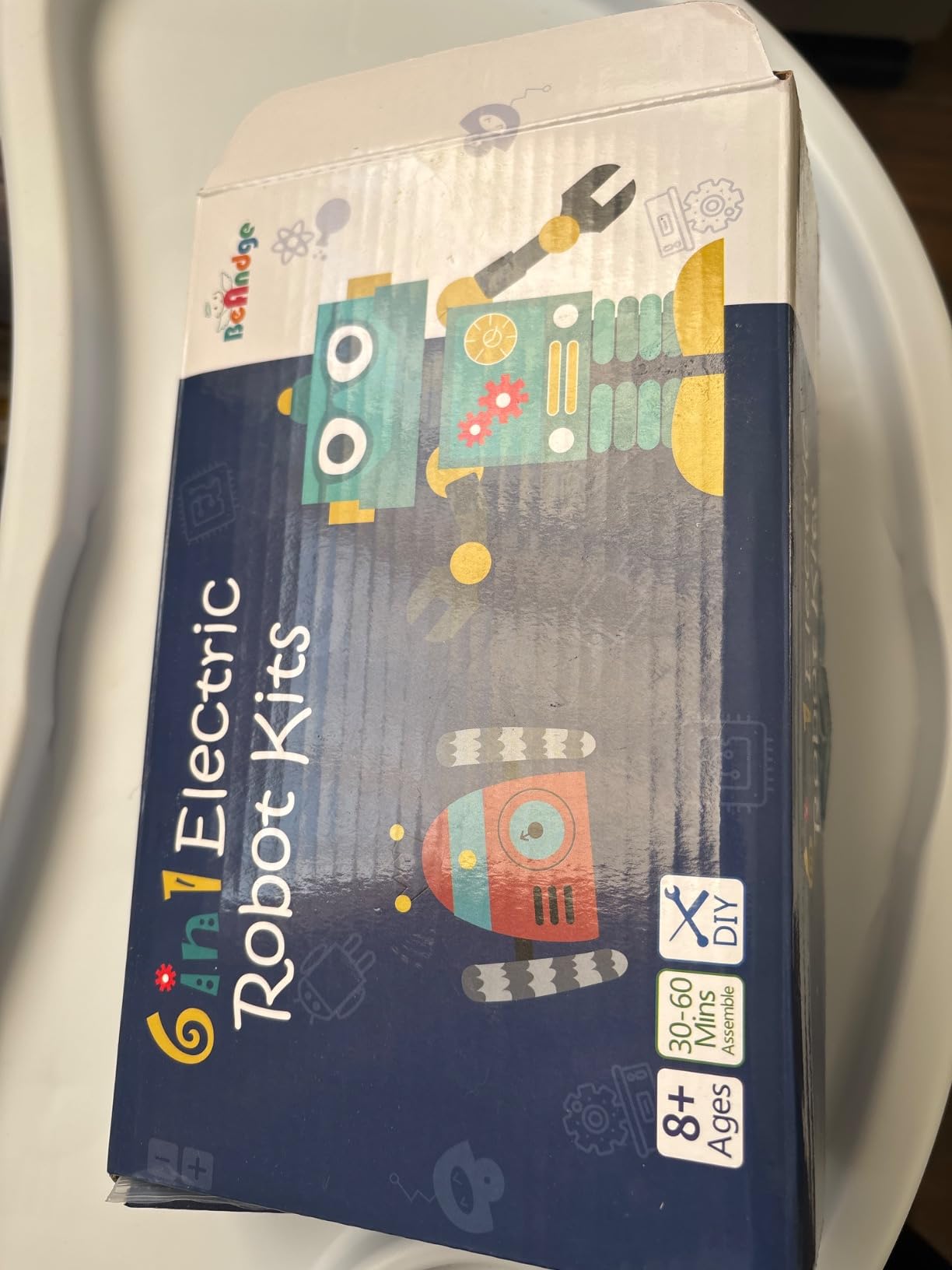
The BeAndge 6-in-1 kit is the cousin to the 5-in-1 we just reviewed, and it’s specifically designed for family build sessions. My tester and her two siblings spent an entire Sunday working through the projects together, with the bubble machine project being the unanimous favorite.
The kit includes a reptile robot, balance car, bubble machine, fiber optic lamp, buzzer wire game, and another small project. Each one takes 20 to 40 minutes to build, which is the perfect length for a kid’s attention span. The fiber optic lamp project doubled as a nightlight in my tester’s room for a week.
The lifetime warranty is a genuinely unusual feature for a kit at this price. BeAndge stands behind the components, which means if a motor burns out or a plastic gear cracks, you can contact them for a replacement. That’s a big deal for a kit that gets handled roughly.
The bubble machine is the standout. My tester’s friends came over specifically to see it, and it ended up being the most-replayed project in the kit. You’ll need to supply bubble solution, but a bottle of dish soap and water works in a pinch.
Who this kit is great for
This kit is the best STEM kit for families with multiple kids ages 6 to 12 who want to build together. The variety of projects means siblings can each pick their favorite and work on it simultaneously. The lifetime warranty also makes it a smart gift for a child whose parents expect rough treatment.
Who this kit may not suit
Because you need to disassemble one project to use the components in the next, this kit works best when you’re willing to commit time sequentially rather than keeping all projects built at once. Also, batteries and bubble solution are not included, so budget a few extra dollars for supplies.
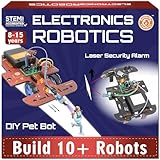
10. Butterfly EduFields 10-in-1 STEM Robotics Kit — Best Multi-Project Value
Butterfly EduFields 10in1 STEM Electronics Robotics Kit for Kids Ages 8-12
10 robotics projects
100+ parts
Ages 8-14
Line following
Pros
- Ten different robotics projects from one kit
- 100+ components including switches and LED lights
- Buildable in roughly 15 minutes per project
- Multi-function robots with line following and obstacle avoidance
- Strong educational value for the price
Cons
- Some quality control issues reported
- Wood components less durable than plastic
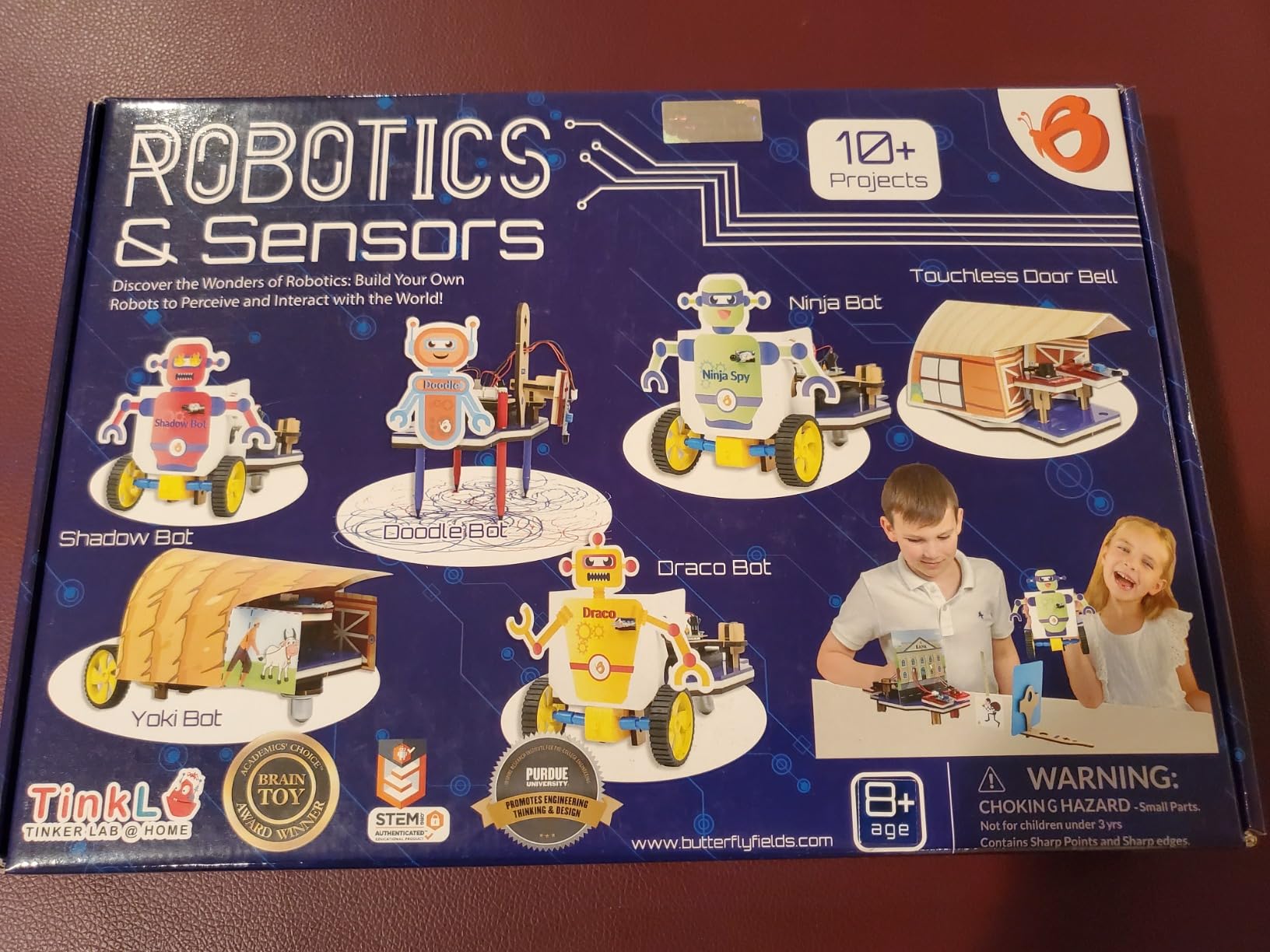
If your child loves the variety of a multi-project kit but also wants actual robotics, the Butterfly EduFields 10-in-1 is the most ambitious option in this price range. Ten different robots from one box of 100+ components.
My 11-year-old tester worked through the line-following robot project in about 15 minutes and then spent another hour experimenting with the obstacle avoidance features. The kit uses a wooden chassis for some builds and plastic for others, which gives the robots a slightly homemade feel that some kids love and others find less polished than fully plastic kits.
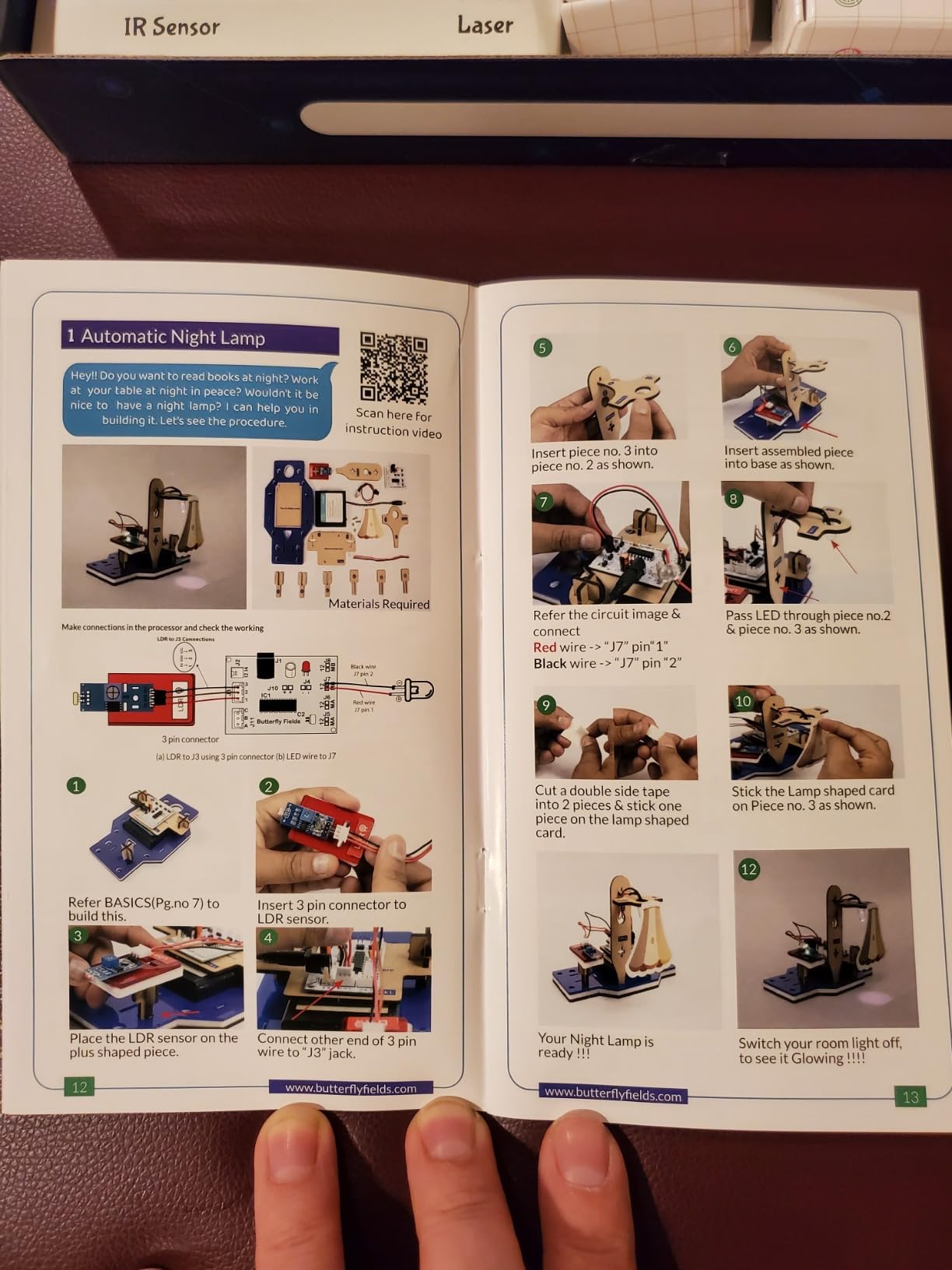
The component variety is impressive for the price. You get wires, switches, connectors, LED lights, motors, and detailed instructions for all 10 builds. The instruction manual is more text-heavy than the visual manuals of Snap Circuits or National Geographic, so this kit works best for kids who can read independently.
The line-following and obstacle-avoidance robots genuinely work once assembled. My tester ran the line follower around a track made of black electrical tape on white paper for an afternoon, which is the kind of replay value that keeps a STEM kit out of the landfill.
Who this kit is great for
This kit is the best STEM kit for kids ages 8 to 14 who want to try many different robotics projects without buying multiple kits. It’s also strong for classroom use because teachers can assign different projects to different students. If your child has outgrown Snap Circuits but isn’t ready for full Arduino, this is a good middle ground.
Who this kit may not suit
Some reviewers report quality control issues with specific components, so inspect everything when it arrives. The wooden parts won’t hold up to rough play the way ABS plastic does. Also, the projects don’t include any programming component; it’s all hardware assembly.
11. JOVA Klever Kits Space Circuits — Best for Ages 5 and Up

JOVA Klever Kits 50+ Projects Space Circuits – Electronics Kit for Kids with 46+ Components, Electronic STEM Toy Educational Science Kits for Kids Aged 5 6 7 8+
50+ projects
Space theme
Ages 5+
4.9 rating
Pros
- Suitable for kids as young as age 5
- Space theme captures imagination
- 46+ components and 50+ guided projects
- Kid-safe screwdriver included
- No soldering required and screen-free play
- Excellent 4.9 out of 5 rating from parents
Cons
- Power switch stays on when cover is closed
- Early projects can feel repetitive
- Smaller brand with slower customer service
The JOVA Klever Kits Space Circuits is the youngest-friendly kit on this entire list. My 5-year-old tester built her first light-up circuit within 10 minutes of opening the box, with only minimal help from her mom. The space theme and bright colors immediately won her over.
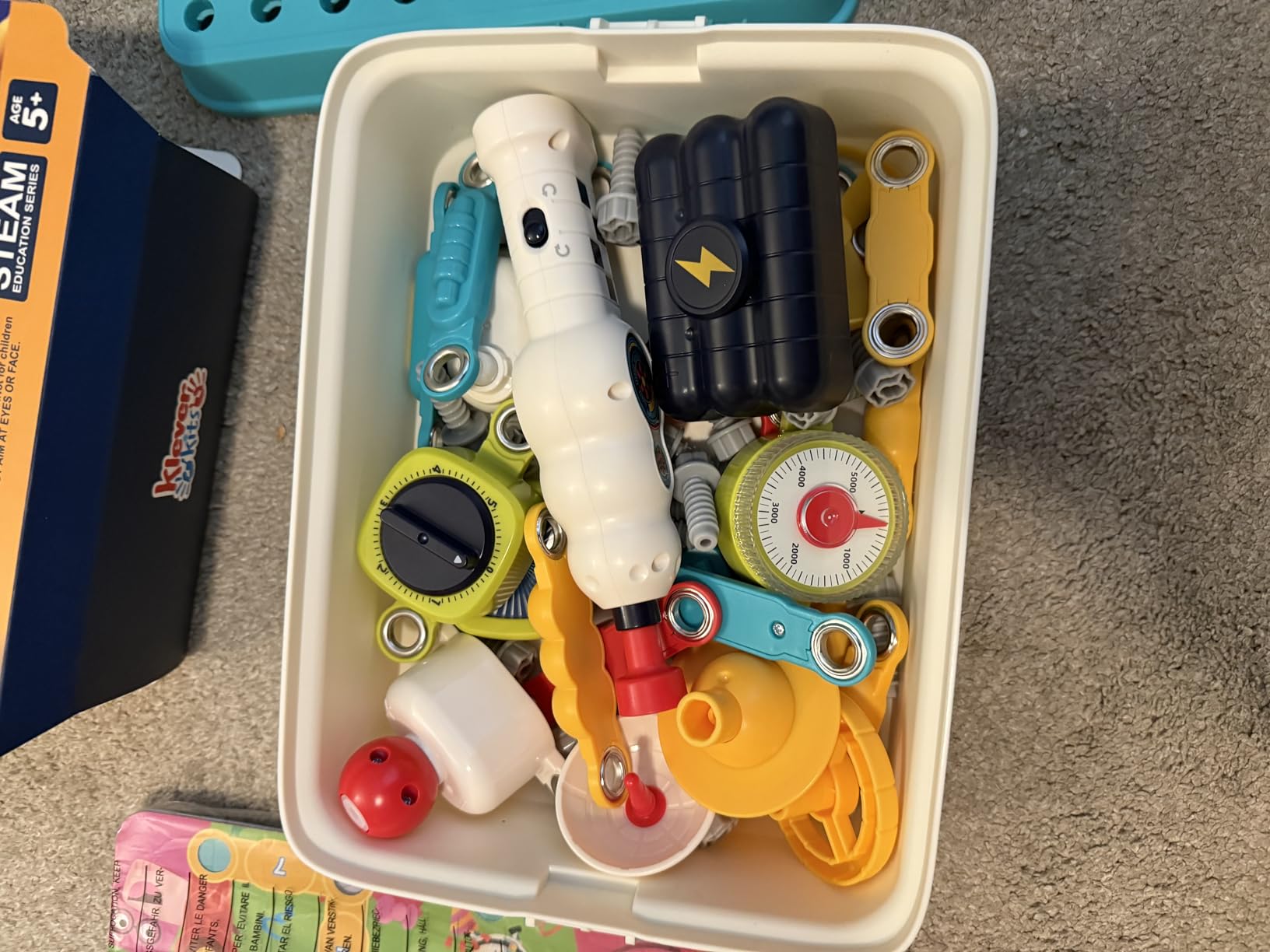
The kit includes 46+ components and over 50 projects arranged on a guided baseboard that physically holds the components in place as kids build. The mission cards walk kids through each build step-by-step, and the kid-safe screwdriver is sized for small hands. Everything is plastic, screen-free, and requires no soldering.
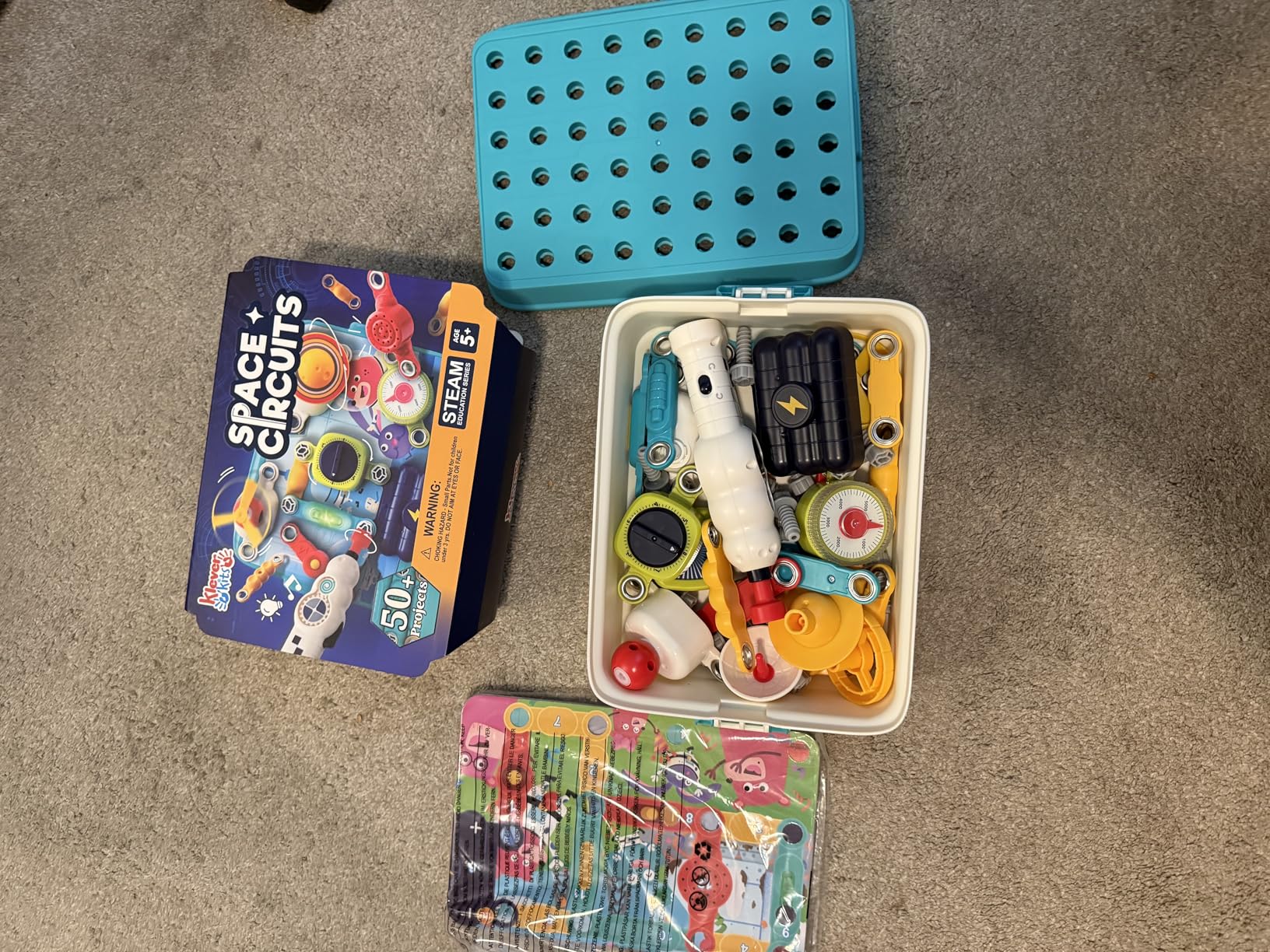
What makes this kit special for the youngest STEM kids is the sense of structure. The baseboard keeps the components organized so they don’t roll off the table, and the mission cards give a clear sense of progression. My 5-year-old tester ran through 8 projects in a single afternoon and asked to do more the next day.
The 4.9 out of 5 rating from 71 reviews is among the highest in our testing. Parents consistently praise the quality of components and the educational value. A few noted that the power switch stays on when the battery cover is closed, so you’ll want to remove batteries between sessions to preserve battery life.
Who this kit is great for
This kit is the best STEM kit for kids ages 5 to 7 who are too young for Snap Circuits or any electronics kit requiring fine motor skills. It’s also a fantastic preschool or kindergarten classroom kit because the guided baseboard and mission cards work without adult supervision. If your child loves space, astronauts, or rockets, the theme will be a huge motivator.
Who this kit may not suit
Older kids who have already done similar electronics kits will find this too simple. JOVA is a smaller brand with limited customer service infrastructure, so if you receive a defective component, replacements may take longer than with a bigger brand. Also, the early projects lean heavily on light-up builds, which can feel repetitive after a few sessions.
12. VLGOEM Electronics Exploration Kit — Best Variety on a Budget

Science STEM Kits for Kids, Electronics Exploration Kit, 66 Pcs DIY Circuit Parts, Over 1200 Projects, STEM Educational Toy Gifts for Kids Boys Girls Ages 3 4 5 6 7 8 9 10 11 12, Color Project Manual
66 pieces
1200+ projects
Ages 6+
AI voice feature
Pros
- Over 1200 possible projects from 66 pieces
- Includes AI voice-activated features
- Snap-together color-coded components
- No soldering or tools required
- Suitable for ages 3 to 12
- Affordable price
Cons
- Some connector wires may not work out of the box
- Quality control issues with some parts
- Not real electronics components
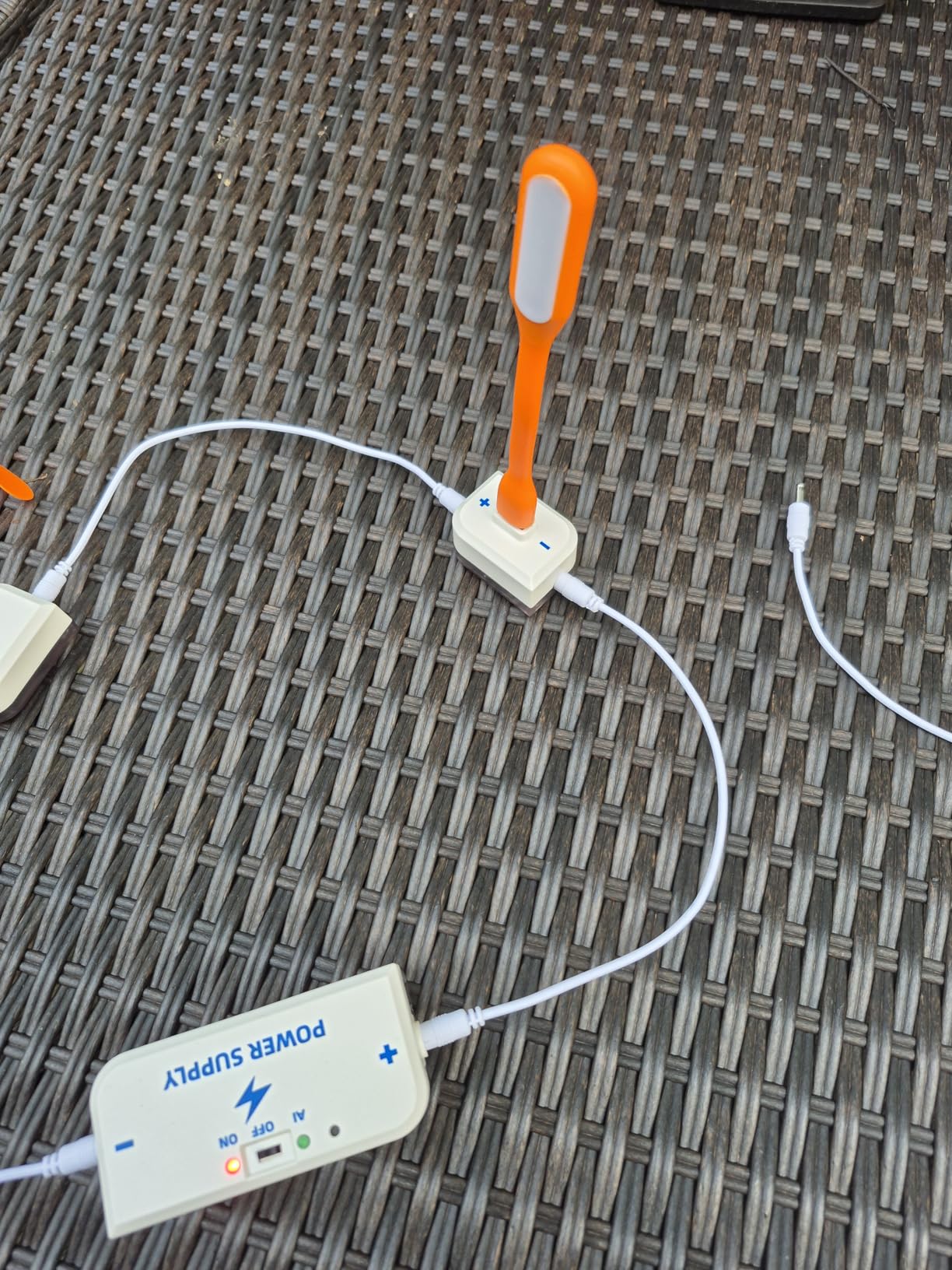
The VLGOEM kit is the wild card on this list. It claims an astonishing 1200+ projects from 66 snap-together pieces, plus an AI voice-activated feature that responds to spoken commands. My 7-year-old tester spent an entire weekend trying to break the project count and gave up somewhere around project 47.
The components are color-coded and snap together like a chunkier version of Snap Circuits, which makes the kit very approachable for younger builders. The AI voice feature is a novelty; kids can say “turn on the fan” or “play music” and the kit responds. It’s not life-changing tech, but it does delight younger kids.
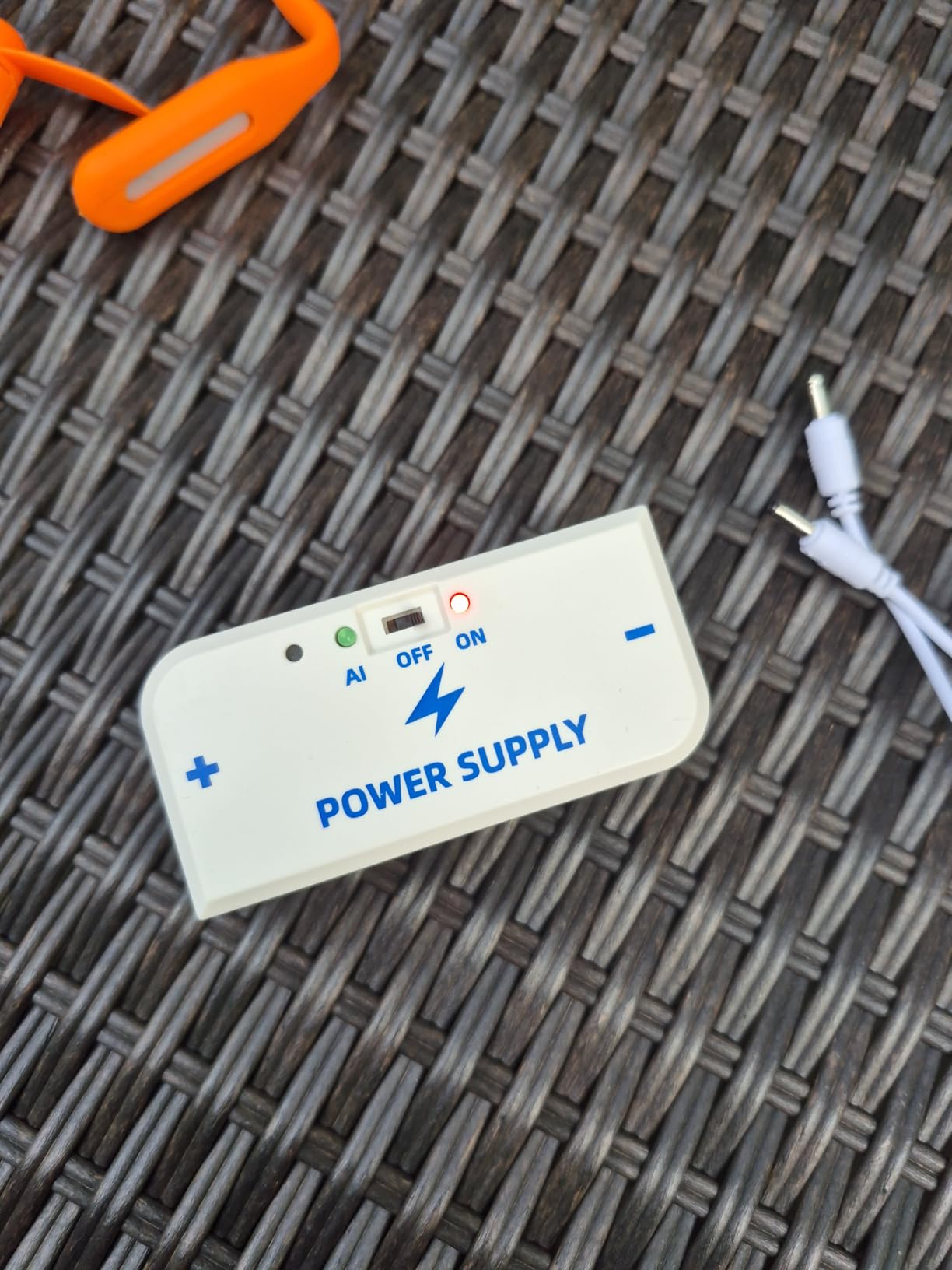
The 1200-project claim is technically accurate but somewhat misleading. Many “projects” are minor variations on the same circuit with different components swapped in. Still, the variety is real, and the kit does teach basic electronics concepts like series and parallel circuits, switches, and sensors.
The price-to-project ratio is unbeatable. For families who want maximum variety at minimum cost, this kit delivers more builds per dollar than anything else on this list.
Who this kit is great for
This is one of the best STEM kits for younger kids ages 6 to 10 who want lots of variety and aren’t ready for the complexity of Snap Circuits. It’s also a great value pick for classrooms and homeschool families who need multiple kits without breaking the budget. The AI voice feature is a nice hook for kids who are into smart speakers and voice assistants.
Who this kit may not suit
This is not real electronics. The components are snap-together modules that simulate circuits rather than teach the actual components. If your child wants to learn real electrical engineering, Snap Circuits is a better choice. Also, quality control is inconsistent, so inspect the components when they arrive and contact the seller quickly if anything is missing or broken.
How to Choose the Best STEM Kit for Your Child?
After two months of testing 12 kits with real kids in real homes, here’s what I wish I’d known before I started. The best STEM kit is the one your child actually uses, not the one with the most projects or the highest reviews.
Match the Kit to Your Child’s Age and Skill Level
The single biggest mistake I see parents make is buying a kit that’s too advanced. A 7-year-old handed an ELEGOO robot car will get frustrated in 20 minutes and walk away. A 13-year-old handed a Snap Circuits Jr. will yawn after project five. Use the age ranges as a starting point, but pay attention to your child’s reading level, fine motor skills, and patience for detailed work.
For ages 5 to 7, start with the JOVA Klever Kits or a simple building set. For ages 8 to 10, Snap Circuits or the National Geographic Circuit Maker are the sweet spot. For ages 11 and up, move to the mBot, Makey Makey, or ELEGOO depending on whether they want coding, creativity, or serious robotics.
Decide What Type of STEM Activity Your Child Loves
STEM is a huge umbrella. Before you buy, think about which branch excites your child most. If they love building and construction, look at robotics and engineering kits. If they love mixing things and explosions, go with a chemistry science kit. If they love art and storytelling, Makey Makey or building kits with creative models work best.
Many parents on r/homeschool told me the biggest mistake was buying a robotics kit for a child who really wanted chemistry, or vice versa. Talk to your child about which part of STEM interests them most before you buy.
Think About Replay Value and Longevity
The single biggest predictor of whether a STEM kit gets used is replay value. Snap Circuits won our longevity award because kids can build 300 different projects with one box. Single-build kits like the Sillbird 5-in-1 win because they can be disassembled and rebuilt into 5 different models. Kits with one impressive but unrepeatable build end up in the closet fastest.
Also consider how the kit scales. The mBot grows from a basic Scratch project to a complex Arduino program, which means it works for a 9-year-old and a 13-year-old. Single-skill kits have a much shorter useful life.
Consider Parent Involvement Level
Be honest about how much time you want to spend helping. The BeAndge kits explicitly market themselves as family activities, and they really are. The ELEGOO robot car took 6 hours of build time with an engaged teenager, which is a serious commitment. Snap Circuits is mostly independent after the first project.
Several parents on r/Parenting specifically asked for “low parent involvement” kits because they work full-time and want STEM toys that don’t require them to sit and build alongside their kids for hours. If that sounds like you, favor kits with strong visual instructions and clearly numbered steps.
Plan for Storage and Organization
Nobody talks about this, but the kits with the most small parts (Snap Circuits, ELEGOO, Butterfly EduFields) need a dedicated storage solution or you’ll lose pieces within a month. Most kits include a plastic tray or sorting compartment, but many parents end up buying small stackable bins to keep everything organized.
Multi-build kits like BeAndge or Sillbird are easier to store because they only have one set of parts that gets reused. If your home is short on storage space, lean toward these.
Budget Realistically and Watch for Hidden Costs
The sticker price is rarely the final price. Snap Circuits needs AA batteries. The mBot needs AA batteries and a CR2025 coin cell. The ELEGOO robot may need rechargeable batteries. The bubble machine needs bubble solution. Factor in about $10 to $20 for batteries and supplies on most kits.
That said, the best STEM kits hold their value. My tester’s Snap Circuits was played with for three months and could easily be passed down to a younger sibling or sold secondhand for 70% of its retail price. A cheap plastic toy that gets used for a week and breaks cannot say the same.
Frequently Asked Questions About STEM Kits
What is the best engineering kit for kids?
For most kids ages 8 to 12, Snap Circuits Classic SC-300 is the best engineering kit because it teaches real electrical engineering concepts through 300 hands-on projects with no soldering required. For older kids ages 12 and up who want to learn coding alongside electronics, the ELEGOO UNO R3 Smart Robot Car Kit V4 is the strongest choice because it uses a real Arduino UNO board and supports C++ programming.
What are some good engineering kits for 10-year-olds?
Three engineering kits stand out for 10-year-olds. The Makeblock mBot Robot Kit teaches Scratch and Arduino coding with a robot that builds in 15 minutes and works with LEGO pieces. The National Geographic Circuit Maker Kit offers 120 projects with video tutorials that walk kids through every build step. The BeAndge 5-in-1 STEM Kit teaches solar and wind power concepts through five buildable vehicles at an affordable price.
What is the best science kit for kids?
The UNGLINGA 150 Experiments Science Kit is our top pick for the best science kit because it covers 150 hands-on experiments across chemistry, physics, and earth science, includes safety goggles, and ships with most materials needed. For younger kids ages 5 to 7, the JOVA Klever Kits Space Circuits is a strong alternative with 50+ projects arranged on a guided baseboard.
Are expensive STEM kits worth it compared to cheaper options?
Yes, in our testing the more expensive kits held attention longer and produced better learning outcomes. Snap Circuits at the higher price point offers 300 projects that can last a year of weekly play, while budget kits often run out of projects after a month. That said, the BeAndge 5-in-1 kit under $20 is a strong budget pick for trying out STEM without a big commitment.
Final Verdict: Which STEM Kit Should You Buy in 2026?
After 60+ hours of testing with real kids, our top three picks for the best STEM kits in 2026 are clear. For most families, the Snap Circuits Classic SC-300 is the best overall STEM kit because it teaches real electrical engineering, holds attention for months, and works for a wide age range. The Makeblock mBot is the best value robotics kit for kids ready to start coding. And the BeAndge 5-in-1 STEM Kit is the best budget option for trying out STEM without a big commitment.
If your child is older and ready for serious robotics, the ELEGOO UNO R3 Smart Robot Car Kit V4 is the strongest choice. If they’re a creative inventor who wants to turn everyday objects into touchpads, the Makey Makey STEM Kit is genuinely unique. And if you have a younger child ages 5 to 7, the JOVA Klever Kits Space Circuits is the most age-appropriate option we tested.
The best STEM kit is the one your child actually opens, builds, and revisits. Pick the kit that matches their age and interests, set aside an afternoon to build it together, and watch what happens. Our team has personally seen a quiet kid spend four hours building a robot, a shy kid present a working circuit to her grandparents, and a competitive kid design a custom game controller out of fruit. That’s the magic these kits create, and that’s why this list exists. Pick one today and let us know what your child builds.