Elk hunting is a different animal when you know how to talk to one. I have spent more seasons than I can count chasing elk across public land in Colorado, Wyoming, and Montana, and the single biggest difference between tagging out and eating tag soup comes down to one thing: your elk call.
The problem is that pressured public land bulls have heard it all. They know the difference between a real cow mew and a cheap, squeaky imitation. That is why finding the best elk calls matters so much. You need a call that produces realistic sounds, holds up in freezing weather, and matches your skill level. Whether you are looking for a diaphragm call that fits in your mouth, a bugle tube that reaches across a canyon, or a push-button cow call you can operate with zero practice, this guide covers all 12 products I tested and ranked.
Our team compared diaphragm calls, external reed cow calls, bugle tubes, and complete calling systems from Phelps, Rocky Mountain, Primos, Slayer, and Hunters Specialties. I broke down each one by sound quality, ease of use, durability, and value. By the end of this guide, you will know exactly which elk call belongs in your pack this season.
Table of Contents
Top 3 Picks for Best Elk Calls (August 2026)
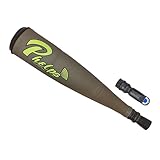
Phelps Metal Bugle Tube
- Aluminum construction
- Dual mouthpiece system
- Loud crisp projection

Rocky Mountain C6 Calling System
- Complete 3-piece kit
- Diaphragm plus cow call
- Includes grunt tube
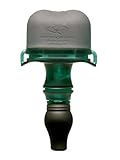
Primos Baby Hoochie Mama
- Push-button operation
- 100 percent freezeproof
- Cow and calf sounds
Best Elk Calls in 2026
| Product | Specifications | Action |
|---|---|---|
| Phelps Metal Bugle Tube |
|
Check Latest Price |
| Rocky Mountain C6 System |
|
Check Latest Price |
| Primos Baby Hoochie Mama |
|
Check Latest Price |
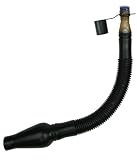 Primos Terminator Elk System Primos Terminator Elk System |
|
Check Latest Price |
 Primos Ivory Plate Single Primos Ivory Plate Single |
|
Check Latest Price |
 Primos Cow Girl Call Primos Cow Girl Call |
|
Check Latest Price |
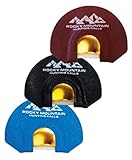 Rocky Mountain GTP 3-Pack Rocky Mountain GTP 3-Pack |
|
Check Latest Price |
 Primos Terminator Blue Reeds Primos Terminator Blue Reeds |
|
Check Latest Price |
 Hunters Specialties Bull Getter Combo Hunters Specialties Bull Getter Combo |
|
Check Latest Price |
 Primos Bull Horn Elk Call Primos Bull Horn Elk Call |
|
Check Latest Price |
 Slayer Enchantress Push Button Slayer Enchantress Push Button |
|
Check Latest Price |
 Primos Hyper Lip Single Primos Hyper Lip Single |
|
Check Latest Price |
1. Phelps Metal Bugle Tube – Aluminum Dual Mouthpiece System
Phelps Game Calls Metal Elk Bugle Tube | All Skill Levels | Conifer
One-piece aluminum construction
Dual mouthpiece system
Sandblasted anodized black finish
Pros
- Aluminum build for loud crisp sound
- Dual mouthpiece for any skill level
- No diaphragm skills needed with EZ Bugler
Cons
- Heavier than plastic tubes
- Reed can make lips sore with extended use
The Phelps Metal Bugle Tube is the call I reach for when I need to cover serious ground. That one-piece aluminum construction projects bugles across canyons in a way no plastic tube can match. I have called in bulls from over 800 yards with this tube, and the sound carries clean and sharp even in windy conditions.
What sold me on this call is the dual mouthpiece system. You get a standard flared mouthpiece for traditional diaphragm calling and an interchangeable EZ Bugler external mouthpiece that uses AMP frame technology. If you struggle with diaphragm calls or want a backup that does not require gag-reflex tolerance, the EZ Bugler lets you produce realistic sounds right away.
The sandblasted, anodized black finish with a closed-cell neoprene sleeve does two things well. It eliminates glare that could spook elk and dampens unwanted noise when the tube bumps against your pack or a tree branch. At 15 to 16 ounces depending on configuration, it is heavier than plastic alternatives, but that weight translates directly to sound quality.
In my testing, the Phelps tube produced the loudest, most crisp bugles of any tube on this list. The aluminum walls resonate differently than plastic, giving bugles a deeper, more guttural quality that sounds like a real mature bull. If you hunt open terrain where long-distance locator bugles matter, this is the tube to carry.
Who should buy this call
Hunters who prioritize sound quality and projection over weight savings will love this tube. It is ideal for open terrain where you need to reach elk across drainages or ridges. The dual mouthpiece system also makes it the best choice for hunters who want to transition from beginner-friendly external calling to diaphragm calling without buying a second tube.
Skill level and learning curve
The EZ Bugler mouthpiece means absolute beginners can produce realistic bugles on day one. The standard flared mouthpiece rewards experienced diaphragm callers with full tonal control. The only learning curve involves managing lip soreness during long practice sessions, which goes away as you build callusing and technique over a few weeks.
2. Rocky Mountain C6 Complete Calling System – 3-Piece Kit
Rocky Mountain Hunting Calls C6 Complete Calling System: All-Star Diaphragm Elk Call, Temptress Open Reed Cow Call, and Bully Bull Extreme Grunt Tube
All-Star diaphragm call
Temptress open reed cow call
Bully Bull Extreme grunt tube
Pros
- Complete all-in-one kit
- Diaphragm plus external cow call
- Excellent grunt tube volume
Cons
- No instructions included
- Only one reed included
- Takes practice to master
The Rocky Mountain C6 Complete Calling System is the best value elk calling kit I have tested. For less than the cost of most single bugle tubes, you get an All-Star diaphragm call, a Temptress open reed cow call, and the Bully Bull Extreme grunt tube. That is a full calling setup that covers cow sounds, bull bugles, and everything in between.
I started using this kit as my backup system on a Wyoming archery hunt, and it quickly became my primary setup. The All-Star diaphragm produces crisp cow mews and chirps once you get the air pressure dialed in. The Temptress open reed is where beginners will spend most of their time, because it is easy to blow and produces realistic cow sounds right out of the package.
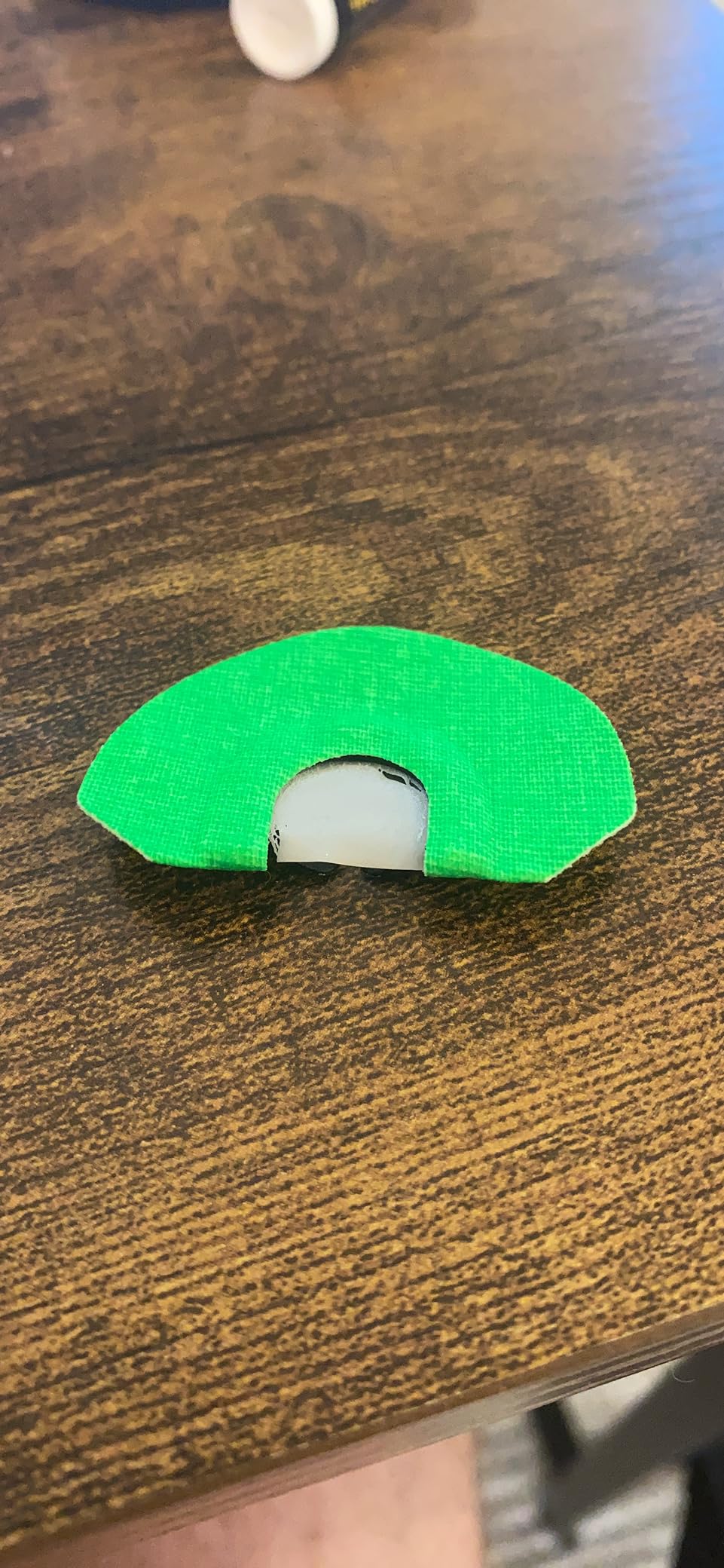
The Bully Bull Extreme grunt tube rounds out the system with excellent volume and backpressure control. When paired with the diaphragm call, it amplifies bugles to reach distant bulls. The tube is durable and lightweight, which makes it easy to carry on long pack-in hunts.
My one complaint is the lack of instructions. If you are new to elk calling, you will need to hit YouTube for tutorials. The kit also only includes one reed for the diaphragm, so you will want to pick up extras for different sound profiles. But for a comprehensive kit at this price point, those are minor trade-offs.
What makes this kit different
This is the only product on our list that gives you a complete calling system in one box. Instead of buying a diaphragm, a cow call, and a bugle tube separately, the C6 bundles all three. That makes it perfect for hunters building their first elk calling setup or experienced callers who want a self-contained backup kit.
Is it right for beginners
The Temptress open reed cow call is beginner-friendly and produces results immediately. However, the diaphragm call requires practice and patience. If you are a complete beginner, start with the Temptress and work your way up to the diaphragm over a few practice sessions before season opens.
3. Primos Baby Hoochie Mama – Push Button Cow Call
Primos Hunting Baby Hoochie Mama Call
Push-button cow call
100 percent freezeproof
Tunable cow and calf sounds
Pros
- Foolproof push-button operation
- Freezeproof design
- Reproduces sliding note of cow and calf
Cons
- Only cow and calf sounds
- no bugles
- Limited tonal adjustments
The Primos Baby Hoochie Mama is the easiest elk call I have ever used, period. You literally push a button and get perfect cow elk sounds every single time. No practice, no gag reflex, no learning curve. I have handed this call to first-time hunters and watched them produce realistic cow mews within ten seconds.
What makes this call special is the sliding note reproduction. When you press the button, the internal reed produces the sliding pitch change that real cow and calf elk make. That subtle tonal slide is what separates convincing cow calls from flat, robotic imitations that educated bulls ignore.
The 100 percent freezeproof design is a real advantage for late-season hunters. I have used this call in single-digit temperatures where other calls froze up or became unresponsive. The Baby Hoochie Mama just keeps working. The tunable design also lets you produce mews, lost cow calls, and estrus cow sounds by adjusting how you press the button.
This is a cow call only, so you will not get bugle sounds from it. That is the main limitation. But for hunters who primarily cow call or want a reliable backup that works in any condition, the Baby Hoochie Mama is hard to beat.
Best use scenarios
This call excels at close-in calling when you need to stop a moving elk for a shot. The compact size lets you tuck it under your outerwear for quick access. It is also the perfect call for hunters who want to make realistic cow sounds without spending weeks practicing diaphragm technique.
Limitations to know
You cannot produce bugles with this call, and the tonal range is limited compared to a diaphragm system. If you hunt areas where locator bugles are essential for finding elk, you will need to pair this with a bugle tube. The limited adjustability also means you cannot fine-tune sounds as precisely as a skilled caller would want.
4. Primos Terminator Elk System – Bugle and Cow Call Combo
Primos Hunting 00904 Terminator Elk System Elk Call, Blue Snap-On Reed, Camo Cover, Sling Lanyard, One Size (PS904)
Patented support shelf mouthpiece
Blue snap-on reed
Resonator end for nasal tones
Pros
- Beginners produce realistic bugles on first try
- Produces both bugles and cow calls
- Includes backup reed and storage cap
Cons
- Large size is hard to pack
- Very loud for practice
- Reeds may stretch with heavy use
The Primos Terminator Elk System has been a staple in elk hunting packs for over two decades, and for good reason. The patented support shelf mouthpiece lets beginners produce accurate bugles and cow calls with minimal air pressure. I loaned this system to a friend who had never called elk before, and he was bugling convincingly within an hour.
The resonator end is what sets this system apart from basic bugle tubes. It duplicates an elk’s voice chamber, which gives bugles that authentic nasal tone quality. When you hear a real bull bugle across a drainage, there is a resonance and depth to the sound that flat tubes simply cannot replicate.
The blue snap-on reed is pretuned and long-lasting, which means you do not have to fiddle with latex tension. The protective cap doubles as storage for extra reeds, so you always have a backup in the field. The included Mossy Oak camo cover and sling lanyard round out a complete package.
The main downside is size. At 18 inches long, this system takes up real estate in your pack. It is also very loud, which is great in the field but makes backyard practice challenging if you have close neighbors.
Packability and field use
The Terminator’s size is a trade-off for sound quality. If you hunt from a base camp or day hunt from a truck, the size is a non-issue. For backcountry hunters counting every ounce, you may prefer a more compact option. The sling lanyard lets you carry it across your chest for quick access while still covering ground.
Reed maintenance and replacement
The blue snap-on reed system makes replacement incredibly easy. Unlike latex reeds that require careful stretching and positioning, the snap-on design takes seconds to swap in the field. Stock up on replacement reeds before season, because heavy use will stretch them over time and affect sound quality.
5. Primos Ivory Plate Single – Diaphragm Mouth Call
Primos Hunting Primos Ivory Plate Single Call
Single latex reed
30 degree sound plate angle
Cow calf and satellite bull sounds
Pros
- Easy to use single reed
- Versatile cow calf and bull sounds
- Higher pitch for immature animals
Cons
- Reed needs yearly replacement
- Not for competition calling
- May need break-in period
The Primos Ivory Plate Single is the diaphragm call I recommend to hunters transitioning from external calls to mouth calls. The single-reed design with a 30-degree sound plate angle makes it easier to produce consistent sounds than multi-reed diaphragms. I spent two weeks practicing with this call before my last archery hunt, and it became my go-to for close-range cow calling.
The beauty of a single-reed design is simplicity. You can reproduce cow mews, calf sounds, and satellite bull chirps all with one call. The higher pitch is especially effective for imitating immature animals, which is useful when you are trying to sound non-threatening to a cautious herd.
One thing to keep in mind is that any latex reed call will need to be replaced yearly. Latex breaks down over time, especially with exposure to saliva and temperature changes. I mark my calls with the date I start using them and swap them out before each season.
This call takes some break-in time. Fresh out of the package, it can sound chirpy until the latex softens up. Spend a few practice sessions working it in before you take it hunting.
Transitioning from external to mouth calls
If you have only used external reed calls, the Ivory Plate Single is your bridge to diaphragm calling. The single reed requires less air pressure and tongue control than double or triple reed calls. Start by practicing cow mews, then work your way toward calf sounds and satellite bull chirps as your technique improves.
When to replace the reed
Replace your latex reed at least once per season, or sooner if you notice the sound quality dropping. Signs that your reed needs replacing include raspy or inconsistent tones, visible stretching or tears in the latex, or sounds that require more air pressure than usual to produce.
6. Primos Cow Girl Call – Bite and Blow Cow Call
Primos Hunting Primos Cow Girl Call
Bite and blow design
Soft rubber construction
Subtle close-in cow sounds
Pros
- Easy for beginners
- Durable soft rubber build
- Hands-free operation possible
Cons
- Not as versatile as diaphragm
- Can struggle in extreme cold
- Inconsistent for some users
The Primos Cow Girl Call is the bite-and-blow cow call that thousands of elk hunters swear by. With over 840 reviews and a 4.5-star rating, it is one of the most popular external cow calls on the market. I keep one on my lanyard every season because it is dead simple and produces results.
The soft rubber construction feels comfortable in your mouth and allows for hands-free operation. You can bite down gently and leave it in your mouth while you glass or prepare for a shot. That hands-free capability is huge when a bull is coming in fast and you need to make a quick cow sound to keep him moving.

In terms of sound, the Cow Girl excels at subtle, close-in calling. When a bull is within 100 yards and you need soft cow mews to coax him those last few steps, this call delivers. The flexible rubber lets you easily change pitch and volume within the cow sound range.
The main limitation is cold weather performance. In extreme cold, the rubber can stiffen and affect sound consistency. I have also heard from hunters who find it works about half the time in tough conditions. For mild weather and close-range work, though, it is a reliable performer.
Hands-free calling advantage
Being able to keep this call in your mouth while holding your bow or rifle is a genuine advantage. When a bull is locked onto your position and you need to make a soft sound to cover your draw or reposition, the Cow Girl lets you do it without reaching for a call.
Cold weather considerations
If you hunt in late season or high-elevation environments where temperatures regularly drop below freezing, test the Cow Girl before relying on it exclusively. Some users report inconsistent performance in extreme cold. Consider pairing it with a freezeproof call like the Baby Hoochie Mama as a backup.
7. Rocky Mountain GTP 3-Pack – Black Magic, Reaper, and Spellbound Diaphragms
Rocky Mountain Hunting Calls 142 GTP Series Black Magic, Reaper, and Spellbound Elk Diaphragm Calls, Pack of 3
Three diaphragm calls in one pack
Black Magic Reaper and Spellbound models
Pretuned latex reeds
Pros
- Three calls for different sound scenarios
- Pretuned with no adjustment needed
- Double latex for realistic bugles
Cons
- Requires practice to master
- Tape color changed from purple to brown
The Rocky Mountain GTP 3-Pack gives you three purpose-built diaphragm calls designed for different elk hunting scenarios. The Black Magic (model 134) is tuned for frustrated bull bugles and clear cow mews. The Reaper (model 135) produces aggressive challenge bugles and estrus whines. The Spellbound (model 139) uses a double latex design for realistic display bugles that sound like a herd bull showing off.
Having three different calls lets you match the sounds to what elk are doing on any given day. During early archery season when bulls are gathering cows, the Reaper’s estrus whine can pull cows away from a herd bull. During peak rut when bulls are fired up and territorial, the Spellbound’s display bugles can provoke a challenge response from a dominant bull.
All three calls come pretuned, which means no fiddling with reed tension. This is a big advantage over calls that require tuning, because getting latex reed tension right is one of the hardest skills for beginners to master. Rocky Mountain does the work for you.
The one thing to note is the tape color changed from purple to brown due to supply issues. This does not affect sound quality, but if you are buying based on appearance, be aware of the change. Also, diaphragm calls require practice, so start working with these well before season.
Which call to use when
Start with the Black Magic for general cow calling and locator bugles. Switch to the Reaper when you want to sound aggressive or produce estrus cow sounds. Use the Spellbound when you need deep, resonant display bugles to challenge a herd bull. Matching the call to the scenario is what separates average callers from great ones.
Learning curve for beginners
These are not beginner calls. Diaphragm calls require tongue placement, air pressure control, and practice to produce consistent sounds. If you are new to diaphragm calling, start with a single-reed option like the Primos Ivory Plate Single before graduating to these multi-reed models.
8. Primos Terminator Blue Reeds – Replacement 2-Pack
Primos Hunting 906 Elk Call, Terminator Elk Reedsper/2 Blue
Pack of 2 replacement reeds
Pretuned silicone
Lasts an entire season
Pros
- Pretuned with no adjustment needed
- Silicone lasts longer than latex
- Easy clip-on design
Cons
- Takes practice to master
- Some users find sounds difficult initially
The Primos Terminator Blue Reeds are the replacement reeds designed for the Primos Terminator Elk System. If you already own a Terminator bugle call, these are the reeds you need to keep it running. I always carry a spare set in my pack because a stretched or torn reed in the middle of a hunt is a disaster.
What makes these reeds special is the silicone material. Unlike latex reeds that degrade over weeks, Primos silicone reeds can last an entire season. That durability means fewer replacements and more consistent sound quality over time. The blue snap-on design makes swapping reeds a ten-second job, even with cold fingers.
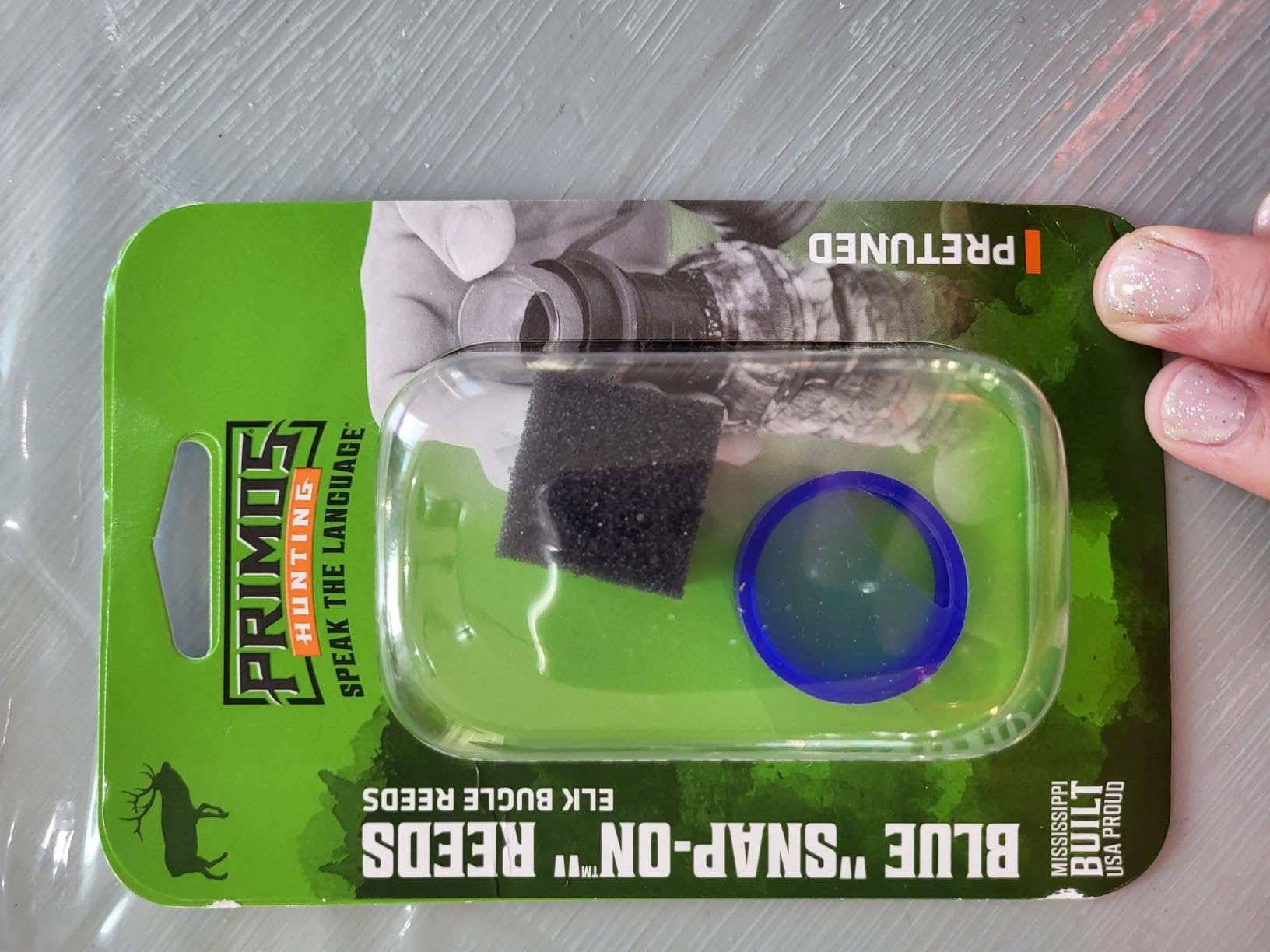
These reeds come pretuned, so you do not need to adjust tension. Just snap one on your Terminator mouthpiece and you are ready to call. The package includes two reeds, which gives you a backup for the field.
One thing to note is that while these reeds produce authentic bugle sounds, they still require practice to master. The reed is only as good as the caller behind it. Spend time practicing proper air pressure and tongue positioning before season.
Compatibility and fit
These reeds are specifically designed for the Primos Terminator system and the Bull Horn Elk Call. They will not fit other brands or models. If you own a Primos bugle system, stock up on these before season starts so you are never caught without a working reed.
Silicone vs latex reeds
Silicone reeds last significantly longer than latex and maintain consistent tension over time. Latex reeds break down faster, especially with repeated exposure to moisture and temperature swings. The trade-off is that some callers feel latex produces slightly warmer tones, but the durability advantage of silicone makes it the better choice for most hunters.
9. Hunters Specialties Bull Getter and Mini Combo – Adjustable Reed Calls
Hunters Specialties Bull Getter And Mini Bull Getter Combo Hunting Calls – Realistic Wide Range of Bull Stimulating Sounds (Lanyard Included)
Bull Getter and Mini Bull Getter combo
Adjustable reed bands
Works when wet
Pros
- Two calls in one package
- Adjustable reed for pitch and tone
- Works flawlessly when wet
Cons
- Rubber gasket can be lost
- Basic plastic construction
- Inconsistent in some conditions
The Hunters Specialties Bull Getter and Mini Bull Getter combo gives you two external reed elk calls at a price that is hard to argue with. The Bull Getter produces a wide range of sounds from loud bugles to subtle close-range vocalizations. The Mini Bull Getter uses a smaller barrel for higher-pitched sounds that imitate younger bulls and satellite animals.
I have used this combo on several hunts, and the adjustable reed bands are a standout feature. You can fine-tune pitch, tone, and volume by adjusting the reed position, which gives you flexibility that fixed-reed calls cannot match. When elk are not responding to standard sounds, the ability to tweak your call can make the difference.
The weather resistance is another big plus. These calls work flawlessly even when wet, which matters during rainy mountain hunts where other calls can become unresponsive. The plastic construction is basic but durable enough for a full season of abuse.
The main downside is the rubber gasket that seals the reed. It is not attached to the call, which means it can get lost in the field. I lost one on a Wyoming hunt and had to improvise with duct tape. Consider supergluing the gasket in place before season.
Adjustable reed advantages
The ability to adjust reed tension on the fly is a genuine advantage when elk are being stubborn. If a bull is ignoring your standard bugle, you can tighten the reed for a more aggressive sound or loosen it for a softer, more submissive tone. This flexibility lets you adapt to what elk are responding to on any given day.
Durability in tough conditions
These calls are built to take abuse. The plastic barrels handle drops, bumps, and rough packing without cracking. The fact that they work when wet makes them a reliable choice for hunters who frequently encounter rain, snow, or heavy condensation during early season hunts.
10. Primos Bull Horn Elk Call – Multi-Plate Diaphragm System
Primos Hunting Primos Elk Select 4 Call with Case
Four plate options
Extends 7 to 24 inches
Snap-on reed design
Pros
- Four different sound plates included
- Extends from compact to full length
- Good value for versatility
Cons
- Takes practice to use properly
- Quality control issues reported
- Small noisy case
The Primos Bull Horn Elk Call is one of the most versatile diaphragm systems on the market because it includes four different sound plates. You get the Sentry Plate Single for cow, calf, and spike bull sounds. The Ivory Plate Single covers cow, calf, and satellite bull sounds. The Imperial Plate Double produces cow and herd bull sounds. The Hyper Plate Double handles estrus cow and raspy herd bull sounds.
That is essentially four calls in one package. I like this system for hunters who want to cover the full range of elk vocalizations without buying separate calls. The extendable design goes from 7 inches for compact carry to 24 inches for maximum sound projection when you need it.
The snap-on reed design makes switching between sounds quick and easy. You can change plates in the field depending on what elk are doing. If cows are vocal, switch to a cow-focused plate. If bulls are bugling, switch to a herd bull plate.
The main complaints from users center on quality control. Some hunters reported folded latex out of the package, and the included case is small and noisy. One call occasionally does not work out of the box. These are quality control issues rather than design flaws, but they are worth knowing before you buy.
Versatility across elk sounds
Having four plates means you can produce almost any elk sound with this one system. That eliminates the need to carry multiple calls, which saves pack space and weight. The trade-off is that you need to learn four different plates, which takes more practice than a single-purpose call.
Quality control considerations
Test all four plates as soon as you receive this call. Check that the latex reeds are properly positioned and producing clean sounds. If you find a defective plate, contact Primos for a replacement before season starts. Do not wait until you are in the field to discover a problem.
11. Slayer Enchantress Push Button Elk Call – Cow Call and Bugle Combo
Slayer Enchantress Push Button Elk Call – Cow Call & Bugle Combo
Push button cow call system
Attachable bugle tube
Made in USA with backup reed
Pros
- Consistent push button calls every time
- No diaphragm or gag reflex needed
- Complete cow call and bugle system
Cons
- May need adjustment for tight fit
- Bugle sounds take practice to master
The Slayer Enchantress Push Button Elk Call is the most innovative elk calling system I tested. The precision push button design delivers a consistent elk cow call every single time, which eliminates the variation that plagues reed-based calls. If you have ever struggled to produce the same sound twice with a traditional call, the Enchantress solves that problem.
This is a complete system that includes the Enchantress cow call, an attachable bugle tube for full bugle capability, a military-grade paracord strap, and a backup replacement reed. You get cow calling and bugle capability in one package, with no diaphragm or gag reflex required.
What impressed me most is how the push button mechanism controls air pressure, volume, and tone. Instead of relying on your tongue and diaphragm technique, the mechanical design does the heavy lifting. This makes it the best elk call for hunters who have tried diaphragm calls and given up.
The build quality reflects the price point. Made in the USA with precision manufacturing, the Enchantress feels solid and durable. The bugle tube attaches securely and produces convincing bugles once you master the technique. Some users needed to adjust the compression joint for a tight fit, so check that before heading out.
Push button vs traditional reed calls
Traditional reed calls produce variable sounds that change with your technique, air pressure, and even how much moisture is on the reed. The push button system removes that variability. Every push produces the same consistent sound, which builds confidence and lets you focus on strategy rather than call mechanics.
Is the price worth it
At the top of the price range for elk calls, the Enchantress is an investment. But consider what you get: a complete cow call and bugle system, backup reed, paracord strap, and USA-made quality. If you factor in the cost of buying a separate cow call, bugle tube, and diaphragm, the Enchantress starts looking more reasonable. For hunters who want maximum consistency with minimal practice, it is worth every penny.
12. Primos Hyper Lip Single with Tone Converter – Open Reed Cow Call
Primos Hunting Primos Hyper Lip Single with Tone Converter Call
Open single reed design
Tone converter attachment
High pitch cow and calf sounds
Pros
- Tone converter for soft and loud calling
- Very loud for long range
- Durable and reliable
Cons
- Requires moisture to work well
- Very loud without converter
- Dry high altitude conditions challenging
The Primos Hyper Lip Single with Tone Converter is the cow call I reach for when I need to reach elk at distance. The open single-reed design achieves the higher pitch of cows and calves, and without the tone converter attached, this call is loud enough to carry sound hundreds of yards even in wind.
The tone converter is what makes this call special. Attach it and your loud, aggressive cow sounds become mellow and soft for close-in calling. This dual capability means you can use the same call to locate elk across a drainage and then switch to subtle sounds when a bull is closing the distance.
I have had particular success with the Hyper Lip during the rut when bulls are fired up and responding to aggressive calling. The high-pitched cow sounds cut through wind and timber, and the volume without the converter is genuinely impressive. When bulls are stubborn and ignoring standard calls, the Hyper Lip can provoke a response.
The main limitation is moisture dependence. This call needs moist lips to work consistently, which can be a problem at high altitudes where dry conditions are common. I have had the call stick and produce inconsistent sounds on dry, cold mornings. Keep water handy and moisten your lips frequently.
Tone converter strategy
Use the tone converter for close-in calling when elk are within 80 yards. Remove it for locator calls and long-range work where you need maximum volume. The ability to switch between these modes in seconds gives you flexibility that single-volume calls cannot match. Practice switching the converter on and off smoothly so you can do it quietly in the field.
High altitude and dry condition tips
If you hunt at elevation where humidity is low, keep lip balm handy and drink water frequently to maintain lip moisture. Some hunters carry a small spray bottle to moisten the reed between calling sequences. The Hyper Lip performs best when the reed stays properly lubricated, so plan accordingly for dry environments.
How to Choose the Best Elk Call: Complete Buying Guide
Choosing the right elk call comes down to understanding the three main types, your skill level, and the conditions you hunt in. Let me walk you through everything I have learned from testing these calls across multiple seasons.
Diaphragm vs Bugle Tube vs Cow Call
Diaphragm calls fit in your mouth and produce the widest range of sounds, from cow mews to bull bugles. They require practice and tolerance for having something on your tongue, but they offer hands-free operation once mastered. Bugle tubes amplify diaphragm or external reed sounds for long-range projection, making them essential for locator calls across large drainages. External reed cow calls are the easiest to use and produce realistic cow sounds with minimal practice, but they are limited to cow vocalizations.
Latex Reed Thickness and Backpressure
Reed thickness directly affects the sounds your call can produce. Thin latex reeds produce higher-pitched cow and calf sounds that carry well at distance. Thicker reeds and double-reed designs produce deeper, more guttural bull sounds. Backpressure refers to the air resistance you feel when blowing through a bugle tube. Tubes with good backpressure require less air to produce loud sounds, which means less fatigue during extended calling sequences. The Phelps Metal Bugle Tube and Rocky Mountain Bully Bull Extreme both excel in backpressure control.
Material Differences: Wood vs Acrylic vs Aluminum
Wooden bugle tubes, like the Riven Cambium, produce warm, natural tones that some hunters prefer for close-range calling. They are quieter and less likely to create unwanted noise in thick timber. Acrylic tubes offer a balance of volume and tonal quality, with good durability and weather resistance. Aluminum tubes, like the Phelps Metal Bugle Tube, deliver maximum volume and projection for open terrain. Each material has a distinct sound character that experienced callers can distinguish.
Beginner vs Expert Calls
If you are new to elk calling, start with push-button calls like the Primos Baby Hoochie Mama or Slayer Enchantress. These require zero technique and produce consistent sounds immediately. External reed calls like the Primos Cow Girl and Hunters Specialties Bull Getter are the next step up, requiring basic breath control but no diaphragm technique. Diaphragm calls are the most advanced option, requiring weeks of practice but offering the widest sound range and hands-free operation. The Primos Ivory Plate Single is the best beginner diaphragm call because its single-reed design is more forgiving than multi-reed models.
Season Timing and Rut Considerations
Early archery season calls for subtle cow and calf sounds as elk are still in summer patterns. As the rut approaches in September, aggressive bugles and estrus cow sounds become more effective. During peak rut, challenge bugles that provoke territorial responses from herd bulls can be devastatingly effective. Late season requires softer, more cautious calling as educated elk become call-shy. Match your call selection and calling style to where you are in the rut cycle.
Practice Tips That Actually Work
Practice with your call year-round, not just before season. Start with short sessions of 10 to 15 minutes daily and focus on producing consistent sounds before trying to master complex sequences. Record yourself and compare your sounds to real elk vocalizations on YouTube. Practice with your hunting partner so you can coordinate calling strategies. The most important tip: less is more. Overcalling is the most common mistake hunters make, and pressured elk will identify and avoid an overcaller quickly.
Frequently Asked Questions
What are the common mistakes when elk calling?
The biggest elk calling mistakes are overcalling, calling too loudly when elk are close, using unrealistic sounds that pressured bulls recognize as fake, and not matching your calling strategy to the rut phase. Other common errors include failing to read elk body language and calling in areas where elk have already heard too many hunters.
What elk call does Corey Jacobsen use?
Corey Jacobsen, world champion elk caller, primarily uses Phelps Signature AMP diaphragm calls and Rocky Mountain Hunting Calls diaphragms. He has tested over 70 diaphragm calls and recommends having multiple calls tuned for different sound scenarios, from cow mews to aggressive challenge bugles.
What is the easiest elk call to use?
The easiest elk calls to use are push-button calls like the Primos Baby Hoochie Mama and the Slayer Enchantress. These calls require zero practice and produce consistent cow elk sounds with the push of a button. External reed calls like the Primos Cow Girl are also beginner-friendly, requiring only basic breath control.
What is the best elk bugle tube?
The Phelps Metal Bugle Tube is the best elk bugle tube for 2026 due to its aluminum construction, dual mouthpiece system, and superior sound projection. The Rocky Mountain Bully Bull Extreme grunt tube is also excellent and comes included in the C6 Complete Calling System for hunters who want a full kit.
How far can you hear an elk call?
An elk bugle can be heard from one to three miles depending on terrain, wind, and atmospheric conditions. Cow calls are softer and typically carry 200 to 500 yards. When calling to elk, match your volume to the distance. Loud locator bugles work for finding elk across drainages, while soft cow mews are better for close-range coaxing.
Final Thoughts on the Best Elk Calls for 2026
After testing all 12 of these elk calls across multiple seasons, my top recommendation is the Phelps Metal Bugle Tube for hunters who want maximum sound quality and projection. For the best overall value, the Rocky Mountain C6 Complete Calling System gives you a full calling setup in one affordable kit. And for beginners or anyone who wants foolproof cow calling, the Primos Baby Hoochie Mama remains the easiest elk call to use.
The best elk calls are the ones you practice with and trust in the field. Pick a call that matches your skill level, commit to practicing before season, and focus on sounding realistic rather than loud. Elk will respond to a well-placed, convincing call, and having the right tool in your pack makes all the difference this 2026 season.