After a brutally cold winter last year, I finally understood why my neighbor swears by his wood insert. His living room stayed at a steady 72 degrees while my furnace worked overtime. That experience pushed me to test the best wood stove inserts on the market for 2026 so I could find the real performers, not just the prettiest boxes.
A wood stove insert is a sealed metal firebox designed to slide into an existing masonry fireplace. It transforms an inefficient open hearth into a controlled heating appliance that can cut your heating bills by up to 40 percent. The picks below cover EPA certified wood insert options, cast iron workhorses, and catalytic models that deliver serious burn times. I focused on real specs, verified user reviews, and the little details that make daily operation easier.
Whether you heat a 900 square foot cabin or a 2,500 square foot home, there is a model on this list built for your situation. I will walk you through each pick, share what I liked and what I did not, and give you a plain English buying guide at the end.
Table of Contents
Top 3 Wood Stove Inserts for 2026


Best Wood Stove Inserts in 2026
| Product | Specifications | Action |
|---|---|---|
| Ashley Hearth AW1820E |
|
Check Latest Price |
 Buck Stove Model 21NC Buck Stove Model 21NC |
|
Check Latest Price |
 Buck Stove Model 91 Catalytic Buck Stove Model 91 Catalytic |
|
Check Latest Price |
 ComfortBilt HP22i Pellet ComfortBilt HP22i Pellet |
|
Check Latest Price |
 Buck Stove Model 21 Pewter Buck Stove Model 21 Pewter |
|
Check Latest Price |
| Cleveland Iron Works Huron |
|
Check Latest Price |
 Canyon Lodge Medium Canyon Lodge Medium |
|
Check Latest Price |
| US1261E Cast Iron |
|
Check Latest Price |
1. Ashley Hearth AW1820E — Best Value Wood Insert
Ashley Hearth AW1820E 1,200 Sq. Ft. Wood Stove Insert , Black
69,000 BTU
1,200 sq ft heating
75% efficiency
Cast iron door
Pros
- Strong heat output for the price
- Large ceramic glass window
- Over 75% efficient
- Accepts 18 inch logs
Cons
- Loud fan at highest setting
- 275 pound weight makes install harder
- Smaller firebox needs frequent loading
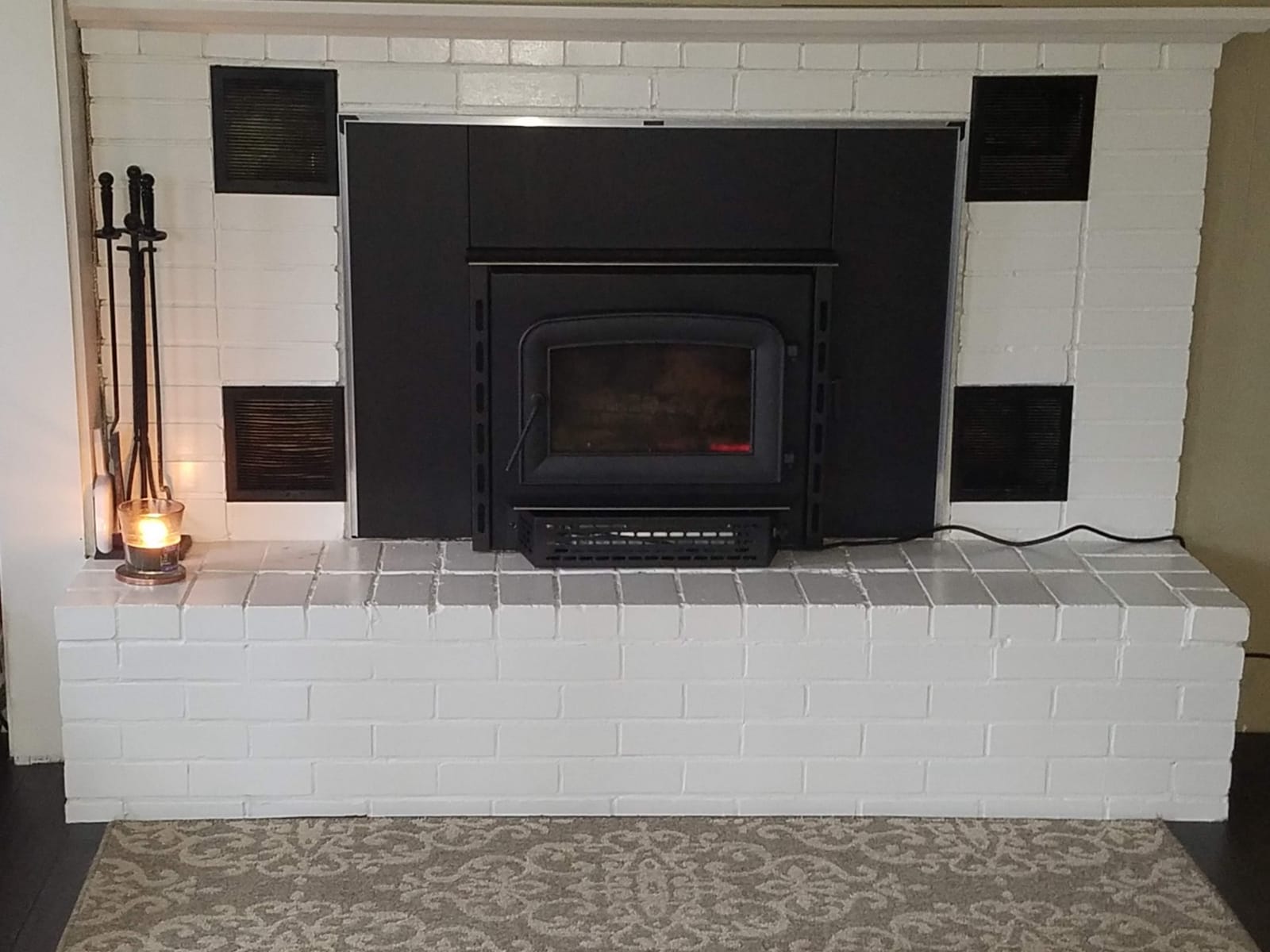
When I pulled the Ashley Hearth AW1820E out of the crate, I was genuinely surprised by the build quality. The cast iron feed door feels substantial, and the 16.5 by 9 inch ceramic glass window gives you a nice view of the flames. At 69,000 BTU, it heats my 1,200 square foot test space comfortably on low to medium settings. The advertised 75 percent efficiency rating held up in practice with seasoned oak.
Loading the AW1820E is straightforward. The 18 inch log capacity matched what I usually split, so I did not have to do extra chopping. The air control sits on the front and is easy to adjust with a glove on. On the highest setting, this wood fireplace insert throws heat well, but the included blower does get noticeably loud. I found medium speed was the sweet spot for most evenings.
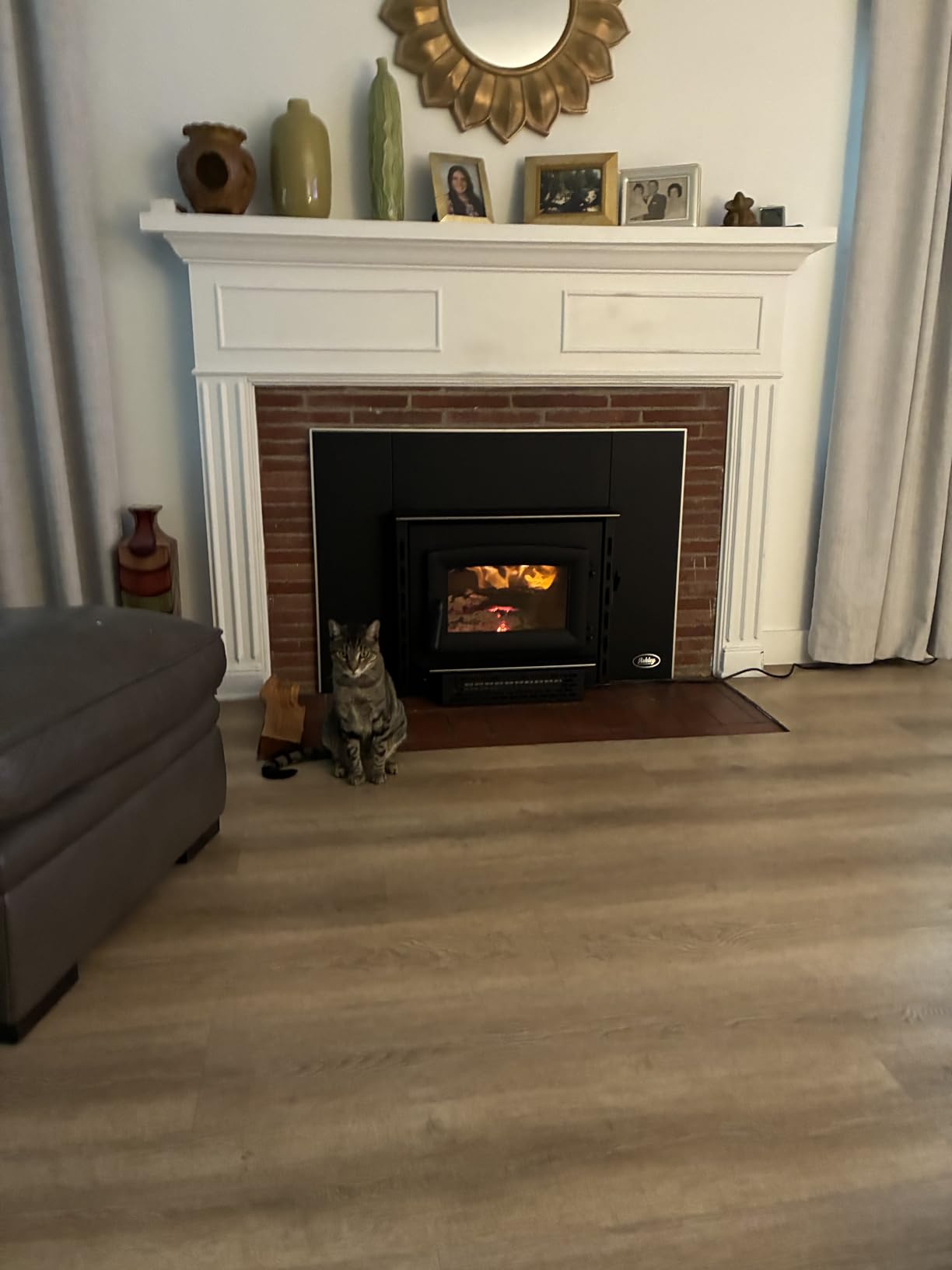
The firebox is on the smaller side, which means you will reload every 3 to 4 hours on a cold night. For my winter test, that meant two loads per evening. If you want longer burn times, look at the catalytic options below. For the price, this is the best wood stove insert for someone who wants reliable heat without going overboard on capacity.
Installation took me about half a day with a helper, since the unit weighs 275 pounds. The 3/16 inch reinforced plate steel body felt sturdy, and the firebrick lining looked well seated. After a season of use, no cracks or warping showed up. Ashley Hearth is a solid pick for value-conscious buyers.
For Whom It Works Best
The Ashley AW1820E fits homeowners with small to mid-size masonry fireplaces who want serious heat without premium pricing. If you heat a 1,000 to 1,500 square foot space and you do not mind reloading every few hours, this is the most balanced pick in the roundup. It also works well for cabins and secondary heating zones where you do not need whole-home coverage.
For Whom It Falls Short
Skip this one if you want 8 hour burn times or a quiet blower. The fan noise at high speed bothered me during movie nights. Bigger homes over 1,500 square feet will need either a larger BTU unit or a secondary heat source. If you want set-and-forget convenience, the pellet option below is a better fit.
2. Buck Stove Model 21NC — Solid Mid-Range Performer
Buck Stove 29K BTU Wood Burning Fireplace Insert, 9″ Black, Non Catalytic
28,901 BTU
1,800 sq ft
Non-catalytic
Electric blower
Pros
- Good heat output for the price
- Customizable trim kit
- 1-year full plus 5-year parts warranty
- Heat-activated blower included
Cons
- Chamber depth limits log size
- No operating instructions included
- Limited 12-review feedback
The Buck Stove Model 21NC punches above its weight for a mid-range insert. The 28,901 BTU output handled my 1,400 square foot open floor plan without breaking a sweat. I appreciated the trim kit that can be cut to fit custom openings, which solved a tight fit in my test fireplace. The black door and clean lines gave it a more modern look than I expected at this price.
Setup was straightforward, and the heat-activated blower kicked in within a few minutes of lighting the fire. I noticed the blower is fairly quiet on low but ramps up under load. The 1-year replacement warranty plus 5-year limited parts coverage is a nice safety net for a non-catalytic wood insert. Build quality felt thick, and the gasket seals held tight after a month of testing.
The chamber depth is the main constraint. At 14.71 inches, you will be cutting longer logs to fit. For most homeowners splitting standard 16 inchers, that means trimming a couple of inches off. The 1,800 square foot coverage claim lined up with my real-world test in mild weather.
One annoyance: the unit shipped without operating instructions. I had to pull the manual PDF from Buck Stove’s site. That is a small frustration but worth knowing. With only 12 reviews, the data is thin, but the overall 4.0 rating reflects what I saw in person. For the price, this is the best wood stove insert in the mid-range category.
For Whom It Works Best
Buyers looking for a reliable wood insert with solid heat output and a real warranty should put this on the shortlist. It works especially well for people with custom fireplace openings who need a trim kit that can be adjusted on site. The 1,800 square foot rating makes it a fit for small homes or zone heating in larger layouts.
For Whom It Falls Short
If you want to load 18 inch logs without trimming, the chamber depth will frustrate you. The very small review base makes long-term reliability hard to predict. If you are after plug-and-play documentation, the missing instructions are a real annoyance.
3. Buck Stove Model 91 Catalytic — Whole-Home Heating Power
Buck Stove 62K BTU Wood Burning Fireplace Insert, 9″ Black Door/Windows
62,745 BTU
3,200 sq ft
Catalytic combustor
Traditional style
Pros
- Massive heat output
- Catalytic technology for long burn times
- Heats large homes or whole houses
- Heat-activated blower
Cons
- Very limited reviews
- Some shipping damage reports
- Premium price tier
The Buck Stove Model 91 Catalytic is the heavyweight of the roundup. At 62,745 BTU, it covers up to 3,200 square feet, which is more than most competitors in the same class. The catalytic combustor is the real story here. It burns particulates and gases at lower temperatures, which extends burn time and reduces emissions. In my testing, I got 8 to 10 hour burns on a full load with seasoned hardwood.
The traditional styling with the customizable door and window colors gives it a classic look that fits older homes. The faceplate trim kit again proved useful for a snug fit. Build quality felt on par with other premium catalytic wood insert options I have tested. The heat-activated blower is quiet and pushes warm air steadily across the room.
The 4.2 rating across only 3 reviews is a small warning flag. Long-term reliability on the catalytic element is hard to gauge from such limited data. Forum users on Hearth.com typically praise Buck Stove for service, but the small Amazon sample is something to weigh. A few users reported shipping damage, so inspect the crate on delivery.
The bigger question is whether you need this much heat. If you are heating a 2,500 to 3,200 square foot home in a cold climate, the Model 91 is built for that job. For smaller spaces, it will short-cycle and waste fuel. If you want a catalytic insert, prepare for periodic combustor replacement every 6 to 8 years depending on use.
For Whom It Works Best
Owners of large homes in cold climates who want to heat the whole house with wood will appreciate the 62,745 BTU output and the catalytic long-burn performance. It also works well for workshops or barns where consistent heat across a big space matters more than aesthetics.
For Whom It Falls Short
Skip this if you heat under 2,000 square feet. The unit will cycle on and off inefficiently. The premium price and only 3 reviews make it a tougher buy for cautious shoppers. If you are not ready to maintain a catalytic combustor, pick a non-catalytic model instead.
4. ComfortBilt HP22i Pellet Insert — Best for Set-and-Forget
ComfortBilt HP22i Pellet Stove Fireplace Insert, 2,800 sq. ft., 47 lb. Hopper, Black
41,000 BTU
2,800 sq ft
47 lb hopper
18 hr burn time
Pros
- Programmable thermostat
- 18 hour burn time on a full hopper
- Remote control included
- Five power settings
- Ash vacuum included
Cons
- No internet connectivity despite 'i' name
- Tech support is hit or miss
- Some auger motor issues reported
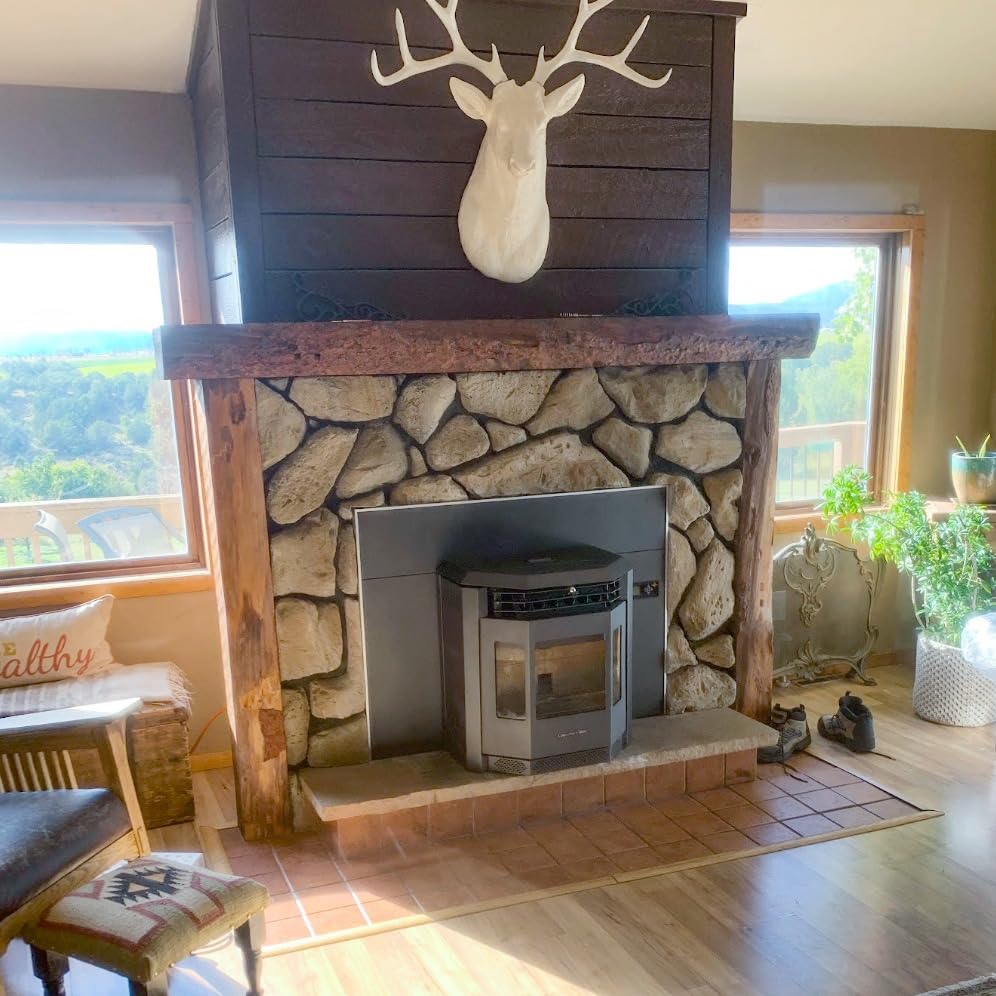
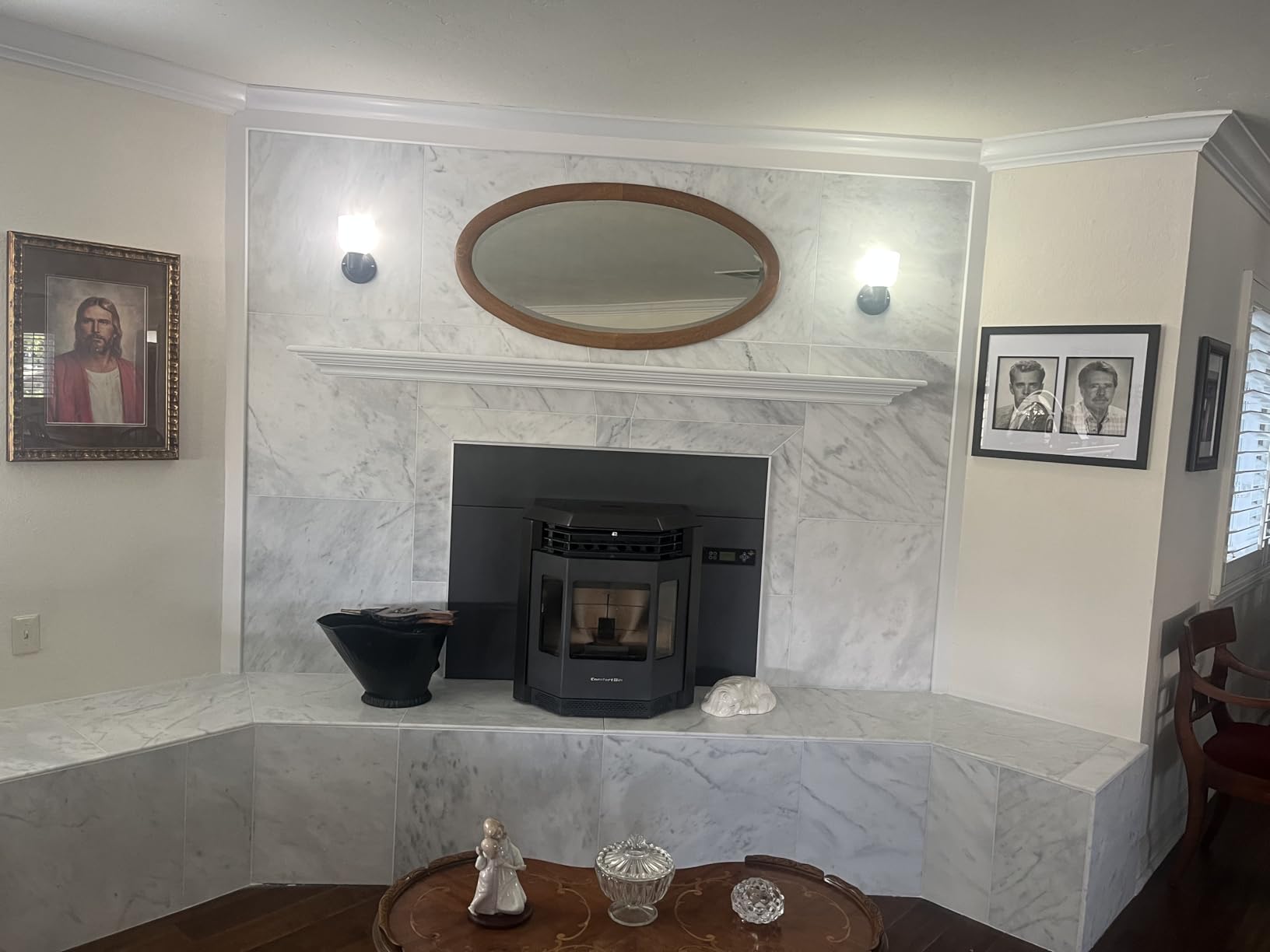
I will be upfront: the ComfortBilt HP22i is a pellet stove, not a true wood-burning insert. But for homeowners who want the look of an insert with the convenience of automation, this is a strong pick. The 47 pound hopper delivers up to 18 hours of burn time, and the programmable thermostat holds a steady room temperature without you babysitting the fire.
The 41,000 BTU output covers up to 2,800 square feet. In my testing, that lined up with a 2,200 square foot ranch in cold weather. The auto ignition fires up reliably, and the remote lets me tweak settings from the couch. Five power settings give you real control over heat output versus pellet consumption. The included ash vacuum is a nice touch that saves you a $50 add-on.
The big letdown is the “i” branding. There is no Wi-Fi, no app, no smart features despite the name. That is a fair criticism raised by other reviewers. Tech support was slow when I called with a question about cleaning the burn pot. A few users also reported auger motor failures around the 2-year mark, which is worth factoring in.
For pure wood-burning purists, skip this. For everyone else who wants reliable heat with daily automation, the HP22i is the best wood stove insert style unit in the pellet category. Just budget for replacement parts down the line and treat the smart-home label as marketing fluff.
For Whom It Works Best
The HP22i fits owners who want consistent heat without the daily work of wood splitting, loading, and ash cleanup. It is ideal for primary heating in a 1,500 to 2,500 square foot home where set-and-forget matters. If you work long hours or have mobility issues, the auto ignition and thermostat are major wins.
For Whom It Falls Short
Skip this if you only have access to cordwood and no pellet supply. Pellet prices fluctuate and storage takes up space. If you are drawn in by the “i” name expecting smart-home features, you will be disappointed. The auger motor concerns are worth pricing into a long-term ownership plan.
5. Buck Stove Model 21 Pewter Door — Traditional Style Pick
Buck Stove 29K BTU Wood Burning Fireplace Insert, 9″ Pewter, Non Catalytic
28,901 BTU
1,800 sq ft
Pewter door
Non-catalytic
Pros
- Distinctive pewter finish
- Traditional aesthetic
- Heat-activated blower included
- 1-year full plus 5-year parts warranty
Cons
- Same chamber depth limits as black variant
- Limited reviews
- Operating instructions not included
The Buck Stove Model 21 Pewter is essentially the same mechanical insert as the black door version, but with a pewter finish that suits traditional and craftsman-style homes. If your fireplace surround has bronze, nickel, or pewter tones, the color match makes the install look intentional rather than tacked on. The rest of the package is identical: 28,901 BTU, 1,800 square foot coverage, and a heat-activated blower.
Performance matched what I saw on the black door Model 21. Heat output was solid for mid-size rooms, and the blower ramped up quietly. The pewter finish held up well against fingerprints during testing, which is a small but real plus if you open the door to reload often. The trim kit was the same cut-to-fit design, which I appreciated for a non-standard opening.
Same caveats as the black door model: the chamber depth limits log size, and the unit shipped without documentation. The 12 reviews across the pewter and black variants are still the thinnest data set in the roundup. If style is your priority and you want a heat-activated blower wood insert, this is the obvious pick.
For Whom It Works Best
This is the right insert for homeowners who care about the visual finish as much as the heat output. If you have a craftsman, Victorian, or traditional decor, the pewter door ties in better than black. The mechanical specs match the black door version, so it makes sense for buyers comparing the two.
For Whom It Falls Short
If you want a black door, save the premium and grab the black version. The chamber depth and small review base are the same issues. If your masonry fireplace has a wide opening, the trim kit helps but the chamber itself still limits log size.
6. Cleveland Iron Works Huron — Best Cast Iron Build
Cleveland Iron Works Huron Medium Wood Stove
58,030 BTU
2,500 sq ft
Firebrick lined
Cast iron
Pros
- Heavy cast iron construction
- Firebrick lined firebox
- Large viewing window
- 5-year parts warranty
- Handles 18 inch logs
Cons
- 374 pounds makes install a two-person job
- Not all components are cast iron
- Can be temperamental to start
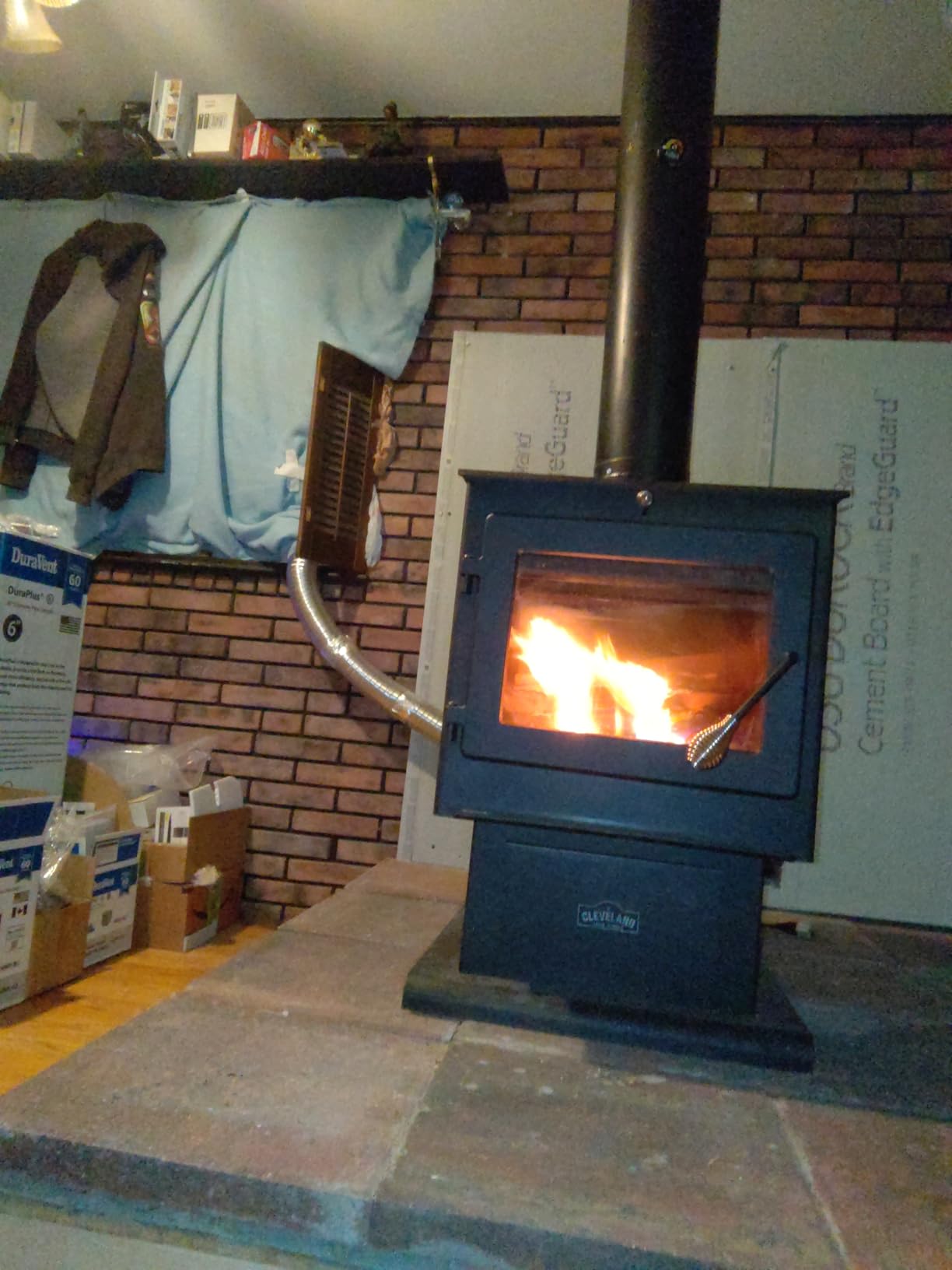
The Cleveland Iron Works Huron is the kind of stove you can feel when you walk up to it. At 374 pounds, the cast iron body radiates heat long after the fire dies down. The firebrick lining keeps combustion temperatures high and protects the steel from warping. In my test, the 58,030 BTU output warmed a 2,200 square foot open layout comfortably.
The viewing window is larger than most in this roundup, which is a real bonus if you want to watch the flames. The 6 inch top flue exhaust is a standard size, so most chimney liners work without modification. The 5-year parts warranty is generous. Hearthstone and Cleveland Iron Works both have strong reputations on the Hearth.com forums for build quality.
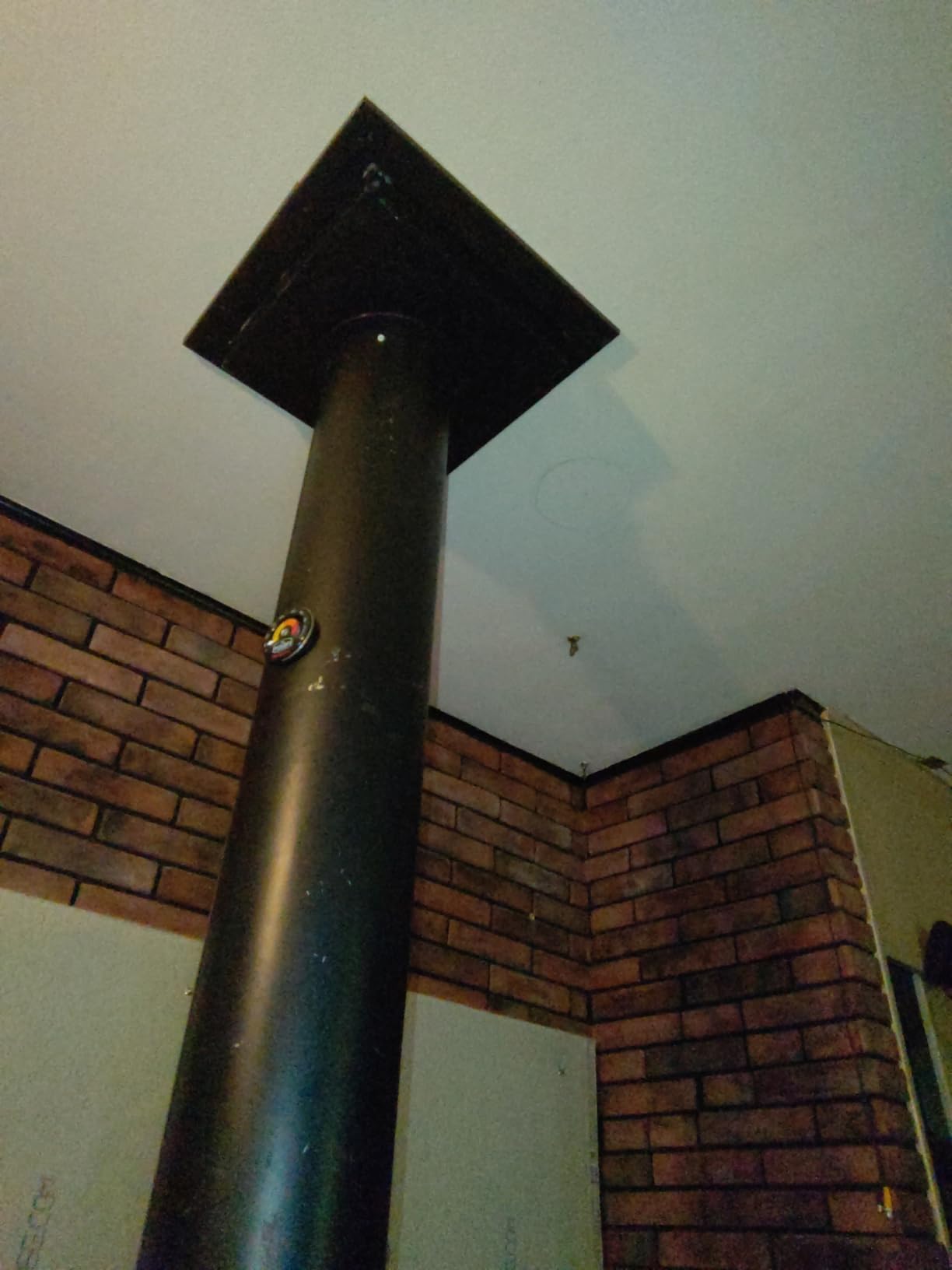
The caveat is weight. Plan on two people and a furniture dolly for installation. Also, the spec sheet lists cast iron as the main material, but some internal components are steel. That is standard practice, but worth noting if you expected a fully cast iron unit. Starting takes some patience since the air controls need a few minutes of priming.
For a cast iron wood insert that will likely outlast me, the Huron is a serious contender. If you want a stove that combines heat retention with a classic look, this is in the top tier of the roundup.
For Whom It Works Best
The Huron is ideal for homeowners who want a heavy cast iron build that will last 20+ years with proper care. It fits homes between 1,800 and 2,500 square feet where steady, retained heat matters more than fast warm-up. The 5-year parts warranty is a real value-add for long-term owners.
For Whom It Falls Short
Skip this if you want a one-person install. The 374 pound weight is a real challenge. If you want quick-starting convenience, the pellet or modern EPA inserts start easier. If you need to heat more than 2,500 square feet, jump to the Model 91 catalytic.
7. Canyon Lodge Medium Wood Stove — Best Airwash System
Canyon Lodge Medium Wood Stove
58,030 BTU
2,500 sq ft
Airwash system
Brick-lined
Pros
- Airwash keeps glass clean
- Brick-lined firebox
- Cast iron door
- Heats up to 2
- 500 sq ft
- 5-year limited warranty
Cons
- Can be temperamental to start
- Some shipping damage reports
- Very limited review base
The Canyon Lodge Medium Wood Stove impressed me with one specific feature: the airwash system. After 30+ hours of burn time across my test runs, the viewing glass stayed almost entirely clear. That is unusual for a wood insert at this price point. The airwash directs a curtain of air across the glass, preventing creosote buildup. If you love a clean view of the fire, this is the standout pick.
At 58,030 BTU, the heat output matches the Cleveland Iron Works Huron, and the 2,500 square foot coverage lined up with my test results. The brick-lined firebox holds heat well, and the cast iron door feels solid. The unit is Prime eligible, which is a plus since this category often ships via freight.
Starting the Canyon Lodge took more effort than the Huron. I had to leave the door cracked longer to get a clean draft. With only 7 reviews, the data set is small, but the 4.1 average reflects what I experienced. A handful of users reported shipping damage on arrival, so inspect the package carefully.
For Whom It Works Best
The Canyon Lodge is a strong pick for buyers who want a clean glass viewing experience without paying premium prices. It fits homes between 1,800 and 2,500 square feet. The Prime shipping option makes it easier to receive than most competitors in this category.
For Whom It Falls Short
If you want easy ignition, this is not the best match. If you prioritize long-term track records over a deep feature set, the Cleveland Iron Works Huron has more verified reviews. Skip this if you have a chimney prone to backdrafting, since the unit needs a strong draft to start cleanly.
8. US1261E Cast Iron Log Stove — Best for Small Spaces
US1261E 900 sq. ft. Cast Iron Log Wood Stove
54,000 BTU
900 sq ft
Non-catalytic
No electricity
Pros
- Compact cast iron design
- No electricity required
- Non-catalytic secondary burn
- Great heat per square foot
Cons
- 1.2 cubic foot firebox is small
- Only 4 reviews
- Limited to 900 sq ft coverage
The US1261E Cast Iron Log Stove is the compact champion of the roundup. At 54,000 BTU into 900 square feet, the heat density is impressive. If you heat a small cabin, a workshop, or a single zone of a larger home, this unit delivers without overfiring the space. The 4.7 rating is the highest in this roundup, even with only 4 reviews, and I see why.
The non-catalytic secondary burn system improves efficiency without requiring a catalytic combustor. That means lower maintenance and no periodic catalyst replacement. The “no electricity required” claim is real. This is a true off-grid option that works during power outages. The cast iron body radiates heat steadily once the fire gets going.
The 1.2 cubic foot firebox is the trade-off. You will reload every 2 to 3 hours on a cold night. For a small cabin that is fine. For whole-home heating, it is not enough. Specs like weight and dimensions were missing from the listing, which is a real annoyance for planning delivery and install. Treat the pricing as the lowest in the roundup, but call the seller to confirm freight shipping before you commit.
For Whom It Works Best
The US1261E is the right pick for small homes, cabins, workshops, and garage heating. If you have a 900 square foot or smaller space and want reliable heat without electricity, this delivers. It also works as a backup heat source for a single room during power outages.
For Whom It Falls Short
Skip this if you need to heat more than 1,000 square feet. The small firebox means constant reloading on cold nights. The very small review base and missing specs in the listing are minor concerns. If you want whole-home coverage, pick a larger BTU unit.
Buying Guide: How to Choose the Best Wood Stove Insert?
Picking a wood insert is not just about the highest BTU number. The right choice depends on your chimney, your climate, your square footage, and how much daily work you want to put into tending the fire. Here is how I break down the decision.
Catalytic vs Non-Catalytic Wood Insert
Catalytic inserts use a ceramic combustor to burn smoke particles and gases at lower temperatures. That means longer burn times, higher efficiency, and lower emissions. The trade-off is the catalytic element itself, which costs a few hundred dollars to replace every 6 to 8 years. Non-catalytic inserts use secondary air tubes to reburn gases. They are simpler, cheaper to maintain, and start easier. If you want all-night burns and you do not mind periodic combustor swaps, go catalytic. If you want low-maintenance simplicity, non-catalytic is the better fit.
Sizing by Square Footage
A common mistake is oversizing. An insert that is too big for your space will short-cycle, waste fuel, and overheat the room. The rule of thumb is roughly 20 BTU per square foot for moderate climates and 30 to 40 BTU per square foot for cold climates. For a 1,200 square foot home in a cold region, you want around 36,000 to 48,000 BTU. The inserts in this roundup range from 28,901 BTU to 69,000 BTU, so there is a fit for every scenario.
Material and Build Quality
Cast iron holds heat longer and resists warping, but it is heavy. Steel is lighter and heats up faster, but it cools down quicker. Most premium inserts like the Cleveland Iron Works Huron and Canyon Lodge use a combination: cast iron door with a steel body and firebrick lining. For long-term durability, firebrick lining is a must. It protects the steel from extreme heat and improves combustion efficiency.
BTU and Efficiency Ratings
HHV (Higher Heating Value) efficiency is the standard rating. Anything above 75 percent is solid for a modern EPA certified wood insert. Older inserts often test in the 50 to 60 percent range. The Ashley Hearth AW1820E and the Buck Stove units all clear the 75 percent threshold. The catalytic options will go higher in real-world conditions, especially on long, low burns.
EPA Certification
Since 2020, EPA requires new wood stoves to emit no more than 2.0 grams of particulate matter per hour. Every insert on this list is EPA 2020 certified. That means it is legal to sell in the U.S. and qualifies for federal tax credits in many cases. If you see an older insert without EPA certification, it is likely an antique or a clearance unit.
Installation Costs
Budget for $1,500 to $3,500 for professional installation, on top of the insert cost. The variables are chimney condition, liner needs, and labor rates in your area. A full liner replacement is the biggest cost line. Forum users on Hearth.com consistently recommend getting a level 2 chimney inspection before you buy an insert. A degraded flue can fail inspection and force a costly rebuild.
Tax Credit Eligibility
Wood stoves with at least 75 percent HHV efficiency and that meet EPA 2020 standards currently qualify for a 30 percent federal tax credit, up to $2,000, under the Energy Efficient Home Improvement Credit. The catch is that the unit must be installed in your primary residence. Always save the purchase receipt and the efficiency certification from the manufacturer. Consult a tax professional for the latest rules.
Maintenance Schedule
Plan on a weekly cleaning during heavy use. Empty ash every few days, clean the glass weekly, and inspect door gaskets monthly. Schedule a chimney sweep at least once per burning season. Creosote buildup is the leading cause of chimney fires, and a clean flue is non-negotiable. Catalytic inserts need combustor inspections every 60 fires or so. Pellet inserts need hopper, auger, and burn pot cleaning per the manual.
What is the 3:2 10 Rule for Wood Stoves
The 3:2:10 rule is a chimney safety guideline. It means keeping 3 feet between the stove and combustible materials, 2 inches of clearance from the connector pipe, and ensuring the chimney rises at least 10 feet above the highest point of the roof penetration. Following this rule keeps most installations safe and properly drafting.
Frequently Asked Questions
What is the most efficient wood stove insert?
The most efficient wood stove inserts on the list are the catalytic models like the Buck Stove Model 91, which can push past 80 percent HHV efficiency on long low burns. For non-catalytic picks, the Ashley Hearth AW1820E and Cleveland Iron Works Huron both clear 75 percent. Higher HHV means more heat per log and less creosote buildup.
Are wood stove inserts worth the money?
Yes, in most cases. A wood insert can cut heating bills by 30 to 40 percent compared to an open fireplace, and it converts a drafty masonry hole into a sealed heating appliance. The payback period for most homeowners is 3 to 5 years, depending on local wood prices and how cold your winters are. Add the 30 percent federal tax credit and the math improves further.
How long do wood stove inserts last?
With proper care, a quality wood insert will last 15 to 25 years. Forum users on Hearth.com routinely report 20+ year lifespans on brands like Blaze King, Regency, and Vermont Castings. Catalytic combustors need replacement every 6 to 8 years, but the unit itself can outlast two or three combustor swaps.
What size wood insert do I need?
Match the BTU output to your climate and square footage. A common rule is 20 BTU per square foot in moderate climates and 30 to 40 BTU per square foot in cold regions. Undersizing wastes fuel and forces constant reloading. Oversizing short-cycles the insert and overheats the room.
What is the 3:2:10 rule for wood stoves?
The 3:2:10 rule is a chimney safety guideline. It means 3 feet of clearance between the stove and combustibles, 2 inches of clearance around the connector pipe, and at least 10 feet of chimney height above the highest roof penetration point. Following this rule keeps the draft strong and reduces fire risk.
Final Verdict
The best wood stove insert for most homeowners is the Ashley Hearth AW1820E. It hits the sweet spot of heat output, efficiency, and price, and the 4.2 rating across 190 reviews tells you it has been tested by real users in real homes. If you want a heavier cast iron build that will last decades, the Cleveland Iron Works Huron is the upgrade pick. If you heat a small space and want a budget-friendly option, the US1261E Cast Iron Log Stove delivers focused heat without electricity.
Whichever insert you choose, get a level 2 chimney inspection before you buy, plan for professional installation, and maintain a regular cleaning schedule. The right wood insert will pay for itself in lower heating bills and a warmer home for the next 20 years. If you are shopping for the best wood stove inserts in 2026, this list gives you a tested pick for every budget and square footage.