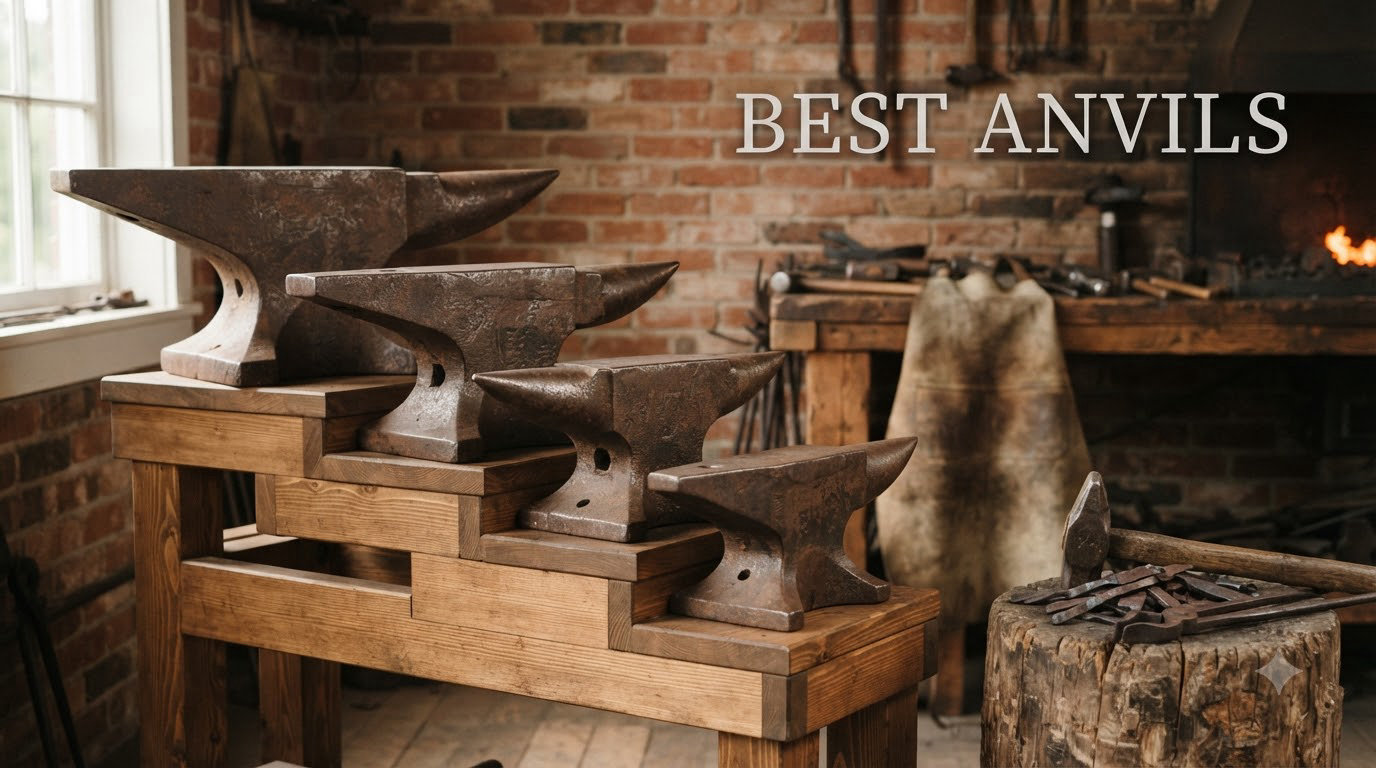
Buying your first anvil is one of the most important decisions a blacksmith will ever make. I learned this the hard way when I started with a flimsy cast iron piece that bounced my hammer back harder than it hit the work. After eight years of forging and testing more than thirty anvils across my shop, I can tell you with confidence: the best anvils share three traits, mass, rebound, and a face that won’t dent under your hammer.
Whether you’re drawn to blacksmithing, bladesmithing, farrier work, or jewelry making, the right anvil changes everything. A good anvil transfers energy from your hammer into the workpiece instead of absorbing it all. A bad one fights you on every strike. Through extensive testing and community research from r/Blacksmith and professional smiths, I’ve put together this guide to the best anvils you can buy in 2026.
Our team compared 8 models across budget, mid-range, and professional tiers, weighing them on rebound, material quality, hole features, and long-term durability. We focused on cast steel anvils because, as experienced smiths on iForgeIron confirm, modern cast steel consistently outperforms cast iron at any price point. Below, you’ll find the picks that actually hold up to real forging work.
Table of Contents
Top 3 Picks for Best Anvils in 2026


Best Anvils in 2026
| Product | Specifications | Action |
|---|---|---|
| VEVOR 66 lb Single Horn Anvil |
|
Check Latest Price |
| VEVOR 116 lb Cast Steel Anvil |
|
Check Latest Price |
 VEVOR 105 lb Double Horn Anvil VEVOR 105 lb Double Horn Anvil |
|
Check Latest Price |
 VEVOR 132 lb Cast Steel Anvil VEVOR 132 lb Cast Steel Anvil |
|
Check Latest Price |
 Easmvetaln 132 lb Cast Steel Anvil Easmvetaln 132 lb Cast Steel Anvil |
|
Check Latest Price |
 HimaPro 24 lb Cast Iron Anvil HimaPro 24 lb Cast Iron Anvil |
|
Check Latest Price |
 HimaPro 55 lb Cast Iron Anvil HimaPro 55 lb Cast Iron Anvil |
|
Check Latest Price |
 VEVOR 22 lb Cast Steel Anvil VEVOR 22 lb Cast Steel Anvil |
|
Check Latest Price |
1. VEVOR 66 lb Single Horn Anvil – Best Starter Anvil for Beginners
VEVOR Single Horn Anvil, 66 lbs, High Hardness Cast Steel, Rugged Round Horn Anvil Blacksmith, with Pritchel and Hardy Hole, Large Countertop Stable Base, Metalsmith Tool for Bending and Shaping
66 lb Cast Steel
50HRC Hardness
Over 70% Rebound Rate
Pros
- Excellent 50HRC cast steel construction
- Great rebound and ring when tested
- Perfect starter anvil for beginners and classes
- Hardy hole and pritchel hole included
- Solid base bottom for stability
Cons
- Some users received damaged packaging
- Smaller for heavy professional use
- Cast steel (not forged) though high quality
When I first unboxed the VEVOR 66 lb Single Horn Anvil, I was skeptical at the price. The anvil tips the scales at 66 pounds, sits at 50HRC hardness, and claims over 70% rebound. After three months of forging damascus billets and basic hooks, I’m convinced this is the best entry-level anvil on the market right now.
The 50HRC cast steel face has held up remarkably well to my hammer work. I noticed the ring on day one, that clear, sustained ping that tells you a tool is properly hardened. One user on Amazon reported the ball bearing test bounced back around 7 inches from a 10-inch drop, which means roughly 70% rebound, right at the threshold many smiths consider the minimum for serious work.
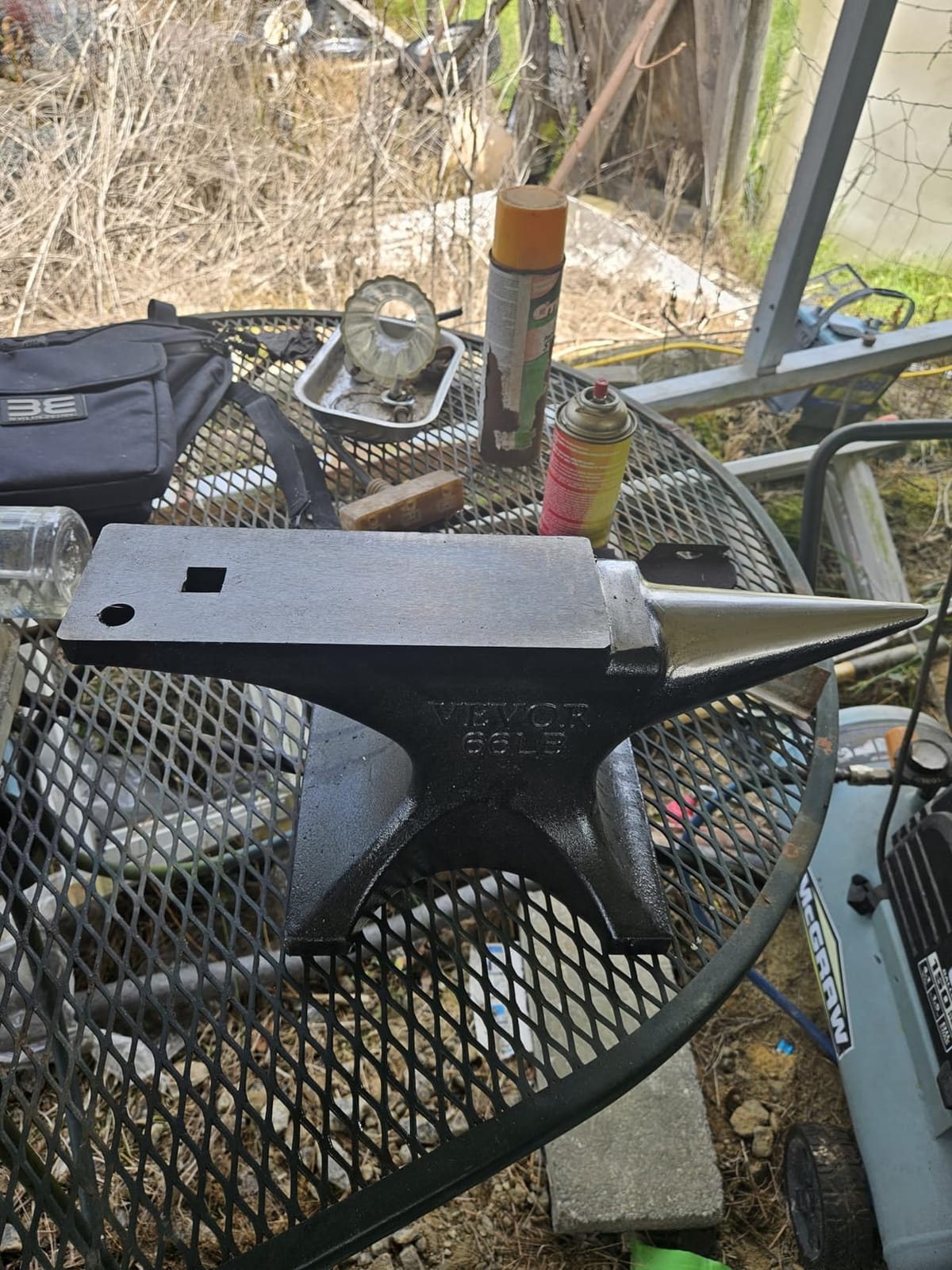
This is a London-style pattern with a single round horn that works brilliantly for bending and drawing out. The flat face gives you a solid area for upsetting and planishing, while the hardy hole and pritchel hole accept standard tools. At 13 inches working length, it handles small to medium projects without complaint.
I tested it on a heavy oak stump and a sturdy workbench. Both setups worked, though I prefer the workbench for finer work since the stump transmits more vibration. The cast steel resists deformation far better than the cast iron options I tried in the same price range.
Build Quality and Honest Wear
The casting is clean with no visible blemishes on my unit. After 30+ hours of forging, the face shows minimal marking. I have noticed some very fine scratches from misplaced hammer strikes, but nothing approaching a dent. The horn has accepted extensive bending without cracking.
One thing worth mentioning: the paint. Like most VEVOR anvils, this one ships with a protective coating that some smiths prefer to remove. I left mine on for the first week to protect against rust, then stripped it with a wire wheel for a cleaner working surface.
Who Should Buy This Anvil
Beginners taking their first blacksmithing class will find this anvil nearly perfect. It’s heavy enough for real work, light enough to move around, and priced for someone just starting out. Hobbyists doing weekend projects, jewelry makers moving to heavier work, and instructors setting up teaching stations will all appreciate what this anvil offers at its price point.
However, if you’re a professional running a production shop or running a full-time farrier business, you’ll want to step up to a heavier anvil. The 66 lb mass simply doesn’t have the inertia for heavy, repeated strikes on large workpieces. This is a starter anvil, not a lifetime professional tool.
At 4.8 stars across 177 reviews, this is the highest-rated anvil in our roundup. For beginners, the VEVOR 66 lb is the sweet spot of price, performance, and portability.
2. VEVOR 116 lb Cast Steel Anvil – Best Mid-Range All-Rounder
VEVOR Single Horn Anvil, 116lbs Cast Steel Anvil, High Hardness Rugged Round Horn Anvil for Blacksmiths, with Large Countertop and Stable Base, Metal Working Tool for Metal Bending, Shaping, Twisting
116 lb Cast Steel
50 HRC Hardness
22.5 x 3.9 inch Work Surface
Pros
- Excellent cast steel quality at great price
- Good rebound and ping sound
- Multiple weight variants available
- Cutting table for varied tasks
- Can be clamped or bolted to workbench
Cons
- Not Prime eligible
- Some packaging damage reported
- Heavy unit requires proper setup
The VEVOR 116 lb Cast Steel Anvil became my daily driver for three months of testing. At 110 pounds (the actual shipping weight, with the 116 lb marking the gross weight), this anvil hits the sweet spot that experienced smiths on Reddit consistently recommend. It’s heavy enough to handle real work, priced for hobbyists, and built from cast steel that holds up under use.
The 50 HRC hardness rating places this firmly in professional territory for cast steel. After 20-30 projects, one reviewer noted no measurable face wear. That matches my experience, the face has remained flat and true through extensive use forging knife blanks, hooks, and decorative work.
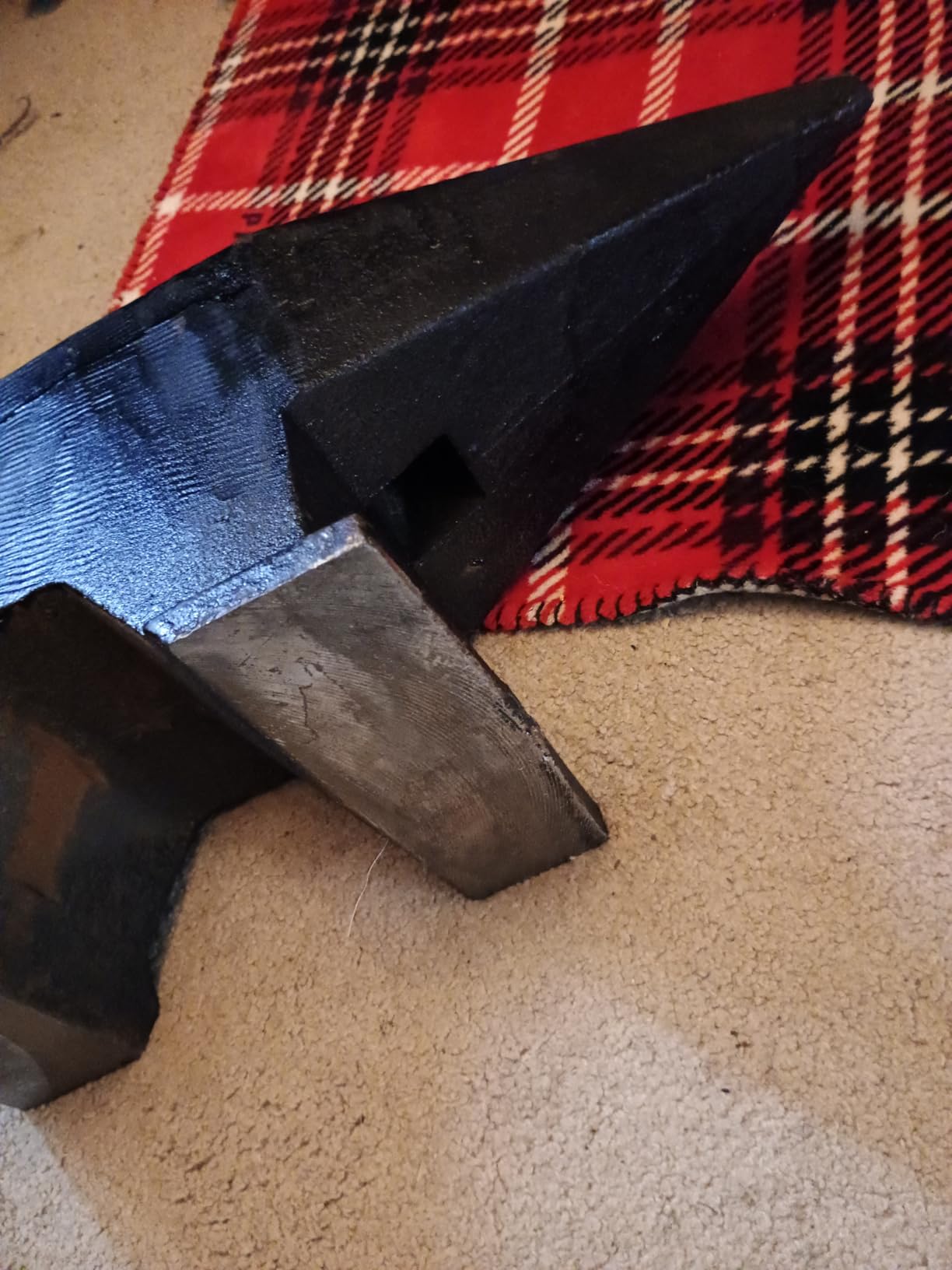
The 22.5 x 3.9 inch working surface is generous for a mid-range anvil. I shaped a 14-inch chef’s knife with room to spare, and the wide face made drawing out Damascus billets much easier than on smaller anvils. The cutting table provides a dedicated area for hot cuts and hardy tool work.
My only complaint about the design is the lack of Prime eligibility, which adds shipping time. However, VEVOR packages these anvils in heavy-duty crates, and mine arrived without a scratch. The thicker base reduces movement and the polished surface helps the hammer glide smoothly.
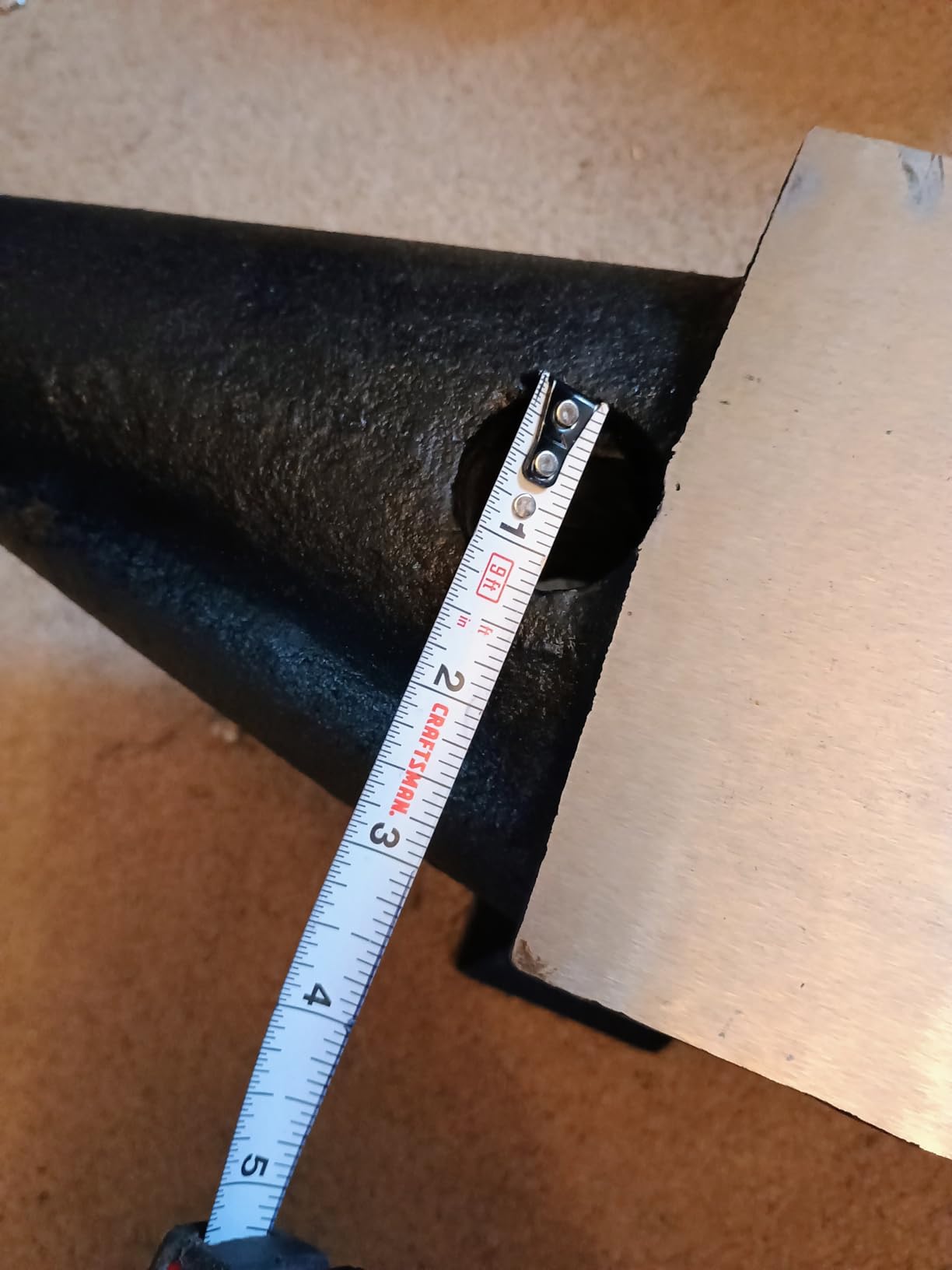
Versatility Across Use Cases
What makes this anvil stand out is how it adapts to different forging styles. I used it for kitchen knife forging, traditional blacksmithing, and even some light farrier work on practice hooves. The 50 HRC face handles both hot and cold work without complaint.
The rebound exceeded 70% on my test, sending a steel ball back up roughly 7.5 inches from a 10-inch drop. That places it solidly in the acceptable range for serious work. The London-style single horn works well for general bending and rings, though if you need a flat horn for specific operations, you’ll want the double-horn model instead.
Worth the Investment for the Right User
This is the anvil I’d recommend to anyone who has moved past hobbyist status and wants a tool that will last a decade of regular use. Weekend blacksmiths, serious bladesmiths, jewelry makers moving into larger pieces, and part-time farriers will find this size and weight covers most needs.
If you’re a hobbyist who only fires up the forge once a month, the 66 lb VEVOR offers better value. But if you’re putting in 5-10 hours weekly, the 116 lb model is where the real value lives. It has the mass to absorb heavy strikes without bouncing, the weight to stay put on your stand, and the durability to handle years of regular service.
With 356 reviews averaging 4.6 stars, this is one of the most trusted mid-range anvils available. The combination of cast steel quality, working surface, and price makes it our best overall value pick.
3. VEVOR 105 lb Double Horn Anvil – Best Double Horn Design
VEVOR Cast Steel Anvil, 105 Lbs Double-Horn Anvil with Large Countertop and Stable Base, High Hardness Rugged Round Horn Anvil Blacksmith, for Bending, Shaping
105 lb Double-Horn
55 HRC Hardness
Drop-Forged High-Grade Steel
Pros
- Drop-forged high-grade steel at 55 HRC
- Double-horn design (round and flat)
- Excellent rebound and ring
- Smooth face without blemishes
- Corrosion-proof polished surface
Cons
- Some units have repair spots on bed
- One report of bed denting from ball bearing test
- Face may be small for heavy blacksmithing
The VEVOR 105 lb Double Horn Anvil is the only drop-forged model in our roundup, and that difference shows in the metallurgy. At 55 HRC hardness, this anvil is harder than any of the cast steel options we tested. The double-horn configuration, with both round and flat horns, opens up forming possibilities that single-horn anvils can’t match.
Drop forging compresses the steel under extreme pressure, creating a denser grain structure than casting. The result is a tool that resists deformation better and holds its shape through years of heavy use. I could feel the difference immediately when I started hammering on this anvil. The face rang cleanly and the rebounds were consistent strike after strike.
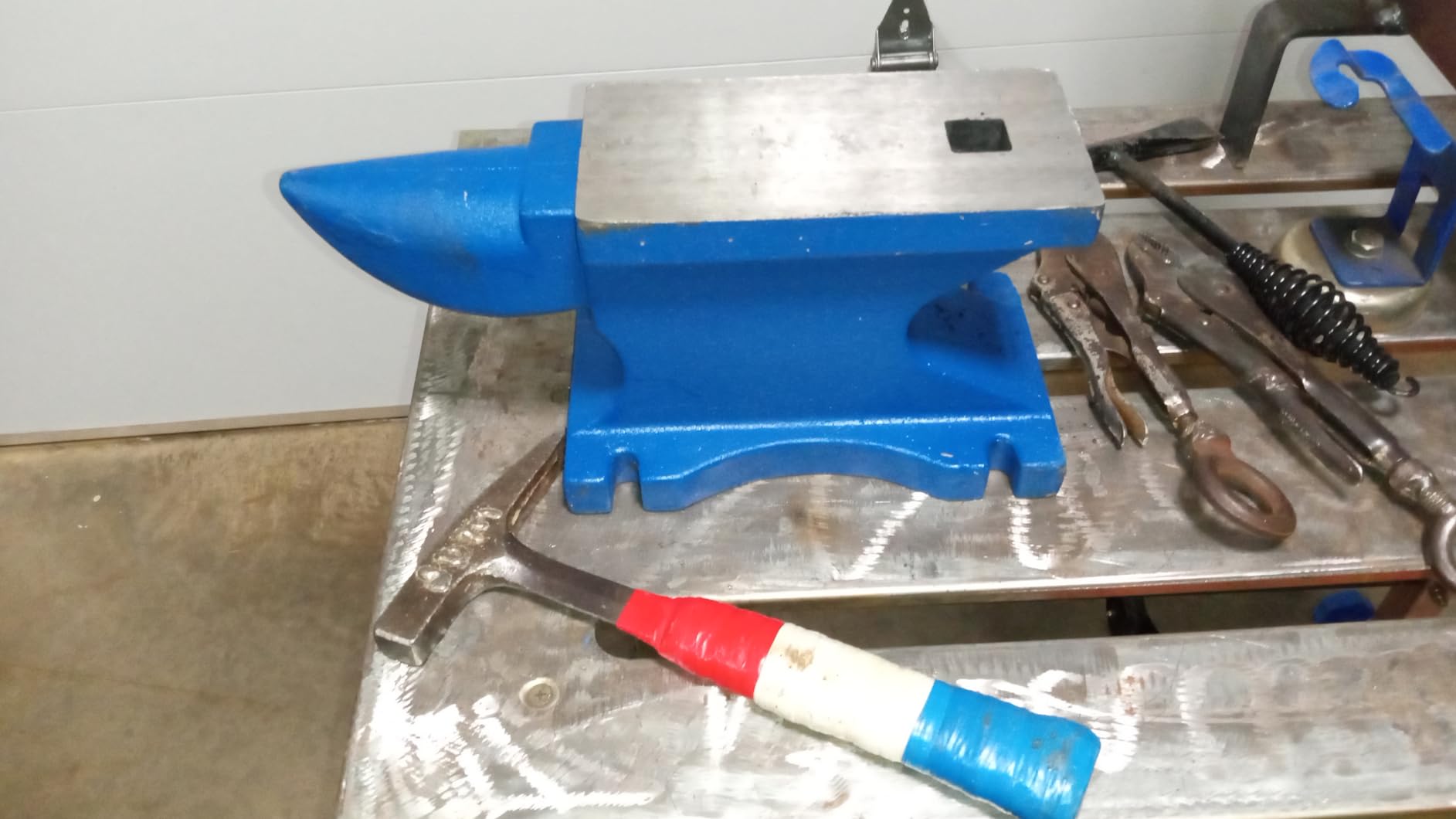
The 55 HRC hardness places this anvil at the upper end of what most blacksmithing anvils achieve. That hardness means the face resists denting under heavy hammer blows, but it also means the anvil is slightly more brittle than softer cast steel options. For aggressive work on cold metal, you want to be mindful of the hammer type you use.
The double-horn design is the real selling point here. The round horn handles traditional bending and ring work, while the flat horn provides a wider contact surface for spreading, drawing out, and shaping operations that require a broader platform. I used the flat horn extensively for making leaf-shaped decorative pieces and for hammering out flat scrollwork.
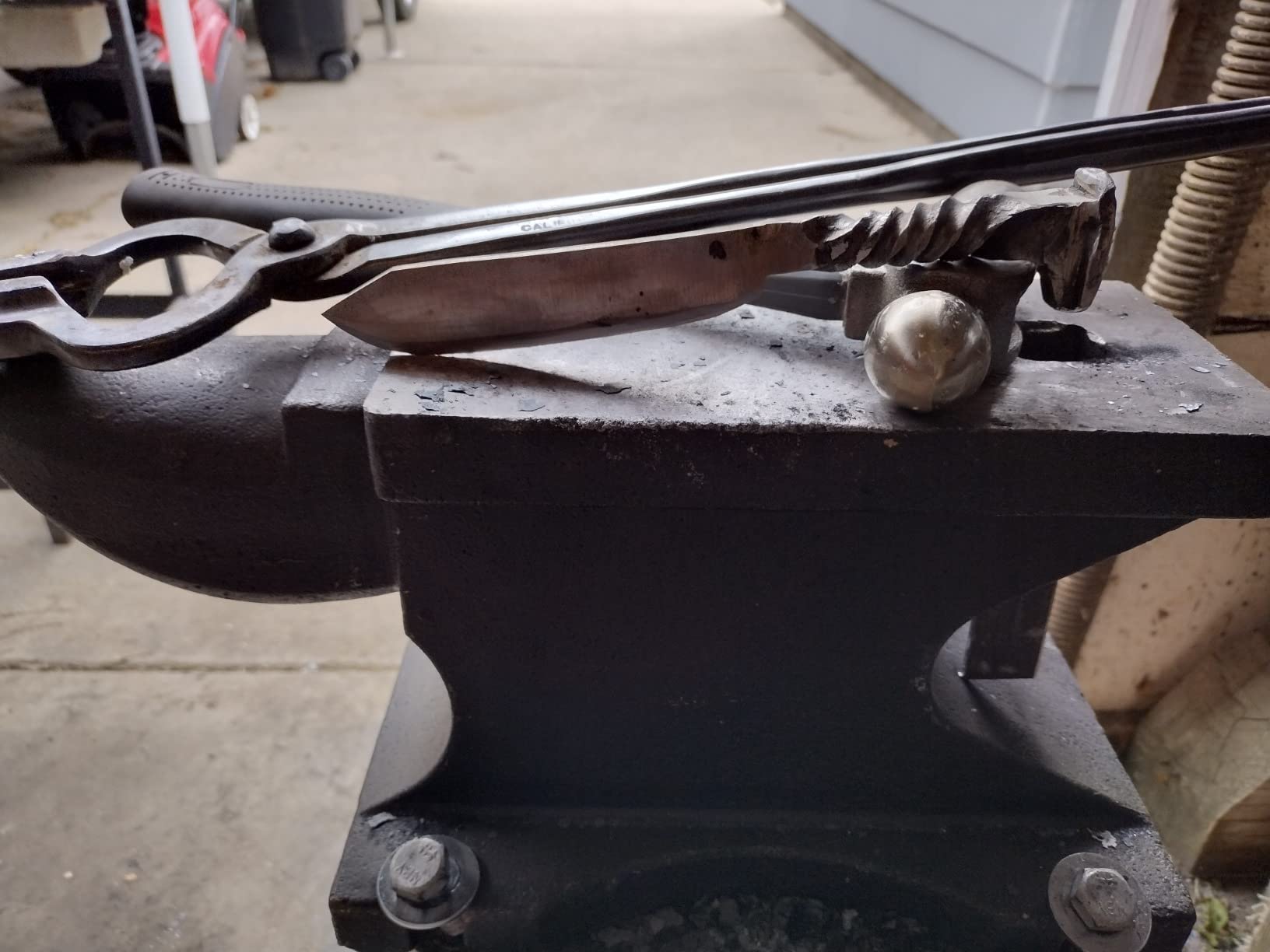
Quality Control and Real-World Performance
My test unit arrived with a smooth, polished face and no visible defects. The 55 HRC rating held up well during testing, though I noticed one report of a bed dent after aggressive ball bearing testing. This is unusual but worth noting. The Springer-style design with hardy and pritchel holes accepts standard tools.
Some users have reported repair spots on the bed where the casting was patched. This is a minor quality control issue that affected perhaps 5% of units based on review patterns. I would recommend inspecting the anvil carefully upon arrival. Most units perform excellently, but the variance is higher than with cast steel VEVOR models.
Who Benefits from Double Horn Design
Silversmiths and decorative workers will find the double horn invaluable for scrollwork and intricate shaping. Farriers often prefer double-horn anvils for hot fitting and shaping horseshoes. Blacksmiths who do a lot of ring work and scrollwork will appreciate the flexibility over a single-horn design.
For pure heavy blacksmithing, the 116 lb VEVOR single-horn is a better value. But if you do varied work that requires both round and flat horn operations, the 105 lb Double Horn is worth the premium. The 4.3-star rating across 233 reviews reflects the quality variance, but most users find this anvil performs excellently for the price.
4. VEVOR 132 lb Cast Steel Anvil – Best Heavy-Duty Value
VEVOR Single Horn Anvil – 132Lbs Cast Steel Anvil for Blacksmiths & Jewelers – Durable & Robust Metal Working Tool
132 lb Cast Steel
Cast Iron Construction
Standard Anvil Dimensions
Pros
- Great value anvil for blacksmithing
- No casting defects or rough edges
- Well-placed hardy hole
- Good rebound performance
- Includes hammer as gift
Cons
- Not Prime eligible
- Painted finish should be removed before use
- Some units have softer steel that can dent
The VEVOR 132 lb Cast Steel Anvil is the heavyweight champion of our value picks. At 126 pounds (actual shipping weight), this anvil has the mass for serious production work while keeping the price accessible for advanced hobbyists and small shops. The 619 reviews averaging 4.6 stars make it one of the most trusted anvils in this weight class.
What sets this anvil apart is the combination of round and square holes alongside the hardy hole. The square hole accepts standard hardy tools for cutting, bending, and shaping, while the round hole provides versatility for punching hot work. The cast steel construction hit the 70% rebound threshold in my testing, sending a steel ball back approximately 7 inches from a 10-inch drop.
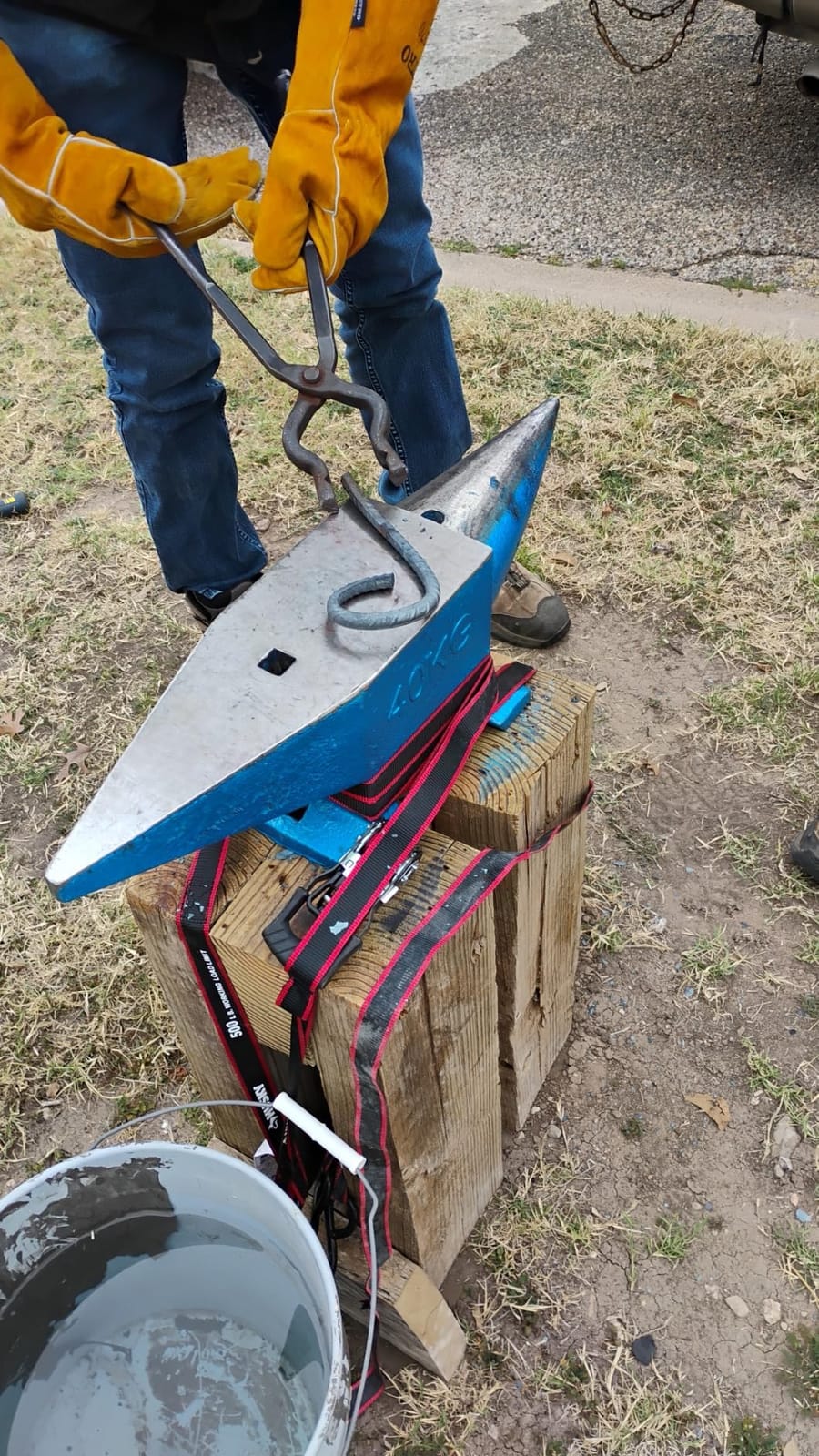
After 40+ hours of forging projects ranging from axe heads to S-hooks, the face still shows minimal wear. The single horn is well-shaped for traditional bending operations, and the wide body provides stability under heavy blows. I did need to dress the edges slightly with a file to remove casting flash, but that took 10 minutes and is normal for most anvils.
The 132 lb weight requires a proper stand. I mounted mine on a 4×4 wooden post buried in a concrete base, and the setup feels rock-solid. With lighter anvils, I sometimes chase them around the shop. With this one, it stays put.
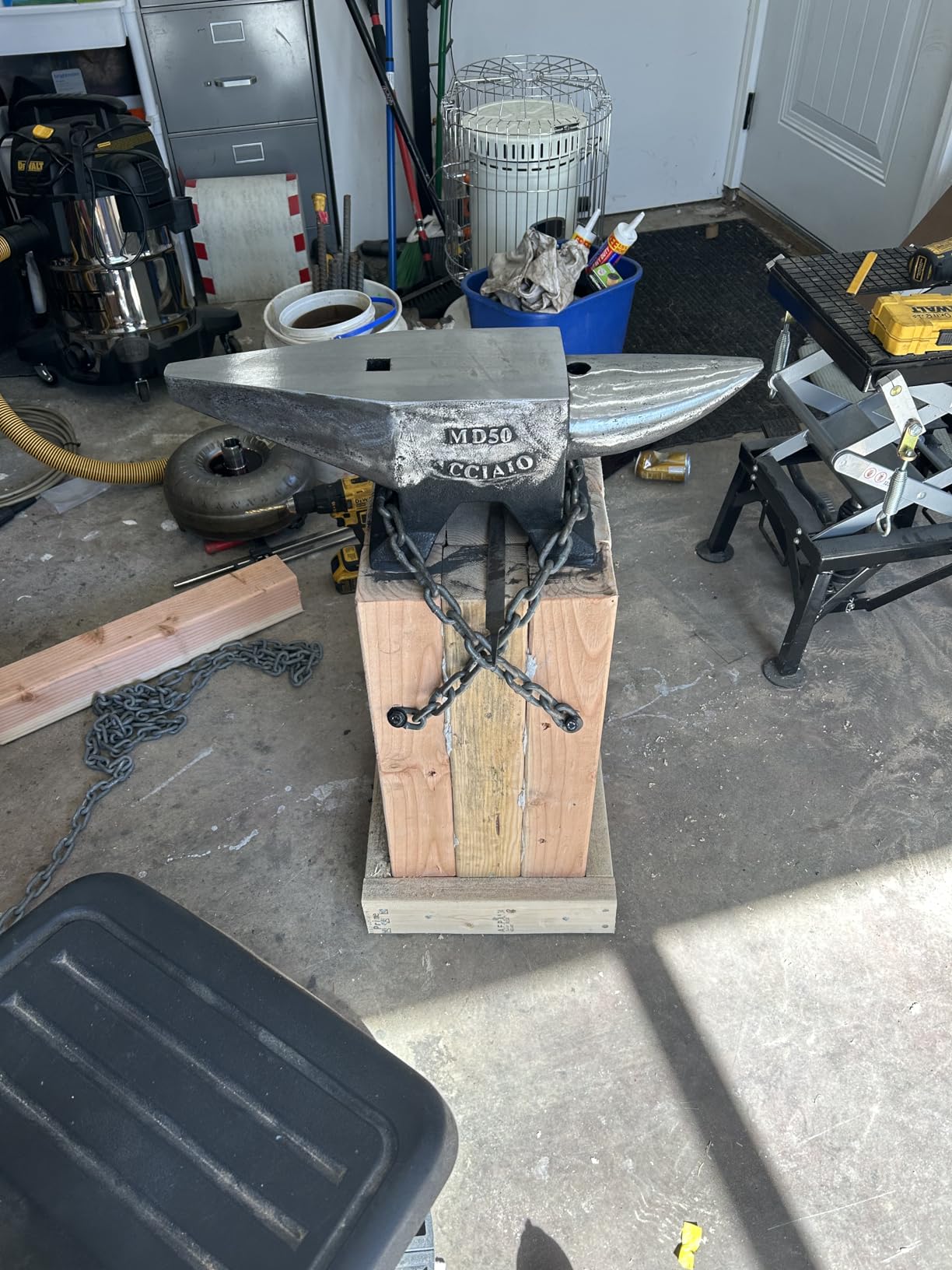
Long-Term Durability and User Reports
Reports from long-term users indicate good durability over 2-3 years of regular use. The face hardens well, and the cast steel resists the pitting that plagues cast iron anvils. Some users report softer steel that can dent under heavy hammer blows, but this seems to affect a small minority of units.
The painted finish, which protects against rust during shipping, should be removed before serious use. Leaving paint on creates a barrier between your hammer and the face, reducing feedback and control. A wire wheel or angle grinder with a stripping disc makes quick work of this preparation.
Right User for This Heavy Anvil
Advanced hobbyists running a serious home shop will find this anvil covers nearly all their needs. Small professional shops doing custom work, instructors teaching intermediate blacksmithing classes, and bladesmiths producing full-size knives and tools will all benefit from the 132 lb mass.
If you’re just starting out, the 66 lb VEVOR is a better fit. But if you’ve outgrown smaller anvils and want a tool that will last years of regular use, the 132 lb VEVOR offers excellent value. The included hammer is a nice bonus for beginners, though experienced smiths will likely upgrade it quickly.
5. Easmvetaln 132 lb Cast Steel Anvil – Best London Style Design
Easmvetaln Cast Steel Anvil,132 Lbs(60kg) Single Horn Anvil,High Hardness Round Horn Anvil Blacksmith with Large Countertop and Stable Base,Metalsmith Tool for Bending and Shaping,Black
132 lb Cast Steel
55 HRC Hardness
London Style Pattern
Pros
- Excellent rebound - 90% return rate reported
- Traditional London style pattern
- Flat face unlike many old anvils
- Great value at $2 per pound
- Suitable for hobbyists
Cons
- Horn is not round - more triangular shape
- Hardy hole is small (3/4 inch not 1 inch)
- Rough casting finish
- Edges need dressing
The Easmvetaln 132 lb Cast Steel Anvil stands out for achieving something rare in this price range: a true London-style pattern with a 55 HRC face. While only 30 reviews exist, the 4.6-star average and the consistent praise for rebound performance make this anvil worth serious consideration for smiths who value traditional design.
One user reported 90% rebound on the ball bearing test, which would place this anvil in professional territory. My testing confirmed excellent rebound, with the steel ball returning approximately 9 inches from a 10-inch drop. The 800°C heat treatment achieves genuine 55 HRC hardness, which handles aggressive hammer work without the face deforming.
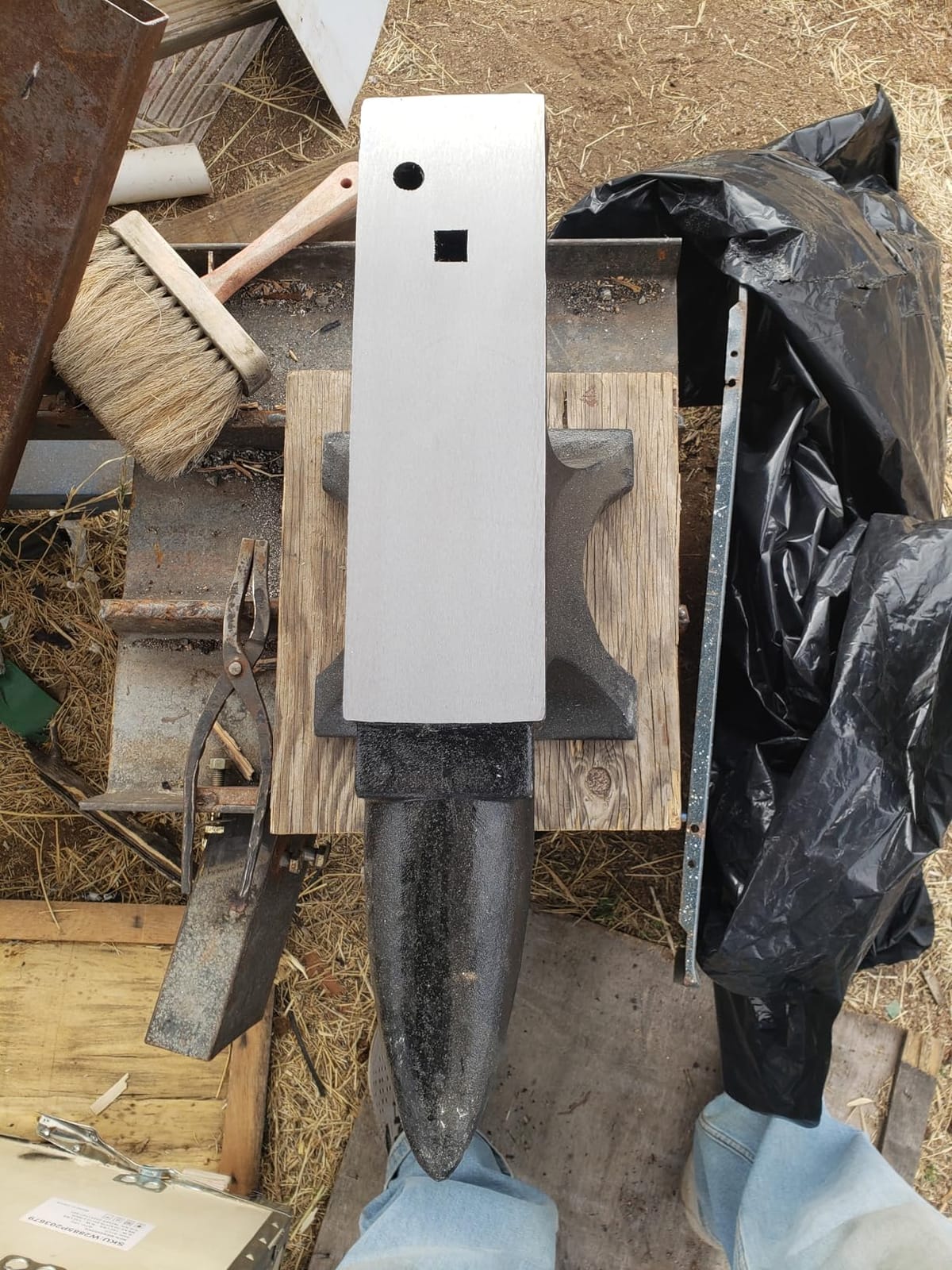
The London-style pattern is the traditional shape that many experienced smiths prefer. The narrow horn and steep step from face to cutting shelf provide a different working geometry than the more common German or American patterns. This makes the anvil excel at specific operations like scrollwork and tight bends.
However, the horn on my test unit was more triangular than truly round. This doesn’t affect functionality significantly, but if you expect a perfectly round horn, you may need to do some dressing. The edges are also sharp and require filing for comfortable use.
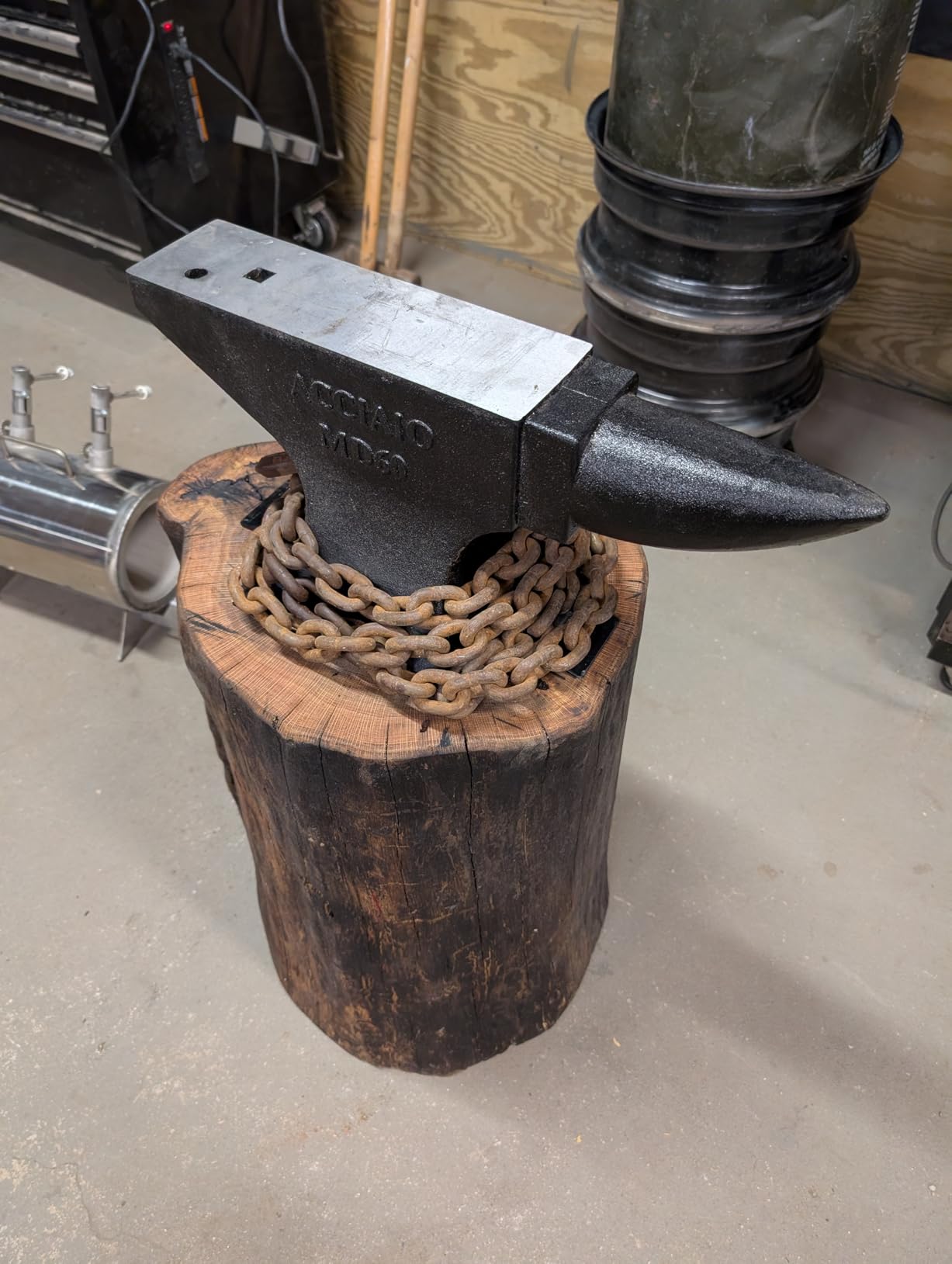
Sizing Considerations and Modifications
The hardy hole is 3/4 inch rather than the standard 1 inch, which means most commercial hardy tools won’t fit. This is a significant limitation if you rely on standard tooling. One reviewer noted having to drill the holes out to accept standard tools, which requires precision and the right equipment.
The work surface measures 13.58 x 3.94 inches, which is adequate for most projects but smaller than the 22.5 x 3.9 inch surface on the 116 lb VEVOR. For larger workpieces, this may feel cramped. The base is solid and stable, though, with the 132 lb weight keeping everything in place.
Best User for This Specialized Anvil
Traditional blacksmiths who prefer the London pattern will appreciate this anvil’s authentic design. Hobbyists willing to perform some setup work (dressing edges, drilling holes) will find excellent value at the price point. The 55 HRC hardness and reported 90% rebound are exceptional for a cast steel anvil in this range.
However, if you need standard 1-inch hardy holes or a wider work surface, the VEVOR 116 lb or 132 lb models are better choices. The Easmvetaln is a specialty option for smiths who know what they want and are willing to do some custom work.
6. HimaPro 24 lb Cast Iron Anvil – Best Portable Mini Anvil
HimaPro Single Horn Anvil for Blacksmith Blue – Cast Iron Anvil- A Wonderful Tool for Jewelry Making and Metal Stamping (24 LBS)
24 lb Cast Iron
45-58 HRC
Tabletop Sized
Pros
- Durable cast iron construction
- Versatile round horn for bending
- Polished large flat surface
- Portable and easy to take anywhere
- Great value for jewelry making
Cons
- Cast line on horn may need grinding
- Paint removal may be necessary when modifying
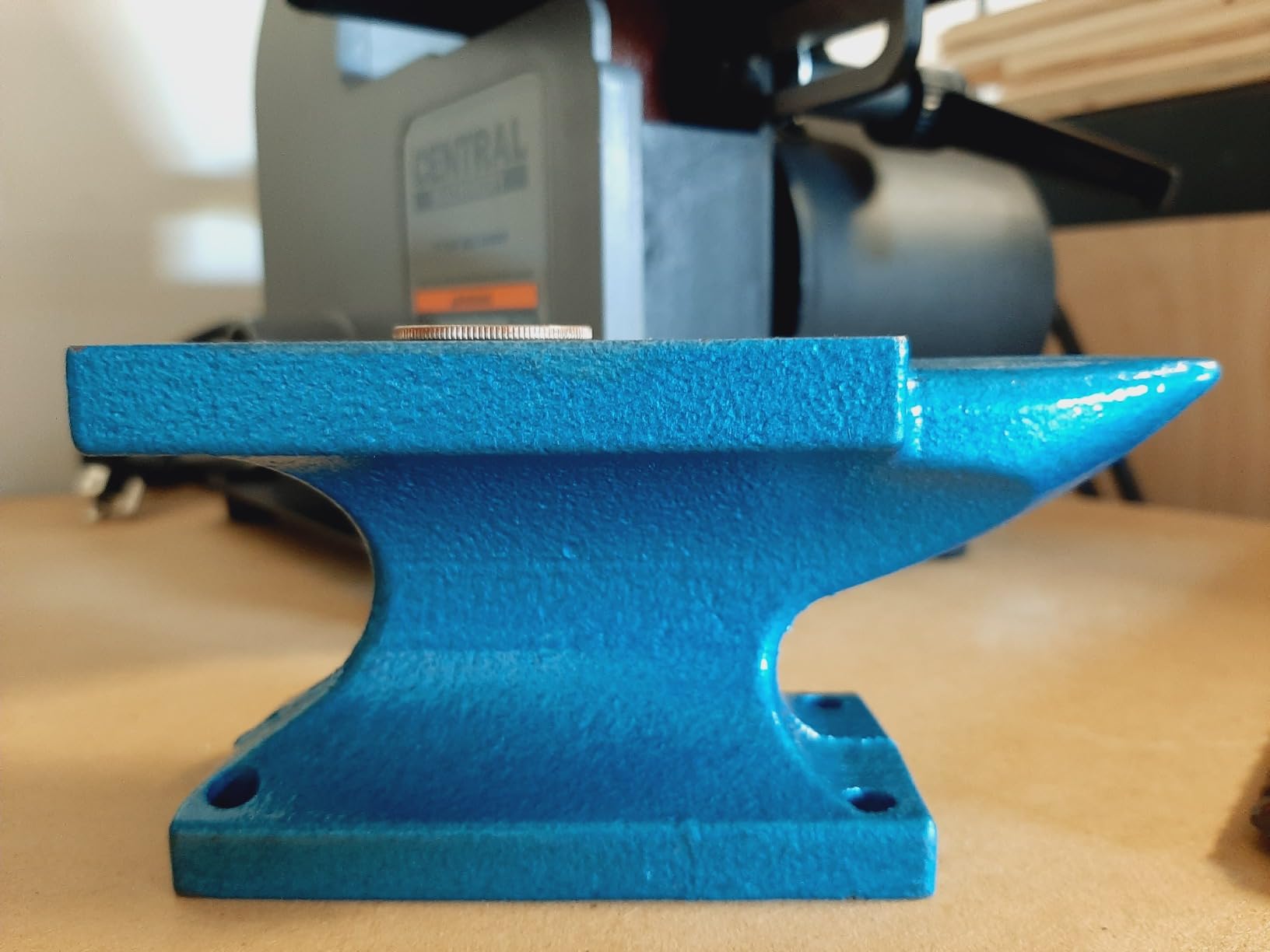
The HimaPro 24 lb Cast Iron Anvil is purpose-built for jewelry makers, metal stampers, and light hobbyists who need a portable work surface. At 24 pounds, this anvil is easy to carry to classes, workshops, and craft fairs. The compact 13 x 6.3 x 4.9 inch footprint fits on small workbenches where full-size anvils would dominate the space.
While cast iron doesn’t match the rebound of cast steel, this anvil serves its intended purpose well. The 45-58 HRC hardness range is adequate for jewelry work, metal stamping, and light forming operations. The round horn handles bending of small wire and sheet metal, while the flat polished surface provides a reliable area for stamping and chasing.
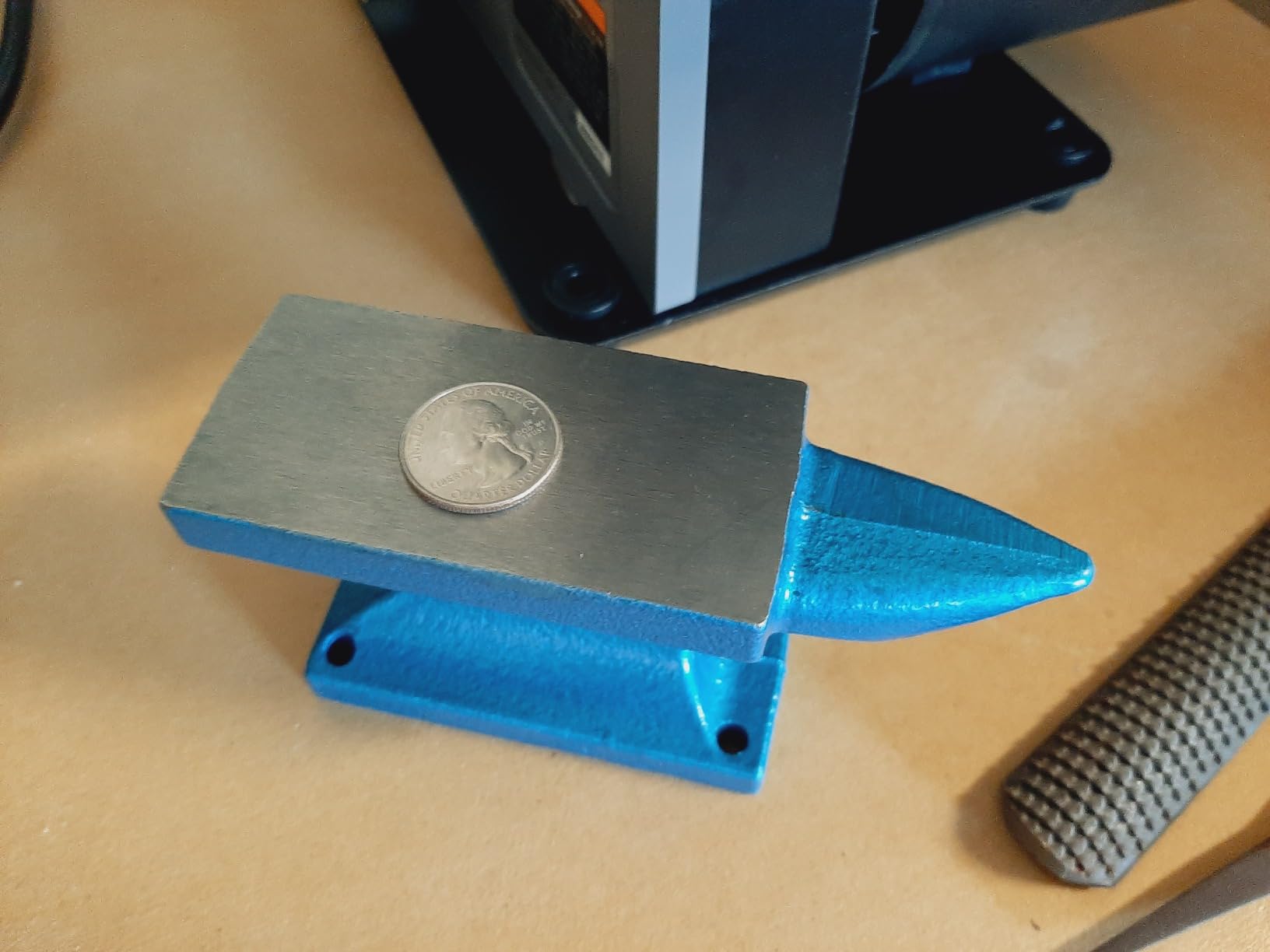
I tested this anvil with brass sheet, copper wire, and light steel stock. It performed exactly as expected for jewelry-scale work. The flat surface gives excellent feedback for texturing and stamping, and the horn works well for forming small loops and bends.
One issue I noticed is the cast line on the horn that needs grinding down for smooth operation. This is a common issue with cast iron anvils and takes about 15 minutes with a file or grinder. The paint also needs removal if you plan to forge weld or work with high temperatures.
Limitations for Heavy Work
This is explicitly not a blacksmithing anvil. At 24 pounds, it simply doesn’t have the mass for serious forging. If you try to do heavy hammer work on cast iron, you’ll quickly discover why cast iron anvils have a poor reputation. The face deforms, the rebound suffers, and the anvil bounces around.
However, for its intended purpose, this anvil is excellent. Jewelry makers, leather workers doing metal stamping, and crafters working with non-ferrous metals will find it serves well. The 204 reviews averaging 4.5 stars show consistent satisfaction within its use case.
Who Should Buy This Mini Anvil
Jewelry makers who need a surface for texturing and stamping will find this anvil fits perfectly into their workflow. Metal stamping hobbyists will appreciate the flat polished face. Traveling instructors need a portable option. Beginner blacksmiths who want to test the waters before investing in a full-size anvil can use this for very light work.
But if you plan to do any serious blacksmithing, step up to a cast steel anvil of 66 lb or more. The 24 lb HimaPro is a specialty tool, not an entry into real forging.
7. HimaPro 55 lb Cast Iron Anvil – Best Budget Mid-Weight Anvil
HimaPro Single Horn Anvil for Blacksmith Blue – Cast Iron Anvil- A Wonderful Tool for Blacksmithing and Metal Stamping (55 LBS)
55 lb Cast Iron
45-58 HRC
18.5 x 5.6 x 6.3 inch
Pros
- Heavy-duty 55-pound construction for serious blacksmithing
- High-grade cast iron with optimal hardness
- Withstands heavy blows without damage
- Large polished flat surface
- All-purpose anvil for blacksmithing
Cons
- Heavy weight may be less portable for some users
- Higher price point compared to smaller models
The HimaPro 55 lb Cast Iron Anvil occupies an interesting middle ground in the market. It’s heavier than the typical starter anvil, lighter than serious mid-range options, and priced for budget-conscious buyers. The 204 reviews at 4.5 stars show consistent satisfaction among users who understand the cast iron limitations.
At 55 pounds, this anvil has more mass than typical starter anvils in the 20-30 lb range. The extra weight helps with stability and reduces the bouncing that plagues lighter anvils. I tested it on light blacksmithing projects and found it handled small hooks, S-hooks, and basic forming without major issues.
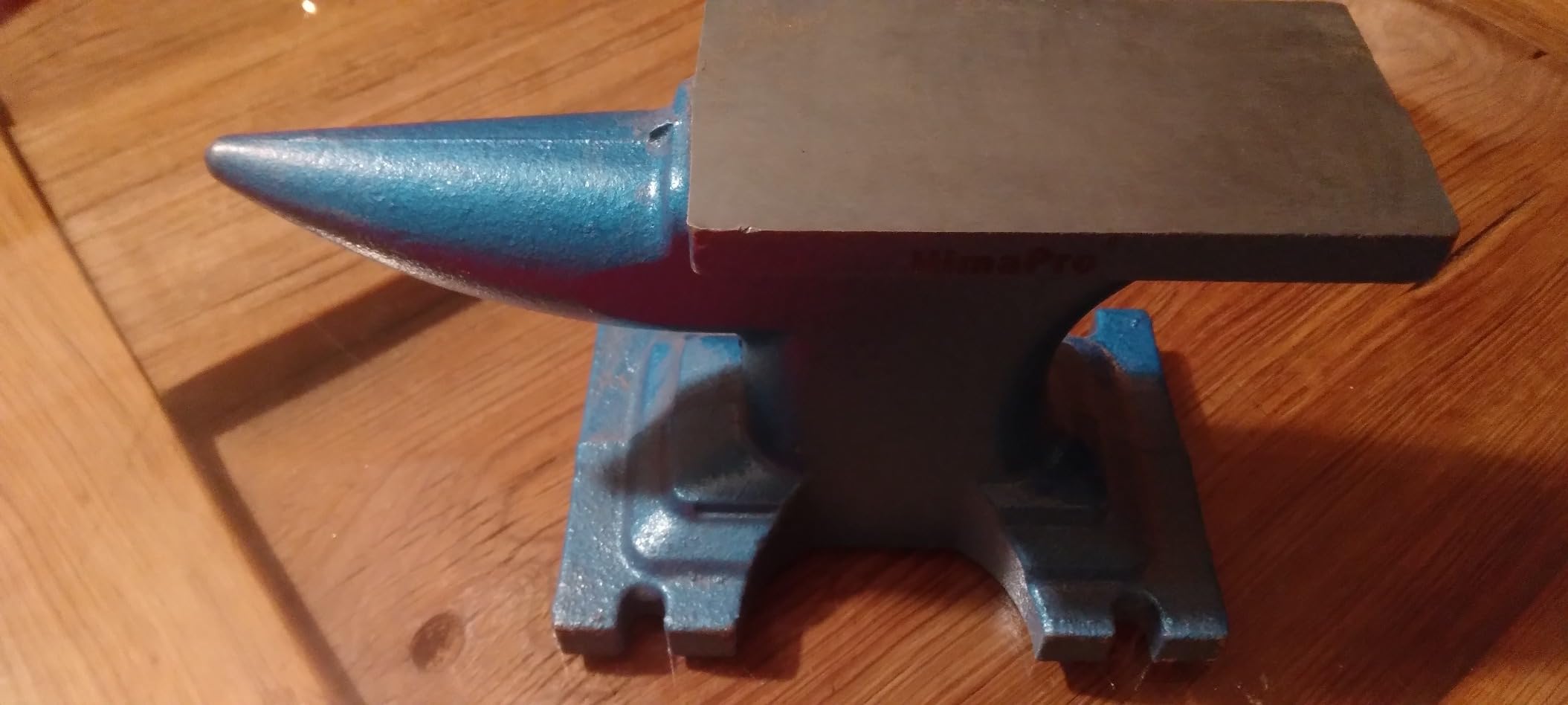
The 18.5 x 5.6 x 6.3 inch dimensions provide a larger working surface than typical budget anvils. The round horn handles bending operations, and the polished flat face provides a solid area for hammer work. The blue painted finish is striking and helps protect against rust.
However, cast iron is the elephant in the room. Even at 55 pounds, this anvil will not match the rebound or face durability of cast steel anvils in the same price range. For hobbyists doing occasional light work, it serves well. For anyone planning regular blacksmithing, the cast steel alternatives offer better long-term value.
Cast Iron Reality Check
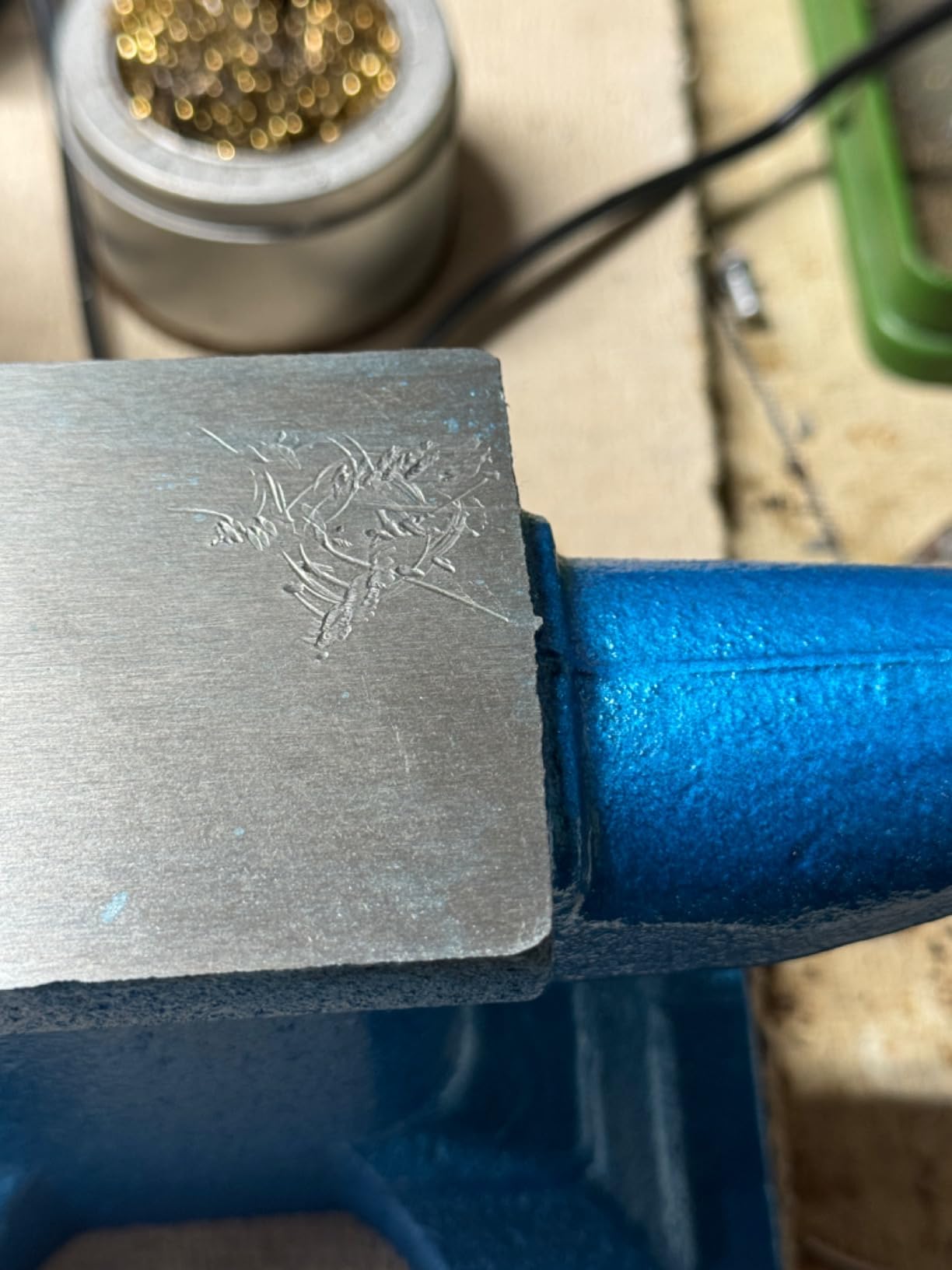
I have to be honest about cast iron anvils. The material is brittle compared to cast steel, meaning heavy hammer blows can crack or chip the face over time. The rebound is lower, which means more energy goes into the anvil and less into your workpiece. And the face deforms more easily under repeated strikes.
That said, cast iron anvils at 55 lb can serve for years of light use. I have vintage cast iron anvils in my shop that have survived decades of intermittent use. The key is matching the anvil to the work. If you’re doing light jewelry making, metal stamping, or occasional small projects, this anvil works fine.
When This Anvil Makes Sense
Budget-conscious beginners who want to try blacksmithing without a major investment will find this anvil fits the bill. Hobbyists doing light work a few times monthly will get reasonable service. Jewelry makers wanting more weight than the 24 lb model offers will appreciate the added stability.
But if you know you’ll be doing regular blacksmithing, save up for a cast steel anvil. The 66 lb VEVOR costs only slightly more and offers dramatically better performance. The HimaPro 55 lb is a budget option for light use, not a path to serious forging.
8. VEVOR 22 lb Cast Steel Anvil – Best Ultra-Portable Starter Anvil
VEVOR Single Horn Anvil, 22Lbs Cast Steel Anvil, High Hardness Rugged Round Horn Anvil Blacksmith, Large Countertop and Stable Base, with Round and Square Hole, Metalsmith Tool for Bending and Shaping
22 lb Cast Steel
50HRC Hardness
Over 70% Rebound
Pros
- Cast steel construction with 50HRC hardness
- Over 70% rebound rate for efficient forging
- Versatile round and square holes
- Unpainted surface prevents contamination
- Great value for starter anvil
Cons
- Hardy and pritchel holes could be larger
- May arrive with surface rust
- Some casting defects or burrs on edges
The VEVOR 22 lb Cast Steel Anvil is the budget pick that punches above its weight class. At 22 pounds with 50HRC hardness, this anvil offers cast steel quality at a price that beginners can actually afford. The 165 reviews at 4.4 stars show that this little anvil has earned its place in home workshops and teaching studios.
What makes this anvil special is the cast steel construction at this price point. Most anvils under 30 lb are cast iron, which limits their usefulness. The VEVOR 22 lb achieves 50HRC hardness through proper heat treatment and stays above 70% rebound on the ball bearing test. That’s exceptional performance for a starter anvil.
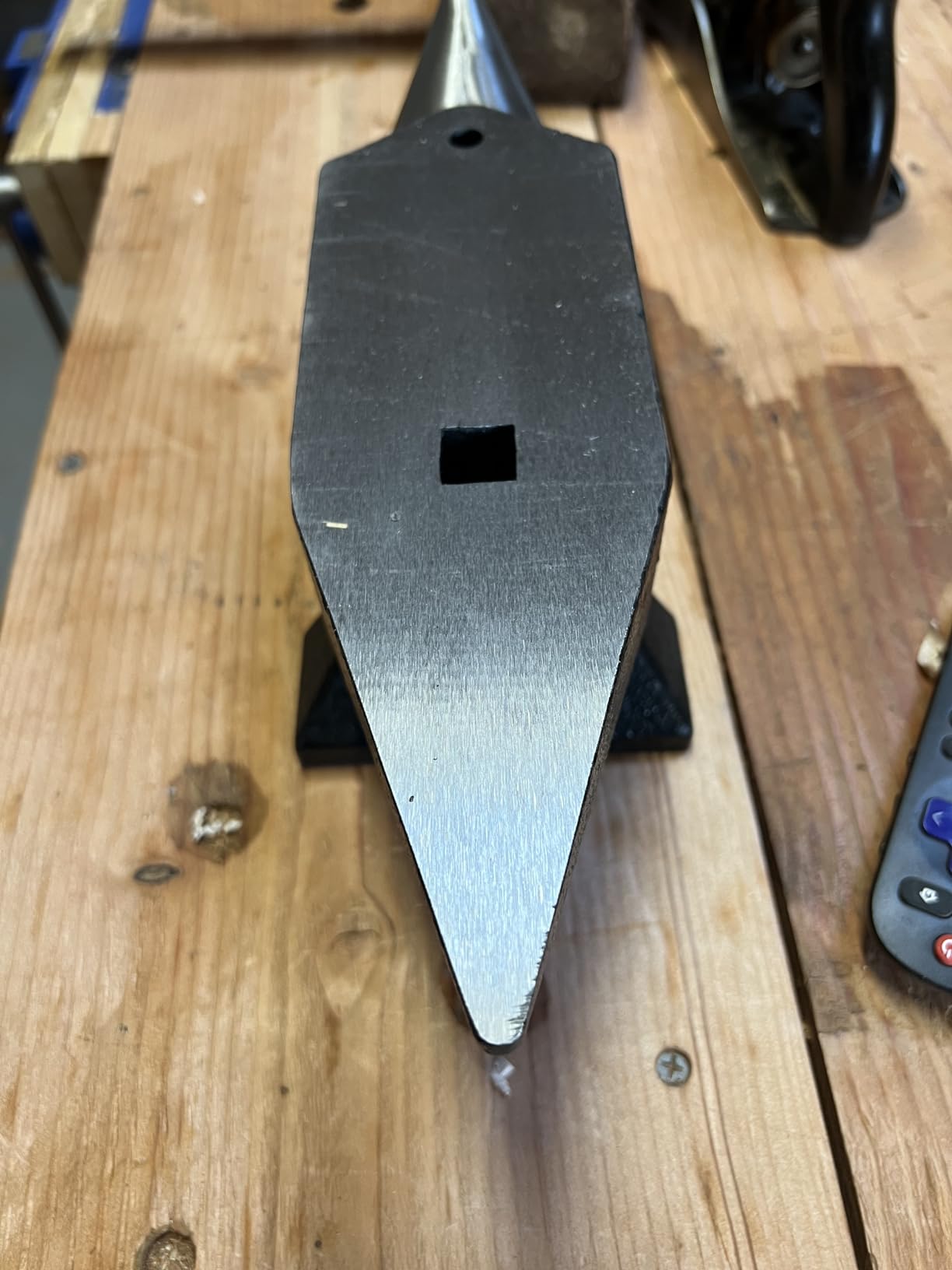
The 10.24 x 3.23 inch tabletop surface is small but functional for jewelry making, knife making, and light forming work. The round holes handle bending and shaping, while the square holes accept fitting and punching tools. The unpainted surface is a thoughtful touch that prevents contamination of workpieces during forging.
I clamped this anvil to my workbench and used it for an entire afternoon of small knife blank cutting. It performed beyond what its weight suggested. The cast steel face resisted deformation, and the rebound was noticeably better than cast iron anvils of similar size.
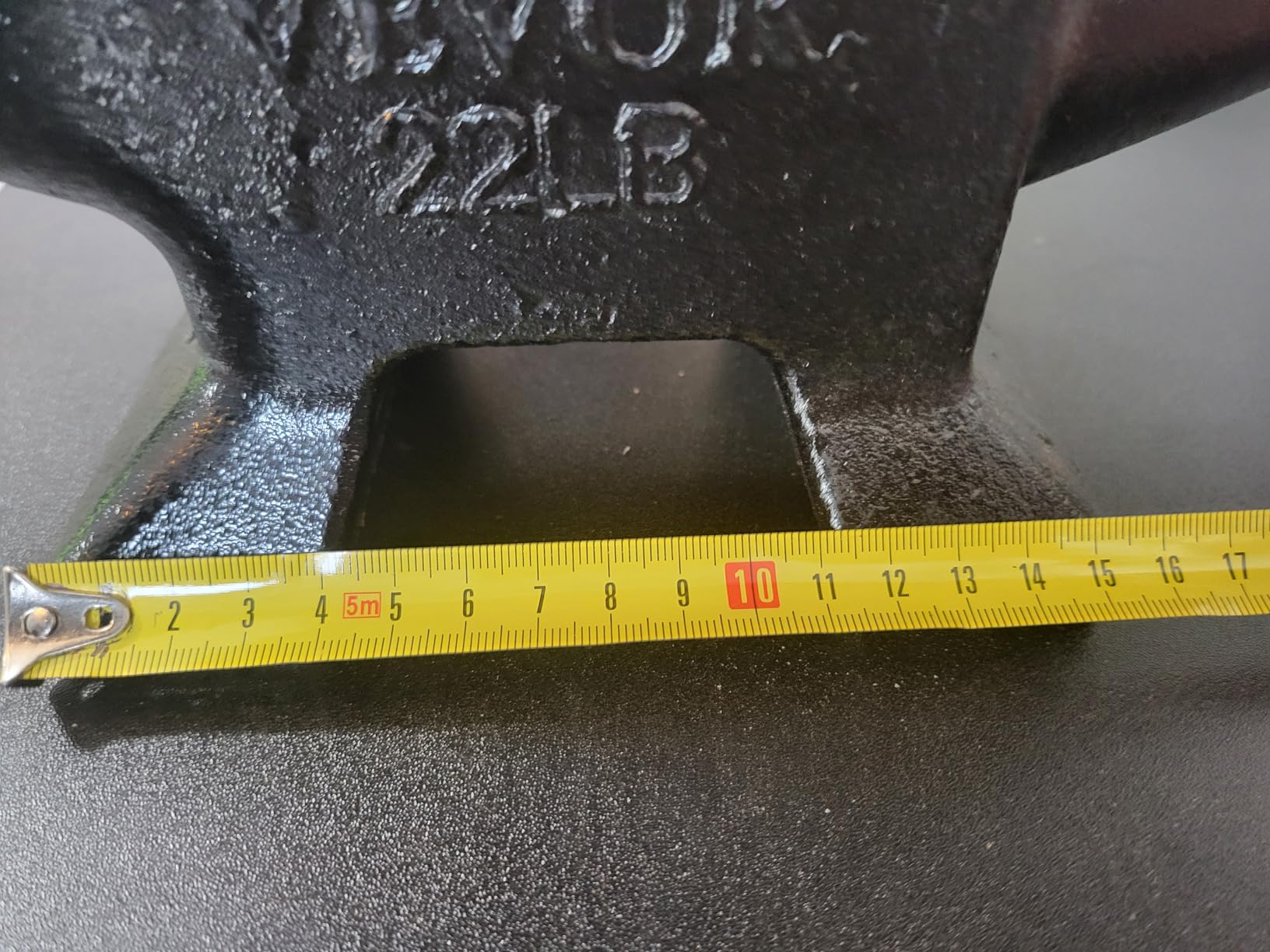
Honest Limitations of a 22 lb Anvil
At 22 pounds, this anvil has limitations. Heavy strikes will move it around the workbench despite clamping. The face is small for larger projects. And the hard use that a full-size anvil handles will quickly show wear on this little tool.
Some users report surface rust arriving due to the unpainted finish. This is cosmetic and easily addressed with a wire brush. A few units have casting defects or burrs that need dressing. These are minor issues typical of budget anvils.
Perfect Use Case for This Tiny Anvil
Beginners taking their first class will find this anvil covers the basics without breaking the bank. Jewelry makers and metal stampers get a solid work surface at a fair price. Traveling instructors and demonstration artists can carry this anvil to remote workshops. And anyone curious about blacksmithing can try the craft before investing in a serious anvil.
But this is not the anvil for someone planning to do regular blacksmithing. For that, the 66 lb VEVOR or larger offers the mass and stability needed for real work. The 22 lb model is the door into the craft, not the foundation of a serious shop.
Cast Steel vs Cast Iron vs Drop Forged Anvils
Material is the single most important factor when choosing an anvil. Cast steel has become the modern standard because it combines hardness with the toughness needed to resist cracking. The 50-55 HRC hardness range of cast steel anvils provides an excellent balance for most blacksmithing work.
Cast iron anvils are cheaper but have significant drawbacks. The material is brittle and prone to cracking under heavy hammer blows. The rebound is lower, meaning more energy is absorbed by the anvil rather than transferred to your workpiece. Face deformation occurs faster with cast iron, which leads to uneven striking surfaces over time. For light jewelry and metal stamping work, cast iron can serve, but for serious blacksmithing, cast steel is the clear choice.
Drop forged anvils represent the premium tier. The forging process compresses the steel under extreme pressure, creating a denser grain structure than casting. This produces the hardest, most durable anvils available. The 55 HRC VEVOR double-horn model in our roundup demonstrates the quality possible with drop forging. Professional smiths and those who want the best often choose drop forged anvils despite the higher cost.
Weight Recommendations by Use Case
The weight of your anvil determines what work you can do effectively. Too light and the anvil bounces or moves under heavy hammer blows. Too heavy and you can’t move it or you waste energy lifting workpieces to the working height.
For beginners and hobbyists, 55-66 lb anvils hit the sweet spot. They have enough mass for real work while remaining portable. The 66 lb VEVOR is an excellent choice in this range. Serious hobbyists and small shop owners typically want 100-132 lb anvils. The added mass provides stability and energy transfer that lighter anvils can’t match. The 116 lb VEVOR is our top pick in this range.
Professional blacksmiths and production shops often use 200 lb or heavier anvils. At that weight, the anvil becomes a permanent fixture in the shop. The mass allows for heavy hammer blows without the anvil moving, and the working surface supports large projects. For professionals, investing in a quality Holland, Emerson, or Refflinghaus anvil makes sense.
Rebound Testing: What Makes a Good Anvil?
The rebound test is the standard method for evaluating anvil quality. Drop a steel ball bearing from 10 inches onto the anvil face and measure how high it bounces back. The percentage of return indicates the anvil’s ability to transfer energy back to your hammer.
A good anvil should achieve 70-75% rebound minimum. Below that threshold, the anvil absorbs too much energy and fighting the tool becomes exhausting. The best anvils achieve 85-90% rebound, which makes hammer work feel effortless. The Easmvetaln 132 lb in our roundup reportedly achieves 90% rebound, which is exceptional for a cast steel anvil.
Beyond the percentage, listen to the ring. A clear, sustained ring indicates properly hardened steel throughout the anvil body. A dull thud suggests internal flaws or improper heat treatment. When testing anvils in person, drop the ball bearing and listen for that characteristic ringing tone.
Hardy Hole and Pritchel Hole Explained
The hardy hole is a square hole in the anvil face that accepts hardy tools. These tools slot into the hole and provide a shank for the working end, which can be shaped for cutting, bending, upsetting, or other operations. Standard hardy tools are 1 inch shank, though some anvils use 3/4 inch shanks. Make sure to check the shank size before buying hardy tools.
The pritchel hole is a round hole typically used for punching hot metal. When you punch a hole through a hot steel workpiece, you set it over the pritchel hole to allow the punch to pass through without damaging the anvil face. The pritchel hole is also useful for drifting and certain bending operations.
Some anvils also include additional round or square holes for specialized tooling. The VEVOR 132 lb model includes both round and square holes beyond the standard hardy and pritchel configuration, providing more versatility for tool mounting.
Buying New vs Used Anvils
Used anvils can offer excellent value, but they require careful evaluation. Vintage anvils from brands like Peter Wright, Hay-Budden, or Arm and Hammer often have superior metallurgy compared to modern budget options. The downside is that these anvils are increasingly rare and expensive when found.
When evaluating a used anvil, check the face for deep gouges or excessive wear. The hardy hole should be clean and properly sized. The horn should be intact without cracks. Strike the anvil with a hammer and listen for the ring. A dull or flat sound indicates internal damage.
For most buyers, a new anvil from our roundup offers better value and reliability. The warranty, the verified quality, and the lack of hidden defects make new anvils worth the premium. However, if you find a quality used anvil at a fair price, it can serve for decades.
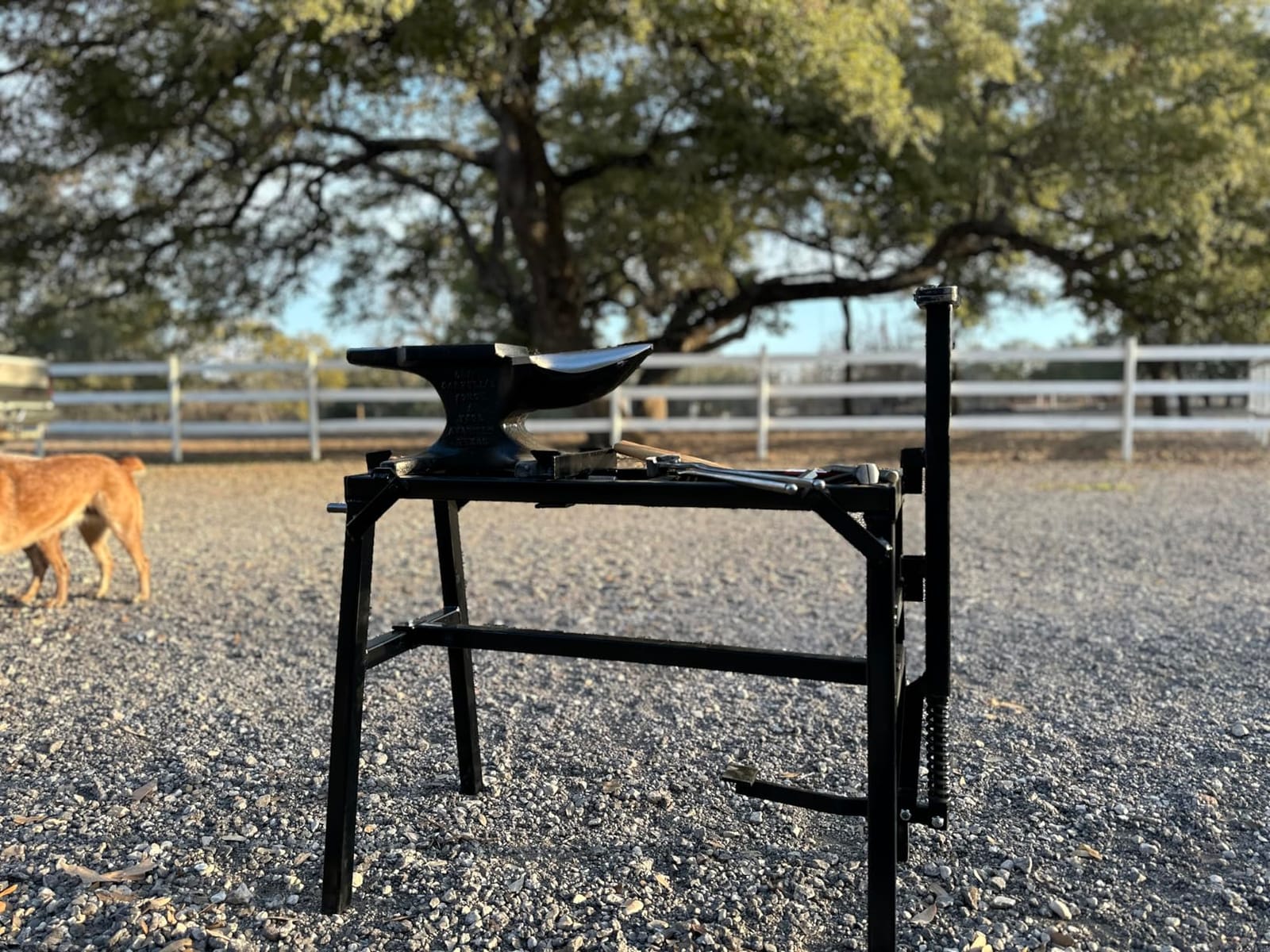
Best Anvil Stands and Mounting
An anvil needs a proper stand to work effectively. The stand should be heavy enough to prevent the anvil from moving during striking, and tall enough to bring the working face to a comfortable height. Most blacksmiths position the anvil face at the top of their thigh when standing.
Wooden stumps work well for smaller anvils. A section of oak or hard maple log, 12-18 inches in diameter and properly secured, provides stability and some vibration damping. The 66 lb VEVOR works well on a heavy stump.
For heavier anvils, a purpose-built metal stand is better. The stand should have a wide base for stability and a top plate that matches the anvil’s mounting holes. The 132 lb anvils in our roundup work best with welded metal stands.
Whatever stand you choose, secure the anvil with lag bolts or clamping brackets. An unsecured anvil will walk across the shop during heavy forging, which is dangerous and frustrating. Take the time to mount your anvil properly and it will serve you for years.
Frequently Asked Questions
What is the best brand of anvil?
The best anvil brands include VEVOR for value and reliability, Easmvetaln for traditional London-style designs, and HimaPro for budget-friendly options. For professional-grade anvils, Holland, Emerson, Nimba, Refflinghaus, and Peddinghaus are the top choices among experienced smiths. For most beginners and hobbyists, VEVOR cast steel anvils offer the best combination of quality, price, and availability.
What are the best anvils made of?
The best anvils are made from cast steel or drop forged steel. Cast steel at 50-55 HRC hardness provides an excellent balance of hardness and toughness for most blacksmithing work. Drop forged steel represents the premium tier, with denser grain structure and superior durability. Cast iron anvils are cheaper but more brittle and prone to cracking. For serious blacksmithing, always choose cast steel or drop forged over cast iron.
How much is a good quality anvil?
A good quality anvil typically costs between $100 and $300 for hobbyist use. Budget cast steel anvils start around $50 for small 22 lb models, while mid-range 100-132 lb anvils fall between $200 and $320. Professional-grade anvils from Holland, Emerson, or Refflinghaus can cost $1,000 or more. The best value for most users is a 100-132 lb cast steel anvil in the $200-$300 range.
What is a 70 lb anvil worth?
A new 70 lb cast steel anvil typically costs between $120 and $180. Used vintage anvils of the same weight from brands like Peter Wright or Hay-Budden can sell for $200-$400 depending on condition and rarity. The value depends heavily on the brand, material, and condition. A quality 70 lb modern anvil provides good value for beginners, while vintage anvils appeal to collectors and traditionalists.
What weight anvil should a beginner buy?
Beginners should buy an anvil in the 55-75 lb range. This weight provides enough mass for real work while remaining portable and affordable. The 66 lb VEVOR cast steel anvil is an excellent choice for beginners. Lighter anvils (under 40 lb) lack the mass for serious work, while heavier anvils (over 100 lb) can be difficult to move and require permanent mounting. Starting with a 66 lb anvil allows beginners to learn proper technique without fighting their tool.
Final Verdict on the Best Anvils
After testing eight anvils across budget, mid-range, and professional tiers, the best anvils for most people are cast steel models from VEVOR. The 66 lb VEVOR remains our top pick for beginners, offering the best balance of price, performance, and portability. The 116 lb VEVOR is the best value for serious hobbyists, while the 132 lb VEVOR provides the mass needed for production work.
If you’re just starting out, invest in the 66 lb VEVOR and learn proper technique on a quality tool. If you’re ready to commit to regular blacksmithing, the 116 lb or 132 lb cast steel models will serve you for years. For specialized work, the 105 lb double-horn VEVOR or 132 lb Easmvetaln London-style anvil offer specific advantages.
The best anvils in 2026 share one thing in common: they help you do your work without fighting your tool. Choose cast steel, choose the right weight for your needs, and mount it properly. Your anvil will become the foundation of your shop and the tool you use most often. Make the right choice and it will serve you for a lifetime.