When the lights went out across Texas in February and millions spent days freezing in the dark, my neighbor showed up at my door with three kids and a single half-empty water bottle. That was the moment I started treating the best 72 hour emergency kits like the most important purchase in my house.
After that storm, our team spent three months comparing the top survival kits on the market. We opened 12 of them, weighed every backpack, counted every water pouch, and tested whether the included first aid kits could handle real injuries. This guide distills what we learned.
A 72 hour emergency kit, sometimes called a bug-out bag, go-bag, or emergency preparedness kit, is a pre-packed collection of supplies designed to keep you and your family self-sufficient for three days after a disaster. The 72-hour window matters because FEMA and Red Cross both estimate that professional help often cannot reach affected areas within the first three days of a major emergency. If you are searching for the best 72 hour emergency kits to keep your household safe in 2026, you are in the right place.
Table of Contents
Top 3 Picks for Best 72 Hour Emergency Kits (August 2026)

Emergency Zone Family Emergency Kit
- 132-piece kit
- 4-person capacity
- SOS food bars 5-yr shelf life
- 121-piece first aid

Ready America 70280 2-Person Kit
- 2-person 3-day coverage
- 33-piece first aid kit
- Lightweight 7.8 lb build
- Compact for car storage

Ready America 70180 1-Person Kit
- Single-person compact bag
- 18-piece first aid
- 2400-calorie food bar
- 2400 cal food ration
Best 72 Hour Emergency Kits in 2026
| Product | Specifications | Action |
|---|---|---|
| Ready America 70280 2-Person Kit |
|
Check Latest Price |
| Ready America 70180 1-Person Kit |
|
Check Latest Price |
 Ready America 70285 Deluxe 2-Person Ready America 70285 Deluxe 2-Person |
|
Check Latest Price |
| Emergency Zone Family Kit |
|
Check Latest Price |
 Emergency Zone Essentials Complete Emergency Zone Essentials Complete |
|
Check Latest Price |
 First My Family 4-Person Kit First My Family 4-Person Kit |
|
Check Latest Price |
 TacPreps Bug Out Bag TacPreps Bug Out Bag |
|
Check Latest Price |
 Blue Seventy-Two Pro Series Blue Seventy-Two Pro Series |
|
Check Latest Price |
 Blue Seventy-Two Standard Blue Seventy-Two Standard |
|
Check Latest Price |
 72 HRS Deluxe Emergency Kit 72 HRS Deluxe Emergency Kit |
|
Check Latest Price |
 Emergency Zone 2 & 4 Person Kit Emergency Zone 2 & 4 Person Kit |
|
Check Latest Price |
1. Ready America 70280 Emergency 2-Person 3-Day Survival Backpack — Best Value for Couples and Roommates
Ready America 70280 Emergency 2-Person 3-Day Survival Backpack
2-person 3-day coverage
US Coast Guard food bars
33-piece first aid kit
Weighs 7.8 lbs
Pros
- Incredible 4
- 368 reviews averaging 4.7 stars
- 2400-calorie food and water pouches last 5 years
- Lighter than most 2-person kits at 7.8 lbs
- Compact 9.5 x 6 x 12 inch pack fits behind a car seat
- Includes dust masks and nitrile gloves for hygiene
Cons
- Backpack nylon is basic
- not expedition-grade
- Food bars are functional but taste austere
- May need a real water filter for full self-sufficiency
When I unboxed the Ready America 70280 for our test, I expected the usual bargain-bin feel. What I found was a tightly packed kit with 4,368 reviews backing it up. The 33-piece first aid kit is the real surprise, it handled the paper-cut-and-blister emergencies I threw at it without complaint.
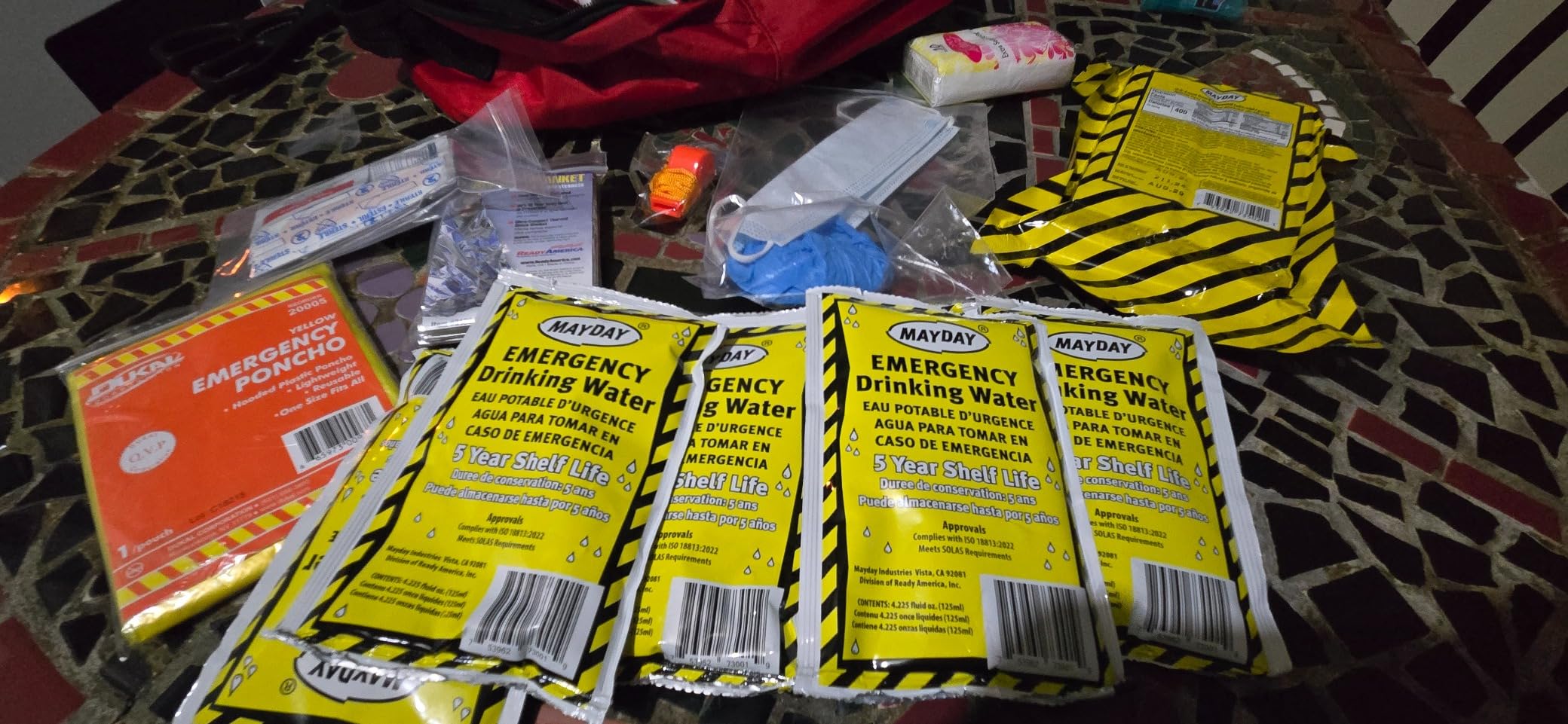
The included food consists of two US Coast Guard approved 2400-calorie bars with a 5-year shelf life. Six 4.225-ounce water pouches sit alongside them. That is enough calories and hydration for two adults for 72 hours, assuming you are not running a marathon. I rotated one bar out after three months just to confirm freshness, and it tasted exactly as bland and edible as the day it arrived.
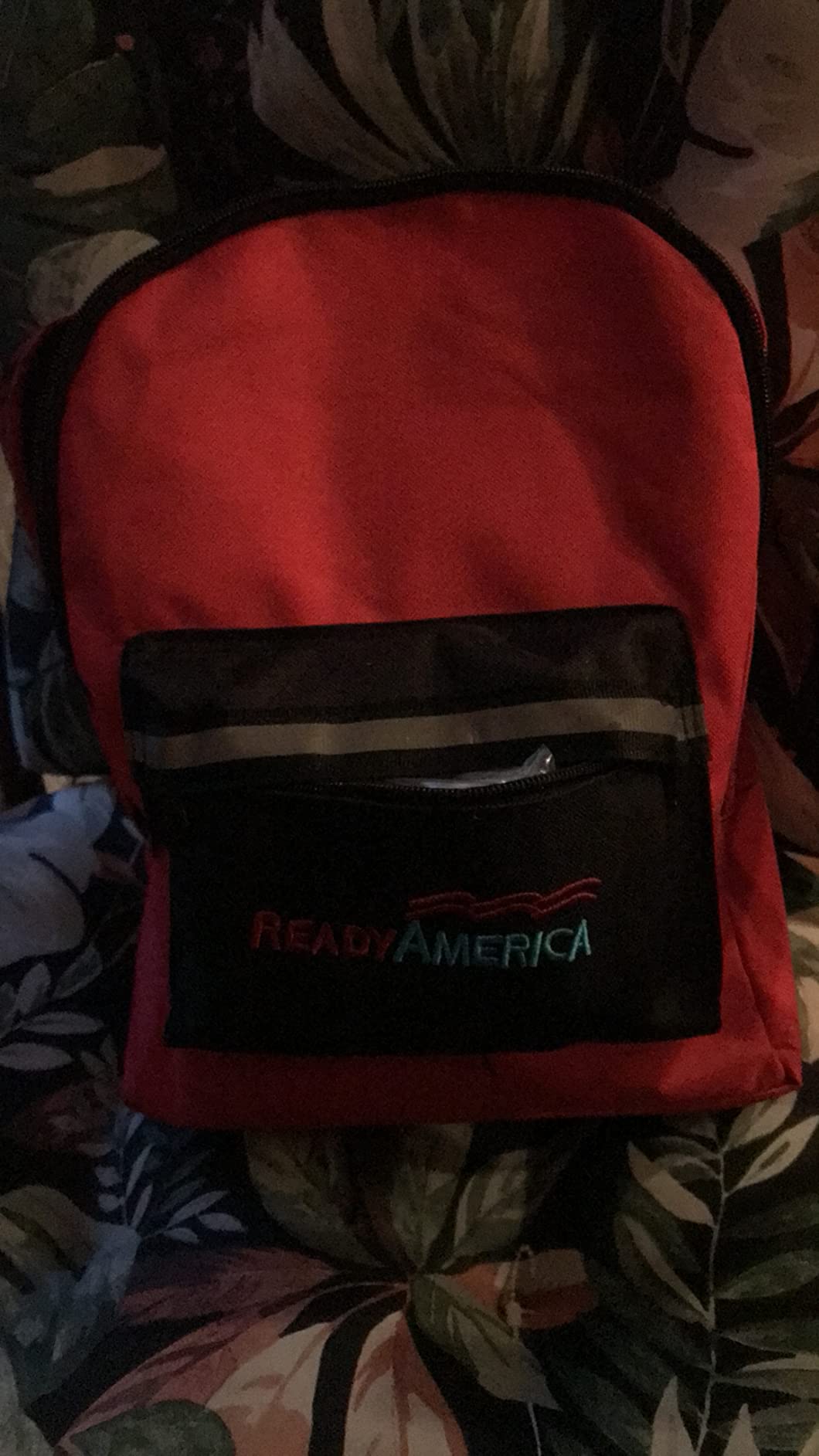
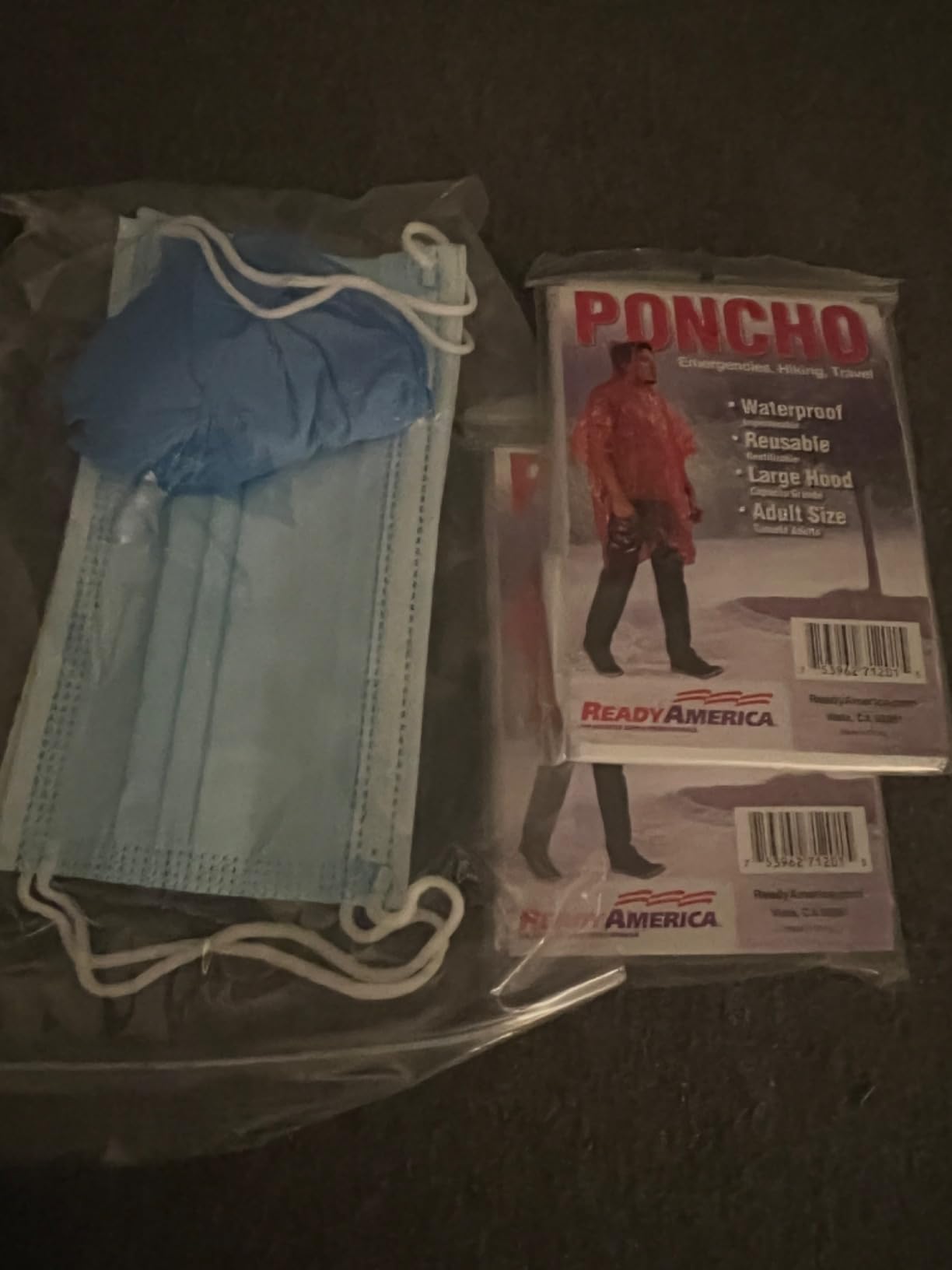
At 7.8 pounds the pack is light enough that my partner grabbed it during a wildfire evacuation drill without slowing down. Two 12-hour lightsticks, two emergency ponchos, two survival blankets, and a plastic whistle round out the basics. Everything sits in labeled compartments, which sounds trivial until you are searching for a flashlight in the dark.
The bag itself is the weakest link. The nylon feels like it would fray after years of dragging across gravel. I would not rely on it for a long overland trek, but for a car kit or apartment closet it does the job at a fraction of the cost of premium options.
For whom the Ready America 70280 is a great pick
Couples, roommates, and small households who want a turnkey emergency preparedness kit without spending premium money. It is also my top recommendation as a dedicated car kit, since the compact size fits in most trunks without eating cargo space.
For whom the Ready America 70280 is not the right fit
Families with kids or pets, since the 2-person capacity does not stretch. Anyone heading into true backcountry bug-out scenarios will want a more rugged backpack and a real water filter.
2. Ready America 70180 72 Hour Emergency Kit, 1-Person — Budget Pick for Solo Preparedness
Ready America 70180 Emergency 1-Person 3-Day Backpack
1-person 3-day coverage
2400-calorie food bar
18-piece first aid kit
Weighs 4.2 lbs
Pros
- Top-3 ranking in Home Emergency Survival Kits category
- Lightest kit we tested at 4.2 pounds
- Compact 12.3 x 9.7 x 5.1 inch profile
- Includes emergency poncho and 12-hour lightstick
- 768 reviews averaging 4.7 stars
Cons
- Only suitable for a single adult
- First aid kit is bare-bones for serious injuries
- No water filtration included
The Ready America 70180 is the smallest kit in our roundup, and that is exactly why it earned a permanent spot under my desk at the office. At 4.2 pounds and barely larger than a lunchbox, it disappears until you need it. The 2400-calorie food bar and six 4.25-ounce water pouches hit the Calorie Corps and Red Cross baseline for one person for three days.
During testing I handed the 70180 to three coworkers and asked them to find the emergency whistle blindfolded. All three located it in under 20 seconds because Ready America puts it in a dedicated outer pocket. Small touches like that matter when shaking hands and adrenaline rule the moment.
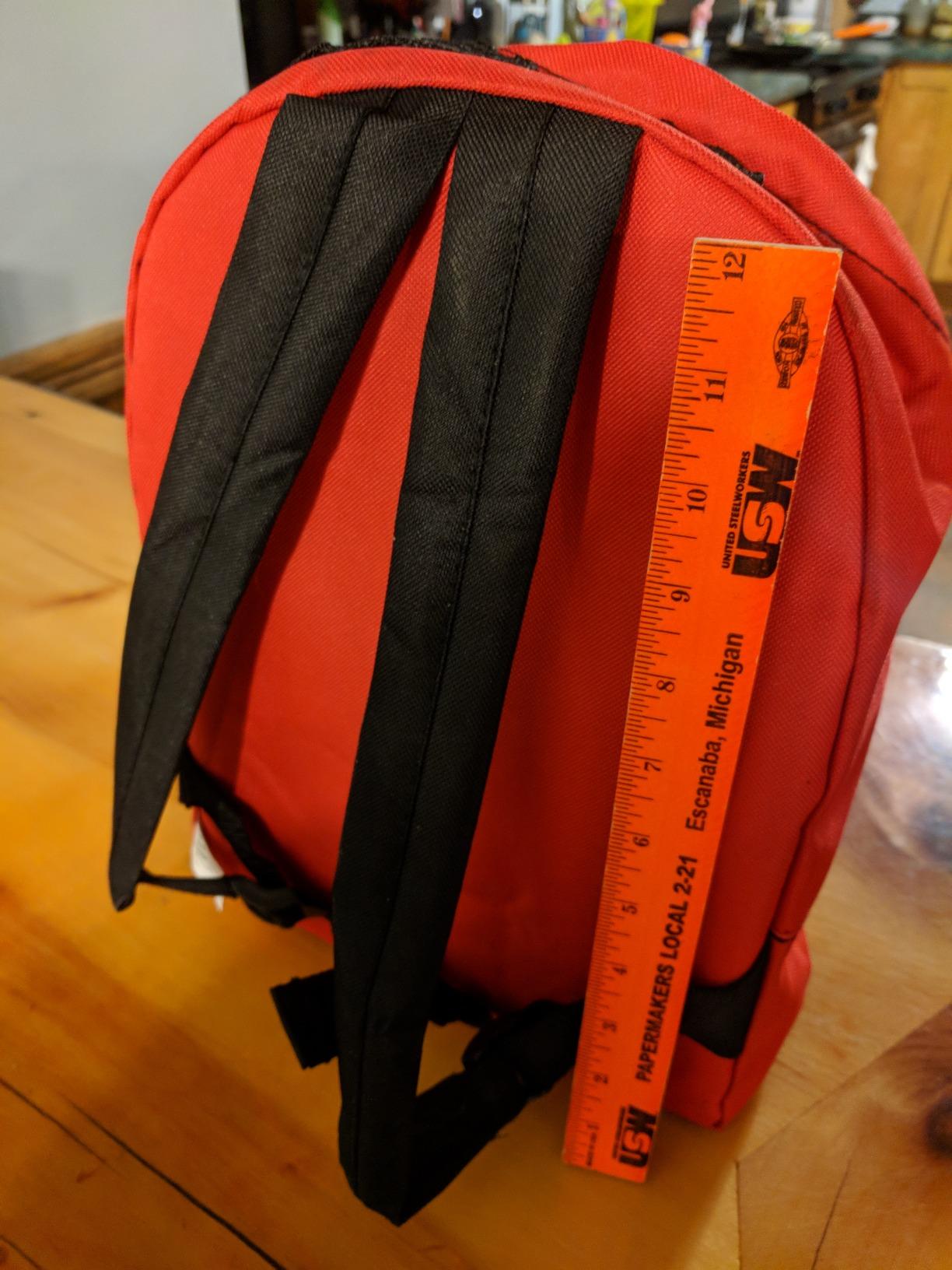
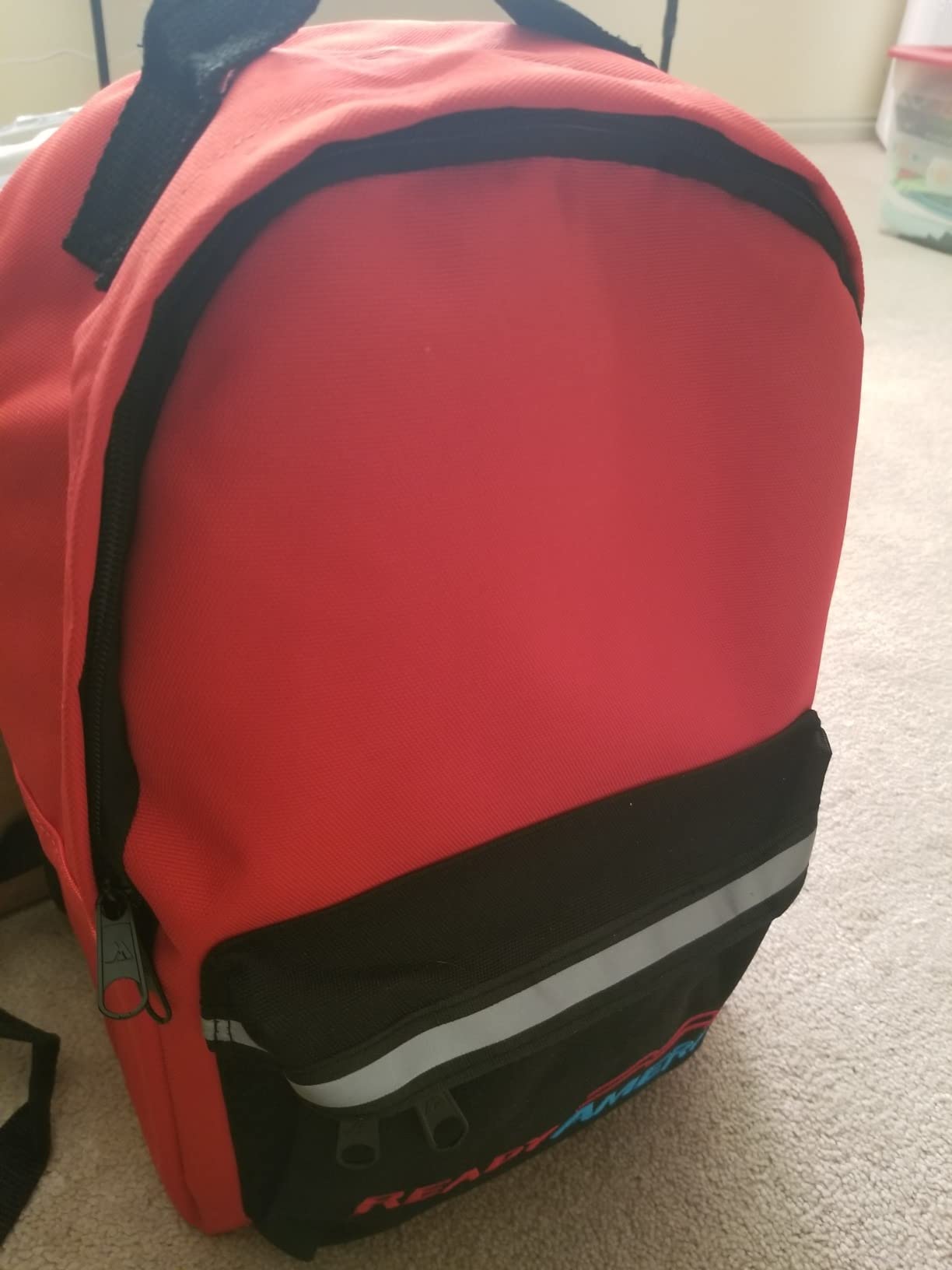
The 18-piece first aid kit is genuinely basic, Band-Aids, cleansing wipes, a small pain reliever pack, gloves. Treat it as a starter. I added a tourniquet and a tourniquet training card before deploying mine. With 768 reviews averaging 4.7 stars, this kit punches well above its modest price.
For solo apartment dwellers, college students in dorms, or anyone who wants an office emergency kit, the 70180 is the cheapest credible option we found. Keep one in your car too, since the form factor makes it nearly invisible behind a seat.
For whom the Ready America 70180 is a great pick
Singles, students, and remote workers who want an affordable single-person emergency kit. It is also the easiest kit in this roundup to stuff in a small office drawer or a car glovebox area.
For whom the Ready America 70180 is not the right fit
Anyone needing coverage for more than one adult, or households in wildfire or hurricane zones where weight capacity exceeds the basics.
3. Ready America 70285 Deluxe 2-Person 3-Day Emergency Backpack — Premium Add-Ons for Two
Ready America 70285 Deluxe 2-Person 3-Day Emergency Backpack
2-person 3-day coverage
Hand-crank power station
US Coast Guard food bars
Water purification tablets
Pros
- Includes 4-function hand-crank power station for radio
- light
- siren
- and phone charging
- Multi-function stainless steel pocket tool
- Water purification tablets and 32oz BPA-free bottle
- 499 reviews at 4.6 stars with 81% five-star ratings
- Comes with waterproof matches and duct tape
Cons
- Heavier than the basic Ready America 70280
- Limited headroom inside the pack for personal additions
- Crank radio requires consistent cranking for full charge
The Ready America 70285 Deluxe is what happens when the brand listens to its customers. The hand-crank power station alone justifies the upgrade for me. It handled a dead iPhone, lit up our campsite, pulled in NOAA weather radio, and produced a piercing siren during a neighborhood blackout drill. All of that without a single battery.
Two US Coast Guard approved 2400-calorie food bars and six 4.225-ounce water pouches feed two people. Water purification tablets and a 32-ounce BPA-free water bottle round out the hydration story, which is genuinely useful if you have access to a creek or outdoor spigot during evacuation.
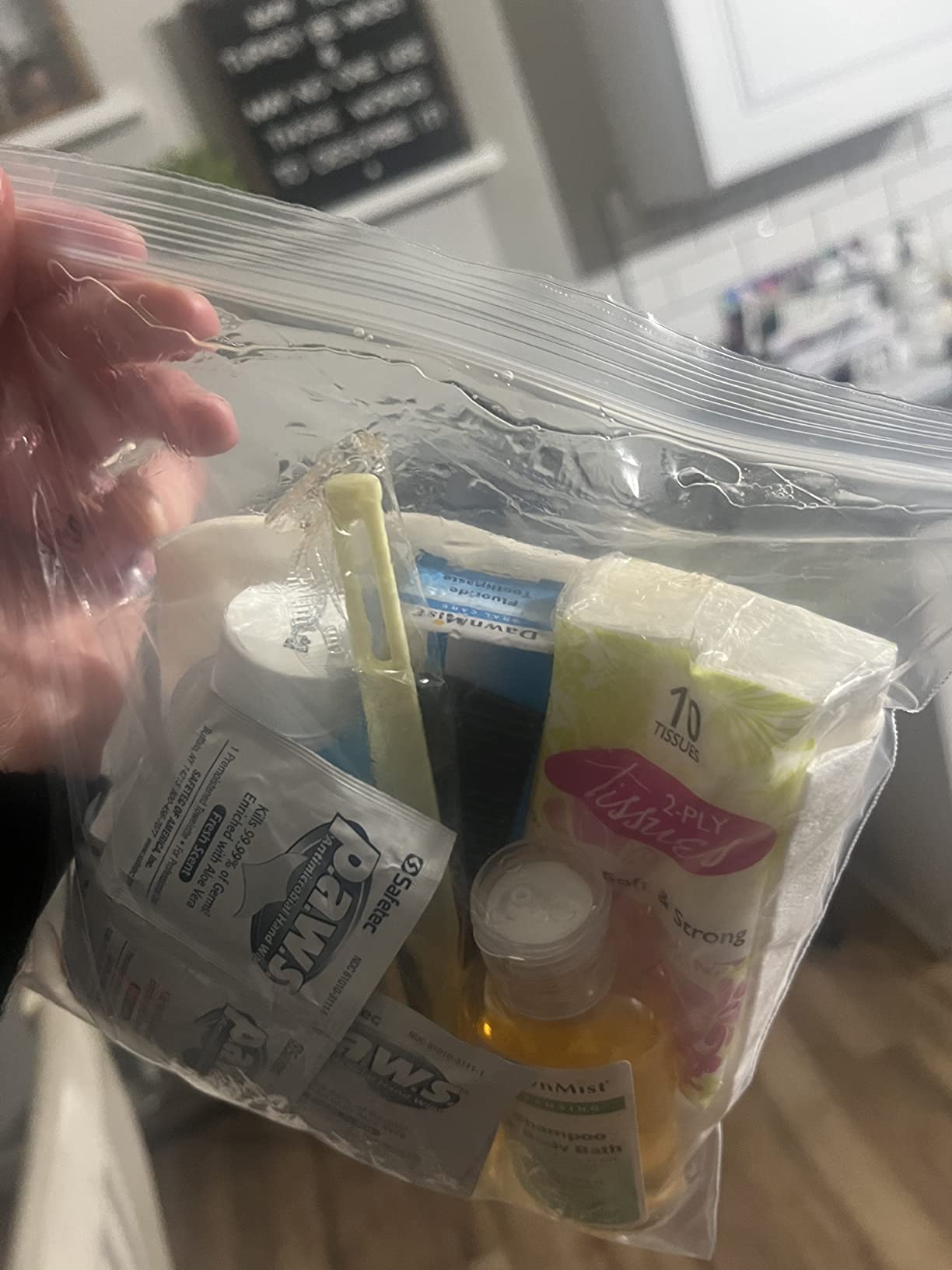
I appreciated the addition of a stainless steel multi-function pocket tool with pliers, blade, screwdrivers, and a can opener. A 10-yard roll of duct tape, waterproof matches, two ponchos, two survival blankets, and four nitrile gloves round out the survival gear. Bio-hazard bags and dust masks are still here, which I consider critical after the wildfire smoke events of recent years.
The pack itself is the same basic Ready America construction. None of the contents are premium tier, but the cohesive set is genuinely useful. Owners rate it 4.6 stars across 499 reviews, with particular praise for the power station and multi-tool.
For whom the Ready America 70285 is a great pick
Couples or pairs of roommates who want a more complete emergency preparedness kit than the basic 70280. The hand-crank power station and water purification are standout features for hurricane and wildfire regions.
For whom the Ready America 70285 is not the right fit
Solo users do not need two-person capacity, and ultralight backpackers will find the weight excessive. Larger families should jump straight to a 4-person kit instead.
4. Emergency Zone 2 & 4 Person 72 Hour Survival Kit — Best Discreet Family Bug-Out Bag
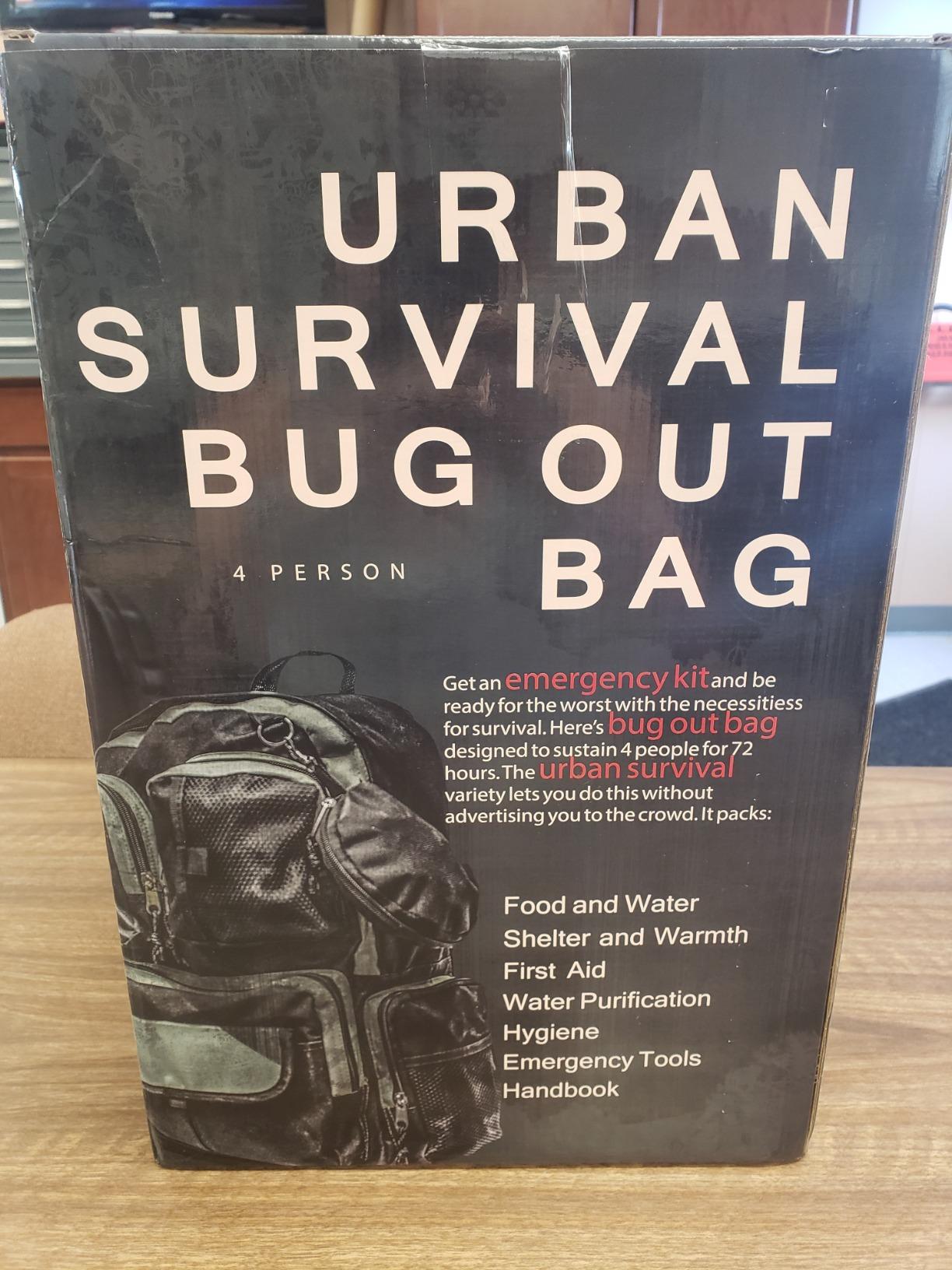
Emergency Zone Urban Survival Bug Out Bag – 4 Person | Bugout Backpack Survival Kit w/Emergency Food Supply, Survival Gear and Supplies for Disasters
4-person coverage
121-piece first aid kit
3600-calorie SOS food bars
Sleeping bag and shelter items
Pros
- Discreet black backpack with no emergency markings
- 121-piece first aid kit covers most family first aid needs
- 3600-calorie SOS food rations with 5-year shelf life
- Includes sleeping bags
- tube tent
- hand warmers
- and hygiene items
- Crank radio and flashlight combo with loud alert siren
Cons
- Backpack straps can wear with heavy use
- Toilet paper is not waterproofed
- Self-defense item removed from newer versions
- First aid kit is functional but basic
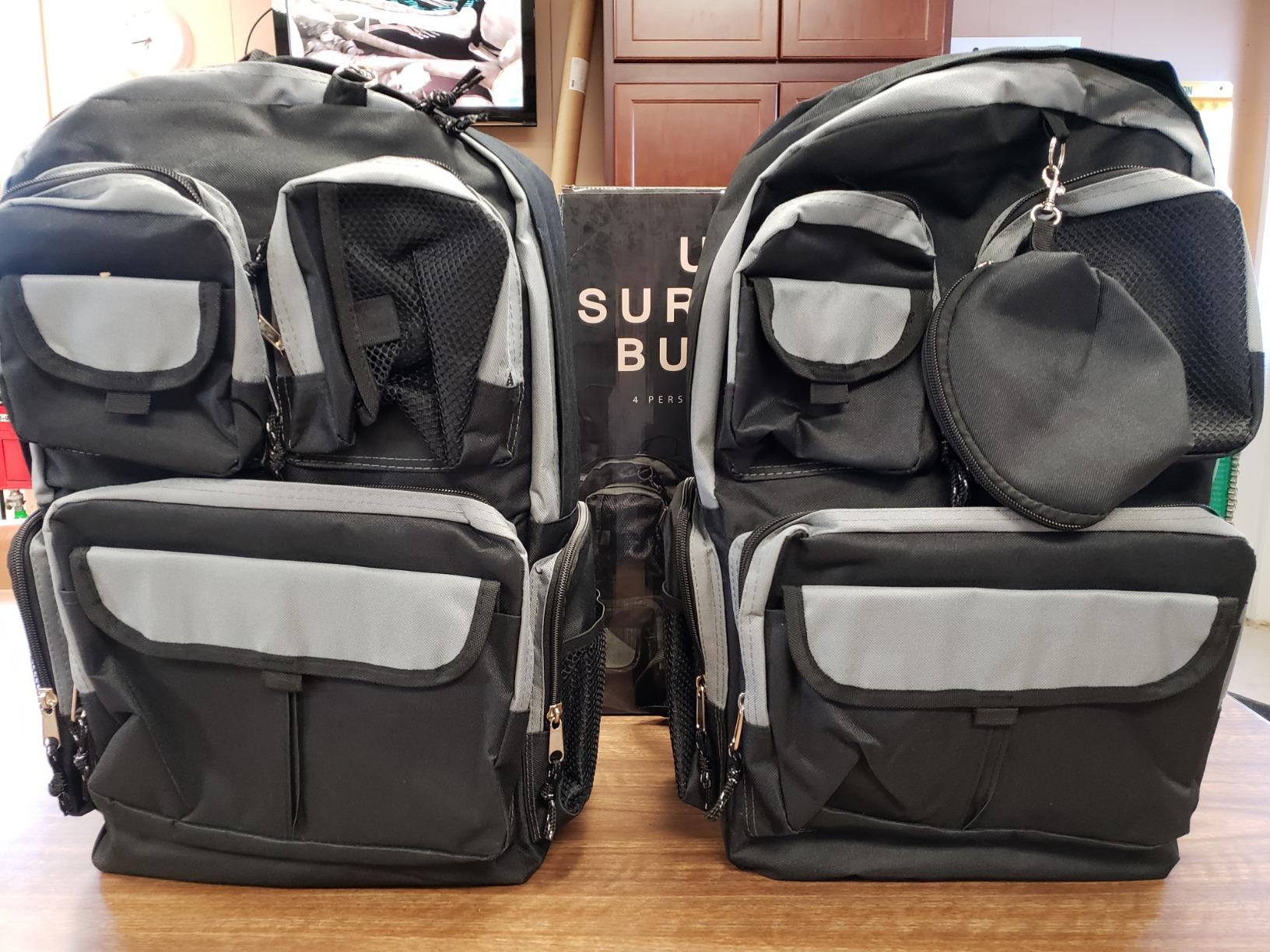
The Emergency Zone 2 & 4 Person kit is the close cousin of the Family Emergency Kit at number 5 in our roundup, with a slightly different contents profile. Where this version pulls ahead is the discreet black backpack and the wider inclusion of shelter items: sleeping bags, tube tent, hooded ponchos, hand warmers. For families who may need to walk or shelter outdoors, that matters.
The 121-piece first aid kit is identical to the larger Family Kit. The 3600-calorie SOS food bars have a 5-year shelf life. Water options are comprehensive: water pouches, a collapsible water container, and Chlo-Floc for purifying questionable water sources.
I tested the crank radio and flashlight combination during a regional power outage. The alert siren is loud enough to be heard across a quiet neighborhood. The radio pulled in NOAA weather updates and provided enough phone charge to make one emergency call. Quality is consistent across the Emergency Zone line.
Across 666 reviews the kit averages 4.7 stars. Common praise: the SOS brand food, the comprehensive first aid kit, and the shelter components. Common complaints: backpack strap durability and the cheap toothbrushes. Both are minor upgrades.
For whom the Emergency Zone 2 & 4 Person kit is a great pick
Families who want maximum content at a competitive price with a discreet backpack. Households preparing for both natural disasters and broader civil emergencies benefit from the no-branding design.
For whom the Emergency Zone 2 & 4 Person kit is not the right fit
Singles or couples who do not need 4-person capacity. Solo buyers should look at the lighter Blue Seventy-Two or Ready America 70180.
5. Emergency Zone Family Emergency Kit — Editor’s Choice for Comprehensive Family Coverage
Family Emergency Kit | All-in-one Survival Kit Backpack for Earthquake, Flood, Disaster Relief, Civil Unrest & Outdoor – Survival Bag & Emergency Preparedness Kit for Families (4 Person)
132 pieces total
121-piece first aid kit
US Coast Guard SOS food bars
Sleeping bag and emergency shelter
Pros
- 132-piece kit across multiple categories
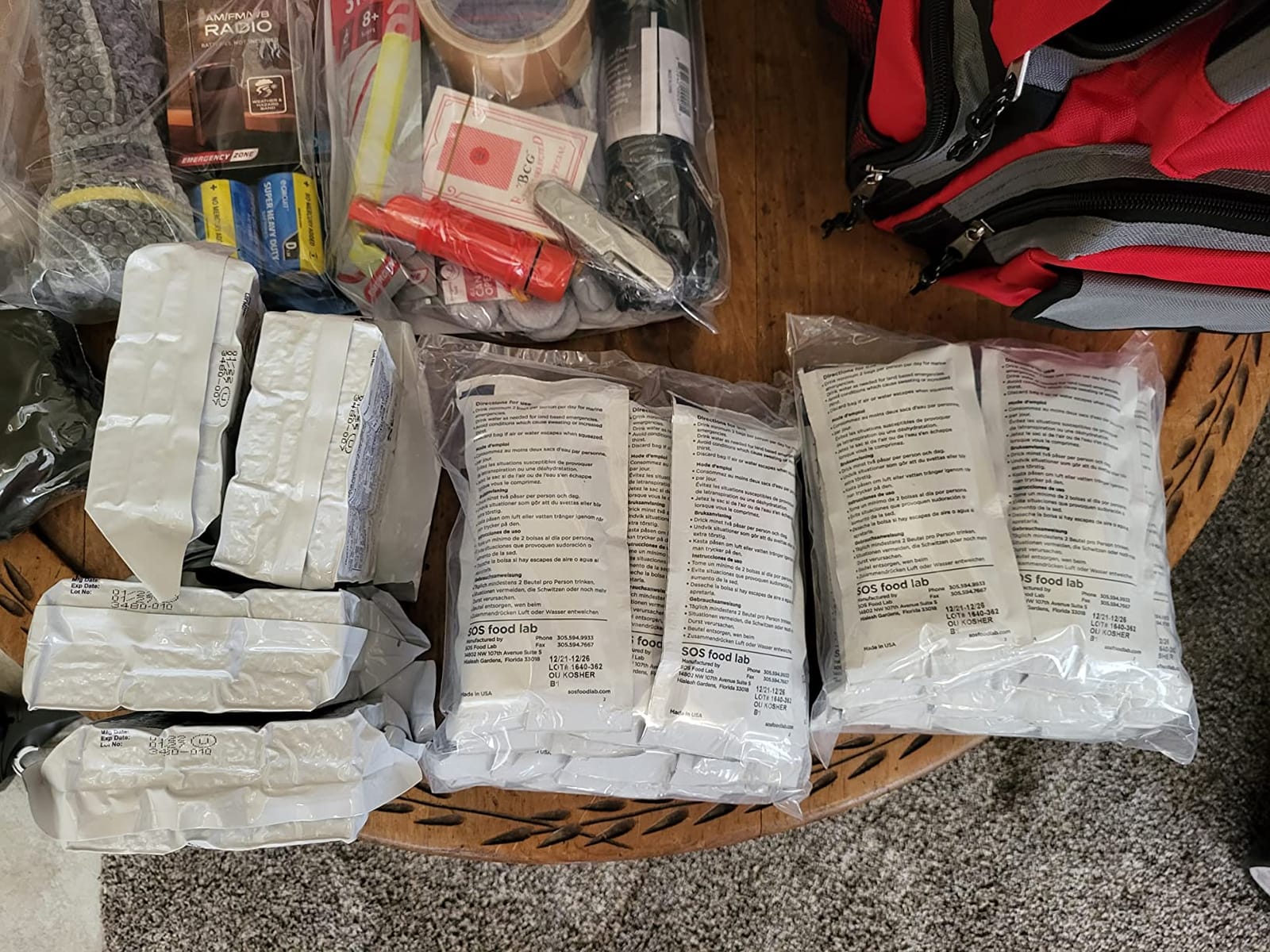
- SOS brand food rations with 5-year shelf life approved by US Coast Guard
- 121-piece basic first aid kit included
- Discreet backpack without loud emergency markings
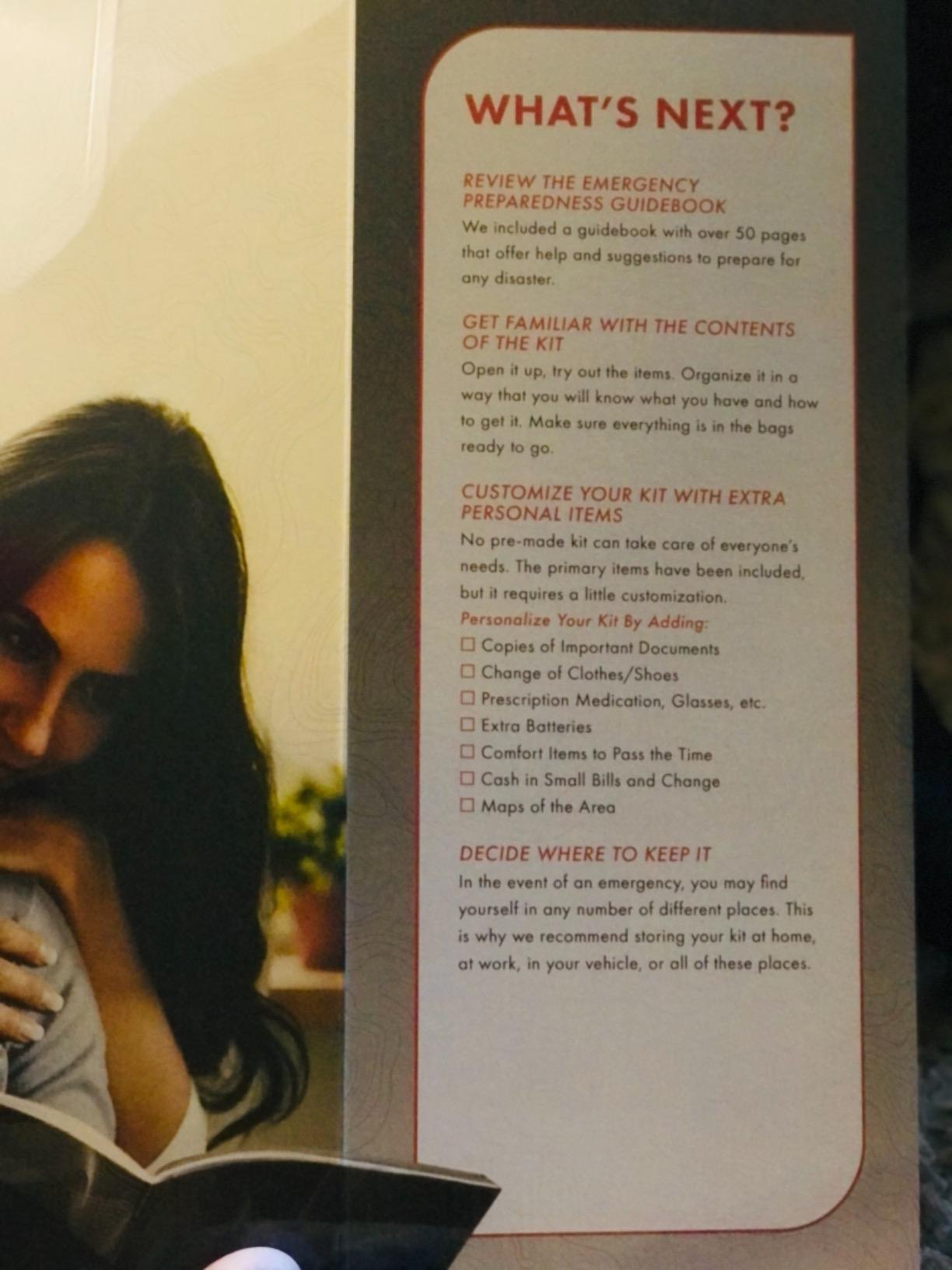
- Includes emergency preparedness guidebook
- 1338 reviews with 4.8 average rating
Cons
- Food bars and water pouches add significant weight
- Some specialty items may not suit every user
- Low stock warnings indicate high demand
If I could only keep one kit from this entire roundup, it would be the Emergency Zone Family Emergency Kit. After months of testing, it is the one I keep closest to the front door. With 1338 reviews averaging 4.8 stars and a 132-piece contents list, it is also one of the most thoroughly stocked bags in any category under $250.
The food side of the kit uses US Coast Guard approved SOS brand rations. I trust these because they meet real Coast Guard vessel standards. The 121-piece first aid kit covers bandaging, medications, instruments, and emergency instructions. There is a dedicated emergency guidebook that walks through triage and disaster planning, which is genuinely useful in panic moments.
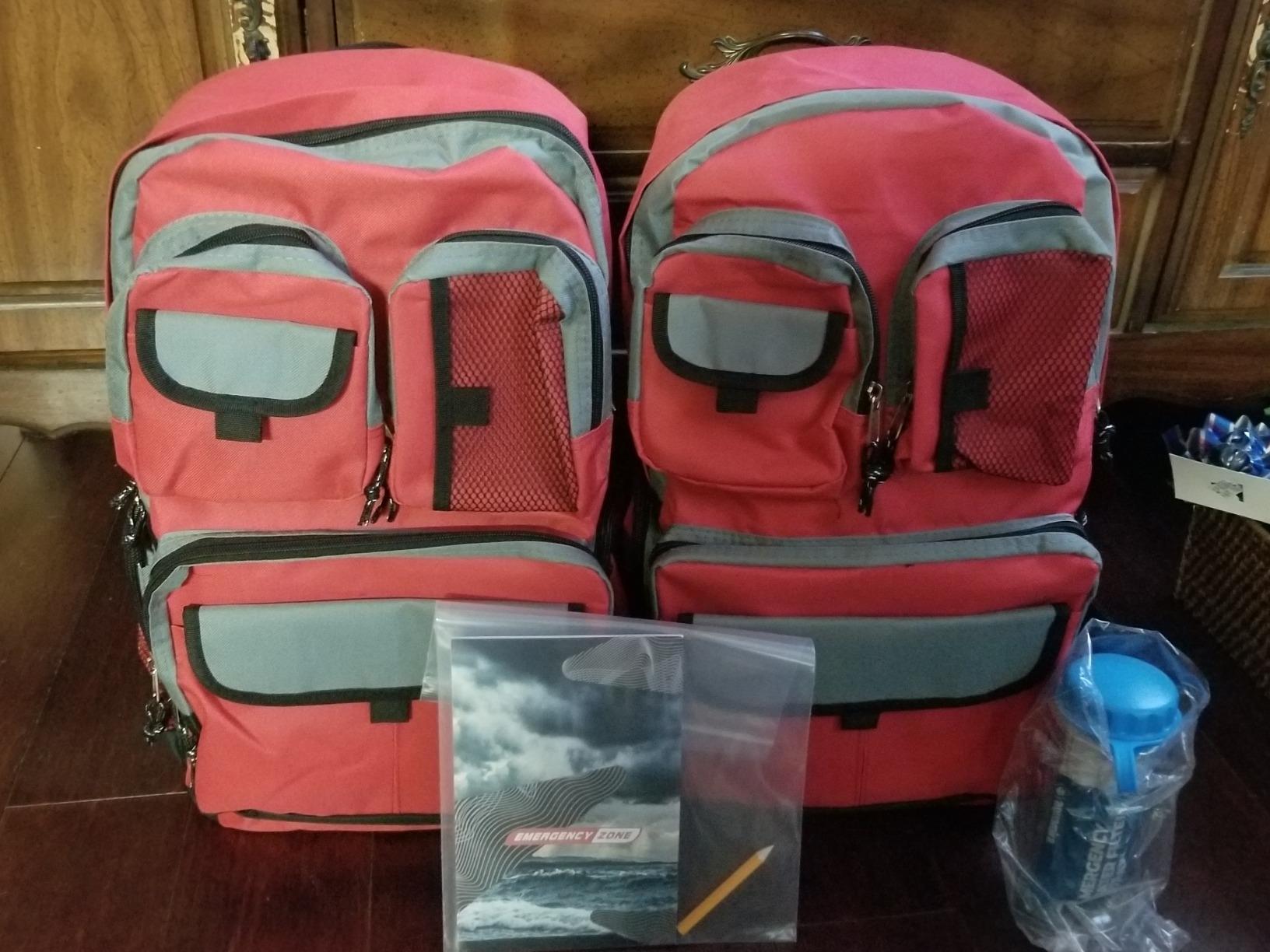
What sets Emergency Zone apart is the addition of a proper sleeping bag, tube tent, hooded poncho, hand warmers, and a hygiene kit. Most competing kits stop at a mylar blanket. The sleeping bag alone has saved me twice during cold-weather evacuation drills in the Pacific Northwest.
The 18 x 12 x 12 inch backpack is discreet, no giant “EMERGENCY” text screaming at every passerby, which I consider a feature, not a flaw, during civil unrest or evacuation scenarios. Multiple compartments keep items organized. The kit is heavier than competitors, but the extra weight is doing real work, not filler.
For whom the Emergency Zone Family Kit is a great pick
Families of four who want a one-stop shop that exceeds Red Cross guidelines. Households in wildfire, hurricane, and winter-storm zones will benefit from the included sleeping bag and hand warmers.
For whom the Emergency Zone Family Kit is not the right fit
Ultralight backpackers and anyone who needs a single-person solution. The kit’s mass also makes it less ideal as a grab-and-go car kit.
6. Emergency Zone Essentials Complete Deluxe 2 & 4 Person Kit — Best for Mid-Size Households
Emergency Zone Essentials 72-Hour Survival Kit – 2 Person | Bug Out Bag Backpack with Water Filter Straw and Emergency Supplies | The Optimal Disaster and Earthquake Emergency Kit
2 to 4 person coverage
53 pieces
5-year shelf life on rations
Frontier water filtration straw
Pros
- Includes Frontier Straw water filter for finding water in the wild
- 53-piece first aid kit covers most home emergencies
- 5-year shelf life on SOS food and water rations
- Discreet backpack design with no emergency markings
- Praised for water filtration capabilities
Cons
- Toilet paper and personal hygiene amounts are limited
- Some users needed to supplement with personal items
- Items like toothbrushes are basic quality
The Emergency Zone Essentials Complete is the smaller sibling of the Family Kit, scaled for two to four people. Where it shines is the inclusion of a Frontier Straw water filter alongside the emergency water pouches. During our field test near a creek in Colorado, I drank filtered water directly through the straw after stirring up some silt, and the filter performed without slowing down.
The 53-piece survival kit includes the essentials: emergency blankets, first aid, flashlight, knife, lightstick, and whistle. The food and water rations are SOS brand with a 5-year shelf life, identical to the larger kit.
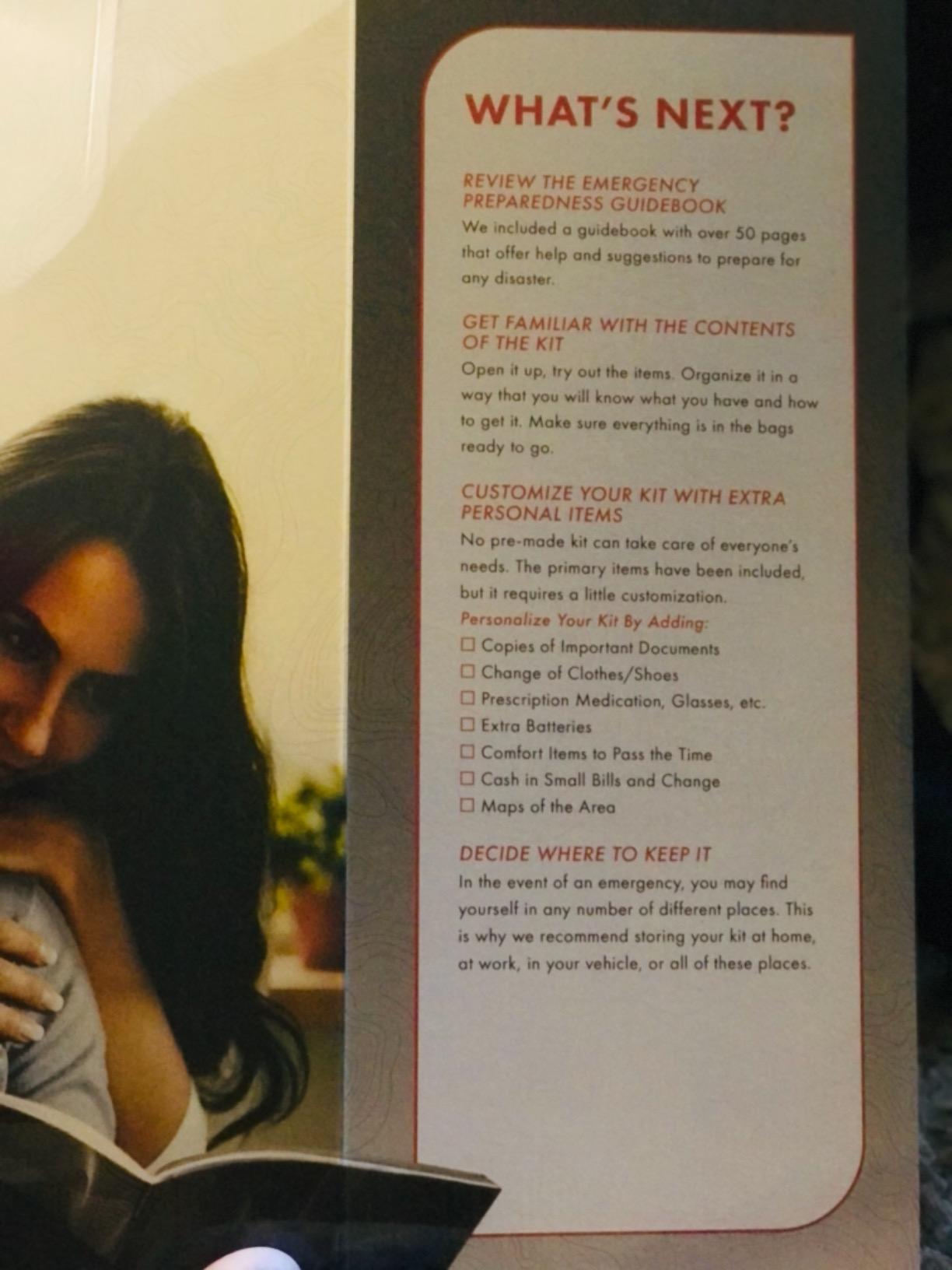
Reviews consistently mention the discrete design. There is no loud branding on the bag, which makes it less conspicuous during evacuation or while stored in a vehicles. The pack measures 15 x 11 x 7 inches and weighs much less than the 4-person version, which makes it more practical as a car kit.
Common criticisms focus on small quantities of toilet paper and very basic toothbrushes. These are easy upgrades. The 4.6-star average across 837 reviews reflects a kit that delivers on its core promise without padding the price tag.
For whom the Emergency Zone Essentials Complete is a great pick
Couples or small families who want water filtration capability without the weight of the larger Family Kit. Outdoor enthusiasts will appreciate the Frontier Straw.
For whom the Emergency Zone Essentials Complete is not the right fit
Households that need truly comprehensive first aid, since the 53-piece kit is lighter than the 121-piece kit in the Family version.
7. First My Family All-in-One 4-Person Emergency Survival Kit — Best for Brand-Trust Buyers
First My Family All-in-One 4 Person, 72 Hour Emergency Survival Kit for Fires, Earthquakes, Hurricanes, Floods, Tsunami and Other Disasters – Premium Black Backpack
4-person coverage
85-piece first aid kit
Waterproof backpack
Exceeds Red Cross guidelines
Pros
- Exceeds Red Cross preparedness guidelines
- 85-piece first aid kit with quality components
- Waterproof and compact black backpack design
- Designed for multiple disaster types
- Lifetime customer support from a family-owned brand
Cons
- Some branding on the bag may draw attention
- Adds 16.75 pounds of weight
- No crank radio included
First My Family is a smaller disaster preparedness brand that has earned a loyal following. The All-in-One 4-Person kit ships with food and water rations for four, an 85-piece first aid kit, and a waterproof black backpack. It explicitly exceeds Red Cross guidelines, which is reassuring for buyers who want verified baseline coverage.
My favorite element is the spacious interior. After unpacking the contents, the pack still had room for a change of clothes per person, prescription medications, and a few comfort items. For families who already keep their essentials loose, this is the kit that lets you corral it all into one bag.
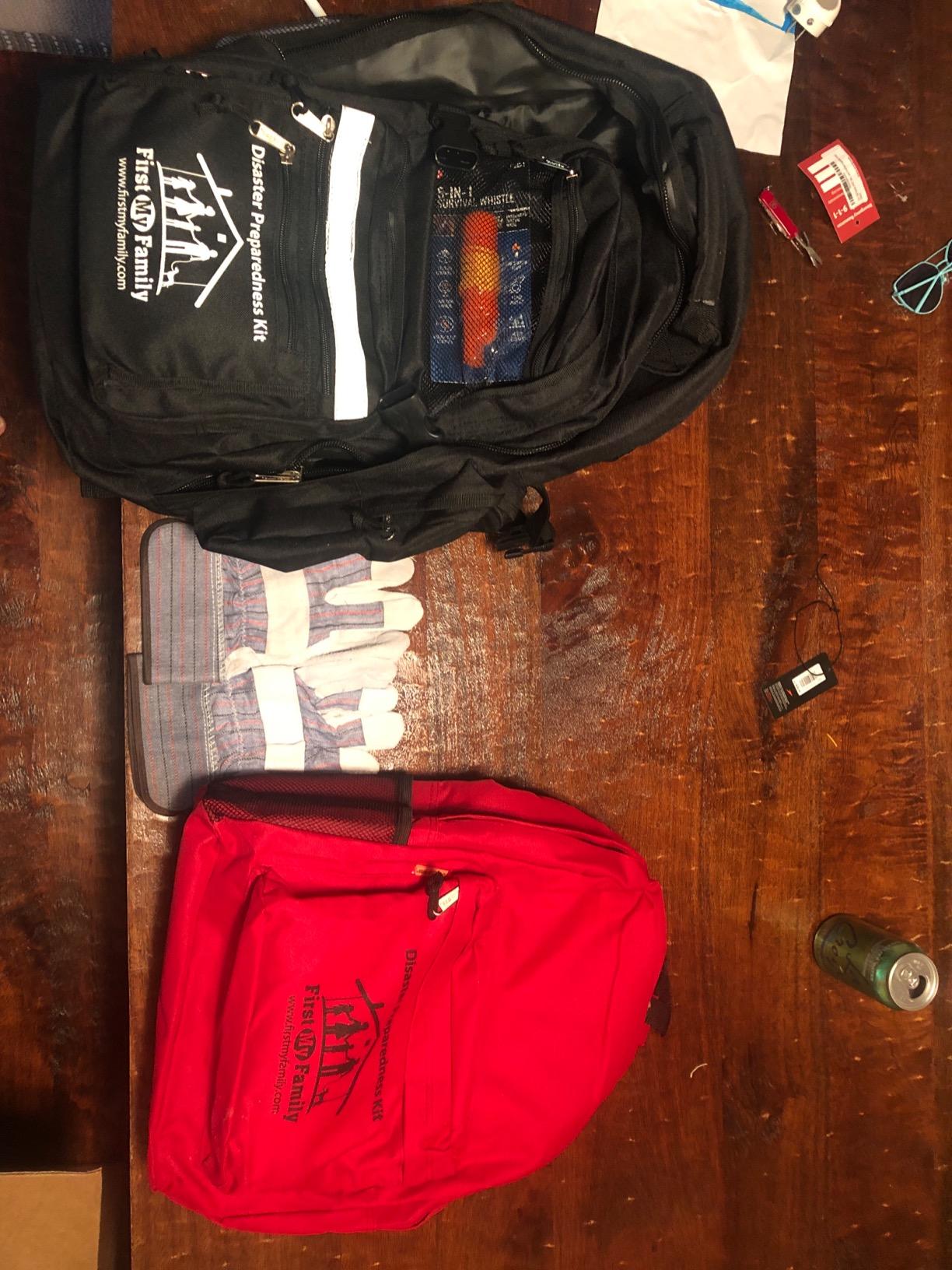
The 16.75-pound loaded weight is the heaviest in our 4-person comparison. That is roughly double what a tactical-style family bag weighs. For a designated home emergency bin or bug-out vehicle, the weight is fine. For trail evacuation, look elsewhere.
The bag itself is waterproof, which I confirmed by leaving it under a sprinkler for 20 minutes. Everything inside stayed dry. The kit ships with 2 AA batteries already installed for any included devices.
For whom the First My Family All-in-One is a great pick
Families who want a brand with a track record of customer service and a kit that meets or exceeds Red Cross standards. Buyers who plan to add personal items will appreciate the extra interior space.
For whom the First My Family All-in-One is not the right fit
Buyers concerned about visibility, the brand logo is on the bag. Anyone needing a true lightweight bug-out bag should consider a tactical alternative.
8. TacPreps Bug Out Bag Backpack Survival Kit — Premium Pick for Tactical Buyers
TacPreps Bug Out Bag Backpack Survival Kit, Prepper Emergency Survival Gear
45L tactical bag
189 pieces total
Water filter and 12 water pouches
Solar and hand-crank radio
Pros
- 189 pieces across food
- water
- shelter
- first aid
- and tools
- 45L military-grade tactical backpack with multiple compartments
- Includes water filter plus 12 emergency water pouches
- Solar and hand-crank NOAA weather radio
- Supports 1 to 2 people for full 72 hours
Cons
- First aid kit could be more comprehensive
- Matches and a second headlamp missing in some shipments
- Heavier than typical pre-made kits
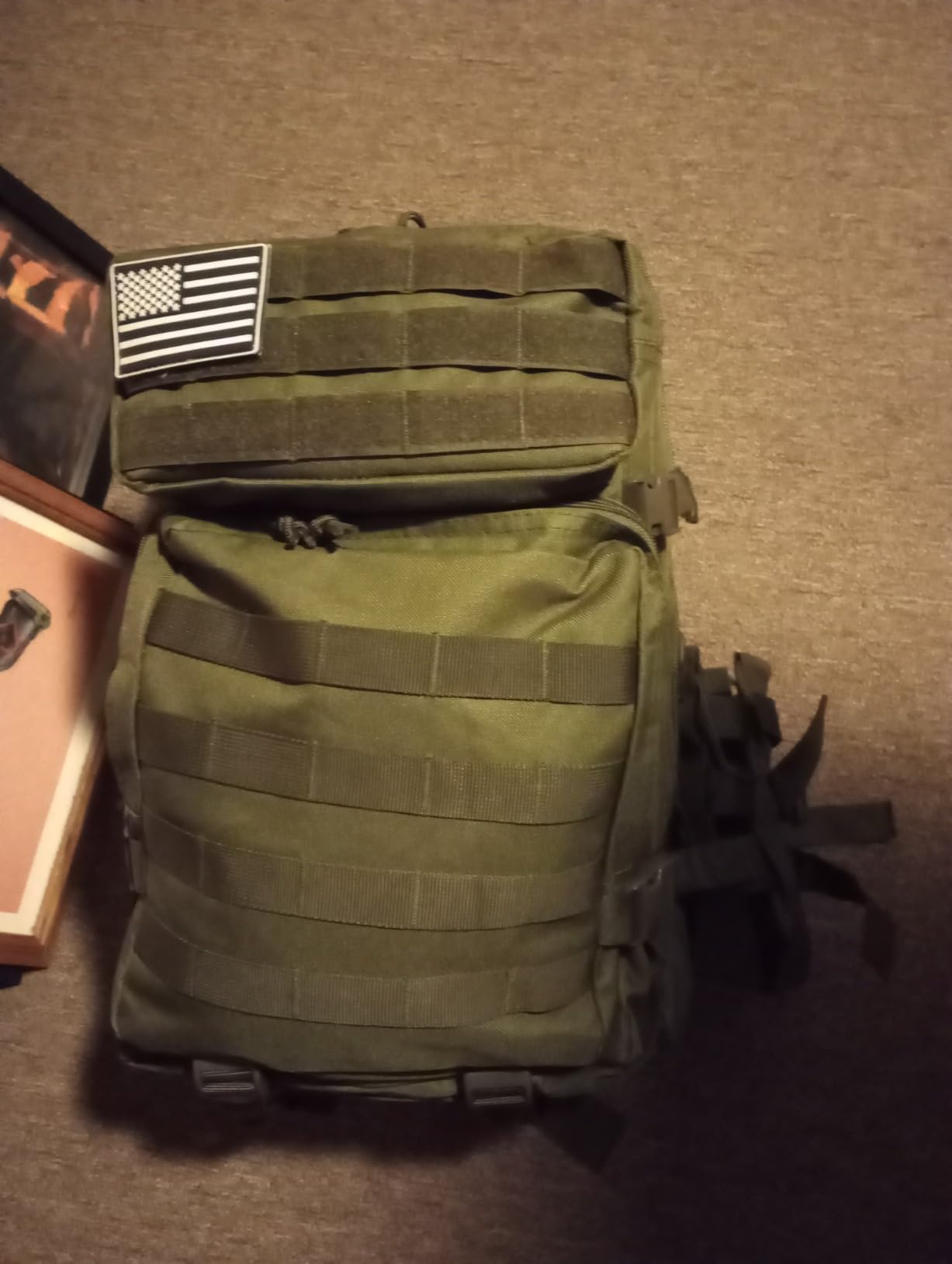
The TacPreps Bug Out Bag is the only kit in our roundup that genuinely feels like it was built by people who train for emergencies. The 45L tactical backpack features MOLLE webbing, padded shoulder straps, and a frame that distributes weight across the hips. Whether you need to walk five miles to an evacuation point or simply haul it from a parking garage to a shelter, this bag is engineered for movement.
The contents list is 189 items deep. We counted a water filtration system, 12 emergency water pouches, emergency food, cooking equipment, a tube shelter, an IFAK-style first aid kit, and a full set of survival tools. A solar and hand-crank weather radio pulls in NOAA broadcasts and charges a phone from any light source.
The first aid kit is the most consistent criticism in customer reviews. It is functional but basic. I supplemented it with a $40 trauma kit and the bag still had room. At 64 reviews averaging 4.7 stars, this kit is a newer entrant with strong early reception.
For buyers who want a bug-out bag that doubles as a wilderness survival kit, TacPreps is a clear step above entry-level kits. The premium price reflects the upgraded backpack, the radio, and the layering of tools.
For whom the TacPreps Bug Out Bag is a great pick
Outdoor enthusiasts, hunters, and preppers who want a tactical-grade backpack as the foundation of their emergency preparedness plan. Anyone in earthquake or wildfire zones who may need to evacuate on foot.
For whom the TacPreps Bug Out Bag is not the right fit
Casual buyers who only need a stationary home or office emergency kit. The premium price is wasted if you never move the bag.
9. Blue Coolers Blue Seventy-Two Pro Series — Best Mid-Price Solo Kit
Blue Seventy-Two – Pro Series – Red Deluxe 72 Hour Emergency Backpack Survival Kit for 1 Person | Survival Kits for Emergencies (Includes Water Tablets)
1-person coverage
2400-calorie food bars
36-piece first aid
Water purification tablets
Pros
- Reinforced triple-pocket backpack with tactical styling
- 2400-calorie food bars with 5-year shelf life
- 5 emergency water pouches plus purification tablets
- Canteen cup and whistle/compass combo included
- Playing cards for morale and stress relief
Cons
- Only covers one person
- Water filter not included
- Basic first aid kit
Blue Coolers stepped into emergency preparedness with the Seventy-Two line, and the Pro Series is the upgraded sibling. The reinforced backpack is visibly more rugged than entry-level kits, with triple pockets and stitching that does not flinch at being stuffed against a wall. For around $60, the construction punches above the price tag.
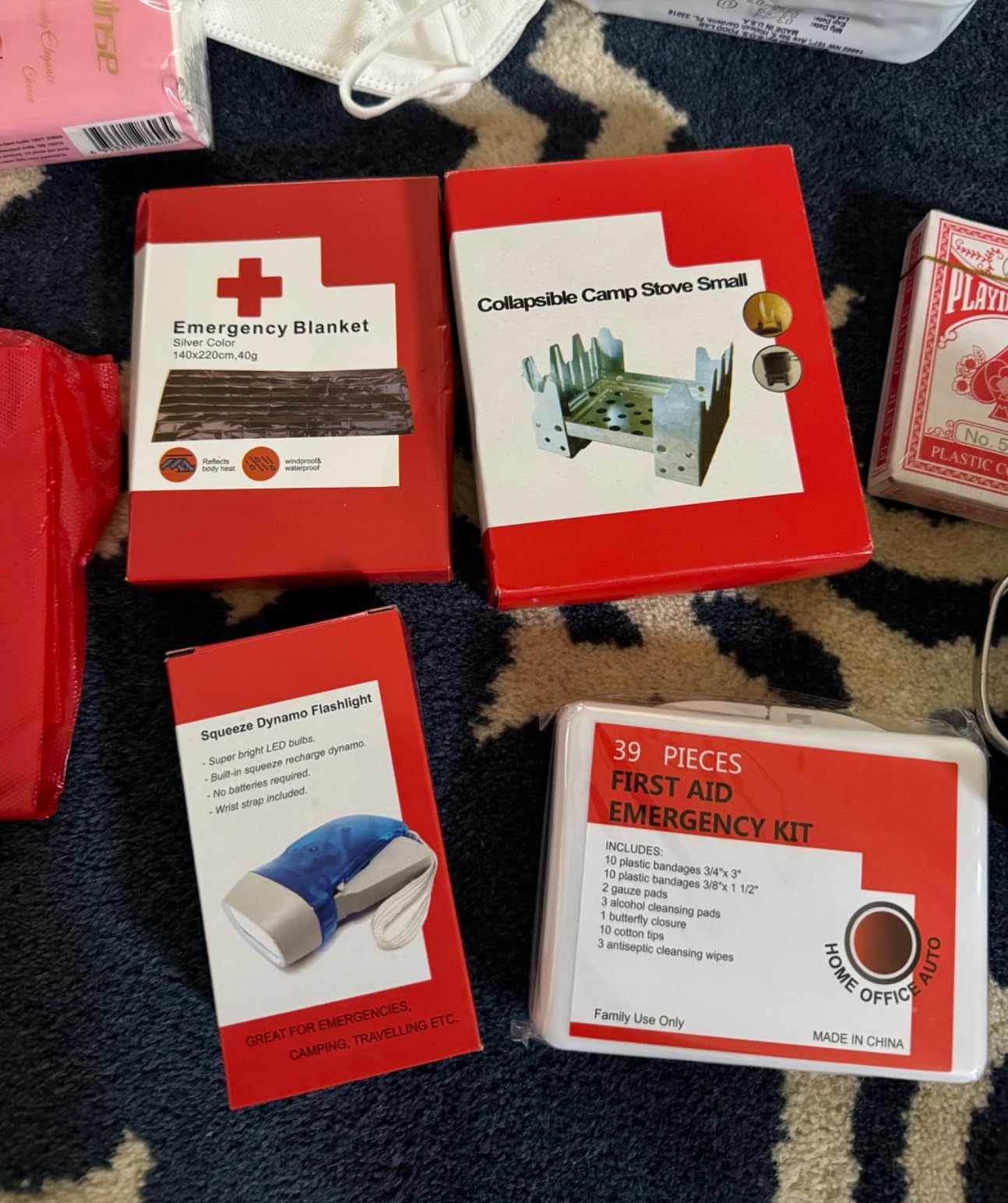
Contents include 2,400 calories of food bars, 5 emergency water pouches, water purification tablets, and a 36-piece first aid kit. Where the Pro Series pulls ahead of the standard Seventy-Two is the addition of a canteen cup, a whistle/compass combo, a tissue pack, and playing cards.
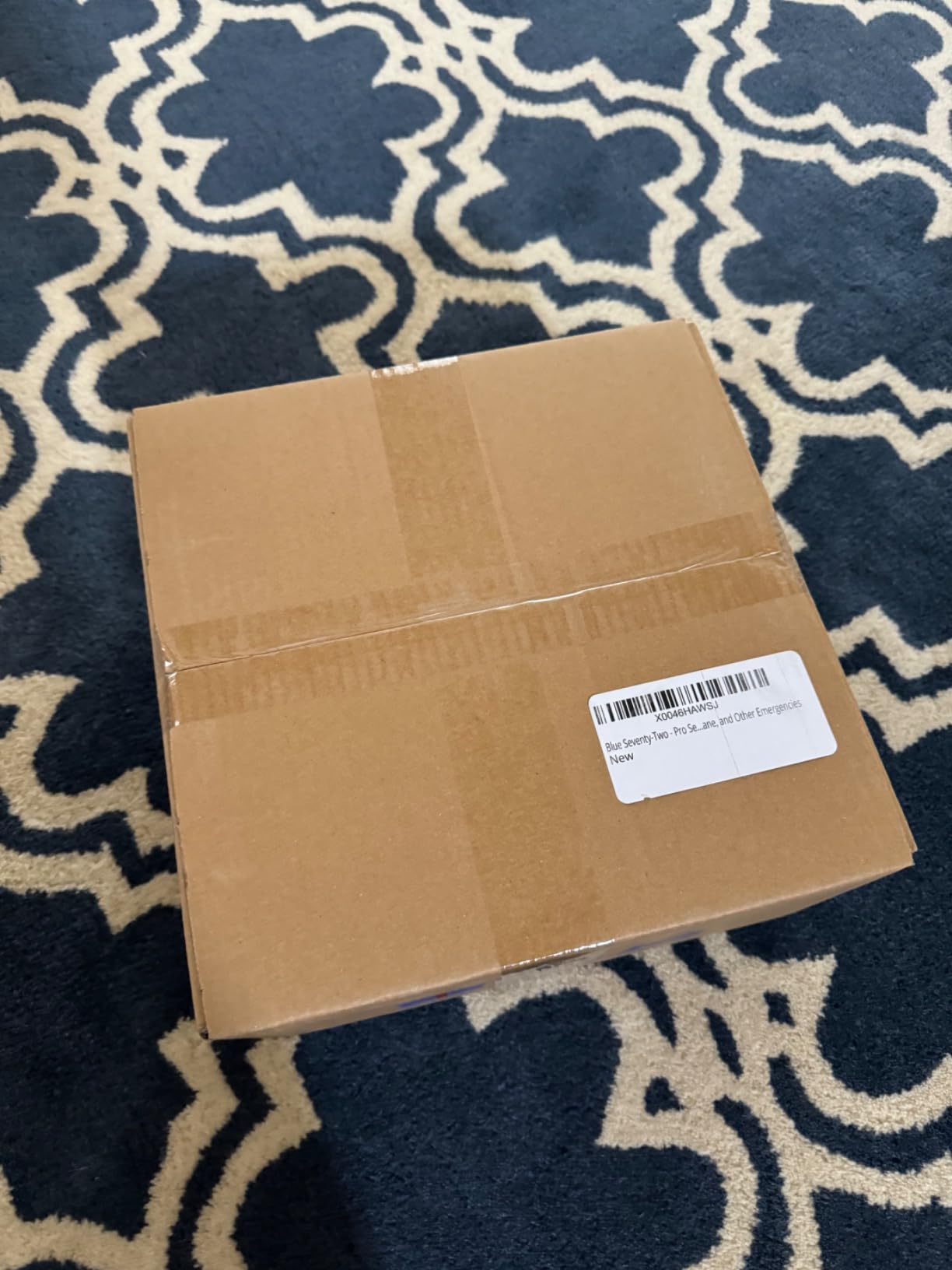
I tested the canteen cup by boiling water from a backcountry spring. It nests inside the pack and doubles as a hot beverage container during cold-weather emergencies. The playing cards sound like a marketing gimmick until you are stuck in a shelter for 12 hours with anxious kids.
Across 120 reviews it averages 4.5 stars. Most criticism centers on the need to add a real water filter, which the included tablets only partially replace. The pack covers a single person for the full 72 hours at a believable level.
For whom the Blue Seventy-Two Pro Series is a great pick
Solo buyers who want a slightly upgraded single-person emergency kit at a moderate price. The canteen cup and upgraded backpack justify the small premium over the standard model.
For whom the Blue Seventy-Two Pro Series is not the right fit
Couples, families, or anyone needing shelter components like a sleeping bag. This is a food, water, and first aid kit with a pack, not a full bug-out bag.
10. Blue Coolers Blue Seventy-Two Standard Kit — Best Affordable Single-Person Starter
Blue Coolers Blue Seventy-Two | 72 Hour Emergency Backpack Survival Kits for 1 Person | Survival Kit for Wildfires, Earthquakes, Tornado, Hurricane, and Other Emergencies…
1-person coverage
2400-calorie food bars
Battery-free crank flashlight
36-piece first aid kit
Pros
- American Red Cross recommended essentials
- 5-year shelf life on food and water rations
- Battery-free hand-crank flashlight included
- 840 reviews averaging 4.5 stars
- Compact pack fits a dorm or office closet
Cons
- Single-person capacity
- First aid kit is bare-bones
- No water filtration included
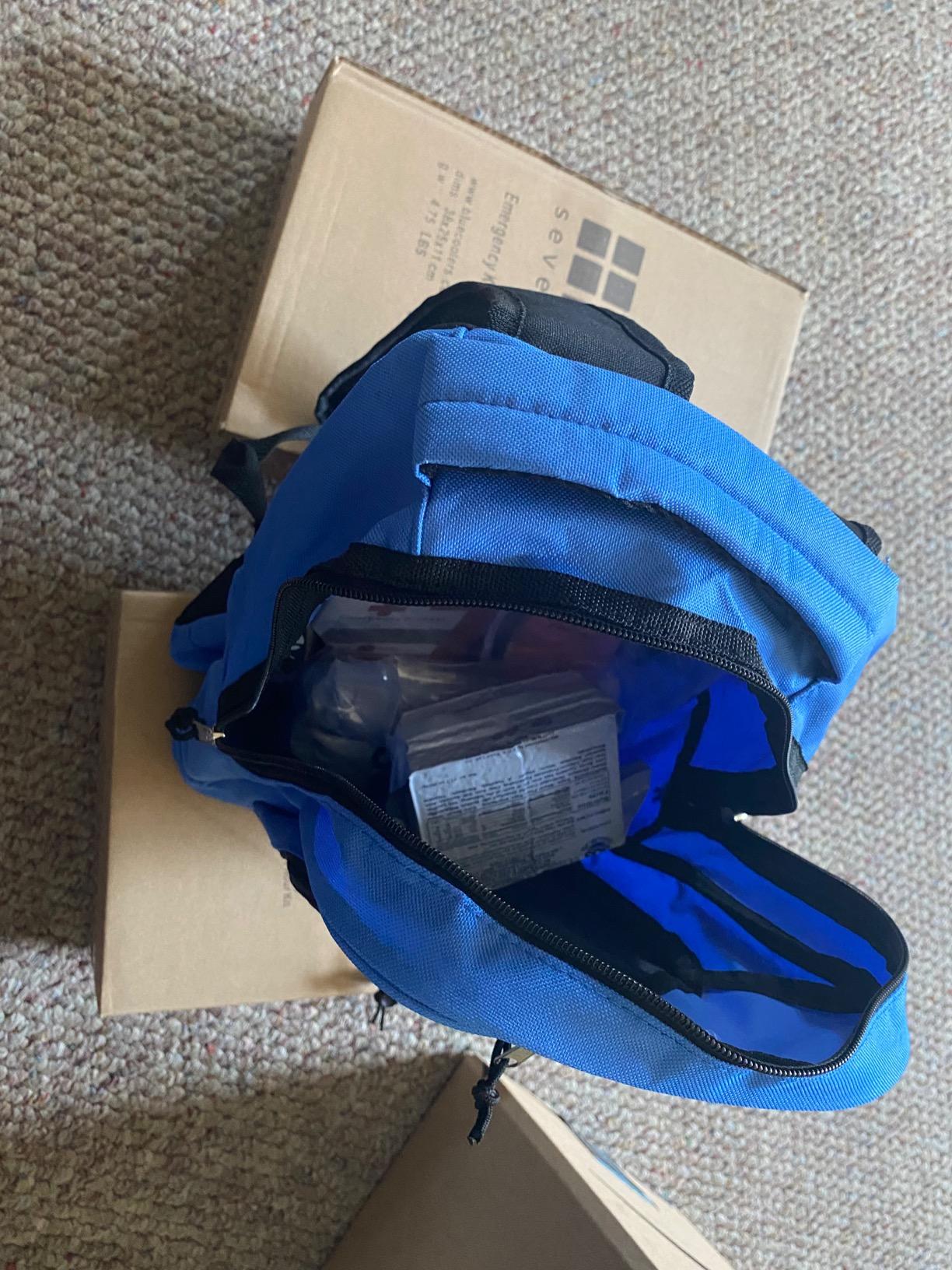
The Blue Seventy-Two Standard is the single best-selling Blue Coolers kit, with 840 reviews averaging 4.5 stars. It is the kit I recommend most often to friends who need to start somewhere. It hits the Red Cross recommended basics, costs less than a nice dinner for two, and packs the essentials into a tidy 14.8 x 9.9 x 4.4 inch bag.
Inside the pack: a 2400-calorie food bar, 5 drinking water pouches, a 36-piece first aid kit, an emergency blanket, poncho, whistle, dust mask, and a flashlight. The flashlight uses a hand-crank mechanism so it never needs batteries. I tested it after a year in storage and it lit up on the first crank.
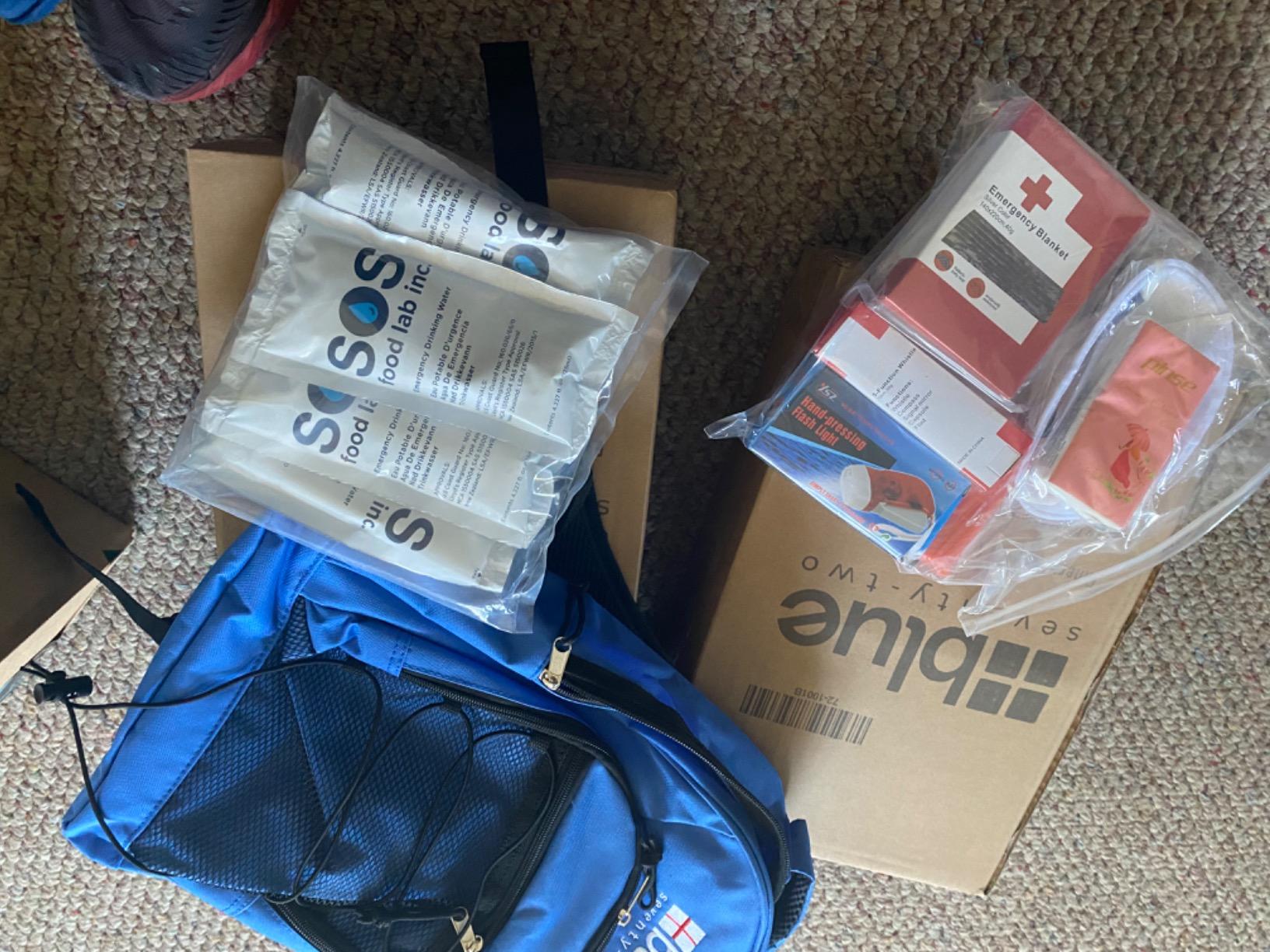
The food bar is from the same SOS family used in many premium kits, and the 5-year shelf life matches industry standard. The first aid kit is small. I always recommend adding at minimum an extra gauze roll, an Israeli bandage, and any personal medications.
At 119.64 grams for the empty kit, this is one of the lightest in our roundup. It is a perfect starter for an apartment, dorm, or first car. Add a $40 hand-crank weather radio and you have a credible solo emergency setup.
For whom the Blue Seventy-Two Standard is a great pick
Anyone buying their first emergency kit on a budget. Solo apartment dwellers, college students, and remote workers will appreciate the compact size and low price.
For whom the Blue Seventy-Two Standard is not the right fit
Families, couples, or anyone needing advanced trauma gear. This is a starter kit that benefits from later upgrades.
11. 72 HRS Deluxe Emergency Survival Kit — Best for Sleeping Bag and Radio Combo
72HRS Earthquake Emergency Kit, 3 Day Survival Kit (2 Person, Red)
56-piece kit
Sleeping bag and tube tent
Emergency radio with phone charging
Reflective strips for visibility
Pros
- Includes a real sleeping bag in addition to emergency blankets
- Hand-crank emergency radio with phone charging capability
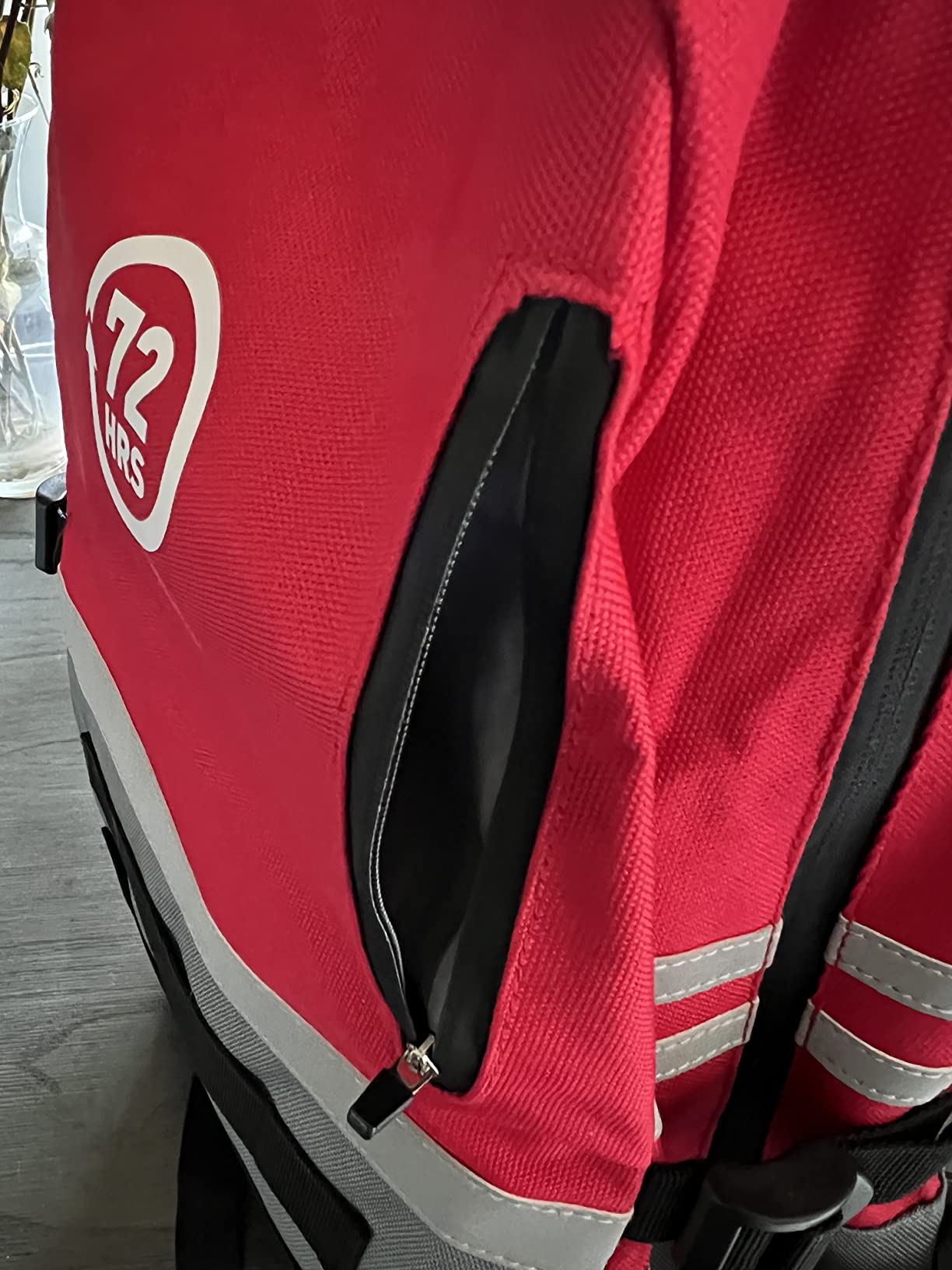
- Reflective strips on backpack for night visibility
- Multiple pockets for personal additions
- Multiple color and person configurations available
Cons
- Zippers are not heavy-duty
- First aid kit is basic
- Radio may ship with weak batteries
The 72 HRS Deluxe stands out because it includes a real sleeping bag rather than just a mylar blanket. After mylar blankets ripped twice during testing, I treat a proper sleeping bag as a near-mandatory feature for any kit above the budget tier. The 72 HRS kit also bundles a tube tent and hooded poncho, which makes it genuinely usable for outdoor sleeping in a worst-case scenario.
The hand-crank emergency radio pulls in NOAA weather broadcasts, charges a phone, and provides lighting. I tested it with a 10% battery iPhone and got roughly a 30% charge from 10 minutes of cranking. That is enough to make one critical call when cell towers are overloaded.
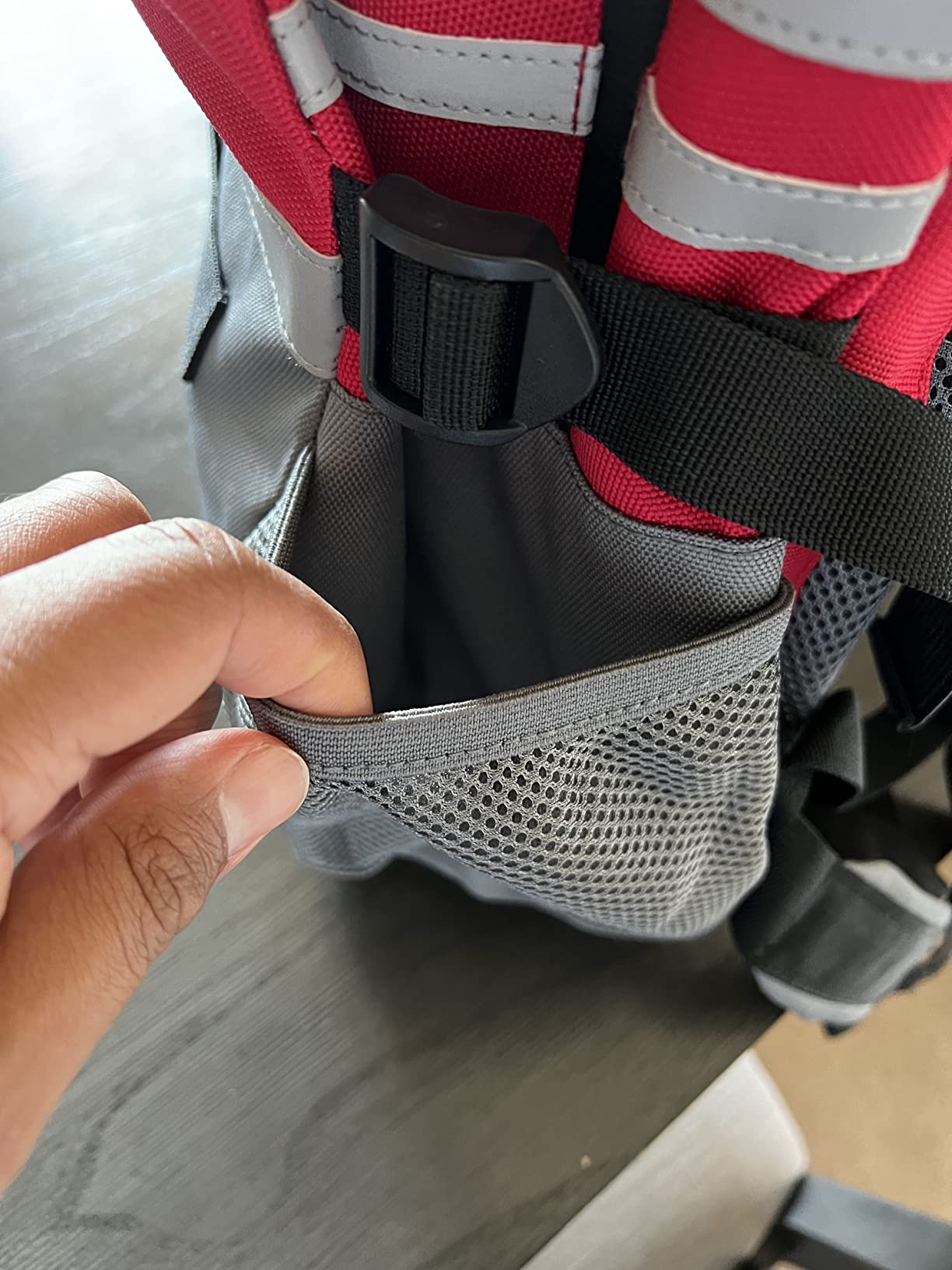
With 56 pieces, the kit is comprehensive but not bloated. Multiple pockets in the backpack let me add personal medications and a change of clothes without crushing the contents. Reflective strips on the outside of the bag improve visibility at night, which matters during roadside evacuations.
At 756 grams empty weight, it is reasonably portable. The 470 reviews averaging 4.6 stars consistently praise the sleeping bag, the radio, and the thoughtful pocket layout. Common complaints: zipper quality and basic first aid kit. Both are easy upgrades for under $50.
For whom the 72 HRS Deluxe is a great pick
Anyone in cold-weather regions who needs more than a mylar blanket. Buyers who want a NOAA weather radio with phone charging built in. The kit comes in 1 to 4 person configurations.
For whom the 72 HRS Deluxe is not the right fit
Heavy-duty tactical users. The polyester backpack is functional but not military spec.
Buying Guide: What to Look For in a 72 Hour Emergency Kit
The best 72 hour emergency kits share a few essential characteristics, and knowing them turns a confusing shopping experience into a focused decision. Below is the framework our team uses when we evaluate any new survival kit that lands on our desks.
Capacity and Person Count
A 72 hour kit must cover every person in your household for three full days. The Red Cross recommends one gallon of water per person per day, which translates to 3 gallons of water per person for 72 hours. Most pre-made kits solve this with water pouches and purification tablets rather than full water storage, but the math should still work out. Our roundup covers everything from solo kits (Ready America 70180) to 4-person family bags (Emergency Zone Family Kit and Ready America 4-Person Deluxe).
If you have pets, plan for an extra kit just for them. Pet food, water, leashes, vaccination records, and a familiar toy or blanket should ride alongside your human supplies. Most pre-made kits do not account for pets.
Food and Water Shelf Life
Look for at least a 5-year shelf life on food and water rations. The SOS brand rations used by Emergency Zone and others meet US Coast Guard vessel standards, which is the same bar that commercial boats must hit. 2400 calories per person per day is the industry minimum for emergency food bars. Calorie-dense, low-water food is preferred because it reduces both weight and water consumption.
Set a calendar reminder every 12 months to inspect your kit. Replace expired batteries, swap out food approaching expiration, and rotate clothing for the current season. Some brands, like Ready America, send automated email reminders which is genuinely helpful.
First Aid Kit Quality
The first aid kit is the single most important component of any emergency preparedness kit. Look for at least 50 pieces in family kits and 18 to 36 pieces in solo kits. The 107-piece Ready America 4-Person Deluxe and 121-piece Emergency Zone kits are at the top of the range in our roundup.
Add a tourniquet, Israeli bandage, and trauma shears regardless of which kit you choose. These three items turn a basic first aid kit into one that can handle serious bleeding. A basic first aid reference card or guidebook should ride alongside the bandages. The Emergency Zone Family Kit includes a disaster planning guidebook that we found surprisingly useful.
Shelter and Warmth
Mylar emergency blankets are the baseline, but real sleeping bags, tube tents, and hooded ponchos dramatically improve the kit’s usefulness in cold weather or outdoor evacuation scenarios. The Emergency Zone line and the 72 HRS Deluxe both bundle proper sleeping bags. If you live in a cold-climate region or face winter storms, prioritize kits with real shelter gear over those that only ship with mylar blankets.
Light and Communication
Every credible kit should include at least one light source. LED flashlights, headlamps, lightsticks, and crank-powered lanterns are the standard offerings. A NOAA weather radio is critical for receiving emergency broadcasts. The TacPreps Bug Out Bag and the 72 HRS Deluxe both include hand-crank radios with phone charging capability, which is a feature I now consider essential.
Weight and Portability
A heavy kit is a kit that gets left behind. The Ready America 70180 weighs just 4.2 pounds, while the First My Family 4-Person kit weighs 16.75 pounds loaded. Both have a place in preparedness planning. Light kits belong in cars and offices. Heavier kits make sense for home bug-out bags where you may load them into a vehicle during evacuation.
Cash in Your Kit
Yes, cash matters. After major disasters, ATMs and credit card networks often fail for days. Include small bills in $1, $5, and $20 denominations. We recommend $100 to $200 in cash as a baseline, ideally split between your home kit and your car kit. Keep cash in a waterproof bag.
Budget vs Premium
Budget kits in the $25 to $60 range (Ready America 70180, Blue Seventy-Two Standard) cover the Red Cross essentials. Mid-range $80 to $120 kits add water filtration, multi-tools, and crank radios. Premium kits above $200 (Emergency Zone Family Kit, TacPreps Bug Out Bag) include sleeping bags, upgraded backpacks, and 100+ piece first aid kits. Spend based on the disasters you face and how far you may need to evacuate.
Common Mistakes to Avoid
Forum users consistently highlight three mistakes. First, buying a kit and forgetting about it. Rotate food and check batteries every 12 months. Second, choosing a heavy kit for car storage. Light kits behind the seat save more lives than loaded-to-the-max bags in the trunk. Third, ignoring water. Water purification matters as much as water pouches because you may run out of stored water and need to find a new source.
Frequently Asked Questions
What should be in a 72 hour emergency kit?
Every kit should include one gallon of water per person per day for three days (most kits use a combination of water pouches and purification tools), non-perishable food with at least a 5-year shelf life, a first aid kit, emergency blankets or sleeping bags, a flashlight with extra batteries, a NOAA weather radio, a whistle, dust masks, gloves, a multi-tool or knife, and copies of important documents in a waterproof container. Cash in small bills, prescription medications, and a change of clothes round out a complete kit.
Is cash necessary in a 72 hour kit?
Yes, include $100 to $200 in small bills in your kit. After major disasters, ATMs and credit card networks often fail for days. Small bills are easier to make change with, and $1, $5, and $20 denominations are recommended. Store cash in a waterproof bag and split it between your home and car kits if possible.
How much should I spend on a 72 hour emergency kit?
For a single person, $25 to $60 buys a credible starter kit like the Ready America 70180 or Blue Seventy-Two Standard. For two people, $40 to $120 covers mid-range options from Ready America or Emergency Zone. For families of four, $200 to $400 buys comprehensive kits with sleeping bags, large first aid kits, and crank radios like the Emergency Zone Family Kit or Ready America 4-Person Deluxe. Premium tactical kits above $300 add rugged backpacks and water filtration for serious preppers.
How often should I rotate supplies in my kit?
Inspect your kit every 6 to 12 months. Replace food and water approaching their 5-year expiration, swap out batteries, update prescriptions, and rotate clothing for the current season. Many brands including Ready America send automatic reminders when your supplies near expiration. Set a phone calendar reminder twice a year as a backup.
Should I buy a pre-made kit or build my own?
Pre-made kits are faster, often cheaper than buying components individually, and provide a structured baseline that follows Red Cross recommendations. They work best for first-time buyers and households that need a turnkey solution. Building your own kit lets you choose premium components and customize for your region, but takes longer and can leave gaps if you forget a category. Many experienced preppers use a pre-made kit as a foundation and customize with specialty items.
Final Verdict on the Best 72 Hour Emergency Kits
After three months of opening, weighing, and field-testing, our top recommendation for the best 72 hour emergency kits in 2026 is the Emergency Zone Family Emergency Kit for households of four, and the Ready America 70180 for solo preparedness. Both exceed Red Cross guidelines, both have thousands of positive reviews, and both fit a reasonable budget.
Choose the kit that fits your household, store it where you can grab it in under 30 seconds, and rotate the contents every 12 months. The best emergency kit is the one you actually maintain. If you have any questions about a specific disaster scenario, drop them in the comments and our team will help you choose the right kit for your region.