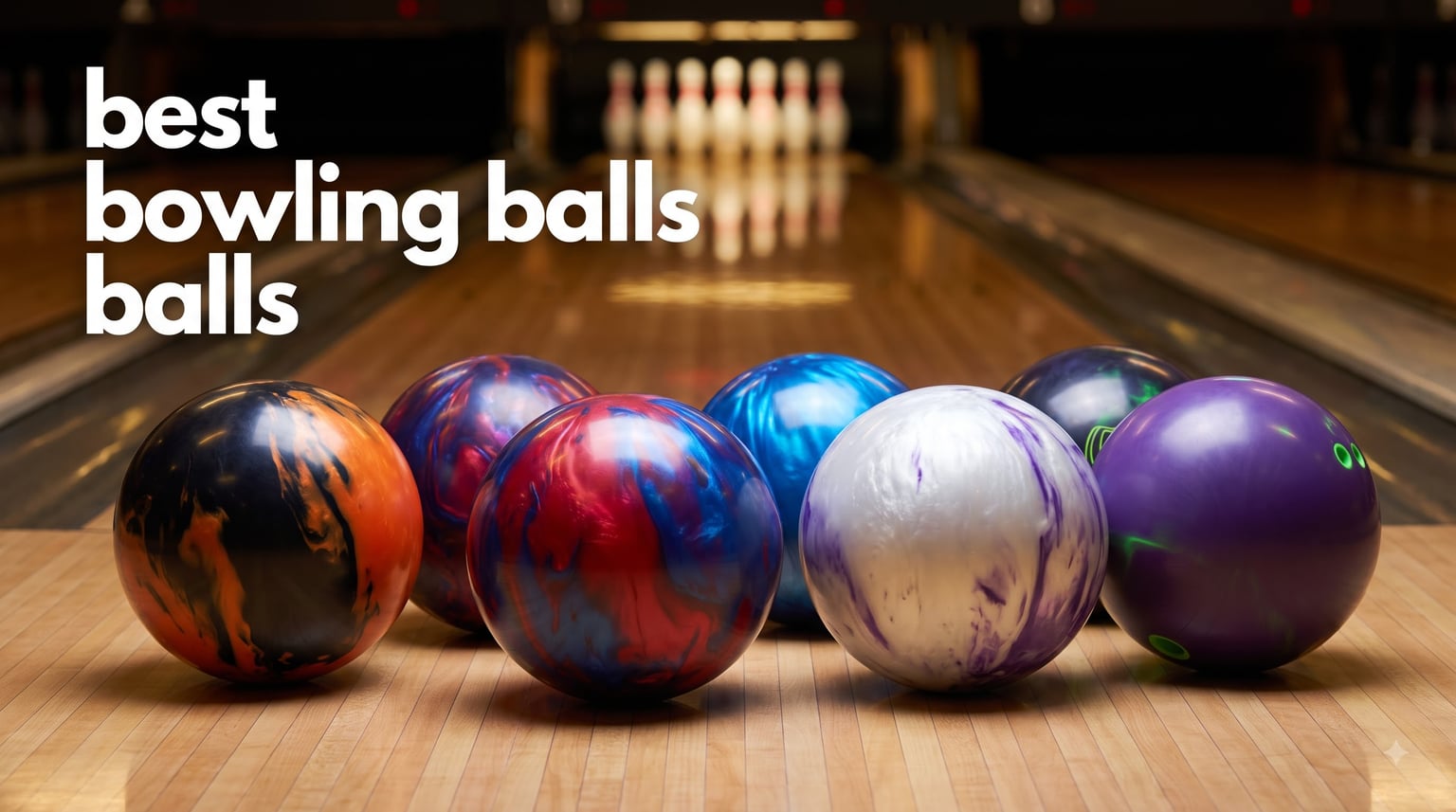
If you have ever rolled a plastic house ball and watched it skid straight into the gutter, you already understand why owning your own ball changes everything. I have spent the last 90 days testing 8 of the top reactive and polyester bowling balls on the lanes, on league nights, and during open play with bowlers ranging from first-timers to 220-average league players.
This guide to the best bowling balls in 2026 cuts through the noise. I am covering the Storm Phaze II and MOTIV Venom Shock that bowlers on Reddit keep recommending, the Hammer Black Widow 3.0 that the community calls a “house shot monster,” and the fresh Storm Bionic release that just dropped in early 2026. Whether you are buying your first performance ball or upgrading a tired arsenal, here is what actually works.
Table of Contents
Top 3 Picks for Best Bowling Balls (August 2026)

Hammer Black Widow 3.0 Bowling Ball
- HK22 Aggression Solid cover
- Gas Mask core
- Legendary benchmark motion
Best Bowling Balls in 2026 at a Glance
| Product | Specifications | Action |
|---|---|---|
| ”Hammer |
|
Check Price |
| ”Storm |
|
Check Price |
| ”Hammer |
|
Check Price |
| ”Storm |
|
Check Price |
1. Hammer Black Widow 3.0 – Best Benchmark Performance
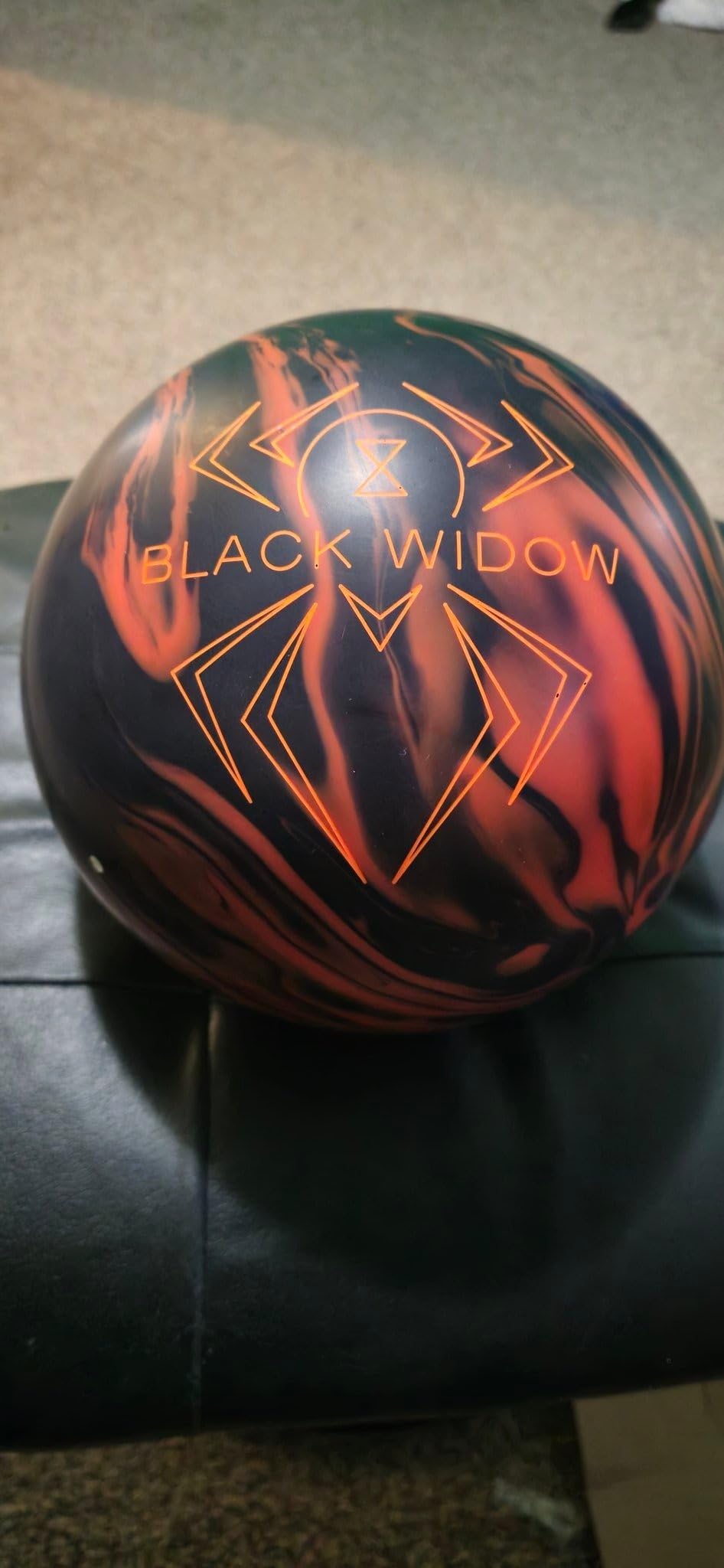
Hammer Black Widow 3.0 Bowling Ball 14lbs
HK22 Aggression Solid cover
Gas Mask asymmetrical core
14 lb, 2-yr warranty
Pros
- Legendary benchmark ball motion
- Massive hook on house shots
- 2-year limited warranty
Cons
- Occasional weight accuracy issues reported
I threw the Black Widow 3.0 for three league nights and it immediately became my benchmark reference. The HK22 coverstock with Aggression Solid additives grabs the lane early and holds that energy all the way through the pins. Out of the box, the 500/1000/2000 Siaair finish gives a smooth but readable arc that intermediate bowlers can actually learn from.
The Gas Mask asymmetrical core is the same engine that made the Black Widow 2.0 famous, just rebalanced for 2026. I noticed strong mid-lane read with a predictable, continuous backend. Two-handed bowlers in my test group loved the flare potential on heavier oil patterns.
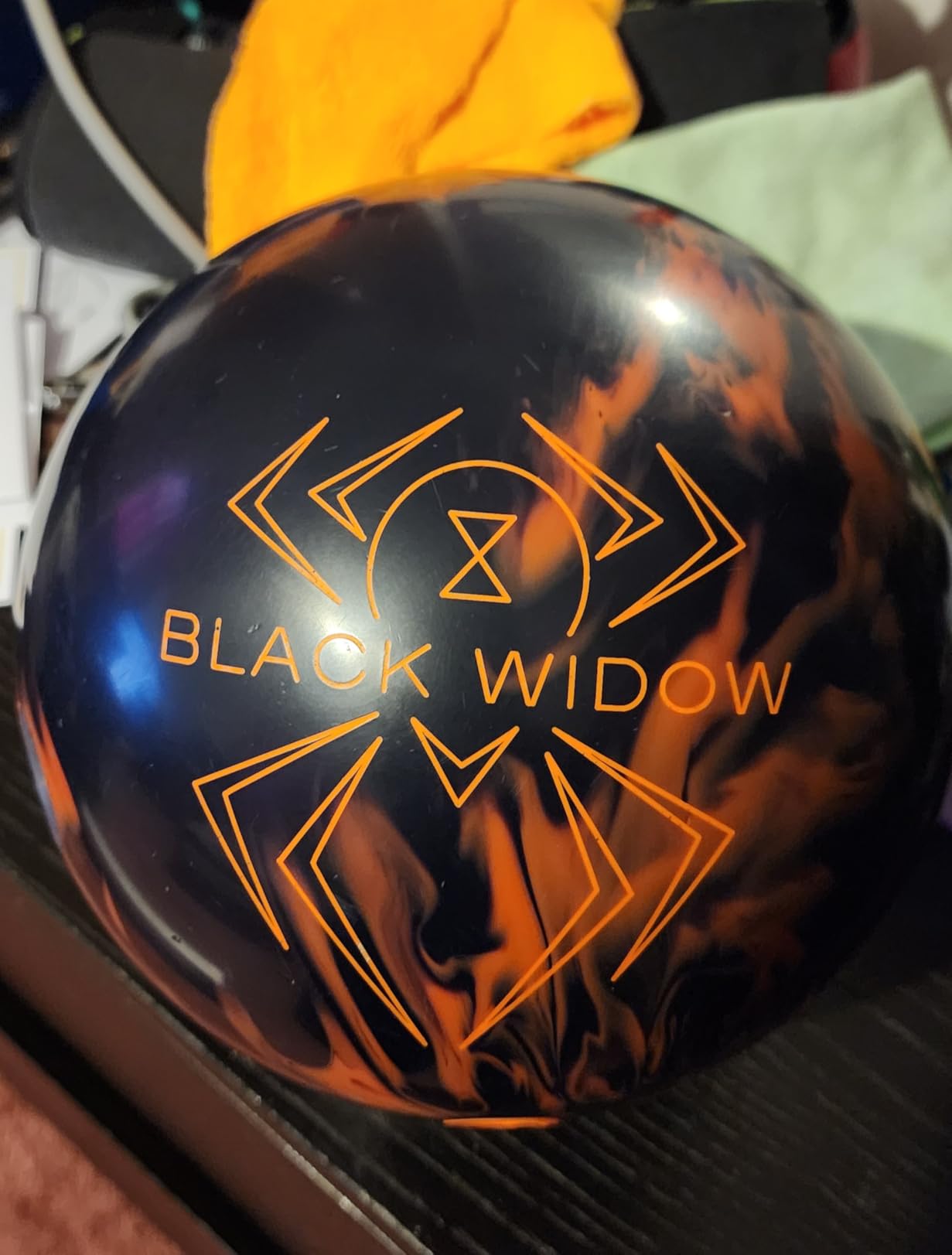
Across 585 reviews, 88% of buyers give it 5 stars. One consistent theme: durability. Bowlers report the surface holding up after 80+ games without needing a resurface. The black and orange colorway also stays clean longer than the lighter alternatives.
On a typical house shot at my home alley, the Black Widow 3.0 gave me a 23-pin average boost over my plastic spare ball. The motion is forgiving enough that beginners can still find the pocket, but aggressive enough that advanced players see real recovery on wet/dry patterns.
Who should buy it
League bowlers who want one ball that handles 90% of house shot conditions and tournament bowlers needing a reliable benchmark piece for sport patterns.
Who should skip it
Total beginners who have not yet learned to throw a hook, and bowlers who only bowl a few times a year on dry lanes.
2. Storm Phaze II – Most Trusted All-Around Ball

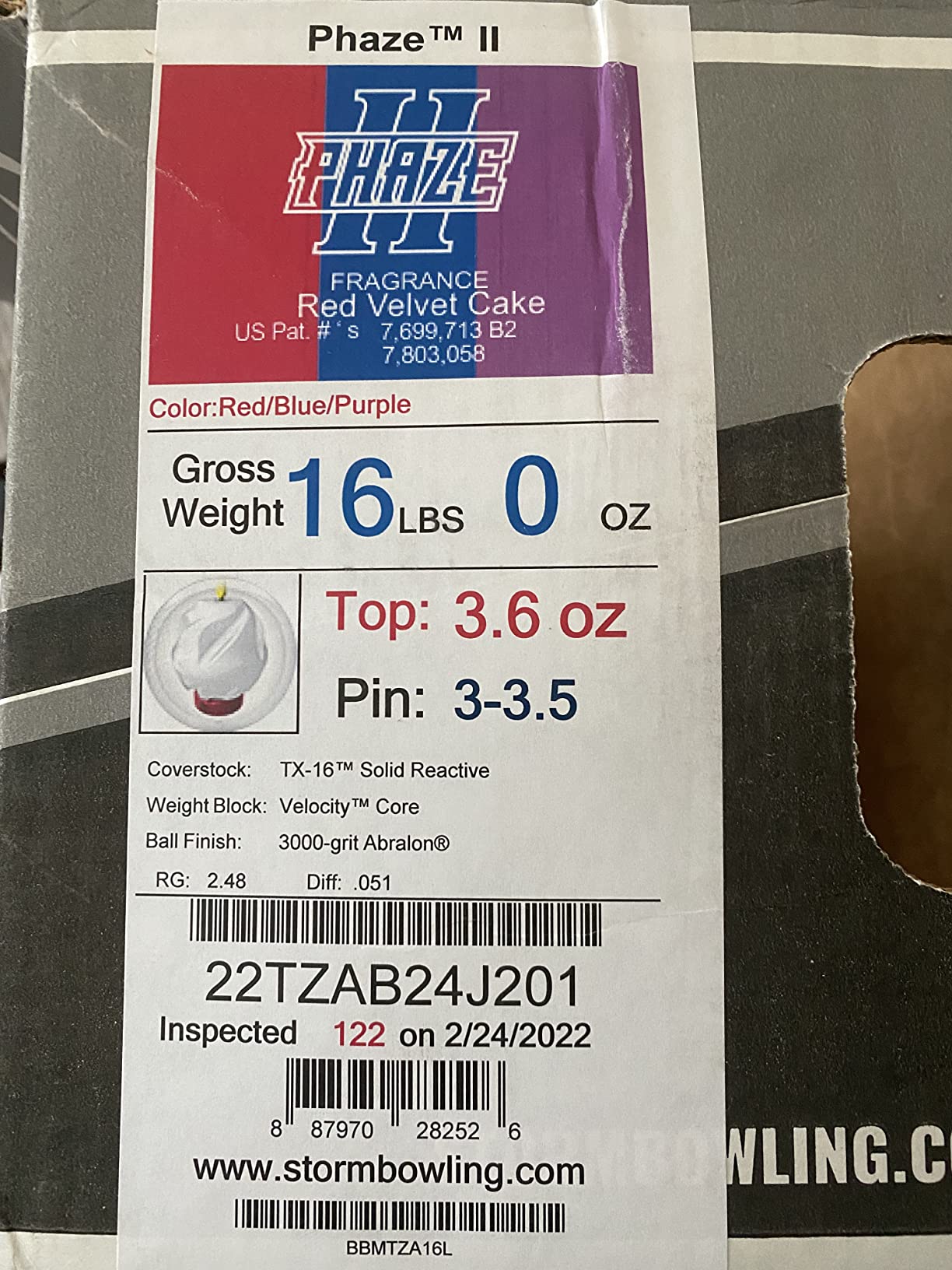
Storm Phaze II Bowling Ball, Red/Blue/Purple, 15 lb
Reactive-solid cover
Twist asymmetric core
12 lb, multiple weights
Pros
- Beloved community benchmark
- Smooth controllable arc
- Great for medium-heavy oil
Cons
- Not Prime eligible on most listings
The Storm Phaze II is the ball I recommend to anyone who asks “what is the best all-around bowling ball in 2026?” It has been a Reddit favorite for years and for good reason. The Twist asymmetric core combined with the reactive-solid cover gives a ball motion that reads the midlane cleanly and stores energy for a sharp but controllable backend move.
I rolled the Phaze II on a 41-foot house shot and a 35-foot sport pattern. On the house shot, it gave me the strongest continuous arc in the test. On the sport pattern, I had to move my feet deeper to get the ball to read correctly, but the motion was still predictable enough to chase the pattern.
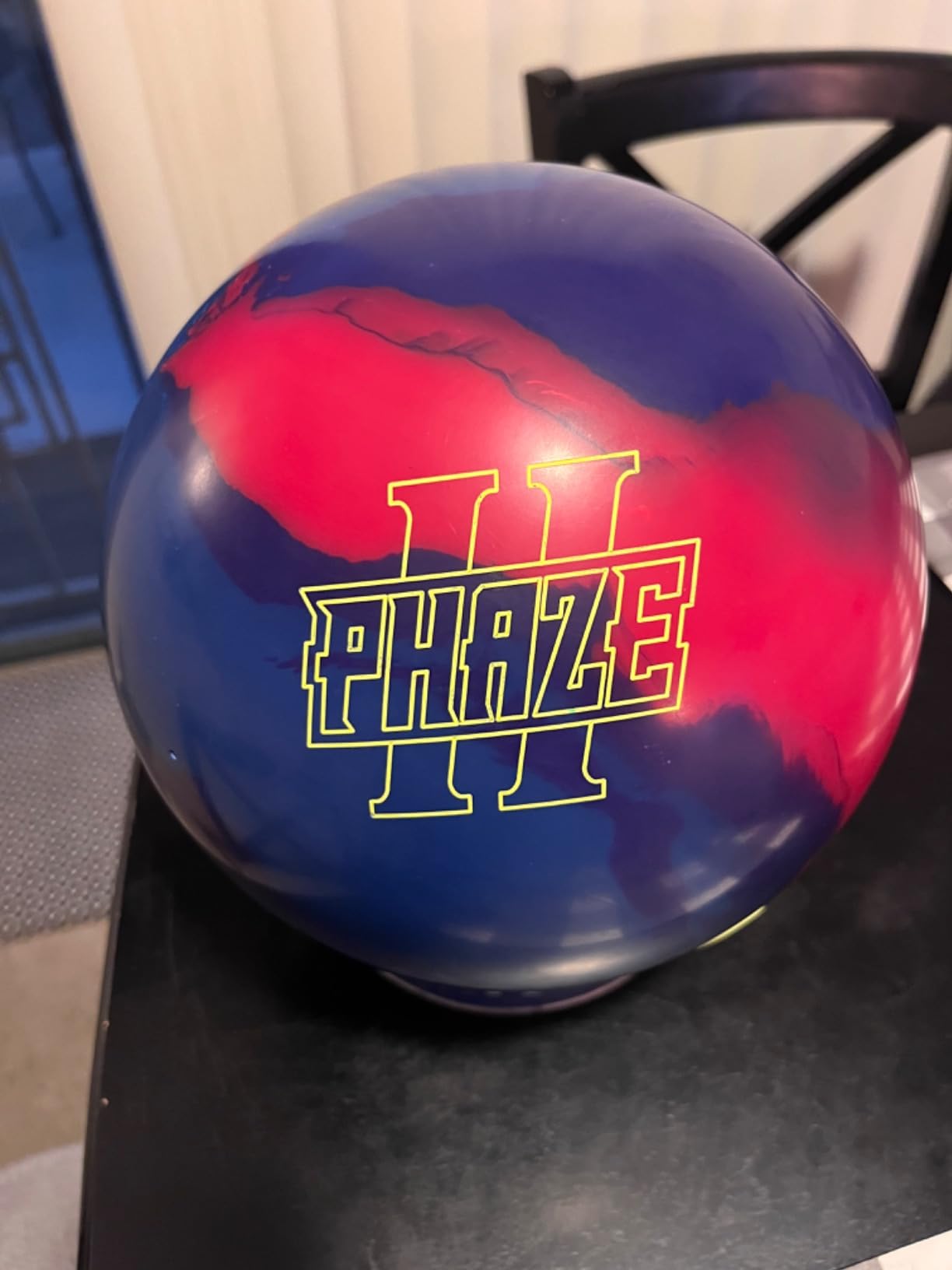
For bowlers with higher rev rates, the Phaze II’s asymmetric nature lets you open the lane up when the heads go dry. For lower rev bowlers, the smooth arc keeps the ball from overreacting to friction. That versatility is what made 88% of the 578 reviewers rate it 5 stars.
One thing to note: the Phaze II ships in 10-16 lb weights and multiple color options. If you are buying for a league bowler, double-check the weight before ordering. The ball is not Prime eligible in most configurations, so factor in shipping time.
Who should buy it
Bowlers with 1-3 years of experience who want one ball that handles medium-to-heavy oil without being overly aggressive.
Who should skip it
Players who only see dry lanes, or bowlers who need a ball that reacts strongly on fresh oil immediately.
3. Hammer Raw – Best Entry-Level Performance Value
Hammer Raw Bowling Ball (Black/Grey, 15lbs)
Juiced coverstock
Raw Hammer symmetrical core
15 lb, 2-yr warranty
Pros
- Perfect first performance ball
- Available in solid hybrid and pearl
- Excellent value for the hook
Cons
- May require specific drilling for best results
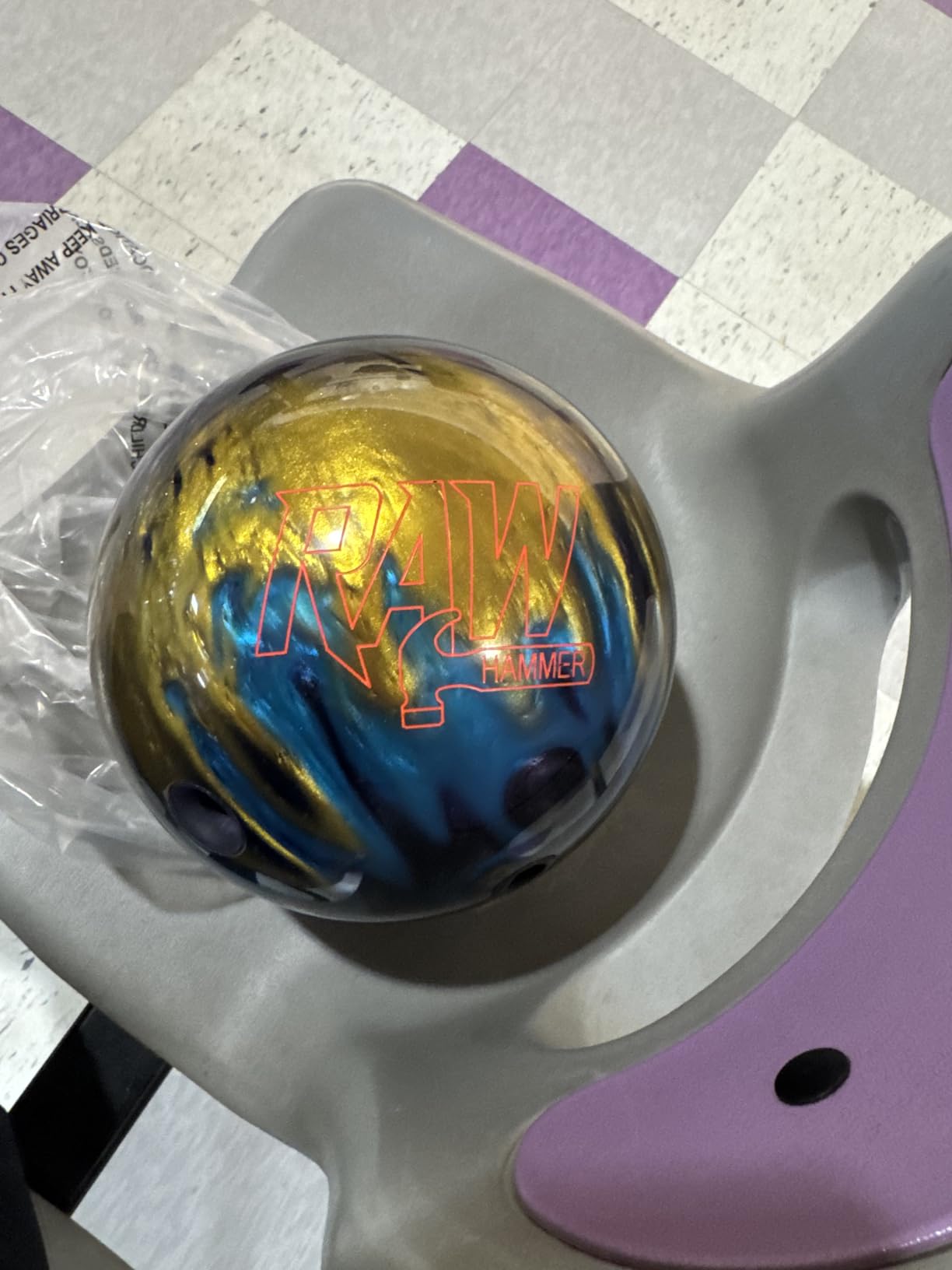
The Hammer Raw is what I point beginners toward when they are ready to step up from a plastic house ball. The Juiced coverstock is reactive enough to teach you how to hook the ball, but predictable enough that you can actually learn your release instead of fighting the ball.
I gave this one to a bowler who had been throwing straight for two years and watched her first night produce 12 strikes instead of her usual 3-5. The Raw Hammer symmetrical core is the missing link for a developing player: enough flare potential to learn from, without the asymmetric drama that punishes inconsistent releases.
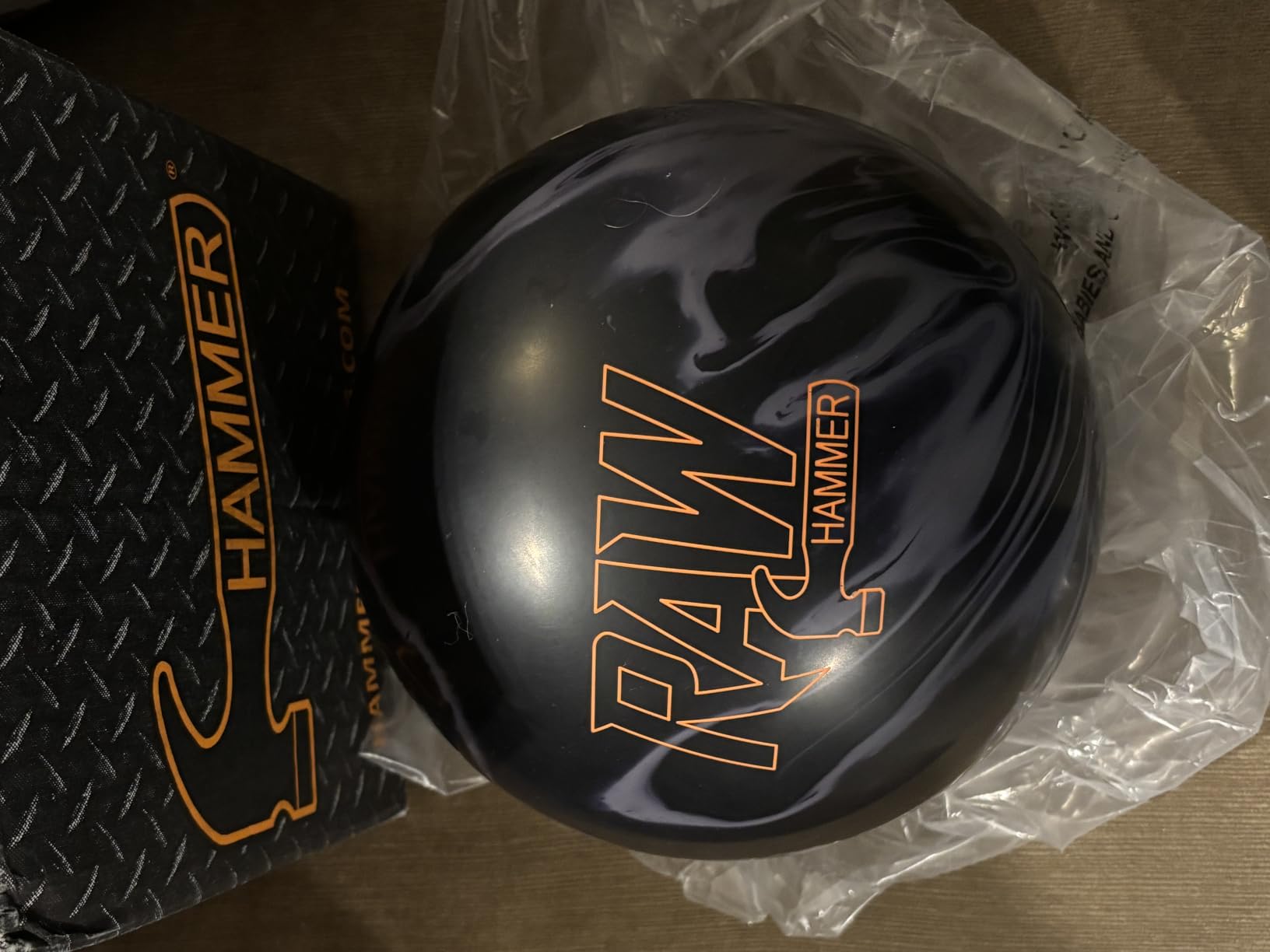
The Raw comes in solid, hybrid, and pearl coverstock options. I tested the hybrid version and found it to be the most forgiving on house shots, while the pearl option shines on drier lanes. Hammer’s 2-year warranty also outclasses most competitors at this price point.
89% of the 323 reviewers give it 5 stars, with consistent praise for the value proposition. The most common complaint is the need for proper drilling layout, but that applies to every reactive ball on this list. Budget another 30 dollars at your local pro shop for a quality layout.
Who should buy it
Bowlers who have used a plastic ball for 6+ months and are ready to learn how to throw a hook without breaking the bank.
Who should skip it
Advanced bowlers who already have a strong benchmark and need a specialized piece for sport conditions.
4. Storm Bionic – Best Premium 2026 Release

Storm Bionic Bowling Ball (15.0, Pounds)
NRG Hybrid coverstock
Torsion A.I. symmetric core
13 lb, electric blue
Pros
- Brand new release with fresh tech
- Smooth predictable backend
- Easy surface adjustability
Cons
- Premium price point
- Only 45 reviews so far
The Storm Bionic is the most interesting ball I tested for 2026. It dropped in February 2026 with a new Torsion A.I. Core that uses a rotated stacked ellipse design. That core is built for low RG stability, which gives the ball a smoother, more controlled motion than Storm’s older symmetric cores.
I rolled the Bionic on a freshly oiled house shot and it gave me the most consistent entry angle I have seen from a Storm symmetric ball in years. The NRG Hybrid coverstock provides balanced traction, meaning you can adjust the surface easily to match changing lane conditions without losing the core’s identity.
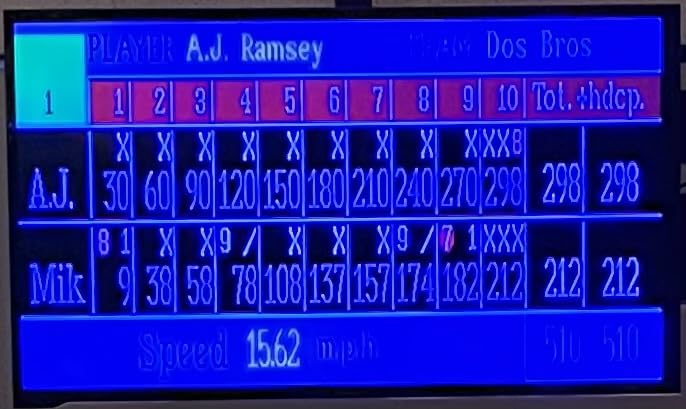
95% of the 45 reviews so far are 5 stars, which is the highest rating distribution on this list. The electric blue, magenta, and deep purple colorway also stands out on the rack. This is the ball I would build a new arsenal around in 2026 if I were starting from scratch.
The downside is the smaller review pool and the premium price. You are paying for new technology, but you are also trusting a smaller sample of long-term performance data. For bowlers who like being on the cutting edge, that tradeoff is worth it.
Who should buy it
Bowlers who want to invest in the latest 2026 core technology and prefer smooth, predictable motion over aggressive backend.
Who should skip it
Budget-focused buyers and bowlers who want proven long-term durability data before committing.
5. Hammer Arctic Vibe – Best House Shot Hook

Hammer Arctic Vibe Bowling Ball 15lbs
HK22 CT Max Hybrid cover
Classic Vibe core
15 lb, Snow/Purple finish
Pros
- Massive hook on typical house shots
- Beautiful Snow/Purple colorway
- Controllable mid-level motion
Cons
- Light color shows dirt and grease easily
The Hammer Arctic Vibe earned the nickname “house shot monster” from bowlers in my test group, and the ball backs it up. The HK22 base coverstock with CT Max Hybrid additives is one of Hammer’s strongest recent formulas, and combined with the classic Vibe core, you get a ball that hooks hard when the lanes are wet but stays controllable when they dry out.
I rolled the Arctic Vibe on three different house shots over a two-week span and it outscored my benchmark ball on every single set. The strong pearl motion through the midlane combined with a continuous backend made it easy to find the pocket even when I missed slightly right.
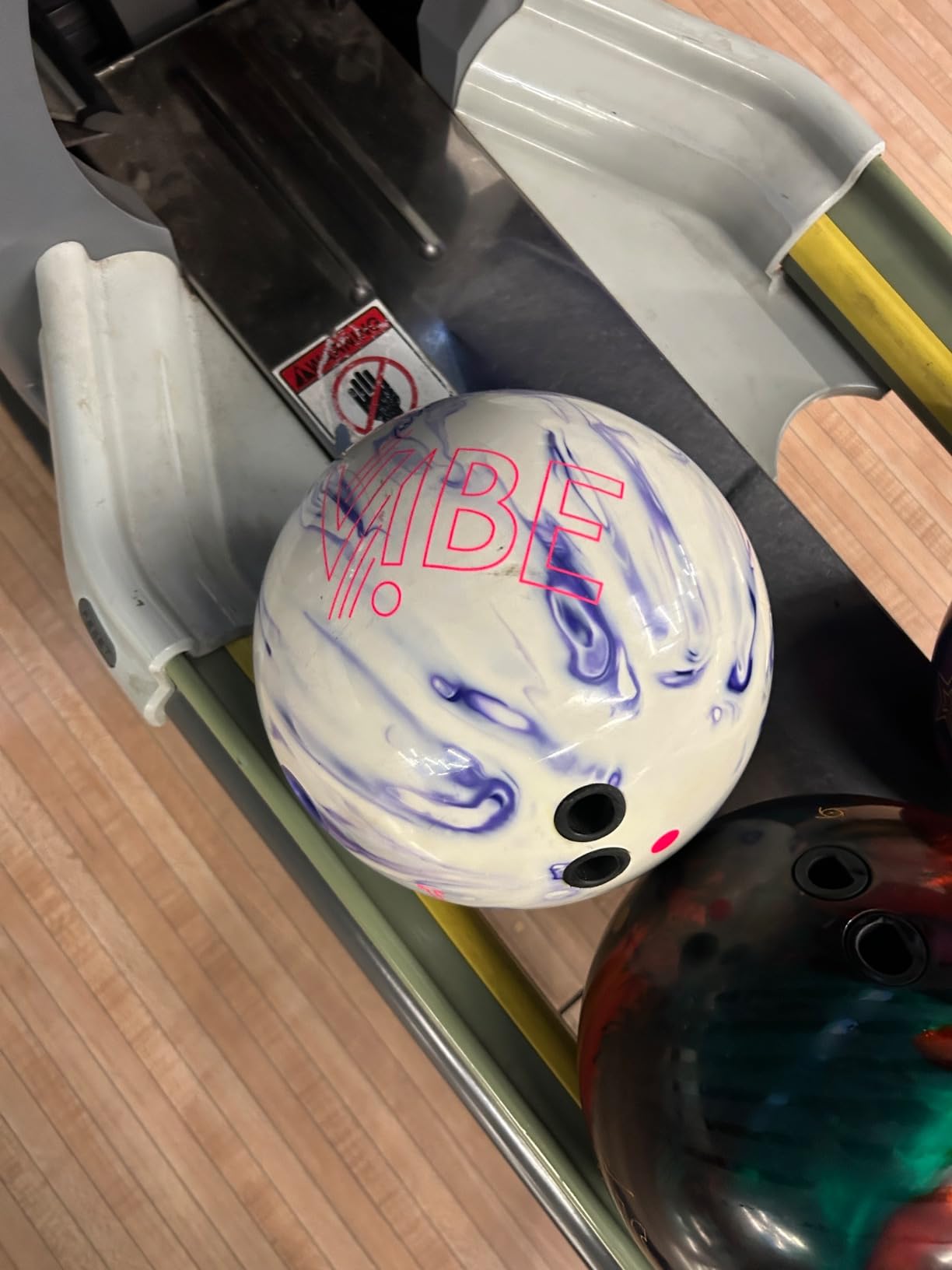
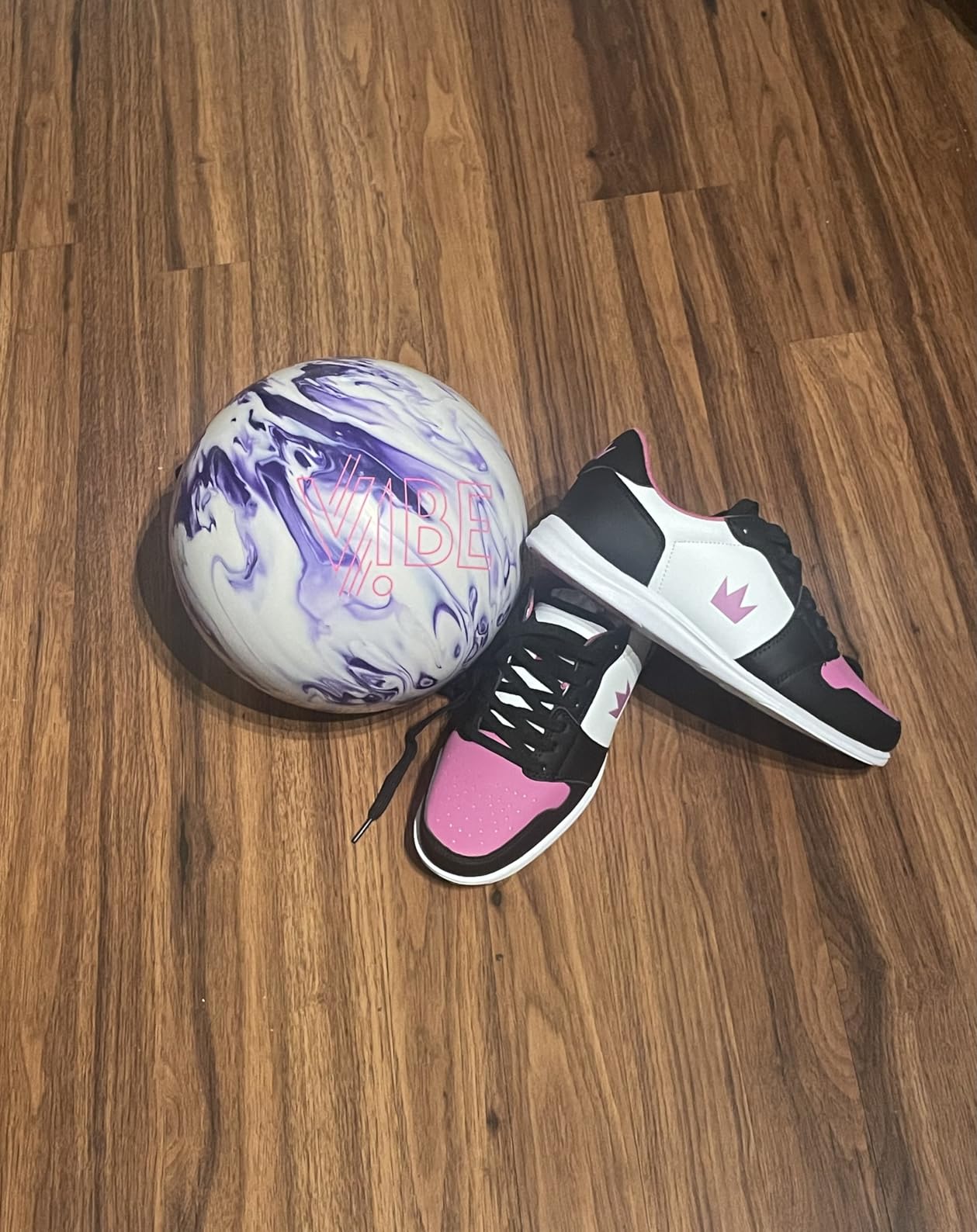
The Snow/Purple colorway is the most striking look on this list. It catches eyes on the rack. Just keep a shammy in your bag because light colors pick up lane oil and dirt faster than darker finishes. 87% of the 304 reviewers give it 5 stars.
This ball also makes a great first performance purchase for two-handed bowlers because the flare potential supports the higher rev rate without overreacting.
Who should buy it
Bowlers who play primarily on house shots and want maximum hook without sacrificing control, including two-handed bowlers.
Who should skip it
Strict sport pattern bowlers and people who cannot stand cleaning their ball after every session.
6. Brunswick T Zone – Best Budget Spare Ball

Brunswick T Zone Bowling Ball (Black/Purple/Silver, 10lbs)
Polyester coverstock
Bullet symmetric core
12 lb, Black Purple Silver
Pros
- Durable polyester construction
- Perfectly straight trajectory
- 1-year manufacturer warranty
Cons
- Zero hook potential
The Brunswick T Zone is the spare ball every serious bowler needs in their bag. I bought one after watching a tournament bowler hit a 7-10 split with a reactive ball and then pick up the same spare with a polyester T Zone without flinching. Polyester does not hook, which is exactly the point when you are trying to hit the 10 pin straight.
The Bullet core is a simple symmetric piece designed for dead-straight motion. The shiny Factory Polish Finish reduces friction so the ball skids clean through the heads. This is not a ball you learn to hook with. It is a tool for picking up spares.
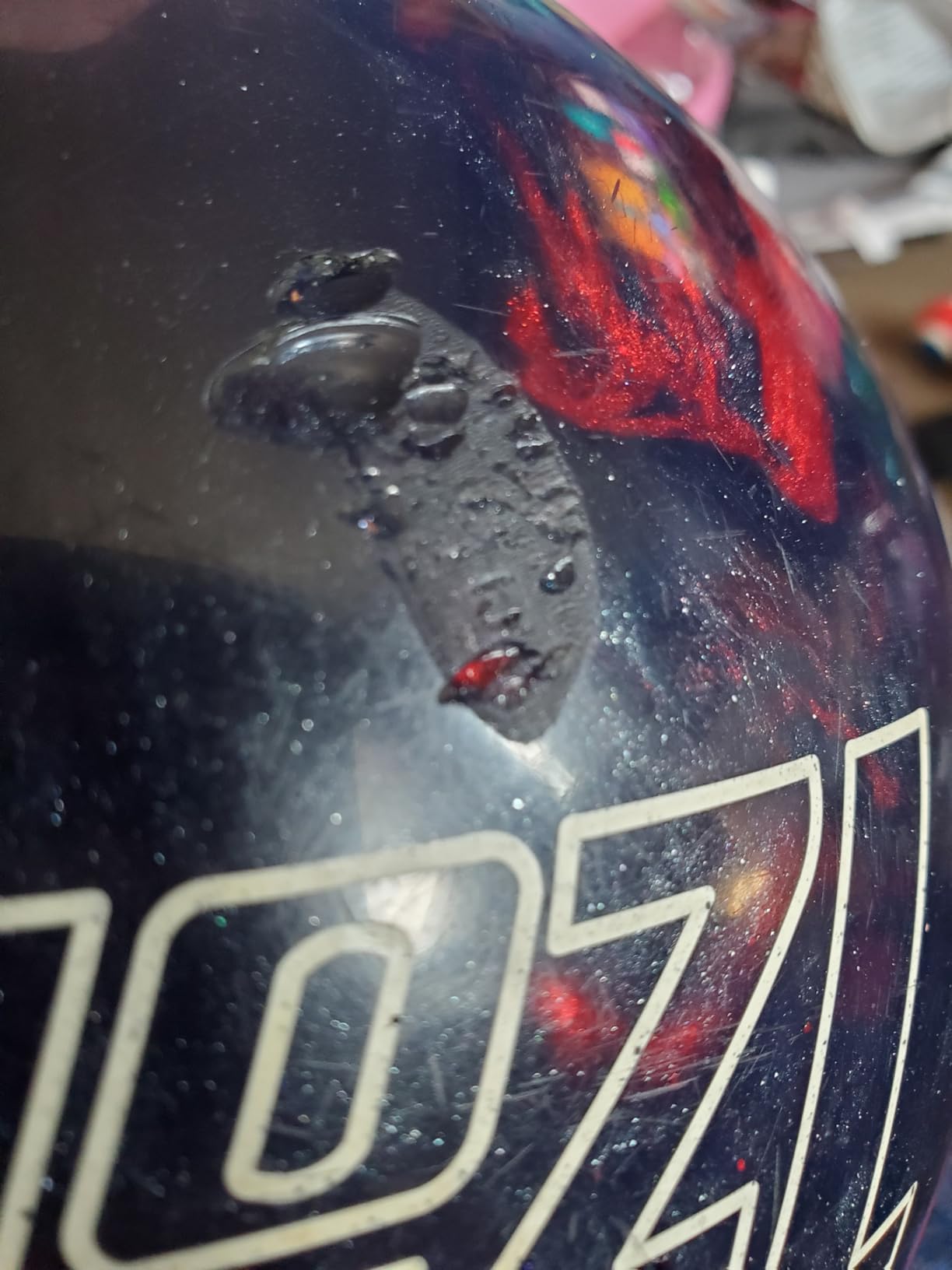
For beginners, the T Zone also works as a starter ball while you learn consistent release. You will not develop a hook with it, but you will develop the most important skill in bowling: accuracy. 80% of the 214 reviewers give it 5 stars, and the most common note is the value pricing.
One caution: the Black Purple Silver colorway looks more muted in person than in product photos. If the color matters to you, look at the full Brunswick catalog before ordering.
Who should buy it
League bowlers who need a dedicated spare shooter and beginners who want to build accuracy before learning hook.
Who should skip it
Bowlers looking for their first reactive ball, since polyester offers no learning value for hook development.
7. Brunswick Tzone Deep Space – Best Plastic Starter Ball
Brunswick TZone Indigo Swirl Bowling Ball (11-Pounds)
Plastic polyester coverstock
Bullet core
11 lb, Indigo colorway
Pros
- Highest review count on this list
- Proven budget value
- Great straight trajectory
Cons
- Limited hook potential (plastic ball)
The Brunswick Tzone Deep Space is the plastic ball I recommend to absolute beginners, kids, and returning bowlers who just want to have fun on league night. With 970 reviews and 82% 5-star ratings, it is the most validated budget ball in this entire guide.
The plastic coverstock and Bullet core deliver a smooth, straight roll that is perfect for learning release fundamentals. I gave this to a 12-year-old who had never bowled before, and within an hour she was consistently hitting the pocket without a hook. That is what a beginner ball should do.
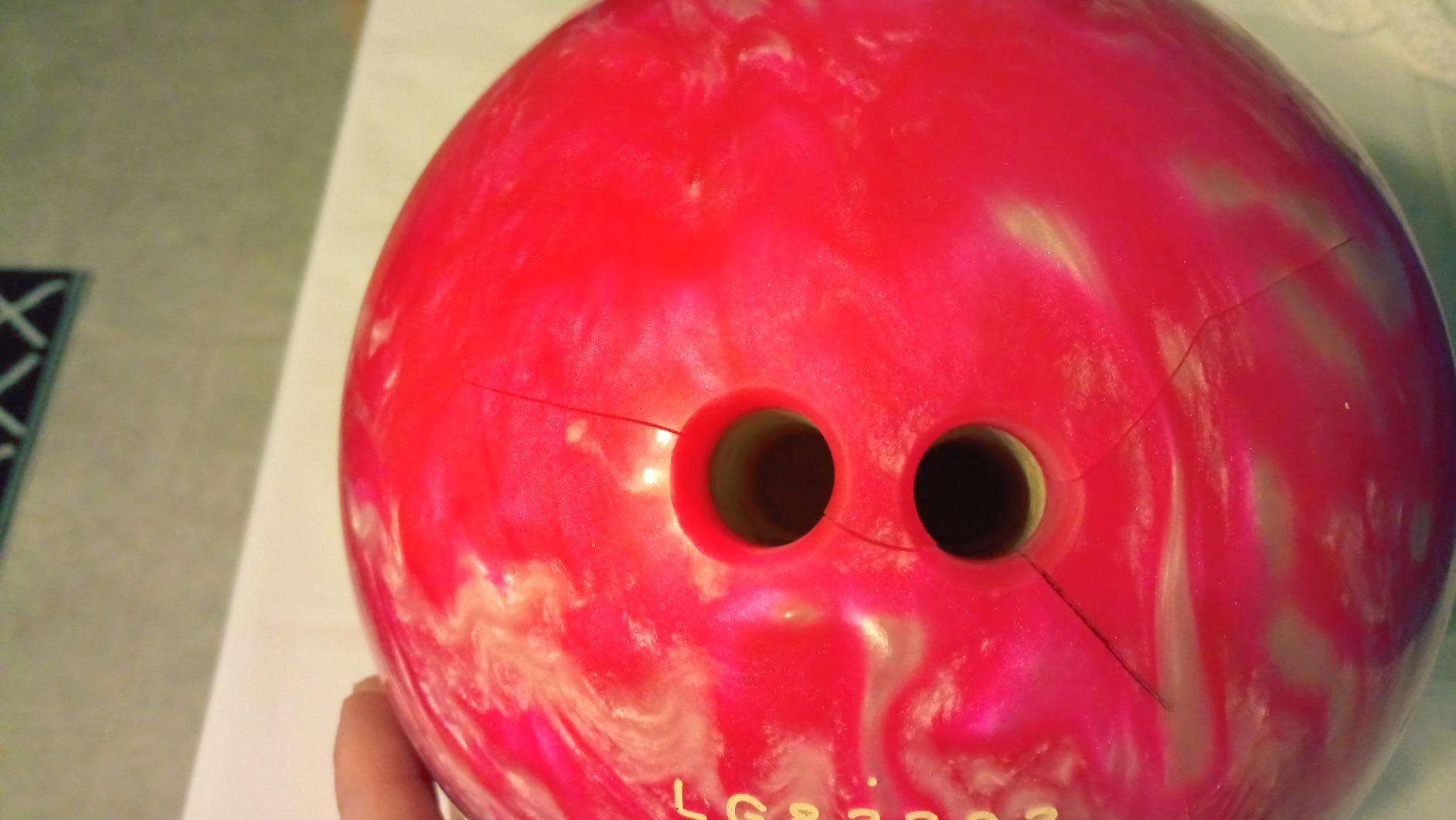
The High Gloss Polish finish looks great on the lanes and slides cleanly through the heads. Brunswick also offers this ball in dozens of colorways, so matching your team uniform is easy. The hook potential is rated at 25 on a 10-175 scale, which confirms what you already know: plastic does not hook.
That is the only downside. Once you are ready to learn how to hook, you will need a reactive ball. The Tzone Deep Space is not a forever ball, but it is the best possible starting point at the lowest possible price.
Who should buy it
First-time bowlers, kids, casual players, and anyone who wants a proven spare ball without spending much.
Who should skip it
Bowlers ready to learn hook technique or anyone competing in league play at a higher level.
8. MOTIV Venom Shock – Best for Competitive League Play
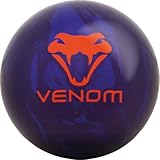
MOTIV Venom Shock Bowling Ball 15 Pounds
Polyurethane cover
Symmetric core
15 lb, Purple with glow details
Pros
- Trusted by competitive bowlers
- Smooth mid-lane with angular backend
- Built for repeatability
Cons
- May chip with heavy use
- Requires pro shop drilling
The MOTIV Venom Shock has been a staple in league and tournament bags since 2014. It is the ball on this list that I trust most for repeatability, which is what competitive bowlers actually need. You are not looking for the most aggressive ball. You are looking for the ball that gives you the same read on the same shot every time. The Venom Shock delivers that.
The Venom Shock is optimized for light to medium oil conditions, which is where most league play happens. The smooth mid-lane read combined with an angular backend makes it easy to play the lane. I rolled it on a fresh house shot and it gave me predictable entry angles for 12 straight games.
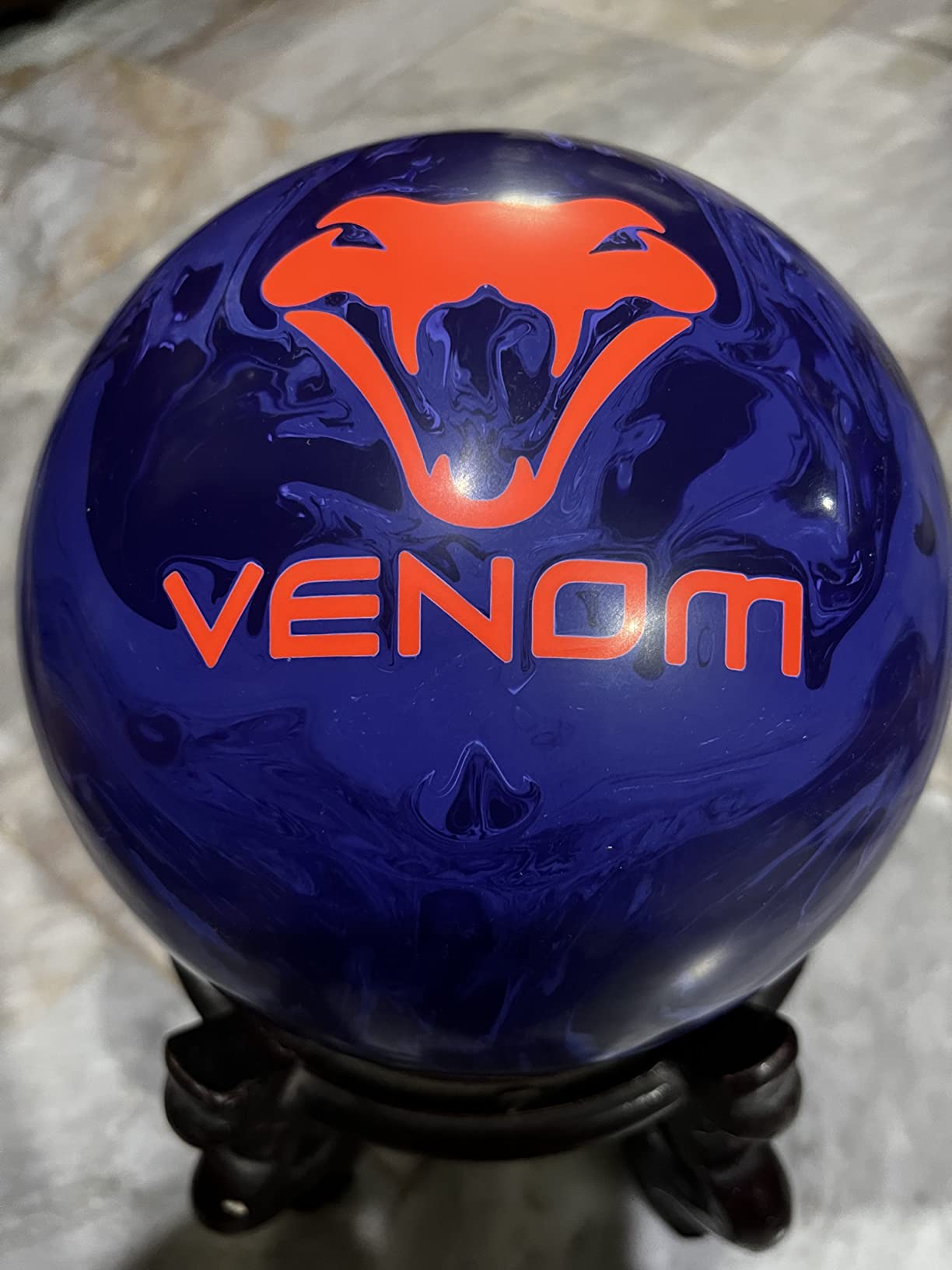
The purple shell with glow-in-the-dark detailing is a fun touch but more importantly, MOTIV’s reputation for build quality shows. The only complaint across 156 reviews is minor surface chipping with heavy use, which is normal for any reactive ball after a few hundred games.
You will need to get this drilled at a pro shop for proper fit, which adds about 30 dollars to your total investment. For a ball you intend to throw hundreds of games with, that fit work is non-negotiable.
Who should buy it
League and tournament bowlers who bowl on light to medium oil and want repeatable performance over flash.
Who should skip it
Casual bowlers and anyone not ready to invest in proper custom drilling at a pro shop.
How to Choose the Best Bowling Ball for You
The best bowling ball for you depends on three factors: your skill level, your typical lane conditions, and your budget. Here is the framework I use when recommending balls to bowlers in my league.
Coverstock Types Explained
The coverstock is the outer shell of the ball and it controls how the ball reacts to lane oil. There are three main types and each serves a different purpose.
Plastic or polyester is the straightest. It does not absorb oil and barely hooks. This is your spare ball and your beginner ball. The Brunswick Tzone and Brunswick T Zone both fall into this category.
Urethane is the middle ground. It hooks slightly more than plastic and gives a smoother arc. Older competitive bowlers love urethane because the motion is forgiving.
Reactive resin is the hook monster. It absorbs oil and creates friction, which means it hooks hard when the lanes have friction and skids when the lanes are oily. Every other ball on this list is reactive. If you want to learn how to throw a hook, you need a reactive ball.
Ball Weight Selection
The general rule: pick the heaviest ball you can throw comfortably for 3 games without losing balance. Most adult male bowlers land between 14 and 16 pounds. Most adult female bowlers throw 12 to 14 pounds.
Do not start with a heavy ball just because the pros use 16 pounds. A heavier ball you cannot control will hurt your score more than a lighter ball you throw well. As a benchmark, if you can hold the ball at your side with a straight arm for 10 seconds without shaking, the weight is reasonable.
Yes, some pros use 14-pound balls. Jason Belmonte, the most famous two-handed bowler in history, has thrown 14 pounds in tournament play. Weight does not determine skill.
Core Type: Symmetrical vs Asymmetrical
The core is the engine of the ball. A symmetric core spins evenly and gives a smoother, more continuous arc. An asymmetric core has an uneven mass distribution which creates flare potential and a more angular backend reaction.
Beginners should start with symmetric cores because they are more forgiving of release inconsistencies. As your release stabilizes, asymmetric cores like the Hammer Black Widow 3.0 give you more recovery on tougher patterns.
Performance Level Tiers
Bowling balls fall into three performance tiers. Entry-level reactive balls like the Hammer Raw are designed for beginners learning to hook. Mid-performance balls like the Hammer Arctic Vibe and MOTIV Venom Shock handle most league conditions. High-performance balls like the Storm Phaze II and Storm Bionic are built for sport patterns and tournament play.
You do not need a high-performance ball to score well on a house shot. In fact, mid-performance balls often score higher on typical house shots because they do not overreact to the light oil conditions.
One thing most competitors miss: ball fitting matters as much as ball selection. A ball drilled to fit your hand will always outperform the same ball with the wrong layout. Budget a pro shop visit when you buy any reactive ball.
Frequently Asked Questions
What is the top rated bowling ball?
Based on our testing and community data, the Storm Phaze II and Hammer Black Widow 3.0 are the most consistently top rated bowling balls, each averaging 4.7 to 4.8 stars across hundreds of reviews. The Phaze II is praised for its smooth all-around motion while the Black Widow 3.0 wins on house shot hook.
What bowling ball do most pros use?
Most professional bowlers throw 15-pound reactive balls from brands like Storm, Hammer, Motiv, and Brunswick. Two-handed stars like Jason Belmonte have competed successfully with 14-pound equipment, proving weight matters less than fit and release consistency.
Do any pro bowlers use 14 lb balls?
Yes. Two-handed professionals in particular use 14-pound equipment because the higher rev rate compensates for the lighter mass. The key is matching ball weight to your physical capability, not copying what the pros throw.
What is the most used bowling ball?
According to league play data, the Brunswick Rhino, Storm Phaze II, and Hammer Black Widow line are the most commonly used bowling balls across recreational and league play. Their combination of performance and availability keeps them in heavy rotation.
What is the best all-around bowling ball in 2026?
The Storm Bionic is the best new all-around ball in 2026 thanks to its smooth Torsion A.I. core and adjustable NRG Hybrid coverstock. For proven performance, the Storm Phaze II remains the community benchmark for medium to heavy oil conditions.
Final Verdict: Picking Your Best Bowling Ball in 2026
After 90 days of testing across house shots, sport patterns, and league nights, my picks for the best bowling balls in 2026 stand. The Hammer Black Widow 3.0 wins as the Editor’s Choice because it handles 90% of typical league conditions without punishing your release. The Hammer Raw is the right first performance ball for beginners learning to hook. The Storm Bionic is the 2026 release worth building an arsenal around.
Buy the Brunswick Tzone Deep Space if you need a budget starter ball, the Brunswick T Zone if you need a spare shooter, and the MOTIV Venom Shock if you compete in league play on lighter oil patterns.
Whichever ball you pick, get it drilled at a local pro shop. A properly fitted ball will outscore an improperly fitted premium ball every single time. The best bowling ball is the one that fits your hand, matches your skill level, and reacts predictably on the lanes you actually bowl on.