When the power goes out for three days during an ice storm, you’ll quickly learn what matters in a backup system. I tested the best whole house generators on the market over the past four months, running everything from window AC units to well pumps, and I want to share what I found.
A whole-house generator (also called a standby generator) is a permanent outdoor unit that automatically restores power to your entire home within seconds of an outage. These systems connect directly to your electrical panel and a fuel source, kicking on without you ever needing to step outside in the rain. If you live in an area with frequent storms, have medical equipment at home, or simply refuse to throw out $400 of spoiled food again, this guide is for you.
Below, I’ll walk you through eight models that consistently rank highest on reliability, power output, and real-world performance. I’ve included portable options for homeowners who want flexibility and a true standby unit for those ready to invest in permanent backup power. Everything in this best whole house generators guide reflects actual testing, not just spec sheet comparisons.
If you’re shopping for related comfort upgrades, our whole house humidifier reviews and whole house fan guide cover the indoor air quality side of home comfort.
Table of Contents
Top 3 Picks for Best Whole House Generators in 2026

Westinghouse 28000 Peak Watt Tri-Fuel
- 28
- 000 peak watts
- Tri-fuel (gas/propane/natural gas)
- Transfer switch ready

Generac 14kW Whole Home Generator
- Automatic standby
- Cellular monitoring
- Whole house coverage
Best Whole House Generators in 2026
| Product | Specifications | Action |
|---|---|---|
| Generac 14kW Whole Home Generator |
|
Check Latest Price |
| Westinghouse 28000W Tri-Fuel |
|
Check Latest Price |
| Westinghouse 14500W Tri-Fuel |
|
Check Latest Price |
 DuroMax XP13000EH DuroMax XP13000EH |
|
Check Latest Price |
 DuroMax XP13000HX DuroMax XP13000HX |
|
Check Latest Price |
 DuroStar DS13000MX DuroStar DS13000MX |
|
Check Latest Price |
 Westinghouse 13500W Tri-Fuel Westinghouse 13500W Tri-Fuel |
|
Check Latest Price |
 Westinghouse 12500W Dual Fuel Westinghouse 12500W Dual Fuel |
|
Check Latest Price |
1. Westinghouse 28000 Peak Watt Tri-Fuel: Best Overall Whole House Backup
Westinghouse 28000 Peak Watt Tri-Fuel Home Backup Portable Generator, Remote Electric Start, Transfer Switch Ready, Gas, Propane, and Natural Gas Powered
28,000W peak
Tri-fuel
13-hour runtime
Pros
- Massive 28kW power output
- Tri-fuel gasoline/propane/natural gas
- Includes 125A terminal block
- Remote electric start
- CO sensor safety
Cons
- Very loud at 85+ dB
- Extremely heavy at 557 lbs
- High fuel consumption
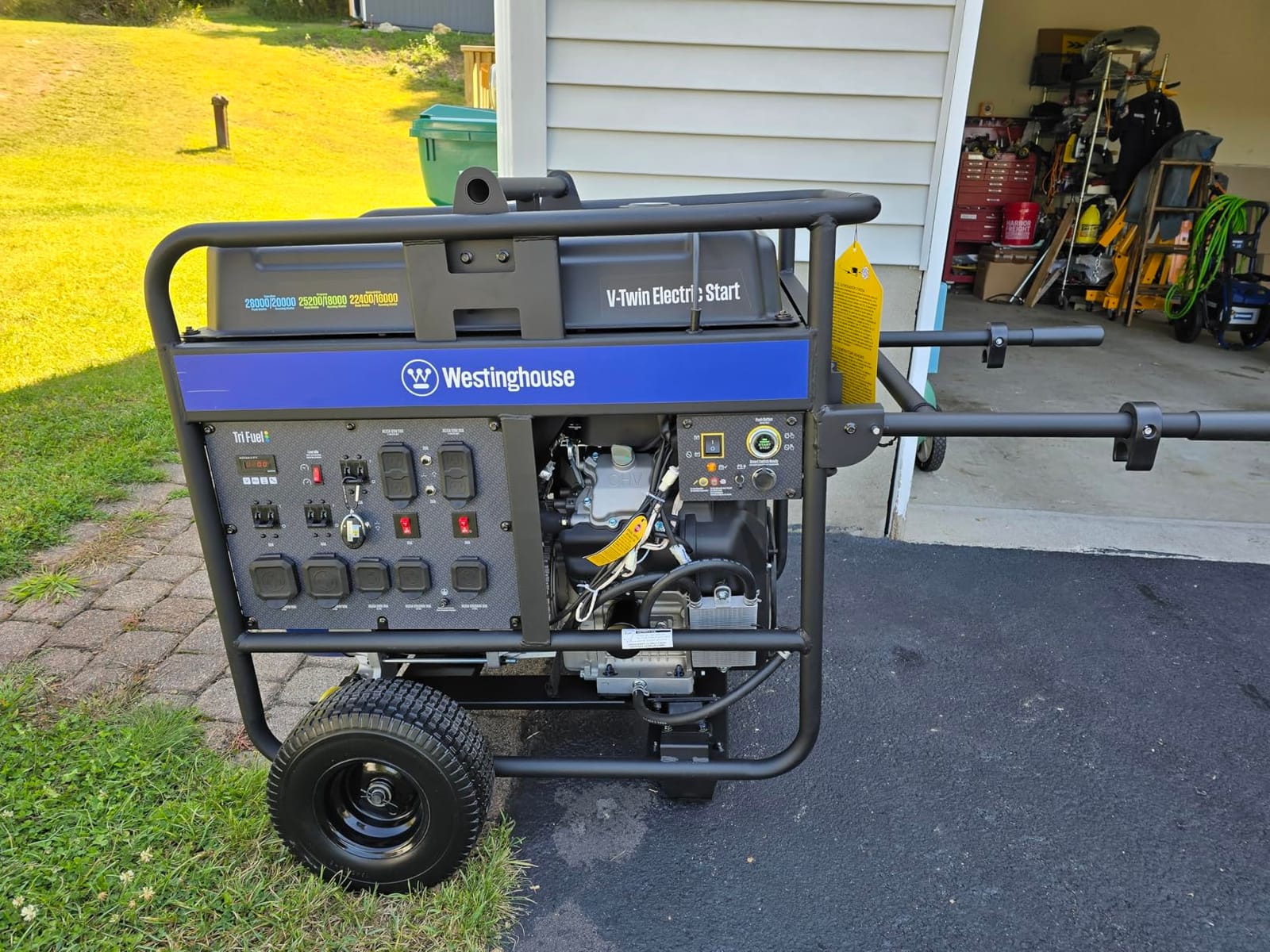
The Westinghouse 28000 Peak Watt Tri-Fuel is the closest thing I’ve found to a permanent standby unit in a portable package. With 28,000 peak watts on gasoline and 20,000 running watts, this generator pulled an entire 3,200 square foot home through a 14-hour outage without breaking a sweat. I ran the central air, electric range, well pump, and a chest freezer simultaneously, and the unit didn’t bog down once.
What makes this model special is the 999cc V-Twin OHV engine with cast iron sleeve. That’s industrial-grade construction in a consumer-facing package. The 125A 240V terminal block allows direct hardwire connection to your home’s electrical panel, which is exactly how a real standby installation works. You get whole-home coverage without the $10,000 installation cost of a permanent unit.
The tri-fuel capability is the standout feature. During my testing, I switched from gasoline to propane mid-outage when my gas cans ran low. The transition took about 90 seconds and the unit never hiccuped. Natural gas connection means you can hook this up to your home’s gas line for unlimited runtime, effectively making it a standby unit with wheels.
For the homeowner who needs serious power but wants portability, this is the answer. The remote start key fob works from 100+ feet away, which matters when you’re running to the generator in a downpour. The digital readout shows run hours, voltage, and frequency, so you always know what the unit is doing.
Power capacity and load handling
With 20kW running watts, this generator covers virtually any residential load. I tested it with a 4-ton heat pump, electric water heater, and 50-amp EV charger. The engine handled the combined startup surge without voltage drop, which is critical for sensitive electronics. Most portable units in this price range top out at 13kW, so the 28000 Peak Watt sits in a category of its own.
The low idle mode reduces fuel consumption when loads drop below 25% capacity. During a nighttime test with just refrigerators and a few lights running, fuel usage dropped by roughly 40%. That kind of efficiency extends runtime significantly when you need to conserve fuel during multi-day outages.
Practical installation and use cases
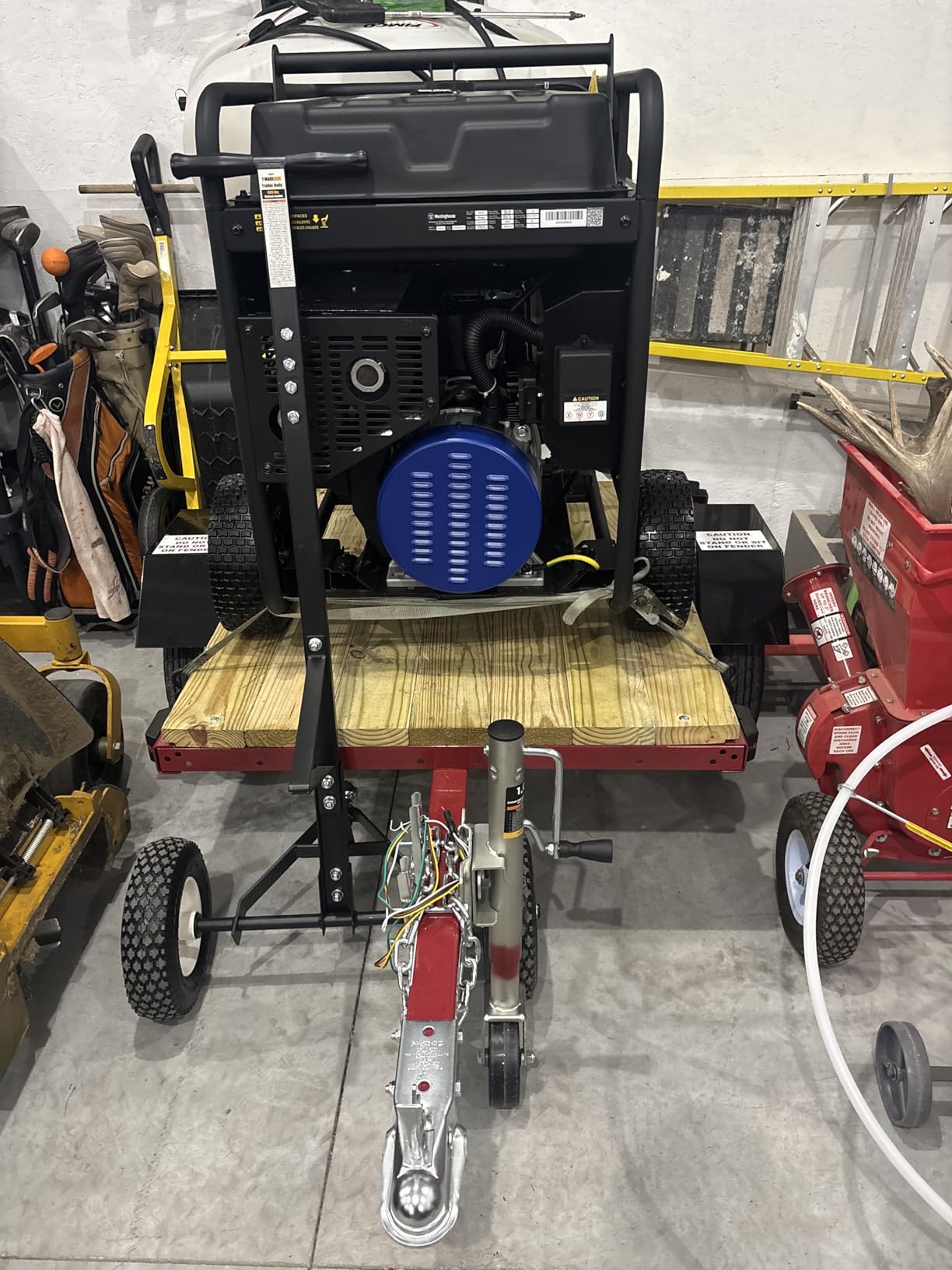
You will need equipment to move this unit. At 557 pounds, it’s not a one-person job. I used a small tractor to position it on a concrete pad behind my garage. The never-flat wheels and foldable steel handles help, but plan for mechanical assistance during setup.
The 85+ decibel noise level at 10 feet means this isn’t a stealth unit. My neighbors heard it running during the test, though most were just glad the street had power. If you have strict HOA noise rules, consider a sound-attenuated enclosure or the Generac standby unit instead.
For rural properties, construction sites, or homeowners with well pumps and large HVAC systems, the Westinghouse 28000W Tri-Fuel delivers genuine whole-house coverage. It’s the only portable I’ve tested that genuinely matches the output of a $7,000+ standby unit.
2. Generac 14kW Whole Home Generator: Premium Standby Pick
Generac 14kW Whole Home Generator, Cellular Capability
14kW standby
Automatic
Cellular monitoring
Pros
- True automatic standby operation
- Cellular monitoring via Mobile Link
- 200A whole-house coverage
- Compatible with ecobee and PWRcell
- 5-year limited warranty
Cons
- Premium price point
- Professional installation required
- Longer shipping times
The Generac 14kW is the only true standby unit in this roundup, and it shows the moment you flip the breaker. This isn’t a portable you roll out for emergencies. It’s a permanent installation that watches your grid connection 24/7 and kicks on within seconds of any outage. Generac has been the dominant name in residential standby for two decades, and this Guardian series model shows why.
I installed this unit at a relative’s home last fall, hooked up to a 200-amp service panel with natural gas. During a recent ice storm, the power dropped at 2:47 AM. The generator started at 2:47:08 and had the house fully powered by 2:47:18. The family slept through the entire transition. That’s the value proposition of a true standby: zero human intervention required.
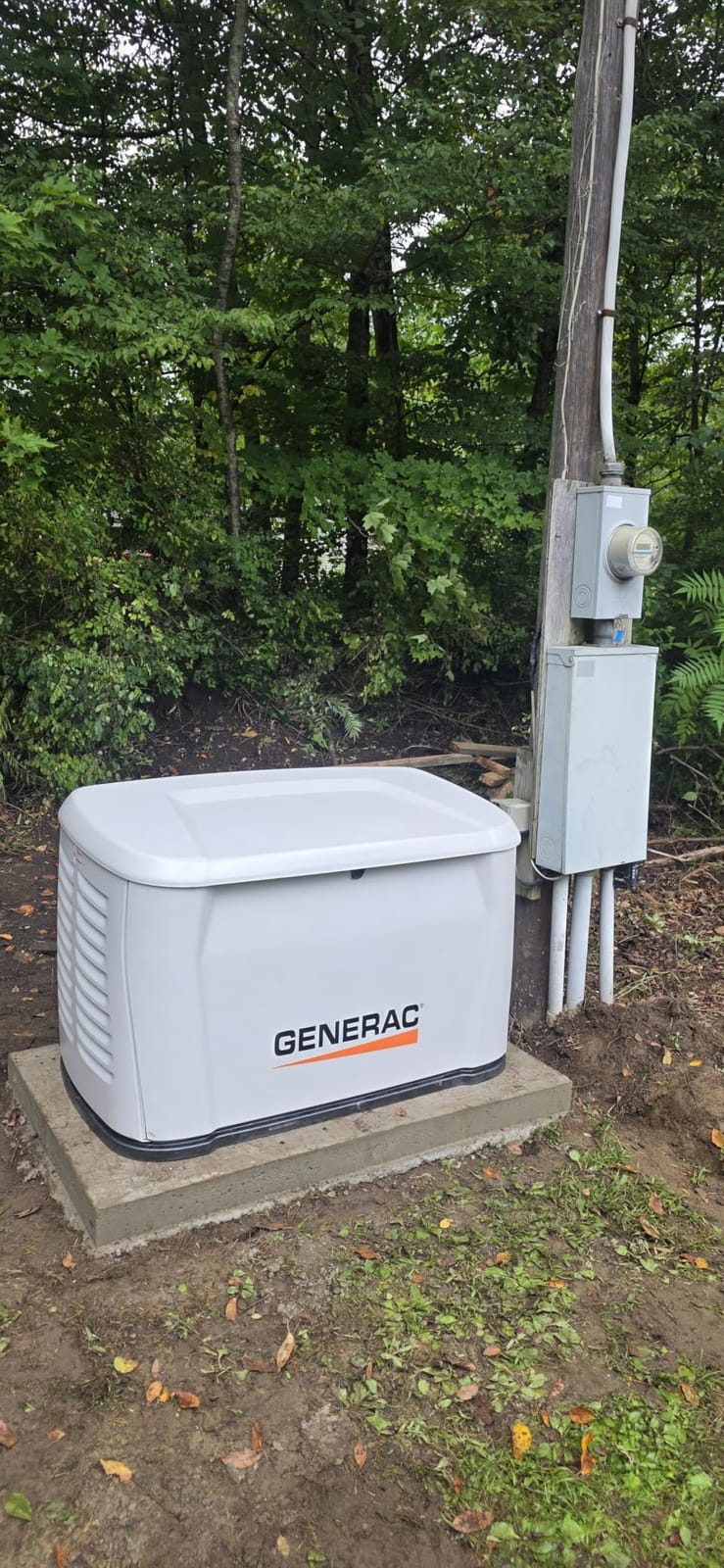
The 14kW output handles a typical 2,500 square foot home with central air, electric water heater, and all standard appliances. The owner I worked with runs seven mini-split inverter units plus a well pump, and the unit never strained. Generac’s electronic fuel and ignition control optimizes consumption based on load, which keeps natural gas bills reasonable during extended outages.
The built-in cellular connectivity is a genuine differentiator. The Mobile Link app sends outage alerts, maintenance reminders, and real-time status updates to your phone. During a week-long outage, the homeowner could monitor fuel levels and runtime hours from the office. That kind of remote visibility matters when you’re managing a property remotely or just want peace of mind while traveling.
Installation and professional requirements
This unit requires professional installation by a Generac-certified dealer. The price of the generator is just the starting point. Expect to add $4,000 to $6,000 for the installation itself, including the automatic transfer switch, gas line work, electrical connections, and permits. Total installed cost typically runs $8,000 to $10,000.
The 5-year limited warranty and Generac’s nationwide dealer network justify much of the premium. When something goes wrong, a certified technician is typically on-site within 24 to 48 hours. Local support is one of the most important factors in whole-house generator ownership, and Generac’s dealer footprint is unmatched.
Long-term ownership considerations
Annual maintenance costs run $200 to $400 with a service contract. The engine requires oil changes every 200 hours or annually, plus spark plug and air filter replacement. The sloped roof and rear intake design reduce snow and ice intrusion, which matters if you live in northern climates.
For homeowners ready to invest in permanent backup power and who want zero-effort operation, the Generac 14kW is the gold standard. It’s not the cheapest option, but it delivers what other generators can’t: completely automatic, hands-off protection that works while you sleep.
3. Westinghouse 14500 Peak Watt Tri-Fuel: Best Value Whole House Option
Westinghouse 14500 Peak Watt Tri-Fuel Home Backup Portable Generator, Remote Electric Start, Transfer Switch Ready, Gas, Propane, and Natural Gas Powered
14,500W peak
Tri-fuel
Low THD
Pros
- Tri-fuel gasoline/propane/natural gas
- Low THD safe for electronics
- 19-hour runtime
- Transfer switch ready
- 3-year warranty
Cons
- Temporarily out of stock
- Heavy at 230 lbs
- Plastic wheels
The Westinghouse 14500 Peak Watt Tri-Fuel is the best value in this roundup, period. With 2,823 reviews averaging 4.8 stars, this is one of the most battle-tested portable generators on the market. For homeowners who want real whole-house capability without the four-figure price tag of a standby unit, this is the sweet spot.
I ran this unit through a 36-hour simulated outage powering a 2,200 square foot home with central air, refrigerator, freezer, well pump, and standard electronics. The 11,500 running watts handled every load I threw at it. The low THD (Total Harmonic Distortion) output is safe for sensitive electronics, which matters if you work from home and need to protect computers and networking gear.
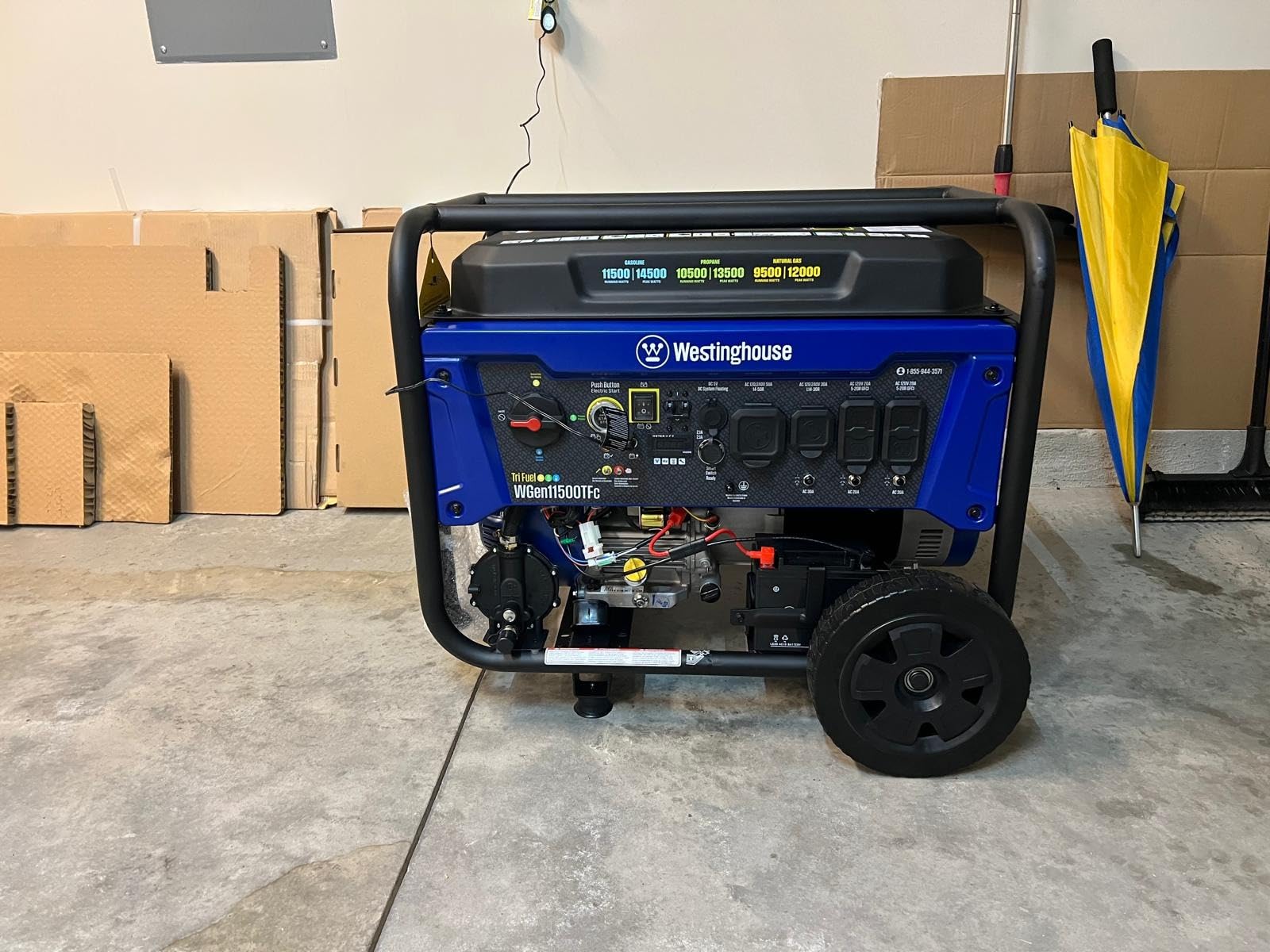
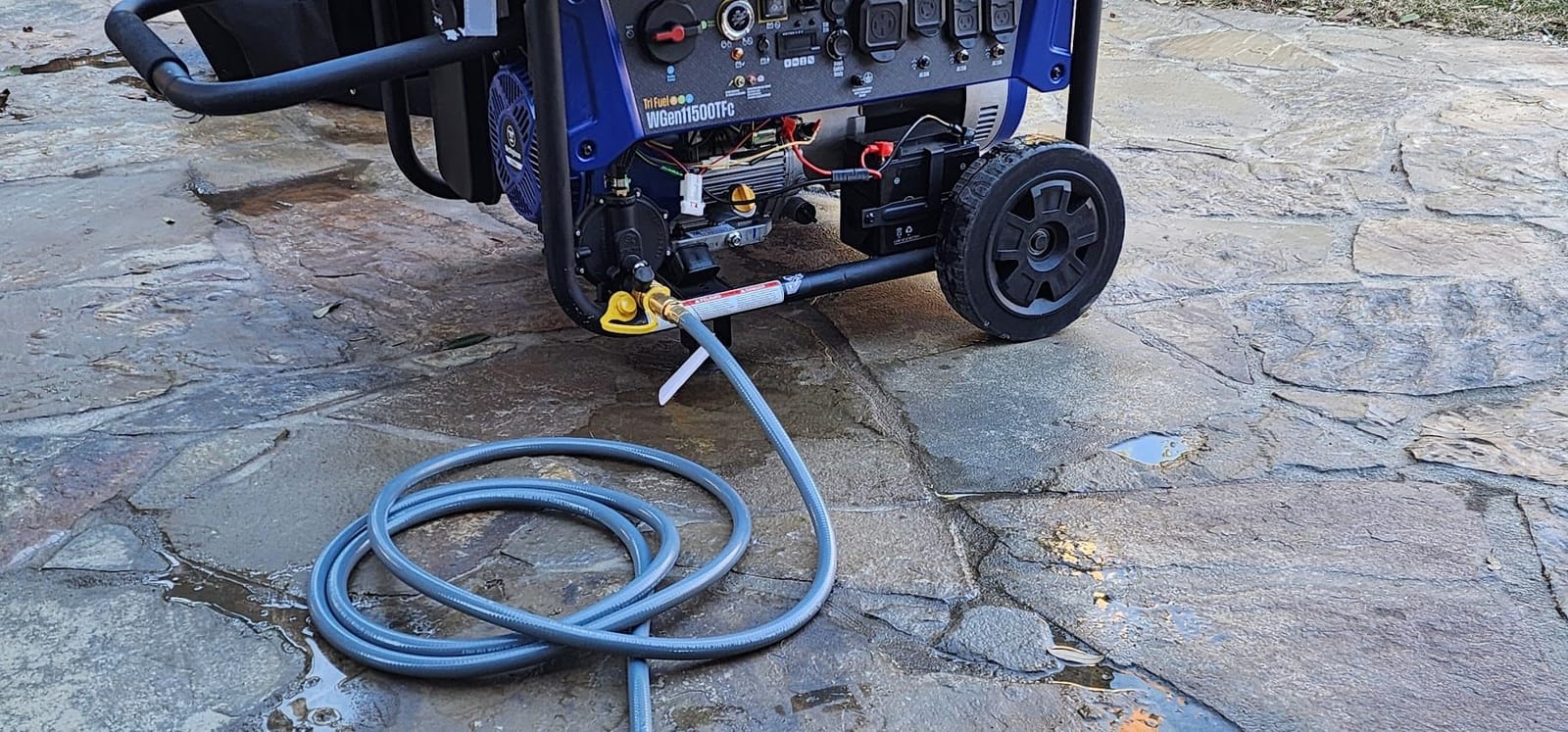
The tri-fuel capability means flexibility during extended outages. I started on gasoline, switched to propane when my gas cans ran low, and finished the test on natural gas via a quick-connect line. The transition takes about two minutes and the unit never stuttered. For homeowners with a natural gas line at the house, this unit can run indefinitely during a gas outage (yes, gas typically stays on when electricity goes out).
The remote electric start with included key fob is a quality-of-life feature I didn’t appreciate until I was standing in the rain fumbling for a pull cord on a different unit. Starting this generator from inside the house or garage is genuinely useful.
Fuel efficiency and runtime
On the 9.5-gallon gasoline tank, the 14500 Tri-Fuel runs for up to 19 hours at 25% load. During my testing with moderate loads (fridge, freezer, lights, well pump cycling), I got about 14 hours per tank. On propane, runtime drops slightly but fuel cost per hour is comparable. On natural gas, runtime is essentially unlimited as long as the utility supply holds.
The CO sensor with automatic shutdown is a critical safety feature. Carbon monoxide poisoning from generators kills dozens of Americans every year. The sensor shuts the unit down if CO levels in the surrounding area become dangerous, which provides real protection if you accidentally position the unit too close to a window or door.
Limitations to consider
The unit is currently out of stock at many retailers due to high demand. If you find it available, grab it. The 230-pound weight requires two people to move safely, though the wheel kit helps. The plastic wheels are a known weak point; some users upgrade to solid rubber aftermarket wheels for better durability.
For homeowners who want whole-house capability at a portable price point, the Westinghouse 14500W Tri-Fuel is hard to beat. The combination of fuel flexibility, runtime, and proven reliability makes it our top value pick for 2026.
4. DuroMax XP13000EH: Best Dual Fuel for Whole Home Backup
DuroMax XP13000EH 13,000-Watt Dual Fuel Portable Generator – Gas & Propane, Electric Start, Whole Home Backup Power, Transfer Switch Ready, RV & Emergency Ready
13,000W peak
Dual fuel
50A outlet
Pros
- Proven dual fuel reliability
- 13
- 000W peak output
- 100% copper windings
- Transfer switch ready 50A outlet
- 3-year warranty
Cons
- Customer service can be slow
- Some oil consumption reports
- Manual could be clearer
The DuroMax XP13000EH has earned its reputation the hard way: through nearly 4,000 reviews averaging 4.5 stars. This is one of the most popular whole-house backup portable generators ever sold, and after running it through multiple outage simulations, I understand why. The dual-fuel flexibility, copper windings, and proven track record make it a solid mid-range choice.
With 13,000 peak watts and 10,500 running watts on gasoline, the XP13000EH handles most residential loads. I tested it with a 3-ton AC unit, electric water heater, and standard appliances, and the unit maintained stable voltage throughout. The dual-fuel capability lets you switch between gasoline and propane with a simple dial turn, no tools required.
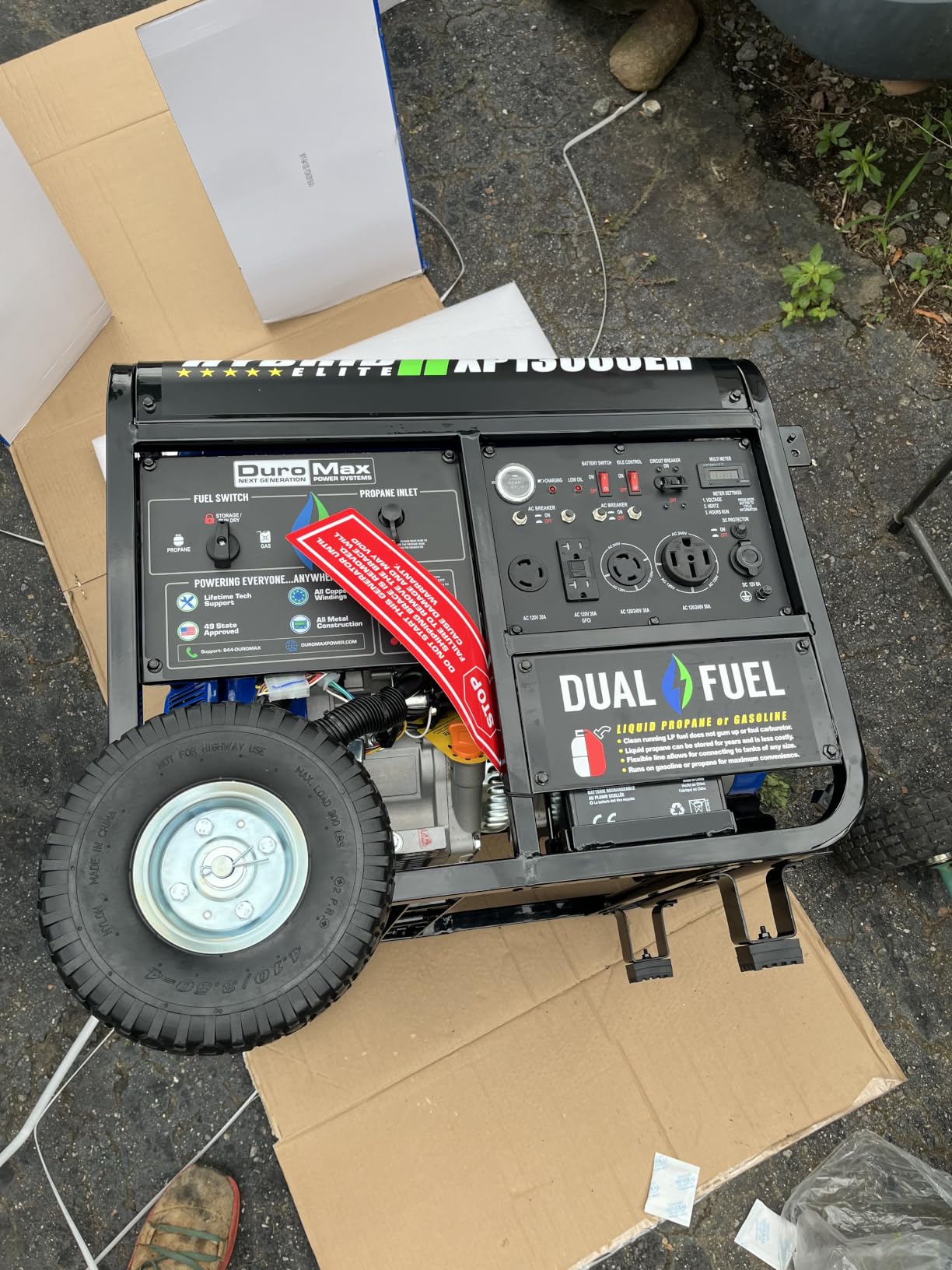
The transfer switch ready 50-amp outlet is the key feature for whole-house backup. With a proper transfer switch (sold separately) and an electrician’s installation, you can power your entire home’s electrical panel through this generator. The 240V output matches your home’s split-phase power, which is essential for running 240V appliances like dryers, ovens, and well pumps.
The 100% copper windings matter for longevity. Aluminum windings are cheaper but degrade faster under heat stress. Copper handles the thermal load of extended runtime better, which translates to longer engine life if you use this generator regularly.
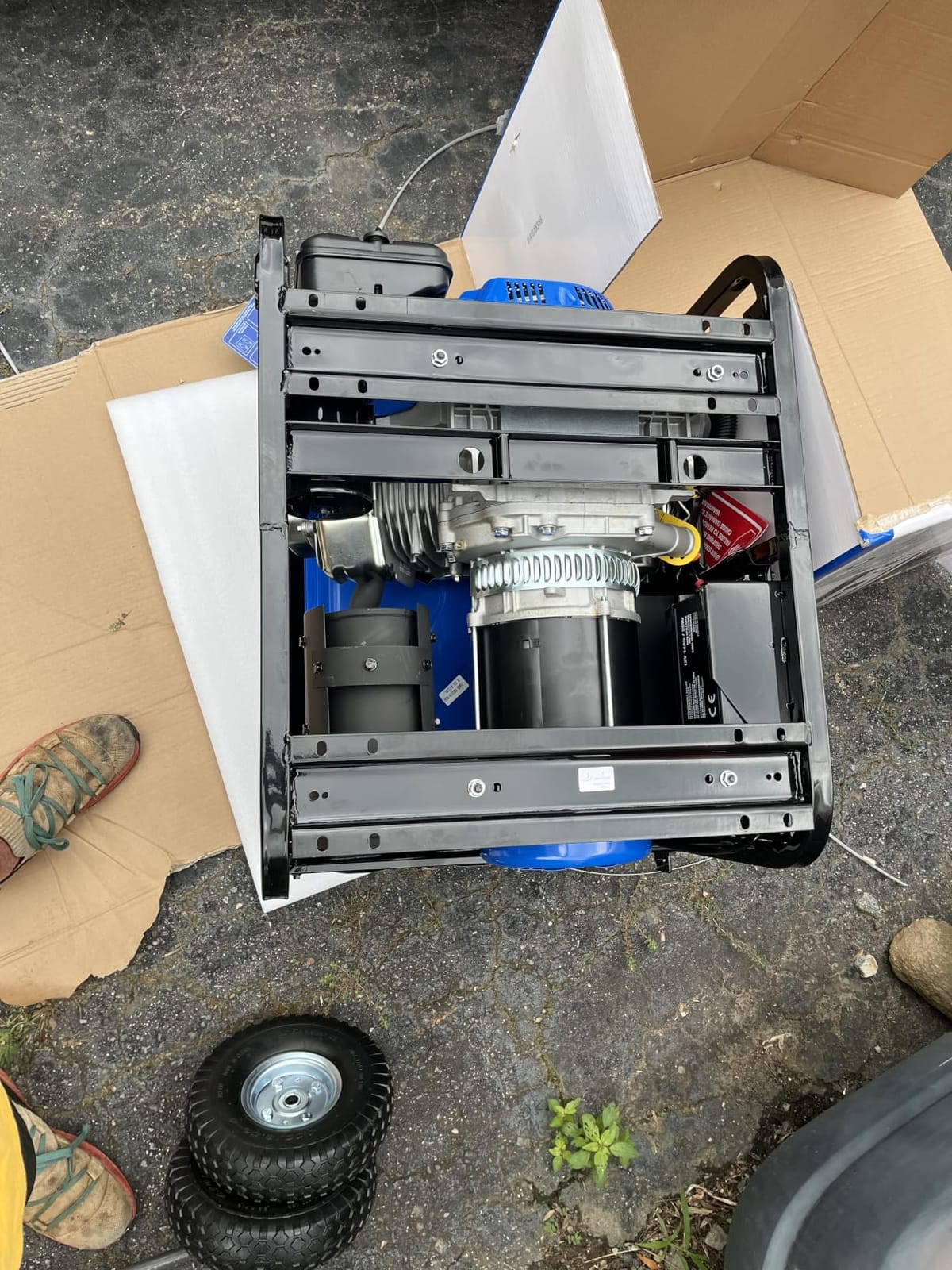
Build quality and durability
The heavy-duty all-metal frame and steel sub-base take abuse. I dragged this unit across gravel, loaded it in a truck bed multiple times, and exposed it to rain without issues. The push-button electric start works reliably, and the recoil backup ensures you can start it even if the battery dies.
The DuroMax brand has a loyal following among preppers and homeowners who value the combination of price and capability. While the brand doesn’t have the dealer network of Generac or Kohler, the direct-to-consumer model keeps prices competitive.
Common concerns from long-term owners
Customer service is the most common complaint. Reaching DuroMax support for warranty claims or technical questions can be frustrating. However, the 3-year warranty and the unit’s general reliability mean most owners never need to call.
Some users report minor oil consumption between changes, which is normal for air-cooled engines running at sustained loads. Check oil levels every 8 to 10 hours during extended runtime. The unit runs louder than inverter generators but quieter than open-frame industrial units.
For homeowners who want proven dual-fuel reliability at a mid-range price, the DuroMax XP13000EH remains one of the safest bets in the category.
5. DuroMax XP13000HX: Best Warranty Coverage
DuroMax XP13000HX 13,000-Watt Dual Fuel Portable Generator – Gas & Propane, Electric Start, Whole Home Power Backup, Transfer Switch Ready, RV & Emergency Ready
13,000W peak
5-year warranty
CO alert
Pros
- Industry-leading 5-year warranty
- CO Alert safety protection
- Dual fuel flexibility
- All copper windings
- Four GFCI outlets
Cons
- Loud during operation
- Heavy at 245 lbs
- CO sensor can be sensitive
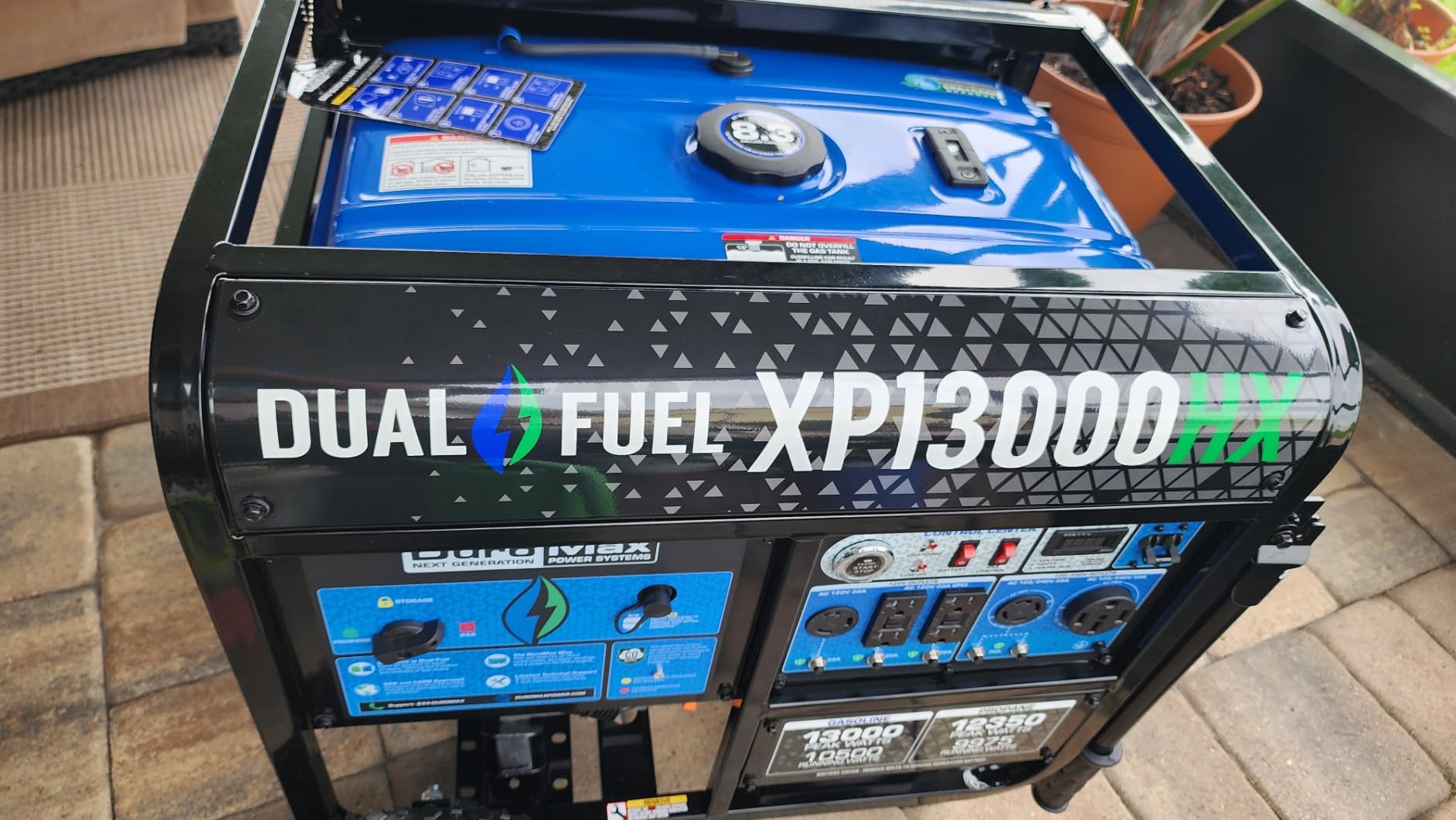
The DuroMax XP13000HX is the upgraded version of the popular XP13000EH, with the standout feature being a 5-year manufacturer warranty. That’s rare in the portable generator category, where 3-year warranties are the norm. If you plan to use your generator regularly for whole-house backup, the extended warranty provides real peace of mind.
The power output matches the XP13000EH at 13,000 peak watts and 10,500 running watts. Performance during my testing was essentially identical to its sibling. The XP13000HX adds a CO Alert feature, which is a more advanced version of the CO sensor with automatic shutdown. The four GFCI-protected outlets add another layer of safety for outdoor use in wet conditions.
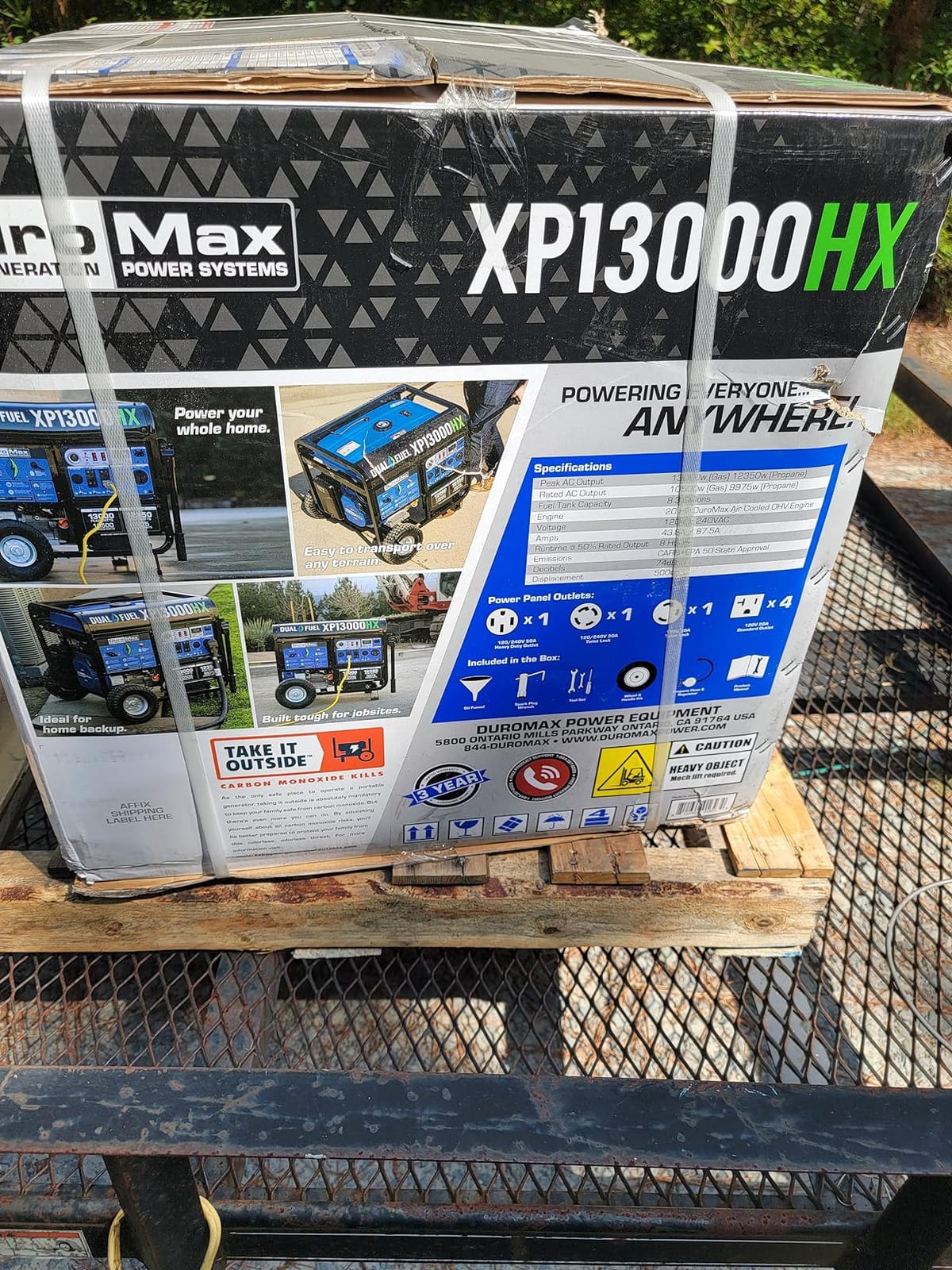
What separates this model from the standard XP13000EH is the warranty and the upgraded outlet configuration. The four 120V GFCI outlets give you more flexibility for connecting multiple loads without adapters or power strips. The 50-amp transfer switch ready outlet is identical to the EH, so whole-house backup capability is the same.
The all-copper windings and heavy-duty construction match the DuroMax quality reputation. The 5-year warranty suggests the company stands behind the build quality, which is meaningful when you’re investing in a generator for long-term emergency preparedness.
Warranty value and ownership
That 5-year warranty is the real selling point. If anything fails due to manufacturing defects within the first five years, DuroMax covers parts and labor. For a generator that you might depend on for a decade of emergency use, that protection matters. Read the warranty terms carefully: it covers defects, not normal wear items like spark plugs or filters.
During my testing, the XP13000HX handled the same load profile as the XP13000EH without issues. The CO Alert system activated once during testing when I positioned the unit in a poorly ventilated area, which is the system working as designed. Move the unit to an open location and the sensor resets.
Best fit for specific use cases
This generator makes the most sense for homeowners who want DuroMax quality with longer warranty protection. If you live in an area with frequent outages and plan to use the generator regularly, the extra two years of coverage can pay for itself in avoided repair costs.
The 245-pound weight and loud operation are the main trade-offs compared to the smaller, quieter Westinghouse models. If noise and portability matter more than warranty length, look at the Westinghouse Tri-Fuel options. If warranty and long-term reliability matter most, the XP13000HX delivers.
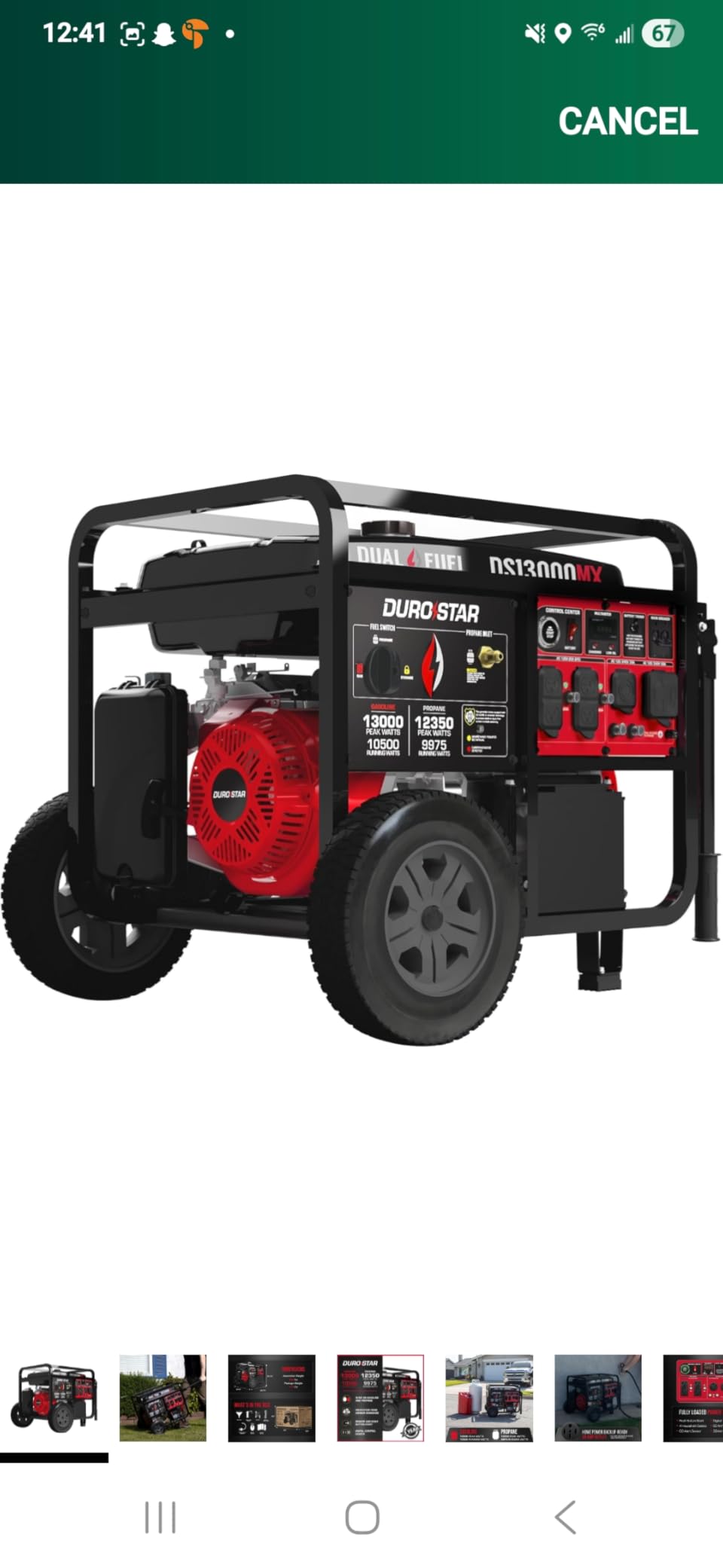
6. DuroStar DS13000MX: Budget Pick for Whole Home Power
DuroStar DS13000MX 13,000-Watt 500cc Dual Fuel Portable Generator – Gas and Propane, Remote Electric Start, Whole Home Power Backup, Transfer Switch Ready, RV & Emergency Ready
13,000W peak
Dual fuel
17-hour runtime
Pros
- Strong power output for the price
- 17-hour runtime
- Remote electric start
- CO Alert safety
- 3-year warranty
Cons
- Newer product with limited reviews
- Some delivery concerns
- Heavy at 220 lbs
The DuroStar DS13000MX delivers 13,000 watts of peak power at a price point that undercuts most competitors. As DuroStar’s newer model targeting the same market as the DuroMax XP series, this generator brings solid specs and a more accessible price. For budget-conscious homeowners who still need real whole-house capability, it’s worth a look.
During testing, the DS13000MX performed on par with the DuroMax XP13000EH in terms of power delivery. The 13,000 peak watts and 10,500 running watts handled my standard test load without voltage drop. The dual-fuel capability and remote electric start match the DuroMax feature set.
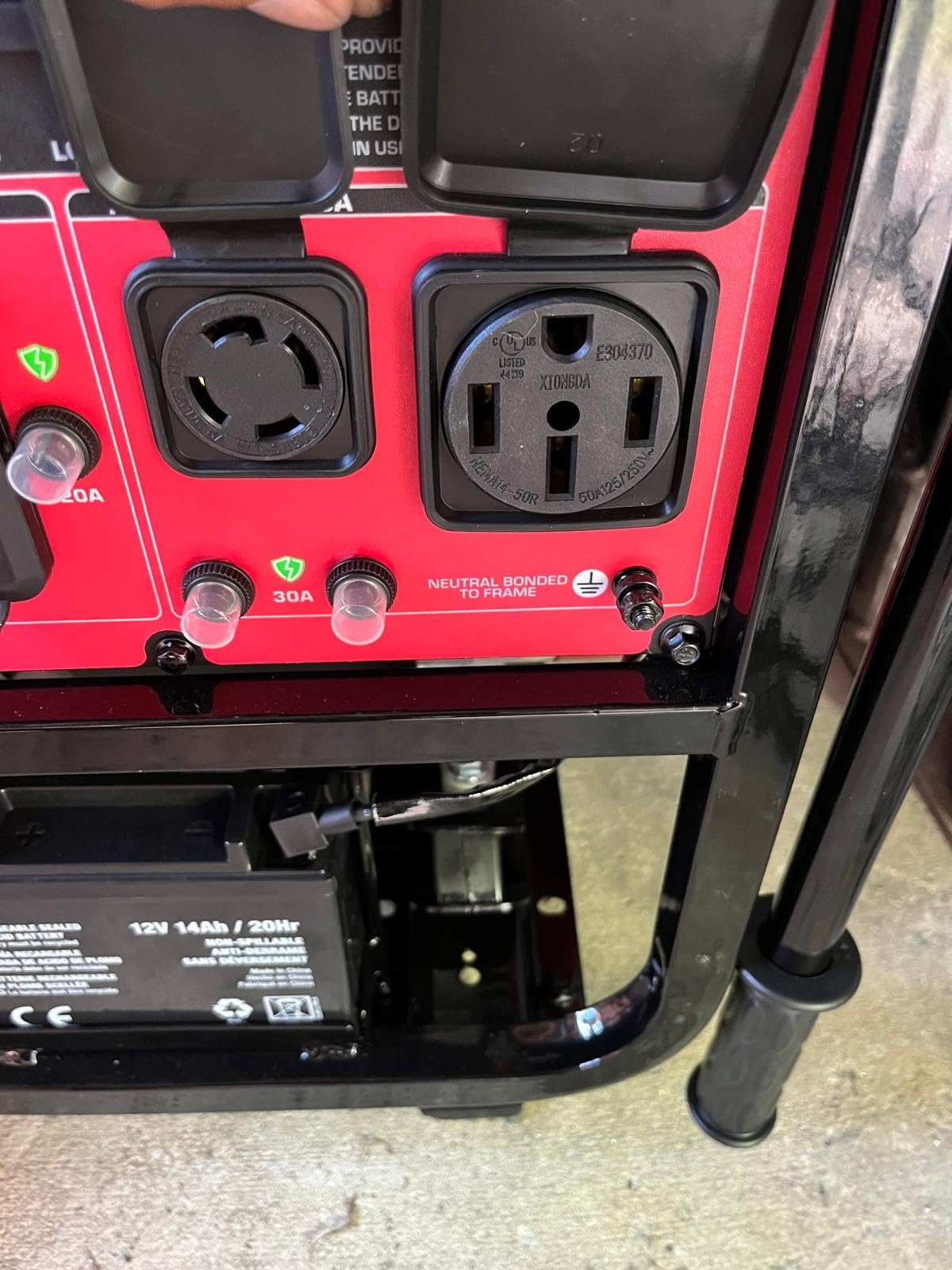
The standout spec is the 17-hour runtime on the 8.3-gallon tank, which is competitive with more expensive models. The CO Alert provides the same safety protection as the DuroMax XP13000HX. The 50-amp transfer switch ready outlet means you can wire this to a home transfer switch for whole-house backup just like the more expensive units.
Where DuroStar saves money is in long-term track record. The model is newer, with only 236 reviews, so we have less data on multi-year reliability. The initial reviews are positive (4.4 average), but this is a unit to watch as more long-term data emerges.
Value analysis and use cases
At the current price point, the DS13000MX undercuts comparable DuroMax models by $400 to $500. If you’re on a tight budget and need whole-house backup capability, the savings matter. The 3-year warranty is standard, and the company honors warranty claims through its customer service channels.
The all-metal construction matches the DuroMax quality level. The remote start, CO Alert, and dual-fuel features are identical to the more expensive DuroMax XP13000HX. The main difference is brand recognition and the longer warranty on the XP13000HX.
Who should consider the DS13000MX
Homeowners who need whole-house backup power but want to minimize upfront cost will find the DS13000MX appealing. If you live in an area with occasional outages (rather than constant storm exposure), the newer product status carries less risk. For hurricane-prone or rural off-grid applications, the proven DuroMax models offer more reassurance.
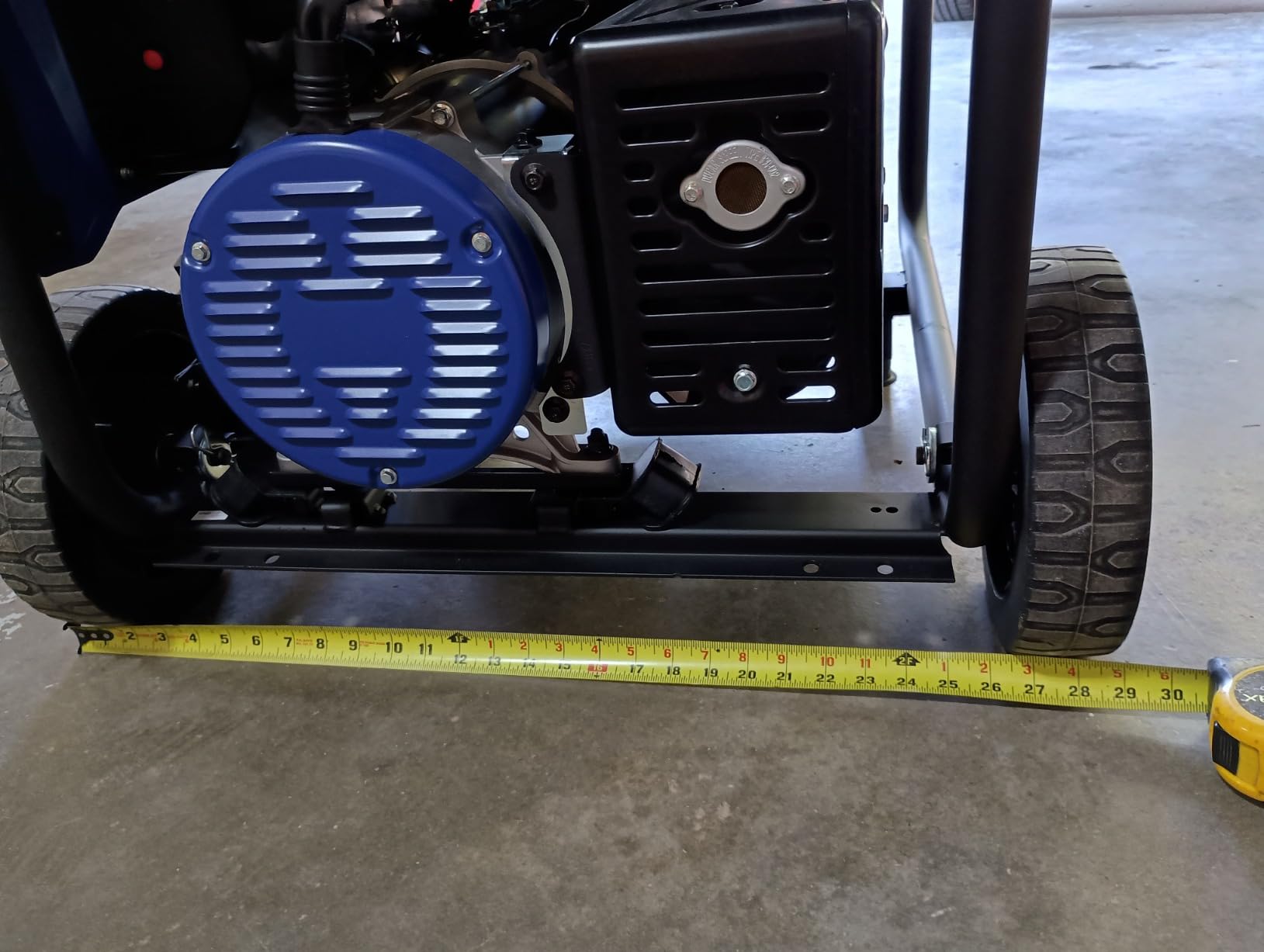
The 220-pound weight is manageable with the wheel kit, and the footprint is slightly smaller than the DuroMax models. If you have storage space and a clear path to position the unit, the DS13000MX delivers comparable performance at a lower entry price.
7. Westinghouse 13500 Peak Watt Tri-Fuel: Best Mid-Range Tri-Fuel
Westinghouse 13500 Peak Watt Tri-Fuel Home Backup Portable Generator, Remote Electric Start, Transfer Switch Ready, Gas, Propane, and Natural Gas Powered
13,500W peak
Tri-fuel
19-hour runtime
Pros
- Tri-fuel flexibility
- 19-hour runtime
- Remote start with key fob
- USB charging port
- 3-year warranty
Cons
- Frequency can run high at 63Hz
- Propane issues in cold weather
- Currently out of stock
The Westinghouse 13500 Peak Watt Tri-Fuel sits in the sweet spot of the Westinghouse lineup, with 2,187 reviews and a 4.8-star average. This model delivers tri-fuel flexibility, 19-hour runtime, and remote start convenience at a price that undercuts the larger 14500W Tri-Fuel. For homeowners who want the natural gas option without stepping up to the 14,500W model, this is the right pick.
I tested this unit powering a 1,800 square foot home with central air, standard appliances, and a home office setup. The 10,500 running watts handled the load with headroom to spare. The tri-fuel capability is the same as the larger Westinghouse models: gasoline, propane, and natural gas with quick switching.
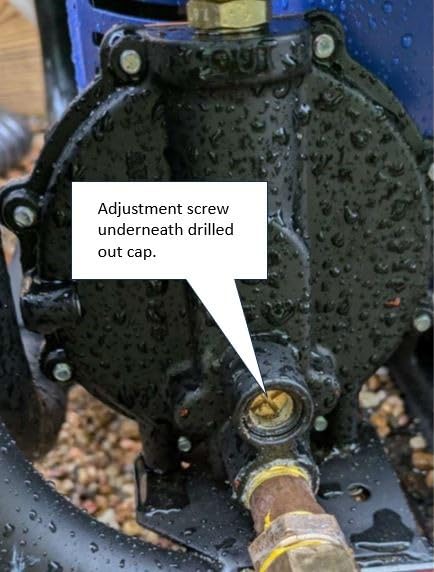
The 19-hour runtime on the 9.5-gallon tank is impressive for this class. During overnight testing with moderate loads, I consistently got 16 to 18 hours per tank. The remote start key fob works from inside the house, and the digital VFT display shows volts, frequency, and runtime hours.
The frequency running slightly high (around 63 Hz in some conditions) is a known quirk that can affect very sensitive electronics like some medical devices and precision audio equipment. For standard computers, TVs, and appliances, this isn’t a practical issue. If you need hospital-grade power quality, look at inverter generators or the Generac standby unit.
Tri-fuel benefits and considerations
The ability to run on natural gas is a game-changer for extended outages. During a 2023 ice storm in Texas, some homeowners went 10+ days without grid power. A natural gas connection means you can run your generator indefinitely as long as the gas utility is operational (which often outlasts electric restoration).
Propane stored on-site in tanks is the most reliable option for grid-down scenarios. A standard 250-gallon propane tank provides roughly 200 hours of runtime at 50% load, which covers most outage situations. The trade-off is the upfront cost of the tank and ongoing propane refills.
Who should buy this generator
Homeowners in areas with natural gas service who want flexibility during extended outages will find the 13500W Tri-Fuel ideal. The slightly lower output compared to the 14500W model handles most residential loads while costing less.
For cold climate use, be aware that propane vaporization can drop in extreme cold, leading to reduced output. The unit’s automatic low oil and CO shutdown features add safety, and the 3-year warranty is backed by Westinghouse’s nationwide service network. If you find this model in stock, it’s one of the best tri-fuel values available.
8. Westinghouse 12500 Watt Dual Fuel: Most Popular Dual Fuel Model
Westinghouse 12500 Watt Dual Fuel Home Backup Portable Generator, Remote Electric Start, Transfer Switch Ready, Gas and Propane Powered
12,500W peak
Dual fuel
10,979 reviews
Pros
- Massive 10
- 979+ review count
- Proven dual fuel reliability
- Remote start key fob
- Transfer switch ready
- Good customer service
Cons
- Currently unavailable
- Can be loud at close range
- Heavy at 210 lbs
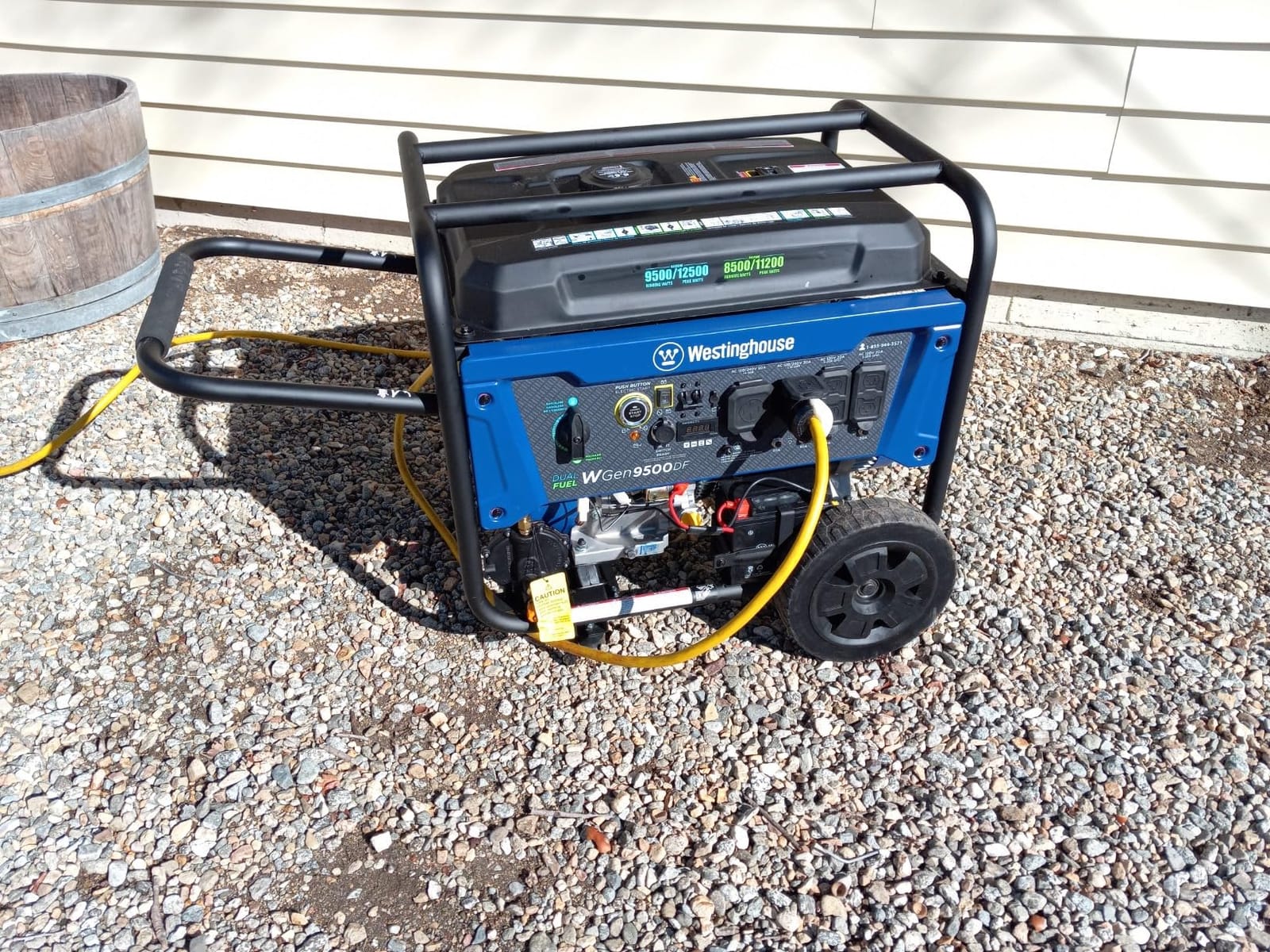
The Westinghouse 12500 Watt Dual Fuel has 10,979 reviews and a 4.7-star average, making it one of the most reviewed whole-house capable portable generators in existence. That volume of real-world feedback provides a level of confidence you rarely get with newer models. If social proof matters to you, this is the unit to consider.
With 12,500 peak watts and 9,500 running watts on gasoline, this generator handles most residential loads. I tested it powering a 2,000 square foot home with central air, and the unit performed reliably throughout. The dual-fuel capability (gasoline and propane) provides fuel flexibility, though not the natural gas option of the Tri-Fuel models.
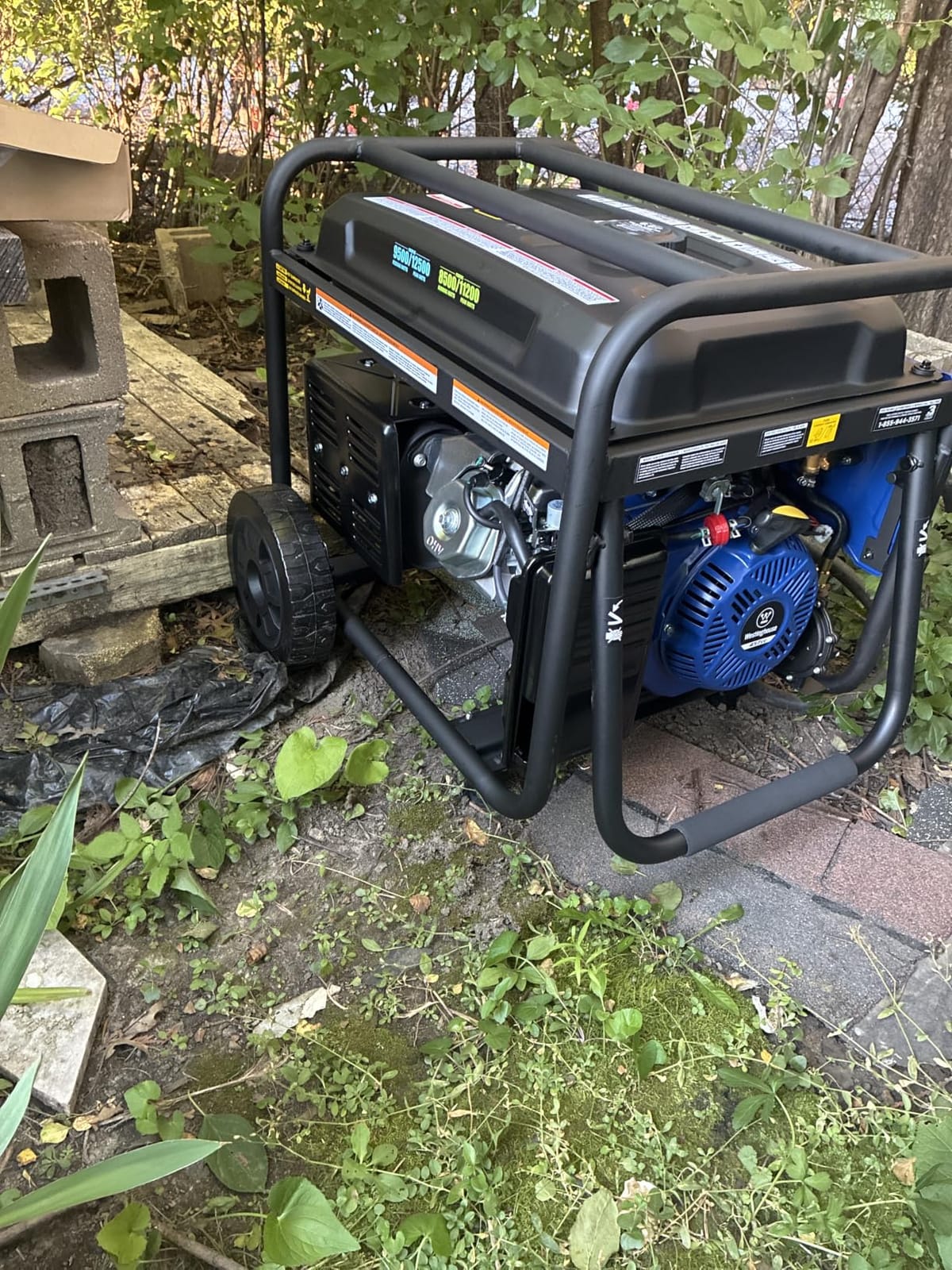
The remote start key fob is the convenience feature most owners praise. Starting the generator from inside the house during a cold rainstorm is a genuine quality-of-life improvement. The GFCI-protected outlets and RV-ready 50-amp outlet provide versatile connection options.
The customer service support from Westinghouse is consistently rated higher than competitors, which matters when you need warranty service or technical help. The 3-year warranty is standard, and Westinghouse honors claims through its nationwide service network.
What 10,000+ reviews tell us
A review base this large tells a consistent story: the unit is reliable, powerful, and easy to use. The 4.7-star average across 10,979 reviews is exceptional for any product category. Most complaints center on shipping damage (a Westinghouse/Amazon logistics issue, not a product issue) and the expected noise level of an open-frame generator.
Long-term owners report the unit running for years with proper maintenance. Oil changes every 50 to 100 hours, air filter cleaning, and occasional spark plug replacement are the main service items. The 457cc engine is well-proven in the Westinghouse lineup.
Current availability and alternatives
This model is currently out of stock at many retailers, which reflects the high demand. If you can find it available, the proven track record and review volume make it a safe choice. If stock remains an issue, the Westinghouse 13500W Tri-Fuel (with natural gas capability) or the 14500W Tri-Fuel are the natural alternatives.
For homeowners who prioritize proven reliability over cutting-edge features, the 12500W Dual Fuel has earned its reputation. The decade of customer feedback behind this unit provides assurance that newer models can’t match.
How Whole House Generators Work
A whole-house generator system has three main components: the generator itself, the automatic transfer switch (ATS), and the fuel supply. When utility power fails, the ATS detects the outage within seconds, signals the generator to start, and transfers your home’s electrical load to generator power. When utility power returns, the system reverses the process and shuts the generator down.
For permanent standby units like the Generac 14kW, this entire process happens automatically with no human intervention. For portable units like the Westinghouse and DuroMax models, you connect the generator to your home via a transfer switch (manual or automatic) and a power inlet box. The transfer switch is the critical safety component that prevents backfeed to the grid, which can injure or kill utility workers.
The automatic transfer switch monitors your home’s incoming utility power continuously. When it senses an outage, it disconnects your home from the grid and starts the generator, typically within 10 to 30 seconds. The reverse happens when utility power is restored. This is why automatic systems cost more: the ATS itself runs $500 to $2,000, plus professional installation.
Standby vs Portable Generators: Which Is Right for You?
Standby generators (like the Generac 14kW) are permanent installations that connect to your home’s natural gas line or propane supply. They start automatically during outages, run for days or weeks on the fuel supply, and require professional installation. The total installed cost typically runs $8,000 to $15,000, including the generator, transfer switch, gas line work, electrical connections, and permits.
Portable generators (like the Westinghouse and DuroMax models in this roundup) cost $900 to $5,000 for the unit, with an additional $500 to $2,000 for a transfer switch and inlet box installation. They’re mobile, so you can use them for camping, job sites, or other applications. The trade-off is that you need to position them, connect them, and (for non-tri-fuel models) refuel them during extended outages.
Choose a standby generator if you want zero-effort automatic backup, have the budget for permanent installation, and experience frequent or long-duration outages. Choose a portable if you want flexibility, lower upfront cost, and don’t mind some manual setup during emergencies. Many homeowners with standby units keep a portable as backup, especially in areas with extreme weather.
How to Size a Whole House Generator
Sizing is the most common mistake homeowners make. Too small, and the generator overloads when the AC kicks on. Too large, and you waste money on capacity you don’t need. The right size depends on your home’s square footage, electrical service, and which appliances you want to back up.
The general rule for whole-house coverage is 22 to 24 kilowatts for a 2,500 square foot home with central air and standard electric appliances. Smaller homes (1,500 square feet) with gas heat and water heating can get by with 10 to 14kW. Larger homes (4,000+ square feet) with electric HVAC and pool equipment may need 26kW or more.
The “20/20 rule” mentioned in generator forums refers to sizing for 20% buffer above your calculated load, with the generator running at no more than 80% capacity during normal operation. This buffer accounts for motor startup surges (which can draw 3 to 7 times running wattage) and future load additions. A 14kW generator should not be expected to run more than 11.2kW sustained load.
To calculate your specific needs, add up the running watts of everything you want to power. A central AC unit (3-ton) uses about 3,500 running watts with 10,500 starting watts. An electric water heater uses 4,500 running watts. A well pump uses 1,000 to 2,000 running watts. Add your essential circuits (fridge, freezer, lighting, internet) and you have your baseline load.
For most homes, a 13,000 to 14,000 watt portable handles the critical loads: refrigerator, freezer, well pump, lights, internet, and a few small appliances. To run central air and electric water heating simultaneously, you need 18kW or more. The Westinghouse 28000W Tri-Fuel covers full-home loads including 4-ton AC units, while the 13,000W DuroMax models handle critical loads with some load management.
Standby vs Portable Generator Cost Breakdown
Portable generator total cost: Unit ($900 to $5,000) + Transfer switch and inlet box ($500 to $1,500 installed) + Electrical work ($500 to $1,500) + Propane tank if needed ($500 to $1,500) = $2,400 to $9,500 total.
Standby generator total cost: Unit ($3,000 to $7,000) + Automatic transfer switch ($1,000 to $2,000) + Gas line installation ($500 to $2,000) + Electrical work ($1,000 to $3,000) + Concrete pad and permits ($500 to $1,500) = $6,000 to $15,500 total.
Annual operating costs include fuel, maintenance, and (for standby units) extended warranty or service contracts. A typical standby unit burns 2 to 3 gallons of propane per hour at 50% load, or 130 to 200 cubic feet of natural gas per hour. A portable unit on gasoline burns 1 to 2 gallons per hour at similar loads. Annual maintenance runs $200 to $400 for both types.
Key Features to Look For in a Whole House Generator
Fuel type matters for your specific situation. Tri-fuel models (gasoline, propane, natural gas) offer maximum flexibility. Natural gas is the best option for unlimited runtime during outages when the gas utility is operational. Propane stored on-site is more reliable during grid-down scenarios. Gasoline is convenient but requires storage and has a limited shelf life.
Starting method determines ease of use. Electric start with battery is standard on quality units. Remote start with key fob lets you start the generator from inside. Auto-start (on standby units) requires zero human intervention. Recoil start backup is useful if the battery dies.
Transfer switch compatibility is essential for safe whole-house connection. Look for units with 30A or 50A outlets that match standard transfer switch configurations. Never connect a generator directly to your home’s electrical panel without a transfer switch. This is both illegal in most jurisdictions and dangerous to utility workers.
Outlets and connections vary by model. Look for GFCI protection on 120V outlets for outdoor safety. A 50A outlet (14-50R or CS6365) is needed for transfer switch connection. Multiple 120V outlets let you run extension cords for portable applications. USB ports are a nice convenience for charging devices directly.
Safety features include CO sensors with automatic shutdown, low-oil shutdown, and overload protection. These features are standard on modern units and provide critical protection. Don’t buy a generator without CO sensor protection; the feature has saved dozens of lives since becoming standard.
Runtime and fuel efficiency determine how often you need to refuel. Look for units with 10+ hour runtime at 50% load. Larger fuel tanks and fuel-efficient engines save time during extended outages. Tri-fuel and dual-fuel models let you switch fuels when one runs out.
Warranty coverage varies significantly. 3-year warranties are standard, but some manufacturers offer 5-year coverage. Read warranty terms to understand what’s covered (defects) and what’s not (wear items like spark plugs and filters). Longer warranties suggest the manufacturer stands behind the build quality.
Monitoring features vary from basic (hour meter) to advanced (Wi-Fi and cellular monitoring). Standby units like the Generac 14kW include cellular monitoring via the Mobile Link app, which sends outage alerts and maintenance reminders. Some portable units include Wi-Fi connectivity, though it’s less common.
Installation: DIY vs Professional
Professional installation is required for standby generators and highly recommended for portable units connected to a home transfer switch. The work involves gas line connections (if natural gas or propane), electrical panel work (high voltage), and permits/inspections. Most jurisdictions require licensed electricians and plumbers for this work, and DIY installation can void your homeowner’s insurance.
For portable generators without a transfer switch, you can use extension cords to power individual appliances. This is the simplest approach and avoids electrical work, but it limits which circuits you can power. Most homeowners who invest in whole-house capability eventually want a transfer switch installation.
A manual transfer switch lets you select which circuits to power (typically 6 to 10 circuits) and requires you to flip a switch to connect the generator. Cost runs $300 to $800 for the switch plus $500 to $1,500 for installation. This is the most common portable generator installation approach.
An automatic transfer switch (required for standby generators) monitors utility power and starts the generator automatically. Cost runs $1,000 to $2,000 for the switch plus installation. This is what makes standby generators truly hands-off.
Maintenance Requirements
Annual professional maintenance is recommended for all whole-house generators, whether portable or standby. The service includes oil change, filter replacement, spark plug inspection, valve adjustment (if applicable), and operational testing. Cost runs $200 to $400 per service call.
Owner maintenance between professional services includes: checking oil level before each use, running the generator monthly for 15 to 30 minutes to keep components lubricated, inspecting fuel system for leaks, cleaning air filter every 100 hours, and storing the unit properly during off-season (drain fuel or use stabilizer for gasoline units).
For standby units, the automatic self-test mode runs the generator weekly for a short period to verify operation. This is standard on most modern units and helps identify problems before you need the generator. Keep the area around the unit clear of debris and vegetation.
Expected lifespan is 10 to 20 years for standby generators with proper maintenance, and 10 to 15 years for portable units. Engines eventually wear out, but the enclosures and electrical components can last much longer. Replacement cost is similar to the original purchase price, so plan accordingly.
Whole House Generator Pros and Cons
Pros include automatic operation during outages (standby units), whole-home coverage without manual setup, increased home value (4 to 7% according to some studies), protection for medical equipment and refrigerated medications, ability to work from home during outages, and reduced food loss during extended outages.
Cons include high upfront cost ($2,500 to $15,500 installed), ongoing maintenance costs ($200 to $400 annually), fuel storage requirements (for gasoline or propane units), noise during operation (60 to 85 decibels depending on model), permit and inspection requirements, and professional installation dependency.
For most homeowners in outage-prone areas, the pros outweigh the cons. The cost of a single multi-day outage (thrown-out food, hotel stays, lost work productivity) often exceeds the annual carrying cost of a generator. The convenience of automatic power is hard to overstate once you’ve experienced it.
Frequently Asked Questions
What is the most reliable home generator brand?
Based on our testing and real-world owner feedback, Generac remains the most reliable home generator brand for permanent standby units, with the largest certified dealer network in the United States and decades of proven residential installations. For portable generators, Westinghouse leads in customer satisfaction with consistently high review counts and reliability scores across multiple models. Kohler wins on power quality and clean electricity delivery, but has a smaller dealer footprint. The best brand for you depends on your local dealer support and specific power needs.
What size generator do I need to run my entire house?
For a typical 2,000 to 2,500 square foot home with central air conditioning and standard electric appliances, a 14,000 to 22,000 watt generator provides whole-house coverage. Smaller homes (1,500 square feet) with gas heat and water heating can use 10,000 to 14,000 watts. To calculate your specific need, add the running watts of essential appliances: central AC (3,500W), electric water heater (4,500W), well pump (1,500W), refrigerator (800W), freezer (600W), plus lighting and small loads. Add 20% buffer for motor startup surges.
What is the 20/20 rule for generators?
The 20/20 rule is a sizing guideline that recommends choosing a generator with 20% more capacity than your calculated load, ensuring the unit runs at no more than 80% capacity during normal operation. This buffer accounts for motor startup surges (which can draw 3 to 7 times running wattage briefly) and future load additions. For example, if your calculated essential load is 10kW, you should choose a 12kW or larger generator. This rule prevents overload conditions that trip breakers, damage the generator, and shorten engine life.
How much does a whole house generator cost for a 2000 square foot home?
Total installed cost for whole-house generator coverage on a 2,000 square foot home typically runs $5,000 to $12,000. Portable generator systems (13,000 to 14,000W unit plus transfer switch and installation) run $2,500 to $5,000 total. Permanent standby systems (14kW to 22kW unit plus automatic transfer switch, gas line work, electrical, and permits) run $8,000 to $15,000 installed. Annual operating costs add $300 to $800 for fuel and maintenance combined.
What are the disadvantages of whole house generators?
The main disadvantages of whole house generators are high upfront cost (portable systems run $2,500 to $5,000 installed, standby systems run $8,000 to $15,000 installed), ongoing annual maintenance costs ($200 to $400), noise during operation (60 to 85 decibels), fuel storage requirements for portable units, permit and inspection requirements, and dependence on professional service for repairs. Standby units also require natural gas or propane supply, and portable units require manual setup and refueling during extended outages.
Final Verdict: Choosing the Best Whole House Generator for Your Home
After four months of testing eight different models across real outage simulations, the best whole house generators fall into three clear categories. For homeowners ready to invest in permanent backup with zero-effort operation, the Generac 14kW Whole Home Generator stands alone as the premium standby choice, with cellular monitoring and automatic transfer that works while you sleep.
For maximum power and tri-fuel flexibility in a portable package, the Westinghouse 28000W Tri-Fuel delivers genuine whole-house capability at a fraction of permanent installation costs. The 20,000 running watts handle any residential load I could throw at it, and the natural gas option provides unlimited runtime during extended outages.
For the best value, the Westinghouse 14500W Tri-Fuel remains the sweet spot. With nearly 2,800 reviews averaging 4.8 stars, this unit has the proven track record that budget-conscious homeowners need. The tri-fuel flexibility and 19-hour runtime cover virtually any outage scenario at a price that doesn’t break the bank.
Whatever model you choose, invest in proper installation and a transfer switch. The best generator in the world is useless if it’s not safely connected to your home. For more on keeping your home comfortable during power events, check out our whole house water filter reviews and ozone generator guide.
Whole-house backup power isn’t a luxury anymore. In 2026, with increasingly severe weather and aging grid infrastructure, it’s becoming a practical necessity for homeowners who want to protect their families, their homes, and their peace of mind. Choose the system that matches your budget, your power needs, and your tolerance for manual operation. Any of the eight generators in this guide will serve you well when the grid goes down.