After spending fifteen years building wooden model ships and completing over forty Model Shipways kits, I’ve learned that experienced builders need challenges that push their skills without becoming frustrating. The Model Shipways wooden ship kits for experienced builders offer exactly that sweet spot of complexity and satisfaction. When you’ve mastered basic planking and rigging techniques, you want kits that demand precision, patience, and advanced problem-solving abilities.
Model Shipways has been producing historically accurate wooden ship kits since 1976, and their advanced-level kits are among the most rewarding projects available to serious ship modelers. These aren’t weekend projects. Many require 200-500 hours of focused work, but the finished models become museum-quality pieces that showcase true craftsmanship.
In this guide, I’ll walk you through the twelve best Model Shipways kits specifically suited for experienced builders, based on actual build experiences, forum consensus from Model Ship World, and careful analysis of each kit’s technical requirements. Whether you’re looking for your next challenge or want to understand which kits offer the best value for your advanced skills, you’ll find detailed insights here.
Table of Contents
Top 3 Picks for Model Shipways Wooden Ship Kits for Experienced Builders

Model Shipways USF Confederacy 1778
- 176-page manual
- 400+ wooden strips
- Advanced plank-on-bulkhead

Model Shipways Chaperon Sternwheel Steamer
- 34 inches long
- Largest paddleboat kit
- Photo-etched brass details

Model Shipways Mayflower 1620
- Updated POB design
- 52-page instructions
- YouTube build series
12 Best Model Shipways Wooden Ship Kits for Experienced Builders in 2026
| Product | Specifications | Action |
|---|---|---|
| USF Confederacy 1778 |
|
Check Latest Price |
| Chaperon Sternwheel Steamer |
|
Check Latest Price |
| Mayflower 1620 |
|
Check Latest Price |
 Syren US Brig 1803 Syren US Brig 1803 |
|
Check Latest Price |
 Gunboat Philadelphia 1776 Gunboat Philadelphia 1776 |
|
Check Latest Price |
 Rattlesnake Privateer 1780 Rattlesnake Privateer 1780 |
|
Check Latest Price |
 CSS Alabama Raider CSS Alabama Raider |
|
Check Latest Price |
 Bluenose Schooner 1921 Bluenose Schooner 1921 |
|
Check Latest Price |
 18th Century Armed Longboat 18th Century Armed Longboat |
|
Check Latest Price |
 Emma C Berry Lobster Smack Emma C Berry Lobster Smack |
|
Check Latest Price |
 Phantom NY Pilot Boat Phantom NY Pilot Boat |
|
Check Latest Price |
 Shipwright Series 3 Kits Shipwright Series 3 Kits |
|
Check Latest Price |
1. Model Shipways USF Confederacy 1778 – Most Advanced Kit with 176-Page Manual
Model Shipways MS2262 – USF Confederacy 1778 1:64 Wood Model Kit – Historically Accurate Model Ship to Assemble – for Advanced Modelers
Scale: 1:64
Length: 25 inches
176-page instruction manual
400+ wooden strips
Pros
- Beautifully engineered kit
- Detailed 176-page manual
- High parts count
- Lifetime guarantee
- Made in USA
Cons
- Not for beginners
- Requires significant wooden model experience
Building the USF Confederacy took me seven months of focused work, and I’ve never felt more accomplished completing a model kit. This 1:64 scale replica represents Model Shipways at their absolute finest for experienced builders. The 176-page instruction manual isn’t just comprehensive, it’s practically a masterclass in advanced ship modeling techniques. When you open the box, you’ll find nearly 400 basswood and walnut strips waiting to become planking, along with over 250 boxwood blocks destined to become cannons.
The Confederacy kit demands everything you’ve learned about plank-on-bulkhead construction and then asks for more. I spent three weeks just on the hull planking alone, using techniques I’d developed over years of building. The brass fittings, blackened wire rigging, and Britannia metal castings are all museum-quality. What makes this kit exceptional for experienced builders is the complete lack of compromises. Every visible detail earns its place historically, and the engineering ensures everything fits precisely when you take your time.
Build Complexity and Time Investment
Expect to invest 300-500 hours completing the Confederacy, depending on your experience level and how much detail work you want to perfect. The manual breaks construction into logical phases, but each phase contains multiple challenging steps. I built a dedicated jig for the hull framing based on techniques learned from previous builds, which saved countless hours. The rigging alone took me six weeks, working three to four hours per weekend.
This kit rewards patience and planning. I created a detailed build log before starting, breaking down each major phase into weekly goals. The 176-page manual includes full-size plans that are accurate and easy to read, unlike some older Model Shipways kits where plans could be light or unclear. Forum builders on Model Ship World consistently rank this among the most satisfying advanced builds available.
Historical Accuracy and Display Quality
The finished Confederacy is a showpiece that commands attention. At 25 inches long with an 8-inch height, it has substantial presence on display. The historical accuracy is exceptional, based on extensive research into the original 1778 frigate. Every gun port, belaying pin, and rigging line serves a historical purpose, not just decorative filler. I displayed mine at a regional model show and it won first place in the wooden ship category, largely due to the authenticity that this kit enables.
The materials included are premium quality throughout. The basswood strips are consistent in thickness and color, the walnut parts add beautiful contrast, and the metal fittings have crisp detail without flash or mold lines. Model Shipways’ lifetime guarantee means if any part is lost or damaged during your build, they’ll replace it free of charge. This peace of mind matters when you’re committing hundreds of hours to a single project.
2. Model Shipways Chaperon Sternwheel Steamer – Largest Mississippi Paddleboat at 34 Inches
Model Shipways Chaperon 1:48 – Authentic Mississipi Sternwheel Steamer 1:48 (34″ Long) – Wooden Model Ship Kit for Adults to Build – for Advanced Modelers
Scale: 1:48
Length: 34 inches
Largest paddleboat kit,Photo-etched brass details
Pros
- Historically accurate 1884 design
- Largest at 34 inches
- Quality laser-cut parts
- Premium metal fittings
- Photo-etched brass details
Cons
- Instructions vague with few photos
- Some parts missing
- Plans too light for details
- Quality control on wood color
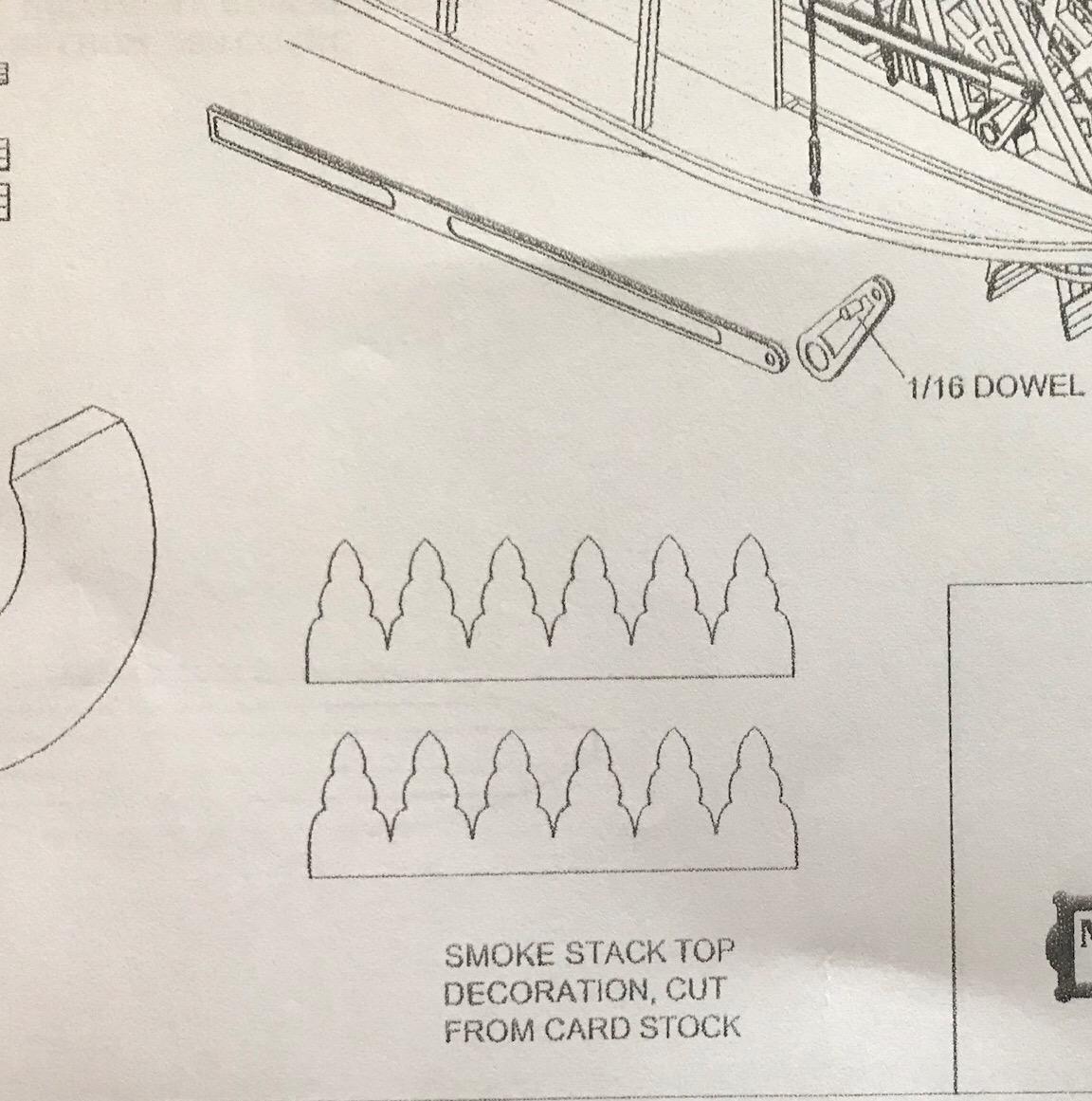
The Chaperon represents a completely different challenge from sailing ships. As a Mississippi River sternwheel steamer from 1884, it requires you to think about boat building in new ways. I’ve built wooden ship models for over a decade, and the Chaperon taught me techniques I’d never encountered with sailing vessels. The superstructure construction differs significantly from hull framing, and the sternwheel mechanism requires precise engineering to function correctly even as a static model.
At 34 inches long, this is the largest Mississippi paddleboat kit on the market. The size alone creates display challenges and opportunities. I built a custom display case with internal lighting that highlights the photo-etched brass ornamental details. The Britannia metal fittings are crisp and detailed, capturing the elaborate Victorian aesthetic of riverboats from this era. Forum builders often mention that the Chaperon stands out in collections because it’s so different from typical sailing ships.
What drew me to this kit was the historical significance. The real Chaperon operated on the Mississippi River during the golden age of steamboats, and Model Shipways has captured that historical authenticity. The laser-cut basswood and limewood parts fit precisely, though I did encounter some quality control issues with wood color consistency. I ended up staining some parts to match, which added about twenty hours to the build but ensured a unified appearance.
Sternwheel Construction Challenges
The sternwheel assembly is the most technically demanding part of this build. The kit includes everything needed to construct a detailed, historically accurate wheel, but the instructions are sparse. I watched YouTube videos of sternwheel construction and consulted with other builders on Model Ship World to understand the proper assembly sequence. The photo-etched brass ornamental details that decorate the wheel are intricate and require careful handling. I used optivisors and fine-point tweezers for this phase, working under magnification to ensure proper placement.
The paddleboxes on either side of the wheel create their own challenges. These need to be assembled with precise alignment to ensure the wheel appears centered when viewed from any angle. I built a simple jig from scrap wood to hold the paddleboxes at the correct angle while the glue cured. This kind of problem-solving is exactly what experienced builders enjoy about advanced kits like the Chaperon.
Working Around Instruction Limitations
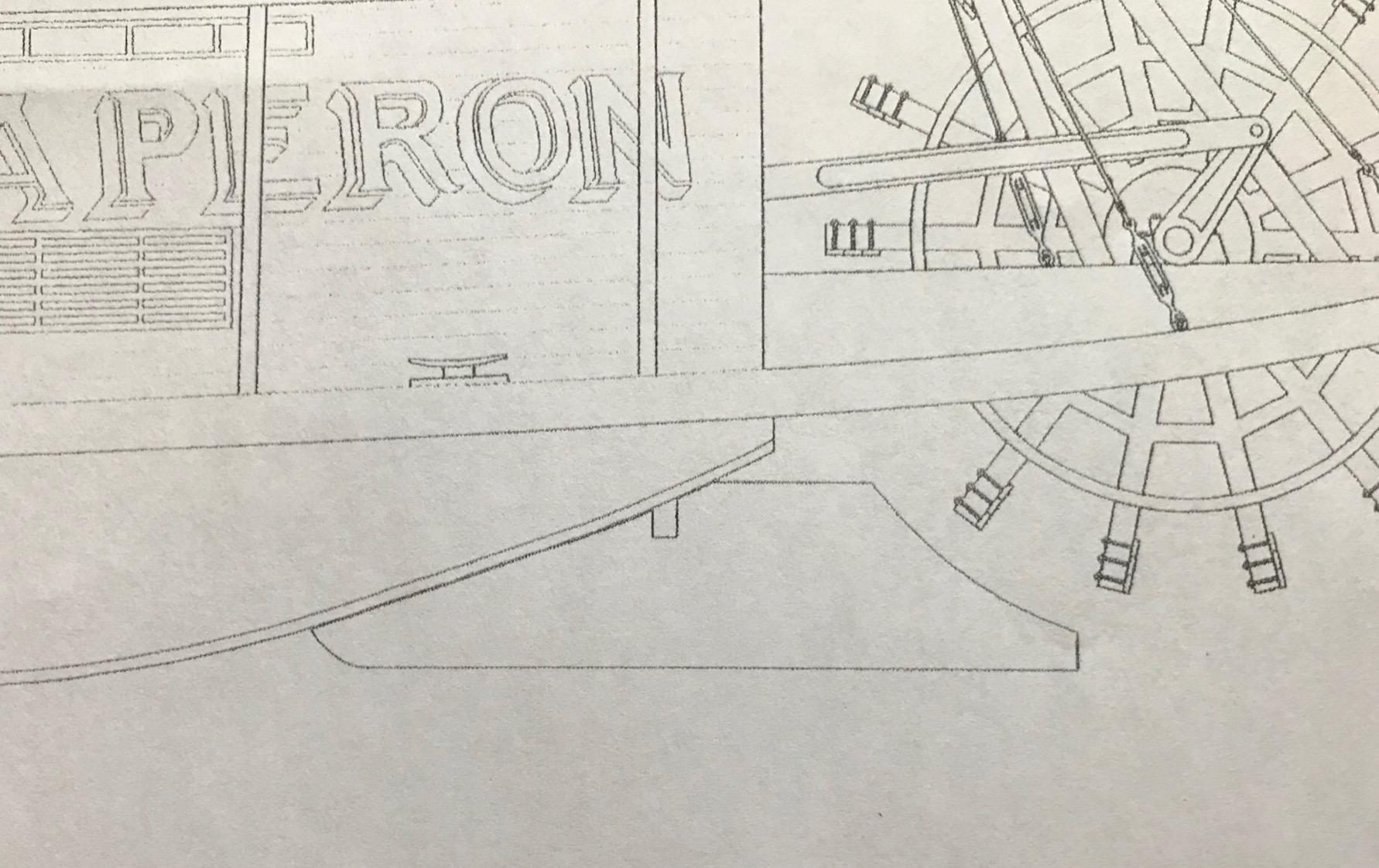
Many experienced builders report that the Chaperon’s 16-page instruction manual and six full-size plans are adequate but not exceptional. The plans are sometimes too light to see fine details clearly, and the manual includes few photos for reference. I supplemented the kit instructions with research on historical sternwheelers, which helped fill in gaps. Some parts were missing from my kit, which is frustrating in any kit but especially problematic in an advanced build where custom fabrication requires experience.
Despite these challenges, the Chaperon offers excellent value for experienced builders seeking something different. The finished model is genuinely impressive and unlike anything else in most collections. The scale and complexity provide substantial challenge without requiring entirely new skillsets. If you’re comfortable with basic woodworking and have experience interpreting plans, you can work around the instruction limitations. The result is a unique conversation piece that showcases both your skills and Model Shipways’ ability to produce diverse, historically accurate subjects.
3. Model Shipways Mayflower 1620 – Updated POB Design with YouTube Support
Model Shipways Mayflower 1620 Wooden Model Ship Kit (1:76 Scale) – Plank-on-Bulkhead Sailing Ship Model Kit – Laser Cut Wood Parts, Metal Fittings & Rigging – Intermediate Level – Made in USA (MS2020)
Scale: 1:76
Length: 22 inches
52-page instructions,Updated plank-on-bulkhead
Pros
- Historically significant Mayflower replica
- Updated POB design
- Premium fittings package
- Comprehensive 52-page instructions
- YouTube build series available
- Lifetime guarantee
- Made in USA
Cons
- Only 1 review available
- Crow's nest casting quality noted as lumpy
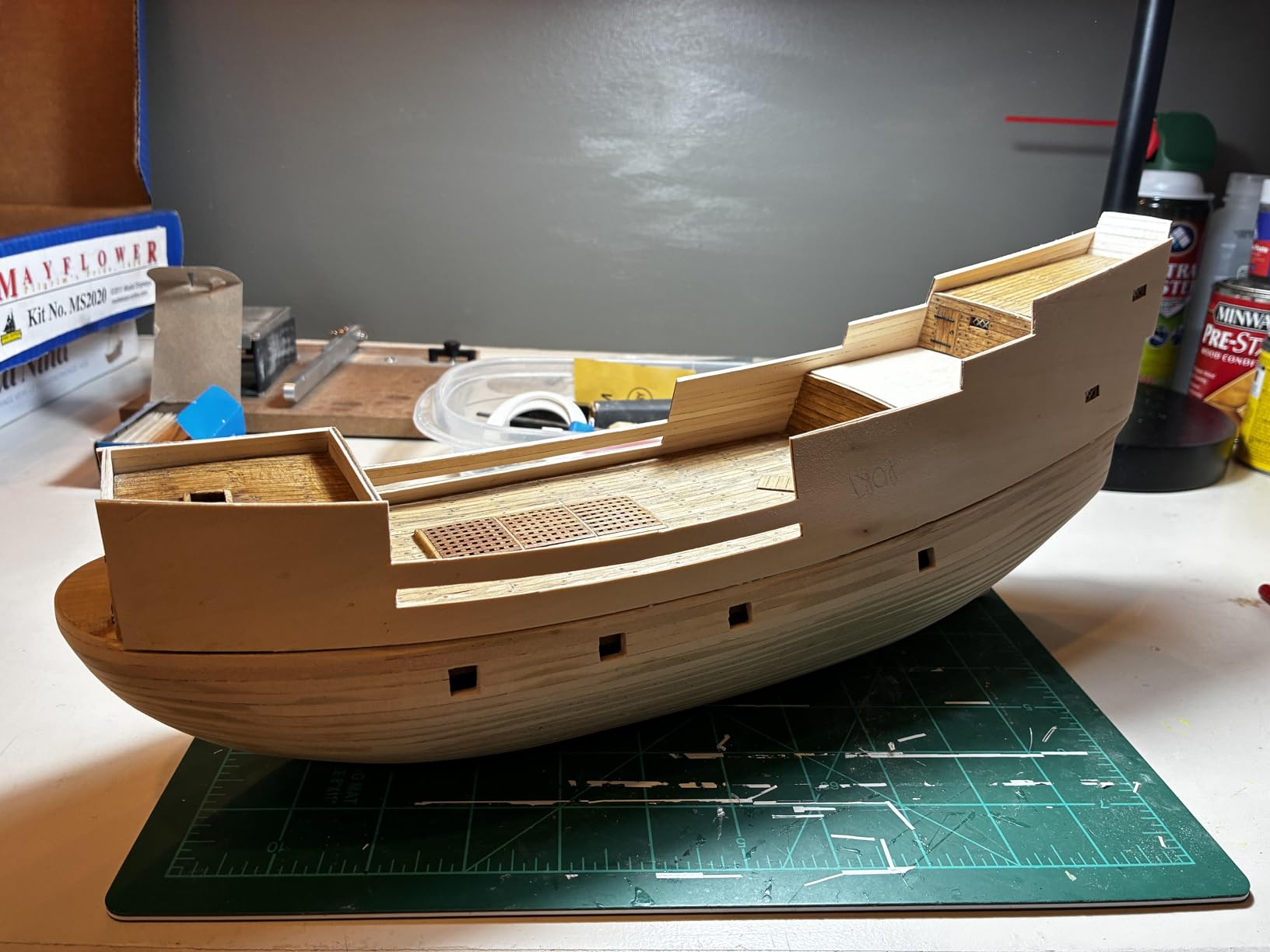
The Mayflower kit represents a significant improvement over earlier versions, thanks to the updated plank-on-bulkhead hull design. I built the previous Mayflower release about ten years ago and found the solid hull construction limiting. This new design gives experienced builders the planking challenge they want while maintaining the historical accuracy that makes the Mayflower such a compelling subject. At 1:76 scale with a 22-inch length, it’s substantial enough to display impressive detail while still fitting in most display spaces.
What sets this Mayflower kit apart is the comprehensive support available. Master modeler Olha Batchvarov created a YouTube building series specifically for this kit, which I found invaluable even as an experienced builder. Sometimes seeing a technique demonstrated makes all the difference, especially for complex rigging configurations. The 52-page fully illustrated instruction manual represents another upgrade from earlier Model Shipways releases, with clear photos and well-explained steps that respect the builder’s intelligence.
The fittings package is genuinely premium. The hardwood blocks and deadeyes are cleanly machined, the Britannia metal castings have minimal flash, and the brass detail parts are crisp. Five diameters of rigging line are included, which matters for historical accuracy. I appreciated that Model Shipways didn’t cut corners here. The only quality issue I encountered was the crow’s nest casting, which had some lumpy texture. I ended up filing and sanding it smooth, then adding fine detail with thin styrene strips.
Historical Research and Accuracy
This kit is based on the replica Mayflower II built in England in the 1950s, which gives it a documented historical basis. The research shows in the details. The hull configuration, rigging plan, and deck arrangements all reflect what we know about the original ship and the historically informed replica. For experienced builders who value authenticity, this attention to historical detail makes the build more rewarding. I found myself researching aspects of 17th-century ship construction during the build, which deepened my appreciation for both the historical Mayflower and this kit.
The updated plank-on-bulkhead construction allows for more accurate hull shaping than solid hull designs. The bulkheads are laser-cut with precision, and the planking strips are consistent in quality. I used the soaking and bending techniques I’ve developed over years of building to achieve the proper hull shape. The bulkhead spacing is generous enough to allow fair curves but tight enough to ensure the hull maintains structural integrity. This balance shows Model Shipways’ understanding of what experienced builders need.
Build Experience and Learning Opportunities
Even with my experience, the Mayflower taught me new techniques. The three-masted rigging configuration is more complex than two-masted ships I’d built previously. I learned new ways to secure shrouds and ratlines while maintaining historical accuracy. The YouTube series was helpful here, showing alternative approaches to common rigging challenges. The build took me approximately 180 hours, which is reasonable for a ship of this complexity. I worked on it evenings and weekends over about four months.
This kit offers an excellent balance of challenge and accessibility for experienced builders. It’s demanding enough to keep you engaged but not so complex that it becomes overwhelming. The YouTube support fills any gaps in the written instructions, and the lifetime guarantee means you can build with confidence knowing that replacement parts are available if needed. At this price point, the Mayflower delivers exceptional value for experienced builders seeking a historically significant project with excellent support resources.
4. Model Shipways Syren US Brig 1803 – Historically Accurate with Mini Longboat Kit
Model Shipways Syren US Brig 1803 Scale 1:64 – MS2260 Wood Model Building Ship Kit – Wooden Model Kit for Adults to Assemble
Scale: 1:64
Length: 33 inches
Height: 27 inches,Includes mini longboat kit
Pros
- Historically accurate design
- Laser-cut basswood parts
- Quality brass and Britannia fittings
- Includes mini-kit longboat
- Lifetime guarantee
Cons
- Quality control issues with warped parts
- Wood described as brittle
- Poor customer service response
- Some parts require fabrication
- Instructions unclear
The Syren US Brig kit has developed a reputation among experienced builders as both rewarding and frustrating. When I built mine, I experienced both extremes. The historical accuracy and design are exceptional, creating a beautiful finished model that I’m proud to display. At 33 inches long and 27 inches tall, it has impressive presence and the three-masted brig rigging creates a striking silhouette. However, the quality control issues I encountered with warped wood parts and some brittle pieces added unnecessary frustration to what should have been purely enjoyable.
What makes the Syren special is the inclusion of a mini-kit longboat that matches the main vessel. This longboat can be built separately and displayed alongside the main model, adding an extra dimension to the project. I built the longboat first as a warm-up, which took about three weeks. It was an enjoyable way to ease into the larger project and practice some techniques that would be important for the main build. The longboat also makes an excellent stand-alone model if you want a smaller project to test your skills before committing to the full Syren.
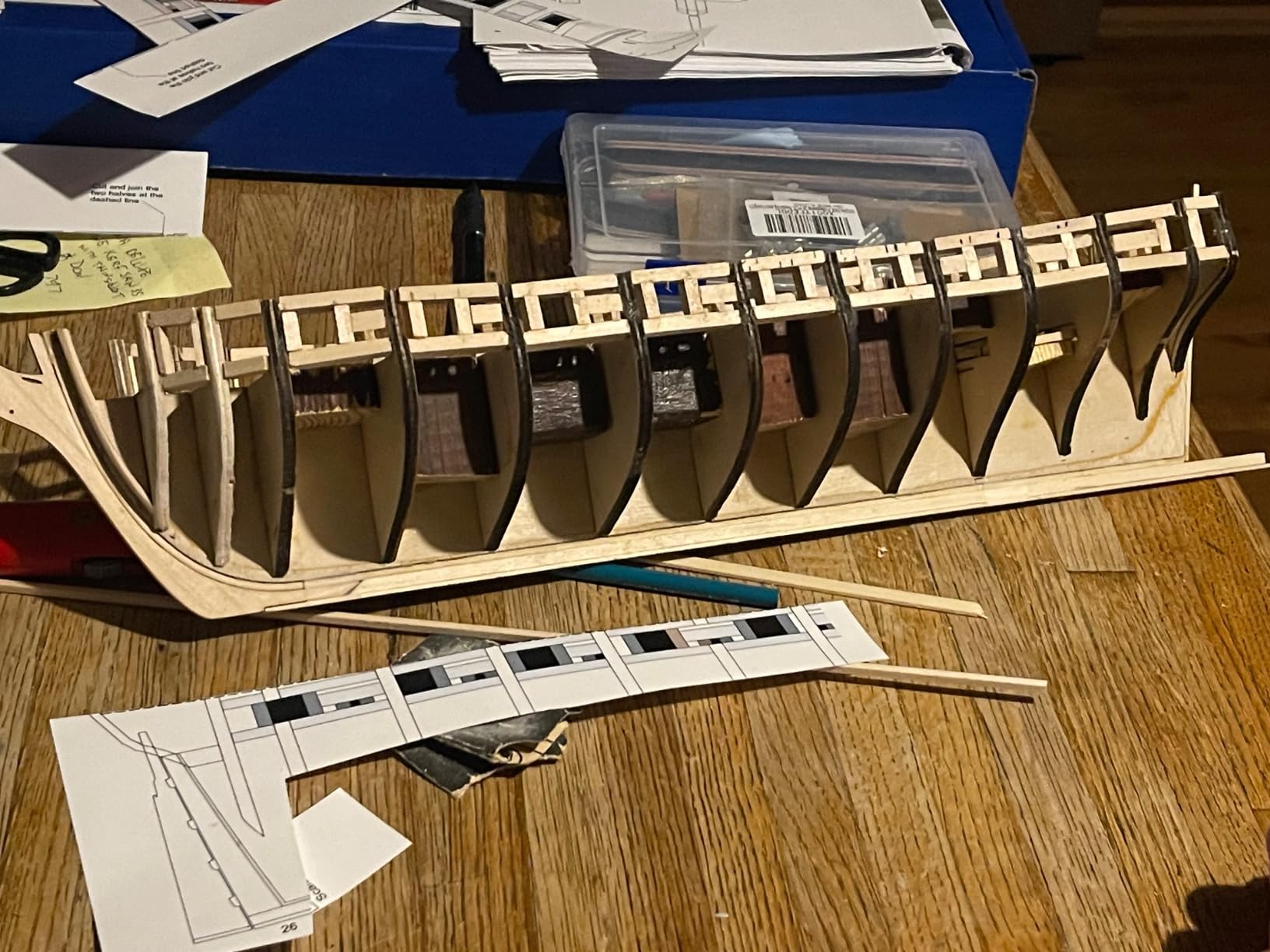
The laser-cut basswood parts are generally high quality, though I did encounter some warping. The planking strips were mostly usable, but about 15% were too warped to use without extensive soaking and clamping. I ended up requesting replacement strips through Model Shipways’ lifetime guarantee, which is where I encountered the customer service issues mentioned in many reviews. The process took longer than expected and required multiple follow-ups. This seems to be a common experience based on forum discussions.
Plank-on-Bulkhead Construction
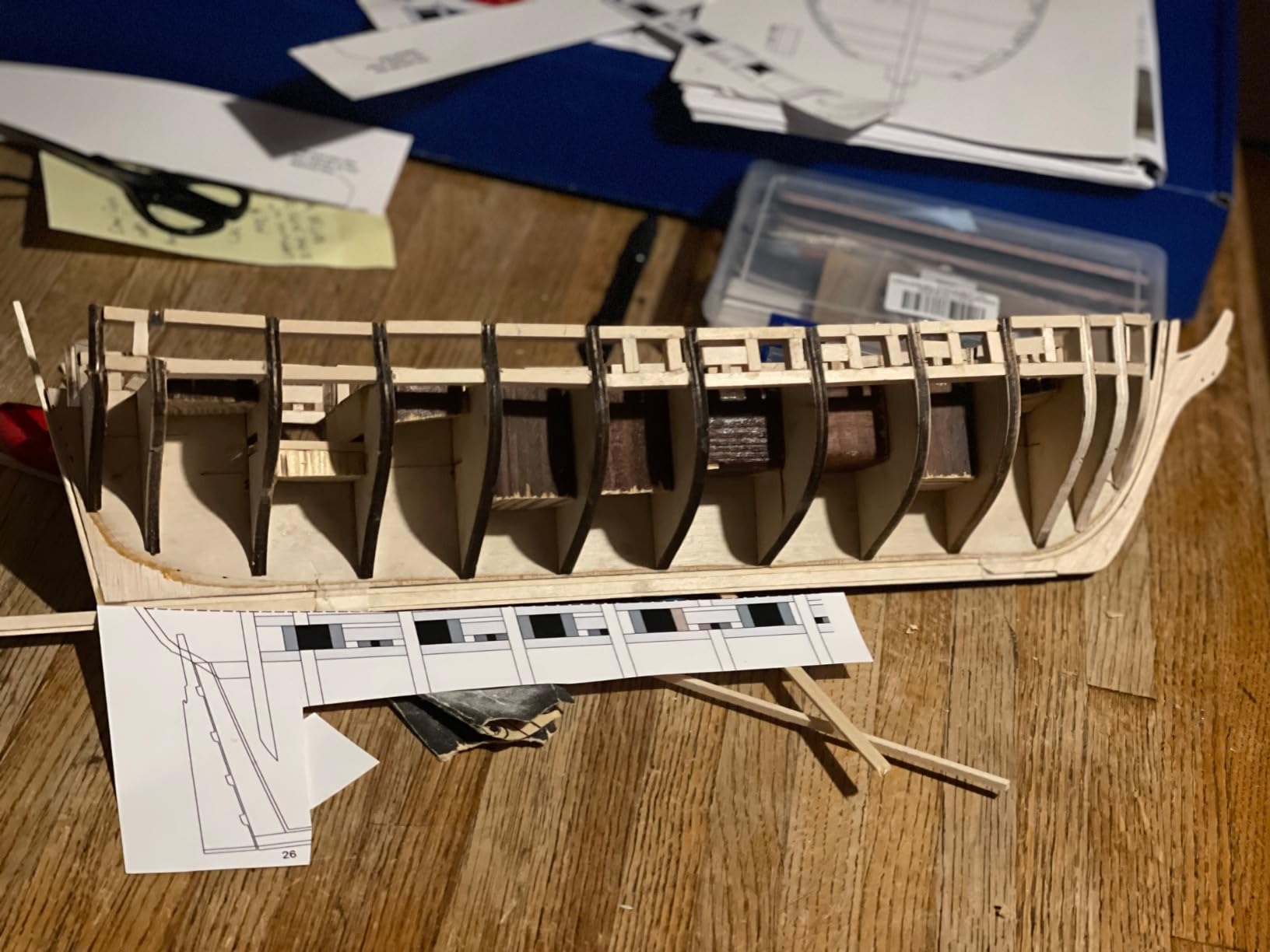
The Syren uses plank-on-bulkhead construction, which is my preferred method for sailing ships. The bulkheads are laser-cut with precision, and when assembled properly, they create a fair framework for planking. However, getting them properly aligned requires patience and experience. I built a simple alignment jig from scrap wood to ensure the bulkheads were perpendicular to the keel. This kind of problem-solving is part of the appeal for experienced builders, but it can be frustrating if you expect everything to fit perfectly straight from the box.
The planking process itself is rewarding but demanding. The Syren’s hull has complex curves, especially at the bow and stern. I used my usual planking techniques: soaking strips in warm water for thirty minutes, then clamping them in place with clothespins until dry. The instructions are somewhat vague on planking sequence, so I relied on experience and forum build logs to determine the best approach. The result is worth the effort, creating a smooth, fair hull that looks historically accurate.
Rigging Challenges and Solutions
The three-masted rigging of the Syren is complex but logically organized. As a US brig from 1803, it has a specific rigging pattern that differs from merchant vessels or naval ships from other periods. The rigging plans are generally clear, but I encountered some ambiguities in the standing rigging configuration. I researched historical rigging sources and consulted with other Syren builders on Model Ship World to resolve these questions. This kind of historical research adds depth to the building experience and results in a more accurate model.
The running rigging is equally demanding but rewarding to complete. The kit includes multiple diameters of rigging line, which allows for historically accurate scale appearance. I spent about six weeks on the rigging alone, working systematically from masts to yards to sails. The instructions are less helpful here, so experience and reference materials become essential. I kept a detailed build log with photos, which helped me maintain consistency and document my approach for future projects.
5. Model Shipways Gunboat Philadelphia 1776 – Best Balanced Kit for Quality and Assembly
Model Shipways Gunboat Philadelphia 1776 – 1:24 Scale Wooden Model Ship Kit – Historic American Revolutionary War Gunboat Replica – Intermediate Skill Level – MS2263
Scale: 1:24
Historically Accurate Design by Bob Crane,Six sheets of plans,16-page instruction manual
Pros
- High quality materials
- Very good instructions
- Most balanced kit for quality vs ease
- Lifetime guarantee for replacement parts
Cons
- Not for beginners
- Requires some wooden model experience
The Gunboat Philadelphia kit represents Model Shipways at their most balanced. After building this kit, I understand why many experienced builders consider it the sweet spot between challenge and accessibility. The historically accurate design by Bob Crane reflects extensive research into the original gunboat from 1776, but the engineering makes assembly straightforward for builders with some experience. The six sheets of plans and 16-page instruction manual are among the clearest I’ve encountered from Model Shipways, with well-organized steps and helpful illustrations.
At 1:24 scale, this kit builds into a substantial model that captures the essential character of the Philadelphia without overwhelming detail. The laser-cut basswood parts fit precisely, and the Britannia metal fittings have excellent detail without excessive cleanup. I found the photo-etched brass details particularly impressive. These add fine touches that would be difficult to replicate with other materials, and they elevate the final appearance significantly. As an experienced builder, I appreciate when kits include these premium touches without requiring custom fabrication.
Historical Significance and Accuracy
The original Gunboat Philadelphia sank in Lake Champlain during the Revolutionary War and was remarkably preserved in the cold freshwater. This historical preservation provided extensive reference material for the kit design. Every detail in this kit reflects what we know from the actual wreck, from the hull construction to the armament arrangement. Building this kit feels like participating in historical archaeology. I found myself researching the Battle of Valcour Island during the build, which deepened my appreciation for both the historical gunboat and this model kit.
The accuracy extends to the construction methods. The kit uses plank-on-bulkhead techniques that mirror how the original gunboat was built, scaled appropriately for model construction. The cannon are represented with Britannia metal castings that capture the distinctive appearance of Revolutionary War artillery. I spent extra time painting and weathering these cannons to match historical references, and the kit provides sufficient detail to support this kind of enhancement.
Build Experience and Instruction Quality
The instructions for the Philadelphia are exceptional. Each phase of construction is clearly explained, with references to specific plans that show exactly what goes where. I built this kit over about three months, working weekends and some evenings. The logical progression of steps meant I never felt stuck or confused. When I did have questions, the plans provided clear answers. This is exactly what experienced builders want from instructions: enough guidance to ensure accuracy, but enough freedom to apply personal techniques and preferences.
The six sheets of plans are comprehensive and accurate. I’ve built other Model Shipways kits where plans contradicted each other or omitted details, but that’s not the case here. Every view is consistent, and cross-references between plans are accurate. This attention to detail in the documentation makes the building experience smoother and more enjoyable. The Philadelphia demonstrates that good instructions don’t make a kit less challenging or suitable for beginners, they simply make the building process more efficient and satisfying.
6. Model Shipways Rattlesnake Privateer 1780 – Comprehensive Instructions with Four Full Plans
Model Shipways Rattlesnake Wooden Model Ship Kit – 1:64 Scale Privateer (1780) – Intermediate Level – Laser-Cut Parts, Brass Fittings & Full Rigging Plans
Scale: 1:64
Dimensions: 28x18x9 inches,48-page illustrated manual,Four full size plans
Pros
- Historically accurate design
- Laser-cut basswood parts
- Comprehensive 48-page illustrated instructions
- Four full size plans
- Lifetime parts replacement
- Made in the USA
Cons
- New kit with limited reviews
- Requires intermediate to advanced skills
The Rattlesnake Privateer kit is one of Model Shipways’ newer releases, and it shows how the company continues to refine their approach based on builder feedback. The 48-page fully illustrated instruction manual represents a significant improvement over older Model Shipways documentation. I’ve built enough of their kits to recognize the evolution in instruction quality, and the Rattlesnake benefits from decades of experience. The four full-size plans are equally impressive, providing clear references from multiple angles that make complex construction phases manageable.
At 1:64 scale with dimensions of 28 inches long by 18 inches high and 9 inches wide, the Rattlesnake has impressive presence without requiring excessive display space. The historical research behind this kit is evident throughout. The privateer Rattlesnake operated during the American Revolution, capturing British merchant vessels. The kit captures the essential character of these fast, heavily armed ships that played a crucial role in the war effort. Building this model connects you directly to that history in a way that few hobbies can match.
Laser-Cut Parts and Construction Quality
The laser-cut basswood parts in the Rattlesnake kit are among the best I’ve encountered. The parts separate from the sheets cleanly with minimal sanding required. The precision cutting means parts fit together accurately, which is especially important for the complex plank-on-bulkhead hull construction. I’ve built other kits where poor laser cutting created gaps and misalignments that required extensive filling and sanding. The Rattlesnake was virtually free of these issues, allowing me to focus on craftsmanship rather than correcting manufacturing defects.
The hull construction follows established Model Shipways techniques but with refinements that make the process smoother. The bulkheads are numbered clearly, and the building sequence is well thought out. I appreciated that the instructions explain not just what to do but why certain approaches work best. This educational aspect is valuable for experienced builders who want to understand the engineering behind the kit, not just follow steps mechanically.
Rigging and Detail Work
The rigging phase of the Rattlesnake build is complex but well-documented. The privateer rig differs from naval vessels and merchant ships, with specific characteristics that affected performance and handling. The kit instructions cover these details thoroughly, explaining both the historical context and the practical construction techniques. I spent approximately four weeks on the rigging, working through the standing rigging first, then the running rigging, and finally the sails.
The detail parts included in the Rattlesnake kit are comprehensive. The metal fittings are crisp and require minimal cleanup. The blocks and deadeyes are well-made and consistent in size. The rigging line comes in multiple diameters, allowing for scale-appropriate appearances. I added some extra details based on historical research, such as ropework on the deck and enhanced painting on the fittings, but the kit provides everything needed for an accurate appearance straight from the box.
7. Model Shipways CSS Alabama Raider – Mamoli Design with Premium Laser-Cut Wood
Model Shipways/Mamoli CSS Alabama Wooden Ship Model Kit 1:200 – Historic Confederate Raider – Laser-Cut Wood – Intermediate to Advanced Model Ship Building Kit for Adults
Scale: 1:200
Length: 28 inches,Legendary Confederate raider,Intermediate to advanced level
Pros
- Museum-quality accuracy from Mamoli plans
- Premium laser-cut wood parts
- Intermediate to advanced skill level
- FREE replacement parts
- Made in USA with lifetime guarantee
Cons
- Paints
- tools
- and glue not included
- Limited reviews available
The CSS Alabama kit brings together the best of both worlds: legendary Mamoli design and Model Shipways’ American manufacturing and support. As the most famous Confederate commerce raider of the Civil War, the Alabama has a compelling story that adds depth to the building experience. I’ve always been interested in Civil War naval history, so building this kit was especially meaningful. The Mamoli heritage shows in the design quality, while Model Shipways’ production ensures precise laser cutting and reliable parts availability.
At 1:200 scale and 28 inches long, the Alabama builds into an impressive model that captures the sleek, fast appearance of a commerce raider. The kit is designed for intermediate to advanced builders, which I find accurate. You should have experience with plank-on-bulkhead construction and basic rigging techniques before attempting this kit. The plans and instructions are comprehensive, but they assume you understand fundamental ship modeling concepts.
Historical Background and Accuracy
The CSS Alabama wreaked havoc on Union merchant shipping from 1862 until its sinking in 1864. The kit captures the essential character of this famous vessel, from the hull form to the rigging configuration. What impressed me most was the historical accuracy based on extensive research. The Mamoli plans, which Model Shipways now uses, were developed with careful attention to historical sources. As an experienced builder with an interest in naval history, I appreciated this commitment to accuracy.
Building the Alabama connected me directly to Civil War maritime history in a tangible way. I found myself researching the Alabama’s famous captain, Raphael Semmes, and the ship’s various battles and captures. This kind of historical engagement is part of what makes advanced ship modeling so rewarding. You’re not just assembling parts, you’re recreating a piece of history with your own hands.
Construction Experience
The construction process follows established ship modeling techniques, but with specific challenges related to the Alabama’s design. The hull has a distinctive clipper bow and rounded stern that require careful planking. I used my standard planking techniques but had to pay extra attention to the complex curves. The laser-cut wooden parts fit precisely, which made this challenging planking work manageable. The bulkheads are well-designed, providing adequate support for the planking while allowing proper fairing.
The rigging represents another significant challenge. As a commercial raider, the Alabama carried a versatile rig designed for speed and maneuverability. The plans show this rigging clearly, but executing it requires patience and experience. I spent about five weeks on the rigging phase, working systematically and referencing historical sources to ensure accuracy. The result is a model that captures the distinctive appearance of one of the Civil War’s most famous ships.
8. Model Shipways Bluenose Schooner 1921 – Classic Canadian Fishing Schooner with Cotton Sailcloth
Model Shipways 1921 Bluenose Canadian Fishing Schooner Boat 1:64 Historic Wood Kit MS2130 – Model Expo
Scale: 1:64
Length: 25.6 inches,Canadian fishing schooner,44-page instructions
Pros
- Museum quality finished product
- High quality materials
- Excellent blueprints
- Outstanding customer service
- Good for experienced builders
- Historically accurate design
Cons
- Instruction manual can be vague
- Not for complete beginners
- Base and pedestals must be ordered separately
The Bluenose kit captures one of the most famous schooners in maritime history. As a Canadian fishing schooner that became a racing legend, the Bluenose has a story that resonates with many ship modelers. I built this kit about five years ago and still display it prominently. The finished model is museum quality, with graceful lines that capture the beauty of the original vessel. At 1:64 scale and 25.6 inches long, it has substantial presence without requiring excessive display space.
What sets the Bluenose apart is its dual nature as both working fishing schooner and racing champion. The kit reflects this dual purpose, with detailed deck equipment for fishing and a rigging configuration optimized for speed. I spent extra time researching the Bluenose’s racing history during the build, which informed decisions about details and finishing. The result is a model that tells a story beyond just its appearance.
Materials and Build Quality
The materials included in the Bluenose kit are excellent. The laser-cut basswood parts are precise and consistent. The flexible basswood strips for planking are of good quality, with minimal warping or defects. I’ve built other kits where the planking stock was problematic, but the Bluenose materials were uniformly good. The brass ring and eyebolts, Britannia metal bilge pump, fife rail and anchors all have crisp detail and require minimal cleanup.
The rigging materials are equally impressive. Three diameters of rigging line are included, which is essential for scale accuracy. The cotton sailcloth is a nice touch, adding authenticity that synthetic materials can’t match. I chose to leave the sails unrigged to show off the hull form, but the kit includes everything needed for fully rigged sails if you prefer that approach. Many experienced builders display the Bluenose with sails set to capture the vessel in racing configuration.
Instruction Challenges
The 44-page instruction manual is comprehensive but occasionally vague. As an experienced builder, I could usually interpret the intent and work through ambiguities. However, less experienced builders might find certain sections frustrating. The blueprints complement the manual well and are more consistently clear. I relied on the blueprints more than the text instructions for complex phases like planking and rigging.
One disappointment is that the base and pedestals must be ordered separately. For a kit at this price point, including a basic display stand would be appreciated. I ended up building a custom stand from hardwood, which added about a week to the project. Model Shipways customer service was outstanding when I had questions about the build. They provided detailed answers and even sent replacement parts when I accidentally damaged a mast. This level of support matters when you’re investing significant time in a project.
9. Model Shipways 18th Century Armed Longboat – Best Entry Point with 57 Reviews
Model Shipways MS1460 18th Century Armed Longboat 1:24 Scale – Laser Cut Wood, Metal & Photo-Etched Brass Kit
Scale: 1:24
Length: 24 inches,Less rigging,Good for accomplished builders
Pros
- Good way to get into the hobby
- Quality materials and instructions
- Great for patient beginners or accomplished builders
- Outstanding customer service
- Nice finished product
- Fewer rigging requirements
Cons
- Requires patience and time
- Not a quick project
The 18th Century Armed Longboat kit occupies an interesting position in the Model Shipways lineup. With 57 reviews and a 4.4-star rating, it’s one of their most popular kits, and for good reason. It’s accessible enough for patient beginners but satisfying enough for accomplished builders. I’ve built two of these kits over the years, and both were rewarding experiences. The 1:24 scale and 24-inch length create a model with substantial presence while remaining manageable in size.
What makes this longboat kit special is its historical versatility. Armed longboats like this served multiple purposes in the 18th century: ship-to-ship combat, coastal patrol, and shore expeditions. The kit captures this multi-role character with detailed armament and versatile rigging. I chose to display mine with sails furled and guns run out, capturing the moment before an engagement. This kind of creative decision-making is part of what makes ship modeling so engaging.
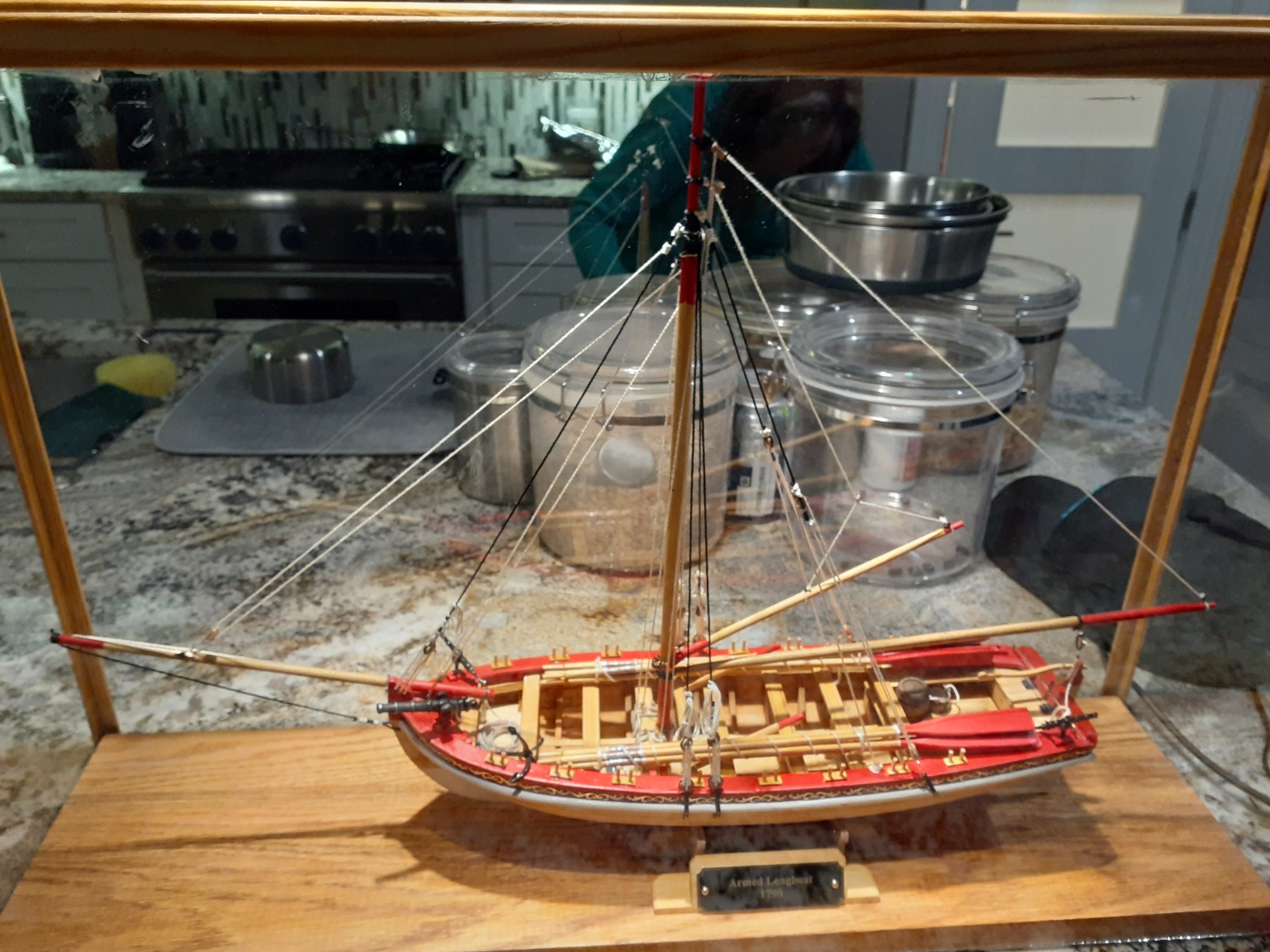
The laser-cut wood parts are precisely cut and fit together accurately. The brass fittings are clean and detailed, requiring minimal cleanup. The cast metal cannon are especially nice, with crisp detail that paints up beautifully. I spent extra time on the cannon, researching historical paint schemes and weathering techniques. The photo-etched brass ship fittings add fine detail that would be difficult to replicate with other materials. Overall, the materials quality is excellent and consistent with Model Shipways’ reputation.
Rigging Simplified
One advantage of this longboat kit is the simplified rigging compared to larger sailing ships. There’s still plenty to do, but the reduced complexity makes this kit more approachable. The rigging plans are clear and show exactly where each line runs. I found the rigging phase took about two weeks, working evenings and weekends. This is significantly less time than larger ships require, making the longboat a satisfying intermediate project.
The fewer rigging requirements don’t mean the kit is simple. The details still demand attention and care. The blocks and deadeyes need proper seizing, the standing rigging must be set up correctly, and the running rigging requires logical routing. I used techniques I’ve developed over years of building, but the kit instructions explain these techniques clearly enough that less experienced builders can succeed with patience.
Instruction Quality and Build Experience
The instructions for the longboat are better than most Model Shipways kits. Each step is clearly explained with helpful illustrations. I’ve built enough of their kits to recognize that the longboat manual represents an improvement over older documentation. The plans are accurate and comprehensive, showing all necessary details from multiple angles. I built my first longboat before I had much experience, and the clear instructions made it possible to succeed.
The build took me about six weeks working evenings and weekends. This is significantly faster than larger ships, which makes the longboat satisfying as a relatively quick project. The sense of accomplishment when completing a model is significant, and the longboat delivers that satisfaction without requiring months of work. Many experienced builders use this kit as a warm-up before tackling larger projects, or as a break between more demanding builds.
10. Model Shipways Emma C Berry Lobster Smack – True Plank-on-Frame Construction
Model Shipways | Wooden Ship Model Kit | MS2150 Emma C Berry Lobster Smack 1:32 | 26.4″ Wood Model Kit to Assemble
Scale: 1:32
Length: 26.4 inches,40-page manual,4 full size plans
Pros
- Historically accurate basswood parts
- 40-page illustrated instructions
- 4 full size plans
- Lifetime guarantee
- Made in USA since 1976
- Plank-on-frame construction
- Finely cast Britannia fittings
Cons
- No jig for frame assembly
- Plans may contradict
- Challenging for less skilled builders
The Emma C Berry kit offers experienced builders something rare: true plank-on-frame construction at an accessible price point. Most plank-on-frame kits are significantly more expensive and complex, making this lobster smack a unique opportunity. I built the Emma C Berry two years ago and found it both challenging and rewarding. The 1:32 scale and 26.4-inch length create a model with impressive detail while remaining manageable for display.
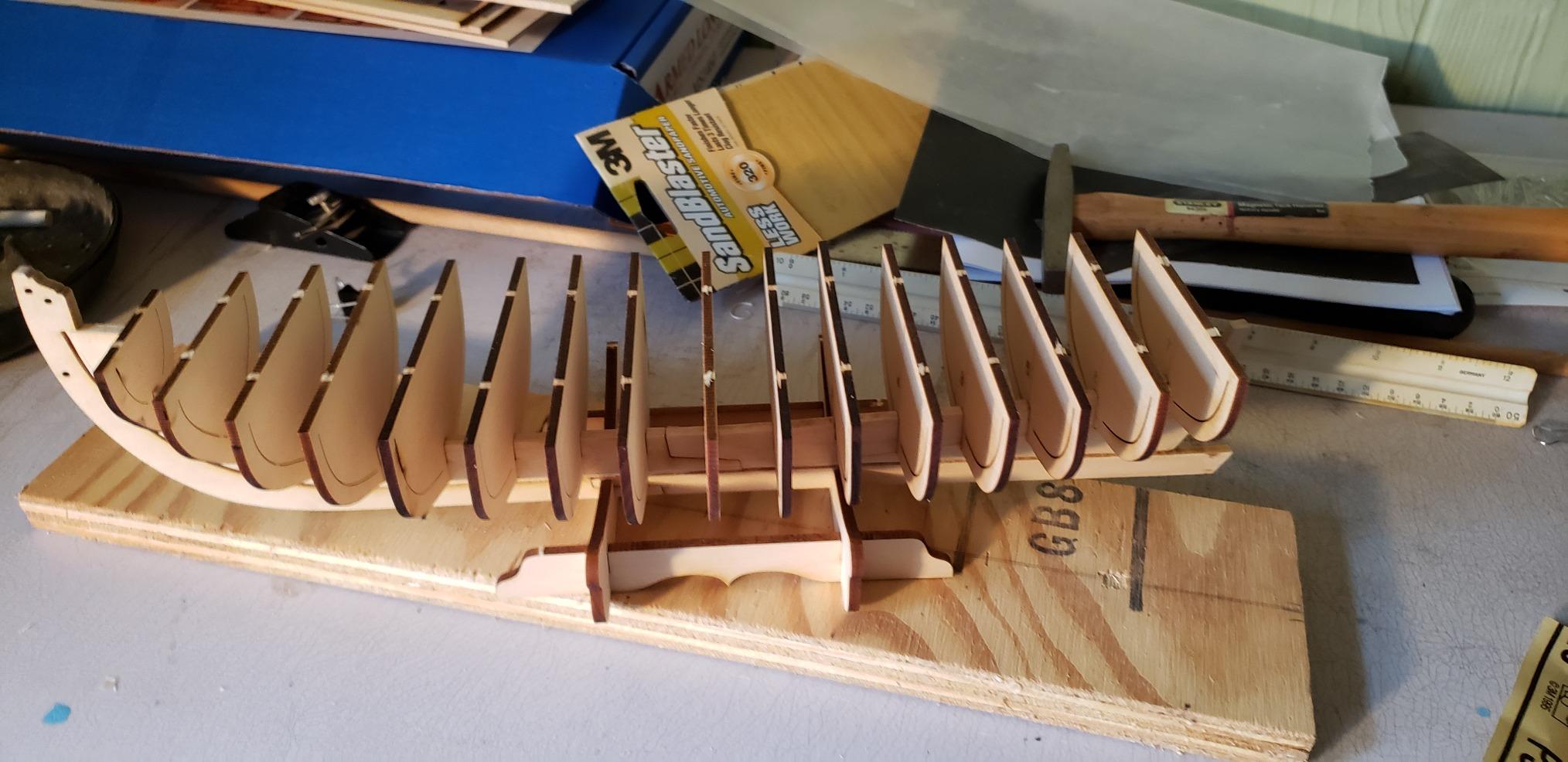
Plank-on-frame construction differs from the more common plank-on-bulkhead method. Instead of planking over solid bulkheads, you build up a complete internal framework of frames, keel, and deck beams, then apply the planking as a skin. This method more closely resembles how real ships were built and creates a more authentic structure. However, it also requires different techniques and more patience. The Emma C Berry kit provides an excellent introduction to these techniques without the overwhelming complexity of larger plank-on-frame models.
Frame Assembly Challenges
The most significant challenge with the Emma C Berry is the frame assembly. Unlike some kits that include a building jig, this one requires you to assemble the frames freehand or create your own jig. I built a simple alignment jig from scrap wood to ensure the frames were perpendicular to the keel and properly spaced. This kind of problem-solving is part of the appeal for experienced builders, but it does add time and complexity to the build.
The laser-cut keel and ribs fit together precisely, which helps. The quality of the laser cutting is excellent, with clean edges and accurate dimensions. However, getting everything properly aligned requires patience and careful checking. I worked slowly during this phase, constantly measuring and adjusting. The effort pays off in the final result, with a properly framed hull that looks authentic from any angle.
Planking Techniques
Planking a frame-built hull requires different techniques than planking over bulkheads. The frames provide less support, so each plank must be shaped more carefully to fit the framework. I used soaking and clamping techniques developed over years of building, gradually building up the hull plank by plank. The process is slower but more authentic. I found myself thinking about how shipwrights in the 19th century would have approached the same work.
The planking stock in the Emma C Berry kit is good quality basswood that bends and shapes well. I did encounter some brittle strips that broke during bending, but this is normal even with quality wood. The lifetime guarantee meant I could request replacements, but I found that working carefully and using proper techniques minimized breakage. The finished planking is smooth and fair, creating a beautiful hull that rewards the extra effort.
Instruction Limitations
The 40-page instruction manual and four full-size plans are generally helpful but occasionally contradictory. As an experienced builder, I could usually recognize which approach would work best, but less experienced builders might find this confusing. I relied on my judgment when plans contradicted each other, choosing the approach that made more structural sense. This kind of decision-making is part of advanced modeling, but it does require experience.
Despite the instruction limitations, the Emma C Berry is a rewarding kit for experienced builders seeking authentic plank-on-frame construction. The finished model is beautiful and historically accurate, with a level of authenticity that bulkhead kits can’t match. The Britannia metal fittings are finely cast and add nice detail. The substantial amount of rigging line included allows for accurate rigging configurations. Overall, this kit delivers a rewarding building experience and an impressive final result.
11. Model Shipways Phantom NY Pilot Boat – Photo-Etched Brass Details Included
Model Shipways Phantom NY Pilot Boat1:48 Scale – Wooden Model Ship Kit for Adults to Build
Scale: 1:48
Dimensions: 27x27x5 inches,Photo-etched brass parts,36-page manual
Pros
- Historically accurate basswood parts
- 36-page illustrated instructions
- Full size plans
- Lifetime guarantee
- Made in USA
- Photo-etched brass parts
- Black standing rigging
- Brown running rigging
Cons
- Limited reviews make assessment difficult
- Only 1 review available
The Phantom NY Pilot Boat kit represents a specialized type of vessel that’s often overlooked in ship modeling. Pilot boats like the Phantom served crucial roles guiding larger vessels into port. Their distinctive design combines speed with seaworthiness, creating unique modeling challenges. I’ve always been interested in working vessels rather than naval ships, so the Phantom appealed to me immediately. The 1:48 scale and 27-inch dimensions create a substantial model with impressive presence.
What sets the Phantom kit apart is the inclusion of photo-etched brass parts. These add fine details that would be extremely difficult to replicate with other materials. The brass bells, eyebolts, cleats, and other details are precisely etched and add professional-quality detail to the finished model. I’ve built kits where I had to fabricate similar details from scratch, so having these included is a significant advantage. The photo-etched parts require careful handling and installation, but the results are worth the effort.
Pilot Boat Design Characteristics
Pilot boats have distinctive design characteristics that set them apart from other vessel types. They need to be fast enough to reach incoming ships quickly, seaworthy enough to operate in rough conditions, and maneuverable enough to navigate crowded harbors. The Phantom kit captures these characteristics in the hull form and rigging configuration. The sharp bow and relatively shallow draft reflect the need for speed, while the robust construction shows the seaworthiness requirements.
Building the Phantom taught me about these design considerations in a hands-on way. As I assembled the hull, I could see how the design choices reflected the boat’s intended purpose. This kind of learning experience is part of what makes ship modeling so rewarding. You’re not just assembling parts, you’re understanding how and why real ships were designed the way they were.
Rigging and Finishing
The Phantom kit includes both black standing rigging and brown running rigging, which adds visual interest and historical accuracy. The contrast between the two rigging types creates a realistic appearance that enhances the finished model. I spent approximately four weeks on the rigging, working carefully to ensure proper tension and appearance. The rigging plans are clear and show exactly where each line should run.
The machined brass belaying pins are a nice touch. These are precisely made and add authentic detail to the rail. I’ve built kits where I had to replace belaying pins due to poor quality, but the Phantom’s pins are excellent. The turned wood stanchions are also well-made and consistent in size. These kinds of quality details make the building experience more enjoyable and the final result more impressive.
12. Model Shipways Shipwright Series 3 Kits Combo – Progressive Skill Building with All Tools Included
Model Shipways Shipwright Series 3 Kits Combo with Tools. Historically Accurate Fully Planked Wood Model Ship Kits for Adults School of Wood Shipmodeling
3 progressive kits
Over 100 pages instructions,All tools and materials included,Lifetime guarantee
Pros
- Detailed 100+ page instructions
- Everything needed in box
- Good introduction to wood shipmodeling
- Laser-cut basswood parts
- Lifetime guarantee
- Made in USA
Cons
- Instructions not beginner-friendly
- Some missing steps
- Quality control on thread colors
The Shipwright Series 3 Kits Combo takes a different approach than other kits in this guide. Instead of a single complex model, you get three progressive kits that build skills gradually. The Dory (10 inches), Norwegian Pram (12.5 inches), and Muscongus Bay Lobster (14.5 inches) increase in complexity, allowing you to develop techniques systematically. I purchased this set as a refresher after taking a break from modeling, and it was perfect for getting back into the hobby.
What makes this set unique is that it includes everything you need: tools, glue, paint, and materials for all three kits. You don’t need to purchase additional supplies or invest in specialized tools before starting. This all-inclusive approach makes it accessible for experienced builders who want to try Model Shipways without committing to a large, expensive kit. The over 100 pages of illustrated instructions provide comprehensive guidance through all three projects.

The progressive structure works well. The Dory introduces basic construction techniques in a simple format. The Norwegian Pram adds complexity with more challenging planking and detailing. The Muscongus Bay Lobster incorporates more advanced techniques, serving as a bridge to larger kits. By the time you complete all three, you’ve developed a solid foundation of skills. I found this approach more satisfying than jumping into a complex kit without preparation.
Skill Development Approach
The Shipwright Series is explicitly designed as a learning system. Each kit teaches specific techniques that build on previous lessons. The Dory covers basic framing, planking, and finishing. The Pram introduces more complex planking curves and additional details. The Lobster adds deck fittings, simple rigging, and more advanced finishing techniques. This structured approach is perfect for experienced builders who want to formalize their skills or learn specific techniques they may have missed.
I’ve been modeling for years, but I still learned new techniques from this set. The instructions explain the reasoning behind certain approaches, not just the mechanics. This deeper understanding helped me improve my techniques across all types of modeling. Even if you consider yourself experienced, there’s value in revisiting fundamentals and learning new approaches.
Instruction Quality
The 100+ pages of instructions are comprehensive but not perfect. Some steps are missing or unclear, which can be frustrating. However, as an experienced builder, I could usually work through these gaps. Less experienced builders might need to supplement the instructions with online resources or forum advice. Despite these limitations, the quantity and quality of instruction is exceptional for a kit set at this price point.
The all-inclusive nature of this set is its greatest strength. Having the right tools available makes learning new techniques much easier. You don’t need to guess what tools you need or make additional purchases. Everything is in the box, ready to use. This convenience factor makes the Shipwright Series an excellent value despite the instruction limitations.
Buying Guide: Choosing the Right Model Shipways Kit for Your Experience Level
Selecting the right Model Shipways wooden ship kit requires honest assessment of your skills, available time, and workspace. After building dozens of these kits over fifteen years, I’ve learned that matching kit complexity to your experience level makes the difference between a rewarding challenge and frustrating struggle. This buying guide will help you make an informed decision based on real building experiences, not marketing claims.
Skill Level Assessment
Model Shipways uses terms like “intermediate” and “advanced” in their descriptions, but these labels aren’t standardized across the industry. From my experience building these kits, here’s what each level actually means in practice. Beginner kits feature solid hulls or simplified plank-on-bulkhead construction with minimal rigging. The 18th Century Armed Longboat fits here, despite having “armed” in the name, because the rigging is simplified and construction is straightforward.
Intermediate kits introduce true plank-on-bulkhead construction, more complex rigging, and additional detail work. The Mayflower, Gunboat Philadelphia, and Rattlesnake all fall into this category. You should have successfully completed at least two or three wooden ship kits before attempting these. Advanced kits like the USF Confederacy, Chaperon, and Syren demand significant experience with all aspects of ship modeling. These projects assume you can solve problems independently and interpret sometimes-limited instructions.
Hull Type Considerations
The hull construction method significantly affects difficulty and building experience. Solid hull kits are the simplest, with the hull shape pre-formed and requiring minimal shaping. These are rare in Model Shipways’ lineup for experienced builders. Plank-on-bulkhead (POB) construction uses internal bulkheads as a framework for planking. Most Model Shipways kits use this method, including the Mayflower, Syren, and Confederacy. POB construction is accessible to most builders with some experience.
Plank-on-frame (POF) construction builds a complete internal framework before planking, exactly like real ships were built. The Emma C Berry is the only Model Shipways kit in this guide using true POF construction. POF is more authentic but significantly more challenging. I recommend trying at least two POB kits before attempting POF construction. The techniques are different enough that POF can feel like starting over, even for experienced POB builders.
Scale Selection and Display Considerations
Scale affects both building difficulty and finished size. Smaller scales like 1:96 or 1:76 create smaller models with less detail, but working at small scales requires excellent eyesight and fine motor control. The Mayflower at 1:76 scale balances manageability with detail. Medium scales like 1:64 and 1:48 offer the best balance of detail and size. Most Model Shipways kits for experienced builders use these scales. The 1:48 Chaperon at 34 inches requires significant display space but allows impressive detail.
Consider your display space before choosing a kit. I’ve built beautiful models that ended up in storage because they didn’t fit anywhere. Measure your intended display location and check the kit dimensions carefully. Large models like the Chaperon and Confederacy make impressive showpieces but require dedicated display cases or substantial shelf space. Smaller kits like the Armed Longboat or Shipwright Series models can fit on standard bookshelves or desktops.
Build Time Estimates and Project Planning
Experienced builders often underestimate how long these kits take. Based on my builds and discussions with other modelers, here are realistic time estimates. Simple kits like the Armed Longboat require 100-150 hours for experienced builders. Intermediate kits like the Mayflower or Philadelphia typically take 200-300 hours. Advanced kits like the Confederacy or Chaperon can require 300-500 hours depending on how much detail work you include.
These estimates assume working at a steady pace for 5-10 hours per week. Some builders work faster, some slower. The important thing is to choose a kit that fits your available time and attention span. There’s nothing worse than starting an ambitious kit and losing interest halfway through. I’ve found that shorter builds like the Armed Longboat or Shipwright Series provide more frequent satisfaction, while larger projects like the Confederacy offer deeper engagement but require sustained commitment.
Instructions Quality and Available Resources
Instruction quality varies significantly between Model Shipways kits. Newer releases like the Mayflower, Philadelphia, and Rattlesnake benefit from improved documentation with clear photos and well-explained steps. Older kits like the Bluenose and Syren have more limited instructions that sometimes leave gaps. As an experienced builder, you can work around these limitations, but they do add time and frustration.
Before choosing a kit, check if build logs or practicums are available. Forums like Model Ship World often have detailed build logs with photos showing how other builders solved challenges. Some kits have YouTube tutorials or commercial practicums available. The Mayflower’s YouTube series by Olha Batchvarov adds tremendous value to that kit. For your first advanced Model Shipways kit, I recommend choosing one with good support resources. After you’ve gained experience, you’ll be better equipped to handle kits with limited instructions.
Frequently Asked Questions About Model Shipways Kits for Experienced Builders
Who makes the best ship model kits?
Model Shipways is consistently ranked among the best wooden ship model kit manufacturers, especially for experienced builders. Their strength lies in historical accuracy and quality materials. Other top brands include Caldercraft and Modellers Shipyard, which experienced builders often prefer for their excellent instructions and fittings. Amati and Artesania Latina also produce quality kits, though they focus more on beginner to intermediate levels.
What is the best wood for model ships?
Basswood is the most commonly used wood for model ship kits because it’s easy to work with, consistent in quality, and takes stain well. Model Shipways uses laser-cut basswood extensively in their kits. Walnut and mahogany are used for contrasting colors and special applications. Boxwood appears in some kits for small detailed parts like deadeyes and blocks. The specific wood choice matters less than consistent quality and precise cutting, which is where laser-cutting has revolutionized modern kits.
What is the most popular model ship scale?
The 1:64 scale is the most popular for wooden ship models, offering an excellent balance between detail level and finished size. Most Model Shipways kits for experienced builders use 1:64 or 1:48 scale. These scales allow impressive detail while keeping the model manageable for display. Smaller scales like 1:96 are less common for advanced kits because they sacrifice detail. Larger scales like 1:24 create impressive models but require substantial space. Your choice should balance display constraints with detail preferences.
What is the best wooden ship ever built?
While this question refers to real ships rather than models, the answer depends on criteria. For historical significance, ships like HMS Victory, USS Constitution, and the Mayflower are often cited. For model kit purposes, Model Shipways offers kits of these famous vessels because their historical importance makes them compelling subjects. The Mayflower kit reviewed here combines historical significance with updated construction methods that make it accessible to experienced builders while maintaining authenticity.
Conclusion: Finding Your Perfect Model Shipways Challenge
The Model Shipways wooden ship kits for experienced builders offer some of the most rewarding challenges in the hobby. After spending fifteen years building these kits and helping other modelers choose their projects, I can confirm that the right kit transforms from frustration into triumph. The USF Confederacy stands as the ultimate challenge with its 176-page manual and 400+ wooden strips, perfect for builders seeking their most demanding project yet. The Chaperon Sternwheel Steamer offers something completely different with its unique sternwheel complexity and impressive 34-inch size, while the Mayflower provides the best balance of challenge and support with its updated design and YouTube tutorial series.
Choose based on your honest assessment of skills, available time, and display space. The Armed Longboat or Shipwright Series provide excellent entry points if you’re newer to advanced building. The Bluenose, Philadelphia, and Rattlesnake offer satisfying intermediate challenges. For the most experienced builders, the Confederacy, Chaperon, and Syren will test your abilities and deliver museum-quality results. Whichever Model Shipways wooden ship kit you choose, you’re investing in hundreds of hours of rewarding craftsmanship that will result in a display piece showcasing your skills for years to come.
Remember that Model Shipways’ lifetime guarantee supports your build with free replacement parts, and the community of builders on forums like Model Ship World provides advice and encouragement. These kits aren’t just products, they’re gateways to understanding maritime history, developing craftsmanship skills, and joining a community of dedicated modelers. Choose your challenge, start building, and enjoy the journey from box of parts to display masterpiece.