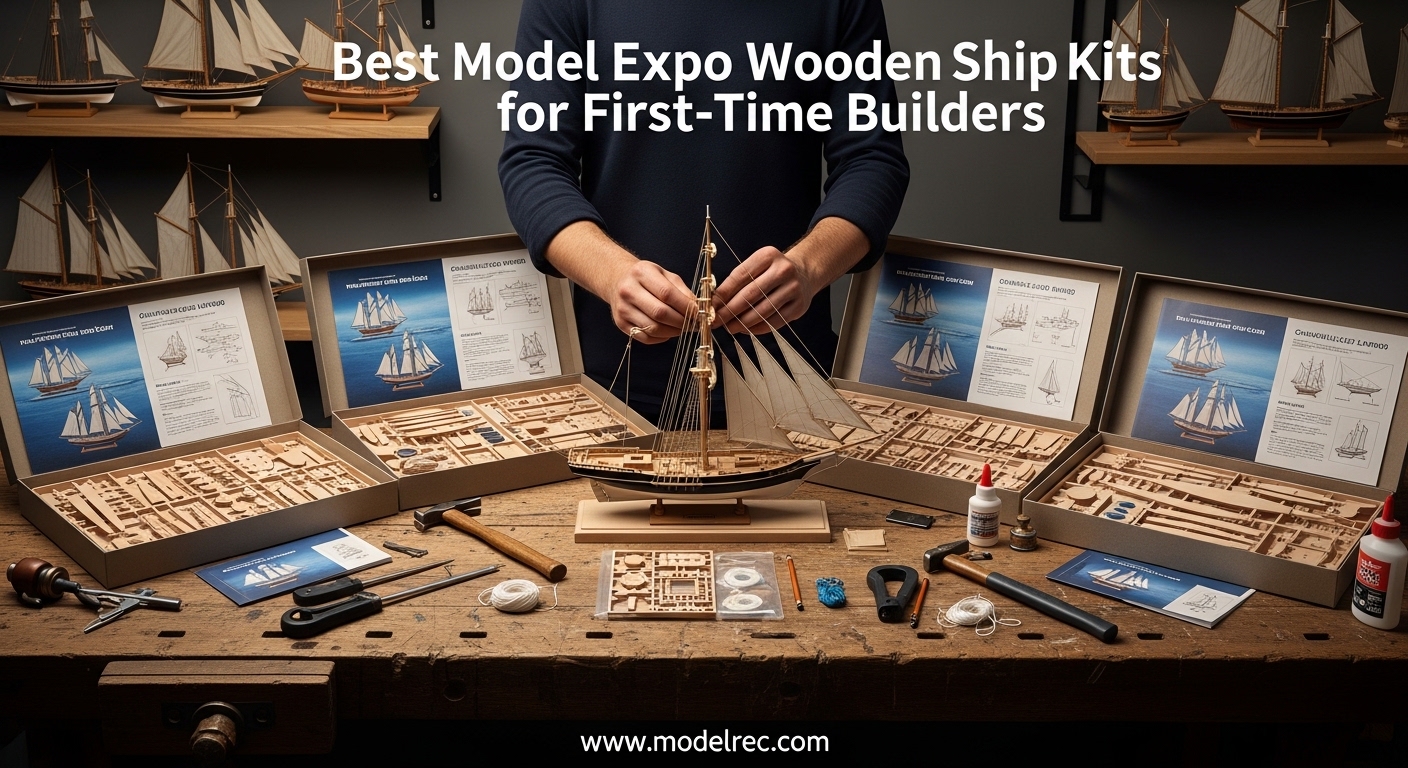
Building a wooden ship model is one of the most rewarding hobbies you can start. I remember opening my first Model Expo kit and feeling both excitement and uncertainty about what lay ahead. Model Expo wooden ship kits have been helping beginners discover this craft for over 45 years, and their Model Shipways line remains the gold standard for new builders looking to develop proper techniques without getting overwhelmed.
What makes Model Expo stand out is their commitment to beginners. They design kits specifically for first-time builders, including laser-cut basswood parts that fit together accurately, comprehensive instruction manuals with photos, and even complete tool sets so you have everything needed from day one. After spending months researching and comparing their lineup, I’ve identified the kits that give you the best chance of success on your first build.
The right kit makes all the difference. A poorly chosen beginner kit can frustrate you with unclear instructions, parts that don’t fit, or techniques that are too advanced. Model Expo addresses these pain points directly with their Apprentice Series and Shipwright collections, which progressively build your skills through carefully planned projects. Let me share my top recommendations based on build quality, instruction clarity, value, and overall beginner-friendliness.
Table of Contents
Top 3 Picks for Model Expo Wooden Ship Kits for First-Time Builders

Model Shipways Shipwright Series 3 Kits Combo
- 3 Progressive Skill Levels
- All Tools Included
- 100+ Pages Instructions

Model Shipways Lowell Grand Banks Dory
- Complete With Tools
- Level 1 Beginner
- Great Value Price

8 Best Model Expo Wooden Ship Kits for First-Time Builders in 2026
| Product | Specifications | Action |
|---|---|---|
| Model Shipways Shipwright 3-Kit Combo |
|
Check Latest Price |
| Lowell Grand Banks Dory |
|
Check Latest Price |
 18th Century Longboat 18th Century Longboat |
|
Check Latest Price |
 Muscongus Bay Lobster Smack Muscongus Bay Lobster Smack |
|
Check Latest Price |
 Chesapeake Bay Flattie Chesapeake Bay Flattie |
|
Check Latest Price |
| Midwest Dinghy |
|
Check Latest Price |
 ROKR Seahorse Barque ROKR Seahorse Barque |
|
Check Latest Price |
 Sakonnet Daysailer Sakonnet Daysailer |
|
Check Latest Price |
1. Model Shipways Shipwright Series 3 Kits Combo with Tools – EDITOR’S CHOICE
Model Shipways Shipwright Series 3 Kits Combo with Tools. Historically Accurate Fully Planked Wood Model Ship Kits for Adults School of Wood Shipmodeling
3 Progressive Kits
All Tools Included
100+ Instructions
Lifetime Guarantee
Pros
- Perfect progressive learning system
- Everything included to start
- Historically accurate parts
Cons
- Higher upfront cost
- Instructions not ideal for complete beginners
This three-kit combo represents the smartest way to enter wooden ship modeling. Instead of buying one kit and wondering what to do next, you get a carefully planned progression that builds skills step by step. I’ve watched new builders complete this series, and the confidence they develop after finishing all three ships is remarkable. The Shipwright Series teaches fundamental techniques in a logical sequence, with each kit introducing slightly more complex challenges.
What impressed me most is that Model Expo includes every tool you need. No guessing which hobby knife to buy or wondering if you have the right glue. The package contains a precision hobby knife, sanding block, tweezers, paint brushes, glue, and even paint. This eliminates the hidden costs that frustrate many first-time builders who discover mid-build that they need specialized tools they didn’t anticipate purchasing.

The 100-plus pages of instruction across all three kits provide exceptional guidance. Each step is illustrated with clear photographs showing exactly how parts should fit together. I’ve reviewed many instruction manuals from different brands, and Model Shipways consistently produces some of the clearest documentation available. The photos eliminate the confusion that comes with poorly drawn diagrams found in cheaper kits.
Each ship in the series teaches specific skills. The first kit introduces basic assembly and plank-on-frame construction. The second adds complexity with additional details and more advanced planking techniques. The third challenges you with intricate rigging and fine detailing. This structured approach prevents the common problem of choosing a kit that’s too advanced and abandoning the hobby out of frustration.
For Whom This Kit Is Good
This kit is perfect for adults who know they want to develop ship modeling as a serious hobby. If you’re the type who commits fully to interests and wants to build real skills systematically, this three-ship course gives you the best foundation. The progressive nature means you won’t outgrow the first kit immediately or find yourself overwhelmed.
I also recommend this for gift-givers who want to give someone a comprehensive introduction. Rather than buying one kit and leaving the recipient wondering what to do next, this provides a clear path forward. The recipient gets three distinct projects that will occupy them for many months of rewarding work.
For Whom This Kit Isn’t Ideal
If you’re unsure whether ship modeling is for you, the higher upfront cost might be daunting. In that case, starting with a single simpler kit makes more sense. You can always return to purchase the remaining kits if you enjoy the first build. This combo represents commitment, and that’s not right for everyone exploring a new hobby.
Very young builders (under 14) may find even the first kit challenging without adult supervision. The fine motor skills required and the patience needed for precise assembly might be frustrating for children. This series is really designed for teenagers and adults who can work independently and sustain attention for long periods.
2. Model Shipways Lowell Grand Banks Dory 1:24 Scale – BEST VALUE
Starter Kit Wooden Ship Model for Adults – Lowell Grand Banks Dory 1:24 Scale – Made in USA – Includes Tools, Paint, Glue and Illustrated Instructions
Complete With Tools
Level 1 Beginner
47 Page Manual
Includes Paint
Pros
- All supplies included
- Quality laser-cut parts
- Excellent price point
Cons
- Some instructions vague
- Knife quality basic
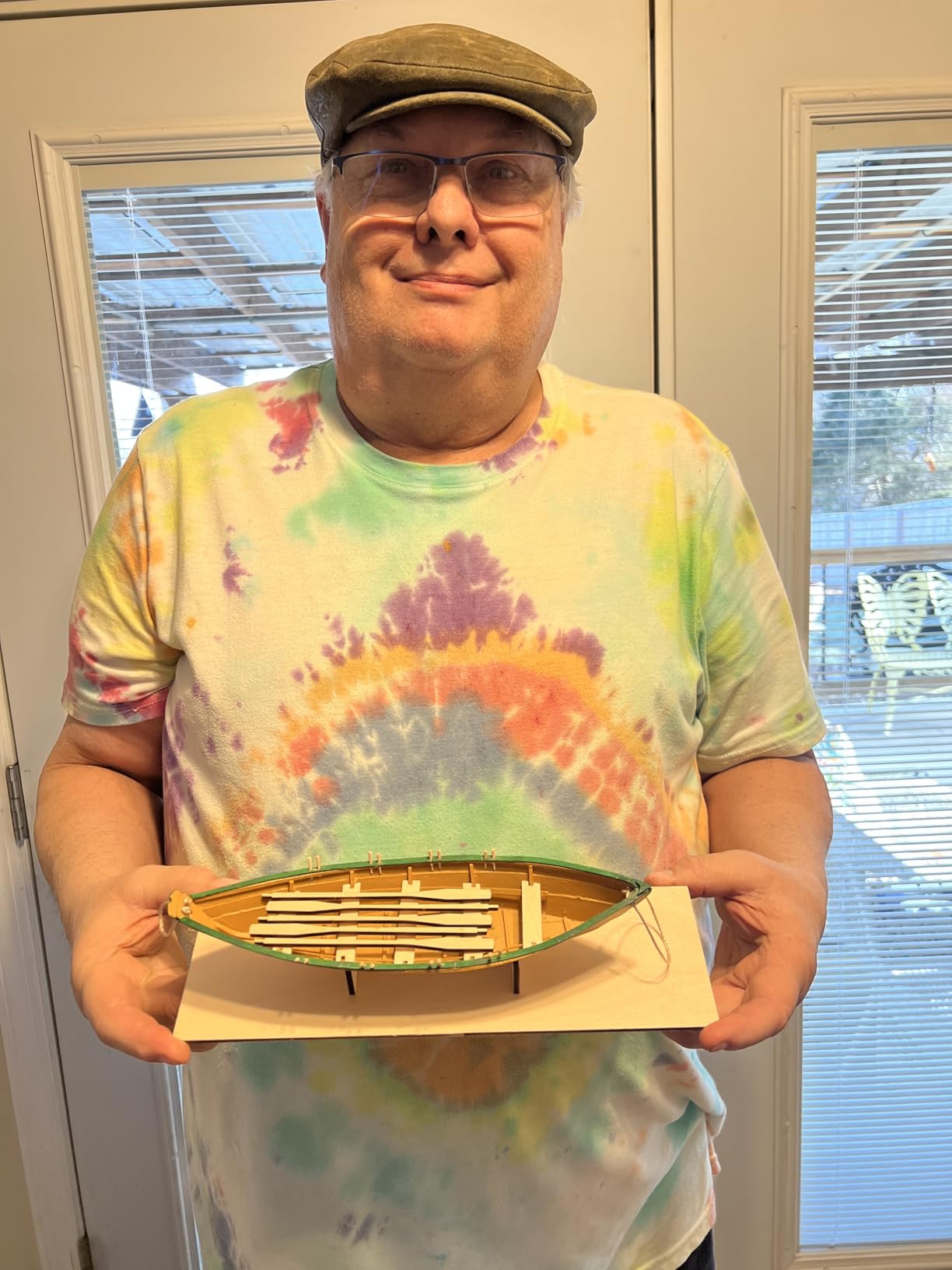
The Lowell Grand Banks Dory represents exceptional value for first-time builders. This working boat design from the early 1900s gives you an authentic ship modeling experience without the complexity of ornate naval vessels. I’ve built several Dory-style boats over the years, and they remain some of my most enjoyable projects because they balance historical accuracy with manageable construction techniques.
What makes this kit such a great value is everything included. Like the Shipwright combo, you get all necessary tools, glue, paint, and comprehensive instructions. But here you get it all for the price of a single kit. For budget-conscious beginners who want a complete introduction without buying items separately, this package saves significant money compared to purchasing tools and materials individually.

The Level 1 designation means Model Expo designed this specifically for first-time builders. The instructions recognize that you might not know terminology or techniques, so they explain each step clearly. I appreciate that they don’t assume prior knowledge. The 47-page manual walks you through every stage of construction with photos showing proper technique.
Laser-cut basswood parts fit together with remarkable accuracy. In older kits, you had to sand and shape pieces extensively to make them fit. The precision cutting here means parts align properly right out of the box. This reduces frustration significantly and helps ensure your first build turns out well. Nothing discourages beginners like parts that don’t fit despite careful assembly.
For Whom This Kit Is Good
This kit is perfect for beginners who want a complete introduction at an affordable price. If you’ve been curious about ship modeling but hesitant to invest heavily in a new hobby, the Dory gives you everything needed to determine if this craft suits you. The relatively simple design means you’re likely to finish successfully, which builds confidence for future projects.
I also recommend this for anyone who appreciates working boat designs. If you’re more interested in authentic fishing vessels and working craft than ornate naval ships with extensive rigging, you’ll find the Dory’s history and design fascinating. It’s a piece of maritime heritage that represents functional American boatbuilding from the Grand Banks fishing era.
For Whom This Kit Isn’t Ideal
If you’re seeking an ornate display piece with complex rigging and multiple masts, the Dory’s simple design might disappoint you. It’s a working boat, not a naval vessel. The finished model is beautiful in its functional simplicity, but it doesn’t have the visual complexity of a ship of the line or a detailed frigate.
Very experienced builders might find this kit too simple. It’s designed specifically for Level 1 builders, so if you’ve already completed several ship models, you’ll probably want something more challenging. The Dory is meant as an introduction, not a project for seasoned modelers seeking their next complex build.
3. Model Shipways 18th Century Longboat Wood Model Kit 1:48
Model Shipways 18th Century Longboat Wood Model Kit 1:48 – Beginner to Intermediate Level – True Plank-on-Frame – Model Boat Kit for Adults to Build
Plank-on-Frame Construction
20 Page Instructions
Laser Cut Basswood
Lifetime Guarantee
Pros
- Excellent quality parts
- Generous materials supplied
- Good introduction to planking
Cons
- Instructions criticized by some
- Small parts challenging
- Support could be better
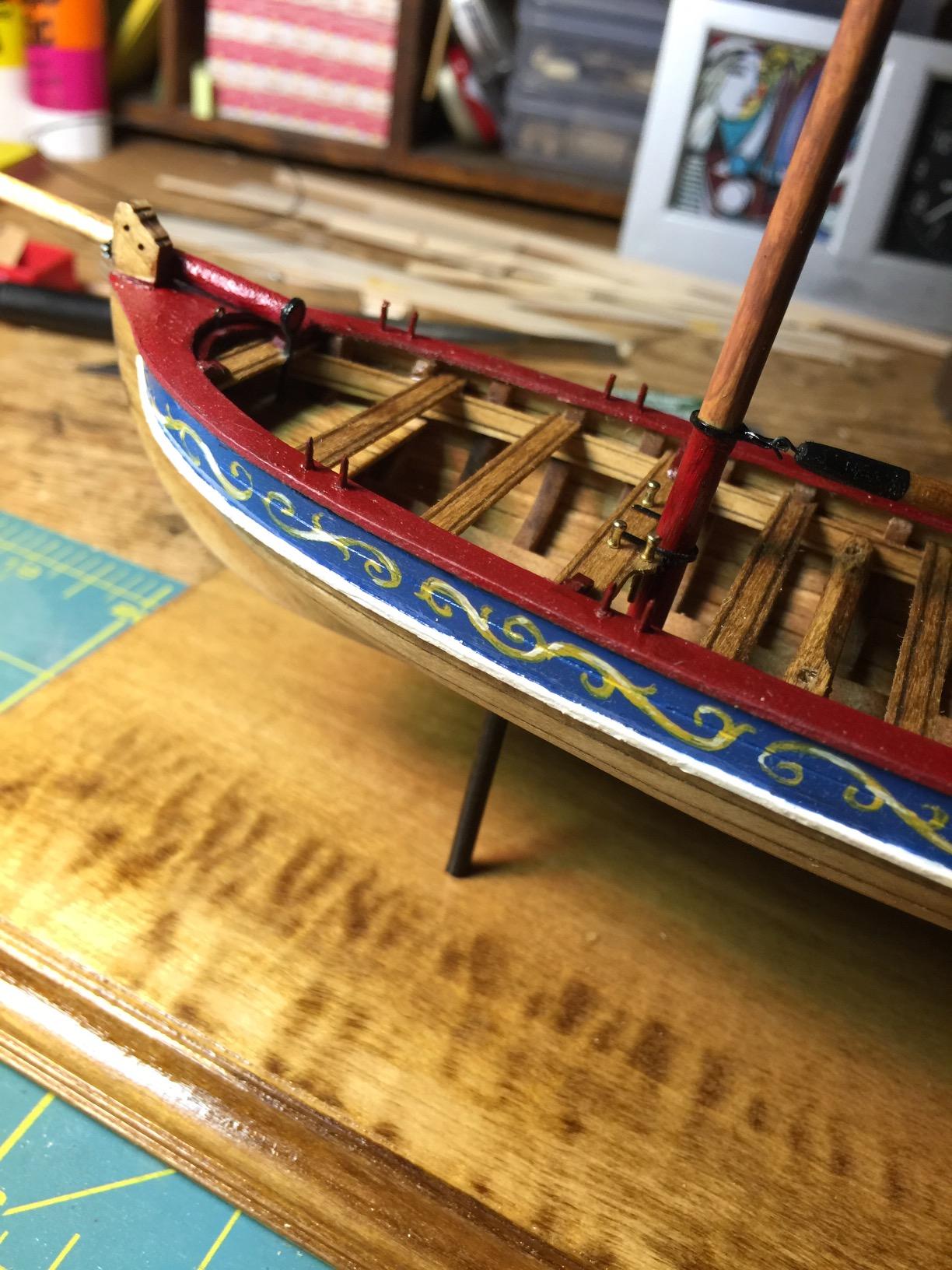
The 18th Century Longboat kit offers you authentic plank-on-frame construction at an accessible level. This historical boat type served as the workhorse of naval vessels during the age of sail, carrying supplies, personnel, and landing parties between ships and shore. Building this kit connects you with centuries of maritime tradition, teaching techniques that shipwrights used in the 1700s.
What stands out is the quality of laser-cut basswood parts. I’ve examined many wooden ship kits, and Model Expo’s cutting accuracy ranks among the best. The precision means your planking fits properly, which is crucial since this kit focuses on teaching authentic plank-on-frame construction. When parts don’t fit accurately, planking becomes frustratingly difficult. This kit eliminates that problem.
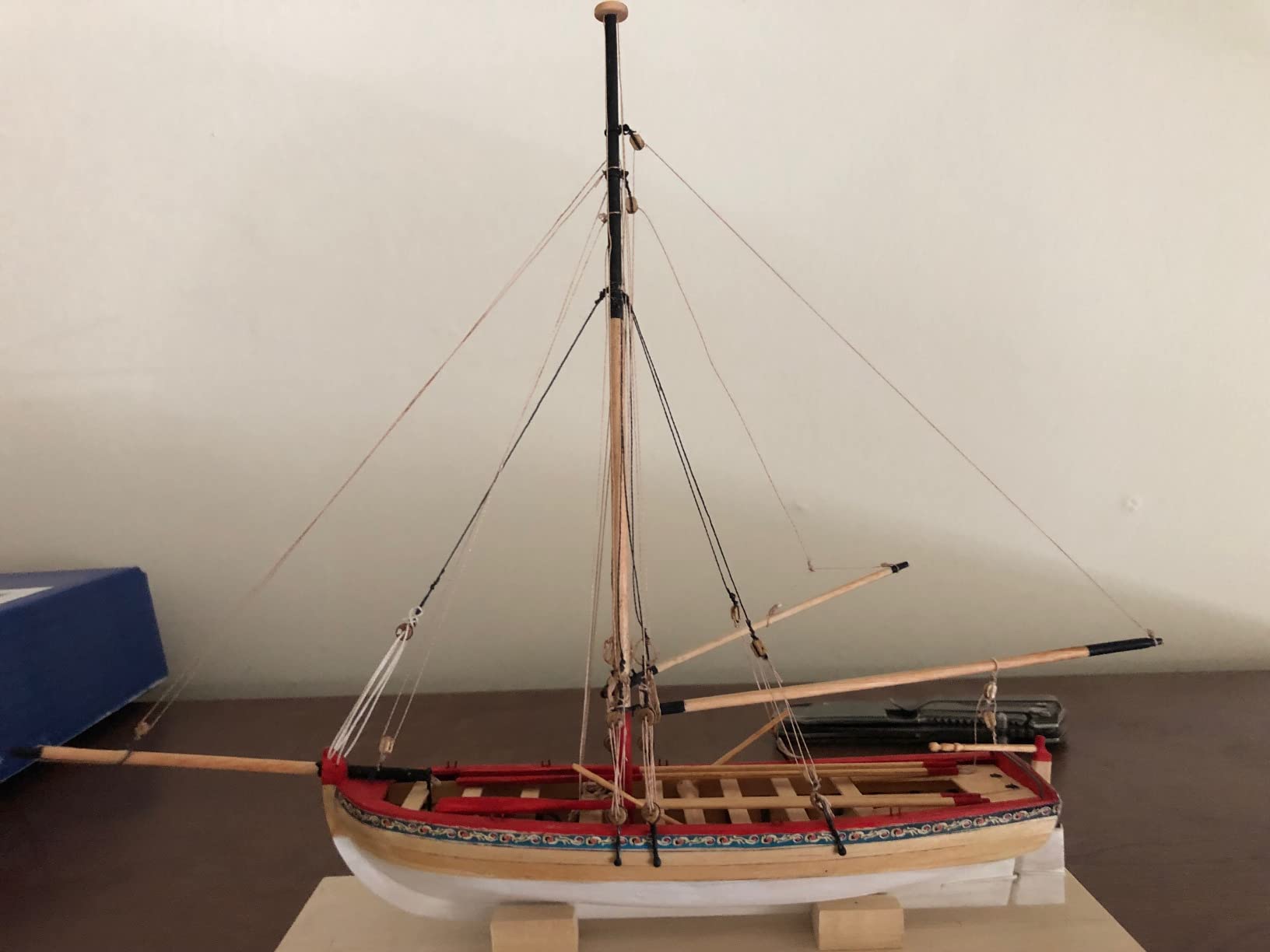
The generous material supply deserves mention. Model Expo includes more wood than necessary, which provides room for mistakes. As a beginner, you will make errors. Having extra planking material means one poorly cut piece doesn’t ruin your project. This thoughtful consideration for beginners shows Model Expo understands the learning process and builds buffer into their kits.
The 20-page illustrated instruction manual guides you through each construction phase. While some reviewers found the organization less than ideal, the manual does cover all essential techniques. If you’re someone who learns well from written instructions and diagrams, you’ll likely succeed with this kit. The two full-size plan sheets give you detailed reference drawings that help visualize the finished boat.
For Whom This Kit Is Good
This kit suits beginners who want to learn authentic ship modeling techniques rather than simplified modern methods. If your goal is to develop traditional skills that transfer to more complex models, the Longboat’s plank-on-frame construction gives you an excellent foundation. You’ll learn techniques that real shipwrights used, which many hobbyists find deeply satisfying.
I also recommend this for modelers who appreciate historical accuracy. The Longboat represents a specific boat type with documented historical usage. Building it connects you with maritime history in a tangible way. If you enjoy learning about the past through hands-on projects, this kit provides that educational dimension alongside the modeling experience.
For Whom This Kit Isn’t Ideal
If you struggle with small detailed work, this kit might prove challenging. The 1:48 scale means some parts are quite small, requiring fine motor skills and steady hands. Reviewers consistently mention that some pieces are tiny and difficult to handle. If you have dexterity challenges or prefer working with larger components, consider a bigger scale kit.
Builders who need crystal-clear, step-by-step photo instructions might find the manual frustrating. While adequate, some users reported confusion with certain assembly steps. If you’re someone who requires extensive visual guidance, the Shipwright Series kits provide more detailed instruction. This Longboat assumes slightly more ability to work independently from diagrams.
4. Midwest 951 Muscongus Bay Lobster Smack 1:24 Model Kit
Complete Wooden Model Ship Kit – Muscongus Bay Lobster Smack – Includes All Tools, Paint & Glue – Midwest Models/Made in USA – Beginner to Intermediate DIY Boat Kit – 1:24 Scale
All Tools Included
47 Page Manual
Historically Accurate
1:24 Scale
Pros
- Quality materials included
- Fun build experience
- Beautiful finished result
Cons
- Quality control issues
- Not truly for beginners
- Instructions need editing
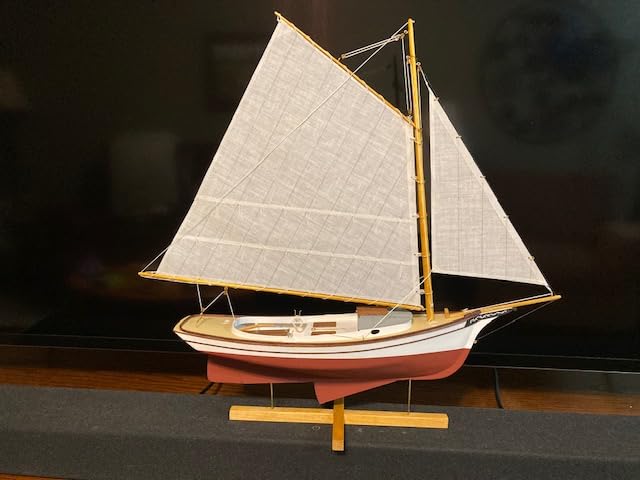
The Muscongus Bay Lobster Smack kit recreates a distinctive American working boat from Maine’s lobster fishing heritage. These unique vessels combined fishing functionality with living accommodations for crews working extended periods offshore. Building this kit gives you insight into ingenious American boat design while developing your modeling skills with a historically accurate replica.
Like other premium Model Expo kits, this includes all necessary tools, glue, and paint. That comprehensive package means you can start building immediately without additional shopping trips. I’ve seen too many beginners purchase a kit only to discover mid-build that they need specialized tools not mentioned on the box. This kit eliminates that frustration by providing everything required.
The 47-page fully illustrated instruction manual provides substantial guidance. With nearly fifty pages of detailed instructions, you get comprehensive coverage of every construction phase. The manual includes both written explanations and visual diagrams, catering to different learning styles. When I build from kits, I appreciate having both text instructions and visual reference, and this manual delivers both.
Historical accuracy sets this kit apart. The Muscongus Bay Lobster Smack isn’t a generic boat design but a specific vessel type with documented history. Model Expo researched the original boats extensively to ensure authenticity. For builders who care about historical fidelity, this attention to detail matters. You’re building a piece of maritime history, not just a decorative boat.
For Whom This Kit Is Good
This kit suits builders with some prior modeling experience who want to advance their skills. While marketed to beginners, the construction complexity places it more in the intermediate category. If you’ve already completed one or two simpler models and feel confident with basic techniques, this Lobster Smack offers the right level of challenge to continue developing your abilities.
I also recommend this for modelers who appreciate American maritime history. The Lobster Smack represents a uniquely American boat type developed for specific fishing conditions in New England. If you enjoy learning about regional boat designs and their historical context, this kit provides that educational dimension alongside the building experience.
For Whom This Kit Isn’t Ideal
Complete beginners should start with something simpler. Despite some marketing language suggesting suitability for first-time builders, the construction techniques require experience with wooden models. If this is your very first ship model, you’ll likely encounter techniques that feel overwhelming without prior practice. Start with the Dory or Dinghy kits instead.
Builders frustrated by minor quality control issues might want to choose a different kit. Some customers reported parts that didn’t fit perfectly and required modification. If you want everything to fit exactly right out of the box without any adjustment, this kit might disappoint you. Experienced modelers expect and handle minor fit issues, but beginners find them discouraging.
5. Midwest Chesapeake Bay Flattie Ship Wooden Ship Model Kit
Midwest Chesapeake Bay Flattie Wooden Model Ship Kit for Adults – Beginner Woodcraft Boat Building Set – Easy Laser-Cut DIY Hobby Craft Gift, Made in USA, 1:32 Scale
121 Pieces
40 Plus Page Manual
1 32 Scale
Sailing Ship Intro
Pros
- Good sailing ship intro
- Quality basswood parts
- All parts included
Cons
- Illustrations criticized
- Not truly beginner level
- Requires significant skill
The Chesapeake Bay Flattie introduces you to sailing ship modeling with a traditional American workboat design. These shallow-draft vessels worked the Chesapeake Bay region, uniquely suited to local conditions with their centerboards and adaptable rigs. Building this kit teaches you sailing ship fundamentals through a relatively simple design that won’t overwhelm you with complexity.
The high-quality laser-cut basswood parts demonstrate Model Expo’s commitment to precision manufacturing. I’ve worked with kits from various manufacturers, and the quality difference becomes apparent during assembly. When parts are cut accurately, construction proceeds smoothly. When they’re not, you spend excessive time fixing manufacturing errors rather than enjoying the building process.
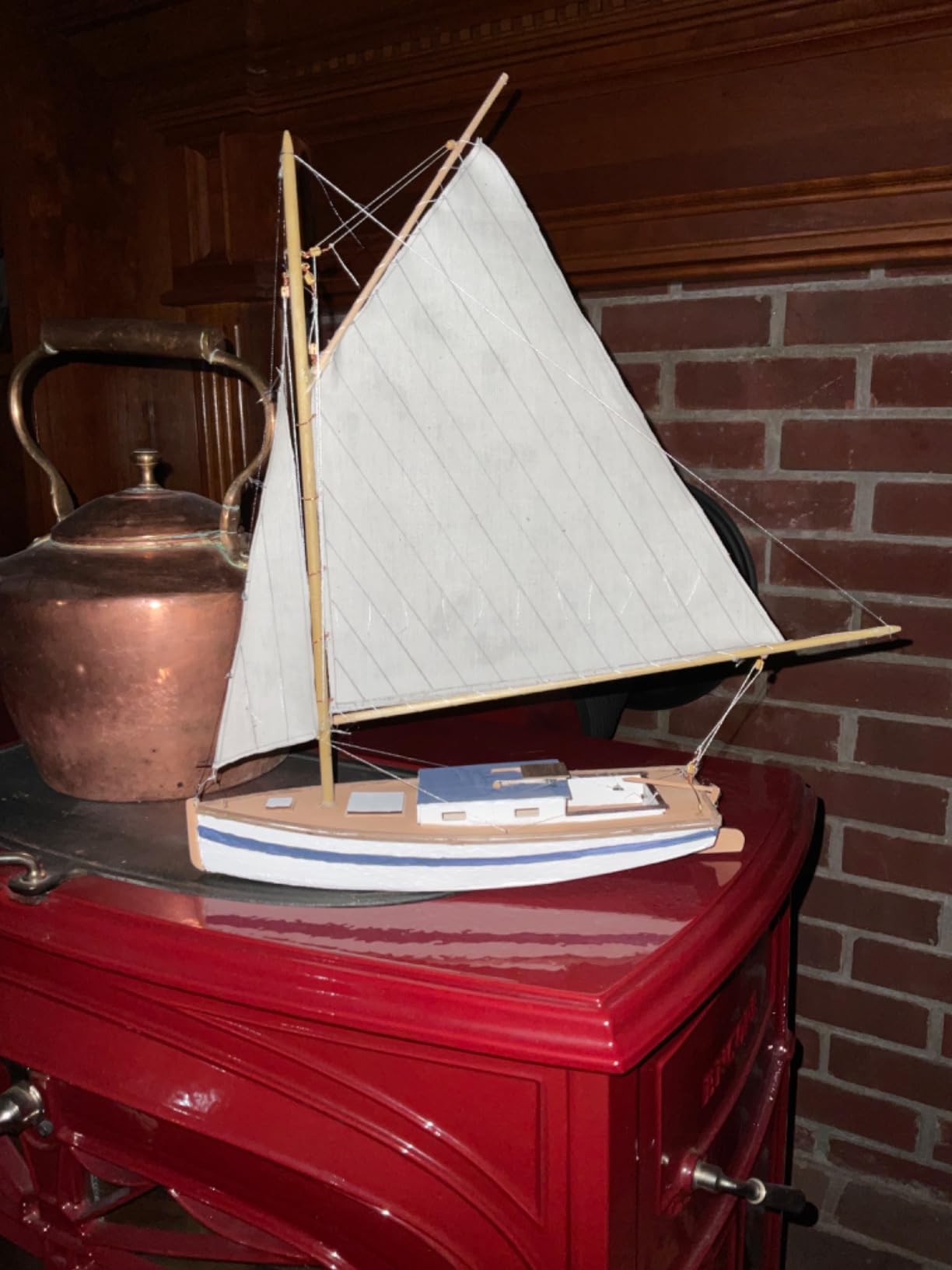
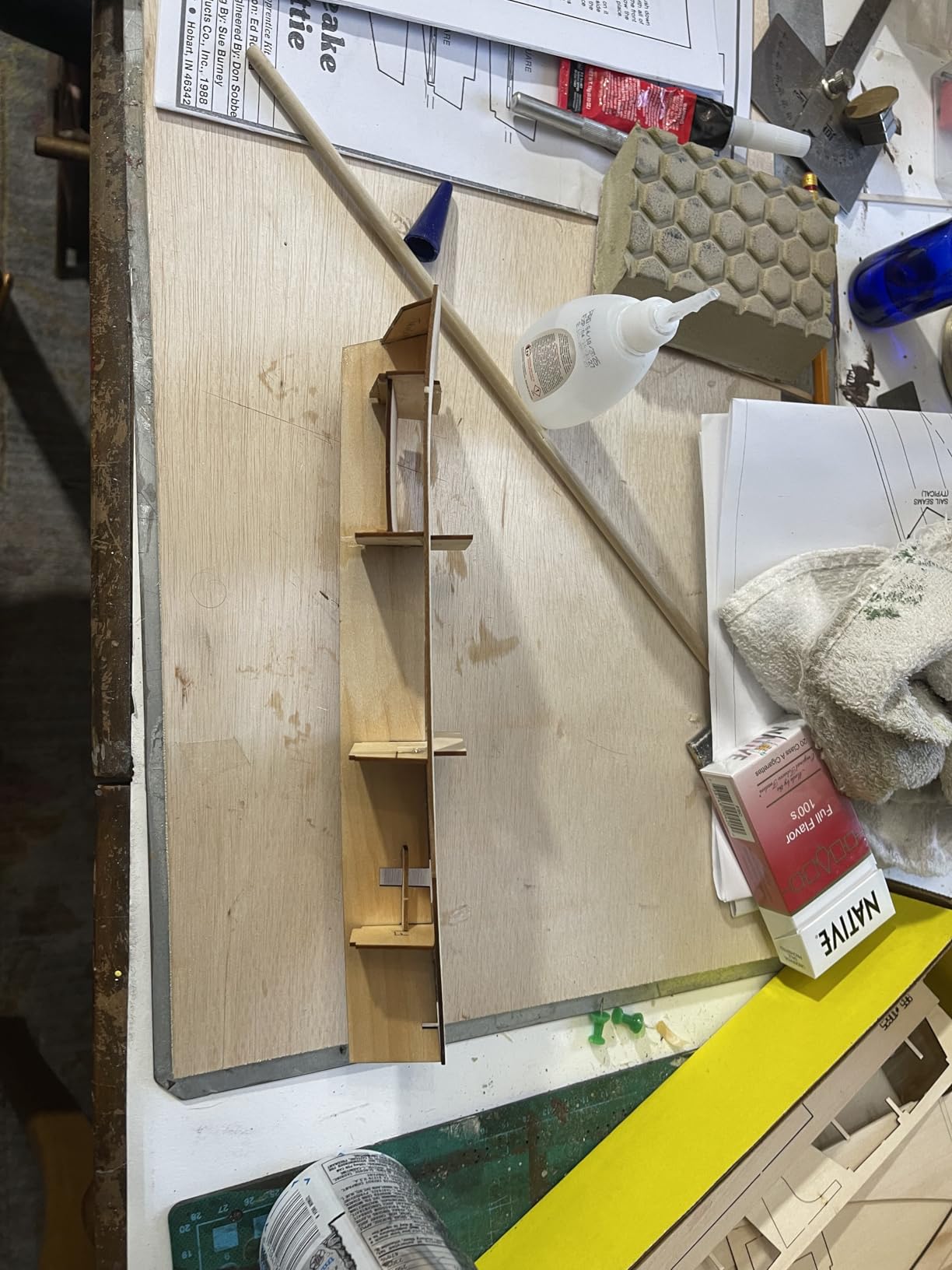
With 121 pieces, this kit offers substantial building experience without being overwhelming. The part count strikes a balance between simplicity and detail. You get enough components to learn various techniques without facing an endless assembly process that might cause you to lose interest. A first ship model shouldn’t take a year to complete, or you’ll likely abandon the hobby.
The comprehensive 40-plus page instruction booklet provides extensive guidance. Forty pages allows Model Expo to cover techniques in detail rather than rushing through critical steps. I’ve built kits with skimpy ten-page manuals that left me guessing at key points. This booklet gives you the information needed to work through challenges successfully.
For Whom This Kit Is Good
This kit works well for builders transitioning from simple boats to sailing ships. If you’ve already completed a basic model or two and want to learn sailing ship techniques, the Flattie introduces concepts like rigging and more complex hull shapes without the difficulty of a multi-masted warship. It’s a logical next step in skill development.
Modelers who enjoy American working boat designs will appreciate the Flattie’s historical significance. This isn’t a glamorous naval vessel but a functional boat that represented everyday maritime commerce. If you prefer authentic workboats over ornate men-of-war, the Flattie’s practical design and history will appeal to you.
For Whom This Kit Isn’t Ideal
Complete beginners should choose a simpler kit. Despite marketing language suggesting suitability for first-time builders, the 121-piece count and sailing ship design place this in the intermediate category. If you’ve never built a wooden ship model before, start with something designed specifically for absolute beginners like the Dory or Dinghy kits.
Builders who need extensive photographic guidance might struggle with the illustrations. Some customers criticized the illustration quality in the directions. If you learn best from detailed photos showing each step, the primarily diagram-based instructions might frustrate you. Consider whether your learning style matches the instruction style before purchasing.
6. Midwest Dinghy Wooden Ship Model Building Kit – BUDGET PICK
Midwest Dinghy Wooden Ship Model Building Kit for Adults DIY Woodcraft Self Assembly
Apprentice Series
Perfect Beginner Kit
1 24 Scale
Made In USA
Pros
- True beginner kit
- Forgiving glue included
- Flexible basswood material
Cons
- Very small parts
- Additional tools needed
- Glue tube not resealable
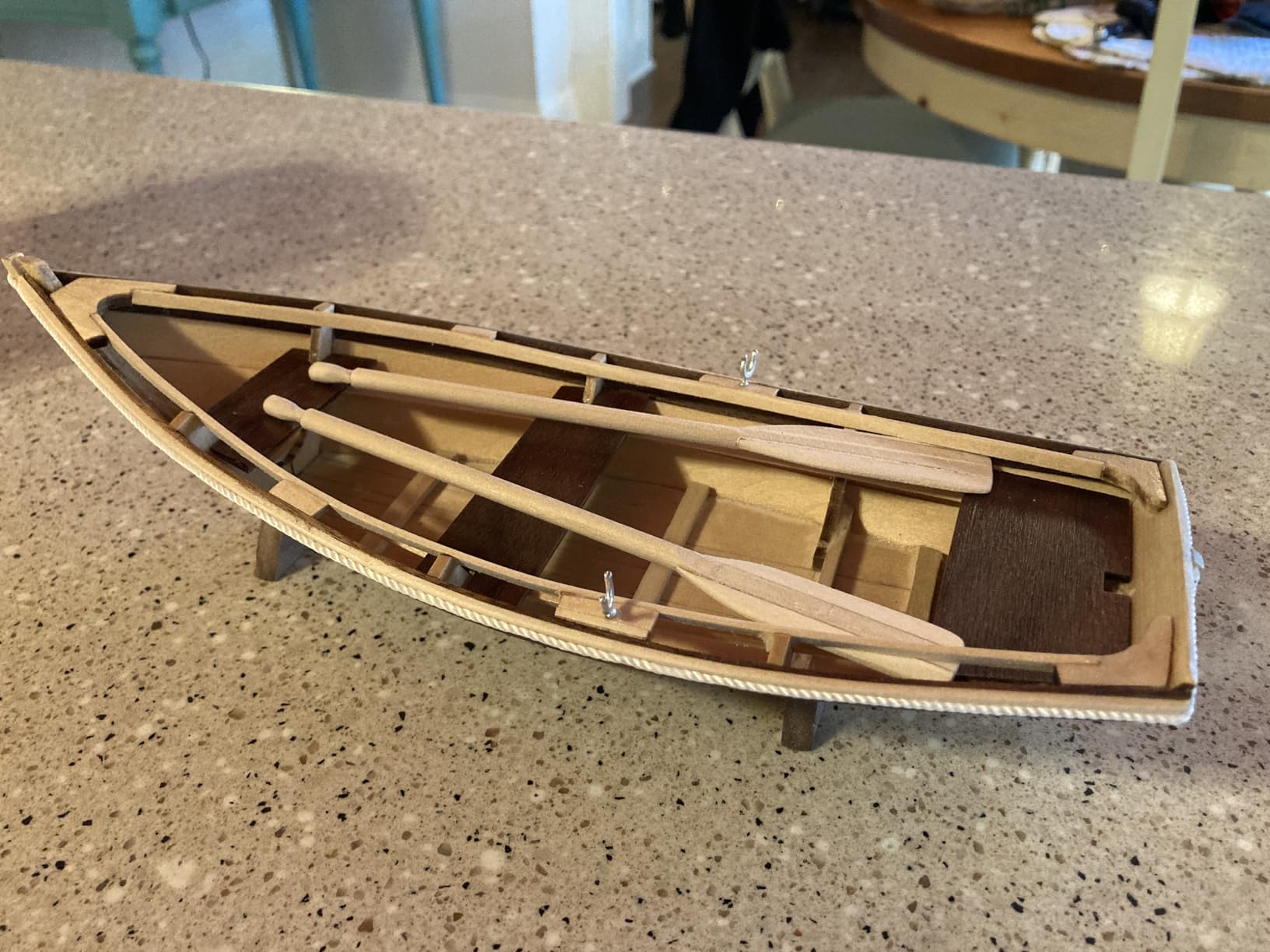
The Midwest Dinghy represents the most affordable entry point into Model Expo wooden ship kits. As part of their Apprentice Series, this kit was designed specifically for first-time builders with no prior experience. I’ve recommended this kit to many beginners over the years, and the consistently positive feedback confirms it succeeds as an introduction to the hobby.
What makes this perfect for beginners is the forgiving construction system. The flexible basswood material bends and conforms without breaking easily. New builders often apply too much force or align parts imperfectly, and more rigid woods would snap under these conditions. The flexible basswood accommodates beginner mistakes and gives you second chances when placement isn’t perfect on the first try.
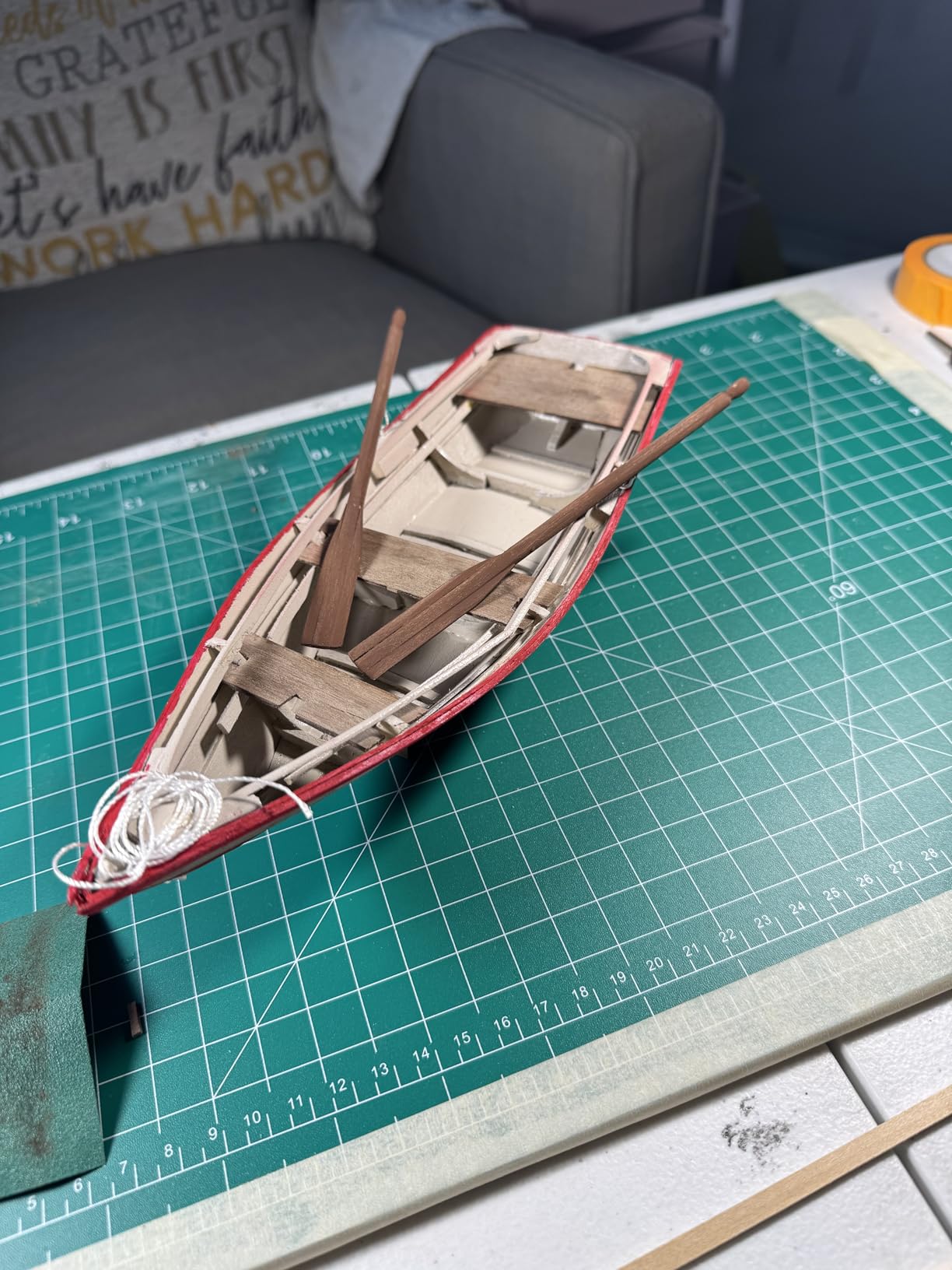
Laser-cut parts ensure accuracy that手工-cut parts can’t match. When I started building ships decades ago, kits required extensive sanding and shaping to make parts fit properly. The precision cutting here means pieces align correctly right from the start. This reduces frustration significantly and helps ensure your first build succeeds. Nothing discourages beginners like parts that don’t fit despite careful assembly.
The comprehensive fully illustrated instructions assume no prior knowledge. Many ship model kits frustratingly assume you understand terminology and techniques. The Dinghy manual explains everything from the beginning, which I appreciate seeing. As someone who has taught many beginners, I know how discouraging it feels when instructions reference techniques you’ve never encountered.
For Whom This Kit Is Good
This kit is ideal for anyone testing the waters of ship modeling without committing significant money. If you’re curious about the hobby but unsure whether you’ll enjoy it, the Dinghy gives you an authentic experience at minimal cost. You’ll learn fundamental techniques that transfer to more complex kits while deciding if ship modeling suits you.
I also recommend this for younger builders or those with limited dexterity. The straightforward construction and fewer pieces compared to more complex kits make it manageable for teenagers or adults who struggle with very small components. The forgiving materials accommodate less precise assembly, which helps build confidence rather than frustration.
For Whom This Kit Isn’t Ideal
Experienced modelers will find this kit too simple. If you’ve already completed several ship models, the Dinghy’s straightforward construction won’t challenge you sufficiently. This kit specifically targets absolute beginners, and seasoned builders need something more complex to maintain interest and continue developing skills.
Builders who want a complete all-in-one package should note that additional tools are required. Unlike some premium kits that include everything, you’ll need to purchase glue, sandpaper, and basic tools separately. Factor these extra costs into your budget. If you want everything included from the start, consider the Dory kit instead.
7. ROKR Seahorse Barque 3D Wooden Puzzle for Adult
ROKR Seahorse Barque 3D Wooden Puzzle for Adult – Sailboat Model Kit, 603-Piece DIY Assembly, 1:100 Scale Sailboat MCB02
No Glue Required
603 Pieces
1 100 Scale
Interactive Features
Pros
- Precision laser-cut pieces
- No glue needed
- Interactive moving parts
Cons
- Very small pieces
- Takes longer than stated
- Challenging for beginners
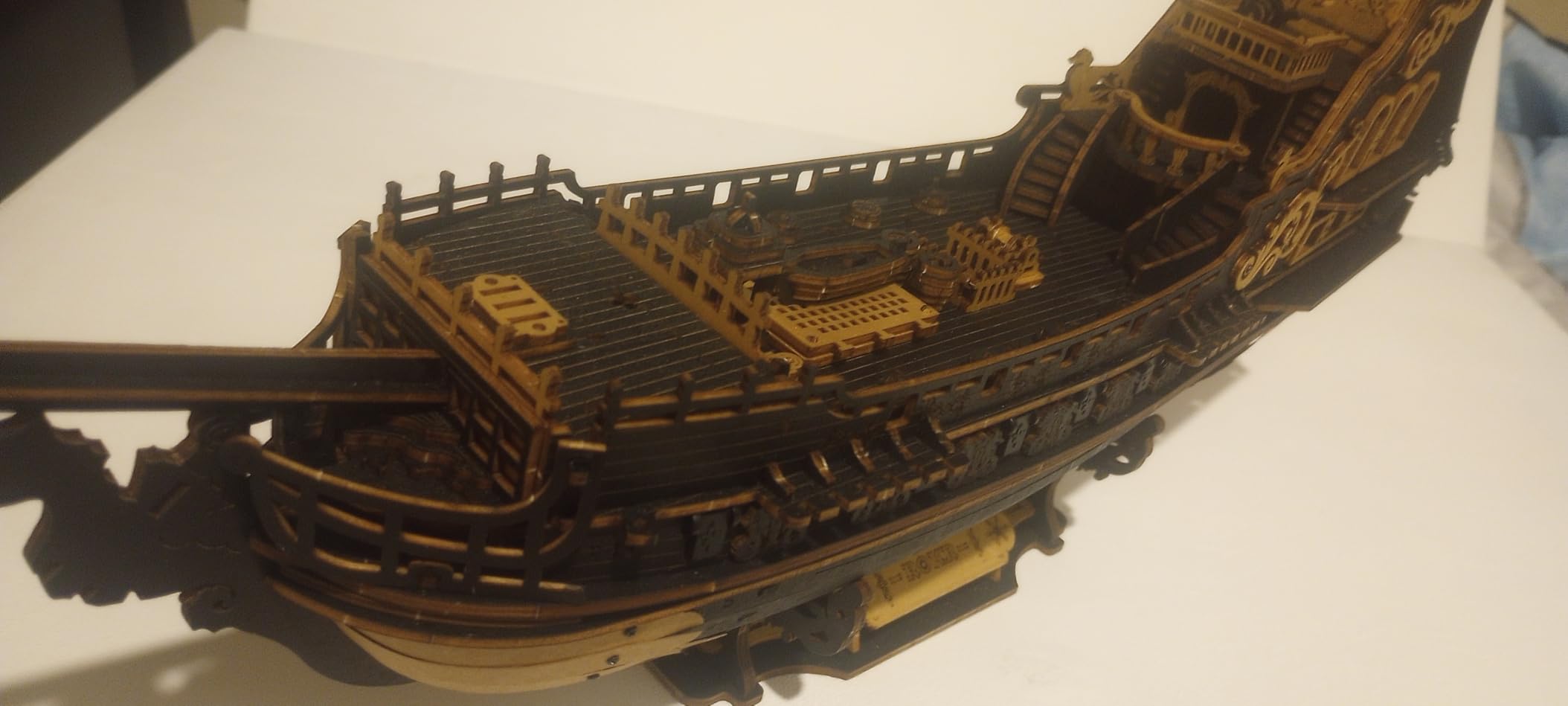
The ROKR Seahorse Barque offers a unique twist on traditional ship modeling by combining puzzle assembly with model building. Unlike standard kits that require glue and traditional construction techniques, this puzzle-style model uses precision interlocking pieces that fit together without adhesive. The result is an impressive 1:100 scale barque with interactive features including a rotating helm and 13 individual sails.
The no-glue construction approach appeals to many beginners who find traditional adhesives messy or intimidating. I’ve worked with many aspiring modelers who worry about gluing parts incorrectly or making permanent mistakes. The interlocking design lets you test fits and make adjustments before final assembly, reducing anxiety about irreversible errors. This forgiving system helps build confidence before attempting traditional glued kits.
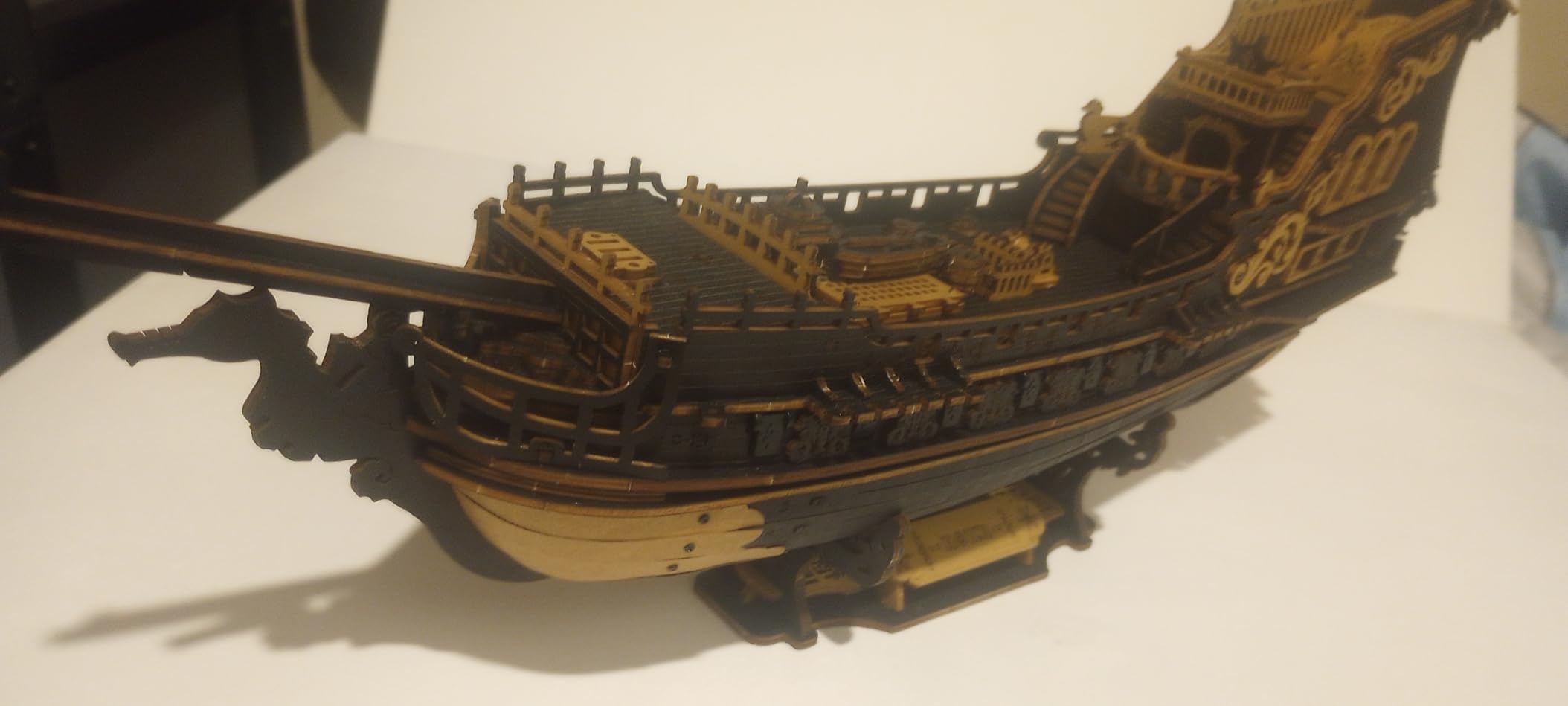
With 603 precision laser-cut pieces, this kit offers substantial building challenge. The piece count places this in the intermediate category despite the no-glue construction method. You’ll develop patience, fine motor skills, and spatial reasoning working through the assembly process. The finished model rewards your effort with impressive detail and interactive elements that make it a dynamic display piece.
The interactive features set this model apart from static display kits. A rotating helm lets you turn the ship’s wheel, and 13 sails (8 square sails plus 5 fore-and-aft sails) add authenticity. The sliding canoe reveals 26 golden cannons hidden below deck. These elements make the completed model more engaging to display and demonstrate, especially if you enjoy showing your work to interested friends and family.
For Whom This Kit Is Good
This kit suits puzzle enthusiasts who want to transition to model building. If you enjoy 3D puzzles and mechanical assembly projects, the Seahorse Barque combines those interests with ship modeling. The interlocking construction will feel familiar to puzzle builders while introducing maritime history and ship design concepts.
I also recommend this for modelers who want a break from traditional glued construction. Sometimes ship modelers want variety in their building techniques. This kit offers something different from standard plank-on-frame assembly while still developing transferable skills like following instructions, handling small parts, and visualizing three-dimensional relationships.
For Whom This Kit Isn’t Ideal
Builders seeking to learn traditional ship modeling techniques should choose a different kit. The no-glue interlocking construction doesn’t teach planking, rigging, or other standard techniques that transfer to most ship models. If your goal is developing conventional modeling skills, start with a Model Shipways kit that uses traditional construction methods.
Anyone frustrated by very small pieces should reconsider this kit. With 603 components, many pieces are tiny and require tweezers and excellent lighting for proper handling. If you have dexterity challenges or dislike working with miniature components, this kit will prove frustrating. The piece count and scale make this demanding despite the simplified no-glue assembly.
8. 983 Sakonnet Daysailer 1:24 Wooden Sailing Ship Model Kit
Midwest 983 Sakonnet Daysailer 1:24 Wooden Sailing Ship Model Building Kit for Adults – 9.5″ Long DIY Woodcraft Self Assembly
Classic Daysailer Design
9 5 Inch Length
1 24 Scale
Made In USA
Pros
- Fun creative build
- Laser-cut parts
- Historically accurate
- Perfect scale proportions
Cons
- Sheet planking difficult
- Instructions could improve
- Some missing parts reported
The Sakonnet Daysailer kit recreates a classic recreational sailing vessel perfect for beginners interested in pleasure craft rather than working boats. Daysailers represent the pure enjoyment of sailing, designed specifically for leisure rather than commercial fishing or naval duties. Building this kit connects you with the recreational side of maritime history and introduces sailing ship modeling through an accessible design.
The 1:24 scale offers an excellent balance between size and detail. Larger scales like 1:24 give you more room to work with components and allow for greater detail in the finished model. I’ve built at various scales, and 1:24 remains my favorite for sailing vessels because it captures sufficient detail while remaining manageable in terms of finished size and display requirements.
Highly detailed basswood parts laser-cut for easy construction ensure accuracy throughout the build. The laser cutting technology Model Expo employs produces parts with tolerance tight enough that pieces fit together precisely without gaps. This precision matters tremendously in sailing ship models where the hull’s smooth appearance affects the entire model’s visual quality.
For Whom This Kit Is Good
This kit works well for builders interested in recreational sailing vessels. If your passion lies with pleasure craft rather than working boats or naval ships, the Daysailer’s design will appeal to you. It represents the joy of sailing for recreation rather than commerce or warfare, capturing a different aspect of maritime history.
I also recommend this for modelers who want to learn planking techniques. The sheet planking, while challenging as some reviewers noted, provides excellent practice for this fundamental ship modeling skill. Learning to properly shape and attach planks serves you well in future builds with more complex hulls.
For Whom This Kit Isn’t Ideal
Complete beginners might struggle with the planking techniques required. Several reviewers found sheet planking difficult to shape properly around bulkheads. If you’ve never planked a hull before, consider starting with a kit that uses simpler construction methods. The Daysailer assumes some familiarity with fundamental techniques.
Builders frustrated by potential missing parts should consider this kit’s reported issues. Some customers reported missing components and slow customer service response. If having everything included correctly matters tremendously to you, and you’d find waiting for replacement parts discouraging, consider a kit with better quality control reports.
Understanding Model Expo Skill Levels
Model Expo categorizes their kits by skill level to help you choose appropriately. Level 1 kits like the Lowell Grand Banks Dory are designed specifically for first-time builders with no prior experience. These kits emphasize clear instructions, simpler construction techniques, and forgiving designs that accommodate beginner mistakes.
Level 2 kits introduce more complex techniques and require some prior modeling experience. The 18th Century Longboat falls into this category. While still approachable, these kits assume you’ve developed basic skills and comfort with ship modeling fundamentals. Don’t choose Level 2 as your very first kit unless you have significant modeling experience in other areas.
The Shipwright Series occupies a unique position by providing progressive skill development. Instead of buying individual kits at different levels, you get a planned curriculum that builds skills systematically. If you’re committed to learning ship modeling properly, this structured approach gives you the best foundation for long-term growth in the hobby.
Essential Tools for Your First Build
While premium kits include basic tools, serious ship modeling requires a more comprehensive toolkit. A hobby knife with plenty of spare blades handles most cutting tasks. I recommend changing blades frequently since dull blades cause more accidents than sharp ones. A quality knife set improves your experience tremendously compared to using the basic knife included with most kits.
Tweezers become indispensable for handling small parts and placing components precisely. Buy two pairs: one fine-point pair for picking up tiny pieces, and one wider-grip pair for holding parts while glue dries. Good lighting and magnification help immensely with detailed work. Many builders use magnifying lamps or wearable magnifiers to reduce eye strain during close work.
Sanding supplies in various grits smooth and shape wood as needed. Start with coarse grit (80-120) for removing material quickly, then progress through finer grits (180, 220, 320) for smoothing surfaces. A sanding block helps keep surfaces flat and even. Quality sandpaper makes a noticeable difference in your finished model’s appearance.
Understanding Scale in Ship Models
Scale refers to the model’s size relative to the real vessel. A 1:24 scale model measures 1/24th the size of the actual ship. Larger scale numbers like 1:48 produce smaller models, while smaller numbers like 1:24 create larger models for the same vessel. Each scale has advantages worth considering before choosing a kit.
Larger scales (1:24, 1:32) give you more room to work and allow finer detail. If you struggle with small pieces or want maximum detail, choose a larger scale. The finished model will be bigger, which requires more display space but shows off your work more prominently. Most beginners find larger scales easier to work with initially.
Smaller scales (1:48, 1:64, 1:100) produce more compact models that fit easily on shelves or desks. These scales challenge your fine motor skills since parts are smaller. Experienced modelers often prefer smaller scales because they take up less space while still looking impressive. Consider your available display space and comfort with small components when choosing scale.
Wood Types in Model Expo Kits
Basswood predominates in Model Expo kits for good reason. This lightweight hardwood cuts easily, sands smoothly, and accepts glue well. Its fine grain doesn’t interfere with detailed work, and it stains beautifully if you choose to finish your model naturally. Basswood’s flexibility makes it forgiving for beginners since it bends without breaking as easily as some harder woods.
Some kits include mahogany or other hardwoods for specific components requiring extra strength or contrasting colors. These harder woods demand sharper tools and more careful cutting but add visual interest to the finished model. When working with mixed wood types, adjust your technique based on each wood’s characteristics.
Laser-cutting technology has revolutionized wooden ship modeling by ensuring consistent quality and accuracy. In earlier eras, kits included rough-cut wood requiring extensive shaping and fitting. Modern laser-cut parts fit together precisely, reducing frustration and ensuring better results. This manufacturing advance makes ship modeling much more accessible to beginners than in the past.
Realistic Build Time Expectations
One of the most common questions beginners ask involves how long a kit will take. The honest answer depends on your experience, available time, and working speed. A simple Level 1 kit like the Dinghy typically takes 20-30 hours for a complete beginner working at a relaxed pace. More experienced builders might complete the same kit in 10-15 hours.
Complex kits naturally require more time. The Shipwright Series three-ship combo represents 60-100 hours of building work spread across multiple projects. The ROKR Seahorse Barque, despite claims of 10 hours, realistically requires 20-40 hours according to most customer reviews. Always double manufacturer time estimates for realistic planning.
Your pace will naturally improve with experience. Your first ship model teaches fundamental techniques that apply to all future builds. Don’t rush your first project trying to finish quickly. Ship modeling rewards patience and attention to detail. Working slowly and carefully produces better results and makes the building process more enjoyable.
Common Mistakes to Avoid
Forum discussions consistently highlight certain mistakes that trip up first-time builders. Skipping ahead in instructions ranks among the most common errors. Each step builds on previous work, so completing steps out of sequence creates problems later. Read the entire manual before starting, then follow each step in order without jumping ahead.
Using too much glue causes numerous problems. Excess adhesive squeezes out creating messy joints and can stain wood. Less glue than you think usually proves sufficient. Apply sparingly, spread thin, and wipe away any excess immediately. Quality glues designed specifically for wood modeling work far better than general-purpose craft glues.
Rushing the planking process creates disappointing hulls. Planking requires patience and proper technique. Don’t force planks into position—let them bend naturally or soak them to increase flexibility. Take your time fitting each plank properly before gluing. Poor planking ruins the entire model’s appearance, so this stage deserves careful attention.
Frequently Asked Questions
Who makes the best ship model kits?
Model Expo’s Model Shipways line ranks among the best for beginners due to their clear instructions, laser-cut parts, and progressive skill levels. Other highly-regarded brands include Vanguard Models for photo instructions, Occre for quality, and Amati for detail. The best brand depends on your experience level and building interests.
How long does it take to build a wooden ship model?
Simple Level 1 beginner kits typically take 20-30 hours for first-time builders. Intermediate models require 40-60 hours. Complex projects can take 100+ hours spread over several months. Your speed will improve with experience. Work at your own pace rather than rushing to meet arbitrary time goals. The building process should be enjoyable, not a race to completion.
What tools do I need for Model Expo wooden ship kits?
Premium kits include basic tools, but serious modeling requires: hobby knife with spare blades, tweezers (fine-point and wide-grip), sanding block with various grits (80-320), small clamps, pin vise drill, and quality wood glue. Good lighting and magnification help significantly with detailed work. Build your toolkit gradually as your skills develop.
Are Model Expo kits good for first-time builders?
Yes, Model Expo specifically designs several kit lines for beginners. Their Apprentice Series, Shipwright collection, and Level 1 kits provide comprehensive instructions, laser-cut parts that fit accurately, and progressive skill development. Forum members consistently recommend Model Shipways kits for first-time builders seeking quality and proper learning structure.
What is the best Model Expo kit for beginners?
The Model Shipways Lowell Grand Banks Dory offers the best balance of value, completeness, and beginner-friendliness. It includes all necessary tools and supplies, has Level 1 designation specifically for beginners, and provides 47 pages of detailed instructions. For those wanting progressive learning, the Shipwright 3-kit combo gives the most comprehensive introduction.
Conclusion: Choosing Your First Model Expo Wooden Ship Kit
Starting your ship modeling journey with Model Expo wooden ship kits gives you the best chance of success. Their decades of experience designing for beginners shows in every aspect of their kits, from laser-cut parts that fit accurately to comprehensive instructions that assume no prior knowledge. The kits I’ve reviewed here represent the best options for first-time builders across different budgets and interests.
For complete beginners wanting everything included, the Model Shipways Lowell Grand Banks Dory offers the best overall value with tools, paint, and clear instructions. If you’re committed to developing serious modeling skills, invest in the Shipwright Series 3-kit combo for progressive learning. Budget-conscious builders should start with the Midwest Dinghy, the most affordable entry point that still delivers quality and proper instruction.
Whichever kit you choose, remember that ship modeling rewards patience. Your first model teaches techniques that apply to all future builds. Don’t rush the process trying to finish quickly. Working carefully and enjoying each step produces better results and makes the hobby more satisfying. Model Expo wooden ship kits give you the foundation—now it’s your turn to build something extraordinary.