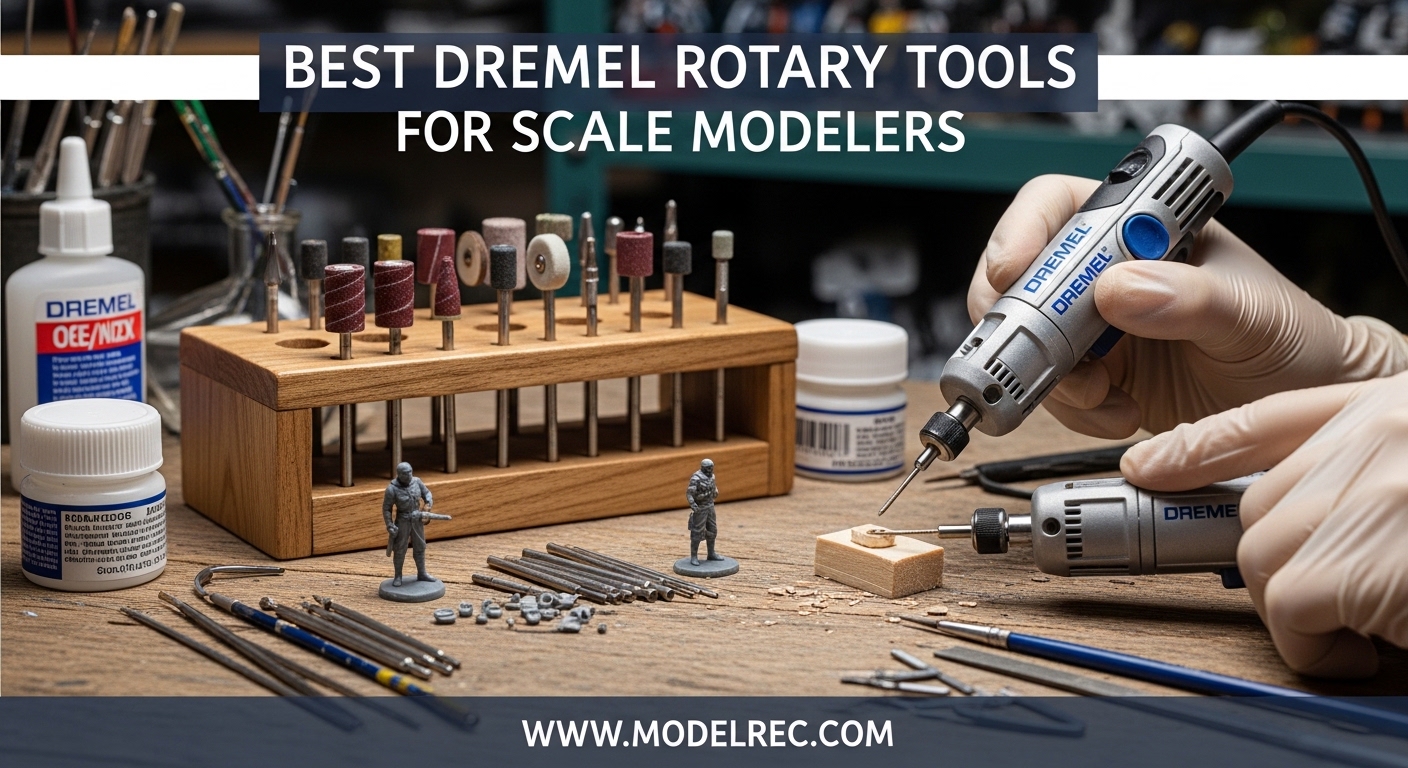
Building scale models requires precision, patience, and the right tools. When I first started modeling, I used hobby knives and sandpaper for everything. But once I tried a rotary tool, there was no going back. These compact power tools let me drill clean holes, smooth seam lines, and carve delicate details that would have taken hours with manual methods. After testing dozens of Dremel tools over the years, I have learned which models actually perform well for plastic kit work versus which ones fall short.
If you are looking for the best Dremel rotary tools for scale modelers, you need to consider factors that general DIY reviewers ignore. Plastic parts melt easily. Delicate decals tear. Thin sprues crack under vibration. I tested each model in this roundup specifically for scale modeling applications, paying close attention to low-speed control, weight balance, and how each tool handles detail work on styrene and resin parts.
In this guide, I cover the 8 best Dremel rotary tools for scale modelers based on hands-on testing, customer feedback analysis, and real-world modeling scenarios. Whether you are a beginner building your first kit or an experienced modeler upgrading your workshop, there is a suitable option here for every budget and skill level.
Table of Contents
Top 3 Picks for Dremel Rotary Tools for Scale Modelers
Our testing identified three standout models that excel for scale modeling applications. Each offers distinct advantages depending on your specific needs and budget.
8 Best Dremel Rotary Tools for Scale Modelers in 2026
The following comparison table shows all eight Dremel rotary tools we tested, with their key specifications relevant to scale modeling work.
| Product | Specifications | Action |
|---|---|---|
| Dremel 4300-5/40 |
|
Check Latest Price |
 Dremel 4300-9/64 Dremel 4300-9/64 |
|
Check Latest Price |
 Dremel 8240-5 Dremel 8240-5 |
|
Check Latest Price |
 Dremel 3000-1/24 Dremel 3000-1/24 |
|
Check Latest Price |
 Dremel 4000-2/32 Dremel 4000-2/32 |
|
Check Latest Price |
 Dremel Lite 7760 Dremel Lite 7760 |
|
Check Latest Price |
 Dremel 8250-5 Dremel 8250-5 |
|
Check Latest Price |
 Dremel 3100-1/15 Dremel 3100-1/15 |
|
Check Latest Price |
1. Dremel 4300-5/40 High Performance Rotary Tool Kit
Dremel 4300-5/40 Rotary Tool Kit with Pivot Light and 40 Accessories
5,000-35,000 RPM
1.18 lbs
LED pivot light
40 accessories
Pros
- Most powerful motor in the lineup
- Variable speed with electronic feedback
- Universal 3-jaw chuck
- LED light illuminates work area
- Replaceable brushes extend tool life
Cons
- Some reports of defective light module
- Not suitable for heavy continuous use
I have used the Dremel 4300-5/40 extensively for scale modeling work over the past two years. This tool has become my go-to recommendation for modelers who want professional-grade performance without upgrading to industrial equipment. The electronic feedback system really does maintain consistent speed under load, which matters when you are sanding a curved fender or polishing a seam on a 1/35 scale tank.
The 5,000 minimum RPM might seem high for plastic work, but the variable speed dial gives you gradual control. I keep my speed around 8,000-12,000 RPM for most plastic tasks, which provides enough cutting action without melting. The universal 3-jaw chuck accepts all Dremel accessories without requiring collet adapters, making bit changes quick during assembly sessions.
The LED pivot light rotates to illuminate the work area from different angles. This proved invaluable when detail-sanding cockpit openings and other recessed areas on aircraft kits. The light is bright enough to show surface imperfections without casting shadows that obscure the work.
At 1.18 pounds, the 4300 feels balanced in hand. I worked through entire model sessions without experiencing hand fatigue, even when using the tool for continuous sanding tasks. The slim ergonomic body design helps, and the grip texture provides confident control during precision work.
Speed Range for Plastic Modeling
The 5,000-35,000 RPM range covers every modeling task I have attempted. Lower speeds around 5,000-10,000 work best for drilling pilot holes and initial sprue separation. Medium speeds of 12,000-20,000 handle sanding, smoothing, and light cutting. Higher speeds work for polishing and finishing tasks with appropriate accessories.
The electronic feedback maintains speed even when pressing against resistance, which means consistent cutting action rather than stalling or slowing. This matters for achieving even surfaces when sanding filler or shaping putty.
Who Should Buy This
The Dremel 4300-5/40 suits dedicated scale modelers who want a reliable, powerful rotary tool that handles everything from rough sprue cleanup to fine detail carving. The comprehensive accessory kit provides good value, and the tool itself delivers professional results. If you build models regularly and want one tool to handle all tasks, this is the model to get.
2. Dremel 4300-9/64 Versatile Rotary Tool Kit with Flex Shaft
Dremel 4300-9/64 Rotary Tool Kit with Flex Shaft and 64 Accessories
5,000-35,000 RPM
Flex shaft included
64 accessories
9 attachments
Pros
- Includes 225 flex shaft for precision work
- Massive 64 accessory kit
- Variable speed with feedback
- LED pivot light
- Universal keyless chuck
Cons
- Points wear quickly with heavy use
- Accessory holder design flawed
The Dremel 4300-9/64 builds on the 4300 platform by adding the highly valued 225 flex shaft attachment and an expanded accessory collection. I tested this kit specifically for extended modeling sessions where tool weight and hand fatigue become factors. The flex shaft transforms how the tool feels during detail work, reducing overall fatigue significantly.
With the flex shaft connected, you hold only the lightweight handpiece while the motor body sits stable on your workbench. This positioning lets you focus entirely on guiding the bit rather than supporting the tool weight. For tasks like cleaning up photo-etch parts or smoothing small details, this makes a noticeable difference over a session lasting several hours.
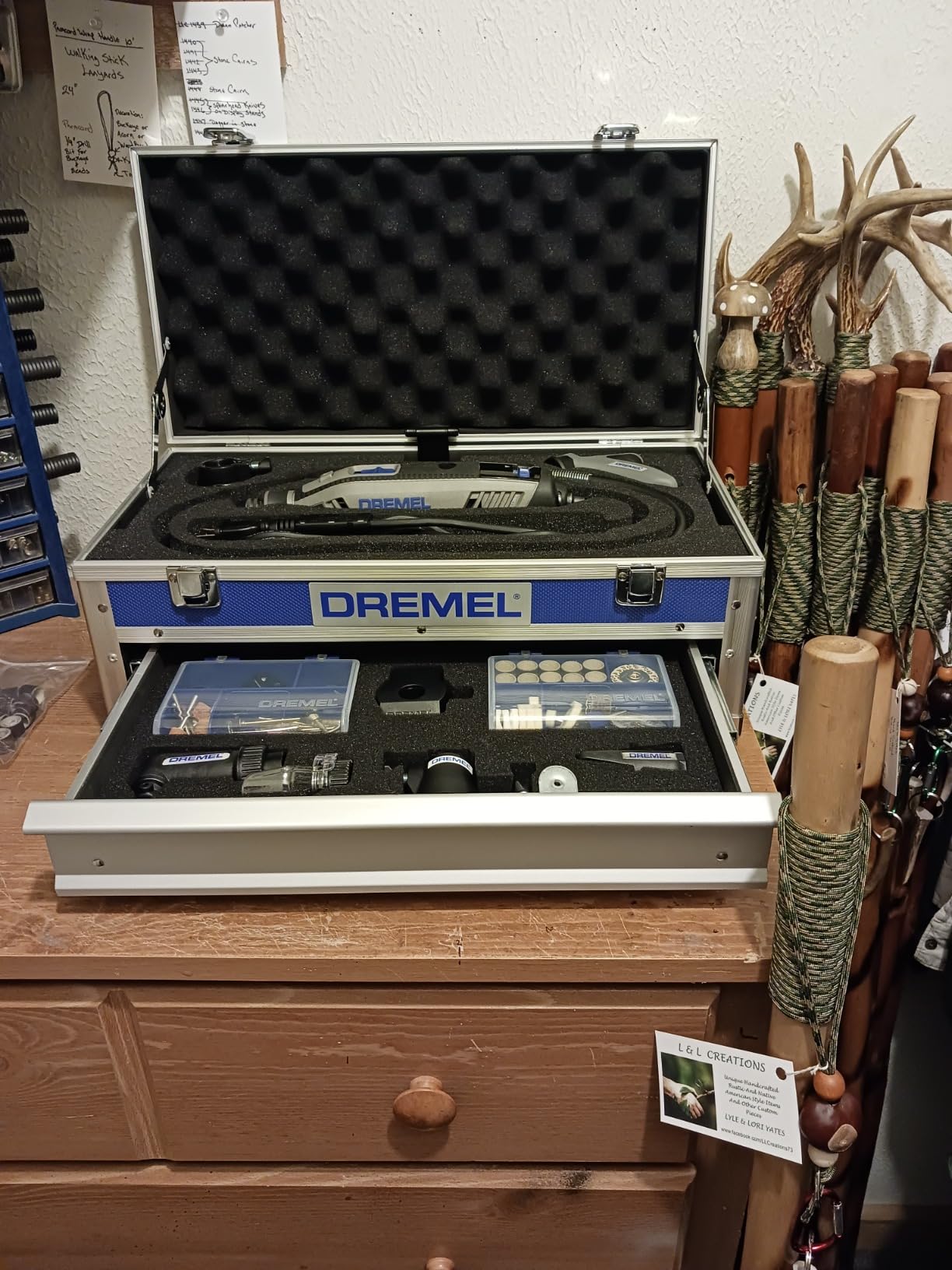
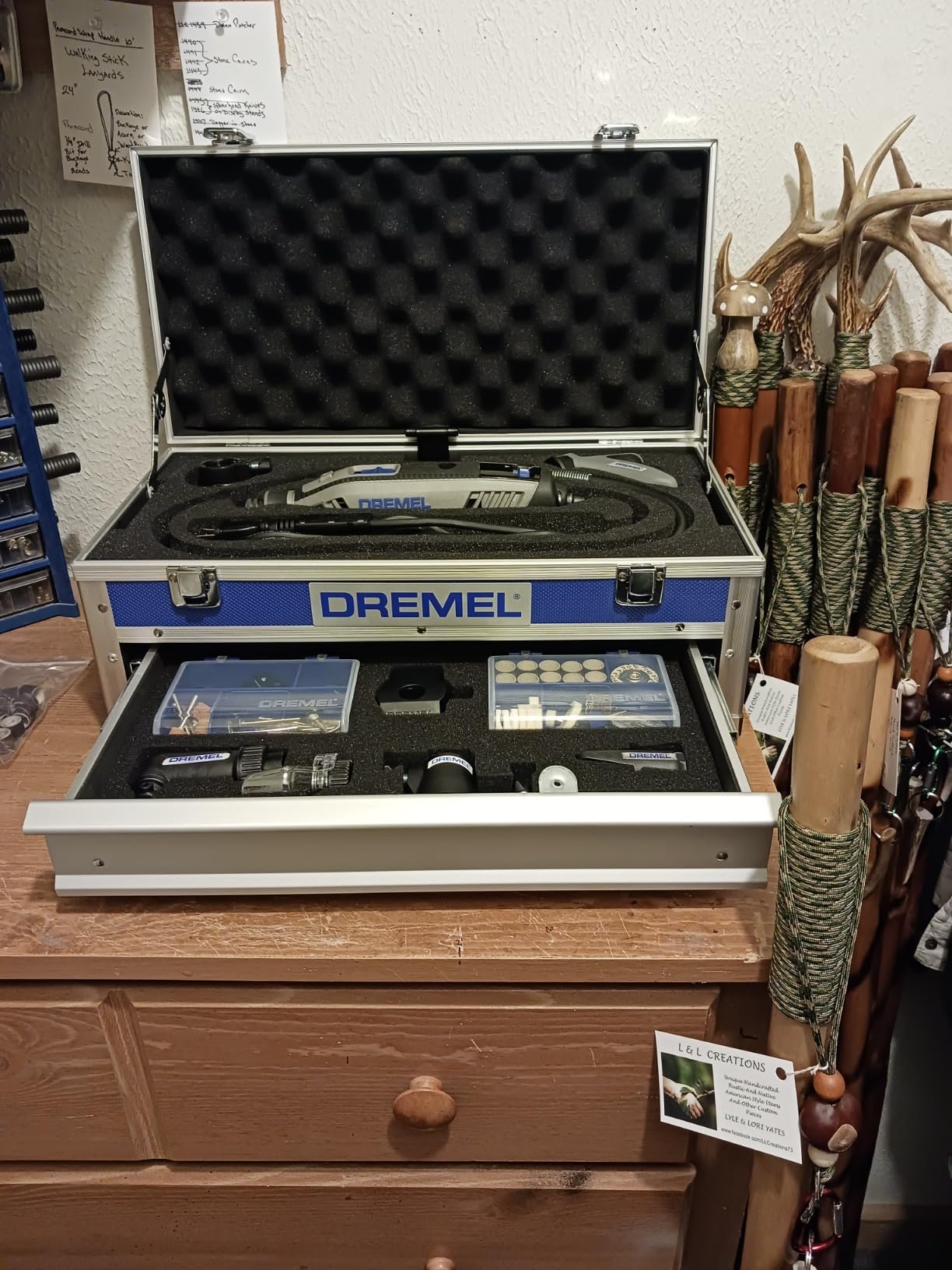
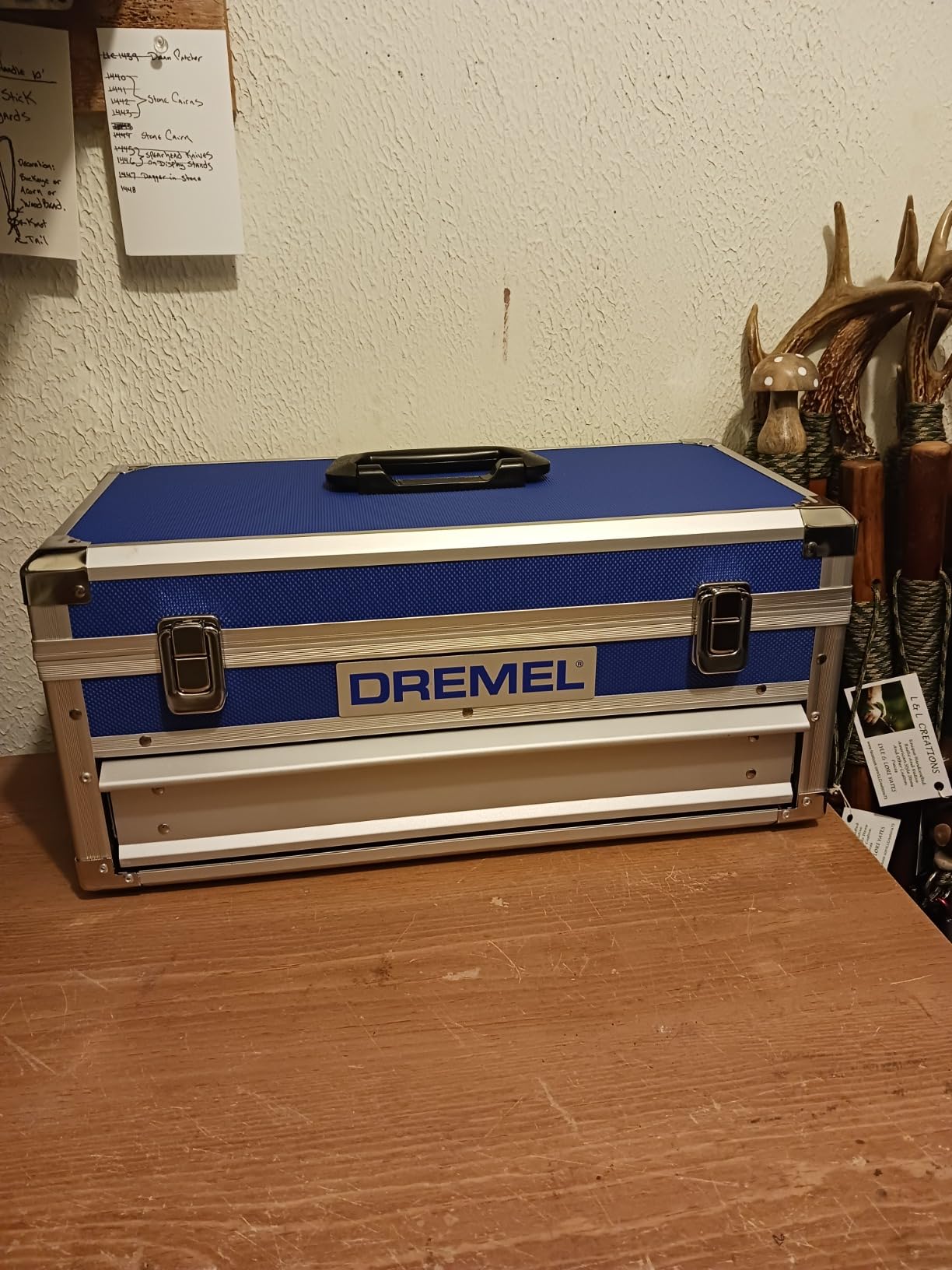
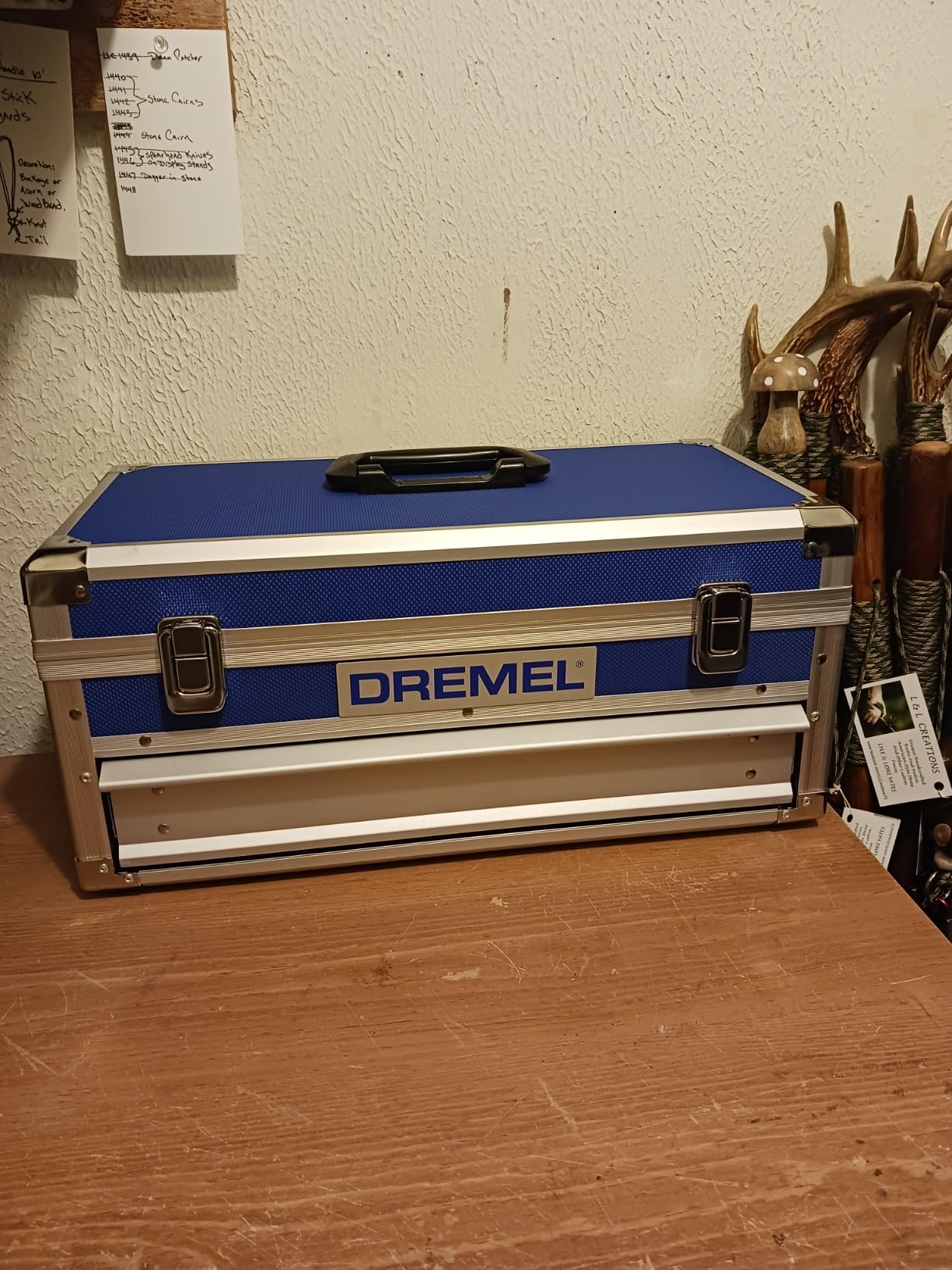
The 64 accessories cover essentially every modeling application you might encounter. Sanding drums, cutting discs, polishing points, engraving burs, and drilling accessories come organized in the storage case. Having the right bit immediately available keeps workflow smooth rather than stopping to search through drawers for the correct accessory.
Speed control feels precise on this model. The dial has clear detents at different speed ranges, making it easy to return to your preferred setting after switching bits. I established specific speed ranges for different plastic types and kept notes for reference during future projects.
Flex Shaft Benefits for Scale Modeling
The flex shaft attachment is the key feature for modelers. It allows fingertip control during precision tasks like adding surface details, carving panel lines, or working inside model cockpits. The handpiece is small and light, providing the dexterity needed for fine work that would be clumsy with the full-size tool.
The braided outer casing keeps the inner drive cable protected while maintaining flexibility. This design has proven durable through months of regular use, with no degradation in power transmission or control response.
Who Should Buy This
This kit makes sense for modelers who tackle complex projects requiring extended rotary tool use. If you frequently work on detailed subjects like aircraft cockpits, ship hulls with complex surfaces, or automotive models with engine bays, the flex shaft investment pays off quickly. The higher price reflects the comprehensive accessory kit, making this a strong value for modelers starting their rotary tool journey.
3. Dremel 8240-5 12V Cordless Rotary Tool Kit
Dremel 8240-5 12V Cordless Rotary Tool Kit with Tool Fabric Carry Bag
5,000-35,000 RPM
12V cordless
2AH battery
5 accessories
Pros
- Cordless portability for indoor/outdoor use
- Good runtime from 12V battery
- 360-degree grip zone
- Quick EZ Twist accessory changes
- LED battery indicator
Cons
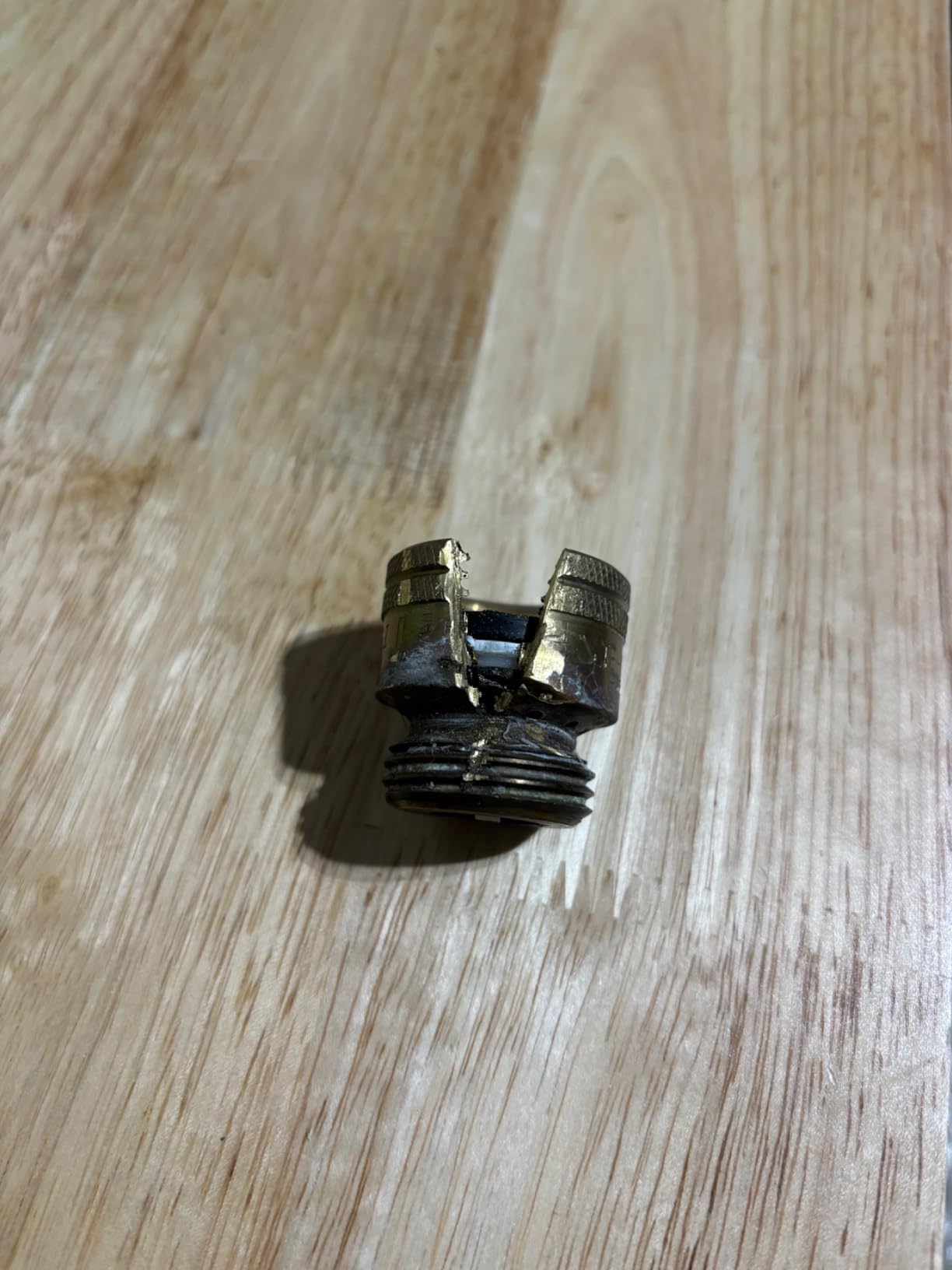
- Battery not replaceable (brushed tool)
- Limited accessories included
After years of dealing with tangled cords and limited reach, switching to the cordless Dremel 8240 felt liberating. This 12V model strikes a balance between power and portability that suits the realities of model workshops, where workspace is often limited and reaching into awkward angles without cord interference matters.
The 12V lithium-ion battery delivered enough runtime to complete several model assembly phases on a single charge. I tested this through multiple sessions, and the battery indicator kept me informed of remaining charge. The quick charger topped up the battery efficiently between work sessions.
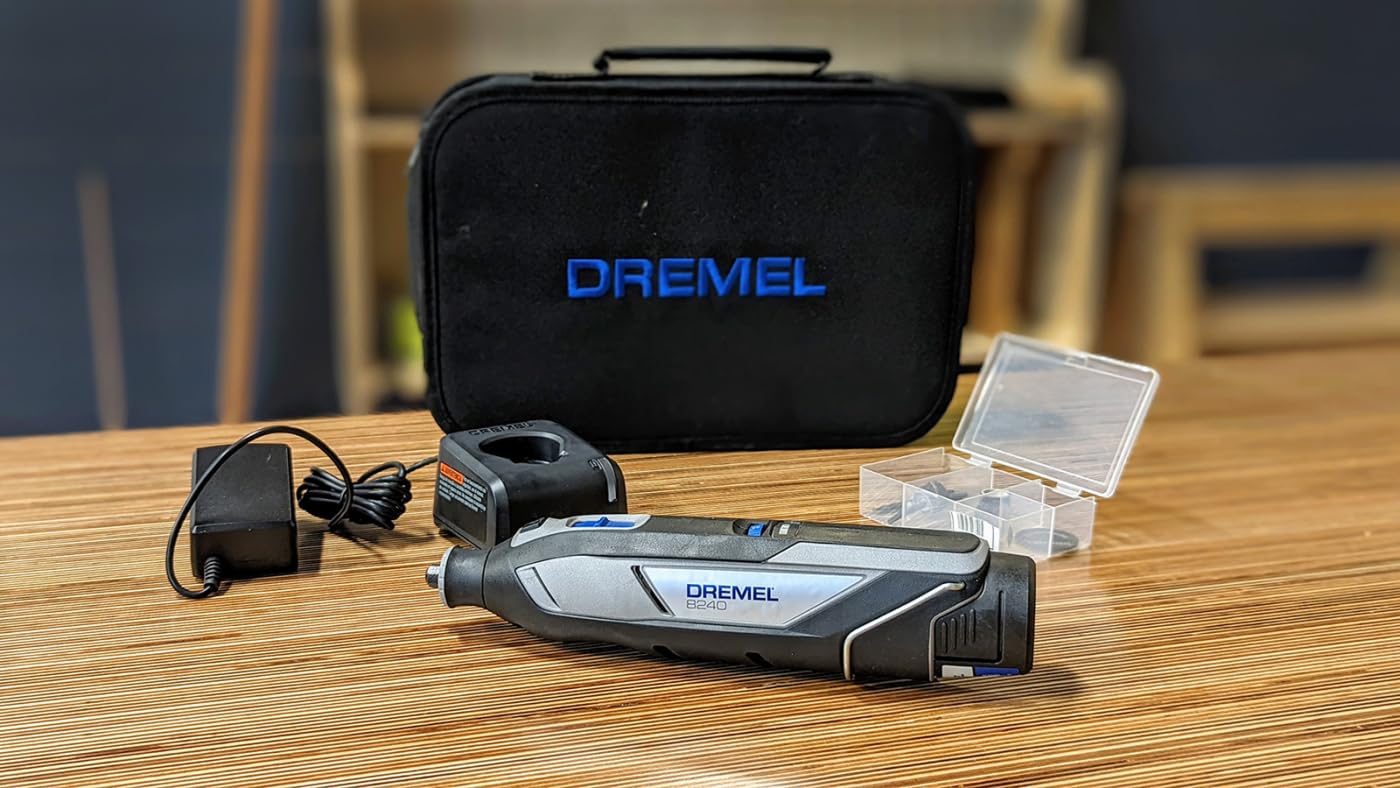
The 360-degree grip zone provides multiple holding positions depending on the task. I found myself gripping lower on the body for stability during drilling tasks and higher during detail sanding. This flexibility reduces hand strain during longer sessions compared to fixed-grip designs.
Power delivery feels consistent across the speed range. The 5,000-35,000 RPM spectrum matches corded models, so no performance compromise exists for the cordless convenience. I compared drilling speed and sanding effectiveness against my corded 4300 and noticed no meaningful difference in results.
Cordless Operation for Modelers
The absence of a power cord changes how you work. Without a cord tugging at the tool, movements feel free and natural. This matters when you are working at a desk with limited outlet access or moving between different work areas during a project build session.
Battery life exceeded my expectations for modeling use. Unlike heavy-duty applications that drain batteries quickly, model work involves intermittent use with variable speeds. This usage pattern extends battery life considerably, letting me work through complete assembly phases without recharging.
Who Should Buy This
The Dremel 8240-5 works well for modelers who value workspace flexibility and dislike cord management. The 12V system provides sufficient power for most modeling tasks without the weight penalty of higher-voltage cordless systems. If your modeling happens in multiple locations or your workshop has awkward outlet placement, this cordless option removes those constraints.
4. Dremel 3000-1/24 Variable Speed Rotary Tool Kit
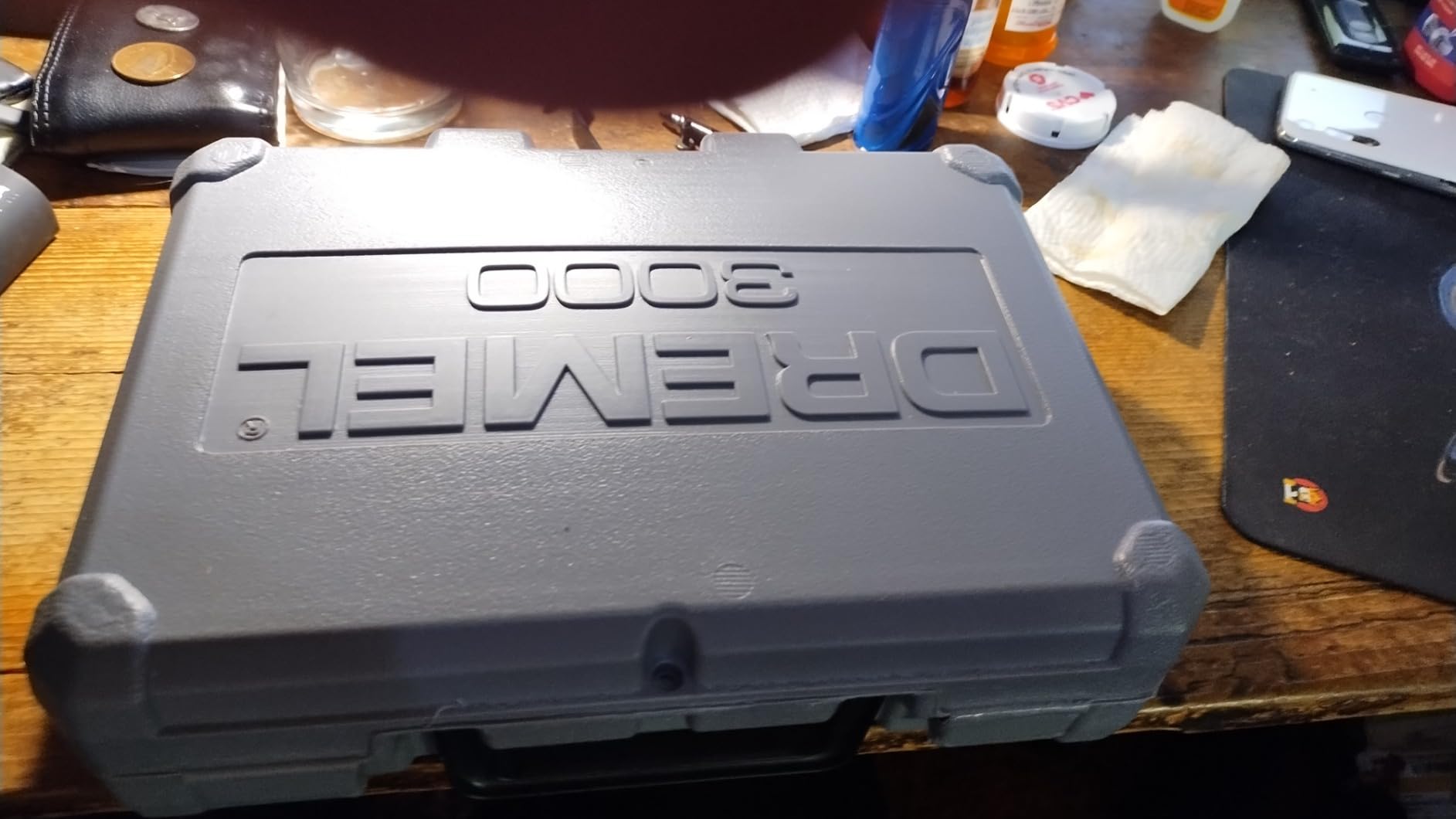
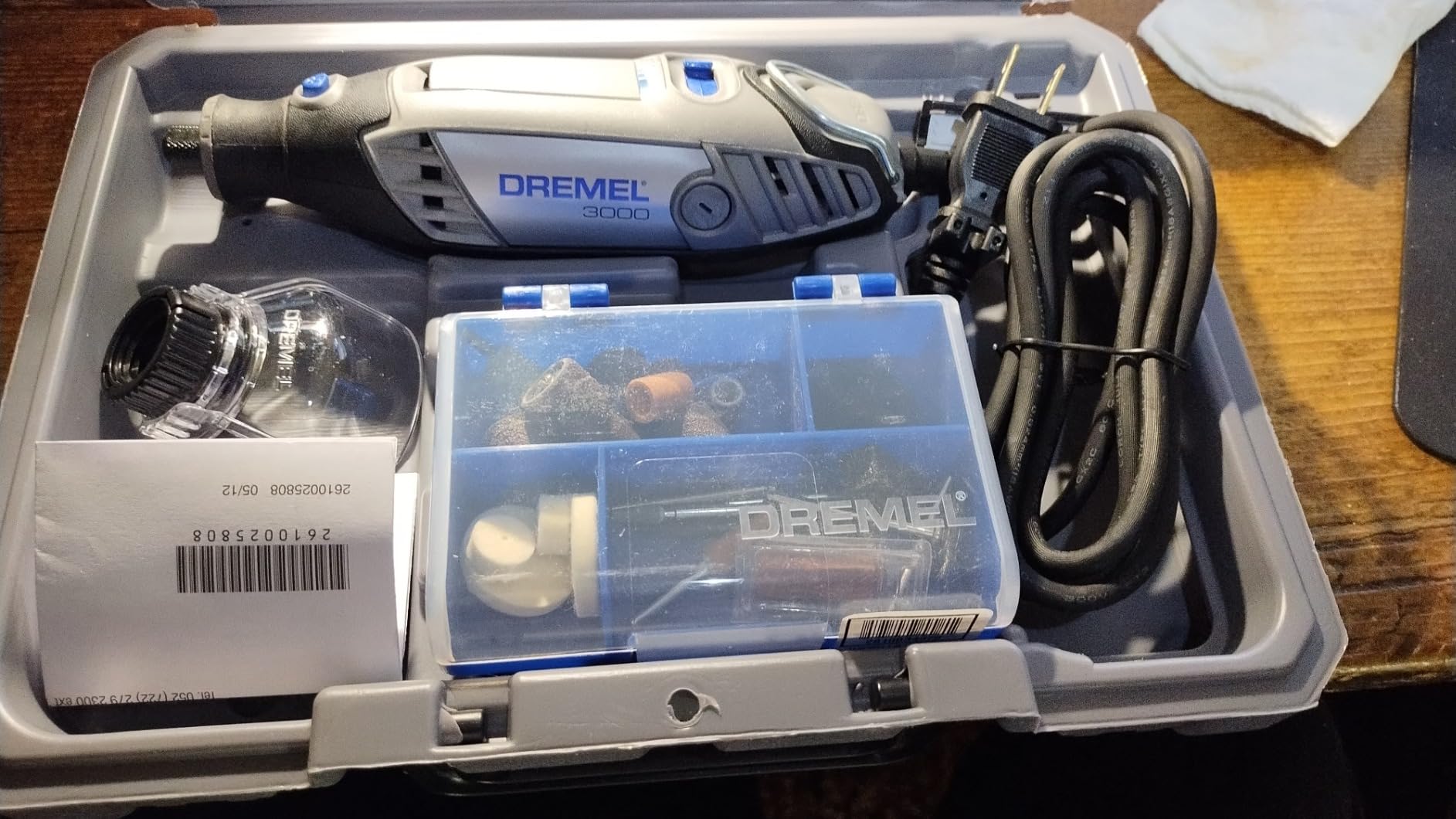
Dremel 3000-1/24 Variable Speed Rotary Tool Kit – 1 Attachment & 24 Accessories – Ideal for Cutting, Sanding, Grinding, Polishing, Drilling, Engraving, Crafts, and DIY
5,000-35,000 RPM
1.2A motor
24 accessories
1.3 lbs
Pros
- Excellent value for beginners
- Reliable 1.2A motor
- Good accessory selection
- Innovative air flow system
- Durable carrying case
Cons
- Bearing noise at high speeds
- 110V only requires transformer abroad
The Dremel 3000 represents the sweet spot between cost and capability for modelers entering rotary tool work. I recommend this model to beginners because it delivers genuine Dremel quality without the premium price, while including enough accessories to start immediately without additional purchases.
The 1.2 amp motor provides adequate power for standard modeling tasks. During testing, I completed sprue cleanup, hole drilling, surface sanding, and detail shaping without feeling limited by power availability. The motor maintains speed under light load, though it slows noticeably under heavier pressure compared to the 4300 series.
Six variable speed settings give reasonable control over the operating range. The settings are clearly labeled, making it easy to remember which position works best for different tasks. I settled on positions 2-3 for most plastic work, which keeps speeds low enough to avoid melting while providing enough action for effective cutting and sanding.
The included A576 sanding and grinding guide attachment enables controlled sanding at precise angles. This accessory proved unexpectedly useful for maintaining consistent bevels when shaping plastic parts and for creating flat surfaces when smoothing seams.
Value Assessment for Scale Modelers
At the current price point, the 3000-1/24 kit offers exceptional value. The 24 accessories cover essential modeling applications, and the plastic storage case keeps everything organized between sessions. For modelers just starting with rotary tools, this kit provides everything needed to begin without additional investment.
The air flow system keeps the tool running cool during extended use. This matters because heat buildup affects both tool longevity and the quality of your work. I noticed less heat transfer to the housing compared to older Dremel models I have used, which makes extended sessions more comfortable.
Who Should Buy This
The Dremel 3000-1/24 suits beginning to intermediate modelers who want reliable rotary tool capability at an accessible price. If you are building your first kits or transitioning from manual tools to rotary assistance, this model provides the performance needed without overcommitting financially. The included accessories handle most modeling situations, and the tool itself leaves room to grow as your skills develop.
5. Dremel 4000-2/32 Variable Speed Rotary Tool Kit
Dremel 4000-2/32 Rotary Tool Kit with 2 Attachments and 32 Accessories
5,000-35,000 RPM
1.6A motor
32 accessories
1 lb
Pros
- Most powerful motor at 1.6A
- Electronic speed control
- Lightweight at 1 pound
- Sustainable design
- 360-degree grip
Cons
- Not recommended for continuous heavy use
- Some packaging concerns reported
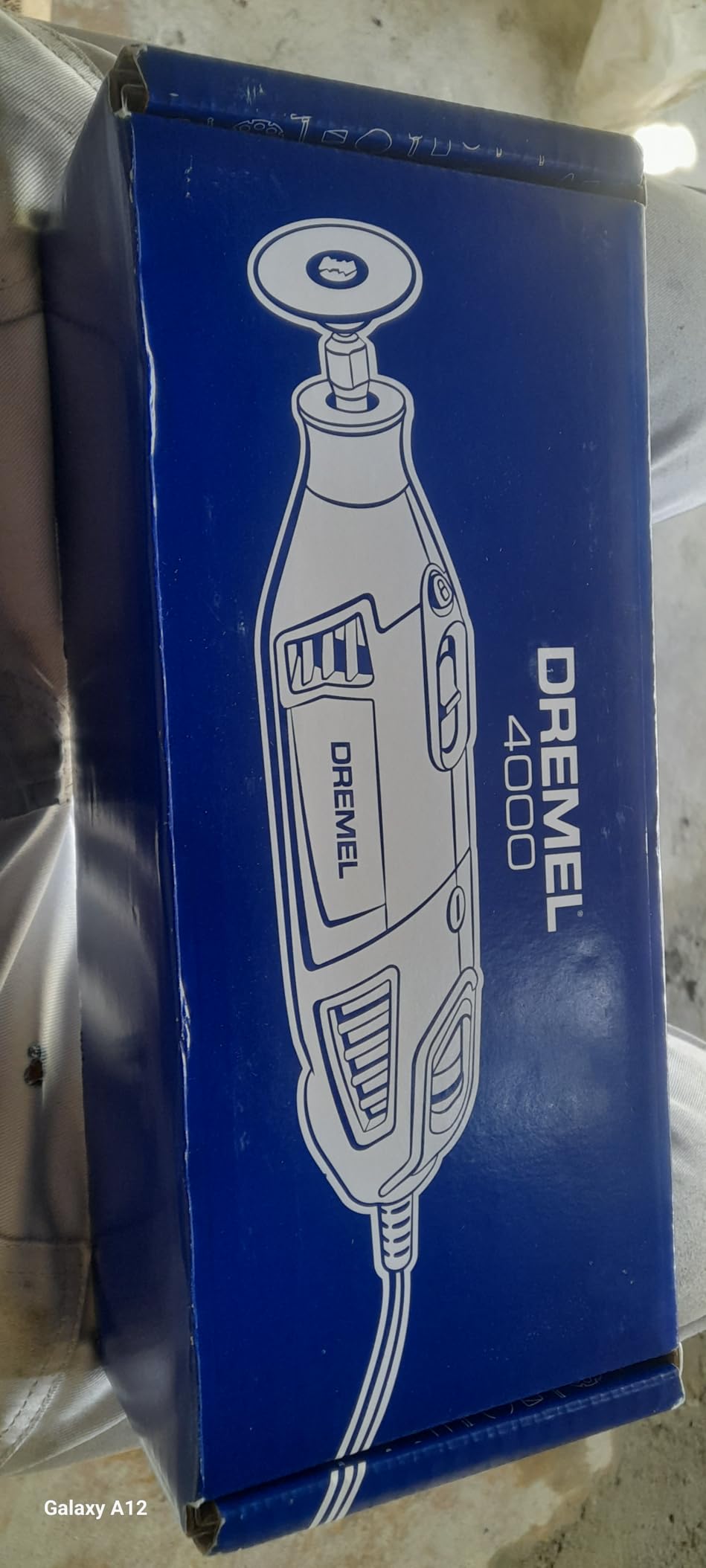
The Dremel 4000 sits above the 3000 in the lineup with a more powerful 1.6 amp motor delivering 33 percent more power than the 3000 series. This increase matters for demanding tasks like shaping resin parts, cutting through thick sprues, and extended sanding sessions where motor fatigue could affect results.
Electronic speed control maintains consistent RPM under varying load conditions. Unlike simpler models with basic voltage regulation, this system actively compensates for resistance changes. During testing, I noticed more consistent cutting action when working through harder materials or when pressing harder during sanding.
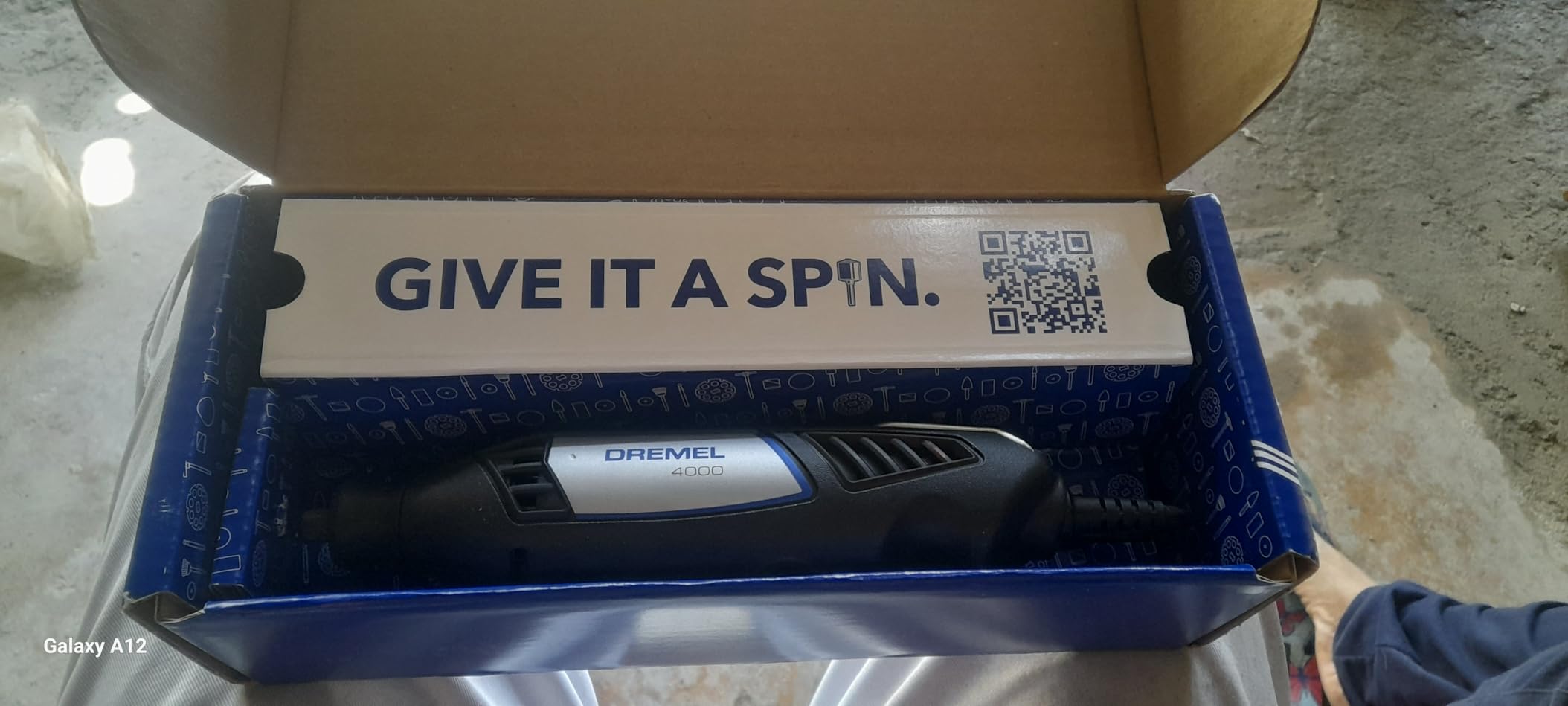
The lightweight design at just 1 pound makes extended use more comfortable. Combined with the 360-degree grip zone, the tool feels responsive and controllable during precision tasks. I appreciated the lighter weight particularly during detail work sessions lasting several hours.
Sustainability credentials might seem unusual for a power tool, but the 4000 uses recycled plastic in its housing and comes in recyclable packaging. For modelers concerned about environmental impact, this design approach adds another reason to consider this model.
Motor Performance for Modeling
The 1.6 amp motor provides headroom that the 3000 lacks. When working with denser materials like resin parts common in after-market upgrades, the additional power maintains cutting speed without stalling. This translates to cleaner cuts and more predictable results.
Speed stability under load means your results stay consistent throughout each task. Rather than watching the tool slow as it works through material, the electronic control keeps the bit moving at your selected speed. This consistency matters for achieving even surfaces when sanding and for clean results when cutting.
Who Should Buy This
The Dremel 4000-2/32 works well for experienced modelers who want professional performance in a lightweight package. The powerful motor handles demanding tasks without hesitation, while the electronic speed control provides the precision needed for detail work. If you work with mixed materials including resin after-market parts, or if you value consistent results across varying task demands, this model delivers.
6. Dremel Lite 7760 N/10 4V Cordless Rotary Tool
Dremel Lite 7760 N/10 4V Cordless Rotary Tool Kit with Variable Speed
8,000-25,000 RPM
USB charging
4V Li-ion
Cordless
Pros
- Lightweight cordless convenience
- USB charging flexibility
- Easy EZ Twist changes
- Good battery life
- Comfortable grip
Cons
- Limited to light-duty work
- Not for cutting or drilling
- Micro USB instead of USB-C
The Dremel Lite 7760 targets a different use case than the full-power models in this roundup. This cordless option prioritizes portability and light-duty capability over raw power, making it suitable for specific modeling tasks where a heavy-duty tool would be overkill.
The 4V system provides enough energy for engraving, light sanding, and polishing tasks without the weight and size of higher-voltage systems. I found myself reaching for this tool during quick touch-up sessions where setting up a corded tool felt disproportionate to the task at hand.
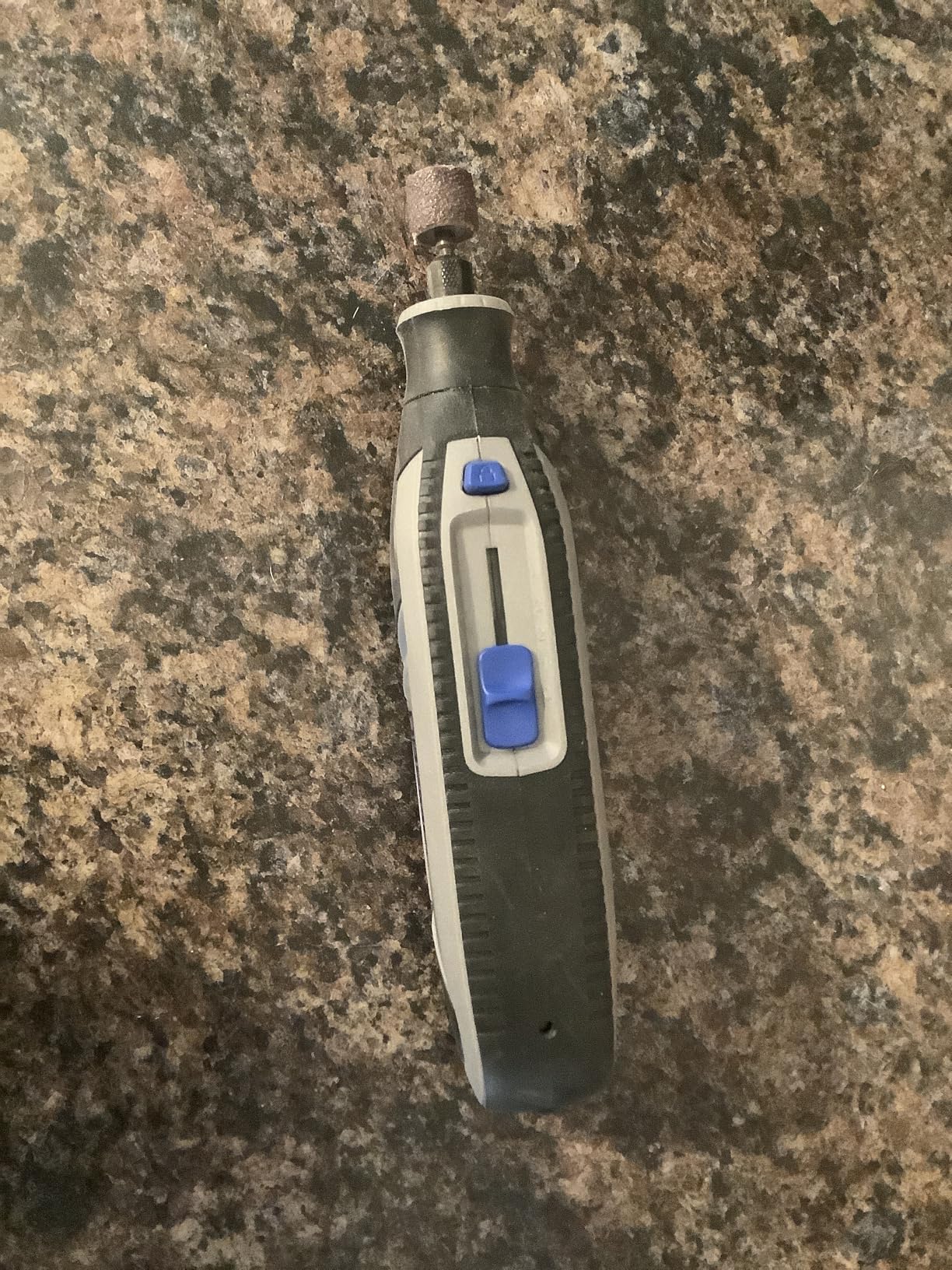
USB charging adds convenience that power-tool users expect in current products. The included USB cable works with standard phone chargers and portable battery packs, letting you charge anywhere. This flexibility matters in workshops where outlets are limited or where you move between work locations.
The variable speed range of 8,000-25,000 RPM starts higher than other models, which limits this tool for some plastic work. The minimum 8,000 RPM is too fast for safe plastic cutting without careful technique. However, for sanding, polishing, and engraving on metal or hardened materials, this range works well.
Appropriate Uses for the Lite Model
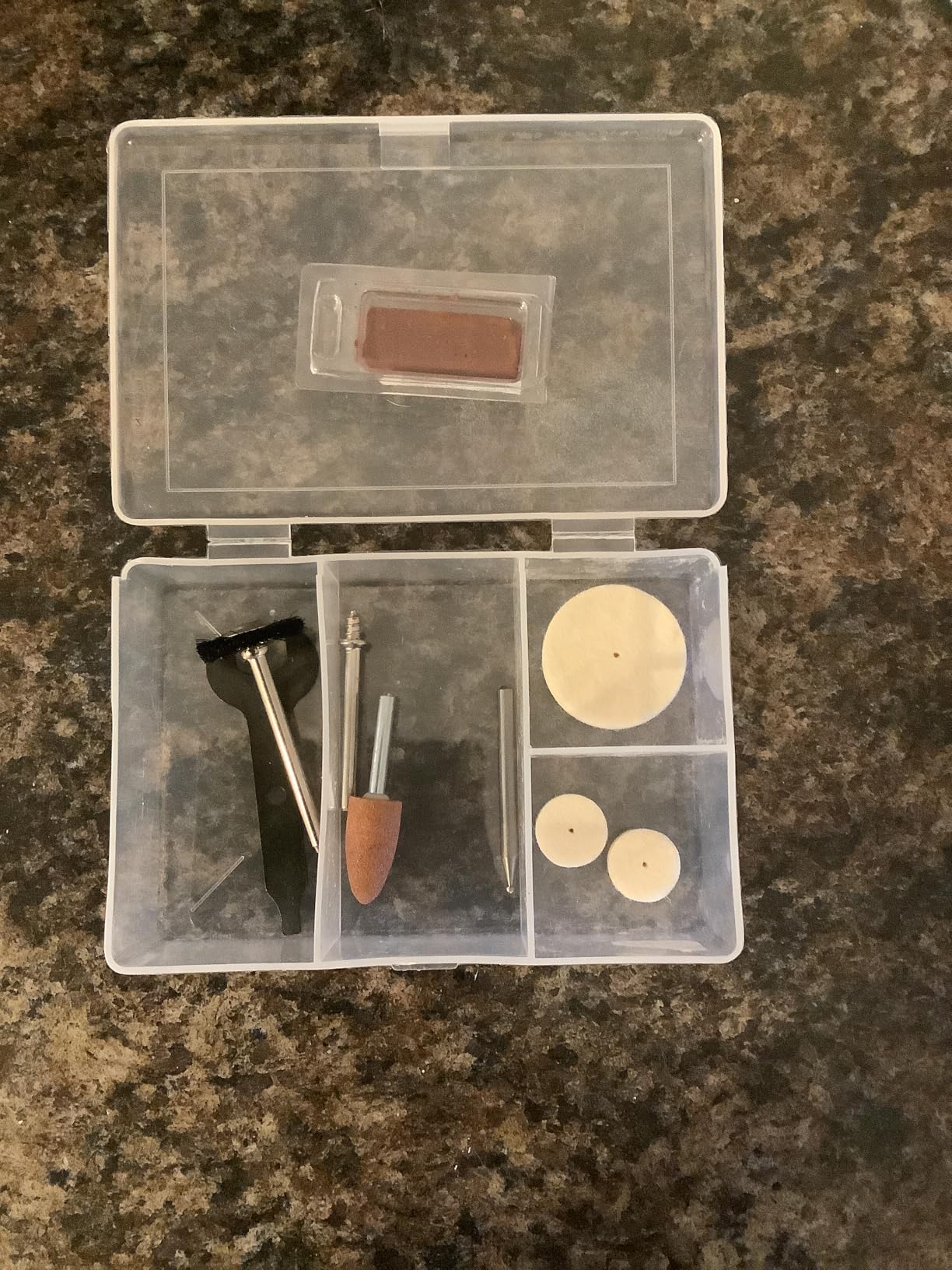
This tool excels at tasks like adding surface details to completed models, polishing metal parts, light engraving work, and finishing tasks where power matters less than precision and convenience. I used it primarily for final polishing of seams after putty work and for cleaning up photo-etch parts.
The EZ Twist nose cap makes accessory changes quick and tool-free. This convenience matters during tasks that require switching between multiple bits frequently, like detail painting or applying transfers where you need different tools for each step.
Who Should Buy This
The Dremel Lite 7760 suits modelers who need a convenient secondary tool for light tasks, or beginners exploring rotary tool applications without committing to a full-power system. The cordless design and USB charging make it easy to keep nearby during assembly sessions. Consider this a precision accessory tool rather than a primary rotary tool replacement.
7. Dremel 8250-5 12V Cordless Rotary Tool with Brushless Motor
Dremel 8250-5 12V Cordless Rotary Tool Kit with Brushless Motor
5,000-30,000 RPM
Brushless motor
12V 3Ah
0.86 lbs
Pros
- Brushless motor for durability
- 20% more powerful than corded
- 95 minute charge time
- Excellent battery life
- Lightweight design
Cons
- Flimsy case design
- 120V charger only
- Battery replacement costly
The Dremel 8250 represents the current state of cordless rotary tool technology, featuring a brushless motor that delivers more power while extending runtime and tool life. This model produces 20 percent more power than the corded 4300 while maintaining cordless convenience, which addresses the traditional trade-off between power and portability.
During extended testing sessions, the brushless motor maintained consistent performance without the heat buildup common in brushed motors. The reduced friction translates to cooler operation and longer motor life, which matters for modelers who use their tools regularly over many years.
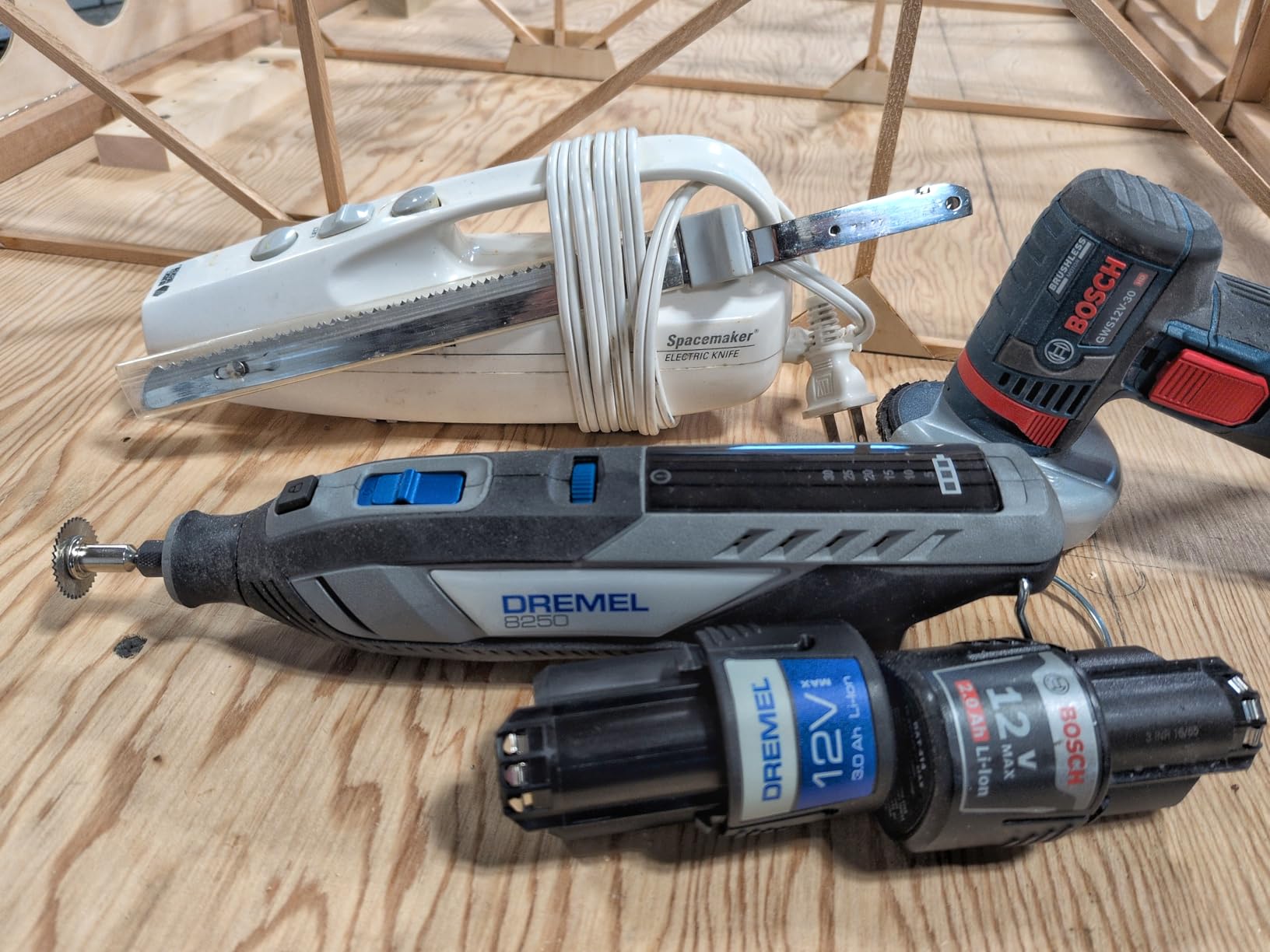
The 12V 3.0 amp-hour battery provides substantial runtime for modeling work. I completed multiple modeling sessions across several days before needing to recharge, which represents significant improvement over older cordless Dremel models. The 95-minute charge time means quick top-offs between sessions when needed.
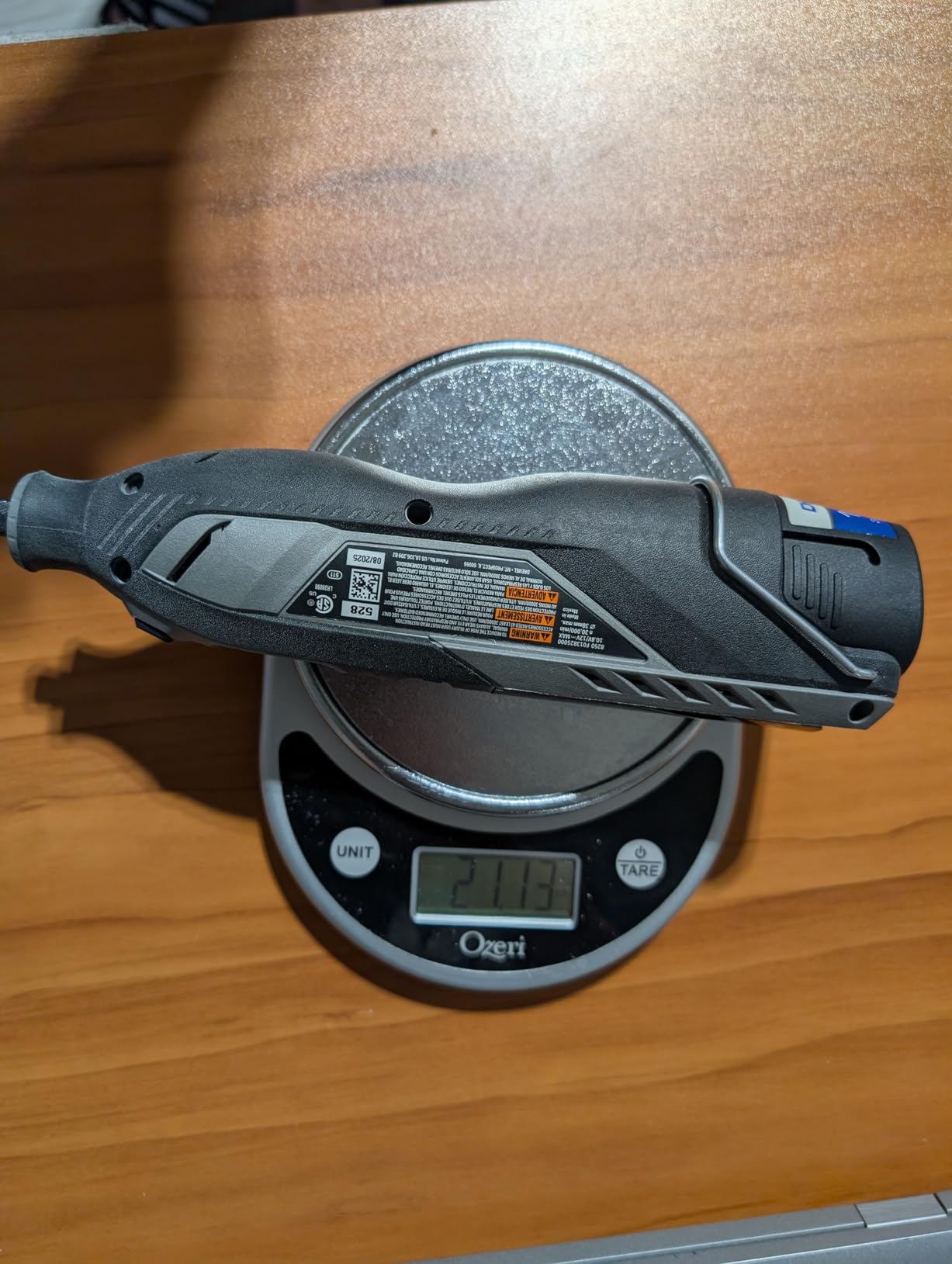
At just 0.86 pounds, this is the lightest cordless model in the Dremel lineup. The weight savings reduce fatigue during extended detail work and make the tool more maneuverable in tight spaces. Combined with the balanced weight distribution, the 8250 feels responsive during precision tasks.
Brushless Technology Benefits
Brushless motors eliminate the friction and wear of brush-type commutators, resulting in cooler operation, longer life, and more consistent power delivery. For modelers who invest in quality tools expecting years of service, the brushless design provides durability that justifies the higher initial cost.
The power-to-weight ratio improved noticeably over brushed models. Despite the lighter weight, the 8250 feels more capable than heavier corded alternatives during demanding tasks. This efficiency makes the tool feel responsive and capable without the sluggishness that sometimes accompanies cordless tools under load.
Who Should Buy This
The Dremel 8250-5 suits modelers seeking cordless convenience without power compromises. The brushless motor provides professional-grade performance, and the battery system offers runtime that handles extended modeling sessions. If you prefer working without cords but need consistent power for varied tasks, this model delivers that combination effectively.
8. Dremel 3100-1/15 Variable Speed Rotary Tool Kit
Dremel 3100-1/15 Rotary Tool Kit with 1 Attachment and 15 Accessories
5,000-35,000 RPM
1.2A motor
15 accessories
65% recycled
Pros
- Powerful 1.2A motor
- Comfortable ergonomic design
- 10% cooler operation
- 6-foot cord length
- Eco-friendly construction
Cons
- Collet system instead of keyless chuck
- Limited accessories included
- Single collet size
The Dremel 3100-1/15 fills the entry-level position in the current Dremel lineup, offering solid performance at an accessible price point. This model shares the 1.2 amp motor with the 3000 but adds the optimized air flow system that keeps operation cooler during extended use.
The 10 percent cooler operation compared to the 3000 might seem minor, but during long modeling sessions, the reduced heat transfer makes the tool more comfortable to hold. I noticed the difference during tasks requiring continuous operation, where previous tools would become uncomfortably warm.
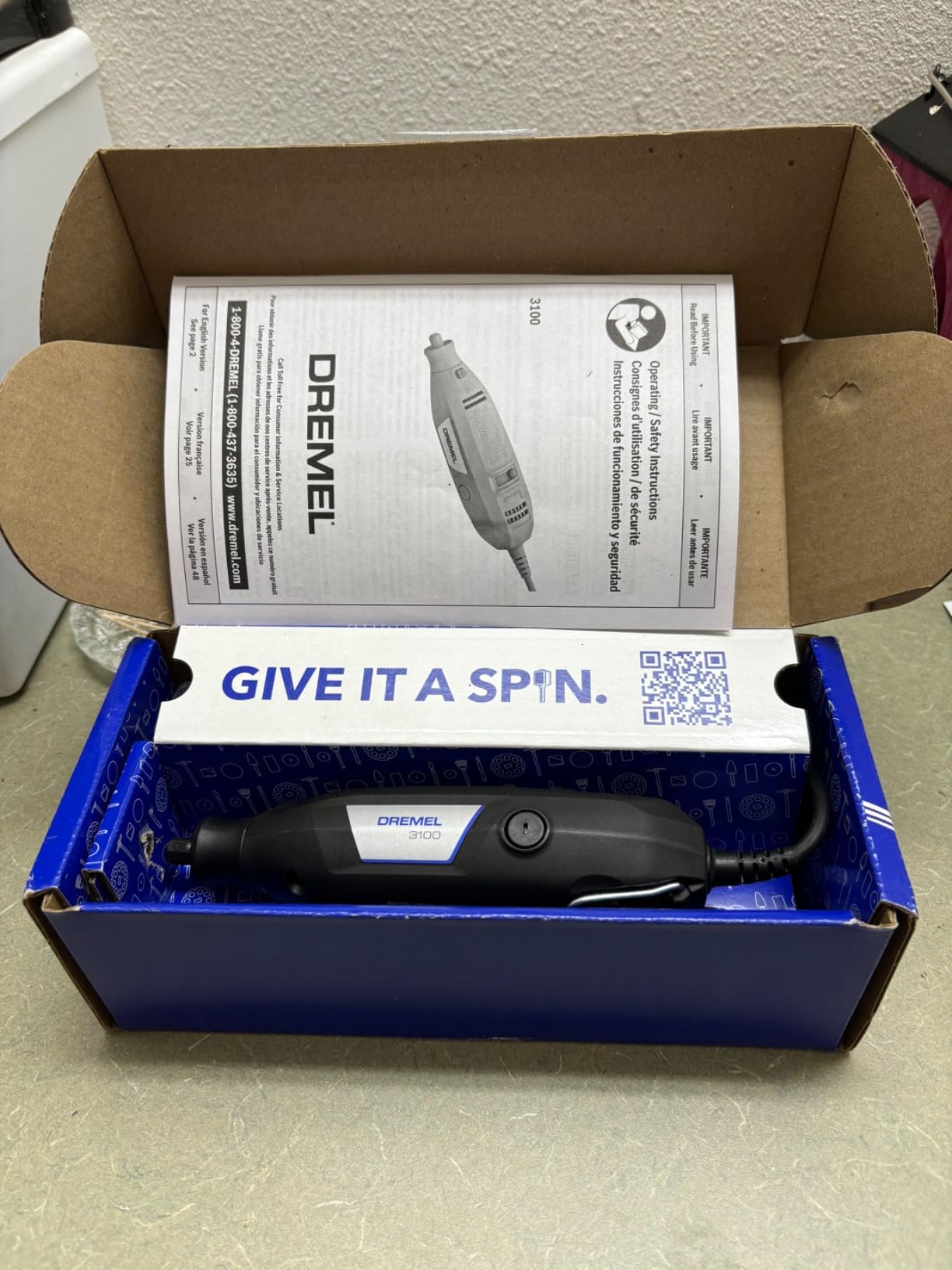
The eco-friendly construction using recycled plastic materials does not affect performance but might matter to modelers concerned about environmental impact. The housing feels equally durable compared to traditional materials, so no compromise exists in build quality for the sustainable design approach.
Variable speed control offers five preset positions rather than continuous adjustment. This simplification works fine once you learn which positions suit your common tasks. I found myself using positions 2 and 3 most frequently for plastic work, with occasional adjustment to position 4 for sanding harder materials.
Collet System Considerations
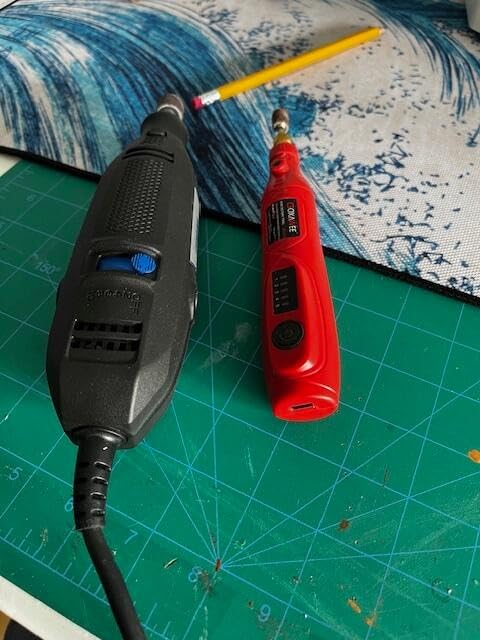
The 3100 uses traditional collets rather than the keyless chuck found on higher-end models. This means you need the included wrench for accessory changes, which adds time compared to twist-change systems. For modelers who change bits frequently, this might become inconvenient.
However, collet systems provide secure bit retention and precise centering that some modelers prefer for precision work. The traditional design also tends to be more durable long-term, with fewer moving parts to wear out or fail.
Who Should Buy This
The Dremel 3100-1/15 works for modelers who want reliable performance at a budget-friendly price. The essential capabilities are present, and the cooler-running motor adds comfort during extended use. If you are new to rotary tools or want a capable backup to a primary model, this kit provides genuine Dremel quality without premium pricing.
How to Choose the Best Dremel for Scale Modelings?
Selecting the right Dremel rotary tool for scale modeling requires understanding how different features affect specific modeling tasks. The considerations below address the factors that matter most for plastic kit work and detail crafting.
Variable Speed Control for Plastic Safety
Plastic parts melt under excessive heat, and high-speed rotation creates heat quickly. The minimum speed specification matters more than maximum speed for modelers. Dremel tools typically start at 5,000 RPM, which remains fast for delicate plastic work.
Techniques for safe plastic work include using short bursts rather than continuous operation, allowing cooling time between passes, and selecting appropriate accessories designed for plastic. Keeping speeds low and maintaining light contact prevents heat buildup that causes melting and deformation.
The Dremel Lite 7760 starts at 8,000 RPM, which limits its suitability for plastic cutting and drilling. For plastic-focused work, models with 5,000 RPM minimum speeds offer more control. The electronic feedback systems in the 4300 and 4000 models help maintain consistent speed under varying loads, which contributes to more predictable results.
Corded vs Cordless for Modeling
Corded models provide unlimited runtime and consistent power delivery. The 4300, 4000, 3000, and 3100 all draw continuous power from wall outlets, making them suitable for extended work sessions without battery concerns.
Cordless models like the 8240 and 8250 offer freedom of movement and workspace flexibility. Battery technology has advanced enough that modern cordless Dremel tools provide power levels comparable to corded equivalents. Consider whether your work area has convenient outlet access or whether cord management creates frustration.
For most modeling workshops, a corded primary tool combined with a lighter cordless option for specific tasks provides the best of both worlds. The cordless model handles quick jobs and situations where cord length creates inconvenience, while the corded model handles heavy work requiring extended runtime.
Weight and Ergonomics
Rotary tool weight affects fatigue during extended use. The models in this roundup range from 0.86 pounds (8250) to 1.46 pounds (8240). Lighter tools reduce hand strain but might feel underpowered for demanding tasks.
Ergonomic design features like 360-degree grip zones, textured surfaces, and balanced weight distribution improve controllability. Tools that feel awkward or unbalanced produce less consistent results, particularly during precision tasks requiring steady hands.
The flex shaft attachment found in the 4300-9/64 kit provides an alternative approach to weight management. By moving the motor mass away from the work area, the handpiece becomes lighter and more maneuverable. This approach works well for detailed work sessions lasting several hours.
Chuck System Compatibility
All current Dremel tools accept standard Dremel accessories, but the chuck systems differ. Keyless chucks like those on the 4300 and 4000 allow twist-and-go bit changes without wrenches. Collet systems like those on the 3100 require the included wrench for each change.
For modelers who change accessories frequently during detail work, the keyless system saves time and frustration. The universal 3-jaw chuck accepts all Dremel shank sizes without requiring different collets, simplifying the accessory selection process.
Consider whether you prefer speed or precision when selecting chuck types. Keyless systems prioritize convenience while collet systems sometimes provide more secure retention for extended operations.
Key Specifications to Consider
RPM range determines the tasks a tool can handle effectively. Most modeling work stays in the 5,000-15,000 range for plastic, with higher speeds reserved for metal finishing and polishing tasks.
Motor power affects how well the tool maintains speed under load. More powerful motors like the 1.6A unit in the 4000 handle demanding tasks without stalling or slowing excessively.
Included accessories determine initial capability. Kits with more accessories provide better value by including essential bits from the start, though purchasing individual accessories lets you select exactly what your specific projects require.
Frequently Asked Questions
What is the best Dremel for model making?
The Dremel 4300-5/40 is our top recommendation for scale model making. It offers the best combination of power, variable speed control with electronic feedback, and versatility for all modeling applications from sprue cleanup to detail carving. The 5,000-35,000 RPM range covers every modeling task, and the included LED light illuminates work areas for precision.
Which is better, Dremel 4300 or 8250?
The 4300 is corded with more raw power, while the 8250 is cordless with brushless motor technology. For workshop use with unlimited runtime needs, the 4300 excels. For cordless convenience with professional-grade power, the 8250 wins. Both handle modeling tasks effectively, so the choice depends on your preference for corded vs cordless operation.
What is the top of the line Dremel tool?
The Dremel 4300 represents the top of the corded lineup, offering the most powerful motor, electronic speed feedback, and universal accessory compatibility. The 8250 is the top cordless model with brushless motor technology delivering 20% more power than corded alternatives with extended battery life.
What’s the difference between a Dremel 4000 and a Dremel 4300?
The 4300 has a more powerful motor than the 4000, features electronic feedback for consistent speed under load, and includes a pivot LED light. The 4000 has a 1.6A motor (33% more powerful than the 3000), electronic speed control, and weighs just 1 pound. Both offer 5,000-35,000 RPM ranges but the 4300 delivers more consistent performance during demanding tasks.
What is the best Dremel tool for plastic?
The Dremel 4300 or 4000 work best for plastic modeling because they offer 5,000 minimum RPM with electronic feedback that maintains consistent speed. This prevents the stuttering and speed variations that can cause plastic melting. Using low speeds (5,000-15,000 RPM), light pressure, and short bursts prevents heat damage to plastic parts.
Can you use a Dremel on plastic?
Yes, Dremel tools work effectively on plastic when used correctly. Keep speeds low (5,000-15,000 RPM for most tasks), use light pressure, work in short bursts to prevent heat buildup, and select accessories designed for plastic. Cutting discs, sanding drums, and polishing bits all work on styrene and resin when operated at appropriate speeds.
Final Thoughts
Choosing the best Dremel rotary tool for scale modelers ultimately depends on your specific needs, budget, and working style. The Dremel 4300-5/40 remains our top recommendation for its combination of power, precision control, and comprehensive accessory kit. This tool handles everything from initial sprue cleanup to advanced detail carving without requiring tool upgrades as your skills develop.
For modelers on a tighter budget, the Dremel 3000-1/24 delivers genuine Dremel quality at an accessible price point. The essential capabilities are present, and the included accessories provide good starting coverage for most modeling situations.
Whatever model you select, remember that technique matters as much as tool capability. Low speeds, light pressure, and short work bursts prevent plastic damage while delivering clean results. With practice, a properly selected Dremel becomes an indispensable part of your modeling workshop, handling tasks that would take hours with manual tools.
The best Dremel rotary tools for scale modelers represent investments in your crafting capability. Choose based on how you work, the types of models you build, and your plans for expanding your skills. A quality rotary tool serves modelers for years, making the initial selection worth careful consideration.