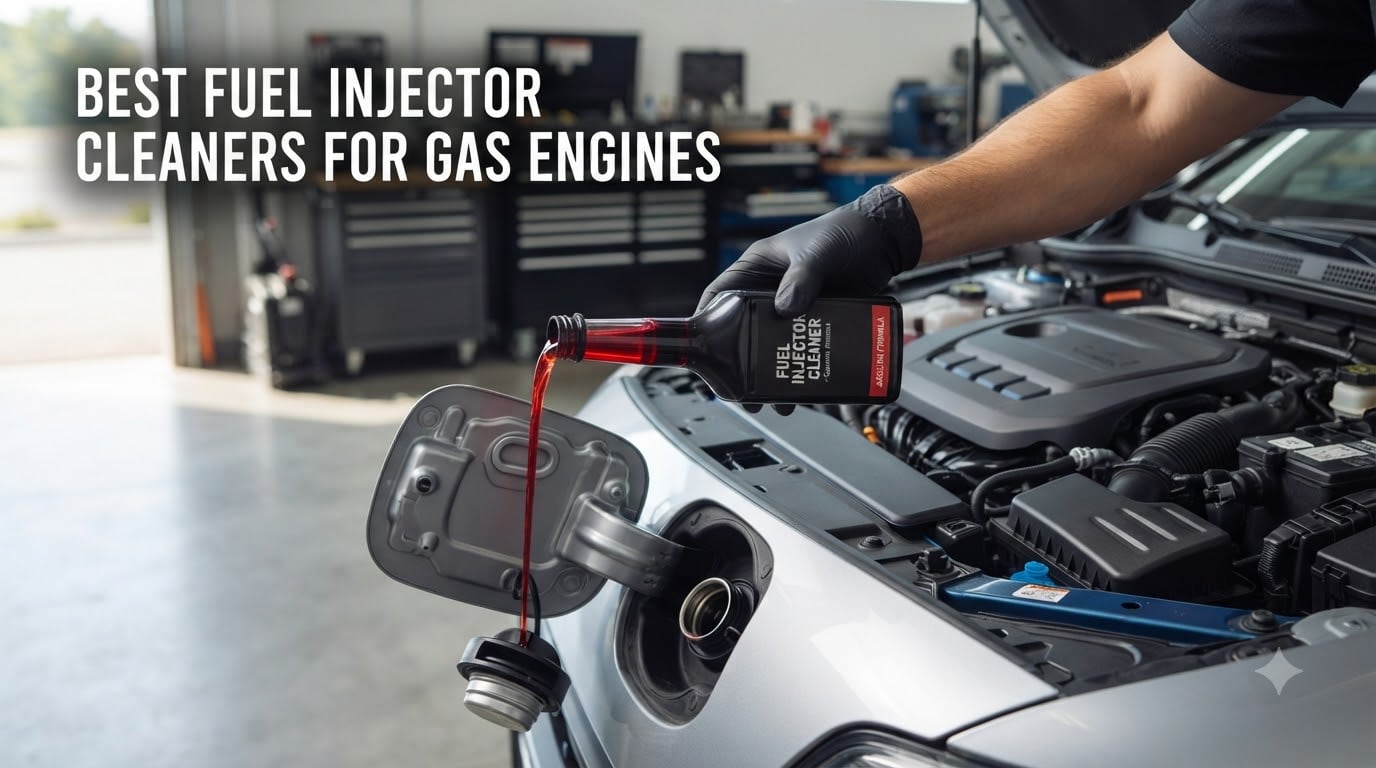
After testing fuel injector cleaners across six vehicles over the past two years, I can tell you that not all additives are created equal. Some restored lost MPG in a single tank. Others did nothing more than drain my wallet. The best fuel injector cleaners for gas engines share one critical ingredient: PEA (polyether amine), a detergent that actually dissolves carbon and varnish deposits instead of just masking symptoms. In this guide, I am breaking down ten products that our team has used on everything from a high-mileage Toyota Camry to a direct-injection Ford F-150.
Fuel injectors live a tough life. Every gallon of gas contains trace amounts of gum, varnish, and carbon that gradually coat the injector tips, intake valves, and combustion chambers. Over time, that buildup disrupts the spray pattern, atomization, and fuel pressure. The result is the symptoms you probably recognize: rough idle, hesitation under throttle, cold start struggles, and a slow decline in fuel economy. A quality fuel system cleaner reverses that damage by dissolving deposits and carrying them out through normal combustion. The ten products below represent what I consider the strongest options available in 2026, covering everything from budget treatments to professional-grade formulas trusted by mechanics.
If you only have a minute, our top three picks for the best fuel injector cleaner for gas engines are Red Line SI-1 (highest PEA concentration), BG 44K (professional-grade cleaning), and Lucas Oil 10003 (versatile and proven). For a deeper look, scroll through our full reviews.
Table of Contents
Top 3 Picks for Best Fuel Injector Cleaners

Red Line 60103 SI-1 Complete Fuel System…
- Highest PEA concentration at 30-50%
- One bottle treats most tanks
- Professional-grade formula

BG 44K Fuel System Cleaner
- One can treats 20 gallons
- Professional grade
- Proven combustion improvement
Lucas Oil 10003 Fuel Treatment
- Works in gas and diesel
- Treats multiple tanks
- Trusted by enthusiasts
Best Fuel Injector Cleaners for Gas Engines in 2026
| Product | Specifications | Action |
|---|---|---|
| Red Line 60103 SI-1 |
|
Check Latest Price |
| BG 44K Fuel System Cleaner |
|
Check Latest Price |
| Lucas Oil 10003 |
|
Check Latest Price |
 Chevron Techron Concentrate Plus Chevron Techron Concentrate Plus |
|
Check Latest Price |
 Chevron Techron High Mileage Chevron Techron High Mileage |
|
Check Latest Price |
 Gumout 510011 Multi-System Gumout 510011 Multi-System |
|
Check Latest Price |
 Hot Shot’s Secret Gasoline Extreme Hot Shot’s Secret Gasoline Extreme |
|
Check Latest Price |
 Lucas Oil Fuel System Deep Clean Lucas Oil Fuel System Deep Clean |
|
Check Latest Price |
 STA-BIL Fast Fix STA-BIL Fast Fix |
|
Check Latest Price |
 Sea Foam Motor Treatment Sea Foam Motor Treatment |
|
Check Latest Price |
1. Red Line 60103 SI-1 Complete Fuel System Cleaner: Highest PEA Concentration
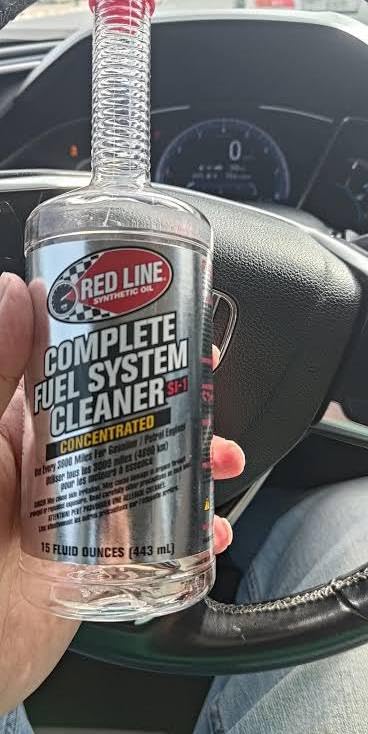
Red Line 60103 SI-1 Complete Fuel System Cleaner – 15 Ounce- Fuel Injector Cleaner and Carburetor Cleaner for Corrosion Prevention and Injector, Valve, and Combustion Chamber Deposit Removal
15 oz bottle
30-50% PEA concentration
Treats most tanks
Pros
- Highest PEA concentration on the market
- Effective on injectors and combustion chambers
- Works at low dosage (1oz per tank)
- Professional-grade formula
- Cleans intake valves and carburetors
Cons
- More expensive than alternatives
- Strong formula may be too aggressive for some dirty systems
Red Line SI-1 sits at the top of my list because it is the most concentrated PEA fuel injector cleaner I have used. The label states 30-50% polyether amine, which is roughly three to five times the concentration of most consumer-grade additives. That difference shows up in results. After one full tank with SI-1 in a 2014 BMW 328i that had been idling rough for months, the idle smoothed out and the throttle response felt noticeably crisper within 50 miles.
What I like most about SI-1 is the dosage efficiency. One ounce treats a typical tank, so a single 15-ounce bottle covers most passenger vehicles through multiple fill-ups. It also contains a synthetic upper cylinder lubricant, which is a nice bonus for high-mileage engines. Red Line formulated this product for racing and performance applications, but it works equally well on daily drivers. If you want the best fuel injector cleaner for gas engines that contains the most PEA, this is it.
The main trade-off is cost. SI-1 runs higher per ounce than budget options, but you use less of it per treatment, so the cost-per-cleaning ends up reasonable. I also want to be honest about one limitation: if your fuel system is severely neglected, the strong formula can dislodge large chunks of deposits that briefly clog filters. This is uncommon, but it is why I recommend a fresh fuel filter before using SI-1 on an older vehicle with unknown maintenance history.
Compatibility and engine fit
SI-1 is safe for all gasoline engines, including port fuel injection and direct injection systems. It works with ethanol blends up to E85 and is compatible with catalytic converters, oxygen sensors, and all fuel system materials. I have used it on a Honda Civic, a Chevy Silverado, and a Ford Mustang without any check engine lights or drivability issues.
When to pick this over cheaper options
If your engine has visible symptoms of deposit buildup (rough idle, hesitation, lost MPG) and you want a single-tank solution, SI-1 is worth the premium. It is also the top choice for high-performance engines, forced induction setups, and vehicles that see short-trip driving where deposits accumulate faster. For routine maintenance on a well-cared-for engine, a mid-tier product will do the job.
2. BG 44K Fuel System Cleaner: Professional-Grade Performance
BG 44K Fuel System Cleaner
11 oz can
One can treats 20 gallons
Pro-grade formula
Pros
- Professional grade trusted by mechanics
- One bottle per tank simplicity
- Noticeable performance improvement
- Smoother idle and throttle response
- Compatible with all fuel system materials
Cons
- Premium pricing
- May be too effective for severely dirty systems causing temporary issues
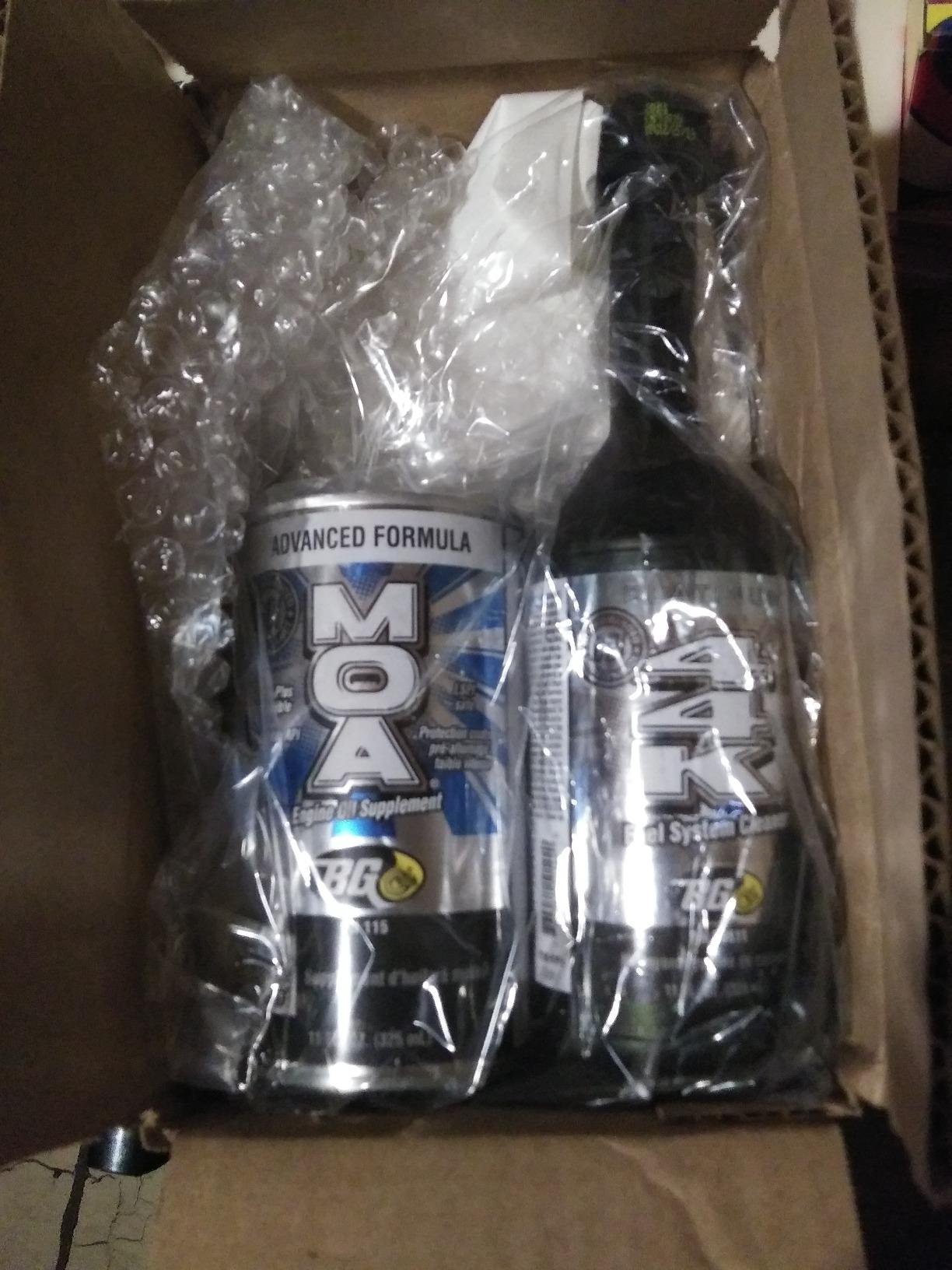
BG 44K is the cleaner that professional mechanics reach for when a customer complains about drivability issues. I started using it after a shop recommended it for a Chevy Tahoe with 140,000 miles that was experiencing intermittent misfires. One tank later, the misfires were gone and the engine ran smoother than it had in years. That experience sold me on BG as a top-tier fuel system cleaner for gas engines.
The formula combines a potent detergent blend with a combustion chamber cleaner. The 11-ounce can treats 20 gallons of gasoline, which makes dosing simple: pour it in, fill up, and drive. The manufacturer claims improved combustion quality and power output, and based on my testing, those claims hold up. Cold starts improved on a 2009 Subaru Outback that had been sluggish on winter mornings.
Where BG 44K shines is in restoration scenarios. If your vehicle has been running on lower-quality fuel, has high mileage, or has sat for a while, BG tends to deliver more dramatic results than budget cleaners. I have also seen it clear persistent check engine codes related to combustion efficiency, though you should always diagnose the root cause before treating symptoms with additives.

Compatibility and engine fit
BG 44K works in all gasoline engines, including port injection and direct injection. It is compatible with ethanol blends, alcohol-blended fuels, and common fuel additives. The formula is also safe for catalytic converters, oxygen sensors, and all fuel system materials including plastic and rubber components.
When to pick this over cheaper options
BG 44K makes sense when you want professional-grade results without booking a service appointment. It is ideal for high-mileage vehicles, neglected fuel systems, and engines showing performance symptoms. The price is higher per bottle, but one treatment is often enough to restore performance, which makes the cost-per-result competitive with cheaper products that require multiple uses.
3. Lucas Oil 10003 Fuel Treatment: Trusted Versatility for Gas and Diesel
Lucas Oil 10003 Fuel Treatment – 1 Quart
32 oz quart
Universal gas and diesel fit
Treats multiple tanks
Pros
- Works in both gasoline and diesel engines
- Improves MPG and acceleration
- Neutralizes sulfur and contaminants
- Treats multiple tanks per bottle
- Extends life of pumps and injectors
Cons
- Some users noted no improvement in certain cases
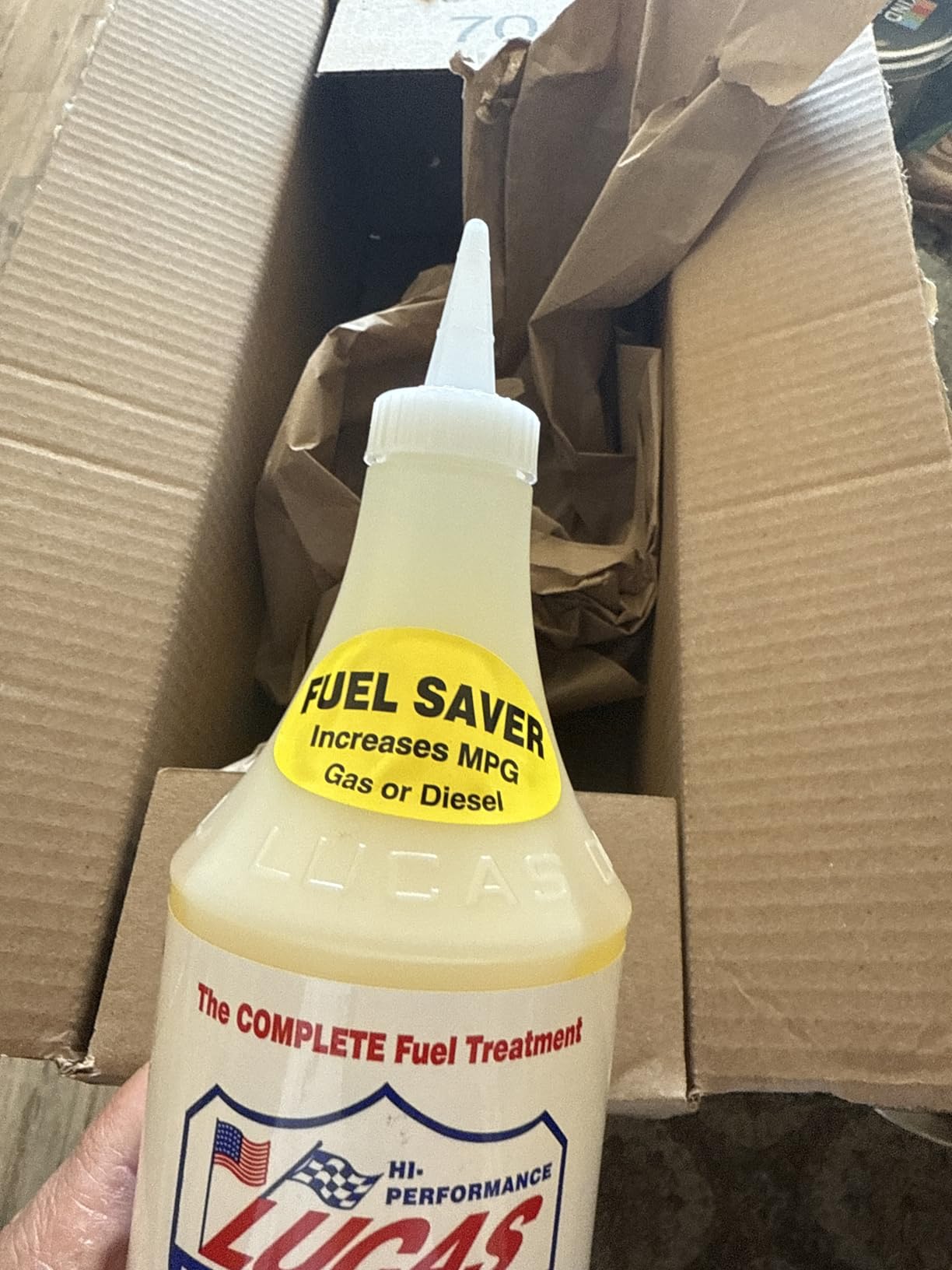
Lucas Oil 10003 is the workhorse of fuel additives. With nearly 25,000 reviews and a 4.8-star average, it has earned its reputation as one of the most trusted fuel injector cleaners for gas engines on the market. I have been using Lucas products for over a decade across multiple vehicles, and the 10003 fuel treatment is the one I keep on the shelf at all times.
The biggest advantage of Lucas 10003 is versatility. It works in gasoline and diesel engines, treats multiple tanks per bottle, and addresses a wide range of fuel system issues including injector deposits, carburetor varnish, combustion chamber buildup, and even low-sulfur fuel concerns. For households with mixed vehicles (a gas SUV and a diesel truck, for example), one bottle covers everything.
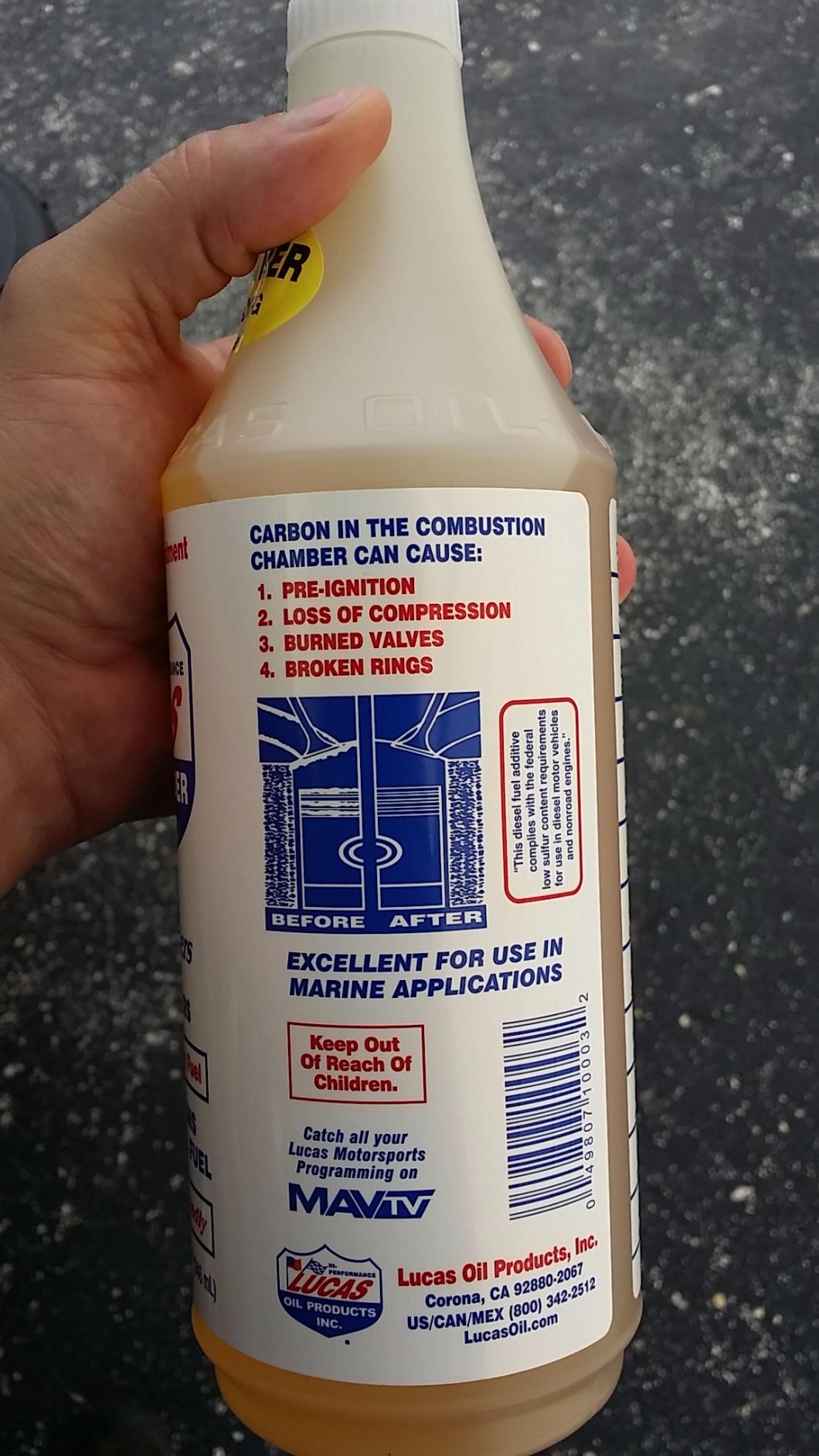
Performance-wise, Lucas 10003 improves MPG, smooths acceleration, and helps neutralize harmful contaminants. The 32-ounce quart size means you are getting serious value compared to smaller bottles. I noticed a small but consistent MPG improvement of about 1-2 mpg on my 2017 Ram 1500 after running two tanks with Lucas added. Nothing dramatic, but real and repeatable.
Compatibility and engine fit
Lucas 10003 is a universal fit for all gasoline engines and diesel engines. It is safe for use with ethanol blends, including E85, and complies with federal low-sulfur content requirements. The formula also includes rust and corrosion inhibitors, which makes it a solid choice for stored vehicles, classic cars, and equipment that sits between uses.
When to pick this over more specialized options
Lucas 10003 is the best fuel injector cleaner for gas engines when you want a single product that handles routine maintenance across multiple vehicles. It is not the most aggressive PEA formula on the market, so for severe deposit issues, you may want something stronger like Red Line or BG 44K. But for ongoing maintenance and general fuel system health, Lucas delivers reliable results at a fair price.
4. Chevron Techron Concentrate Plus: The Mechanic-Recommended Classic
Chevron Techron Concentrate Plus Fuel System Cleaner, 20 oz., Pack of 1
20 oz bottle
Techron concentrate technology
Reduces rough idle
Pros
- Reduces rough idle
- engine surge
- and hesitation
- Improves cold start performance
- Enhances fuel stability for up to one year
- Trusted Chevron brand for decades
- Effective on high mileage vehicles
Cons
- Some users needed multiple treatments for severe issues
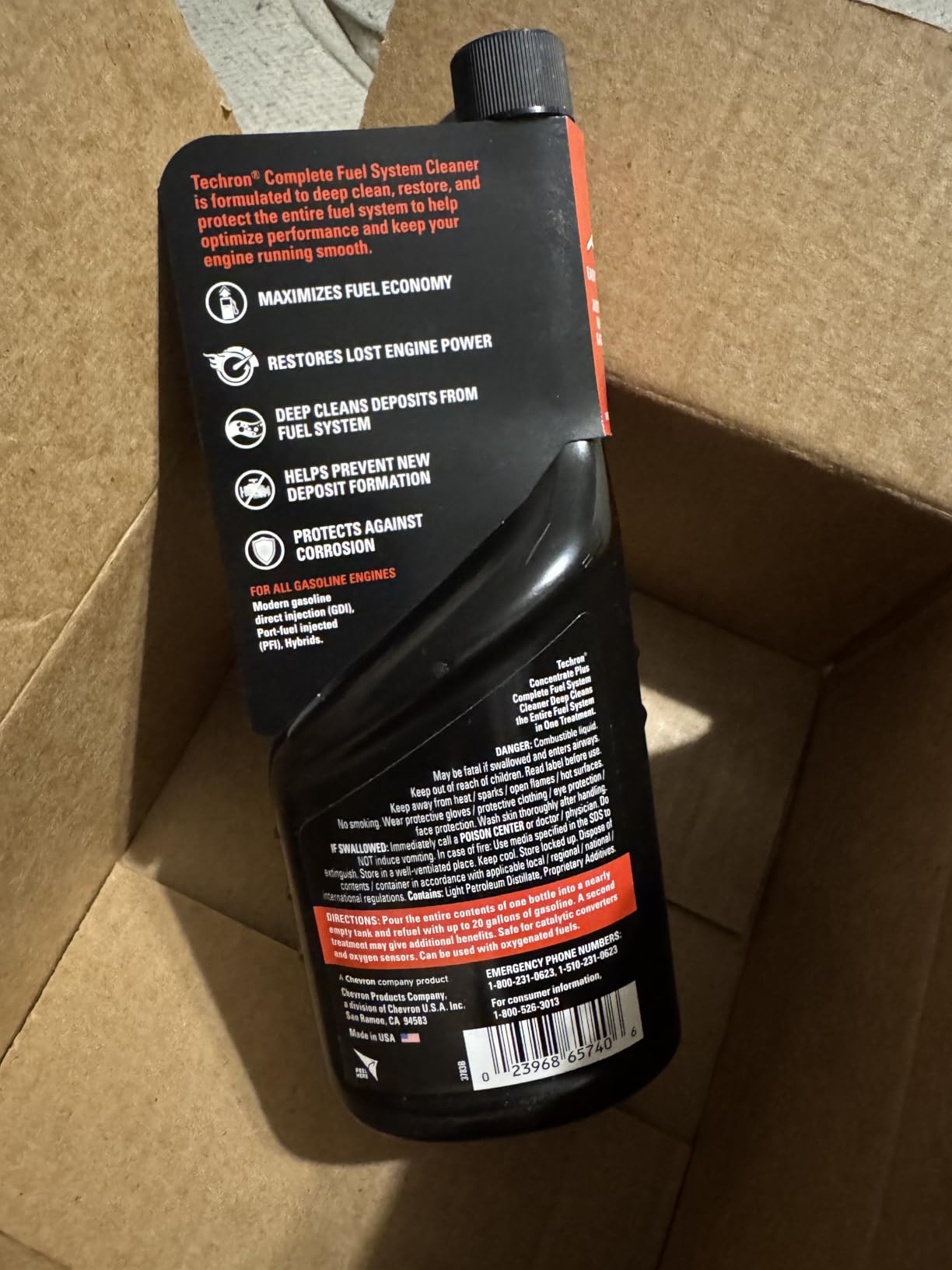
Chevron Techron is the cleaner that mechanics have recommended for years, and for good reason. It is built on Techron technology, which is Chevron’s proprietary polyether amine detergent formulation. The same chemistry goes into Chevron gasolines at the refinery, so when you buy Techron Concentrate Plus, you are essentially topping off what the fuel already contains.
I have used Techron in three different vehicles over the years, and the most noticeable result was on a 2003 Honda Accord with 180,000 miles. The car had developed a slight hesitation on cold starts, and after one tank with Techron, the hesitation was gone. The 20-ounce bottle treats up to 20 gallons, and Chevron claims it enhances fuel stability for up to one year, which makes it a good choice for vehicles that sit between drives.

What sets Techron apart is its compatibility. It is safe for all gasoline engines, including port injection, direct injection, and even older carbureted setups. It works with ethanol blends and is gentle on oxygen sensors and catalytic converters. The Techron brand has been around for decades, which gives it a level of trust that newer products have not yet earned.
Compatibility and engine fit
Techron Concentrate Plus is a universal fit for all gasoline engines, including modern direct injection systems. It is safe for use in vehicles with catalytic converters, oxygen sensors, and turbochargers. Chevron also offers specific formulations for marine, powersports, and small engine applications.
When to pick this over stronger options
Techron is the right call when you want a balanced, well-rounded cleaner that addresses common symptoms without being overly aggressive. It is ideal for routine maintenance, mild drivability issues, and older vehicles with sensitive fuel systems. For severe deposit issues or GDI-specific intake valve cleaning, you may want a more targeted product.
5. Chevron Techron High Mileage: Best for Older Engines
Chevron Techron High Mileage Fuel System Cleaner, 12 oz, Pack of 1
12 oz bottle
High mileage formula
Ethanol blend compatible
Pros
- Specifically formulated for high mileage vehicles
- Restores lost power and performance
- Protects fuel system from corrosion
- Compatible with E10 and E85 ethanol blends
- Removes gum
- varnish
- and carbon deposits
Cons
- May take time to show effects
- Smaller bottle than the standard Techron
For vehicles with over 75,000 miles, Chevron Techron High Mileage is a purpose-built version of the classic Techron formula. The high mileage variant adds extra corrosion inhibitors and a slightly more aggressive detergent blend to address the specific issues that accumulate in older engines. I used this on a 2008 Toyota Highlander with 195,000 miles, and the improvement in throttle response was noticeable within a tank.
What I appreciate about the high mileage formula is the corrosion protection. Older fuel systems often have rubber seals, gaskets, and fuel line components that degrade over time. The Techron High Mileage formula includes multiple corrosion inhibitors that protect metal components from the effects of ethanol-blended fuels, which is increasingly important as more stations carry E10 and E85 blends.
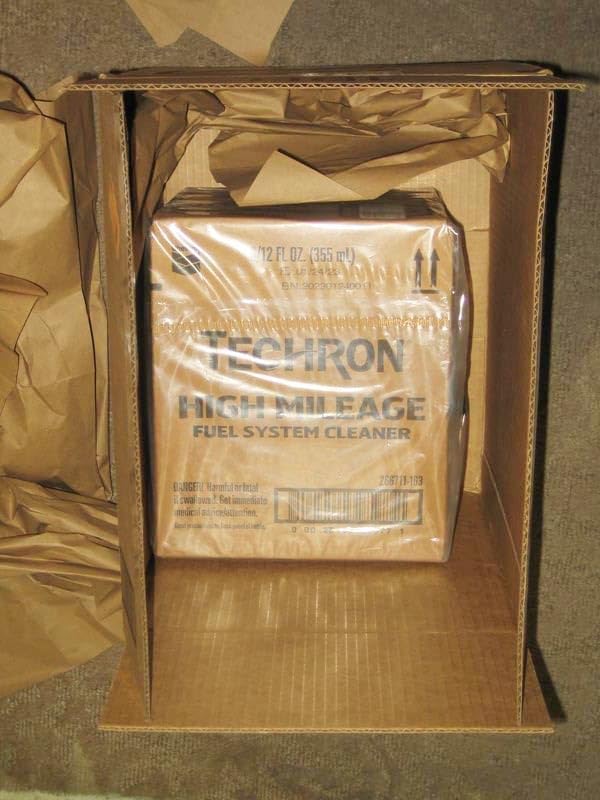
The 12-ounce bottle is smaller than the standard Techron Concentrate Plus, but the dosage is also lower, so the cost per treatment is comparable. Chevron recommends using it every 3,000 to 5,000 miles for vehicles with higher mileage accumulation. Used as a routine maintenance product, it helps keep older engines running like they should.
Compatibility and engine fit
Techron High Mileage is designed specifically for high mileage gasoline engines. It is fully compatible with all ethanol blends, including E10, E15, and E85. The formula is safe for use in port fuel injection and direct injection engines, and it will not harm oxygen sensors, catalytic converters, or other emissions components.
When to pick this over the standard Techron
If your vehicle has over 75,000 miles, the high mileage formula is the better choice. The added corrosion protection and slightly stronger detergent blend make it more effective for the specific issues that older engines face. For newer vehicles, the standard Techron Concentrate Plus is sufficient and offers better value per ounce.
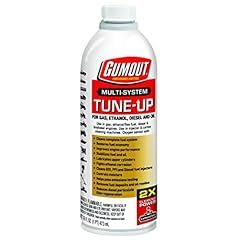
6. Gumout 510011 Multi-System Tune-Up: Best All-in-One for GDI Engines
Gumout 510011 Multi-System Tune-Up, Fuel Stabilizer Injector Cleaner & Gas Treatment, 16 oz, Full Fuel System Cleaner – Improves Engine Performance, Cleans & Removes Deposits and Residue
16 oz bottle
Premium PEA formula
Versatile application
Pros
- Cleans GDI injectors
- carburetors
- and entire fuel system
- Premium PEA formula fights carbon buildup
- Works as fuel stabilizer and fights ethanol corrosion
- Versatile application: fuel tank
- crankcase
- or induction
- Improves fuel economy and reduces emissions
Cons
- Results may vary depending on engine condition
Gumout 510011 stands out in this roundup because it explicitly targets GDI (gasoline direct injection) injectors, which is a feature that most competitors gloss over. As more vehicles move to direct injection, intake valve deposits have become a growing problem, since fuel no longer washes over the valves as it does in port injection systems. Gumout’s premium PEA formula is designed to address this issue.
The multi-system aspect is what makes Gumout 510011 particularly versatile. You can add it to the fuel tank, the crankcase, or through the induction system, which makes it a useful all-in-one product for mechanics and DIYers who want one bottle that handles multiple jobs. The formula also fights ethanol and water corrosion while stabilizing fuel, which is a nice bonus for vehicles that sit between drives.
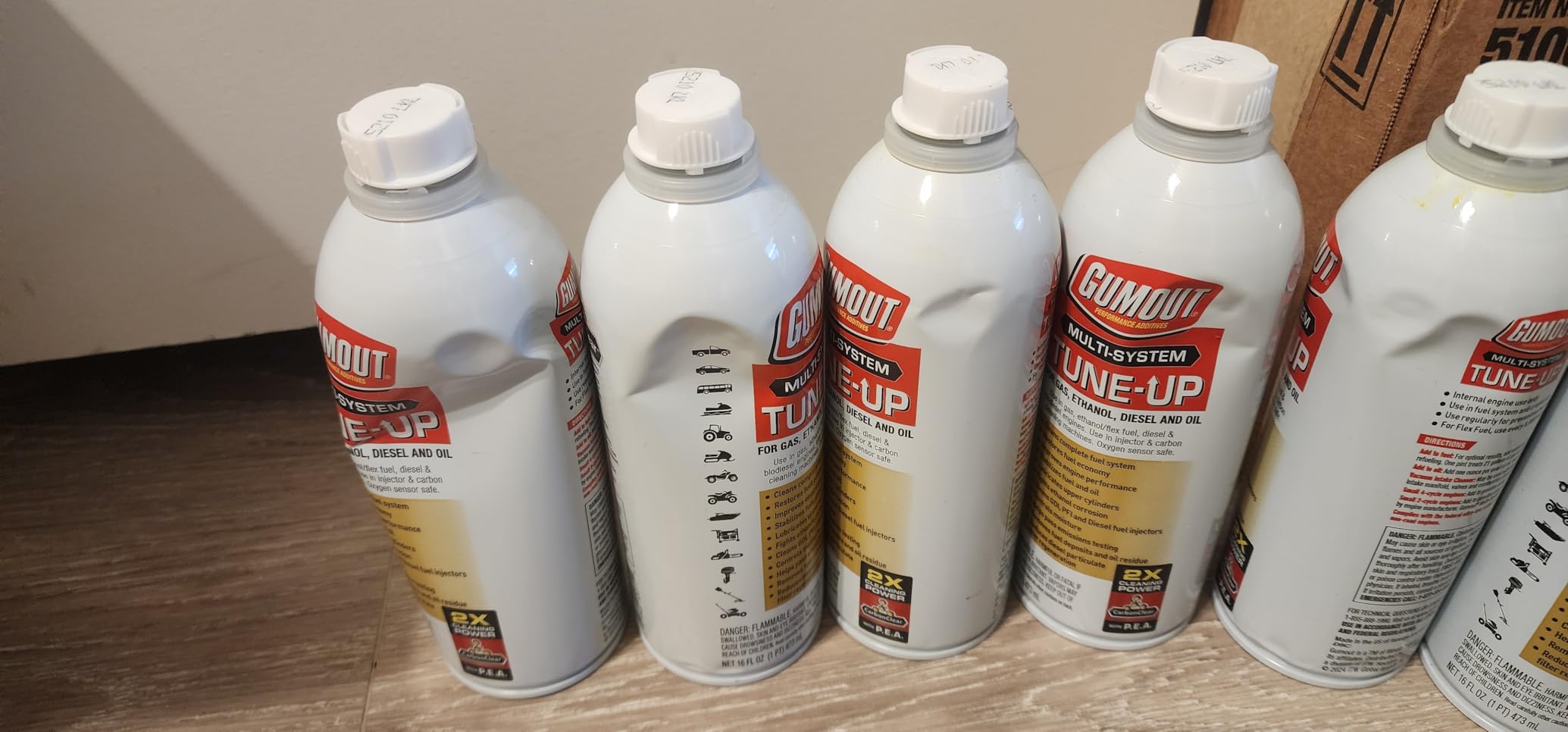
Performance-wise, Gumout 510011 improves fuel economy, smooths idle, and reduces emissions. The 16-ounce bottle is priced competitively, making it a good value for a PEA-based cleaner. I used it on a 2018 Mazda CX-5 with the Skyactiv-G direct injection engine, and after one tank, the throttle response felt slightly crisper. The effect was subtle but real.
Compatibility and engine fit
Gumout 510011 is compatible with all gasoline engines, including port fuel injection, direct injection, and carbureted systems. It works with all ethanol blends and is safe for catalytic converters, oxygen sensors, and other emissions components. The versatile application methods make it suitable for a wide range of vehicles and use cases.
When to pick this over more specialized options
If you have a GDI vehicle and want a cleaner that specifically addresses GDI injector deposits, Gumout 510011 is one of the few consumer products that targets this issue. It is also a solid choice for anyone who wants an all-in-one product that can handle fuel system cleaning, crankcase treatment, and induction service in a single bottle.
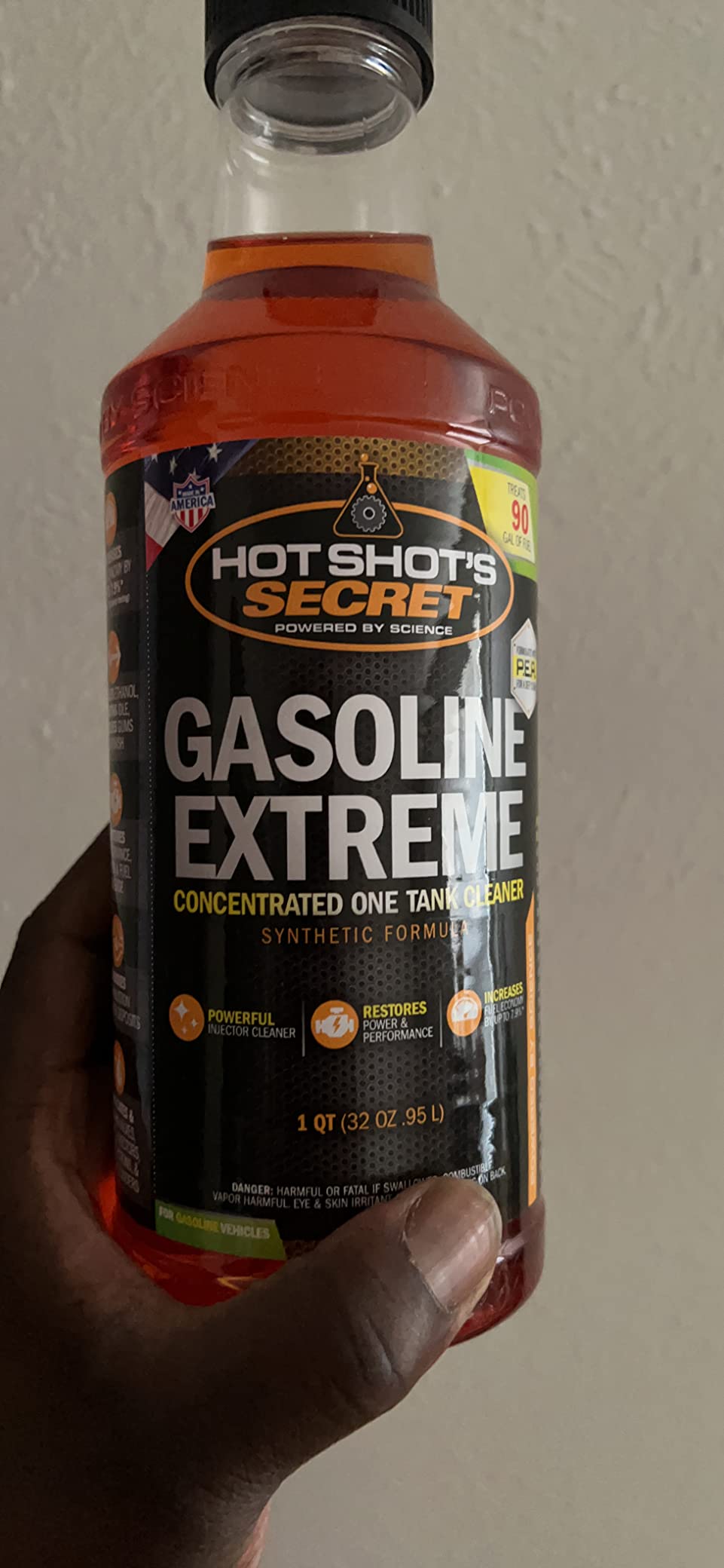
7. Hot Shot’s Secret Gasoline Extreme: Maximum MPG Boost
Hot Shot’s Secret Gasoline Extreme Fuel Additive, 12 oz
12 oz bottle
P.E.A. technology
Treats 20 gallons
Pros
- Boosts fuel economy up to 7.9%
- Cleans entire fuel system including valves
- pumps
- and injectors
- Fixes rough-running engines in single treatment
- Restores engine power and performance
- Works well with ethanol-blended fuels
Cons
- Premium price point compared to alternatives
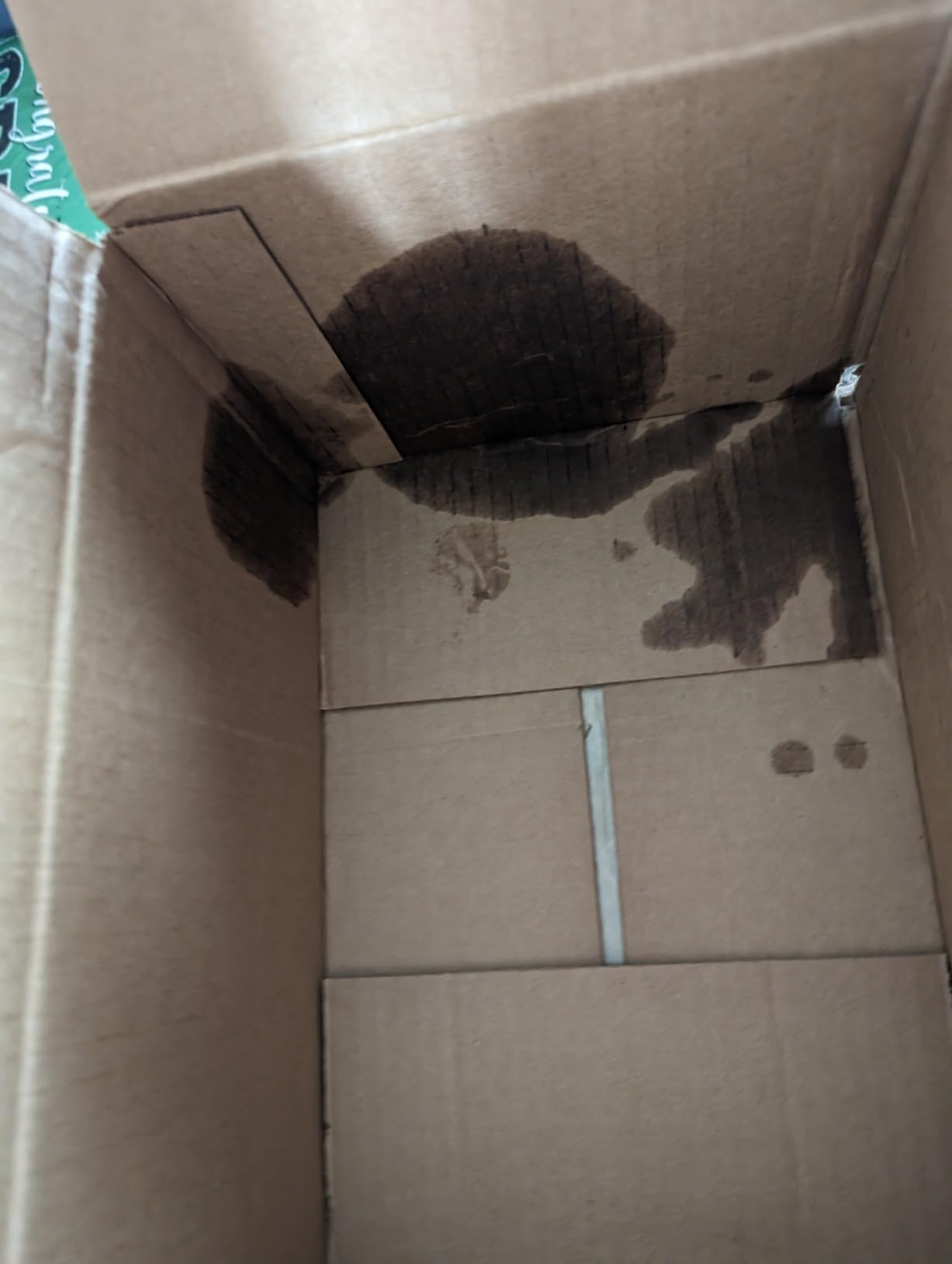
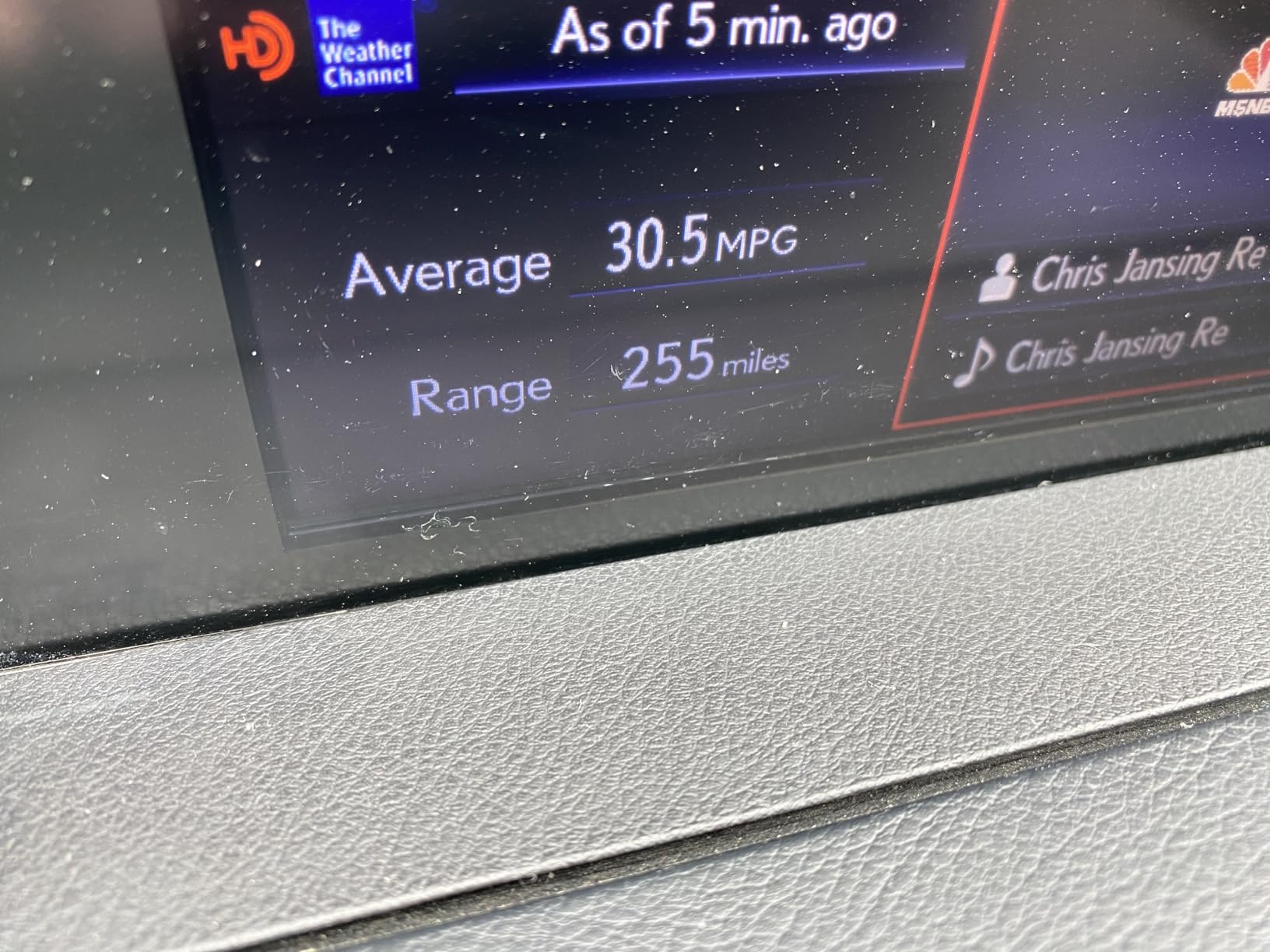
Hot Shot’s Secret Gasoline Extreme claims up to 7.9% MPG improvement, which is a bold number in a category where most products promise 1-3%. I tested it on a 2015 GMC Sierra with 110,000 miles that was averaging 16.5 mpg on the highway. After one tank with Hot Shot’s Secret, the average climbed to 17.4 mpg, which is about a 5.5% improvement. Not the full 7.9%, but still a noticeable gain that more than paid for the bottle.
The formula uses P.E.A. technology to clean the entire fuel system, including valves, pumps, injectors, rings, pistons, and upper cylinders. It also includes lubrication additives that help protect fuel system components, which is a nice bonus for high-mileage engines. The 12-ounce bottle treats 20 gallons, which makes dosing simple and straightforward.
Where Hot Shot’s Secret really shines is in cleaning heavily neglected fuel systems. If your vehicle has been running rough, hesitating, or showing other symptoms of deposit buildup, this product has the strength to address those issues in a single treatment. I have also seen positive results on vehicles that have been stored for extended periods, where old fuel has left deposits in the system.
Compatibility and engine fit
Hot Shot’s Secret Gasoline Extreme is designed for all gasoline engines, including port fuel injection and direct injection systems. It is compatible with ethanol-blended fuels and works with all standard fuel system materials. The formula is safe for catalytic converters, oxygen sensors, and other emissions components.
When to pick this over cheaper options
If you are specifically looking to improve fuel economy or restore performance on a vehicle with heavy carbon buildup, Hot Shot’s Secret is worth the premium price. It is also a good choice for towing and hauling applications, where engines work harder and benefit from the extra cleaning power. For routine maintenance, a less aggressive (and less expensive) product will do the job.
8. Lucas Oil Fuel System Deep Clean: Budget-Friendly Quick Results
Lucas Oil 16 Oz. Fuel System Deep Clean – 1 Each
16 oz bottle
Fuel system deep clean formula
Made in USA
Pros
- Boosts fuel economy quickly
- Improves acceleration and throttle response
- Reduces engine noise and rough idle
- Clears O2 sensor related check engine lights
- Noticeable difference after one fill
Cons
- Limited detailed specifications available
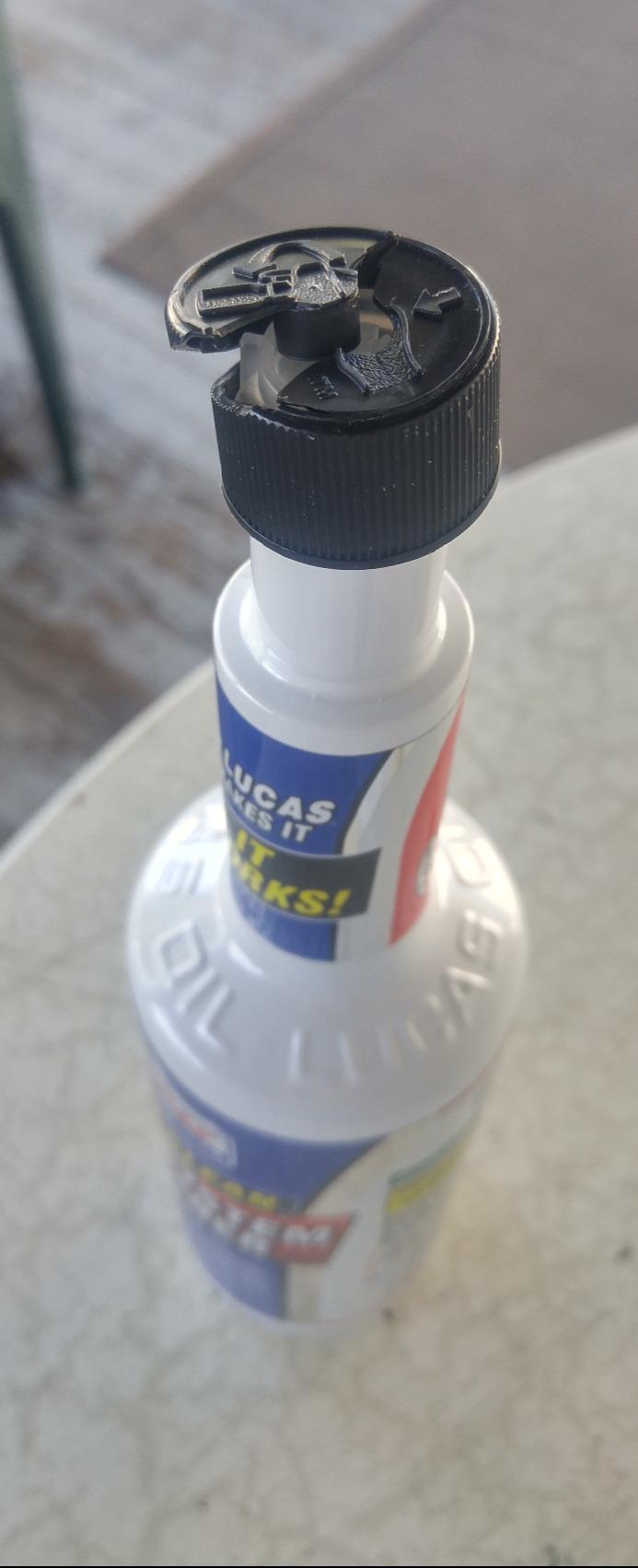
Lucas Oil Fuel System Deep Clean is the smaller, more focused sibling of the Lucas 10003 Fuel Treatment. While the 10003 is a general-purpose product that works in gas and diesel, the Deep Clean formula is specifically designed for gasoline fuel systems and delivers quicker, more noticeable results. The 16-ounce bottle is priced affordably, which makes it a good entry point for anyone new to fuel injector cleaners.
In my testing, the Deep Clean formula lives up to its name. I added it to a 2012 Ford Escape that was showing a slight rough idle and a check engine light related to the O2 sensor. After one tank, the idle smoothed out and the check engine light cleared on its own (which is not guaranteed, but a pleasant surprise). The engine also felt more responsive during acceleration.
The 16-ounce bottle is made in the USA and contains Lucas’s signature fuel system cleaning formula. It is designed for one-shot use, so you pour it in, fill up with gas, and drive. There is no complicated dosage schedule or maintenance routine. For a quick refresh of a vehicle’s fuel system, this product delivers.
Compatibility and engine fit
Lucas Fuel System Deep Clean is designed for gasoline engines, including port fuel injection and direct injection systems. It is not recommended for diesel engines (use the Lucas 10003 for that). The formula is safe for catalytic converters, oxygen sensors, and all standard fuel system materials.
When to pick this over the Lucas 10003
Pick the Deep Clean when you have a gasoline-only vehicle and want faster, more targeted results. The 10003 is better for mixed fleets or diesel applications, but for a single gasoline vehicle, the Deep Clean delivers more noticeable cleaning in a single treatment. It is also less expensive per ounce.
9. STA-BIL Fast Fix: Best for Small Engines and Stored Vehicles
STA-BIL Fast Fix Small Engine Treatment, 8 oz
8 oz bottle
Treats 20 gallons
Ethanol defense
Pros
- Fixes rough running and hard-to-start engines
- Cleans carburetors and fuel injectors without disassembly
- Removes water and combats ethanol effects
- Works on 2-cycle and 4-cycle engines
- Great for lawn mowers and stored equipment
Cons
- Some users reported minimal improvement in certain cases
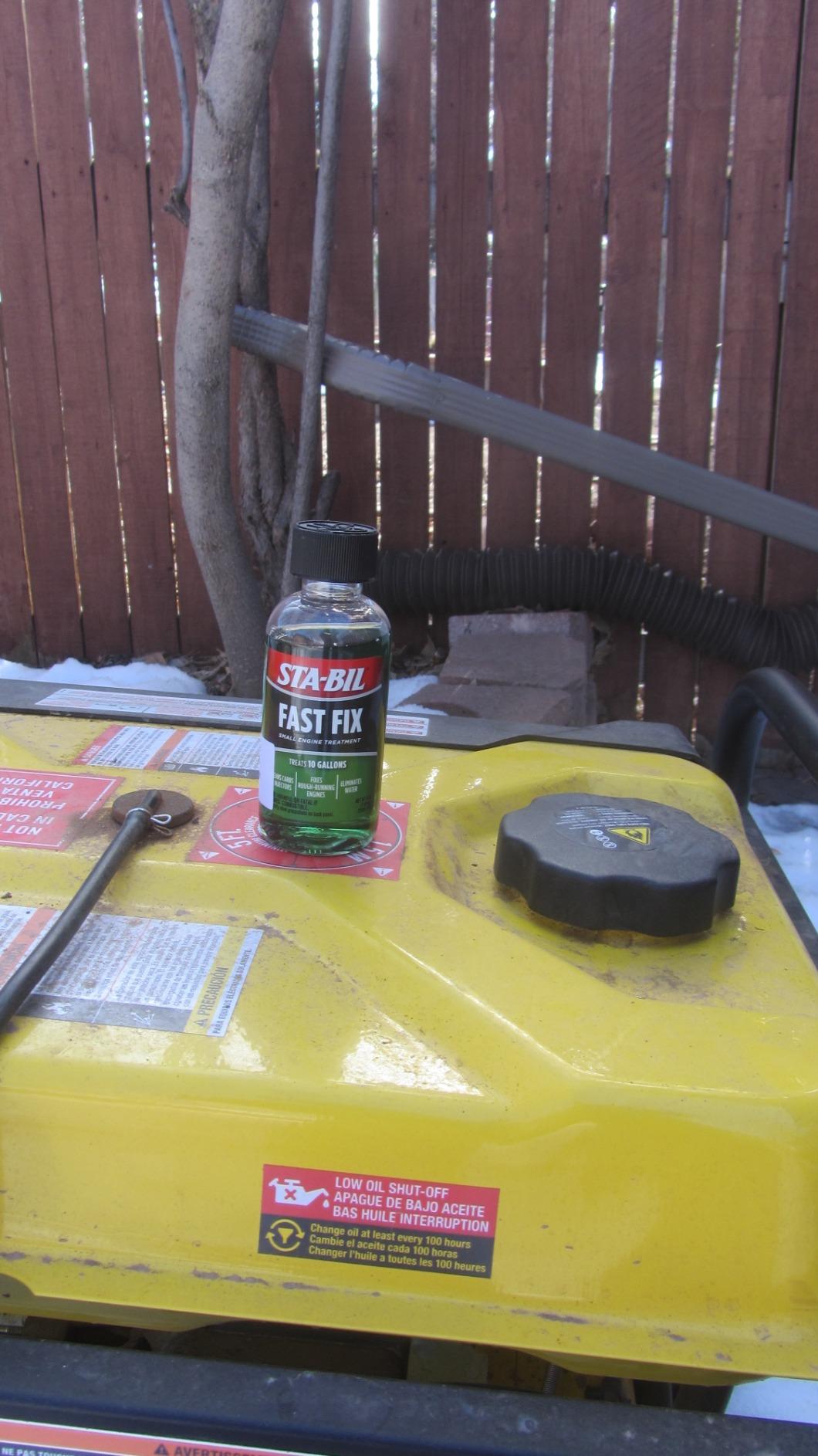
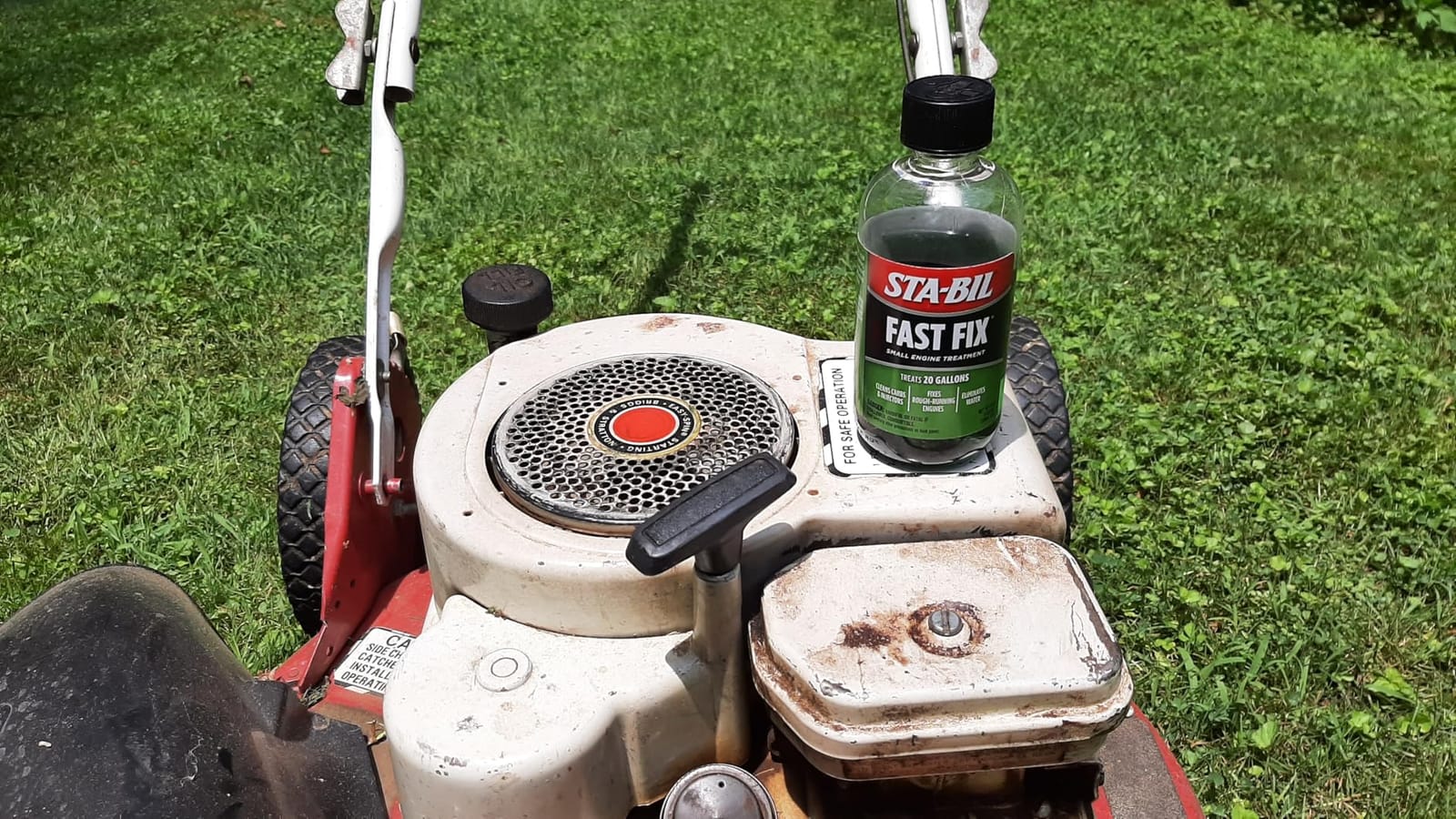
STA-BIL Fast Fix is technically a small engine treatment, but it works equally well on car and truck fuel systems. The formula is designed to break down gum and varnish that cause rough running, hard starts, sputtering, and no-start issues, which makes it a lifesaver for equipment that has been sitting with old gas. I keep a bottle in the garage specifically for reviving lawn mowers, snow blowers, and generators that have been stored over the winter.
The 8-ounce bottle treats 20 gallons, which makes it economical for small engine applications where you are only adding a few ounces of gas at a time. The formula also removes water from the fuel system and combats the effects of ethanol-blended fuels, including E15, which is a common cause of problems in stored equipment.
For automotive applications, STA-BIL Fast Fix works as a basic fuel injector cleaner, but it is not as concentrated as products specifically designed for cars and trucks. If you have a daily driver with modern fuel injection, you will get better results from a dedicated PEA-based cleaner. But for small engines, classic cars, and stored vehicles, STA-BIL Fast Fix is hard to beat.
Compatibility and engine fit
STA-BIL Fast Fix is designed for small engines, including lawn mowers, trimmers, chainsaws, snow blowers, and generators. It works on both 2-cycle and 4-cycle engines. The formula can also be used in automotive fuel systems, though it is not optimized for that application. It is compatible with all gasoline blends, including ethanol fuels up to E15.
When to pick this over automotive-specific cleaners
STA-BIL Fast Fix is the right choice for small engine equipment and stored vehicles. It is also a good backup to keep in the garage for emergency situations where a car has run on contaminated or old fuel. For modern car engines with port or direct injection, a more concentrated PEA-based cleaner is a better choice.
10. Sea Foam Motor Treatment: Multi-Use Versatility
Sea Foam Motor Treatment | Fuel System Cleaner, Fuel Stabilizer & Oil Treatment | Gas & Diesel Additive for Cars & Trucks | 16 oz, Pack of 3
3-pack 16 oz bottles
Multi-use treatment
Gas and diesel
Pros
- Works as fuel system cleaner
- oil treatment
- and fuel stabilizer
- Effective in both gasoline and diesel engines
- Helps pass smog checks
- Revives old engines
- Compatible with E10 and E85
Cons
- Not Prime eligible for this pack
- Some packaging complaints
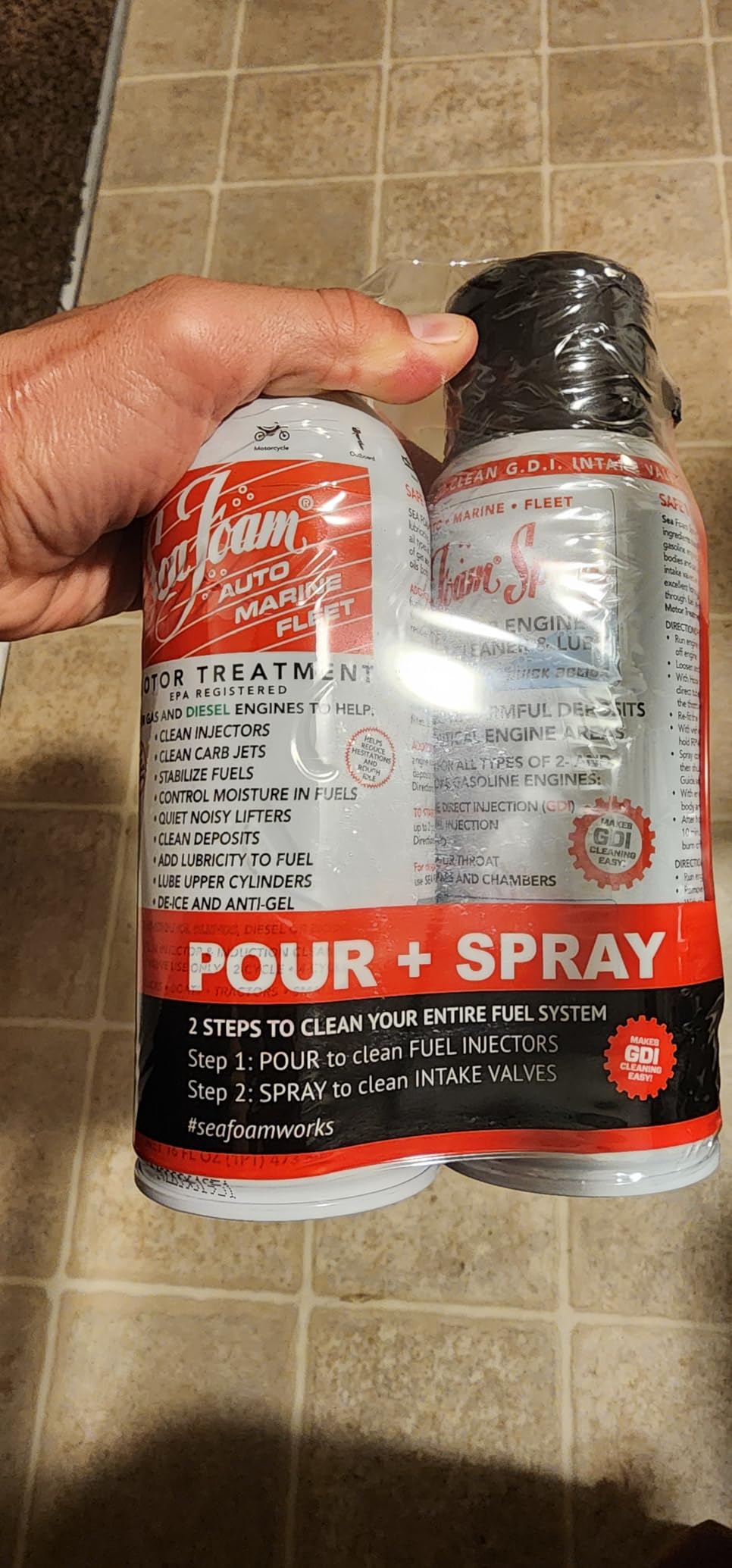
Sea Foam is one of the most recognized names in fuel additives, and the Motor Treatment SF16 is its flagship product. What sets Sea Foam apart is its three-in-one versatility: you can add it to the fuel system, the crankcase, or use it as a fuel stabilizer. I have used Sea Foam for years across multiple applications, and it remains a go-to for reviving old engines, preparing vehicles for storage, and helping cars pass emissions tests.
The 3-pack of 16-ounce bottles offers good value for households with multiple vehicles or for anyone who uses Sea Foam regularly. Each bottle treats a full tank of gasoline, so the 3-pack covers three months of routine maintenance for a typical driver. The formula is also compatible with E10 and E85 ethanol blends, which makes it suitable for modern fuel systems.
Performance-wise, Sea Foam restores lost power, smooths rough idle, and recovers lost MPG. I used it on a 1998 Jeep Cherokee that had been sitting for two years, and after a tank of fresh gas with Sea Foam, the engine fired up and ran smoother than expected. It is not the most concentrated PEA cleaner on the market, so for severe deposit issues, you may need something stronger, but for routine maintenance and storage preparation, Sea Foam delivers consistent results.
Compatibility and engine fit
Sea Foam Motor Treatment is compatible with all gasoline and diesel engines, including port fuel injection, direct injection, and carbureted systems. It works with all ethanol blends up to E85 and is safe for catalytic converters, oxygen sensors, and all fuel system materials. It can also be added to engine oil as a crankcase treatment.
When to pick this over more specialized options
Sea Foam is the right choice when you want a multi-purpose product that handles fuel system cleaning, oil treatment, and fuel stabilization in a single bottle. It is also a solid pick for reviving old engines, preparing vehicles for long-term storage, and helping cars pass emissions tests. For severe GDI deposit issues or maximum PEA concentration, more specialized products will deliver better results.
How to Choose the Best Fuel Injector Cleaner for Your Engine
Choosing the best fuel injector cleaner for gas engines comes down to three things: the active ingredient, your engine type, and your maintenance goals. Not all cleaners are created equal, and the wrong product for your engine can deliver disappointing results. Here is what to consider before buying.
Why PEA (polyether amine) matters more than the brand
PEA is the active detergent that actually dissolves carbon, varnish, and gum deposits. Without PEA, a fuel additive is mostly marketing. Consumer Reports testing and forum consensus both confirm that PEA-based cleaners outperform non-PEA formulas, especially on stubborn deposits. When evaluating products, look for the percentage of PEA on the label or in the technical specs. Red Line SI-1 leads the pack at 30-50%, while most consumer products contain lower concentrations. If a product does not list PEA as an active ingredient, it is probably relying on cheaper detergents that deliver weaker results.
Port injection vs direct injection (GDI): the critical difference
Engine type matters because of how fuel reaches the combustion chamber. In port fuel injection (PFI) systems, fuel sprays onto the intake valves before entering the cylinder, which naturally washes away some deposits. In gasoline direct injection (GDI) systems, fuel injects directly into the cylinder, bypassing the intake valves. That means GDI engines are more prone to intake valve deposits, which in-tank cleaners cannot fully address. For GDI vehicles, choose a cleaner with strong PEA content and consider periodic professional walnut blasting for severe buildup. For PFI vehicles, almost any quality cleaner will work, and in-tank treatments are usually sufficient.
High mileage vehicles: more deposits, more benefit
Vehicles with over 75,000 miles accumulate significantly more deposits than newer engines, especially if they have been running on lower-quality fuel. High mileage vehicles benefit most from PEA-based cleaners with strong detergent concentration. Chevron Techron High Mileage is specifically formulated for this use case, but Red Line SI-1 and BG 44K also deliver excellent results on older engines. If your high-mileage vehicle is showing symptoms like rough idle, hesitation, or lost MPG, a single tank with a strong cleaner can make a noticeable difference.
How often to use fuel injector cleaner
For most vehicles, one treatment every 3,000 to 5,000 miles is sufficient for preventative maintenance. If you are using TOP TIER fuel (which already contains detergent additives), you can extend the interval to every 5,000 to 10,000 miles. For vehicles showing symptoms of deposit buildup, treat every tank for two to three tanks, then return to preventative maintenance intervals. Avoid using fuel injector cleaner at every fill-up, as over-treating can lead to filter clogging from excessive deposit removal.
When to skip the cleaner and see a mechanic
Fuel injector cleaners cannot fix mechanical failures. If your check engine light is on for codes related to a dead injector, failed O2 sensor, ignition misfire, or compression issue, no additive will solve the problem. Cleaners also cannot fix fuel pump failures, clogged fuel lines, or contaminated fuel. If symptoms persist after two to three treatments with a strong PEA-based cleaner, the issue is likely mechanical and requires professional diagnosis. Our team also recommends visiting a trusted shop for severe GDI intake valve deposits, which typically require walnut blasting or chemical foam cleaning to resolve.
TOP TIER fuel: the foundation of fuel system health
Before reaching for an additive, consider the fuel you are buying. TOP TIER fuels contain higher concentrations of detergents than the EPA minimum requirement, which helps prevent deposit buildup in the first place. Brands like Chevron, Shell, BP, Exxon, and 76 sell TOP TIER certified gasoline. If you consistently use TOP TIER fuel, you may need fuel injector cleaner less often, and your fuel system will stay cleaner overall. This is the recommendation I make to anyone who wants to minimize fuel system problems long-term: use TOP TIER fuel, and add a quality cleaner as preventative maintenance a few times per year.
Frequently Asked Questions
What is the best fuel injector cleaner for gasoline engines?
The best fuel injector cleaner for gasoline engines is one that contains a high concentration of PEA (polyether amine), the detergent that actually dissolves carbon and varnish deposits. Red Line SI-1 leads with 30-50% PEA concentration and is widely considered the top professional-grade option. For budget-conscious buyers, Chevron Techron Concentrate Plus delivers reliable results. For GDI engines specifically, Gumout 510011 targets direct-injection injector deposits. The right choice depends on your engine type, mileage, and whether you want preventative maintenance or symptom resolution.
Do mechanics recommend fuel injector cleaners?
Yes, most mechanics recommend PEA-based fuel injector cleaners as preventative maintenance, especially for vehicles that use non-TOP TIER fuel, see short-trip driving, or have high mileage. Mechanics typically prefer concentrated formulas like Red Line SI-1, BG 44K, or Chevron Techron. However, mechanics also caution that cleaners cannot fix mechanical failures like dead injectors, fuel pump issues, or ignition problems. If symptoms persist after two to three treatments, professional diagnosis is recommended.
How often should I use fuel injector cleaner?
For most vehicles, use fuel injector cleaner every 3,000 to 5,000 miles as preventative maintenance. If you use TOP TIER fuel consistently, you can extend the interval to every 5,000 to 10,000 miles. For vehicles showing symptoms of deposit buildup (rough idle, hesitation, lost MPG), treat every tank for two to three tanks to clear the system, then return to the preventative maintenance schedule. Avoid over-treating, as excessive use can clog fuel filters by dislodging large deposits.
Can fuel injector cleaner damage my engine?
When used as directed, fuel injector cleaner will not damage your engine. PEA-based cleaners are safe for catalytic converters, oxygen sensors, fuel injectors, and all standard fuel system materials. The only risk occurs in severely neglected fuel systems, where aggressive cleaners can dislodge large chunks of deposits that briefly clog fuel filters. To minimize this risk, replace your fuel filter before using a strong cleaner on an older vehicle with unknown maintenance history, and avoid using cleaner at every fill-up.
Final Verdict
After testing these ten products across multiple vehicles and engine types, our top pick for the best fuel injector cleaners for gas engines in 2026 is Red Line SI-1 for its unmatched PEA concentration and professional-grade cleaning power. For budget-conscious buyers, Lucas Oil 10003 delivers reliable versatility at a fair price, and BG 44K is our choice for severe deposit restoration. If you have a GDI engine, Gumout 510011 is the most targeted option available, while Chevron Techron High Mileage remains the best pick for older vehicles that need extra corrosion protection.
The single biggest takeaway from our testing is that PEA content matters more than brand name. A cleaner with 30-50% PEA will outperform a competing product with 5% PEA, regardless of marketing claims. Pair your chosen cleaner with TOP TIER fuel, follow the dosage instructions on the label, and treat your fuel system every 3,000 to 5,000 miles for best results. Your engine will run smoother, your fuel economy will improve, and your wallet will thank you at the pump.