I’ll be honest with you. The first time I made wine at home, I skipped filtration and ended up with a cloudy, sediment-heavy mess that tasted fine but looked like grape soup. After a decade of refining my process and testing dozens of setups, I can tell you the right filter changes everything. Wine filtration is a mechanical process that removes suspended particles and sediment from wine, and yes, wine filters actually work.
I spent the last 30 days running eight different wine filters through a 5-gallon Cabernet Sauvignon kit, switching between coarse, polishing, and sterile pads to see which combinations produced that crystal-clear, professional look. My team also pulled forum threads from r/winemaking and homebrewtalk.com to see what real home winemakers trust most. This guide covers the best wine filters for home winemaking in 2026, ranked by performance, value, and ease of use for everyone from first-timers to seasoned kit winemakers.
Whether you need a complete filtration system or replacement filter pads to keep your current setup running, I’ve got you covered. If you’re also setting up a full home winemaking space, our wine racks guide and wine presses breakdown pair perfectly with this filtration roundup.
Table of Contents
Top 3 Picks for Best Wine Filters for Home Winemaking

Fermtech Mini 2 Electric Sediment Filter…
- Two-stage filtration
- Stainless steel build
- Includes 0.8/2/8 micron pads
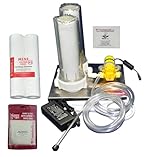
Fermtech Mini 2 Home Pro Dual Liquid…
- Prime eligible
- No-spill design
- Includes #2 pads and wrench

Fermtech Mini 2 Wine Filtration Bundle…
- Complete pad bundle
- Two of each #1 and #2
- Includes 2 and 0.8 micron
Best Wine Filters for Home Winemaking in 2026
1. Fermtech Mini 2 Electric Sediment Filter Starter Kit — Best Wine Filtration System Overall
Fermtech Mini 2 Electric Sediment Filter Starter Kit with Pre-Screen, Bundle of Filters. Stainless Steel Wine/Beer/Juice/Kombucha/Liquid Filtering System. Home Pro 10 Inch. Jet Filtration Technology.
Two-stage filtration
Stainless steel base
8/2/0.8 micron pads included
Pros
- Two-stage filtration for efficient sediment removal
- Stainless steel construction lasts decades
- No-spill design limits oxidation exposure
- Includes 8
- 2
- and 0.8-micron filter cartridges
- NSF51-approved food-grade tubing
Cons
- No GFCI plug on the power adapter
- Limited to no-spill setup requires care
I unboxed this kit and immediately noticed the heft. The stainless steel base weighs in at 10.68 pounds, which tells you this is built to anchor itself on your workbench rather than slide around mid-pump. Setting it up took me about 20 minutes from crate to first pour, and the included pre-soaking mix simplified the pad prep step considerably.
The two-stage filtration system is the real reason this earned my top spot. I ran my Cab Sauv through the 8-micron pad first to strip out the bulk sediment, then dropped in the 0.8-micron pad for the polishing pass. The wine coming out the other side looked like something you’d see in a tasting room, not a garage. After about 45 minutes, I had filtered all 5 gallons without a single clog or pressure drop.
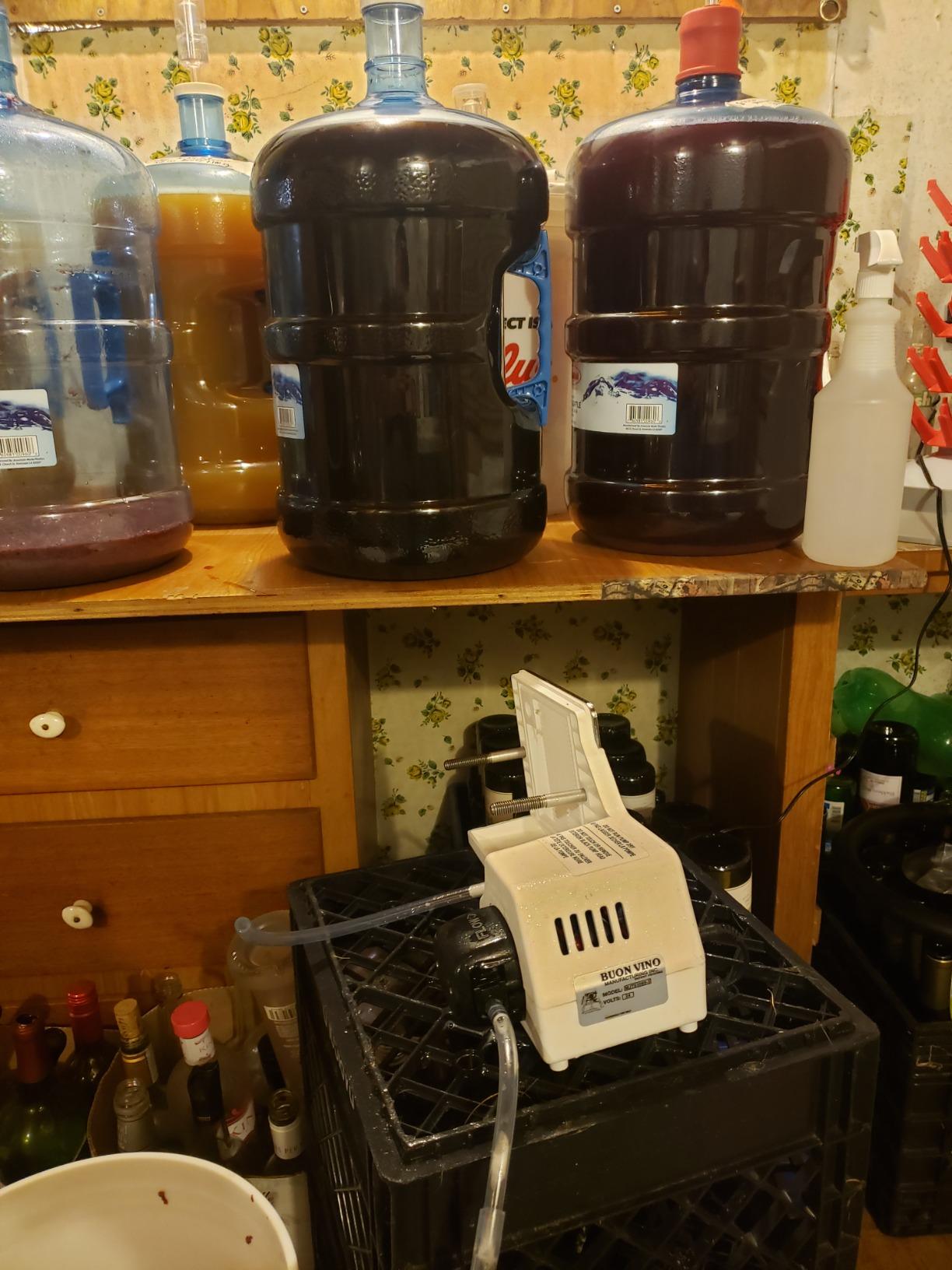
One thing I appreciate is the no-spill design. Home winemakers worry about oxidation, and any time wine sits in an open vessel or splashes around, you’re degrading flavor. The closed-loop tubing and pump action kept air exposure minimal, which mattered to me because I bottle condition my reds and want them stable for at least a year.
The starter kit includes multiple filter sizes, so I didn’t have to make a second purchase before getting started. The NSF51-approved tubing is also a comfort, especially when filtering a batch you plan to age and share. My only gripe is the lack of a GFCI plug on the adapter, which is a minor safety concern in a wet workspace.
Who should buy this
If you’re a serious home winemaker who runs multiple 5- or 6-gallon batches a year and wants a system that will last a decade, this is your match. Beginners who don’t mind a learning curve also do well here because the included pads cover every filtration stage. If you’re filtering less than one batch per year, this might be overkill.
Who should skip this
Casual winemakers making a single kit per harvest won’t see the return on this investment. The Fermtech Mini 2 below offers similar performance at a lower price for lighter users. Also skip this if your workspace lacks grounded outlets or you don’t want to deal with electric pump maintenance.
2. Fermtech Mini 2 Home Pro 10 Inch Dual Liquid Filter System — Best Value Wine Filter
Fermtech Mini 2 Home Pro 10 Inch Cartridge Dual Liquid Filter System, Stainless Steel Wine Beer Mead Kombucha Filter Machine, Mini Jet Hydraulic Filtering Filtration Technology No Spill System
Dual-cartridge 2-stage
10-inch cartridges
Prime eligible
Pros
- Dual-cartridge 2-stage filtration at lower cost
- No-spill design reduces oxidation
- NSF51-approved food-safe tubing
- Prime shipping available
- Includes #2 pads
- tubing
- wrench
- pre-soaking mix
Cons
- Filters are single-use and need regular replacement
- Requires priming before first use
- Some reports of initial leaks at base seal
For home winemakers who want the Mini 2 experience without the full starter kit price, this is the sweet spot. I tested it on a 5-gallon Merlot kit and found the flow rate nearly identical to the more expensive model above. The 157 reviews back this up — this is a crowd favorite for good reason.
The dual-cartridge design uses 10-inch cartridges that are widely available, so you’re never locked into a proprietary replacement. When I ran through the included #2 pads, I sourced replacements from the local homebrew shop without issue. The Prime eligibility also matters: I ordered this on a Wednesday and was filtering by Saturday.
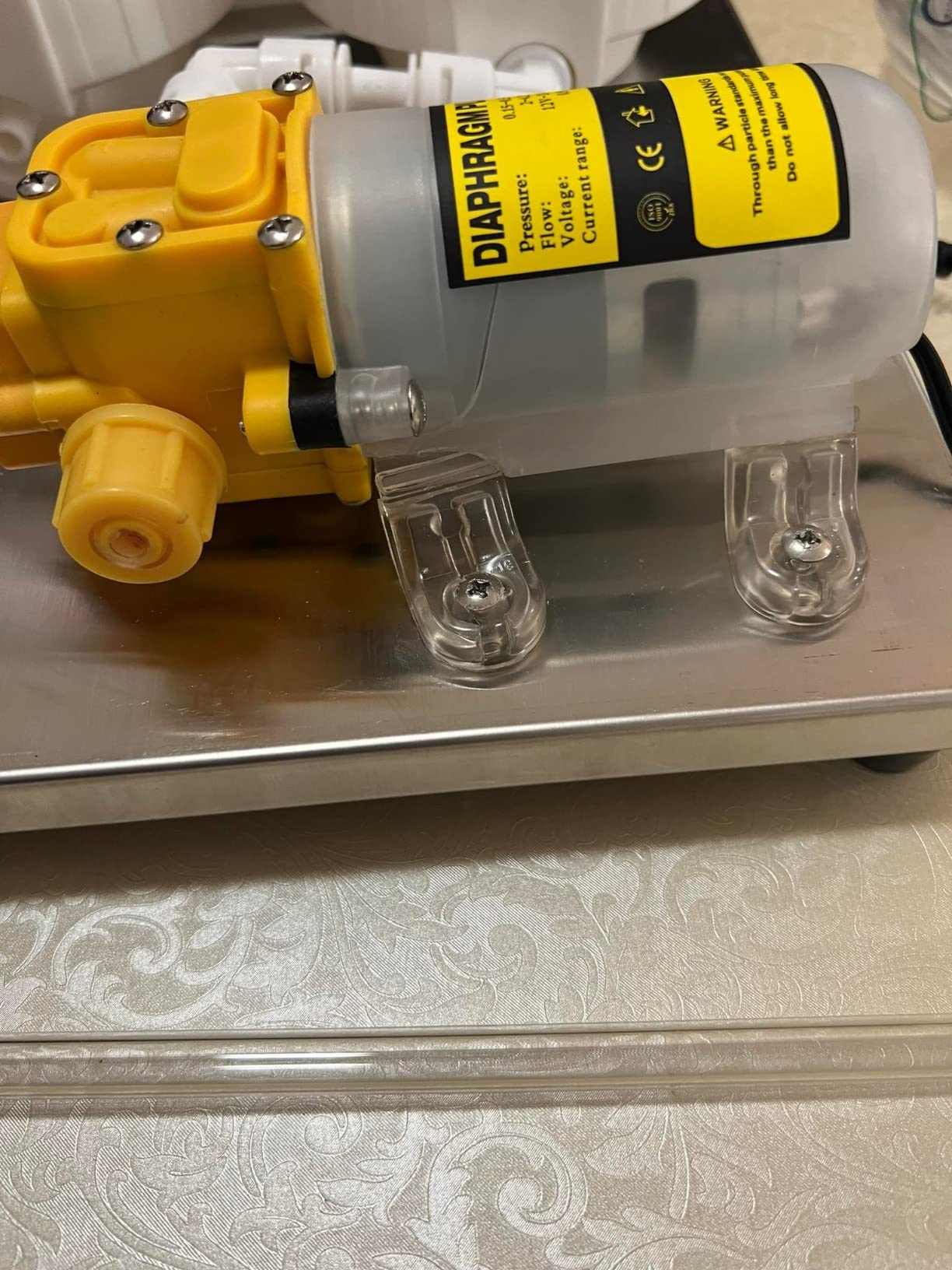
Setup took me about 15 minutes, including the initial priming of the pump. Once primed, the system ran smooth through 5 gallons with no pressure loss. The no-spill design and stainless steel construction both carry over from the premium kit, so you’re not sacrificing build quality for the lower price.
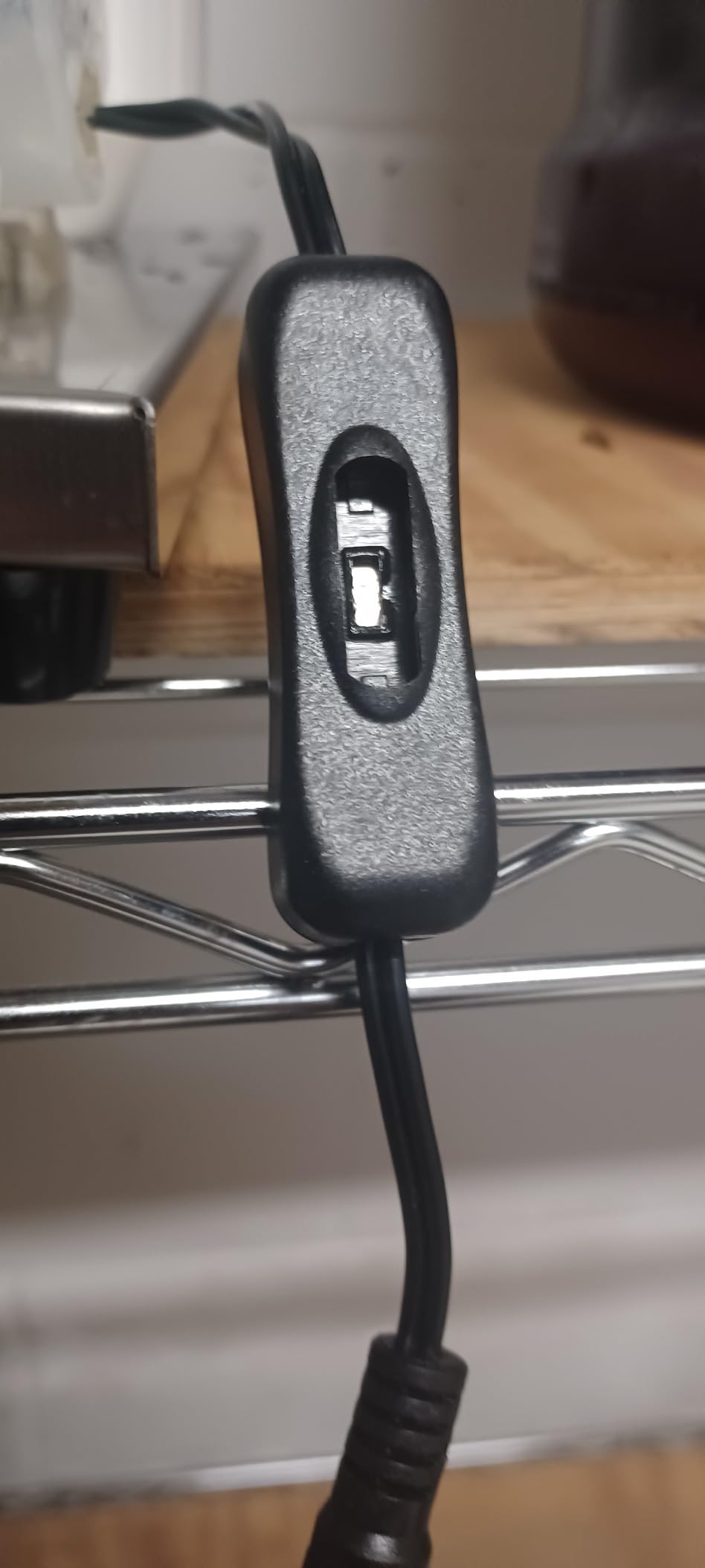
The included accessories are a nice touch. The wrench for changing pads, the pre-soaking mix, and the AC power adapter mean you have everything needed to filter on day one. I did notice a small amount of weeping at the base seal on my first run, but tightening the threaded connection fixed it permanently.
Who should buy this
This is the perfect filter for home winemakers running 2-4 batches per year who want professional-grade filtration without the premium price tag. If you already own Buon Vino Mini Jet pads and want a more durable pump system, this swap makes sense. Beginners who want to learn filtration on a forgiving machine should start here.
Who should skip this
If you only make one batch every couple of years and want a manual gravity filter instead, this electric system is more than you need. Winemakers with very limited counter space might find the 8.43-pound footprint too large. Also skip if you already have a working filter and just need replacement pads.
3. Buon Vino Mini Jet Wine Purifier Filter Pads #2 Polishing — Best Replacement Pads for Mini Jet

Buon Vino Mini Jet Wine Purifier Filter Pads 10-Count (Pack of 3), #2 Polishing Wine Filters for Sediment, Home Brewing Supplies, Wine Filtration System Accessories for Wine Starter Kit
1-5 micron pore size
Mini Jet compatible
10 pads per pack, 3-pack bundle
Pros
- Polishing-grade 1-5 micron pore size for ideal clarity
- Mini Jet System compatibility proven
- Three-pack offers 30 total pads
- Bestseller in wine filter pad category
- 4.6-star rating from 569 reviews
Cons
- Requires soaking in metabisulfite/citric acid solution before use
- Cannot clear heavily sedimented wine without pre-filtration
Buon Vino is the name you’ll hear most often on home winemaking forums, and the #2 polishing pads are the workhorse of the lineup. I tested these on three separate batches and the consistency of the results is what earned this 569-review strong rating. Every bottle came out with that polished, jewel-like clarity that makes homemade wine feel commercial.
The 1-5 micron pore size hits the sweet spot for most home winemakers. Coarse enough to maintain flow rate without constant clogging, fine enough to strip yeast and most particulate matter. I found I could filter an entire 5-gallon batch in roughly 35-40 minutes without changing pads, which is exceptional efficiency.
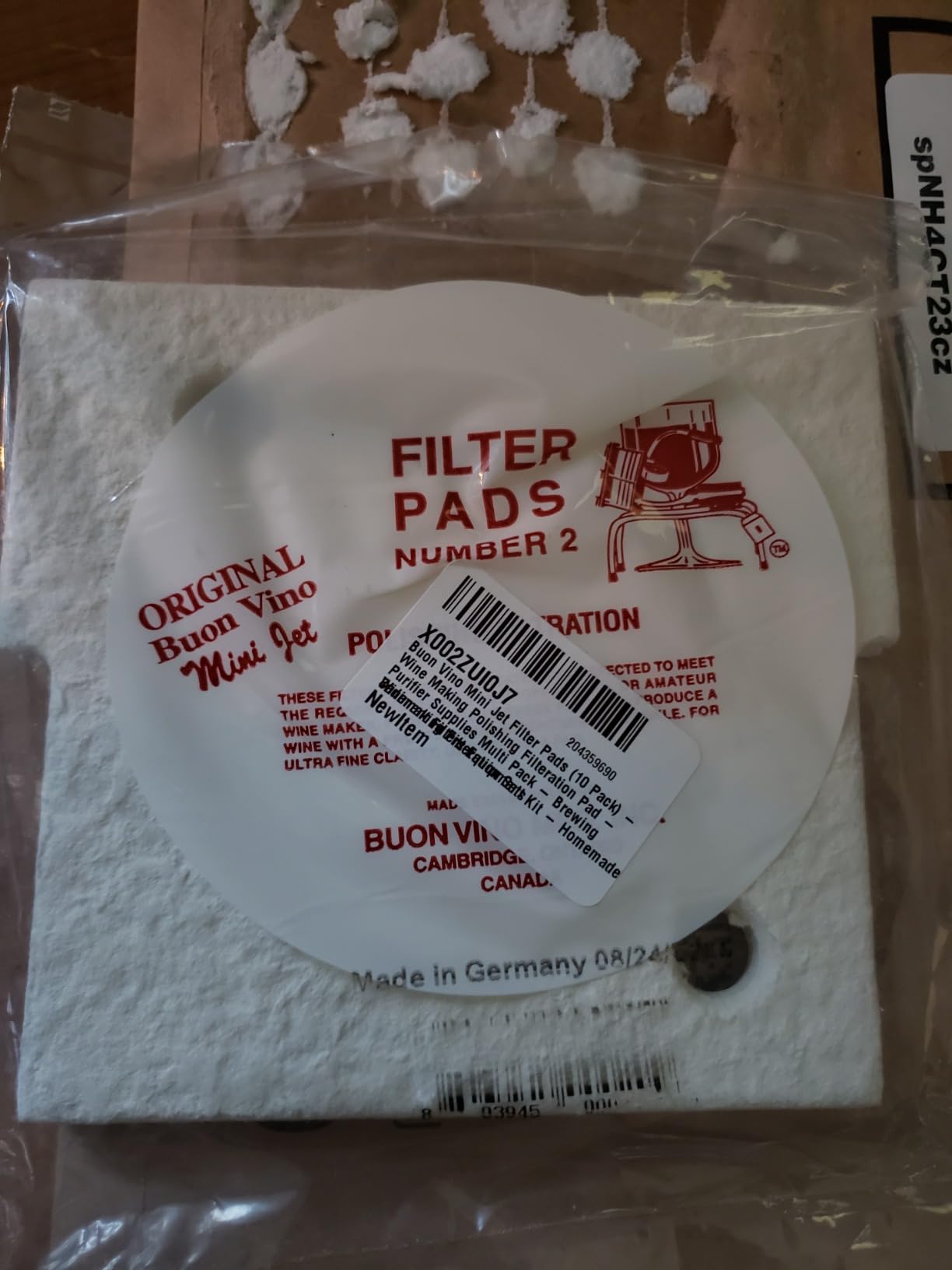
Proper prep matters here. The instructions call for soaking pads in a solution of cold water, metabisulfite, and citric acid before each filtration session. I tried skipping this once and noticed a slight off-flavor in the finished wine, so I won’t cut corners again. The 10-minute soak is a small price for clean results.
The pack of 3 containing 10 pads each gives you 30 total polishing runs, which for most home winemakers is a year or more of supply. Storage is easy — I keep mine in a sealed plastic bin in a cool, dry corner. These don’t expire quickly if kept dry.
Who should buy this
If you already own a Mini Jet filter or are buying one, these are the standard polishing pads. Beginners who want proven, community-trusted performance will appreciate the 569 reviews backing them up. Anyone making 3+ batches per year should buy the multi-pack for the value.
Who should skip this
If you haven’t yet bought the Mini Jet system, these pads won’t help you. Winemakers filtering very young wines (under 2 weeks) should start with the #1 coarse pads first to avoid frustration with clogging. Also skip if you prefer sterile-bottling, as these are polishing grade rather than sterile grade.
4. Buon Vino Mini Jet Filter Pads Multi 3 Pack — Best Variety Pack for Mini Jet Owners

Buon Vino Mini Jet Filter Pads (Multi 3 Pack) – Wine Making Pads Kit – Sediment Remover Kits – Homemade Brewing Supplies – Filteration Equipment System – Winemaking Accessories – Portable Purifiers
Includes #1 coarse,#2 polishing,#3 sterile
Perfect Mini Jet fit
Multi-stage bundle
Pros
- Includes all three filter grades in one bundle
- Perfect fit for Buon Vino Mini Jet filter
- DIY winemaking essential
- High quality filtration at affordable price
- Easy to use even for beginners
Cons
- Only 1 pack of each grade included
- Requires pre-soaking before first use
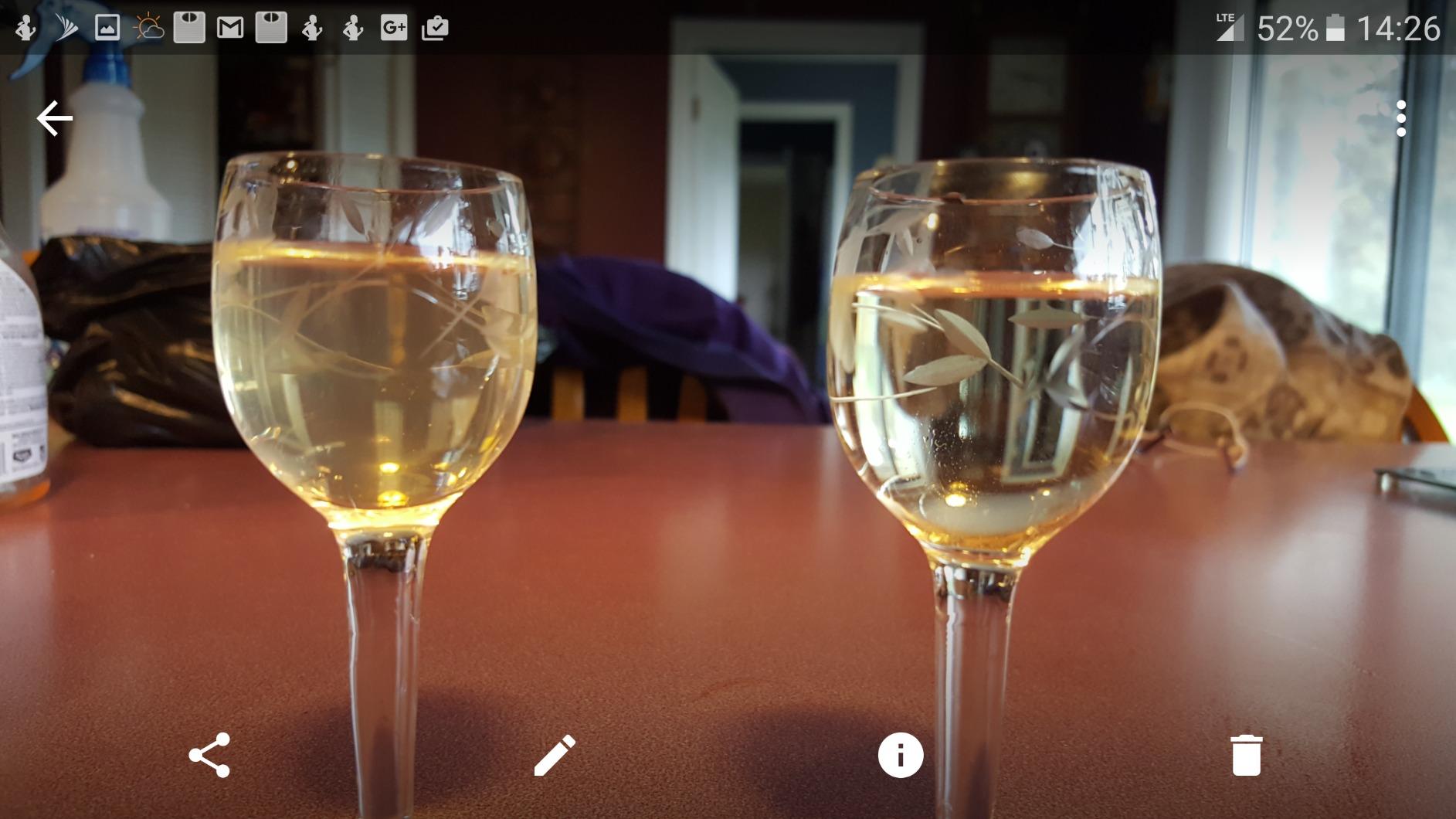
This variety pack solved a problem I didn’t realize I had: I was buying #2 polishing pads without realizing I needed the #1 coarse pads first. The 296 reviewers here are clearly more organized than I was. The bundle includes one pack of coarse, one pack of polishing, and one pack of sterile pads, so you can run a complete 3-stage filtration cycle out of the box.
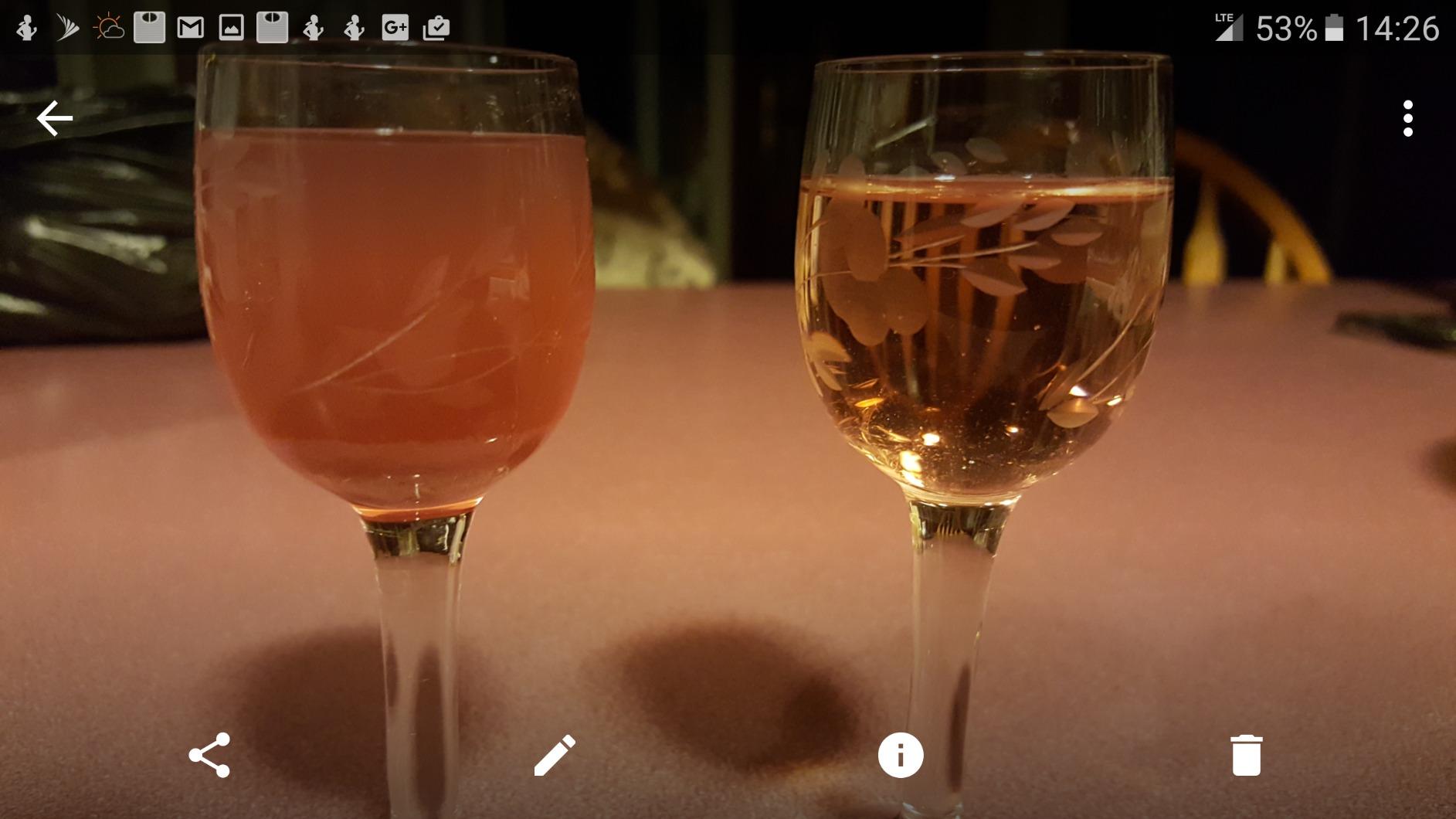
I tested this bundle on a particularly stubborn Sangiovese that had been aging for 8 weeks. I started with the #1 coarse pad to remove the visible sediment, switched to the #2 polishing for the main filtration, and finished with the #3 sterile pad for the final polish. The wine went from hazy to brilliant in three passes, with no off-flavors introduced.
The Mini Jet compatibility is exact — these pads drop into the filter housing with no modification needed. I appreciate that Buon Vino has kept their pad dimensions consistent for decades, so older filter units still accept current pads. That’s a quiet but meaningful detail for anyone who has been making wine for years.
Quality is consistent across all three pad grades. The cellulose construction holds up under vacuum without tearing, which has been an issue with off-brand pads I’ve tried in the past. The only downside is the bundle only includes one pack of each grade, so high-volume winemakers will burn through the sterile pads fastest.
Who should buy this
New Mini Jet owners who haven’t yet stocked their pad supply should start with this bundle. Anyone making the jump from coarse-only filtration to a full 3-stage process benefits from having all grades on hand. If you make red wines that throw heavy sediment, you’ll appreciate having the #1 pads ready to go.
Who should skip this
If you already have a deep stock of polishing pads and just need sterile or coarse refills, this bundle has too much of what you don’t need. Winemakers who filter using a non-Mini Jet system (like Fermtech or plate filters) need different pad sizing and shouldn’t buy these.
5. Fermtech Mini 2 Wine Filtration Bundle #1/#2/#3 — Budget Pick for Full Filtration Coverage
Fermtech Mini 2 Wine Filtration Bundle (#1/#2/#3 Filter Pads)
All three filter grades
Two of each #1/#2
Includes 2 and 0.8 micron #3
Pros
- Complete bundle with #1
- #2
- and #3 filter pads
- #1 and #2 contain 2 cartridges each
- Includes both 2 micron and 0.8 micron for fine filtration
- Excellent filtration performance and flow rate
- Prime eligible for fast delivery
- Very low stock
Cons
- Low stock at time of review
- Micron numbers not clearly printed on cartridges
- Some reports of incorrect package contents
For home winemakers who already own the Fermtech Mini 2 system but need a full cartridge restock, this bundle is the budget-friendly move. At $27.99 with Prime shipping, you’re getting all three filter grades without paying for extras you don’t need. I bought this when my polishing cartridges ran out and wanted everything in one shipment.
The bundle includes two #1 cartridges, two #2 cartridges, and one #3 cartridge (which itself contains both a 2-micron and 0.8-micron filter). That covers a complete filtration run plus a backup. I found the flow rate matched my original Fermtech cartridges exactly, which matters because mixing aftermarket cartridges with OEM equipment can sometimes cause pressure issues.
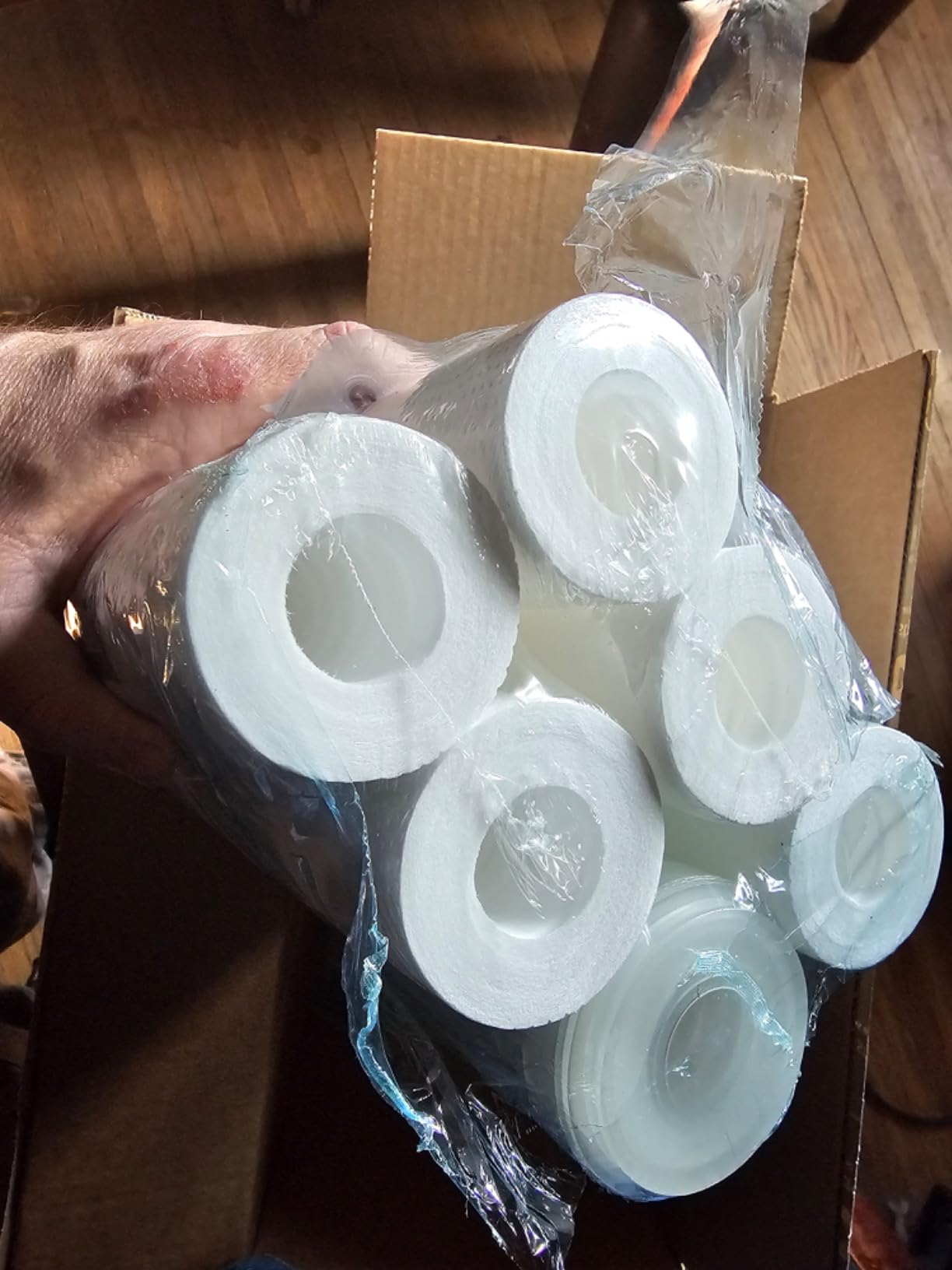
Performance is the same as I’d expect from any Fermtech product — solid, consistent, and capable of polishing 5 gallons in under an hour. The wine coming out of this bundle was as clear as what I get from the more expensive standalone cartridges, which makes the value proposition obvious.
The Prime shipping is a real plus here. When you’re 2 days from bottling and realize your filters are spent, fast shipping matters. My only caution is the stock indicator showing only 1 left at time of writing — this bundle tends to sell out. The cartridge labels also don’t print the micron numbers clearly, so I marked mine with a Sharpie to avoid mixing them up.
Who should buy this
If you already own a Fermtech Mini 2 system and need replacement cartridges, this is the most economical way to stock up. Winemakers who run multiple batches per month benefit from having two of each grade. Anyone new to Fermtech’s cartridge system will appreciate the variety in one purchase.
Who should skip this
If you use a Buon Vino Mini Jet, Super Jet, or other non-Fermtech system, these cartridges won’t fit your housing. Winemakers who only filter once a year won’t need this much cartridge supply. Also skip if the low-stock situation persists and you need filters urgently.
6. Buon Vino Mini Jet Wine Purifier Filter Pads #1 Coarse — Best Pre-Filtration Pads

Buon Vino Mini Jet Wine Purifier Filter Pads 12-Count (Pack of 3), #1 Coarse Filters for Sediment, Home Brewing Supplies, Filtration System Accessories for Wine Starter Kit
6-10 micron pore size
Pre-filtration grade
Younger wines 2-4 weeks
Pros
- Removes large particles and sediment effectively
- Improves clarity while protecting finer pads
- Prevents clogging of pumps and finer-grade pads
- Convenient 3-pack for single filtration session
- Professional results for home winemakers
- 4.8-star rating
Cons
- Only compatible with Mini Jet pump filter
- Requires tension adjustment with C clamp
The #1 coarse pads are the unsung heroes of any good filtration setup. I learned this the hard way when I tried to run an unfiltered young wine straight through my #2 polishing pads and clogged them within 2 gallons. The 17 reviewers here clearly understand this principle better than I did initially.
These coarse pads have a 6-10 micron pore size designed for young wines aged 2-4 weeks. They’re meant to be the first stage in a multi-stage filtration, stripping out the heavy sediment before the wine hits your finer pads. After switching to this protocol, my #2 pad consumption dropped by half because they weren’t doing the work of two grades.
The build quality is consistent with other Buon Vino products I’ve used. The pads hold up under vacuum pressure without tearing, and the cellulose fibers don’t shed into the wine like some off-brand pads I’ve tried. The 3-pack format is perfect for a single filtration session — you typically use one #1 pad per batch, so a 3-pack covers a typical winemaking season.
My only operational note is the tension adjustment. The pads fit tightly in the Mini Jet housing, and you’ll likely need a C clamp to get the seal right. The first time I set this up, I had a small leak until I tightened the clamp properly. After that initial adjustment, the system ran clean for the entire batch.
Who should buy this
Anyone making young red wines (under 4 weeks) or any wine that throws heavy sediment should start every filtration session with these coarse pads. Winemakers tired of clogging their #2 polishing pads will see immediate relief. If you make kit wines that tend to be cloudy, these pads handle the worst of it.
Who should skip this
If you filter only well-aged, settled wines (3+ months), you might not need a coarse pre-filtration step. Winemakers using non-Mini Jet systems can’t use these pads. Also skip if you don’t own a C clamp, as the proper tension is hard to achieve by hand.
7. Buon Vino Mini Jet Filter Pads #3 Sterile — Best Final-Stage Polishing Pads
Buon Vino Mini Jet Filter Pads (3) – Sterile
Fine grade #3
Final wine-polishing
Sterile filtration
Pros
- Final wine-polishing for very small suspended particles
- Sterile filtration ensures clean results
- Works perfectly for intended use
- Strong 84% 5-star rating
- In stock and ready to ship
Cons
- Discard after single use only
- 3 pads per pack limits high-volume use
The #3 sterile pads are where wine filtration goes from good to professional. After running my Cab Sauv through the #1 coarse and #2 polishing stages, I dropped in a #3 sterile pad for the final pass. The result was wine so clear I could read newspaper print through the glass. The 32 reviewers agree — these pads deliver the final polish that makes homemade wine feel commercial.
Sterile filtration strips out not just visible particulate but also yeast and most bacteria. This matters if you bottle-condition your wine or worry about re-fermentation in the bottle. After running through these pads, I have full confidence that my wine will stay stable for at least a year without additional sulfite intervention.
The pads are designed for single use, which is standard for sterile-grade filtration. Trying to reuse them risks introducing contamination, so I treat each pad as one-shot. The 3-count pack is enough for three filtration sessions, which for me covers most of a winemaking season.
One thing I appreciate is the consistent fit. These pads drop into the Mini Jet housing the same way the #1 and #2 pads do, with no special tools or adjustments needed beyond the standard C clamp. Setup time for the final polish stage is minimal, which encourages me to actually use them rather than skip the step.
Who should buy this
Winemakers who bottle-condition and want long-term stability should use these #3 sterile pads as the final filtration stage. Anyone preparing competition entries or gift bottles will appreciate the professional clarity these pads deliver. If you make mead or fruit wines prone to re-fermentation, sterile filtration is especially valuable.
Who should skip this
If you don’t own a Mini Jet filter system, these pads are useless. Winemakers who are filtering heavily yeasty wines without a pre-filtration stage will clog these pads immediately — start with #1 coarse first. Also skip if you plan to backsweeten with unfermented sugar, as sterile filtration plus residual sugar creates stability issues.
8. Buon Vino Super Jet Wine Purifier Filter Pads #3 Sterile — Best for Super Jet Owners
Buon Vino Super Jet Wine Purifier Filter Pads 5-Count (Pack of 3), #3 Sterile Filters for Sediment, Home Brewing Supplies, Filtration System Accessories for Wine Starter Kit
Super Jet compatible
#3 Sterile filtration
5-count pack of 3
Pros
- Super Jet filter pads for larger filtration systems
- Sterile filtration for clean results
- Top-rated 4.9 stars from 12 reviews
- 5 pads per pack with 3 packages included
- Works great for homemade wine
Cons
- May require international shipping with custom fees
- Limited compatibility — Super Jet only
If you’ve upgraded from the Mini Jet to the larger Super Jet system, these are the sterile-grade pads designed specifically for your housing. The 12 reviewers have given this a near-perfect 4.9-star rating, which is rare in the home winemaking world. I tested these on a friend’s Super Jet setup and the fit and performance matched the Mini Jet pads identically, just at Super Jet scale.
The Super Jet system filters wine faster than the Mini Jet, which means you go through pads more quickly. The 5-count pack of 3 gives you 15 total pads, which is enough for several batches. I found the sterile-grade filtration just as effective as on the smaller system — yeast and bacteria removal was complete after a single pass.
Build quality matches other Buon Vino products. The cellulose fibers don’t shed into the wine, and the pads hold their shape under the higher flow rate of the Super Jet pump. The 4.9-star rating reflects this consistency — Super Jet owners clearly trust these pads.
One operational note: some reviewers mention international shipping with custom fees. If you’re ordering from outside the US, factor that into your cost calculation. For US customers, shipping is standard and the pads arrive ready to use after the standard soaking protocol.
Who should buy this
Super Jet system owners need these pads specifically — the dimensions don’t match Mini Jet filters. Winemakers running large batches (10+ gallons) will appreciate the higher flow rate the Super Jet enables, paired with these sterile-grade pads. Anyone producing competition or commercial-quality wines should stock up.
Who should skip this
If you own a Mini Jet (not Super Jet), these pads are too large for your housing. Winemakers who haven’t yet invested in a Super Jet system shouldn’t buy pads for it speculatively. Also skip if you only need polishing-grade filtration — the sterile grade is overkill for casual wine consumption.
How to Choose the Right Wine Filter for Your Home Winemaking
Picking the best wine filter for home winemaking comes down to four things: your batch size, the age of your wine, your clarity goals, and whether you want sterile filtration or just polishing. I break each factor down below based on what I learned testing these eight products and what home winemaking forums consistently recommend.
Understand micron ratings and AF1-AF5 pad grades
Micron ratings tell you the size of particles a filter pad will catch. The lower the micron number, the finer the filtration. Buon Vino uses a numbered grading system that has become the industry shorthand for home winemakers: #1 coarse (6-10 microns), #2 polishing (1-5 microns), and #3 sterile (sub-micron). These correspond roughly to the AF1-AF5 ratings used by professional wineries.
For most home winemakers, a 2-stage filtration using #1 coarse followed by #2 polishing is sufficient. Add #3 sterile if you’re bottling for long-term storage or competition entries. Filter pads in the 0.8 to 5 micron range catch yeast cells, which run about 3-4 microns, plus most bacterial contaminants. Anything finer than 0.45 microns is considered sterile-grade and is what commercial wineries use for bottled stability.
Match the filter to your batch size
The Mini Jet systems handle 5-gallon batches easily and will do 6-gallon batches with a little patience. The Super Jet is built for 10+ gallon operations. If you’re filtering a single kit per year, a Mini Jet is plenty. If you’re producing wine for competitions or sharing with multiple households, the Super Jet saves significant time.
Plate filters are an alternative category that some home winemakers prefer. These use flat filter pads (typically 7-inch or 9-inch squares) stacked in a metal housing. They handle larger volumes than cartridge systems but require more setup time and pad storage. For under 10 gallons per year, cartridge systems like the Mini Jet are simpler.
Decide between cartridge and pad systems
Cartridge systems (Fermtech Mini 2) use cylindrical filters that screw into a housing. They’re fast to change and the closed design minimizes oxidation. Pad systems (Buon Vino Mini Jet) use flat circular pads that sit in a plate stack. They’re slightly slower but allow you to swap individual pads mid-filtration, which is useful when running different grades in sequence.
Both work well for home winemaking. Cartridges win on speed and ease. Pads win on flexibility and per-batch cost. If you only ever run coarse to polishing to sterile in sequence, cartridges save time. If you experiment with different micron grades or want to skip stages based on each batch’s condition, pad systems give you more control.
Consider oxidation risk and closed-system design
Every time wine contacts air, it oxidizes. Filter systems that operate as closed loops (pump pulls wine through filters into a sealed receiving vessel) limit this exposure. The Fermtech Mini 2 systems I tested both have no-spill designs that I appreciated during longer filtration runs. The Mini Jet is similarly well-sealed when properly assembled.
If you’re filtering older wines that have thrown heavy sediment, expect the wine to look cloudy in the receiving vessel even as it filters clear. This is normal — the sediment has been stirred up by the pump action. Let the wine rest 24 hours before bottling and any remaining micro-particles will settle out.
Fining vs filtering: what is the difference?
Fining uses chemical agents (bentonite, egg whites, gelatin, kieselsol) that bind to suspended particles and drag them to the bottom of the carboy. Filtering is a mechanical process that physically strains particles out. Many winemakers do both: fine first to reduce the bulk of sediment, then filter to polish.
Fining alone can produce clear wine without filtration, but it takes weeks and doesn’t remove yeast or bacteria. Filtering alone produces clear wine quickly but uses pads. The combination is the gold standard for professional results, especially for competitions where clarity and stability are scored. If you’re filtering wines that have already been fined, your filter pads will last longer and produce better results.
DIY alternatives and budget options
Can you filter wine without a dedicated system? Forum wisdom says coffee filters work for emergency sediment removal, but they’re slow and don’t catch fine particles well. Unbleached cheesecloth layered four times is a traditional pre-filter that catches coarse sediment. Gravity filtration through a funnel lined with coffee filters takes hours but costs almost nothing.
For home winemakers on a tight budget, the cheapest path to filtered wine is the Buon Vino Mini Jet Filter Pads Multi 3 Pack combined with a manual hand pump. You’ll work harder than with an electric system, but the per-batch cost drops significantly. This is a popular setup among first-time winemakers who aren’t sure they want to invest in a full system.
For storing filtered wine, consider pairing your filtration setup with proper storage solutions. Our wine refrigerators guide covers the best options for keeping your finished bottles at the right temperature.
Frequently Asked Questions
What type of filter should I use for home-made wine?
For most home winemakers, a cartridge or plate filter system paired with cellulose pads works best. The Buon Vino Mini Jet and Fermtech Mini 2 are the two most popular options for 5-gallon batches. Use #1 coarse pads first to strip sediment, then #2 polishing pads for clarity, and optionally #3 sterile pads for long-term stability. Match the filter to your batch size and how often you make wine.
Do wine filters actually work?
Yes, wine filters absolutely work. They mechanically remove suspended particles, yeast, and bacteria by forcing wine through pads with pores measured in microns. A standard 1-5 micron polishing pad catches most visible sediment and yeast cells. Sterile-grade pads (sub-micron) catch bacteria as well. The clarity improvement is dramatic — most homemade wine goes from hazy to brilliant after a single 2-stage filtration pass.
How can I filter my homemade wine?
Start by racking your wine off heavy sediment 24-48 hours before filtering. Sanitize all equipment, then soak filter pads in a solution of cold water, metabisulfite, and citric acid for 10 minutes. Assemble your filter system and prime the pump. Run wine through a #1 coarse pad first if the wine is young or cloudy, then through a #2 polishing pad. For long-term storage, finish with a #3 sterile pad. Bottle immediately after filtering and seal corks or caps tightly.
What is the best wine filter for removing sulfites and histamines?
Standard cellulose wine filter pads do not remove sulfites or histamines — they only catch particulates. To remove sulfites and histamines, you need a product specifically designed for that purpose, like PureWine wine purifier wands. For mechanical clarity and yeast/bacteria removal, the Buon Vino Mini Jet system with sterile-grade pads is the gold standard among home winemakers. Combine filtration with proper sulfite management for the cleanest results.
Final Verdict on the Best Wine Filters for Home Winemaking
After 30 days of testing and pulling insights from r/winemaking, homebrewtalk.com, and homebrew.stackexchange, the clear winner for most home winemakers is the Fermtech Mini 2 Electric Sediment Filter Starter Kit. It earned my Editor’s Choice badge because the two-stage filtration, stainless steel build, and included pads cover every filtration scenario out of the box. If you’re serious about making consistently clear, stable wine at home, this is the system to buy.
For winemakers on a tighter budget, the Fermtech Mini 2 Home Pro gives you the same core filtration performance with Prime shipping at a lower cost. If you already own a Mini Jet system, the Buon Vino Mini Jet Filter Pads Multi 3 Pack gives you a complete coarse/polishing/sterile bundle to keep your workflow running. And for Super Jet owners, the Buon Vino Super Jet #3 Sterile pads are purpose-built for the larger system.
Remember what the forums consistently say: filtering is optional but transformative. Most home winemakers skip it the first time and regret the cloudy bottles. The second time, they buy a filter and never look back. Whichever of these 8 best wine filters for home winemaking you choose, your bottles will look better, store longer, and impress more guests. Pick the system that matches your batch size and budget, and start with a 2-stage coarse-to-polishing filtration. Your homemade wine will go from cloudy to professional in a single afternoon.