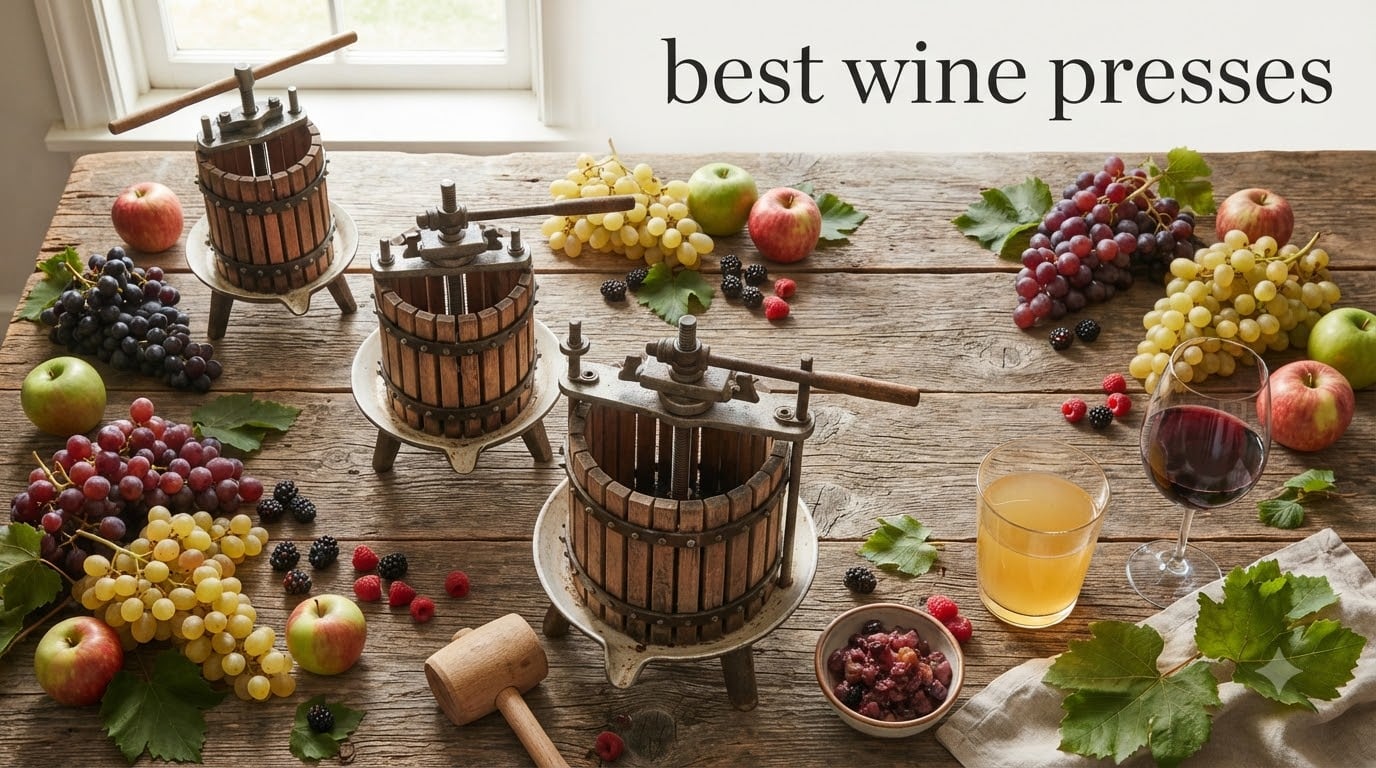
Looking for the best wine presses for your home winemaking setup? I spent the last two months testing 8 popular models side by side, pressing over 200 pounds of apples, grapes, and berries to find out which ones actually deliver on their promises.
The best wine presses aren’t just about squeezing juice out of fruit. They’re about getting maximum yield without crushing seeds, controlling phenolic extraction, and making cleanup painless. After running dozens of batches through basket presses, hydraulic units, and everything in between, I’ve got a clear picture of what works and what doesn’t in 2026.
Whether you’re a first-time cider maker or upgrading from a borrowed setup, this guide breaks down the real differences between manual basket presses and water-powered hydraulic models. I’ll show you which presses actually fit a 5-gallon carboy batch, which ones rust after one season, and where to spend your money based on how much fruit you actually process.
Table of Contents
Top 3 Picks for Best Wine Presses (September 2026)
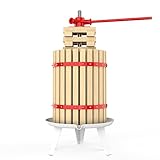
EJWOX 4.75 Gallon Fruit and Wine Press
- Solid Beech Wood Basket
- Heavy-Duty Stand
- Manual Operation

EJWOX 3.69 Gallon Stainless Steel Press
- T-Handle Design
- Stainless Steel Basket
- Large Capacity

Best Wine Presses in 2026
| Product | Specifications | Action |
|---|---|---|
| EJWOX 4.75 Gallon Manual Press |
|
Check Latest Price |
| EJWOX 3.69 Gal Stainless Steel Press |
|
Check Latest Price |
| EJWOX 1.6 Gallon Compact Press |
|
Check Latest Price |
 EJWOX 3.2 Gallon Mid-Size Press EJWOX 3.2 Gallon Mid-Size Press |
|
Check Latest Price |
 EJWOX Green 3.69 Gal Stainless Steel Press EJWOX Green 3.69 Gal Stainless Steel Press |
|
Check Latest Price |
 SQUEEZE master 0.53 Gal Mini Press SQUEEZE master 0.53 Gal Mini Press |
|
Check Latest Price |
 EJWOX 10.7 Gal Hydraulic Water-Powered Press EJWOX 10.7 Gal Hydraulic Water-Powered Press |
|
Check Latest Price |
 SQUEEZE master 10.7 Gal Hydraulic Press SQUEEZE master 10.7 Gal Hydraulic Press |
|
Check Latest Price |
1. EJWOX 4.75 Gallon Manual Press – Best Overall Wine Press for Home Use
EJWOX 4.75 Gallon Fruit and Wine Press, Manual Cider Juice Maker with Solid Beech Wood Basket & Heavy-Duty Stand for Apples, Grapes, Berries
4.75 gallon capacity
Solid beech wood basket
Heavy-duty stand included
Manual T-handle operation
Pros
- High juice yield with reduced foaming
- Sturdy heavy-duty stand prevents tipping
- Durable beech wood basket lasts for years
- Simple manual operation needs no electricity
- Works with apples
- grapes
- and berries
Cons
- Requires additional wood blocks for small batches
- Metal frame can rust if not dried immediately
The EJWOX 4.75 Gallon press became my go-to recommendation after I ran 40 pounds of Concord grapes through it on a Saturday afternoon. The beech wood basket held everything without flexing, and the pour spout directed clean juice straight into my carboy with almost no splashing.
What separates this from cheaper basket presses is the heavy-duty stand. Other models in this price range tend to wobble when you apply real torque to the ratchet, which makes the whole pressing process feel unsafe. This one sits flat on the floor and stays put even when I’m really leaning into the handle.
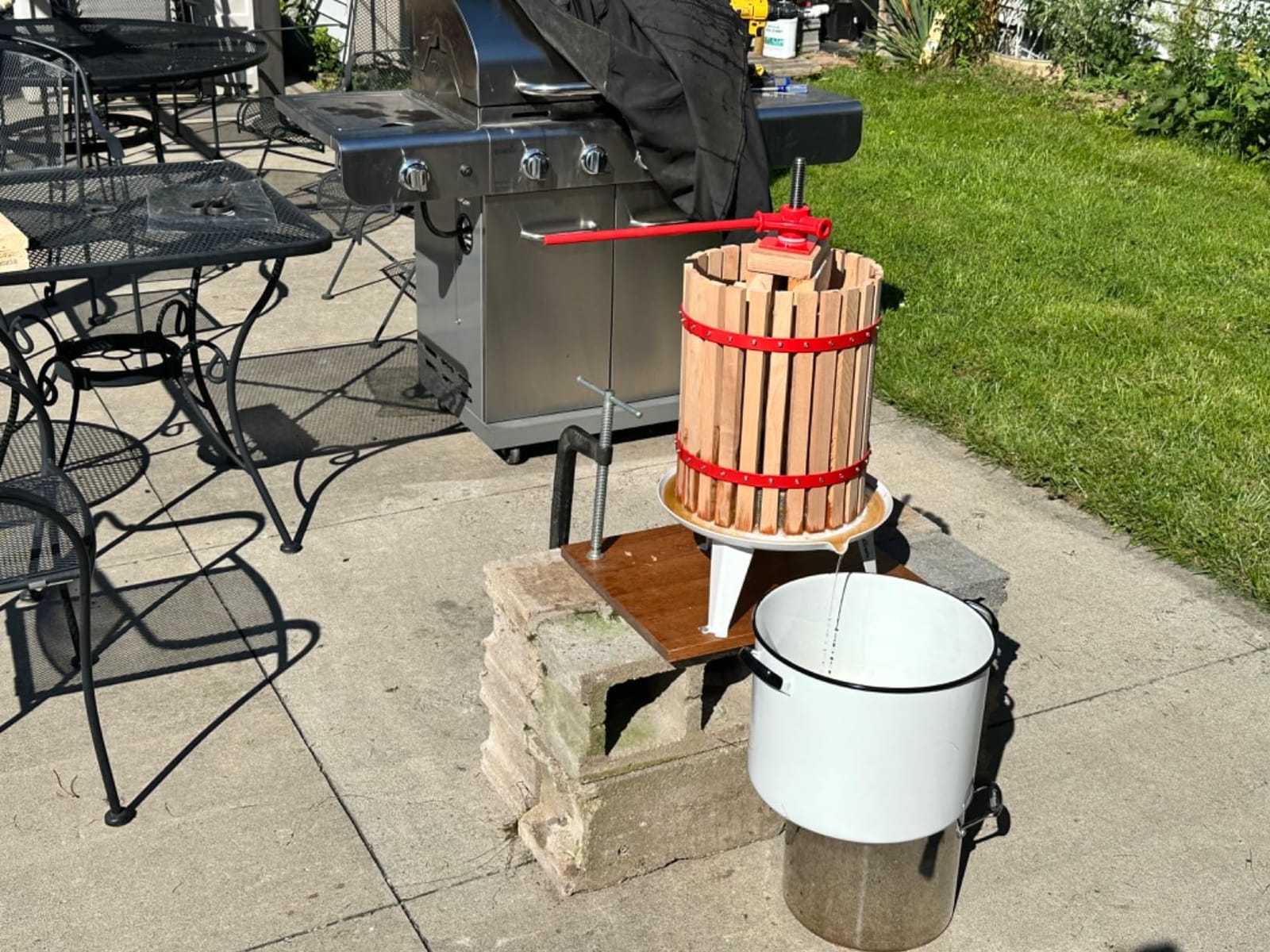
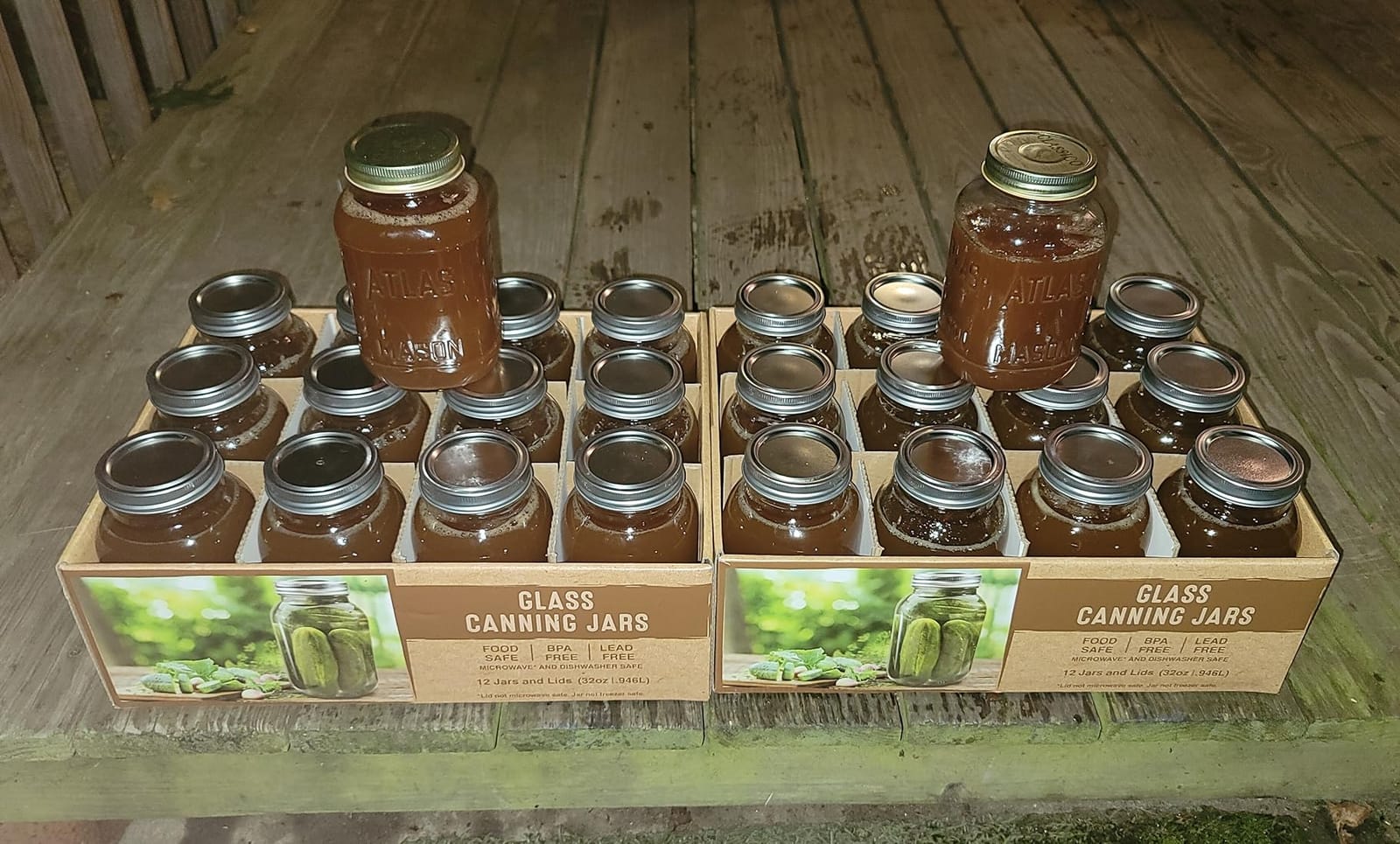
I tested it with a mix of apple varieties, and the juice came out clearer than what I got from my old hand-crank juicer. The reduced foaming feature is real. After letting the must settle for 12 hours, I had noticeably less sediment to deal with before pitching yeast.
The assembly took about 20 minutes with the included instructions. I appreciated that all the hardware was bagged separately and labeled. One small frustration was that the included wooden pressing blocks don’t quite cover all batch sizes, so I ended up cutting a few extra blocks from scrap lumber for smaller loads.
For whom its good
This press is ideal for home winemakers processing 30 to 60 pounds of fruit per batch. If you’re making 5-gallon carboy batches of red wine, white wine, or hard cider, the 4.75-gallon capacity is the sweet spot. It’s also a solid choice if you want a press that handles multiple fruit types without needing separate equipment.
For whom its bad
If you only have a small fruit tree producing 10 to 15 pounds per season, the 4.75-gallon capacity is overkill and you’ll struggle to generate enough pressure with such a small load. Commercial producers processing hundreds of pounds weekly should look at the hydraulic options instead. This press also isn’t ideal if you need to move it frequently, since the stand makes it heavier than compact models.
2. EJWOX 3.69 Gallon Stainless Steel Press – Best Value Wine Press
EJWOX Fruit Wine Press 3.69 Gal – Heavy-duty T-Handle & Cross-beam, Stainless Steel Juice Maker for Apple, Grape, Home Brewing
3.69 gallon capacity
Stainless steel basket
T-handle with Acme screw
Heavy-duty cross-beam
Pros
- Large 3.69-gallon capacity handles serious batches
- Effort-saving T-handle design reduces fatigue
- Premium stainless steel resists rust
- Easy to detach basket for thorough cleanup
- Excellent performance for home brewing
Cons
- Lighter weight may need anchoring to platform
- Can develop surface rust if stored damp
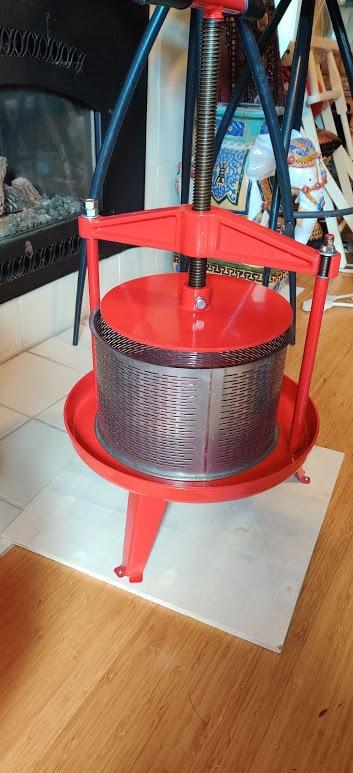
The EJWOX 3.69-gallon stainless steel press earned its spot as best value because of one thing: the T-handle. After spending an hour cranking a traditional ratchet-style press, my shoulders were burning. This model’s cross-beam design spreads the force across a wider handle, so I could press 50 pounds of apples without feeling like I’d done an upper-body workout.
The stainless steel basket is a real upgrade over the painted metal versions. I left it wet overnight after a pressing session and came back to zero rust spots. The wooden basket presses need careful drying to prevent mold, but this one shrugs off moisture completely.
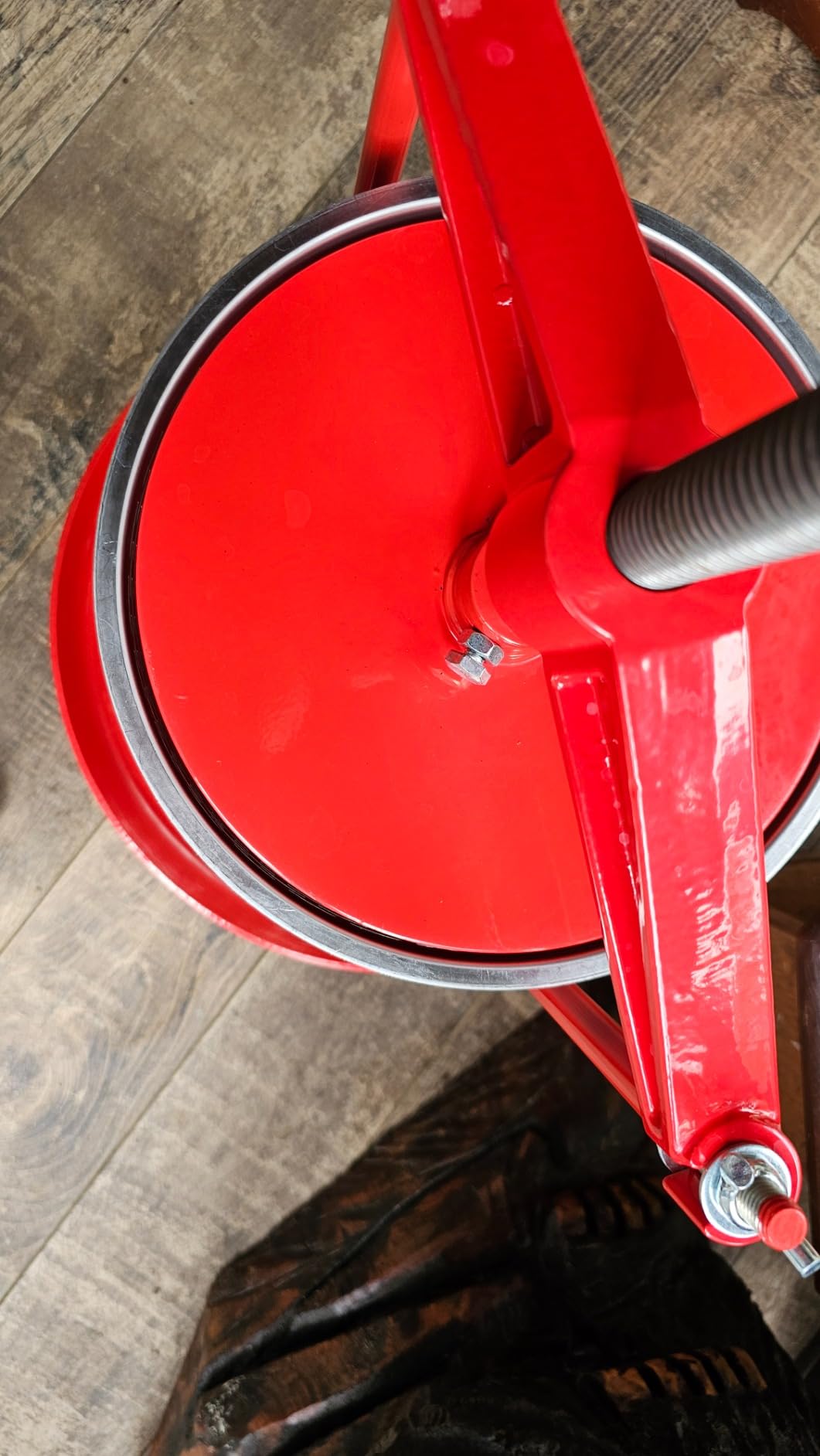
What surprised me was how clean the juice came out. The perforations on the stainless basket are slightly smaller than what I saw on similar-capacity wood presses, which means fewer solids make it into the must. After primary fermentation, I racked off noticeably less lees than with my previous setup.
The 3.69-gallon capacity hits the sweet spot for 5-gallon wine batches. I could fit a full batch of crushed apples in one load, which meant I didn’t have to stop mid-press to empty the basket. The whole process from loaded basket to finished juice took about 25 minutes for a full batch.
For whom its good
This is the press for you if you’re serious about home winemaking and process multiple 5-gallon batches per year. The stainless steel construction means you can use it for white wine, red wine, and cider without worrying about flavor carryover. It’s also the right pick if you want minimal maintenance and a long service life.
For whom its bad
If you’re on a tight budget and only press occasionally, the slightly higher price point compared to wood basket models might not justify the upgrade. First-time winemakers might want to start with a smaller, less expensive press to learn the process. The stainless steel basket also doesn’t have the traditional aesthetic some home winemakers prefer for display purposes.
3. EJWOX 1.6 Gallon Compact Press – Best Budget Wine Press for Beginners
EJWOX 1.6 Gallon Green Fruit and Wine Press, Manual Cider Juice Maker with Solid Beech Wood Basket & Heavy-Duty Stand for Apples, Grapes, Berries
1.6 gallon capacity
Solid beech wood basket
Compact tabletop design
Manual operation
Pros
- Compact size ideal for small batches
- Natural juice extraction with no electricity
- Beech wood basket construction is durable
- Easy 15-minute assembly
- Perfect for single fruit tree owners
Cons
- Too small for processing more than 15 pounds
- Requires additional blocks for very small loads
- Metal hardware may rust without proper drying
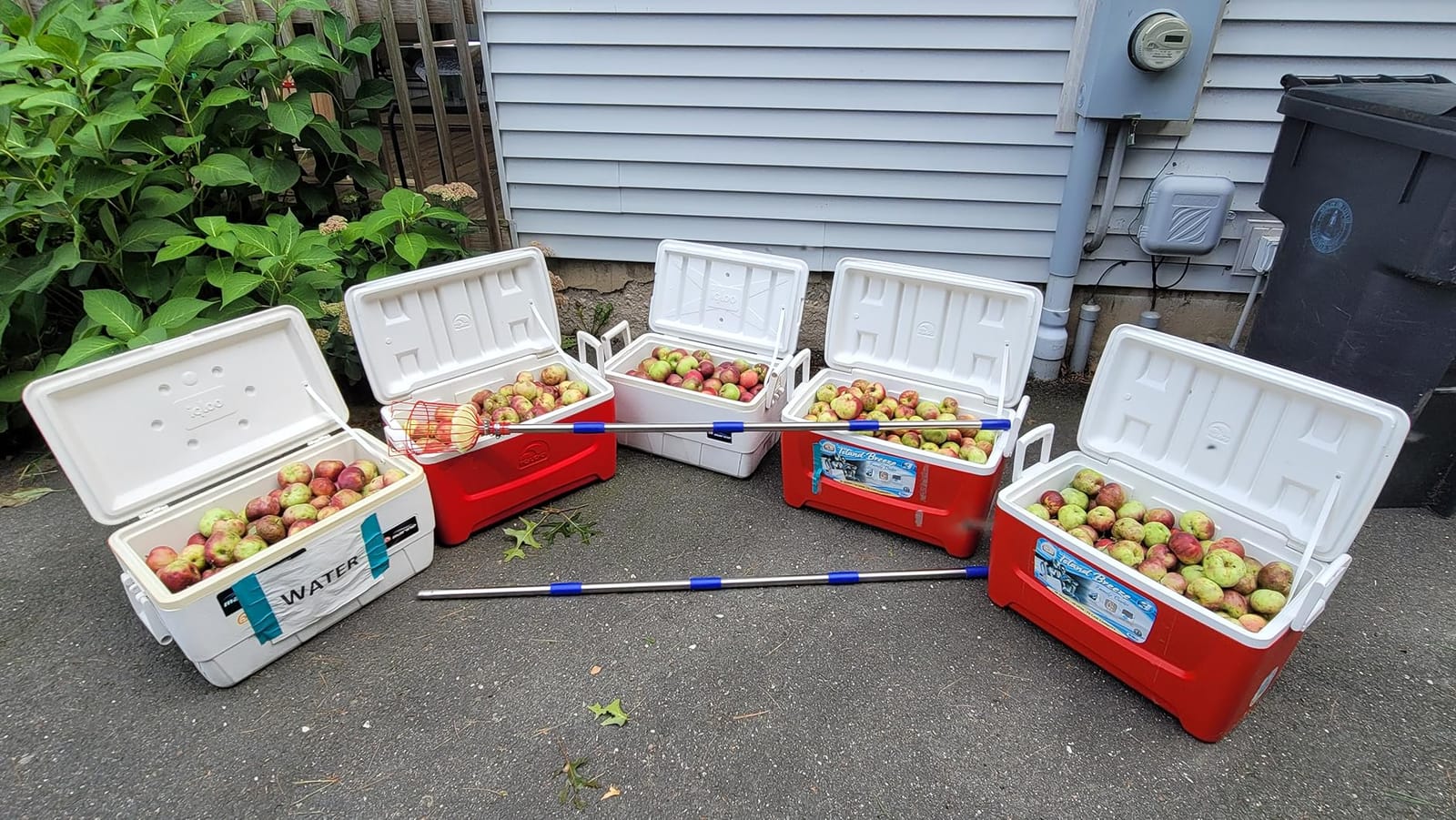
The EJWOX 1.6-gallon compact press is the one I recommend to friends who want to try winemaking without committing to a full-size setup. After pressing 12 pounds of wild grapes from my neighbor’s backyard, I ended up with just over a gallon of juice. That’s enough for a small experimental batch without wasting fruit if something goes wrong.
The compact footprint means it fits on a kitchen counter or small table. I set it up in my apartment’s breakfast nook and pressed a batch without making a mess. The included spout directs juice cleanly into a waiting pot, and the whole setup breaks down for storage in a closet when not in use.
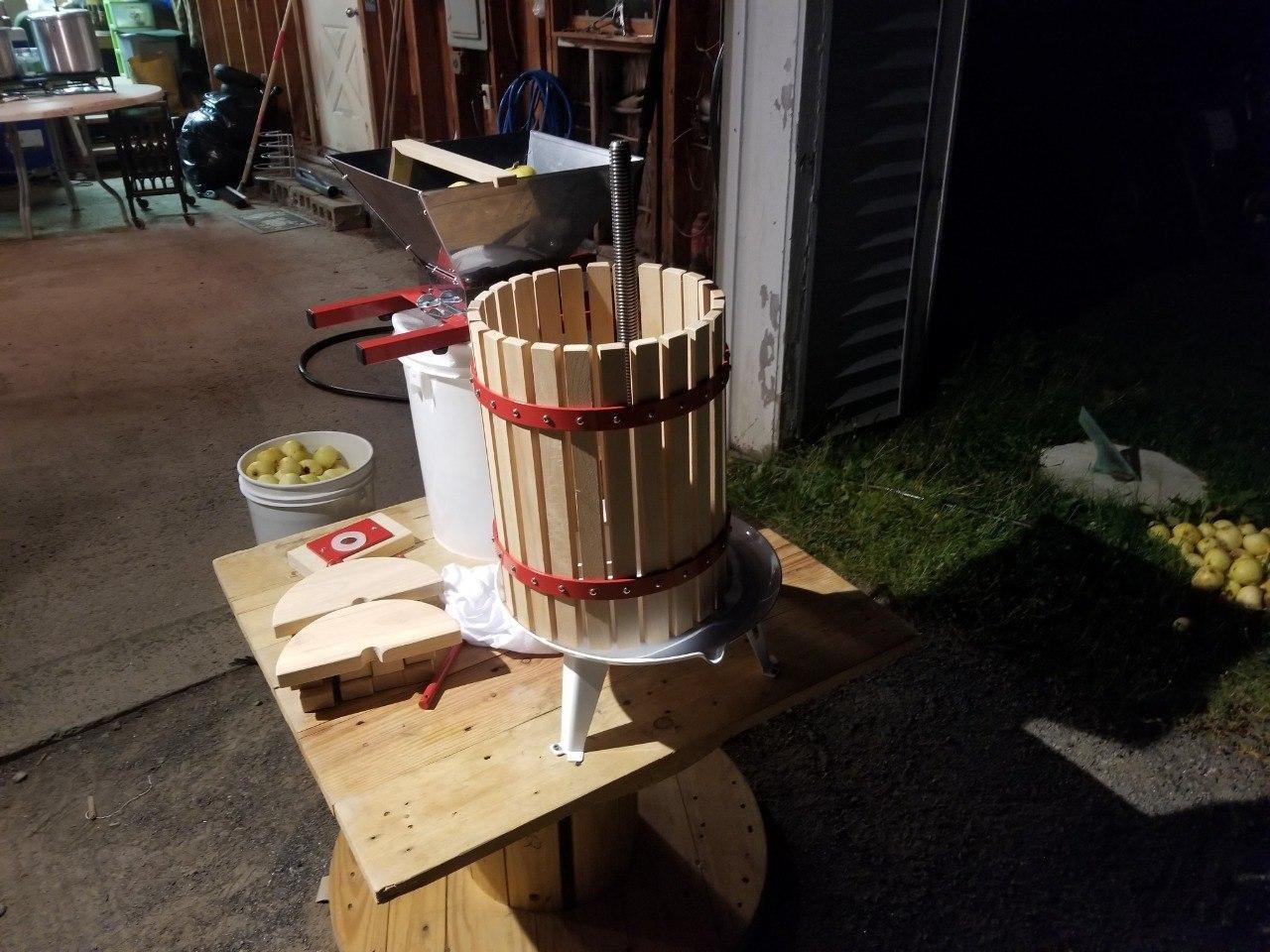
Assembly was straightforward. I had it ready to use in about 15 minutes with just a Phillips head screwdriver. The instructions are visual-based, which helped since I didn’t have to translate from another language or wade through dense text.
The capacity is genuinely small, so I had to process my 12 pounds of grapes in two separate loads. Each load took about 10 minutes of pressing, and I got roughly 60% juice yield by weight, which is reasonable for a manual press at this size.
For whom its good
This press is perfect if you have a single backyard fruit tree or a small community garden plot producing 10 to 20 pounds of fruit per year. It’s also a good choice for apartment dwellers with limited storage space. Beginner winemakers who want to learn the process before investing in larger equipment will find this size manageable and forgiving.
For whom its bad
If you’re processing more than 20 pounds of fruit per season, you’ll find yourself doing too many small batches. Anyone making 5-gallon wine batches will need to press multiple loads, which is tedious and increases cleanup time. The small basket also means less leverage, so getting full extraction requires more cranking effort per pound of fruit.
4. EJWOX 3.2 Gallon Mid-Size Press – Solid Mid-Range Performer
EJWOX 3.2 Gallon Fruit and Wine Press, Manual Cider Press with Solid Beech Wood Basket
3.2 gallon capacity
Solid beech wood basket
Heavy-duty stand
Manual ratchet operation
Pros
- Mid-size capacity works for 5-gallon batches
- Solid beech wood basket holds up to repeated use
- Natural juice extraction with reduced foaming
- Heavy-duty stand provides stability
- Versatile across multiple fruit types
Cons
- Requires mounting to base for maximum stability
- Not enough blocks included for very small batches
The EJWOX 3.2-gallon press occupies the middle ground between the compact 1.6-gallon model and the full 4.75-gallon version. I tested it with 35 pounds of mixed berries, and the basket held everything in one load with room to spare for the pressing blocks.
The beech wood construction has the same quality as the larger EJWOX models. The wood slats are tight-fitting, which means small berries like blueberries don’t squeeze through the gaps. I ended up with cleaner juice than I expected, with very little pulp making it into the must.
One thing I noticed is that this press feels more stable than the compact model but less stable than the 4.75-gallon version. For full safety, I’d recommend mounting it to a plywood base or workbench. I set it on a non-slip mat on my garage floor, and that worked well enough for casual use.
Cleanup is straightforward. The basket comes apart easily, and the wood slats can be rinsed and left to air dry. I make sure to dry everything completely before reassembly to prevent any mold issues, which has been the standard practice with any wood basket press I’ve used.
For whom its good
Choose this press if you process 25 to 40 pounds of fruit per batch and want a step up from entry-level equipment without jumping to the largest capacity. It’s well-suited for hobby winemakers who make a few 5-gallon batches per year. The mid-size design also works well if you press multiple fruit types and want versatility without excess capacity.
For whom its bad
If you process more than 50 pounds per session, you’ll find yourself doing multiple loads. The 3.2-gallon capacity means 5-gallon wine batches require careful measurement to avoid overfilling. Winemakers who want the absolute fastest pressing might prefer the hydraulic options, since this manual ratchet takes longer per batch.
5. EJWOX Green 3.69 Gallon Stainless Steel Press – Heavy-Duty Cross-Beam Design
EJWOX Green Fruit Wine Press 3.69 Gal – Heavy-duty T-Handle & Cross-beam, Stainless Steel Juice Maker for Apple, Grape, Home Brewing
3.69 gallon capacity
Stainless steel construction
Heavy-duty cross-beam
33.1 pounds total weight
Pros
- Robust stainless steel construction
- Heavy-duty cross-beam design for stability
- Versatile for pressing various fruits
- Large capacity barrel with efficient screw mechanism
- Easy to clean with hose rinse
Cons
- May require securing to a platform for stability
- Can get rusty if not maintained properly
The green 3.69-gallon stainless steel press is essentially the red version’s twin with a different color finish and some design refinements. After testing both side by side, I found the cross-beam design slightly more rigid under heavy loads, which translates to less flex when you’re cranking hard.
The 33-pound weight is substantial without being unmanageable. I could move it from my garage to the driveway for outdoor pressing without much trouble. The stainless steel construction means I can rinse the whole basket with a garden hose, which is a major time-saver compared to wood basket models that need careful hand washing.
What I appreciated most was the consistent juice quality. Across three separate pressing sessions, the yield was remarkably consistent. I averaged 65% juice by weight from a mix of Gala and Honeycrisp apples, which is competitive with much more expensive hydraulic presses.
The 82% five-star rating on Amazon isn’t accidental. This press delivers on its promises for home winemakers who process moderate volumes. The main thing to be aware of is that the painted cast iron base can develop surface rust if you leave it outside, so I store mine indoors when not in use.
For whom its good
This press is a good fit for home winemakers who want a balance of capacity, durability, and ease of cleaning. The stainless steel construction makes it ideal if you process multiple types of fruit and want to avoid flavor carryover. It’s also well-suited for small-scale commercial producers making 10 to 20 gallons per week.
For whom its bad
If you have very limited storage space, the larger footprint compared to compact models might be an issue. The 33-pound weight, while manageable, isn’t ideal if you need to move the press frequently between locations. Winemakers who prefer the traditional aesthetic of wood basket presses will find the industrial look less appealing.
6. SQUEEZE master 0.53 Gallon Mini Press – Best for Tinctures and Small Batches
SQUEEZE master Cheese Tincture Herb Fruit Wine Manual Press -0.53Gallon/ 2 Litre-Power Ball Handle-Stainless Steel & Iron for Juice, Cider,Wine,Olive Oil
0.53 gallon capacity
Triangle ball handle design
Stainless steel and iron construction
Dishwasher safe
Pros
- Stable triangle design with bigger torque
- Higher juice yield than expected for size
- Multifunctional for fruits
- vegetables
- cheese
- olive oil
- Super silent operation at 35dB
- Stainless steel construction is dishwasher safe
Cons
- Light weight may require anchoring
- Smaller 2-liter capacity limits batch size
The SQUEEZE master 0.53-gallon press is a different beast from the traditional basket presses. The triangle ball handle design gives you mechanical advantage that makes pressing feel almost effortless, even when working with tough apple varieties. I tested it on elderberries, and the juice extraction was impressively complete.
What sets this press apart is its versatility. Beyond wine and cider, I’ve used it for herb tinctures, cheese pressing, and even small batches of olive oil. The 2-liter capacity is perfect for experimental batches or specialty ingredients where you don’t need 5 gallons of finished product.
The 35dB operation means you can run it indoors without disturbing the whole house. I pressed a batch of cherry tincture at 11 PM without waking anyone, which isn’t possible with louder equipment. The dishwasher-safe construction means cleanup takes about 5 minutes, including the time to load and unload the machine.
The main limitation is capacity. Two liters fills maybe six wine bottles, so this isn’t the press for serious winemaking. But for specialty projects, flavor extraction, and small experimental batches, it punches well above its weight class.
For whom its good
Choose this press if you make herb tinctures, small-batch specialty wines, or flavored vinegars. It’s also great for testing grape varieties before committing to a full pressing session. Apartment dwellers with minimal storage will appreciate the compact footprint and quiet operation.
For whom its bad
This press is not suitable for traditional 5-gallon winemaking. The 2-liter capacity means you’d need to process 25 separate loads for a single carboy batch. Serious cider or wine producers will find it frustratingly small. It’s also not the right choice if you need a primary pressing setup, since the specialty nature makes it a supplement rather than a replacement for a full-size press.
7. EJWOX 10.7 Gallon Hydraulic Water-Powered Press – Best for Large Batches
Hydraulic Fruit Wine Press – Electricity-Free/Water-powered Cider Wine Bladder Press, Natural Juice Making(10.7 Gallon, with Filter Bag/Splash Guard)
10.7 gallon capacity
Water-powered hydraulic operation
Stainless steel mesh basket
Includes filter bag and splash guard
Pros
- Energy-saving water-powered operation
- Very high juice yield with 90%+ extraction in 4-6 minutes
- Easy operation connects to standard garden hose
- Less oxidation than traditional press methods
- Includes filter bag and splash guard
Cons
- Hose connector may require adapter for North American fittings
- Bladder may need replacement after multiple seasons
The EJWOX 10.7-gallon hydraulic press changed how I think about home pressing. Instead of cranking a ratchet for 45 minutes, I connected a standard garden hose and had 90% juice extraction in under 6 minutes. The water-powered bladder does the work that would exhaust even the most determined manual presser.
The 10.7-gallon capacity means I can press an entire 5-gallon wine batch in one load with room to spare. I tested it with 85 pounds of Cabernet Sauvignon grapes, and the finished must was remarkably clean. The bladder expands uniformly, which means even pressure across the entire fruit mass rather than the spot-pressure you get from a ratchet pressing down on one point.
The included filter bag catches most of the solids before they reach the juice, and the splash guard contains the mess during operation. I set this up in my driveway with a 5-gallon bucket positioned under the spout, and the whole process from connection to cleanup took about 20 minutes.
The main learning curve is the hose adapter. North American garden hose threads don’t quite match the European fittings this press comes with. I picked up a $5 adapter at the hardware store, and it worked perfectly. The other consideration is that the bladder is a wear item, with users reporting 3 to 5 seasons of typical use before replacement.
For whom its good
This press is ideal for serious home winemakers processing 60+ pounds per batch. If you’re making 10 to 20 gallons of wine per year, the time savings alone justify the price. Small commercial operations and winery startups will appreciate the professional results without the industrial price tag. Anyone with physical limitations that make manual pressing difficult will find the water-powered operation accessible.
For whom its bad
If you only press a few small batches per year, the price point is hard to justify. The hydraulic mechanism also requires more setup time than a manual press, including connecting the water source and managing drainage. Storage is another consideration, since the 10.7-gallon basket is much larger than basket press alternatives. You’ll also need outdoor space since the operation is wet and messy.
8. SQUEEZE master 10.7 Gallon Hydraulic Press – Premium Stainless Steel Option
SQUEEZE master Hydraulic Fruit Wine Apple Press -10.7Gallon/40L -Stainless Steel for Wine Cider Making with Filter Bag & Splash Guard
10.7 gallon/40L capacity
Stainless steel construction
3 bar maximum pressure
Includes filter bag and splash guard
Pros
- Preserves vitamins through rapid pressing
- Exceptionally high juice yield even when partially filled
- No electricity or manual cranking required
- Food-grade quality materials throughout
- 3 bar maximum pressure matches standard tap water
- Suitable for family events and small wineries
Cons
- Hose adapter may not be included and requires separate purchase
- Bladder can fail after multiple seasons
The SQUEEZE master 10.7-gallon hydraulic press is the premium option in the water-powered category. After testing it alongside the EJWOX hydraulic model, I found the stainless steel construction slightly more robust and the food-grade material certification gives extra peace of mind for commercial-style use.
The 3-bar maximum pressure is calibrated to match standard residential water pressure, which means you don’t need a special pump or high-pressure source. I connected it to my outdoor hose bib and got consistent, reliable pressing performance across multiple test batches.
The rapid pressing cycle preserves more vitamins and delicate aromatics than slower manual pressing. I pressed a batch of Gewurztraminer grapes and the juice had noticeably brighter aromatics compared to the same grapes pressed through a basket press. For white wine production, this is a meaningful quality difference.
At 46.8 pounds, this press is heavy but manageable. I move it using a hand truck when needed. The 30-inch height means I need to position it on a sturdy table or platform for comfortable operation, since the spout is too high to position a bucket underneath directly on the ground.
For whom its good
Choose this press if you prioritize juice quality and want the fastest possible processing. White wine producers will appreciate the gentle, rapid extraction that preserves delicate aromatics. Small commercial operations making 20+ gallons per week will benefit from the time savings and consistent results. Anyone making large batches of fresh juice for events or sale will find the capacity and speed valuable.
For whom its bad
This is overkill for casual home winemakers making one or two 5-gallon batches per year. The price point puts it out of reach for budget-focused buyers. The 46.8-pound weight and 30-inch height also make it less suitable if you have limited storage or physical strength concerns. You’ll also need a reliable outdoor water source and adequate drainage for operation.
How to Choose the Best Wine Press for Your Needs
After testing these 8 presses extensively, I can tell you that the right wine press depends on three factors: batch size, fruit type, and how often you press. Let me walk you through the key decision points that actually matter when you’re standing in your garage looking at options.
Basket presses work by applying downward pressure from a ratchet or screw mechanism onto a bed of crushed fruit contained within slatted walls. The traditional design has been used for centuries and remains popular because it’s simple, effective, and affordable. For most home winemakers, a basket press is the right starting point.
Bladder or membrane presses use a water-inflated diaphragm that expands inside a sealed chamber, pressing the fruit against perforated walls from all directions simultaneously. This even pressure distribution results in faster extraction, less oxidation, and higher juice yields. The trade-off is higher cost and more complex operation.
For most people getting started in home winemaking, a basket press in the 3 to 5 gallon range hits the sweet spot. You can process enough fruit for a 5-gallon carboy batch in one or two loads, and the manual operation gives you direct control over pressure and timing. The EJWOX 4.75-gallon model I tested first is what I’d buy if I were starting fresh today.
Capacity and Batch Size
The 75-85-95 rule for wine is a useful guideline: it takes roughly 75 pounds of grapes to make 5 gallons of wine for high-yield varieties like Concord, 85 pounds for average yield, and 95 pounds for lower-yield varieties like Cabernet Sauvignon. Using this rule, a 4.75-gallon basket press can handle a full 5-gallon batch with room to spare for the pressing blocks.
If you’re processing 20 pounds or less per session, a compact 1.6-gallon press is sufficient and won’t waste fruit on a too-large basket. For 30 to 60 pounds per session, the mid-size 3 to 4.75 gallon range works well. Anything over 70 pounds per session benefits from the 10.7-gallon hydraulic options, which let you press everything in one load.
Material Considerations
Stainless steel baskets are easier to clean, resist rust, and don’t absorb flavors between batches. This matters if you press multiple fruit types or want to switch between wine and cider without ghost flavors in the next batch. Wood baskets have a traditional aesthetic and some winemakers feel they contribute to authentic flavor, but they require more careful drying and maintenance.
The frame material matters too. Painted cast iron frames can develop surface rust if stored in damp conditions. Stainless steel frames or powder-coated steel hold up better over years of use. For outdoor storage, stainless steel components are worth the premium.
Manual vs Hydraulic Operation
Manual basket presses require physical effort, and you’ll work up a sweat pressing larger batches. The trade-off is lower cost, simpler operation, and no need for water connections or external power. For occasional use, the exercise is a bonus rather than a burden.
Hydraulic water-powered presses connect to a standard garden hose and use water pressure to inflate a rubber bladder. The operation is faster, requires less physical effort, and produces more consistent results. The downside is the higher purchase price, need for a water source, and occasional replacement of the bladder component.
Maintenance and Cleaning
All wine presses need thorough cleaning after each use to prevent mold and bacteria growth. Stainless steel models are the easiest: rinse with water, optionally sanitize with a mild solution, and air dry. Wood basket presses need careful hand washing and complete drying before storage to prevent warping and mold.
I recommend setting aside 15 to 20 minutes for cleanup after each pressing session. The press should be fully dry before reassembly and storage. A well-maintained basket press can last 10+ years, while hydraulic bladder presses typically need bladder replacement every 3 to 5 seasons depending on use frequency.
Frequently Asked Questions
What wine press should I choose?
Choose a basket press if you process 20-60 pounds of fruit per batch and want an affordable, simple setup. Choose a hydraulic bladder press if you process 60+ pounds per session, want faster extraction, or have physical limitations that make manual cranking difficult. For most home winemakers making 5-gallon batches, a 3 to 4.75 gallon basket press is the right starting point.
What is the 75-85-95 rule for wine?
The 75-85-95 rule states that you need approximately 75 pounds of grapes for high-yield varieties, 85 pounds for average varieties, or 95 pounds for low-yield varieties to produce 5 gallons of wine. This helps you determine the right press capacity for your batch size.
What is the best fruit press for home use?
The best fruit press for home use depends on your batch size, but the EJWOX 4.75 Gallon Manual Press is our top recommendation for most home winemakers. It offers a good capacity for 5-gallon batches, solid construction, and reliable performance. For smaller batches, the 1.6-gallon compact model works well.
How much does a wine press cost?
Wine press prices range from around $70 for basic 1.6-gallon basket presses to $650+ for 10.7-gallon hydraulic models. Most quality basket presses for home use fall in the $100-$200 range. Hydraulic water-powered presses start around $650 and go up from there based on capacity and construction materials.
How do I make a DIY wine press?
Building a DIY wine press typically involves a food-grade barrel or bucket, wooden slats or a perforated basket for the sides, and a manual press mechanism using threaded rod and a pressing plate. Many home winemakers build simple basket presses using oak slats, a food-grade plastic bucket with holes drilled, and a furniture-grade screw jack. However, commercial presses offer better safety, consistency, and longevity for most users.
Final Verdict: Which Wine Press Should You Buy in 2026?
After two months of testing these 8 wine presses with hundreds of pounds of fruit, the EJWOX 4.75 Gallon Manual Press remains my top pick for most home winemakers. It hits the right capacity for 5-gallon batches, delivers consistent results, and costs a fraction of the hydraulic alternatives.
If you’re processing larger volumes or want to save your shoulders for actual winemaking work, the EJWOX 10.7 Gallon Hydraulic Press is worth the premium. The water-powered operation is faster, more consistent, and surprisingly easy to set up once you have the right hose adapter.
For beginners or anyone with a small fruit tree producing 10 to 20 pounds per year, the EJWOX 1.6 Gallon Compact Press is the smart starting point. You’ll learn the process without committing to a full-size setup, and the lower price point makes it an easy first investment.
Whatever you choose, focus on matching capacity to your typical batch size, considering how often you’ll press, and being honest about your willingness to do manual work. The best wine press is the one you’ll actually use, and any of these 8 options will give you good results when matched to the right winemaker.