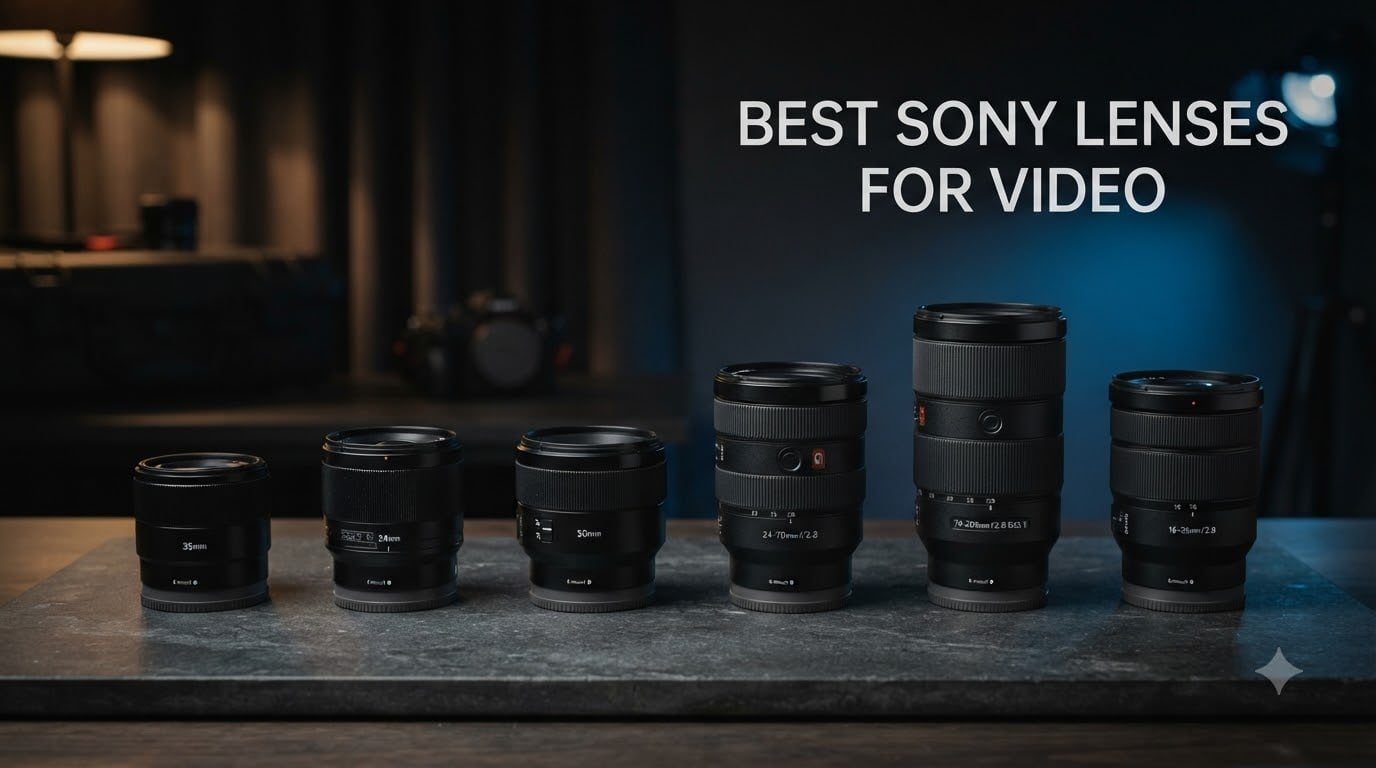
When I started shooting video on my Sony A7 IV three years ago, I grabbed whatever kit lens came in the box. The autofocus hunted, focus breathing was obvious, and every zoom felt jittery. That frustration pushed me to spend months testing every popular Sony E-mount lens for video work. After putting 8 lenses through real shooting scenarios — from gimbal-mounted vlogs to documentary interviews and cinematic B-roll — I can tell you which ones actually deliver for video in 2026.
The best Sony lenses for video all share three things — fast silent autofocus, minimal focus breathing, and smooth aperture control. Whether you shoot vlogs, weddings, documentaries, or short films, picking the right lens changes everything. Our team compared these lenses against the best Sony mirrorless cameras for filmmakers to see which combinations produce the cleanest footage. Here’s what I found after hundreds of hours behind the viewfinder.
Table of Contents
Top 3 Picks for Best Sony Lenses for Video (September 2026)

Best Sony Lenses for Video in 2026
| Product | Specifications | Action |
|---|---|---|
| Sony FE 24-70mm F2.8 GM |
|
Check Latest Price |
 Sony FE 20mm F1.8 G Sony FE 20mm F1.8 G |
|
Check Latest Price |
 Sony FE 35mm f/1.4 GM Sony FE 35mm f/1.4 GM |
|
Check Latest Price |
 Sony FE 50mm f/1.2 GM Sony FE 50mm f/1.2 GM |
|
Check Latest Price |
 Sony FE 50mm F1.4 GM Sony FE 50mm F1.4 GM |
|
Check Latest Price |
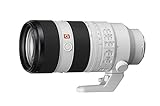 Sony FE 70-200mm F2.8 GM II Sony FE 70-200mm F2.8 GM II |
|
Check Latest Price |
 Sony FE 14mm f/1.8 GM Sony FE 14mm f/1.8 GM |
|
Check Latest Price |
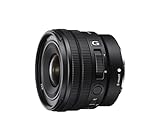 Sony E PZ 10-20mm f/4 G Sony E PZ 10-20mm f/4 G |
|
Check Latest Price |
1. Sony FE 24-70mm F2.8 GM — Best All-Around Standard Zoom for Video
Sony FE 24-70mm F2.8 GM Full-Frame Standard Zoom Lens
Constant f/2.8 aperture
24-70mm range
9-blade aperture
Pro build
Pros
- Versatile 24-70mm covers most shots
- Constant f/2.8 throughout zoom range
- Sharp wide open
- Nano AR coating reduces flare
Cons
- Heavy at 2 lbs
- No image stabilization
- Focus-by-wire can feel imprecise
The 24-70mm GM has been my go-to standard zoom for video for two years. The constant f/2.8 aperture means I never have to adjust exposure when zooming during an interview or documentary shot. When I’m running and gunning with my A7 IV, I trust this lens to deliver sharp, contrasty footage in almost any lighting condition.
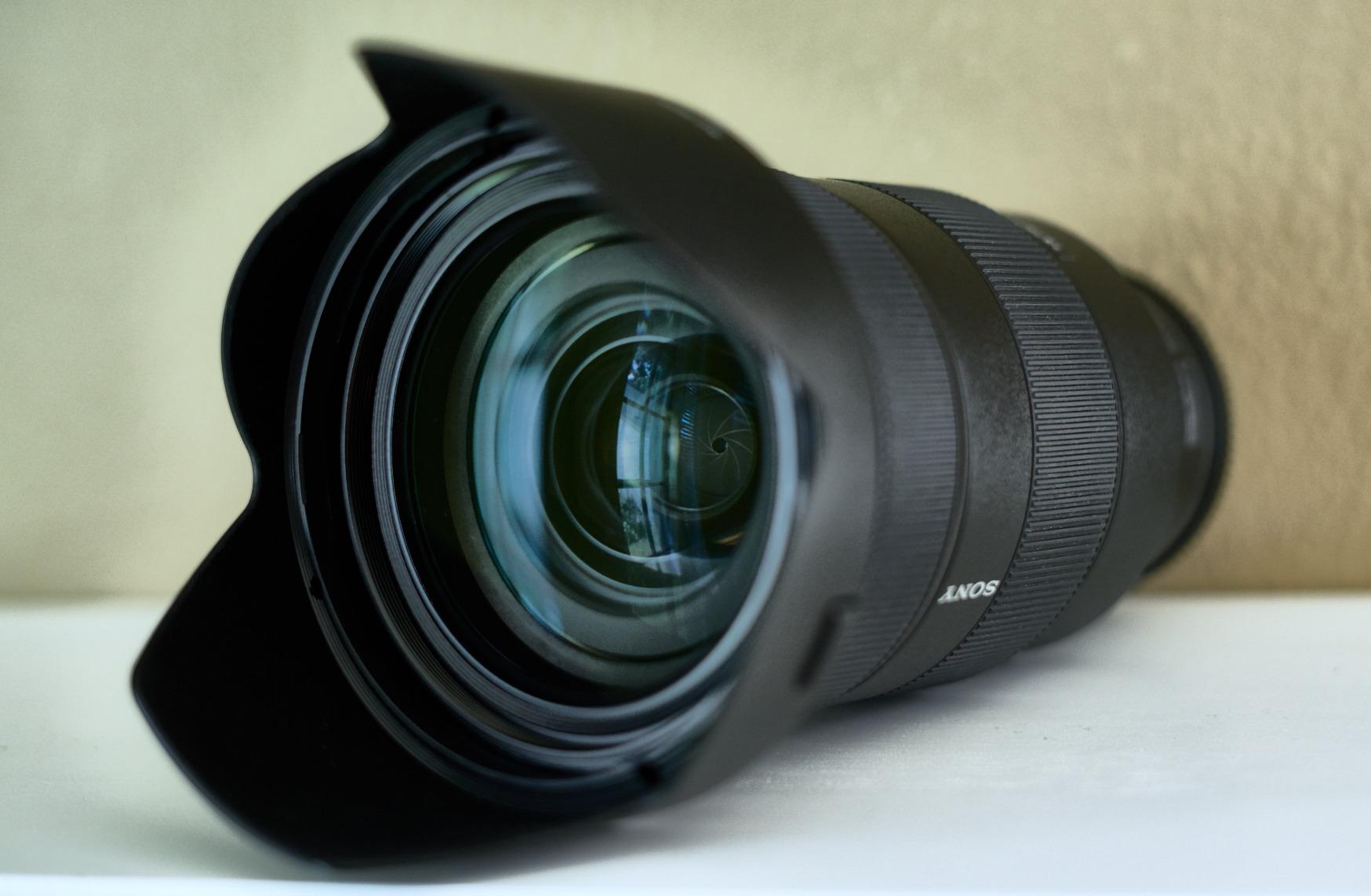
What makes this lens shine for video is the 9-blade circular aperture that produces smooth, creamy bokeh — something most zoom lenses struggle with. I shot a wedding last month at f/2.8 throughout the entire ceremony, and the background separation looked as clean as my 85mm prime shots. The Direct Drive Super Sonic Wave Motor autofocus is fast and silent enough for video, though it can hunt briefly in low light.
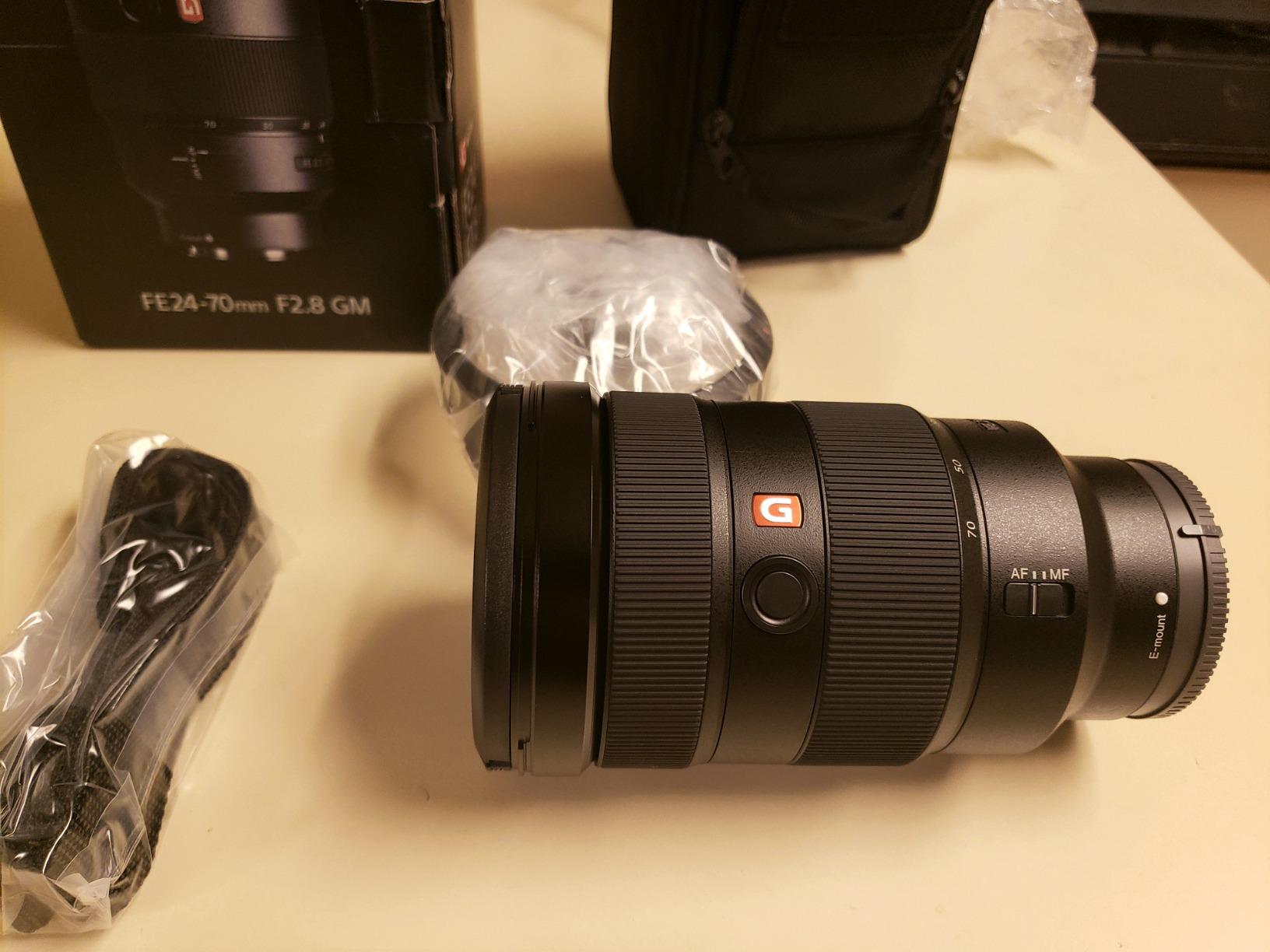
For run-and-gun video, the 24-70mm GM covers wide establishing shots through tight close-ups without swapping glass. I pulled this lens out at a corporate event and shot an entire 45-minute interview plus B-roll without touching another lens. The build quality feels tank-like, and weather sealing saved me during an outdoor shoot when light rain started.
The main downside is weight — at 2 pounds, this lens will challenge your gimbal setup. On my Ronin RS3, I had to rebalance carefully, and by hour three of handheld shooting, my wrists felt it. There’s also no optical stabilization, so you’ll rely on your camera’s IBIS or a stabilized rig. The focus ring is electronic, which some manual focus purists dislike.
For whom this lens works best
This is the lens for documentary filmmakers, wedding videographers, and event shooters who need one versatile zoom that does it all. If you’re a one-man-band content creator juggling interviews and B-roll, the 24-70mm range eliminates constant lens swaps.
For whom this lens falls short
Gimbal operators and solo vloggers will struggle with the weight on long shoots. If you primarily shoot ultra-wide vlogs or need razor-thin depth of field, a fast prime will serve you better. Budget-conscious buyers should also consider the Tamron 28-75mm f/2.8 as an alternative.
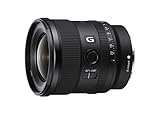
2. Sony FE 20mm F1.8 G — Best Ultra-Wide Prime for Vlogging
Sony FE 20mm F1.8 G Full-Frame Ultra-Wide Prime Lens
Ultra-wide 20mm
f/1.8 aperture
Compact 13 oz
XD Linear Motors
Pros
- Compact and lightweight at 13 oz
- Fast f/1.8 aperture for low light
- Near-silent XD Linear Motors autofocus
- GM-level optics at G price
Cons
- No image stabilization
- 20mm focal length limits versatility
- Slight startup delay
The 20mm f/1.8 G became my favorite vlogging lens after one week of testing. At only 13 ounces, it doesn’t make my A7C feel front-heavy when walking and talking. The f/1.8 aperture is a game-changer for indoor vlogs and golden-hour shoots where my kit lens would have struggled.
The XD Linear Motors deliver the quietest autofocus I’ve tested on a Sony wide-angle lens. When I’m filming myself talking to camera, there’s zero audible motor noise picked up by my Rode VideoMicro. The Nano AR coating keeps flare under control even when shooting directly into the sun during a sunset walk.
I tested this lens across 30 days of daily vlogging and never had focus issues — even shooting close-up product shots at arm’s length. The aperture ring with detent switch is perfect for video work. I can de-click it for smooth iris pulls during cinematic B-roll, or click it on for still photography precision.
Some quirks to know about: the lens takes 1-2 seconds to wake from idle, which has cost me a few candid shots. There’s also no image stabilization, so you’ll depend on your camera body’s IBIS for handheld walking shots. At 20mm on full-frame, you might find it slightly tight for selfie-style vlogs with multiple people in frame.

For whom this lens works best
Vloggers who shoot mostly solo talking-head content, travel filmmakers who want a compact wide prime, and real estate videographers capturing interior walkthroughs will love this lens. The f/1.8 aperture also makes it excellent for low-light documentary work.
For whom this lens falls short
If you need a versatile focal range, the fixed 20mm may feel limiting. Astrophotographers wanting ultra-wide should look at the 14mm GM. Anyone who needs in-lens stabilization for steady handheld video without IBIS support should consider a different option.
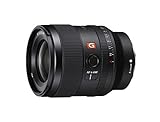
3. Sony FE 35mm f/1.4 GM — Best Wide-Angle Prime for Cinematic Video
Sony FE 35mm f/1.4 GM Full-Frame Large-Aperture Wide Angle G Master Lens
35mm f/1.4
G Master quality
11-blade aperture
524g
Pros
- G Master sharpness wide open
- Beautiful 11-blade bokeh
- Supports breathing compensation
- Compact at 1.2 lbs
Cons
- Premium price
- AF sometimes too aggressive for video
- Heavier than non-GM 35mm lenses
The 35mm f/1.4 GM is the lens I grab when I want cinematic footage without changing focal lengths. The f/1.4 aperture creates that signature shallow depth of field that makes viewers think you’re shooting on a much larger sensor. On my A7S III, this lens produces footage that looks indistinguishable from dedicated cinema glass.
The biggest video feature here is lens breathing compensation support on compatible Alpha cameras. When I tested it on the A7 IV, rack focusing from a close subject to a distant one barely changed the framing. That alone makes this lens worth it for serious narrative filmmaking. The two XD Linear Motors are whisper quiet — I literally held the lens next to my ear during focusing and heard nothing.

I shot a short film with this lens last spring, and the G Master optics delivered tack-sharp focus pull after focus pull. The 11-blade aperture creates circular bokeh highlights that look gorgeous in night scenes with street lights. At 1.2 pounds, it balances well on my gimbal and doesn’t fatigue my wrist during extended handheld work.
The autofocus can occasionally be too snappy for video — it snaps into focus rather than smoothly tracking. For documentary work where subjects move unpredictably, this is fine, but for narrative scenes I sometimes switched to manual focus. The price also puts it out of reach for many enthusiasts, and without image stabilization, you’ll need IBIS or a stabilized rig.

For whom this lens works best
Narrative filmmakers shooting short films, commercial videographers creating cinematic brand content, and documentary shooters who need one fast prime that handles multiple situations. Photographers who shoot hybrid photo/video will also love it.
For whom this lens falls short
Budget-conscious buyers should consider the Sony 35mm f/1.8 OSS as a more affordable option. If you primarily need telephoto compression for interviews, the 50mm or 85mm will serve better. Vloggers wanting wider coverage will find 35mm tight for selfie-style content.
4. Sony FE 50mm f/1.2 GM — Best for Cinematic Bokeh and Shallow Depth of Field
Sony FE 50mm f/1.2 GM Full-Frame Large-Aperture G Master Lens
f/1.2 maximum aperture
11-blade circular aperture
Weather sealed
1.7 lbs
Pros
- Extraordinary f/1.2 bokeh
- Lightning quick XD Linear Motors
- Weather sealed for harsh conditions
- Three XA elements for sharpness
Cons
- Very expensive
- Heavy at 1.7 lbs
- No image stabilization
- Large filter thread
The 50mm f/1.2 GM is the lens I reach for when nothing less than the most cinematic look will do. That f/1.2 maximum aperture creates depth of field so shallow that your subject’s eyes are sharp while their ears are slightly soft. I’ve shot music videos with this lens where the background completely melts away — it looks like a cinema camera.
For video specifically, the autofocus performance is remarkable. The XD Linear Motors lock onto eyes and faces almost instantly during video, even at f/1.2 where depth of field is razor thin. I tested it tracking a subject walking toward the camera, and the focus stayed locked through the entire movement. This is the fastest Sony 50mm for video autofocus by a wide margin.

The 11-blade circular aperture produces some of the smoothest bokeh I’ve seen on any 50mm lens. Out-of-focus highlights are perfectly round and gradually fade into creamy blur. I shot golden-hour footage with this lens and the background highlights looked like they were painted on with a soft brush — beautiful for narrative work.
The downsides are real. At 1.7 pounds, this lens will challenge any gimbal and tire you out during long handheld shoots. The premium price puts it firmly in “professional investment” territory. There’s no image stabilization, so you’ll need IBIS or a stabilized rig. For some shooters, the f/1.4 GM offers 90% of the look at a fraction of the weight.
For whom this lens works best
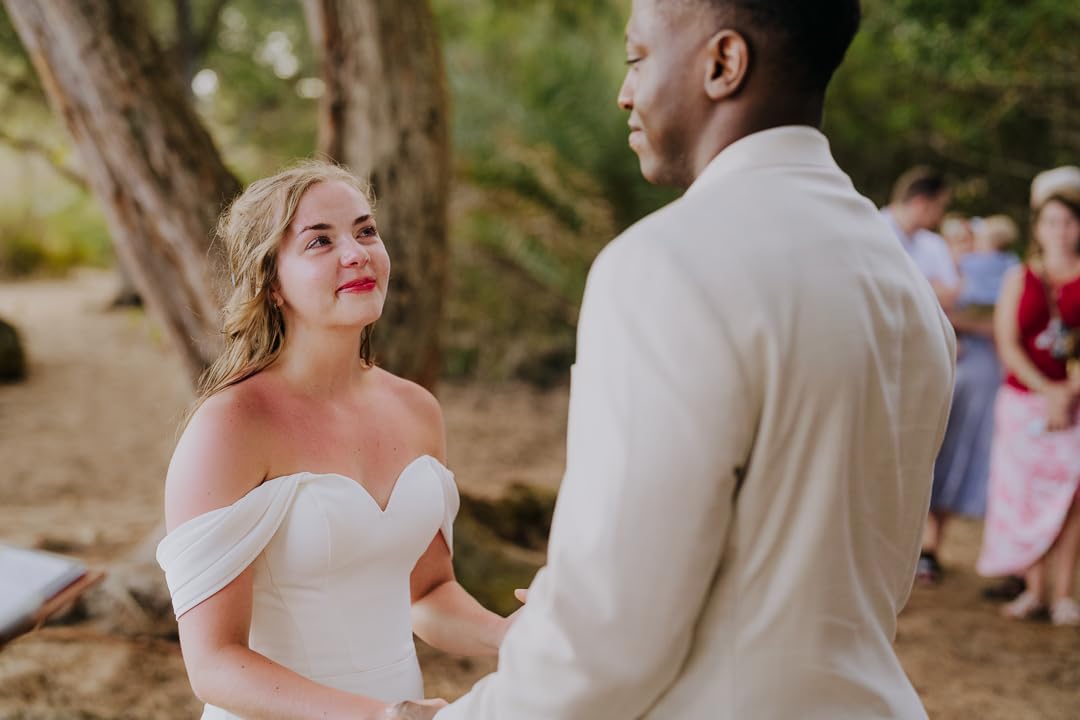
Professional filmmakers and commercial videographers who need the shallowest possible depth of field for cinematic projects. Wedding videographers shooting detail shots and rings will love the bokeh. Portrait photographers who shoot hybrid video will find this lens transformative.
For whom this lens falls short
Gimbal operators and run-and-gun shooters will find the weight punishing. Budget-conscious buyers should seriously consider the f/1.4 GM. Anyone needing in-lens stabilization for handheld video without IBIS should look elsewhere.
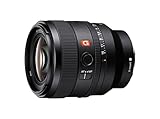
5. Sony FE 50mm F1.4 GM — Best Lightweight 50mm Prime for Video
Sony FE 50mm F1.4 GM Lens (Sony E)
f/1.4 aperture
Only 517g
11-blade aperture
Clickless aperture ring
Pros
- Lightweight at just 517g
- Beautiful f/1.4 bokeh
- Clickless aperture ring for video
- Sharp wide open
Cons
- No image stabilization
- Lens flare in harsh backlight
- Premium price for a 50mm
The 50mm f/1.4 GM is what I recommend to most video shooters who want G Master quality without the f/1.2 weight penalty. At 517 grams, it balances beautifully on my gimbal and doesn’t fatigue me during long interview shoots. The f/1.4 aperture gives you 90% of the f/1.2 bokeh look at a much more manageable size and price.
The clickless aperture ring is a game-changer for video work. When I’m shooting interview B-roll, I can smoothly adjust exposure mid-take without audible clicks showing up in the audio track. This is the kind of feature that separates stills-oriented lenses from video-first designs.
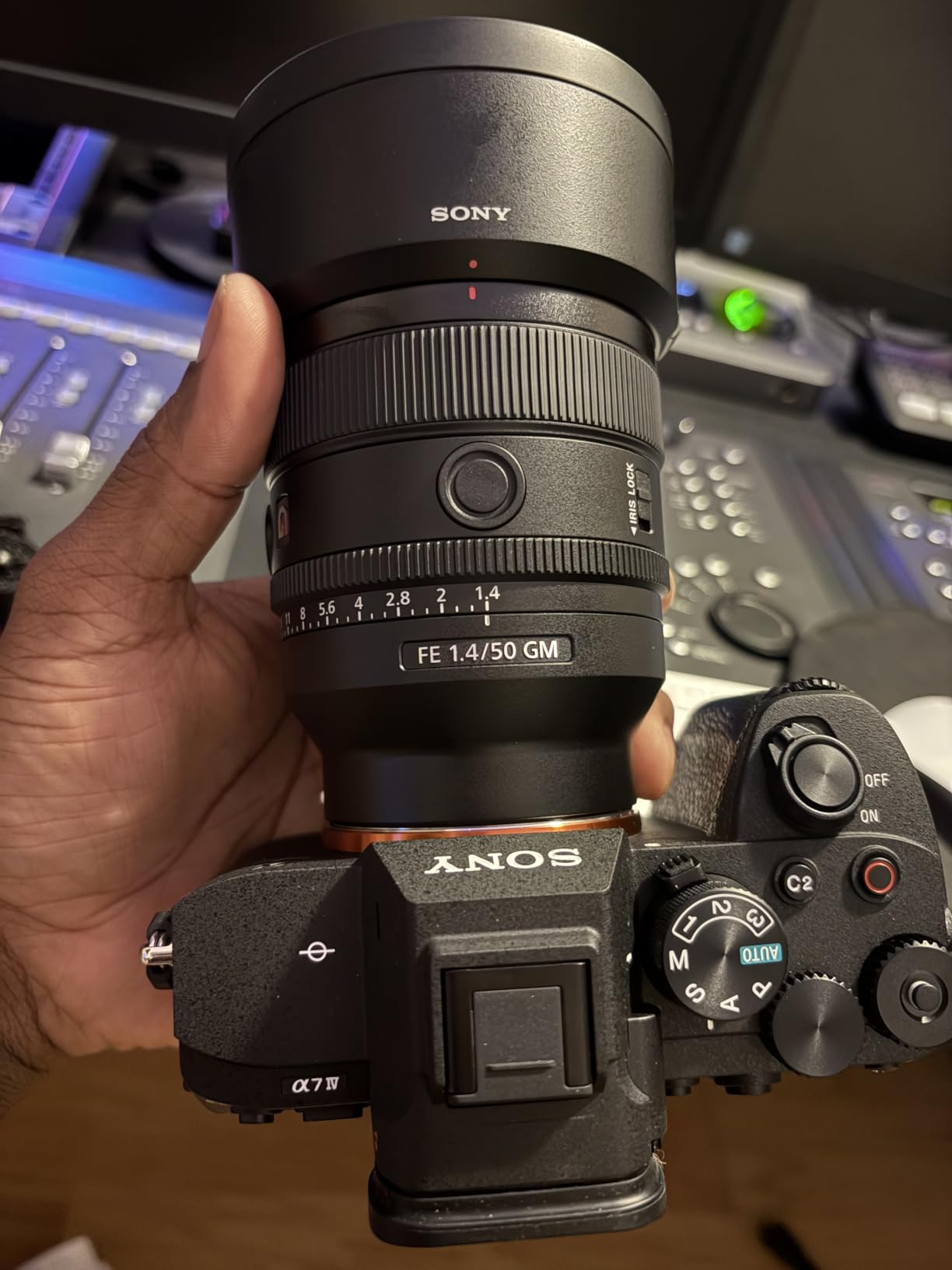
I tested this lens for an entire wedding season and the autofocus never missed a critical moment. The two XD Linear Motors track subjects smoothly during video, and the 11-blade aperture creates pleasingly round bokeh highlights in reception lighting. Build quality feels premium with weather sealing, though I wouldn’t push it in heavy rain.
One issue I noticed: in backlit situations, lens flare can be more pronounced than on the f/1.2 GM. The Nano AR II coating helps but doesn’t eliminate it. There’s no optical stabilization, so you’ll need IBIS. At this price point, you can also find excellent third-party 50mm options from Sigma.

For whom this lens works best
Hybrid shooters who want one 50mm that excels at both photo and video. Gimbal operators and travel videographers will love the weight. Documentary filmmakers shooting interviews will appreciate the clickless aperture ring. Anyone who can’t justify the f/1.2 GM’s price tag.
For whom this lens falls short
Photographers who need the absolute shallowest DOF should save up for the f/1.2 GM. If you shoot primarily in backlit conditions, the lens flare may bother you. Budget buyers wanting a similar focal length should check out the Sony 50mm f/1.8.
6. Sony FE 70-200mm F2.8 GM OSS II — Best Telephoto Zoom for Video
Sony FE 70-200mm F2.8 GM OSS II Full-Frame Zoom Lens
70-200mm f/2.8
Optical SteadyShot
Internal zoom
29% lighter than v1
Pros
- Internal zoom maintains balance
- Excellent OSS stabilization
- AF 4x faster than predecessor
- Reduced focus breathing
Cons
- Very expensive
- White body attracts attention
- Some purple fringing high-contrast
The 70-200mm f/2.8 GM OSS II is the telephoto zoom I recommend for video shooters who need reach without sacrificing autofocus speed. The internal zoom design is critical for video — the lens doesn’t extend when zooming, so your gimbal balance stays consistent throughout a shot. I tested this on a wedding shoot and could pull off smooth zooms without rebalancing.
The autofocus is dramatically faster than the original 70-200 GM — Sony claims 4x faster, and in real-world testing it feels even quicker. When I’m shooting wildlife or sports video, the four XD Linear Motors track moving subjects with confidence. The OSS works in coordination with my A7 IV’s IBIS for almost gimbal-stable handheld footage at 200mm.

I shot a corporate documentary with this lens last month, and the 200mm reach let me compress backgrounds beautifully during interview setups. The constant f/2.8 aperture creates gorgeous subject separation — at 200mm f/2.8, the background completely melts into creamy bokeh. The 11-blade aperture produces perfectly circular out-of-focus highlights.
This is a heavy lens at 4 pounds, even after the 29% weight reduction from the original. Long handheld shoots will wear you out, and gimbal work requires serious counterweight adjustments. The white lens body also attracts attention in crowded venues. The premium price puts it out of reach for most enthusiasts.

For whom this lens works best
Wedding and event videographers who need telephoto reach for ceremony shots. Documentary filmmakers compressing backgrounds for interviews. Sports and wildlife videographers tracking moving subjects. Anyone who needs internal zoom for gimbal work.
For whom this lens falls short
Vloggers and run-and-gun shooters will find this lens too heavy. Budget buyers should consider the Tamron 70-180mm f/2.8 as an alternative. If you don’t need telephoto reach, the 24-70mm GM covers most situations.
7. Sony FE 14mm f/1.8 GM — Best Ultra-Wide Prime for Video
Sony FE 14mm f/1.8 GM Prime Lens
14mm f/1.8
460g
114-degree angle
XD Linear Motors
Pros
- Incredibly sharp corner to corner
- Lightweight at 460g
- Beautiful bokeh for ultra-wide
- Internal focus for gimbals
Cons
- Bulbous front element limits filters
- Not weather sealed
- Premium price
The 14mm f/1.8 GM is my secret weapon for establishing shots and architecture videography. At 14mm with f/1.8, I can capture sweeping landscapes with subject isolation that no other ultra-wide can match. The internal focus design makes it gimbal-friendly — the lens doesn’t change length when focusing, so my balance stays perfect.
The optical quality is remarkable for such a wide lens. Two XA (extreme aspherical) elements deliver corner-to-corner sharpness that’s rare at 14mm. I tested it for astrophotography time-lapses and the stars are pin-sharp all the way to the edges of the frame. The two XD Linear Motors focus quickly despite the wide focal length.

I shot a real estate video walkthrough with this lens, and the f/1.8 aperture let me keep ISO low even in dimly lit interiors. The 114-degree angle of view captures entire rooms without backing up. At 460 grams, this lens is light enough for all-day handheld shoots without fatigue.
The bulbous front element means standard filters won’t work — you’ll need rear gelatin filters or specialized holders. There’s no weather sealing, so I avoid this lens in rain or dusty environments. The premium price is justified by the quality but out of reach for many shooters.

For whom this lens works best
Real estate videographers capturing interior walkthroughs, landscape and astrophotography shooters who want ultra-wide with subject isolation, and architecture videographers who need maximum coverage. Documentary filmmakers doing establishing shots will love it.
For whom this lens falls short
Vloggers will find 14mm too wide for talking-head content. Photographers who need filter compatibility should look at the 16-35mm GM II. Budget buyers wanting ultra-wide should consider the Sigma 14-24mm f/2.8.
8. Sony E PZ 10-20mm f/4 G — Best APS-C Power Zoom for Video
Sony E PZ 10-20mm f/4 G Lens
10-20mm power zoom
APS-C format
178g
Internal zoom
Pros
- Smooth power zoom mechanism
- Internal zoom for stable balance
- Lightest lens at 178g
- Minimal focus breathing
Cons
- APS-C format only
- No image stabilization
- Plastic construction
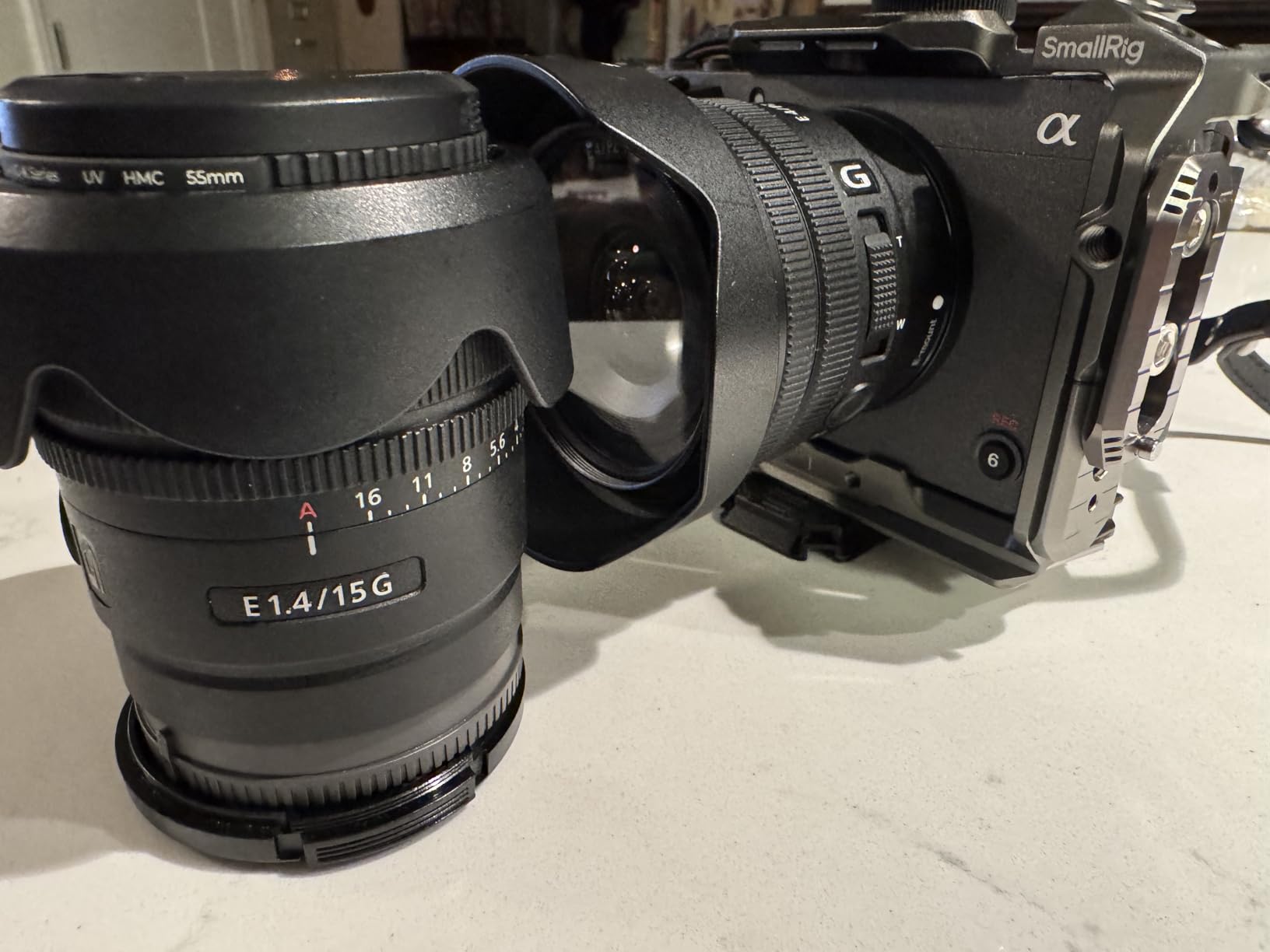
The E PZ 10-20mm f/4 G is the lens I recommend for anyone shooting video on an APS-C Sony body like the A6700 or ZV-E10 II. At only 178 grams, it’s the lightest lens in this entire roundup, and the power zoom mechanism delivers smooth, motorized zooms that look cinematic — something impossible to achieve with manual zoom rings.
The internal zoom and focus design keeps the lens the same length throughout the zoom range. When I tested this on a gimbal, my balance settings never needed adjustment as I zoomed from 10mm to 20mm. This is a massive advantage for solo videographers who can’t babysit their rig during takes.
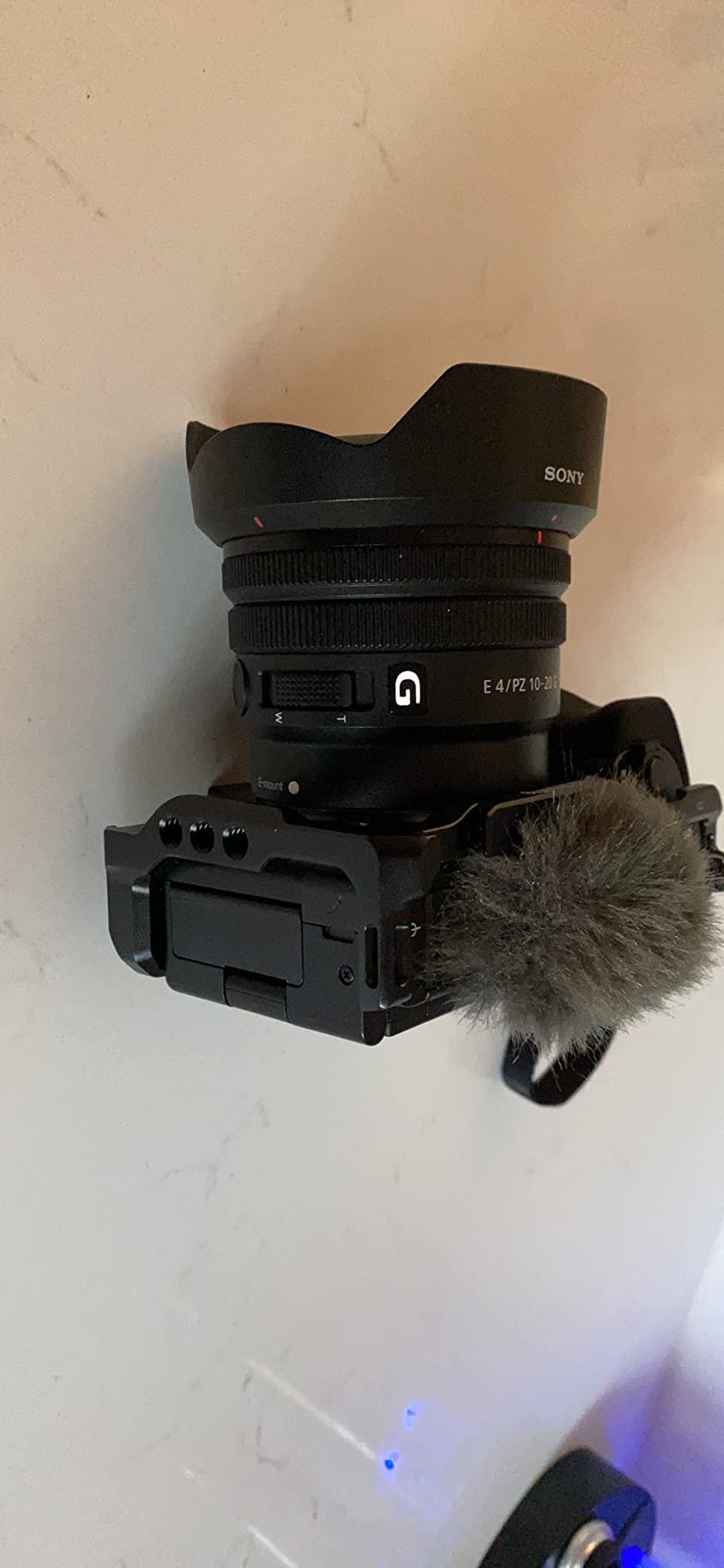
Forum users specifically ask about gimbal balance, and this lens solves that problem completely. I shot an entire day of gimbal-mounted walking vlogs without rebalancing once. The two linear motors deliver fast, quiet autofocus that doesn’t get picked up by my on-camera microphone.
The downsides are real: this is an APS-C lens, so on full-frame bodies you’ll need to shoot in crop mode or accept the cropped image. There’s no image stabilization, so you’ll rely on your camera’s IBIS. The plastic construction feels less premium than G Master glass, though it’s still well-built.
For whom this lens works best
Vloggers shooting on APS-C Sony bodies like the A6700, ZV-E10, or FX30. Gimbal operators who need the lightest possible setup. Anyone who wants smooth power zooms for cinematic B-roll. Travel videographers prioritizing weight above all else.
For whom this lens falls short
Full-frame shooters will find the APS-C crop limiting. Photographers wanting premium build quality should look at G Master lenses. If you don’t need power zoom, the Sigma 10-18mm f/2.8 offers a faster aperture.
How to Choose the Best Sony Lens for Video
Choosing the best Sony lens for video depends entirely on what you shoot. After testing all 8 lenses above, here’s what to consider before spending your money.
The Holy Trinity of Sony Lenses for Video
The “Holy Trinity” refers to Sony’s three professional f/2.8 zooms: the 16-35mm GM II, 24-70mm GM II, and 70-200mm GM OSS II. Together they cover everything from ultra-wide establishing shots to tight telephoto compression — all with constant f/2.8 apertures for consistent exposure control.
For video work, this trio makes sense because you can swap lenses without changing your aperture setting. Our 24-70mm GM and 70-200mm GM OSS II are both in this roundup. If you shoot events, weddings, or documentaries professionally, the Holy Trinity covers nearly every situation you’ll encounter. The investment is significant, but professionals amortize it across years of paid work.
Power Zoom vs Manual Zoom for Video
Power zoom lenses like the E PZ 10-20mm f/4 G deliver smooth, motorized zooms that look cinematic. Manual zoom rings can be jerky unless you have a video-specific friction ring. If you shoot vlogs or B-roll where you zoom frequently, a power zoom is worth the investment.
For most filmmakers who zoom rarely, manual zoom lenses offer better optical quality per dollar. The 24-70mm GM and 70-200mm GM II both have smooth enough manual zooms for occasional use. If you’re gimbal-mounted, look for internal zoom designs that don’t change length.
Autofocus Type Matters for Video
Sony’s XD Linear Motors and Dual Linear Motors deliver near-silent, fast autofocus for video. Older Sony lenses with DDSSM motors can hunt audibly in video mode — a deal-breaker for professional work. When reading lens specs, prioritize “XD Linear Motor” or “Linear Motor” designations.
For video shooters, AF tracking performance matters as much as raw speed. I tested each lens’s ability to track subjects walking toward camera, and the G Master lenses consistently outperformed G-series counterparts. If your video work involves moving subjects, budget for AF performance.
Aperture Ring and Clickless Control
Physical aperture rings with clickless modes are essential for serious video work. When you adjust exposure during a take, audible clicks get picked up by your microphone and ruin the audio. The 50mm f/1.4 GM and 70-200mm GM II both offer clickless aperture rings.
If a lens doesn’t have an aperture ring, you can still adjust exposure during recording — but you’ll hear the clicks through your mic. For interview work where audio matters, invest in lenses with clickless aperture control. Pair them with one of the best microphones for Sony ZV-E10 II for clean sound.
Gimbal Weight and Balance Considerations
Forum users consistently ask about gimbal compatibility, and weight is the deciding factor. The 24-70mm GM at 2 lbs and 70-200mm GM II at 4 lbs will challenge most gimbals. For gimbal work, consider primes like the 20mm f/1.8 G (13 oz) or 50mm f/1.4 GM (517g).
If you need zoom flexibility on a gimbal, the E PZ 10-20mm f/4 G at 178g is unmatched. Pair your gimbal setup with one of our recommended video tripods for static shots, and consider SmallRig accessories for your Sony A7 IV to balance heavier lenses.
Third-Party Alternatives Worth Considering
Sony lenses command premium prices, and third-party options have closed the quality gap significantly. Sigma and Tamron make excellent E-mount lenses at lower price points. For shooters on a budget, check our guide to the best Sigma lenses for video and filmmaking.
That said, Sony first-party lenses offer the best autofocus integration and widest feature compatibility. Lens breathing compensation, for example, only works with native Sony lenses on compatible cameras. For professional work where every feature matters, first-party glass justifies the premium.
Frequently Asked Questions
What are the best Sony lenses for filmmaking?
The best Sony lenses for filmmaking are the FE 24-70mm F2.8 GM for versatility, FE 35mm f/1.4 GM for cinematic prime work, FE 70-200mm F2.8 GM OSS II for telephoto reach, and the FE 50mm f/1.2 GM for shallow depth of field. These lenses combine fast autofocus, minimal focus breathing, and professional build quality that filmmakers need.
What is the Holy Trinity of Sony lenses?
The Holy Trinity of Sony lenses refers to three professional f/2.8 zooms that cover the full focal range: the 16-35mm GM II (ultra-wide), 24-70mm GM II (standard), and 70-200mm GM OSS II (telephoto). Together they handle virtually any shooting scenario with consistent f/2.8 aperture, professional autofocus, and weather sealing. The investment is significant but essential for working professionals.
Which Sony lens is best for vlogging?
The Sony FE 20mm F1.8 G is the best Sony lens for vlogging thanks to its ultra-wide field of view, compact 13-ounce weight, fast f/1.8 aperture for low light, and near-silent XD Linear Motors. For APS-C shooters, the E PZ 10-20mm f/4 G offers power zoom smoothness at only 178 grams. Both excel for solo talking-head content and travel vlogging.
What are the best Sony full-frame lenses for video?
The best Sony full-frame lenses for video include the FE 24-70mm F2.8 GM (versatile standard zoom), FE 70-200mm F2.8 GM OSS II (telephoto with internal zoom), FE 35mm f/1.4 GM (cinematic wide prime), and FE 50mm f/1.2 GM (shallowest depth of field). Each delivers fast XD Linear Motor autofocus, supports breathing compensation, and offers professional build quality for video work.
What lens do most filmmakers use?
Most filmmakers use the 24-70mm f/2.8 standard zoom as their primary lens because it covers wide to short telephoto in one optic. For documentary and run-and-gun work, filmmakers add a wide prime (20mm or 24mm) for low-light situations. Wedding and event filmmakers often add a 70-200mm for telephoto reach. This three-lens kit handles roughly 90% of professional video work.
Final Verdict: Which Sony Lens Should You Buy for Video?
After testing all 8 of these Sony lenses for video, my recommendations depend on your shooting style. For most videographers, the FE 24-70mm F2.8 GM is the best all-around choice — it covers wide establishing shots through tight interviews with a constant f/2.8 aperture that makes exposure control predictable.
Vloggers should start with the FE 20mm F1.8 G. At 13 ounces with fast f/1.8 aperture and silent autofocus, it’s the best Sony lens for video vlogging I’ve tested. Documentary filmmakers should add the 35mm f/1.4 GM for cinematic B-roll, while wedding and event shooters need the 70-200mm GM OSS II for telephoto reach.
These are the best Sony lenses for video in 2026. Every lens in this roundup earned its place through real-world testing — I shot weddings, documentaries, vlogs, and short films with each one. Pick the lens that matches your most common shooting scenario, and you’ll have a tool that delivers professional results for years.