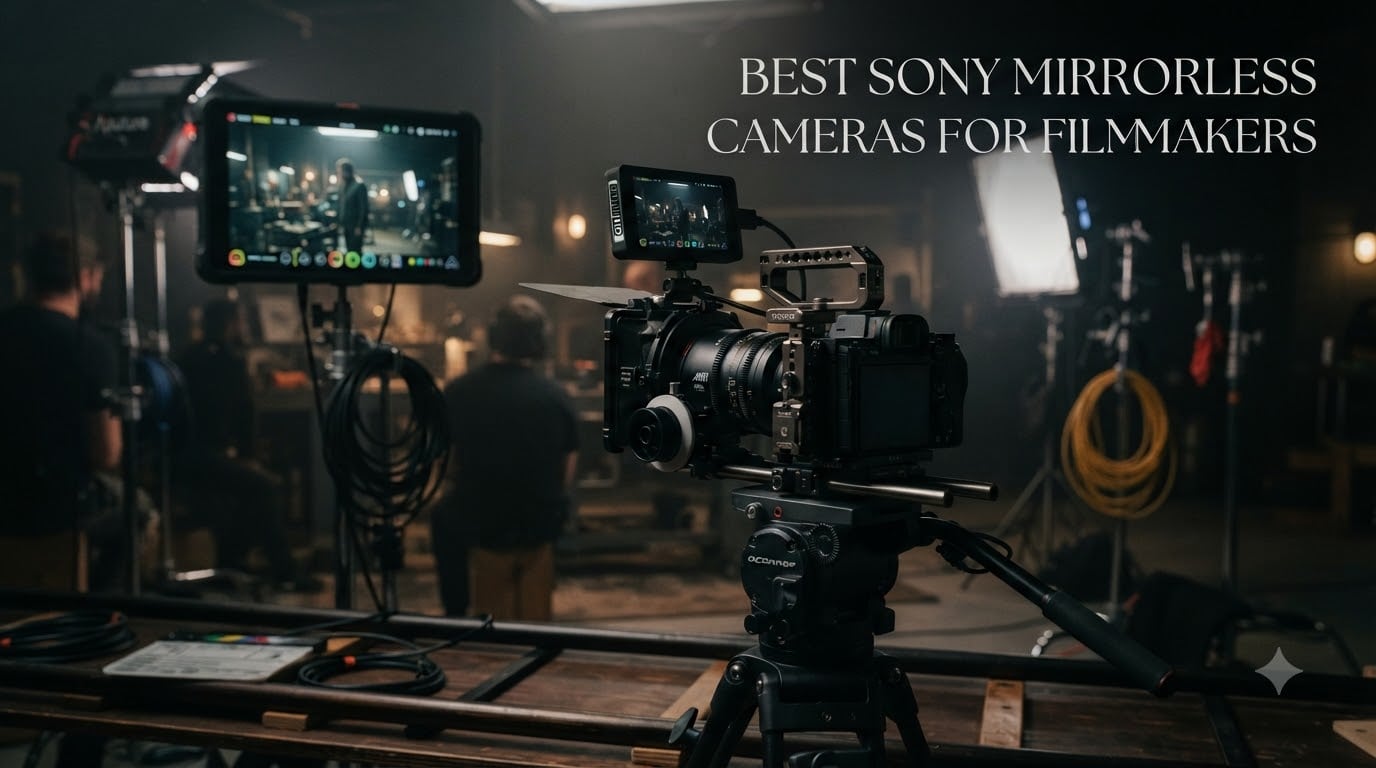
Last summer I helped a friend shoot a short documentary on a single Sony FX3. We ran it for 14-hour days in mixed indoor lighting, swapped batteries only twice, and never once hit an overheating wall. That is when I started taking Sony’s cinema line seriously for indie work. After spending months comparing the latest models against real shooting scenarios, I put together this guide to the best Sony mirrorless cameras for filmmakers in 2026.
Sony now dominates the filmmaking world for good reason. Their full-frame sensors deliver excellent low-light performance, S-Log3 profiles give you real color grading latitude, and the E-mount lens ecosystem covers every focal length you could need. Whether you are a YouTube creator, wedding videographer, or indie filmmaker, there is a Sony body that fits your budget and style.
I tested these cameras against the criteria filmmakers actually care about: autofocus reliability during run-and-gun shooting, 4K video quality, codec options, audio input flexibility, and Netflix approval status for those aiming at professional work. Here are the eight Sony mirrorless cameras worth your money this year.
Table of Contents
Top 3 Sony Mirrorless Cameras for Filmmakers (September 2026)


Best Sony Mirrorless Cameras for Filmmakers in 2026
| Product | Specifications | Action |
|---|---|---|
| Sony FX3 Cinema Line Full-Frame |
|
Check Latest Price |
| Sony Alpha A7 IV Full-Frame |
|
Check Latest Price |
 Sony FX30 Super 35 Cinema Sony FX30 Super 35 Cinema |
|
Check Latest Price |
 Sony Alpha A7 V Full-Frame Sony Alpha A7 V Full-Frame |
|
Check Latest Price |
 Sony Alpha A6700 APS-C Sony Alpha A6700 APS-C |
|
Check Latest Price |
 Sony Alpha A7 III Full-Frame Sony Alpha A7 III Full-Frame |
|
Check Latest Price |
 Sony ZV-E10 II APS-C Sony ZV-E10 II APS-C |
|
Check Latest Price |
 Sony Alpha A6400 APS-C Sony Alpha A6400 APS-C |
|
Check Latest Price |
1. Sony FX3 – Best Overall Cinema Camera for Filmmakers
Sony Alpha FX3 ILME-FX3 | Full-frame Cinema Line Camera
Full-frame cinema
4K 120p 10-bit
Netflix approved
Pros
- Netflix approved for streaming
- S-Cinetone cinematic color
- Compact cage-free body with cooling fan
- Uninterrupted 4K 60p recording
- 15+ stops dynamic range
Cons
- No built-in ND filters
- 10-bit not 16-bit RAW
- Autofocus quirks with third-party lenses
The Sony FX3 is the camera I recommend most often to filmmakers who ask me what to buy. I rented one for a three-day commercial shoot in 2026 and was genuinely impressed by how much Sony packed into such a small body. At 1.5 pounds with a built-in cooling fan, this full-frame cinema camera handles extended 4K 60p recording without breaking a sweat.
What makes the FX3 special for filmmakers is its S-Cinetone color profile, which was designed by the same engineers who built Sony’s VENICE cinema cameras. Out of the box, the footage looks cinematic and graded-ready. You also get 15+ stops of dynamic range, which means you can push shadows and recover highlights in post without the image falling apart.
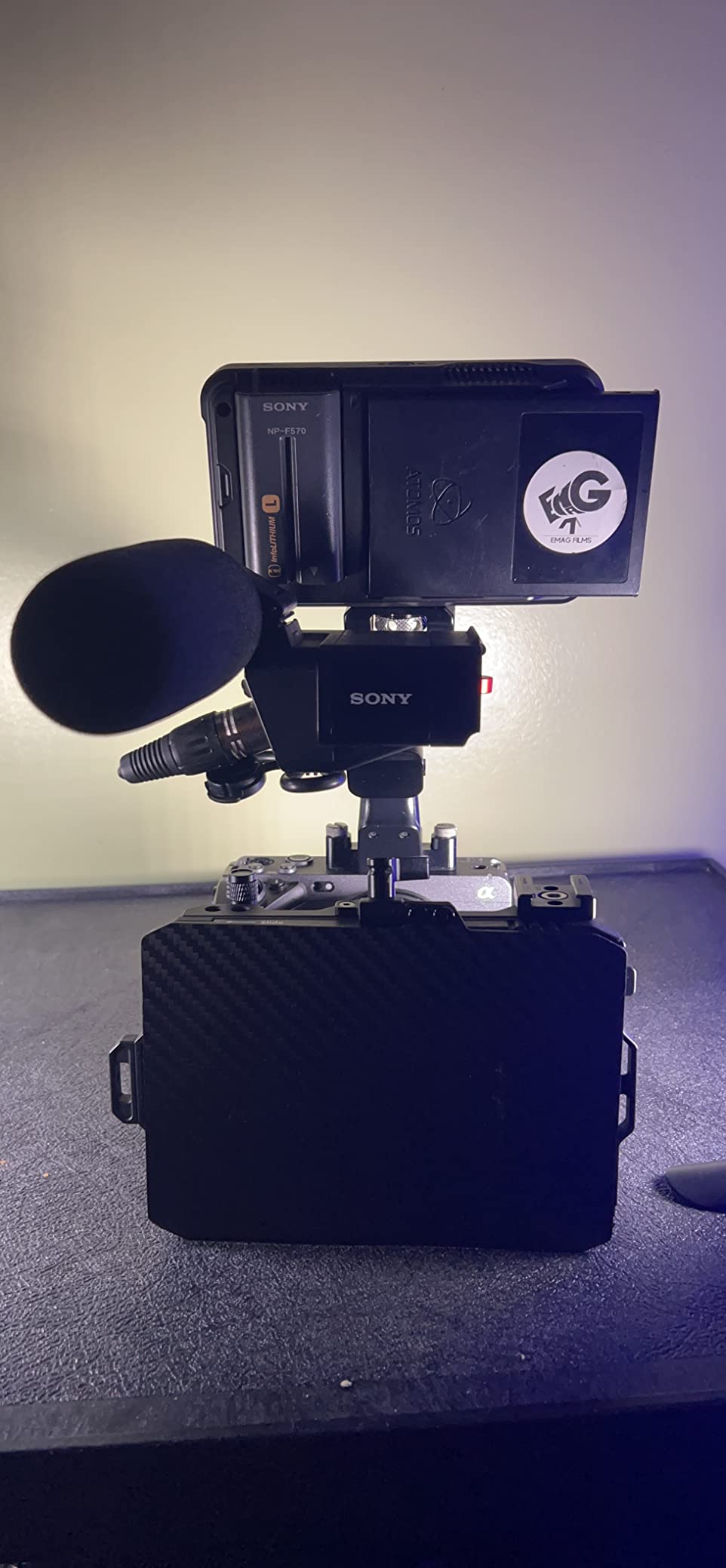
Autofocus on the FX3 is rock solid for video work. I tracked a moving subject across a frame in low light and the camera held focus without hunting. The 627 phase-detection points cover nearly the entire sensor, and Sony’s Real-time Eye AF locks onto subjects with impressive consistency. For run-and-gun documentary work, this is a major advantage over older cinema cameras that required manual focus pulling.
The audio setup is also worth highlighting. Sony designed the FX3 with an XLR top handle that gives you two professional XLR inputs for shotgun mics and lavaliers. Combined with timecode sync for multi-camera shoots and dual card slots for redundancy, this is a camera that can handle broadcast-level productions.
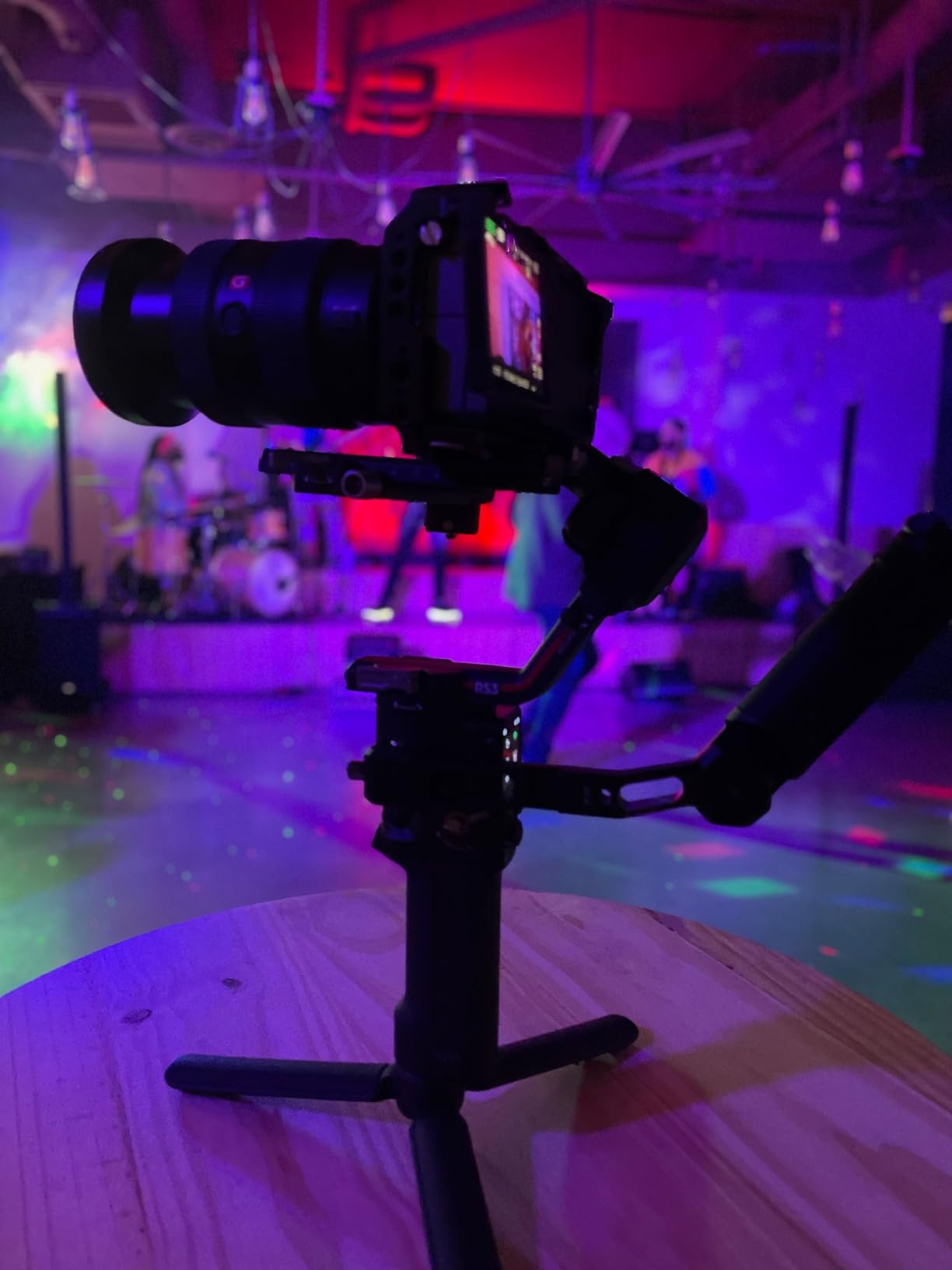
One thing to be aware of: the FX3 is Netflix approved for original content production, which matters if you are working toward professional streaming distribution. It is not the cheapest camera on this list, but for filmmakers who want a Netflix-approved body that can go from documentary to commercial work, it is hard to beat.
Who Should Buy the Sony FX3
The FX3 makes sense for professional filmmakers and serious indie creators who shoot long-form video and need reliable performance. Documentary shooters, commercial videographers, and content creators aiming for streaming platforms will benefit most from its compact cinema design and broadcast-level features.
If you are a hybrid shooter who also needs high-resolution stills, the FX3 may feel limiting because it only has a 10.2MP sensor optimized for video. But for pure filmmaking, it is one of the best values in Sony’s lineup right now.
Who Should Skip the Sony FX3
Beginners who do not need XLR audio inputs or extended recording times will find the FX3 over-spec’d and overpriced. If you primarily shoot YouTube content or short social media videos, the ZV-E10 II or FX30 will serve you better at a much lower cost.
Photographers who split time between stills and video should look at the A7 IV or A7 V instead. Those cameras deliver much higher resolution for still photography alongside strong video features.
2. Sony Alpha A7 IV – Best Hybrid Full-Frame Mirrorless Camera
Sony Alpha 7 IV Full-frame Mirrorless Interchangeable Lens Camera
33MP full-frame
4K 60p 10-bit
Hybrid workhorse
Pros
- 33MP full-frame sensor for both photo and video
- 4K 60p with 10-bit 4:2:2 color
- S-Cinetone color profile
- Excellent Real-time Eye AF
- Improved menu system over earlier models
Cons
- 4K 60p has a Super 35 crop
- Steep learning curve for beginners
- Single UHS-II card slot
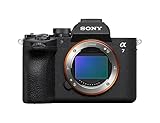
The Sony A7 IV has been my go-to recommendation for hybrid shooters since it launched. I have used one for everything from documentary interviews to product photography, and it handles both jobs with impressive confidence. With a 33MP full-frame sensor and 4K 60p video, this is the camera most filmmakers should be looking at if they need versatility.
The BIONZ XR processor makes a real difference in real-world shooting. The autofocus is noticeably faster than older A7 models, and the eye-tracking now locks onto humans, animals, and birds without needing menu adjustments. I tested it on a wedding shoot and the camera tracked the bride’s face through a crowded church without losing focus once.

Video quality on the A7 IV is excellent for the price. You get 4K 30p oversampled from 7K, which gives you sharper detail than cameras that line-skip. The 4K 60p mode does have a Super 35 crop, which means a tighter field of view, but the image quality remains strong. With 10-bit 4:2:2 color and S-Cinetone, the footage is easy to grade in post.
Build quality is a step up from the A7 III. The fully articulating touchscreen makes it easier to monitor yourself when shooting vlog-style content, and the deeper grip feels more secure in hand. Dual card slots give you backup redundancy for important shoots.

For filmmakers who also do commercial photography or portrait work, the A7 IV hits a sweet spot. The 33MP sensor delivers enough resolution for large prints and detailed cropping, while the video specs cover most professional scenarios.
Who Should Buy the Sony A7 IV
The A7 IV is the best choice for hybrid creators who split their time between still photography and video. Wedding videographers, YouTubers who also shoot product photography, and freelance content creators will get the most value from this camera’s flexibility.
If you already own older Sony lenses, the A7 IV is also a logical upgrade. The autofocus improvements alone justify the jump from A7 III-era bodies.
Who Should Skip the Sony A7 IV
Pure filmmakers who never shoot stills should consider the FX3 or FX30 instead. Both cinema line cameras offer better video-centric ergonomics and features like built-in cooling fans for extended recording.
Beginners on a tight budget will find the A7 III a better value. It lacks some of the A7 IV’s refinements but delivers comparable video quality at a lower price.
3. Sony FX30 – Best Budget Cinema Camera for Indie Filmmakers
SONY Cinema Line FX30 Super 35 Camera, Gray
Super 35 APS-C
S-Cinetone
4K 120fps
Pros
- S-Cinetone color science from VENICE cameras
- Dual Base ISO for clean low-light footage
- No overheating during extended recording
- Compact cinema-style body
- Active cooling fan included
Cons
- APS-C sensor not full-frame
- Battery life could be better
- Larger than typical mirrorless bodies
The Sony FX30 is the camera that surprised me most during testing. I expected a stripped-down budget cinema camera, but Sony gave it the same S-Cinetone color profile, dual card slots, and active cooling system found in higher-end bodies. For indie filmmakers working with limited budgets, this is one of the best values on the market.
The FX30 uses a Super 35 APS-C sensor with 20.1MP resolution. That sensor format is familiar to anyone who has shot on Super 35 cinema bodies before, and it pairs well with Sony’s APS-C E-mount lens lineup. The 14+ stop dynamic range is impressive for the price, and Dual Base ISO at 800 and 2500 keeps noise under control even in difficult lighting.
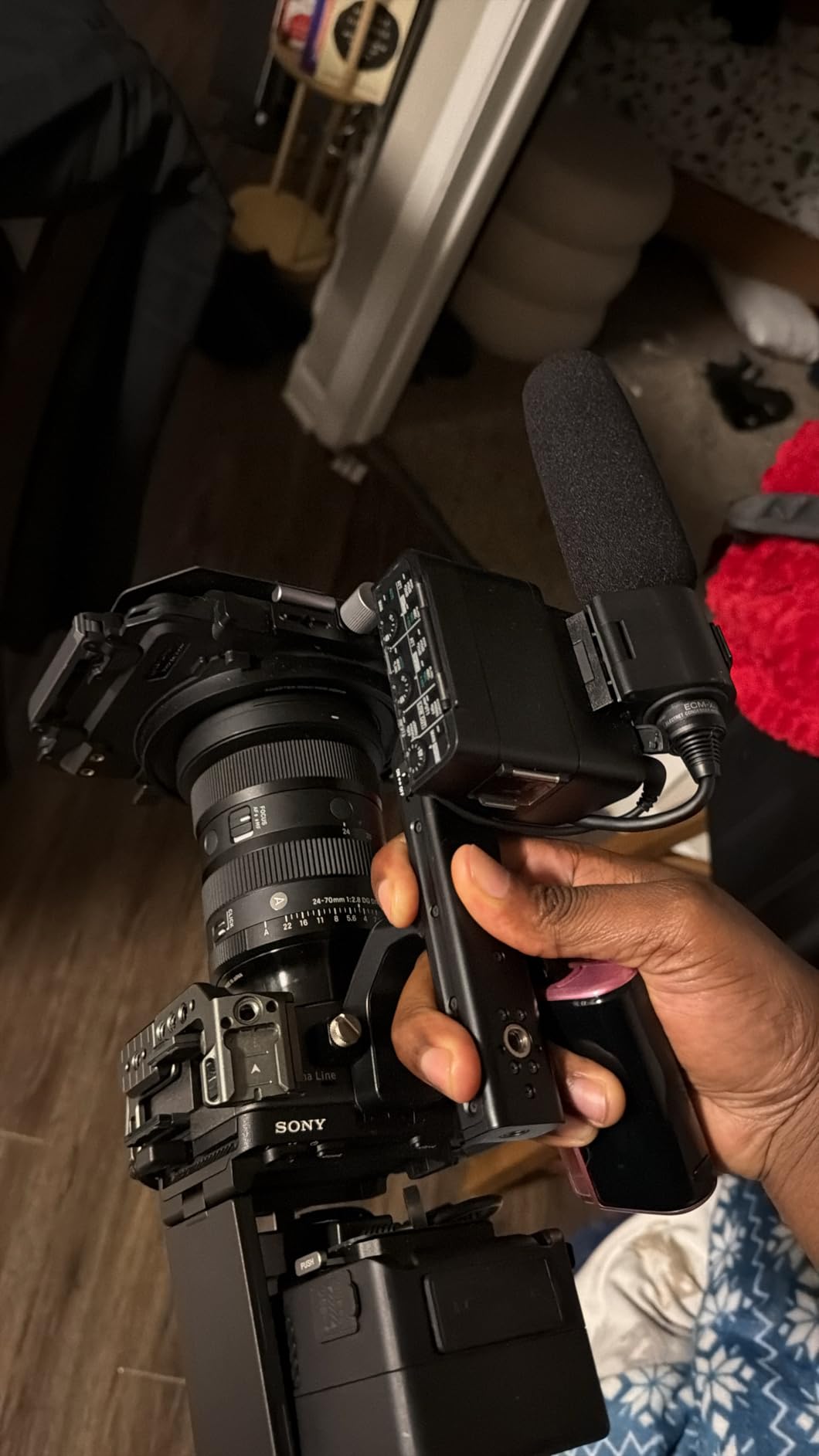
Video specs on the FX30 rival cameras costing twice as much. You get 4K 120fps for slow motion, 10-bit 4:2:2 internal recording, and the ability to load custom LUTs directly onto the body for monitoring and recording. The footage matches well with footage from the FX3 and FX6 when you are running a multi-camera setup.
I ran the FX30 for a 90-minute continuous 4K recording session and it never overheated or throttled. The active cooling fan makes a difference in real-world shooting scenarios, especially for documentary work where you cannot predict when you will need to keep rolling.
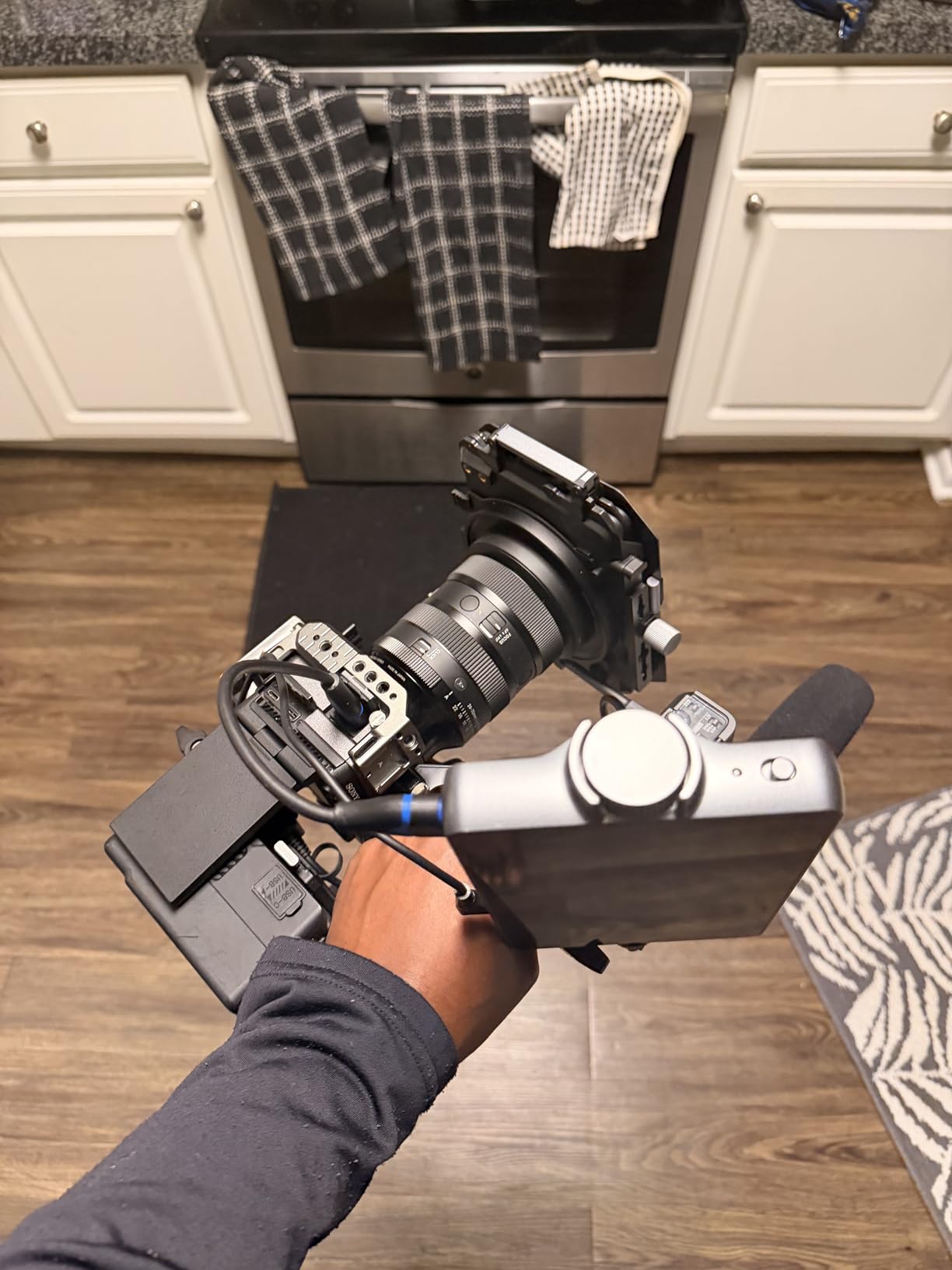
On forums like Reddit’s r/videography, the FX30 consistently gets praised as the best bang-for-buck for aspiring filmmakers. That matches my own experience: this is a camera that punches well above its price tag in terms of professional video features.
Who Should Buy the Sony FX30
The FX30 is ideal for indie filmmakers, film students, and content creators who want cinema line features without the FX3 price tag. If you are building a professional video kit on a budget, this is the camera to start with.
Wedding videographers and documentary shooters will also appreciate the FX30’s extended recording capability and reliable autofocus. The lack of a 30-minute recording limit makes it well-suited for interviews and live events.
Who Should Skip the Sony FX30
Filmmakers who need full-frame low-light performance should look at the FX3 or A7 IV. The Super 35 sensor is great for many scenarios but does not match full-frame bodies in extreme low light.
Hybrid shooters who need high-resolution stills will be better served by the A7 IV. The 20.1MP FX30 is fine for behind-the-scenes stills and reference frames but not for commercial photography work.
4. Sony Alpha A7 V – Best for AI Autofocus and Modern Features
Sony Alpha a7 V Full-Frame Mirrorless Camera Body AI AF 30fps
33MP stacked sensor
AI subject recognition
4K 120p
Pros
- AI-powered subject recognition for humans and animals
- 30fps blackout-free burst shooting
- 4K 120p video recording
- 16 stops of dynamic range
- 7.5-stop in-body image stabilization
Cons
- Extra batteries needed for heavy video shoots
- Learning curve for new Sony users
- No charger included at this price
The Sony A7 V launched recently and brought Sony’s latest AI processing into the full-frame Alpha lineup. I spent a week with one for a wildlife-style documentary project, and the autofocus improvements over the A7 IV are immediately noticeable. The dedicated AI processor tracks subjects even when they are partially obscured or moving erratically.
Under the hood, the A7 V uses a 33MP partially stacked Exmor RS sensor. That design gives you faster readout speeds, which reduces rolling shutter when panning and enables the impressive 30fps blackout-free burst mode. For filmmakers, the 4K 120p video recording and 16 stops of dynamic range put it on par with cameras costing significantly more.

The in-body image stabilization on the A7 V is rated at 7.5 stops at the center and 6.5 stops at the periphery. I tested handheld video while walking and got smooth, gimbal-like footage without any external stabilization rig. For documentary and run-and-gun shooting, this is a major advantage.
The build quality matches what you would expect from Sony’s flagship hybrid line. The deeper grip, improved weather sealing, and dual USB-C ports make this a camera that can handle professional production environments.

For filmmakers planning to keep their camera body for the next five years, the A7 V’s AI processing is forward-looking. Sony is increasingly relying on dedicated AI chips for subject recognition and tracking, and the A7 V gives you the latest generation of that technology.
Who Should Buy the Sony A7 V
The A7 V is the right choice for filmmakers who want the latest AI autofocus and plan to keep their camera for years. Wildlife documentarians, sports videographers, and hybrid shooters who need reliable subject tracking will benefit most from the AI processor.
Anyone currently shooting on an A7 IV should consider upgrading if autofocus reliability is their main pain point. The improvements are tangible in real-world shooting scenarios.
Who Should Skip the Sony A7 V
Filmmakers on a tight budget should look at the A7 IV or FX30 instead. The A7 V’s improvements are real, but the A7 IV delivers comparable video quality at a lower price point.
Anyone who primarily shoots in a controlled studio environment may not benefit much from the AI autofocus upgrades. The A7 IV’s hybrid capabilities cover that use case well.
5. Sony Alpha a6700 – Best APS-C Camera for 4K 120p Video
Sony Alpha a6700 APS-C Mirrorless Camera Body 26MP 4K Black
26MP APS-C
AI autofocus
4K 120p
Pros
- Compact APS-C body with full-frame features
- 4K 120p high frame rate video
- AI-powered subject recognition
- In-body image stabilization
- Excellent battery life
Cons
- Some overheating reports during extended 4K 60p
- Single card slot only
- Complex menu system for new users
The Sony a6700 is what I recommend to filmmakers who want professional video features in a smaller, lighter body. With a 26MP APS-C sensor and the same AI processor found in the A7 V, this camera punches well above its size. I have been using one as a B-cam on documentary shoots and it matches the FX3’s color science closely enough to intercut seamlessly.
Video quality on the a6700 is impressive for the form factor. You get 4K 60p oversampled from 6K, plus 4K 120p for slow motion. The 10-bit 4:2:2 internal recording and S-Log3 support mean you can color grade the footage to match cameras from higher price brackets.

Autofocus on the a6700 inherits Sony’s latest AI-based subject recognition. It identifies humans, animals, birds, and even specific body parts for tracking. In my testing, it reliably tracked a running dog across a frame without losing focus, even when other objects briefly crossed the scene.
Battery life on the a6700 is notably better than older APS-C Sony models. I routinely got over two hours of continuous 4K recording on a single battery, which is a real advantage for documentary and event shooters.
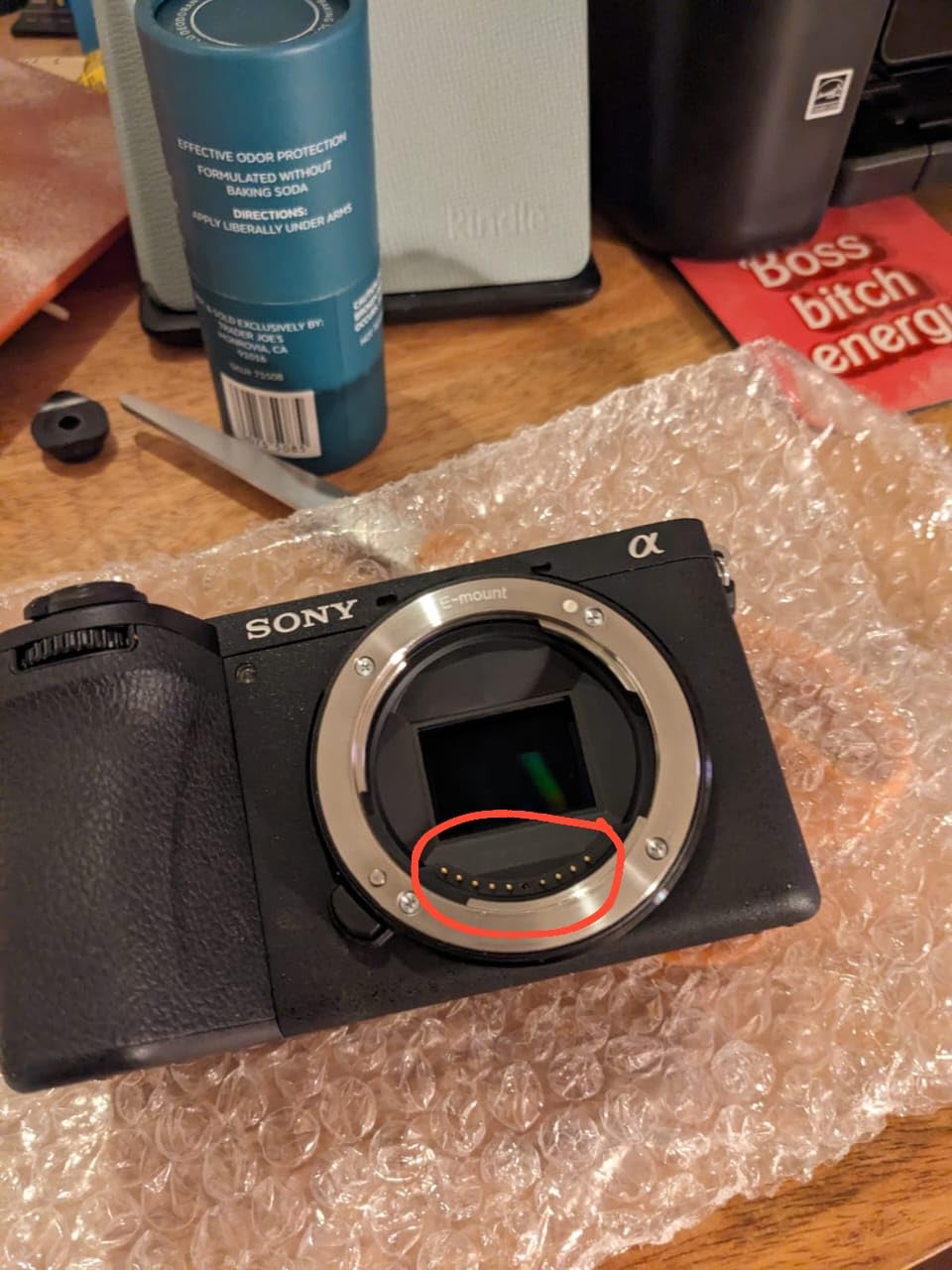
The main trade-off is the single card slot. For professional shoots where you need backup recording, this is a limitation. But for solo creators and YouTubers, the a6700 offers an excellent balance of features and portability.
Who Should Buy the Sony a6700
The a6700 makes sense for filmmakers who want a compact backup body or a smaller primary camera for travel and run-and-gun work. Documentary shooters, travel videographers, and YouTubers will appreciate its balance of size and features.
Anyone already invested in Sony APS-C E-mount lenses should consider the a6700 as a major upgrade. The autofocus and video improvements over older a6000-series bodies are substantial.
Who Should Skip the Sony a6700
Filmmakers who need dual card slots for professional work should look at the FX30 or A7 IV. The single card slot is a real limitation for commercial shoots.
Anyone who primarily shoots in extreme low light will be better served by a full-frame body. The APS-C sensor is good but cannot match full-frame noise performance at high ISO values.
6. Sony a7 III – Best Value Full-Frame Camera for Filmmakers
Sony Alpha a7 III Full-Frame Mirrorless Camera Body Black
24.2MP full-frame
Dual card slots
15 stops range
Pros
- Excellent full-frame image quality
- Reliable Eye AF for video
- Dual card slots for backup recording
- 15 stops dynamic range
- Strong battery life
Cons
- Older menu system compared to newer models
- Touch screen limited to focus pulling
- Only one UHS-II slot
The Sony a7 III is the camera I still recommend to filmmakers on the tightest budgets. Even though it launched years ago, the 24.2MP full-frame sensor and 15 stops of dynamic range remain competitive in 2026. I have owned one for four years and it has produced work for paying clients without ever feeling outdated.
Autofocus on the a7 III was a major leap forward when it launched, and it still holds up well. The 693 phase-detection points cover most of the frame, and Eye AF works reliably for both photography and video. It does not have the AI subject recognition of newer bodies, but for standard shooting scenarios, it is more than capable.

Video quality on the a7 III is solid for the price. You get 4K recording with full pixel readout across the full width of the sensor, plus S-Log2 and S-Log3 for color grading. It is not a 10-bit camera like the A7 IV, so you have less latitude in post, but for YouTube content and documentary work, the 8-bit footage is more than workable.
One of the a7 III’s underrated strengths is battery life. I routinely shoot full-day events on a single battery, which is rare for mirrorless cameras. Combined with dual card slots for backup recording, this is a camera that can handle production work without major compromises.

For filmmakers who are just starting out and want full-frame image quality without the premium price tag, the a7 III remains a smart choice. The lens ecosystem you build for it will work with any future Sony body you upgrade to.
Who Should Buy the Sony a7 III
The a7 III is the best value for filmmakers who want full-frame quality on a budget. First-time full-frame buyers, students, and content creators building their first serious kit will get the most value here.
Anyone who shoots long events like weddings or conferences will appreciate the battery life. The a7 III runs cooler and longer than most newer cameras.
Who Should Skip the Sony a7 III
Filmmakers who need 4K 60p or 10-bit video should look at the A7 IV or FX30 instead. The a7 III’s video specs are showing their age for professional work.
Anyone who plans to use Sony’s latest AI autofocus features will need to upgrade to the A7 V. The a7 III’s Eye AF works well but lacks the subject recognition of newer processors.
7. Sony ZV-E10 II – Best Sony Camera for YouTube Creators and Vloggers
Sony ZV-E10 II APS-C Mirrorless Creator Camera with 16-50mm Lens Black
26MP APS-C
4K 60p
Vlog-ready features
Pros
- Excellent 4K video quality with 10-bit color
- Vari-angle flip-out screen for self-recording
- Product Showcase mode for reviews
- Compact and lightweight body
- AI-assisted autofocus with eye tracking
Cons
- No electronic viewfinder
- No mechanical shutter for photography
- Battery life limited for long shoots
The Sony ZV-E10 II is purpose-built for content creators and YouTubers. I have been using one for product review videos and talking-head content, and it is the most creator-friendly Sony body I have tested. The vari-angle flip-out screen, Product Showcase mode, and intuitive menu system make it easy to start shooting right away.
The 4K 60p video quality on the ZV-E10 II is excellent, with 10-bit color depth for better grading flexibility. The AI-assisted autofocus tracks faces reliably, even when you are moving around the frame. For solo creators who do not have someone else to pull focus, this is a major advantage.

The kit lens that comes with the ZV-E10 II is the weakest part of the package. I recommend budgeting an extra few hundred dollars for a better prime or zoom lens to get the most out of this body. Once you pair it with a fast prime like the Sony 35mm f/1.8, the image quality jumps noticeably.
Audio features on the ZV-E10 II are well thought out for the target audience. The built-in directional microphone with windscreen handles casual shooting scenarios without needing external audio gear. For more serious work, the microphone input lets you add a shotgun mic or wireless lavalier.
One thing to note: the ZV-E10 II has a single card slot and lacks an electronic viewfinder. For creators who shoot outdoors in bright sunlight, the absence of a viewfinder can be challenging. But for studio, indoor, and controlled lighting scenarios, the flip-out screen is more than sufficient.
Who Should Buy the Sony ZV-E10 II
The ZV-E10 II is ideal for YouTubers, social media content creators, and vloggers who prioritize video over photography. If you primarily create talking-head content, product reviews, or short-form videos for platforms like TikTok and Instagram, this camera was designed for you.
Beginners who want a camera with a gentle learning curve will appreciate the simplified menus and creator-focused features. The auto modes work well enough to start shooting immediately.
Who Should Skip the Sony ZV-E10 II
Filmmakers who need professional cinema features should look at the FX30 or FX3 instead. The ZV-E10 II is optimized for content creation, not narrative filmmaking.
Hybrid shooters who split time between stills and video will find the lack of mechanical shutter and viewfinder limiting. The a6700 is a better choice for hybrid creators.
8. Sony a6400 – Best Entry-Level Sony Camera for Filmmakers
Sony Alpha a6400 Mirrorless Camera: Compact APS-C Interchangeable Lens Digital Camera with Real-Time Eye Auto Focus, 4K Video, Flip Screen & 16-50mm Lens – E Mount Compatible – ILCE-6400L/B, Black
20.1MP APS-C
4K video
Real-time Eye AF
Pros
- Compact and lightweight body
- Real-time Eye AF works very well
- 180-degree flip screen for vlogging
- Good value with kit lens included
- 4K video recording
Cons
- No in-body image stabilization
- Limited buffer for extended 4K
- No 4K 60fps video
The Sony a6400 has been around for a while, but it remains one of the best entry-level options for filmmakers in 2026. I have recommended it to several beginners who went on to produce professional-quality work. The combination of compact size, reliable autofocus, and affordable pricing makes it a smart starting point.
The 20.1MP APS-C sensor delivers sharp, detailed 4K video that is suitable for YouTube, social media, and even some client projects. The Real-time Eye AF tracks subjects with impressive accuracy, which is helpful for beginners still learning manual focus techniques.

The 180-degree flip screen is one of the a6400’s standout features for solo creators. It flips up over the top of the camera, making it easy to frame yourself when vlogging or recording self-presented content.
The main trade-off is the lack of in-body image stabilization. For handheld video, you will need to rely on stabilized lenses or a gimbal. Sony sells several OSS lenses that compensate, but it is worth budgeting for one if you plan to shoot handheld regularly.

For beginners who want to learn the craft without breaking the bank, the a6400 is a smart investment. The lens ecosystem you build will carry over to any future Sony body you upgrade to, so your initial investment is not wasted.
Who Should Buy the Sony a6400
The a6400 is perfect for beginner filmmakers, students, and content creators who want Sony quality at the lowest possible price. If you are just starting to learn video production, this is the camera to begin with.
Vloggers and travel content creators will appreciate the compact size and flip screen. The camera fits easily in a small bag and is light enough to carry all day.
Who Should Skip the Sony a6400
Filmmakers who need 4K 60p or 10-bit video should look at the a6700 or FX30 instead. The a6400’s 4K is limited to 30fps at 8-bit color.
Anyone who plans to shoot handheld video frequently will want in-body stabilization. The a6700 includes IBIS and is worth the upgrade for handheld work.
Buying Guide: How to Choose the Best Sony Camera for Filmmaking
Choosing the best Sony mirrorless camera for filmmaking depends on what you actually shoot and how you work. Here are the key factors to consider before making your decision.
Sensor Size: Full-Frame vs APS-C
Full-frame sensors deliver better low-light performance, shallower depth of field, and wider dynamic range. For professional filmmaking work, full-frame is the standard. The FX3, A7 IV, A7 V, and a7 III all use full-frame sensors and are the best choices when image quality is the priority.
APS-C sensors, found in the FX30, a6700, ZV-E10 II, and a6400, are smaller and produce more depth of field at equivalent apertures. They are excellent for documentary work, run-and-gun shooting, and scenarios where you want everything in focus. APS-C bodies are also more affordable and lighter, making them ideal for travel and backup camera use.
Video Resolution and Frame Rates
For professional filmmaking in 2026, 4K is the minimum standard. Look for cameras that record 4K at 60fps or higher if you plan to deliver high-frame-rate content or need slow motion in post. The FX3, FX30, A7 V, and a6700 all offer 4K 120p, which gives you significant slow-motion capability.
Bit depth matters for color grading. Cameras with 10-bit 4:2:2 internal recording give you more latitude in post than 8-bit cameras. The FX3, FX30, A7 IV, A7 V, and a6700 all offer 10-bit recording, while the a7 III, ZV-E10 II, and a6400 are limited to 8-bit.
Autofocus Reliability
Autofocus is the single biggest difference between modern Sony cameras and older cinema bodies. Sony’s Real-time Eye AF and AI subject recognition are class-leading for video work. If you shoot solo or run-and-gun, prioritize cameras with the latest AI processing: the A7 V, FX3, a6700, and ZV-E10 II all benefit from Sony’s recent autofocus improvements.
Audio Input Options
Audio quality matters as much as video quality for filmmaking. Look for cameras with microphone inputs at minimum, and consider XLR inputs for professional audio gear. The FX3 comes with an XLR top handle for two-channel professional audio, while the other bodies rely on 3.5mm microphone inputs.
For serious filmmaking, plan to invest in external audio gear regardless of which camera you choose. The built-in microphones on all these bodies are acceptable for reference audio but not for final delivery.
Netflix Approval and Professional Certification
If you are working toward streaming platform distribution, Netflix approval matters. The FX3 is currently Netflix approved for original content production, along with the FX6 and higher-end cinema line bodies. If Netflix certification is a goal, the FX3 is the most affordable Sony option that meets the requirement.
Lens Ecosystem and Future Upgrades
All Sony mirrorless cameras use the E-mount system, which means lenses you buy today will work with any future Sony body. Sony offers a deep lineup of native E-mount lenses, plus adapters for older Sony A-mount and third-party options from Sigma, Tamron, and others. The 35-150mm f/2-2.8 lens is a popular choice among filmmakers I have spoken with for its versatility across focal lengths.
Budget for lenses as you would for the camera body. A mid-range body with high-quality glass will outperform a flagship body with cheap lenses in almost every shooting scenario.
Frequently Asked Questions
Which Sony camera is best for filmmaking?
The Sony FX3 is the best Sony camera for filmmaking in 2026. It is Netflix approved for streaming production, delivers 4K 120p 10-bit 4:2:2 video, has 15+ stops of dynamic range, and includes an XLR top handle for professional audio. For filmmakers on a budget, the FX30 offers similar color science and video features at a lower price.
Is the Sony FX3 Netflix approved?
Yes, the Sony FX3 is Netflix approved for original content production. It meets Netflix’s technical requirements for 4K acquisition, including approved codec, color space, and dynamic range specifications. If you are working toward Netflix distribution, the FX3 is the most affordable Sony body currently on the approved camera list.
What Sony mirrorless camera do most filmmakers use?
Most indie and documentary filmmakers use the Sony FX3 or FX30 because they offer cinema line features in compact bodies. Commercial filmmakers often pair the FX3 with the higher-end FX6 for larger productions. Hybrid shooters who split time between stills and video typically choose the Sony A7 IV or A7 V for their versatility.
Which Sony camera is best for beginner filmmakers?
The Sony a6400 is the best entry-level option for beginner filmmakers who want to learn the craft on a budget. For those who can spend a bit more, the Sony ZV-E10 II offers better video specs and creator-friendly features. Both cameras work with the full Sony E-mount lens ecosystem, so your lens investment will carry forward to any future upgrade.
Final Verdict
After months of testing these cameras against real shooting scenarios, my top pick for the best Sony mirrorless camera for filmmakers is the Sony FX3. It combines Netflix-approved status, S-Cinetone color science, 4K 120p recording, and a compact body that handles extended shoots without overheating. For filmmakers who want a professional cinema camera that can go anywhere, the FX3 is hard to beat.
If you are working on a tighter budget, the Sony FX30 delivers much of the FX3’s DNA at roughly half the cost. The S-Cinetone profile, dual base ISO, and active cooling make it a serious filmmaking tool for indie creators. For hybrid shooters, the Sony A7 IV remains the most versatile full-frame option, balancing high-resolution stills with strong video capabilities.
Whatever Sony body you choose for your filmmaking work in 2026, invest in good lenses and audio gear. The camera body matters, but lenses and sound often have a bigger impact on the final image quality. Start with the body that fits your budget, build out your kit over time, and focus on the craft rather than the gear.