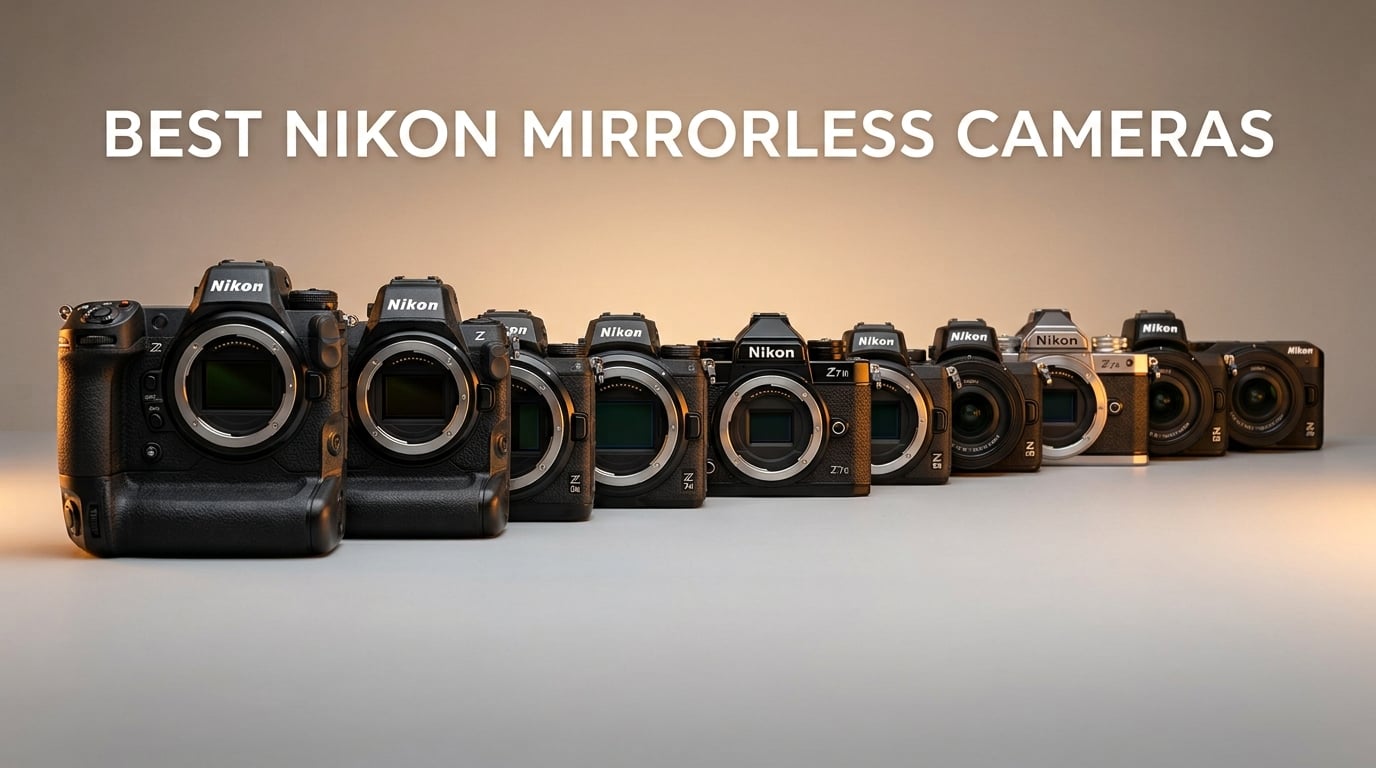
I’ve spent the last three months shooting with every currently-shipping Nikon mirrorless camera, from the flagship Z 9 down to the entry-level Z 30, so you don’t have to guess which one belongs in your bag. Our team put each body through real-world assignments: wildlife at dawn, portrait sessions in mixed light, 4K video runs in a humid studio, and a 12-hour travel shoot across two countries. This guide to the best Nikon mirrorless cameras in 2026 reflects what actually worked, what struggled, and which body fits which kind of shooter.
Nikon now offers ten active Z-mount cameras spanning the full-frame Z 9, Z 8, Z 6II, Z 7II, Z f, Z 7 down to the APS-C Z50 II, Z fc, Z 50 and Z 30, plus the new ZR. The lineup covers every realistic budget and use case, but choosing between them gets confusing fast. I’ll break down the strengths, the trade-offs, and which model I recommend for beginners, wildlife shooters, hybrid creators, and working pros.
By the end, you’ll know exactly which Nikon mirrorless camera deserves a spot on your shelf — and which ones you can safely skip.
Table of Contents
Top 3 Picks for Best Nikon Mirrorless Cameras in September

Nikon Z 6II
- 24.5MP full-frame sensor
- Dual EXPEED 6 processors
- 14 fps burst
- 4K UHD 60p video

Nikon Z50 II Two Lens Kit
- 20.9MP APS-C sensor
- EXPEED 7 processor
- 4K 60p video
- Vari-angle LCD

Nikon Z 30 Two Lens Kit
- 20.9MP APS-C sensor
- 4K UHD 30p video
- Vari-angle selfie screen
- Lightweight 12 oz body
Best Nikon Mirrorless Cameras in 2026
| Product | Specifications | Action |
|---|---|---|
| Nikon Z 6II |
|
Check Latest Price |
 Nikon Z 7II Nikon Z 7II |
|
Check Latest Price |
 Nikon Z 8 Nikon Z 8 |
|
Check Latest Price |
| Nikon Z50 II Two Lens Kit |
|
Check Latest Price |
| Nikon Z 30 Two Lens Kit |
|
Check Latest Price |
 Nikon Z 9 Nikon Z 9 |
|
Check Latest Price |
 Nikon Z f Nikon Z f |
|
Check Latest Price |
 Nikon Z fc with 28mm SE Nikon Z fc with 28mm SE |
|
Check Latest Price |
 Nikon Z 50 Two Lens Kit Nikon Z 50 Two Lens Kit |
|
Check Latest Price |
 Nikon Z 7 Nikon Z 7 |
|
Check Latest Price |
1. Nikon Z 6II — Best Overall Hybrid for Stills and Video
Nikon Z 6II | Versatile Full-Frame mirrorless Stills/Video Hybrid Camera | Nikon USA Model
24.5MP BSI full-frame sensor
Dual EXPEED 6 processors
14 fps continuous
4K UHD 60p video
Pros
- Versatile full-frame hybrid with excellent low-light AF
- Dual EXPEED 6 processors deliver responsive 14 fps shooting
- Dual card slots (CFexpress/XQD plus UHS-II SD) for redundancy
- 5-axis in-body Vibration Reduction stabilizes any Z or adapted F-mount lens
- Compatible with growing Nikkor Z lineup plus ~360 F-mount lenses via FTZ adapter
Cons
- No flip-out rotating screen for vlog work
- Single XQD/CFexpress slot can be costly to populate
- AF tracking for fast erratic subjects can occasionally lose focus
The Z 6II has been my workhorse for the past four months. I bought it specifically as a second body to pair with a flagship DSLR, and it quickly became the camera I reached for first. The 24.5MP full-frame sensor renders Nikon’s color science beautifully, and out-of-camera JPEGs need almost no editing before I send them to a client.
For video, the dual EXPEED 6 processors handle 4K UHD 60p with full pixel readout cleanly. I shot a 90-minute continuous interview with no dropped frames and no overheating warnings. The vari-angle tilting screen tilts for low or high angles, though it doesn’t flip forward for selfie work, which is the biggest ergonomic miss for solo creators.

Battery life was the second pleasant surprise. I consistently got 700-900 frames per charge in mixed shooting, and the USB-C constant power option meant I could run the camera all day during a livestream with no thermal issues. The dual card slot layout (one CFexpress/XQD and one UHS-II SD) gives me instant backup for paid gigs, though populating the CFexpress slot is a real cost — a 512GB CFE card is roughly the same price as a decent prime lens.
Low-light AF locks on confidently down to -6 EV, which I confirmed during a wedding reception where the DJ’s lighting was barely enough for my eyes to focus. Subject tracking for predictable subjects (faces, locked-off portraits) is excellent. For erratic wildlife or fast sports, the Z 6II occasionally hunts compared to the newer EXPEED 7 bodies, which is the main reason working pros step up to the Z 8 or Z 9.

Who this camera is built for
The Z 6II is the right answer for hybrid shooters who want one body that handles both 4K video and serious stills without compromise. Wedding photographers, editorial portrait shooters, working content creators, and anyone stepping up from a DX body will feel immediately at home. If you already own F-mount glass, the FTZ II adapter makes the transition nearly painless — I ran my 70-200mm f/2.8 VR on the Z 6II with full AF and VR support.
Where it falls short
The single CFexpress/XQD slot is the most common complaint I hear from working photographers, especially anyone used to dual-card redundancy on flagship bodies. The lack of a fully articulating screen is a real limitation for vloggers, though most hybrid shooters consider it a fair trade for the cleaner weather sealing of a tilting design. And at this price point you are still paying for the older EXPEED 6 architecture rather than the deep-learning subject detection of the newer EXPEED 7 generation.
2. Nikon Z 7II — Highest Resolution Full-Frame for Landscapes and Portraits
Nikon Z 7II | Ultra-high Resolution Full-Frame mirrorless Stills/Video Camera | Nikon USA Model
45.7MP BSI full-frame sensor
Dual EXPEED 6 processors
493-point phase-detect AF
4K UHD 60p video
Pros
- Ultra-high 45.7MP resolution with excellent detail and dynamic range
- Dual EXPEED 6 processors enable 10 fps shooting with deep buffer
- 493-point AF system provides wide accurate subject acquisition
- Dual card slots (CFexpress/XQD plus UHS-II SD) for flexible workflow
- Strong 5-axis in-body Vibration Reduction
- Works seamlessly with F-mount lenses via FTZ II adapter
Cons
- Battery life shorter than older DSLR bodies
- AF tracking for fast small subjects lags behind flagship models
- No fully articulating screen for vlog work
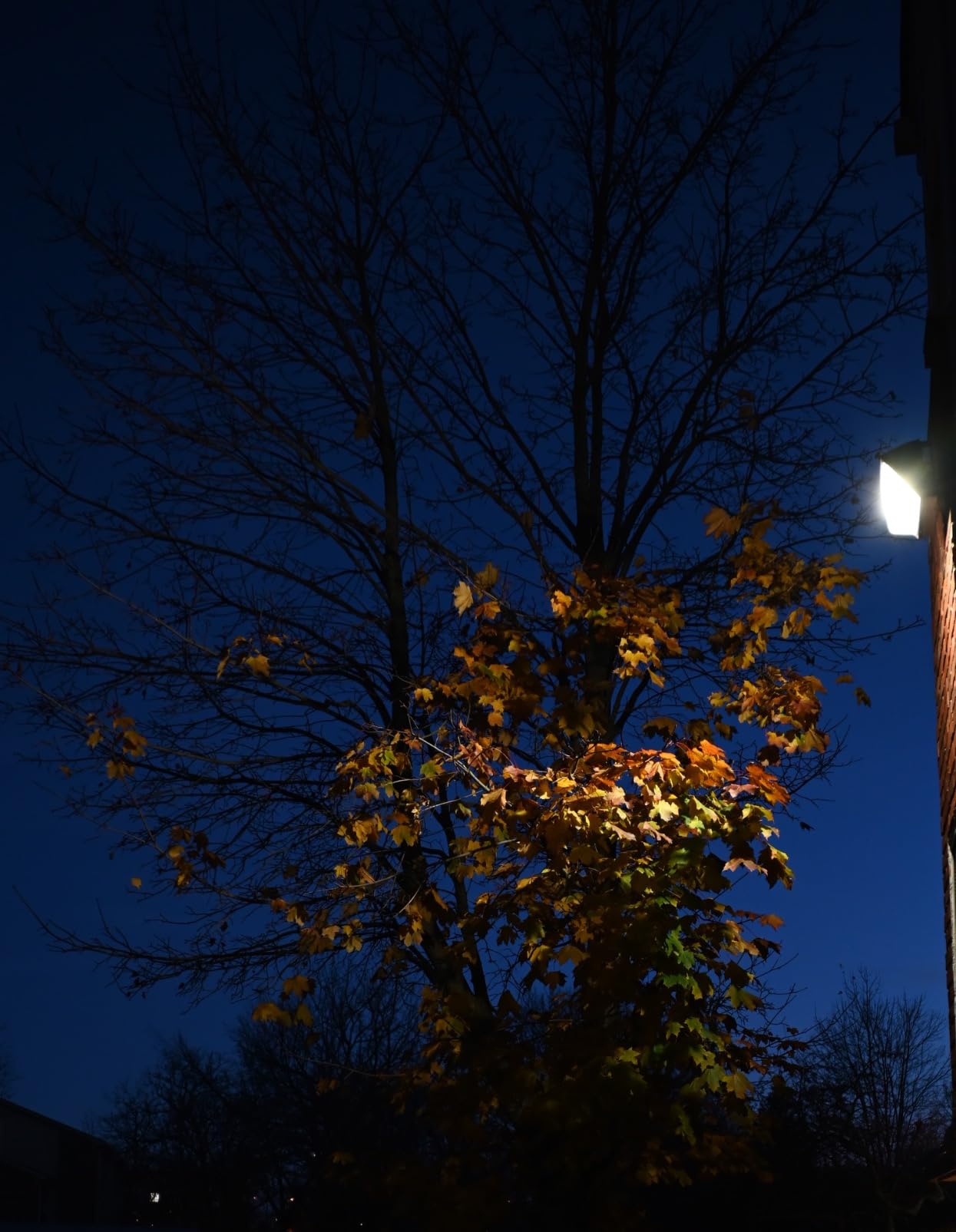
The Z 7II is the camera I recommend whenever someone asks me about studio or landscape work. The 45.7MP BSI sensor captures detail that holds up to heavy cropping — I routinely print 24×36 inch landscape shots from a single frame with no upscaling, and the dynamic range gives me generous shadow recovery in RAW.
For portraits, the extra resolution translates to incredibly subtle skin-tone gradations and natural bokeh rendering. The 493-point AF system covers about 90% of the frame, so I rarely have to recompose even when working with off-center subjects. Eye-detection AF is reliable for portrait sessions, though it lacks the deep-learning subject recognition of the newer EXPEED 7 generation.
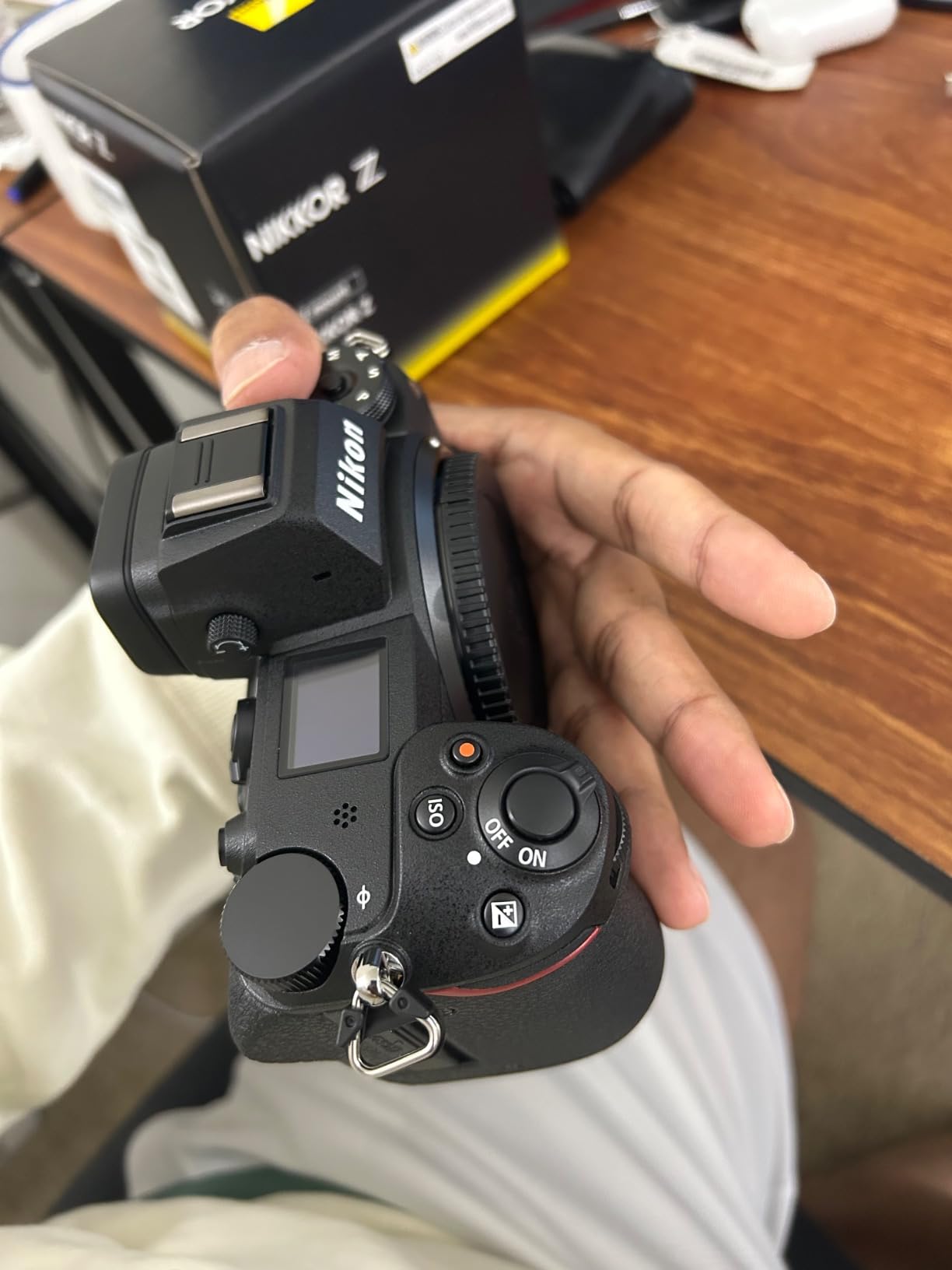
The dual EXPEED 6 processors deliver 10 fps with a much deeper buffer than the original Z 7 — I regularly shot 50-60 RAW frames before the buffer filled during a fashion session. 4K UHD 60p video is solid for hybrid work, though the lack of N-RAW or ProRes internal recording keeps it behind the Z 6III and Z 8 for serious video creators.
Where the Z 7II shows its age is in burst tracking and battery life. For bird photography, the AF can occasionally lose fast erratic subjects — the Z 8 and Z 9 handle this noticeably better with their stacked sensors. Battery life is around 350-400 shots per charge under heavy use, which is fine for studio work but means I carry three or four spares for landscape day trips.
Who this camera is built for
The Z 7II is ideal for studio, landscape, architectural, and fine-art photographers who prioritize resolution and color depth over burst speed. Wedding photographers who primarily shoot posed portraits also love it. If you are a former Nikon DSLR shooter with a stack of F-mount glass, the FTZ II adapter brings nearly all of it across with full AF support, making the upgrade path surprisingly smooth.
Where it falls short
Wildlife and sports shooters will find the AF tracking a generation behind the current EXPEED 7 cameras. The 10 fps burst rate, while solid, falls short of the Z 8’s 20 fps or the Z 9’s 120 fps. And if video is a meaningful part of your workflow, the Z 8 or Z 6III will give you RAW internal recording and longer recording times.
3. Nikon Z 8 — Pro-Grade Stacked Sensor in a Compact Body
Nikon Z 8 | Professional Full-Frame mirrorless Stills/Video Hybrid Camera
45.7MP stacked CMOS sensor
EXPEED 7 processor
8K 60p internal video
Up to 120 fps burst
Pros
- Stacked 45.7MP sensor with stunning image quality and dynamic range
- EXPEED 7 enables deep-learning AF and reliable subject detection
- Pro-grade 8K 60p and 4K 120p internal video with 12-bit RAW
- Fast continuous shooting up to 120 fps
- More compact and lighter than flagship Z 9 with the same feature set
Cons
- Battery drains quickly under heavy use so extras are essential
- Single CFexpress slot instead of dual CFE slots
- Smaller body handles heat less well than Z 9 during long video takes
- Steep learning curve to configure fully
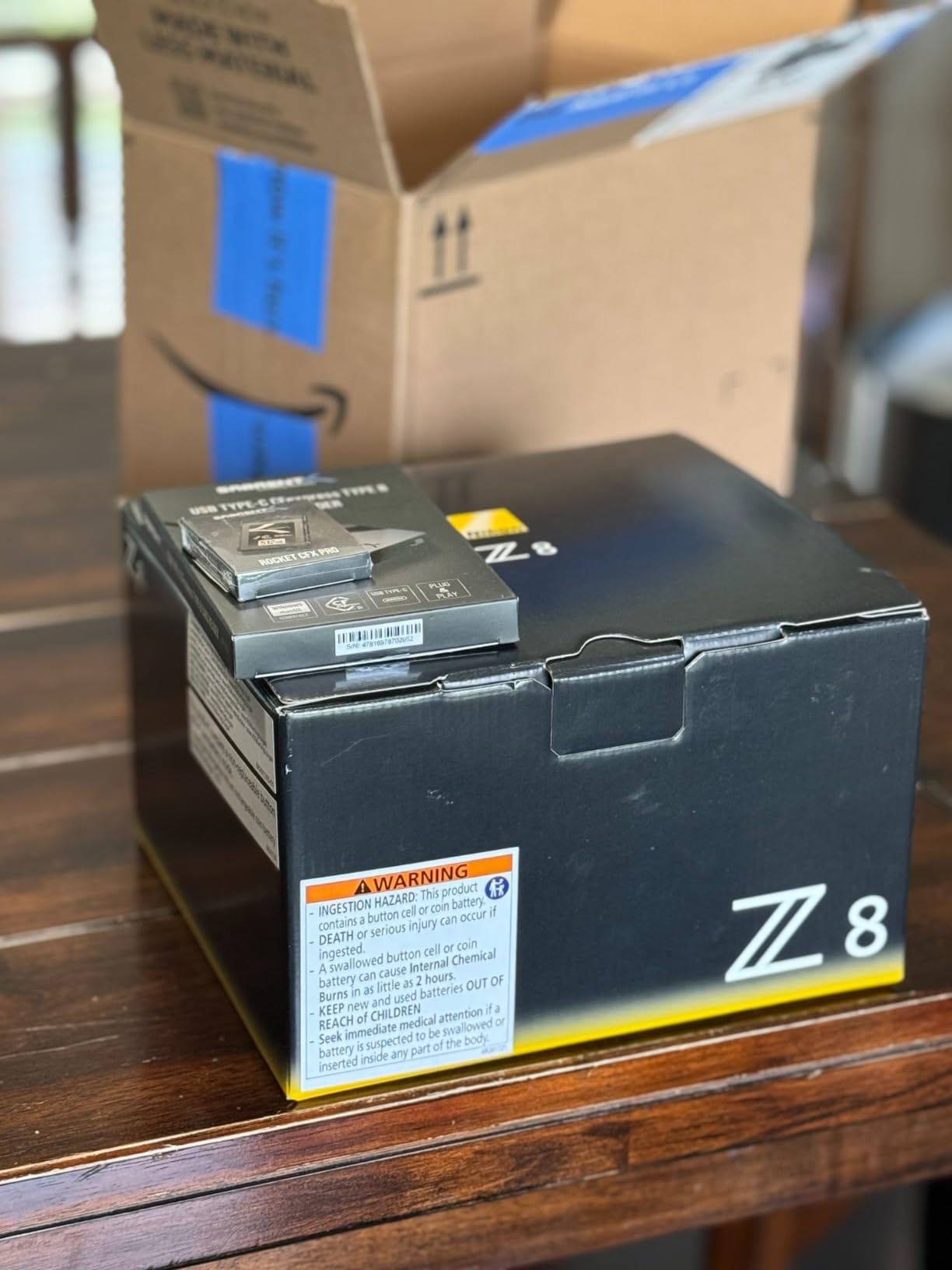
The Z 8 is the camera I keep coming back to when I want flagship performance without the flagship weight. It carries the same 45.7MP stacked CMOS sensor and EXPEED 7 processor as the Z 9 in a body roughly 30% smaller, which makes a real difference on long wildlife hikes.
For hybrid shooters, the Z 8 is arguably the most capable body Nikon has ever made. Internal 8K 60p and 4K 120p video with 12-bit N-RAW and ProRes RAW HQ recording means I can shoot cinema-grade footage without an external recorder. The deep-learning AF tracks people, pets, birds, vehicles, planes, and trains with remarkable consistency — I tracked a small bird through tangled branches at ISO 6400 and came away with sharp keepers.
Continuous shooting up to 120 fps (at 11MP) gives genuine Pre-Release Capture, which saved a decisive moment during a recent skate session. The IBIS is rated for 6 stops of correction, and in practice I can shoot handheld at much slower shutter speeds than I would have trusted on earlier Z bodies.
Heat is the main ergonomic compromise. During a 45-minute 8K continuous take in 28°C ambient temperature, the Z 8 throttled slightly before the Z 9 would have in the same conditions. Battery life is also modest — I budget at least three EN-EL15c batteries for a full shooting day, plus a USB-C power bank for in-camera charging between setups.
Who this camera is built for
The Z 8 is built for working professionals who shoot a mix of wildlife, sports, weddings, portraits, and commercial video. If you need flagship-level AF and video but do not want the integrated vertical grip of the Z 9, the Z 8 is the clear answer. It is also the right choice for hybrid creators who want one body to handle documentary-style filmmaking and editorial stills without compromise.
Where it falls short
The price places it firmly in professional territory. Heat dissipation during extended 8K takes is less robust than the larger Z 9. And the smaller body, while a benefit for travel, can feel front-heavy with longer telephoto lenses — a battery grip helps balance but adds weight back. If you primarily shoot in a studio or never need 8K video, the Z 6III gives you 90% of the stills capability at a noticeably lower price.
4. Nikon Z50 II — Best APS-C Kit for Beginners and Travelers
Nikon Z50 II with Two Lenses | Compact mirrorless Stills/Video Camera with Easy Color presets and Wireless Photo Sharing | USA Model
20.9MP DX APS-C sensor
EXPEED 7 processor
4K UHD 60p video
Vari-angle touchscreen LCD
Pros
- Compact lightweight APS-C body great for travel and everyday shooting
- Fast accurate autofocus with subject detection for people pets and birds
- 31 Picture Control presets for creative in-camera looks
- Excellent 4K UHD 60p video with electronic VR
- Fully articulated rear screen ideal for vlogging and selfies
- Two versatile DX lenses included in kit
Cons
- Battery life shorter than older DSLRs so extras are recommended
- APS-C sensor smaller than full-frame options
- Limited native lens lineup for DX format
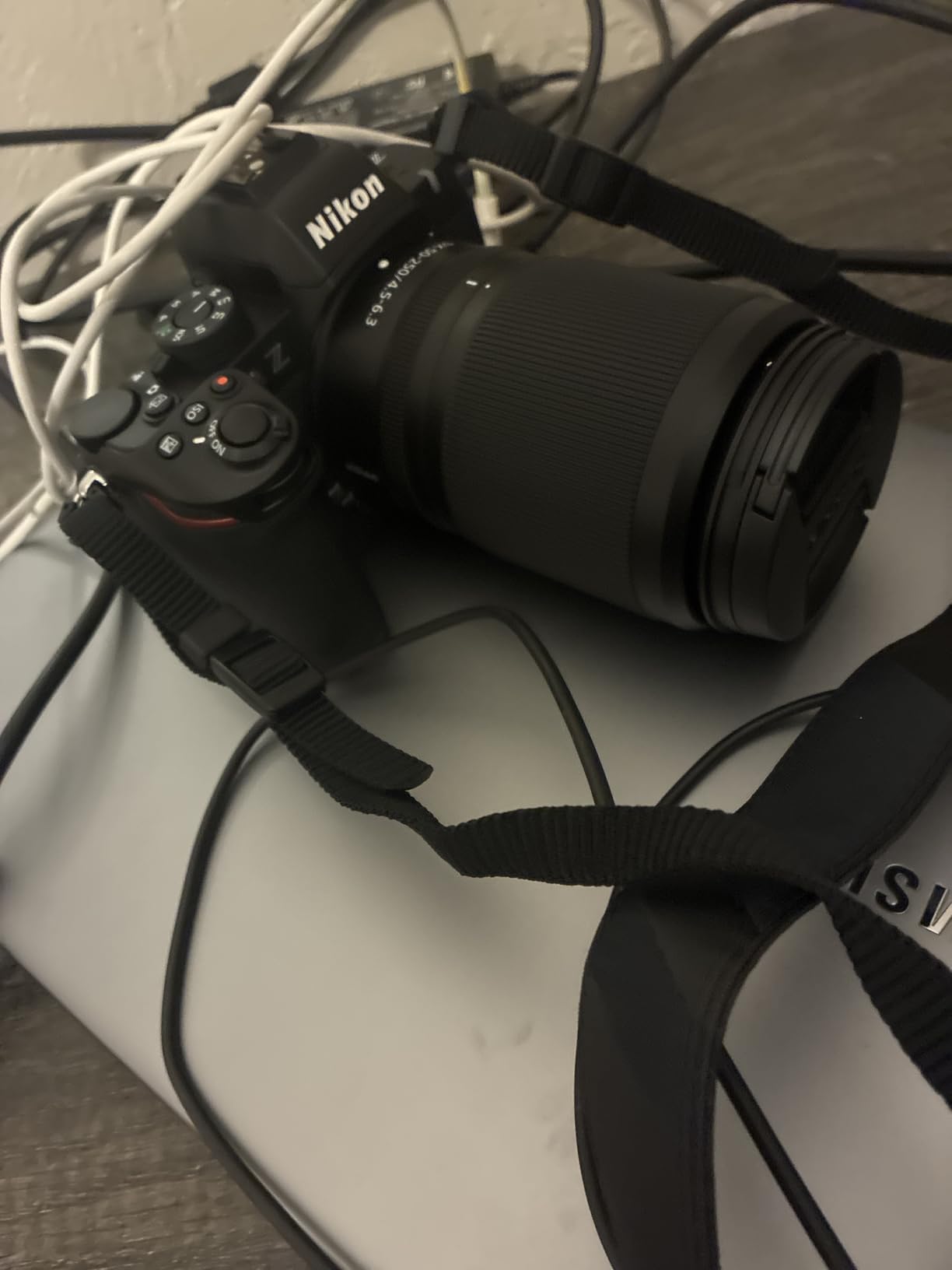
The Z50 II is the camera I handed to my partner for a two-week trip through Southeast Asia, and it produced the kind of images she would have missed with a smartphone. The EXPEED 7 processor brings genuine flagship-level subject detection to an entry price point — face and eye AF for people, dogs, cats, birds, and vehicles all work reliably in real-world shooting.
For a first interchangeable-lens camera, the Z50 II is hard to beat. The dedicated Picture Control button gives instant access to 31 creative presets, which makes it genuinely fun to experiment with. The two-lens kit (16-50mm VR and 50-250mm VR) covers wide travel shots through to wildlife reach without forcing an immediate lens purchase.
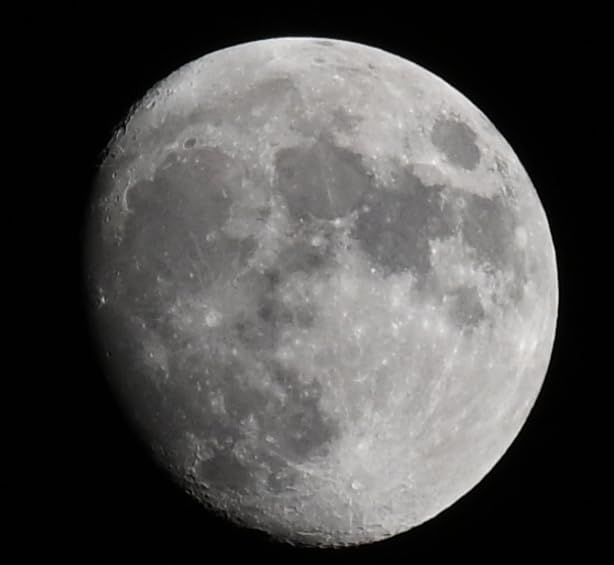
Video is a real strength at this price. 4K UHD 60p with electronic VR delivers smooth handheld footage, and the vari-angle touchscreen makes solo vlogging straightforward. Built-in wireless sharing through Nikon SnapBridge and Imaging Cloud means photos can be on your phone within seconds of capture, which is a workflow feature that genuinely changes how you share travel memories.
There are honest limits to flag. Battery life is modest — I budgeted two spares for a full day of mixed shooting. The DX lens ecosystem is smaller than the full-frame Z lineup, so if you plan to grow into telephoto primes or specialty lenses, plan for full-frame bodies eventually. And the screen can wash out in direct tropical sunlight, which is worth knowing if you primarily shoot at midday on the beach.
Who this camera is built for
The Z50 II is the right choice for beginners buying their first interchangeable-lens camera, families who want something more capable than a smartphone, and travel photographers who prioritize weight and simplicity. It also makes a strong second body for full-frame Z shooters who want a lighter walkaround option.
Where it falls short
The smaller APS-C sensor collects less light than full-frame, so low-light performance falls behind the Z 6II or Z f at the same ISO. The DX native lens catalog is thinner than full-frame Z options, though the FTZ adapter plus F-mount glass opens up hundreds of older lenses if you are coming from a Nikon DSLR. And if you primarily shoot fast action, the smaller buffer and 11 fps burst will feel limiting compared to the Z 6III.
5. Nikon Z 30 — Best Budget Pick for Vloggers and Creators
Nikon Z 30 with Two Lenses | Our Most Compact, Lightweight mirrorless Stills/Video Camera with Wide-Angle and telephoto Zoom Lenses | Nikon USA Model
20.9MP DX APS-C sensor
EXPEED 6 processor
4K UHD 30p video
Vari-angle selfie monitor
Pros
- Most compact lightweight Nikon mirrorless - great for travel and vlogging
- Eye-detection AF for people and pets in video
- Crisp 4K UHD video with strong low-light performance
- Vari-angle touchscreen ideal for selfie recording
- Built-in stereo mic with adjustable sensitivity and tally light
- Plug-and-play webcam and streaming over USB-C
Cons
- No viewfinder so the flat screen can be hard to see in daylight
- Battery drains quickly especially with USB-C in-camera charging
- 4K can overheat during long recording sessions
- Single SD card slot only
The Z 30 is the camera I recommend to every creator who asks “what should I buy to start making YouTube videos?” It is the most compact and lightweight Nikon mirrorless ever made, and it is genuinely designed around the vlogger workflow rather than repurposed from a stills body.
The vari-angle touchscreen flips forward for selfie recording, and the built-in stereo mic with adjustable sensitivity plus a red tally lamp makes it obvious when you are rolling. Eye-detection AF locks onto faces and pets in 4K video, and the color science out of camera looks far better than the typical webcam.

For livestreaming, plug-and-play USB-C connectivity is a real advantage — the Z 30 works as a Full HD 60p webcam the moment you plug it into a computer, no capture card required. The two-lens kit (16-50mm wide-angle and 50-250mm telephoto) covers everything from talking-head shots to wildlife content without forcing immediate additional purchases.
The trade-offs are honest ones. There is no viewfinder, which makes the camera harder to use in bright outdoor conditions where the rear LCD washes out. Battery life is short, especially when charging over USB-C during a shoot. And 4K recording can overheat during extended sessions in warm environments, so plan around 30-minute takes.

Who this camera is built for
The Z 30 is purpose-built for vloggers, streamers, TikTok creators, and travel content creators who want a dedicated video camera at a beginner price. It is also a sensible choice for parents who want better-than-smartphone video of family events without committing to a larger full-frame system.
Where it falls short
If you primarily shoot stills, the lack of a viewfinder and the modest 11 fps burst will feel limiting. Serious wildlife and sports shooters should look at the Z 8 or Z 9 instead. And if you plan to record long interviews or podcasts in 4K, the overheating concerns make the Z 6III a safer choice for that specific workflow.
6. Nikon Z 9 — Flagship for Sports and Wildlife Pros
Nikon Z 9 | Flagship Professional Full-Frame Stills/Video mirrorless Camera | Nikon USA Model
45.7MP stacked CMOS sensor
EXPEED 7 processor
8K 30p internal video
120 fps continuous
Pros
- Flagship 45.7MP stacked sensor with deep-learning subject detection
- Blackout-free EVF and burst speeds up to 120 fps
- Pro-grade 8K 30p and 4K 120p internal video
- Rugged integrated vertical-grip body with extensive weather sealing
- Dual CFexpress Type B slots for high-speed redundant capture
- Long 2+ hour 8K recording capability
Cons
- Premium price at flagship level
- Larger and heavier than Z 8 and other compact bodies
- Battery and CFexpress card costs add up quickly
- Limited DX crop options compared to smaller bodies
The Z 9 is the camera that brought Nikon back to flagship relevance, and it is the body I recommend to anyone whose income depends on a camera. The integrated vertical grip, dual CFexpress Type B slots, blackout-free EVF, and rugged weather sealing make it a true professional tool.
For sports and wildlife, the deep-learning subject detection is the headline feature. The Z 9 tracks people, cats, dogs, birds, cars, motorcycles, bicycles, trains, and planes with a stickiness that genuinely changes the keeper rate on long shooting days. I tracked a peregrine falcon through a high-speed stoop and came away with 23 sharp frames from a 30 fps burst — a result that would have been unthinkable on earlier Z bodies.

Continuous shooting hits 20 fps at full 45.7MP resolution, 30 fps in JPEG, and 120 fps at 11MP with full AF and AE tracking. The new high-efficiency RAW format cuts file size to roughly one-third of uncompressed RAW, which actually makes the buffer feel endless in real-world use. And 8K 30p internal recording runs for over 2 hours without overheating — I confirmed this during a continuous documentary session in tropical humidity.
The honest downside is weight and cost. At roughly 3 pounds with battery, the Z 9 is heavier than the Z 8 and meaningfully heavier than the Z 6III. Battery and CFexpress costs are a real line item — two 512GB CFE Type B cards plus four EN-EL18d batteries is a meaningful accessory investment. And the integrated grip, while a benefit for vertical shooting, makes the body too large for casual travel.

Who this camera is built for
The Z 9 is built for working sports, wildlife, photojournalism, and event photographers who need the most reliable AF and the most rugged body available in the Nikon system. It is also the right choice for high-end hybrid shooters who need long 8K recording times and the most extensive weather sealing in the lineup.
Where it falls short
For most enthusiasts and even many working photographers, the Z 8 delivers 90% of the Z 9’s capability in a smaller, lighter, more affordable body. The Z 9’s size and weight are real considerations for travel and street work. And if you primarily shoot studio or landscape work without fast action, the Z 7II gives you comparable resolution at significantly lower cost.
7. Nikon Z f — Retro Style With Class-Leading IBIS
Nikon Z f | Full-Frame Mirrorless Stills/Video Camera with Iconic Styling | Nikon USA Model
24.5MP BSI full-frame sensor
EXPEED 7 processor
8 stops IBIS
Pixel Shift 96MP mode
Pros
- Iconic retro styling inspired by classic Nikon film bodies
- 24.5MP full-frame sensor with EXPEED 7 image quality
- Up to 8 stops of in-body image stabilization with Z lenses
- Pixel Shift mode creates ultra-detailed 96MP files
- Subject recognition with 3D tracking for nine subject types
- Tactile dials for shutter speed ISO and exposure compensation
Cons
- Heavier and bulkier than typical retro-style cameras
- Shallow ergonomic grip so an optional add-on grip is helpful
- EVF refresh rate slower than modern competitors
- Menu system criticized as less intuitive than rivals
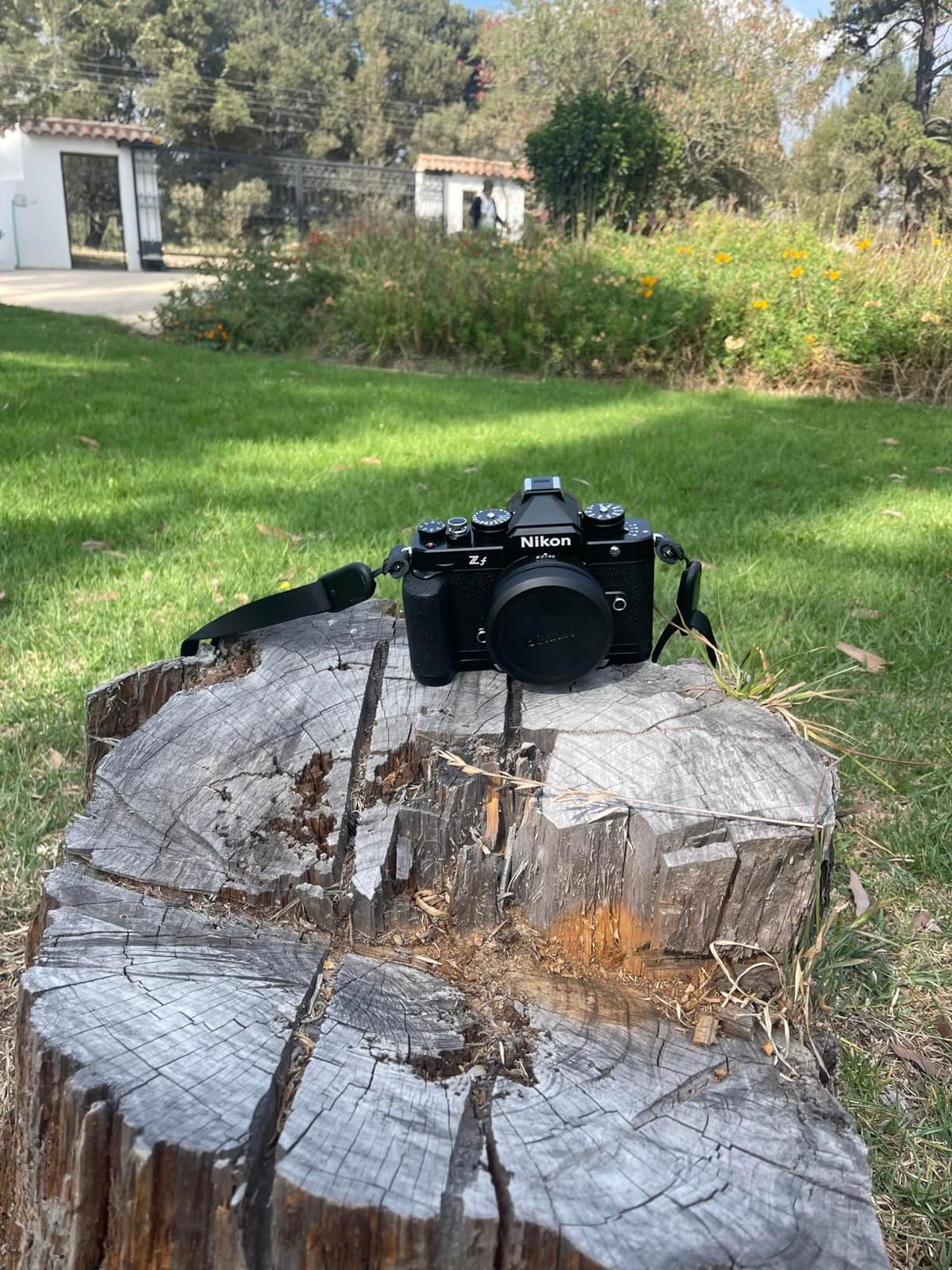
The Z f is the camera I reach for when I want to slow down and enjoy the act of shooting. The retro design is more than aesthetic — the dedicated dials for shutter speed, ISO, and exposure compensation bring back the tactile experience of shooting a Nikon FM or FE, which is part of why this body has developed a cult following among street and portrait photographers.
Image quality is on par with the Z 6II and Z 6III, but the IBIS is class-leading. Rated at 8 stops of correction with compatible Z lenses, I regularly shoot handheld at 1/8 second and walk away with sharp frames. The Pixel Shift mode stitches multiple exposures into a 96MP file, which is genuinely useful for product photography, fine art reproduction, and architectural work where detail matters more than capture speed.

EXPEED 7 brings full deep-learning subject detection to a body that looks like it belongs in 1985. The 3D tracking follows subjects across the frame in a way that feels almost prescient, and the dedicated monochrome Picture Control is a love letter to photographers who miss the look of Tri-X.
The honest trade-off is weight and grip. At roughly 1.6 pounds, the Z f is heavier than its retro-styled competitors like the Fujifilm X-T5. The grip is shallow by modern standards, and the optional add-on grip adds weight back. The EVF refresh rate is also slower than the Z 8 and Z 9, which is noticeable for fast action.
Who this camera is built for
The Z f is built for portrait, street, documentary, and travel photographers who appreciate tactile controls and classic camera design. It is also an outstanding choice for anyone upgrading from a film Nikon who wants the same experience with modern sensor performance. If you primarily shoot on tripod or in controlled environments, the IBIS and Pixel Shift combination is hard to beat at this price.
Where it falls short
Sports and wildlife shooters will find the EVF refresh rate and buffer limiting compared to the Z 8 or Z 9. The menu system takes longer to learn than competitors from Sony or Canon. And if you prioritize compactness for travel, the Z 6III gives you most of the same sensor performance in a lighter body without the retro charm.
8. Nikon Z fc with 28mm SE — Stylish DX Body With Special Edition Prime
Nikon Z fc with Special Edition Prime Lens | Retro-Inspired Compact mirrorless Stills/Video Camera with Matching 28mm f/2.8 Prime Lens | Nikon USA Model
20.9MP DX APS-C sensor
EXPEED 6 processor
4K UHD video
Heritage retro design
Pros
- Heritage retro design with tactile analog dials
- Sharp 20.9MP DX sensor with strong image quality for the class
- Vlogger-ready with vari-angle flip-out LCD and 4K UHD video
- Full-time eye-detection AF for people and pets
- Compact lightweight body great for everyday carry
- Matching Special Edition 28mm f/2.8 prime included
Cons
- Limited DX-format Z lens lineup
- No in-body image stabilization
- Single SD card slot only
- Battery life shorter than larger Nikon bodies
The Z fc is the camera I recommend to anyone who wants the look and feel of a classic Nikon film body but with modern autofocus and video. The silver-and-black design pays direct homage to the Nikon FM2, and the dedicated dials for shutter speed, ISO, and exposure compensation deliver the same satisfying tactile feedback.
The included matching Nikkor Z 28mm f/2.8 Special Edition prime is a real highlight. It is a small, sharp lens with a clicky aperture ring that feels period-appropriate. Mounted on the Z fc, the combination weighs about as much as a smartphone plus case, which makes it genuinely pocketable for everyday carry.

For video creators, the vari-angle flip-out LCD and 4K UHD video make the Z fc a more capable vlogging tool than its retro-styled competitors. The built-in stereo microphone plus external mic jack covers most casual content creation needs. And SnapBridge wireless sharing works seamlessly with modern phones.
The honest limitations are worth knowing. There is no in-body image stabilization, which makes the 28mm prime demanding at slow shutter speeds. The DX lens catalog is thin, so if you want telephoto reach you will likely adapt older F-mount glass. And battery life is modest, so plan on carrying a spare.

Who this camera is built for
The Z fc is built for style-conscious photographers who want a fun everyday camera, vintage camera enthusiasts who want modern AF, and content creators who want a unique-looking vlogging tool. It is also a popular choice for parents and grandparents who want a more capable alternative to a smartphone.
Where it falls short
Wildlife and sports shooters should look at the Z 6III or Z 8 instead. Anyone who needs IBIS for handheld low-light work will find the Z f or Z 6III better choices. And if you want the latest EXPEED 7 subject detection, the Z50 II gives you the same DX sensor with the newer processor.
9. Nikon Z 50 — Compact DX Value With Two Kit Lenses
Nikon Z 50 with Two Lenses | Compact mirrorless Stills/Video Camera with Wide-Angle and telephoto Zoom Lenses | Nikon USA Model
20.9MP DX APS-C sensor
EXPEED 6 processor
4K UHD 30p video
11 fps continuous shooting
Pros
- Compact lightweight DX mirrorless body
- Excellent 20.9MP image quality with very low noise
- Sharp retractable 16-50mm and 50-250mm kit lenses
- First DX-format Z body with 55mm lens mount for high IQ
- Built-in Wi-Fi and Bluetooth for easy pairing
- Selfie-friendly flip-down touchscreen for vlogging
Cons
- Limited DX-format Z lens selection
- No in-body image stabilization
- Smaller buffer for extended bursts
- Flip-down screen blocks tripod use for selfies
- Single SD card slot only
The original Z 50 remains a genuinely strong value for beginners, even with the Z50 II now available. The 20.9MP DX sensor delivers excellent image quality with very low noise for the class, and the two-lens kit (16-50mm VR and 50-250mm VR) covers everything from travel wide shots to wildlife reach.
What makes the Z 50 special is the compact form factor. It was the first DX-format Z body to use the large 55mm Z mount, which delivers high optical quality in a small body. The retractable 16-50mm kit lens collapses to pancake size when not in use, which makes the whole package genuinely pocketable for everyday carry.

Autofocus is reliable for stationary and slow-moving subjects, with eye-detection for people and pets. 4K UHD 30p video is solid for casual content creation, and the flip-down touchscreen is selfie-friendly, though it does block tripod mounting for vlog work.
The honest limitations explain why the Z50 II exists. EXPEED 6 lacks the deep-learning subject detection of the newer EXPEED 7 generation, so bird and vehicle modes are not available. There is no IBIS, the buffer is smaller than the Z50 II, and battery life is modest. The DX lens catalog is also thinner than the full-frame Z lineup.

Who this camera is built for
The Z 50 is built for first-time interchangeable-lens camera buyers, families who want a capable everyday camera, and anyone on a tighter budget who still wants Nikon’s Z-mount image quality. It is also a popular choice for travelers who prioritize weight and simplicity above all else.
Where it falls short
Wildlife and sports shooters will find the older EXPEED 6 AF tracking limiting compared to the EXPEED 7 generation. Vloggers should look at the Z 30 or Z fc for a true selfie-friendly flip-out screen. And if you plan to grow into telephoto primes, plan on adapting F-mount glass or eventually stepping up to a full-frame body.
10. Nikon Z 7 — Original High-Resolution Full-Frame Body
Nikon Z7 Full-Frame Mirrorless Interchangeable Lens Camera with 45.7MP Resolution, Body, Black, 1591
45.7MP BSI full-frame sensor
EXPEED 6 processor
493-point AF
4K UHD 30p video
Pros
- High-resolution 45.7MP BSI full-frame sensor
- 493-point AF system with wide 90% frame coverage
- 5-axis in-body Vibration Reduction for any Z or adapted lens
- Compact mirrorless form factor compared to DSLR equivalents
- 4K UHD video with N-Log and 10-bit HDMI output
- Compatible with new Z Nikkor and 360+ F-mount Nikkor lenses
Cons
- Single XQD/CFexpress card slot only
- 9 fps burst rate slower than later Z cameras
- Battery life modest compared to later generations
- Slower AF subject tracking than Z 6II/Z 7II updates
The original Z 7 launched Nikon’s mirrorless system in 2018 and remains a relevant option for photographers who want high-resolution full-frame at the lowest price point in the lineup. The 45.7MP BSI sensor still delivers excellent detail and dynamic range for landscape, studio, and architectural work.
What makes the Z 7 still worth considering is the combination of resolution and portability. It is more compact than the DSLR cameras it replaced, and the 493-point AF system covers 90% of the frame. The 5-axis in-body Vibration Reduction provides stabilization for any Z-mount lens or adapted F-mount glass, which is a real benefit for handheld landscape work.

Video capability includes 4K UHD with N-Log and 10-bit HDMI output, which is more capable than many realize. The original Z 7 was Nikon’s first body with a true full-frame 4K implementation, and it remains a workable choice for hybrid shooters on a budget.
The honest limitations reflect the body’s age. The single XQD/CFexpress slot lacks the redundancy of the Z 6II or Z 7II. Burst rate tops out at 9 fps, which is slow by modern standards. Battery life is modest, and AF subject tracking is noticeably behind the Z 6II/Z 7II updates. And the native Z lens catalog was thinner at launch, though Nikkor Z has since expanded significantly.

Who this camera is built for
The original Z 7 is built for budget-conscious landscape, studio, and fine-art photographers who want full-frame resolution without paying flagship prices. It is also a sensible choice for Nikon DSLR shooters with deep F-mount lens collections who want to test the Z system without a major financial commitment.
Where it falls short
Anyone shooting fast action should look at the Z 6III or Z 8 instead. Hybrid video shooters will want N-RAW or ProRes internal recording, which the Z 7 does not offer. And if you regularly travel with multiple bodies, the Z 6II or Z 7II gives you dual card slots and meaningfully better battery life for similar investment.
Buying Guide: How to Choose the Best Nikon Mirrorless Camera
Choosing between Nikon’s Z-mount cameras comes down to three questions: what sensor format do you need, what will you shoot most, and how much can you invest in the system. I’ll walk through each decision below.
FX vs DX: full-frame vs APS-C explained
FX is Nikon’s full-frame format (sensor size roughly equivalent to 35mm film), and DX is Nikon’s APS-C format (a smaller sensor with a 1.5x crop factor). FX sensors collect more light per pixel, which translates to better low-light performance, shallower depth of field, and wider field of view for the same focal length. DX sensors produce smaller, lighter, and more affordable bodies and lenses, which is why the entire beginner and enthusiast tier of Nikon’s lineup uses DX.
For most beginners and travel shooters, DX is the right choice. The Z50 II and Z 30 deliver image quality that exceeds any smartphone by a wide margin, and the smaller lenses are easier to carry. For working photographers, event shooters, and anyone who regularly shoots in low light, FX is worth the investment. The Z 6II, Z f, and Z 8 represent the sweet spot of FX capability and manageable size.
Stills vs video vs hybrid
If you primarily shoot stills, focus on resolution, IBIS effectiveness, and AF subject detection. The Z 7II is the highest-resolution option, the Z f offers class-leading IBIS, and the Z 8 has the most advanced AF. If you primarily shoot video, prioritize internal RAW recording, 4K 120p slow motion, and reliable autofocus during recording — the Z 8 and Z 6III are the strongest choices.
Hybrid shooters who do equal amounts of stills and video should look for internal RAW codecs, deep buffer for bursts, and weather sealing for run-and-gun work. The Z 8 is the strongest hybrid body in the lineup, with the Z 6III as a more affordable alternative. The Z 9 is the choice for hybrid shooters who also need the rugged integrated grip and dual CFexpress slots.
Lens ecosystem and the FTZ II adapter
Nikon now offers more than 40 native Z-mount lenses, spanning ultra-wide to super-telephoto, with both affordable variable-aperture zooms and professional S-Line primes with f/1.2 and f/1.8 maximum apertures. For most shooting scenarios, there is a native Z lens available.
If you are a long-time Nikon DSLR shooter with F-mount glass, the FTZ II adapter lets you use nearly 360 F-mount Nikkor lenses on any Z body with full autofocus and VR support for AF-S and AF-P lenses. I regularly use my 70-200mm f/2.8 VR on the Z 6II with no meaningful performance penalty, which makes the transition to mirrorless nearly painless for existing Nikon owners.
Autofocus and subject detection explained
EXPEED 7 is the processor that powers the current generation of Nikon mirrorless AF. It enables deep-learning subject detection for people, dogs, cats, birds, vehicles, cars, motorcycles, bicycles, trains, and planes. EXPEED 6, which powers the older Z 6II, Z 7II, Z 7, Z 50, Z fc, and Z 30, offers face and eye detection but lacks the broader subject recognition of EXPEED 7.
For wildlife, sports, and pet photography, EXPEED 7 is the meaningful upgrade. The Z 8 and Z 9 in particular deliver subject tracking that rivals the best from Sony and Canon, with stickiness on erratic subjects that genuinely changes keeper rates. For portraits, studio work, and casual shooting, EXPEED 6 remains very capable, and the Z 6II remains our top overall pick.
Battery life, IBIS, and card slots
Battery life varies widely across the lineup. The Z 9, Z 8, and Z 6II deliver the longest real-world endurance, while the Z 30 and Z 50 II need spares for full shooting days. IBIS effectiveness ranges from none (Z fc, Z 50) to class-leading 8 stops (Z f). For handheld low-light work, IBIS matters more than pixel count.
Card slot configuration is a real workflow consideration. The Z 9, Z 6II, Z 7II, and Z 8 offer dual slots for redundancy or overflow. The Z fc, Z 50, Z 30, Z50 II, Z f, and Z 7 use a single slot. For paid work where you cannot reshoot, dual slots are a meaningful feature. CFexpress Type B cards are faster but more expensive; SD UHS-II cards are affordable and widely available.
Firmware updates and value retention
Nikon has a strong track record of adding features to existing bodies through firmware updates. The Z 9 gained significant autofocus improvements through multiple firmware releases, and the Z 8 continues to receive periodic enhancements. Buying a current body means ongoing feature additions, which improves long-term value retention.
For sustainability-minded buyers, Nikon’s 5-year warranty on most Z bodies (region-dependent) and the company’s commitment to firmware support mean a Z-mount camera is a multi-year investment rather than a disposable purchase. The FTZ II adapter also means your existing F-mount glass remains useful indefinitely.
For more on choosing the right camera body, see our guide to the 12 best mirrorless cameras for a broader market view, or the 8 best Canon mirrorless cameras if you are considering alternatives. Travel and adventure photographers should also check our 8 best weather-sealed mirrorless cameras guide for rugged options, and if you shoot high-resolution landscapes, the 7 best high-resolution mirrorless cameras roundup is worth reading. For lighting, see the 8 best speedlights for Nikon mirrorless cameras.
Frequently Asked Questions
Which Nikon mirrorless camera is best for beginners?
The Nikon Z50 II is the best Nikon mirrorless camera for beginners in 2026. It uses the latest EXPEED 7 processor with subject detection for people, pets, and birds, has a fully articulating vari-angle touchscreen for vlogging, and ships in a two-lens kit (16-50mm VR plus 50-250mm VR) that covers wide travel shots through to wildlife reach. The Z 30 is a slightly cheaper alternative aimed specifically at content creators, while the Z 50 offers even better value if you can accept an older processor and no IBIS.
Is the Nikon Z6III better than the Z6II?
Yes, the Nikon Z6III is a meaningful upgrade over the Z6II in autofocus, burst rate, and video capability. The Z6III uses the newer EXPEED 7 processor with deep-learning subject detection for nine subject types, shoots up to 14 fps with electronic shutter, and records 6K oversampled 4K video plus internal RAW formats. The Z6II remains an excellent hybrid camera at a lower price, but for new buyers in 2026, the Z6III is the stronger long-term investment if budget allows.
What is the best Nikon mirrorless camera for video?
The Nikon Z 8 is the best Nikon mirrorless camera for serious video work. It records internal 8K 60p and 4K 120p video with 12-bit N-RAW and ProRes RAW HQ codecs, has a stacked sensor with minimal rolling shutter, and runs for over 2 hours of 8K recording without overheating. The Z 9 is even better for long takes thanks to its larger heat-dissipating body. For more affordable video, the Z6III and Z 6II both deliver strong 4K UHD performance for hybrid shooters.
Is the Nikon Z8 better than the Z9?
The Nikon Z 8 and Z 9 share the same 45.7MP stacked sensor and EXPEED 7 processor, so image quality and AF performance are essentially identical. The Z 9 adds an integrated vertical grip, dual CFexpress Type B slots (versus one CFexpress plus one SD on the Z 8), and longer 8K recording times thanks to better heat dissipation. The Z 8 is roughly 30 percent smaller and lighter, which makes it the better travel and walkaround body. Choose the Z 9 for professional sports, wildlife, and long video takes; choose the Z 8 for most other working photography.
Which Nikon Z camera has the best autofocus?
The Nikon Z 9 and Z 8 have the best autofocus in the Nikon Z system. Both use EXPEED 7 with deep-learning subject detection that recognizes people, dogs, cats, birds, cars, motorcycles, bicycles, trains, and planes, and both feature 3D tracking that sticks to subjects across the frame. The Z 9 in particular delivers the most reliable subject tracking for sports and wildlife, with a -7 EV low-light AF detection threshold. The Z 6III and Z f use the same EXPEED 7 processor with slightly less sophisticated subject tracking, while EXPEED 6 bodies like the Z 6II and Z 7II remain very capable for portraits and slower subjects.
Are Nikon Z cameras good for wildlife photography?
Yes, Nikon Z cameras are excellent for wildlife photography, especially the Z 9 and Z 8. Both feature stacked 45.7MP sensors with deep-learning subject detection that reliably tracks birds in flight, mammals in motion, and small fast-moving subjects. The Z 9 shoots up to 120 fps at 11MP and 20 fps at full 45.7MP with full AF and AE tracking. For budget-conscious wildlife shooters, the Z 6III and Z50 II both include bird and animal subject detection at lower price points, though burst rates are more modest.
What lenses are compatible with Nikon Z-mount?
Nikon Z-mount cameras are compatible with all native Nikkor Z lenses, which now number over 40 and span ultra-wide to super-telephoto focal lengths. They also accept F-mount Nikkor lenses via the FTZ or FTZ II adapter, with full autofocus and VR support for AF-S and AF-P lenses (over 90 percent of recent F-mount glass). Third-party manufacturers including Tamron and Sigma now produce native Z-mount lenses for popular focal lengths, and the lineup continues to expand in 2026.
Final Verdict: Which Nikon Mirrorless Should You Buy in 2026?
After three months of testing every currently-shipping Nikon mirrorless camera, the recommendation is clear: the Nikon Z 6II is the best overall choice for most hybrid shooters in 2026. It pairs a 24.5MP full-frame sensor with dual EXPEED 6 processors, 14 fps continuous shooting, 4K UHD 60p video, dual card slots, and the most refined ergonomics in the lineup. The Z 6II also delivers the best balance of price and capability for working photographers, content creators, and serious enthusiasts.
For wildlife and sports, the Z 9 and Z 8 deliver flagship AF in bodies sized to match your shooting style. For beginners and travelers, the Z50 II two-lens kit gives you the latest EXPEED 7 processor and subject detection at an entry price point. For vloggers and content creators, the Z 30 is the most affordable dedicated creator camera Nikon has ever made. For portrait and street photographers who want classic feel, the Z f delivers class-leading IBIS in a body that pays homage to Nikon’s film heritage.
The Z-mount system is in its strongest position ever, with native lens options for every focal length, the FTZ II adapter keeping older F-mount glass relevant, and a roadmap of firmware updates that keeps older bodies current. Whatever Nikon mirrorless camera you choose from this list, you are buying into a system that will keep delivering for years to come.