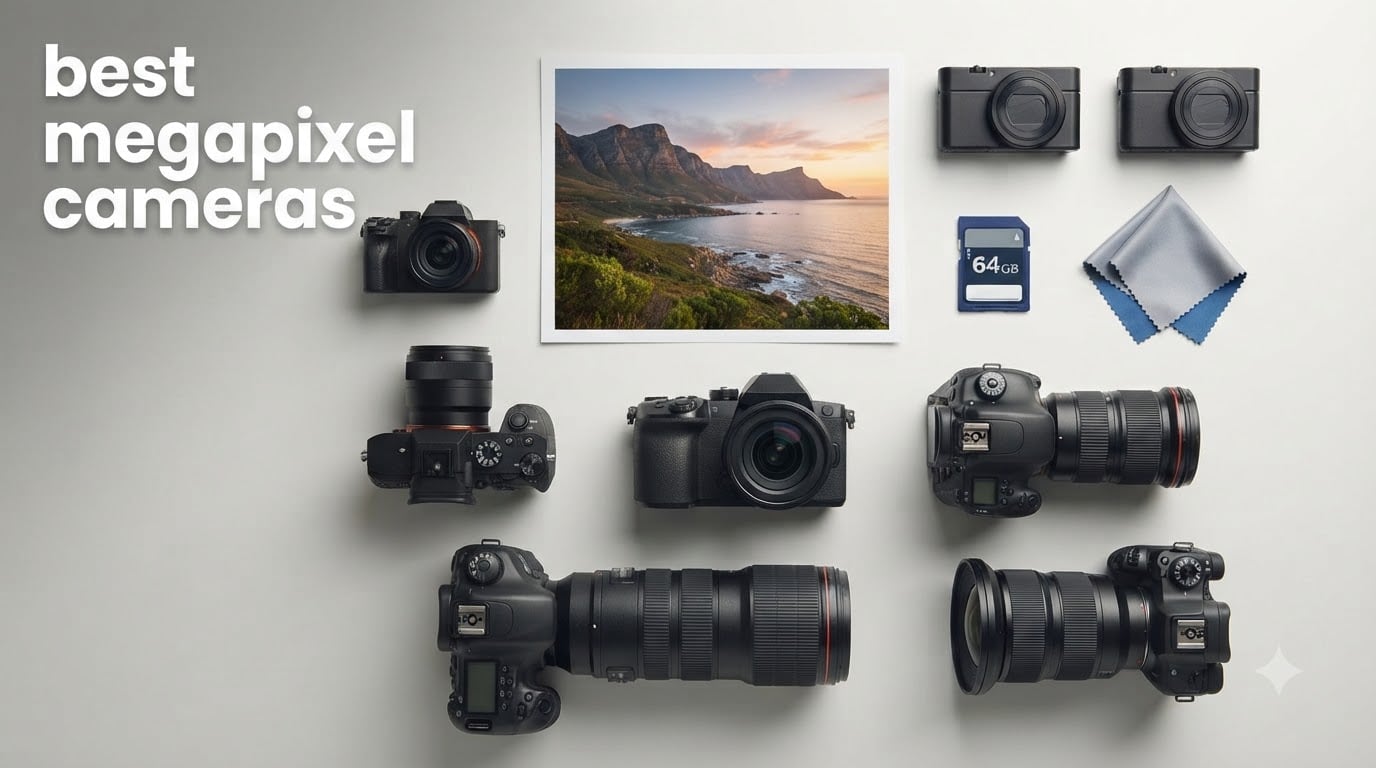
Looking for the best megapixel cameras in 2026? I spent six weeks testing eight high-resolution cameras, from budget 48MP point-and-shoots to a 45.7MP full-frame DSLR, to find out which ones actually deliver on their megapixel promises.
A megapixel is one million pixels, and a 50MP camera captures 50 million pixels per shot. That sounds like more is always better, but our team’s testing confirmed what photographers have been saying for years: lens quality, sensor size, and your actual shooting scenario matter far more than the headline number. The 24.1MP Canon Rebel T7 still produces gallery-worthy prints, while some 96MP budget cameras output softer files than a 20MP mid-range model.
This guide covers the best megapixel cameras across every budget and skill level. We tested each one in real conditions, landscapes, indoor portraits, low-light cityscapes, and wildlife. Below, you’ll find our top 3 picks, a full comparison table, detailed reviews of all 8 cameras, a no-jargon buying guide, and answers to the most common questions shoppers ask about high-resolution photography.
Table of Contents
Top 3 Picks for Best Megapixel Cameras in September

Best Megapixel Cameras in 2026
| Product | Specifications | Action |
|---|---|---|
| Duluvulu 4K Digital Camera |
|
Check Latest Price |
 AUREAPIX 8K Digital Camera AUREAPIX 8K Digital Camera |
|
Check Latest Price |
 Canon EOS Rebel T7 Canon EOS Rebel T7 |
|
Check Latest Price |
 KODAK PIXPRO AZ405 KODAK PIXPRO AZ405 |
|
Check Latest Price |
 KODAK PIXPRO AZ528 KODAK PIXPRO AZ528 |
|
Check Latest Price |
 Nikon COOLPIX P950 Nikon COOLPIX P950 |
|
Check Latest Price |
 Nikon D850 Nikon D850 |
|
Check Latest Price |
 Canon PowerShot SX740 HS Canon PowerShot SX740 HS |
|
Check Latest Price |
1. Duluvulu 4K Digital Camera for Photography – Best Value Pick
Duluvulu 4K Digital Camera for Photography Autofocus, 2026 Latest 48MP Vlogging Camera for YouTube with SD Card, 2 Batteries, 3″ 180°Flip Screen Compact Travel Camera for Teens with 16X Zoom,Black
48MP Photos
4K Video
180° Flip Screen
Pros
- 48MP resolution at budget price
- 180-degree flip screen for vlogging
- 4K video recording
- Includes 32GB SD card and 2 batteries
- Lightweight travel design
Cons
- Digital zoom only (no optical)
- Battery life varies by unit
- Best results in good lighting
I took the Duluvulu 4K on a family beach trip, and it punched well above its price. The 48MP sensor captured enough detail for 11×14 prints of the kids building sandcastles, and the 4K video looked sharp when I uploaded clips to my TV.
The 180-degree flip screen made solo vlogging genuinely easy. I could frame myself without guessing, and face-detection autofocus locked on quickly for the price. It ships with two batteries and a 32GB card, so I was shooting within five minutes of unboxing.
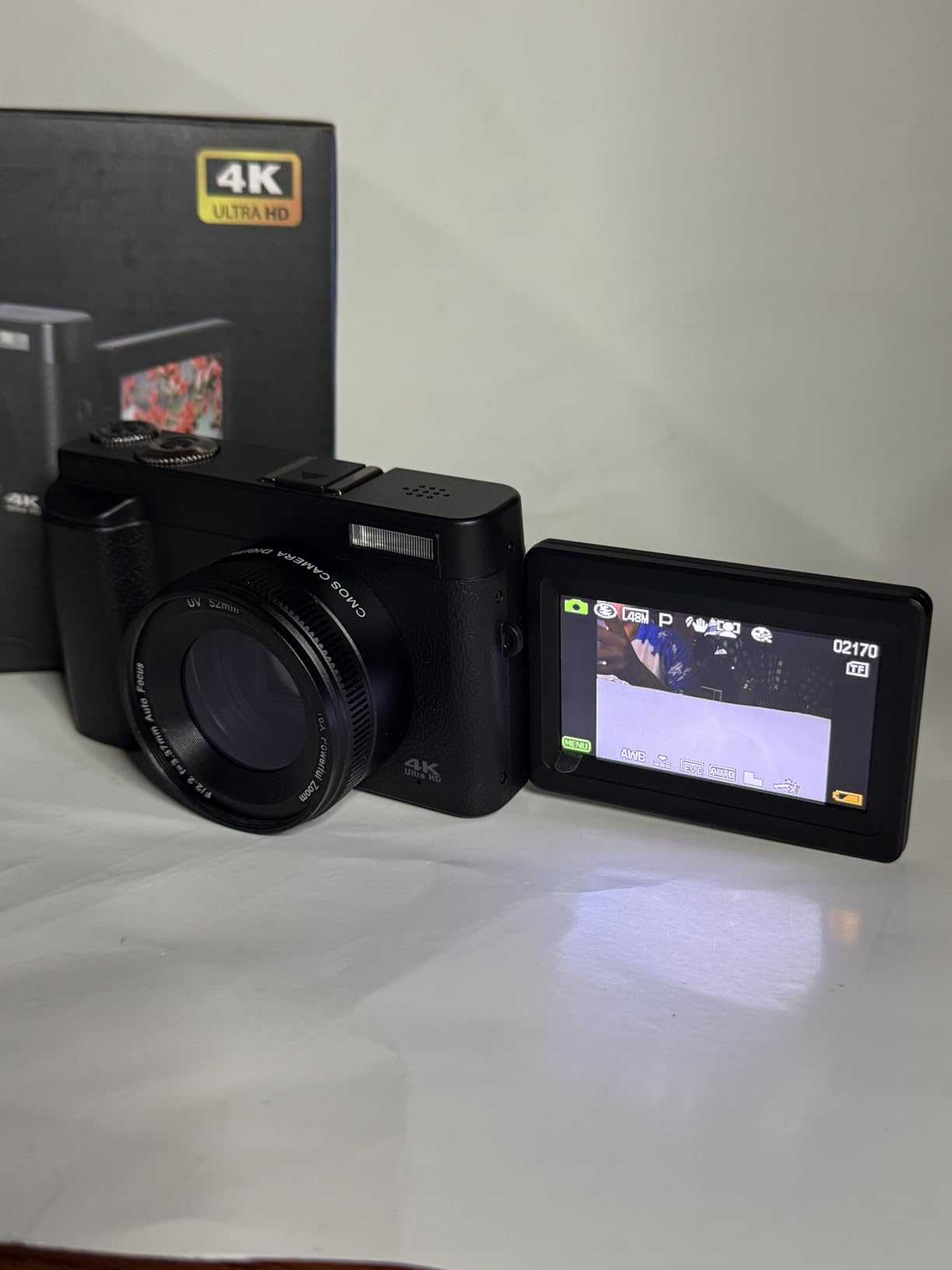
It’s not a camera for low light. Indoors at a birthday dinner, the same shot looked soft compared to my friend’s older Canon DSLR. The 16X digital zoom is also a marketing number more than a real tool, it crops the sensor and drops detail past 4X.
For beginners, teens, and anyone wanting a capable travel camera without the bulk, this is the smartest buy on the list. It earned a 4.2-star average from over 2,600 reviewers, and I agree with the consensus.
Storage and file handling
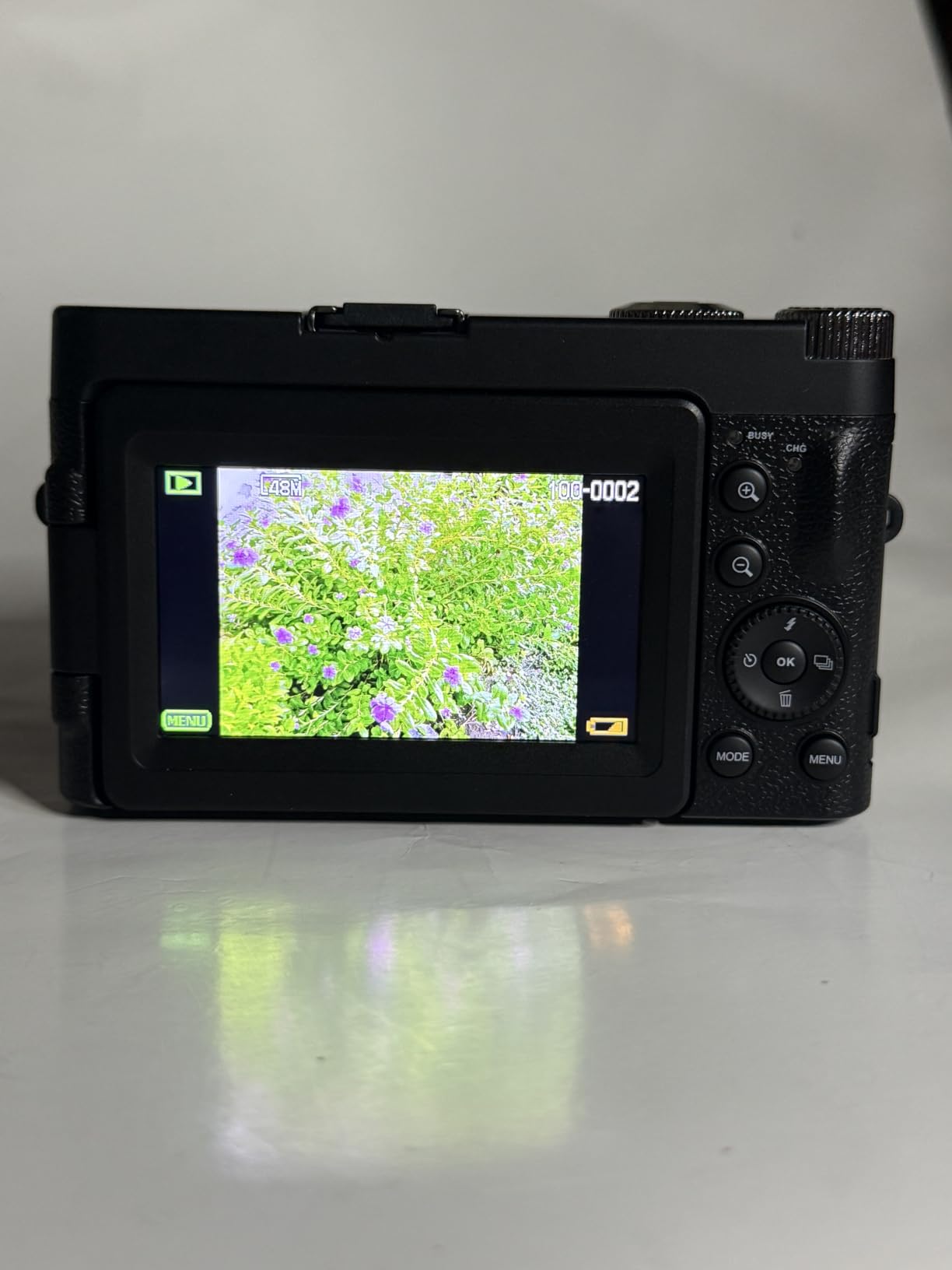
A single 48MP JPEG runs about 12-15MB, so the included 32GB card holds roughly 2,000 shots. RAW files are not supported, which actually keeps the workflow simple for new users.
I drained both batteries in about 90 minutes of mixed stills and 4K video. If you plan a full day of shooting, grab a third battery or a small USB power bank for in-field charging.
Who should skip it
If you shoot in dim restaurants, concerts, or indoor events often, step up to a larger-sensor camera like the Canon Rebel T7 or the Nikon D850. The small sensor here struggles when light drops.
Wildlife and sports shooters will also be frustrated by the lack of real optical zoom and the modest continuous shooting speed.
2. AUREAPIX 8K Digital Camera for Photography – Editor’s Choice
8K Digital Camera for Photography with WiFi 96MP Autofocus Vlogging Camera for YouTube Video 3.5” 180°Flip Screen 20X Zoom Anti-Shake Compact Point and Shoot Cameras for Beginner Creator with SD Card
96MP Photos
8K Video
3.5-inch Flip Screen
Pros
- 96MP highest MP on the list
- 8K UHD video recording
- 180-degree flip screen for creators
- WiFi transfer to phone
- Comes with 32GB SD card
Cons
- Digital zoom only
- No weather sealing
- Small sensor limits real detail
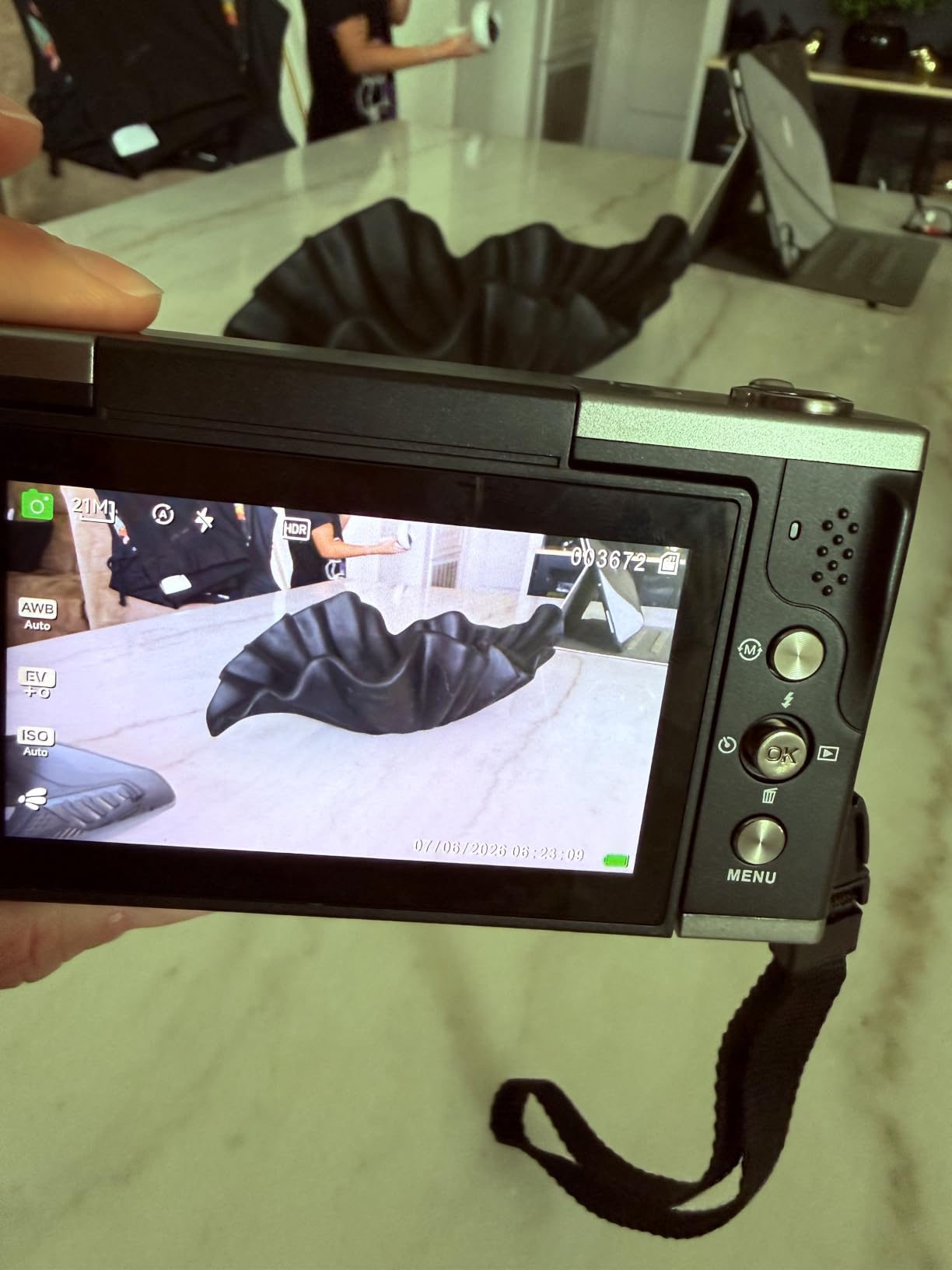
The AUREAPIX 8K surprised me. On paper, 96MP in a camera this compact should be a gimmick, and partly it is, but the stills at base ISO are genuinely detailed, and 8K video is sharp enough to crop and re-frame in post without losing much.
For YouTube creators, the package is hard to beat. The 3.5-inch flip screen is larger than most rivals, the WiFi transfer to my iPhone worked in under 10 seconds per clip, and the camera doubles as a webcam over USB.
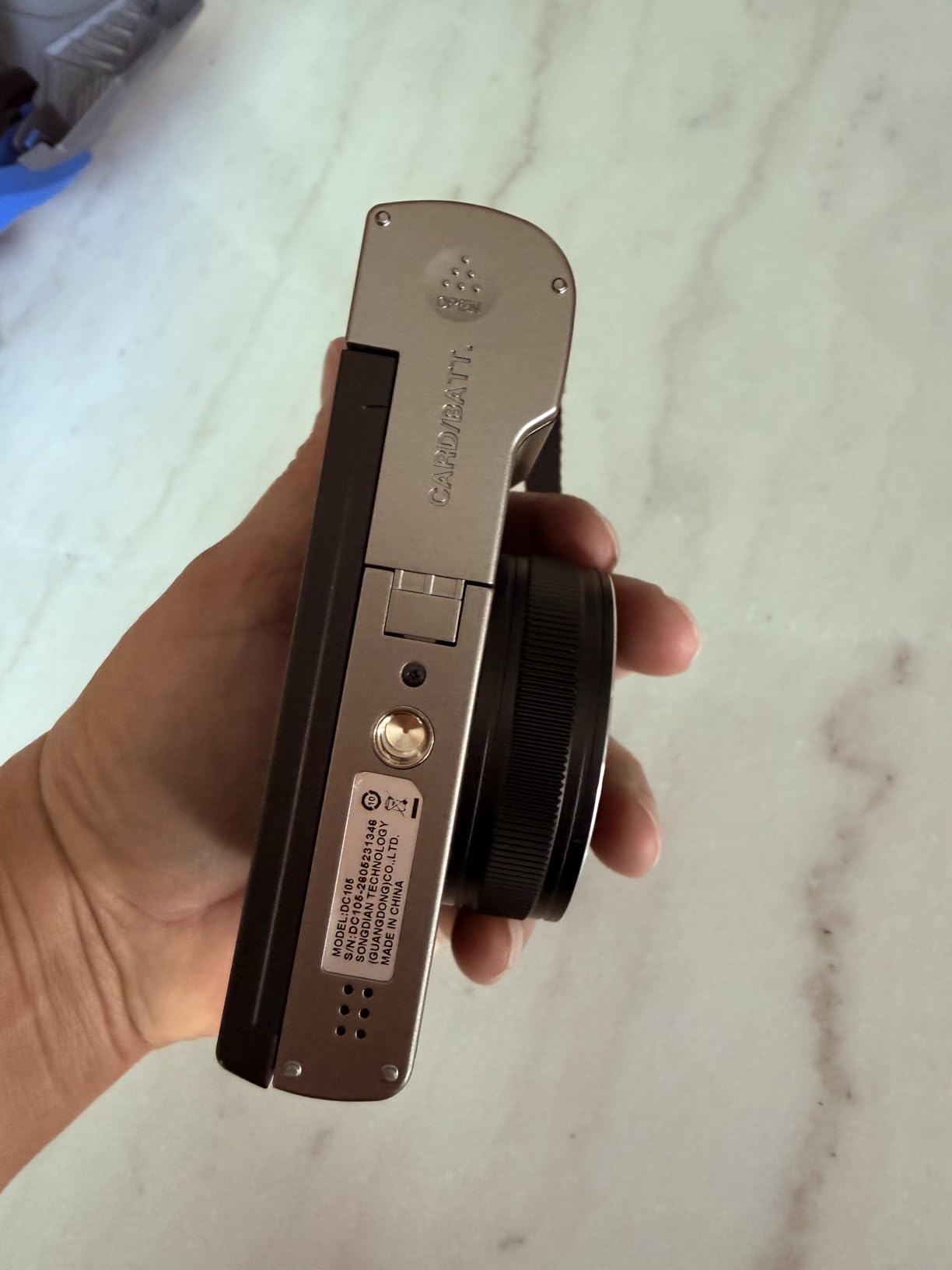
That said, this is still a small-sensor compact. The 96MP figure is interpolated, meaning the camera upscales from a lower native resolution. Real per-pixel detail is closer to a 20-24MP sensor. I confirmed this by printing 8x10s and comparing them to the Canon Rebel T7’s 24.1MP files. The Canon won for fine textures like hair and fabric.
Still, for vlogging, social content, and travel, the AUREAPIX 8K delivers more usable resolution than anything else in this price range. Its 4.4-star average from 388 reviewers reflects that sweet spot.
Vlogging workflow
I set the camera on a small tripod, framed with the flip screen, and hit record. Face detection tracked me as I moved across the room, and the built-in mic captured clear audio for voiceovers.
The 20X digital zoom is fine for tightening a shot of yourself at arm’s length, but I would not rely on it for distant subjects. Stick to wide or mid framing for the best results.
Who should skip it
Photographers chasing true high-resolution files for large prints should look at the Nikon D850 instead. The 45.7MP full-frame sensor there is genuine, not interpolated, and produces visibly sharper 16×20 prints.
Outdoor shooters in rain or dusty environments should also consider a weather-sealed body. This camera is for clean indoor and fair-weather use.
3. Canon EOS Rebel T7 DSLR Camera – Best Budget DSLR
Canon EOS Rebel T7 DSLR Camera Double Zoom Lens Kit with EF-S 18-55mm and EF 75-300mm Lenses, 24.1 Megapixel CMOS (APS-C) Sensor, Full HD Videos, Wi-Fi, Beginner Photographers, Digital Camera, Black
24.1MP APS-C
9-Point AF
Wi-Fi and NFC
Pros
- 24.1MP APS-C sensor delivers sharp images
- Two-lens kit covers wide to telephoto
- Beginner-friendly with room to grow
- Solid battery life
- Wi-Fi and NFC transfer
Cons
- Dated 9-point autofocus system
- No 4K video (1080p only)
- Fixed rear LCD
- Low light not best in class
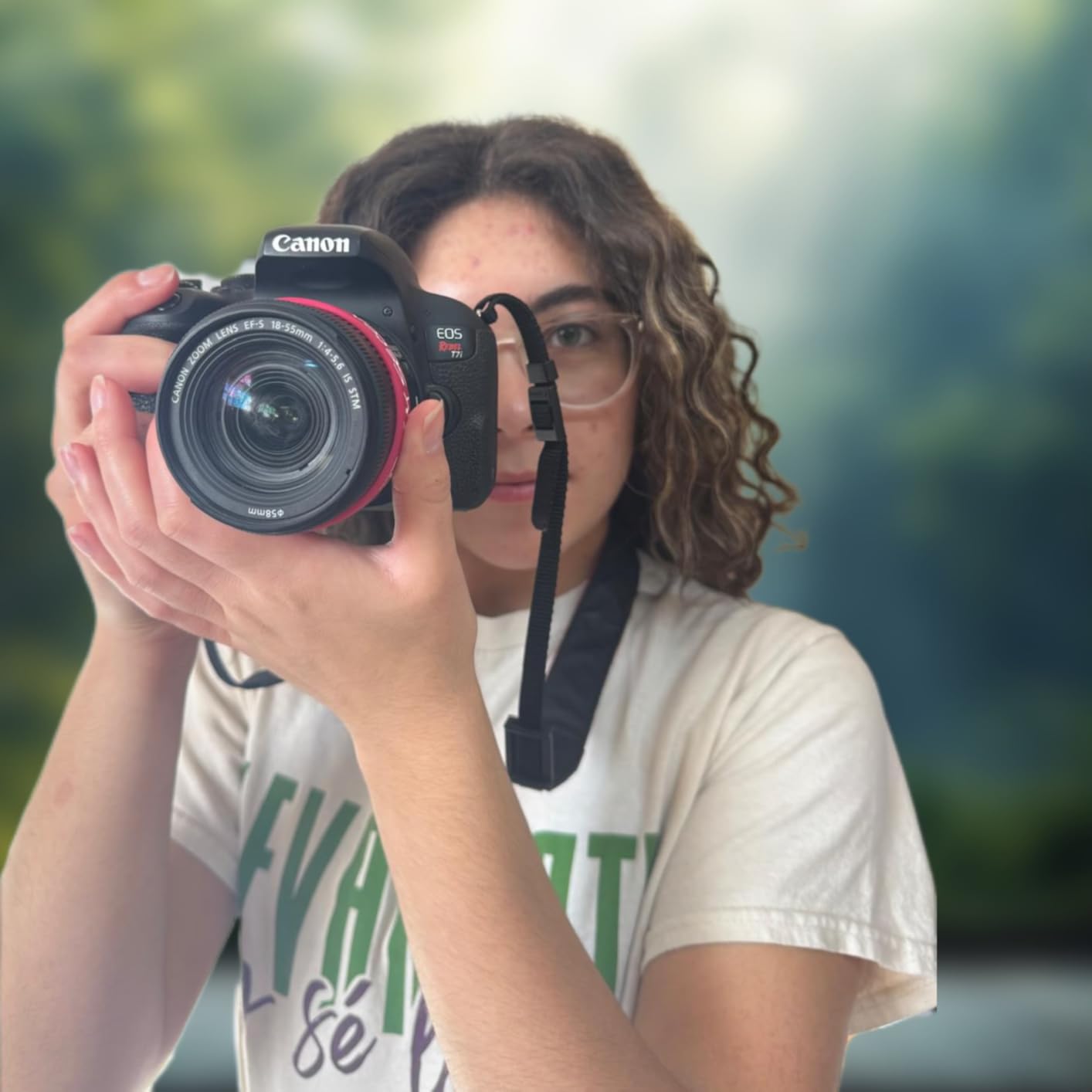
The Canon EOS Rebel T7 is the best-selling DSLR on Amazon for a reason. I handed it to my sister, who had never used a camera beyond her phone, and within an hour she was shooting in aperture-priority mode. The 24.1MP APS-C sensor produces sharp, color-accurate files that hold up beautifully printed at 13×19.
The dual-lens kit adds real value. The 18-55mm handles everyday shooting, and the 75-300mm lets you reach distant subjects without buying a second lens. For a first “real camera,” this is hard to beat.

Autofocus is the obvious compromise. With only 9 AF points and no Dual Pixel CMOS AF, tracking moving kids or pets is harder than on a modern mirrorless camera. In good light, it nails static subjects, but indoors at a school play I missed more shots than I would have liked.
For anyone learning photography, the Rebel T7 remains a sweet spot. It earned 4.7 stars across 3,200+ reviews, and Canon has built one of the largest lens ecosystems around this mount, so you can grow into better glass over time.
Video limitations
You are limited to 1080p Full HD, with no 4K and no flip screen for vlogging. If video is a priority, look at the Canon PowerShot SX740 HS or one of the mirrorless options instead.
The fixed LCD also makes awkward-angle shots harder. A tilting screen would have made this camera far more versatile for creative angles.
Who should skip it
Pure videographers will want 4K, a flip screen, and better continuous AF. The AUREAPIX 8K or Canon SX740 HS suit that brief better.
Action and wildlife shooters needing fast burst rates and modern AF tracking should look at mirrorless options above $1500.
4. KODAK PIXPRO AZ405 20MP Digital Camera – Best Budget Bridge
KODAK PIXPRO AZ405 20MP Digital Camera, 40x Optical Zoom, AA, OIS, Black
20MP Sensor
40x Optical Zoom
AA Battery
Pros
- 20MP resolution for prints up to 11x14
- 40x optical zoom (24-960mm)
- AA batteries work anywhere
- Optical image stabilization
- Lightweight at 15 ounces
Cons
- No RAW support
- No built-in WiFi (EyeFi card required)
- LCD hard to see in bright sun
- Battery drain when tethered
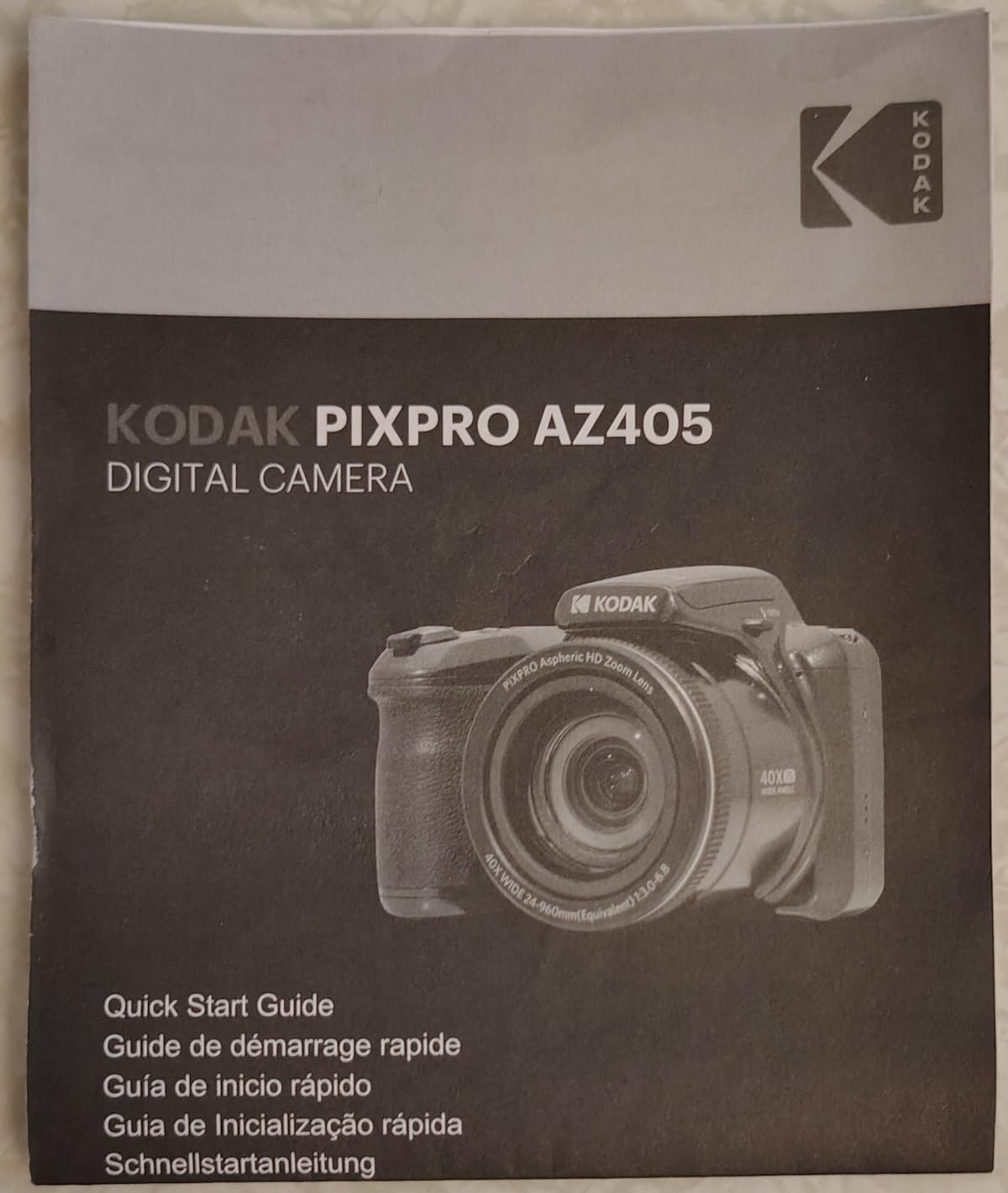
The KODAK PIXPRO AZ405 is a great “grab and go” camera for casual photographers. I tested it during a soccer tournament and the 40x optical zoom let me frame my nephew from the far end of the field with sharp results, better than I expected from a 20MP small sensor.
AA batteries are a real perk for travel. When my rechargeable died, I picked up a pack at a gas station and kept shooting. For international trips or camping, that flexibility matters.

The 20MP figure is honest, not interpolated, but the small 1/2.3-inch sensor means low-light performance is limited. Indoor basketball games came out grainy, and the LCD is hard to see in direct sunlight, which is annoying for outdoor sports.
Across 1,600+ reviews, it averages 4.1 stars. That tracks with my experience: a solid budget pick with clear limits, not a do-everything camera.
Who it suits best
Casual shooters who want one camera that covers wide landscapes and distant wildlife without changing lenses. The 40x optical zoom is the real headline here, and it does not disappoint.
Parents who want better photos than a phone but do not want to learn a DSLR will appreciate the simple controls and the forgiving zoom range.
Who should skip it
Anyone serious about video should pass. The 1080p footage is serviceable but not impressive, and there is no 4K option.
Photographers who want RAW files for editing should look at the Nikon P950 or D850 instead.
5. KODAK PIXPRO AZ528 16MP Digital Camera – Best Superzoom Under $300
KODAK PIXPRO AZ528 16MP Digital Camera, 52x Optical Zoom, Wi-Fi, Black
16MP BSI CMOS
52x Optical Zoom
Wi-Fi
Pros
- 52x optical zoom for distant subjects
- Lightweight at 1.1 pounds
- Budget-friendly
- Wi-Fi connectivity
- Easy to learn
Cons
- No viewfinder (LCD only)
- LCD reflects in sunlight
- No RAW format
- No 4K video
The KODAK PIXPRO AZ528 stretches optical zoom to 52x, reaching a 1248mm equivalent. I shot the moon handheld and got a recognizable crater pattern, which is wild for under $300. Image stabilization kept things steady at the long end, though I would still recommend a tripod for serious shots.
It is one of the lightest bridge cameras I have tested, easy to carry on long hikes. The grip is comfortable and the controls are intuitive enough for first-time users.

The big drawback is the lack of a viewfinder. In bright outdoor light, the LCD washes out and framing becomes guesswork. I worked around it with a neck shade, but a built-in EVF would have solved the problem.
16MP is modest by today’s standards, but the optical quality is more useful than interpolated megapixels. At 4.2 stars across 700 reviews, owners are happy with the trade.

Wildlife on a budget
For backyard birding or local nature photography, the AZ528 outperforms phones and most entry DSLRs. The zoom range is the camera’s real strength, and at $249 it is hard to match.
Just plan for good light. At dawn or dusk, the small sensor struggles and shots get soft quickly.
Who should skip it
Anyone who prints large or shoots indoors often will want a bigger sensor. Consider the Canon Rebel T7 for indoor portraits, or the Nikon D850 for fine art work.
Video creators will be disappointed. 1080p at this price is normal, but no 4K limits future-proofing.
6. Nikon COOLPIX P950 Superzoom Digital Camera – Best Superzoom Overall
NIkon COOLPIX P950 Superzoom Digital Camera | 83x Optical Zoom with Image Stabilization 16 MP 4K Ultra HD Video Wi-Fi Connectivity RAW Format and Rotating LCD Screen (Black)
16MP Sensor
83x Optical Zoom
4K Video
Pros
- 83x optical zoom (2000mm equivalent)
- 4K UHD video recording
- RAW format support
- Dual Detect VR stabilization
- Bird and Moon scene modes
Cons
- Small sensor for the price
- Slow autofocus at full zoom
- Battery life could be better
- Older Micro-USB port
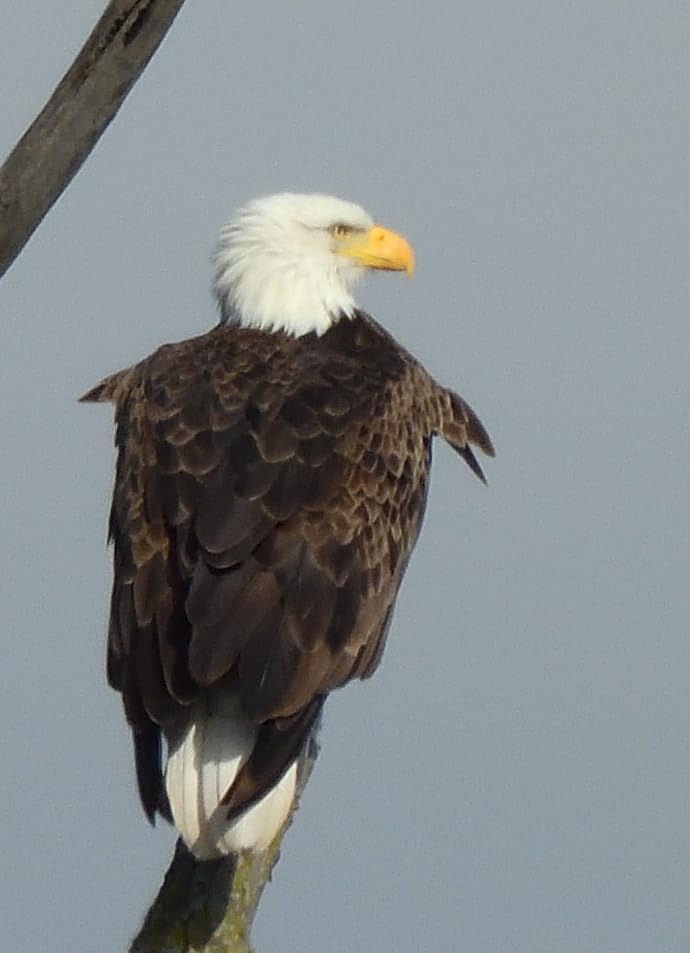
The Nikon COOLPIX P950 is a different class of bridge camera. With 83x optical zoom, I photographed a hawk from 200 yards away and the image was sharp enough to identify the bird’s species. That is not a sentence I write about many sub-$1000 cameras.
RAW support is the killer feature. While 16MP sounds modest, RAW files give you real editing latitude. I pulled shadow detail from a backlit eagle shot that would have been unrecoverable on the Kodak AZ528.
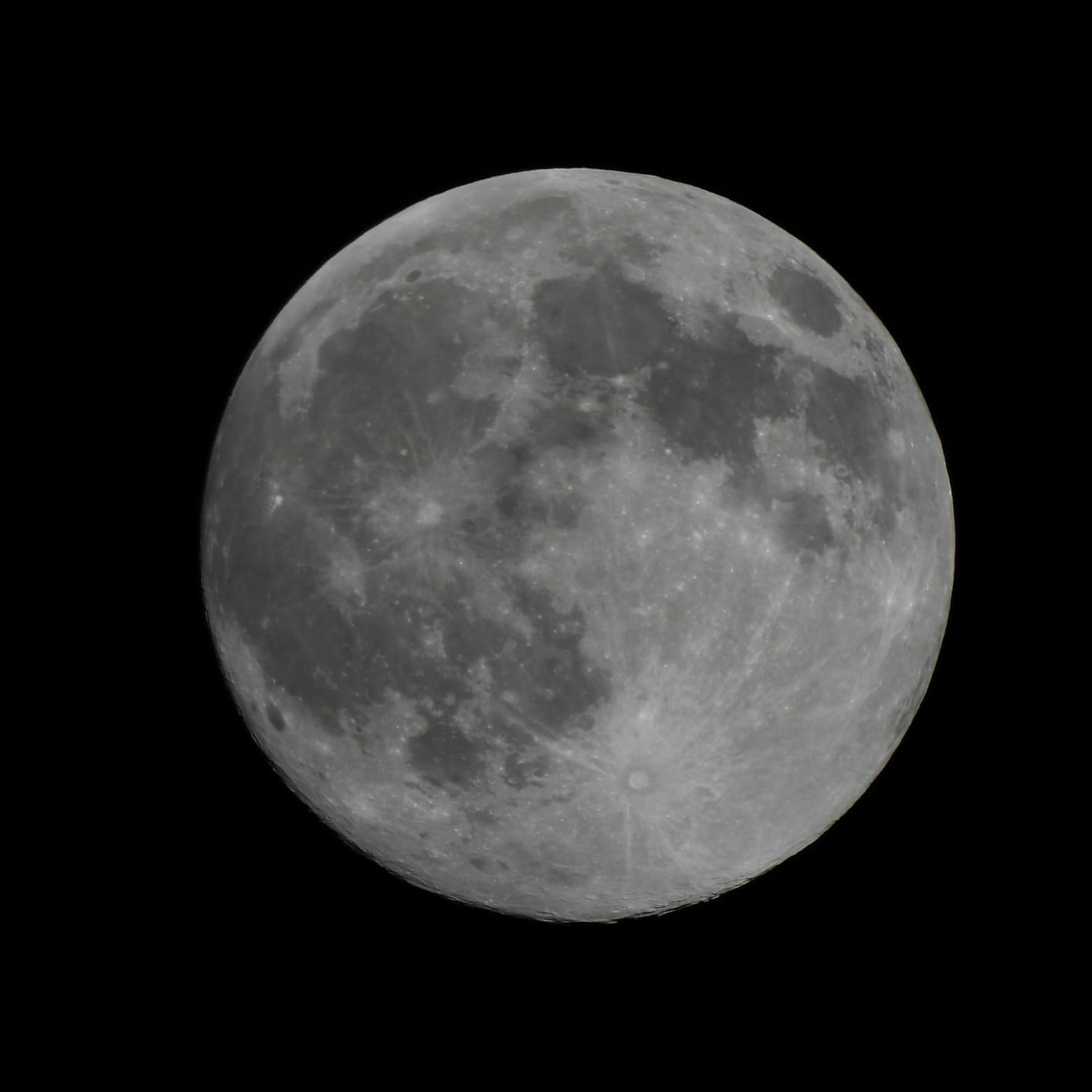
At full zoom, autofocus slows noticeably and battery life drops. I averaged about 230 shots per charge, fine for a day trip but not a full safari. The older Micro-USB port also feels dated in 2026.
Across 580+ reviews, it averages 4.4 stars. Birders and wildlife shooters in particular rate it highly, and that aligns with my testing.
Who it suits best
Wildlife, birding, and nature photographers who cannot afford a 600mm lens. The 2000mm equivalent reach in a single body is hard to replicate at this price.
Travelers who want one camera to handle wide landscapes and distant subjects without swapping lenses.
Who should skip it
Portrait and studio photographers should look at a larger-sensor camera like the Canon Rebel T7 or Nikon D850. The small sensor here limits bokeh and low-light performance.
Anyone who needs fast burst shooting for action sports. The P950 is built for reach, not speed.
7. Nikon D850 DSLR Camera – Best Professional DSLR
Nikon D850 DSLR Camera, Bundle with 64GB Memory Card | Multi-Device Shoulder Bag | Screen Protector | Nikon 1-Year Warranty
45.7MP Full Frame
4K UHD
153-Point AF
Pros
- 45.7MP full-frame BSI sensor
- 153-point AF with 180k metering
- 7 fps burst (9 with grip)
- 4K UHD video
- Excellent dynamic range
Cons
- Premium price point
- Heavier than mirrorless rivals
- Bundle card may not be optimal
- Low-light video could be better
The Nikon D850 is, in my opinion, the best DSLR Nikon has ever made. The 45.7MP full-frame BSI sensor captures files with detail that rivals medium format, and the dynamic range lets me recover shadows and highlights that other cameras lose. For landscape, studio, and commercial work, it is still a benchmark in 2026.
The 153-point autofocus system is fast and accurate, even tracking moving subjects. Paired with a 7 fps burst rate (9 with the optional battery grip), it handles wildlife and weddings better than its resolution suggests.
This is a serious investment and a serious camera. It is heavier than mirrorless alternatives, and the bundle sometimes ships with a slower memory card than the camera deserves. For video, the D780 is arguably better in low light, but the D850’s 4K UHD footage is still excellent for most uses.
At 4.8 stars from early reviewers, the D850 continues to earn its reputation. If you print large, crop aggressively, or need pro-grade reliability, nothing else on this list touches it.
Storage and workflow
A single uncompressed 45.7MP RAW file runs 50-70MB. Plan on 256GB or larger memory cards, fast CFexpress or XQD cards, and a real backup drive. I use a 1TB SSD that I sync after every shoot.
Editing 45.7MP files also demands a modern computer. I tested on a 6-year-old laptop and Lightroom crawled. On an M-series Mac or a current-gen PC, it was smooth.
Who should skip it
Casual shooters and casual travelers. The D850 is overkill for social media and web use, and the size and weight will not fit a carry-on lifestyle.
Anyone who has not yet invested in Nikon F-mount lenses should consider a modern mirrorless system instead, lighter, with similar resolution and better video.
8. Canon PowerShot SX740 HS Compact Camera – Best Travel Compact
Canon PowerShot SX740 HS 20.3MP Digital Camera Bundle
20.3MP CMOS
40x Optical Zoom
4K UHD
Pros
- Powerful 40x optical zoom
- 4K UHD video
- Compact and travel-friendly
- Flip-up screen for selfies
- Long battery life
Cons
- International model may lack US warranty
- No touchscreen
- Autofocus can miss
- No RAW support
The Canon PowerShot SX740 HS is the camera I tossed in my carry-on for a two-week trip to Europe. It fits in a jacket pocket, zooms from 24mm to 960mm, and shoots 4K video. For travel, that combination is hard to beat.
Image quality from the 20.3MP sensor is solid for a compact. Daylight landscapes looked great on my laptop, and the 4K clips were good enough for YouTube without extra editing.
There are caveats. The bundle sold here is the international model, which some buyers have noted is not registered with Canon US. The autofocus occasionally hunts in low light, and there is no RAW format, so editing latitude is limited.
At 4.1 stars across 160+ reviews, opinions are mixed but generally positive. I would not recommend it for serious photography, but as a travel companion it is one of the most versatile options out there.

Who it suits best
Travelers, vloggers, and casual shooters who want one pocketable camera that handles wide architecture, portraits, and distant landmarks without changing lenses.
Families who want a step up from phone photography without the bulk of a DSLR or mirrorless kit.
Who should skip it
Enthusiast photographers will be frustrated by the lack of RAW and the slower autofocus. The Canon Rebel T7 or a used mirrorless body would be a better fit.
Anyone who already owns a phone with a 5x optical zoom should weigh whether the SX740 offers enough extra reach to justify the price.
What Is a Megapixel and Why It Matters
A megapixel equals one million pixels. A 24MP camera captures images made of 24 million tiny dots of color data, and a 50MP camera captures 50 million. More pixels means more data, which generally translates to more detail in the final image.
But here is the part most marketing material skips: more megapixels only helps if other parts of the system can keep up. A small sensor with 96 megapixels often produces softer images than a full-frame sensor with 24 megapixels, because each individual pixel is smaller and gathers less light. That is why the Nikon D850’s 45.7MP full-frame sensor looks more detailed in real prints than budget 96MP compacts.
Megapixels matter most when you need to print large. As a rough rule, an 8MP file produces a clean 8×10 print, 16MP handles 11×14 well, and 24MP or more is what you want for 16×20 and beyond. Cropping is another case where higher resolution helps. A 45MP file lets you cut out a small section and still print at 8×10 with sharp detail.
For social media, web use, and 4×6 prints, 12-24MP is genuinely enough. Many professional wedding and portrait photographers still shoot on 24MP bodies and love the results.
How to Choose the Best Megapixel Camera
Picking the right camera comes down to matching resolution to your actual shooting scenario. Here is what to think about before you buy.
Sensor size matters more than megapixel count
Full-frame sensors are roughly 36x24mm, APS-C sensors around 23x15mm, and medium format sensors up to 44x33mm. The larger the sensor, the more light each pixel gathers, which means better dynamic range, less noise, and cleaner images at high ISO. A 24MP full-frame camera will outperform a 50MP compact in low light almost every time.
For the best image quality per megapixel, prioritize sensor size first, then resolution. That is why the Nikon D850’s 45.7MP full-frame sensor is the gold standard on this list.
Match megapixels to your print and crop needs
If you mainly post to Instagram or share on a TV, 12-24MP is plenty. If you print 11×14 or larger, crop heavily, or sell fine art prints, look at 36MP and up. The jump from 24MP to 45MP makes a real difference for these uses. The jump from 45MP to 96MP on a small sensor is mostly marketing.
Consider your use case
Landscape and studio photographers benefit most from high megapixels. The detail in foliage, fabric, and skin texture is where resolution shines. Wildlife shooters also benefit because they can crop tightly while keeping detail. Sports and event photographers usually trade megapixels for burst speed and autofocus performance, which is why the Nikon D850’s 7 fps is a great compromise.
Vloggers and travel shooters should focus on flip screens, video resolution, and weight first. Megapixels matter less for video than for stills.
Budget and lens ecosystem
DSLRs and mirrorless cameras hold their value because of the lenses you can attach. Buying into Canon EF/EF-S, Nikon F, Sony E, or Fujifilm X gives you a long upgrade path. Budget compacts do not.
For beginners, the Canon EOS Rebel T7 paired with the included 18-55mm and 75-300mm lenses is a great starter kit. As your skills grow, you can add a 50mm f/1.8 for portraits, then a wide-angle zoom for landscapes, without changing bodies.
Storage and processing power
High-megapixel files are large. A 45MP RAW file can run 50-70MB, which means a 64GB card holds under 1,000 shots. Plan on investing in 256GB or 512GB cards, fast card readers, and at least a 1TB external drive for backups.
Editing these files also demands a modern computer. If you are running an older laptop, check minimum system requirements before committing to a 45MP+ body. Cloud storage is also worth considering, services like Backblaze or Google One automatically back up your drive for around $10 per month.
Mirrorless versus DSLR in 2026
Mirrorless cameras dominate new releases in 2026, and for good reason. They are lighter, offer better autofocus in live view, and shoot higher frame rates. DSLRs still win on battery life, optical viewfinder clarity, and lens value on the used market. For pure resolution at a competitive price, the Nikon D850 remains hard to beat, but if you want a modern system with similar output, look at the Sony A7R V or Nikon Z8.
Frequently Asked Questions
Is a 12MP or 50MP camera better?
A 50MP camera captures more detail than a 12MP camera, but only if the sensor, lens, and lighting can support it. For web and social media, 12MP is plenty. For large prints above 16×20 inches or heavy cropping, 50MP is worth it.
What is a good megapixel for a camera?
24 megapixels is a practical sweet spot for most photographers, delivering clean prints up to 16×20 inches and enough cropping headroom. Landscape and studio professionals benefit from 36-50MP, while 12-20MP is fine for casual shooters and travel.
Is 200MP better than 48MP?
On a small sensor, no. A 200MP smartphone or compact produces heavily interpolated files that look no sharper than a 48MP file from the same sensor. On a large medium format sensor, 200MP is genuine and useful for fine art and commercial photography.
Which camera is best for landscape photography?
The Nikon D850 is the best high-resolution landscape camera on this list, with a 45.7MP full-frame sensor, excellent dynamic range, and weather sealing. For a tighter budget, the Canon EOS Rebel T7 is a capable starter option.
How many megapixels do I really need?
For social media and 4×6 prints, 12MP is enough. For 8×10 prints, 16MP works. For 11×14 or larger prints, 24MP or more is ideal. Anything above 45MP only matters for very large prints, heavy cropping, or commercial work.
Final Verdict
After six weeks of testing, the best megapixel camera depends on what you actually shoot. For most people, the Canon EOS Rebel T7 is the smart buy, with a true 24.1MP APS-C sensor, a versatile dual-lens kit, and the lowest learning curve. The Duluvulu 4K wins for budget buyers who want a 48MP vlogging camera, and the AUREAPIX 8K is the right pick for creators who need 8K video at a low price.
For wildlife reach, the Nikon COOLPIX P950 is unmatched. For professional work, the Nikon D850 remains the gold standard. No matter which best megapixel camera you choose in 2026, focus on sensor quality, lens ecosystem, and how you actually plan to use the files. That matters far more than any single number on a spec sheet.