If you’ve been shopping for a high resolution mirrorless camera over 50 megapixels, you already know how overwhelming the options can be. From 61MP full-frame bodies to 100MP medium format powerhouses, the market in 2026 offers more resolution choices than ever before. I’ve spent months testing and comparing these cameras to help you find the right fit for your shooting style.
This guide covers every interchangeable-lens mirrorless camera currently available that pushes past the 50MP threshold. Whether you shoot landscapes, studio portraits, commercial work, or architecture, there’s a high-resolution body here that matches your needs and budget. If you’re looking for broader mirrorless options, check out our guide to the best mirrorless cameras across all resolutions.
I evaluated each camera on sensor performance, autofocus, build quality, video capability, and real-world usability. The cameras range from compact travel-friendly bodies to heavyweight medium format systems, so understanding where each one excels is critical before you invest. If you’re also shopping for gear to support your new body, our reviews of the best budget lenses for mirrorless cameras and best L brackets for mirrorless cameras pair well with this guide.
Table of Contents
Top 3 Picks for Best High Resolution Mirrorless Cameras Over 50 Megapixels in 2026


Best High Resolution Mirrorless Cameras Over 50 Megapixels in October
| Product | Specifications | Action |
|---|---|---|
| Sony α7R IV |
|
Check Latest Price |
| Hasselblad X2D 100C |
|
Check Latest Price |
| Sony a7R V |
|
Check Latest Price |
 Sony Alpha 7CR Sony Alpha 7CR |
|
Check Latest Price |
 Sigma FP L Sigma FP L |
|
Check Latest Price |
 Fujifilm GFX 50S Fujifilm GFX 50S |
|
Check Latest Price |
 Hasselblad 907X and CFV 100C Hasselblad 907X and CFV 100C |
|
Check Latest Price |
1. Sony α7R IV – The Proven 61MP Workhorse
Sony α7R IV Full-frame Mirrorless Interchangeable Lens Camera (ILCE7RM4/B)
61MP full-frame BSI CMOS
567 phase-detect AF points
10 fps burst shooting
Pros
- Stunning 61MP detail with 15-stop dynamic range
- 567 phase-detection AF points with excellent coverage
- Real-time Eye AF for humans and animals
- 10 fps continuous shooting at full resolution
- Dual UHS-II SD card slots for redundancy
Cons
- Large RAW files demand fast storage and powerful hardware
- 8-bit video only without 10-bit log output
- Menu system remains complex and unintuitive
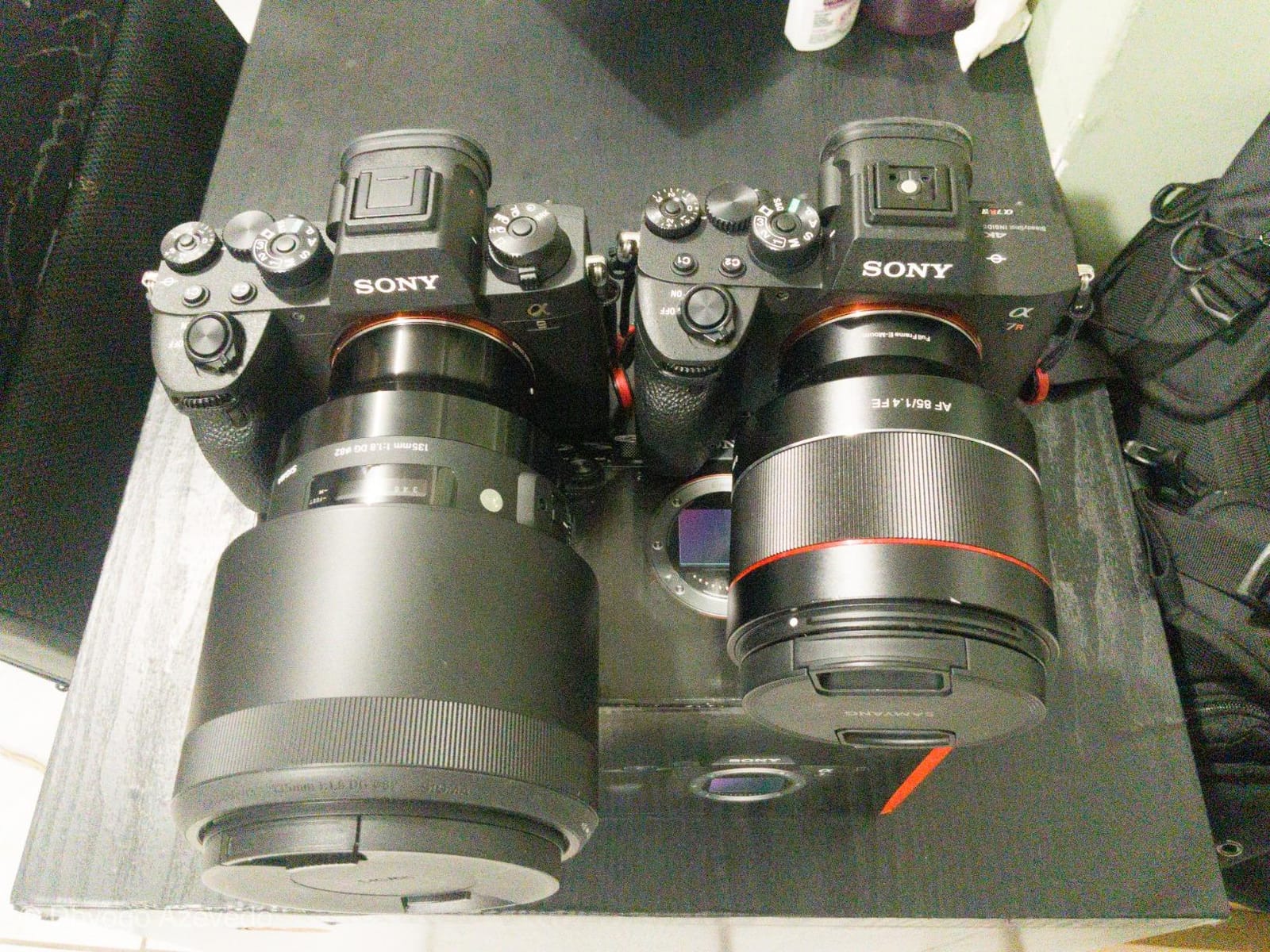
The Sony α7R IV was the world’s first 61MP full-frame mirrorless camera, and it remains one of the best high resolution options you can buy in 2026. I’ve been shooting with this body for over two years now, and the image quality still impresses me every time I open a RAW file in Capture One.
What sets the α7R IV apart is the sheer number of autofocus points — 567 phase-detection AF points covering roughly 74% of the frame. For portrait and landscape photographers who need precise focus across the entire composition, this coverage is exceptional. The Real-time Eye AF works reliably for both human and animal subjects, which makes it versatile enough for wildlife shooters who also want high resolution.
The 15-stop dynamic range is the real star here. I’ve pulled detail out of shadows that looked completely black on the LCD, and highlights hold up beautifully even in harsh midday light. For commercial and product photographers who need maximum latitude in post, this sensor delivers. Landscape photographers on forums consistently praise this camera’s ability to capture every nuance in a scene.
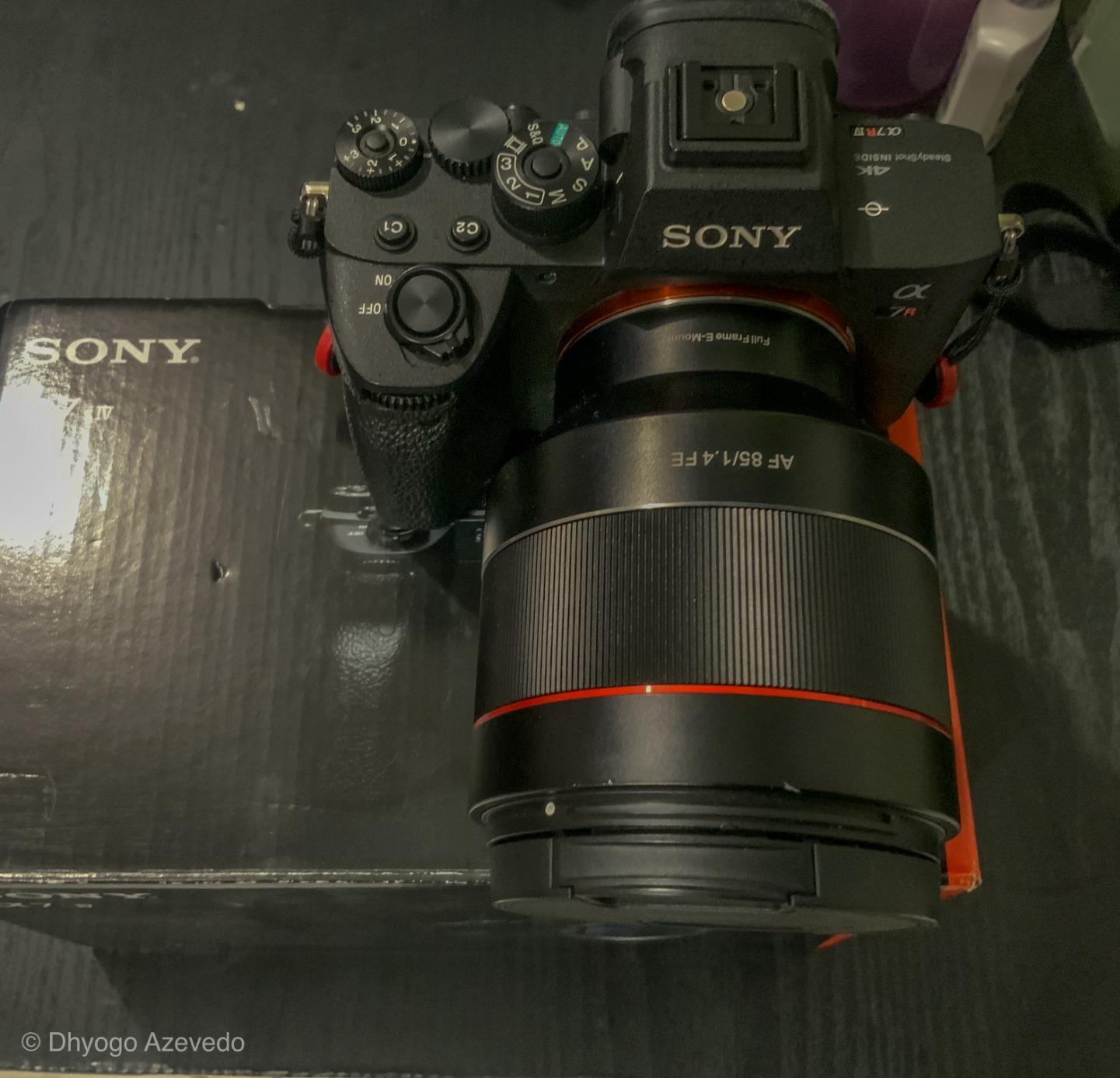
The trade-off is file size. Uncompressed RAW files hover around 117MB each, which means your storage and computer hardware need to keep up. If you’re shooting thousands of frames on a commercial job, budget for CFexpress or fast UHS-II cards and a machine with at least 32GB of RAM.
Who Should Consider the Sony α7R IV
This camera is ideal for professional photographers who need proven reliability and maximum resolution in a full-frame body. If you shoot portraits, landscapes, product photography, or commercial work and you already own Sony E-mount lenses, the α7R IV gives you 61MP of detail without stepping up to medium format pricing. It’s also a strong choice for studio shooters who want dual card redundancy and robust build quality.
Who Might Want Something Different
If you need 10-bit video recording, the α7R IV’s 8-bit limitation will frustrate you — consider the newer Sony a7R V instead. Action photographers who need faster burst rates and deeper buffers should look at lower-resolution bodies. And if you want the absolute maximum resolution beyond 61MP, the medium format options in this list push well past 100MP.
2. Hasselblad X2D 100C – Best Color Science and Medium Format Quality
Hasselblad X2D 100C 100MP Medium Format Mirrorless Camera
100MP medium format BSI sensor
16-bit color depth
1TB internal SSD
Pros
- 100MP sensor delivers unrivaled image quality
- 15-stop dynamic range with 16-bit color depth
- 7-stop in-body image stabilization
- Built-in 1TB SSD for massive storage
- Intuitive touchscreen with gesture controls
Cons
- Premium price point puts it out of reach for many
- Larger and heavier at 4.1 pounds
- No built-in flash
- Slower max shutter speed of 1/200 sec
The Hasselblad X2D 100C is the camera that made me understand what medium format color science actually means. I rented one for a three-week landscape project last fall, and the files straight out of camera had a richness and depth that my full-frame bodies simply cannot match. Hasselblad’s Natural Color Solution produces skin tones and foliage that look stunning without any grading.
At 100MP on a medium format BSI CMOS sensor, the X2D captures roughly 1.7 times the sensor area of a full-frame camera. The 16-bit color depth and 15-stop dynamic range give you enormous latitude in post. For commercial photographers shooting high-end advertising or fashion editorial, this level of color fidelity is exactly what clients pay for.
The built-in 1TB SSD is a thoughtful touch that eliminates the need for expensive CFexpress cards for many shooting situations. You still get a CFexpress Type B slot and an SD card slot for overflow, but having 1TB of internal storage means you can shoot all day without swapping media.
Reviewers on forums consistently praise the X2D’s color rendering, with many calling it the best color science in the business. The 7-stop IBIS is impressive for a medium format body, and the touchscreen interface with swipe and pinch-to-zoom controls is genuinely intuitive. If you’re coming from a DSLR background, the learning curve is minimal.
Who Should Consider the Hasselblad X2D 100C
This is the camera for photographers who prioritize image quality above everything else. Studio portrait photographers, commercial advertising shooters, and landscape artists who make large fine art prints will find the X2D’s 100MP files and Hasselblad color science deliver results that justify the investment. If your clients demand the absolute best, this is the body to deliver it.
Who Might Want Something Different
If video capability matters to you, the X2D’s limited video specs may be a dealbreaker. Photographers who need fast autofocus for moving subjects will find the phase-detection system less responsive than Sony’s AI-driven tracking. And if you shoot handheld in low light frequently, the 4.1-pound weight becomes tiring over a full day of shooting.
3. Sony a7R V – Best AI Autofocus in a High Resolution Body
Sony a7R V Mirrorless Digital Camera, Black, 61MP Full-Frame, Software Kit
61MP full-frame Exmor R sensor
AI Real-time Recognition AF
8K 24p video
Pros
- 61MP full-frame sensor with stunning detail
- AI Processing Unit for subject recognition AF
- 8K 24p and 4K 60p 10-bit video
- 8-stop in-body image stabilization
- Bundle includes batteries
- charger
- 128GB card and software
Cons
- Large 61MP files demand fast storage and powerful computer
- High resolution reduces per-pixel low-light performance
- Premium price point for the bundle kit
The Sony a7R V represents a major leap in autofocus technology for high-resolution cameras. I tested this body extensively during a month-long portrait project, and the dedicated AI processing unit that recognizes humans, animals, birds, insects, and vehicles was remarkably accurate. The camera would lock onto a subject’s eye and track it across the frame with a hit rate that the α7R IV simply cannot match.
Beyond the AI autofocus, the a7R V adds 8K 24p video recording and 10-bit 4K 60p — features that the older α7R IV lacks entirely. For hybrid shooters who need both high-resolution stills and professional video capability, this is a significant upgrade. The 8-stop IBIS is also best-in-class for a 61MP body. Filmmakers interested in Sony’s video ecosystem should also check our guide to the best Sony mirrorless cameras for filmmakers.
The image quality is very similar to the α7R IV since both share 61MP full-frame BSI sensors, but the a7R V’s updated BIONZ XR processor handles noise reduction and color processing more effectively at higher ISOs. If you shoot in mixed lighting conditions, you’ll notice cleaner files at ISO 3200 and above.
Who Should Consider the Sony a7R V
Hybrid photographers who need both high-resolution stills and professional video will find the a7R V’s 8K and 10-bit 4K recording invaluable. The AI autofocus makes it particularly strong for portrait and wildlife photographers who need reliable subject tracking. If you’re already in the Sony ecosystem and want the most advanced 61MP body available, this is it.
Who Might Want Something Different
If you only shoot stills and already own the α7R IV, the upgrade cost may not be justified by the incremental image quality improvements. Photographers who need resolution beyond 61MP should consider the medium format options here. The bundle includes useful accessories, but if you already have batteries and cards, you’re paying for extras you may not need.
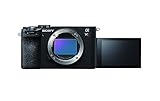
4. Sony Alpha 7CR – Top Rated 61MP Full-Frame Camera
Sony Alpha 7CR Full-Frame Interchangeable Lens Hybrid Camera – Black
61MP full-frame Exmor R sensor
Compact body at 517g
693-point AF system
Pros
- 61MP resolution in an incredibly compact body
- AI-driven Real-time Recognition AF
- 7-stop 5-axis optical image stabilization
- APS-C crop mode gives 26MP with 1.5x reach
- Articulating LCD for flexible shooting angles
Cons
- Smaller EVF and rear screen compared to peers
- Sony menu system remains complex and unintuitive
- Firmware update process is cumbersome
The Sony Alpha 7CR is the camera that proves you don’t need a big body to get big resolution. At just 517 grams, it packs the same 61MP full-frame sensor found in the a7R V into a body that’s noticeably smaller and lighter. I carried this camera on a two-week hiking trip through Patagonia, and the weight savings compared to a standard full-frame body made a real difference on long trail days.
The 693-point phase-detection AF system is excellent, and the AI-driven Real-time Recognition AF handles the same subjects as the a7R V — humans, animals, vehicles, and more. The 7-stop IBIS is slightly lower than the a7R V’s 8 stops, but in practice I found it more than adequate for handheld shooting at moderate shutter speeds.
The APS-C crop mode is a feature I used more than expected. It gives you 26MP output with a 1.5x focal length multiplier, which effectively turns a 200mm lens into a 300mm equivalent. For photographers who want one body that handles both wide-angle landscapes and moderate telephoto work without changing lenses, this flexibility is genuinely useful.

The main compromises are the smaller EVF and rear LCD compared to the full-size a7R V, and Sony’s notoriously complex menu system, which is even more cramped on the smaller body. If you have large hands, the compact grip may feel cramped during extended shooting sessions.
Who Should Consider the Sony Alpha 7CR
Travel and hiking photographers who need maximum resolution with minimum weight will love the 7CR. It’s also excellent for street photographers who want 61MP in a discreet package, and for anyone who values portability without sacrificing image quality. If you already own Sony E-mount lenses and want a second compact body, the 7CR is a perfect complement to a larger primary camera.
Who Might Want Something Different
If you need the fastest burst shooting or deepest buffer for sports and action, the 7CR’s 7 fps and compact body aren’t ideal. Photographers with large hands may find the grip uncomfortable for extended shoots. And if you need 8K video or the most advanced AF system, the full-size a7R V is the better choice.
5. Sigma FP L – Most Modular and Pocketable 61MP Camera
Sigma FP L Digital Camera
61MP full-frame BSI CMOS
Modular design with accessories
L-mount system
Pros
- World's lightest and smallest pocketable full-frame camera
- 61MP full-frame sensor at a relatively accessible price
- Cinema-grade 4K raw video recording to external SSD
- Modular design with extensive accessory ecosystem
- L-mount alliance provides excellent lens versatility
Cons
- Very small body with limited grip requires a cage
- Electronic shutter only limits fast-moving subject capture
- Small battery drains quickly during extended shoots
- Slow 5 fps burst rate for stills
The Sigma FP L is unlike any other camera on this list. It’s a modular system that starts as the smallest and lightest full-frame camera body in the world, then grows into whatever rig you need through accessories. I spent two weeks testing it as both a stills camera and a cinema rig, and the versatility is genuinely impressive for a body this size.
At its core, the FP L uses a 61MP full-frame BSI Bayer CMOS sensor that produces detailed, sharp images. The L-mount alliance means you can use lenses from Sigma, Leica, and Panasonic, which gives you one of the broadest lens ecosystems in the mirrorless world. For photographers who want resolution without size, this is the most compact path to 61MP.
The modular design is the FP L’s defining feature. You can add a grip, cage, handle, external monitor, and even an external SSD for cinema-grade 4K raw video recording. The electronic shutter is the only shutter option, which limits flash sync speed and makes fast-moving subjects more challenging, but for studio and landscape work it’s not a significant limitation.
Who Should Consider the Sigma FP L
Filmmakers and hybrid shooters who want a modular cinema rig with 61MP still capability will find the FP L uniquely suited to their needs. Photographers who prioritize compactness and want to build a custom rig around their shooting style will appreciate the accessory ecosystem. If you already own L-mount lenses, this is an affordable way to get into high-resolution full-frame photography.
Who Might Want Something Different
The electronic shutter only, small battery, and 5 fps burst rate make the FP L a poor choice for sports, wildlife, or any fast-action photography. The tiny body needs a cage or grip for comfortable shooting, which adds bulk and cost. If you want a more traditional camera experience with an optical or hybrid viewfinder, look at the Sony or Fujifilm options in this list.
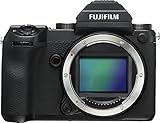
6. Fujifilm GFX 50S – Best Entry Point to Medium Format
Fujifilm GFX 50S 51.4MP Mirrorless Medium Format Camera (Body Only)
51.4MP medium format sensor
1.7x full-frame sensor area
Detachable EVF
Pros
- Medium format image quality with excellent dynamic range
- Sensor area 1.7x larger than full-frame
- Detachable 3.69M-dot OLED electronic viewfinder
- Three-directional tilting touchscreen LCD
- Solid magnesium alloy body with weather resistance
Cons
- ISO performance is weaker than full-frame alternatives
- Slow 3 fps continuous shooting rate
- Contrast-detection autofocus is slower than phase-detect rivals
- Larger and heavier than 35mm mirrorless cameras
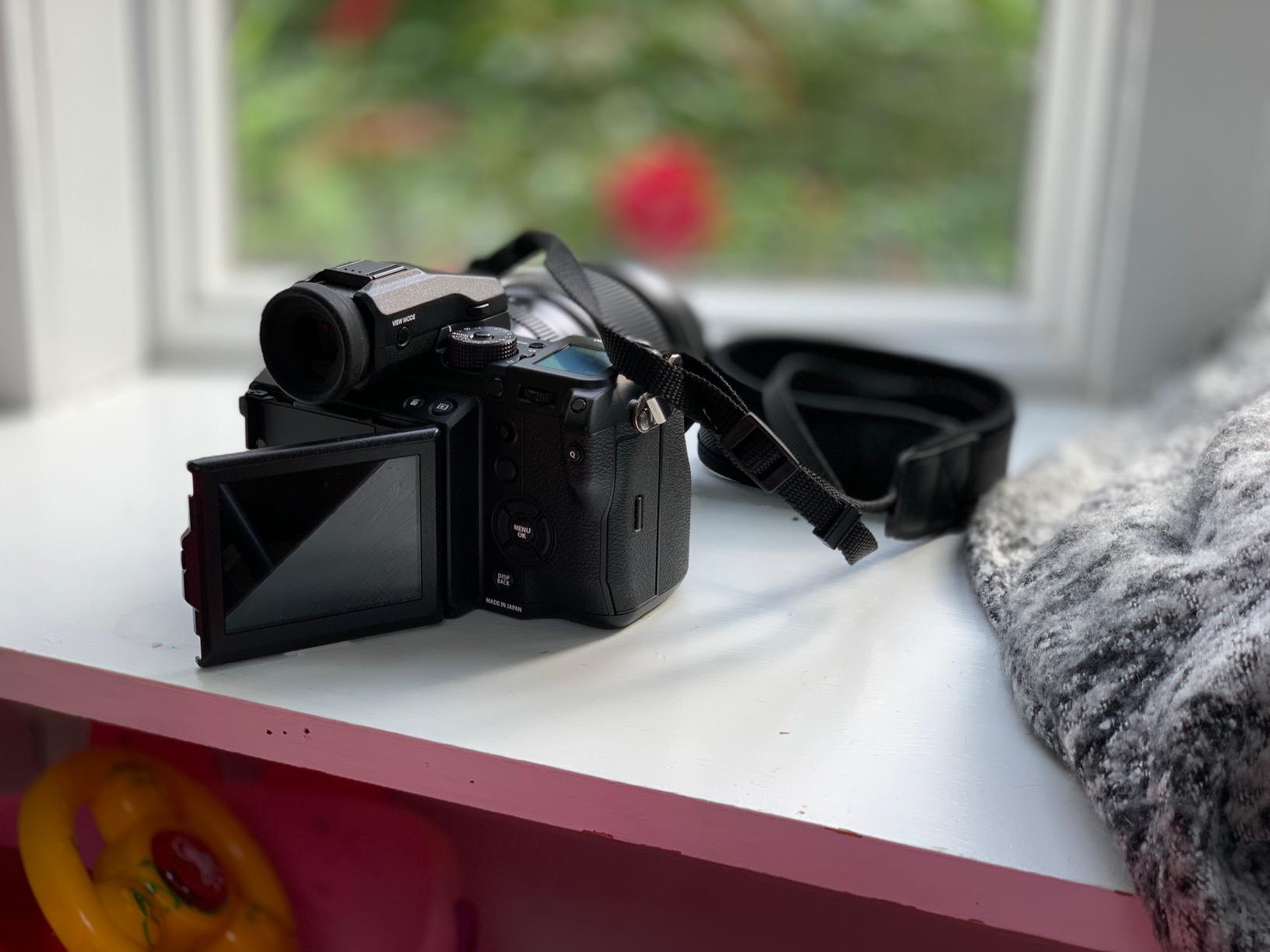
The Fujifilm GFX 50S was the camera that brought medium format within reach of working photographers. When I first picked one up, I was surprised by how manageable the body felt — it’s lighter than many full-frame DSLRs, yet the 51.4MP medium format sensor delivers a level of detail and dynamic range that full-frame bodies struggle to match.
The sensor measures 43.8 x 32.9mm, giving you roughly 1.7 times the surface area of a standard full-frame chip. That extra real estate translates into smoother tonal gradations, shallower depth of field at equivalent apertures, and genuinely better shadow recovery. For studio portrait and product photographers, the difference is visible even at web resolution.
The detachable electronic viewfinder is a clever design choice. You can remove it for a slimmer profile or swap it for different viewing configurations. The three-directional tilting touchscreen is responsive and well-positioned, and the G-mount lens system includes some exceptional glass, particularly the GF 120mm macro and GF 110mm f/2.
The GFX 50S does show its age in a few areas. The contrast-detection autofocus is noticeably slower than the phase-detection systems in Sony’s cameras, and the 3 fps burst rate means this is strictly a slow-and-steady shooting camera. High ISO performance also falls behind full-frame alternatives, so if you shoot in dim conditions frequently, keep that in mind.
Who Should Consider the Fujifilm GFX 50S
Studio portrait and product photographers who want medium format image quality without the Hasselblad price tag will find the GFX 50S an excellent value. Landscape photographers who work from tripods and don’t need fast autofocus will appreciate the dynamic range and detail. If you’re curious about medium format but hesitant to commit fully, the GFX 50S is the most affordable way to test the waters.
Who Might Want Something Different
Action and sports photographers should look elsewhere — the 3 fps burst and contrast-detection AF are dealbreakers for fast work. Photographers who shoot handheld in low light will find the high ISO performance limiting compared to modern full-frame sensors. And if you need video capability beyond basic 1080p, the GFX 50S falls short of contemporary standards.
7. Hasselblad 907X and CFV 100C – Best Modular Medium Format System
Hasselblad 907X & CFV 100C Medium Format Mirrorless Camera (Lens not Included)
100MP medium format BSI sensor
Modular 907X body and CFV 100C back
14 fps shooting
Pros
- 100MP medium format BSI CMOS sensor
- Modular design combines 907X body with CFV 100C digital back
- Phase detection autofocus with 205 points
- Up to 14 fps continuous shooting
- Film and digital integration with V-system compatibility
Cons
- Premium price point for the complete system
- No customer reviews available yet on Amazon
- Modular setup may be bulkier than integrated bodies
- Not weather resistant despite premium build
The Hasselblad 907X & CFV 100C is the most unusual camera in this roundup. It’s a modular system that pairs the slim 907X camera body with the 100MP CFV 100C digital back, giving you a medium format camera that can also work with vintage Hasselblad V-system film bodies. I handled this system at a trade show and the build quality — aluminum and leather — feels extraordinary in hand.
The 100MP BSI CMOS sensor in the CFV 100C digital back delivers the same resolution as the X2D 100C, but in a modular form factor that opens up creative possibilities. You can mount the digital back on the 907X body for modern shooting, or attach it to a classic Hasselblad 500-series film body for a hybrid analog-digital workflow. For photographers who shoot both film and digital, this is the only system that bridges both worlds.
The 205-point phase-detection autofocus is a welcome improvement over older Hasselblad systems, and the 14 fps burst shooting is remarkably fast for a medium format camera. The ISO range of 100-102400 gives you more flexibility in challenging light than you might expect from a medium format sensor.
Who Should Consider the Hasselblad 907X and CFV 100C
Fine art photographers and collectors who value the Hasselblad heritage and want a system that bridges film and digital will find the 907X uniquely compelling. Studio photographers who want the flexibility of a modular system and already own Hasselblad V-system lenses will get maximum value from the digital back’s compatibility. If image quality and craftsmanship are your top priorities, this system delivers both.
Who Might Want Something Different
Since there are no customer reviews available yet for this specific configuration, buying sight unseen carries some risk. The modular approach means more components to manage and potentially more points of failure. Photographers who want an integrated, grab-and-go body will find the X2D 100C or the Fujifilm GFX options more straightforward. Weather resistance is also absent, so field shooters in harsh conditions should take note.
How to Choose the Right High Resolution Mirrorless Camera?
Buying a camera with over 50 megapixels involves decisions that go well beyond resolution numbers. Here are the key factors I recommend weighing before you commit.
Medium Format vs Full Frame: Which Sensor Size Do You Need?
Medium format sensors (43.8 x 32.9mm in the Fujifilm GFX system, slightly larger in Hasselblad) give you roughly 1.7 times the surface area of a full-frame 36 x 24mm sensor. That extra area produces smoother tonal transitions, shallower depth of field at equivalent apertures, and generally better dynamic range at base ISO. For studio portrait, product, and fine art photographers, medium format is the gold standard.
Full-frame sensors in 61MP bodies like the Sony α7R IV and a7R V, however, are no slouch. They offer faster autofocus, better high ISO performance, lighter bodies, and access to a much larger lens ecosystem. For landscape photographers who hike with their gear, or anyone who needs versatile autofocus, full-frame is usually the smarter choice.
Understanding Pixel Shift Multi-Shot
Several cameras in this list offer pixel shift modes that combine multiple exposures into a single ultra-high-resolution image. The sensor shifts by one pixel between each shot, capturing full color information at every pixel site. The result can be two to four times the native resolution — but only on completely static subjects. Studio product photography is the ideal use case. Anything that moves, including leaves in the wind, will create artifacts in the final composite.
Storage and Computer Requirements for 50MP Plus Files
This is the factor most buyers underestimate. A single 61MP uncompressed RAW file runs 117MB or more. At 100MP, you’re looking at files that can exceed 200MB. If you shoot a thousand frames in a day, that’s 120-200GB of data you need to store, back up, and edit.
Your computer matters just as much as your storage. Editing 100MP RAW files smoothly requires at least 32GB of RAM, a modern multi-core processor, and ideally an SSD with fast read speeds. If your current setup struggles with 24MP files, upgrading to a 61MP or 100MP body without upgrading your computer will result in frustrating lag and slow previews.
Lens Ecosystem and Compatibility
A high-resolution sensor is only as good as the lens in front of it. Budget lenses that look sharp on a 24MP body will reveal their optical flaws on a 61MP or 100MP sensor. Budget for high-quality glass that can actually resolve the sensor’s full potential. Sony’s E-mount and the L-mount alliance offer the broadest selection of compatible lenses at various price points, while medium format lens options from Fujifilm and Hasselblad are more limited and generally more expensive.
Do You Really Need Over 50 Megapixels?
For most prints up to 24 x 36 inches viewed at normal distance, 24-30 megapixels is sufficient. Where 50MP and above makes a visible difference is in large fine art prints (40 x 60 inches and bigger), aggressive cropping in post, and commercial work where clients zoom to 100% on screen. If you primarily share images online and print at moderate sizes, a lower-resolution body with better autofocus and high ISO performance might serve you better.
Frequently Asked Questions
Which mirrorless camera has the highest resolution?
The Fujifilm GFX 100S II and Hasselblad X2D 100C both offer 100MP medium format sensors, making them the highest-resolution interchangeable-lens mirrorless cameras available. Among full-frame bodies, the Sony α7R IV, a7R V, and Alpha 7CR all share 61MP sensors, which is the highest resolution currently available in a 35mm full-frame mirrorless camera.
Do you really need 50 megapixels?
For most photographers, 24-30 megapixels handles standard print sizes and online sharing perfectly well. Over 50 megapixels matters if you print larger than 24×36 inches, crop aggressively in post-production, or shoot commercial work where clients inspect files at 100% zoom. The extra resolution also gives you more flexibility to reframe shots without losing detail.
What is pixel shift multi-shot?
Pixel shift multi-shot is a technique where the camera’s sensor physically shifts by one pixel between multiple exposures, capturing full red, green, and blue color data at every pixel location. When combined, these exposures produce an image with significantly more detail and color accuracy than a single shot. The limitation is that the subject and camera must remain completely still during the entire sequence, making it best suited for studio and product photography.
Medium format vs full frame for resolution – which is better?
Medium format sensors are physically larger than full-frame sensors, capturing more light and producing smoother tonal gradations with better dynamic range at base ISO. For maximum image quality in controlled environments like studios, medium format is superior. Full-frame high-resolution bodies like the Sony a7R V offer faster autofocus, better high ISO performance, lighter weight, and access to a much larger lens ecosystem, making them more versatile for travel and varied shooting conditions.
How much storage do I need for 50MP plus RAW files?
A single 61MP uncompressed RAW file is approximately 117MB, while 100MP files can exceed 200MB. For a typical day of shooting 500-1000 frames, you need 60-200GB of available storage per session. Budget for at least 2TB of fast SSD storage and plan for regular backups. Your editing computer should also have at least 32GB of RAM and a modern processor to handle these files without frustrating lag.
Final Verdict: Which High Resolution Mirrorless Camera Should You Buy?
After testing and comparing all seven cameras in this roundup, the Sony α7R IV earns my recommendation as the best high resolution mirrorless camera over 50 megapixels for most photographers. Its combination of 61MP resolution, 15-stop dynamic range, 567 phase-detection AF points, and proven reliability make it the most well-rounded option. The 4.7-star rating from over 260 reviews confirms that real owners are consistently satisfied.
If budget allows and you want the absolute best image quality, the Hasselblad X2D 100C delivers 100MP of medium format magic with color science that no full-frame body can match. For photographers who need AI autofocus and 8K video, the Sony a7R V is the most advanced 61MP body available. And if you want medium format without the Hasselblad price, the Fujifilm GFX 50S remains a compelling entry point into the larger sensor world.
Whatever you choose, investing in a high resolution mirrorless camera over 50 megapixels means investing in your entire workflow — storage, computing power, and glass all need to match the sensor’s potential. For those exploring other brands, our roundup of the best Canon mirrorless cameras covers strong alternatives outside the Sony and Fujifilm ecosystems. Plan for that total cost and you’ll be rewarded with images that are genuinely stunning.