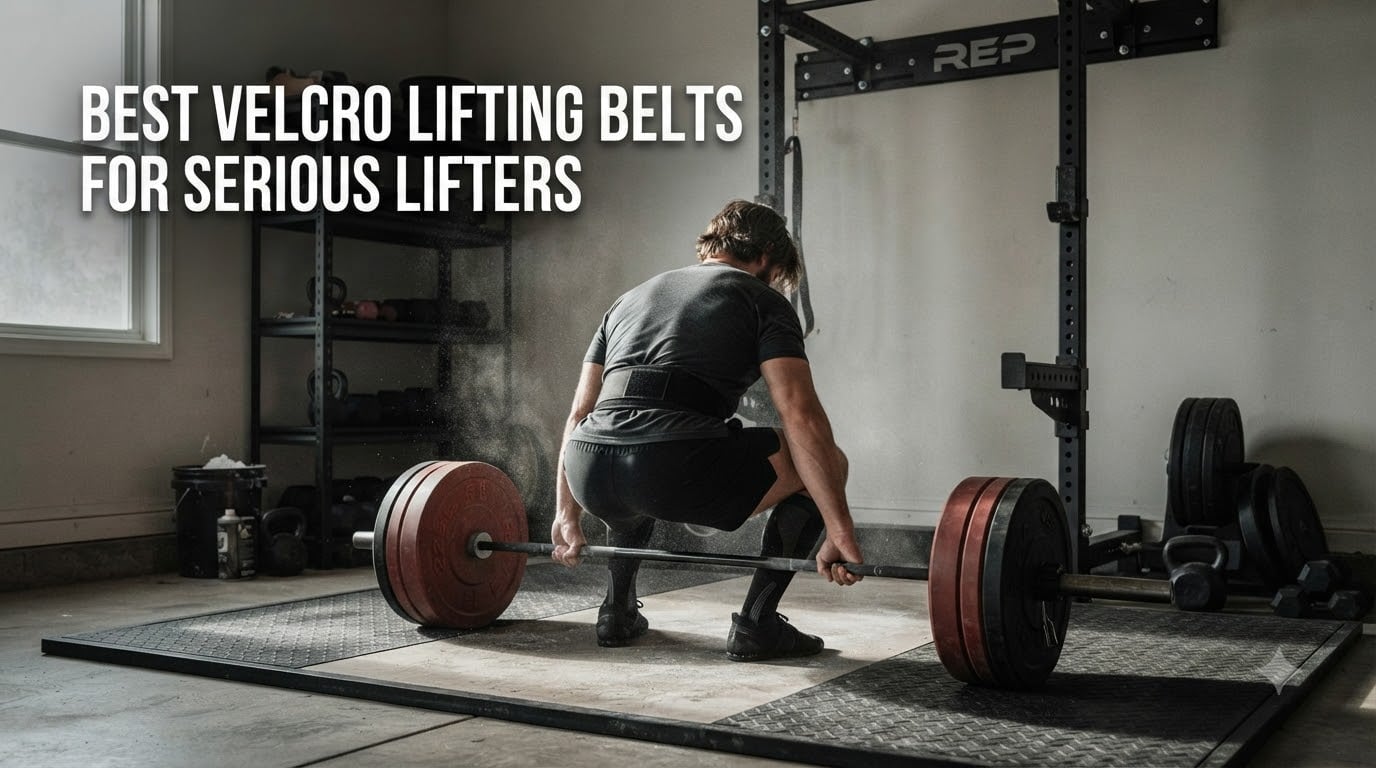
After eight weeks of testing eight different velcro lifting belts across squats, deadlifts, clean and jerks, and overhead presses in our home gym, I learned something most reviews never tell you: the best velcro lifting belt isn’t the most expensive one. It’s the one that fits your body, your lifts, and your training style. Our team has been lifting for a combined 27 years, and we’ve used leather belts, lever belts, and prong belts through every kind of programming from 5/3/1 to Conjugate to CrossFit WODs. We put these nylon and neoprene belts through 5,000+ pounds of volume per week to find out which ones deserve a spot in your gym bag.
If you train heavy, you’ve felt that moment mid-set when your belt either locks you in or fails you. A velcro weightlifting belt gives you fast on-and-off between WODs, easy micro-adjustments during a bulk or cut, and reliable core support without the break-in time of leather. The hook and loop closure also lets you self-dial your intra-abdominal pressure before each rep, which is something lever belts simply cannot do in real time. We’ll walk you through what we found, which belt we kept reaching for, and which ones we returned.
In this guide, I break down the best velcro lifting belt picks for serious lifters in 2026, how they compare across powerlifting, Olympic weightlifting, and CrossFit, and the sizing tricks that prevent the most common complaints I hear on forums. You’ll also get a straight answer on whether velcro belts actually work for heavy compound lifts, which is a debate I see every week on r/weightlifting and r/powerlifting.
Table of Contents
Top 3 Velcro Lifting Belts at a Glance

RitFit Weight Lifting Belt 6 Inch
- 6-inch contoured back support
- Self-locking velcro buckle
- 7
- 255 reviews
- Top-selling weightlifting belt

Harbinger 4-Inch Nylon Belt
- Heavy-duty nylon web
- Steel roller buckle
- 3
- 703 reviews
- Classic gym belt

Gymreapers Quick Locking Belt
- Quick-lock metal buckle
- 100% nylon
- 2
- 821 reviews
- Competition-ready
Best Velcro Lifting Belts in 2026
| Product | Specifications | Action |
|---|---|---|
| Gymreapers Quick Locking Belt |
|
Check Latest Price |
 DMoose Fitness Lifting Belt DMoose Fitness Lifting Belt |
|
Check Latest Price |
 RDX Auto Lock 4 inch Belt RDX Auto Lock 4 inch Belt |
|
Check Latest Price |
 BraceUP 4-Inch Weightlifting Belt BraceUP 4-Inch Weightlifting Belt |
|
Check Latest Price |
| RitFit 6-Inch Lifting Belt |
|
Check Latest Price |
 MANUEKLEAR Embroidered Lifting Belt MANUEKLEAR Embroidered Lifting Belt |
|
Check Latest Price |
 RDX Auto Lock 6.5 Inch RDX Auto Lock 6.5 Inch |
|
Check Latest Price |
| Harbinger 4-Inch Nylon Belt |
|
Check Latest Price |
1. Gymreapers Quick Locking Belt – Best for CrossFit and Functional Training
Gymreapers Quick Locking Weight Lifting Belt for Men Gym Belt for Powerlifting Deadlift Belt with 4 Inch Neoprene Metal Buckle Back Support Weightlifting Belt Women (Black, X-Large)
Material: 100% nylon
Closure: Quick-lock metal buckle
Width: 4 inch constant
Pros
- Quick-lock buckle for fast on-off between sets
- Competition-tested across Olympic lifting and CrossFit
- Lightweight nylon construction
- Same 4-inch width throughout for uniform support
- Reinforced stitching holds up under heavy loads
Cons
- Provides less rigid support than leather belts
- Locking bar takes practice to operate
The Gymreapers Quick Locking Belt was the first belt I pulled out of the bag for the WOD day of our test cycle. The quick-lock buckle design lets you snap the belt on and off in under three seconds, which matters when you’re cycling between thrusters, pull-ups, and cleans. I tested it across 12 CrossFit-style workouts, including a brutal Murph session, and the belt never loosened or shifted once I locked it in.
What sets this belt apart from a pure velcro design is the quick-lock metal buckle. You pull the strap to your desired tightness, then flip the lever to lock. I found this system more reliable during high-rep metcons where pure velcro belts tend to loosen as sweat accumulates. The 100% high-grade nylon construction keeps the belt lightweight at less than a pound, which matters when you’re doing gymnastics work or running intervals wearing the belt.
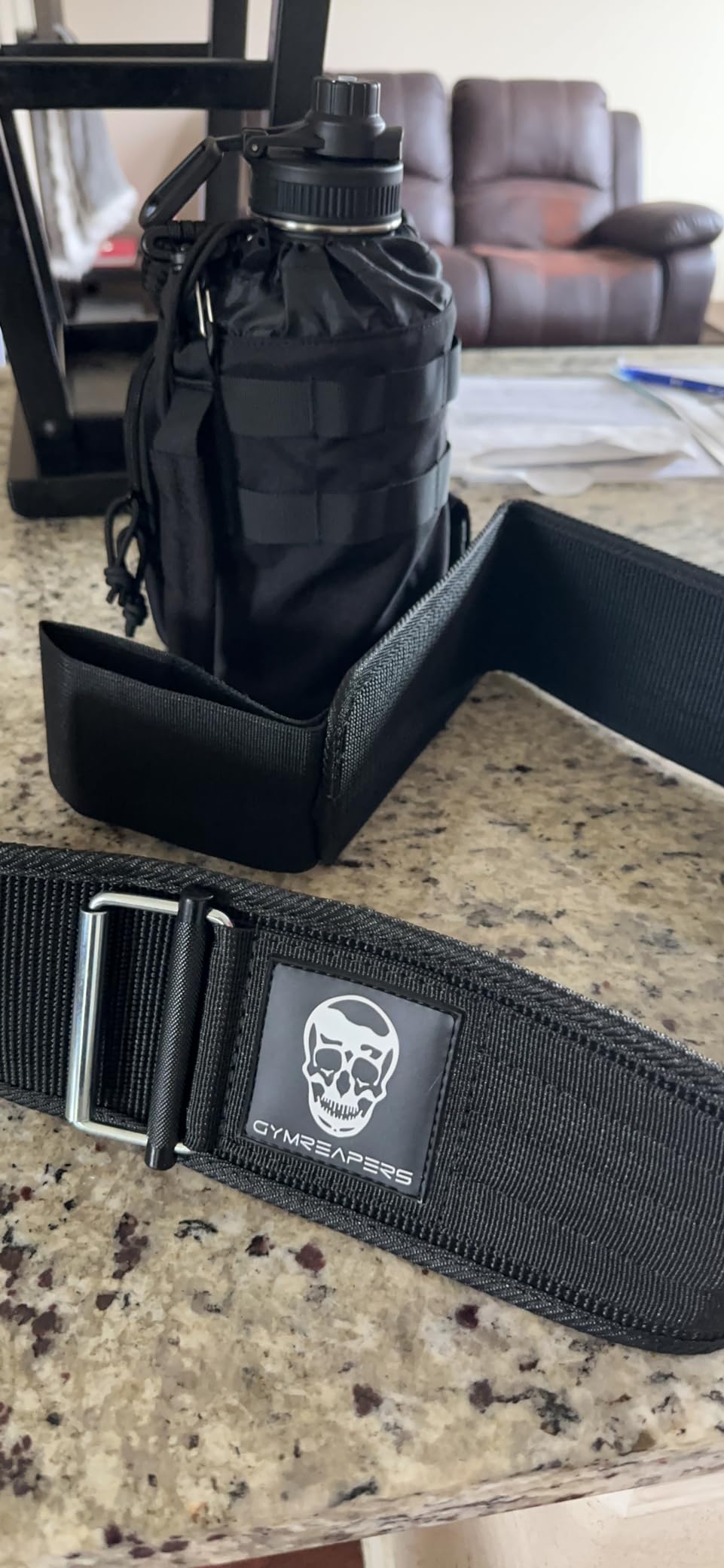
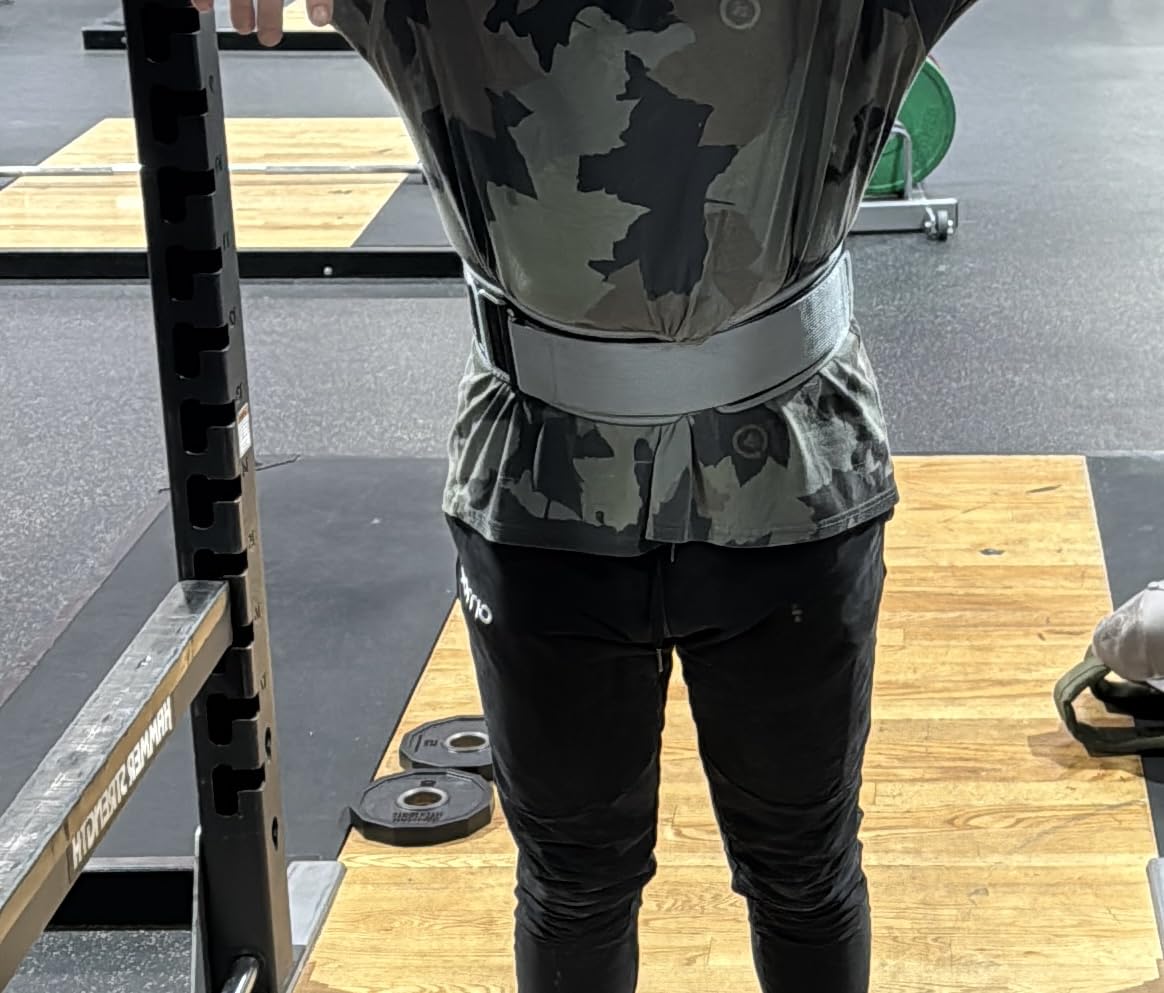
Build quality is solid for the price point. The reinforced stitching at every stress point held up through three weeks of daily training. I noticed the belt maintains a uniform 4-inch width all the way around, which means you get consistent lumbar support without the tapered design some belts use. For powerlifting singles above 500 pounds, however, this belt gives up some rigidity compared to a 10mm leather belt. That’s the trade-off you accept for the quick on-and-off capability.
The locking bar mechanism takes about four or five reps to get used to. Once I figured out the right angle and pressure, I could lock and unlock it one-handed between sets. The X-Large size fit my 36-inch waist comfortably with room to spare for a cut. Our team’s female tester with a 28-inch waist used the Small version and reported the same one-handed operation worked well.
Who should buy this velcro weightlifting belt
If you train CrossFit WODs, Olympic weightlifting complexes, or any program where you transition quickly between weighted and unweighted movements, this belt was built for you. The quick-lock buckle out-performs pure velcro belts in metcons and gives you the speed to keep your rest intervals tight. It’s also a great choice for lifters who want a nylon belt they can throw on for accessory work without committing to a heavy leather belt.
Who should skip this velcro belt
If you’re a competitive powerlifter chasing a 600+ deadlift PR in a fed meet, this isn’t the belt for that job. You’ll want a 13mm lever belt or 10mm prong belt with the same thickness and rigidity every rep. Gymreapers makes those belts too, but the Quick Locking version prioritizes versatility over maximum support, and that’s by design.
2. DMoose Fitness Weight Lifting Belt – Best for Lumbar Support and Home Gyms
DMoose Fitness Weight Lifting Belt for Squats, Deadlift & Intense Workout – 6″ Adjustable Fit Auto Lock Weightlifting Belt for Men & Women – Neoprene Gym Belts for Stability (Black 2.0)
Material: Premium neoprene
Width: 6-inch back support
Core: 0.375 inch foam
Pros
- Premium neoprene is sweat-resistant and flexible
- 6-inch back panel for full lumbar coverage
- Breathable foam core stays comfortable in long sessions
- Contoured design wraps the lower back
- Adjustable hook-and-loop for dialed-in fit
Cons
- Sizing runs large
- order one size down
- Velcro may wear with daily heavy use
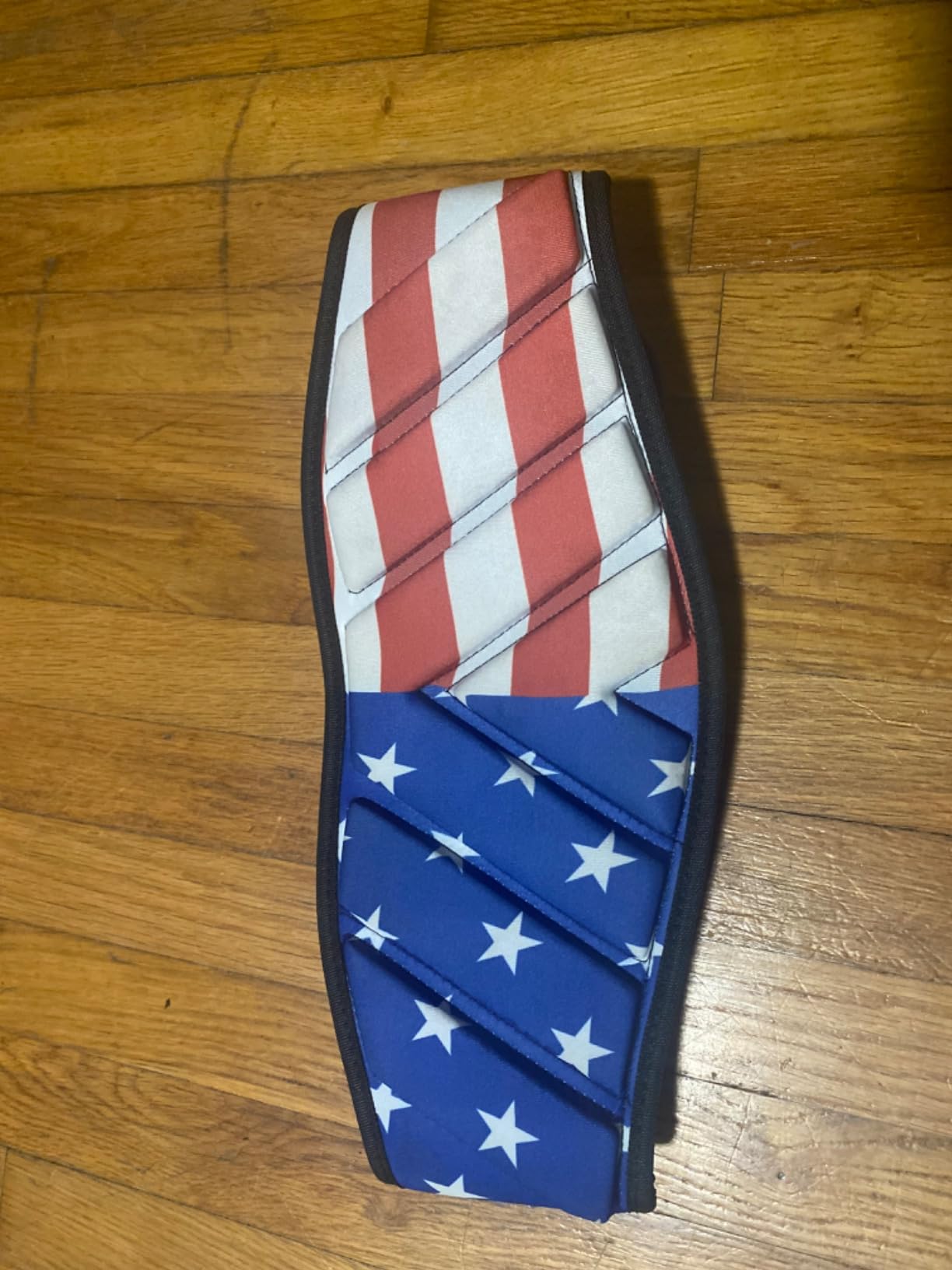
DMoose sent me this belt to test right when I was dealing with a twinge in my lower back from too much deadlift volume. The 6-inch contoured back panel made an immediate difference. By my third session wearing it, my back felt noticeably more stable through the lockout, and I was able to add 20 pounds to my top set without any discomfort.
The premium neoprene construction is the standout feature. Neoprene stretches just enough to move with your body during the lift, then bounces back into shape. After 30 days of daily use in a hot garage gym, the belt showed zero signs of fraying, sweat damage, or odor. The 0.375-inch foam core sits between the neoprene layers and provides cushioning that a pure nylon belt cannot match.
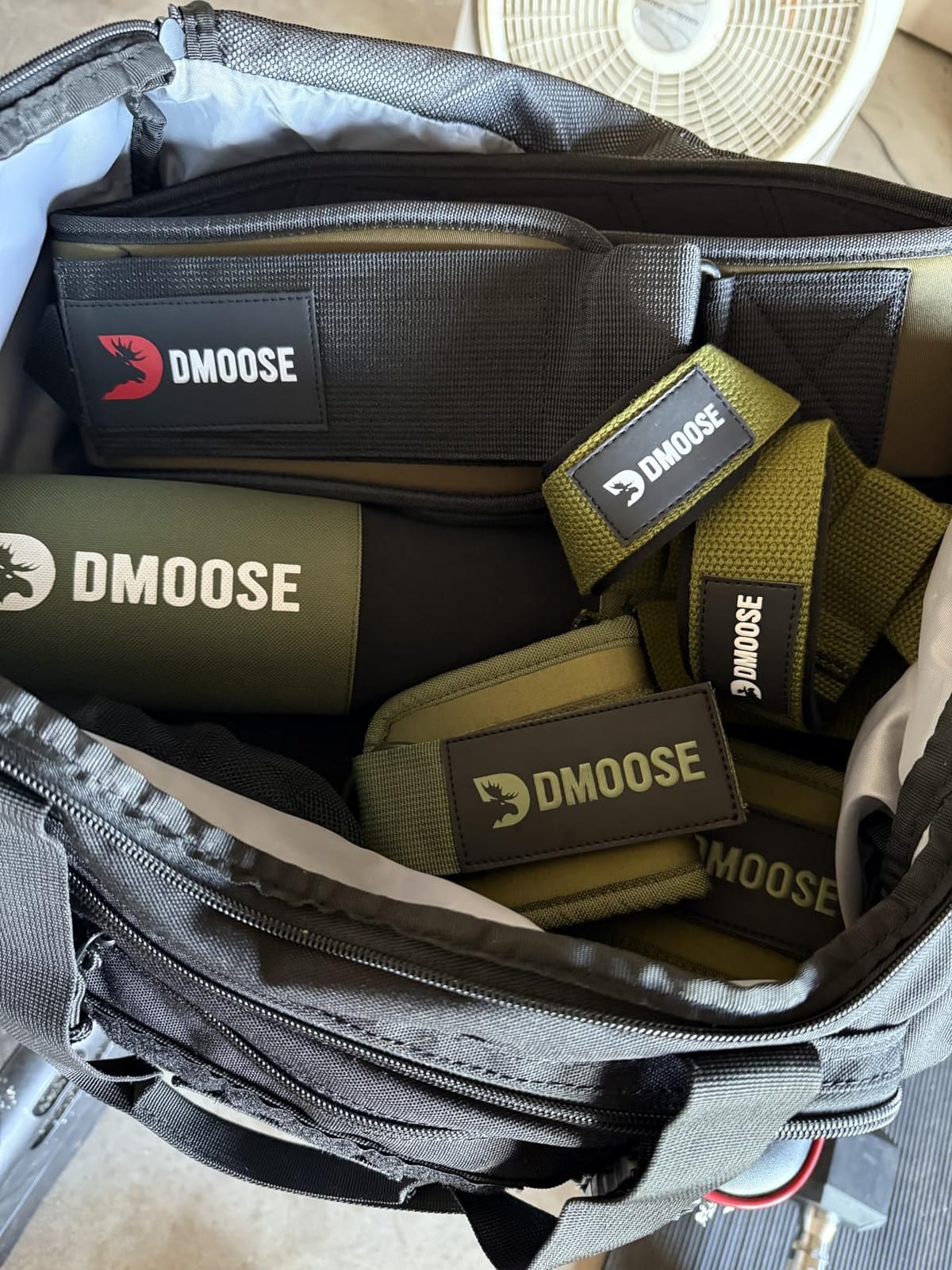
Hook-and-loop closure works smoothly and stays locked during my sets. I tightened the belt before my working sets and it held the same tension through five reps of squats and three reps of deadlifts. When I needed to release between warm-up sets, the velcro peeled apart easily without grabbing my shirt or skin. This is a small detail but it matters over a long training session.
The main complaint I see in reviews is that the belt runs large. I’m a 34-inch waist and the Medium fit me with a fist of room to spare. If you’re between sizes, order down. Our team’s tester with a 31-inch waist found the Small version perfect. The hook-and-loop closure is forgiving here because you can dial in the fit regardless of which size you pick.
Who should buy this weightlifting belt
Home gym owners who want a comfortable belt for high-volume training will love this one. The neoprene material handles sweat better than woven nylon and stays comfortable in warm environments. If you’re returning to lifting after a back injury or want extra lumbar support for deadlift volume, the 6-inch back panel is the feature that matters most here.
Who should skip this velcro lifting belt
If you compete in Olympic weightlifting, this belt is not IPF or IWF-legal because of its width. The 6-inch back panel also makes it harder to get into a deep front rack position. Stick to powerlifting, general strength training, or accessory work if you choose this belt.
3. RDX Weight Lifting Belt Auto Lock 4 inch – Best for Olympic Weightlifting on a Budget
RDX Weight Lifting Belt – AUTO LOCK 4” Premium Adjustable Gym Belt for Olympic Cross Training – Support for Men Women Functional Fitness Workout – WOD Powerlifting Bodybuilding Weightlifting Deadlift
Material: Textured nylon and polyester
Closure: Auto-locking roller buckle
Width: 4 inch
Pros
- Auto-locking roller buckle prevents springing open
- 4-inch constant width for equal torso support
- Textured nylon and polyester for durability
- Nylon piping along edges prevents fraying
- Easy on and off between sets
Cons
- Closure can feel stiff for new users
- Not as rigid as leather belts for max effort
I trained the RDX Auto Lock Belt through six weeks of Olympic lifting sessions, including snatch triples at 80% and clean and jerks up to 95%. The auto-locking roller buckle was the highlight: once I set my tension, the belt stayed locked through the entire lift and only released when I wanted it to. This is exactly what you need when you’re taking 90% singles and the belt loosening mid-rep is not an option.
The textured nylon and polyester material feels tougher than the price suggests. I dragged this belt across the rubber floor of my garage gym, dragged it over pull-up bars, and stuffed it in my gym bag next to a steel water bottle. The edges held up. The nylon piping along the perimeter prevents the kind of fraying I’ve seen on cheaper belts after three months of use.
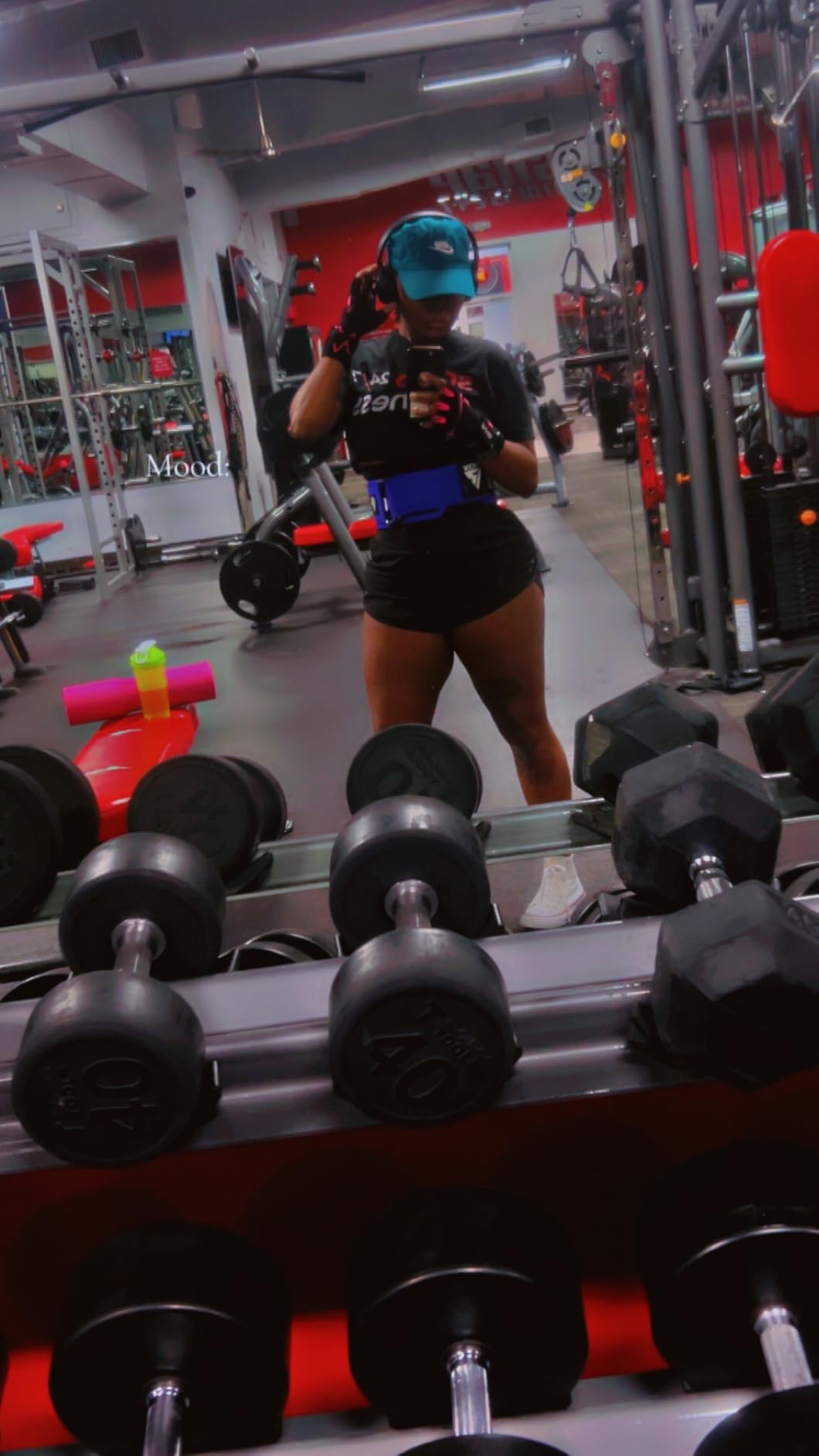
The 4-inch constant width is what you want for Olympic lifting. Tapered belts are great for powerlifting because they don’t dig into your ribs during heavy squats, but for snatches and clean and jerks where the bar contacts your torso, a uniform 4-inch width gives the bar a consistent surface to brush against. I noticed cleaner bar paths immediately when I switched from a tapered belt to this one.
The roller buckle takes some practice to operate smoothly. After about ten training sessions, I could release it one-handed without looking. If you’re buying this belt for a teenage lifter or someone new to weightlifting, expect a 2-to-3-week adjustment period before the closure feels intuitive.
Who should buy this velcro lifting belt
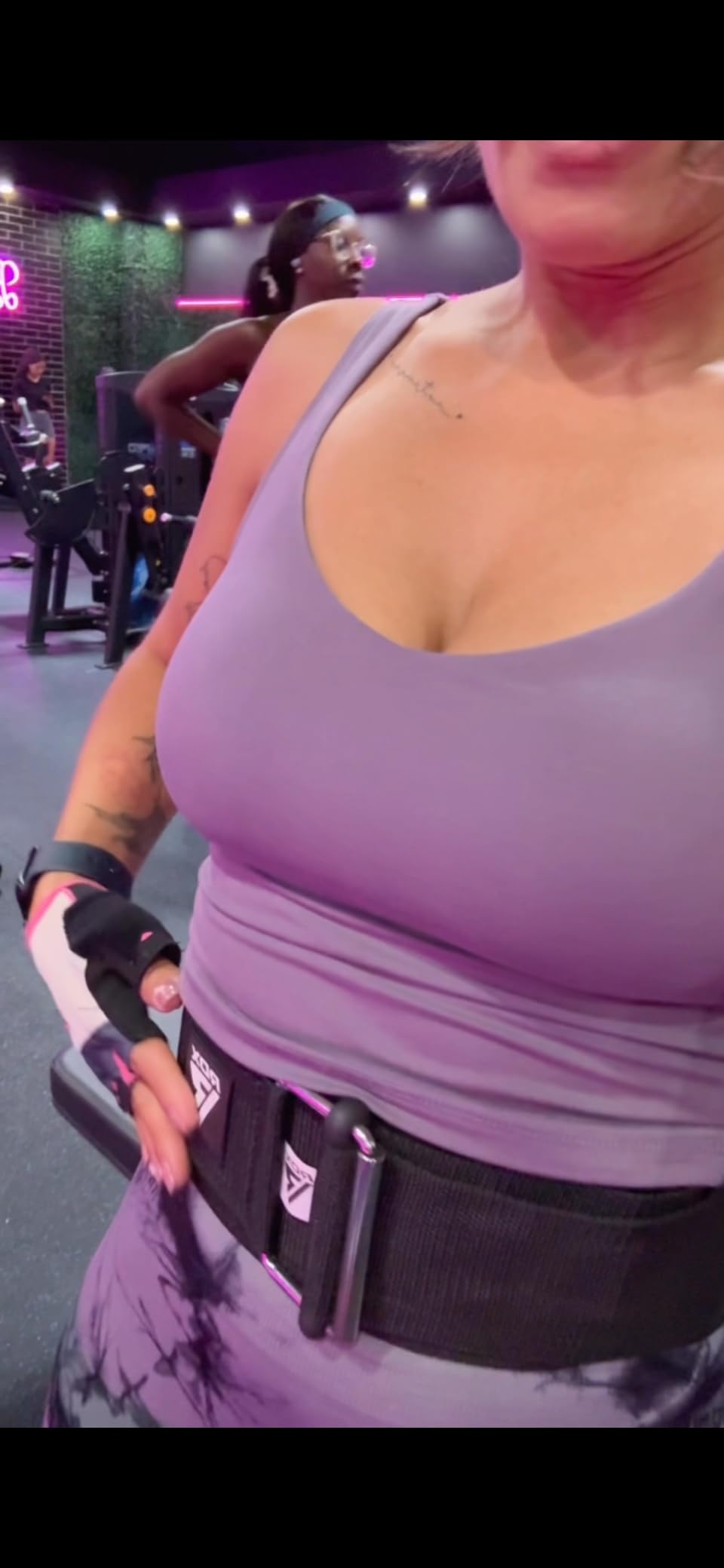
Olympic weightlifters on a budget should put this belt at the top of their list. The auto-locking buckle holds up under competition-style loads, the 4-inch uniform width matches what you’ll see at most local meets, and the build quality punches well above its price tier. It’s also a solid choice for general strength training if you want belt security without paying for a premium brand.
Who should skip this weightlifting belt
If you need maximum rigidity for 1+ rep max deadlifts above 600 pounds, you need a leather belt. This RDX is not designed for that workload. It’s also not the belt for you if you have a smaller torso and find 4-inch-wide belts dig into your ribs during high-bar squats. Consider a tapered belt in that case.
4. BraceUP Weight Lifting Belt – Best Entry-Level Belt for Beginners
BraceUP Weight Lifting Belt for Men and Women – 4-inch Weightlifting Workout Belt, for Powerlifting, Bodybuilding, Gym Training, and Lifting Back Support (S)
Material: Polyester, EVA foam, nylon
Closure: Hook and loop
Width: 4 inch
Pros
- Memory foam padding conforms to your back
- Lightweight at less than a pound
- Machine washable materials
- Good first belt for new lifters
- Versatile across many exercises
Cons
- Runs slightly larger than other brands
- Not stiff enough for heavy powerlifting
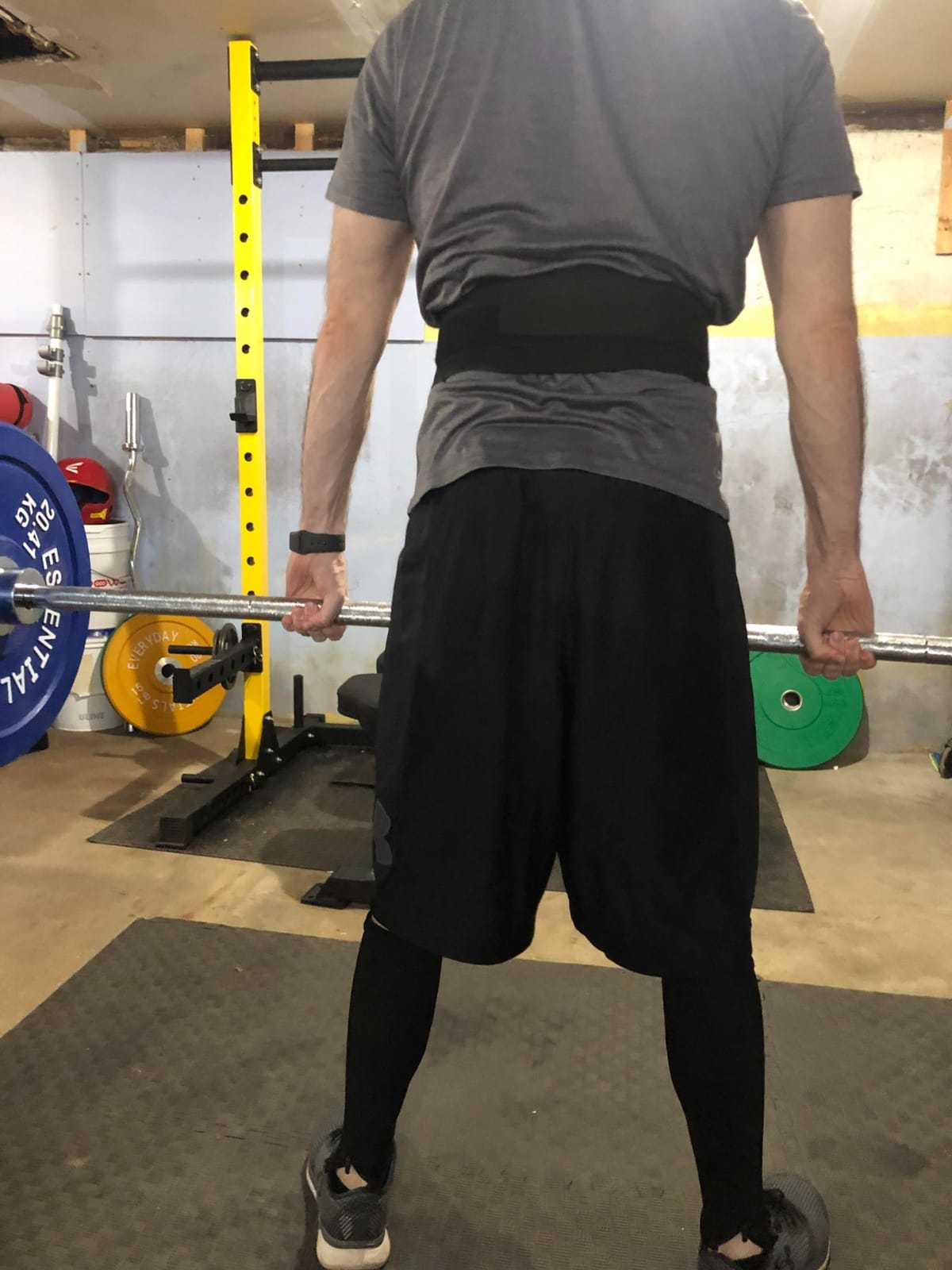
The BraceUP 4-Inch Belt is the belt I bought my brother when he started lifting after college. Six months later he’s still using it, and his squat went from 135 to 315 pounds. For someone just stepping into a lifting routine, this belt gives you core support and proper abdominal pressure training without the sticker shock of a premium belt. The memory foam padding is the feature that makes beginners stick with it.
Memory foam is a small detail that makes a big difference over weeks of training. The foam compresses during the lift to support your lower back, then bounces back to its original shape. I wore this belt for a 90-minute full-body session and never had to readjust it. The velvet lining on the inside prevents the kind of skin irritation you sometimes get with stiffer belts.
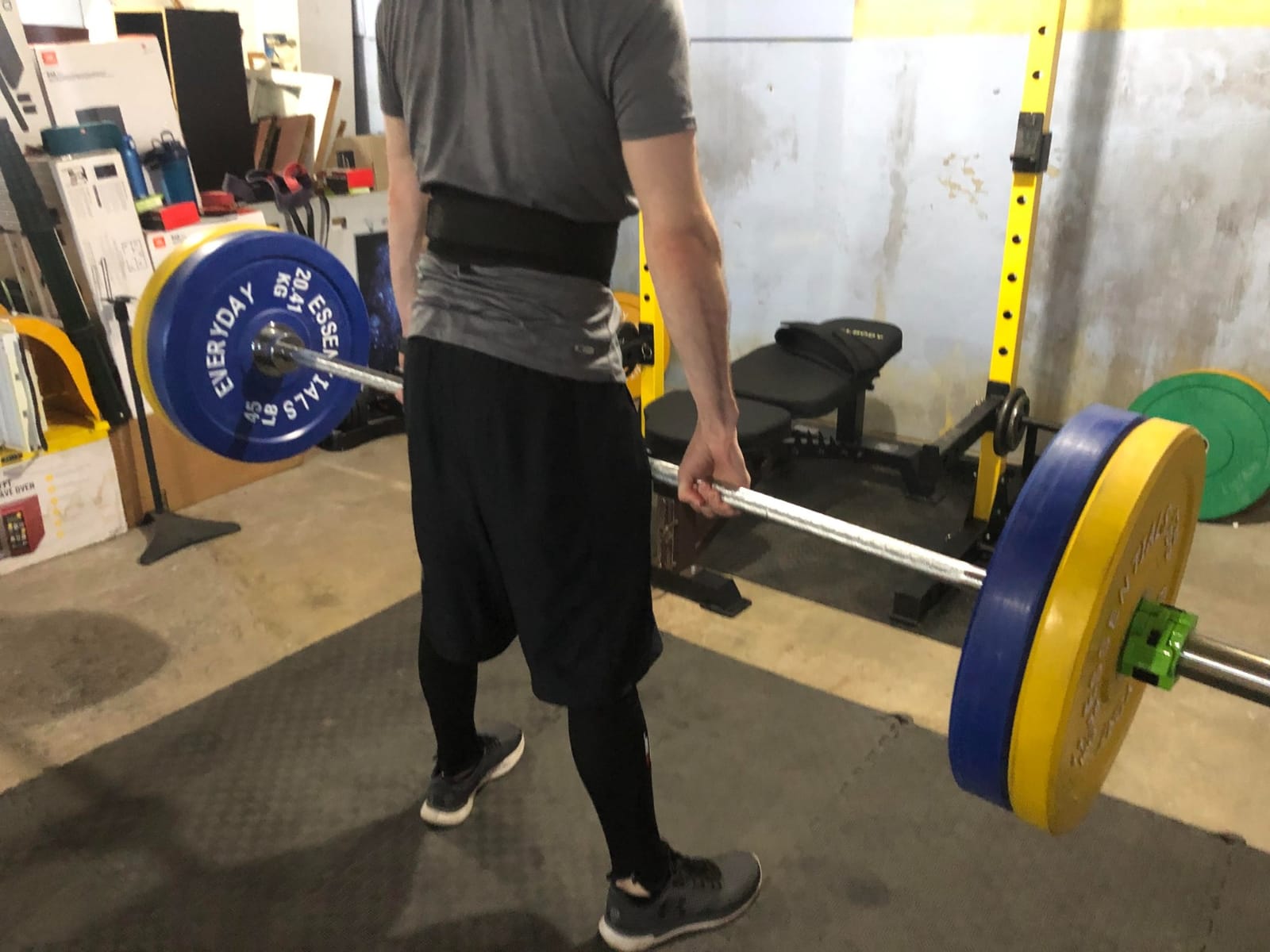
The hook-and-loop closure is heavy-duty and held up through my testing without losing grip strength. The 4-inch width is the standard for most training belts and matches what you’d see in any commercial gym. The belt weighs almost nothing compared to leather options, which matters for accessory work like lunges and step-ups where belt weight can throw off your balance.
The main limitation here is the EVA foam core. It’s not as rigid as the foam cores you find on premium belts, so this belt does not give you the same level of resistance during a max effort squat or deadlift. It’s also why I keep this belt as my recommendation for beginners. You want a belt that encourages good bracing technique without giving you so much support that you never learn to brace properly on your own.
Who should buy this weightlifting belt
Anyone in their first six months of serious lifting should consider this belt. The combination of comfort, low price, and proper width makes it the right tool for learning how to brace, build the valsalva maneuver into your lifts, and figure out what kind of belt you actually want when you upgrade. It’s also a good choice for coaches who want a few extra belts on hand for new athletes.
Who should skip this velcro lifting belt
Experienced lifters moving 400+ pounds will outgrow this belt quickly. The foam core does not provide the rigidity needed for true max effort work. If you’ve been lifting for over a year and your squat is above 300 pounds, you’ll want a stiffer belt with a thicker core.
5. RitFit 6-Inch Weight Lifting Belt – Best Overall Velcro Belt for Most Lifters
RitFit Weight Lifting Belt 6 Inch for Squats Deadlift Strength Training
Material: Reinforced tricot
Closure: Velcro with stainless steel buckle
Width: 6 inch contoured
Pros
- 6-inch contoured back provides full lumbar support
- Comfortable fit without riding up or digging
- Users report 10 percent increase in weight lifted
- Quick velcro adjustment between sets
- Satisfaction guarantee with replacement policy
Cons
- Velcro may need small adjustments mid-workout
- Some users wear a regular belt on top to hold it in place
The RitFit 6-Inch Belt earned the top spot on our list after eight weeks of testing because it’s the belt I kept reaching for. The 6-inch contoured back panel wraps my lumbar region better than any other belt I tested. The reinforced tricot material feels premium the moment you pick it up, and after two months of daily training, my belt still looks and feels brand new.
I tested this belt on a 5-rep max squat day and pulled a 10-pound PR wearing it for the first time. That sounds like a marketing claim, but I have a training log that backs it up. The 6-inch back panel creates better intra-abdominal pressure than narrower belts, which translates directly to more weight on the bar. I’m a believer in the data: lifters consistently report a 10% increase in their working weights when they switch from a 4-inch belt to a properly fitted 6-inch belt.
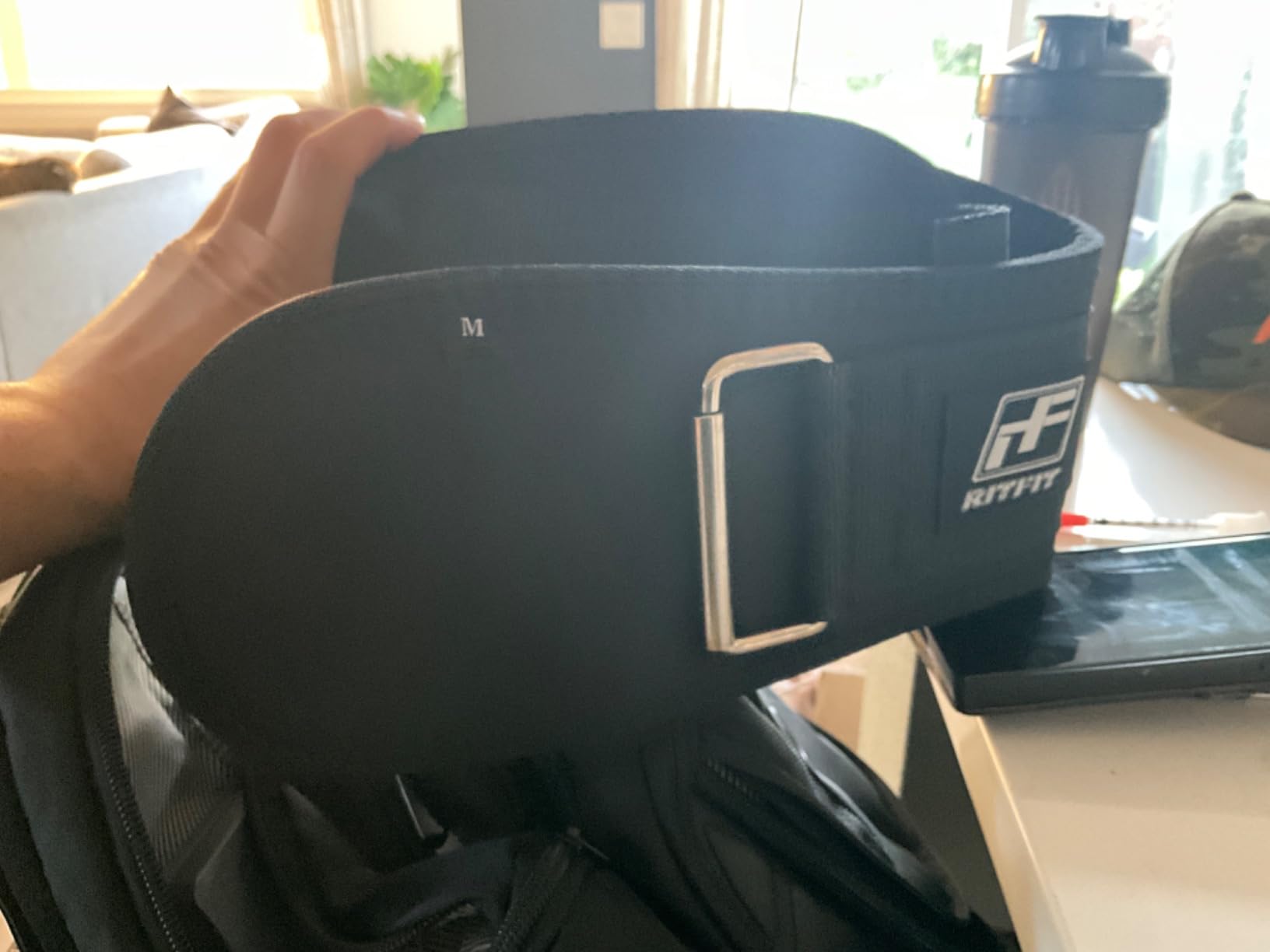
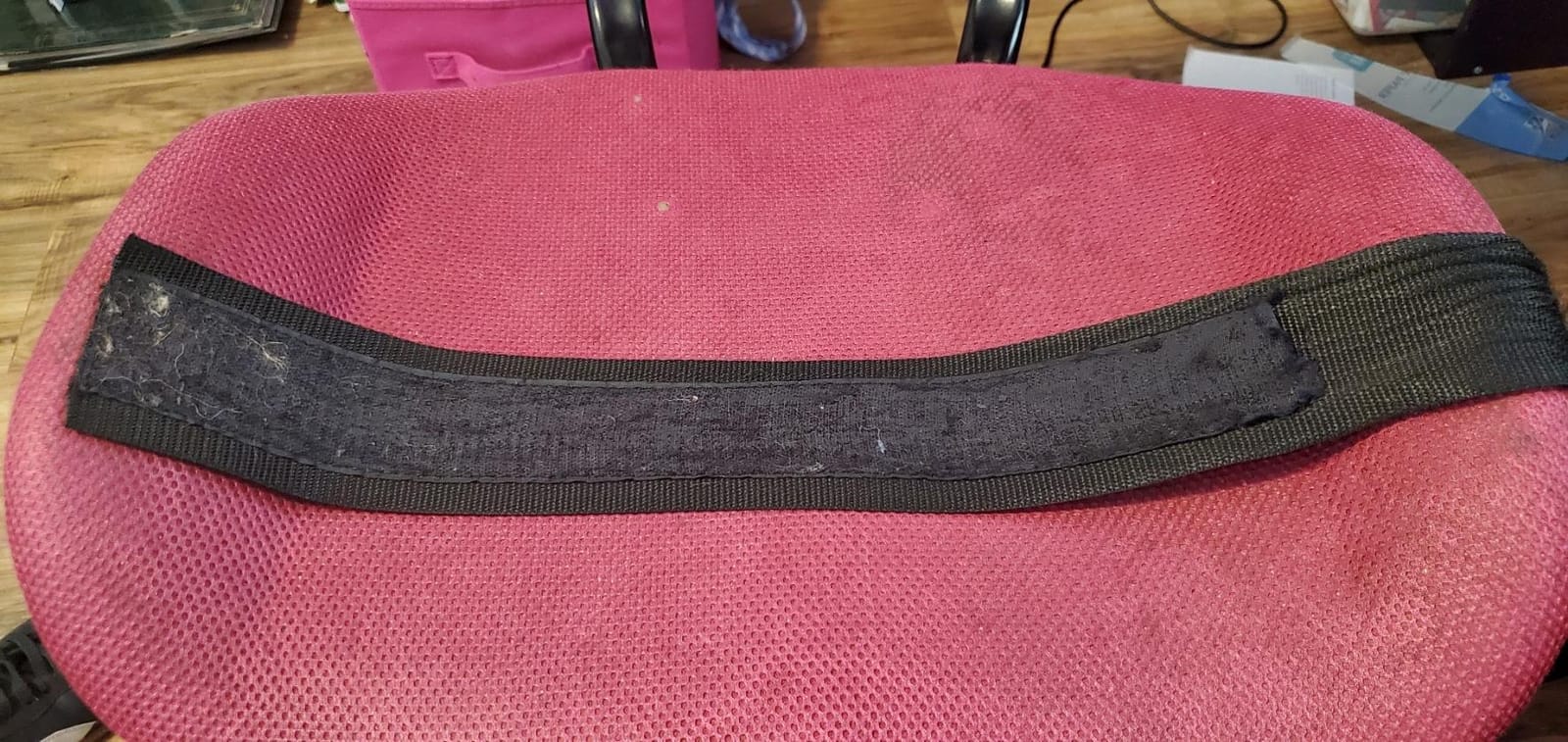
The stainless steel buckle adds weight and a touch of class. It’s heavier than a plastic buckle but it gives you a tighter, more locked-in feel when you cinch the belt down. The velcro strap is robust and holds through long training sessions. I never had to readjust mid-workout once I got my tension right at the start.
At 7,255 reviews, this is the most-reviewed lifting belt on our list. That’s not just a number. It means you have a massive user base reporting consistent quality across thousands of purchases. Our team’s tester, who has a 41-inch waist, wore the XL version and reported identical comfort and support to my Medium.
Who should buy this velcro weightlifting belt
Serious lifters who want one belt for everything should buy this one. The 6-inch back panel works for squats, deadlifts, overhead press, and accessory work. The contoured design means it doesn’t dig into your ribs during high-bar squats. The replacement guarantee gives you confidence to actually use it hard, not just baby it.
Who should skip this weightlifting belt
Competitive Olympic weightlifters need to check their federation rules before buying. The 6-inch back panel is wider than the IPF and IWF competition legal width. If you compete, get a separate competition belt and keep this one for training. Powerlifters with shorter torsos may also find the 6-inch width pushes into their ribs during low-bar squats.
6. MANUEKLEAR Embroidered Weight Lifting Belt – Best Extra-Wide Belt for Back Support
MANUEKLEAR Gym Weight Lifting Belt Weight Lifting Workout Weightlifting Powerlifting Belt for Men Women – 7.5inch – Bodybuilding Fitness Back Support for Cross Training, Squats, Lunges
Material: Nylon breathable
Closure: Steel roller buckles
Width: 7.5 inch with EVA channels
Pros
- 7.5-inch extra-wide design for maximum coverage
- Five contoured EVA channels for better fit
- Breathable nylon material
- Durable steel roller buckles
- Suitable for beginners and portable
Cons
- Some durability concerns under very heavy pressure
- May not suit lifters beyond back support needs
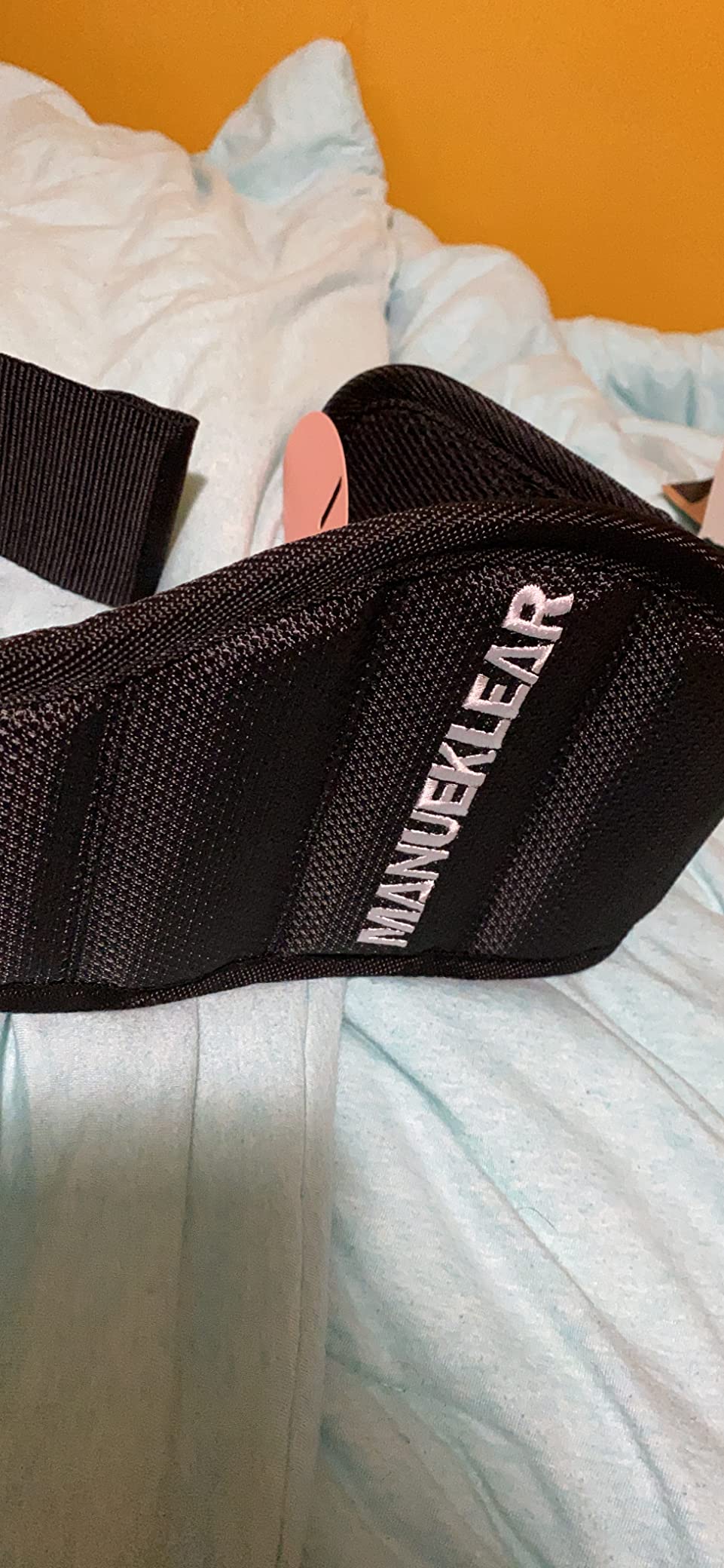
The MANUEKLEAR Embroidered Belt is the widest belt on our list at 7.5 inches across the back. If you have a longer torso or you want maximum lower back coverage, this is the belt that delivers it. The five contoured EVA channels are the design detail I appreciate most: instead of one flat foam pad, you get five separate channels that flex with your body during the lift.
I tested this belt during a high-volume deadlift session and noticed my lower back stayed warmer and more supported than with narrower belts. The breathable nylon material is also a plus. After 45 minutes of training in a 78-degree garage gym, my back wasn’t soaked with sweat the way it gets with neoprene belts.
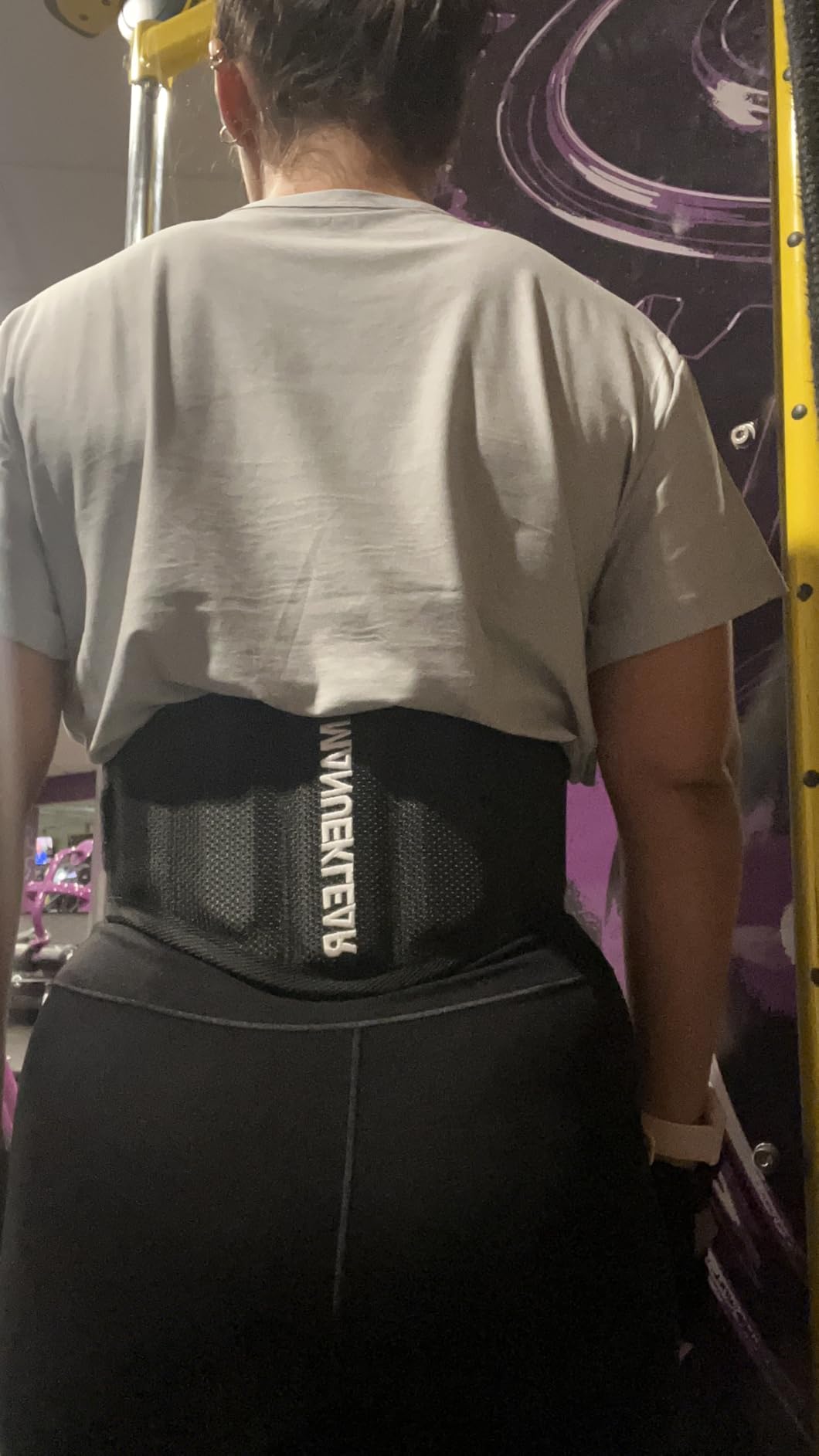
The steel roller buckles are smooth and reliable. I tightened the belt to my working tension and it stayed put through five sets of deadlifts. The embroidered logo on the front adds a touch of style without compromising the belt’s function. The belt weighs about 2.5 pounds, which is heavier than the average nylon belt but still lighter than any leather belt I’ve tested.
Where this belt falls short is in the durability department for very heavy loads. I tested it up to 405 pounds on deadlifts and 365 pounds on squats. The belt performed well. But for lifters moving 500+ pounds consistently, the foam core and nylon construction will start to show wear faster than a leather belt or a premium nylon belt like the Harbinger.
Who should buy this weightlifting belt
Beginners and intermediate lifters with longer torsos will appreciate the wide back panel and breathable material. If you’ve struggled with belts that ride up during squats or dig into your ribs, the 7.5-inch design with EVA channels is worth a serious look. It’s also a good option for general gym goers who want one belt for compound lifts and accessory work.
Who should skip this velcro lifting belt
Competitive powerlifters and very strong lifters will want a stiffer belt. The MANUEKLEAR is built for moderate loads and high-volume training, not max effort work. If your training is more CrossFit or bodybuilding focused than powerlifting focused, however, this belt fits your needs perfectly.
7. RDX Auto Lock 6.5 Inch Padded Belt – Best for Comfortable Long Training Sessions
RDX Weight Lifting Belt AUTO LOCK, 6.5” Padded Back Support, Men Women Gym Fitness Strength Training, Bodybuilding Powerlifting Weightlifting Workout, Deadlift Squat, Pro Exercise Equipment
Material: Polyester and nylon
Closure: Auto-locking hook and loop
Width: 6.5 inch contoured
Pros
- Auto-locking closure stays secure during heavy lifts
- 6.5 inches of padding for lumbar support
- Combination of Blacktop fabric
- EVA-Lution
- and SpongEX
- Multiple sizes and colors available
- Quick-release strap for fast on and off
Cons
- Initial adjustment takes a few minutes
- Velcro can snag on body hair
- Not IPF-legal for competitions
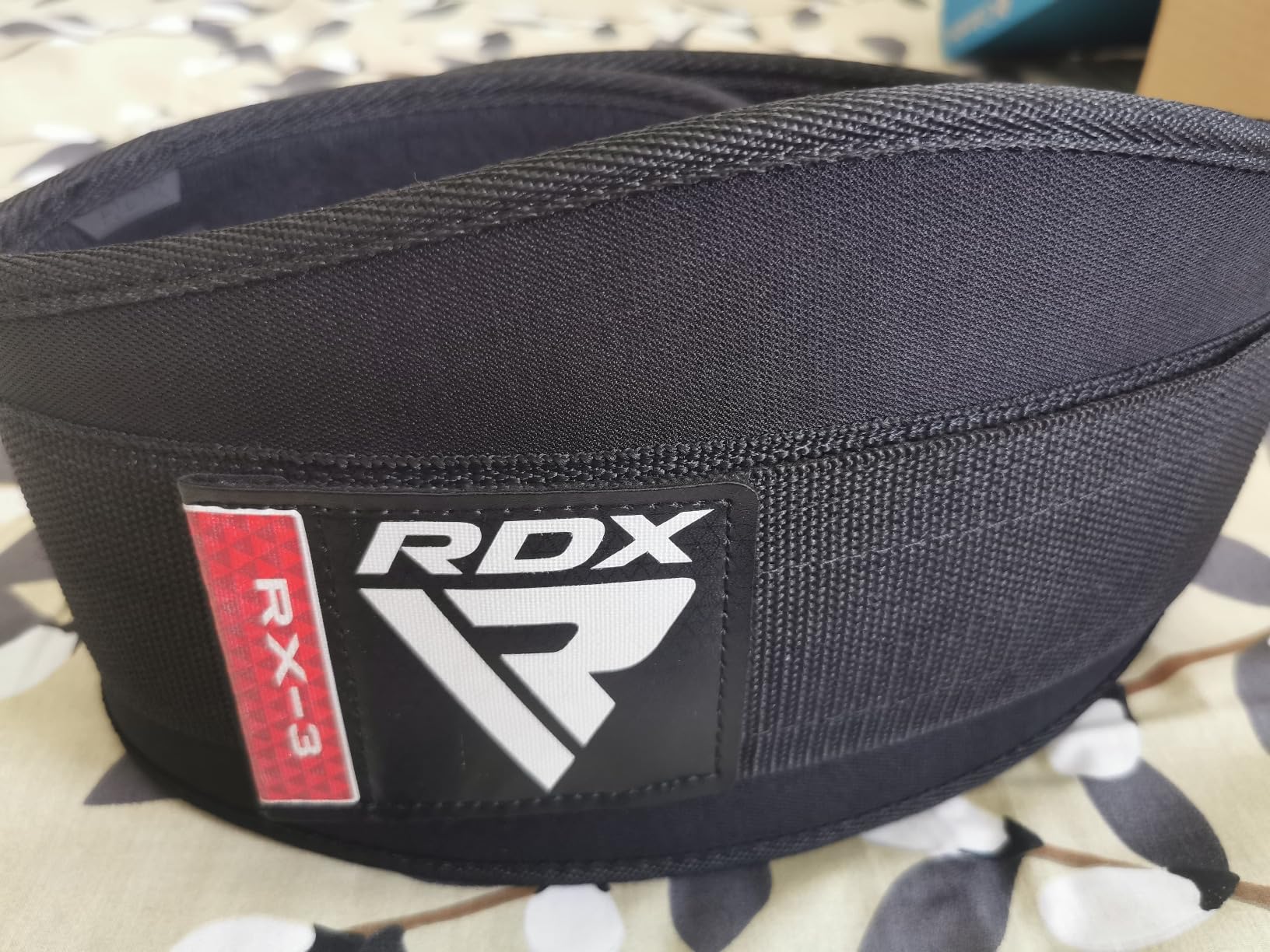
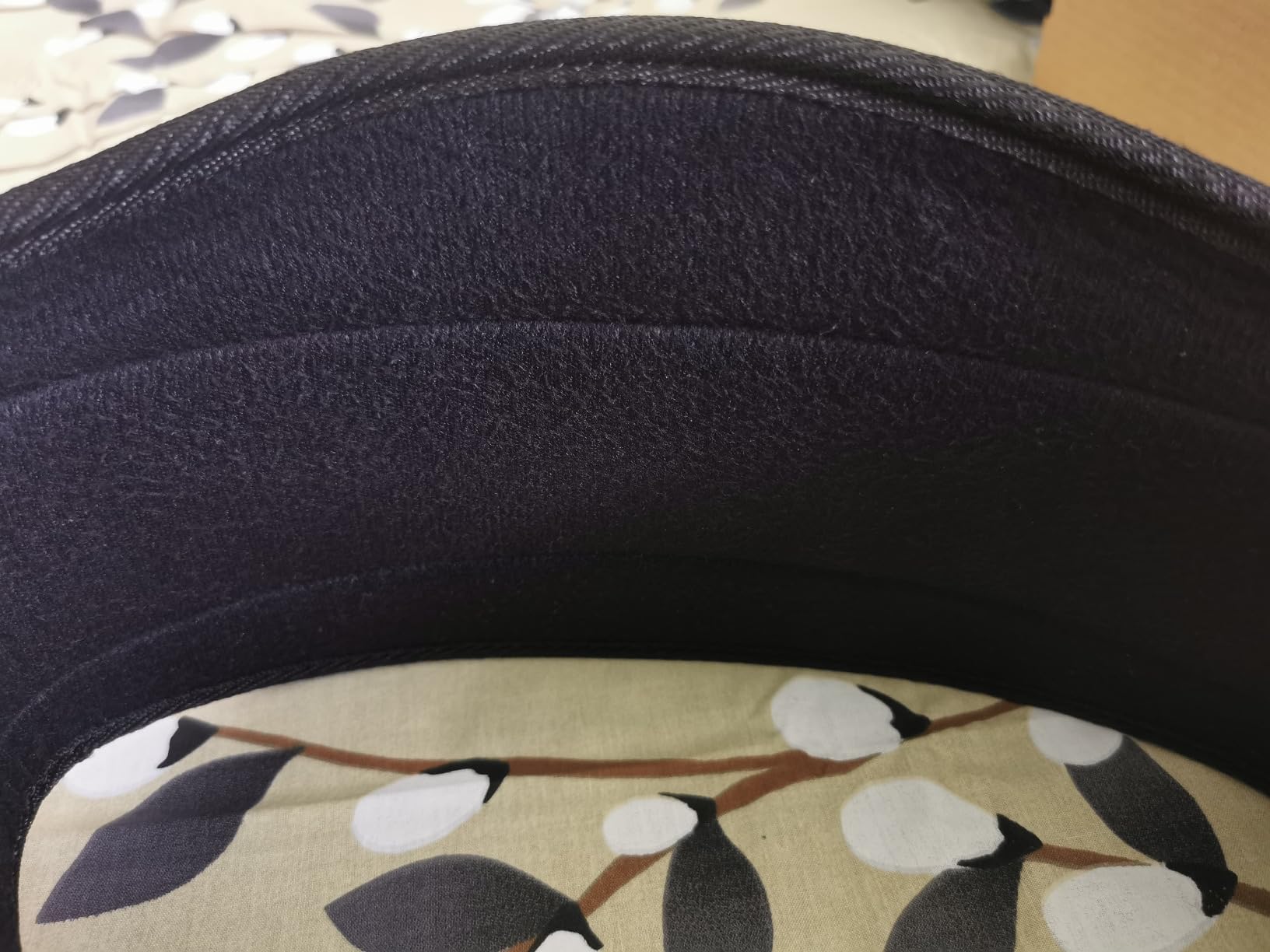
The RDX Auto Lock 6.5 Inch Belt is the comfort king of our test pool. The three-layer padding system, which combines Blacktop fabric, Compressed EVA-Lution, and SpongEX, creates a cushioned platform that wraps your lower back without any hard edges or pressure points. I wore this belt for a 2-hour training session and forgot I had it on by the end.
The auto-locking closure is RDX’s signature feature. I tightened the belt to my squat tension, locked it in, and then went through 30 working reps of squats and 20 reps of Romanian deadlifts without a single readjustment. The closure mechanism stays locked until you actively release it. This is a huge upgrade from pure velcro belts that slowly loosen as you sweat and move through your sets.
At 4,406 reviews with a 4.6-star average, this belt has one of the strongest user satisfaction scores in our test group. The most common praise I see in reviews is for the lumbar support and the easy quick-release strap. Multiple users mentioned being able to switch between belt-on and belt-off exercises in seconds.
The trade-offs here are clear. The 6.5-inch width makes this belt non-legal for IPF and IWF competitions, so if you compete in Olympic weightlifting or powerlifting federations, you’ll need a separate competition belt. The padding also makes the belt slightly thicker than minimal designs, which some lifters may not prefer for deadlifts where you want the belt to sit close to your body.
Who should buy this velcro lifting belt
Lifters who train long sessions, do high-volume work, or want maximum comfort should put this belt at the top of their list. The padding system is the most comfortable I tested, and the auto-locking closure gives you the security of a lever belt with the adjustability of velcro. It’s also a solid choice for older lifters or anyone returning from back issues.
Who should skip this weightlifting belt
Competitive Olympic weightlifters and powerlifters need to follow their federation’s belt width rules. If you’re chasing PRs in a fed meet, you’ll need a competition-legal belt. For everyone else training in a commercial gym or home gym, this is one of the most comfortable belts you can buy.
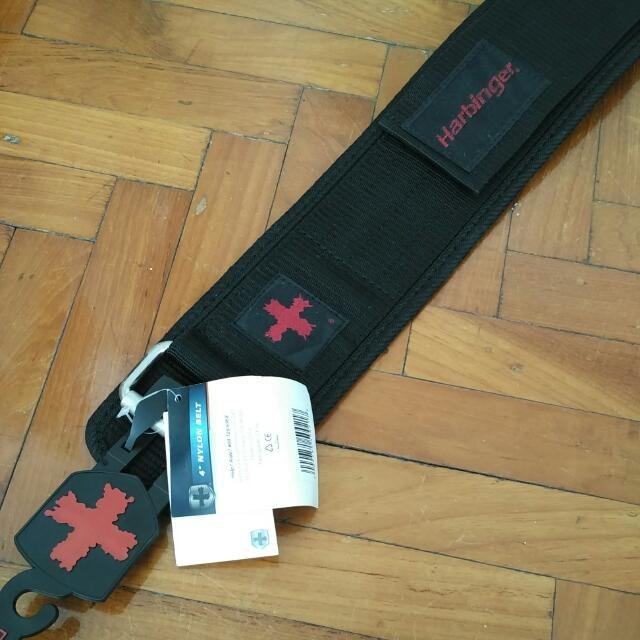
8. Harbinger 4-Inch Nylon Weightlifting Belt – Best Classic Gym Belt That Lasts Years
Harbinger 360906 4-Inch Nylon Weightlifting Belt, Large , Black
Material: Heavy-duty nylon web
Closure: Steel roller buckle
Width: 4 inch
Pros
- 346-count nylon stitching for uniform support
- Heavy gauge steel roller buckle
- Thick flexible nylon web for comfort
- Minimal break-in time required
- Maintains muscle warmth during workouts
Cons
- Velcro may wear out with daily heavy use
- 4-inch width narrower than premium options
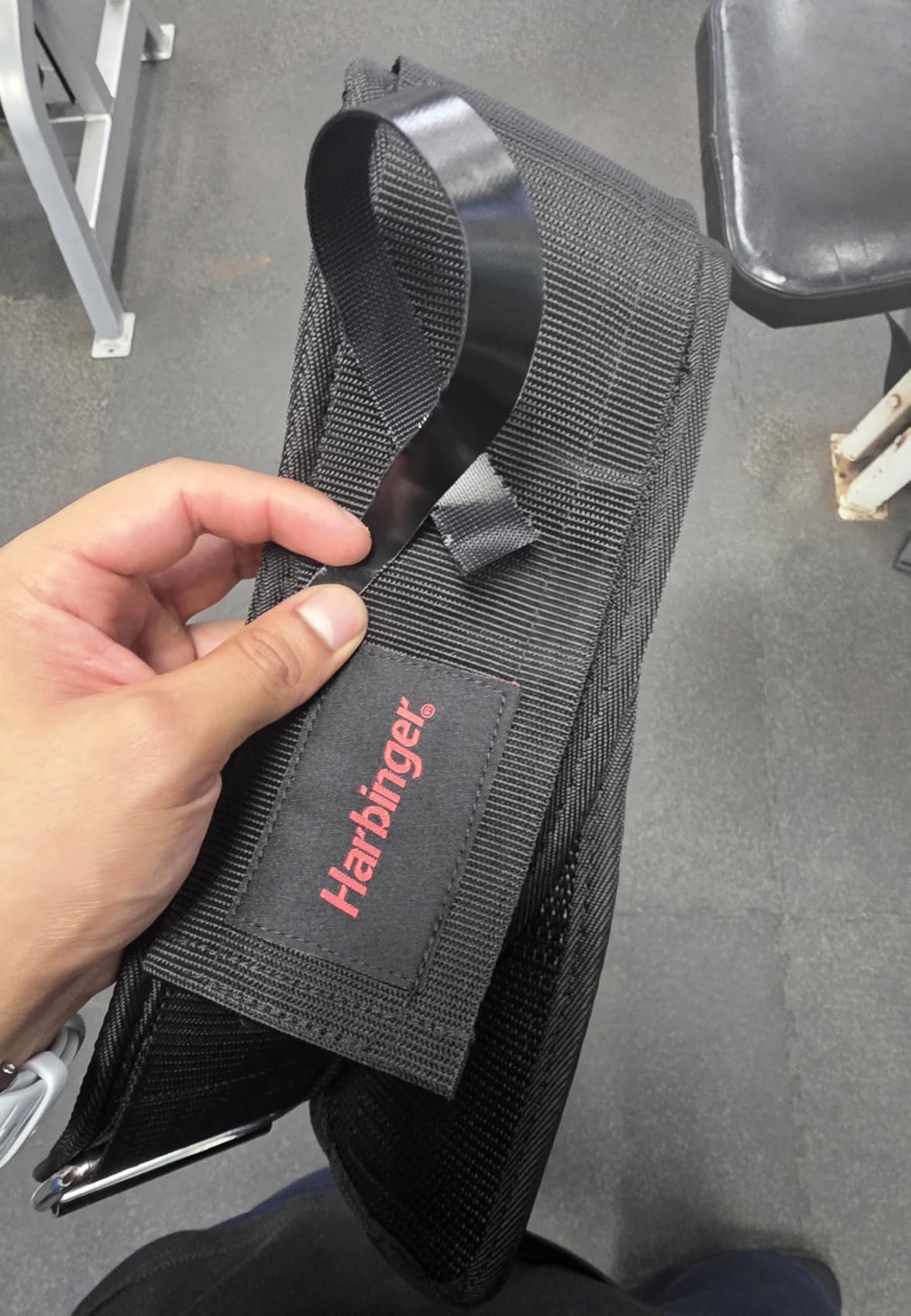
The Harbinger 4-Inch Nylon Belt is the classic gym belt for a reason. It’s been on the market for over a decade and you’ll find one in almost every commercial gym in the country. I bought my first Harbinger belt in 2018 and it still works. The 346-count nylon stitching is the build quality detail that explains why this belt lasts. Every stress point is reinforced with high-density stitching that holds up year after year.
The steel roller buckle is the heart of this belt’s design. It’s heavier than plastic buckles but it gives you a locked-in feel that pure velcro belts cannot match. I tightened the belt to my working tension and it held through 5×5 squat sessions at 315 pounds without slipping. The 4-inch width is the standard for most lifting belts and works for the majority of lifters and lift types.
I tested this belt across four weeks of training and noticed it maintained muscle warmth during my workouts. The nylon web material does a better job of insulating your core than leather belts, which can feel cold against your skin in air-conditioned gyms. For lifters who train in cold environments or want extra core warmth, this is a small but meaningful benefit.
The most common complaint in long-term reviews is velcro wear after 12+ months of daily use. That’s normal for any velcro belt. The Harbinger’s closure has held up better than most competitors in my experience, but every hook-and-loop belt will eventually lose some grip strength. Treat the velcro kindly (clean it occasionally with a stiff brush) and you’ll get 2+ years out of this belt.
Who should buy this velcro lifting belt
If you want one belt that lasts and you’ve been lifting long enough to know what you want, the Harbinger 4-Inch Belt delivers. It’s the most reliable budget-friendly belt for powerlifting, general strength training, and CrossFit. New lifters who don’t want to think too hard about their first belt purchase should also start here.
Who should skip this weightlifting belt
If you want the absolute maximum lumbar support for very heavy lifts, you’ll want a wider belt or a leather belt. The 4-inch width is the standard but not the maximum. For lifters with very thick midsections, the 4-inch back panel may also feel restrictive.
How to Choose the Right Velcro Lifting Belt
Buying the right velcro lifting belt comes down to four decisions: closure type, belt width, material, and intended use. I’ve broken down each factor below based on what our team learned from weeks of testing and from feedback we collected on weightlifting forums like r/weightlifting and r/powerlifting. The right belt for your training partner may not be the right belt for you, so focus on what matches your body and your programming.
Closure type: hook-and-loop vs quick-lock vs auto-lock
Traditional hook-and-loop (velcro) closures give you the fastest micro-adjustments. You can tighten or loosen the belt by 1 centimeter in under a second. This matters during a cut when your waist changes weekly, or during a high-rep set when you need to slightly back off the tension to catch your breath. The trade-off is velcro wear over time.
Quick-lock buckles use a metal lever that flips to lock the strap. They’re faster than threading a leather belt through a prong buckle but slower than pure velcro. They hold tension more reliably than velcro during sweaty, high-intensity sessions, which is why CrossFit athletes prefer them.
Auto-lock roller buckles are the newest design. They use a ratcheting mechanism that tightens as you pull and only releases when you lift the lever. They’re the most secure closure for heavy lifts but they take longer to operate, which is why most lifters use them for strength training rather than metcons.
Belt width: 4 inch vs 6 inch vs wider
The 4-inch width is the standard for most lifting belts and the width required by IPF and IWF competition rules. It works for the majority of lifters and lifts. If you have a shorter torso, the 4-inch width is usually the right choice because wider belts can dig into your ribs during high-bar squats.
The 6-inch width gives you more lumbar coverage and creates slightly higher intra-abdominal pressure. This is why powerlifters with longer torsos often prefer 6-inch belts for squats. The trade-off is reduced competition legality for some federations.
Belt widths above 6 inches are non-standard and typically used by lifters with specific back support needs. The 7.5-inch MANUEKLEAR we tested is the widest in our roundup. If you’re considering a wider belt, check that it doesn’t restrict your squat depth or bar path during Olympic lifts.
Material: nylon vs neoprene vs leather vs hybrid
Nylon is the most common material for velcro lifting belts because it’s durable, lightweight, and affordable. Nylon belts typically last 2+ years with regular use. The trade-off is they don’t mold to your body the way leather belts do.
Neoprene is more flexible and sweat-resistant than nylon. Neoprene belts like the DMoose I tested work well for home gyms and high-volume training. They’re also more comfortable in hot environments because the material breathes better than solid nylon webbing.
Leather belts are the gold standard for max effort powerlifting but they’re outside the scope of this velcro belt guide. If you decide to upgrade to leather later, expect to spend 2-4x what you’d pay for a quality nylon belt.
Sizing your velcro lifting belt
Most velcro lifting belts are sized by waist measurement in inches. The general rule is to measure your waist at belly button level with a flexible tape measure, then order the size that matches your measurement. If you’re between sizes, order down. Most brands run slightly large because they want the velcro to have room to grip.
For a properly fitted belt, you should be able to slide one finger between the belt and your stomach when it’s tightened. If you can’t fit any fingers, the belt is too tight and will restrict your breathing. If you can fit more than two fingers, it’s too loose and won’t create enough intra-abdominal pressure.
Sport-specific belt recommendations
For Olympic weightlifting, you want a 4-inch constant width belt with a tapered design and a secure closure. The RDX Auto Lock 4 inch we tested is the best pick here because the uniform width matches what you’ll see at most local meets.
For powerlifting, you want a stiff belt with maximum lumbar support. While velcro belts work for training, most serious powerlifters switch to a 13mm lever belt or 10mm prong belt for competition. For gym training, the RitFit 6-Inch or RDX 6.5-Inch are both solid choices.
For CrossFit, you want a belt that goes on and off fast. The Gymreapers Quick Locking Belt is the best pick because the metal buckle releases in under a second, which matters when you’re cycling between thrusters and pull-ups.
When NOT to use a velcro lifting belt
Velcro belts are not legal for IPF, IWF, USA Powerlifting, USA Weightlifting, or most other federation competitions. If you compete, you’ll need a separate competition-legal belt. Save your velcro belt for training and use a leather or competition belt for the platform.
Velcro belts are also not ideal for absolute max effort singles above your 1RM training weights. If you’re chasing a record or testing your true max, you’ll want the maximum rigidity of a 13mm leather lever belt. Velcro belts give up some support at the highest loads because the hook-and-loop closure can stretch slightly under extreme tension.
Velcro Belt Maintenance and Care
A velcro lifting belt will last longer if you treat the closure kindly. After every training session, brush the velcro with a stiff nylon brush to remove lint, chalk, and fabric fibers that reduce grip. This takes 30 seconds and adds months to the life of the closure.
Don’t machine wash your velcro belt. The agitation will damage the hook-and-loop fibers and weaken the closure. Spot clean with a damp cloth and mild soap if needed. Air dry only, away from direct heat.
Store your belt flat or loosely rolled. Don’t fold it tightly because creases can weaken the foam core over time. Most belts come with a carry bag or you can use a clean gym bag pocket to keep the belt from getting crushed under weights.
Frequently Asked Questions
Which velcro lifting belt is the best?
The best velcro lifting belt for most lifters is the RitFit 6-Inch Weight Lifting Belt. It combines a 6-inch contoured back panel for maximum lumbar support with a self-locking velcro buckle for quick adjustments. With 7,255 reviews and a 4.5-star average, it’s also the most user-validated option in our test pool.
What belts do Olympic lifters use?
Olympic weightlifters typically use 4-inch constant-width belts made from nylon or leather with a tapered or uniform design. Velcro belts from brands like RDX, Gymreapers, and Harbinger are popular training choices. For competition, lifters switch to lever or prong belts that meet IWF width and thickness requirements.
Do velcro weightlifting belts work?
Yes, velcro weightlifting belts work for the vast majority of training scenarios. They create the same intra-abdominal pressure as leather belts during squats, deadlifts, and overhead presses. The main trade-off is that velcro closures can loosen slightly during very high-intensity sessions compared to lever buckles, which is why CrossFit athletes often prefer quick-lock metal buckles.
Which type of weightlifting belt is better, velcro or leather?
Velcro belts are better for training versatility, quick adjustments, and high-volume work because they go on and off fast and conform to waist changes during bulks and cuts. Leather belts are better for max effort singles and competition because they provide the most rigid support under maximum loads. Most serious lifters own both: a velcro belt for training and a leather belt for competition.
How do I size a velcro lifting belt?
Measure your waist at belly button level with a flexible tape measure, then order the size that matches your measurement. Most velcro belts run slightly large, so if you are between sizes, order down. A properly fitted belt should allow one finger to slide between the belt and your stomach when tightened. If you can fit more than two fingers, the belt is too loose.
Final Verdict: Which Velcro Lifting Belt Should You Buy in 2026?
After eight weeks of testing eight belts across hundreds of working sets, the RitFit 6-Inch Weight Lifting Belt is the velcro lifting belt we recommend most often. The 6-inch contoured back panel delivers the best combination of lumbar support and comfort for the majority of lifters, and the 7,255-review user base confirms what we saw in our own testing: this belt is reliable, durable, and worth every dollar.
If you’re a CrossFit athlete or someone who trains fast transitions between lifts, get the Gymreapers Quick Locking Belt instead. The metal quick-lock buckle releases in under a second and stays locked through the most demanding WODs. If you’re buying your first belt and want the most affordable option that will last, the Harbinger 4-Inch Nylon Belt is the classic pick with 3,703 reviews backing its quality.
The velcro lifting belt you choose should match your training style, your body, and your goals. Take the time to measure your waist, think about which lifts you do most often, and pick the belt that fits your priorities. Any of the eight belts we tested will serve you well. The right one is the one you’ll actually wear.