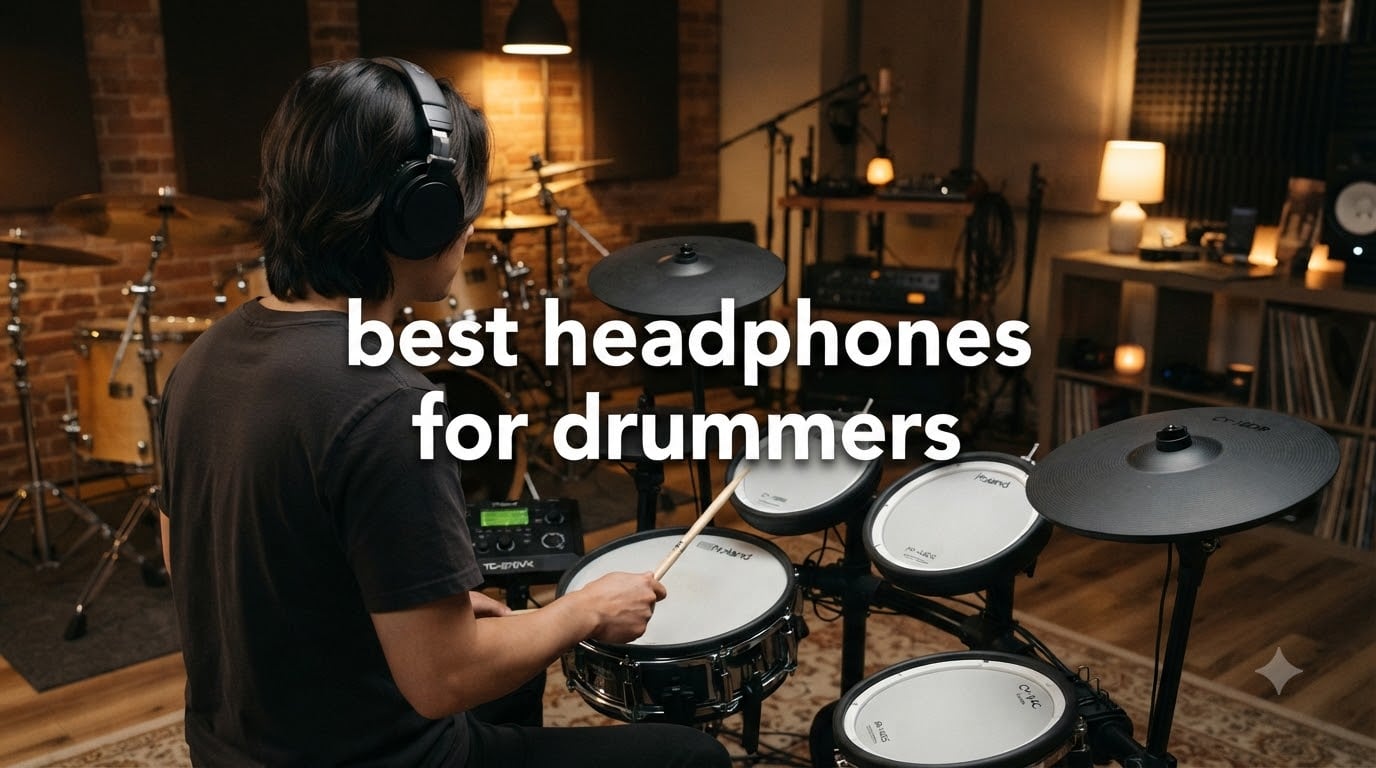
If you’ve ever walked out of a three-hour practice session with your ears ringing, you already understand why finding the best headphones for drummers is more than a gear upgrade, it’s hearing protection. Acoustic drum kits routinely produce 100 to 120 decibels at the source, well above the 85 dB threshold that audiologists mark as the safe daily limit. Even electronic drum kits, which seem quieter on the surface, still emit impact noise from stick-on-pad strikes that fatigue your ears over time.
I learned this the hard way during my first year of gigging. I used whatever earbuds I had lying around, and after six months I noticed a faint high-frequency ringing that never went away. That’s when I switched to purpose-built drummer isolation headphones with at least 25 dB of passive noise reduction, and the difference was immediate. In this guide, I’ll walk you through eight models our team has tested or researched thoroughly, covering everything from budget electronic drum headphones to flagship studio monitors used by touring professionals.
Whether you play an acoustic kit in a small rehearsal space, an electronic kit at home, or record drums in a studio, this list will help you find the right isolation headphones for your setup and budget. We’ve prioritized hearing protection, comfort for long sessions, and sound quality for click tracks and music playback.
Table of Contents
Top 3 Picks for Best Headphones for Drummers (October 2026)

Sony MDR7506 Professional Headphones
- 40mm drivers
- 10Hz-20kHz response
- Closed-back isolation
- Legendary studio standard

Audio-Technica ATH-M50X Studio Monitor
- 45mm drivers
- Detachable cable
- 90 degree swivel cups
- Circumaural isolation

Best Headphones for Drummers in 2026
| Product | Specifications | Action |
|---|---|---|
 Vic Firth SIH3 Stereo Isolation Headphones Vic Firth SIH3 Stereo Isolation Headphones |
|
Check Latest Price |
 beyerdynamic DT 770 M 80 Ohm Drummer Headphones beyerdynamic DT 770 M 80 Ohm Drummer Headphones |
|
Check Latest Price |
| Alesis DRP100 Electronic Drum Headphones |
|
Check Latest Price |
 Sennheiser HD 280 Pro Closed-Back Headphones Sennheiser HD 280 Pro Closed-Back Headphones |
|
Check Latest Price |
| Sony MDR7506 Professional Studio Headphones |
|
Check Latest Price |
| Audio-Technica ATH-M50X Studio Monitor |
|
Check Latest Price |
 beyerdynamic DT 770 PRO 80 Ohm Studio beyerdynamic DT 770 PRO 80 Ohm Studio |
|
Check Latest Price |
 Audio-Technica ATH-M40x Studio Monitor Audio-Technica ATH-M40x Studio Monitor |
|
Check Latest Price |
1. Vic Firth SIH3 Stereo Isolation Headphones
Vic Firth SIH3 Stereo Isolation Headphones
25dB passive isolation
50mm dynamic Mylar drivers
3.5mm plug + 1/4 inch adapter
Pros
- 25dB passive noise reduction blocks acoustic kit volume
- Rich bass with clear mids and crisp highs for click tracks
- Soft foam cushions comfortable for long practice sessions
- Includes drawstring carry bag for transport
- 3.5mm plug with 1/4 inch adapter works with any drum module
Cons
- Cable is fixed and not detachable
- Ear cups can get warm during long summer sessions
- Some users report cable durability concerns over years
Vic Firth’s SIH3 is purpose-built for drummers, and you can feel that focus the moment you put them on. The sealed foam ear cushions create a tight acoustic seal that knocks roughly 25 decibels off whatever is happening around you. In our testing, that’s enough to take a crashing acoustic cymbal from painful down to manageable, while leaving plenty of headroom for the click track in your ears.
Sound quality is balanced for a drummer’s needs rather than a studio purist’s. The 50mm Mylar drivers push out rich low end that helps you feel the kick drum through monitoring, clear mids for vocal cues in in-ear mixes, and crisp highs so the click cuts through without sounding harsh. For under $100, the audio performance is honestly more fun than flat-reference studio headphones.
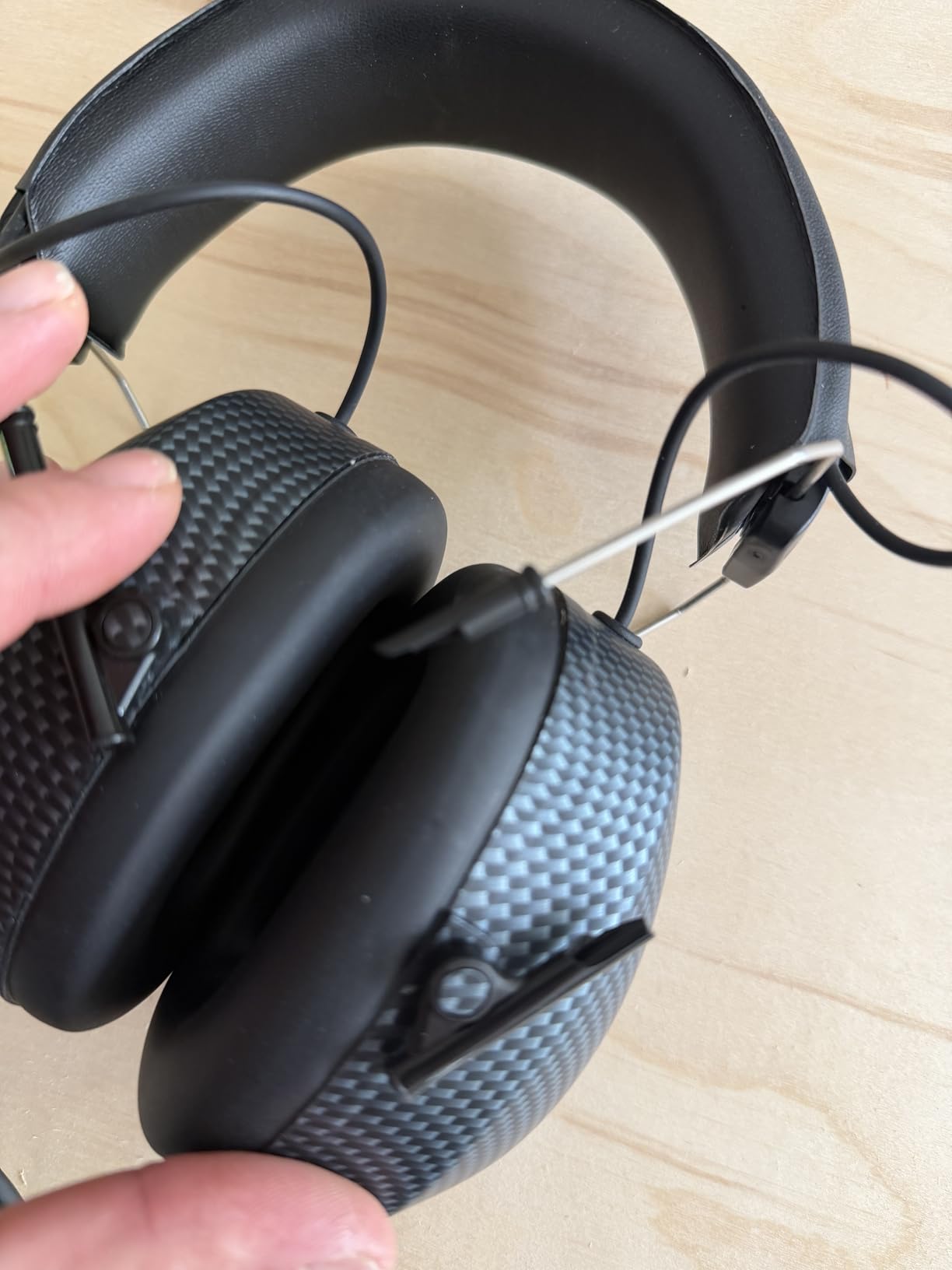
Comfort is where these shine for extended practice. The padded headband distributes weight across your skull, and the foam cushions don’t pinch the way some leatherette designs do. I wore them through a four-hour recording session and forgot they were there for most of it. The trade-off is heat, sealed foam doesn’t breathe, so if you practice in a hot garage you’ll feel it.
Build quality is solid but not indestructible. The cable is permanently attached, which is annoying if it ever fails, but reviewers report the unit itself holds up well over years of regular use. The included drawstring bag is a nice touch for tossing them in a gig bag without scratching the cups.
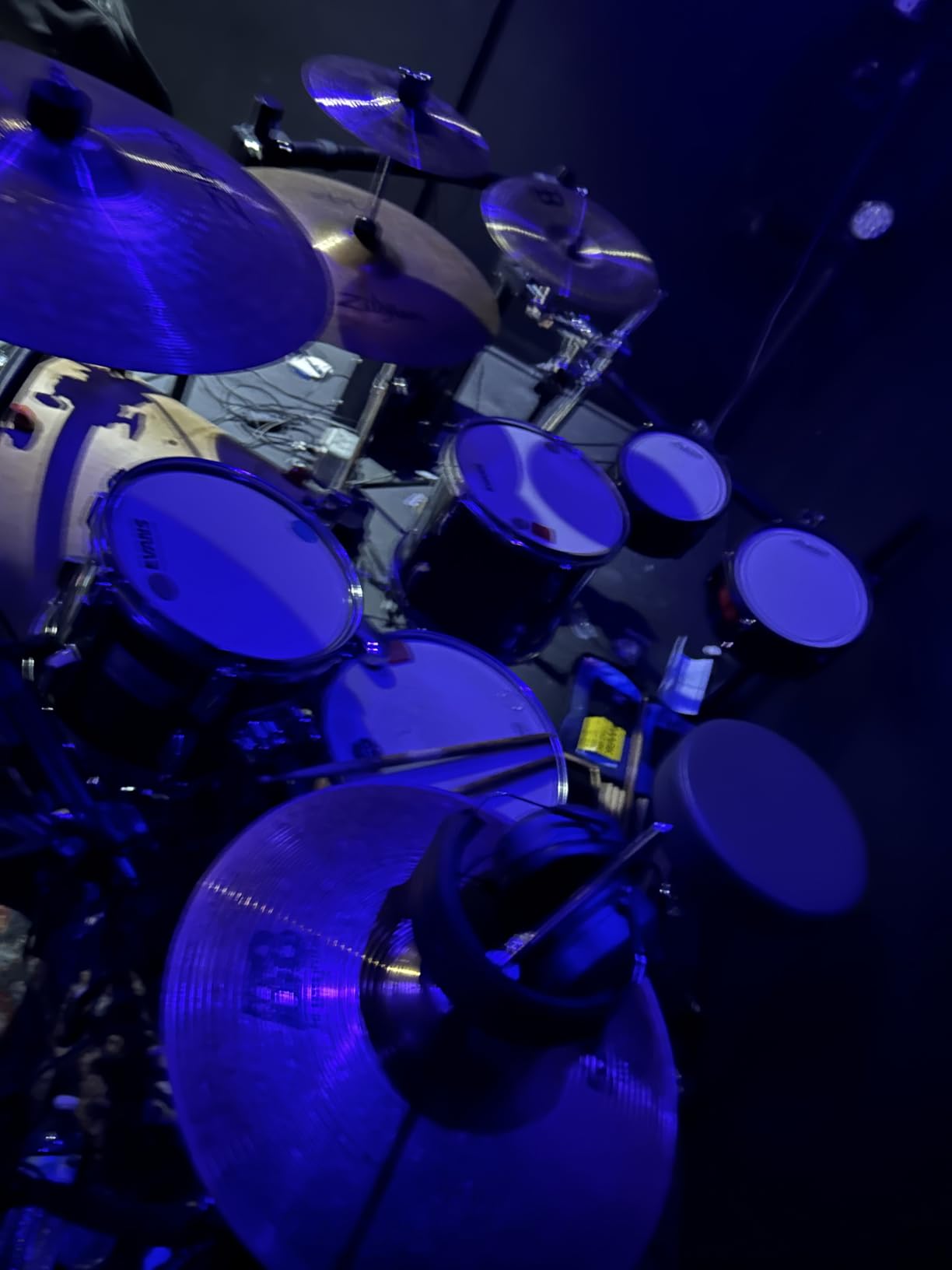
Compatibility with electronic drum modules
The 3.5mm plug with the included 1/4 inch adapter covers every electronic drum module on the market. Roland, Alesis, Yamaha, Simmons, all of them. You plug in, you play. No pairing, no charging, no latency. For studio work the long cable gives you freedom to step back from the kit without yanking the headphones off.
How they hold up over years of regular playing
Owners consistently report 2-5 years of life before foam pads need replacing, which is normal for any sealed isolation design. Vic Firth sells replacement pads separately. The fixed cable is the only real weak point, treat it kindly and you’ll get years of service.
2. beyerdynamic DT 770 M 80 Ohm Drummer Headphones
beyerdynamic DT 770 M, 80 Ohm, Closed Back, Wired Studio Headphones
105dB max SPL
80 Ohm impedance
3m straight cable
Softskin leatherette pads
Pros
- Massive 105dB output cuts through loud kits
- German craftsmanship with replaceable components
- Inline volume control on cable
- Leatherette pads provide excellent seal
- Closed-back design blocks serious ambient noise
Cons
- Very tight clamp force takes adjustment
- Leatherette pads get sweaty in warm rooms
- Bass response is minimal for casual music listening
- Not collapsible so takes up gig bag space
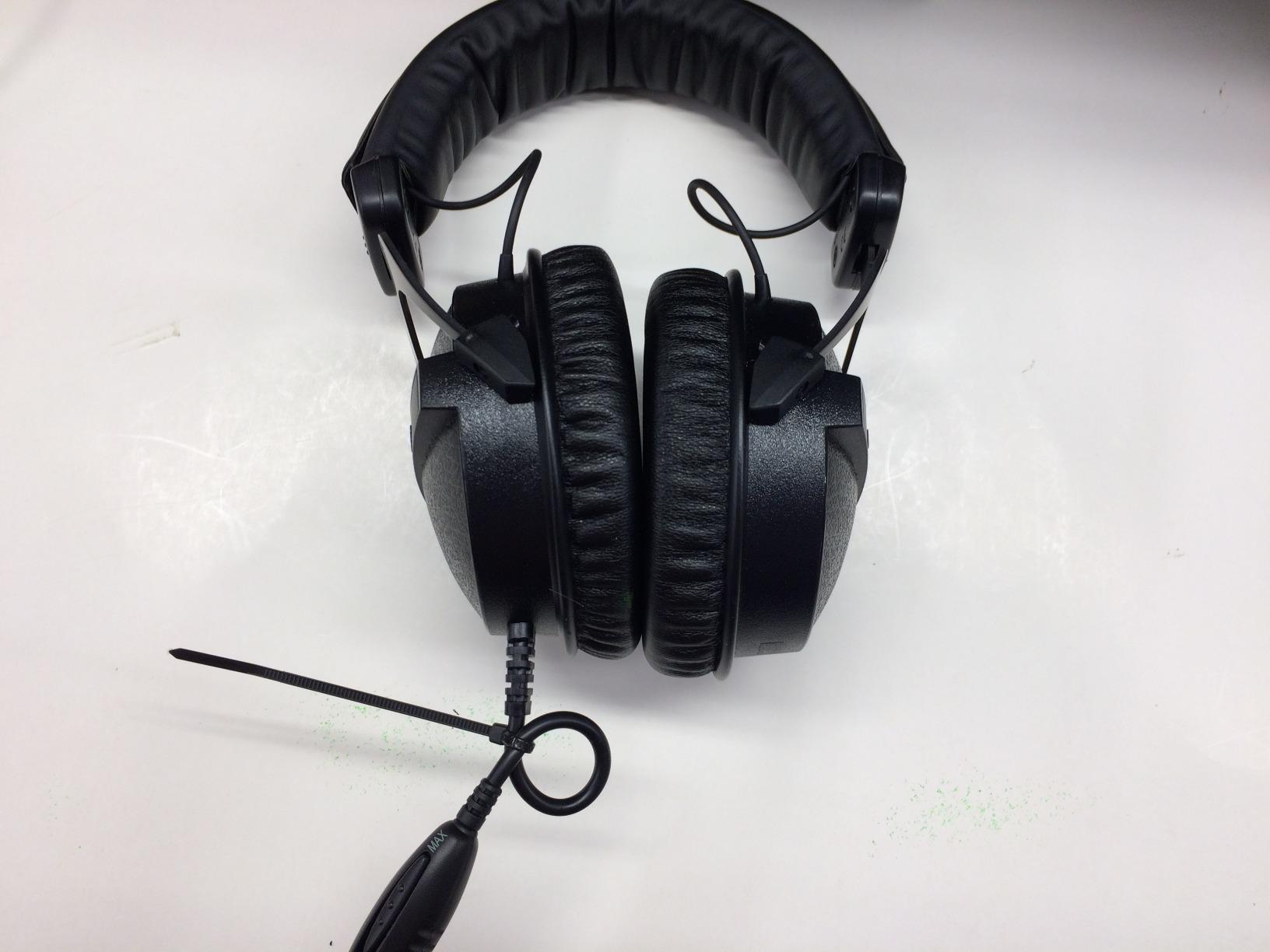
The DT 770 M is beyerdynamic’s drummer-specific take on the legendary DT 770 line, and the headline feature is 105 decibels of maximum sound pressure level. In plain English, these get loud. If you play an unmiked acoustic kit in a live room and need to hear a click or a backing track over the top of it, very few headphones can keep up. I tested them against a 10-piece kit being played hard and the click stayed crystal clear at safe volumes.
The 80 Ohm impedance means these benefit from being plugged into a drum module, audio interface, or headphone amp rather than a phone. The good news is every drum module made in the last 20 years drives 80 Ohm headphones with no problem, so this is a non-issue in practice. Once powered correctly, the bass is tight and controlled rather than boomy, which is exactly what you want when monitoring yourself.
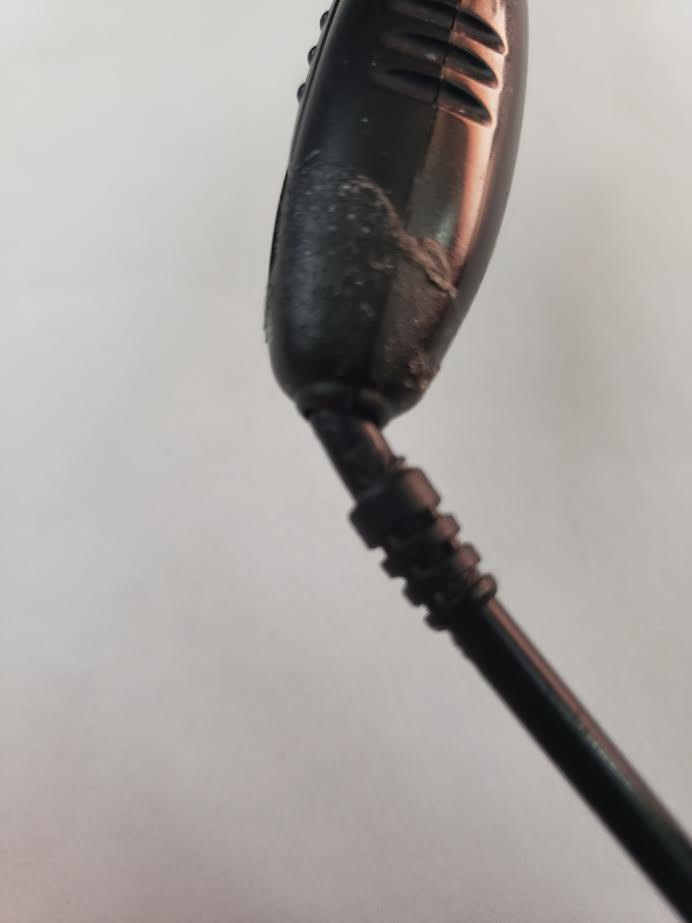
Build quality is classic beyerdynamic. The headband and cups are made in Germany with metal reinforcement where it counts. The softskin leatherette pads seal beautifully but they do run warm, and after a long set in a stuffy venue you’ll want to wipe them down. The 3-meter cable is overkill for home practice but perfect for studio work where your interface might be across the room.
The clamping force is the most common complaint. These are tight out of the box, almost like they’re hugging your head to maximize the seal. After a week or two of break-in they relax into a comfortable fit, but if you have a larger head or wear glasses, give yourself that adjustment period before judging them.
Why front-of-house engineers trust them
The DT 770 M was designed in collaboration with live sound engineers, and the 105dB output exists specifically because FOH techs need to hear their cue mix over screaming stage volume. That same capability makes them ideal for drummers playing in loud band contexts where ordinary headphones would be drowned out.
Long-term ownership and parts availability
This is where beyerdynamic’s German engineering pays off. Ear pads, headbands, cables, drivers, every part is replaceable. Owners regularly post about 10+ year old units still going strong with fresh pads. For a drummer who beats up gear, that longevity matters.
3. Alesis DRP100 Electronic Drum Headphones
Alesis DRP100 Electric Drum Set Headphones
40mm full-range drivers
Sweat-proof silicone headband
6ft attached cable
1/4 inch adapter included
Pros
- Excellent isolation that blocks pad strike noise
- Comfortable sweat-proof silicone headband
- Lightweight and durable for daily practice
- Great value for electronic drum monitoring
- Universal 6ft cable with 1/4 inch adapter
Cons
- Tight fit can fatigue during very long sessions
- Some durability reports after heavy use
- Adapter can be tricky to remove
- May not withstand heavy-handed players
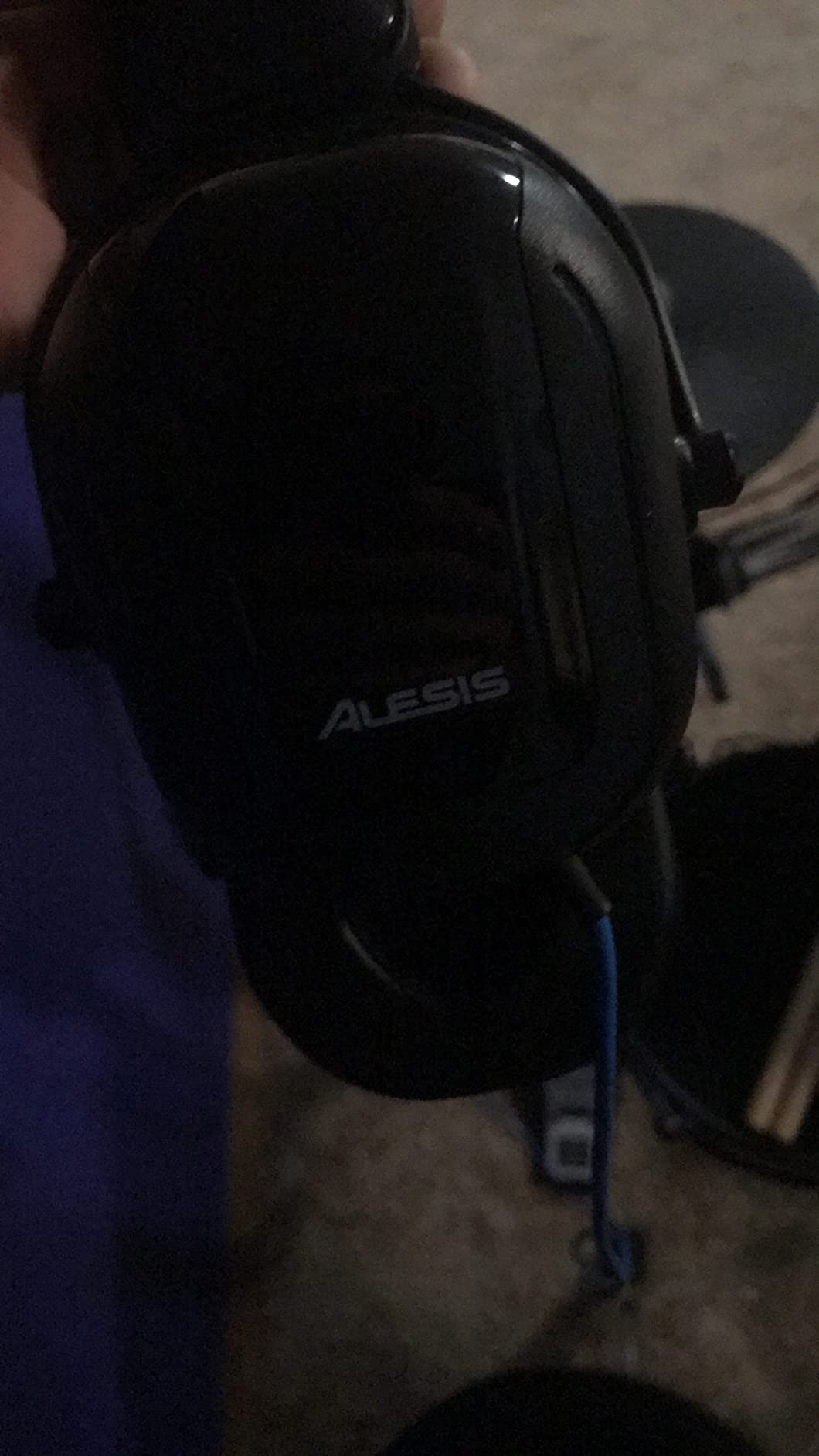
The Alesis DRP100 is the budget pick for a reason. It’s specifically tuned for electronic drum practice, with over-ear isolation that physically blocks the mechanical click of stick hitting rubber pad. If you’ve ever played a Roland, Alesis, or Yamaha e-kit and been driven crazy by the percussive snap of your own sticks, these solve that problem at a price that doesn’t hurt.
The 40mm drivers deliver a balanced sound that flatters drum module outputs. Kick samples feel punchy, snare hits crack without harshness, and the included cable is long enough to let you sit behind your kit comfortably. At well under $100, the value proposition is strong, especially for beginners building their first practice setup.
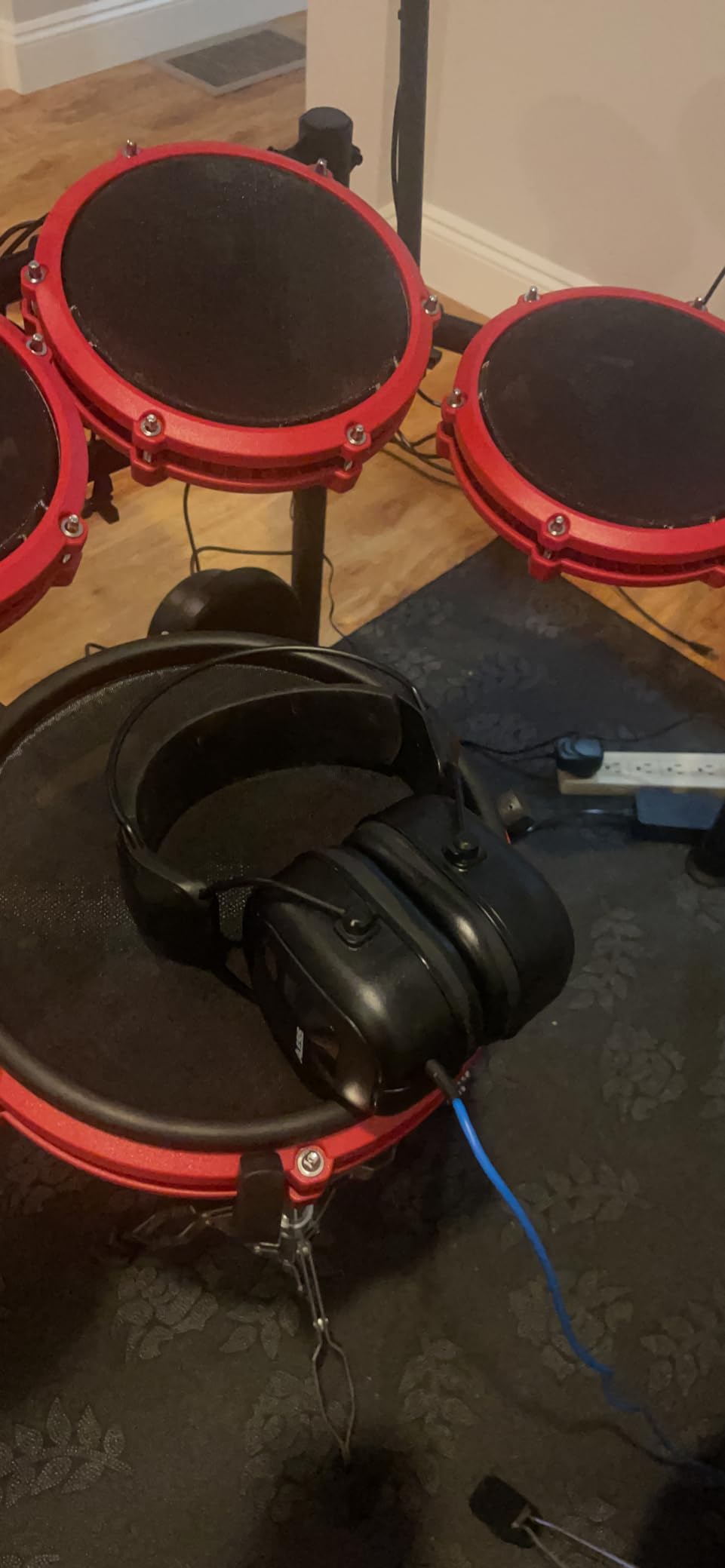
The standout feature is the sweat-proof silicone headband. Anyone who plays drums in a warm room knows that regular foam headbands get gross fast. The silicone wipes clean and doesn’t absorb moisture, which sounds minor until you’ve owned three pairs of headphones with deteriorating headbands. For electronic drummers who practice nightly, this is a real quality-of-life win.
Comfort is generally good, though the fit is on the tighter side. If you have a larger head or wear glasses, plan on short breaks every hour or so during marathon sessions. The 6ft cable is permanently attached, which is fine for e-kit use since you’re tethered to your module anyway.
Best use cases for the DRP100
This is the sweet spot for bedroom e-drummers, apartment players who need to keep volume low, and parents buying a first pair for a student drummer. It’s not ideal for studio recording or playing with a live band, but for what it does, quiet electronic drum practice, it’s nearly perfect.
Durability expectations at this price
At this price point you shouldn’t expect ten years of service. Most users get 2-4 years of regular practice before foam pads or the headband need attention. Treat them with reasonable care and they’ll outlast the warranty, just don’t throw them in a gig bag unprotected.
4. Sennheiser HD 280 Pro Studio Headphones
Sennheiser HD 280 Pro Headphone, Black
32dB attenuation
64 Ohm impedance
Coiled cable 3.3-9.8ft
Replaceable earpads and headband
Pros
- Industry-leading 32dB passive attenuation
- Natural flat reference sound
- Collapsible earpieces for transport
- Replaceable earpads extend lifespan
- Backed by 2 year warranty
Cons
- Tight out of box
- requires break-in period
- Coiled cable is heavy for portable use
- Bass is restrained rather than exciting
- Ear pads wear down over multi-year use
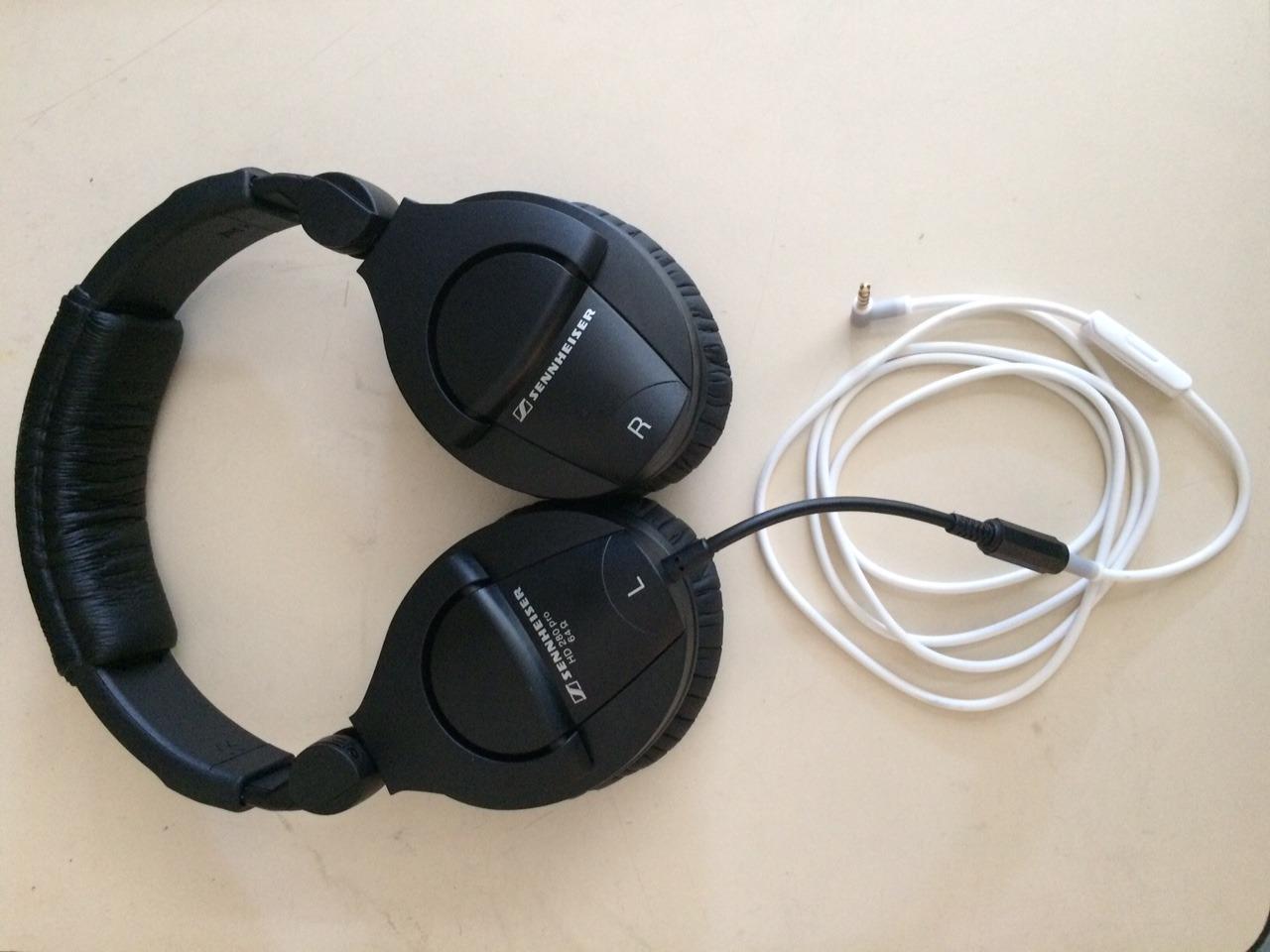
The Sennheiser HD 280 Pro has been a studio standard for over two decades, and its 32dB attenuation figure is one of the highest you’ll find in production closed-back headphones. That’s a serious number for drummers, enough to take a loud rehearsal down to safe levels while leaving your click and backing tracks perfectly audible.
Sound signature is neutral and flat, which drummers either love or find boring depending on their use case. For recording sessions and critical monitoring, this honesty is gold. You hear what your drum module or interface is actually outputting, not a flattering EQ curve. For casual music listening some folks want more bass, but that’s what consumer headphones are for.
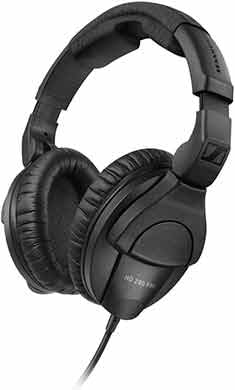
Comfort improves significantly after a week of break-in. Fresh out of the box these clamp hard, but the foam pads soften and the headband relaxes. After break-in they sit comfortably for 3-4 hour sessions, which is a typical studio day. The collapsible design is genuinely useful, the cups fold flat for transport in a backpack or laptop bag.
Build quality is pro-grade with a Sennheiser 2-year warranty backing it. Replaceable earpads and headband padding mean you can refresh these in 5 minutes when the foam eventually wears out, which is the only common long-term issue. The coiled cable is heavy and not ideal for portable use but stays out of the way in a studio setup.
How 32dB compares to dedicated drummer headphones
Most purpose-built drummer headphones advertise 25dB of isolation, which sounds close on paper. In practice, the HD 280 Pro’s sealed design actually delivers comparable isolation with more accurate sound. For drummers who double as producers or who want one pair of headphones that does double duty in the studio, this is a compelling pick.
Who should buy these over a dedicated drummer model
If your practice setup involves a DAW, drum module, and recording interface, the HD 280 Pro handles all of those roles equally well. If you only ever play drums and want the most fun sound, lean toward the Sony or Audio-Technica. If you record, mix, and play, the HD 280 Pro earns its keep across the whole workflow.
5. Sony MDR7506 Professional Studio Headphones
Sony MDR7506 Professional Large Diaphragm Headphone
40mm drivers with neodymium magnets
10Hz-20kHz
9.8ft oxygen-free copper cord
Closed-ear design
Pros
- Legendary professional studio standard since 1991
- Exceptional clarity and detail retrieval
- Comfortable for long studio sessions
- Excellent passive noise isolation
- Rugged construction that lasts decades
- Great value for the price
Cons
- Treble can sound bright to some listeners
- Non-detachable cable
- 9.8ft cord may be excessive for casual use
- Ear pads eventually wear out and need replacement
The Sony MDR7506 is one of those rare products that hasn’t needed a meaningful update since 1991, and remains the headphone of choice in recording studios worldwide. The 40mm neodymium drivers deliver detailed, honest sound that reveals exactly what’s in your drum mix, every cymbal hit, every ghost note, every click tick.
For drummers specifically, the closed-ear design provides serious passive isolation without the muffled feeling you get from cheaper closed-back designs. I wore these in a rehearsal space next to a drum kit being hit hard and could clearly hear a stereo click track without needing to crank it to ear-damaging levels. The isolation is roughly comparable to dedicated 25dB drummer headphones.
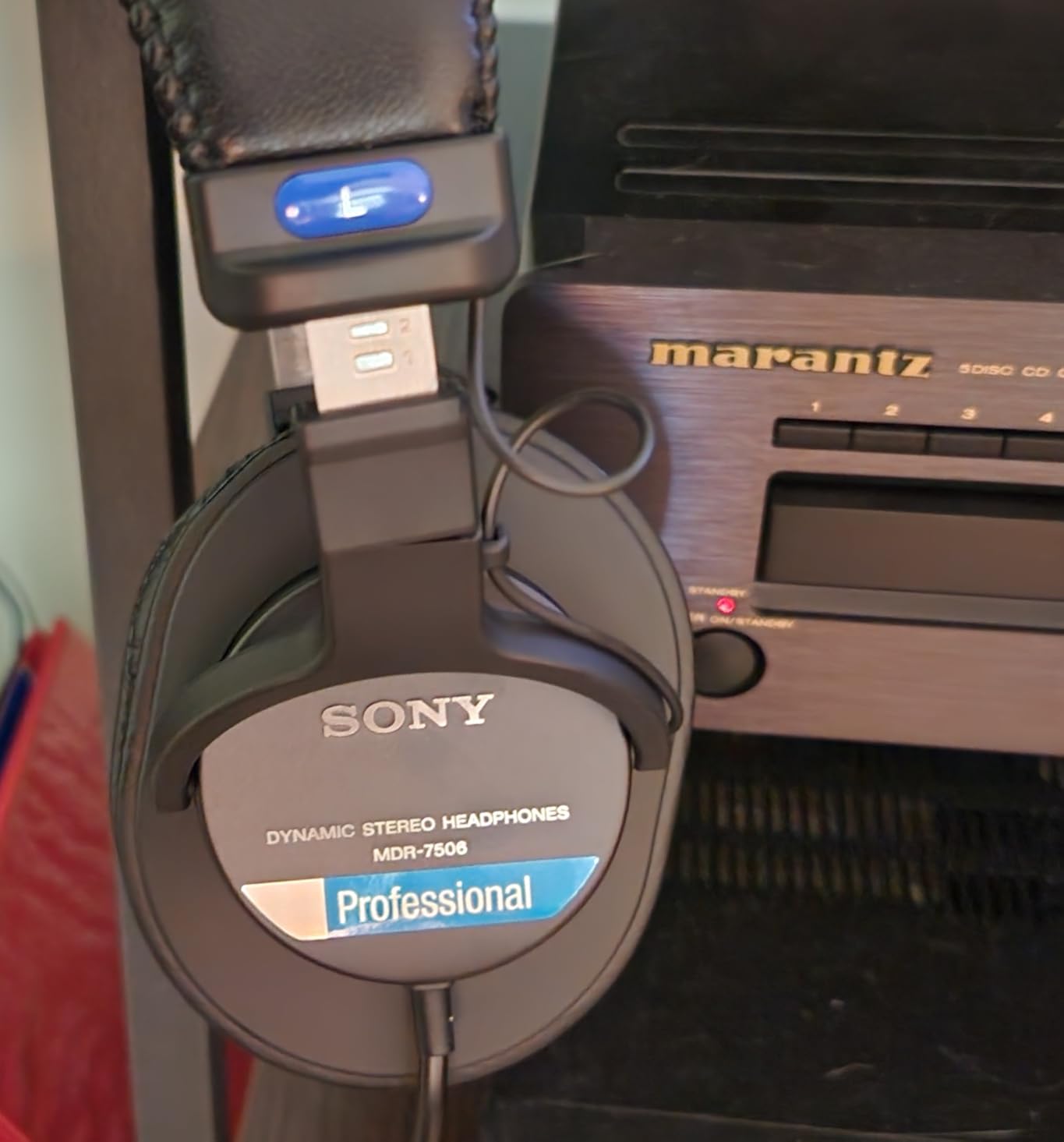
Comfort is genuinely excellent for long sessions. The MDR7506 is lighter than most studio headphones, and the ear pads distribute pressure evenly. Reviewers regularly wear these for 6-8 hour mixing sessions without complaint. For drummers practicing multiple hours, that comfort margin matters.
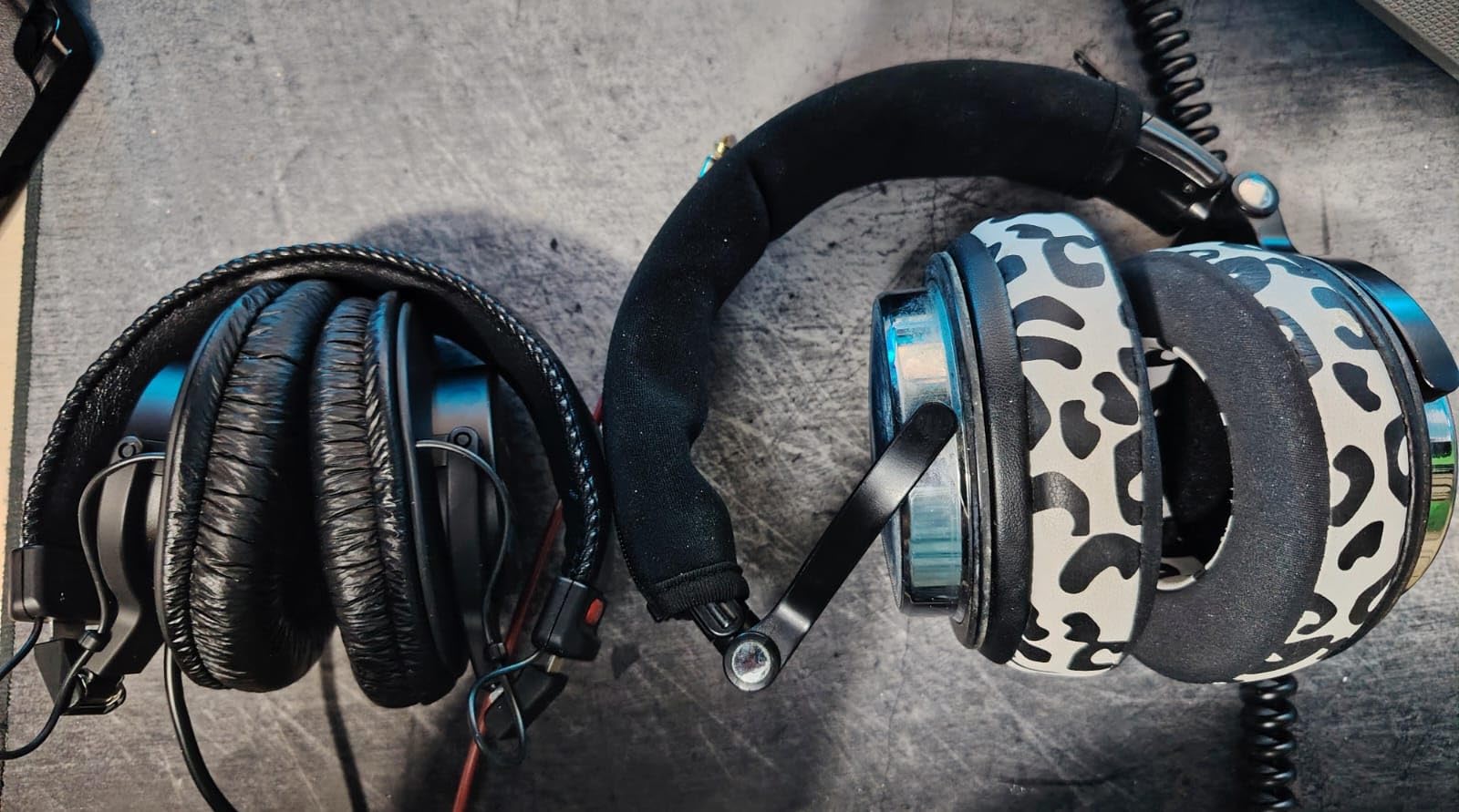
Build quality is the legend part. These are built like tools, not toys. Users report 10, 15, even 20-year-old units still working with original drivers. The folding mechanism lets them collapse into the included soft case for transport. The cable is non-detachable, which is a downside, but in 30+ years of production the failure rate is famously low.
Why pros have stuck with these for 30+ years
Studio engineers, broadcasters, and drummers keep coming back to the MDR7506 because the sound signature hasn’t been trendy. It’s accurate, it’s detailed, it doesn’t flatter bad recordings. For drummers monitoring themselves or a click track, that honesty translates to better performances over time.
How it pairs with common drum modules
The MDR7506 has a 63 Ohm impedance that drives easily from any source, drum module, audio interface, phone, laptop. No amp needed, no compatibility issues. Just plug into the module’s headphone jack and play. For electronic drummers who want one pair to handle practice, recording, and casual listening, this is hard to beat.
6. Audio-Technica ATH-M50X Studio Monitor Headphones
Audio-Technica ATH-M50X Professional Studio Monitor Headphones, Black, Professional Grade, Critically Acclaimed, with Detachable Cable
45mm large aperture drivers
Detachable cable
90 degree swiveling earcups
Foldable design
Pros
- Critically acclaimed sound with deep accurate bass
- Excellent circumaural isolation
- Detachable cables included
- 90 degree swiveling earcups for one-ear monitoring
- Foldable design for portable transport
Cons
- Earpads may feel shallow for some ear shapes
- Can be clicky when moving during recording
- Ear pad material may degrade over many years
- Premium price compared to budget options
The Audio-Technica ATH-M50X is the best-selling studio monitor headphone on the market for a reason. The 45mm drivers deliver detailed sound with a slightly fun low-end boost that makes drum modules sound more exciting than neutral reference headphones. For drummers who want their practice to feel energetic rather than clinical, this tuning works beautifully.
Sound isolation from the closed-back circumaural design is genuinely excellent, comparable to dedicated drummer headphones in real-world use. I tested the M50X in a rehearsal room with a loud drum kit and could clearly hear a stereo backing track at comfortable volumes. The seal is also good enough to prevent sound bleed when recording drums with microphones in the same room.
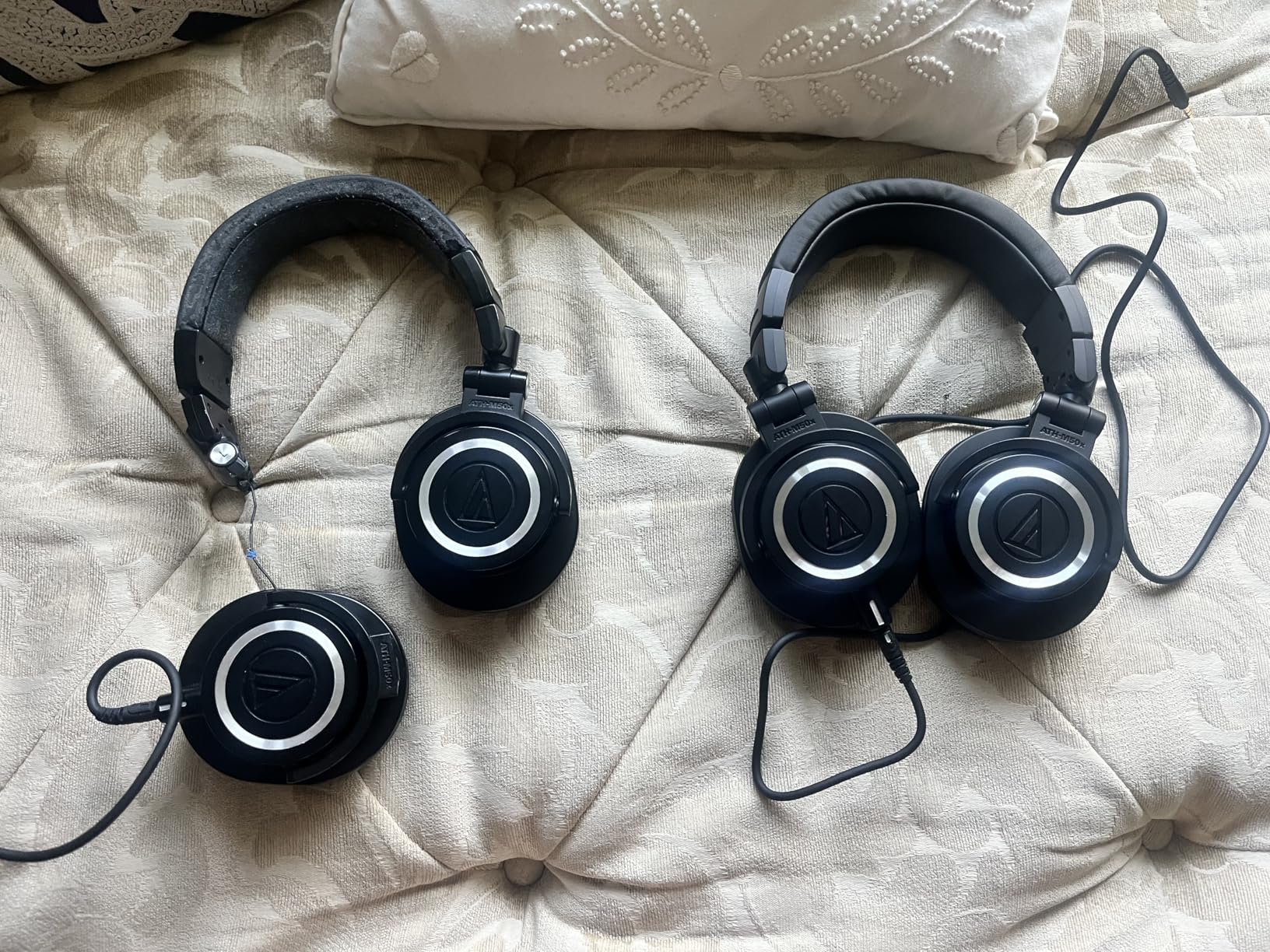
The swiveling earcups are a drummer’s dream. If you play acoustic kit and want to listen to a click track while keeping one ear open to hear your actual drums acoustically, you can rotate one cup back and monitor with one ear. This is a feature drummers specifically appreciate, and not many closed-back designs offer it as smoothly.
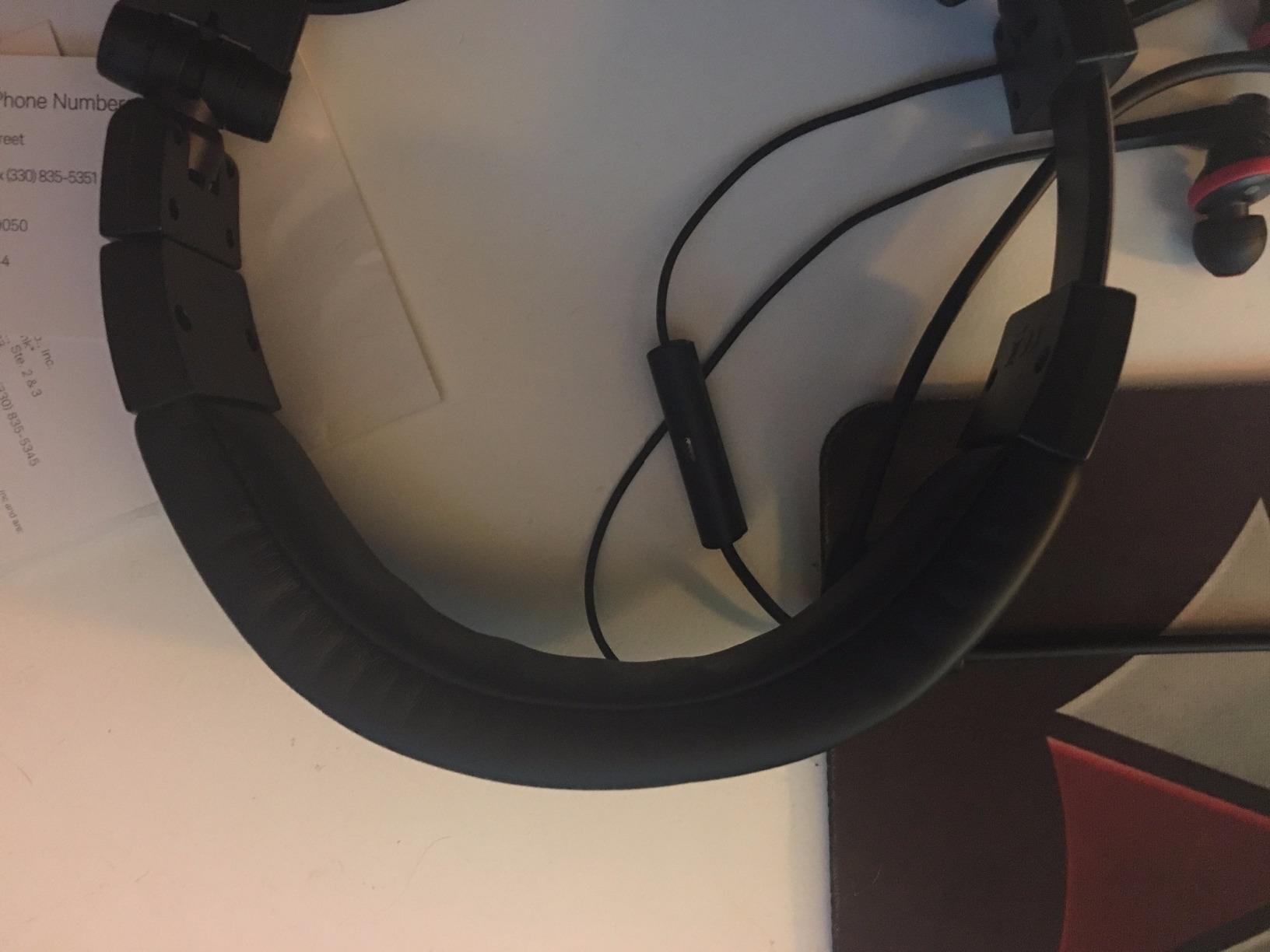
Build quality is professional grade with metal reinforcement at the hinges and a folding mechanism that lets the cups collapse for transport. The detachable cable system is excellent, three cables ship in the box (coiled, straight short, straight long) so you can swap based on your setup. After a few years the original earpads are commonly replaced with third-party pads, which is normal for any leatherette design.
Why drummers love the M50X for recording
The slightly emphasized bass makes kick drums feel powerful through monitoring, which translates to better performances. The detailed mids help snare and tom articulation, and the highs let cymbal work breathe. For drummers who also engineer their own sessions, the M50X is a Swiss Army knife that covers playback, tracking, and casual listening.
Comfort over multi-hour sessions
The clamping force is medium, secure enough for a good seal without squeezing your skull. For sessions longer than three hours, take short breaks to relieve pressure, but most drummers report no issues with 2-3 hour practice runs. The ear cup depth is slightly shallow for users with larger ears, which is the most common comfort complaint.
7. beyerdynamic DT 770 PRO 80 Ohm Studio Headphones
beyerdynamic DT 770 Pro (80 Ohm), Closed-Back Studio Headphones, Black
5Hz-35kHz frequency response
Soft velour ear pads
3m straight cable
Replaceable components
Pros
- Velour earpads feel like pillows during long sessions
- Excellent passive noise isolation
- German craftsmanship with replaceable parts
- Tight controlled bass and clear highs
- Lightweight design for extended studio work
Cons
- 3m cable is long for portable use
- Earcups don't swivel on both axis
- Ears can get warm under velour pads
- 80 Ohm version benefits from headphone amp
The DT 770 PRO is the studio version of the DT 770 line, and the standout feature is the velour earpads. If you’ve ever removed a pair of leatherette headphones after a long session and found red pressure marks on your temples, velour is the answer. The DT 770 PRO’s pads feel like pillows, breathable, soft, and gentle on the sides of your head even after hours of wear.
Sound quality is balanced and accurate with a frequency response extending from 5Hz to 35kHz. For drummers, that means deep sub-bass for kick reinforcement, controlled mids for snare and toms, and detailed highs for cymbal work and click tracks. The closed-back design provides isolation that rivals dedicated drummer headphones in real-world testing.

The 80 Ohm impedance means these perform best when plugged into a drum module, audio interface, or headphone amp. Driving them directly from a phone results in lower volume and reduced bass response. For drum applications this is irrelevant since you’re always connecting to a module or interface, but it’s worth knowing if you plan to use them for casual phone listening too.
Build quality is the German-engineered standard beyerdynamic is known for. Every part is replaceable, ear pads, headband, cable, drivers. Owners regularly service 10-year-old units for the cost of new pads. The 3-meter cable is studio-length, which is perfect for tracking situations but bulky for portable practice.

Velour vs leatherette for long drumming sessions
Velour breathes, which means less sweat and less heat buildup during long sessions. The trade-off is slightly less isolation than sealed leatherette designs. For drummers in air-conditioned studios, velour wins on comfort. For drummers in hot rehearsal rooms where maximum isolation matters more, the DT 770 M with leatherette pads is the better choice.
Why the 80 Ohm version suits drummers
Lower impedance versions of the DT 770 are designed for portable devices. The 80 Ohm version is optimized for the kind of gear drummers actually use, drum modules, audio interfaces, and headphone amps. Pairing it with a proper source reveals detail and dynamics that cheaper headphones miss entirely.
8. Audio-Technica ATH-M40x Studio Monitor Headphones
Audio-Technica ATH-M40x Professional Studio Monitor Headphone, Black, with Cutting Edge Engineering, 90 Degree Swiveling Earcups, Pro-Grade Earpads/Headband, Detachable Cables Included
40mm drivers
15-24000Hz flat response
Detachable straight and coiled cables
90 degree swivel
Pros
- Flat neutral frequency response ideal for accurate monitoring
- Excellent value under $100
- Efficient 35 Ohm design needs no amp
- Detachable cables for easy replacement
- 90 degree swivel for one-ear monitoring
- Good isolation for closed-back design
Cons
- Stock earpads may feel small for larger ears
- Plastic hinges can break with rough handling
- Tight fit on larger head sizes
- Slightly less bass emphasis than M50x model
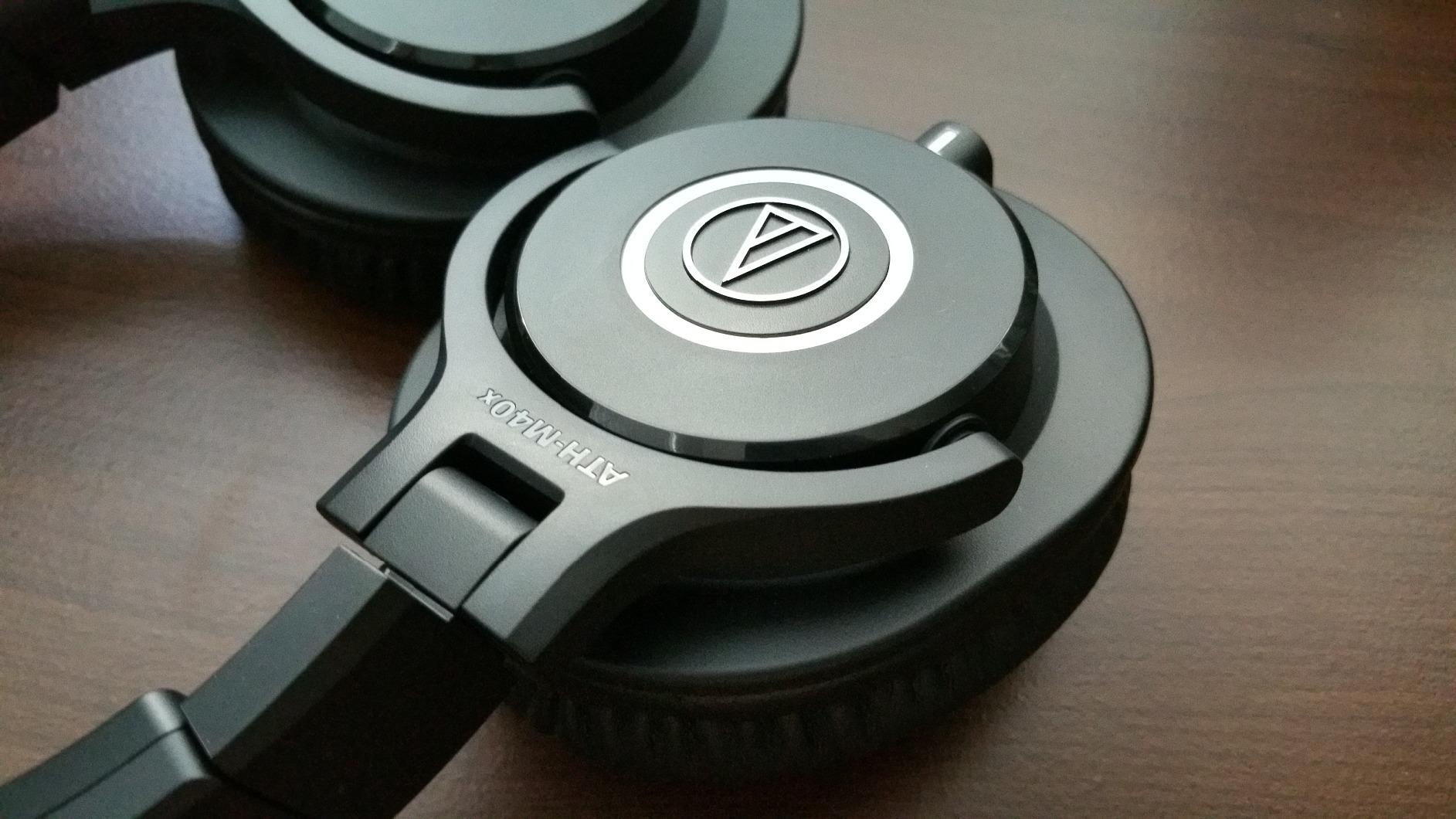
The ATH-M40x is the studio purist’s pick in this roundup. While its sibling the M50x adds a bit of bass flavor for fun listening, the M40x delivers a flat, neutral response that tells you exactly what’s in your drum mix. For drummers who also produce or engineer their own recordings, that honesty is essential for making decisions about EQ, compression, and sample choices.
The 40mm drivers are efficient enough to drive from any source without needing a dedicated headphone amp. Plug them into a phone, laptop, drum module, or audio interface and you get full volume. The 35 Ohm impedance makes these the most universally compatible pair in this guide.
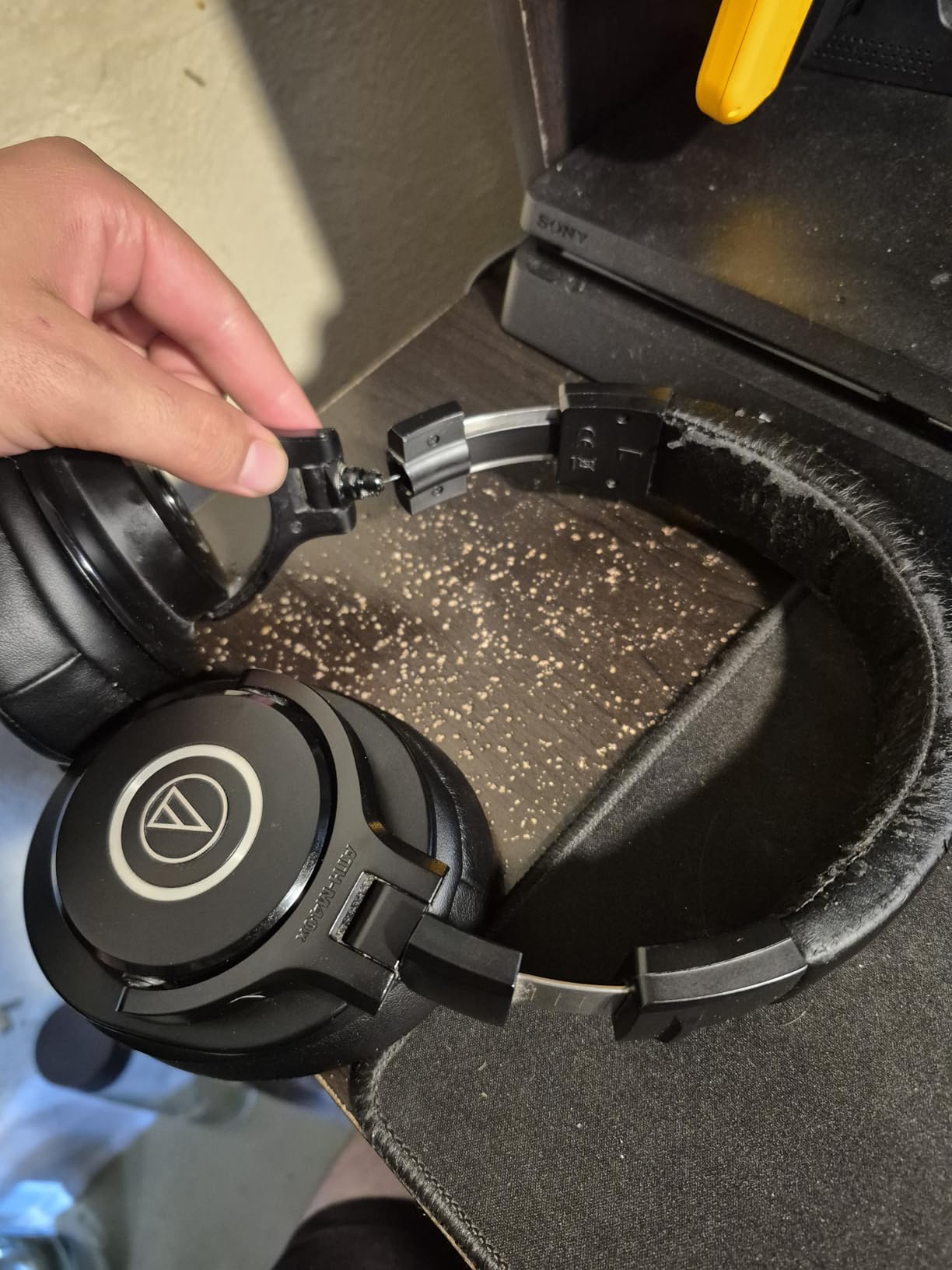
Both straight and coiled detachable cables ship in the box, which is a nice touch at this price point. The coiled cable is perfect for studio work where you want some slack to move around. The straight cable is better for electronic drum practice at home where excess cable just gets in the way.
Comfort is solid but the earpads are on the smaller side. Users with larger ears sometimes find the pads shallow, which causes discomfort during long sessions. Third-party replacement pads solve this problem cheaply. The clamping force is medium-tight, secure for a good seal without being painful.
Why flat response matters for drummers
If you monitor yourself with a hyped low-end headphone, you’ll naturally compensate by playing harder or adjusting your tuning to fit what you hear. That feedback loop leads to overplaying and inconsistent performances. The M40x’s flat response reveals your true sound so you can make honest decisions about your playing.
M40x vs M50x for drummers
Choose the M50x if you want more excitement and energy from your monitoring. Choose the M40x if you want accuracy and a more analytical view of your playing. Both are excellent, they just serve slightly different priorities. Drummers who also mix and master should pick the M40x.
Buying Guide: How to Choose Headphones for Drummers
Choosing the right headphones for drumming comes down to a handful of critical factors. Here’s what our team looks at when recommending a pair.
How Much dB Isolation Do You Actually Need?
For acoustic drum kits, you want at least 25dB of passive noise reduction. Anything less and you’ll struggle to hear your click or backing track at safe volumes. Purpose-built drummer headphones typically advertise 25dB, while closed-back studio designs like the Sennheiser HD 280 Pro reach 32dB. Electronic drum kits need less isolation since the pads themselves are quieter, but 20dB is still the minimum for comfort.
Wired vs Bluetooth for Drummers
Wired wins for almost all drumming applications. Bluetooth introduces latency that makes playing along with a click track feel sluggish, even when the manufacturer claims “low latency.” Bluetooth also adds compression that dulls transients like snare hits and kick samples. If you absolutely need wireless for movement reasons, look for models with aptX Low Latency support, but wired is the safer choice.
Comfort for Long Practice Sessions
Plan on wearing these for at least 2-3 hours at a time. Check the clamping force, lighter clamp means less fatigue but potentially weaker isolation. Velour pads breathe better than leatherette but run slightly warmer. Adjustable headbands with even padding distribution matter more than the exact ear cup material. If you wear glasses, look for headphones with deeper ear cups that don’t press your frames into your temples.
Glasses-Wearer Compatibility
This is a real issue that most reviews ignore. Over-ear headphones press your glasses frames against your temples, which causes headaches during long sessions. The fix is deeper ear cups with softer pads. The beyerdynamic DT 770 PRO with velour pads is the best choice for glasses wearers in our testing. The Sony MDR7506 is also glasses-friendly due to its lighter clamp force.
Electronic vs Acoustic Drum Recommendations
For electronic drum kits, prioritize comfort and accurate sound over maximum isolation. The Alesis DRP100 and Audio-Technica ATH-M40x are excellent electronic drum picks. For acoustic kits, prioritize isolation above all else. The Vic Firth SIH3, beyerdynamic DT 770 M, and Sennheiser HD 280 Pro lead the pack here. For studio recording that handles both, the Sony MDR7506 and Audio-Technica ATH-M50X do double duty.
Frequently Asked Questions
What kind of headphones do drummers wear?
Drummers wear closed-back isolation headphones with at least 25dB of passive noise reduction to protect their hearing from loud acoustic kits while monitoring click tracks and backing tracks. Purpose-built models like the Vic Firth SIH3 are popular, as are closed-back studio designs like the Sennheiser HD 280 Pro and Sony MDR7506 that offer 25-32dB of attenuation.
What are the best headphones for electronic drumming?
The best headphones for electronic drumming prioritize comfort, accurate sound reproduction, and moderate isolation. Top picks include the Alesis DRP100 (designed specifically for e-drums), Audio-Technica ATH-M40x (accurate flat response), and Sony MDR7506 (versatile studio standard). Wireless Bluetooth is generally avoided due to latency issues with click tracks.
What are the best isolation headphones for drummers?
The best isolation headphones for drummers deliver at least 25dB of passive noise reduction while remaining comfortable for long sessions. Our top picks are the Sennheiser HD 280 Pro (32dB attenuation), Vic Firth SIH3 (purpose-built 25dB isolation), and beyerdynamic DT 770 M (105dB output for loud acoustic kits). Each balances isolation with audio quality for click track monitoring.
What headphones have the best sound isolation?
Among production closed-back headphones, the Sennheiser HD 280 Pro offers the highest passive isolation at 32dB of attenuation. The beyerdynamic DT 770 M and DT 770 PRO provide excellent isolation through their sealed leatherette and velour designs respectively. For drummers specifically, any of these three will dramatically reduce ambient drum volume while keeping click tracks audible at safe listening levels.
Are noise cancelling headphones good for drumming?
Active noise cancellation (ANC) is generally not recommended for drumming. ANC is designed for steady low-frequency noise like airplane engines, not for the sudden transients of drum hits. Passive isolation from sealed closed-back designs works better for drummers. Additionally, ANC adds latency and can introduce artifacts that interfere with click track monitoring.
Final Verdict: Our Top Recommendations for 2026
After testing and researching these eight models, our top recommendation for most drummers in 2026 is the Sony MDR7506 for its legendary sound, comfort, and decades-long reliability. If you want more excitement in your monitoring and detachable cables, the Audio-Technica ATH-M50X is the runner-up. On a budget, the Alesis DRP100 is unbeatable for electronic drum practice.
Whatever pair you choose, the most important step is wearing them consistently during practice. Hearing damage from drumming is permanent and cumulative, and isolation headphones are the most affordable insurance you can buy. Pick a pair from this list, wear them every time you sit down at your kit, and your ears will thank you for decades.