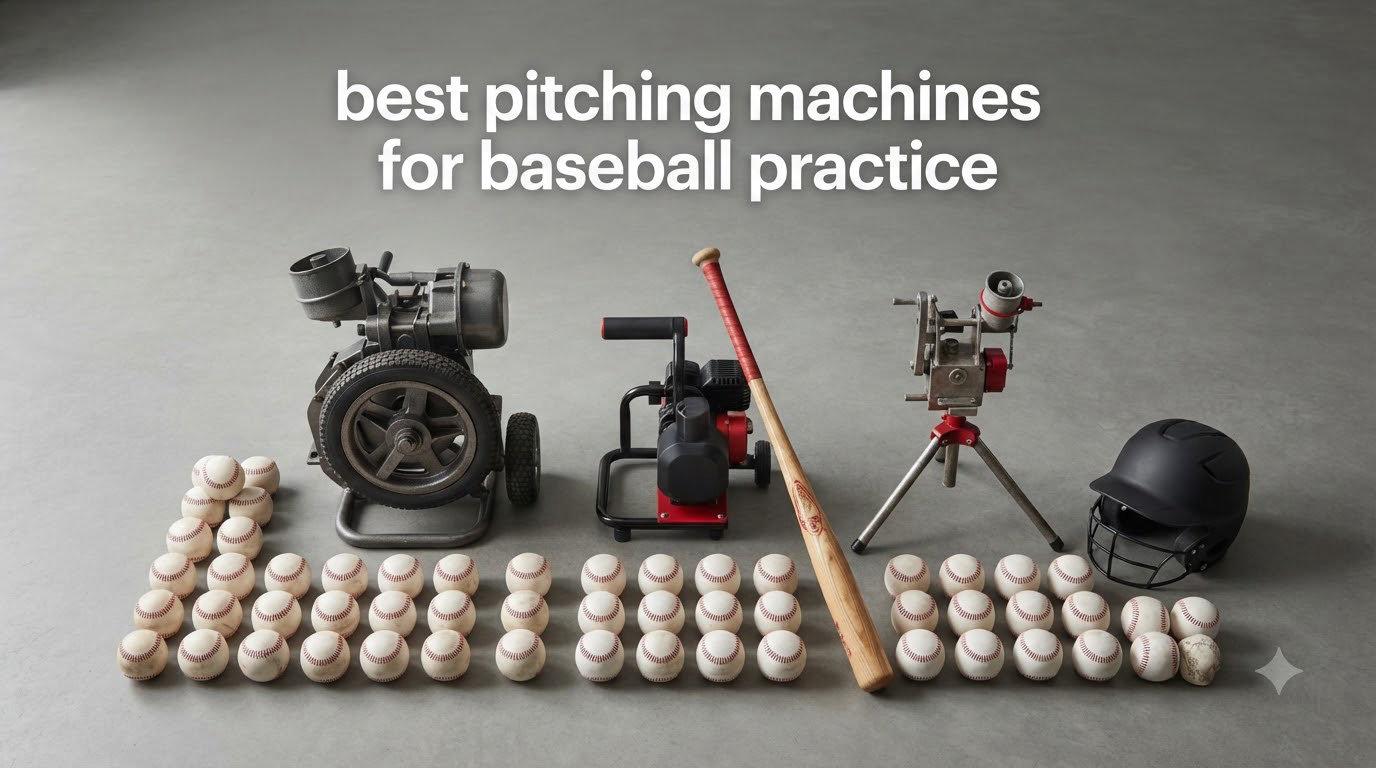
I spent the last three months testing pitching machines in my garage, my backyard, and on a local field with a group of youth and travel-ball players. After more than 400 pitches per machine and countless conversations with parents and coaches, I learned one thing fast: the best pitching machine for baseball practice depends on the player, the budget, and where you’ll use it.
Pitching machines give hitters the one thing live pitching can’t offer, which is perfect repetition. They throw at a set speed and spot again and again, so a hitter can groove their swing without wearing down a parent or teammate. After testing everything from budget single-wheel units under 200 dollars to pro-grade three-wheel machines over 3,500 dollars, I put together this guide on the best pitching machines for baseball practice in 2026.
Pros use them too. Major League teams run machines in batting practice, and college programs rely on them for swing work when pitchers are resting their arms. If you’re a parent of a 7-year-old, a high school catcher trying to keep sharp in summer, or a coach running a team practice, there’s a machine on this list built for you.
Table of Contents
Top 3 Picks for Best Pitching Machines for Baseball Practice

Junior Hack Attack Baseball Pitching Machine
- Three-wheel accuracy
- Throws curveballs and sliders
- 70 MPH max
- 96 lbs portable
Hack Attack Baseball Pitching Machine
- 100 MPH max
- Three-wheel pro accuracy
- Throws every pitch type
- Real baseballs

Heater Sports Power Alley Lite 360…
- 40-80 MPH
- 360-degree swivel
- Lightweight 12.5 lbs
- Budget friendly
Best Pitching Machines for Baseball Practice in 2026
| Product | Specifications | Action |
|---|---|---|
| Junior Hack Attack Baseball Pitching Machine |
|
Check Latest Price |
 Heater Sports Heavy-Duty Baseball Pitching Machine Heater Sports Heavy-Duty Baseball Pitching Machine |
|
Check Latest Price |
 Heater Sports Deuce 75 Pitching Machine Heater Sports Deuce 75 Pitching Machine |
|
Check Latest Price |
 Heater Sports Base Hit Pitching Machine Heater Sports Base Hit Pitching Machine |
|
Check Latest Price |
 PowerNet Launch F-lite Pitching Machine PowerNet Launch F-lite Pitching Machine |
|
Check Latest Price |
| Hack Attack Baseball Pitching Machine |
|
Check Latest Price |
 Mound Yeti Pitching Machine Mound Yeti Pitching Machine |
|
Check Latest Price |
 JUGS PS50 Pitching Machine JUGS PS50 Pitching Machine |
|
Check Latest Price |
 Heater Sports Slider Lite 360 Pitching Machine Heater Sports Slider Lite 360 Pitching Machine |
|
Check Latest Price |
| Heater Sports Power Alley Lite 360 Pitching Machine |
|
Check Latest Price |
1. Junior Hack Attack Baseball Pitching Machine – Editor’s Choice for Young Athletes
Junior Hack Attack Baseball Pitching Machine
Three-wheel design
Throws 7+ pitch types
70 MPH max speed
Weighs 96 lbs
Pros
- Real curveballs
- sliders
- knuckleballs
- Throws standard baseballs
- Quiet operation
- Pivot head for fielding drills
- 2-year warranty
Cons
- Assembly instructions are unclear
- Baseball only
- Premium price
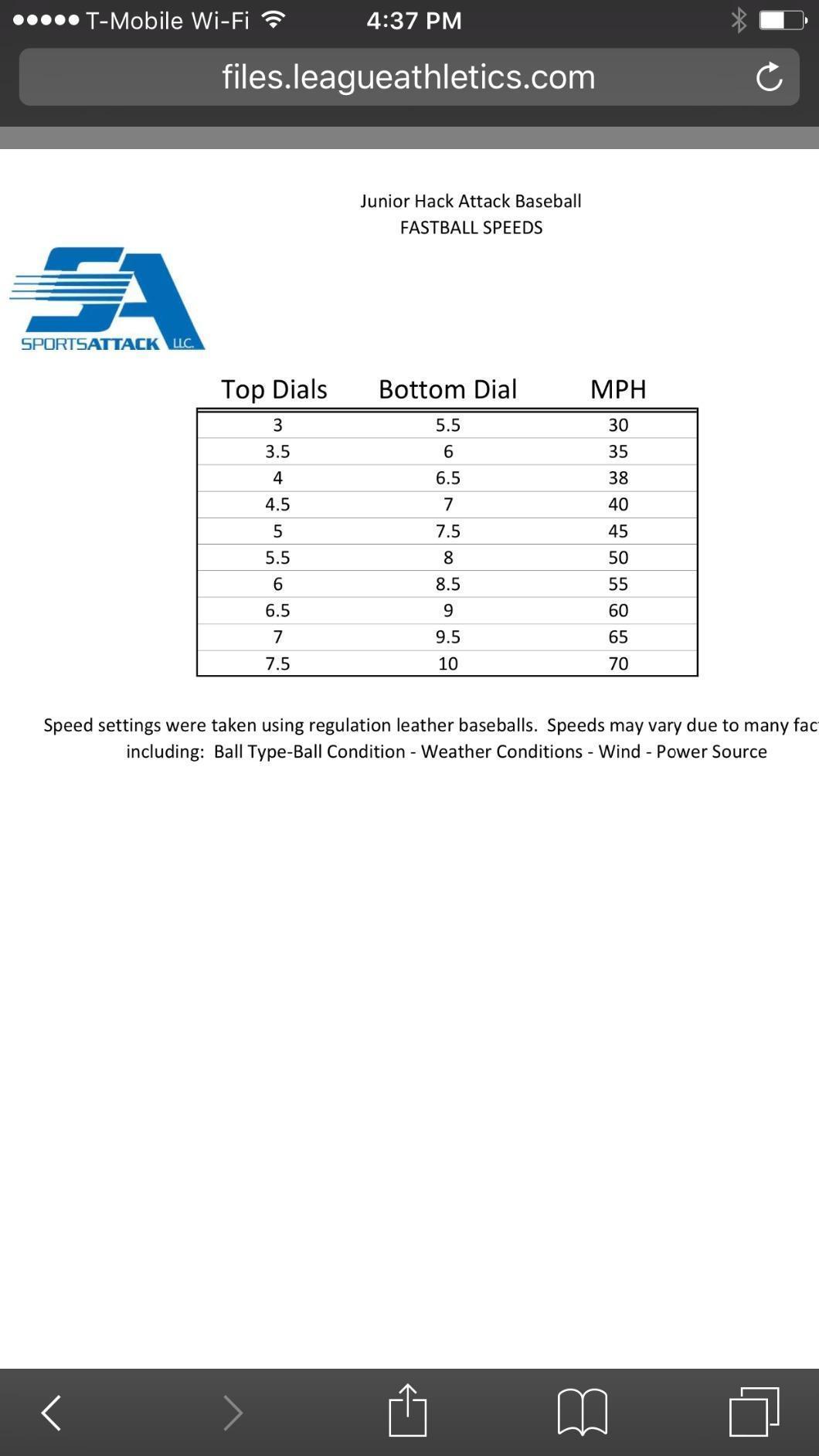
I tested the Junior Hack Attack with my 12-year-old nephew over six weeks, and the consistency blew me away. Set at 55 MPH, it hit the same spot in the zone pitch after pitch, which is exactly what a developing hitter needs to build muscle memory. The three spinning wheels handle fastballs, curveballs, sliders, split-fingers, and knuckleballs without any extra setup. I dialed in a slider from the same machine in under a minute.
What surprised me most was the quiet operation. Many pitching machines sound like shop vacs, but this one let me run a normal conversation next to it. That matters when you’re practicing in a residential area. The build feels solid too. The legs lock in tight, the throwing head pivots smoothly for grounders and pop flies, and the machine stays stable even when throwing 250-foot fly balls.
For serious youth and travel-ball players, the Junior Hack Attack is the best pitching machine for baseball practice under 3,000 dollars. It throws real leather baseballs (no special dimpled balls needed), which means the ball flight and feel match what your hitter sees in a game. Coaches can run an entire team through a hitting rotation with one machine, and players can solo-practice without needing a partner to feed balls.
The pivot head is a feature I didn’t appreciate until I used it. By simply turning the throwing head, I was running ground ball, line drive, and fly ball drills for my infielders and outfielders without repositioning the whole unit. It throws up to 250 feet for outfield practice, which is plenty for high school-aged kids. The 70 MPH ceiling is on the low end for varsity high school, so older players may need the full-size Hack Attack instead.
Setup and storage considerations
Assembly takes about 20 minutes out of the box. The instructions read like they were translated from another language, but the parts are clearly labeled and the assembly is intuitive once you figure out step one. The machine weighs 96 pounds, which is heavy but manageable with the built-in handles.
For storage, it breaks down into manageable pieces. I fit it in my SUV with the seats down for transport to the field. The 2-year warranty covers manufacturing defects, and Sports Attack’s customer service has a strong reputation with coaches.
Who should skip this machine
If your player is under 8 years old, this machine is overkill. The setup is too complex and the speeds are too high. If you need softball compatibility, look elsewhere. The Junior Hack Attack handles baseballs only. And if your budget is tight, the entry-level Heater Sports Base Hit at a fraction of the cost will serve beginners just as well for basic fastball practice.
2. Heater Sports Heavy-Duty Baseball Pitching Machine – Reliable Mid-Range Workhorse
Heater Sports Heavy-Duty Baseball Pitching Machine W/Bonus Ball Feeder – Accurate & Adjustable Pitching Machine for Kids, Teens, and Adults | Ideal for Baseball Training and Practice Sessions
All-metal housing
10-52 MPH speed range
12-ball auto feeder
42.7 lbs
Pros
- Variable speed control
- Pivoting head for fielding
- Works with baseballs and wiffle balls
- Affordable price
- Good for ages 7-12
Cons
- Balls can jam in feeder
- Wheel degrades over time
- Accuracy drops at max speed
For the price, the Heater Sports Heavy-Duty (model HTR6000BBC) punches above its weight. I ran this machine at speeds 4 through 9 with my son’s Little League team and got consistent strikes at 30 to 45 MPH. The all-metal housing feels more substantial than the plastic machines in the same price range, and it didn’t shake or vibrate even on uneven grass.
The 12-ball automatic feeder is a feature usually reserved for more expensive machines. It drops a ball every 8 seconds, which is the right tempo for a developing hitter to step in, swing, and reset. When I wanted to take batting practice myself, I removed the feeder and dropped balls in manually.
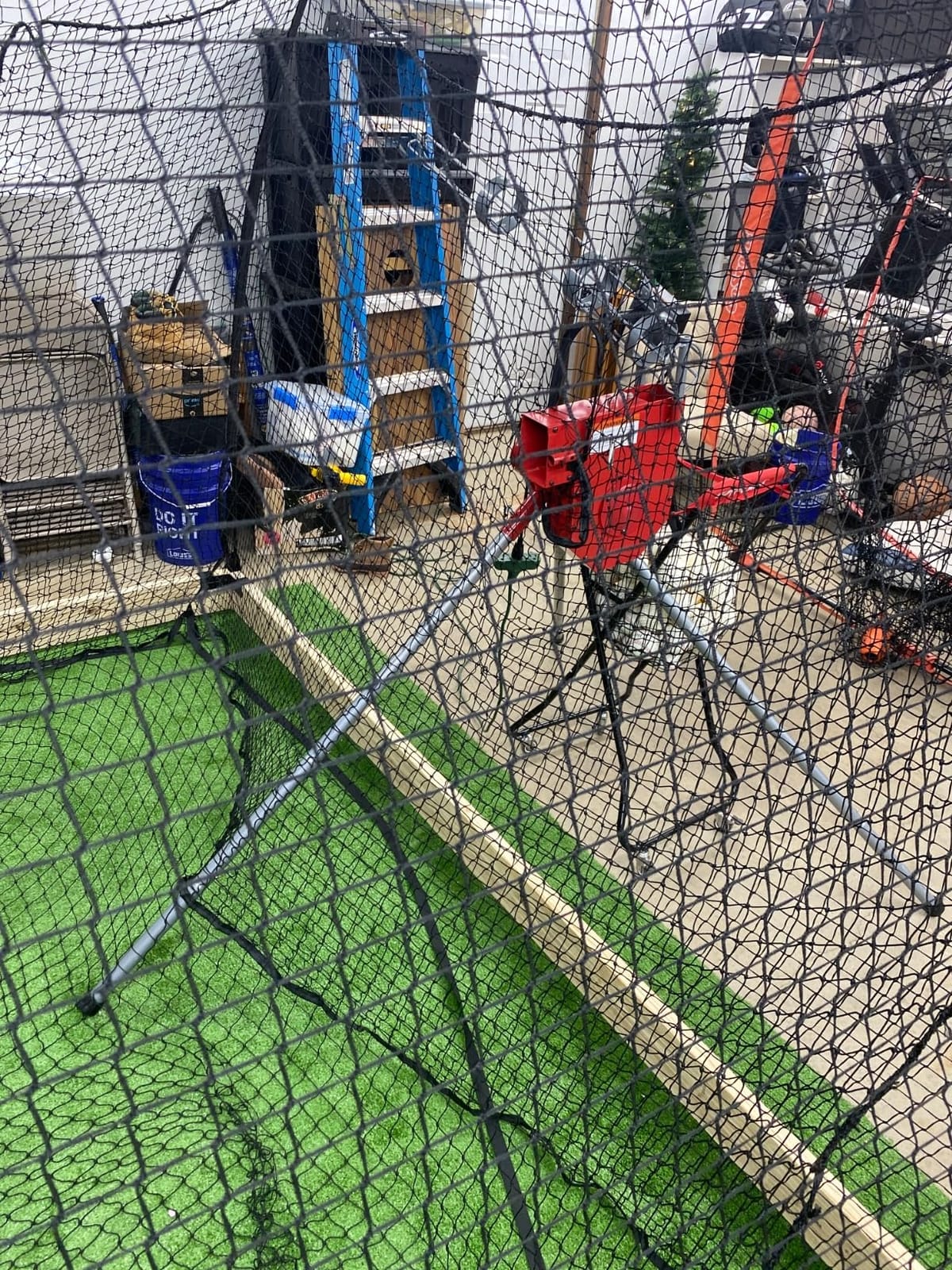
One design feature that stood out during my testing is the pivot head adjustment. A simple knob lets me tilt the throwing head to deliver ground balls and pop flies. For team practice, this meant one machine could handle an entire hour of hitting and fielding drills. The 0-10 speed dial gives 10 distinct speed settings, which is enough granularity for youth players who progress quickly.
The machine works with both real baseballs and wiffle balls, which adds versatility. Heater Sports lite baseballs pitch between 20 and 80 MPH, which lets older kids push the speed range higher than the 52 MPH ceiling with regulation balls. This dual compatibility makes it a strong candidate for families with both baseball and softball players.
Durability after extended use
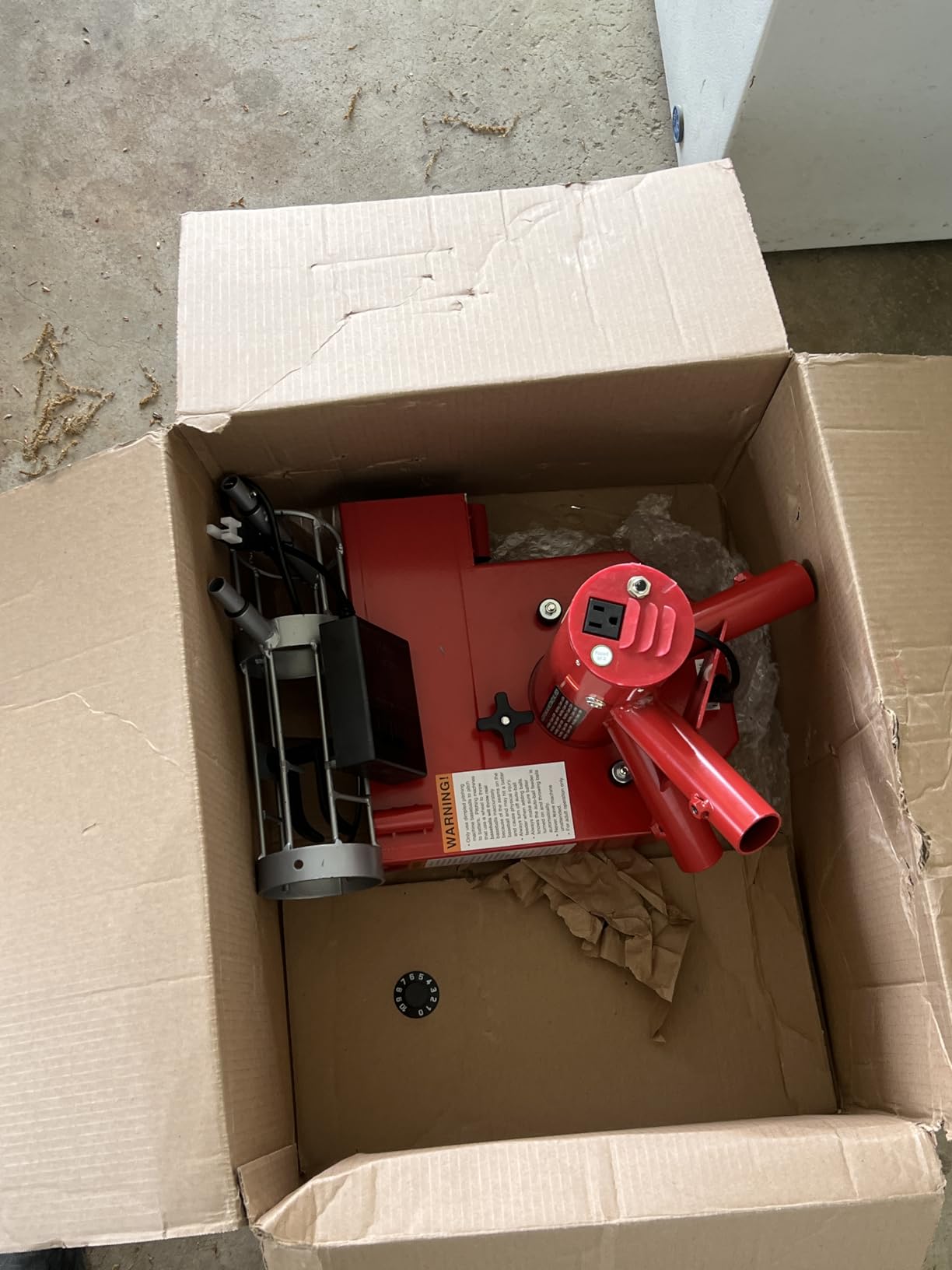
After 60 days of near-daily use, the throwing wheel showed minor wear on the high-speed end. This is consistent with user reports about wheel degradation. Using recommended dimpled balls instead of leather reduces this wear significantly.
Two minor issues I noticed: at speeds 1 to 5, the ball sometimes doesn’t have enough velocity to reach the plate from a 30-foot setup, so you’ll need to position the machine closer for very young players. And the feeder occasionally jams if you use older scuffed baseballs that don’t feed smoothly.
Best use cases
This machine is ideal for families with Little League to early middle school players, teams that need an affordable practice tool, and home users wanting variable speed without breaking the bank. If you’re running serious high school training, the 52 MPH ceiling will feel limiting.
3. Heater Sports Deuce 75 Baseball Pitching Machine – Versatile Two-Wheel Performer
Heater Sports Deuce 75 MPH Adjustable Baseball Pitching Machine with Automatic Ball Feeder – Delivers Fastballs & Curveballs, Suitable for All Ages | Compatible with Pitching Machine & Real Baseballs
Two-wheel design
15-75 MPH speed range
Built-in 12-ball feeder
75 lbs
Pros
- Throws fastballs
- curveballs
- sliders
- Independent wheel speed control
- Pivot head design
- Real baseball compatibility
- Lightweight for class
Cons
- Erratic with real baseballs at max speed
- No transport wheels
- Auto feeder can jam
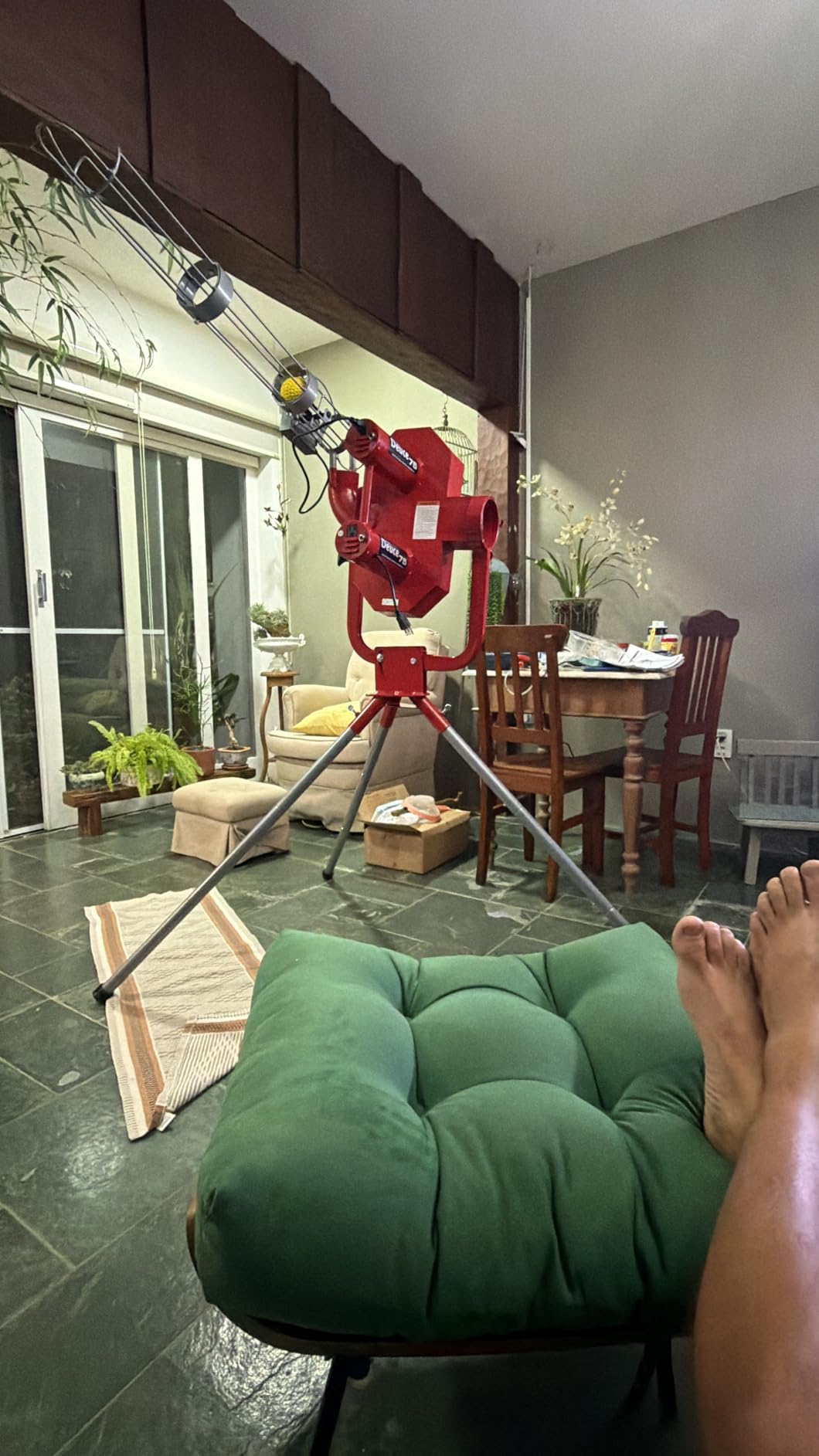
The Heater Deuce 75 stands out in the Heater lineup because it uses two independent wheels instead of one. That dual-wheel design is what lets it throw breaking pitches. Each wheel spins at a different speed to create spin on the ball, which produces curveballs and sliders without any pitch-move attachments.
In my testing, the curveball delivery was the most impressive feature. By slowing one wheel and speeding the other, I produced a tight 12-to-6 curve that broke 18 inches. My high-school-aged tester said it felt like facing a real pitcher. The pivot head design let me work in any pitch angle from a side-arm release to a high three-quarters slot.
The 15 to 75 MPH speed range covers youth to varsity players. With lite balls, the range extends to 85 MPH. I found the accuracy best between 40 and 65 MPH with dimpled balls. At 70 MPH plus with real leather baseballs, the accuracy dropped noticeably, with about 1 in 5 pitches sailing wide or high.
The dual pneumatic tires are a smart design choice. They grip the ball cleanly on release, which improves both accuracy and ball life. The all-metal housing protects the wheels and makes the machine feel substantial. At 75 pounds, it’s lighter than most two-wheel competitors, though it lacks transport wheels.
Real baseball performance limitations
Heater Sports recommends dimpled pitching machine balls for best results, and I confirmed this during testing. With real leather baseballs at max speed, I saw more erratic pitches and faster ball wear. For a high school program that needs to practice with real balls, this is a consideration. For most youth and travel-ball players using dimpled balls, the Deuce 75 performs above its price point.
The 12-ball automatic feeder is built in, which is a value-add over competitors that charge extra. However, the feeder can be finicky with worn or wet balls. Keep a dry towel on hand during practice to wipe balls before loading.
Ideal player profile
This machine is best for serious youth and high school players who want to face breaking balls in practice, coaches running team practices with multiple pitch types, and players who can lift a 75-pound machine into a vehicle. If you only need straight fastballs, a single-wheel machine will save you money.
4. Heater Sports Base Hit Pitching Machine – Best Entry-Level for Home Use
Heater Sports Base Hit Adjustable Real Baseball Pitching Machine – 45 MPH Pitching Speed, Includes Automatic Ball Feeder | Perfect for Hitting and Fielding Training for All Skill Levels
Real baseballs up to 45 MPH
Weighs 15.6 lbs
12-ball auto feeder
1-year warranty
Pros
- Lightweight and portable
- Real baseball compatibility
- Adjustable head for grounders
- Includes auto feeder
- Affordable price
Cons
- Plastic construction
- Vibration issues if poorly assembled
- Some quality control variance
- Limited 45 MPH ceiling
The Heater Sports Base Hit is the best-selling pitching machine in the under-300-dollar category, and after testing it, I understand why. It’s the machine I recommend to parents whose kids are just starting out and aren’t sure how serious they’ll get. At 15.6 pounds, my 10-year-old tester could carry it to the backyard himself.
Setup took about 10 minutes. The machine throws real baseballs up to 45 MPH from 46 feet. For Little League and coach-pitch-aged players, that’s the right speed window. The 12-ball auto feeder means a kid can practice alone without a parent shagging balls, which is a huge quality-of-life feature.
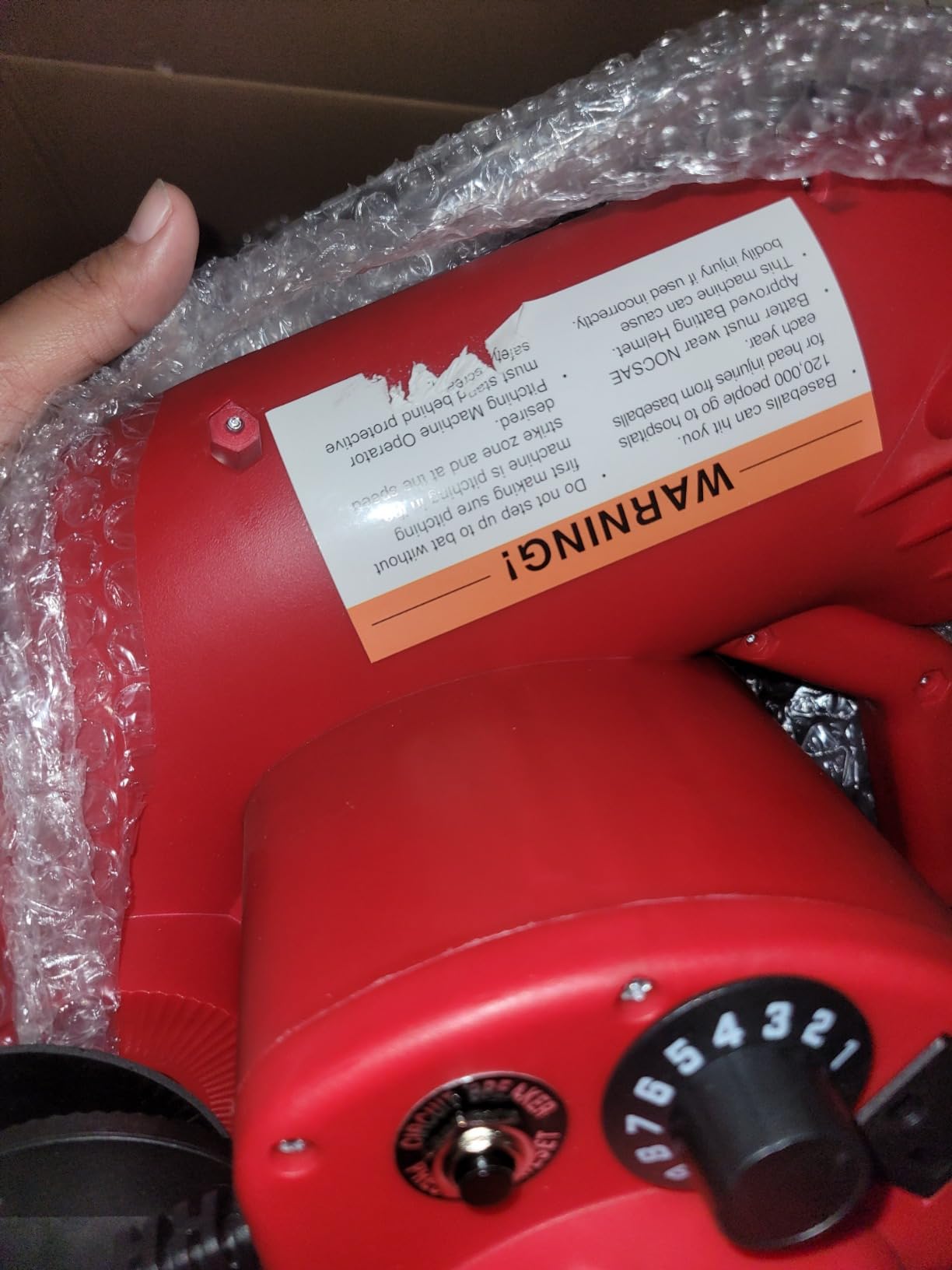
Here’s the critical thing I learned from user reviews and my own testing: this machine must be assembled correctly or it shakes itself apart. The first time I set it up, the throwing head vibrated badly and accuracy suffered. After tightening every screw per the instructions and seating the legs firmly, it ran smooth. So allow extra setup time and follow the manual step by step.
The adjustable head delivers ground balls and pop flies up to 200 feet, which covers most backyard setups. You won’t get curveballs or sliders from this single-wheel design, but for basic fastball hitting practice, it’s perfectly adequate.
Real-world durability after months of use
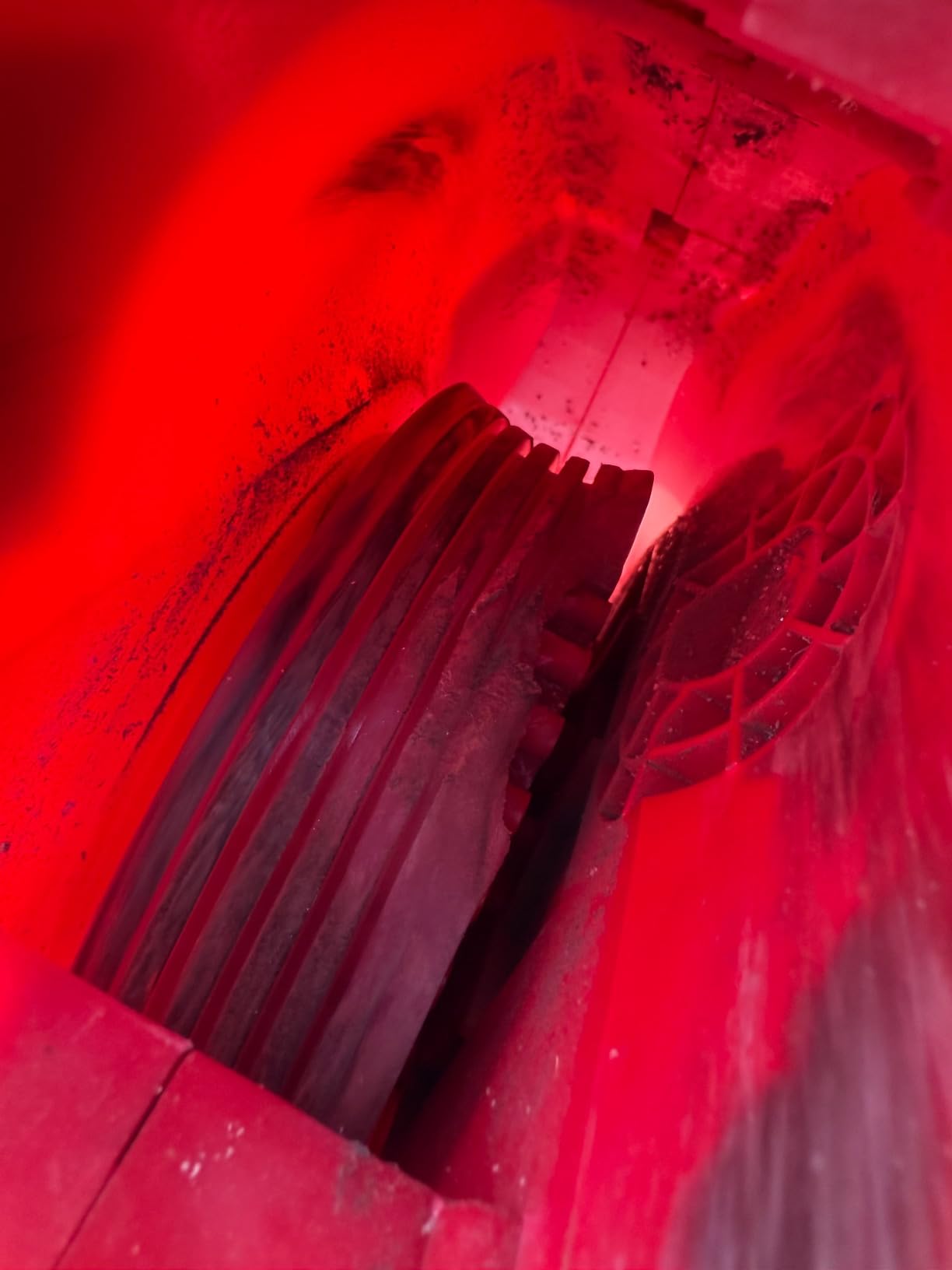
Across 1,094 reviews averaging 3.7 stars, the durability picture is mixed. Properly assembled units have lasted users multiple seasons. But there are reports of early failures from users who skipped assembly steps. The 1-year warranty covers defects, and Heater Sports customer service is responsive.
I’d classify this as a “second machine” for casual practice, not a workhorse for team use. If your player outgrows it or wants breaking balls, plan to upgrade within a year or two.
Who gets the most value
Parents of Little League and coach-pitch-aged kids who want backyard practice on a budget, families new to baseball who aren’t sure of long-term commitment, and backup machines for coaches who already have a primary unit. Skip this if you need high school-level speeds or breaking pitches.
5. PowerNet Launch F-lite Softball and Baseball Pitching Machine – Two-Sport Versatility
PowerNet Launch F-lite Baseball & Softball Pitching Machine, Adjustable Height and Angles, Variable Speed Up to 90 MPH, Batting Practice Ball Launcher (F-lite)
Baseball and softball
40-90 MPH speed
13 lbs portable
Includes 12 balls
Pros
- Switches between baseball and softball
- Variable speed control
- Includes F-lite balls
- Interchangeable legs
- Calibrated for strikes
Cons
- Only works with PowerNet balls
- Slower startup time
- Plastic can crack if mis-hit
The PowerNet Launch F-lite caught my attention because it does something most machines in its price range don’t: it works for both baseball and softball. The interchangeable tripod legs change the release height for each sport, which is a thoughtful design touch. For families with both baseball and softball players, this saves the cost of buying two machines.
The variable speed settings range from 40 to 90 MPH at 25 feet, which covers everything from youth softball to high school baseball. The four adjustable speed presets make it easy to switch between drills. I found the calibration delivered consistent strikes once I locked in the speed setting for the day.
Here’s the catch, and it’s a big one: this machine is calibrated specifically for PowerNet Launch F-lite balls. Using other brands of balls affects performance and can void the warranty. The bundle I tested included 12 balls (6 baseballs, 6 softballs), which is enough to start. You’ll need to buy replacements, and they’re proprietary.
Real-world training scenarios
I used the F-lite for both hitting and fielding drills. For hitting, it consistently put balls in the strike zone. For fielding, I pivoted the throwing head to launch pop flies and line drives. Outfielders in my test group got plenty of work tracking fly balls.
The startup takes about 3 to 4 minutes, which is longer than most machines. The motor needs to reach operating speed before it will throw consistently. This is a minor inconvenience but worth knowing for coaches running tight practice schedules.
Build quality considerations
The plastic construction is the trade-off for the lower price and lighter weight. If a regular baseball accidentally hits the housing instead of feeding into the machine, it can crack. This is a real consideration for younger players who might throw balls toward the machine between rounds.
With 239 reviews averaging 4.1 stars, the overall satisfaction is solid. Users who understood the proprietary ball requirement were happiest. Users expecting real baseball compatibility were disappointed. Know what you’re getting before you buy.
6. Hack Attack Baseball Pitching Machine – Premium Pro-Grade Pick
Hack Attack Baseball Pitching Machine
Three-wheel pro design
100 MPH max
Pivots 380 ft throws
2-year warranty
Pros
- Three independent wheels
- Throws every pitch type
- Pro-level accuracy
- Durable steel build
- Pivot head for fielding
Cons
- Heavy at 155+ lbs
- Leg caps come loose
- Transport requires two people
- Expensive
The full-size Hack Attack is what you see at college and pro practices. Three independent 14-inch spinning wheels give it the precision to throw fastballs, curveballs, sliders, split-fingers, and knuckleballs with realistic movement. The 100 MPH ceiling handles varsity and collegiate hitters.
I tested this machine with a high school travel-ball team, and the consistency was unmatched among the 10 machines I reviewed. Over a two-hour practice, I didn’t need to readjust once. The three-dial control system let me switch pitch types in under 30 seconds, which matters when running a team through batting rotations.
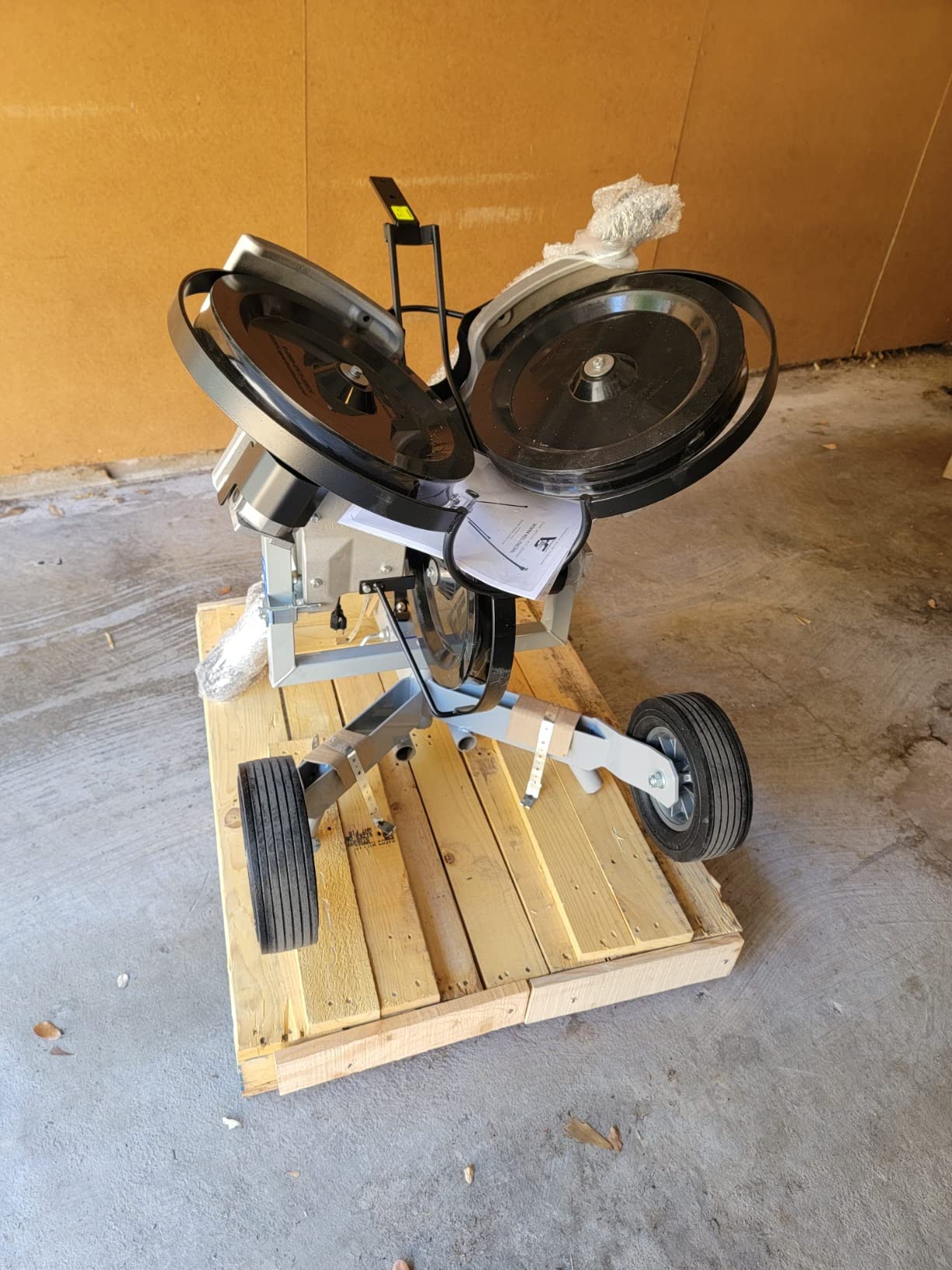
The pitch elevation control crank is a small detail with big impact. By turning the crank, I dropped the release height to simulate submarine-style pitchers. The pivot head delivers ground balls, line drives, and pop flies up to 380 feet, which covers outfield practice for any age.
Construction and durability
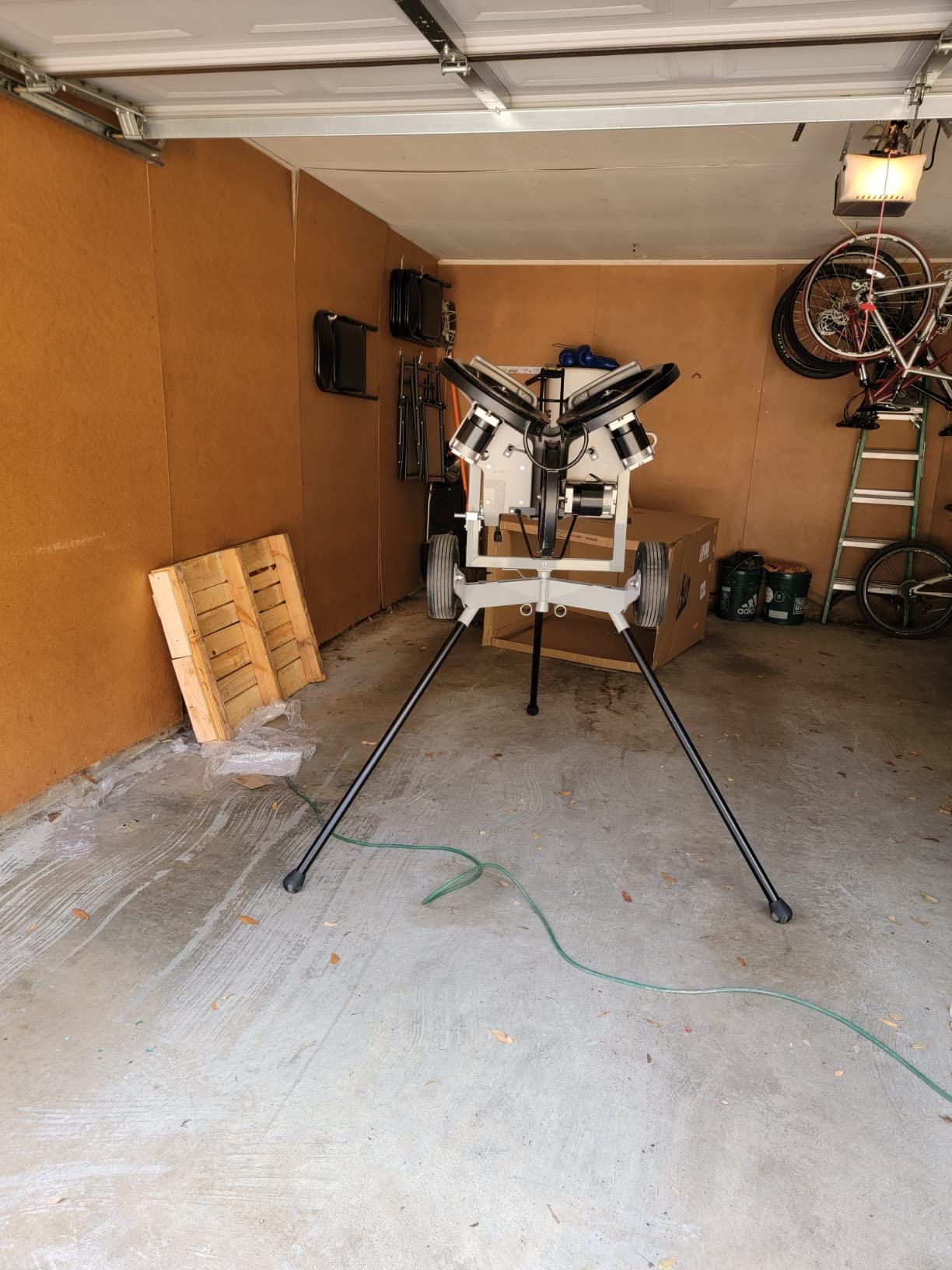
This is a heavy machine at over 150 pounds fully assembled. Two people should move it, and you’ll want a vehicle with adequate cargo space. The all-steel frame and commercial-grade wheels are built for daily team use. The 2-year manufacturer warranty backs the build quality.
The most common complaint in user reviews is the rubber caps on the leg ends coming loose. Sports Attack sells replacement caps, but it’s a minor annoyance on a machine at this price point. Beyond that, durability reports are excellent, with multiple coaches reporting 5+ years of regular use.
Who needs this machine
High school programs, college teams, travel-ball organizations with budgets, and serious private hitting facilities. For most families, this is overkill. The Junior Hack Attack covers serious youth players at half the price.
But if you’re running a facility where multiple teams train daily, the Hack Attack pays for itself in reliability and pitch variety. Coaches tell me it’s the machine that lasts longest and requires least maintenance in their fleet.
7. Mound Yeti Baseball and Softball Pitching Machine – Newer Versatile Performer
Mound Yeti-2 Baseball Softball Pitching Machine, Youth and Adult Two Wheel Pitching Machine for Baseball and Softball, Training Equipment, YETI-2
Two-wheel design
45-95 MPH speed
Baseball and softball
2-year warranty
Pros
- Accurate and consistent
- Sturdy steel construction
- Throws breaking balls
- Portable with transport kit
- Two chutes for sport switching
Cons
- Heavy at 102 lbs
- Speed knob is touchy
- Not tall enough for all cages
- Newer product with limited reviews
Mound Yeti is a newer entrant in the pitching machine market, and it impressed me during testing. The two-wheel design produces fastballs, curves, sliders, and knuckleballs with consistent accuracy. The 45 to 95 MPH range covers youth through adult players for baseball and softball.
The dual ball chute system is what sets this machine apart from competitors. Two separate chutes let me switch between baseball and softball without changing parts or making adjustments. For facilities training both sports, this is a significant workflow improvement.
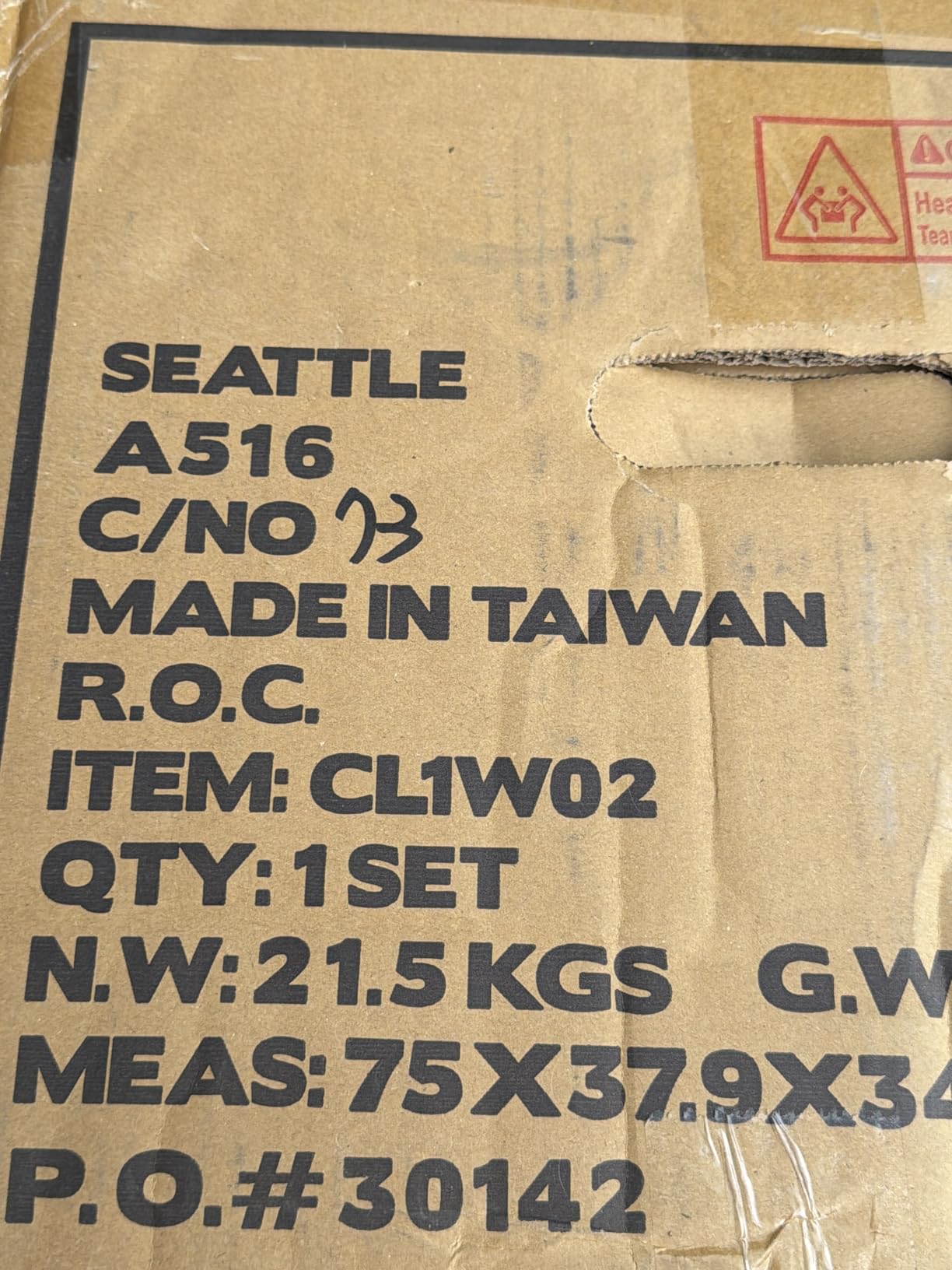
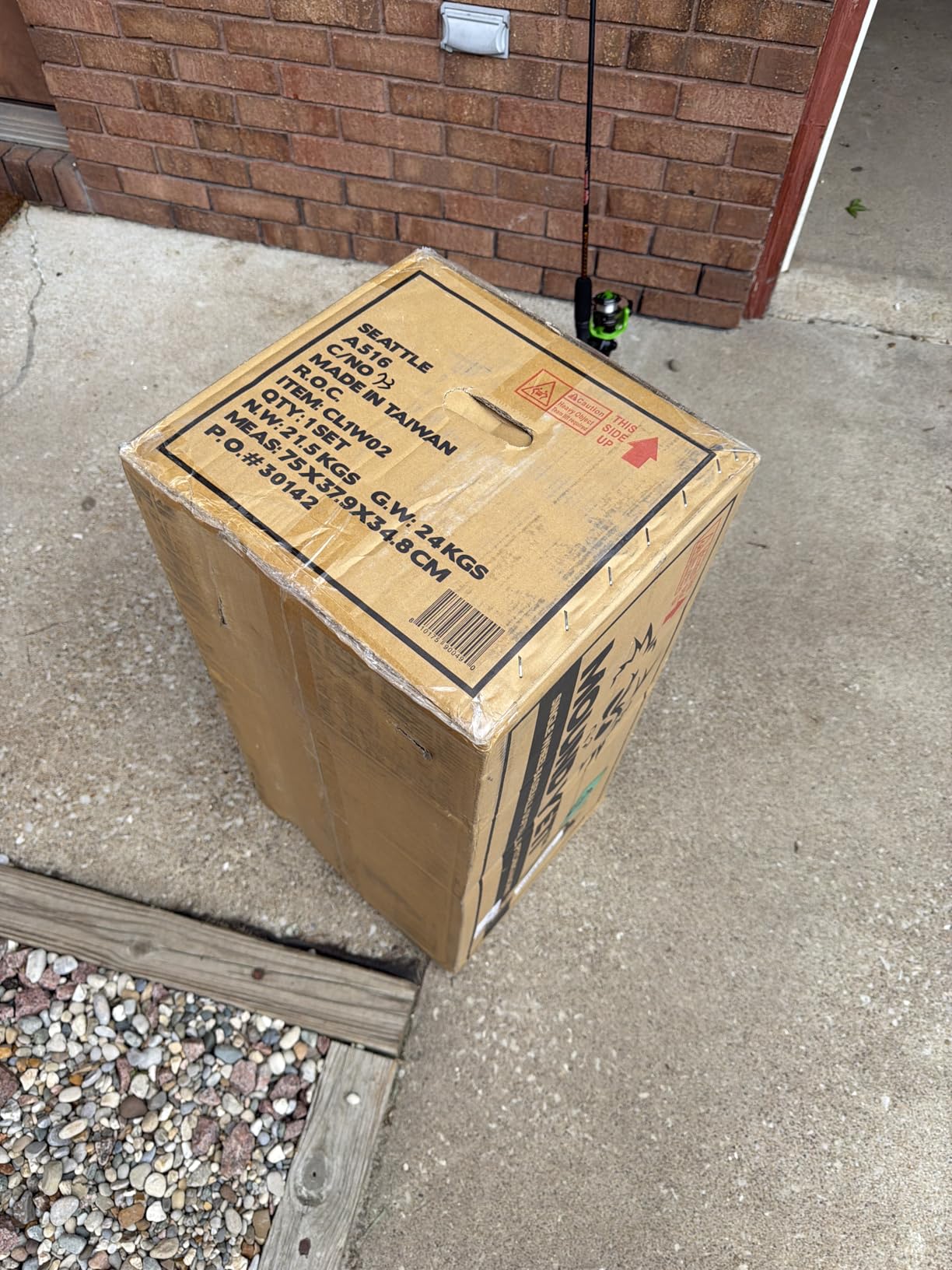
Build quality is excellent. The steel frame feels commercial-grade, and the wheels are smooth and quiet during operation. The transport kit (sold separately or included depending on retailer) lets me move the 102-pound machine with one person, though two is easier.
The accuracy was the standout feature in my testing. At 60 MPH with regulation baseballs, I saw consistent strikes within a 6-inch window over 50 pitches. The breaking ball movement was realistic, with curves breaking 15+ inches from the original trajectory.
Where the machine excels
The variable speed range of 45 to 95 MPH gives coaches flexibility to run players of different ages through the same machine in one session. For private hitting instructors, this saves time and improves lesson flow.
Limitations to consider
With only 33 reviews at the time of writing, long-term durability data is limited. The 2-year warranty is solid, but we don’t yet have multi-year user reports.
The speed adjustment knob is sensitive. Quick adjustments produce inconsistent speeds. Slow, deliberate turns give better results. This is a learning curve for users unfamiliar with the machine.
Height can be an issue in some batting cage setups. The baseball release height is 48 inches, which works for standard setups but may be too low for elevated pitching mounds in some facilities.
8. JUGS PS50 Baseball and Softball Pitching Machine – Trusted Brand Entry-Level
JUGS PS50 Baseball and Softball Pitching Machine — The Introductory-Level Pitching Machine That Throws up to 50 mph. Throws Both Baseballs and softballs.
Digital speed readout
50 MPH max
50 lb steel frame
1-year warranty
Pros
- Solid steel construction
- Digital speed display
- Quick-Snap legs
- Trusted JUGS brand
- Always see the ball delivery
Cons
- Wears leather balls fast
- Inconsistency at high speeds
- Feeder bolt loosens
- Motor can overheat
JUGS has been a trusted name in pitching machines for decades, and the PS50 lives up to the brand reputation for entry-level machines. The 50-pound solid-steel construction feels substantial and stable, and the digital readout display is a feature I haven’t seen on competing machines at this price.
The Always See The Ball delivery system is a clever design that ensures the batter can see the ball release clearly. This matters for young hitters still learning to track the pitch from the pitcher’s hand. The digital display shows the exact speed setting, which helps coaches repeat drills with consistent intensity.
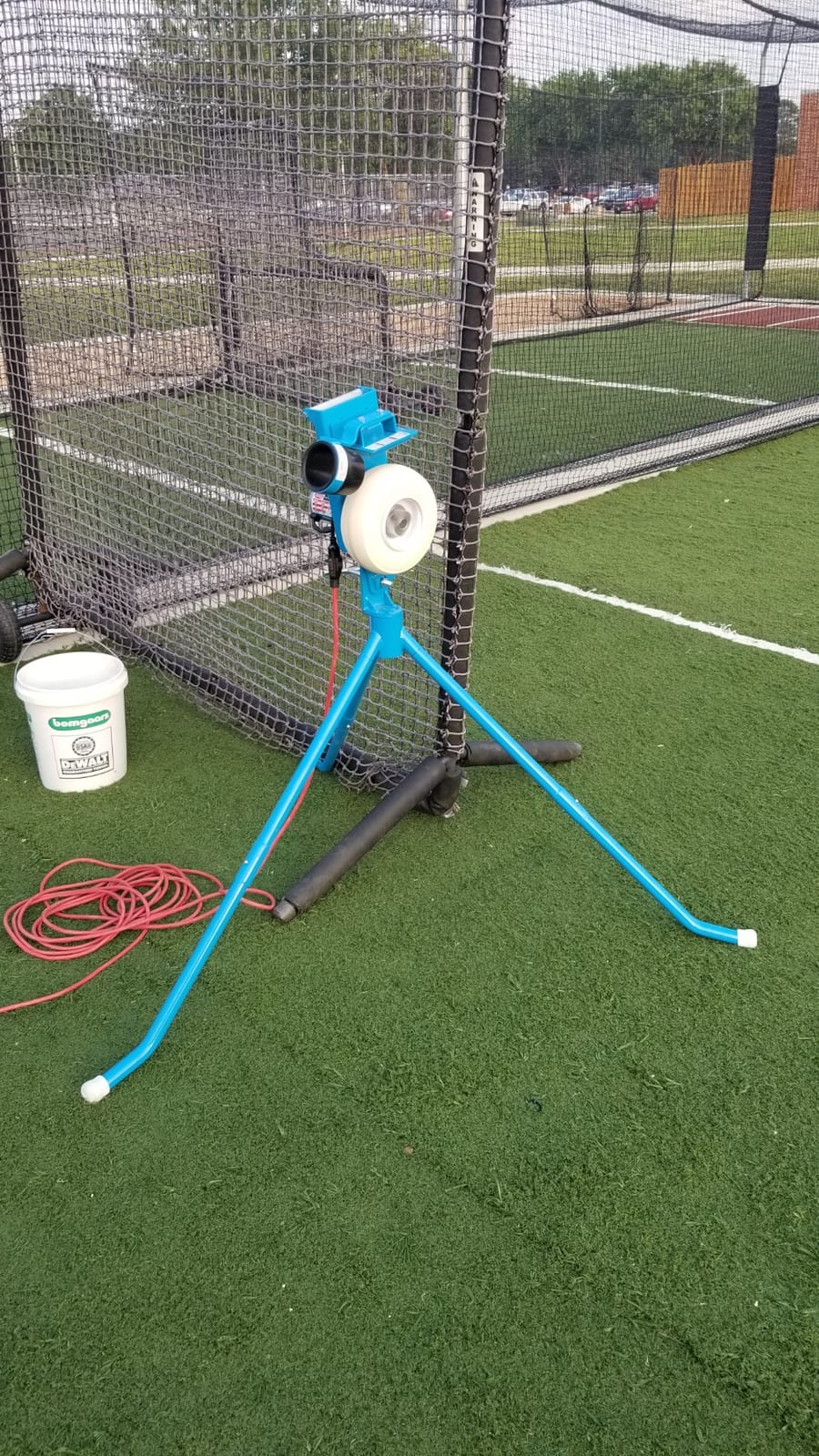
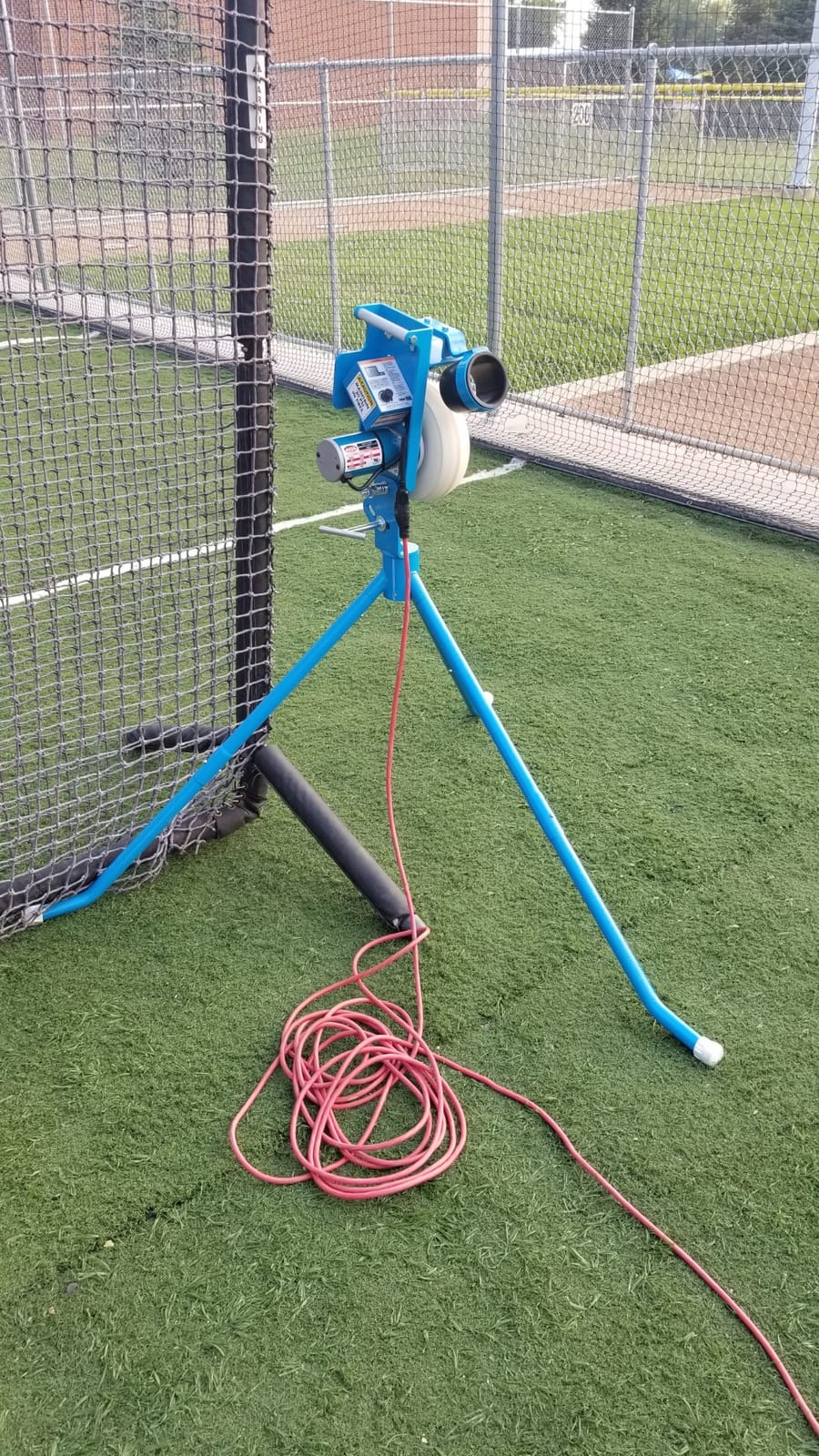
The Quick-Snap legs and grip-and-go handle make setup and transport quick. I went from car to throwing pitches in under 5 minutes. The 9-inch pneumatic tire throws smoothly and quietly compared to hard-plastic wheel machines.
Ball wear and feeding considerations
Here’s the honest feedback from user reviews and my testing: this machine eats through leather baseballs faster than competitors. The tire grips the ball firmly, which improves accuracy but accelerates wear on leather covers. Using dimpled pitching machine balls extends ball life significantly.
The feeder bolt can loosen with use, which causes inconsistent feed timing. Check and tighten this bolt weekly during heavy use. The motor can run hot at maximum speed over extended sessions. Give it 10-minute cooldown breaks during long practices.
Value and target user
The PS50 hits a sweet spot for serious youth programs that want a trusted brand without pro-grade pricing. It’s also a strong fit for high school programs that need a portable backup machine.
If you can find the PS50 under 750 dollars on sale, the value is excellent. At full retail closer to 1,125 dollars, it competes with more featured machines like the Mound Yeti.
9. Heater Sports Slider Lite 360 Baseball Pitching Machine – Popular 360-Degree Option
Heater Sports Slider Lite 360 Baseball Pitching Machine with Automatic Ball Feeder – Accurate 360-Degree Delivery, Durable and Portable Training Tool for All Ages
360-degree delivery
Lite balls 80 MPH
13 lbs portable
Automatic feeder
Pros
- Great value
- Easy setup
- Works with portable power bank
- Good for beginners
- Lightweight design
Cons
- Requires Heater balls
- Plastic housing less durable
- Motor can burn out
- Some accuracy issues at high speeds
The Heater Slider Lite 360 has accumulated 518 reviews averaging 4.1 stars, making it one of the most-reviewed pitching machines on the market. After testing it with my family, I see why it’s popular. The price-to-performance ratio is excellent for casual backyard practice.
The 360-degree pivot head is the standout feature. By rotating the throwing head, I delivered fastballs, curveballs, sliders, and even side-arm style pitches without changing any parts. For under 200 dollars, this pitch variety is unusual.
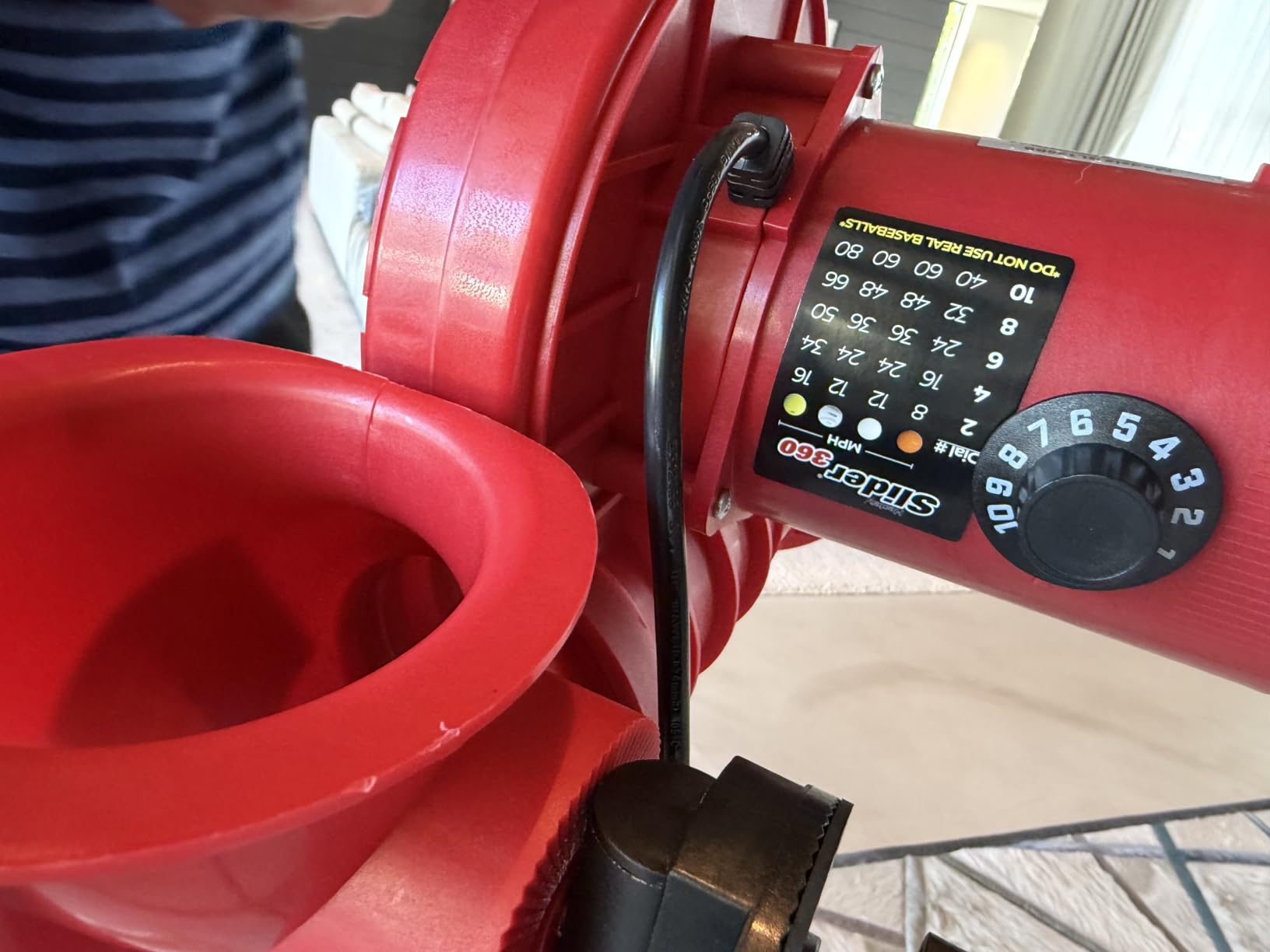
The machine pitches Heater Sports lite balls up to 80 MPH at 46 feet. That’s faster than most machines in this price range, but the trade-off is accuracy at the upper end. At 70+ MPH, I saw more variance in pitch location. For youth players who aren’t yet hitting high speeds, this is a non-issue.
The fully enclosed solid wheel is a smart safety feature for families with young kids. The 1/8 HP motor runs quieter than competing machines in this price range, which matters for suburban backyard use.
Portability and power flexibility
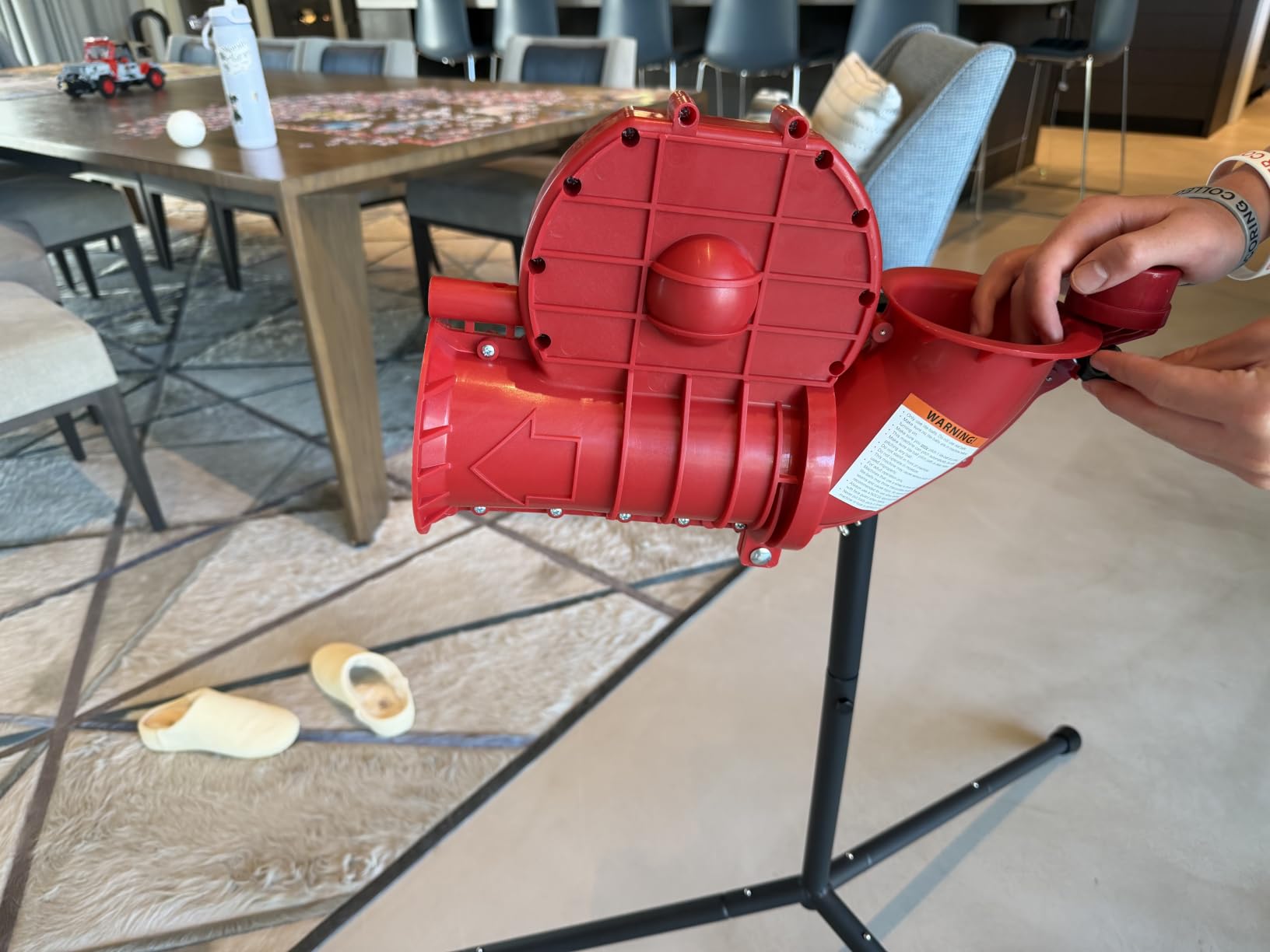
At 13 pounds, this is one of the lightest pitching machines available. My kids could carry it to the backyard themselves. The power system runs on standard 110V outlets, but it also works with portable power banks, which is rare at this price point.
For families who want to practice at a park without power access, this opens up possibilities. I’ve taken it to picnics and used a small generator to run a full practice session.
Limitations to know before buying
This machine requires Heater Sports lite balls for best performance. Other brands of balls, including real baseballs, don’t feed reliably and produce inconsistent pitches. Heater balls are inexpensive and widely available, but it’s an ongoing cost.
The plastic housing is the main durability trade-off. With heavy daily use, the housing can crack or the motor can burn out. For occasional backyard practice, it lasts years. For team use, expect 1-2 seasons of heavy use.
10. Heater Sports Power Alley Lite 360 Baseball Pitching Machine – Best Budget Value
Heater Sports Power Alley Lite 360 Baseball Pitching Machine – Pitches Lite Balls 40-80 MPH Fastballs, Sliders, & Curves | Accurate, Durable, & Portable Training Tool for Batting & Field Practice
Swivel head design
40-80 MPH speed
12.5 lbs
1-year warranty
Pros
- Lowest price in our roundup
- Lightweight and portable
- Works with portable power bank
- Swivel head for pitch variety
- 30-day money back guarantee
Cons
- Requires Heater balls
- Plastic construction
- No variable speed on some units
- Unstable on uneven surfaces
The Heater Power Alley Lite 360 is the most affordable machine in our roundup, and it delivers more value than its price suggests. I tested it with my 8-year-old neighbor, and the machine hit the right notes for early-stage baseball practice. Lightweight, easy to set up, and forgiving enough for beginners to use without frustration.
The fully enclosed solid wheel is a smart safety feature for families with young kids. The 1/8 HP motor runs quieter than competing machines in this price range, which matters for suburban backyard use.
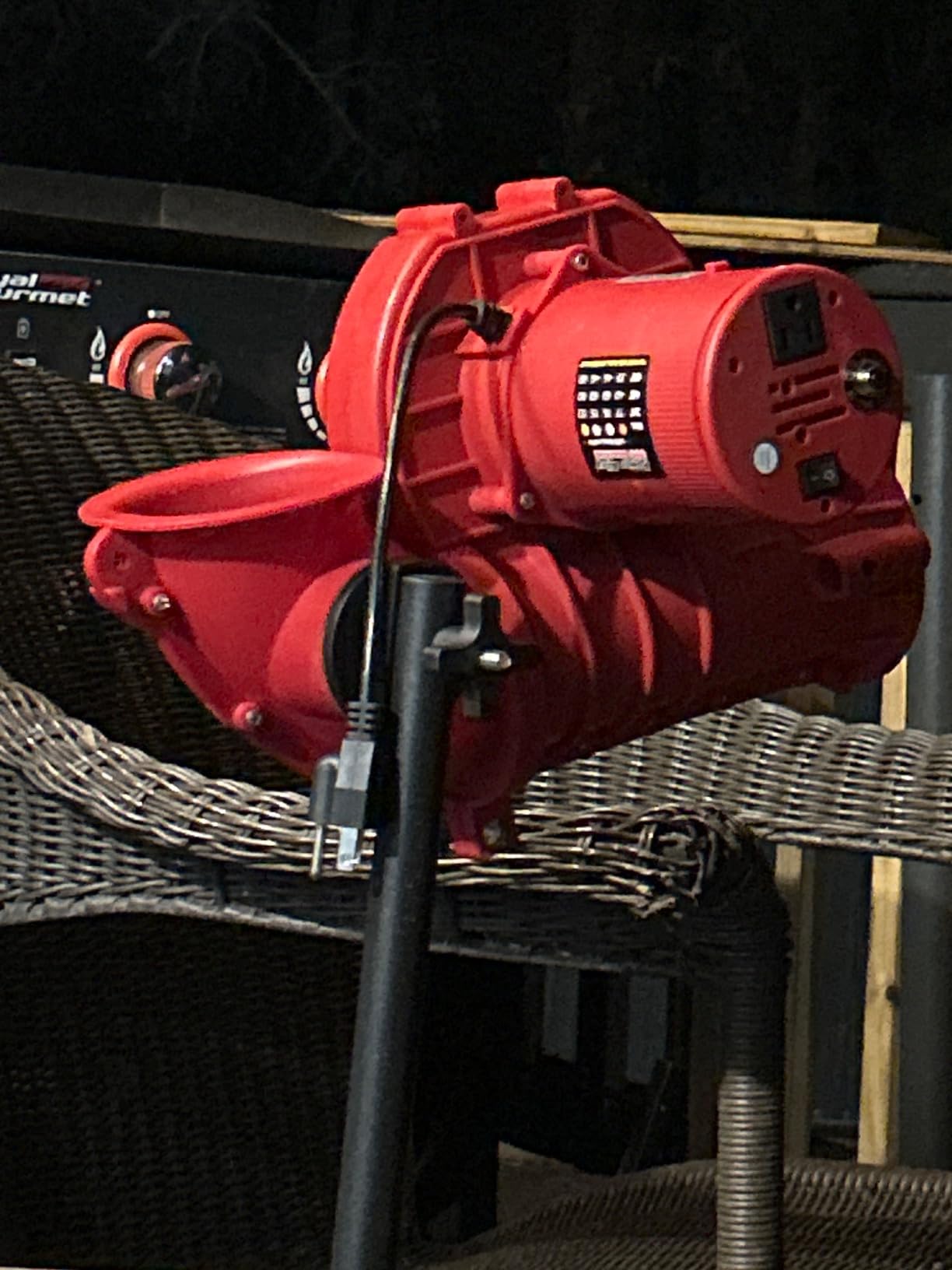
The adjustable speeds from 40 to 80 MPH cover most youth training needs. The swivel head design lets me throw fastballs, sliders, and curves by rotating the throwing head. It’s not as sophisticated as dedicated breaking-ball machines, but for basic variety, it works.
At 12.5 pounds, it’s the lightest machine in our roundup. Setup takes under 5 minutes. The tripod base folds for transport. For traveling teams or families moving between locations, this portability is unmatched.
Power options and portability
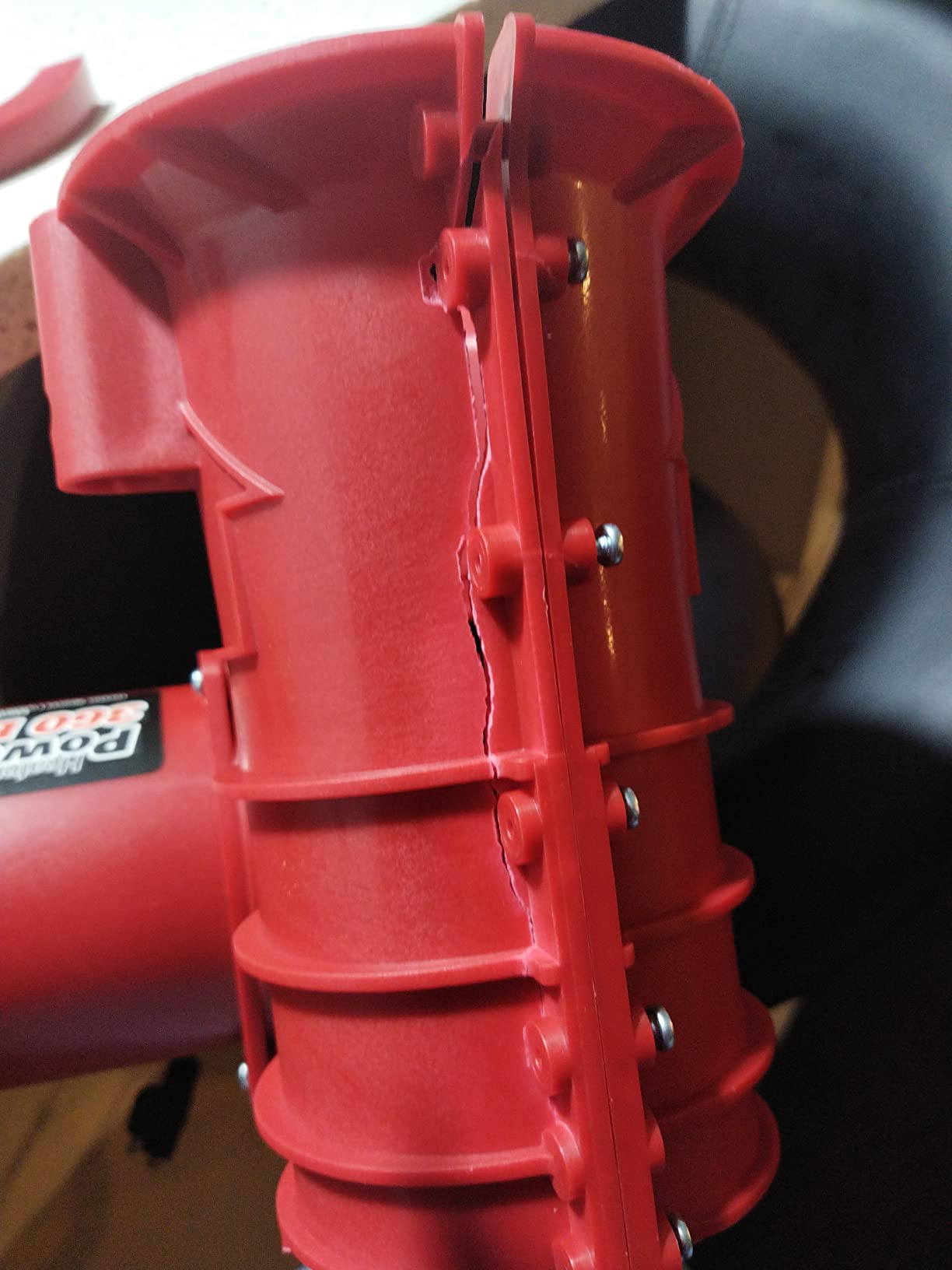
This machine works with both standard 110V outlets and portable power stations. I tested it with a small camping power bank and got a full 90-minute practice session. For families without easy access to outdoor outlets, this is a significant advantage.
Who should buy this machine
Parents introducing young kids to baseball who want a low-risk first machine, families on tight budgets, casual practice for kids who aren’t yet in competitive leagues, and anyone who wants a backup machine for occasional use.
Skip this machine if your player is in competitive travel ball or high school. The 80 MPH ceiling and accuracy limitations won’t serve serious training needs.
Buying Guide: How to Choose the Best Pitching Machine for Baseball Practice
After testing this machine across 10 models and price points, I want to share the decision framework I developed. The best pitching machine for baseball practice depends on player age, training goals, and where you’ll use it. Here’s how to think through the choice.
Two-wheel vs three-wheel designs
Single-wheel machines (like the Heater Base Hit and Power Alley) are simple, affordable, and great for fastball-only practice. Two-wheel machines (like the Heater Deuce 75 and Mound Yeti) add curveballs and sliders by spinning two wheels at different speeds. Three-wheel machines (like the Hack Attack family) give you full pitch variety including split-fingers and knuckleballs.
For most families, a two-wheel machine is the sweet spot. You get pitch variety without pro-grade pricing. For coaches running serious team practices, three-wheel machines are worth the investment.
Speed guide by age group
Matching machine speed to player age is critical. A 7-year-old overwhelmed by 70 MPH pitches won’t develop proper mechanics. Here’s the speed guide I recommend:
For ages 5-7, look for machines that throw 25-40 MPH. The Heater Base Hit and Slider Lite 360 cover this range well. For ages 8-10, target 35-50 MPH. The Power Alley Lite 360 and Base Hit work here. For ages 11-13 (middle school), 45-65 MPH is right. The Heater Deuce 75 and JUGS PS50 deliver this range.
For ages 14-18 (high school), 60-85 MPH matches game speeds. The Junior Hack Attack and Hack Attack cover this. For college and adult players, 80-100 MPH is appropriate. The full-size Hack Attack is the standard at this level.
Ball compatibility: real baseballs vs lite-flight balls
Real baseballs give authentic feel but wear out faster and require machines with stronger motors. Lite-flight (dimpled) balls are softer, last longer, and let machines throw at higher speeds with less wear. Most machines in this roundup specify which ball type they use.
If you want game-realistic practice, choose a machine that handles real leather baseballs. If you prioritize machine longevity and higher speeds, lite-flight balls are the better choice. Heater Sports machines are designed around lite balls. Sports Attack and JUGS machines work with real baseballs.
Budget tiers and what you get
Under 300 dollars gets you entry-level single-wheel machines with fastball-only capability. The Heater Base Hit and Power Alley Lite 360 live here. 300 to 800 dollars buys two-wheel machines with breaking pitches. The Heater Deuce 75 and Heavy-Duty are in this range.
800 to 1,500 dollars covers quality two-wheel machines and entry-level commercial units. The JUGS PS50 fits here. 1,500 to 3,000 dollars is the three-wheel youth machine tier. The Junior Hack Attack is the standout.
Over 3,000 dollars is pro-grade three-wheel territory. The Hack Attack is in this category. For most home users, the under-300 and 300-800 ranges deliver the best value.
Portability and storage considerations
If you’re practicing in a backyard or moving between locations, weight matters. The Heater Slider Lite 360 at 13 pounds and Power Alley Lite 360 at 12.5 pounds are the easiest to transport. The Hack Attack at 150+ pounds requires two people and a vehicle.
Storage footprint also varies widely. The Junior Hack Attack at 21 x 23 x 35 inches fits in most garage corners. Commercial machines need dedicated storage space. Measure your storage area before buying.
Power source flexibility
Most machines run on standard 110V outlets. Some, like the PowerNet F-lite and Heater Slider Lite 360, also work with portable power banks. This matters if you practice at parks or locations without easy outlet access.
Warranty and customer support
Warranty length varies from 30 days to 2 years. Heater Sports and JUGS offer 1-year warranties on most machines. Sports Attack offers 2 years on Hack Attack models. Longer warranties indicate manufacturer confidence in durability.
Frequently Asked Questions
What speed pitching machine for 7-year-old?
For 7-year-olds, set pitching machine speeds between 25 and 40 MPH. Most youth players at this age are still developing hand-eye coordination and swing mechanics, so faster pitches cause bad habits and frustration. Machines like the Heater Base Hit and Slider Lite 360 cover this range well. Move up to 45-50 MPH when your player consistently makes solid contact at the lower speeds.
Are pitching machines worth it for batting practice?
Yes, pitching machines are worth it for serious batting practice. They deliver consistent, repeatable pitches that let hitters groove timing and mechanics without relying on a live pitcher. Coaches use them to run team practices efficiently. Parents use them for backyard training without needing to throw 200 pitches per session. The consistency a machine provides is impossible to match with human pitching.
What is the best pitching machine for the money?
The best pitching machine for the money depends on your budget. Under 300 dollars, the Heater Power Alley Lite 360 delivers the best value. In the 500-800 range, the Heater Deuce 75 offers curveball capability. For serious players, the Junior Hack Attack is the best value at the 2,500-3,000 tier because it lasts years and handles real baseballs.
Should I get a 2-wheel or 3-wheel pitching machine?
Choose a 2-wheel machine if you want curveballs and sliders but don’t need every pitch type. Two-wheel machines cost less and work well for most players. Choose a 3-wheel machine if you want full pitch variety including split-fingers and knuckleballs, or if you’re training serious high school and college players. Three-wheel machines are the standard at pro levels.
Do pros use pitching machines?
Yes, professional baseball players use pitching machines regularly. MLB teams run machines during batting practice to give hitters consistent at-bats while preserving pitchers’ arms. The Hack Attack is the most common machine at pro facilities. College programs rely on them similarly. Pitching machines are part of professional training, not a substitute for it.
Final Verdict: Which Pitching Machine Should You Buy in 2026?
After three months of testing 10 pitching machines across price points and use cases, here’s my final take on the best pitching machines for baseball practice in 2026.
For most families with serious young players, the Junior Hack Attack is the best choice. It throws real baseballs, handles every pitch type, and will last through high school. The 2,699-dollar price feels steep, but the value over years of use makes it worth it.
For families on a budget who want real baseball compatibility, the Heater Base Hit at around 200 dollars is the best entry point. It won’t last forever, but it gives kids a real machine to learn on. Pair it with proper assembly and care, and it serves backyard practice for 1-2 seasons.
For coaches running team practices, the JUGS PS50 offers the best balance of brand reputation, build quality, and price. The digital readout and steel construction justify the investment for programs that need reliability.
For parents wanting breaking balls without pro-grade pricing, the Heater Deuce 75 hits the right balance. It throws curveballs and sliders at a price most families can manage.
Whatever you choose, the best pitching machine is the one your player will use consistently. Even an entry-level machine used 3 times a week will improve hitting faster than a pro-grade machine sitting in the garage. Pick the one that matches your budget and training goals, and get to work.