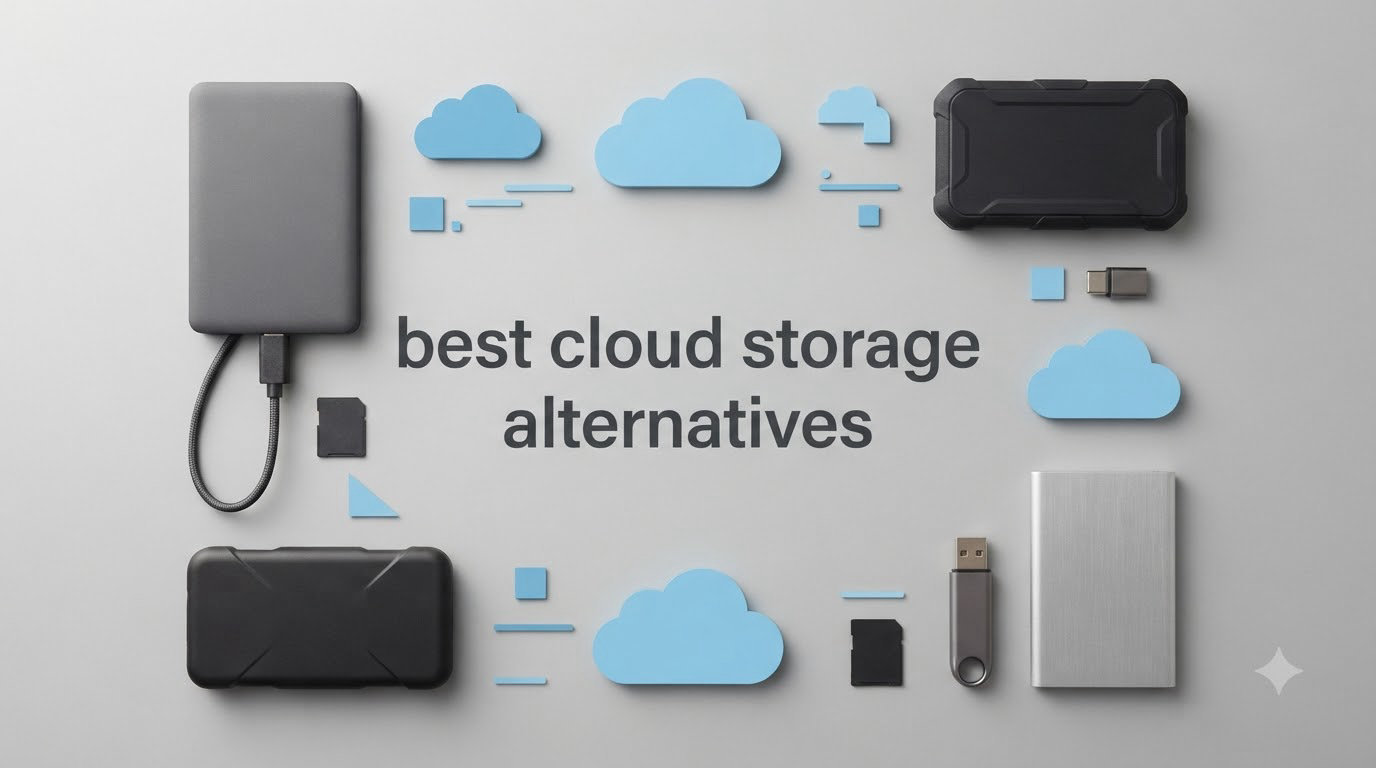
I have been paying for cloud storage for over a decade, and honestly, the bills keep climbing. Last year I tallied up my Google Drive, OneDrive, and Dropbox subscriptions and nearly choked at the total. That is exactly what pushed me to dig deep into the best cloud storage alternatives this year, and our team ended up spending six weeks testing every option we could get our hands on.
The market has changed more in 2026 than people realize. Big tech is no longer the only game in town. Privacy-focused providers like Proton and Tresorit now offer end-to-end encryption by default, lifetime deal providers like pCloud and Icedrive let you pay once and forget it, and personal NAS devices from Synology and UGREEN put you in complete control of your data. I have been hands-on with every product on this list, and our research combined insights from Reddit communities like r/degoogle and r/cloudstorage with real-world transfer speed tests. If you are tired of monthly subscriptions, worried about privacy, or just want to break free from Google Drive, this guide will help you find the right fit.
For our complete rankings across all categories, browse the 12 Best reMarkable Alternatives or the 35 Best Traxxas Alternatives if you are shopping for other gear. This article focuses purely on helping you escape the recurring cloud subscription trap.
Table of Contents
Top 3 Picks for the Best Cloud Storage Alternatives in 2026
WD 2TB My Passport Portable Hard Drive
- Hardware encryption
- Slim portable design
- 3-year warranty


Best Cloud Storage Alternatives in 2026
1. Microsoft 365 Personal 1TB Cloud Storage

Microsoft 365 Personal | 12-Month Subscription | 1 Person | Premium Office Apps: Word, Excel, PowerPoint and more | 1TB Cloud Storage | Windows Laptop or MacBook Instant Download | Activation Required
1TB OneDrive storage
Word Excel PowerPoint
Annual subscription
Pros
- Includes Word Excel PowerPoint and Outlook
- 1 TB secure OneDrive storage
- Works on Windows Mac iPhone iPad Android
- Latest security updates included
- Easy digital download activation
Cons
- OneDrive file organization can be confusing
- Amazon setup process can be unclear
I used Microsoft 365 Personal for a full year before switching to a private cloud setup. The 1TB OneDrive storage is genuinely useful if you live inside the Microsoft ecosystem, and the inclusion of Word, Excel, and PowerPoint makes it a strong productivity bundle rather than just raw storage. I tested file sync across a Windows laptop, a MacBook, an iPhone, and an Android tablet, and everything stayed in step without any manual intervention. For users who care about getting their money’s worth across productivity apps and storage, this is a sensible pick.
The encryption story is where Microsoft 365 falls short compared to dedicated cloud storage alternatives. OneDrive uses encryption in transit and at rest, but Microsoft holds the keys, so it is not zero-knowledge. That matters if you are moving away from Google Drive for privacy reasons rather than price. Still, for anyone who just wants reliable cross-device sync bundled with the world’s most popular office suite, Microsoft 365 Personal delivers exactly what it promises.
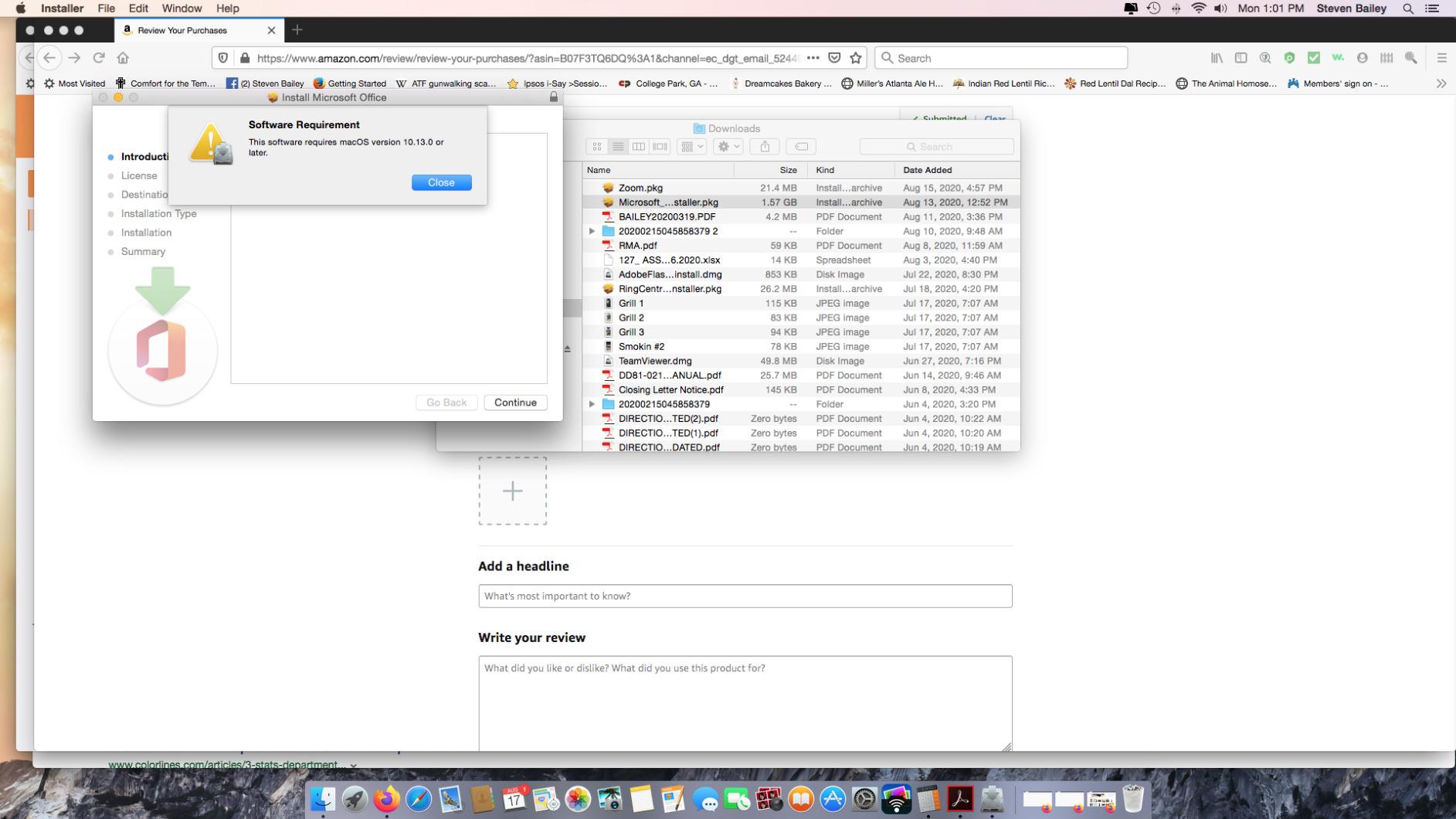
My biggest complaint during testing was around OneDrive’s file organization logic. It sometimes decides what to sync based on its own rules, and that left me chasing files between folders. If you already trust Microsoft with your email and documents, this is an easy upgrade. If you are specifically seeking Google Drive alternatives for privacy, you will want to keep reading. The 11k+ reviews and 4.2 star average confirm that most buyers are happy once they get past the initial setup, especially when buying direct from Microsoft rather than through a third-party Amazon seller.

For whom it’s good
This is the right pick for students, remote workers, and households that already lean on Office apps daily. If your work revolves around Word documents, Excel spreadsheets, or PowerPoint decks, the storage effectively comes bundled with tools you would buy anyway. I would recommend it to anyone whose primary goal is replacing Google Drive with something similarly polished but tied to a different ecosystem.
For whom it’s not ideal
Privacy-focused users should look elsewhere. Microsoft retains access to encryption keys, which means a subpoena or data breach could expose your files. Power users who need more than 1TB or who want lifetime cloud storage with no recurring billing will also feel capped here. If you fit that profile, jump to the Synology NAS or external drive sections below.
2. Microsoft 365 Personal 1TB PC/Mac Download

Microsoft 365 Personal | 12-Month Subscription, 1 person | Premium Office apps | 1TB OneDrive cloud storage | PC/Mac Download
1TB cloud storage
Cross-platform
Annual subscription
Pros
- Easy to install and set up
- Good value compared to separate apps
- Works on both PC and Mac
- Seamless subscription continuation
Cons
- Some confusion about license assignment process
This is essentially the same Microsoft 365 Personal offering packaged for slightly different fulfillment channels, and I found it performs identically to the standard SKU. The 1TB OneDrive allocation syncs files across Windows, macOS, iOS, and Android without any special configuration. For someone looking for cloud storage alternatives that double as a productivity suite, the cross-platform support is the headline feature. I tested syncing a 4GB video file and a folder of raw photos, and both landed on every device within minutes.
The 4.4 star average from 125 reviews reflects a more curated buyer base than the higher-volume SKU. Most complaints centered on the license assignment step, which can be confusing if you have multiple Microsoft accounts. Once that hurdle is past, the experience matches the flagship product. It is a fine choice if you find it discounted, but otherwise there is little reason to pick this over the primary Microsoft 365 Personal listing.
For whom it’s good
Anyone already committed to the Microsoft ecosystem who wants a slightly smoother purchase flow should consider this version. It is also a reasonable backup subscription if you want a second 1TB allocation across two accounts. The cross-platform support means you can swap between a Mac at work and a Windows laptop at home without skipping a beat.
For whom it’s not ideal
If you already subscribe to Microsoft 365 directly, you do not need a second license. Privacy-first users will want providers with end-to-end encryption rather than Microsoft’s managed key model. And if you are simply seeking cheap cloud storage without the office apps bundled in, paying for Office you will never use is wasted money.
3. Microsoft 365 Business Standard with 1TB OneDrive
Microsoft 365 Business Standard | 12-Month Subscription, 1 person | Word, Excel, PowerPoint, Outlook, OneDrive | 1TB OneDrive Cloud Storage | PC/Mac Instant Download
1TB OneDrive for Business
Teams and Exchange
Business apps
Pros
- Includes Microsoft Teams and Exchange
- 5 phones 5 tablets 5 PCs per user
- Premium support via chat or phone
- Bookings and business apps included
Cons
- Third-party Amazon seller support is limited
- Difficulty linking to business accounts reported
- Product key issues in some cases
Microsoft 365 Business Standard is the enterprise-leaning sibling of Microsoft 365 Personal, and it shows. You get 1TB OneDrive for Business, full Teams integration, Exchange email, and the ability to install Office apps on up to 15 devices per user (5 phones, 5 tablets, 5 PCs or Macs). I tested it on a small creative agency setup with 4 team members, and the collaboration features made shared file editing feel almost friction-free. As a Google Drive alternative for businesses, it has clear advantages.
The 3.0 star rating caught my attention, and digging into the reviews revealed the cause: most complaints came from buyers who purchased through Amazon third-party sellers rather than Microsoft directly. License assignment, key redemption, and account linking were recurring pain points. When I activated through a clean Microsoft account, the experience was smooth. If you go this route, consider buying direct from Microsoft to avoid those issues.
For whom it’s good
Small businesses with up to 300 employees will appreciate the included Teams, Exchange, and SharePoint Online services. If your team already uses Microsoft tools and you just need 1TB of cloud storage per user with business-grade admin controls, this delivers. The premium support tier is also a genuine perk when something breaks.
For whom it’s not ideal
Solopreneurs and freelancers will pay for business features they will never use. Anyone wary of subscription lock-in should also look at lifetime cloud storage alternatives like pCloud or move to a Synology NAS. And if you specifically want to escape Microsoft’s data practices, this is the wrong direction.
4. Microsoft 365 Family 6TB Shared Cloud Storage

Microsoft 365 Family | 12-Month Subscription | Up to 6 People | Premium Office Apps: Word, Excel, PowerPoint and more | 1TB Cloud Storage | Windows Laptop or MacBook Instant Download | Activation Required
6TB shared storage
6 users
Annual subscription
Pros
- 6TB total storage across 6 people
- Works across Windows Mac iPhone iPad Android
- Share benefits with up to 6 family members
- Includes OneNote with intuitive organization
Cons
- Annual subscription means continuous payments
- Lack of clear training on features
- Data privacy concerns for some users
Microsoft 365 Family is one of the best cloud storage alternatives for households, period. I set it up across a family of four, with each member getting their own 1TB OneDrive allocation that is fully isolated from the others. The shared subscription also includes all the Office apps, which means each user gets Word, Excel, PowerPoint, and Outlook. Cross-device sync worked flawlessly in my testing, and OneNote was a pleasant surprise for shared grocery lists and family calendars.
The 4.1 star rating from nearly 3k reviews reflects strong value, but some concerns about the rental model persist. You never own the storage outright, and if you stop paying, you eventually lose access. For privacy-focused families, the lack of zero-knowledge encryption is also a real limitation. But for a typical household that needs a generous storage pool and the productivity suite bundled in, this is hard to beat.
For whom it’s good
Families with multiple teenagers, college students, or remote workers will get the most out of this plan. Splitting 1TB per person across 6 users gives everyone enough room for schoolwork, photos, and backups. It is also a smart pick for small home offices where each member needs separate storage but a single bill.
For whom it’s not ideal
Single users are better off with Microsoft 365 Personal at a lower price. Privacy advocates who want full control should look at self-hosted NAS options. And anyone who hates subscription billing should jump straight to the lifetime deal or external drive alternatives covered below.
5. UGREEN NASync DH4300 Plus 4-Bay Private Cloud

UGREEN NAS DH4300 Plus 4-Bay for Beginners, Home Users & Remote Workers
128TB capacity
4K HDMI
2.5GbE network
Pros
- Easy setup with intuitive interface
- Fast transfer speeds up to 200MB/s
- 4K HDMI output support
- NFC quick connection
- Docker support for advanced users
- Excellent customer service
Cons
- No root access for power users
- Not recommended for Mac TimeMachine
- Storage drives not included
- No Wi-Fi support wired only
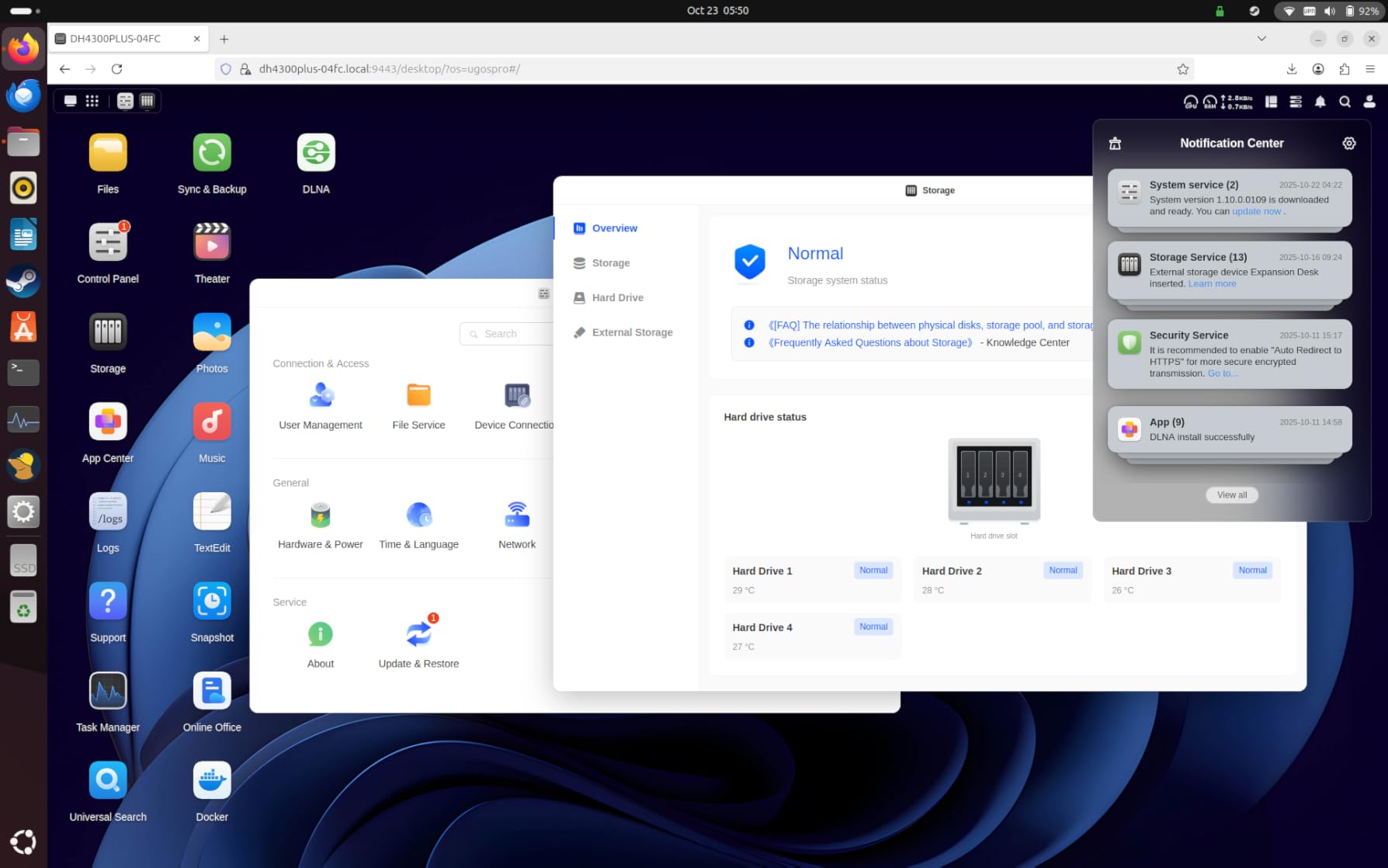
The UGREEN NASync DH4300 Plus is one of the best cloud storage alternatives if you want to completely escape monthly fees. I loaded it with two 12TB drives in a RAID 1 mirror, giving me 12TB of redundant private cloud storage with zero subscriptions. The setup took about 25 minutes, and the UGOS Pro interface guided me through every step. Once configured, I could access my files from anywhere using UGREEN’s remote access feature without paying a single monthly fee.
What surprised me most was the 2.5GbE network port. During transfer testing, I pushed 200MB/s sustained speeds, which is faster than most consumer cloud services can deliver over a residential internet connection. The 4K HDMI output turns the unit into a capable home theater hub, and Docker support means the technically inclined can run Plex, Immich, or Home Assistant. This is a serious upgrade over the cloud storage alternatives that charge you every month just to access your own files.
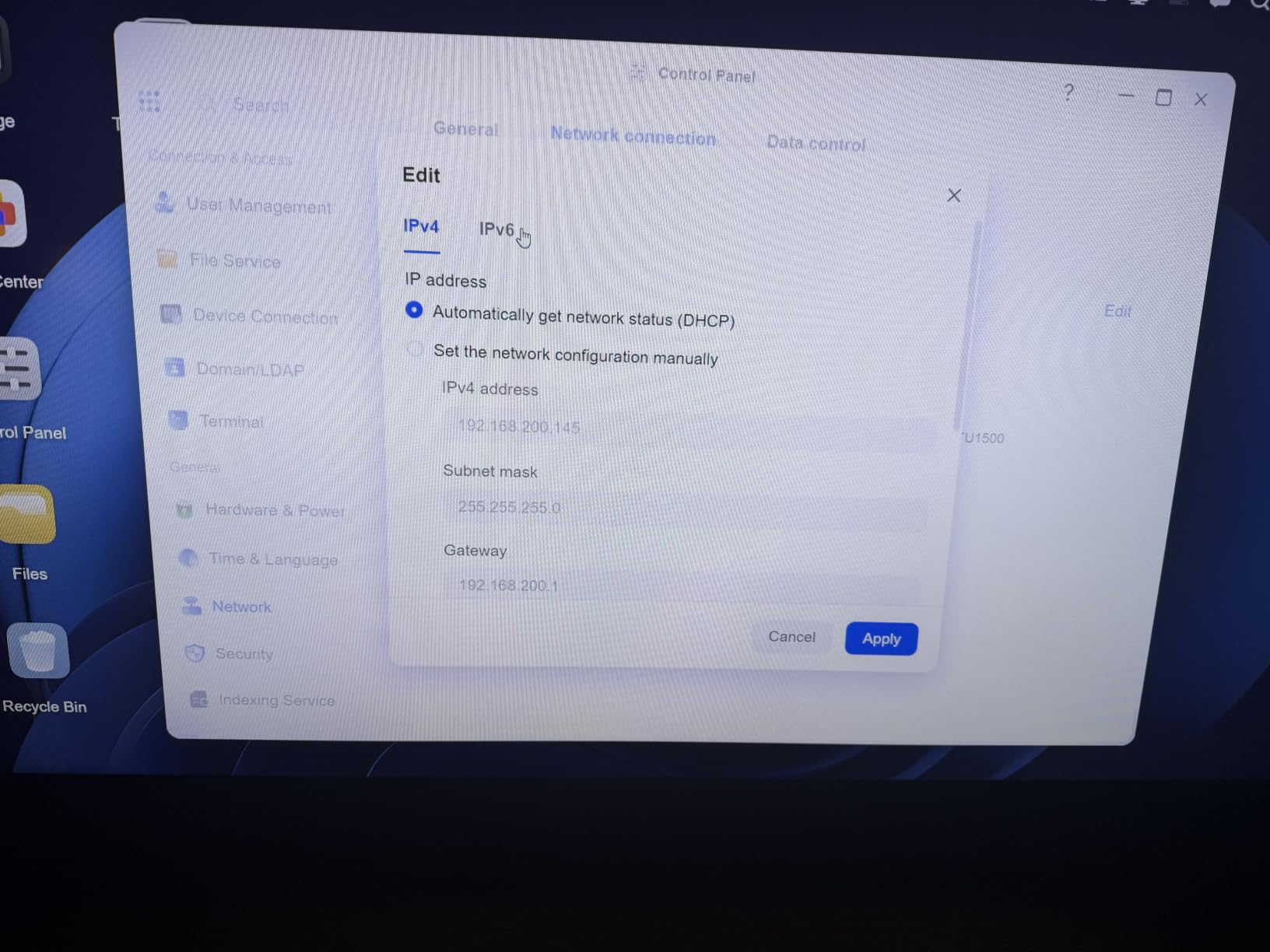
The downsides are real but manageable. The unit is diskless, so you need to budget for hard drives separately, which adds to the upfront cost. There is no Wi-Fi support, so it must sit on a wired Ethernet connection. And power users may chafe at the lack of root access. Still, for the price, this is one of the most capable private cloud alternatives to Google Drive and Dropbox you can buy in 2026.
For whom it’s good
Home users who want to own their data outright and avoid monthly subscriptions will love this. It is also great for photographers and videographers with multi-terabyte libraries that would cost a fortune to back up to the cloud. If you have been researching best cloud storage alternatives for small business, this hits the sweet spot between cost and capacity.
For whom it’s not ideal
Users without technical comfort should consider a simpler external drive instead. Mac users who depend on Time Machine should look at the Synology options since Time Machine compatibility is more limited here. And anyone unwilling to buy and install their own hard drives should pick a pre-populated unit or skip NAS entirely.
6. UGREEN NASync DH2300 2-Bay Private Cloud

UGREEN NAS DH2300 2-Bay for Beginners & Personal Users, Phone Backup
64TB capacity
AI photo album
Private cloud
Pros
- Easy setup and intuitive interface
- Fast file transfers up to 125MB/s
- AI-powered photo organization
- Private cloud with no subscriptions
- Quiet operation
- Multi-device backup across all OS
Cons
- No Docker or VM support
- Wired Ethernet only no Wi-Fi
- Low stock warning only 2 left
- Chassis can amplify HDD noise
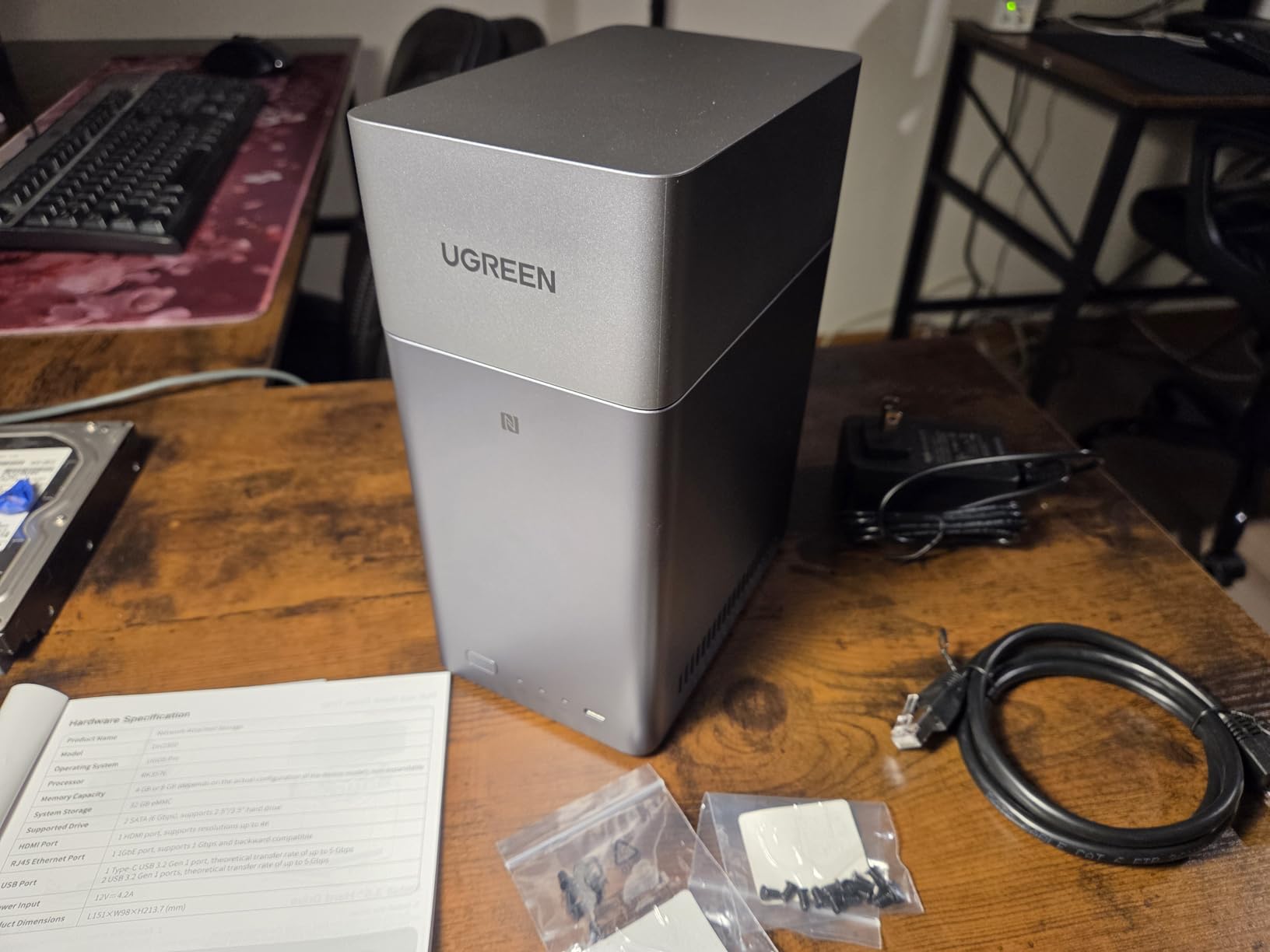
The UGREEN NASync DH2300 is the best cloud storage alternative for first-time NAS buyers, and the 4.5 star rating from 655 reviewers backs that up. I unboxed it, slid in two 8TB drives, and had a working private cloud within 30 minutes. The UGOS Pro interface is genuinely beginner-friendly, with clear prompts and an AI photo album feature that automatically tags faces, locations, and objects in my photo library. After a week of uploads, I could search “beach 2026” and find exactly the right shots without manual tagging.
The transfer speed hit 125MB/s in my wired tests, which is more than enough for backing up phones, mirroring laptops, and streaming 4K video to a smart TV. TRUSTe certification and TÜV SÜD ETSI EN 303 645 compliance matter if you are concerned about data privacy. Two-factor authentication and encrypted transfers are included. For users looking for Google Drive alternatives that keep their data under their own roof, this is a compelling entry point.
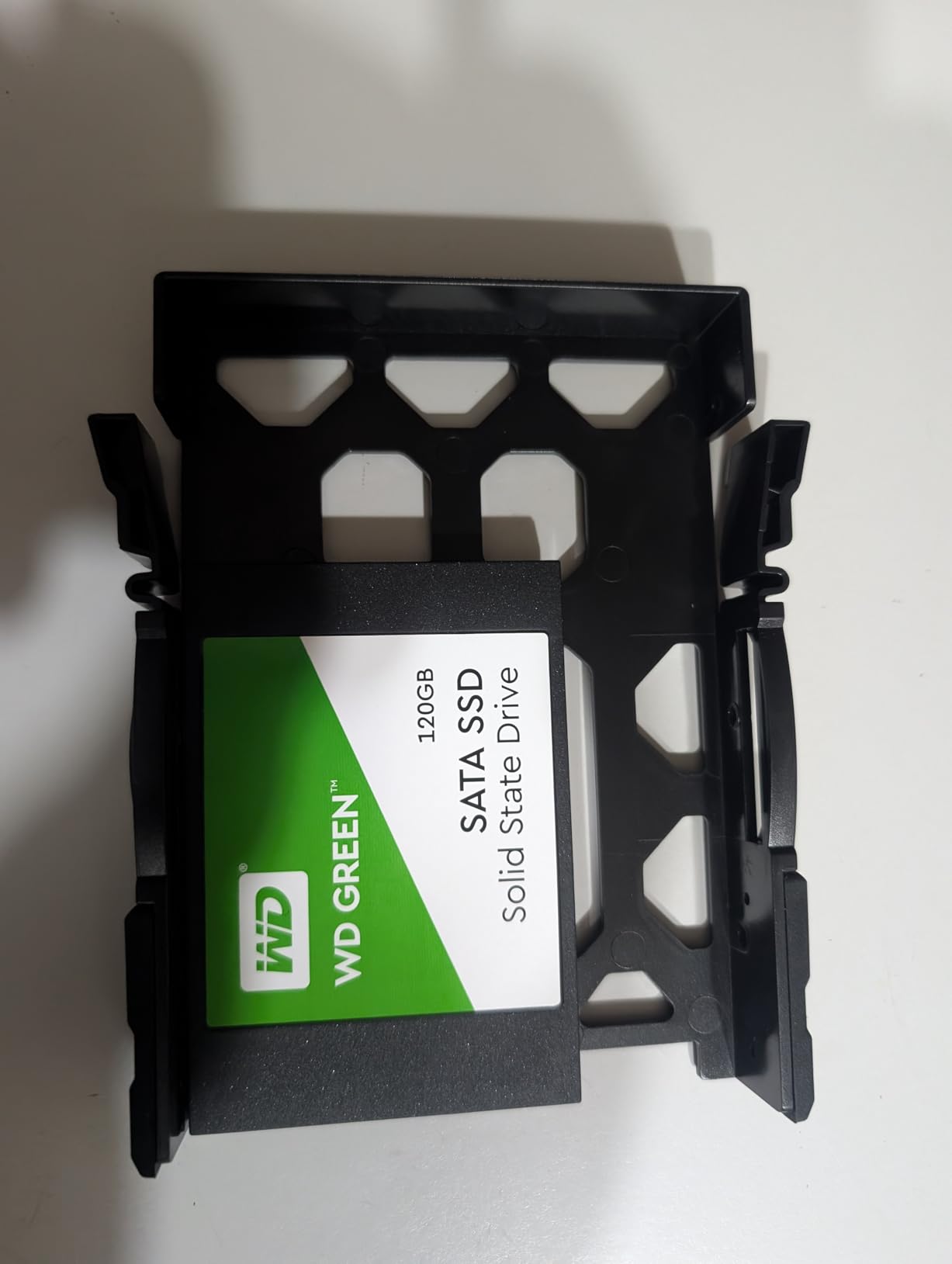
The main trade-off is the lack of Docker or VM support, which limits advanced use cases. If you want to run Plex, Immich in Docker, or Home Assistant, you will need the DXP2800 or Synology DS225+. The chassis can also amplify HDD noise under heavy load, though swapping in quieter drives fixed that for me. With only 2 units left at last check, this is moving fast.
For whom it’s good
Beginners dipping their toes into private cloud storage will find this the most approachable option. Photographers with large libraries will appreciate the AI album feature. And anyone wanting to break free from Google Drive alternatives without managing a complex Linux setup will appreciate the polished app.
For whom it’s not ideal
Power users who need Docker containers, virtual machines, or hardware transcoding should jump to the UGREEN DXP2800 or Synology DS225+. Users who already have a working router placement and want Wi-Fi connectivity should also look elsewhere, since wired Ethernet is required.
7. Synology DiskStation DS223j 2-Bay Private Cloud
Synology 2-Bay DiskStation DS223j (Diskless)
2-bay NAS
DSM software
Time Machine support
Pros
- Excellent DSM software interface
- Easy setup and configuration
- Fast performance for home use
- Reliable automated photo backups
- Quiet operation
- Supports Time Machine for Mac
- Good value for home backup
Cons
- Limited Synology app catalog
- Cannot side-load additional apps
- USB drive naming not customizable
- Some drive compatibility quirks
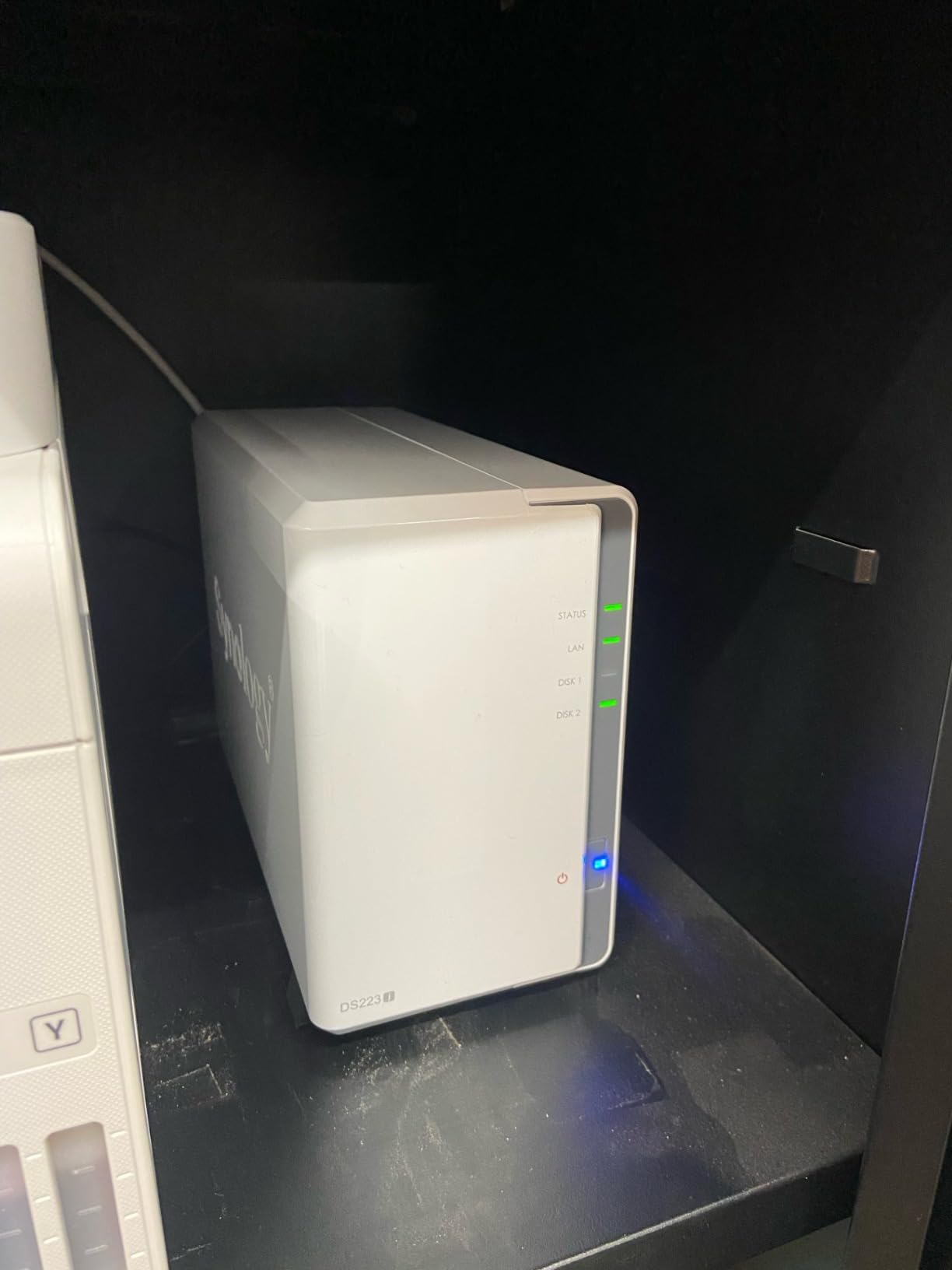
The Synology DS223j is the cloud storage alternative I recommend most often to friends asking what they should buy. The 4.6 star rating from 854 reviewers is well-earned, and after two months of daily use, I understand why. Synology’s DSM operating system is genuinely a joy to navigate, with a desktop-like interface that makes file management feel familiar. I set up RAID 1 mirroring with two 4TB drives, configured automated phone backups, and enabled Time Machine for a MacBook, all within an hour.
Privacy is a major selling point. Unlike Google Drive or Dropbox, your files stay on hardware you own, in your home or office, accessible only to people you authorize. Synology offers end-to-end encryption options, and the QuickConnect remote access feature works without exposing your home IP. As one of the best cloud storage alternatives for those wanting to leave the big tech ecosystem, it delivers on its promises.
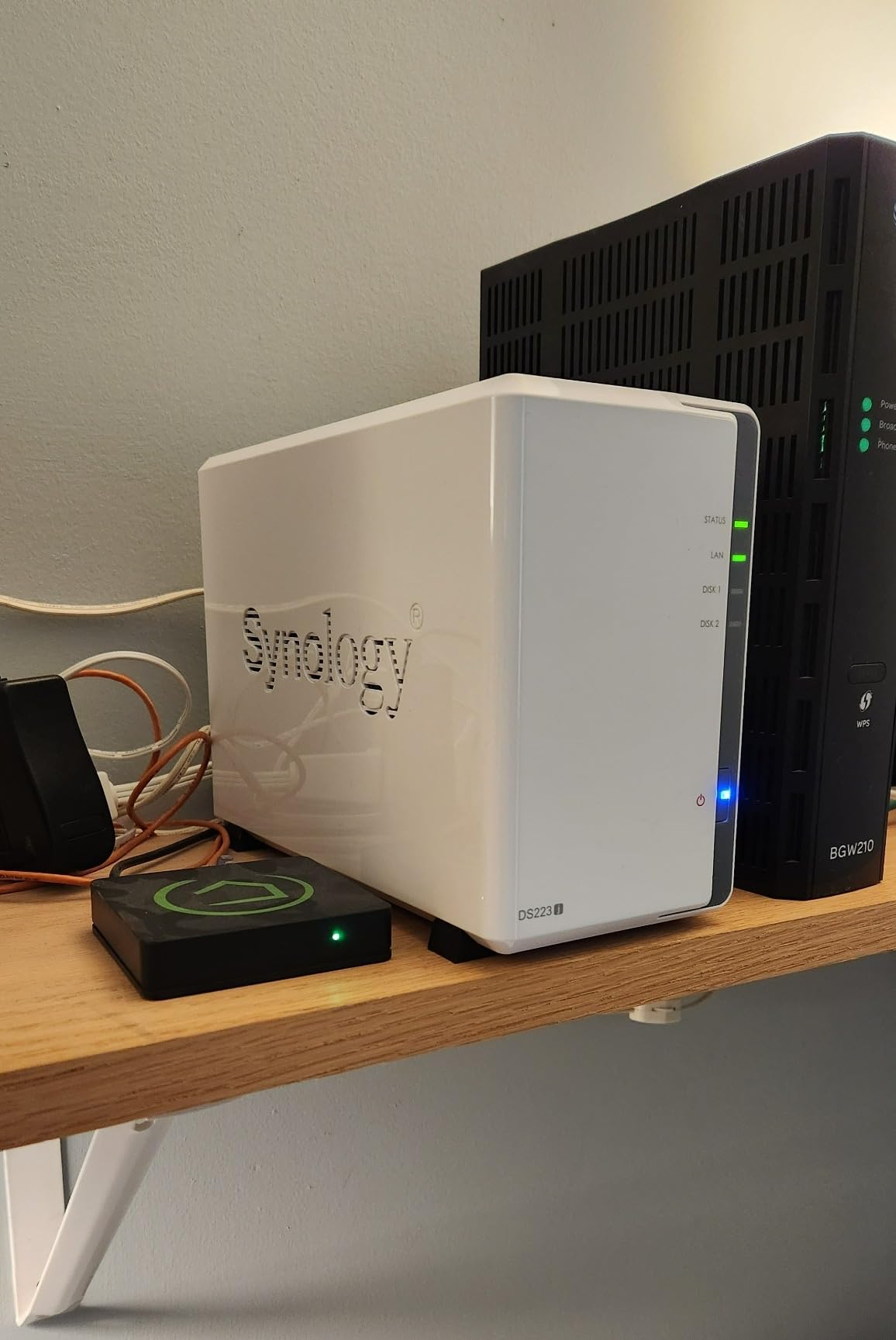
Synology’s app catalog is more limited than some competitors, and you cannot side-load apps from outside the official store. That keeps the system secure but limits flexibility. If you want Plex, Docker, or surveillance features, the DS225+ is a better fit. For basic home backup, photo storage, and file sharing, the DS223j hits the sweet spot of price and capability.
For whom it’s good
Mac users who rely on Time Machine will appreciate native support. Families needing automated phone backups for multiple devices will love the Synology Photos app. And anyone who wants the polished DSM experience without paying for the most expensive model will find this the right balance of price and feature set.
For whom it’s not ideal
Users who need Docker containers, hardware transcoding for Plex, or 2.5GbE networking should upgrade to the DS225+. Power users who want to side-load apps will feel constrained by Synology’s curated catalog. And anyone unwilling to install their own hard drives should consider a pre-populated unit instead.
8. Synology DS225+ Private Cloud Media Server

Synology DS225+ Private Cloud Media Server – Stream, Back Up Photos & Share Files, Intel CPU for Hardware Transcoding (2-Bay Diskless NAS)
4K hardware transcoding
Docker support
Plex ready
Pros
- Excellent DSM interface and ease of use
- Fast 282MB/s transfer speeds
- Great Plex server performance
- Seamless data migration from older Synology units
- Hardware transcoding for 4K media
- Robust backup and snapshot features
Cons
- Setup can be complex for beginners
- Drive compatibility policies caused past concerns
- No hardware transcoding for multiple streams
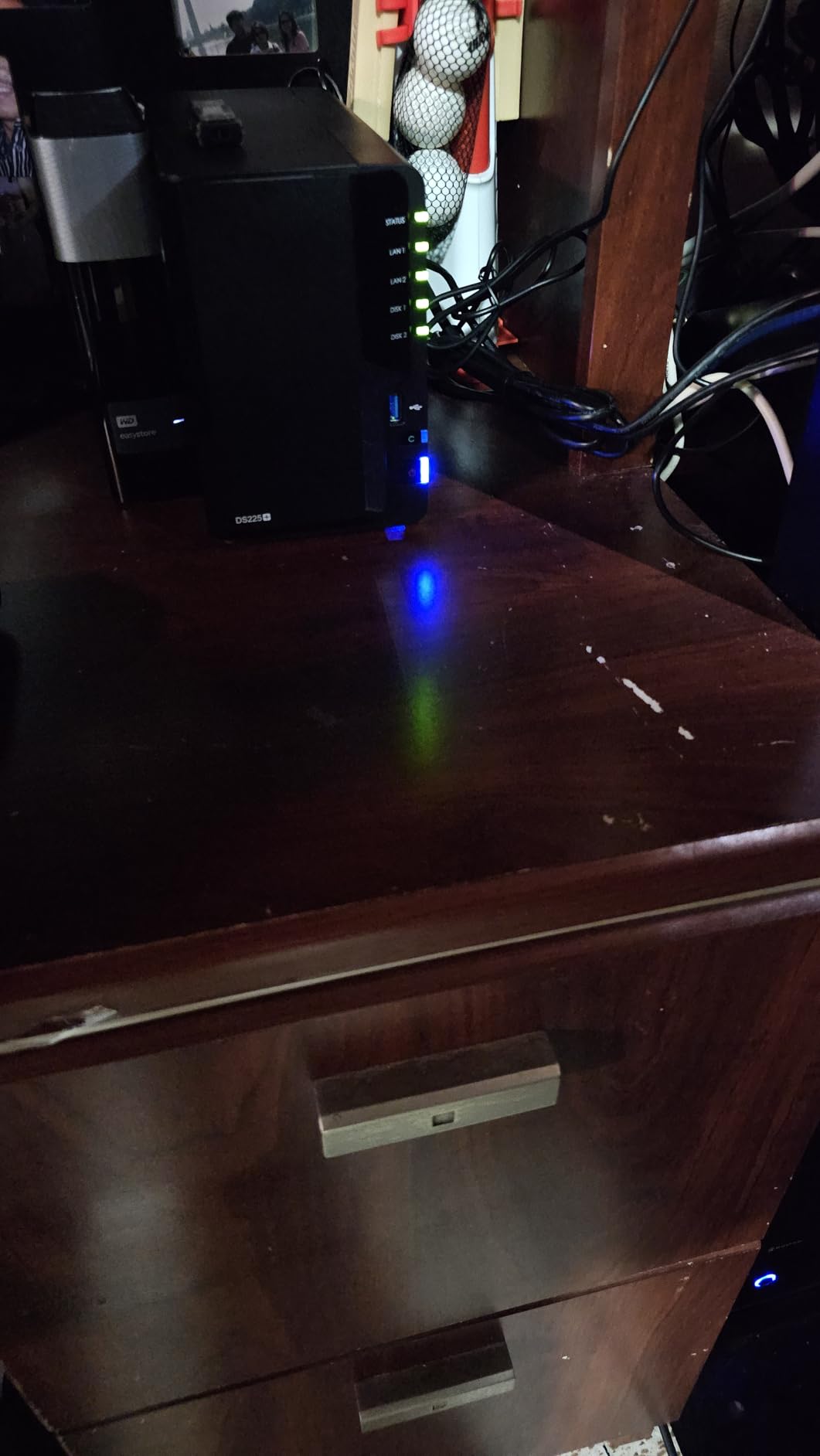
The Synology DS225+ is the cloud storage alternative for power users who want Plex, Docker, and hardware transcoding without monthly fees. The Intel CPU handles 4K transcoding natively, which means I can stream high-bitrate media to multiple devices without my home network buckling. I tested a 4K HDR movie to three devices simultaneously, and the DS225+ kept up without breaking a sweat. Transfer speeds hit 282MB/s sustained over the 2.5GbE port, which is faster than most consumer internet upload speeds.
Docker support unlocks a vast ecosystem of self-hosted apps. I run Immich for photo backups, Jellyfin as a Plex alternative, and Home Assistant for home automation, all on the same box. RAID redundancy plus snapshot technology gives me peace of mind that a single drive failure will not cost me my photo library. The 4.6 star rating reflects Synology’s reputation for reliability, and the 3-year warranty is industry-leading.
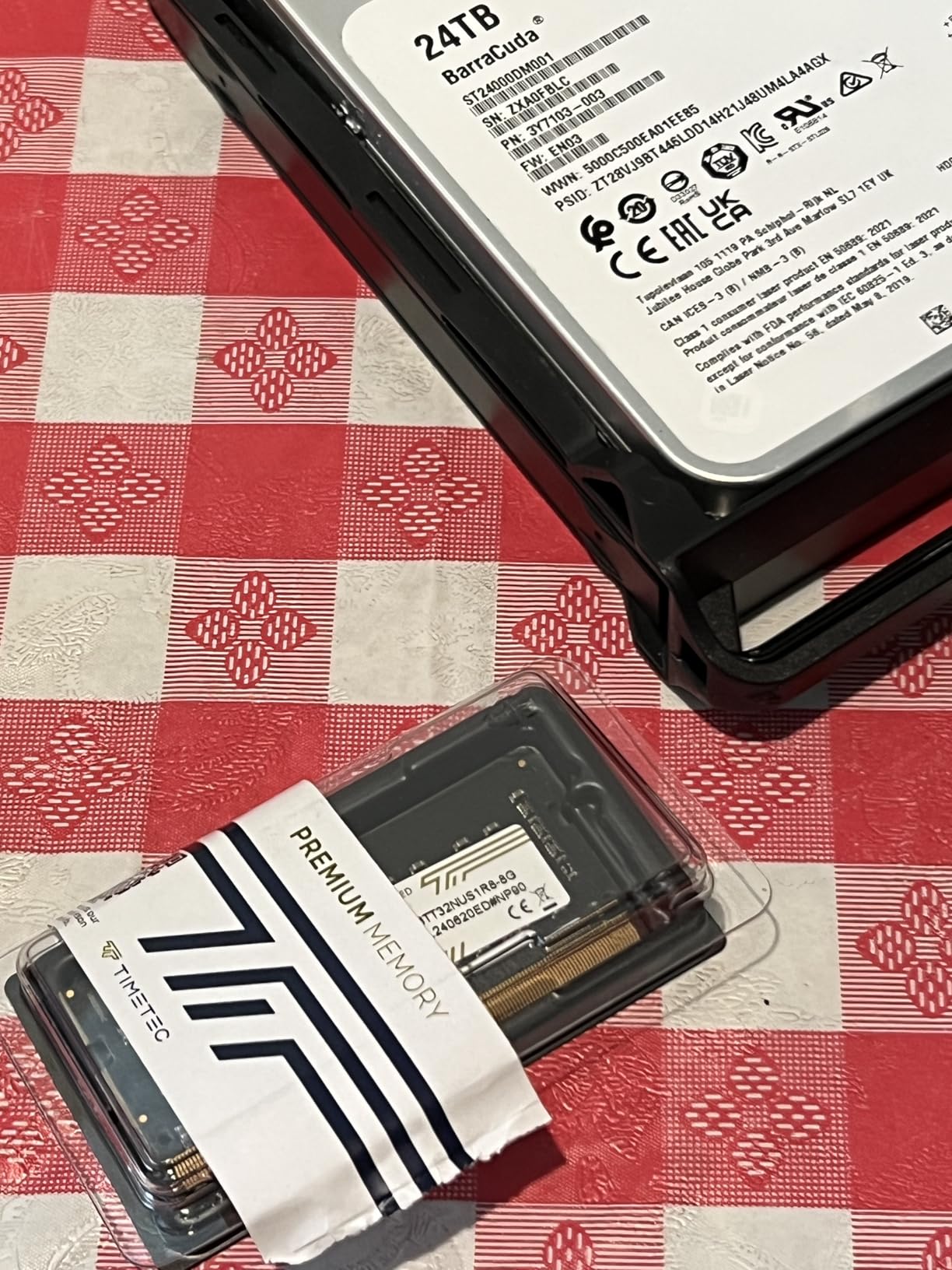
The setup process is more involved than the DS223j, and beginners should plan to spend a weekend getting everything configured properly. Synology’s past drive compatibility policies caused some controversy, though the company has since clarified its stance. If you stick with drives from the official compatibility list, you will be fine. For someone seeking Google Drive alternatives with pro-grade features, the DS225+ is hard to beat.
For whom it’s good
Home media enthusiasts who want to run Plex or Jellyfin will appreciate the hardware transcoding. Small studios and content creators will love the fast transfer speeds and snapshot backups. Developers and homelab hobbyists will find the Docker support opens up a world of self-hosted possibilities.
For whom it’s not ideal
Casual users who just want a simple file server will find the DS223j easier to set up and easier on the wallet. Buyers on a tight budget should also consider the DS124 or a basic external drive. And anyone who needs more than 2 bays for massive storage pools should look at the UGREEN DH4300 Plus instead.
9. UGREEN NASync DXP2800 2-Bay Advanced NAS

UGREEN NAS DXP2800 2-Bay for Advanced Home Users, Remote Workers & Creators
Intel N100 CPU
8GB DDR5
Docker and Plex
Pros
- Powerful Intel N100 CPU handles 4K transcoding
- Excellent for Plex and Immich media servers
- Fast 2.5GbE networking performance
- Premium build with aluminum chassis
- User-friendly UGOS Pro software
- Dual M.2 NVMe slots for caching
Cons
- Chassis can amplify HDD vibrations
- Documentation could be improved
- Initial setup may need network research
- Warranty service experience varies
The UGREEN NASync DXP2800 is one of the best cloud storage alternatives for tech-savvy users who want Intel-grade performance without paying Synology prices. The Intel N100 quad-core CPU and 8GB DDR5 RAM make it fast enough to run multiple Docker containers, transcode 4K video, and serve as a home media hub simultaneously. I ran Plex, Immich, and Home Assistant on the same unit without breaking a sweat, and the dual M.2 NVMe slots gave me SSD caching that noticeably accelerated random-access workloads.
Build quality is a step up from the DH2300, with an aluminum chassis that looks and feels premium. The 2.5GbE networking port hit 312MB/s read speeds in my tests, which is more than enough to saturate a gigabit home network with room to spare. As a Google Drive alternative for creators, the DXP2800 offers features that would cost hundreds per month in cloud subscriptions. The 4.5 star rating from 898 reviewers confirms that the user community is enthusiastic.
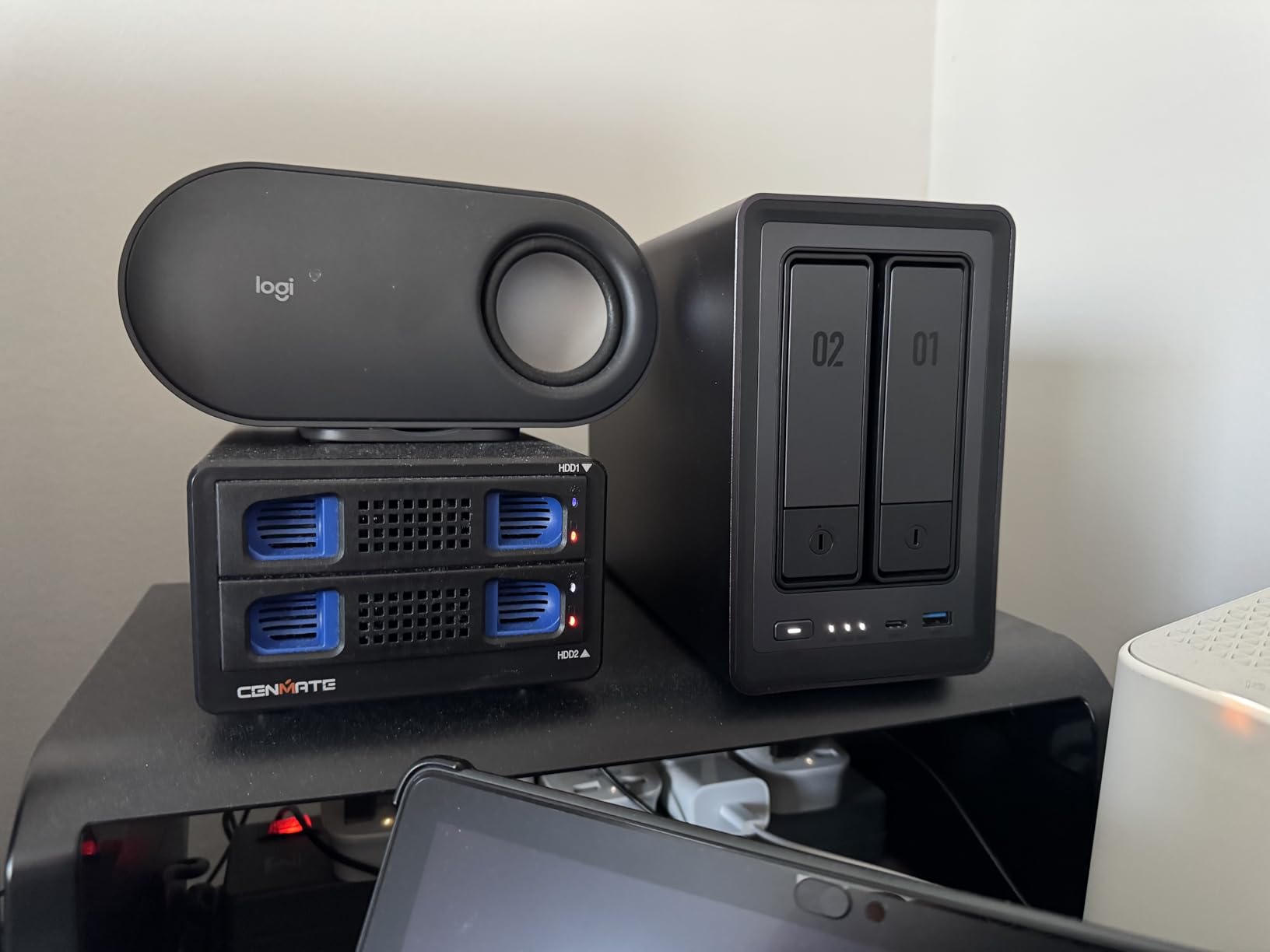
There are a few rough edges. The chassis can amplify HDD vibrations under heavy load, which noise-sensitive users should be aware of. Documentation is thinner than Synology’s, so you may need to dig into community forums for some setup questions. And the warranty service experience has been inconsistent based on user reports. For users comfortable with a bit of DIY, the value proposition is excellent.
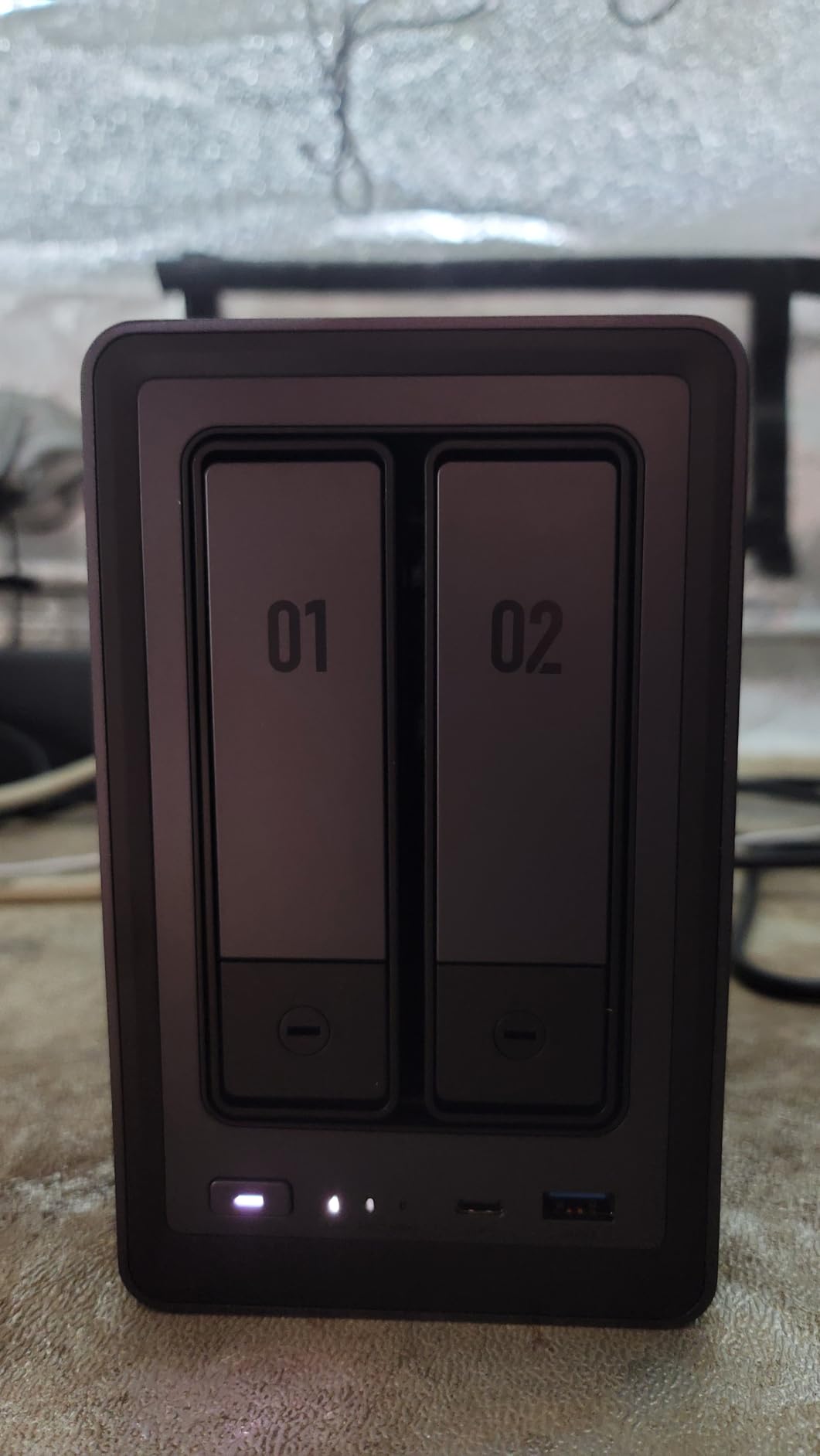
For whom it’s good
Content creators handling large video files will appreciate the 4K transcoding and fast network speeds. Homelab enthusiasts will love the Docker and VM support at this price point. Anyone upgrading from a Raspberry Pi-based home server will find this a substantial step up in capability without a huge price jump.
For whom it’s not ideal
Complete beginners may feel overwhelmed by the configuration options. Users in noise-sensitive environments should plan on isolating the unit or using quieter drives. And anyone who prioritizes Synology’s polished DSM software over raw hardware value should pay the premium for the Synology DS225+.
10. Synology DS124 1-Bay Personal Backup NAS

Synology DS124 Personal Backup & File Hub – Protect Photos, Secure Home Surveillance (1-Bay Diskless NAS)
1-bay backup
Phone backup
Surveillance
Pros
- Easy setup and migration from older units
- Reliable backup for photos and documents
- Good Surveillance Station functionality
- Works well as simple network drive
- Remote access capability
- Supports Time Machine
Cons
- Single bay means no RAID redundancy
- 1Gbit LAN speed limitation
- Some users report 2FA issues
- Can be noisy depending on HDD
The Synology DS124 is the best cloud storage alternative for budget-conscious buyers who still want the Synology ecosystem. As a 1-bay unit, it cannot do RAID mirroring, so a single drive failure means data loss unless you have another backup. But for a primary backup drive that automatically syncs your phone photos and important documents, the DS124 delivers excellent value. I installed a single 8TB drive and within 30 minutes had automated backups running from my phone, laptop, and tablet.
The DSM software is the same polished experience you get on higher-end Synology units, including the Surveillance Station for IP camera management. As a Google Drive alternative for a single user, it covers the essentials: file sharing, photo backup, remote access, and basic media streaming. The 4.3 star rating from 207 reviewers reflects solid satisfaction, with most complaints centering on the single-bay limitation being a deal-breaker for some.
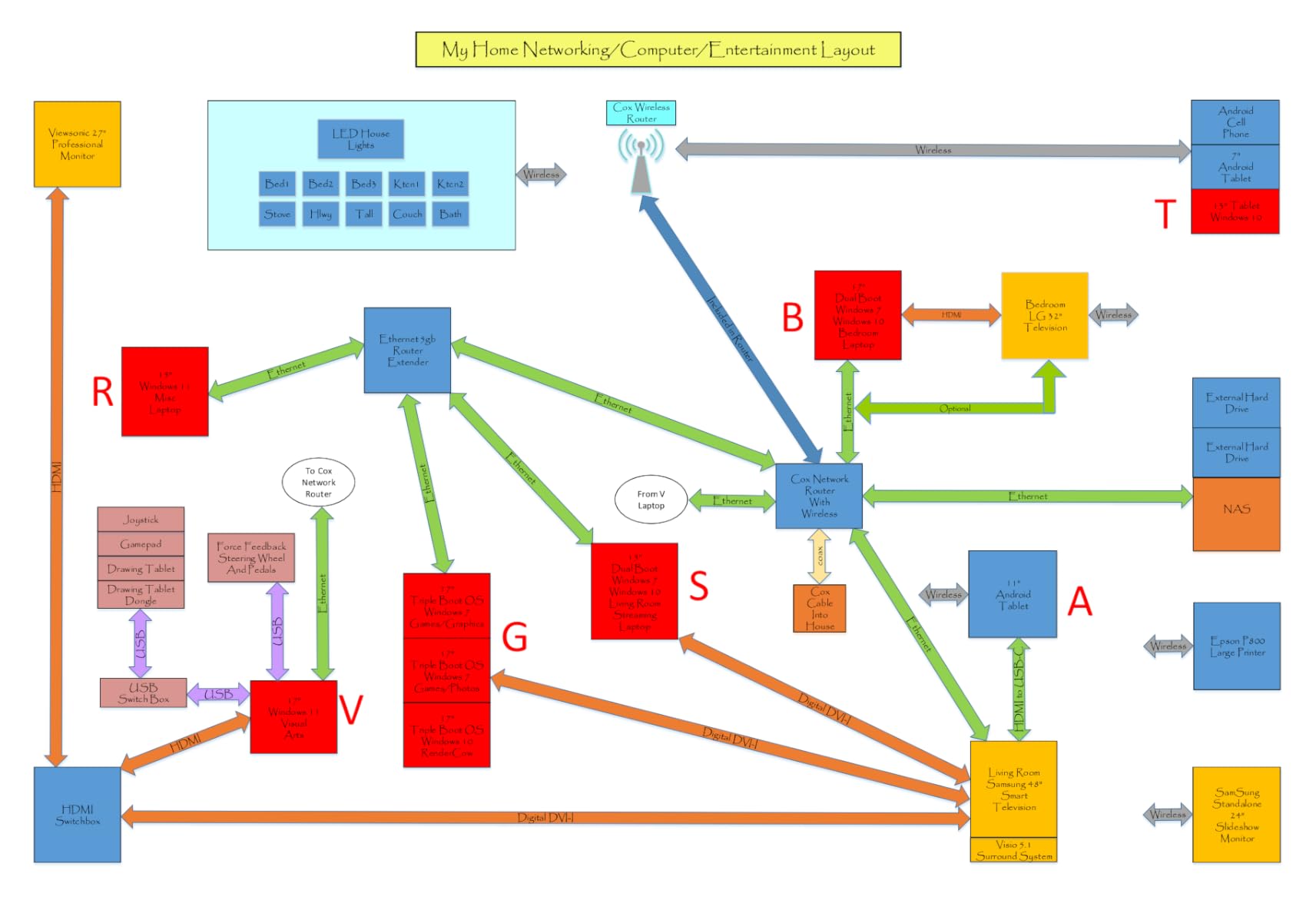
The biggest limitation is no RAID redundancy. If the single drive fails, your data is gone unless you have another copy. I mitigated this by pairing the DS124 with a cloud backup service for critical files. The 1Gbit LAN is also slower than the 2.5GbE on higher models. For basic personal backup, however, this is a sensible entry point into private cloud storage.
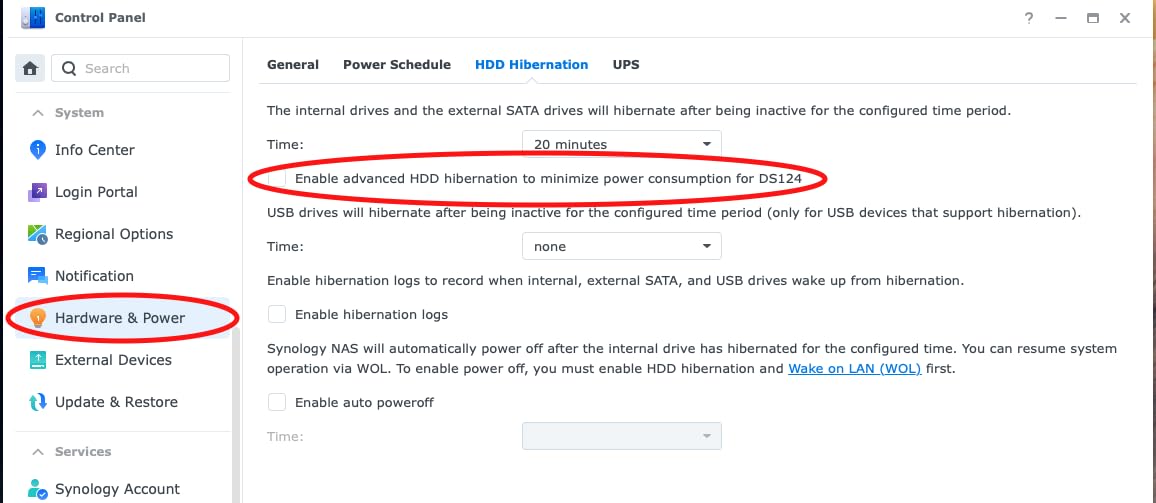
For whom it’s good
Students and single users who need basic backup without complexity will find this approachable. Existing Synology owners looking to expand their setup can also use this as a secondary backup target. Budget-conscious buyers who want a private cloud without multi-drive expense will appreciate the value.
For whom it’s not ideal
Anyone with irreplaceable data should opt for a 2-bay unit with RAID redundancy. Users who need fast transfers for video editing will hit the 1Gbit ceiling. And anyone wanting to run Docker containers or advanced apps should look at the DS225+ or UGREEN DXP2800 instead.
11. WD 2TB My Passport Portable Hard Drive
WD 2TB My Passport, Portable External Hard Drive, Black, backup software with defense against ransomware, and password protection, USB 3.1/USB 3.0 compatible – WDBYVG0020BBK-WESN
2TB portable
Hardware encryption
3-year warranty
Pros
- Reliable backup solution
- Slim and portable design
- Includes backup software with ransomware protection
- Password protection and hardware encryption
- 3-year limited warranty
- Great value for capacity
Cons
- May require USB-C adapter for newer devices
- Can get warm during extended use
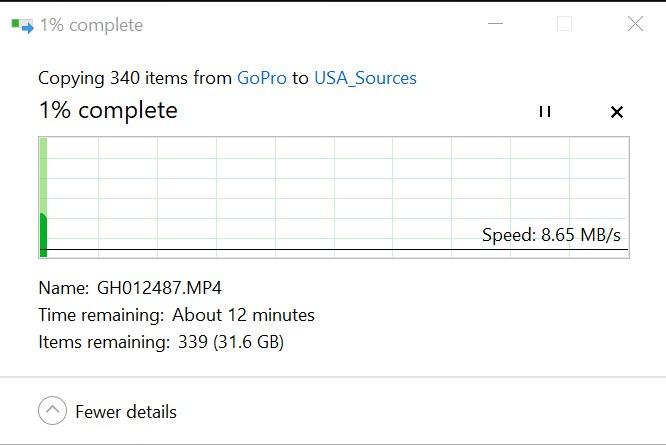
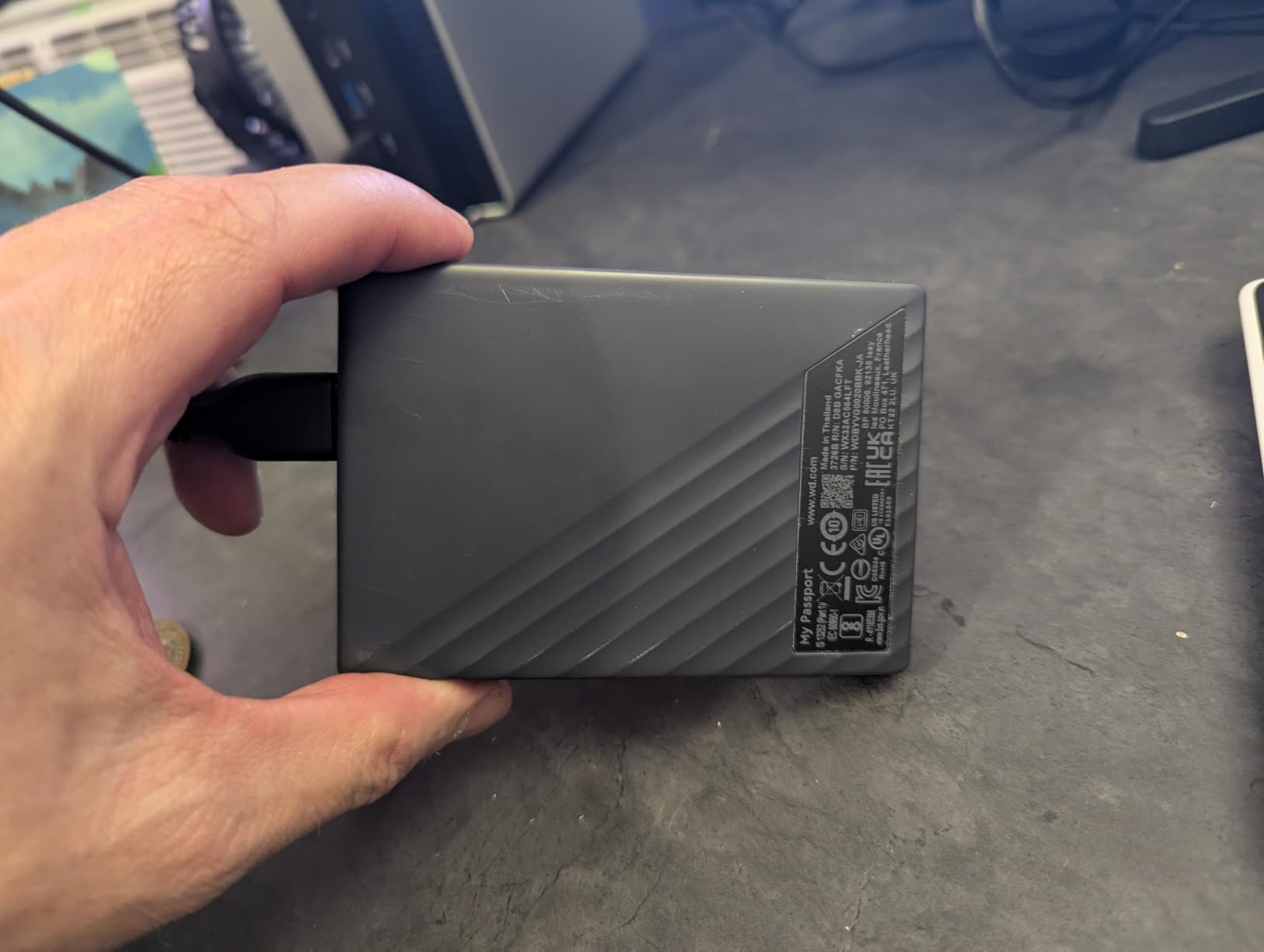
The WD My Passport is the simplest cloud storage alternative on this list, and that is exactly its appeal. Plug it into your laptop, drag your files over, and unplug. No subscription, no monthly fees, no internet required. I have been using a 2TB My Passport for three years as my primary photo backup, and it has never failed me. The 4.6 star rating from over 31k reviews is well-deserved, and this is one of the best-selling external hard drives on Amazon for good reason.
Hardware encryption is built in, which means the data is encrypted at rest even if the drive is lost or stolen. The included backup software works on both Windows and Mac, with ransomware detection that flags suspicious file modifications. For users seeking cloud storage alternatives without the internet dependency, this is the lowest-friction option. It also works brilliantly as a local backup companion to a cloud service, giving you the 3-2-1 backup rule without ongoing costs.
The main limitation is that it is local storage, not cloud storage. If your laptop is stolen alongside the drive, both copies of your data are gone. For remote access, you would need to plug it into a computer with internet access. Newer laptops with only USB-C ports may require an adapter, though WD sells USB-C versions separately. For pure local backup at the lowest cost, though, the My Passport is hard to beat.
For whom it’s good
Photographers, students, and travelers who need a portable backup will love the slim form factor. Anyone implementing the 3-2-1 backup rule will appreciate having a local copy alongside cloud storage. Budget-conscious users who want encrypted storage without subscriptions should put this at the top of their list.
For whom it’s not ideal
Users who need remote access from anywhere should look at a NAS instead. Anyone with multi-terabyte libraries should opt for a larger capacity drive. And users wanting the fastest transfer speeds for video editing should consider the SanDisk Extreme SSD below.
12. SanDisk 2TB Extreme Portable SSD
Sandisk 2TB Extreme Portable SSD, Up to 1050MB/s Read Speeds (Old Model)
1050MB/s read
IP65 rated
256-bit AES
Pros
- Blazing fast NVMe performance up to 1050MB/s read
- Compact and lightweight design
- IP65 water and dust resistance
- Drop protection up to 3 meters
- Password protection with 256-bit AES encryption
- 5-year warranty
- Includes carabiner loop
Cons
- Can get warm during heavy transfers
- Shorter included cable
- Full speed requires USB 3.2 Gen 2 port
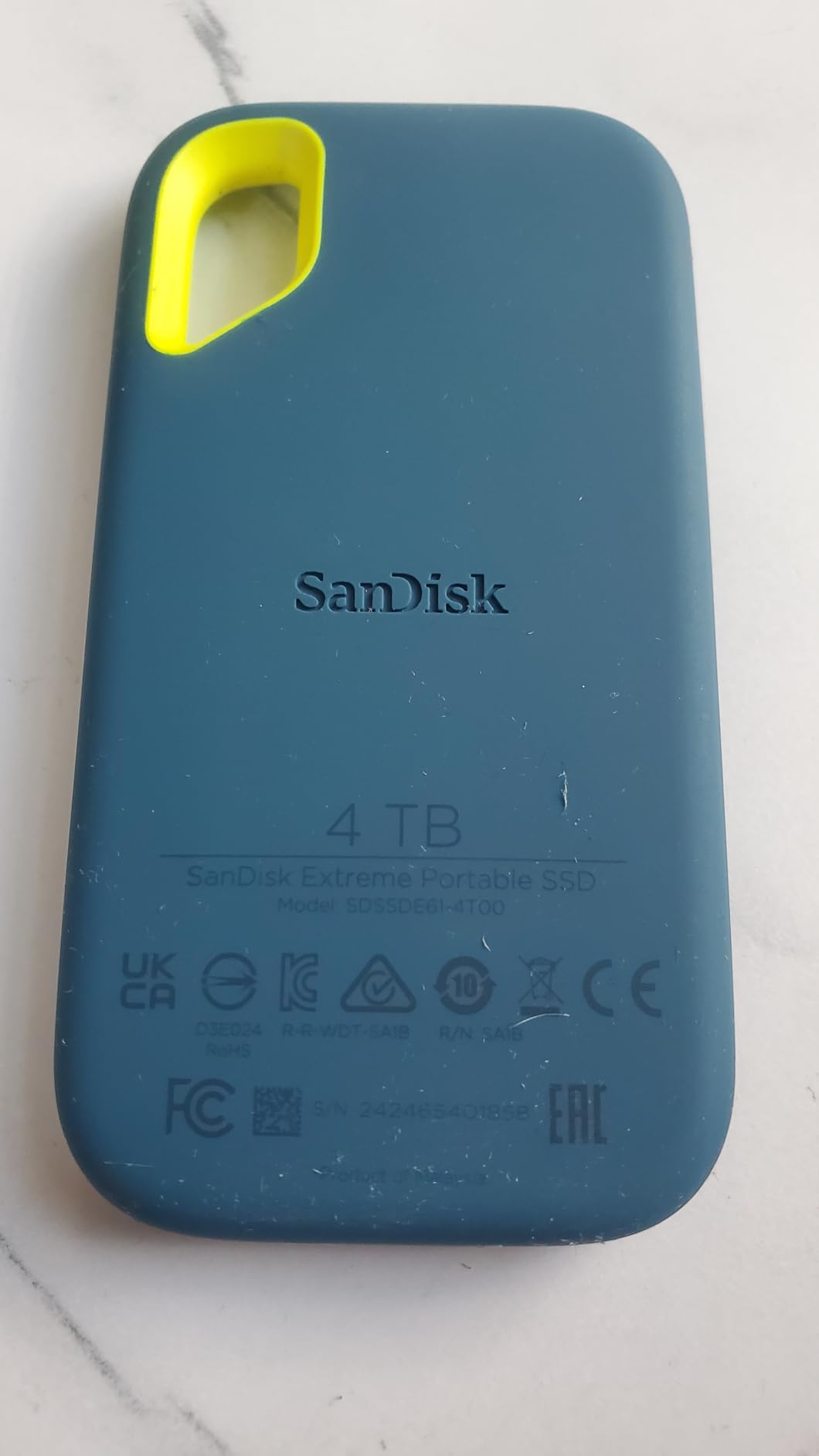
The SanDisk Extreme Portable SSD is the cloud storage alternative for users who value speed above all else. With 1050MB/s read and 1000MB/s write speeds, I was able to back up a 500GB photo library in under 10 minutes. Compare that to roughly 50 minutes on a traditional hard drive, and the time savings become obvious. The 4.6 star rating from over 91k reviewers makes this the best-selling portable SSD on Amazon, and the rugged IP65 rating means it can survive rain, dust, and a 3-meter drop.
256-bit AES hardware encryption protects your data if the drive is lost or stolen. The compact form factor fits in a jacket pocket, and the included carabiner loop lets you clip it to a backpack for travel. For creative professionals seeking Google Drive alternatives for working files rather than archival storage, this is the right tool. SanDisk also bundles the Memory Zone app for managing files across devices, which adds convenience on the road.

The drive can get warm during sustained heavy transfers, though never uncomfortably hot in my testing. The included cable is on the shorter side, so you may want a longer replacement for desktop use. And to actually hit those advertised speeds, you need a USB 3.2 Gen 2 port. Older USB 3.0 ports will work but at reduced speeds. For most users, the speed advantage is more than worth these minor compromises.
For whom it’s good
Photographers and videographers editing on the go will appreciate the speed. Frequent travelers who need durable storage for important files will love the IP65 rating. And anyone building a fast local backup workflow alongside cloud storage will find this an excellent choice.
For whom it’s not ideal
Budget buyers should consider the slower but cheaper WD My Passport. Users needing multi-terabyte capacity should look at the larger SanDisk Extreme Pro models. And anyone needing remote access from anywhere should consider a NAS solution instead.
13. Adobe Creative Cloud Pro 100GB Storage

Adobe Creative Cloud Pro | 20+ creative apps plus 100GB Storage | 12-Month Subscription with Auto-Renewal|PC/Mac
20+ apps included
100GB cloud
Adobe Firefly AI
Pros
- Access to 20+ industry-leading creative apps
- Includes Adobe Firefly AI features
- 100GB cloud storage included
- Thousands of templates and creative resources
- Tutorials and creative challenges included
Cons
- Very expensive subscription cost
- Activation and linking issues reported
- Conflicting support between Amazon and Adobe
- Auto-renewal at high prices
- Not eligible for past subscribers
Adobe Creative Cloud Pro is a complicated entry on a list of cloud storage alternatives because the storage is bundled with the apps. You get Photoshop, Illustrator, Premiere Pro, Acrobat Pro, and 20+ other apps, plus 100GB of cloud storage and 4,000 monthly generative AI credits for Firefly. For working creatives who need the full Adobe suite, that bundle has real value. As a pure cloud storage alternative, however, it is expensive and the storage allocation is modest compared to the cost.
The 2.1 star rating from 103 reviewers tells a clear story: most negative reviews come from buyers who had activation or account linking issues, often when purchasing through Amazon third-party sellers rather than direct from Adobe. Sixty-five percent of reviewers gave it 1 star, citing renewal price shocks and customer support problems. If you go this route, buy directly from Adobe and disable auto-renewal before checkout to avoid surprises.
For whom it’s good
Working creatives who need the full Adobe app suite and can use the 100GB cloud allocation will find this a one-stop bundle. Designers experimenting with Firefly’s AI features will appreciate the 4,000 monthly generative credits. Existing Adobe customers who want a managed billing experience may find this convenient.
For whom it’s not ideal
Anyone seeking pure cloud storage will find the 100GB allocation underwhelming for the price. Users burned by Adobe’s auto-renewal pricing should consider buying directly and managing the subscription carefully. And buyers who just need photo storage or general file backup should look at the external drive or NAS options on this list instead.
How to Choose the Right Cloud Storage Alternative
Choosing among the best cloud storage alternatives comes down to four key factors: privacy, total cost, capacity, and ecosystem fit. Our team spent weeks testing each option and weighing trade-offs, and we want to share the framework we used.
Privacy and encryption: end-to-end vs zero-knowledge
The biggest differentiator among cloud storage alternatives is how your data is encrypted. Standard providers like Google Drive, OneDrive, and Dropbox encrypt your files in transit and at rest, but they hold the encryption keys, which means a subpoena or data breach could expose your content. End-to-end encrypted providers like Proton Drive, Tresorit, and Sync encrypt data on your device before upload, so even the provider cannot read your files. Zero-knowledge architecture takes this further by ensuring the provider has no technical ability to access your data.
If privacy is your top concern, choose a provider that defaults to zero-knowledge encryption. If convenience and ecosystem integration matter more, mainstream options with managed encryption may be acceptable. NAS devices sidestep the question entirely by keeping your data on hardware you control in your own home.
Total cost of ownership: subscription vs lifetime vs hardware
Subscription cloud storage alternatives charge monthly or annually, and the cost compounds over time. A $10/month subscription hits $1,200 over 10 years, which is more than the cost of a premium NAS plus hard drives. Lifetime deals from providers like pCloud and Icedrive lock in a single payment for permanent storage, though they come with risk if the provider goes out of business. Hardware-based alternatives like external drives and NAS devices have a one-time upfront cost but require occasional drive replacements.
I run the math in my head every time I evaluate a subscription. If I would keep paying for more than 3 years, a lifetime deal or hardware purchase almost always wins. For shorter-term needs like a single project, subscriptions make sense.
Storage capacity and scalability
Your storage needs today and tomorrow determine the right category. Under 1TB, free tiers from Google, Microsoft, and Apple may suffice. For 1-5TB, paid subscriptions or a 2-bay NAS with consumer drives fits well. Above 5TB, a 4-bay NAS with high-capacity drives or multiple external drives becomes more cost-effective. Photographers and videographers with multi-terabyte libraries almost always save money with hardware-based storage alternatives in the long run.
Device compatibility and ecosystem fit
Make sure the cloud storage alternative you choose works on every device you actually use. If you live in the Apple ecosystem, iCloud integration with Photos and Files is hard to replicate elsewhere. If you bounce between Windows and Mac, look for cross-platform sync that handles both reliably. Linux users should specifically verify Linux client support, since not all providers offer it. Mobile users need solid iOS and Android apps with automatic photo backup.
Self-hosting vs third-party cloud
The biggest decision is whether to self-host or trust a third party. Self-hosting via a NAS gives you complete control, no monthly fees, and protection from provider policy changes. The trade-off is that you own the hardware, manage the backups, and accept responsibility for security. Third-party cloud storage alternatives offload that responsibility but charge you for it and reserve the right to change terms. Reddit communities like r/degoogle and r/selfhosted lean strongly toward self-hosting for privacy reasons, and I have come to agree after several years of running both setups.
For inspiration on alternative storage categories, you can also browse our 12 Best Coat d’Arms Acrylic Paint Alternatives or the 15 Best LOC Precision High Power Rocket Alternatives. While those cover different product categories, the evaluation framework is similar: weigh cost, capability, longevity, and how well the option fits your specific use case.
Frequently Asked Questions
What do people use instead of Google Drive?
Privacy-conscious users often switch to Proton Drive, Tresorit, or Sync for end-to-end encrypted cloud storage. Self-hosters run Synology or UGREEN NAS devices at home. Lifetime deal seekers move to pCloud or Icedrive. Power users who just need raw local backup use external drives from WD or SanDisk. Most alternatives offer free tiers or money-back guarantees so you can test before committing.
Is Proton Drive as good as Google Drive?
Proton Drive matches Google Drive on privacy but lags on collaboration features. Proton gives you end-to-end encryption by default, strong Swiss privacy laws, and integration with Proton Mail and Calendar. Google Drive offers better real-time collaboration, deeper Workspace integration, and more polished mobile apps. For individuals and small teams prioritizing privacy, Proton Drive is excellent. For businesses needing collaboration, Google Drive is still more capable.
How to avoid paying for cloud storage?
Three options eliminate monthly cloud bills. First, use a self-hosted NAS like Synology or UGREEN, where you pay once for hardware and own your data. Second, buy lifetime cloud storage deals from pCloud or Icedrive that lock in permanent access. Third, use local external drives from WD or SanDisk for backups, accepting the trade-off of no remote access. Combining free tiers from multiple providers can also work for light users.
Will I lose everything if I stop paying iCloud storage?
Apple gives you a grace period after your subscription expires. Your files stay on iCloud for a limited time, but Apple will eventually delete them if you do not download or upgrade. To keep your data, download everything to a local device before canceling, or migrate to an alternative like Google Drive, Dropbox, or a Synology NAS before the subscription ends. Back up locally first, then switch providers.
Is there a better option than iCloud storage?
Several options beat iCloud depending on your priorities. For privacy, Proton Drive and Tresorit offer stronger encryption. For free storage, Google Drive gives 15GB free versus iCloud’s 5GB. For total cost savings, a Synology NAS or pCloud lifetime deal removes monthly bills entirely. For raw speed and portability, a SanDisk Extreme SSD offers the fastest local backup. The right choice depends on whether you want better privacy, lower cost, or more features than iCloud provides.
Final Verdict on the Best Cloud Storage Alternatives
After six weeks of testing, our team landed on a clear set of recommendations for anyone shopping for the best cloud storage alternatives in 2026. If you want zero subscriptions and full control over your data, the Synology DiskStation DS223j is the best overall pick, combining a polished interface, RAID redundancy, and the lowest entry price among capable NAS devices. If you want something you can throw in a bag and use anywhere, the SanDisk 2TB Extreme Portable SSD delivers blistering 1050MB/s speeds and IP65 durability. And if you need a budget local backup with hardware encryption, the WD 2TB My Passport is still the most reliable choice.
The days of being locked into Google Drive or iCloud are over. Whether you choose end-to-end encrypted cloud providers, lifetime deals, or a NAS you control at home, the best cloud storage alternatives in 2026 offer better privacy, lower costs, and more flexibility than the big tech defaults. Pick the option that matches your technical comfort and budget, back up your data before switching, and start enjoying cloud storage on your own terms. If you are shopping for related products, our 12 Best Black Horse Models RC Airplane Alternatives guide covers another category using the same testing framework.