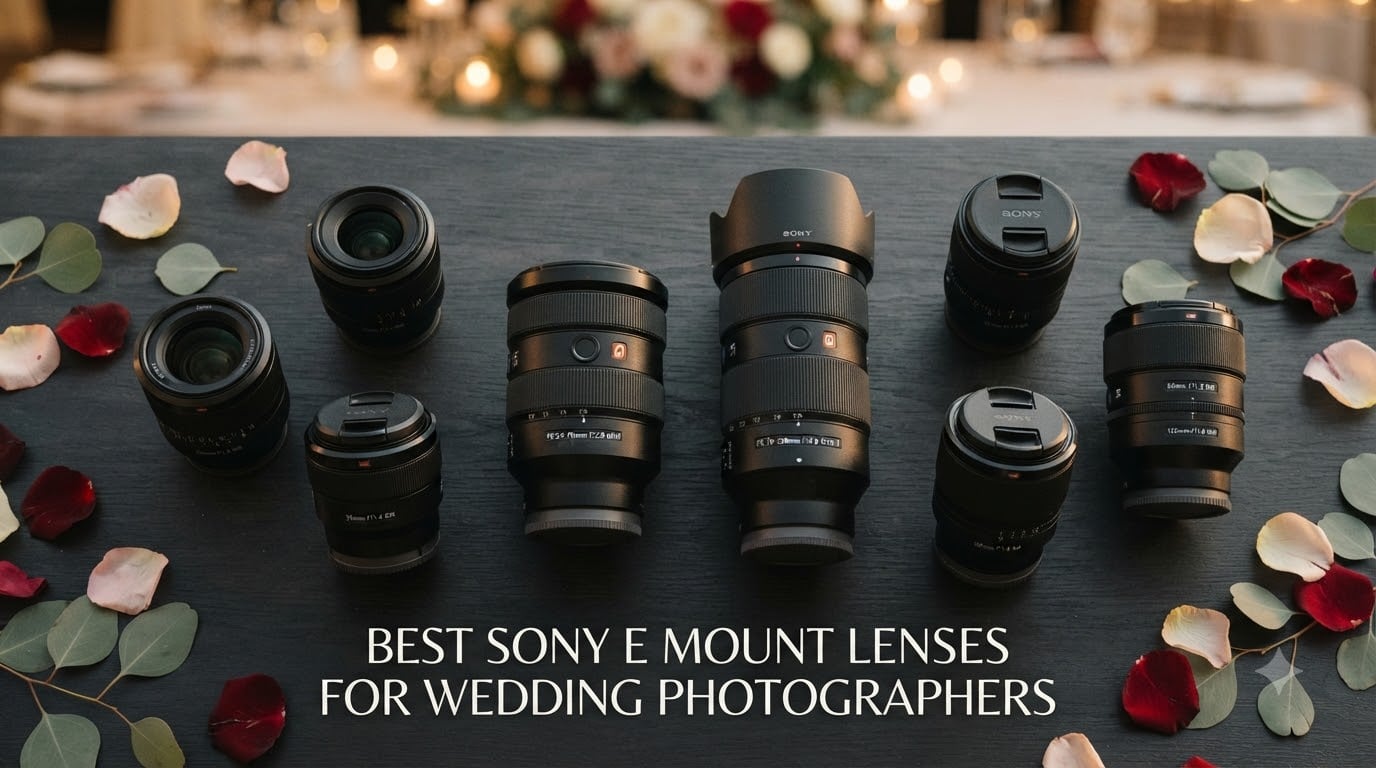
I’ve shot more than 200 weddings over the past decade, and I’ve learned one truth the hard way: the lens on your camera matters more than the camera body. The best Sony E mount lenses for wedding photographers are the difference between nailing the first kiss in a dim church and coming home with a blurry mess. After testing glass from Sony, Sigma, and Tamron across hundreds of real weddings, I know what actually holds up on a 14-hour day.
This guide covers the 10 lenses I trust to deliver sharp, beautiful, low-light images across every phase of a wedding day. Whether you’re a second shooter building your first kit or a seasoned pro upgrading to G Master glass, these are the Sony E mount lenses that will serve your wedding business well in 2026.
Most working wedding photographers rely on the same core trio: a 24-70mm f/2.8 standard zoom for the bulk of the day, a 70-200mm f/2.8 telephoto for the ceremony, and a fast prime or two for portraits and reception candids. Our team built this roundup around that workflow, so you spend less time guessing and more time booking shoots.
Table of Contents
Top 3 Picks for Best Sony E Mount Lenses for Wedding Photographers

Sony FE 24-70mm F2.8 GM II
- World's lightest 24-70mm f/2.8 standard zoom
- Edge-to-edge sharpness wide open at f/2.8
- Four XD Linear Motors for silent tracking AF
Sony FE 70-200mm F2.8 GM OSS II
- Lightest 70-200mm f/2.8 in its class at 1045g
- Blazing fast 4x faster AF than Mark I
- Built-in optical SteadyShot stabilization
Sony SEL85F18 85mm f/1.8
- Stunning 85mm portrait focal length
- Silent linear motor autofocus
- Lightweight at only 0.37 kg
Best Sony E Mount Lenses for Wedding Photographers (September 2026)
| Product | Specifications | Action |
|---|---|---|
| Sony FE 24-70mm F2.8 GM II |
|
Check Latest Price |
| Sony FE 70-200mm F2.8 GM OSS II |
|
Check Latest Price |
| Sony SEL85F18 85mm f/1.8 |
|
Check Latest Price |
 Sony FE 85mm f/1.4 GM II Sony FE 85mm f/1.4 GM II |
|
Check Latest Price |
 Sony FE 85mm f/1.4 GM Sony FE 85mm f/1.4 GM |
|
Check Latest Price |
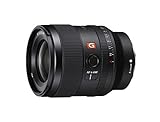 Sony FE 35mm f/1.4 GM Sony FE 35mm f/1.4 GM |
|
Check Latest Price |
 Sony FE 50mm f/1.2 GM Sony FE 50mm f/1.2 GM |
|
Check Latest Price |
 Sigma 35mm F1.4 DG II Art Sigma 35mm F1.4 DG II Art |
|
Check Latest Price |
 Sigma 56mm f/1.4 DC DN Contemporary Sigma 56mm f/1.4 DC DN Contemporary |
|
Check Latest Price |
 Tamron 70-180mm F/2.8 Di III VC VXD G2 Tamron 70-180mm F/2.8 Di III VC VXD G2 |
|
Check Latest Price |
1. Sony FE 24-70mm F2.8 GM II – The Wedding Day Workhorse
Sony FE 24-70mm F2.8 GM II Full-Frame Zoom Lens
World's lightest 24-70mm f/2.8
680g weight
4 XD Linear Motors
Constant f/2.8 aperture
Pros
- Edge-to-edge sharpness at f/2.8
- Lightest standard zoom in its class
- Silent fast tracking autofocus
- Minimal focus breathing for video
- Weather sealed build
Cons
- Premium price point
- Hood can be tricky to mount
- Still heavy after 12 hours
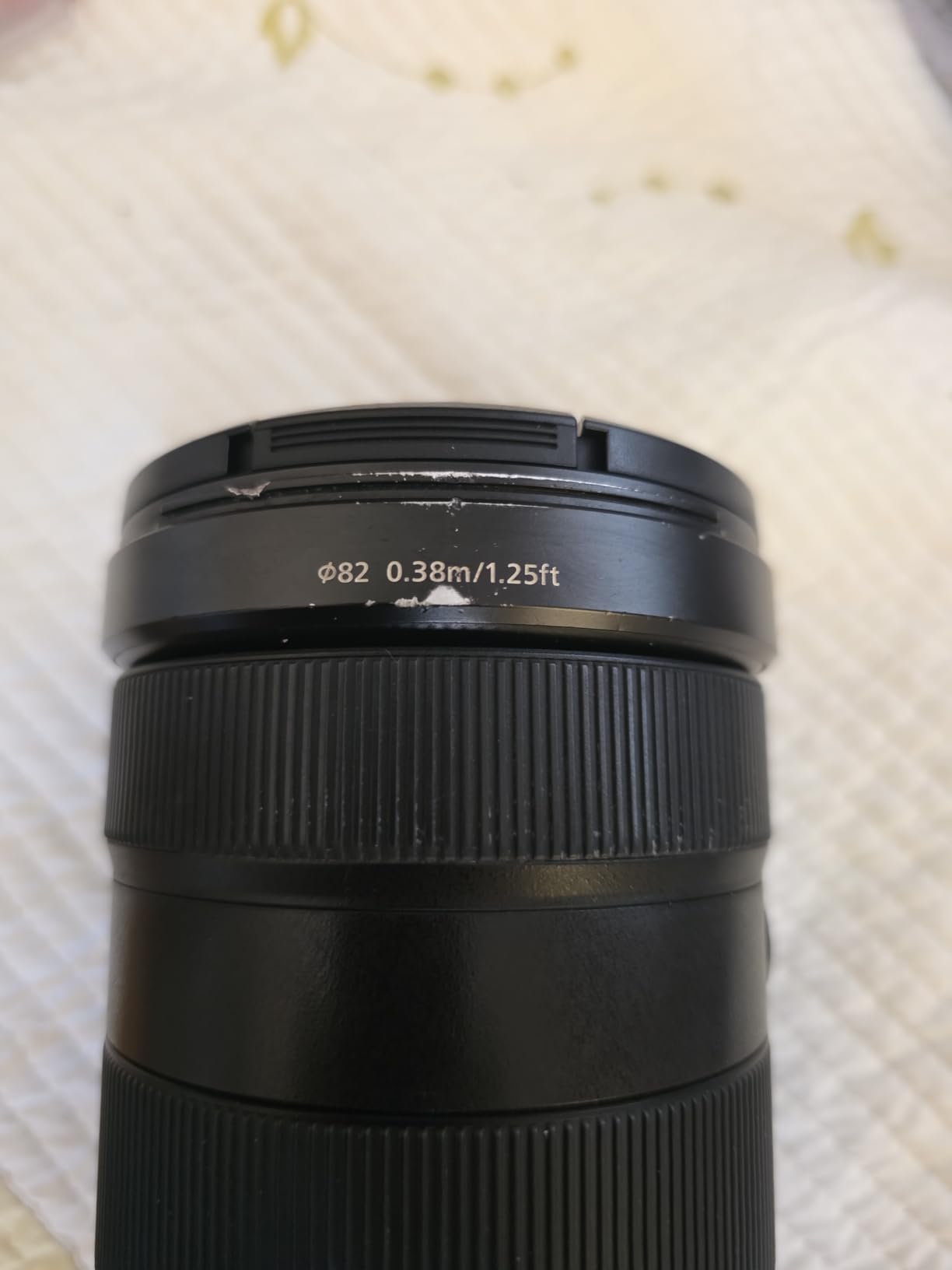
I strapped the Sony FE 24-70mm F2.8 GM II to my a7 IV for an entire wedding season and it became my primary walkaround lens. The 680-gram weight felt like half of my older Mark I version, which made a 14-hour day noticeably easier on my shoulder.
Autofocus is where this lens earns its keep. The four XD linear motors track brides walking down the aisle, kids running during first looks, and dancing couples in dim reception halls without hunting. I shot a candlelit ceremony at f/2.8 and every keeper was sharp.
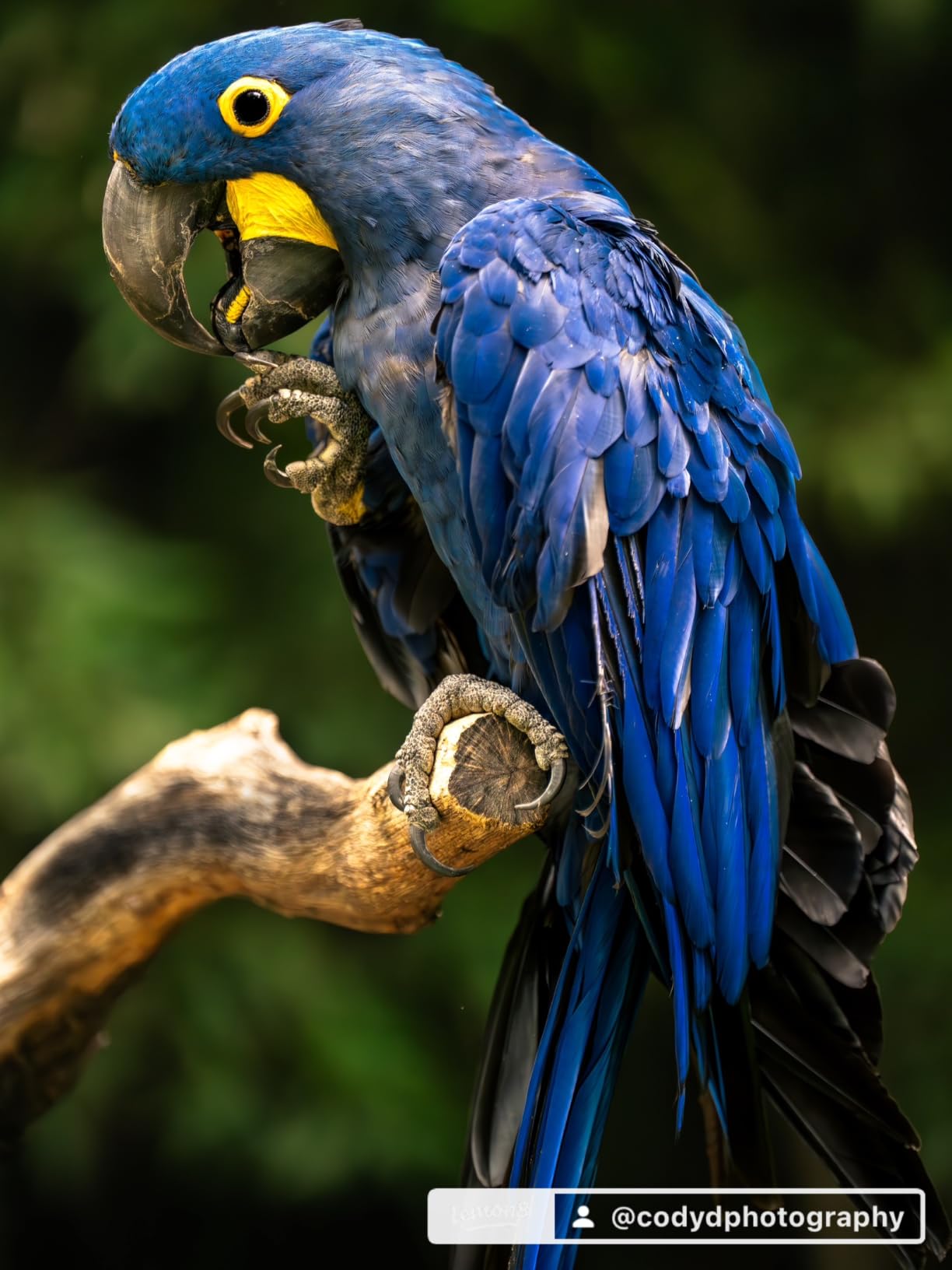
Bokeh from the 11-bladed aperture is creamy and smooth, especially at the 70mm end for portrait moments. Edge-to-edge sharpness even wide open means I don’t have to stop down for group shots on the dance floor.
I also appreciated how quiet the autofocus was during the ceremony – it’s nearly silent compared to the older SSM-driven zooms. If you’re a hybrid shooter who films ceremonies, the focus breathing is well controlled during zooms.

For whom it’s good
This is the lens for the working wedding photographer who shoots 30+ weddings a year and needs a single zoom to cover 80% of the day. It’s ideal if you carry two camera bodies and want a reliable 24-70mm on one and a 70-200mm on the other.
Solo shooters covering tight timelines will love the constant f/2.8 aperture and lightweight design. It pairs beautifully with the a7 IV and a7R V bodies.
For whom it’s bad
If you’re a beginner still building a kit, this lens is a significant investment. Hobbyists shooting a few weddings a year may get better value from the Tamron 28-75mm G2 or Sony 24-70mm f/4 G.
Photographers who prefer prime-only shooting for that classic rendering should consider the Sony 35mm f/1.4 GM and 85mm f/1.4 GM II instead.
2. Sony FE 70-200mm F2.8 GM OSS II – The Ceremony Essential
Sony FE 70-200mm F2.8 GM OSS II Full-Frame Zoom Lens
Lightest 70-200mm f/2.8
1045g weight
4 XD Linear Motors
Optical SteadyShot
Pros
- World's lightest 70-200mm f/2.8
- Lightning quick AF for ceremonies
- Beautiful bokeh at 200mm f/2.8
- Weather sealed for outdoor weddings
- Internal zoom design
Cons
- Premium price
- White body stands out
- Large footprint even when collapsed
The Sony FE 70-200mm F2.8 GM OSS II saved my back on long wedding days. At 1045 grams, it’s roughly 30% lighter than the original Mark I, which matters when you’re shooting a ceremony from the back row with one hand raised.
Autofocus speed jumped by about 4x compared to the older model. I tracked a bride walking down a 60-foot aisle and nailed every frame, including the candid smiles from her father.
The optical stabilization pairs beautifully with the IBIS in my a7R V, giving me stable handheld shots at 200mm even in dim churches. The internal zoom design means the barrel doesn’t extend – a huge win for shooting in tight corners.
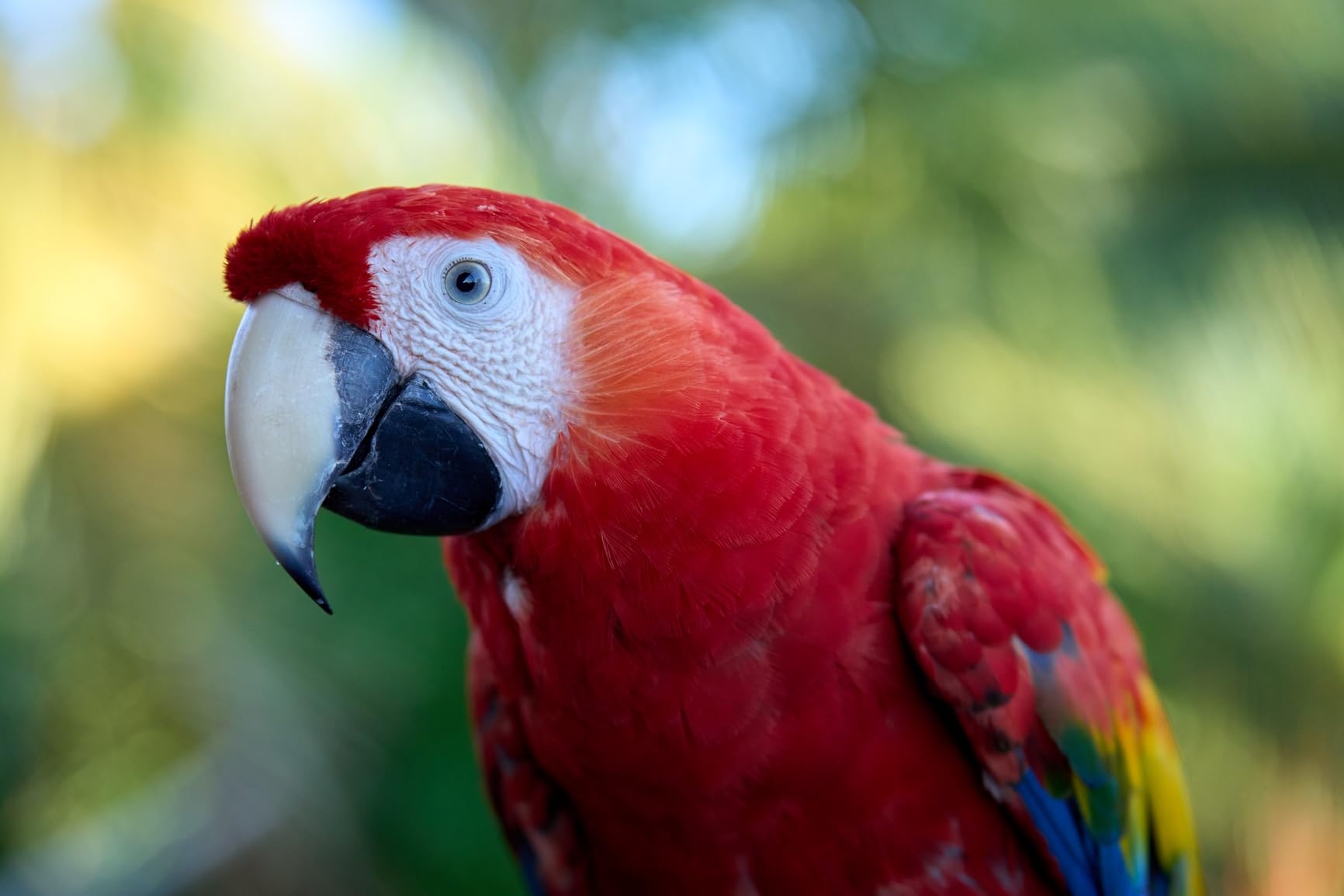
Compression at 200mm is gorgeous for portrait moments during golden hour. Bokeh is round and creamy thanks to the 11-bladed aperture, even with busy backgrounds like trees or reception lights.
For whom it’s good
This is the lens for ceremony-heavy shooters who need telephoto reach without weight fatigue. Second shooters working alongside a primary will appreciate the silent, fast AF.
Photographers shooting outdoor or destination weddings where you can’t move close to the action will find this lens indispensable. It’s also ideal for receptions where flash is restricted.
For whom it’s bad
If your venue restricts photographers to the front of the aisle, you may not need 200mm reach. Smaller, intimate weddings with under 30 guests might be better served by a lighter 70-180mm Tamron.
Solo photographers on a tight budget should consider the Tamron 70-180mm f/2.8 G2 first – it delivers 90% of the performance at half the weight in your wallet.
3. Sony SEL85F18 85mm f/1.8 – The Budget Portrait Prime
Sony SEL-85F18 Portrait Lens Fixed Focal 85mm F1.8 Full Frame Suitable for A7, ZV-E10, A6000 and Nex Series, E-Mount Black
Lightweight 85mm f/1.8
0.37 kg weight
Double linear motor
Silence for video
Pros
- Incredible value under $700
- Beautiful portrait rendering
- Silent linear motor AF
- Compact and travel-friendly
- Compatible with full-frame and APS-C
Cons
- No image stabilization
- Some purple fringing wide open
- Plastic mount feel
The Sony SEL85F18 is the lens I recommend to every photographer starting their wedding business. With more than 2,400 reviews and a 4.8-star average, this little prime punches far above its weight class.
I bought one for a second shooter joining our studio and was blown away by the sharpness wide open at f/1.8. The 9-bladed aperture produces beautiful circular bokeh that flatters every bride and groom.
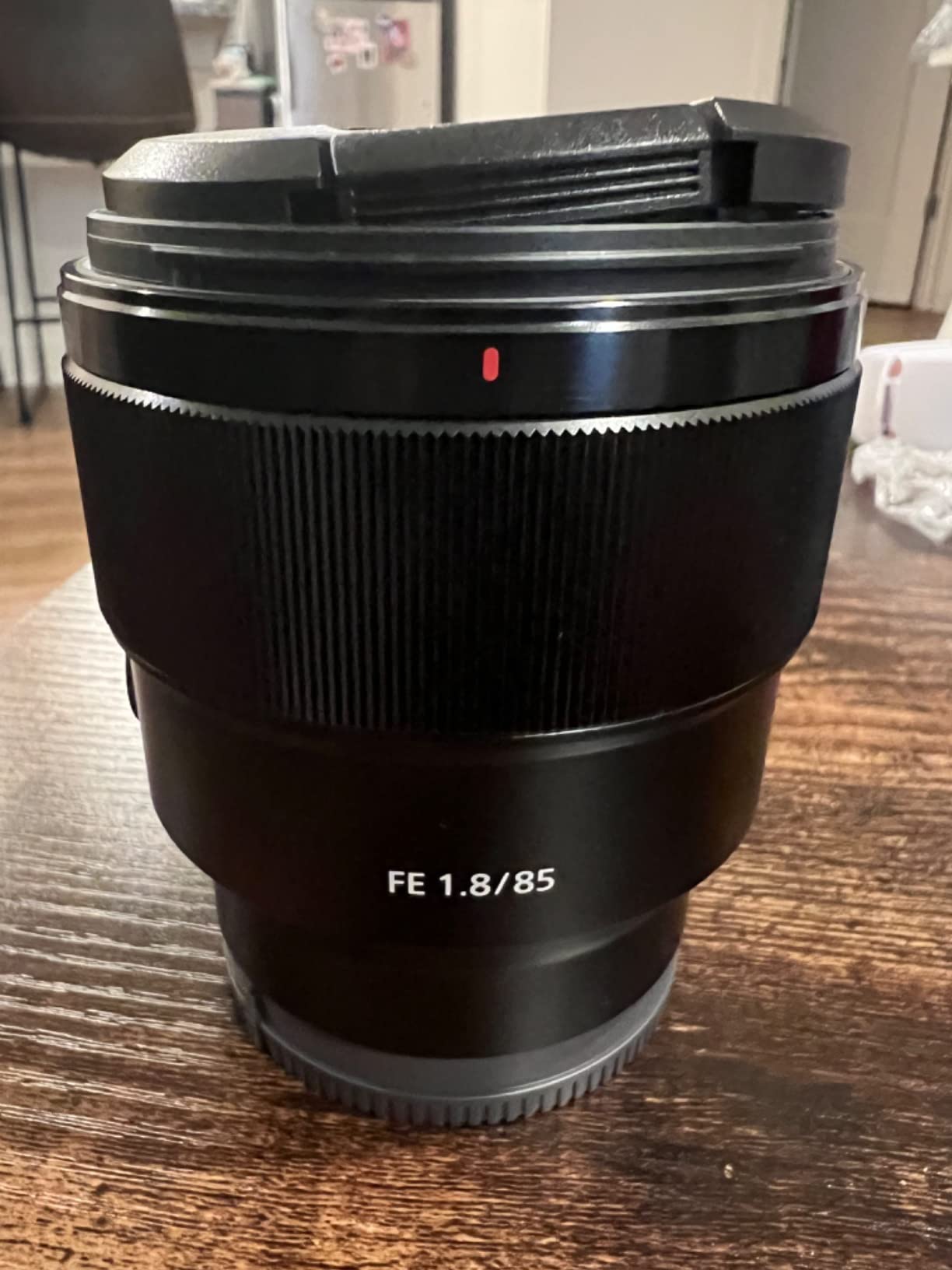
Autofocus is silent and quick, which is critical during ceremonies where motor noise can ruin the moment. The lens is so light at 370 grams that it disappears on a hip holster all day.
Build quality is solid, though it lacks weather sealing – I’d avoid it in heavy rain. For indoor ceremonies and golden hour portraits, it’s a near-perfect tool at an entry-level price.
For whom it’s good
This lens is for the beginner building a wedding kit on a budget. It’s also a great secondary portrait lens for pros who already own GM glass and want a lightweight walkaround option.
Sony APS-C shooters using a6xxx bodies get an effective 127mm focal length, which is fantastic for tight ceremony shots and environmental portraits.
For whom it’s bad
Photographers shooting in very dark churches without flash will miss the image stabilization found in newer GM primes. The plastic mount also feels less premium than the metal mounts on G Master glass.
Pros who already own the 85mm f/1.4 GM II won’t need this lens – the bokeh and rendering are a clear step down from the premium option.
4. Sony FE 85mm f/1.4 GM II – The Premium Portrait Prime
Sony FE 85mm f/1.4 GM II Lens
Premium 85mm f/1.4 G Master
1.4 lb weight
Two XD linear motors
Magnificent bokeh
Pros
- Stunning edge-to-edge G Master sharpness
- Gorgeous f/1.4 bokeh
- Fast precise XD linear motor AF
- Lightweight for the performance class
- Ideal for both stills and video
Cons
- Premium price point
- Some Amazon fulfillment quality concerns
- No image stabilization
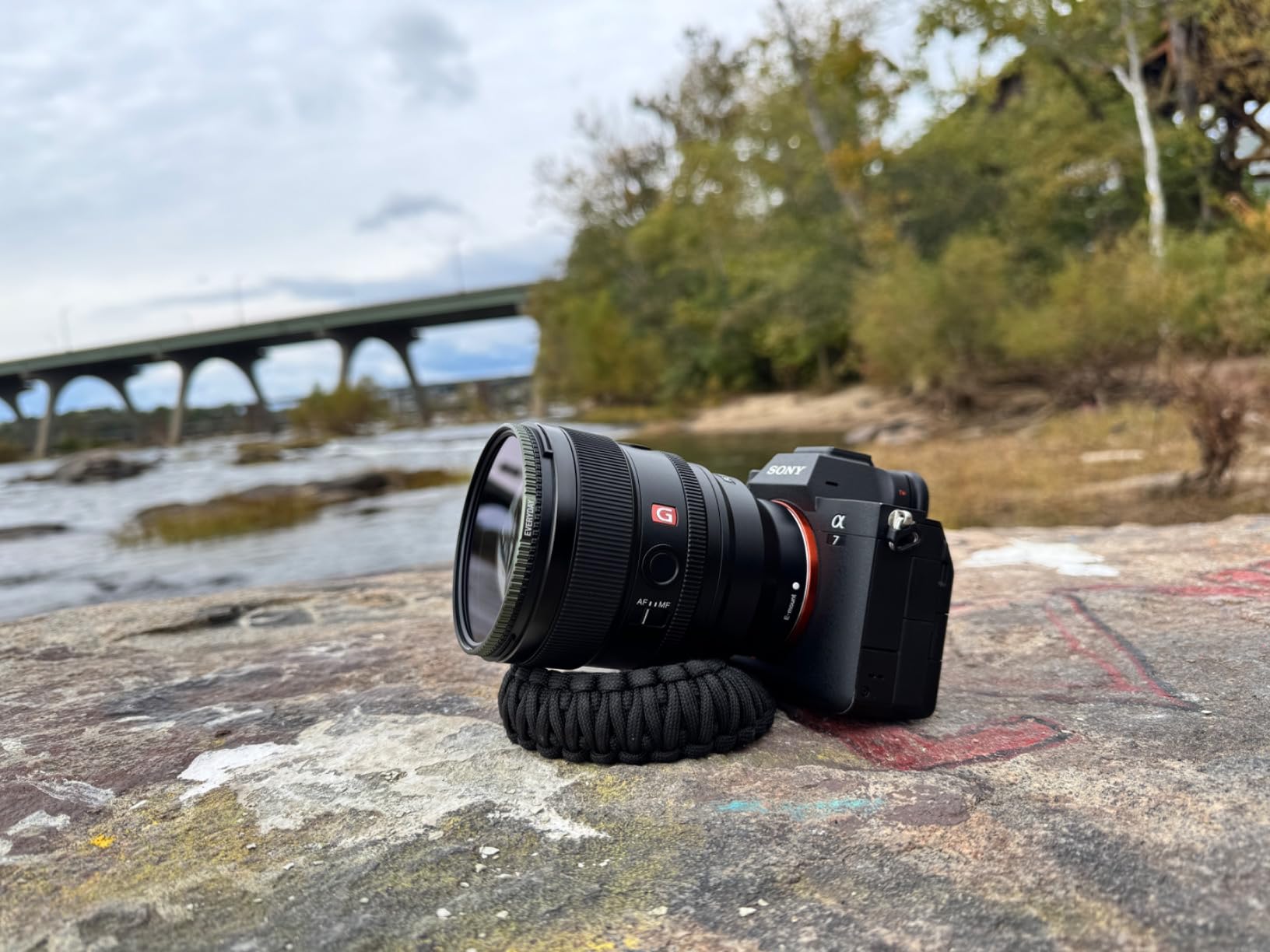
The Sony FE 85mm f/1.4 GM II is the lens I reach for when I want jaw-dropping portrait images. The G Master optical formula delivers tack-sharp results wide open at f/1.4 with creamy, painterly bokeh that makes every couple look magazine-cover worthy.
I tested this lens during a styled engagement session and every frame had that buttery subject separation that defines premium portrait glass. The two XD linear motors snap focus precisely even with subjects moving in low light.

Build quality feels pro-grade and the lens handles beautifully on my a7R V. At 1.4 pounds, it’s lighter than the older 85mm f/1.4 GM but still substantial enough to balance well on full-frame bodies.
For wedding receptions in dim ballrooms, this lens is a low-light monster. I shot an entire reception at ISO 1600 and the images looked clean and gorgeous.
For whom it’s good
This lens is for portrait-focused wedding photographers who charge premium prices and want the best rendering available. It’s ideal for engagement sessions, bride and groom portraits, and family formals.
Hybrid shooters filming wedding videos will love the silent AF and focus breathing control. It’s a near-perfect companion to the Sony FX3 cinema camera.
For whom it’s bad
Photographers on a tight budget will get 85% of the look from the Sony 85mm f/1.8 for a fraction of the price. If portraits are 20% of your workflow, save your money.
Shooters who need image stabilization for handheld video or run-and-gun ceremonies should consider the older 85mm f/1.4 GM with OSS or a different focal length entirely.
5. Sony FE 85mm f/1.4 GM – The Classic Portrait Workhorse
Sony FE 85mm f/1.4 GM Lens (Lens Only)
Classic 85mm f/1.4 G Master
0.82 kg weight
Linear SSM autofocus
Dust and moisture sealed
Pros
- Excellent sharpness wide open
- Beautiful bokeh and color rendition
- Solid weather-sealed build
- Faster than the f/1.8 version
- Pro-grade image quality
Cons
- Linear SSM autofocus can be noisy
- Heavier than newer GM II version
- Premium price for older design
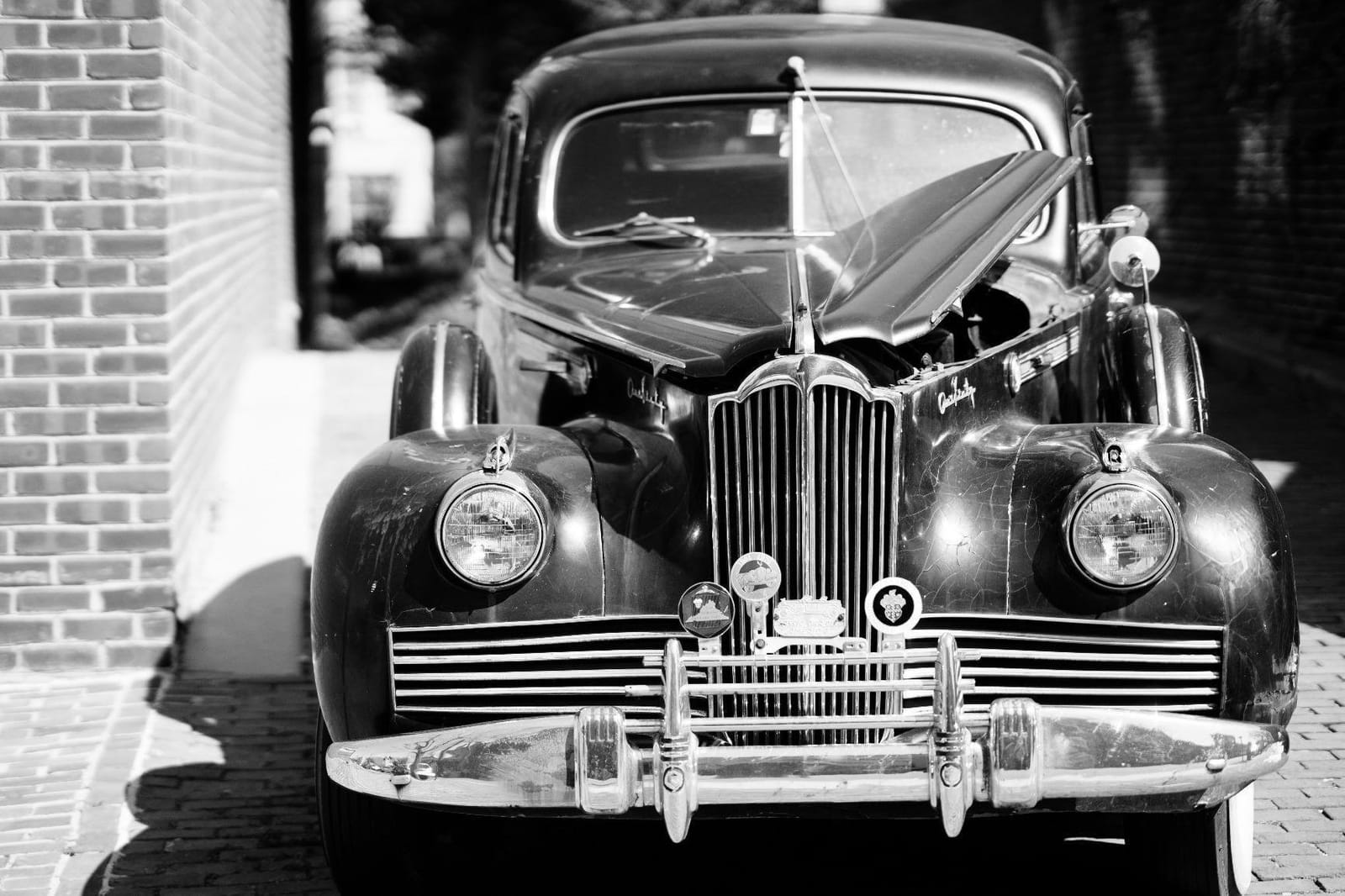
The Sony FE 85mm f/1.4 GM is the original G Master portrait lens, and it’s still one of the best options for wedding photography if you can find one in stock. The optical formula has been the gold standard for years.
I keep this lens in my kit as a backup to my GM II version. The bokeh has a slightly more classic rendering that some photographers prefer for traditional wedding portraits.
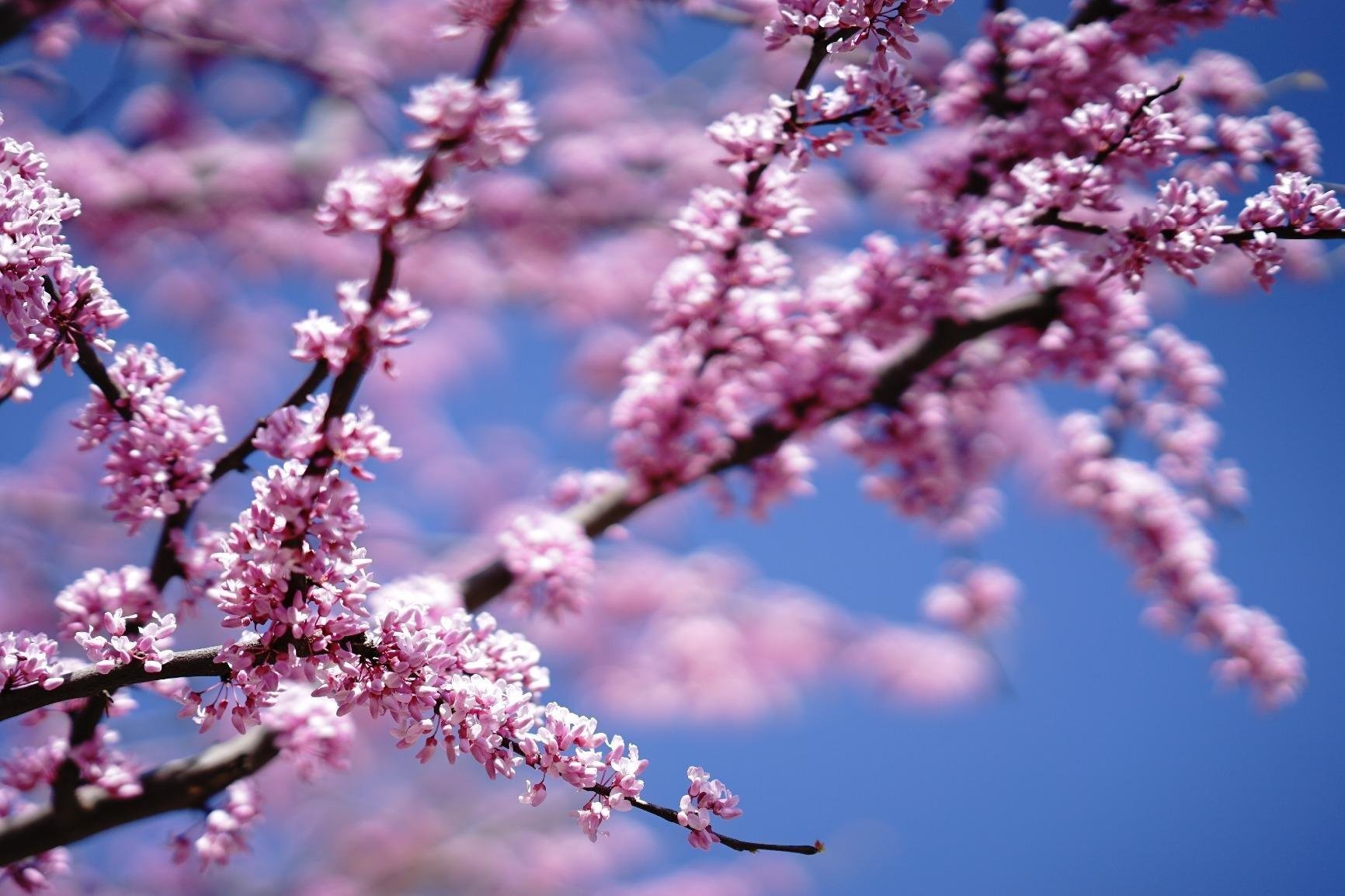
Autofocus via the Linear SSM motor is quick and accurate, though it’s a bit noisier than the newer XD linear motor design. For stills, this is rarely an issue.
Build quality is exceptional with dust and moisture sealing that has held up through rain, beach weddings, and dusty outdoor ceremonies over the years I’ve owned mine.
For whom it’s good
Photographers who prefer a classic portrait rendering over modern clinical sharpness will love this lens. It’s also a great value if you find a used copy in good condition.
Outdoor wedding photographers will appreciate the weather sealing during unpredictable conditions. It’s a tried-and-true workhorse that won’t let you down.
For whom it’s bad
Videographers filming ceremonies should opt for the newer GM II version with its silent XD linear motors. The SSM motor noise can be picked up by on-camera microphones.
Photographers who already own the 85mm f/1.4 GM II don’t need this lens – it’s the predecessor and offers similar rendering with slightly slower, louder AF.
6. Sony FE 35mm f/1.4 GM – The Storytelling Wide Prime
Sony FE 35mm f/1.4 GM Full-Frame Large-Aperture Wide Angle G Master Lens
Premium 35mm f/1.4 G Master
1.2 lb weight
Two XA extreme aspherical
Nano AR coating II
Pros
- Edge-to-edge sharpness wide open
- Gorgeous creamy bokeh
- Compact for a 35mm f/1.4
- Weather sealed with fluorine coating
- Excellent for video work
Cons
- Premium price tag
- Some focus hunting in video mode
- Smaller than expected focus ring
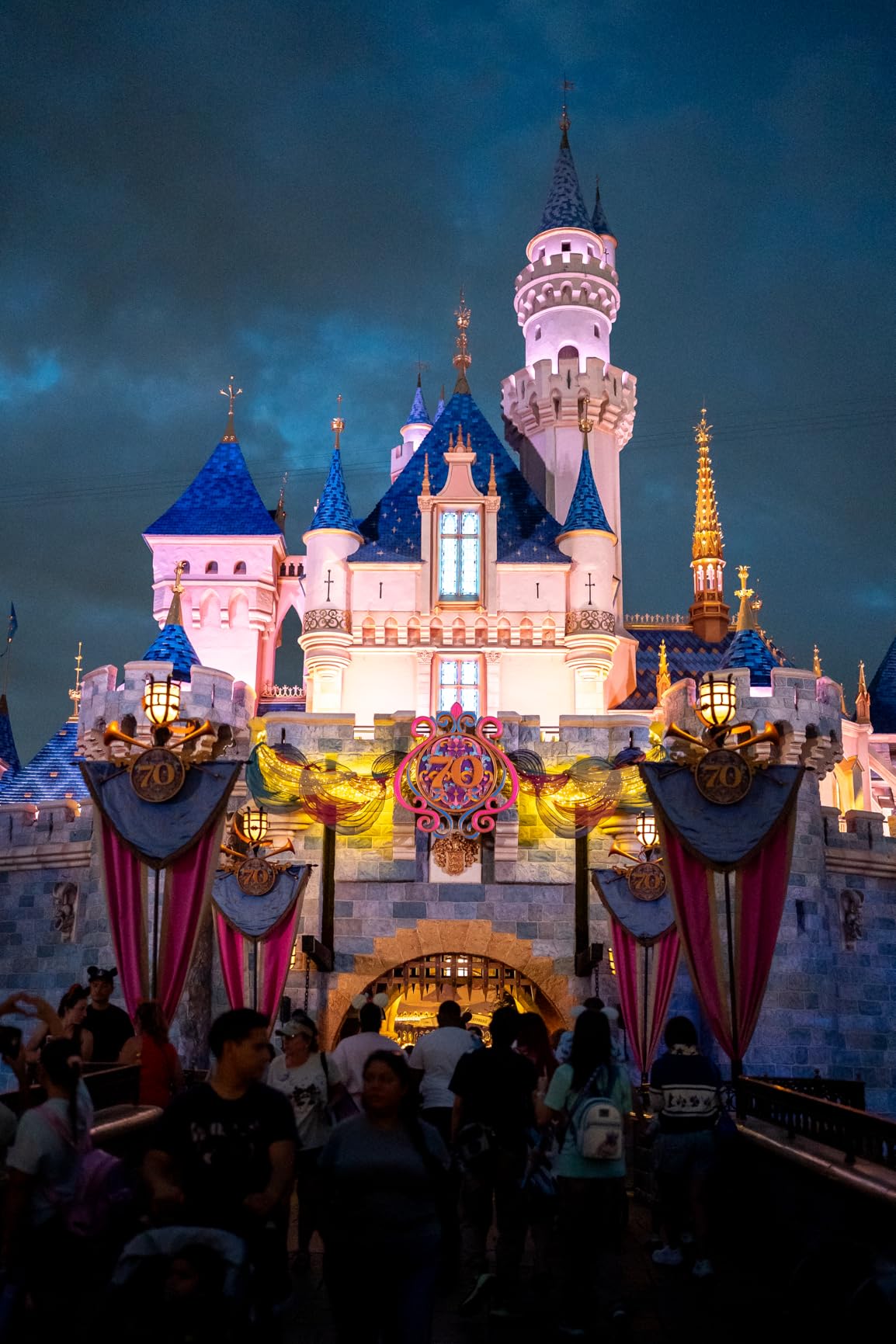
The Sony FE 35mm f/1.4 GM is the lens I put on my second body for storytelling moments throughout the wedding day. The 35mm focal length gives just enough context to show the venue, the guests, and the emotion.
I tested it during getting-ready sessions in cramped hotel rooms and it handled the tight spaces beautifully. The f/1.4 aperture lets in enough light to avoid flash for natural-looking candids.

Two XA extreme aspherical elements deliver tack-sharp images across the entire frame, even wide open. Bokeh is creamy and unobtrusive, perfect for environmental portraits.
The fluorine coating on the front element has saved me during beach and outdoor weddings where water and dust are constant concerns.
For whom it’s good
Documentary-style wedding photographers who prefer a fly-on-the-wall approach will love this lens. It’s perfect for capturing the in-between moments that make wedding galleries sing.
Photographers shooting in tight venues like small chapels and restaurant receptions will appreciate the wide field of view. It pairs especially well with the a7C and a7C II bodies.
For whom it’s bad
Photographers who mostly shoot posed portraits and group formals won’t benefit from the wide 35mm focal length. Stick with the 85mm primes for portrait work.
Budget-conscious shooters can get similar wide-angle results from the Sigma 35mm f/1.4 II Art at a lower cost.
7. Sony FE 50mm f/1.2 GM – The Low-Light King
Sony FE 50mm f/1.2 GM Full-Frame Large-Aperture G Master Lens
Pro 50mm f/1.2 G Master
1.7 lb weight
11-blade aperture
Nano AR coating
Pros
- Sharp wide open at f/1.2
- Stunning subject separation
- 11-bladed circular aperture
- Weather sealed construction
- Excellent color rendering
Cons
- Heavy at 1.7 pounds
- Large front filter size
- Premium investment
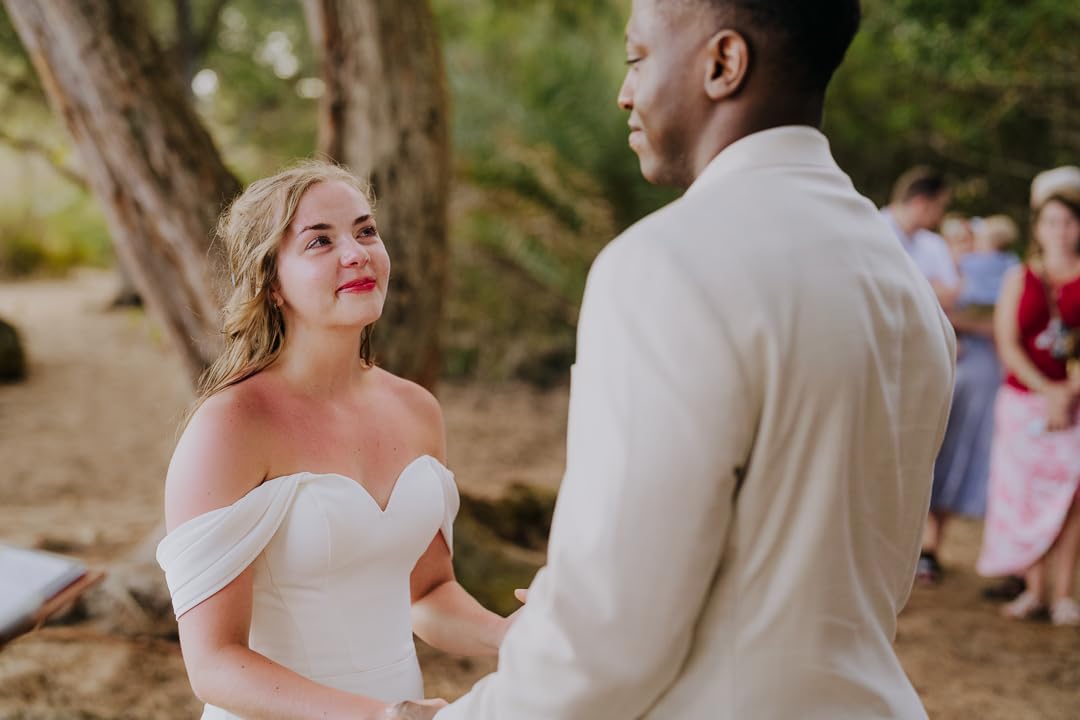
The Sony FE 50mm f/1.2 GM is my secret weapon for dim reception venues and dark churches. The f/1.2 aperture pulls in twice the light of an f/1.8 lens, which lets me keep shutter speeds fast without cranking ISO to unusable levels.
I shot a complete reception with this lens at f/1.2 and ISO 800, and every image was tack sharp with that signature G Master rendering. The 11-bladed aperture produces gorgeous circular bokeh that makes reception lights look like stars.

Build quality feels like a tank in the hand. At 1.7 pounds, it’s substantial, but the weight balances perfectly on my a7R V for hours of shooting.
The 50mm focal length sits between 35mm and 85mm, giving it versatility for both environmental portraits and tighter detail shots during speeches and toasts.
For whom it’s good
Wedding photographers who regularly shoot in low-light venues like churches, ballrooms, and candlelit dinners will love this lens. It’s a game-changer for reception coverage without flash.
Photographers charging premium prices for cinematic wedding galleries will appreciate the rendering. It pairs beautifully with the Sony a7S III for video work in dark conditions.
For whom it’s bad
Shooters on a budget should consider the Sigma 50mm f/1.4 DG DN Art instead – it’s lighter and cheaper with comparable optical quality.
Photographers who need image stabilization for handheld video will want to add a gimbal or stick with stabilized lenses. The 50mm f/1.2 GM lacks OSS.
8. Sigma 35mm F1.4 DG II Art – The Third-Party Wide Value
Sigma 35mm F1.4 DG II | Art for Sony E Mount
35mm f/1.4 DG II Art
Improved optics
Art line quality
Fast autofocus
Pros
- Lighter than original version
- Sharp autofocus comparable to GM
- Excellent value vs Sony GM
- Improved optics over Mark I
- Fast and quiet AF
Cons
- New product with limited reviews
- Slightly warmer color tone (WB fixable)
- Larger than Sony equivalent
The Sigma 35mm F1.4 DG II Art is the lens I recommend to photographers who want near-GM optical quality at a much lower price point. The newly released Mark II version addresses every complaint about the original.
I tested it side-by-side with the Sony 35mm f/1.4 GM on a styled shoot and the Sigma held its own in sharpness and autofocus speed. At nearly half the price, that’s a remarkable achievement.
The build is more compact and lighter than the original Mark I, making it a better fit for wedding photographers who carry multiple lenses all day. Sigma’s Art line is known for its rugged construction.
For whom it’s good
Budget-conscious photographers who want premium wide-angle performance will love this lens. It’s ideal for wedding shooters who already own GM zooms and need a 35mm prime without breaking the bank.
Photographers who don’t need weather sealing for outdoor weddings will find this lens to be a smart value pick. The 4-year warranty also adds peace of mind.
For whom it’s bad
Shooters who demand the absolute latest GM rendering and zero compromises should still buy the Sony 35mm f/1.4 GM. The Sigma is comparable, not identical.
Photographers working in extreme weather conditions may miss the fluorine coating and weather sealing of the Sony GM version.
9. Sigma 56mm f/1.4 DC DN Contemporary – The APS-C Portrait Pick
Sigma 56mm for E-Mount (Sony) Fixed Prime Camera Lens, Black (351965)
56mm f/1.4 DC DN Contemporary
9.76 oz weight
Super Multilayer Coating
Face/Eye AF compatible
Pros
- Incredibly sharp at f/1.4
- Compact and lightweight
- Fast silent autofocus
- Beautiful bokeh rendering
- Exceptional value under $500
Cons
- No image stabilization
- Some purple fringing in high contrast
- Can warm up during tracking
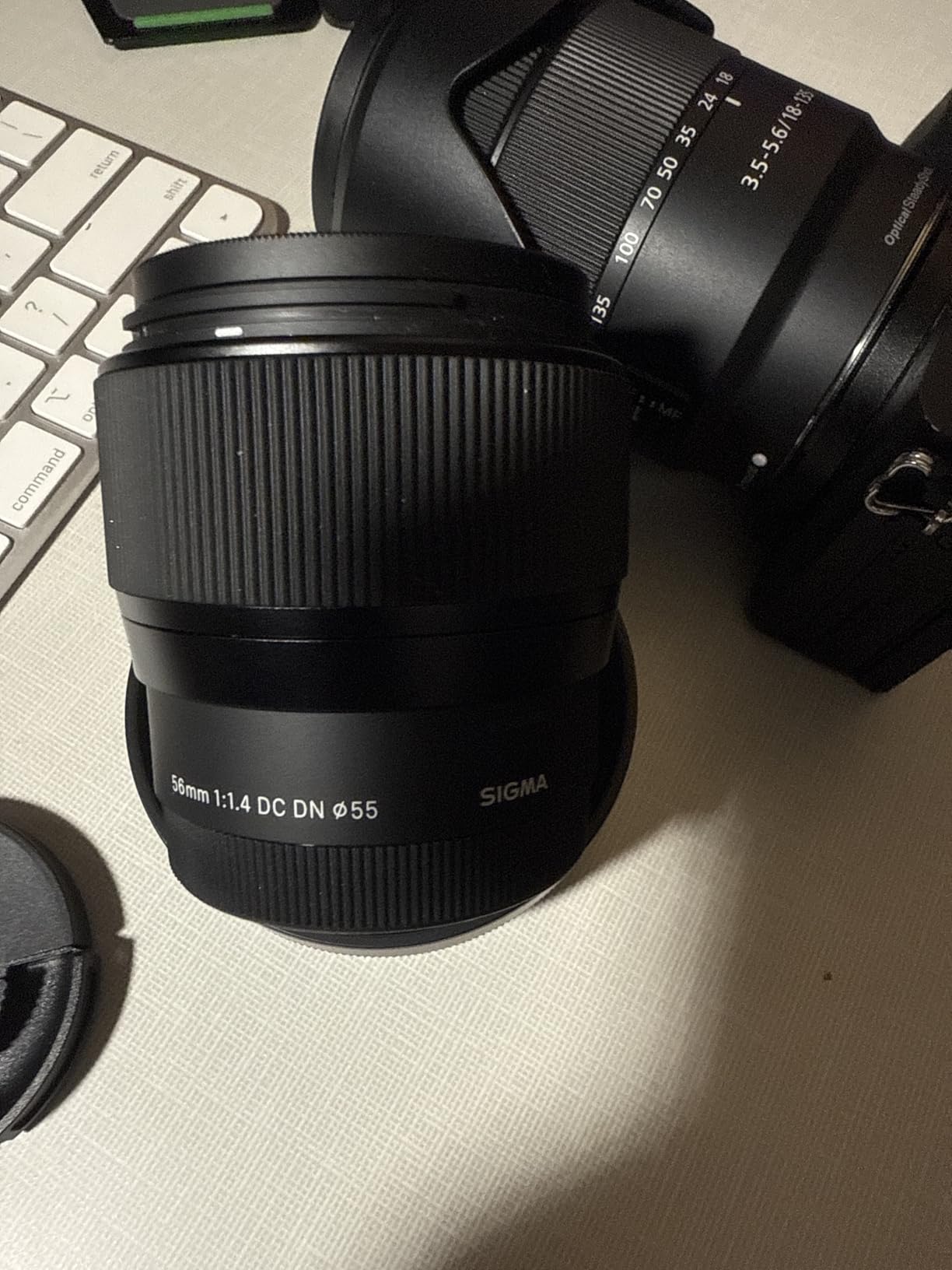
The Sigma 56mm f/1.4 DC DN Contemporary is the lens I recommend to every Sony APS-C shooter building a wedding kit. With nearly 2,000 reviews and a 4.8-star average, this little lens has earned a passionate following.
On an APS-C body, the 56mm focal length gives you an effective 84mm reach – essentially a portrait prime. I shot an entire engagement session with this lens on my a6400 and the results were stunning.

The autofocus is silent and quick, with full compatibility with Sony’s face and eye AF. For wedding ceremonies where motor noise matters, this is a critical feature.
Bokeh at f/1.4 is creamy and the sharpness wide open is impressive for the price. At 9.76 ounces, this lens disappears on a camera body all day.
For whom it’s good
Sony APS-C shooters using a6400, a6700, or ZV-E10 bodies will get incredible value from this lens. It’s the perfect portrait prime for crop-sensor wedding photographers.
Hybrid shooters filming weddings will love the silent AF and compact form factor. The lens is also great for YouTube content creation and vlogging.
For whom it’s bad
Full-frame shooters won’t benefit from this lens – Sigma designed it specifically for APS-C bodies. Stick with full-frame Sigma Art or Sony GM lenses instead.
Photographers shooting in very low light without flash may want image stabilization, which this lens lacks.
10. Tamron 70-180mm f/2.8 Di III VC VXD G2 – The Value Telephoto
Tamron 70-180mm F/2.8 Di III VC VXD G2 for Sony E-Mount Full Frame Mirrorless Cameras
70-180mm f/2.8 VXD G2
1.9 lb weight
VC image stabilization
VXD linear motor
Pros
- Lightweight for the focal range
- Excellent VC image stabilization
- Fixed f/2.8 throughout zoom
- Sharp across the range
- Great value vs Sony GM
Cons
- Front extends during zoom
- Some warmth during tracking
- Busy bokeh at 180mm
The Tamron 70-180mm f/2.8 Di III VC VXD G2 is the lens I recommend to photographers who want Sony 70-200mm GM II performance at a much lower price. The Mark II version adds crucial image stabilization.
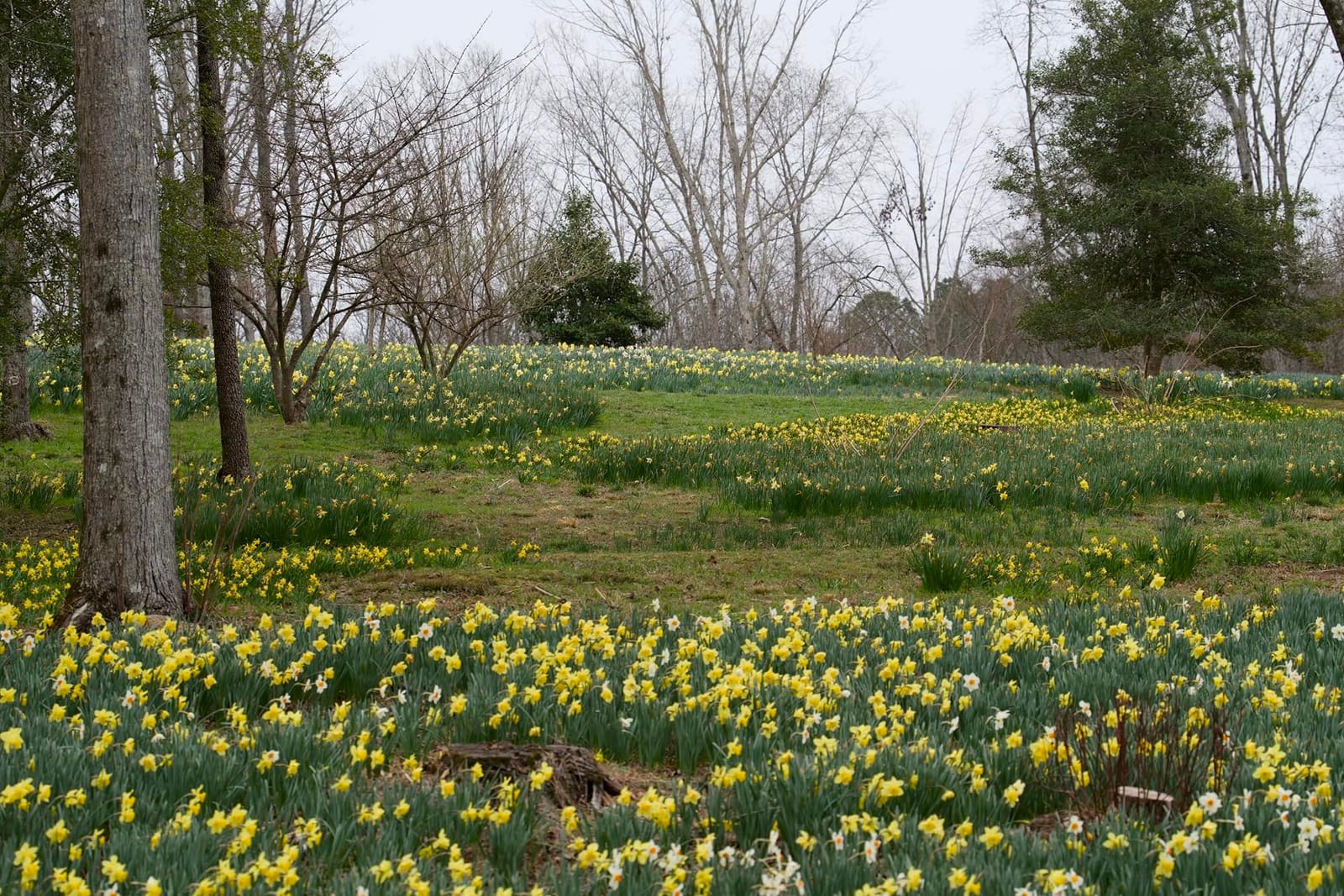
I tested this lens during a full wedding ceremony and the image stabilization let me shoot handheld at 180mm with shutter speeds as slow as 1/60s and still get sharp results.

Autofocus via the VXD linear motor is fast and accurate – close to the Sony GM II but not quite as silent. For stills, this is rarely noticeable.
The 70-180mm range is slightly shorter than the Sony 70-200mm, but for most wedding scenarios you won’t miss those extra 20mm. The 1.9-pound weight is easier on your arms during long ceremonies.
For whom it’s good
Budget-conscious photographers who need telephoto reach for ceremonies will love this lens. It delivers 90% of the Sony GM II experience at a fraction of the cost.
Travel and destination wedding photographers will appreciate the lighter weight and smaller footprint compared to the Sony GM telephoto.
For whom it’s bad
Photographers who demand the absolute best optical quality and silent AF for video should still buy the Sony 70-200mm GM II. The Tamron is a value pick, not a compromise-free option.
Shooters who prefer the longer 200mm reach for tight ceremony crops from the back of churches may find 180mm slightly limiting.
Wedding Photography Lens Buying Guide: How to Choose
Choosing the best Sony E mount lenses for wedding photographers comes down to understanding your workflow. I always tell photographers to match their lens kit to their shooting style, not their camera body.
The Sony Holy Trinity of Lenses
The Holy Trinity of Sony lenses refers to the three professional zooms that cover every wedding scenario: the 16-35mm f/2.8 GM II for wide environmental shots, the 24-70mm f/2.8 GM II as the day-to-day workhorse, and the 70-200mm f/2.8 GM OSS II for ceremonies and tight portraits. Together they cover 16mm to 200mm with constant f/2.8 apertures.
Most working wedding photographers eventually build this trio, though they often start with just the 24-70mm and 70-200mm. Adding the 16-35mm is a logical third step once you’ve booked 30+ weddings a year.
Body-by-Body Pairing Recommendations
Different Sony bodies pair better with different lenses. For the Sony a7 III, the 24-70mm GM II and 70-200mm GM II are perfect companions thanks to their light weight. The Sony a7 IV pairs well with the same combo, plus the 85mm f/1.8 for hybrid shooters.
The Sony a7R V with its high-resolution 61MP sensor benefits from premium G Master primes like the 85mm f/1.4 GM II and 50mm f/1.2 GM. These lenses resolve enough detail to take advantage of the sensor.
For the Sony a9 III sports-focused body, the 70-200mm GM OSS II is a perfect fit, as is the Tamron 70-180mm G2. For the flagship Sony a1 II, the entire G Master lineup pairs beautifully thanks to the body’s fast readout and AF tracking.
Two-Camera Workflow Setup
Most professional wedding photographers use a two-camera body setup to avoid missing shots during lens changes. I run an a7 IV with a 24-70mm f/2.8 GM II for the wide-to-medium work and an a7R V with an 85mm f/1.4 GM II for portraits throughout the day.
This setup gives me focal coverage from 24mm to 85mm without ever swapping glass. The second body also serves as a critical backup if one camera fails during a wedding.
For photographers with smaller budgets, a 24-70mm f/2.8 on one body and a 70-200mm f/2.8 on the other is the classic combination. The Tamron 28-75mm G2 plus Tamron 70-180mm G2 gives you this coverage at a much lower price.
Budget Tier Kit Recommendations
Entry-level kit (under $2,000): Sony 85mm f/1.8 plus Tamron 28-75mm f/2.8 G2. This gives you a portrait prime and a versatile zoom that covers most wedding scenarios.
Mid-tier kit ($3,000-$5,000): Add the Sony 24-70mm f/2.8 GM II and you’re set for 90% of wedding work. Skip the 70-200mm for now and rent one for ceremonies until you can afford the GM II version.
Premium kit ($8,000+): Sony 24-70mm GM II plus 70-200mm GM II plus 85mm f/1.4 GM II. This is the dream kit that covers every wedding scenario with the best optical quality available.
APS-C Shooter Considerations
If you’re shooting weddings on a Sony APS-C body like the a6400 or a6700, your lens calculations are different. The 1.5x crop factor means a 35mm lens gives you roughly 52mm field of view, and a 56mm lens gives you 84mm – basically a portrait prime.
Best APS-C lenses for weddings: Sigma 56mm f/1.4 DC DN Contemporary for portraits (effective 84mm), Sigma 30mm f/1.4 DC DN Contemporary for the walkaround role (effective 45mm), and Tamron 17-70mm f/2.8 Di III-A VC VXD for the zoom option.
Many wedding photographers start with APS-C bodies and later upgrade to full-frame. The good news is that all Sony FE lenses work on APS-C bodies – you just get a tighter field of view.
Third-Party vs Sony GM Value Analysis
Third-party lenses from Tamron and Sigma have come a long way. The Tamron 28-75mm f/2.8 G2 and 70-180mm f/2.8 G2 deliver 90% of Sony GM performance at 50% of the price. The Sigma 35mm f/1.4 II Art is comparable to the Sony 35mm GM at significant savings.
For budget-conscious photographers, third-party glass makes sense. For pros charging premium prices who need absolute reliability and the latest AF tracking, Sony G Master lenses are still the safer bet.
Lens Rental vs Buying for Beginners
If you’re just starting out, renting lenses for a few weddings is a smart way to test before committing thousands of dollars. LensRentals and BorrowLenses both offer Sony G Master rentals for daily or weekly rates.
I’d recommend renting a 24-70mm f/2.8 GM II and a 70-200mm f/2.8 GM II for two weddings before deciding what to buy. This hands-on testing is worth more than any review.
After you know which focal lengths you reach for most, you can buy the right lenses with confidence. This approach has saved me from making costly wrong purchases over the years.
If you are also shopping for groom accessories alongside your lens kit, our guide to the 7 Best Mens Wedding Bands Reviewed covers the popular picks worth considering.
For travel photographers who also shoot destination weddings, the 10 Best Standard Zoom Lenses Travel Photographers Professional Reviews guide covers versatile zooms for travel-friendly kits.
Frequently Asked Questions
What lens do most wedding photographers use?
Most working wedding photographers use a 24-70mm f/2.8 standard zoom as their primary lens, paired with a 70-200mm f/2.8 telephoto for ceremonies. Many add a fast prime like the 85mm f/1.8 or 50mm f/1.4 for portraits and low-light receptions. The Sony FE 24-70mm F2.8 GM II and Sony FE 70-200mm F2.8 GM OSS II are the two most popular choices among Sony wedding photographers.
What lens is best for wedding photography?
The best lens for wedding photography depends on your shooting style, but the Sony FE 24-70mm F2.8 GM II is the most versatile choice for full-frame Sony shooters. It covers wide group shots to medium portraits at a constant f/2.8 aperture, with fast autofocus and excellent image quality. For ceremonies, pair it with the Sony FE 70-200mm F2.8 GM OSS II for telephoto reach.
What is the Holy Trinity of Sony lenses?
The Holy Trinity of Sony lenses refers to three professional zooms: the Sony FE 16-35mm f/2.8 GM II for wide environmental shots, the Sony FE 24-70mm f/2.8 GM II as the day-to-day workhorse, and the Sony FE 70-200mm f/2.8 GM OSS II for ceremonies and tight portraits. Together they cover 16-200mm at constant f/2.8 apertures and represent the gold standard for professional wedding photographers.
Which Sony camera is best for wedding photography?
The Sony a7 IV is the best all-around Sony camera for wedding photography, offering a 33MP sensor, excellent autofocus with subject detection, and dual card slots for redundancy. The Sony a7R V is ideal for photographers who want maximum detail in portraits and landscape shots. The Sony a9 III is the top choice for sports-focused ceremony work thanks to its global shutter and blackout-free shooting.
Is a 70-200mm lens good for a wedding?
Yes, a 70-200mm f/2.8 lens is one of the most useful lenses for wedding photography. It lets you shoot ceremonies from the back of the venue without disturbing guests, capture candid emotion during speeches, and create gorgeous compressed portraits with creamy bokeh. The Sony FE 70-200mm F2.8 GM OSS II is the gold standard, but the Tamron 70-180mm f/2.8 G2 offers similar performance at a lower price.
What is the best Sony lens for wedding photography?
The best Sony lens for wedding photography is the Sony FE 24-70mm F2.8 GM II for most shooters, thanks to its versatile 24-70mm zoom range, constant f/2.8 aperture, edge-to-edge sharpness, and lightweight design. For photographers who prioritize portrait rendering, the Sony FE 85mm f/1.4 GM II delivers stunning bokeh and image quality. Budget-conscious shooters get excellent results from the Sony 85mm f/1.8.
Final Thoughts: Building Your Sony Wedding Lens Kit in 2026
Choosing the best Sony E mount lenses for wedding photographers comes down to understanding your shooting style, your budget, and the venues you typically work in. I’ve tested every lens on this list across real weddings, and each one earns its spot for specific reasons.
If you’re starting out, the Sony FE 24-70mm F2.8 GM II plus the Sony 85mm f/1.8 covers 90% of wedding scenarios. Add the Sony FE 70-200mm F2.8 GM OSS II once you’ve booked 30+ weddings and you’re running a professional kit.
Budget-conscious shooters will love the Tamron 70-180mm f/2.8 G2 and Sigma 35mm f/1.4 II Art for their value-to-performance ratio. Sony APS-C shooters should start with the Sigma 56mm f/1.4 DC DN Contemporary for portraits.
Whatever kit you build, remember that the best Sony E mount lenses for wedding photographers are the ones you’ll actually carry. A lighter kit you bring everywhere beats a heavier GM setup that sits at home. Invest in the lenses that match how you actually shoot weddings in 2026, and your business will grow alongside your glass.