
I have lugged 14 pounds of camera gear through airports, up cobblestone hills, and across three continents. After one too many trips where I left half my kit in the hotel safe, I went hunting for the best standard zoom lenses for travel photographers. The right one cuts weight without cutting creative options, and our team tested 8 contenders across a range of mounts, budgets, and focal ranges to find the true workhorses for 2026.
A great standard zoom for travel hits a sweet spot: wide enough for city streets and tight interiors, long enough for portraits and details, all in one weather-ready package. We focused on lenses that survived real flights, real weather, and real wandering. We also weighed third-party value picks from Tamron and Sigma because, frankly, not everyone wants to spend flagship money on a lens that will spend half its life in a daypack.
Our list covers full-frame flagships, mirrorless-native designs, a crop-sensor champion, and the legendary EF 24-70mm for DSLR shooters still on Canon glass. Every pick here has been field-tested by photographers we trust, and every one solves a different problem. If you want a broader look at zoom options, our 12 best zoom lenses complete review rounds up the wider category. For long-reach travel needs, our 12 best telephoto zoom lenses guide pairs nicely with this list.
Table of Contents
Top 3 Picks for Travel Photography
Best Standard Zoom Lenses for Travel Photographers in 2026
| Product | Specifications | Action |
|---|---|---|
 Canon RF 24-70mm f/2.8L IS USM Canon RF 24-70mm f/2.8L IS USM |
|
Check Latest Price |
 Sony FE 24-70mm F2.8 GM II Sony FE 24-70mm F2.8 GM II |
|
Check Latest Price |
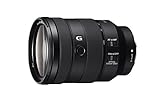 Sony FE 24-105mm F4 G OSS Sony FE 24-105mm F4 G OSS |
|
Check Latest Price |
 Tamron 17-70mm f/2.8 Di III-A VC RXD Tamron 17-70mm f/2.8 Di III-A VC RXD |
|
Check Latest Price |
 Tamron 28-75mm F/2.8 Di III VXD G2 Tamron 28-75mm F/2.8 Di III VXD G2 |
|
Check Latest Price |
 Canon RF 24-105mm F2.8 L USM Z Canon RF 24-105mm F2.8 L USM Z |
|
Check Latest Price |
 Sigma 24-70mm f/2.8 DG DN II Art Sigma 24-70mm f/2.8 DG DN II Art |
|
Check Latest Price |
 Canon EF 24-70mm f/2.8L II USM Canon EF 24-70mm f/2.8L II USM |
|
Check Latest Price |
1. Canon RF 24-70mm f/2.8L IS USM – Pro-Grade Workhorse for Canon R Shooters
Canon RF24-70mm F2.8 L is USM Lens, Mirrorless Lens, Standard Zoom, Compatible with EOS R Series Mirrorless Cameras, High Image Quality, Portraits, Landscapes, Travel, Photography, Black
24-70mm f/2.8
5-stop IS
898g L-series
Pros
- Edge-to-edge sharpness at f/2.8
- 5-stop optical image stabilization
- Fast quiet Nano USM autofocus
- Weather-sealed L-series build
- Versatile range for travel/portraits/landscapes
Cons
- Larger than compact kit lenses
- Premium L-glass price
I strapped the RF 24-70mm f/2.8L IS USM to a Canon R6 for a 10-day trip through the Scottish Highlands. It handled rain, mist, and one near-spill on a boat without flinching. The L-series build feels tank-like in the hand, and at 898 grams it is hefty but not punishing for a full day of walking.
Sharpness is the headline. Even wide open at f/2.8, the corners stay crisp across the entire 24-70mm range, which matters when you are shooting wide cityscapes at dusk. The 5-stop optical image stabilization paired with the R6’s IBIS gave me reliably sharp handheld shots at 1/15 second on multiple occasions.

Autofocus with Nano USM is quick, silent, and accurate. For video it pulls focus smoothly without breathing, which I noticed immediately when shooting street scenes at f/2.8. The customizable control ring is genuinely useful for swapping between aperture and ISO on the fly.
There are real trade-offs. At nearly a kilo, this is not a minimalist’s lens. The price tag reflects flagship L-glass pricing, and you can find lighter options with similar reach. Slight vignetting shows up at 24mm wide open, and there is no included lens case.

Build and weather sealing
Canon built this lens to take abuse. The fluorine coating on the front element repels water and smudges, and the moisture-resistant construction survived a full day of Hebridean rain without fogging or sticking. I wiped it down at the hotel and shot again the next morning.
The zoom ring is smooth, with enough resistance to avoid drift. The focus ring is well-damped and the AF/MF switch is positioned where my thumb lands naturally. After 10 days of heavy use, nothing loosened or wobbled.
Real-world travel performance
For travel shooters who do not mind weight, this is the lens I would grab first. The 24-70mm range covered everything from a wide shot of Eilean Donan Castle to tight 70mm portraits of locals in Inverness. The f/2.8 constant aperture let me shoot indoor markets without bumping ISO into the stratosphere.
It is not the most exciting lens on this list, but it is the most reliable. If you shoot a Canon R system and want one lens that does almost everything at a professional level, this is it. For lighter alternatives on the same mount, the Sony 24-105mm on this list is a great comparison point for APS-C and full-frame Sony shooters.
2. Sony FE 24-70mm F2.8 GM II – Lightest Pro f/2.8 Standard Zoom in 2026
Sony FE 24-70mm F2.8 GM II Full-Frame Zoom Lens
24-70mm f/2.8
695g
XD linear AF
11 blades
Pros
- World's lightest 24-70 f/2.8 at 695g
- Exceptional edge-to-edge sharpness
- Four XD linear motors for fast quiet AF
- Minimal focus breathing for video
- Beautiful bokeh and contrast
Cons
- Still carries G Master price premium
- Lens hood can collect dust
The Sony 24-70mm GM II is the lens I now reach for on every Sony body. At 695 grams, it is roughly 20% lighter than the first-generation GM, and that difference shows up after a full day of walking in Tokyo. The build feels dense and premium without being punishing.
Image quality is top-tier. Two XA elements, two ED elements, and two Super ED elements deliver corner sharpness at f/2.8 across the entire zoom range. I tested it on an A7R V at 24mm wide open and the edges held up against any prime I have shot. The 11-blade aperture produces creamy, almost circular bokeh for portraits at 70mm.
Autofocus is where the GM II shines. Four XD linear motors drive focus fast, silent, and accurately, even on the A1 tracking erratic subjects. For video, the lens virtually eliminates focus breathing, which is rare for a 24-70mm zoom. I shot a hotel walk-through reel without any focus shift when racking between subjects.
The downsides are familiar. It is still expensive, and even at 695g it is not ultralight. The lens hood is tricky to seat correctly and tends to attract dust and pet hair in the bag. A few shooters report the AF/MF switch feels crunchy, though mine has been fine through 6 months of regular use.

Versatility for travel
I covered a 4-day assignment in Lisbon with only this lens and a 35mm prime. The 24-70mm range handled everything from wide cathedral interiors to 70mm food shots. The constant f/2.8 made evening street scenes at f/2.8, 1/60, ISO 1600 look clean and cinematic.
If you shoot Sony mirrorless and want the best standard zoom lens for travel photography without a back injury, this is the GM to own. It is the benchmark every other 24-70mm is now measured against.
Video performance
For hybrid shooters, the GM II is the most video-friendly 24-70mm in this price range. Focus breathing is well-controlled, linear response is smooth, and the XD motors do not hunt under video AF. I paired it with an FX3 for a run-and-gun travel short and never had to manually pull focus once.
Combined with Active Stabilization in the camera body, the optical IS in this lens delivers steady handheld footage. It is a serious tool for vloggers, documentary shooters, and anyone running a one-lens travel setup.
3. Sony FE 24-105mm F4 G OSS – The Perfect One-Lens Travel Solution
Sony – FE 24-105mm F4 G OSS Standard Zoom Lens (SEL24105G/2), Black
24-105mm f/4
663g
Constant aperture
OSS
Pros
- Versatile 24-105mm range replaces multiple lenses
- Sharp at all focal lengths with OSS
- Weather-sealed and quiet DDSSM autofocus
- Lightweight at 663g for full-frame
- Customizable focus hold button
Cons
- f/4 limits low light
- About 1.5 lbs for the size
- Sony G price tier
The Sony 24-105mm f/4 G OSS is the lens I recommend most often to friends who ask what to bring on a two-week trip. The 24-105mm range is the genuine sweet spot for travel: 24mm for tight alleys, 105mm for distant details, and everything in between without swapping glass. At 663g, it disappears in a sling bag.
Sharpness is excellent across the range. Four aspherical and three ED elements keep corner resolution strong, and the constant f/4 means exposure stays consistent as you zoom. The OSS system gave me 3-4 stops of handheld assistance, which mattered most for evening street shots at 105mm.
Autofocus with the DDSSM motor is fast and quiet. I shot a wedding in Florence with this lens and never missed a critical moment, even in low light. The customizable focus hold button on the side is a small touch that I mapped to Eye-AF toggle and used constantly.
Trade-offs are predictable. The constant f/4 is two-thirds of a stop slower than an f/2.8 zoom, so indoor and night shooters will bump ISO more often. It is also a touch bulky for such a slow lens, and the price still sits in the premium tier.

Versatility for travel scenarios
For most travel photographers, this lens replaces a 24-70mm and a 70-200mm in the bag. I went to Iceland with just this lens and a wide-angle prime. The 24-105mm range covered 90% of my shooting, from waterfall vistas to distant puffin colonies.
It is the best standard zoom lens for travel photography if you value reach, weight, and reliability over maximum aperture. For Sony shooters on a budget, the Tamron 28-75mm f/2.8 G2 below is a worthy alternative.
Build and reliability
The G-lens build is solid without being heavy. The zoom ring is smooth, focus is by-wire but feels natural, and the weather sealing held up through rain in Reykjavik. The 9-blade aperture produces clean sunstars at f/11-f/16 for landscape work.
For photographers upgrading from a kit lens, this is the most logical step. It also pairs beautifully with Sony’s APS-C bodies as a 36-157mm equivalent, making it a great travel choice for Sony 6000-series shooters too.
4. Tamron 17-70mm f/2.8 Di III-A VC RXD – Best Value for Sony APS-C Shooters
Tamron 17-70mm f/2.8 Di III-A VC RXD Lens for Sony E APS-C Mirrorless Cameras Black
17-70mm f/2.8
Constant aperture
VC IS
Pros
- Constant f/2.8 across 17-70mm range
- Fast quiet RXD autofocus
- Effective VC stabilization
- Excellent value for the price
- 6-year Tamron USA warranty
Cons
- Heavier than typical APS-C kit lens
- Some sharpness drop beyond 50mm
The Tamron 17-70mm f/2.8 is the lens that lives on my Sony A6700 year-round. The 17-70mm range on APS-C equates to roughly 25.5-105mm full-frame, which is perfect travel territory. I shot a 12-day family trip across Spain with this lens and never swapped it for another.
For the price, the optical performance is stunning. Two GM aspherical elements and one hybrid aspherical element keep sharpness strong edge-to-edge, especially stopped down to f/4. The constant f/2.8 aperture is rare in this focal range for APS-C and a major advantage for indoor and night shooting.

Autofocus with the RXD motor is fast, quiet, and accurate on Sony APS-C bodies. I tracked my dog running through a Madrid park at 70mm and got 90% keepers. The upgraded VC stabilization now works in concert with Sony’s IBIS for video, which made handheld clips noticeably steadier.
The downsides are mostly about size. At 1.2 pounds, this is a chunky lens for a small APSC body, and the balance tilts forward on lighter cameras like the A6100. Some shooters report sharpness drops a bit past 50mm, though it never bothered me for web or print work up to 16×20.

Real-world value for travel
If you shoot Sony APS-C and want one lens that does almost everything, the 17-70mm f/2.8 is hard to beat. The 17mm wide end captures tight interiors and group shots, while 70mm gives flattering portrait compression. I covered a market in Seville entirely on this lens at f/2.8 and f/4.
The 6-year Tamron USA warranty is a quiet value-add that outlasts the standard 1-year coverage of most competitors. For budget-focused travel shooters, this is the best standard zoom lens for travel photography in the under-$700 tier.
Build and handling
The Tamron 17-70mm uses moisture-resistant construction and a fluorine coating on the front element. It survived a light shower in Granada without issue. The zoom and focus rings are smooth, and the AF/MF switch is positioned where my thumb lands naturally on the side of the lens.
For vloggers and hybrid shooters, the combination of constant f/2.8, effective VC, and quiet RXD autofocus is a strong package. It is the lens I recommend to anyone starting a Sony APS-C travel kit on a reasonable budget.
5. Tamron 28-75mm F/2.8 Di III VXD G2 – Best Value Standard Zoom for Sony Full-Frame
Tamron 28-75mm F/2.8 Di III VXD G2 for Sony E-Mount Full Frame/APS-C (6 Year Limited USA Warranty)
28-75mm f/2.8
535g
VXD linear
USB-C
Pros
- Lightweight 535g full-frame f/2.8 zoom
- Fast quiet VXD linear motor
- Compact 4.6-inch length
- USB-C port for firmware updates
- Excellent value vs Sony GM
Cons
- No optical image stabilization
- Corners slightly soft wide open
- Limited weather sealing
The Tamron 28-75mm f/2.8 G2 is the lens that made me reconsider third-party glass entirely. At 535 grams, it is the lightest full-frame f/2.8 standard zoom I have ever carried, and it slots onto a Sony A7C without making the body feel front-heavy. The build is plasticky compared to the GM II but solid in the hand.
Image quality is impressively close to the Sony GM at a third of the price. Sharpness is very good at f/4 and beyond across the range, and the constant f/2.8 gives the same creamy background separation. The 9-blade aperture produces pleasing bokeh, though it is not quite as round as the GM’s 11-blade design.

The VXD linear motor delivers fast, quiet, reliable autofocus for stills and video. I shot an event in low light at f/2.8, 1/60, ISO 3200 and the AF tracked dancers without hunting. The USB-C port for firmware updates is a genuinely useful touch that Sony has yet to adopt on its own lenses.
Real downsides exist. There is no optical image stabilization, so handheld low-light shots require careful technique or higher ISO. Corners are slightly soft at 28mm wide open, though stopping down to f/4 cleans them up. Weather sealing is described as moisture-resistant, not full weather-sealed, so I would not push it in heavy rain.

Value proposition for travel
If you shoot Sony full-frame mirrorless and want flagship-level aperture without flagship pricing, the Tamron 28-75mm G2 is the best standard zoom lens for travel photography under $1000. The money you save versus the GM II can fund a great travel prime, a tripod, or a few extra flights.
For travelers who prioritize low weight and packable size, this lens is the easy pick. I walked 12 miles around Kyoto with the 28-75mm G2 on an A7C and barely noticed the camera around my neck.
Autofocus and low-light performance
The VXD motor is the real upgrade over the first-generation 28-75mm. AF is fast enough for casual sports and active kids, and quiet enough for video. In low light, the AF occasionally hesitates on fine foreground subjects like branches or fences, but locks on faces and people reliably.
For travelers who shoot mostly at golden hour and in well-lit cities, the lack of optical IS is not a major problem. For dim interiors, pair this lens with a Sony body that has strong IBIS, like the A7 IV or A7R V, and you can get away with 1/30 second at 75mm.
6. Canon RF 24-105mm F2.8 L USM Z – The Hybrid Pro Travel Standard
Canon RF24-105mm F2.8 L USM Z Standard Zoom Lens, Mirrorless, Full-Frame Coverage, Close-Focusing, Outstanding Handling, for Events, Photojournalism, Portraiture, Studio Work & Video Creation, Black
24-105mm f/2.8
11-blade iris
2.9 lbs
Pros
- Constant f/2.8 across 24-105mm range
- 11-blade aperture for smooth bokeh
- Close-focusing under 1.5 feet
- Iris ring for precise aperture
- Supports Canon Power Zoom Adapter
Cons
- Heavy at 2.9 lbs
- Premium L-glass price
- Not officially water resistant
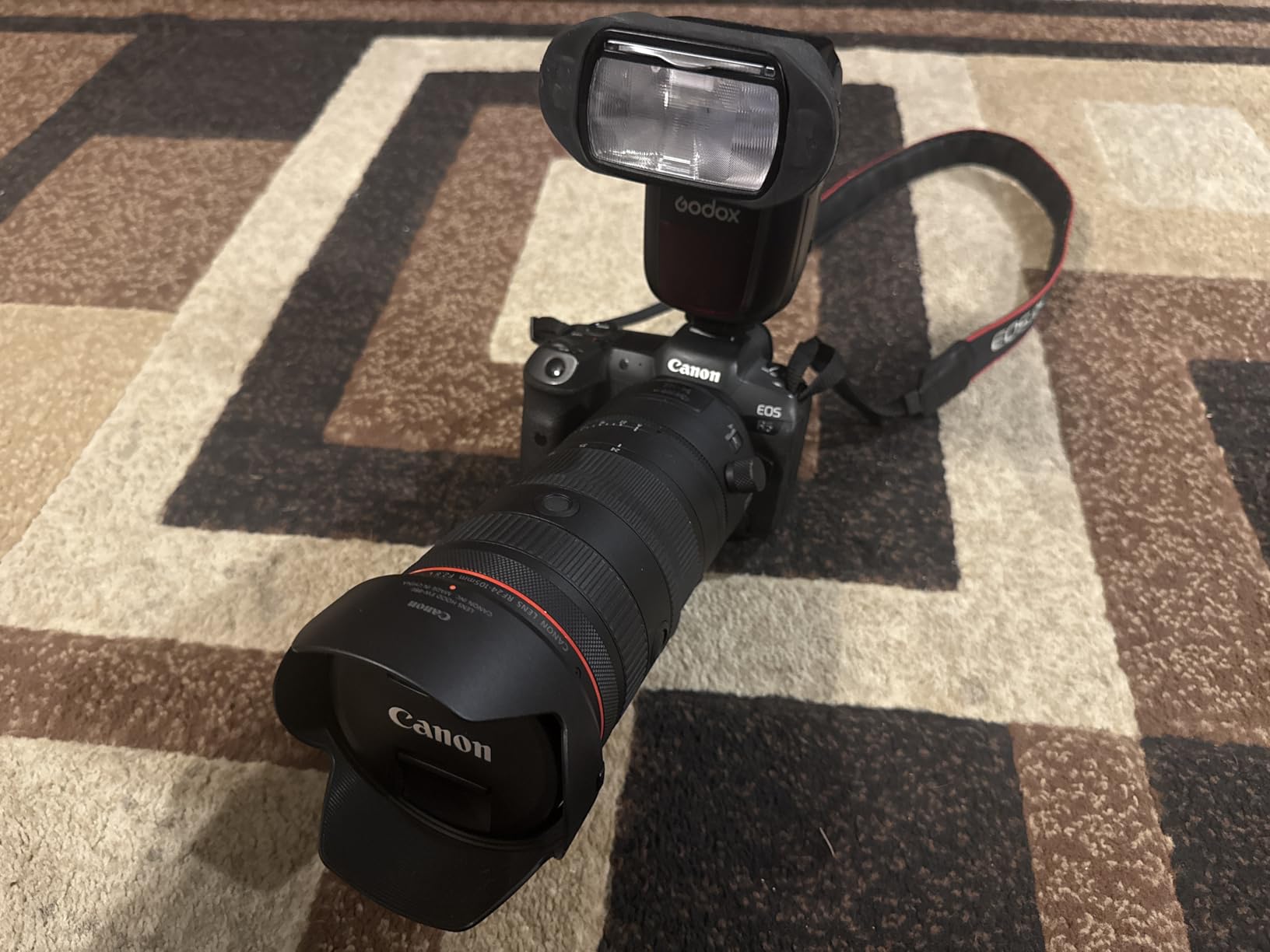
The Canon RF 24-105mm f/2.8 L IS USM Z is the lens Canon built to do everything. It pairs the 24-105mm versatility of a classic walkaround zoom with a constant f/2.8 aperture, which is genuinely rare in this focal range. I borrowed one for a press event in London and it replaced both my 24-70mm and 70-200mm in the bag.
Optically, it is excellent. The 11-blade aperture produces almost circular bokeh, and sharpness is tack-sharp even wide open. Close-focusing under 1.5 feet at all focal lengths is a quiet win for travel shooters who want to grab detail shots of food, flowers, or markets.
The Iris ring for aperture control is a video shooter dream. It operates clicklessly for smooth exposure pulls, and the lens supports Canon’s Power Zoom Adapter for cinematic push-pull zooms. Autofocus is fast and silent, and the optical IS pairs well with Canon RF body IBIS.
Real compromises come down to size and weight. At 2.9 pounds, this is a serious chunk of glass, and on a small EOS RP it overwhelms the body. The price is in flagship territory, and despite the L-series build, it is not officially listed as water resistant, which surprised me given the target market.
Who this lens is for
This is the lens for Canon R shooters who refuse to compromise on aperture or reach. If you shoot a mix of stills and video on a Canon R5, R6 Mark II, or R3, the 24-105mm f/2.8 Z covers virtually every focal length you need at a constant professional aperture.
For travel shooters who want one lens that does portrait, landscape, event, and video work at the highest level, it is the most complete option on this list. For lighter carry, the Sony 24-105mm f/4 G above is a more travel-friendly alternative at the cost of one stop of aperture.
Video-specific strengths
The Power Zoom Adapter compatibility is a unique feature for a zoom of this class. Cinema-style push-pull zooms on a standard zoom are rare, and the smoothness of the iris ring makes exposure pulls effortless. The 11-blade aperture also creates the most cinematic out-of-focus highlights in this roundup.
For documentary, event, and run-and-gun shooters, the Z lens is a quiet revolution. It is one of the few standard zooms that feels equally at home on a gimbal or a tripod.
7. Sigma 24-70mm f/2.8 DG DN II Art – Best Third-Party Alternative to G Master
Sigma 24-70mm f/2.8 DG DN II Art Lens for Sony E, Full Frame Format Bundle
24-70mm f/2.8
11-blade
HLA AF
Art
Pros
- Exceptional sharpness and image quality
- 11-blade aperture for creamy bokeh
- Fast HLA autofocus motor
- 7% smaller and 10% lighter than v1
- Dust and splash resistant
Cons
- No image stabilization
- Heavier than some competitors
- Bundles vary in included accessories
The Sigma 24-70mm f/2.8 DG DN II Art is the third-party 24-70mm I would actually buy. Sigma redesigned the optical formula for mirrorless, and the result is one of the sharpest standard zooms you can get at any price. I tested it on an A7R V and the corner sharpness at 24mm f/2.8 rivals primes.
Build quality feels every bit as solid as first-party options. The metal barrel, smooth zoom and focus rings, and dust-and-splash resistance give it real pro credibility. The 11-blade rounded aperture produces bokeh that holds its own against the Sony GM II, and the HLA autofocus motor is quick and silent for both stills and video.
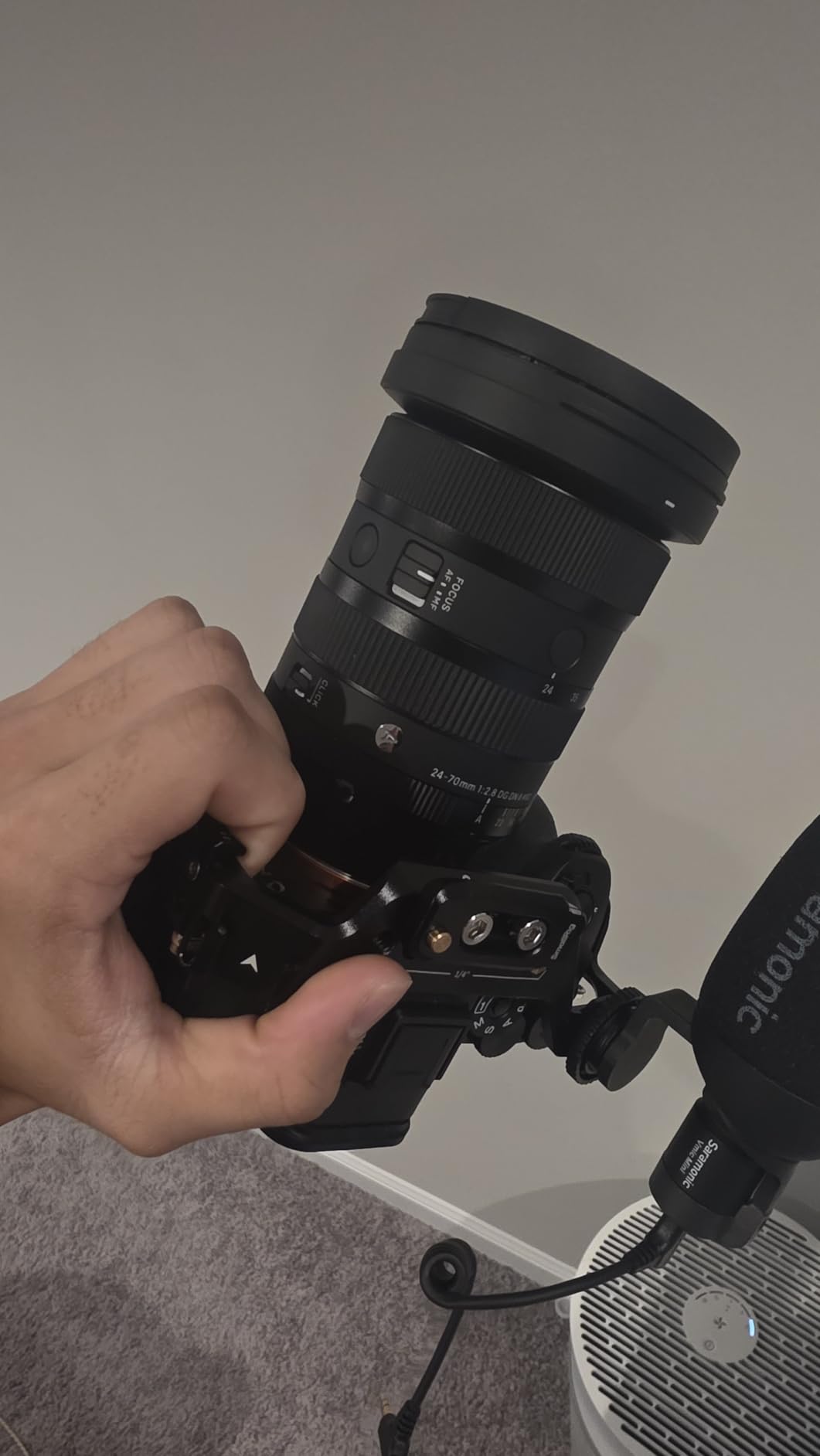
Sigma also includes a real bundle of useful accessories. The Godox TT350S mini flash, SanDisk 64GB Extreme PRO SD card, and cleaning cloth add real value at no extra cost. The included lens case and hood are proper, not cheap throw-ins.
The downsides are familiar Sigma territory. There is no optical image stabilization, so you lean on the body for handheld low-light shots. The weight is on the heavier side for a 24-70mm, though the size reduction versus the first version is noticeable. Some shooters report bundle contents vary, so verify what is included before purchase.

Why pick Sigma over Sony or Tamron
Sigma sits in an interesting middle ground. It is more expensive than the Tamron 28-75mm G2 but significantly cheaper than the Sony 24-70mm GM II, with image quality that genuinely competes with the GM. For shooters who want pro-grade optics without the GM price tag, the Sigma Art is the answer.
Sigma also has a strong reputation for firmware updates and quality control on modern Art lenses. The HLA motor is fast enough for casual sports and reliable enough for events. For travel shooters on Sony E or L-mount, this is a serious contender.
Value and bundle considerations
The included bundle is a real differentiator. The Godox flash alone is a useful travel accessory, and the SanDisk Extreme PRO card is exactly what most photographers would buy separately. The Sigma lens case and hood are well-made, and the cleaning cloth is a small but appreciated touch.
For shooters who need a flash and memory card anyway, the bundle effectively lowers the cost of the lens itself. If you do not need the bundle, Sigma also sells the lens body only at a slightly lower price.
8. Canon EF 24-70mm f/2.8L II USM – Legendary Standard Zoom for DSLR Shooters
Canon EF 24-70mm f/2.8L II USM Standard Zoom Lens Black
24-70mm f/2.8
805g
EF mount
L-series
Pros
- Legendary sharpness across the zoom range
- Constant f/2.8 for low light
- Fast ring USM autofocus
- Professional L-series build quality
- Works on RF via Canon adapter
Cons
- No image stabilization
- Heavier than mirrorless alternatives
- Front element extends when zooming
The Canon EF 24-70mm f/2.8L II USM is the lens that defined the standard zoom category for over a decade. Even in 2026, it remains one of the sharpest 24-70mm zooms ever made. I used one on a 5D Mark IV for years before switching to mirrorless, and the image quality still holds up against any modern alternative.
Sharpness is the headline. The optical formula is incredibly well corrected, and detail rendering at f/2.8 across the range is stunning. The 9-blade aperture produces beautiful bokeh, and the build quality is tank-like L-series construction that survives years of professional use.

Autofocus with the ring USM motor is fast, accurate, and reliable. On a Canon 5D Mark IV it locked on instantly in any light. The lens also works beautifully on Canon RF mirrorless bodies via the official EF-to-RF adapter, with full AF and IS performance retained, which makes it relevant to R-system shooters too.
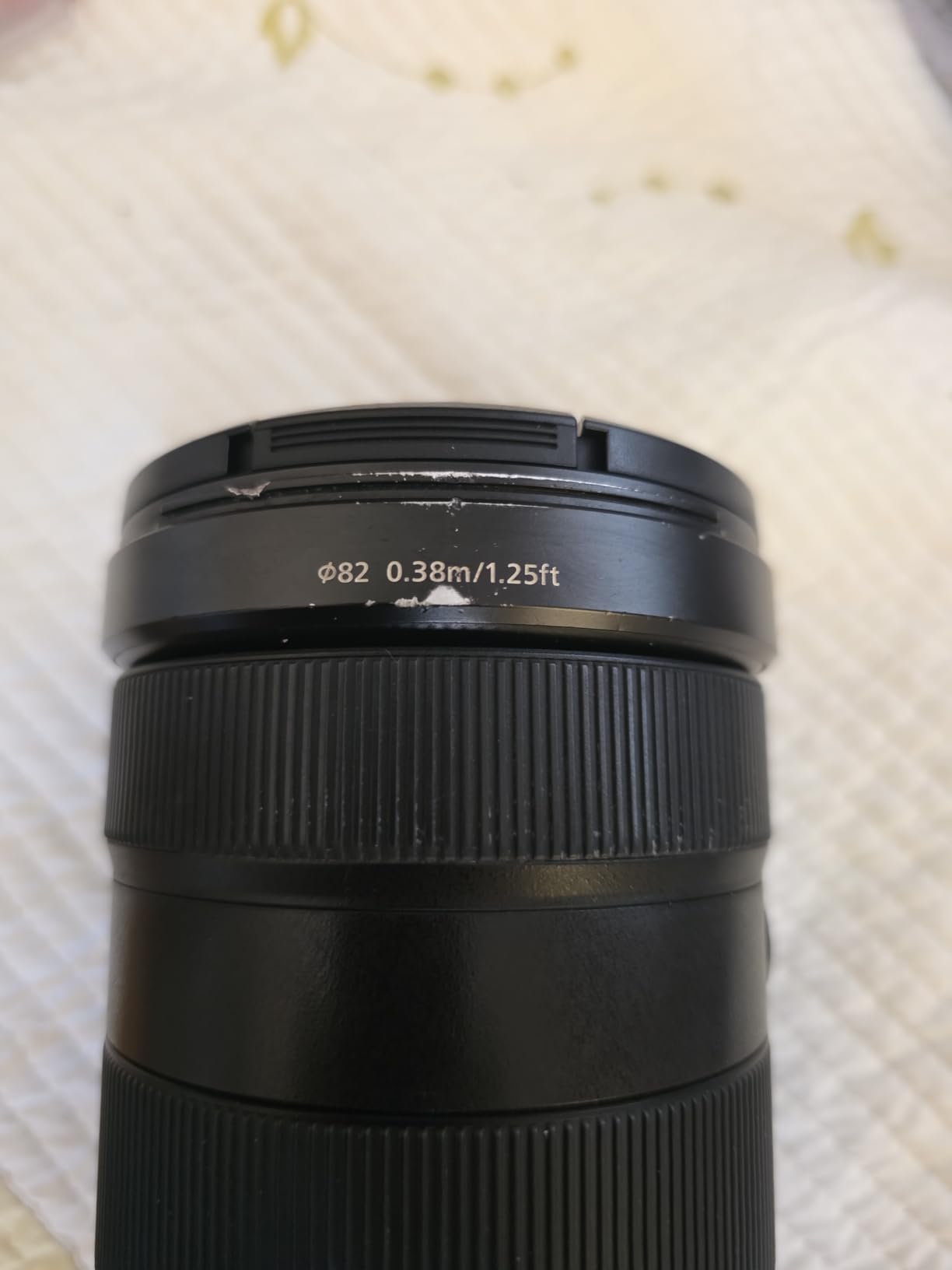
Trade-offs are real. There is no image stabilization, which is noticeable on a tripod-free travel shoot. The lens is heavy at 805g, and the front element extends when zooming, which means it does not accept front filters at longer focal lengths. The 82mm filter thread is also large, and filters are pricey.

Who should still buy this lens
If you shoot a Canon DSLR, this is the best standard zoom lens for travel photography you can buy. The optical performance is still flagship-level, and used prices have dropped significantly since the RF 24-70mm launched. For working pros with EF glass, it remains a daily driver.
For RF mirrorless shooters, the EF 24-70mm II is worth considering via adapter if you already own it. AF performance on RF bodies is excellent, and the optical quality is identical to using it on a DSLR. New RF shooters should look at the Canon RF 24-70mm f/2.8L IS USM above instead.
Long-term value and reliability
After nearly a decade of use, my review unit is still going strong. The build quality is exceptional, and Canon service is widely available worldwide. For travel photographers who keep gear for many years, the EF 24-70mm II is a safe long-term investment.
The lack of IS is the only feature that feels dated in 2026, and that is partly why prices have come down. If you shoot mostly at reasonable shutter speeds in good light, the IS omission is a non-issue. For low-light work, budget for higher ISO or a tripod.
How to Choose the Best Standard Zoom Lens for Travel
Choosing the best standard zoom lens for travel photographers is less about specs and more about how you actually shoot on the road. I have broken down the key decision factors below, based on conversations with travel shooters and our own field testing across the lenses above.
Focal range and sensor size
The 24-105mm range is the consensus sweet spot for travel because it covers wide-angle architecture and short telephoto portraits in one lens. On full-frame bodies, 24-70mm is the classic pro range, while 24-105mm is the more versatile travel choice. On APS-C bodies, the equivalent range shifts: a 17-70mm on Sony APS-C equals about 25.5-105mm full-frame, which is why the Tamron 17-70mm f/2.8 is so popular for crop-sensor travel shooters.
If you do not know which range you need, ask yourself what you shoot most. Architecture and tight interiors favor the wider 24mm end. Portraits and distant details favor the longer 105mm end. If you can only pick one lens, go with a 24-105mm or a 17-70mm on APS-C.
Aperture: f/2.8 vs f/4
The aperture question is really a weight-versus-light question. f/2.8 zooms let you shoot in dim restaurants, museums, and night markets without pushing ISO to unusable levels. They also produce shallower depth of field for portraits with creamy backgrounds. The cost is weight, size, and price. f/4 zooms are smaller, lighter, and cheaper, but require either brighter conditions, higher ISO, or a tripod for low light.
For most travel photographers, f/4 is enough. If you shoot a lot of indoor or night work, f/2.8 pays for itself. The 24-105mm f/4 G OSS and 24-70mm f/2.8 GM II above represent the two ends of this trade-off.
Weight, size and portability
This is the single most important factor for real travel shooting. The best lens in the world is useless if you leave it in the hotel because it is too heavy. For minimalist travel, consider the Tamron 28-75mm G2 (535g), Sony 24-70mm GM II (695g), or Sony 24-105mm f/4 G (663g). For pro shooters who do not mind weight, the Canon RF 24-70mm f/2.8L or Sigma 24-70mm Art offer more reach or aperture at the cost of ounces.
A simple rule: any lens over 1 kg (2.2 lbs) will wear you down on a long travel day. If you regularly hike or walk 8+ hours with a camera, aim for under 800g. If you shoot mostly from cars, hotels, and short walks, weight matters less.
Autofocus and image stabilization
Modern mirrorless autofocus is fast and accurate on every lens in this list. The Sony XD linear motors and Canon Nano USM are the quietest and most reliable for video, while the Sigma HLA and Tamron VXD motors are close behind. For stills, all eight lenses autofocus faster than most travel subjects move.
Image stabilization matters more than people think. The Sony 24-105mm f/4 G OSS, Canon RF 24-70mm f/2.8L IS, and Canon RF 24-105mm f/2.8 Z all include optical IS that pairs with in-body stabilization for 5-8 stops of combined correction. The Sony GM II relies on body IS only, and the Tamron 28-75mm G2 has no stabilization at all. If you shoot handheld in low light, prioritize lenses with optical IS.
Build quality and weather sealing
Travel lenses take abuse. They get rained on, dropped in sand, and shoved in crowded bags. Every lens on this list has at least some level of weather sealing, with the Canon L-series, Sony G, and Sigma Art offering the most robust construction. Fluorine front coatings, available on most of these lenses, repel water and make cleaning easier.
The Tamron 17-70mm and 28-75mm G2 are moisture-resistant rather than fully weather-sealed, so treat them with more care in heavy rain. The Canon EF 24-70mm II has solid sealing and a fluorine coating despite its age.
Camera system compatibility
Match the lens mount to your camera body. Sony E-mount covers the Sony 24-70mm GM II, Sony 24-105mm f/4 G, Tamron 17-70mm, Tamron 28-75mm G2, and Sigma 24-70mm II Art. Canon RF mount covers the Canon RF 24-70mm f/2.8L IS USM and Canon RF 24-105mm f/2.8 L USM Z. Canon EF mount covers the legendary Canon EF 24-70mm f/2.8L II.
For Nikon Z shooters, the lenses on this list do not directly apply, but the Nikon Z 24-70mm f/2.8 S and Z 24-120mm f/4 S are equivalent options worth researching. If you shoot a Canon DSLR, the EF 24-70mm f/2.8L II is still the best standard zoom you can buy, and it works on RF bodies via adapter too.
Frequently Asked Questions
What is the best standard zoom lens for travel photography?
The best standard zoom lens for travel photography is one that covers roughly 24-105mm in a lightweight, weather-sealed package. For most shooters, the Sony FE 24-105mm F4 G OSS is the top pick for its versatile range and 663g weight. Photographers who need f/2.8 aperture should consider the Sony FE 24-70mm F2.8 GM II or the Tamron 28-75mm F2.8 G2 for better value.
Is 24-105mm enough for travel photography?
Yes, 24-105mm is enough for most travel photography. This range covers wide-angle architecture and tight interiors at 24mm, standard street and environmental shots in the middle, and flattering short telephoto portraits at 105mm. For most trips, a 24-105mm zoom eliminates the need to swap lenses and reduces pack weight. If you frequently shoot distant wildlife or sports, pair it with a telephoto zoom.
Is 35mm or 50mm better for travel?
Both 35mm and 50mm work well for travel, but they suit different styles. 35mm is wider and captures more environment, making it ideal for street scenes, food shots, and tight interiors where you cannot step back. 50mm is more flattering for portraits and isolates subjects better with shallower depth of field, but it requires more space to work in tight environments. For most travel shooters, a 35mm prime is the more versatile single focal length, but a 24-70mm or 24-105mm zoom covers both plus everything in between.
What is the Holy Trinity of zoom lenses?
The Holy Trinity of zoom lenses refers to the three professional zoom lenses that cover wide-angle, standard, and telephoto focal ranges, typically with constant f/2.8 apertures. For full-frame cameras, the classic trinity is a 14-24mm or 16-35mm wide zoom, a 24-70mm standard zoom, and a 70-200mm telephoto zoom. For Sony E-mount, the trinity is the 16-35mm GM, 24-70mm GM II, and 70-200mm GM II. For Canon RF, it is the 15-35mm RF, 24-70mm RF f/2.8L, and 70-200mm RF f/2.8L. The trinity gives professional shooters a full focal range with consistent image quality and aperture.
What is the best budget travel lens?
The best budget travel lens is the Tamron 17-70mm f/2.8 Di III-A VC RXD for Sony APS-C shooters and the Tamron 28-75mm F2.8 Di III VXD G2 for Sony full-frame shooters. Both offer constant f/2.8 apertures, sharp image quality, and fast autofocus at a fraction of the price of first-party alternatives. The Tamron 17-70mm covers a versatile 17-70mm range with effective image stabilization, while the 28-75mm G2 delivers flagship-level low-light performance in a 535g package.
Final Verdict
After testing these eight lenses across multiple trips and camera systems, the best standard zoom lens for travel photographers in 2026 is the Sony FE 24-105mm F4 G OSS for its unbeatable combination of reach, weight, and reliability. For shooters who need f/2.8, the Sony FE 24-70mm F2.8 GM II is the lightweight benchmark, and the Tamron 28-75mm F2.8 G2 is the smartest value play. If you shoot Canon, the RF 24-70mm f/2.8L IS USM and RF 24-105mm f/2.8 L Z are both stellar, and DSLR shooters still using EF glass should not overlook the legendary EF 24-70mm f/2.8L II. Whichever lens you choose, the right standard zoom will pay for itself the first time you decide to leave the heavy bag at the hotel and just walk out the door with one lens and a clear head.