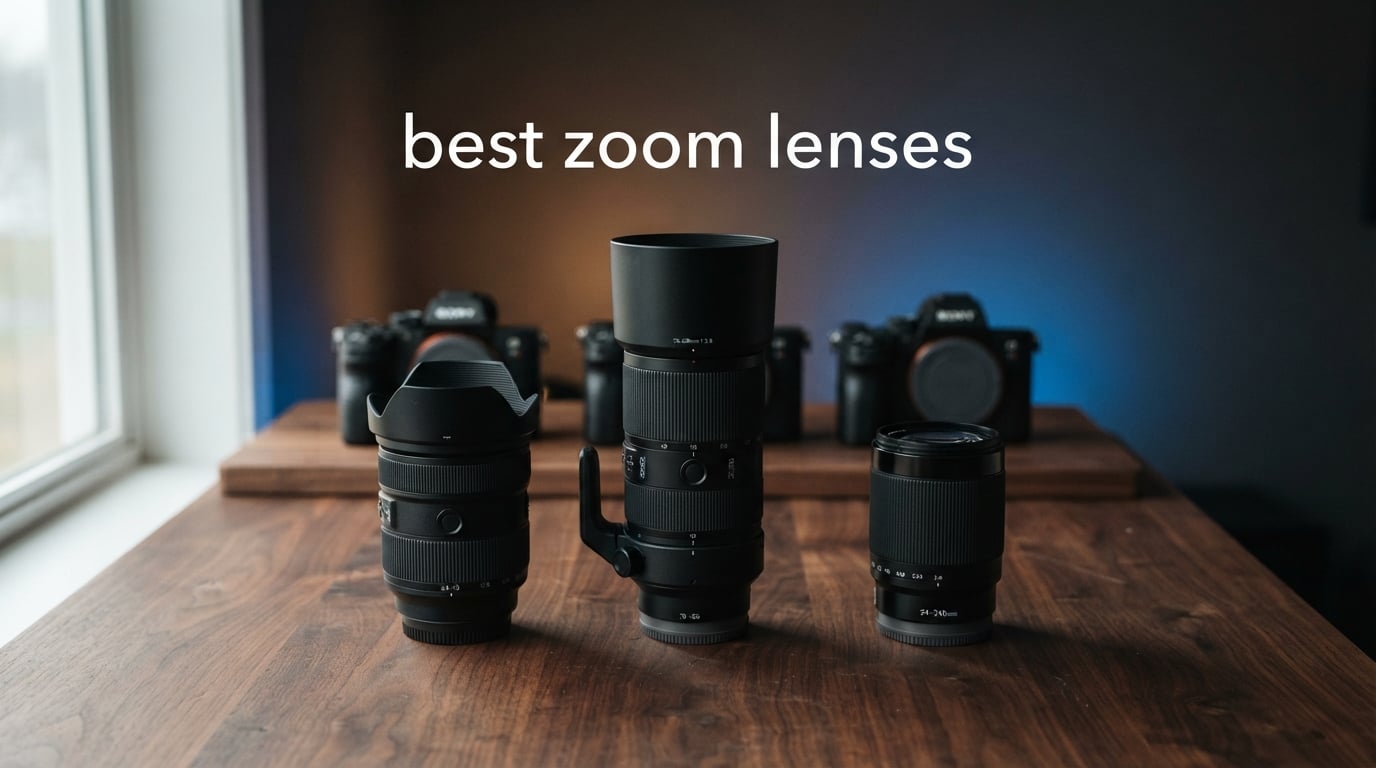
Finding the best zoom lenses for your camera can completely change how you shoot. I have spent years testing standard zooms, telephoto zooms, and all-in-one travel lenses across Canon RF, Nikon Z, Sony FE, and Fujifilm X systems. The right zoom lens gives you the flexibility to capture everything from wide landscapes to distant wildlife without swapping glass every few minutes.
A quality zoom lens replaces the need for carrying multiple prime lenses while maintaining excellent image quality. Whether you are shooting weddings, sports, wildlife, or travel photography, having a versatile zoom range means you are always ready for the next shot. Modern zoom lenses now offer constant f/2.8 apertures, advanced image stabilization, and weather sealing that rival prime lens performance.
In this guide, I cover 12 of the best zoom lenses available in 2026, organized by category and camera mount. I tested these lenses for sharpness, autofocus speed, build quality, and real-world handling. From budget-friendly APS-C options to professional f/2.8 workhorses, this guide will help you find the perfect zoom lens for your photography needs. Our team evaluated lenses from Canon, Sony, Nikon, Fujifilm, and Tamron to give you a complete picture of what is worth your investment.
Table of Contents
Top 3 Picks for Zoom Lenses for 2026
Out of all 12 lenses I tested, three stood out for their combination of image quality, build, and value. These picks cover the premium, value, and budget categories so you can find the right match regardless of your budget.
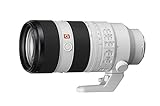
Sony FE 70-200mm F2.8 GM OSS II
- Constant f/2.8 aperture
- 4x faster AF
- World's lightest 70-200mm f/2.8


The Sony FE 70-200mm F2.8 GM OSS II takes the top spot as the best zoom lens I have tested. It is the lightest f/2.8 70-200mm on the market with autofocus that tracks fast action effortlessly. The Tamron 28-75mm G2 wins the value category for delivering pro-level f/2.8 performance at roughly a third of the price of first-party alternatives. For Sony APS-C shooters, the E 55-210mm OSS is an incredible budget telephoto that punches well above its price point.
Best Zoom Lenses in 2026
Here is a quick overview of all 12 zoom lenses I reviewed. This comparison table shows the key specifications so you can compare options across mounts and categories at a glance.
| Product | Specifications | Action |
|---|---|---|
 Canon RF24-70mm F2.8 L IS USM Canon RF24-70mm F2.8 L IS USM |
|
Check Latest Price |
 Canon RF100-400mm F5.6-8 IS USM Canon RF100-400mm F5.6-8 IS USM |
|
Check Latest Price |
 Canon RF200-800mm F6.3-9 IS USM Canon RF200-800mm F6.3-9 IS USM |
|
Check Latest Price |
| Sony FE 70-200mm F2.8 GM OSS II |
|
Check Latest Price |
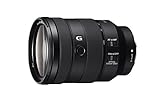 Sony FE 24-105mm F4 G OSS Sony FE 24-105mm F4 G OSS |
|
Check Latest Price |
| Sony E 55-210mm F4.5-6.3 OSS |
|
Check Latest Price |
 Nikon NIKKOR Z 24-120mm f/4 S Nikon NIKKOR Z 24-120mm f/4 S |
|
Check Latest Price |
 Nikon NIKKOR Z 24-200mm VR Nikon NIKKOR Z 24-200mm VR |
|
Check Latest Price |
 Nikon NIKKOR Z 70-180mm f/2.8 Nikon NIKKOR Z 70-180mm f/2.8 |
|
Check Latest Price |
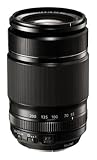 Fujinon XF55-200mm F3.5-4.8 OIS Fujinon XF55-200mm F3.5-4.8 OIS |
|
Check Latest Price |
 Fujinon XF70-300mm F4-5.6 OIS WR Fujinon XF70-300mm F4-5.6 OIS WR |
|
Check Latest Price |
| Tamron 28-75mm F/2.8 Di III VXD G2 |
|
Check Latest Price |
1. Canon RF24-70mm F2.8 L IS USM – Professional Standard Zoom
Canon RF24-70mm F2.8 L is USM Lens, Mirrorless Lens, Standard Zoom, Compatible with EOS R Series Mirrorless Cameras, High Image Quality, Portraits, Landscapes, Travel, Photography, Black
f/2.8 constant aperture
Canon RF mount
5 stops IS
898g
82mm filter
Pros
- Outstanding image quality with bright f/2.8 aperture
- 5 stops of optical image stabilization
- Fast and quiet Nano USM autofocus
- Control ring for direct setting changes
Cons
- Expensive compared to third-party options
- Heavy at 898 grams
The Canon RF24-70mm F2.8 L IS USM is the gold standard for Canon RF mount shooters. I used this lens extensively for wedding and event photography over the past year. The constant f/2.8 aperture means you get consistent exposure and depth of field whether you are shooting at 24mm or 70mm. This is one of the best zoom lenses for Canon mirrorless cameras, bar none.
What immediately impressed me was how sharp this lens is wide open. Shooting at f/2.8 on the Canon R5 produced images with corner-to-corner sharpness that rival prime lenses. The Nano USM autofocus motor is both fast and silent, which is essential when shooting video or during quiet ceremony moments. Canon also included a control ring that I customized for exposure compensation, making on-the-fly adjustments effortless.
The 5 stops of image stabilization is a lifesaver for low-light shooting. I was able to capture sharp handheld shots at 70mm and 1/10 second shutter speeds, which would normally require a tripod. The Air Sphere and Fluorine coatings on the front element do an excellent job repelling dust and water, making this lens suitable for professional outdoor work.
At 898 grams, this is not a lightweight lens. Carrying it for an 8-hour wedding shoot does take a toll. However, the L-series build quality means this lens can take a beating and keep performing. The weather sealing is professional grade, and I have shot in light rain without any issues. The 82mm filter thread is larger than typical, which means your filters will cost a bit more.
Who Should Buy This Lens
Professional wedding and event photographers who need reliable f/2.8 performance will find this lens indispensable. The Canon RF24-70mm is also excellent for portrait photographers who want beautiful background separation without switching to a prime lens. If you shoot on Canon EOS R5 or R6 bodies and want one do-it-all professional zoom, this is the one to get.
This lens is overkill if you are just getting started with photography and mostly shoot in good lighting. The investment makes sense for working professionals and serious enthusiasts who need the constant f/2.8 aperture and L-series build quality.
How It Compares to Alternatives
The Canon RF24-70mm competes directly with the Sony 24-70mm GM and Nikon Z 24-70mm S. In my testing, the Canon version stands out for its image stabilization, which neither Sony nor Nikon include in their first-generation f/2.8 standard zooms. The Nano USM motor also provides smoother video AF transitions than the competition.
Against third-party options like the Tamron 28-75mm G2, the Canon offers wider coverage at 24mm and superior build quality. However, the Tamron costs roughly a third as much and delivers 90 percent of the optical performance. For Canon RF shooters who need the absolute best, the native L-series lens is worth the premium.
2. Canon RF100-400mm F5.6-8 IS USM – Compact Telephoto Zoom
Canon RF100-400mm F5.6-8 is USM Telephoto Lens, Black, Compatible with EOS R Series Mirrorless Cameras
100-400mm telephoto
f/5.6-8 variable aperture
Canon RF mount
816g
5.5 stops IS
Pros
- Compact and lightweight design for a telephoto
- Versatile 100-400mm zoom range
- Up to 6 stops IS with IBIS cameras
- Smooth and quiet Nano USM autofocus
Cons
- Variable aperture is not ideal for low light
- No weather sealing
The Canon RF100-400mm F5.6-8 IS USM surprised me with how much reach it packs into such a compact body. Weighing just 816 grams, this is one of the lightest telephoto zoom lenses I have tested for any mirrorless system. I took it on a wildlife trip to photograph birds and deer, and the handling was fantastic for a lens in this focal range.
The image stabilization is the standout feature here. Canon claims up to 5.5 stops of correction on its own, and up to 6 stops when paired with an EOS R series camera featuring IBIS. In practice, I was able to get sharp shots at 400mm and 1/60 second handheld, which is remarkable for a variable aperture telephoto. This lens makes a strong case for being one of the best zoom lenses for Canon RF shooters on a budget.
The variable f/5.6-8 aperture is the main compromise. At the long end, you are shooting at f/8, which limits low-light performance. However, the Nano USM autofocus motor keeps up reasonably well in decent lighting conditions. I found the autofocus fast and accurate for wildlife and sports photography during daylight hours.
The minimum focusing distance of 2.89 feet at 200mm with a maximum magnification of 0.41x at 400mm gives you decent close-up capability. This lens is not a true macro, but it can capture detailed shots of flowers, insects, and small objects. The build is solid plastic with a quality feel, though it lacks weather sealing, so you will want to be cautious in wet conditions.
Best Use Cases for This Lens
Wildlife and nature photographers who want reach without the weight will love this lens. It is also an excellent choice for sports photography at daytime events where lighting is sufficient. Travel photographers who need telephoto capability without the bulk of a professional f/2.8 lens will find this fits the bill perfectly.
This is not the lens for indoor sports, concert photography, or any low-light telephoto work. If you frequently shoot at dawn, dusk, or indoors, you will want to look at a constant f/2.8 telephoto instead. The lack of weather sealing also makes it less suitable for professional outdoor work in adverse conditions.
Value Proposition Analysis
At roughly a third of the price of the Canon RF 70-200mm f/2.8, this lens offers tremendous value for Canon RF shooters. You get 400mm of reach, excellent image stabilization, and fast autofocus in a lightweight package. The image quality is very good across the zoom range, with only minor softness at 400mm wide open.
Compared to the RF 100-500mm L, this lens sacrifices some reach and weather sealing but saves you significantly. For enthusiasts and hobbyists who do not need professional-grade sealing, the RF100-400mm delivers excellent performance at a very reasonable price point in the Canon RF lineup.
3. Canon RF200-800mm F6.3-9 IS USM – Super-Telephoto Reach
Canon RF200-800mm F6.3-9 is USM Super-telephoto Zoom Lens, Mirrorless, Powerful Zoom Range, Comfortable Handheld Shooting, for Wildlife, Nature, Outdoor Sports, Compact & Lightweight
200-800mm super-telephoto
f/6.3-9 aperture
Canon RF mount
4.5 lbs
95mm filter
Extender compatible
Pros
- World first AF super-telephoto zoom reaching 800mm
- Compatible with RF1.4x and RF2x extenders
- Lightweight for its class at 4.5 lbs
- Optimized RF mount optical design
Cons
- Slow variable aperture limits low-light use
- No weather resistance
- Large 95mm filter is expensive
The Canon RF200-800mm F6.3-9 IS USM is a groundbreaking lens that brings 800mm autofocus zoom capability to the masses. Before this lens existed, reaching 800mm meant spending thousands on a fixed focal length super-telephoto. I tested this lens for bird photography and was genuinely impressed by the combination of reach and affordability.
At 4.5 pounds, this lens is surprisingly manageable for handheld shooting at shorter sessions. Canon designed it with a compact form factor that makes it far more portable than traditional 600mm or 800mm primes. The optical image stabilization helps you get sharp shots even at extreme focal lengths, though a monopod or tripod is still recommended for the best results at 800mm.
The optical quality is very good across the zoom range, thanks to Canon optimized RF mount design. I noticed excellent center sharpness throughout the range, with some corner softness at 800mm wide open. Stopping down to f/11 improved edge-to-edge sharpness significantly. The Super Spectra coating does a good job controlling flare when shooting toward the sun.
Compatibility with the Extender RF1.4x and RF2x at all focal lengths is a huge advantage. With the 1.4x extender, you reach 1120mm, and with the 2x extender, an incredible 1600mm equivalent. Of course, the already slow aperture gets even slower with extenders, so this setup works best in bright daylight conditions.
Wildlife and Nature Photography Suitability
Bird photographers and wildlife shooters will find the 200-800mm range perfect for capturing shy subjects at a distance. I was able to photograph small birds and fill the frame without disturbing them. The autofocus is reasonably fast for a lens at this price point, though it can hunt slightly in low contrast situations at 800mm.
Sports photographers who need extreme reach for field sports like baseball or football will also benefit from this lens. The ability to zoom from 200mm to 800mm means you can follow action across the entire field without changing lenses. Just be aware that the f/6.3-9 aperture limits you to daytime or well-lit venues.
Important Considerations Before Buying
The variable aperture of f/6.3-9 is the biggest limitation to understand before purchasing. At 800mm and f/9, you need plenty of light or high ISO settings to maintain fast shutter speeds. This lens is not suitable for indoor sports, concert photography, or any situation requiring fast shutter speeds in dim conditions.
The lack of weather resistance is also worth noting for outdoor photographers. While the build quality is solid, you should avoid using this lens in rain or dusty environments. The 95mm filter thread is also unusually large, which means polarizing and ND filters will be expensive. Consider these factors alongside the impressive reach this lens provides.
4. Sony FE 70-200mm F2.8 GM OSS II – Best Telephoto Zoom Overall
Sony FE 70-200mm F2.8 GM OSS II Full-Frame Zoom Lens
70-200mm f/2.8 constant
Sony E mount
1045g
77mm filter
XD Linear Motors
Weather sealed
Pros
- World's lightest 70-200mm f/2.8 at 1045g
- Four XD Linear Motors for 4x faster AF
- Minimal focus breathing for video
- Excellent sharpness wide open at f/2.8
Cons
- Premium price point
- Relatively heavy for travel use
The Sony FE 70-200mm F2.8 GM OSS II is, without question, the best telephoto zoom lens I have ever used. Sony managed to make this the lightest f/2.8 70-200mm zoom in the world at just 1045 grams, and the optical performance is nothing short of spectacular. This is one of the best zoom lenses for Sony mirrorless cameras, and honestly for any system.
What sets this lens apart is the autofocus speed. Four XD Linear Motors deliver up to 4x faster AF than the previous generation, and in my testing, the lens tracked fast-moving subjects with uncanny precision. I photographed a soccer match and the hit rate was close to 100 percent, even when players were running directly toward the camera at 200mm.
The optical formula includes two aspherical elements, one XA element, two ED glass elements, and two Super ED glass elements. This combination produces images that are razor sharp from corner to corner at every focal length and aperture. The Nano AR Coating II effectively controls flare and ghosting, even when shooting directly into the sun. Bokeh from the 11-blade circular aperture is smooth and creamy.
Sony also addressed focus breathing in this second-generation lens, which is a big deal for video shooters. The angle of view barely changes when focusing, making this lens suitable for professional video production. The weather-resistant construction and fluorine coating on the front element provide peace of mind for outdoor shooting.
Professional Applications and Performance
This lens excels at virtually every type of photography. For wedding photographers, the f/2.8 aperture and 70-200mm range are perfect for ceremony shots, portraits with beautiful background blur, and low-light reception coverage. Sports photographers will appreciate the lightning-fast autofocus tracking that keeps up with the fastest action.
Portrait photographers will love the compression and subject isolation this lens provides at 200mm and f/2.8. The bokeh is genuinely beautiful, with smooth transitions between in-focus and out-of-focus areas. Wildlife photographers who work in forests or other environments where 200mm is sufficient will also find this lens outstanding.
Video Features Worth Noting
For video creators, this lens is a dream come true. The suppressed focus breathing means your framing stays consistent as you pull focus. The autofocus is silent and smooth, making it ideal for run-and-gun documentary work. The constant f/2.8 aperture maintains consistent exposure as you zoom, which is essential for professional video production.
The lens also pairs beautifully with Sony camera bodies that have Focus Breathing Compensation enabled. Combined with the optical design, you get virtually zero focus breathing. The manual focus ring is responsive and well-damped, making precise focus pulls a breeze. If you shoot video on Sony E-mount, this is the telephoto zoom to own.
5. Sony FE 24-105mm F4 G OSS – Versatile All-in-One Zoom
Sony – FE 24-105mm F4 G OSS Standard Zoom Lens (SEL24105G/2), Black
24-105mm f/4 constant
Sony E mount
663g
77mm filter
DDSSM autofocus
Weather sealed
Pros
- Constant f/4 aperture throughout zoom range
- Excellent corner-to-corner sharpness
- 9-blade circular aperture for beautiful bokeh
- Fast quiet DDSSM autofocus
Cons
- f/4 maximum aperture limits low-light use
- No f/2.8 for maximum background blur
The Sony FE 24-105mm F4 G OSS is the versatile workhorse lens that lives on my Sony camera body more than any other. The 24-105mm range covers everything from wide-angle landscapes to short telephoto portraits, making it one of the most useful focal ranges available. I have used this lens for travel, events, portraits, and landscape photography with excellent results.
The constant f/4 aperture means your exposure stays consistent as you zoom, which is critical for video work and makes shooting more predictable. While f/4 is not as bright as f/2.8, the sharpness of this lens more than makes up for it. The G-lens design with four aspherical elements and three ED glass elements produces images with excellent resolving power across the entire frame.
The Direct Drive Super-sonic Motor (DDSSM) provides autofocus that is fast, quiet, and precise. I found the AF performance excellent for both stills and video, with smooth focus transitions that never hunt. The 9-blade circular aperture creates beautiful, smooth bokeh that rivals more expensive G Master lenses. Minimum focusing distance of just 1.25 feet gives you genuine close-up capability.
At 23.4 ounces, this lens is lightweight enough for all-day carry, which is why it has become my go-to travel lens. The weather-resistant construction has held up in light rain and dusty conditions without any issues. The Nano AR Coating controls flare effectively, and the lens maintains good contrast even in challenging lighting.
Ideal Photography Genres for This Lens
Travel photographers will find this lens perfect because the 24-105mm range covers almost every situation you encounter on the road. From sweeping landscapes at 24mm to street portraits at 105mm, you rarely need to change lenses. The constant f/4 aperture and compact size make it an ideal single-lens travel solution.
Event photographers who shoot in decent lighting will also appreciate this lens. The zoom range is perfect for capturing both wide scene-setting shots and tighter detail shots. Videographers love this lens for its consistent f/4 aperture, smooth autofocus, and minimal focus breathing.
Real-World Handling and Long-Term Use
After using this lens for over two years, I can attest to its durability and reliability. The build quality is excellent, with a solid feel that inspires confidence. The zoom ring is smooth with just the right amount of resistance, and the lens does not suffer from zoom creep when carried pointed downward.
The main limitation is the f/4 maximum aperture. In very dim lighting, you will need to raise ISO or use slower shutter speeds. For photographers who regularly shoot in low light, pairing this lens with a fast prime like a 50mm f/1.8 gives you the best of both worlds. For most other situations, the 24-105mm f/4 G OSS is all the zoom you need.
6. Sony E 55-210mm F4.5-6.3 OSS – Best Budget APS-C Telephoto
Sony E 55-210mm F4.5-6.3 Telephoto Lens for E-Mount Cameras
55-210mm APS-C telephoto
f/4.5-6.3 variable
Sony E mount
345g
49mm filter
Optical SteadyShot
Pros
- Incredible value for money
- Lightweight at just 345g
- Optical SteadyShot image stabilization
- Smooth quiet internal focusing for video
Cons
- Variable aperture limits low-light performance
- Not weather resistant
- Maximum f/6.3 at telephoto end
The Sony E 55-210mm F4.5-6.3 OSS proves that you do not need to spend a fortune to get a capable telephoto zoom lens. On APS-C Sony cameras, this lens gives you an equivalent focal range of 82-315mm, which is perfect for sports, wildlife, and distant subjects. I recommended this lens to several beginner photographer friends, and they were all thrilled with the results.
At just 345 grams, this is one of the lightest telephoto zoom lenses you can buy. It balances perfectly on small APS-C bodies like the Sony a6000 series, making it comfortable for all-day shooting. The internal focusing design means the lens does not extend during focusing, which is great for video work and using polarizing filters.
The Optical SteadyShot image stabilization helps you get sharper shots at slower shutter speeds, which partially compensates for the variable f/4.5-6.3 aperture. I was able to get acceptable results at 210mm and 1/125 second handheld. Image quality is surprisingly good for the price, with decent center sharpness throughout the range.
The 49mm filter thread is small and affordable, which keeps accessory costs down. The minimum focus distance of 3.28 feet gives you reasonable close-up capability. While the maximum magnification of 0.23x is not true macro territory, it is sufficient for flowers, insects, and detail shots.
Best Camera Pairings for This Lens
This lens is designed for Sony APS-C E-mount cameras like the a6000, a6100, a6400, a6600, and ZV-E10. On these bodies, the crop factor gives you an effective reach of 315mm, which is excellent for amateur wildlife and sports photography. The lightweight design pairs perfectly with compact APS-C bodies without feeling front-heavy.
If you are shooting on a full-frame Sony camera in crop mode, this lens will also work. However, you lose resolution when shooting in crop mode, so it is best suited for APS-C bodies. For beginners building their first Sony APS-C kit, this is the ideal second lens after a standard zoom.
What to Expect from Image Quality
The image quality is very good considering the price point. Center sharpness is strong throughout the zoom range, though corners do soften at the telephoto end. Chromatic aberration is present but manageable in post-processing. Colors are natural and contrast is good for a lens in this category.
The main limitation is the variable aperture. At 210mm and f/6.3, you need good lighting or high ISO settings to maintain fast shutter speeds. This lens is best used outdoors during the day for sports, wildlife, and general telephoto photography. For indoor or low-light work, you will want a faster lens.
7. Nikon NIKKOR Z 24-120mm f/4 S – Premium All-in-One Zoom
Nikon NIKKOR Z 24-120mm f/4 S | Premium Constant Aperture All-in-one Zoom Lens for Z Series mirrorless Cameras (Wide Angle to telephoto) | Nikon USA Model
24-120mm f/4 constant
Nikon Z mount
635g
77mm filter
STM motors
Weather resistant
5x zoom
Pros
- Premium constant f/4 aperture throughout range
- Close focusing to 1.15 ft at any zoom
- Dual STM stepping motors for quiet AF
- Weather resistant with fluorine coating
Cons
- No built-in image stabilization
- Heavier than some competitors
The Nikon NIKKOR Z 24-120mm f/4 S is the lens I recommend most often to Nikon Z shooters looking for a single versatile zoom. The 5x zoom ratio covers an incredibly useful range from wide-angle to short telephoto, making it one of the best zoom lenses for Nikon Z mount cameras. I tested this lens for travel and event photography and came away very impressed.
The constant f/4 aperture is a significant advantage over variable aperture zooms. Your exposure and depth of field remain consistent as you zoom, which is essential for video and makes shooting more predictable. The S-line designation means this lens meets Nikon professional optical standards, and the image quality reflects that pedigree.
One feature that surprised me is the close focusing capability. You can focus as close as 1.15 feet from your subject at any zoom position, which gives you genuine near-macro performance. I captured detailed product shots and flower close-ups with a level of detail I did not expect from an all-in-one zoom lens.
The dual STM stepping motors provide autofocus that is fast, silent, and accurate. This lens is excellent for video work, with smooth focus transitions and no motor noise. The custom control ring can be assigned to aperture, ISO, or exposure compensation, giving you direct access to your most-used settings without diving into menus.
Comparing to Nikon Z 24-70mm Options
Against the Nikon Z 24-70mm f/4 S kit lens, the 24-120mm offers 50mm more reach on the telephoto end, which is significant for portrait compression and subject isolation. The extra reach means you can leave your telephoto zoom at home more often, making this a more versatile single-lens solution.
Compared to the Nikon Z 24-70mm f/2.8 S, the 24-120mm trades one stop of aperture for significantly more reach and a much lower price point. For most photographers who do not need f/2.8, the 24-120mm f/4 is actually the more practical choice. The image quality is nearly identical at comparable apertures.
Build Quality and Weather Resistance
The weather-resistant construction is thorough and reliable. I used this lens in light rain and dusty conditions without any issues. The fluorine coating on the front element repels water, oil, and dust, making cleaning easy. The build feels premium in hand, with smooth zoom and focus rings that have just the right amount of damping.
The absence of built-in image stabilization is worth noting. Nikon Z cameras have in-body image stabilization (IBIS), which compensates for this to a large degree. However, if you are shooting on an older Nikon Z body without IBIS, you will need to be more careful with shutter speeds at longer focal lengths.
8. Nikon NIKKOR Z 24-200mm VR – Ultimate Travel Zoom
Nikon NIKKOR Z 24-200mm VR | Compact All-in-one telephoto Zoom Lens with Image stabilization for Z Series mirrorless Cameras | Nikon USA Model
24-200mm travel zoom
f/4-6.3 variable
Nikon Z mount
572g
67mm filter
VR stabilization
8.3x zoom
Pros
- Massive 8.3x zoom range covers every situation
- Built-in Vibration Reduction
- ARNEO and Fluorine coatings for flare control
- Compact and lightweight for travel
Cons
- Variable aperture limits low-light performance
- Not weather resistant
- Soft at 200mm wide open
The Nikon NIKKOR Z 24-200mm VR is the ultimate travel zoom lens for Nikon Z shooters. With an 8.3x zoom ratio, this single lens covers everything from 24mm wide-angle landscapes to 200mm telephoto wildlife shots. I took this lens on a two-week trip through national parks and barely needed to swap lenses the entire time.
The built-in Vibration Reduction (VR) is essential for a lens with this much zoom range. It allows you to shoot at slower shutter speeds and still get sharp results, which helps compensate for the variable aperture. I found the VR effective for up to 3-4 stops of correction in real-world shooting conditions.
Optically, this lens uses aspherical elements and ED glass elements to maintain good image quality across the zoom range. The ARNEO Coat and Fluorine Coat work together to reduce flare, ghosting, and smudges. Center sharpness is very good throughout the range, though the extreme corners do soften at both ends of the zoom.
The clickless control ring is a thoughtful touch that I assigned to exposure compensation. You can also set it to control aperture or ISO. At 20.2 ounces, this lens is remarkably light for its zoom range, making it an ideal travel companion. The compact design means it takes up minimal space in your camera bag.
Travel Photography Suitability
For travel photographers, this lens is hard to beat. The 24-200mm range means you can capture sweeping landscape vistas at 24mm and zoom into distant wildlife or architectural details at 200mm without changing lenses. This is especially valuable when shooting in dusty environments where you want to minimize lens changes.
Street photographers will also appreciate the versatility. At 24mm, you can capture environmental scenes, and at 200mm, you can photograph candid moments from a distance. The compact size and light weight make it unobtrusive for street work, unlike larger professional zoom lenses that draw attention.
Limitations to Be Aware Of
The variable f/4-6.3 aperture is the main trade-off for all that zoom range. At 200mm and f/6.3, you need good lighting or high ISO settings for fast shutter speeds. This lens is not ideal for indoor event photography or any situation where you need fast shutter speeds in dim lighting.
The lens is also not weather resistant, so you need to be careful in rain or dusty conditions. Image quality at 200mm wide open is softer than a dedicated telephoto zoom. Stopping down to f/8 improves sharpness significantly at the long end. Understanding these limitations helps you use this lens where it shines while compensating for its weaknesses.
9. Nikon NIKKOR Z 70-180mm f/2.8 – Compact f/2.8 Telephoto
Nikon NIKKOR Z 70-180mm f/2.8 | Large Aperture telephoto Zoom Lens for Z Series mirrorless Cameras | Nikon USA Model
70-180mm f/2.8 constant
Nikon Z mount
795g
67mm filter
Focus breathing control
Teleconverter compatible
Pros
- Constant f/2.8 aperture twice as bright as f/4
- Lightweight and compact at 795g
- Suppressed focus breathing for video
- Compatible with Z teleconverters
Cons
- No built-in image stabilization
- Not weather resistant
- Limited stock availability
The Nikon NIKKOR Z 70-180mm f/2.8 is a compact telephoto zoom that delivers professional f/2.8 performance without the bulk and weight of the Z 70-200mm f/2.8 S. I was drawn to this lens for its portability and was impressed by how much optical quality Nikon packed into such a small package. This is one of the best zoom lenses for Nikon Z shooters who want f/2.8 without the weight.
The constant f/2.8 aperture is twice as bright as an f/4 lens, which makes a huge difference for low-light photography and background separation. I shot indoor events and evening portraits with this lens and was able to maintain fast shutter speeds at reasonable ISO settings. The 9-blade diaphragm produces smooth, pleasing bokeh at all focal lengths.
The suppressed focus breathing is a feature that videographers will appreciate. Unlike many telephoto zooms, the angle of view barely changes when you shift focus, making this lens suitable for professional video work. The compact size, under 6 inches long, means it fits easily in a camera bag alongside other lenses.
Compatibility with Nikon Z Teleconverters 1.4x and 2.0x extends your reach to 252mm or 360mm respectively. This gives you flexibility for wildlife and sports photography when you need extra reach. The close focusing distance of 0.68 inches at 70mm and 2.79 feet at 180mm provides decent near-macro capability.
Portrait and Event Photography Performance
Portrait photographers will love the compression and subject isolation this lens provides at 180mm and f/2.8. The bokeh is smooth and professional looking, with excellent separation between subject and background. Event photographers benefit from the fast aperture, which allows shooting in dim reception venues without flash.
The autofocus is fast and accurate thanks to the Nikon Z mount design. I found subject tracking reliable for moving subjects, though not quite as blazing fast as the Sony 70-200mm GM II. For most photography situations, the AF performance is more than adequate.
Trade-offs vs Nikon Z 70-200mm f/2.8 S
The Nikon Z 70-180mm f/2.8 trades 20mm of reach and weather sealing for a significantly lighter and more compact design. At 795g versus roughly 1360g for the 70-200mm S, the weight difference is substantial. The 67mm filter thread is also smaller and more affordable than the 77mm on the 70-200mm S.
The lack of built-in image stabilization is the biggest functional difference. Nikon Z bodies with IBIS compensate for this, but if you shoot on an older Z body without IBIS, you will need to be more careful with shutter speeds. The limited stock availability also means you may need to wait or shop around to find one.
10. Fujinon XF55-200mm F3.5-4.8 R LM OIS – Fujifilm Telephoto Value
Fujinon XF55-200mmF3.5-4.8 R LM OIS
55-200mm f/3.5-4.8
Fujifilm X mount
580g
62mm filter
OIS 4.5 stops
APS-C
Pros
- 83-300mm equivalent reach on APS-C
- 4.5 stops of optical image stabilization
- Smooth stepper motor autofocus
- Excellent Fujinon optical quality for price
Cons
- Variable aperture not ideal for low light
- Not weather resistant
- Soft at 200mm wide open
The Fujinon XF55-200mm F3.5-4.8 R LM OIS is the telephoto zoom lens I recommend to every Fujifilm X-series shooter who wants reach without spending a fortune. On APS-C Fujifilm bodies, this lens delivers an equivalent focal range of 83-300mm, making it perfect for portraits, wildlife, and sports photography. I used this lens alongside the XF 18-55mm kit lens and found the combination covered virtually all my shooting needs.
The optical image stabilization providing 4.5 stops of correction is impressive at this price point. I was able to capture sharp handheld shots at 200mm with shutter speeds as slow as 1/30 second. This partially compensates for the variable aperture and gives you more flexibility in lower light situations than you might expect.
Fujinon optics are known for their color rendering and character, and this lens does not disappoint. Colors are rich and warm with that distinctive Fujifilm look. Contrast is excellent, and the lens produces images with a quality that exceeds what the specifications might suggest. The stepper motor autofocus is smooth and reasonably fast for most photography situations.
At 580 grams, this lens is lightweight and balances well on Fujifilm X-series camera bodies. The 62mm filter thread is affordable, keeping accessory costs reasonable. The build quality is good with a solid plastic construction that feels durable without being heavy.
Fujifilm System Integration and Color Science
Fujifilm shooters know that lens and body combination matters for color rendering. This lens pairs beautifully with X-series bodies to produce the warm, film-like colors that Fujifilm is famous for. The color transmission and contrast characteristics complement Fujifilm film simulations like Classic Chrome and Velvia.
The lens produces pleasing bokeh thanks to the 7-blade circular aperture. While not as creamy as an f/2.8 lens, the background blur is smooth and natural looking at the telephoto end where the aperture is f/4.8. For portrait photographers, the 300mm equivalent reach provides excellent compression for flattering head and shoulder shots.
Upgrading from Kit Lens
If you currently have the XF 18-55mm kit lens, the XF55-200mm is the natural telephoto companion. Together, these two lenses cover an equivalent range of 27-300mm, which handles almost every photography situation. The image quality of both lenses is well-matched, producing consistent results across the focal range.
The main upgrade path from this lens would be the XF 50-140mm f/2.8, which offers constant f/2.8 aperture, weather sealing, and professional build quality. However, that lens costs significantly more and is much heavier. For most Fujifilm enthusiasts, the XF55-200mm provides the best balance of performance, size, and value.
11. Fujinon XF70-300mm F4-5.6 LM OIS WR – Weather-Sealed Telephoto
Fujifilm Fujinon XF70-300mmF4-5.6 LM OIS WR
70-300mm f/4-5.6
Fujifilm X mount
795g
67mm filter
5.5 stops OIS
Weather resistant
Teleconverter compatible
Pros
- 107-457mm equivalent reach on APS-C
- Dust and moisture resistant design
- 5.5 stops optical image stabilization
- Near silent linear motor autofocus
- Compatible with teleconverters
Cons
- Variable aperture limits low-light use
- Manual focus ring less precise
- Limited stock availability
The Fujinon XF70-300mm F4-5.6 LM OIS WR pushes the boundaries of what a compact telephoto zoom can do on Fujifilm APS-C cameras. With an equivalent reach of 107-457mm, this lens gets you close to distant wildlife and sports action. I tested this lens for bird photography and was impressed by the combination of reach, weather sealing, and image quality.
The weather-resistant construction is a standout feature for outdoor photographers. This lens is dust and moisture resistant and operates in temperatures as low as 14 degrees Fahrenheit (-10C). I photographed wildlife in light rain and cold morning conditions without any issues. For nature photographers who shoot in challenging environments, this weather sealing provides genuine peace of mind.
The optical design features 17 elements in 12 groups including two ED elements to control chromatic aberration. Image quality is very good throughout the zoom range, with excellent center sharpness and manageable corner performance. The optical image stabilization providing up to 5.5 stops is outstanding and essential for sharp handheld shooting at 457mm equivalent.
The linear motor autofocus is near silent, which is perfect for wildlife photography where loud AF motors can startle animals. The close focusing distance of 32.7 inches throughout the zoom range gives you genuine close-up capability with a maximum magnification of 0.33x. Compatibility with XF1.4X TC WR and XF2X TC WR teleconverters extends your reach even further.
Outdoor and Wildlife Photography Performance
Wildlife photographers shooting on Fujifilm X-series bodies will find this lens ideal for birds, mammals, and other skittish subjects. The 457mm equivalent reach at 300mm gets you close enough for frame-filling shots of birds and small animals. The near-silent autofocus means you can track moving subjects without disturbing them.
Landscape photographers who need telephoto compression will also appreciate this lens. The ability to zoom into distant mountain peaks or compress layered scenes at 300mm opens creative possibilities that wider lenses cannot achieve. The weather sealing means you can shoot confidently in challenging mountain conditions.
Teleconverter Compatibility Benefits
The ability to use Fujifilm teleconverters is a significant advantage of this lens. With the XF1.4X TC WR, you get a 98-420mm range (150-640mm equivalent). With the XF2X TC WR, you reach 140-600mm (213-914mm equivalent). This extends your reach into super-telephoto territory without buying a separate lens.
Teleconverters do reduce the maximum aperture by one or two stops respectively, so they work best in good lighting. However, for wildlife photographers who occasionally need extreme reach, this compatibility is invaluable. You get the flexibility of multiple focal length ranges from a single, compact, weather-sealed lens.
12. Tamron 28-75mm F/2.8 Di III VXD G2 – Best Value f/2.8 Zoom
Tamron 28-75mm F/2.8 Di III VXD G2 for Sony E-Mount Full Frame/APS-C (6 Year Limited USA Warranty)
28-75mm f/2.8 constant
Sony E mount
535g
67mm filter
VXD linear motor
Moisture resistant
6yr warranty
Pros
- Constant f/2.8 aperture at a fraction of OEM cost
- Incredibly compact at 19 oz and 4.6 inches
- Fast quiet VXD linear motor autofocus
- 1:2.7 magnification for close-ups
Cons
- No built-in image stabilization
- 28mm not as wide as 24mm alternatives
The Tamron 28-75mm F/2.8 Di III VXD G2 is the lens that disrupted the entire standard zoom market. Tamron managed to deliver a constant f/2.8 aperture in a package weighing just 19 ounces and measuring 4.6 inches long. I used this lens as my primary walkaround zoom for months and was consistently impressed by what it delivered for the price.
The VXD linear motor autofocus is fast, quiet, and precise. In my testing, the AF performance was indistinguishable from first-party Sony lenses. The lens tracks moving subjects reliably and focuses accurately in low light. For both stills and video, the autofocus performance is professional grade.
Optically, the G2 version improves on the already good original Tamron 28-75mm. Sharpness is excellent across the frame at all focal lengths and apertures. The 9-blade circular aperture produces smooth bokeh that is beautiful for portraits. The minimum object distance of 7.1 inches at the wide end with a 1:2.7 magnification ratio gives you genuine close-up capability that first-party f/2.8 zooms cannot match.
The moisture-resistant construction and fluorine coating provide protection for outdoor shooting. While not fully weather sealed like Sony G Master lenses, the Tamron handles light rain and dusty conditions without issues. The 6-year limited USA warranty is exceptional and provides confidence in the build quality and longevity.
Value Comparison with Sony Alternatives
The Tamron 28-75mm G2 delivers approximately 90 percent of the performance of the Sony 24-70mm GM II at roughly one-third of the price. The main trade-offs are the 28mm starting focal length instead of 24mm, and the lack of image stabilization. For Sony shooters whose cameras have IBIS, the lack of lens stabilization is not a major issue.
Against the Sony 24-105mm f/4 G OSS, the Tamron offers f/2.8 aperture for better low-light performance and background blur. The Sony offers more reach and built-in stabilization. Choosing between them depends on whether you prioritize aperture speed or focal range versatility.
Who Benefits Most from This Lens
Budget-conscious photographers who want f/2.8 performance will find this lens transformative. Wedding photographers starting out can build a professional kit with this lens without spending a fortune. Portrait photographers benefit from the f/2.8 aperture and close-up capability for detail shots and tight headshots.
Travel photographers who want f/2.8 in a compact package will love this lens. At 535 grams, it is lighter than most 24-70mm f/2.8 lenses and takes up minimal space in a camera bag. The 67mm filter thread is affordable and common across many lenses, reducing accessory costs.
How to Choose the Best Zoom Lens?
Choosing the right zoom lens involves understanding your photography needs, camera system, and budget. I have broken down the key factors that should guide your decision below.
Focal Length Range
The focal length range is the most important specification to consider. Standard zoom lenses covering 24-70mm or 24-105mm are the most versatile for general photography, landscapes, and events. Telephoto zoom lenses in the 70-200mm or 100-400mm range are ideal for portraits, sports, and wildlife. All-in-one travel zooms like 24-200mm offer maximum convenience but with optical compromises.
Think about what you photograph most often. If you shoot landscapes and architecture, prioritize a lens that starts at 24mm or wider. For portraits and wildlife, look for lenses reaching 200mm or longer. For travel, consider an all-in-one zoom that minimizes lens changes in dusty or wet environments.
Aperture: Constant vs Variable
Constant aperture zoom lenses maintain the same maximum aperture throughout the zoom range, typically f/2.8 or f/4. This means your exposure settings remain consistent as you zoom, which is essential for video and convenient for stills photography. Constant f/2.8 zooms are the most versatile but also the most expensive and heaviest.
Variable aperture lenses change their maximum aperture as you zoom, typically from f/4 to f/6.3. These lenses are lighter, more compact, and more affordable. They are excellent for daytime photography but struggle in low light at the telephoto end. If you primarily shoot outdoors in good lighting, a variable aperture lens can save you significant money and weight.
Image Stabilization
Built-in image stabilization allows you to shoot at slower shutter speeds while maintaining sharp results. This is especially important for telephoto lenses where camera shake is magnified. Lenses with 4-5 stops of stabilization can make a huge difference in real-world shooting. If your camera body has in-body image stabilization (IBIS), lens stabilization becomes less critical but still beneficial for longer focal lengths.
Camera Mount Compatibility
Each camera system has its own lens mount, and lenses are not interchangeable between systems. Canon uses RF mount for mirrorless, Sony uses E mount, Nikon uses Z mount, and Fujifilm uses X mount for APS-C. Third-party manufacturers like Tamron and Sigma make lenses for some but not all mounts. Always verify compatibility before purchasing.
If you shoot on APS-C cameras, remember that crop factor affects effective focal length. Sony APS-C has a 1.5x crop factor, Fujifilm X has 1.5x, and Canon RF-S has 1.6x. A 55-200mm lens on APS-C gives you an equivalent reach of approximately 83-300mm, which is excellent for telephoto work.
Weight and Size Considerations
Weight matters more than most photographers realize until they are carrying a bag of heavy glass all day. Professional f/2.8 zooms typically weigh between 800g and 1100g, which can be fatiguing for long shoots. If you travel frequently or shoot for extended periods, consider lighter options even if it means compromising on aperture.
The forum community consistently identifies weight as a top concern, especially for travel and street photography. Many photographers end up leaving heavy f/2.8 zooms at home and reaching for lighter alternatives. A lens you actually carry is always better than a superior lens sitting in your camera bag.
Budget and Value Assessment
Zoom lens prices range from under $400 for budget APS-C options to over $3000 for professional f/2.8 telephoto zooms. Consider what features you truly need versus what would be nice to have. Third-party lenses from Tamron and Sigma often deliver 85-90 percent of first-party performance at a fraction of the cost. For many photographers, these third-party options represent the best value in the zoom lens market.
Consider buying previous generation lenses or used equipment for additional savings. Older generation professional lenses often deliver excellent performance at significantly reduced prices. As long as the lens is in good condition, optical performance does not degrade over time, making used professional lenses an excellent value proposition.
FAQs
What is the best standard zoom lens for mirrorless cameras?
The Canon RF24-70mm F2.8 L IS USM is the best standard zoom lens for Canon RF mirrorless cameras, offering excellent sharpness, fast Nano USM autofocus, and 5 stops of image stabilization. For Sony E-mount, the Tamron 28-75mm F/2.8 Di III VXD G2 delivers exceptional value with constant f/2.8 aperture in a compact 19-ounce body. For Nikon Z shooters, the NIKKOR Z 24-120mm f/4 S provides premium optical quality with a versatile 5x zoom range.
What is the best telephoto zoom lens for wildlife photography?
The Sony FE 70-200mm F2.8 GM OSS II is the best telephoto zoom overall with exceptional sharpness and fast autofocus for capturing wildlife in motion. For extreme reach, the Canon RF200-800mm F6.3-9 IS USM offers 800mm of focal length in a relatively lightweight package. On Fujifilm APS-C, the XF70-300mm gives you 457mm equivalent reach with weather sealing for outdoor wildlife photography.
What is the best travel zoom lens for full-frame cameras?
The Nikon NIKKOR Z 24-200mm VR is an excellent travel zoom with 8.3x zoom range and built-in Vibration Reduction. For Sony full-frame shooters, the Sony FE 24-105mm F4 G OSS offers a versatile range with professional optical quality. The Canon RF100-400mm is also great for travel photographers who need more telephoto reach in a compact, lightweight package.
What is the best APS-C zoom lens for Sony?
The Sony E 55-210mm F4.5-6.3 OSS is the best budget APS-C telephoto zoom for Sony E-mount cameras, offering 82-315mm equivalent reach with Optical SteadyShot image stabilization at an affordable price. For standard zoom range on APS-C, the Tamron 28-75mm F/2.8 Di III VXD G2 works on both full-frame and APS-C Sony bodies, delivering constant f/2.8 performance with fast VXD linear motor autofocus.
How do I choose between different zoom lenses?
Choose a zoom lens based on your primary photography subjects, camera mount, and budget. For general photography, a 24-70mm or 24-105mm standard zoom is most versatile. For portraits and sports, look for a 70-200mm telephoto. For wildlife, consider 100-400mm or longer. Prioritize constant f/2.8 or f/4 aperture for low-light work, image stabilization for handheld shooting, and weather sealing for outdoor use. Third-party lenses from Tamron offer excellent value compared to first-party options.
Final Thoughts on the Best Zoom Lenses for 2026
After testing all 12 lenses across Canon RF, Nikon Z, Sony FE, and Fujifilm X mounts, a few clear winners emerged. The Sony FE 70-200mm F2.8 GM OSS II stands out as the best overall telephoto zoom with its unmatched combination of optical quality, autofocus speed, and lightweight design. The Tamron 28-75mm F/2.8 G2 wins for value, delivering professional f/2.8 performance at an incredibly accessible price point.
For Canon RF shooters, the RF24-70mm F2.8 L IS USM is the professional standard zoom to own. Nikon Z users get the most versatility from the NIKKOR Z 24-120mm f/4 S, while budget-conscious Sony APS-C shooters will find incredible value in the E 55-210mm OSS. Finding the best zoom lenses for your photography comes down to matching the focal range, aperture, and features to your specific shooting style and camera system.
Take time to consider what you photograph most often and invest accordingly. A quality zoom lens will serve you for years, and the right choice will expand your creative possibilities in ways you cannot anticipate until you experience it. Check current prices using the links above and start capturing the shots you have been missing.