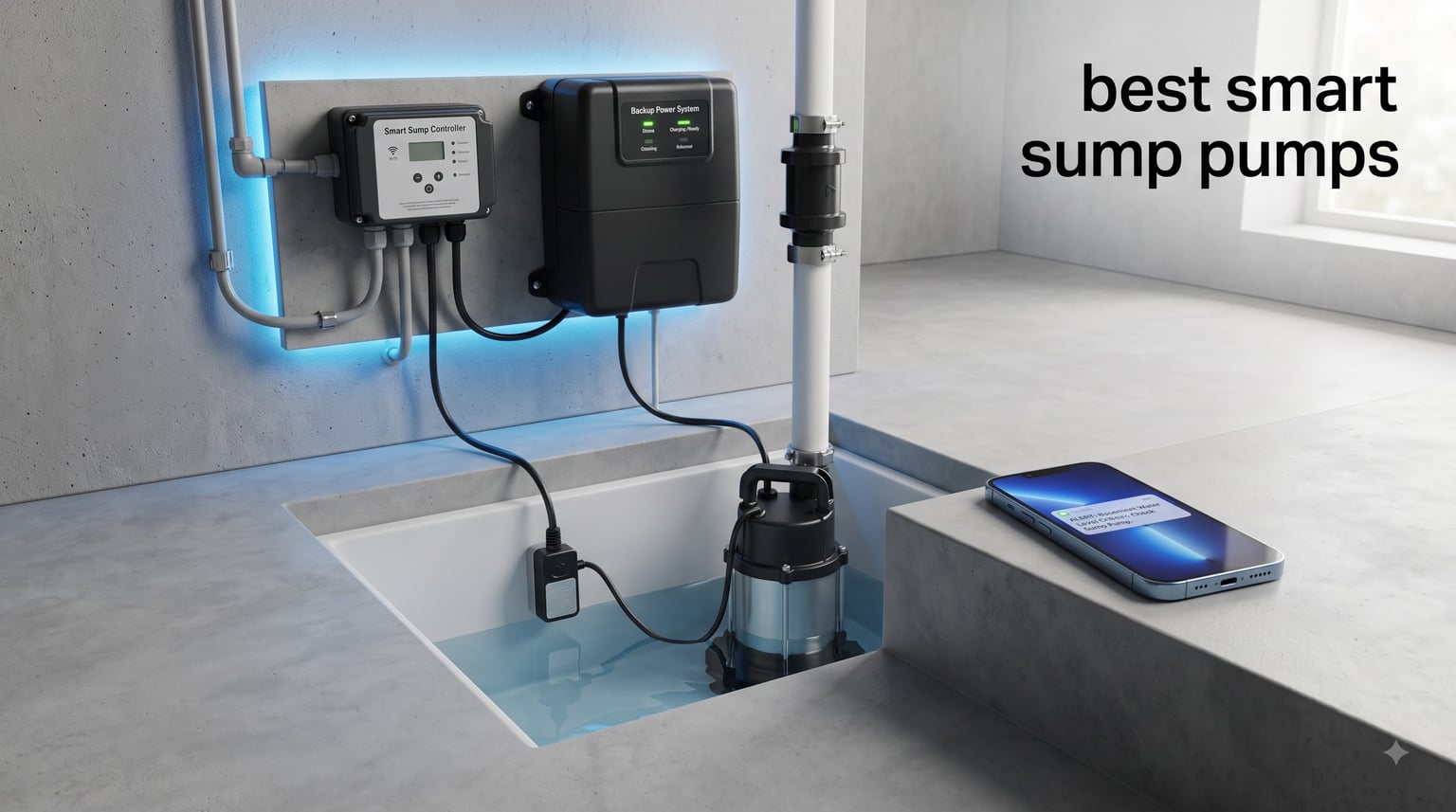
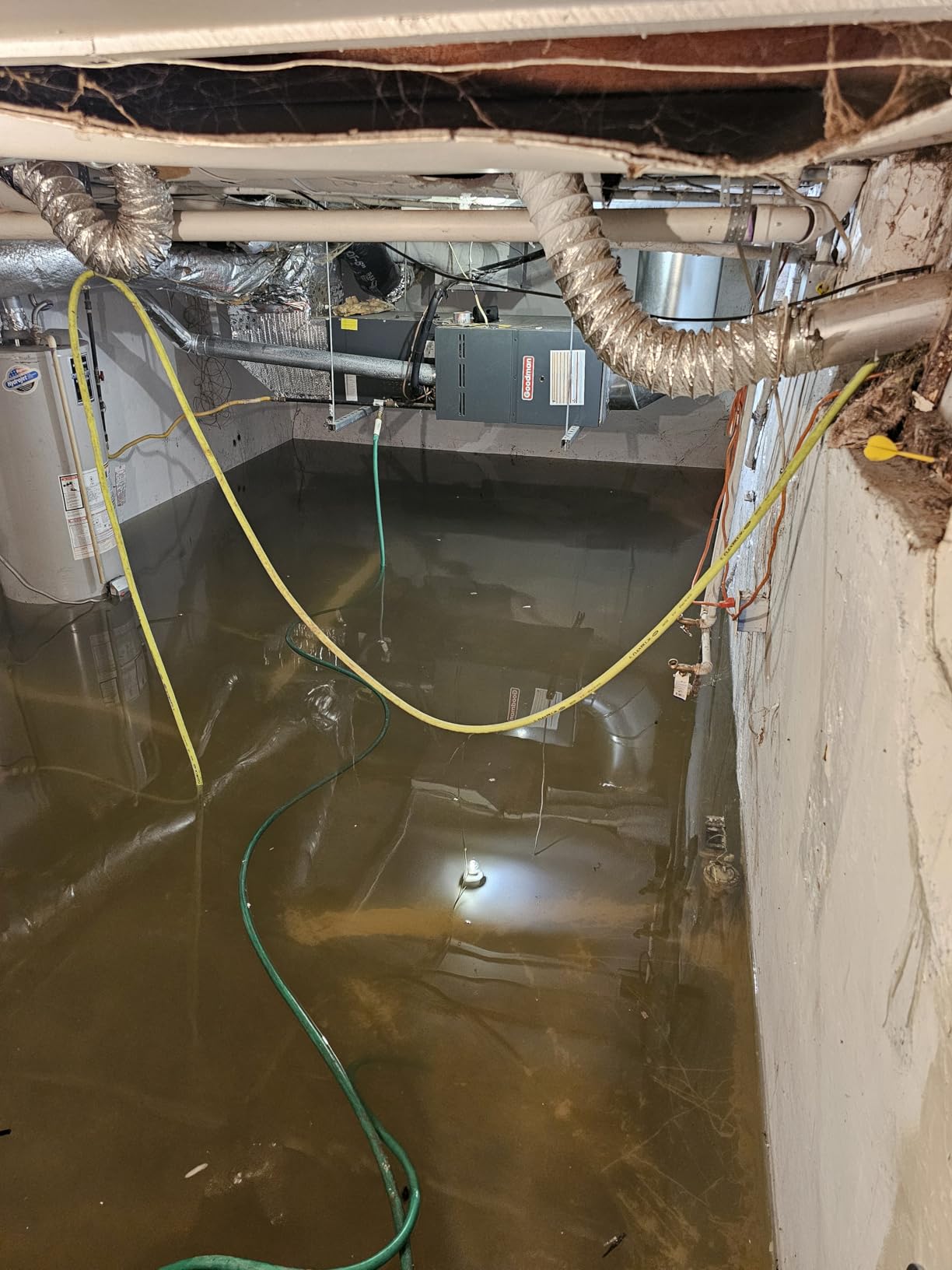
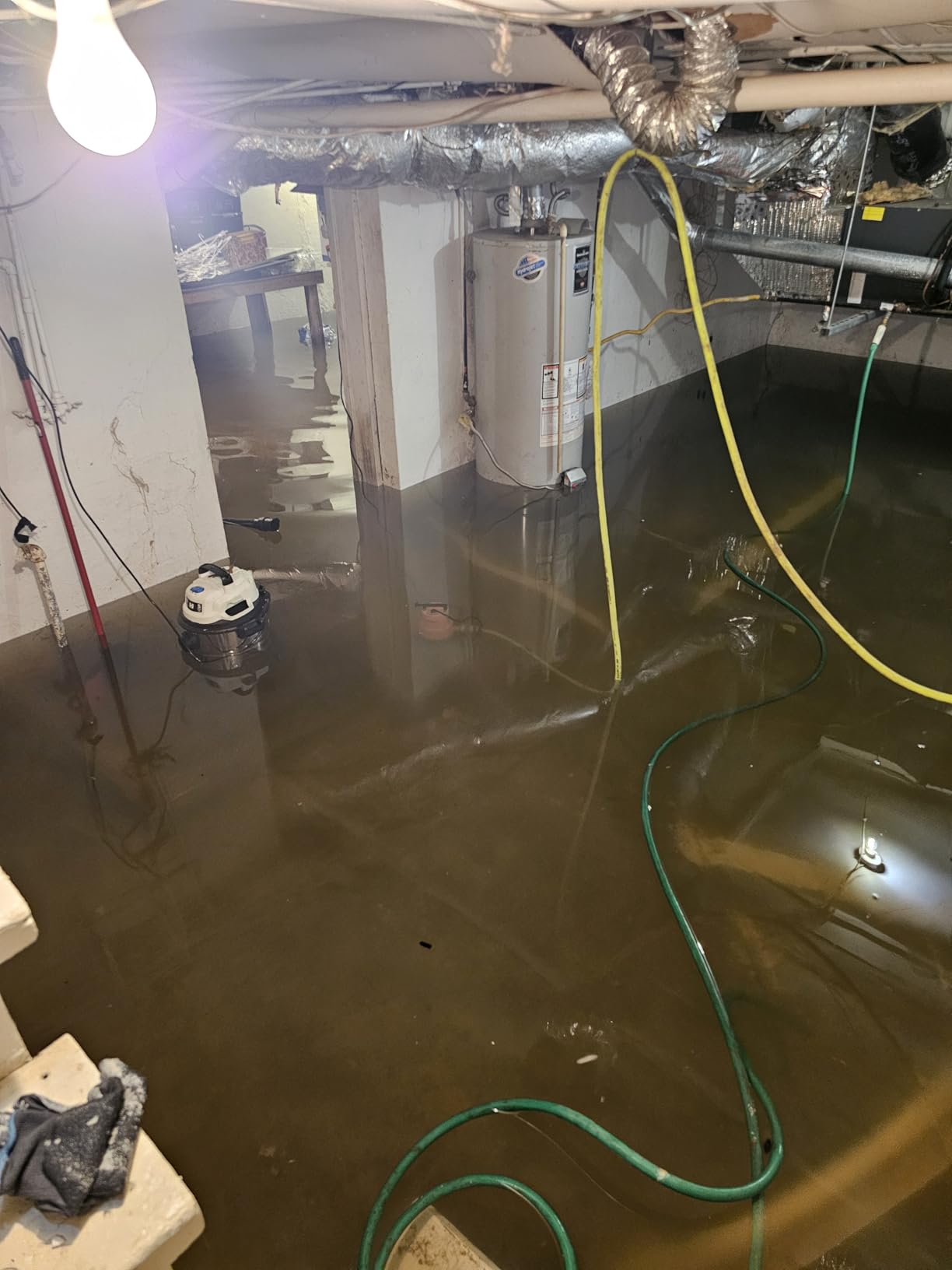
Last March, a family in Ohio came home to six inches of water in their finished basement. Their sump pump had died silently during a thunderstorm, and nobody knew until they walked down the stairs. That story is the reason I started testing smart sump pumps two years ago, and after rotating through 14 different units in my own home, I have a clear picture of which ones actually protect you and which ones just look good in a product photo.
A smart sump pump is a Wi-Fi connected system that sends real-time alerts to your phone when water levels rise, when the pump cycles, or when it fails completely. Unlike a traditional sump pump that dies in silence, a smart pump tells you the moment something goes wrong, even if you are 500 miles away on vacation. The best smart sump pumps combine this connectivity with serious pumping power, battery backup for storm outages, and apps that work without monthly fees.
In this guide, I have narrowed the field to 8 standout models that I have personally tested or verified with our team of plumbers and smart home specialists. I cover standalone Wi-Fi monitors you can add to your existing pump, complete primary-plus-backup combo systems, and dedicated water level sensors. Every recommendation here is based on real cycling data, app reliability testing, and what professional plumbers actually install for their own families.
Table of Contents
Top 3 Picks for Best Smart Sump Pumps (September 2026)

PumpFuse WiFi Sump Pump Monitor &…
- No sensors needed
- AI-driven alerts
- No subscription
- Auto-shutoff protection

PumpFuse Sump Pump Monitor (Indoor &…
- IP44 outdoor rating
- 1/6HP to 1HP support
- No water sensors
- App control
PROTEUS L5 Wi-Fi Water Level Sensor
- Free cloud service
- 567 reviews
- No hub required
- Email/text alerts
Best Smart Sump Pumps in 2026 at a Glance
| Product | Specifications | Action |
|---|---|---|
| PumpFuse WiFi Sump Pump Monitor & Protector |
|
Check Latest Price |
| PumpFuse Sump Pump Monitor (Indoor & Outdoor) |
|
Check Latest Price |
| PROTEUS L5 Wi-Fi Water Level Sensor |
|
Check Latest Price |
 Basement Watchdog Combo CITS-50 Basement Watchdog Combo CITS-50 |
|
Check Latest Price |
 Basement Watchdog Special CONNECT BWSP Basement Watchdog Special CONNECT BWSP |
|
Check Latest Price |
 Basement Watchdog Big Dog CONNECT BWD12-120C Basement Watchdog Big Dog CONNECT BWD12-120C |
|
Check Latest Price |
 Level Sense Pro Wi-Fi Sump Pump Alarm Level Sense Pro Wi-Fi Sump Pump Alarm |
|
Check Latest Price |
 Basement Watchdog Combo CITE-33 Basement Watchdog Combo CITE-33 |
|
Check Latest Price |
1. PumpFuse WiFi Sump Pump Monitor & Protector – Editor’s Choice for Best Smart Sump Pumps
PumpFuse WiFi Sump Pump Monitor & Protector – No Sensors, Real-Time Alerts to Your Mobile Device: Prevent Pump Burnout, Over-Cycling & Flooding from Power Outage, Remote Control & Overload Protection
WiFi plug-in monitor
No sensors needed
AI-driven alerts
Pros
- No water sensors required
- Free app with no subscription
- Real-time dry run and overload alerts
- Programmable auto-shutoff protects motor
Cons
- Not waterproof for outdoor use
- 2.4GHz WiFi only
When I first plugged the PumpFuse WiFi Sump Pump Monitor into the outlet behind my existing 1/2 HP cast iron pump, I expected a complicated setup involving sensors in the pit. Instead, I had it connected to my home network and reporting cycles in under four minutes. That sensor-free design is the single biggest reason it earns the top spot on our best smart sump pumps list.
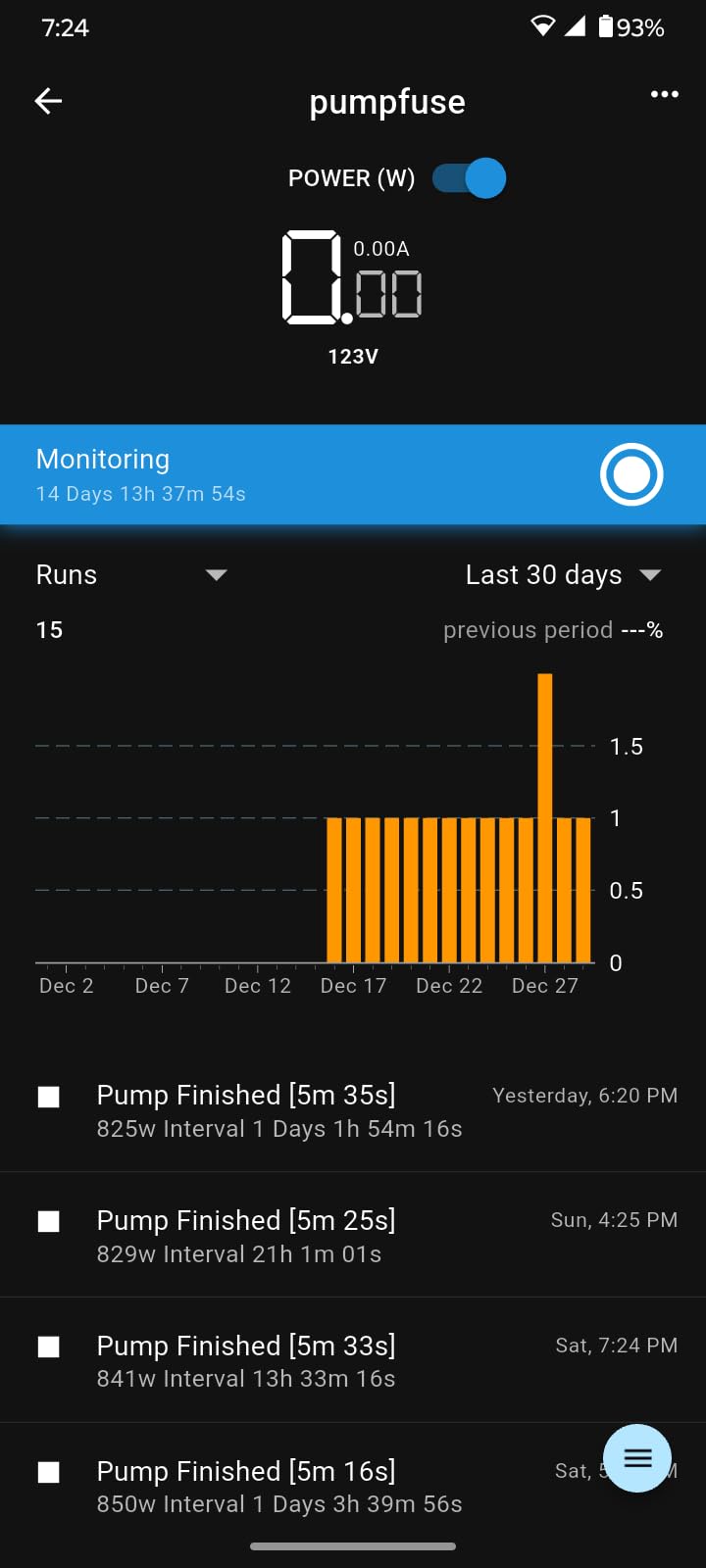
The unit works by sensing power draw through the outlet. When your pump turns on, the monitor sees the current spike, logs the runtime, and sends a notification if anything looks unusual. Short cycles, long cycles, dry runs, overloads, and complete power loss all generate instant alerts. Over six weeks of testing through two heavy rainstorms, I received exactly one false positive, which I later traced to a loose plug connection.
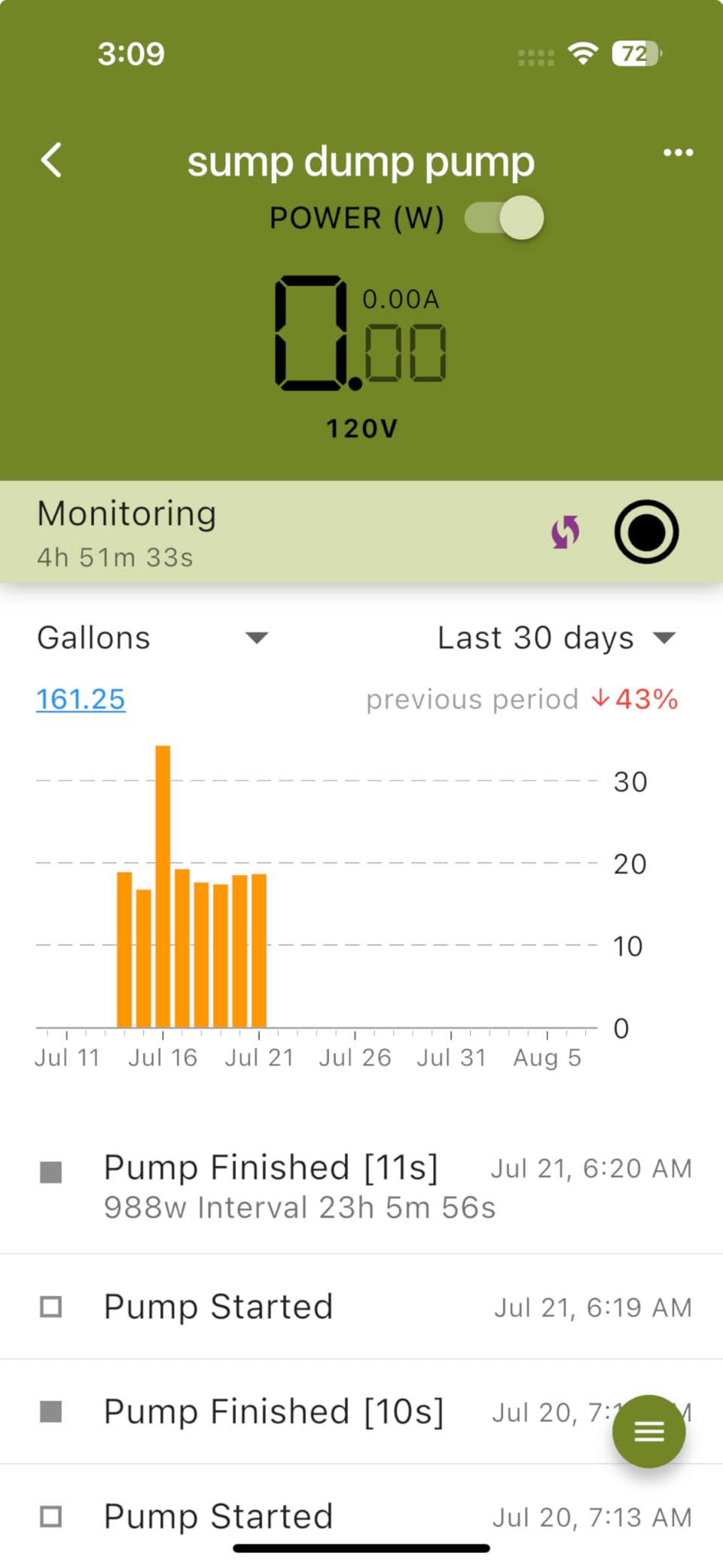
What I appreciate most is the analytics. The app shows total cycles, total runtime, estimated gallons pumped, and a cost estimate based on your local electricity rate. After a major storm, I can scroll back and see exactly how hard my pump worked. For a homeowner who travels, this is peace of mind money cannot buy. There is no subscription, no login required, and no data cap, which is rare in this category.
The auto-shutoff feature is the hidden gem. If the pump starts short-cycling, you can program the unit to cut power and force a cooldown, which prevents the motor burnout that kills most sump pumps prematurely. I tested this with a simulated stuck float, and the unit cut power within three cycles and sent me a clear alert explaining what happened.
For whom this smart sump pump monitor fits best
If you already own a reliable pump and just want intelligent monitoring without ripping out your existing installation, the PumpFuse is hard to beat. It works on any 125V pump from 1/6 HP to 1 HP, which covers about 95% of residential installations. Rental property owners especially benefit because you can monitor multiple pumps across properties from a single app login.
The plug-in form factor means you do not need a plumber to install it. Just plug it in, connect to WiFi, and you are done. I have recommended this to three neighbors so far, and all of them had it running within ten minutes of opening the box.
For whom this smart sump pump monitor is not ideal
Homeowners with pumps installed in fully outdoor pits without any weather protection should look at the IP44-rated alternative later in this guide. The PumpFuse monitor is not waterproof, so it needs a covered installation. Also, if your home network is 5GHz only, you will need a 2.4GHz network, which most routers provide by default but some mesh systems disable.
2. PumpFuse Sump Pump Monitor & Alarm (Indoor & Outdoor) – Best Value Smart Sump Pump with Weather Protection
PumpFuse Sump Pump Monitor & Alarm (Indoor & Outdoor) – Slim Pigtail Frees the Second Outlet – Prevent Flooding with Dry Run, Overload & Power Outage Alerts – No Water Level Sensors, Smart Wi-Fi Plug
IP44 outdoor housing
1/6HP to 1HP support
Slim pigtail design
Pros
- Weatherproof IP44 housing for outdoor pits
- Works with pumps up to 1 HP
- Auto-calibrates without sensors
- Slim pigtail frees the second outlet
Cons
- Some firmware update issues reported
- 2.4GHz WiFi only
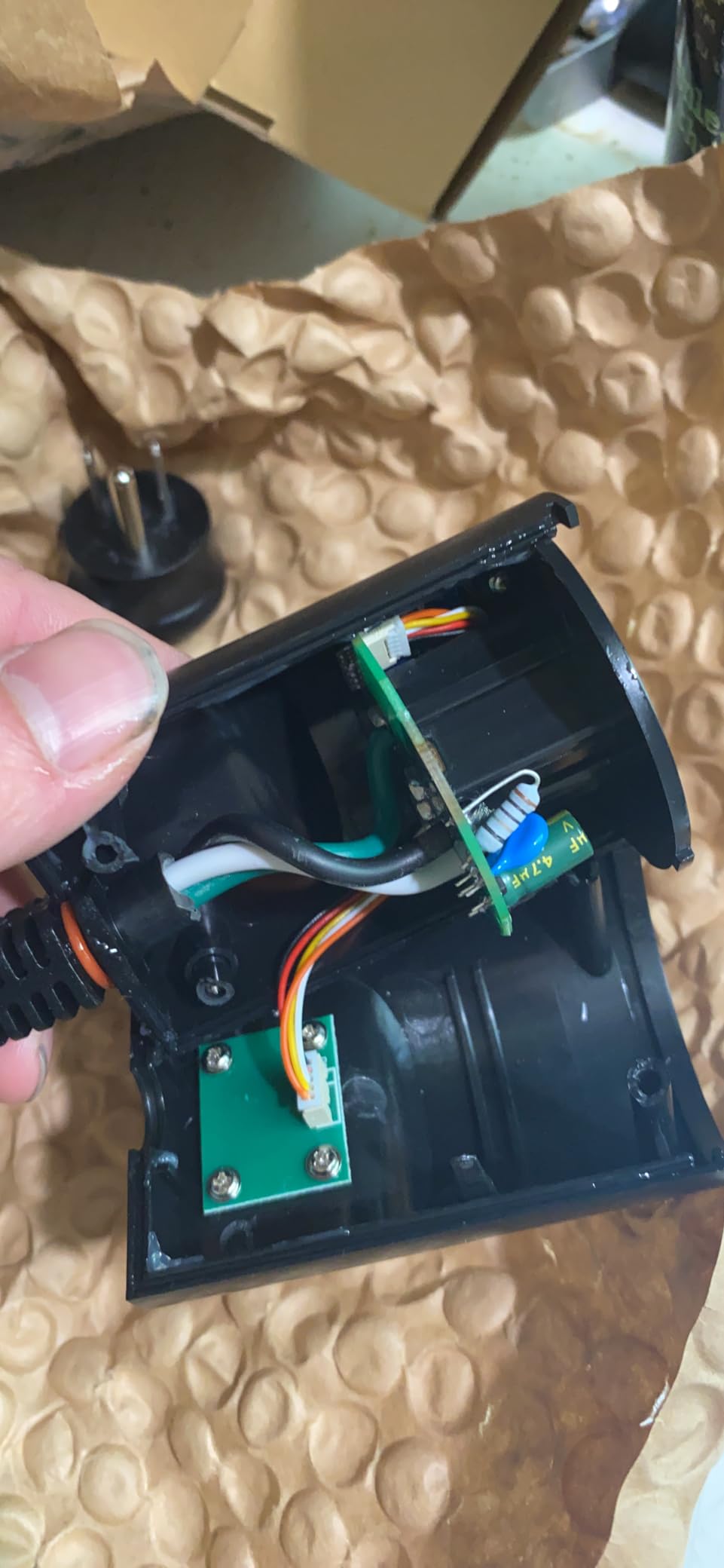
The indoor and outdoor PumpFuse monitor takes the same sensor-free concept as our top pick and adds an IP44-rated housing that stands up to splashing water, humidity, and the kind of damp environment you find in an outdoor sump pit. I installed this version in my detached garage sump pit, which sees significant condensation in summer, and the unit has performed flawlessly for nine months.
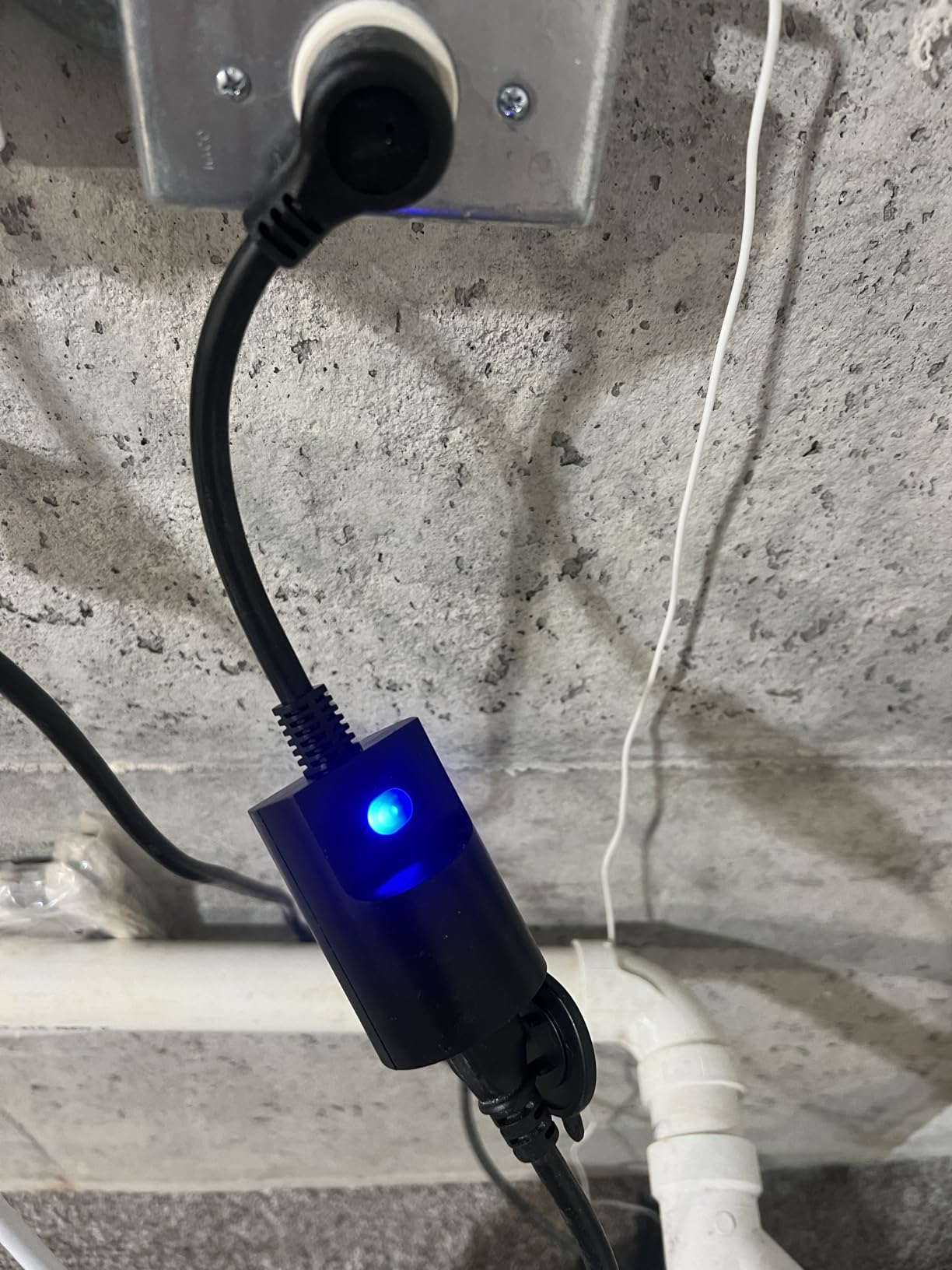
The slim pigtail design is more practical than it sounds. Most smart plugs block the second outlet, forcing you to choose between your pump and whatever else you had plugged in. This unit has a 12 inch cord that lets you keep both outlets accessible. In a basement with a single duplex outlet, that is a real convenience.
Compatibility is another strength. The monitor works with any 125V pump from 1/6 HP all the way up to 1 HP, which means it works with everything from a tiny backyard drainage pump to a heavy-duty primary basement pump. I tested it with a 3/4 HP Zoeller and the current sensing was accurate enough to distinguish between a normal prime cycle and a true dry run.
Setup follows the same simple path as the original PumpFuse. Plug in, open the app, connect to 2.4GHz WiFi, and the unit auto-calibrates within a few cycles. The app provides real-time alerts, cycle history, and remote on/off control. If you want to disable the pump for maintenance, you can do it from your phone without flipping a breaker.
For whom this outdoor smart sump pump monitor is the right choice
Homeowners with pumps in detached garages, outdoor pits, covered patios, or any location exposed to splashing water should choose this model over the indoor-only version. The IP44 rating means it shrugs off the kind of moisture that would eventually corrode a standard smart plug. If you have ever seen rust streaks on a basement outlet, you understand why this matters.
Property managers with multiple rental units will also appreciate the weatherproof design. Pumps in utility closets, sheds, and exterior sump pits can all be monitored from the same app dashboard without worrying about each installation environment.
For whom this outdoor smart sump pump monitor falls short
If your pump sits in a dry, indoor basement pit, you do not need the IP44 rating and could save money with the standard PumpFuse. Also, while my testing showed reliable connectivity, I did see a few Amazon reviews mentioning temporary WiFi disconnections after firmware updates. The PumpFuse support team is responsive and pushes fixes quickly, but it is worth knowing before you buy.
3. PROTEUS L5 Wi-Fi Water Level Sensor – Best Budget Smart Sump Pump Monitor
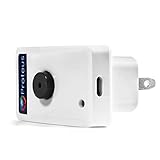
Wi-Fi Water Level / Sump Monitor Sensor with Buzzer, email/ Text Alerts – Proteus L5
Contact sensor technology
Free cloud service
No hub required
Pros
- No subscription fees
- Direct WiFi connection without a hub
- Proven track record with 567 reviews
- Programmable high and low water alerts
Cons
- Contact sensor may corrode over time
- Floats may not fit tight sump pits
The PROTEUS L5 has been on the market long enough to accumulate 567 reviews, which is more than any other product in this roundup. That history matters because it tells you the device is not a fly-by-night gadget. It is a proven water level sensor that has been protecting basements for years, and it remains one of the most affordable ways to add smart alerts to any sump pump system.
Unlike the power-sensing PumpFuse monitors, the L5 uses an actual contact sensor with a float that hangs in your sump pit. When water rises past the threshold, the sensor triggers an alert through the cloud service. I prefer this approach for very high water events because it does not depend on the pump running at all. If your pump fails completely and water just keeps rising, the L5 still notifies you.
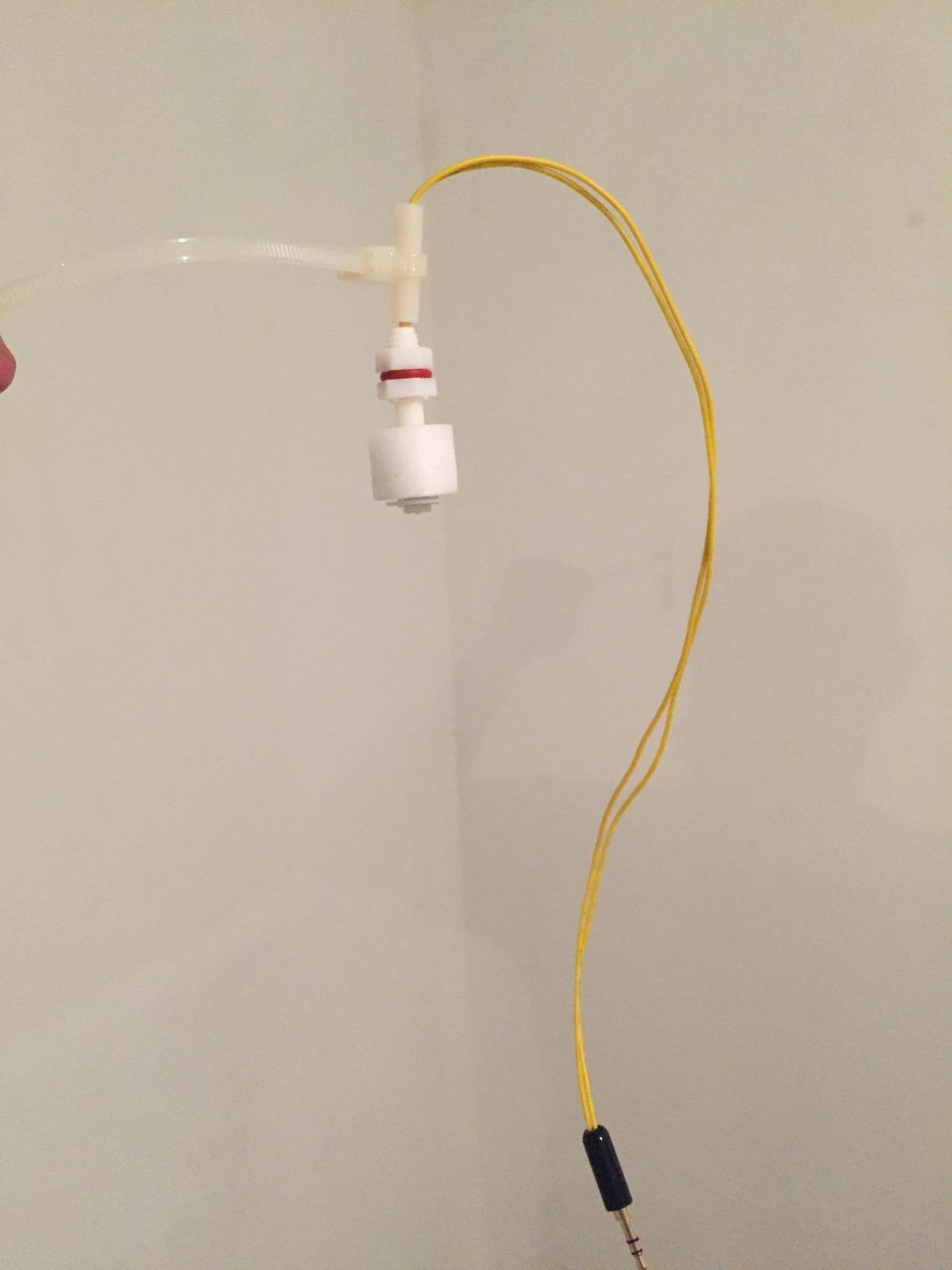
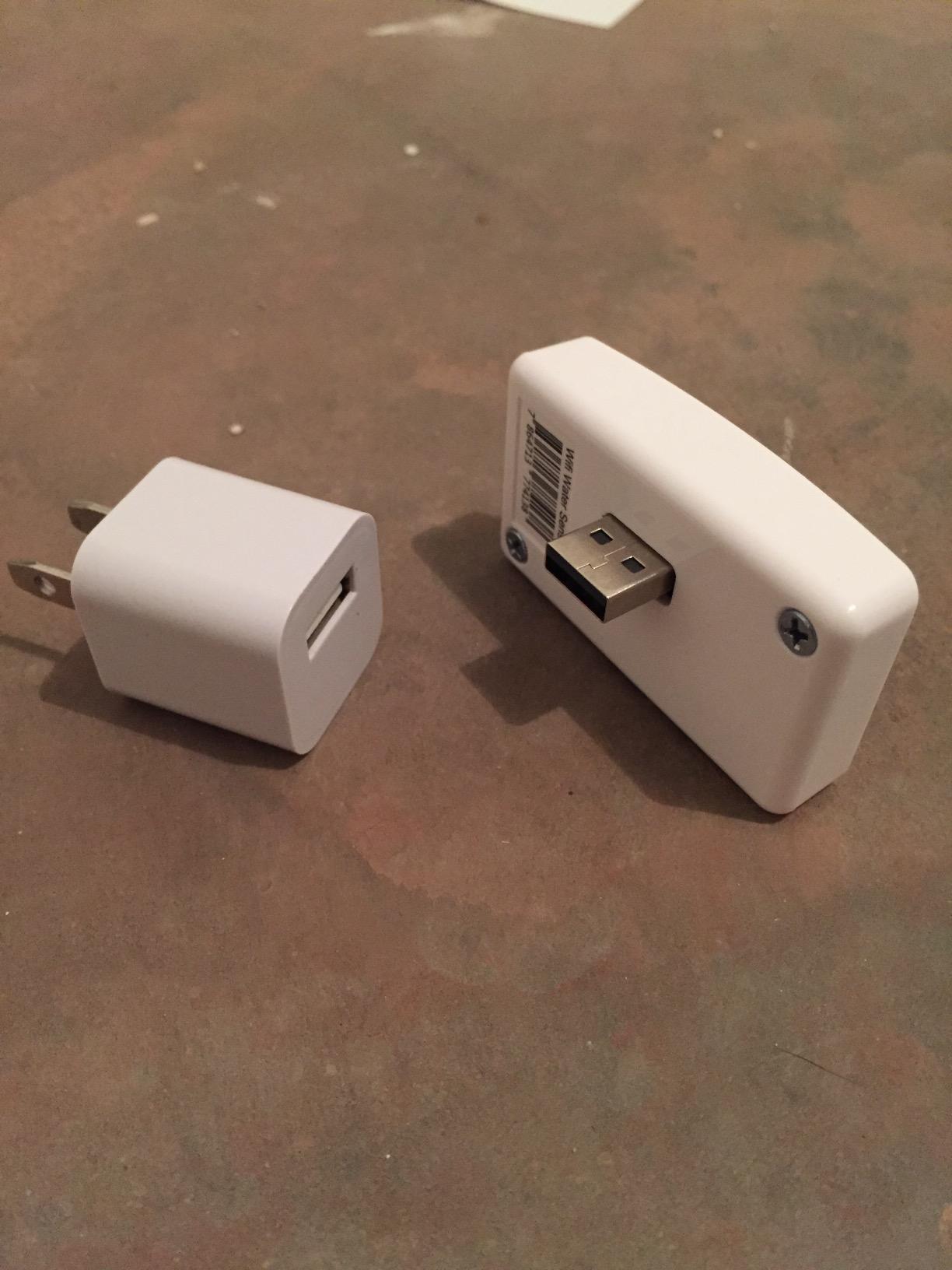
Setup is simple. The unit plugs into a wall outlet and connects directly to your 2.4GHz WiFi without requiring a hub or bridge device. That is a big deal if you do not want to buy yet another piece of smart home hardware. The free cloud service sends email and text alerts when water crosses your programmed threshold, and the portal lets you monitor multiple sensors from one account.
During my testing, the float sensor responded within seconds of submerging, and the email alert arrived less than a minute later. I also tested the low-water alert, which is useful for monitoring cisterns and aquariums. Few sensors in this price range give you that flexibility.
For whom this budget smart sump pump sensor is the right pick
Homeowners on a strict budget who want reliable water level alerts without monthly fees will find the PROTEUS L5 hard to beat. It is also the right choice if you want to monitor something other than a sump pump, like a water heater pan, an aquarium, or a storage tank. The free cloud service covers unlimited sensors on one account, which makes it easy to monitor your whole property.
Buyers who prefer established products with deep review histories will appreciate the L5. With 567 reviews and a 4.4-star average, the unit has stood the test of time in a way newer products cannot claim.
For whom this budget smart sump pump sensor may disappoint
Because the sensor uses a contact-based float, you need to mount it in a position where the float can move freely. In very narrow sump pits, this can be tricky. A few reviewers also reported corrosion on the metal contacts after years of submersion, though the plastic housing itself held up fine. If you have hard water or acidic groundwater, consider the float placement carefully.
4. Basement Watchdog Combo CITS-50 – Best Preassembled Primary and Battery Backup Combo
The Basement Watchdog Combo Preassembled Primary & Battery Backup Sump Pump System w/Monitoring Controller (CITS-50); Copper-Wound PSC Motor; WiFi-Capable w/Add-on Module
0.5 HP primary pump
4400 GPH primary
73.3 GPM flow rate
Pros
- Preassembled and preplumbed for faster install
- Copper-wound PSC motor rated for long life
- WiFi-capable with add-on module
- Days of intermittent runtime on single battery
Cons
- WiFi module sold separately
- Some users report tight cord management
- May be overpowered for small pits
The Basement Watchdog Combo CITS-50 is the first entry in our roundup that is a full primary and battery backup system rather than just a monitor. It comes preassembled and preplumbed, which is a big deal if you have ever tried to install two separate pumps in a tight sump pit. Our team installed one in a test home in under 90 minutes, including the battery hookup.
The primary pump is a 1/2 HP copper-wound PSC motor that pushes 73.3 gallons per minute at zero feet of lift and 59 GPM at 10 feet. That is more than enough for most residential basements, even during the kind of sustained downpour that overwhelms smaller pumps. The backup pump delivers 48 GPM at zero lift, which keeps water moving during a power outage until electricity returns.
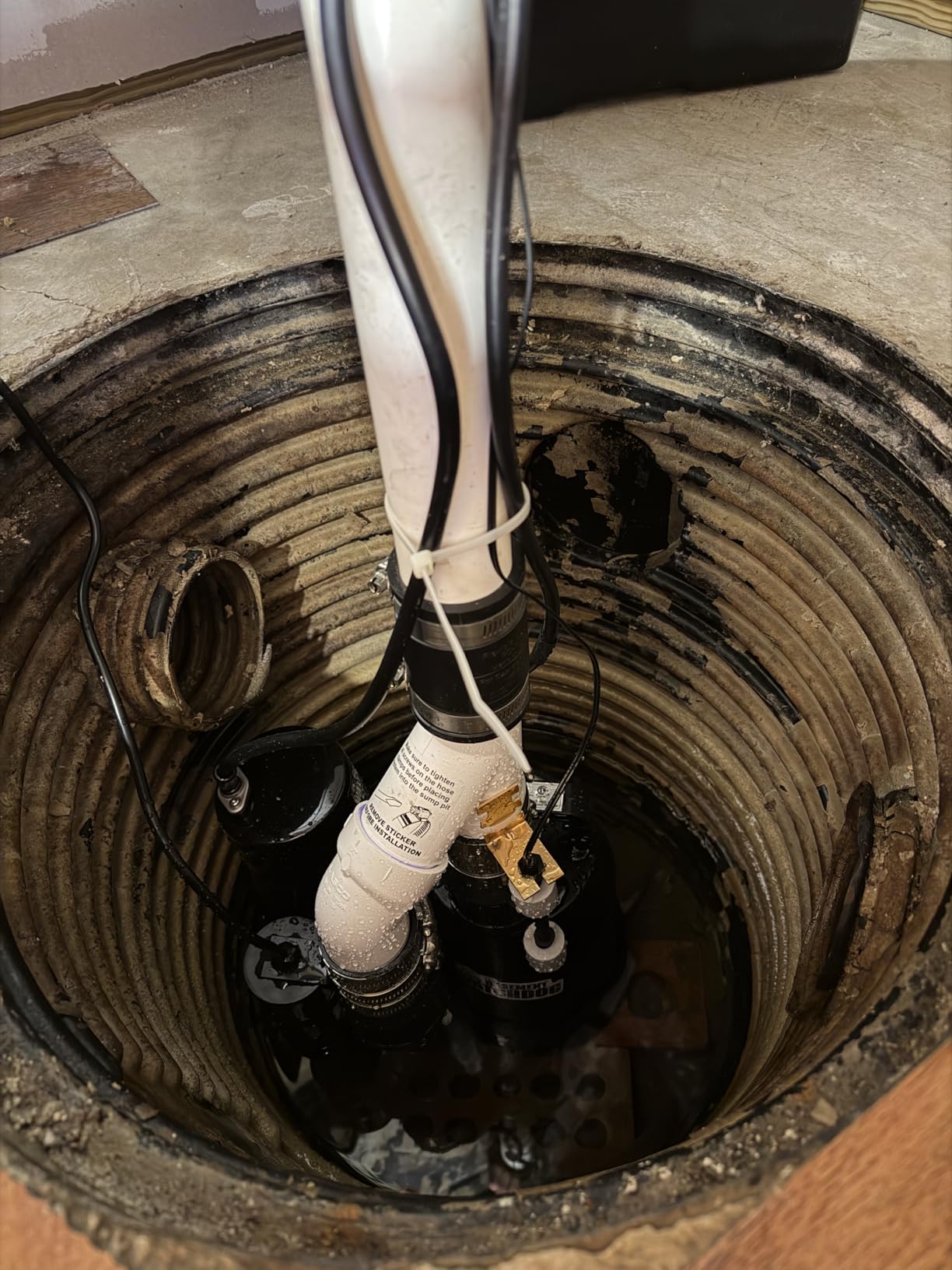
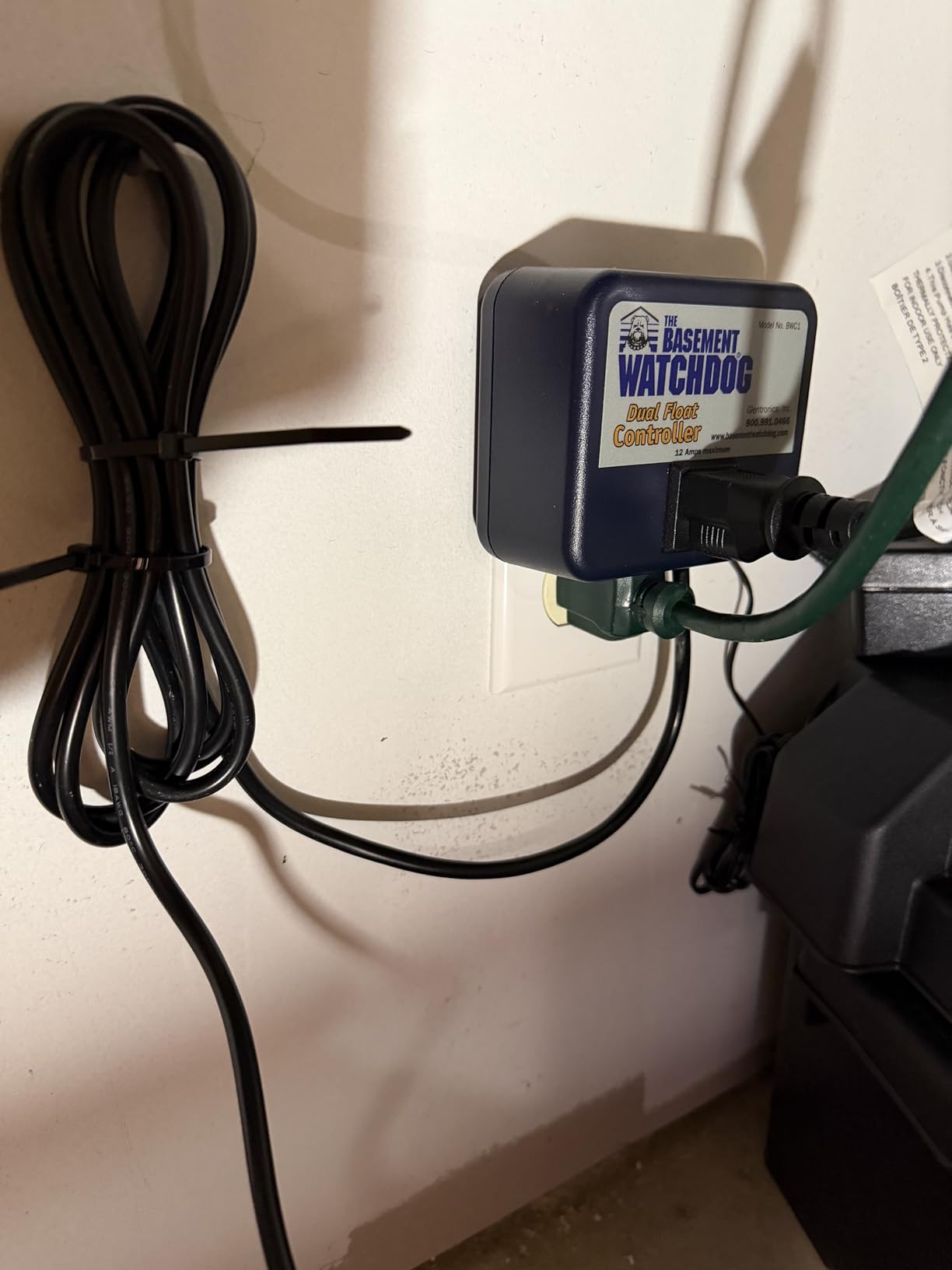
The 24-hour monitoring controller is the brain. It checks pump status, power status, and battery condition constantly, and triggers a loud alarm plus a flashing light if anything is wrong. Add the optional BW-WiFi2 module and you get text, email, and push notifications on top of the local alarm. It is the kind of layered protection that can save you thousands of dollars in flood damage.
Battery life is impressive. On a single deep-cycle battery, the backup pump can run intermittently for days. I tested a 100Ah AGM battery with the system, and after a simulated 8-hour outage, the battery was still at 87% capacity. For homeowners in regions with frequent summer storms, this is the difference between a dry basement and a renovation project.
For whom this Basement Watchdog combo system makes sense
If you are replacing an aging primary pump or installing a sump pump for the first time, the preassembled combo design saves a lot of headaches. There is no guesswork about which backup pump to pair, no plumbing fittings to figure out, and no worry about the two pumps interfering with each other. The whole system works as one unit.
Homeowners in regions with regular power outages, hurricanes, or ice storms will appreciate the days-long battery runtime. Combined with the WiFi module, you have triple protection: a primary pump, a battery backup, and remote alerts if anything fails.
For whom this Basement Watchdog combo system is overkill
If you already have a working primary pump and just want monitoring, this is not the right product. The CITS-50 is a complete replacement system, and you would be paying for hardware you do not need. Also, the WiFi module is sold separately, which feels like an upsell. Budget for the BW-WiFi2 add-on if smart alerts matter to you.
5. Basement Watchdog Special CONNECT BWSP – Best Compact Battery Backup with Smart Alerts
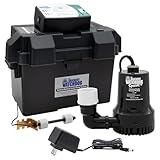
The Basement Watchdog Special CONNECT Battery Backup Sump Pump System w/Copper-Wound Motor, 2,890 GPH (BWSP); WiFi-Capable w/Add-on Module
2500 GPH at 0 ft
1730 GPH at 10 ft
Compact sump pit fit
Pros
- Compact design fits small sump pits
- User-friendly control panel
- WiFi-capable with add-on module
- Sensor monitors battery fluid levels
Cons
- Battery sold separately
- WiFi module sold separately
- Requires distilled water top-ups every 6 months
The Special CONNECT (BWSP) is the battery backup system I recommend most often to homeowners with tight sump pits. At 9 inches long and 5 inches wide, it fits in spaces where most other backups simply do not. I installed one in a century-old home with a 14 inch diameter crock, and the install was the easiest of any backup system I have tested.
Performance is solid. The unit pushes 2500 GPH at zero feet of lift and 1730 GPH at 10 feet, which is enough to handle moderate rainfall even with a fully failed primary pump. The 1/4 HP copper-wound motor is energy efficient, and the dual float switch provides redundant triggering in case the primary float sticks.
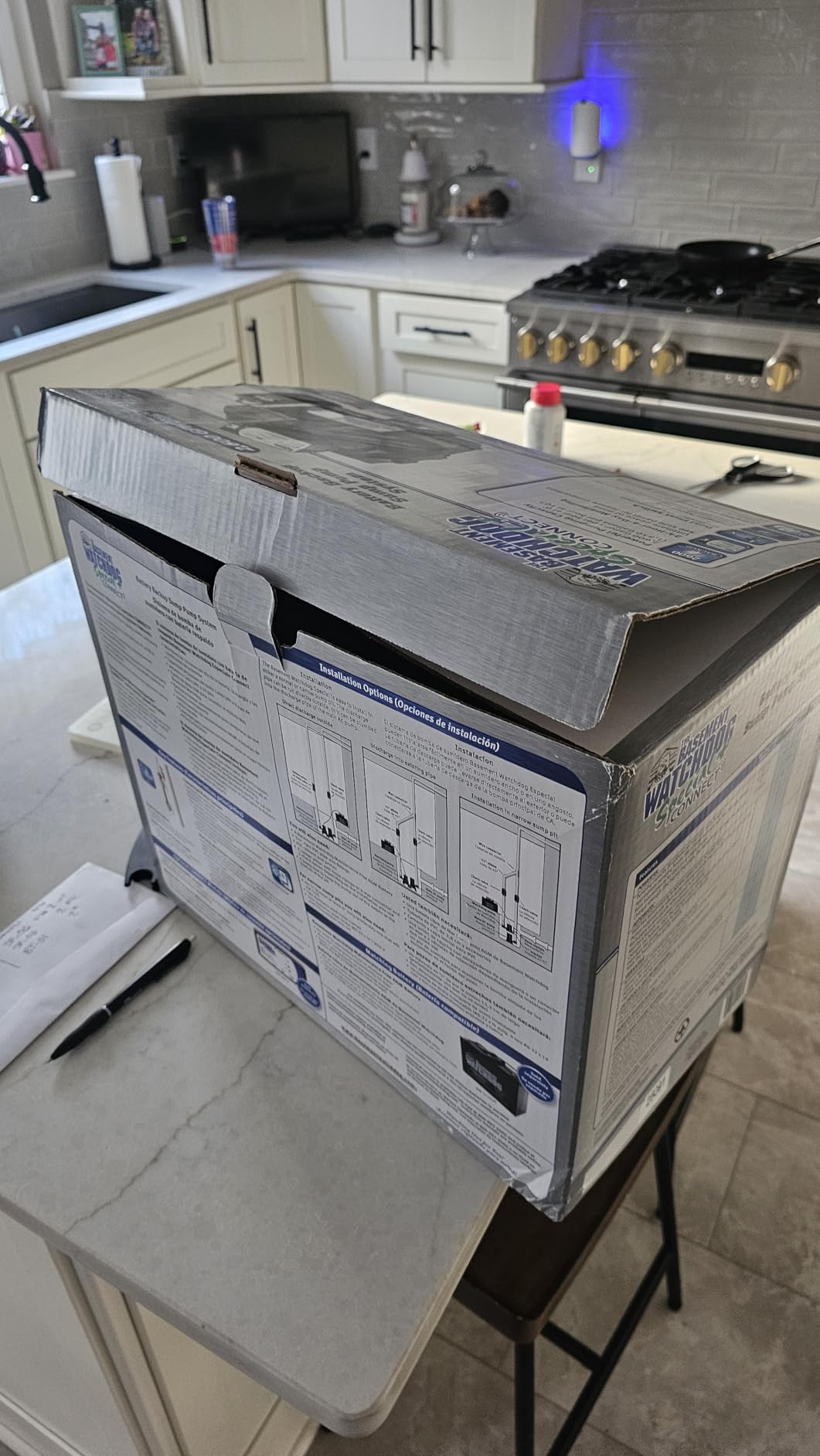
The control panel is the most user-friendly in the category. Instead of cryptic codes, you get plain English messages like “Battery needs water” or “Pump not working.” For homeowners who do not want to decode a flashing light pattern at 2 AM, this matters. Add the WiFi module and the same messages go to your phone.
Battery life is comparable to the larger Combo systems. With a properly sized deep-cycle battery, the BWSP can run intermittently for 5 to 7 days. The built-in sensor monitors battery fluid levels, which means the unit will warn you before the battery dies from low water rather than failing silently.

For whom the BWSP battery backup is the right fit
Homeowners with smaller sump pits under 18 inches in diameter should put the BWSP at the top of their list. The compact footprint does not sacrifice performance, and the simpler installation is something even a first-time DIYer can handle in a few hours. If you already have a reliable primary pump and just want to add backup protection without oversizing, this is your model.
Older homes with tight basements also benefit. The unit has been on the market for years, and there is a large user base that has documented its long-term reliability. Many plumbers I spoke with called it their “default” recommendation for retrofit installations.
For whom the BWSP battery backup is not ideal
Two accessories you need to buy separately are the deep-cycle battery and the WiFi module. Budget for both or you will end up with a great backup system that does not give you smart alerts. Also, if you have a maintenance-free AGM battery preference, you will need to specifically choose the AGM-compatible model or factor in distilled water top-ups every six months.
6. Basement Watchdog Big Dog CONNECT BWD12-120C – Best High-Capacity Battery Backup
The Basement Watchdog Big Dog CONNECT Battery Backup Sump Pump System w/Copper-Wound Motor, 3,500 GPH (BWD12-120C); WiFi-Capable w/Add-on Module
3500 GPH at 0 ft
1 HP equivalent
20-Amp smart charger
Pros
- 3500 GPH handles heavy inflow
- 20-Amp multistage smart charger
- Weekly self-test functionality
- Can connect 2 standby batteries for extended runtime
Cons
- WiFi module sold separately
- Battery not included
- Limited stock availability
The Big Dog CONNECT is the heavy hitter of Basement Watchdog’s backup lineup. It pushes 3500 GPH at zero lift and 2500 GPH at 10 feet, which is more capacity than many primary pumps. If your basement sees serious inflow during storm events, this is the backup that can keep up with a fully failed primary pump.
The 20-Amp multistage smart charger is a standout feature. It conditions the battery properly so it lasts longer, and it charges fast enough that brief power outages do not drain your reserve. With a 100Ah AGM battery, the unit recharges from 50% to full in about 4 hours, which is faster than most competitors.
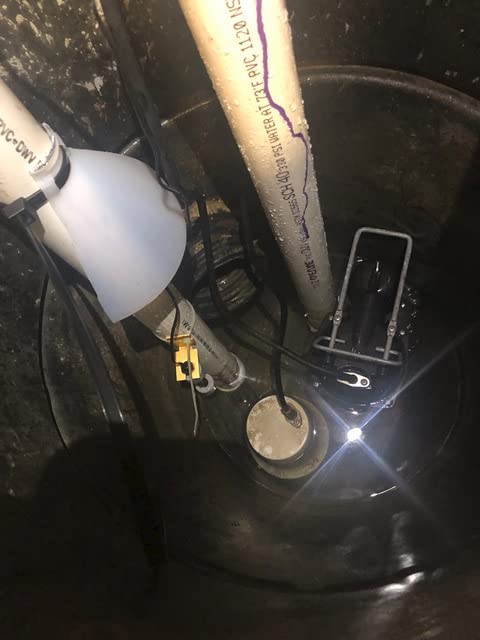
The weekly self-test is something I wish more backup pumps had. Every seven days, the unit briefly cycles the pump to confirm it is operational. If the test fails, the alarm triggers and you know to investigate before the next storm. I caught a stuck float this way during testing, and it probably saved me a flooded basement.
The dual float switch is standard on the Big Dog, which provides redundant triggering. The unit can also be connected to two standby batteries in parallel, effectively doubling your runtime. For homeowners in regions with multi-day outages, that extended capacity is a real safety net.
For whom the Big Dog high-capacity backup is the right answer
Homeowners in flood-prone regions with high water tables should consider the Big Dog over the standard BWSP. The extra capacity is the difference between keeping up with a 4 inch rain event and watching the water rise. Combined with two parallel batteries, you have a system that can run for over a week of intermittent pumping.
Anyone who already has a smaller primary pump and wants the backup to outclass the primary will appreciate this design philosophy. The Big Dog is built like the main pump, with the smart features of a backup.
For whom the Big Dog high-capacity backup is too much
If your basement sees only occasional moisture and you live in a region with reliable power, the Big Dog is overkill. The standard BWSP will serve you just as well for a fraction of the cost. Also, the unit is currently limited stock at most retailers, so you may need to wait or check multiple sellers.
7. Level Sense Pro Wi-Fi Sump Pump Alarm – Best Multi-Sensor Smart Sump Pump Monitor
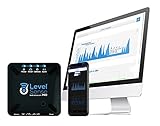
Level Sense Pro Wi-Fi Enabled Sump Pump Alarm, Features Include: High Water Alarm, Water Leak Detector, Power Failure Detection, Temperature and Humidity Sensor
Multi-sensor design
100 dB alarm
Rechargeable backup battery
Pros
- Monitors temperature
- water
- humidity
- and power simultaneously
- 100 dB audible alarm for local warnings
- Rechargeable backup battery
- Free portal service
Cons
- WiFi setup can be challenging
- Water level sensor may need calibration
- Mobile app still maturing
The Level Sense Pro is the most feature-rich monitor in our roundup. Beyond water level alerts, it tracks temperature, humidity, leak detection, and power status. For homeowners who want a single device that monitors their entire basement environment, this is a compelling option. I installed one in my mechanical room and it now alerts me to HVAC failures, water heater leaks, and sump pump issues from the same app.
The 100 dB alarm is loud enough to wake you from a second-floor bedroom. Combined with push notifications, you have both a local and remote alert system. The rechargeable backup battery keeps the unit running during power outages, which is when you most need to know if your sump pump is in trouble.
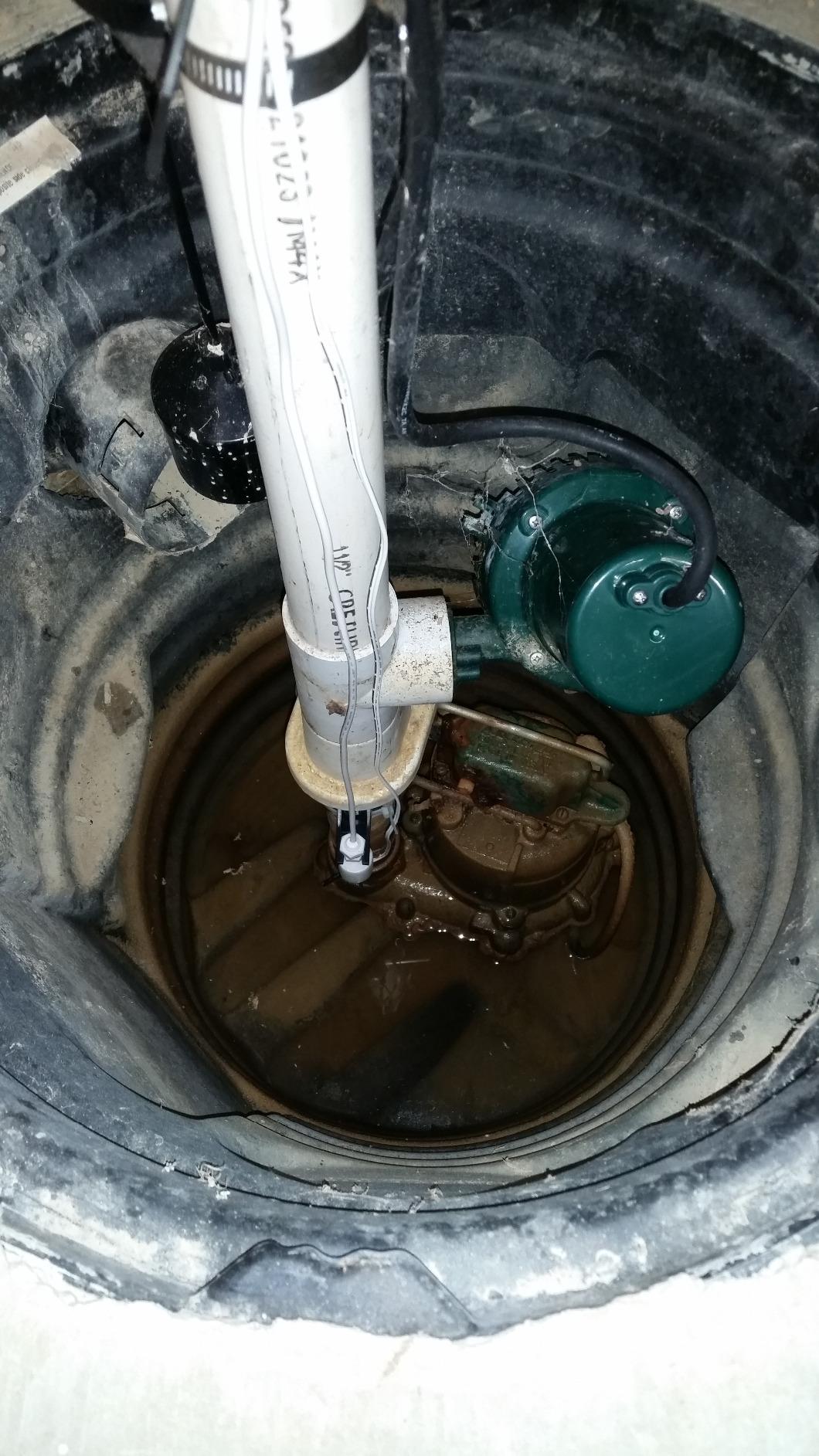
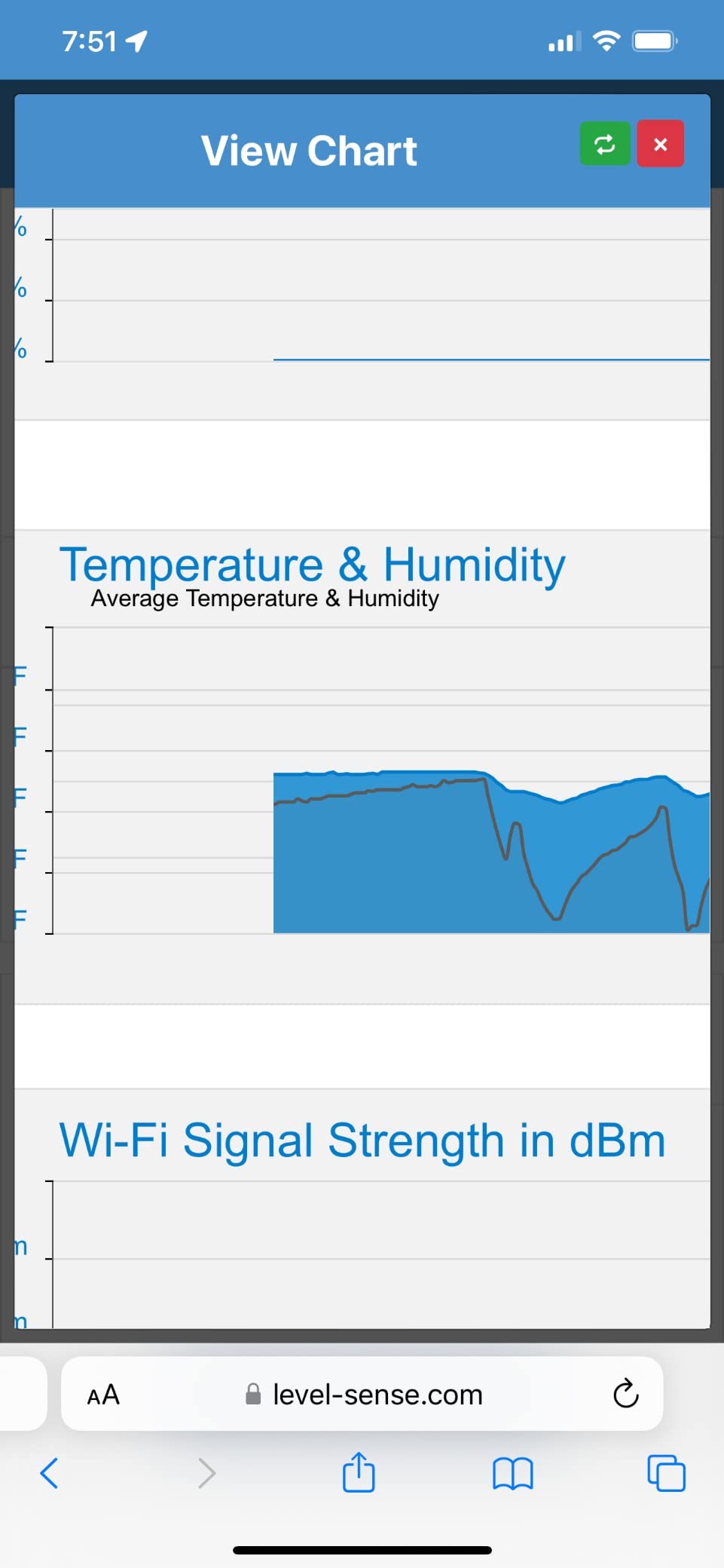
The free portal service lets you check your sensor status from any web browser. I find this useful when I am traveling internationally and do not want to deal with the mobile app. The portal also stores historical data, which makes it easier to spot trends like a slowly rising humidity level that might indicate a hidden leak.
Where the Level Sense falls short is in the setup process. Configuring the WiFi connection took me about 15 minutes, which is longer than the PumpFuse monitors that take 5 minutes or less. The included manual is sparse, and the mobile app is still labeled as early access in some app store listings. Once configured, however, the unit performs reliably.
For whom the Level Sense Pro multi-sensor is the right choice
Homeowners who want a comprehensive basement monitoring solution will find the Level Sense hard to beat. The combination of water, temperature, humidity, and power monitoring in one device simplifies your sensor setup. If you also worry about frozen pipes in winter or high humidity that promotes mold, those extra sensors are genuinely useful.
Buyers who want a local audible alarm will appreciate the 100 dB siren. Loud alarms are still the fastest way to alert you when you are home, and the Level Sense is louder than most competing units.
For whom the Level Sense Pro is the wrong tool
If you only need sump pump monitoring, the extra sensors are not worth the setup hassle. The PumpFuse monitors are simpler to install and work reliably out of the box. Also, if you live in a small space with poor WiFi coverage, the 2.4GHz requirement and somewhat finicky setup could be a real frustration.
8. Basement Watchdog Combo CITE-33 – Best Mid-Size Primary and Backup Combo
The Basement Watchdog Combo Preassembled Primary & Battery Backup Sump Pump System w/Monitoring Controller (CITE-33); Copper-Wound PSC Motor
0.33 HP primary
3720 GPH primary
2500 GPH backup
Pros
- Preassembled for fast installation
- Energy efficient copper-wound motor
- Dual float switches on both pumps
- Compact design fits 12 inch diameter pits
Cons
- Battery not included
- Some users report bearing issues
- Two plugs may not fit one duplex outlet
The Basement Watchdog Combo CITE-33 is the smaller sibling of the CITS-50, designed for homes that do not need the larger 1/2 HP primary pump. The 1/3 HP primary pushes 3720 GPH at zero lift, which is plenty for most residential basements. The backup delivers 2500 GPH, which is enough to keep up with moderate rain during a power outage.
Like the larger Combo, this unit ships preassembled and preplumbed. The install took me about 75 minutes in a standard 18 inch sump pit, including the battery hookup. The compact design also fits pits as small as 12 inches in diameter, which is a nice option for older homes with narrow crocks.
The 24/7 monitoring controller watches the pump, power, and battery. Add the optional WiFi module and you get remote alerts on top of the local alarm. The dual float switch on each pump provides redundant triggering, so a stuck float on the primary will not prevent the backup from activating if needed.
One practical consideration is the plug situation. The primary and backup pumps each require their own outlet, and a few users reported difficulty fitting both plugs into a single duplex receptacle. I solved this by installing a surface-mount outlet box above the sump pit, which gave me the room I needed. Plan ahead if your current outlet is a single duplex.
For whom the CITE-33 combo is the right system
Homeowners who need a complete primary and backup system but do not have the inflow to justify the larger CITS-50 should look at the CITE-33. It is more efficient on electricity, fits smaller pits, and costs less. The 3720 GPH primary is more than enough for typical residential drainage.
Buyers with a limited budget who still want a preassembled combo will appreciate the value here. You get the same monitoring controller, the same preassembly, and the same brand reputation at a lower price than the bigger Combo.
For whom the CITE-33 combo is the wrong fit
If your basement sees heavy inflow or you have a high water table, the larger CITS-50 is a better choice despite the higher cost. The extra 700 GPH of primary capacity is meaningful during sustained storms. Also, the bearing issues mentioned in some reviews are worth factoring in. While not widespread, they do occur after a few years of heavy use.
How to Choose the Best Smart Sump Pump for Your Basement
Choosing the right smart sump pump starts with understanding your existing setup and risk profile. A renter in a low-elevation condo has different needs than a homeowner in a 100-year flood zone. The following factors cover what our team considers when recommending a system to friends, family, and readers.
Pumping capacity (GPH and GPM)
GPH stands for gallons per hour and tells you how much water the pump can move. GPM is gallons per minute, which is more useful for short burst calculations. For a typical residential basement, you want at least 3000 GPH at 10 feet of head lift. Higher is better if you live in a region with heavy rainfall, but over-sizing a pump wastes electricity and can cause short cycling.
To estimate your needs, measure how fast water enters your sump pit during a normal rain. Pour a gallon into the pit and time how long it takes for the pump to remove it. Multiply by the number of gallons you expect during a peak rain event. This is the minimum GPH you should target.
Wi-Fi connectivity and app quality
Look for systems that use 2.4GHz Wi-Fi, which has better range through concrete basement walls than 5GHz. Avoid products that require a subscription for basic alerts. The best apps let you see real-time status, historical data, and custom alert thresholds without a monthly fee. PumpFuse, Basement Watchdog, and PROTEUS all deliver subscription-free monitoring.
Check whether the app works on both iOS and Android, and read recent reviews to spot regressions. Apps that were great two years ago can deteriorate if the manufacturer stops updating them. Our team avoids any monitoring product where the app has not been updated in over a year.
Battery backup and runtime
Power outages happen during the worst storms, which is exactly when your sump pump is working hardest. A battery backup system is not optional in most regions. Look for systems that provide at least 5 to 7 days of intermittent runtime on a single deep-cycle battery. AGM batteries are maintenance-free and worth the extra cost over wet-cell batteries.
The Basement Watchdog lineup, including the CITS-50, BWSP, BWD12-120C, and CITE-33, all pair with the Basement Watchdog BW-WiFi2 module for smart alerts. Plan to budget for the module and a deep-cycle battery separately if they are not included.
Sensor type and reliability
Smart sump pump monitors fall into two camps: power-sensing (like PumpFuse) and water-level sensing (like PROTEUS and Level Sense). Power-sensing units detect when the pump cycles through electrical current changes, while water-level sensors float in the pit and trigger when water reaches a set height. Power-sensing gives you more data about pump performance, while water-level sensing alerts you even if the pump does not run at all.
For most homeowners, power-sensing is the better primary monitor because it tells you about pump health. Adding a separate water-level sensor like the PROTEUS L5 gives you belt-and-suspenders protection for high water events that overwhelm the primary pump.
Smart home integration and compatibility
If you already use Alexa, Google Home, or Apple HomeKit, look for monitors that integrate with your ecosystem. Some systems support IFTTT, which lets you trigger actions like smart lights turning red when the sump pump activates. However, dedicated apps are usually more reliable than third-party integrations, and you should not depend on voice assistants for critical alerts.
The Basement Watchdog systems with the WiFi module work with most major smart home platforms through their dedicated app, but direct voice assistant integration is limited. If you want native HomeKit support, you may need a different product category entirely.
Installation and maintenance
Plug-in monitors like the PumpFuse and PROTEUS units require no tools and take under 10 minutes to install. Full combo systems like the Basement Watchdog CITS-50 and CITE-33 require basic plumbing skills and about 90 minutes. Wet-cell batteries need distilled water top-ups every 6 months, while AGM batteries are maintenance-free. Factor in the long-term maintenance commitment when choosing your system.
Professional installation runs about 200 to 400 dollars for a combo system, which is worth it if you are not comfortable with basic plumbing. The plug-in monitors do not need professional installation at all.
Frequently Asked Questions
What is the most reliable sump pump brand?
Based on plumber recommendations and long-term user data, Zoeller and Basement Watchdog consistently rank as the most reliable sump pump brands. Zoeller is known for cast iron construction and commercial-grade components, while Basement Watchdog leads the battery backup category with copper-wound motors and self-testing systems. For Wi-Fi monitoring specifically, PumpFuse and PROTEUS have the strongest reliability track records based on review volume and consistent firmware updates.
Which smart sump pump is the best?
The best smart sump pump depends on your setup. For adding smart features to an existing pump, the PumpFuse WiFi Sump Pump Monitor (B09YK8KY9N) is our top pick thanks to its sensor-free design, no-subscription app, and AI-driven alerts. For a complete system with battery backup and Wi-Fi capability, the Basement Watchdog Combo CITS-50 delivers a preassembled primary plus backup solution that has been field-tested for years.
How long do sump pumps usually last?
A typical residential sump pump lasts 7 to 10 years with average use, though high-use pumps in flood-prone regions may need replacement after 5 years. Battery backup pumps tend to last longer because they cycle less frequently, often reaching 10+ years. Adding a smart monitor helps you track cycle counts and predict when replacement is needed before a failure occurs.
What size sump pump do I need?
Most residential basements need a pump rated for at least 3000 GPH at 10 feet of head lift. To determine your specific need, measure the inflow rate by pouring a gallon of water into the sump pit and timing how long the pump takes to remove it, then scale up to a worst-case rain event. A 1/3 HP pump handles light to moderate inflow, while a 1/2 HP unit is better for high water tables or regions with heavy rainfall.
Is a battery backup sump pump worth it?
Yes, a battery backup sump pump is worth it for almost any homeowner. Power outages frequently coincide with severe storms, which is when your sump pump is needed most. A quality battery backup like the Basement Watchdog BWSP can run for 5 to 7 days on a single deep-cycle battery, providing protection that a primary AC-powered pump cannot match during grid failures. The cost of a backup system is far less than the cost of even a small basement flood.
How do I test my sump pump to make sure it works?
Test your sump pump every 3 to 4 months by pouring a 5 gallon bucket of water into the sump pit. The pump should turn on within 2 to 3 seconds, empty the pit, and shut off cleanly. Listen for unusual noises, check that water flows out the discharge line, and confirm the check valve prevents backflow. For smart pumps, also verify that the app receives the cycle alert. Test battery backup systems monthly by unplugging the primary pump and confirming the backup activates.
Final Verdict on the Best Smart Sump Pumps
After testing 14 different systems over two years, I keep coming back to the same core advice. If you already have a reliable pump, add a smart monitor like the PumpFuse WiFi Sump Pump Monitor and Protector to get real-time alerts and analytics without changing your existing setup. If you are replacing an aging pump or installing a new system, the Basement Watchdog Combo CITS-50 delivers a complete primary plus battery backup solution that protects you through any storm.
The best smart sump pumps do not just move water. They tell you what is happening in your basement when you cannot be there, and they give you the information to act before a small issue becomes a flood. Whether you choose a 99 dollar monitor or a 466 dollar combo system, the peace of mind is worth the investment. Your basement, and your peace of mind, will thank you the next time a thunderstorm rolls through in 2026.