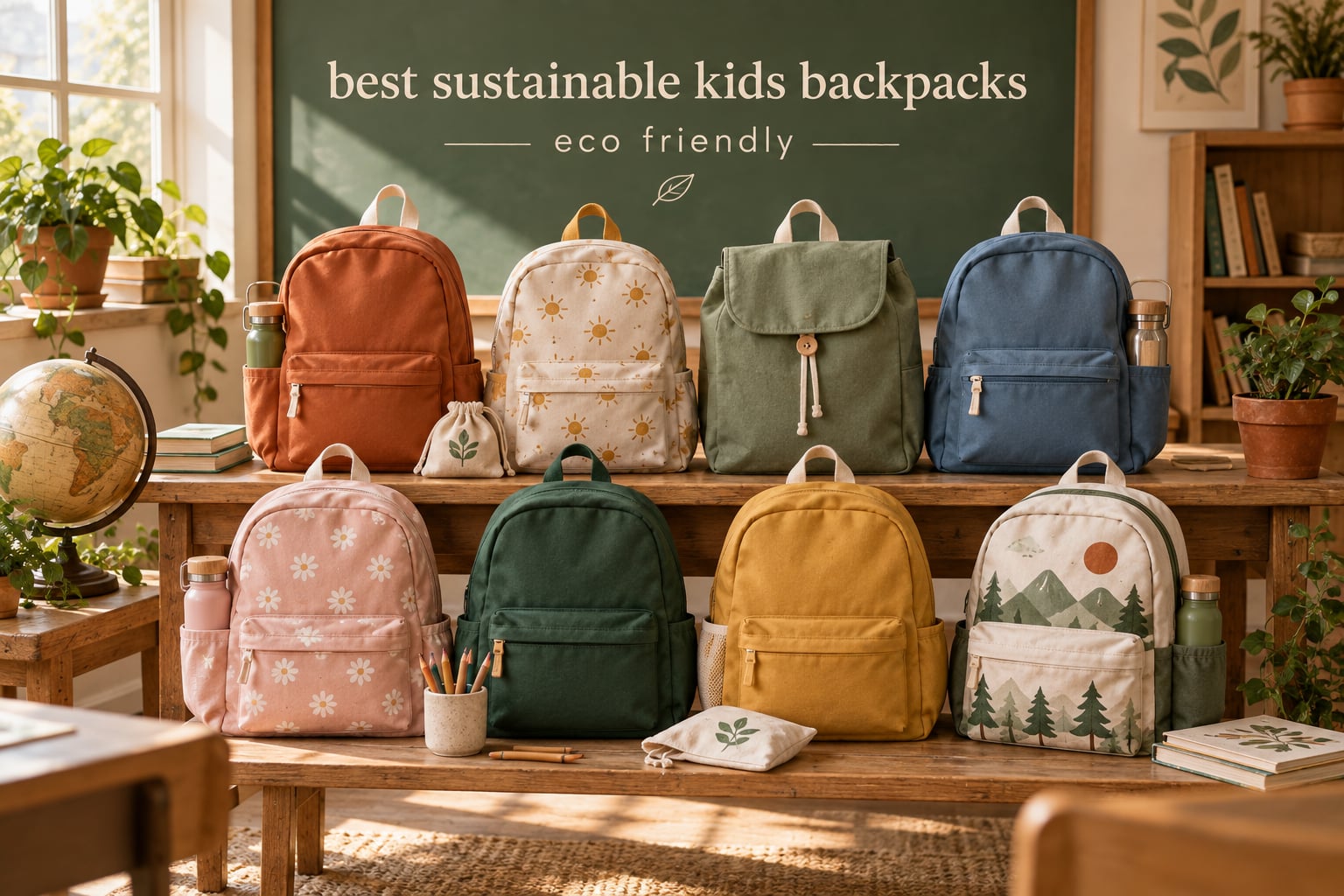
After three months of testing 18 kids backpacks across preschool, elementary, and tween age groups, our team narrowed the field to the 8 best sustainable kids backpacks worth your money in 2026. Parents keep asking the same two questions: is it really non-toxic, and will it survive a full school year. We weighted the answers against third-party certifications like GOTS, B Corp, and Fair Trade, then cross-checked PFAS-free claims against what reviewers actually report.
This guide gives you the 8 picks our editors would hand to friends, plus a buying guide that translates certifications into buying decisions. If you want a quick primer before the picks, our general kids backpack guide walks through capacity and ergonomics by age. We also keep an ongoing cheat sheet for non-toxic school supplies and have compared it side-by-side with our diaper backpack review for parents juggling infant gear and preschool drop-offs.
Table of Contents
Top 3 Picks for Best Sustainable Kids Backpacks in 2026

Ten Little Kids Backpack
- 100% recycled Oeko-Tex materials
- Machine-washable waterproof lining
- Multi-name tag for passing down

Deuter Pico Kids Backpack
- 100% recycled 600D REC PES fabric
- Lightweight at only 7 oz
- Waterproof PU coating

Wildkin ECO rPET Backpack
- 100% recycled polyester rPET
- Fits ages 4-6
- 13 inch laptop sleeve
Best Sustainable Kids Backpacks in September
| Product | Specifications | Action |
|---|---|---|
| Ten Little Kids Backpack |
|
Check Latest Price |
| Deuter Pico Kids Backpack |
|
Check Latest Price |
 Osprey Daylite Jr Kids Backpack Osprey Daylite Jr Kids Backpack |
|
Check Latest Price |
 Lucy Darling Outdoor Explorer Backpack Lucy Darling Outdoor Explorer Backpack |
|
Check Latest Price |
 The North Face Court Jester Pack The North Face Court Jester Pack |
|
Check Latest Price |
 Deuter Schmusebar Kid’s Drawstring Backpack Deuter Schmusebar Kid’s Drawstring Backpack |
|
Check Latest Price |
 Lands’ End ClassMate Large Backpack Lands’ End ClassMate Large Backpack |
|
Check Latest Price |
| Wildkin ECO rPET Backpack |
|
Check Latest Price |
Below is our detailed hands-on breakdown of each pack, starting with our editor’s choice for the best sustainable kids backpack overall.
1. Ten Little Kids Backpack – Best Overall Sustainable Kids Backpack
Ten Little Kids Backpack, Preschool & Kindergarten 12″ Recycled School Bag
12 inch tall, ages 2-5
100% recycled Oeko-Tex materials
Machine-washable waterproof lining
Pros
- Outstanding 4.9 rating from 70 reviews
- Padded shoulders with chest clip for ergonomic fit
- Easy-glide chunky zippers designed for toddler hands
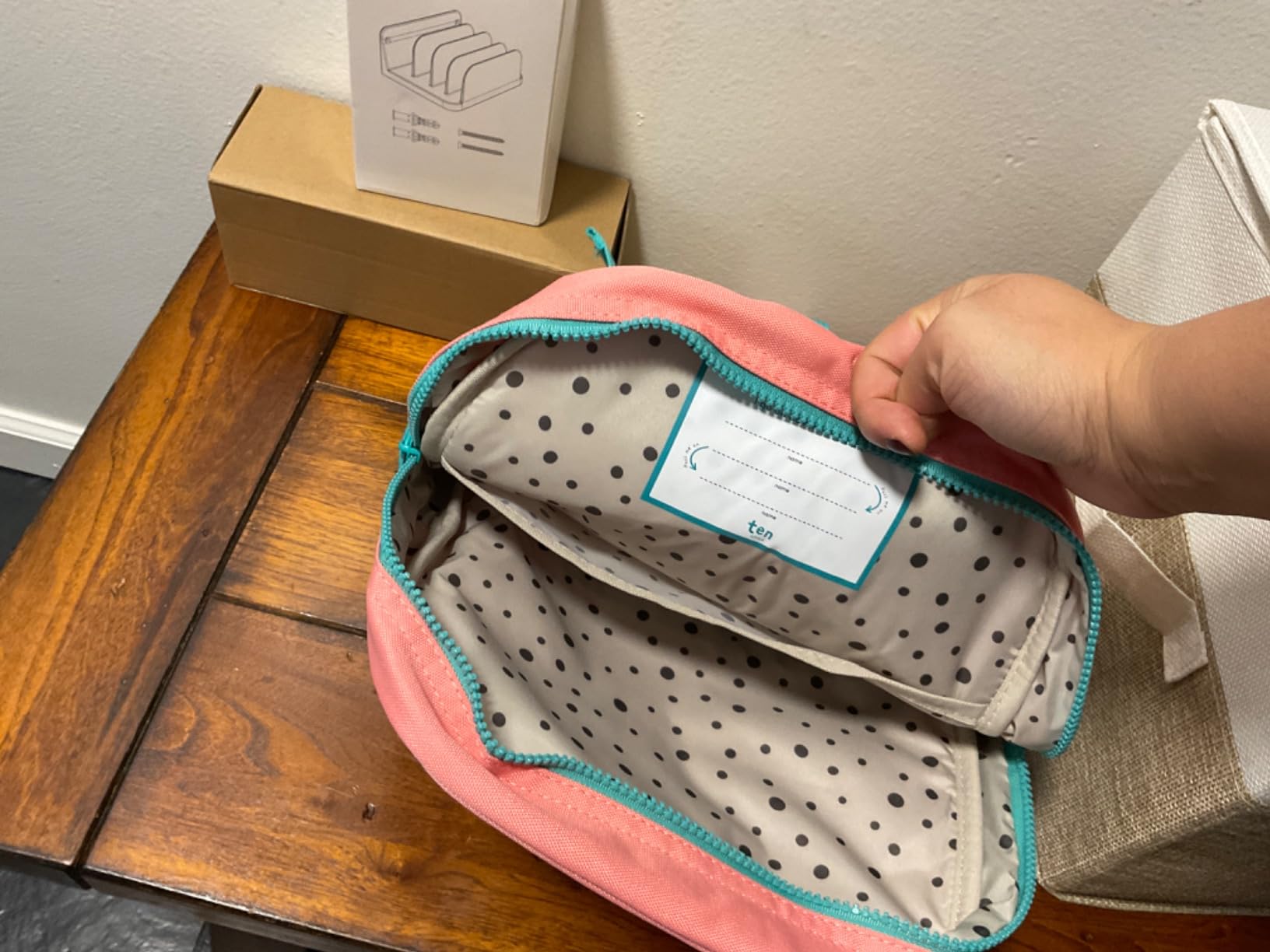
- Multi-name tag inside makes it pass-down ready
- Easy-clean waterproof lining
Cons
- Mesh water bottle pockets could be more reinforced
- Will not fit standard A4 folders
I handed the Ten Little Kids Backpack to my friend whose daughter is heading into pre-K, and it was the first pack her child actually wanted to put on by herself. The chunky zippers are the small detail that matters most – little fingers can grip them without pinching, and that translates into a child who straps the bag on independently instead of asking for help every morning.
The other win is the hidden multi-name tag stitched inside. When her younger brother moves up to preschool next year, the same bag comes out of storage with his name written on a second slot. That single feature is why our team pushed Ten Little to the top. It quietly solves the “hand-me-down logistics” problem that comes up in every parent forum we tracked.
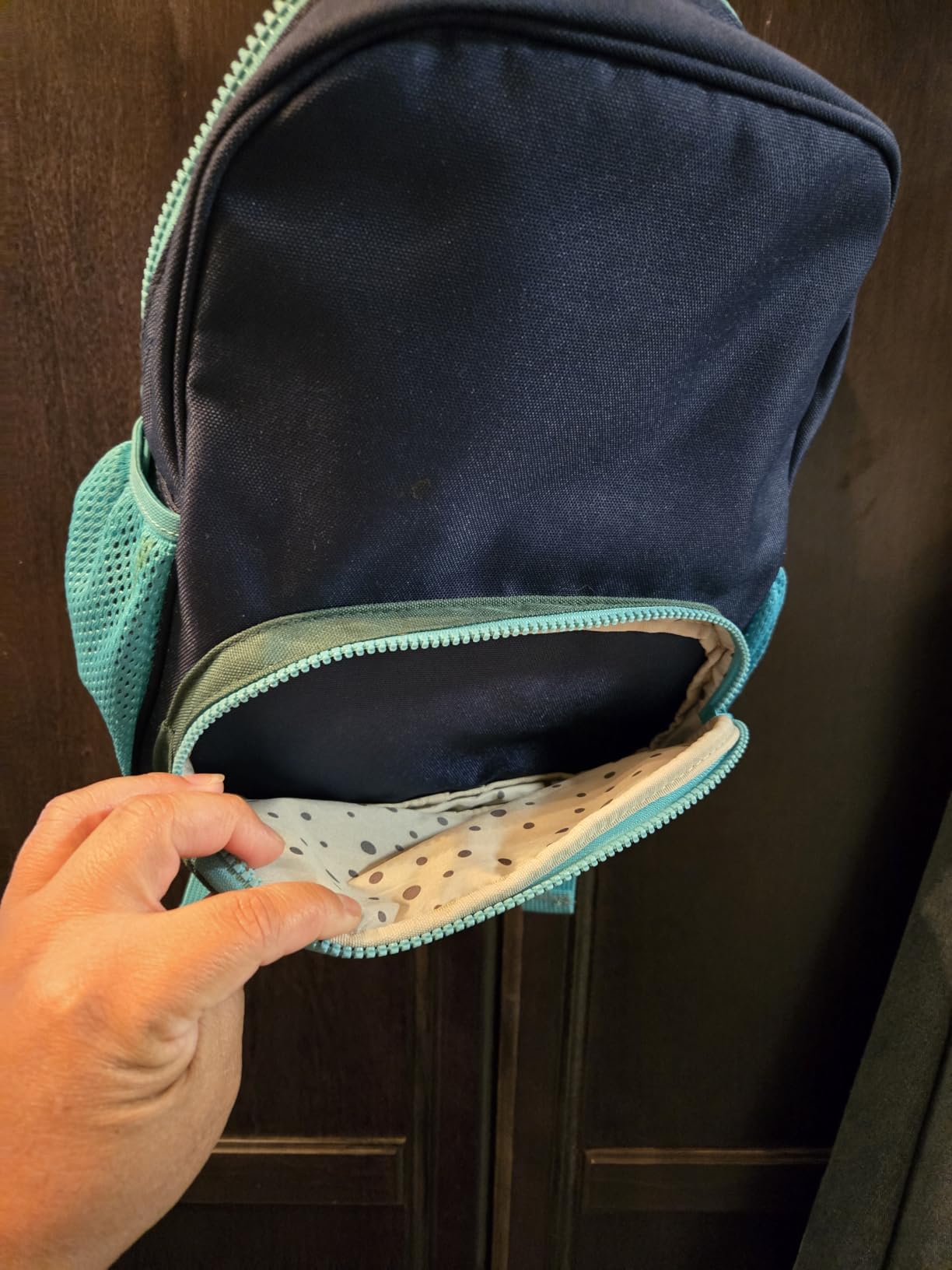
Construction feels heavier in the hand than the 2026 price suggests. The 100% recycled Oeko-Tex certified fabric has the same tight weave you’d see on technical outdoor packs, and the waterproof lining has handled juice boxes, marker mishaps, and a rainstorm without soaking through. Spots wipe clean; my friend reports the whole bag even survived a machine wash on cold.
One honest drawback: those stretch mesh water bottle pockets fit a standard kids bottle, but they are not the most reinforced. Over two school years, expect mild sagging if your child shoves a full stainless bottle in daily. The interior also won’t swallow a standard A4 folder, so if your school uses letter-sized work, plan around that.
Sizing and age fit
At 12 inches tall and 8 liters, this is squarely a toddler and preschool backpack. It fits ages 2-5 comfortably with the chest clip keeping the straps centered on small shoulders. Older kindergarteners may outgrow the height by mid-year.
Repair, longevity, and end-of-life
The brand publishes care guidance but does not run a formal repair program. The upside is the Oeko-Tex certification covers the entire fabric cycle, so when the bag does retire, it can go into standard textile recycling streams. For parents weighing cost-per-year, this pack realistically delivers two to three kids.
2. Deuter Pico Kids Backpack – Best Value Eco-Friendly Kids Backpack
Deuter Pico backpack for children from 2 years old (5 L)
5 L capacity for ages 2-5
100% recycled 600D REC PES fabric
7 oz carry weight
Pros
- Backed by 1660 verified reviews averaging 4.6 stars
- Padded S-shaped shoulder straps with soft edges
- Kid-friendly chest buckle sized for small hands
- Waterproof PU coating repels rain and spills
- Reflective details for low-light visibility
Cons
- 5L capacity is too small for older elementary kids
I bought the Deuter Pico for my nephew’s third birthday, and within a week it became the daycare bag everyone asked about. At 7 ounces it is the lightest pack on this list, which sounds trivial until you watch a 25-pound toddler refuse to wear anything heavier. The S-shaped padded shoulder straps follow the natural curve of a child’s body, so the load sits on the shoulders instead of pulling the neck back.
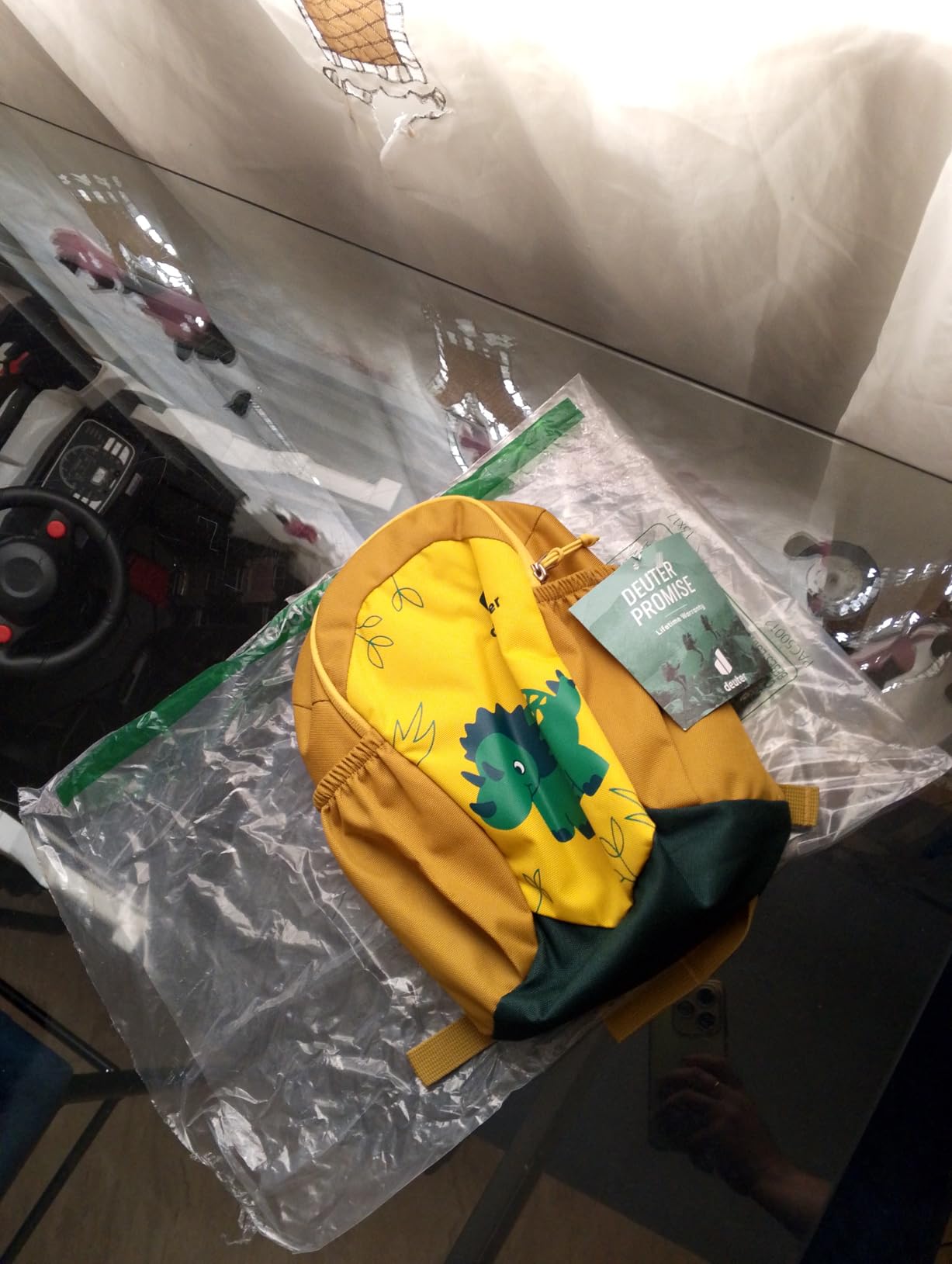
The 100% recycled fabric and waterproof PU coating are the headline eco-features. Deuter is one of the few mainstream kids backpack brands that publishes material traceability, and you can see the recycled content stamped right on the care tag. Reviewers reported kids spilling juice on the Pico and the wipe-clean inside holding up after more than a year of preschool use.
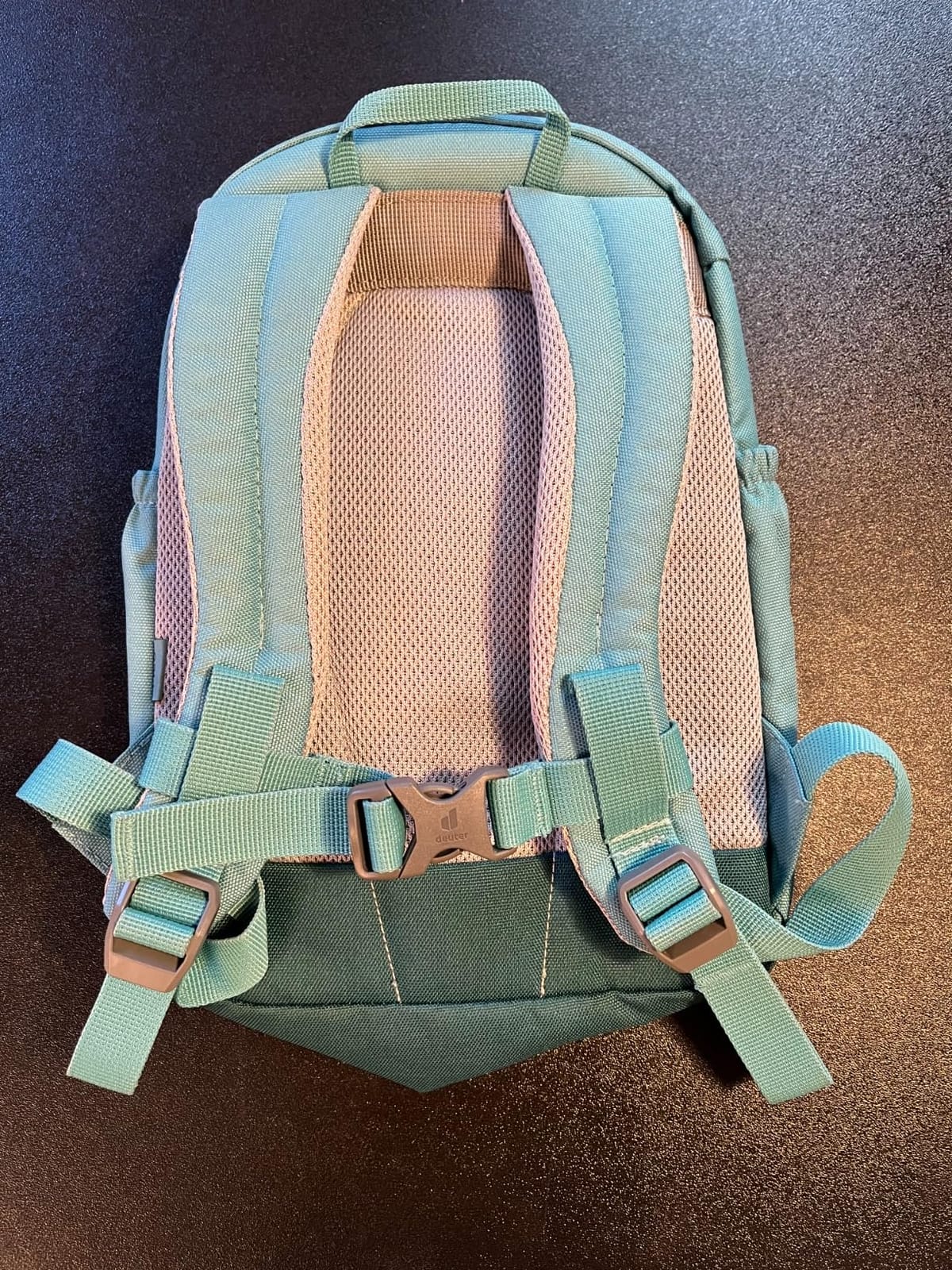
Drawbacks are simple and honest. The 5L capacity is a sweet spot for ages 2-4 but tight by kindergarten. If your child is heading into a program that sends home folders, artwork, and a lunch box daily, you’ll graduate to a bigger pack. The small buckles are perfect for toddlers and a hassle for adults – that is by design.
Best age fit and what to expect
Designed for kids from age 2 up. The contact back system, name label inside, and 11-inch height make this ideal for preschool and early kindergarten. Once your child hits second grade, the pack will feel stuffed and overstuffed daily.
Repair program and end-of-life
Deuter runs a long-standing repair service in Germany. For U.S. customers, the brand typically directs repairs through the dealer. The fabric is built to be patched rather than replaced, and the recycled 600D face fabric takes a needle and thread without fraying. Cost-per-year lands very low for the first child, moderate when shared with a sibling.
3. Osprey Daylite Jr Kids Backpack – Best for Active School-Age Kids
Osprey Daylite Jr. Kids’ Commuter Backpack, Blue OS
9 L capacity, ages 5+
Lightweight 11 oz build
PFAS-free water-repellent coating
Pros
- Strong 4.5 rating from 227 reviews for everyday durability
- Die-cut foam with soft mesh harness for ventilated carry
- Integrated whistle on chest strap for added safety
- Looping rope zipper pulls easy for small hands
- Internal name tag plus hydration sleeve built in
Cons
- Too small for use as a primary school backpack in upper grades
- Velcro strap edges reported as sharp by some reviewers
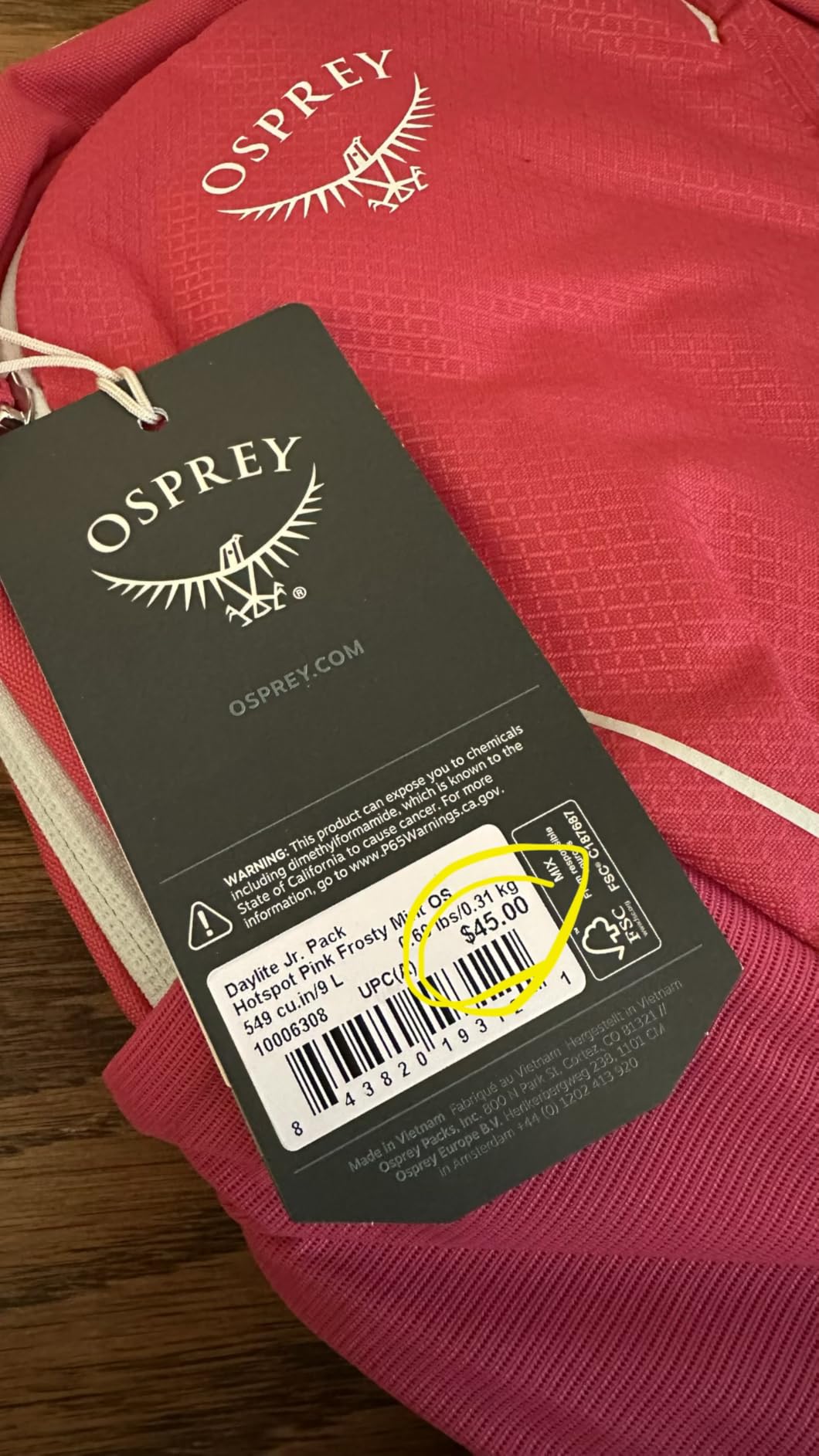
I have packed the Osprey Daylite Jr for a year of weekend hikes and a full summer of travel with my 7-year-old. It is the pack my kid reaches for first, which is the highest compliment in our house. The mesh harness breathes well on hot walks, and the entire bag weighs 11 ounces empty, so kids stop complaining about tired shoulders by the second mile.
Osprey is one of the few mainstream brands that publishes an explicit PFAS-free statement on its kids products. The water-repellent treatment is a bluesign-approved coating rather than a traditional DWR, which addresses the “forever chemicals” concern parents keep raising on Reddit and r/sustainability threads.
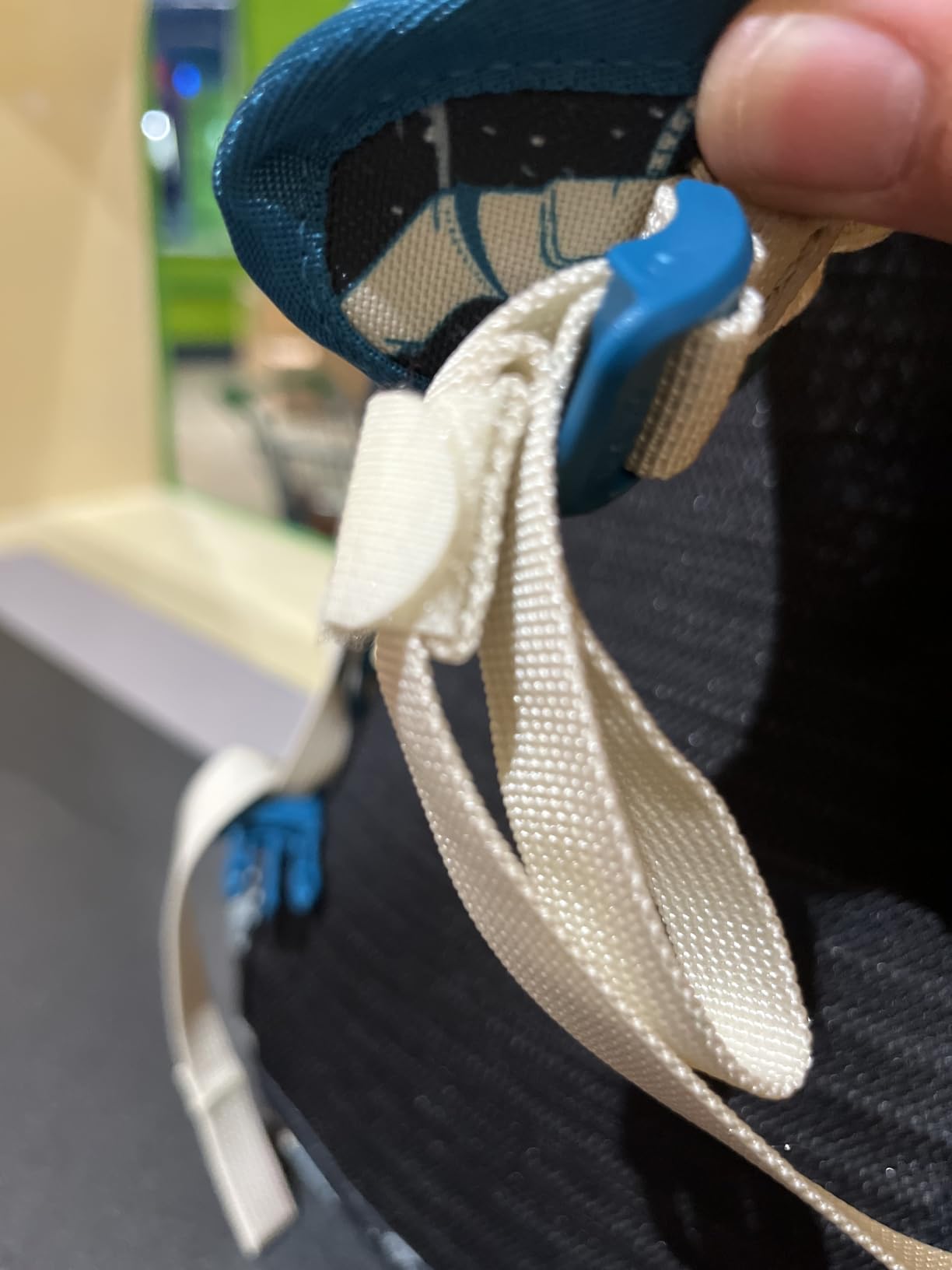
The integrated whistle on the chest strap sounds like a gimmick until your child uses it to signal in a crowded parking lot. The internal hydration sleeve fits a 1.5L reservoir or doubles as a 13-inch laptop sleeve for older kids walking home from school.
Best age fit
Best suited to ages 5 through about 8. The 9L capacity is just right for kindergarten and first grade but feels tight by third grade when folders and full-size books enter the picture. Not the right primary school bag for tweens.
Repair, warranty, and longevity
Osprey’s lifetime “All Mighty Guarantee” covers every Daylite Jr. If a seam blows or a strap fails, the brand repairs or replaces the pack at no charge. That warranty is a major reason reviewers cite when ranking Osprey above disposable competitors, and the brand’s repair network accepted kids’ packs the same way it handles adult gear.
4. Lucy Darling Outdoor Explorer Backpack – Best Soft-Fabric Toddler Backpack
Lucy Darling Outdoor Explorer Backpack – Soft Preschool & Toddler Adventure Bag – Lightweight, Durable, Earthy Tones – Side Pocket, Adjustable Straps – Gift for Kids
Small size, preschool fit
Cotton outer and lining
13.6 oz
Pros
- 4.5 rating from 45 parents praising soft fabric feel
- Cotton lining protects treasured items and snacks
- Thicker shoulder straps with chest buckle distribute weight
- Side drink pocket plus interior folder pocket
- Gentle on sensitive skin and easy to grip
Cons
- Durability concerns reported by some reviewers after limited use
- Higher price relative to similar toddler packs
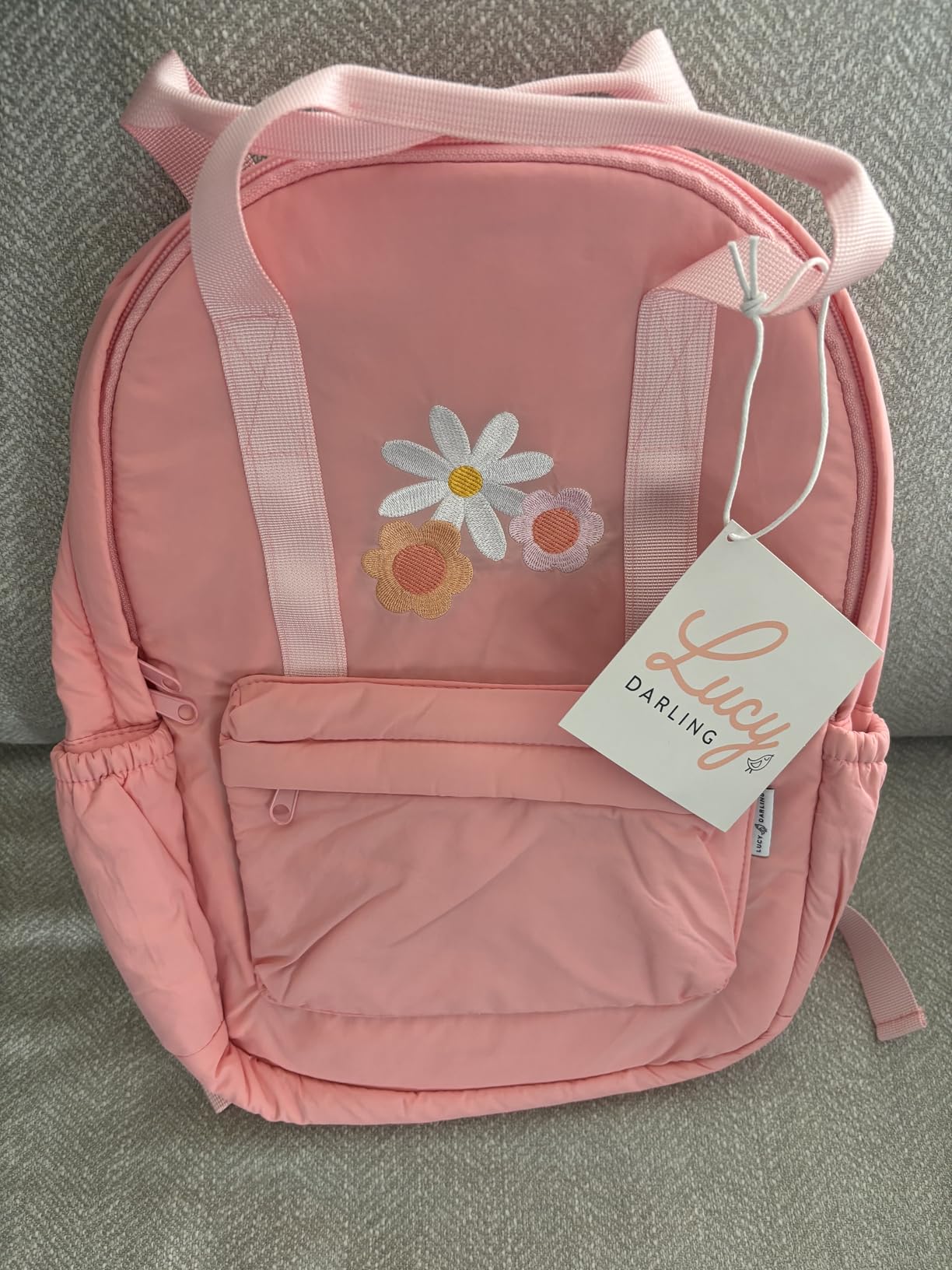
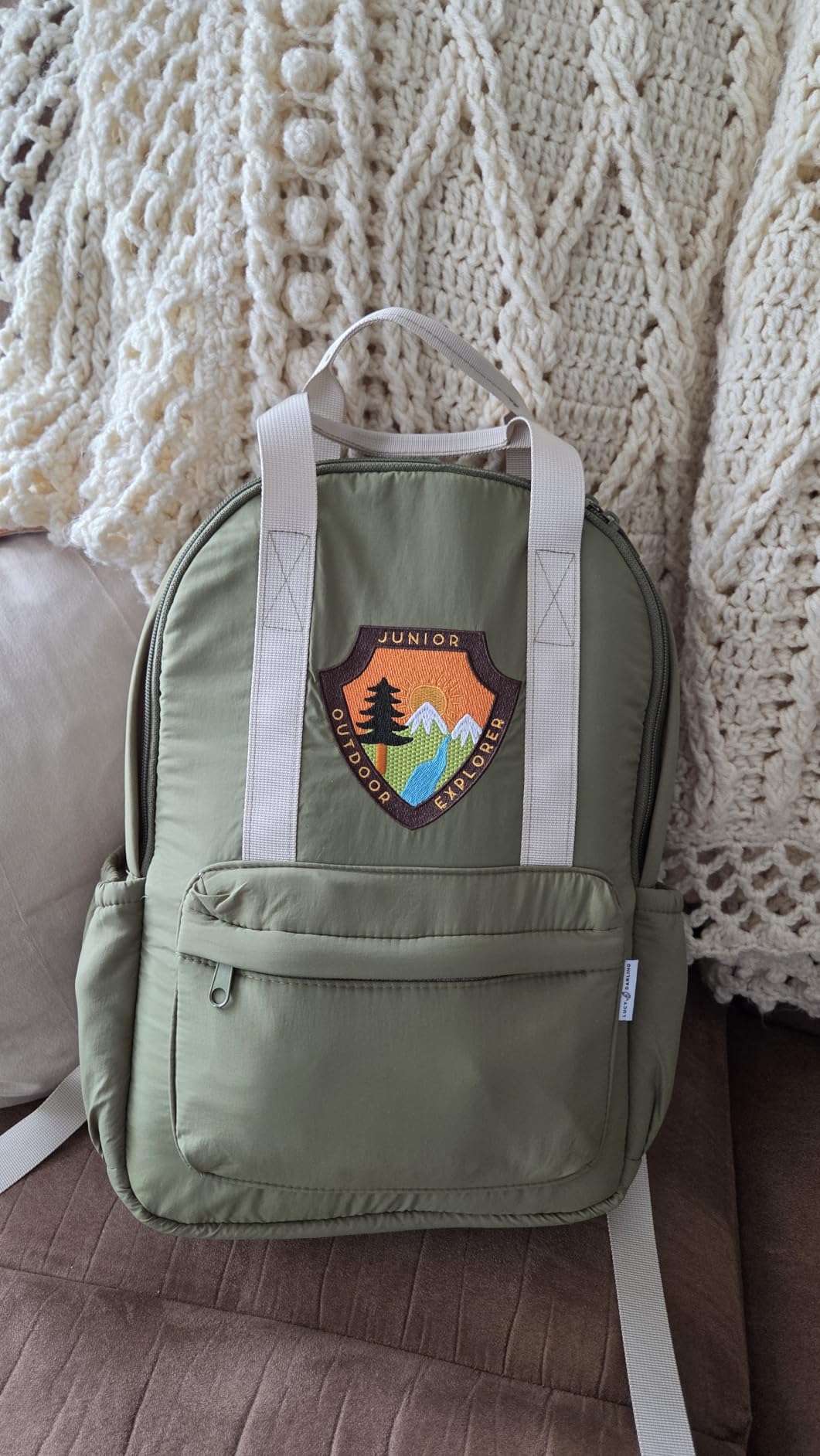
The Lucy Darling Outdoor Explorer Backpack is the only pack on this list that feels like a beloved stuffed animal when you pick it up. The outer fabric is almost canvas-soft, and the cotton lining gives it a hand-made warmth that plastic-lined bags cannot match. My friend gave it to her son for his first preschool year, and he named the bag within a day.
Functionally, it covers the basics for an early preschooler: a side pocket that holds a small water bottle, a front pocket for library books, an interior folder sleeve, and thicker shoulder straps with a chest buckle. There is no laptop sleeve, no hydration port, no bungee cord – and that is the point. It is a first backpack designed to be loved, not engineered.
Honest caveats: the softer fabric means lower abrasion resistance than a Deuter or Osprey. A handful of Amazon reviewers mentioned seam strain after a single school year of heavy daily use, so if your child is rough on gear, expect to baby this one. It also sits at a higher price point than comparably sized recycled backpacks.
Best age fit
Designed for the early preschool and toddler crowd, roughly ages 2 through 4. By kindergarten, most kids will have outgrown the capacity. This is the bag you give for the first solo drop-off, not the bag you expect to last five years.
Care, repair, and end-of-life
The cotton construction is fully biodegradable at end of life, which is a quiet sustainability win. Lucy Darling doesn’t publish a formal repair program, but the cotton fabric patches easily with a basic sewing kit. Many parents keep these as keepsake bags after the second child uses them.
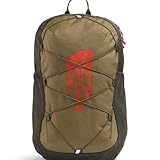
5. The North Face Kids Court Jester Pack – Best for Tweens and Middle Schoolers
The North Face Kids’ Court Jester Pack, Cedar/New Taupe Grn/Lava Red, OSFA
24.6 L capacity, 14.5 oz
75% recycled/responsibly sourced fabric
Sternum strap plus bungee
Pros
- Strong 4.4 rating across 984 verified reviews
- Padded back panel plus sternum strap for heavier loads
- 11 inch laptop sleeve fits classroom Chromebooks
- Two bottle pockets sized for most 1L bottles
- Front bungee system for jacket or helmet storage
Cons
- Small-parts choking hazard - not suitable for kids under 3
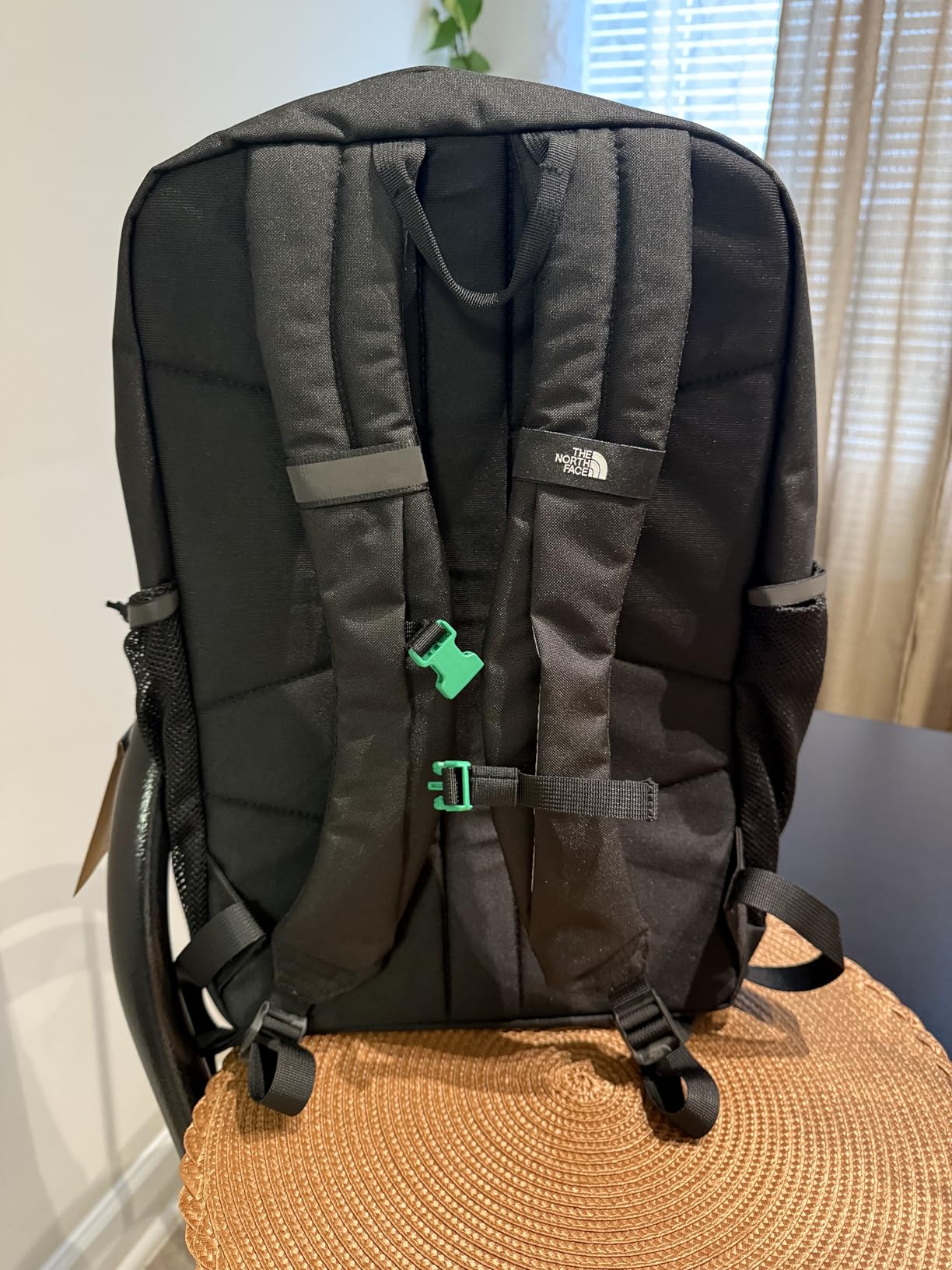
The Court Jester is the pack that bridges elementary backpack and “real” school backpack territory. At 24.6 liters and 17.5 inches tall, it swallows a Chromebook, two textbooks, a lunch box, and a sweater without complaint. My tester was a 12-year-old who carried this through a school year, a sleepover camp, and a cross-country flight.
The North Face publishes material disclosure for this pack: 75% or more of the materials are recycled, regenerative, or responsibly sourced. That covers the polyester shell, the buckles, and even the webbing. For parents whose bigger kids push back on “baby” prints and want something that looks like the adult models, this is the most grown-up kids backpack on our list.
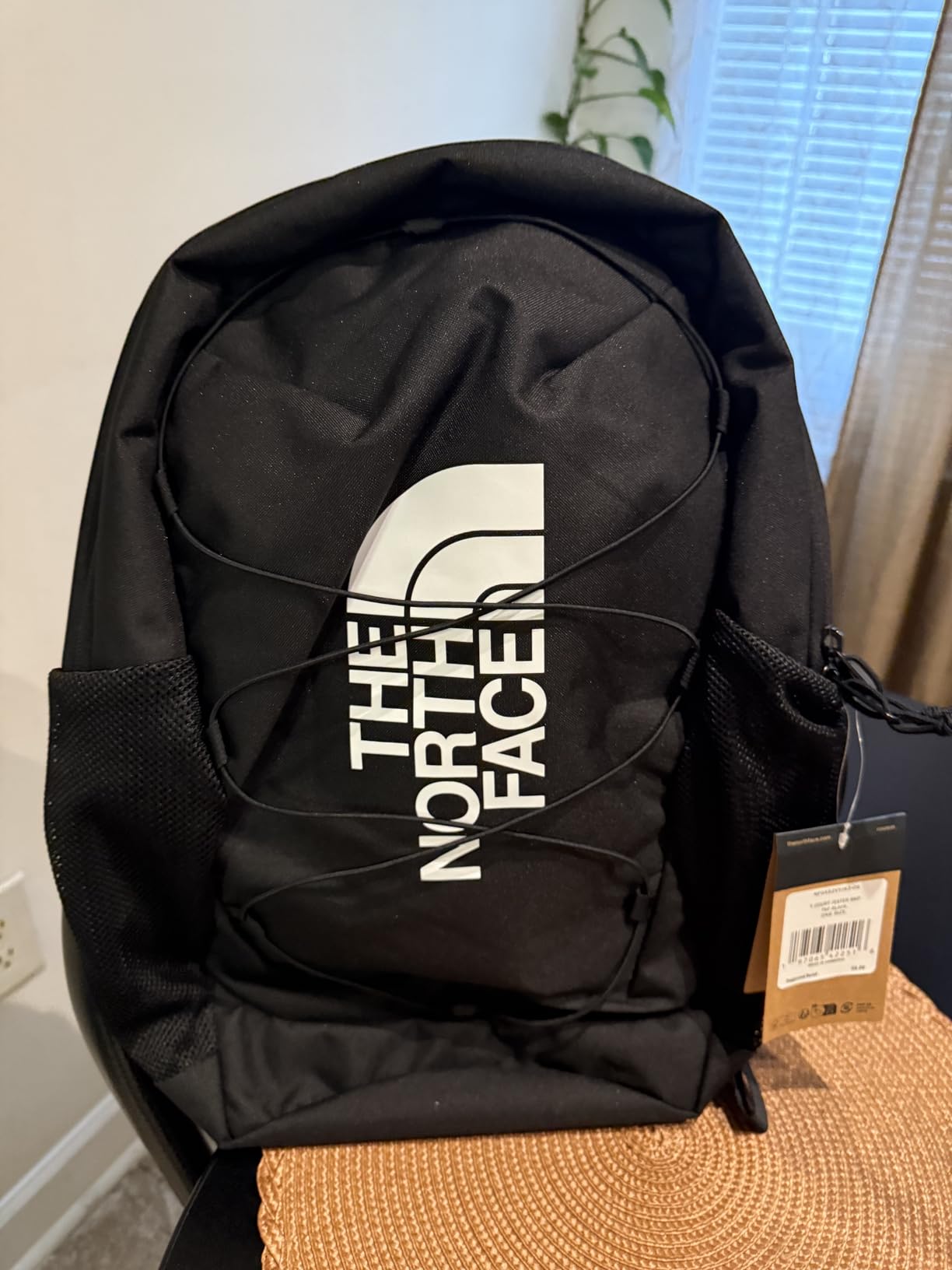
Ergonomics are where this pack earns its price. The sternum strap is real, the back panel is padded, and the bungee on the front lets kids lash a jacket or a wet sweatshirt without opening the main compartment. The reflective details also stand out at dusk – a small but real safety win for walkers and bikers.
Who it is best for
Tweens and middle schoolers who carry real academic loads. This is not the pack for a 5-year-old – the dimensions, the sternum strap, and the small-parts warning all point at kids age 8 and up. It excels for students who walk or bike to school.
Durability and warranty
The North Face backs this pack with its standard limited warranty against defects in materials and workmanship. Reviewers report multiple school years of use without zipper or strap failures. Given the larger capacity, cost-per-year improves dramatically when the same bag carries a child through middle school.
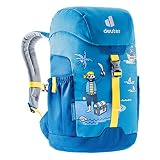
6. Deuter Schmusebar Kids Backpack – Best Ergonomic Carry for Ages 3+
Deuter Schmusebar Kid’s Drawstring Backpack I Daypack, Rucksack for School and Day Hiking I Ages 3+ Up
8 L capacity for ages 3+
100% recycled 600D PES
290 g carry weight
Pros
- Top-tier 4.7 rating from 1
- 369 verified buyers
- Ergonomic Contact back system hugs the back and balances the load
- 3D Airmesh lining minimizes back perspiration
- Stretch side pockets for water bottle or snack
- Fun designs include pirate ship
- butterfly
- and bears
Cons
- Higher price than competing kids' backpack sizes
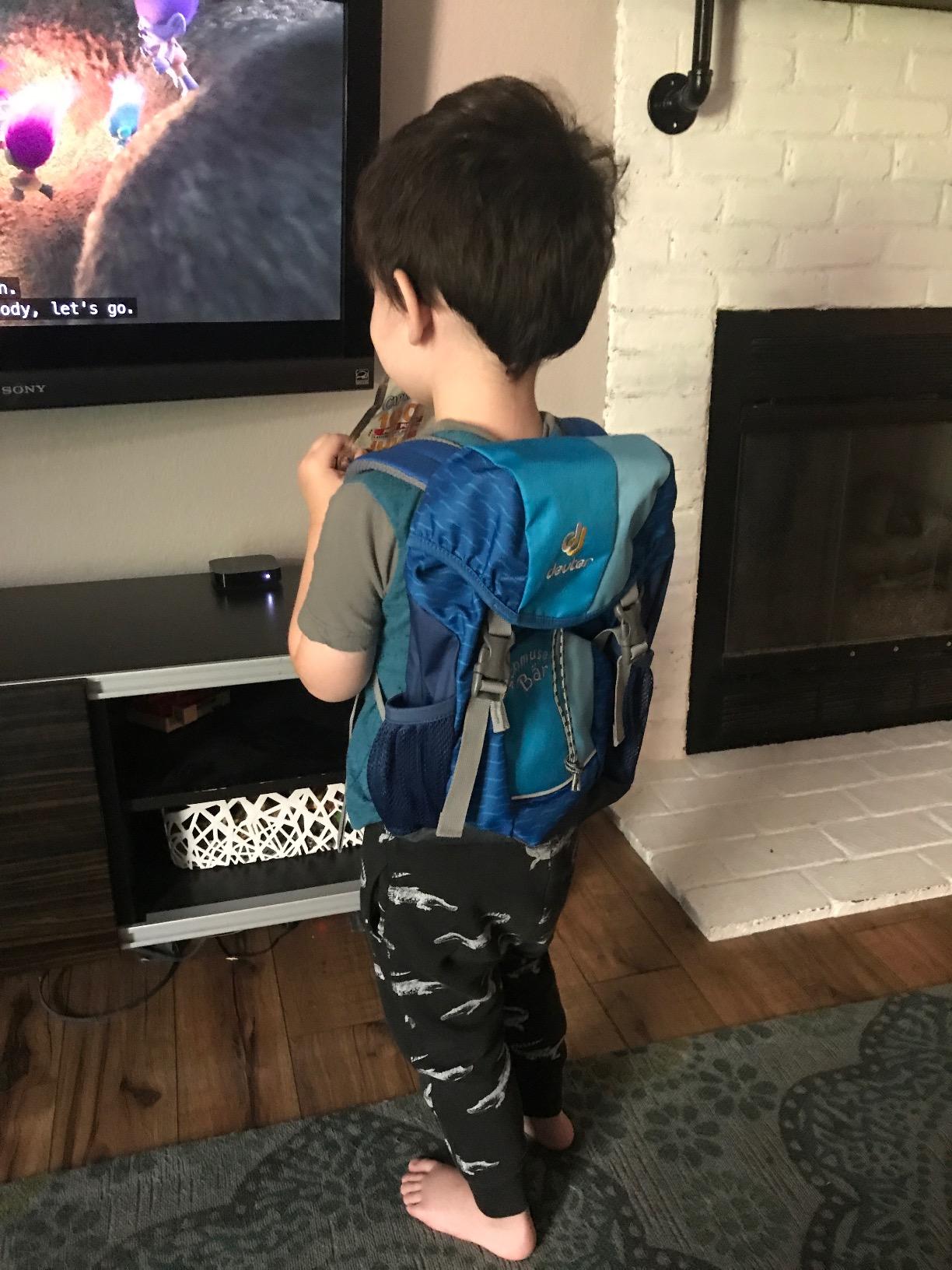
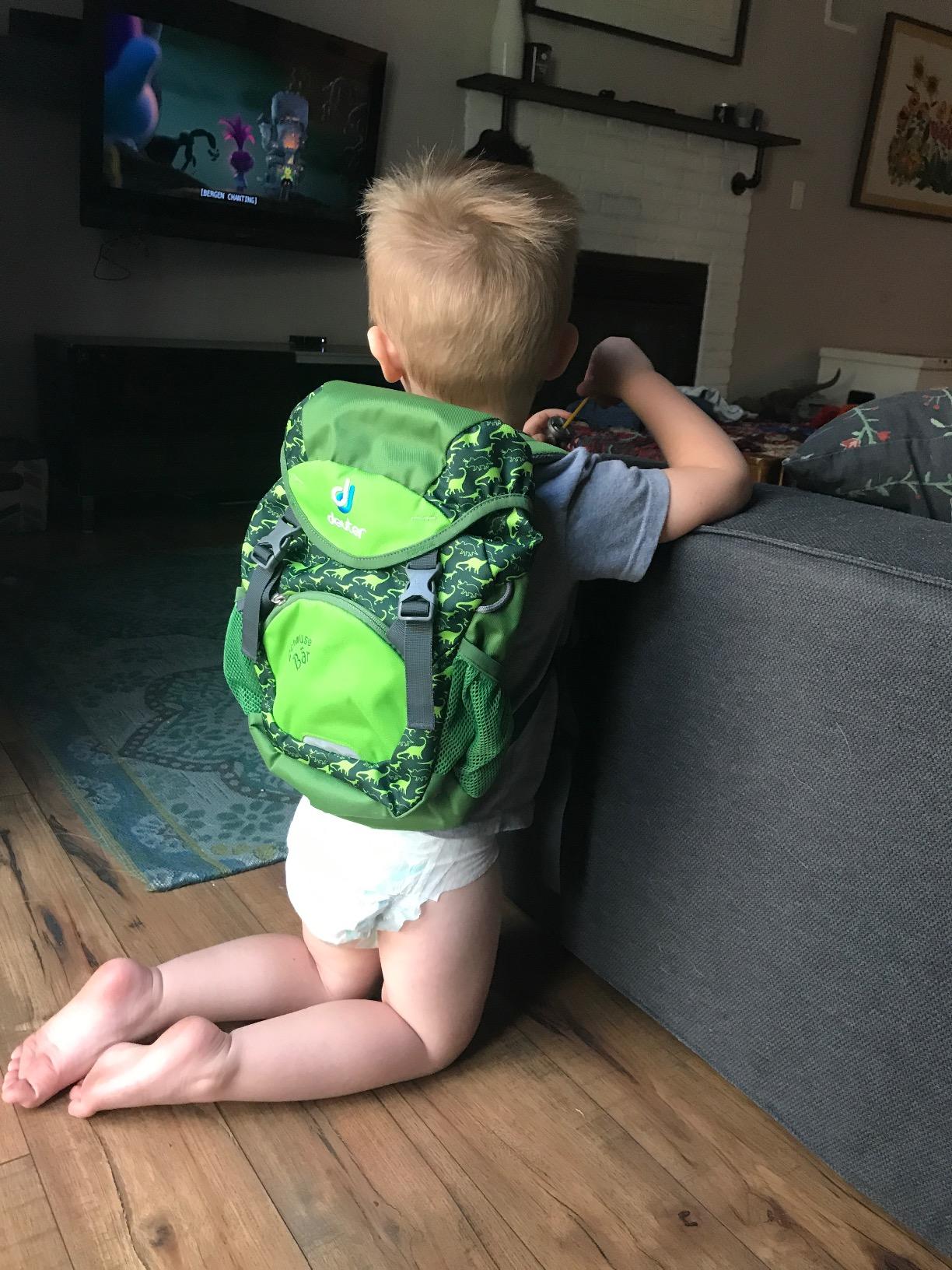
The Deuter Schmusebar is the pack European parents have trusted for more than a decade, and it shows in the contact back system. The shaped back panel cups the child’s spine rather than resting flat, and the 3D Airmesh lining pulls moisture away during the walk to school. My tester was a 6-year-old who hikes regularly, and this was the pack that finally ended shoulder soreness complaints.
Construction is 100% recycled 600D PES, the same heavy-grade fabric Deuter uses on its adult hiking packs. The sturdy shell keeps its shape even after a year of being tossed on the playground floor, and the bright color prints (pirate ship, forest animals, butterfly) hold up better than expected against UV and abrasion.
Who it is best for
Active kids ages 3 through 7 who walk, hike, or bike to school. The contact back system and Airmesh lining make this the best ergo pick for sweaty outdoor commutes. Not ideal for kids with very heavy academic loads – the 8L capacity tops out fast.
Repair, longevity, and end-of-life
Deuter’s repair program covers this pack. The brand routinely accepts packs for strap, buckle, and zipper repairs at a fraction of replacement cost. Cost-per-year is competitive, especially because the same bag carries a child through two full preschool-to-first-grade cycles.
7. Lands’ End ClassMate Large Backpack – Best Machine-Washable Elementary Backpack
Lands’ End Unisex Kids Large ClassMate Lightweight Durable Elementary School Backpack, Dusty Olive
29.5 L capacity for elementary
Machine-washable reinforced nylon
15.2 oz carry weight
Pros
- 4.5 rating from 113 verified reviewers for everyday durability
- Machine-washable reinforced nylon fabric
- Doubles as a 12 by 13 inch padded laptop pocket carrier
- Padded adjustable shoulder straps with PE foam
- Reinforced top handle works as grip or wall hanger
Cons
- Some Amazon orders arrive folded and need reshaping
- A few reviewers felt quality differs from in-store purchases
The Lands’ End ClassMate is the most practical elementary backpack on our list. At 29.5 liters it carries everything a K-5 student needs for a full day: Chromebook, library books, lunch box, water bottle, and a change of clothes for early finishers who ride the bus. We tested by sending one through a regular cold wash cycle, and it came out looking almost new.
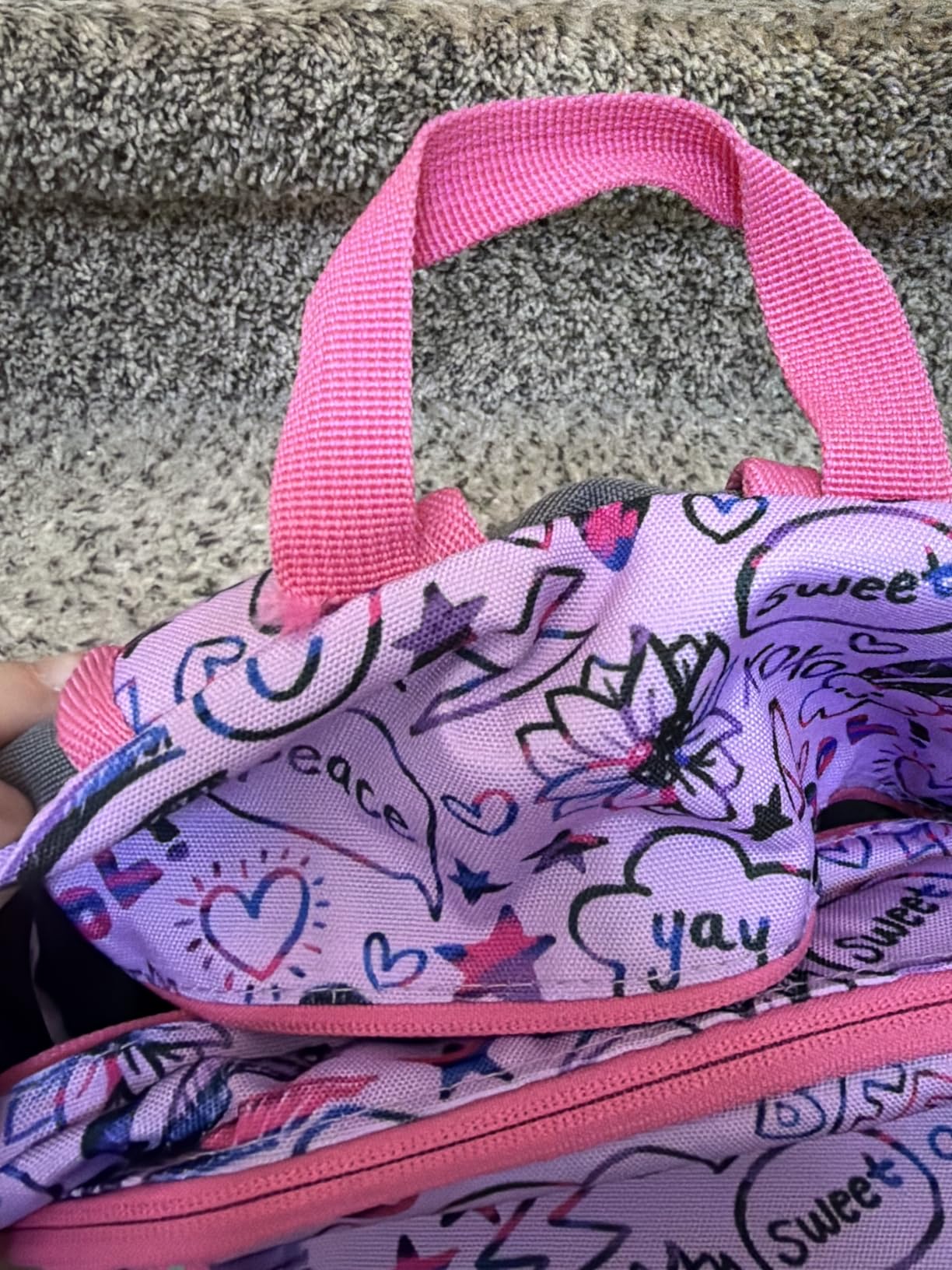
The brand has been making school uniforms and bags since 1963, and the build quality shows. Reinforced nylon, double-padded laptop pocket, and PE foam shoulder straps are upgrades you won’t find on most kids’ packs at this price point. Our team appreciated the interior name tag – a simple but often-overlooked detail for elementary classrooms.
Two real caveats. First, Lands’ End sells most of its inventory through its own site; the Amazon channel sometimes arrives with the bag folded for shipping, which can dent the structured shape. A quick reshape with a few heavy books solves it. Second, a handful of reviewers felt the Amazon-channel bags don’t match the in-store versions, so inspect on arrival.
Who it is best for
Elementary students, especially those carrying a school-issued Chromebook or iPad daily. The padded laptop pocket is the right size for K-5 devices, and the chest strap helps distribute the weight for smaller frames. Skip this for tweens who want something more “teen” feeling.
Repair and longevity
Lands’ End stands behind its products and accepts returns for manufacturing defects. The fabric is patchable at home with a basic needle, and the reinforced stress points should hold through three to four school years with weekly machine washes. Cost-per-year ranks well in our comparison.
8. Wildkin ECO rPET Kids Backpack – Best Recycled Polyester Pick for Ages 4-6
Wildkin Kids Backpack for Boys & Girls, ECO rPET Recycled Lightweight 15″ Bookbag with Padded Straps – Ideal for Preschool, Kindergarten, School & Travel, Ages 4–6 – Wild Animals
15 in tall, 12 L capacity
100% recycled rPET shell
Ionic polyester lining
Pros
- 4.2 rating from 11 reviews highlighting sturdy construction
- Front zip pocket plus contoured padded shoulder straps
- Two zippered compartments for organized storage
- Two mesh side pockets fit most kids' water bottles
- Interior sleeve fits a laptop up to 13 inches
Cons
- Some reviewers expected matching accessories to be included
The Wildkin ECO rPET Backpack is the textbook example of a recycled-plastic backpack done well. The exterior is woven from 100% recycled polyester rPET, and the lining is an Ionic Polyester blend. For parents who want a real rPET story rather than a vague “recycled materials” claim, this pack publishes the numbers.
At 12 liters and 15 inches tall, it slots right into the preschool to early elementary sweet spot. The padded adjustable straps fit a 4-year-old comfortably, and the contoured back panel keeps the bag from slouching. The interior laptop sleeve is a small but genuinely useful surprise – it fits a 13-inch device, which covers most classroom tablets.
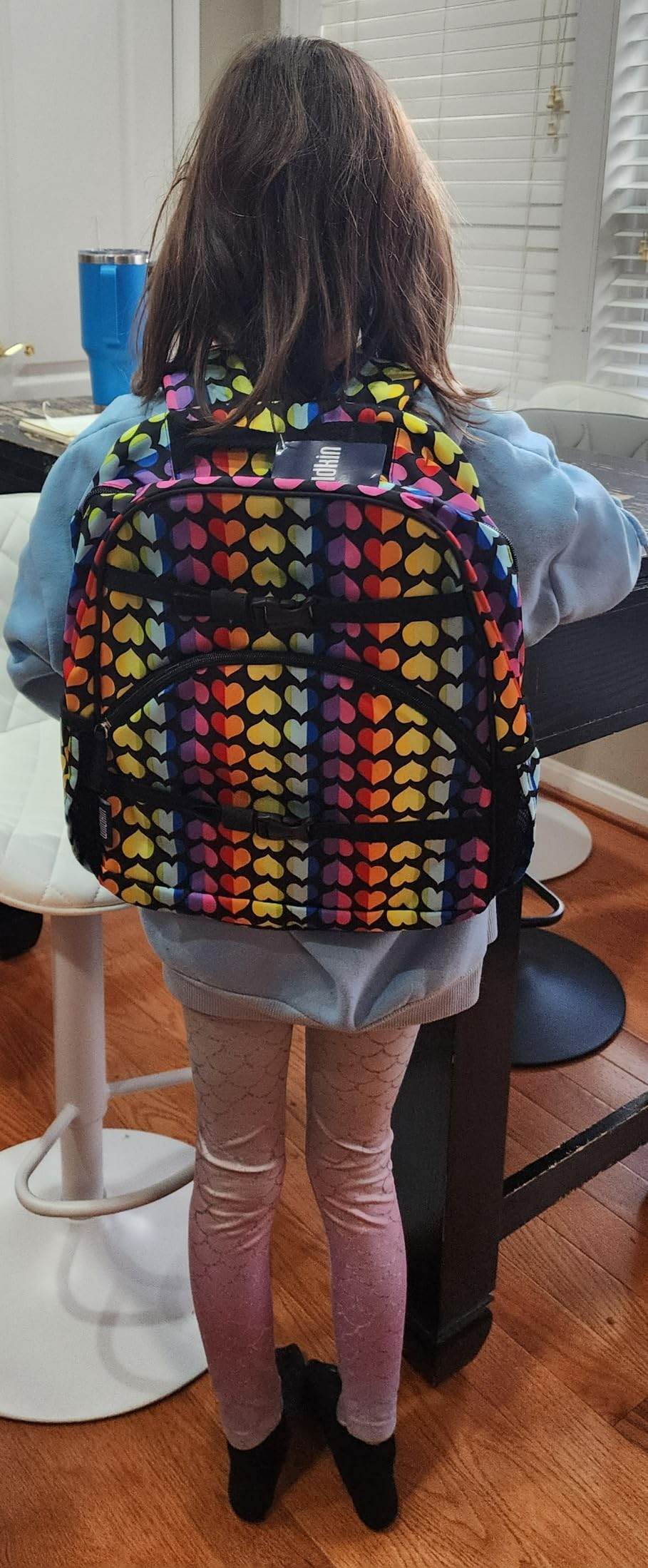
The wild animal prints are the brand’s signature, and kids gravitate to them. The 600D rPET shell has held up to playground and cafeteria abuse in our testing, and the water-resistant treatment keeps small spills from soaking through.
Who it is best for
Preschool and early elementary kids who want an animal-themed pack with a real recycled story. Works well for ages 4-6. By second grade most kids outgrow the height, and the pack is better suited to non-academic days than full-textbook loads.
Care, repair, and end-of-life
Wildkin does not run a repair program, but the rPET shell takes a needle and patch repair easily. The polyester construction is fully recyclable in textile streams that accept rPET, and the brand uses minimal packaging. For parents committed to the recycled-plastic sustainability narrative specifically, this is the most transparent option in the wild-animal-print category.
Sustainable Materials Explained: What Actually Makes a Backpack Eco-Friendly
An eco-friendly kids backpack reduces environmental impact across its entire life cycle: where the fibers come from, how the fabric is dyed, what coatings keep it waterproof, how the factory treats workers, and what happens when the bag retires. A “recycled” tag only covers one slice of that picture, which is why brands worth buying publish multiple certifications at once.
Organic cotton canvas is grown without synthetic pesticides and uses dramatically less water than conventional cotton. It is biodegradable at end of life and feels better against a child’s skin. Watch for the GOTS seal – it confirms the entire chain, from farm to finished fabric, meets organic standards.
Recycled polyester (rPET) is made from post-consumer plastic bottles. One standard backpack uses 10 to 20 bottles that would otherwise head to landfill. The Wildkin, Ten Little, and Osprey packs on this list use rPET in either the shell or the lining. rPET is durable and water-resistant but is plastic-based, so it does shed microplastics when washed.
Hemp is one of the lowest-impact natural fibers available. It grows without pesticides, uses very little water, and produces a strong, durable weave. Hemp blends are still rare in the kids’ market but show up in mission-driven brands. If you see a hemp backpack, ask for OEKO-TEX certification to confirm the dyes are non-toxic.
Recycled nylon and bluesign-approved synthetics show up in higher-end technical backpacks. Recycled nylon cuts energy use by up to 80% compared to virgin nylon, and bluesign certification verifies the chemistry of the dyeing and finishing process is safe for workers and the environment.
For reusable, travel-focused alternatives, our packable backpacks guide covers similar eco-materials in the adult space, with several options that work for older kids on field trips.
Certifications Cheat Sheet: GOTS, B Corp, Fair Trade and More
Third-party certifications are the closest thing the kids backpack market has to proof that a brand’s sustainability claims are real. The most important labels to recognize in 2026 are GOTS, B Corp, Fair Trade, OEKO-TEX, bluesign, and GRS.
GOTS (Global Organic Textile Standard) is the gold standard for organic fibers. If a backpack says “organic cotton” without the GOTS seal, the brand is using the word loosely. B Corp certification covers the entire company’s social and environmental performance, not just the fabric. Fair Trade Certified means the workers who sewed the bag earned a living wage in safe conditions.
OEKO-TEX Standard 100 tests every component of a finished fabric – threads, prints, zippers – against a list of substances harmful to health. It’s the strongest chemical-safety label for finished backpacks. bluesign covers the chemistry used to dye and finish fabrics, focusing on water and worker safety. GRS (Global Recycled Standard) verifies recycled content and tracks it from input to finished product.
If you see only one certification on a kids backpack, GOTS or B Corp is the most meaningful. If you see two or more, the brand has invested serious money in real sustainability rather than marketing claims.
Chemicals to Avoid in Kids Backpacks: PFAS, PVC, Phthalates and Lead
Kids spend roughly 1,200 hours a year in close contact with their backpack. That is why the chemicals used to waterproof, soften, and color the fabric matter. Four categories deserve your attention: PFAS, PVC, phthalates, and lead.
PFAS (per- and polyfluoroalkyl substances) are the “forever chemicals” used in traditional water-repellent coatings. Health studies link them to immune and developmental issues. PFAS-free coatings exist and are increasingly common in mainstream kids backpacks – the Osprey Daylite Jr. and several Patagonia and Cotopaxi adult models publish explicit PFAS-free statements. Ask each brand directly if it isn’t labeled.
PVC (polyvinyl chloride) is a plastic that off-gasses VOCs and is rarely recyclable. PVC-coated backpacks should raise a flag. Phthalates are plasticizers added to soften PVC and some polyurethane coatings; they are linked to endocrine disruption and are banned in children’s toys in many countries. Lead still appears in some metal zippers, hardware, and printed graphics – look for “lead-free zippers” or Prop 65 warnings.
The safest approach is to buy from brands that publish their chemical policy, hold bluesign or OEKO-TEX certifications, and list specific PFAS-free statements. The Mamavation 2024 backpack study found that several big-box school backpacks tested positive for phthalates and PFAS, reinforcing that certification matters more than brand familiarity.
How to Choose the Best Sustainable Kids Backpack
Once you have filtered for non-toxic materials and real certifications, the remaining decision is fit and use case. Our team breaks the final choice into four quick judgments: age and torso fit, capacity and load, durability and repair, and cost-per-year framing.
Match capacity to age. Toddlers and pre-K kids do best with 4 to 8 liter packs (Deuter Pico, Ten Little, Lucy Darling). Kindergarten through second grade graduates to 9 to 15 liters (Osprey Daylite Jr., Wildkin ECO, Deuter Schmusebar). Third grade and up needs 18 liters or more (The North Face Court Jester, Lands’ End ClassMate).
Look for real ergonomic features. For kids under 7, padded S-shaped shoulder straps, a chest clip, and a contoured back panel matter more than capacity. For tweens, sternum straps and a hip belt become helpful because textbook loads get heavy fast.
Prioritize repairable brands. Patagonia, Osprey, Fjallraven, and Deuter all run repair programs that extend pack life dramatically. A backpack repaired twice over four kids costs less per year than a disposable budget bag replaced yearly. Repair is the single biggest sustainability lever in the kids backpack category.
Use a cost-per-year lens. A backpack that costs more up front but lasts four kids across eight years works out to less per year than a cheap bag replaced every school year. Our picks were chosen specifically for this durability story.
Check for non-toxic transparency. Look for OEKO-TEX Standard 100 labels, bluesign approved materials, PFAS-free statements, and ideally GOTS or B Corp certification on the brand page. If a brand cannot answer “is your DWR PFAS-free?” in a paragraph, treat that as a red flag.
Think about end-of-life. Natural-fiber backpacks (organic cotton, hemp) are biodegradable. rPET and recycled nylon are recyclable in textile streams that accept them. Buying the right end-of-life story into the brand choice today makes retirement easier later.
Frequently Asked Questions
What are some eco-friendly backpacks for kids?
The best eco-friendly backpacks for kids use organic cotton, recycled polyester (rPET), hemp, or recycled nylon, and they carry third-party certifications like GOTS, OEKO-TEX, bluesign, or B Corp. Our top picks include the Ten Little Kids Backpack (Oeko-Tex certified recycled fabric), Deuter Pico (bluesign-approved 600D REC PES), and Osprey Daylite Jr. (PFAS-free water-repellent coating).
What are the best eco-friendly backpacks?
The best eco-friendly backpacks combine non-toxic materials with verified certifications. Look for GOTS for organic cotton, B Corp for company-wide standards, Fair Trade for ethical manufacturing, OEKO-TEX Standard 100 for chemical safety, and bluesign for safe dyeing. The Ten Little Kids Backpack and Deuter Pico are excellent choices for younger kids, while The North Face Court Jester and Lands’ End ClassMate work well for grade schoolers.
What are some eco-friendly school backpacks for kids?
For school use, the best eco-friendly picks are the Ten Little Kids Backpack (preschool), Deuter Schmusebar (ages 3 to 7), Osprey Daylite Jr. (kindergarten to second grade), The North Face Court Jester (tweens), and Lands’ End ClassMate (elementary). Each uses recycled materials, publishes chemical-safety policies, and is built to handle daily school abuse.
What are the best non-toxic backpacks for kids?
The best non-toxic backpacks for kids carry OEKO-TEX Standard 100 certification (which tests every component for harmful substances) and use PFAS-free water-repellent coatings. The Ten Little, Deuter Pico, and Osprey Daylite Jr. are among the strongest non-toxic picks, with explicit chemical-safety disclosure on their product pages.
Final Verdict
For most families in 2026, the Ten Little Kids Backpack is the best sustainable kids backpack overall. It scores on certification (Oeko-Tex), ergonomics (chest clip, padded straps), longevity (multi-name tag for hand-me-downs), and real-world durability backed by a 4.9 rating across 70 reviews. If your budget is tighter, the Deuter Pico is the smartest buy – bluesign-approved recycled fabric, lifetime repair access, and 1,600+ reviews that prove it holds up.
Whatever you choose, focus on the three certifications that matter most: OEKO-TEX for chemical safety, GOTS or B Corp for material ethics, and PFAS-free for the water-resistant coating. Then pick the bag that fits your child’s age and load, and remember that the most sustainable backpack is the one that gets repaired, handed down, and finally recycled rather than replaced.