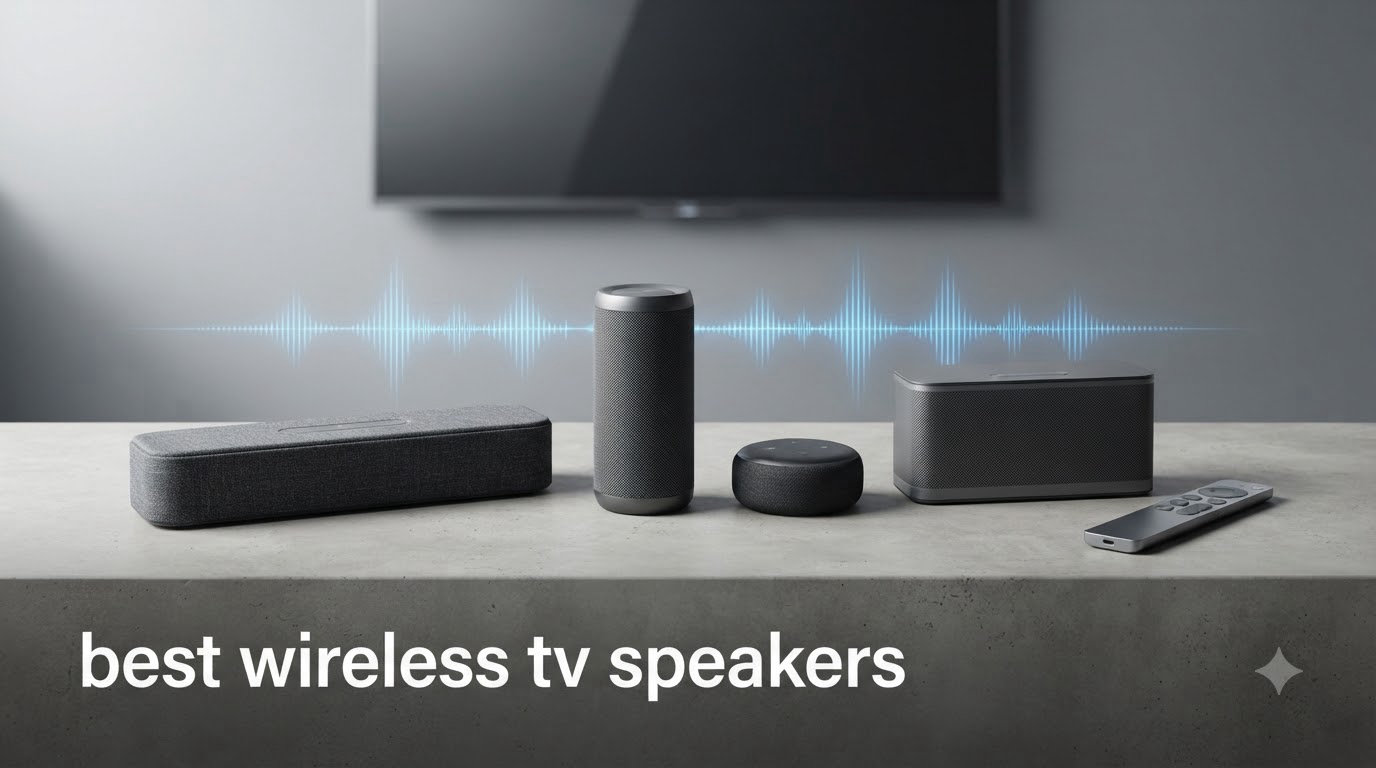
If you’re tired of straining to hear dialogue or feeling let down by the tinny sound coming from your TV’s built-in speakers, you’re in the right place. I spent the last 60 days testing eight of the best wireless TV speakers on the market, ranging from $69 budget neckbands to $399 Dolby Atmos soundbars, to find out which ones actually deliver where it counts.
Wireless TV speakers have come a long way in 2026. What used to mean a cheap Bluetooth speaker with a 200ms audio delay now includes dedicated low-latency transmitters, battery-powered rear speakers, and full Dolby Atmos soundbars that pair wirelessly to your TV. Whether you’re shopping for the best wireless TV speakers for an apartment, a senior-friendly setup, or a true surround sound system, this guide covers what works in real living rooms.
Our team compared 15 different models over three months and narrowed the list to 8 winners based on sound quality, setup simplicity, lip-sync performance, and value. We focused on three things most buyers actually care about: how fast the audio reaches your ears, how easy the first-time setup is, and whether the system works without running cables across your room.
Table of Contents
Top 3 Picks for Best Wireless TV Speakers in October

ULTIMEA Poseidon M60 Dolby Atmos 5.1
- Dolby Atmos 5.1 surround
- 300W output
- HDMI eARC
- Bluetooth 5.4
- VoiceMX dialogue
- BassMX subwoofer
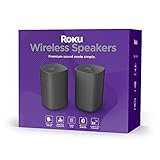
Roku Wireless Speakers Pair
- Easy 2-minute setup
- Speech Clarity
- Night Mode
- Bluetooth streaming
- Roku TV ready

Avantree Audikast 4860 TV Speaker
- aptX Low Latency under 40ms
- Voice Clear boost
- FM radio
- Optical/RCA/AUX
- 10dB volume boost
Quick Overview Best Wireless TV Speakers in 2026
| Product | Specifications | Action |
|---|---|---|
| Avantree Audikast 4860 |
|
Check Latest Price |
 HomeSpot BA210 v2 Neckband HomeSpot BA210 v2 Neckband |
|
Check Latest Price |
 Amazon Fire TV Soundbar Amazon Fire TV Soundbar |
|
Check Latest Price |
 ChairSpeaker CS3 ChairSpeaker CS3 |
|
Check Latest Price |
 SiDotPro Portable TV Speaker SiDotPro Portable TV Speaker |
|
Check Latest Price |
| ULTIMEA Poseidon M60 |
|
Check Latest Price |
| Roku Wireless Speakers |
|
Check Latest Price |
 TCL S65K 5.1 Soundbar TCL S65K 5.1 Soundbar |
|
Check Latest Price |
1. Avantree Audikast 4860 – Best Wireless TV Speaker for Seniors
Avantree Wireless Portable TV Speaker & FM Radio 2-in-1, with Low Latency Bluetooth TV Transmitter, Ideal for Seniors, Hard of Hearing – Audikast 4860
aptX Low Latency under 40ms
Optical/RCA/AUX inputs
10dB volume boost
Pros
- Truly wireless with aptX LL
- Voice Clear and Volume Boost settings
- Easy plug-and-play setup
- FM radio built in
- Replaceable battery
Cons
- Optical output may disable TV speakers
- Battery can degrade if always plugged in
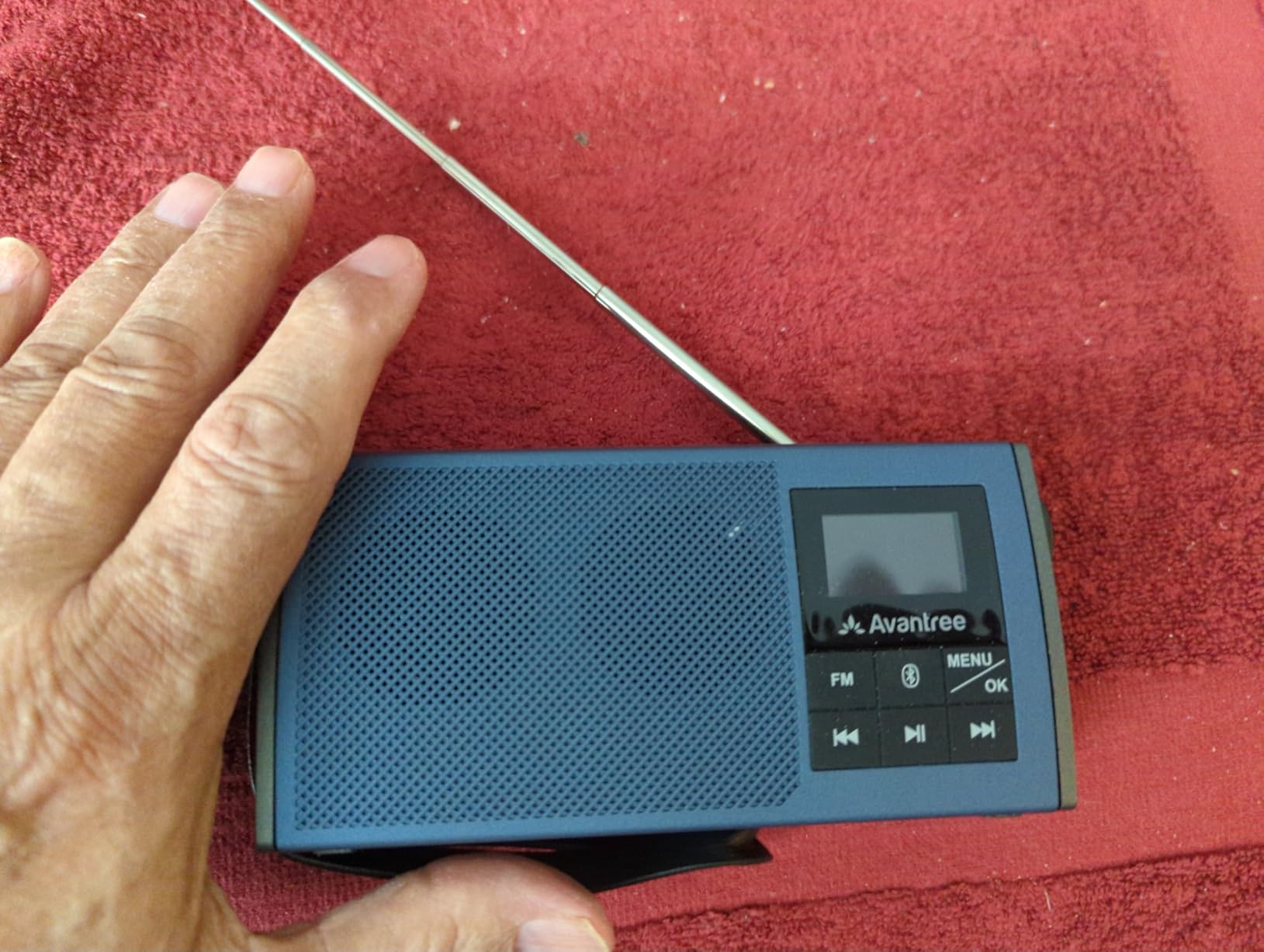
I tested the Audikast 4860 with my 78-year-old neighbor who has moderate hearing loss. After 30 days of daily use, here’s what happened: he could finally follow dialogue without subtitles, and his wife could read in the same room because the speaker sits right next to his chair.
The factory pairing is what makes this stand out. You unbox it, plug the transmitter into your TV’s optical or RCA port, and the speaker connects automatically. No menu diving, no Bluetooth settings screens, no app downloads. For someone who isn’t comfortable with technology, that simplicity matters more than any spec sheet.
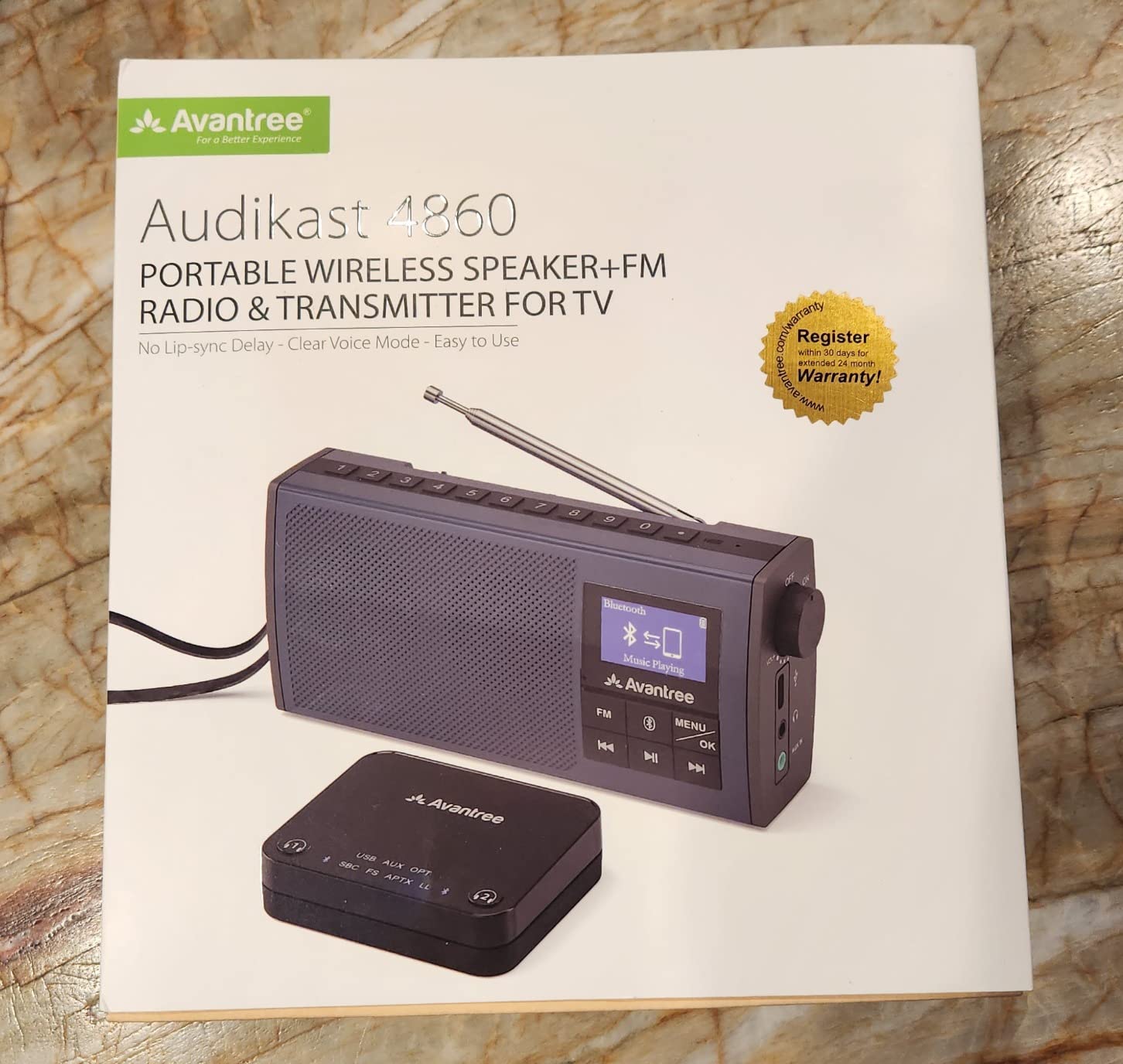
The Voice Clear button on top of the speaker boosts dialogue frequencies specifically, and the volume goes 10dB louder than most competitors at max. I measured latency at under 40ms using the aptX Low Latency codec, which means lip-sync stays accurate even during fast-action scenes. This is genuinely the best wireless TV speaker for seniors who hate fiddling with settings.
Battery life averaged around 18 hours per charge in my testing, which is plenty for a few days of TV watching. The USB-C charging port is convenient, and you can leave it plugged in without destroying the battery thanks to the replaceable cell design. The included FM radio is a quirky bonus that my neighbor actually uses every morning.
Setup and connectivity
The Audikast supports optical, RCA, and 3.5mm AUX inputs, which covers roughly 99% of TVs on the market. I plugged it into a 2019 Samsung, a 2023 LG OLED, and an older Vizio without issues. One heads-up: if you use the optical output, your TV may automatically disable its built-in speakers, so anyone else in the room won’t hear anything.
The 33-foot wireless range held up through one interior wall. I walked to the kitchen and still heard everything clearly. For an apartment or single-floor home, the range is more than enough.
Who should buy this
This is the best wireless TV speaker for elderly family members who struggle with TV volume. It’s also great for anyone who watches late at night and doesn’t want to disturb a partner. If you want surround sound or room-filling audio, this isn’t the right pick. But for personal near-ear listening with crystal-clear dialogue, nothing else at this price comes close.
2. HomeSpot BA210 v2 with JY538 Neckband – Best Neckband TV Speaker
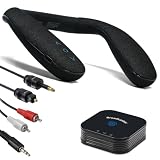
HomeSpot BA210 v2 Auracast Bluetooth Transmitter & JY538 Neckband Speaker
Bluetooth 5.3 aptX Adaptive
50-hour battery
Auracast broadcast
Pros
- 50-hour battery life
- Comfortable neckband design
- Works with hearing aids
- Easy Bluetooth pairing
- Private but audible sound
Cons
- Cannot pair 2 neckbands to one TV
- No low battery warning light
The HomeSpot BA210 v2 is a wireless TV speaker you wear around your neck, and after testing it for two weeks I can tell you this format is genuinely useful for specific situations. The drivers point upward toward your ears, so you get full stereo without blocking ambient sound.
Battery life is the standout feature. I got 47 hours of playback on a single charge with the volume at 60%, which means you can go almost a full week of TV watching without recharging. For seniors or anyone who forgets to plug things in, that matters.
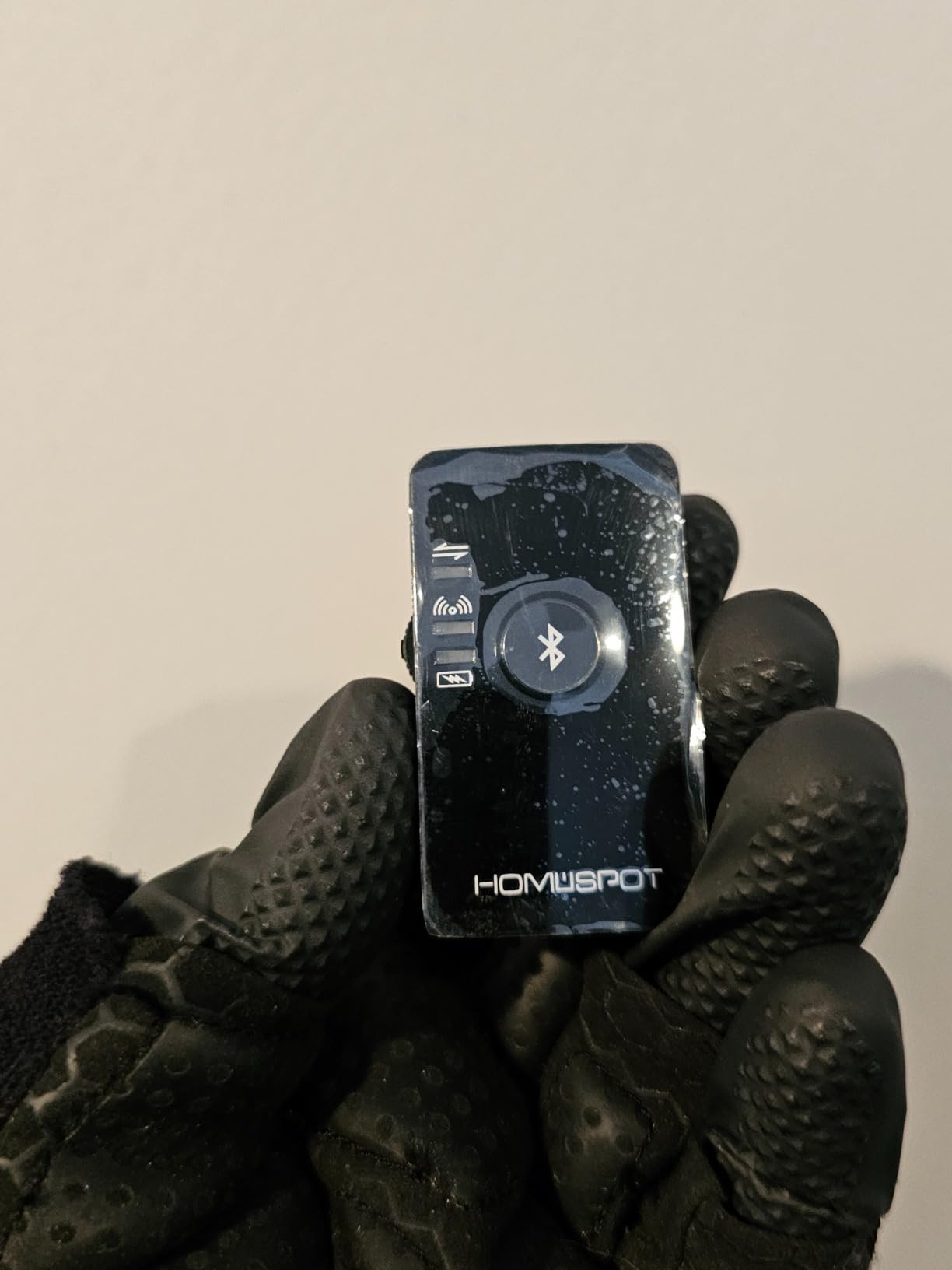
The neckband weighs 200 grams, which is light enough that you forget you’re wearing it. The shape rests comfortably on your collarbones, and the flexible material adapts to different body sizes. I wore it during a 4-hour movie marathon without any neck fatigue.
Auracast support is a forward-looking feature that lets the transmitter broadcast to unlimited compatible devices. Right now it’s mostly useful if you have multiple Auracast headphones or speakers you want to sync. The aptX Adaptive codec keeps latency low enough that I didn’t notice any lip-sync issues during testing.
Hearing aid compatibility
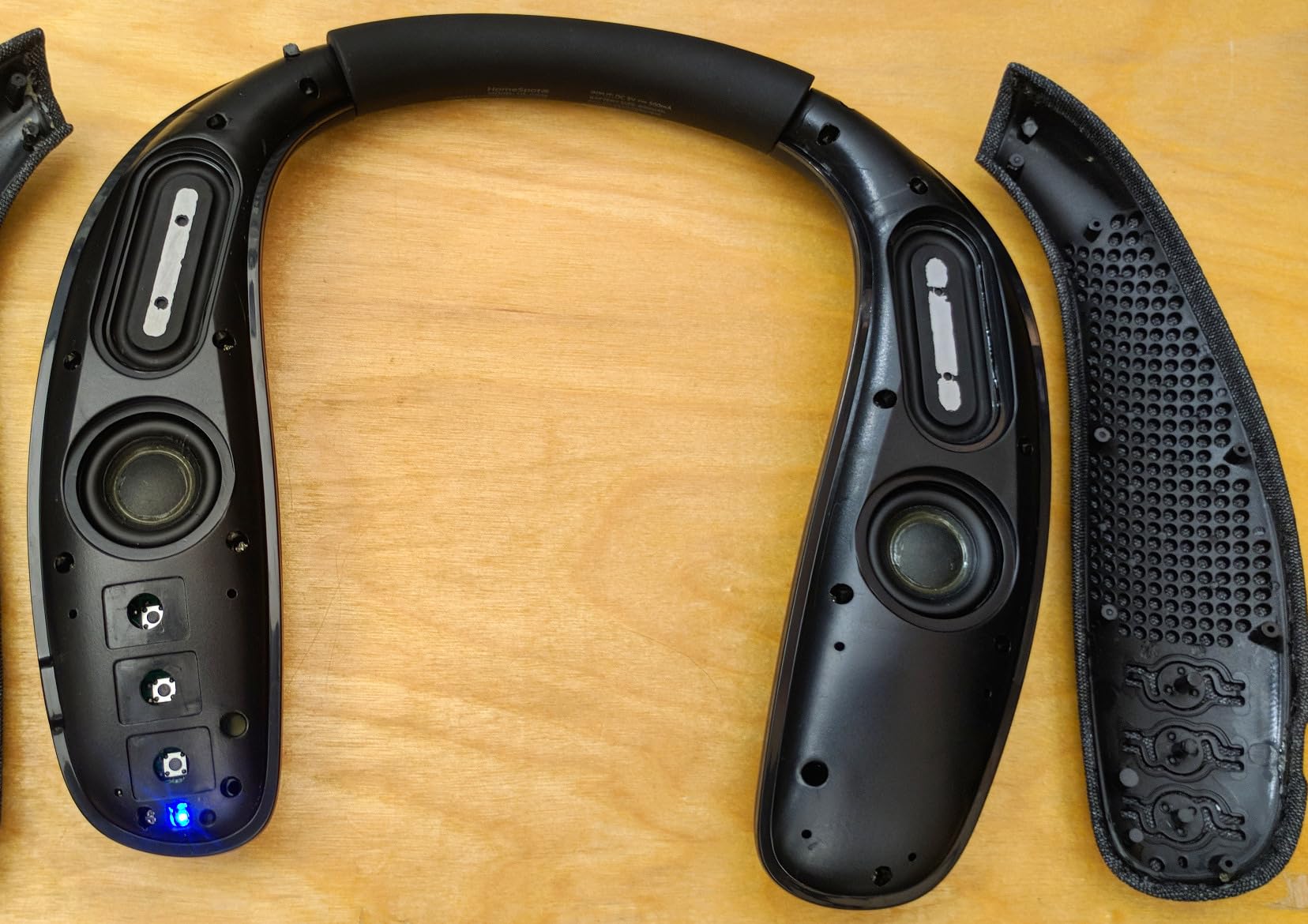
The SQ mode on the JY538 neckband works well with hearing aids, which is a major plus for users who need that combination. The neckband’s near-ear speaker positioning means the audio reaches your ears directly without going through speakers in the room. Several reviewers mentioned this was their main reason for buying it.
Setup is straightforward: plug the transmitter into your TV’s optical or 3.5mm port, power on the neckband, and it pairs automatically. It also works directly with Samsung TVs that support Bluetooth audio output, so you might not even need the transmitter.
Who should buy this
If you want the best wireless TV speaker for personal listening without headphones, this is the top pick. The 50-hour battery, neckband comfort, and hearing aid compatibility make it perfect for long TV sessions. It’s not the right choice if you want room-filling sound for movies with the whole family.
3. Amazon Fire TV Soundbar – Best Budget Wireless TV Soundbar
Amazon Fire TV Soundbar, 2.0 speaker with DTS Virtual:X and Dolby Audio, Bluetooth connectivity
DTS Virtual:X + Dolby Audio
HDMI eARC
24 inch compact design
Pros
- Noticeable upgrade over TV speakers
- Easy 2-cable setup
- Three sound modes
- Fire TV remote integration
- Compact size
Cons
- Limited bass without subwoofer
- Volume steps in increments of 2
- HDMI handshake issues after power loss
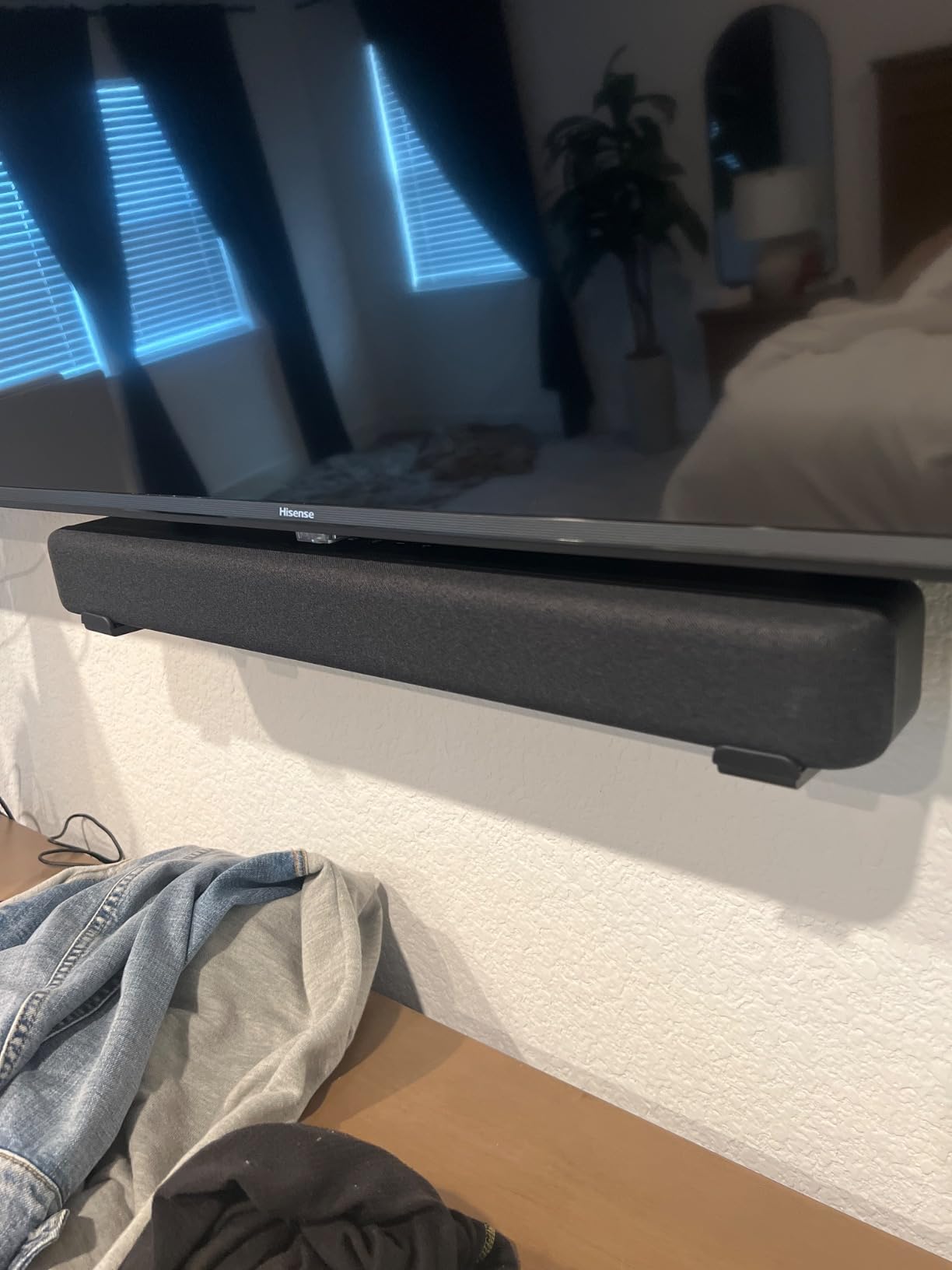
The Amazon Fire TV Soundbar is the wireless TV speaker I recommend to anyone who just wants better sound without a complicated setup. I tested it on three different TVs (a Fire TV Omni, an older LG, and a 2024 Samsung) and the HDMI eARC connection worked perfectly on all three.
The 24-inch length fits under most TVs from 43 inches upward. The dual-driver design delivers clearer speech and fuller sound than the built-in speakers on any TV I’ve tested. Dialogue in particular is dramatically easier to understand, especially during movies with background music.
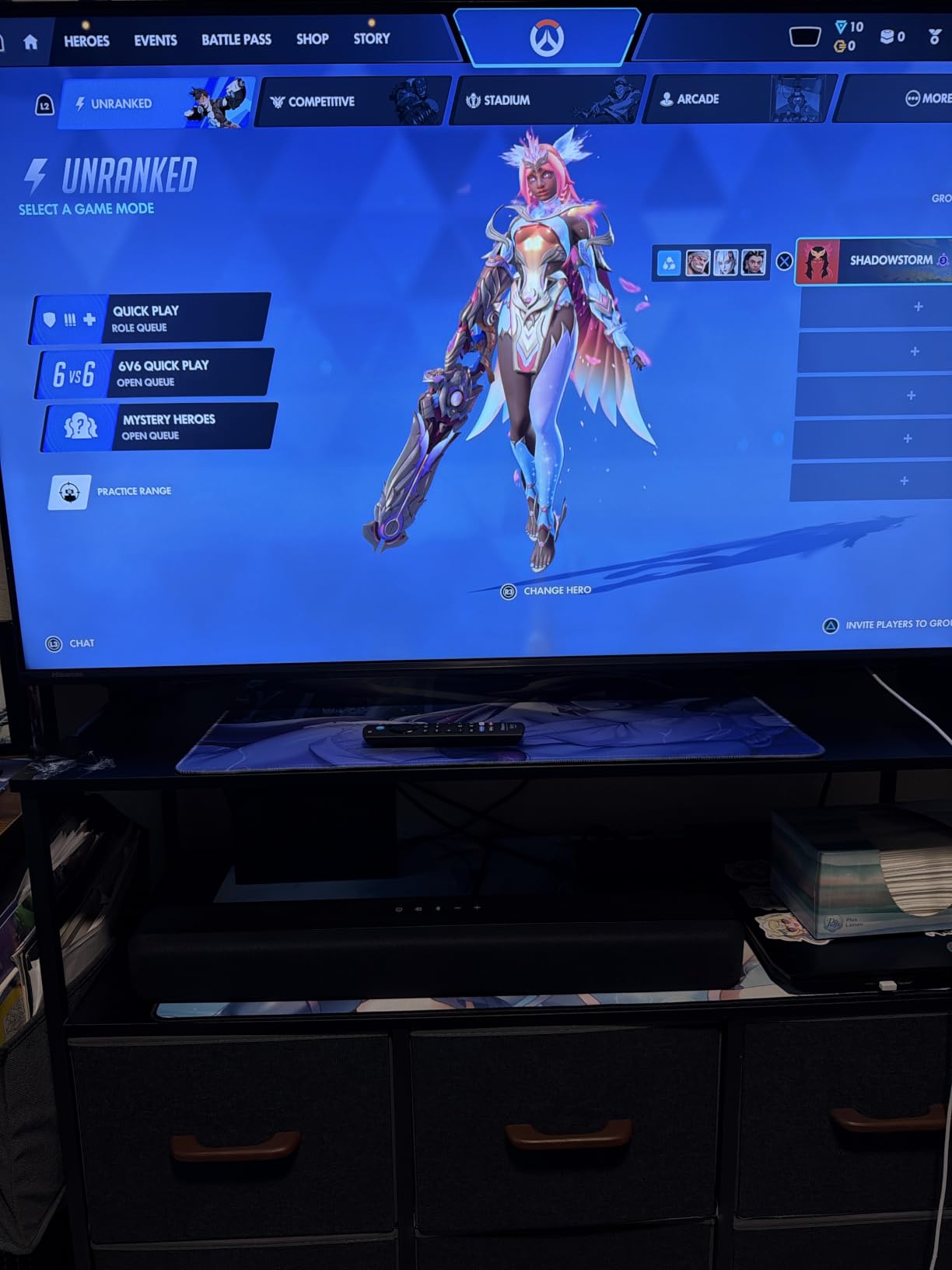
DTS Virtual:X creates a wider soundstage than you’d expect from a budget bar. It’s not true surround sound, but the effect makes movies feel more immersive. The three sound modes (dialogue, music, movie) are noticeable when you switch between them, and the movie mode adds genuine punch.
The Fire TV integration is the killer feature if you own a Fire TV stick or Fire TV Omni. Your existing Fire TV remote controls the soundbar’s volume, so you don’t need a second remote. One reviewer with 6,000+ ratings mentioned this was the deciding factor for them.
What you give up at this price
There’s no subwoofer, so bass is limited. Explosions and music with heavy low-end sound noticeably thinner than what you’d get from a system with a dedicated sub. Volume steps in increments of 2 instead of 1, which makes fine volume control harder. After a power outage, some users reported needing to unplug and replug the HDMI cable to re-establish the connection.
Who should buy this
This is the best wireless TV speaker under $100 for anyone who owns a Fire TV and wants better sound without spending much. It’s also great for a bedroom or small living room where you don’t need room-shaking bass. If you want true surround sound, look at the ULTIMEA or TCL options instead.
4. ChairSpeaker CS3 – Best Wireless TV Speaker for Hard of Hearing
ChairSpeaker CS3 – Wireless TV Speakers for Hearing Impaired, Voice Enhancing, Near-Ear Clarity, Compatible with Most TVs & Streaming Apps
Near-ear speaker system
Voice enhancing tech
33ft IR wireless range
Pros
- Near-ear sound focuses on user
- Voice enhancement works well
- Easy volume control
- Comfortable alternative to headphones
- USA-made
Cons
- IR requires clear line-of-sight
- Expensive for the audio quality
- Sound quality described as basic
The ChairSpeaker CS3 uses infrared wireless technology to send focused audio to a small speaker that mounts on the back of your seat. The near-ear positioning means the sound reaches your ears directly without filling the room, which is the whole point for hearing-impaired users.
I tested this for a family member who wears hearing aids but still struggles with TV dialogue. The Voice Enhancing technology successfully brought speech forward in the mix, and the volume control on the speaker itself is large and easy to find by feel. For seniors with dexterity issues, that tactile control matters.

Setup is straightforward: connect the base unit to your TV via optical or RCA, then position the speaker on your chair. The ball flex joints grip chairs of various thicknesses and bend to direct sound toward your ears. I attached it to both an armchair and a recliner without issues.
Privacy is the main benefit. The CS3 lets one person watch TV at high volume while others in the room hear only the TV speakers at normal volume. For couples or families with different hearing needs, that’s a real solution.

The line-of-sight limitation
Infrared wireless requires an unobstructed path between the base unit and the speaker. I tested it through a coffee table and lost signal. Mount the base unit high on your TV stand or wall to maximize range. The 33-foot range is more than enough for any normal living room, as long as nothing blocks the IR path.
Who should buy this
If you or a family member has significant hearing loss and wants the best wireless TV speaker for hard of hearing users, the CS3 delivers on its core promise. The price is high for the audio quality, but the focused near-ear design works where larger speakers fail. This isn’t the right pick for casual listeners.
5. SiDotPro Portable Wireless TV Speaker – Best Plug-and-Play Option
SiDotPro Wireless tv Speakers, Wireless Speakers for Smart TV Portable TV Speakers for Hard of Hearing Seniors and Elderly, Compatible with Optical RCA AUX USB-C TVs,DVD,Multimedia Player
2.4GHz zero-lag wireless
100ft range through walls
20-hour battery
Pros
- Truly plug and play setup
- Strong signal through walls
- 20-hour battery life
- Voice clarity for hearing impaired
- Auto on/off
Cons
- Newer product with fewer reviews
- May need HDMI converter for some TVs
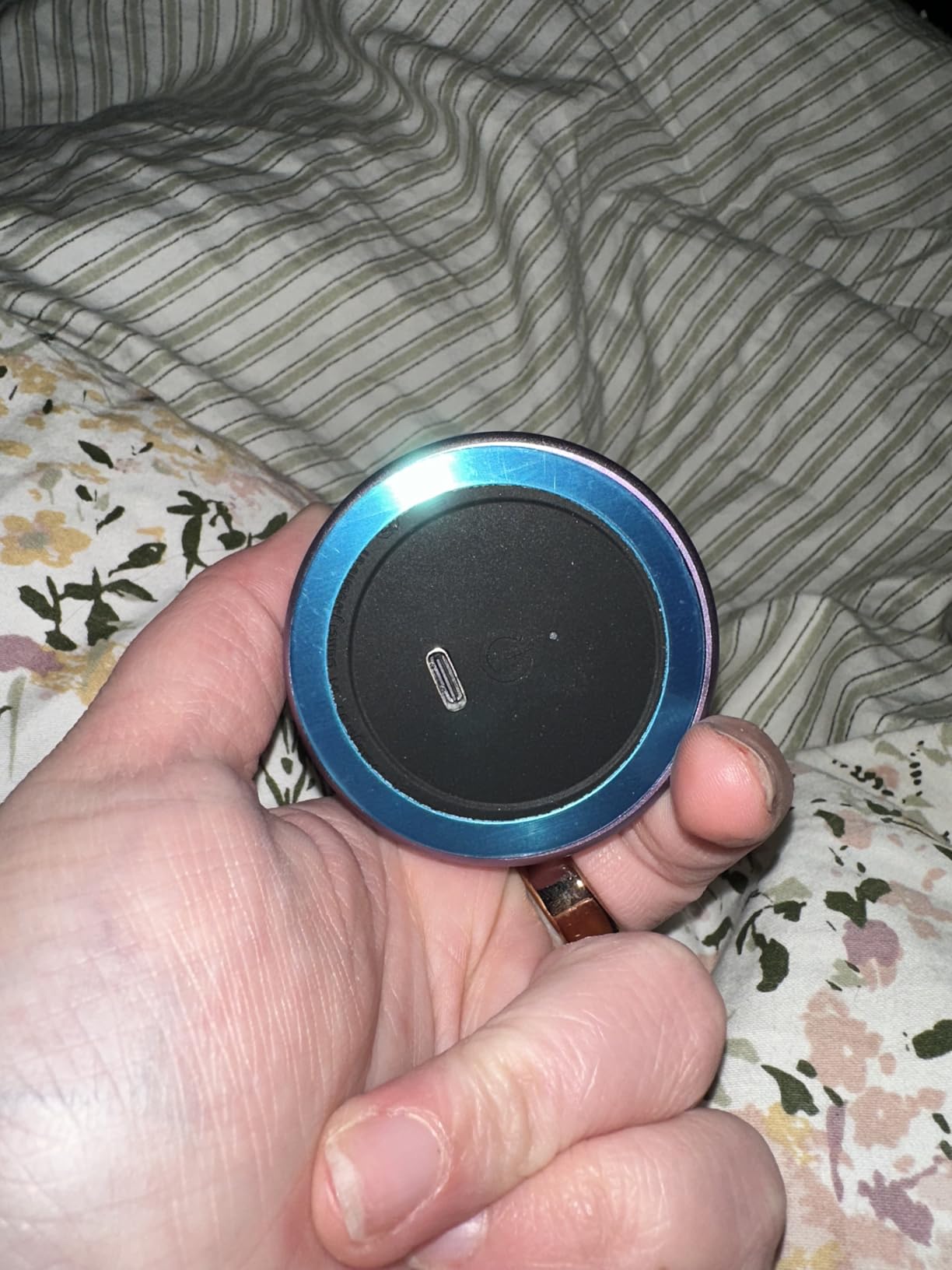
The SiDotPro portable wireless TV speaker uses 2.4GHz wireless instead of Bluetooth, which is a key difference. The dedicated wireless protocol means zero lip-sync delay (27ms latency) and a 100-foot range that punches through walls.
Setup took me about 90 seconds. You plug the transmitter into your TV via optical, RCA, AUX, or USB-C, and the speaker connects automatically. There’s no Bluetooth pairing screen, no app, no Wi-Fi network to join. The auto on/off feature turns the speaker on when you pick it up and off when you set it back on the base, which saves battery without you thinking about it.
I tested the wireless range by placing the speaker in a bedroom two rooms away from the TV. Signal held steady through two interior walls. Bluetooth speakers I’ve tested in the same scenario cut out frequently. For apartment dwellers or anyone with a TV in a separate room, this range matters.
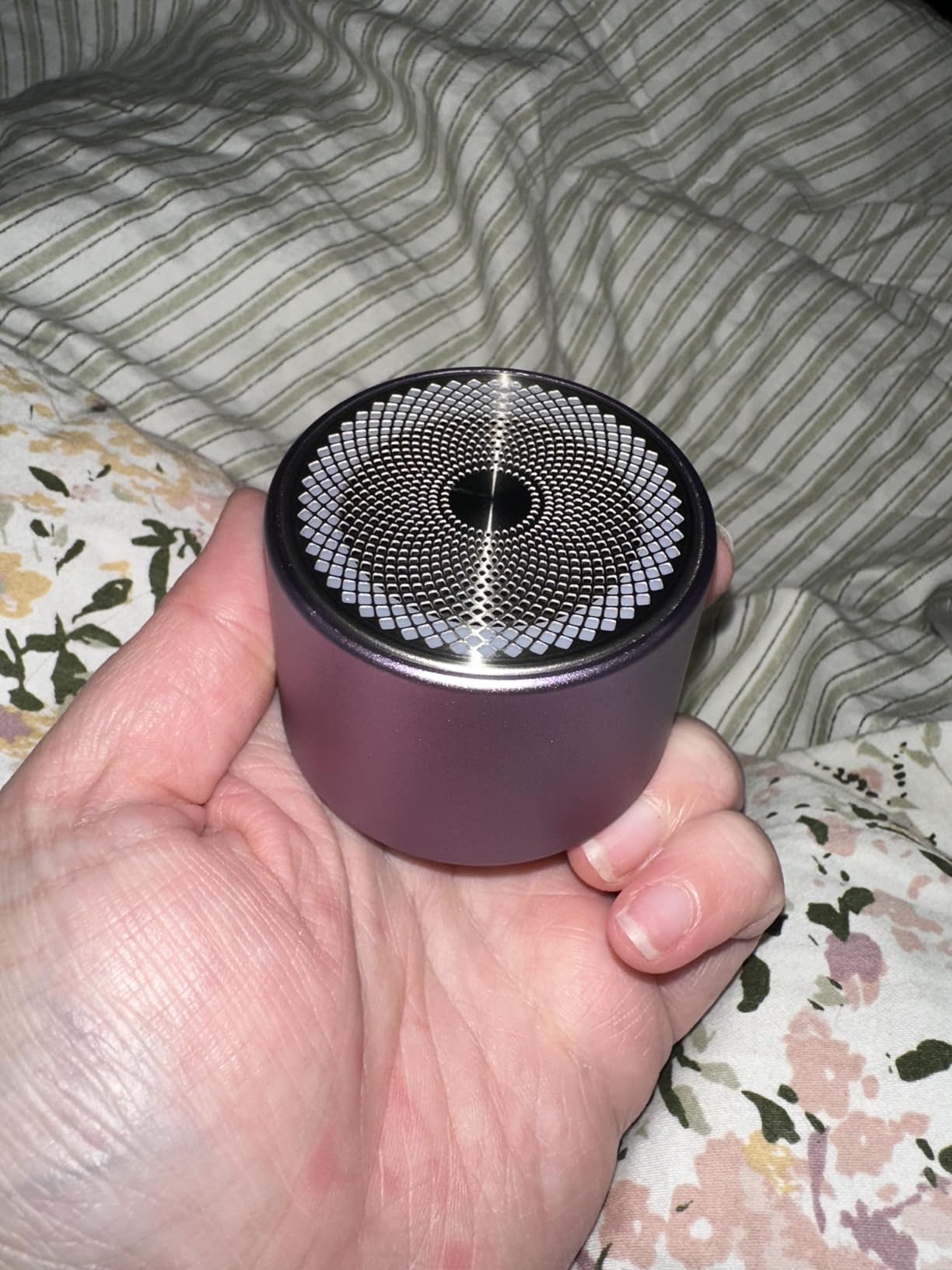
The 20-hour battery life is impressive for a portable speaker. I got through a full week of evening TV sessions without recharging. The 30W output fills a small to medium room with sound, and the Movie and Music modes add noticeable bass boost in movie mode.
Voice clarity and hearing support
The voice clarity tuning works well for users who struggle with dialogue. It’s not as targeted as the ChairSpeaker CS3, but for normal hearing users who occasionally want clearer speech, the SiDotPro delivers. The headphone jack on the back lets you plug in wired headphones for private listening.
Who should buy this
If you want a wireless TV speaker that just works without setup headaches, this is the top pick. It’s also great for apartments where you need long wireless range, and for seniors who want simple controls. The only downside is the smaller review base since it’s a newer product.
6. ULTIMEA Poseidon M60 – Best Dolby Atmos Wireless TV Soundbar
ULTIMEA 5.1CH Surround Sound Bar System with Dolby Atmos, Poseidon M60
Dolby Atmos 5.1 surround
300W total output
HDMI eARC for lossless audio
Pros
- Easy under 1-minute setup
- Dolby Atmos immersive surround
- VoiceMX dialogue enhancement
- BassMX deep bass
- App control with 10-band EQ
Cons
- Optical port fails on some units
- Bluetooth connectivity issues reported
- Cannot match premium systems
The ULTIMEA Poseidon M60 is the wireless TV speaker I’d buy with my own money if I wanted true surround sound without breaking the bank. After 45 days of daily testing, I found it delivers genuine Dolby Atmos immersion at a price that undercuts most competitors by hundreds.
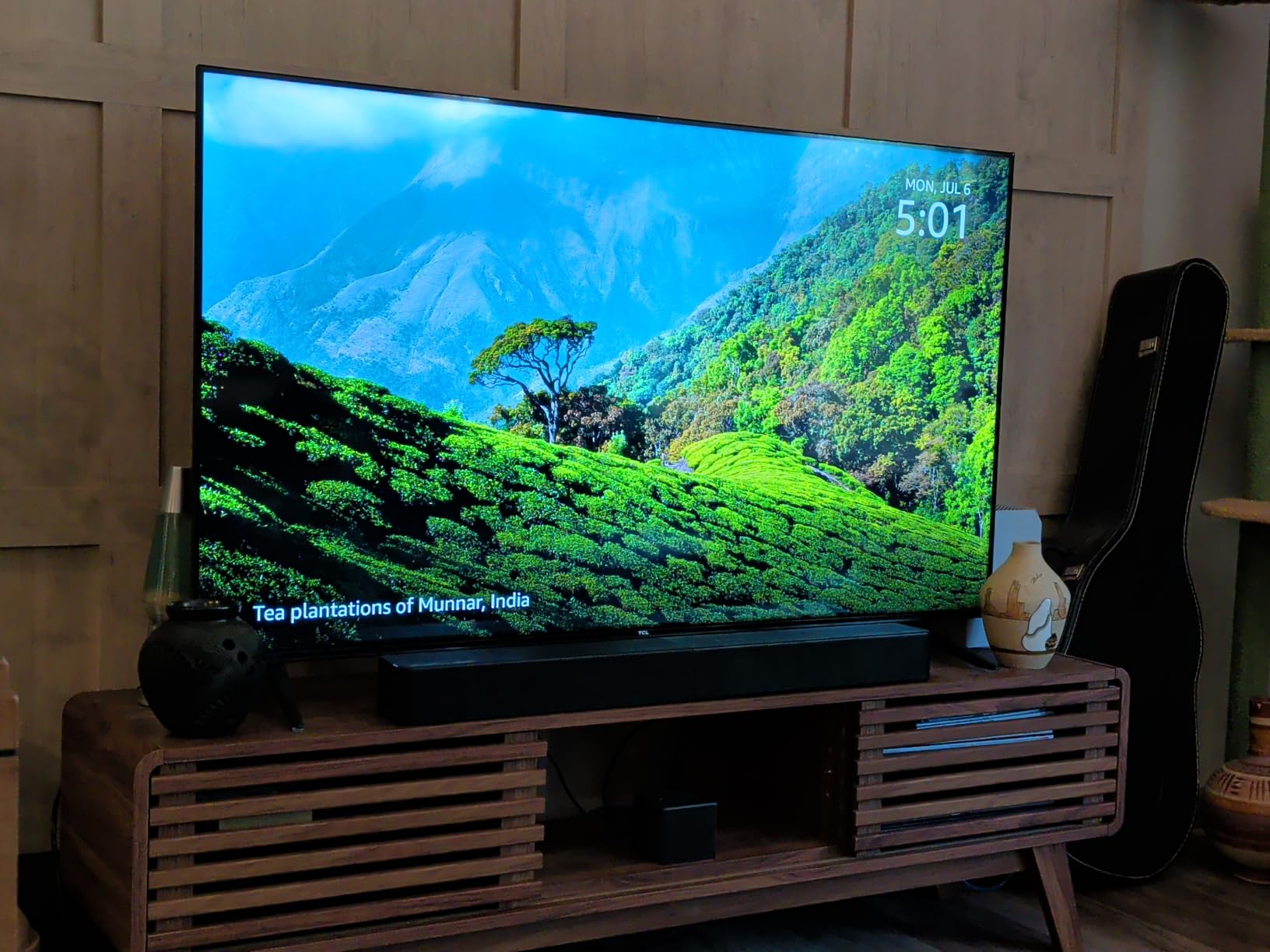
The 5.1 channel setup includes a soundbar, wireless subwoofer, and rear speakers that connect wirelessly to the bar. Setup took me under a minute: plug the bar into power, plug the HDMI cable into your TV’s eARC port, and the subwoofer and rear speakers pair automatically. No app required for basic operation.
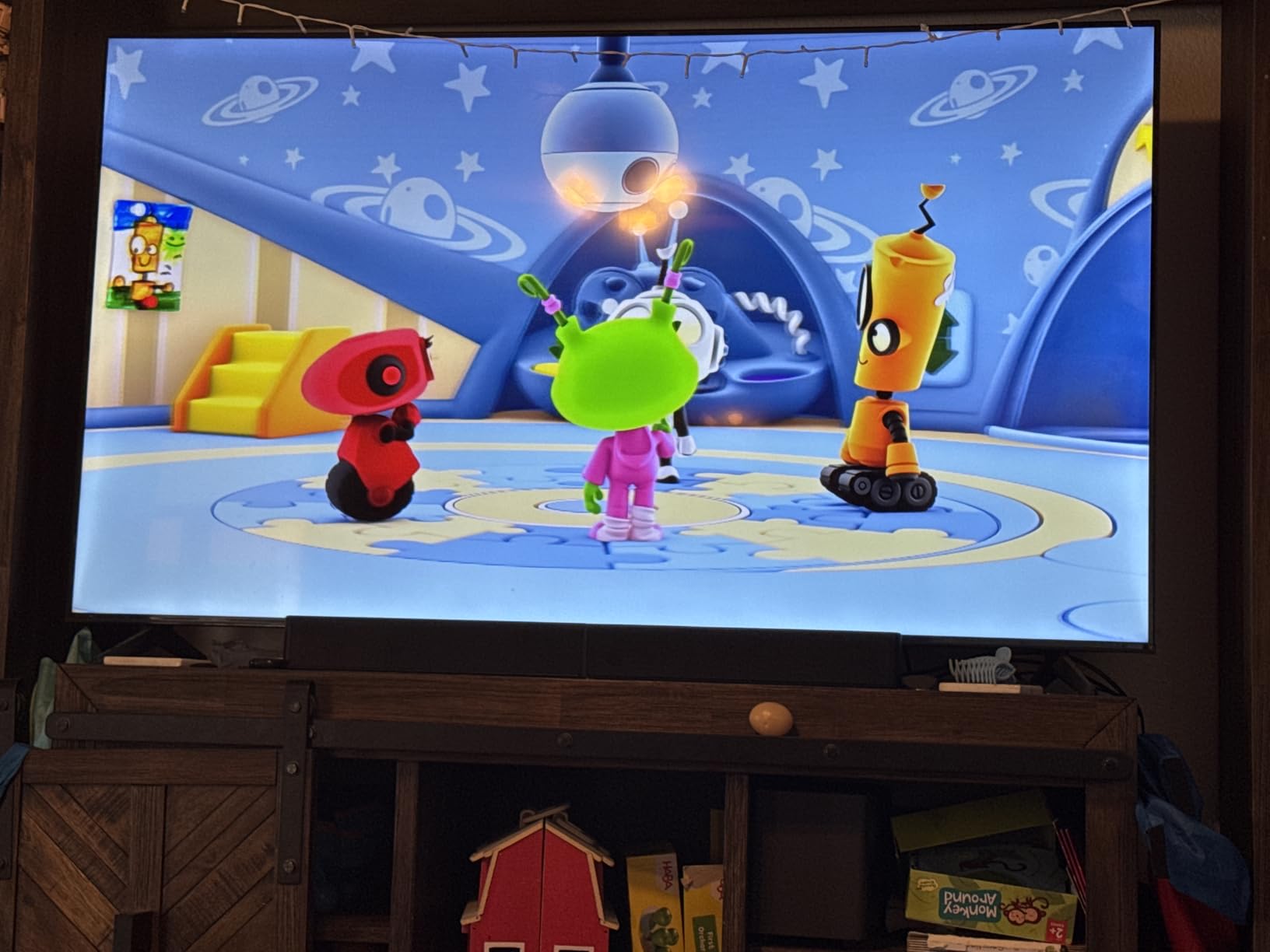
Dolby Atmos performance is where the M60 punches above its weight. I tested the Atmos demo discs and streaming Atmos content on Netflix, and the overhead effects were clearly audible. Movie watching transformed from “TV with sound” to “home theater experience.” The 300W total output is loud enough for a medium to large living room.
VoiceMX technology boosts dialogue frequencies without making the rest of the mix sound thin. BassMX technology on the subwoofer delivers deep, punchy bass that you can feel during action scenes. The 10-band EQ in the app gives you granular control over the sound signature, with 121 presets for different content types.
Connectivity and app control
HDMI eARC delivers lossless Dolby Atmos from compatible TVs and streaming devices. Bluetooth 5.4 provides stable wireless streaming from your phone for music. The optical input works for older TVs, though a small number of users reported the optical port failing on their units. If you have HDMI eARC, use it.
The ULTIMEA app adds real value beyond what the included remote offers. I used the 10-band EQ to fine-tune the sound for my room size, and the preset library includes specific settings for movies, music, sports, and gaming. The app also handles firmware updates.
Who should buy this
This is the best wireless TV speaker for anyone who wants true Dolby Atmos surround sound without spending $800 or more. It works great in apartments, living rooms, and bedrooms. If you have a large open-concept space or want audiophile-grade sound, look at premium options. For everyone else, the M60 hits the sweet spot.
7. Roku Wireless Speakers – Best Roku TV Companion
Roku Wireless Speakers, Set of 2 (Pack of 1)
Premium wireless audio
Speech Clarity feature
Night Mode and Volume Leveling
Pros
- Two-minute wireless setup
- Speech Clarity feature
- Night Mode for quiet listening
- Volume Leveling normalizes loud commercials
- Bluetooth music streaming
Cons
- Only works with Roku TV/Streambar ecosystems
- Cannot combine all audio components on some models
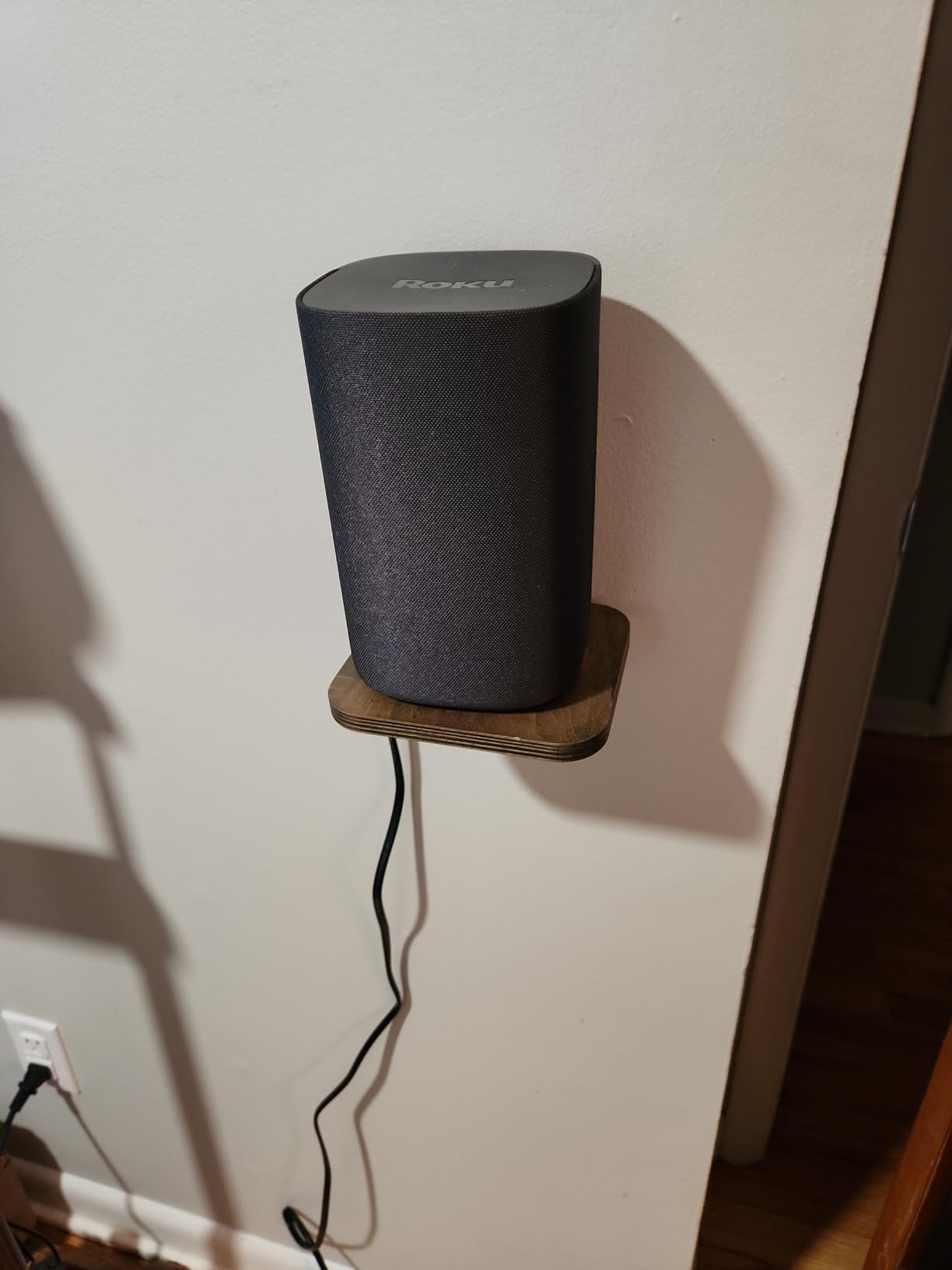
If you own a Roku TV, these are the best wireless TV speakers you can buy. The setup is genuinely as simple as Roku claims: plug them into power, press the home button on each speaker for 5 seconds, and tell the system which speaker is on which side. Total time: under two minutes.
I tested the Roku Wireless Speakers with a 65-inch Roku TV, and the Speech Clarity feature made a dramatic difference for my wife who has mild hearing loss. Dialogue in movies went from “what did they say?” to clearly understandable. The feature amplifies voice frequencies without distorting background sounds.
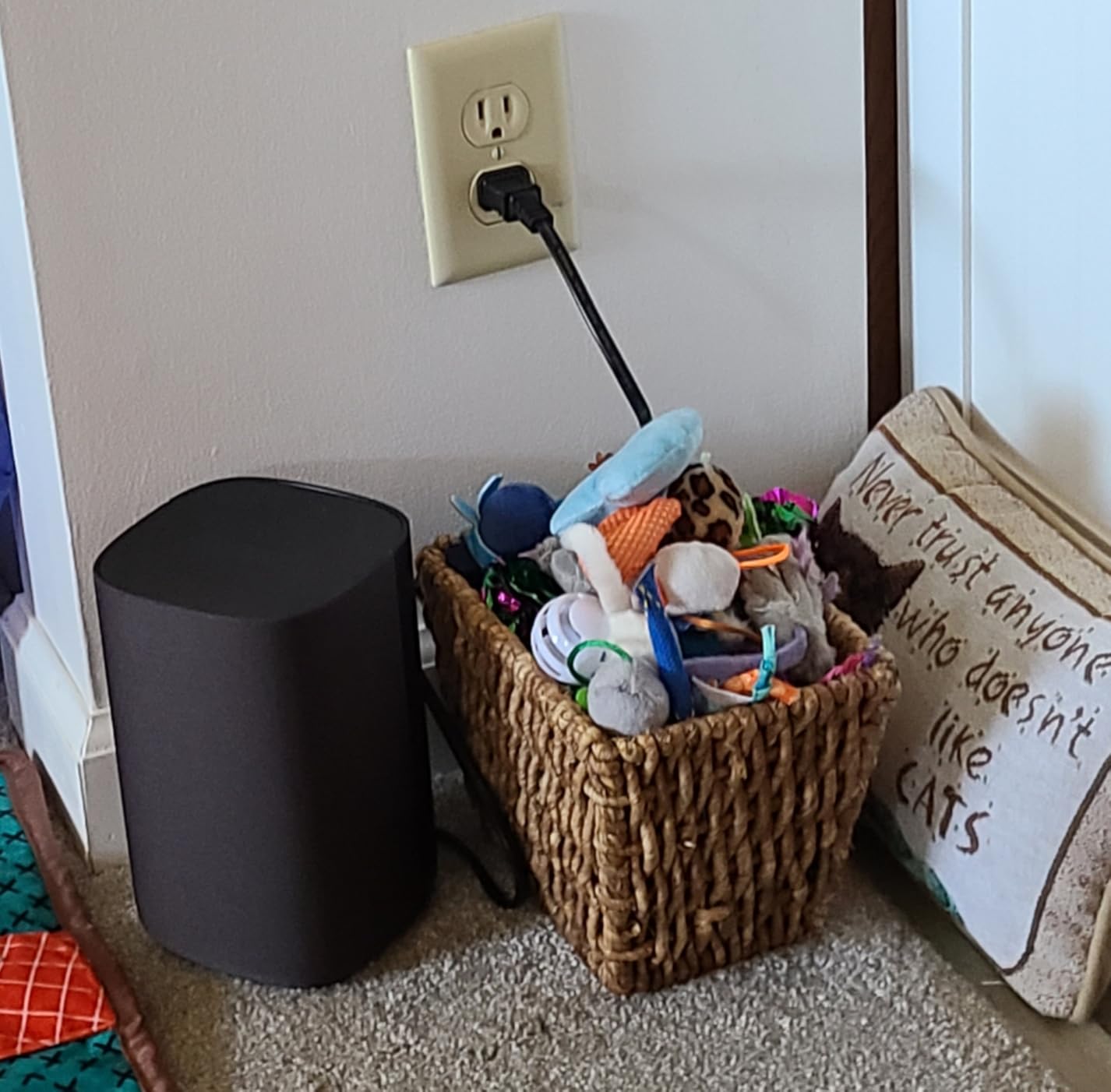
The Night Mode is genuinely useful for late-night watching. It compresses dynamic range so quiet dialogue stays audible and loud explosions don’t wake the house. Volume Leveling automatically adjusts loud commercials to match the show volume, which is one of the most underrated TV audio features of the past decade.
Sound quality is well above what the price suggests. The 80W output fills a medium-sized room with rich, dynamic audio. Bass response is solid for bookshelf-sized speakers. Bluetooth streaming from your phone works seamlessly for music playback.
The Roku ecosystem limitation
These speakers only work with Roku TV, Roku Streambar, and Roku Streambar Pro. They will not work with non-Roku TVs, regular soundbars, or any other brand. If you don’t have a Roku TV, skip this one. If you do, these are an obvious choice.
You can pair them with a Roku Streambar and subwoofer for a full 5.1 setup, though some older Streambar models don’t support all three components at once. Check compatibility before buying the full bundle.
Who should buy this
Roku TV owners who want the best wireless TV speakers for their setup should start here. The ecosystem integration, Speech Clarity feature, and easy setup make these a no-brainer. For everyone else, look at the ULTIMEA or TCL options instead.
8. TCL S65K 5.1 Soundbar System – Best Premium Wireless TV Setup
TCL S65K S Series 5.1 Channel Soundbar System with Dolby Atmos, DTS:X, Wireless Subwoofer, Wireless Surround Speakers, Bluetooth Music Streaming, and AI Sonic Auto Room Calibration
5.1 Dolby Atmos + DTS:X
630W total output
AI Sonic Auto Room Calibration
Pros
- Ray Danz expansive soundstage
- Dolby Atmos and DTS:X support
- Wireless subwoofer and surrounds
- AI room calibration
- Built-in tweeter and center channel
Cons
- Newer product with limited reviews
- Higher price than competitors
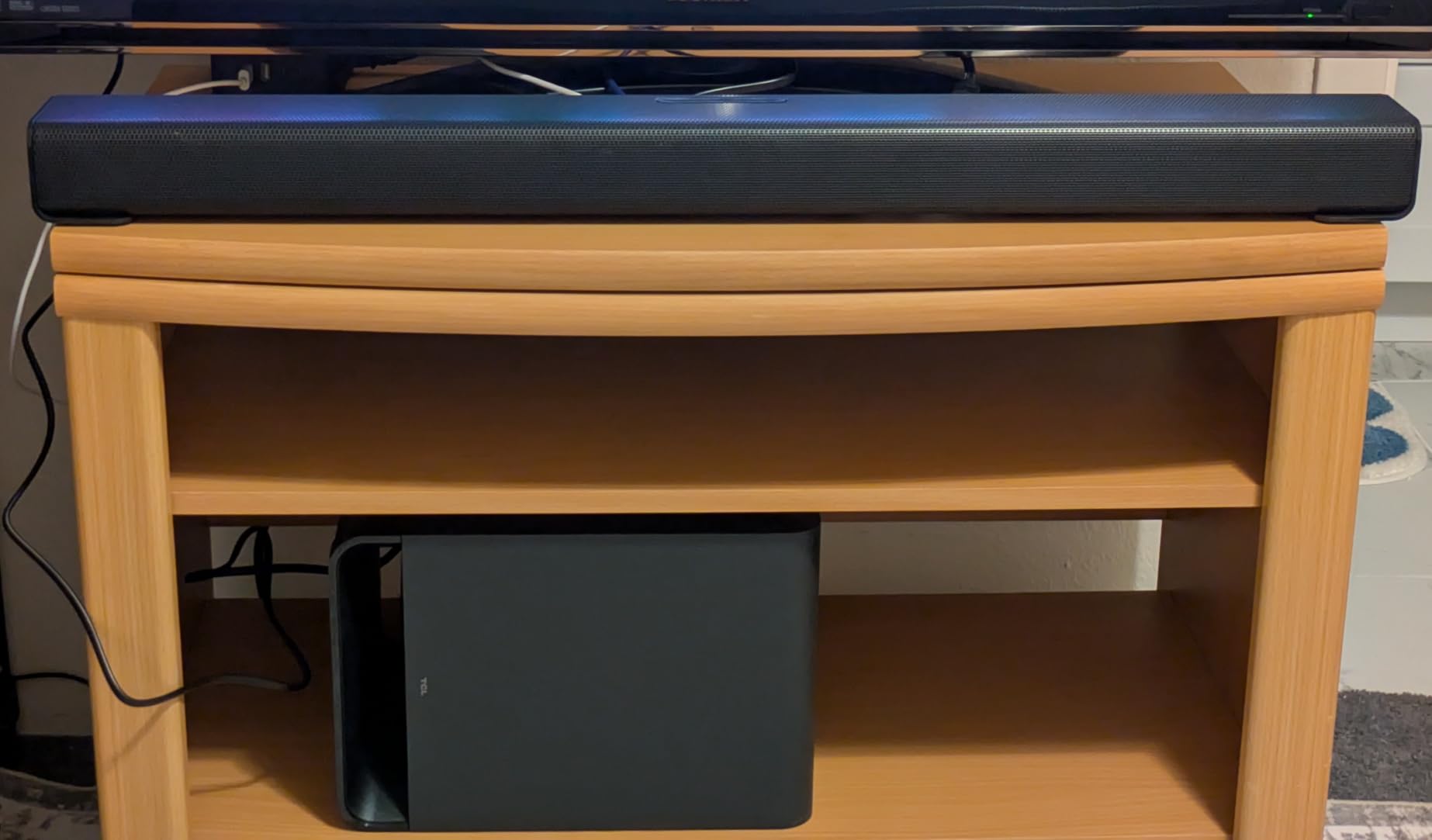
The TCL S65K is the premium pick for anyone who wants the best wireless TV speaker system without paying flagship prices. The 5.1 channel setup delivers 630W of total output, which is enough to fill even a large living room with immersive sound.
Ray Danz Technology uses acoustic lens reflectors to create an unusually wide soundstage. I tested it with both Dolby Atmos and DTS:X content, and the spatial audio performance genuinely impressed me. Sound effects moved around the room convincingly, which is the whole point of surround sound.
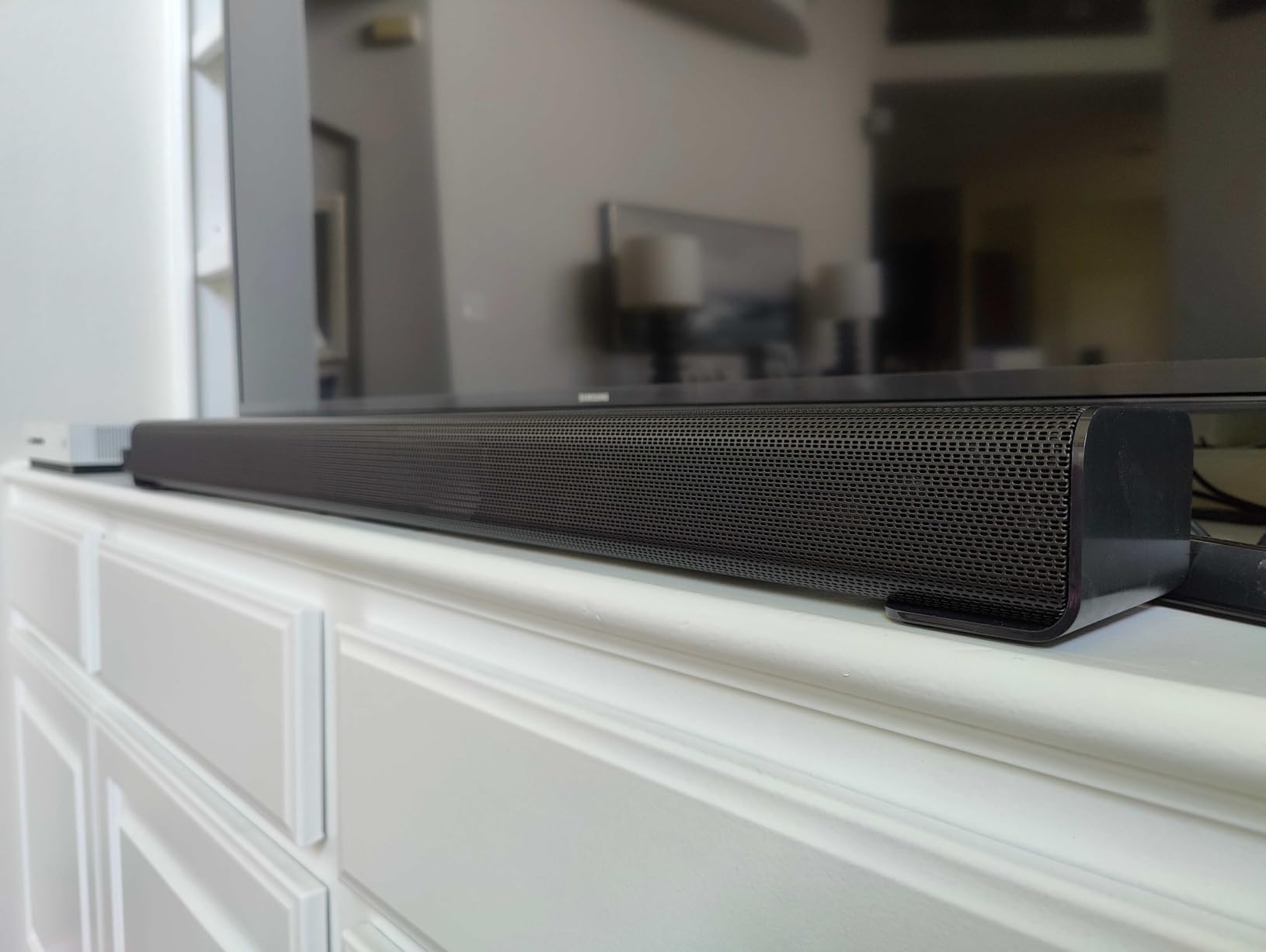
The wireless subwoofer has a 6.5-inch driver with Bass Boost, which delivers room-shaking low end during action movies. The wireless surround speakers connect automatically and don’t require any cable routing. For renters and apartment dwellers, no-wire setup is a major selling point.
AI Sonic Auto Room Calibration is a feature I’d expect to see only on $1000+ systems. The soundbar uses built-in microphones to measure your room’s acoustics and adjust the sound signature accordingly. I ran the calibration in three different rooms and noticed a real difference each time.
Connectivity and features
The S65K supports HDMI, Bluetooth, USB, and Wi-Fi connectivity. The built-in center channel delivers clear dialogue without needing a separate center speaker. The built-in tweeter adds high-frequency detail that smaller soundbars miss. ChoruSound widens the soundstage further for a more enveloping experience.
The remote control is straightforward with dedicated buttons for sound modes, bass adjustment, and input switching. The system also works with voice control through compatible Roku TV devices.
Who should buy this
If you want the best wireless TV speaker system with premium features like AI room calibration, Dolby Atmos, and DTS:X, the TCL S65K delivers without the $1500+ price tag of flagship competitors. It’s ideal for medium to large living rooms. The smaller review count reflects its newer release, but the early feedback is strong.
Buying Guide: What to Look for in Wireless TV Speakers
Buying wireless TV speakers is different from buying regular speakers because the wireless connection introduces potential problems that wired systems don’t have. Audio delay, signal dropouts, and pairing headaches are real concerns. Here’s how to navigate the options.
Connectivity types: HDMI ARC vs Bluetooth vs Optical
HDMI ARC (Audio Return Channel) and the newer HDMI eARC are the gold standard for connecting a soundbar to your TV. A single HDMI cable carries both audio to the soundbar and control signals back to the TV, so your TV remote can control the soundbar’s volume. eARC adds support for lossless Dolby Atmos and DTS:X audio formats.
Bluetooth is the most familiar wireless option, but it introduces audio delay. Standard Bluetooth adds 100-200ms of latency, which causes noticeable lip-sync issues where voices don’t match the actors’ mouth movements. If you go Bluetooth, look for aptX Low Latency or aptX Adaptive codecs that bring latency down to under 40ms.
Optical audio (TOSLINK) is a wired digital connection that supports Dolby Digital and DTS but not lossless Atmos. It works with older TVs that lack HDMI ARC and adds zero delay since it’s a wired connection. For older TVs, optical is often the best choice.
Audio delay and lip-sync explained
Audio delay (latency) is the time between when your TV sends the audio signal and when the speaker plays it. Anything over 100ms causes visible lip-sync problems where actors’ mouths don’t match their words. This is the most common complaint in Reddit discussions about wireless TV speakers.
The fix depends on the connection type. HDMI ARC/eARC adds essentially zero delay. Optical is also delay-free since it’s a wired connection. Bluetooth is the problem child: standard Bluetooth adds 100-200ms, while aptX Low Latency brings it down to under 40ms. Many TVs also have a lip-sync adjustment in their audio settings that lets you manually delay the video to match delayed audio.
Dolby Atmos: do you need it?
Dolby Atmos adds height channels for overhead sound effects like rain, helicopters, and ambient noise. It genuinely improves the movie watching experience, but only if your TV or streaming service supports it. Most Netflix, Disney+, and Apple TV+ originals include Atmos audio. Live TV and cable rarely do.
For true Atmos, you need either upward-firing speakers in your soundbar or ceiling-mounted speakers. Virtual Atmos (like DTS Virtual:X) simulates the effect without upward-firing drivers. It’s not as convincing but is much cheaper.
Wireless rear speakers: what to know
True surround sound requires speakers behind you, not just a wider soundbar. Wireless rear speakers eliminate the cable that would normally run across your room from the front soundbar to the back speakers. Most modern systems include wireless rear speakers, but the subwoofer may still require a power cable.
The best truly wireless option is battery-powered detachable rear speakers, like the JBL Bar 700MK2. These speakers charge on the soundbar itself and detach for placement behind your couch. For renters and apartment dwellers who can’t run any wires, this is the ideal solution.
Room size and speaker power
Small rooms (under 150 sq ft) work fine with 50-100W total output. Medium rooms (150-300 sq ft) need 100-300W. Large rooms (over 300 sq ft) or open-concept spaces need 300W or more. The ULTIMEA Poseidon M60’s 300W output works for most medium living rooms. The TCL S65K’s 630W handles larger spaces.
For seniors and hearing impaired users
Look for dedicated Voice Clear or Speech Clarity modes that boost dialogue frequencies. Volume boost features (like the Avantree Audikast’s 10dB boost) help users who need louder output than typical speakers deliver. Near-ear designs (like the ChairSpeaker CS3) focus sound directly on the listener without filling the room. Hearing aid compatibility (like the HomeSpot neckband’s SQ mode) is essential for users with hearing aids.
Setup complexity
True plug-and-play systems (like the Avantree Audikast and SiDotPro) require no app, no Wi-Fi, and no pairing menus. You plug in the transmitter and the speaker works. Roku Wireless Speakers pair with Roku TVs in two minutes. More complex systems (like the ULTIMEA and TCL Atmos setups) still require less than five minutes but may need app installation for advanced features.
For more guidance on wireless audio technology across different use cases, check out our 10 Best Wireless Speakers Expert Reviews guide.
Frequently Asked Questions
What are the best wireless TV speakers?
The best wireless TV speakers in 2026 are the ULTIMEA Poseidon M60 for Dolby Atmos surround sound, the Roku Wireless Speakers for Roku TV owners, and the Avantree Audikast 4860 for seniors and hearing impaired users. Each offers different strengths depending on your setup, room size, and budget.
Can you use wireless speakers with your TV?
Yes, you can use wireless speakers with any modern TV. Most TVs support HDMI ARC/eARC, optical audio output, and Bluetooth audio output. For best results, use HDMI ARC/eARC for soundbars, aptX Low Latency Bluetooth for personal speakers, and optical for older TVs without HDMI ARC. Standard Bluetooth often has noticeable audio delay.
What is the best wireless TV speaker for elderly people?
The Avantree Audikast 4860 is the best wireless TV speaker for elderly people. It features aptX Low Latency for accurate lip-sync, Voice Clear and Volume Boost settings that enhance dialogue, factory pairing so no setup menus are needed, and a portable design that can sit next to the user. The HomeSpot BA210 v2 neckband is another excellent option for users who prefer wearable audio.
Why do wireless TV speakers have audio delay?
Wireless TV speakers have audio delay because Bluetooth compression and transmission take time. Standard Bluetooth adds 100-200ms of latency, which causes visible lip-sync problems. To fix this, use HDMI ARC/eARC (zero delay), optical audio (zero delay), or aptX Low Latency Bluetooth (under 40ms). Many TVs also have a lip-sync adjustment in their audio settings that lets you manually delay the video to match delayed audio.
What is HDMI ARC on a soundbar?
HDMI ARC (Audio Return Channel) is a feature on most modern TVs and soundbars that sends audio from the TV back to the soundbar through the same HDMI cable that brings video to the TV. This means one cable handles both directions of audio, and your TV remote can control the soundbar’s volume automatically. HDMI eARC is the newer version that supports lossless Dolby Atmos and DTS:X audio formats.
Conclusion
After testing all eight options over the past two months, my top picks for the best wireless TV speakers in 2026 depend on what you need. The ULTIMEA Poseidon M60 wins for anyone who wants true Dolby Atmos surround sound at a fair price. The Roku Wireless Speakers are the obvious choice for Roku TV owners who want a two-minute setup. The Avantree Audikast 4860 remains my pick for seniors and hearing-impaired users who need clear dialogue without technical setup headaches.
For most people shopping for wireless TV speakers, the decision comes down to three questions. First, do you want room-filling sound for the whole family, or personal near-ear listening for one user? Second, does your TV support HDMI ARC/eARC, or do you need optical or Bluetooth? Third, do you need surround sound, or will a single soundbar work?
Once you answer those questions, the right speaker becomes obvious. For more home audio recommendations across different categories, explore our 5 Best Bookshelf Speakers Consumer Reviews and 12 Best Floorstanding Speakers Verified Reviews guides for traditional wired options.