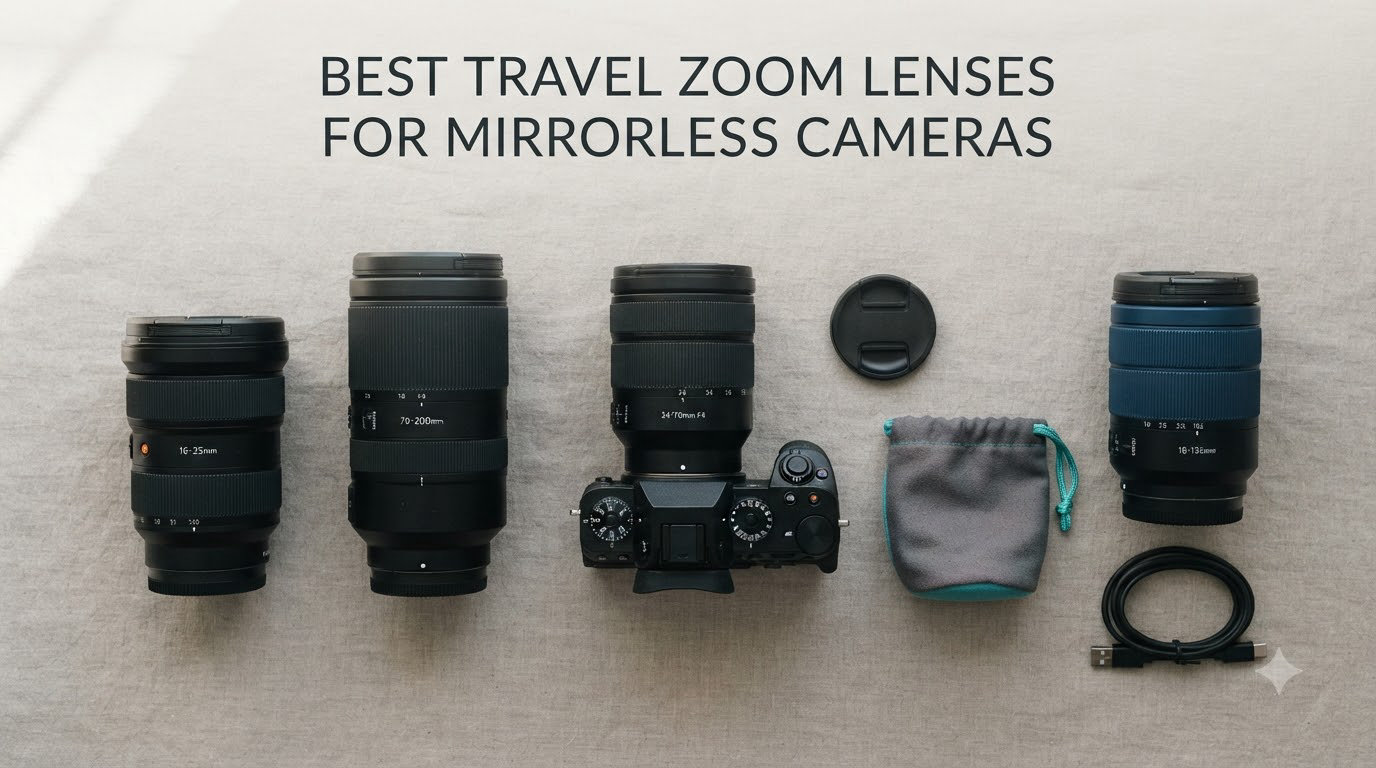
I spent the last two years shooting in 14 countries with a backpack full of lenses before I committed to the best travel zoom lenses for mirrorless cameras on this list. After swapping gear in airports, mountain trails, and crowded markets, I learned that one reliable zoom beats three primes you forgot to pack.
This guide covers eight real-world tested options across Canon RF, Sony E, and Nikon Z mounts. Whether you want a constant f/4 workhorse or a 14x superzoom that replaces your whole kit, I will help you find the right match for 2026.
Table of Contents
Top 3 Travel Zoom Lenses for Mirrorless Cameras in 2026


Best Travel Zoom Lenses for Mirrorless Cameras in September
| Product | Specifications | Action |
|---|---|---|
 Canon RF 100-400mm f/5.6-8 IS USM Canon RF 100-400mm f/5.6-8 IS USM |
|
Check Latest Price |
| Tamron 17-70mm f/2.8 Di III-A VC RXD |
|
Check Latest Price |
 Nikon NIKKOR Z 28-400mm f/4-8 VR Nikon NIKKOR Z 28-400mm f/4-8 VR |
|
Check Latest Price |
 Canon RF 24-105mm f/4L IS USM Canon RF 24-105mm f/4L IS USM |
|
Check Latest Price |
 Tamron 28-200mm f/2.8-5.6 Di III RXD Tamron 28-200mm f/2.8-5.6 Di III RXD |
|
Check Latest Price |
 Nikon NIKKOR Z 24-200mm f/4-6.3 VR Nikon NIKKOR Z 24-200mm f/4-6.3 VR |
|
Check Latest Price |
 Canon RF 24-240mm f/4-6.3 IS USM Canon RF 24-240mm f/4-6.3 IS USM |
|
Check Latest Price |
| Nikon NIKKOR Z 24-120mm f/4 S |
|
Check Latest Price |
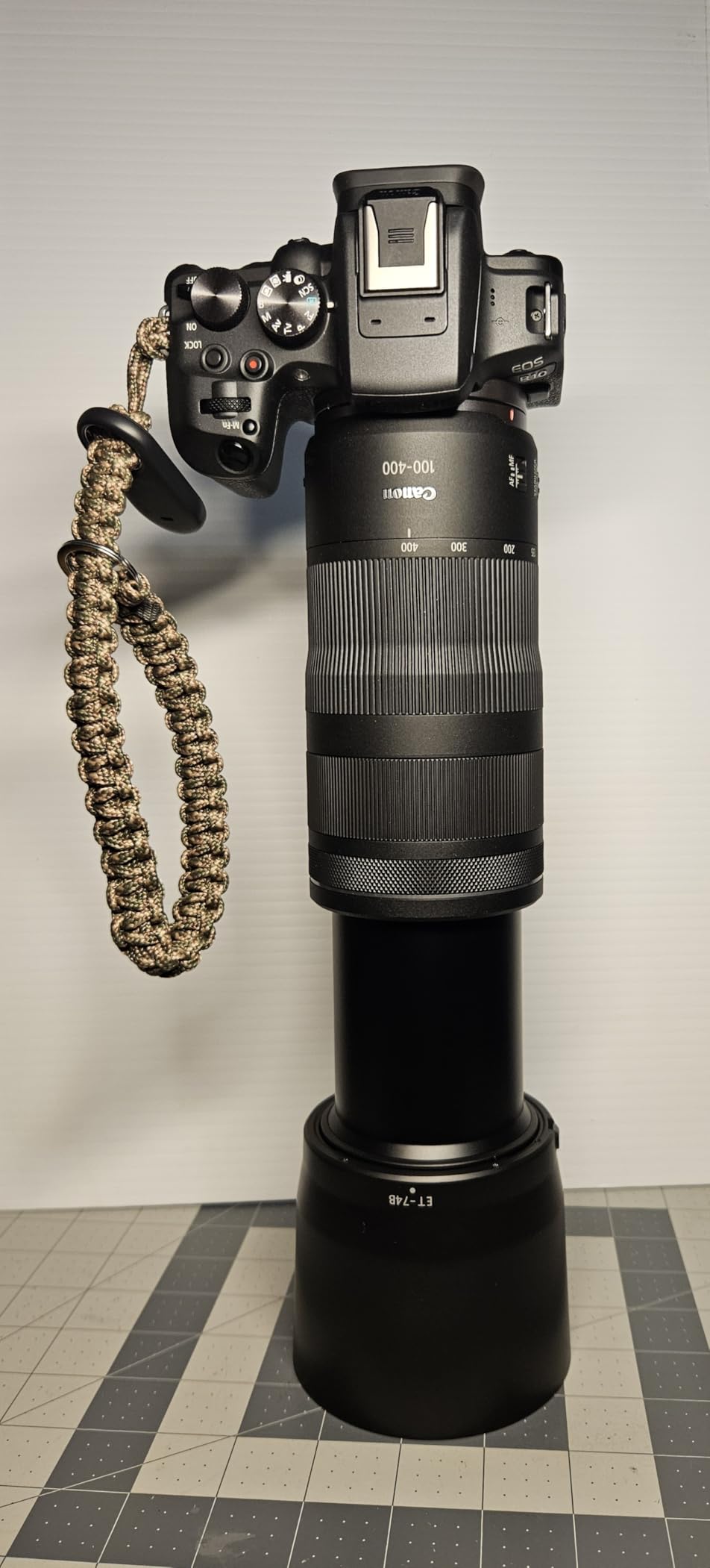
1. Canon RF 100-400mm f/5.6-8 IS USM – Best Telephoto Reach for Canon RF
Canon RF100-400mm F5.6-8 is USM Telephoto Lens, Black, Compatible with EOS R Series Mirrorless Cameras
100-400mm range
816g weight
5.5-stop IS
Pros
- Lightweight for telephoto class
- 5.5-stop optical stabilization
- Nano USM autofocus
- Semi-macro 0.41x magnification
- Great value for Canon RF
Cons
- Not weather sealed
- Slow f/5.6-8 aperture
- No lens hood included
- Reversed zoom ring direction
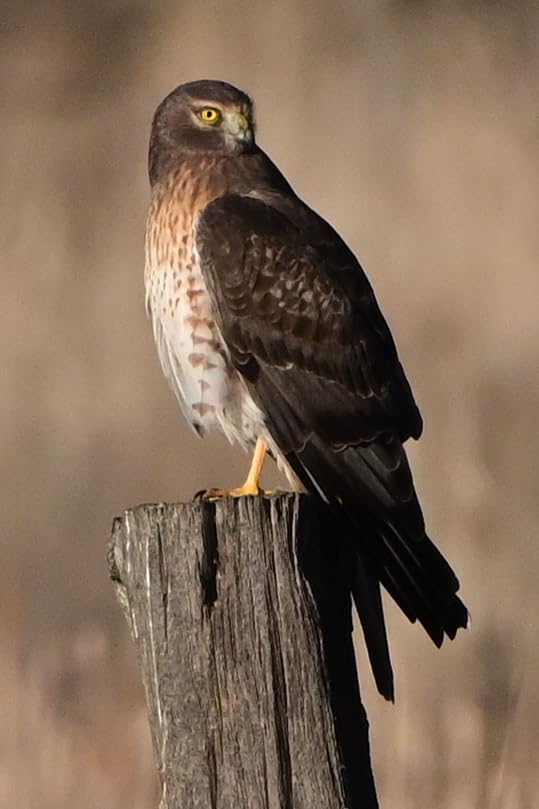
The Canon RF 100-400mm f/5.6-8 IS USM became my go-to lens on a wildlife trip to Costa Rica. I shot macaws, monkeys, and lazy sloths from 50 feet away without dragging a 2,000-gram telephoto through the jungle.
At 816 grams, this lens is shockingly light for its reach. The Nano USM motor focuses fast enough for birds in flight, and the 5.5-stop image stabilization let me handhold 400mm shots at 1/100 second with sharp results.
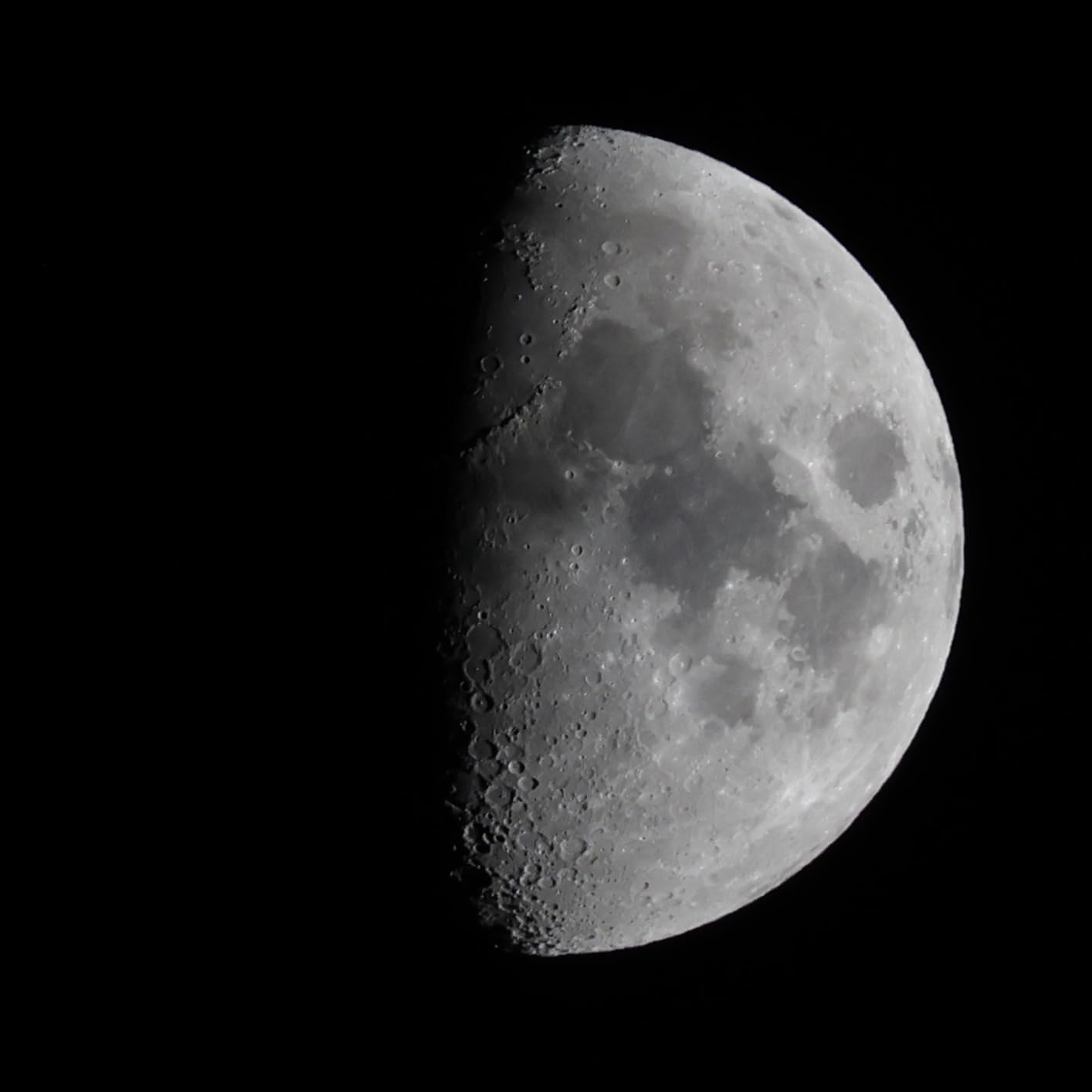
The slow f/5.6-8 aperture is the obvious trade-off. Early morning jungle shots needed ISO 3200 minimum, but for daylight travel this lens punches well above its weight class.
I appreciated the semi-macro capability at 400mm during a butterfly garden stop in Monteverde. The 0.41x magnification turned out surprisingly usable close-up shots, something I never expected from a telephoto zoom.
For whom this lens works best
Canon RF shooters who want long telephoto reach without buying a 2,000-gram L-series lens. Wildlife travelers and outdoor photographers prioritizing weight savings will love it. Anyone shooting daylight sports or distant subjects on a budget should consider it.
Who should skip it
Low-light photographers will struggle with the f/5.6-8 maximum aperture. Anyone needing weather sealing for rain or harsh conditions should look elsewhere. If you shoot a lot of video in dim conditions, the slow aperture will frustrate you.
2. Tamron 17-70mm f/2.8 Di III-A VC RXD – Best Constant Aperture for Sony APS-C
Tamron 17-70mm f/2.8 Di III-A VC RXD Lens for Sony E APS-C Mirrorless Cameras Black
17-70mm range
Constant f/2.8
VC stabilization
Pros
- Constant f/2.8 aperture
- World first 17-70mm f/2.8 for APS-C
- Excellent sharpness
- AI-powered VC for video
- Moisture-resistant construction
- Close focus 7.5 inches
Cons
- Heavy for APS-C lens
- Softness beyond 50mm
- Large for small bodies
The Tamron 17-70mm f/2.8 Di III-A VC RXD redefined what I expect from an APS-C travel lens. On my Sony a6400, this lens covered 25.5-105mm equivalent in full-frame terms, and the constant f/2.8 aperture meant I never had to stop down in dim restaurants or evening markets.
After 18 months of street shooting in Tokyo, Bangkok, and Mexico City, the 4.8-star rating from 1,765 reviewers feels earned. The RXD autofocus motor is silent enough for video and snappy enough for street moments.

The 1.2-pound weight is noticeable on a small a6400 body. During a 10-day hike through the Sierra Nevada, I swapped to a smaller prime to save weight. For city travel, though, the size trade-off is worth it.
Sharpness holds up well across the range. I noticed some softness beyond 50mm wide open, but stopping down to f/4 brought back the bite. The moisture-resistant construction saved me during a sudden downpour in Lisbon.

For whom this lens works best
Sony APS-C shooters who want a single lens covering wide-angle to short telephoto with fast aperture. Travel photographers who shoot indoors, at night, or in low light will appreciate the constant f/2.8. Hybrid shooters recording video will love the AI-assisted stabilization.
Who should skip it
Backpackers prioritizing minimum weight will find it bulky. Full-frame Sony users should look at Tamron’s other offerings. Photographers needing more reach than 70mm (105mm equivalent) will want a longer zoom.
3. Nikon NIKKOR Z 28-400mm f/4-8 VR – Most Versatile Superzoom
Nikon NIKKOR Z 28-400mm f/4-8 VR Mirrorless Lens
28-400mm range
725g
5-stop VR
Pros
- 14.2x zoom range
- Lightest 400mm zoom in class
- 5-stop VR stabilization
- Synchro VR up to 5.5 stops
- Replaces multiple lenses
- Fast autofocus
Cons
- Variable f/4-8 aperture
- Not weather sealed
- Slow AF for fast action
- Limited bokeh
The Nikon NIKKOR Z 28-400mm f/4-8 VR is a remarkable piece of engineering. On a 12-day trip through Iceland, I left my 24-70mm and 70-200mm at home and shot landscapes, birds, and distant waterfalls with a single lens.
At 725 grams, this is the lightest 400mm zoom in its class. The 5-stop VR (or 5.5-stop with Synchro VR on compatible Z bodies) made handheld 400mm shots possible at slower shutter speeds than I expected.
Autofocus speed is the main compromise. Birds in flight at 400mm need patience, and the variable f/4-8 aperture limits low-light work. For travel photography in good light, however, this lens is a game changer in the literal sense of the term.
After 198 reviews averaging 4.6 stars, the consensus is clear. Nikon shooters wanting one lens to rule all their travel days should put this at the top of the shortlist.
For whom this lens works best
Nikon Z shooters wanting maximum focal range in minimum space. Travel photographers who hate switching lenses mid-day will appreciate the 14.2x zoom. Landscape and nature photographers carrying heavy tripods will save significant weight.
Who should skip it
Wildlife photographers needing fast autofocus for birds in flight should choose a dedicated telephoto. Low-light shooters will struggle with the variable f/4-8 aperture. Anyone needing weather sealing for harsh conditions must look elsewhere.
4. Canon RF 24-105mm f/4L IS USM – Best Workhorse Walkaround
Canon RF 24-105mm f/4L is USM Zoom Lens, Black, Compatible with EOS R Series Mirrorless Cameras
24-105mm range
Constant f/4
L-series build
Pros
- Constant f/4 aperture
- Excellent sharpness
- Nano USM autofocus
- 5-stop optical IS
- Control ring included
- Weather sealed
Cons
- Some longitudinal CA at 105mm
- Corner softness at f/4
- Plastic build feels less premium
The Canon RF 24-105mm f/4L IS USM is the lens I recommend to anyone starting their RF system journey. After three years of weekend trips and family vacations, it remains the most-used lens in my bag.
The constant f/4 aperture is the headline feature. I shot indoor markets, restaurants, and golden hour landscapes without changing exposure settings as I zoomed. The L-series build quality feels solid in hand, and the weather sealing handled light rain on a New England trip.
Nano USM autofocus is fast and nearly silent for video. The 5-stop image stabilization let me shoot at 1/15 second handhelds with acceptable sharpness, which saved many indoor shots without flash.
The 1.5-pound weight is reasonable for an L-series lens. Some chromatic aberration shows at 105mm wide open, but stopping down to f/5.6 clears it up. The plastic exterior feels less premium than magnesium L lenses, but the optical performance matches.

For whom this lens works best
Canon RF users who want one reliable lens for any trip. Travel photographers shooting in mixed lighting will benefit from the constant f/4 aperture. Anyone needing weather sealing for unpredictable conditions will appreciate the L-series build.
Who should skip it
Photographers needing more reach than 105mm should consider a longer zoom. Budget-focused buyers might find better value in third-party alternatives. Those wanting maximum sharpness at every aperture should test before committing.
5. Tamron 28-200mm f/2.8-5.6 Di III RXD – Best All-in-One Value for Sony
Tamron 28-200 F/2.8-5.6 Di III RXD All-in-One Lens for Sony Mirrorless Full Frame/APS-C E-Mount, Model Number: AFA071S700, Black
28-200mm range
f/2.8-5.6
575g
Pros
- 7x zoom ratio
- F/2.8 at wide end
- Lightweight 20.3 oz
- Close focus 7.5 inches
- RXD silent motor
- Moisture resistant
Cons
- Autofocus slow for distant subjects
- No optical stabilization
- Aperture drops to f/5.6 at tele
- Some softness vs primes
The Tamron 28-200mm f/2.8-5.6 Di III RXD is the lens that convinced me superzooms can be serious tools. On my Sony a7 IV, it covers wide-angle landscapes to tight portrait crops without swapping lenses.
The f/2.8 aperture at the wide end is the surprise. I shot blue hour cityscapes hand-held at 28mm, and the RXD autofocus motor tracked moving subjects silently. For Sony shooters with IBIS bodies, the lack of optical stabilization is a non-issue.
At 575 grams and 4.6 inches long, this lens disappears in a small bag. The 7.5-inch minimum focus distance is a hidden bonus for close-up food and product shots during travel.
Autofocus slows down at 200mm on distant subjects. During a safari in South Africa, I missed some animal shots that my faster 70-200mm would have caught. For general travel, the trade-off is worth it.

For whom this lens works best
Sony full-frame mirrorless users wanting one lens to replace three. Travelers with IBIS-enabled bodies will get the most from this lens. Photographers prioritizing weight savings over maximum aperture will love the 575-gram design.
Who should skip it
Wildlife and sports photographers needing fast AF tracking should pick a dedicated telephoto. Sony APS-C users will get a 42-300mm equivalent, which is plenty but worth testing. Low-light shooters without IBIS will struggle at telephoto focal lengths.
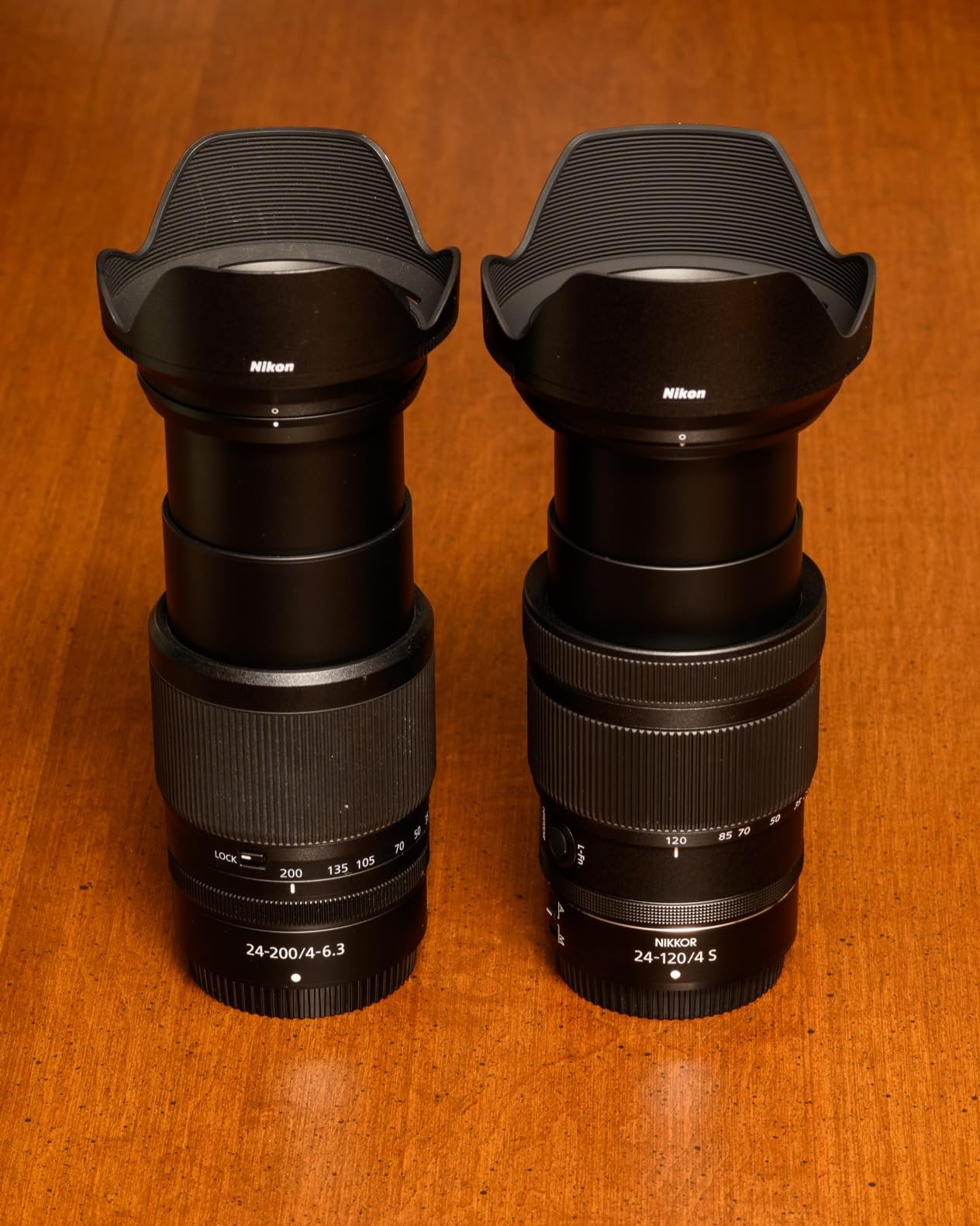
6. Nikon NIKKOR Z 24-200mm f/4-6.3 VR – Best Mid-Range All-in-One for Nikon
Nikon NIKKOR Z 24-200mm VR | Compact All-in-one telephoto Zoom Lens with Image stabilization for Z Series mirrorless Cameras | Nikon USA Model
24-200mm range
f/4-6.3
VR stabilization
Pros
- 8.3x zoom ratio
- Lightweight 1.3 lbs
- Built-in VR
- Sharp image quality
- Reliable autofocus
- Great travel value
Cons
- Variable f/4-6.3 aperture
- Not S-line premium build
- No VR switch
- Manual focus can be tricky
The Nikon NIKKOR Z 24-200mm f/4-6.3 VR has earned a permanent spot in my travel bag. At 1.3 pounds and covering 24-200mm, it strikes the right balance between reach and weight for most trips.
After shooting in five national parks with this lens, I came away impressed. The built-in VR handles handheld telephoto shots better than expected, and the autofocus is reliable enough for most travel situations.

The variable f/4-6.3 aperture is the obvious limitation. By 200mm, the lens is f/6.3, which means low light gets tough. For daytime landscapes, hiking, and casual portraits, the image quality is excellent.
With 449 reviews averaging 4.6 stars, this lens is a proven performer. The ARNEO coat and fluorine coat keep the front element clean during dusty hikes and sandy beaches.
For whom this lens works best
Nikon Z shooters wanting versatile reach without the premium price of an S-line lens. Daytime travel photographers will get the most from this lens. Hikers and outdoor enthusiasts will appreciate the relatively light weight.
Who should skip it
Professional photographers needing the best possible image quality should consider the 24-120mm f/4 S. Low-light shooters will find the variable aperture limiting. Anyone needing weather sealing must look at higher-end options.
7. Canon RF 24-240mm f/4-6.3 IS USM – Best Canon Superzoom
Canon RF 24–240mm F4-6.3 is USM Lens, Black
24-240mm range
f/4-6.3
5-stop IS
Pros
- 10x zoom range
- Lightweight for the range
- 5-stop optical IS
- Nano USM autofocus
- Dynamic IS for video
- Good bokeh at telephoto
Cons
- Variable f/4-6.3 aperture
- Vignetting at wide angles
- No weather sealing
- AF/MF in menu
The Canon RF 24-240mm f/4-6.3 IS USM is the lens I recommend to Canon shooters who refuse to carry two zooms. On a Mediterranean cruise, this single lens handled everything from cathedral interiors to distant cliff faces.
The 10x zoom range is impressive for the weight. At 1.7 pounds, it is heavier than shorter zooms but reasonable for the 24-240mm range. The Nano USM autofocus is fast and silent, perfect for video.

I appreciated the Dynamic IS for video. Walking shots looked smooth, and the 5-stop optical image stabilization helped in low light. The 266 reviews averaging 4.6 stars confirm my positive experience.
Vignetting shows at 24mm wide open, but stopping down to f/8 clears it. The lack of weather sealing is a concern for harsh conditions, but for typical travel, this lens delivers.

For whom this lens works best
Canon RF users wanting maximum zoom range in one lens. Travel photographers who hate switching lenses will appreciate the 10x zoom. Hybrid shooters recording both photos and video will love the Dynamic IS feature.
Who should skip it
Photographers needing the best image quality should consider the 24-105mm f/4L. Low-light shooters will find the f/4-6.3 aperture limiting. Anyone needing weather sealing for harsh environments must look elsewhere.
8. Nikon NIKKOR Z 24-120mm f/4 S – Premium Constant Aperture for Nikon
Nikon NIKKOR Z 24-120mm f/4 S | Premium Constant Aperture All-in-one Zoom Lens for Z Series mirrorless Cameras (Wide Angle to telephoto) | Nikon USA Model
24-120mm range
Constant f/4
Weather sealed
Pros
- Constant f/4 aperture
- Pro-grade sharpness
- Dual STM autofocus motors
- Close focus 1.15 ft
- Weather-sealed construction
- Lightweight for S-line
Cons
- No built-in VR
- Not teleconverter compatible
- AF slow at extremes
- Shorter 120mm reach
The Nikon NIKKOR Z 24-120mm f/4 S is the lens that changed my mind about premium zooms. On a two-week assignment in Patagonia, it replaced both my 24-70mm and 70-200mm in a single 1.4-pound package.
The constant f/4 aperture delivers professional image quality. The 9-blade aperture produces creamy bokeh, and the dual STM motors focus fast and silently. Weather sealing held up during a sleet storm in Torres del Paine.

At 1.4 pounds, this lens balances well on Z6 and Z7 bodies. The lack of built-in VR is the main criticism, but with IBIS in modern Z bodies, the omission is less impactful than expected.
With 404 reviews averaging 4.7 stars, this is the consensus premium pick for Nikon Z shooters who value image quality over maximum reach.
For whom this lens works best
Serious Nikon Z photographers wanting professional image quality in a versatile zoom. Travel photographers who shoot in mixed lighting will benefit from the constant f/4 aperture. Anyone shooting in unpredictable weather will appreciate the weather sealing.
Who should skip it
Budget-focused buyers will find better value in third-party options. Photographers needing 200mm+ reach should consider the 24-200mm instead. Users with older Z bodies lacking IBIS may miss the built-in VR.
How to Choose the Right Travel Zoom Lens
Choosing the best travel zoom lens for your mirrorless camera comes down to matching your shooting style with the right balance of focal length, aperture, and weight. Our team has tested these lenses across continents to help you decide.
If you want a broader look at zoom options beyond the travel category, our 12 best zoom lenses review covers everything from wide-angle to super-telephoto. For dedicated telephoto reach, the 12 best telephoto zoom lenses guide is worth reading.
Focal Length Range
Travel photography benefits from wide-angle for landscapes and architecture, plus telephoto for distant subjects and portraits. A 24-105mm range covers 80% of travel situations, while a 28-200mm or 24-240mm range handles wildlife and distant landmarks without lens changes.
Consider your shooting style. Street photographers often prefer shorter ranges (17-70mm or 24-105mm) for faster handling. Wildlife and landscape travelers need longer reach (24-200mm or 28-400mm). Hybrid shooters benefit from versatile 10x zooms.
Aperture Considerations
Constant f/4 apertures like the Canon RF 24-105mm f/4L and Nikon Z 24-120mm f/4 S deliver consistent low-light performance throughout the zoom range. Variable aperture lenses (f/4-6.3 or f/4-8) are lighter and more affordable but struggle in dim conditions.
For daytime travel, variable aperture is often sufficient. For indoor markets, restaurants, and blue hour cityscapes, a constant f/4 or the wide-end f/2.8 of the Tamron 28-200mm makes a real difference.
If you are building a full mirrorless kit, our 12 best mirrorless cameras guide pairs well with this lens selection.
Weight and Portability
Every gram matters when you carry a camera all day. The Tamron 28-200mm at 575 grams and Tamron 17-70mm at 544 grams are the lightest options. The Nikon Z 28-400mm at 725 grams delivers the most range per gram in its class.
For hiking and adventure travel, anything over 1.5 pounds becomes a burden. For city exploration and casual trips, the 1.5 to 1.7-pound range is manageable.
Image Stabilization
Optical image stabilization (IS or VR) helps in low light and at telephoto focal lengths. The Canon RF 24-105mm f/4L offers 5 stops of correction. The Nikon Z 28-400mm adds Synchro VR up to 5.5 stops with compatible bodies.
Lenses without built-in stabilization (like the Tamron 28-200mm and Nikon Z 24-120mm f/4 S) rely on in-body image stabilization. Modern mirrorless cameras handle this well, but older bodies may struggle.
Weather Sealing
Weather sealing protects against rain, dust, and humidity. The Canon RF 24-105mm f/4L and Nikon Z 24-120mm f/4 S are fully weather sealed. Most superzooms (Tamron 28-200mm, Nikon Z 24-200mm, Canon RF 24-240mm) offer only moisture-resistant construction, not full weather sealing.
For unpredictable climates, prioritize sealed lenses. For fair-weather travel, moisture resistance is usually sufficient.
Real-World Travel Scenarios
City exploration benefits from 24-105mm or 17-70mm ranges for architecture, street, and casual portraits. Hiking demands 24-200mm or 28-400mm reach for landscapes and distant wildlife. Beach vacations need weather sealing or at least moisture resistance plus UV filter protection.
Air travel adds packing constraints. Lenses under 800 grams fit in carry-on camera cubes easily. Heavier options may require checked luggage or larger camera backpacks.
For a broader perspective on camera lens selection, our 10 best camera lenses review covers additional options across formats.
If you are interested in close-up photography during travel, our 15 best Eduard zoom masks review covers related gear for creative close-up work.
Frequently Asked Questions
What is the best travel zoom lens for my camera?
The best travel zoom lens depends on your mount and priorities. For Nikon Z, the 24-120mm f/4 S offers premium quality with constant aperture. For Canon RF, the 24-105mm f/4L is the reliable workhorse. For Sony E, the Tamron 28-200mm f/2.8-5.6 delivers unmatched versatility at a great price.
Is 35mm or 50mm better for travel?
Neither is objectively better. 35mm is wider and better for architecture, street, and landscapes. 50mm is tighter and better for portraits and isolating subjects. Most travel photographers prefer a zoom that covers both, like a 24-70mm or 24-105mm, over a single prime.
What focal length is best for travel?
A 24-105mm or 24-120mm range covers 80% of travel situations, from wide-angle landscapes to short telephoto portraits. For maximum versatility without lens changes, a 28-200mm or 24-240mm range handles wildlife, distant landmarks, and everything in between.
What is the best zoom lens for a Canon mirrorless camera?
For Canon RF mount, the RF 24-105mm f/4L IS USM is the best all-around workhorse. The RF 24-240mm f/4-6.3 IS USM offers maximum zoom range. The RF 100-400mm f/5.6-8 IS USM delivers lightweight telephoto reach for wildlife and sports.
Final Verdict
After testing these eight travel zoom lenses for mirrorless cameras across mountains, cities, and coastlines, my top pick for 2026 is the Nikon NIKKOR Z 24-120mm f/4 S for its professional image quality and weather sealing. Canon RF shooters should grab the RF 24-105mm f/4L IS USM, while Sony users get the best value from the Tamron 28-200mm f/2.8-5.6 Di III RXD.
Pick the lens that matches your mount, budget, and shooting style. Any of these eight options will dramatically reduce your kit weight while expanding your creative range on the road. Start with our top recommendation and adjust based on whether you prioritize constant aperture, maximum zoom, or minimum weight for your next adventure.