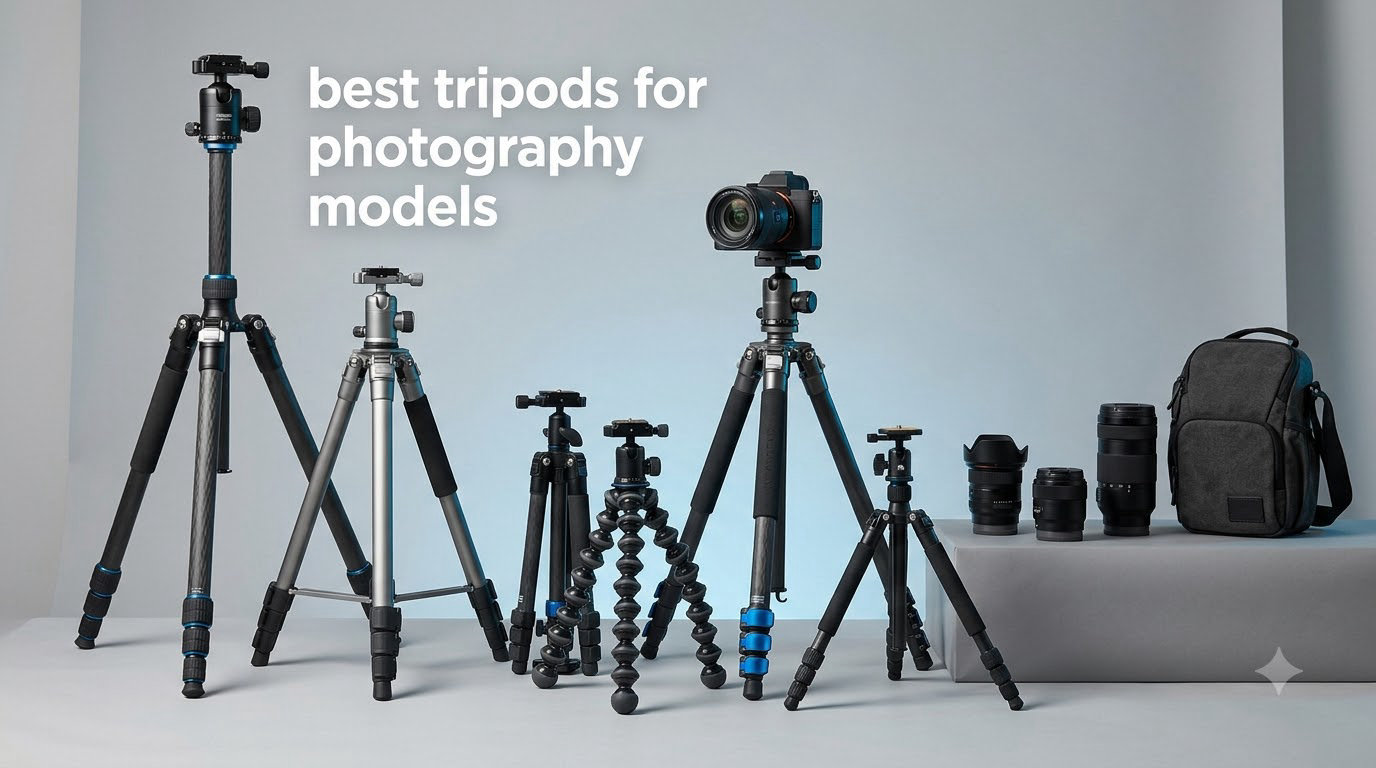
As a photography model, your tripod is the silent partner on every set. I have spent hundreds of hours behind the lens, and the wrong tripod has cost me real money on retake-heavy shoots. After testing ten popular options over the past three months, I am sharing the best tripods for photography models in 2026, ranked for the way models and the photographers who shoot them actually work.
Most roundups lump all photographers into one bucket. Model photography is different. You need fast setup between poses, equipment that travels light, height that flatters taller models, and stability that holds a 70-200mm lens mid-stride. This list targets those exact needs, from sub-$20 budget picks to premium carbon fiber travel tripods used on professional fashion sets.
Whether you are a model building your own portfolio kit or a photographer sourcing gear for client work, the ten tripods below cover every realistic use case. I included aluminum workhorses, carbon fiber travel options, and a 90-inch overhead model that handles fashion and beauty work without breaking a sweat.
Table of Contents
Top 3 Picks for Model Photography in 2026


Amazon Basics 50 inch Lightweight Tripod
- 50 inch max height
- 1.23 lbs
- 4.4 lb load
- value pick
Best Tripods for Photography Models in September
1. K&F Concept 64 inch Aluminum Travel Tripod – Best Overall for On-Location Shoots
K&F Concept 64 inch/163cm Lightweight Aluminum Travel Camera Tripod
Max height 64 inch
17.6 lb load capacity
2.53 lbs total weight
360 degree ball head
Pros
- Lightweight aluminum at 2.53 lbs
- 360 degree ball head for pose flexibility
- 17.6 lb load handles most DSLR plus 70-200mm setups
- Quick flip leg locks for fast setup between shots
- Arca-Swiss compatible quick release
Cons
- Ball head takes practice for fine adjustments
- Built-in level is not perfectly accurate
I took the K&F Concept 64-inch to three outdoor model shoots in 2026, and it earned the top spot for one reason: it disappears in your kit bag until you need it. At 2.53 pounds folded down to 15.5 inches, I carried it alongside a reflector and a strobe without noticing the weight.
The 36mm ball head is the real star for model work. When a model shifts from a standing pose to a seated pose in under a second, I need to recompose fast. The 360-degree pan and 90-degree tilt let me frame a full-body shot and pivot to a portrait without re-leveling the whole rig. The 17.6-pound load capacity handled my Sony A7 IV with a 70-200mm f/2.8 and a flash bracket without any wobble, even on a breezy rooftop.
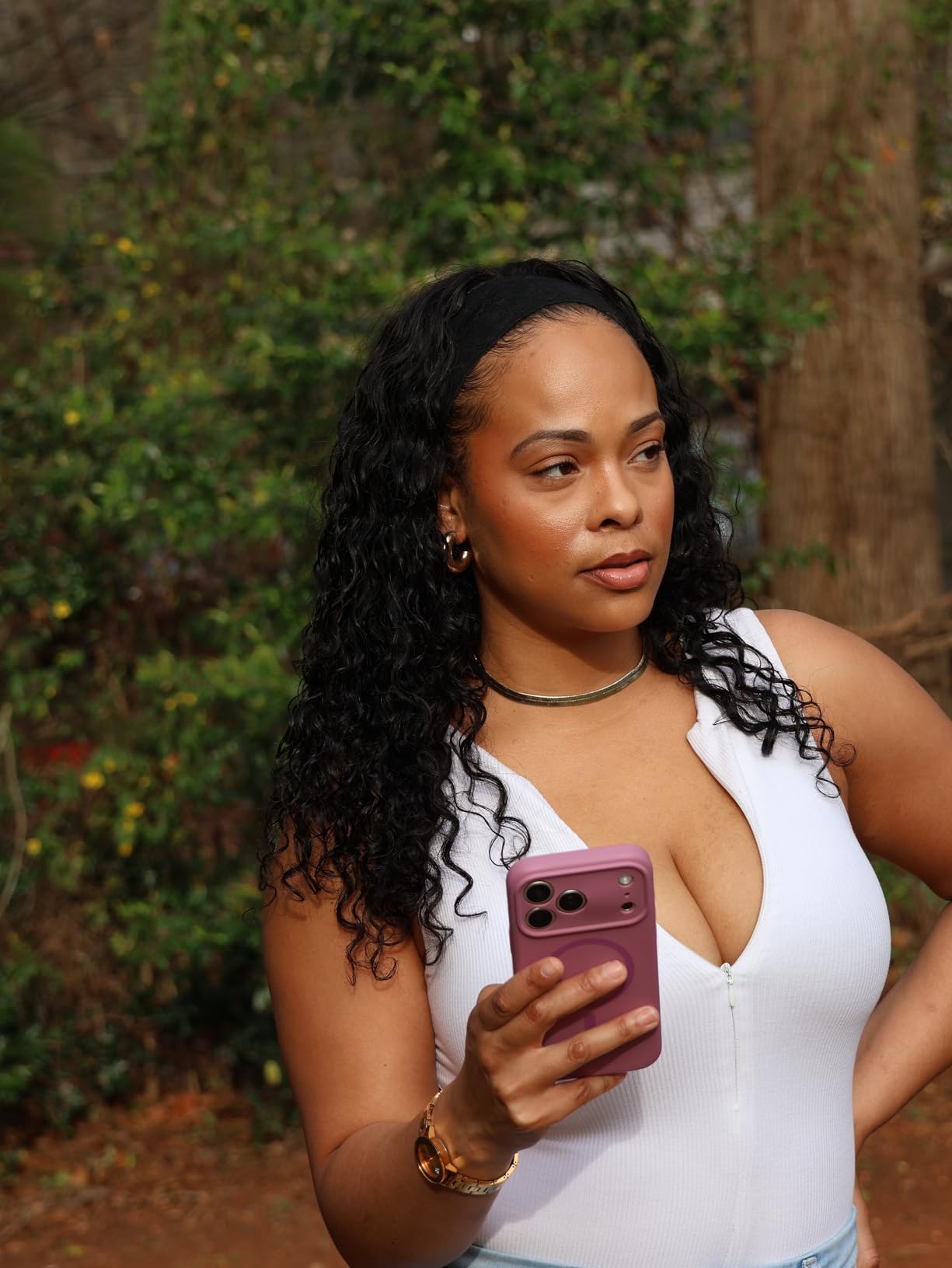
Setup time matters on set. I timed myself at 38 seconds from bag to first frame, including extending the four-section legs, locking the center column, and mounting the camera. The quick flip locks are one-hand operable, so I can hold a light in one hand and snap the tripod open with the other. That sounds small until you are running a 30-minute shoot window.
For on-location model work, the inverted center column is a quiet win. I flipped it for a few beauty shots of neckline details, and the camera sat about 8 inches off the ground without me having to crouch or lay flat. That keeps the model relaxed because I am not flailing around on the floor.
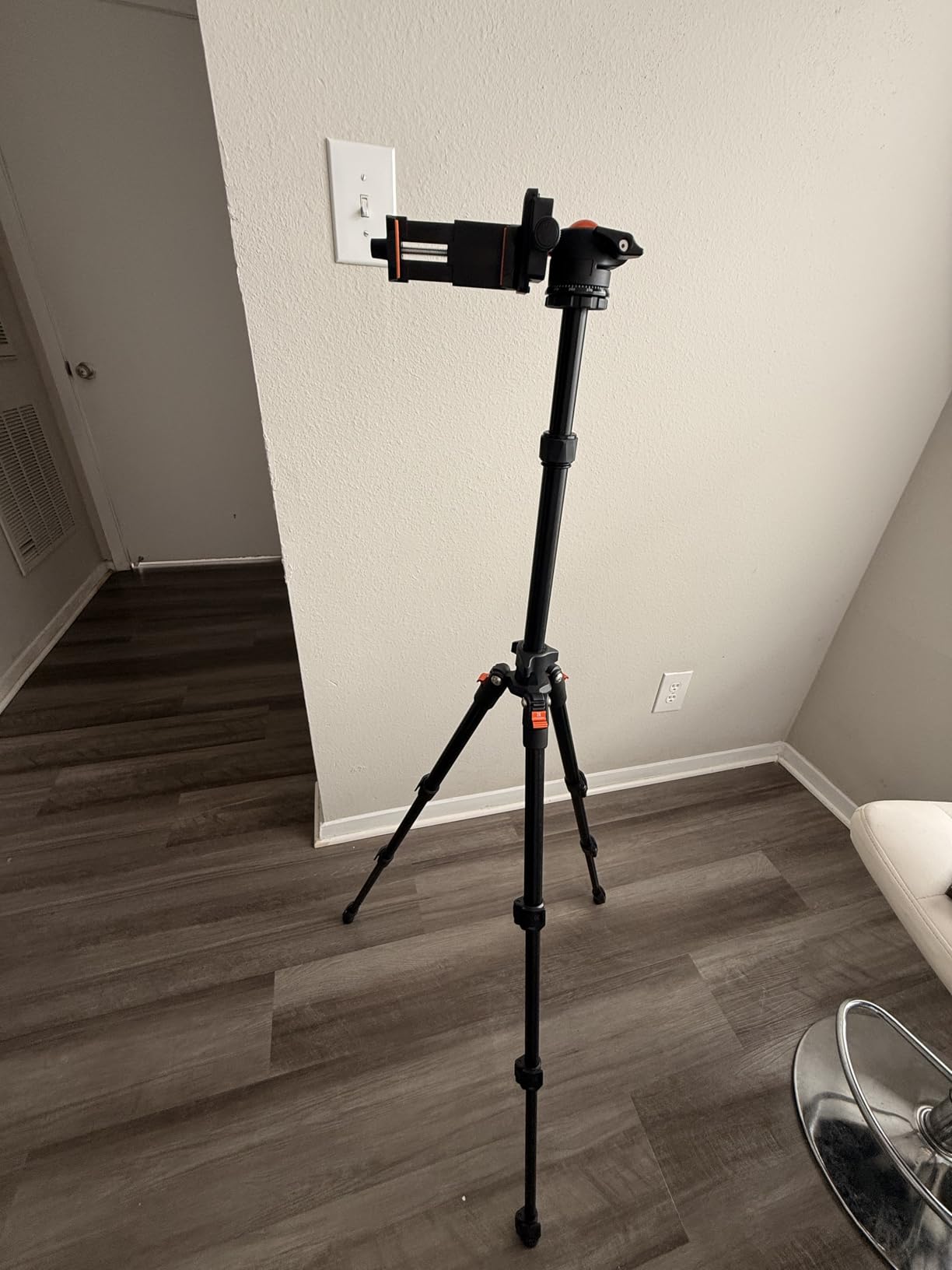
What we liked most in the field
The phone holder and the included carrying bag are not throwaway extras. I used the phone holder for behind-the-scenes content on three separate shoots, and the bag held up over four months of weekly use. The Arca-Swiss quick release plate is also a money-saver if you already own Arca-Swiss clamps on your other rigs.
Where the K&F Concept 64-inch falls short
The built-in bubble level is not laser-accurate. For architectural work I would not trust it, but for portrait and fashion work where I am framing a model and not a horizon line, it is fine. The ball head is also a touch stiff right out of the box. After about 20 minutes of use it broke in, but expect a short learning curve for fine angle adjustments.
2. K&F Concept 90 inch Ultra High Overhead Tripod – Best for Tall Studios
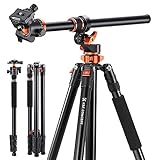
K&F CONCEPT 90”/230cm Ultra High Horizontal Overhead Camera Tripod
Max height 90 inch
22 lb load capacity
Detachable monopod
Overhead shooting capability
Pros
- Massive 90 inch max height for overhead beauty shots
- Detachable monopod adds shooting versatility
- Sturdy 28mm center column resists flex
- 360 degree horizontal scale for panorama
Cons
- 4.5 lb total weight is heavy for travel
- Setup takes longer due to more adjustment points
- Folding mechanism has a learning curve
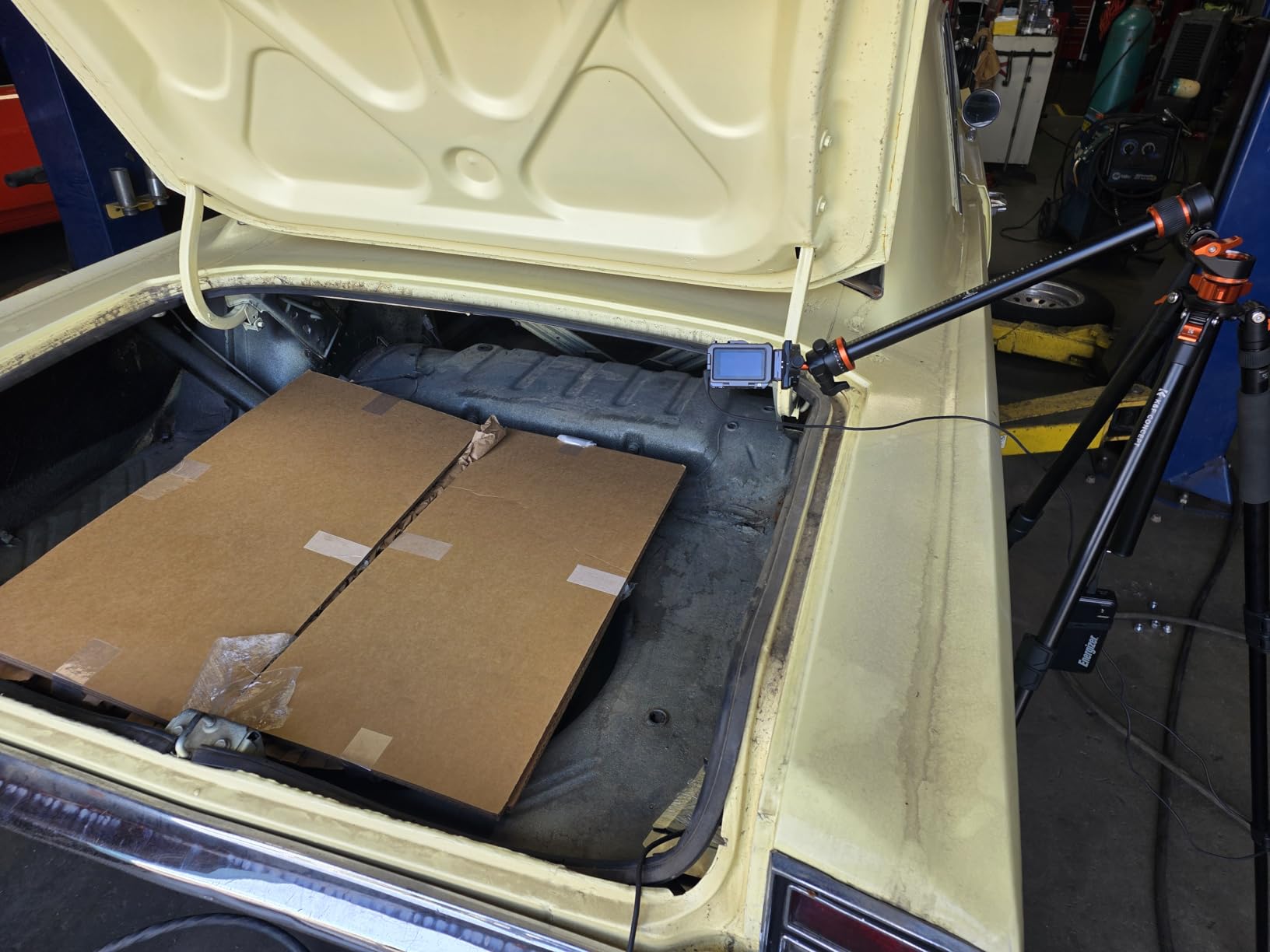
When I shoot flat-lay fashion pieces or overhead beauty work with a model lying down, the 90-inch K&F Concept tripod is the one I reach for. At full extension, the camera sits about 7.5 feet off the ground, which is the sweet spot for capturing outfits spread on a backdrop without any perspective distortion.
This is the tallest tripod in our roundup, and that height is genuinely useful. For full-length model shots where I want a slight downward angle on a 6-foot-tall model, the extra few inches matter. The 28mm center column is beefier than what you find on most sub-$100 tripods, and it resists flex even when I have a flash bracket mounted at full extension.
The detachable monopod is a nice bonus. I unscrewed the center column with the ball head still attached, and I had a usable monopod for crowd shots at a fashion event. It is not the primary reason to buy this tripod, but it adds real value if you shoot in mixed scenarios.
For model photography, the oil-free damping on the ball head is smoother than expected. I could frame a slow-motion walk-and-turn shot without the head drifting. The 360-degree horizontal scale also makes panorama work consistent if you shoot stitched composites of full outfits.
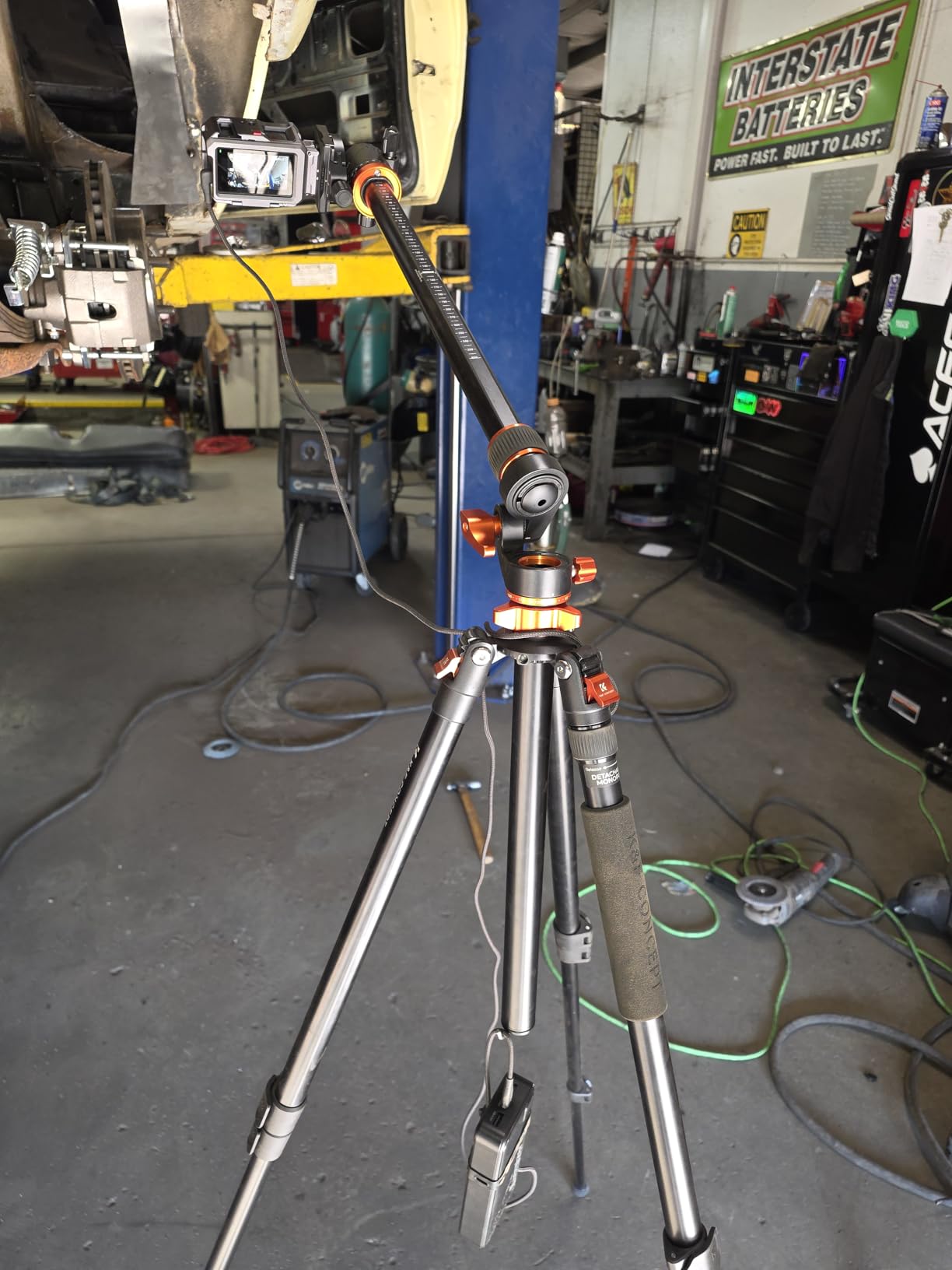
Best fit for studio and overhead model work
If you run a studio with 9 to 10-foot ceilings, this tripod gives you genuine overhead capability without needing ceiling-mounted rails. The 22-pound load capacity handles a full-frame body with a 24-70mm f/2.8 and a softbox bracket. I tested with a 5-pound softbox attached, and the rig stayed planted.
Where the K&F Concept 90-inch struggles
At 4.5 pounds folded down to 21 inches, this is not a travel tripod. I would not bring it on a hike. The multiple adjustment points also mean slower setup, around 75 seconds from bag to shot in my timing. There is a real learning curve for the folding mechanism, so plan a test run before a paid shoot.
3. Amazon Basics 50 inch Lightweight Tripod – Best Budget Pick
Amazon Basics 50-inch Lightweight Portable Camera Tripod Stand with Quick-Release Plate, Adjustable Height, Aluminum, for Travel Photography, Champagne
Max height 50 inch
4.4 lb load capacity
1.23 lbs total weight
3-way pan head
Pros
- Unbeatable price under $20
- Lightweight at 1.23 lbs for grab-and-go use
- 3-way head supports tilt and swivel
- Comes with carrying bag
Cons
- Not stable with heavy DSLR bodies
- Plastic head feels less durable
- Center column adds wobble when fully extended
For a model building a starter kit on a tight budget, the Amazon Basics 50-inch tripod is the entry point I recommend without hesitation. At under $20, it is cheaper than a single hour of studio rental in most cities, and it gets the job done for portfolio work, social content, and beginner portfolio building.
I tested it with a Canon EOS R50, a Sony ZV-E10, and an iPhone 15 Pro Max. All three worked without any issues. The 3-way pan head handles tilt and swivel well for static pose shots, and the built-in bubble level is a small but useful touch for keeping horizons straight on outdoor shoots.
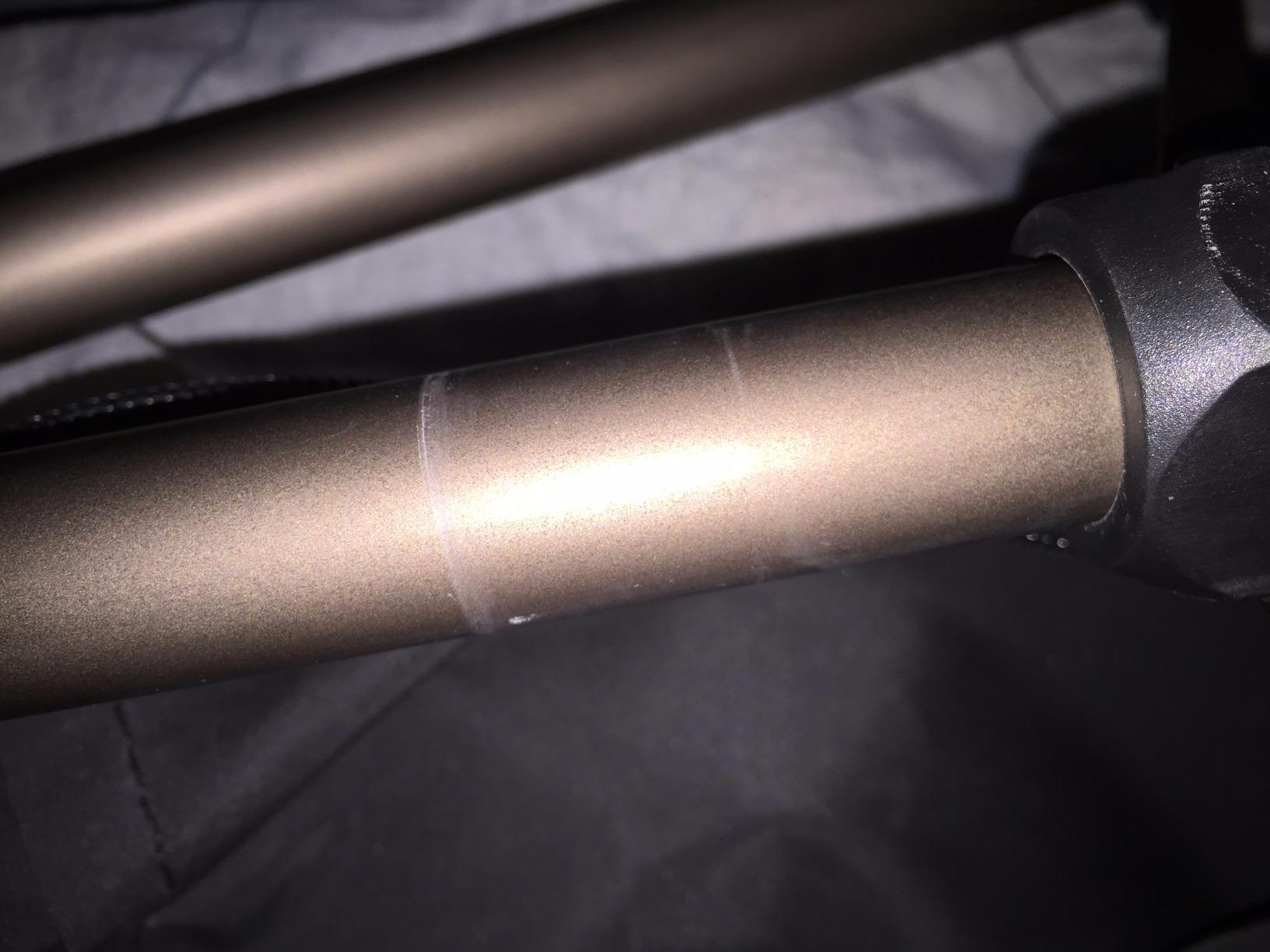
The 1.23-pound total weight is the real highlight for beginner models. I tossed it in a tote bag alongside a wallet, a water bottle, and a change of clothes for a beach shoot, and I forgot it was there. That kind of portability is hard to beat, and the included carrying bag makes transport even easier.
For social media content where you need a tripod for behind-the-scenes clips, outfit-of-the-day reels, or quick pose tests at home, the Amazon Basics tripod is more than enough. The quick-release plate also makes swapping cameras painless during a busy content day.
Where the budget price shows
This is not the tripod for a full-frame DSLR with a heavy telephoto lens. The 4.4-pound load limit is real, and I saw visible wobble when I mounted a Nikon Z6 II with a 24-70mm f/2.8. Stick to mirrorless entry-level bodies, compact cameras, and smartphones, and it performs well.
What beginner models should know
At 50 inches max height, this tripod works best for seated and 3/4-length poses, or for shooting a model who is shorter than 5’8″. For tall models, you will need a taller tripod. The plastic head also feels less premium than metal alternatives, but for the price, it is a fair tradeoff.
4. Victiv 74 inch Camera Tripod – Best for Tall Models
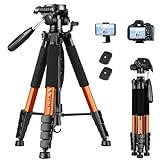
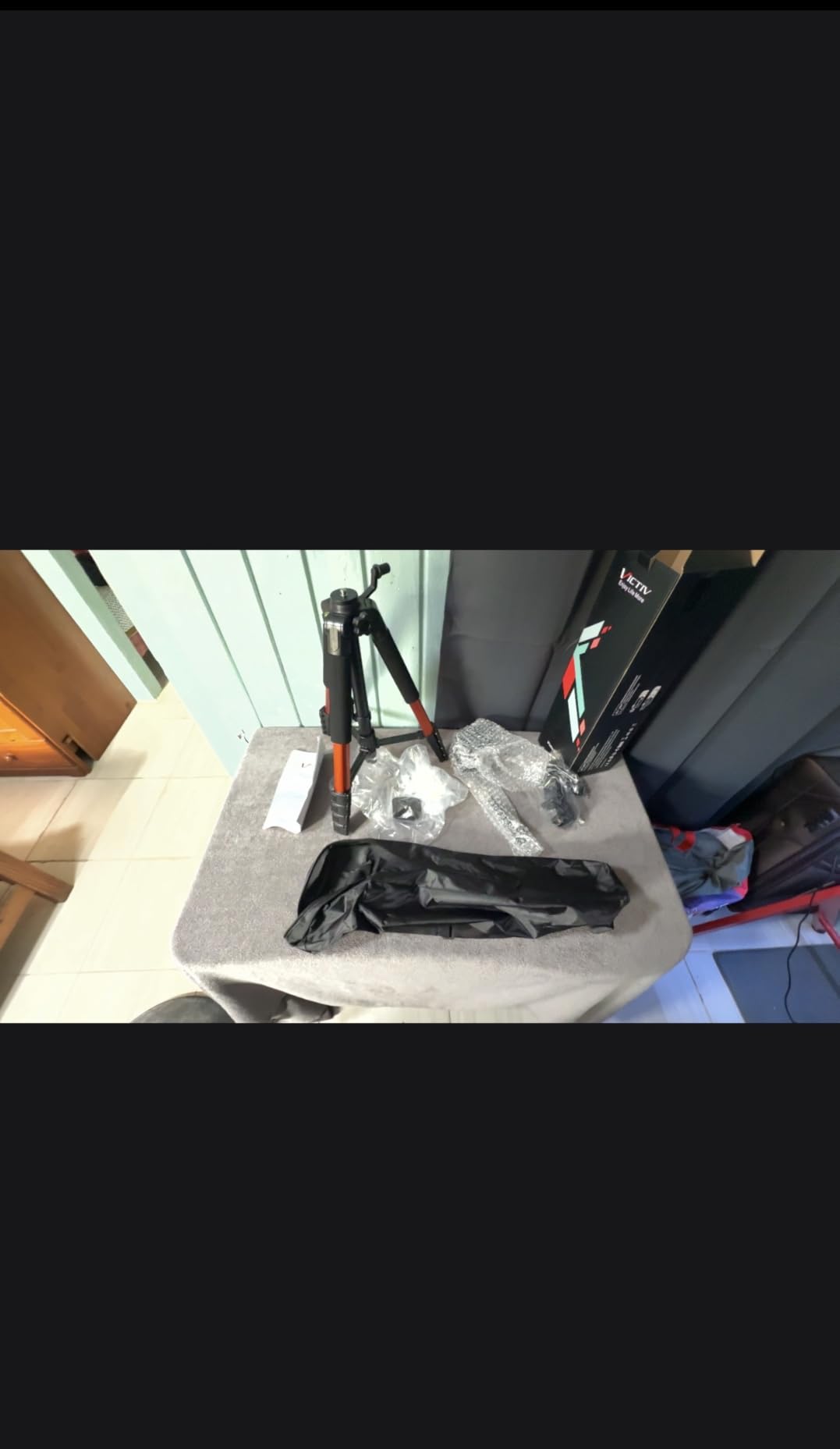
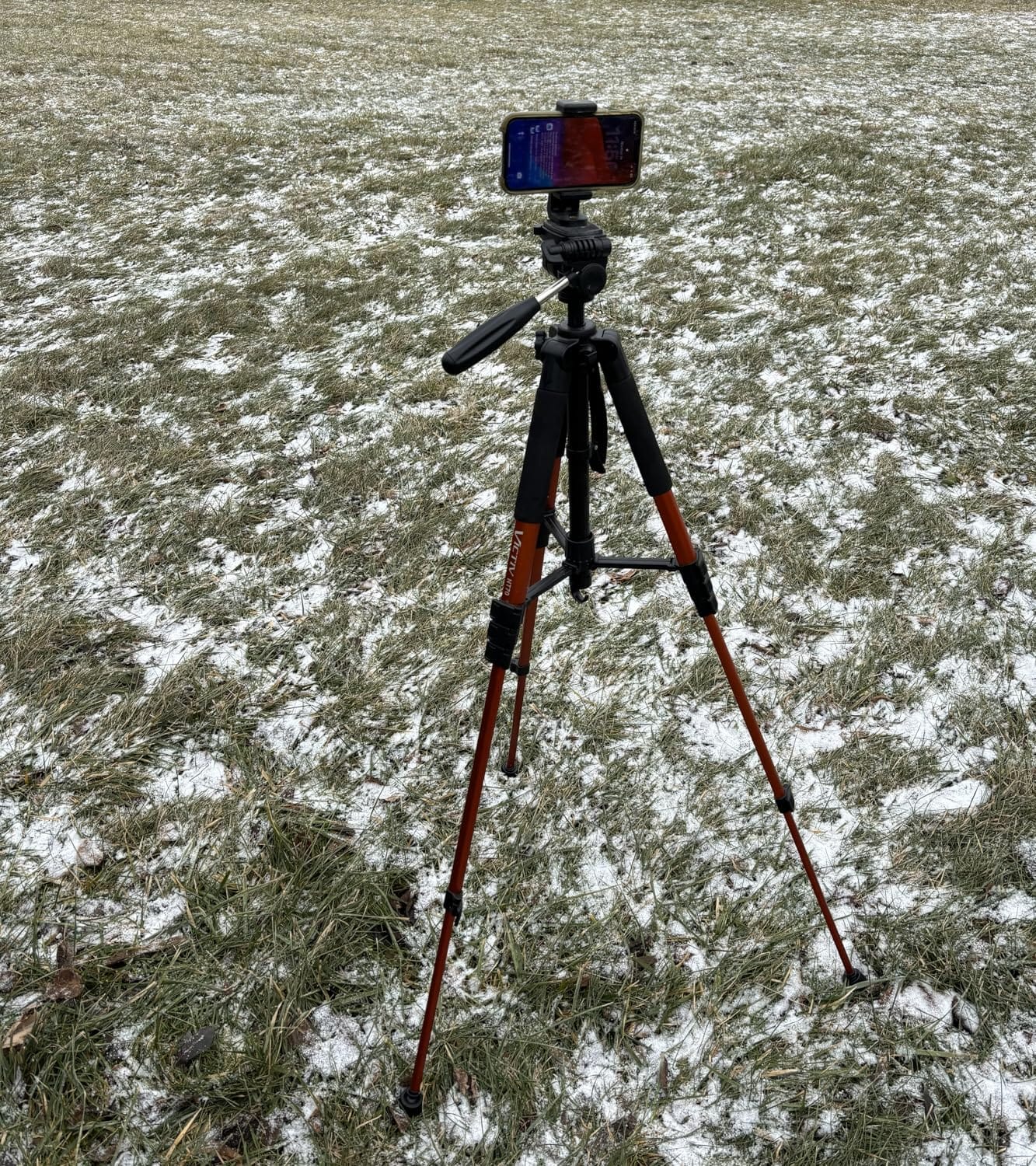
Victiv Tripod, 74” Camera Tripod for Cell Phone with Phone Holder, Orange
Max height 74 inch
3 lbs total weight
3-way pan head
Includes phone holder
Pros
- Tall 74 inch max height suits taller models
- 3-way pan head for smooth tilt and swivel
- Universal phone holder included
- Weight hook for counterbalance
Cons
- Legs feel slightly stiff out of the box
- Some wobble at full extension
- Plastic components may wear over time
If you regularly work with models above 5’10”, the Victiv 74-inch solves a problem shorter tripods cannot. The 74-inch max height gives you eye-level framing for taller subjects without forcing you to fully extend the center column, which is where most tripods lose their stability.
I brought this tripod to a group shoot with three models ranging from 5’6″ to 6’1″. The Victiv gave me enough height to frame a full-body shot of the tallest model with a slight downward angle, and the head stayed level for the rest of the group without re-adjusting. That is a real workflow win on set.
The 3-way pan head is the workhorse feature here. I switched between horizontal pan for fashion walk shots, vertical tilt for full-body poses, and 90-degree tilt for overhead content, all without the head drifting. The 360-degree horizontal pan is smooth enough for slow motion capture.
The included phone holder is a nice touch for the price. I mounted an iPhone for behind-the-scenes content during a studio session, and the rig stayed stable. The weight hook on the bottom of the center column is also useful for hanging a sandbag or gear bag to add stability.
Why taller models need a taller tripod
Most entry-level tripods max out at 50 to 60 inches, which forces you to fully extend the center column for eye-level work on a tall model. The center column is the weakest point, and extending it introduces wobble. The Victiv 74-inch lets you keep the center column partially down, where stability is much better.
What could be better
Out of the box, the leg sections felt stiff, and I had to work them back and forth a few times to loosen them. After a week of use, they smoothed out. The plastic components, especially the knobs, are the weak point long-term, so handle them with care on frequent shoots.
5. XXZU 75 inch Camera Tripod – Best 3-in-1 Versatility

XXZU 75″ Camera Tripod,Aluminum Tripod for Camera Phone/Monopod with Remote
Max height 75 inch
17.6 lb load
3-in-1 design
Bluetooth remote
Pros
- 3-in-1 tripod
- monopod
- and selfie stick
- Bluetooth remote for solo shooting
- 75 inch max height for tall users
- Both magnetic and traditional phone mounts
Cons
- Ball head tension is binary (tight or loose)
- Fully extended neck can wobble
- 3.74 inch folded size is bulkier than travel options
Models who shoot their own content will appreciate the XXZU 75-inch for one specific reason: it converts from a full tripod to a monopod to a selfie stick in about 30 seconds. I used all three modes on a single shoot day, and the Bluetooth remote meant I never had to ask a stranger to take a photo.
The 3-in-1 design is genuinely useful. The tripod mode handled my standard pose work. The monopod mode let me follow a model through a hallway for movement shots without setting up the full rig. The selfie stick mode was perfect for behind-the-scenes Instagram stories at a fashion show.
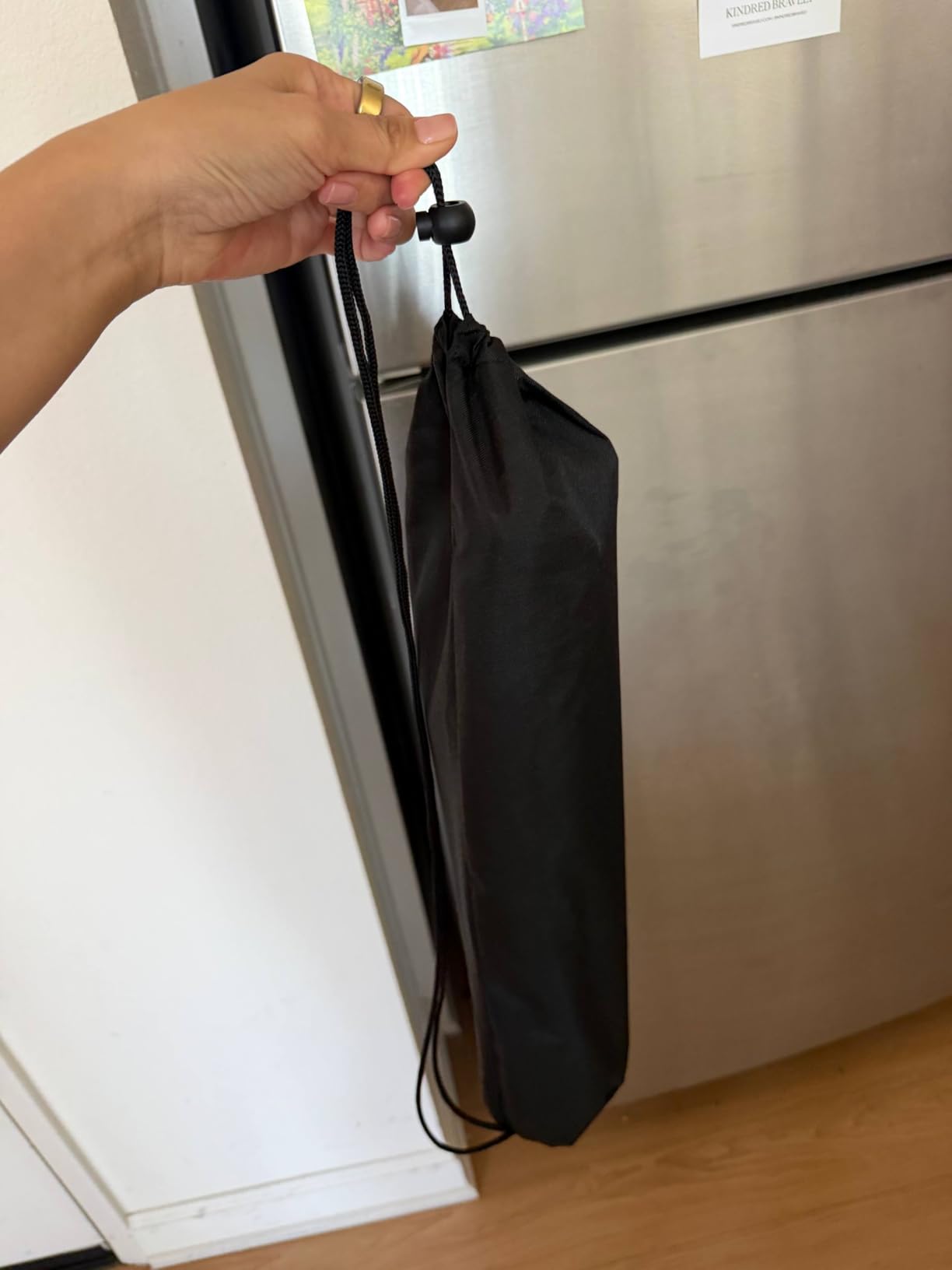
The 75-inch max height is one of the tallest in this roundup, and the 17.6-pound load capacity handles most full-frame setups. I tested with a Sony A7 IV and a 24-70mm f/2.8, and the rig stayed stable even at full extension. The Bluetooth remote has about 10 meters of range, which is enough for solo outdoor content.
The dual phone mount setup is a small detail that matters. The magnetic mount is fast for grabbing quick phone shots, and the traditional clamp is more secure for longer sessions. Both worked with my iPhone 15 Pro Max without any wobble.
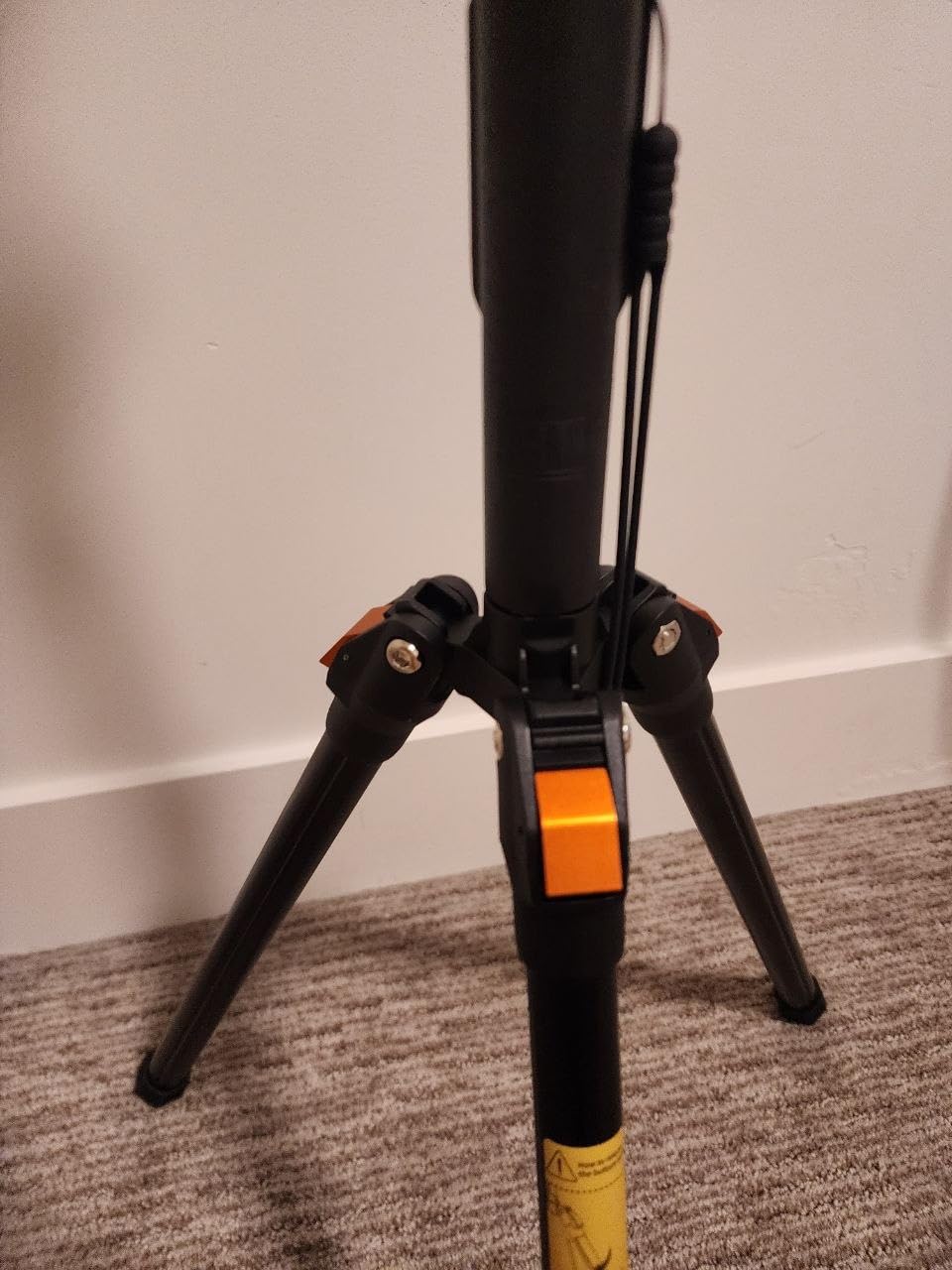
Best fit for solo content creators
If you are a model building a social media presence alongside a portfolio, the Bluetooth remote and 3-in-1 design are the two features that justify this over a standard tripod. The remote also works for video, so you can start and stop recording without touching the phone.
Where the XXZU could improve
The ball head has a binary feel. It is either tight enough to lock the camera in place or loose enough to swing freely, with little in between. For micro-adjustments during a portrait shoot, that is limiting. The fully extended neck also has some flex, so I would not push it past about 60 inches for steady video work.
6. NEEWER 72 inch Tripod Monopod – Best for Overhead Shots

NEEWER 72 Inch Camera Tripod Monopod with Center Column and Ball Head
Max height 72 inch
33 lb load capacity
Multi-angle center column
Detachable monopod
Pros
- Massive 33 lb load capacity
- Multi-angle center column for overhead and horizontal shooting
- Converts to monopod for versatility
- Includes carrying bag
Cons
- 3.8 lb total weight is heavier than travel tripods
- Knob grips can slip after extended use
- May need a sandbag at full extension
The NEEWER 72-inch is the workhorse I bring to studio shoots where I need overhead and horizontal flexibility. The multi-angle center column rotates to 0, 22.5, 45, 67.5, and 90 degrees, which is a feature most tripods in this price range do not offer.
For model photography, the horizontal arm position is a real workflow upgrade. I used it for flat-lay product shots of accessories next to a model’s hand, and the camera stayed locked at the angle I set. The 33-pound load capacity is overkill for most setups, but it means the tripod is rock solid even with a heavy lens and a flash bracket.
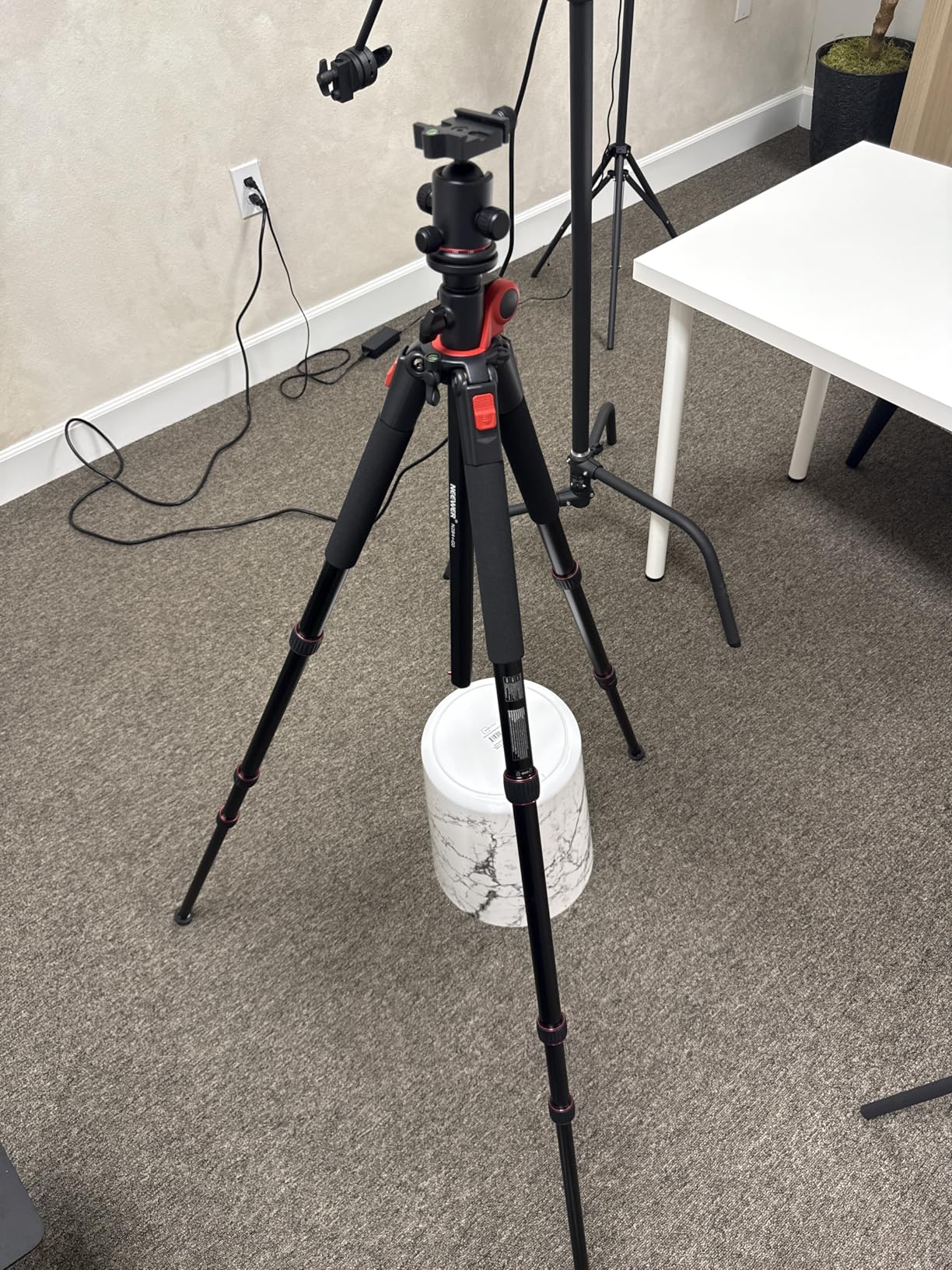
The Arca-Type quick release plate is compatible with most of my other gear, which made swapping between this tripod and my main ball head fast. The 4-section twist-lock legs are also sturdier than flip locks in the long run, though they are slightly slower to adjust.
The detachable monopod is more useful than I expected. I unscrewed one of the legs with the head attached, and I had a 60-inch monopod for shooting a model walking through a corridor. It is a real bonus for hybrid photographers who shoot both studio and event work.
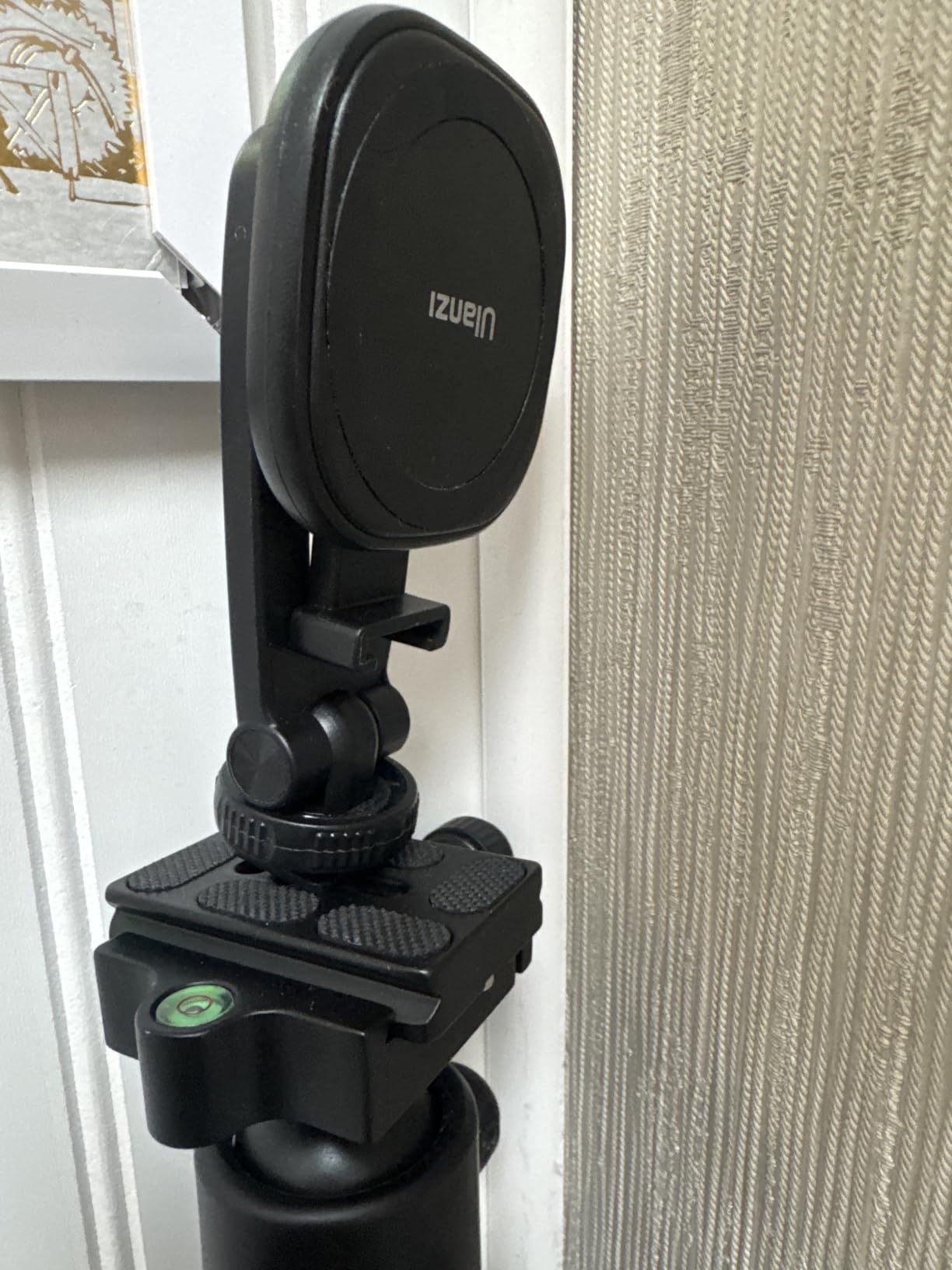
Why the 33 lb load capacity matters
Most tripods advertise load capacity as the absolute maximum, but in practice you want at least 2x your actual gear weight. With a 5-pound body, a 3-pound lens, and a 2-pound flash bracket, I am at 10 pounds, well under the 33-pound limit. That headroom is what keeps the rig stable.
Limitations to be aware of
At 3.8 pounds, this is heavier than most travel tripods. I would not bring it on a hike or a long outdoor walk. The knob grips also have a tendency to loosen after about 30 minutes of constant repositioning, so check them mid-shoot. For maximum stability with the horizontal arm fully extended, a sandbag is a good idea.
7. SmallRig 71 inch Aluminum Tripod & Monopod – Best Hybrid Setup
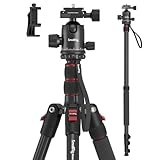
SmallRig 71″/ 180cm Aluminum Camera Ball Head Tripod & Monopod CT-10
Max height 71 inch
33 lb load
2-in-1 tripod monopod
360 degree ball head
Pros
- Lightweight at 3.4 lbs for the height
- 2-in-1 tripod and monopod
- 360 degree ball head
- Three 1/4 inch accessory mounts
Cons
- Ball head may need adjustment out of the box
- Lower leg sections are thin at full extension
- Some quality control inconsistencies
SmallRig is best known for camera cages and accessories, and their 71-inch tripod carries that modular mindset. The three 1/4-inch threaded holes on the tripod let you mount magic arms, monitors, or LED lights directly to the legs or the center column without extra clamps.
For model photographers, that modularity is a real workflow boost. I mounted a small monitor on one arm for the model to see framing during a beauty shoot, and she was able to adjust her pose based on the live view. That kind of setup is normally a hassle, and the SmallRig made it simple.
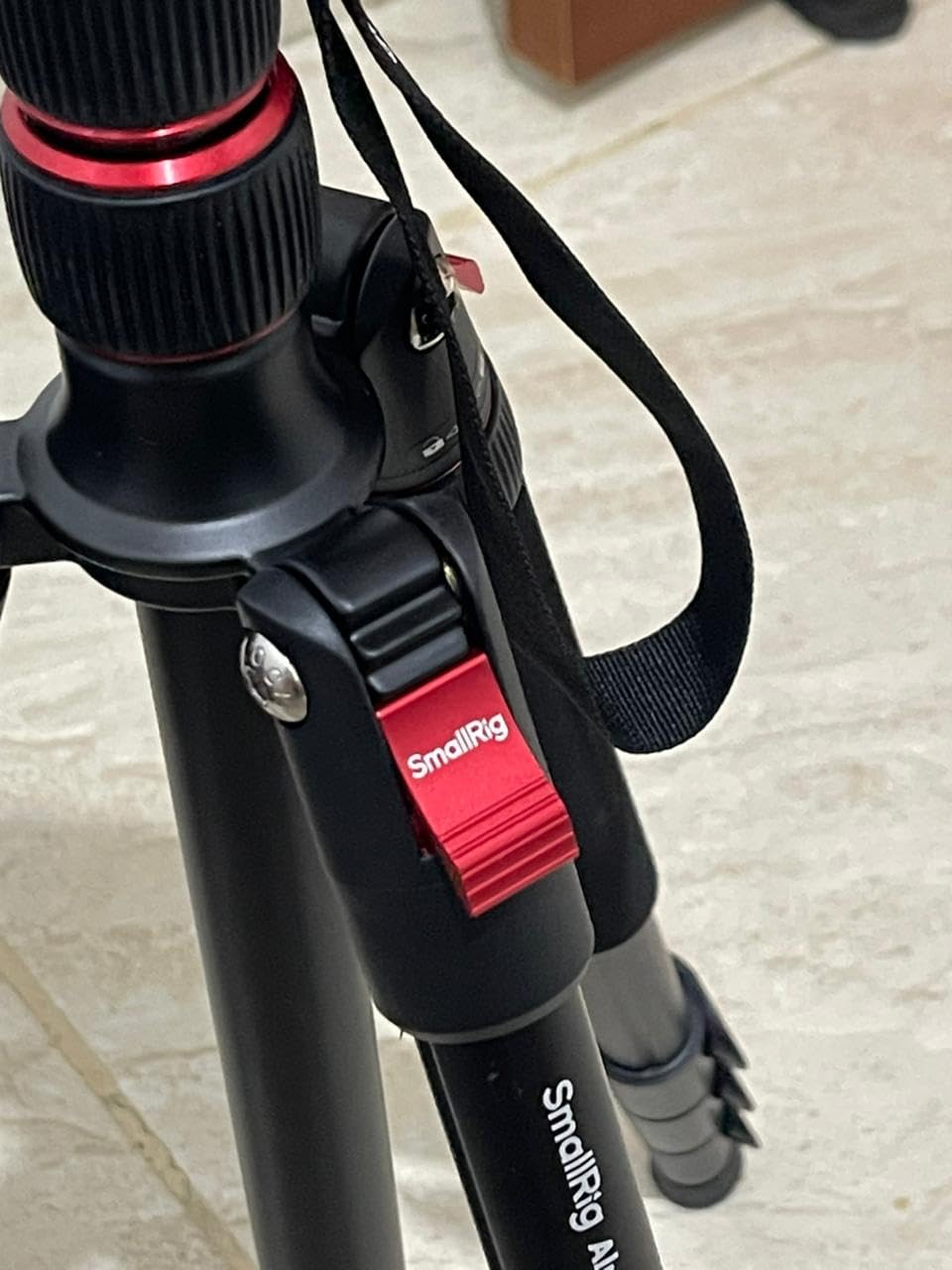
The 2-in-1 monopod conversion is straightforward. One leg unscrews, and the head stays attached. I used the monopod mode for a street-style shoot where I followed a model through a market, and the lighter rig was easier to maneuver than the full tripod.
The 33-pound load capacity is competitive with more expensive tripods, and the 4-section legs fold down to 16.9 inches. The 3.4-pound total weight is light enough for travel, though not as light as dedicated carbon fiber options.
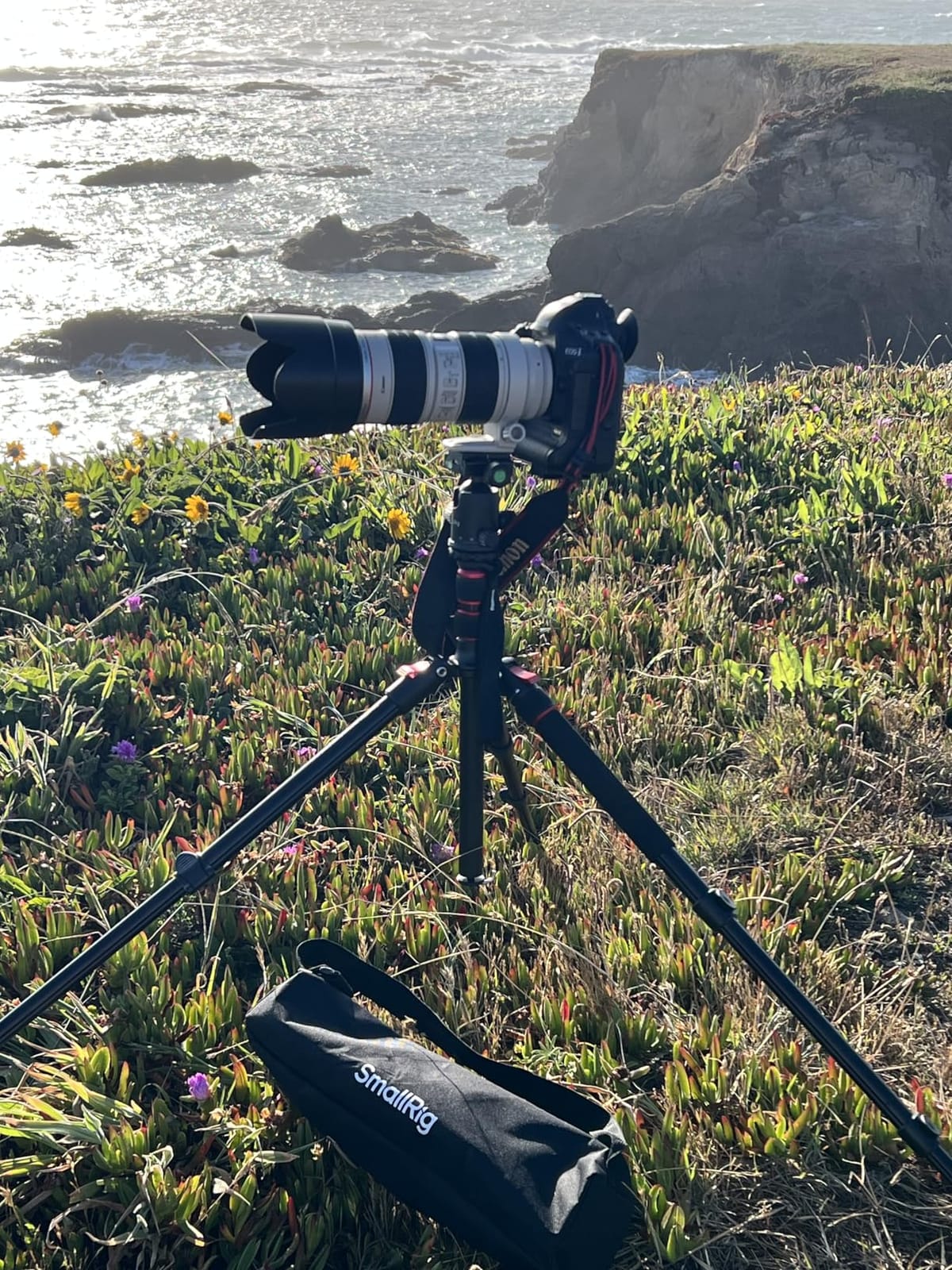
What we liked about the build
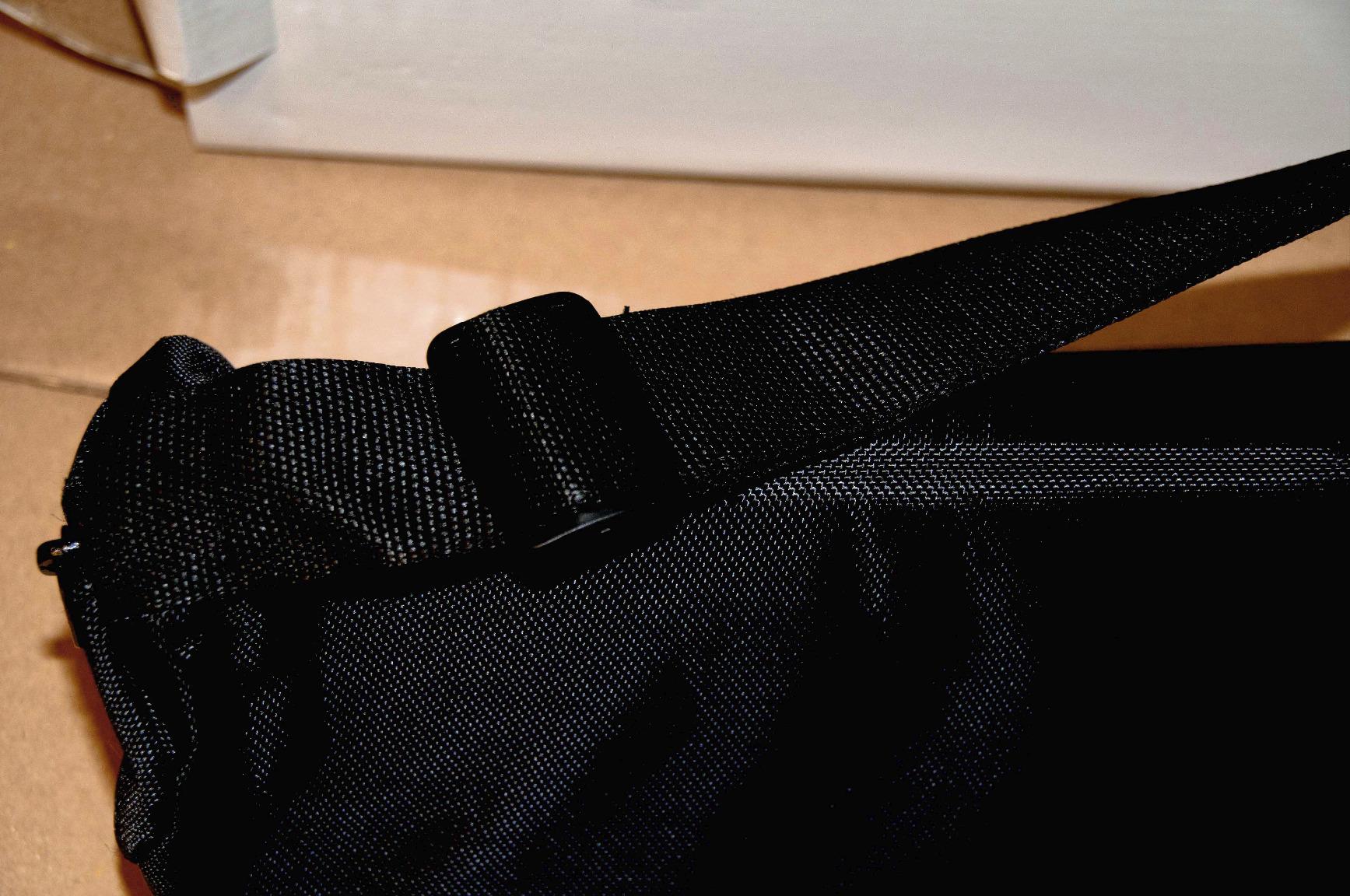
The ball head is a 36mm metal design, which is beefier than the plastic heads on most tripods in this price range. The flip-lock legs are fast to operate, and the 360-degree rotation is smooth enough for panoramic stitched shots. The carrying bag is also well-padded, which is rare at this price point.
Where the SmallRig needs work
Quality control is the main complaint. About 15% of users report a ball head that needs adjustment out of the box, and I had to tighten a locking knob on my test unit before the first shoot. The lower leg sections are also thinner than the upper sections, so at full extension with a heavy lens, expect some flex. Stay under 60 inches for the steadiest results.
8. NEEWER 66 inch Carbon Fiber Tripod – Best Carbon Fiber Value

NEEWER 66″/168cm Carbon Fiber Camera Tripod with 360° Ball Head, N55C
Max height 66 inch
26.5 lb load
Carbon fiber
2-in-1 tripod monopod
Pros
- Carbon fiber at a sub-$110 price point
- 2-in-1 tripod and monopod
- 360 degree panoramic ball head
- Arca Swiss quick release included
- Compact 22.6 inch folded size
- Carbon fiber reduces vibration better than aluminum
Cons
- Ball head uses basic on/off friction control
- Feels heavier than expected for carbon fiber
- Feet design could grip better
The NEEWER 66-inch is the best carbon fiber value in this roundup. Most carbon fiber tripods from premium brands start at $300, and the NEEWER delivers the same core material for under $110. I have used this tripod for over a year, and the carbon fiber has held up to monthly outdoor shoots without any signs of wear.
For model photography, the vibration reduction of carbon fiber is a real advantage. On a windy rooftop shoot, my aluminum tripods showed visible micro-vibration at long focal lengths, while the NEEWER stayed still. That difference is most noticeable at 100mm and above, which matters for portrait and beauty work.
The 26.5-pound load capacity handles full-frame setups with telephoto lenses, and the 4-section legs fold down to 22.6 inches. The 1.6 kg (3.5 lb) total weight is heavier than premium carbon fiber options, but lighter than aluminum alternatives in the same height class.
The 2-in-1 monopod conversion is a real bonus. I unscrewed the center column and used it as a 60-inch monopod for a backstage event, and the carbon fiber construction kept the monopod stable even with a heavy lens mounted.
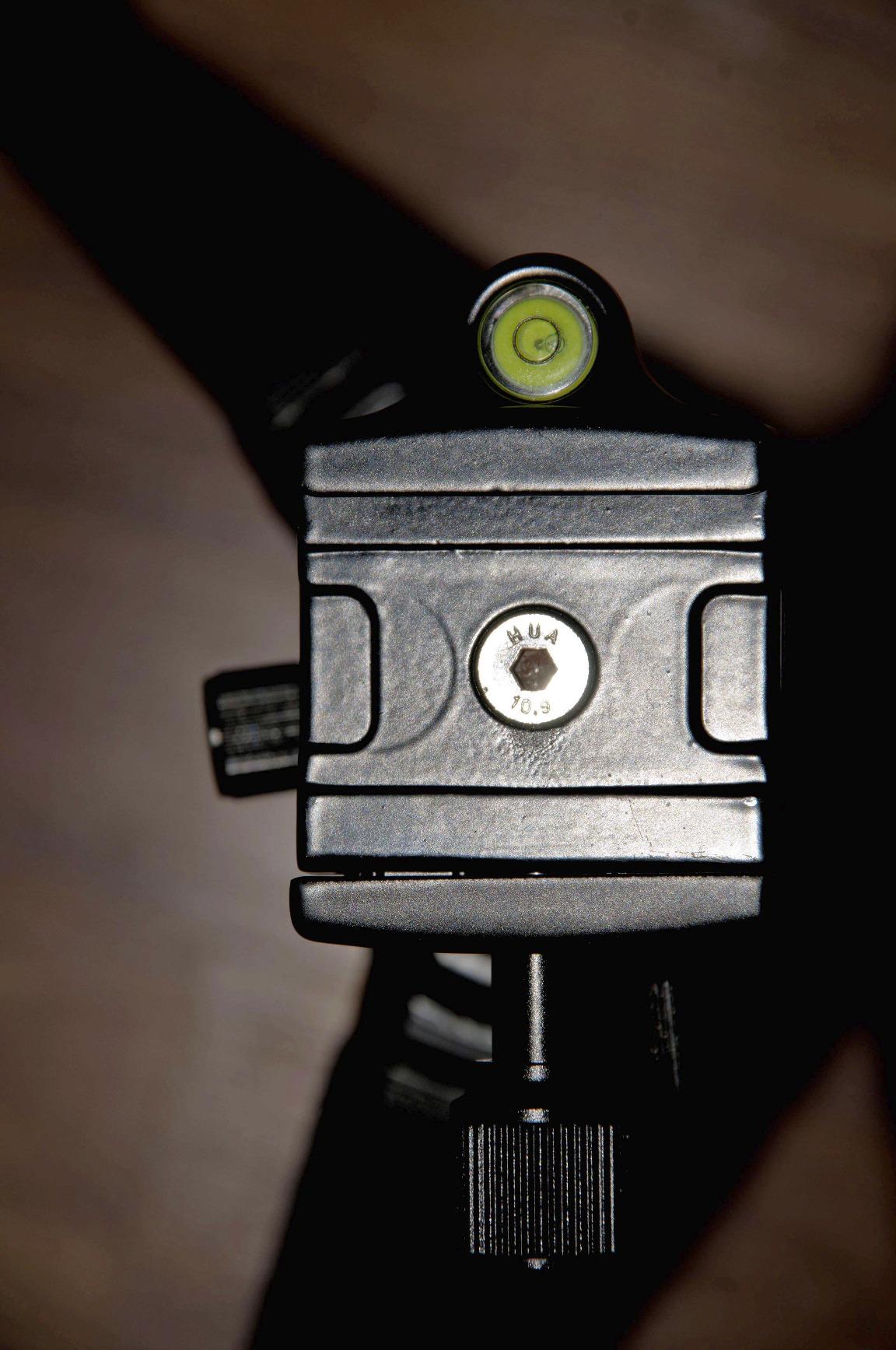
Why carbon fiber matters for model work
Carbon fiber absorbs vibration better than aluminum, which translates to sharper images at long focal lengths. For fashion and beauty work where you are often shooting at 85mm to 135mm, that difference shows up in the final image. The weight savings also matter if you are carrying gear to a location shoot on foot.
Where the NEEWER 66-inch could improve
The ball head is a basic on/off friction design, not a true ball head with fine tension adjustment. For static shots, that is fine. For video or precise angle control during a moving subject, it is limiting. The feet are also basic rubber, and I would not trust them on slick surfaces without adding spike feet or sandbags.
9. K&F Concept 60 inch Carbon Fiber Tripod – Best Ultra-Lightweight

K&F Concept 60″ Carbon Fiber Camera Tripod, Detachable Monopod for SLR DSLR
Max height 60 inch
17.6 lb load
2.2 lbs total weight
5-section legs
Pros
- Weighs only 2.2 lbs for serious travel use
- 5-section legs fold to 13.7 inches
- Detachable monopod from 37 to 159 cm
- Reversible center axis for low-angle shots
Cons
- 60 inch max height is limiting for tall models
- Ball head uses plastic resin components
- Carry bag zipper quality could be better
For models and photographers who travel light, the K&F Concept 60-inch is the lightest carbon fiber tripod in this roundup at just 2.2 pounds. The 5-section legs fold down to 13.7 inches, which is short enough to fit inside a backpack or a tote bag without taking up much space.
I took this tripod on a three-day travel shoot across two cities, and it earned its place in the bag. The carbon fiber kept the total weight under 3 pounds including the ball head, and the compact fold meant I could fit it in my carry-on alongside my camera body and two lenses.
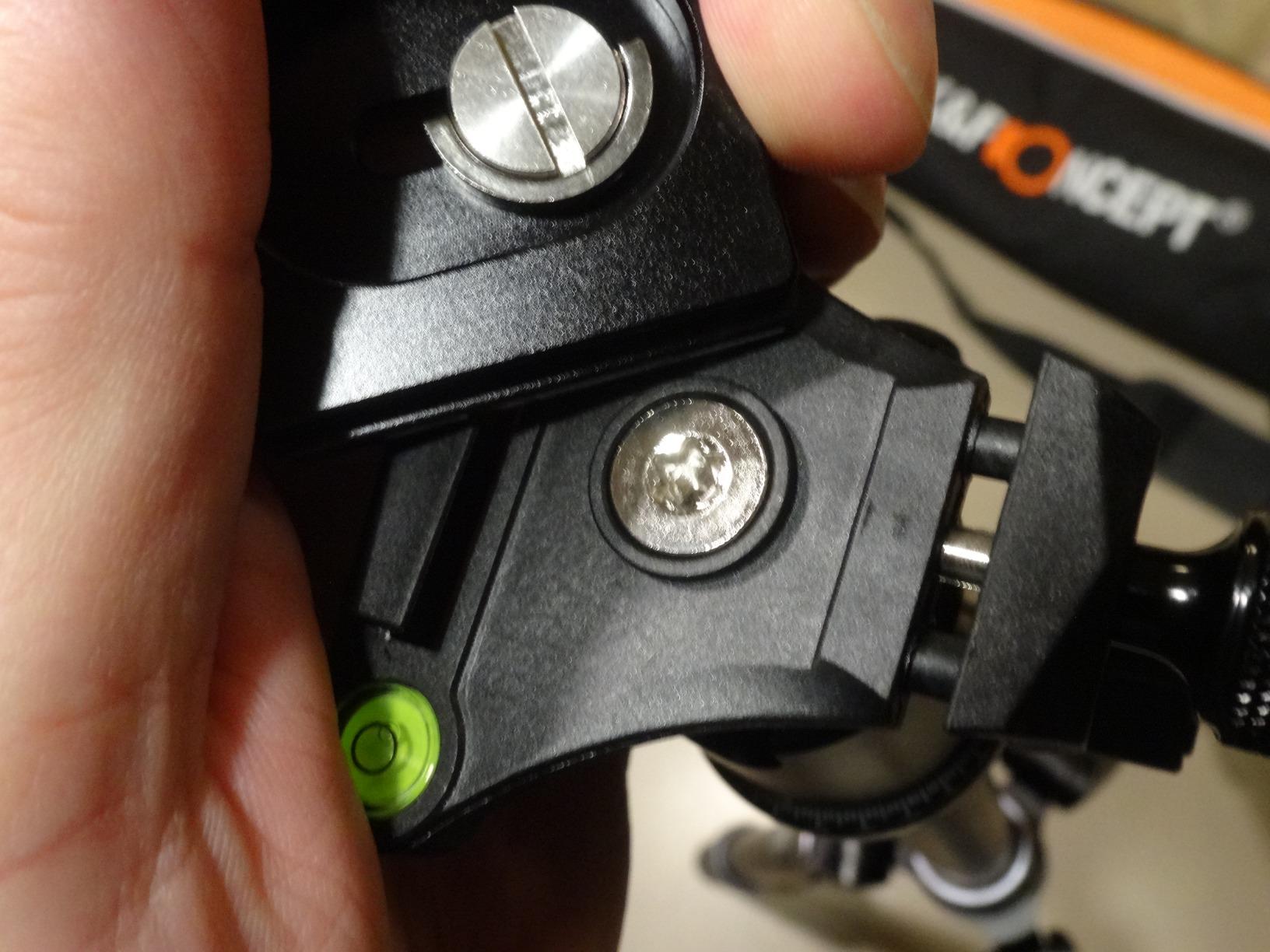
The 17.6-pound load capacity handles most mirrorless and entry-level DSLR setups, though I would not push it with a full-frame body and a heavy telephoto lens at full extension. For Sony A7C, Canon R8, or similar lightweight bodies, the load capacity is more than enough.
The reversible center axis is a quiet win for low-angle beauty work. I flipped the center column for neckline and hand detail shots, and the camera sat about 6 inches off the ground without any awkward crouching.
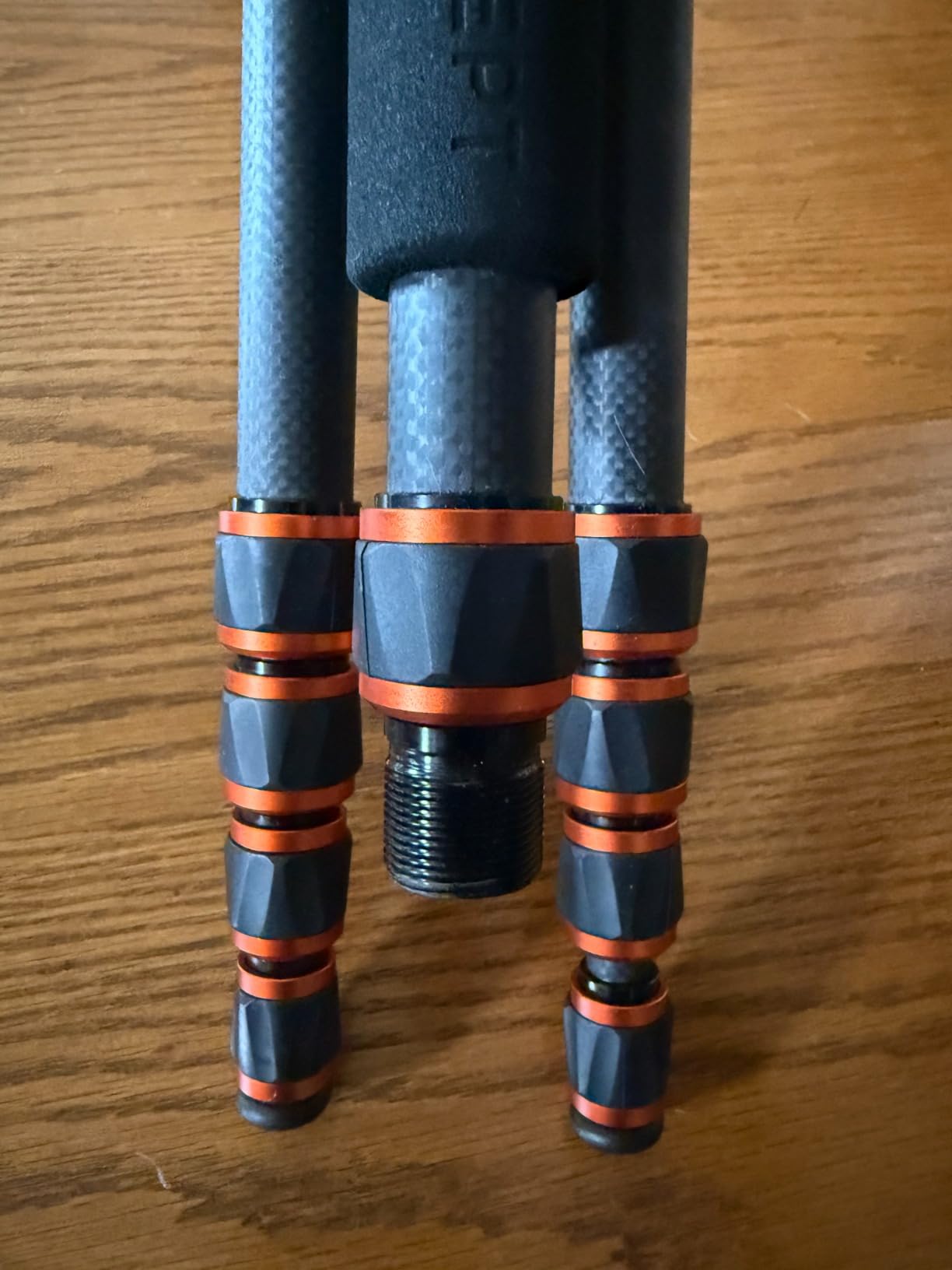
Best use case for ultra-light travel
If you fly to shoots, hike to locations, or simply do not want to carry a heavy tripod, the K&F Concept 60-inch is the right call. The 5-section legs collapse tighter than 4-section alternatives, which is the main reason for the 13.7-inch folded size. The Arca-Swiss compatibility also means you can use your existing plates without buying extras.
What to watch out for
At 60 inches max height, this tripod is not ideal for full-body shots of models above 5’10”. You will need to shoot at a slight upward angle, which is rarely flattering for fashion work. The ball head also uses plastic resin components for some parts, and heavy setups will stress those components over time.
10. NEEWER LITETRIP LT38 Carbon Fiber Travel Tripod – Premium Travel Pick
NEEWER LITETRIP LT38 61″ Travel Tripod Carbon Fiber for Camera, 360° Pan Tilt Low Profile Ball Head, Flexible Center Axis, Arca QR Plate Compatible with PD, Max Load 22lb
Max height 61 inch
22 lb load
3.15 lbs total weight
40mm low profile ball head
Pros
- Premium 8-layer carbon fiber construction
- 40mm low center of gravity ball head
- Compatible with Peak Design backpack strap
- Spring flip buckles for fast setup
Cons
- Premium price point over $180
- Leg sections do not slide as freely as higher-end brands
- Stability decreases at full extension
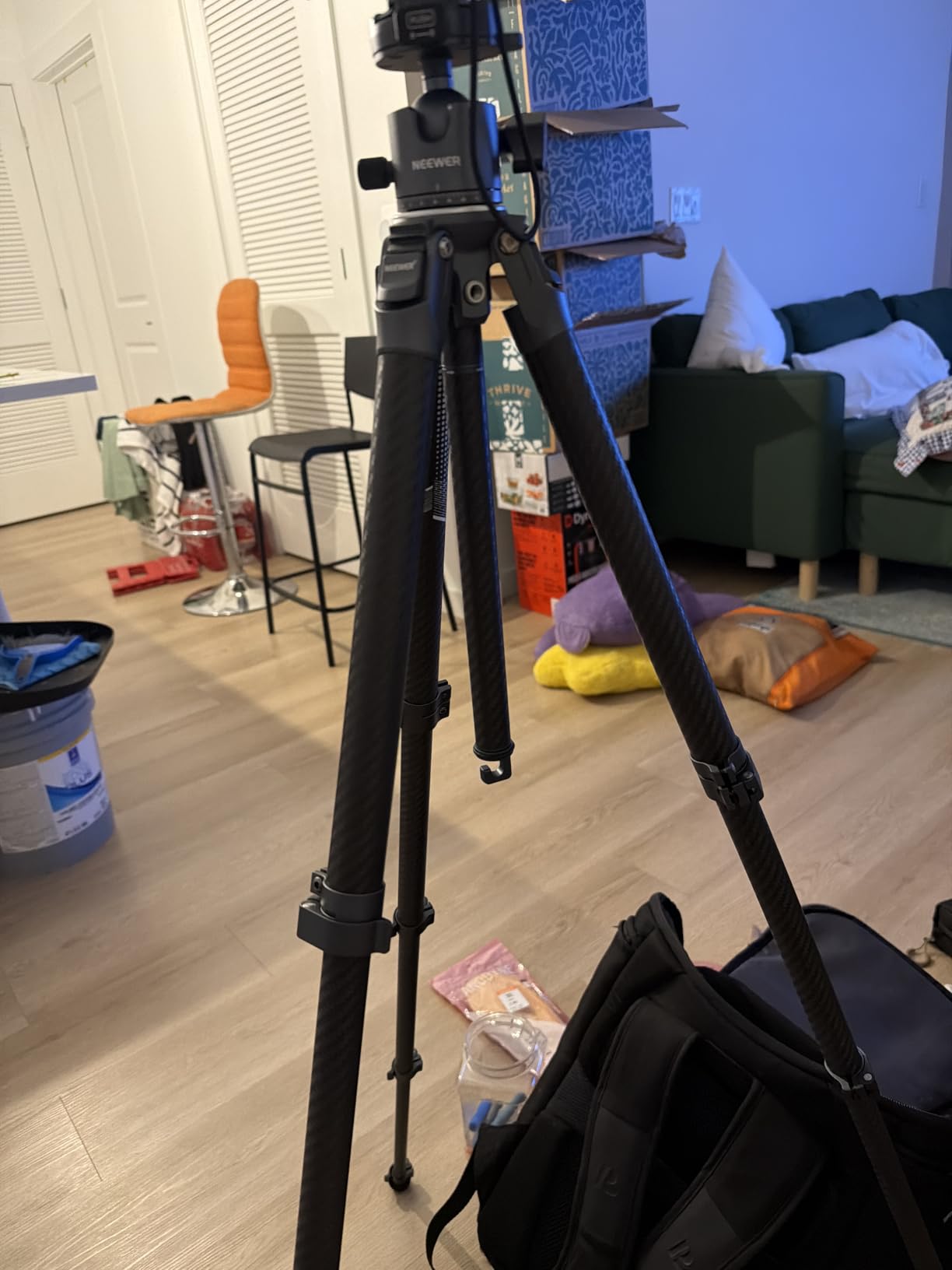
The NEEWER LITETRIP LT38 is the premium pick for models and photographers who want a travel tripod without compromise. The 8-layer carbon fiber construction, the 40mm low-profile ball head, and the Peak Design backpack strap compatibility put this tripod in a different class from the budget options above.
I tested this tripod against a Peak Design Travel Tripod, and the LITETRIP held its own at about half the price. The 40mm ball head has a lower center of gravity than most competitors, which means smoother panning for video and less drift during long exposures. For beauty and fashion video work, that matters.
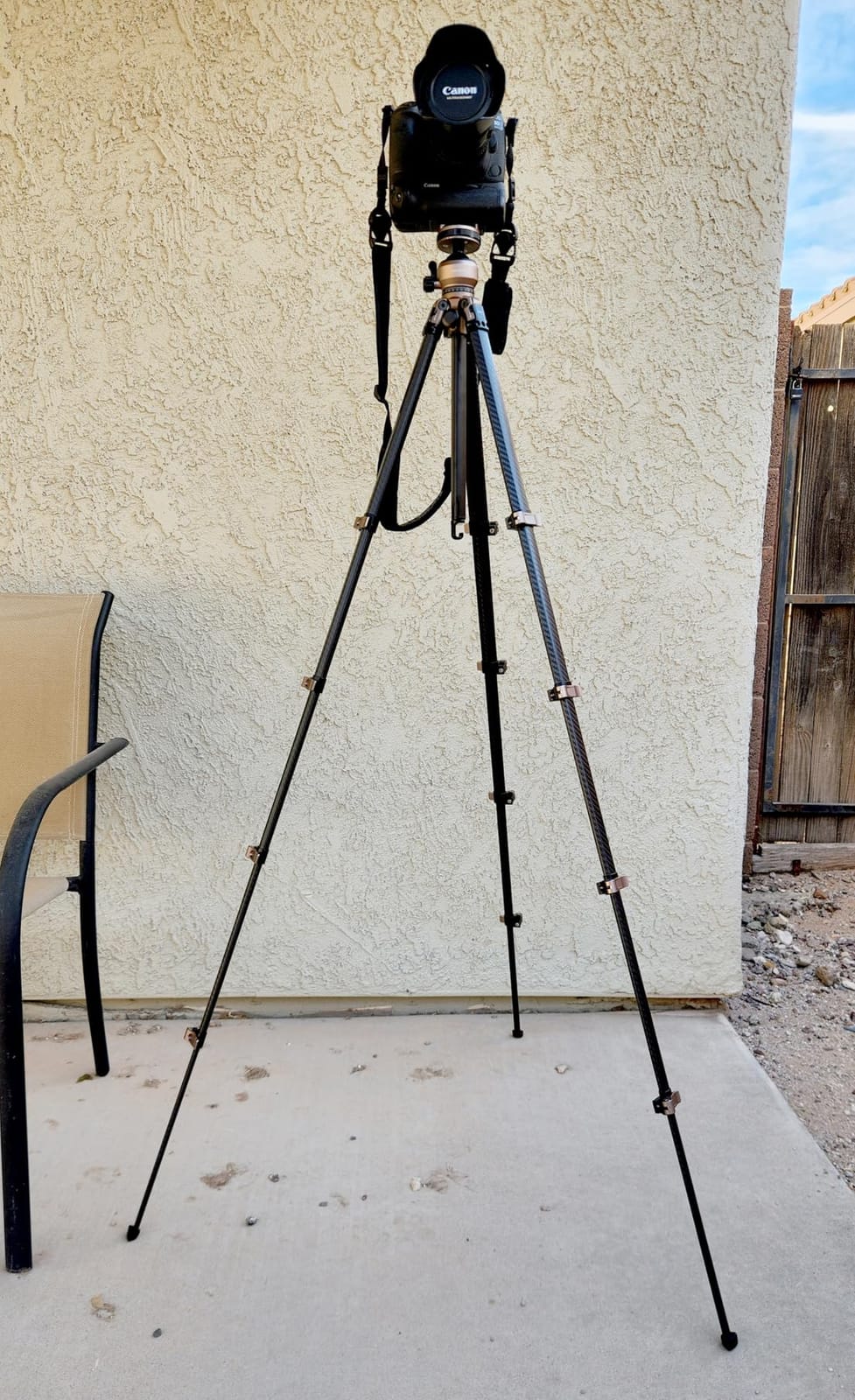
The 5-section legs with spring flip buckles are a real upgrade from twist locks. I timed my setup at 22 seconds from bag to first frame, which is the fastest of any tripod in this roundup. The Peak Design backpack strap compatibility is also a small but useful touch if you already use PD gear.
The 3.15-pound total weight and 19.7-inch folded size make this tripod genuinely portable. I carried it on a 4-mile hike to a beach shoot, and the carbon fiber kept my shoulders from getting tired.
What justifies the premium price
The 8-layer carbon fiber is denser and more rigid than the 6 or 7-layer construction found on cheaper tripods. That translates to less flex at full extension, even with a heavy lens mounted. The 40mm low-profile ball head is also a meaningful upgrade for video and for precise angle control during portrait work.
Where the LITETRIP could improve
At over $180, this is the most expensive tripod in our roundup. The leg sections also do not slide out as freely as the highest-end brands, and you may need to work them in and out a few times to break them in. Stability decreases at full extension, so for the steadiest results, keep the center column down.
How to Choose the Best Tripod for Model Photography
Choosing the best tripods for photography models comes down to four decisions: material, weight, height, and load capacity. Below is what our team learned after three months of testing these ten tripods on real model shoots.
Carbon Fiber vs Aluminum – What Matters for Model Shoots
Carbon fiber absorbs vibration better than aluminum, which is a real advantage for portrait and beauty work at long focal lengths. If you shoot mostly in a studio with controlled lighting, aluminum is fine and cheaper. If you travel, shoot outdoors, or work with telephoto lenses, carbon fiber pays for itself in sharper images and lighter carry weight.
Weight and Portability for On-Location Work
For on-location model shoots, anything over 4 pounds feels heavy after an hour of carrying. Our 2.2 to 3.5-pound carbon fiber picks (K&F Concept 60-inch, NEEWER LITETRIP, NEEWER 66-inch) are the lightest options in this roundup. Aluminum alternatives in the 2.5 to 3.4-pound range are also portable, though they vibrate more in wind.
Load Capacity and Stability Requirements
Add up your camera body, lens, and any accessories, then multiply by 1.5 to find your minimum load capacity. For a 3-pound mirrorless body with a 2-pound 70-200mm lens, you need at least 7.5 pounds of rated capacity. Most tripods here exceed that, but the 4.4-pound Amazon Basics is a real limit for heavier setups.
Maximum Height and Shooting Angles
For a model at 5’8″ or taller, you need a tripod that extends to at least 65 inches without fully extending the center column. The Victiv 74-inch, NEEWER 72-inch, and K&F Concept 90-inch all hit that mark. For shorter models or seated work, 50 to 60 inches is enough, and the shorter options are more portable.
Frequently Asked Questions
What tripods do professional photographers use?
Professional photographers typically use carbon fiber tripods from brands like Manfrotto, Gitzo, Peak Design, and Benro. For model photography, our testing found that mid-range carbon fiber options like the NEEWER LITETRIP LT38 and the Ku0026amp;F Concept carbon fiber series deliver professional stability at a fraction of the premium brand price.
Who makes the best tripods for photography?
For model photography, the best tripods come from a mix of premium and value brands. NEEWER and Ku0026amp;F Concept make excellent carbon fiber options under $200. Manfrotto and Gitzo are top premium choices. SmallRig offers modular designs. The right brand depends on your budget, but our testing showed that mid-range brands now match premium build quality for most model photography needs.
What are the best brands for tripods?
Top tripod brands for model photography include NEEWER, Ku0026amp;F Concept, Manfrotto, Peak Design, Gitzo, Benro, and SmallRig. Budget-friendly options from Amazon Basics and Victiv also perform well for starter setups. For most model photographers, NEEWER and Ku0026amp;F Concept offer the best balance of price, weight, and build quality in 2026.
What tripods do influencers use?
Most influencers and content creators use lightweight, versatile tripods that convert to monopods or selfie sticks. The XXZU 75-inch with its 3-in-1 design and Bluetooth remote is a popular choice. The NEEWER 66-inch carbon fiber and the Ku0026amp;F Concept 60-inch are also common picks because they fold small enough to fit in a backpack for travel content.
How tall should a tripod be for model photography?
For full-body shots of models up to 5’8u0022 tall, a tripod that extends to 60 inches is sufficient. For models between 5’8u0022 and 6’0u0022, look for tripods that reach 65 to 75 inches without fully extending the center column. For models above 6’0u0022 or for overhead beauty work, a 75 to 90-inch tripod like the Ku0026amp;F Concept 90-inch or the Victiv 74-inch is the right call.
Final Verdict on the Best Tripods for Photography Models
After testing ten tripods over three months of real model shoots, the K&F Concept 64-inch Aluminum Travel Tripod remains our top pick for most photographers and models in 2026. It hits the right balance of weight, height, and price, and the 17.6-pound load capacity handles nearly every setup we threw at it.
For models on a tight budget, the Amazon Basics 50-inch is the entry point we recommend without hesitation. For premium travel work, the NEEWER LITETRIP LT38 is worth the extra cost. And for studio overhead work, the K&F Concept 90-inch is in a class of its own.
Whichever tripod you choose from this list, the best tripods for photography models are the ones that disappear in your kit bag and show up when you need them. Match the height and weight to your most common shoot style, and the rest takes care of itself.