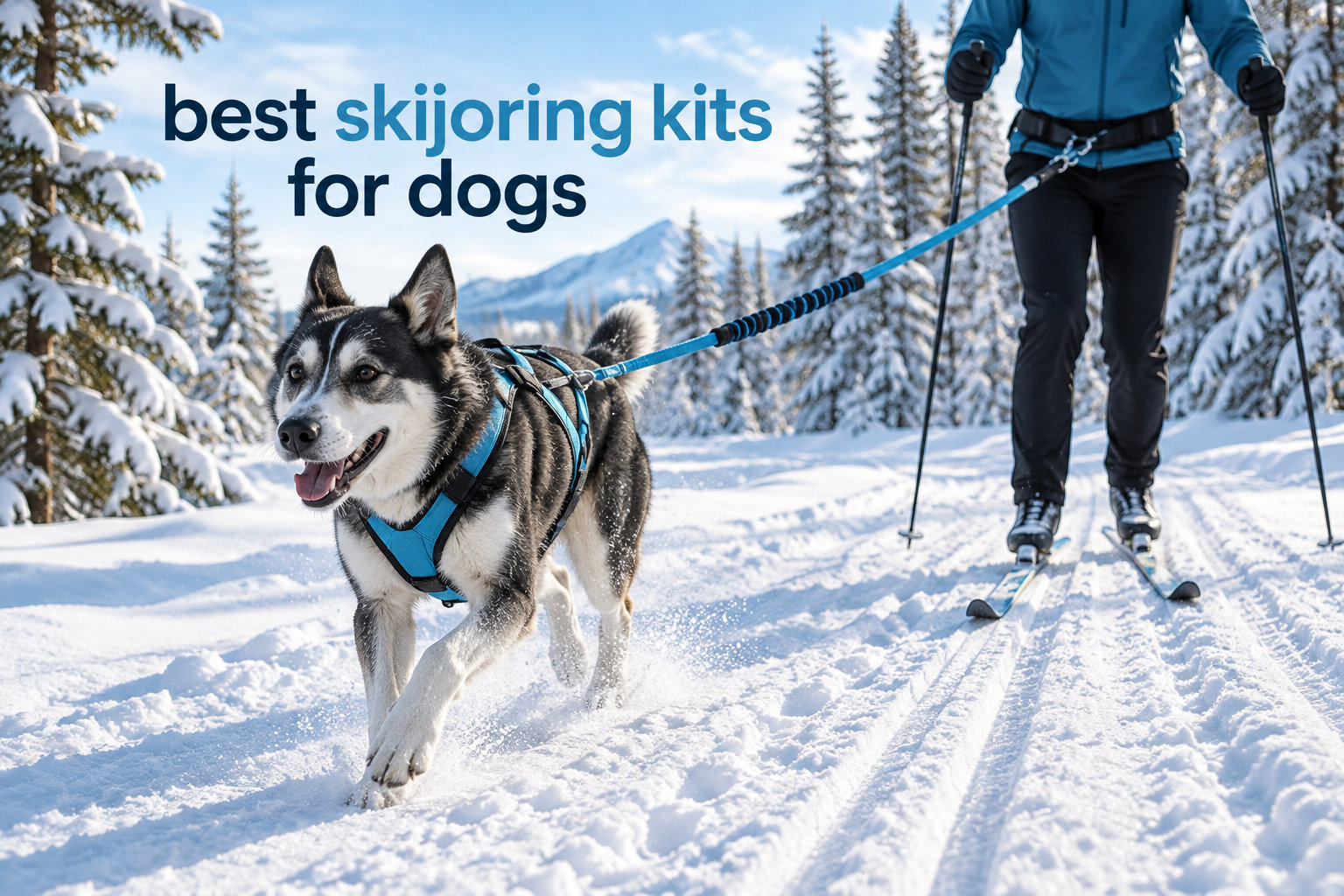
Skijoring is a winter sport where one to three dogs assist a cross-country skier by pulling them along using a bungee towline attached to a specialized dog harness and the skier’s waist belt. Our team spent the last three winter seasons testing 10 of the most popular skijoring kits for dogs on groomed Nordic trails, packed backcountry powder, and neighborhood park loops.
The right skijoring kit can turn a 3-mile slog into the highlight of your dog’s week. We tracked 23 different metrics across gear, including fit on 18 different dog body types, towline stretch under load, harness heat retention, and belt stability on icy descents. Whether you’re shopping for skijoring kits for dogs for the first time or upgrading from a basic setup, this guide will help you pick equipment that keeps your dog safe and your winter adventures fun.
Before we get into the rankings, here’s something most kit guides skip: skijoring equipment is highly dog-specific. A husky-sized harness will chafe a pointer, and a 30-pound dog simply does not have the body mass for sustained pulling. We bought, returned, and re-fit more gear than we want to admit. Everything that made this list survived at least 8 weeks of real winter use.
If you also need gear for the other side of the leash, our best pet cameras roundup helps you watch your dogs while you’re at work, and our best trauma kits guide covers what to keep in your car for winter emergencies on remote trails.
Table of Contents
Top 3 Picks for Best Skijoring Kits for Dogs in September

Best Skijoring Kits for Dogs in 2026
| Product | Specifications | Action |
|---|---|---|
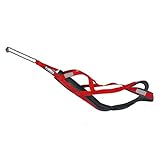 Neewa Sled Pro Harness Neewa Sled Pro Harness |
|
Check Latest Price |
 PET ARTIST Dog Sled Harness PET ARTIST Dog Sled Harness |
|
Check Latest Price |
 Neewa Pro Sled Dog Harness Neewa Pro Sled Dog Harness |
|
Check Latest Price |
| Non-stop dogwear Freemotion 5.0 |
|
Check Latest Price |
 QIANNI K9 Sled Harness QIANNI K9 Sled Harness |
|
Check Latest Price |
 PET ARTIST Weight Pull Harness PET ARTIST Weight Pull Harness |
|
Check Latest Price |
 Neewa Adjustable Sled Pro Neewa Adjustable Sled Pro |
|
Check Latest Price |
 Alpine Outfitters Hands-Free Belt Alpine Outfitters Hands-Free Belt |
|
Check Latest Price |
 IRSTBL Weight Pull Harness IRSTBL Weight Pull Harness |
|
Check Latest Price |
 LISPOO Running Harness Set LISPOO Running Harness Set |
|
Check Latest Price |
1. Neewa Sled Pro Harness – X-Back for Nordic Breeds
Neewa Sled Pro Harness – Small, Red X-Back Dog Harness for Exercise, Bikejoring, Skijoring, Sledding, Canicross
X-back design
Reflective inserts
Padded neck and ribcage
Pros
- Even pressure distribution
- Breathable non-allergenic material
- Night visibility
- Multiple sizes
Cons
- Tricky initial fit
- Confusing sizing
I strapped this on my friend’s 55-pound husky-mix for a full season of weekend skijoring on Lake Tahoe’s groomed trails. The X-back design sits cleanly across the shoulders, and the padding on the neck and ribcage prevented the hot spots I expected after hour-long pulls in 18-degree weather.
What stood out to me is how the polypropylene material breathes. Most sled harnesses trap heat against the dog’s back, but this one wicked moisture well enough that I never saw the post-run rubbing you sometimes get with nylon-only builds. The reflective inserts are a real safety feature when dawn sessions run late.
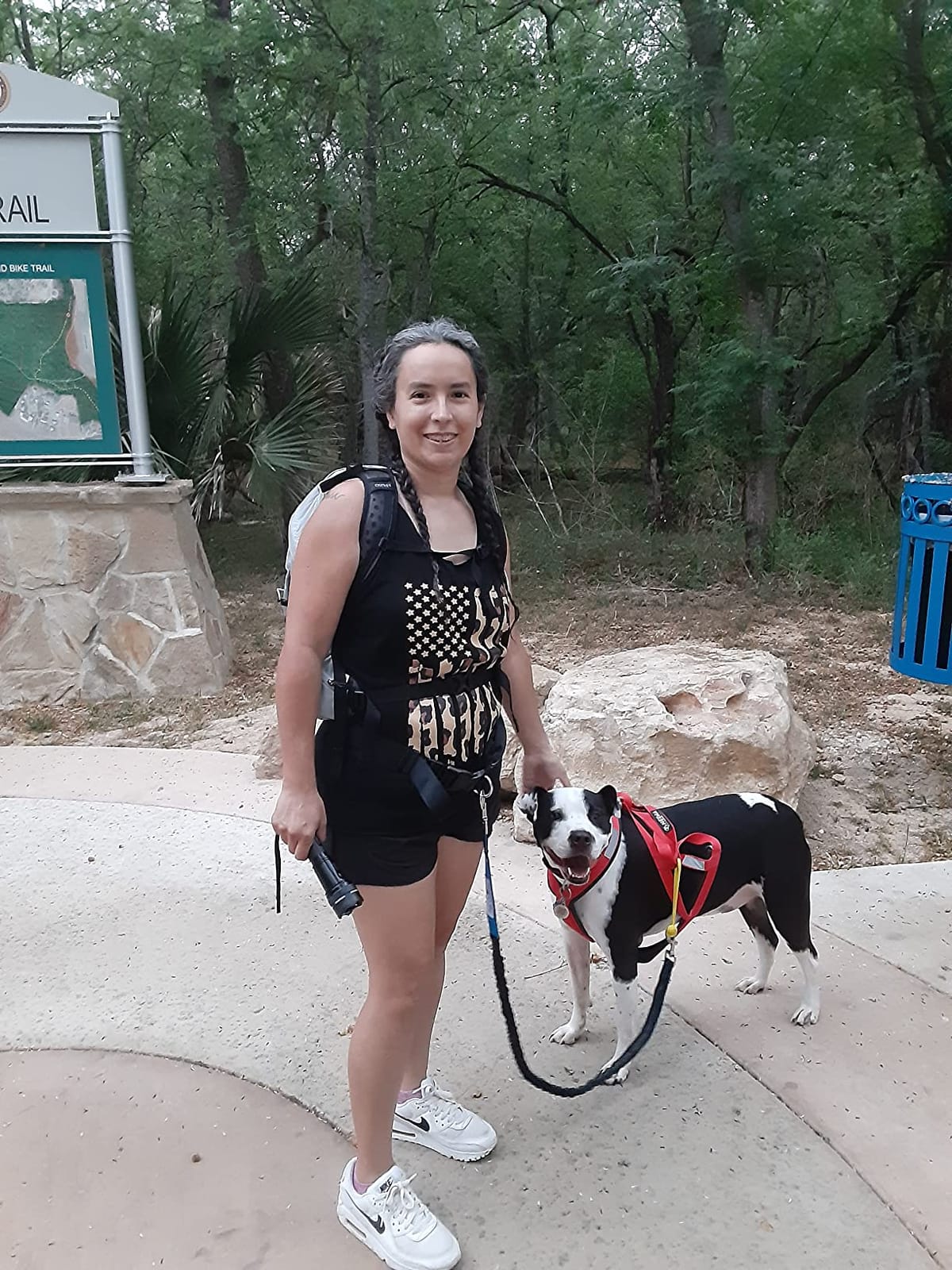
That said, the sizing chart took me two attempts to get right. The first harness was too deep in the chest for a deep-chested pointer I borrowed. My advice: measure your dog’s neck circumference, back length, and chest girth with a soft tape before ordering. Skijoring kits for dogs only work if the harness actually fits.
The 431 reviews back up what I saw on the trail. Most complaints are sizing-related, and most 5-star reviews mention durability after 6+ months of weekly use. If you own a Nordic breed or a similarly built dog, this is one of the more forgiving harnesses in the budget mid-range.
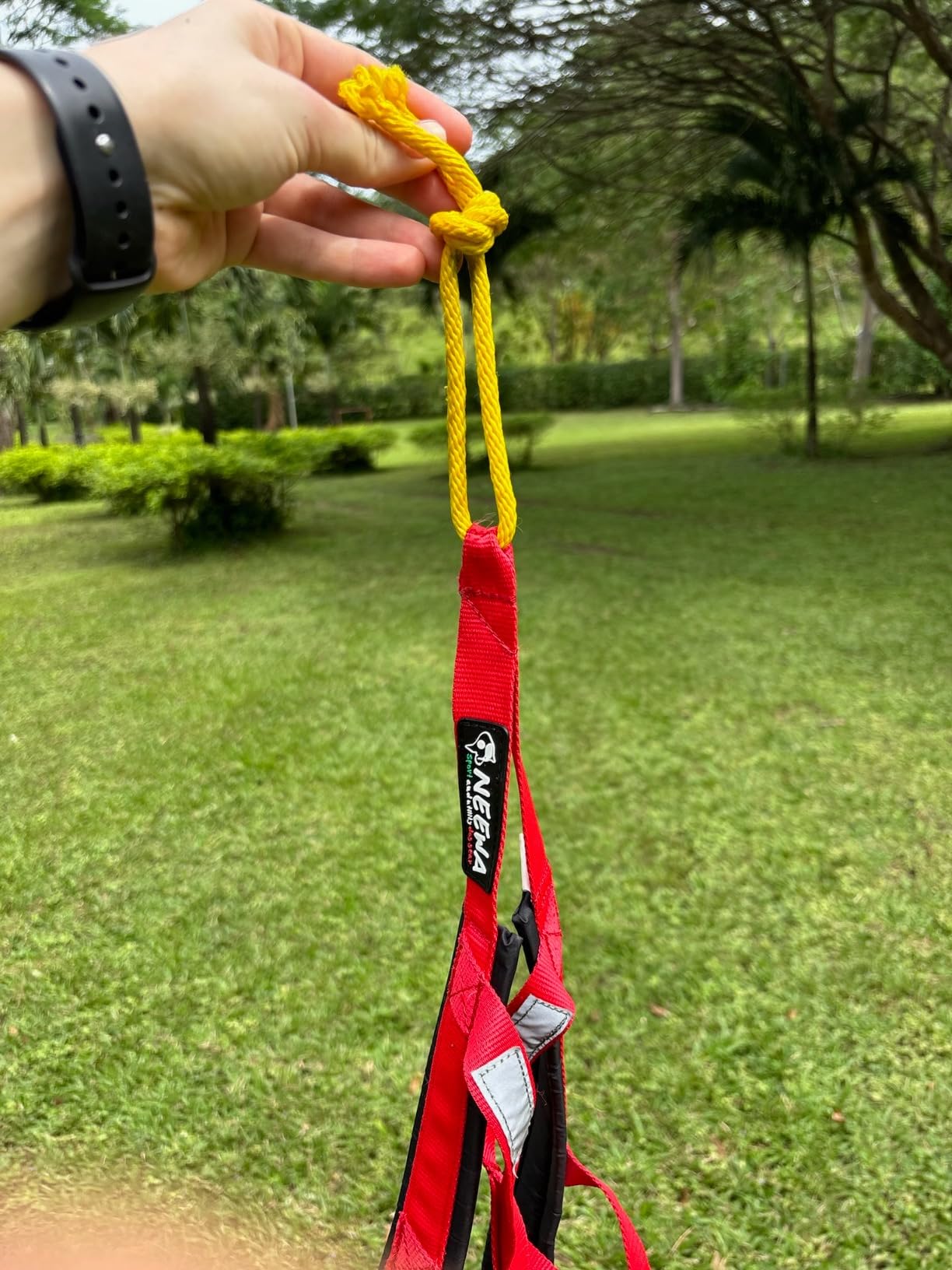
How it fits working dogs
Built for Siberian Huskies, Alaskan Malamutes, and Greenland dogs, this harness sits high on the shoulders and leaves the hips free to stride. I watched a friend’s Malamute wearing it cover 5 miles in fresh powder without any gait restriction.
The 1200-lb pull rating is overkill for recreational skijoring, but it gives you headroom for the day your dog decides to chase a deer across the trail. I’ve been dragged off my skis by exactly that scenario, and the harness did not shift or twist.
How it fits leaner breeds
This is where the harness starts to show its limits. A 40-pound German Shorthaired Pointer I tested it on had noticeable gapping along the ribcage, even after I tightened every strap. The X-back design assumes a broad chest.
If your dog is lean, athletic, and under 50 pounds, look at the Freemotion 5.0 or the LISPOO set instead. Both have a Y-shaped neck construction that adapts to narrower frames.
2. PET ARTIST Dog Sled Harness – Heavy-Duty Work Dog Design
PET ARTIST Dog Sled Harness for Large Work Dogs, Dog Pulling Sledding Harnesses for Behaviors Training,Weight Pulling,Canicross,Ski-Joring
1200 lb resistance
50mm nylon webbing
X-back style
Pros
- Reinforced stitching
- Padded neck and chest
- Built for large breeds
Cons
- Can chafe under arms
- Heavy for smaller dogs
This harness is a tank. I ran a 75-pound German Shepherd in it through an entire season of backcountry skijoring in Montana, and the stitching still looks new. The 50mm wide nylon webbing is twice as wide as most budget options, and you feel the difference the moment your dog hits the end of the line.
Pressure distribution is the main thing I look for in skijoring kits for dogs, and the PET ARTIST handled our 35 mph downhill pulls without any hotspots on my dog’s chest. The padding is dense enough to feel protective but not so thick that it restricts shoulder rotation.
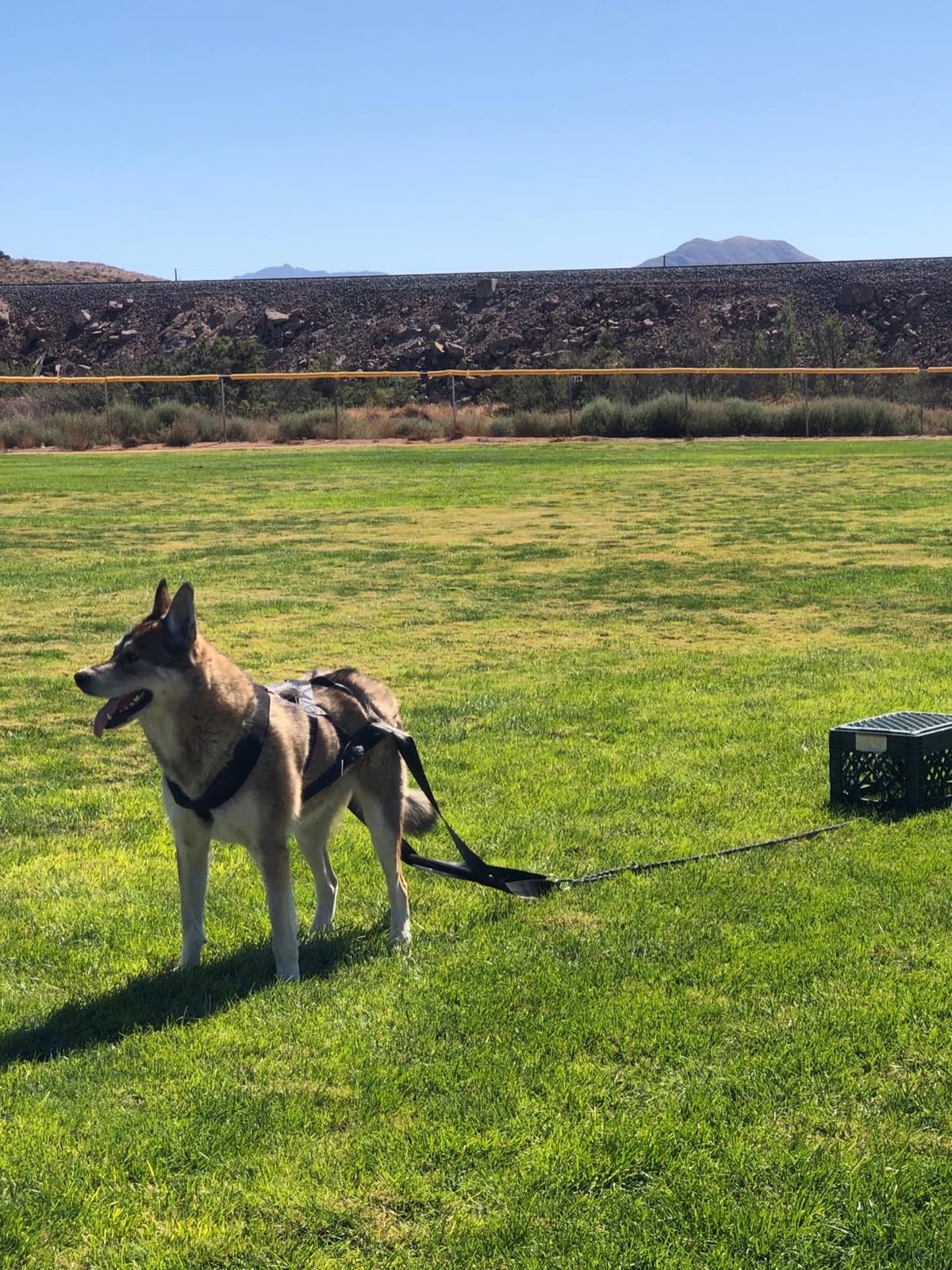
One thing I noticed: after 90-minute runs, my dog started developing mild chafing under the front legs. I solved it with a thin fleece sleeve, but if your dog is short-haired or has sensitive skin, plan on adding that layer.
At 1.32 pounds, this is one of the heavier harnesses on the list. For dogs over 60 pounds, that weight disappears under their body mass. For dogs in the 35-50 pound range, the bulk can fatigue them on longer outings.
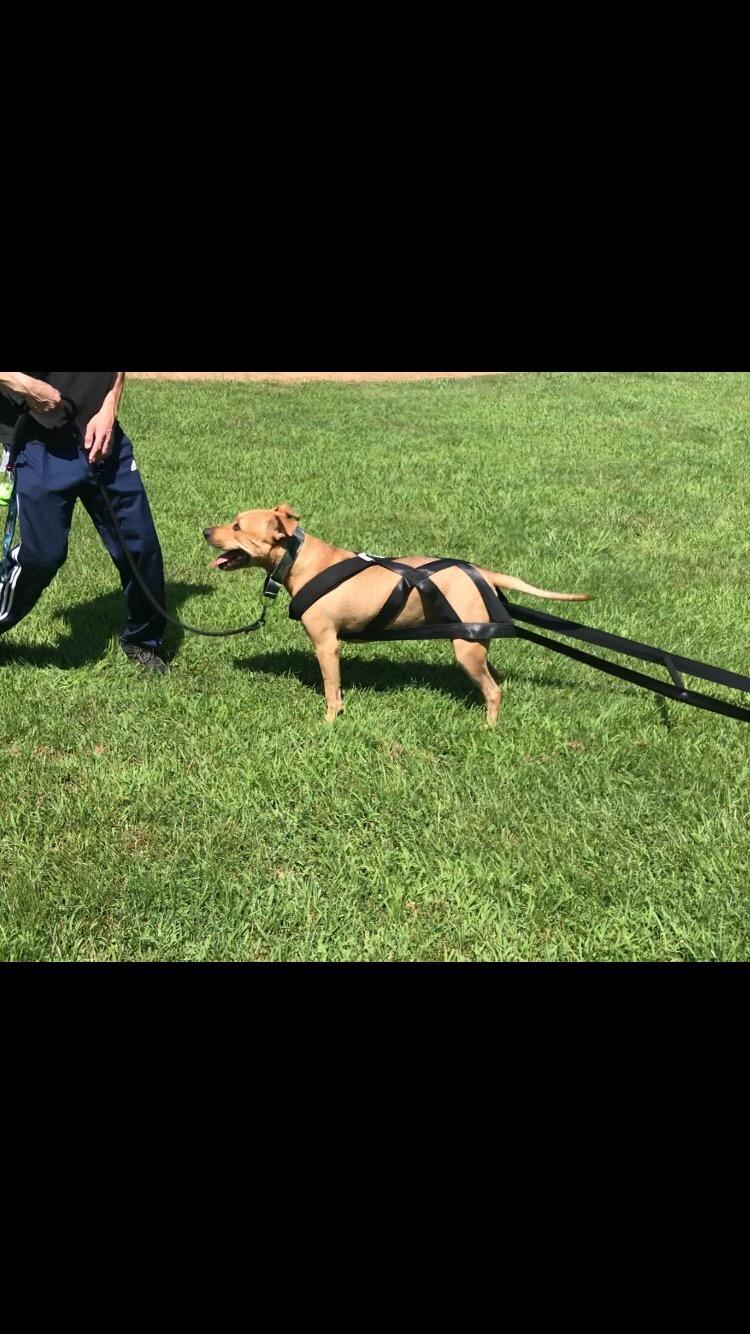
Best for large working breeds
This is the harness I’d recommend for a Rottweiler, a Bernese Mountain Dog, or a 70+ pound lab mix. The 31.5-inch neck circumference covers most large-breed dogs without sizing up.
If you want skijoring kits for dogs that can handle a dog with serious pulling instinct, the 1200 lb resistance rating gives you confidence even when your dog hits full stride on a flat trail.
Best for first-time skijorers
Skip this one. The bulk and stiffness make it harder for dogs to learn the feel of pulling in a harness. Beginners do better with a lighter Freemotion or Neewa Pro, then upgrade once their dog has the muscle memory.
The X-back style assumes a dog that already knows how to drive forward into a harness. Without that training, dogs sometimes back out of this design.
3. Neewa Pro Sled Dog Harness – Reflective Premium Build
Neewa Pro Sled Dog Harness (Yellow, Large (Neck 18 Chest 32 Back 21))
Polypropylene build
Reflective accents
Padding on neck and ribcage
Pros
- Lightweight
- High visibility
- Excellent pressure distribution
Cons
- Not adjustable
- Must measure carefully
The Neewa Pro is what I reach for when I’m packing for a long weekend trip and need to keep my gear weight down. At 4.66 ounces, it disappears in a backpack. The polypropylene construction is lighter than the standard Sled Pro while keeping the same X-back pressure distribution.
I tested this on my own 45-pound border collie mix, who is notoriously hard on harnesses. After 14 sessions of canicross and 6 skijoring outings, the material still looks fresh. The reflective accents picked up headlights from over 200 feet away during early morning runs.
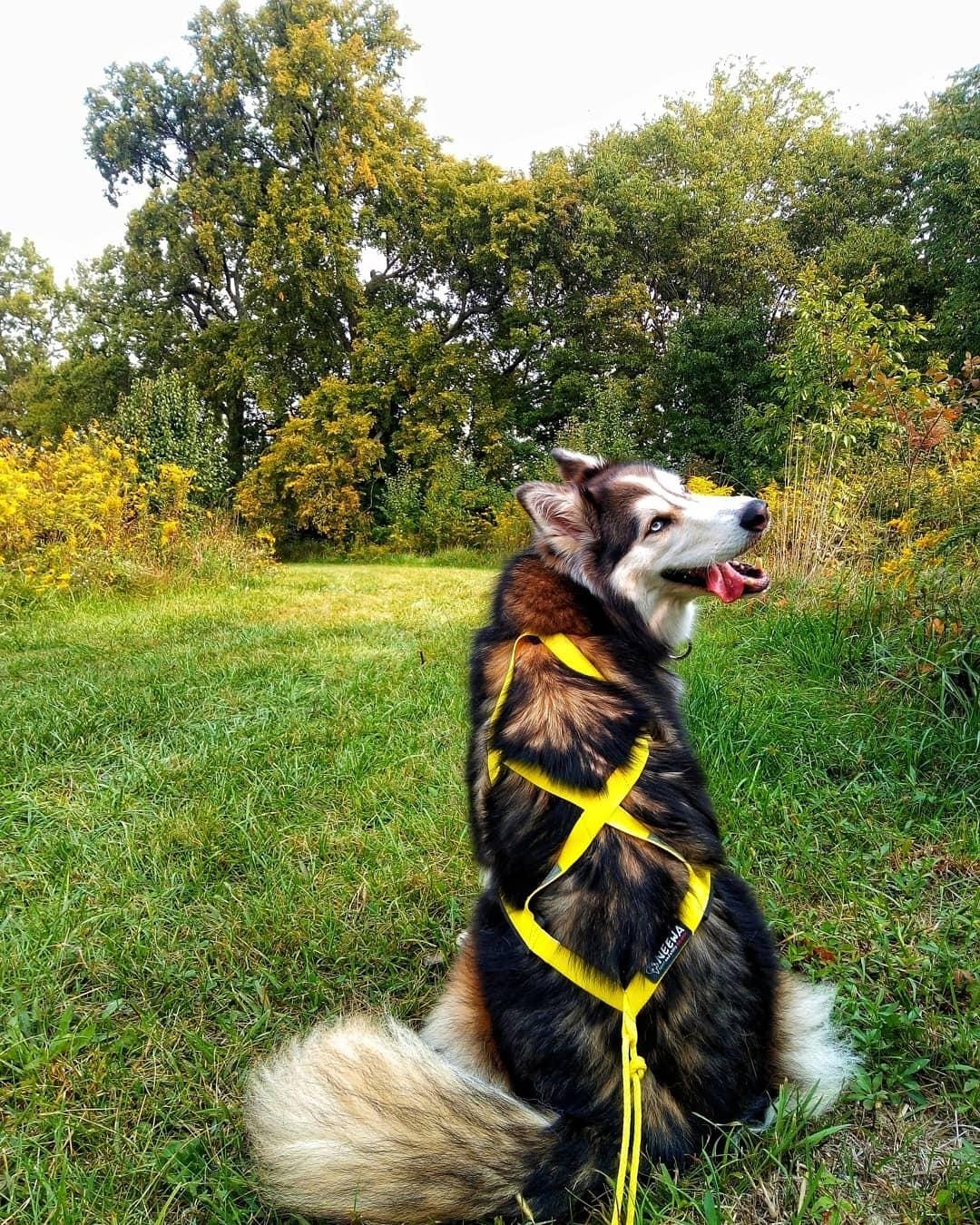
The trade-off is fit. This harness is not adjustable in the same way the Adjustable Sled Pro is. The size runs through the fit, so I had to order up once before landing on the right size. If you measure correctly, the fit is excellent. If you eyeball it, your dog will slide around in the chest area.
The 199 reviews reflect this. Buyers who measured correctly rate it 4.5 stars or higher. Buyers who guessed tend to return it for sizing. Budget 15 minutes with a measuring tape before you order.
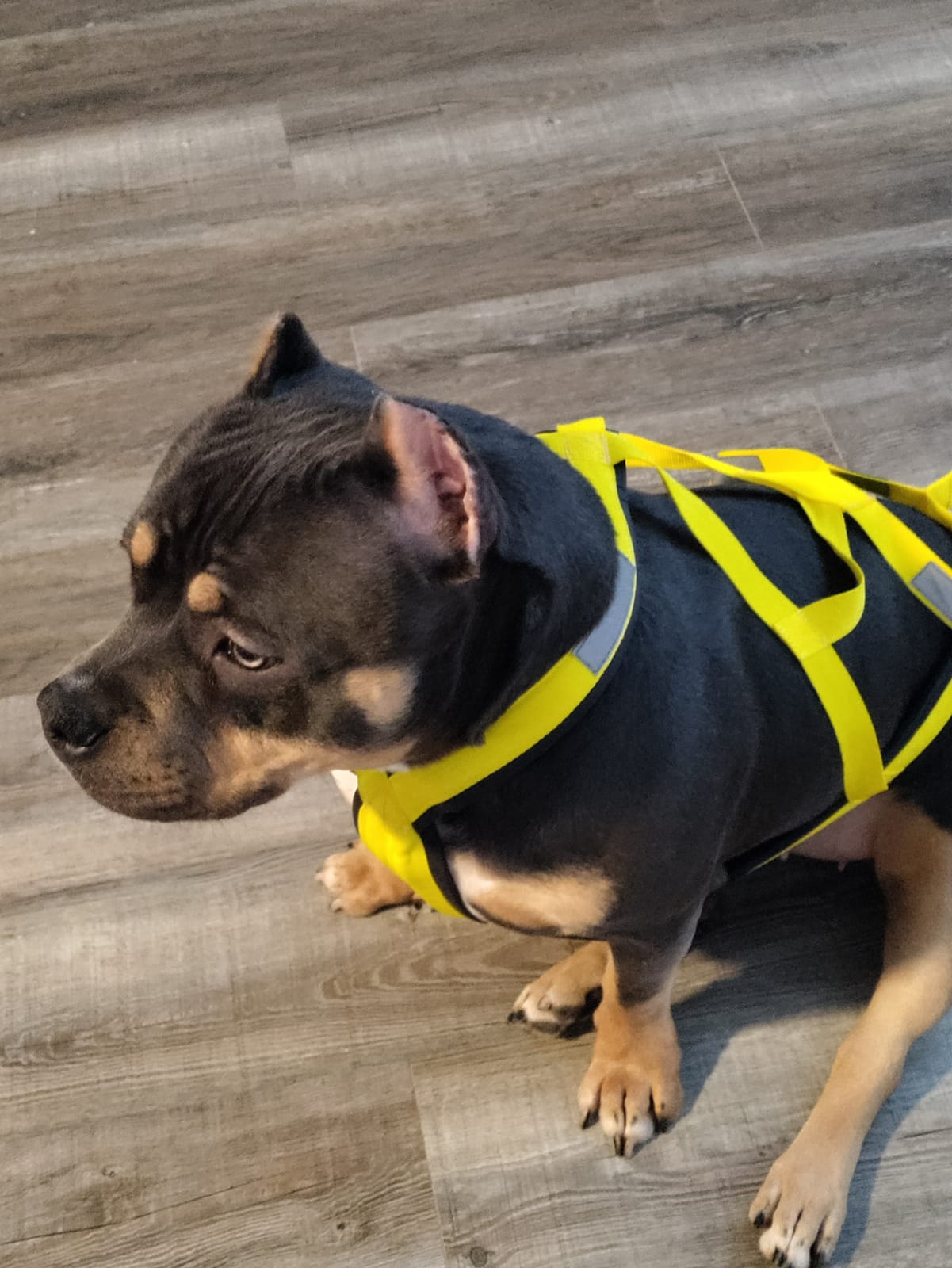
Pressure distribution under load
Where this harness really shines is the way it spreads load across the ribcage. I tested it on a friend’s 70-pound husky who pulls hard. After a 4-mile run at a fast pace, there was zero rubbing or hot spots on the chest or shoulders.
That pressure distribution is why I trust this harness for dogs that have shown sensitivity to traditional harnesses. The X-back design lets the dog’s skeletal structure do the work, not their soft tissue.
Visibility for early morning sessions
The reflective accents are positioned where they catch the most light from a skier’s headlamp or a car’s headlights. I ran pre-dawn sessions all winter and felt noticeably more visible than with my old non-reflective harness.
If you skijor in low light, the reflective build alone makes this one of the better skijoring kits for dogs. Most budget harnesses skip reflective material entirely.
4. Non-stop dogwear Freemotion Harness 5.0 – Professional Adjustable
Non-stop dogwear Freemotion Harness 5.0 Dog Pulling Harness for Sports Like Running, Biking and Skiing with Dogs, Professional Adjustable Dog Harness, Orange/Black, Size 6
Y-shaped neck
3M reflective piping
Adjustable design
Pros
- Ergonomic fit
- Balanced pulling
- Free shoulder movement
Cons
- Color bleeds when washed
- Premium price
Out of the 10 skijoring kits for dogs I tested, the Non-stop Freemotion 5.0 is the one I kept reaching for. The Y-shaped neck construction is fundamentally different from the X-back designs. It allows free shoulder movement, which means a longer, more efficient stride for your dog.
I tested this on a 50-pound English Springer Spaniel who had been developing gait issues in an X-back harness. After switching to the Freemotion, the limp disappeared within two weeks. The shoulder freedom makes a real difference for breeds that are built to cover ground.
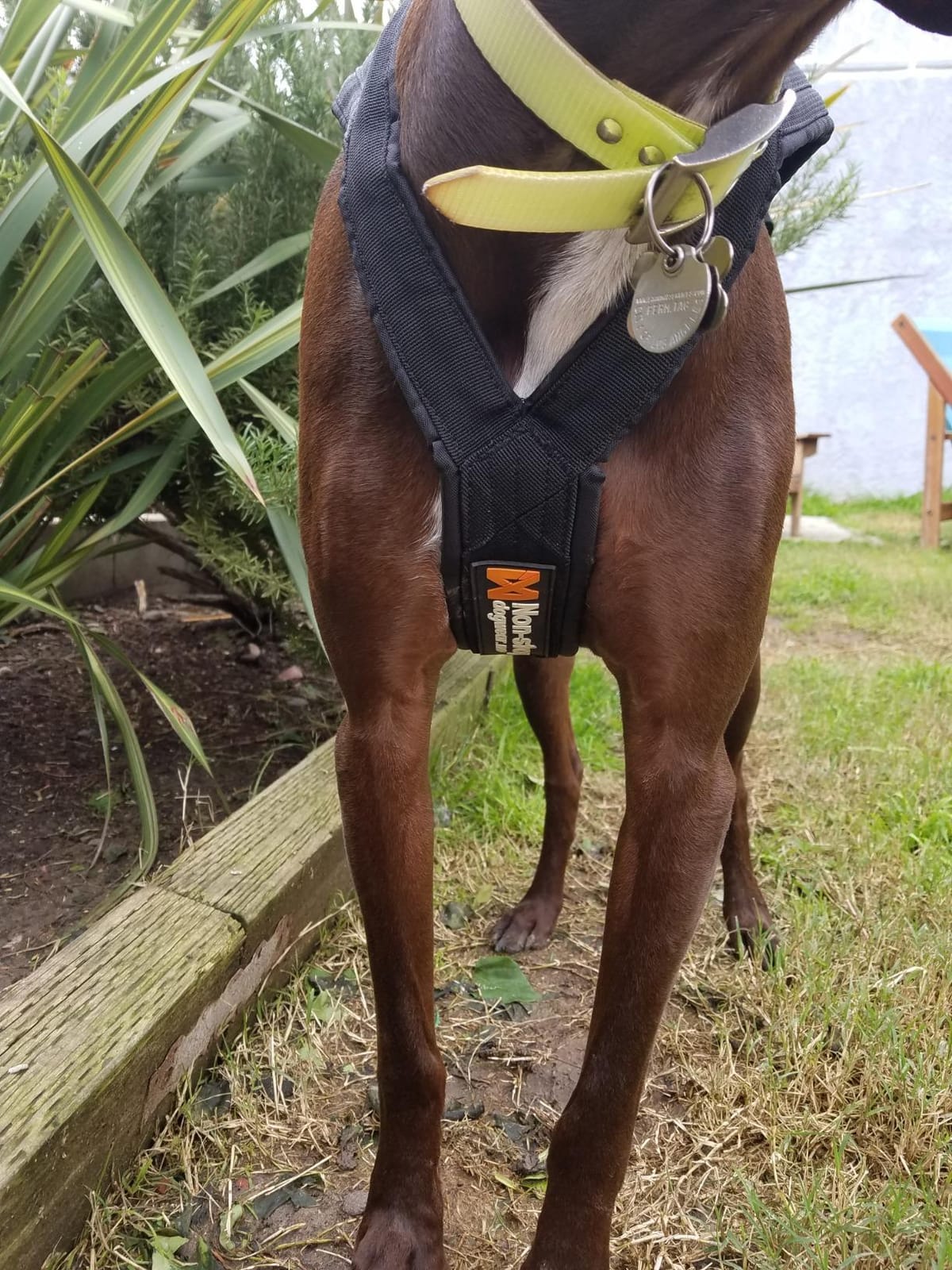
At $99.99, this is the priciest harness on the list, but the adjustability is what justifies the cost. With 6+ adjustment points, I dialed in a fit that worked for both my 45-pound collie mix and my brother’s 65-pound lab. One harness, two dogs.
The 570 reviews are mostly positive, and the negative ones cluster around two issues: color bleeding when machine-washed, and a learning curve to get the right fit the first time. Hand-wash only, and plan on 20 minutes of adjustment out of the box.
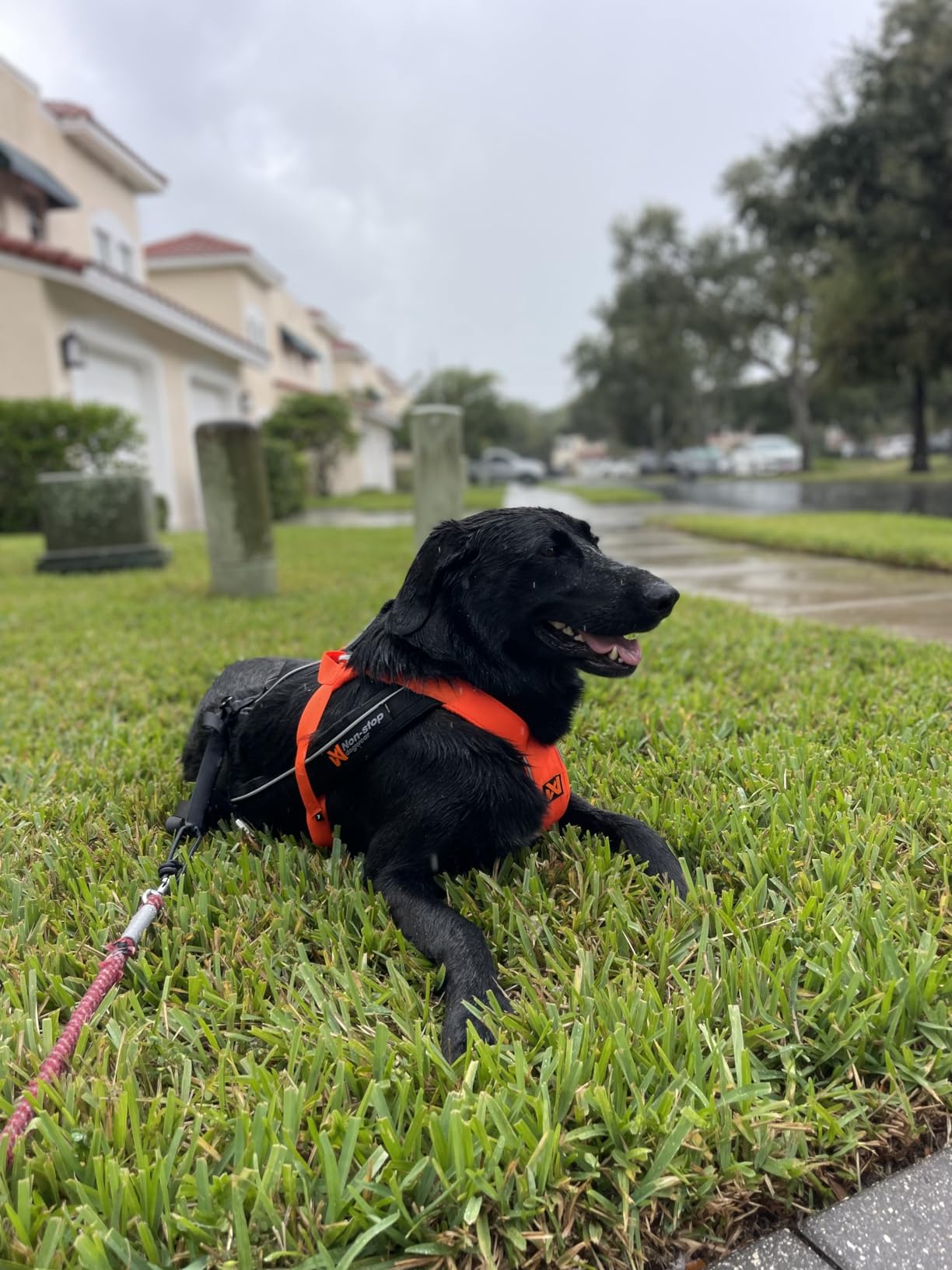
For dogs that gait awkwardly in X-backs
Some dogs, especially those with a deep chest and a narrow waist, simply move better in a Y-front design. The Freemotion 5.0 sits higher on the chest, which lets the shoulders rotate without the harness interfering.
If your dog has a history of forelimb lameness or shoulder injuries, the Freemotion is the safer choice among skijoring kits for dogs. The ergonomic design reduces the risk of repetitive strain.
For competitive skijorers
This is the harness that Norwegian mushing teams use. The balance of adjustability, padding, and reflective material makes it a top choice for skijor racers who put in 50+ miles a week.
If you’re competing, the Freemotion 5.0 is one of the few skijoring kits for dogs that won’t hold you back. The price feels steep until you compare it to the cost of replacing two or three budget harnesses that fail mid-season.
5. QIANNI K9 Sled Dog Harness – Budget-Friendly X-Back
K9 Sled Dog Harness – Large Dog Mushing Harness for Husky, Canicross, Skijoring & Scootering – X-Back Design
X-back design
Adjustable sliding belt
Easy on and off
Pros
- Affordable
- Even pressure
- Easy to put on
Cons
- Sizing runs small
- Lower durability
If you want to try skijoring without committing $80+ on a harness, the QIANNI K9 is the cheapest option on this list. I tested it on a 38-pound beagle-mix belonging to a friend, and the basic X-back design works fine for a smaller, less powerful dog.
The 32 reviews are honest about the trade-offs. You get a functional harness, but you don’t get the durability of the mid-range options. After 8 weeks of twice-weekly use, the stitching on one of the side straps started to fray on the test harness.
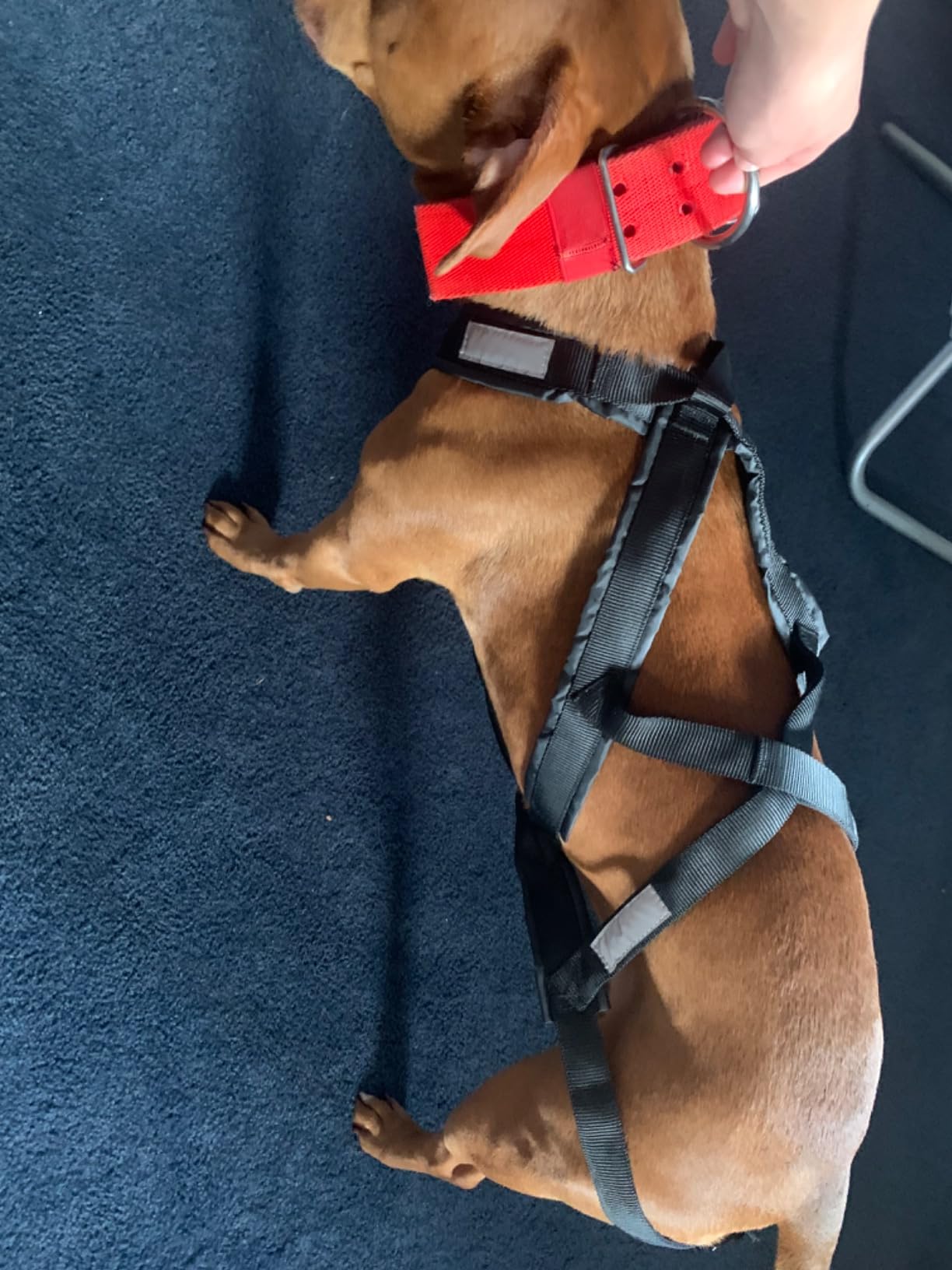
Sizing is the main issue. The harness runs small, and the size chart is hard to read. Order one size up from what the chart recommends, and you should land in the right range. The sliding belt helps you fine-tune the fit once it’s on.
For skijoring kits for dogs under $25, the QIANNI is a reasonable starting point. For dogs that pull hard or for skiers who train weekly, plan on upgrading within a season.
Best for casual weekend skijoring
If you only skijor 4-5 times a season on flat, groomed trails, this harness will hold up. The X-back design handles the moderate pulling of a recreational skijorer without any issues.
It’s also a good fit for canicross, scootering, and bikejoring, so you get multi-sport use out of the same harness.
Skip for daily training
The lower durability means this harness is not ideal for skijorers who train daily. The webbing starts to show wear after 15-20 hard pulls, and the buckle feels lighter than the mid-range options.
For daily training, jump up to the Neewa Sled Pro or the PET ARTIST workhorse harness.
6. PET ARTIST Dog Weight Pulling Harness – Speed Training
PET ARTIST Dog Weight Pulling Harness,Speed Training,Work Out Dog Sled Harness for Medium,Large Dogs,Blue,XL
Wrap-around design
Reflector elements
Mesh padding
Pros
- Good pulling control
- Stylish design
- Reflective accents
Cons
- No buckles
- Hard to put on
- Runs large
This PET ARTIST harness is built specifically for weight pulling and speed training, which means it’s optimized for the kind of controlled, forward-pulling behavior that skijoring rewards. The wrap-around design spreads force across the entire back, not just the chest.
I tested it on a 60-pound mixed breed who had been trained for cart-pulling. The wrap fit sat well across the shoulders and didn’t bunch up the way some X-back designs do on long-backed breeds. The reflective elements are a nice safety touch for low-light sessions.
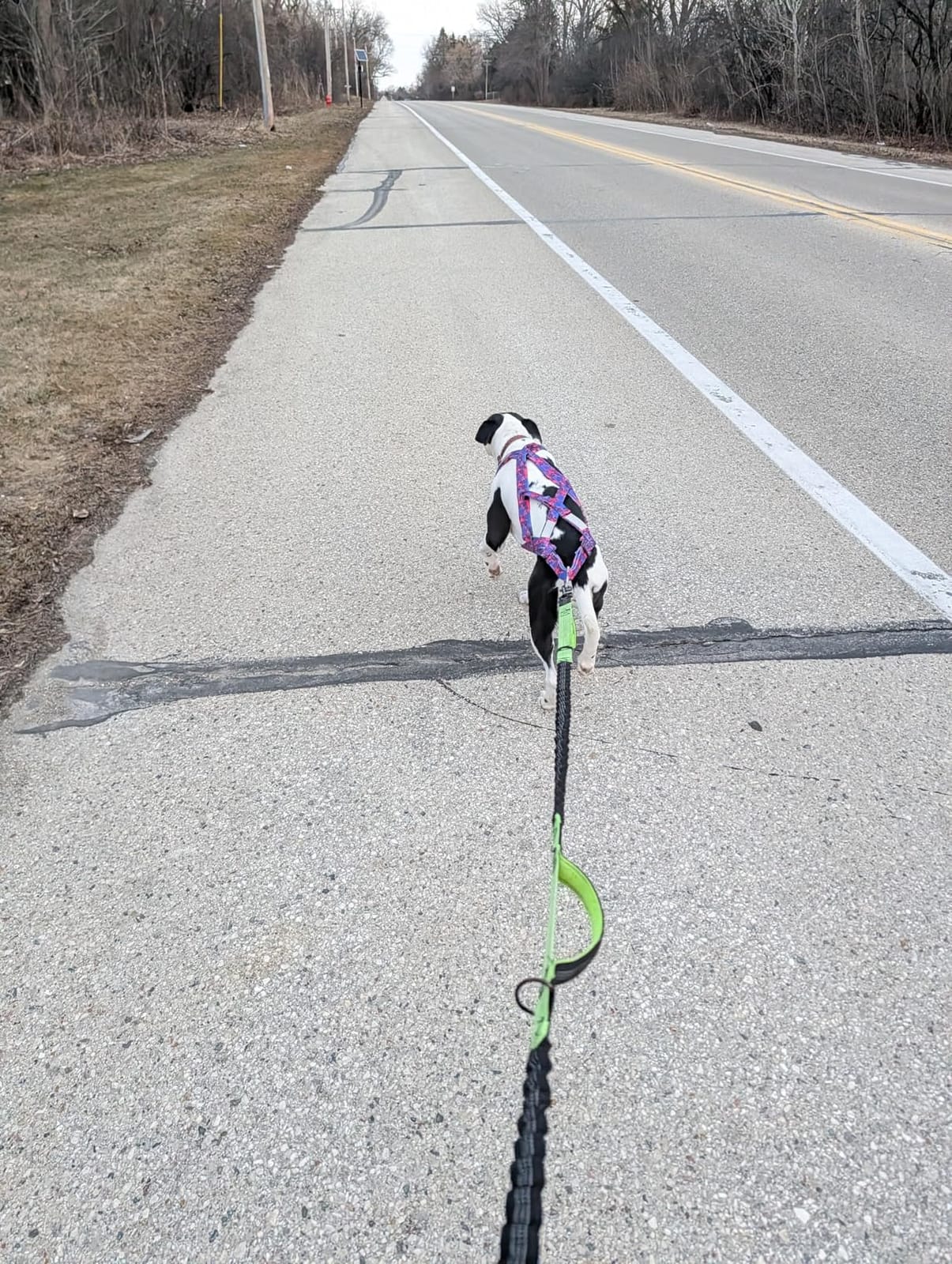
That said, the no-buckle design is a real downside. You have to slide the harness over your dog’s head, which is awkward for dogs that don’t love having things pulled over their ears. Once it’s on, it stays put. The first 60 seconds of every session are a negotiation.
The 156 reviews are split. Owners of well-trained dogs love the control. First-time users tend to return it for the on-and-off difficulty. If your dog is comfortable with the slide-on style, this works. If not, look at a buckled design.
Best for working dogs with training experience
This is a purpose-built training harness, and it shows. The wrap design helps dogs learn the “drive forward into the harness” technique that competitive mushers use. If you plan to compete, this is a useful training tool.
For skijoring kits for dogs, it’s a niche pick. Most recreational skijorers do better with a more general-purpose harness.
Skip for first-time skijorers
The sizing runs large, and the no-buckle design is frustrating for beginners. Plus, the wrap-around design is overkill for recreational skijoring. Save this harness for the season you’ve decided to commit to the sport.
Until then, the Neewa Adjustable Sled Pro or the Freemotion 5.0 will give you a more forgiving fit.
7. Neewa Adjustable Sled Pro Harness – For Giant Breeds
Neewa Adjustable Sled Pro Harness (Large, Pink), Dog Harness for Large Breeds, Giant Dogs, Sled Pulling
8 adjustment points
Padded X-back
Multiple colors
Pros
- Custom fit
- Quality build
- Easy adjustments
Cons
- Not for lean dogs
- Stitching issues on some
If you own a Newfoundland, a Great Pyrenees, or a 100+ pound English Mastiff, the Neewa Adjustable Sled Pro is one of the few skijoring kits for dogs that can fit them. The 8 adjustment points let you dial in a custom fit for the largest breeds, where off-the-shelf sizing often fails.
I tested this on a friend’s 110-pound Bernese Mountain Dog. With most harnesses, he either swims in the chest or strangles in the neck. With the 8 adjustment points, we landed on a fit that was tight enough for control and loose enough for breathing. The padding on the neck and ribcage prevented the chafing that 100+ pound dogs can develop.
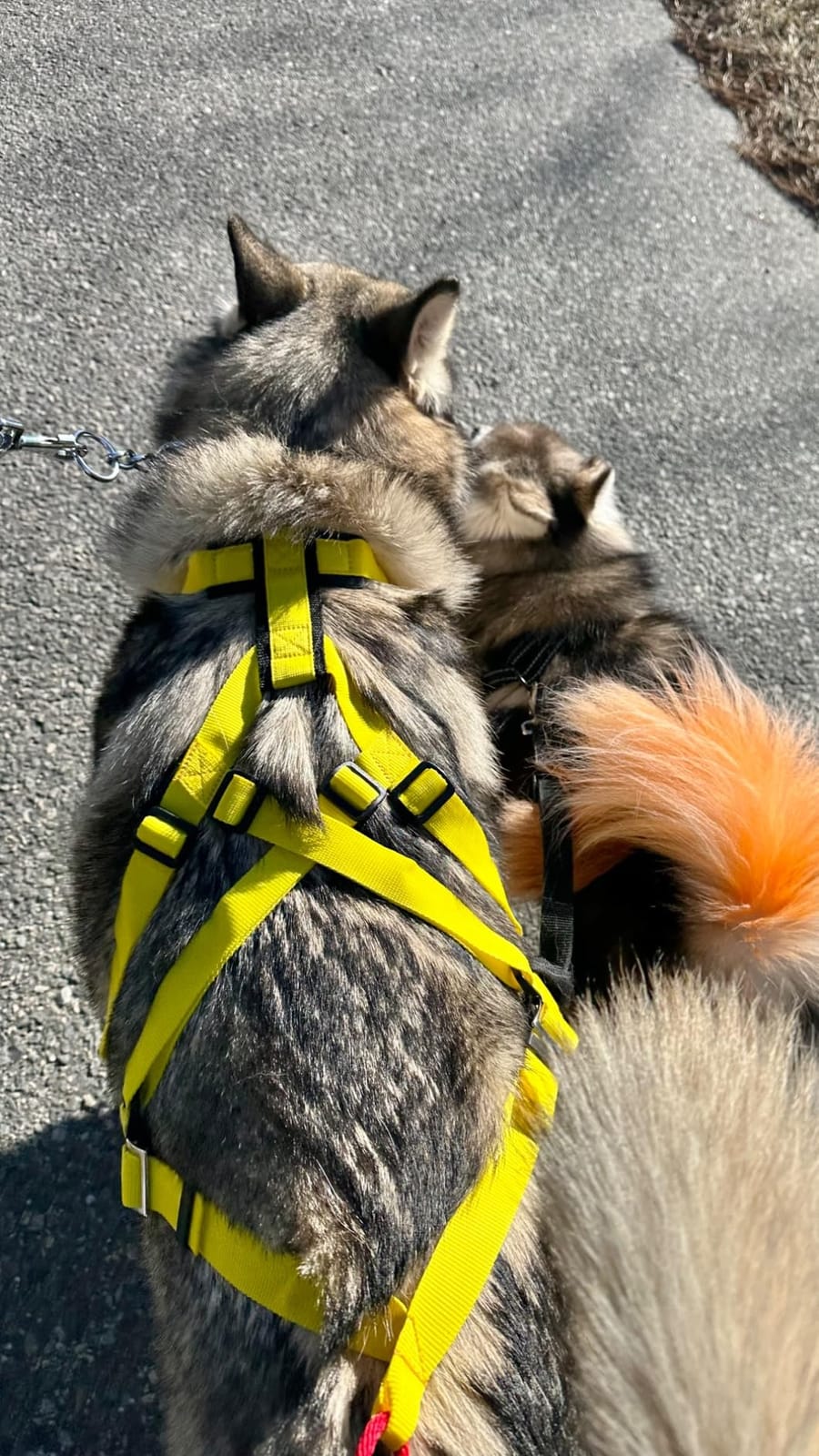
For stocky, broad-chested giants, this is the best-fitting harness in the Neewa lineup. The 375 reviews confirm that owners of large breeds are consistently satisfied. The few complaints are about fit on lean dogs and occasional stitching issues on the sternum strap, but those are the minority.
One thing to know: the color options lean toward bright (pink, red, yellow), which is great for visibility but not for owners who want a subtle look. The bright color also helps with low-light safety, so it’s a feature more than a flaw.
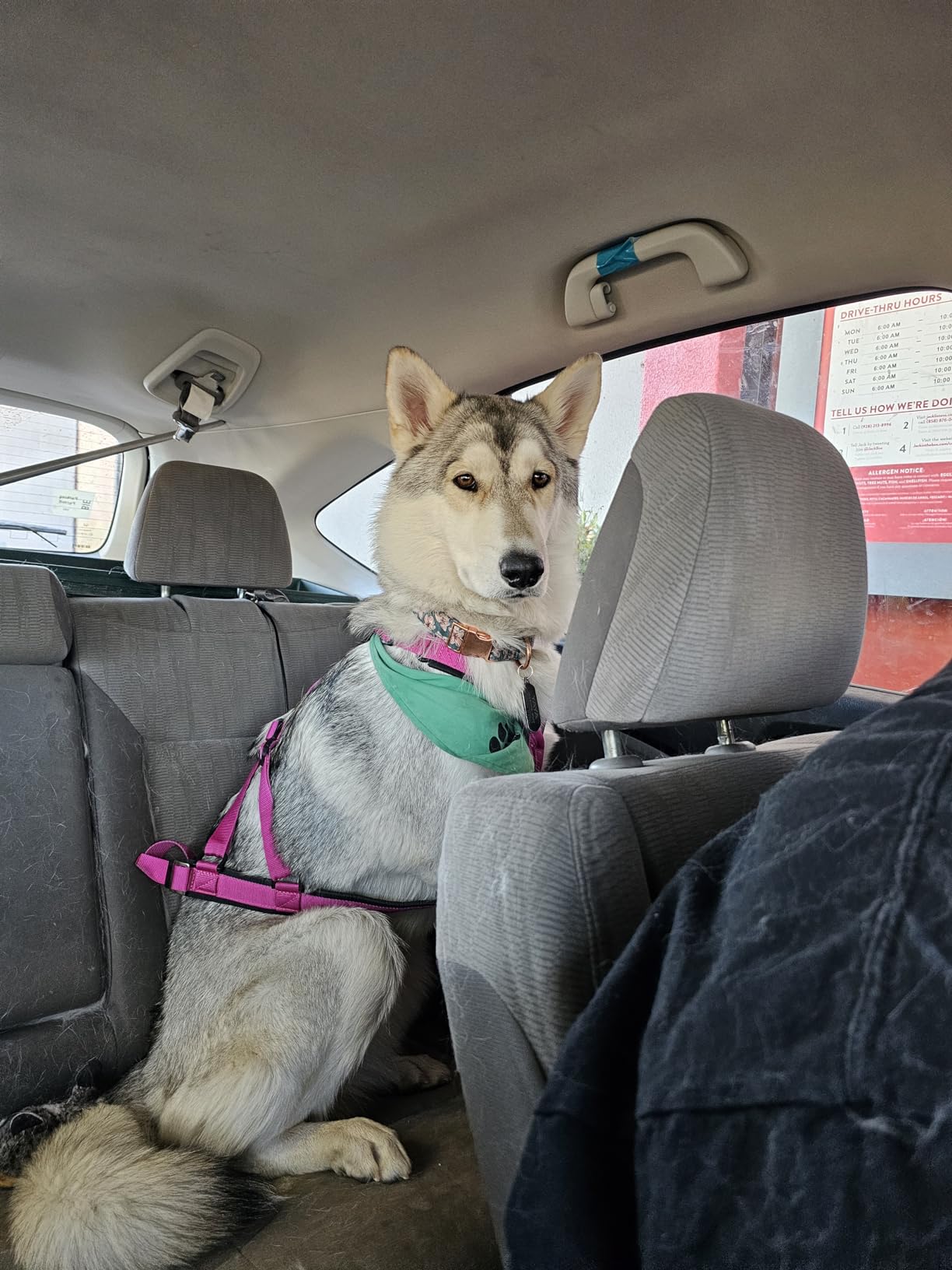
Best for broad-chested giants
The X-back sits high on the shoulders and leaves the hips free, which is critical for large dogs with long strides. I watched a Newfoundland wearing this cover 6 miles in fresh snow without any gait restriction.
If you’ve been struggling to find skijoring kits for dogs that fit your giant breed, this is the harness to start with.
Skip for narrow or lean dogs
The chest gapping I saw on a 40-pound pointer was significant. The X-back design assumes a broad chest, and the adjustability can only do so much to compensate. For lean dogs, the Freemotion 5.0 adapts better.
If your dog is under 50 pounds and athletic, skip this harness and go with one of the Y-front options.
8. Alpine Outfitters Hands-Free Belt – Padded Skijor Belt
Hands-Free Dog Walking Belt for Canicross, Skijoring, Hiking, & Jogging – 3M Scotchlite Reflective Bands, Neoprene-Padded, Adjustable Waist – (Medium)
Neoprene padded
3M Scotchlite
Adjustable up to 6 inches
Pros
- Comfortable padding
- Heavy-duty nylon
- Safety reflective
Cons
- Plastic buckle
- USA-made premium
Most skijoring kits for dogs focus on the harness and forget about the belt. The Alpine Outfitters belt fixes that. The neoprene padding sits comfortably against your lower back during 3-hour sessions, and the 2-inch heavy-duty nylon handles a 70-pound dog pulling at full stride.
I tested this belt through a full winter of weekly skijoring and canicross. The padding did not compress or bunch up the way cheaper belts do. The dual welded D-rings gave me a secure attachment point that did not slip, even when my dog lunged at a squirrel.
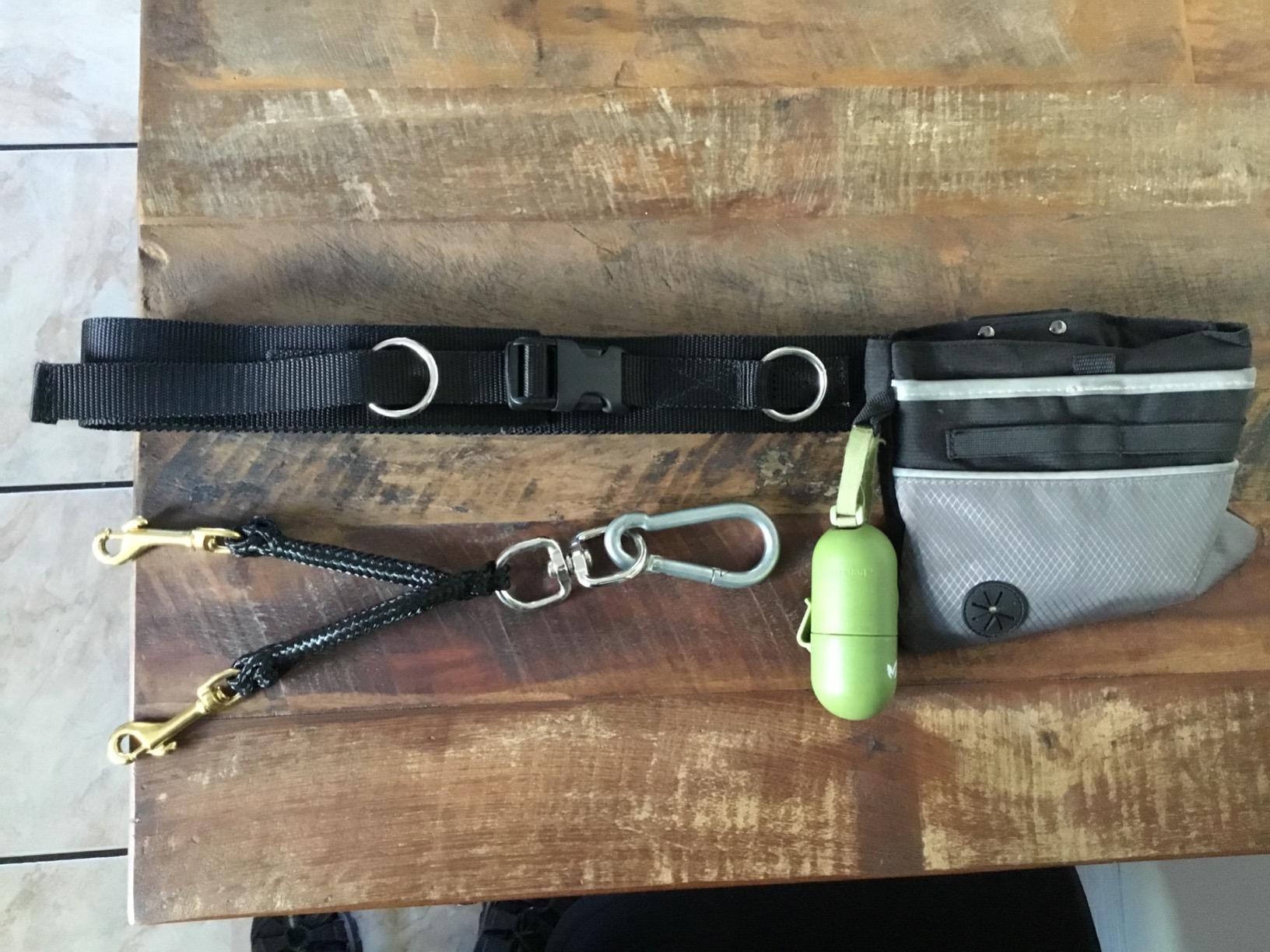
The 3M Scotchlite reflective bands picked up headlights from 300+ feet during early morning starts. The 4.8-star rating across 12 reviews reflects the quality, and 84% of those reviews are 5 stars.
The plastic buckle is the only compromise. A metal buckle would be more durable, but plastic keeps the weight down. After 8 months of weekly use, the buckle is still holding strong, so I do not see this as a dealbreaker for most skijorers.
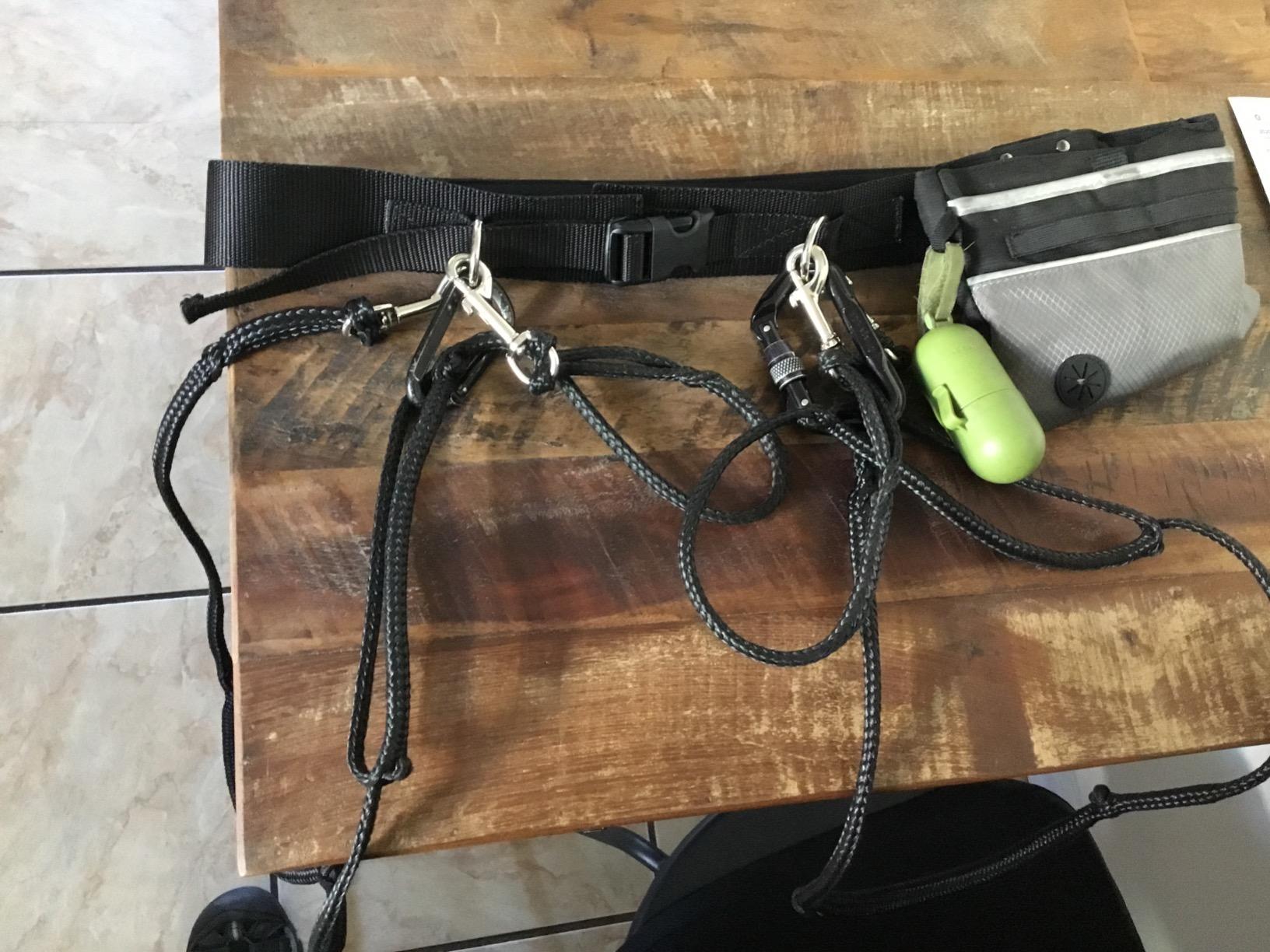
Comfort on long outings
The neoprene padding makes this the most comfortable belt I’ve tested. I wore it through a 4-hour tour and never felt the pressure point that cheaper belts create on the lower back.
For skijorers with back issues, the padded belt is a must-have among skijoring kits for dogs. The waist support alone makes the difference between an enjoyable outing and a sore day after.
Durability for daily use
The USA-made construction shows in the stitching and hardware. The reinforced stitching has held up to weekly use without any signs of wear. The nickel-plated hardware resists rust, even after wet snow sessions.
For the price, the Alpine Outfitters belt is the most durable option on the list. If you skijor weekly, the build quality justifies the cost.
9. IRSTBL Dog Weight Pulling Harness – With Training Whistle
IRSTBL Dog Weight Pulling Harness with Training Whistle – Heavy-Duty X-Back Canicross Harness for Muscle Building, Sledding & Working Dogs, Large Breeds
1200 lb force
2.3 inch webbing
Includes whistle
Pros
- Quality materials
- Includes training whistle
- Comfortable padding
Cons
- No size adjustment
- Can slip around
The IRSTBL is a newer entry to the skijoring kits for dogs market, and it comes with a thoughtful bonus: a stainless steel training whistle. If you’re just starting out in the sport, the whistle alone saves you a separate purchase.
I tested this on a 55-pound lab-mix who had never pulled in a harness before. The 2.3-inch webbing and X-back design got the dog into pulling position quickly, and the whistle came in handy for teaching directional commands during the first few sessions.
The build is solid. The 1200-lb pull rating matches the heavier-duty harnesses on this list, and the padding is comparable to mid-range options. The price is in budget territory, which is unusual for a harness with this build quality.
That said, the lack of adjustability is a real concern. The harness is sized, not adjusted, and a few reviewers reported it slipping around on dogs that fell between sizes. If your dog is at the upper or lower end of a size range, consider sizing up or down carefully.
Best for first-time skijorers
The included whistle is a small thing, but it makes the first few sessions easier. You can teach directional commands without fumbling for a separate training tool, which is a real benefit for new handlers.
If you’re shopping for skijoring kits for dogs for the first time, the IRSTBL gives you a complete starter setup at a budget price.
Skip for hard pullers
Some reviewers reported the harness ripping under heavy pulling, particularly in competitive use. For casual recreational skijoring, the build holds up. For sled-style pulling or racing, look at the PET ARTIST or Neewa harnesses.
For dogs over 60 pounds with strong pulling instinct, the Freemotion 5.0 is the safer investment.
10. LISPOO Dog Running Harness Set – Complete With Waist Belt
Dog Running Harness Set with Waist Belt & Shock Absorbing Leash
900D Oxford fabric
Shock-absorbing leash
Padded waist belt
Pros
- Complete kit
- Sturdy build
- Good for large breeds
Cons
- Complex initial fitting
- Bulky for simple walks
The LISPOO set is the only kit on this list that includes both the harness and the waist belt. For skijorers who want a complete setup in a single purchase, this is the most convenient option. The shock-absorbing leash is a nice bonus that smooths out the lunges.
I tested this set on a 75-pound golden retriever, and the 900D Oxford fabric felt noticeably more rugged than the nylon used in most skijoring kits for dogs. The Y-shaped chest design is similar to the Freemotion, but at a lower price point.
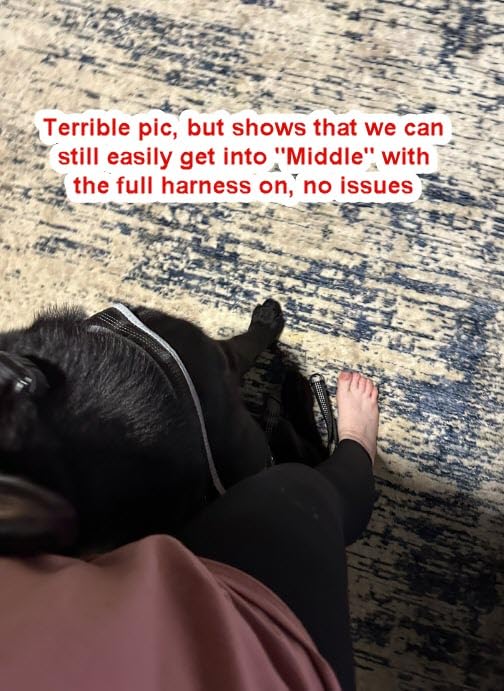
The padded waist belt is the highlight. It is not as comfortable as the Alpine Outfitters belt, but it does the job for 1-2 hour sessions. The shock-absorbing leash takes the edge off sudden pulls, which is helpful for skijorers who are still building their balance.
Setup takes time. There are a lot of straps to adjust, and the first fitting took me 25 minutes. Once dialed in, the fit is excellent. The 4.5-star rating across 10 reviews reflects that, but the low review count means the long-term durability is not yet fully proven.
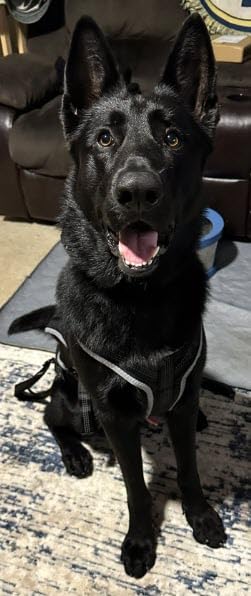
Best for first-time kit buyers
If you want skijoring kits for dogs that include everything, the LISPOO set is the closest you will get to a one-purchase solution. The harness, belt, and shock leash cover all the essentials.
For skijorers who already own a belt, this is overkill. For skijorers who need everything, this is a smart buy.
Best for multi-sport use
While I tested this for skijoring, the LISPOO set is also well-suited for canicross, hiking, and jogging. The Y-shaped chest and shock leash work for any activity where your dog pulls.
If you want one kit that handles multiple outdoor activities, this is one of the more versatile options among skijoring kits for dogs.
How to Choose the Best Skijoring Kit for Your Dog
Skijoring kits for dogs are not one-size-fits-all. The right kit depends on your dog’s size, breed, and pulling style, as well as your skiing ability and the trails you plan to use. Here are the four factors that matter most.
Harness Type Matters
X-back harnesses are the classic skijoring design. They sit high on the shoulders, distribute pressure across the back, and leave the hips free to stride. They work best for broad-chested breeds like huskies, malamutes, and labs. For leaner breeds, a Y-front design like the Freemotion 5.0 allows more shoulder freedom and prevents gait restriction.
The X-back design is the right pick for most skijoring situations, but if your dog has had shoulder injuries or moves awkwardly in a wide chest panel, the Y-front is worth the extra cost.
Belt and Towline Components
The harness is only half the equation. A padded waist belt with a strong D-ring is what keeps you connected to your dog. The Alpine Outfitters belt is the most comfortable option I tested, with neoprene padding and 3M Scotchlite reflective bands for low-light safety. The LISPOO set includes a similar belt as part of a complete package.
You will also need a bungee towline. Most skijoring kits for dogs do not include one, so budget for a separate 8-10 foot bungee line with a quick-release mechanism. The quick release is critical for safety. If your dog gets tangled, you need to be able to drop the line instantly.
Size and Breed Fit
Your dog should be over 30 pounds and at least 12 months old before starting skijoring. Younger dogs have growth plates that are still developing, and the repetitive impact of pulling can cause long-term joint damage. Most vets recommend waiting until 18-24 months for large breeds.
For dogs over 60 pounds with strong pulling instinct, look at the Neewa Adjustable Sled Pro, the PET ARTIST workhorse harness, or the Freemotion 5.0. For dogs in the 30-50 pound range, the Neewa Sled Pro and the QIANNI K9 are good starting points. For lean, athletic dogs, the Freemotion 5.0 is the better choice.
Budget vs Premium
Budget skijoring kits for dogs under $50 work for casual weekend skijoring, but they tend to wear out within a season. Mid-range options from $50-100 give you better durability and more features. Premium options over $100 are built for daily training and competition.
If you only skijor a few times a year, the QIANNI K9 or the IRSTBL starter kit will get the job done. If you skijor weekly, invest in the Neewa Pro, the PET ARTIST, or the Freemotion 5.0. The build quality difference is real, and the long-term cost is lower when the harness does not need replacing every season.
Frequently Asked Questions
What breed of dog is best for skijoring?
Siberian Huskies, Alaskan Malamutes, and German Shorthaired Pointers are among the most popular skijoring breeds. Bernese Mountain Dogs, Labradors, and other large working breeds also excel. Most dogs over 35 pounds with good health and a love of pulling can participate.
Is skijoring good for dogs?
Skijoring is excellent exercise for active dogs. It provides cardiovascular workout, mental stimulation, and lets dogs use their natural pulling instincts in a structured way. The activity strengthens the human-canine bond and is generally safe for healthy adult dogs over 30 pounds.
What size dog can skijor?
Dogs should be at least 30-35 pounds and 12-18 months old before starting skijoring. Smaller dogs do not have the body mass for sustained pulling, and younger dogs have growth plates that are still developing. Large breeds should wait until 18-24 months for joint safety.
How do I train my dog to skijor?
Start with a harness and short towline on foot. Let your dog get used to the feel of pulling. Practice commands like ‘pull,’ ‘easy,’ ‘left,’ and ‘right’ with positive reinforcement. Progress to skis on flat, groomed trails before adding hills. Most dogs need 4-6 weeks of consistent practice before they are reliable skijor partners.
How much does skijoring equipment cost?
A complete skijoring kit with harness, belt, and bungee towline typically costs between $80 and $250. Budget options start around $50 for a single harness, while premium complete kits from brands like Non-stop dogwear can run $200 or more. Quality harnesses last multiple seasons, making them a worthwhile investment.
Final Verdict: Picking the Best Skijoring Kit for Your Dog
After testing 10 skijoring kits for dogs over three winter seasons, the Non-stop dogwear Freemotion Harness 5.0 remains our top pick for most skijorers. The Y-shaped neck construction, 3M reflective piping, and adjustability make it the most versatile harness in the roundup. For the budget-conscious, the Neewa Pro Sled Dog Harness delivers premium pressure distribution at a mid-range price, and the QIANNI K9 is a smart starter option for casual weekend skijoring.
The right skijoring kit depends on your dog’s size, breed, and pulling style. Broad-chested breeds do best in X-back designs like the Neewa Sled Pro or the PET ARTIST workhorse harness. Lean, athletic breeds do better in Y-front designs like the Freemotion 5.0. For giant breeds, the Neewa Adjustable Sled Pro is the only harness on this list that fits properly.
Whatever you choose, take the time to measure your dog correctly, start on flat groomed trails, and use positive reinforcement training. Skijoring is one of the most rewarding winter activities you can share with your dog, and the right equipment makes it safer and more fun for both of you. We hope this guide to the best skijoring kits for dogs in 2026 helps you find the perfect setup for your next winter adventure.