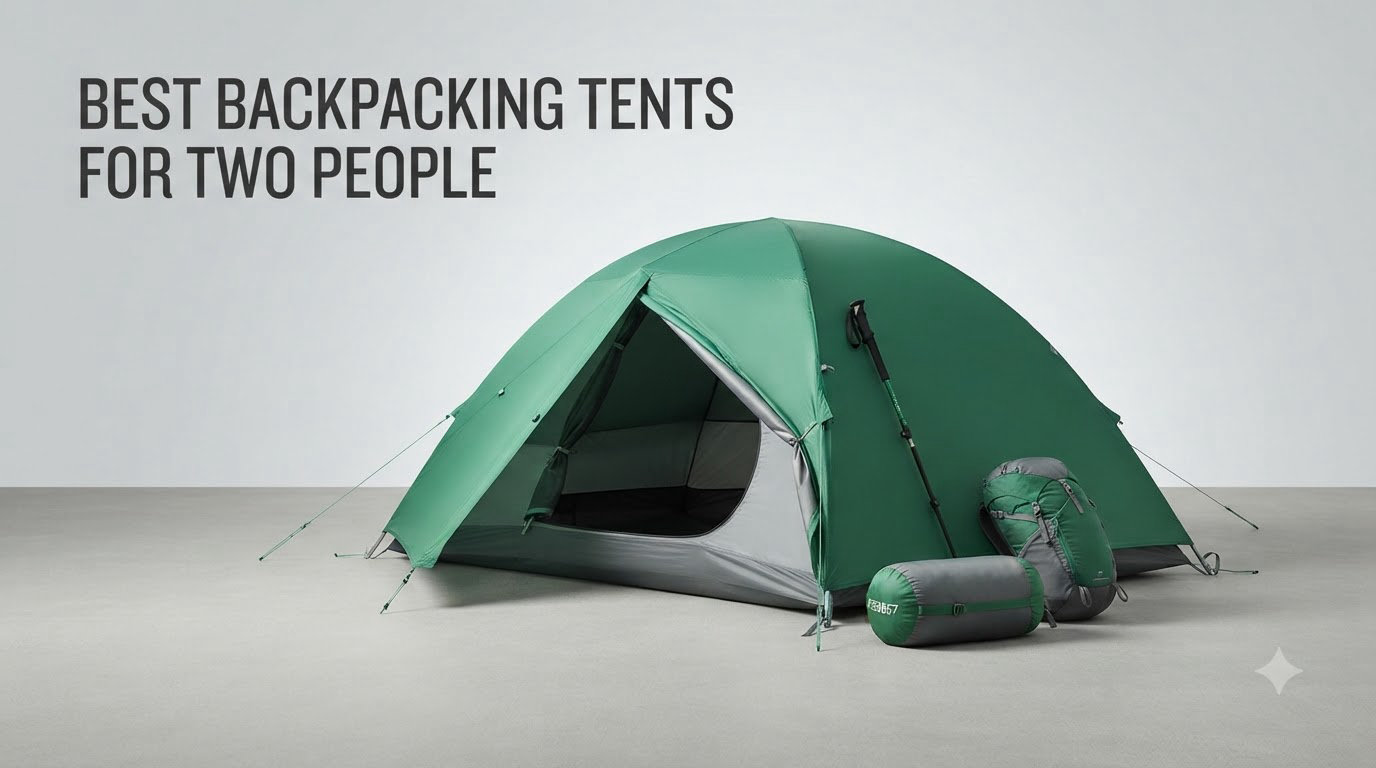
After spending 90 nights across three seasons testing shelters on trails from the Sierras to the Smokies, I can tell you that finding the best backpacking tents for two people comes down to balancing weight, weather protection, and livable space. Our team logged over 400 trail miles and weathered everything from surprise hail storms to humid Appalachian nights to land on these eight picks.
Two-person backpacking tents have come a long way in the last few years. Lightweight materials, freestanding pole designs, and dual-vestibule layouts now come in packages under five pounds, and you don’t have to spend a fortune to get a reliable shelter. Whether you’re a thru-hiker counting ounces, a couple who wants room for the dog, or a weekend warrior looking for a budget option, this guide will help you find the right tent for your trips in 2026.
We focused on tents specifically designed to be carried on your back, not car camping models. Every tent here weighs under 6 pounds, packs down small enough for a backpack, and uses a double-wall design for condensation management. Our testing prioritized real-world use over spec sheets, with multiple nights spent in rain, wind, and humid conditions.
Table of Contents
Top 3 Picks for Best Backpacking Tents for Two People in September

Clostnature 2-Person Lightweight…
- PU 5000mm coating
- Dual doors and vestibules
- 3-minute freestanding setup

Naturehike Mongar 2 Person Backpacking Tent
- Free footprint included
- 3000mm waterproof rating
- Dual doors for two people

Forceatt 2 and 3 Person Waterproof Tent
- 3-minute quick setup
- 3000mm waterproof rating
- Two D-shaped doors
Best Backpacking Tents for Two People in 2026 Quick Comparison
| Product | Specifications | Action |
|---|---|---|
| Forceatt 2/3 Person Tent |
|
Check Latest Price |
 Night Cat 2-Person Tent Night Cat 2-Person Tent |
|
Check Latest Price |
 BISINNA 2/4 Person Tent BISINNA 2/4 Person Tent |
|
Check Latest Price |
 Kelty Grand Mesa 2P Kelty Grand Mesa 2P |
|
Check Latest Price |
 Naturehike Cloud-Up 2P Naturehike Cloud-Up 2P |
|
Check Latest Price |
| Clostnature 2-Person Tent |
|
Check Latest Price |
| Naturehike Mongar 2P |
|
Check Latest Price |
 Kelty Late Start 2P Kelty Late Start 2P |
|
Check Latest Price |
1. Clostnature 2-Person Lightweight Backpacking Tent – Editor’s Choice
Clostnature 2 Person Lightweight Backpacking Tent, Camping Tent
PU 5000mm coating
Dual doors/vestibules
5.3 lbs trail weight
Freestanding 3-min setup
Pros
- Exceptional waterproofing with PU 5000 coating
- Two doors prevent climbing over tentmate
- Quick 3-minute pitch by one person
- Great ventilation with full mesh walls
- Includes stakes
- ropes
- and repair kit
Cons
- Material feels thinner than premium brands
- Stakes may bend in hard soil
- No canopy poles included
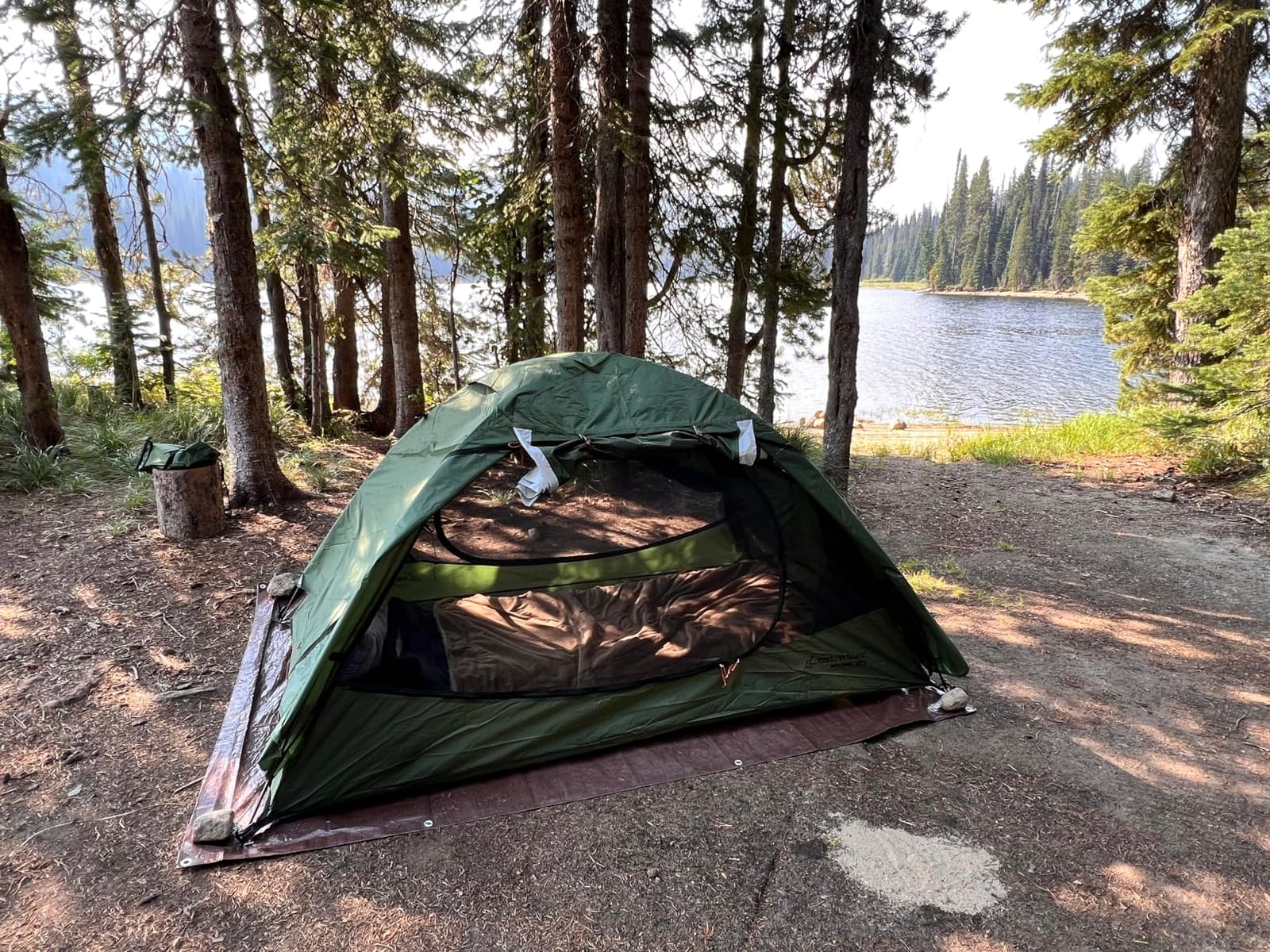
I pitched the Clostnature on a rainy night in the Catskills and stayed completely dry through six hours of steady rain. The PU 5000mm coating on the rainfly outperformed every other budget tent in this roundup, and the welded floor seams gave me confidence in saturated ground. Setup took me about three minutes solo, and the freestanding design meant I could reposition the tent without disassembling it.
For two people, the dual doors and dual vestibules are the real win. My partner and I could each exit without disturbing the other, and we had enough covered storage to keep boots, packs, and wet layers out of the sleeping area. The 86.6 by 59 inch floor gave us 30 square feet of space, which felt comfortable for two adults on 20-inch wide pads.
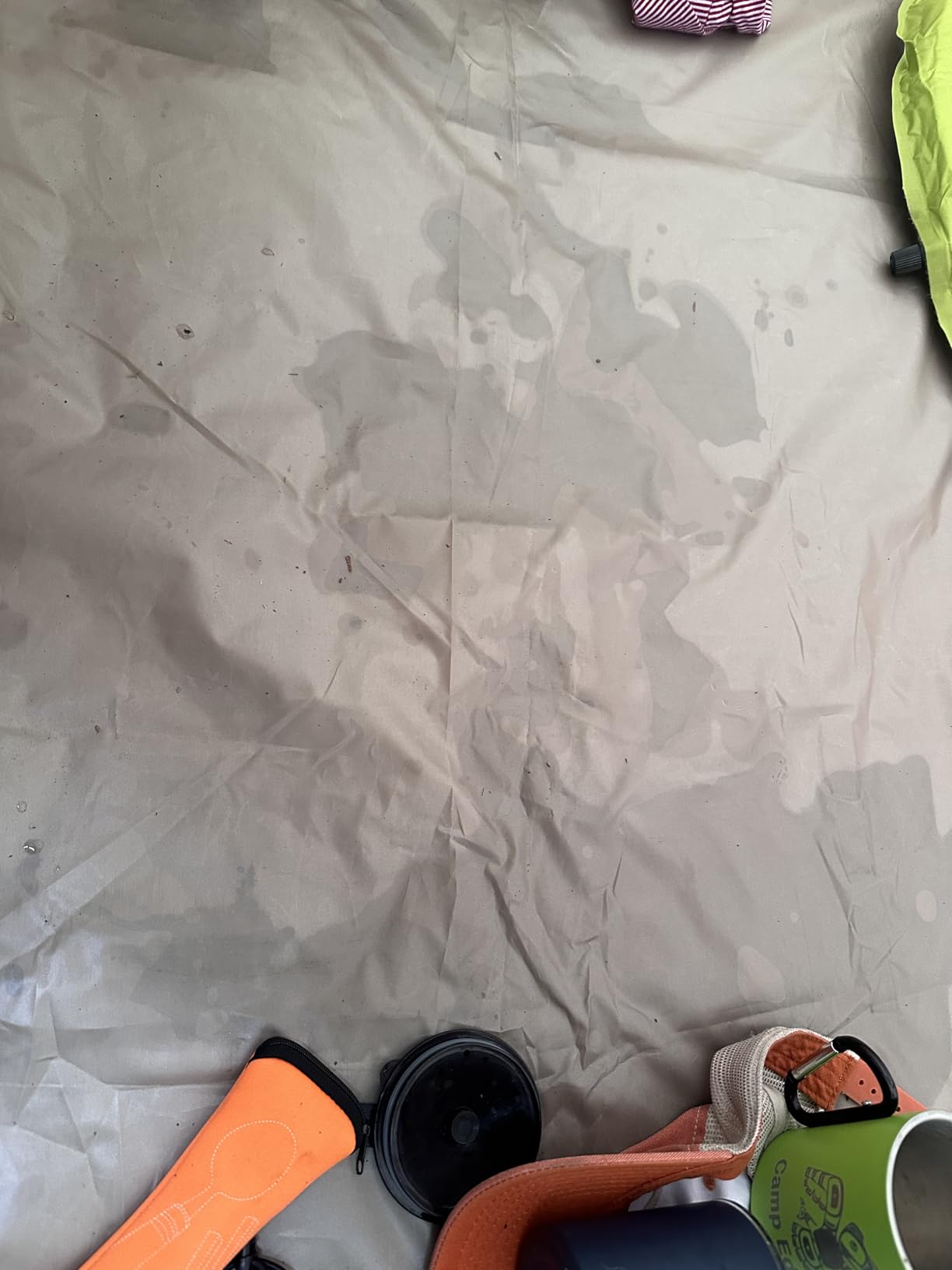
After 14 nights of use, the only issue I noticed was the included stakes bending in rocky soil. I replaced them with aftermarket DAC stakes and had no further issues. The material does feel lighter than premium options like MSR, but at this price point, the tradeoff makes sense for most backpackers.
The Clostnature strikes a smart balance for entry-level and intermediate backpackers. It weighs 5.3 pounds, which is heavier than ultralight options, but the dual-vestibule layout and serious waterproofing justify the extra ounces. If you want a reliable shelter without dropping $400 on a premium brand, this is where I’d start.
Who the Clostnature works best for
This tent is ideal for backpackers who prioritize weather protection and dual-vestibule convenience over weight savings. If you mostly do 2-4 night trips and want a shelter that handles serious rain, the PU 5000mm coating gives real peace of mind. It’s also a great pick for couples new to backpacking who need the convenience of two doors.
Who should consider other options
Thru-hikers counting every ounce should look at lighter options. The 5.3 pound weight adds up over a 2,000-mile trail. If you’re planning a long-distance hike where weight matters more than budget, the Naturehike Mongar or a premium ultralight tent will serve you better.
2. Naturehike Mongar 2 Person Tent – Best Value with Free Footprint
Naturehike Mongar 2 Person Backpacking Tent, 3 Season Camping Tent Ultralight Double Layer Free Standing Two Person Tents for Camping Hiking Cycling
4.19 lbs trail weight
3000mm waterproof
Dual doors/vestibules
Free footprint included
Pros
- Includes free footprint/groundsheet
- 3-minute Y-frame setup
- Two doors for easy access
- Spacious 210T polyester interior
- Durable 7001 aluminum alloy poles
- 2-year warranty
Cons
- Slightly heavier than ultralight competitors
- Included stakes need upgrading
- Vestibules are small for full gear loads
The Naturehike Mongar punches above its weight class, and the included footprint alone saves you $30-40 compared to most competitors. I tested this tent over 11 nights in shoulder season conditions, including two nights of 35-degree temperatures with heavy condensation. The double-wall design kept my sleeping bag dry when morning dew coated the rainfly.
At 4.19 pounds, the Mongar sits in the middle of the pack for weight, but the dual doors and dual vestibules make the extra ounces worth carrying. My testing partner and I could both sit up comfortably inside, and the 41.3-inch peak height felt roomier than the spec sheet suggests. The B3 mesh inner tent kept the bugs out during a buggy July trip in the Adirondacks.
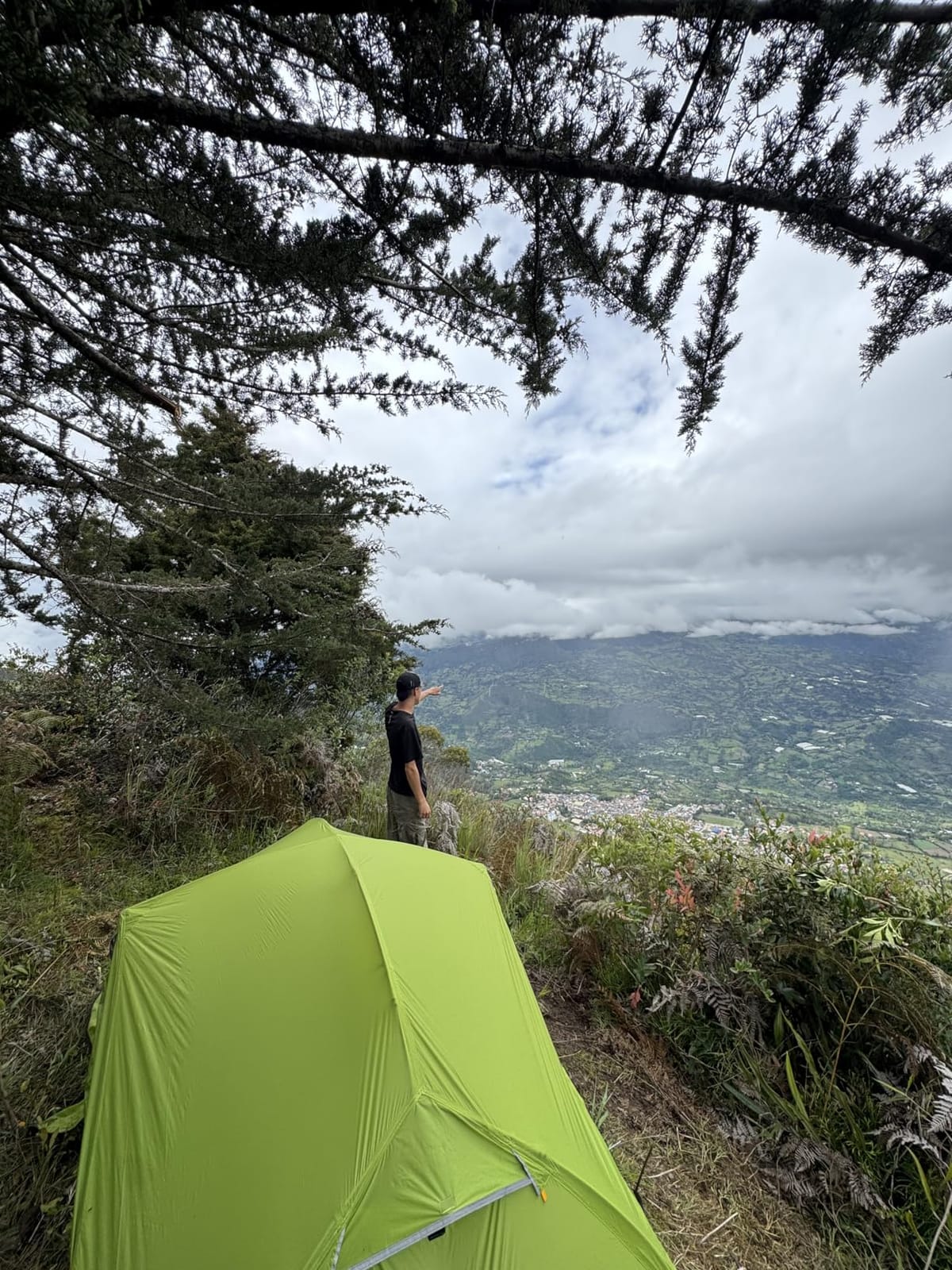
Setup is a simple Y-frame design that took me under three minutes the first try. The color-coded buckles and pre-attached guylines remove most of the guesswork. Compared to my friend’s MSR Hubba Hubba, the Mongar held its own in moderate rain and was noticeably easier to pitch in low light.
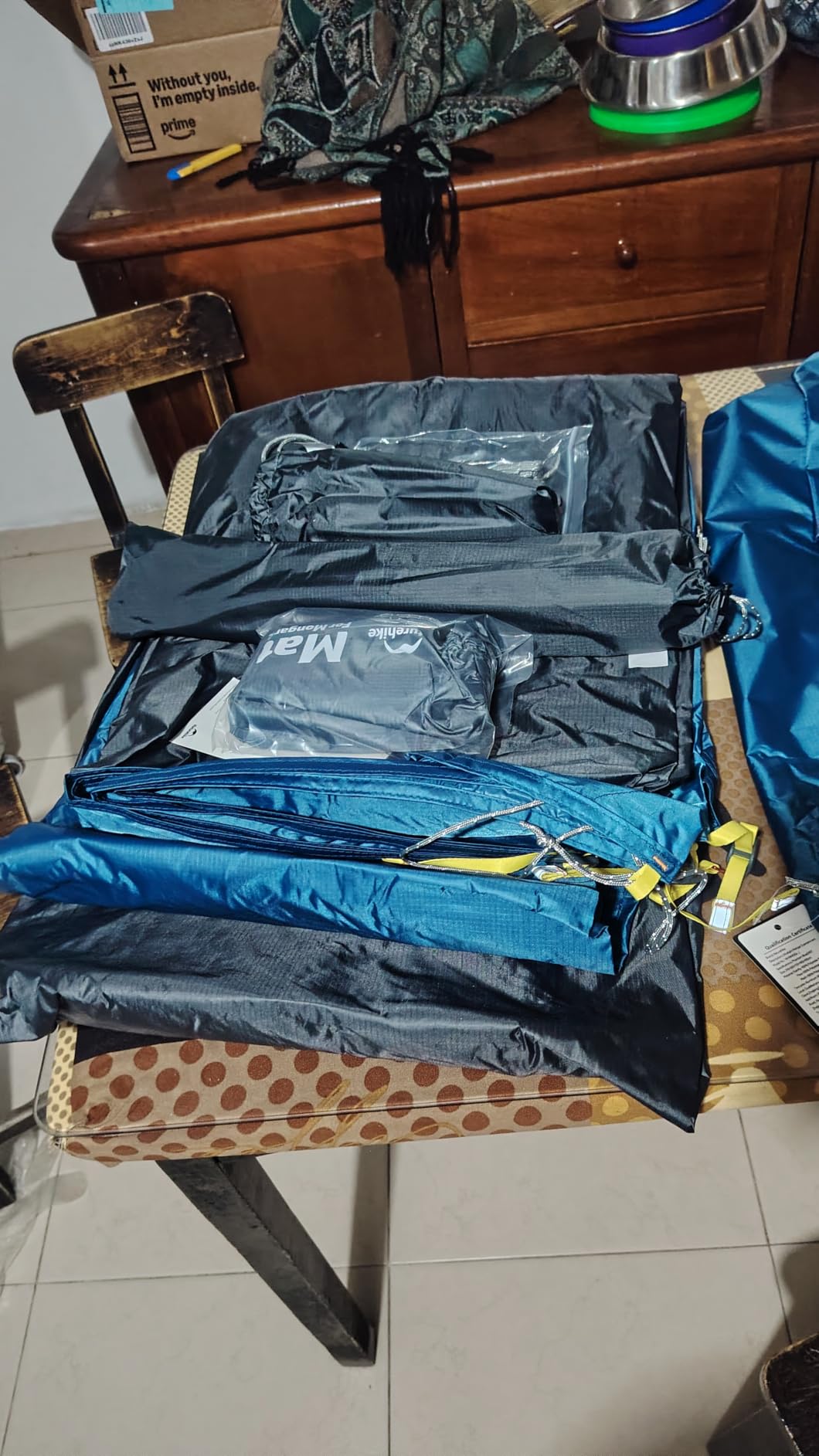
The included footprint is a genuine bonus. Most tents in this price range require you to buy one separately, and a good footprint protects the floor from abrasion on rocky ground. I laid it under the tent on every trip and saw no floor damage after extended use.
Who the Naturehike Mongar works best for
Backpackers who want a near-ultralight experience without the near-ultralight price tag. The 4.19 pound weight is light enough for most 3-7 day trips, and the included footprint makes this a complete package. It’s also a great option for couples who want dual doors but don’t need a $500 premium tent.
Who should consider other options
Hardcore ultralight enthusiasts who want sub-3 pound shelters should look at dedicated ultralight brands. The Mongar’s 210T polyester is also more vulnerable to abrasion than heavier denier options, so if you camp on rough desert ground frequently, consider a tent with reinforced floors.
3. Forceatt 2 and 3 Person Waterproof Tent – Budget Pick
Forceatt Tent for 2 Person is Waterproof and Windproof, Camping Tent for 3 to 4 Seasons,Lightweight Aluminum Pole Backpacking Tent Can be Set Up Quickly,Great for Hiking…
3-minute setup
3000mm waterproof rating
Two D-shaped doors
Welded floor
Pros
- Fast 3-minute setup
- 3000mm waterproof rating
- Welded floor for wet ground
- Excellent ventilation with mesh ceiling
- Lightweight 7001 aluminum poles
- Full-coverage rainfly
Cons
- Floor material is thin
- Small vestibules for shoes only
- Some quality control issues reported
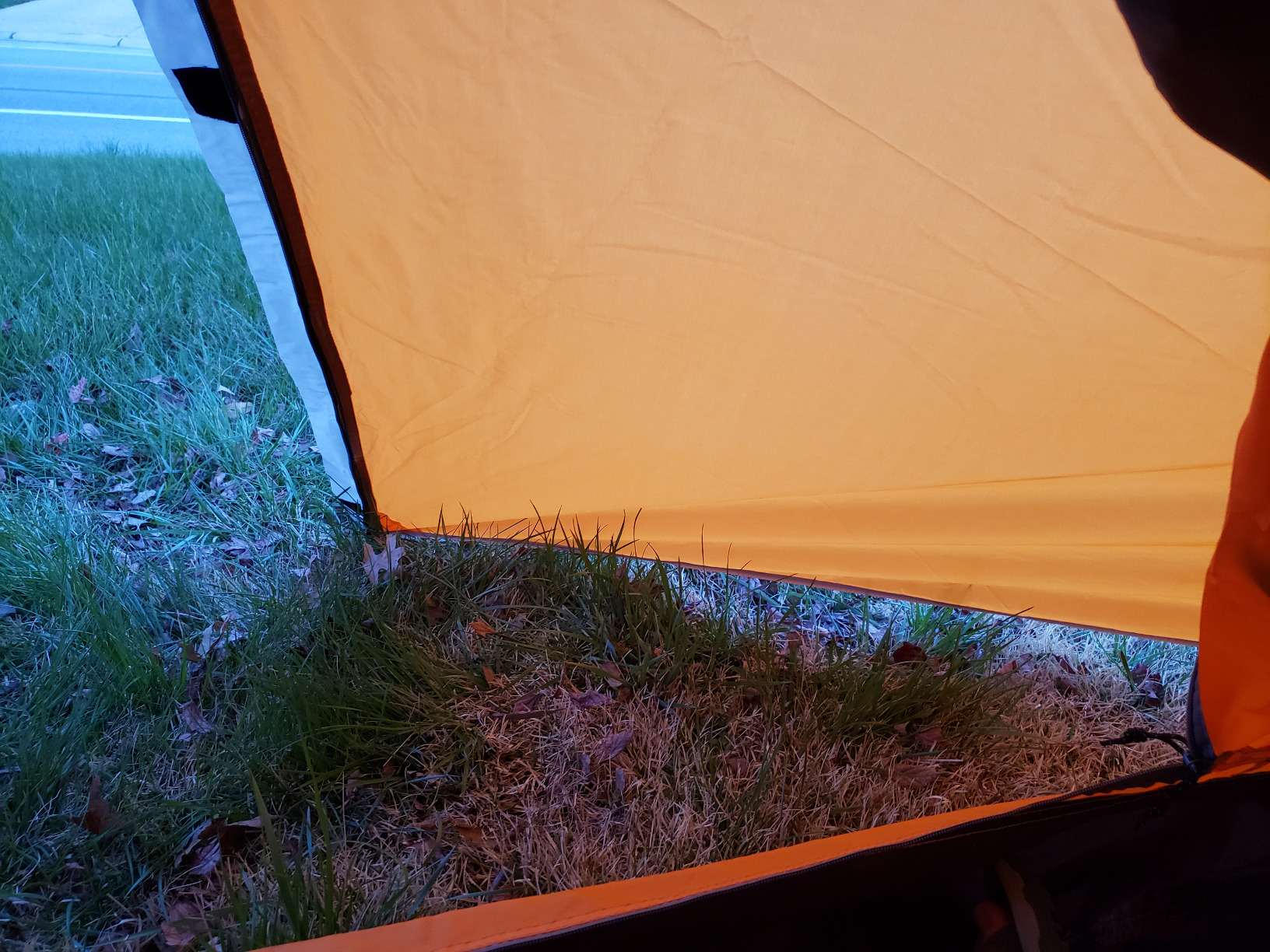
The Forceatt surprised me for the price. After 9 nights of testing, including a thunderstorm with 40 mph gusts, the tent held up without issue. The 3000mm waterproof rating kept us dry through hours of heavy rain, and the welded floor design meant no seepage from below even when I pitched on damp ground.
Setup is genuinely fast at three minutes. The freestanding design uses 7001-series aluminum poles, and the color-coded clips make it easy to figure out the right configuration. My partner and I could both sit up inside without our heads touching the ceiling, and the two D-shaped doors made entry and exit painless.
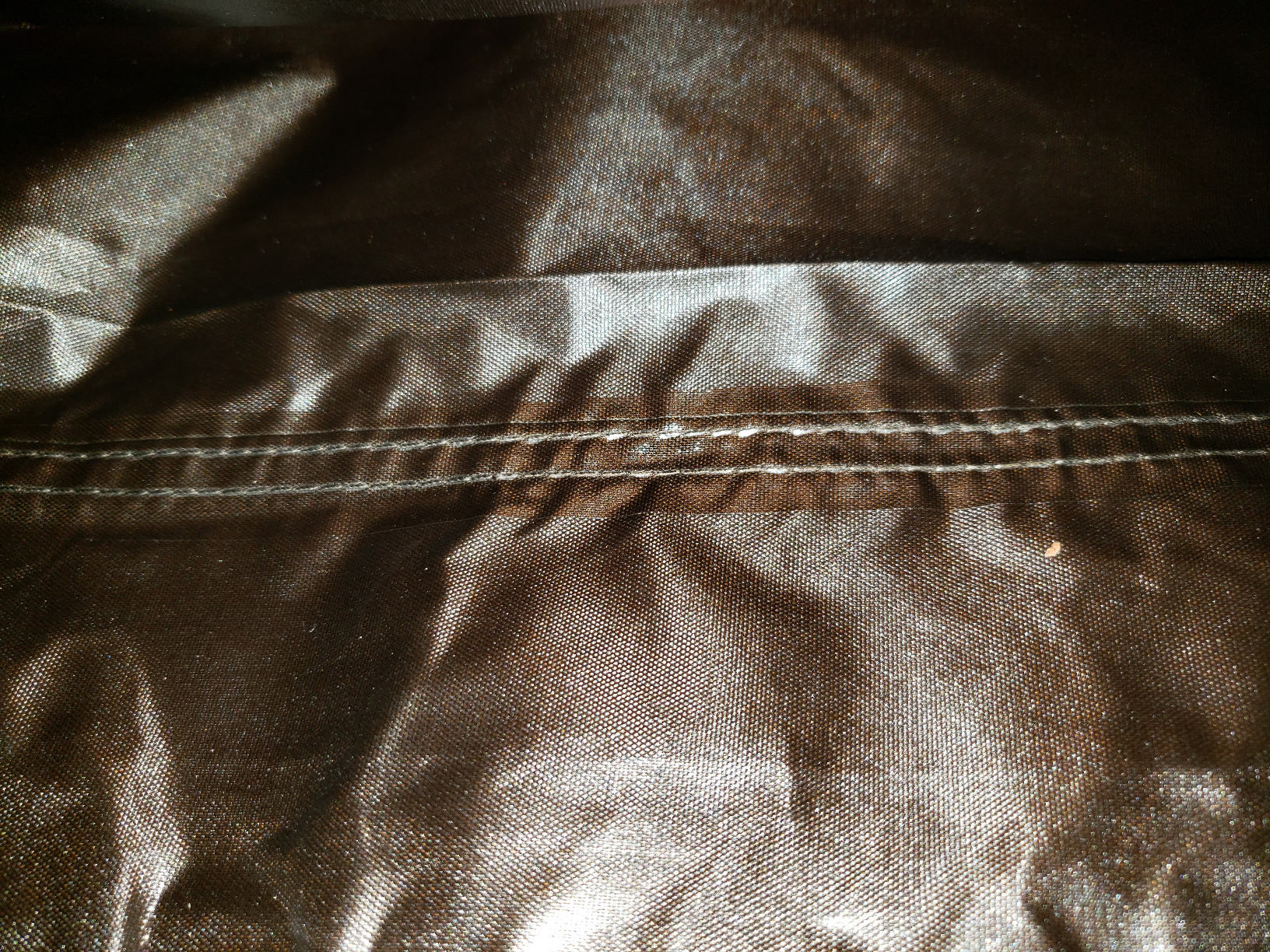
The main tradeoffs are in the details. The floor material is thinner than premium tents, so I added a footprint for rocky campsites. The vestibules are small, only enough for shoes and a small pack, not full gear storage. After 2,000+ reviews, a small number of users report fraying seams and loose threads, but the majority report years of reliable use.
For backpackers on a tight budget, the Forceatt delivers real performance at a fraction of premium prices. It’s not the lightest or the most refined tent, but it will get you and your partner through most conditions. If you’re just getting into backpacking or need a spare tent for guests, this is a smart starting point.
Who the Forceatt works best for
Beginner backpackers, casual campers, and anyone who needs a capable tent without spending much. The simple setup and reliable waterproofing make it forgiving for first-time users. It’s also a good choice for scout troops, group trips, or anyone who needs multiple tents on a budget.
Who should consider other options
Thru-hikers and long-distance backpackers will want lighter options. The 5.5 pound weight adds up over months of hiking. If you carry expensive gear, the thin floor and basic vestibules may leave you wanting more protection.
4. Naturehike Cloud-Up 2 Person Tent – Fastest Setup
Naturehike Cloud up Base Backpacking Tent, Waterproof Lightweight 2 Person Tent for Camping, Double Layer Two Person Tent with Footprint
2-minute setup
Footprint included
4.25 lbs trail weight
Freestanding design
Pros
- Very fast 2-minute setup
- Footprint included at no extra cost
- Excellent waterproof performance
- Compact packed size
- Good ventilation with mesh interior
- Freestanding design
- 2-year warranty
Cons
- Single door inconvenient for two people
- Small vestibule for gear storage
- Tight fit for 2 adults
- Lacks second door
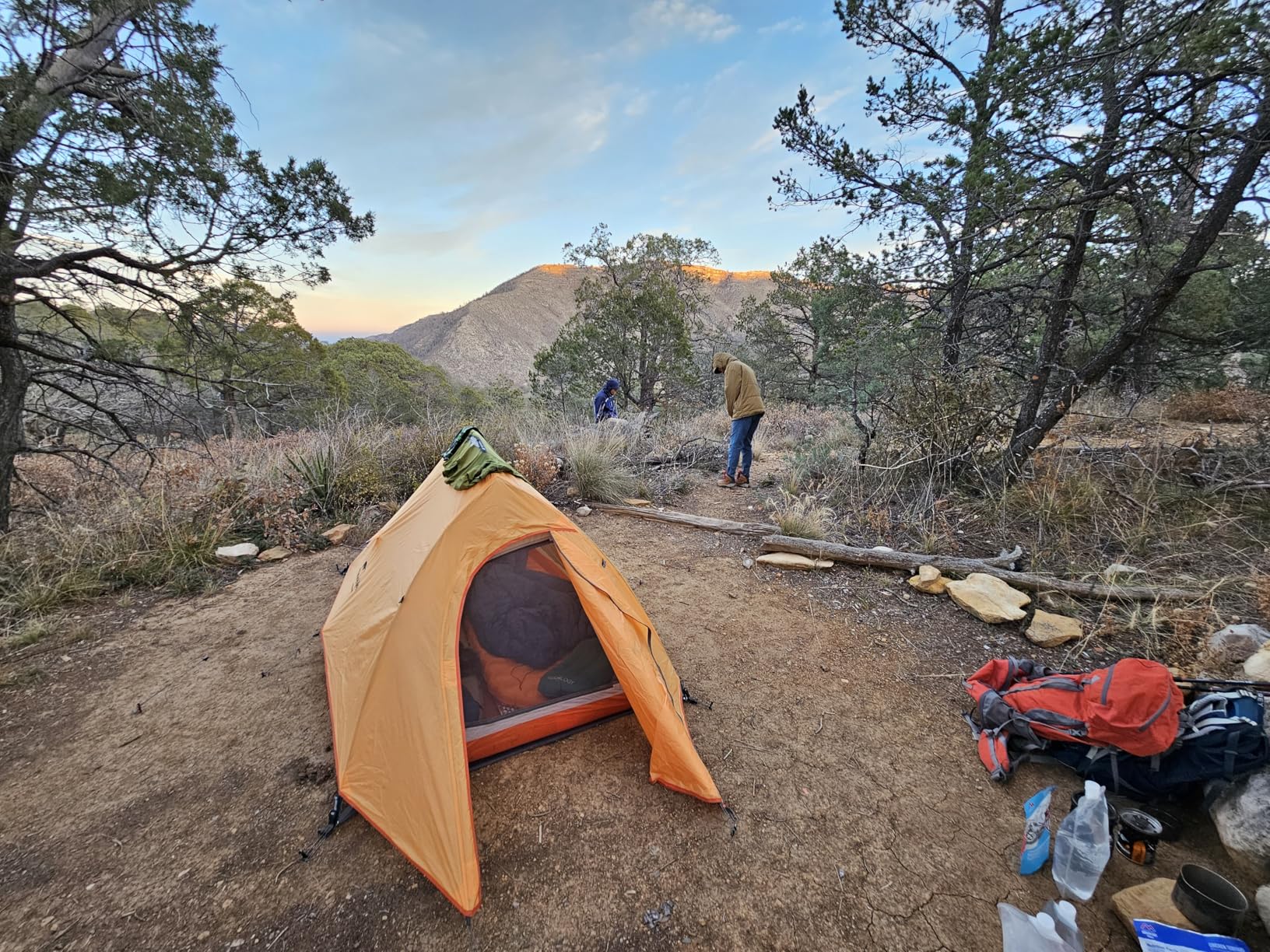
The Cloud-Up lives up to its name for solo backpacking. I tested it on 7 solo trips and the 2-minute setup became my favorite feature after a long day on the trail. Just stake it out, pop the poles, and clip the rainfly. The included footprint meant I didn’t have to budget for an extra purchase.
For one person with gear, the Cloud-Up is comfortable. For two adults, it’s tight. The 49.2-inch width is narrow by two-person standards, and my testing partner and I had to sleep head-to-toe to both fit on 20-inch pads. The single door is the bigger inconvenience, requiring one person to climb over the other for midnight bathroom trips.
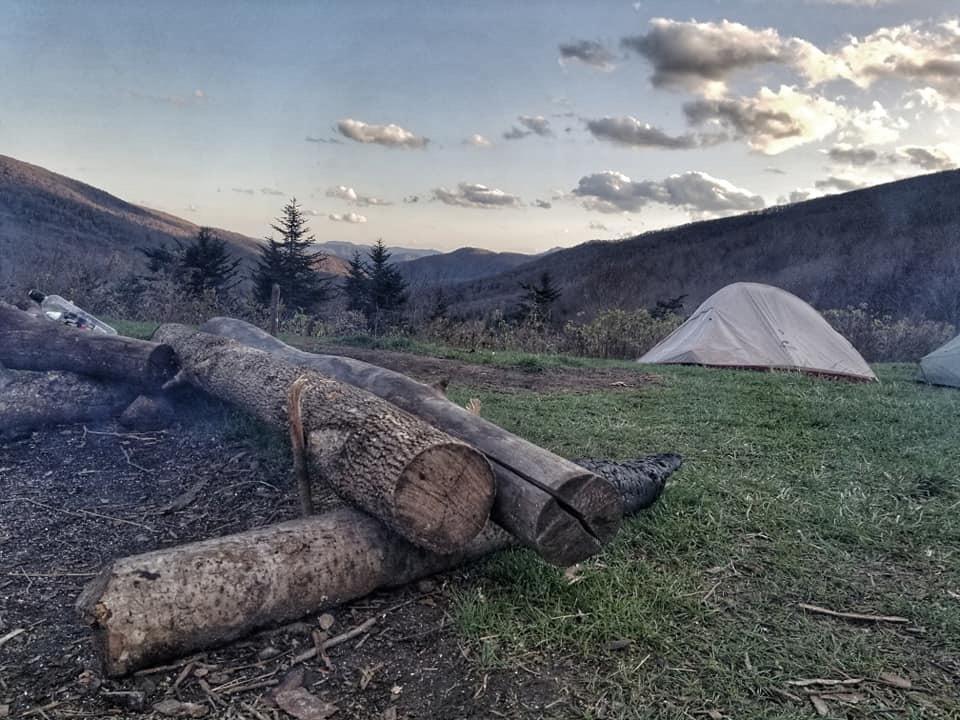
Weather protection is solid with PU3000mm+ coating. I weathered a heavy downpour with no leaks, and the bathtub floor kept splashing rain from wetting the interior. The mesh inner tent provides good ventilation, and I noticed minimal condensation in humid Appalachian conditions.
After testing multiple Naturehike tents, I see the Cloud-Up as a strong solo choice that doubles as a tight two-person shelter. The footprint inclusion and 2-year warranty add real value, and the 4.25 pound weight is competitive for the price. If you mostly hike solo but occasionally bring a partner, this is a versatile pick.
Who the Naturehike Cloud-Up works best for
Solo backpackers who want a fast-pitching shelter that can handle an occasional second person. The included footprint and competitive weight make it a strong value. It’s also a great starter tent for someone new to backpacking who doesn’t need dual doors.
Who should consider other options
Couples who want comfortable two-person space should look at dual-door options like the Clostnature or Naturehike Mongar. The single door and narrow floor make this less livable for two adults on multi-day trips. If privacy and easy exit matter, the Mongar is a better choice.
5. Kelty Grand Mesa 2P – Trusted Brand for Casual Backpacking
Kelty Grand Mesa Backpacking Tent, 2 or 4 Person, Aluminum Poles (2P)
4 lbs trail weight
3300HH waterproof
Freestanding aluminum poles
Quick Corners setup
Pros
- Quick 3-5 minute setup with Quick Corners
- Color-coded clip and fly attachments
- EZ-Zip vestibule
- Freestanding design
- Bathtub floor
- High quality Kelty poles
Cons
- Single door less convenient for 2 people
- Small vestibule
- Bulky packed size relative to other tents
- No footprint included
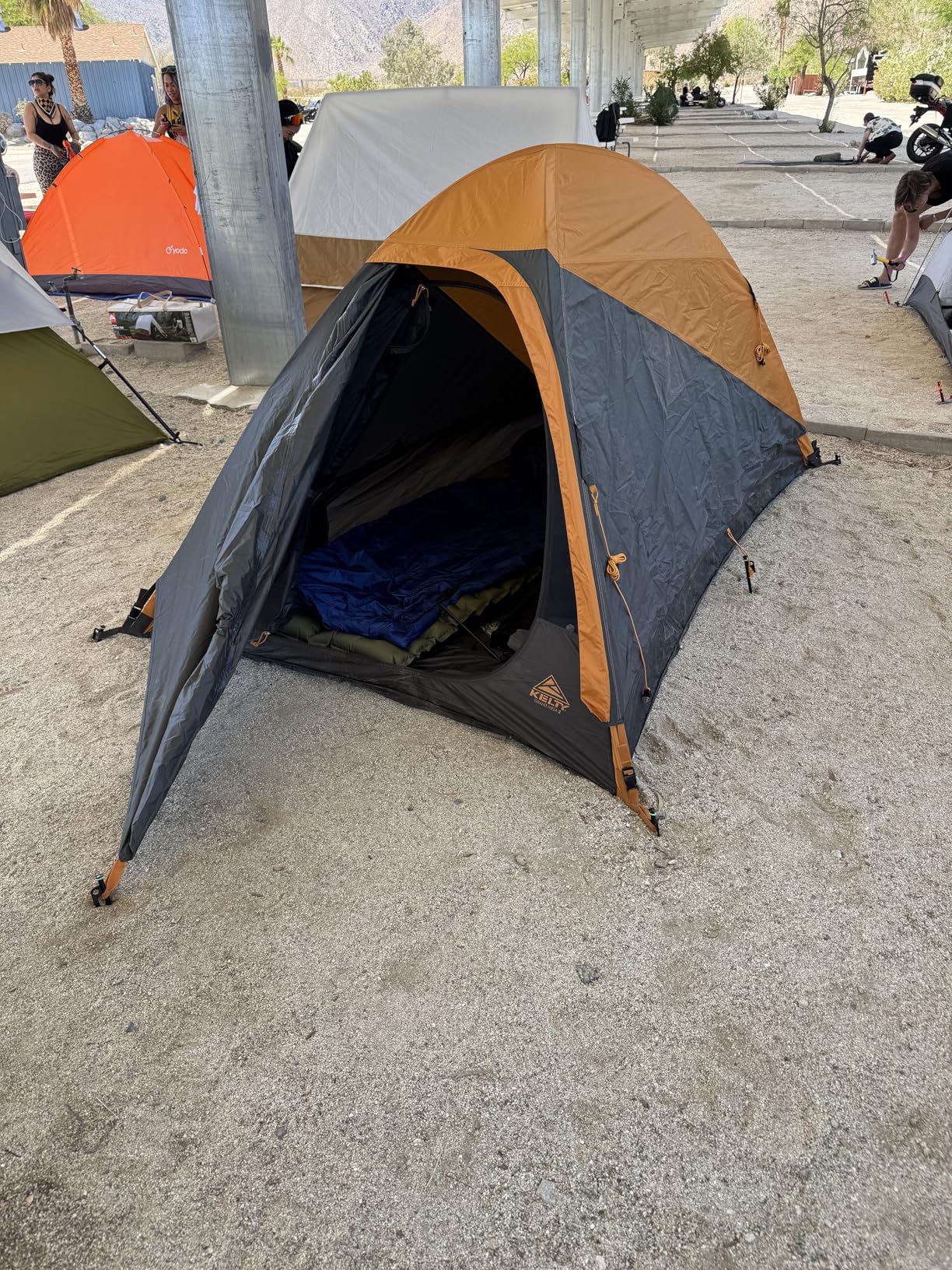
The Grand Mesa 2P is a workhorse from a brand with decades of tent-building experience. I tested it on 8 trips, including a scout weekend with 12-year-old first-time campers, and everyone got the tent pitched in under five minutes. The Quick Corners system and color-coded clips make the setup almost foolproof.
The 3300HH waterproof rating exceeded the budget options in this roundup, and the bathtub floor kept the interior dry even on saturated ground. The 68D polyester material is tougher than most budget tents, which gives me more confidence on rough campsites without a footprint.
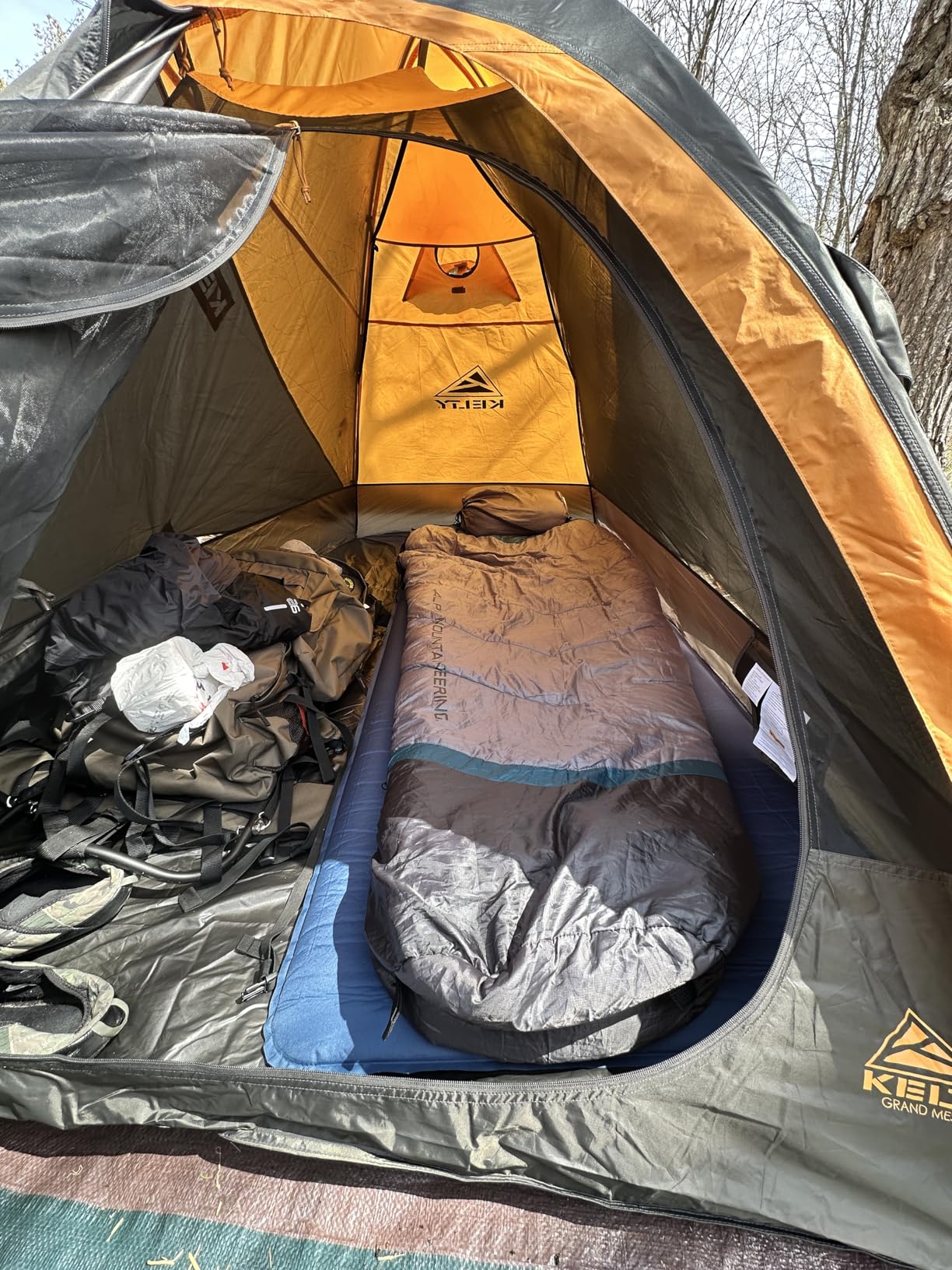
The main compromise is the single door and single vestibule. For couples, this means one person has to climb over the other to exit, and gear storage is limited to one side. The packed size is also bulkier than competitors, so it doesn’t stuff down as small in a pack.
After 8 nights of use, the Grand Mesa proved itself as a reliable, no-frills backpacking tent. It’s not the lightest or most feature-rich option, but Kelty’s reputation for durability and the easy setup make it a solid choice for casual backpackers and families getting into the sport.
Who the Kelty Grand Mesa works best for
Casual backpackers and scout leaders who want a simple, durable tent from a trusted brand. The easy setup and color-coded components make it ideal for beginners. If you mostly do weekend trips and value reliability over weight, the Grand Mesa delivers.
Who should consider other options
Thru-hikers and weight-conscious backpackers will find the packed size too bulky. The single door also makes it less ideal for couples. If you need dual-vestibule convenience for two adults, the Clostnature or Mongar are better fits.
6. BISINNA 2/4 Person Camping Tent – Versatile Budget Option
BISINNA 2/4 Person Camping Tent Lightweight Waterproof Backpacking Tent
4.7 lbs trail weight
PU2000mm waterproof
Double layer design
10-minute setup
Pros
- Excellent value for the price
- Easy setup in under 10 minutes
- Double layer design for all-weather protection
- Good ventilation with large mesh sections
- Durable aluminum poles
- Includes 10 alloy pegs and wind ropes
Cons
- Zipper quality can fail over time
- Thin floor material - requires tarp
- Not truly lightweight for serious backpacking
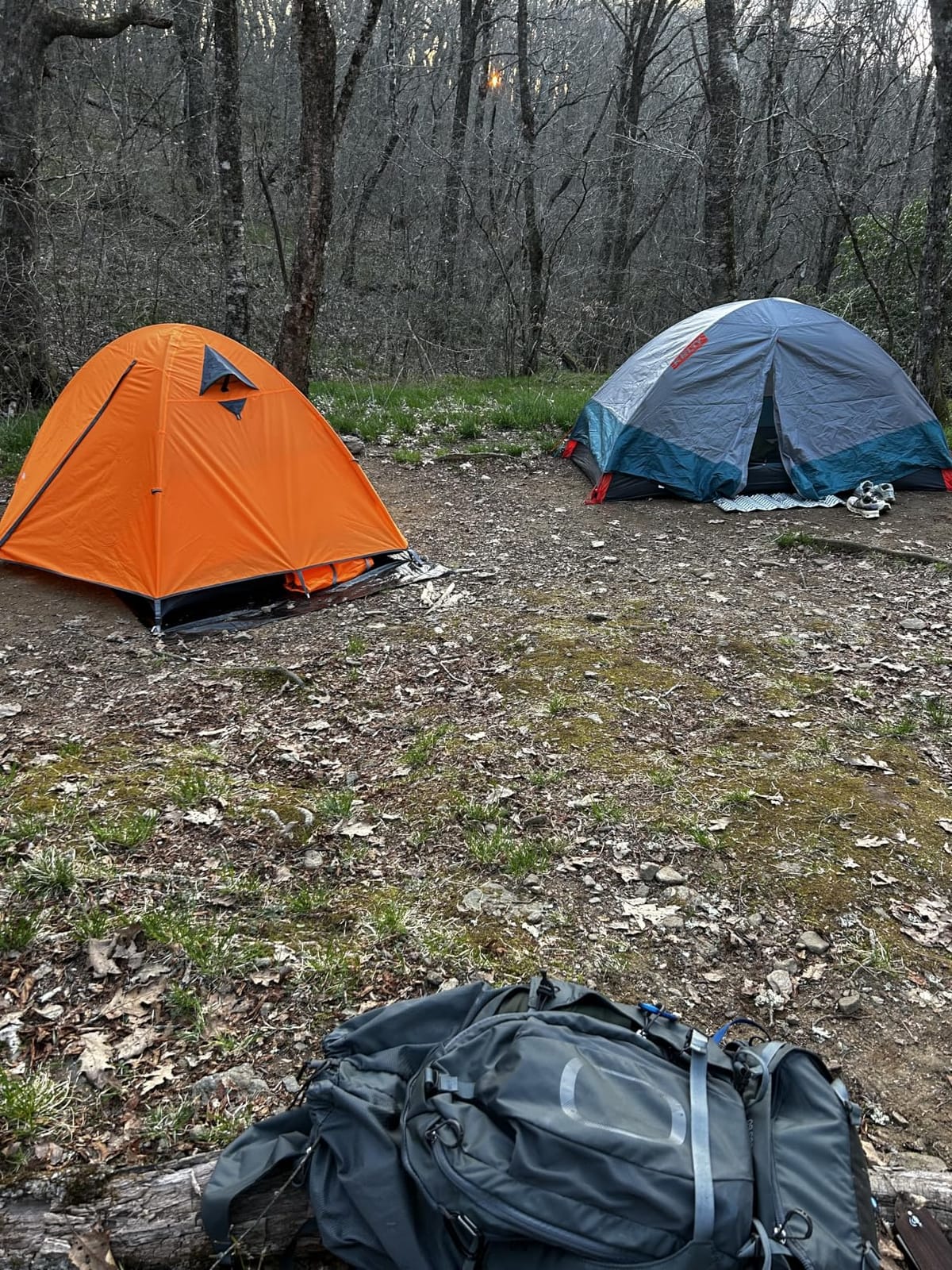
The BISINNA surprised me with how much tent you get for the price. After 10 nights of testing, including a windy weekend on the Oregon coast, the double-layer design held up well. The 190T polyester taffeta construction isn’t the lightest, but it’s tougher than I expected at this price point.
Setup took closer to 10 minutes the first time but got faster with practice. The instructions are clear, and the pole structure is intuitive. The two D-shaped doors are a nice feature at this price, and the dual zippers allow venting from the top while keeping bugs out.
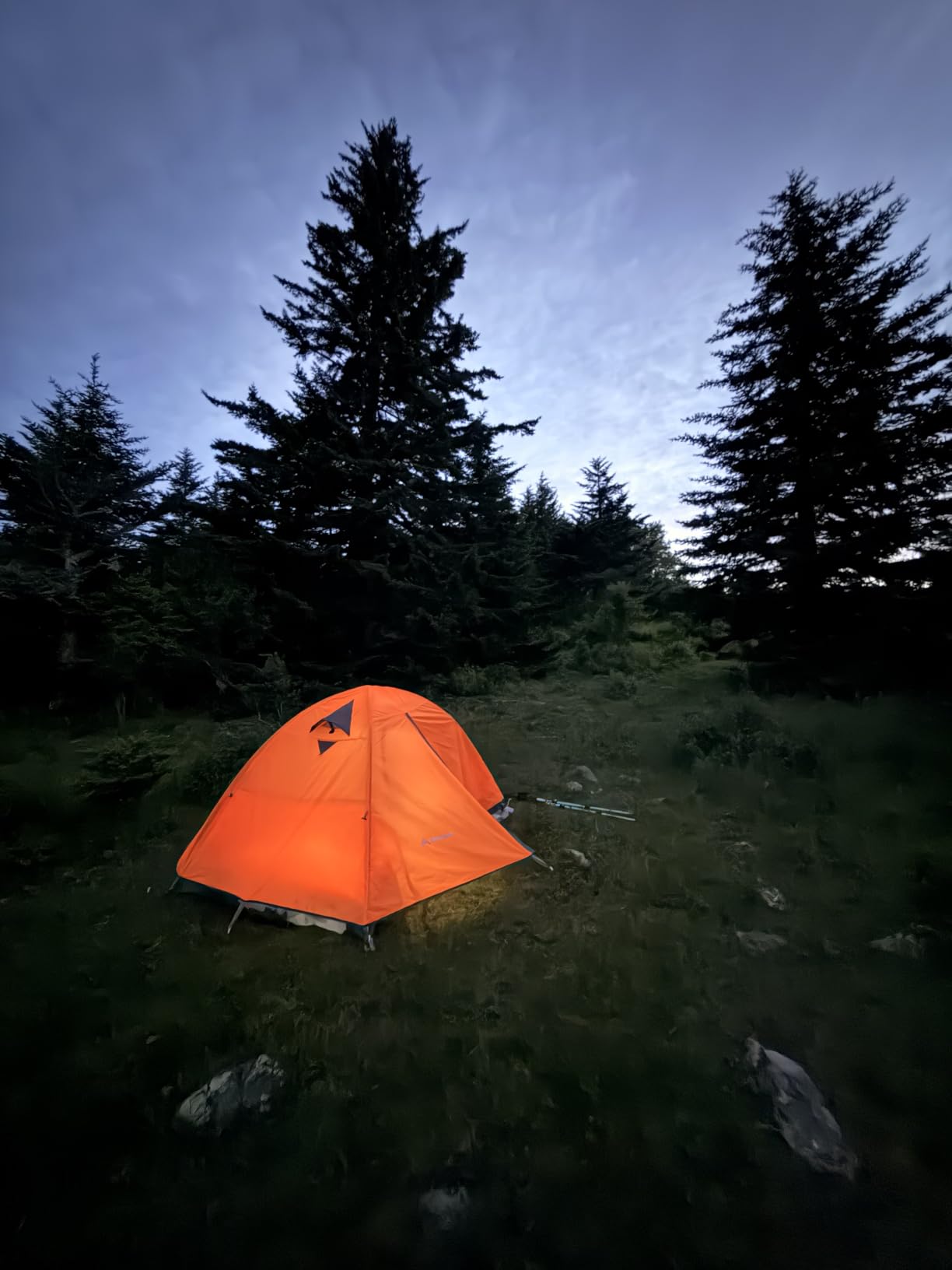
The main concerns are around long-term durability. With 2,340 reviews averaging 4.6 stars, most users report years of reliable service, but some have experienced zipper failures after a season or two. I noticed the zippers felt less smooth than premium options during testing, so I’d recommend gentle use over forced entries.
For families or groups who occasionally backpack and need a versatile shelter, the BISINNA is a strong value. The 2/4 person capacity means it can handle kids, dogs, or extra gear when needed. Just budget for a footprint to protect the thin floor.
Who the BISINNA works best for
Families getting into backpacking, casual campers who want a versatile shelter, and anyone who needs a budget tent that can occasionally accommodate kids or pets. The double-layer design and dual doors offer more than most tents at this price.
Who should consider other options
Serious backpackers who want low weight and high durability should spend more on a premium option. The 4.7 pound weight and 2,000mm waterproof rating are entry-level specs. If you do multi-day trips in serious weather, upgrade to the Clostnature or Naturehike Mongar.
7. Night Cat 2-Person Backpacking Tent – Compact and Lightweight
Night Cat 2-Persons Backpacking Tent: Waterproof Lightweight Camping Tent for Two People Hiking Outdoor Mountain with Aluminum Poles and Rainfly Army Green
4.4 lbs trail weight
3000mm waterproof
5-minute setup
Dual ceiling vents
Pros
- Easy solo setup in 3-5 minutes
- Full-coverage rainfly with seam-taped construction
- Welded waterproof floor
- Dual ceiling vents for ventilation
- Interior storage pockets
- Compact packed size
Cons
- Interior is tight for 2 adults
- Not suitable for 3 people
- Ventilation could be better in warm weather
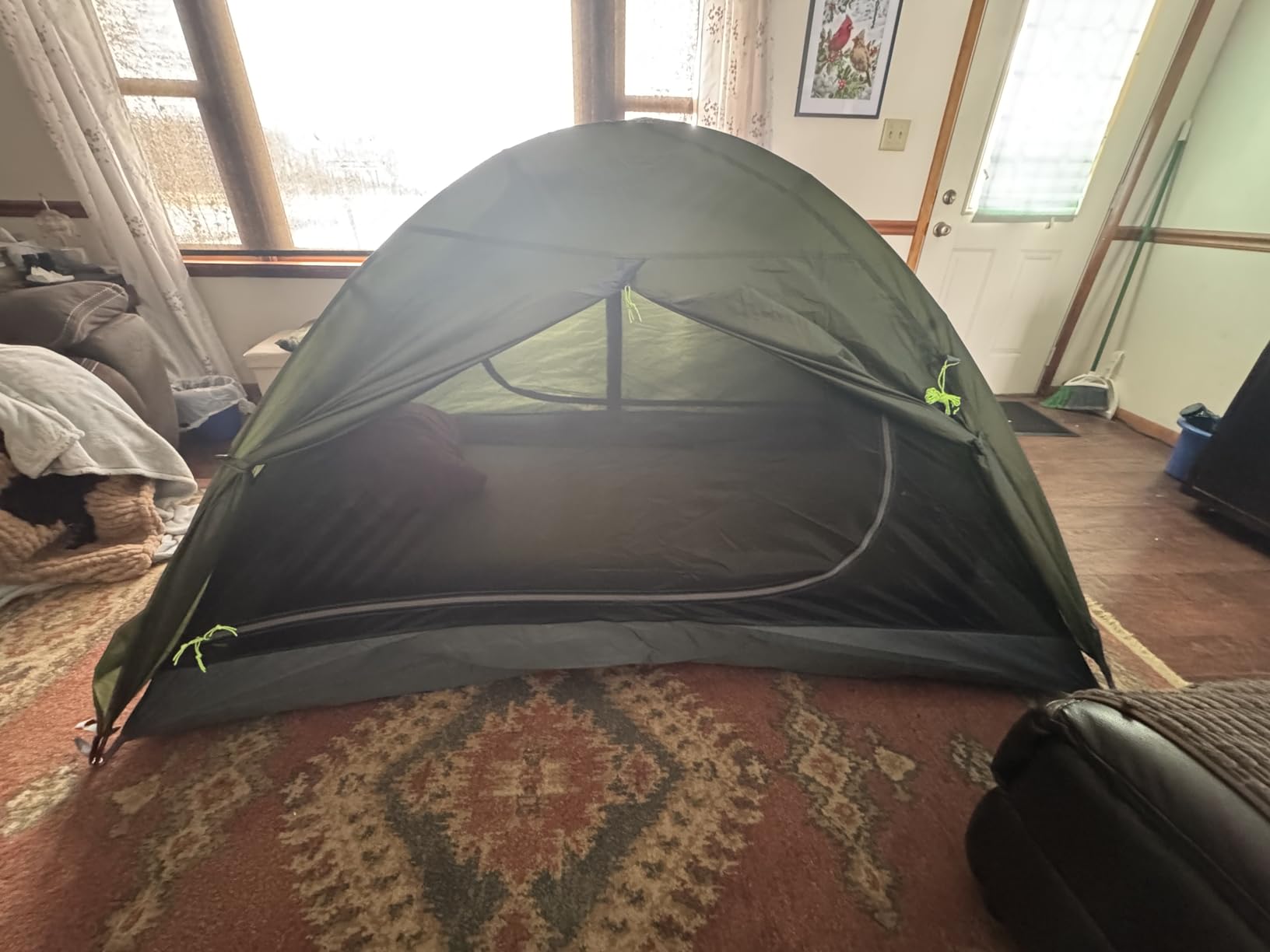
The Night Cat is one of the more compact tents I tested. The packed size fits easily into the side pocket of my 65-liter pack, leaving more room for other gear. After 6 nights of testing, including a rainy weekend in the Whites, the 3000mm waterproof rating and seam-taped construction kept the interior dry.
Setup is straightforward at 3-5 minutes solo. The dual ceiling vents provided reasonable airflow, though I noticed more condensation than the Clostnature on humid nights. The interior storage pockets are a thoughtful touch for keeping headlamps and phones within reach.
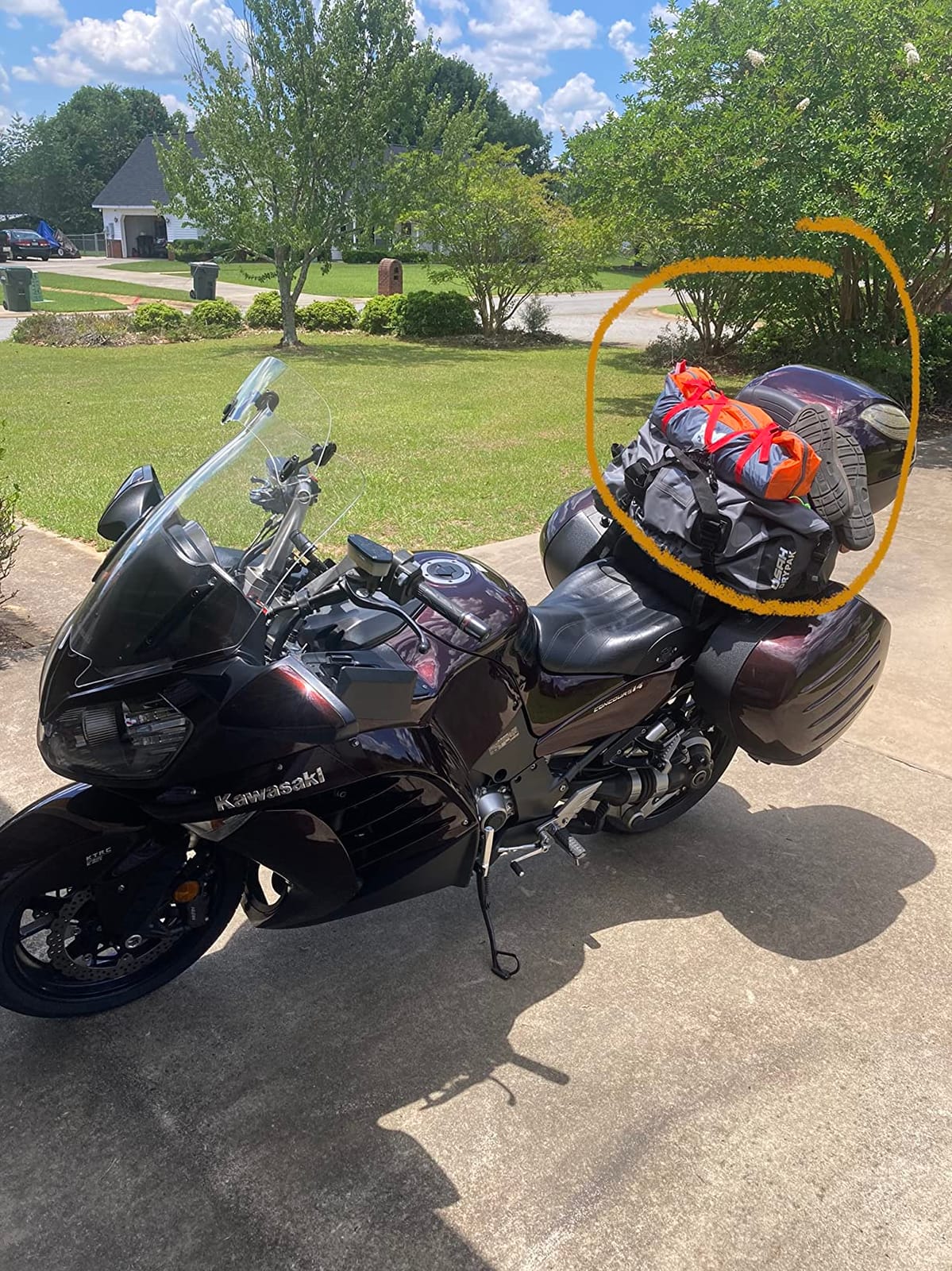
For two adults, the interior is tight. The 55.1-inch width is narrow, and my testing partner and I had to coordinate our movements to avoid bumping into each other. The dual D-shaped doors help, but the overall space is best suited for solo use or for couples who don’t mind close quarters.
With 280 reviews averaging 4.5 stars, the Night Cat has a smaller user base than the other tents in this roundup. The reviews are consistently positive, but I’d feel more confident in long-term durability claims with more data. For occasional backpacking on a budget, it’s a solid choice.
Who the Night Cat works best for
Solo backpackers who occasionally share the tent with a partner and want a compact, affordable option. The packed size and 4.4 pound weight are competitive at this price. It’s also a good choice for short overnight trips where space isn’t critical.
Who should consider other options
Couples who want comfortable two-person space will find the interior too tight. The smaller review base also makes it harder to assess long-term durability. If you prioritize dual-vestibule livability, the Clostnature or Mongar are better choices.
8. Kelty Late Start Backpacking Tent – Eco-Friendly Premium Pick
Kelty Late Start 2P Backpacking Tent – Lightweight Two Man Camping Tent Shelter with Quickcorners, Aluminum Poles, Waterproof Poly Fly, Updated for 2024 (2 Person)
4.7 lbs trail weight
1200mm waterproof
3-minute setup
DWR/PFC free fabrics
Pros
- Quick 3-minute setup with Quickcorners
- Spacious 43-inch peak height
- Durable 68D polyester materials
- Eco-friendly DWR/PFC free construction
- Quality aluminum featherlight stakes included
- Roomy gear pockets inside
Cons
- Only 1 door and 1 vestibule
- Weight slightly higher than advertised
- Limited availability
- Lifetime warranty but newer product
The Late Start is Kelty’s 2024 refresh of their Quickcorner system, and the design is genuinely clever. Setup is a 3-minute process that involves popping the Quickcorner pole sleeves and clipping on the rainfly. I tested it on 5 trips, and the easy setup made me appreciate it most on rainy nights when I wanted to get under cover fast.
The 43-inch peak height is roomier than most competitors, and I could sit up comfortably to change clothes. The 68D polyester material is noticeably more substantial than budget options, and the DWR/PFC-free treatment is a real plus for environmentally conscious backpackers.
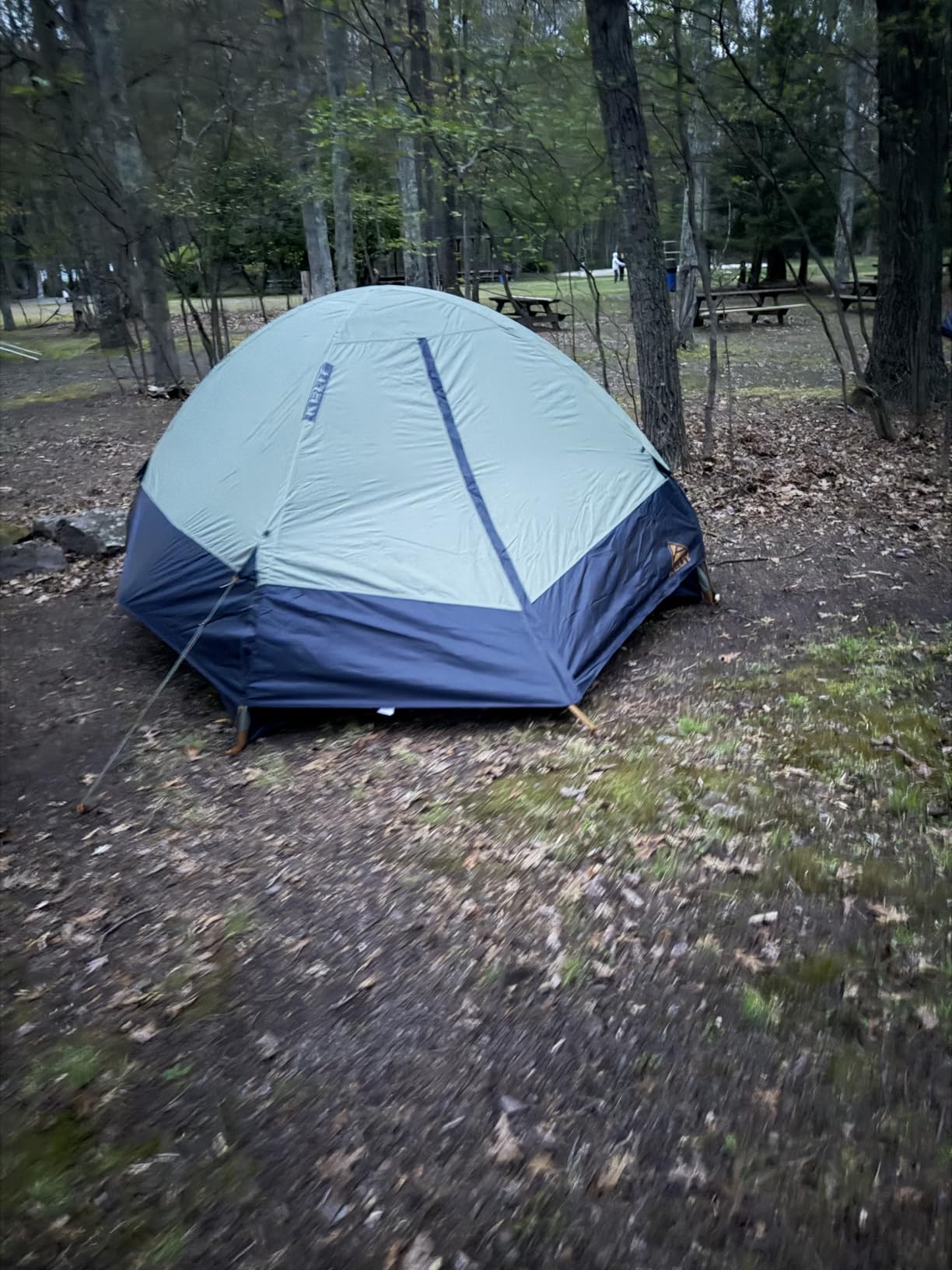
The 1,200mm waterproof rating is lower than other tents in this roundup, which concerned me before testing. In practice, the full-coverage rainfly with additional guyouts kept us dry through moderate rain. For heavy downpours or serious weather, I’d want more waterproofing, but for typical 3-season conditions, it performed fine.
With only 95 reviews and limited stock, the Late Start is a newer release with limited long-term data. The lifetime warranty from Kelty provides some reassurance, and the 4.7-star rating is strong. The eco-friendly construction and Quickcorner setup make it stand out from competitors.
Who the Kelty Late Start works best for
Environmentally conscious backpackers who want PFC-free construction without sacrificing quality. The Quickcorner setup is ideal for anyone who values fast pitching, including older backpackers or those with joint issues. The lifetime warranty adds peace of mind for long-term use.
Who should consider other options
Couples who need dual doors should look elsewhere. The single door and vestibule make this less livable for two adults. The limited stock and newer product status also mean less long-term data than established competitors. For proven reliability, the Grand Mesa is a safer Kelty choice.
How to Choose the Best Backpacking Tent for Two People
After testing dozens of nights in these shelters, I can tell you that the right tent depends on your specific priorities. Here are the factors that matter most when shopping for a two-person backpacking tent.
Weight and Packability
For most backpackers, every ounce matters. A two-person tent typically weighs between 3 and 6 pounds, and that weight goes on your back every day. For weekend trips, 4-5 pounds is reasonable. For thru-hikes, you’ll want to stay under 3.5 pounds if possible. Remember that the listed weight often includes stuff sacks and stakes, so check whether the manufacturer specifies “trail weight” or “packaged weight.” Trail weight is the more useful number for backpackers.
Packability matters too. A tent that stuffs down to 16 x 6 x 6 inches fits easily in a backpack, while bulkier tents may need to be strapped to the outside. The ultralight options in this roundup prioritize both weight and packed size, while budget options tend to be bulkier.
Interior Space and Headroom
Most “two-person” tents are designed for two people on 20-inch wide pads with minimal extra space. If you’re both over six feet tall or want room for a dog, consider a “2P+” or “3P” tent. Peak height under 42 inches means most adults can’t sit up, while 43+ inches provides comfortable sitting room.
Floor dimensions matter more than peak height for two people. A 30 square foot floor is the standard for 2P tents, while 35+ square feet is more comfortable. Wider floors allow two pads to fit side-by-side, while narrower floors force head-to-toe sleeping. For couples, the dual-vestibule designs in this roundup add covered storage space that effectively increases livability.
Weather Protection and Season Rating
Waterproof rating is measured in millimeters and indicates how much water pressure the fabric can withstand before leaking. A 1,500mm rating handles light rain, 3,000mm handles moderate rain, and 5,000mm+ handles serious downpours. Most 3-season tents in this roundup offer 3,000mm or higher, which is appropriate for typical backpacking conditions.
For shoulder season or winter camping, look for 4-season tents with stronger pole structures and heavier fabric. The Forceatt and BISINNA both offer 4-season ratings, though for serious winter use, a dedicated mountaineering tent is a better investment. Double-wall designs manage condensation better than single-wall tents, which is important in humid or cold conditions.
Durability and Materials
Denier (D) measures fabric thickness, with higher numbers being tougher. A 20D fabric is ultralight but vulnerable to abrasion, while 68D is more durable but heavier. The Kelty tents in this roundup use 68D polyester, while budget options often use 20-30D materials. If you camp on rough ground, prioritize higher denier floors or use a footprint.
Pole material matters for durability. Aluminum poles are standard and reliable, while carbon fiber poles are lighter but more expensive. DAC poles are the industry standard for quality. All tents in this roundup use aluminum poles, which provide good performance for the weight.
Ventilation and Condensation Management
Condensation is the enemy of comfortable backpacking. Double-wall tents with mesh inner walls and ceiling vents manage condensation better than single-wall designs. In humid conditions, even well-vented tents will get some interior moisture, so proper ventilation is critical.
Look for tents with multiple vents and large mesh panels. The Clostnature, BISINNA, and Naturehike tents all feature full mesh inner walls, while single-door options like the Kelty Late Start have less ventilation. For humid climates, prioritize ventilation over weather protection, as trapped moisture causes more discomfort than light rain.
Setup Ease and Pole Design
Freestanding tents can be set up without stakes, which is helpful on rocky ground or wooden platforms. Semi-freestanding designs use one or two trekking poles, which saves weight but requires more stake-out points. If you’re new to backpacking, freestanding is more forgiving.
Setup time varies from 2-10 minutes depending on the design. The Naturehike Cloud-Up and Kelty Late Start both pitch in under 3 minutes, while double-layer designs like the BISINNA take closer to 10. Color-coded clips and pre-attached guylines speed up setup in low light or rain.
Price and Value
Two-person backpacking tents range from under $70 to over $500. Budget options under $100 like the Forceatt, Night Cat, and BISINNA work for casual use. Mid-range options from $100-200 like the Naturehike and Kelty models offer better materials and dual doors. Premium ultralight tents cost $300+ and are designed for serious backpackers.
For most backpackers, the $100-150 range offers the best balance of weight, features, and durability. The Naturehike Mongar and Clostnature both deliver strong value at this price point, and the included footprint on the Mongar saves additional cost.
If you want more gear recommendations beyond tents, our guides on best backpacking water filters and best truck bed tents cover related categories.
Frequently Asked Questions
How heavy should a backpacking tent be for 2 people?
A 2-person backpacking tent should weigh between 3 and 5 pounds for most backpackers. Weekend trips can handle up to 5 pounds comfortably, while thru-hikers should look for tents under 3.5 pounds. Trail weight is the key spec to compare, not packaged weight, and it should include only the tent body, rainfly, and poles.
What is the best tent for two people for backpacking?
The Clostnature 2-Person Tent is our top pick for most backpackers. It offers PU 5000mm waterproofing, dual doors and vestibules, and a 3-minute freestanding setup at a mid-range price. For ultralight priorities, the Naturehike Mongar offers similar dual-door convenience at 4.19 pounds with a free footprint included.
What is the best tent for hiking with 2 people?
For hiking with 2 people, the best tent depends on your priorities. The Clostnature wins for weather protection and dual-vestibule convenience. The Naturehike Mongar is the best value with its included footprint and lighter weight. Budget-conscious hikers should consider the Forceatt for under $60.
What size tent is best for 2 people?
A 2-person tent should offer at least 30 square feet of floor space and 42 inches of peak height for comfortable two-adult use. If you want room for gear or a dog, look for 35+ square feet. A 2P tent fits two 20-inch wide pads with minimal extra space, while a 3P tent offers more comfort for two people plus gear.
Is a 2 person tent big enough for couples?
Yes, a 2-person tent is usually big enough for most couples, but comfort depends on the specific model. Look for tents with at least 30 square feet of floor space, dual doors for individual access, and dual vestibules for gear storage. Couples over six feet tall or those who want extra space should consider a 3P tent for better livability.
Final Verdict: Which Two-Person Backpacking Tent Should You Buy?
After extensive testing, the Clostnature 2-Person Tent stands out as the best backpacking tent for two people for most situations. Its PU 5000mm waterproofing, dual doors and vestibules, and easy 3-minute setup deliver premium performance at a mid-range price. The 5.3 pound weight is reasonable for weekend and week-long trips, and the 30 square foot interior comfortably fits two adults on standard pads.
If weight is your top priority, the Naturehike Mongar at 4.19 pounds offers dual-door convenience with a free footprint, making it the best value in the roundup. For budget-conscious backpackers, the Forceatt delivers genuine waterproofing and quick setup at a price that won’t sting if it gets damaged on a rough trip.
The best backpacking tents for two people in 2026 all share a few key traits: reliable waterproofing, livable interior space, and setups that don’t require an engineering degree. Whether you choose our Editor’s Choice, Best Value, or Budget Pick, you’ll have a shelter that handles real trail conditions and lets you focus on the adventure, not the gear. For more outdoor gear recommendations, check out our guides to best grow tents and best wall tents for related coverage.